
Inside the Tower of London: What to See & Is It Worth Visiting?
Find out what’s inside the Tower of London and whether it’s worth visiting. I spent a full day exploring the fortress, including the Crown Jewels and the White Tower, Traitors’ Gate, Tower Green, and the historic walls.
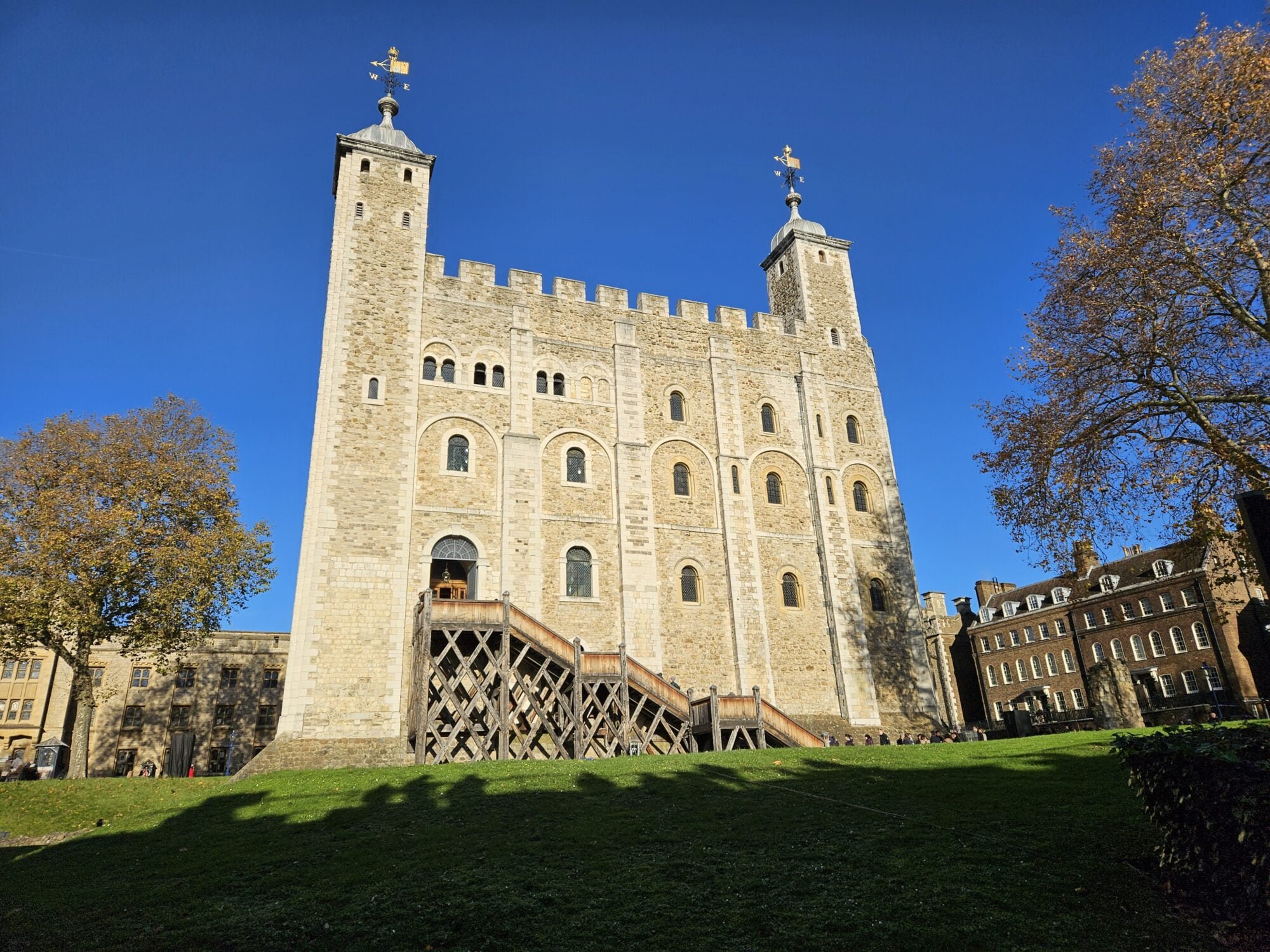
Walking around the outside is free, which makes it a good place to visit for budget travellers.
Disclosure! Keep in mind that some links in these posts are affiliate links. If you click one of them, I may earn a small commission (for which I’m extremely grateful) at no extra cost to you. Thanks for visiting!
What Is the Tower of London?
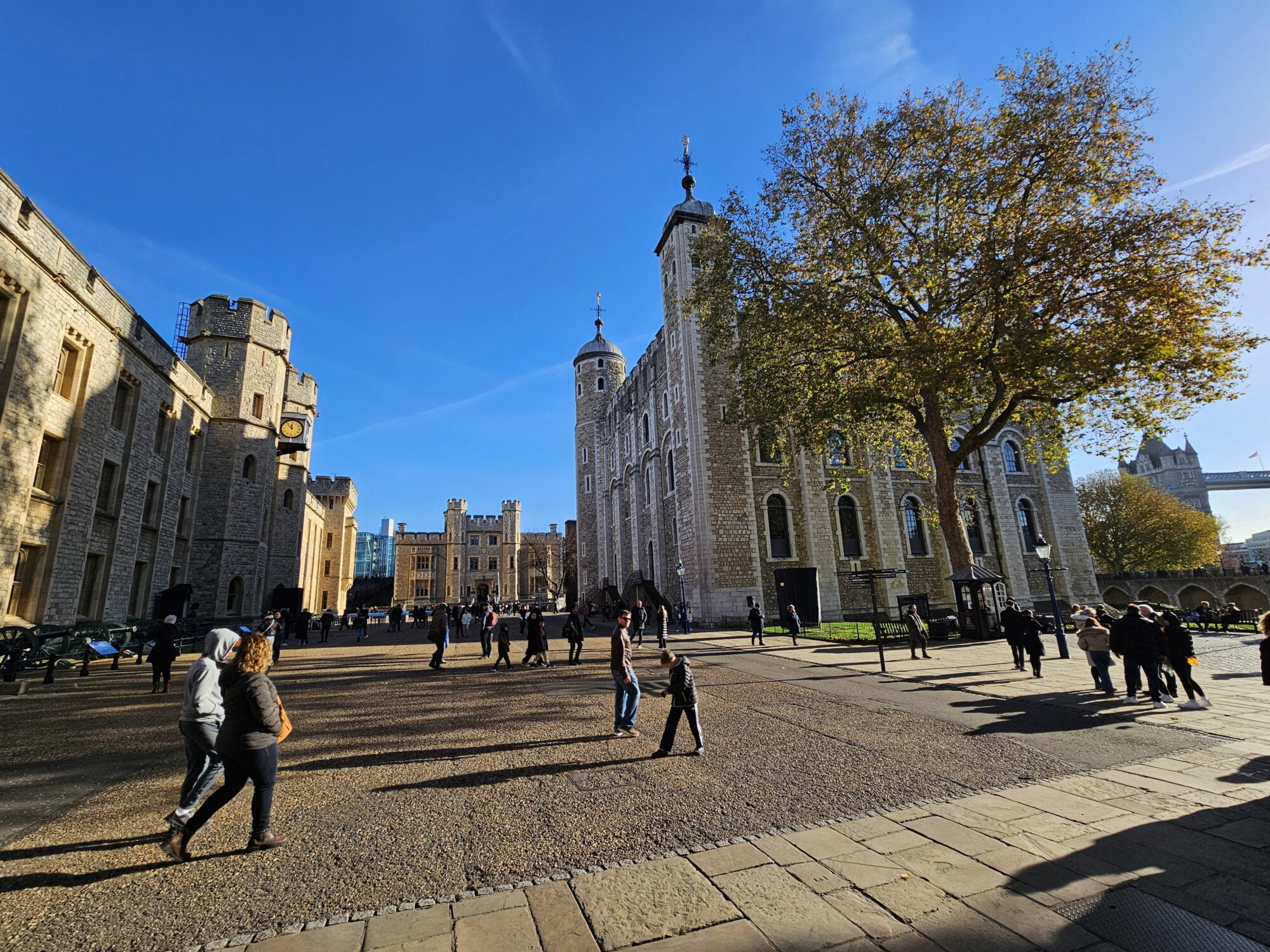
UNESCO has listed the Tower of London as a World Heritage Site, and it’s a very popular place to visit. William the Conqueror began building it in the 1070s after the Norman Conquest, using it as a fortress and symbol of royal power.
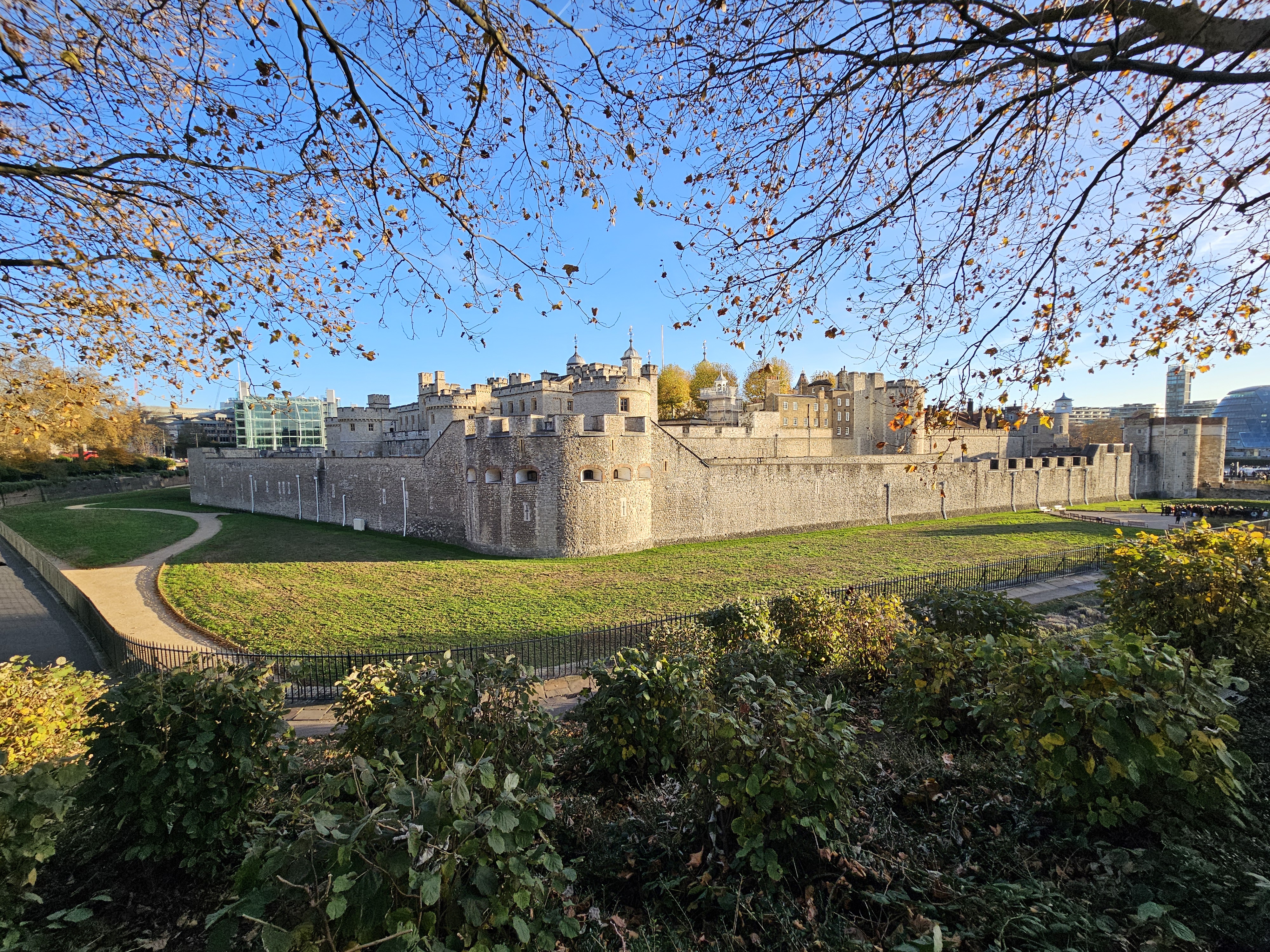
Much of the Tower’s medieval layout was shaped by major 13th-century expansions under Henry III and Edward I. It was used as a prison, and in its dark history, 22 people were executed there, including Anne Boleyn, wife of Henry VIII.
What to See Inside the Tower of London
The White Tower
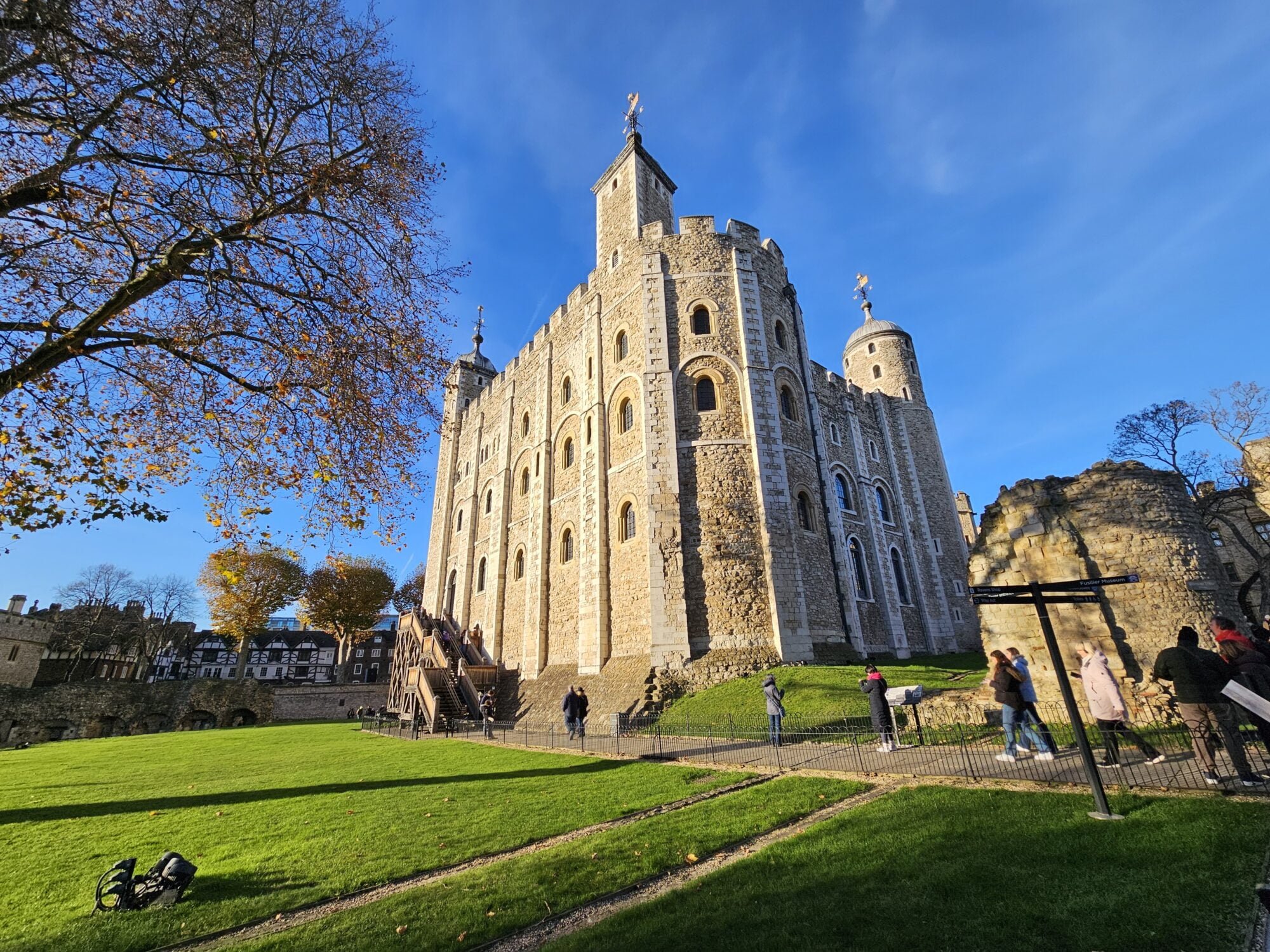
The White Tower is the centrepiece of the courtyard and is considered the most famous castle keep in the world. It is the home of the Royal Armouries Museum.
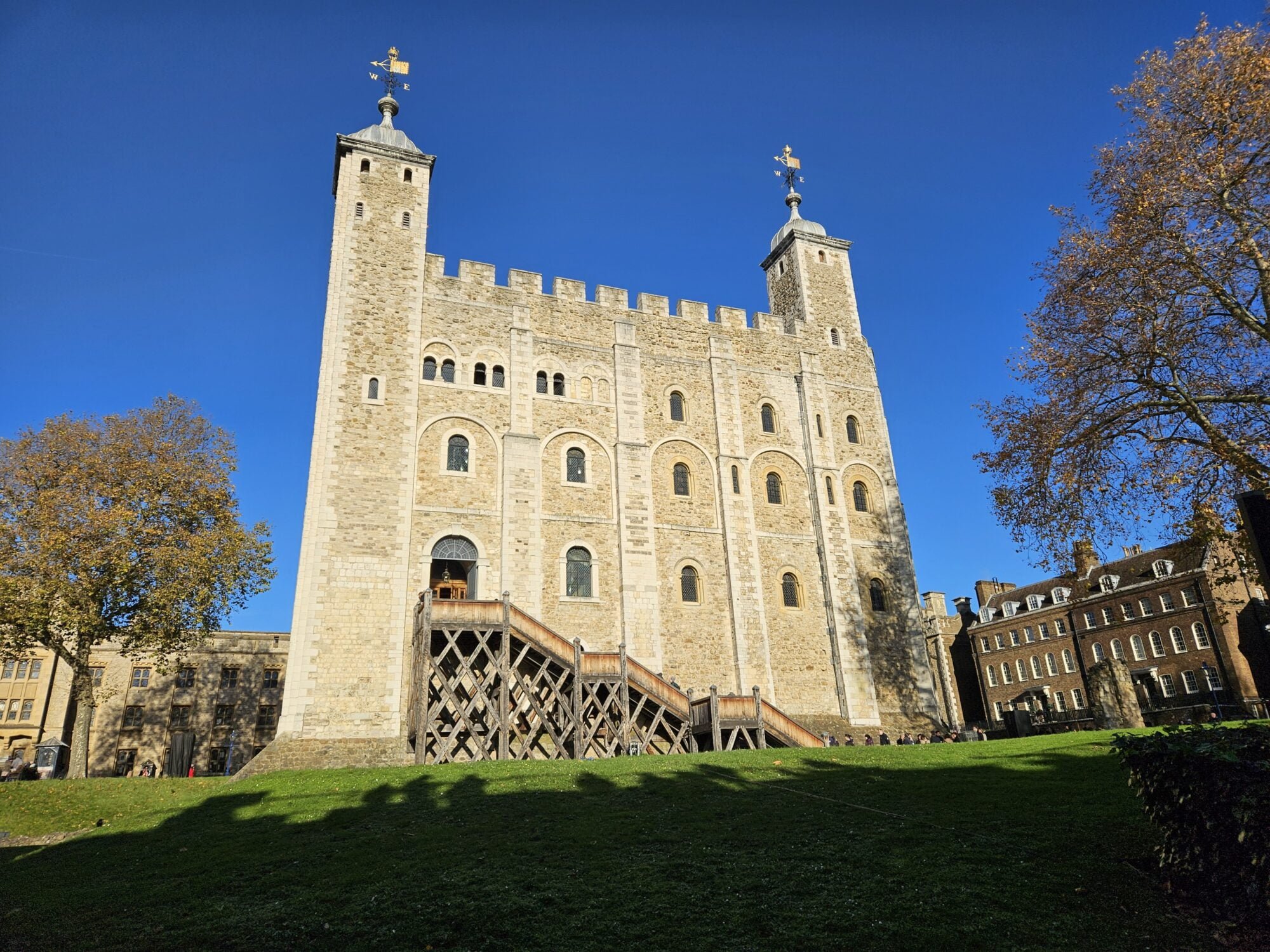
The tower was built in the 1080s for William the Conqueror and, at the time, was the castle’s strongest point. Its primary function was as a symbol of power to control the masses. It was also used to house the king and his inner circle. The basement of the White Tower has a dark past, as prisoners, including Guy Fawkes, were tortured and interrogated there.
The Crown Jewels
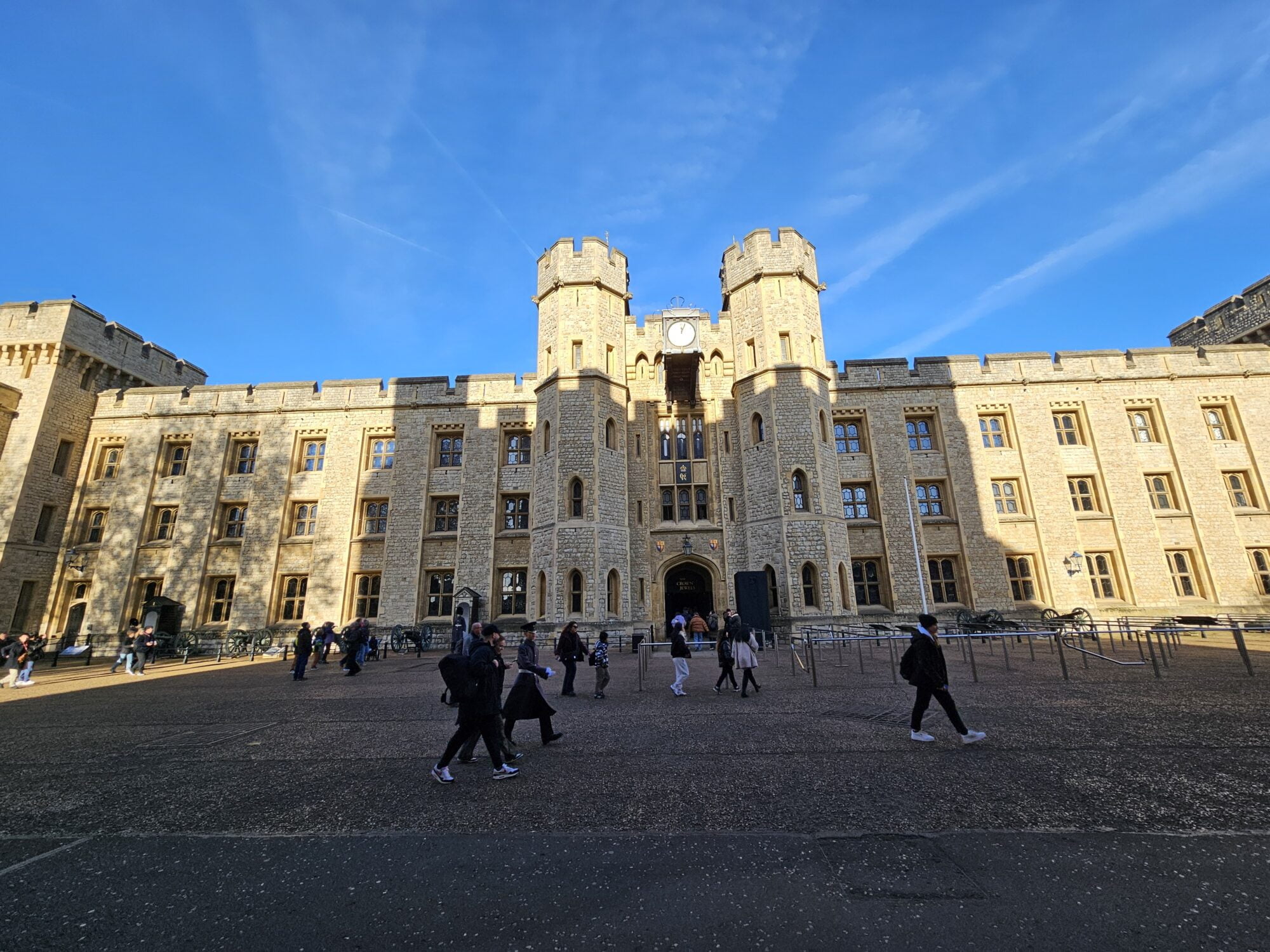
The Crown Jewels are fantastic, and the exhibition is a British history lesson. There is an extensive collection of crowns and other artefacts involved in coronations. You can also view other precious objects; expect to see lots of gold and gemstones.
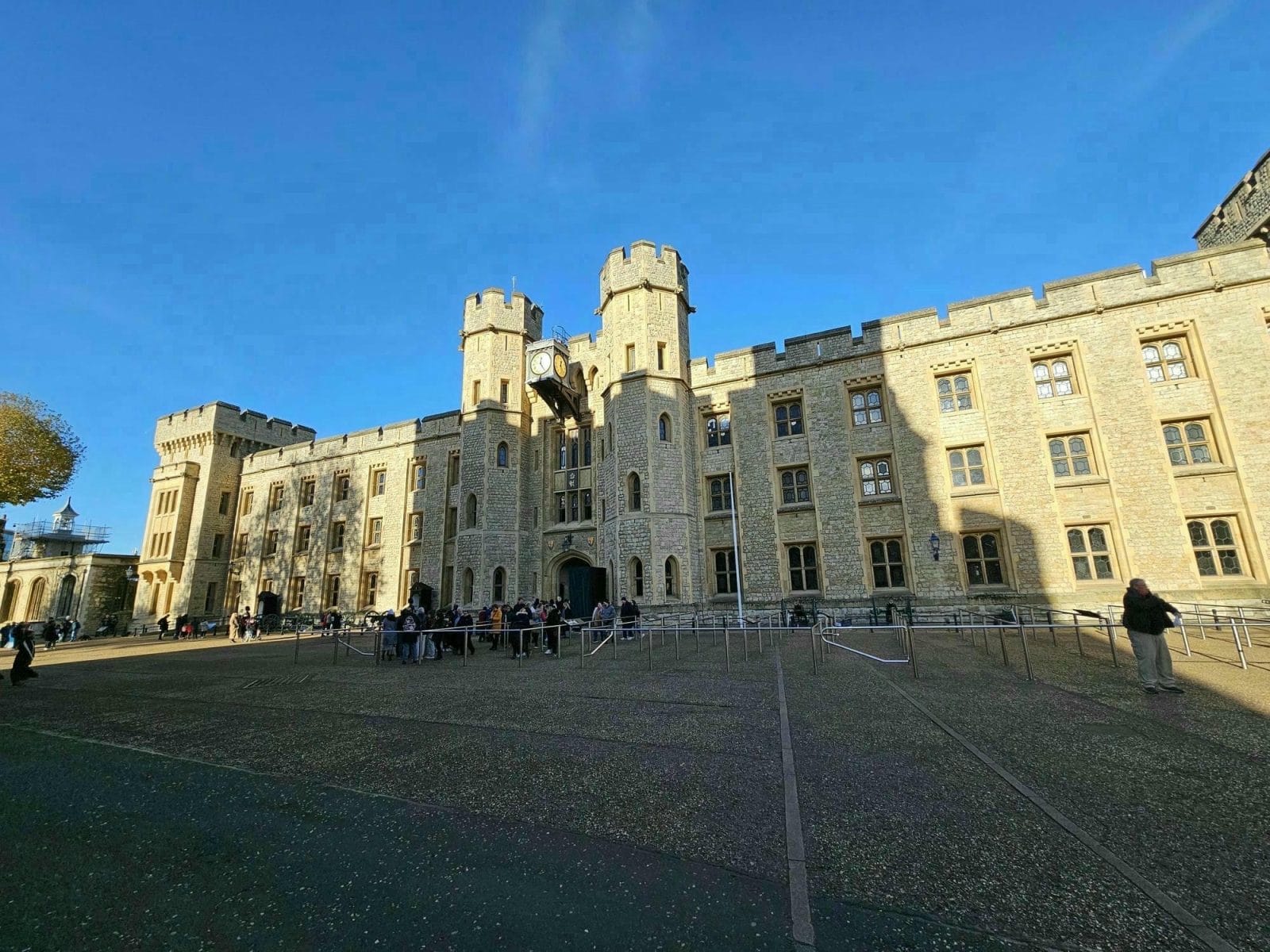
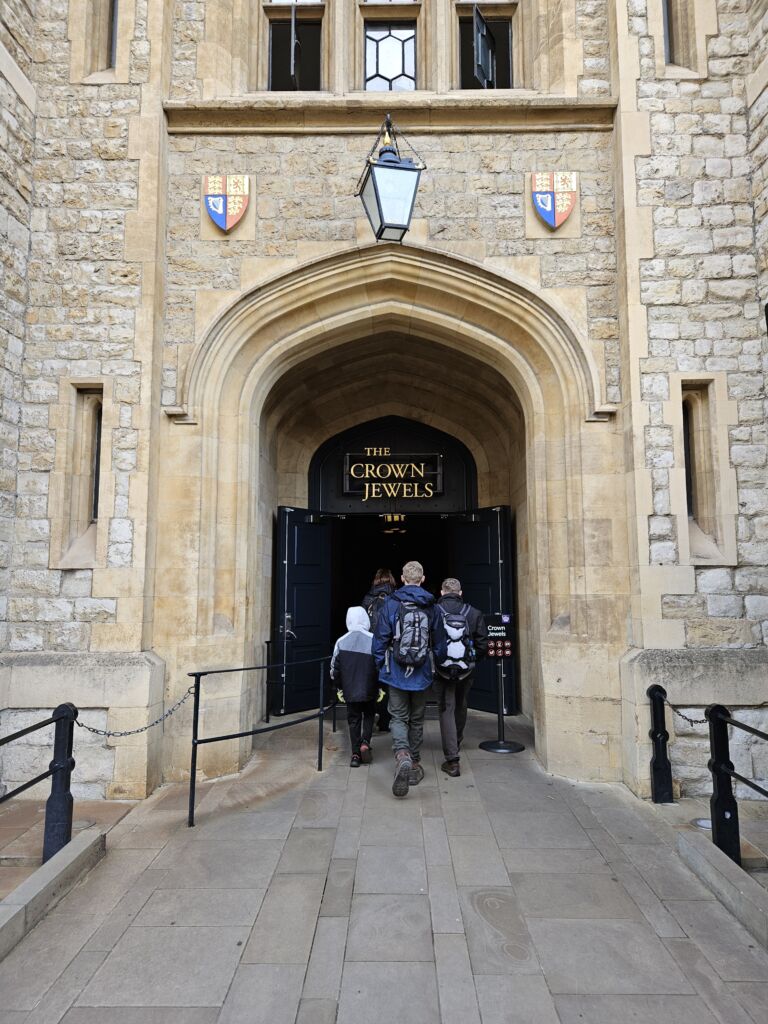
Apparently, this usually has quite the queue to see; my timing was impeccable, and I walked straight in. Unfortunately, this is one of the few areas where you can’t take photos.
The Royal Armouries
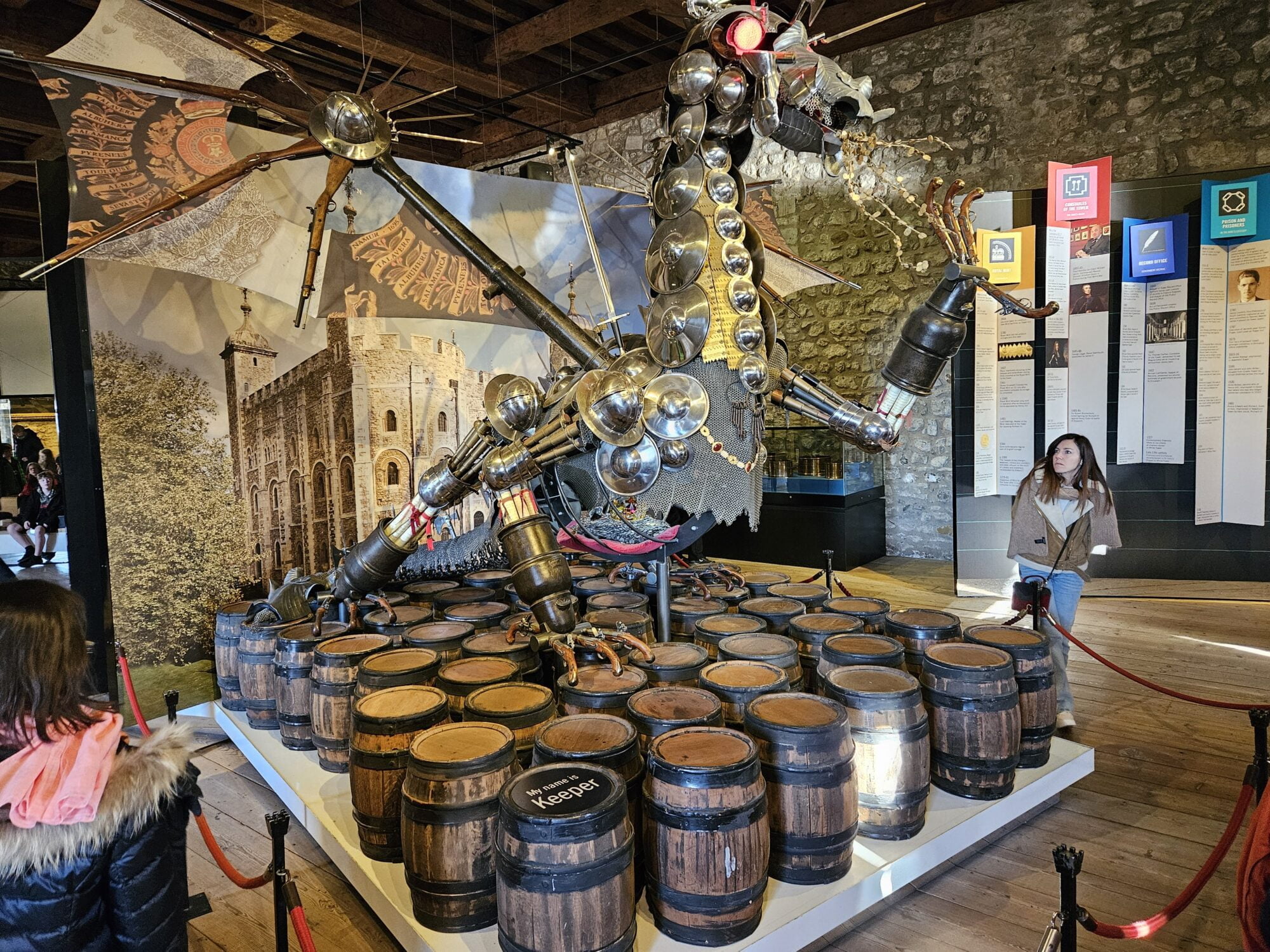
Inside the White Tower is the Royal Armouries, which has over 700 years’ worth of weapons and armour used by the UK. One eye-catching exhibit was a dragon called Keeper, made from armour, sitting atop barrels.
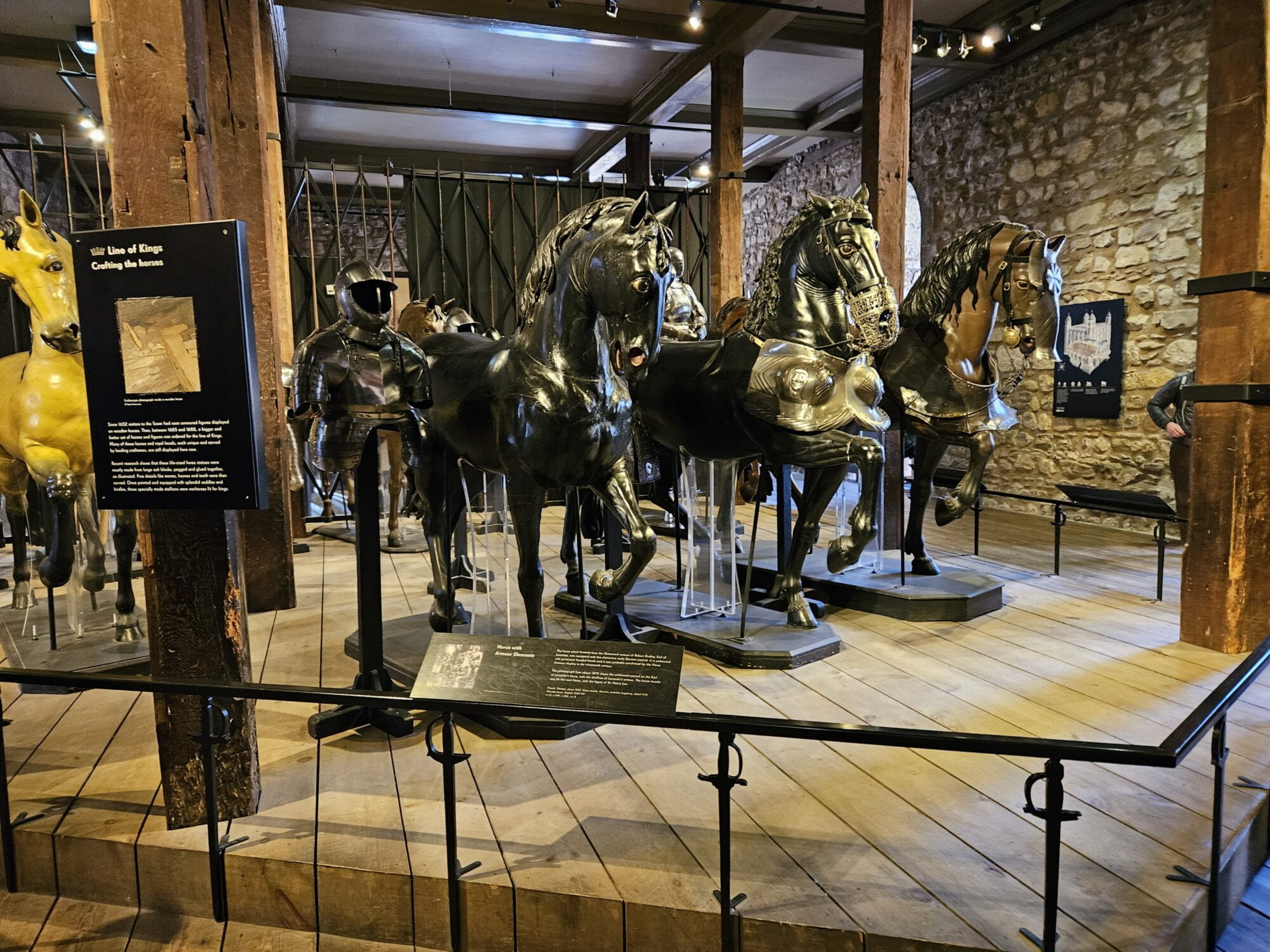
The Line of Kings was created in the 17th century when the monarchy was re-established. The exhibit shows 14 kings of England on horses in full armour.
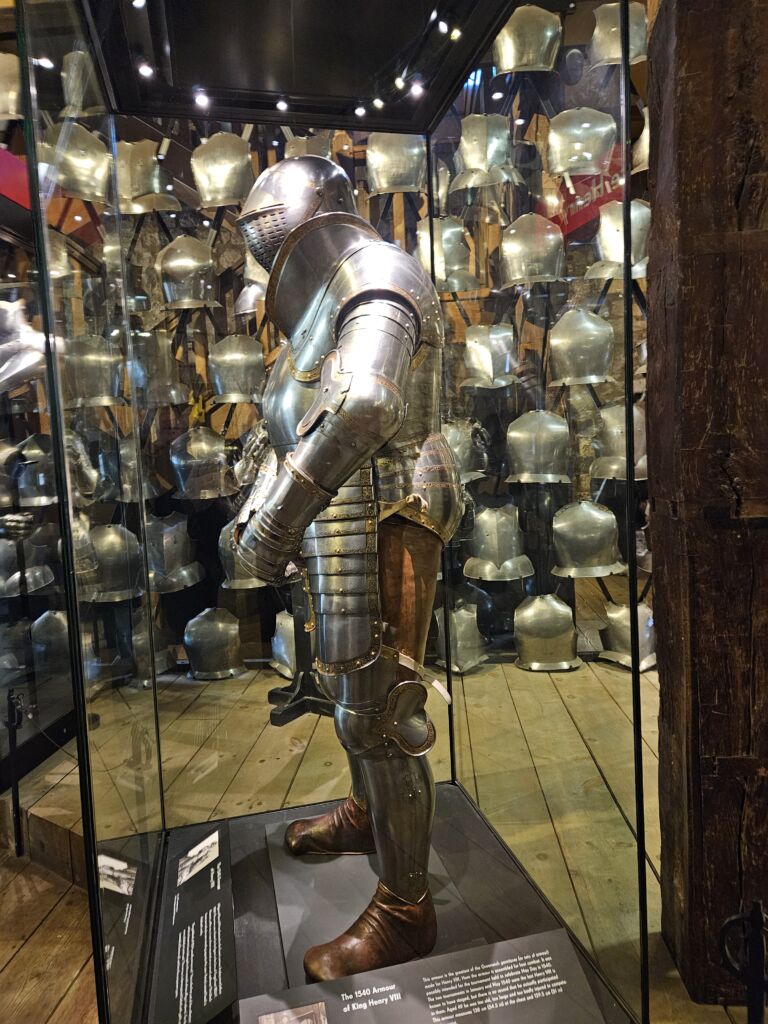
You can see King Henry VIII’s armour, which looked impressive. The suit was from when he was overweight and suffering from gout, ouch. He used this during his last military campaign, the Siege of Boulogne in 1544. You can also see the armour used by many other kings of England.
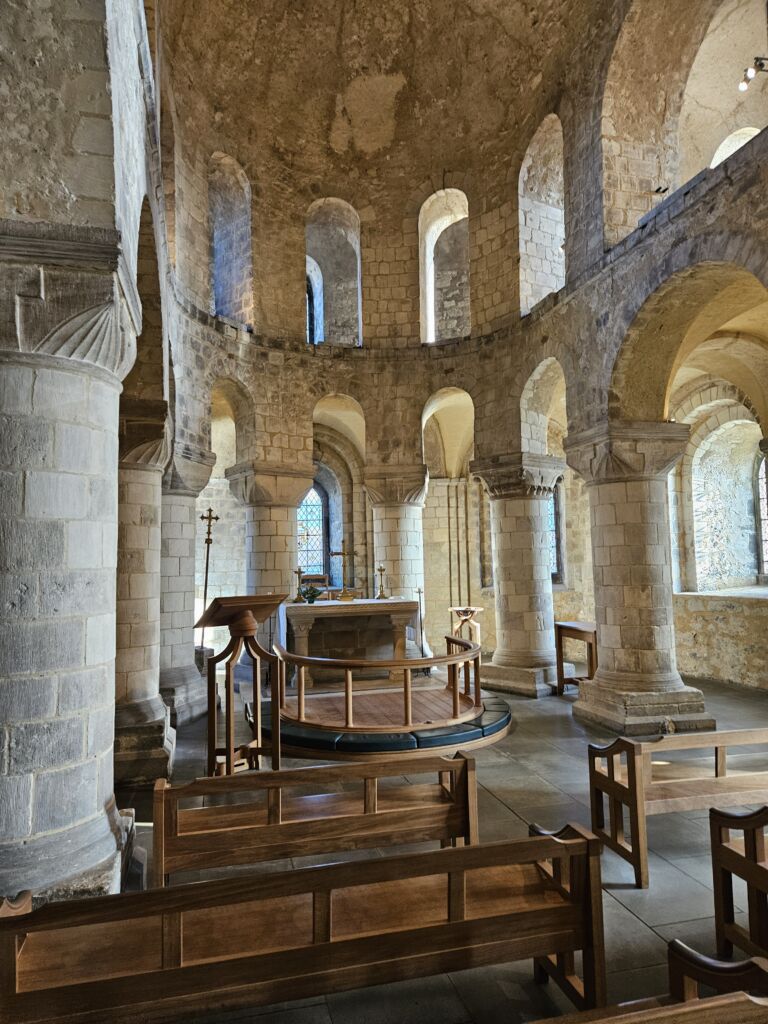
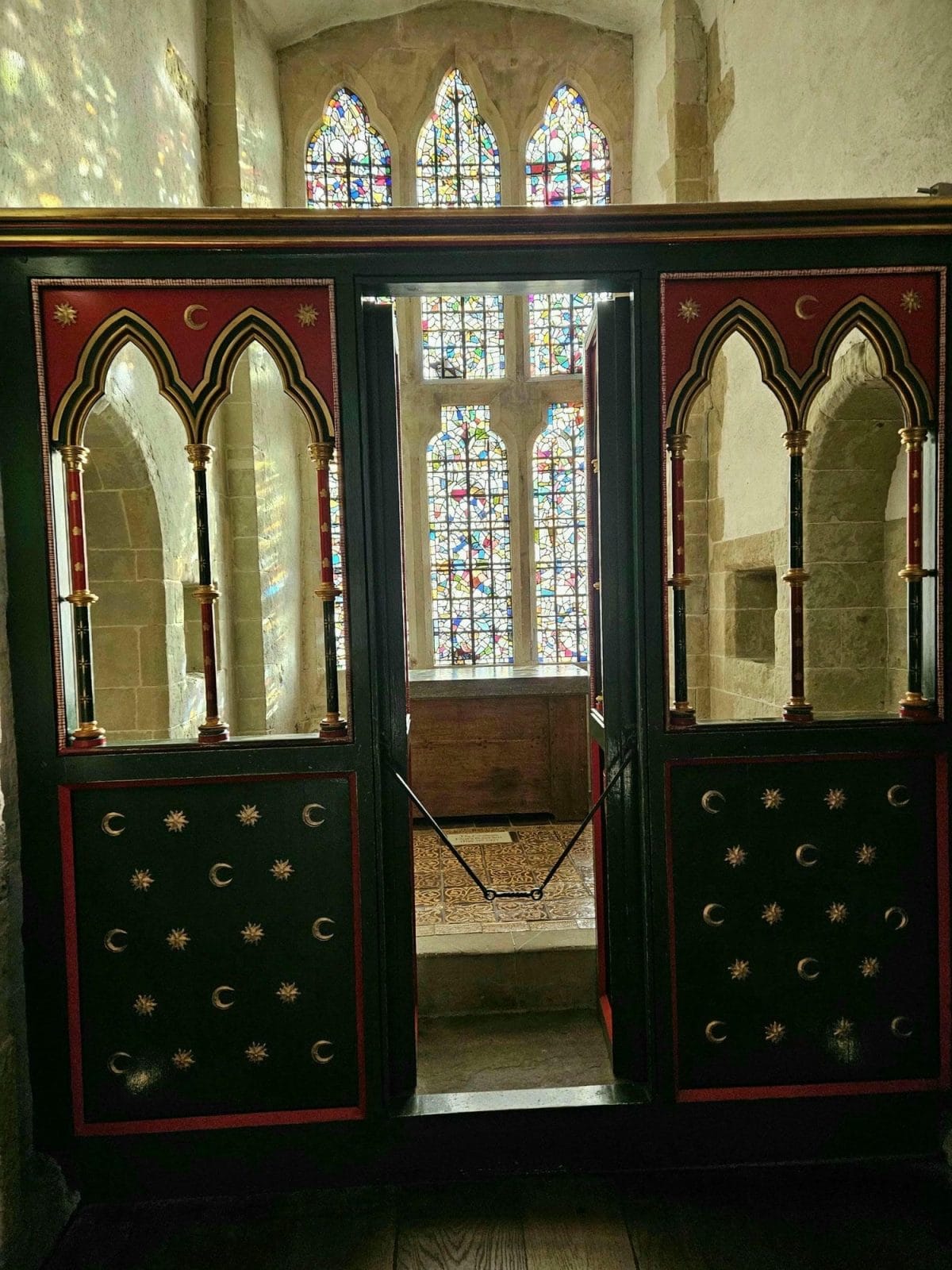
Inside the White Tower is St John’s Chapel, which was built as a place of worship for William the Conqueror, but it wasn’t completed before he died. Many other kings and queens have used the chapel since then.
Chapel Royal of St Peter ad Vincula
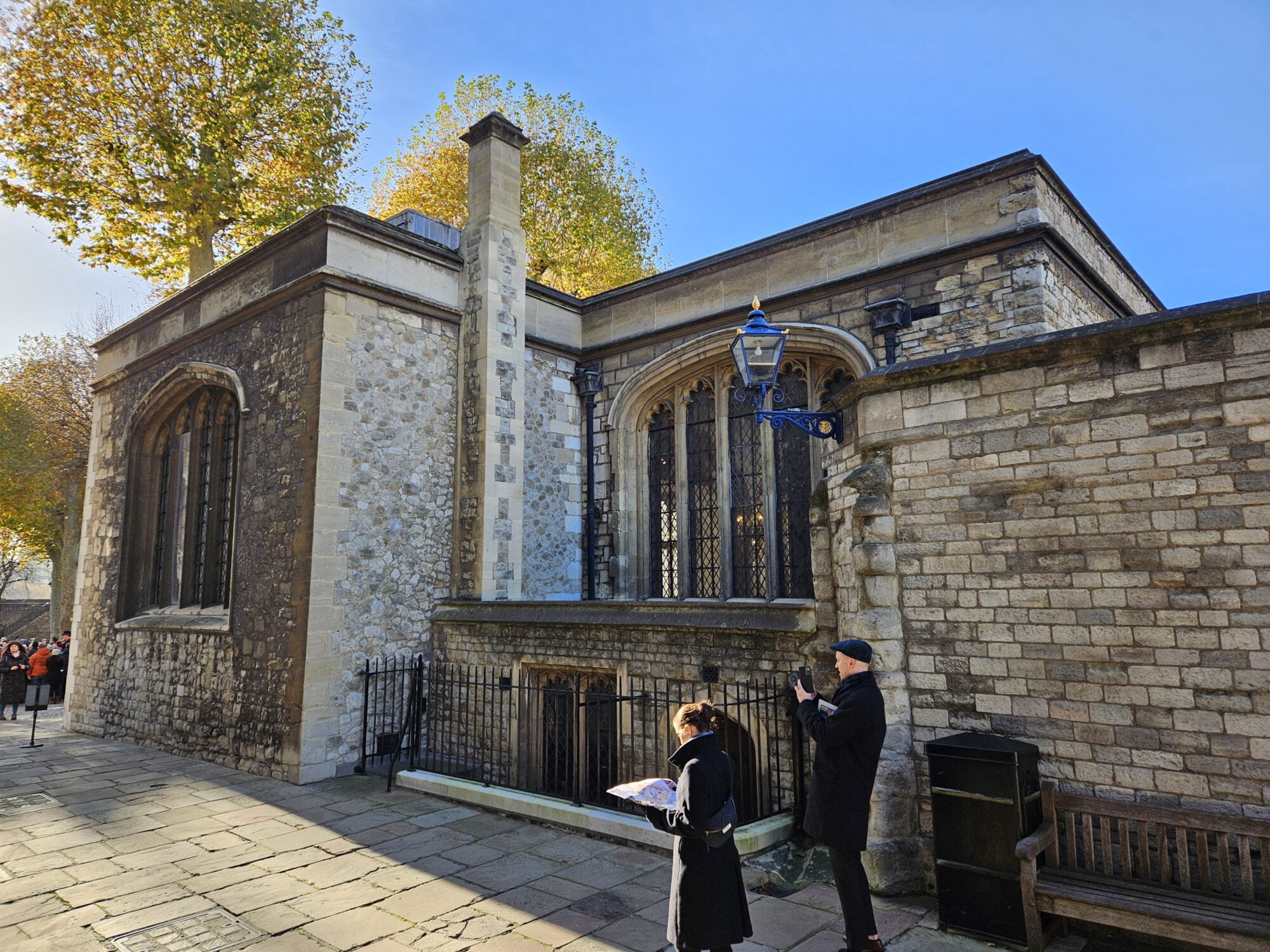
The Chapel Royal of St Peter ad Vincula dates from the time of Henry VII. It has a very old church organ dating to the 17th century. Many kings and queens have listened to it play since then.
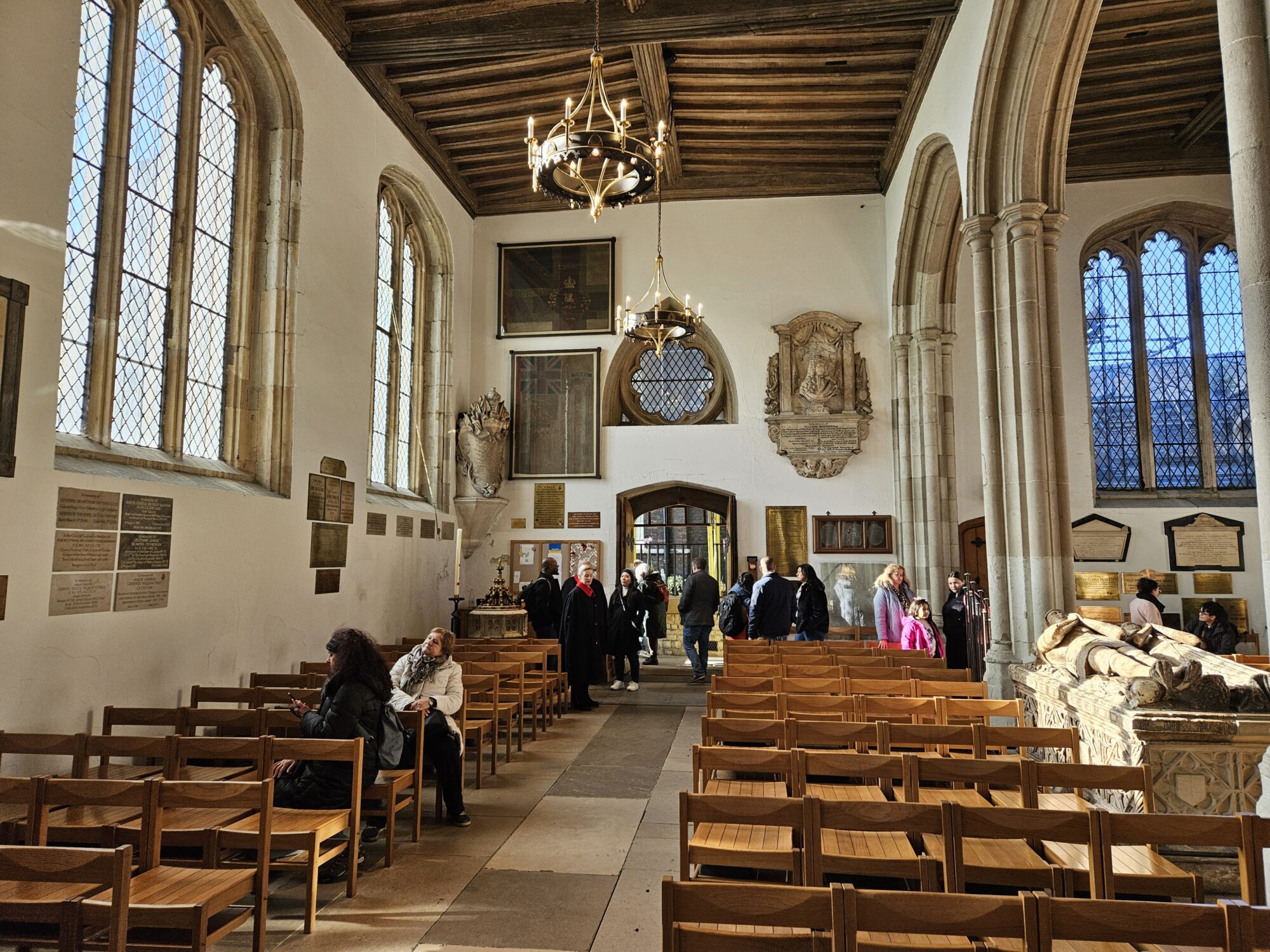
The Chapel Royal of St Peter ad Vincula is an interesting place where three queens of England are buried. These include Anne Boleyn, Catherine Howard and Lady Jane Grey. Anne Boleyn is the most famous person buried here and is unique, as she was both tried and laid to rest here in 1536.
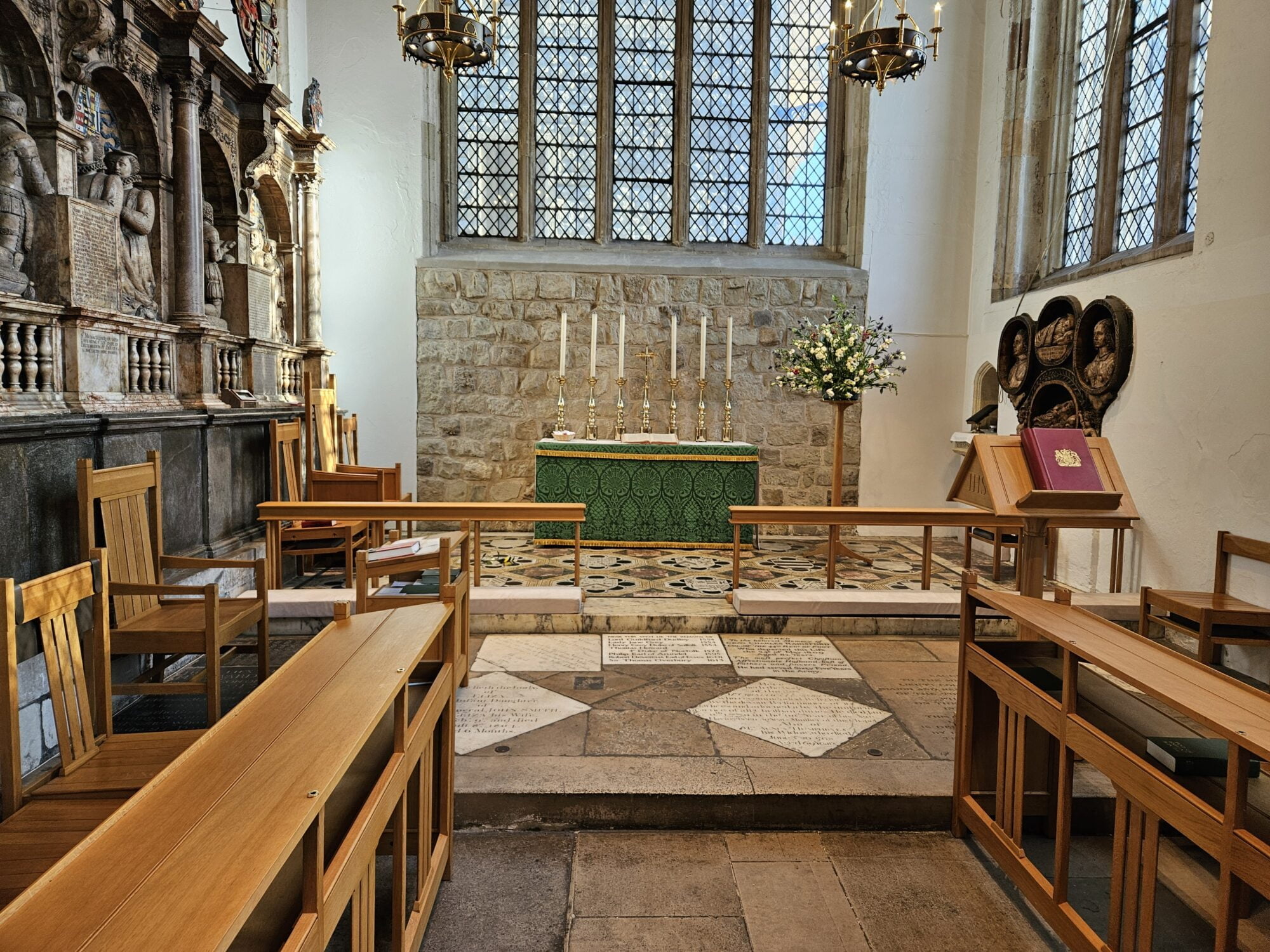
Anne Boleyn and Catherine Howard have decorative memorials on the so-called royal pavement. Lady Jane Grey has a less prominent carving on a step.
The Tower’s Mint
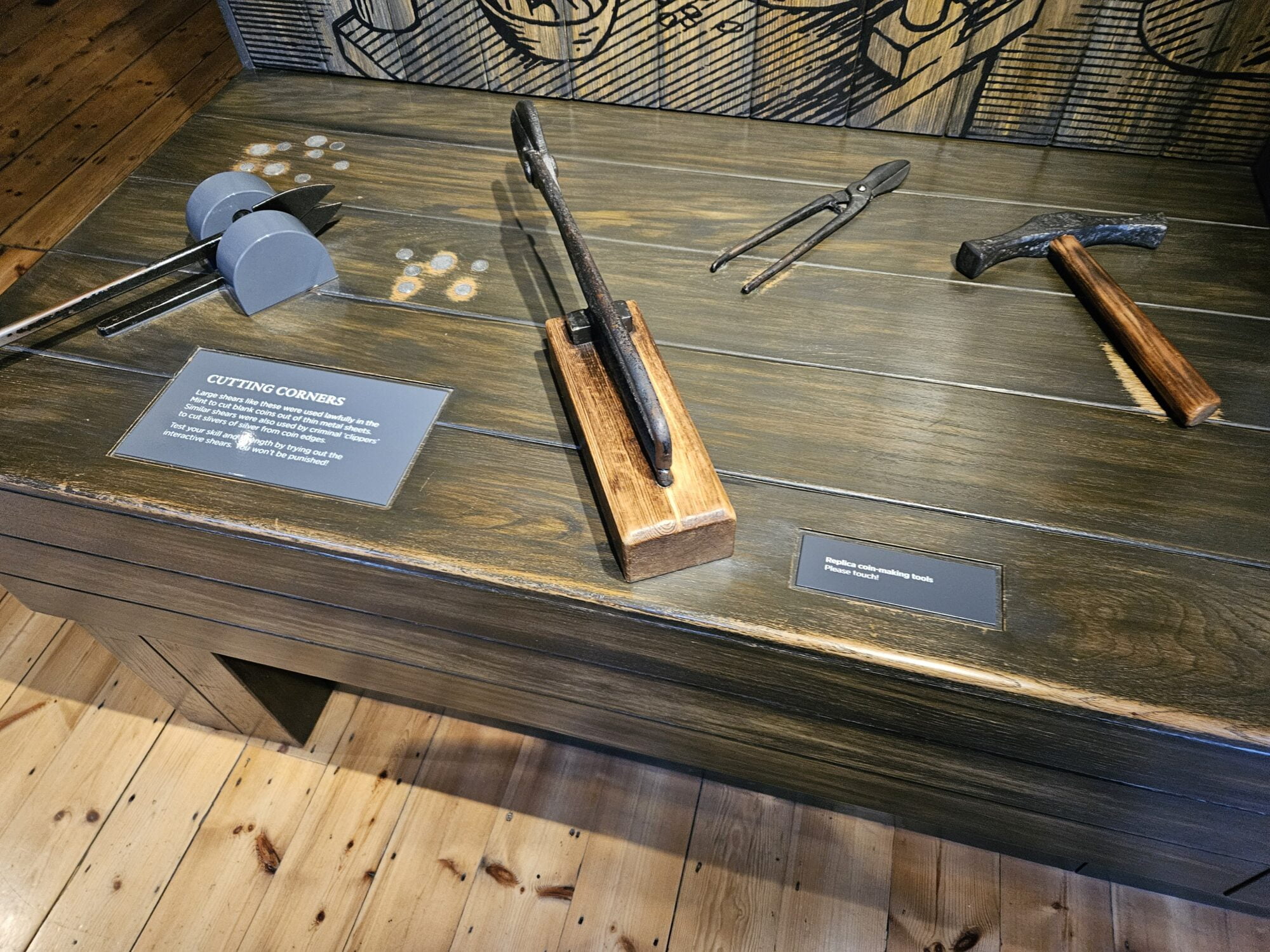
The Tower of London’s Mint covers over 500 years of UK currency, including old coins and how they were made. On my visit, it seemed one of the quieter parts.
The Fusilier Museum
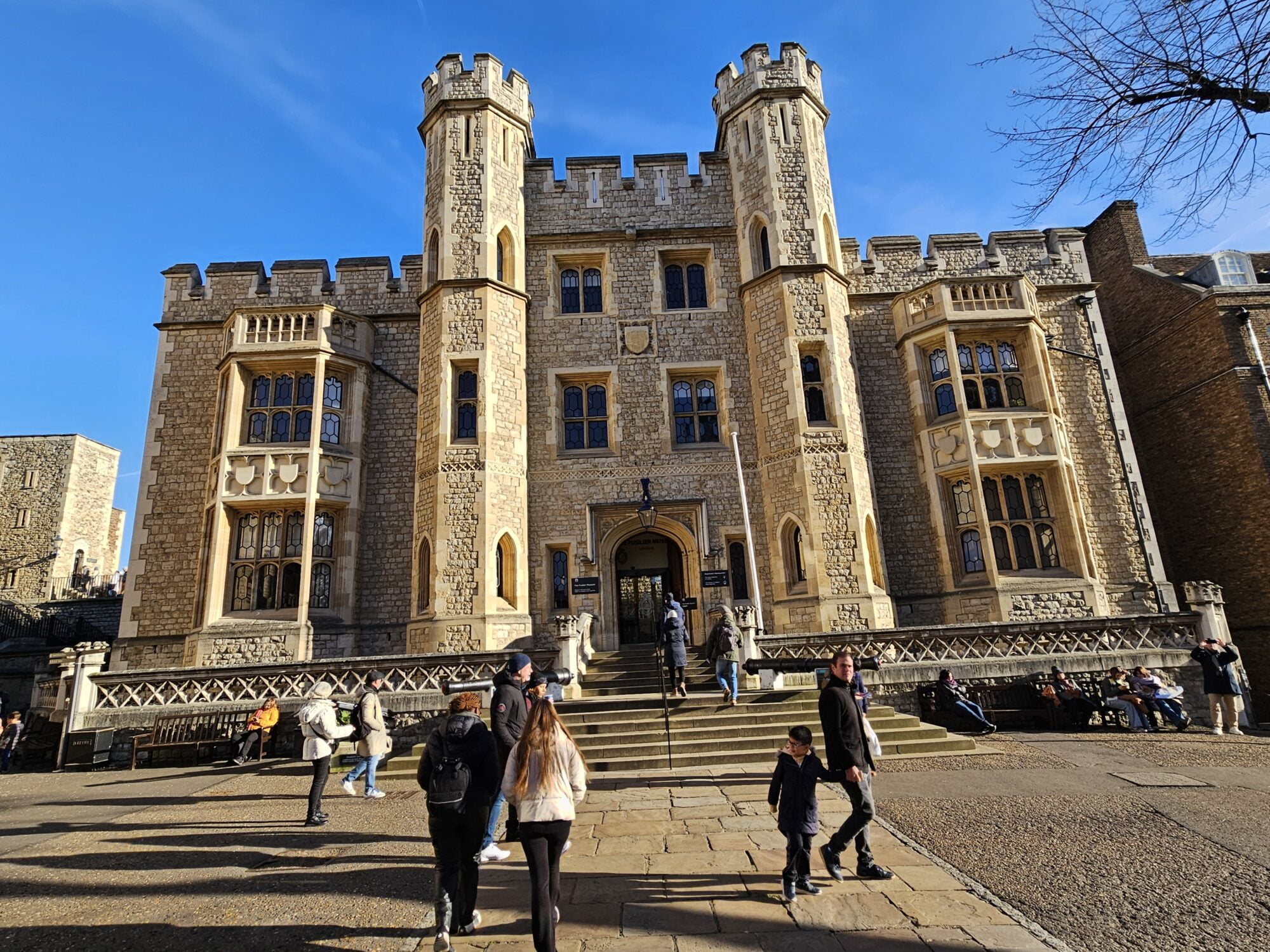
The Fusilier Museum is a great museum for those interested in military history and artefacts. The museum is in what used to be the officers’ quarters; thus, the outside is impressive.
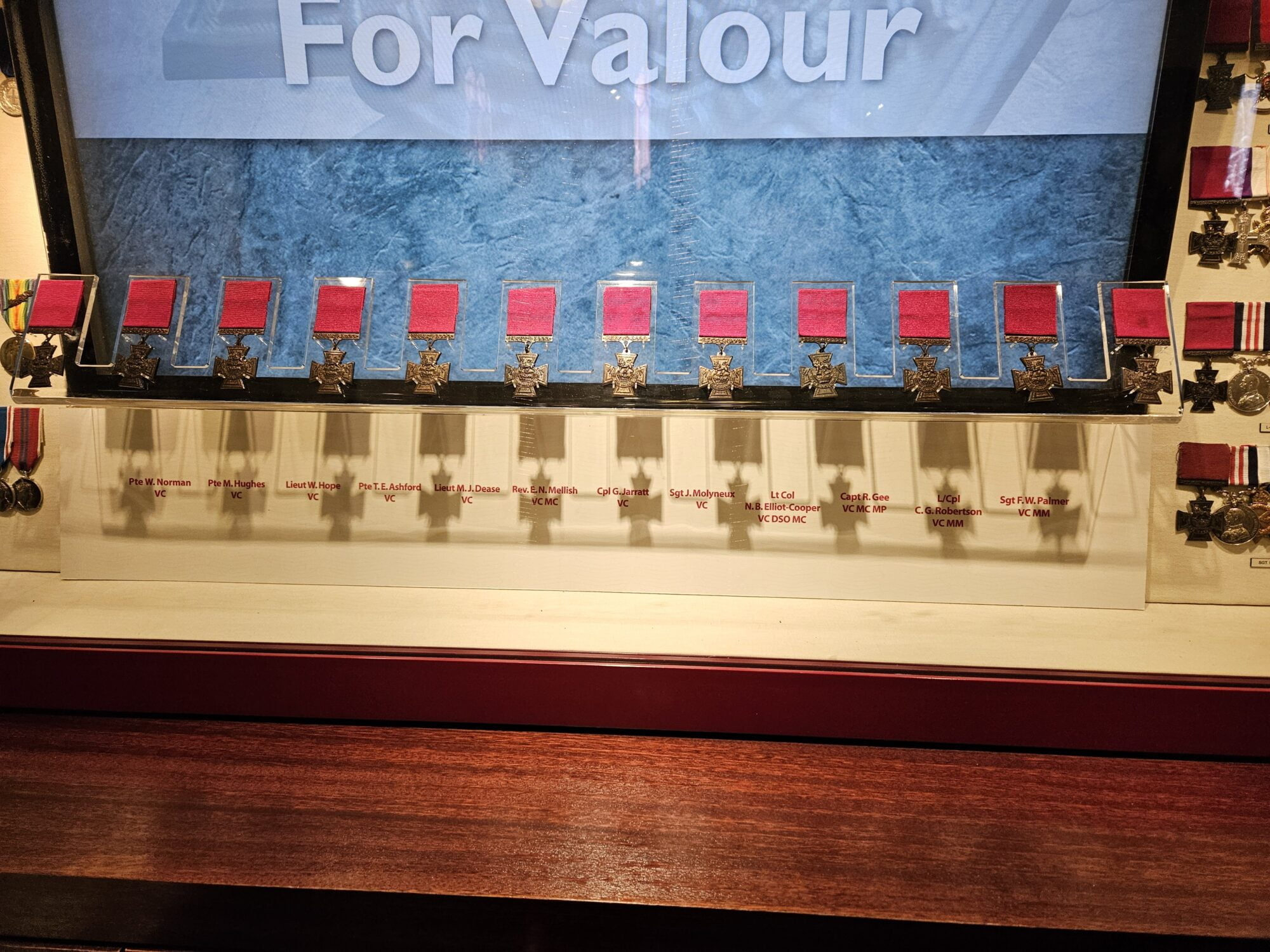
Here you can learn the history of the regiment since King James II formed it in 1685. The medal displays include several Victoria Crosses, which were among the exhibits that caught my eye.
Prisoners, Executions and Dark History
Anne Boleyn Execution Site on Tower Green
This is where Anne Boleyn was executed. Anne Boleyn was the second wife of Henry VIII. There is a sculpture which marks the spot where Queen Anne Boleyn was thought to have been executed in 1536. She was buried in the Chapel Royal of St Peter ad Vincula, which overlooks the execution site.
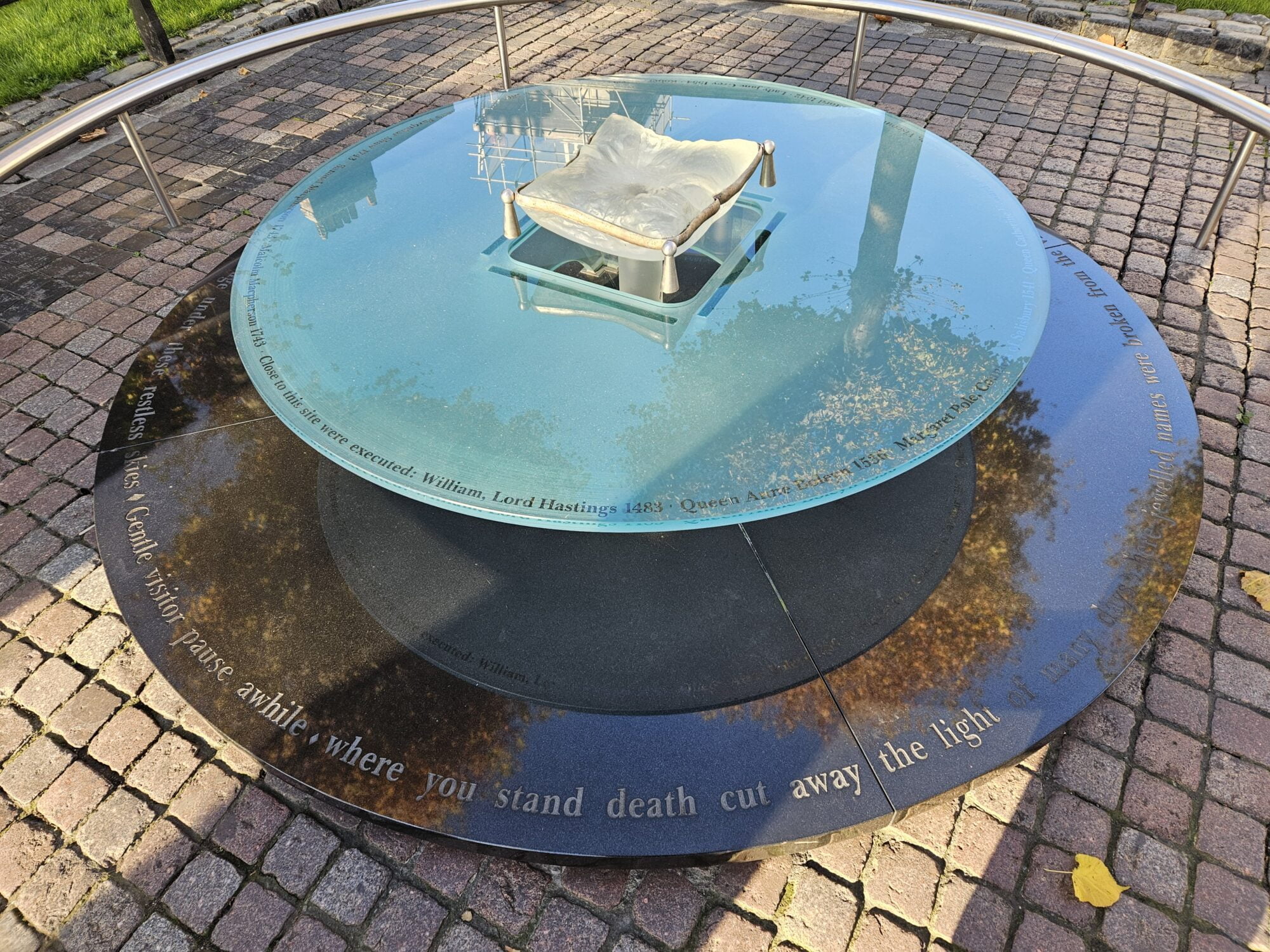
Two other queens were executed here, too, including Catherine Howard, another of Henry VIII’s wives. At the very site of these executions on Tower Green, you can see a memorial sculpture. The memorial has a quote dedicated to those who were condemned to death by order of the state.
The Notorious Traitors’ Gate
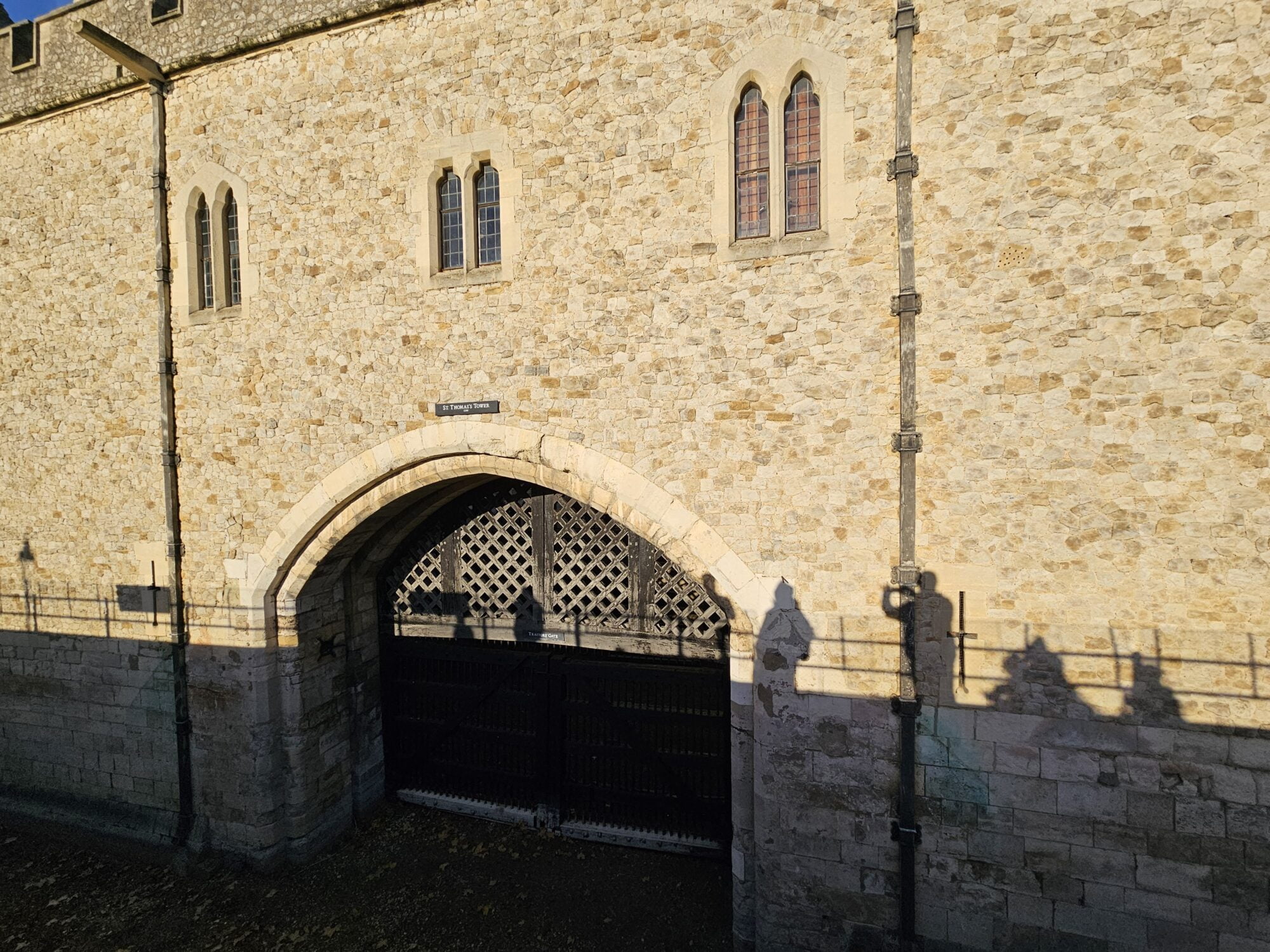
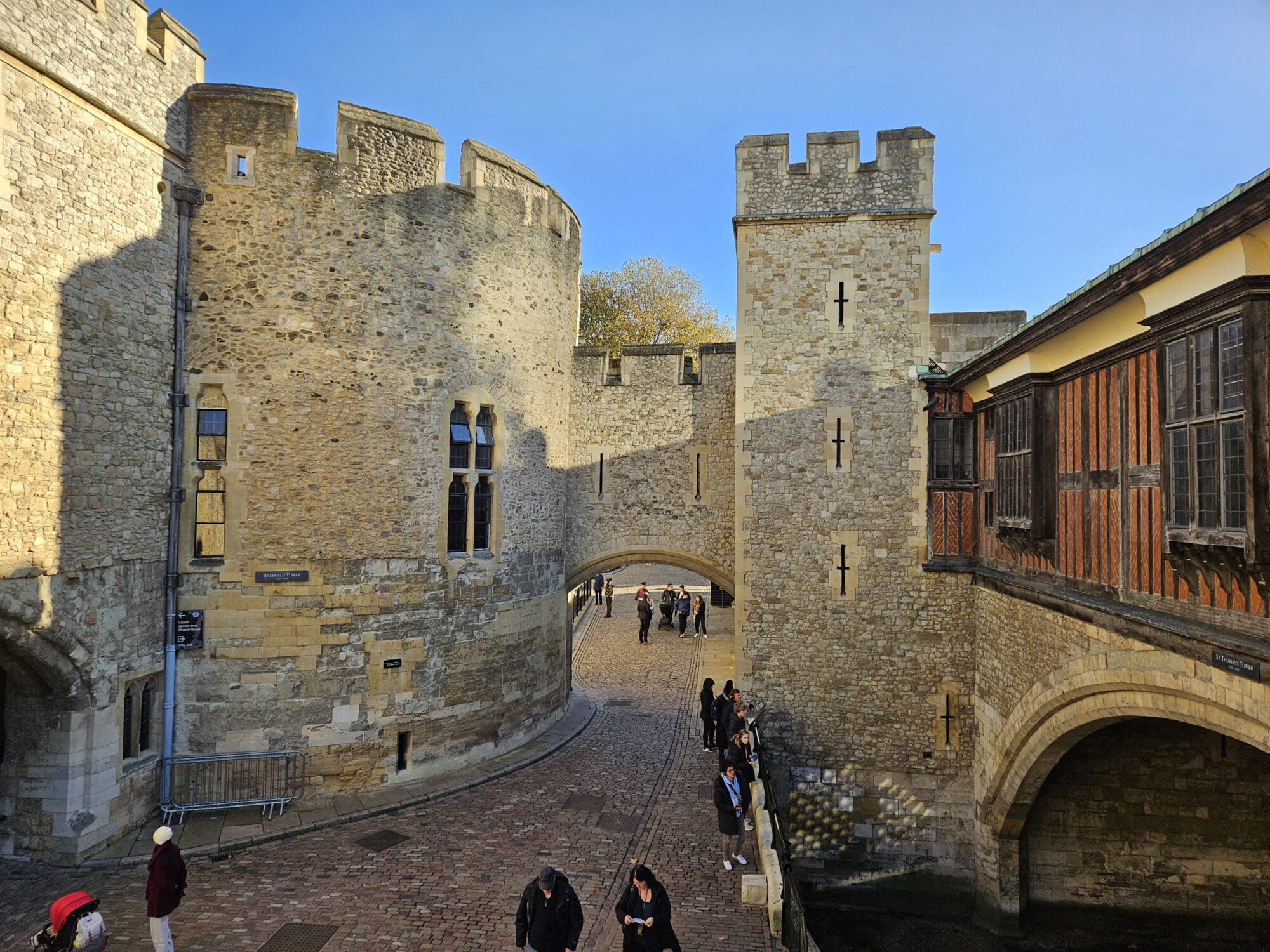
One of the most notorious features to see is Traitors’ Gate. It is the grandest of the river entrances to the castle. During the Tudor era, prisoners, including Lady Jane Grey, entered the Tower via this watergate before their imprisonment and executions.
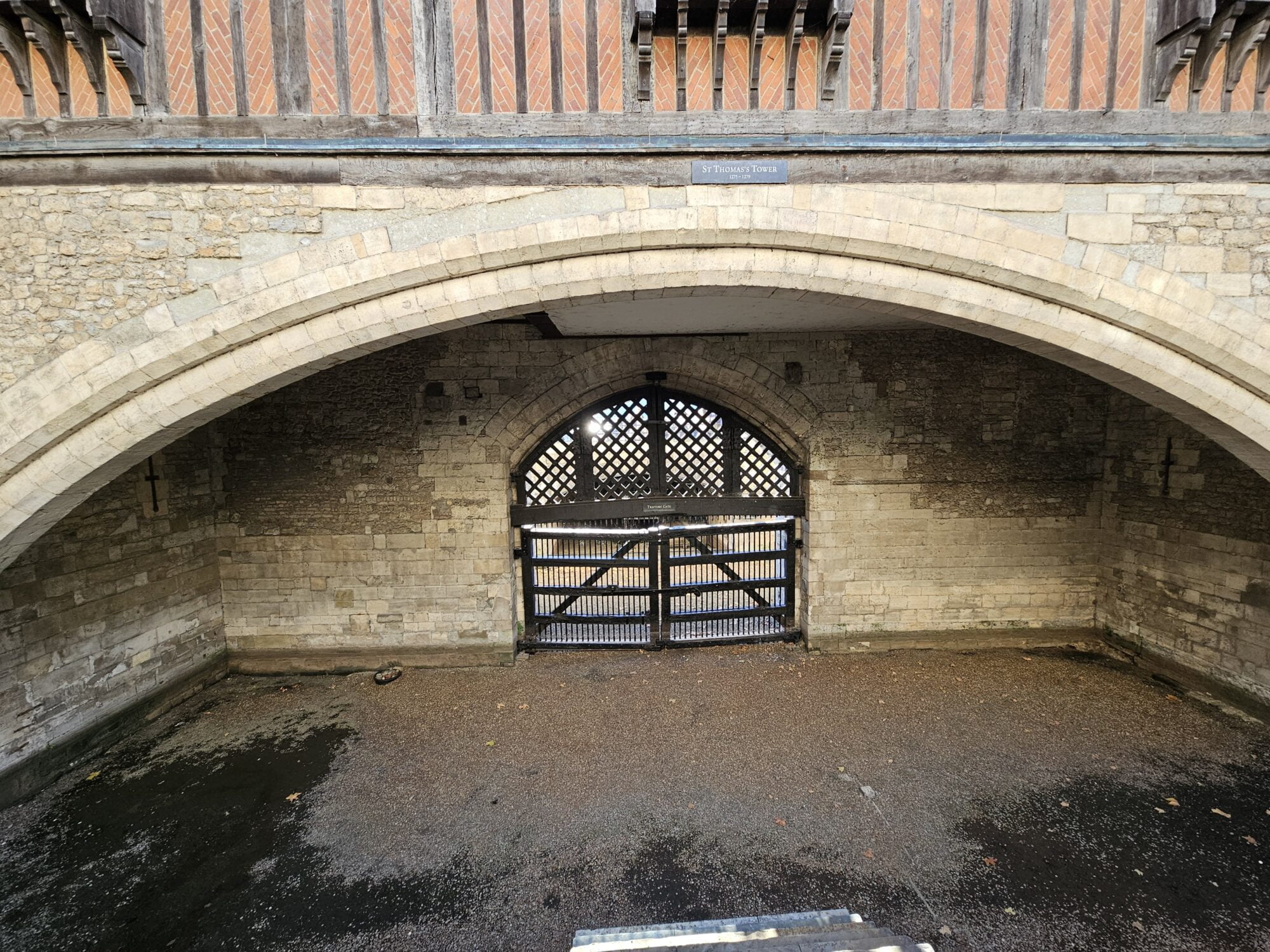
The name Traitors’ Gate came into use in the early 1600s, when prisoners at the Tower were taken upstream to the courts in Westminster for trial.
The Bloody Tower
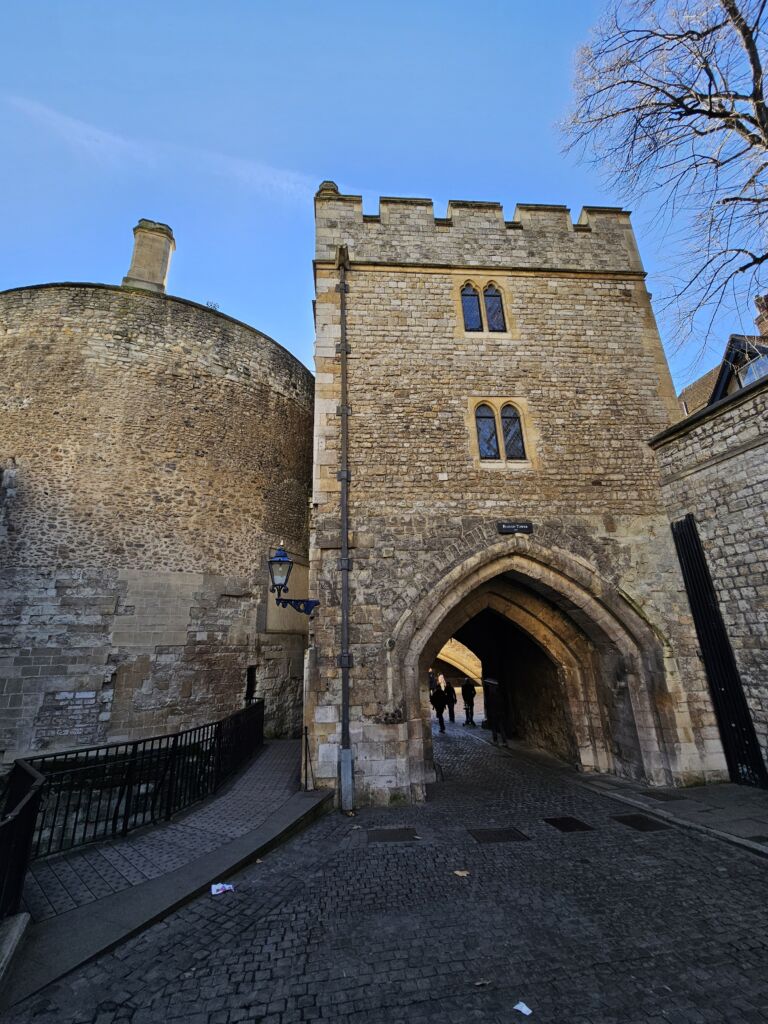
The Bloody Tower was the most infamous prison in the Tower. Here you can learn about the dark happenings that earned it the name. King Henry III built it in the 1220s as the main entrance from the river. Half a century later, the River Thames was diverted, and the Bloody Tower became an entrance from the land.
The tower was linked to the story of the murder of Edward V and his brother Richard in 1483. The brothers were ordered to stay here by their uncle, who later became Richard III.
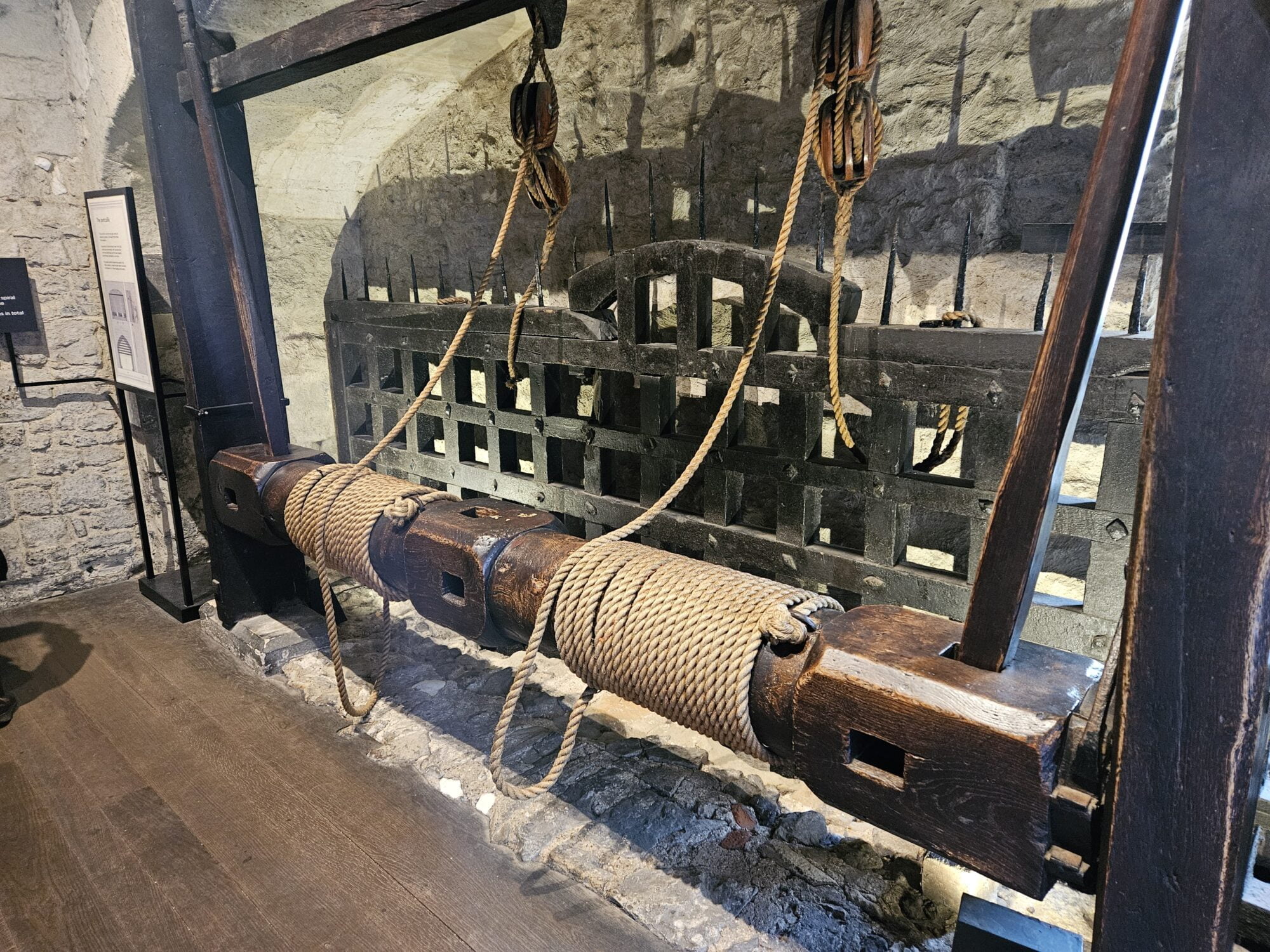
Inside the tower, you can also see the study of the explorer Sir Walter Raleigh. He was a prisoner here under James I.
Queen’s House & Tower Green
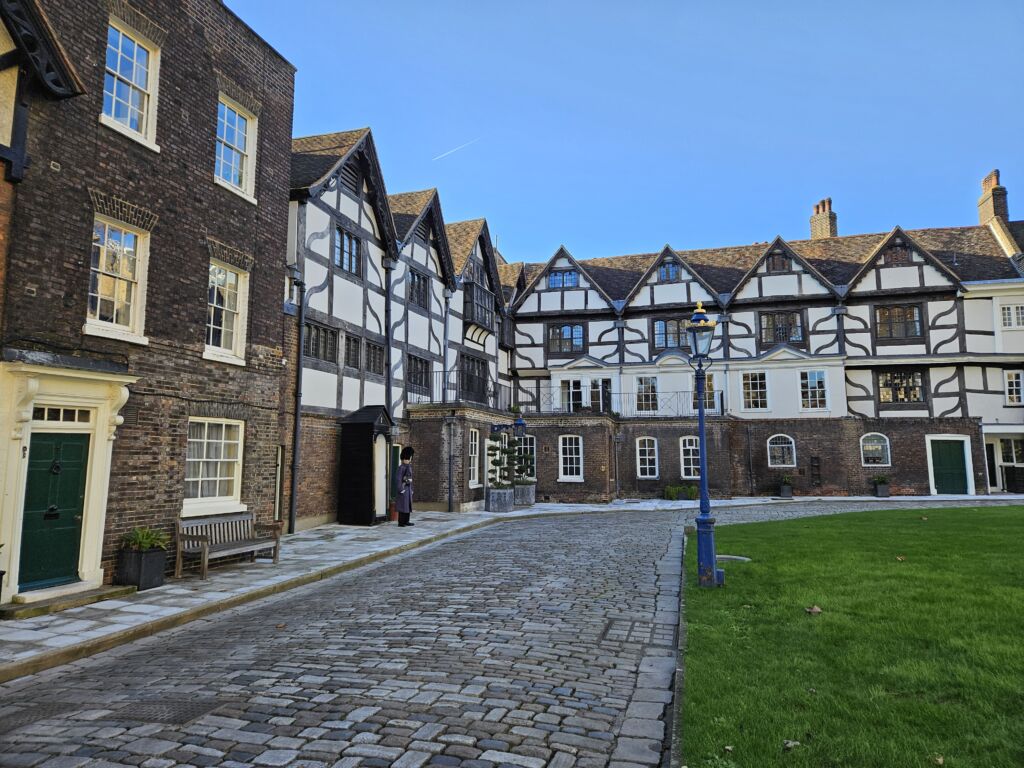
The half-timbered Queen’s House faces Tower Green. The house was constructed around 1530, during the reign of King Henry VIII. Henry VIII most likely built the Queen’s House for his second queen, Anne Boleyn. She was executed here soon afterwards. Anne Boleyn possibly stayed there before her execution. She was imprisoned in the same lodgings she had stayed in before her coronation in 1533.
Towers, Walls and Views
Walk the Walls for Views
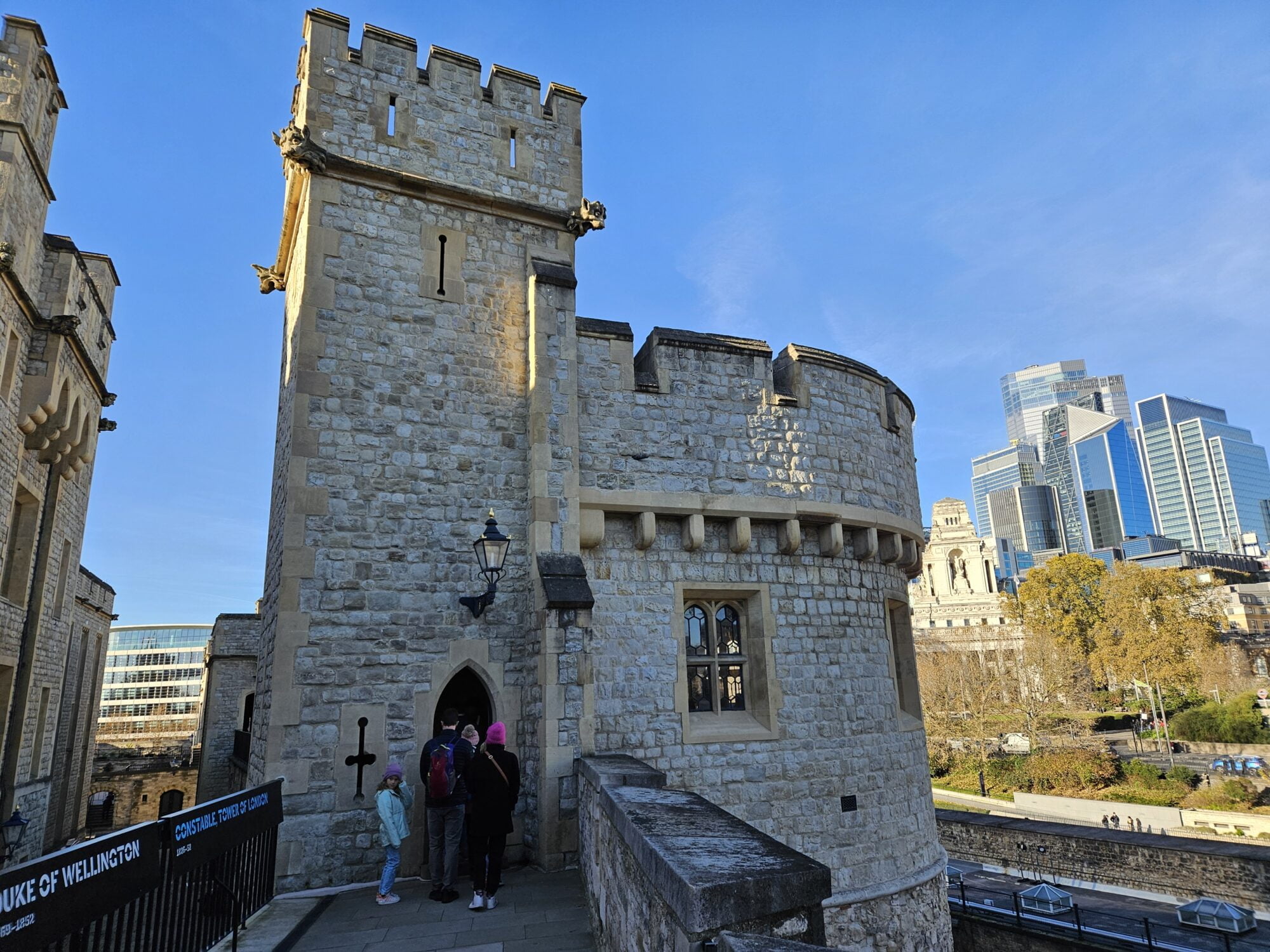
The curtain wall is a defensive wall built in the 1230s under King Henry III. The wall connects many of the fortress’s towers and leads into them.
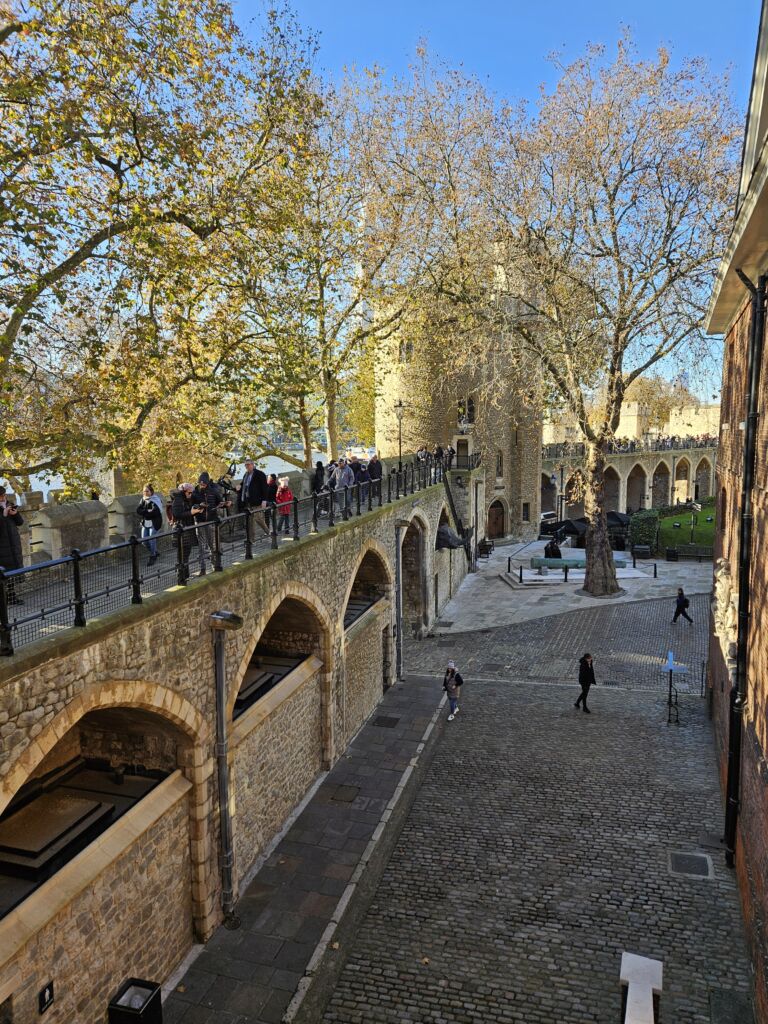
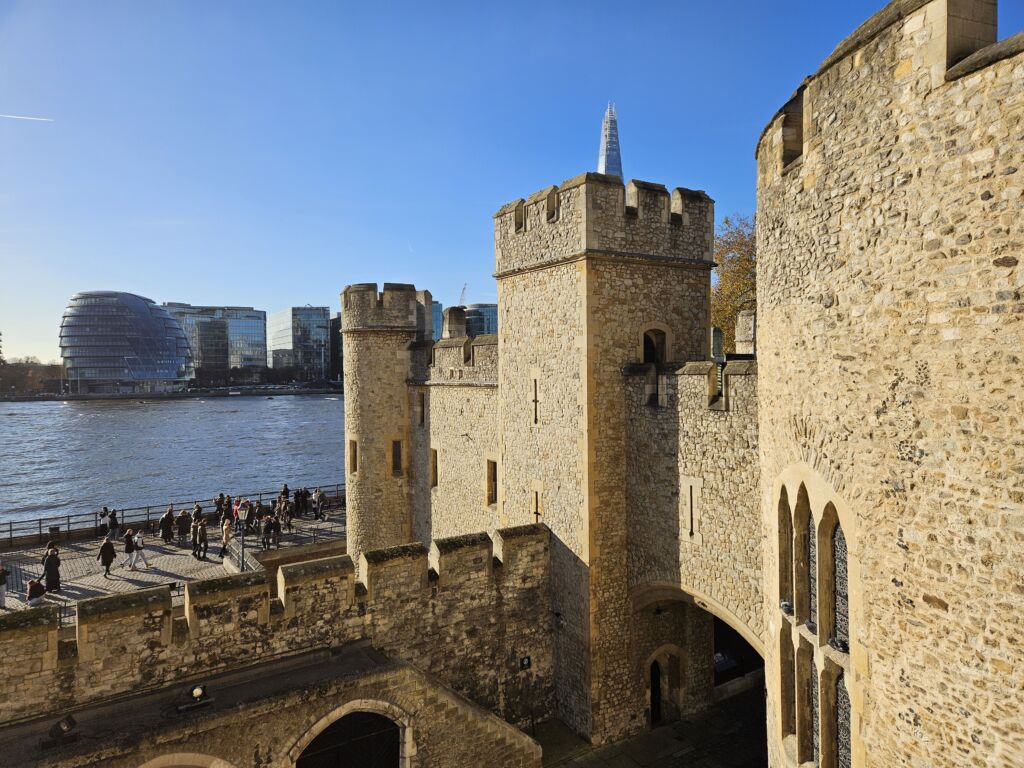
The views from here are special, including parts of the river, Tower Bridge, the City of London skyline, and other parts of the castle. In addition to the views, the walkway leads you into many of the towers, each with a different backstory.
Cradle Tower
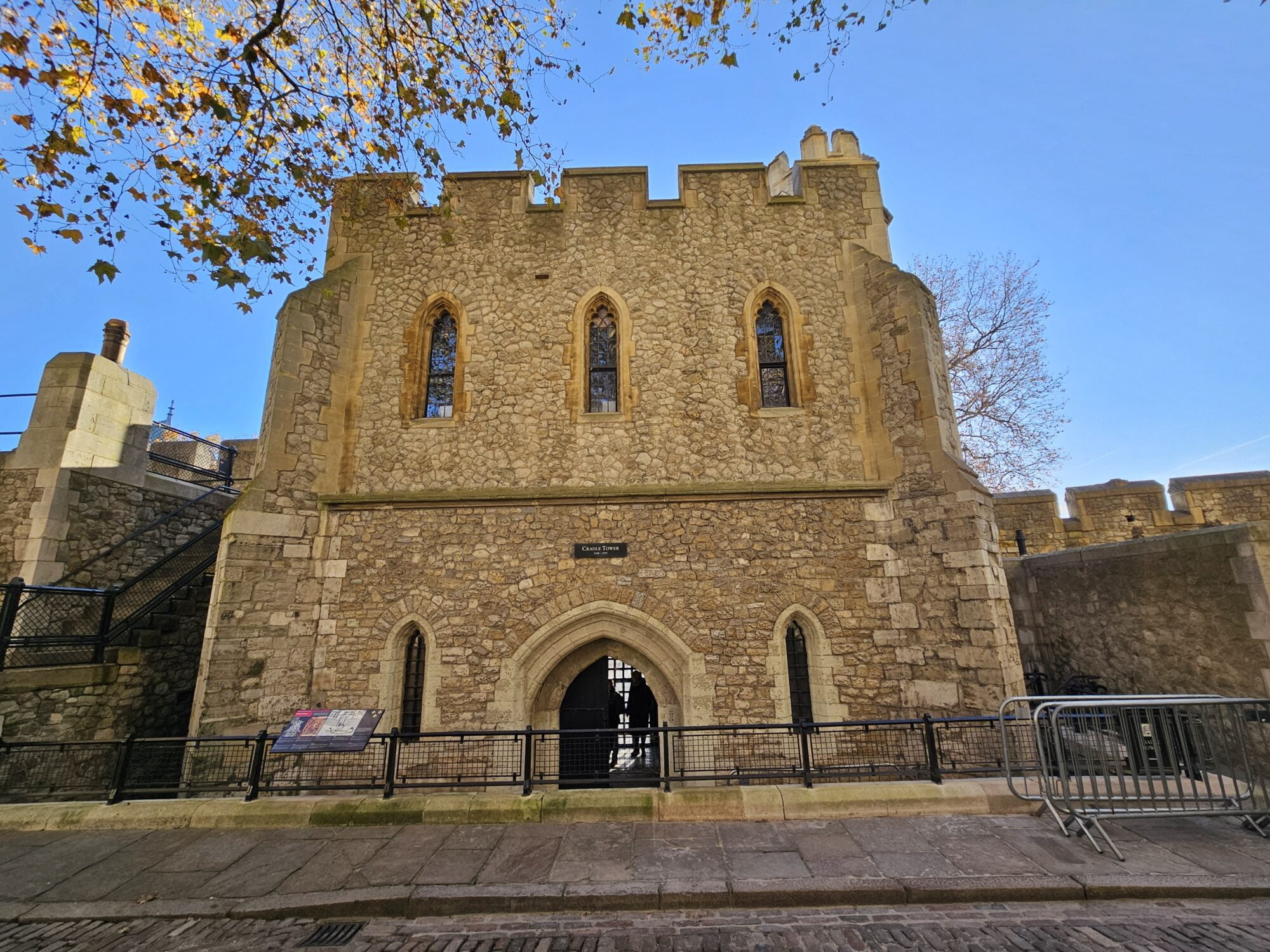
King Edward III oversaw the building of the Cradle Tower in the 1350s. It was built as a private river entrance, allowing King Edward III to arrive by royal barge from the River Thames.
The Salt Tower
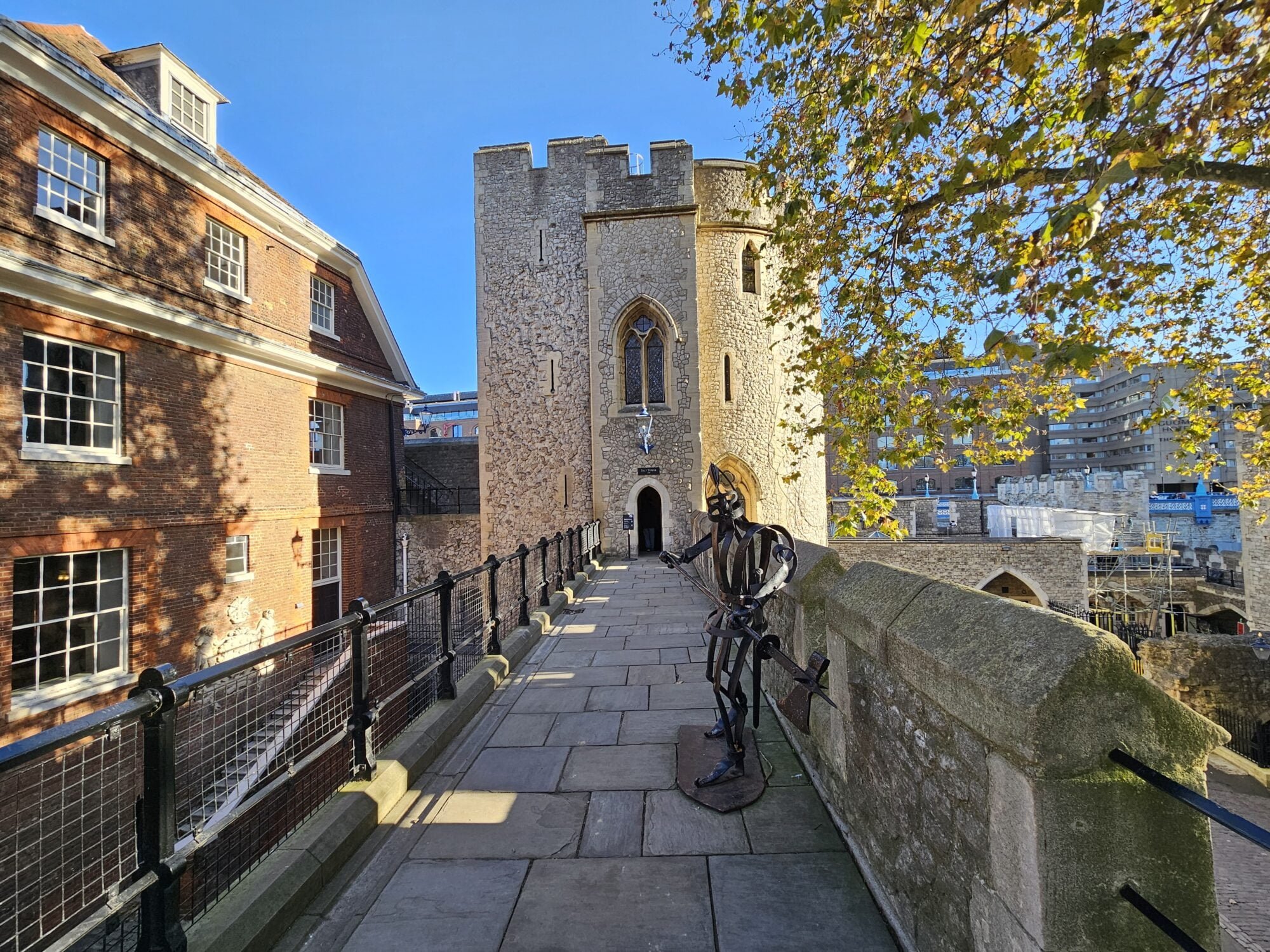
This is the nearest tower to Tower Bridge when walking the fortifications. The Salt Tower was built in the 1230s and was part of King Henry III’s curtain wall, which surrounds the castle. Various prisoners were kept here, including John Balliol and an innkeeper from Bristol who was accused of sorcery.
24-Pounder Cannon
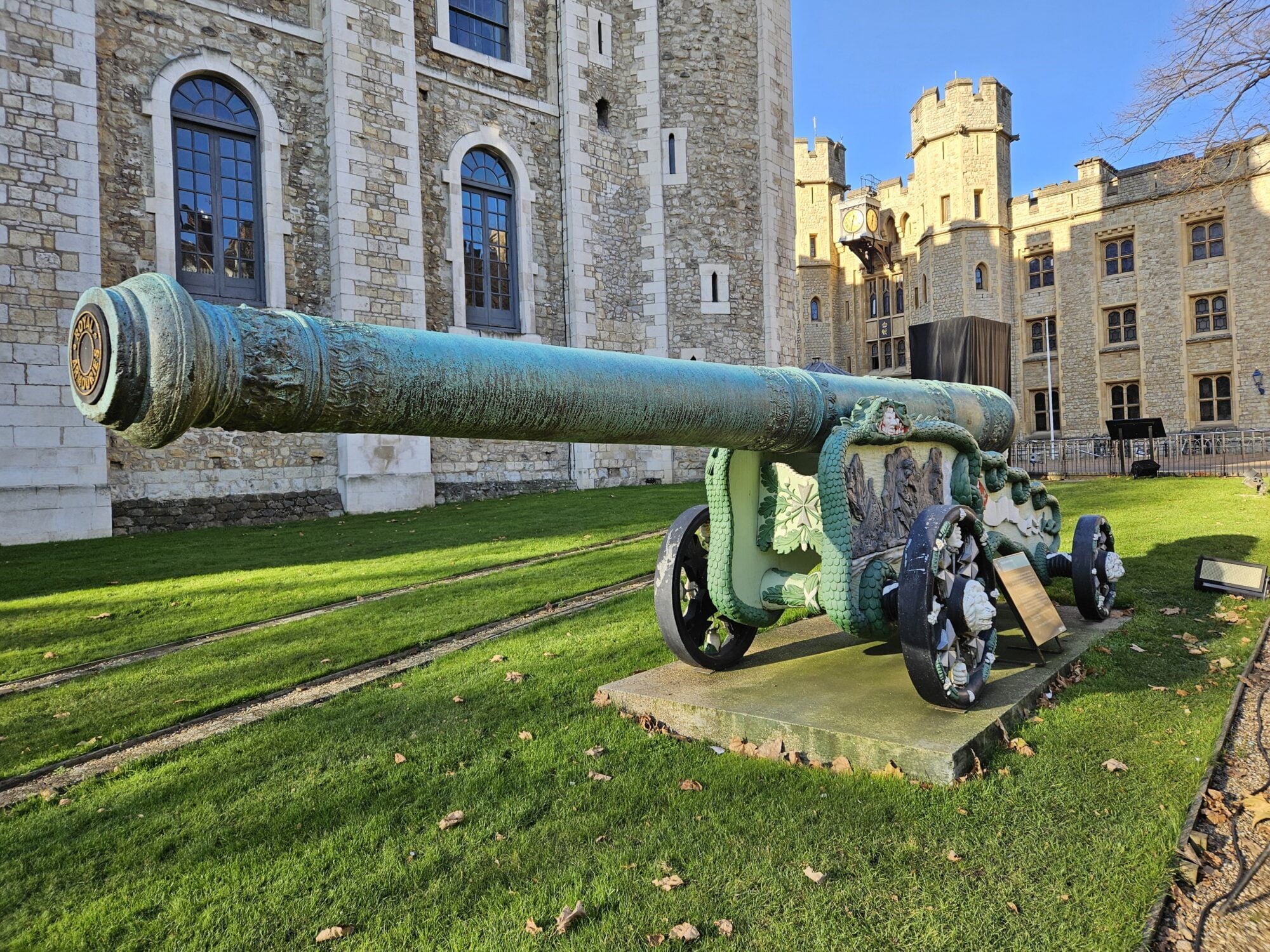
The 24-pounder cannon dates from 1607, and it was originally Flemish. It was then brought from Malta to the UK in 1800. Decorative features include vines and St Michael overthrowing Satan.
The Tower Menagerie: London’s First Zoo
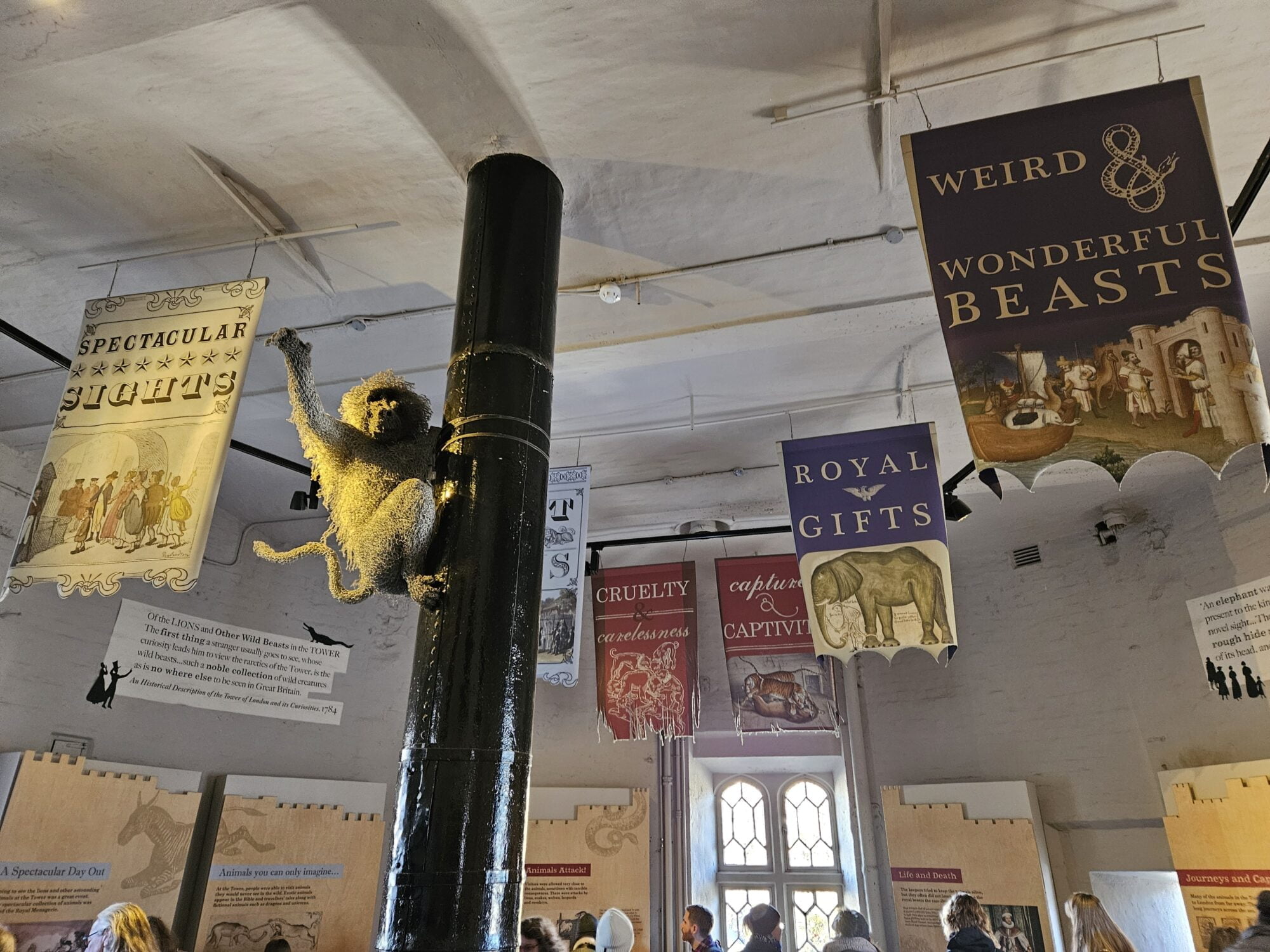
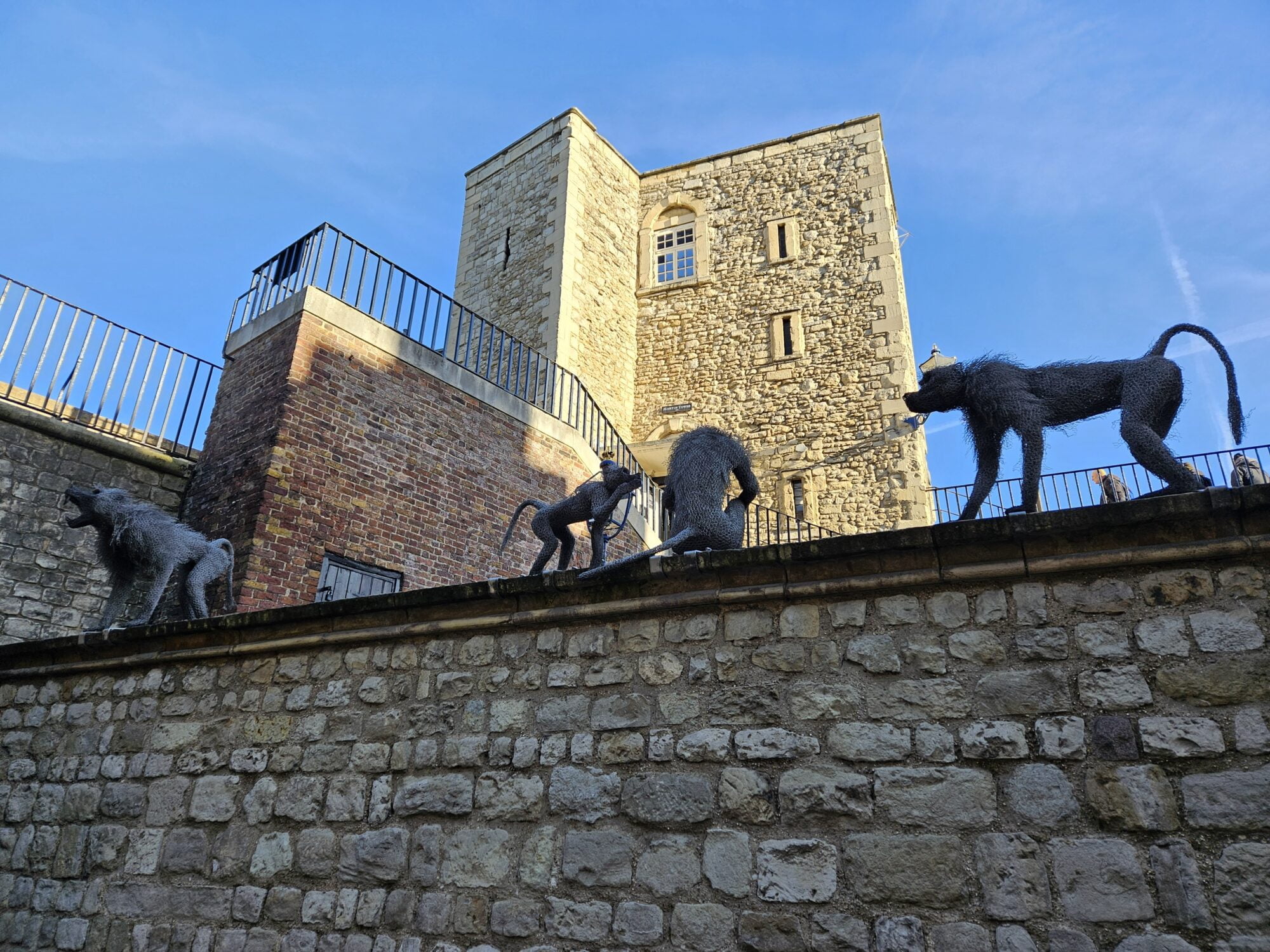
Between the 1200s and 1835, the Tower of London housed a menagerie of exotic wild animals. These were species that were not native to London. This included lions and a polar bear, which were given as royal gifts. The Tower was effectively the first zoo in London. Visitors could come and see the “beasts”. Some of the animals killed people, including zookeepers, visitors and soldiers.
After the RSPCA was founded in 1824, concerns about animal welfare grew. In 1826, the Constable of the Tower, the Duke of Wellington, sent 150 of the beasts to Regent’s Park. Finally, the menageries were closed in 1835.
Walk the Perimeter for Free
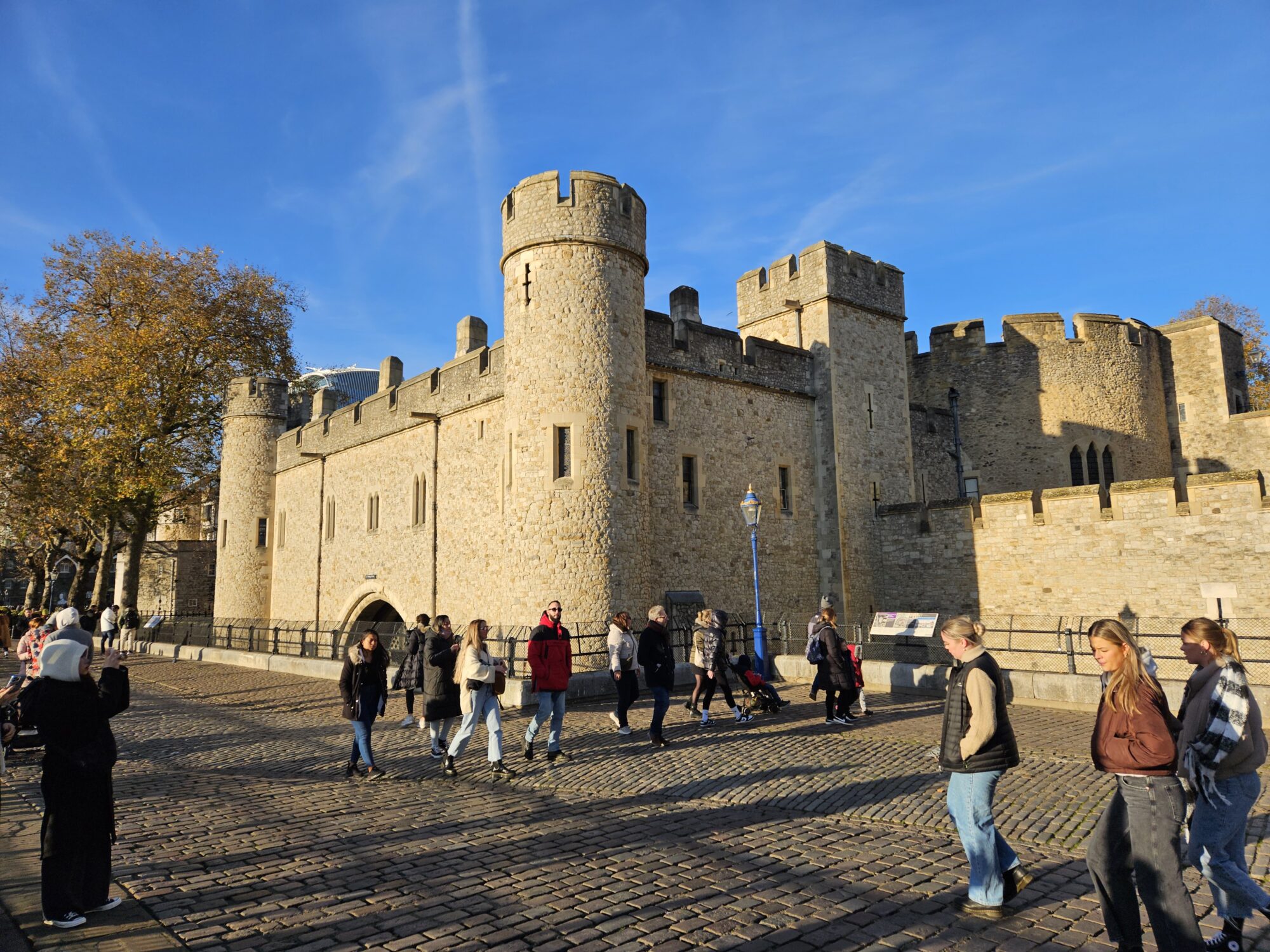
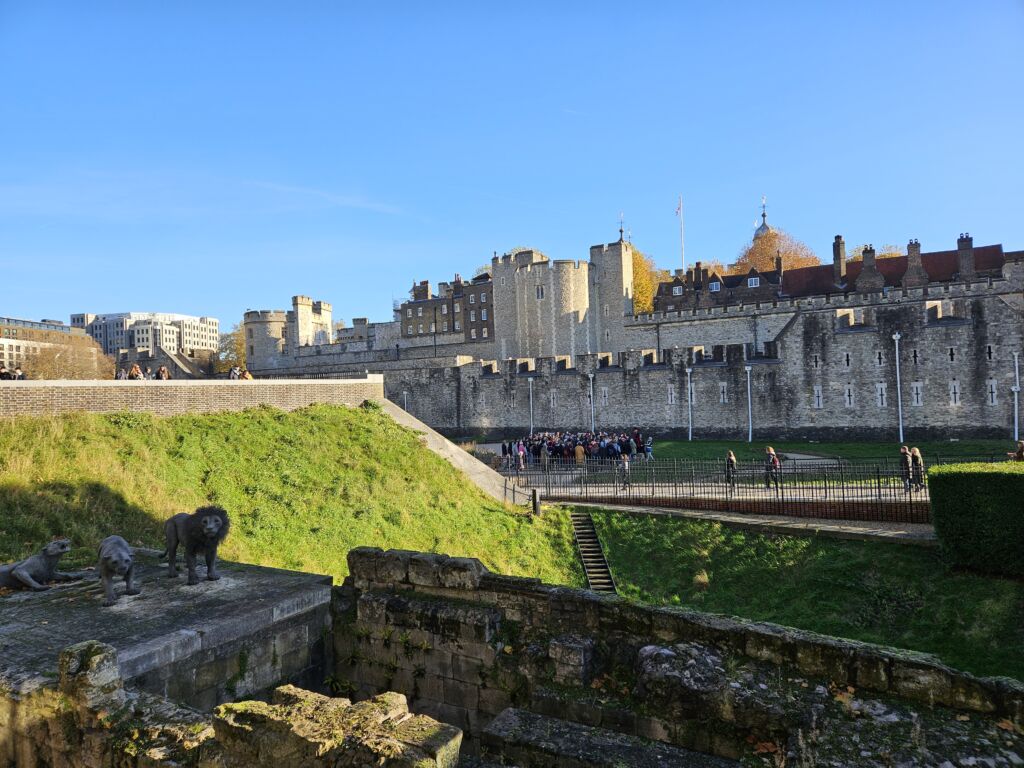
You can walk around the outside of the site 24/7, and it’s free. From the outside, you can see some lion statues. These lion sculptures outside commemorate the former wildlife inhabitants of the castle.
A popular sight while walking around the outside is Traitors’ Gate, an entrance through which many Tudor prisoners arrived at the castle.
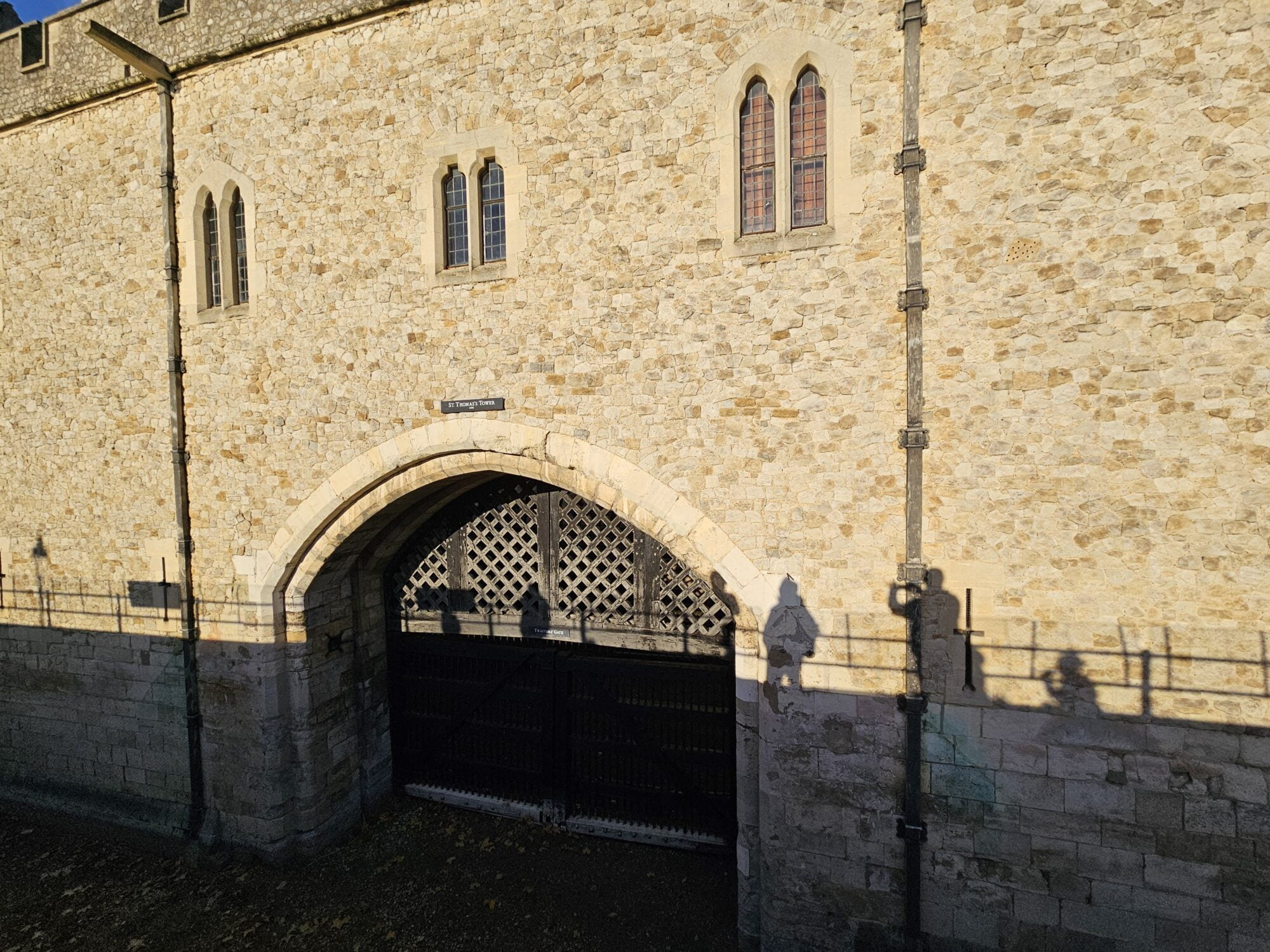
Typically, prisoners were brought by barge along the River Thames, passing under London Bridge. On the bridge, heads of recently executed prisoners were displayed on spikes. A stark reminder of the brutality of the medieval era. For ghost hunters, this area might be fascinating after dark.
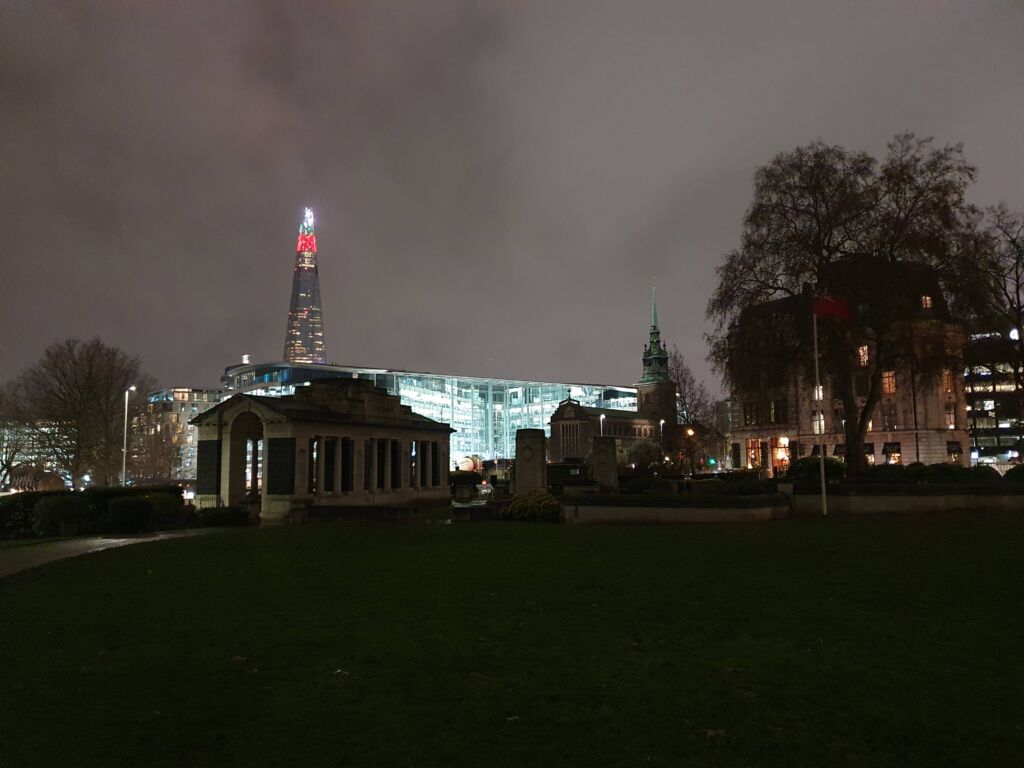
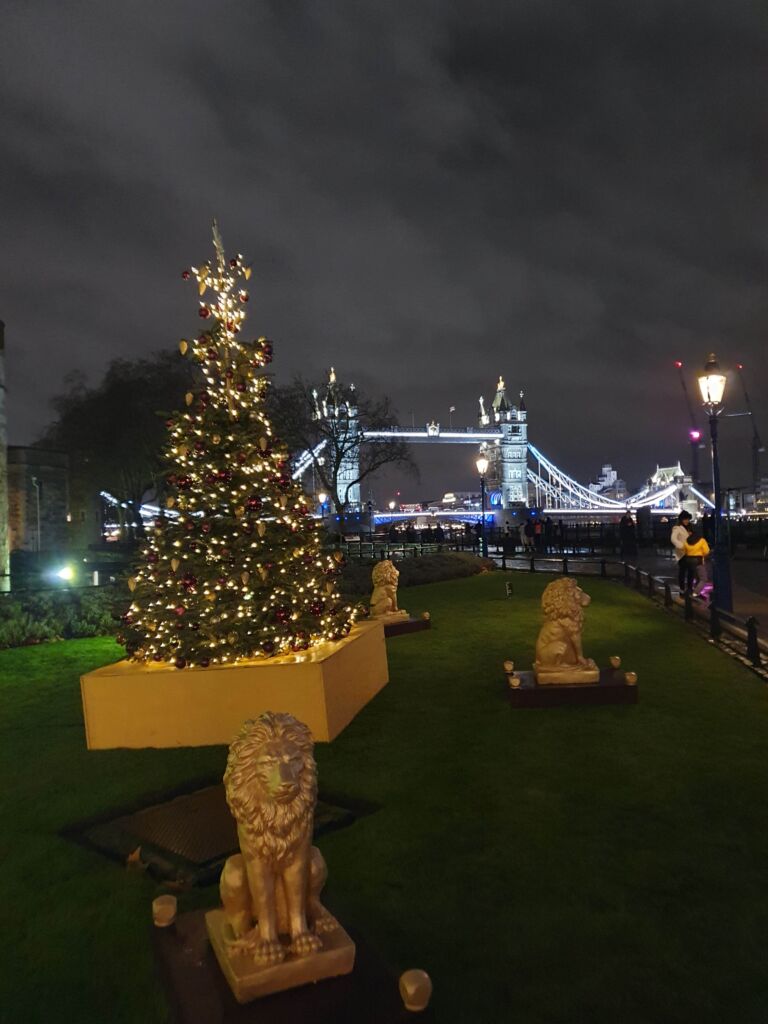

The castle’s edge is a fantastic place for a spooky after-dark walk. Tower Bridge gets lit up at night and is colourful. The benches along the River Thames are a perfect place to sit and enjoy the area at night. Apparently, it is the most haunted building in London. Sadly, I didn’t see anything while hanging out.
Visitor Information
Where to Buy Tickets
There are various options to purchase tickets to visit the Tower of London. You can purchase on the day at the ticket office near the entrance. Alternatively, their website is straightforward for arranging e-tickets.
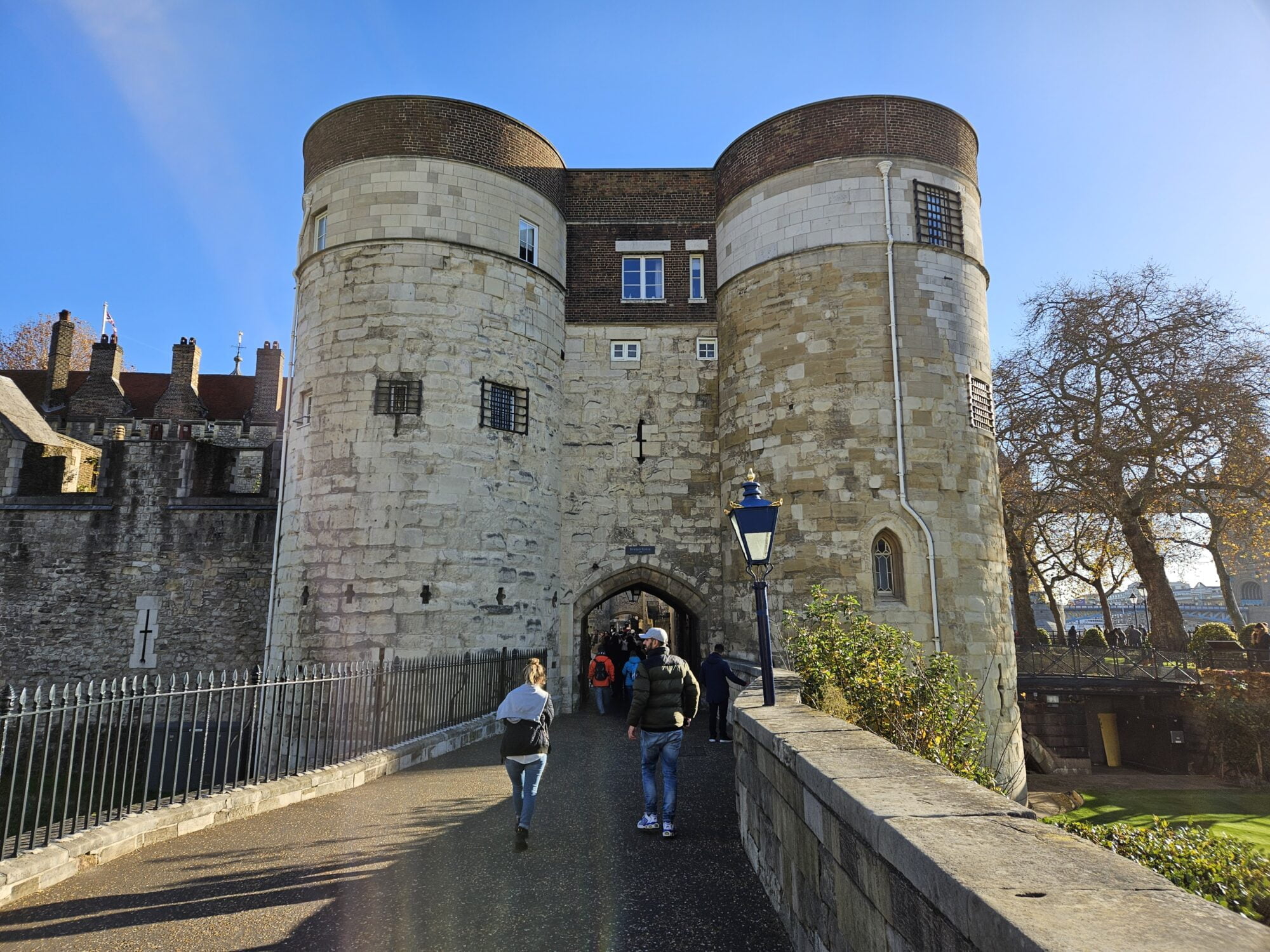
You can purchase tickets via GetYourGuide, including some tours. Entry is included with the London Pass.
Is It Dog-Friendly?
Unfortunately, it is not dog-friendly, but assistance dogs are allowed. If you are visiting London with a dog, a pet-friendly hotel or a dog sitter helps.
Refreshments
Armouries Café
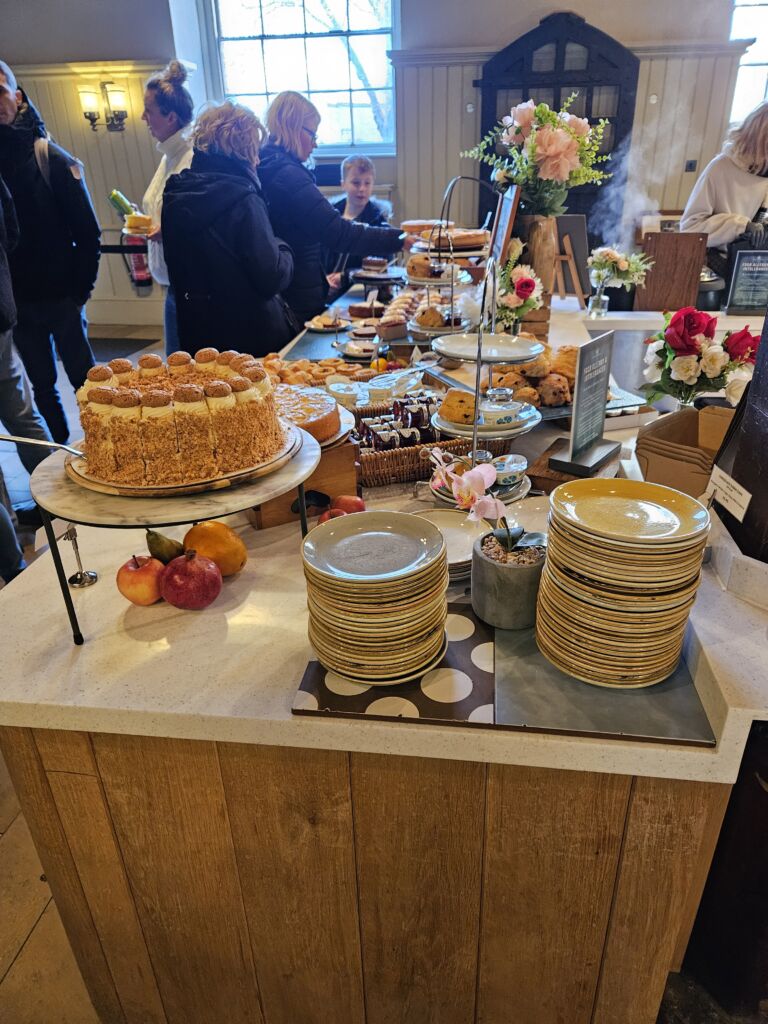
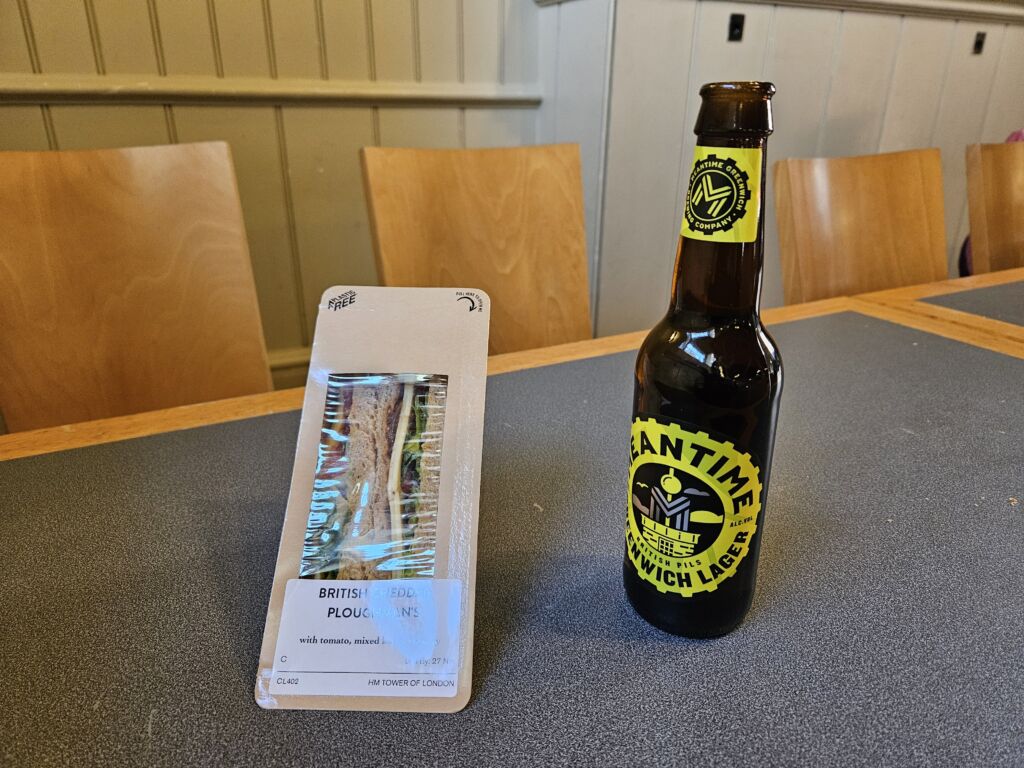
I visited the Armouries Café for a traditional British ploughman’s sandwich and a bottle of Greenwich lager. There were food options, including hot and cold meals. The cafe had a range of cakes and coffees. It was a canteen-style place where you picked your food and drink, paid at the till, then found a seat.
Raven’s Cafe
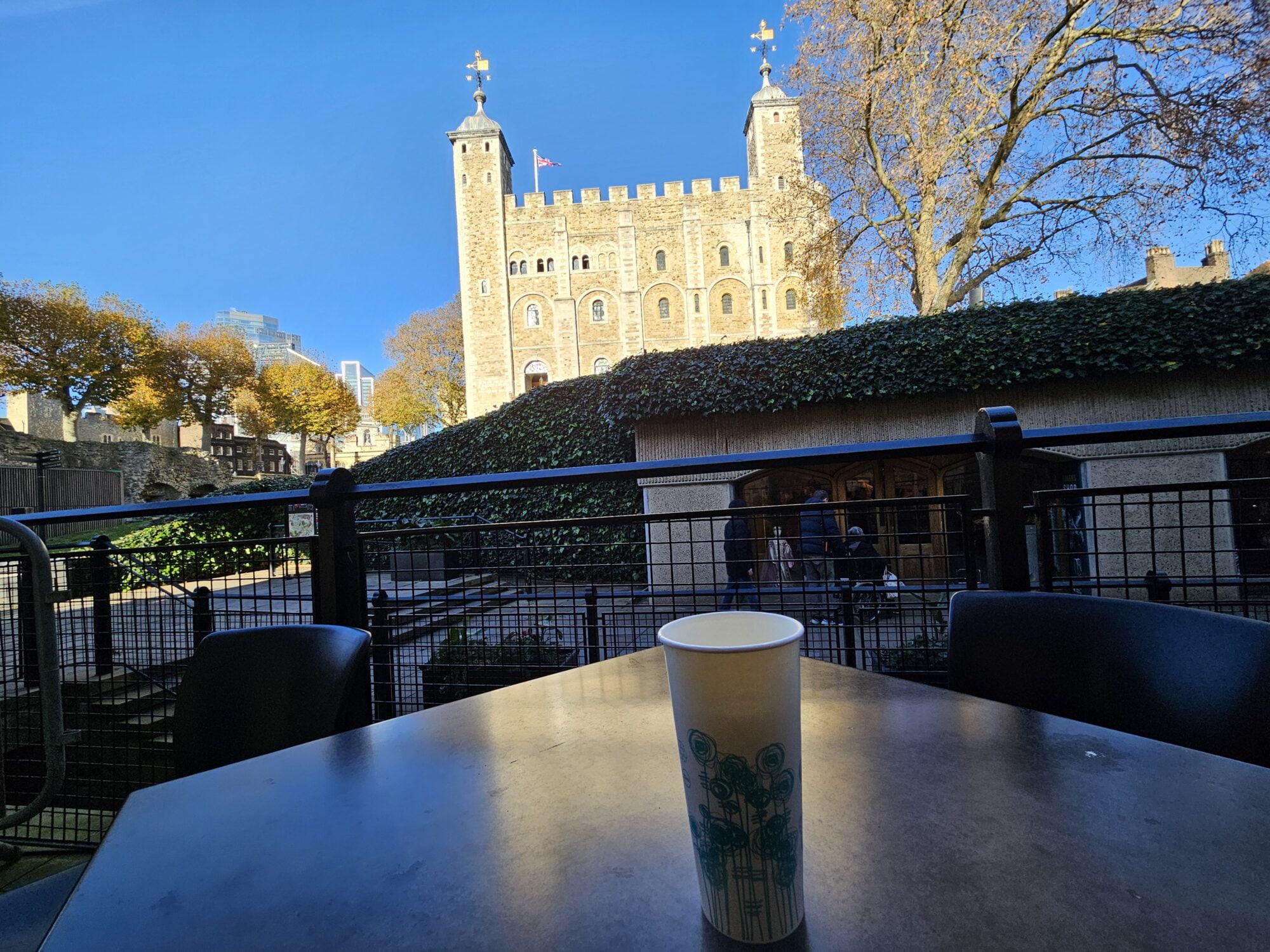
Another place where I had a cold beer was the Ravens Cafe, with outdoor seating. The views from the cafe were lovely, especially towards the White Tower.
Is the Tower of London Worth Visiting?
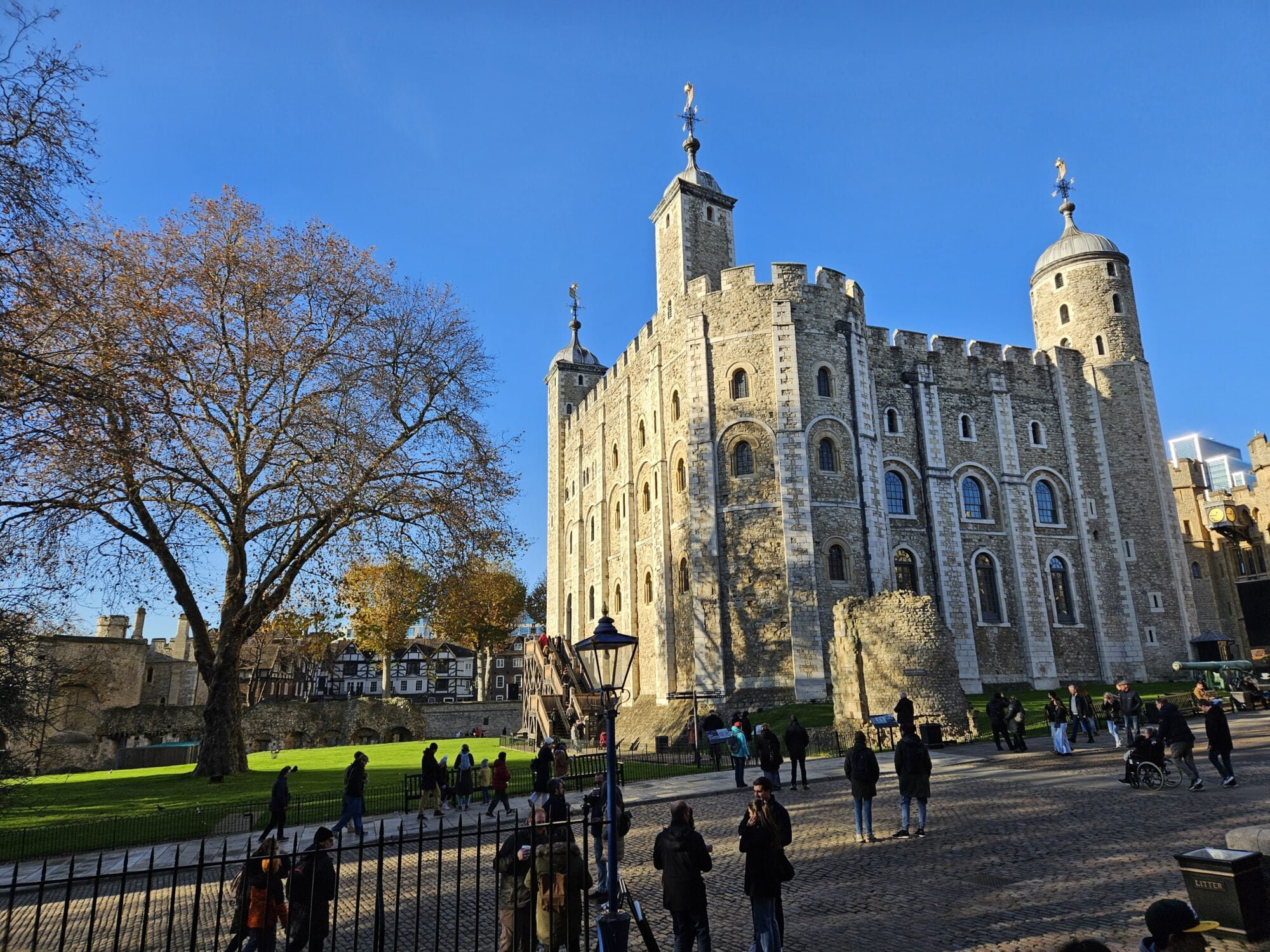
I really enjoyed visiting the Tower of London while on my trip to the UK capital. There were loads of things to see when past the gates, and it kept me entertained for hours. It’s an enormous place to explore, laid out nicely to tell the site’s story.
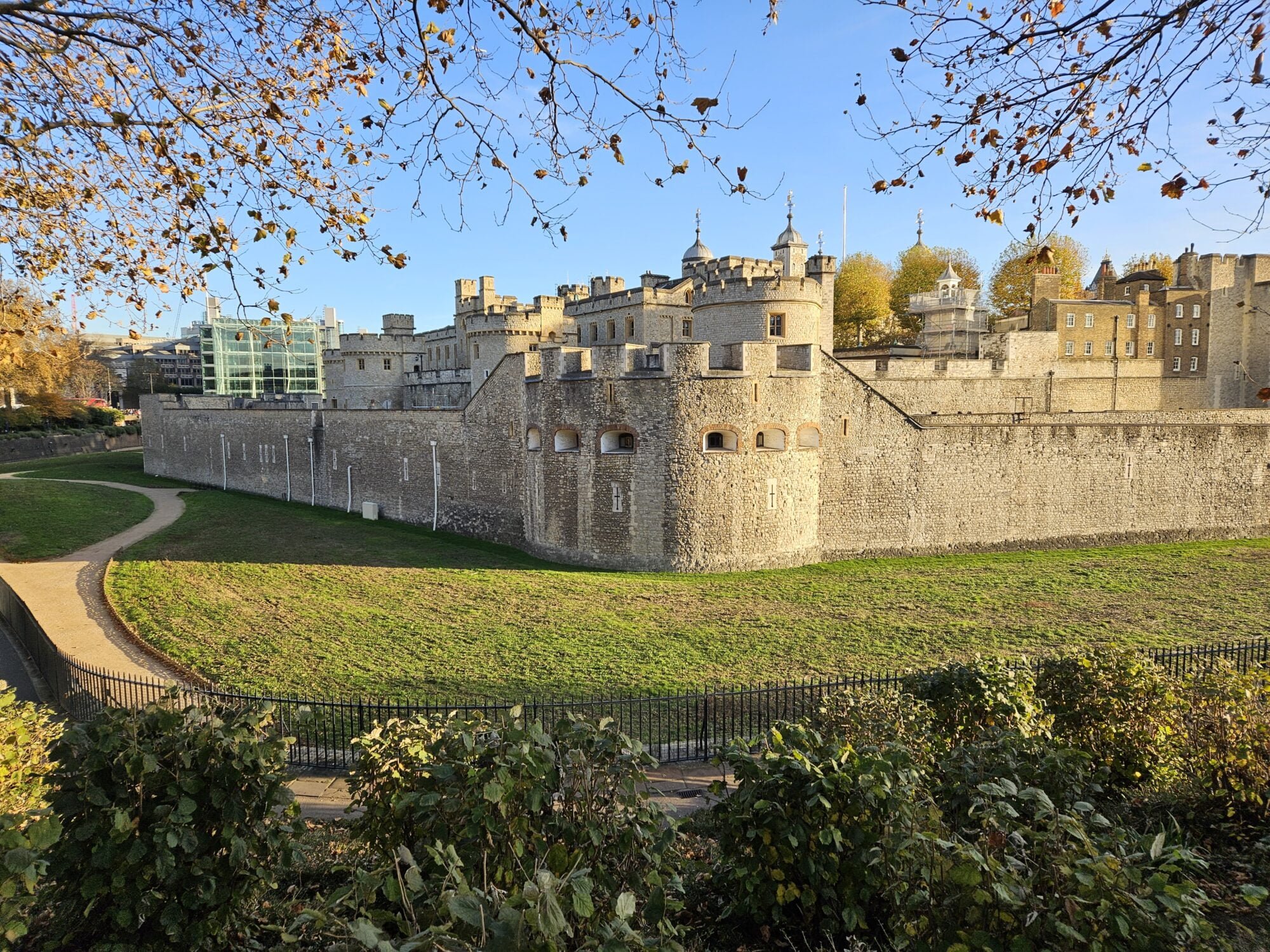
It was a great opportunity to learn some British history and see the various exhibits, especially the Crown Jewels. The Anne Boleyn parts were a great follow-on from our visit to her childhood home at Hever Castle in Kent.
I visited earlier in the day and was not overwhelmed by crowds; towards lunchtime, it got busier, but not anywhere near crowded. You can arrange tickets online on the GetYourGuide website for access to the Tower of London.
What a gorgeous place. You captured some brilliant wide-angle snaps. Well done.
We did 3 weeks in London recently; the city is stately. Your images capture that essence. From the towers to the mansions to government buildings, London looks elegant.
Ryan