
Travelling in Europe With a Dog: Travel Tips & Advice
Travelling with a dog in the UK and throughout Europe has been great fun over the last eight years. Overall, I have found it a positive experience that creates more opportunities than it limits.
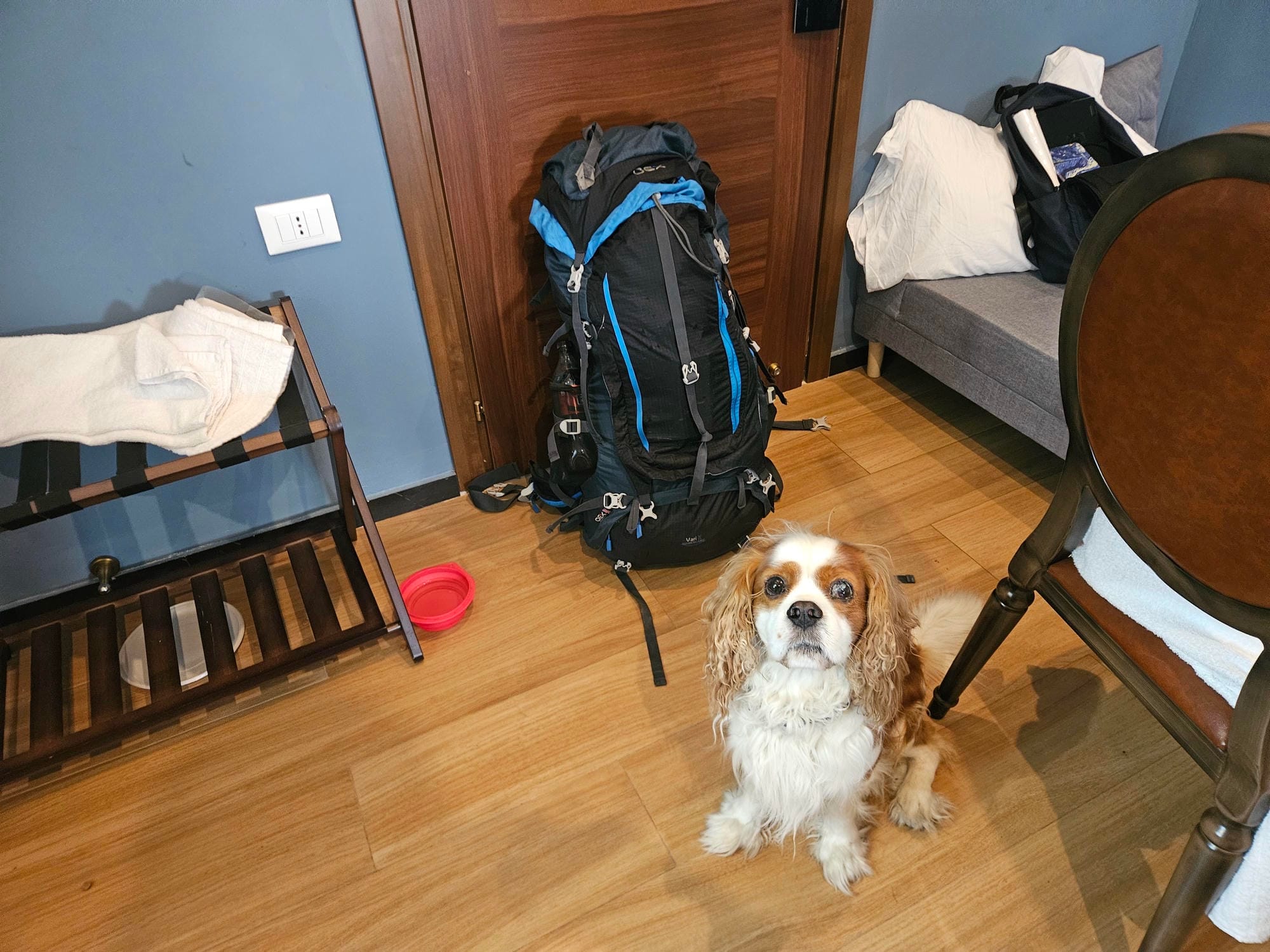
I acknowledge that all dogs are different, so travel will be unique for each pet-owner combination. This post is about my travel experiences in the UK and mainland Europe.
My Dog, Henry, a King Charles Cavalier Spaniel
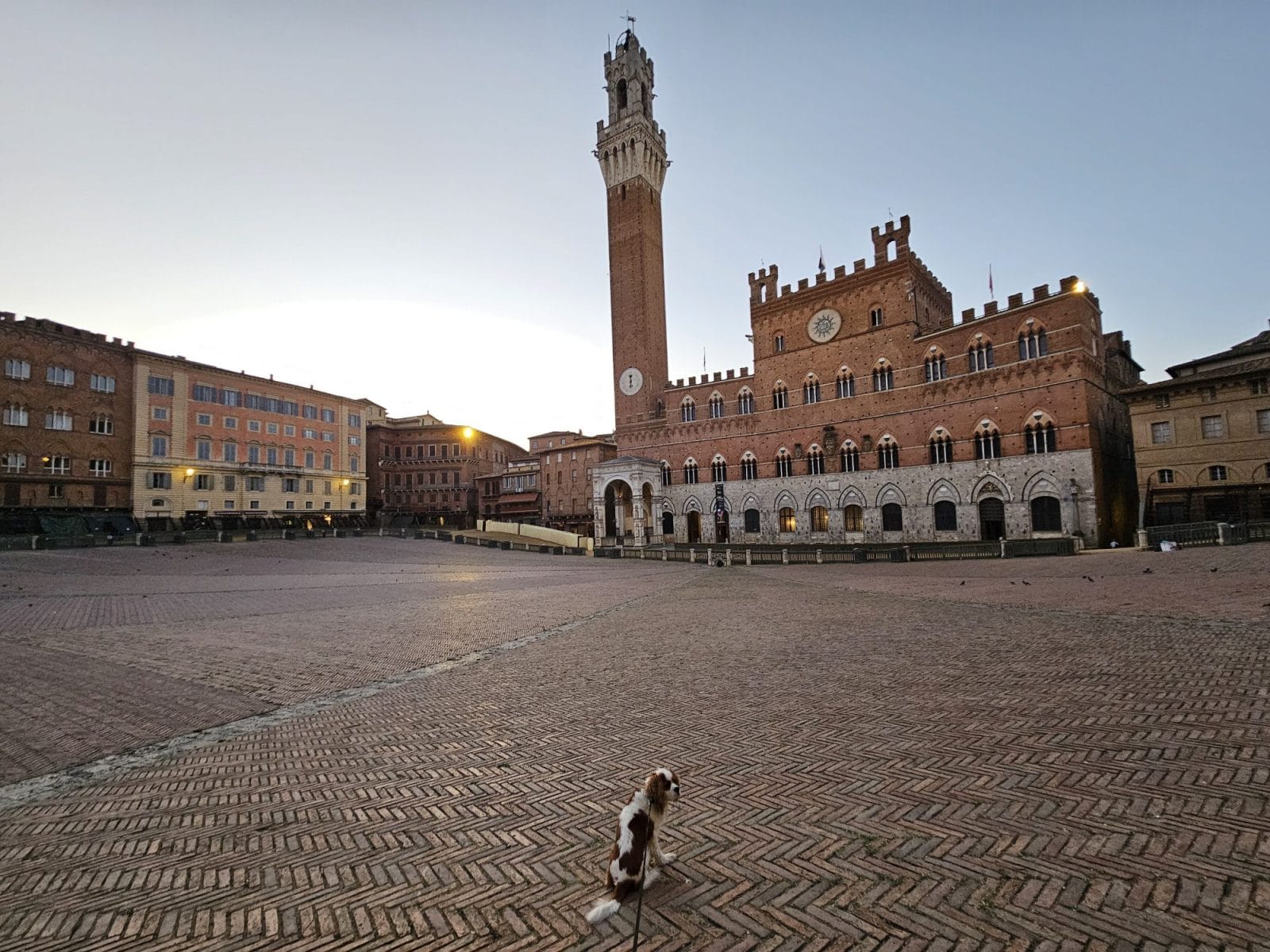
Henry, my dog, is a King Charles Cavalier Spaniel and, from my observations, is bigger than most of his breed. He has been with his puppy mummy and me since he was very young. We made sure he could go out and experience things and people.

Personality-wise, he is fearless and social with people and other dogs. This is because of the number of trips out when young. Henry can be obedient but is easily distracted by people and flies; treats snap him back into focus, though. As long as he has company, he can settle anywhere from trains to tents. If tired, he can sleep anywhere, including hotels and hostels.
Advantages of Travelling in Europe With A Dog

There are many positive aspects of travelling with a dog, including:
- No fees for kennels. For a three-week trip, the kennel fees are roughly £400.
- More flexibility with return dates because you don’t need to pick up the dog on a set date.
- Travelling with a dog is a fantastic conversation starter, as he is cute.
- Planning activities and attractions cuts down on waste and doing things for their own sake.
- Morning walkies in a new city help you see parts you would normally miss.
- Fun, creating memories.
- Great themed photos for social media.
- Travelling differently, many people assume you are local with a dog in tow.
Disadvantages of Travelling with a Pet
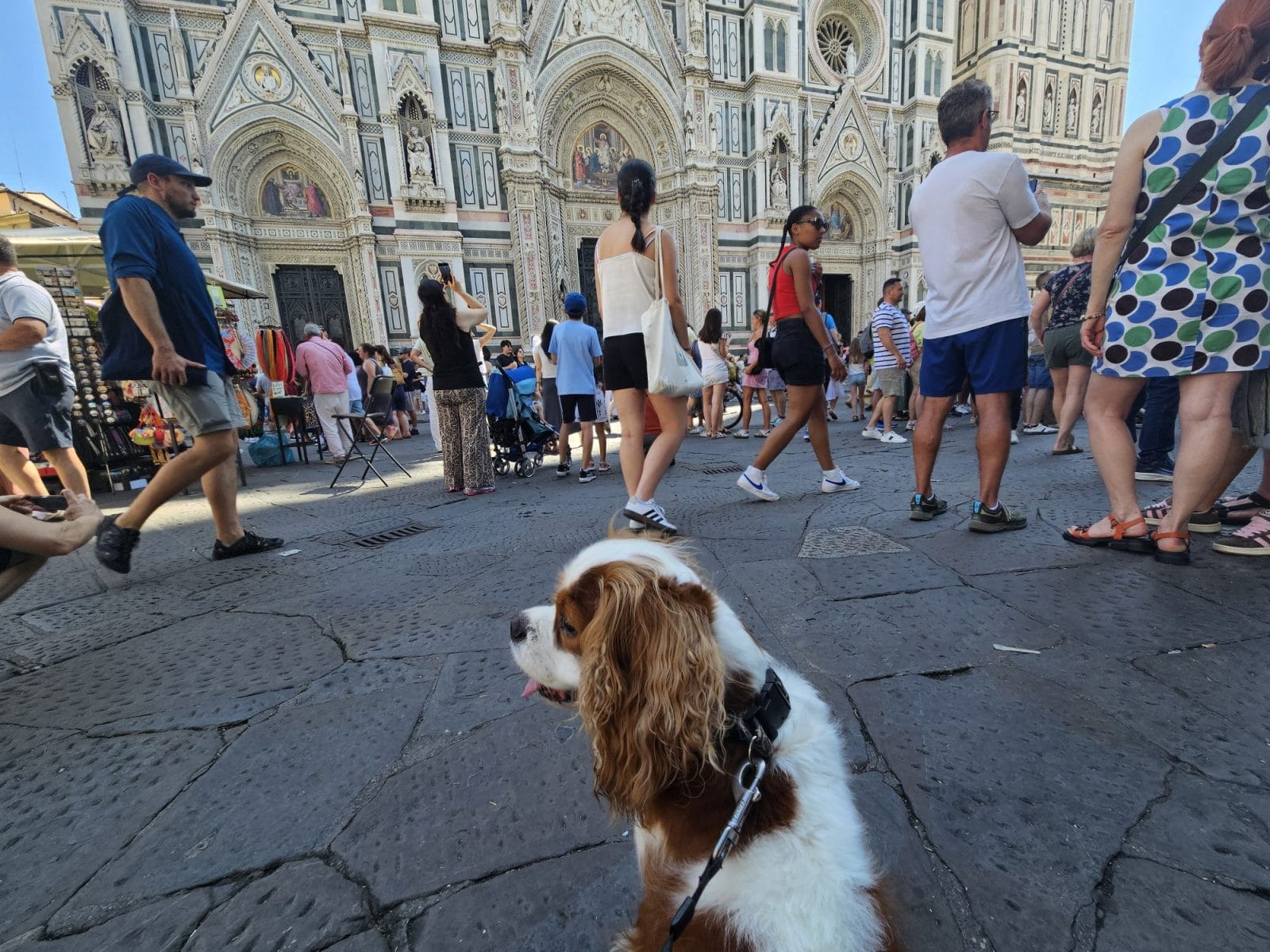
Advantages and disadvantages are subjective, so one man’s meat is another’s poison. These are things I consider an inconvenience.
- Extra luggage for the dog, including a bed, toys and food.
- Too many people want to say hi; this can be inconvenient if it happens too often.
- Fewer accommodation options to stay at.
- Finding a vet 3-5 days before returning can be a challenge.
- Restricted public transport options in some European countries. Many major coach companies are dog-unfriendly.
Things to take When Travelling With A Dog

- Food: If your pet requires a special diet, I carry a few in case of supply issues.
- A bed, something familiar to sleep on in an unfamiliar room or on night trains.
- A bowl for drinking water and food.
- Water – water to keep hydrated – saves buying bottles and filling where possible
- Favourite treats to ensure obedience at key times.
- Toy to play with as usual.
- Worming treatments if you are travelling for over three months. However, if your puppy is under 6 months, you need to do this more frequently, depending on age.
- Flea prevention treatment needs to be administered regularly. It’s best to discuss this with your vet before travelling.
EU Pet Passport & Animal Health Certificate
On our earlier trips, Henry travelled with an EU pet passport. The rules for people resident in Great Britain have changed since then. From 22 April 2026, GB residents cannot use an EU pet passport to enter the EU, even if it was issued there. They need an Animal Health Certificate for each trip from Great Britain to the EU, along with the required microchipping and rabies vaccinations.
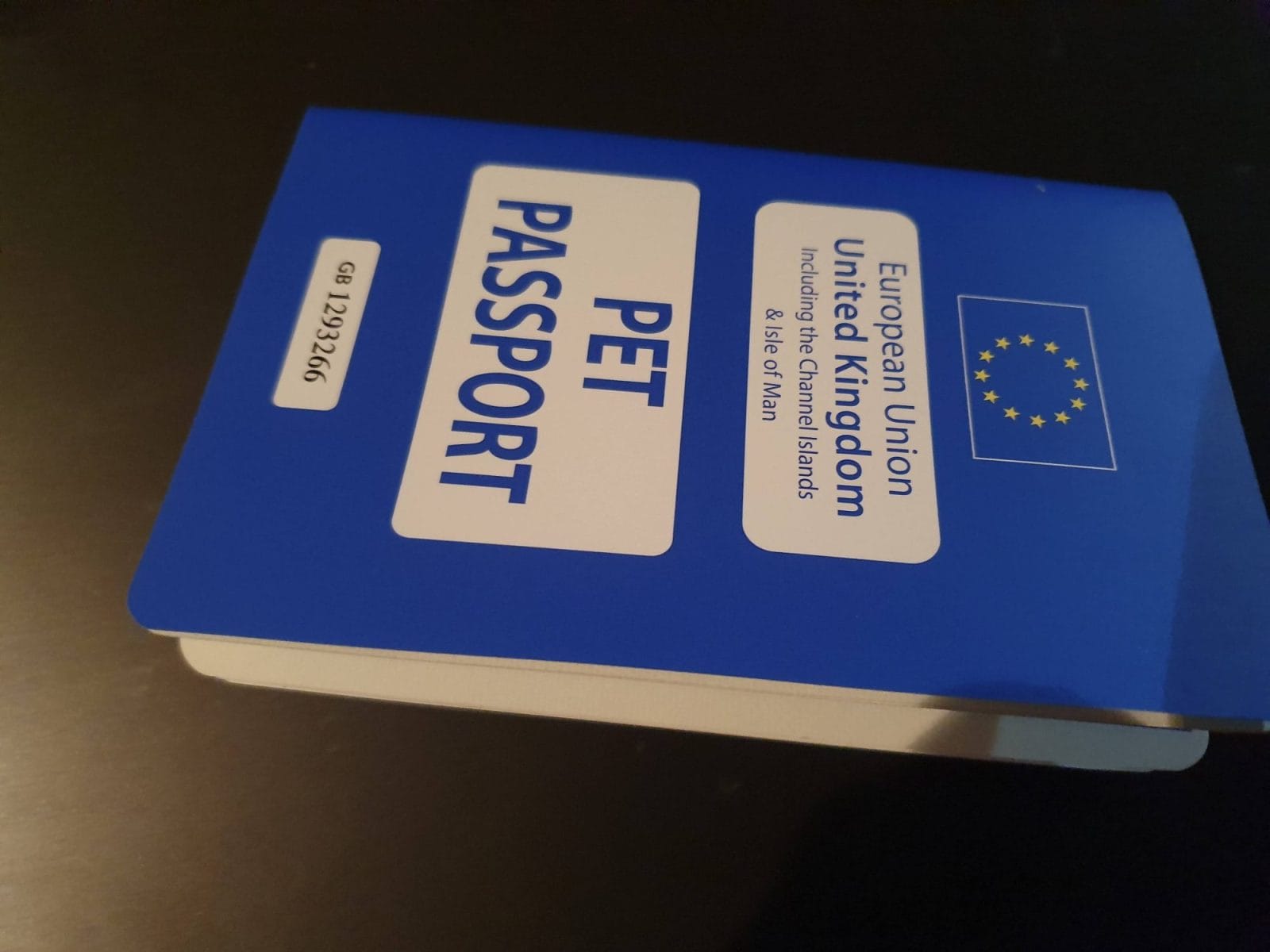
Luckily, Henry now has a Romanian pet passport for our travels. For journeys to and from Great Britain, it is still important to check the latest government rules, including any tapeworm treatment needed before returning. It’s a shame it’s not so straightforward for humans.
Weather Considerations
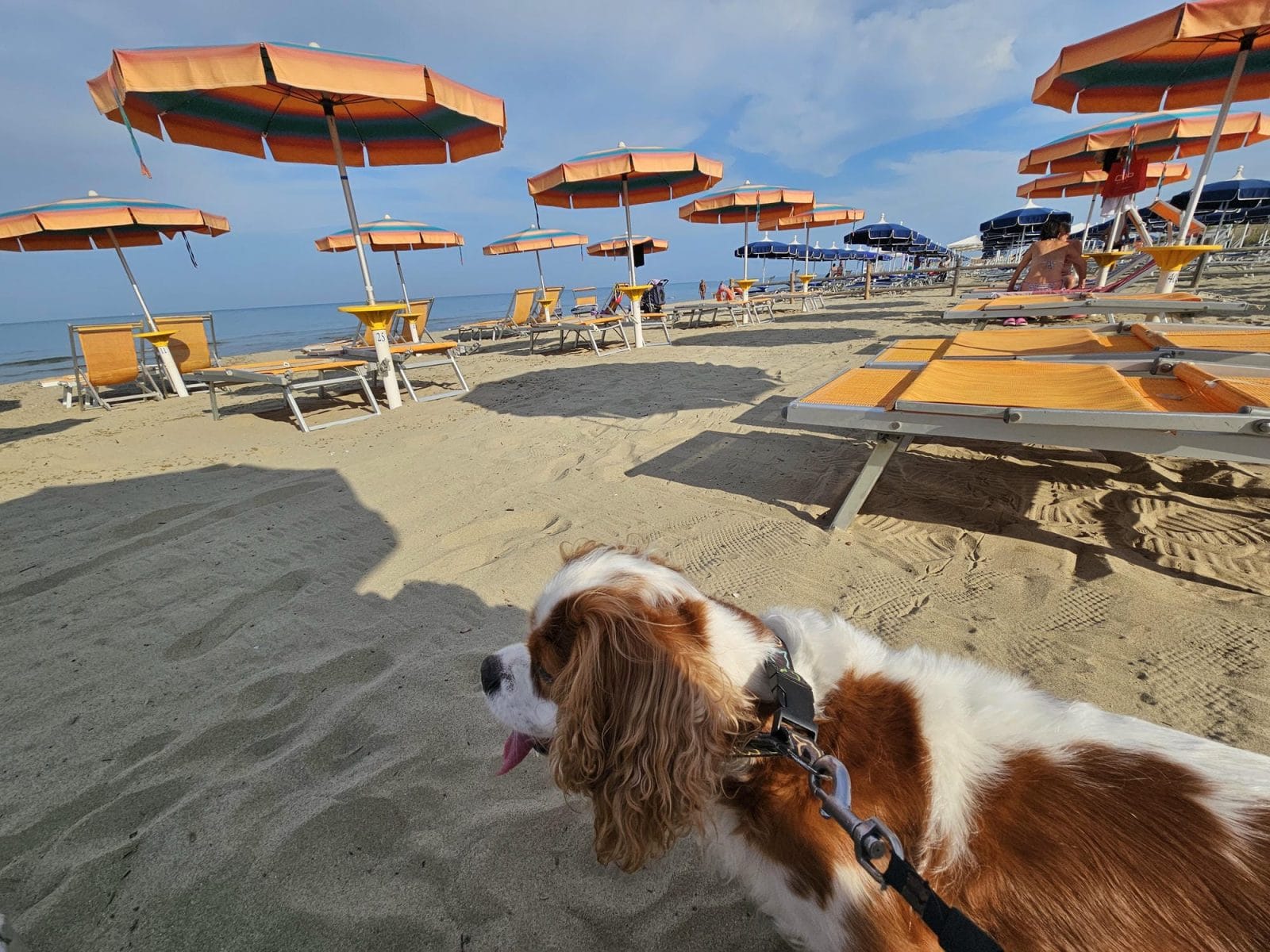
A destination’s climate can affect what you need to do to keep your pet healthy. The last thing you want is to let your dog get too hot or too cold. When it’s hot, we make sure to walk Henry very early and late and choose places with plenty of shade. This also affects which side of the street we walk on.
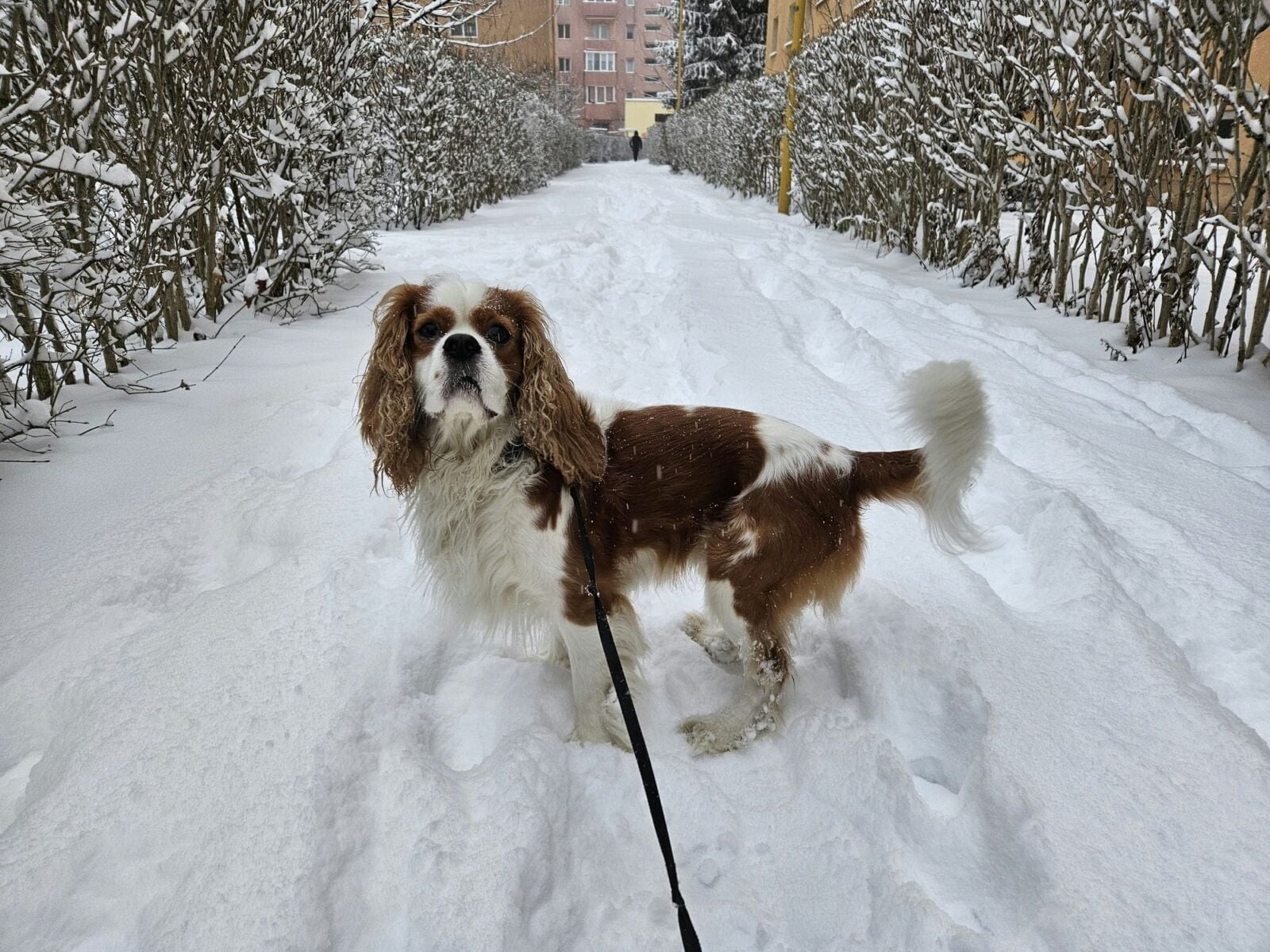
During the winter, we keep walks brief to ensure he doesn’t get too cold. In solidarity, I walk in shorts and t-shirts to monitor the temperature. Winter clothing exists for dogs, too; unfortunately, Henry hates it.
Dog-Friendly Attractions

Choosing attractions to visit is a minefield for a solo traveller, since they rarely allow pets inside. Some dogs can settle into a strange room easily and pop out for a few hours. However, this means being selective and only visiting the preferred options. Luckily, gardens and architecture fascinate me more than anything. This can mostly be done with canine company.

Travelling in a pair is great with a dog. Both parties can go inside their preferred attractions while the other has a beer or chills outside. This is my usual modus operandi. It works well with travellers with different interests. For example, my wife loves coffee and relaxing. I love exploring and visiting castles and religious sites.
Travelling With a Dog in the UK & Europe
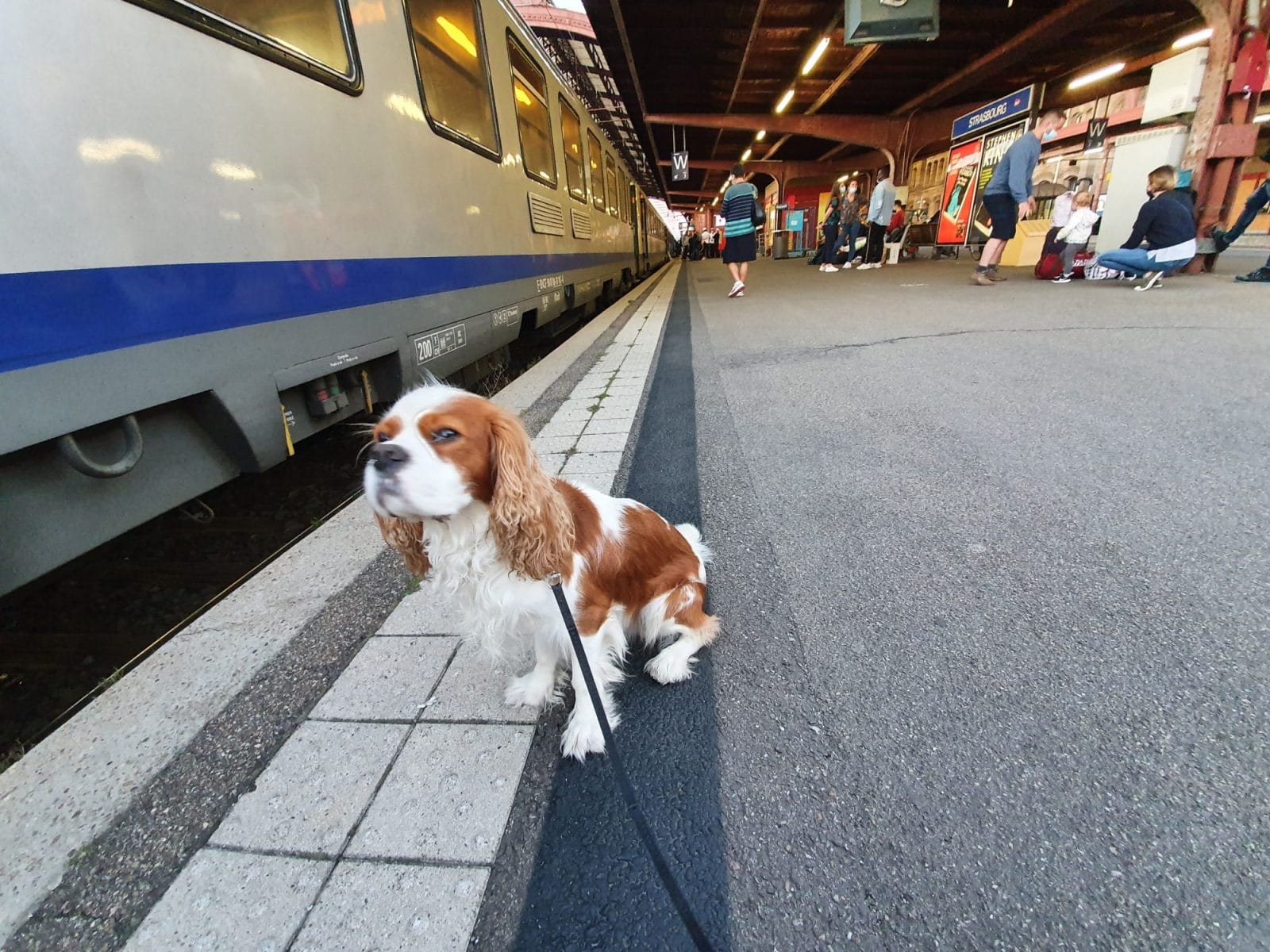
Here are some ways you can travel through the UK and Europe with a pet.
Train Travel
Train travel in the UK is fantastic with a dog. There are no fees for travelling with a pet, and there are no muzzle rules. The only downside is that the Eurostar, which connects the dog-friendly UK trains with the pet-friendly French trains, is not pet-friendly.
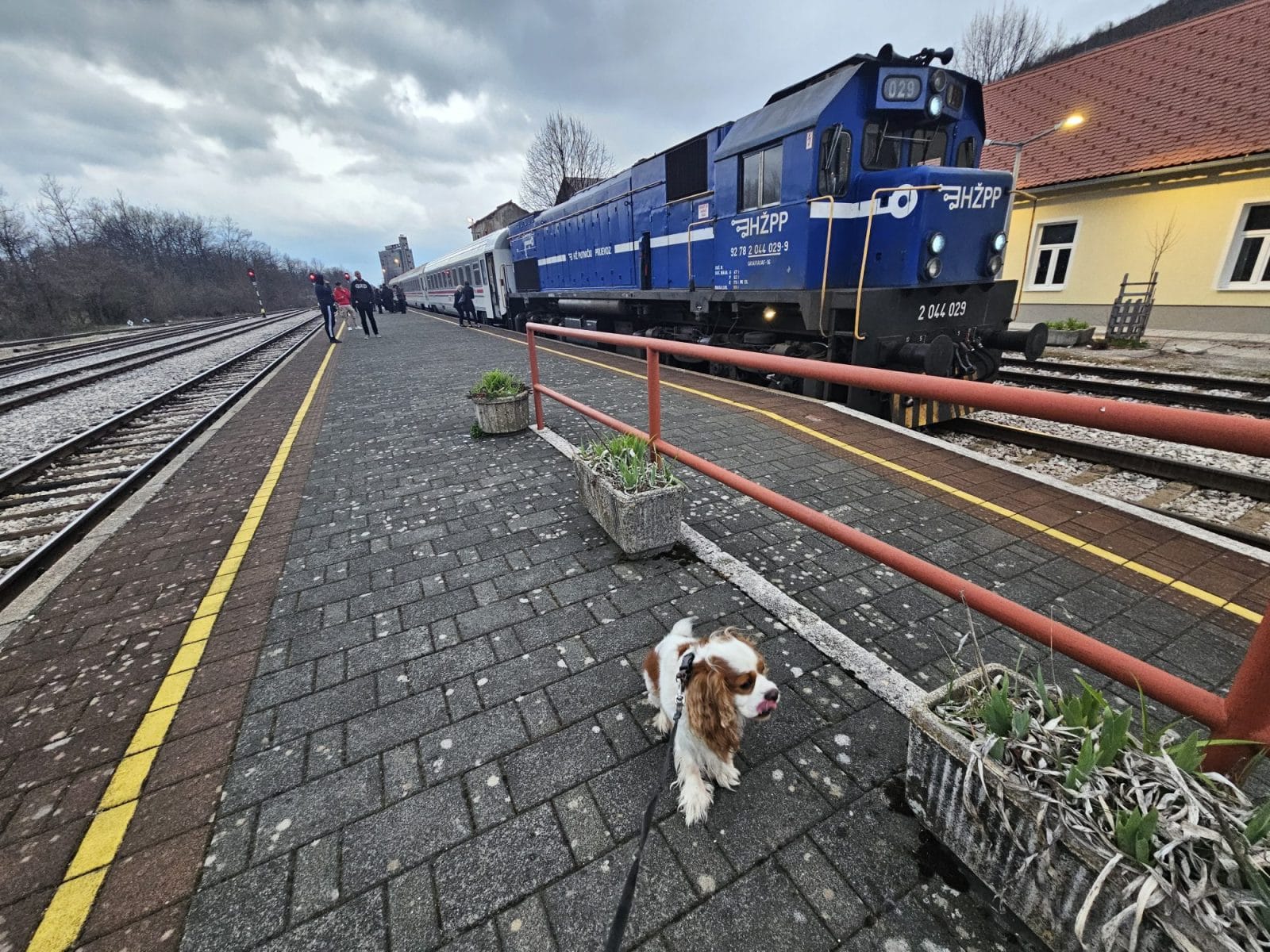
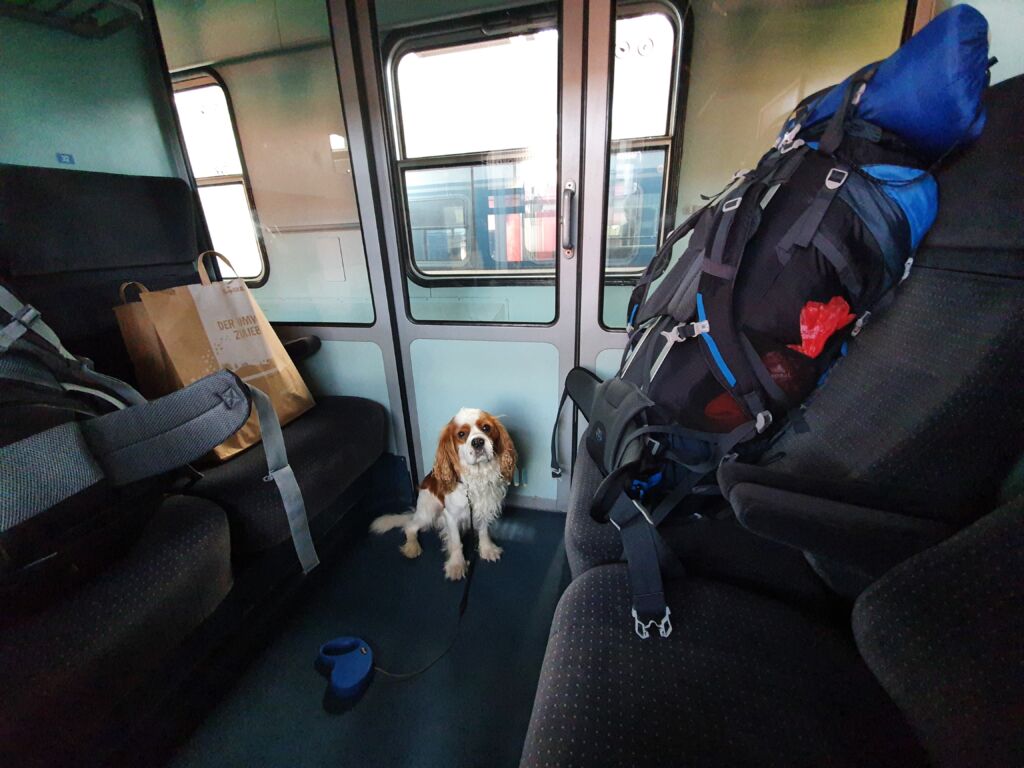
Travelling by train with small- and medium-sized pets is pretty simple; in some countries, it is fine. In Germany, you need a muzzle on trains. They rarely enforce it, but it is best to have one and train them to use it. In some countries, such as France, people prefer pet carriers. This put me off, as carrying a carrier for an adventure is extra weight.

Dogs usually have to sit on the floor and not take up seats that other passengers could use. In some places, such as the Netherlands, if another passenger complains or feels uncomfortable, you are required to move to another carriage. Before travelling, it is best to enquire about pet costs; many railway firms don’t charge, while others charge half fare or child fare.

If travelling by night train with a dog, you must book a whole compartment or a couchette. It’s usually not a problem to book a 2-person compartment if arranged in advance. My night train from Vienna to Alba Iulia was a fun trip. We learnt lessons when travelling from Deva back to Vienna.
Ferry With a Dog


Ferries from the UK can be tricky with a dog if you are travelling without a car. I’ve taken Henry on both the daytime and overnight Stena Line crossings between Harwich and Hook of Holland. The overnight ferry was especially convenient because we could sleep during the journey. Foot passengers must book an onboard kennel or pet-friendly cabin for their dog in advance. Stena Line also has a designated area for walking dogs on board. Check the current Stena Line pet-travel rules before booking.
I’ve also travelled with Henry on the DFDS ferry from Newhaven to Dieppe as a foot passenger. He stayed in an onboard kennel, and we took a carrier for boarding, as required on our trip. DFDS now offers dog kennels and pet-friendly cabins on this route. Foot passengers travelling with pets should contact DFDS to arrange their booking. See the current DFDS pet-travel arrangements for details.
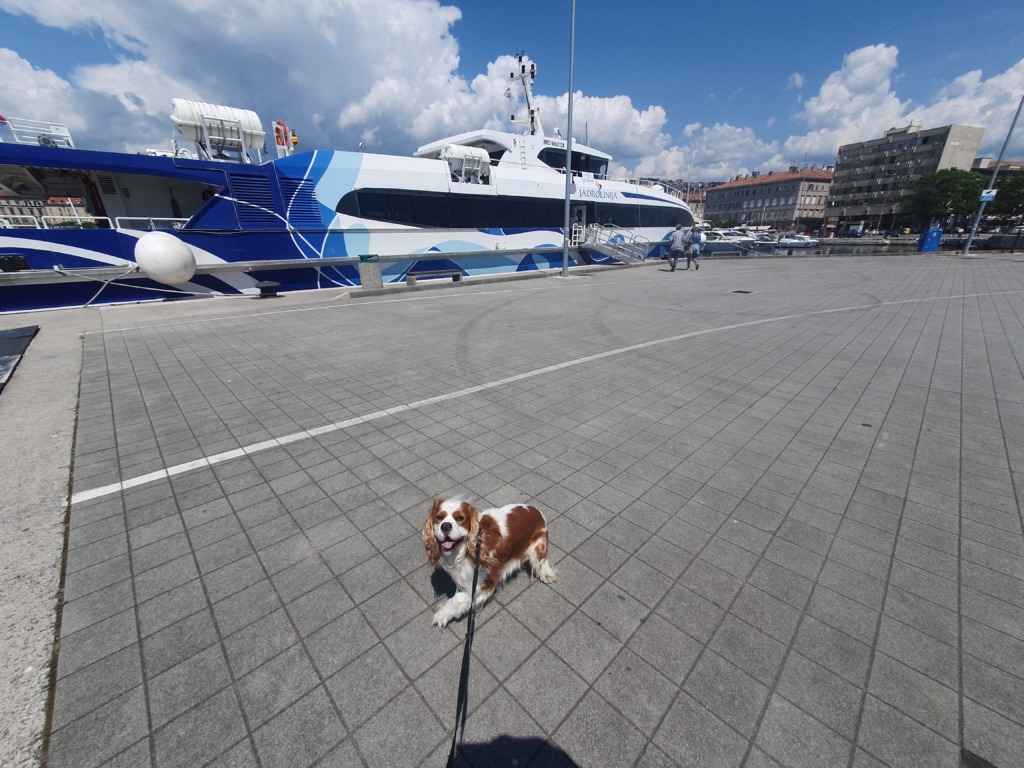

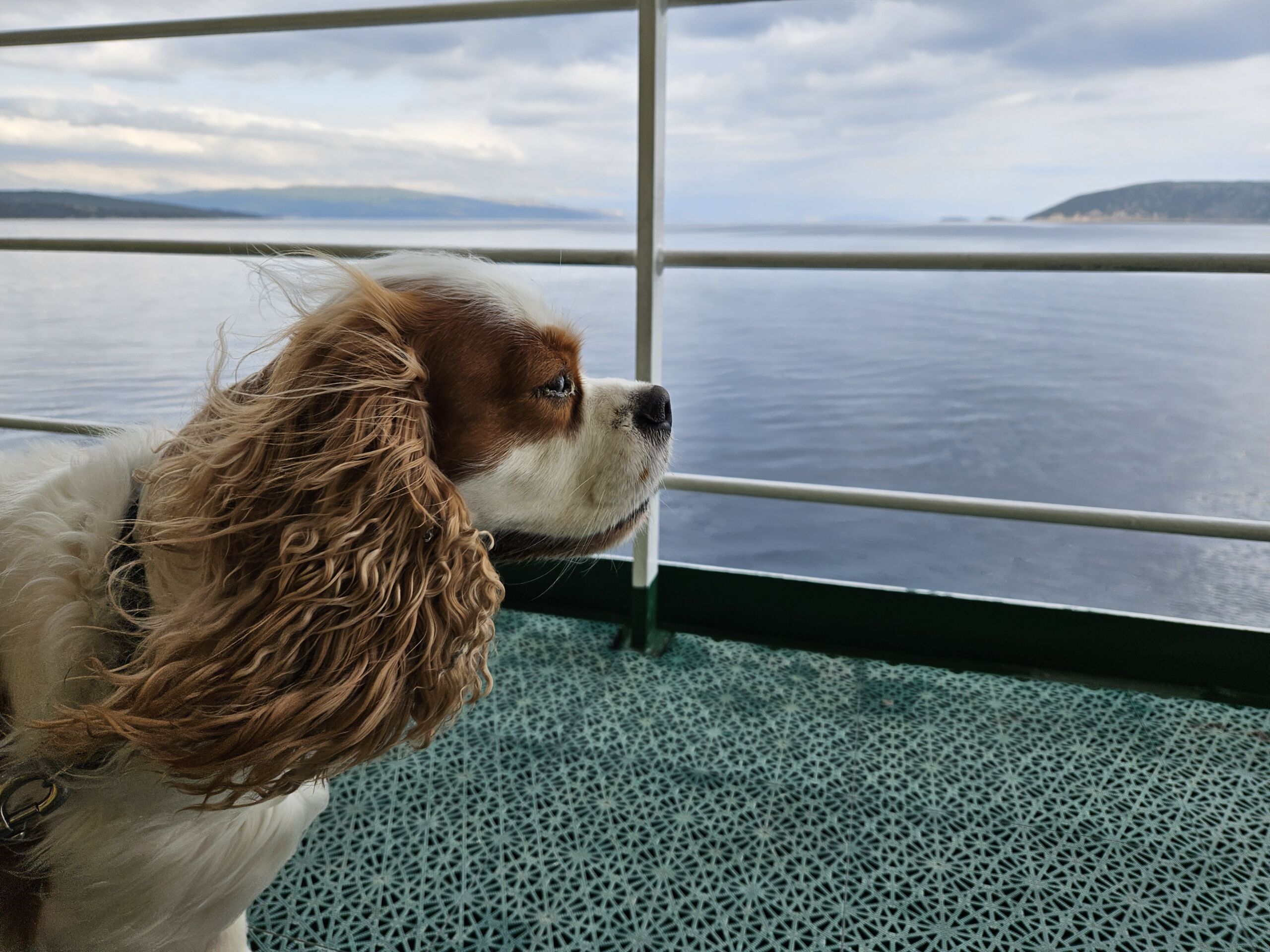
Croatian ferries have a confusing set of rules and conflicting information available. Our experience is that catamarans are not pet-friendly unless your dog is really small, but in a carrier, the car ferries are fine, except you need to sit outside on the deck with a lead on.
Car Travel
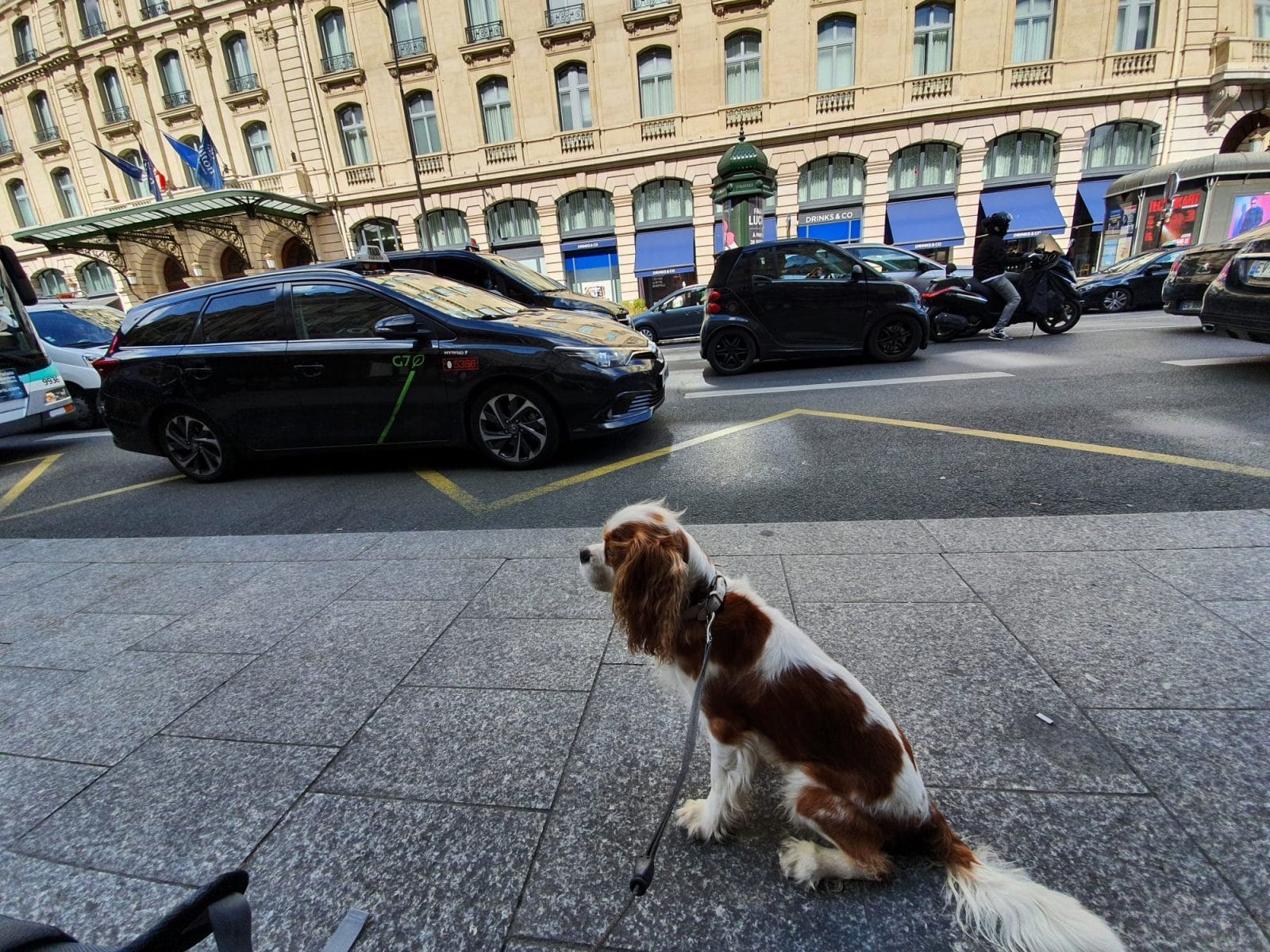
Some pets are great in a car; others are not so. It usually requires training to make the dog a good passenger. Many options keep dogs safe in cars, including carriers and doggy seat belts.
Plane Travel
A few airlines allow dogs to fly; some let them fly as carry-ons if tiny, or as cargo. I have read many posts on this and decided it’s not for me. Being sedated, the heat, and being treated as luggage put me off this method. The kennels or a dog-sitter would be my choice when flying.
Finding Dog-Friendly Accommodation
To find pet-friendly accommodation in Europe, I prefer to use the ‘pets allowed’ filter on Booking.com. Other sites, like Airbnb, offer similar options. Most hotels listed on Booking.com state their rules, including whether they allow pets, before you book. Some accommodations charge an extra fee for stays with dogs.
Apartments & Flats

My preferred option for dog-friendly accommodation while travelling is to book an entire apartment. Usually, the cheapest dog-friendly one is available. The upside is that there is more room for Henry. Fewer people around to disturb his sleep while we are out sightseeing. Apartments offer many more benefits for humans, including kitchens to help with the budget and a lounge area to spread out.
Staying at Hostels

I have stayed with the dog in a few hostels in Europe. We usually find these using the pet-friendly search on Booking.com. Many have rules, such as an extra cleaning charge or a no-alone-in-the-room policy. Most hostels require travelling pets to be in non-shared rooms, so dormitories are out.
Camping with a Dog
Camping with Henry has been pretty easy for me. He likes to stay close, and nothing fazes him. Keeping him warm is easy: he likes to make his own bed, often not the one I carry. On chilly nights, he cuddles up, or I put some clothes over him.
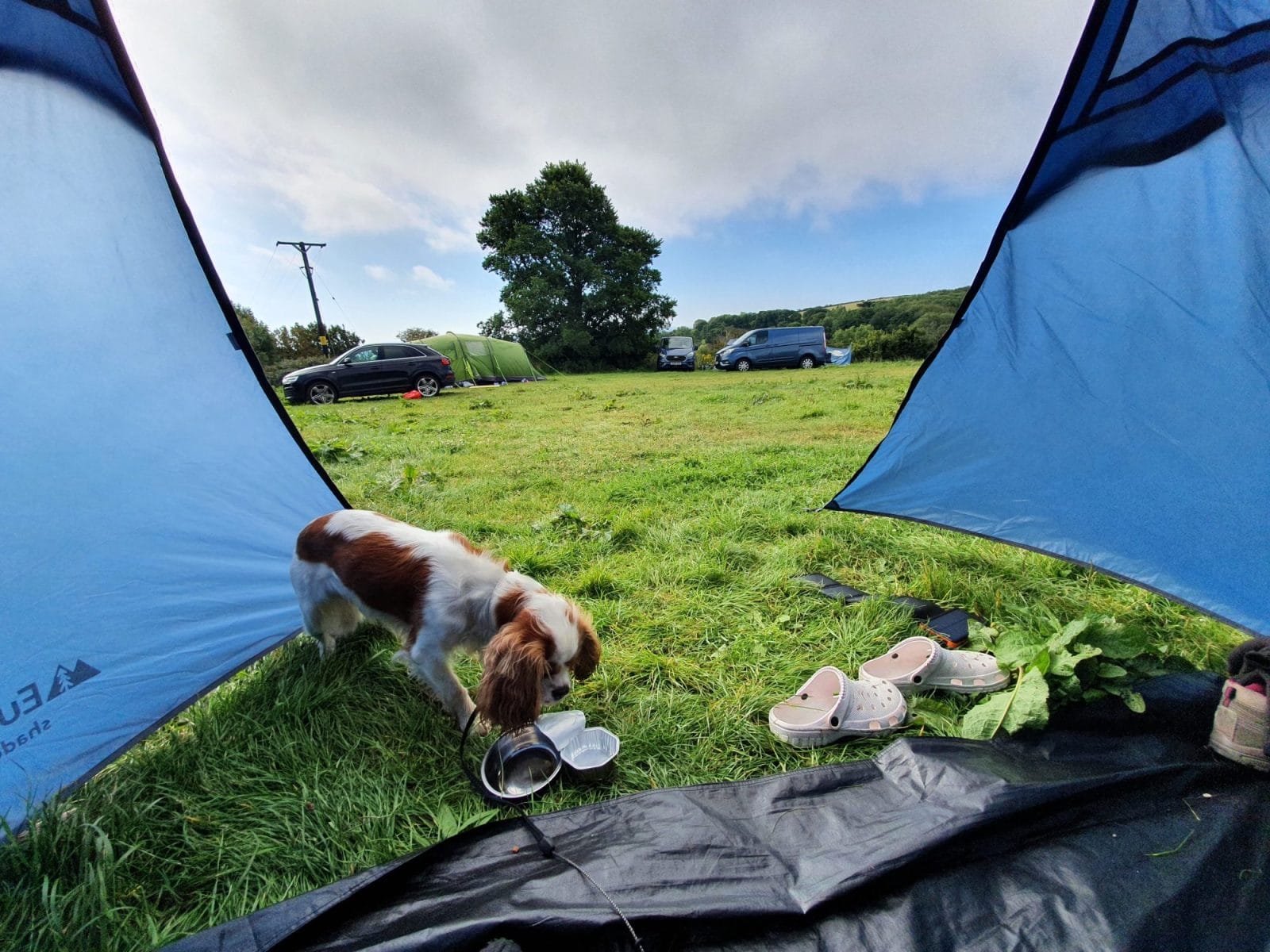
Dog-friendly campsites are pretty easy to find on Google Maps or Pitchup. All have micro clauses to abide by, such as lead rules. My experience at Great Kellow Farm was typical of a basic campsite.
Staying at Hotels With Pets

Quite a few hotels accept canine guests; many charge extra for cleaning after the stay. It is best to check the rules and extra charges before booking. You can find an excellent selection of search sites, like hotels.com.
Eating out With a Dog
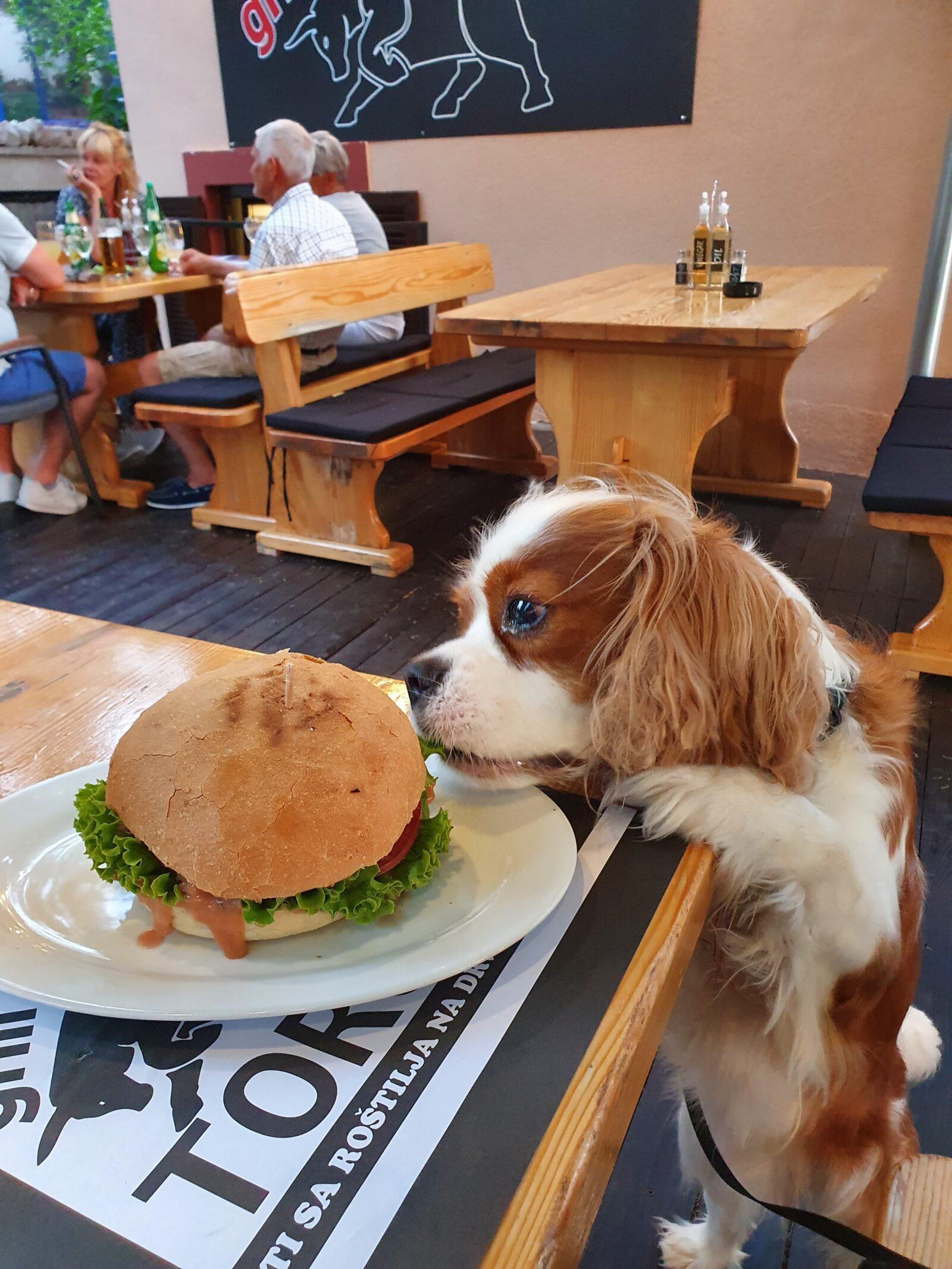

Many eateries allow pets inside; others offer only outdoor seating, but you will never go hungry. In every city I have visited with Henry, it has been easy to find bars and restaurants we can go to together. I have built a few guides to help fellow travellers find the best restaurants or bars in various cities.
Shopping
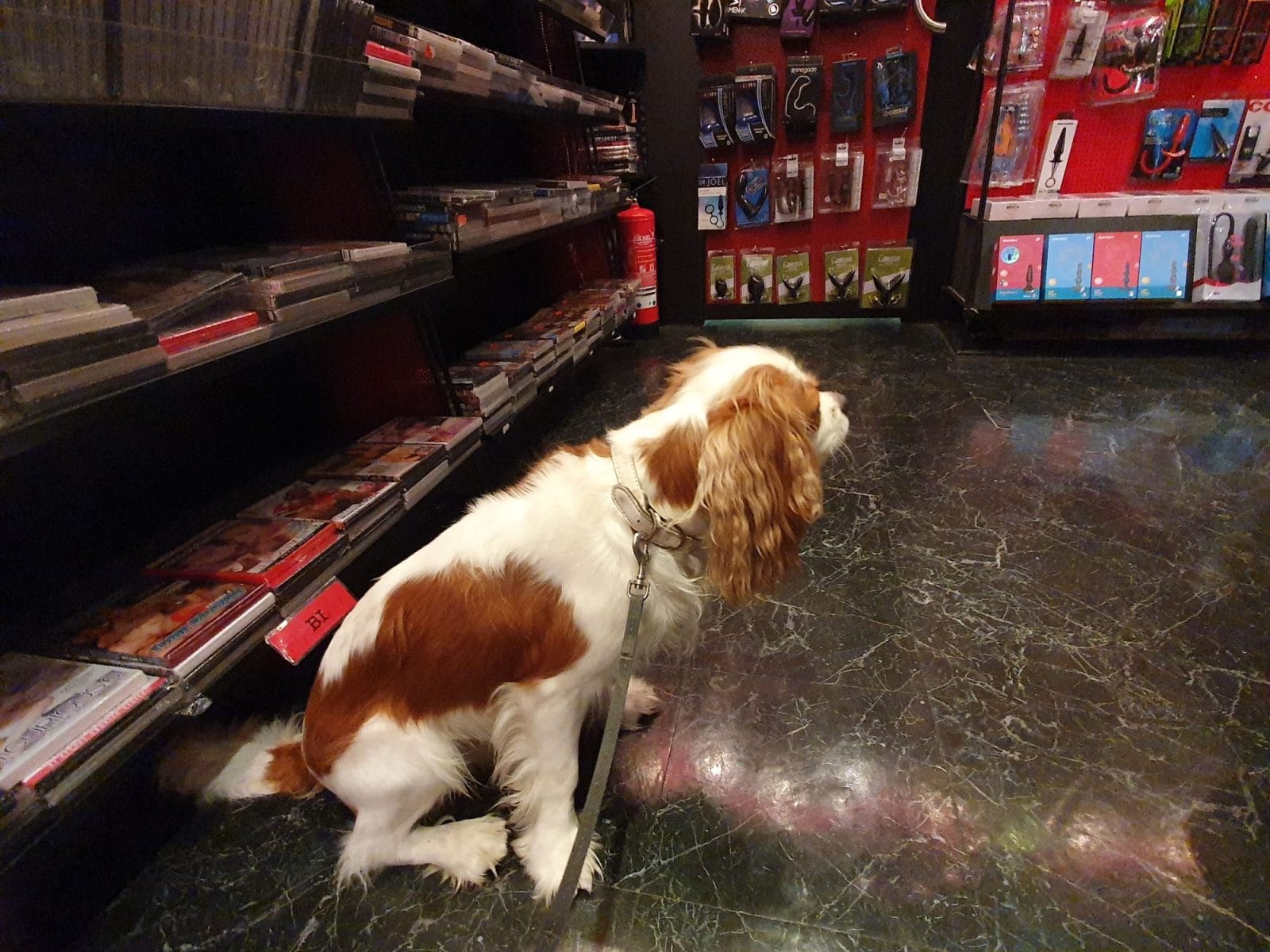
Shopping can be a pain. Dogs are generally not welcome in food stores in most countries. It’s best to leave a pet in your room and get everything you need for the day. Trusting strangers outside the shop with your best friend is unwise, especially with pedigree breeds. We find most pet shops welcome dogs.
Great idea for an article! Dog adventures are great. I love including Woofer on my days out and do so whenever possible. I know he really enjoys it and it’s as much his trip out as it is mine. Recently I took a few days off and brought him along. We had two walks in different areas of London and a day at the pub – although this is not his favourite. He hates to be made to sit still but settles in the end. I’m careful to take him on plenty of walks while at the pub as I know it’s what he likes to do.
I always bring him along on UK holidays too! I have to say, I’ve never considered taking him abroad. I always considered it would be difficult but it seems it isn’t! However, during these Brexit/covid times I imagine that things are a lot more complicated.
If you don’t travel via train then how do you go on holiday with your dog? I don’t drive so would have to rely on trains. I guess that would mean using the channel tunnel. During these covid/brexit times this would be problematic, I imagine, since unless I am visiting France it means multiple countries covid/breixt rules for each I am moving through.
Anyway, loved reading this. Thanks for writing it! Hope you and dog have many more fantastic adventures together 🙂
Hi! I enjoyed your article very much and what a beautiful dog! We have two smaller dogs and have traveled quite a bit with them but only for road trips. Maybe we will get braver and expand those trips to include more modes of travel.
Thank you so much!
Henry seems like a brilliant travel companion! And the perfect temperament for adventuring. I’m wondering, have you ever missed out on a really great “bucket list” sight or attraction because dogs weren’t allowed?
He is fantastic, nothing gets missed fortunately as there are 2 of us and he settles in accomodation after a long walkies.
Loving your blog. I also have a cavalier named Rocky. He is 3 years old. We like in the UK and drove with him to the dolomites in Italy last year during summer. It was great. Doing the same this year, but stopping in different places on the way back. Great tips, thank you
I really enjoyed reading your article about travelling with a dog. You shared some great tips and insights that I found very helpful and informative. I especially liked the part where you talked about how to prepare your dog for different modes of transportation, such as trains, planes, and cars. I have a dog myself and I always worry about how he will cope with the stress and anxiety of traveling. Your advice on how to make him comfortable and calm was very useful.
I like that you mentioned the little adjustments you make along the way. Travelling with a dog isn’t necessarily more complicated, it’s just a different rhythm. More stops, more planning and usually a lot more time spent outdoors.