
Things to Do in Split, Croatia: Best Attractions & Roman Sights
Split has plenty of things to do, from relaxing by the sea to active sightseeing and hiking. Attractions range from museums to impressive Roman-era architecture.
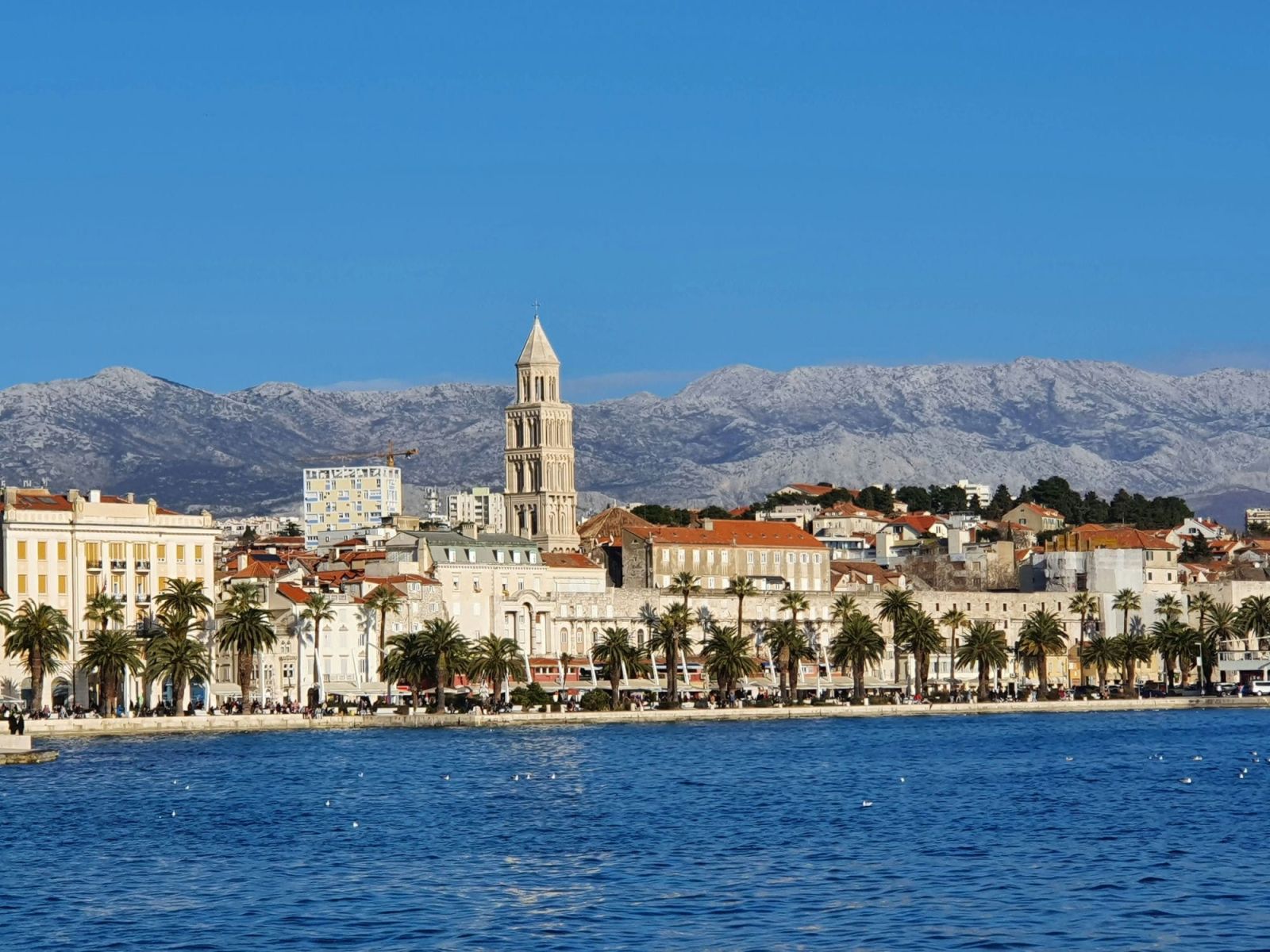
We spent over six weeks in the city on multiple visits and found it kept us entertained. My favourite places were the old town, the coast paths, and the hill overlooking Split.
Things To Do In Split, Croatia
Disclosure! Keep in mind that some links in these posts are affiliate links. If you click one of them, I may earn a small commission (for which I’m extremely grateful) at no extra cost to you. Thanks for visiting!
There are many options for day trips and tours from the city on the Viator website.
Diocletian’s Palace
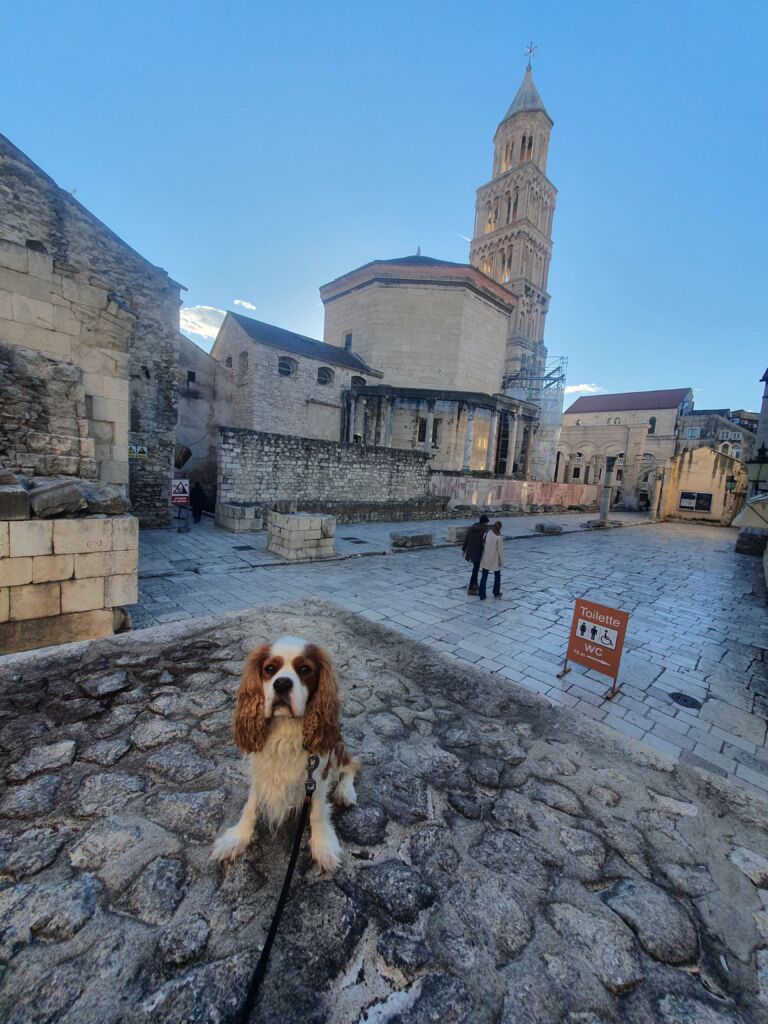
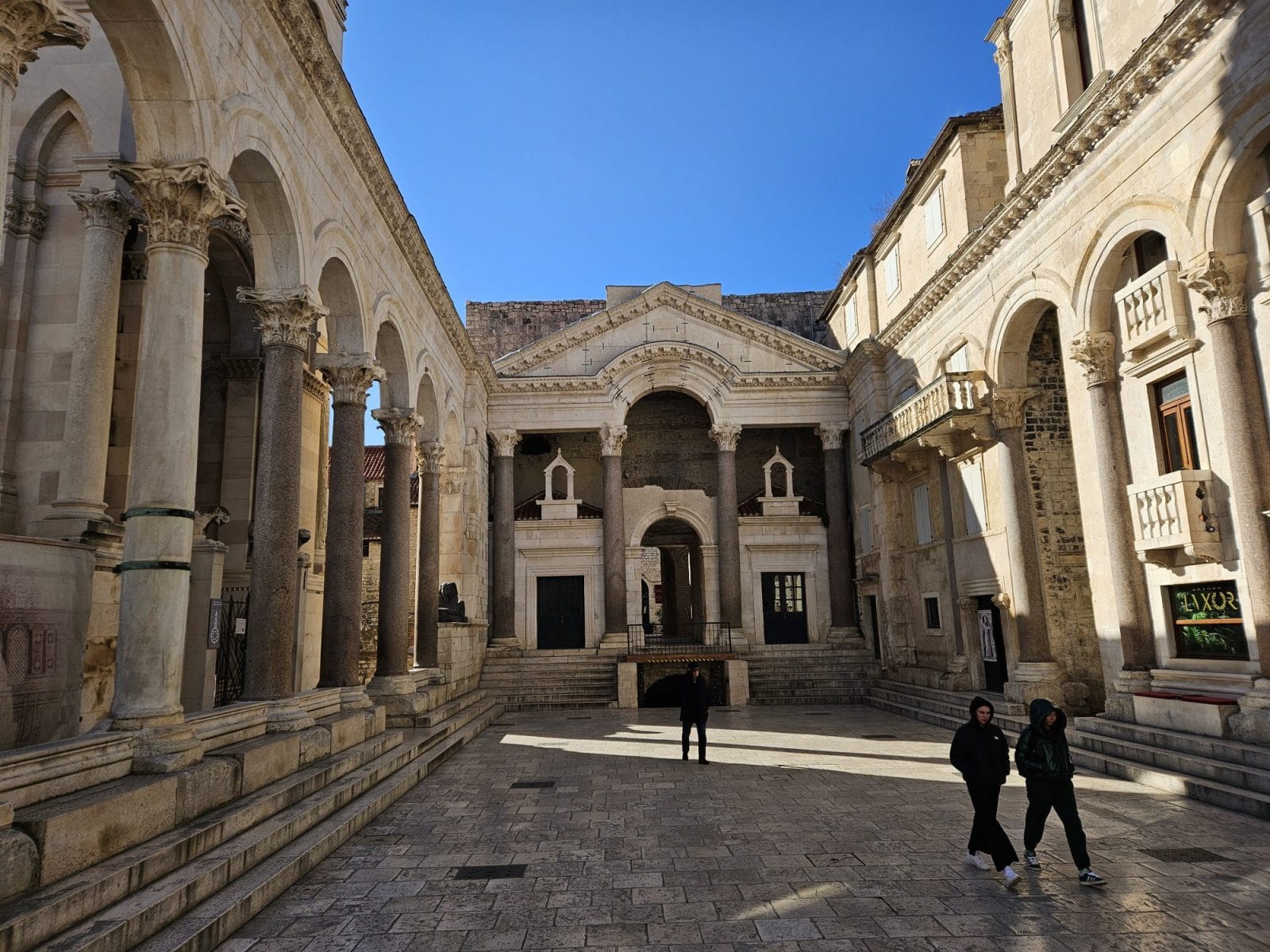
Diocletian’s Palace is a 4th-century Roman palace that comprises the entire old town. Today, the remaining parts of the palace make up the city’s historic centre. In 1979, UNESCO listed it as a World Heritage Site because of its historical significance.

It is a beautiful area to explore, with Roman features, narrow side streets, and archways.
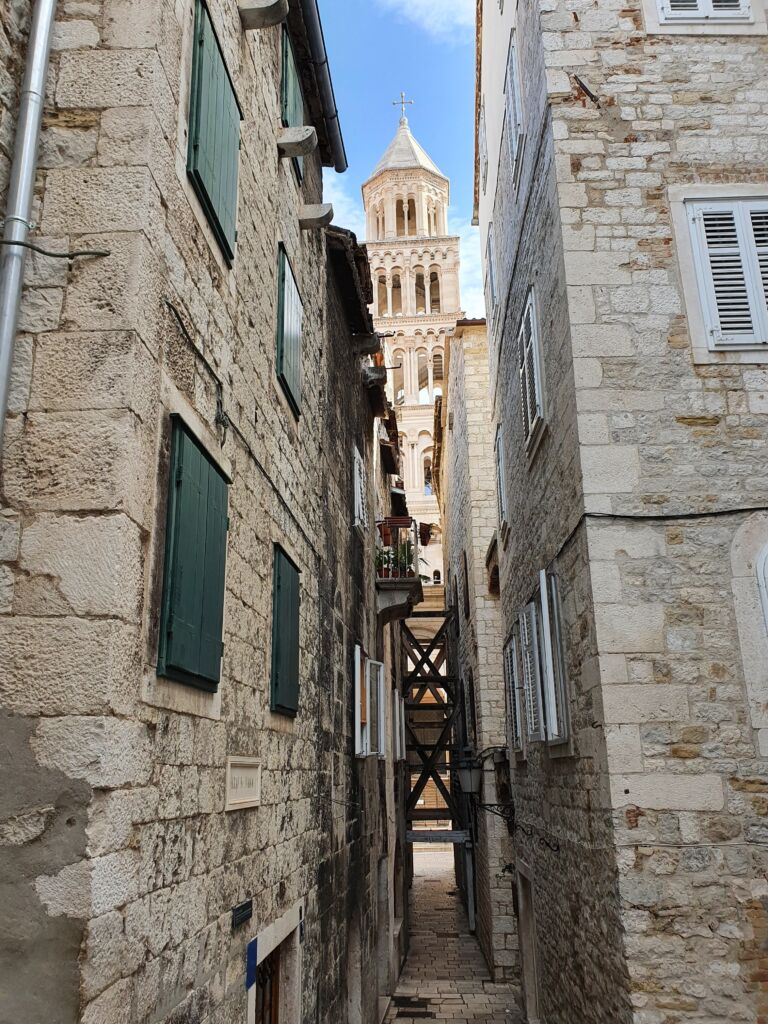
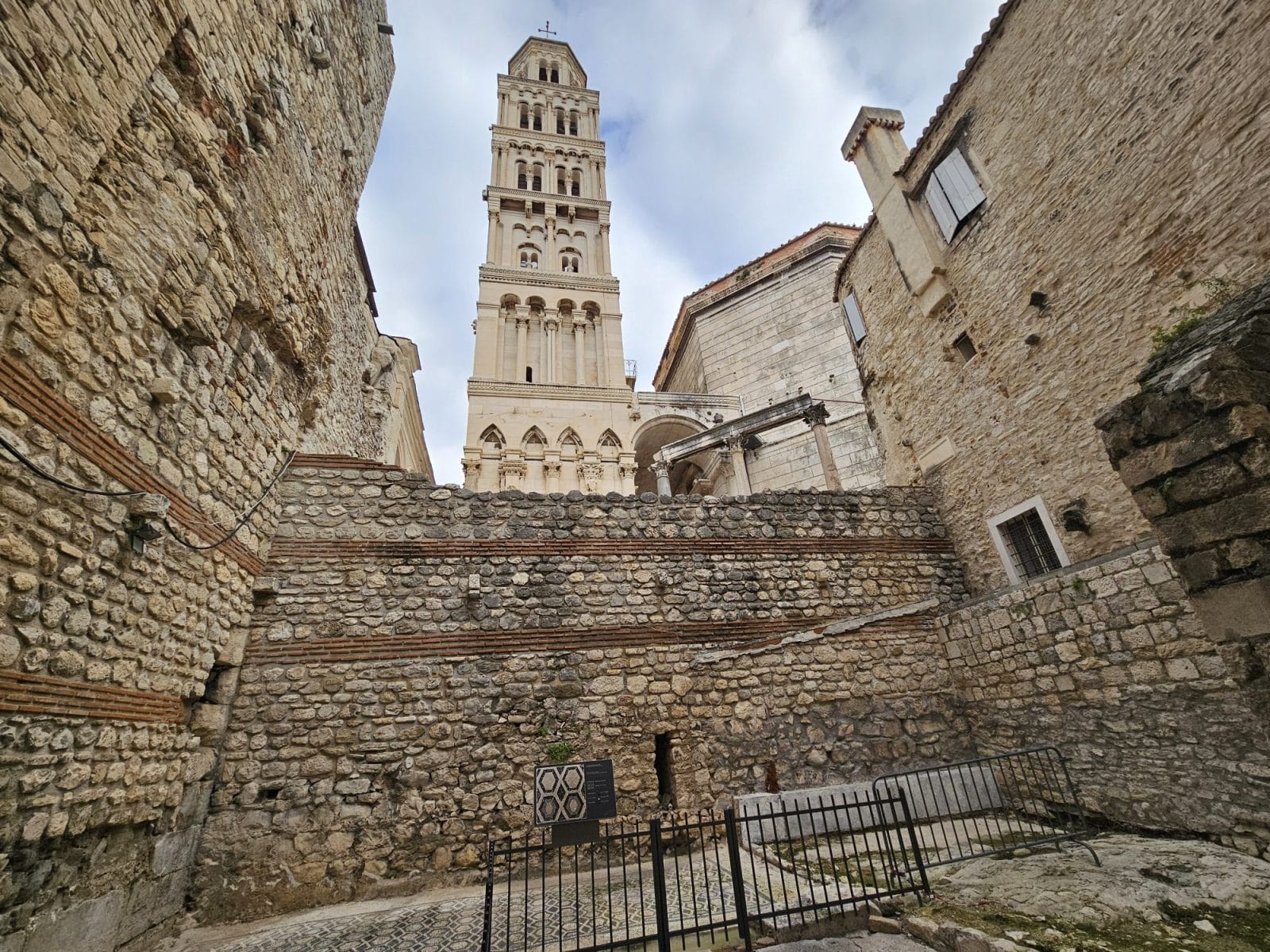
Ancient fortifications surround Diocletian’s Palace. It feels like a maze and is fun just to wander through, especially late at night when it can get spooky. The palace is also home to museums, towers, statues, churches and a cathedral.
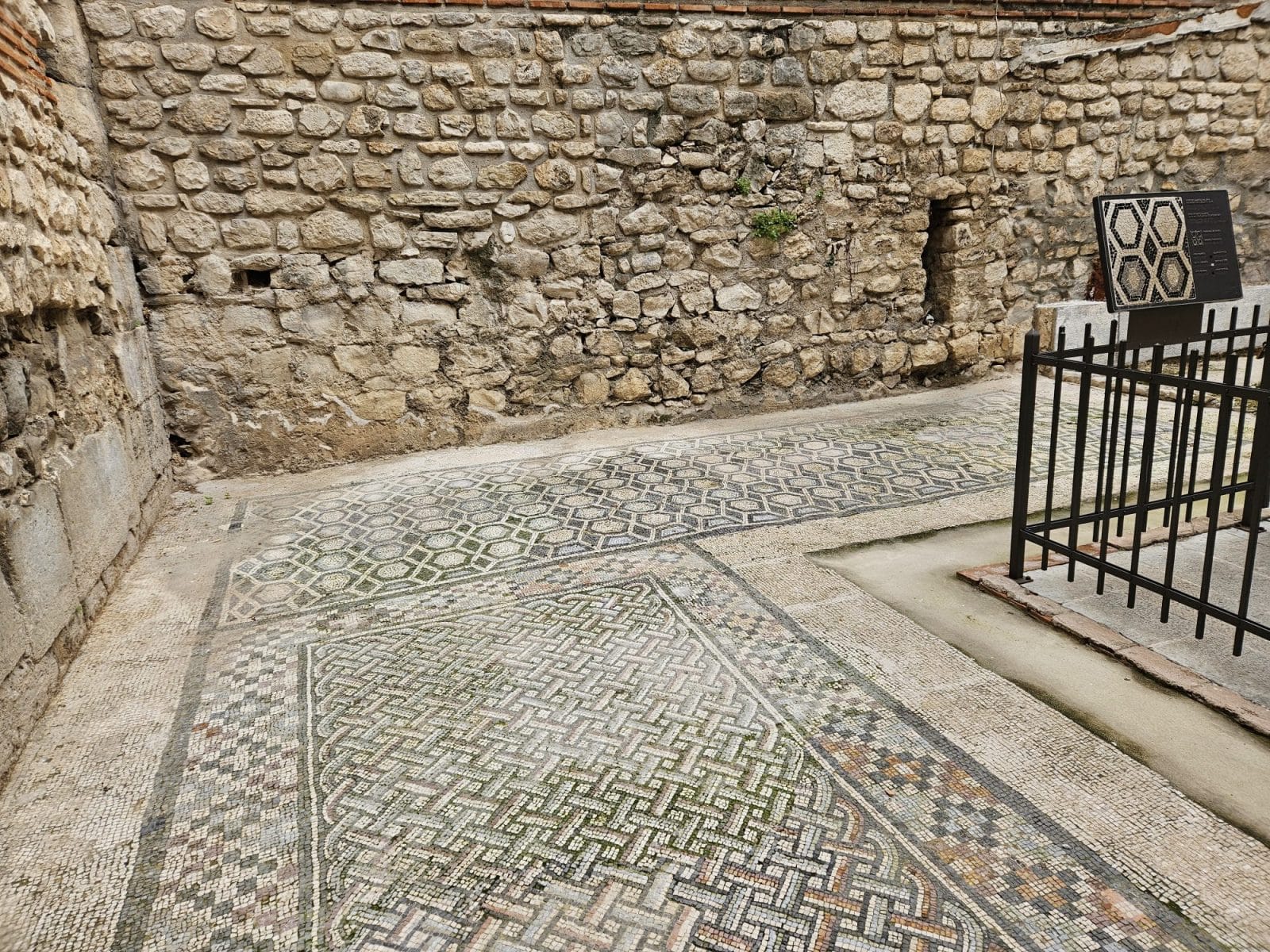
The complex features an eye-catching floor mosaic made of black, white, and grey stones. The mosaic dates from the late 4th and early 5th centuries. You can find it east of the vestibule.
Saint Domnius Cathedral
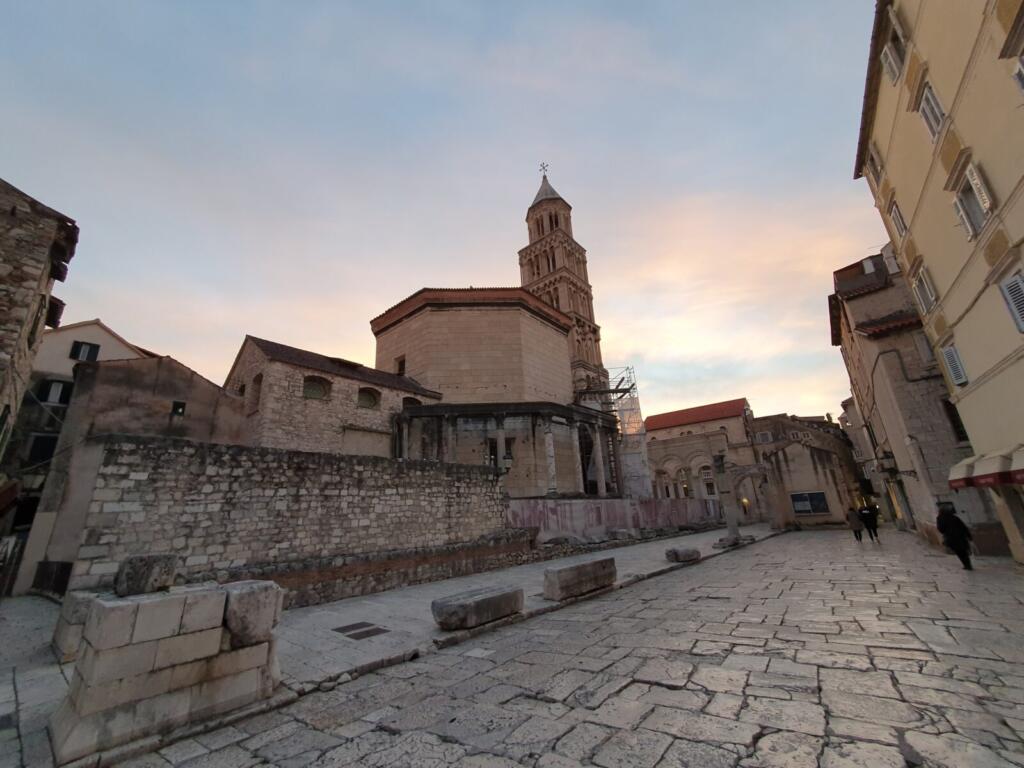
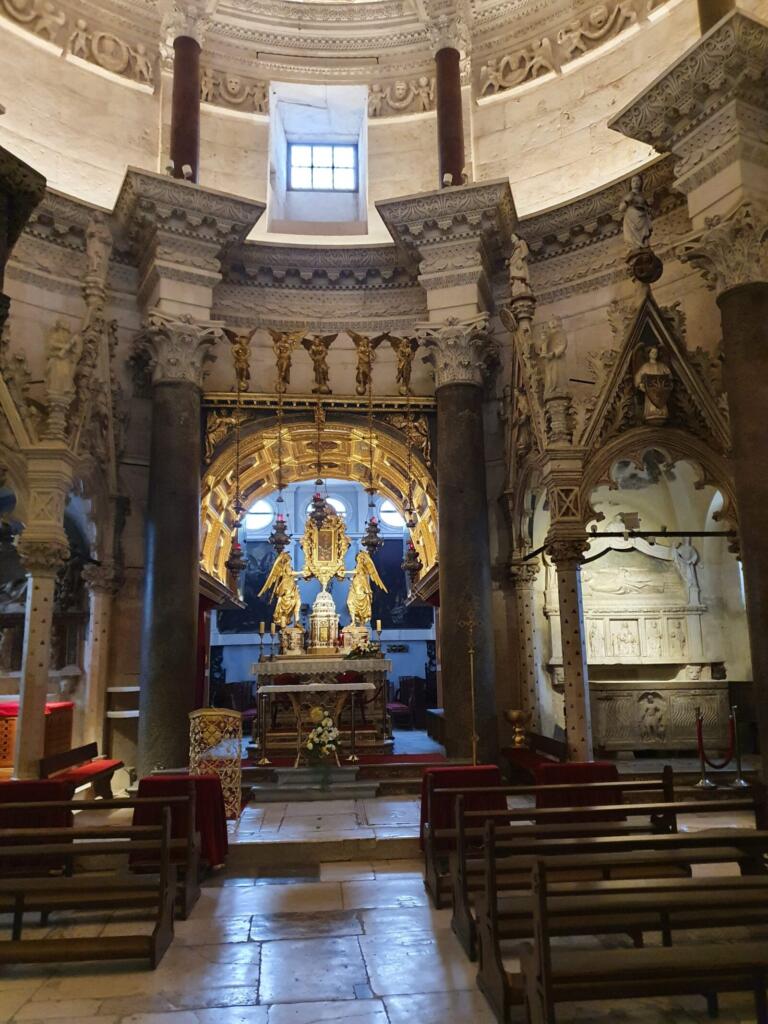
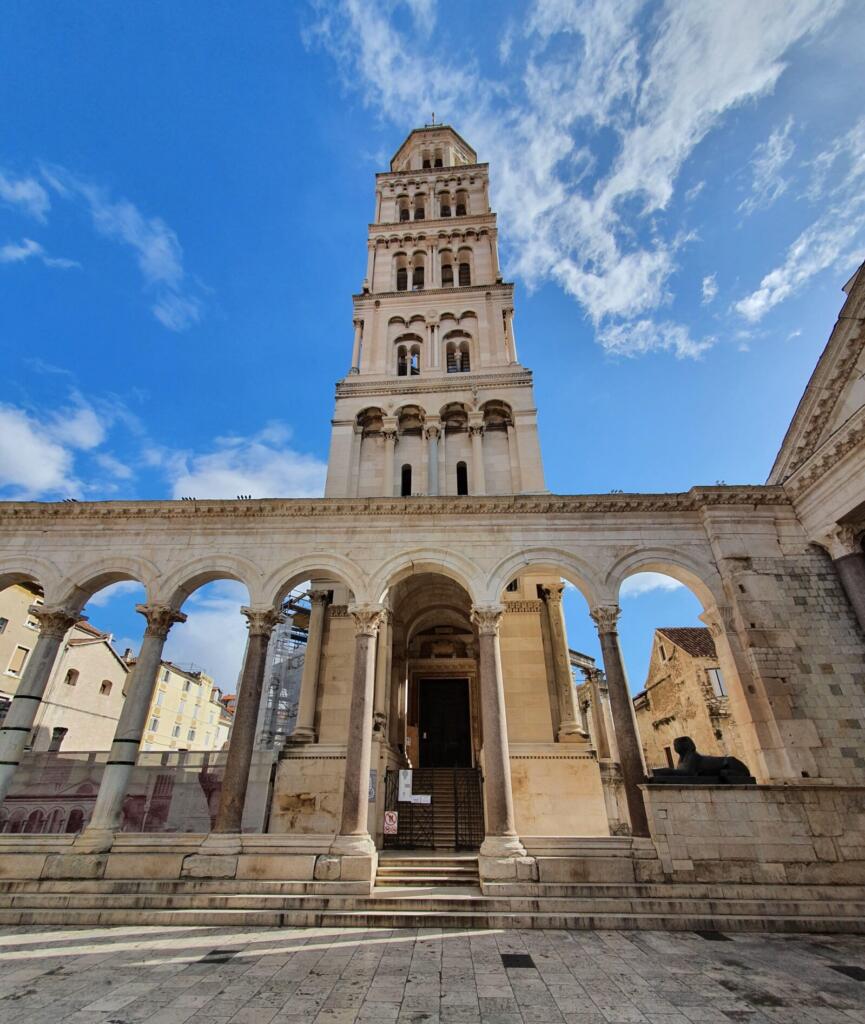
Saint Domnius Cathedral is one of Split’s most remarkable landmarks, combining an imperial Roman mausoleum with an iconic bell tower. It is the oldest Catholic cathedral in the world that remains in use in its original structure. The earliest part of the cathedral’s structure was built in 305 AD as the Mausoleum of Diocletian.
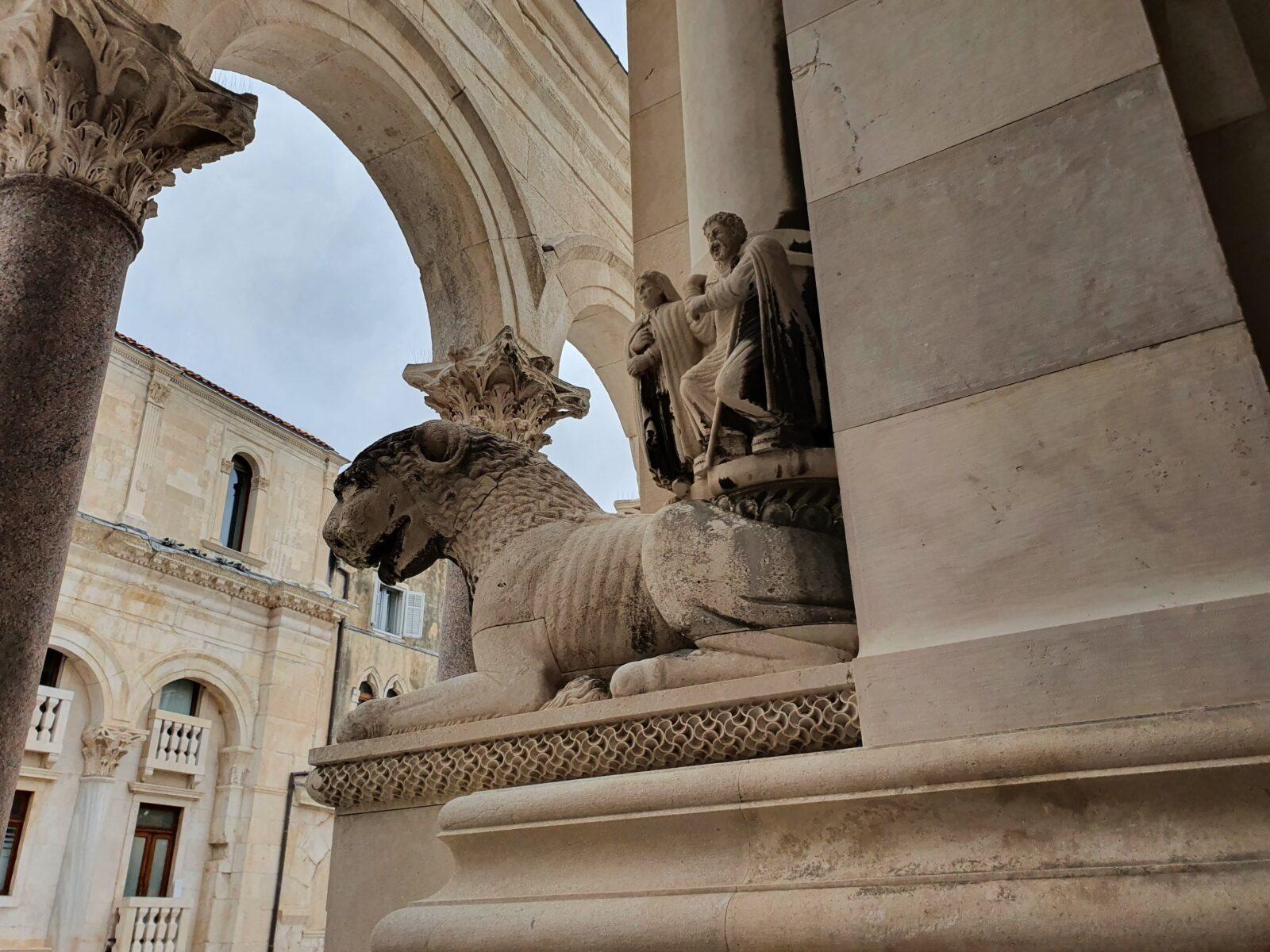
You can admire the cathedral from the outside for free, with splendid views of the building and tower. For a fee, you can also visit the inside and climb the tower. You can buy tickets in a building opposite the tower, which is also the treasury.
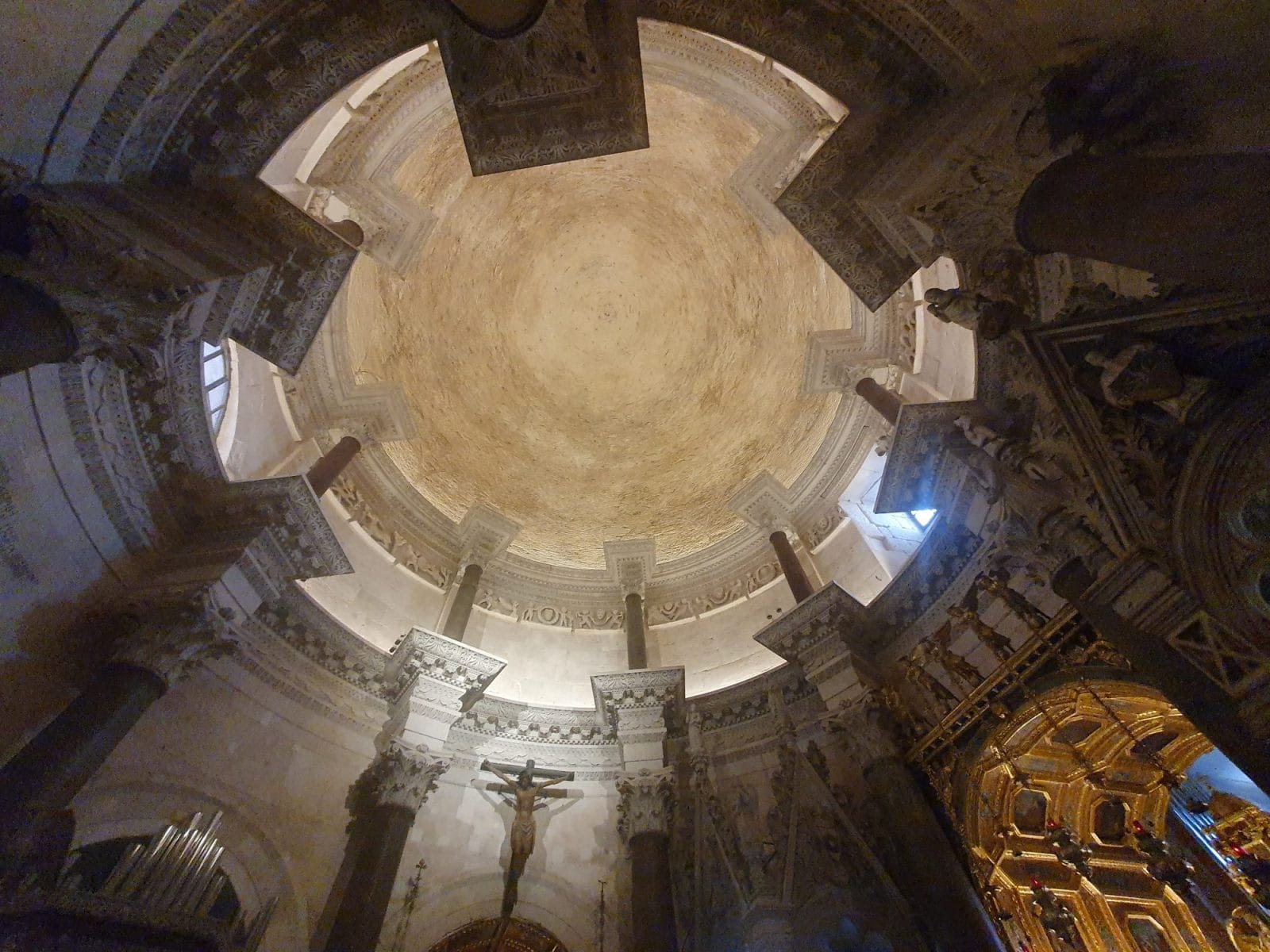
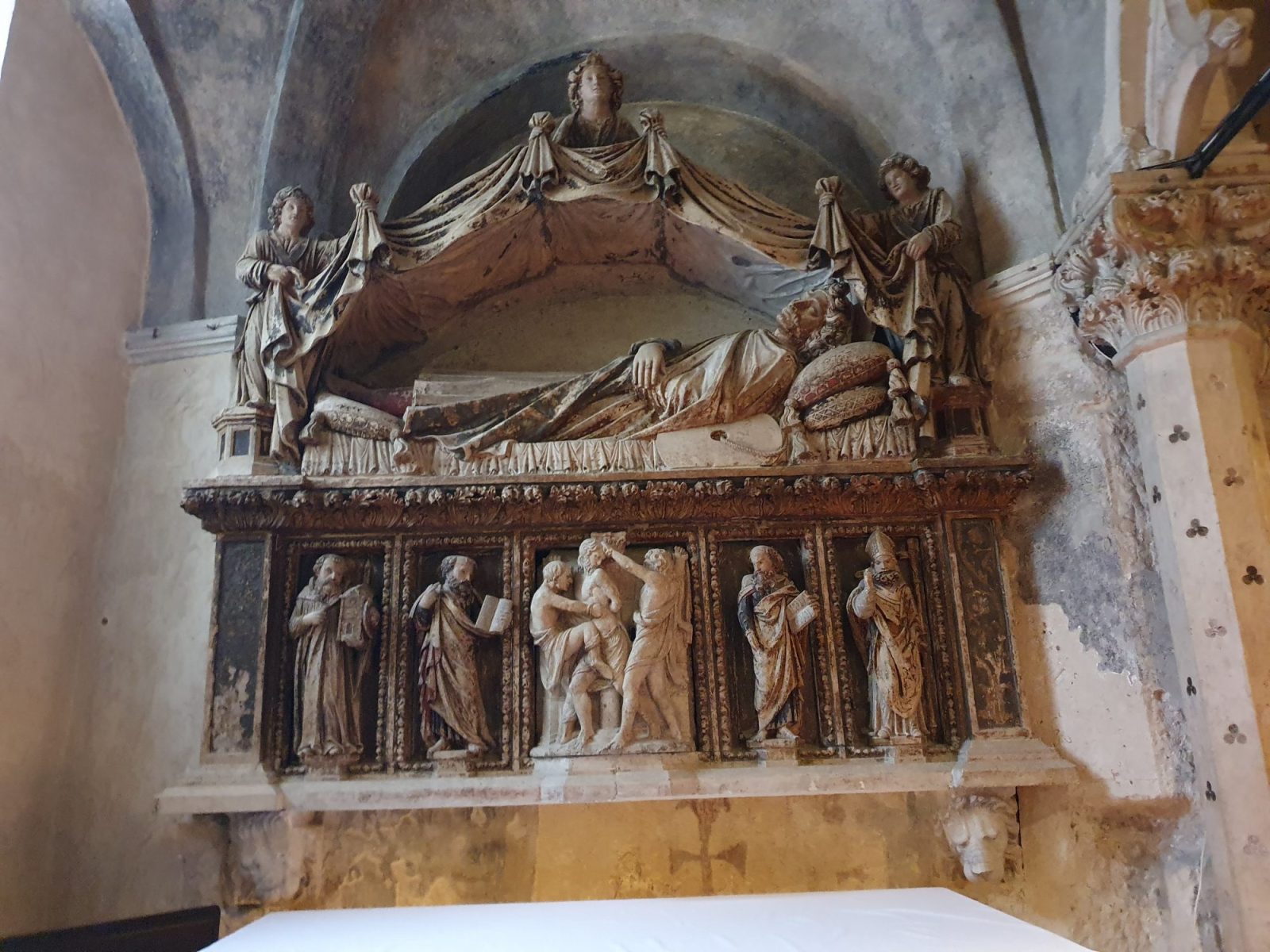
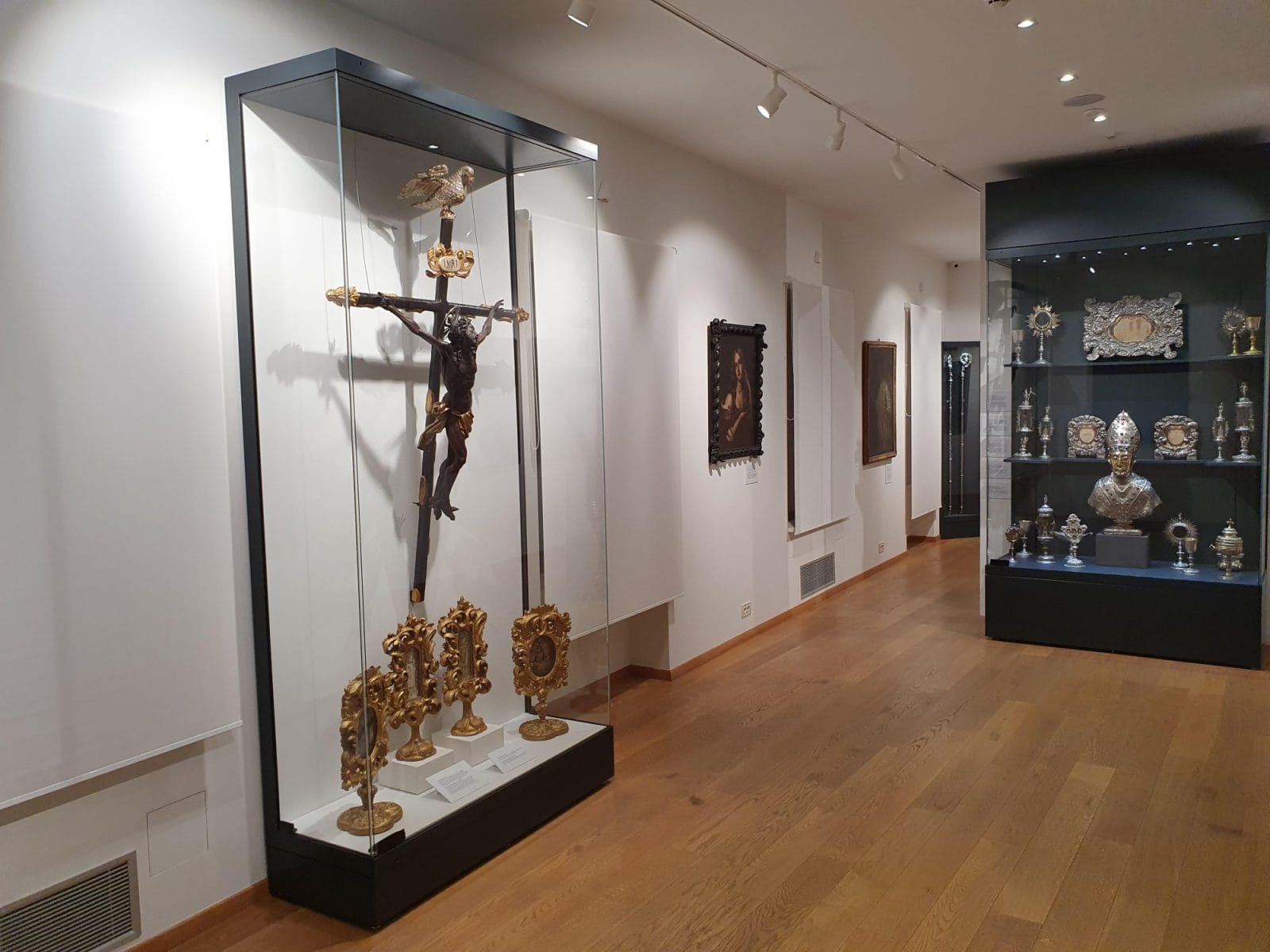
The cathedral’s interior features unique decor. The cathedral’s treasury museum has exhibitions in several languages, including English. Some artefacts and artworks in the treasury are very old, and others are pretty extravagant.
Climb the Bell Tower
Climbing the 12th-century Saint Domnius Bell Tower offers marvellous views, including of the mountains, the old town, and the sea.
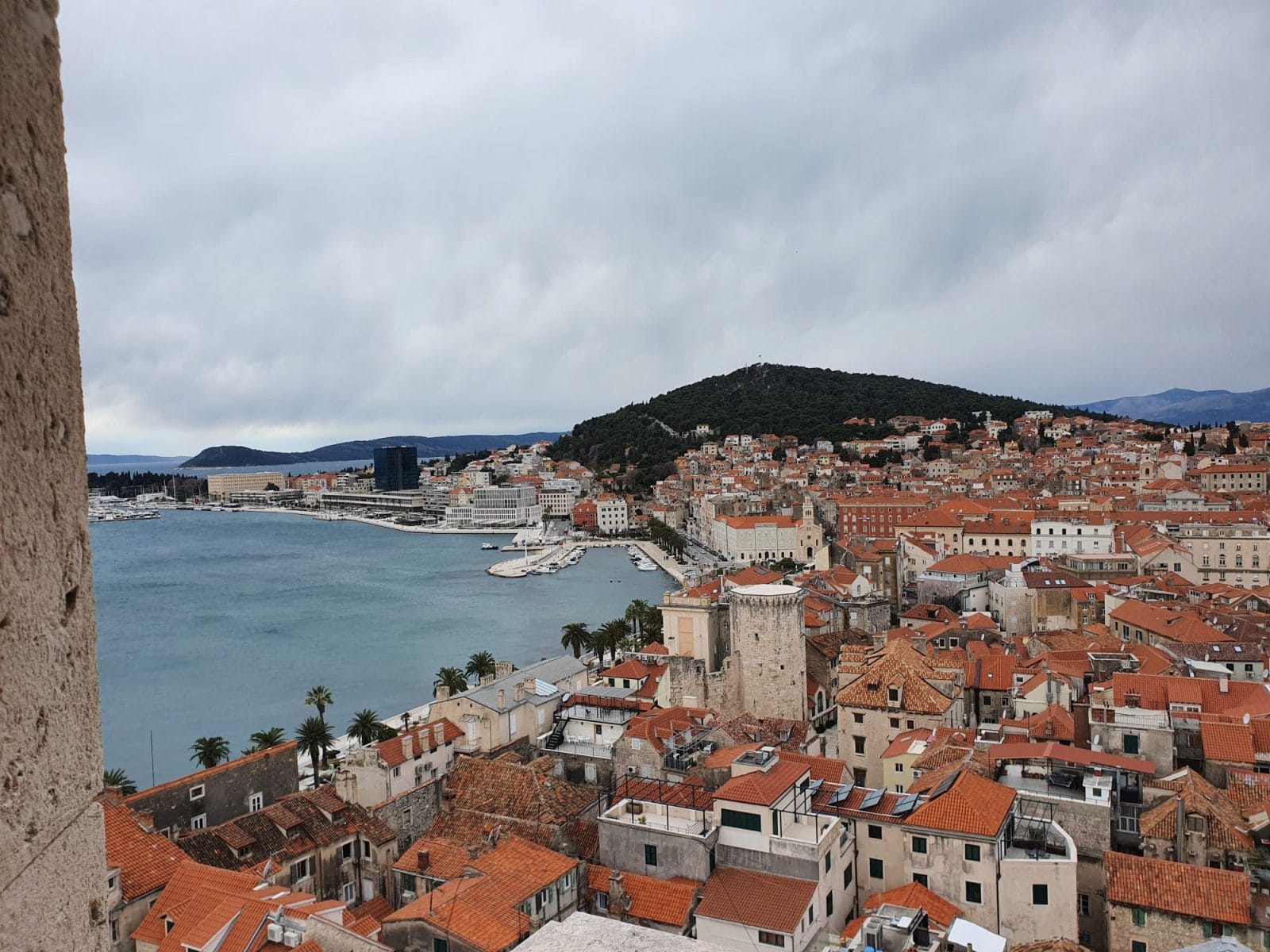
Reaching the top involves a fairly steep climb; there are some low parts, so watch your head.
Walk Along the Coastal Paths
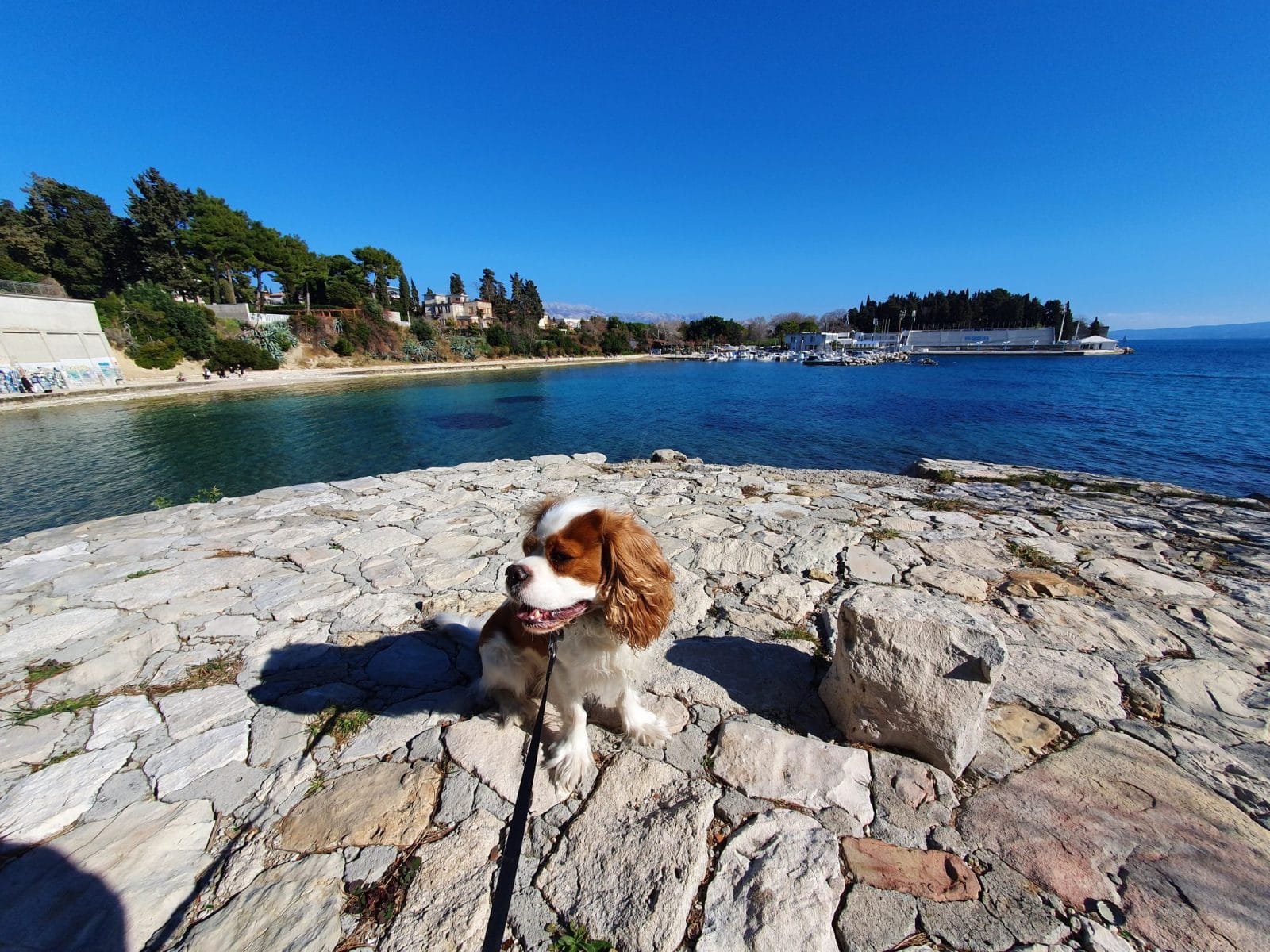
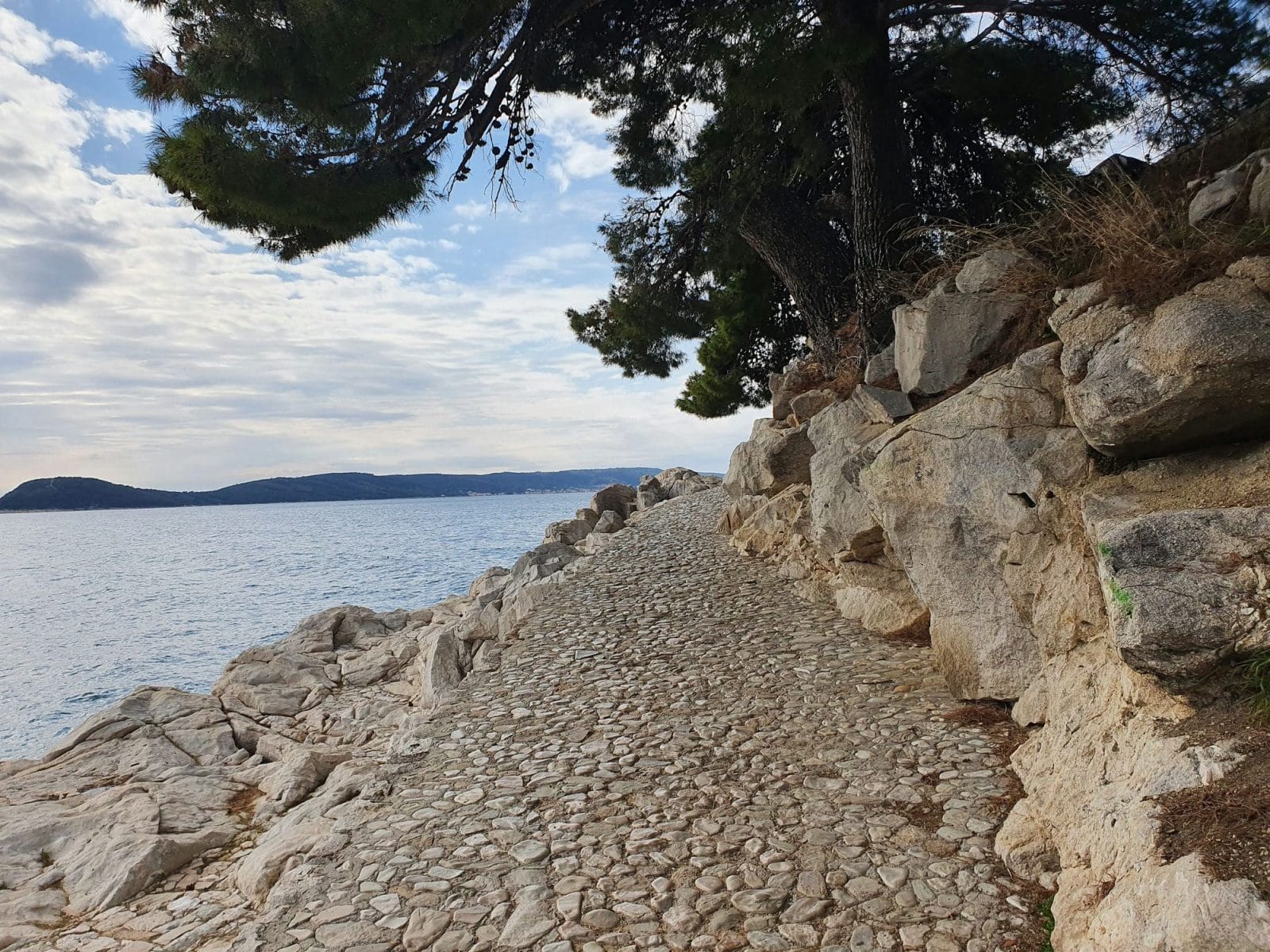
Several scenic walking routes pass beaches and interesting coastal features.

They have benches to sit and relax on, overlooking the sea. Cafes and bars are also dotted along the coastal path for refreshments. My favourite time to explore along the coast is during sunset.
Beaches

There are beach options along the nearby coastline, most of which are within walking distance of the city centre. You can visit both shingle and sandy beaches. Some have facilities such as showers, seating, and seafront bars.
Republic Square
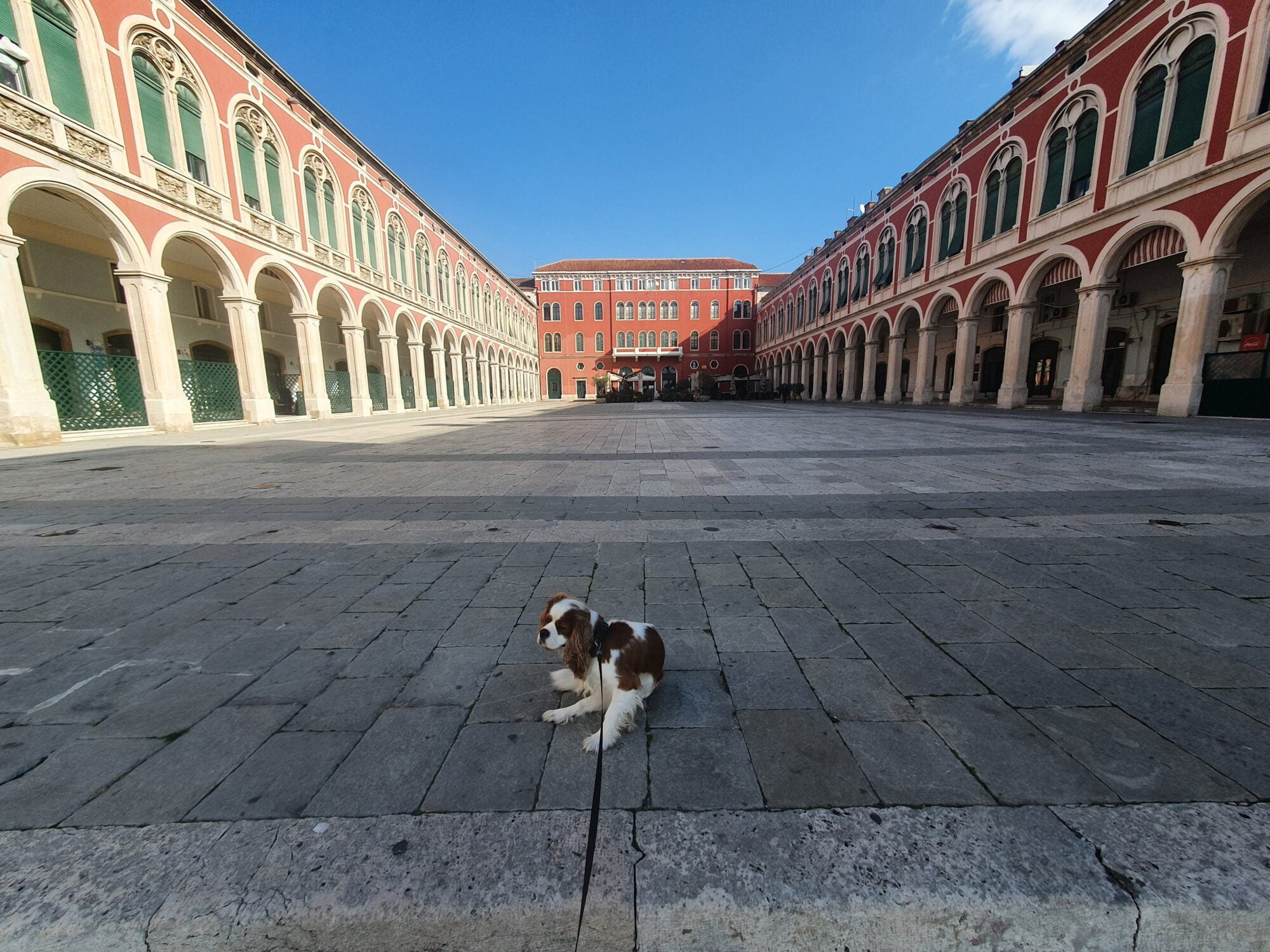
Republic Square, also known as Trg Republike, is a beautiful part of the city centre. It’s a Venetian-style town square with neo-Renaissance buildings on three sides. The fourth side faces the sea.

The buildings are known as the ‘Prokurative’ and are colourful, with red buildings and yellow and green details. Venetian archways and covered walkways line the edges.
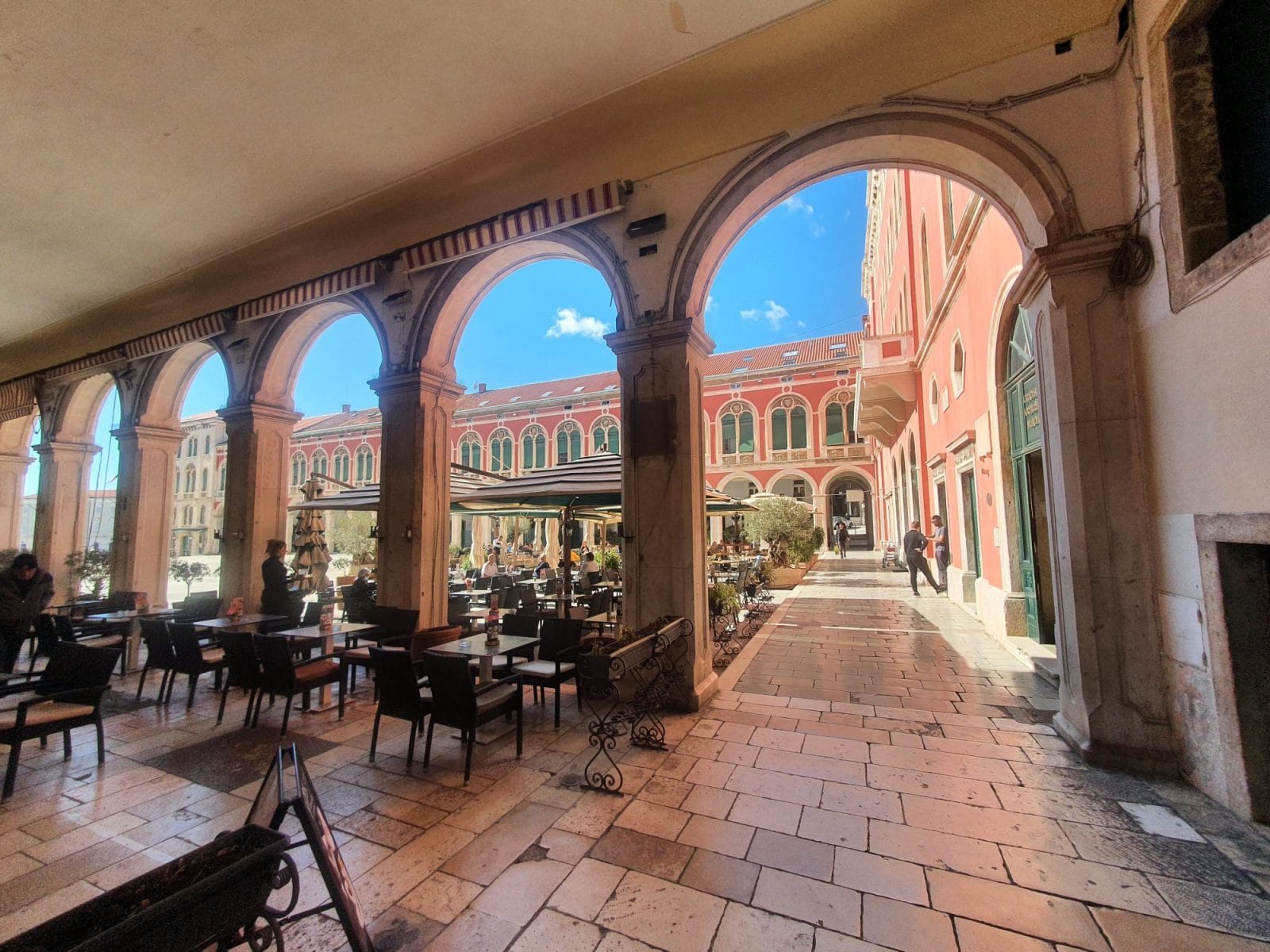
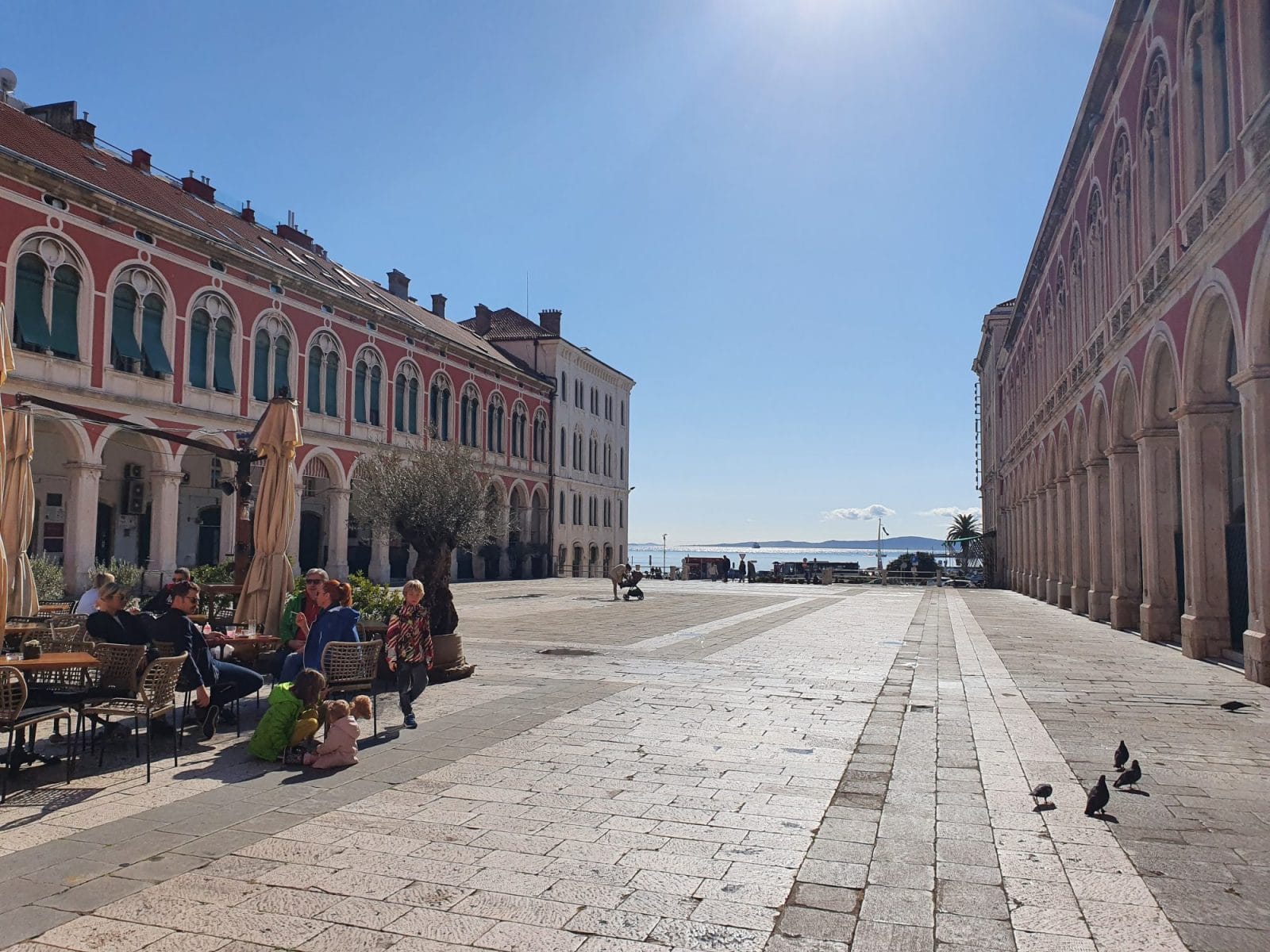
In the summer, it becomes very vibrant and hosts an array of events. The pinnacle of the events calendar is the Entertainment Musical Festival of Split.
Hang out at Riva
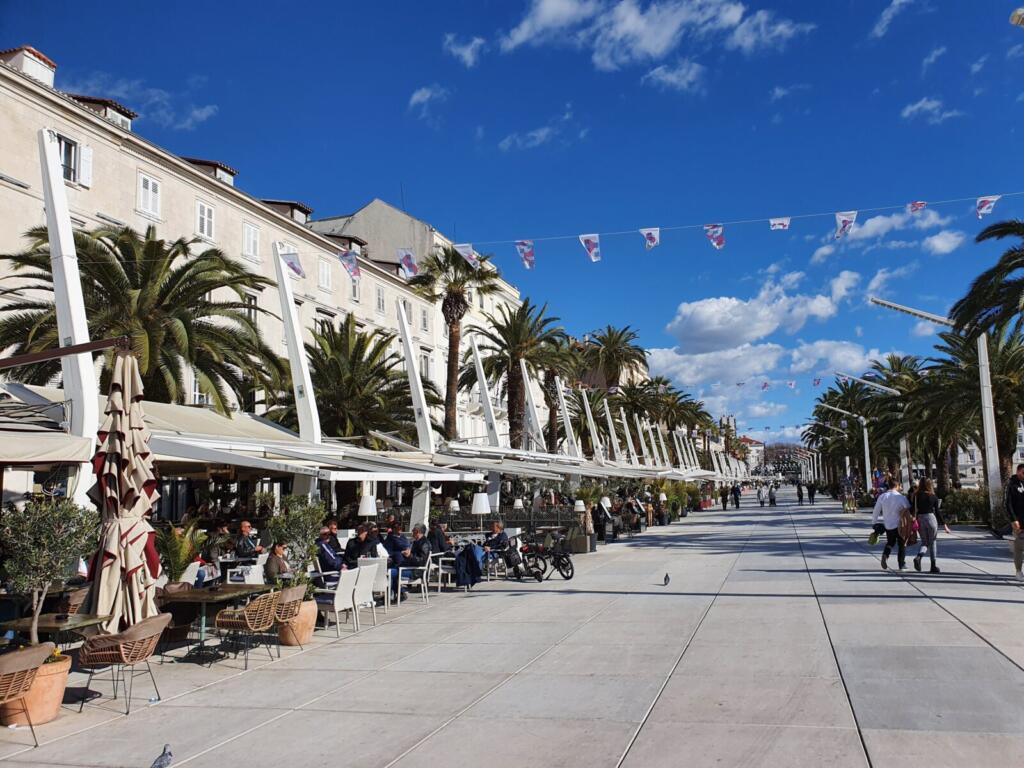
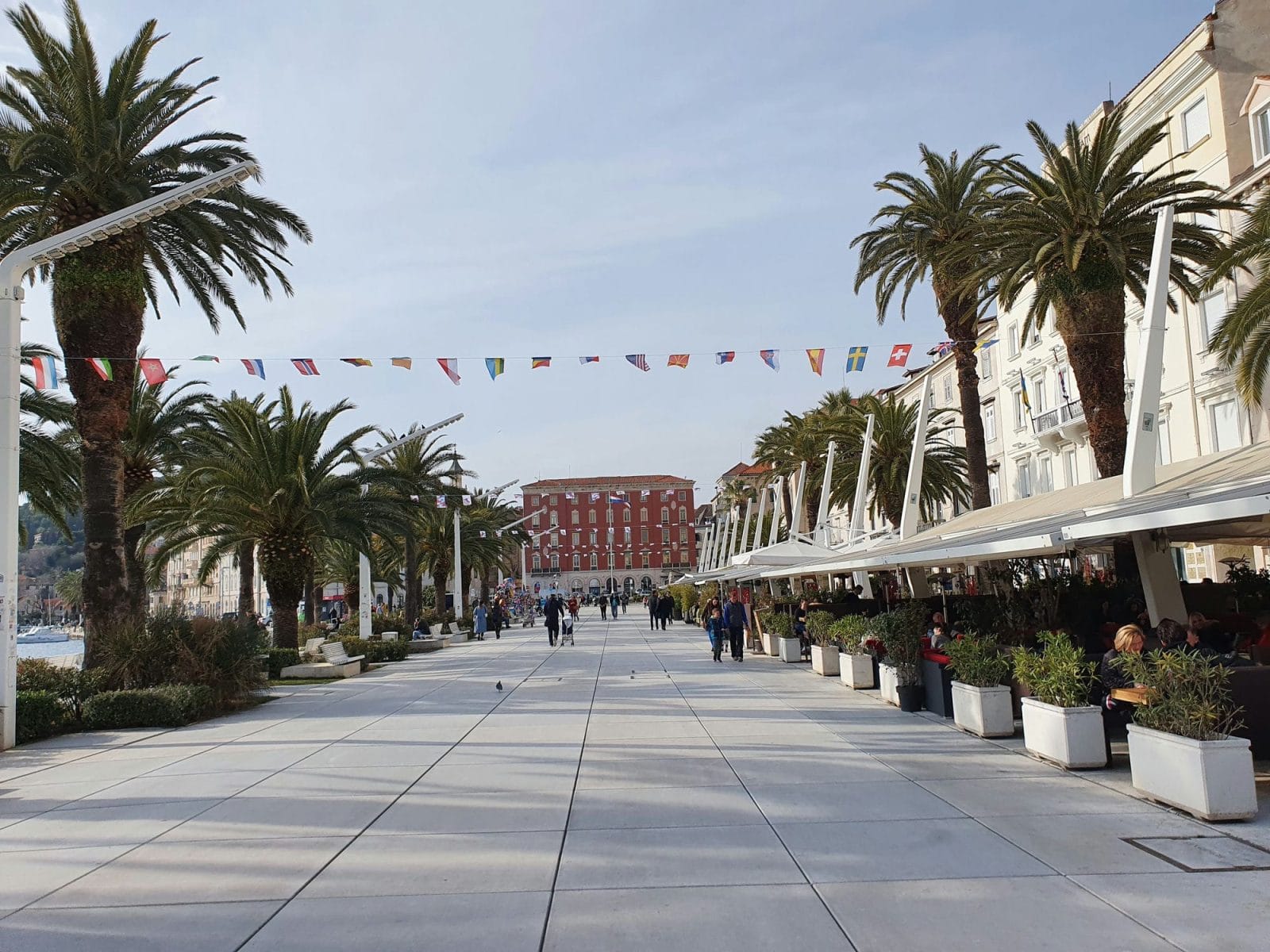
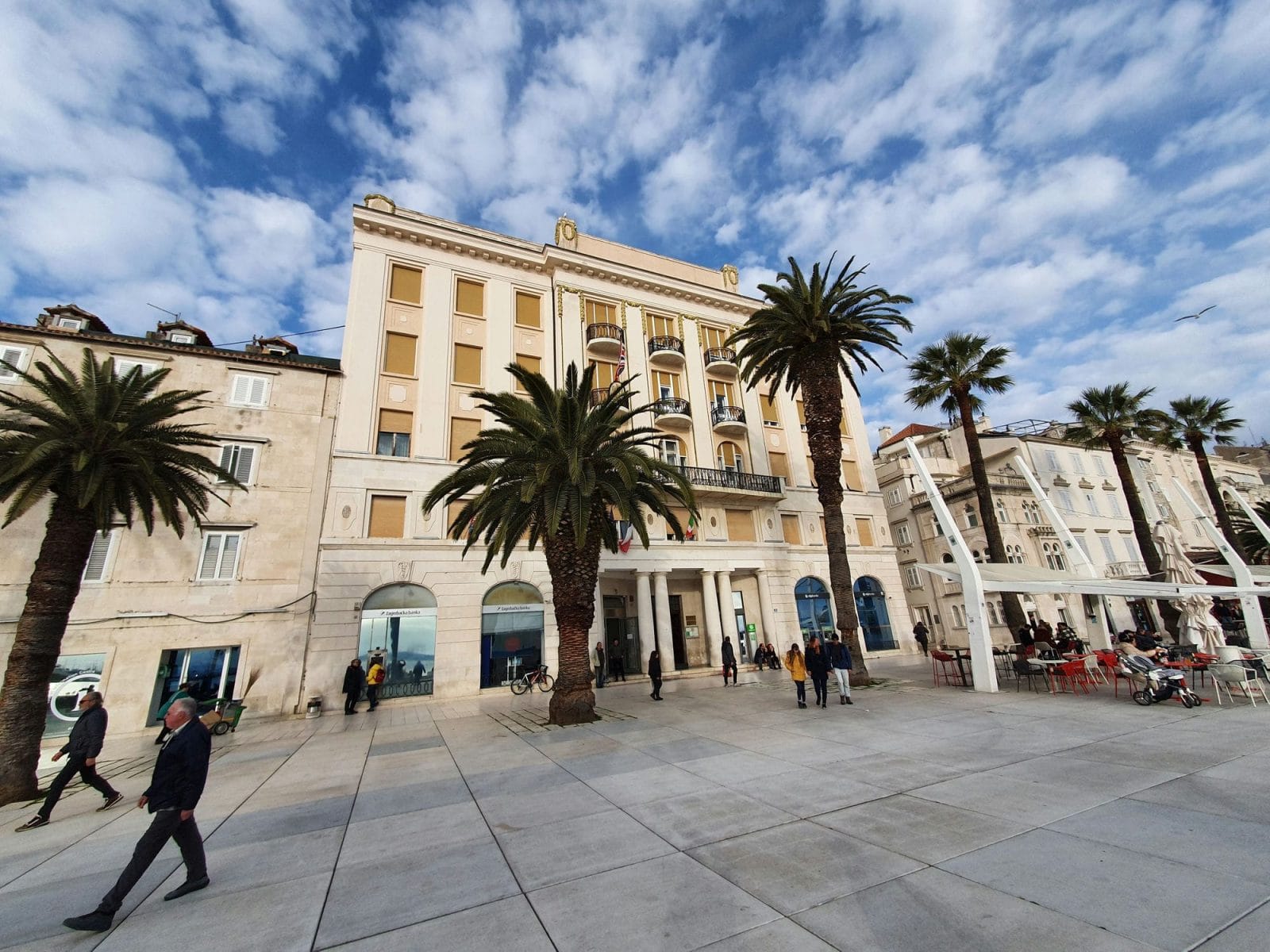
Riva is a palm tree-lined promenade by the sea with bars and gardens. Benches, bars, and cafes line the promenade, and it feels especially lively on sunny days and weekend evenings.
Hike in Marjan Forest Park
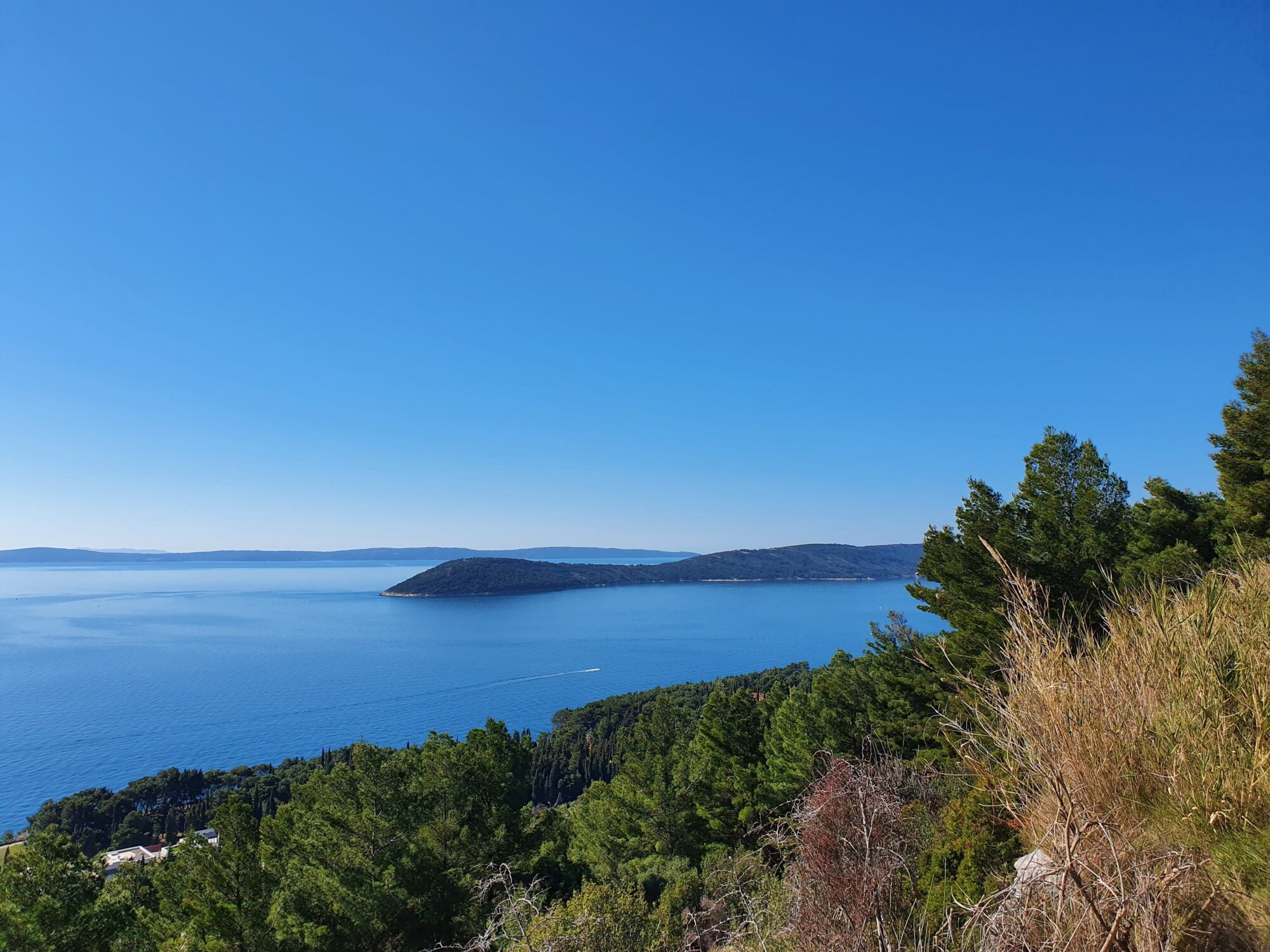
Marjan Forest Park is a fantastic place to hike. The park is on a hill overlooking the city. You can access the park by road or by climbing 300 steps from the city centre. Several viewpoints offer great views.
The Golden Gate & Gregory of Nin Statue
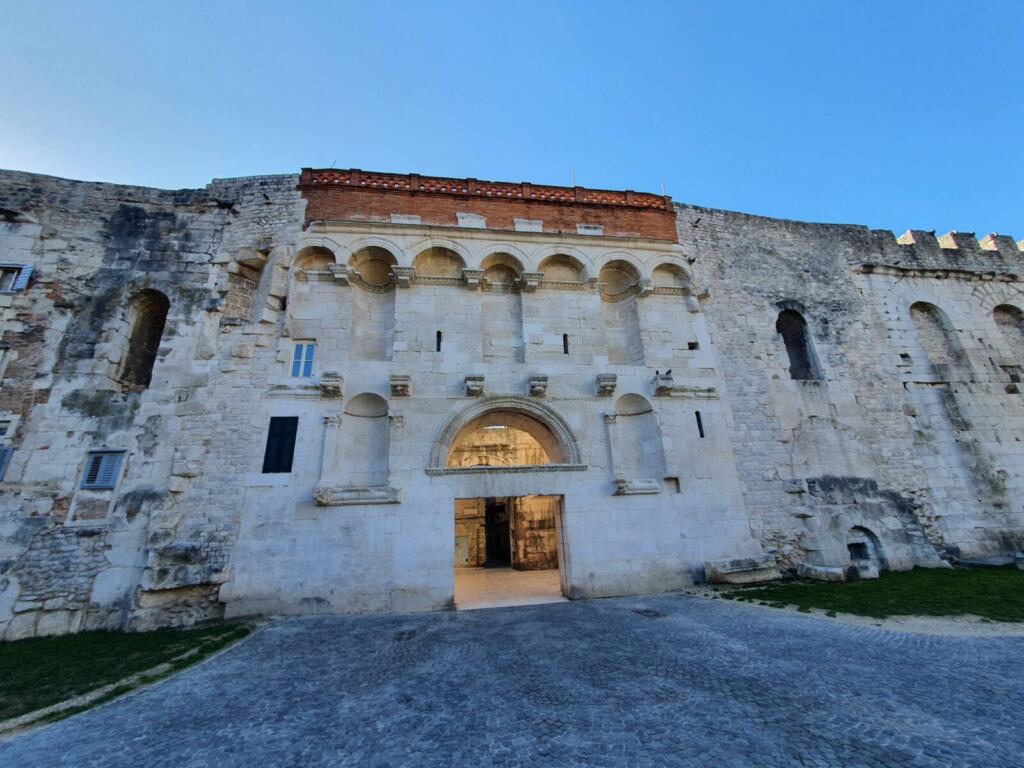
Within Diocletian’s Palace, you can visit a series of gates. One of the principal gates to the northern end is the Golden Gate, or Zlatna Vrata. This was originally the main gate from which the emperor entered the palatial complex.
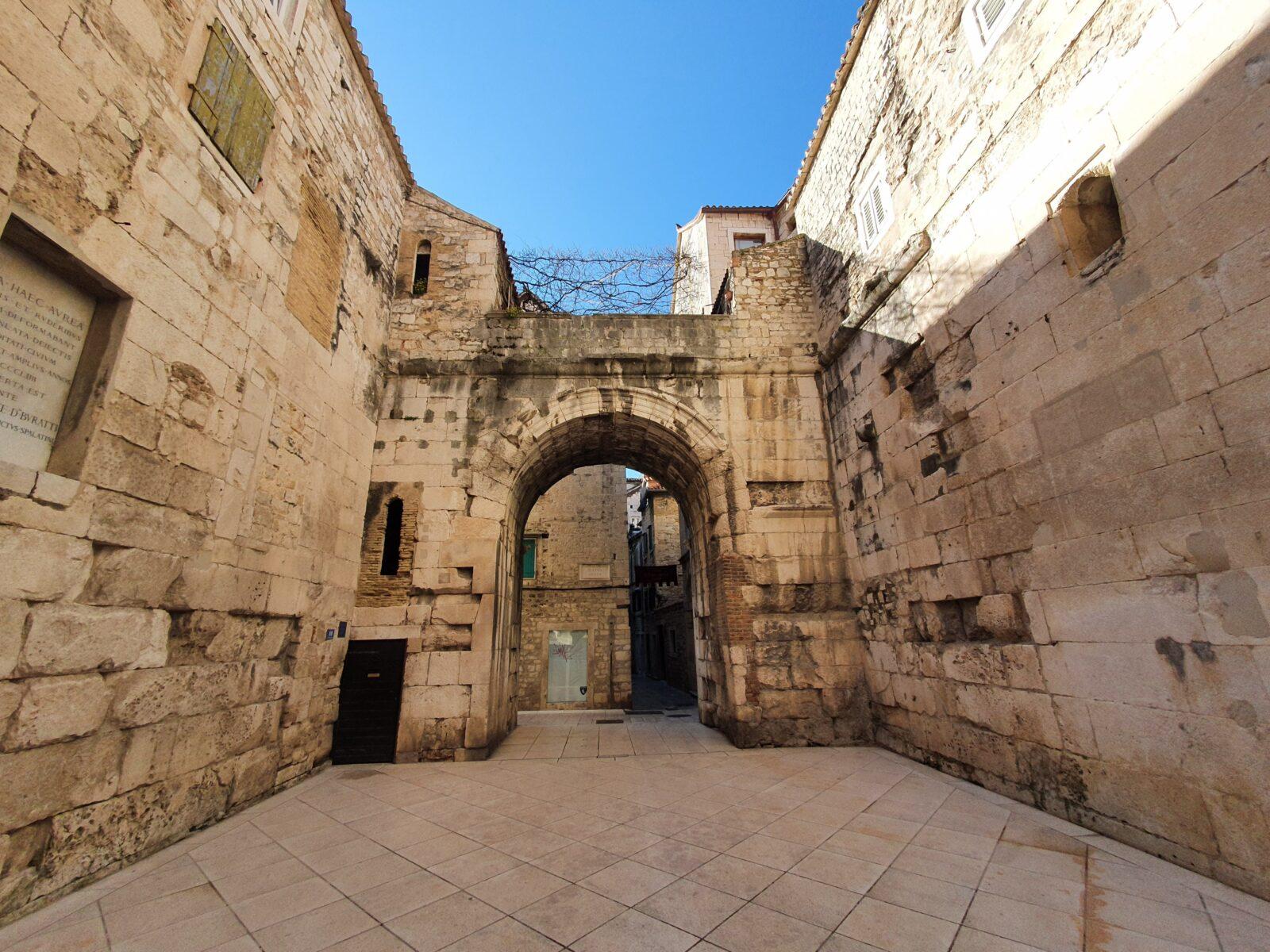
The Golden Gate dates back to the 4th century. Built within the gate is the tiny church of St Martin, which dates back to the 6th century and thus is one of the oldest churches in the city.
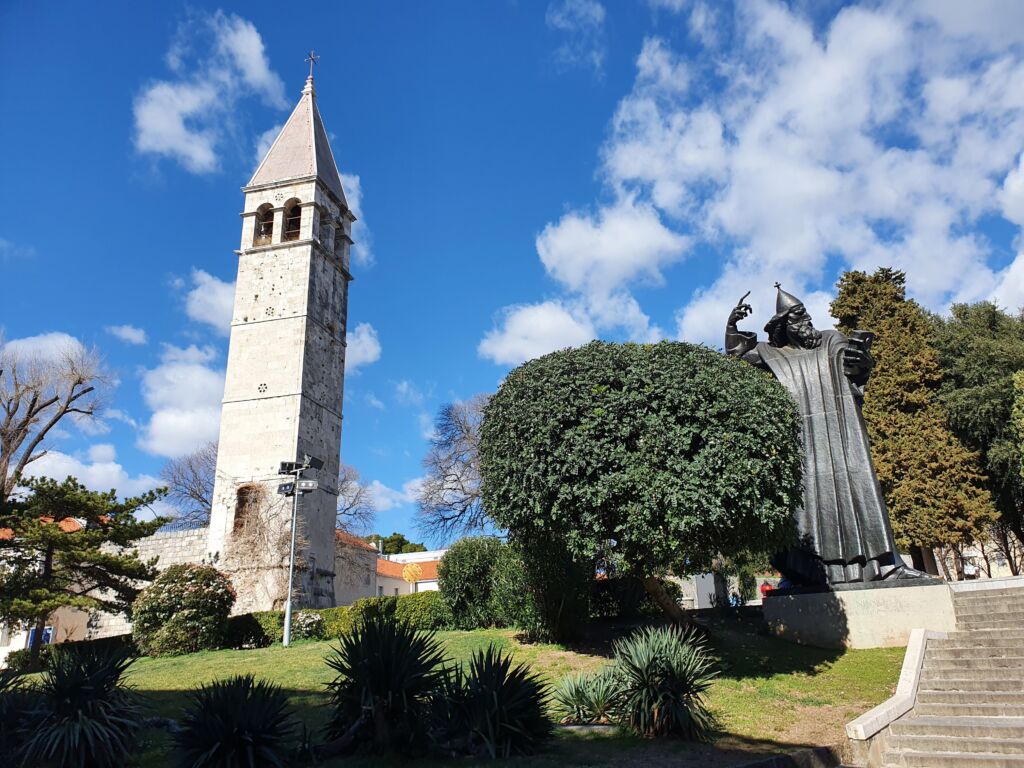
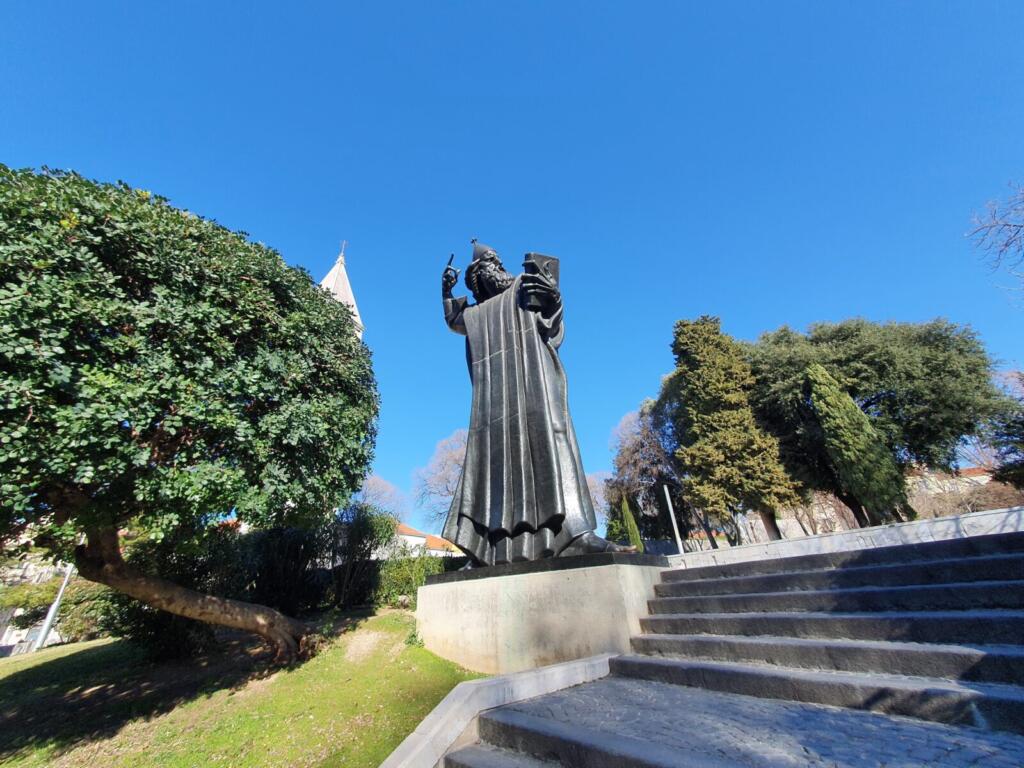
Outside the gate stands the imposing statue of Gregory of Nin. This is a marvellous work of art. It’s great in the daytime and popular with tourists; however, after dark it takes on a new feel. They built this statue in 1929 to commemorate the 1000th anniversary of the bishop’s brave opposition to the Catholic Church’s rulings. Apparently, rubbing the statue’s toes brings good luck.
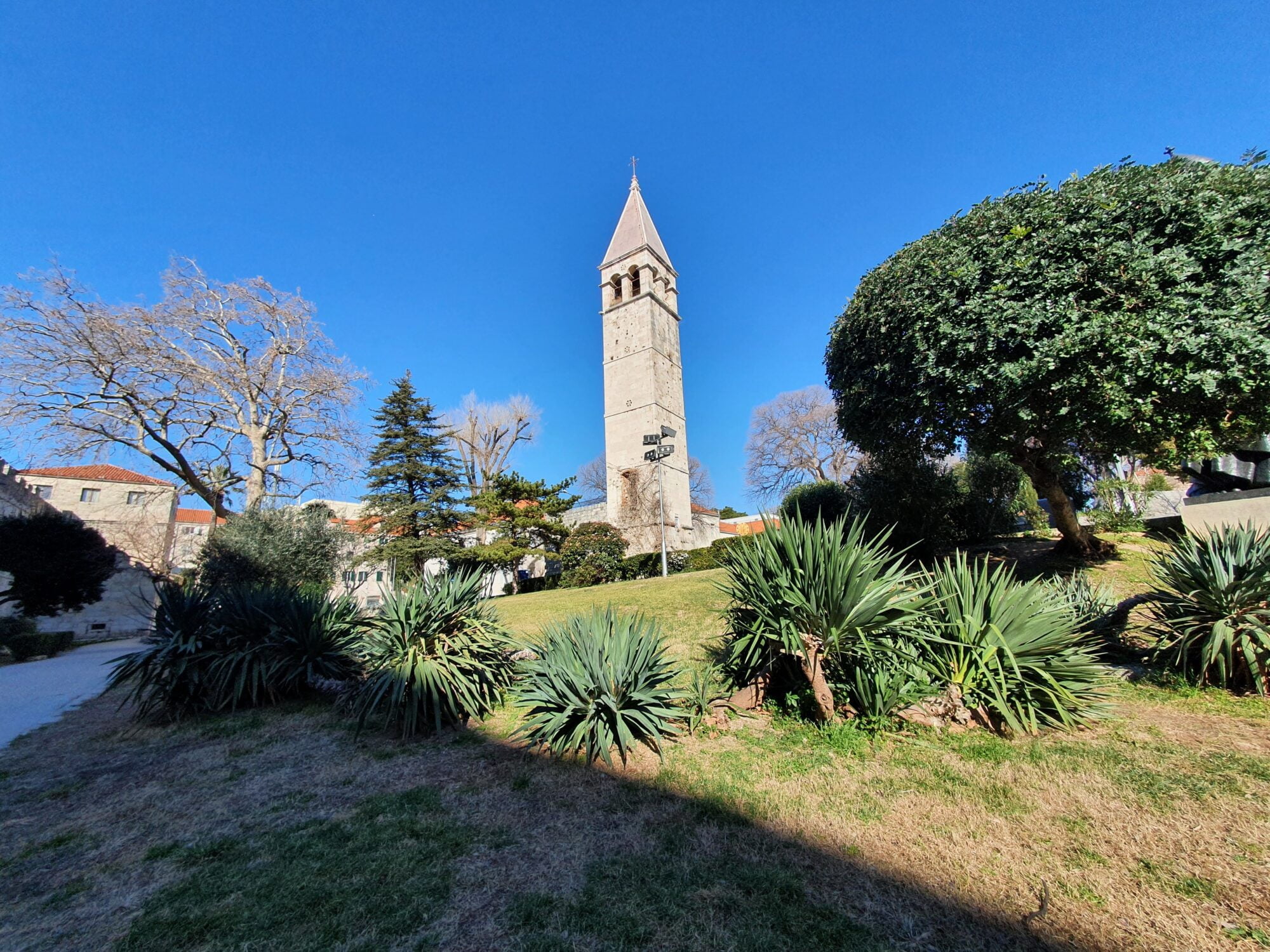
Near the statue of Gregory of Nin are a bell tower and the Chapel of the Holy Arnir. This was part of a Benedictine monastery that was founded here in the 11th century. The 17th-century tower is the last remaining part of the monastery.
Peristil

Peristil, or Peristil Square, is a fantastic place of interest, with ancient architecture. The cathedral, Vestibul and other buildings can be seen from the square, which is very photogenic. It forms part of Diocletian’s Palace and served as the ceremonial courtyard leading to the imperial apartments.
Diocletian’s Cellars
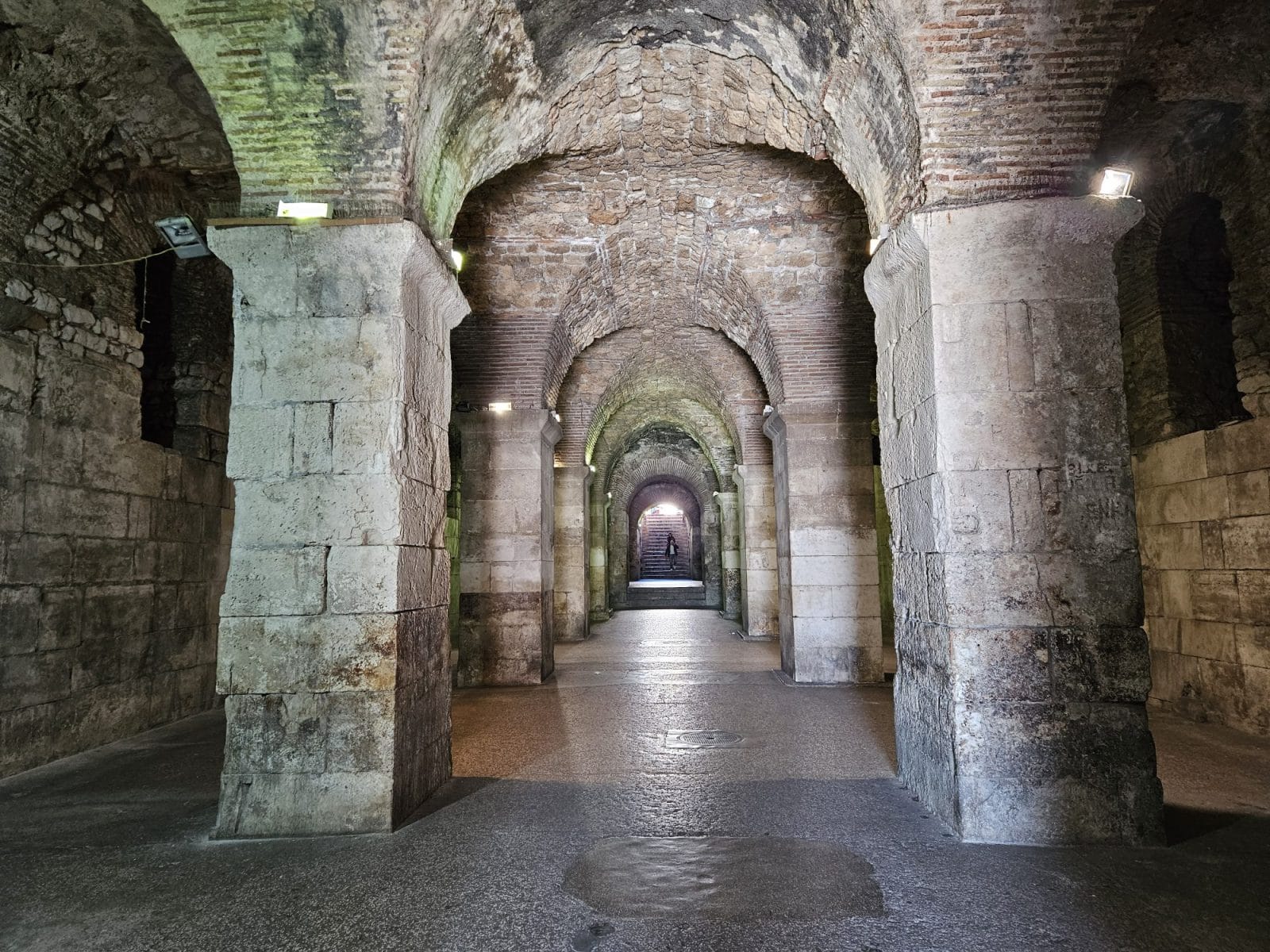
You can enter Diocletian’s Cellars from Riva by the seafront or via steps down from the Peristil. It’s a fascinating place and a handy way to enter the palace. The cellar has a tourist market where you can buy souvenirs.
The Cellars of Diocletian’s Palace are substructures at the southern end of the site. They consist of a barrel-vaulted structure that lies beneath the former private apartments of Emperor Diocletian. The cellars were used to elevate the private apartments; however, they were also used to store food and wine. Remnants of an old wine press remain in the cellars.
Dalmatian Cuisine
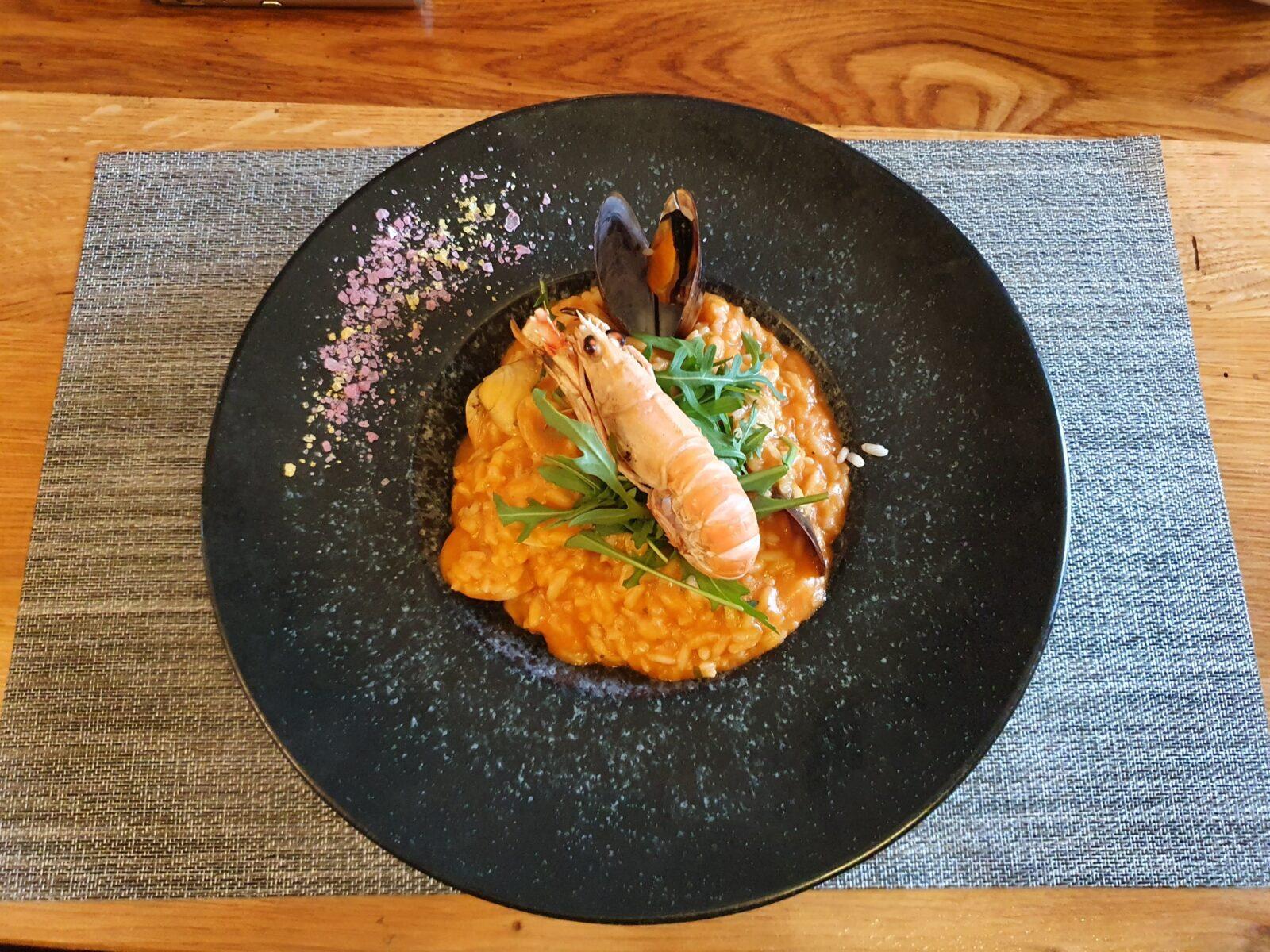
Local Dalmatian cuisine includes delicious seafood, and many restaurants offer sea views. The most popular and easiest to find in the city is crni rižot, a black risotto made with squid ink and cuttlefish. Seafood is fresh and cooked to perfection, including shellfish, squid, and fish, as well as fish stew or soup.

If you are on a budget or like cooking, markets sell local ingredients. This includes local farmers and fish markets for fresh fruit and vegetables.
People’s Square or Pjaca
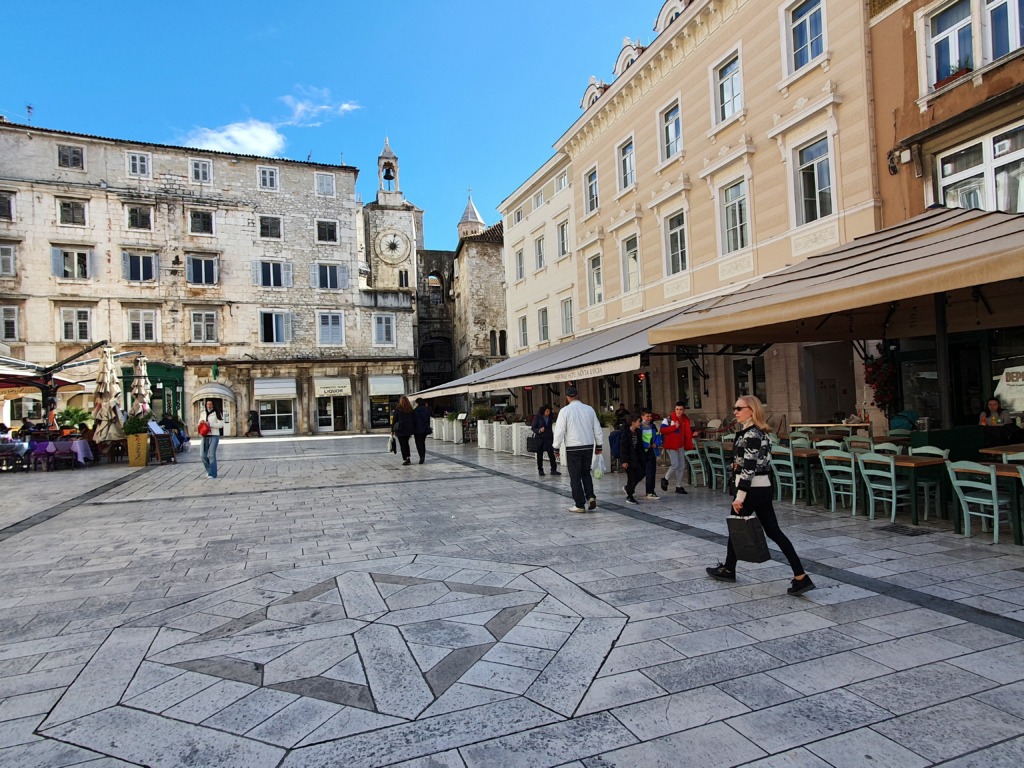
People’s Square, known locally as Pjaca, is a pleasant area to hang out at cafes. The square dates to the 13th century and was the first place people lived outside the walls of the Roman palace. The square features impressive architecture, including the Iron Gate. Pjaca is also home to the Old Town Hall, which dates back to 1143. The building has Gothic windows. They use the building for temporary exhibitions.
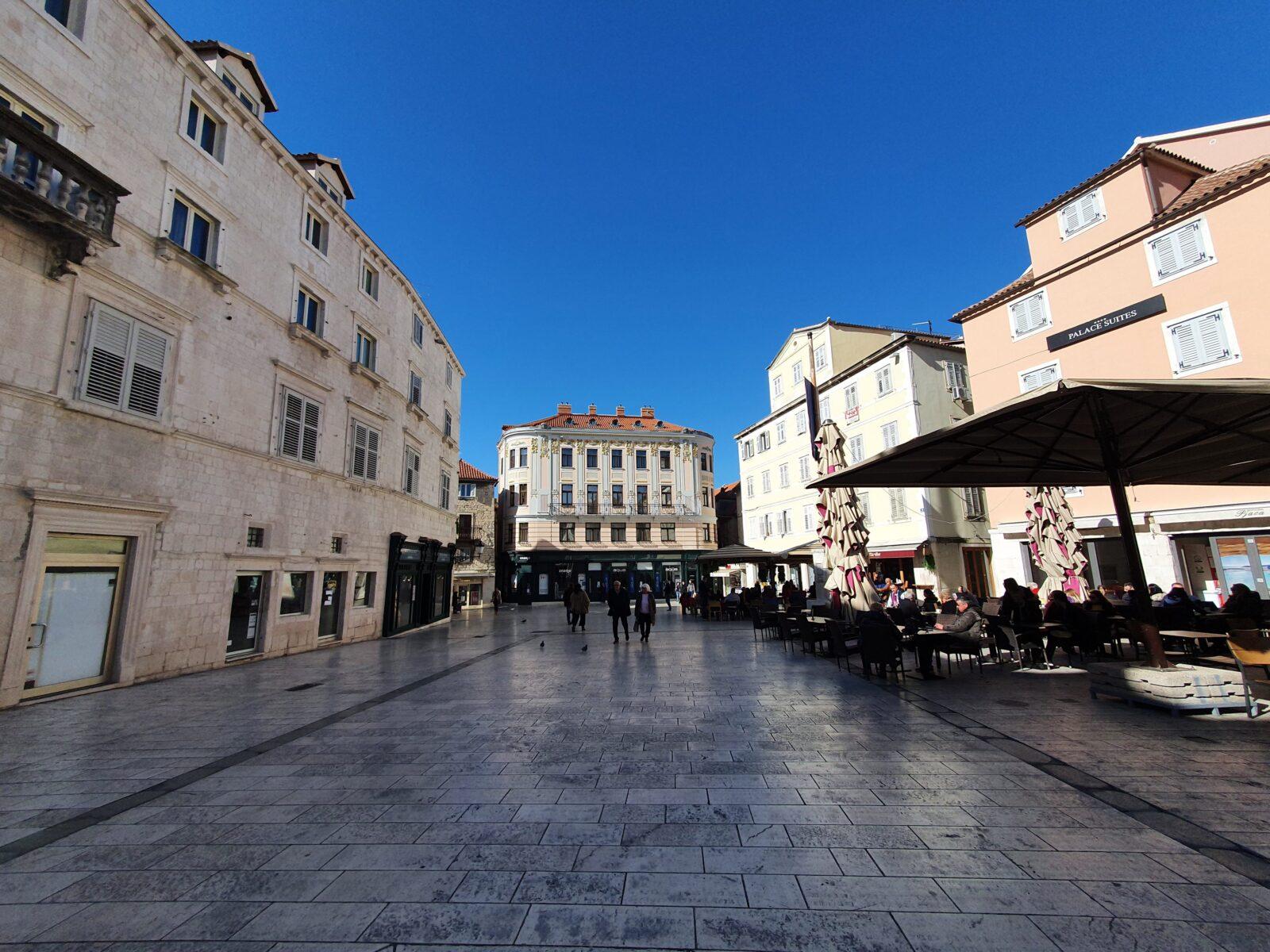
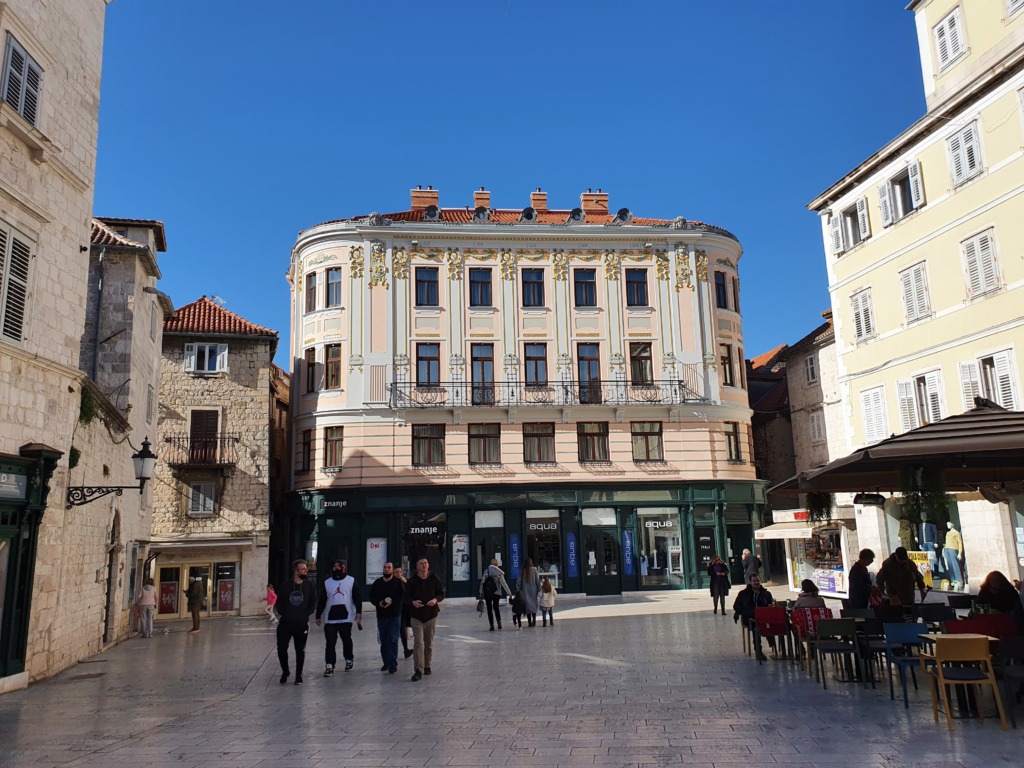
One highlight at the end of the square is Kuća Nakić. Kuća Nakić is a monumental three-storey building completed in 1906. This is the oldest Art Nouveau building in the city.
Iron Gate
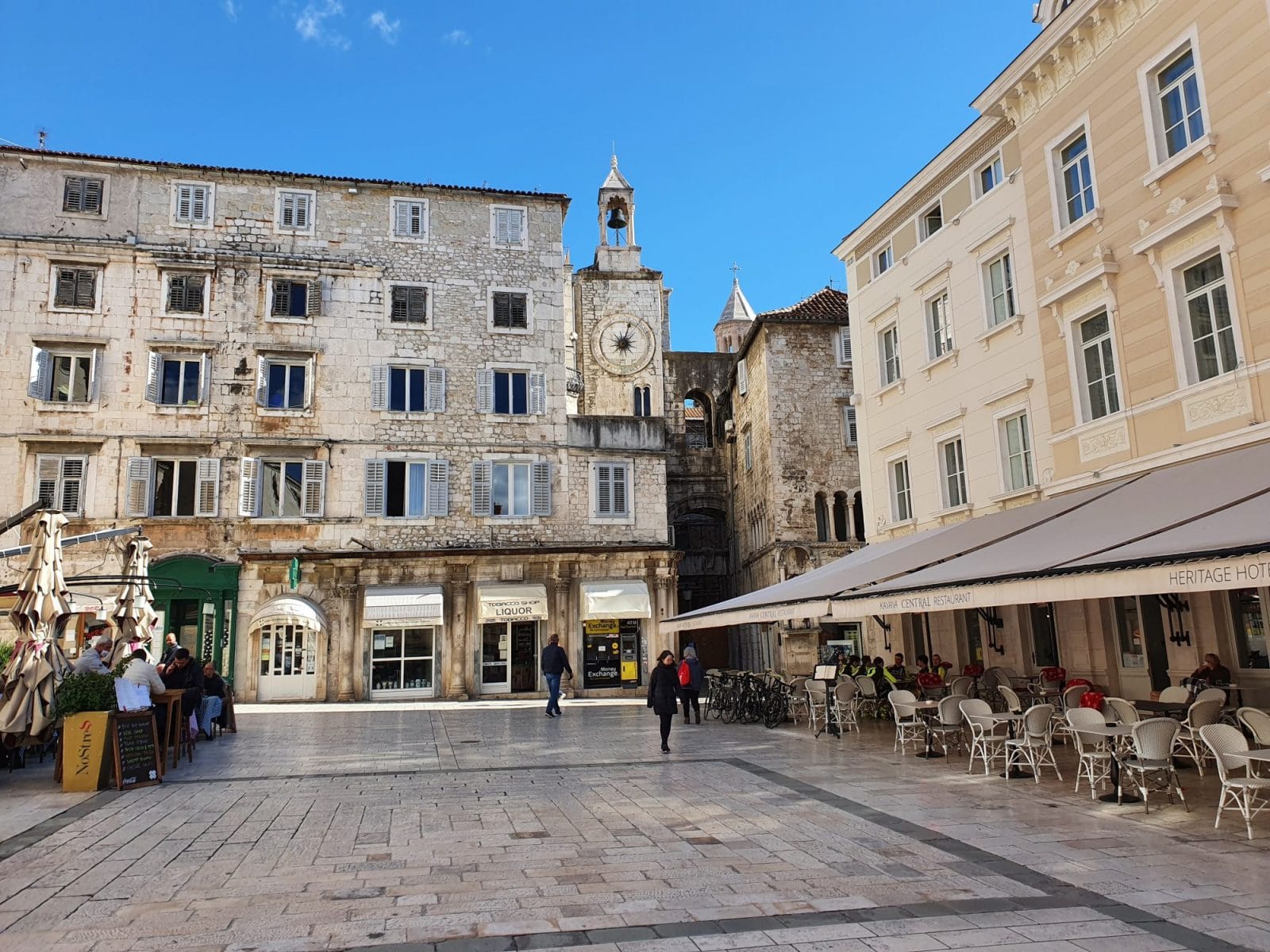
The Iron Gate is best seen from the People’s Square. It is also known as the Western Gate and is one of the four principal gates into Diocletian’s Palace. This was originally a military gate from which troops entered the complex. The Iron Gate is the only gate of the palace that has remained in continuous use to the present day. In the 6th century, they built a small church above the gate, dedicated to St Theodore.
The Silver Gate
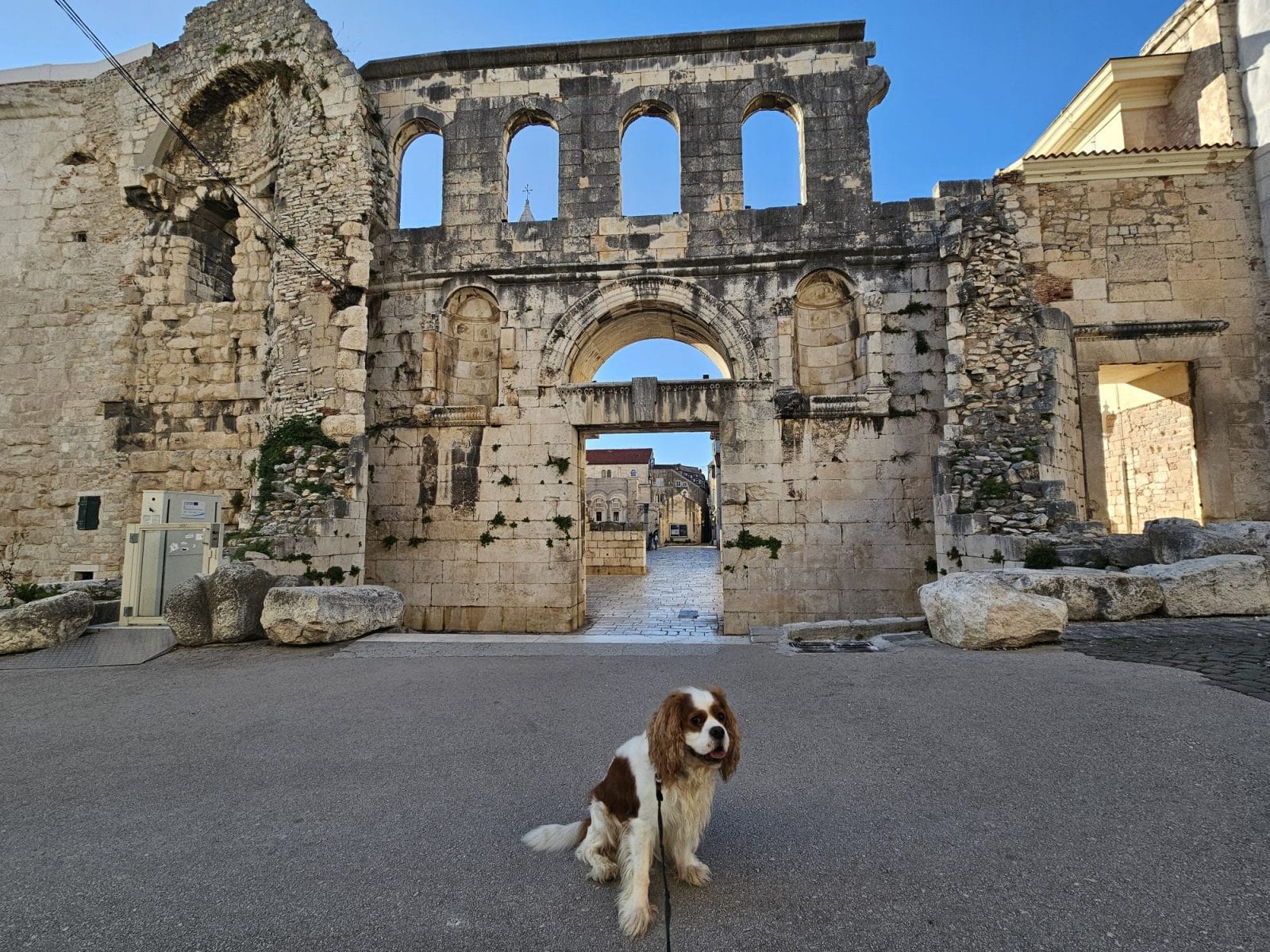
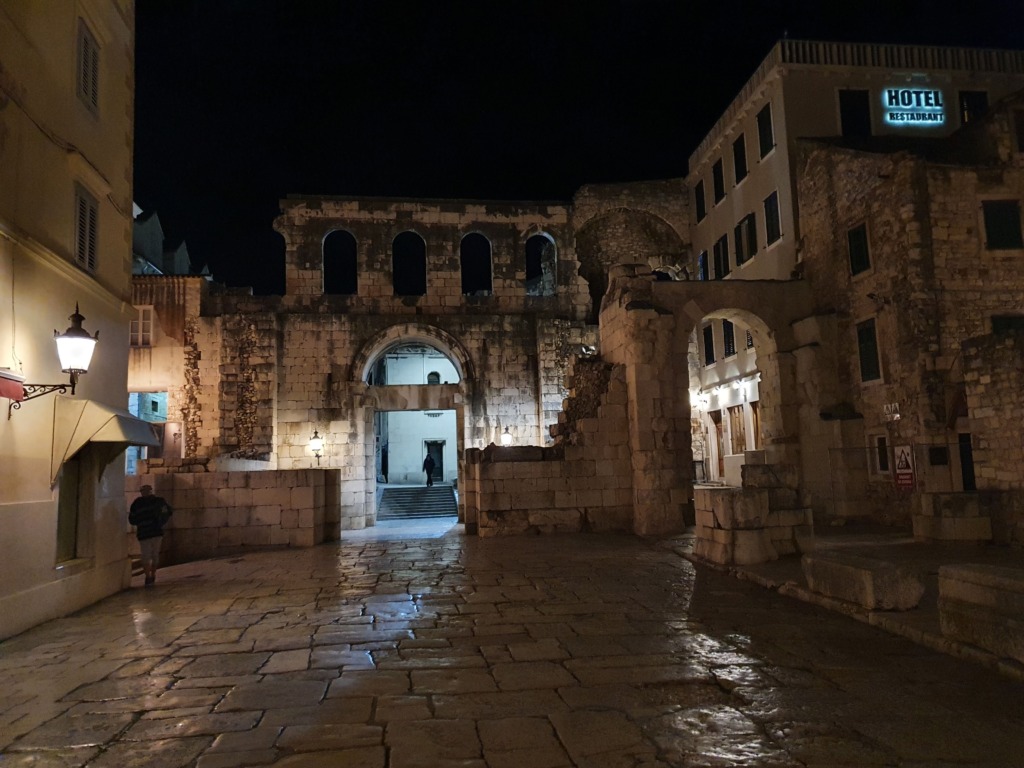
Another stunning aspect of the old town is the palace’s Silver Gate. You can find the gate between the cathedral and the green market. The Silver Gate consisted of two parts: an outer and an inner gate. They designed these as a defensive system; thus, the architecture was less ornate and decorative than the Golden Gate.
Vestibul
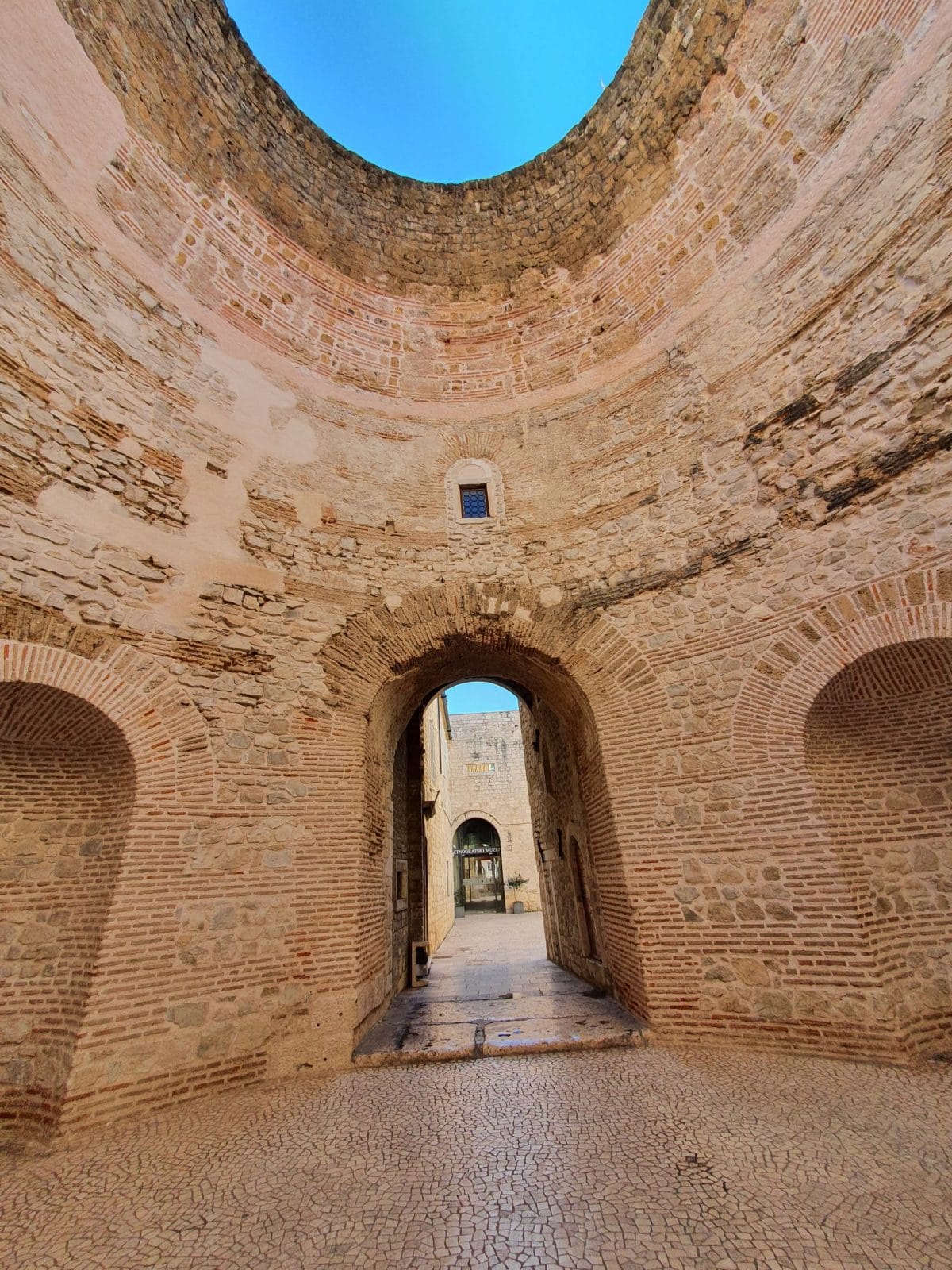
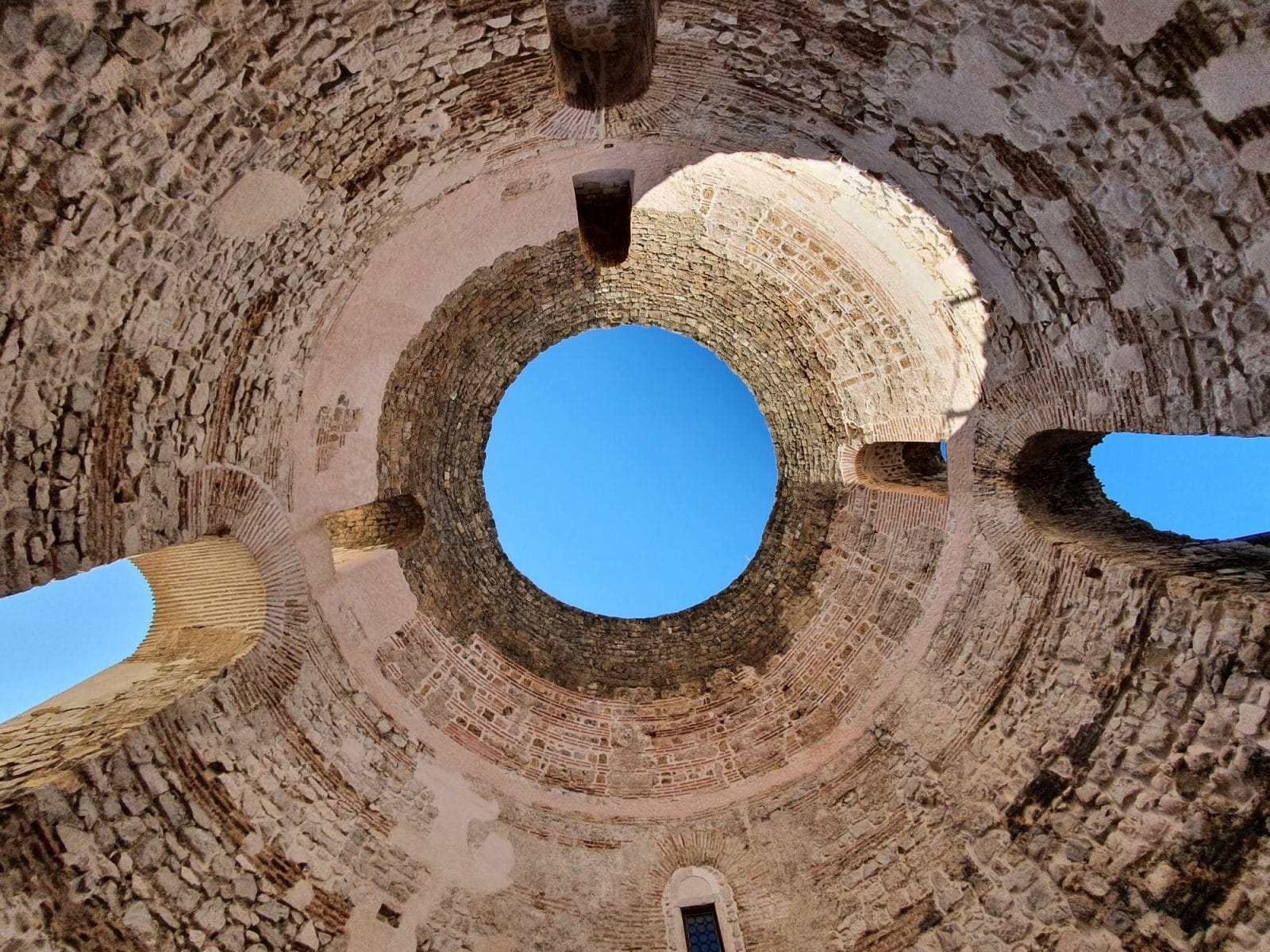
The Vestibul is a lovely building. The sky above is impressive on sunny days. The archways to enter the structure are also nice. They sometimes call it ‘The Rotonda’ or ‘The Atrium’. The Vestibul was the formal entrance to the palace’s imperial apartments.
Explore Veli Varoš.
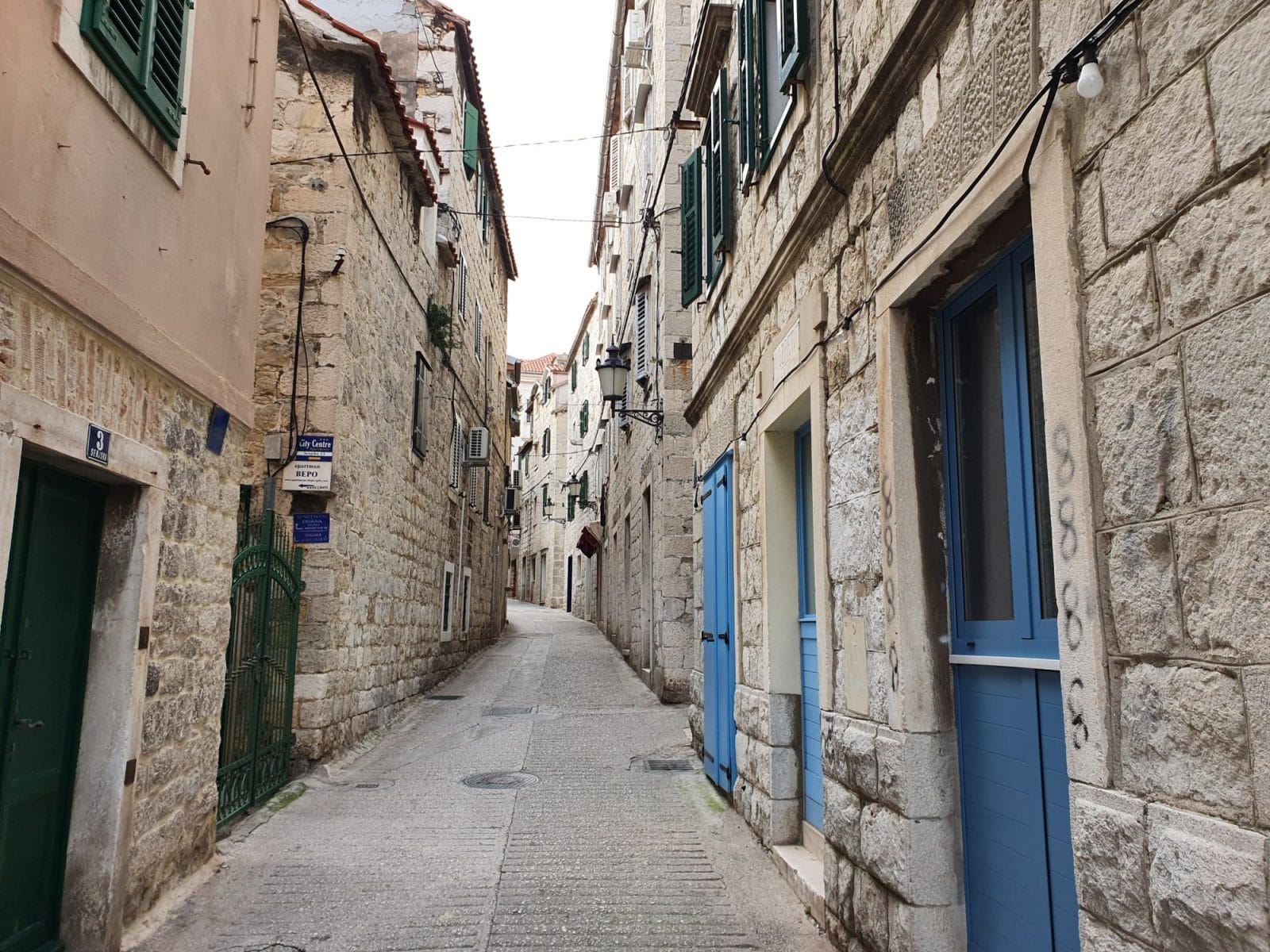
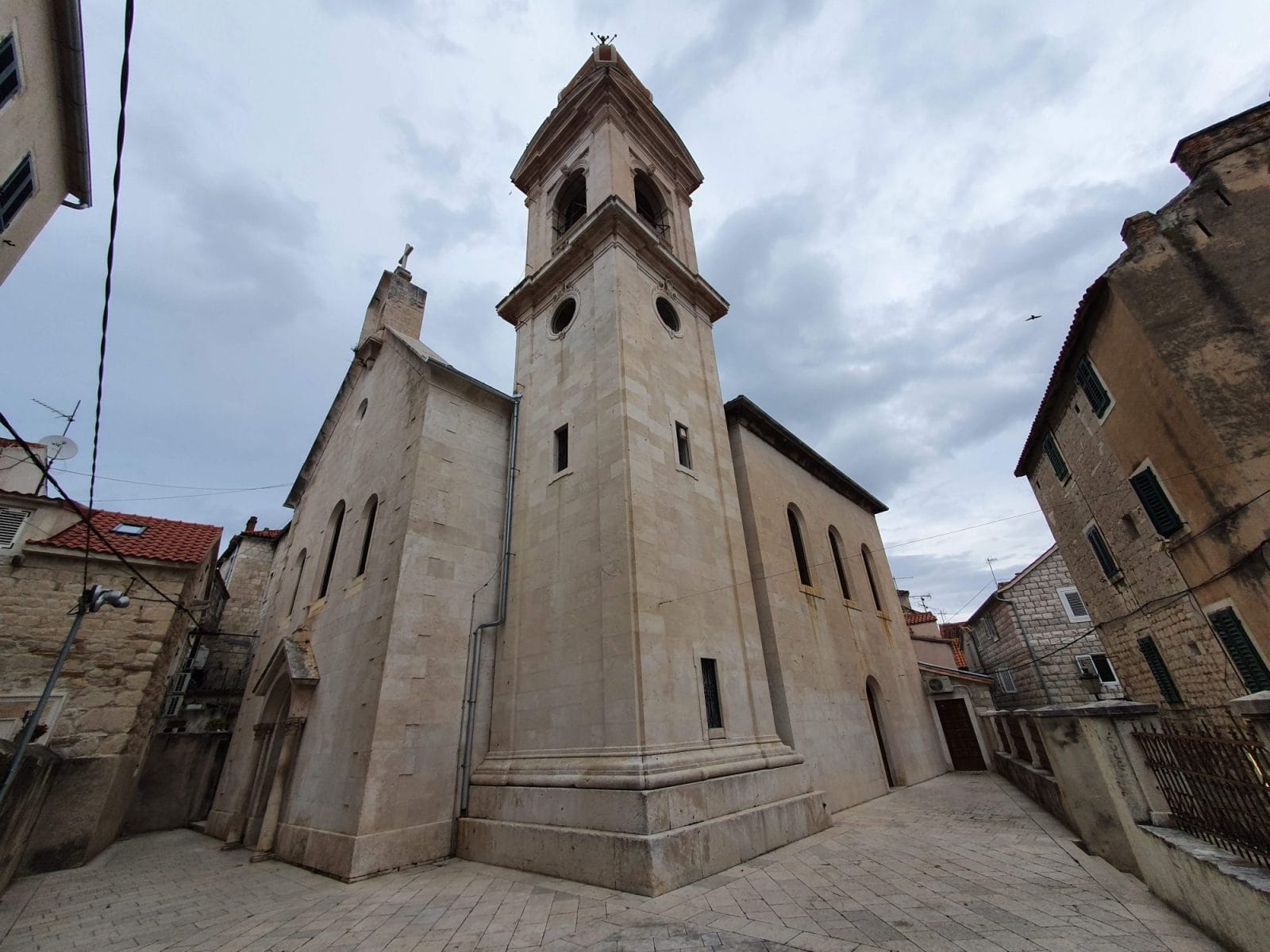
If you want to escape to a quieter bit of town, head to Veli Varoš. Veli Varoš lies west of the city, on the slopes of Marjan Hill. Varoš is known for its labyrinth of alleyways, with medieval churches and cute stone houses.
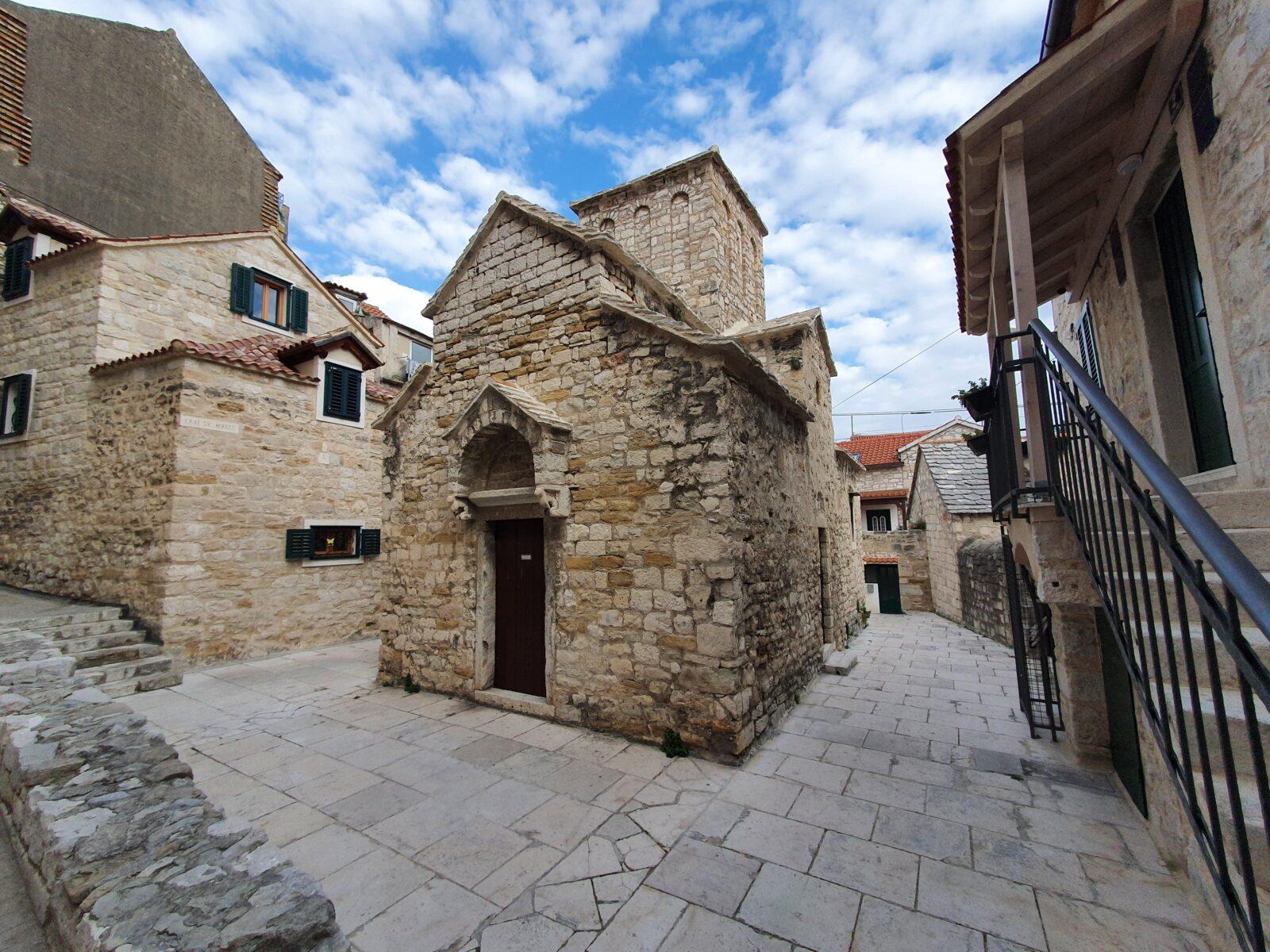
This includes Iglesia de San Nicolás, a tiny church that exemplifies the area and dates back to the 11th century. Another church in Veli Varos is Crkva sv. Križ, or Church of the Holy Cross. This is a bigger church with a distinctive spire, which drew me to find it.
Croatian Maritime Museum
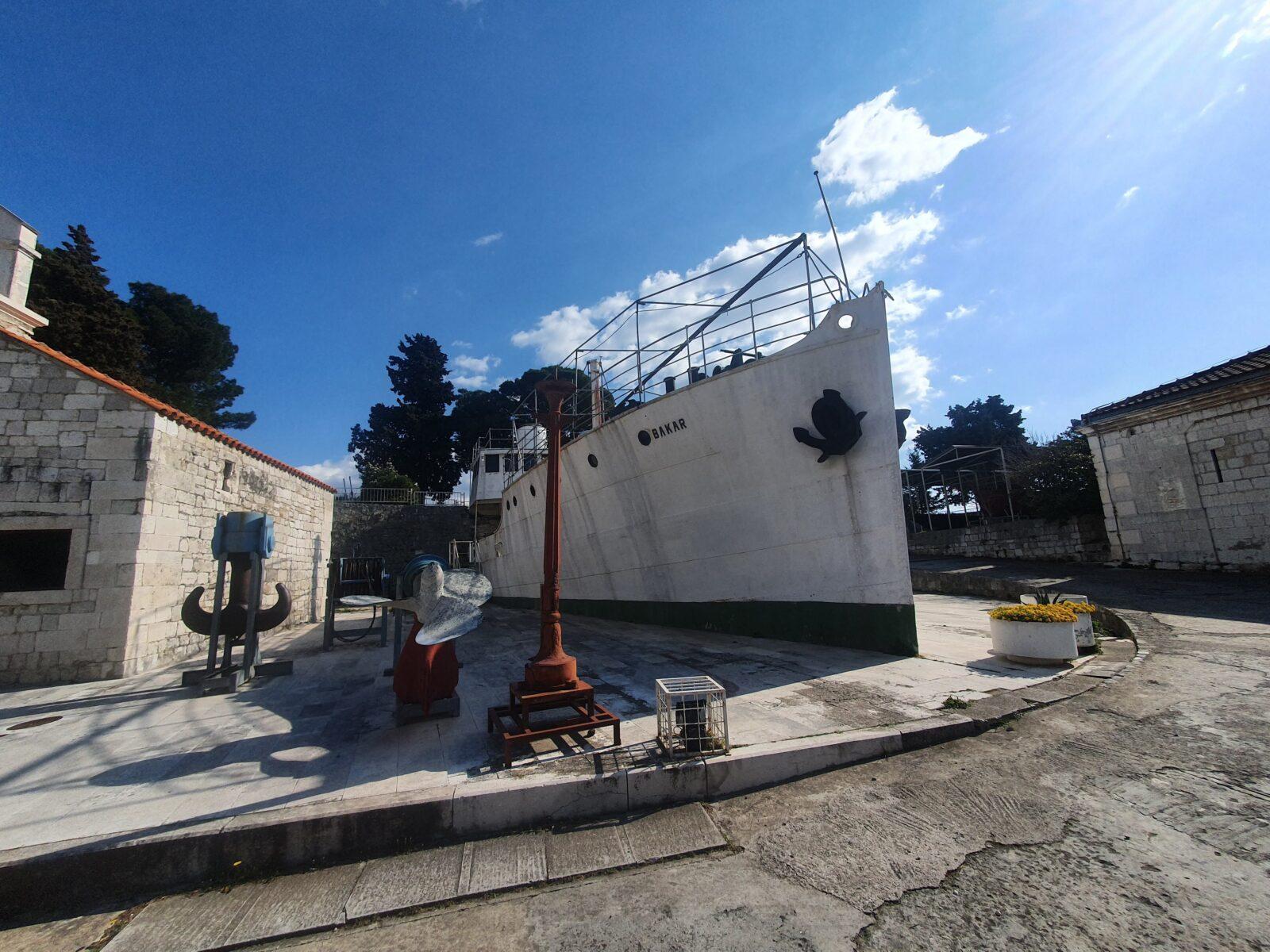
If you enjoy history or boats, a fun way to spend time is to visit the maritime museum. The Croatian Maritime Museum is located inside Gripe Fortress, so you can visit them together. You can learn more about the country’s maritime history. Entry to the museum was quite cheap.
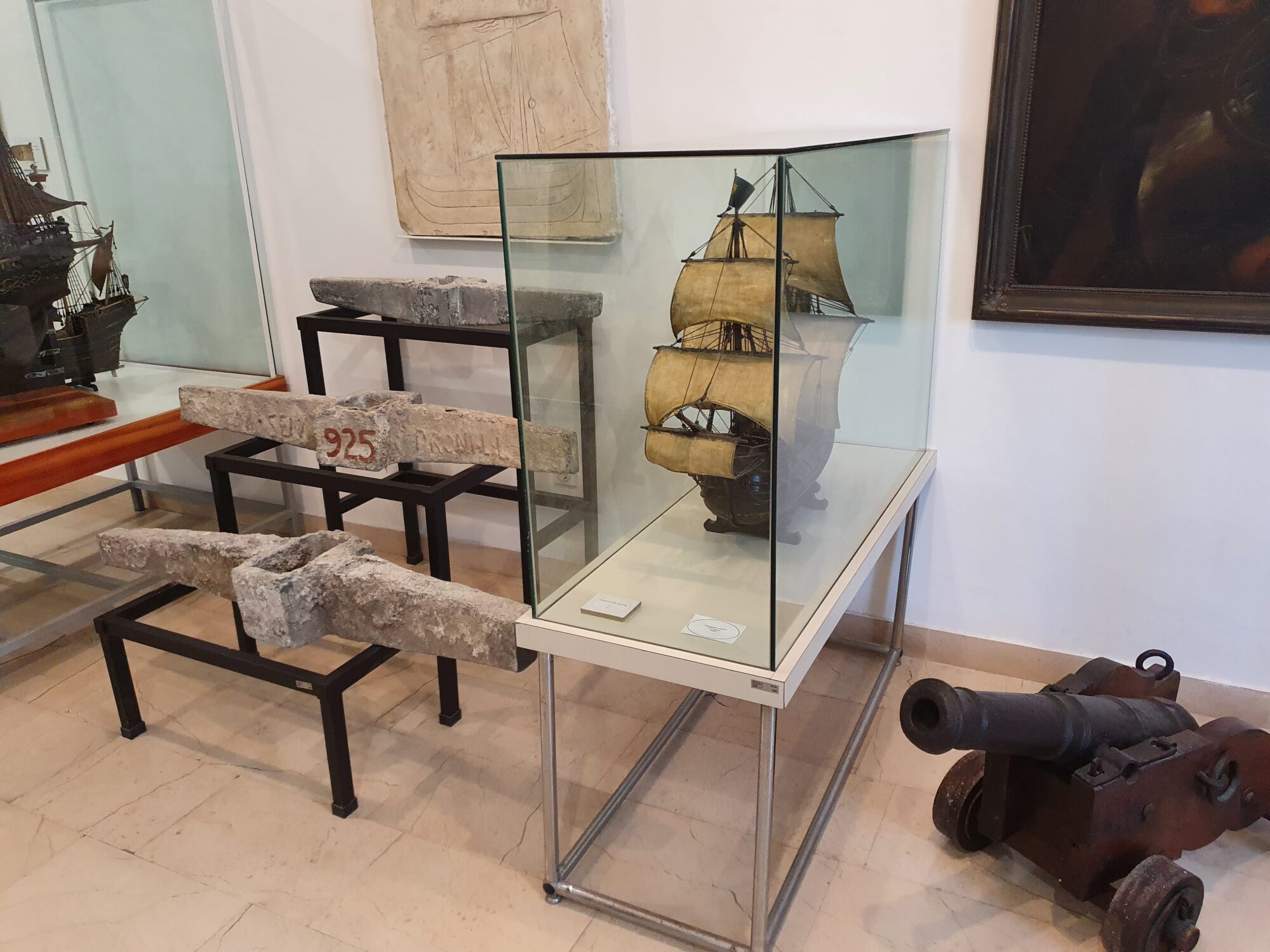
The museum has boats you can look around and learn about the maritime history of the Adriatic Sea. The maritime museum covers military, fishing and general transportation. You can see weapons, uniforms, and artwork from Dalmatian maritime history. You can also get up close to boats in the courtyard, including boarding one.
Split City Museum
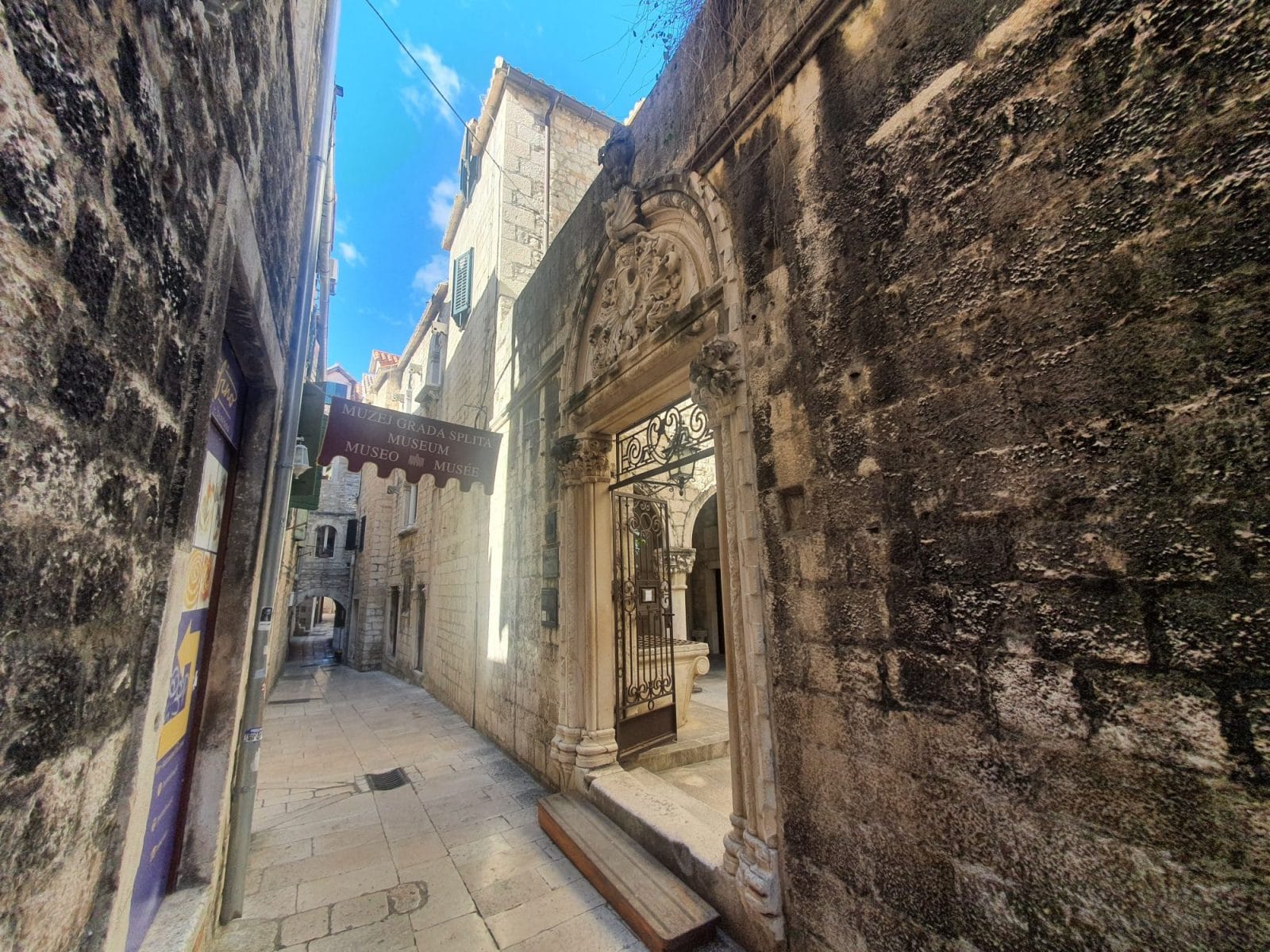
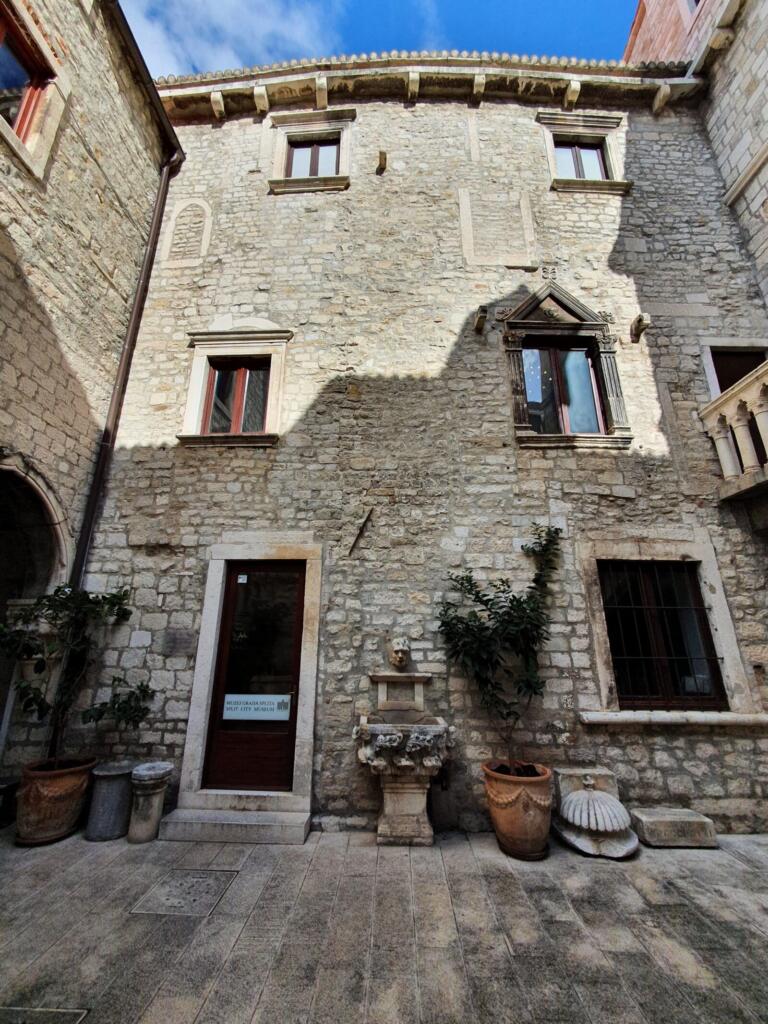
Split City Museum is in the old town. Inside, you can find paintings, sculptures, weapons, and armour. Artefacts date back to the Roman era, and others are from more recent history.
Croatian National Theatre in Split

The Croatian National Theatre is in a yellow building with a town square outside. They opened the theatre in 1893, and it’s the oldest in Croatia’s Dalmatia region. For theatre lovers, you can watch a play, an opera, or a ballet.
Sustipan Park
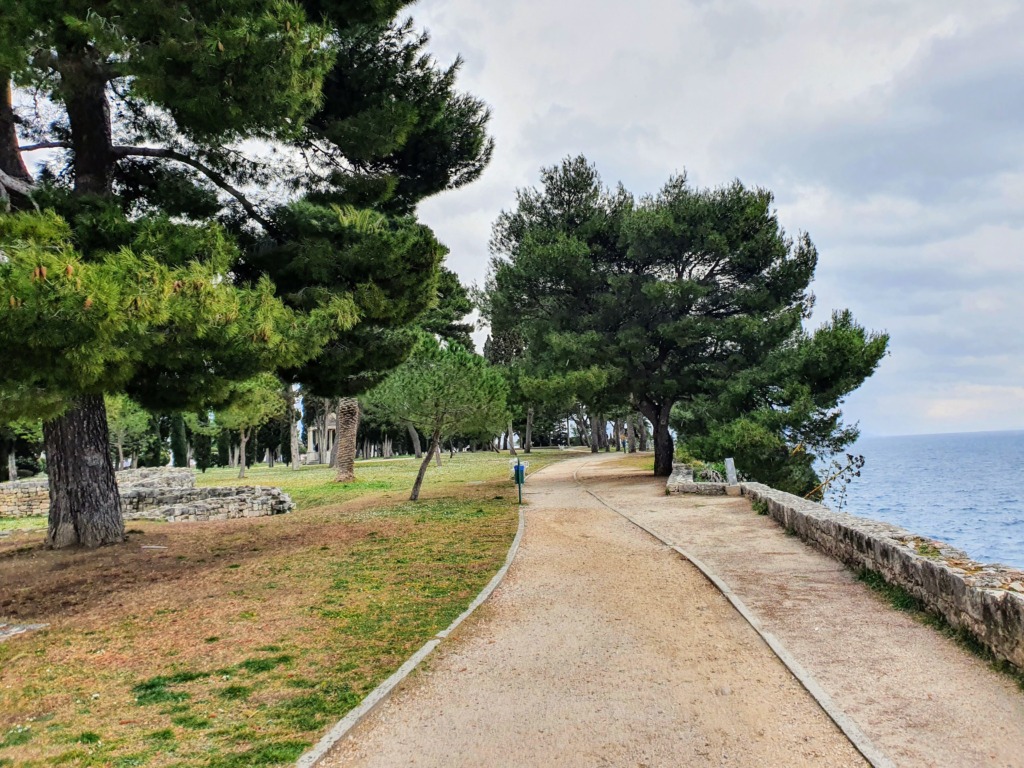
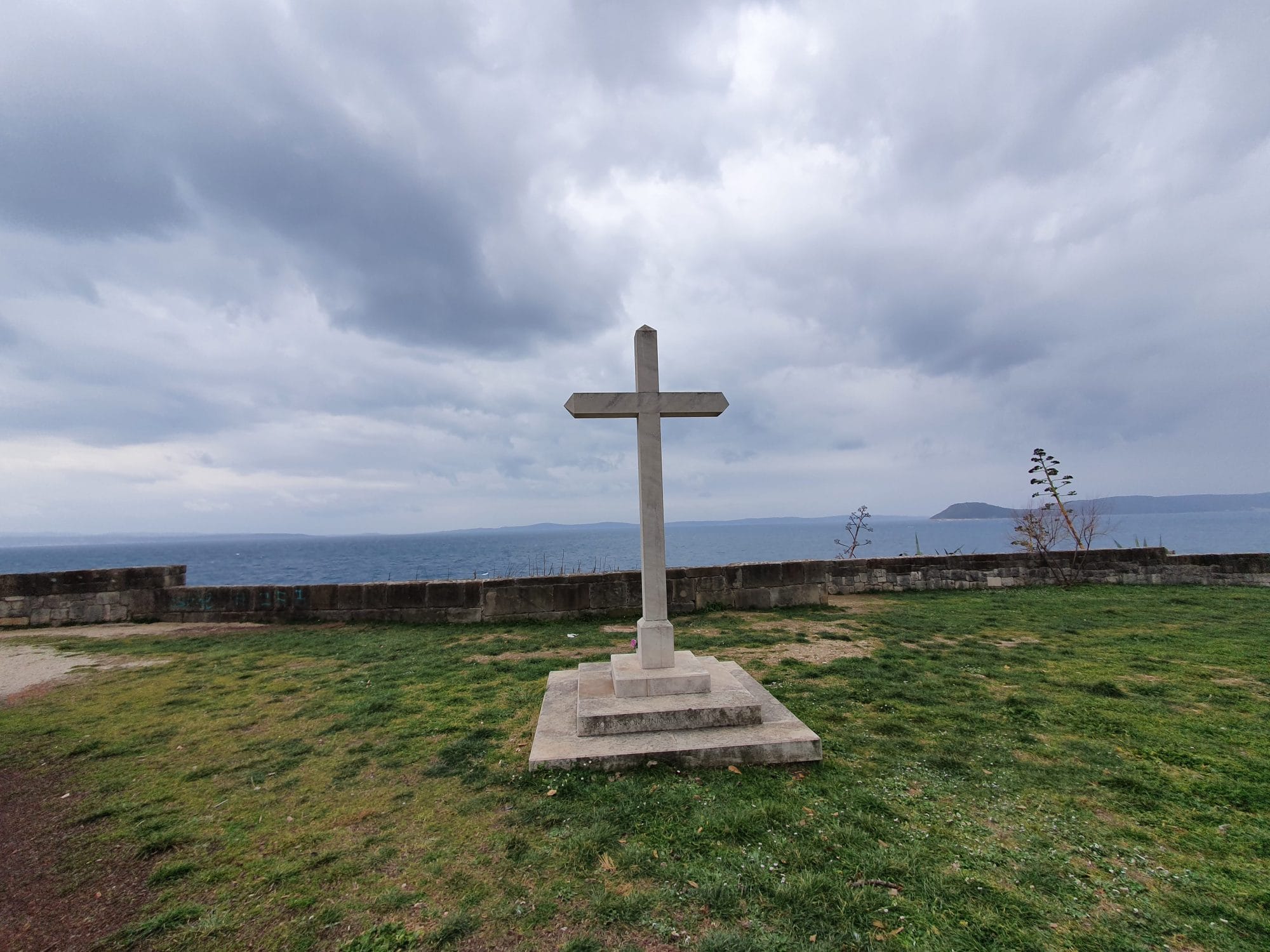
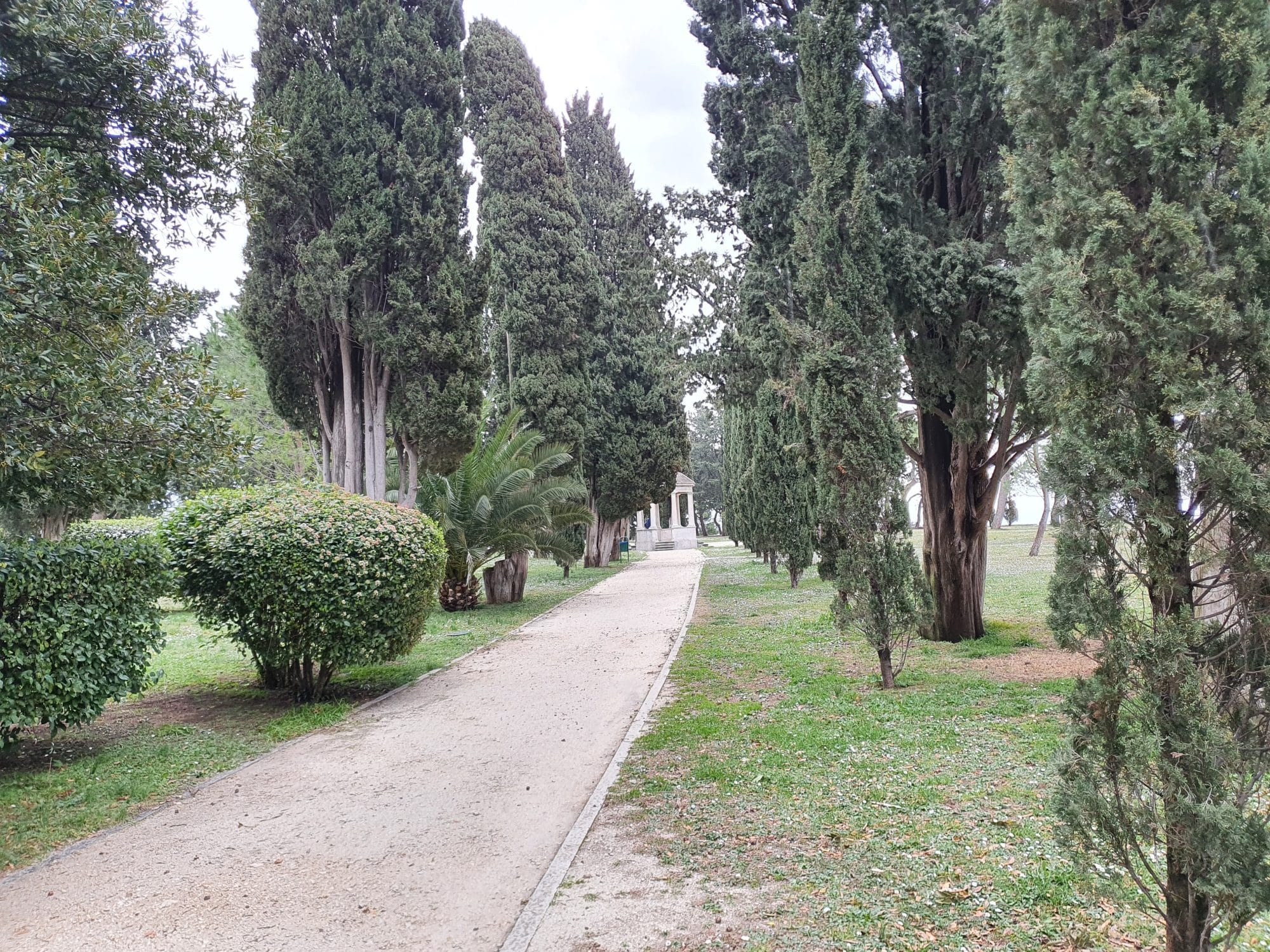
Sustipan Park is a quiet place to sit and look out to sea just outside the centre of Split. It has gardens with shaded seating. While exploring, there are monuments and a cross near the coast.
Salona Archaeological Site
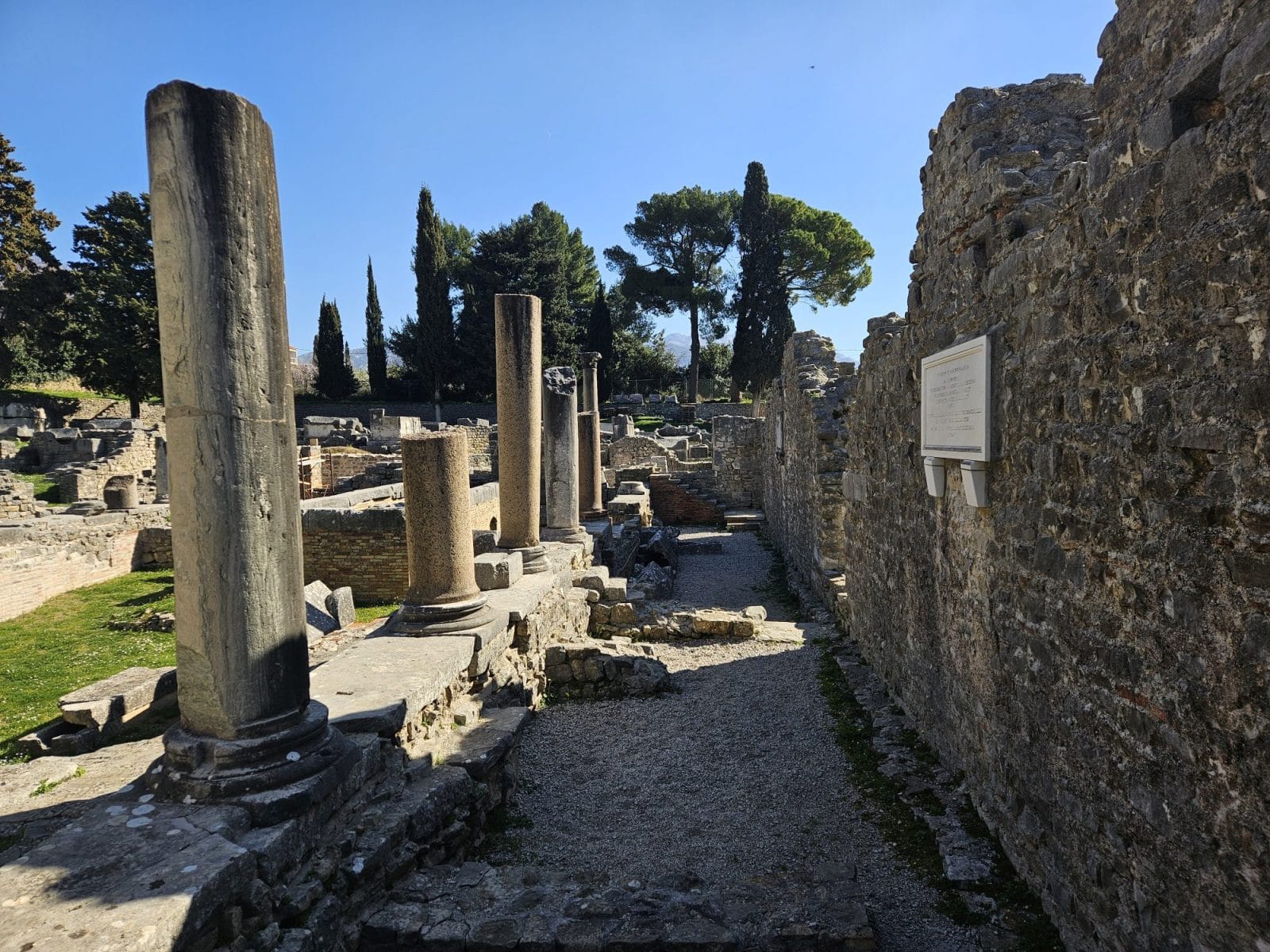
The Salona Archaeological Site is a short trip outside of the city. Salona is the country’s largest Roman archaeological park. It is a scenic area for a walk through the ruins.
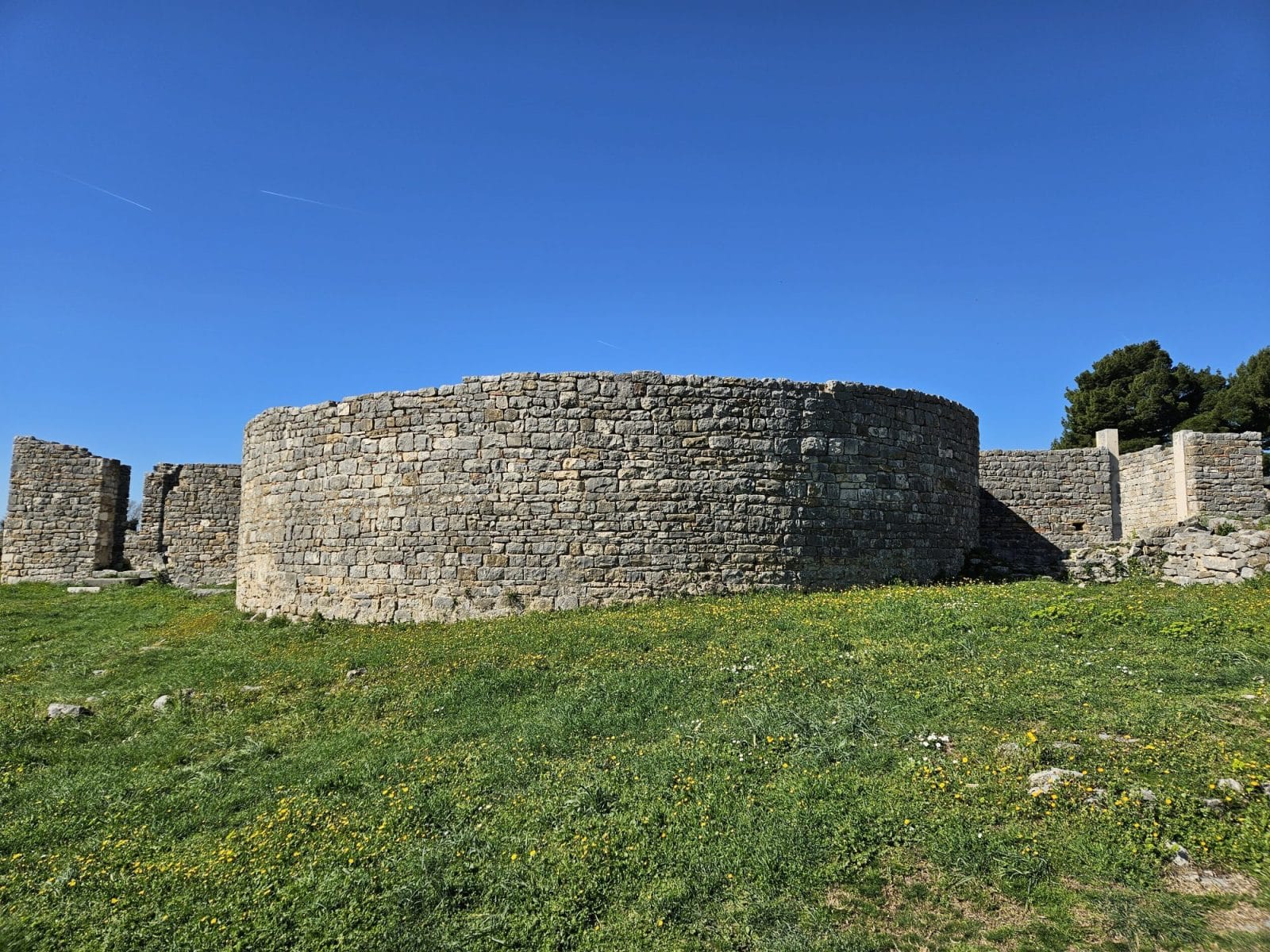
Salona was founded in the 3rd century BC and later served as the de facto capital of the Western Roman Empire from 476 to 480. Most of the site was destroyed in the invasions of the Avars and Slavs in the seventh century AD.
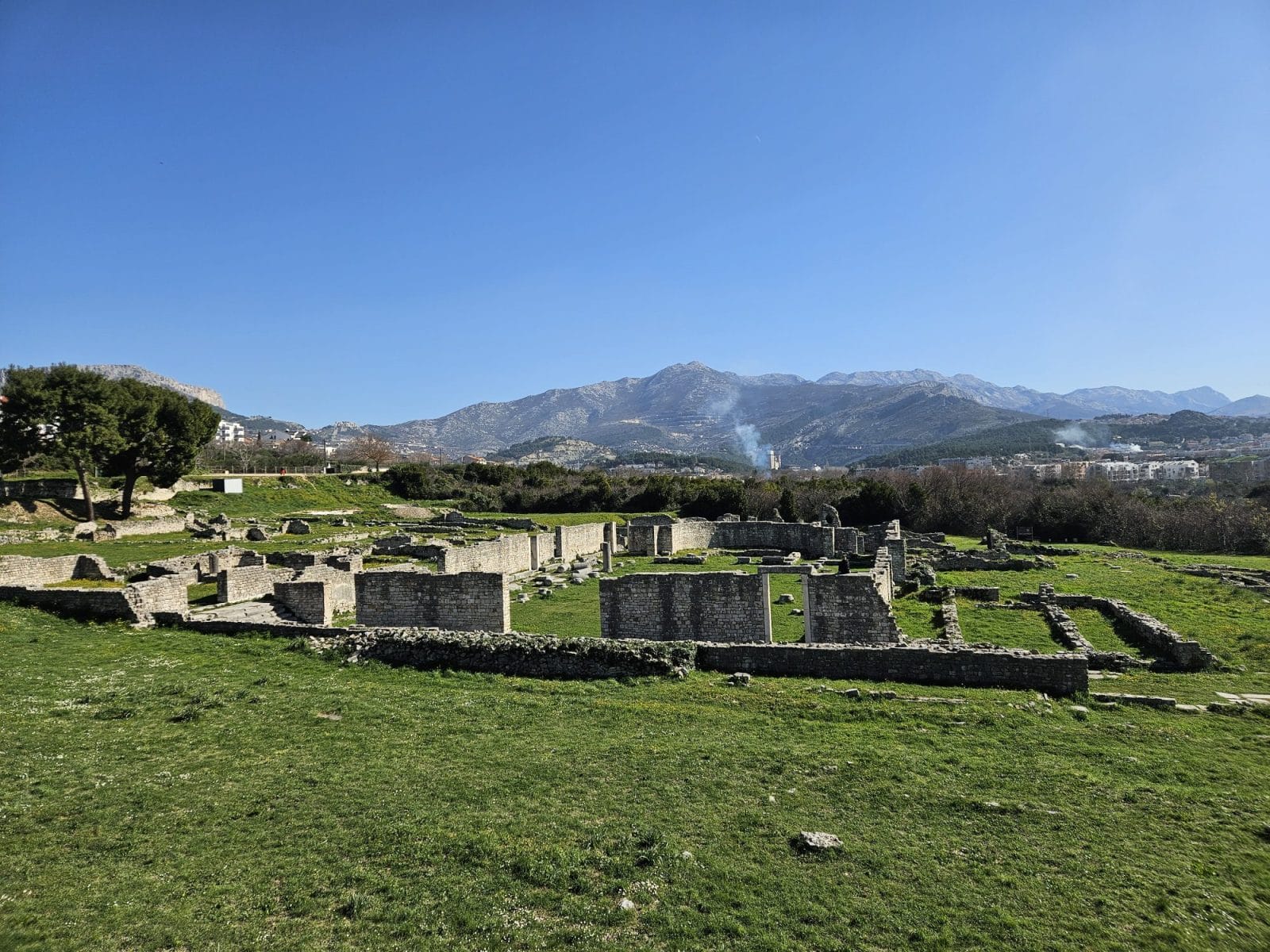
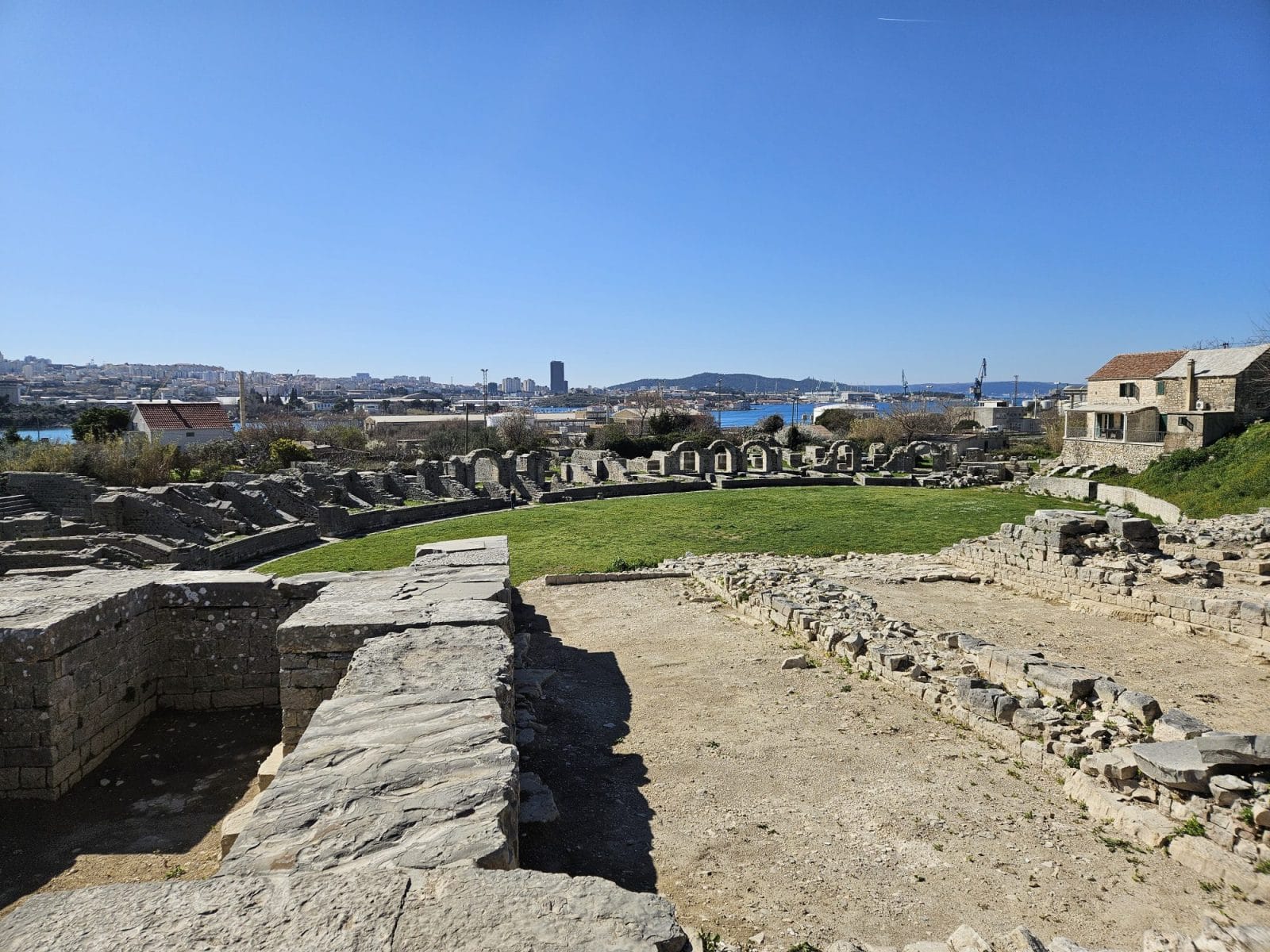
The park is big and contains Roman ruins, including a basilica, amphitheatre and thermal baths. The site tells the story of each part as you visit.
Museum of Fine Art
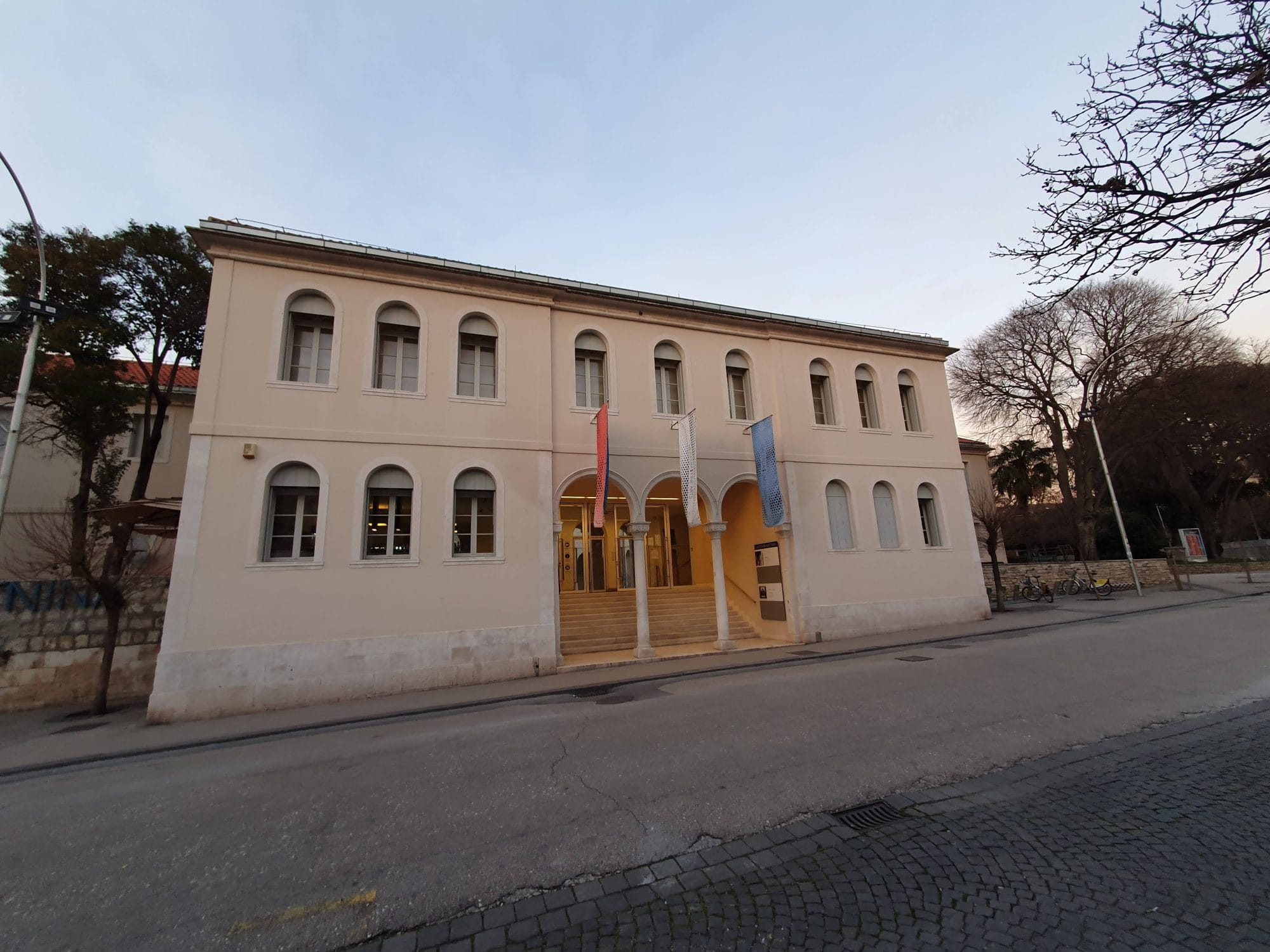
The Museum of Fine Art has artworks from the 14th century to modern-day pieces. The museum tells the story of the local art scene. Its art features religion, and some modern paintings feature politics.
Split Ethnographic Museum
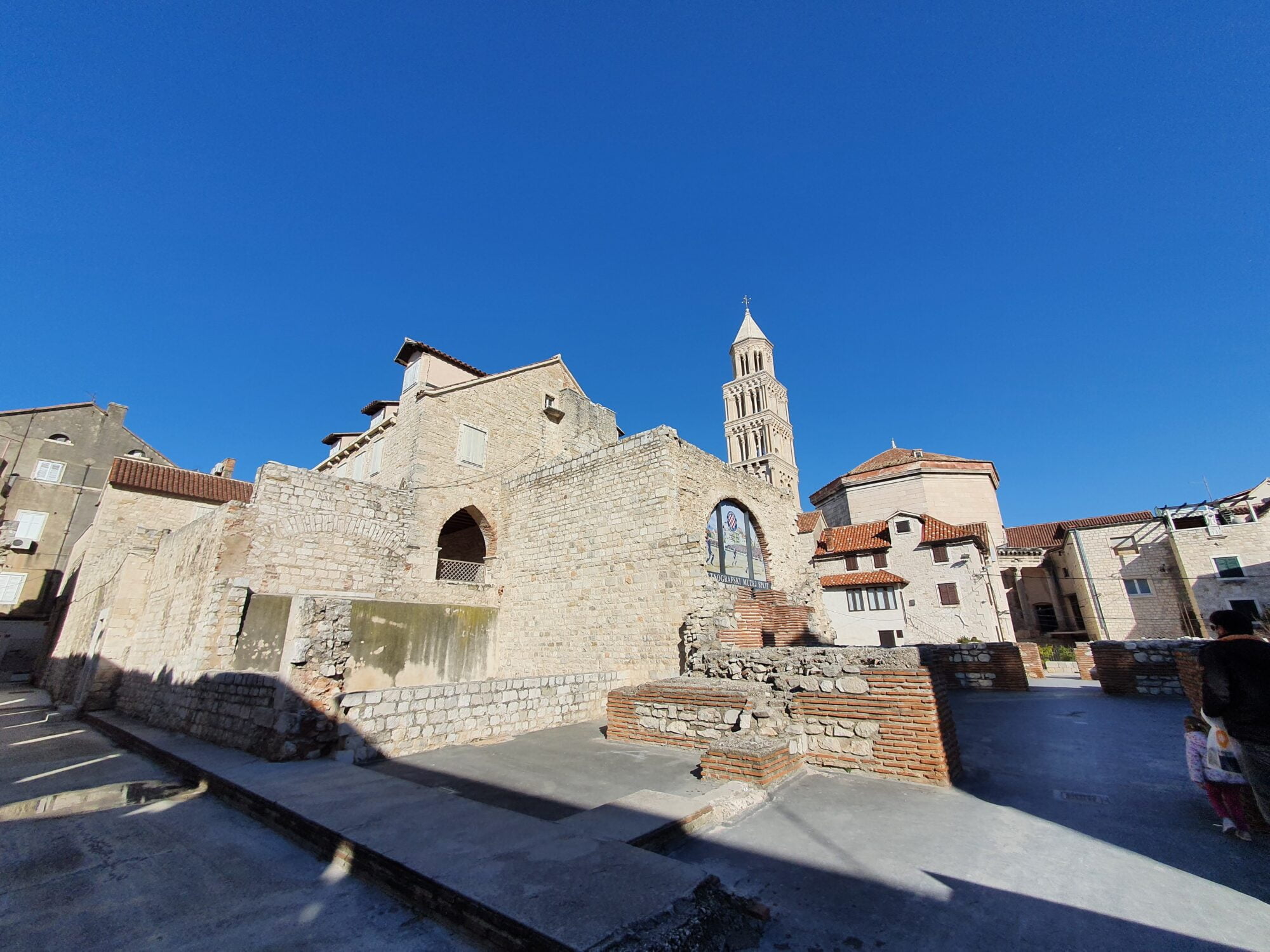
The ethnographic museum tells the story of the people who have lived on the Dalmatian coast throughout history. This includes examples of traditional crafts, costumes and cultural aspects. The building was formerly part of the Roman palace.
Venetian Tower
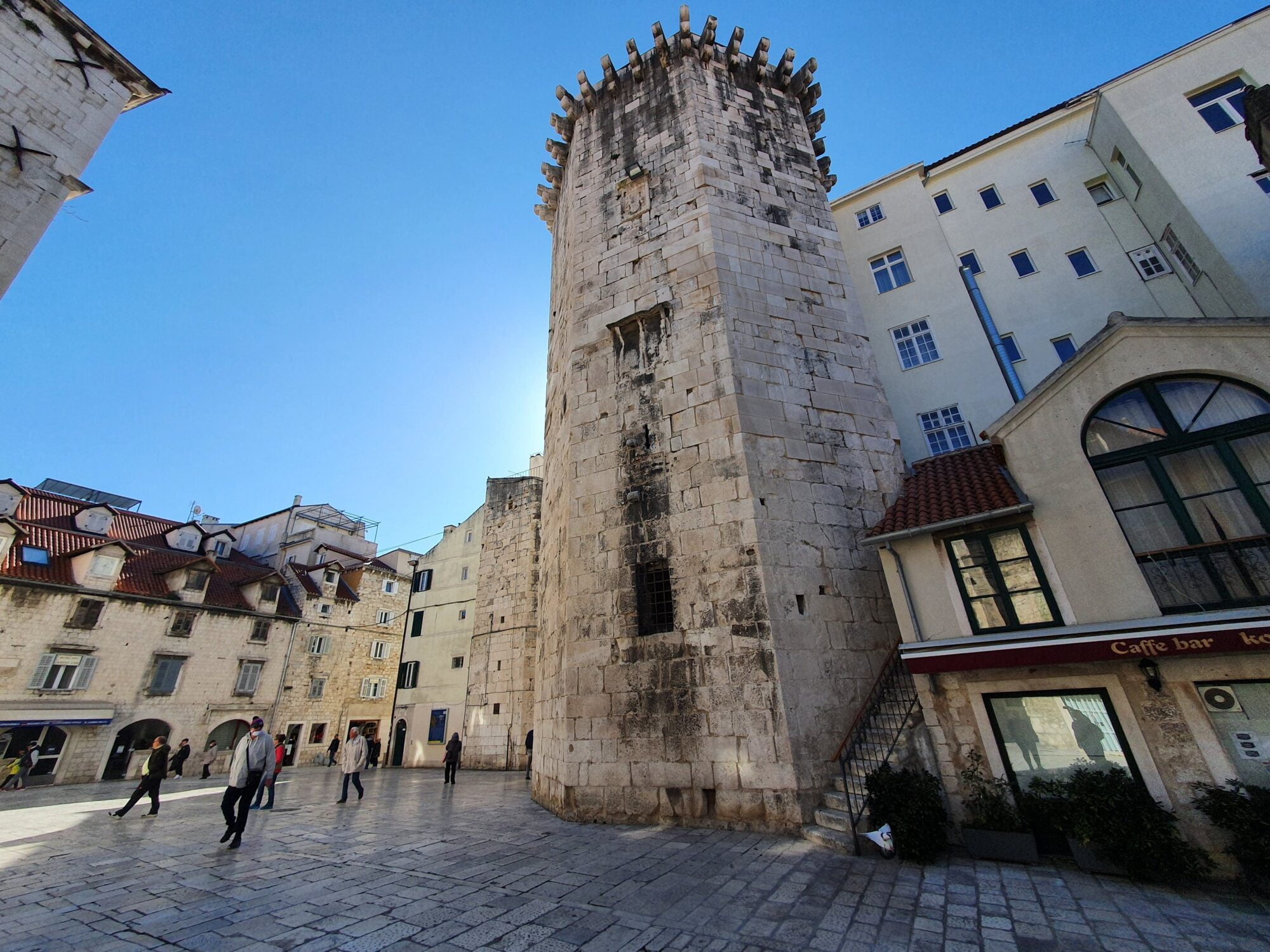
The Venetian Tower is in Fruit Square and accessible by the gate from Riva. These are the remains of a 15th-century Venetian castle that was built in 1441. Sadly, they mostly demolished the castle. However, they left this pretty tower. Sadly, it doesn’t seem to be open except for viewing from the outside.
Milesi Palace
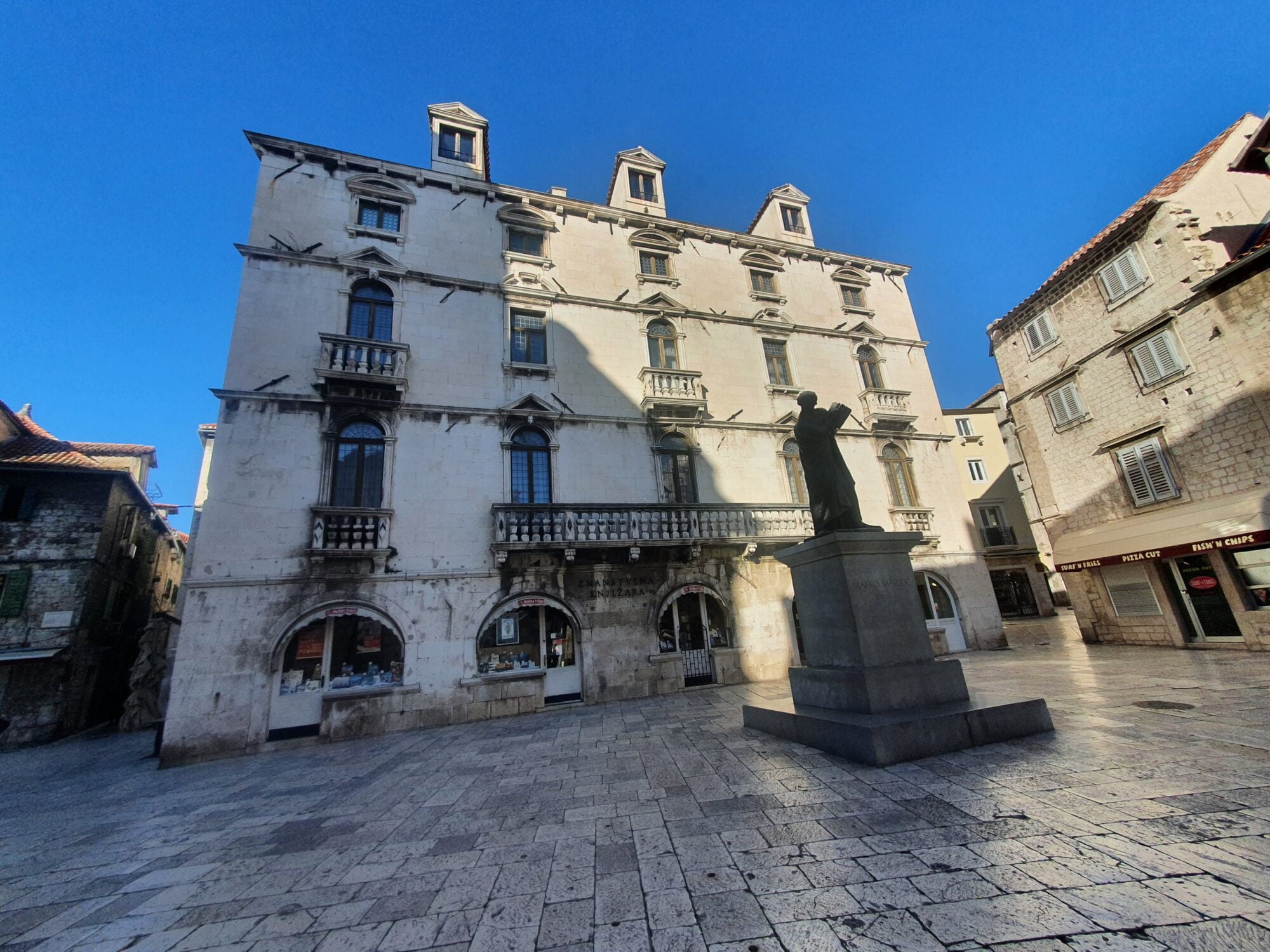
Vocni Trg, also known as Fruit Square, is a beautiful part of the Old Town, surrounded by pleasant buildings. The square’s main attraction is the Milesi Palace. Milesi Palace is a Baroque building and one of the city’s most eye-catching buildings. It was built during the late 17th and early 18th centuries. Next to the palace is a statue of Marko Marulić, who was a famous Croatian poet. Another feature of Fruit Square is the Venetian Tower.
Marulić Palace
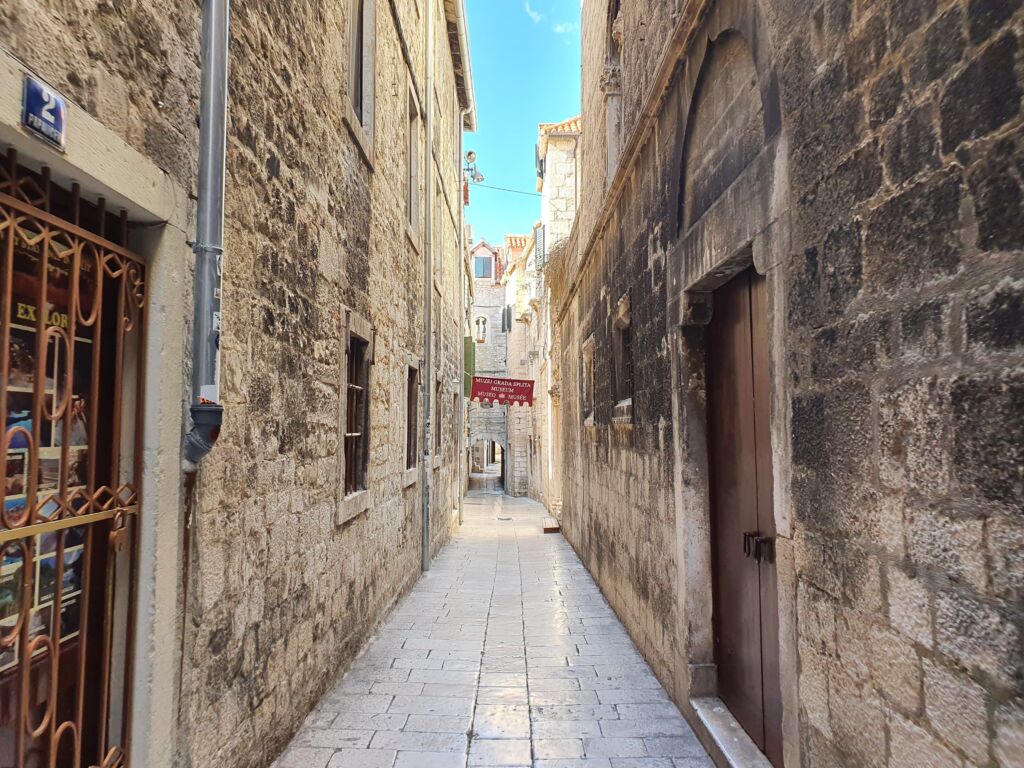
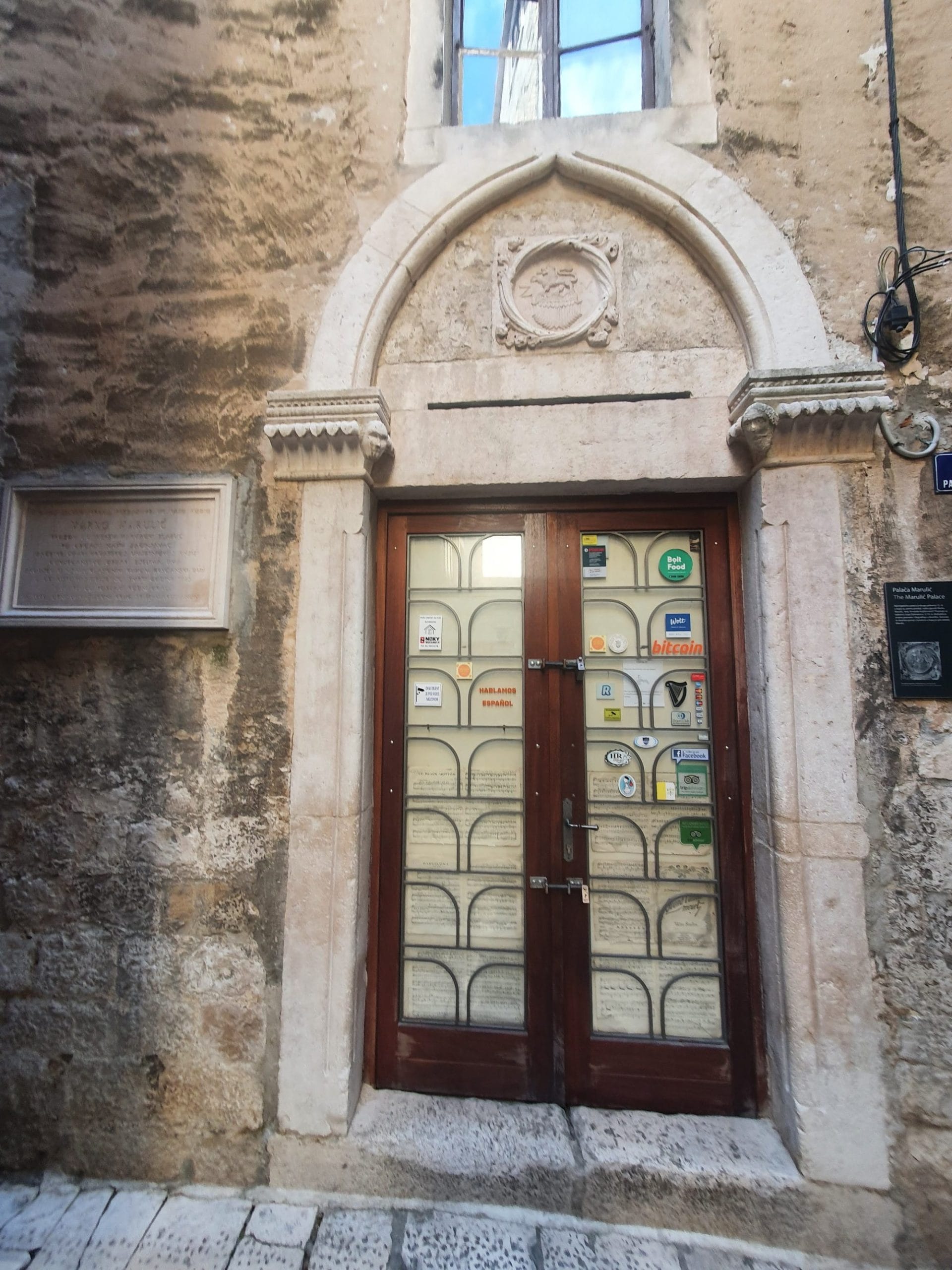
Marulić Palace is a late-Gothic building constructed in the 15th century. The palace has been expanded since then, including a courtyard added in the 19th century. Apparently, Marko Marulić, the father of Croatian literature, was born here. Inside the courtyard, there is a preserved coat of arms from the Marulić family.
Church and Convent of St Francis
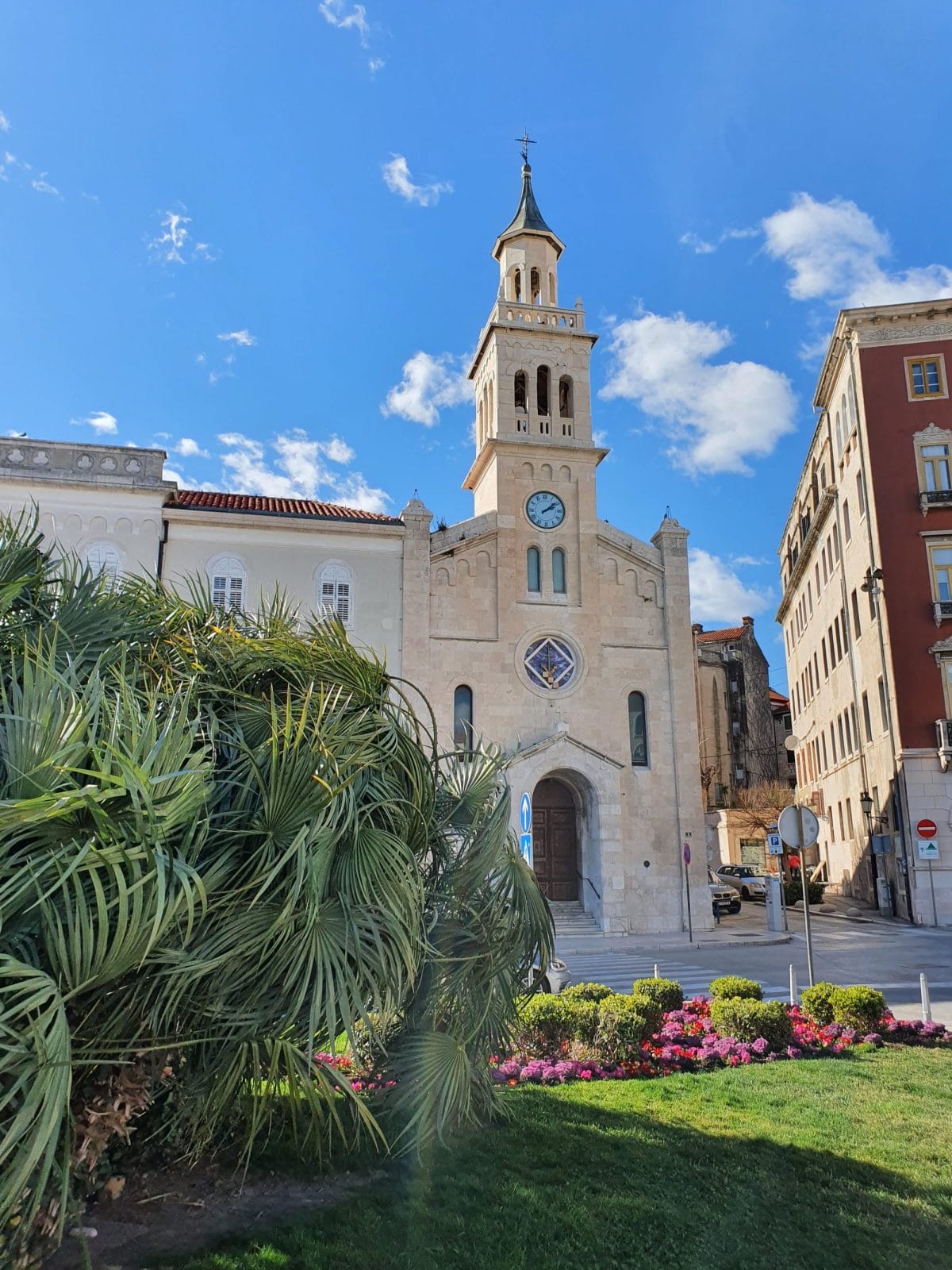
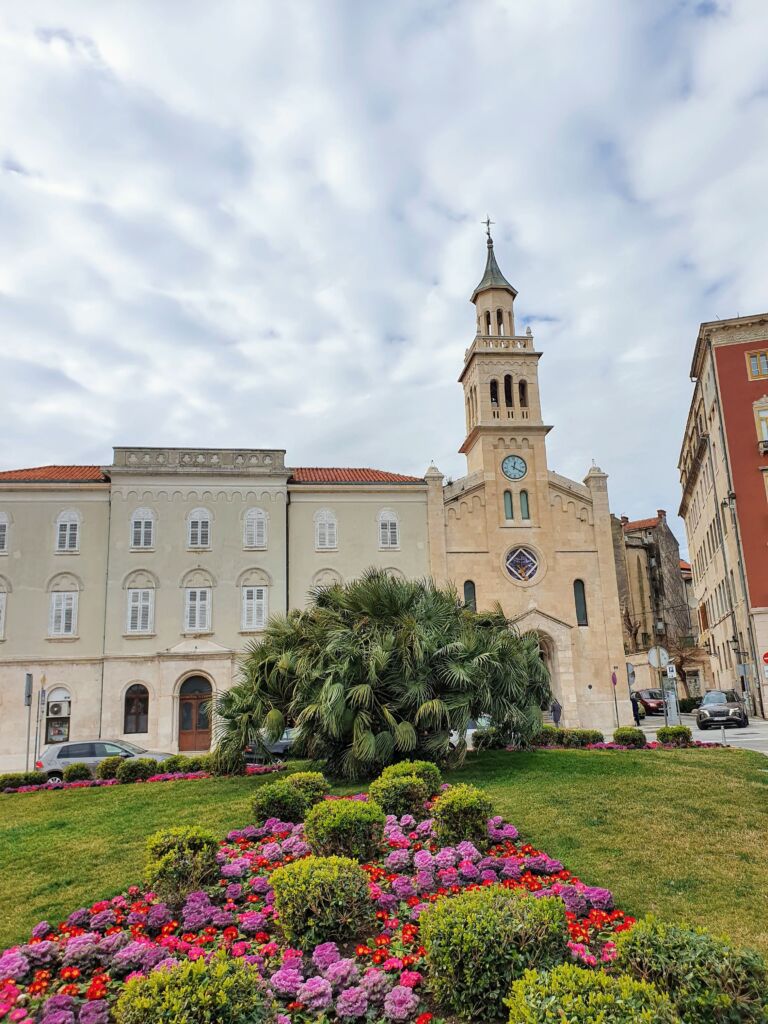
The Church and Convent of S Francis are church buildings near the coast and other sights. This monastery has a 13th-century cloister & a church housing the tomb of Croatian author Marko Marulić, who died in 1524.
Jupiter’s Temple
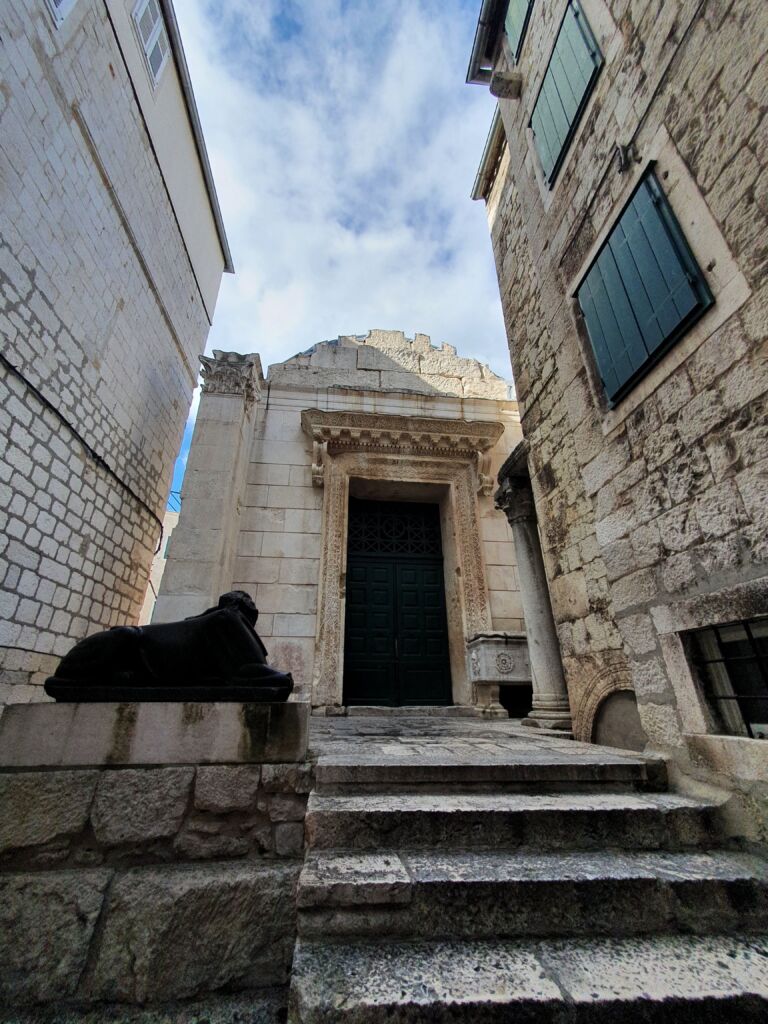
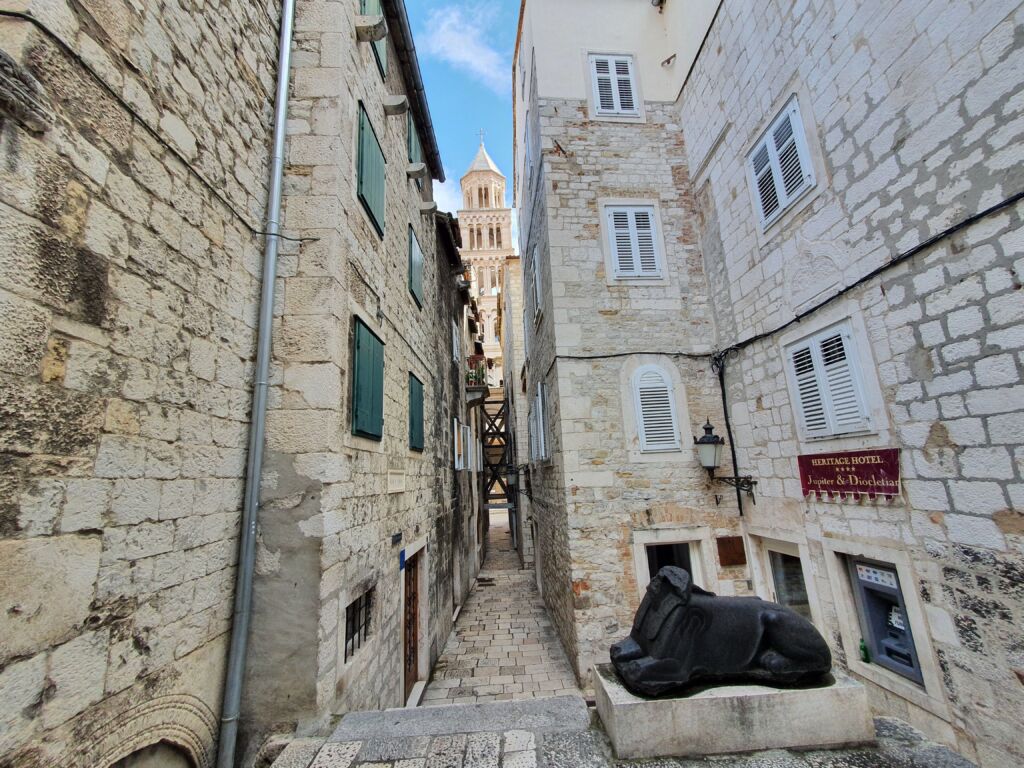
Jupiter’s Temple is an ancient building that was built between 295 and 305. As its name suggests, the temple was dedicated to the Roman god Jupiter, the god of the sky and thunder. Near the entrance is a sphinx that Emperor Diocletian brought from Egypt.
Marmontova ulica
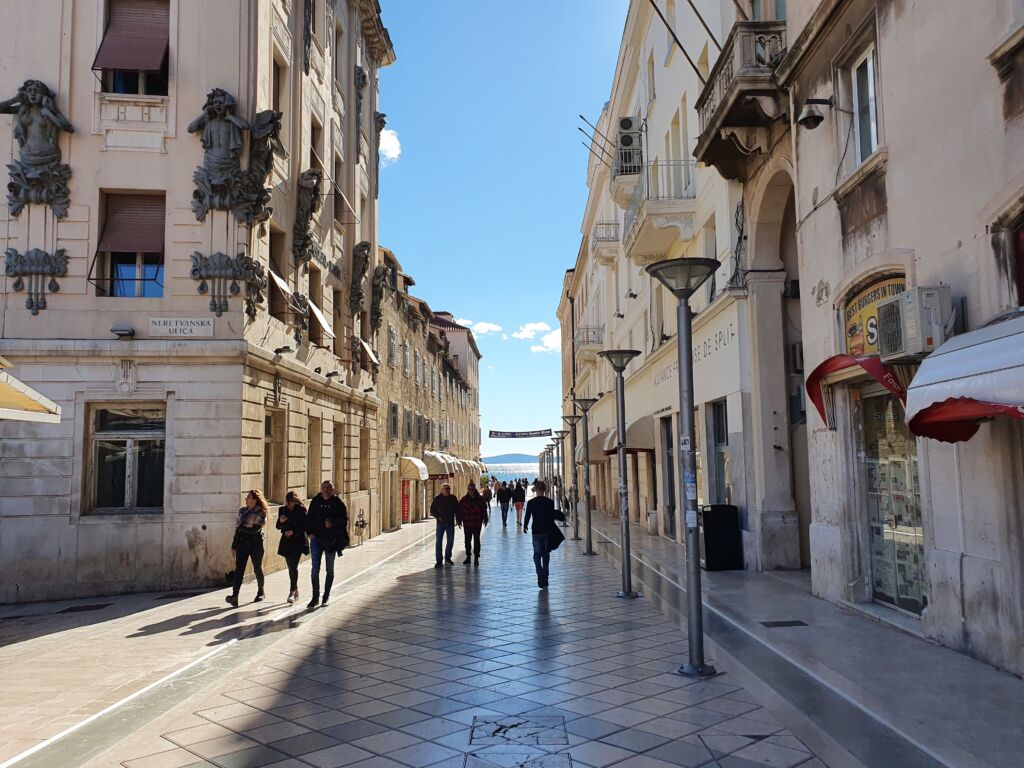
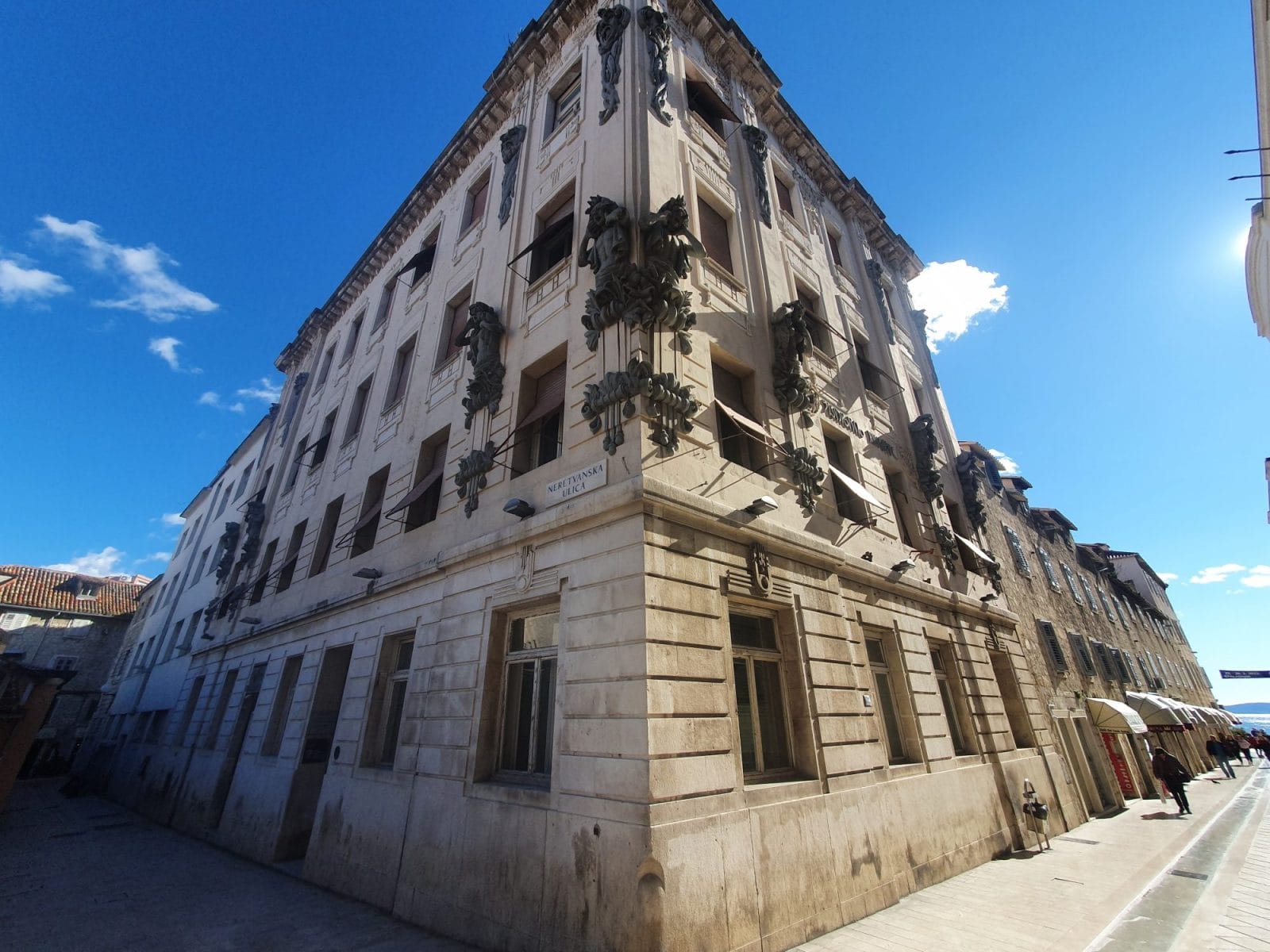
Marmontova ulica is a marble, pedestrianised street which leads towards the sea. This part of the city has shops. When visiting, you’ll notice decorative buildings, especially the upper fascias. It is also home to the fish market and a former spa.
Roman City Walls
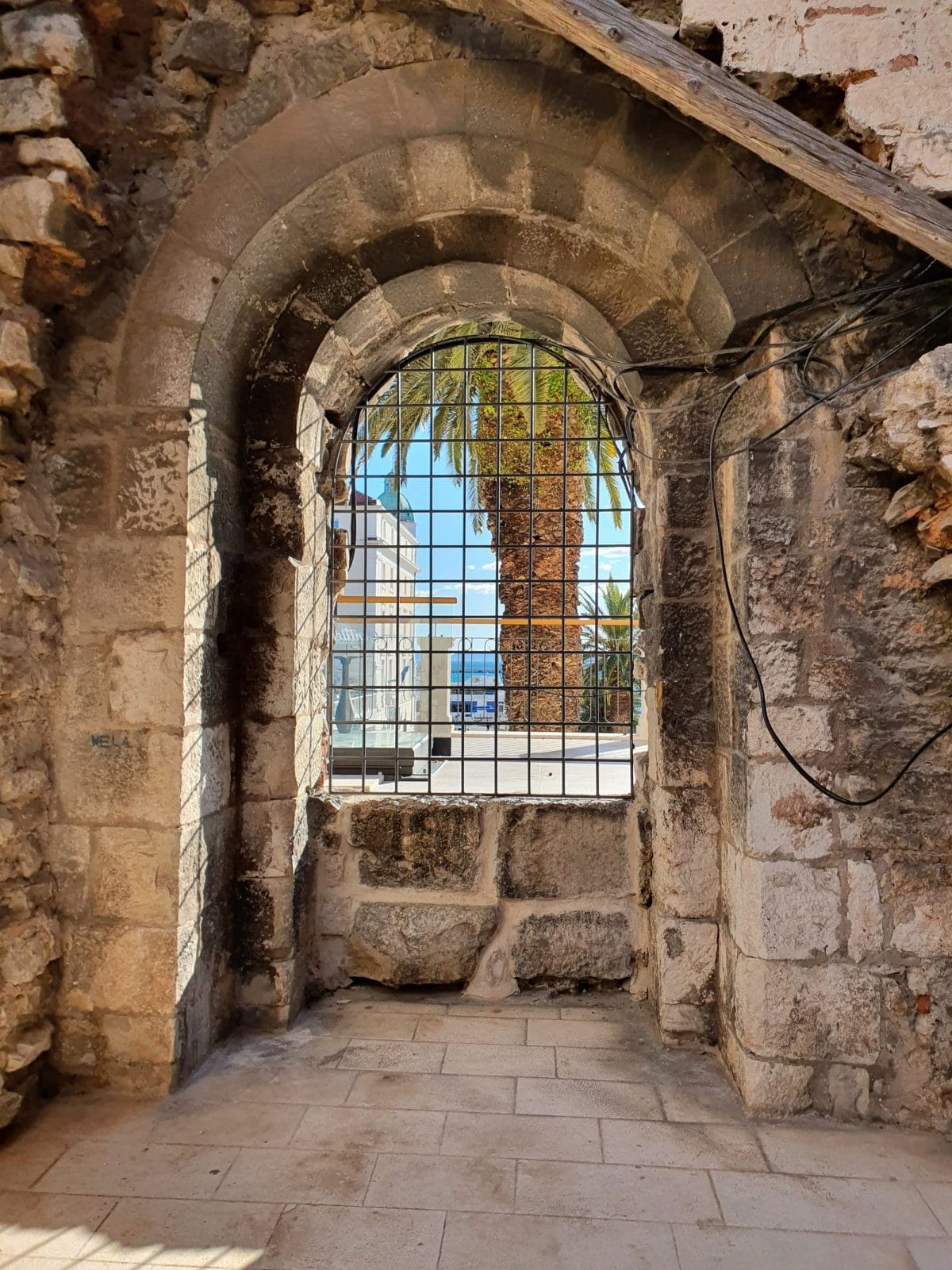
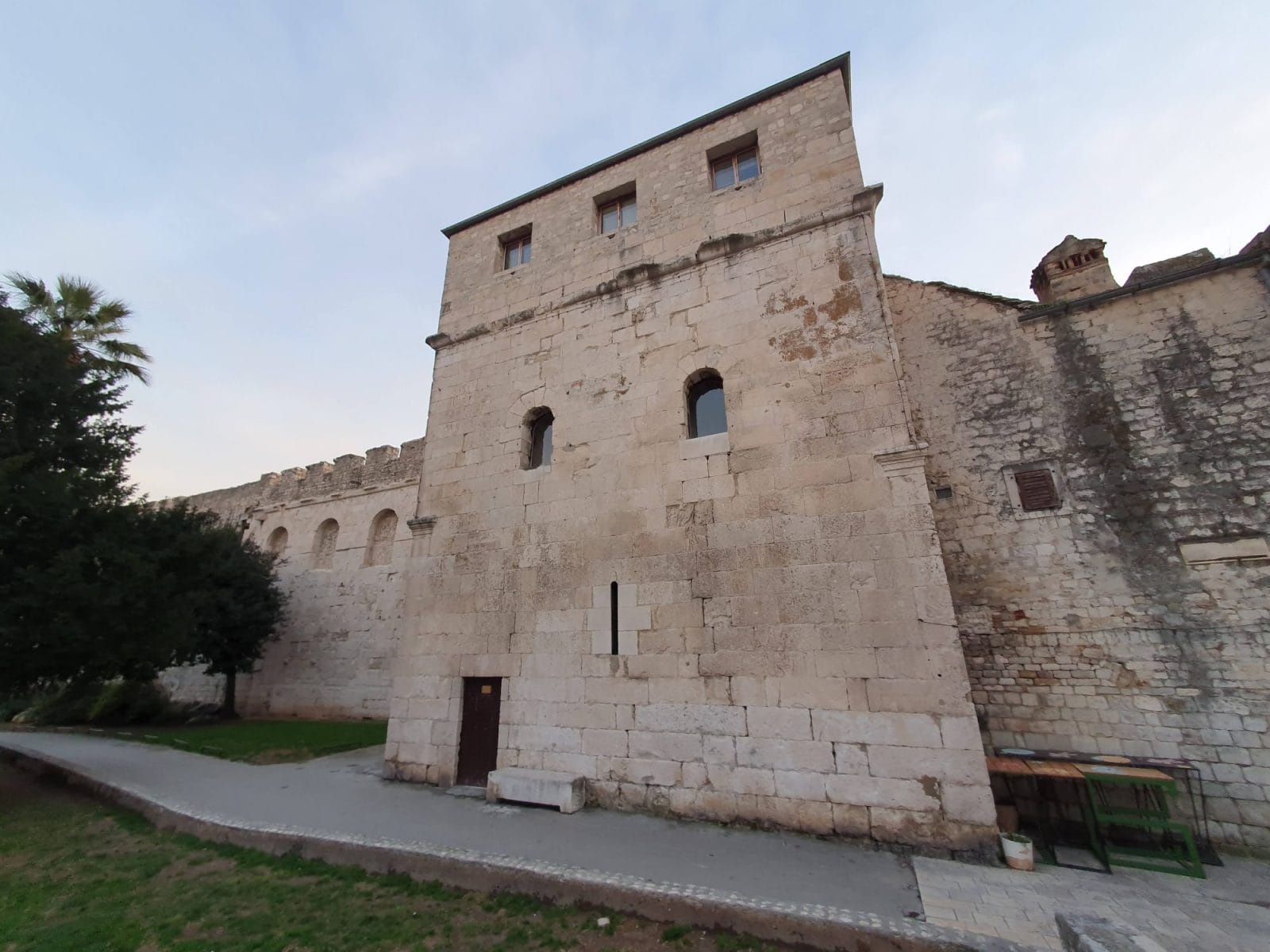
The city walls are impressive, and it’s fascinating to walk the perimeter of Diocletian’s Palace. Highlights of the city walls include the gates that provide access to the fortress.
Archaeological Museum
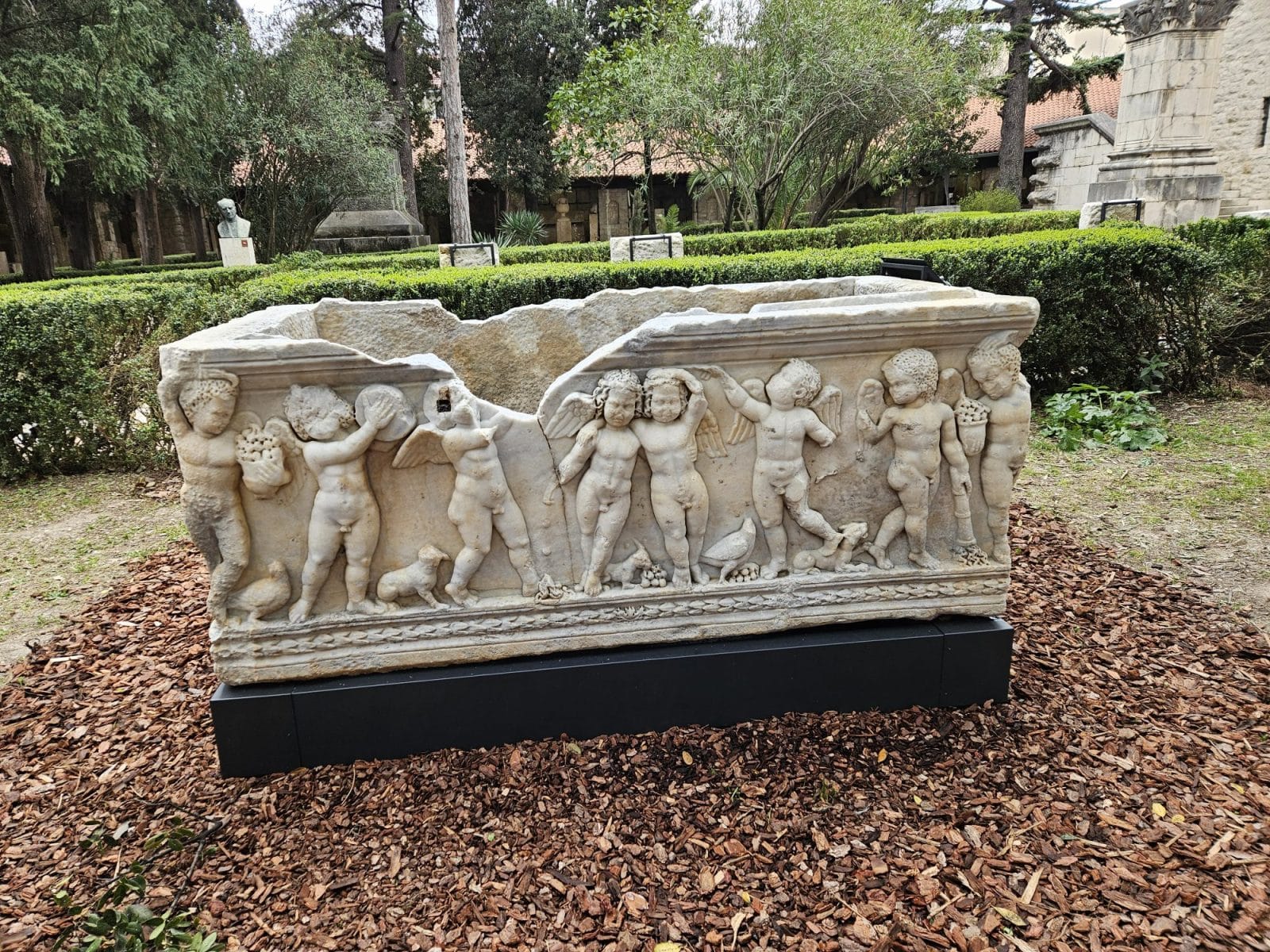
If you like history, especially Roman history, the Archaeological Museum is a great place to visit. I found the museum fascinating, and there were loads of Roman artefacts. This includes those excavated from Diocletian’s palace and the necropolis in nearby Trogir.
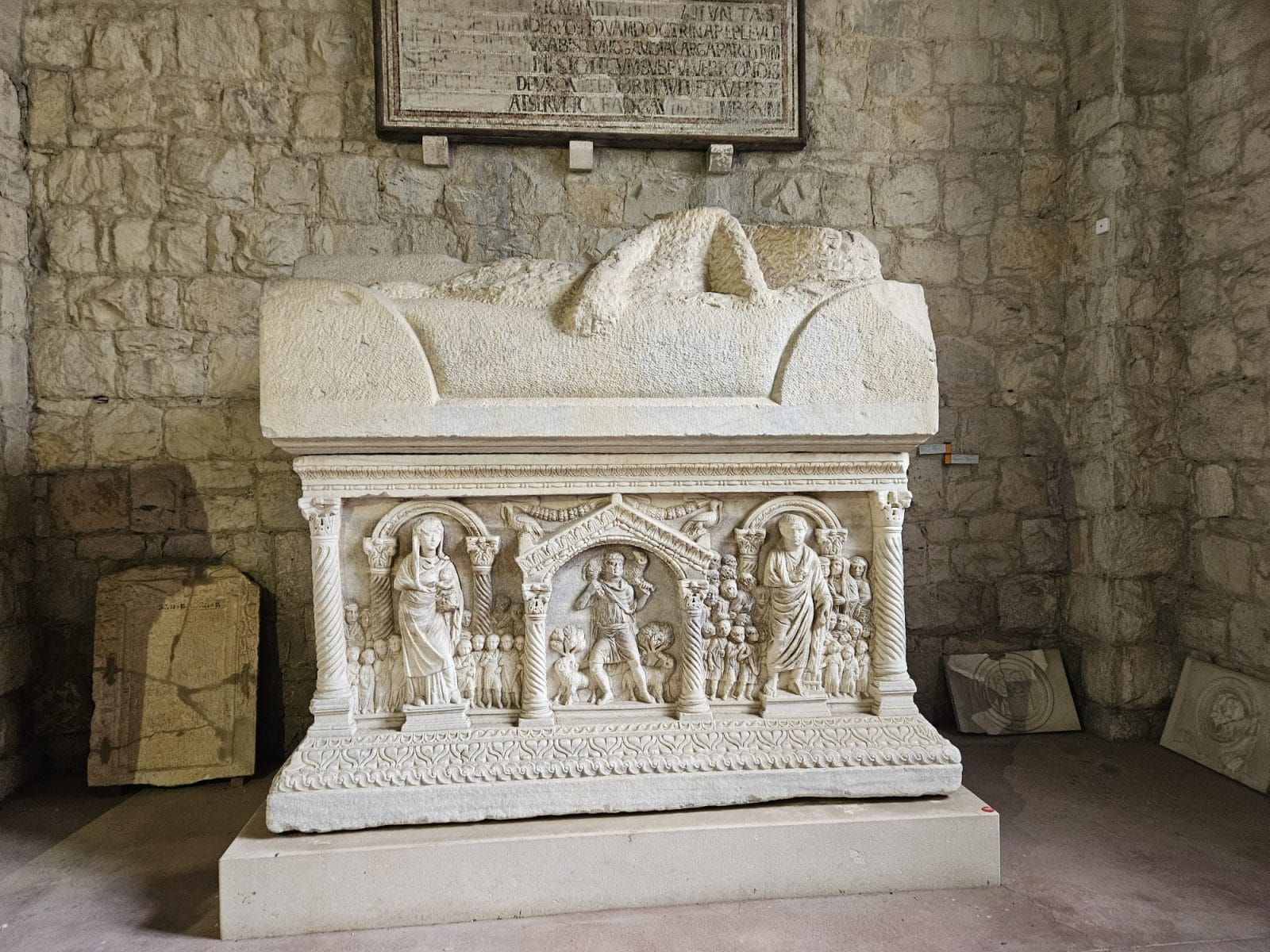
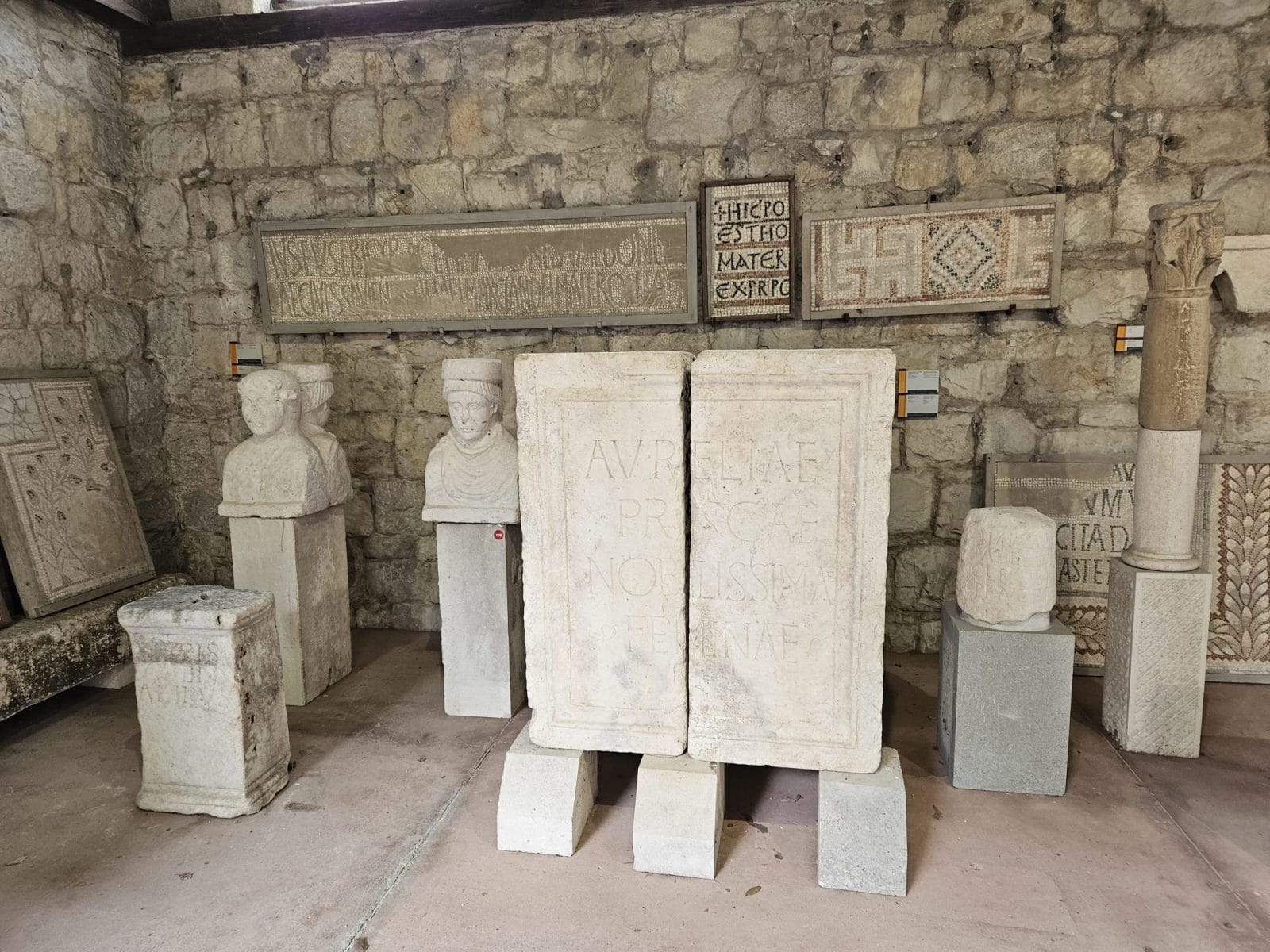
The museum has both indoor and outdoor exhibits. Inside were smaller pieces, including jewellery. My favourite section was the outside, which had columns, decorative features and funerary artefacts. This included some sarcophagi.
That sunset picture is fabulous! Split looks like a great town to visit if you like history and architecture. That old town is stunning.
Split is absolutely gorgeous. It looks as though there are lots of interesting places to visit and the Marjan Forest Park a great place to go walking. And the cuisine, particularly the seafood, looks delicious.
Every element of this post wants me to go to Split. I went as a child and only can remember the waterfront and its deep, clear blue waters. There’s so much to explore for a history nerd like me.
On our last trip to Croatia, we had to choose between Split and Dubrovnik and opted for Dubrovnik. I’ve always wanted to go back and see Split. What a gorgeous place with so much to do!