
Siena Attractions: Best Sights & Places to Visit
Siena in Italy is a historic city to visit, and we found many things to do during our 2-week stay. There were free sights and walks through the historic streets of the old town, as well as paid attractions. Top attractions include Piazza del Campo, Siena Cathedral, Torre del Mangia, Palazzo Pubblico/Civic Museum, Basilica of San Domenico, and Fortezza Medicea.
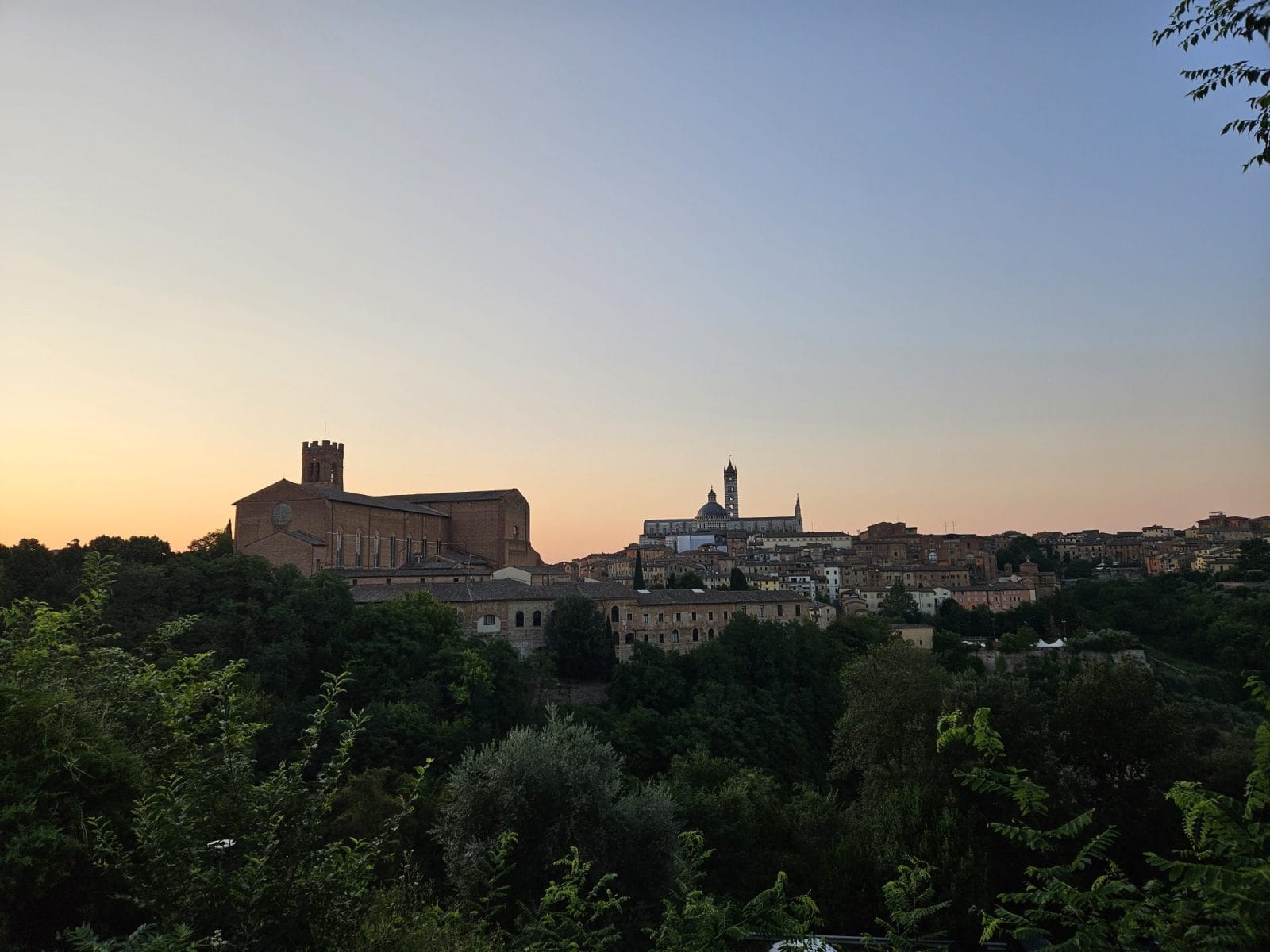
Siena is one of the best medieval cities in Italy, and early mornings at sunrise are especially good for seeing the main sights when quiet.
Top Sights in Siena
The main attractions in Siena are clustered in and around the historic centre, so it is an easy city to explore on foot. For a first visit, the top sights in Siena include Piazza del Campo, Siena Cathedral, Torre del Mangia, Palazzo Pubblico, Basilica Cateriniana San Domenico and the medieval side streets around the old town.
Best Siena Attractions
These are the Siena attractions, sights and activities I enjoyed most while exploring the city. You can also purchase themed tours and tickets on the GetYourGuide site.
Piazza del Campo
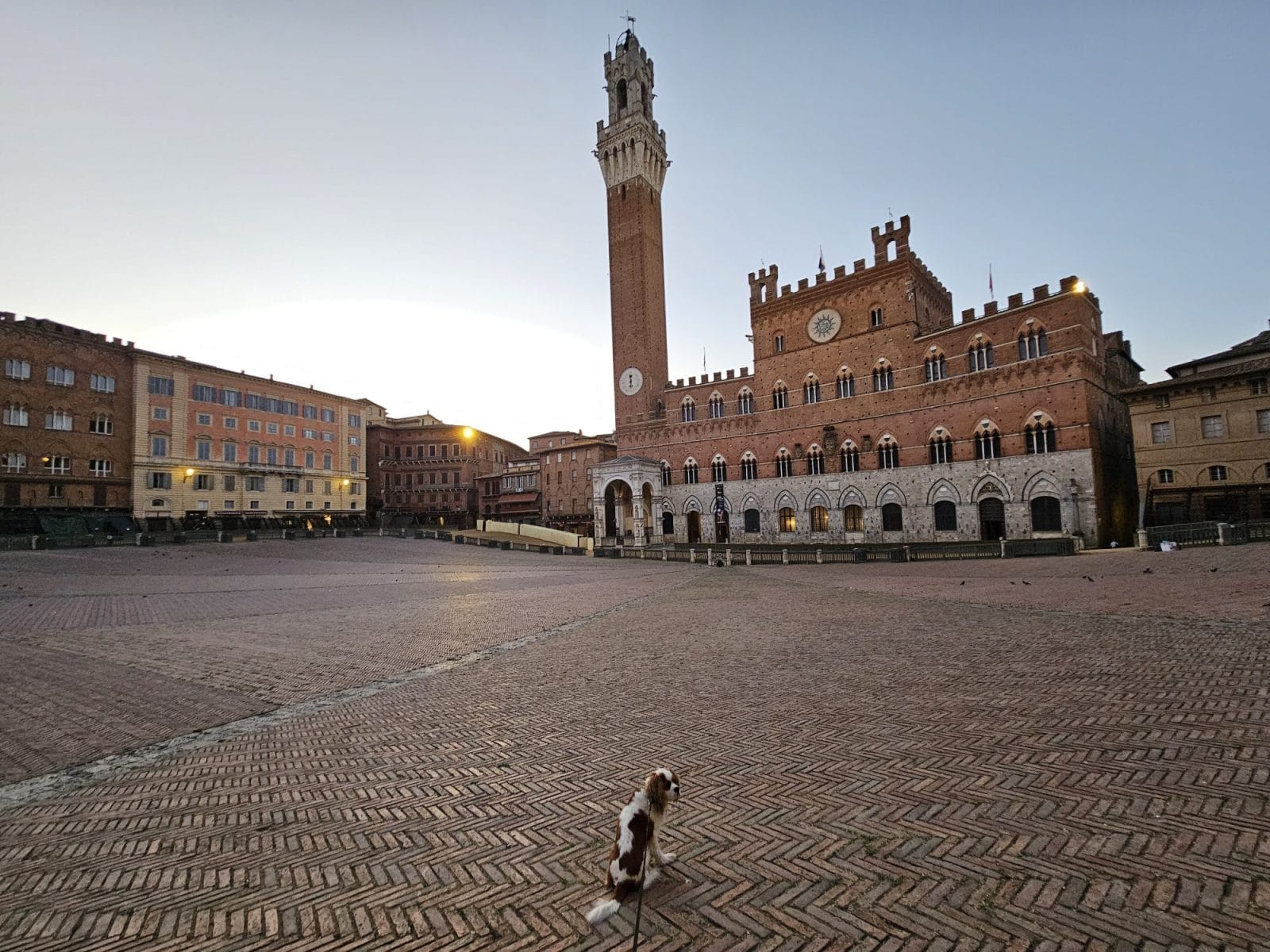
One of the most popular places in the city is Piazza del Campo, the city’s main square. There is plenty to see here, including medieval architecture. You can look around the square for free, and it is open 24/7.
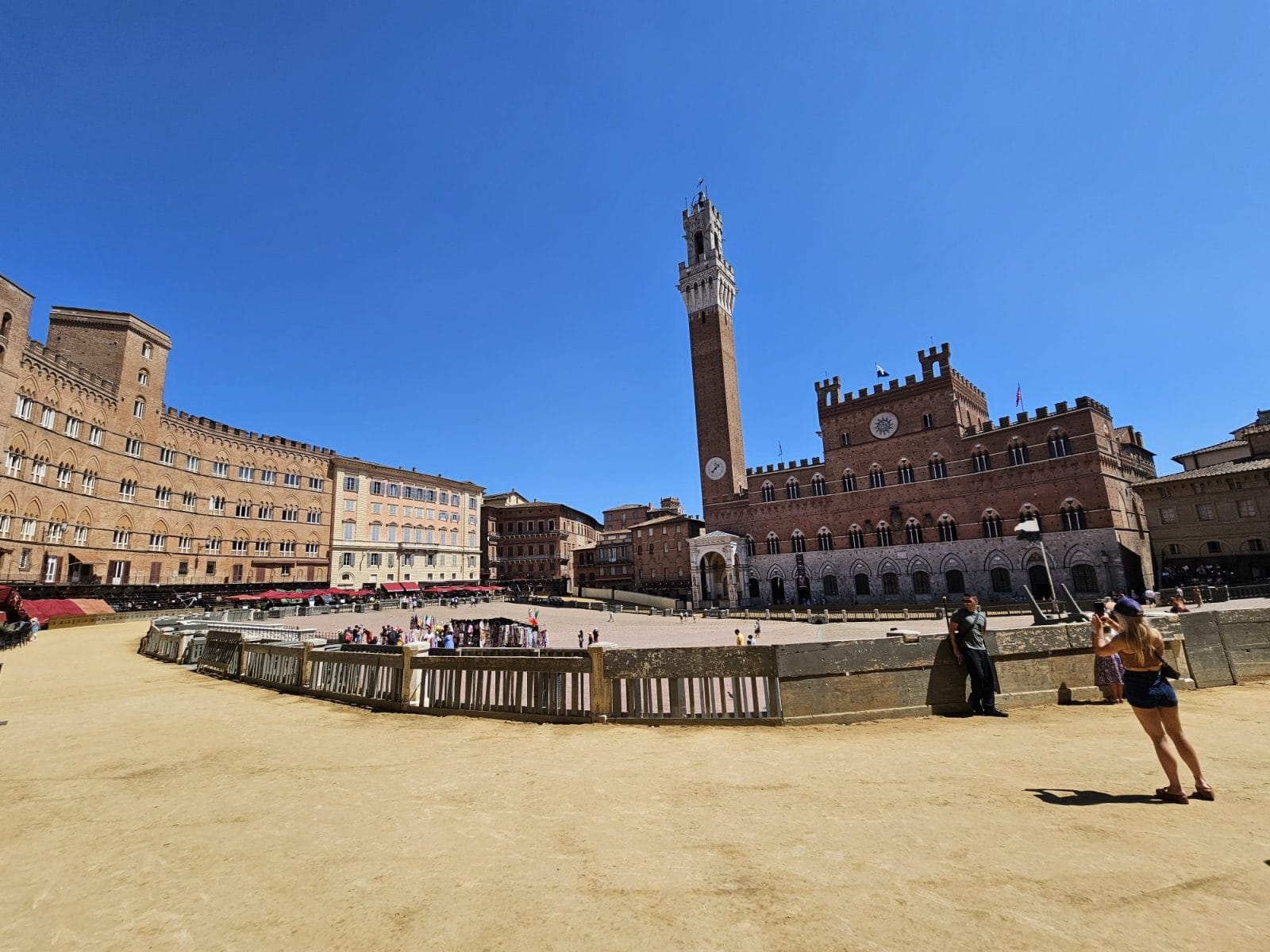
It is one of the main reasons UNESCO listed the city as a World Heritage Site. It is also home to the famous Palio di Siena. The event is a traditional bareback horse race held twice a year in the summer on a sand racecourse.
Siena Cathedral
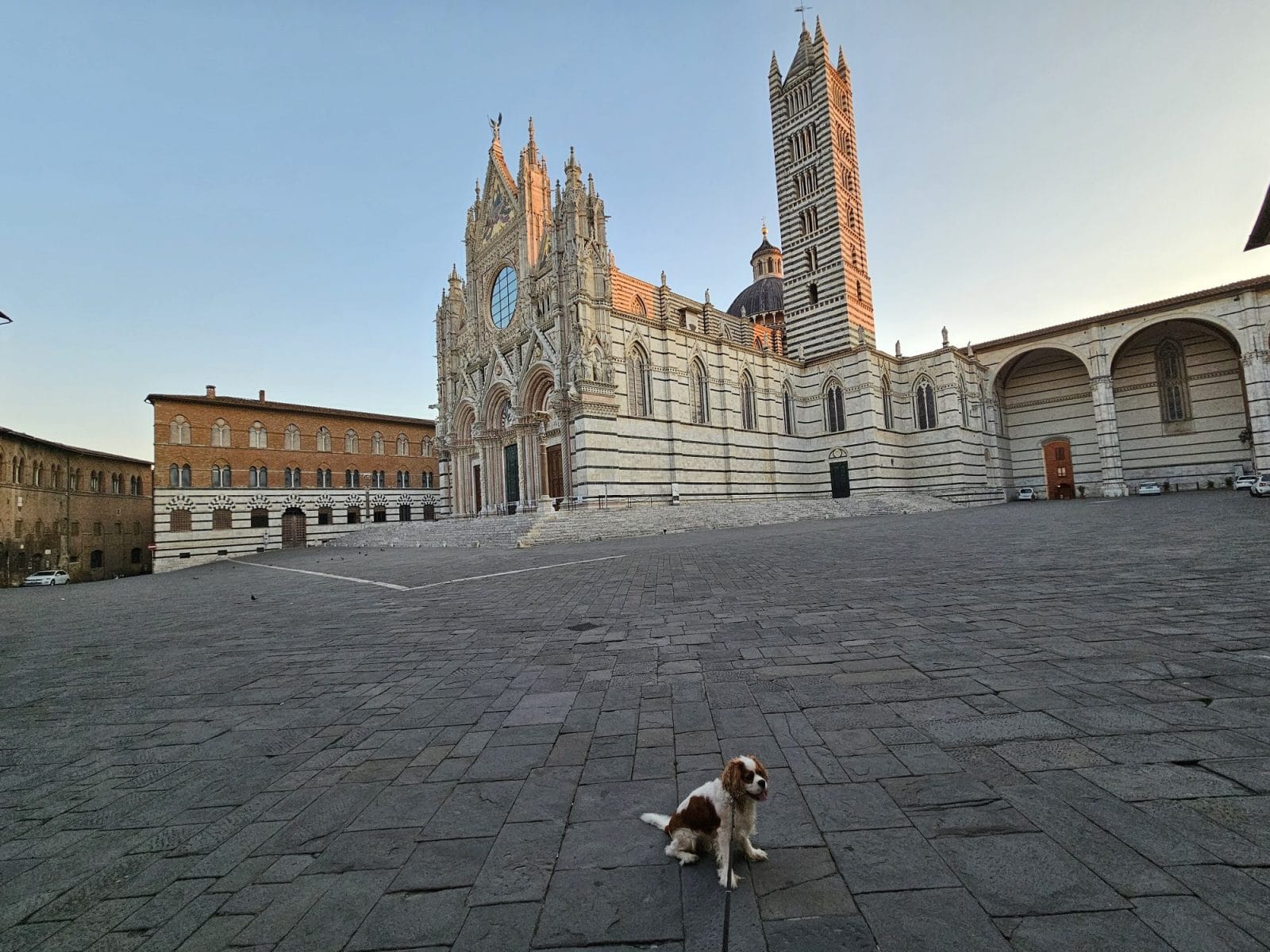
Siena Cathedral, or Duomo di Siena, is located on the highest point of the city and can be seen from many angles when exploring.
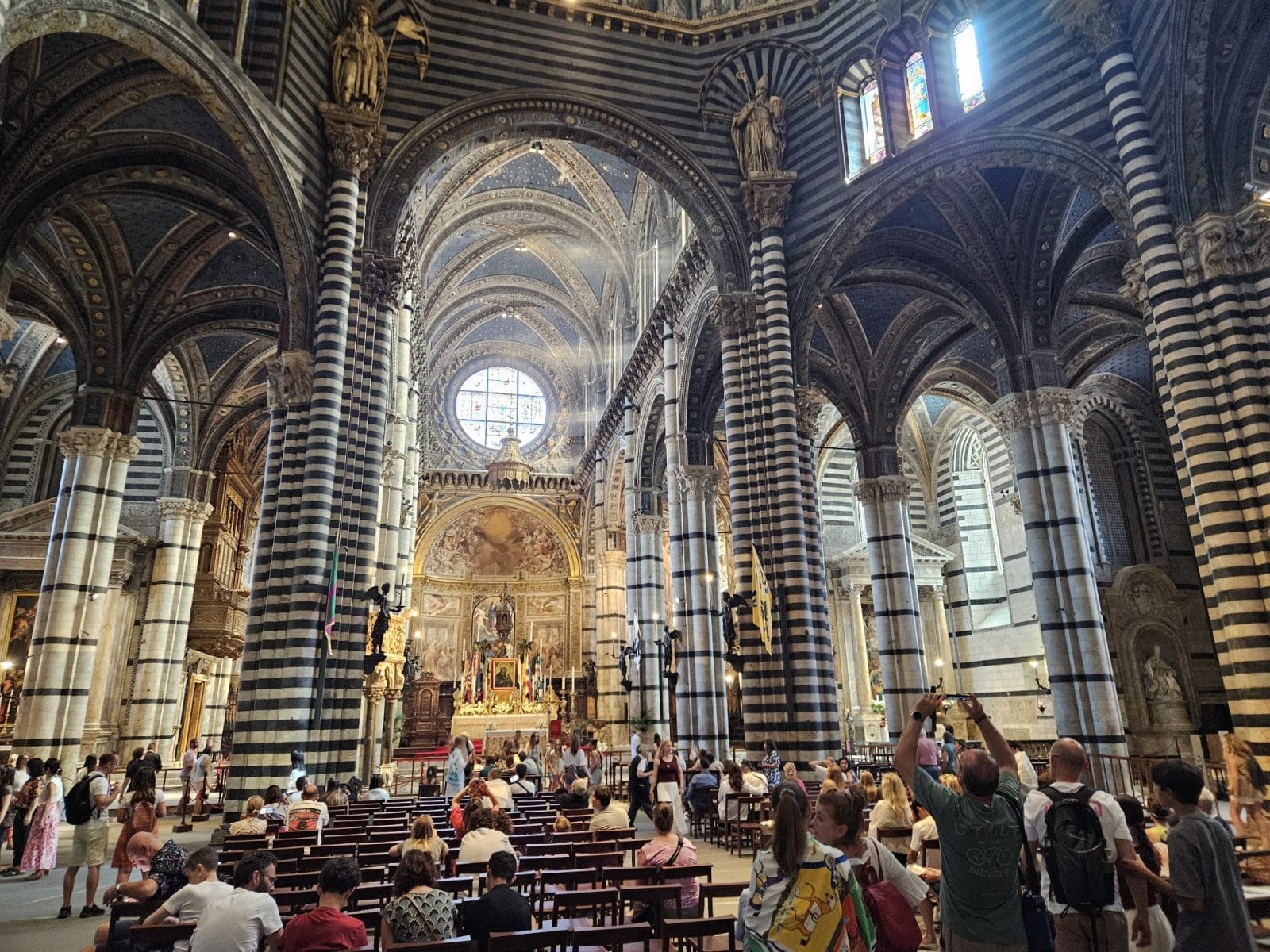
The church has a history dating back to its groundbreaking in 1196 and was consecrated in 1215.
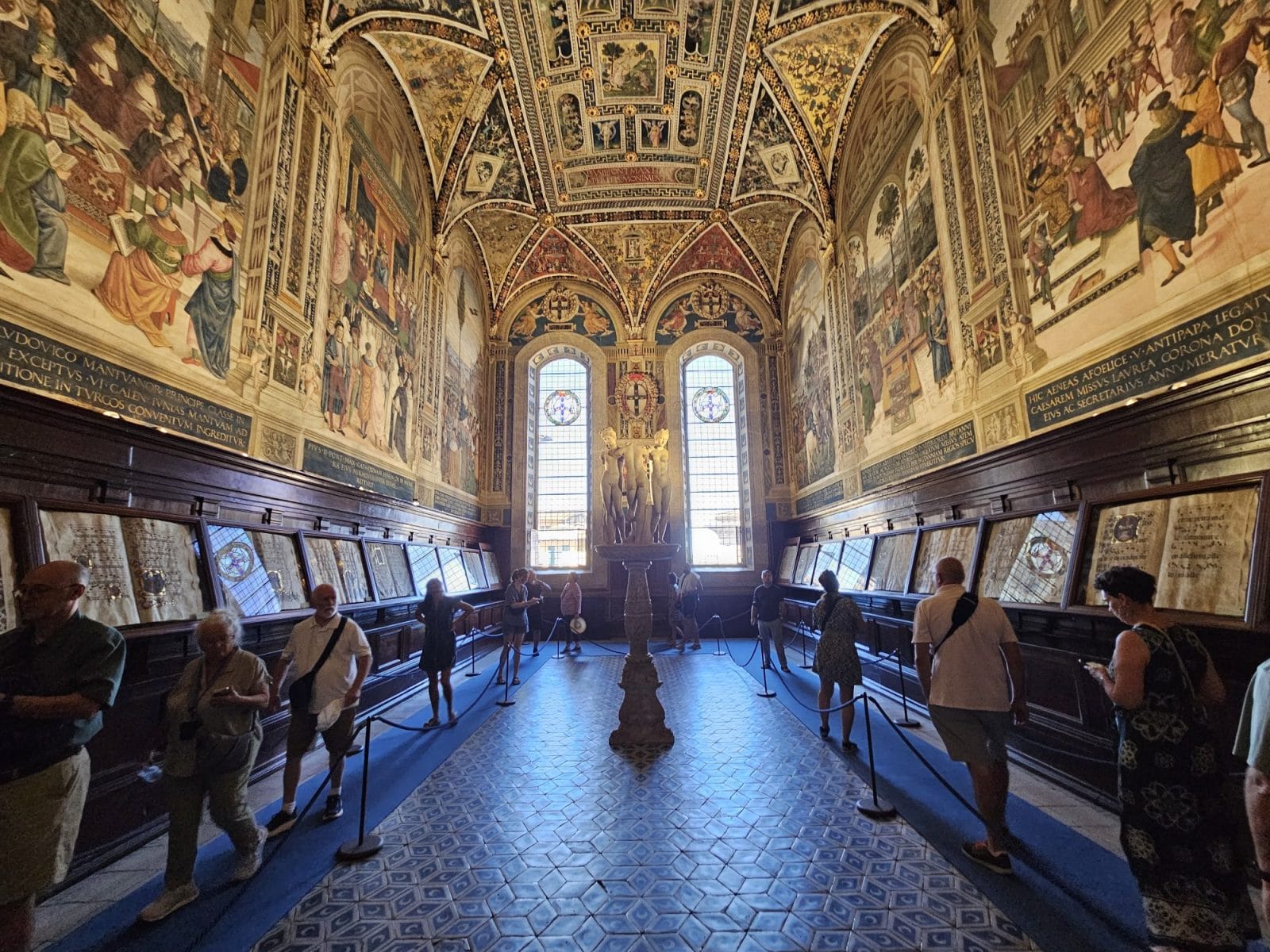
It is stunning from the outside, and the inside has beautiful decor. One part that piqued my interest was the decorative Piccolomini Library, accessible from the nave inside. For views of the building, Facciatone is a viewpoint offering a view of the church and city from above.
Basilica Cateriniana San Domenico
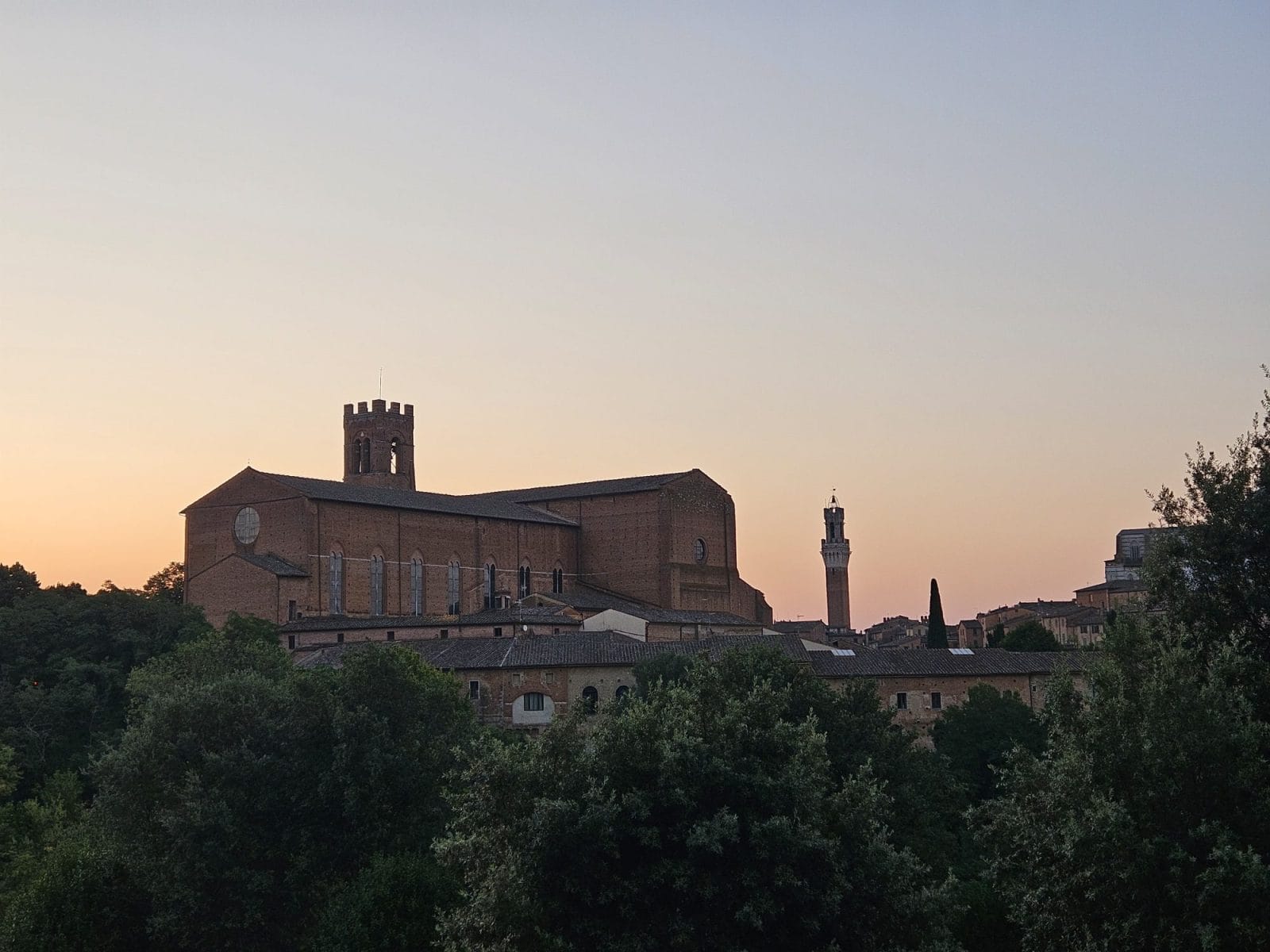
Near the Medici fortress is the Basilica Cateriniana San Domenico. The church has a history dating back to 1226; however, the Gothic building you see dates from the 14th century.
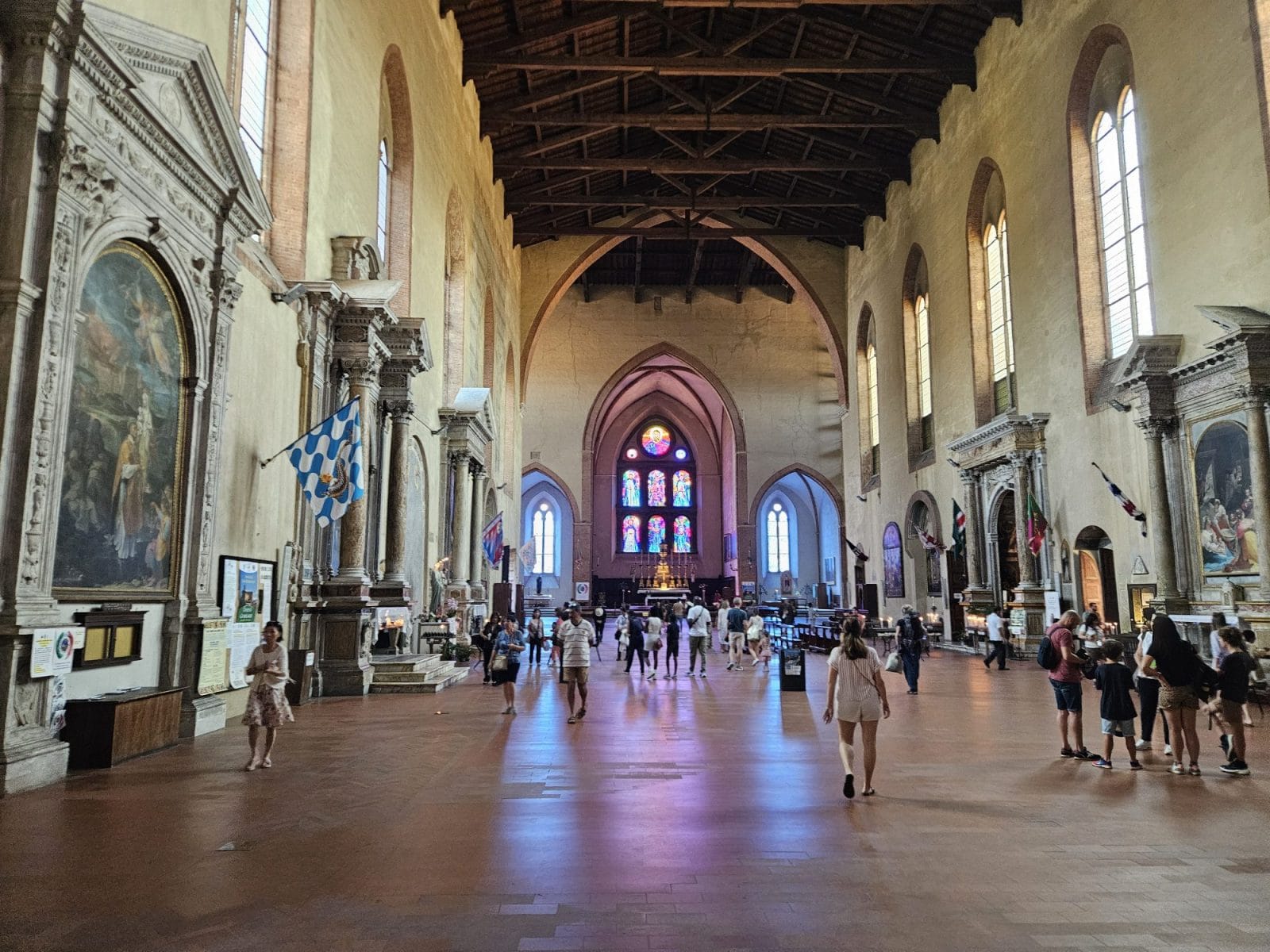
A fascinating feature inside is the Baroque St Catherine Chapel, which has an altar housing the saint’s head and thumb.
Civic Museum in Palazzo Pubblico
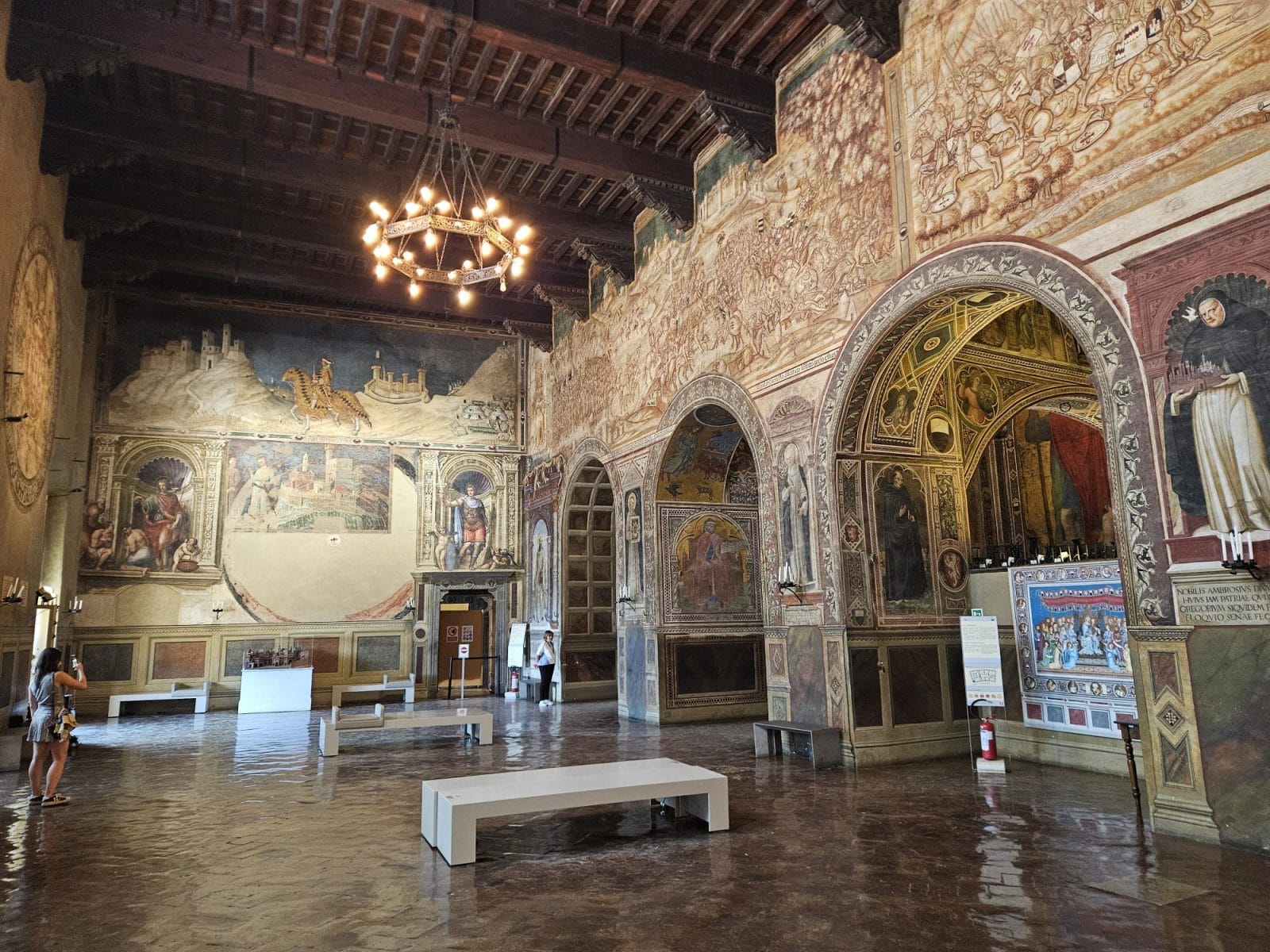
A museum that I enjoyed was the Civic Museum inside Palazzo Pubblico. It is the town hall, which they began building in 1297 to house the Sienese government.
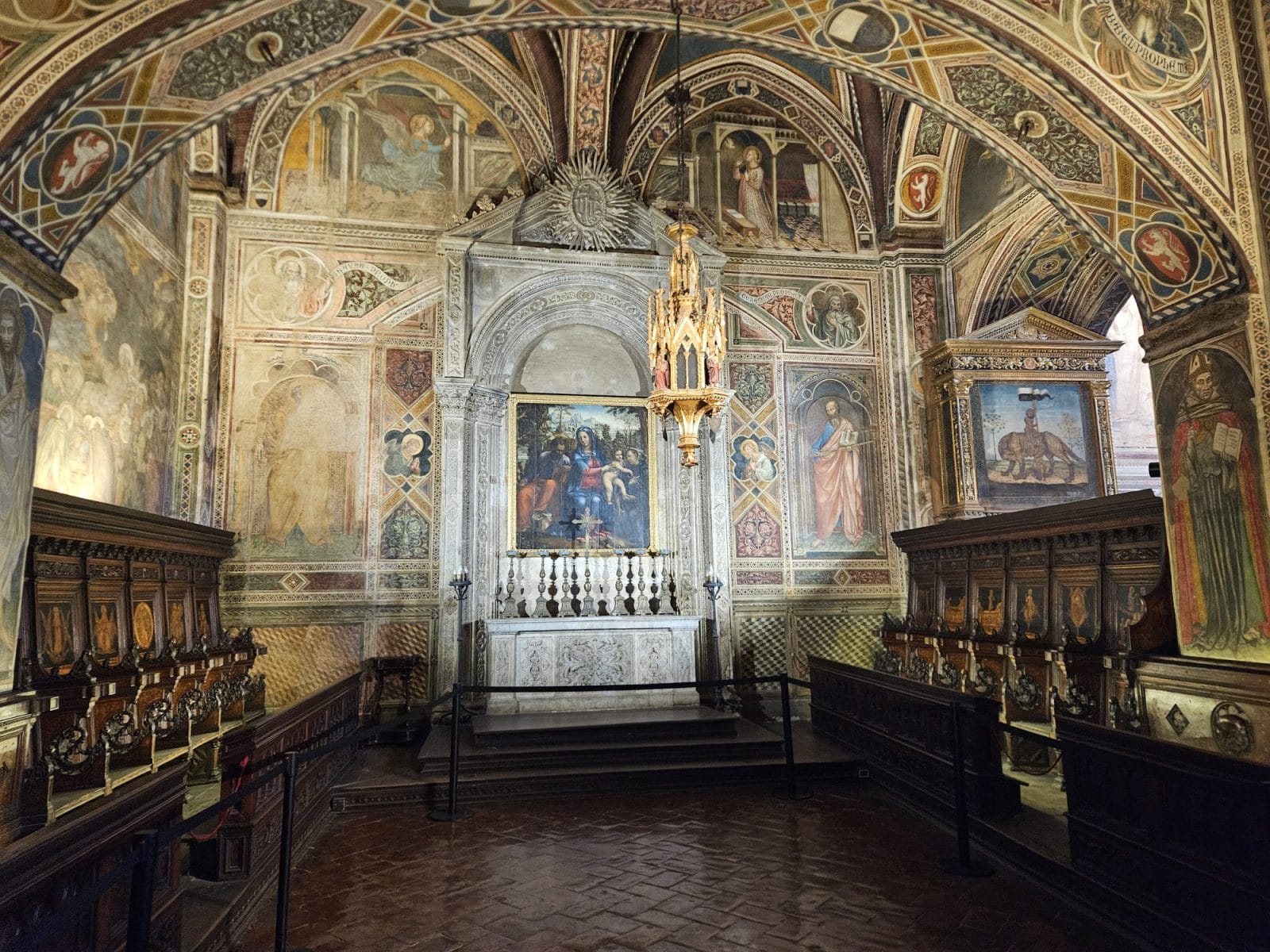
There were wall and ceiling frescoes and art to see when working your way through the grand rooms of the museum. On the top floor, there is a balcony with views of the market square, churches, and the Tuscan countryside.
Torre del Mangia
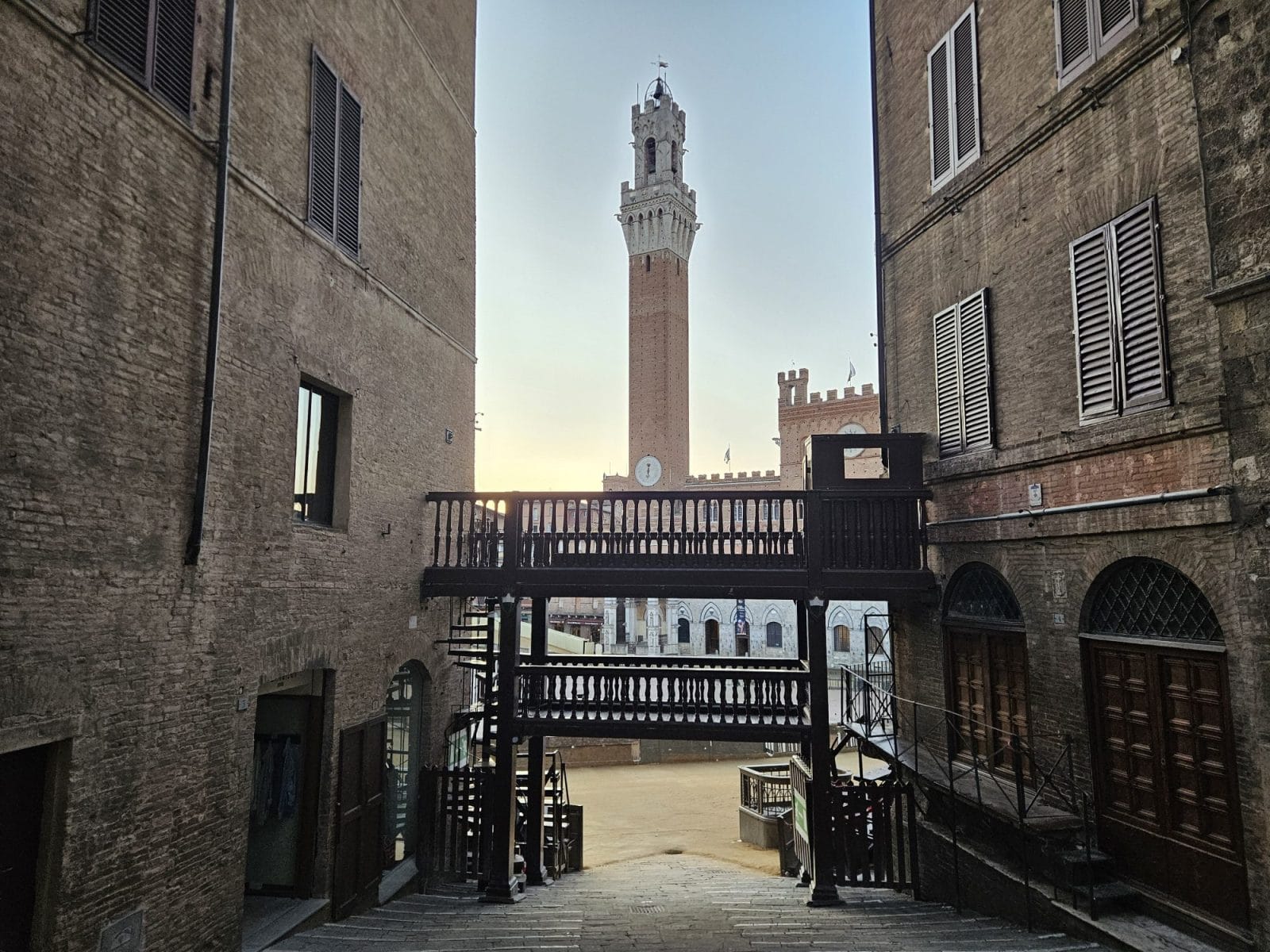
Another landmark ever-present throughout Siena is Torre del Mangia, built between 1338 and 1348. This is a medieval tower in Piazza del Campo next to Palazzo Pubblico. It is 87 metres tall and is the symbol of the city.
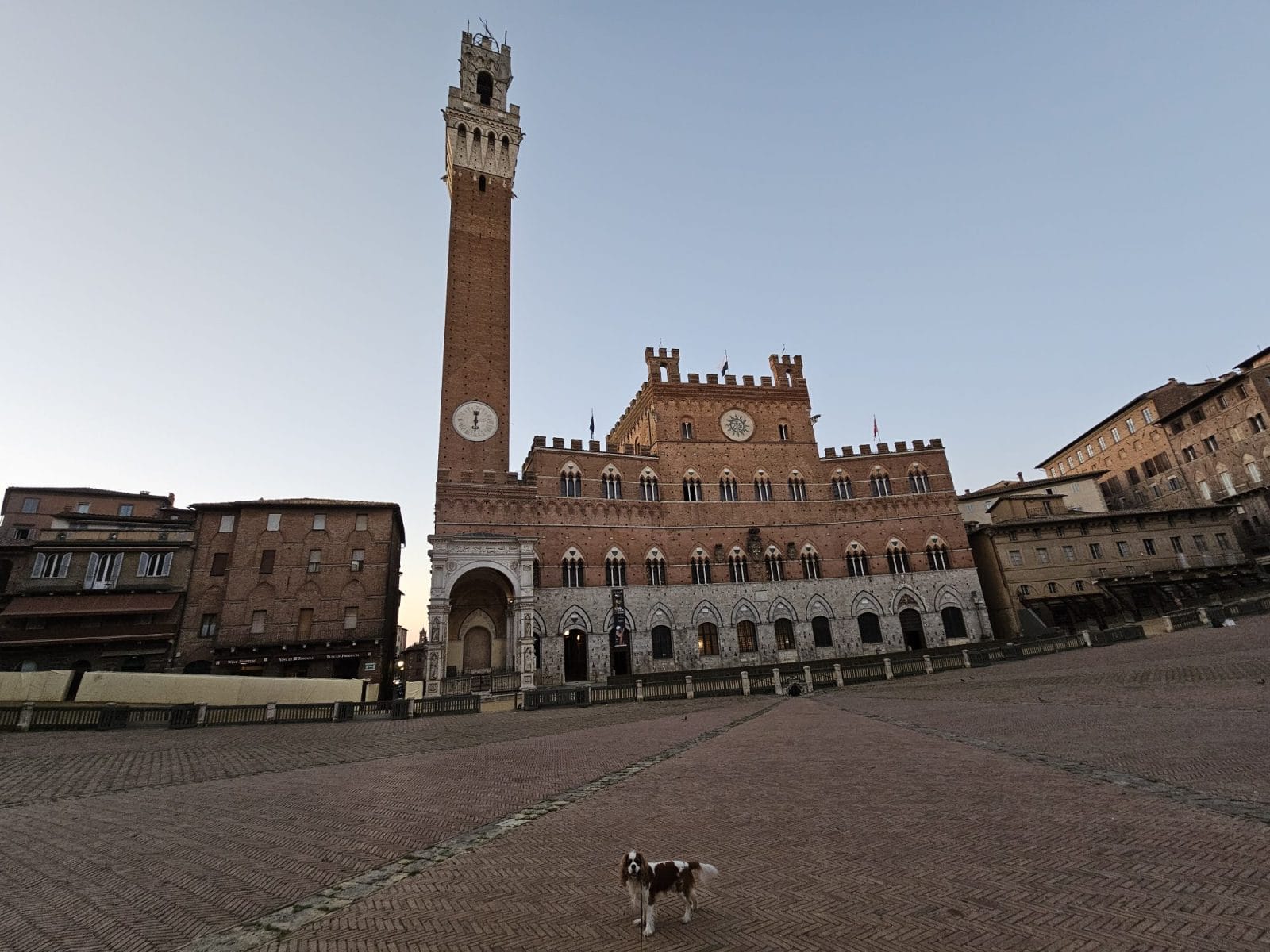
You can also climb the tower to see the city from above. It has 300 steps to reach the top. You can book tickets online.
Tuscan Food Experiences
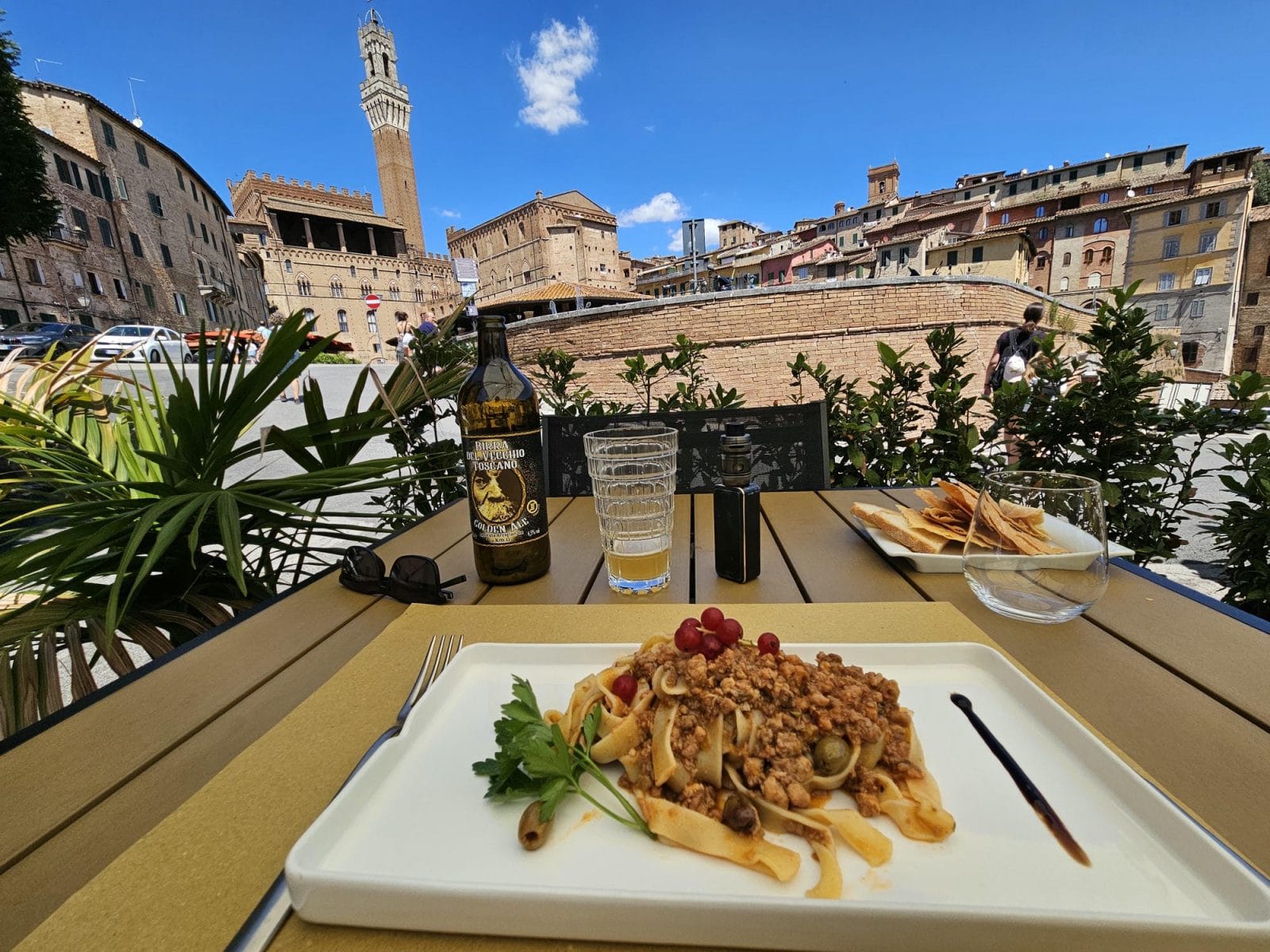
Food is a big part of my travel, and in Siena I relished exploring the food markets, restaurants and enotecas for local produce. Siena and Tuscany are great places to enjoy food, and I tried local cuisine and ingredients.
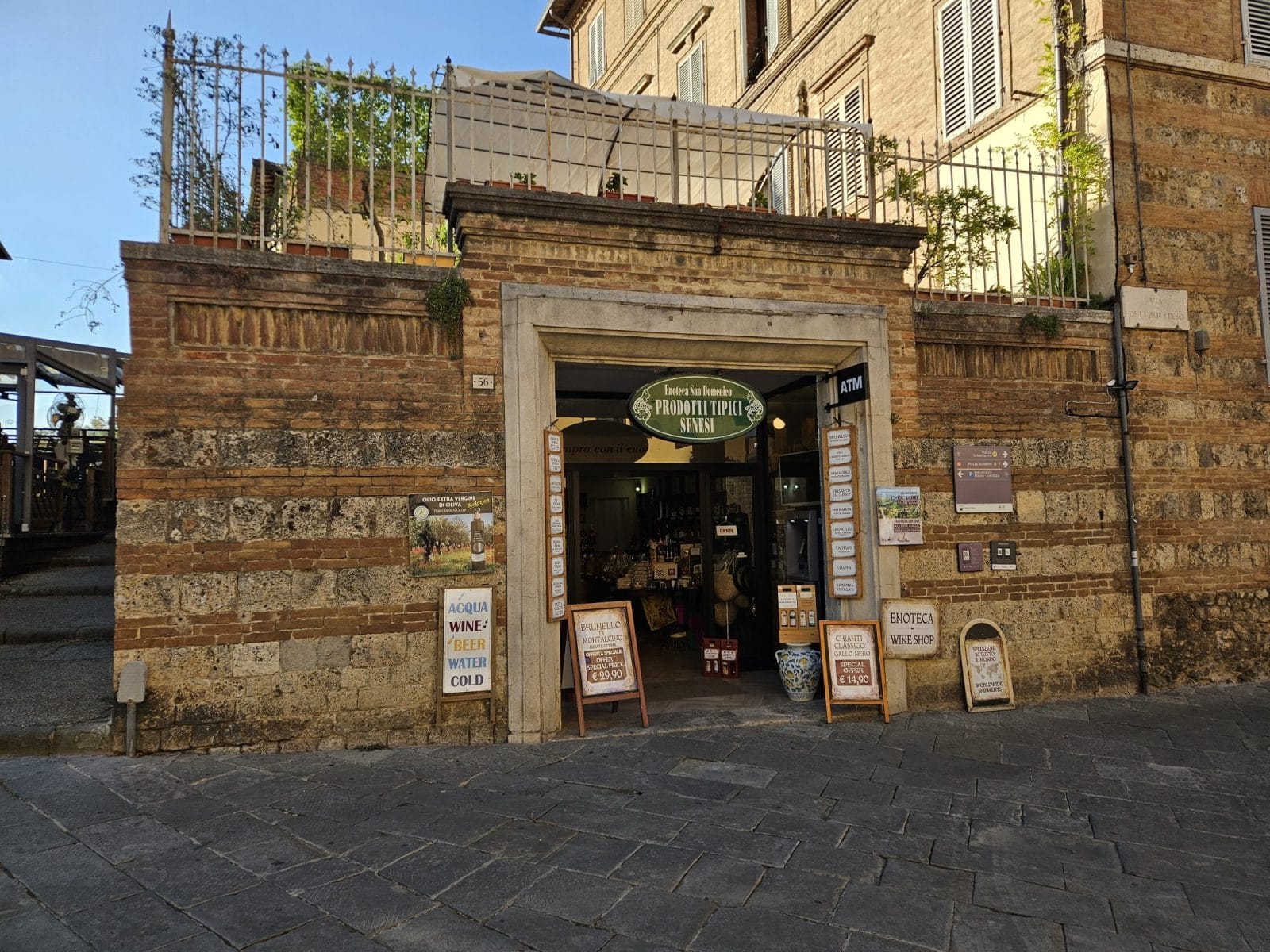
Foods to keep an eye out for include pici pasta, pecorino cheese and meats from the local Cinta Senese pig. There are also options for food tours and cookery classes in the city, many of which you can find on the Viator website.
Fortezza Medicea
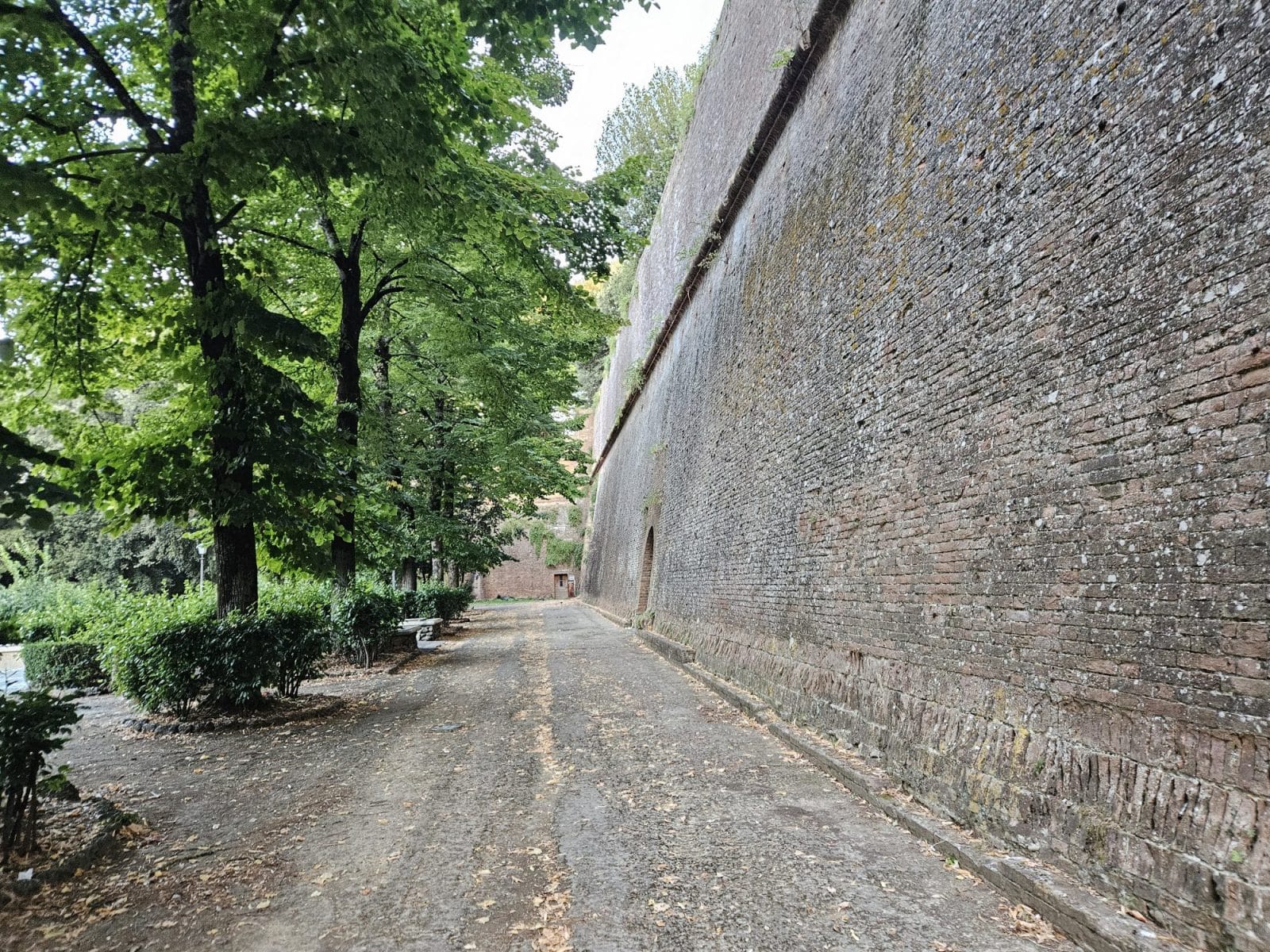
To enjoy some time outside, Fortezza Medicea is open 24/7 and free to enter. The fortress was built between 1561 and 1563. You can walk around the edges or inside.
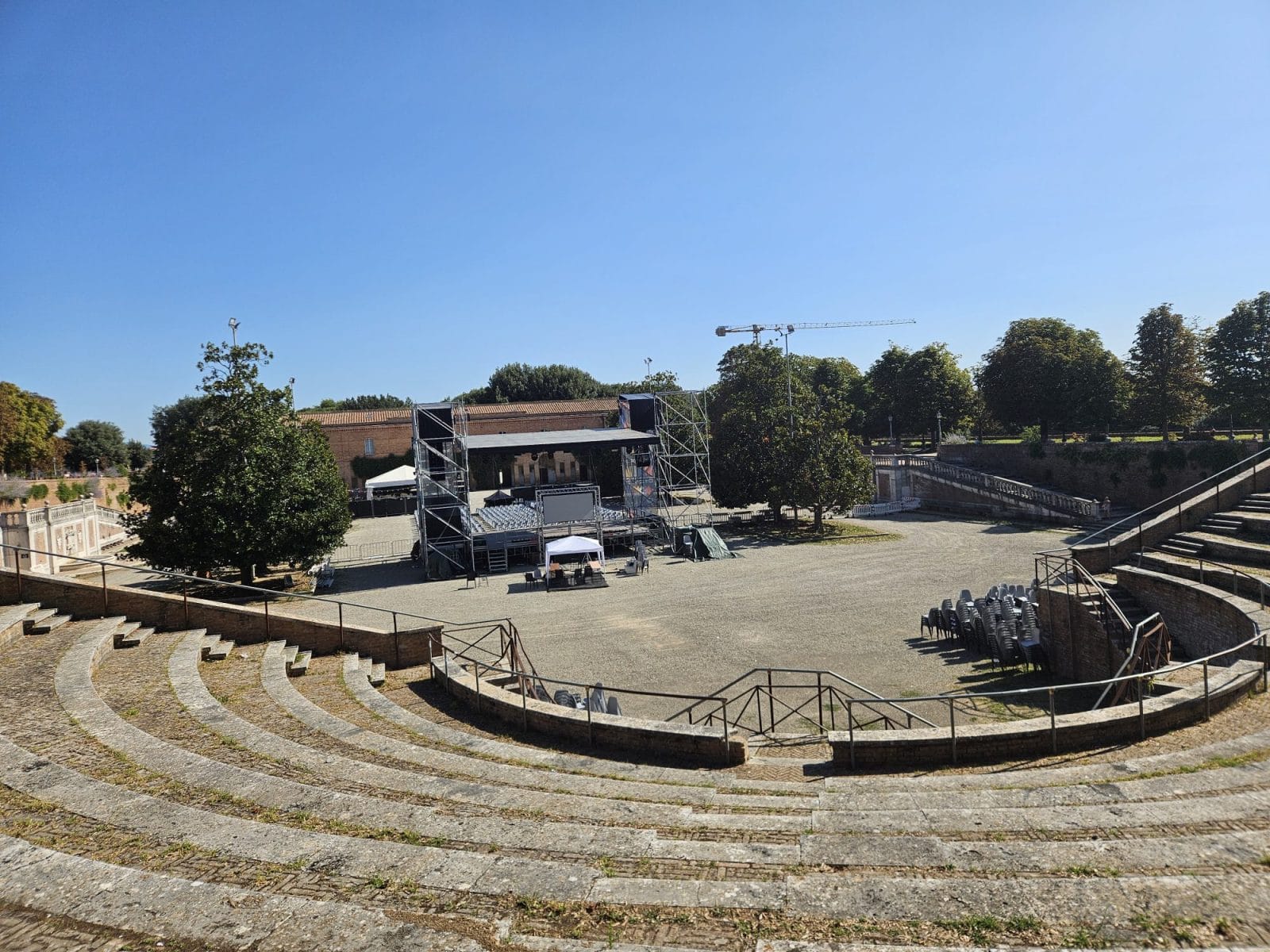
During the summer, they host many concerts and performances in the evenings, most of which are free to attend. These have a bar and refreshments and are quite popular.
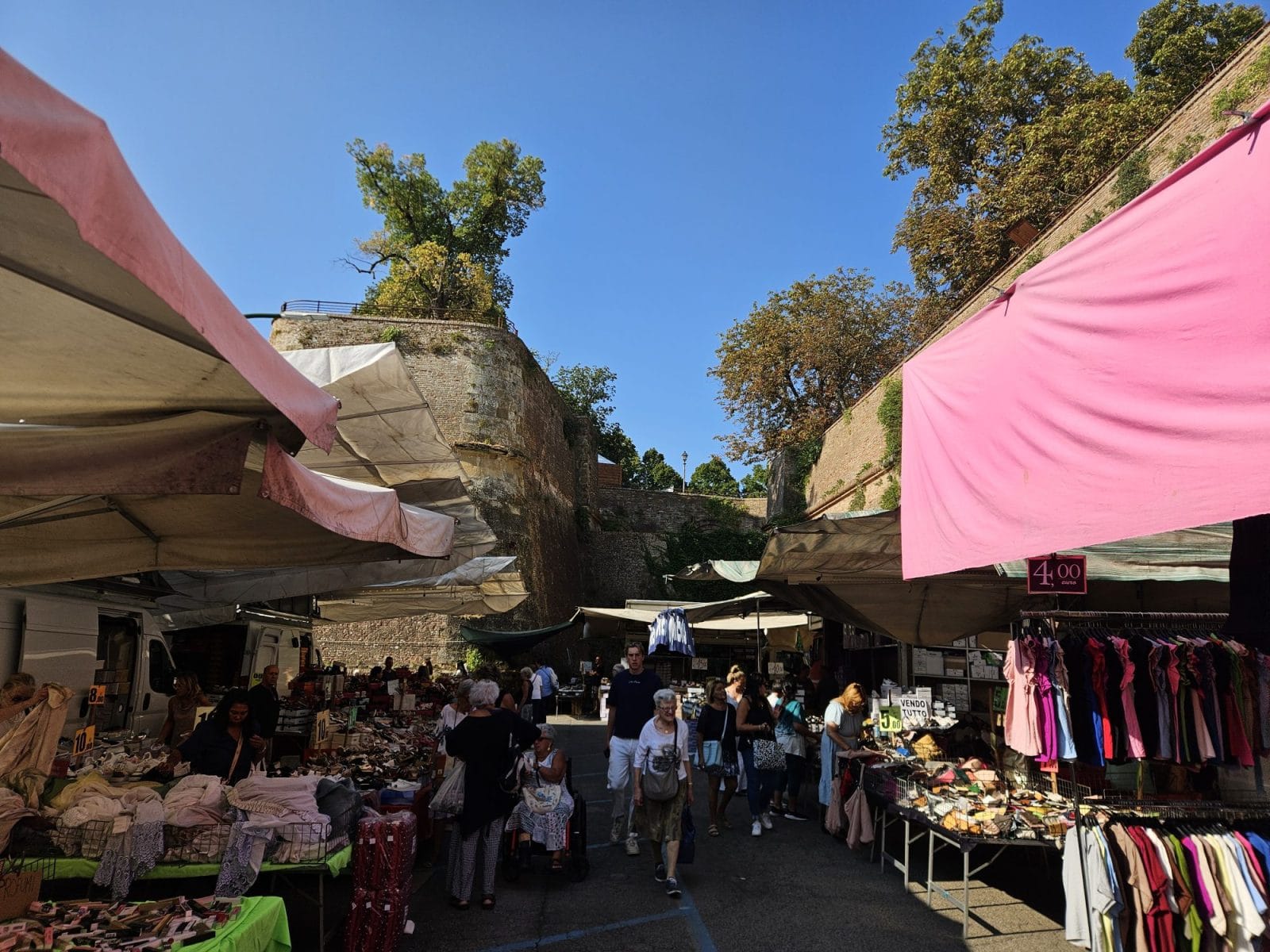
On Wednesdays, the park surrounding Fortezza Medicea becomes a large market. We did some clothes shopping here and found some stalls selling what we needed.
Contrade di Siena Parades
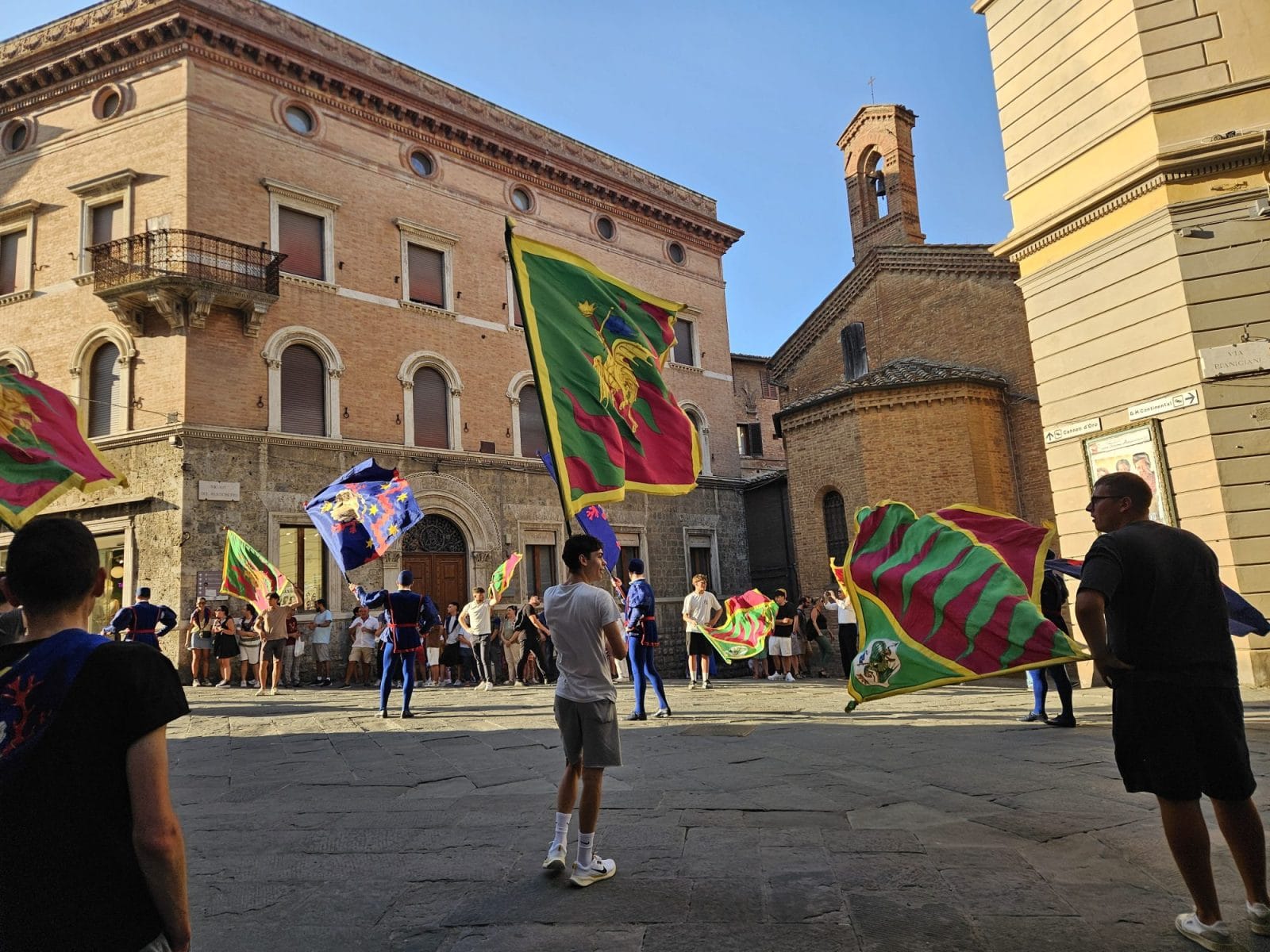
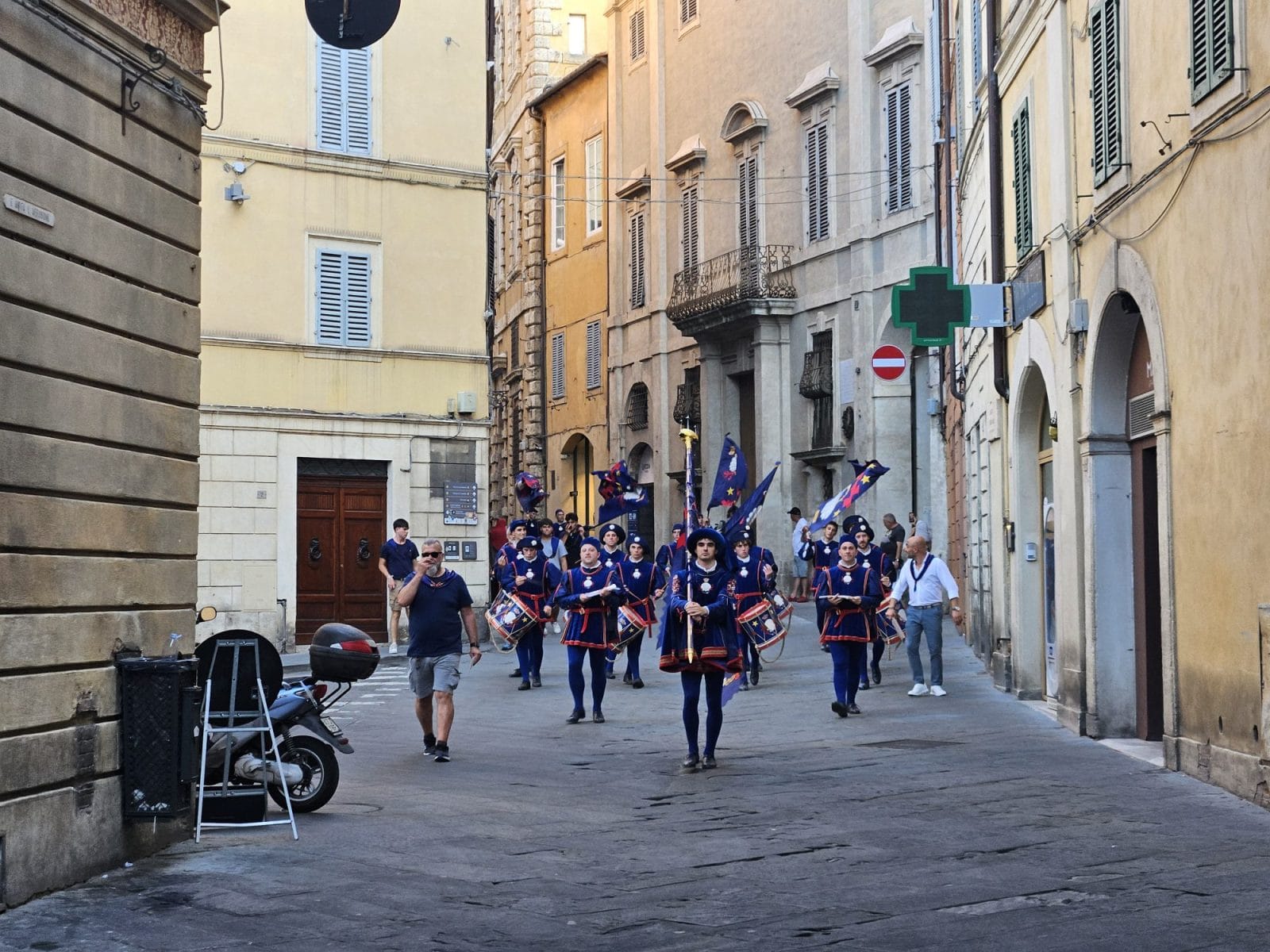
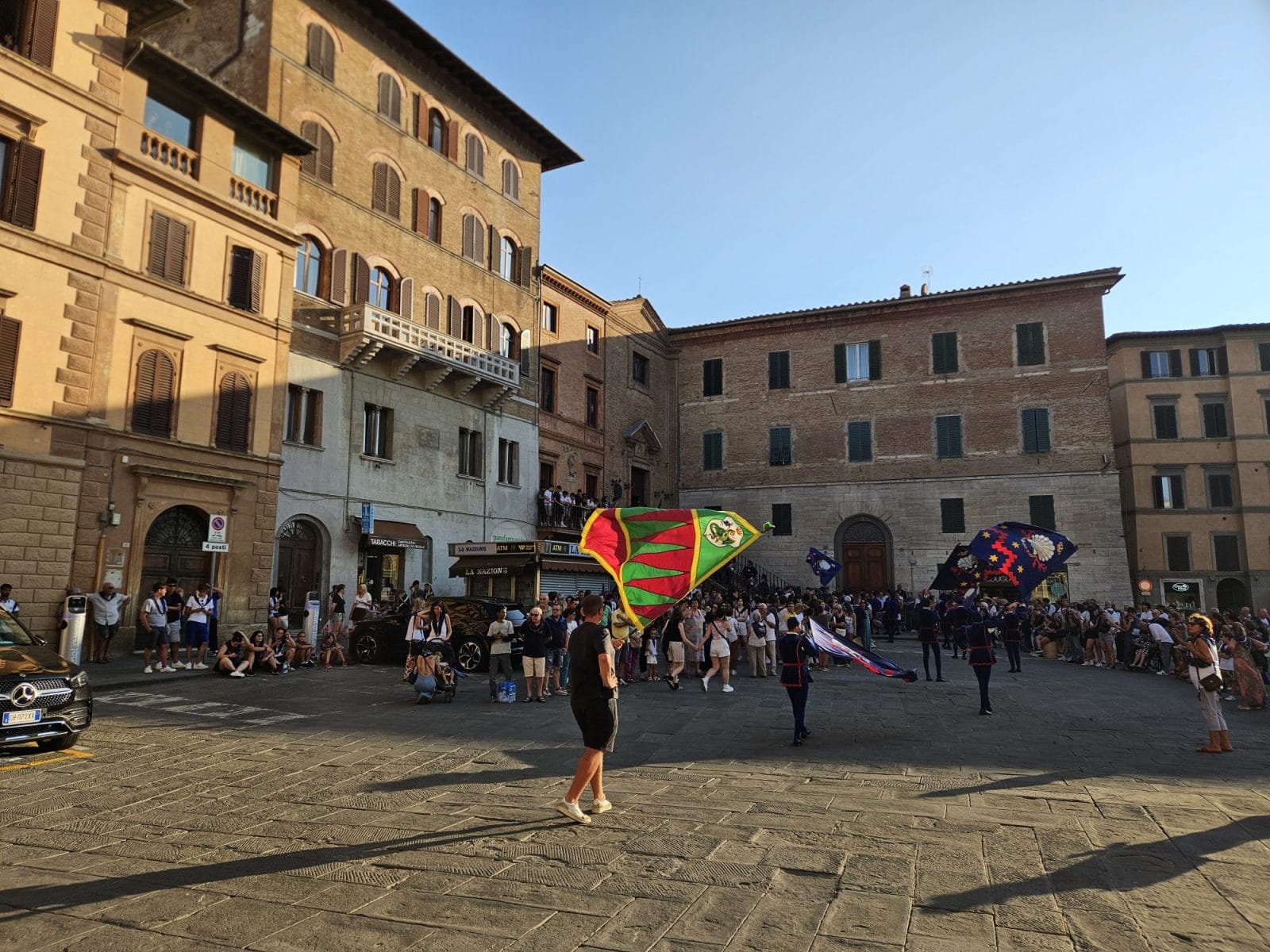
The Palio di Siena is a historic horse race which dates back to the medieval era. This takes place on 2 July and 16 August each year in Piazza del Campo. Festivities are not limited to these days or the piazza, as we found out.
There were regular parades by each of the 17 contrade, or wards, of the city. This involved drums, flag-waving and historical costumes. These were a unique aspect of the city.
Medieval Side Streets
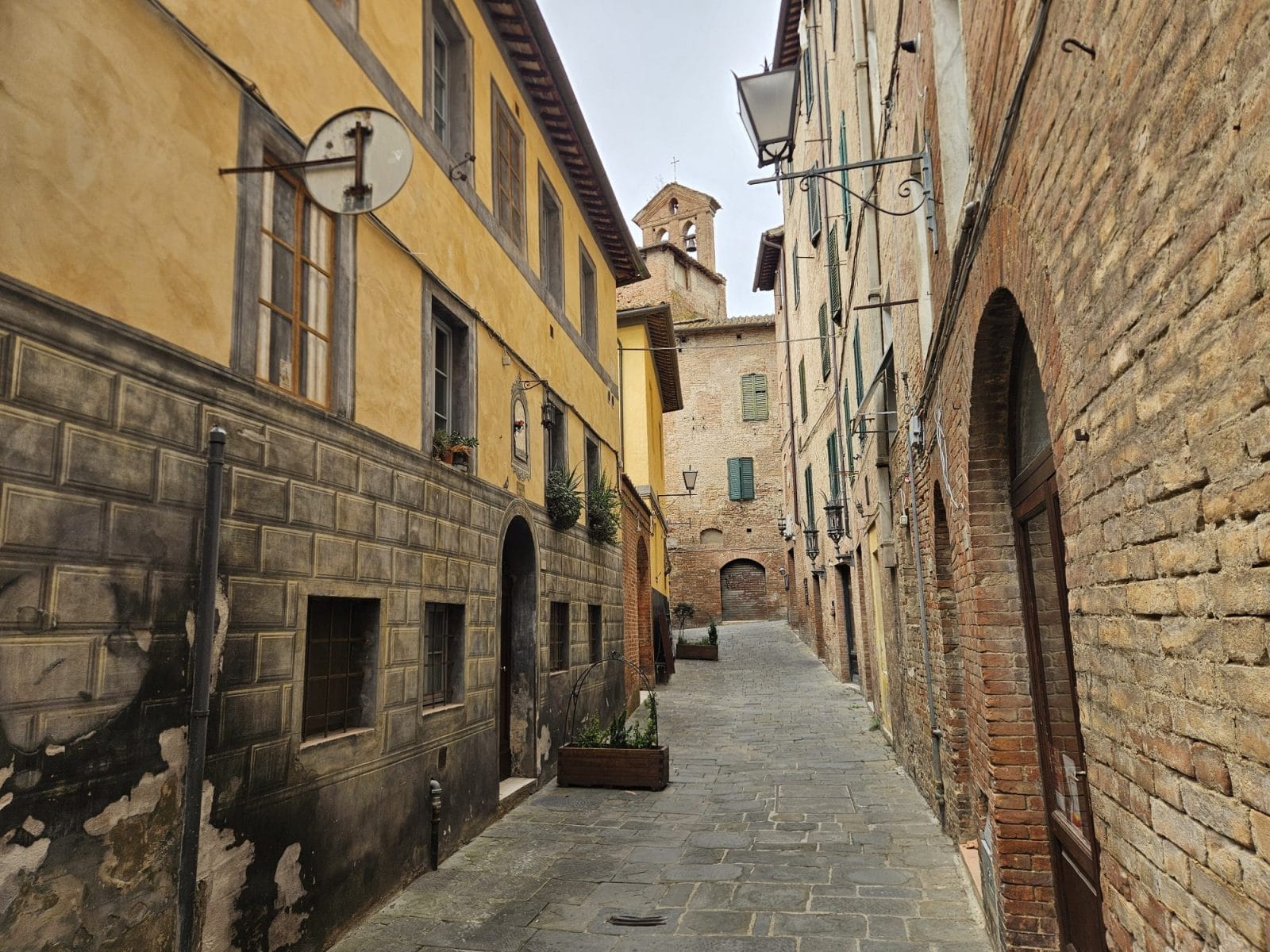
Siena’s medieval side streets are worth exploring, especially just beyond the main square.
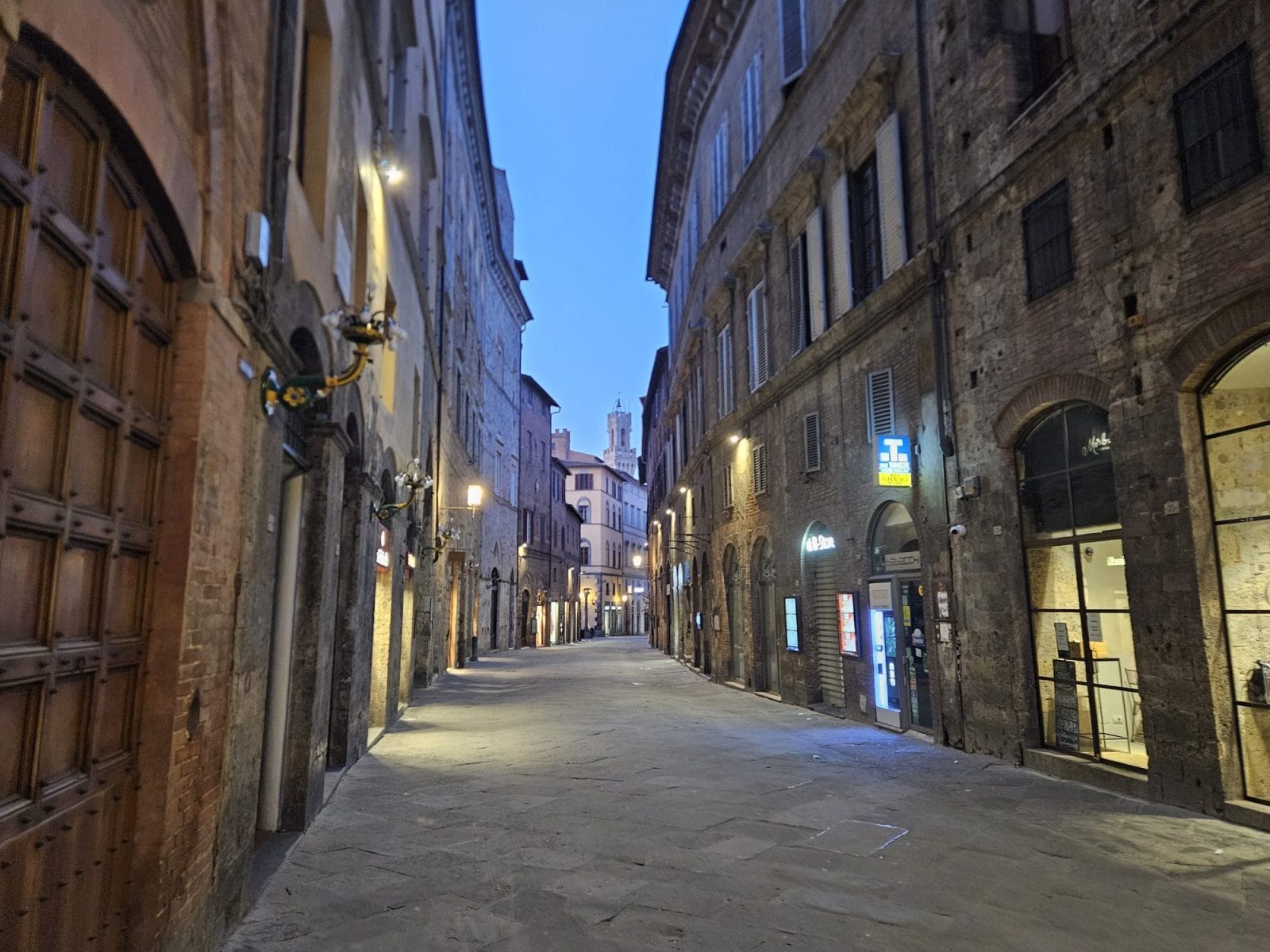
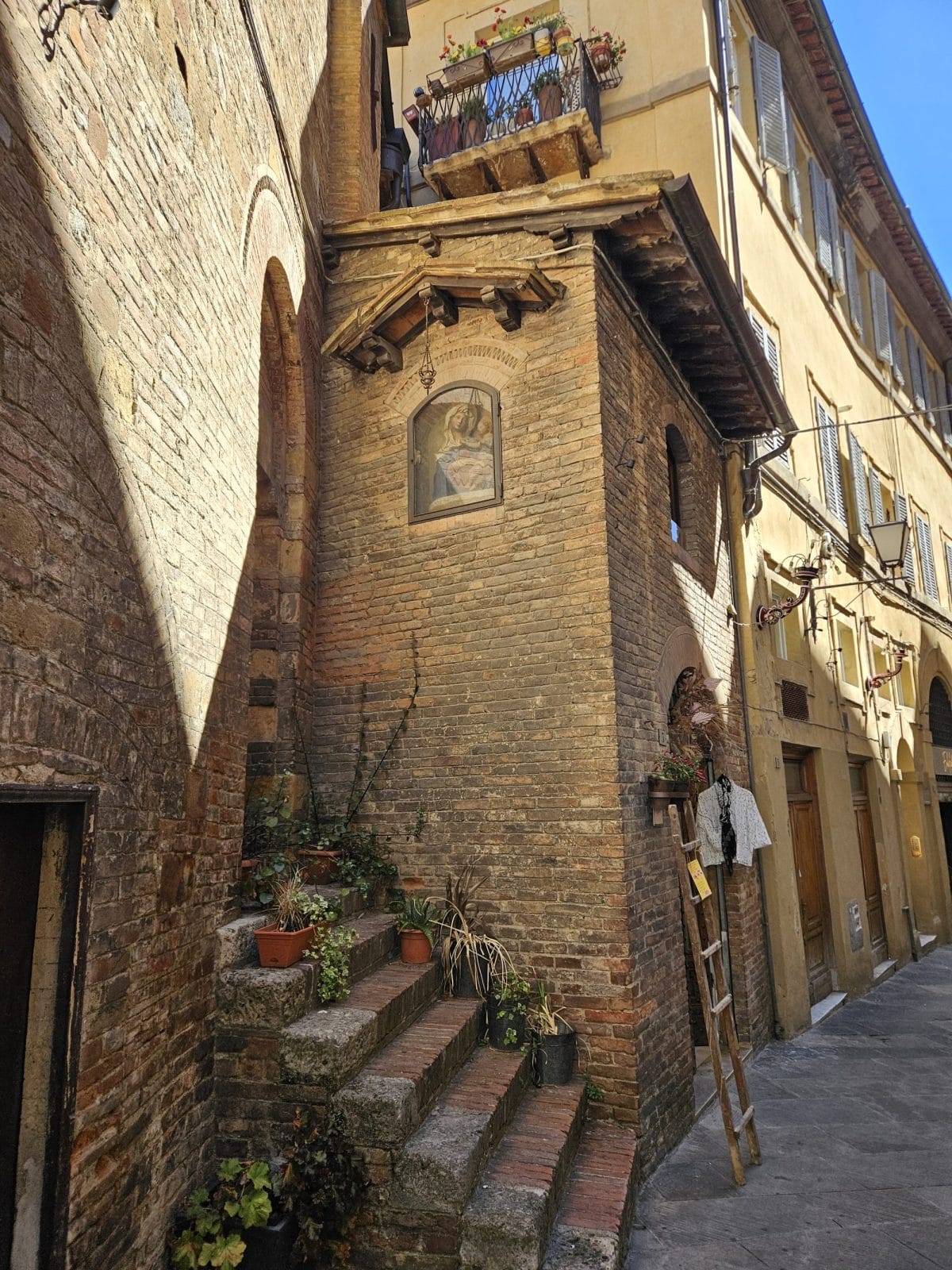
There are little details to notice and quiet places for refreshments. I found the city easy to navigate even when venturing off the main thoroughfares and very charming.
More Places to Visit in Siena
Museum of Torture
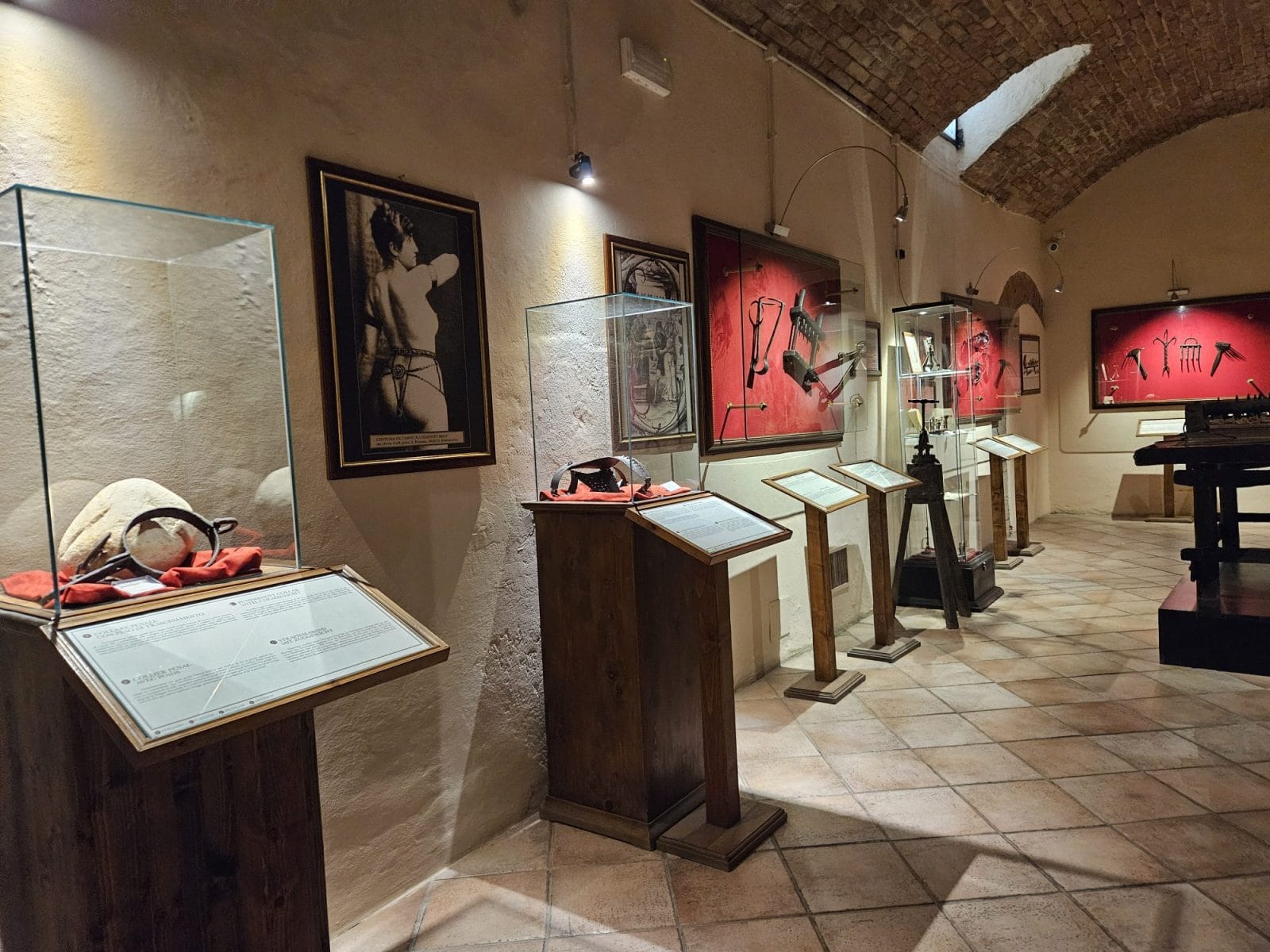
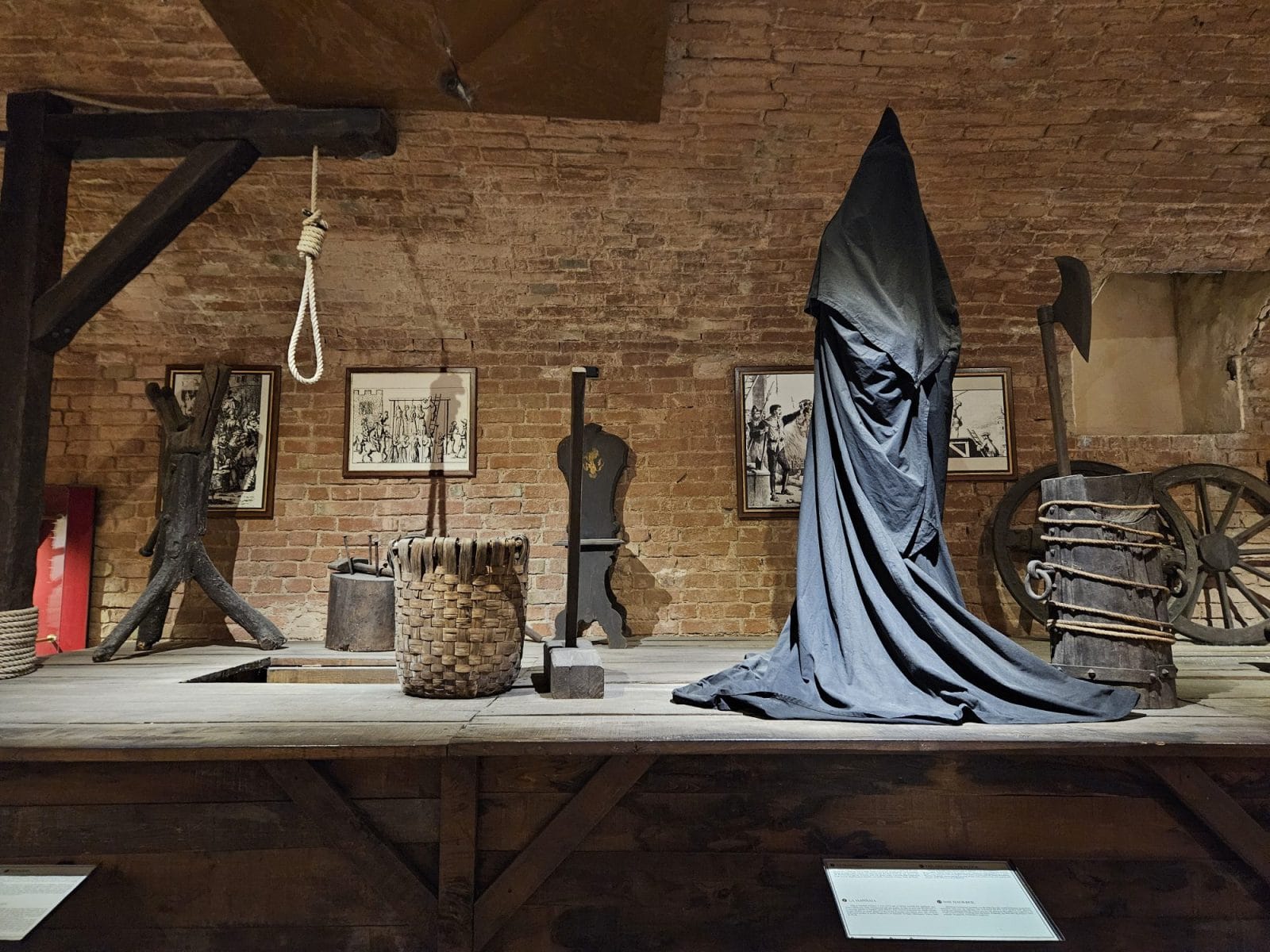
The Torture Museum is centrally located between Piazza del Campo and the Duomo. It had exhibits explaining the history of torture implements.
Italian Opera in Siena
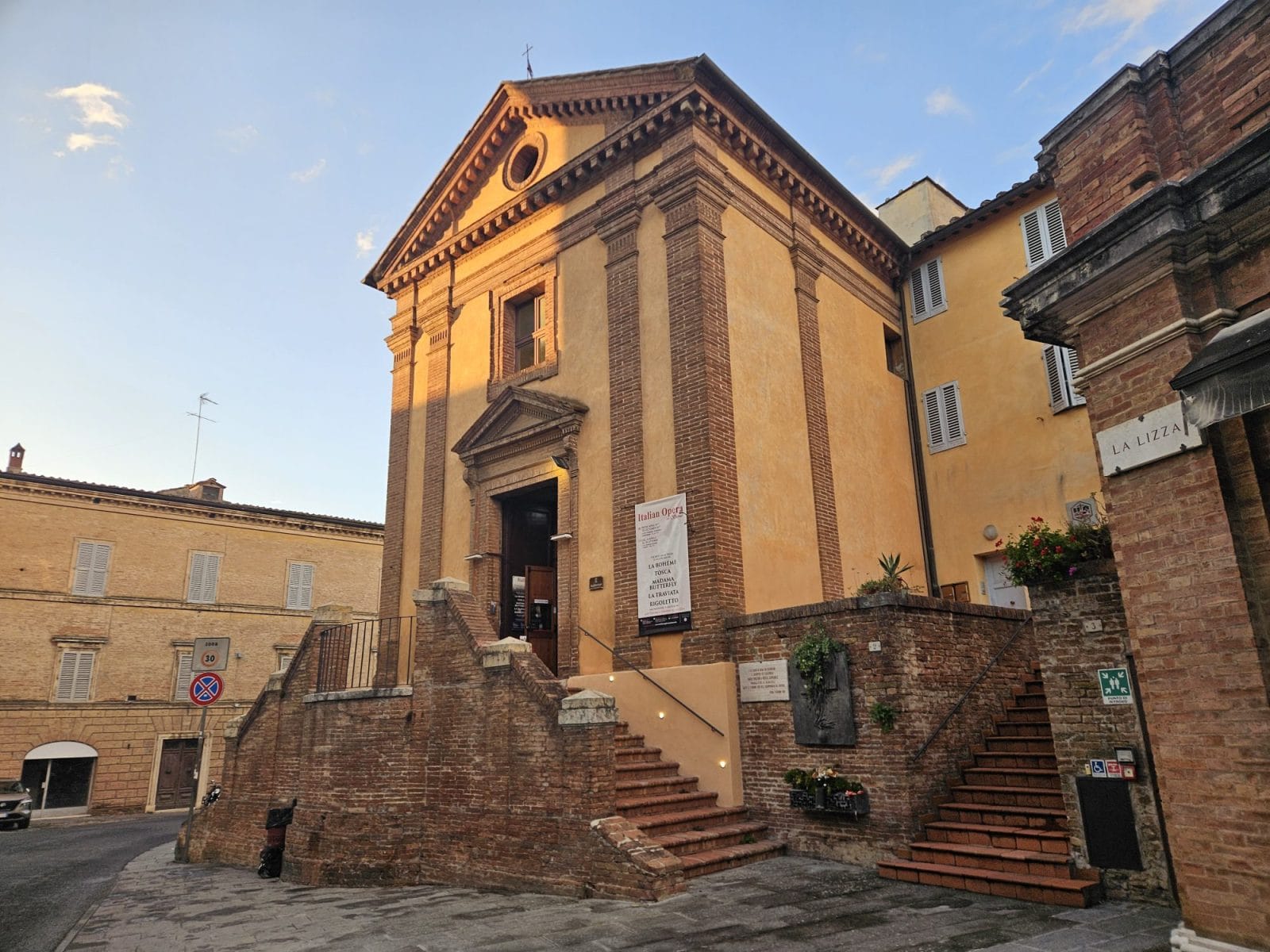
The Italian opera in Siena is in a small hall in the city and is a cosy venue. Tickets were straightforward to book on their website.
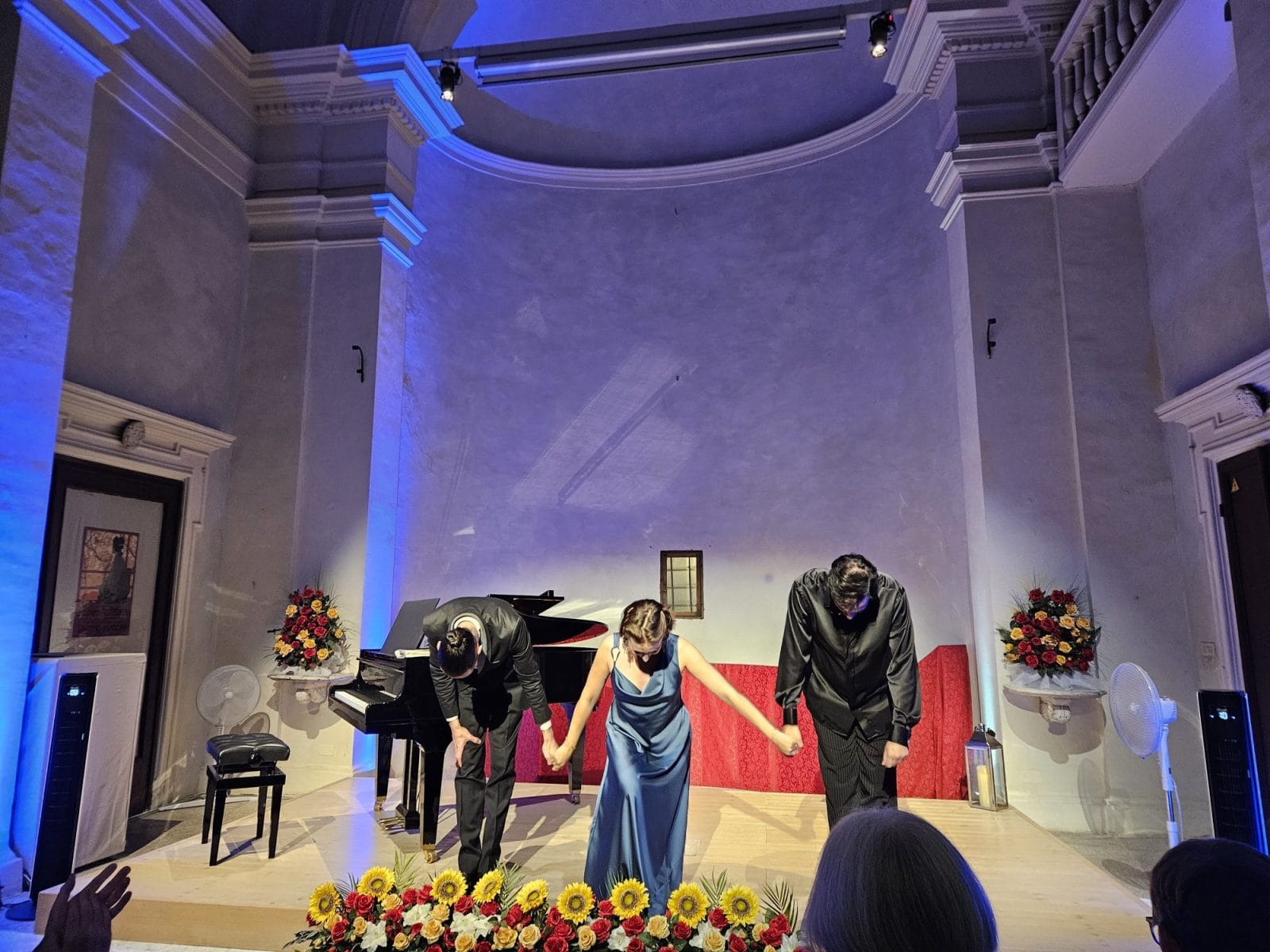
Their concept is to perform famous parts of famous operas, which are very enjoyable. The performers were excellent, and up close you really felt the characters’ emotions.
Palazzo Salimbeni
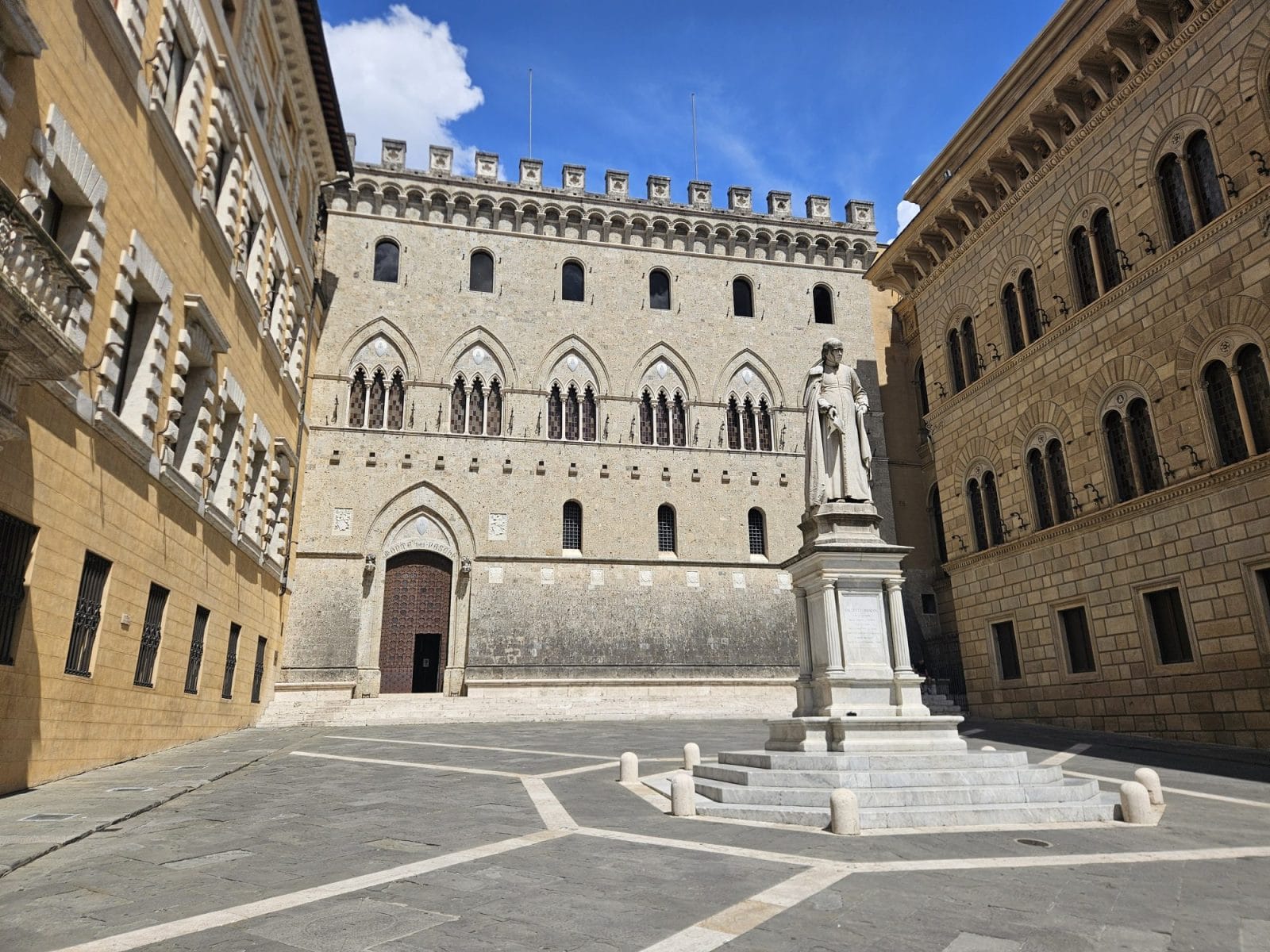
A historic landmark in the medieval centre is Palazzo Salimbeni, a Gothic urban palace. The best place to view this is from Piazza Salimbeni; however, you can walk around to the rear. Palazzo Salimbeni dates from the 14th century. You can only see Palazzo Salimbeni from the exterior.
Fontebranda
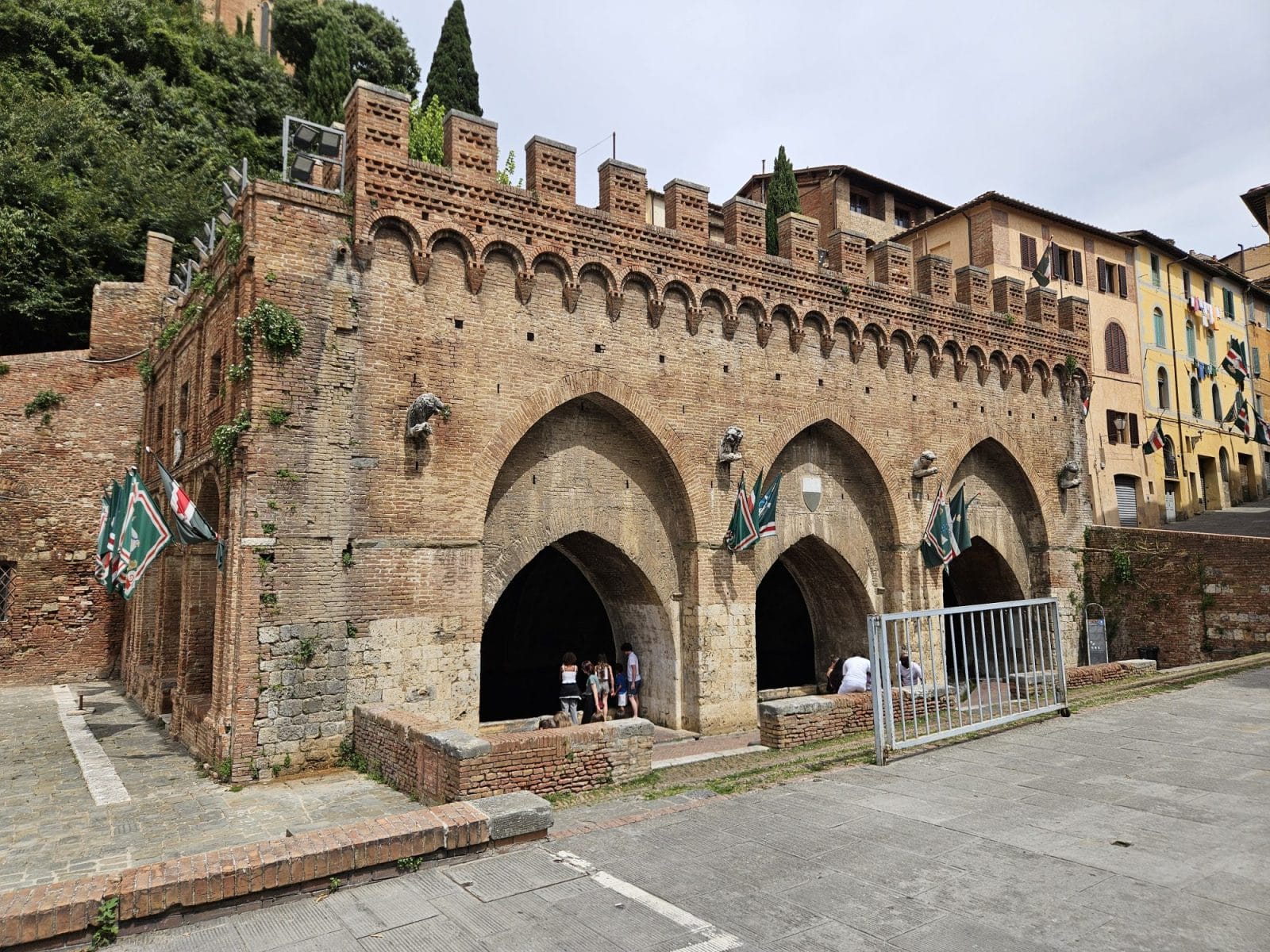
While in the city, I read Nomadic Backpacker’s James Bond-inspired post about the city and spotted Fontebranda. It was a walk downhill from Basilica Cateriniana San Domenico. The fountain was built in the 13th century by the Guild of the Woolmakers. Interestingly, it is mentioned in Dante’s Divine Comedy.
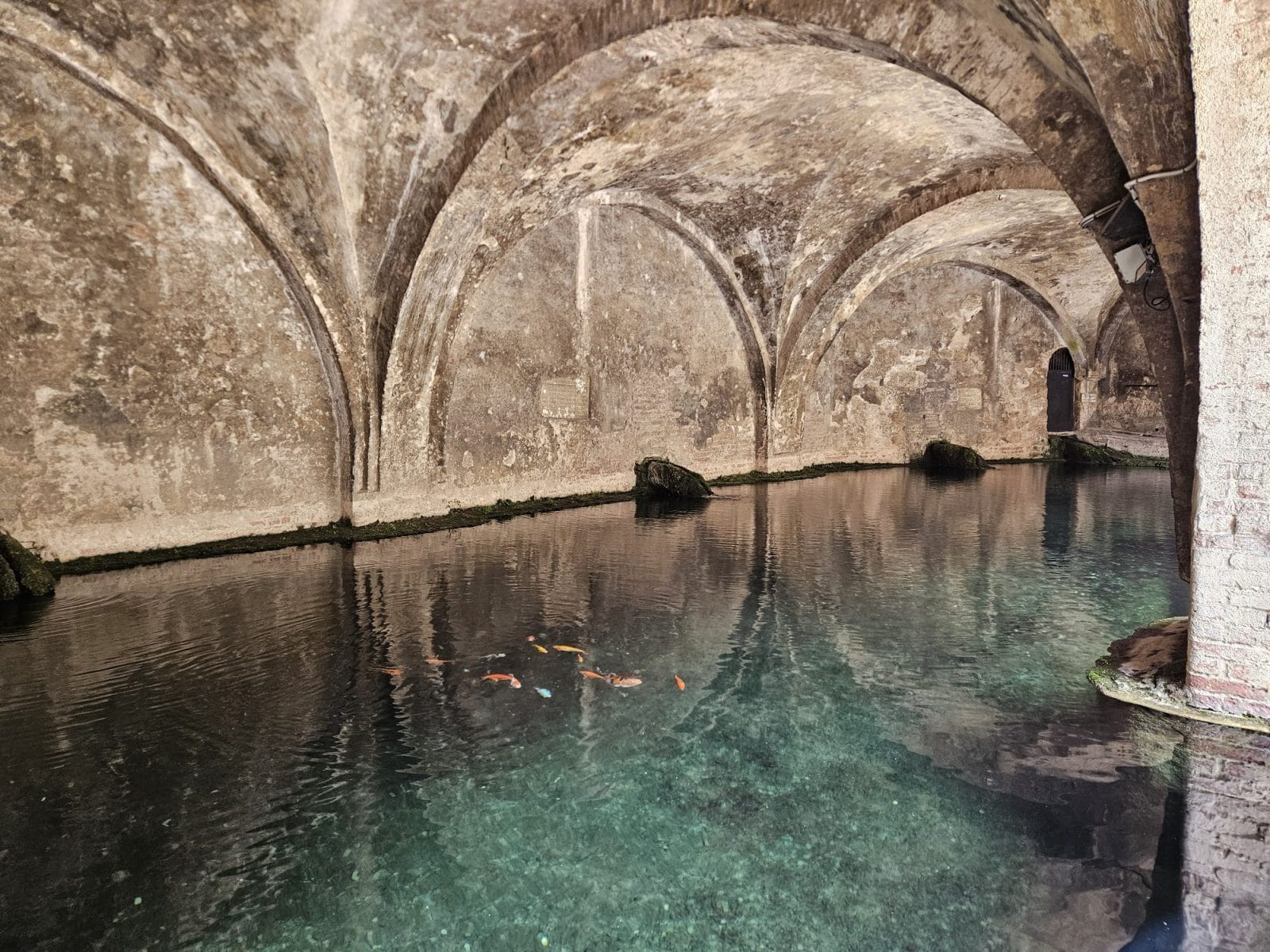
The fountain is Gothic in design with arches and water. There were also some goldfish in the fountain, which were relaxing to watch before ascending to the main parts of the city.
Loggia della Mercanzia
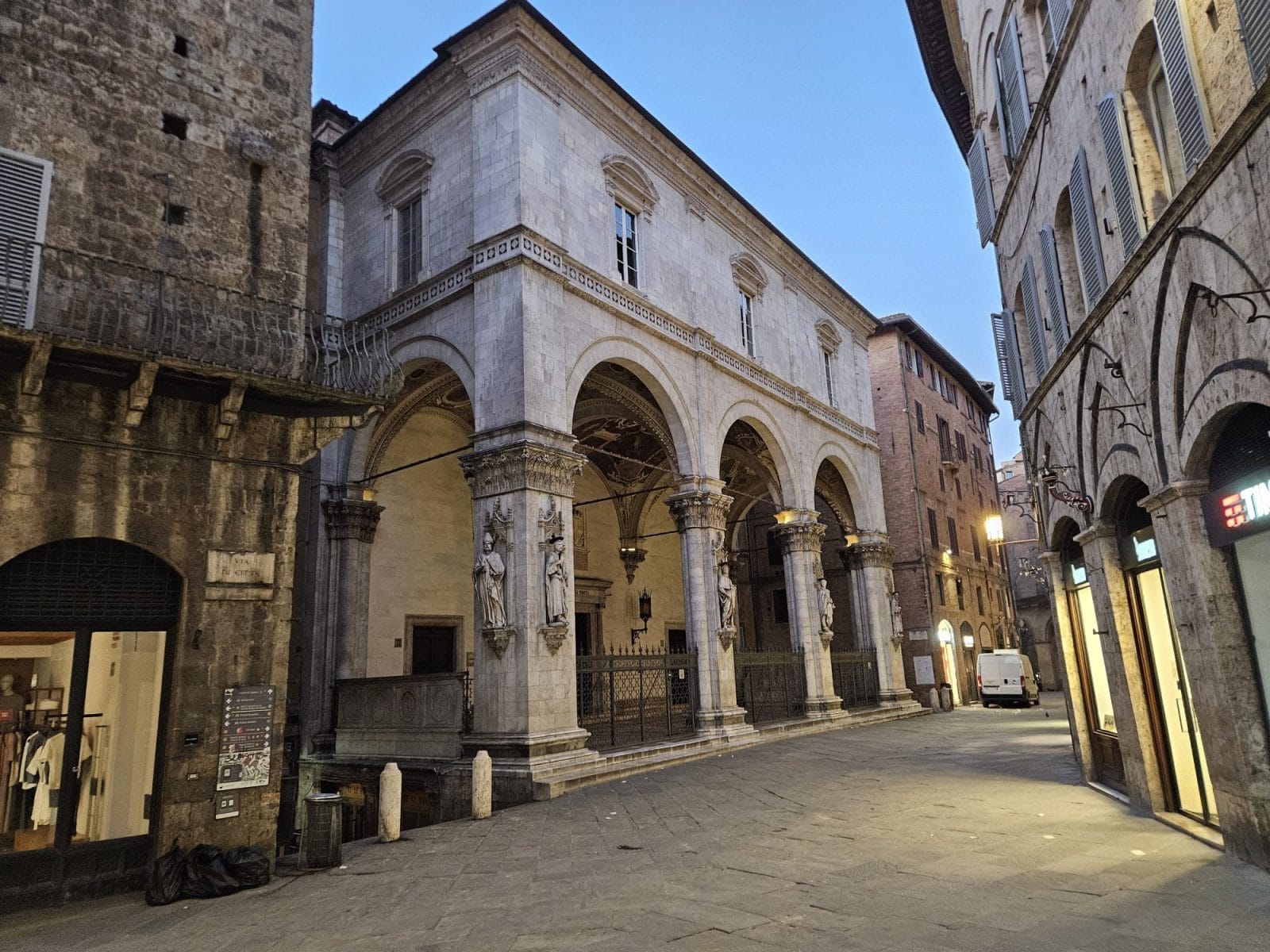
Just outside the main square is Loggia della Mercanzia (Merchants Lodge). This dates from the 15th century and was the headquarters of Siena’s merchants’ guild.
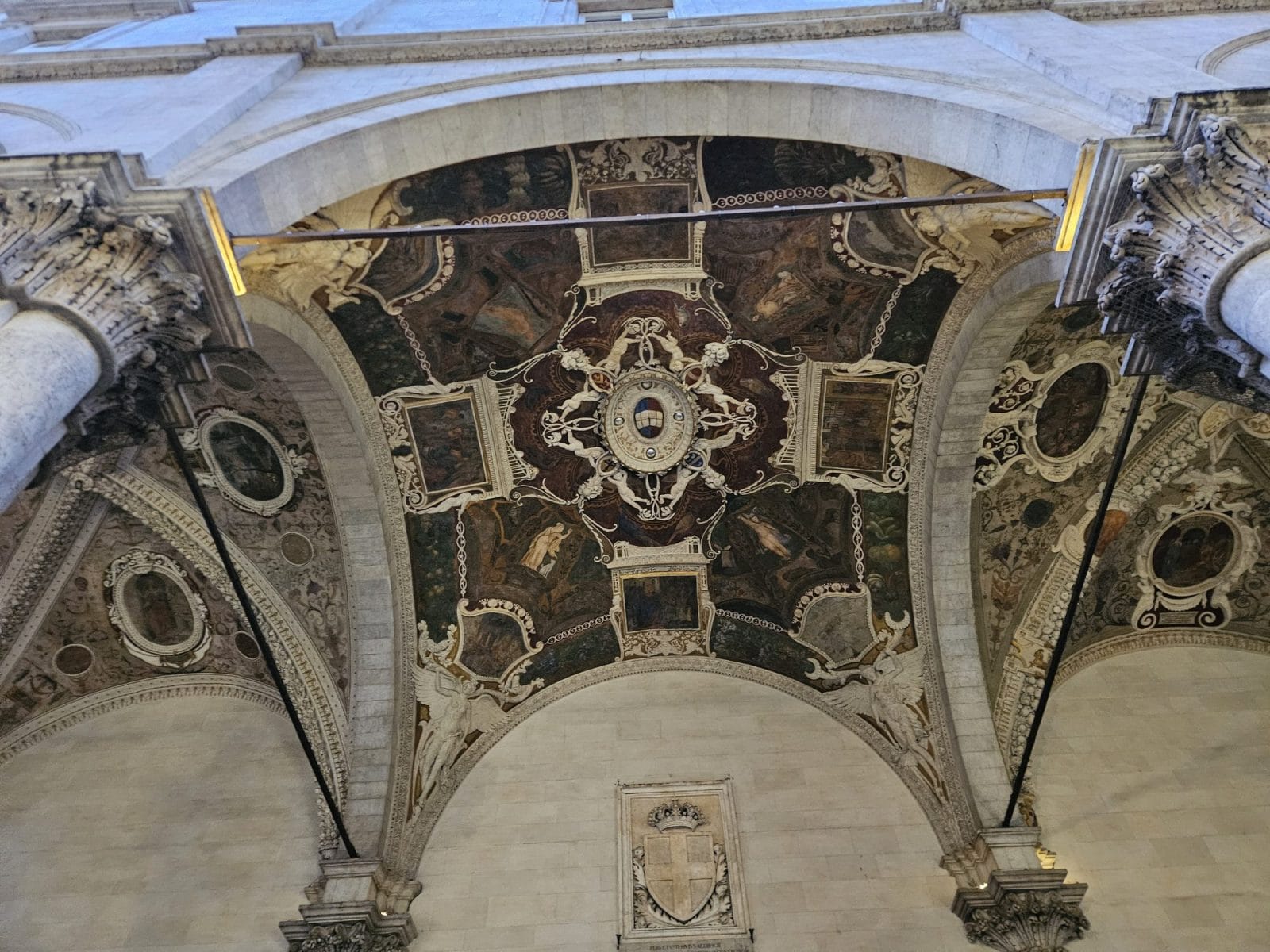
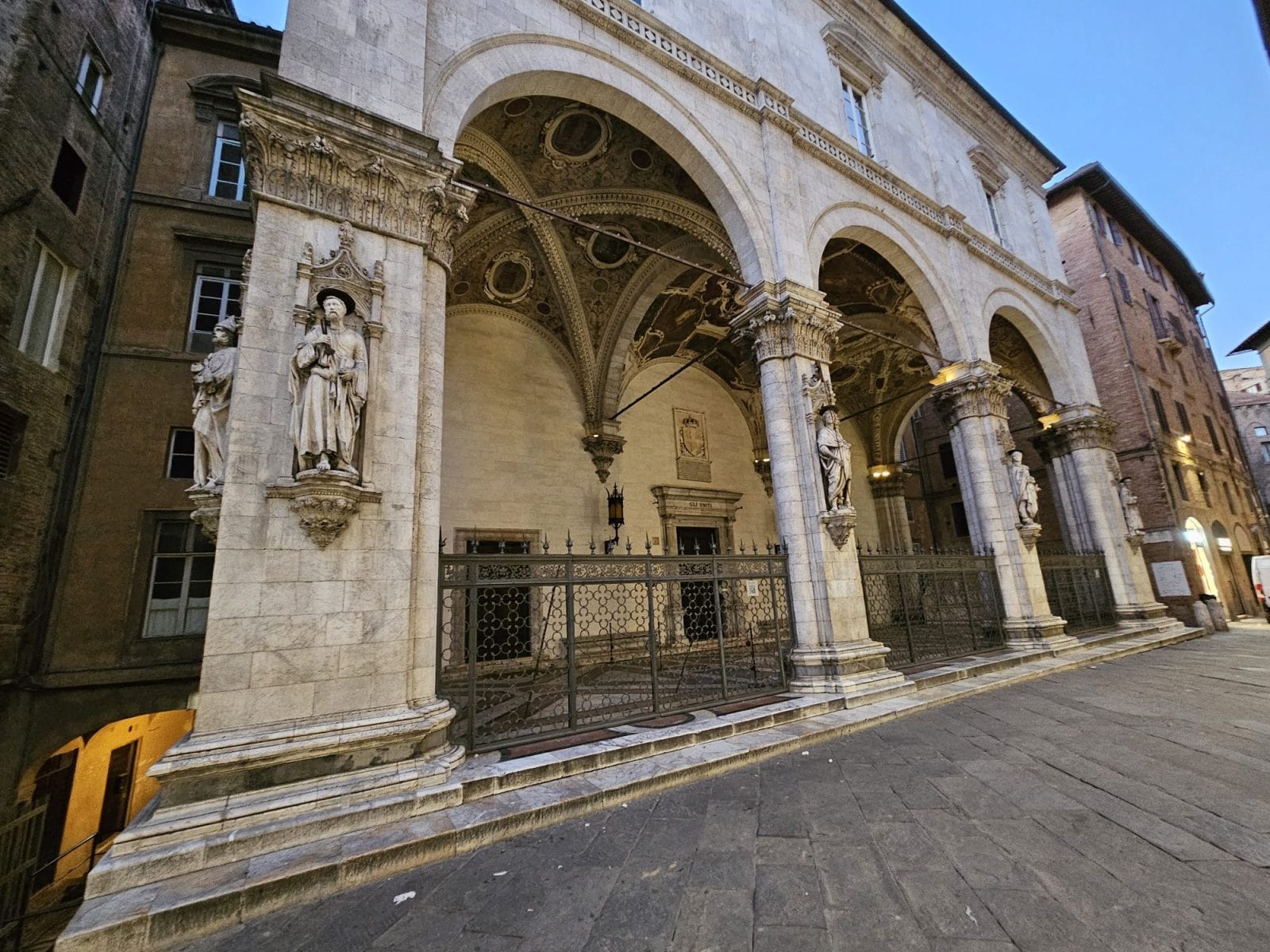
The building has a blend of Gothic and Renaissance styles. Details include arches, columns, and statues of the city’s patron saints.
Basilica of San Francesco
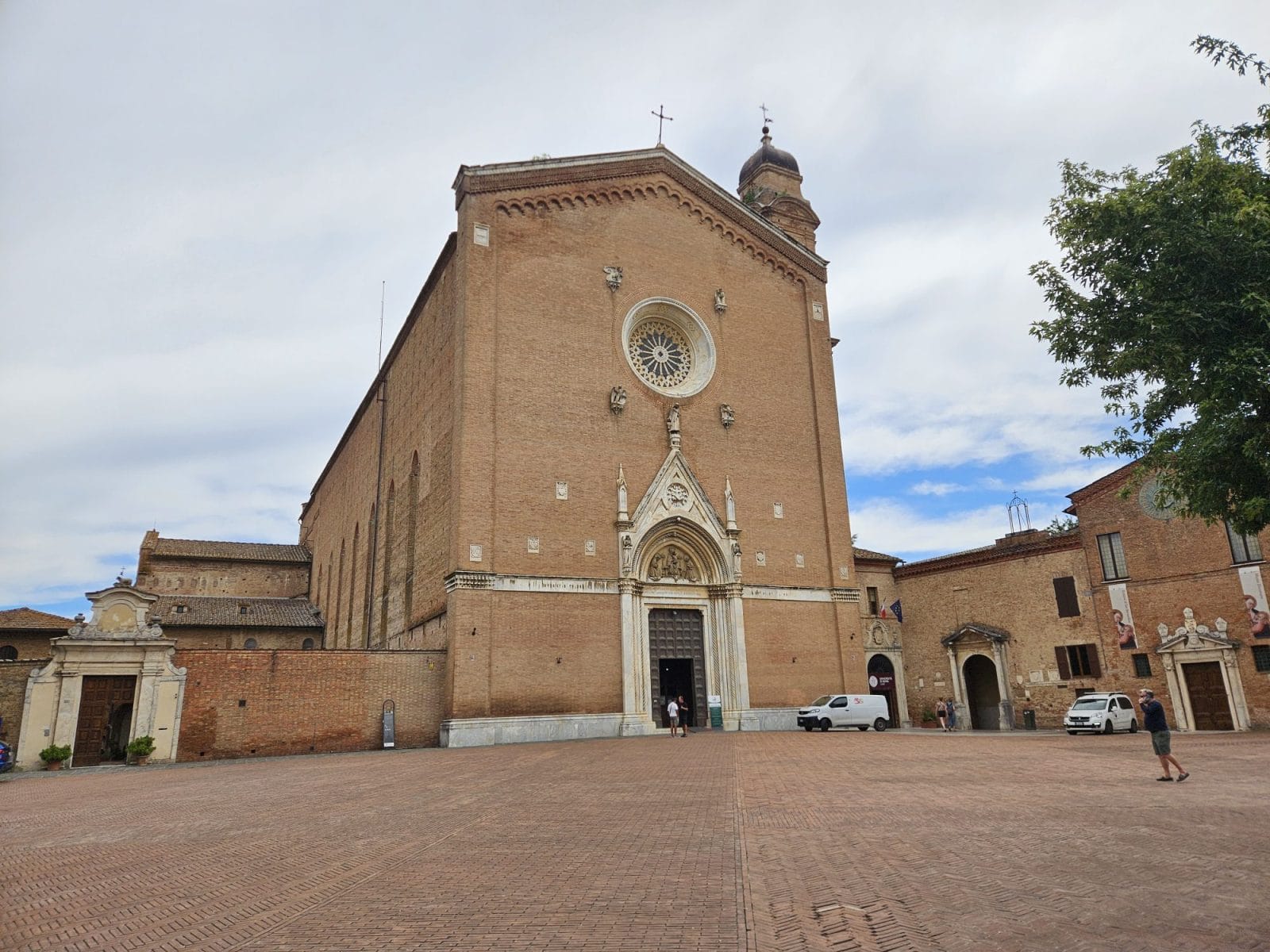
Another church I visited, east of the city near Porta Ovile, was the Basilica of San Francesco. It’s a big building with many features and was free to enter.
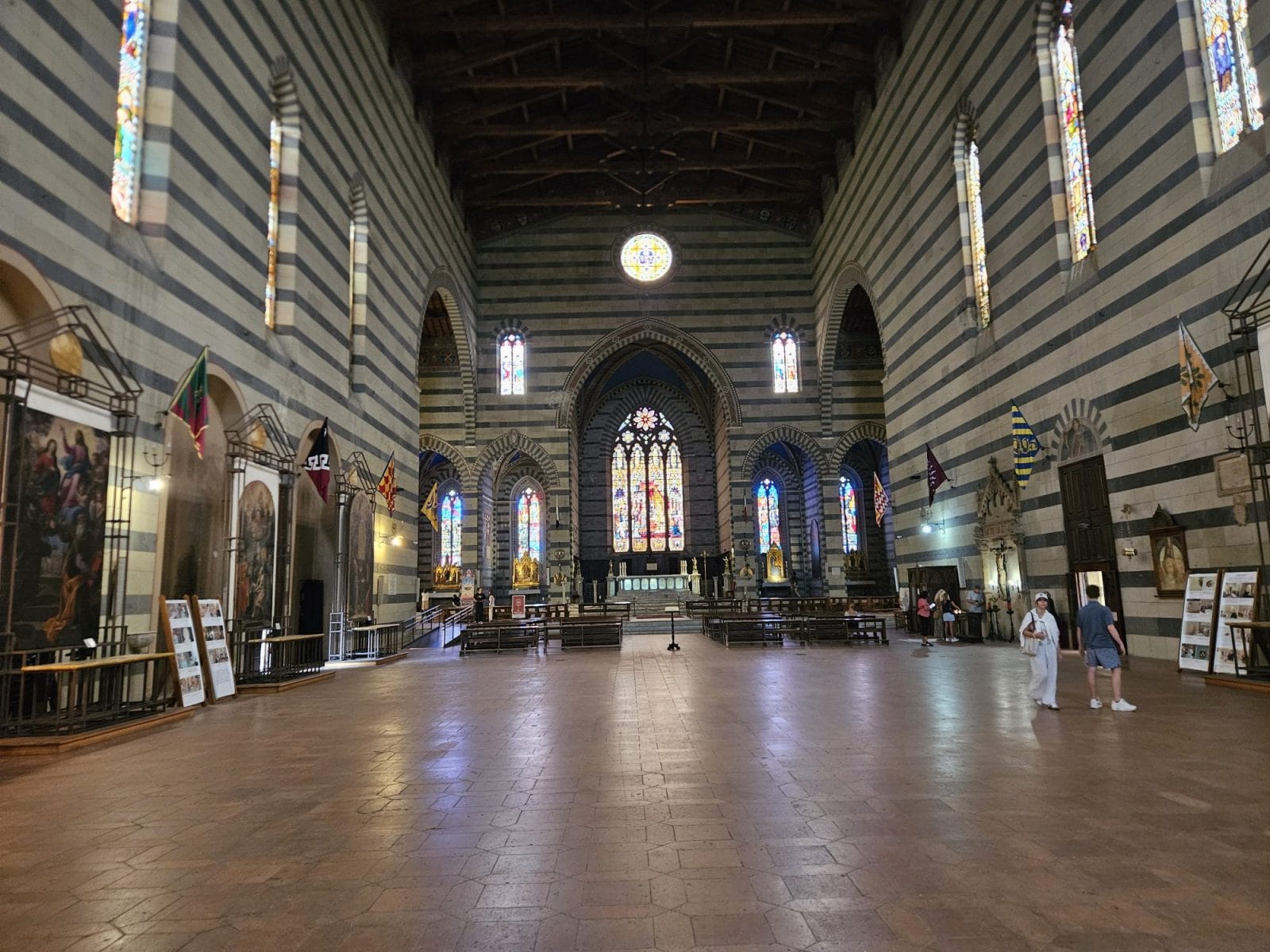
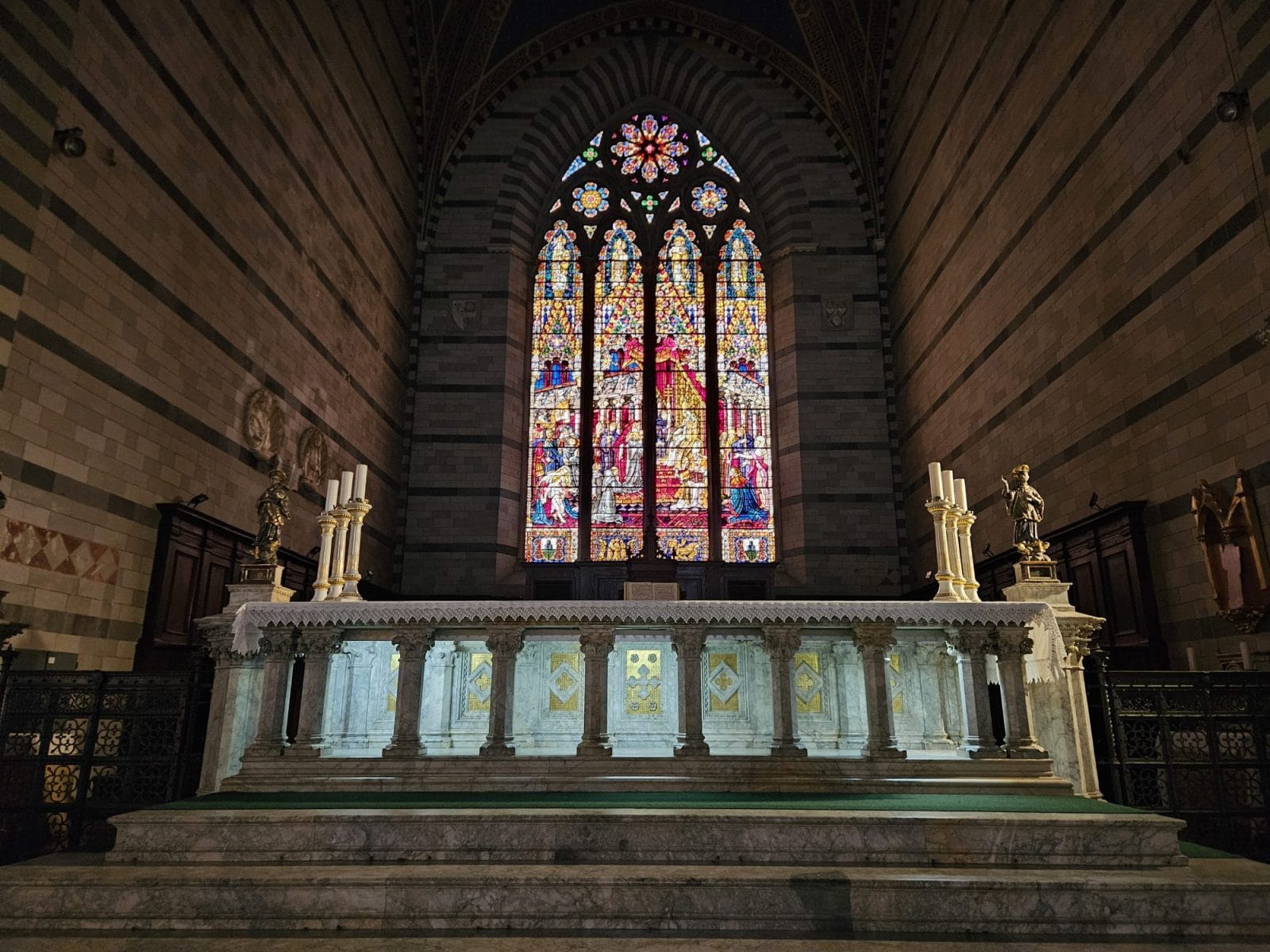
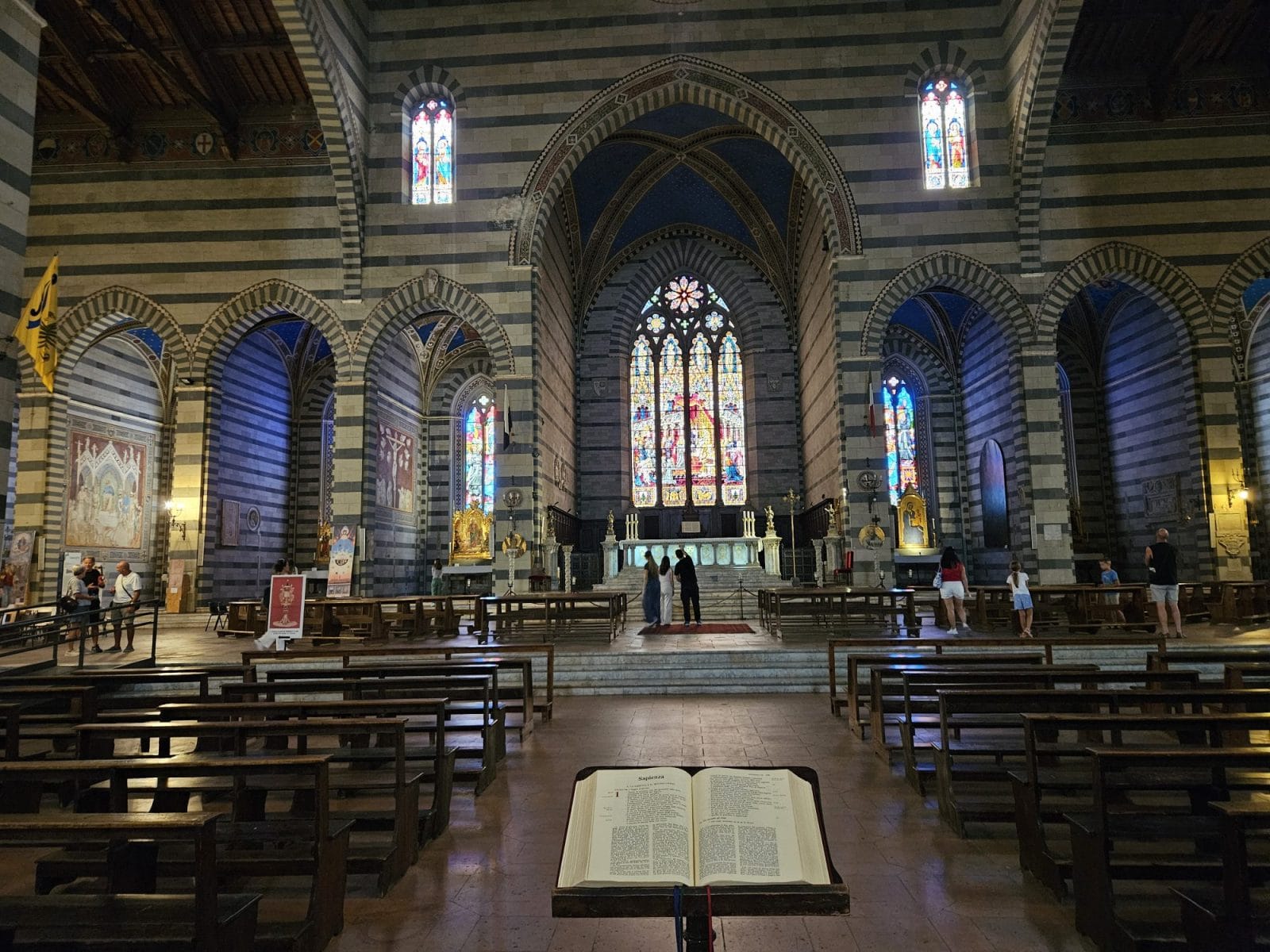
The interior is massive, with stained glass and a large altar. On either side of the high altar are some chapels.
Piazza Mercato
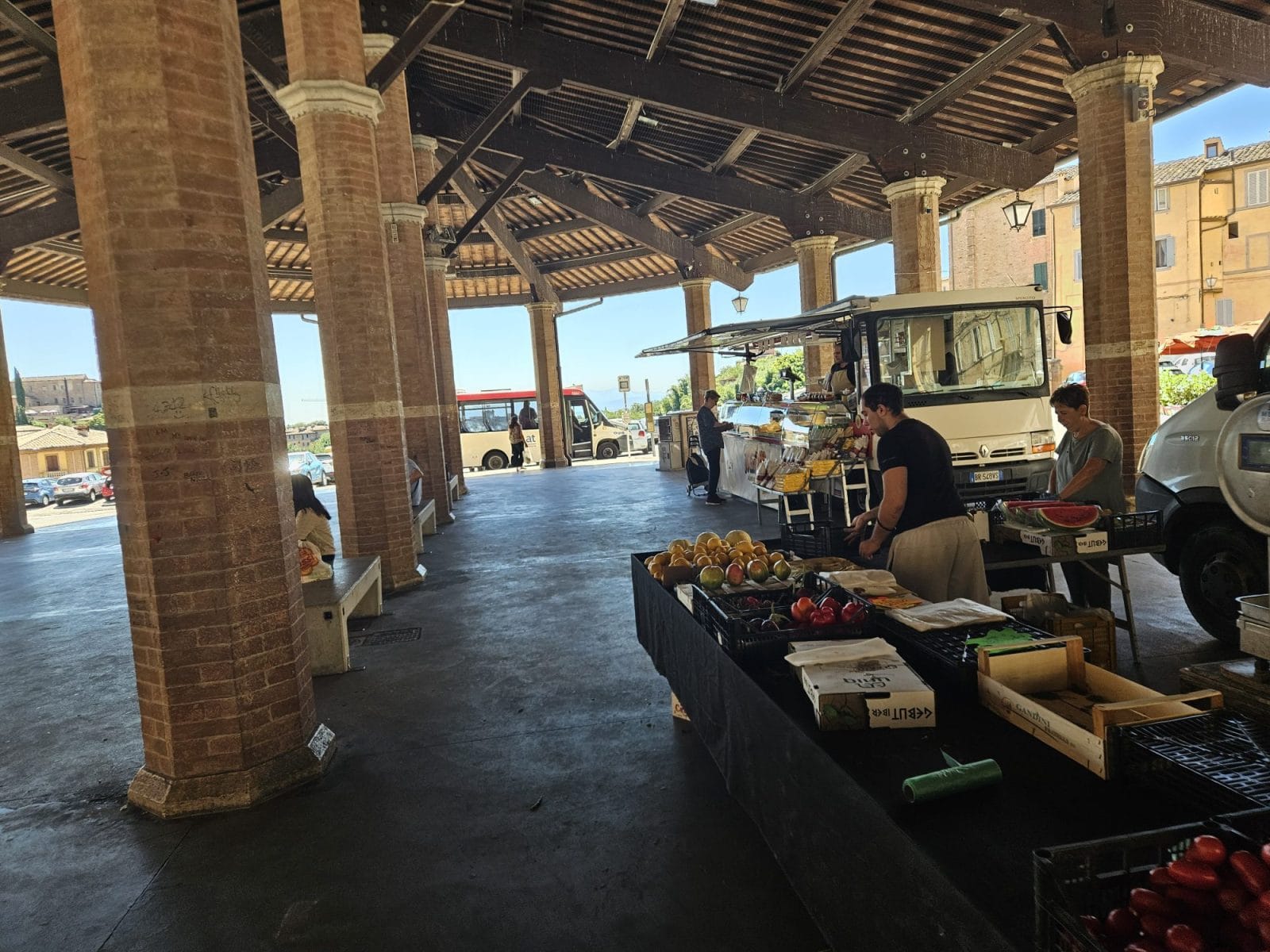
A nice place to visit is Piazza Mercato, home to the city’s food market, which dates back to 1323. The covered market has stalls selling local produce. Also in the square are a few restaurants.
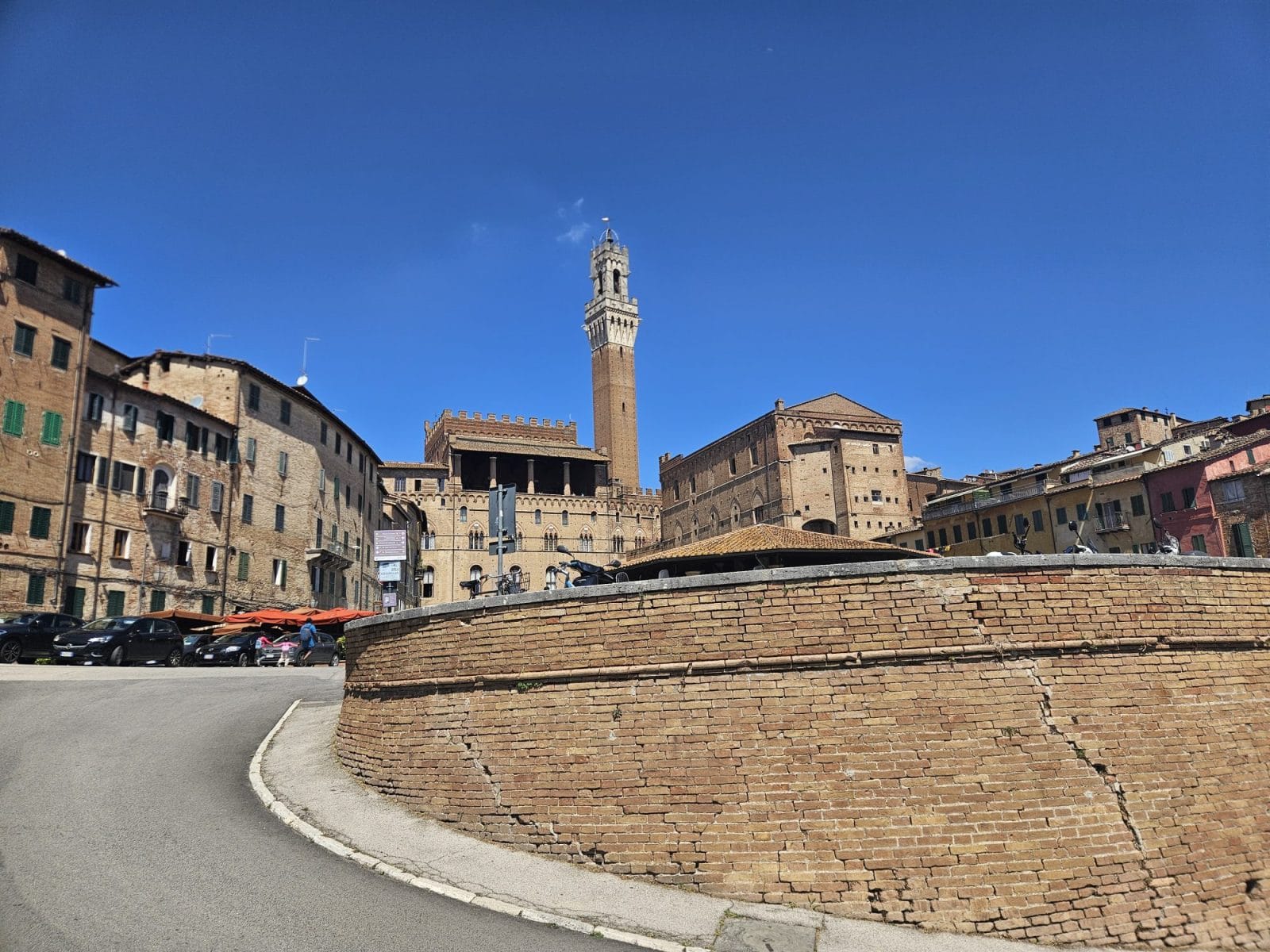
One of the main views of the area is the rear of Palazzo Pubblico and the Torre del Mangia. You can also see the piazza from the viewpoint in Palazzo Pubblico.
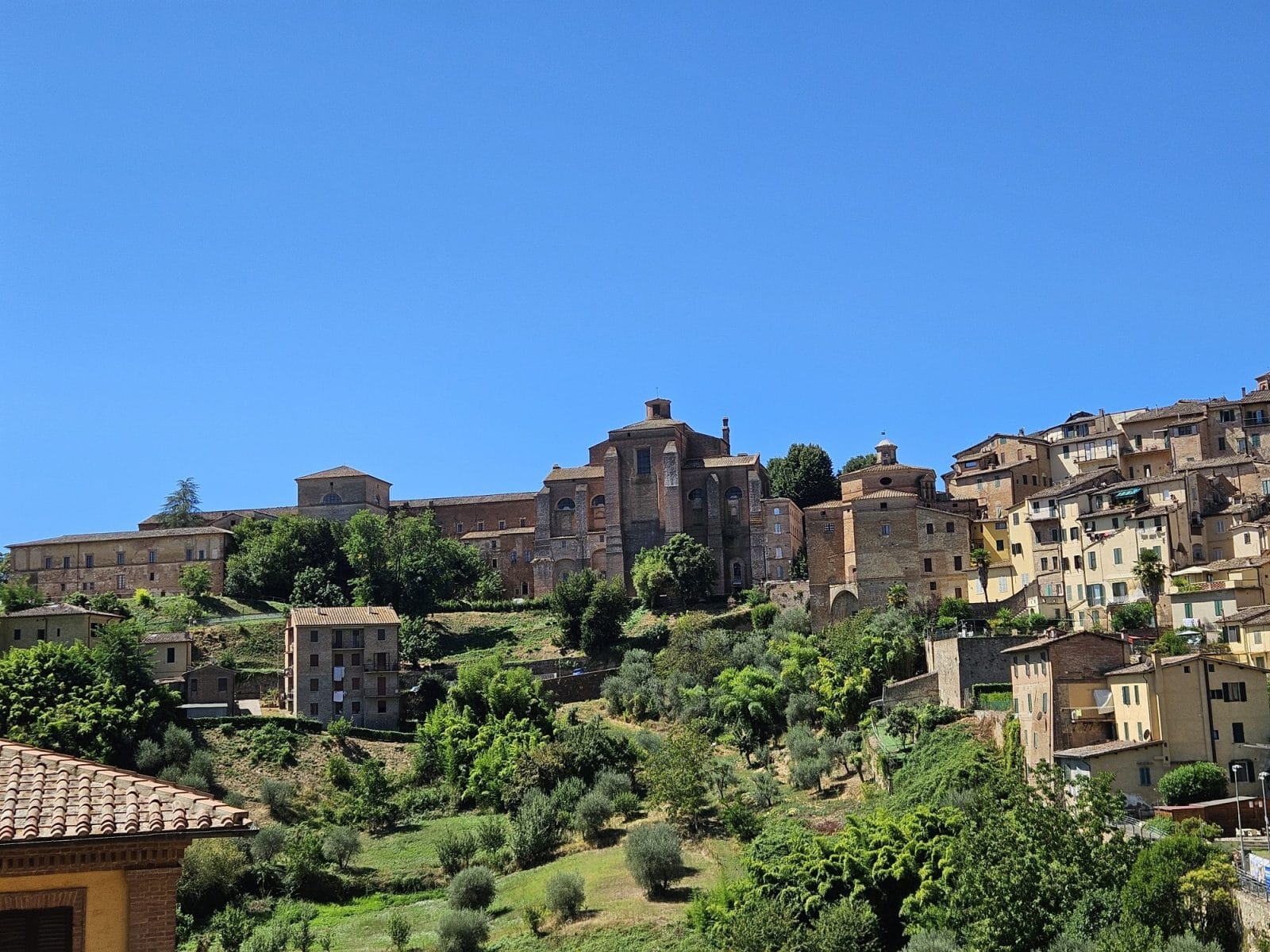
If you head to the bottom of Piazza Mercato, the views into the nearby Tuscan countryside are splendid.
Chiesa di Santa Maria in Portico a Fontegiusta
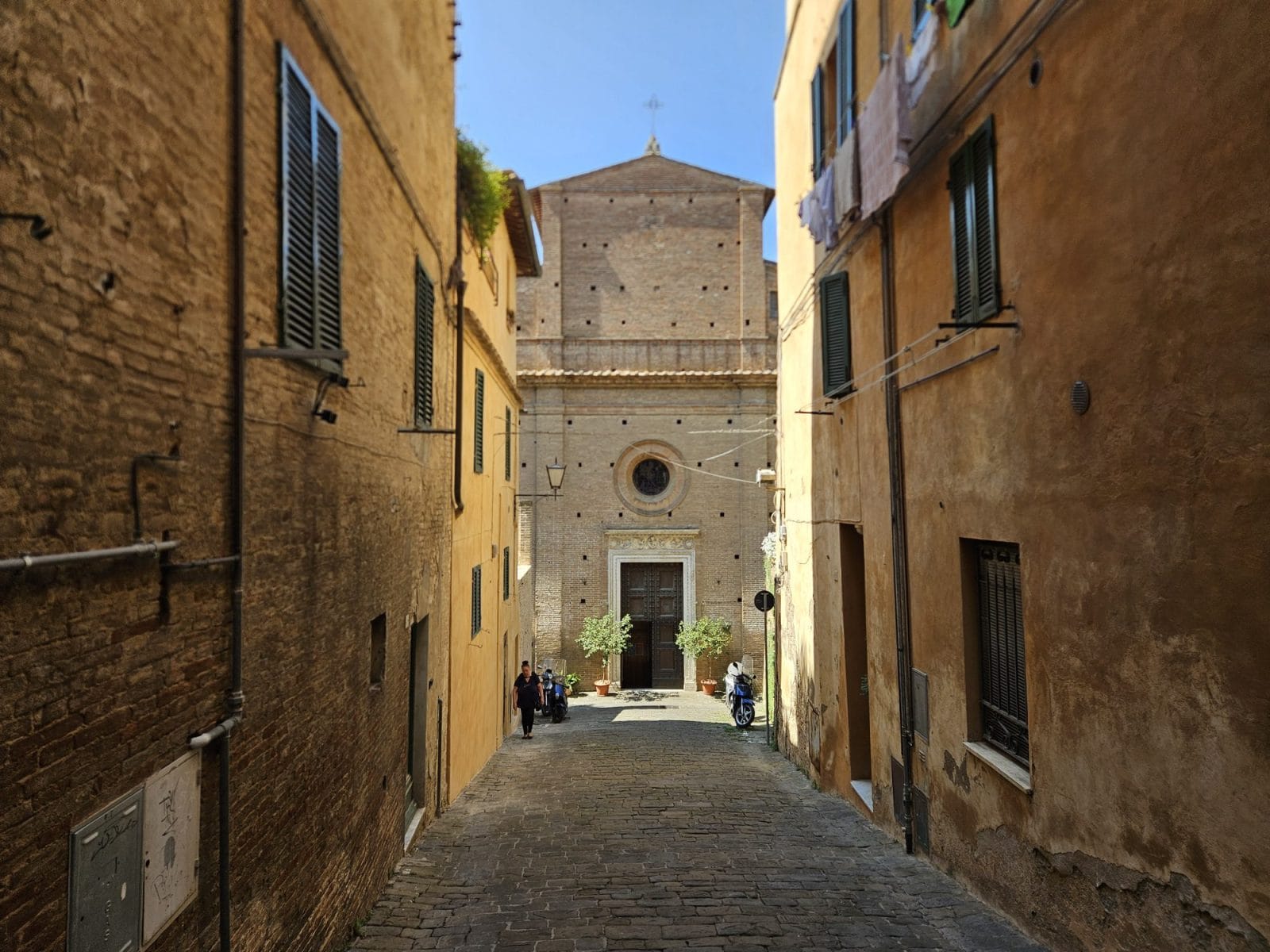
On Via Fontegiusta is a lovely quiet church that I happened upon off the main tourist routes while cake shopping: Chiesa di Santa Maria in Portico a Fontegiusta. This is a Renaissance-style Roman Catholic church that was built between 1482 and 1484. They built this to celebrate victory in the Battle of Poggio against the Florentines.
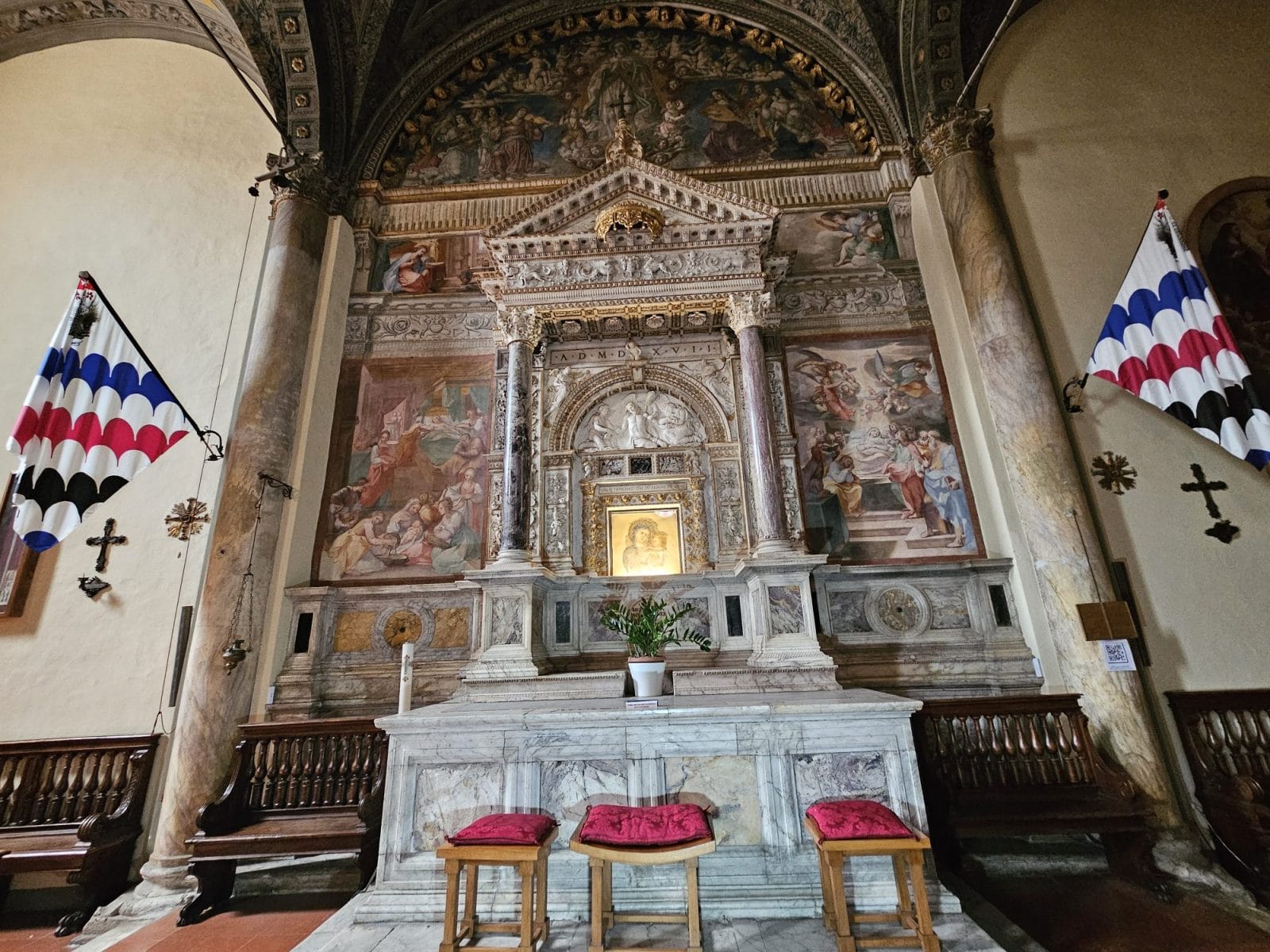
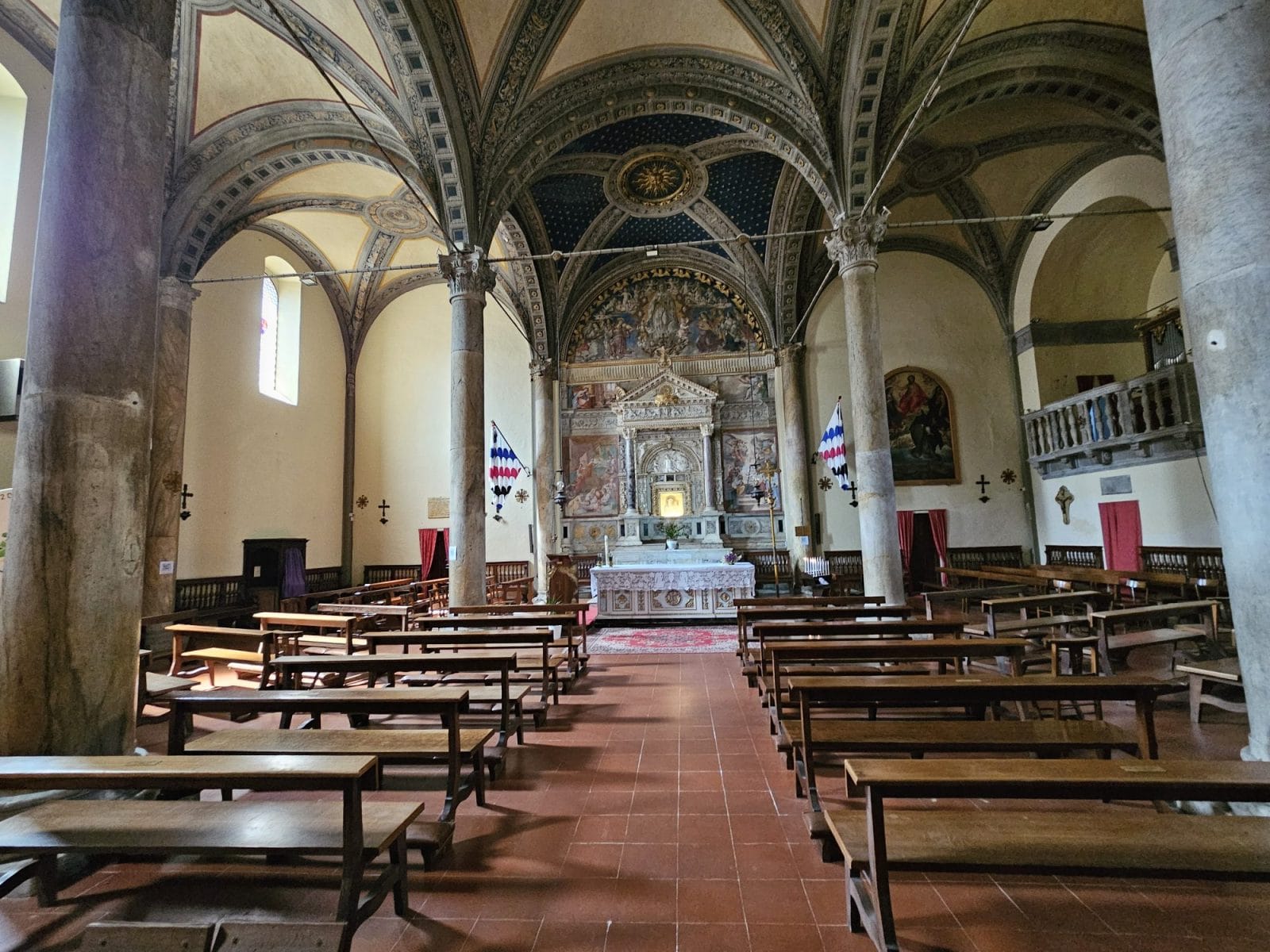
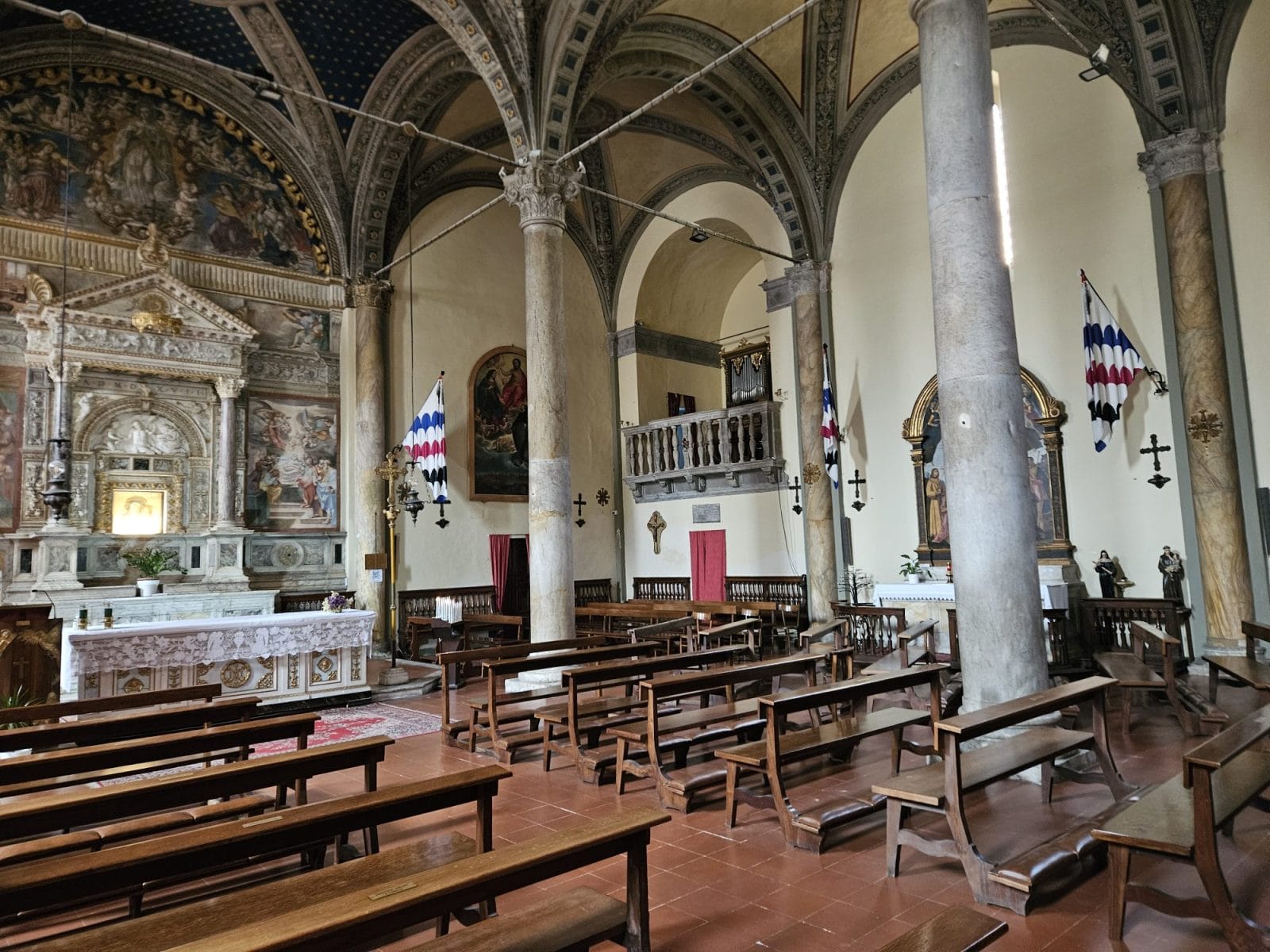
Inside, there are frescoes and a decorative marble altar. The altar dates from 1517 and has frescoes on the sides depicting the Birth and Annunciation of Christ. There is also a small museum about Christopher Columbus.
Church of Santa Maria delle Nevi
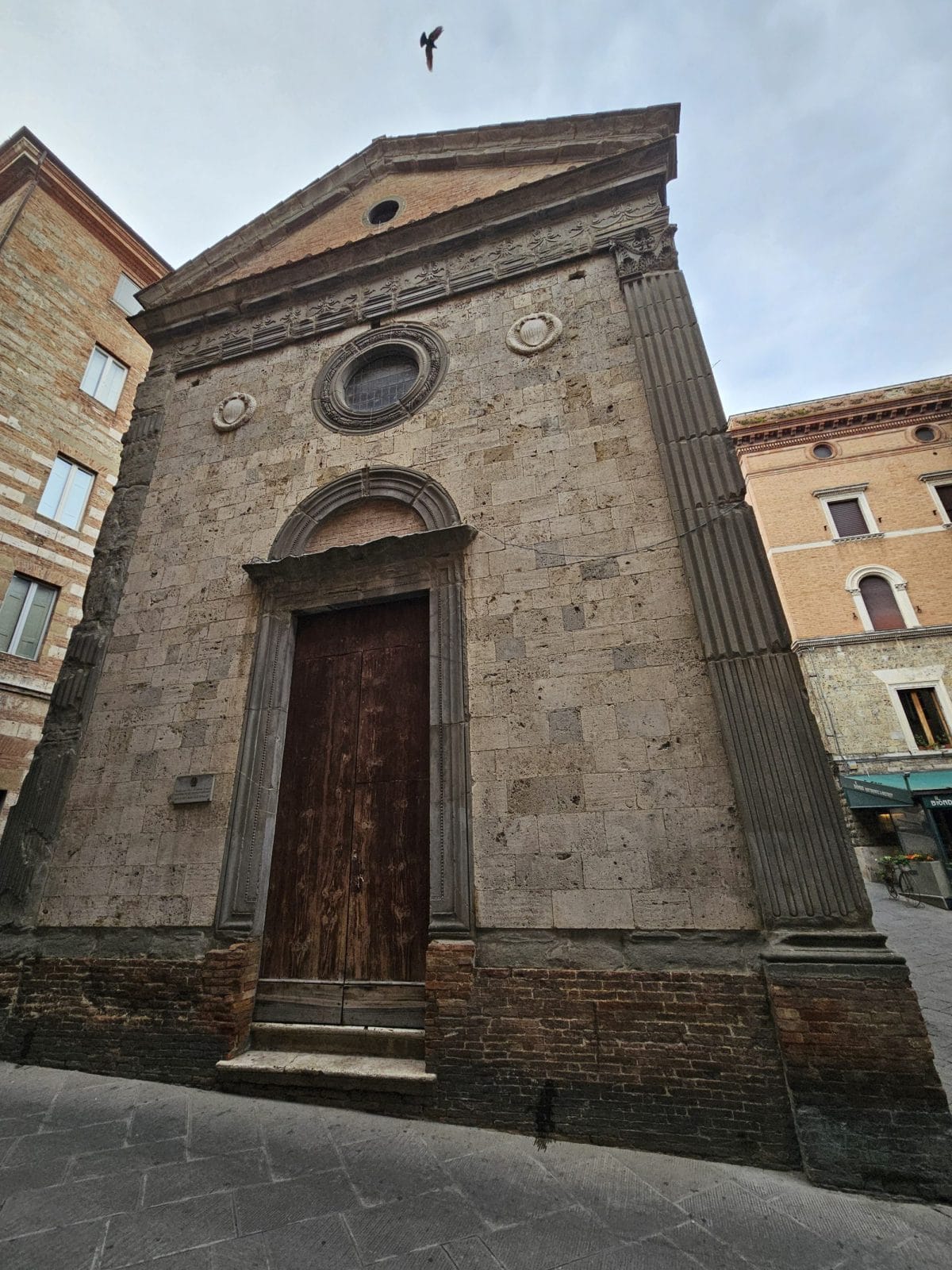
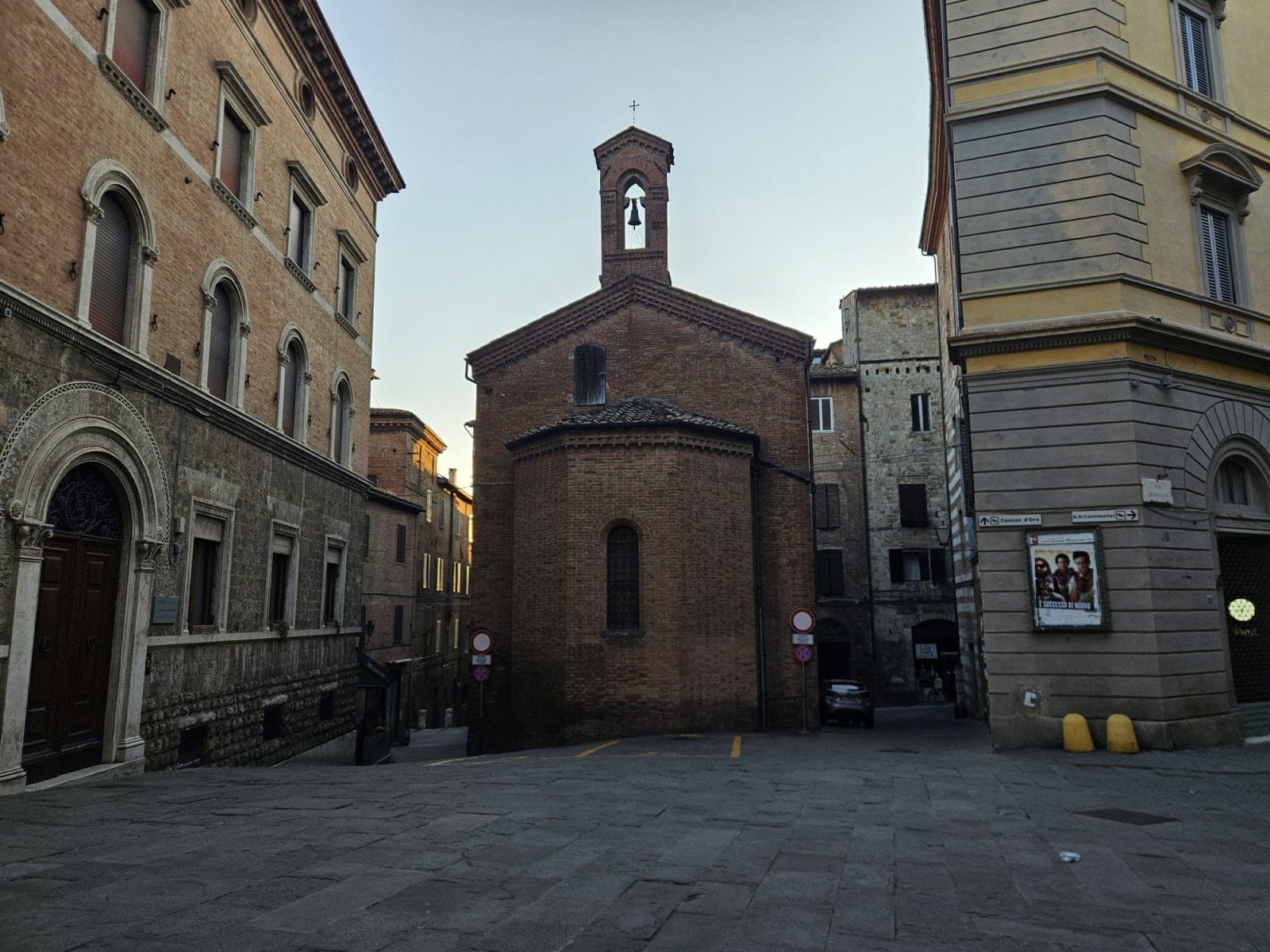
In the side streets of the old town is the Church of Santa Maria delle Nevi. Unfortunately, it is closed except for special occasions. The Church of Santa Maria delle Nevi is a Renaissance building dating to 1471, when the Bishop of Pienza commissioned it.
Church of San Cristoforo
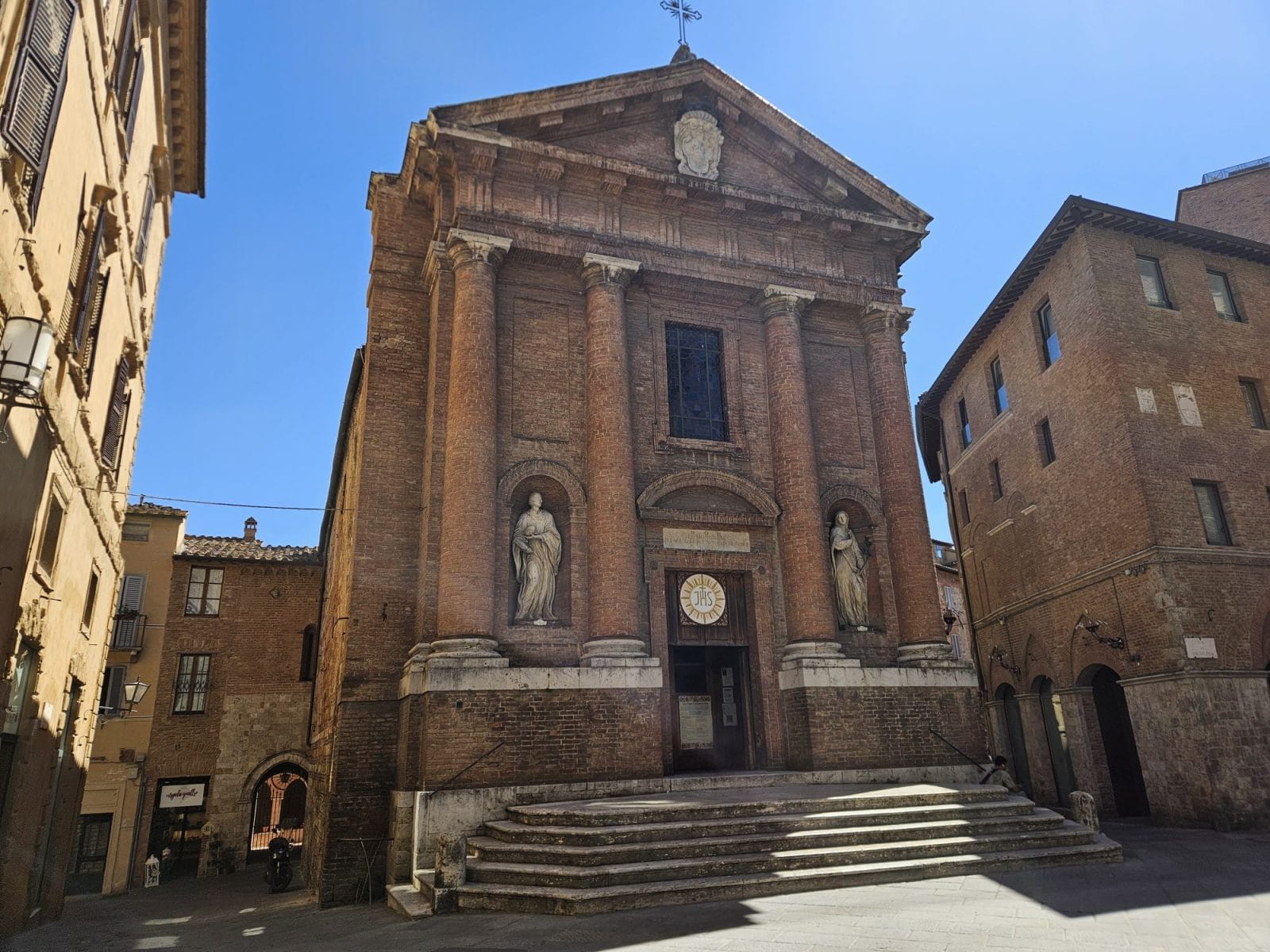
The Roman Catholic Church of San Cristoforo is in the old town area and a short walk through the narrow streets from Piazza del Campo. The Church of San Cristoforo dates back to the 11th and 12th centuries. It has been modified since then, notably after an earthquake in 1798, when they added neoclassical features and columns.
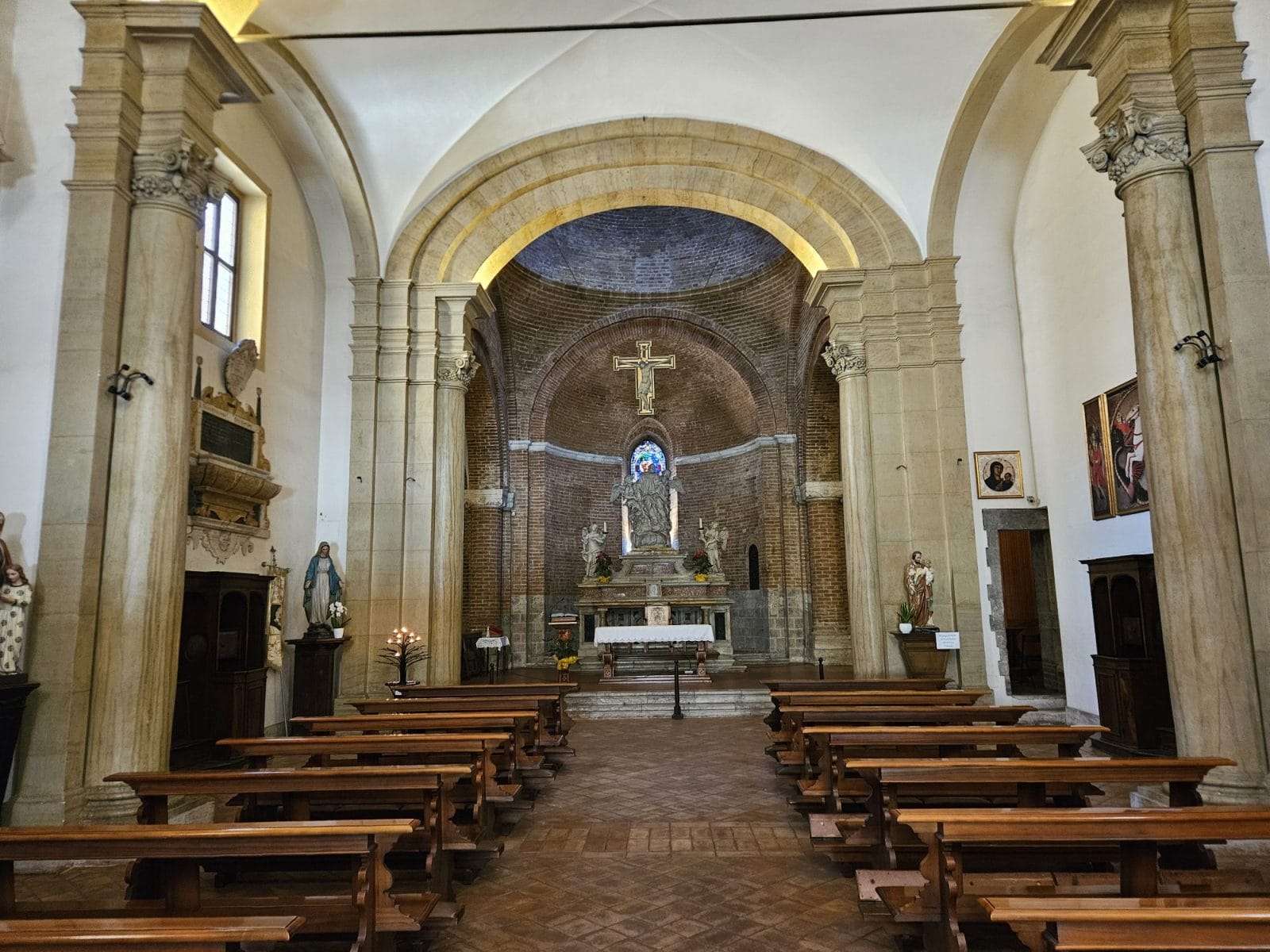
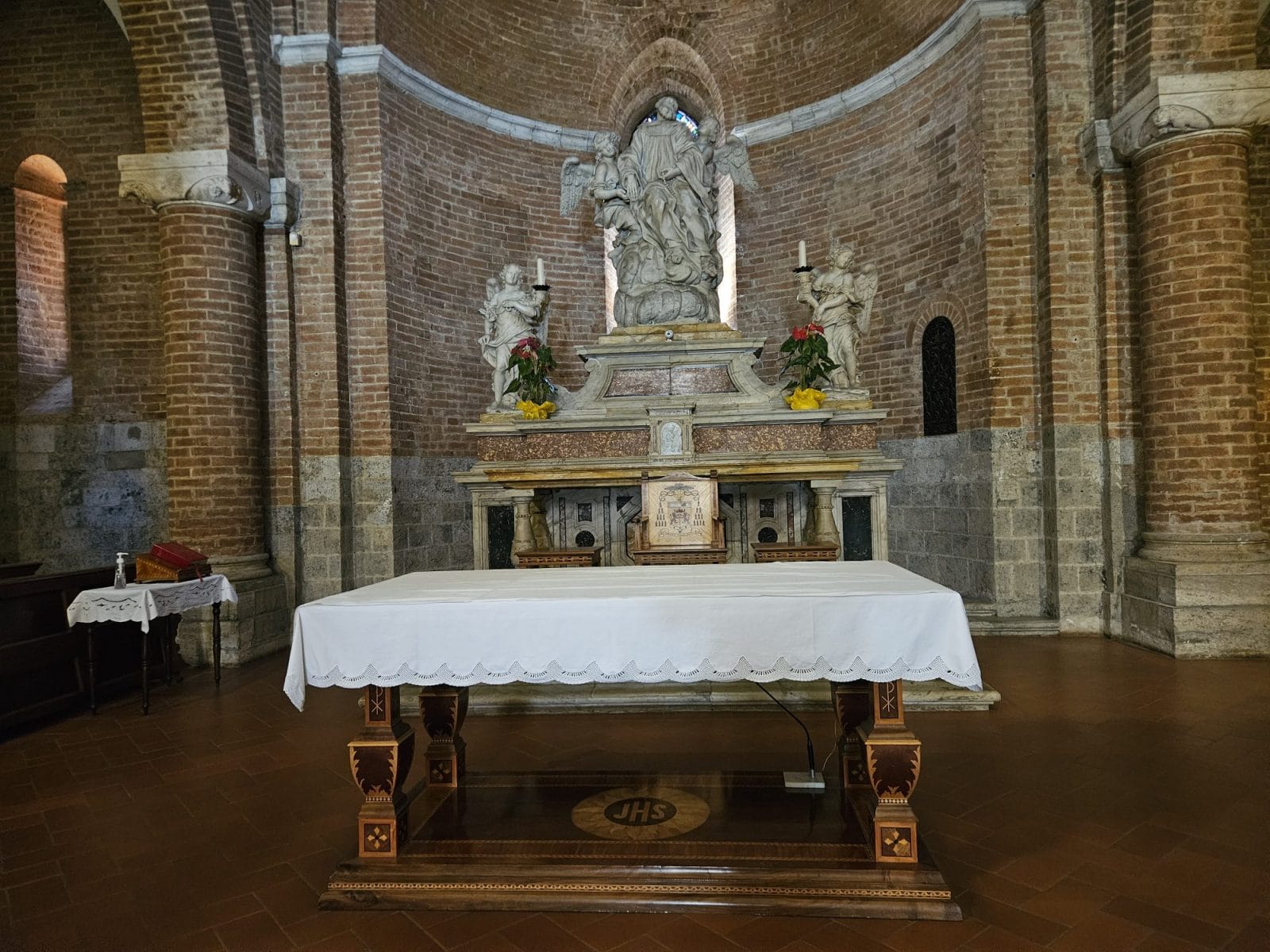
It’s home to some interesting artworks, including Madonna and Child by the 15th-century Della Robbia school. You can also see a St George and the Dragon and a St Christopher by the Master of the Osservanza Triptych.
San Pietro alla Magione
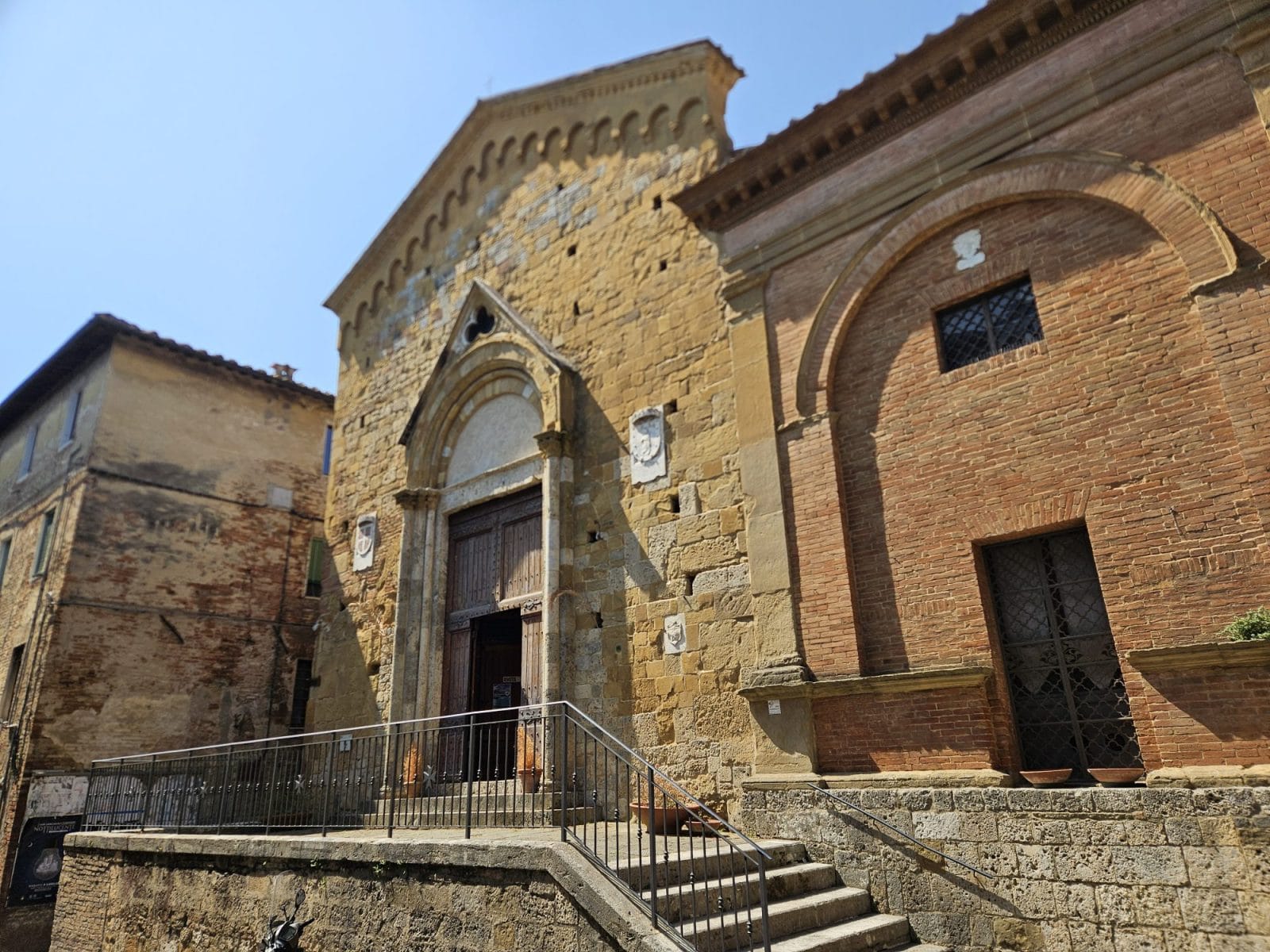
On the road down the hill from Porta Camollia towards the main central areas is San Pietro alla Magione. Historical records show that there has been a church here since 998.
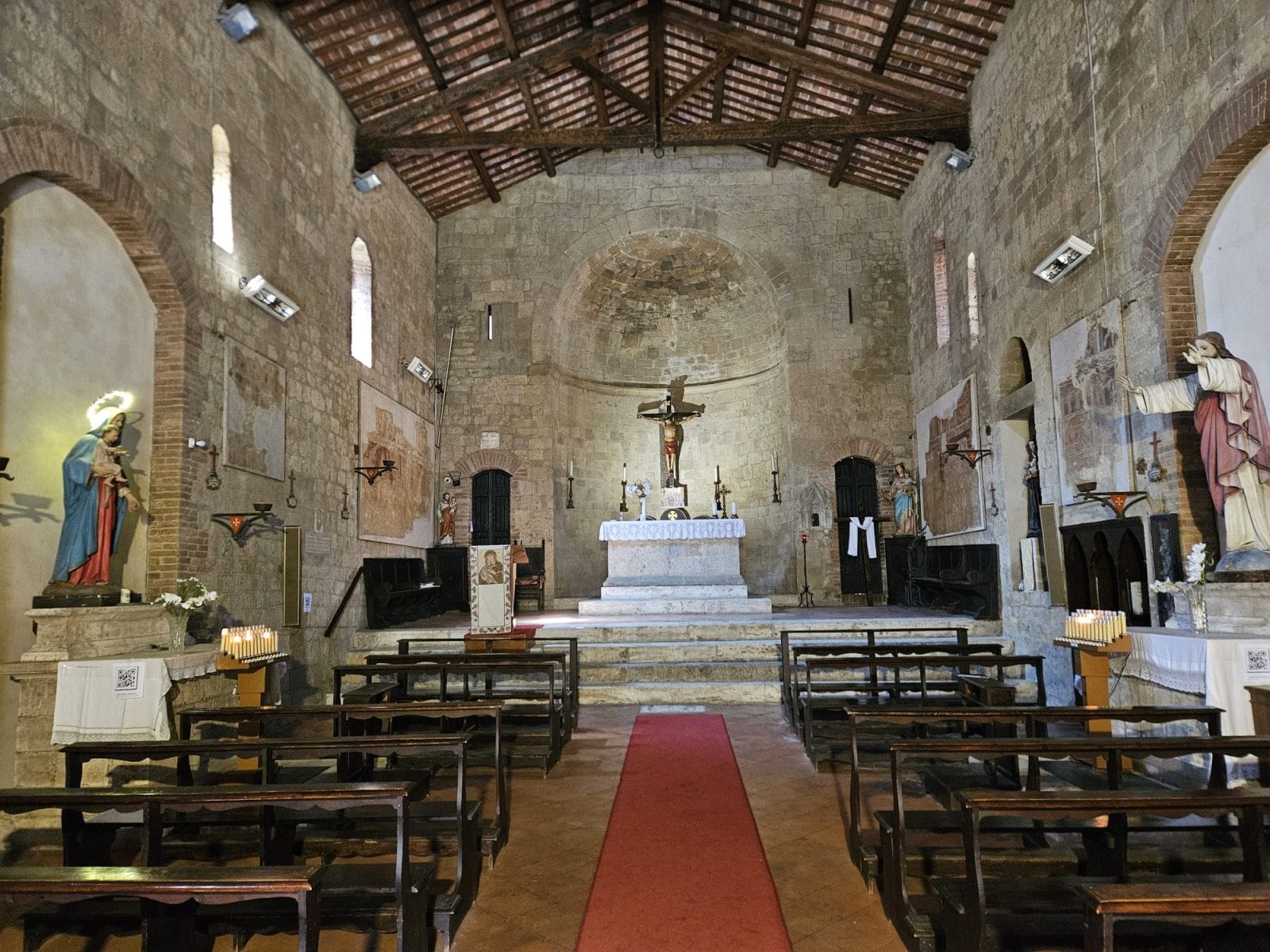
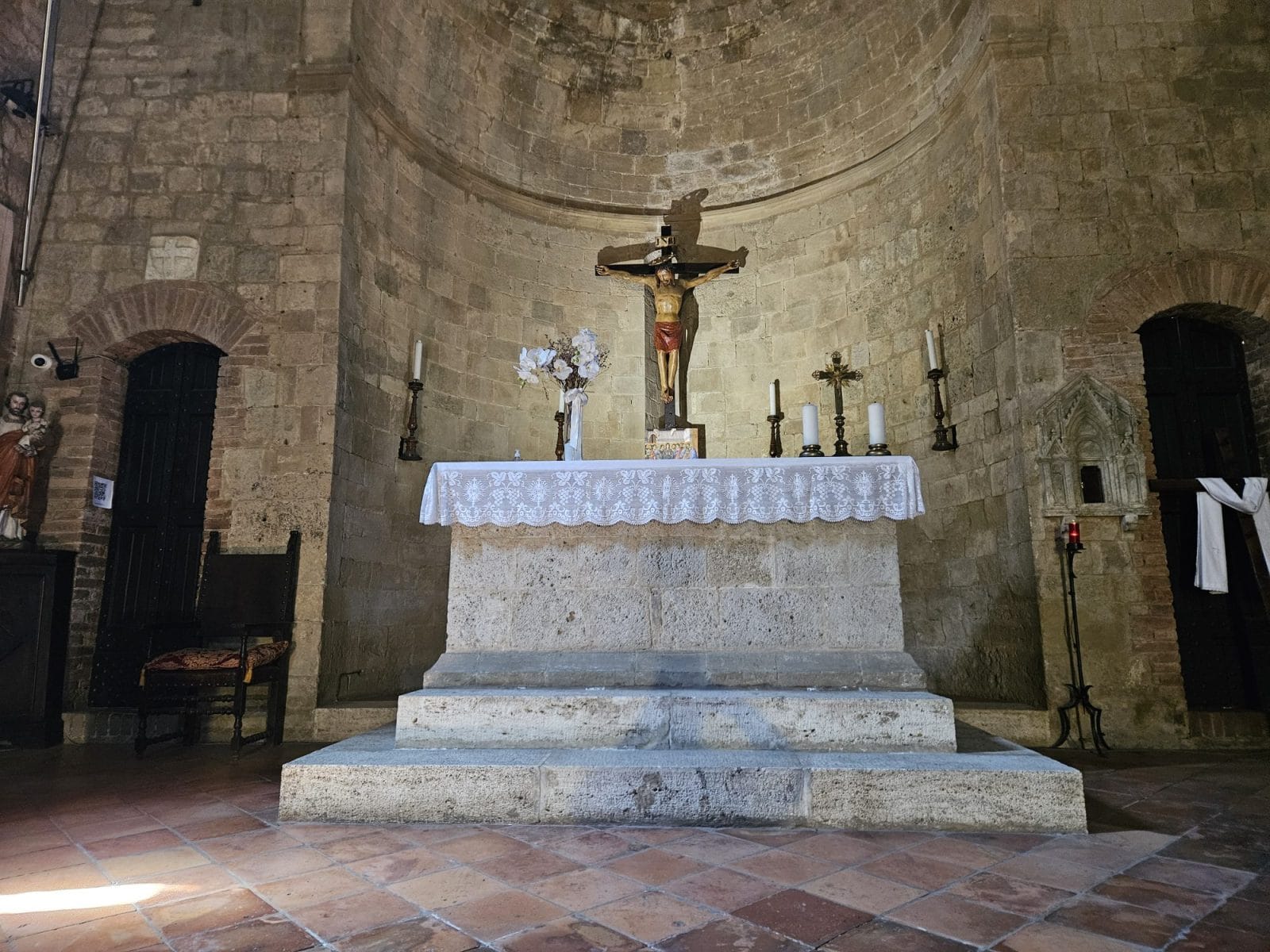
The stone church is in the Romanesque style and has a small bell tower and a 16th-century chapel joined to the right of the main room. Inside, there is a 14th-century tabernacle featuring a Madonna with St John the Baptist and St Peter. You can also see parts of the old frescoes, which feature the crucifixion and other religious stories.
Oratorio della Civetta
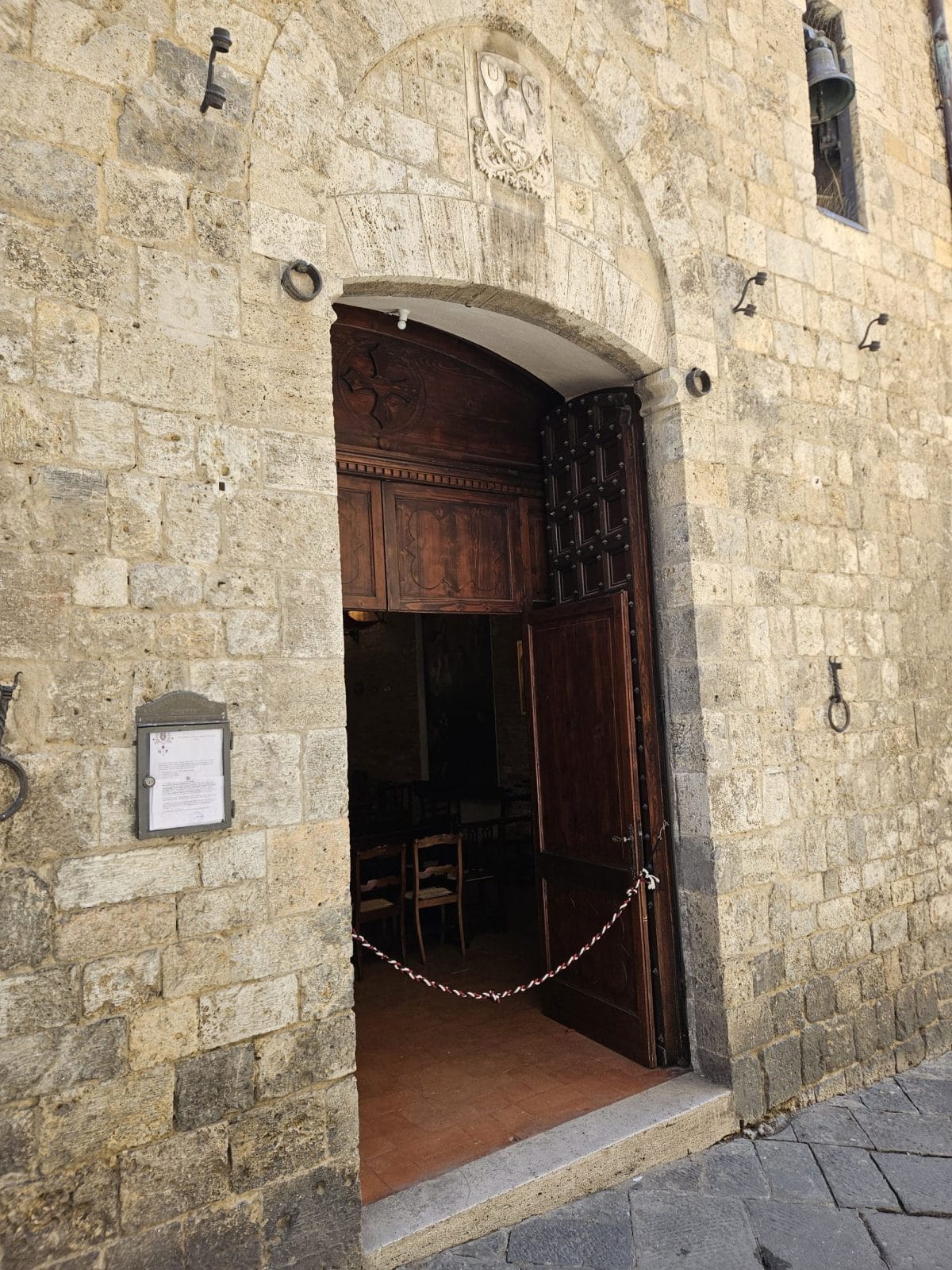
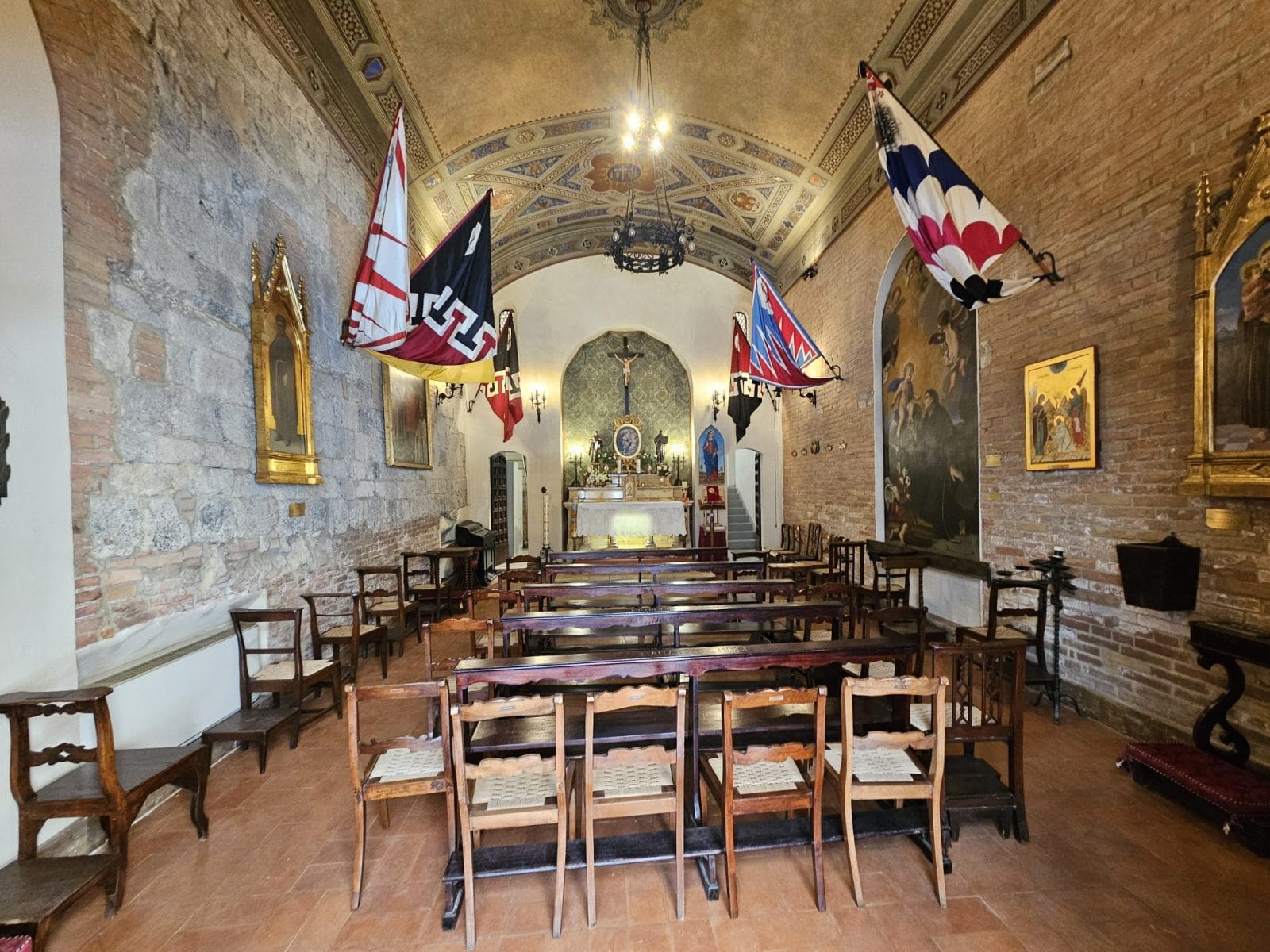
On Via Cecco Angiolieri is the Oratorio della Civetta, which is in the basement of a tower and part of a group of medieval buildings. These date from the 11th and 12th centuries. The church wasn’t established until 1922, when it became the oratory for the Civetta Contrada.
Porta Camollia
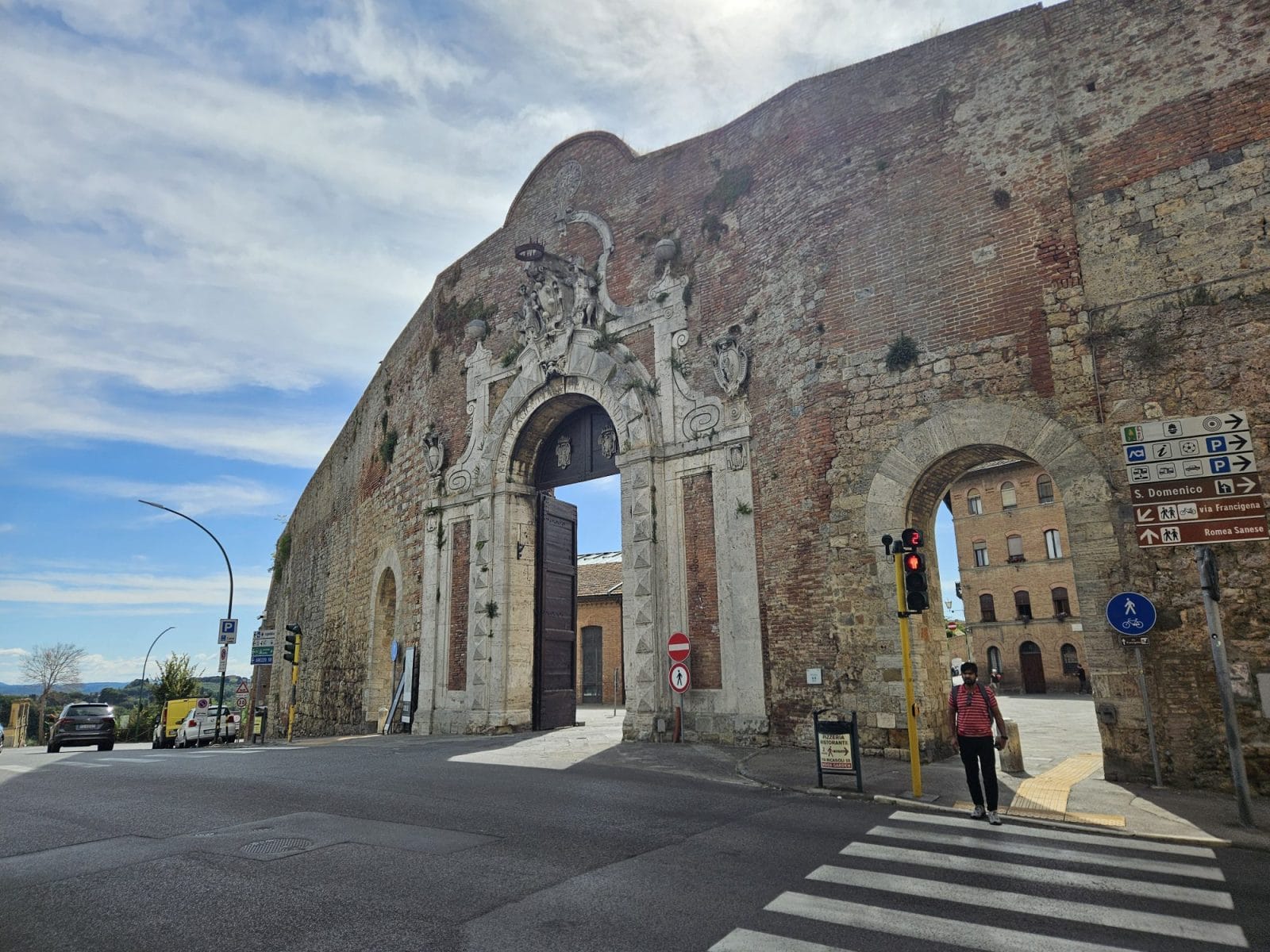
There are a few gates on the medieval walls of Siena, including Porta Camollia. Porta Camollia is the gate you pass through if you arrive by train and then walk into the city.
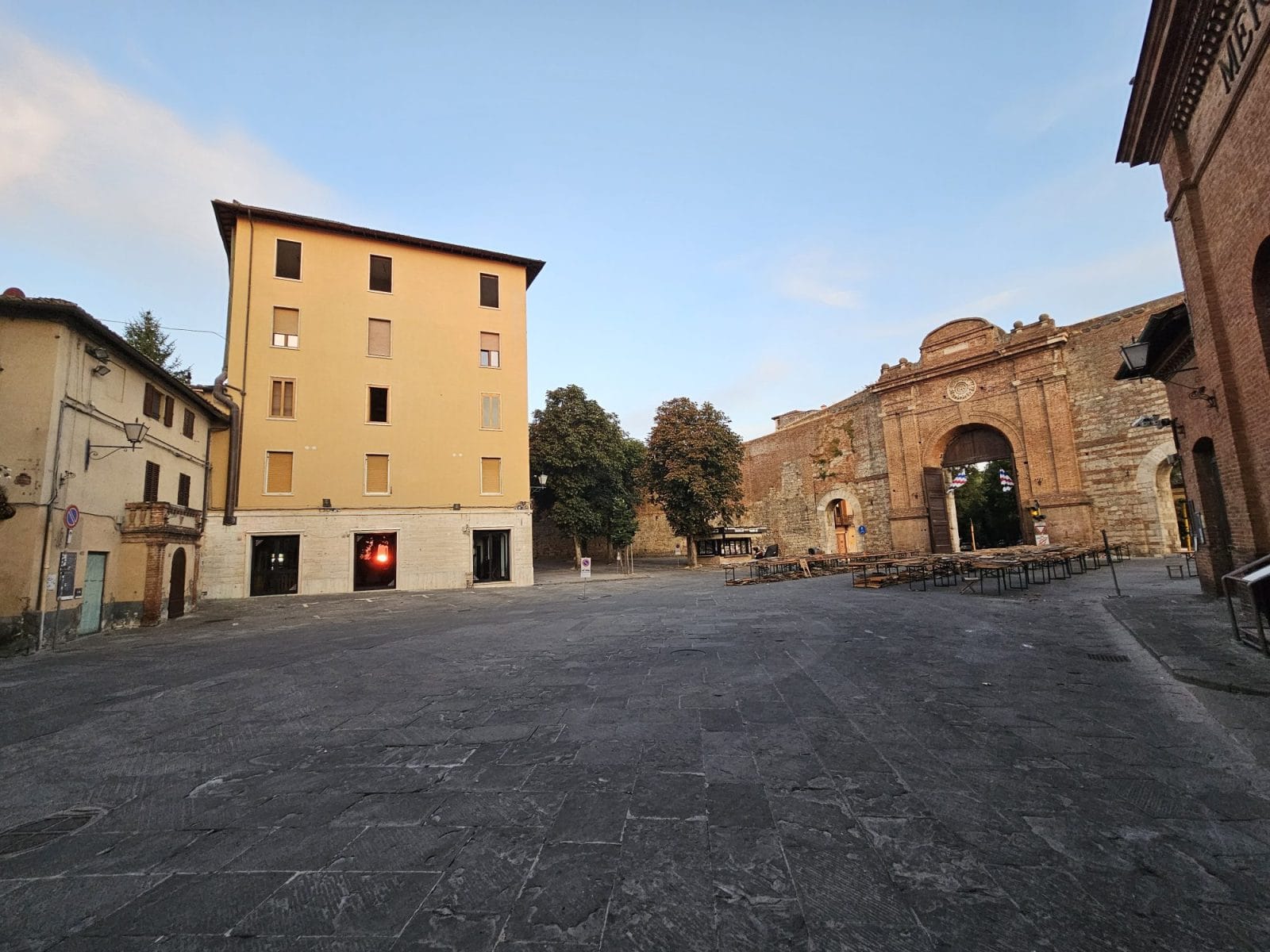
This gate has 3 arches and was originally built in the 13th century but was destroyed in 1555 during the siege of Siena, as it is the closest gate to Florence.
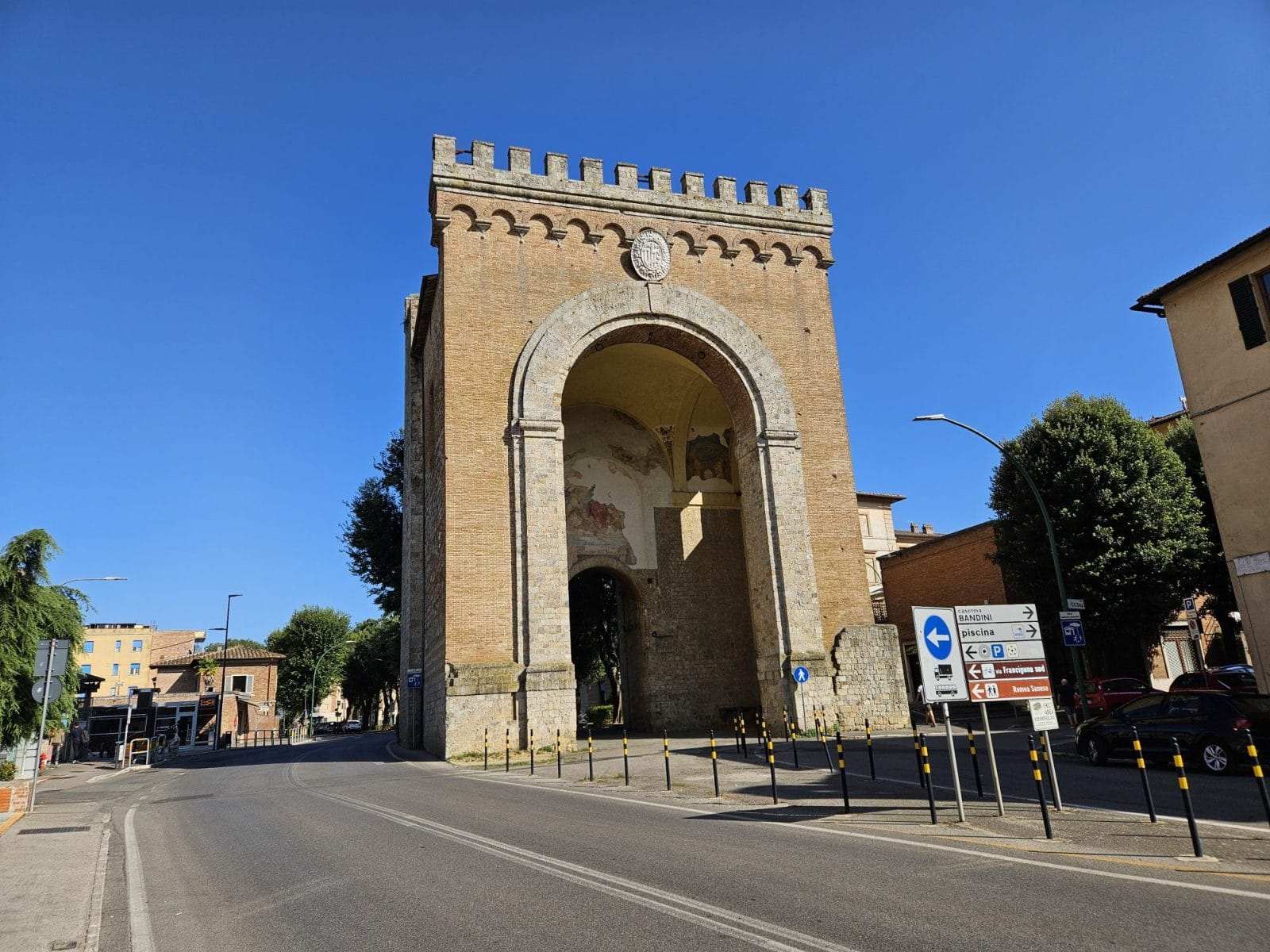
Just down the road is the Antiporto di Camollia, which was built to defend the gate. The Antiporto di Camollia features interior decoration.
I loved my time in Sienna. Stayed 3 nights. The Piazza del Campo was just fascinating…