
Things To Do in Osijek, Croatia: Fortresses, River & Art Nouveau
There are lots of options for things to do in Osijek in Croatia. This ranges from pretty architecture to a fortress and river activities. Be aware that the city is in transition, and some of the main sights are being renovated.
Things To Do in Osijek
Red Fico War Memorial
Red Fico is a unique monument and war memorial in Osijek. It is a tribute to a world-famous act of defiance in the early stages of the Croatian War of Independence. Basically, a resident was protesting the incoming forces by putting a red fico in the way of oncoming T55 tanks.
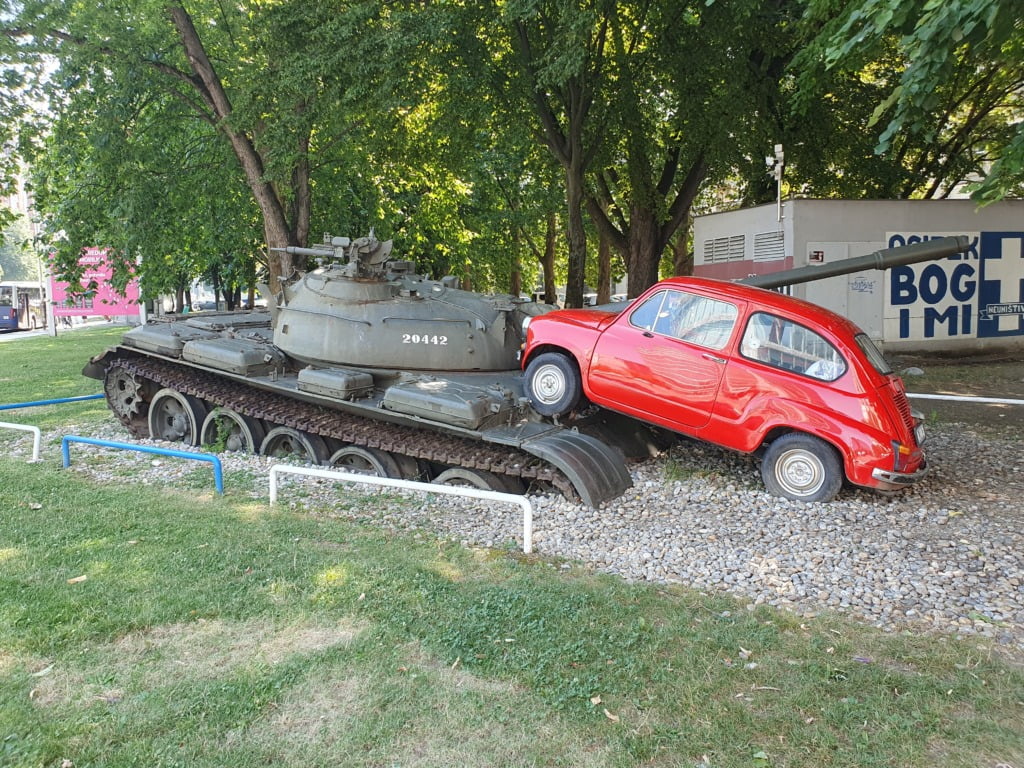
The Red Fico was destroyed by a tank, as captured on video. This moment became a symbol of the resilience of the Croatian people. 20 years later, they created the memorial. On the monument, the Fico is now running over the tank.
Art Nouveau Buildings In The City
A fun thing to do is rent a Bolt e-scooter and explore the city’s notable Art Nouveau architecture. I found a map highlighting 30 buildings in the city, and I tried to find them all.
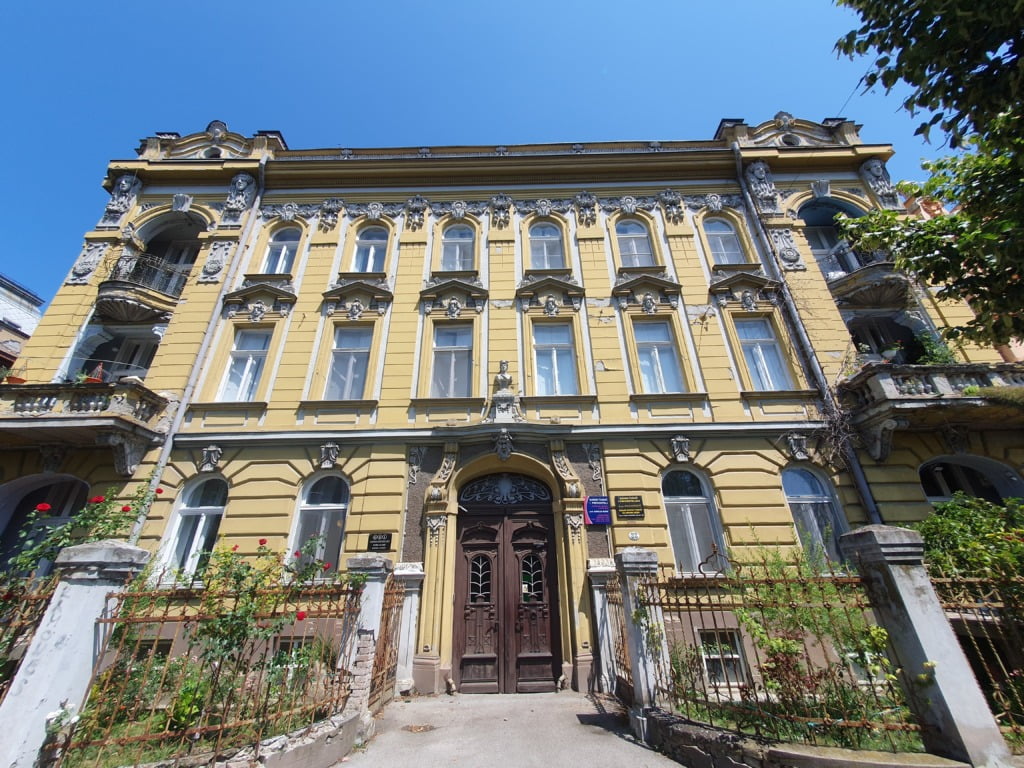
These buildings are stunning, with fantastic details and colours. Some have new uses, including shops, eateries and offices. However, some need love and renovation.
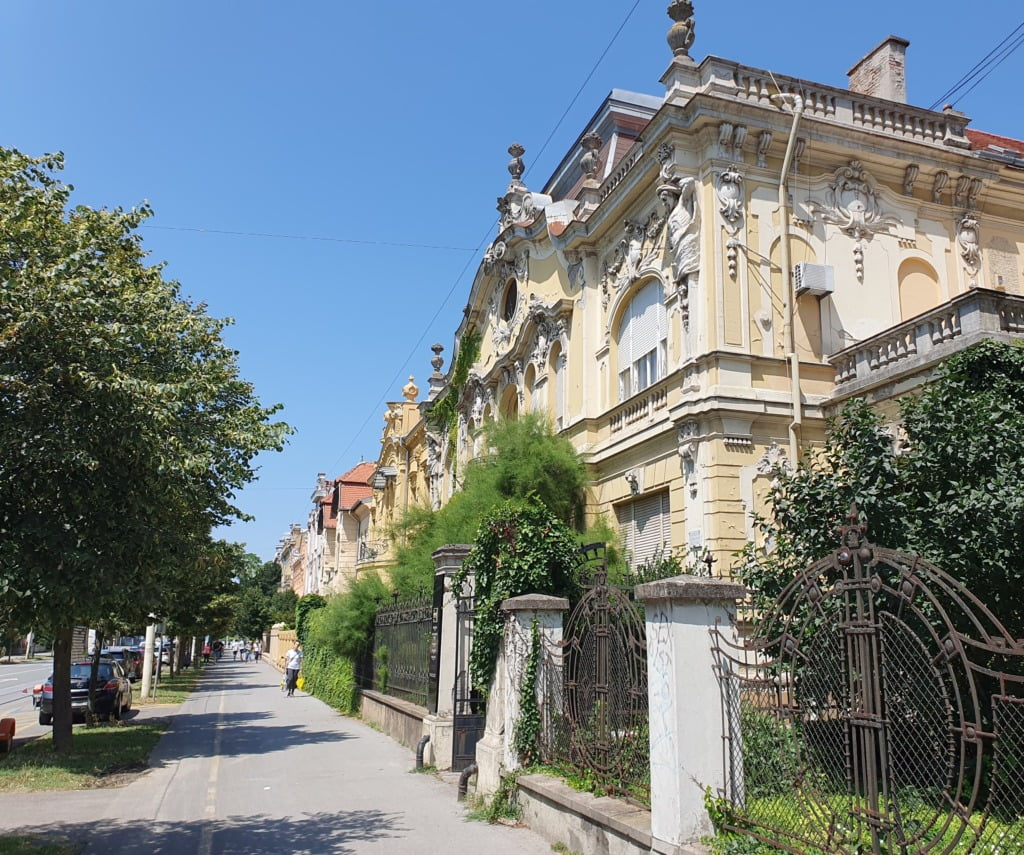
If you are short on time and want to see the best examples of these, head to Europska avenija, which has a row of stunning buildings.
Explore The Old Town Area Tvrđa
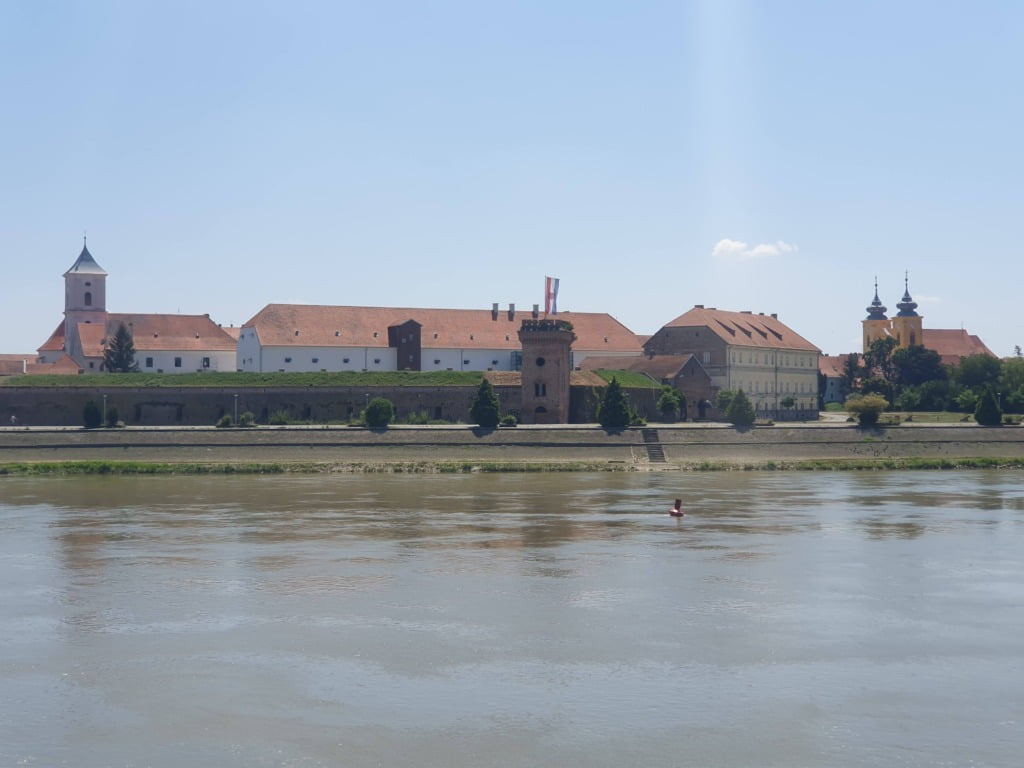
The old town of Osijek, Tvrđa, is a citadel with interesting features. It is currently being regenerated; therefore, some parts are closed. You can see some, though, including big town squares, the bastion and gates. On my visit, I saw the church and popped into both museums.
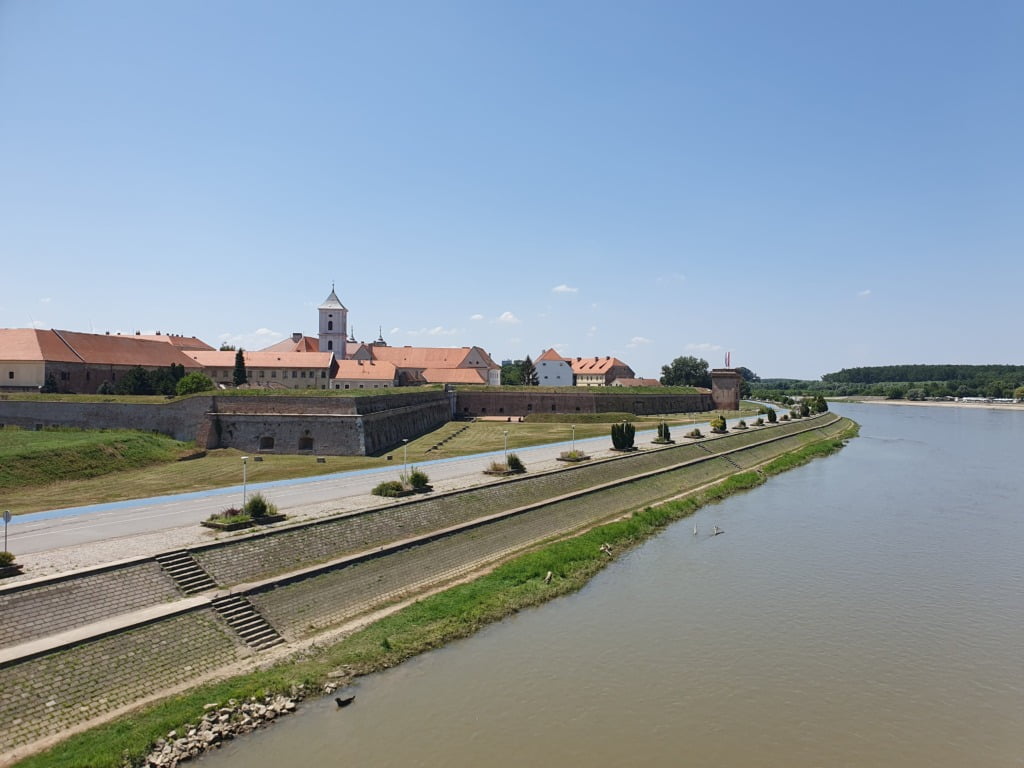
They started construction of the fortress in 1712 after defeating the Ottoman army in 1687. By 1715, they had completed the bastions and gates. They further added more bastions and completed the inner town. Once complete, it became the most advanced Habsburg fortress on the Ottoman Empire’s border. Sadly, all that remains are two bastions with towers and a gate.
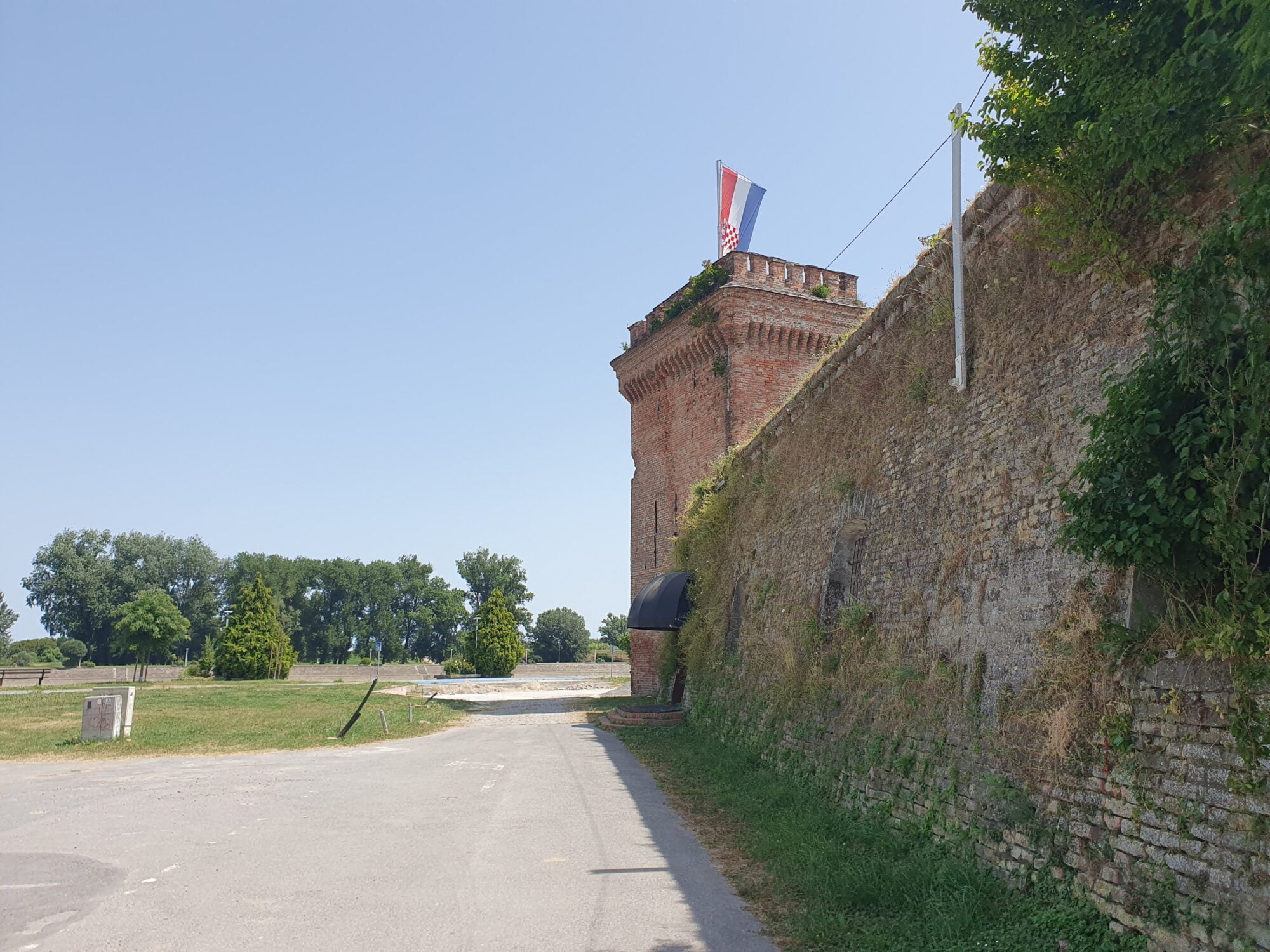
Apparently, Tvrda is the best-preserved and largest collection of Baroque buildings in Croatia. It is all within a Habsburg star fortress, which reminded me somewhat of the Alba Carolina citadel. The World Monuments Fund describes Tvrda as a unique example of an eighteenth-century Baroque military, administrative, and commercial urban centre. It’s also on the tentative list for Croatia to become a world heritage site.
Trg Svetog Trojstva
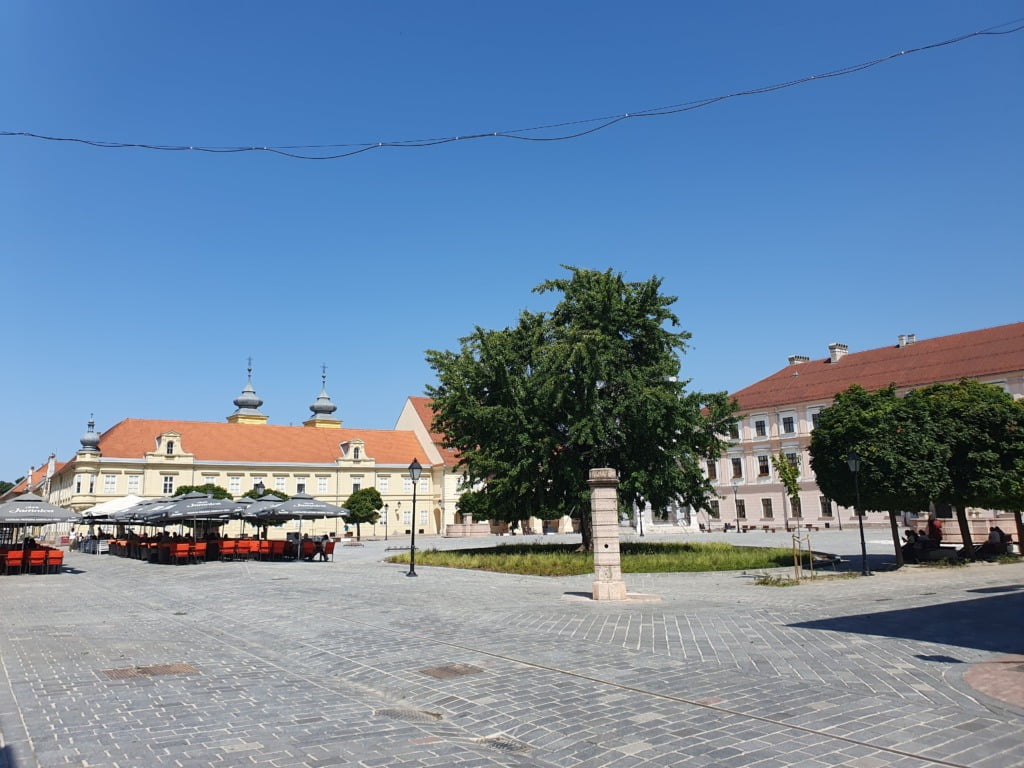
Trg Svetog Trojstva is a square inside the Tvrda fortress and is a great place for sightseeing. Pleasant buildings surround the square, and it also has some statues. It’s a popular place to enjoy a coffee or beer.
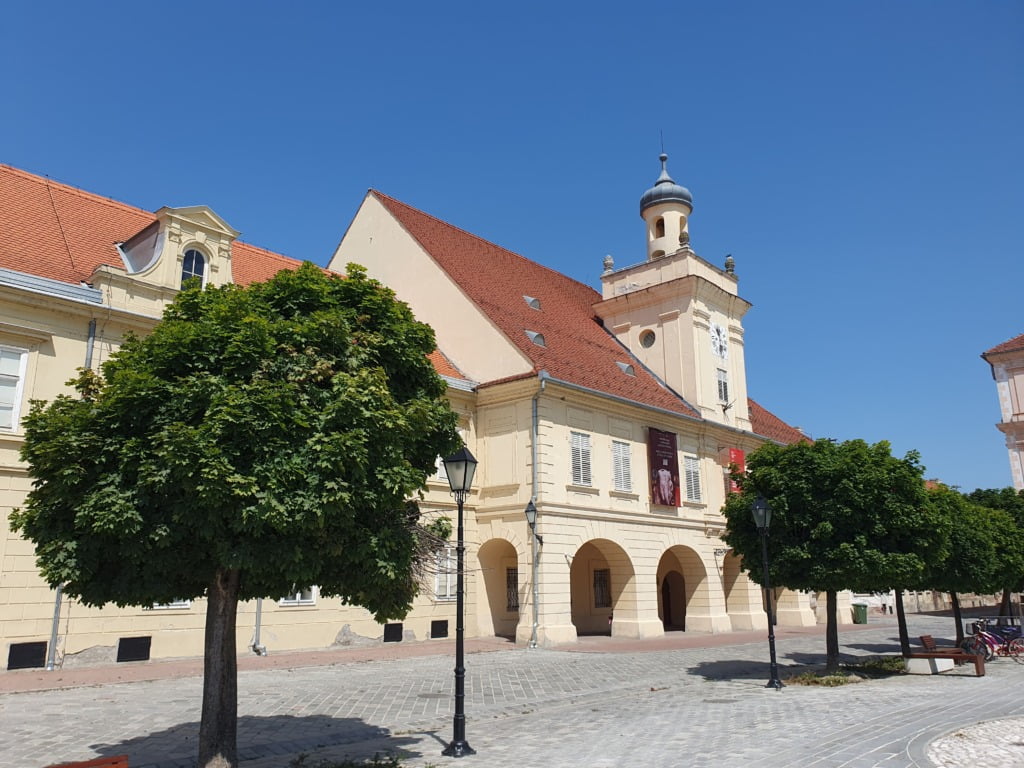
The square’s original name was Vinski Trg, or Wine Square. This is because wine was delivered twice weekly for soldiers and innkeepers. The dominant feature of the square is a baroque statue of the Holy Trinity. One of the prettiest buildings in the square is the main city guard watchtower. This now houses the archaeology museum.
Cathedral of St Peter and St Paul
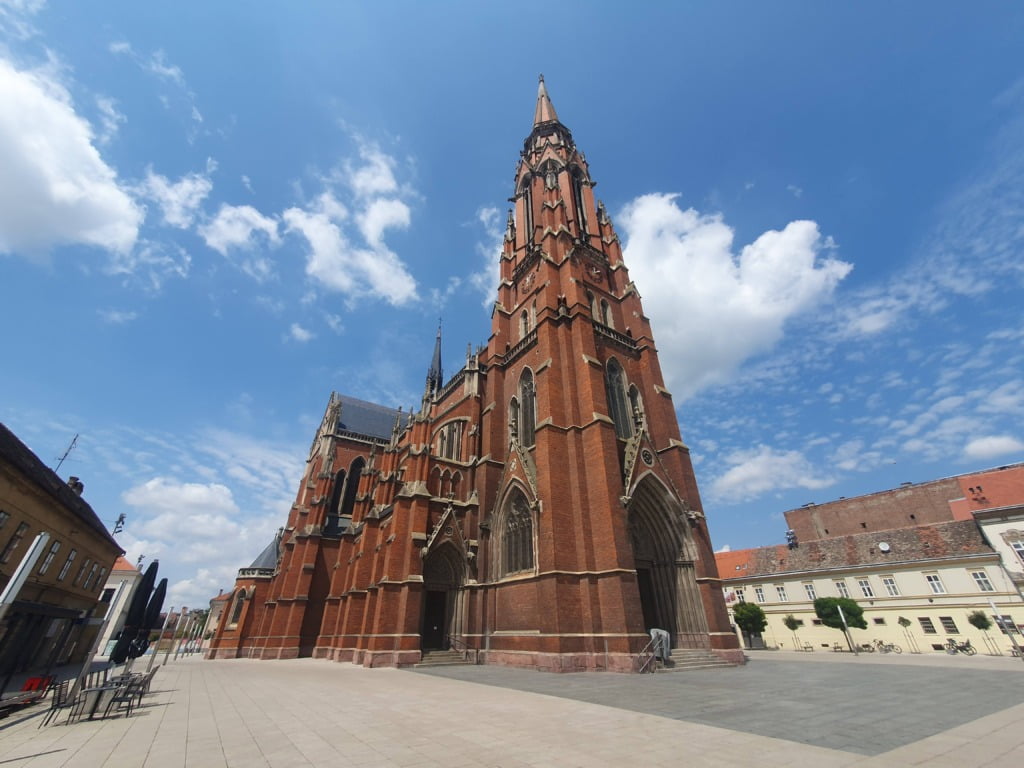
Dominating the new part of the city’s skyline is the Cathedral of St Peter and St Paul. This is a neo-Gothic church which was built in 1898 and is rather striking from the outside.
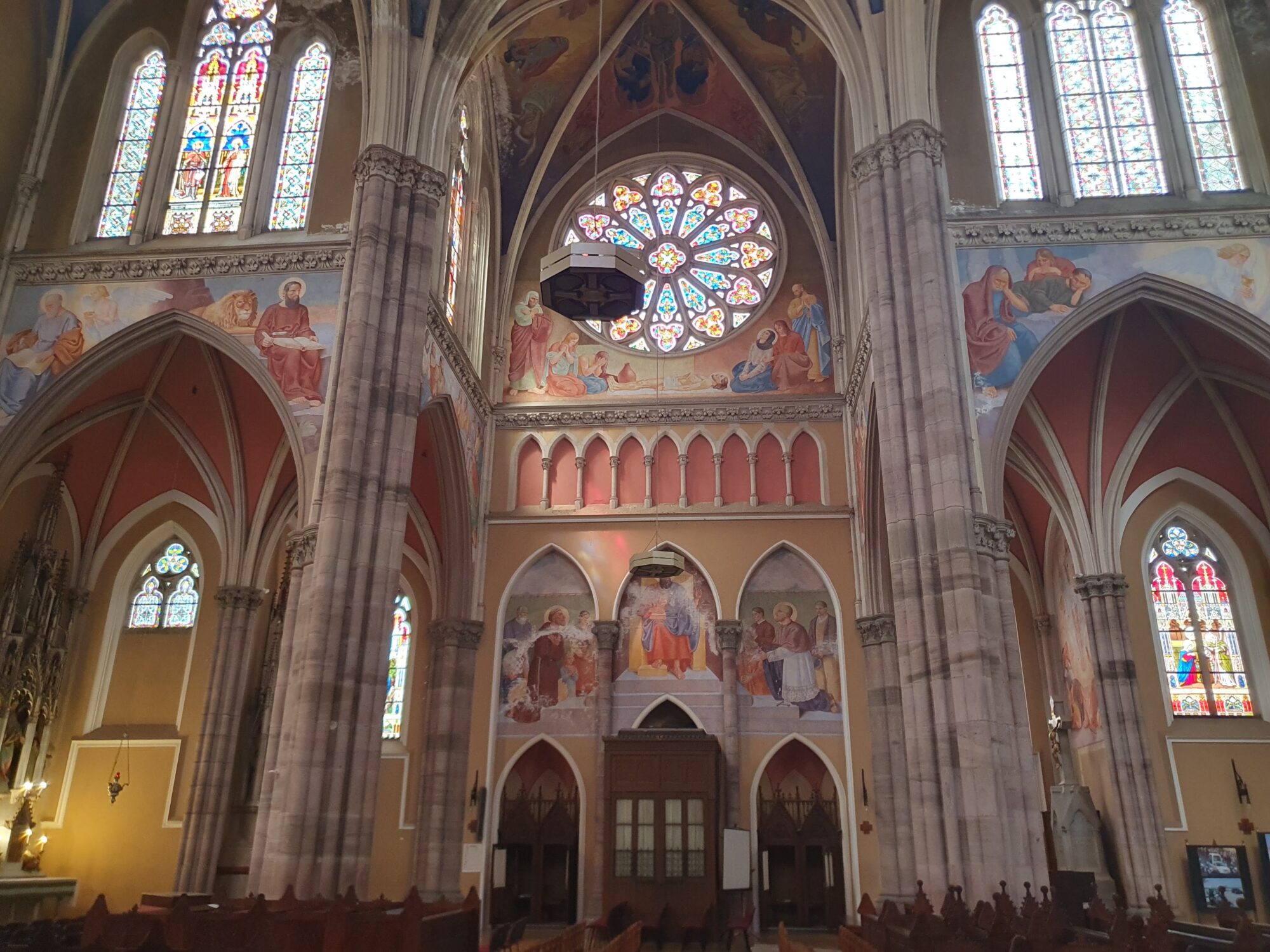
They built it mostly with brick, with over 3.5 million bricks used in its construction. This is the tallest building in the country outside of Zagreb, the capital. It’s rather big inside too and can accommodate 3000 people for mass.
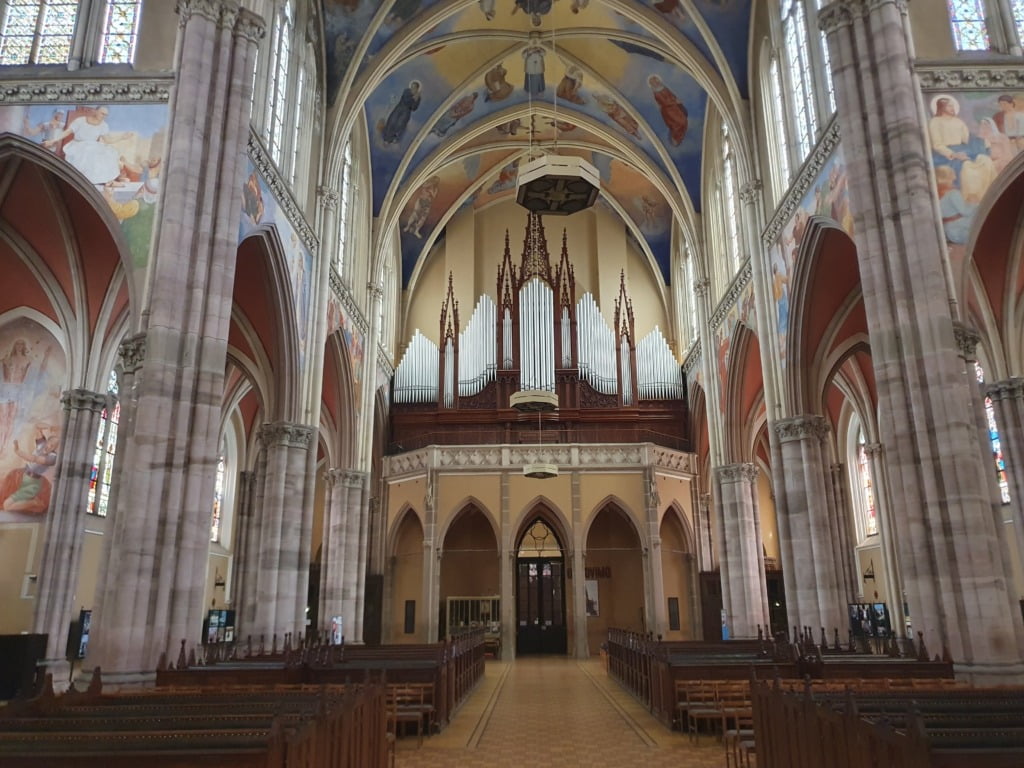
You can enter the church via a side door which is overlooked by three gargoyles. Inside is equally pleasant and has neo-Gothic features. The walls also feature bright frescoes depicting both Old and New Testament stories.
Ante Starčevića Square
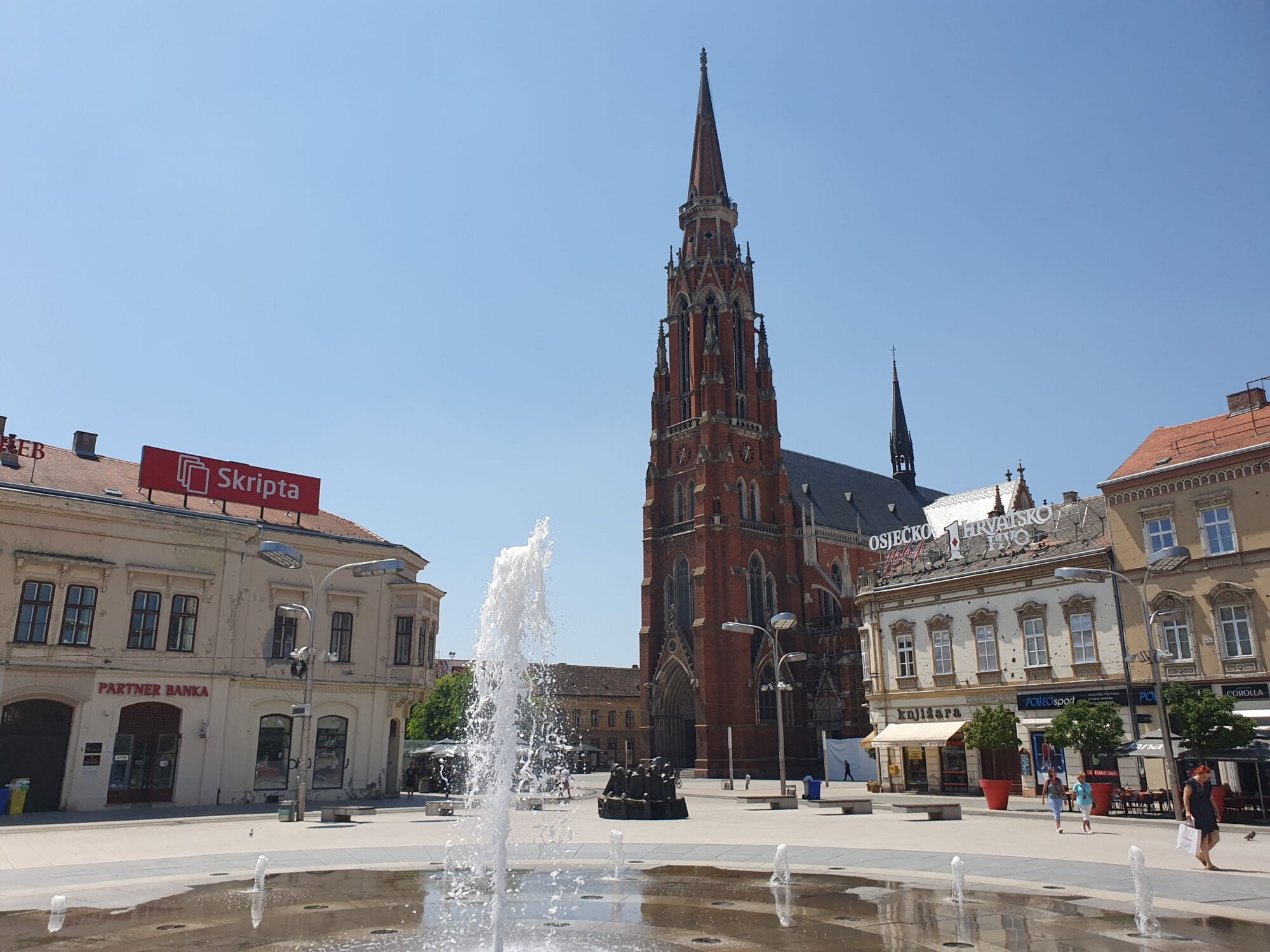
In the centre of the city, near the cathedral, is Ante Starčevića Square. The square has a central fountain and is a bit of a heat trap on warm days.
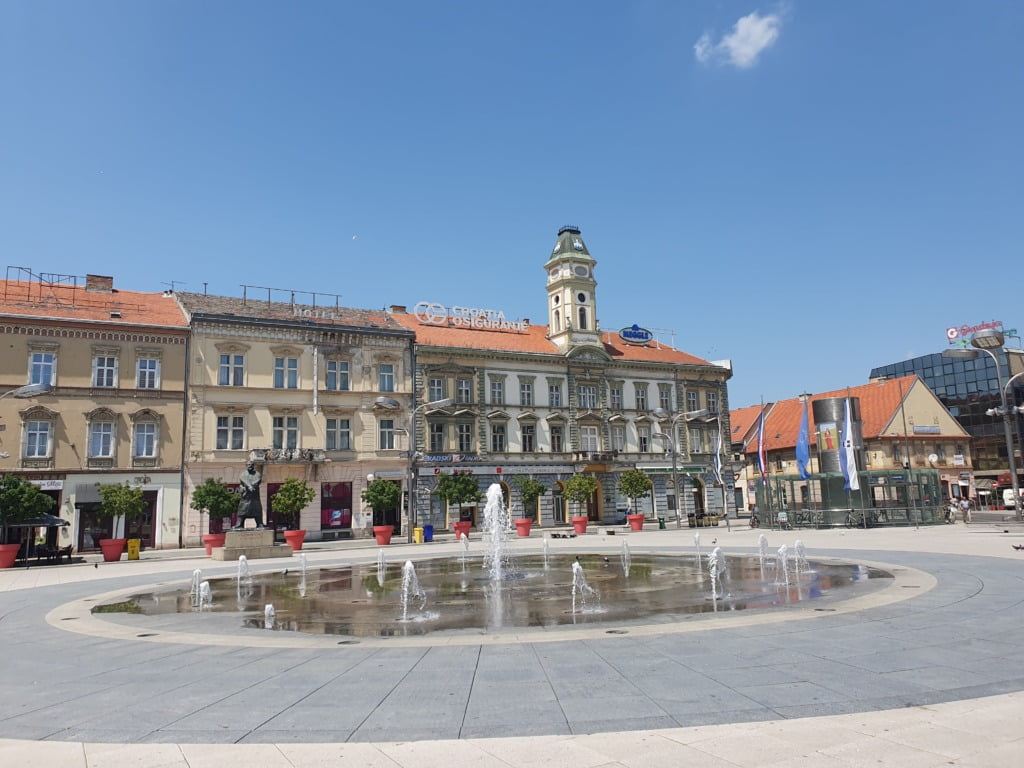
Pleasant buildings surround the square; most are retail outlets, including a large Konzum supermarket and a Mlinar bakery. My favourite building at the edge is Art Nouveau in style and is currently a pharmacy. There is a bus/tram stop at the square, so it’s easy to get to other parts of the city from here.
The Museum of Slavonia
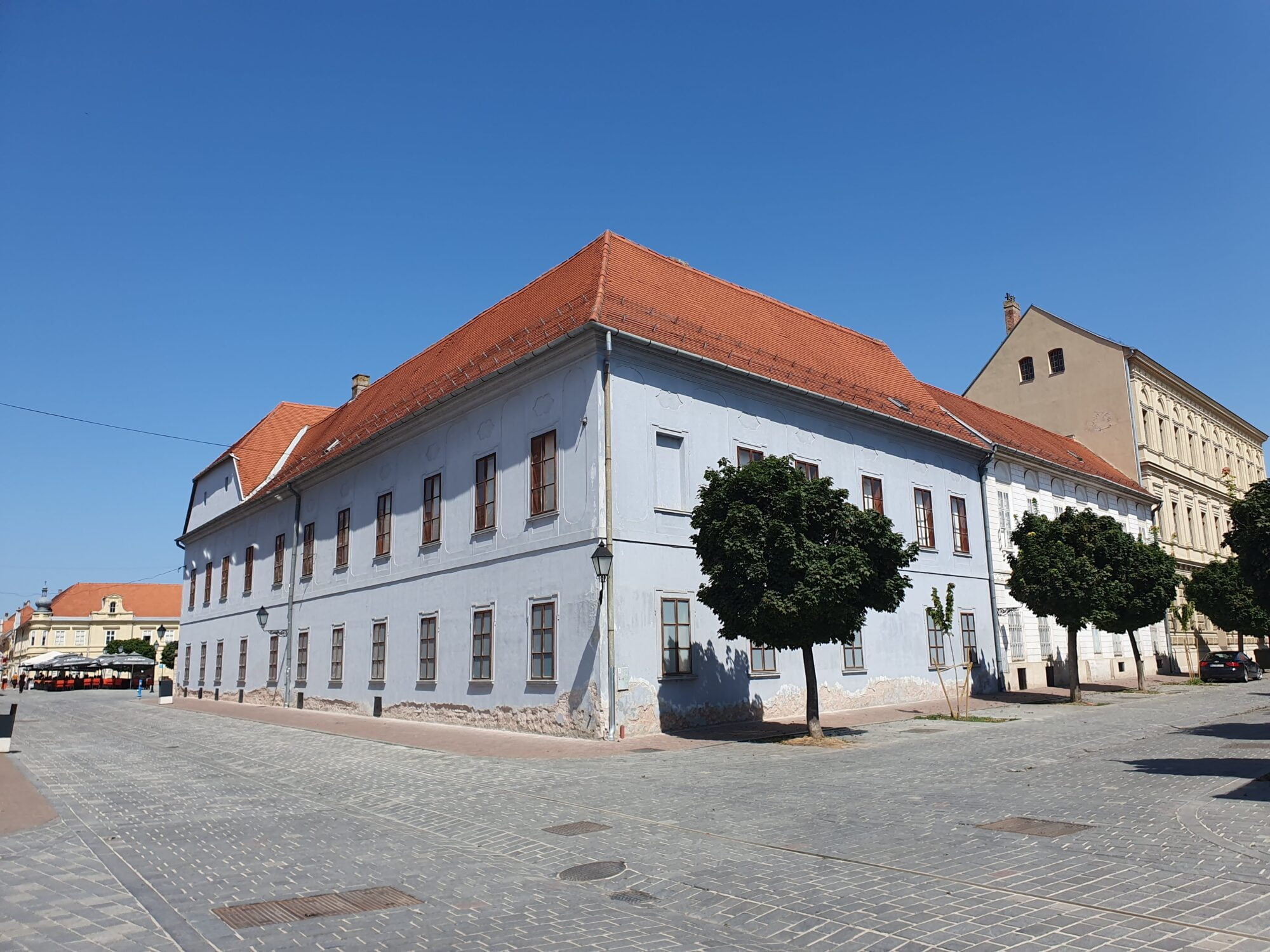
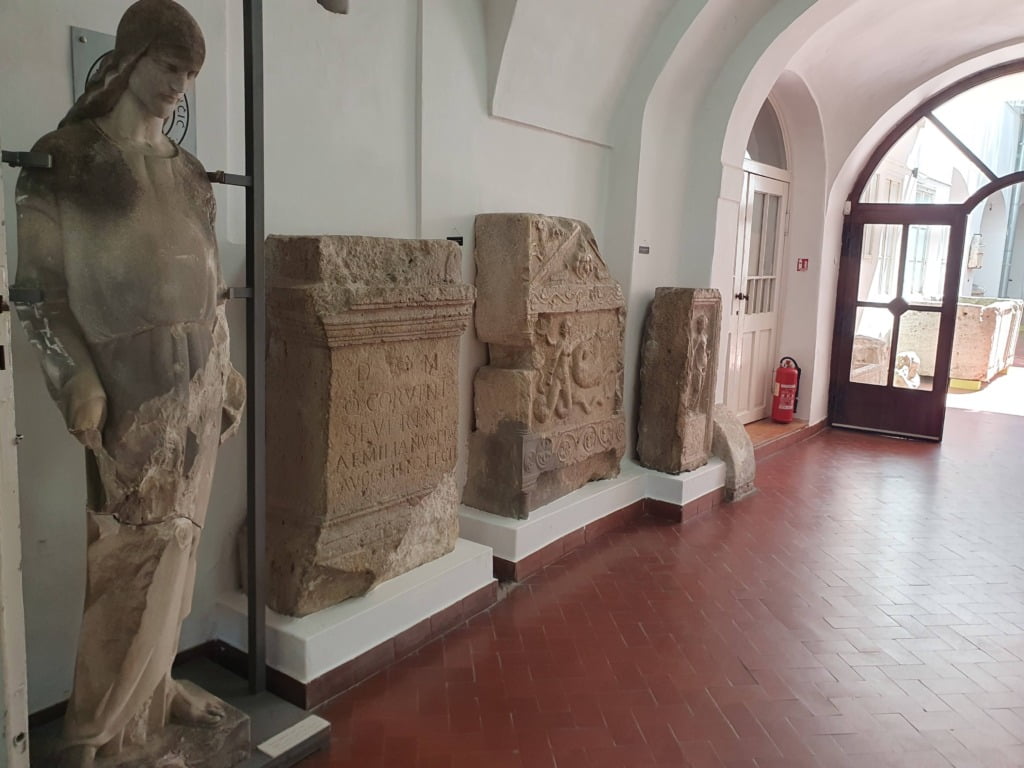
The Museum of Slavonia is in the main square of Tvrđa, the former Habsburg citadel. It’s rather interesting inside, with artefacts from the Roman era onwards. They have an eclectic set of exhibits in the museum, including one about local radio.
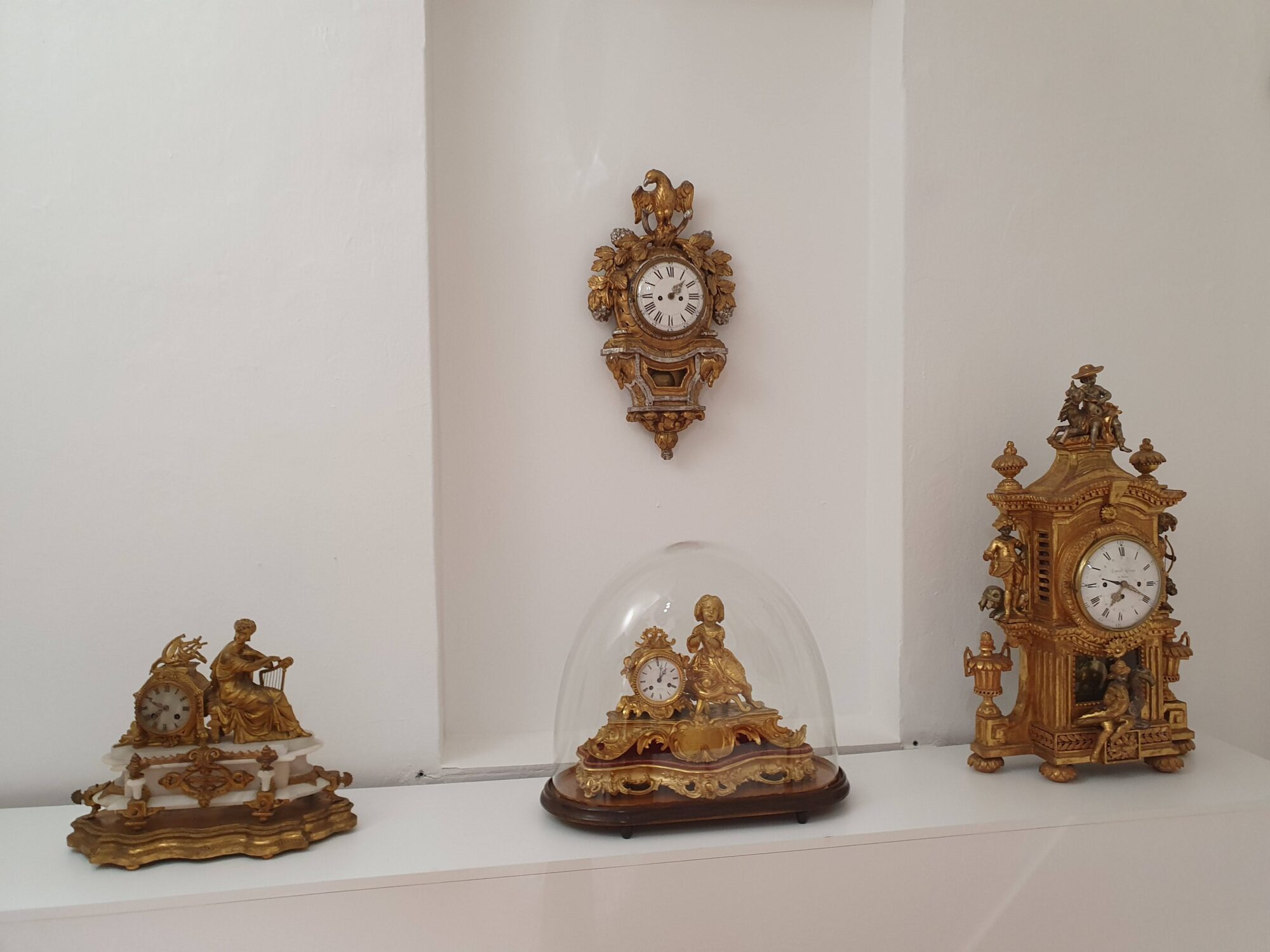
The museum also covers furniture of the region, including an impressive selection of dining chairs. Other sections that piqued my interest were some fantastic ornamental clocks and clothing. They clearly marked the exhibits in Croatian and English, so it was easy to follow, with a few exceptions.
Wild Swimming in The River Drava at Cocacobana Beach
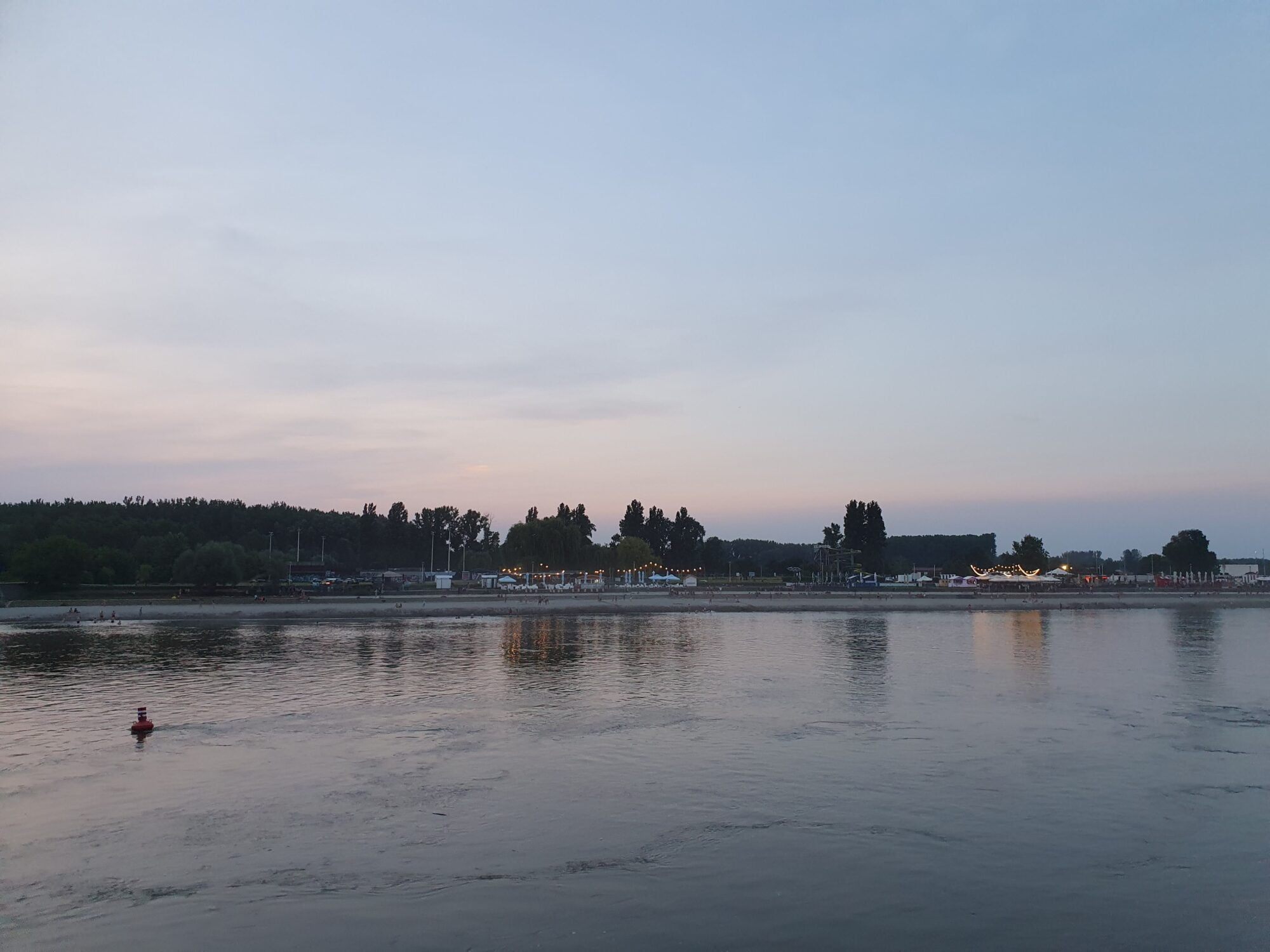
On the far bank of the river Drava is Cocacobana beach. This is a sandy beach with volleyball courts, beach bars and a swimming area.
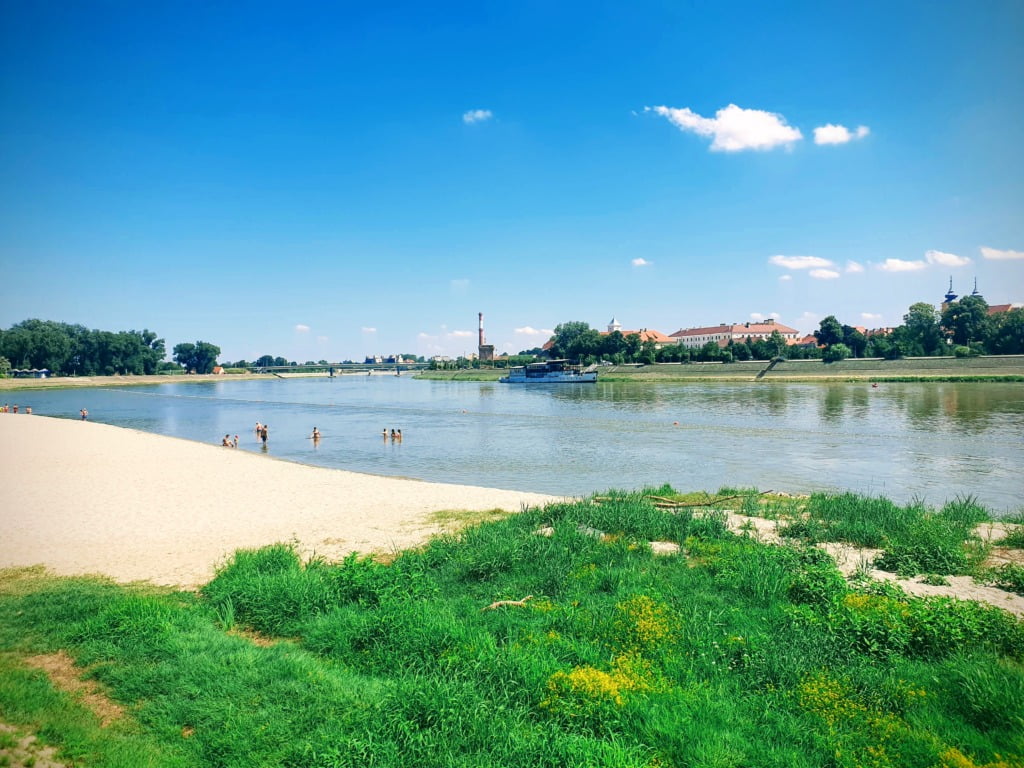
You can wild swim in the river; however, the river’s speed and current can be a bit intimidating. Expect to be carried downstream quickly by the current.
Osijek Catacombs & Crown Fortress
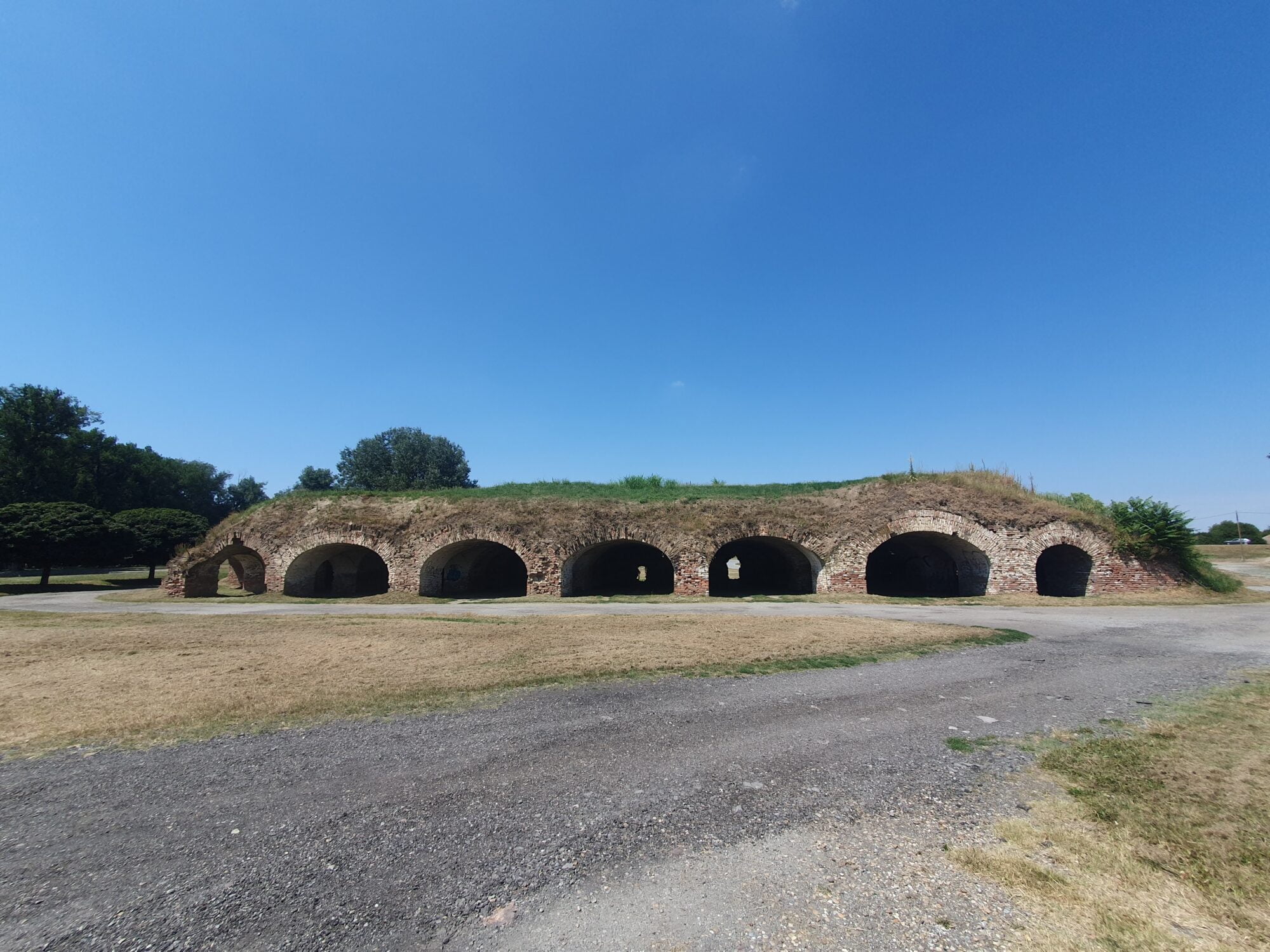
A fun thing to do is to walk along the River Drava to find the Osijek Catacombs, aka the Crown Fortress. You can walk through the Catacombs to see them up close for free. This is from the 18th century, and it served as a quarantine. Soldiers stayed there after returning from the European battlefields before they were allowed to go to the main fortress across the river.
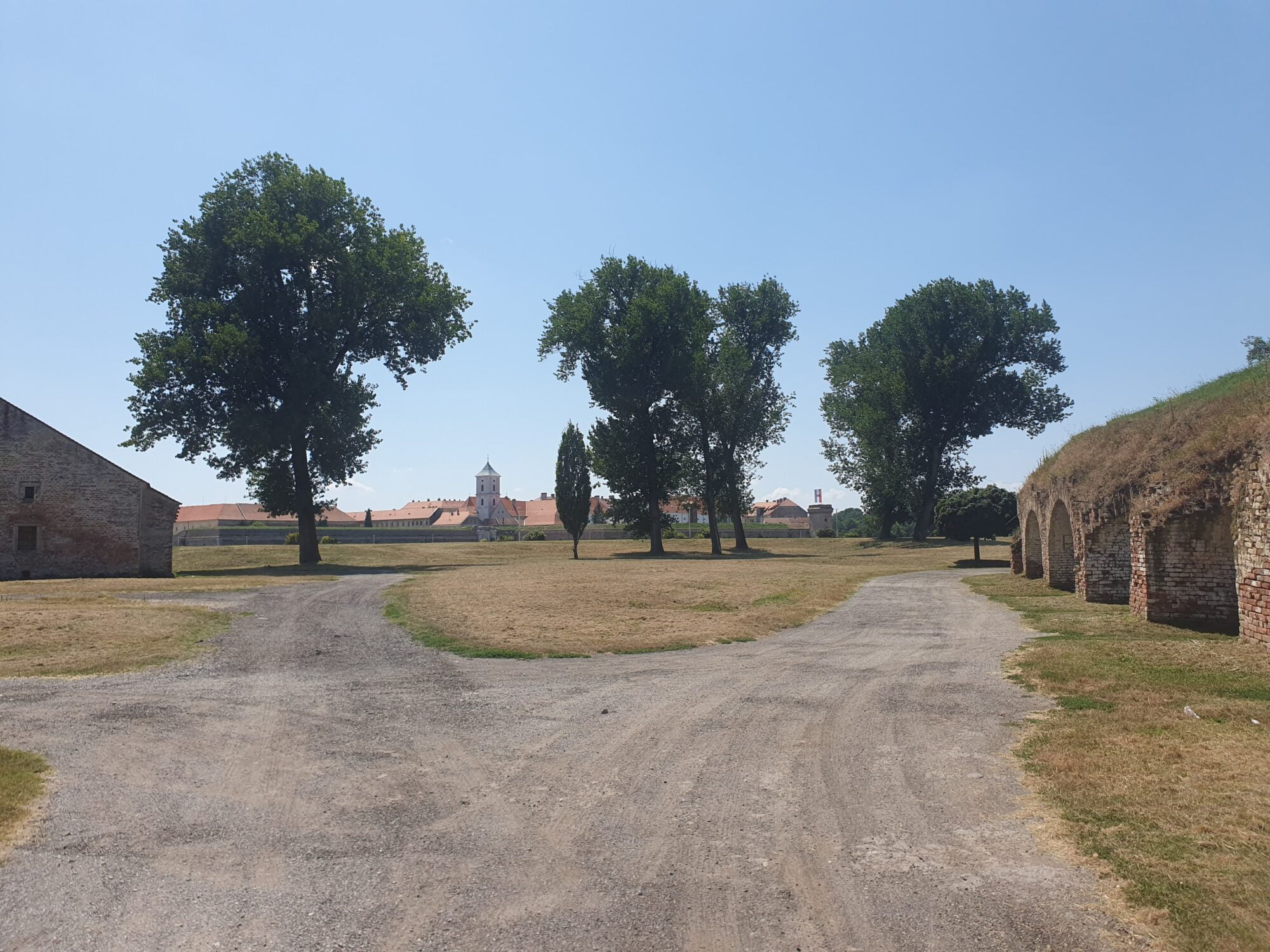
Most of the site is in ruins; however, they have renovated only the powder room, where plays and concerts are occasionally held.
St Michael’s Church
A pleasant building to see when in Tvrda, the old town, is St Michael’s Church. It’s a beautiful two-spired baroque church that is bright yellow.
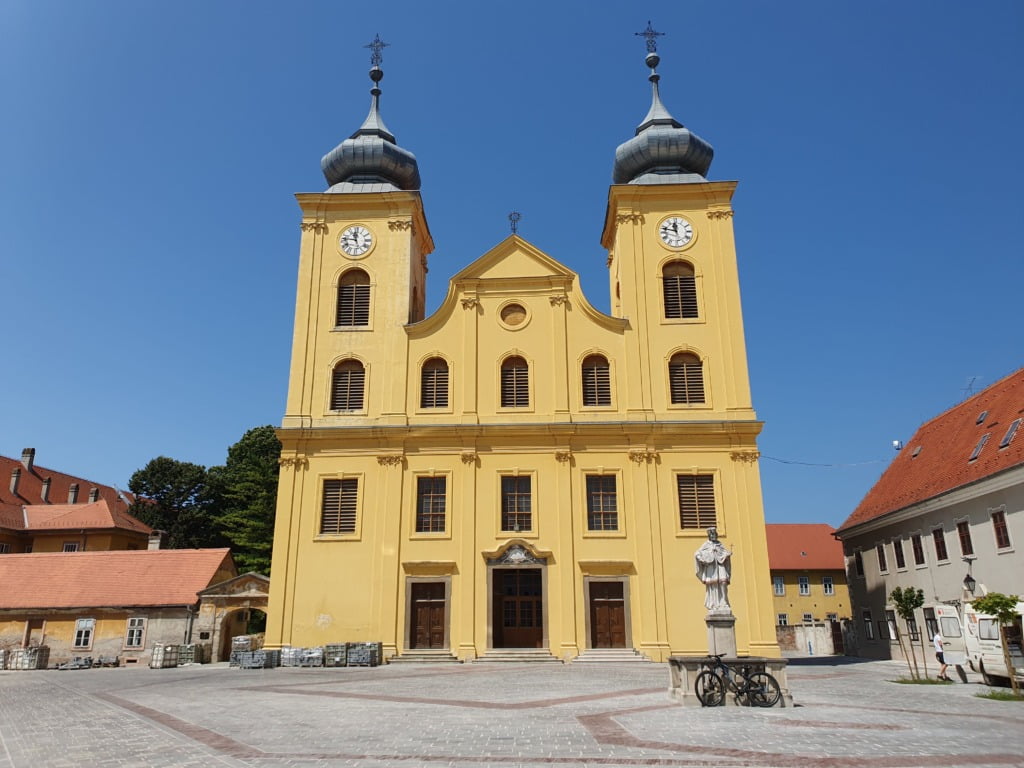
St Michael’s Church dates back to 1725, when the Jesuits laid the first stone. They built it on the foundations of the former Kasimpasa mosque, which the Ottomans built. Finally, it was finished in 1768. More recently, the church was damaged in the Croatian War of Independence but has been renovated since then.
The church is a Roman Catholic parish church that is open for daily Mass. At other times, it’s not open to visitors, which is a shame. However, you can see the interior through a gate at the front door. Inside, they have 7 altars and some baroque art.
Pejačević Castle Ruins & Mausoleum
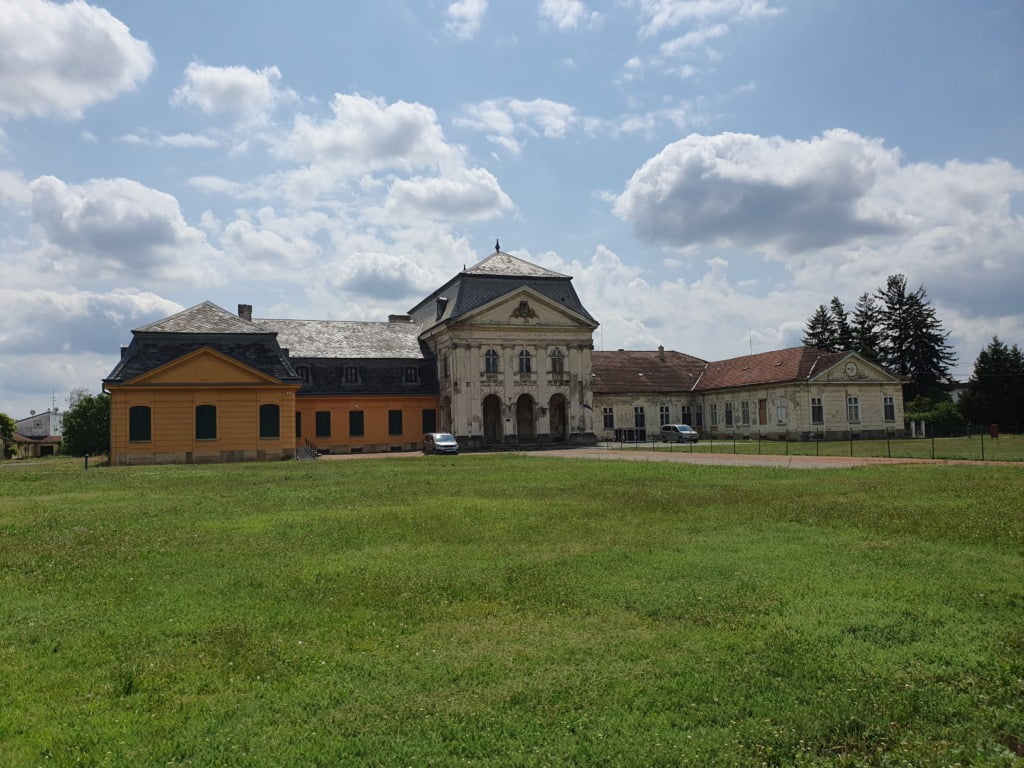
Another place to see in Osijek is the Pejačević Castle Ruins. They are slightly out of town to the east and worth a detour if on the riverbank near the new football stadium. You can’t visit the site, unfortunately, but the building looks interesting, albeit in need of some love. This is one of many classical manor houses owned by the Pejačevićs, a noble family. They completed the building in 1801 after the family acquired the estate in 1750.
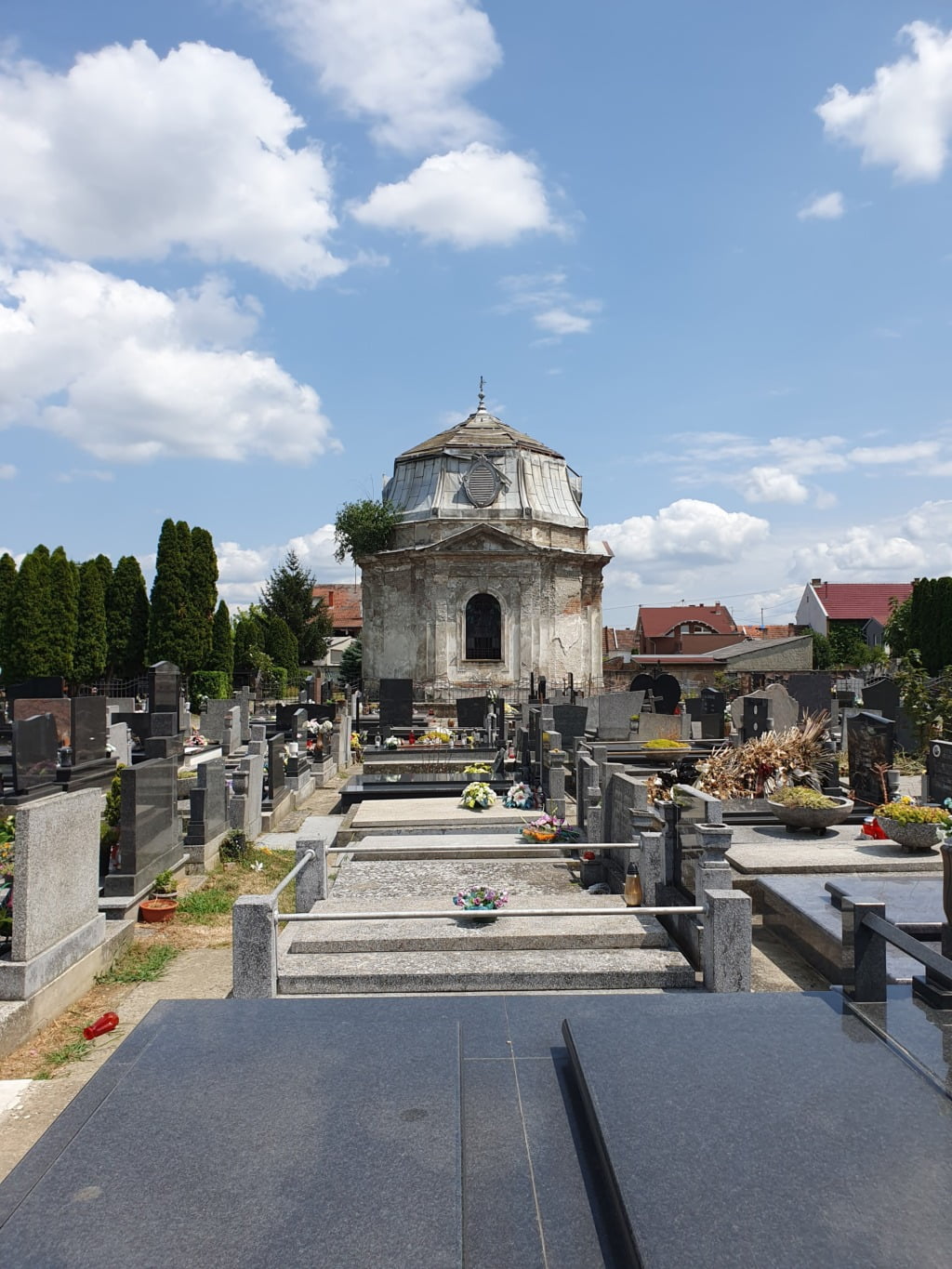
The Pejačević family also has a mausoleum in the nearby Retfala cemetery. Sadly, both have been neglected.
Chapel of the Queen of Peace
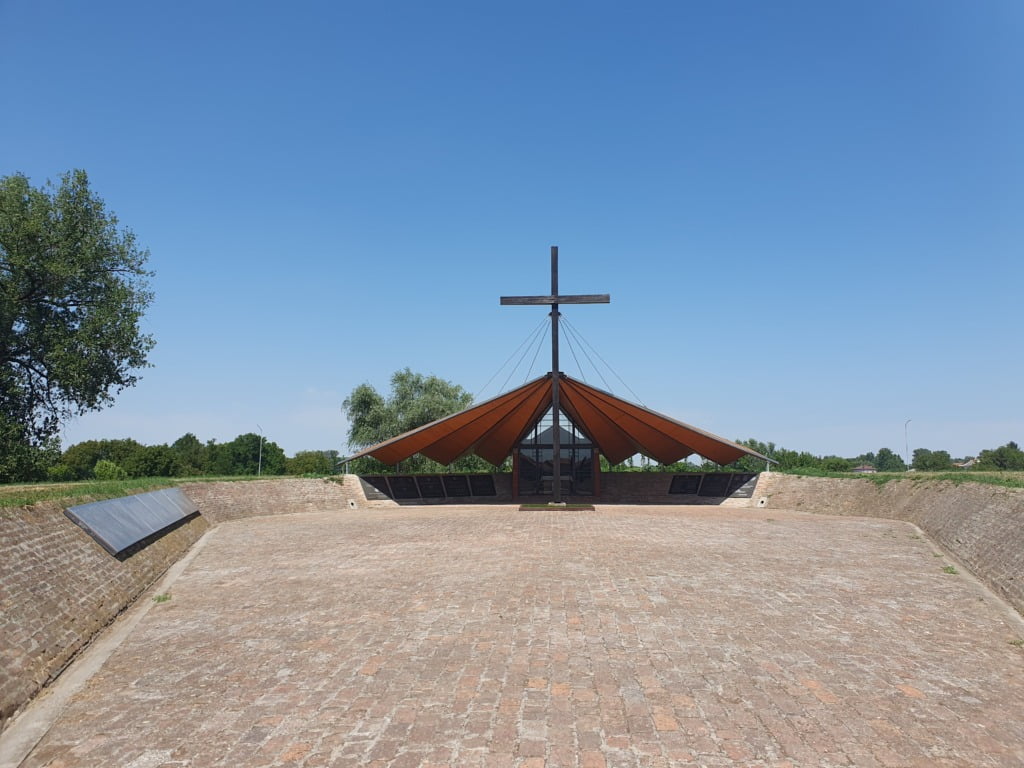
On the banks of the River Drava is the Queen of Peace Chapel, a poignant memorial. The site shows the names of war casualties. Memorial plaques with the names of Greater Serbian aggression casualties were placed in the Queen of Peace Chapel. I visited as part of a longer walk between the bridges on the river. It’s in a beautiful setting and a stark reminder of recent history.
Watermill On The River Drava
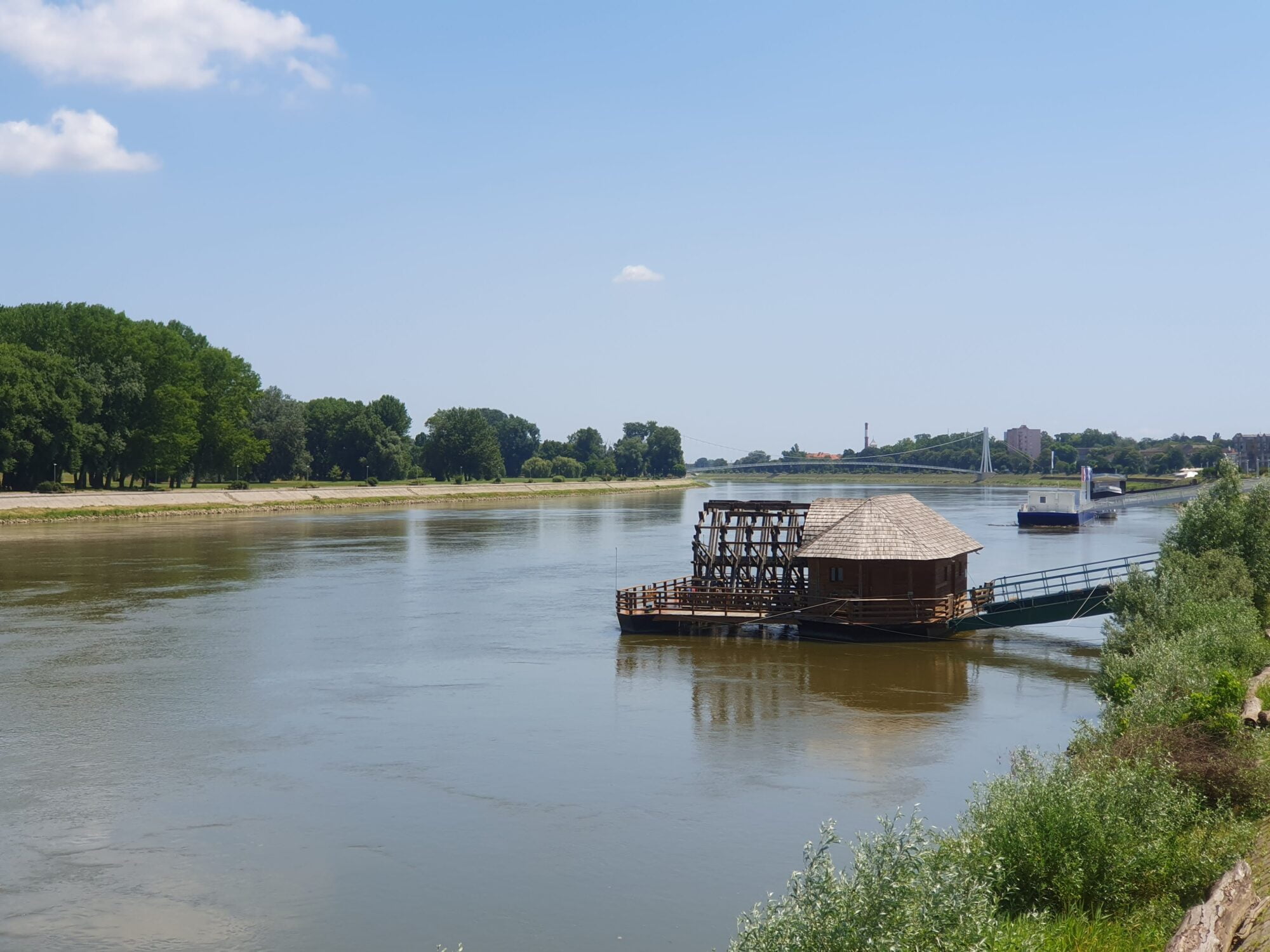
When walking on the city side of the River Drava, you can see a wooden watermill, which is pretty interesting. This wooden watermill is a replica of one from bygone eras. Osijek is part of the Miller’s Route, an EU heritage project that also crosses through Hungary.
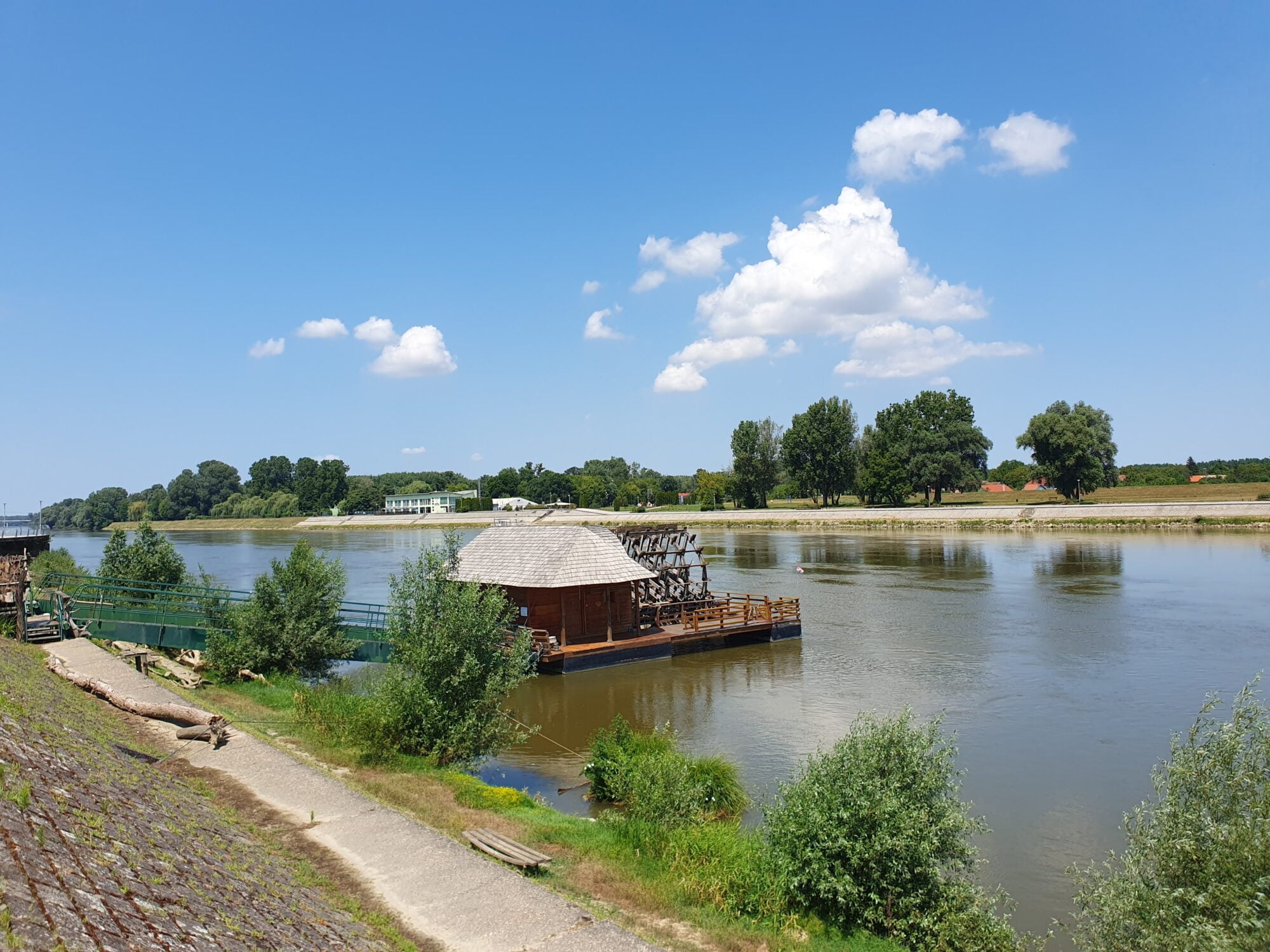
The watermill has a little cottage that used to show how the grain was ground. Historically, the city had 60 watermills, the last one of which closed in 1944. Unfortunately, the watermill was closed during my visit.
Parade of Croatian Greats at Tvrda
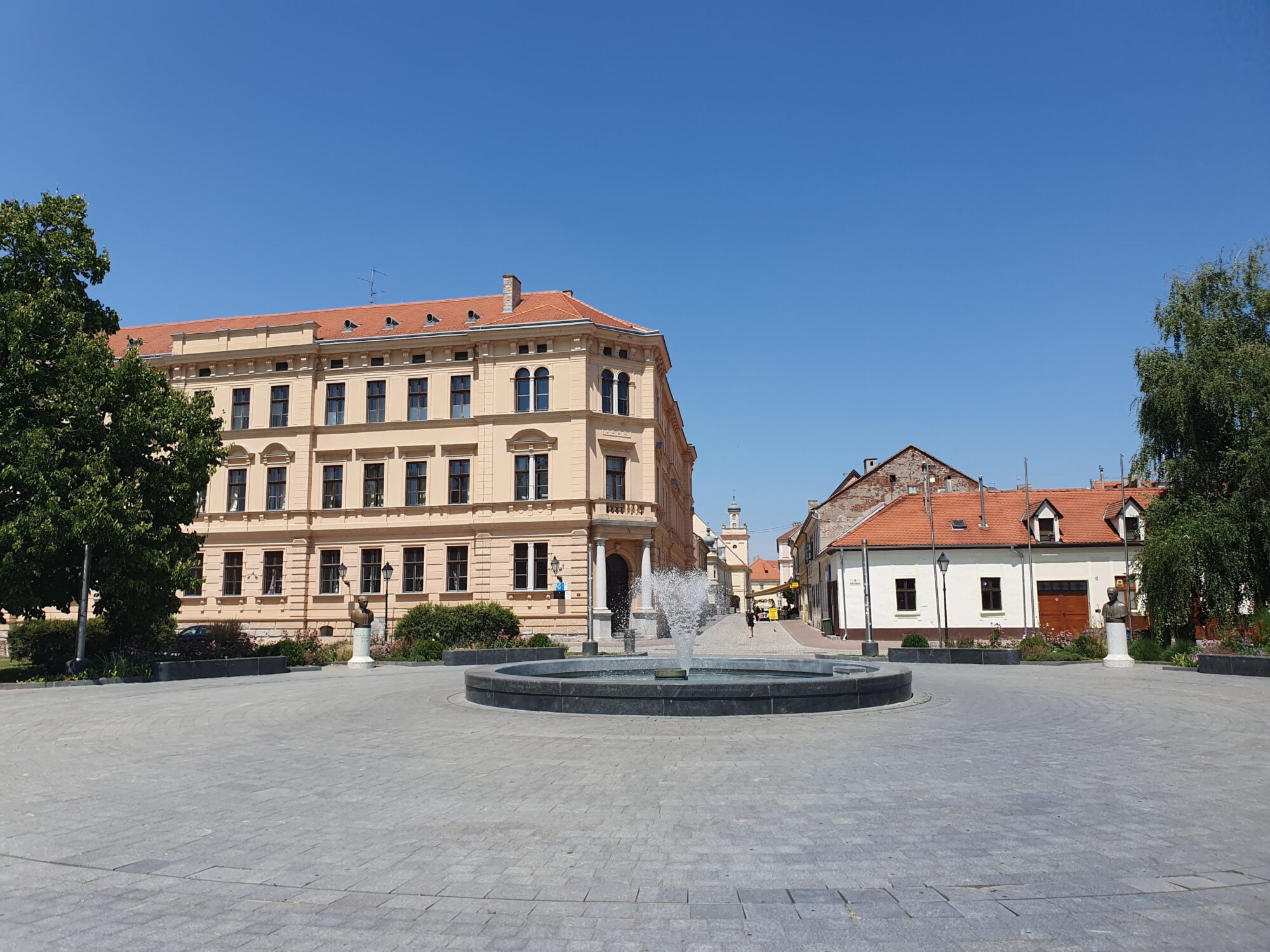
A nice place to visit while exploring Tvrda is the Parade of Croatian Greats. Here you can enjoy the views of the nearby Baroque architecture, fountains and statues. There’s a Mlinar bakery nearby, thus a good place to sit and enjoy a snack.
Pješački Most Pedestrian Bridge
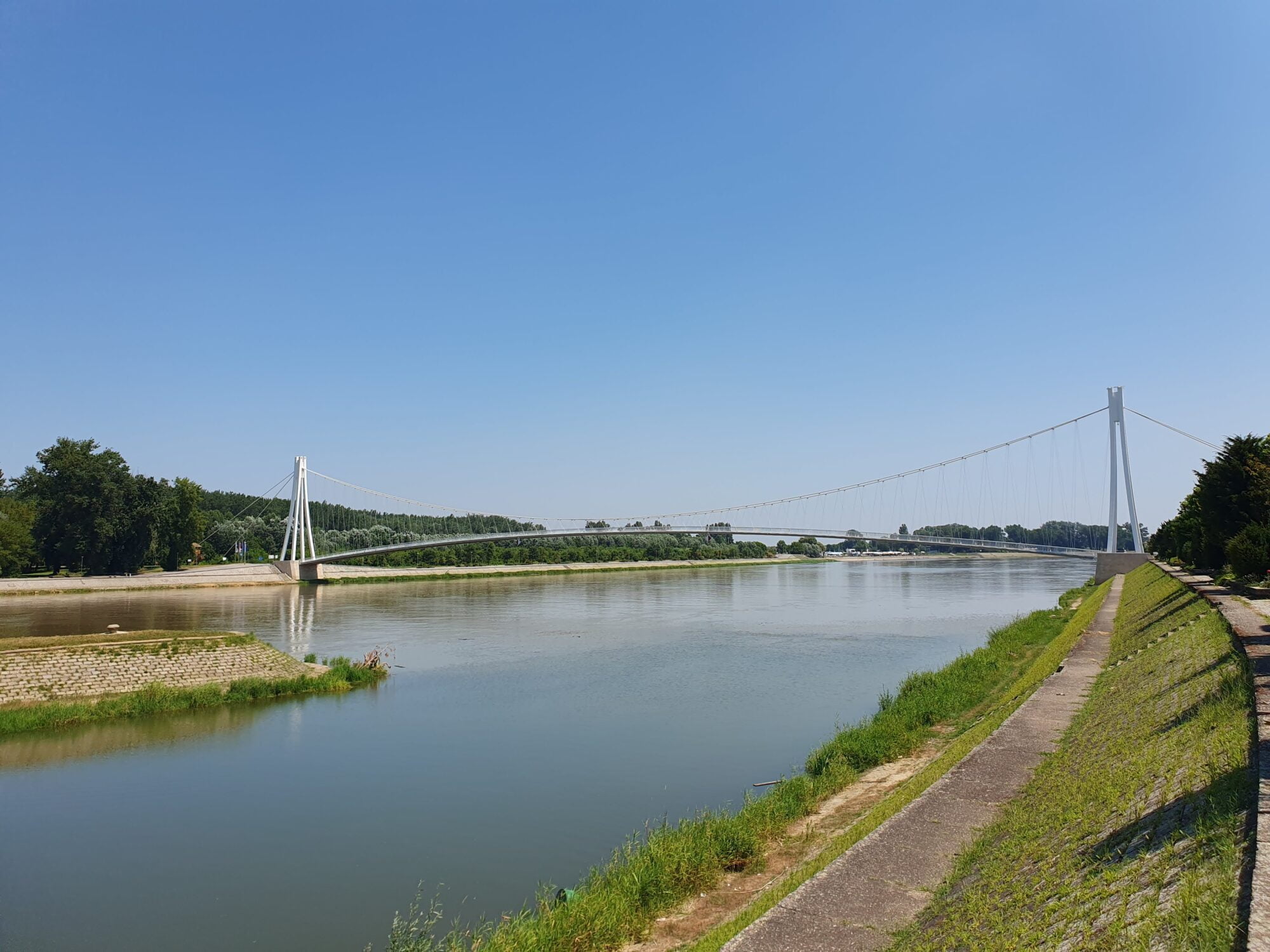
Pješački Most is a pedestrian and cycling bridge across the River Drava in Osijek. It’s a beautiful suspension bridge that was built in 1981. It quickly became a symbol of the city and is a nice sight while walking along the riverbanks.
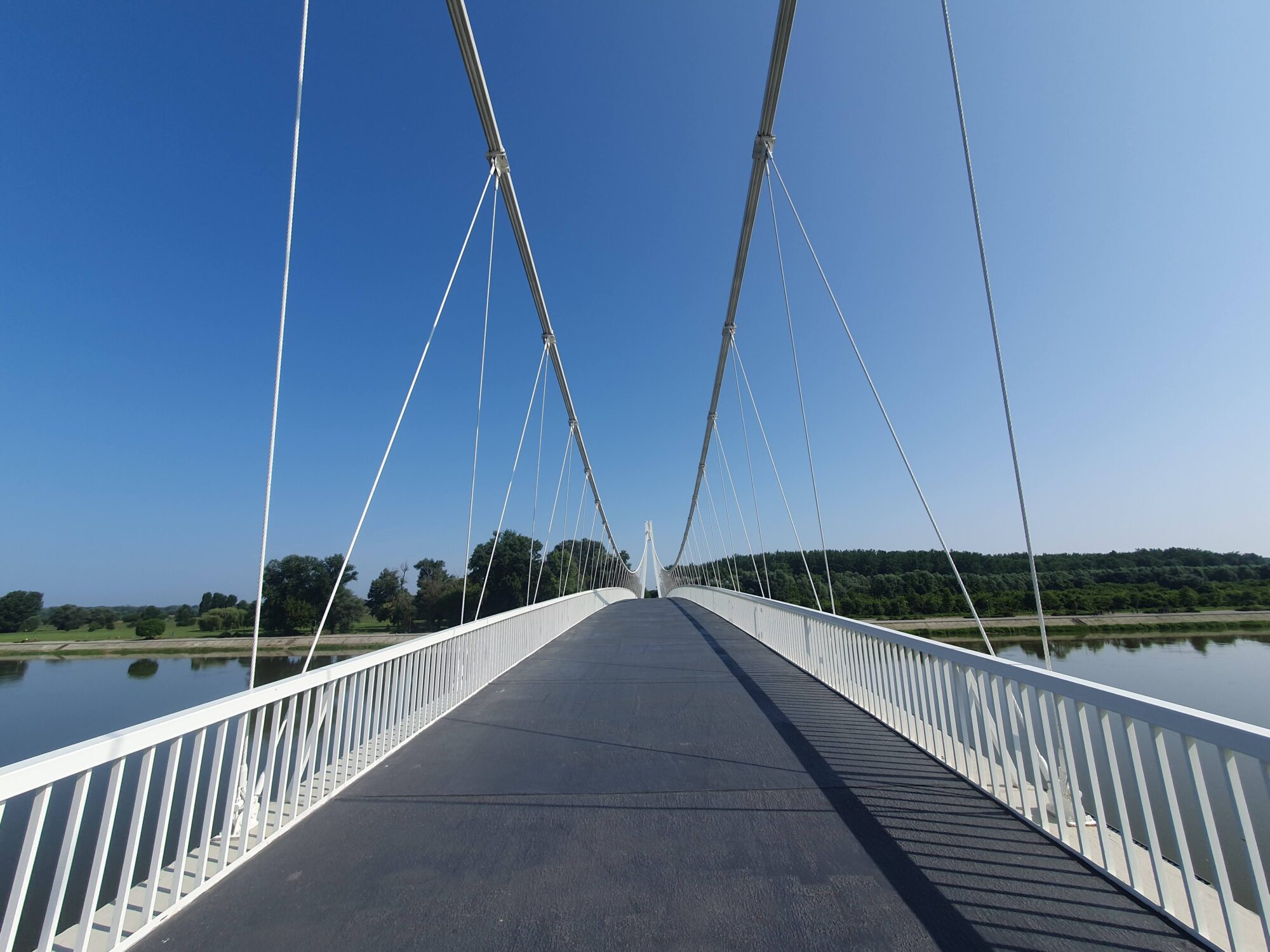
The views of the bridge are splendid; this includes towards the new town, the old town and along the river. As a bonus, the bridge is a good place to enjoy the sunset.
The Archaeology Museum
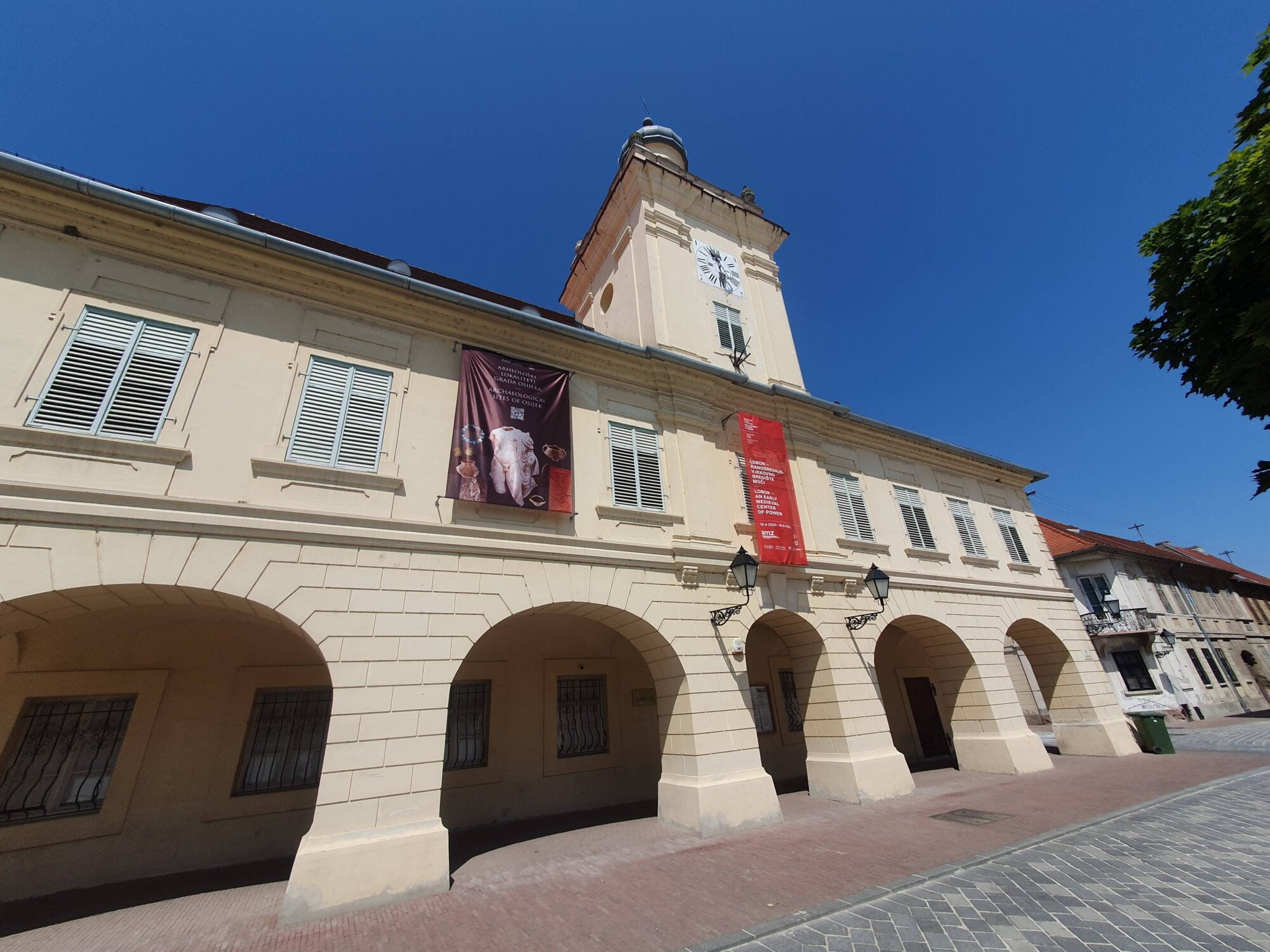
In Tvrda, the old town and fortress of Osijek, is the local archaeology museum. It is in a beautiful Baroque building in the main square of the citadel.
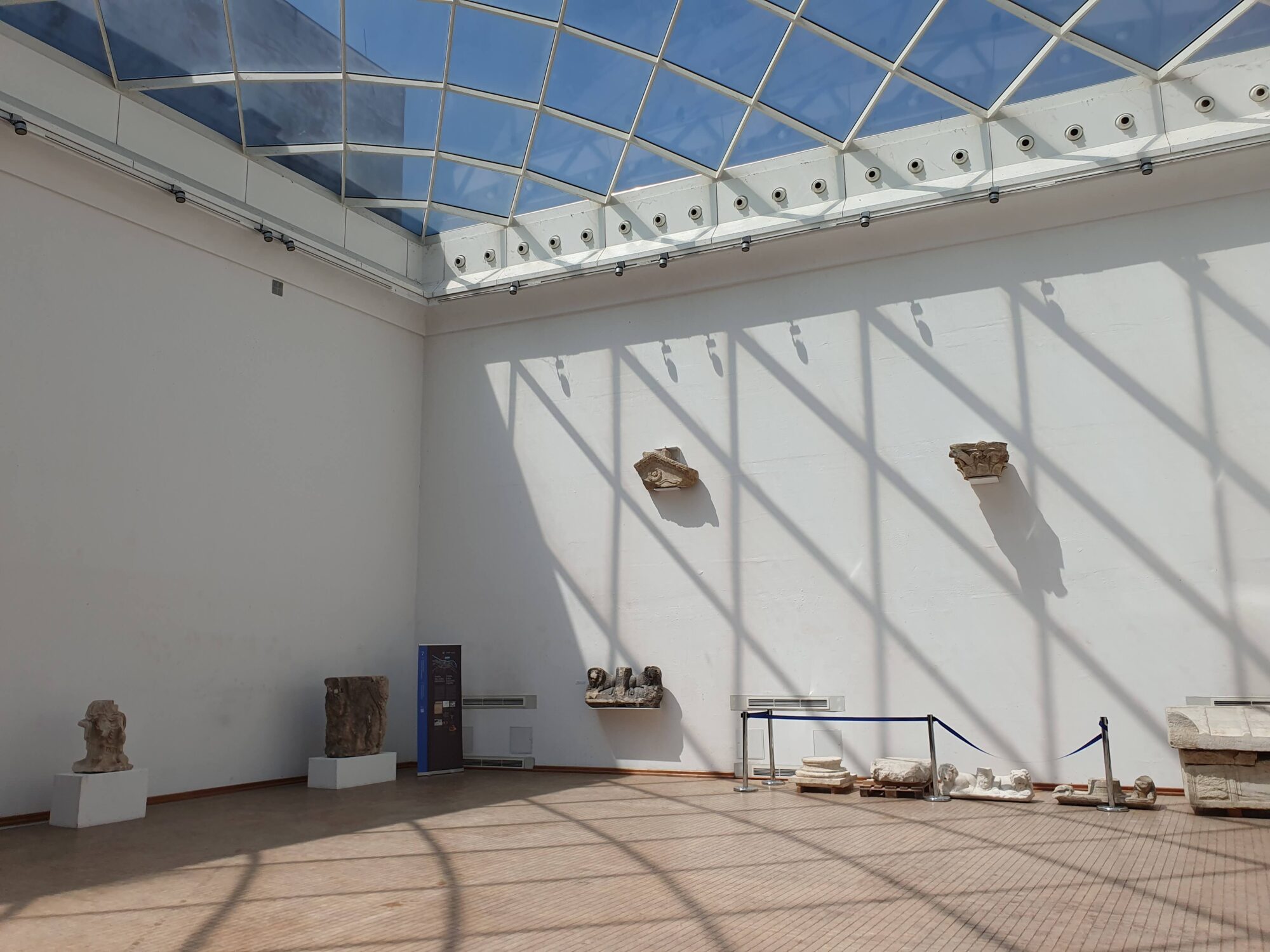
Inside, there are collections covering everything found during excavations in the area.
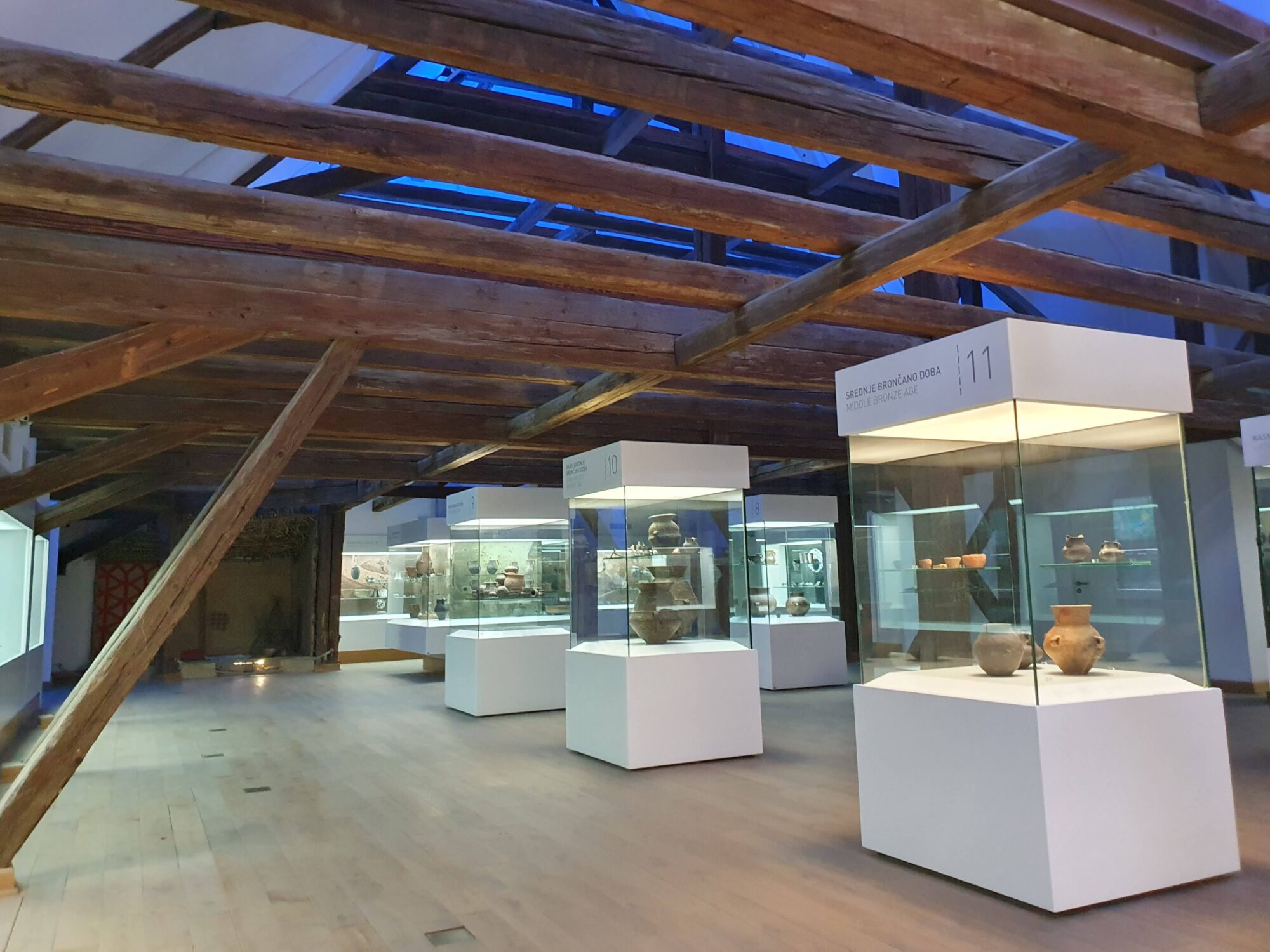
The archaeology museum covers a few floors and has some great exhibits, and most of the text was in English, so it was easy to follow without a translation app. The collections of stone from old churches, coins and pottery were particularly interesting.
Watch The Sunset
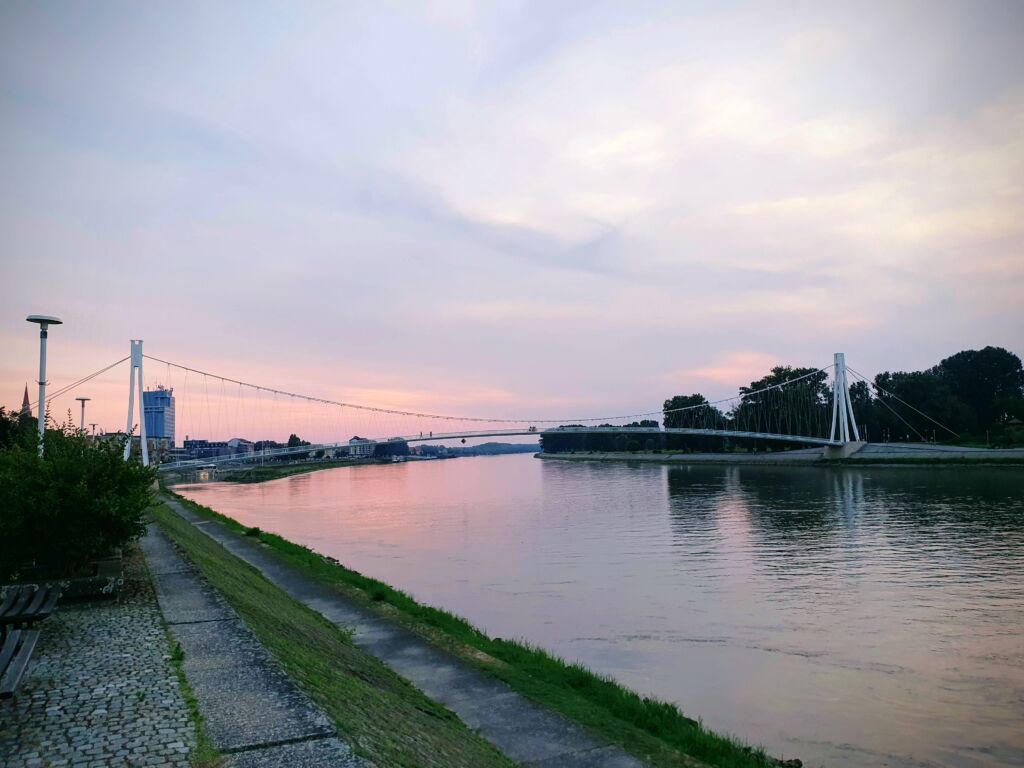
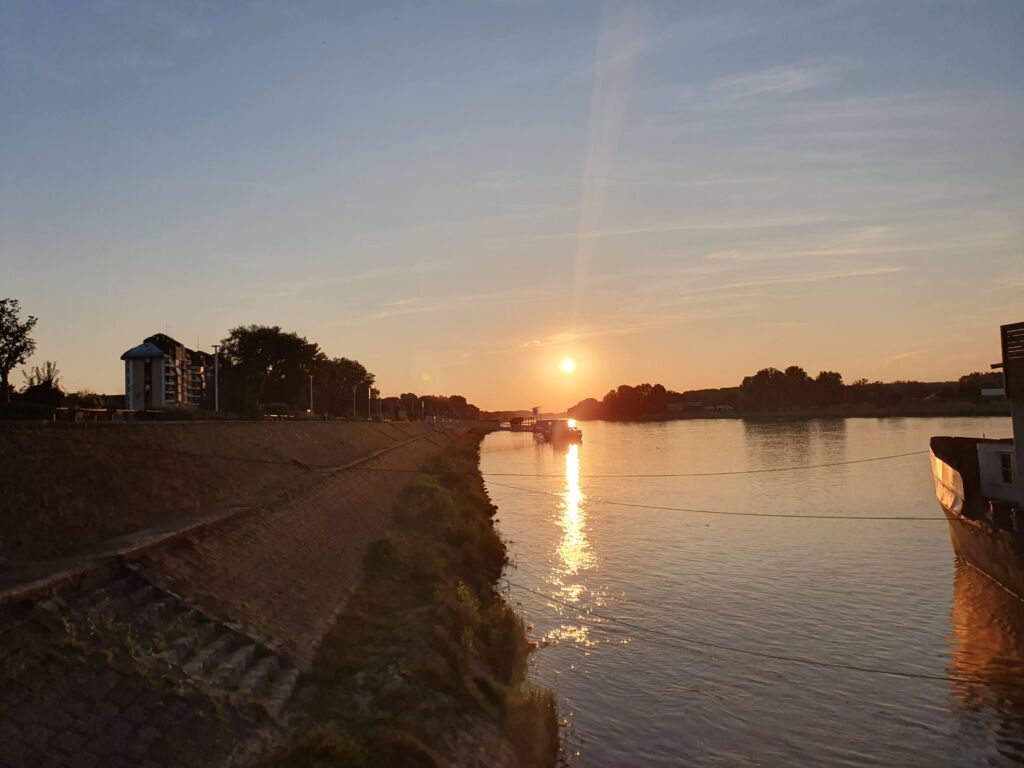
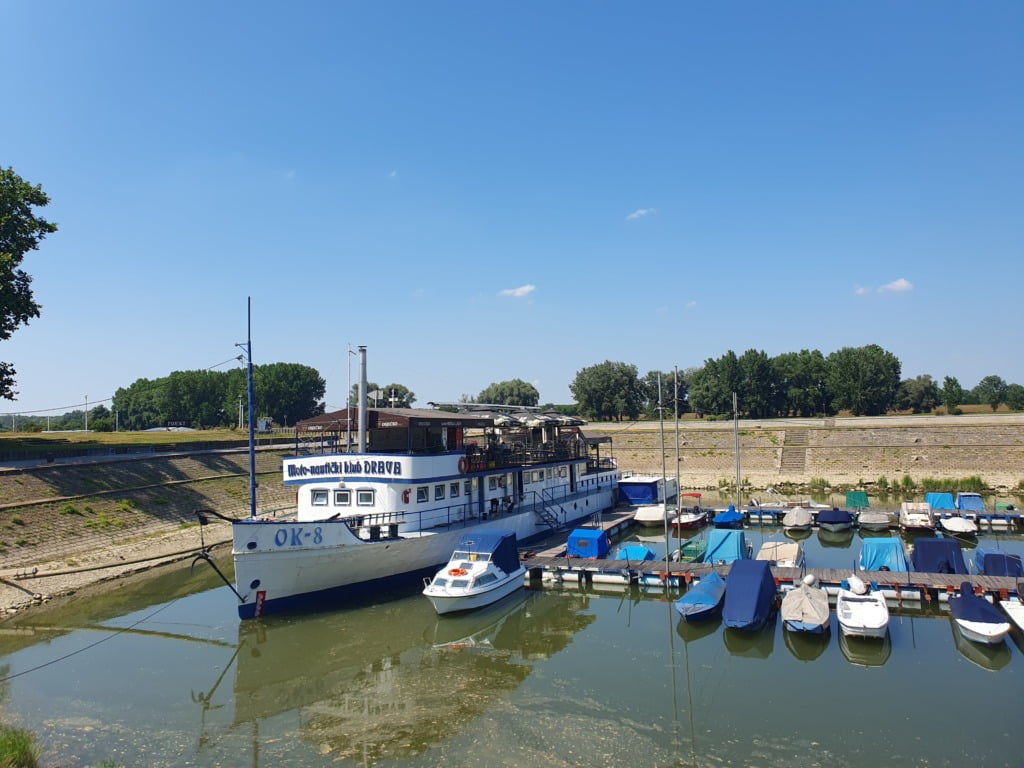
There are some top places to enjoy the late sunset in Osijek. My favourite is walking along the river Drava, and you get some really colourful skies. There are also bars on boats there where you can enjoy the spectacle.
Hiking & Birdwatching
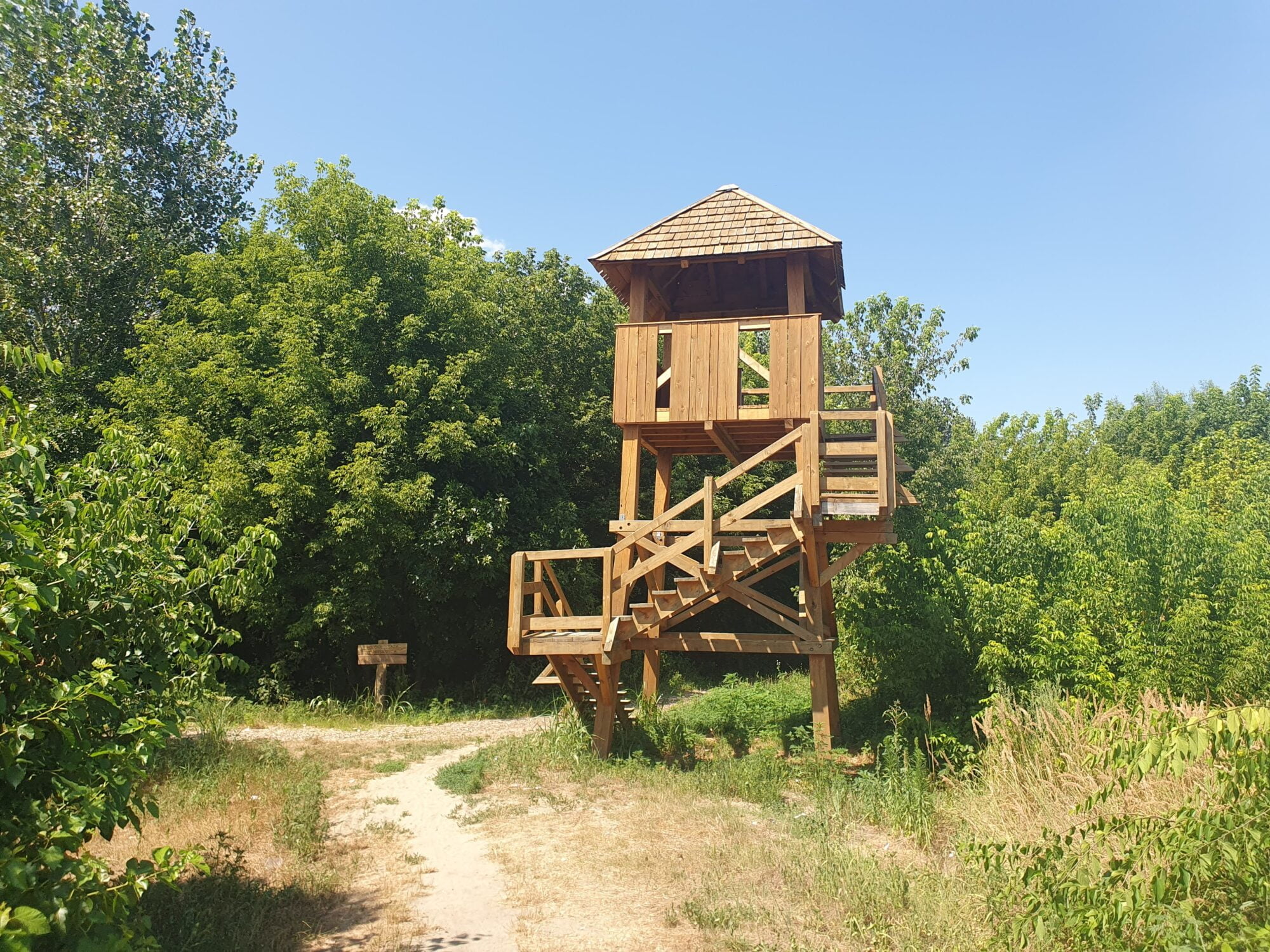
Over the footbridge from the city is a lovely hiking area with trails along the river and into pleasant woodland. There are various trails to choose from for hikes. They also have hides at points which are ideal for birdwatching or wildlife spotting. You can find other hiking trails from the city on Komoot.com.
Football Stadiums
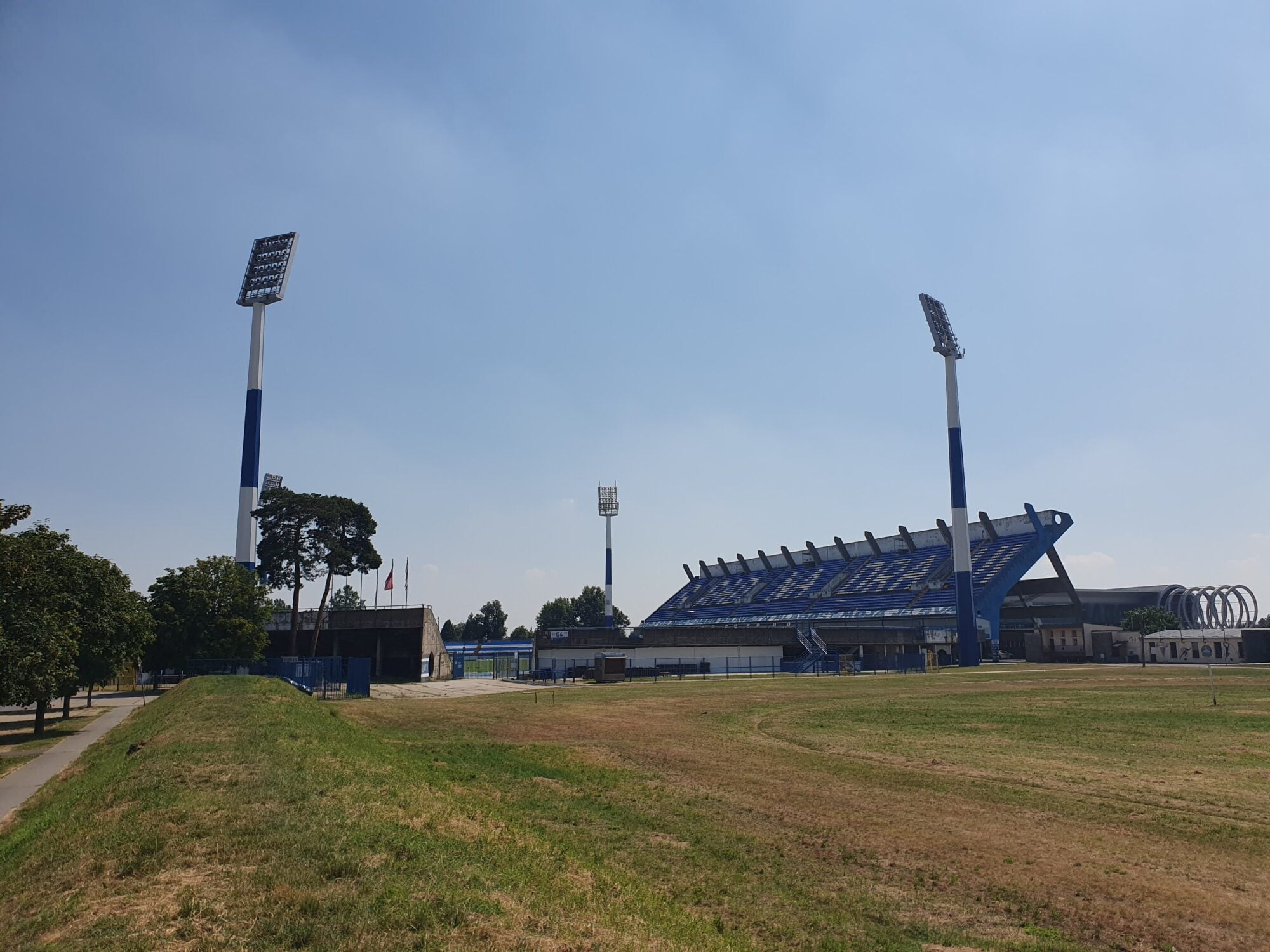
Osijek has two football stadiums: the old stadium and a brand-new one by the river. I took a Lime scooter to visit both in a day. The old one has lots of football-related street art nearby.
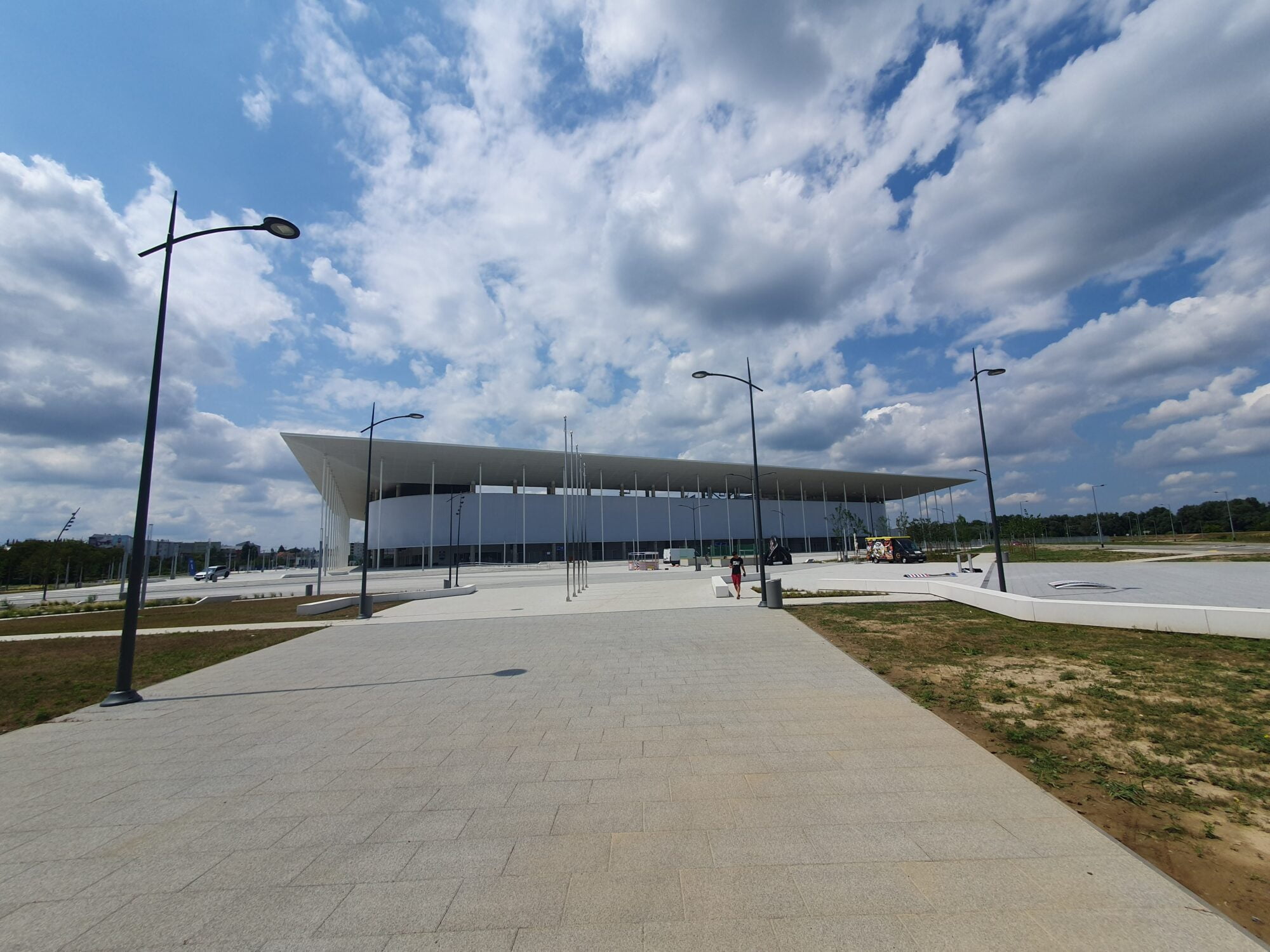
Both were nice to see from the outside in different ways. NK Osijek plays at the new stadium, and if you time your visit right, you may get tickets to watch a match. You can arrange tickets on their website.
The Zoo
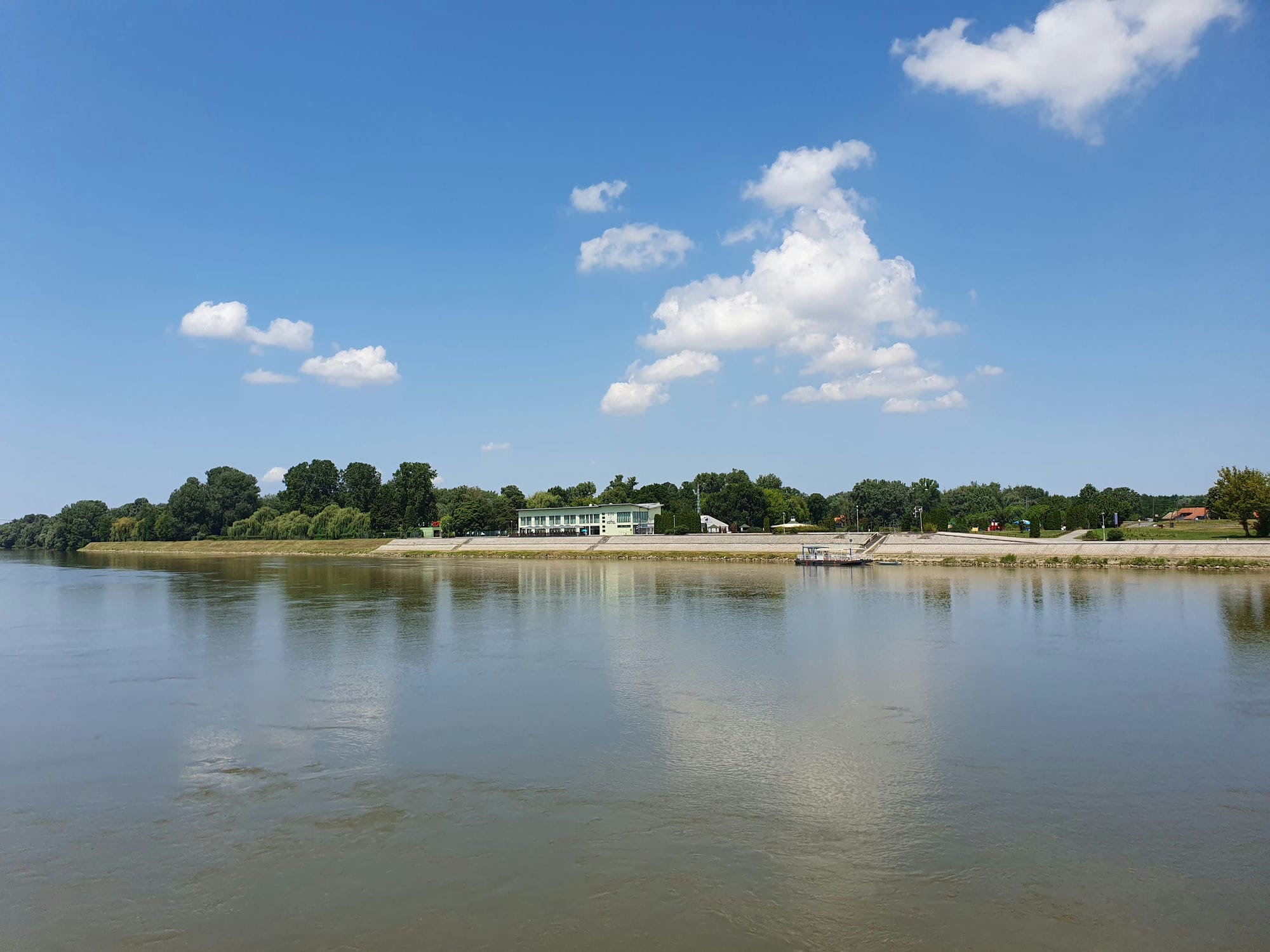
Another popular attraction in the city is the local zoo, which is alongside the river. This is the biggest zoo in Croatia and rather popular. It also has a big aquarium to see marine life. They have various animals to see, from the small guinea pigs to lions. You can find out about visiting on their website.
Bazeni Copacabana
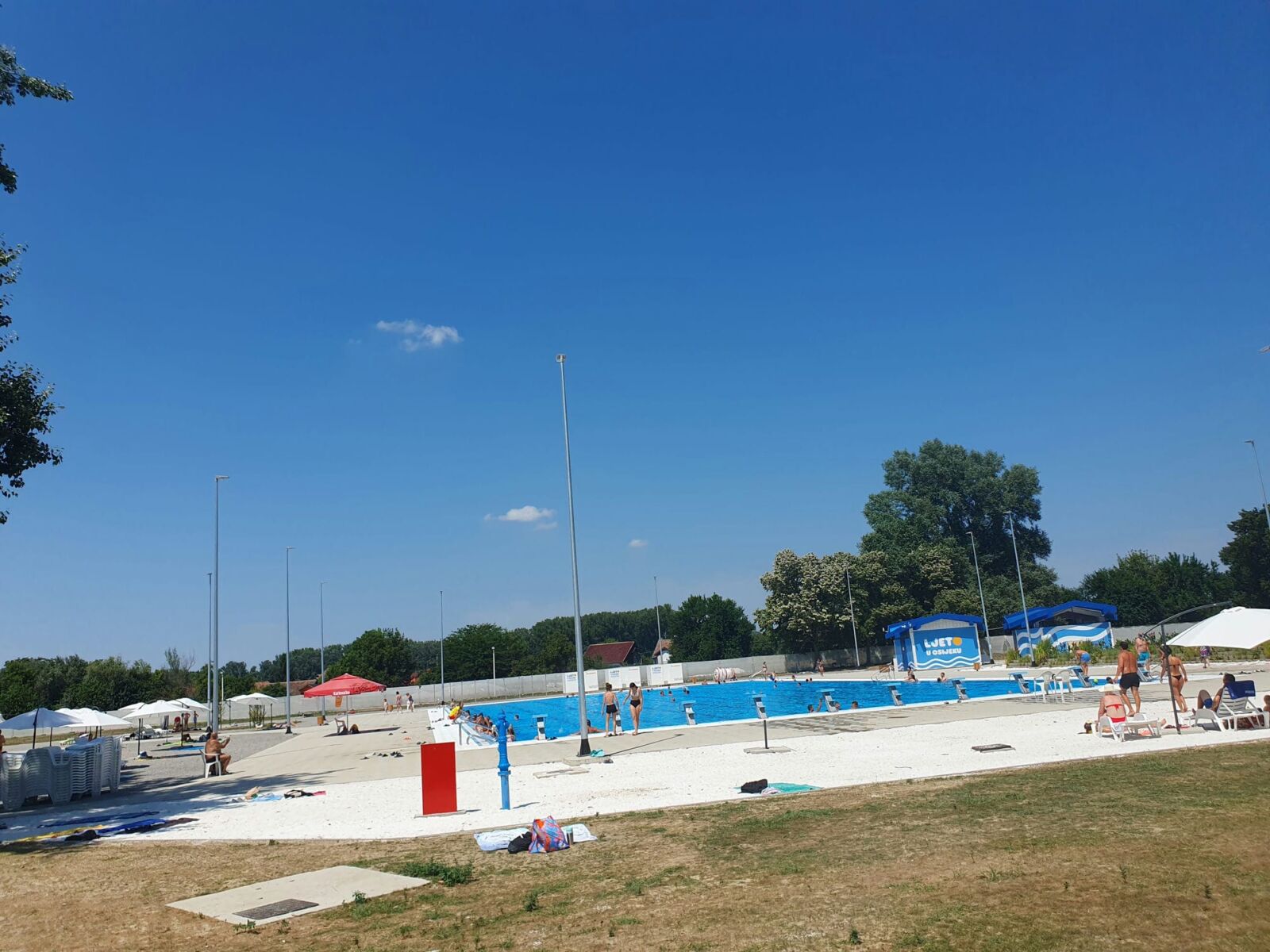
Bazeni Copacabana is an outdoor pool and a water park, which is quite popular. This is easier than swimming on the river beach and a bit more relaxed. There are seating options by the pool here, as well as places to purchase refreshments.
Other Places of Interest
- See the Monastery and church of St James
- Catch A Performance in the Croatian National Theatre
- Relax in one of The Parks in the city
- Shell Museum and Water World