
Inside Westminster Abbey: What to See & Is It Worth Visiting?
Westminster Abbey is a fantastic church building to visit in London near the Houses of Parliament. It is one of the most popular attractions in London and well worth visiting to see inside or the area surrounding the abbey.
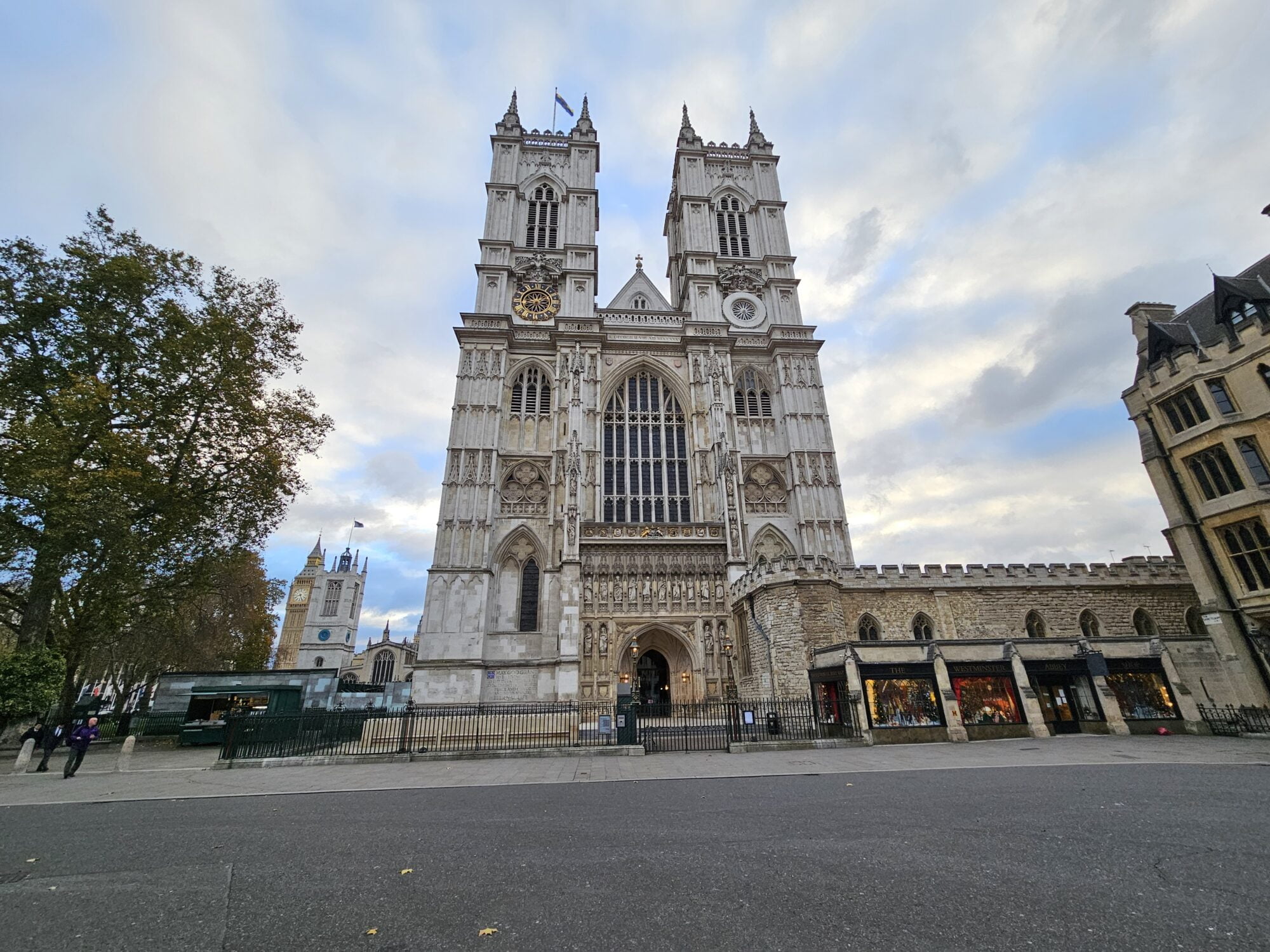
I’ve looked around the outside many times on multiple visits to London, and visited inside for a tour on my recent visit. It’s a fascinating place, as it is one of the most important religious buildings in the UK.
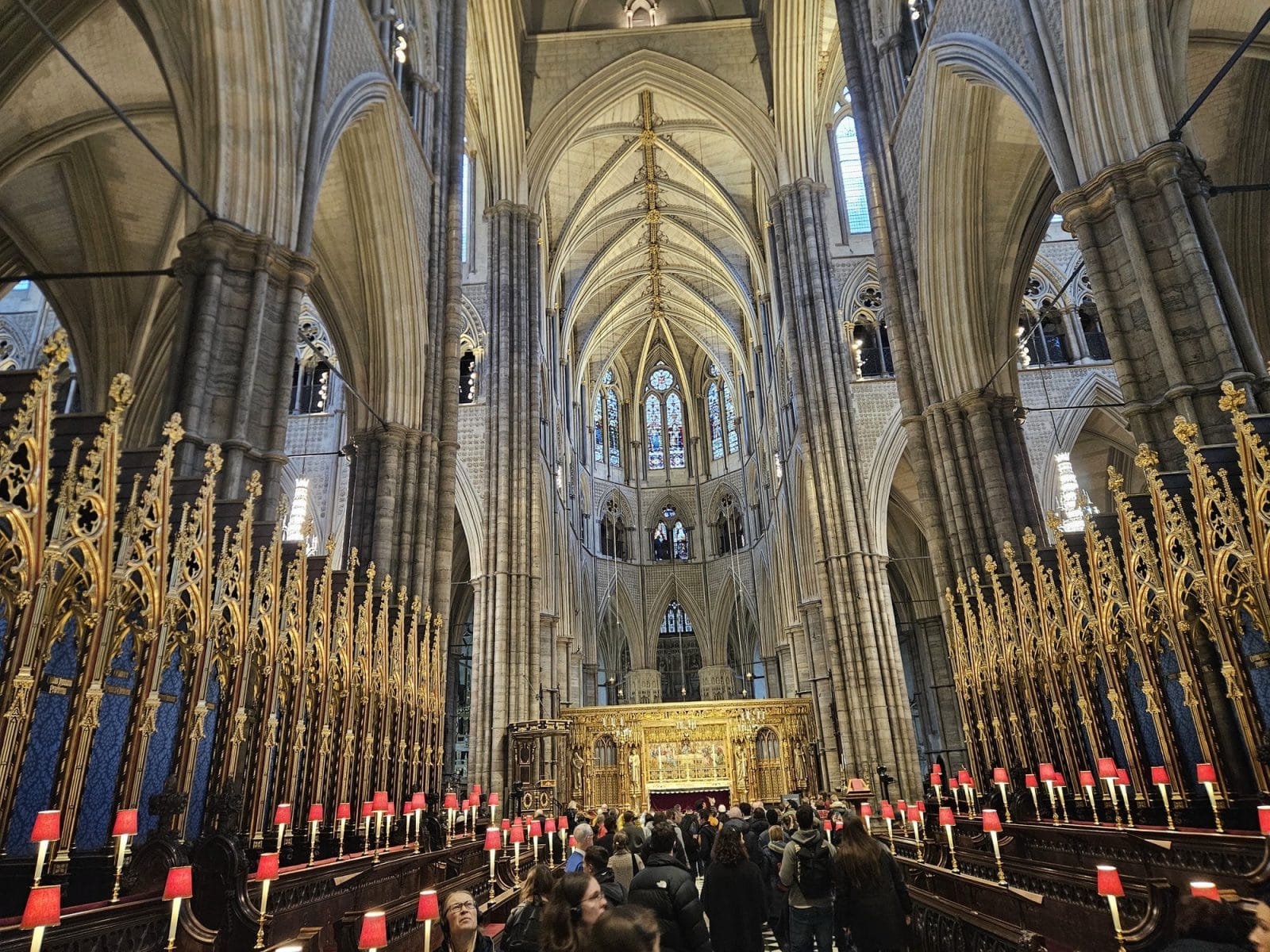
Inside, you can see many significant features, including the nave, the choir, the Lady Chapel and the sanctuary. Throughout the interior are tombs of royals and historical figures. It can get busy in parts, but I found the cloisters and chapter house to be quiet.
Disclosure! Keep in mind that some links in these posts are affiliate links. If you click one of them, I may earn a small commission (for which I’m extremely grateful) at no extra cost to you. Thanks for visiting!
Visiting Westminster Abbey
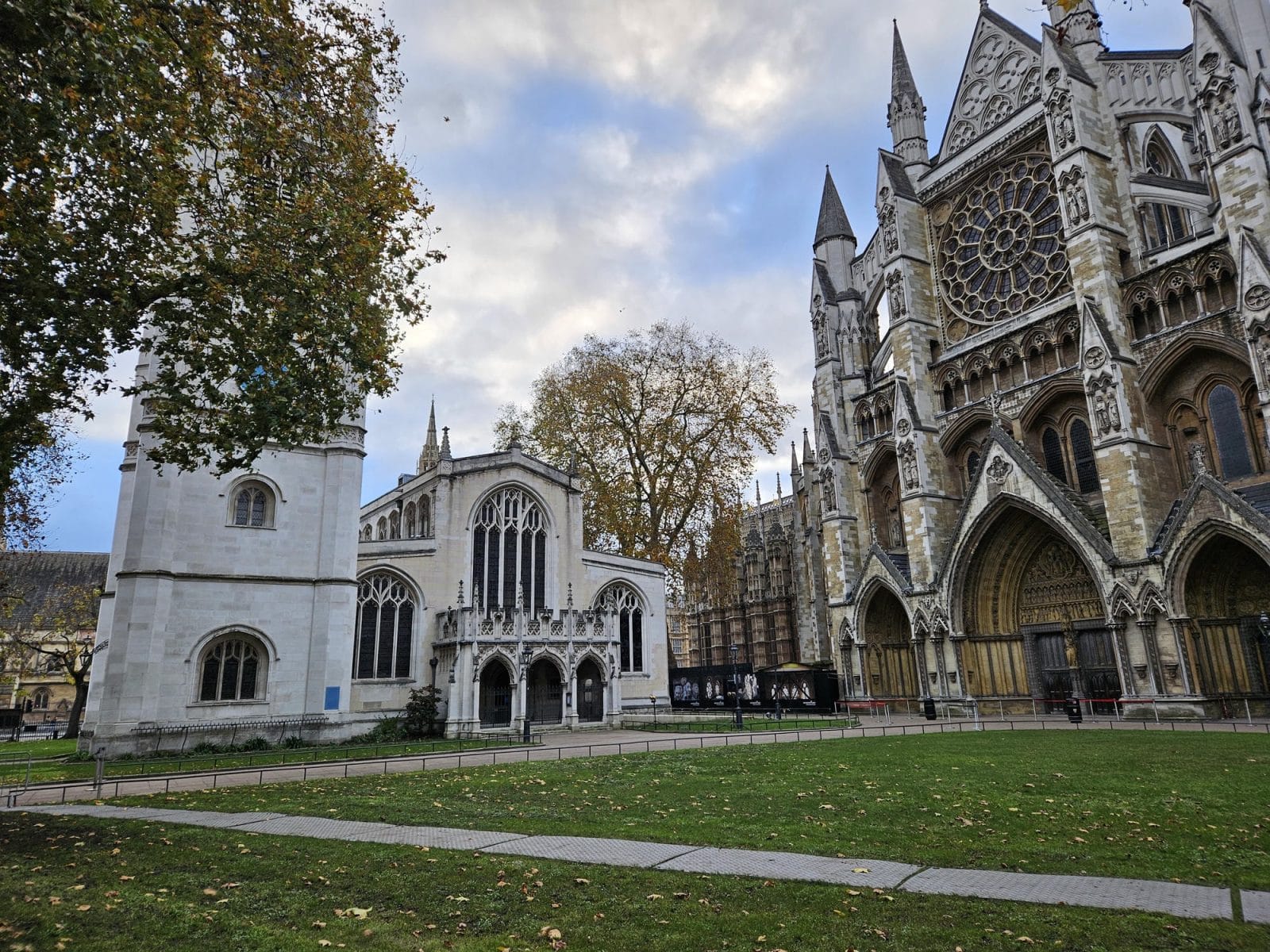
You can visit the area and admire or photograph the abbey at any time of day for free. I find early mornings on sunny days to be the best time before any crowds start. If you want to get the full experience, you can organise tickets on their website; it’s best to plan ahead, as it can sell out.
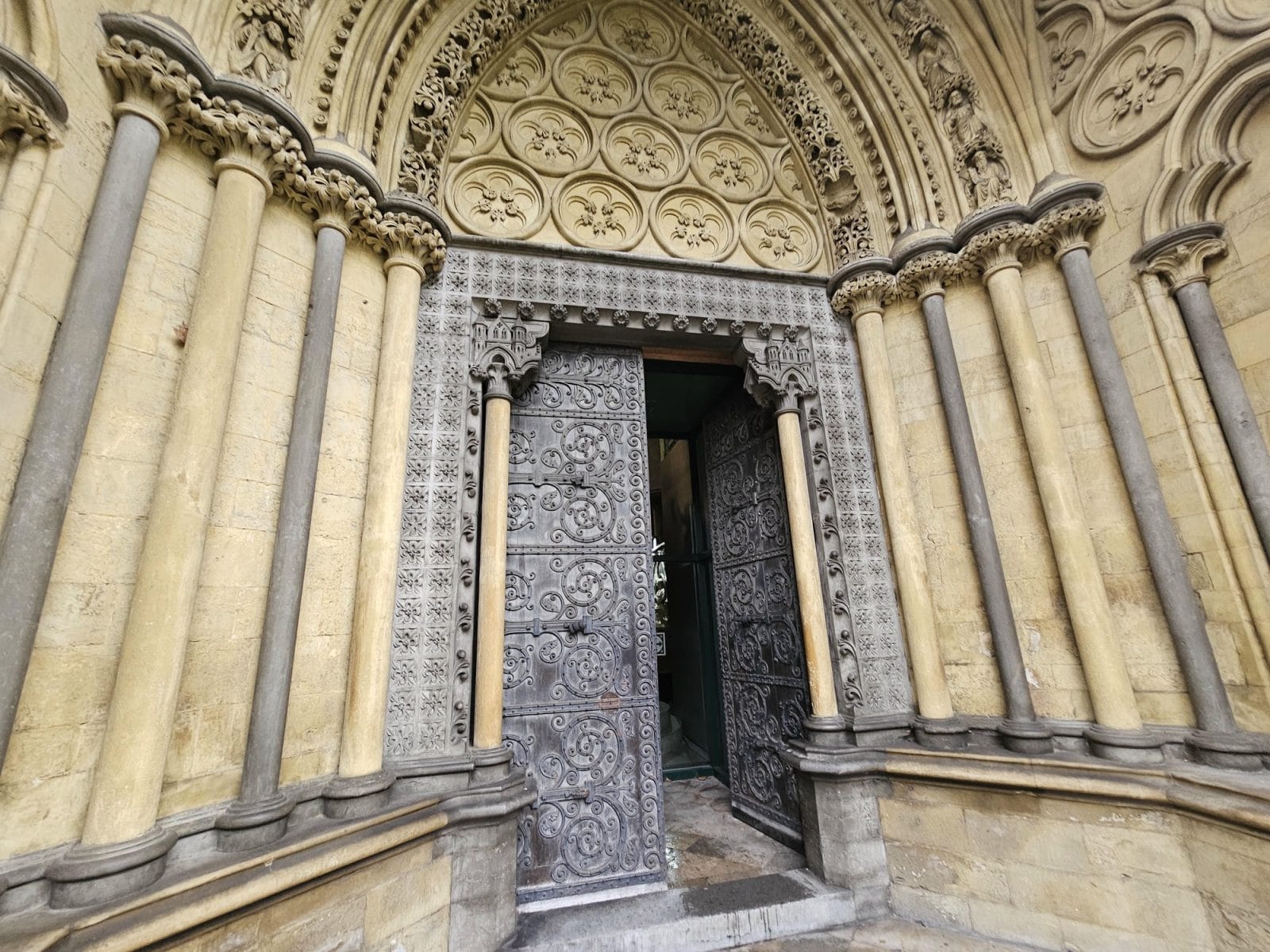
During my visit, I got a general admission ticket; there are tours or extra areas, like the galleries, that you can book. Entry was straightforward, and I got a nice information book to help guide me through.
You can also book all sorts of tours via the GetYourGuide website, including some with Royal Heritage Guides.
Westminster Abbey History
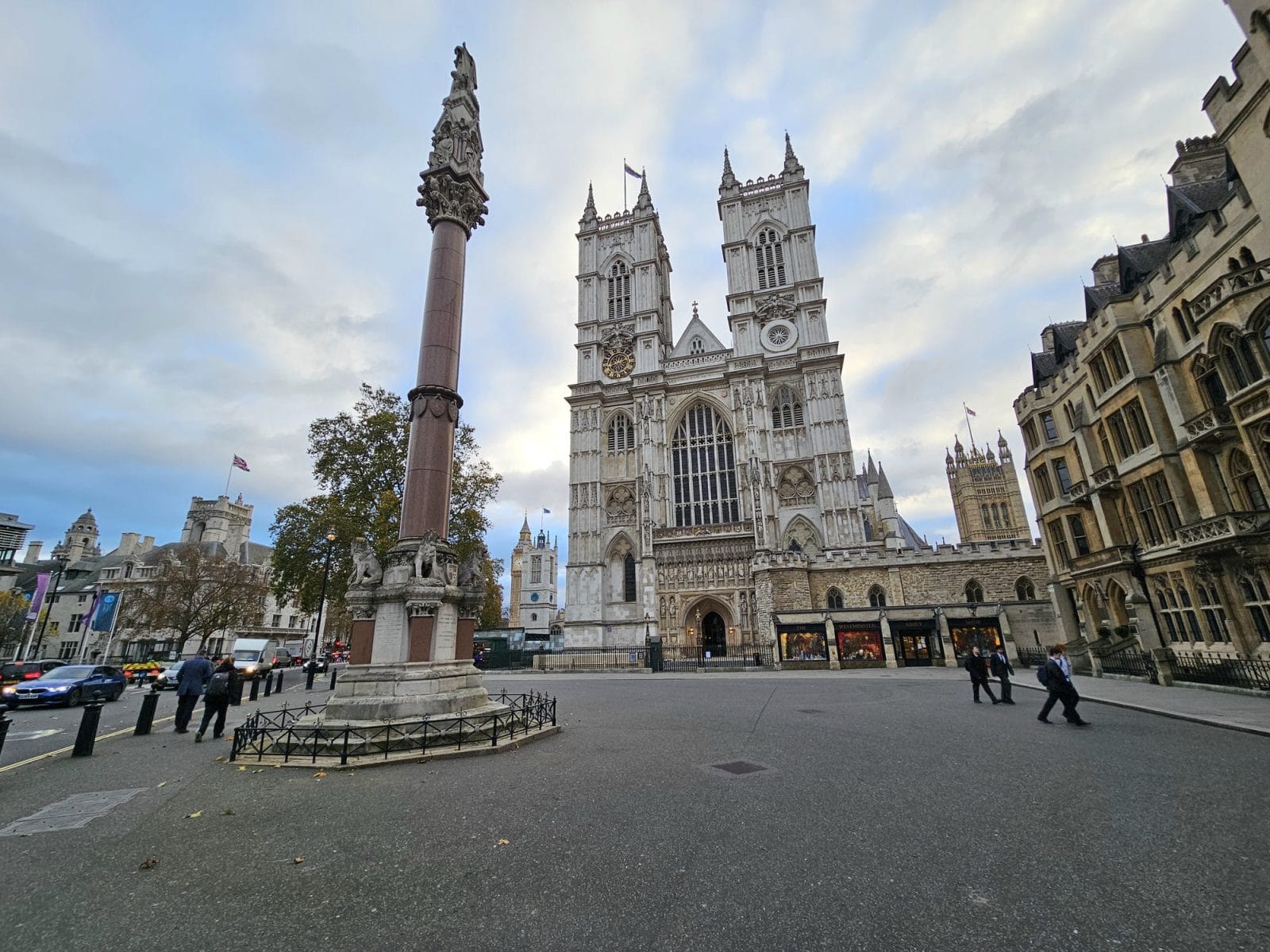
Westminster Abbey was originally built between the 1040s and 1060s by King Edward the Confessor and then consecrated in 1065. The current Gothic church was rebuilt starting in 1245 by Henry III and continued to be rebuilt for many centuries. The Lady Chapel was added by Henry VII in the early 16th century.
Why Westminster Abbey Is Important
Westminster Abbey is the place where coronations of British monarchs take place, including the most recent, King Charles III. In fact, it has hosted all English and British monarch coronations since 1066. The church is also the burial site of British kings, queens and other important people, including the scientist Sir Isaac Newton.
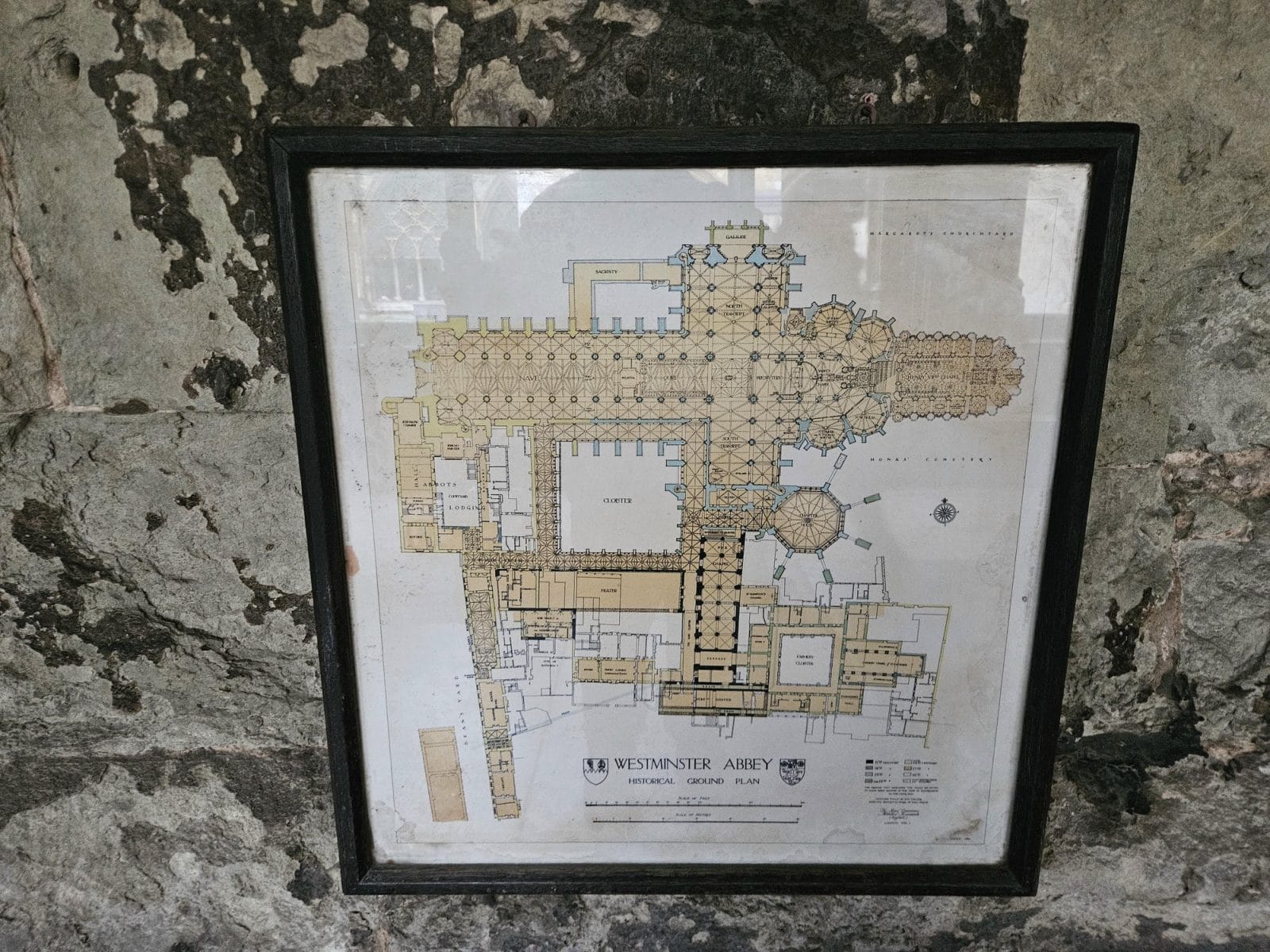
It has also hosted Royal weddings, including Queen Elizabeth II to Philip Mountbatten in 1947, and Prince William to Catherine Middleton in 2011. This makes it a very historically significant place to visit.
What to See Inside Westminster Abbey
There is loads to see as you pass through the church, including layers and layers of history. I really enjoyed learning more about the things that caught my attention.
The Nave
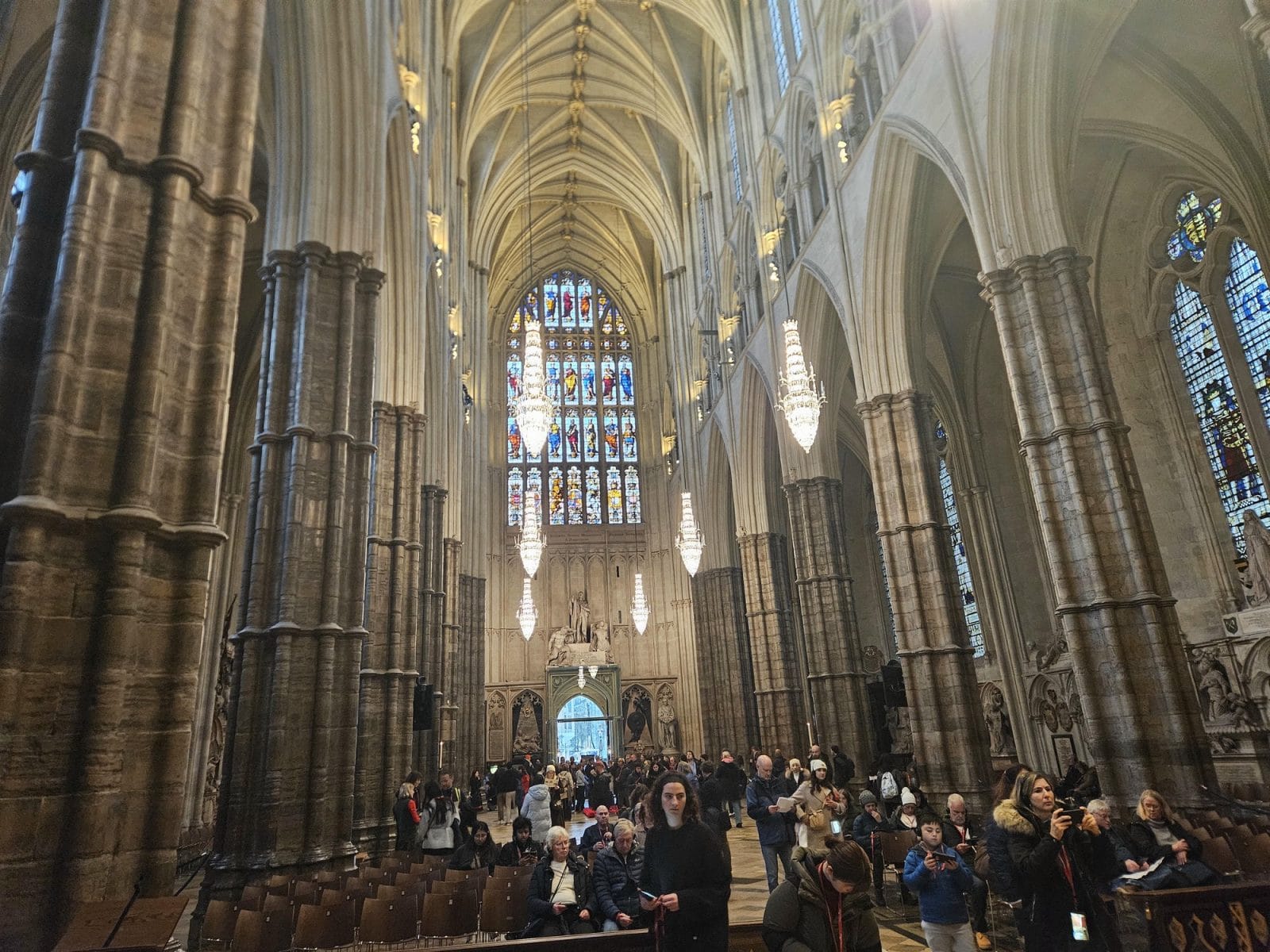
The nave is one of the first parts of the church to visit, with lots to see, including the quire screen at one end and the Great West Window.
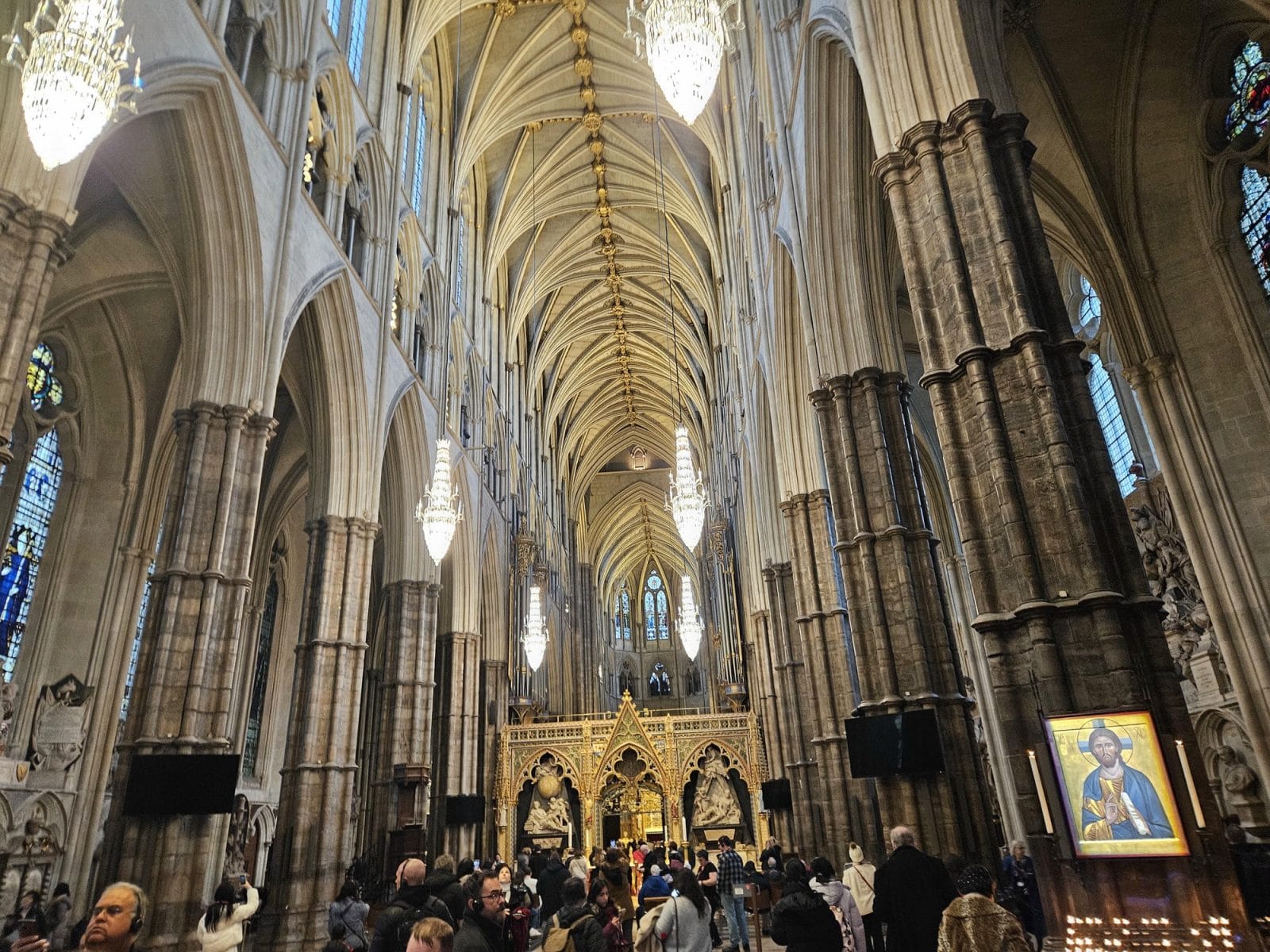
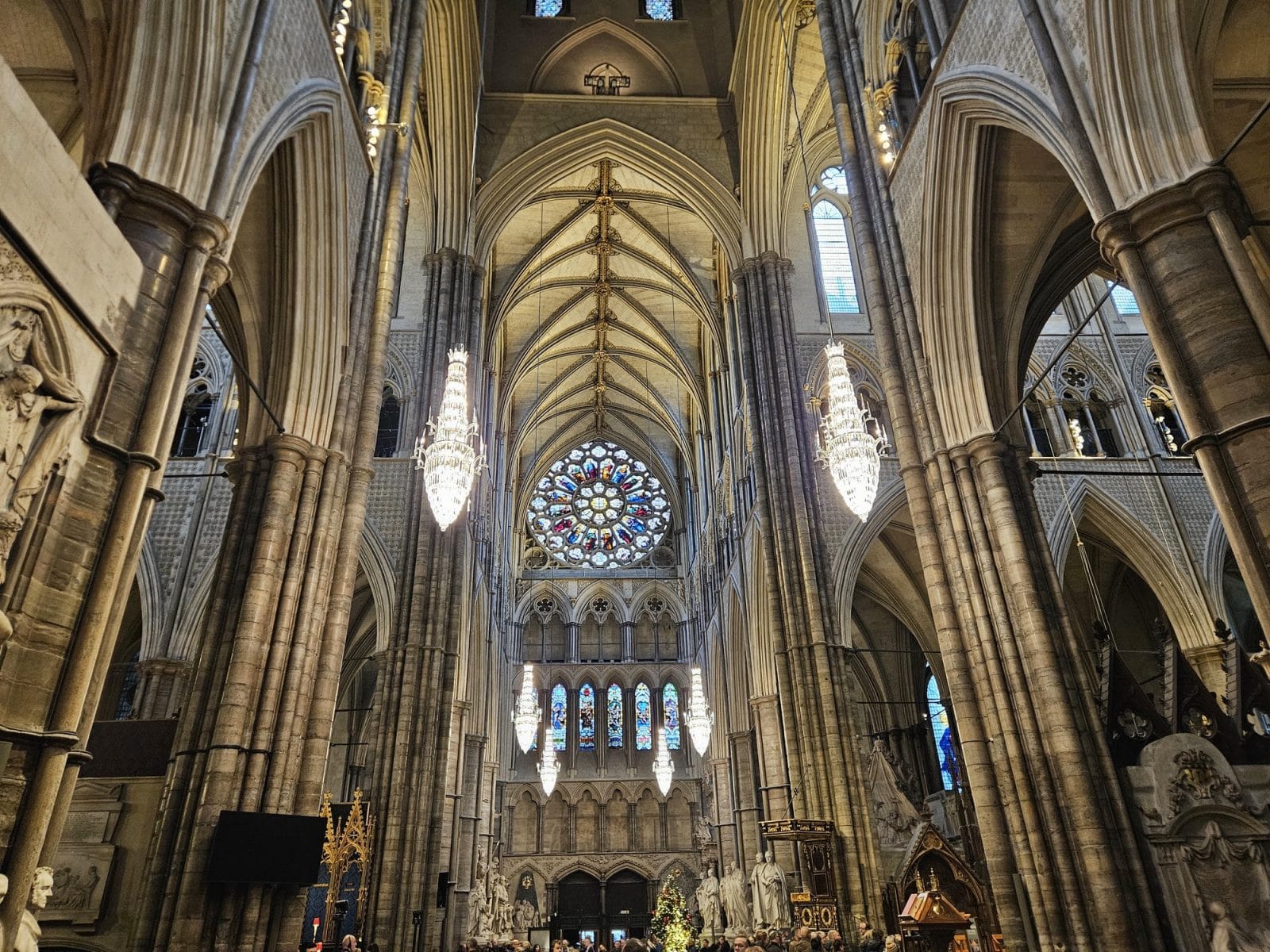
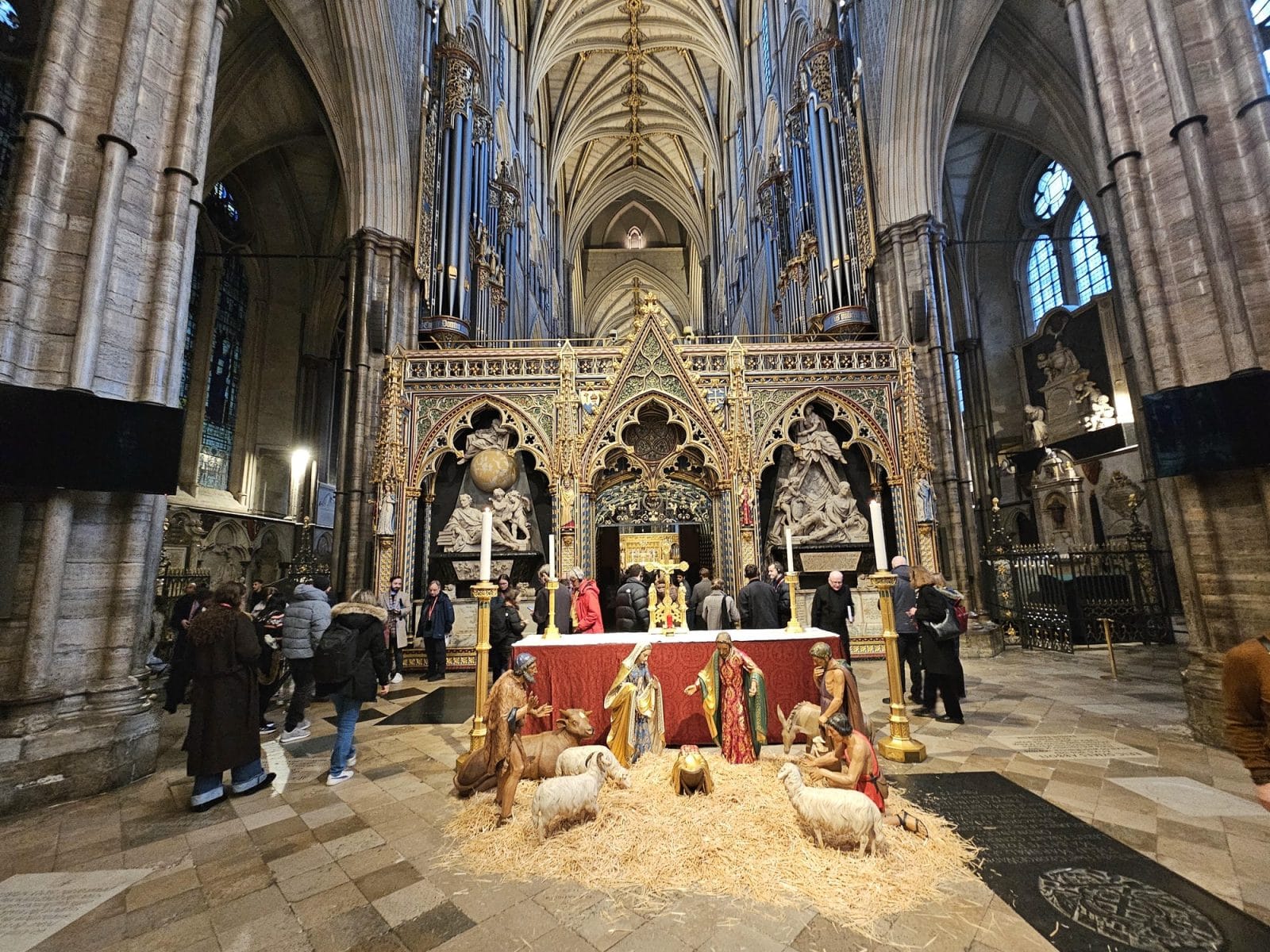
The ceilings and details also caught my eye when I was here. As it was Christmas, they had a nativity scene in front of the altar.
Quire Screen
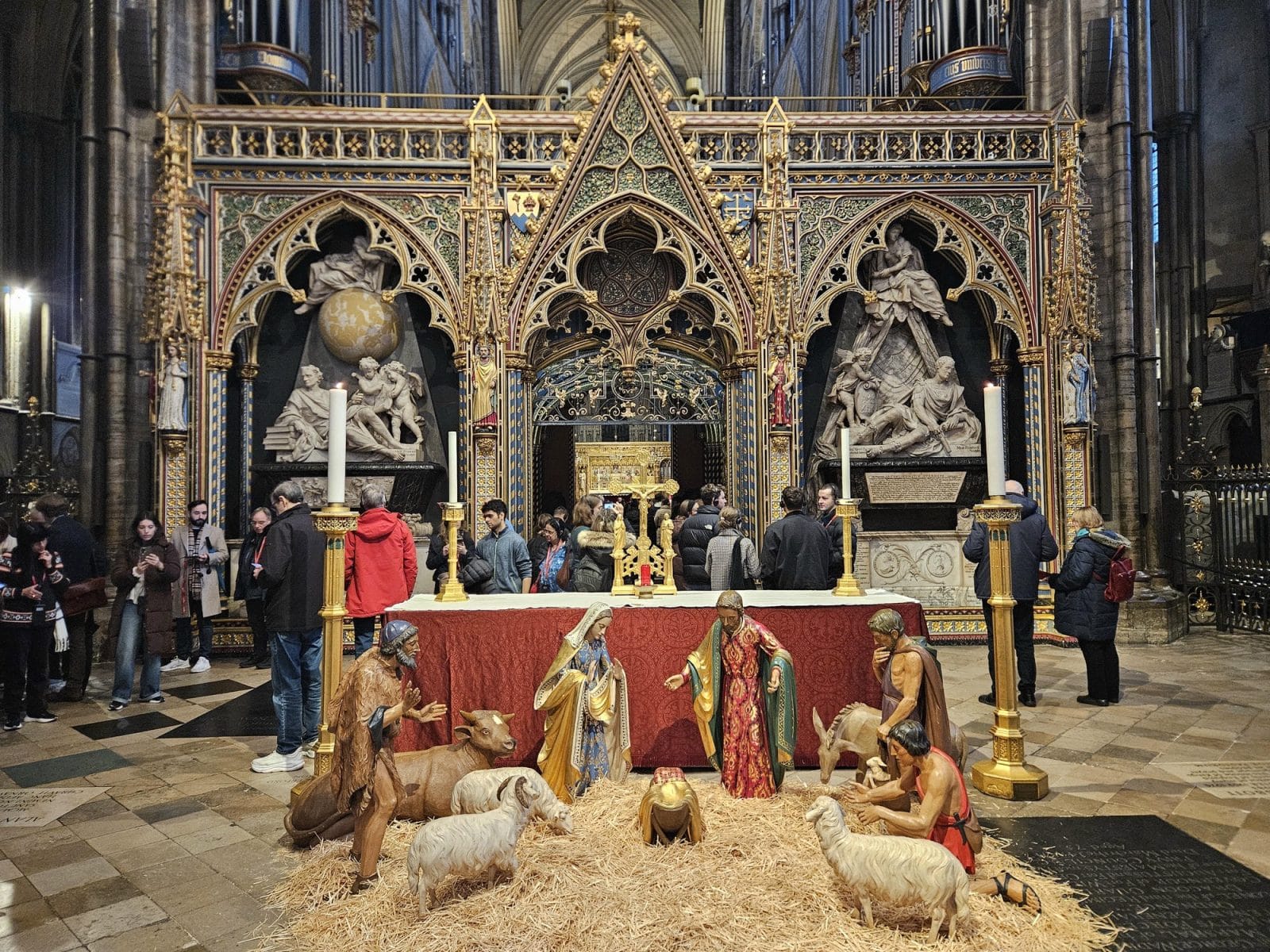
Between the nave and the Quire of Westminster Abbey is the Quire Screen, which is very decorative. It dates from the 19th century and was built in the Gothic Revival style.
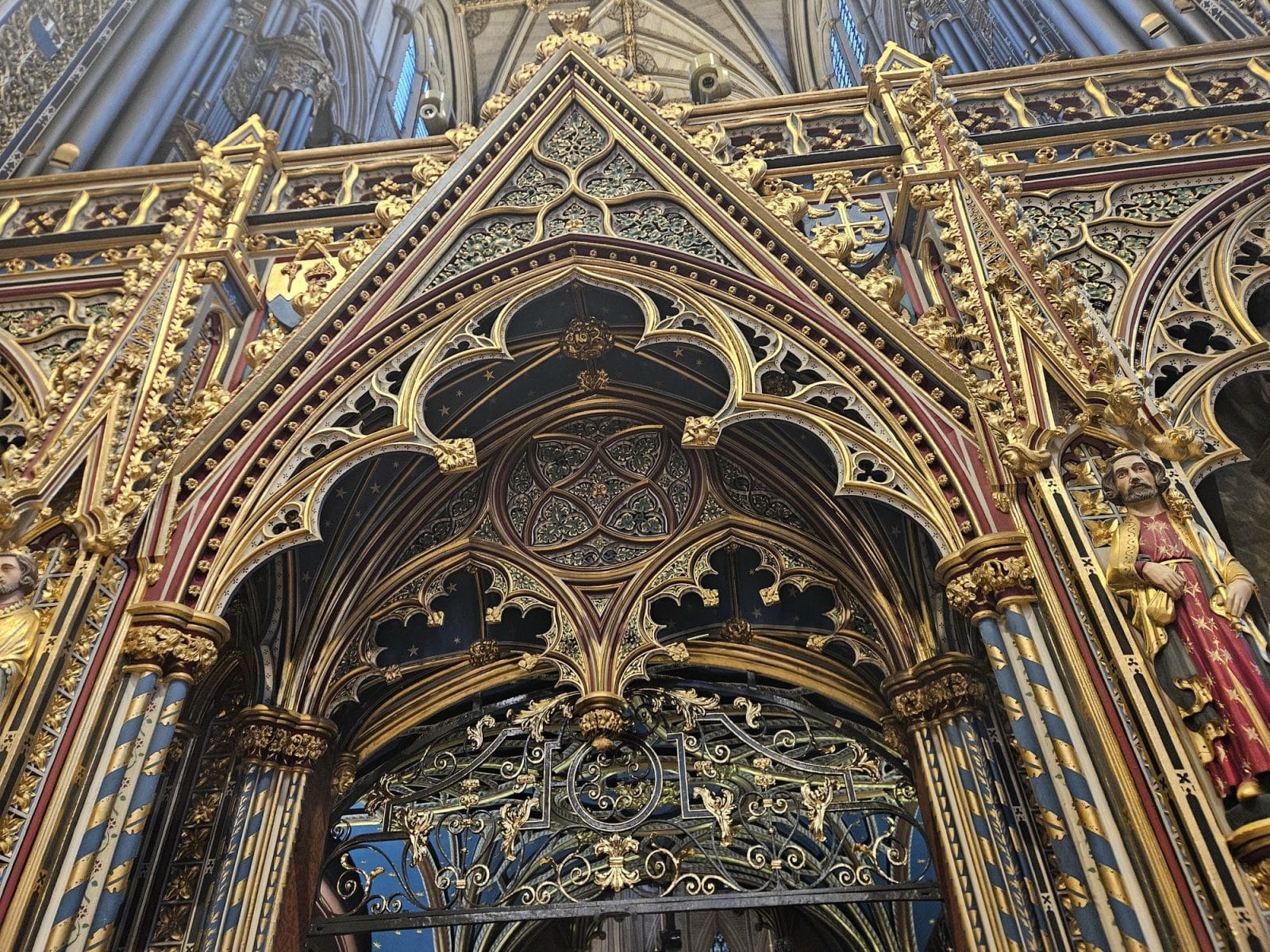
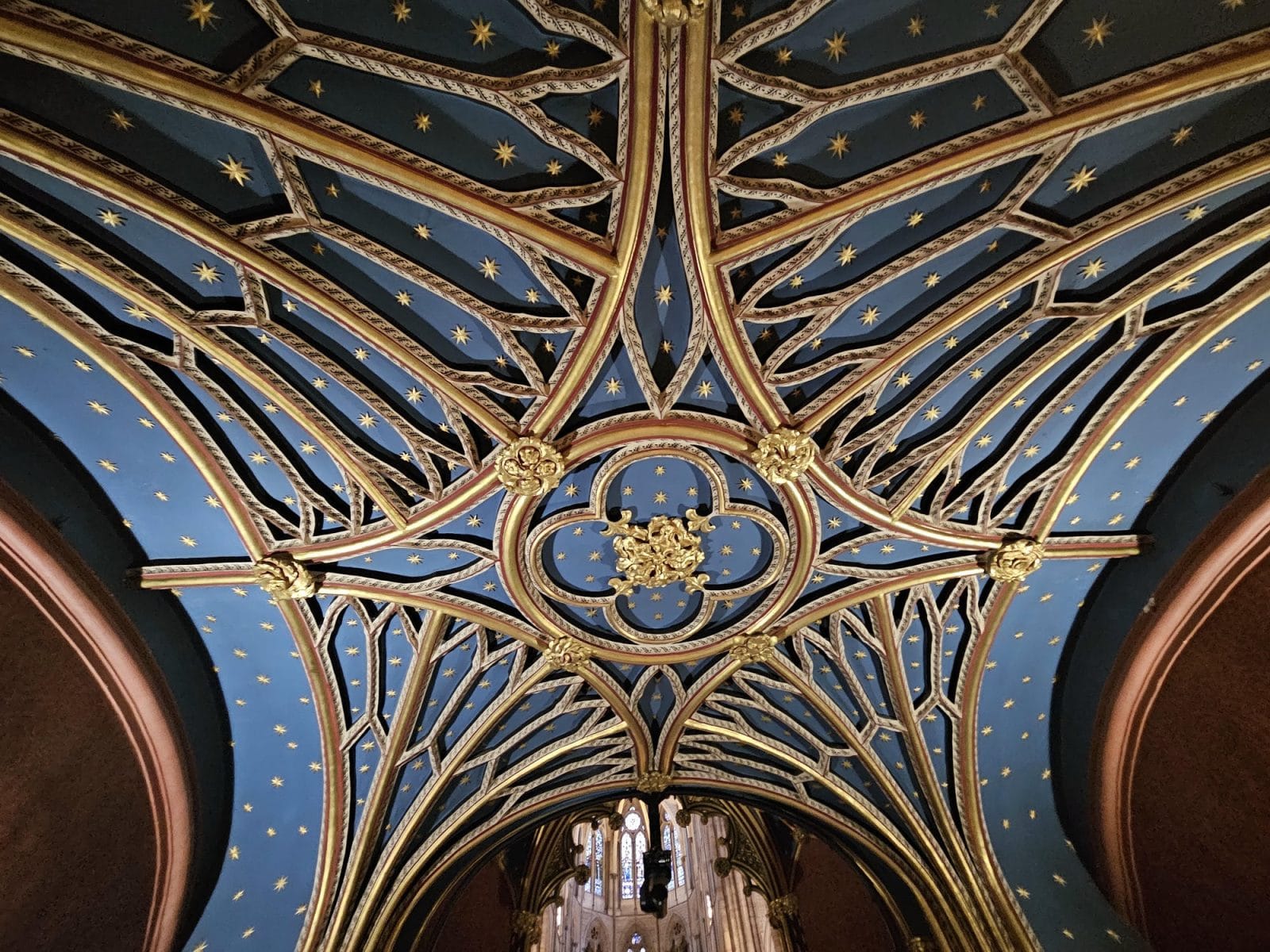
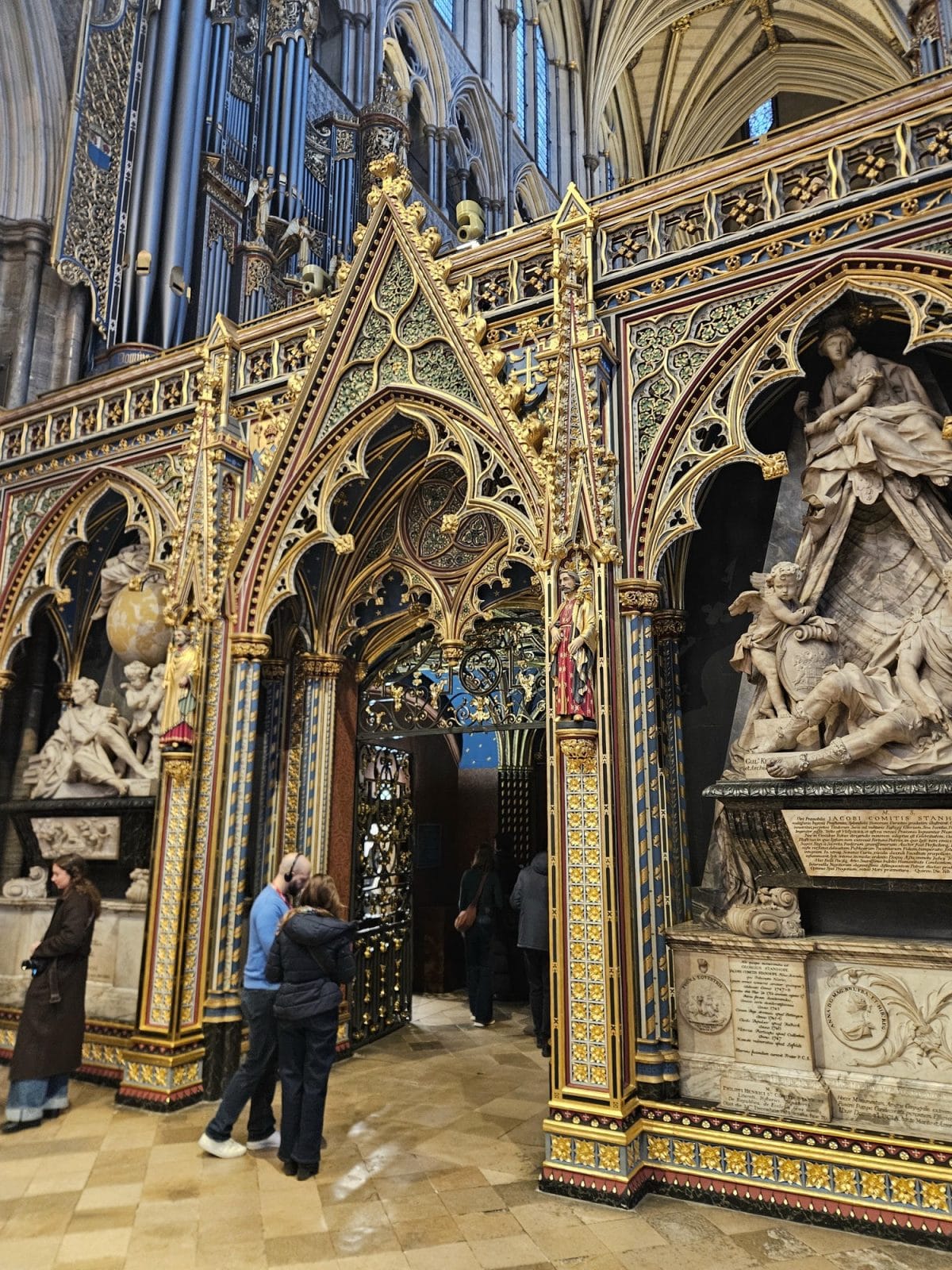
It has painted and gilded detailing, including monuments to Sir Isaac Newton and James Stanhope. You can see the details from both sides, and when you pass through the archway, the ceiling is special.
The Quire
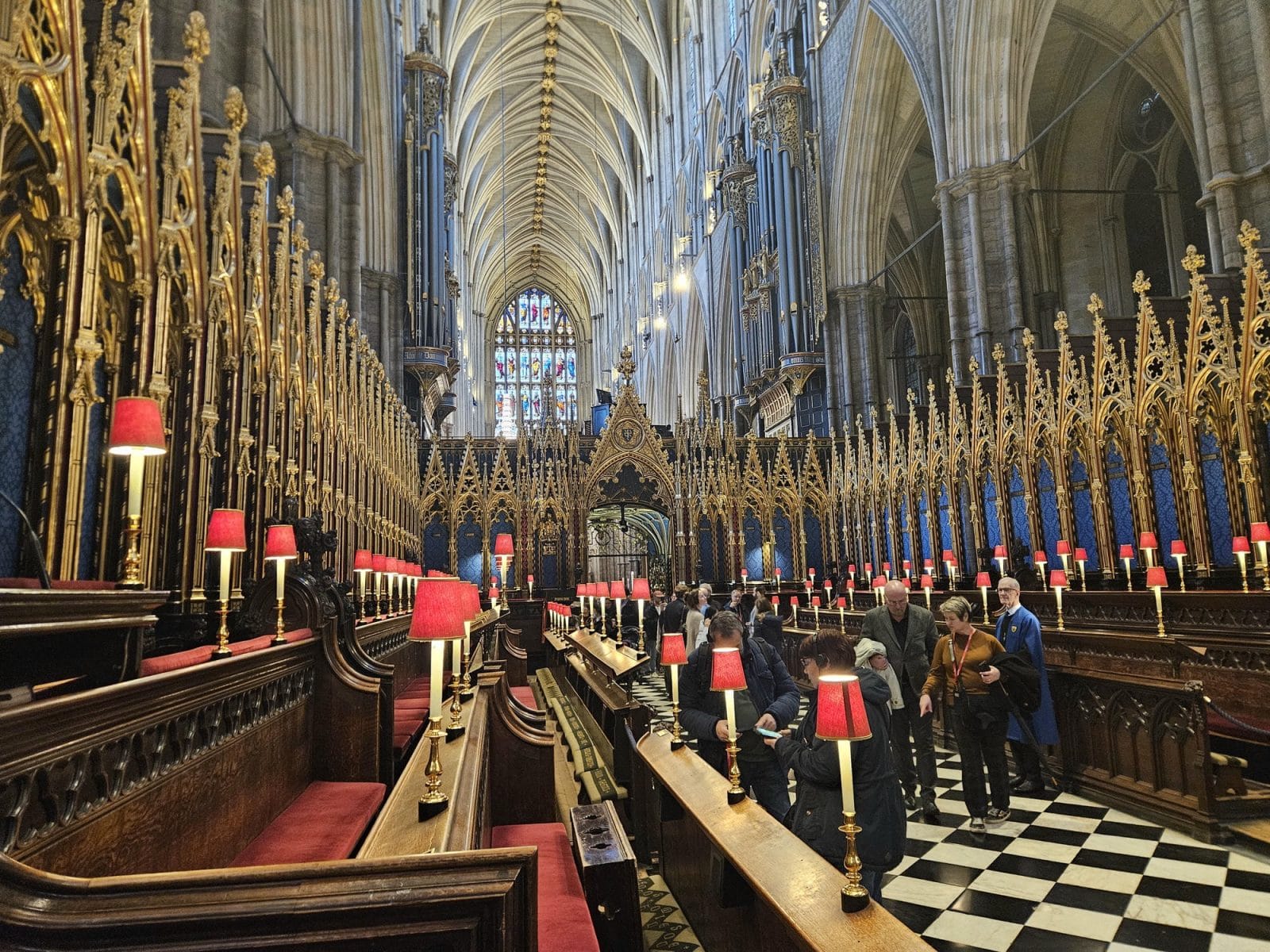
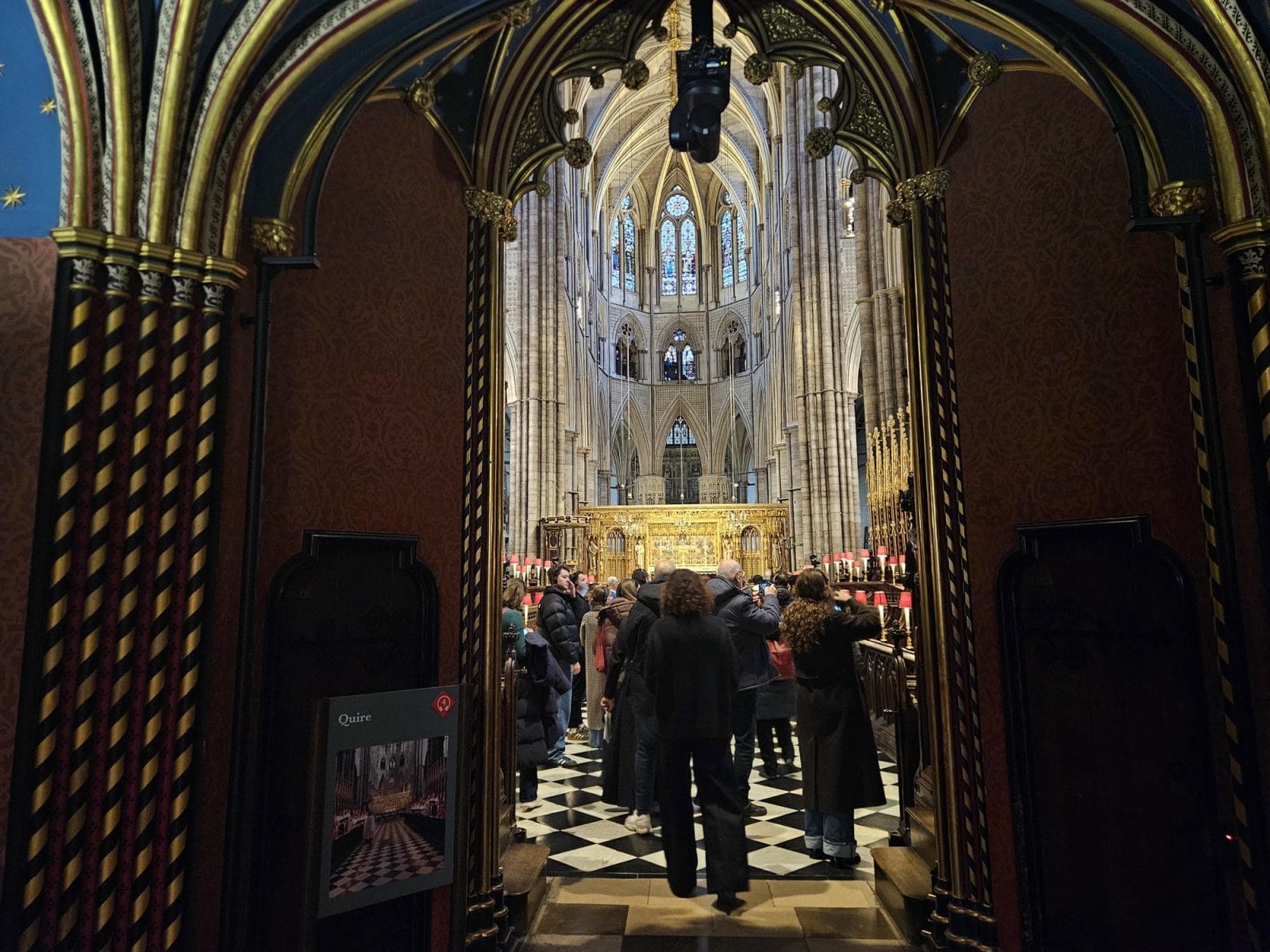
After passing through the Quire screen from the nave, you reach the Quire, which is ornate. The abbey’s choir has sung here daily from the stalls for over 1000 years, a tradition dating back to the 10th century. The Gothic decor and the black-and-white marble floor piqued my interest here.
The Sanctuary and Cosmati Pavement
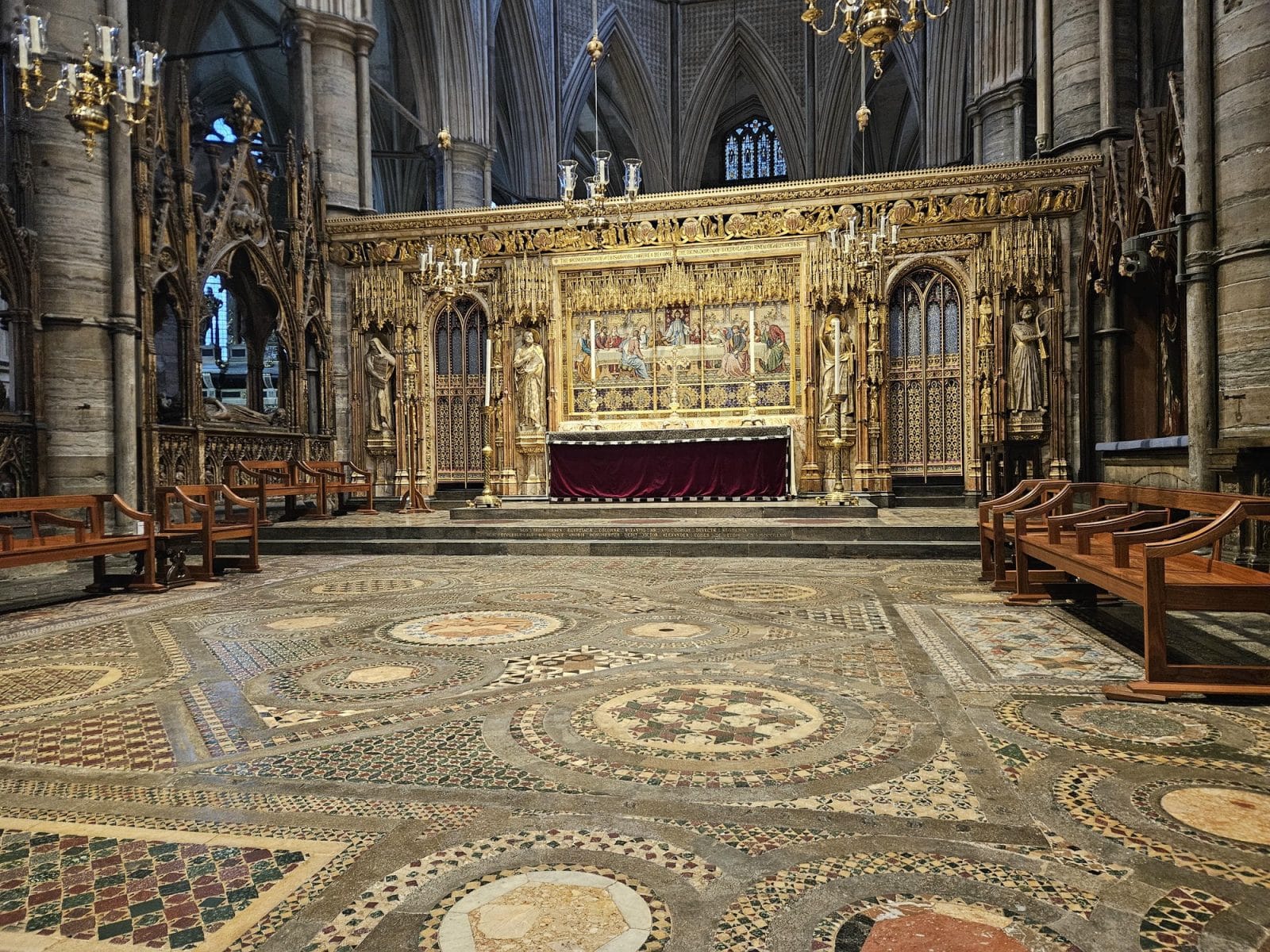
The sanctuary, just after the Quire, was eye-catching; its main features are the High Altar and the Cosmati pavement. This is the place where coronations take place inside the abbey.
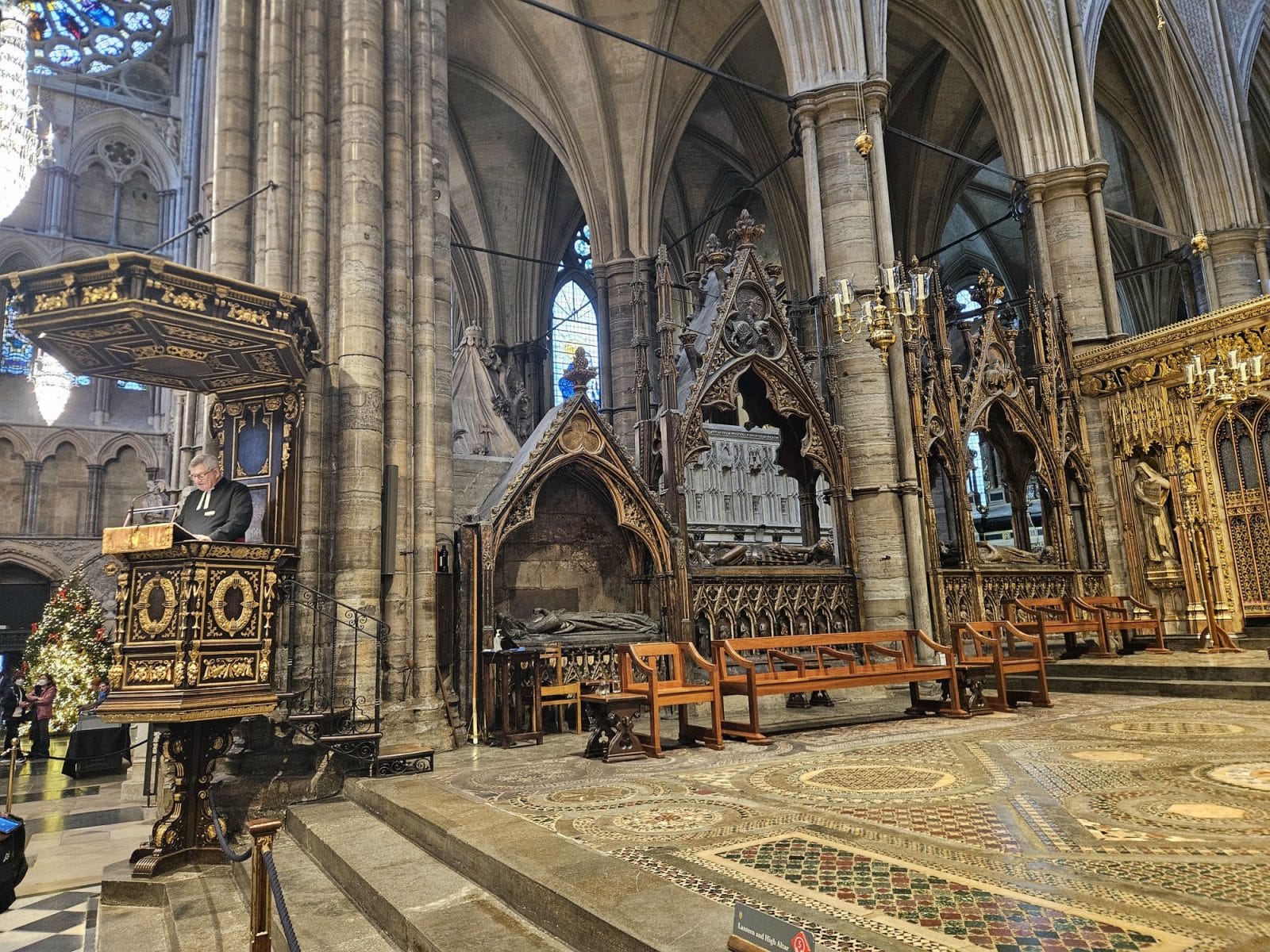
When I passed, the entire church fell silent for prayers led by a vicar from the Sanctuary pulpit.
Coronation Chair
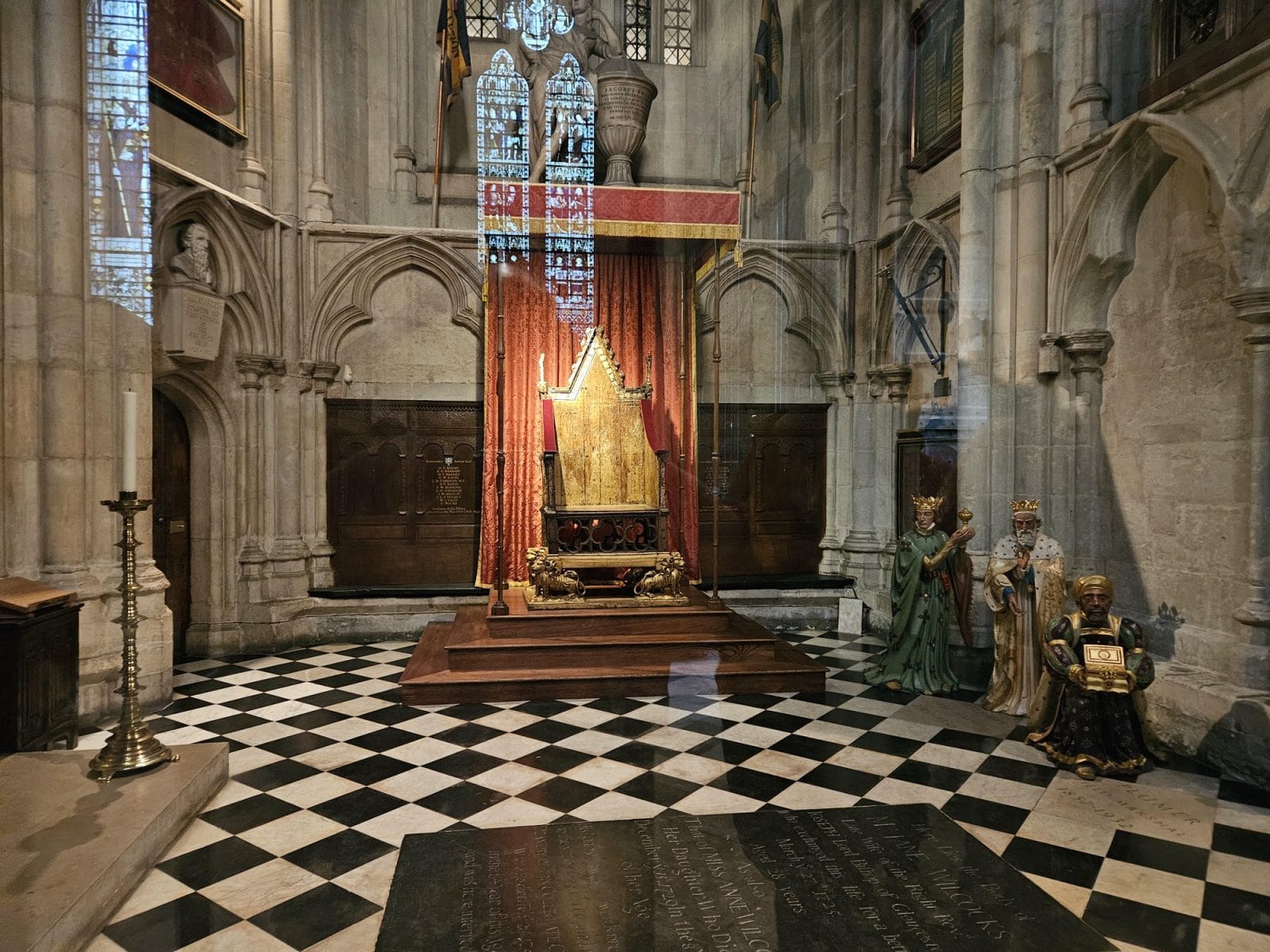
Behind glass near the exit is the Coronation Chair, also known as St Edward’s Chair. This oak throne, over 700 years old, has been used to crown 39 monarchs.
The Lady Chapel
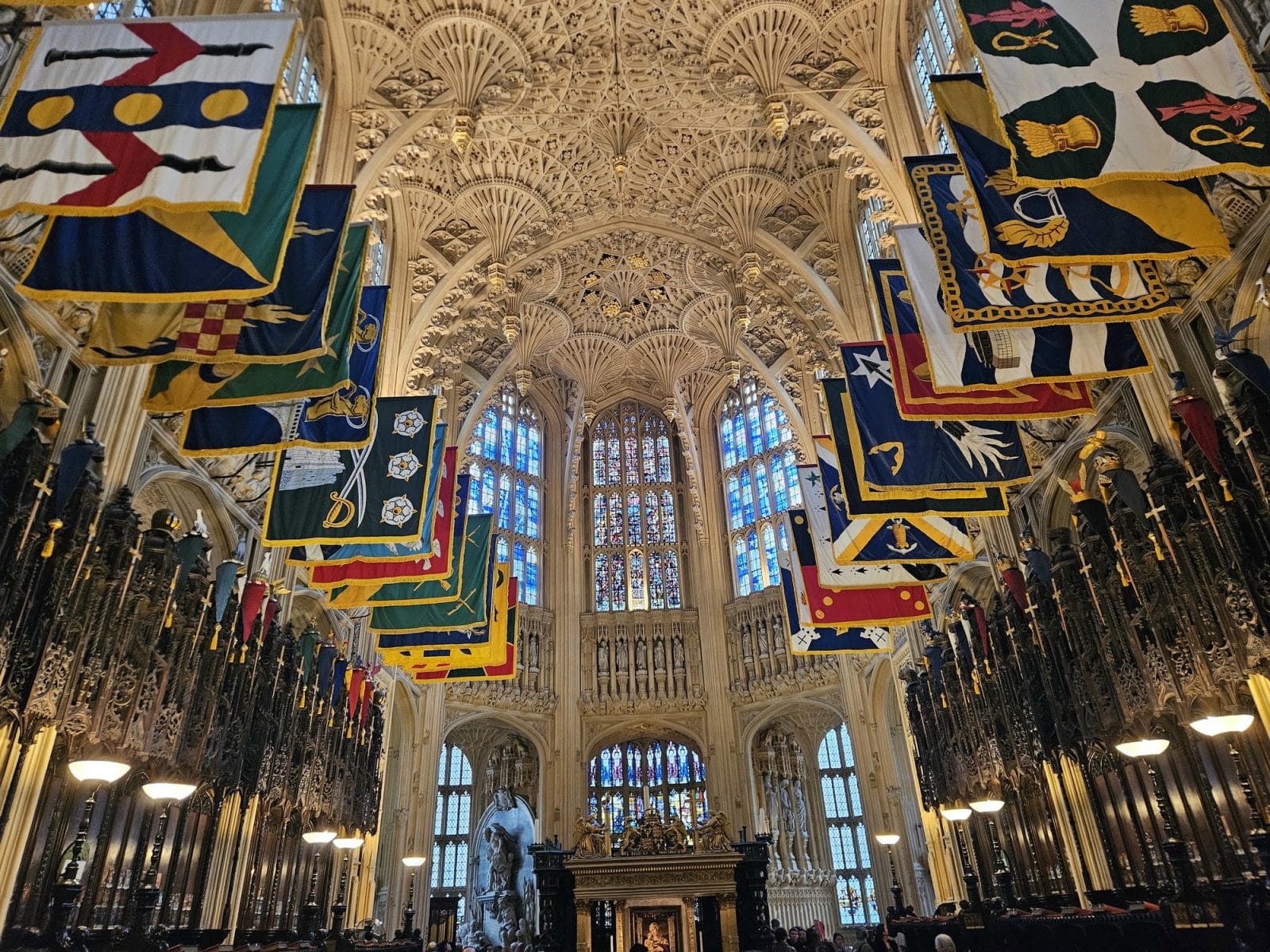
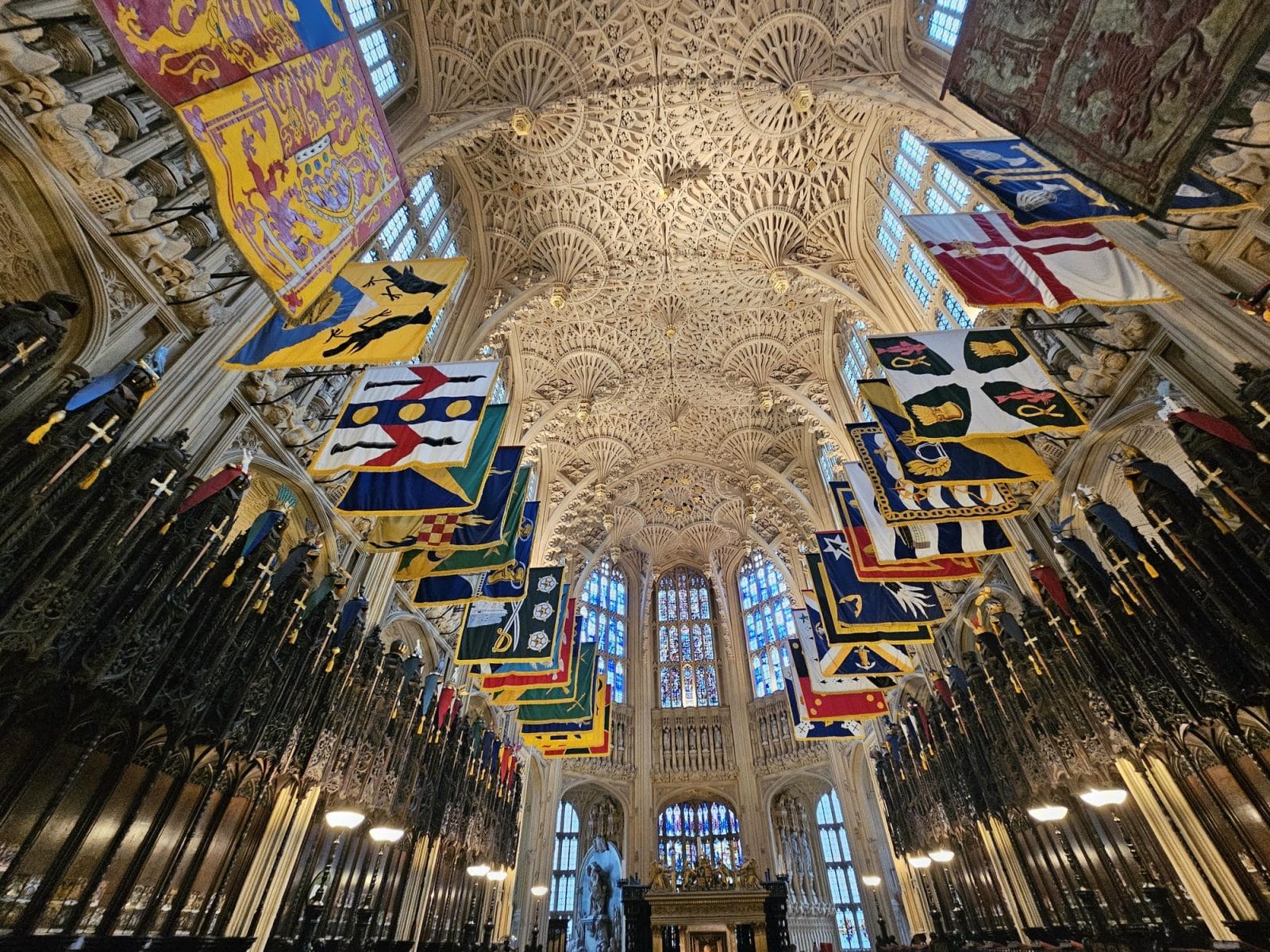
The Lady Chapel is a great place to see medieval architecture, including the fan-vaulted ceiling and the oak stalls. The main part of the Lady Chapel is adorned with flags, which are heraldic banners of the Knights Grand Cross of the Most Honourable Order of the Bath.
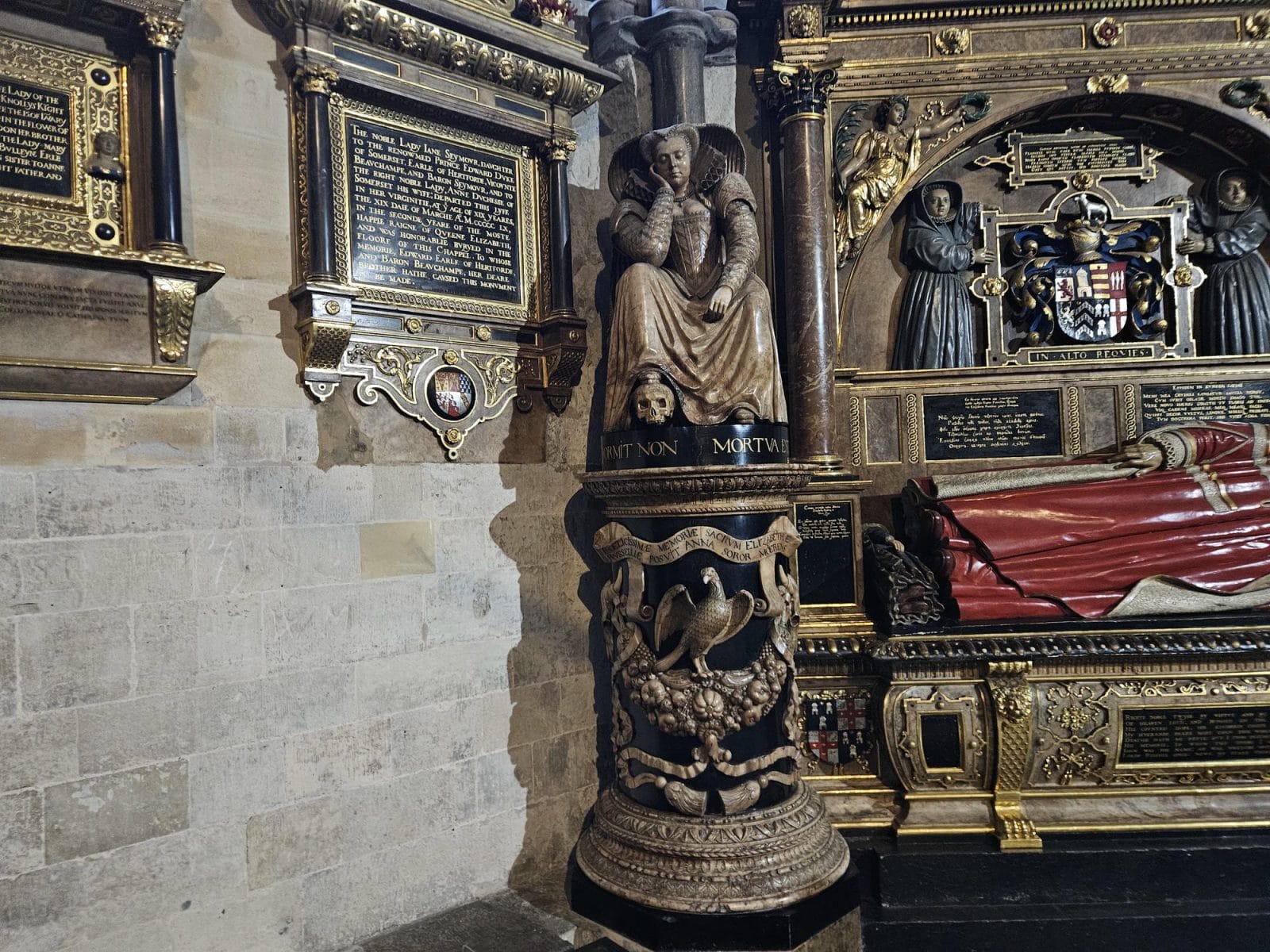
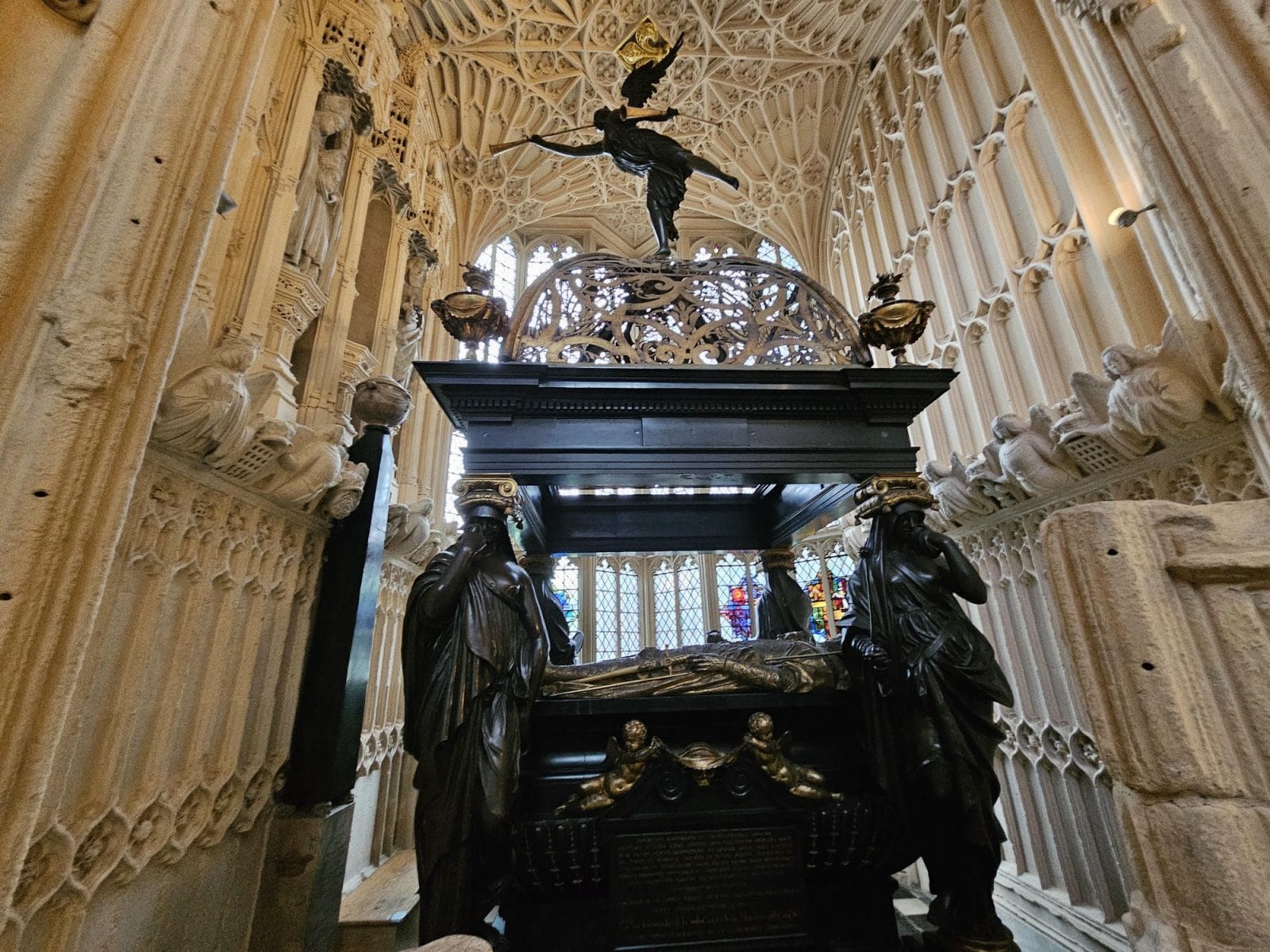
The chapel is also the burial site of 15 kings and queens, mostly in side vaults. Other historical figures are also buried here. These were interesting to walk through, spotting familiar names; it was quite narrow and congested on my visit.
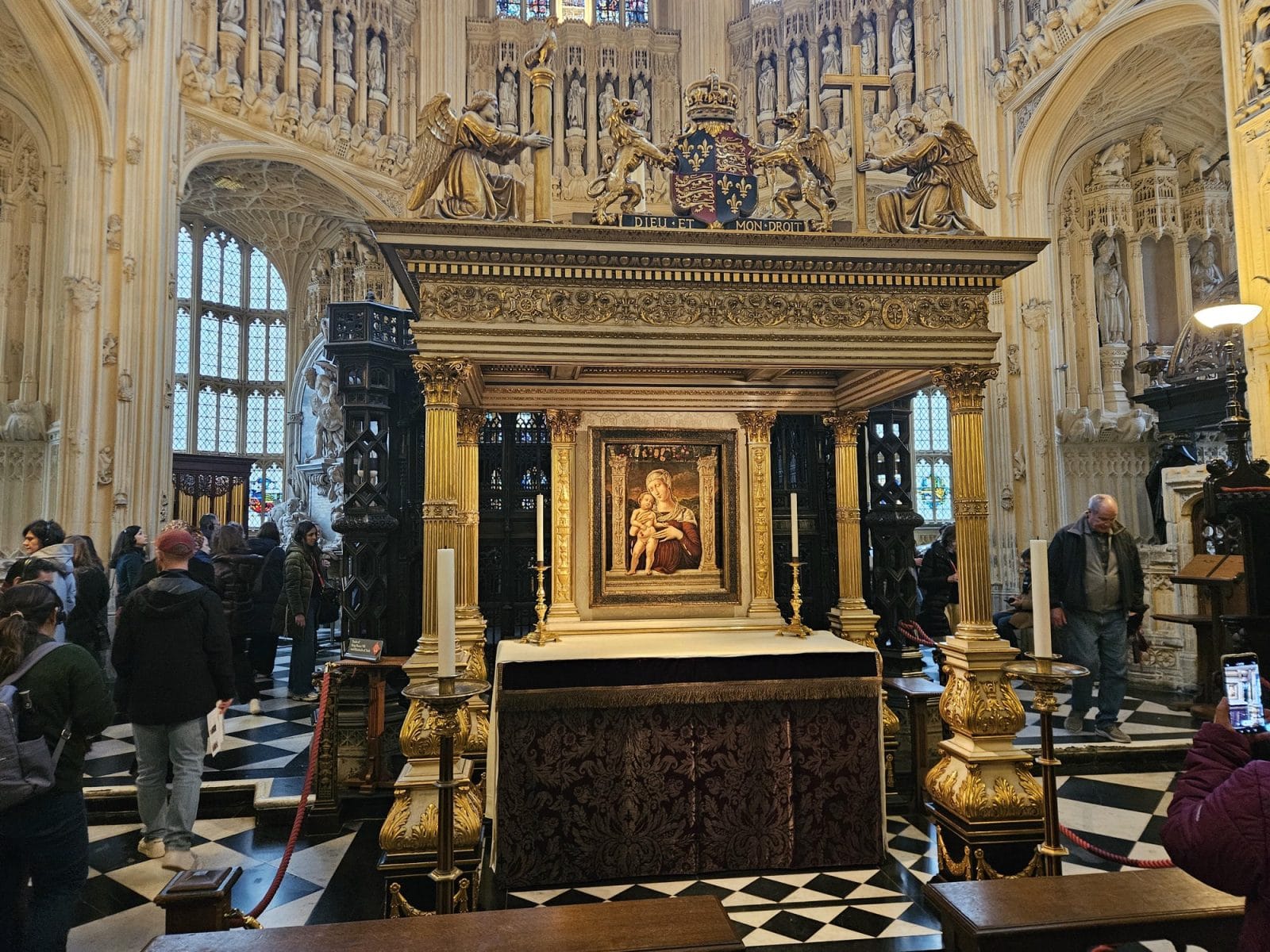
The altar here is decorative; it has a 15th-century painting of the Madonna and Child by Bartolomeo Vivarini.
Chapter House
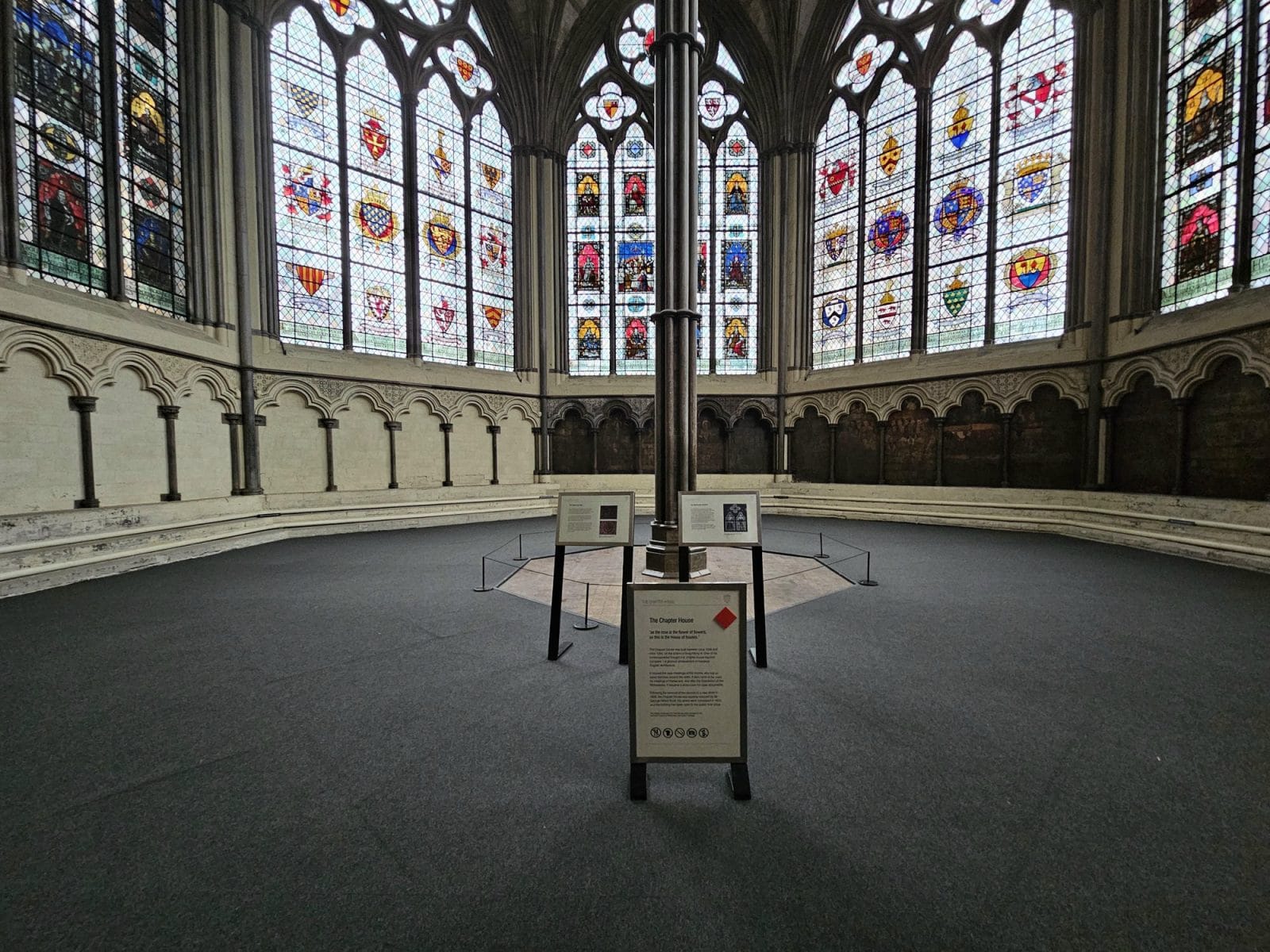
The Chapter House in the East Cloister is a nice part of the building, and on my visit, it was relatively quiet. This was a meeting place where the monks gathered with the abbot to ‘hold chapter’.
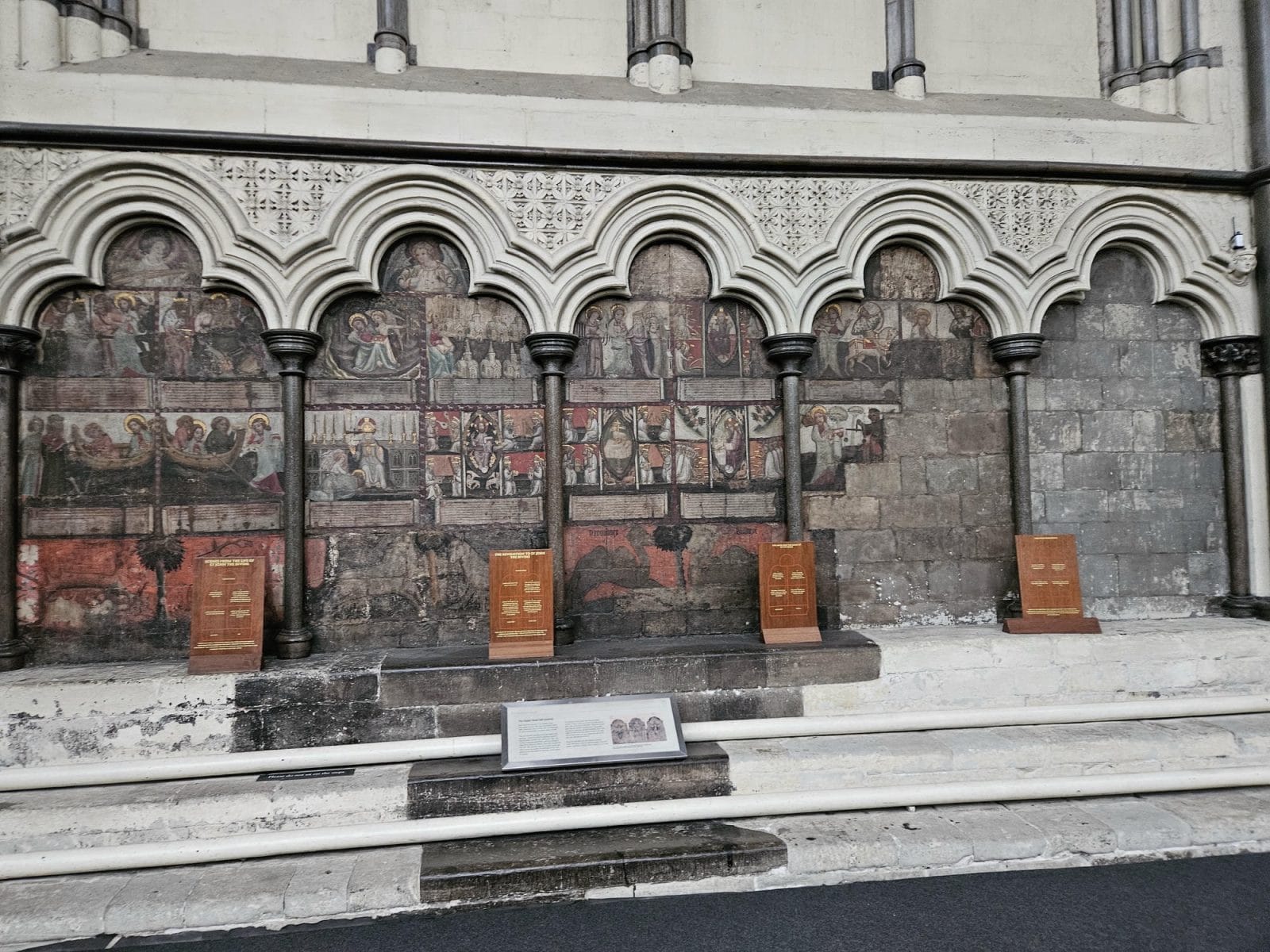
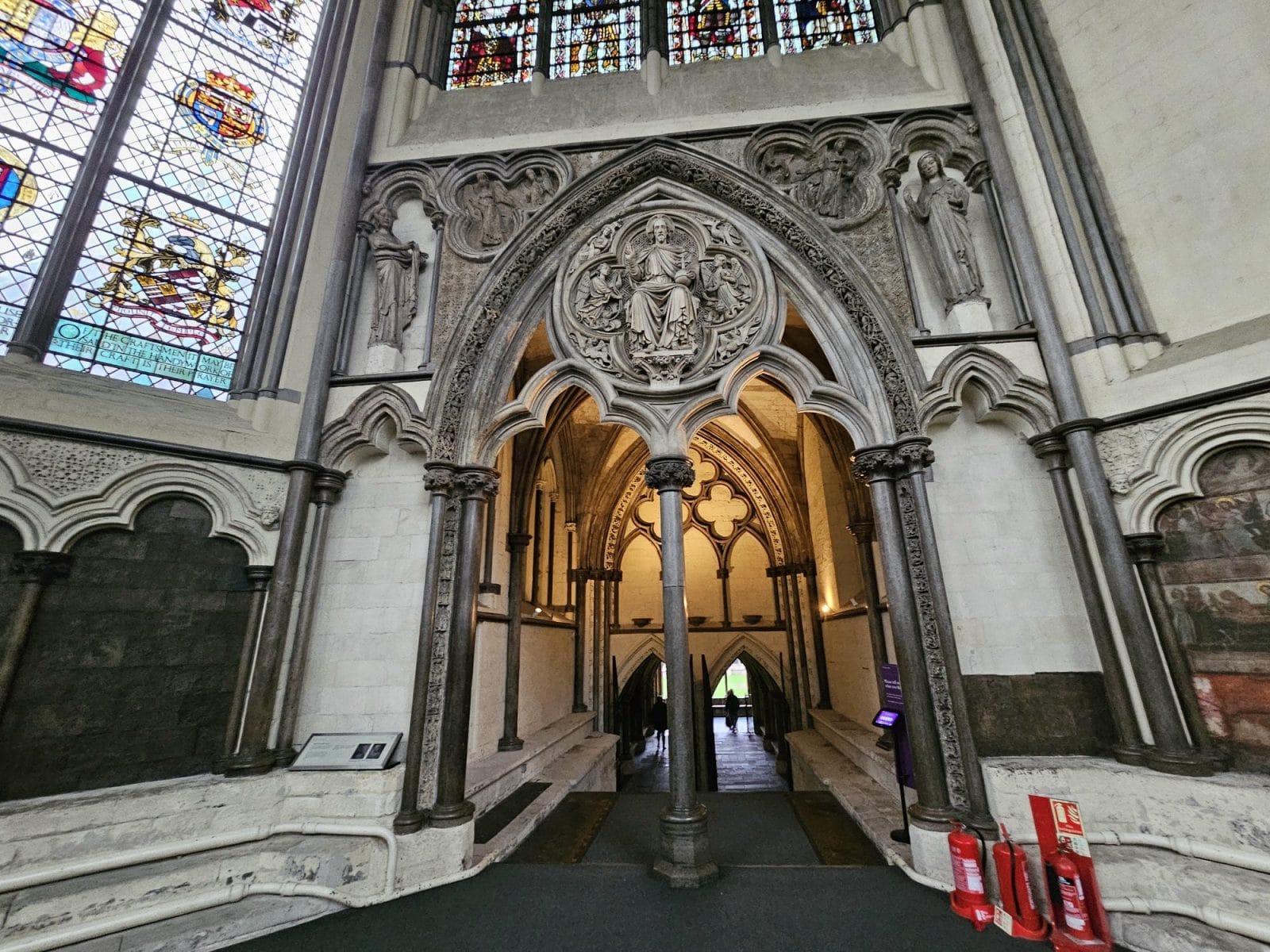
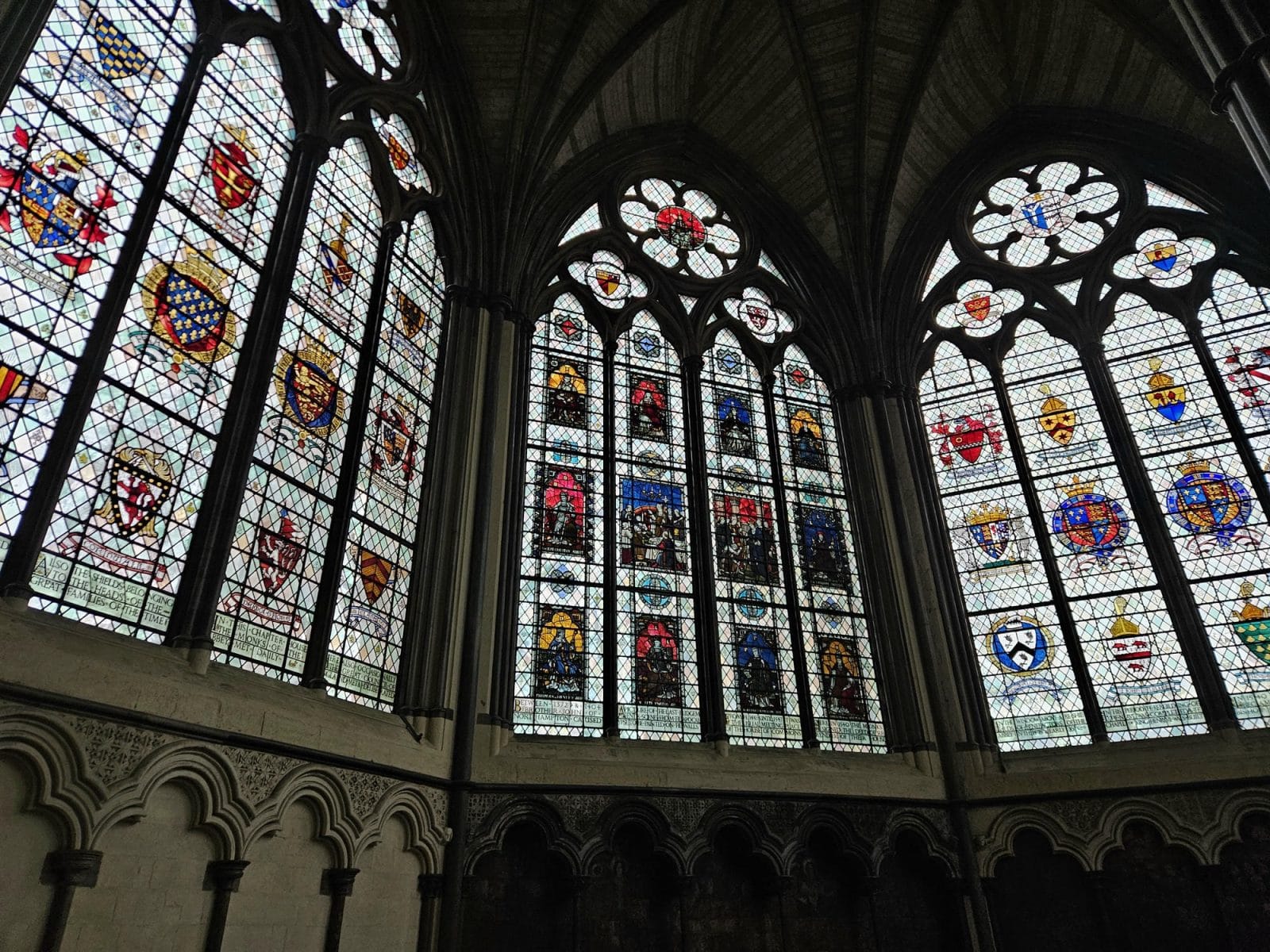
The Chapter House was part of Henry III’s rebuilding of the abbey and was completed between 1246 and 1255. The room is octagonal, with nice stained-glass windows and seating along the edges. In the centre is a large pillar which joins the floor and the vaulted ceiling.
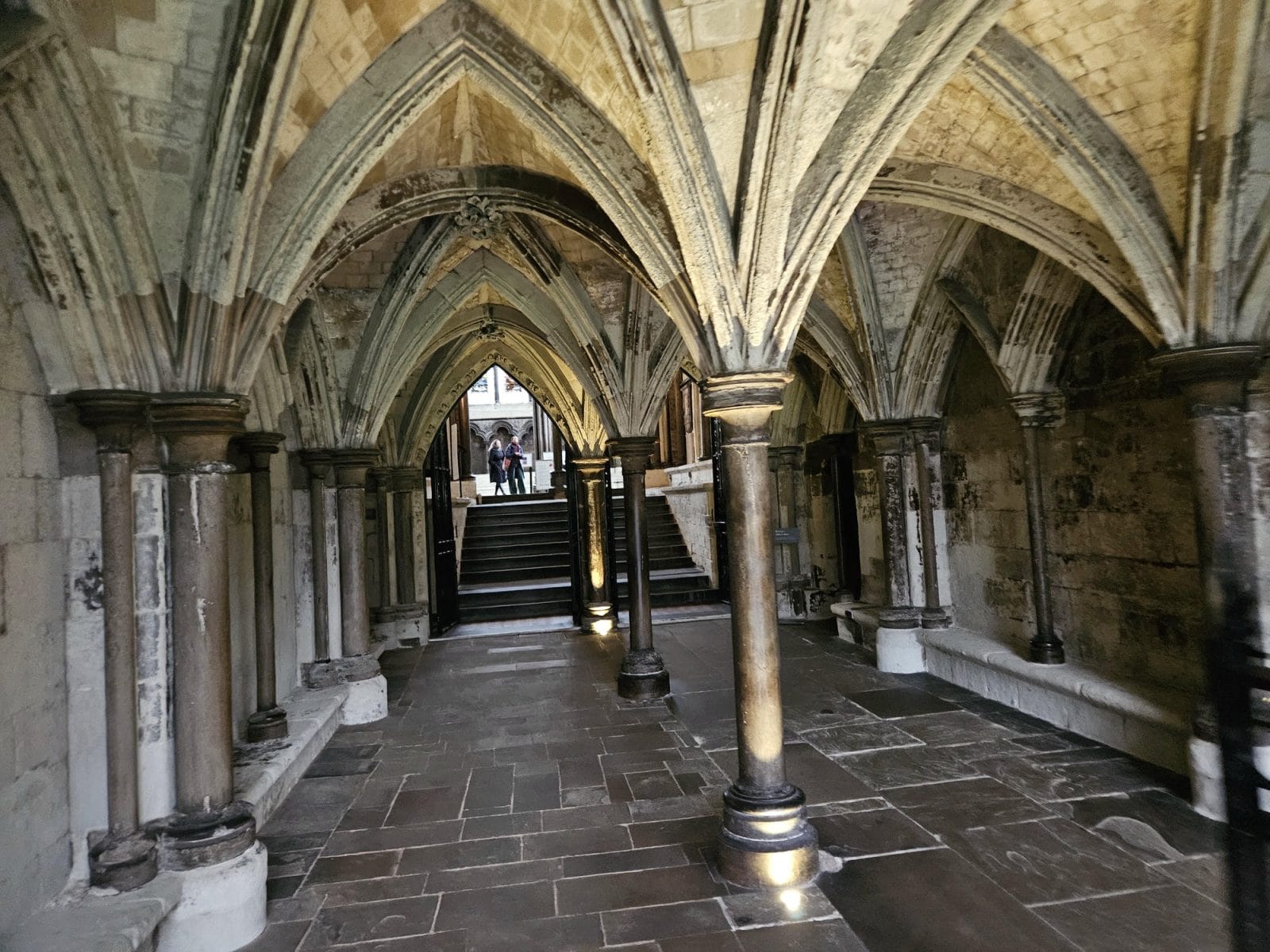
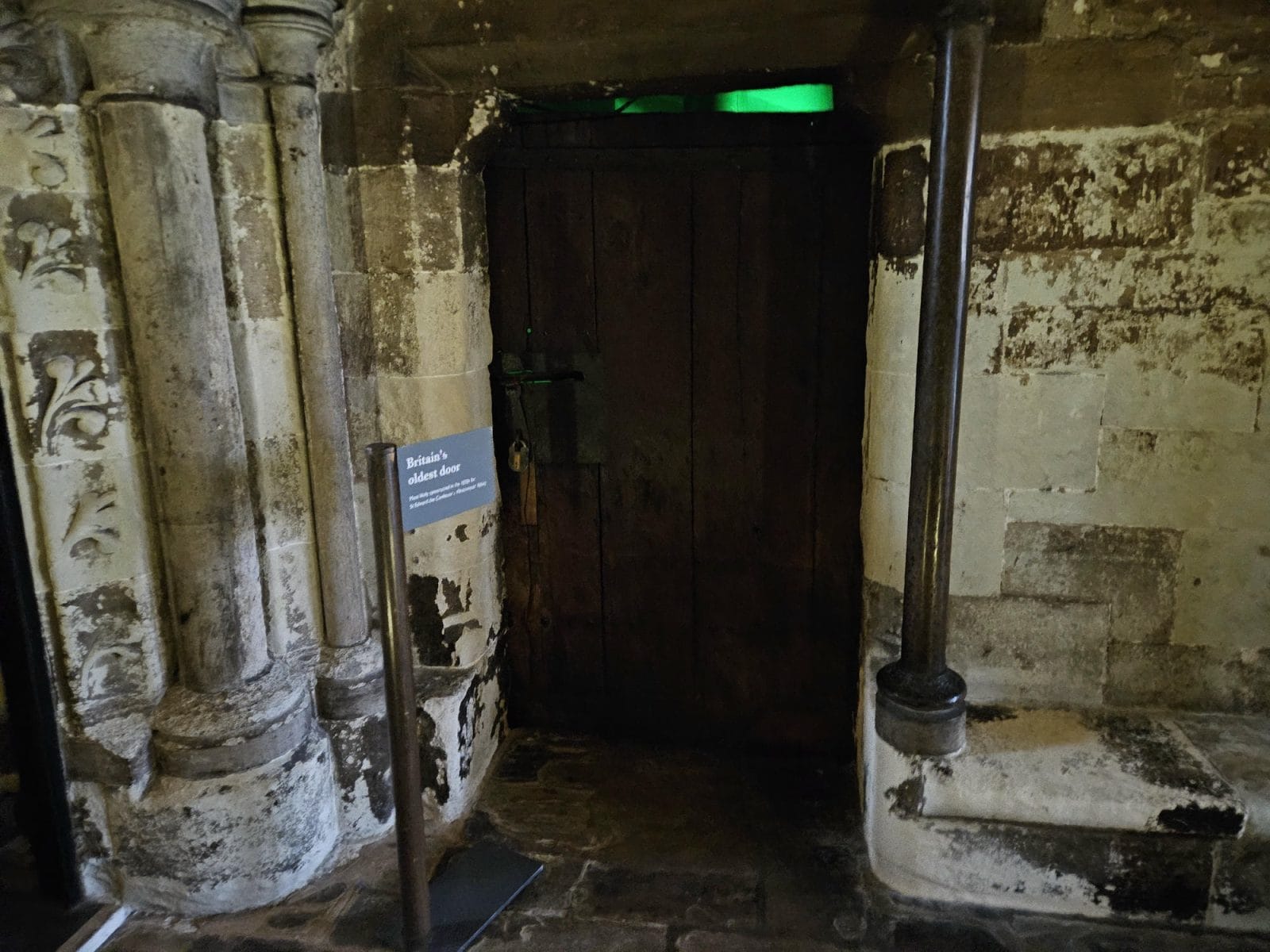
To enter, you access from the cloisters via the intriguing Chapter House vestibule, a medieval passage. Also in the vestibule is Britain’s oldest door, which dates from around 1050.
The Pyx Chamber
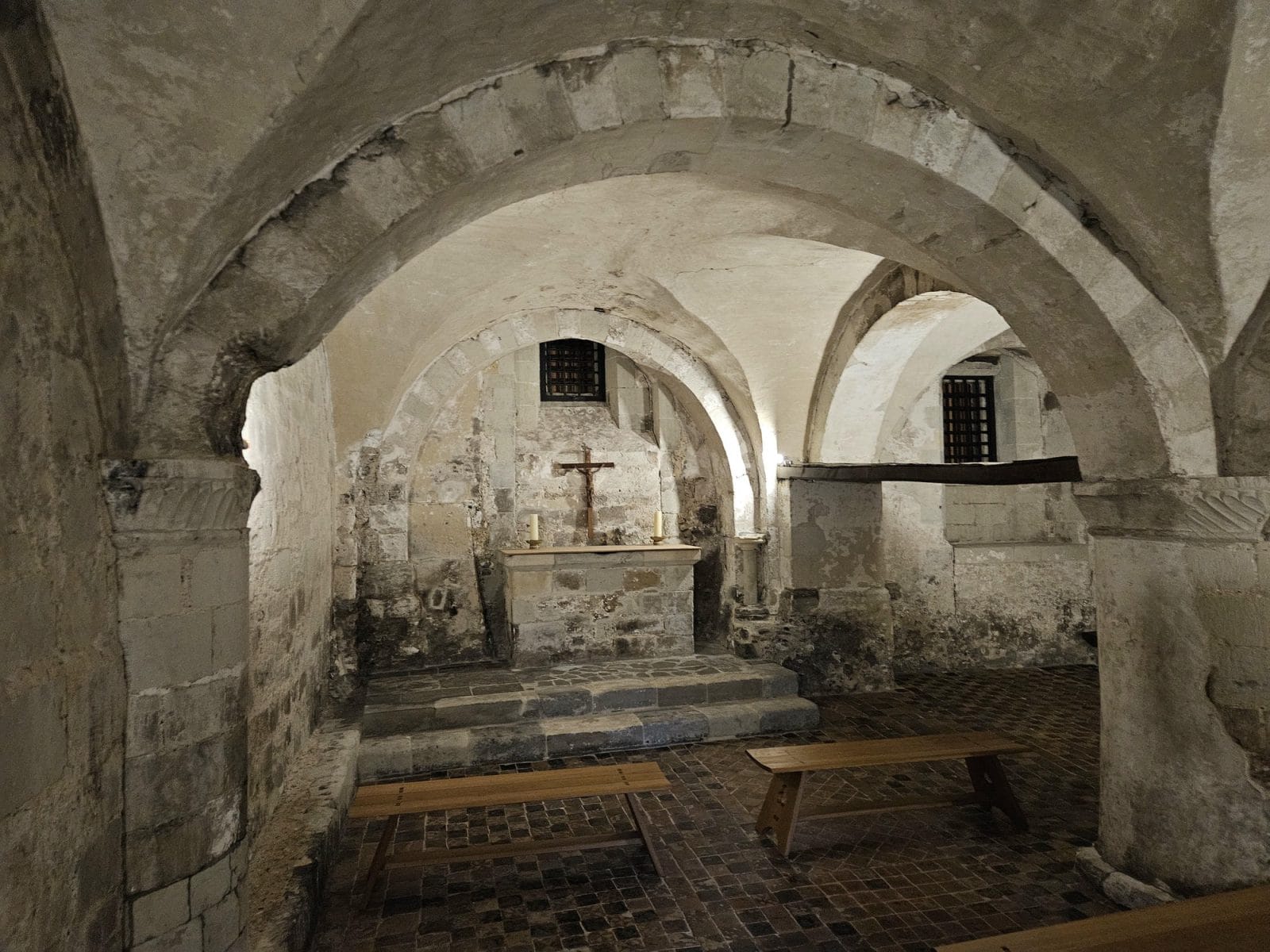
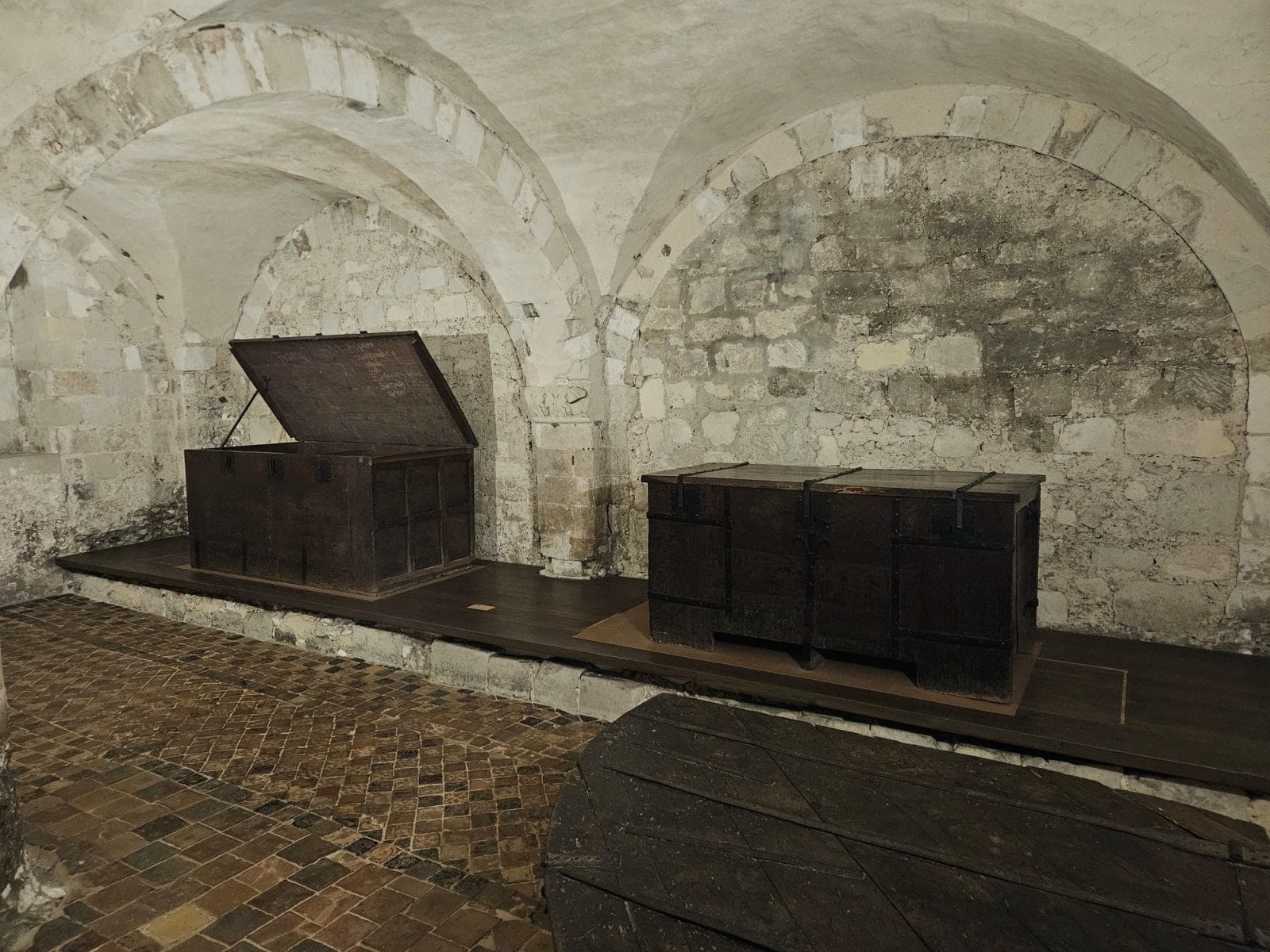
The Pyx Chamber was built just after the Norman Conquest and is one of the oldest parts of the abbey. It originally was an undercroft below the monks’ dormitory. Its primary use in the Middle Ages was as a strongroom to store the King’s valuables.
Little Cloister
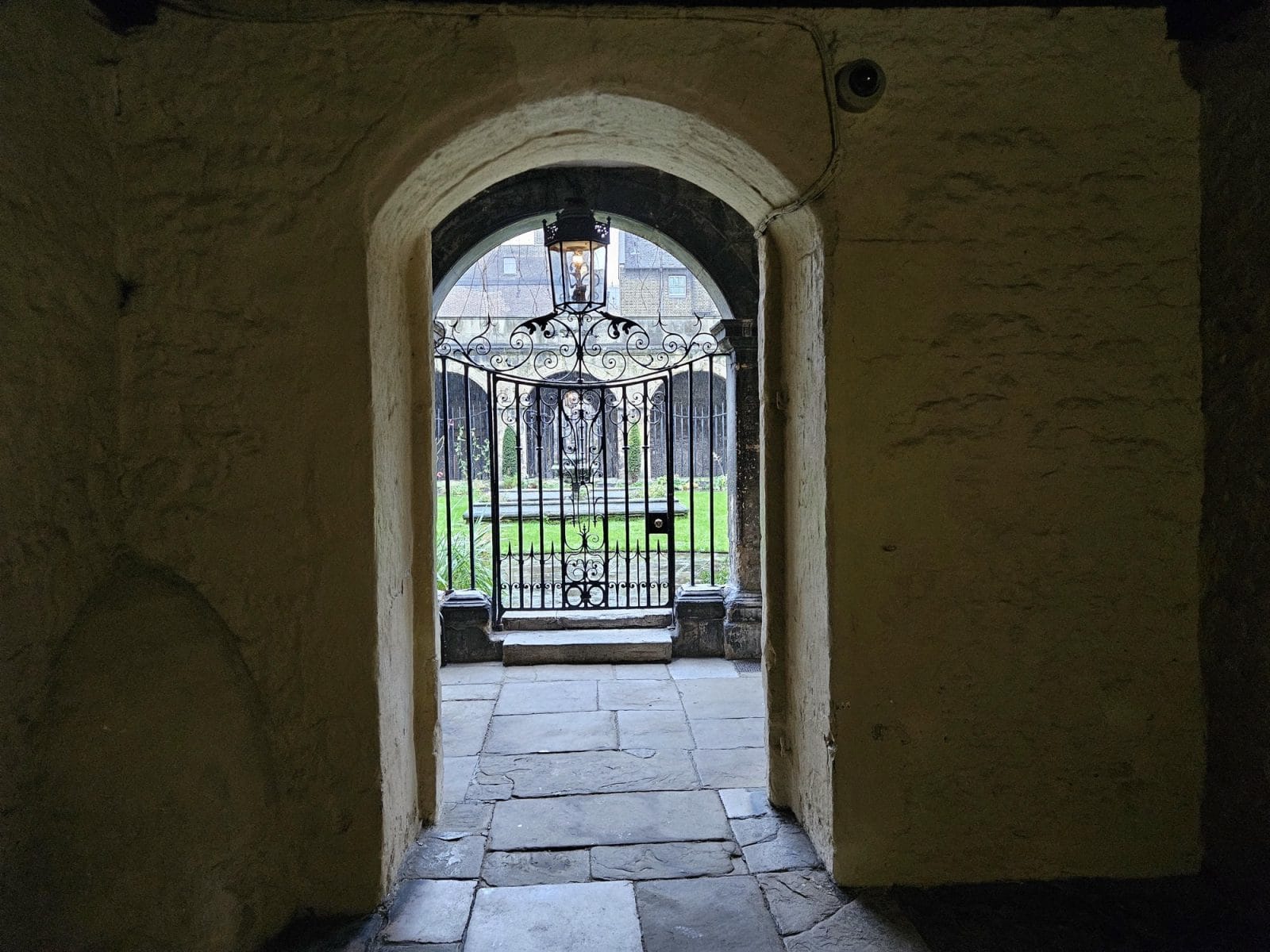
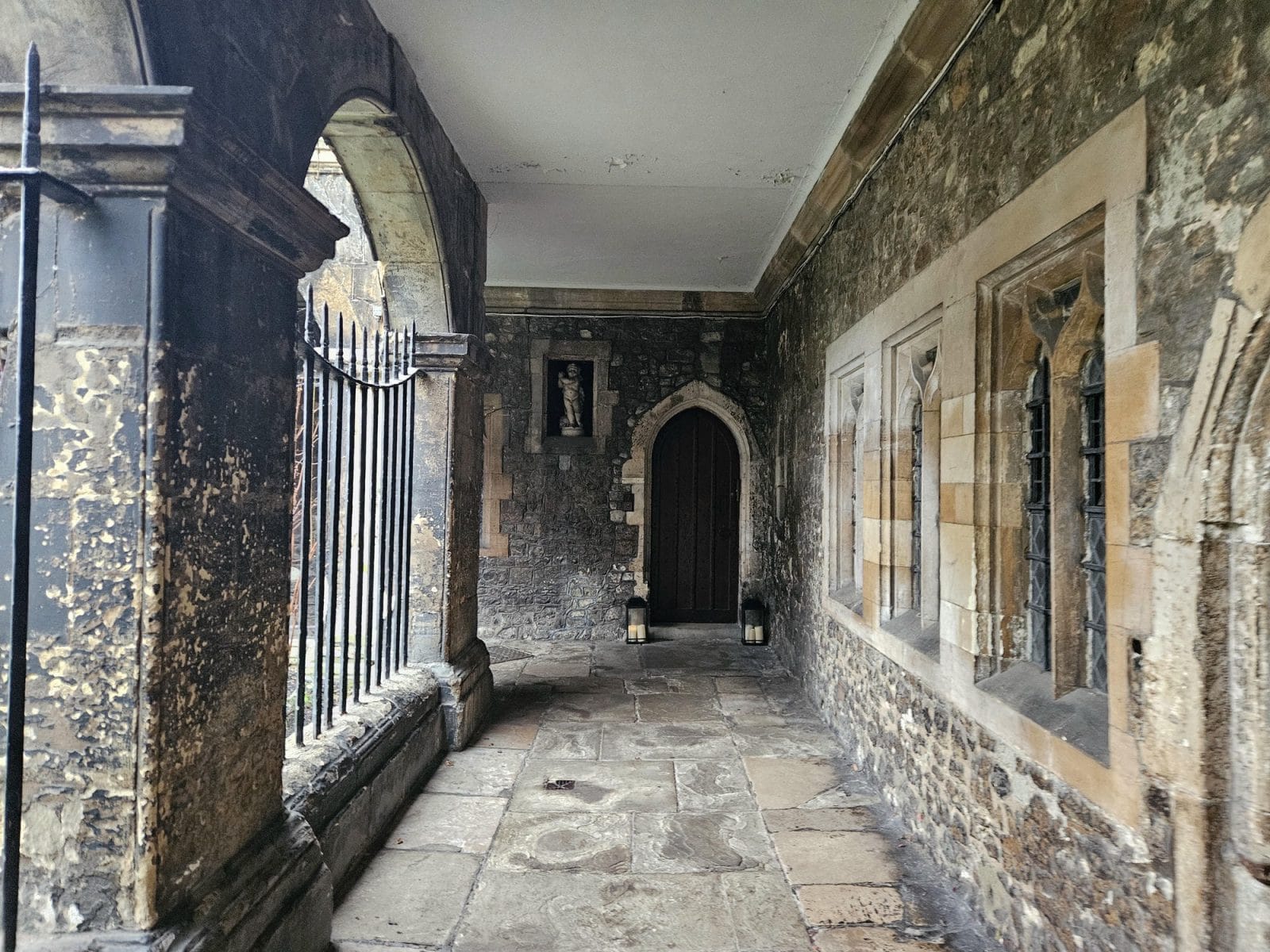
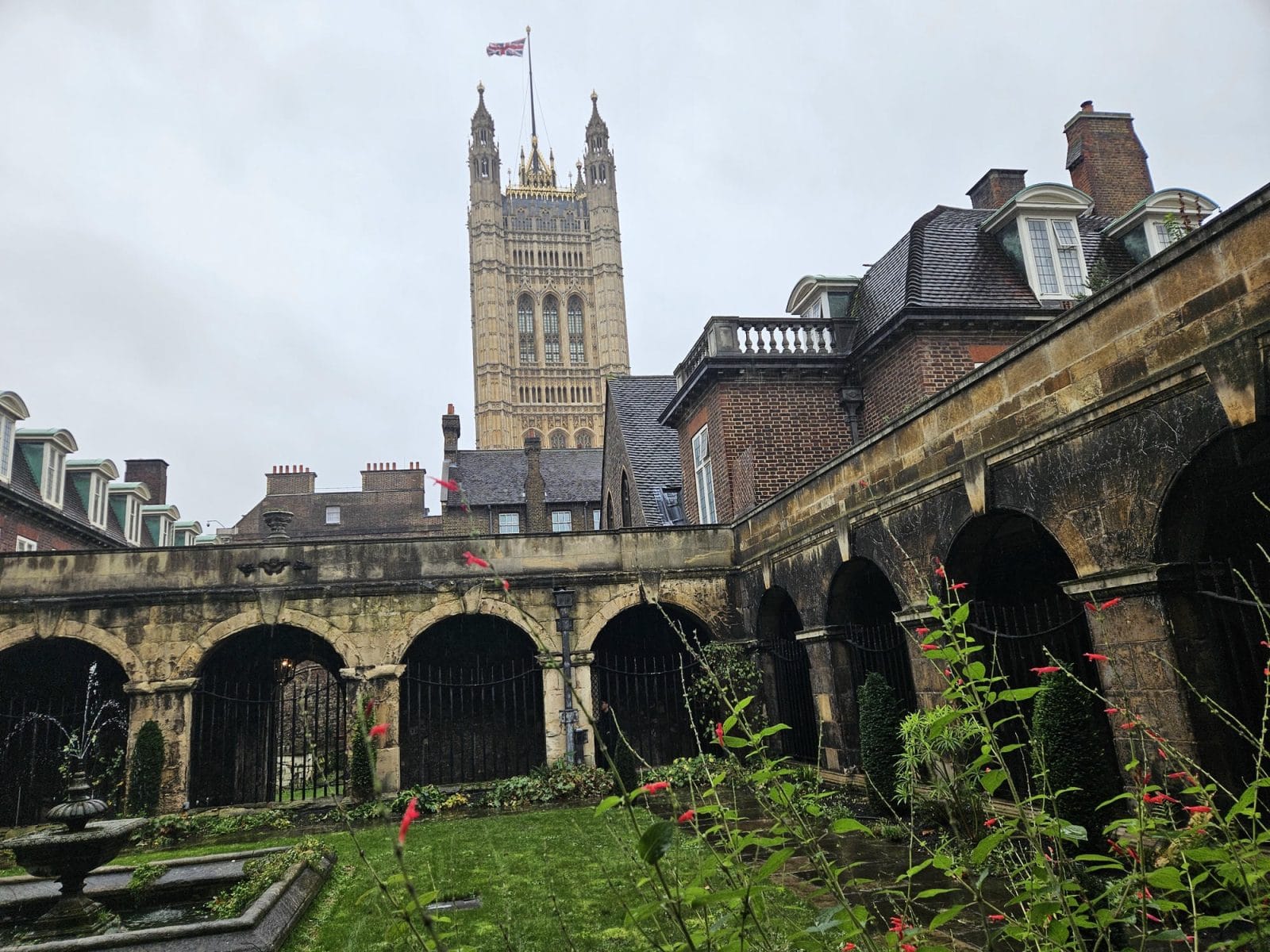
One of the quieter areas during my visit was the Little Cloister, which was once the Infirmary during the monastic period. To get here, you pass through what is known as the dark cloister. Nowadays, the houses of the Abbey clergy are located here. The little cloister surrounds a small garden with a fountain.
The Cloisters
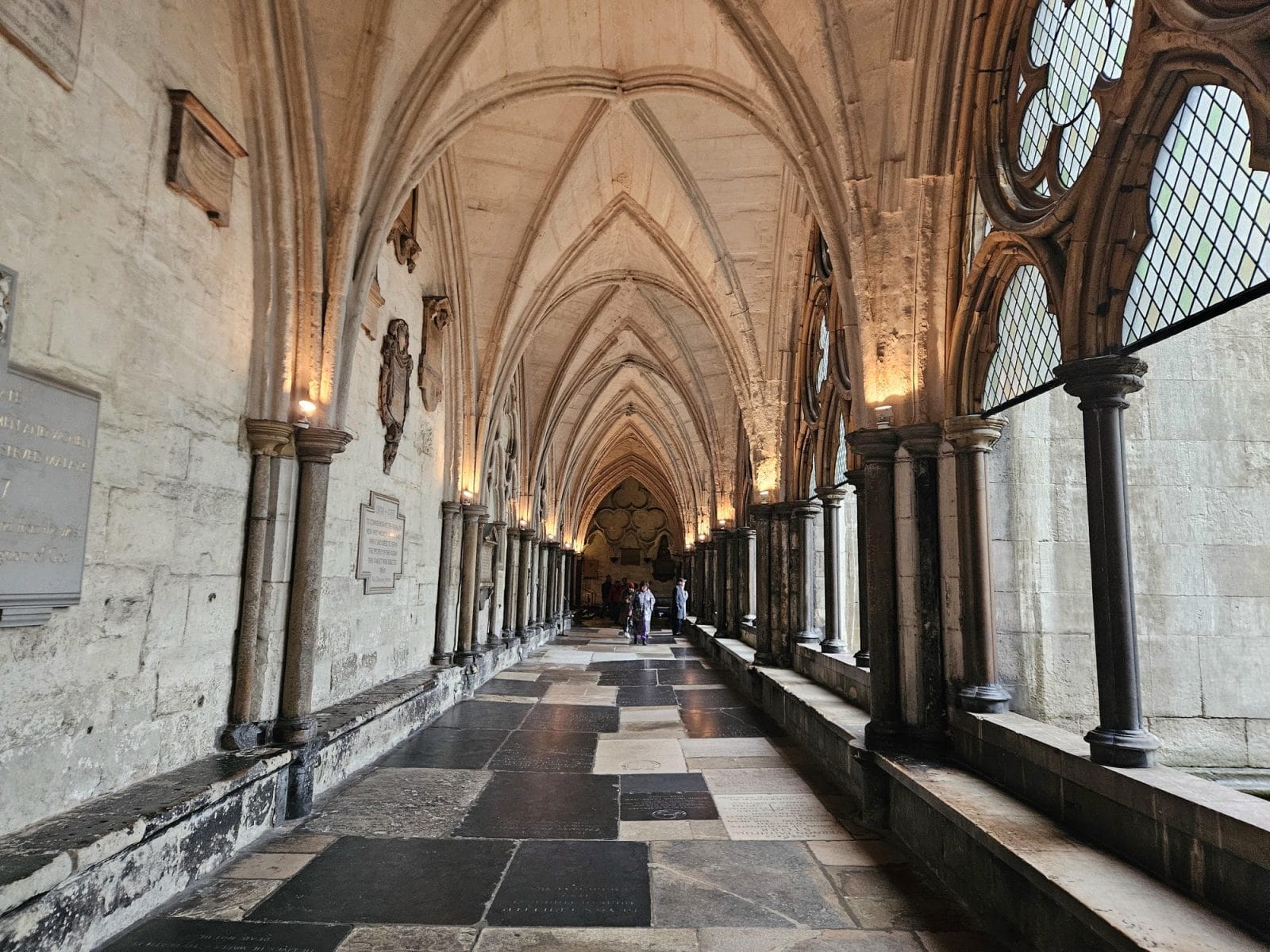
The main cloisters are lovely to visit and are the place to use the restroom or visit the cafe. These date from the 13th to 15th centuries and were traditionally one of the busier parts of the church before tourism. Inside the cloisters are many memorials and sights.
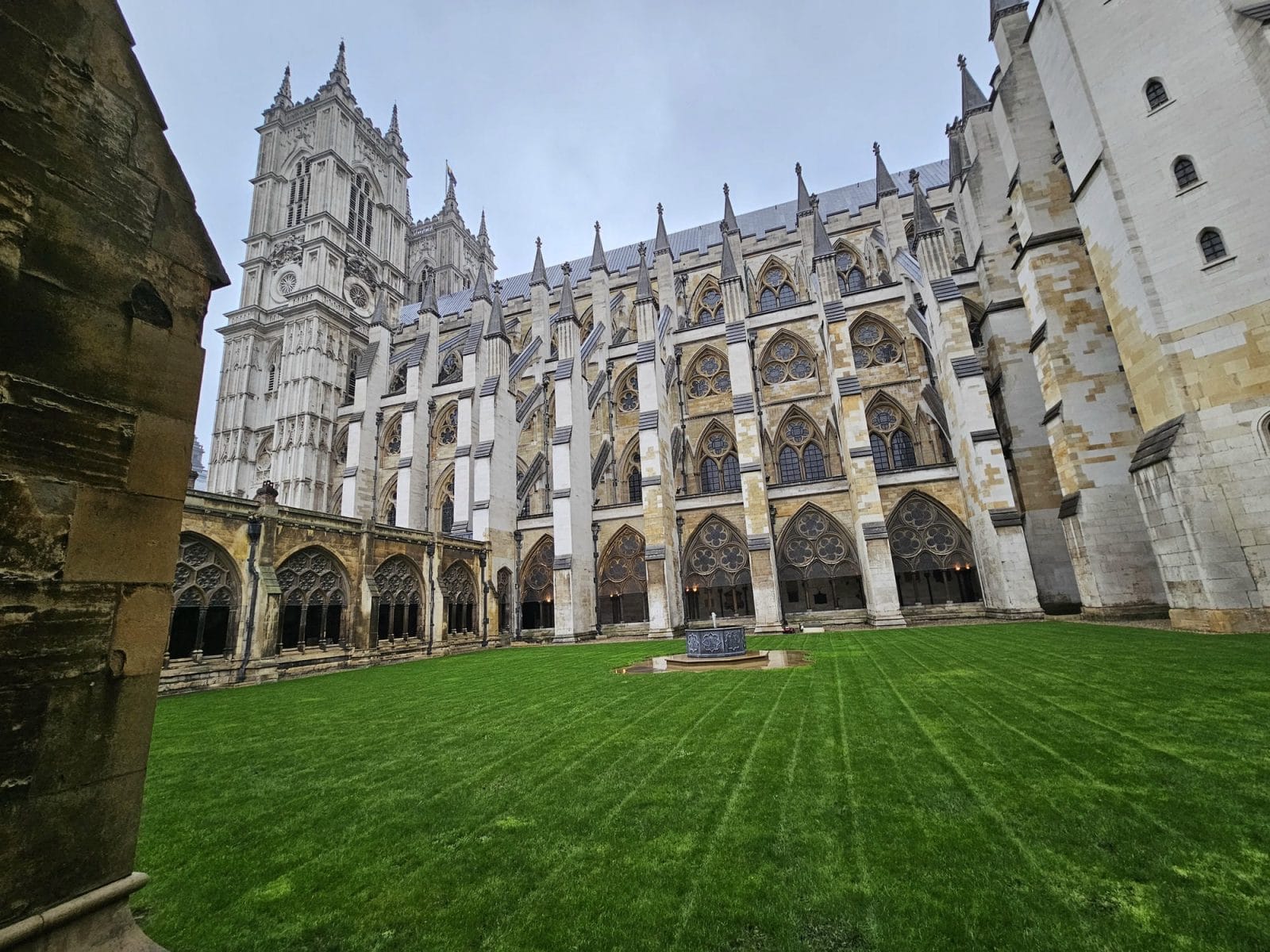
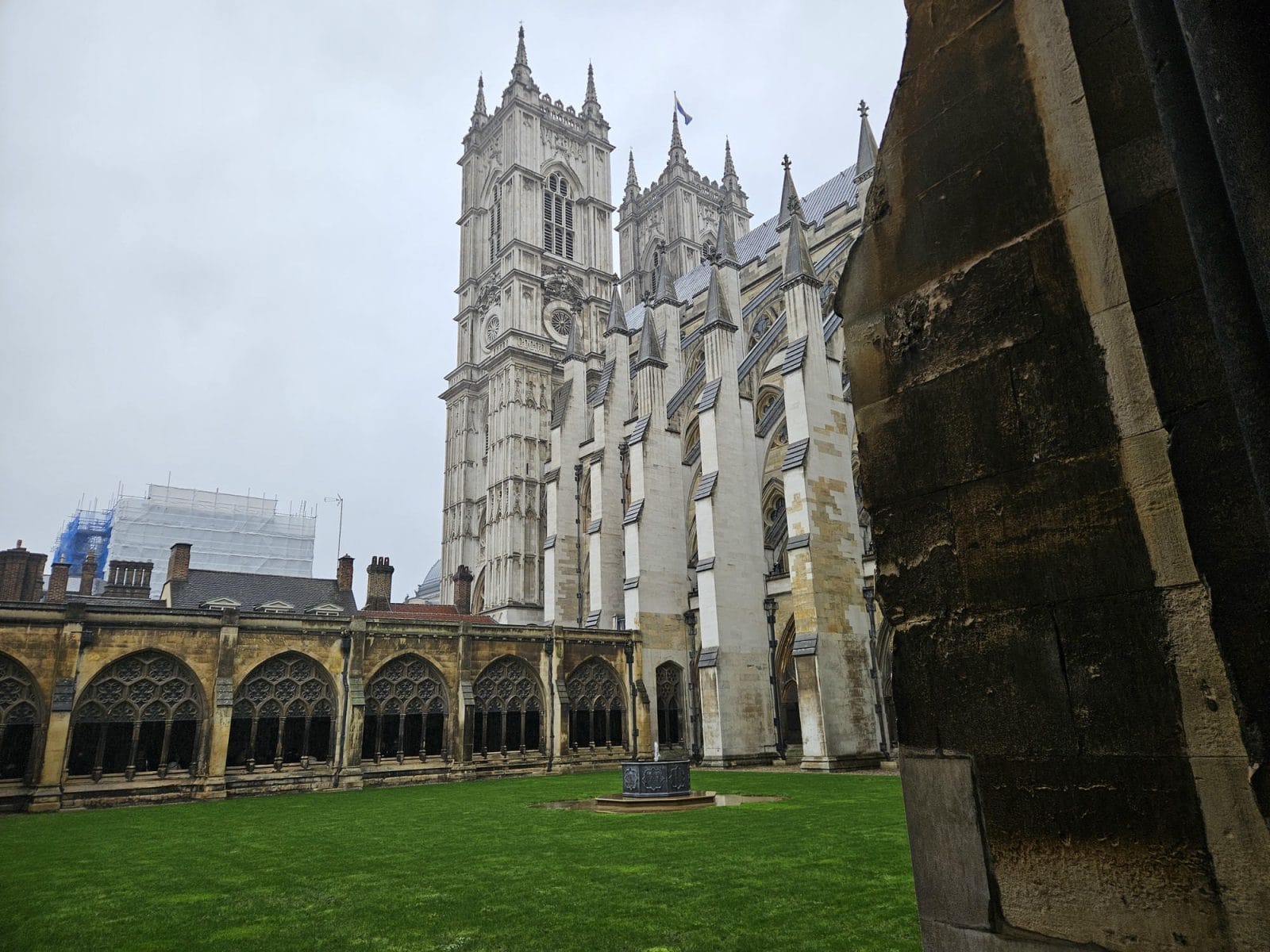
Looking out into the garden, the cloister surrounds offer excellent views of the church building and its towers.
Is Westminster Abbey Worth Visiting?
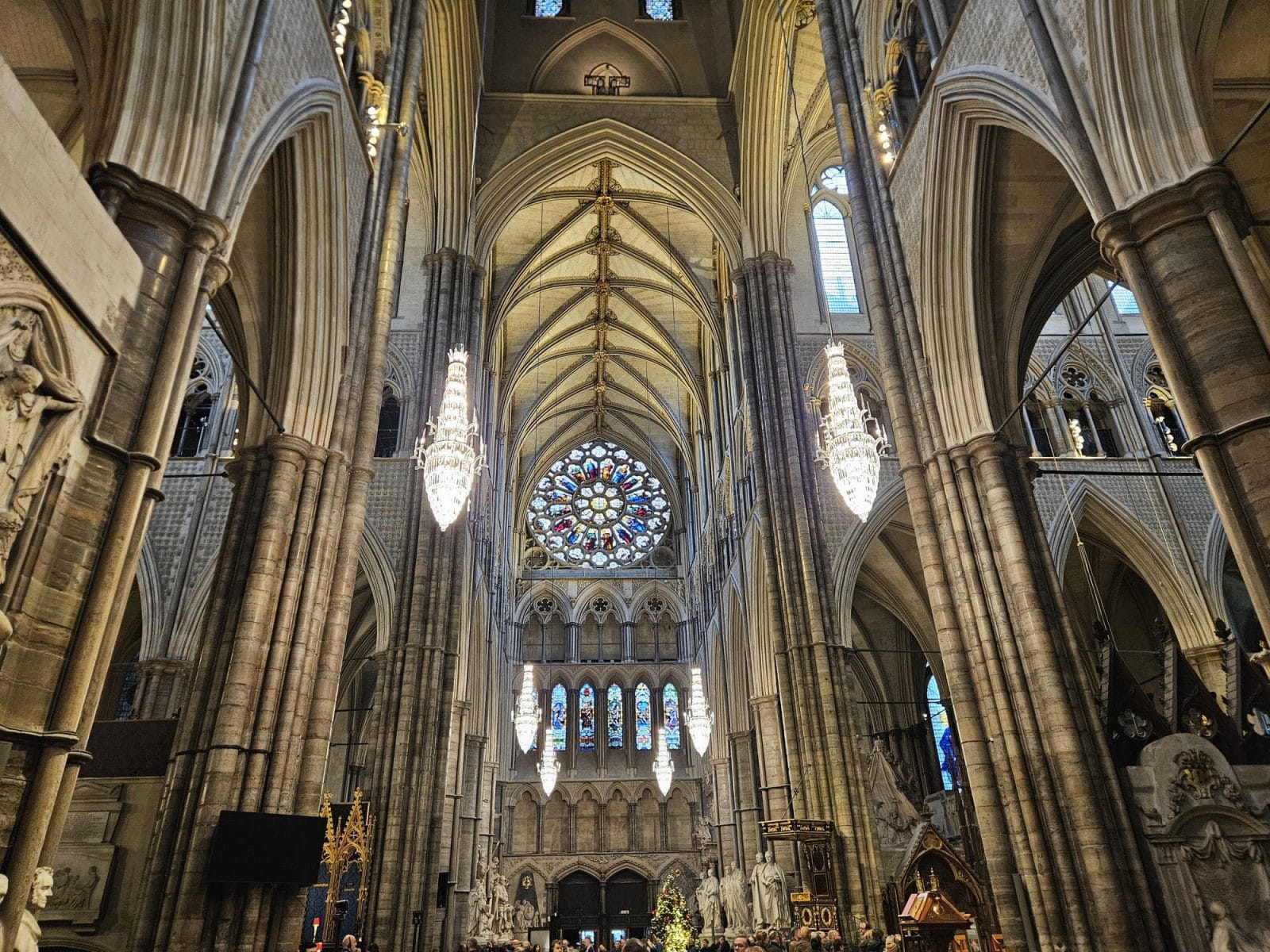
I finally really enjoyed visiting the abbey and found it well worth it. The Gothic exterior and interior were great to see. Inside, you can learn lots of layers of British history and see significant parts of the country’s heritage. The site maintained good order with crowds with staggered tickets, and the information provided was interesting but not too much. My favourite parts were the nave, the Quire screen, the cloisters and the Sanctuary. This is one of the more famous churches in London that I’ve visited.