
Things to Do in Ravenna: Mosaics, Churches & Dante Attractions
Ravenna is a top city to visit, with plenty to do, including early Christian church mosaics and Dante attractions. We visited for three nights and found the city’s historic sights kept us entertained. Highlights included the Dante attractions, the Basilica of San Vitale, and the Battistero Neoniano.
I highly recommend buying the 5 Monument Pass to see all the early Christian sites and mosaics. Between those, many other places of interest kept sightseeing and dog walks interesting. The central areas are explorable in a day, but with so many sights to visit, I needed a few days to see all the top attractions and enjoy the city.
Top Things To Do in Ravenna
Disclosure! Keep in mind that some links in these posts are affiliate links. If you click one of them, I may earn a small commission (for which I’m extremely grateful) at no extra cost to you. Thanks for visiting!
Basilica of San Vitale
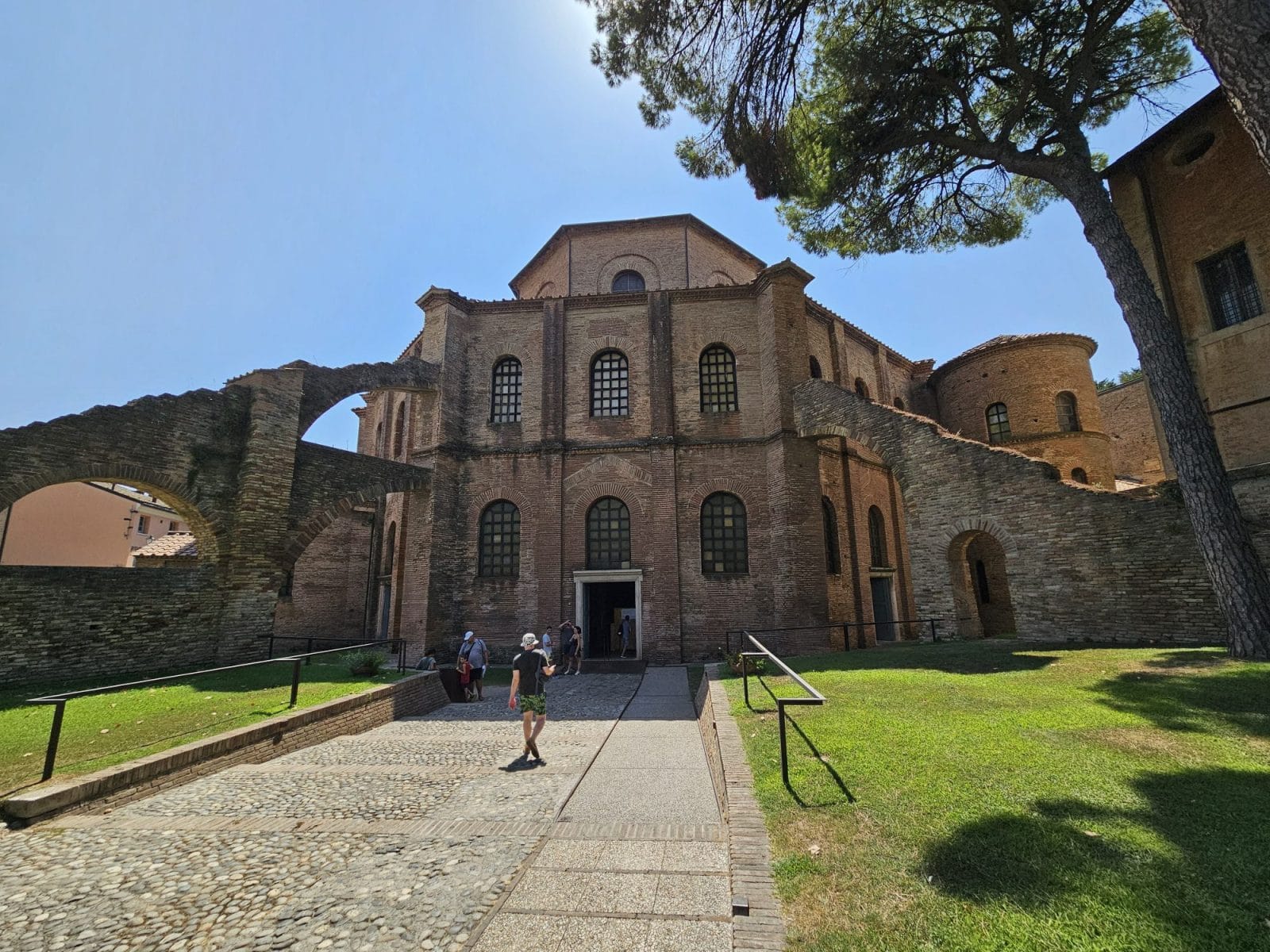
The most impressive church inside and out for me was the Basilica of San Vitale. This is an octagonal domed church which has a lovely garden to view the exterior before the main event: the elaborate, richly coloured Byzantine mosaics.
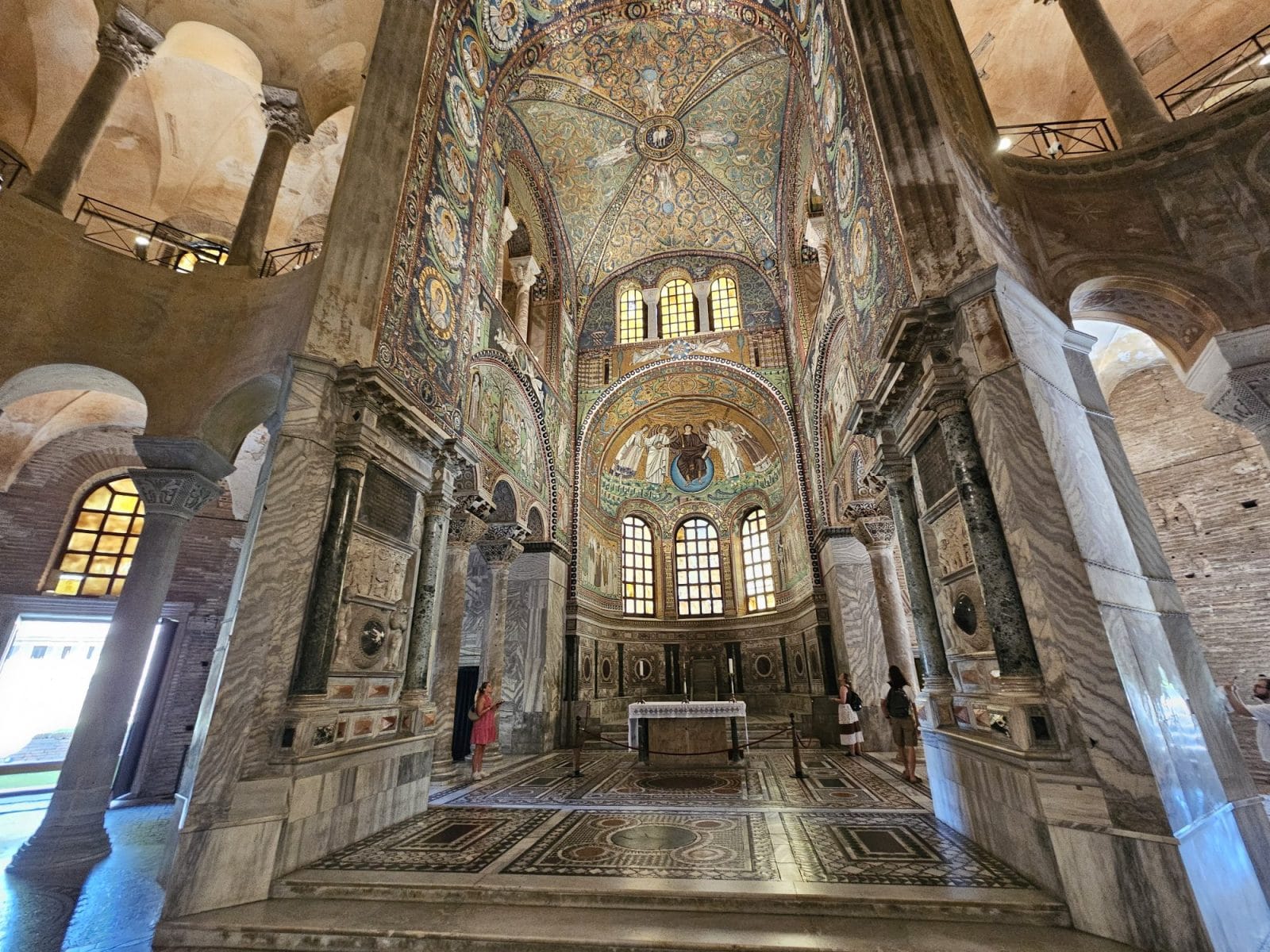
Construction of the Basilica of San Vitale started in 536 AD; it was completed and consecrated in 548, when the city was under Byzantine rule. Entry was part of the four-monument ticket, which covers the main mosaics and early Christian churches.
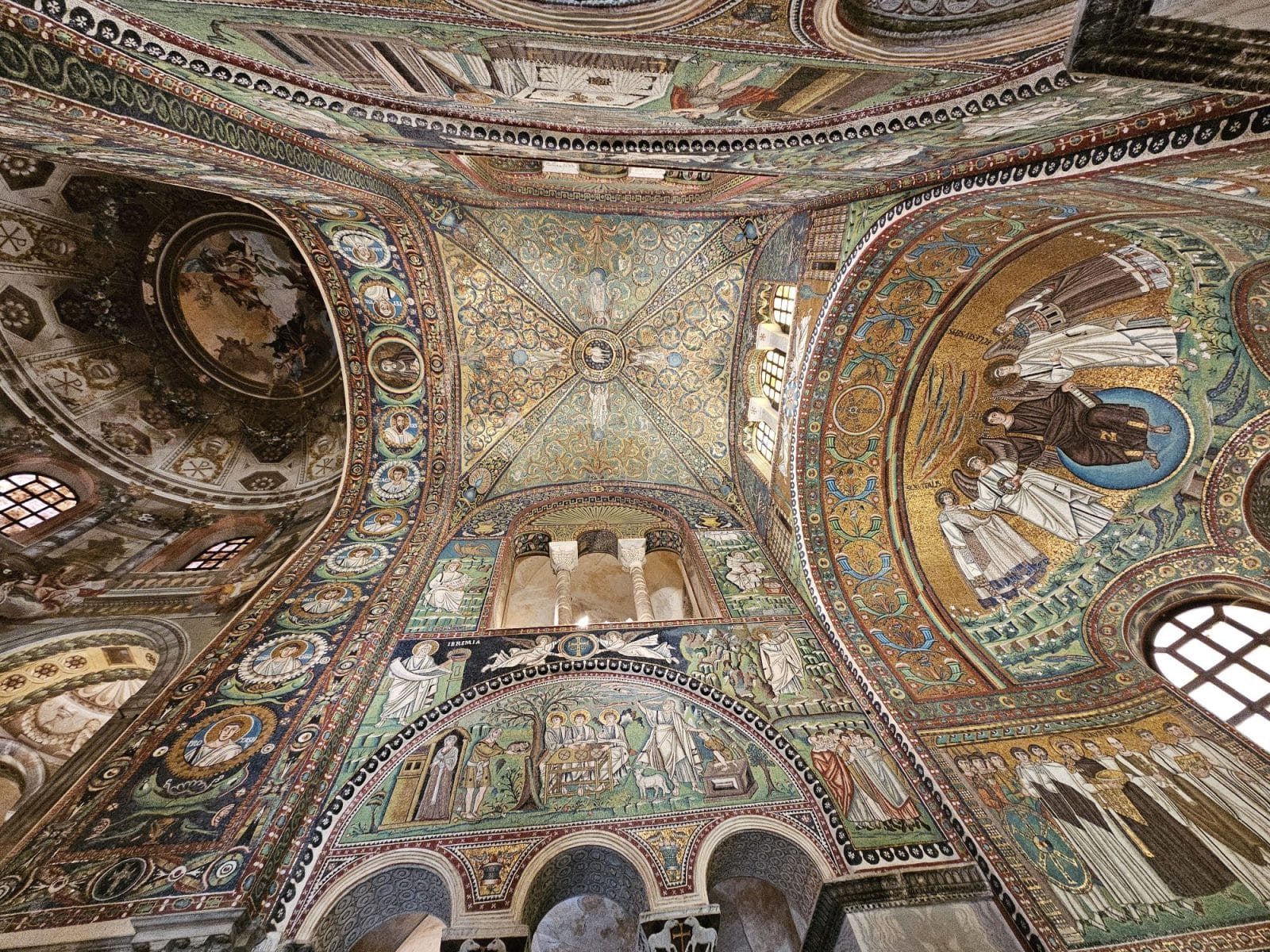
Inside is large and has many wall mosaics; the ones above the altar were especially special. You can also see mosaics on the floor, some massive columns, and the dome’s interior.
Mausoleo di Galla Placidia
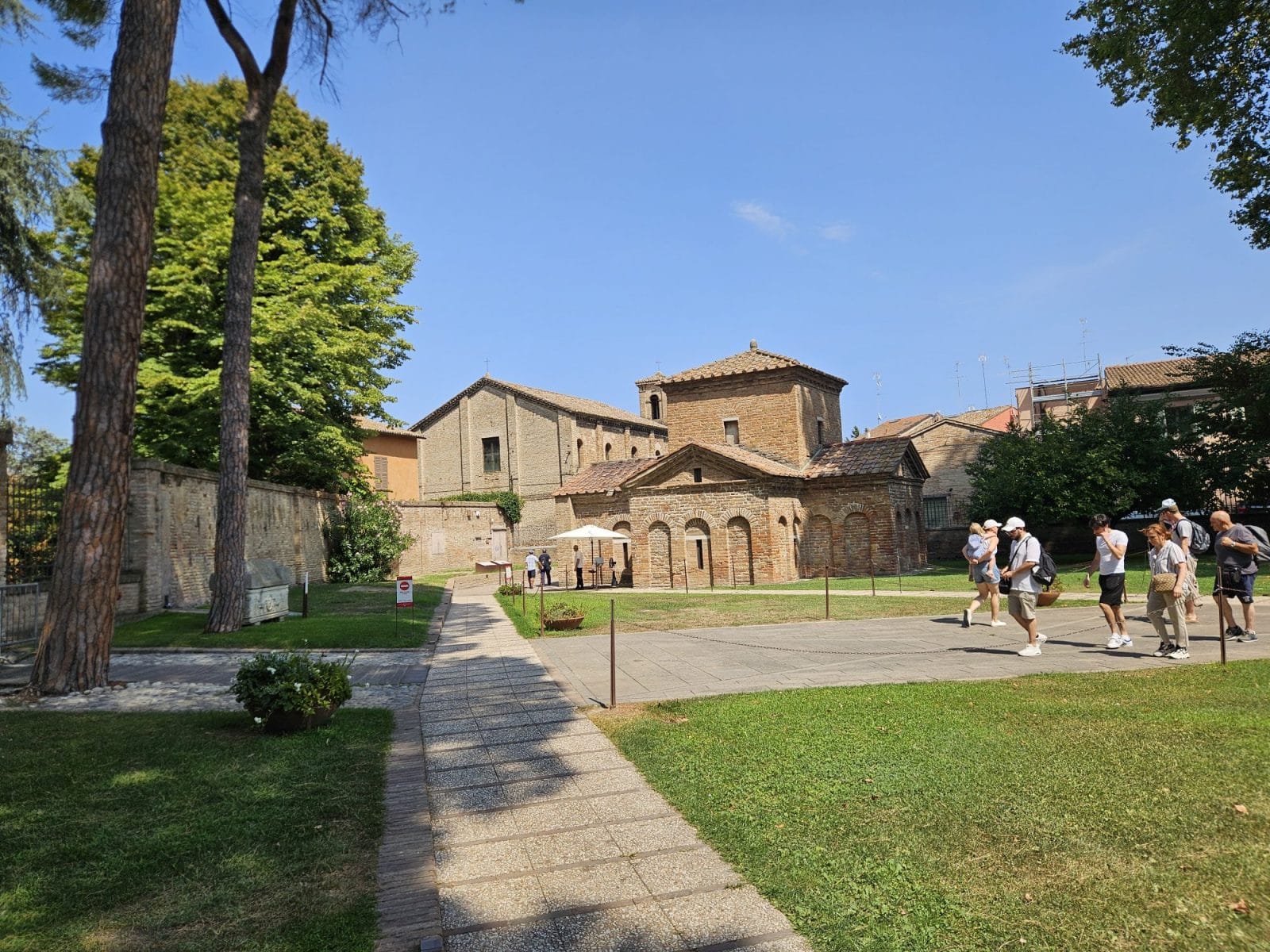
In the grounds of the Basilica of San Vitale is the Mausoleo di Galla Placidia, a small but beautiful place which was included in my monuments ticket. The mausoleum was built 425–450 and is a cruciform chapel with a dome inside a square tower.
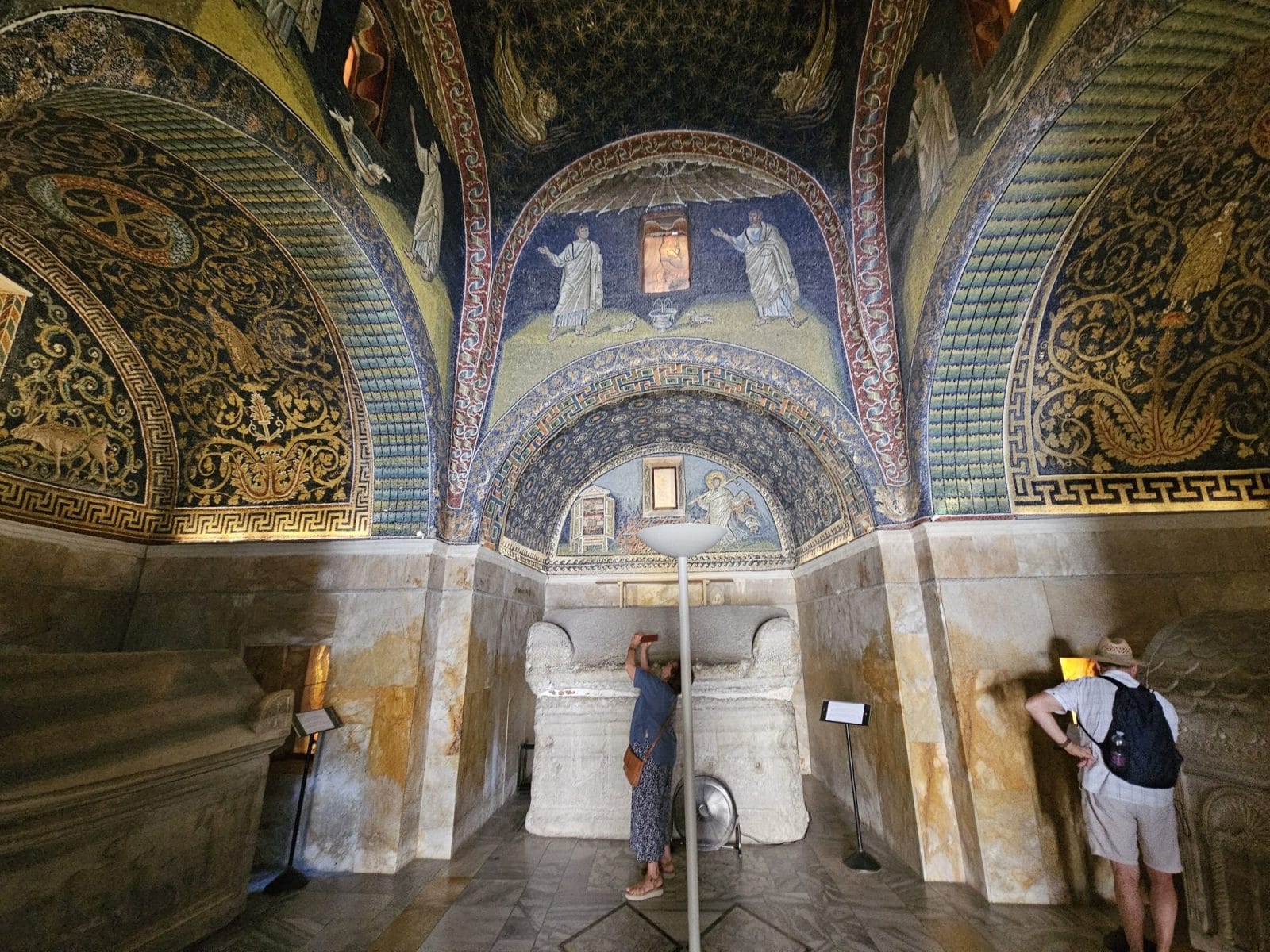
Inside is small but very impressive, with its colourful wall, ceiling and floor decorations and mosaics. These include religious scenes and some fantastic patterns. The three alcoves of the main room contain 5th-century marble sarcophagi with elaborate stonework.
Basilica of Sant’Apollinare Nuovo
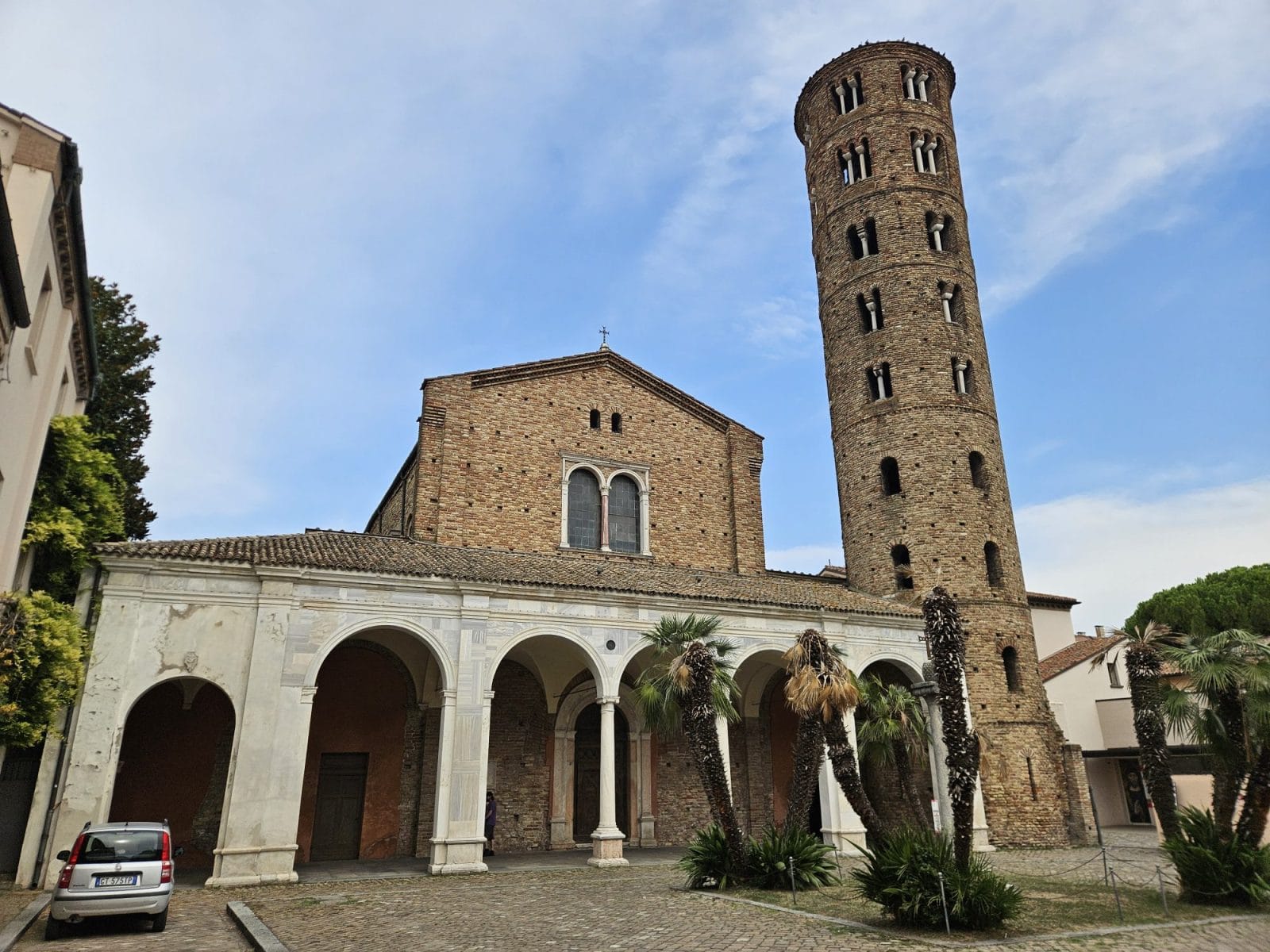
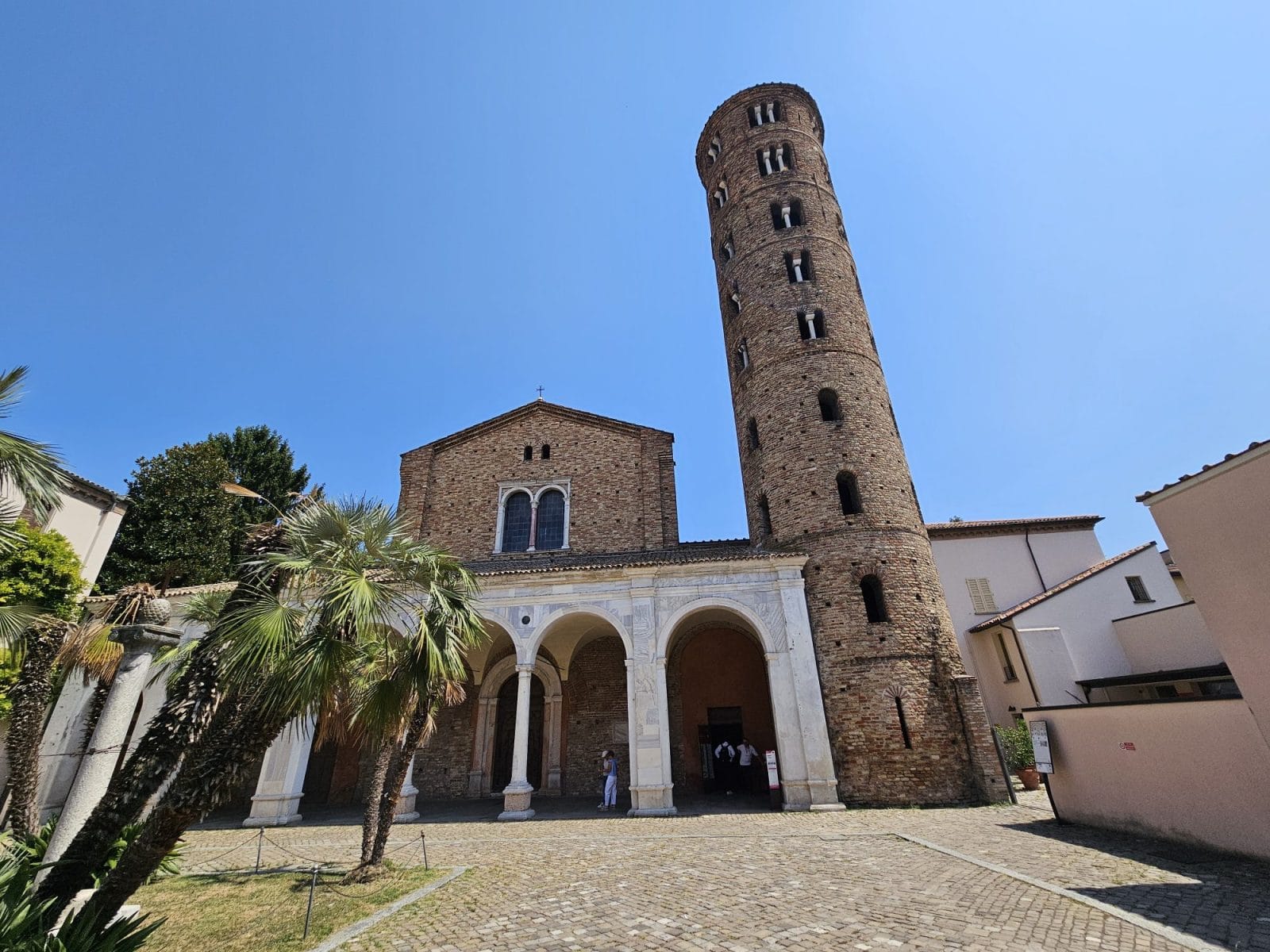
Basilica of Sant’Apollinare Nuovo is a fascinating early Christian church dating to the 5th and 6th centuries. I visited with a combined ticket to see the mosaics. Outside, the church building is brick with a unique tower.
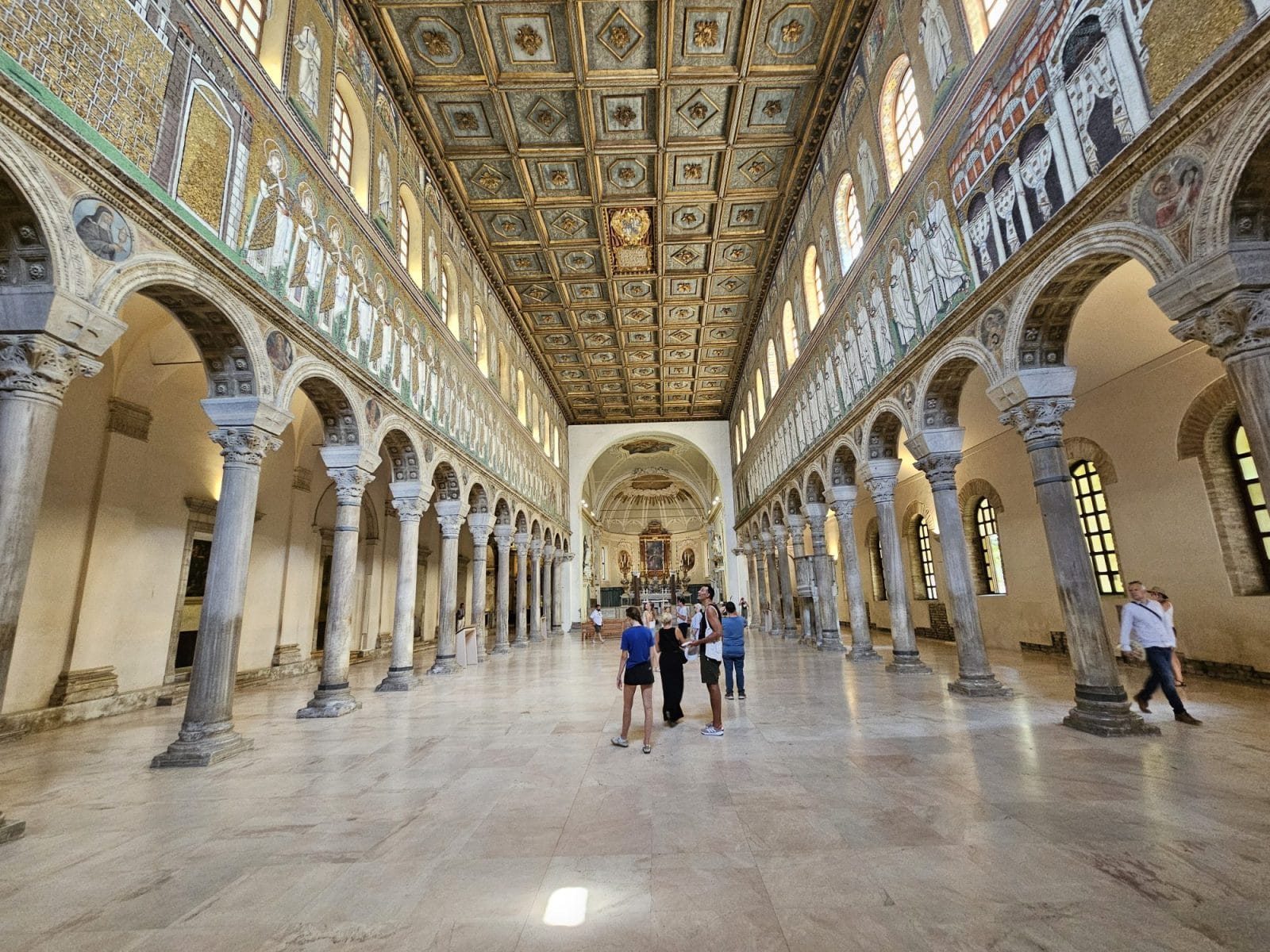
Inside, you can see many layers of history, including fabulous wall mosaics, a decorative ceiling, and arched columns. You can also see the high altar, a 6th-century pulpit, and art in the side chapels. The basilica has a garden surrounded by cloisters.
Neonian Baptistery
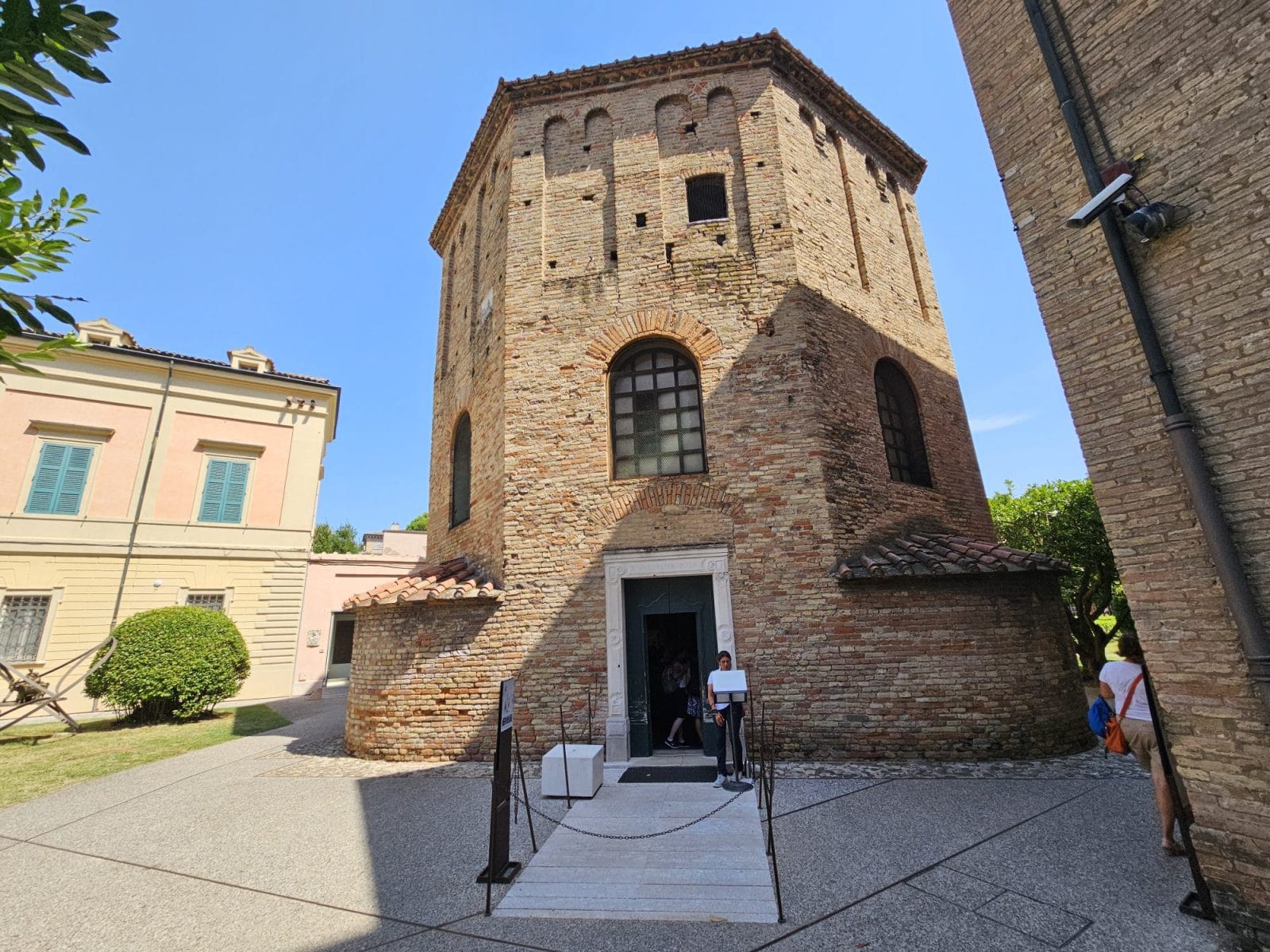
Another of the 4 monuments covered on my ticket was the Neonian Baptistery, which is in the grounds of the Duomo of Ravenna. It’s a small octagonal brick building dating to the late 4th century, making it one of Ravenna’s oldest early-Christian monuments.
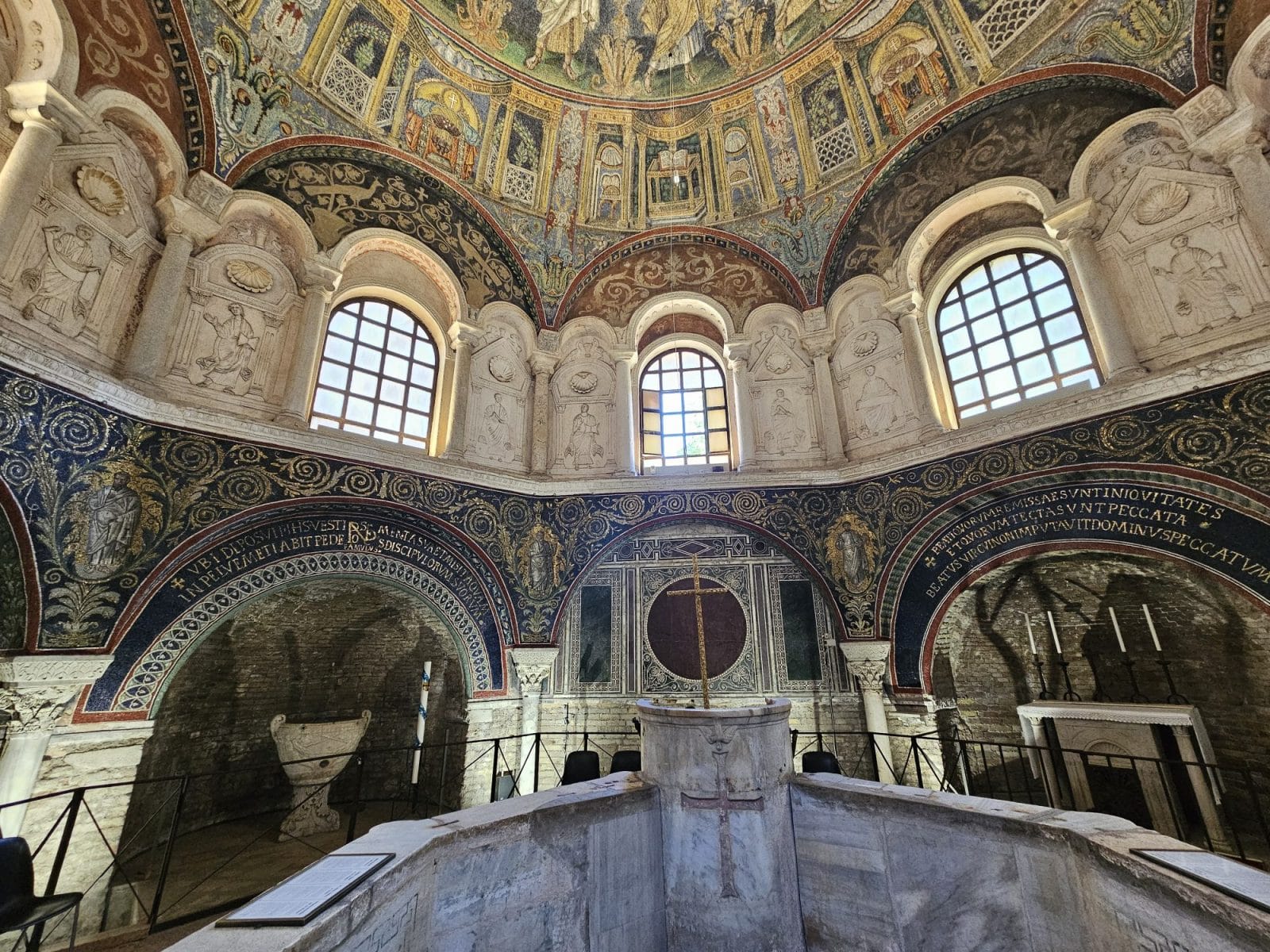
Inside is an octagonal space, with a central altar and seven decorated walls that signify the seven days of the week. The wall and ceiling mosaics are lovely and well preserved.
Dante’s Tomb
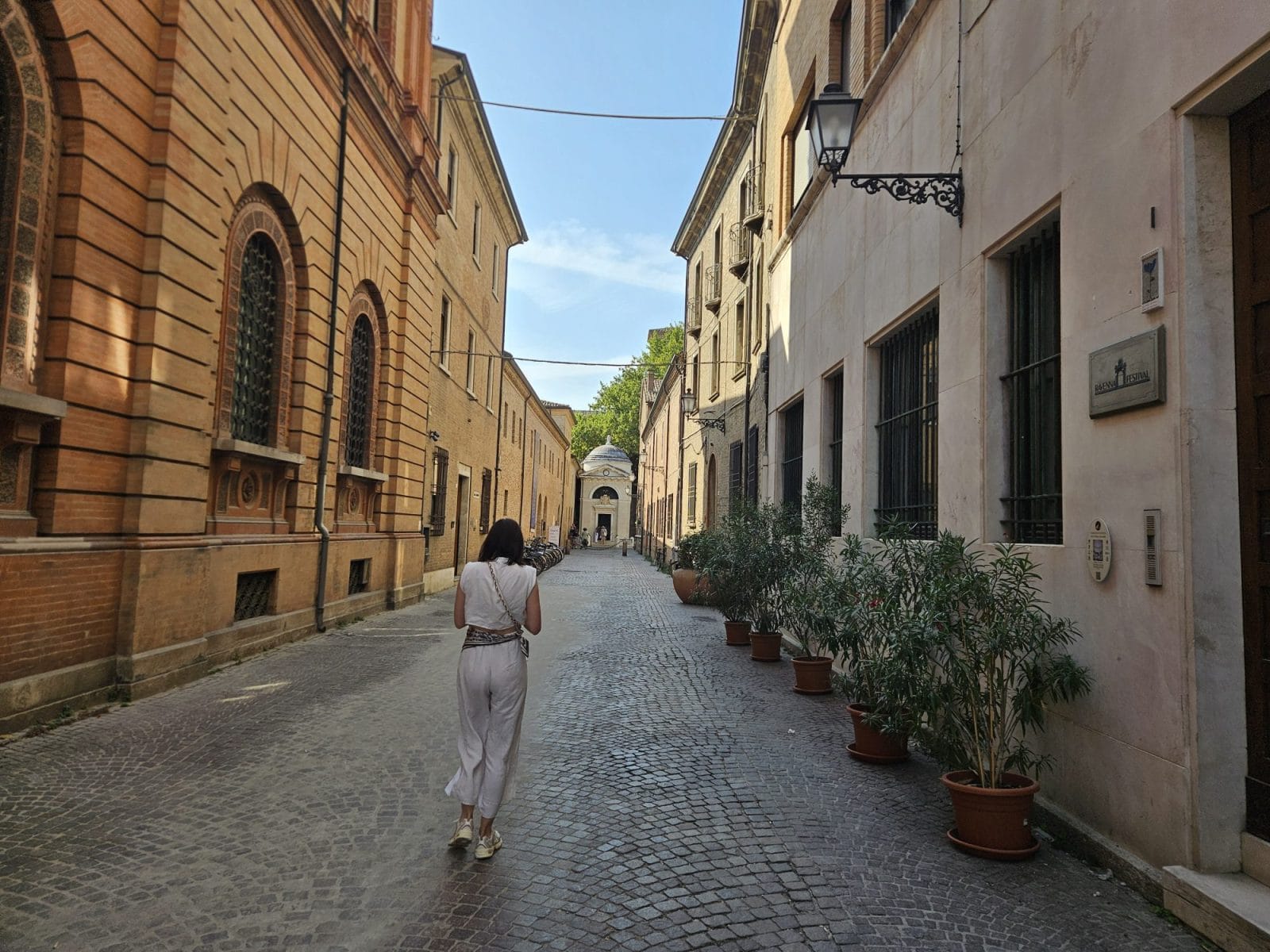
Dante’s Tomb is in a small monument next to the Basilica di San Francesco and is a popular site to visit. The neoclassical monument was built between 1780 and 1781 after the remains had been hidden for about 200 years to prevent Florence from getting them.
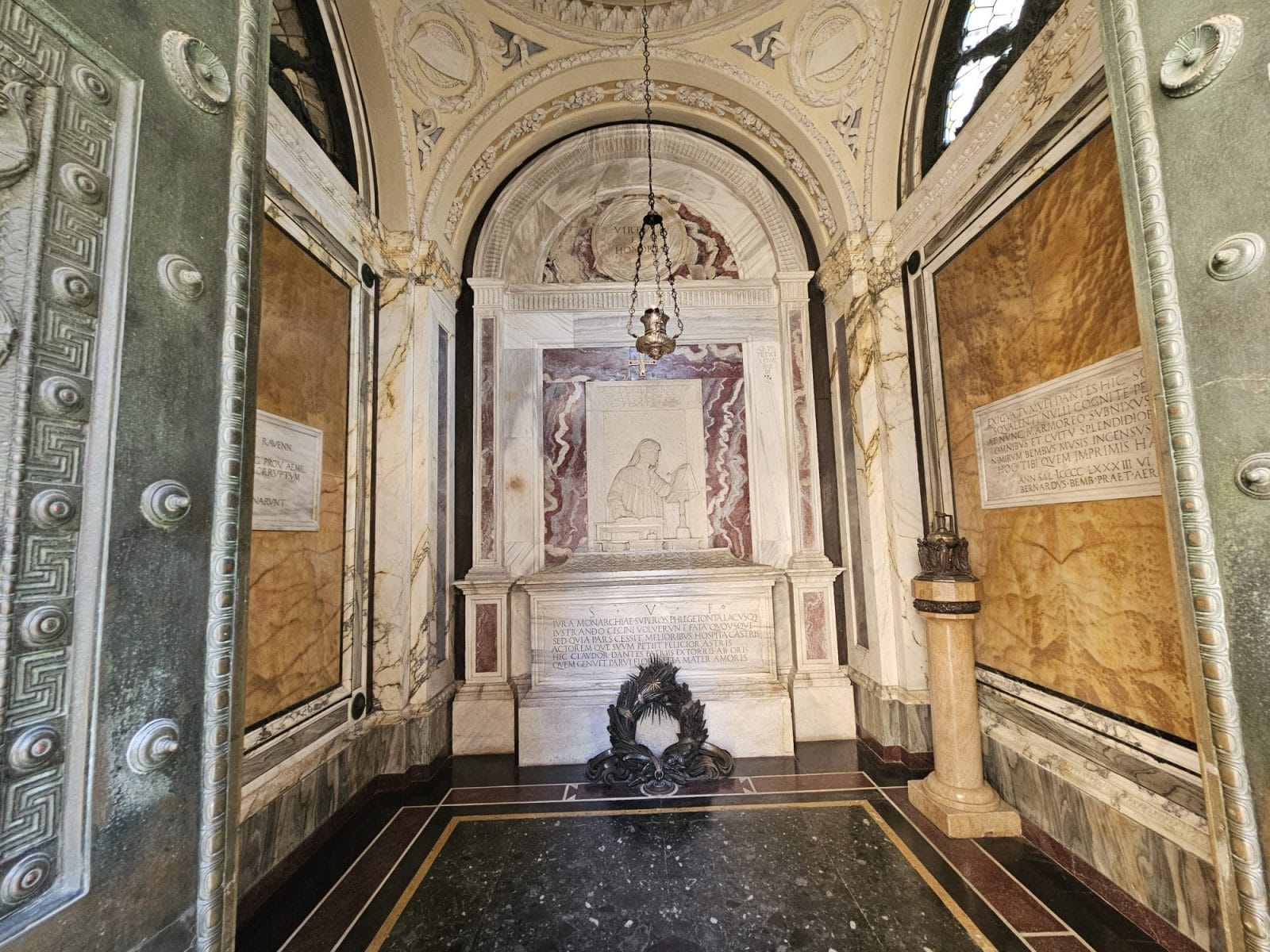
Inside, it’s covered with marble and has some nice decorative elements; on my visit, we found it always had people looking inside, so a short wait was needed to have a look. Another interesting tradition here is the daily public reading of Dante’s Divine Comedy. A different canto is read aloud in front of Dante’s Tomb each day at 6 pm, continuing a programme called L’Ora che Volge il Disì.
Basilica di San Francesco
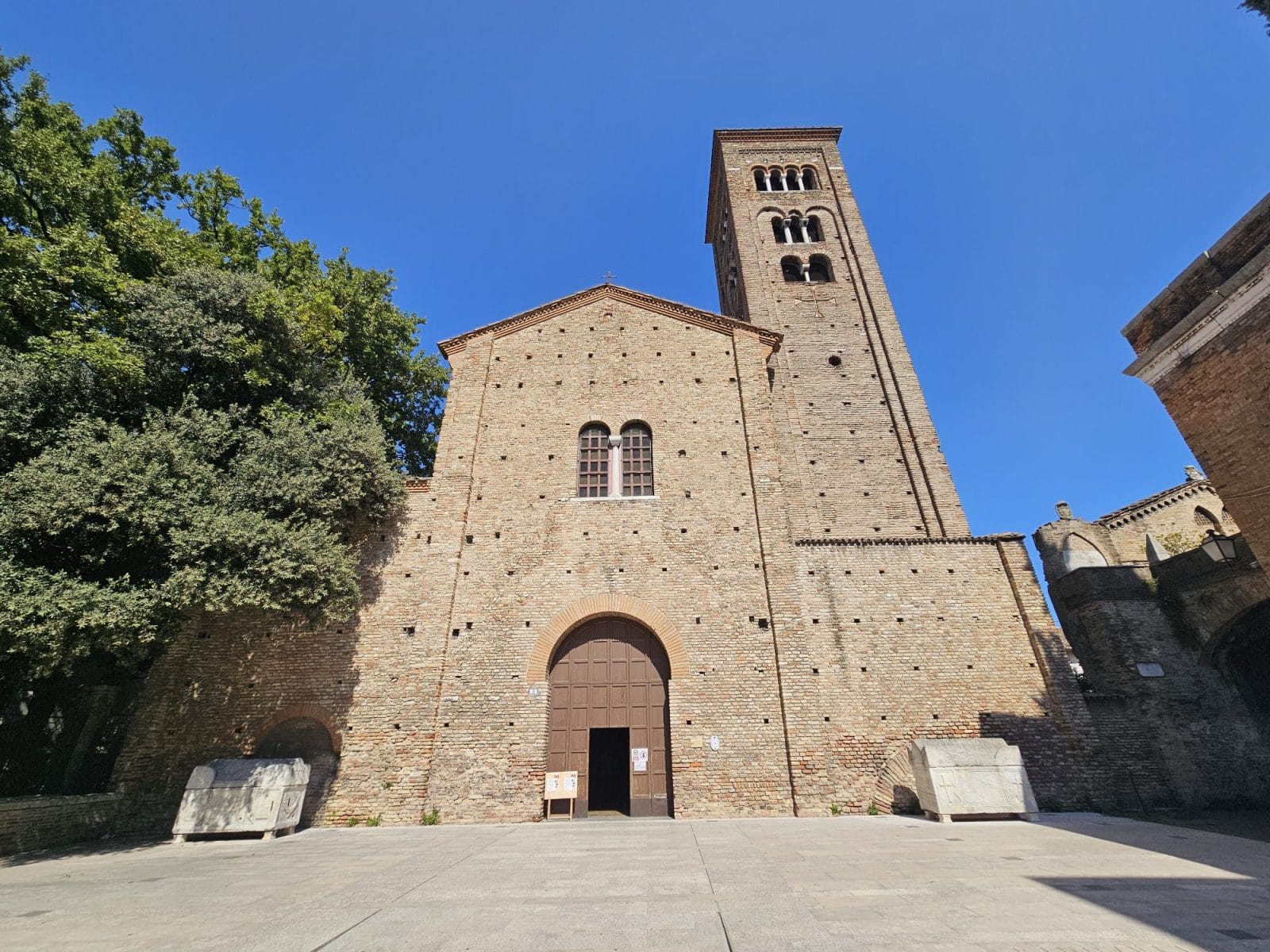
A free church worth visiting in the central areas is Basilica di San Francesco, which is near all the Dante sights. The basilica dates from the 5th century and has many interesting things to see, but not much from the original building.
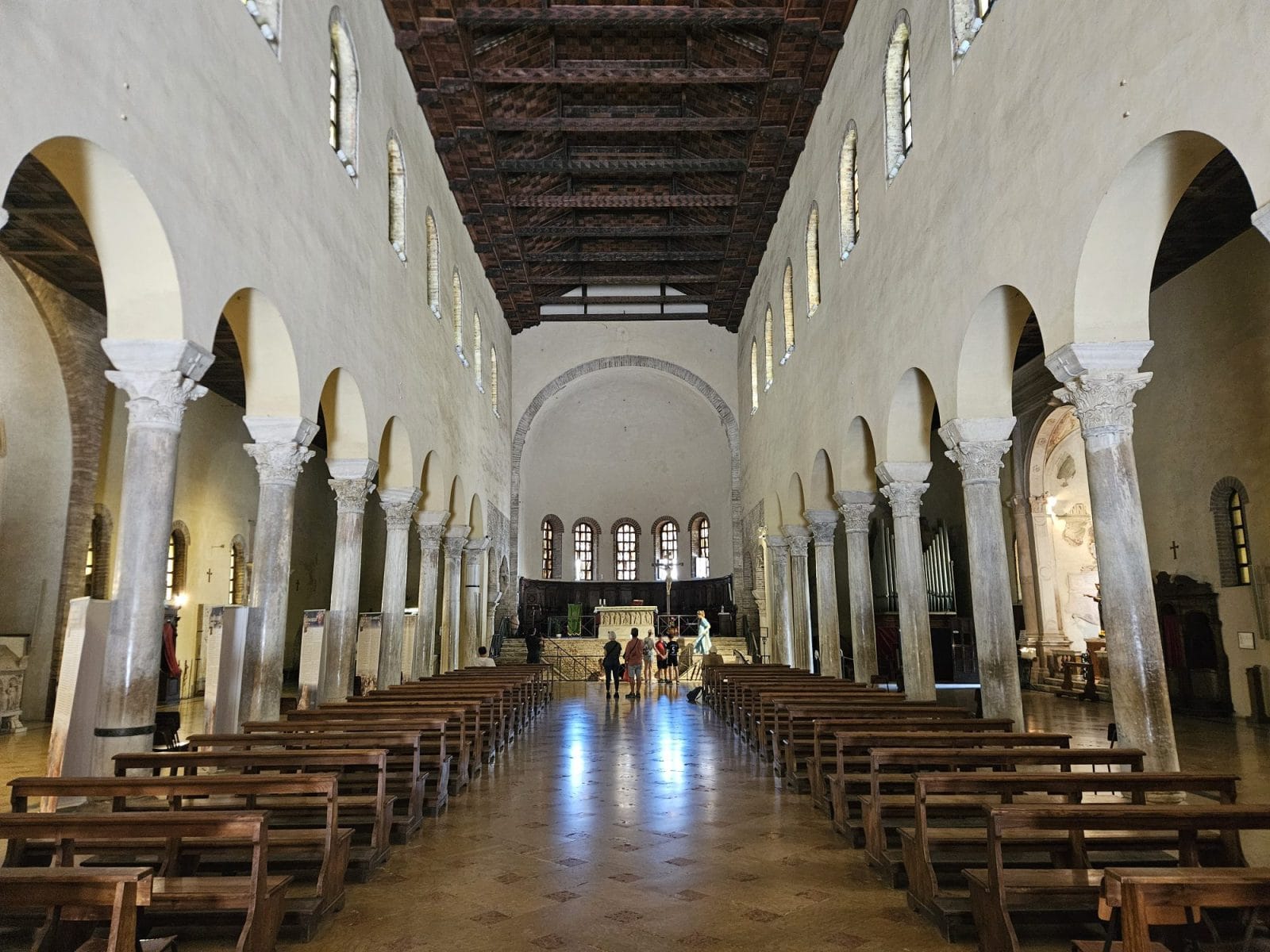
Inside are three naves with columns, some pretty side chapels, and a decorative high altar. Under the altar are some steps to see through the window into the 10th-century crypt, which is flooded.
Dante Museum
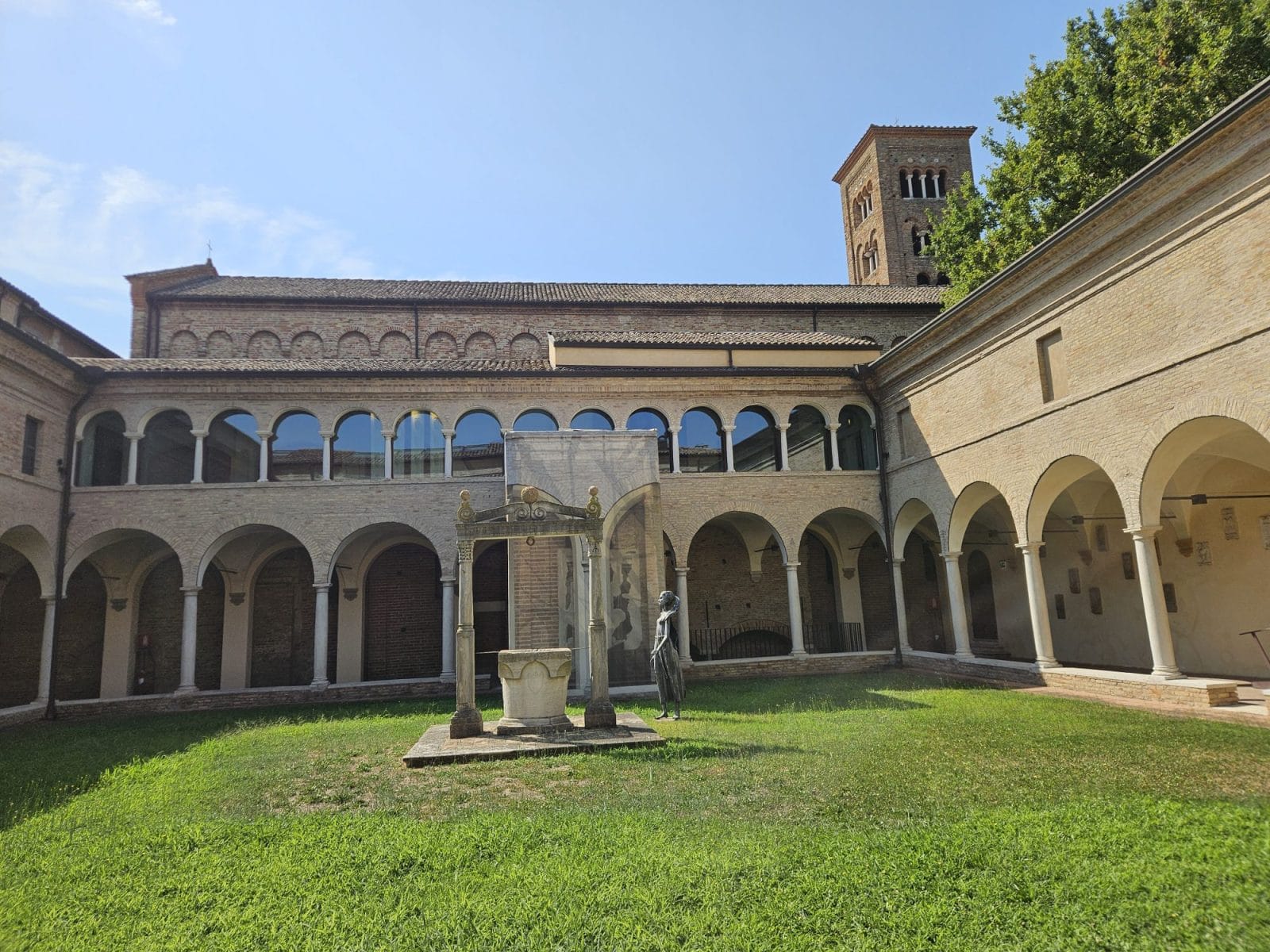
The Dante Museum is near his town and a fascinating place to visit; we really enjoyed our time here. To enter, you head into the Chiostri Francescan, which surrounds a garden, then get tickets. These included access to the other Dante sights nearby.
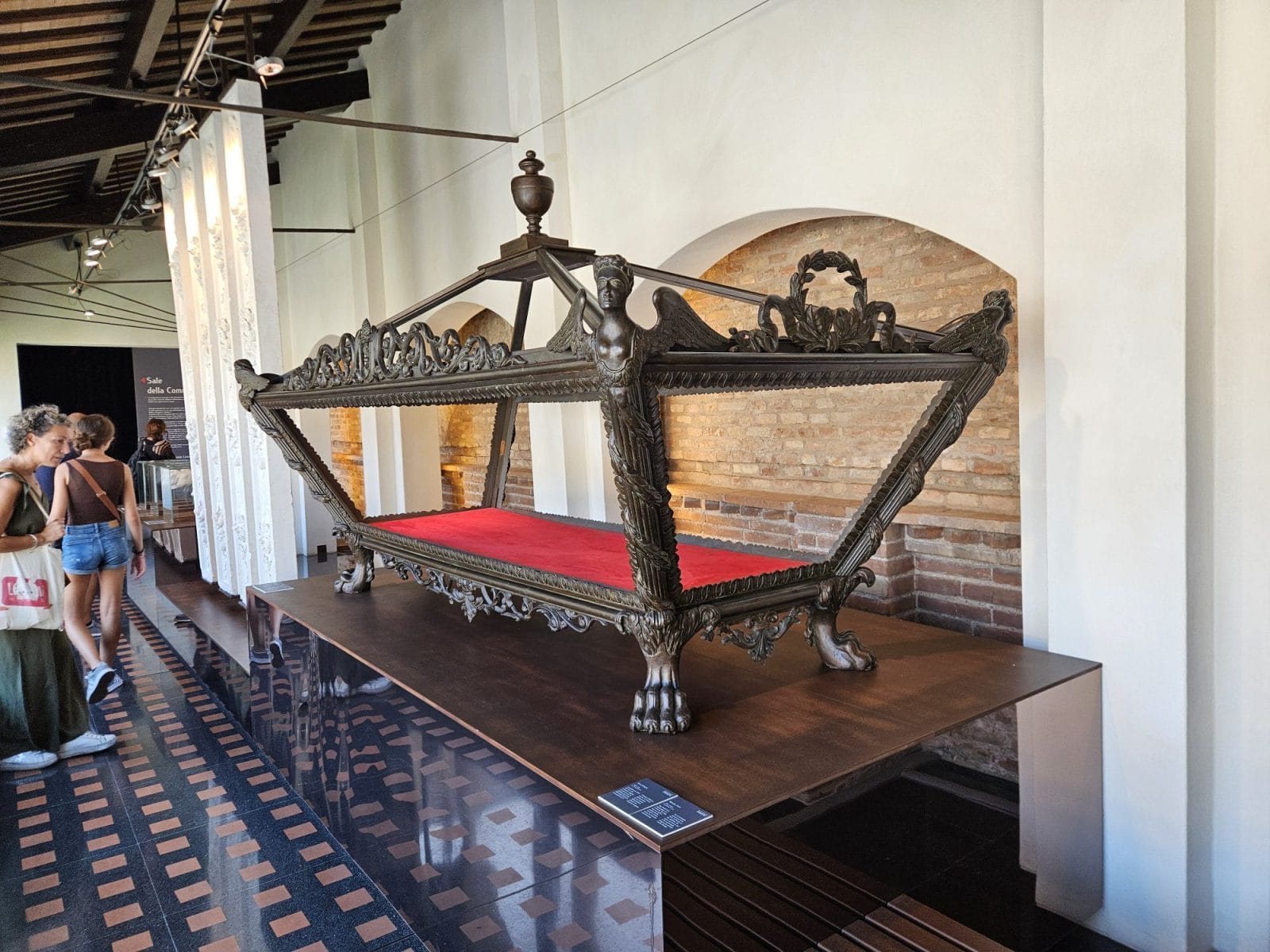
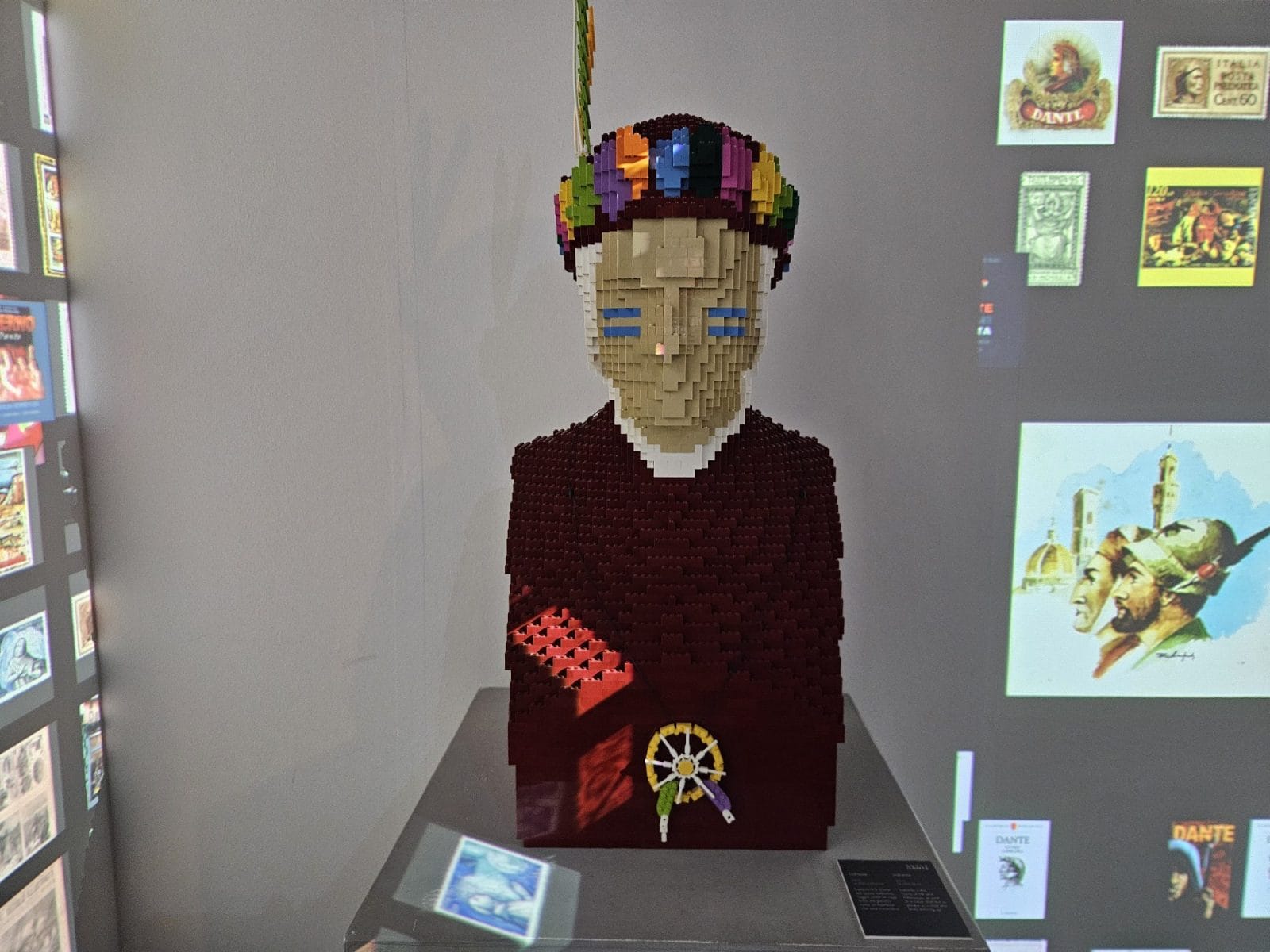
Inside are various artefacts, including the chest where his body was stored. You can also learn the timeline of his life and what happened after his death. A room is dedicated to movies, TV, and books featuring Dante’s works, as well as a LEGO portrait of the poet.
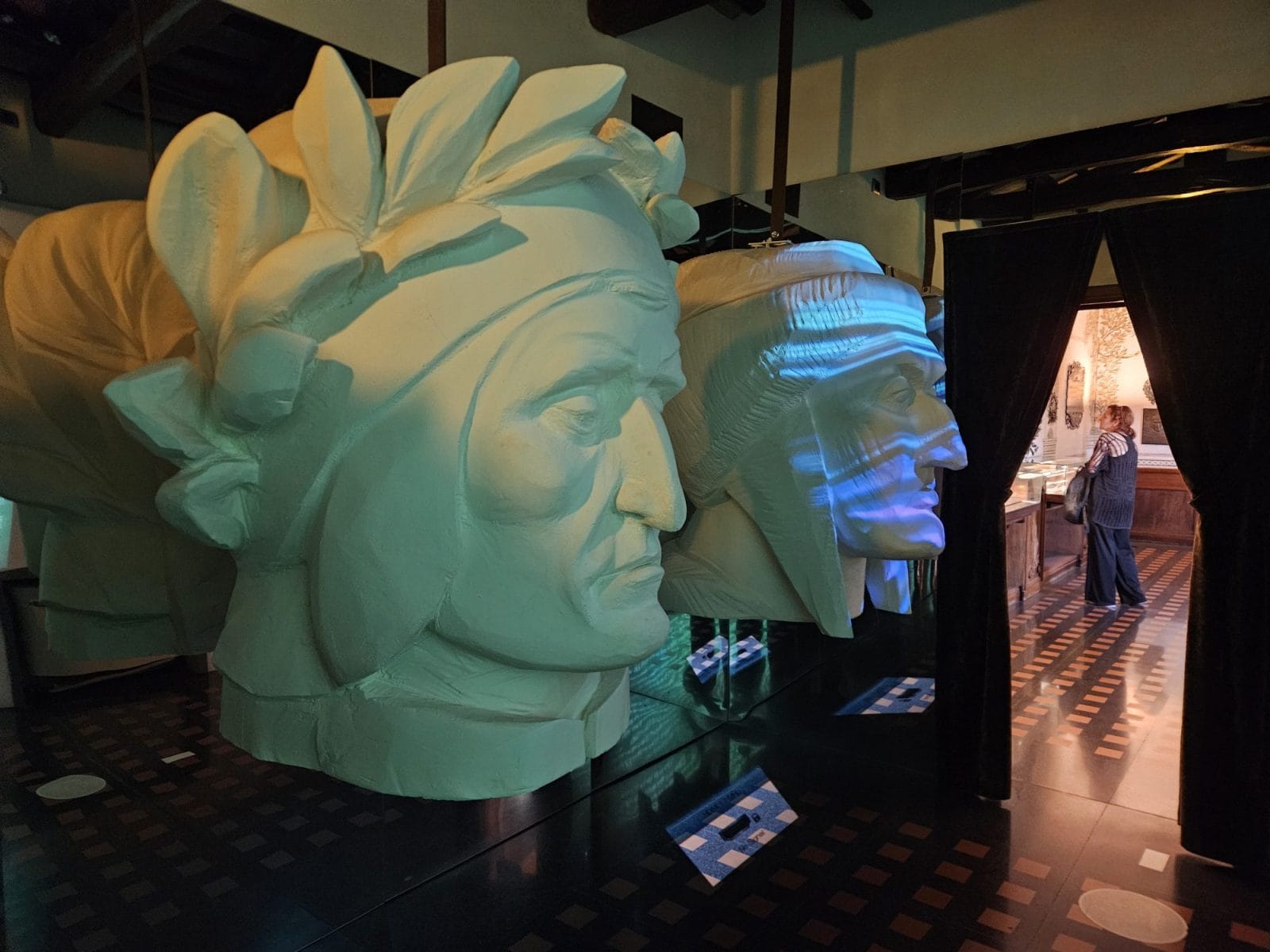
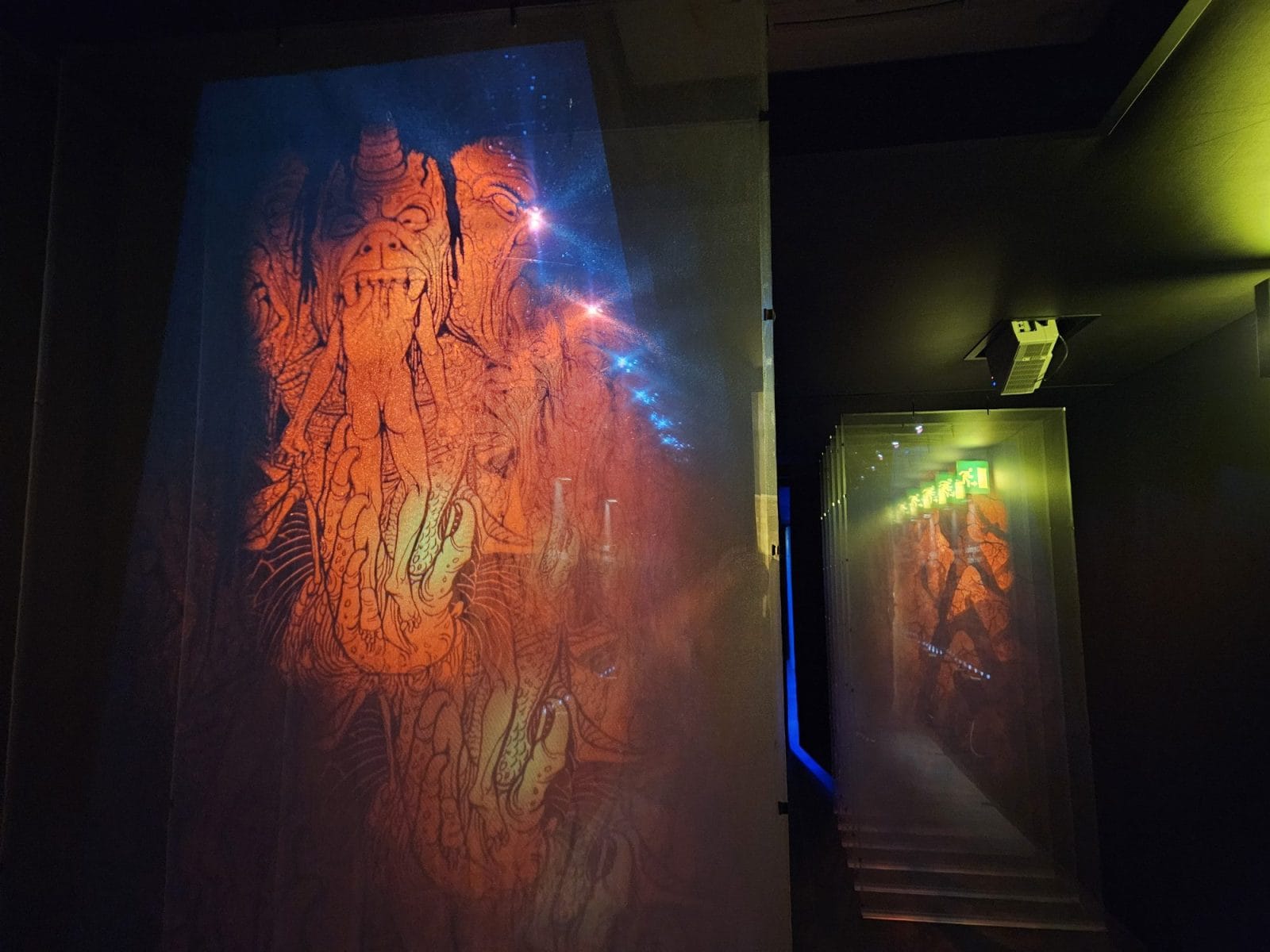
One of the main rooms takes you through the Divine Comedy through an audiovisual presentation. We enjoyed the museum and spent over an hour here.
Casa Dante
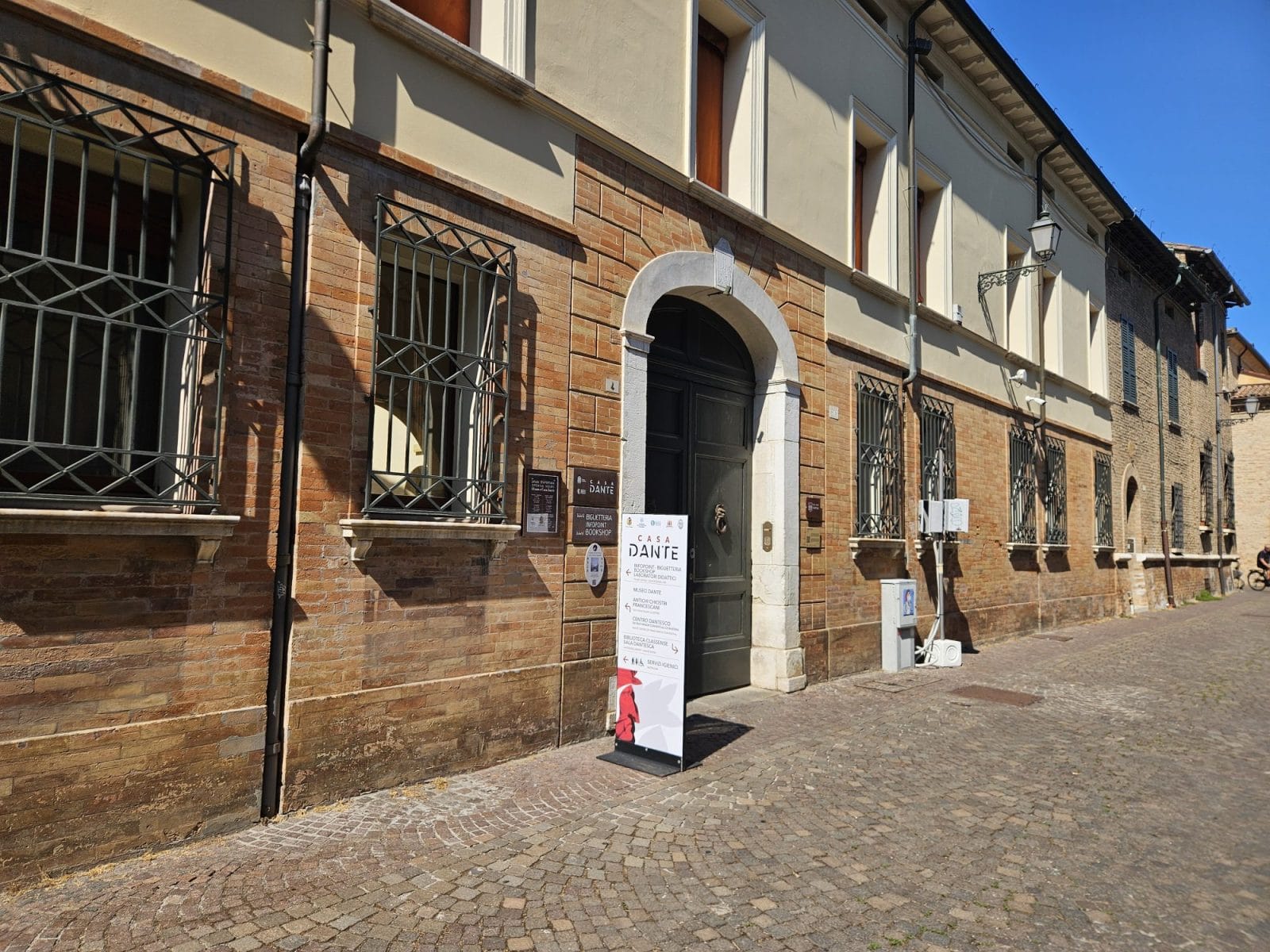
Casa Dante was an extension of the main museum and had excellent exhibits, including lots of art and the box that held his remains during World War II.
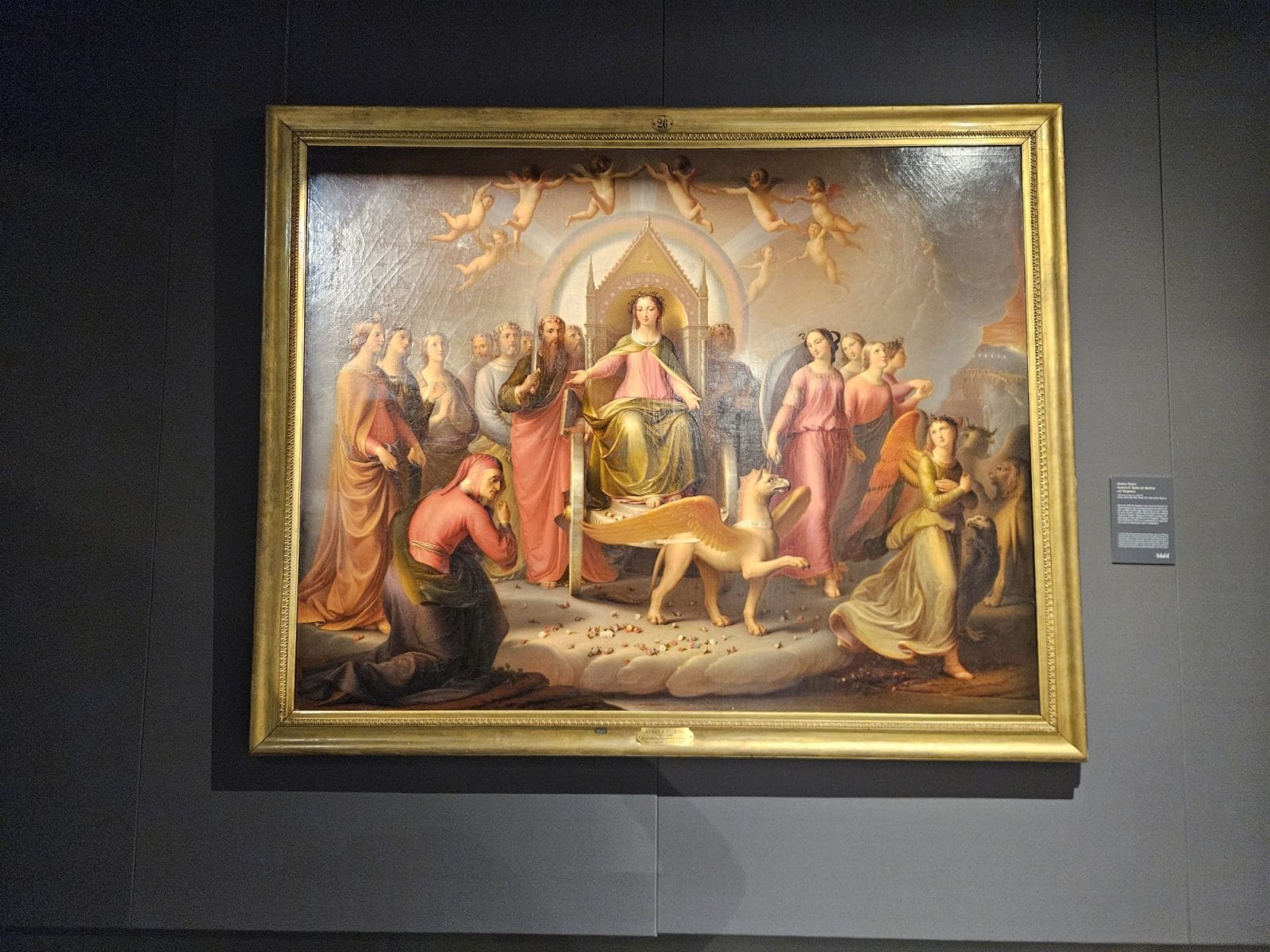
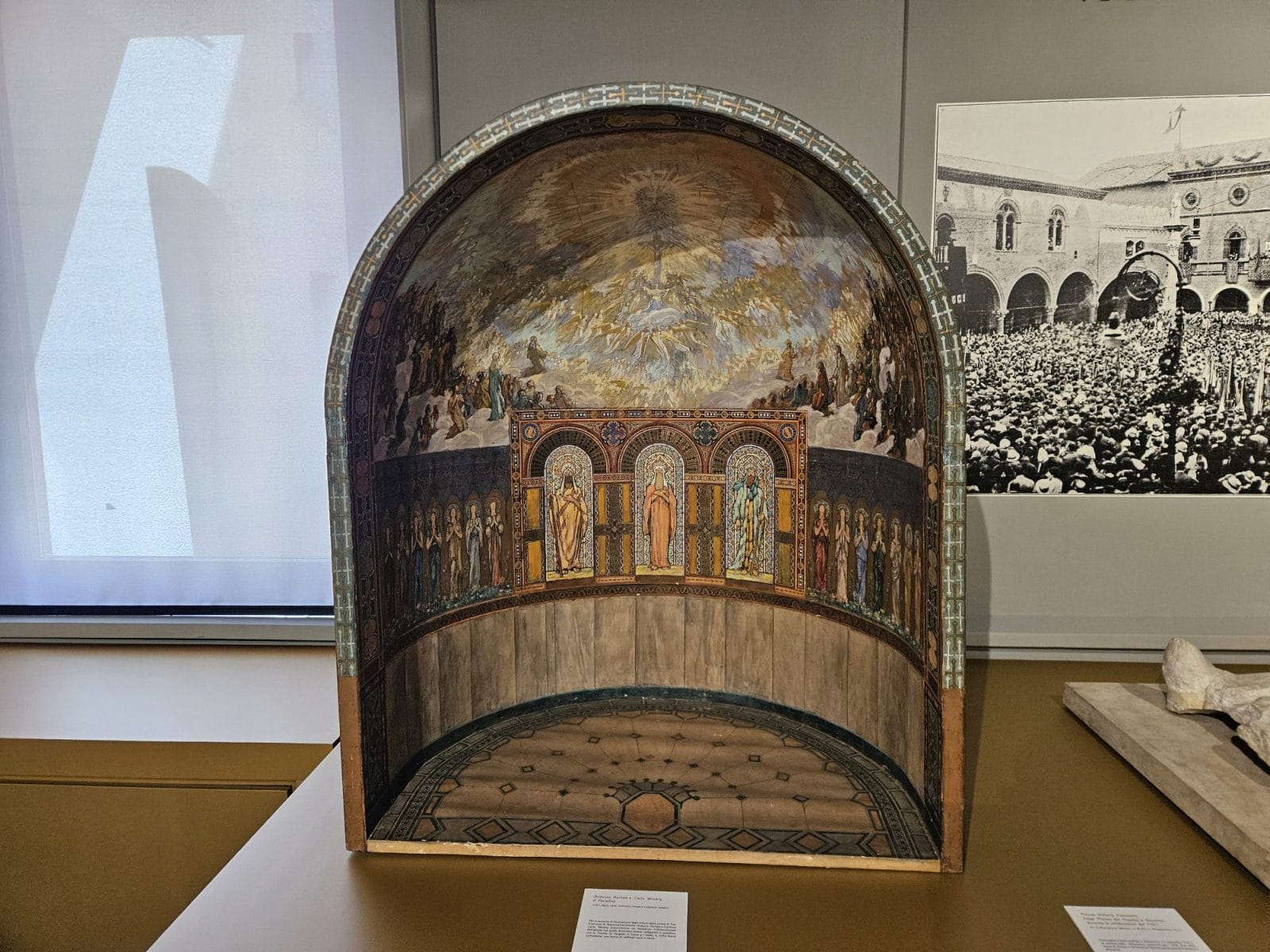
In addition to the gallery, there was a bookshop where you can pick up books in many languages and some cool souvenirs relating to Dante.
Duomo di Ravenna
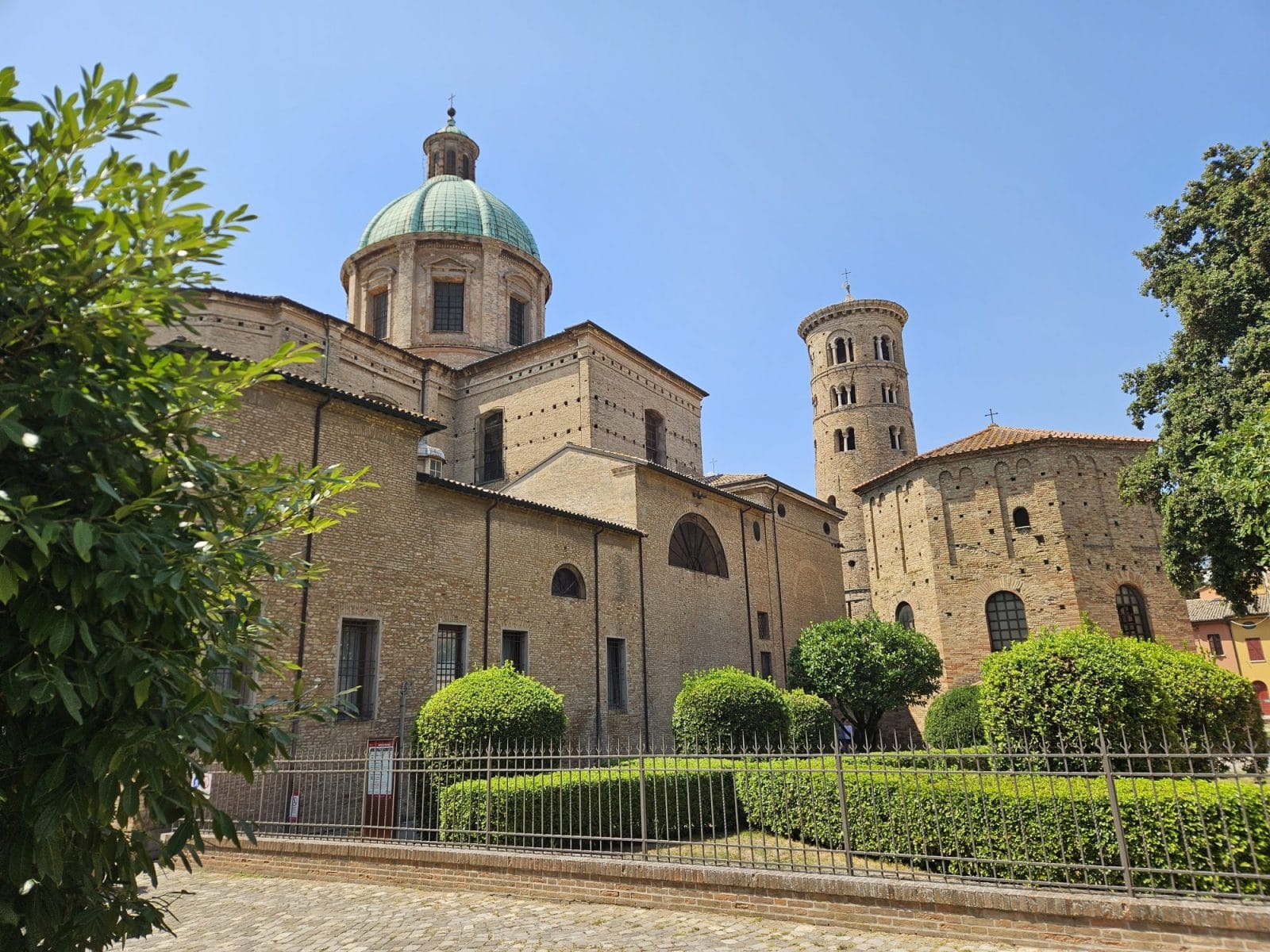
Next to the Neonian Baptistery is the Duomo di Ravenna, a free-to-enter church. The Duomo di Ravenna is a nice square with pretty gardens to the side. My favourite view of the outside was from Giardini di Piazza Arcivescovado. IT is also known as the Cathedral of the Resurrection of Jesus Christ. The original cathedral was built in the 5th century; however, the current Baroque building was constructed in the 18th century.
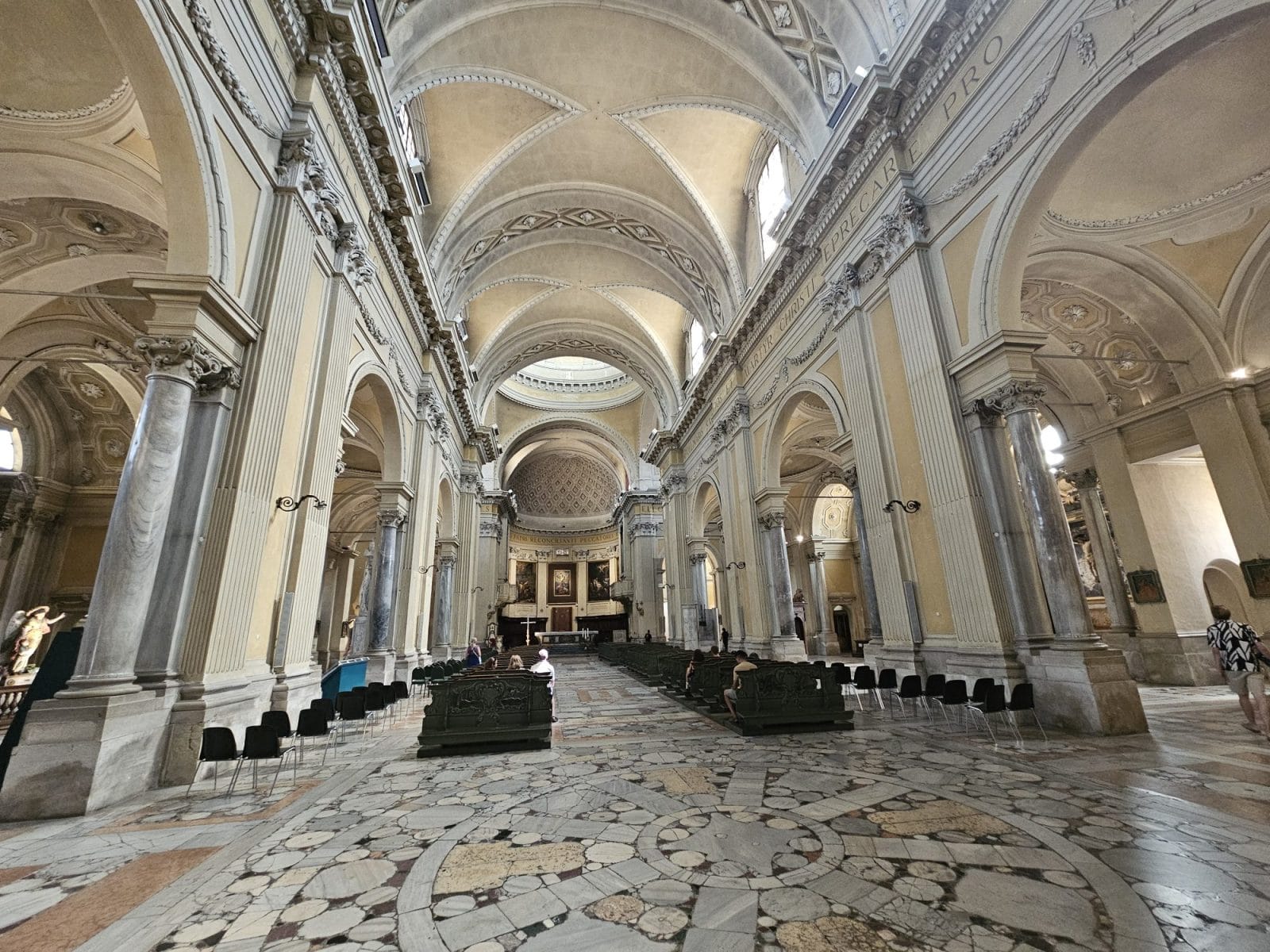
Inside, it’s nice to mooch around, with a pretty nave, artworks, an interesting font, and side chapels. Inside is also the crypt, with original 4th-century foundations. The Duomo is also home to the Archepiscopal Museum, the elusive 5th monument for me.
Piazza del Popolo
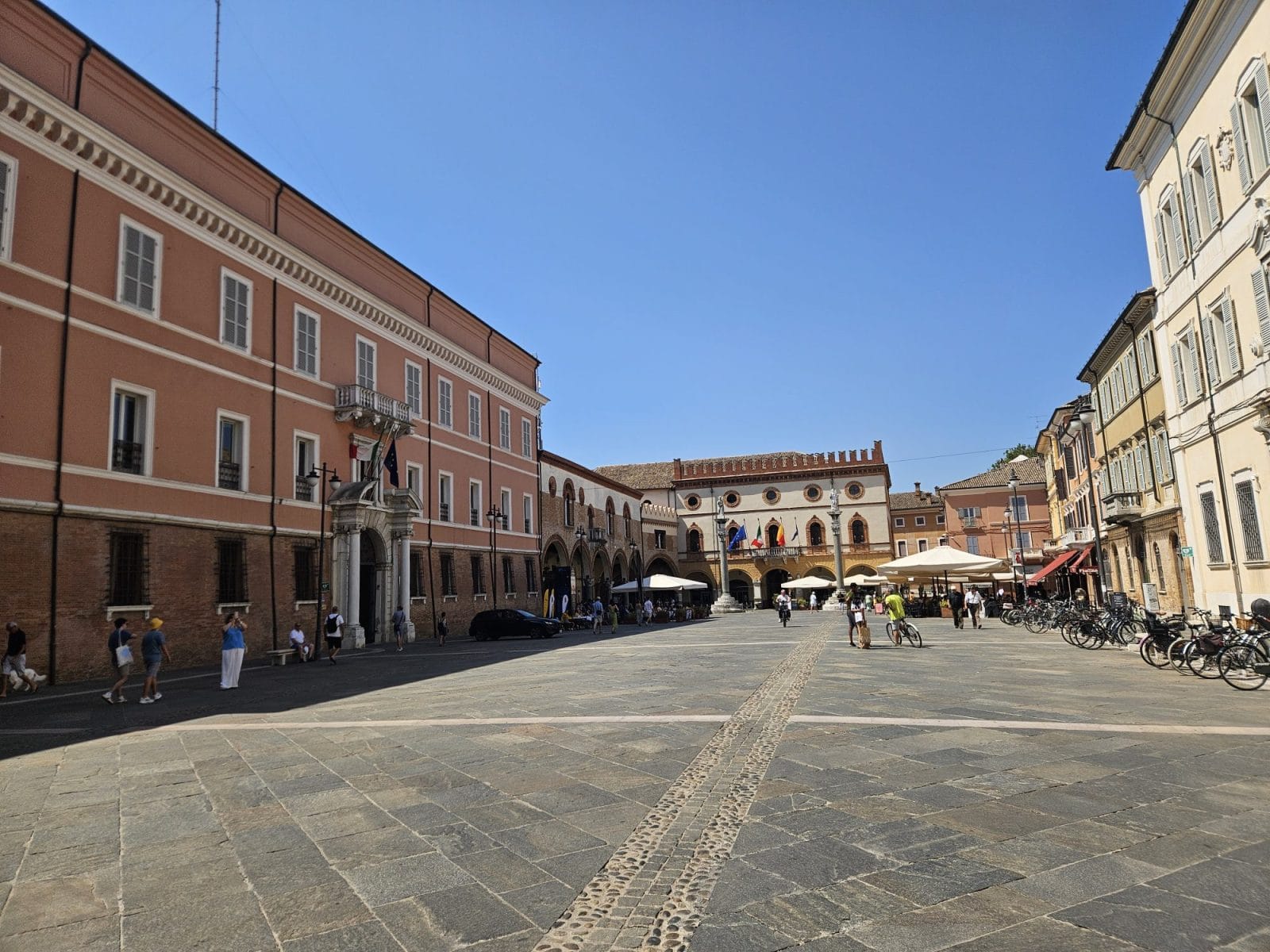
The central crossroads of the city is Piazza del Popolo, home to lovely buildings, cafes, and restaurants. We often passed through here between the city’s main sights. Also in the piazza are two columns and the Statua di Sant’Apollinare.
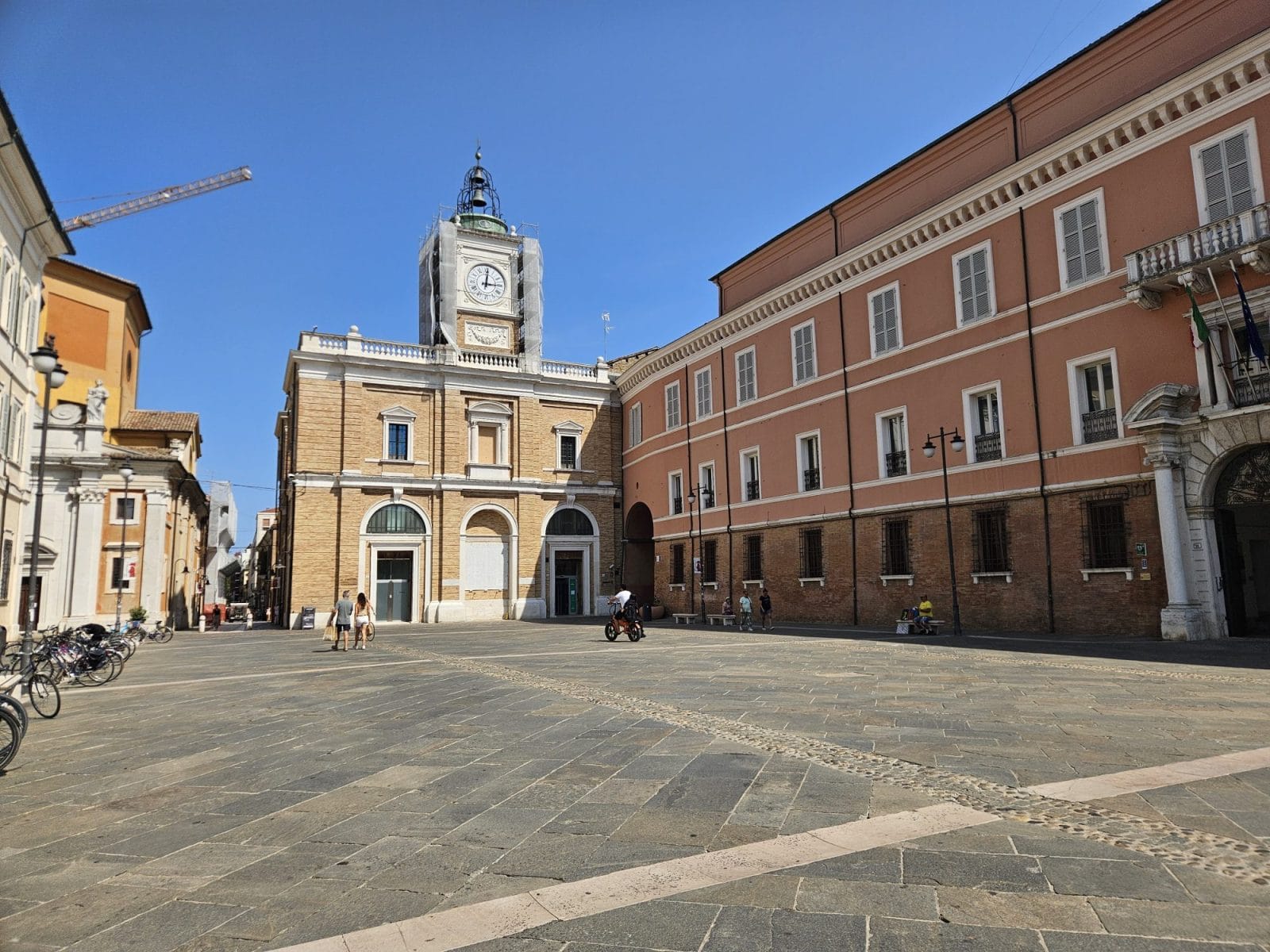
Notable buildings at the edges are the Palazzo dei Rasponi del Sal, Palazzo della Torre dell’Orologio, and the Governor’s Palace, AKA the town hall.
Other Attractions, Churches and Landmarks
San Giovanni Evangelista
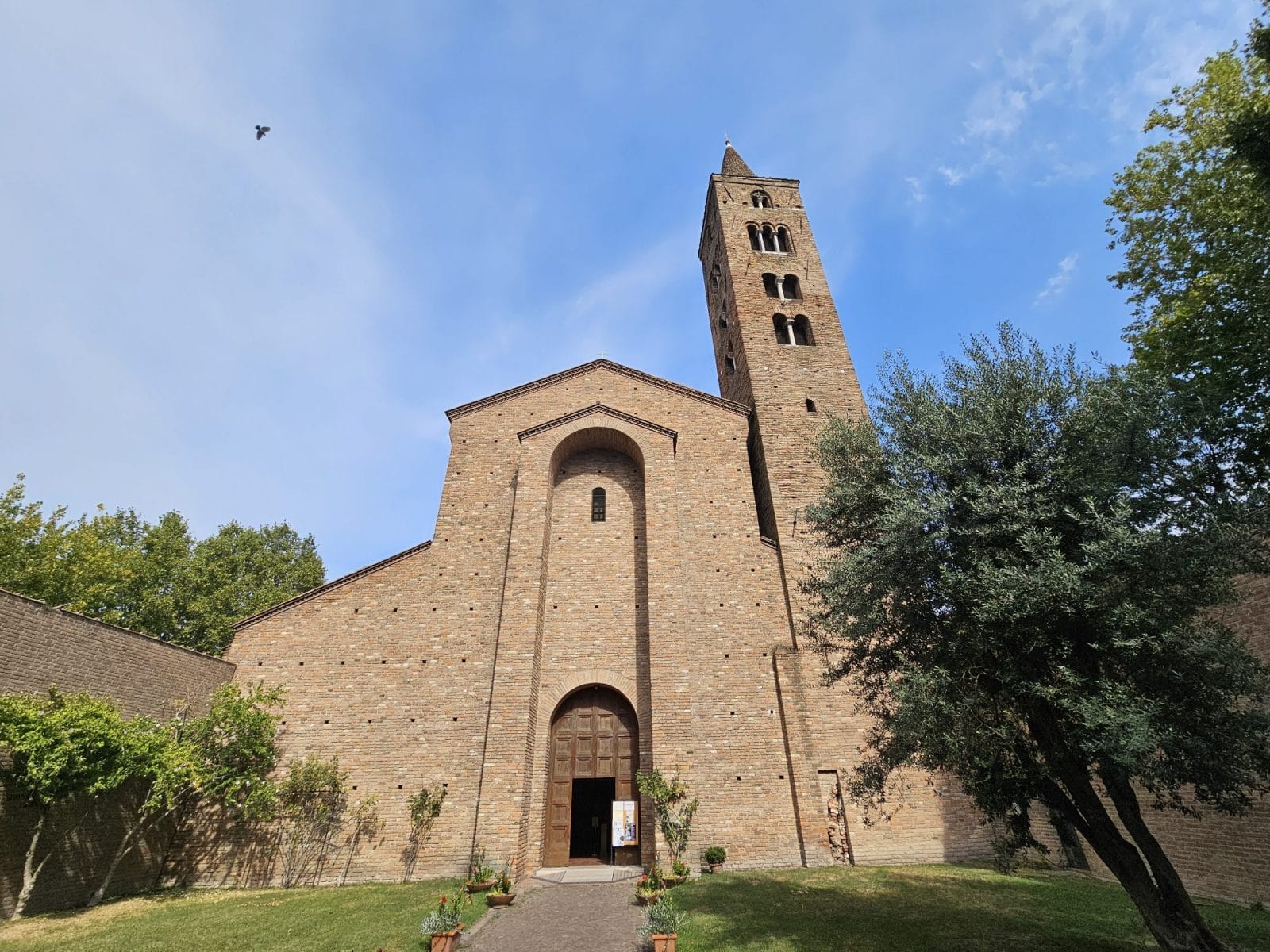
San Giovanni Evangelista is one of Ravenna’s oldest churches and is a short walk from the railway station in a park. The brick church has an impressive 14th-century entrance and a tall bell tower.
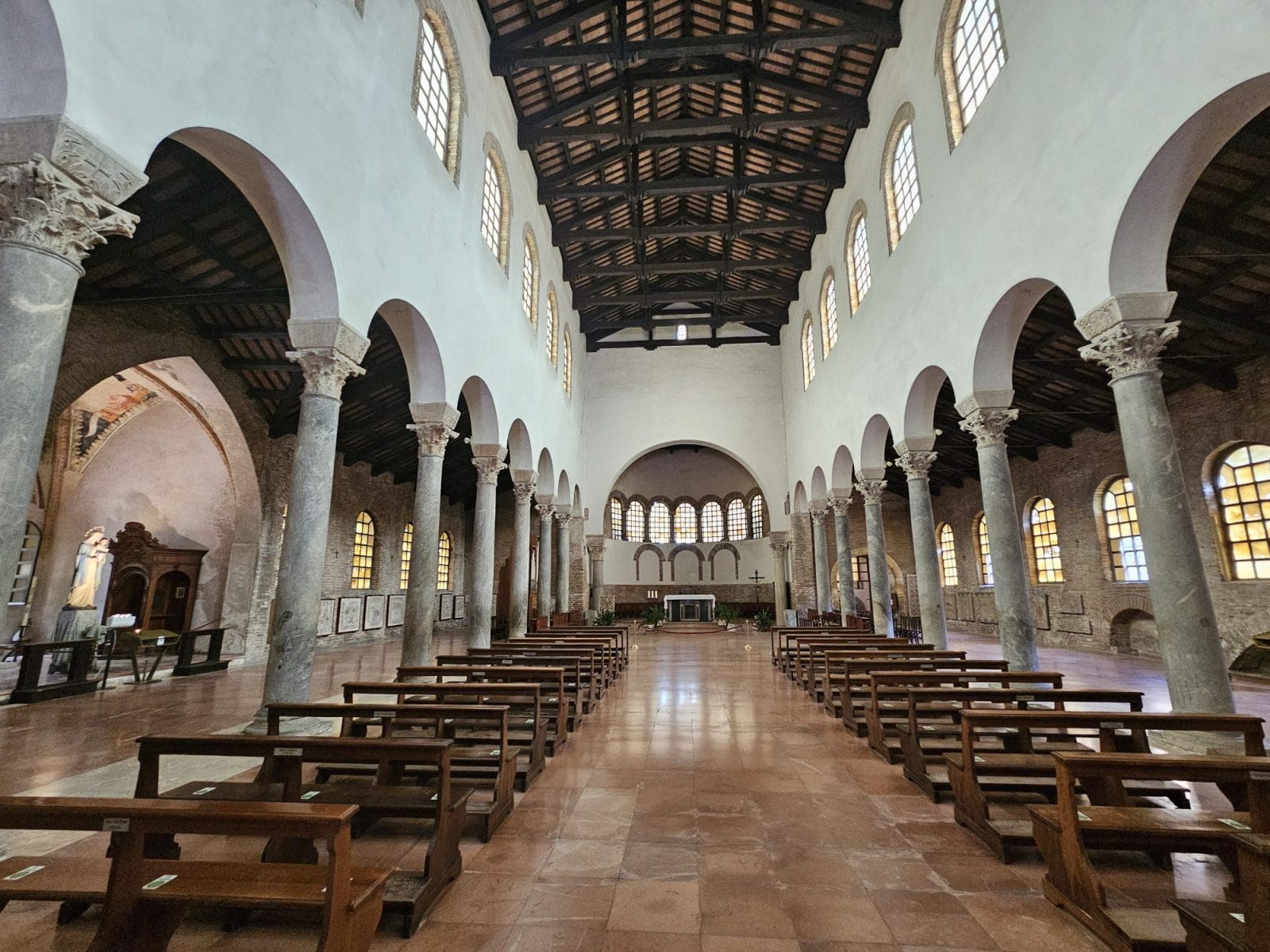
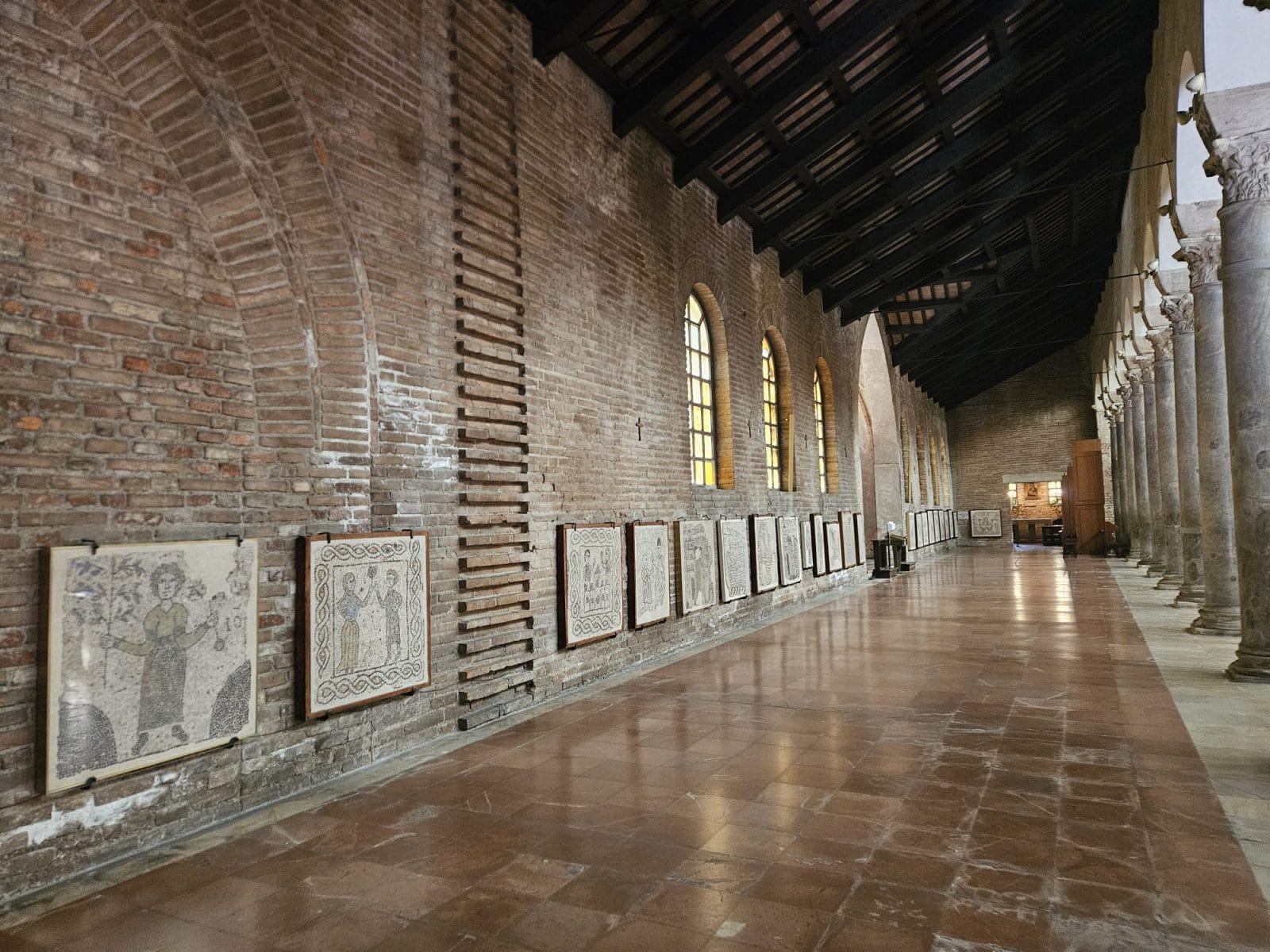
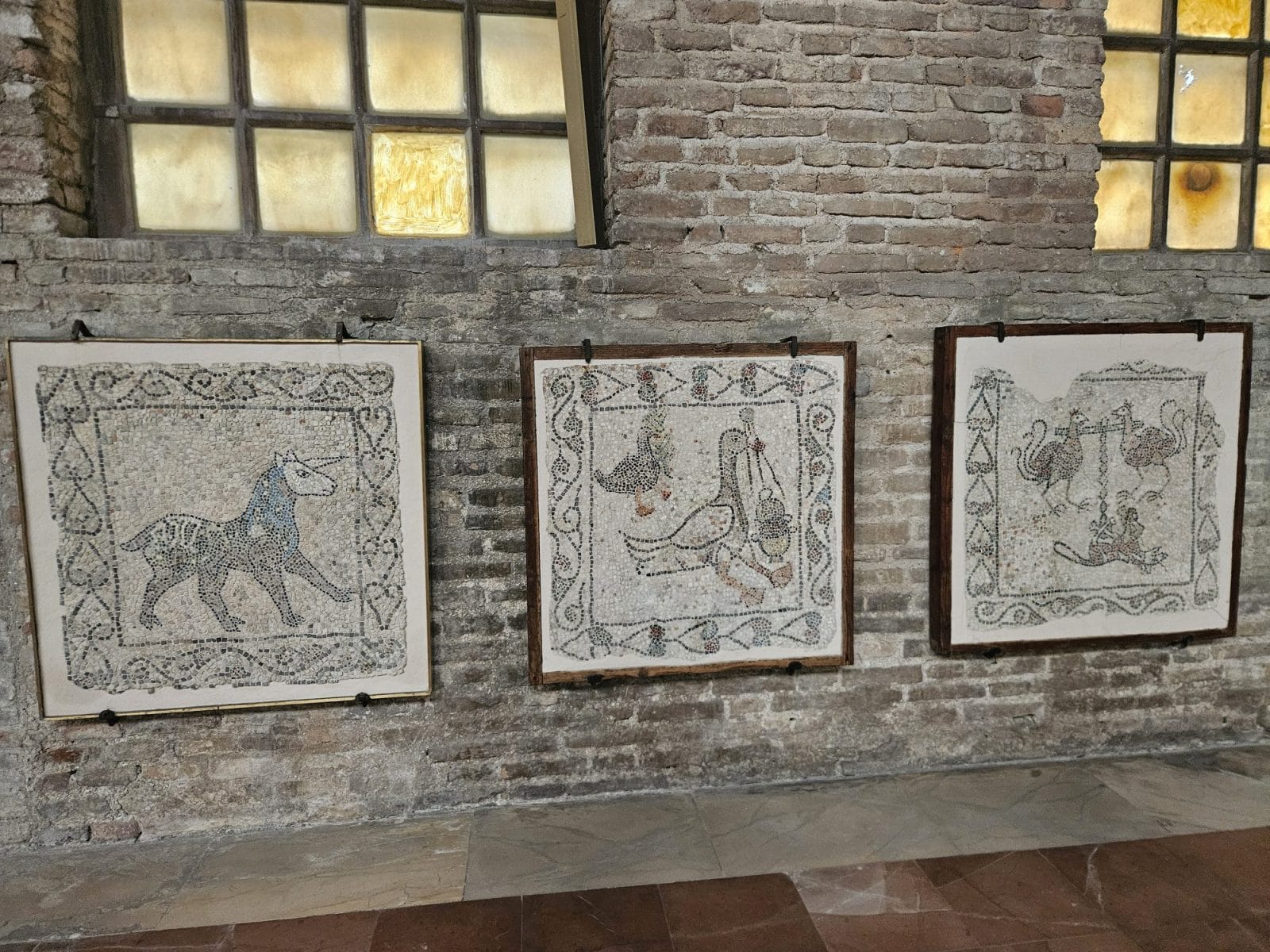
Inside are three naves separated by columns with Corinthian capitals. One of the most interesting features was the collection of 13th-century floor mosaics displayed along the walls. These have unusual subjects, including animals, fantastic creatures, and scenes relating to the Fourth Crusade and the capture of Constantinople.
Mercato Coperto
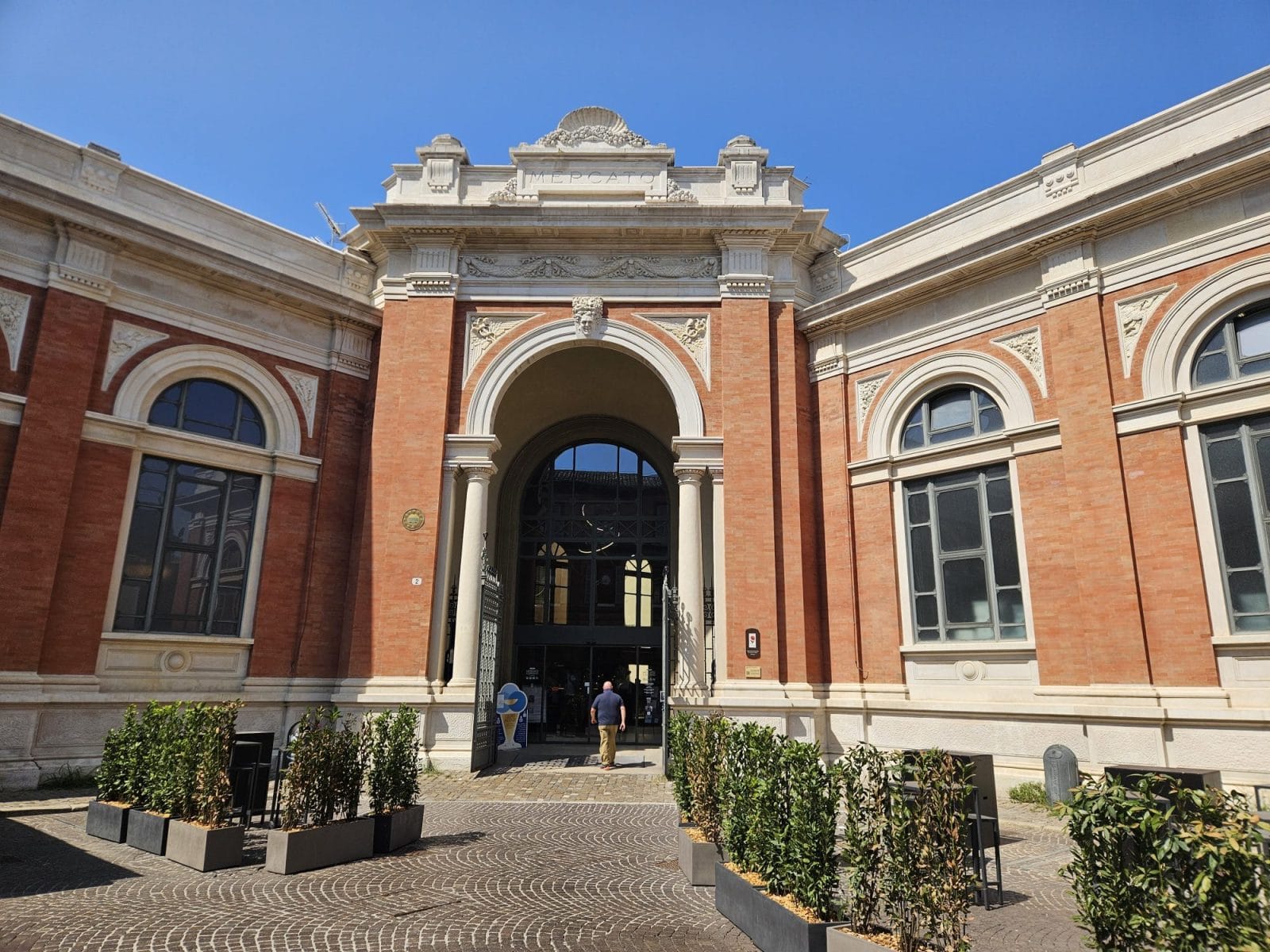
For foodies, Mercato Coperto is a pleasant place to visit, housed in a Liberty-style building dating from 1922. Inside, you’ll find a good selection of stalls for local produce and places to eat.
Church of Saint Mary of Suffrage
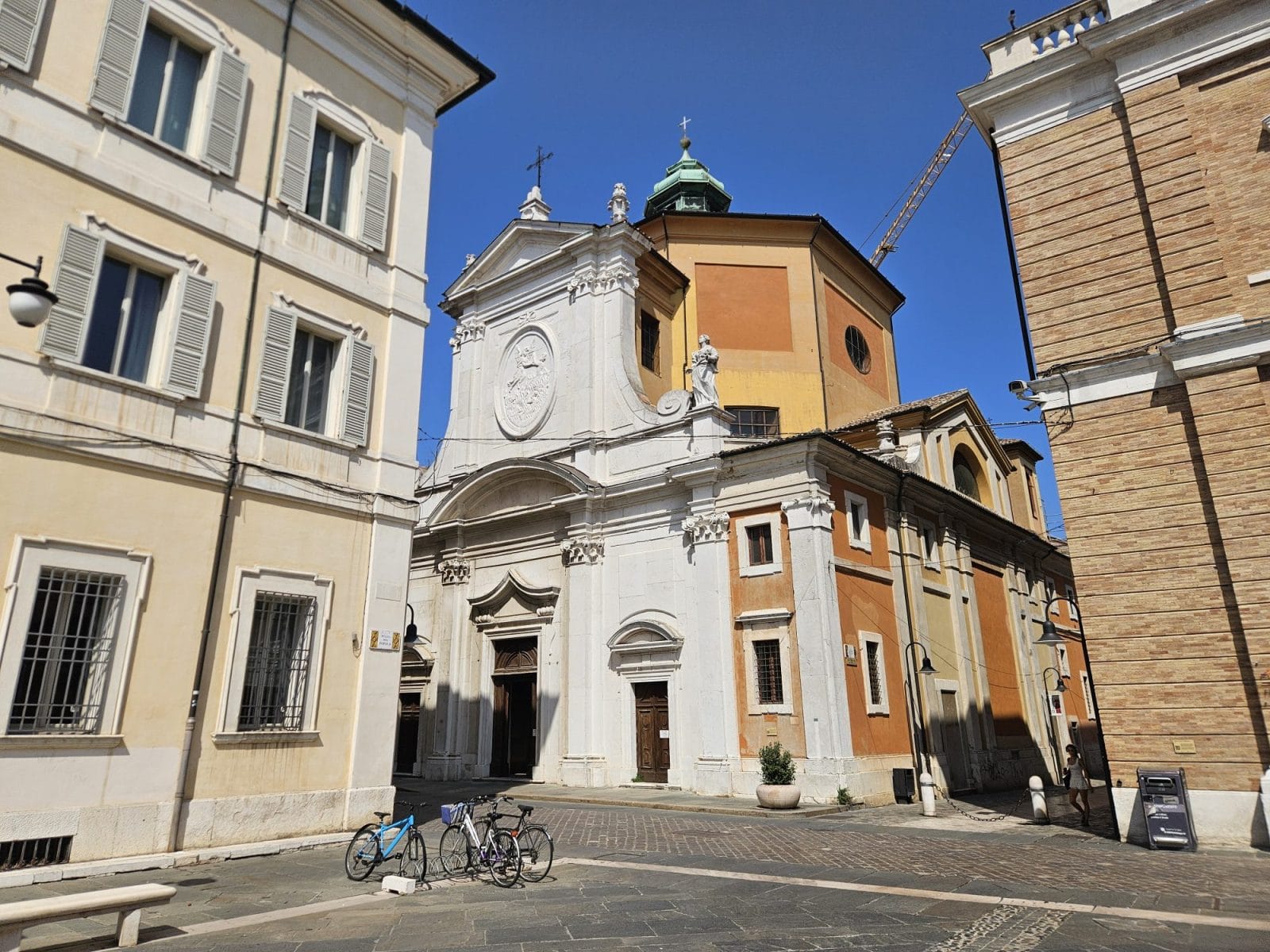
Just off Piazza del Popolo is the Church of Saint Mary of Suffrage, or Santa Maria del Suffragio. It was built between 1701 and 1728 and has an attractive Baroque façade made from Istrian stone. Above the entrance is a relief depicting the liberation of souls from Purgatory.
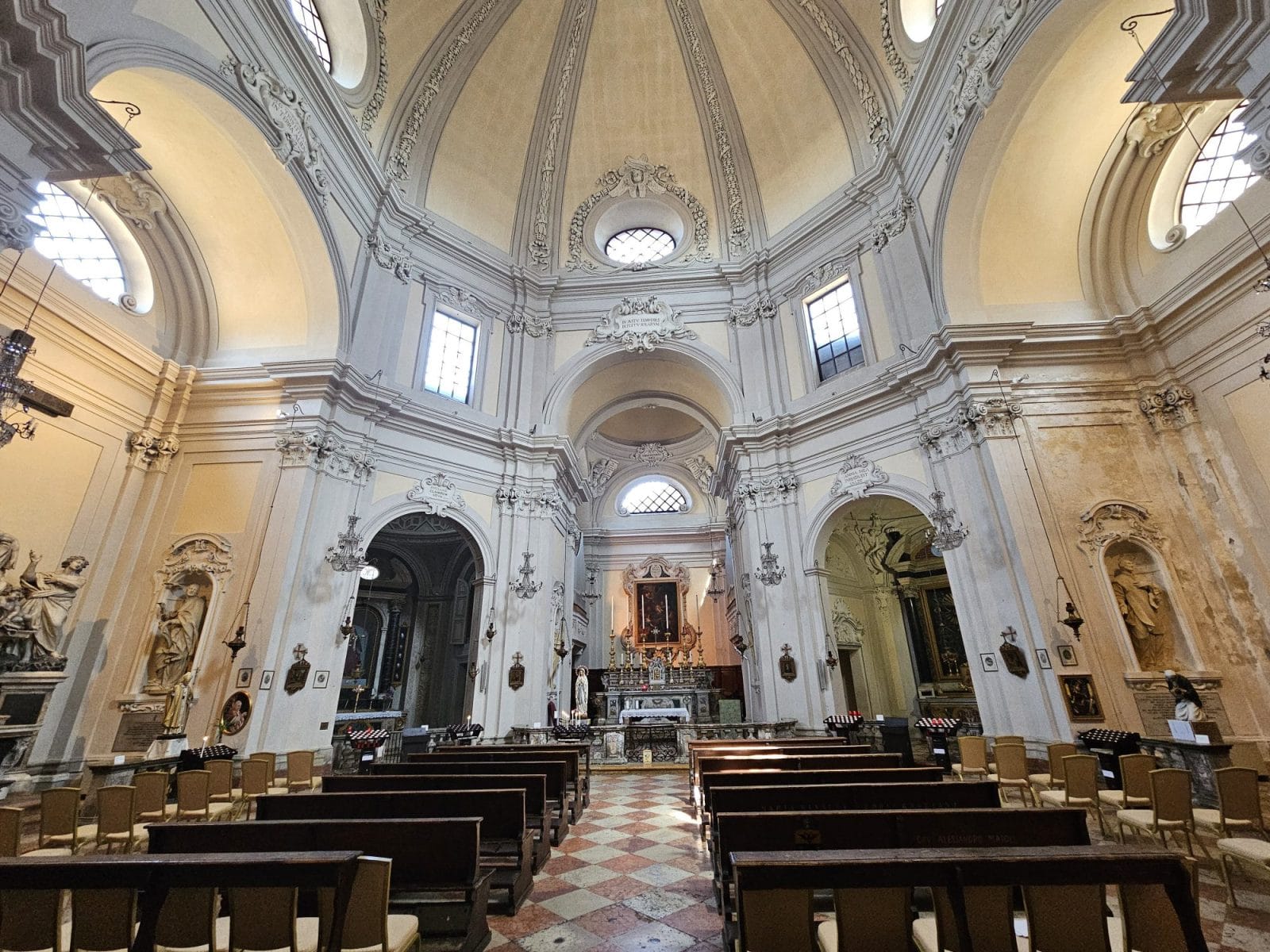
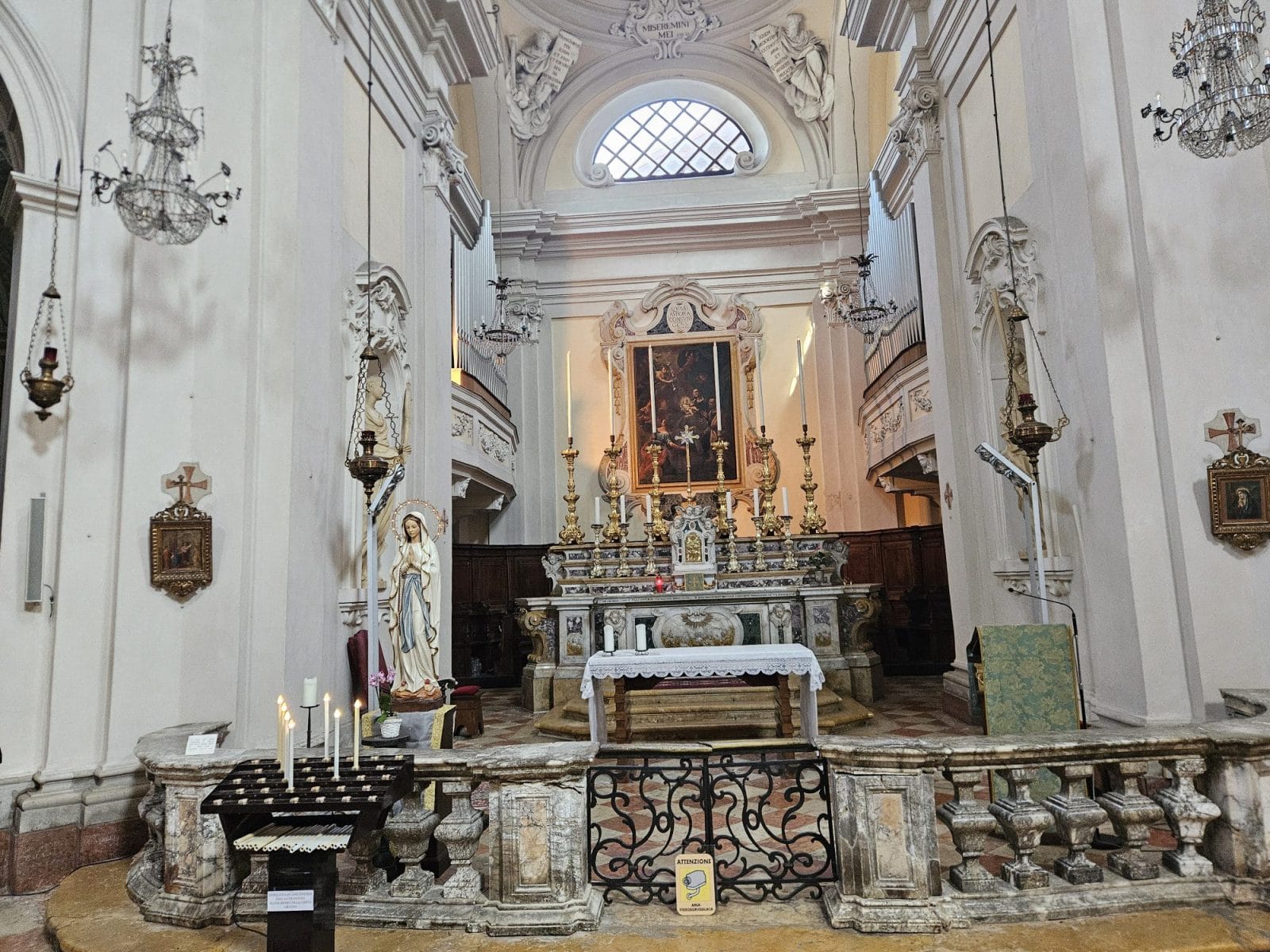
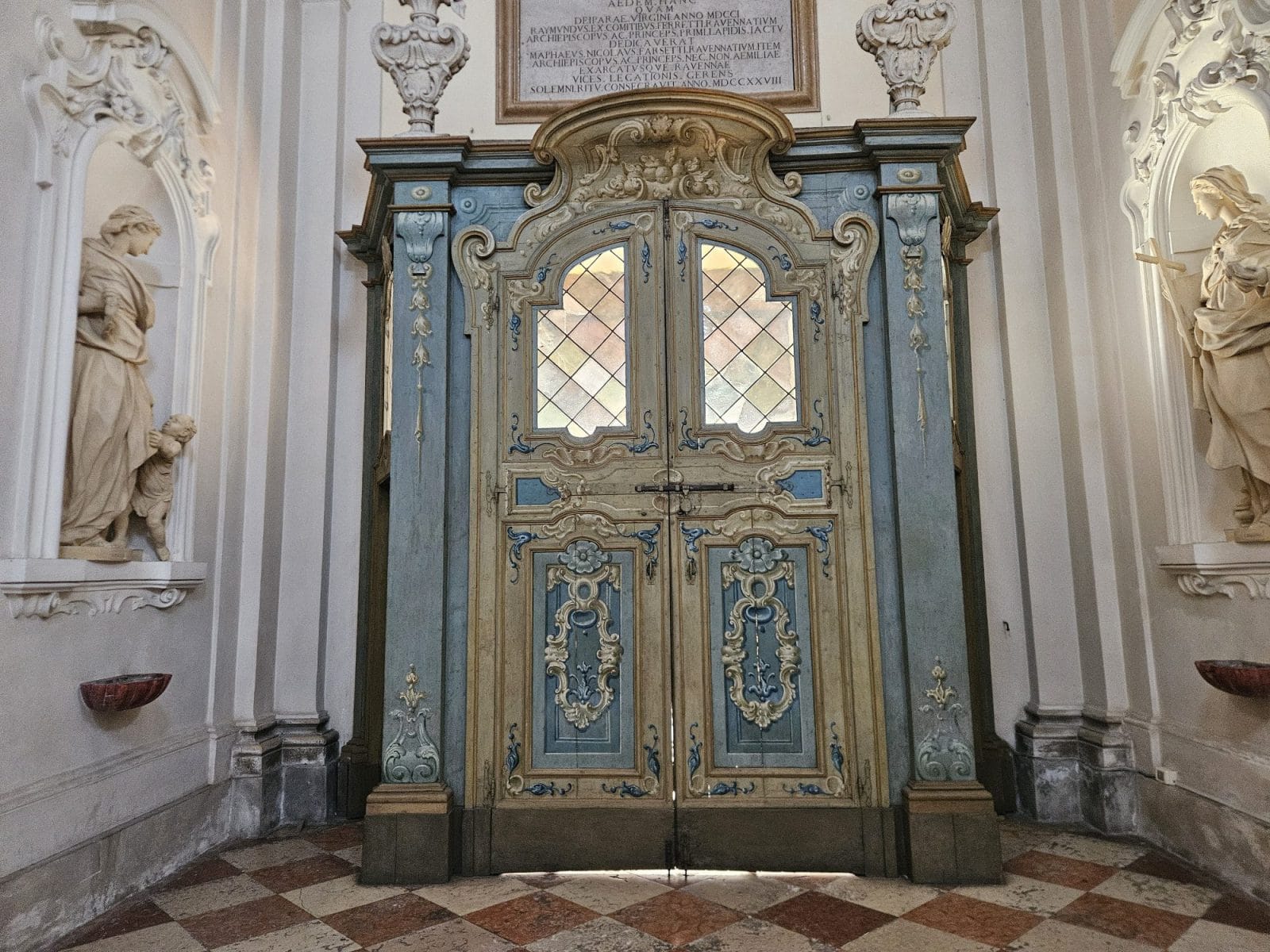
Inside, the church has an octagonal layout with chapels around the sides. Features include a marble Pietà by Giovanni Toschini and various statues representing figures and virtues. One other feature that caught my eye was the interior blue door.
Santa Maria Maggiore
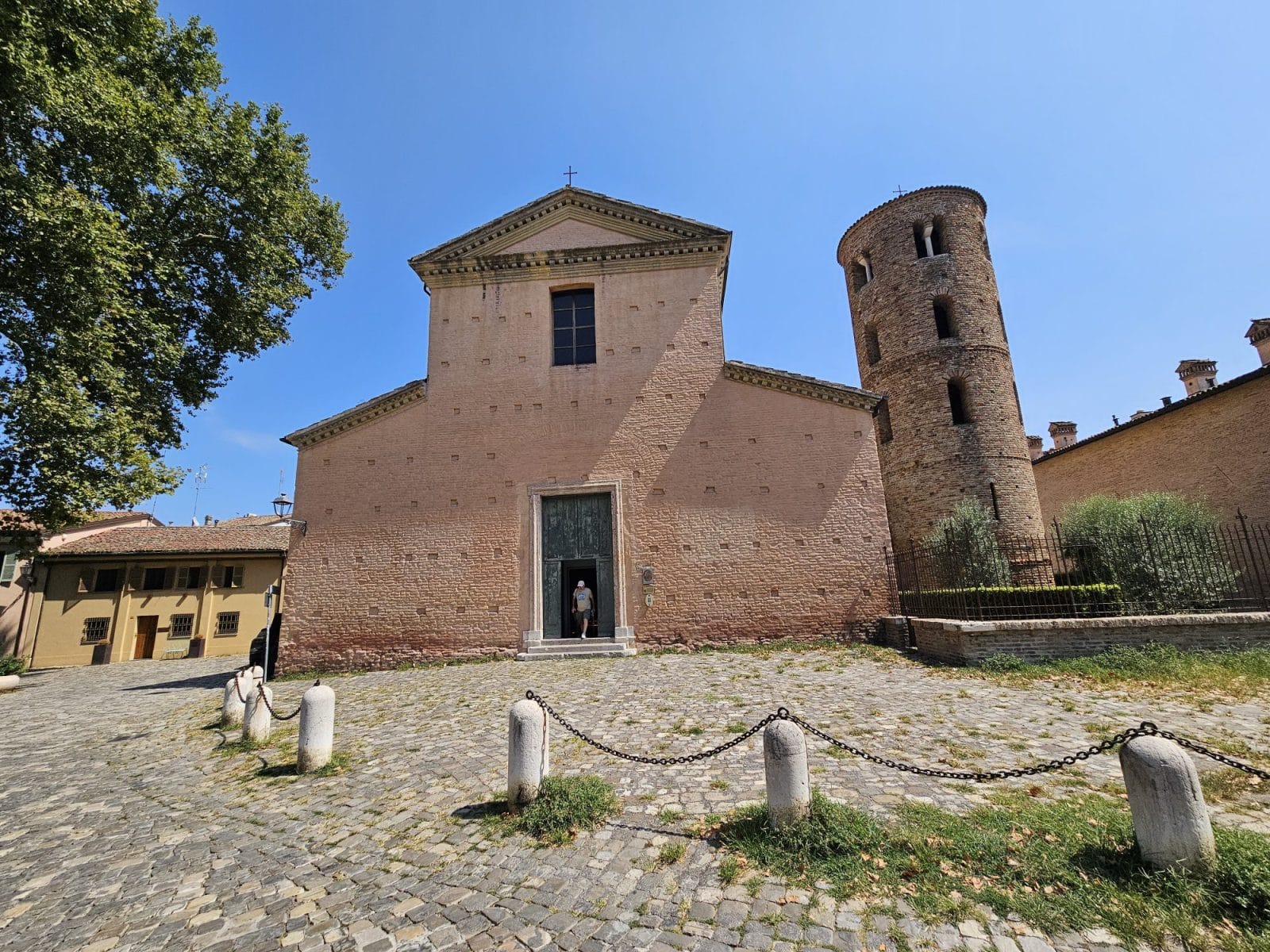
Santa Maria Maggiore is very close to San Vitale and the Mausoleum of Galla Placidia, so it’s worth having a look while in the area. The original church dates from the 6th century and was commissioned by Bishop Ecclesius, who was also involved with the construction of San Vitale.
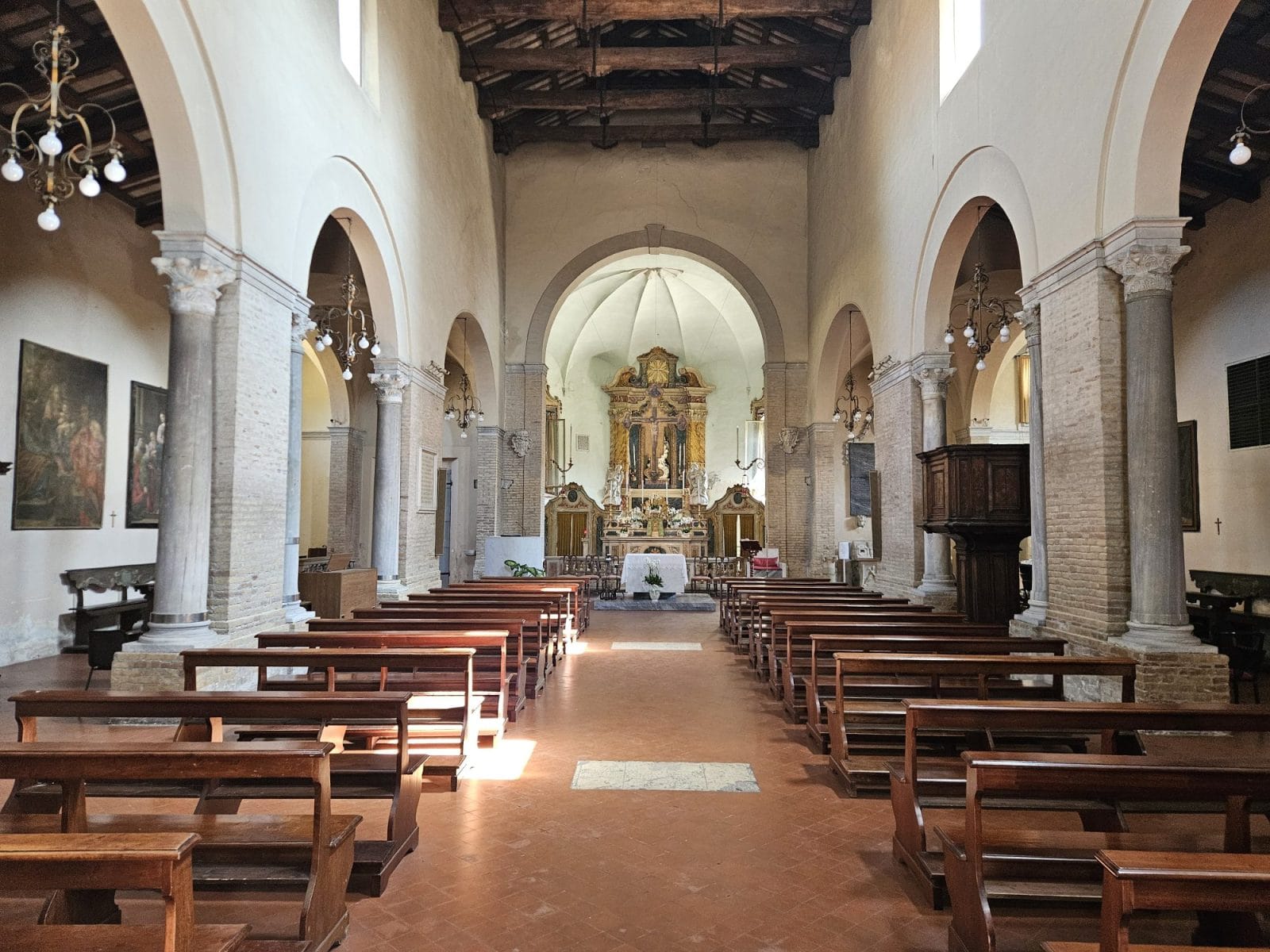
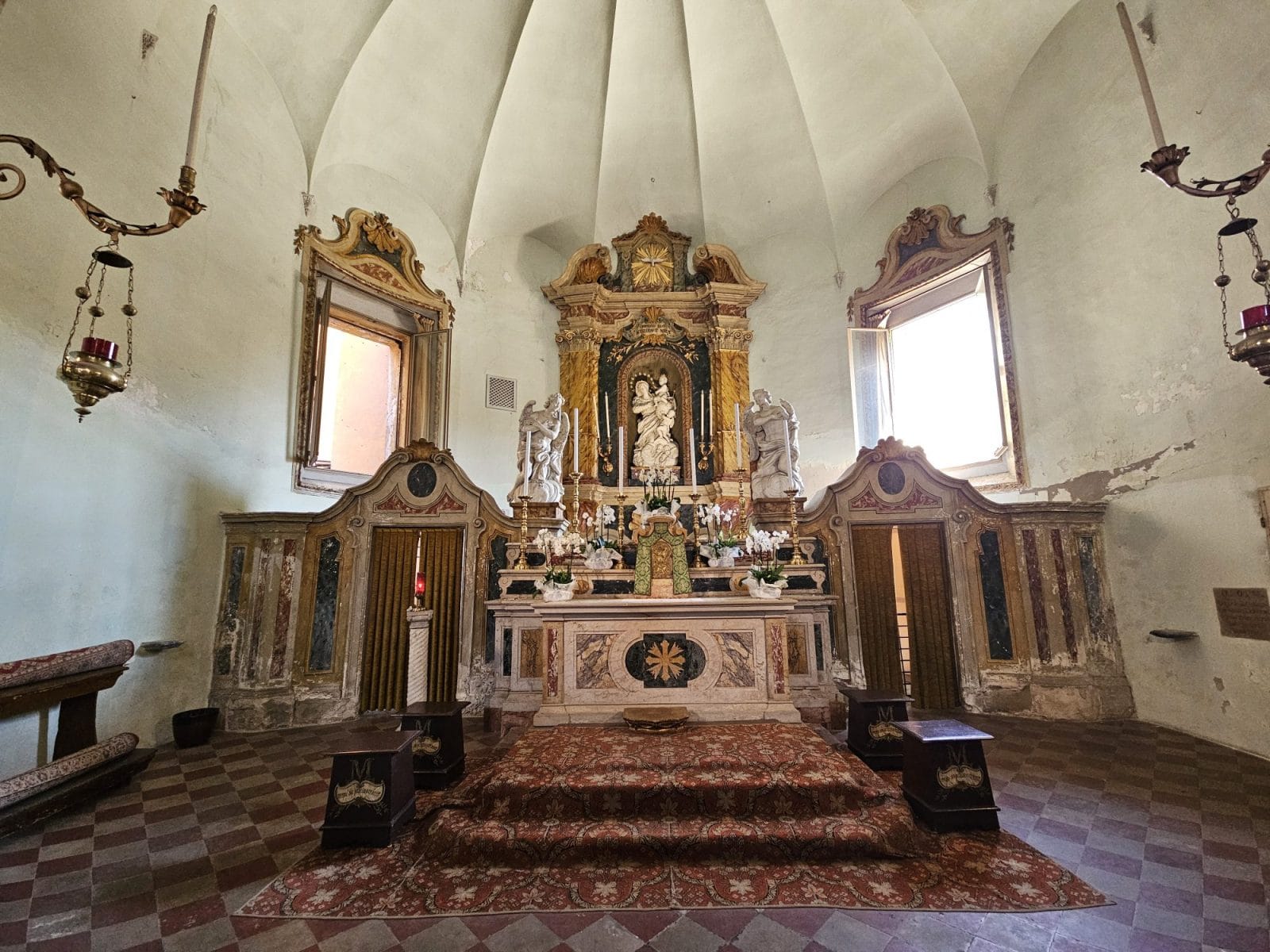
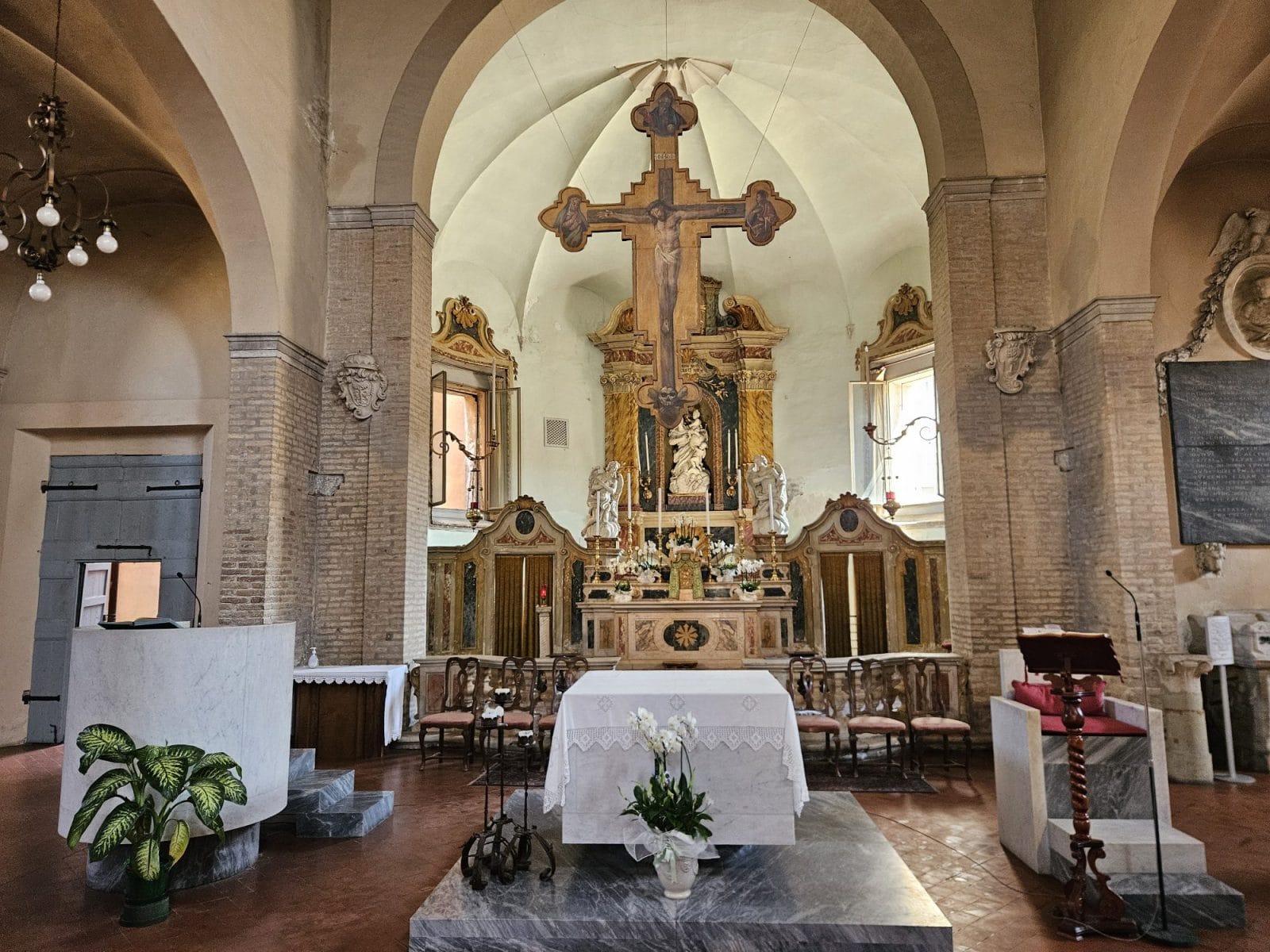
The church has changed significantly since its early Christian origins, and unfortunately most of its original mosaic decoration has been lost. The interior is divided into three naves by columns and has artworks and decorative features to see.
Chiesa di Santa Maria Maddalena
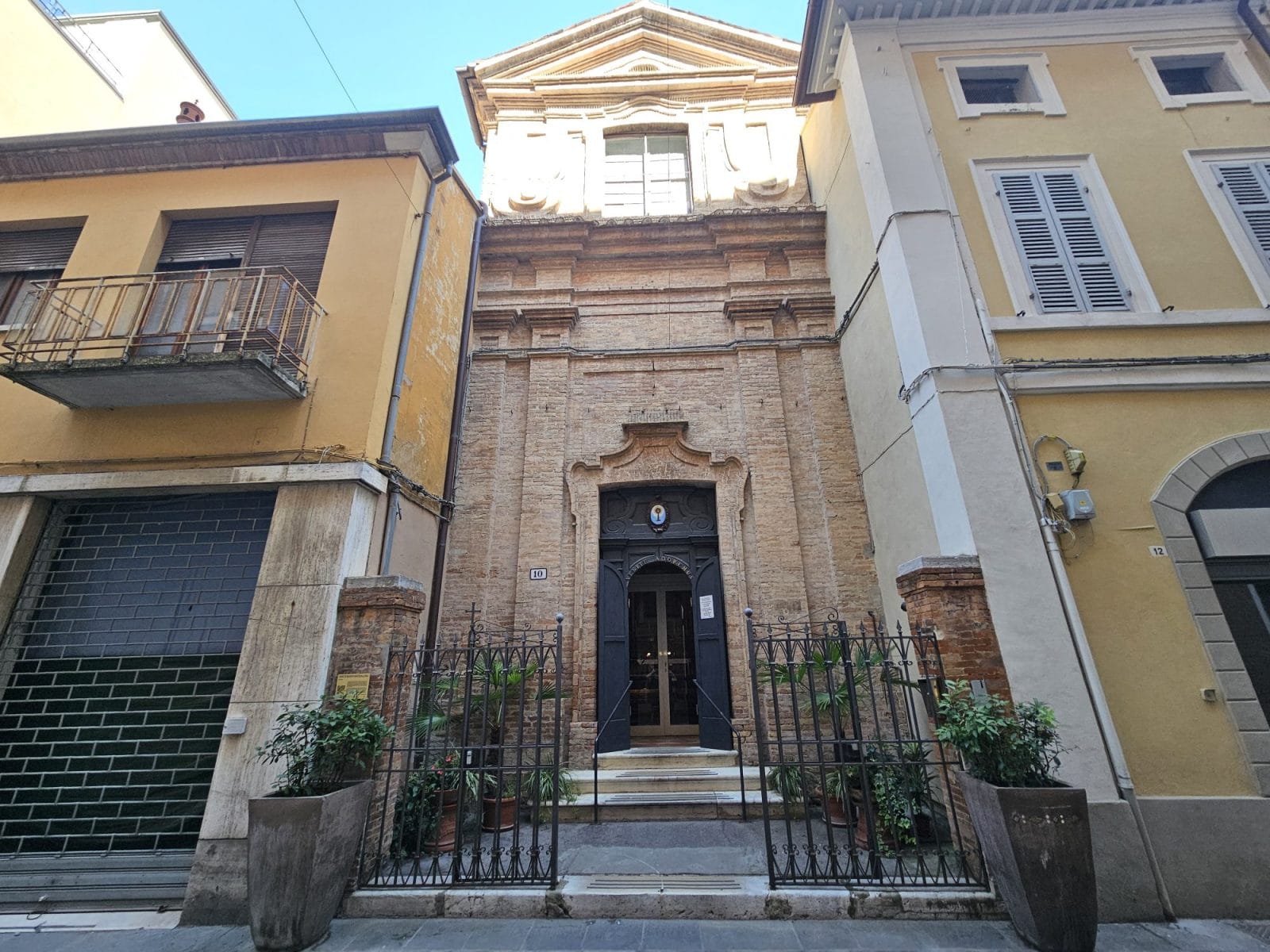
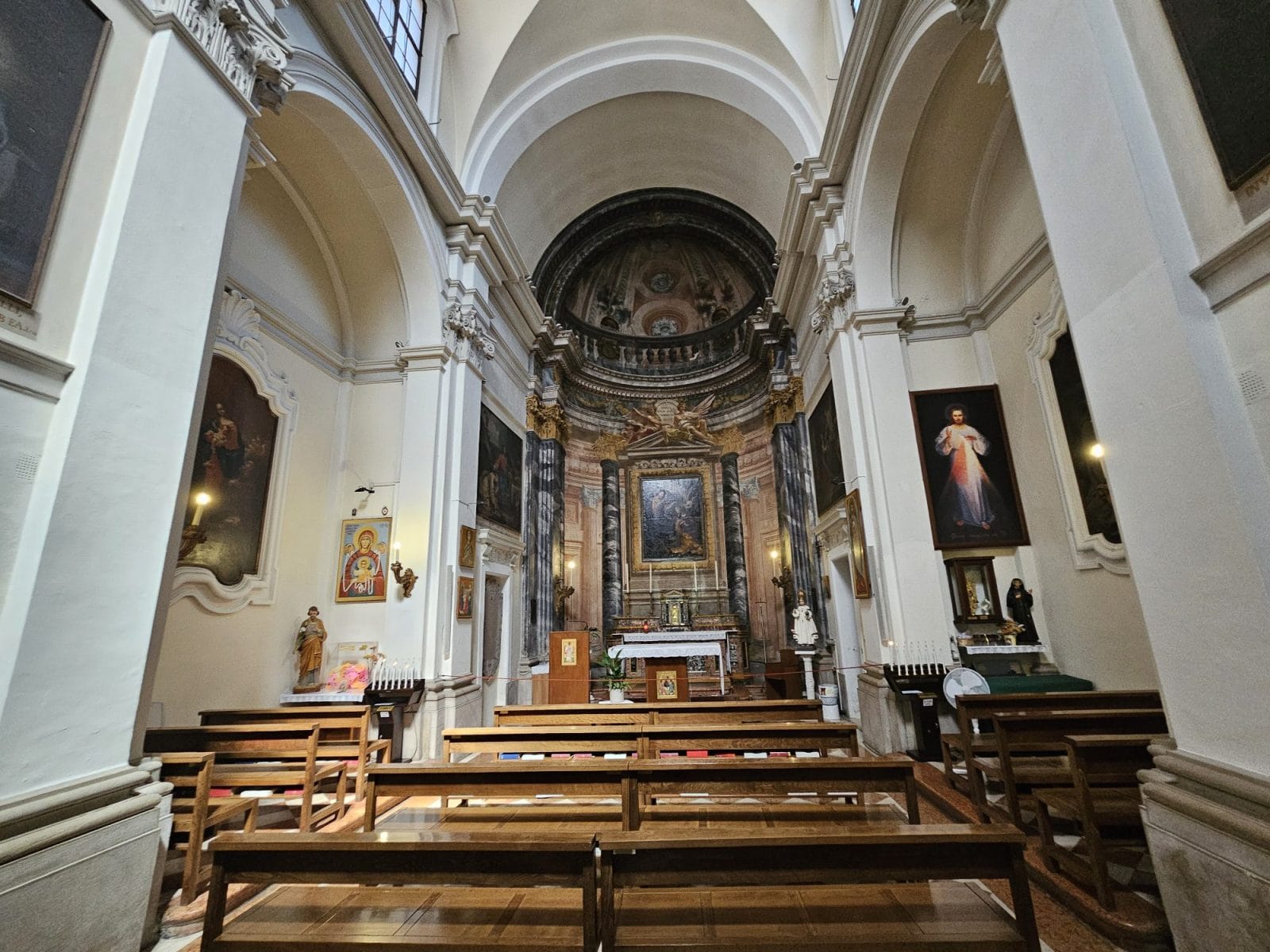
Chiesa di Santa Maria Maddalena is a small Baroque church on Via Corrado Ricci. The current church was built between 1748 and 1750, although an earlier church on or close to the site was recorded as far back as 1076. The interior is free to pop into; it has a single nave with lots of Baroque decoration.
Santa Croce
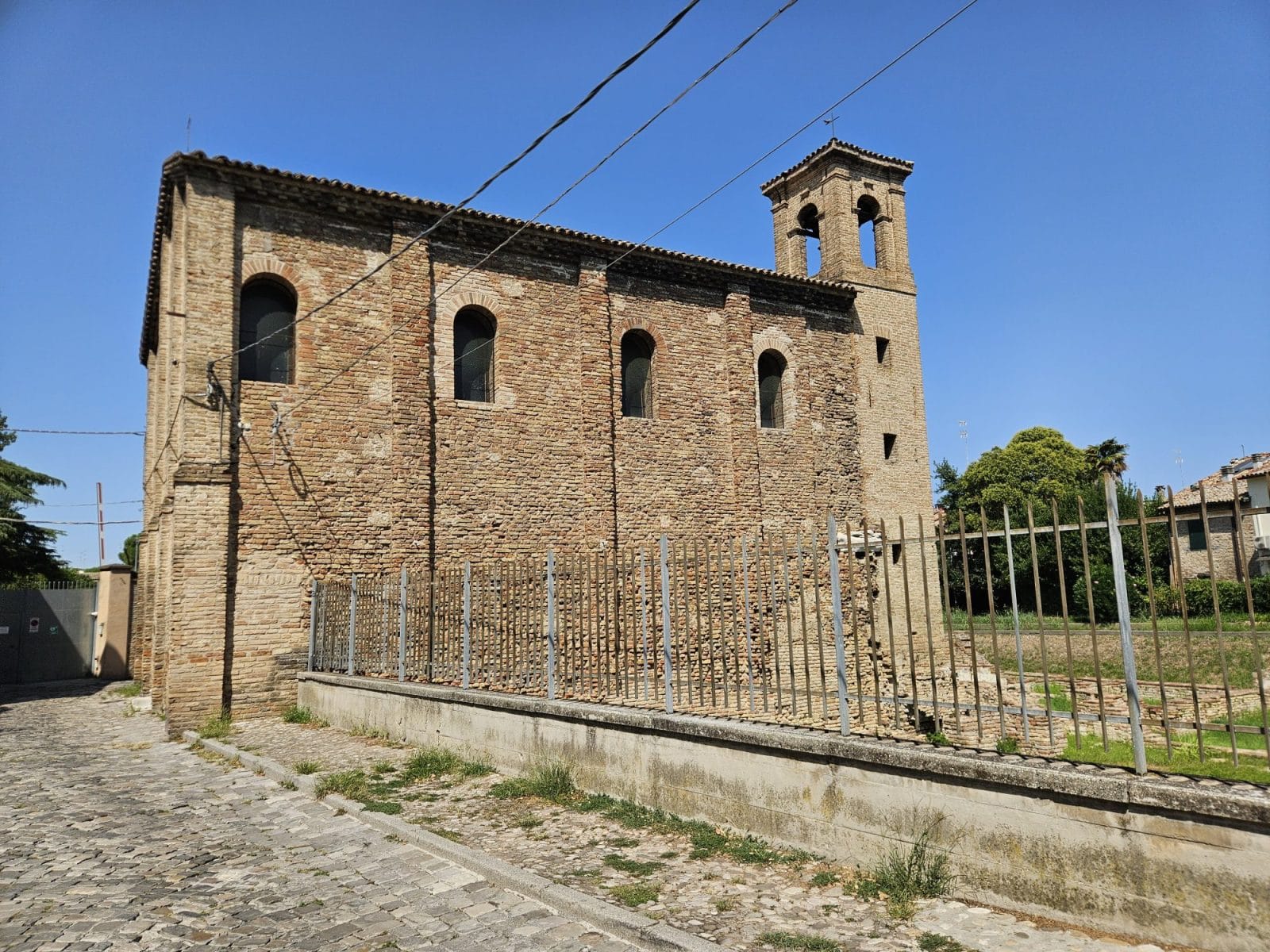
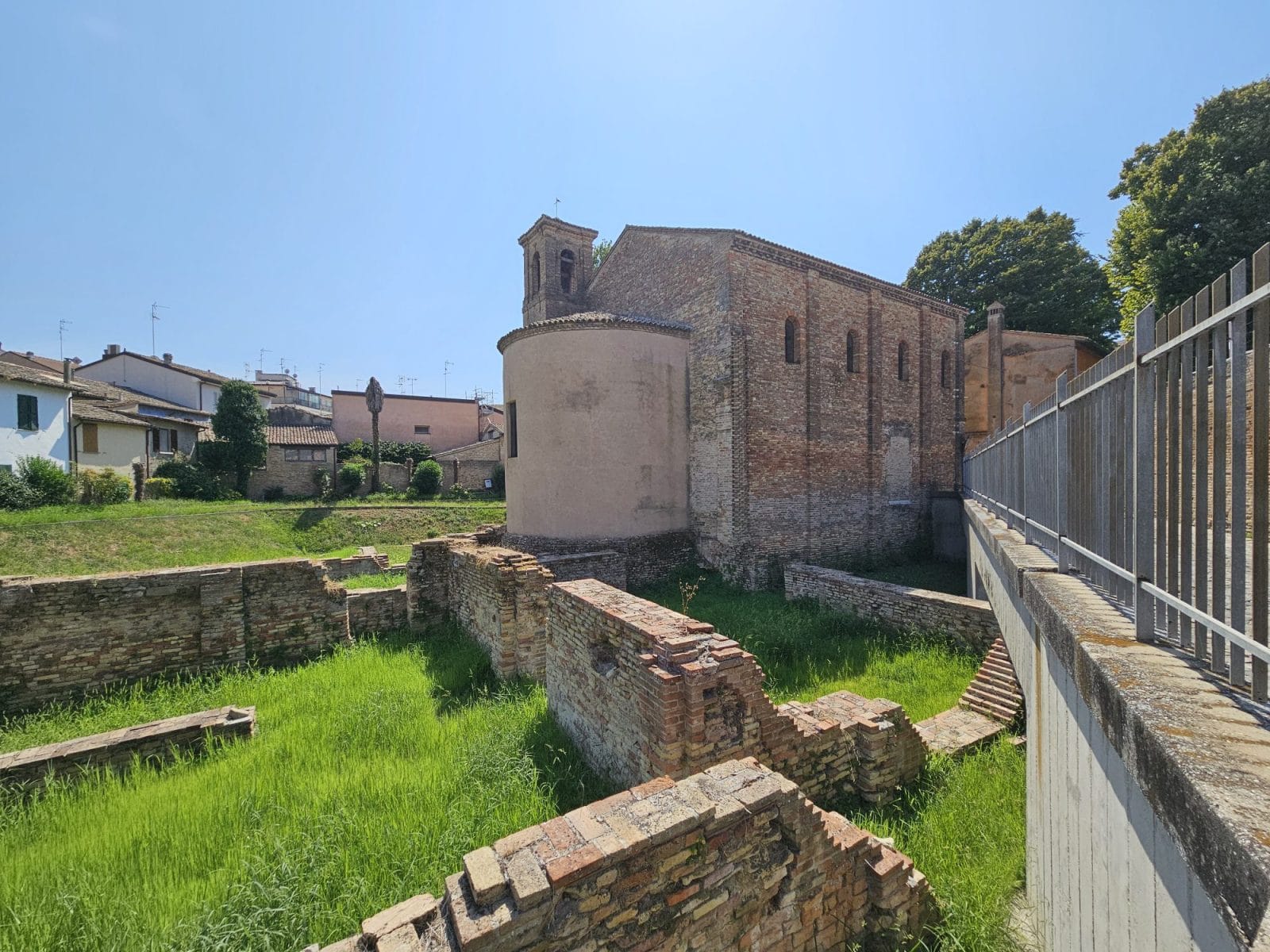
Santa Croce is a deconsecrated early Christian church behind the Mausoleum of Galla Placidia. It was built during the first half of the 5th century for Galla Placidia on the site of an earlier Roman house. On my visit, I only got to see the outside as it was closed to visitors.
Quadrarco di Braccioforte
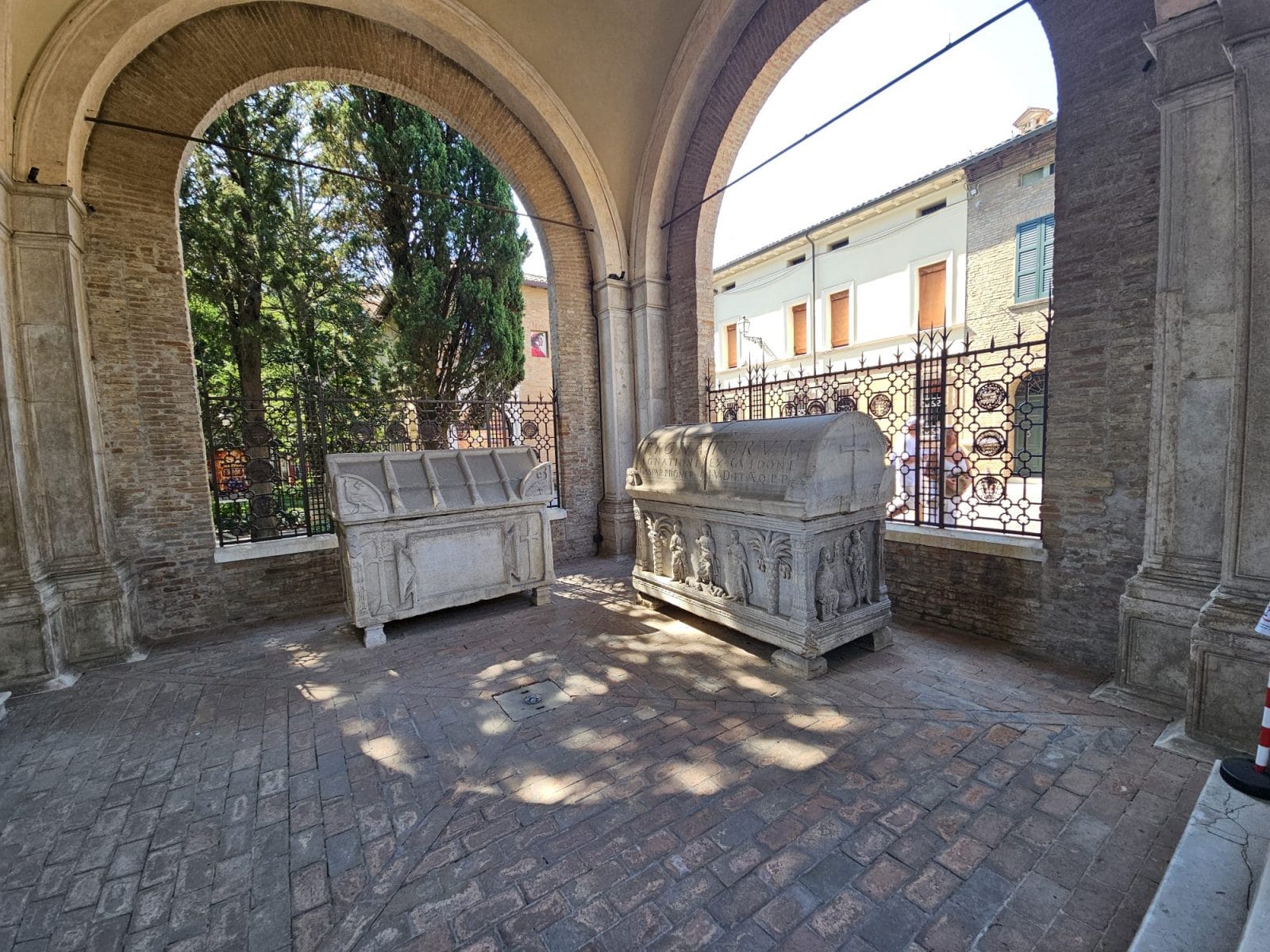
Next to Dante’s Tomb is the Quadrarco di Braccioforte, part of Ravenna’s quiet Dante area. Records suggest that a small oratory once stood here and was connected by a portico to the nearby Basilica di San Francesco. It’s a peaceful little spot to see while visiting Dante’s Tomb and the surrounding sights. It also has some tombs and offers great views of the Basilica’s bell tower.
Civic Tower – Torre Civica
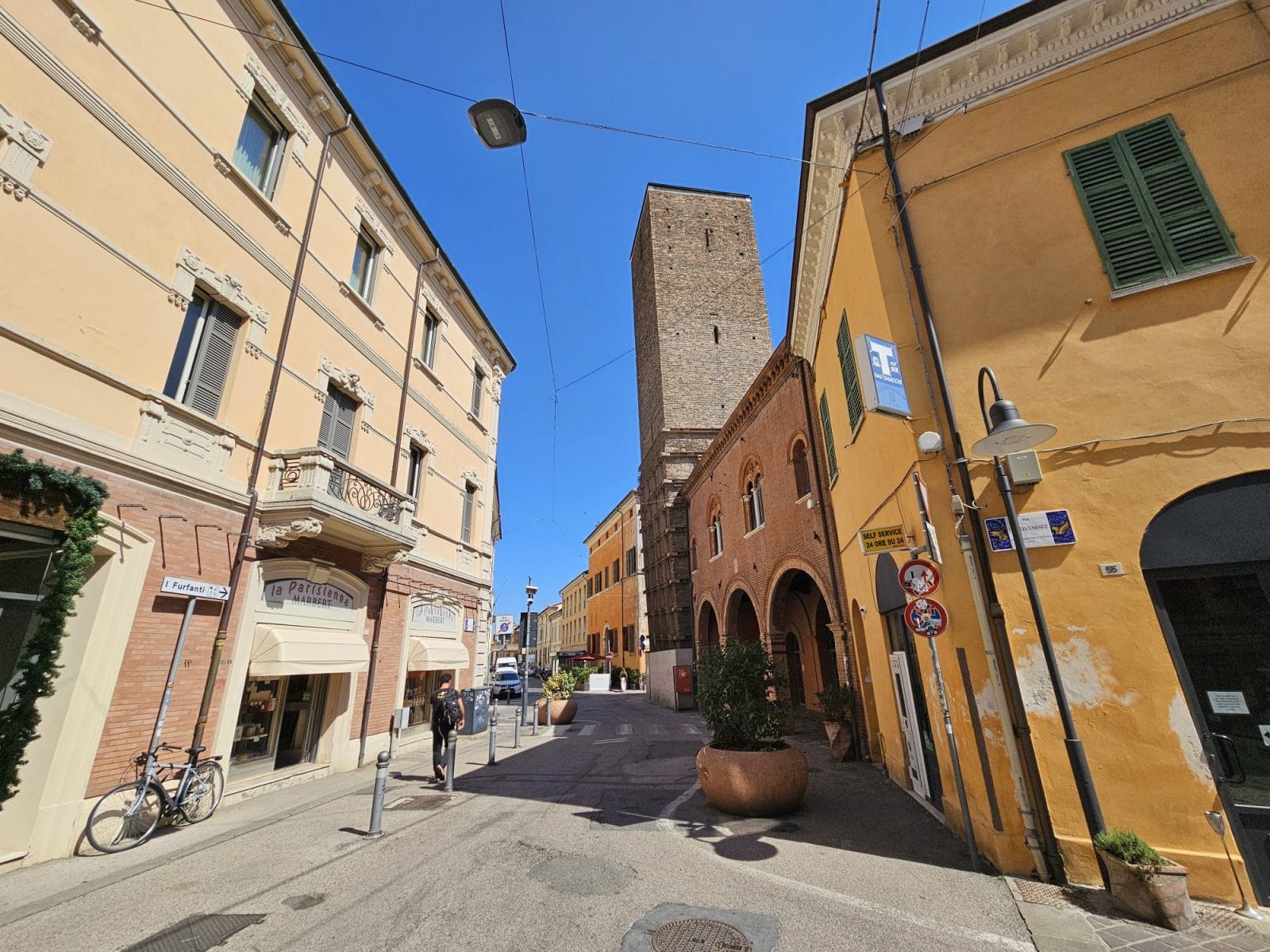
Ravenna’s Civic Tower, or Torre Comunale, dates from the 11th–12th centuries. The brick tower leans towards the west and originally stood 39.47 metres high. From the 14th century until 1915, bells at the top of the tower were used to call the citizens of Ravenna. You can also see the bells in the courtyard of the Byron Museum.
Biblioteca Oriani and Dante Garden
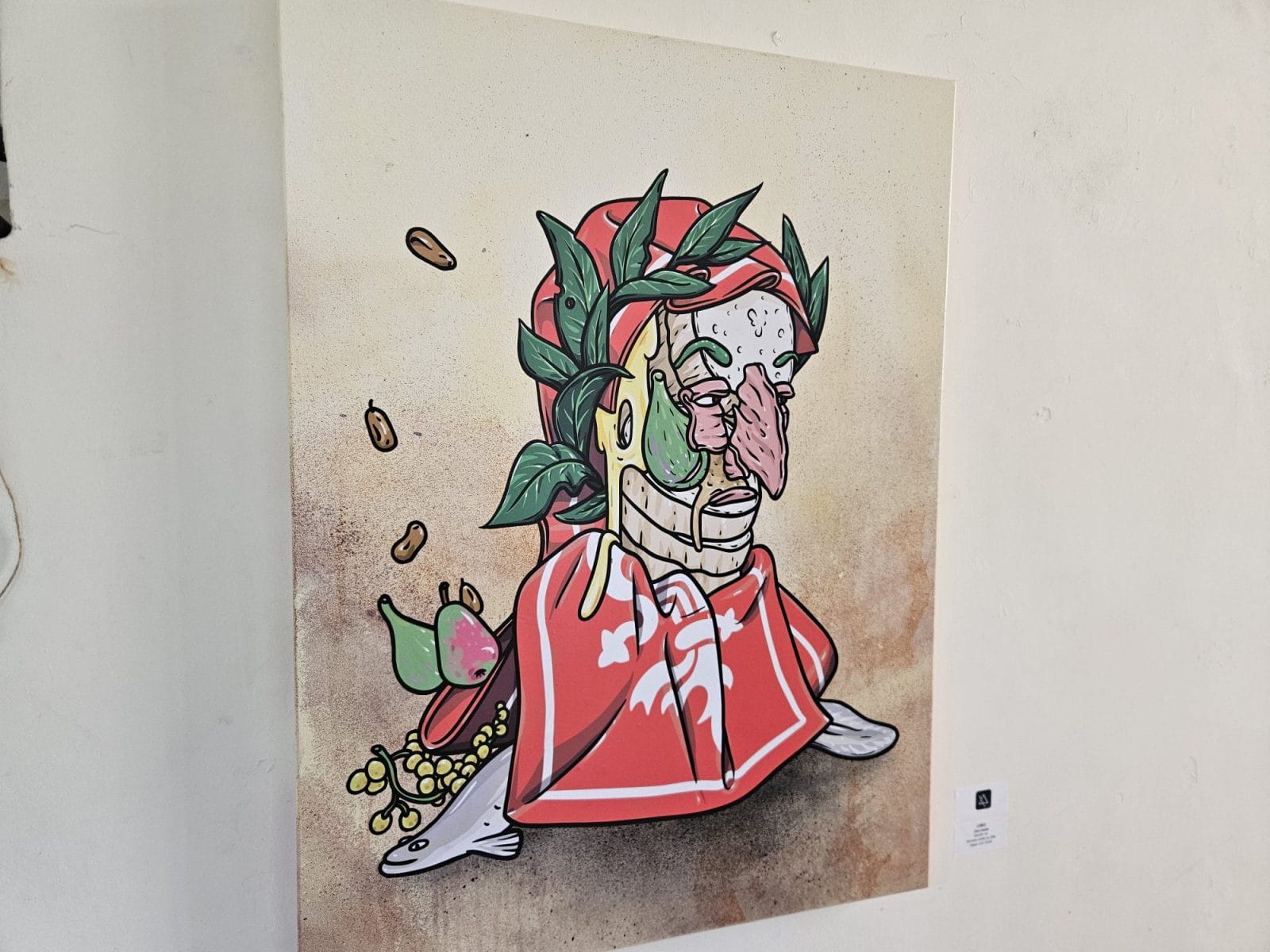
Biblioteca Oriani is a specialist library for contemporary history and political and social studies, close to Dante’s Tomb. The present building forms part of Ravenna’s Dante area and was designed as part of the redevelopment of the area during the early 20th century. We visited inside to see an exhibit of Dante-related art by locals, some of which was for sale.
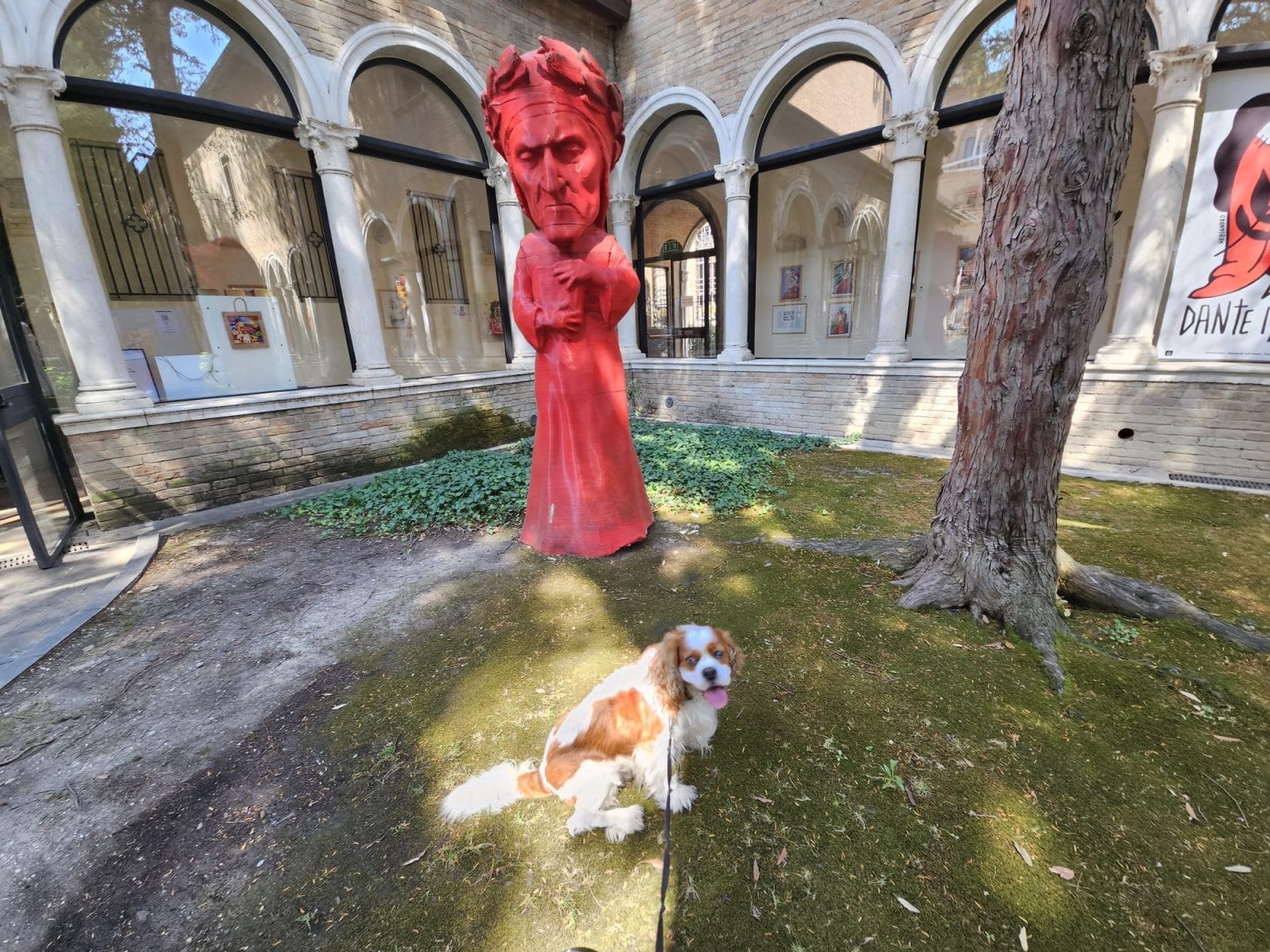
Behind it is the peaceful Rinaldo da Concorezzo garden, with a portico made using 16th-century columns from the former monastery of Santa Maria in Porto. The garden also contains several original Roman and early Christian sarcophagi and a figure of Dante.