
Dimitrie Gusti National Village Museum in Bucharest, Romania
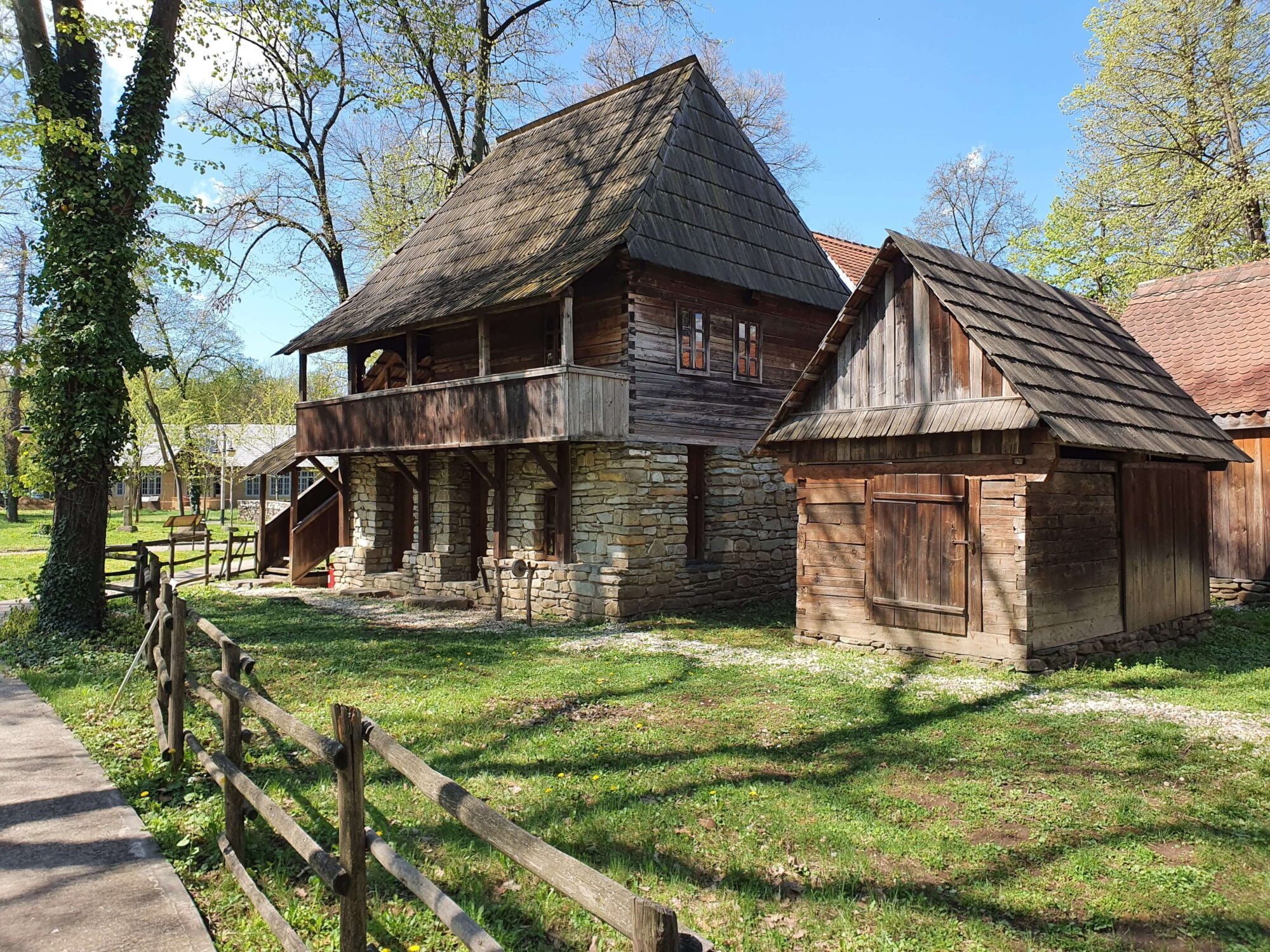
My favourite visitor attraction in Bucharest, Romania, was Dimitrie Gusti National Village Museum. The Dimitrie Gusti National Village Museum is a fantastic open-air museum located in King Mihai I Park. The museum has lots of old buildings that they moved here from the far-flung corners of Romania.

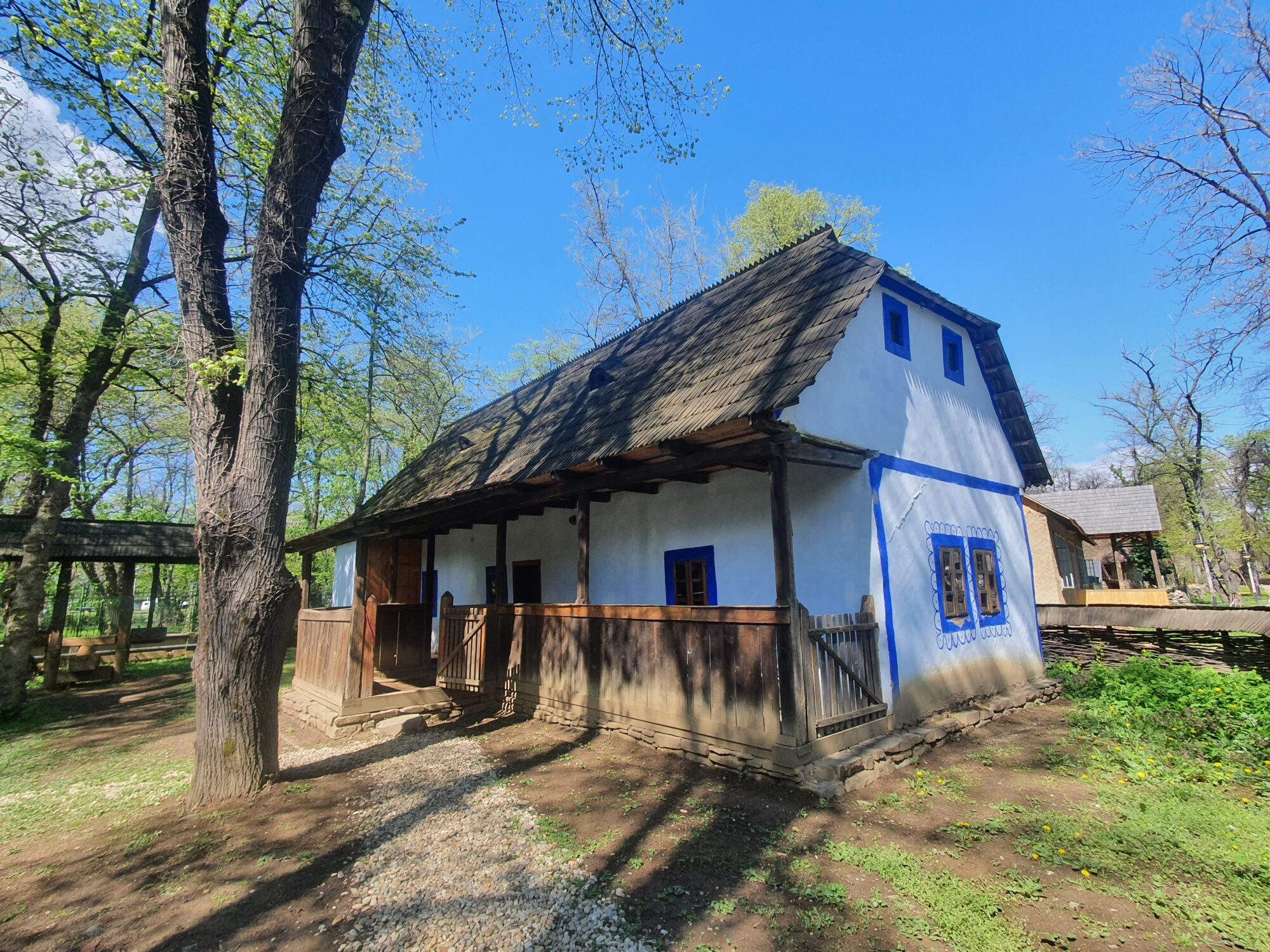
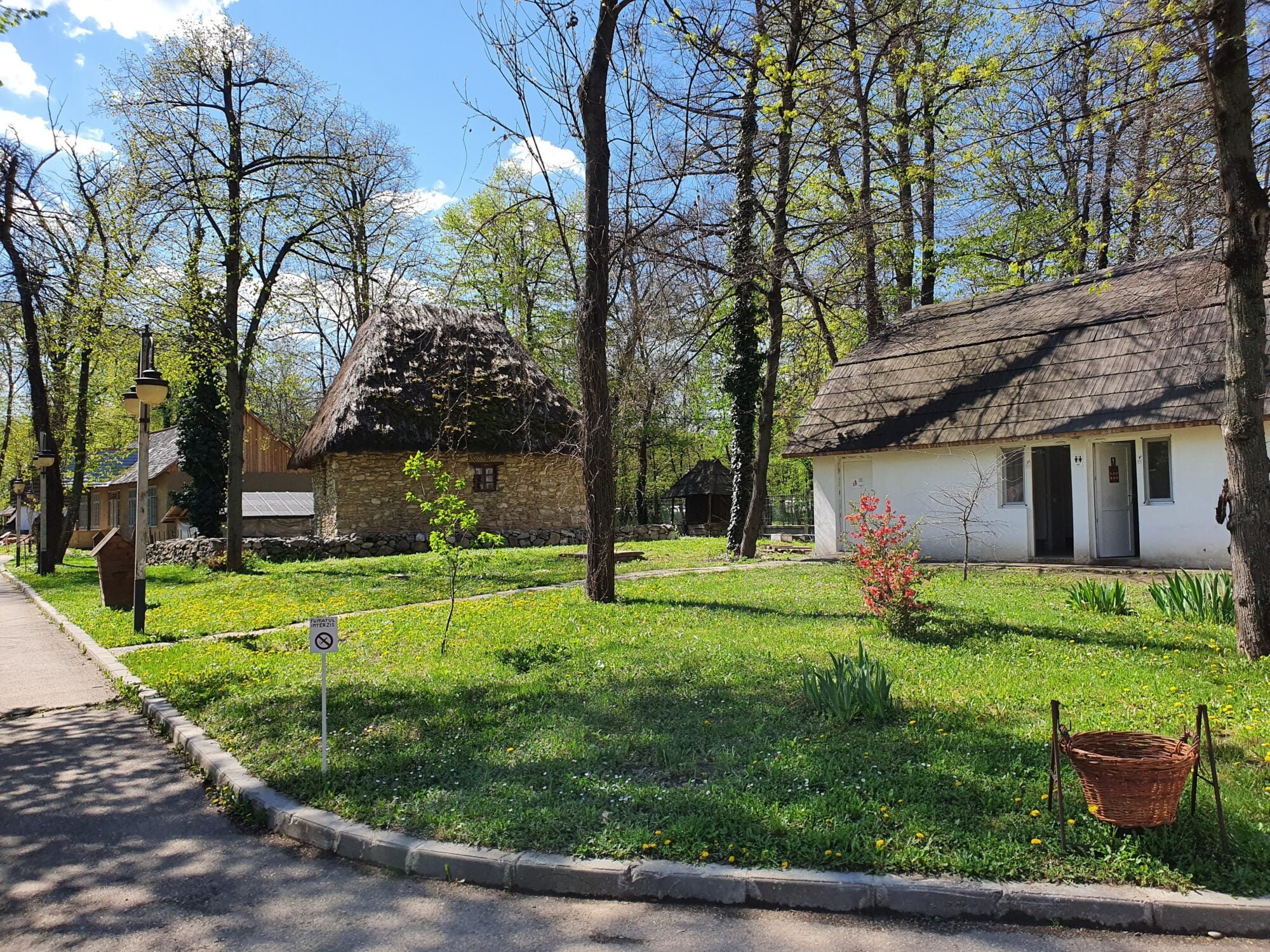
They have many restored buildings for visitors to explore, and they are displayed nicely. You can see houses from the many eras from the various regions of Romania. This includes some of the older thatched cottages, which were rather nice and showed how people used to live.
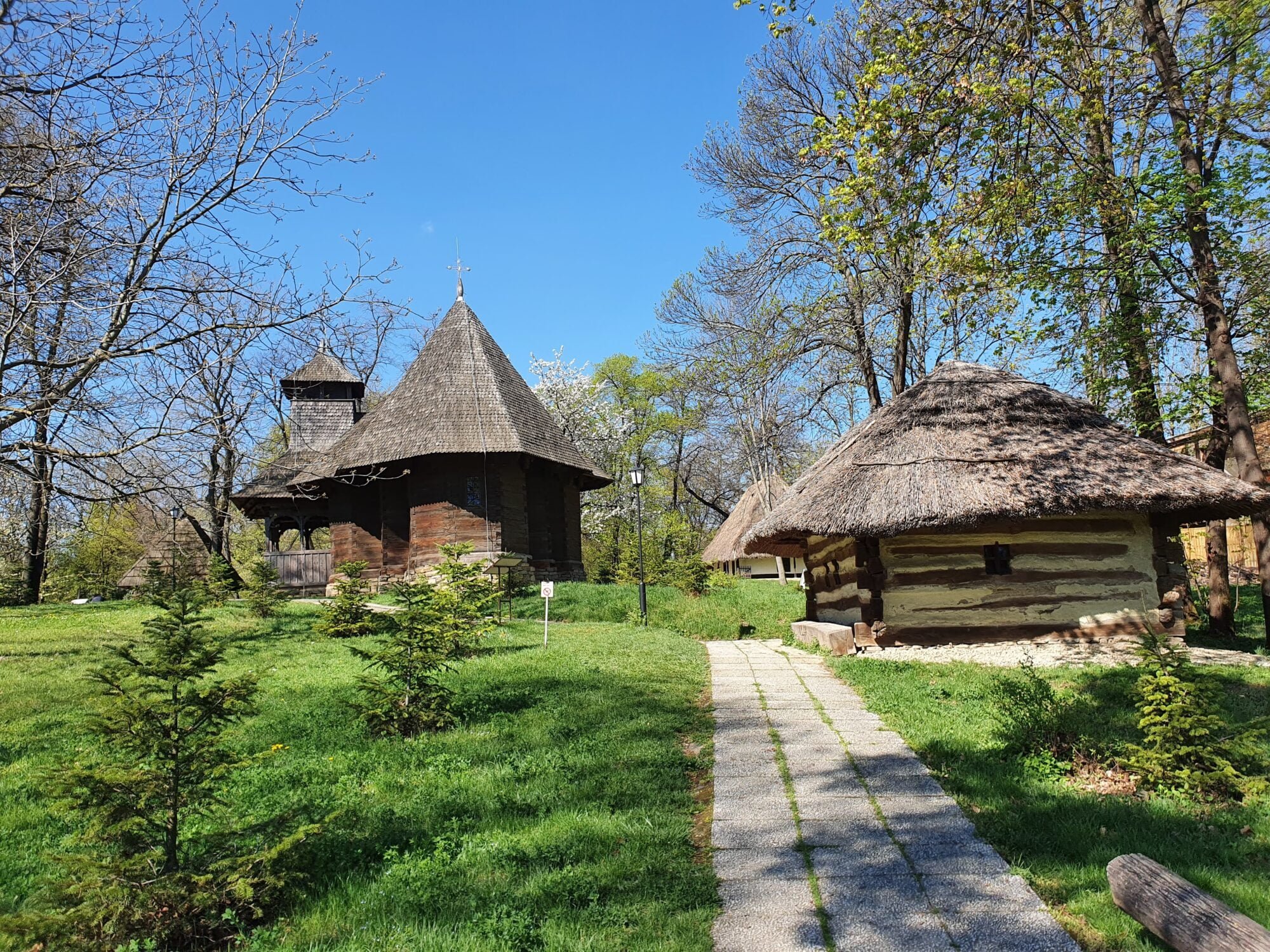
Dimitrie Gusti National Village Museum also has a few old wooden churches on the site. The churches, combined with the other historic buildings, made it feel like you had stepped back in time.
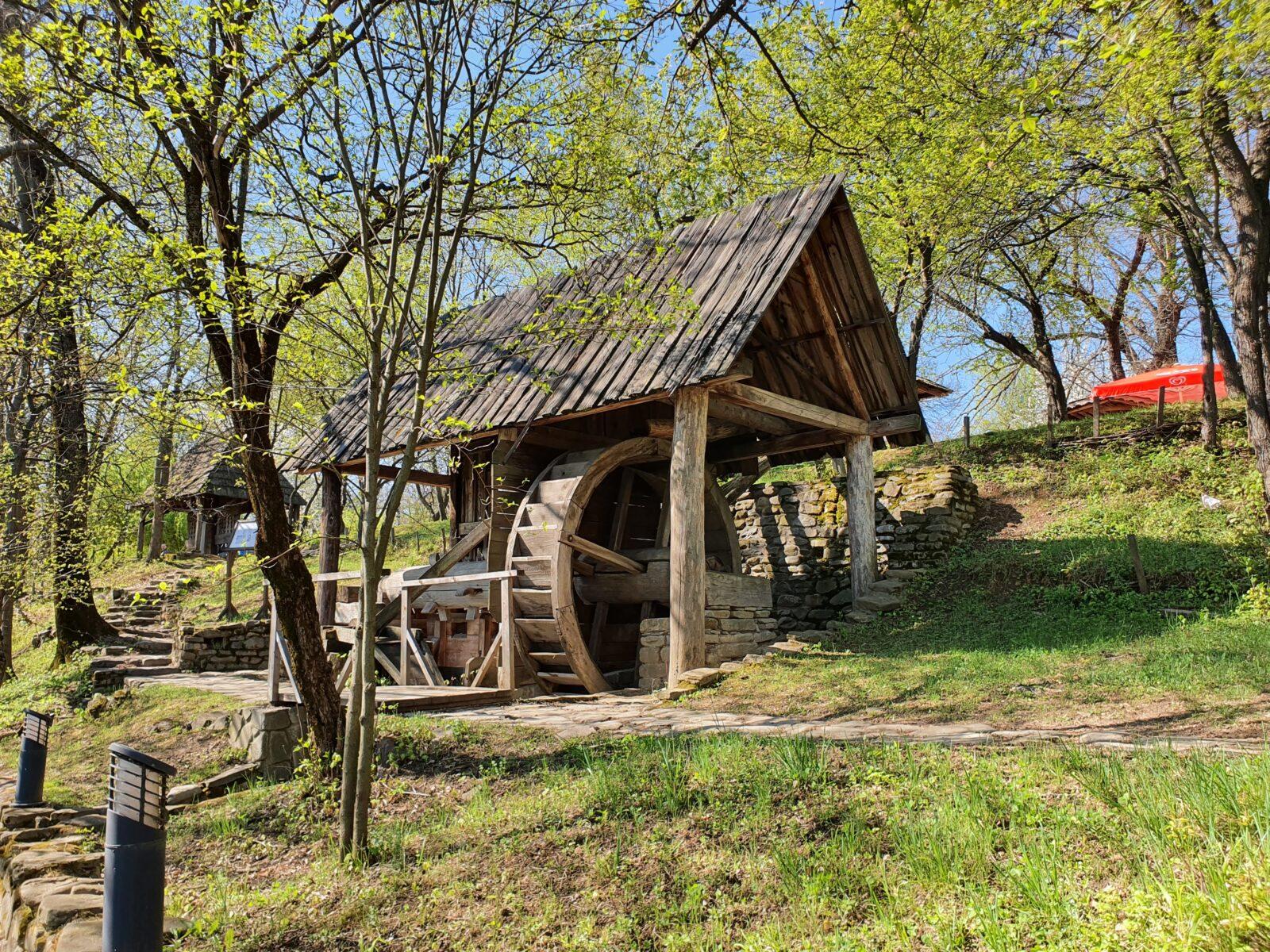
There are also old commercial and farm buildings to see. This includes watermills, windmills, and wine presses. These all have informative descriptions of how they were used during specific eras in Romania’s history. These information boards are in both Romanian and English.
Overall, it is a fantastic visitor attraction for grown-ups and for children, too. It’s one of many fantastic tourist attractions in Bucharest.
About the National Village Museum in Bucharest
The “Dimitrie Gusti” National Village Museum originally opened to visitors in 1936. The museum is rather large, with an area of 100,000 square metres; thus, it is a great place to walk through history. It has over 360 monuments/buildings and over 60000 objects in the collection. There are also over 250,000 documents about the village and its traditional way of life in the museum’s archive.
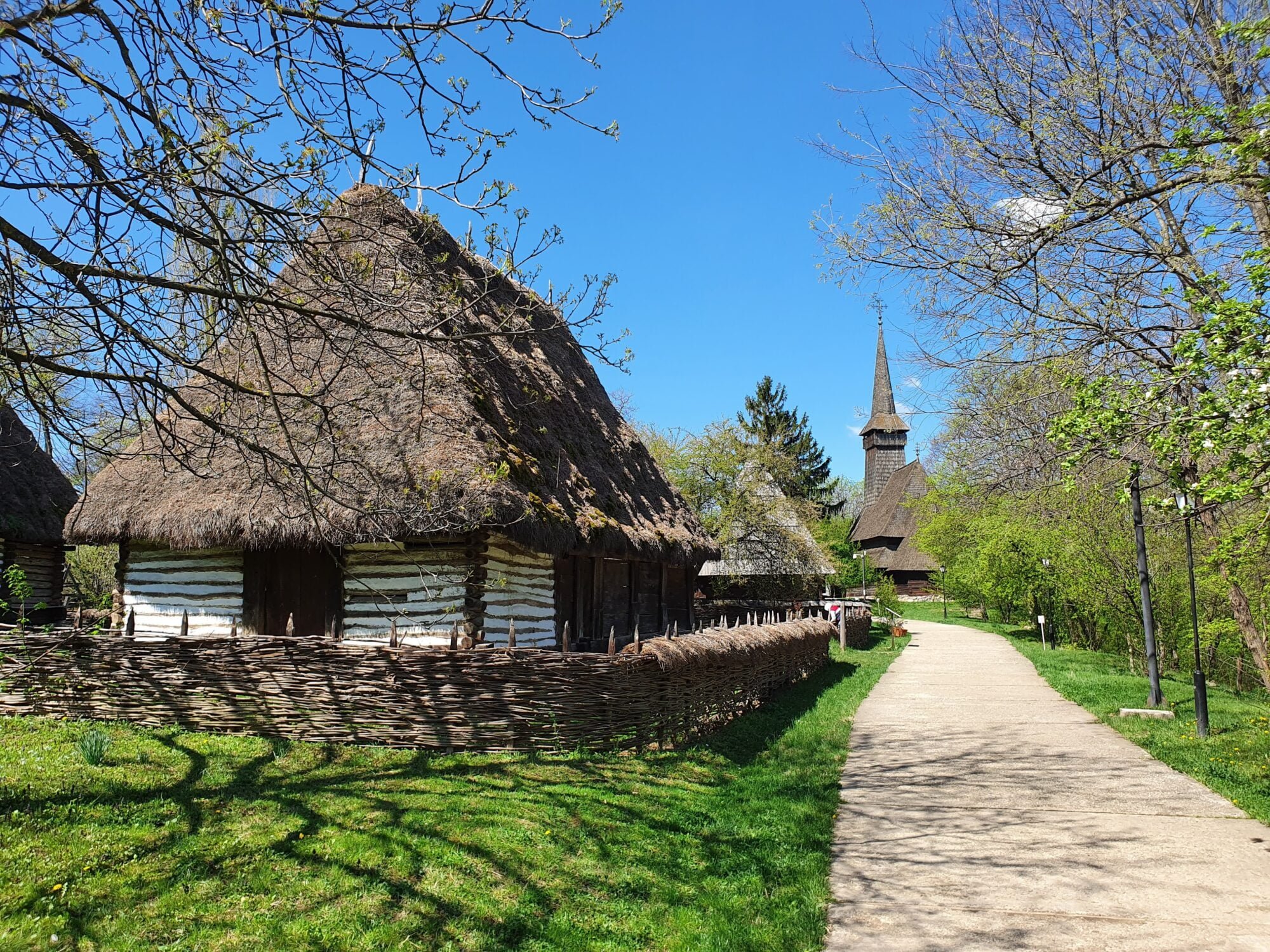
This is an open-air ethnographic museum that showcases traditional Romanian village life. The collection contains 272 authentic peasant farms and houses from all over Romania. Its namesake, the folklorist and sociologist Dimitrie Gusti, created the village.
Dimitrie Gusti National Village Museum Exhibits
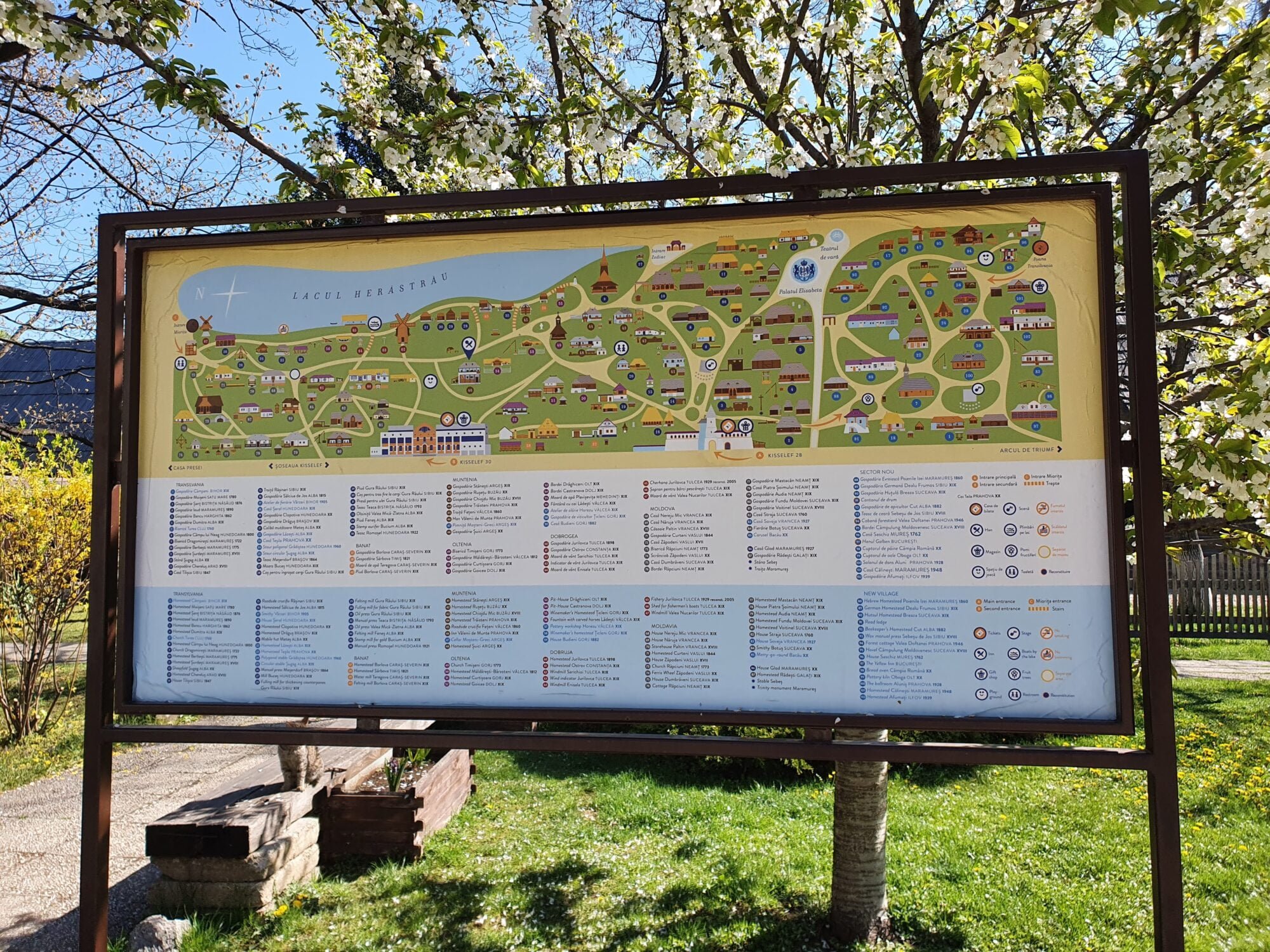
The open-air museum has many unique buildings for visitors to see. These are some of my favourites. At the museum, there are various maps to help you find specific exhibits, which are handy.
16th Century Church
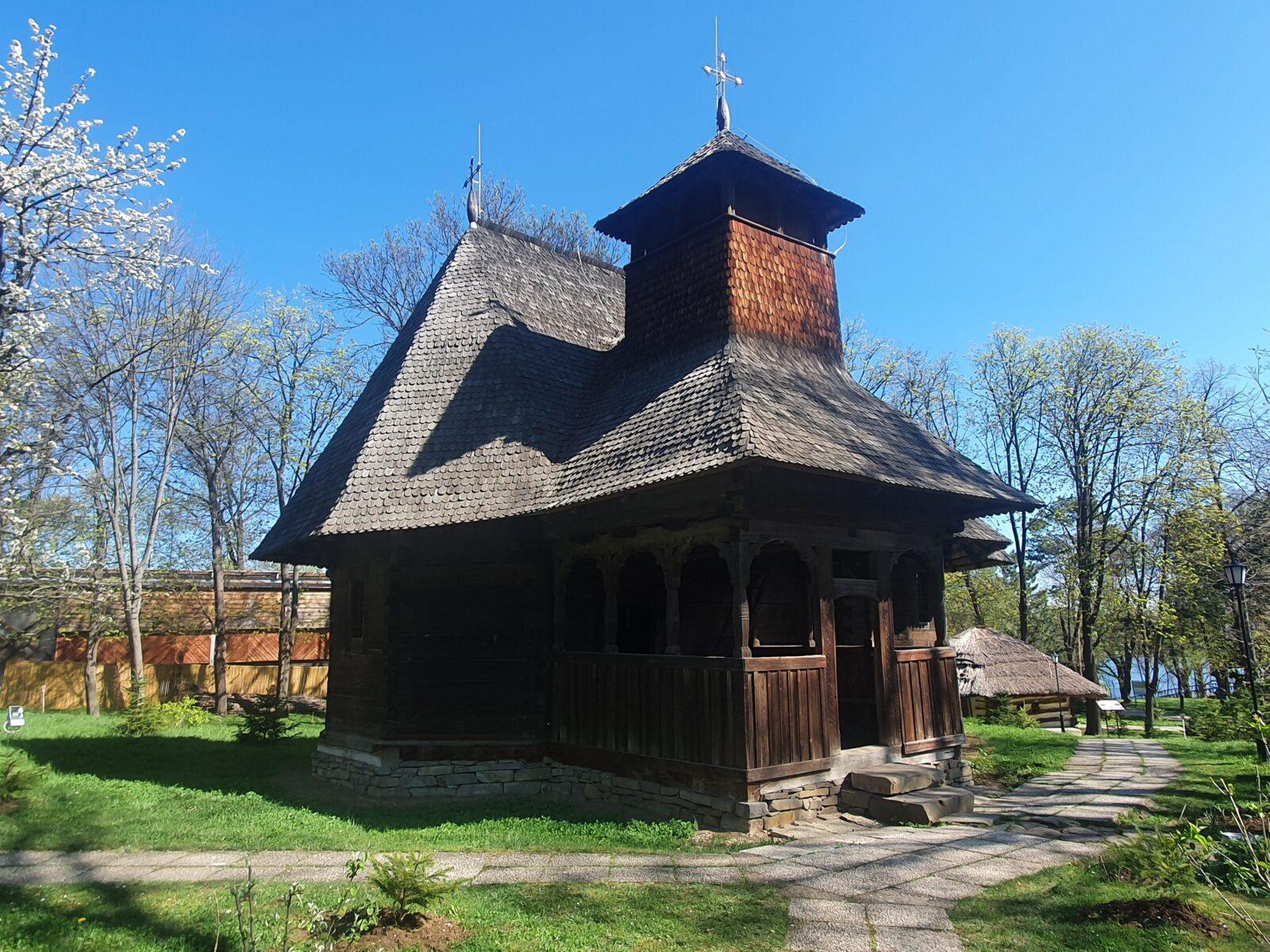
Churches are an important part of village life, and this is a fantastic 16th-century wooden church.
Dance Hall

This colourful building is rather unique and was used as a dance hall.
Thatched House From Alba County
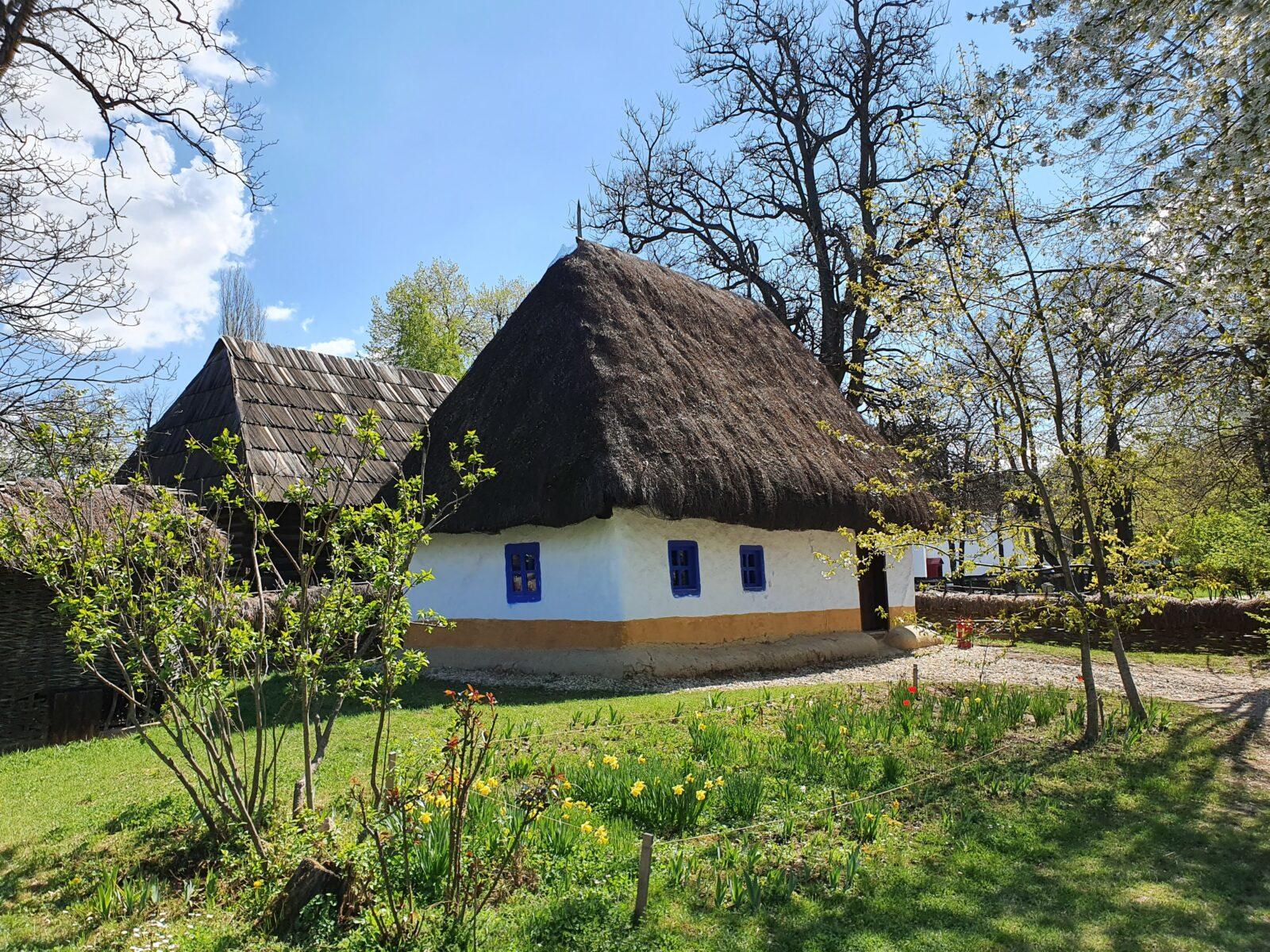
This beautiful thatched house dates from the 19th century and was formerly located in Alba County, Transylvania.
Thatched house from 1815
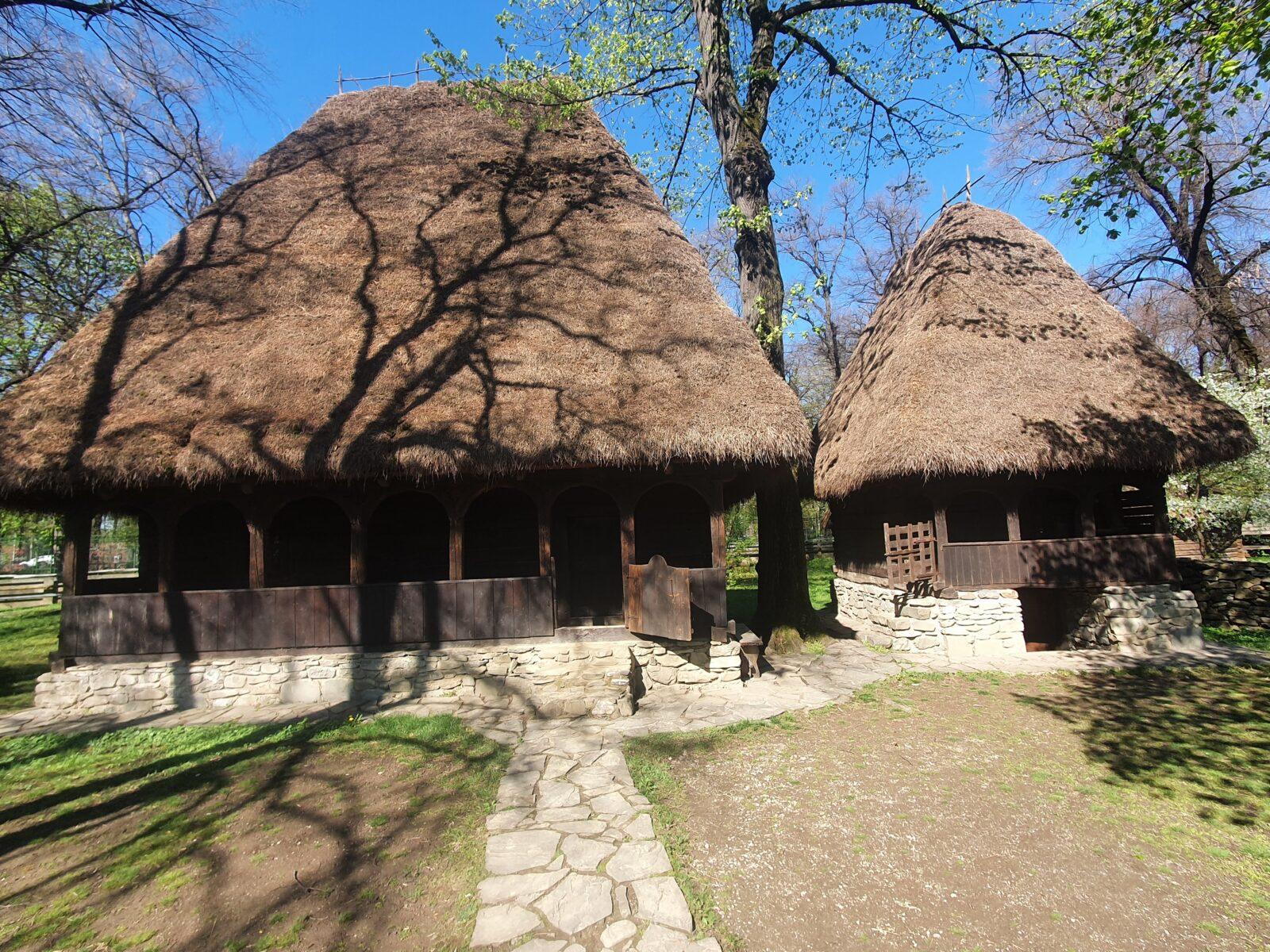
This is a thatched house from 1815, originally from the heart of Transylvania. The house from Salciua de Jos represents the traditional homes of the Apuseni Mountains at the beginning of the 19th century. The principal occupations of the locals were shepherding, agriculture, forestry, mining, and also woodworking.
Village of Măldăreşti
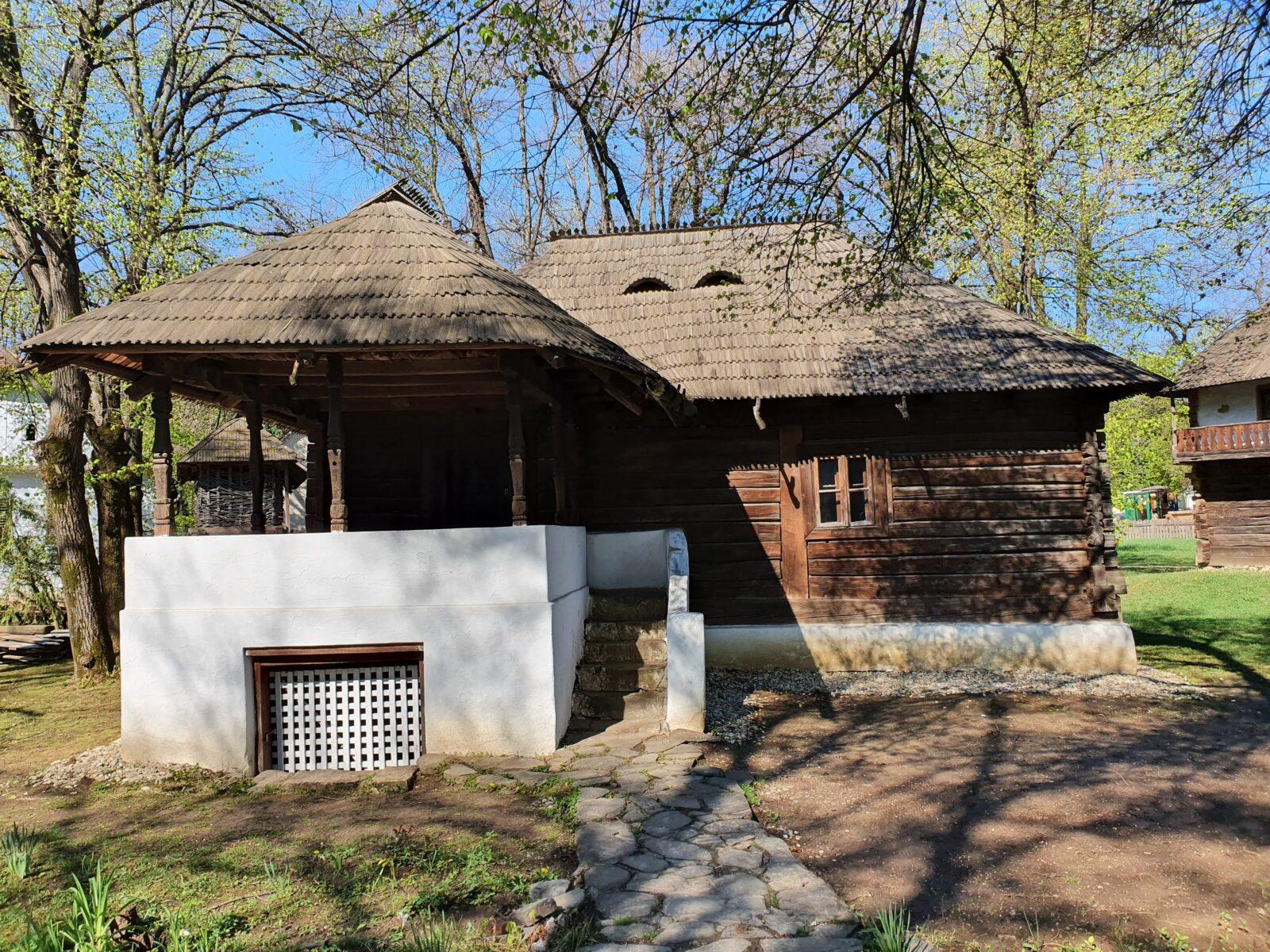
This is a house from the village of Măldăreşti, Vâlcea, and dates back to the early 19th century in 1812. The principal occupations of the inhabitants included animal husbandry, fruit growing, forestry and craftsmanship, among which pottery stands out.
House from Suici
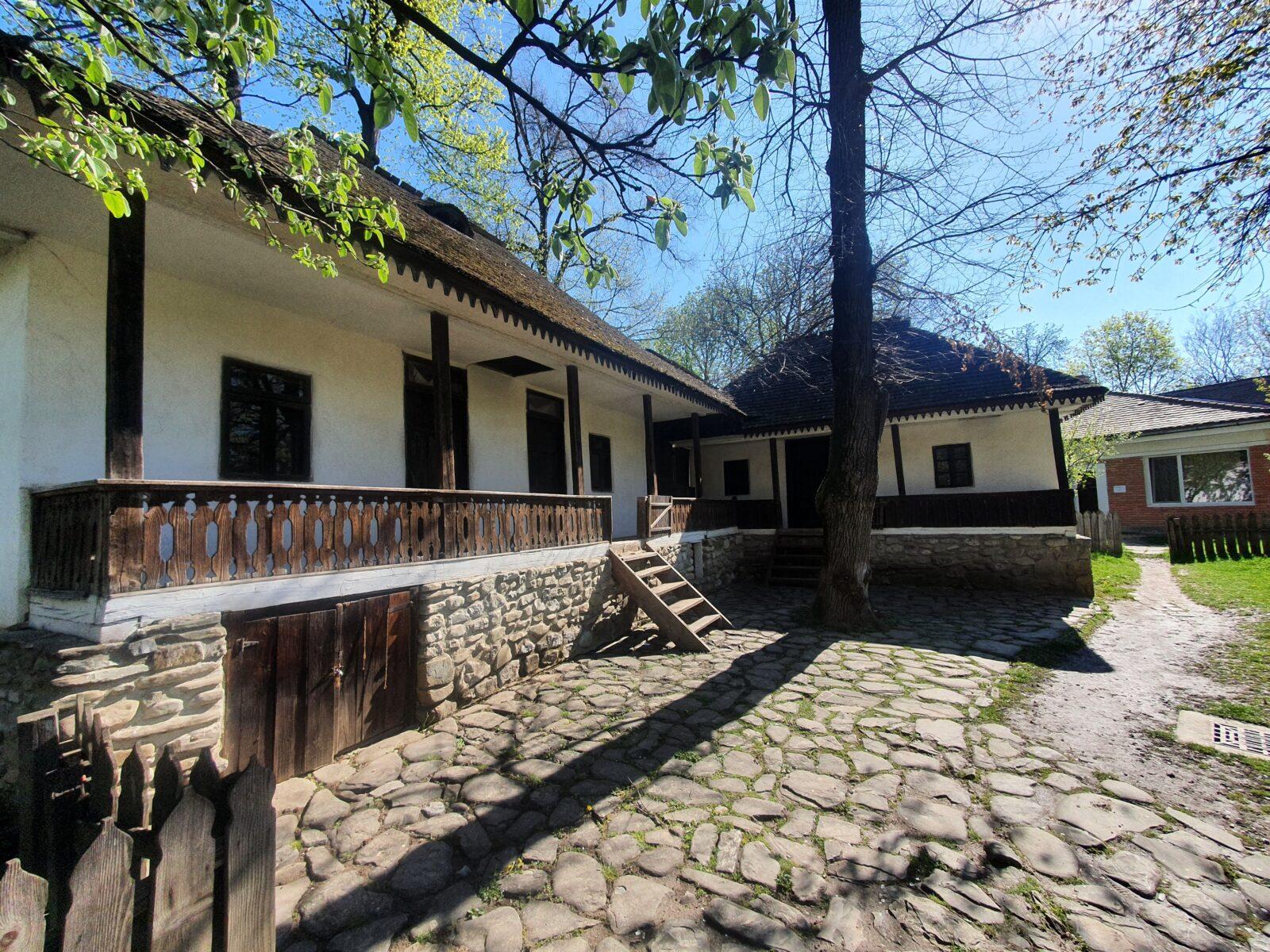
This house from Suici dates back to the early 20th century. They built this building in an L-shape. Such houses were built to provide a separate dwelling for the young family formed after the marriage of the youngest son.
16th Century Church
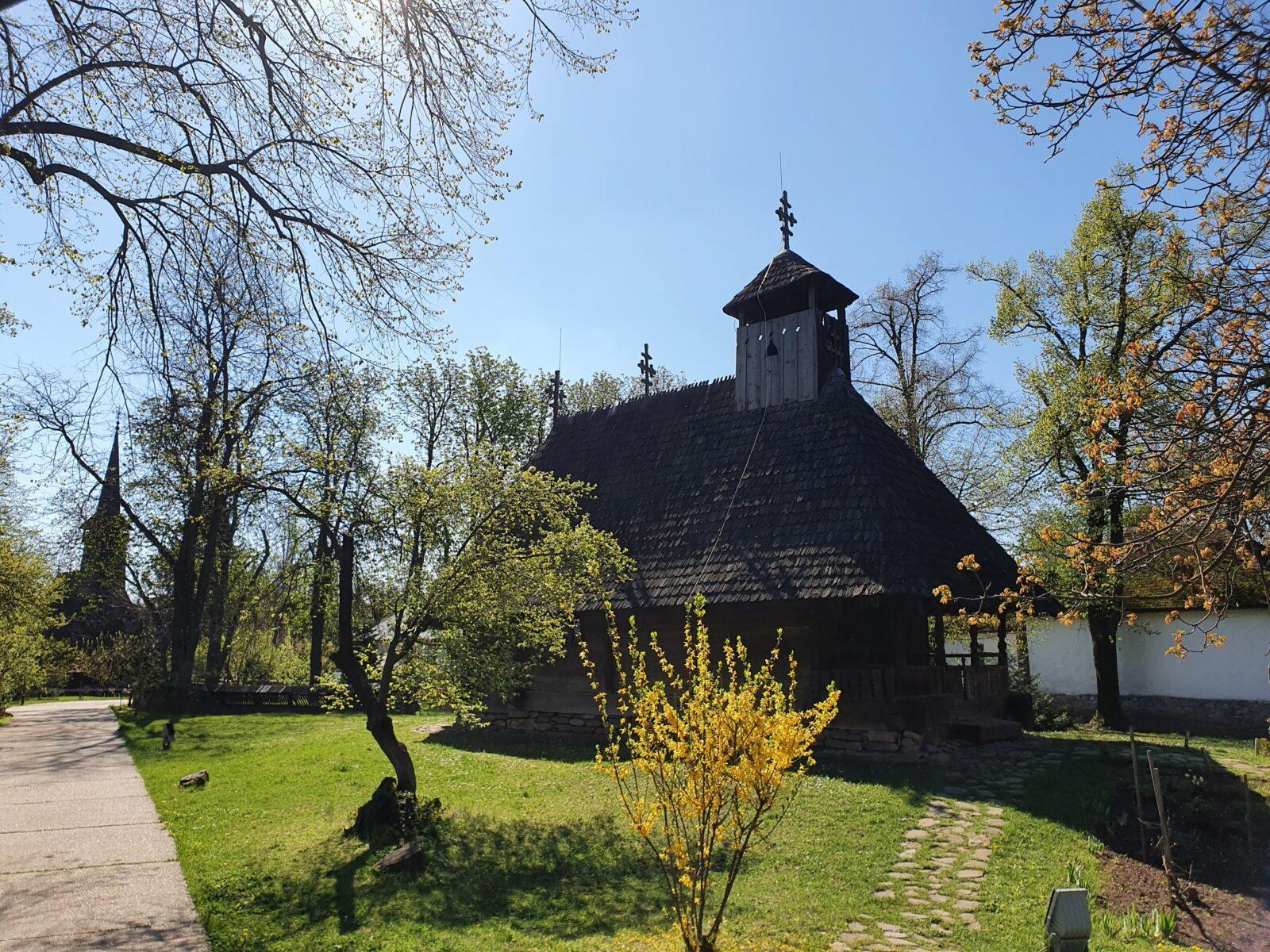
They built the Holy Hierarch Nicholas Church in 1773. It is a wooden Orthodox church from Timişeni, in Gorj County. The church was abandoned and weather-beaten, in danger of destruction. However, they saved the church and transferred it to the museum in 2002. They consecrated the church again after the relocation and gave it a new patron, St Pious Demetrius the New, who is the protector of Bucharest.
Half-Buried House
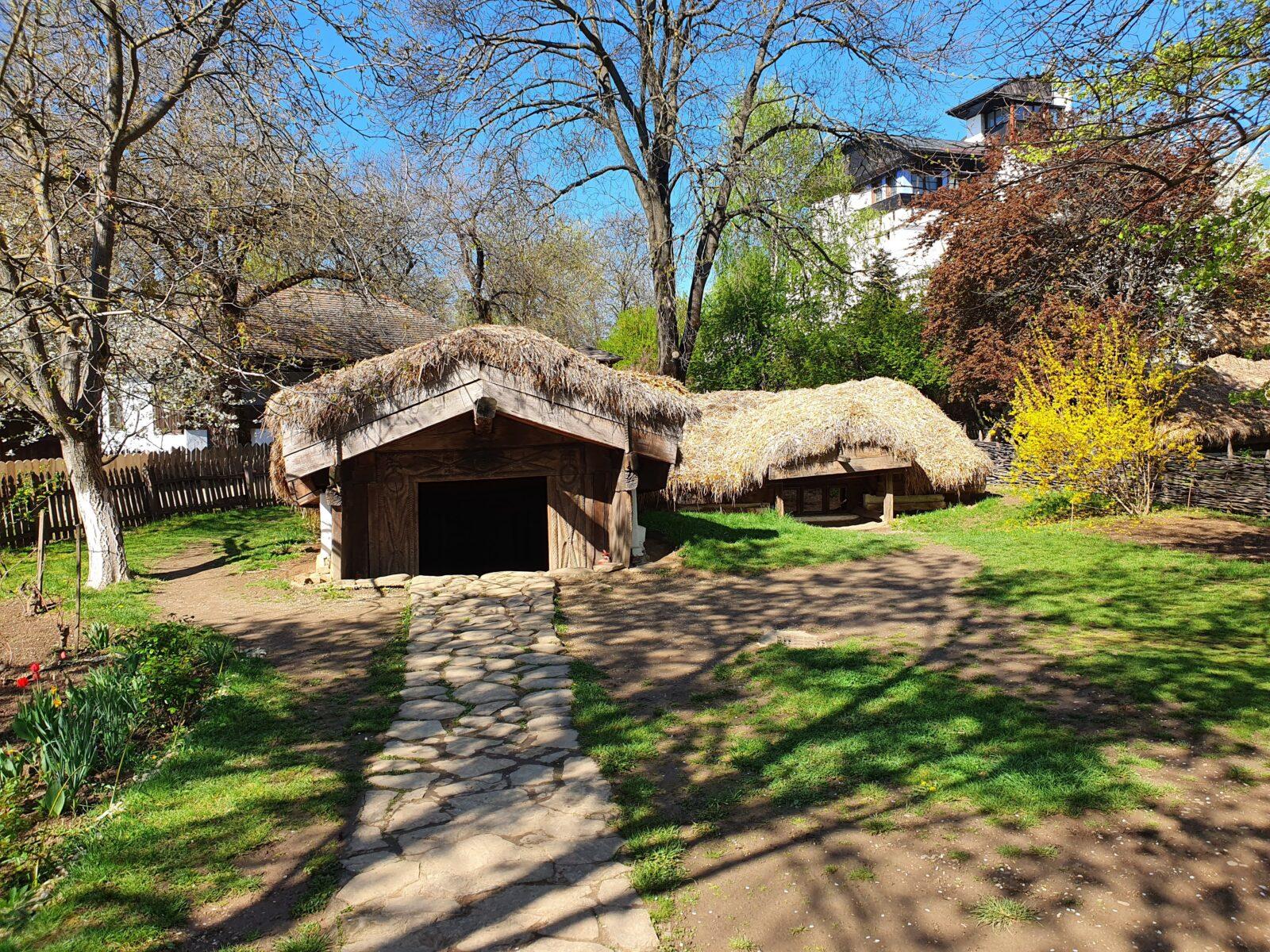
They have a few examples of half-buried houses in the museum. This one dates back to the early 19th century and is from Drăghiceni. They made the exterior walls from massive oak planks that line the waterproofed fire hole. The roof is ridged, with the framing made from hatched-carved oak trunks. They also covered it with successive layers of reed, earth, and straw.
Sheep Winter Shed
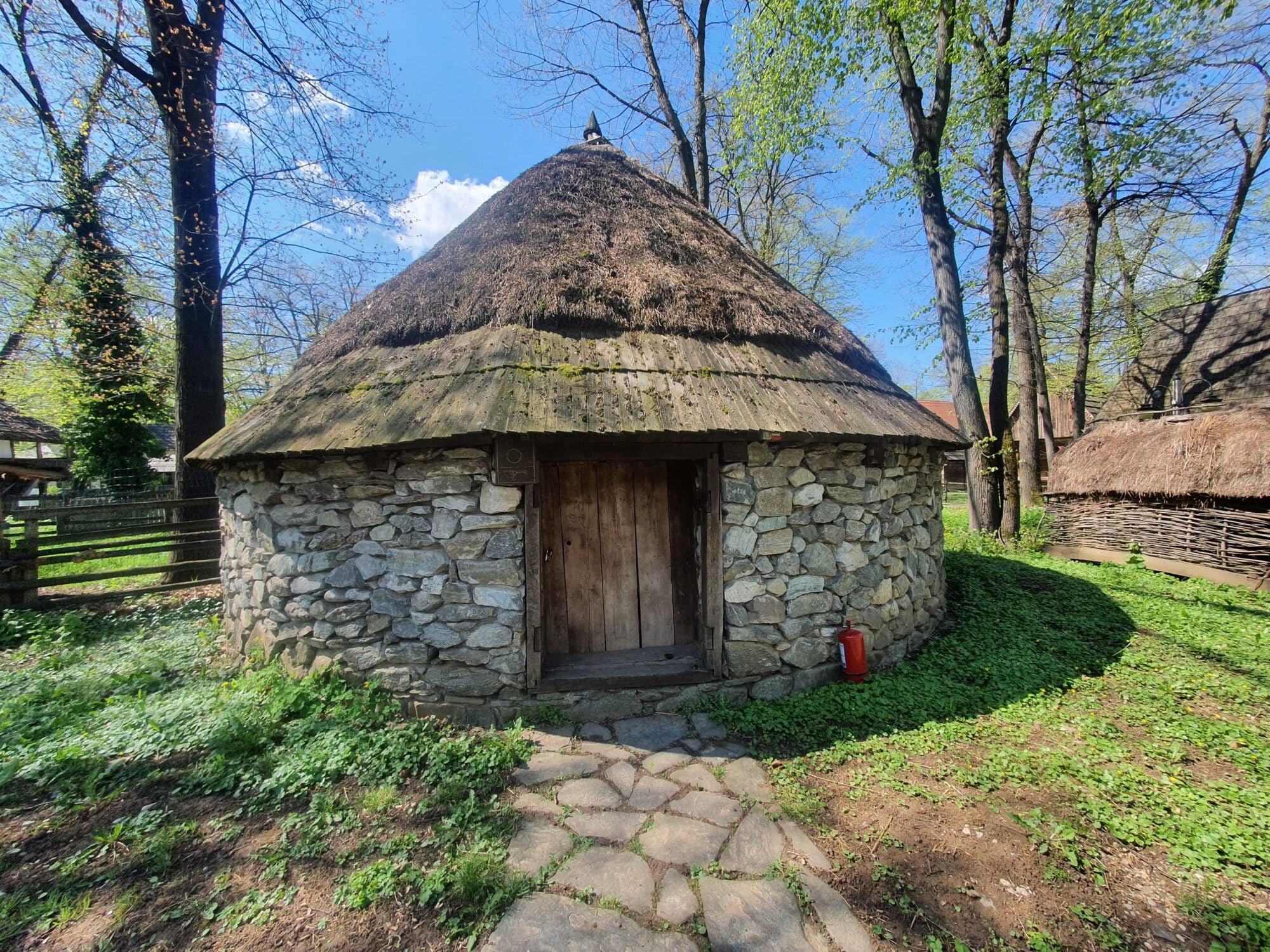
This is a stone winter shed for sheep, which dates from the middle of the 19th century. This one was originally from Alba County in Romania. For this reason, stone buildings were quite rare, and this is one of the few in existence. There would have been a pen around the building, and inside they milked the sheep to make cheese and other dairy products.
Cottage From The 19th Century
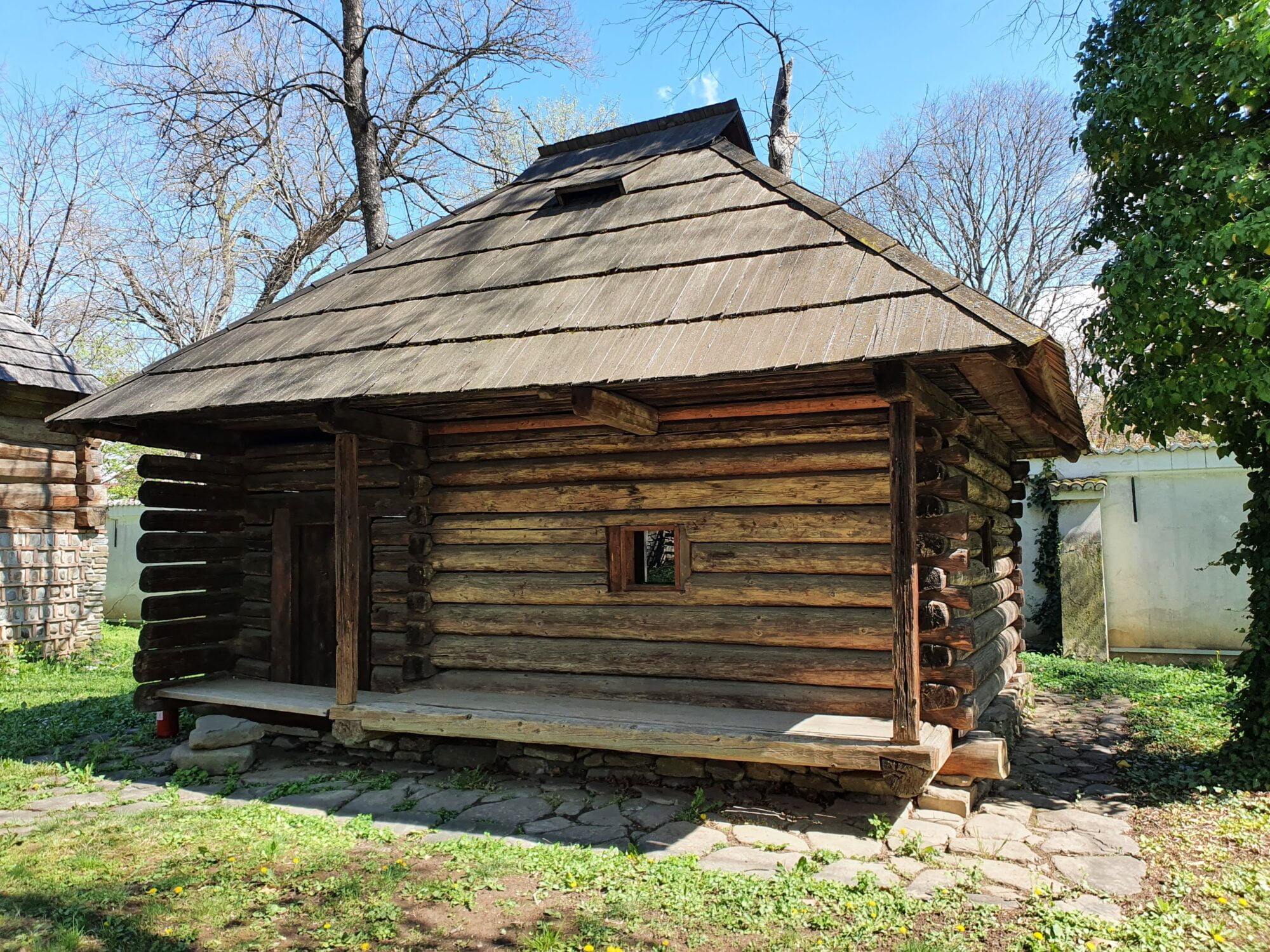
This is a restored cottage that dates from the early 19th century. The museum acquired the cottage from Campulung Moldovenesc. People who worked in farming in the area traditionally used this type of building. The cottage would have had a big living area with a brick oven for heat and cooking.
Home From Hunedoara
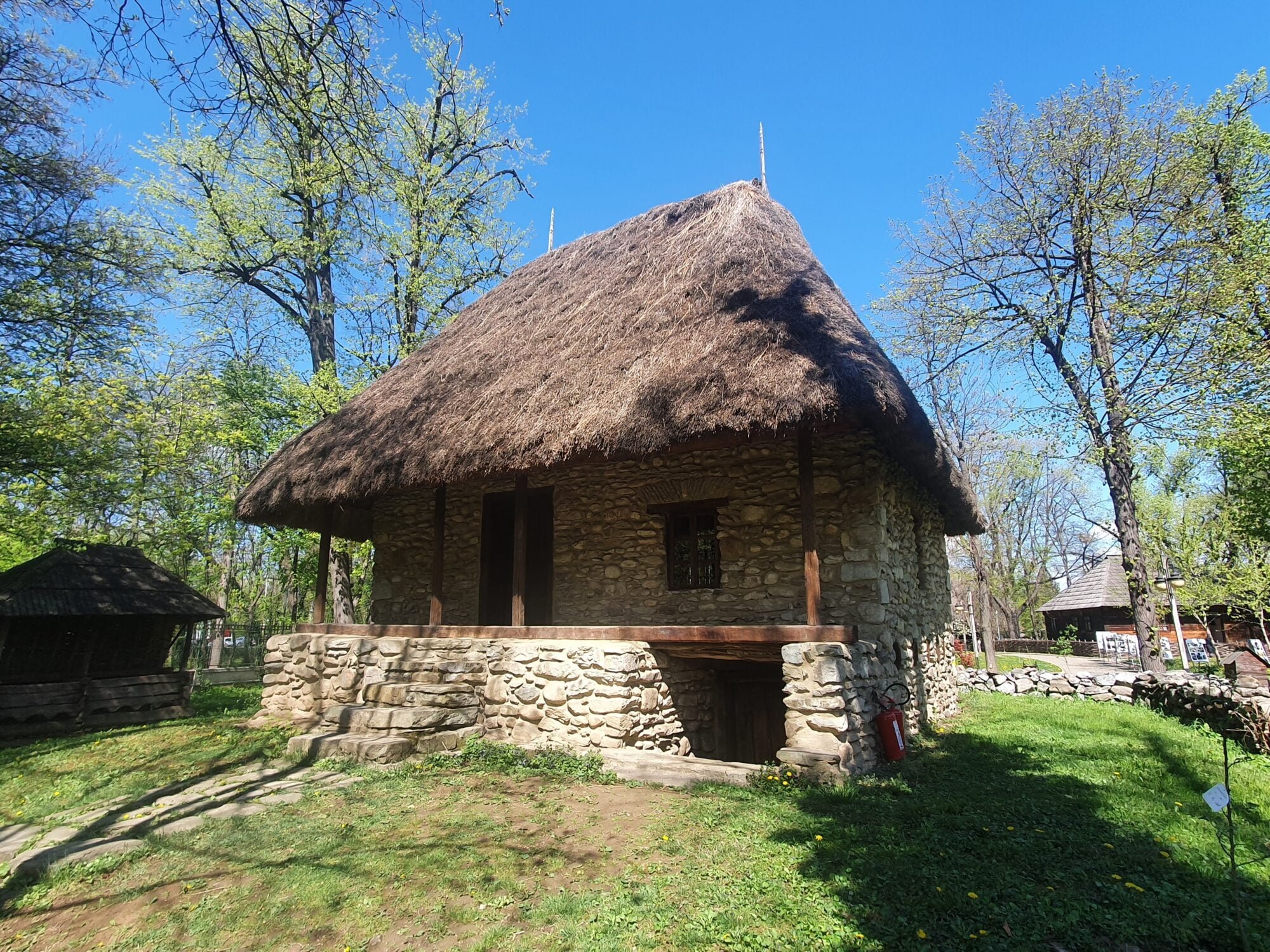
This is a nice home that dates from the 19th century. This exhibit is from the Hunedoara area and is a pleasant thatched wooden building. The residents had a bedroom and a room with a hearth, as well as a summer kitchen. Apparently, the home also had a pigsty and a kennel.
Carts & Other Artefacts
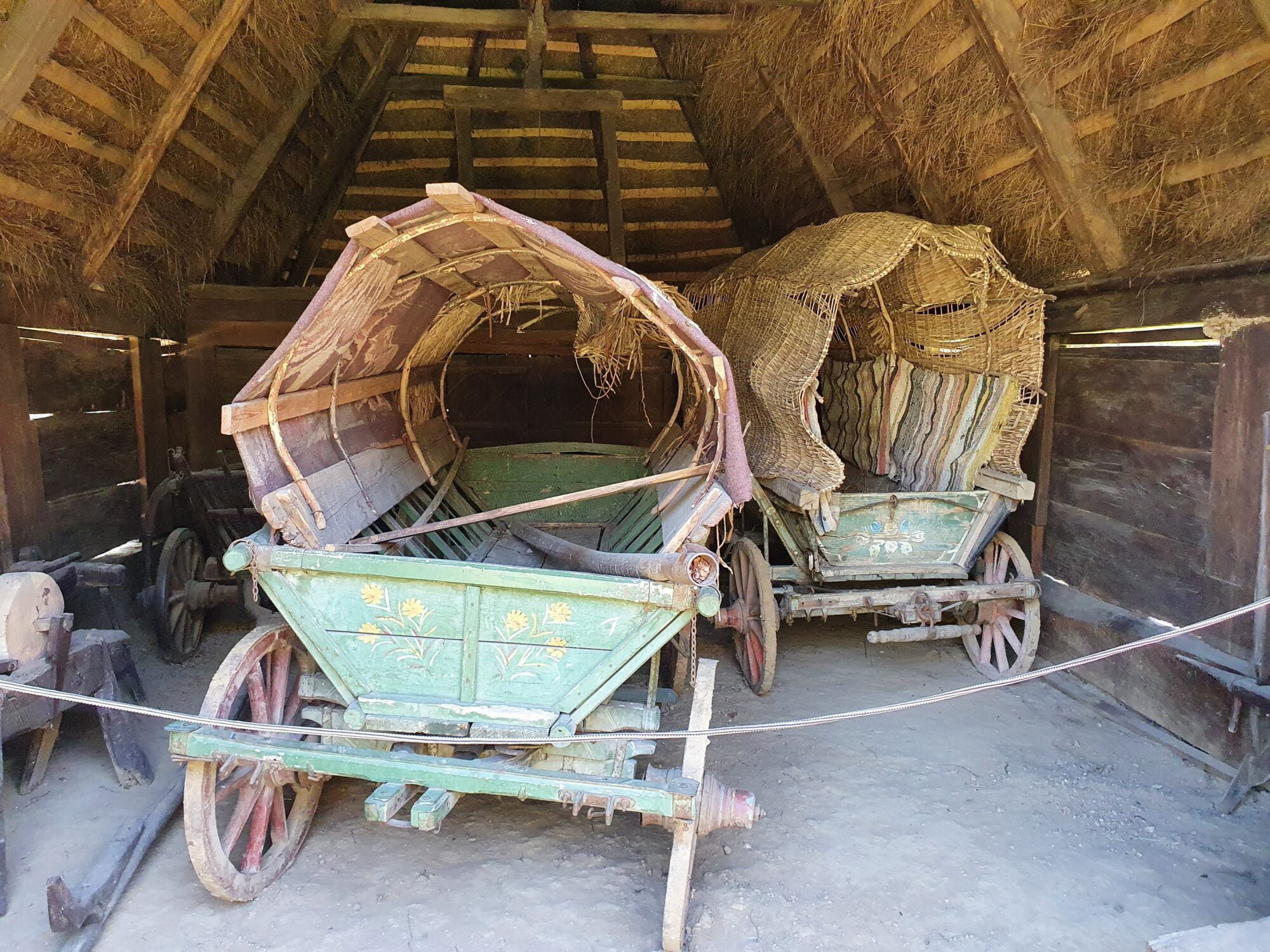
Throughout the site, there are many historical artefacts. This includes traditional horse carts to see. You can also see tools used by the tradespeople of the time, as well as cooking implements.
Windmills
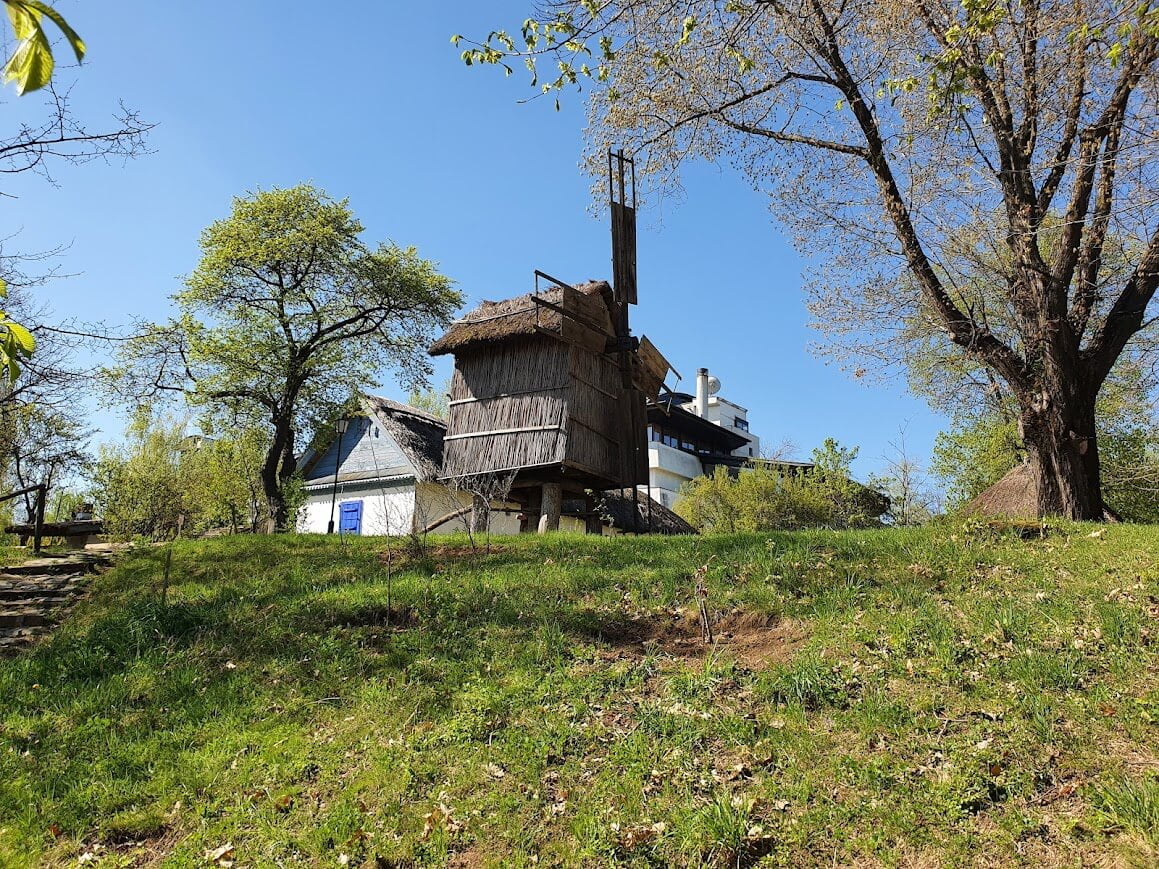
They had a few examples of traditional windmills at the village museum, which looked great. These were typically used to mill grain into flour, harnessing the power of the wind. They were mostly made of wood and included information about where they were from and what they were used for.
Cellar & Larder
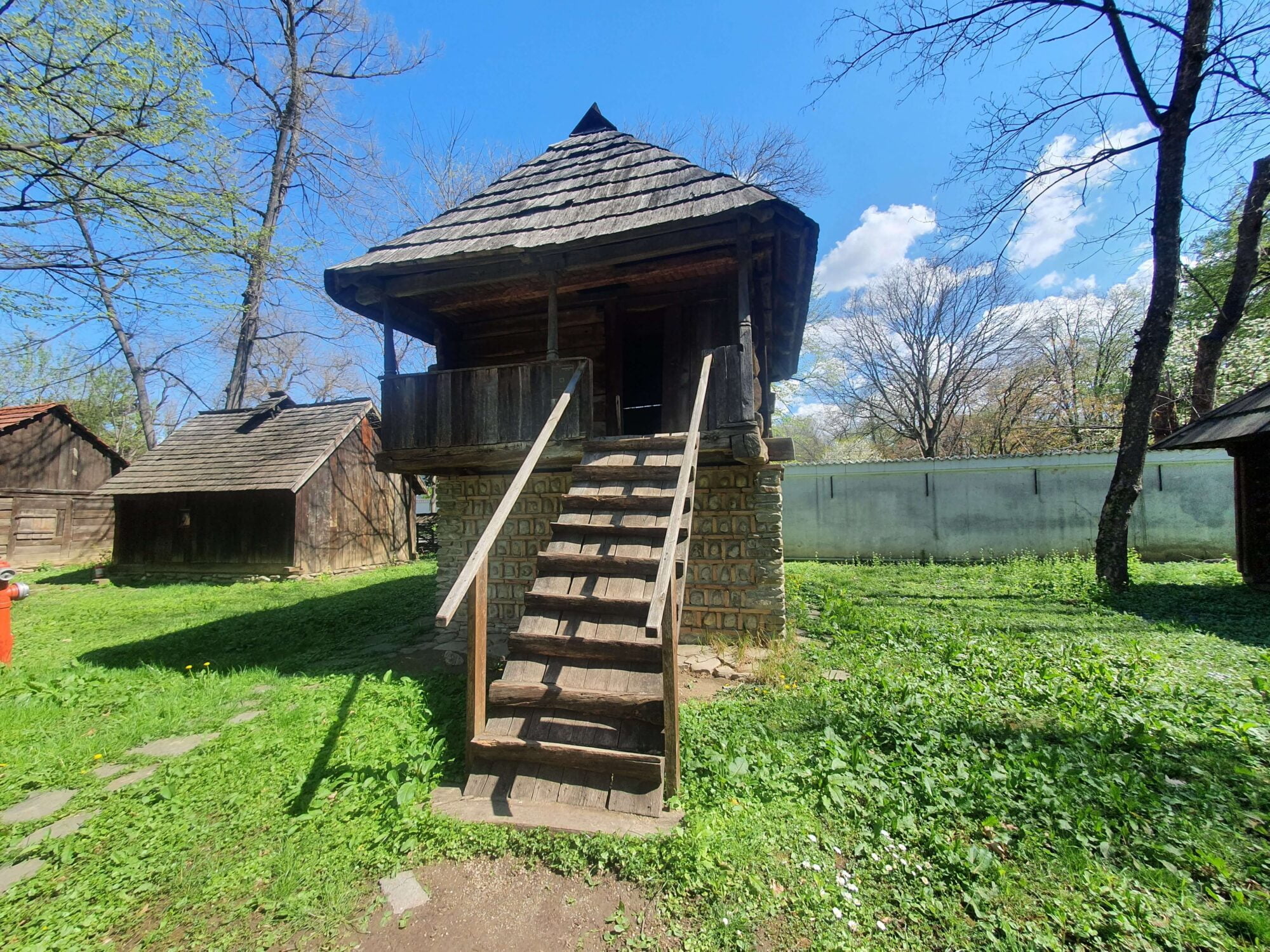
Before electricity, people used purpose-built larders and cellars to keep food and drink fresh. The example at the village museum I saw was from the 19th century, from Arges. This was a two-storey building, with the stone base serving as the cellar and the upper floor a larder for keeping food away from the elements.
Refreshments
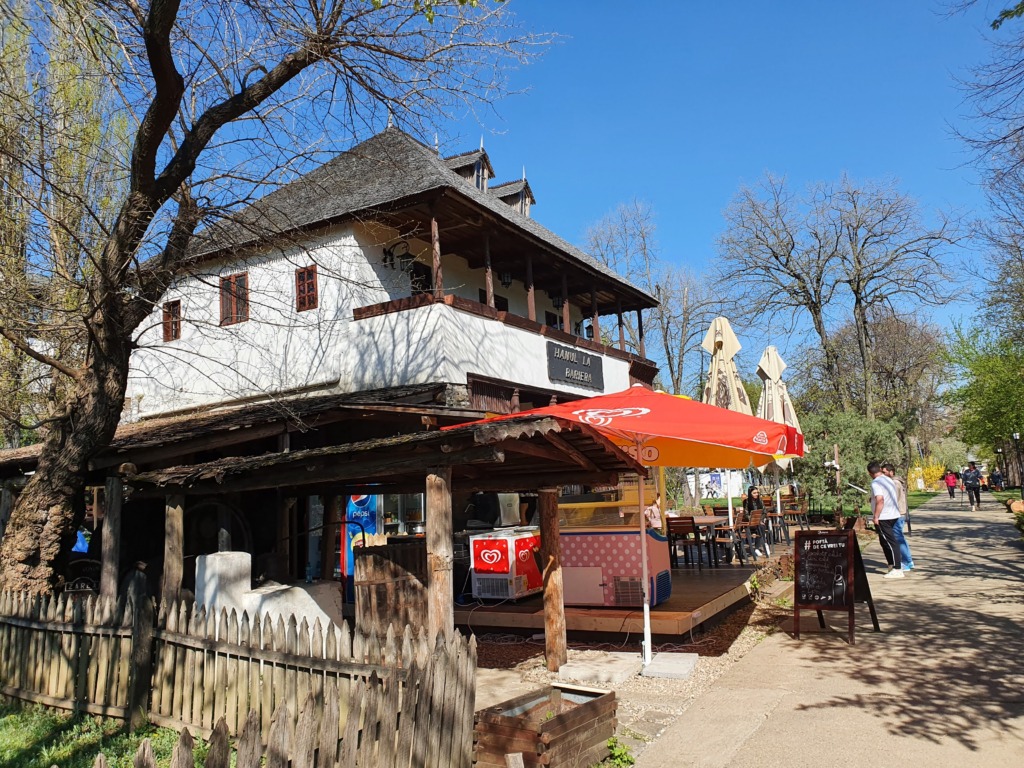
As a bonus, the museum also has a bar-restaurant for refreshments and picnic tables if you brought your own lunch. The “La Bariera” Inn serves the popular Romanian beer Ursus, which costs 15 lei for a large glass. Ice cream is a popular option for guests here; however, there are other food and drink options. The La Bariera Inn is an exhibit in its own right, a former 19th-century inn from Valenii de Munte near the Prahova Valley.
Entry And Tickets
Entry to the museum is quite cheap, costing only 20 lei for adults, which translates to less than £4. They also offer a few concession options that can save you some money when you visit. You can purchase tickets at the entrance; alternatively, you can arrange them in advance on their website.
Is the Village Museum in Bucharest Worth Visiting?
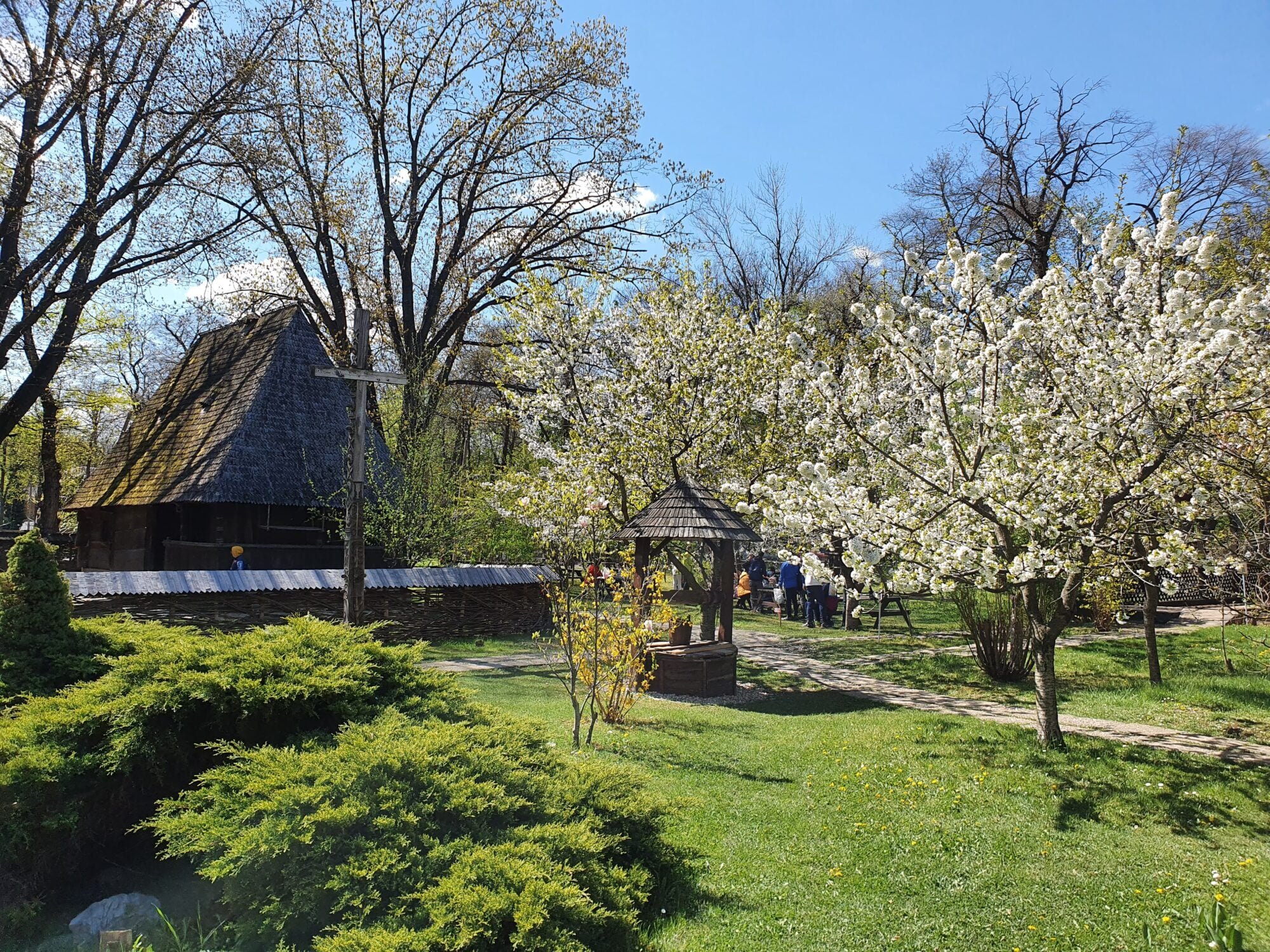
The village museum was the highlight of my visits to Bucharest, and I found it fascinating. The outdoor environment is pretty, and it’s a laid-back museum. Highlights for me were the unique houses, wooden churches and machines used by artisans. Since my visit, I have tried other outdoor museums, including the museum in Cluj-Napoca.
This looks like a fun museum. It’s kind of fascinating that they moved all these buildings to one area. I especially like the dance hall.
We love open air ethnographic museums and the buildings here look delightful. It’s also great that you can eat traditional food and enjoy local beer.
I can see why you enjoyed visiting, it’s so unique! Definitely on my list should we visit Bucharest.
What cool place. So many places to see such little time and money.
The Village Museum is my favorite attraction in Bucharest. It’s a peaceful place and I especially visiting on a quiet spring afternoon. I haven’t been there in a while, so this post is a great reminder about it. Thanks!
Love historical places like Dimitrie Gusti National Village Museum in Bucharest, Romania. And so cool that it’s an open-air museum with so many buildings to explore.
What a great attraction – I love the traditional buildings and such a peaceful walk. Plus food & beer!
I enjoy visiting historical places on my travels. Dimitrie Gusti National Village Museum in Bucharest, Romania, looks fascinating. Love the thatched roofs and the dance hall.
Lovely place and very intriguing. I bet it is a lot of fun for school excursions and very educational. Would be cool if they also show demonstrations on the different farming techniques, the mill etc How far away is it from Brasov/how easy is it to get here? Can I use public transport or is this a car rental option?
Carolin | Solo Travel Story
It’s 3 stops on the tube from central Bucharest. To reach from Brasov the trains take just over 2 hours.