
Churches & Cathedrals in England Outside of The UK Capital
There are lots of churches and cathedrals to visit in the UK, including in the capital. I have an affinity for the marvellous architecture of churches, cathedrals and other old places of worship of all denominations in England and the UK. I love to admire churches of all styles and sizes from the exterior, especially the old ones with grand architecture.
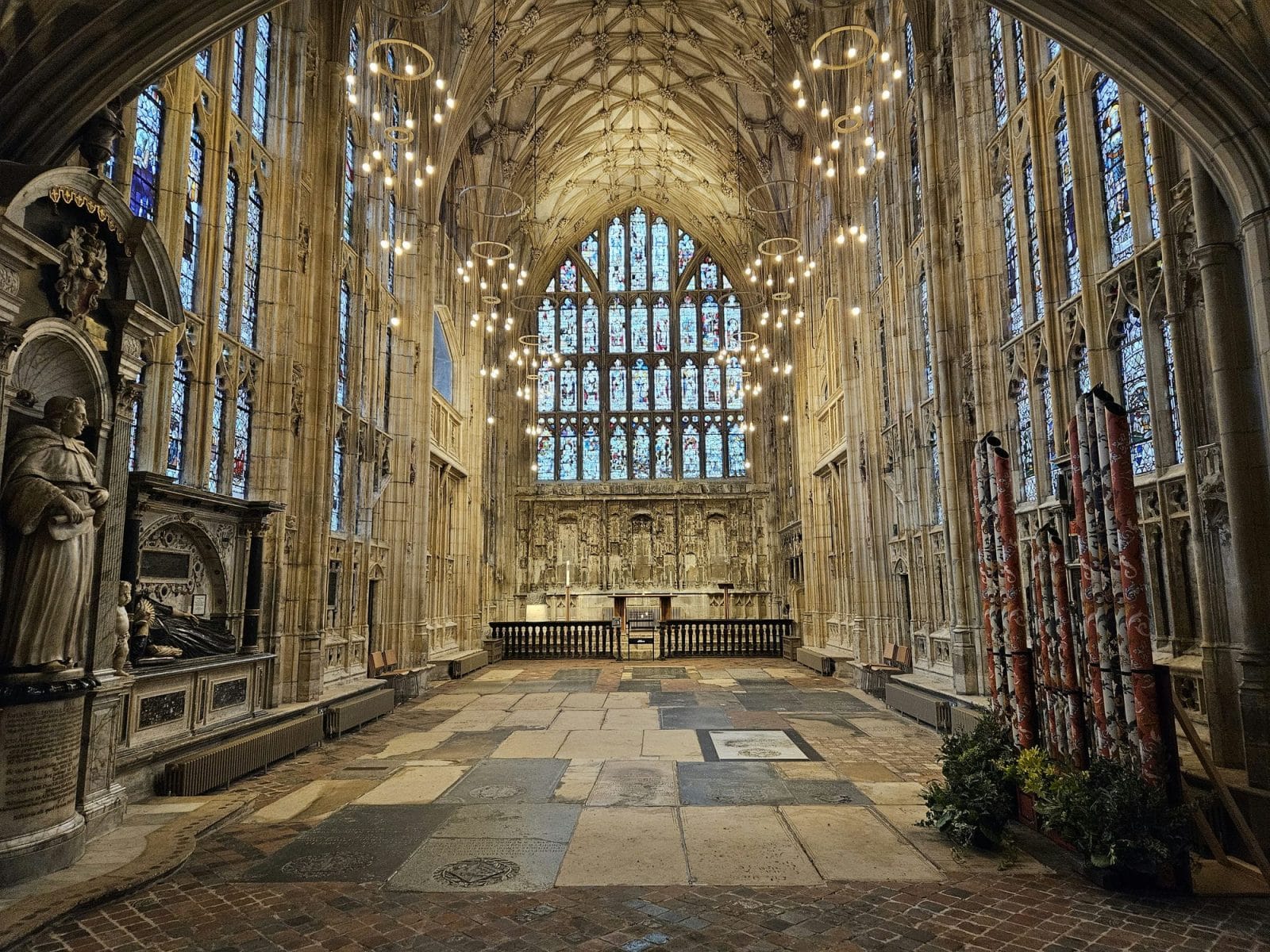
However, more often than not, I have a mooch about inside and learn snippets of history from each of the churches and cathedrals. Many religious buildings interest me despite being a non-believer. Many are pretty famous and attract lots of tourists; others are quiet and a lovely place for tranquillity.
Disclosure! Keep in mind that some links in these posts are affiliate links. If you click one of them, I may earn a small commission (for which I’m extremely grateful) at no extra cost to you. Thanks for visiting!
Churches & Cathedrals in England, UK
I have an interest in the marvellous architecture of churches of all denominations and locations around the world. I love to mooch around the exterior and, more often than not, visit inside to learn snippets of history from each one.
Below are some of my favourites from my adventures in England, excluding the many church buildings in London, which I have covered in a separate blog post. These are all sorted in no particular order. This includes many old churches, as well as Gothic and Renaissance buildings.
York Minster: A Gothic Cathedral
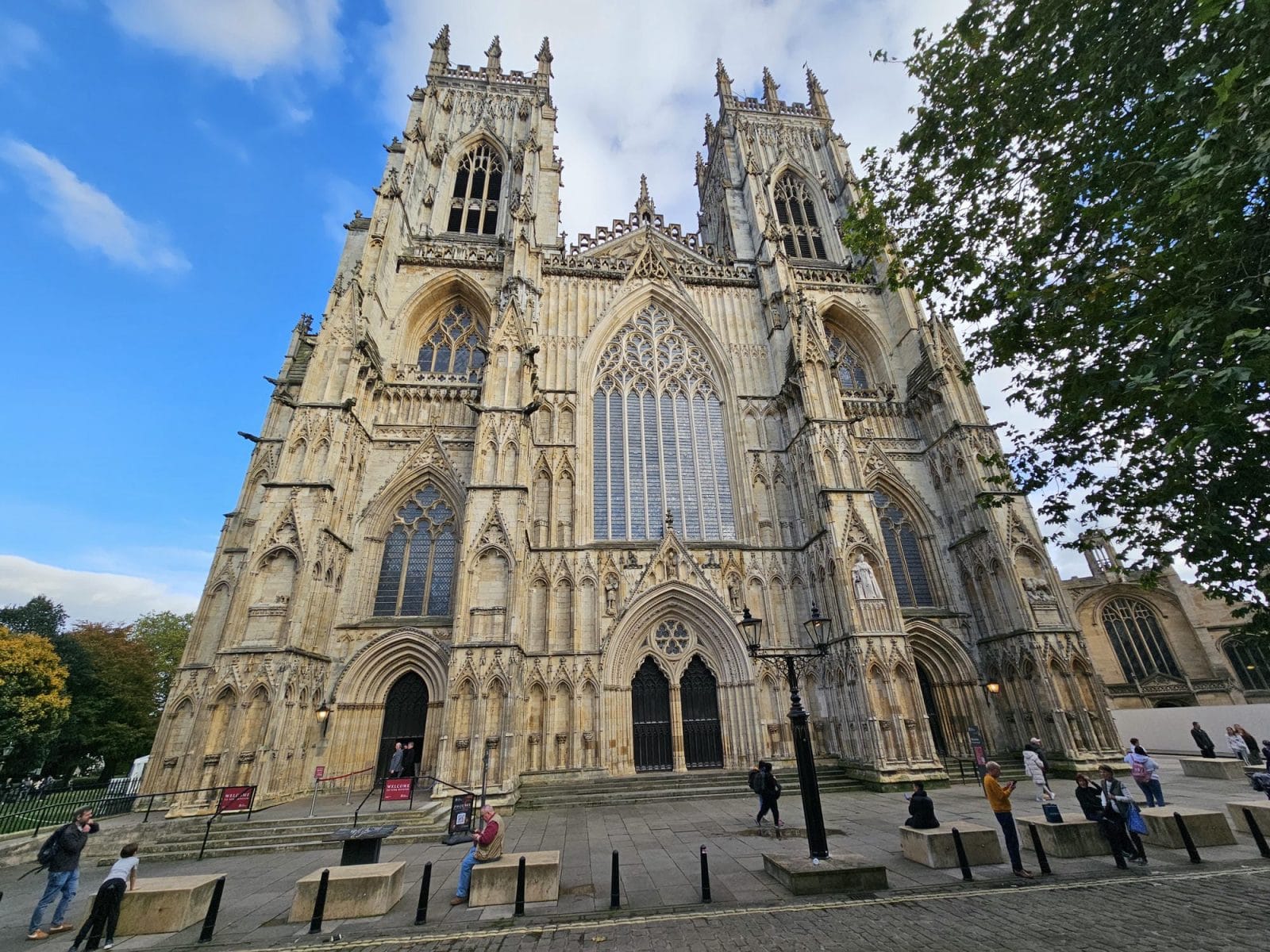
One of the most famous and popular cathedrals to visit in the UK is York Minster. It is one of the city’s major attractions for excellent reasons. The Gothic cathedral is on the highest point of the city of York and can be seen from throughout the city. It has a history dating back to the 7th century, and the current cathedral took 250 years to build, between 1220 and 1472.

I really enjoyed seeing the building from the outside, up close, and from the historic city walls. Visiting inside is also wonderful, with plenty to see, including many Gothic features. They tell the story of York Minster inside, including all the important historical figures who have visited over the centuries.
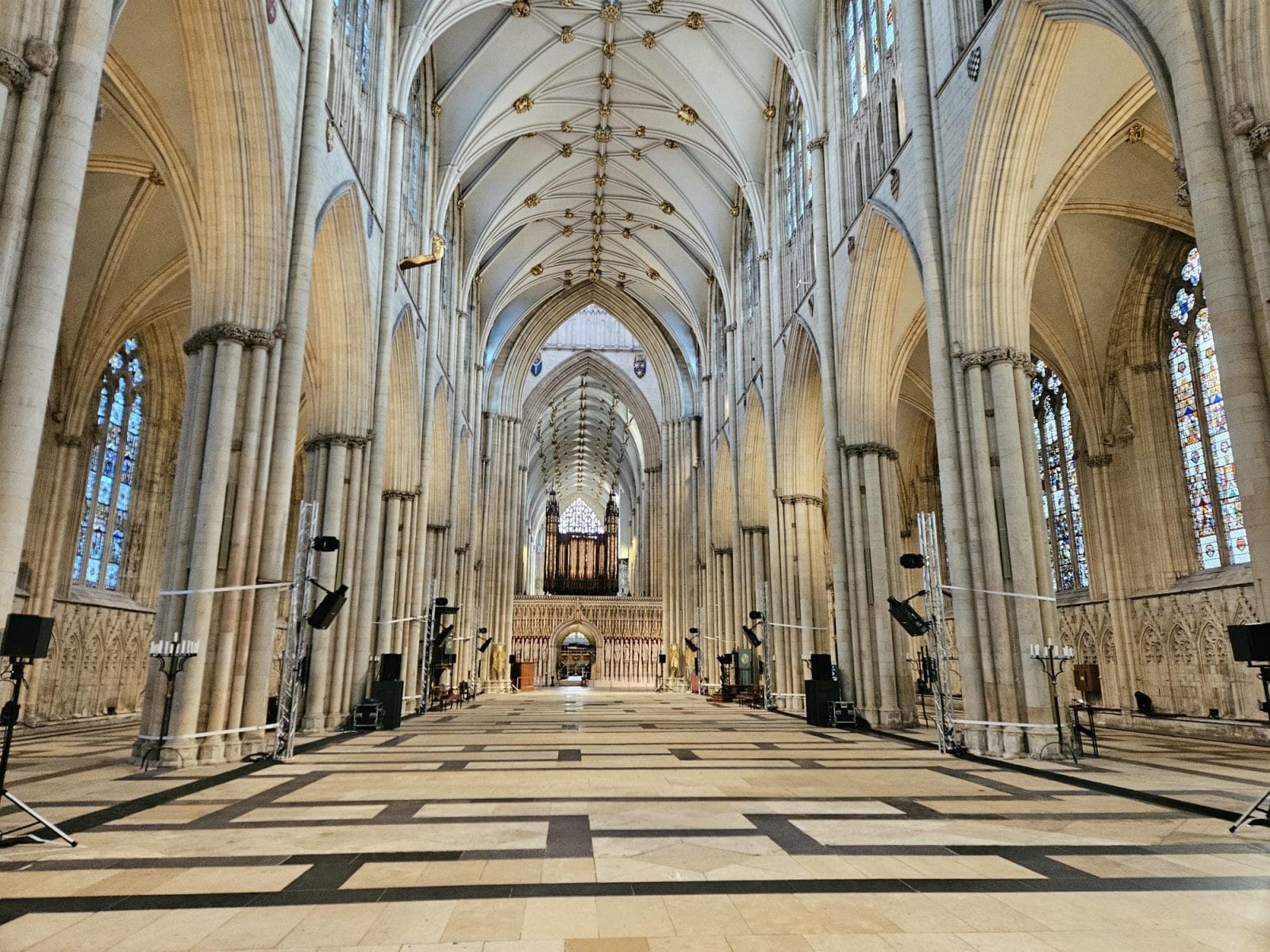
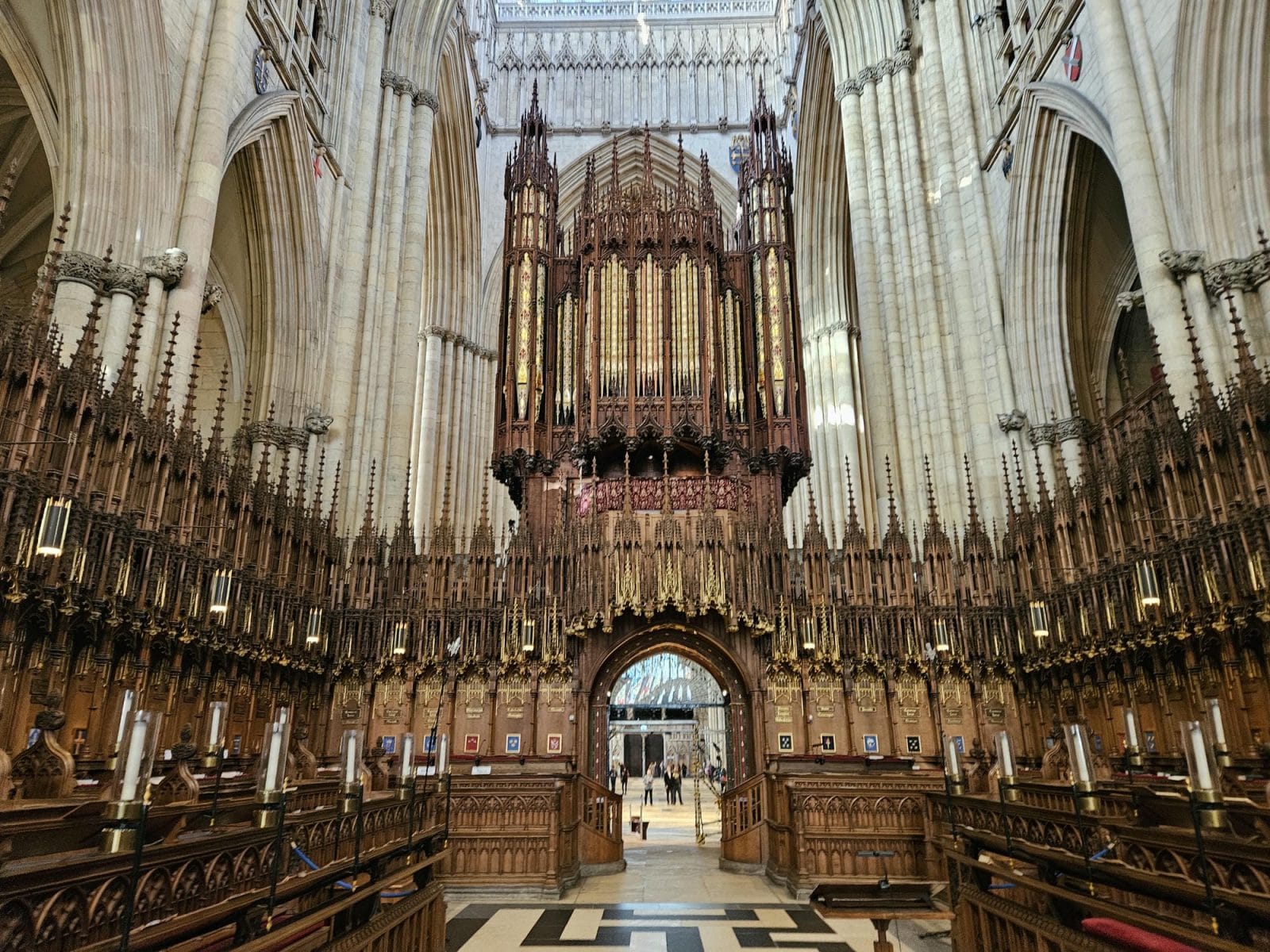
It cost me £18 to visit the inside, and it was well worth it, as it’s interesting and beautiful. As a bonus on my visit, I was first inside, so I got to see the splendid interior without any other visitors, which was pretty epic.
Gloucester Cathedral
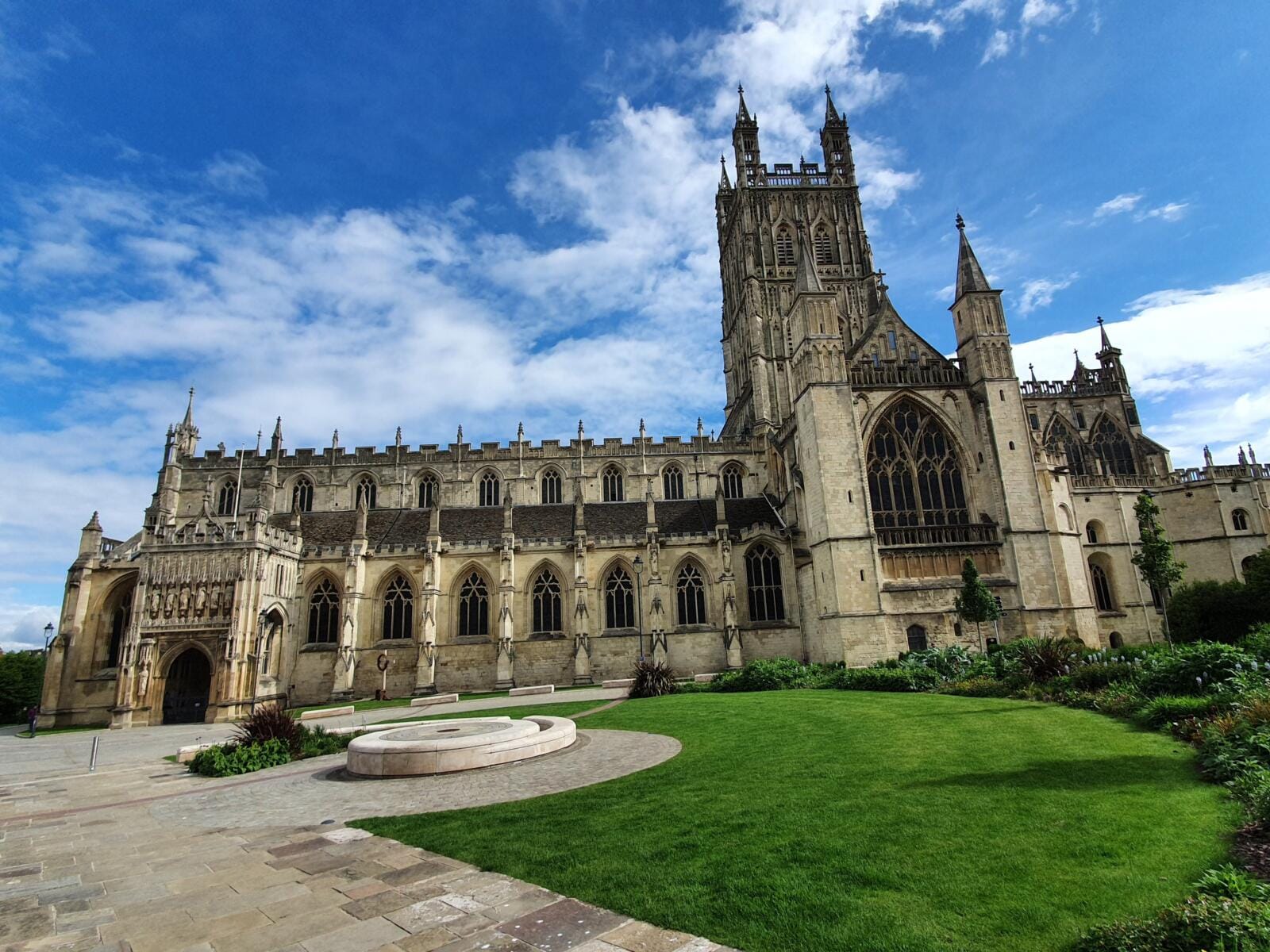
Gloucester Cathedral is a magnificent building in the city centre. It is well worth a visit, so much so that I pop in many times per year. This building is an iconic centrepiece of the city of Gloucester, with a history dating back centuries.
They built the cathedral in a combination of Romanesque & Gothic architecture. They primarily built the cathedral between 1089 and 1499. The 15th-century tower of the building is 69 metres in height; hence, it is visible from quite some distance. This tower has 4 pinnacles at its corners.
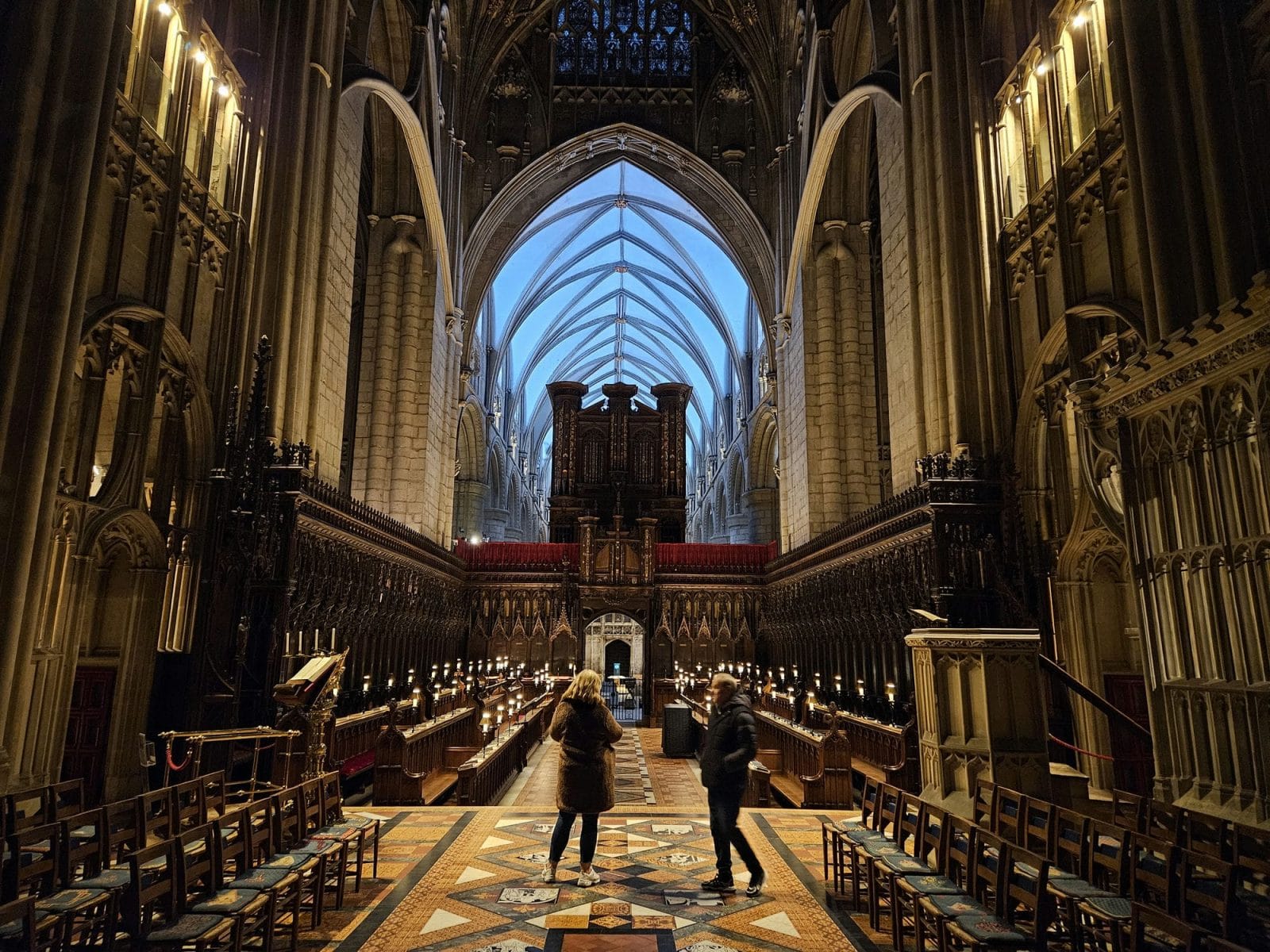
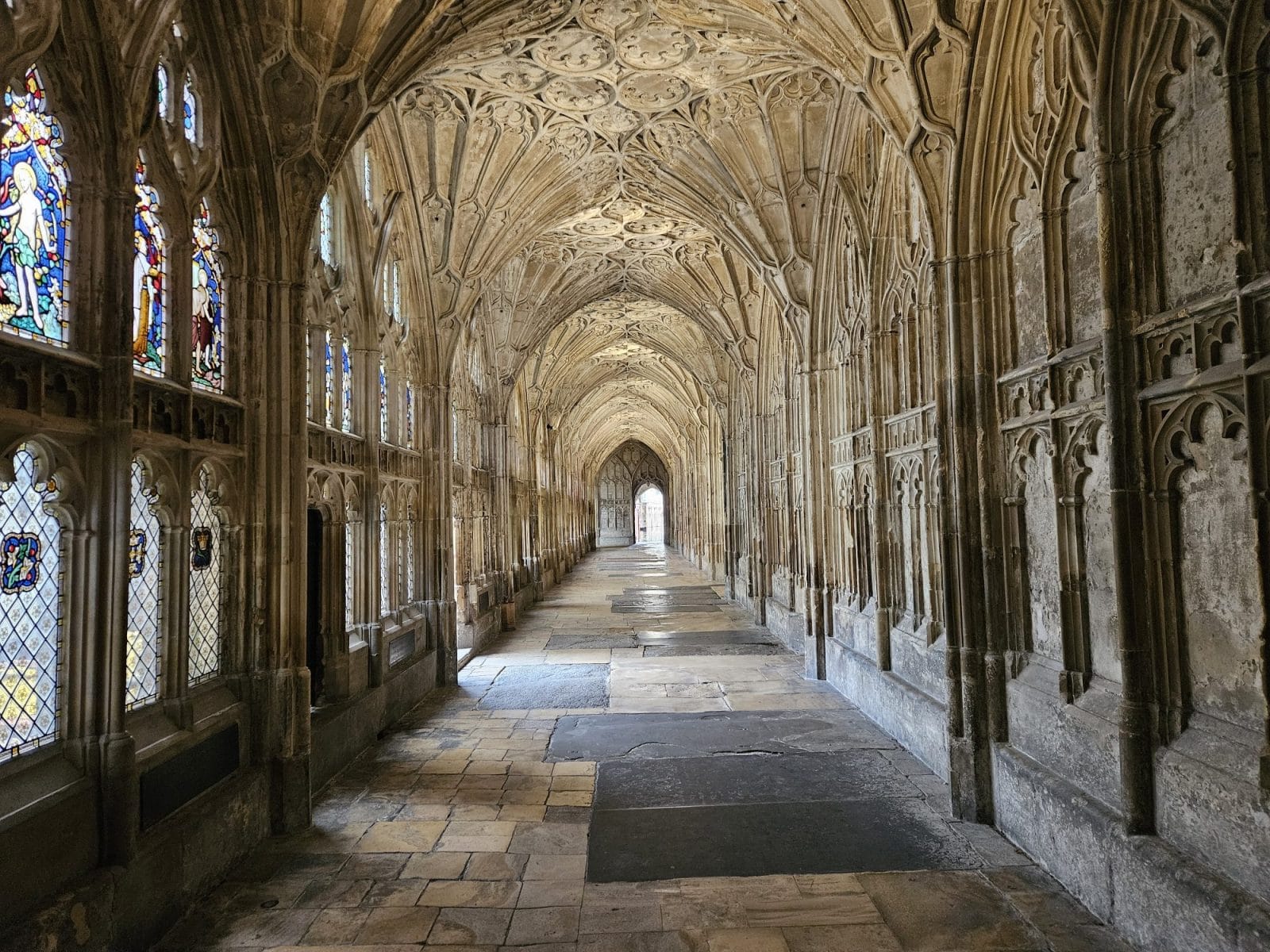
The cathedral is 130 metres long and 44 metres wide, and is surrounded by well-maintained gardens. The cathedral’s cloisters and the secret garden are my favourite features. They built the cloisters using fan vaulting. This was the first use of this style in the UK.
Liverpool Cathedral
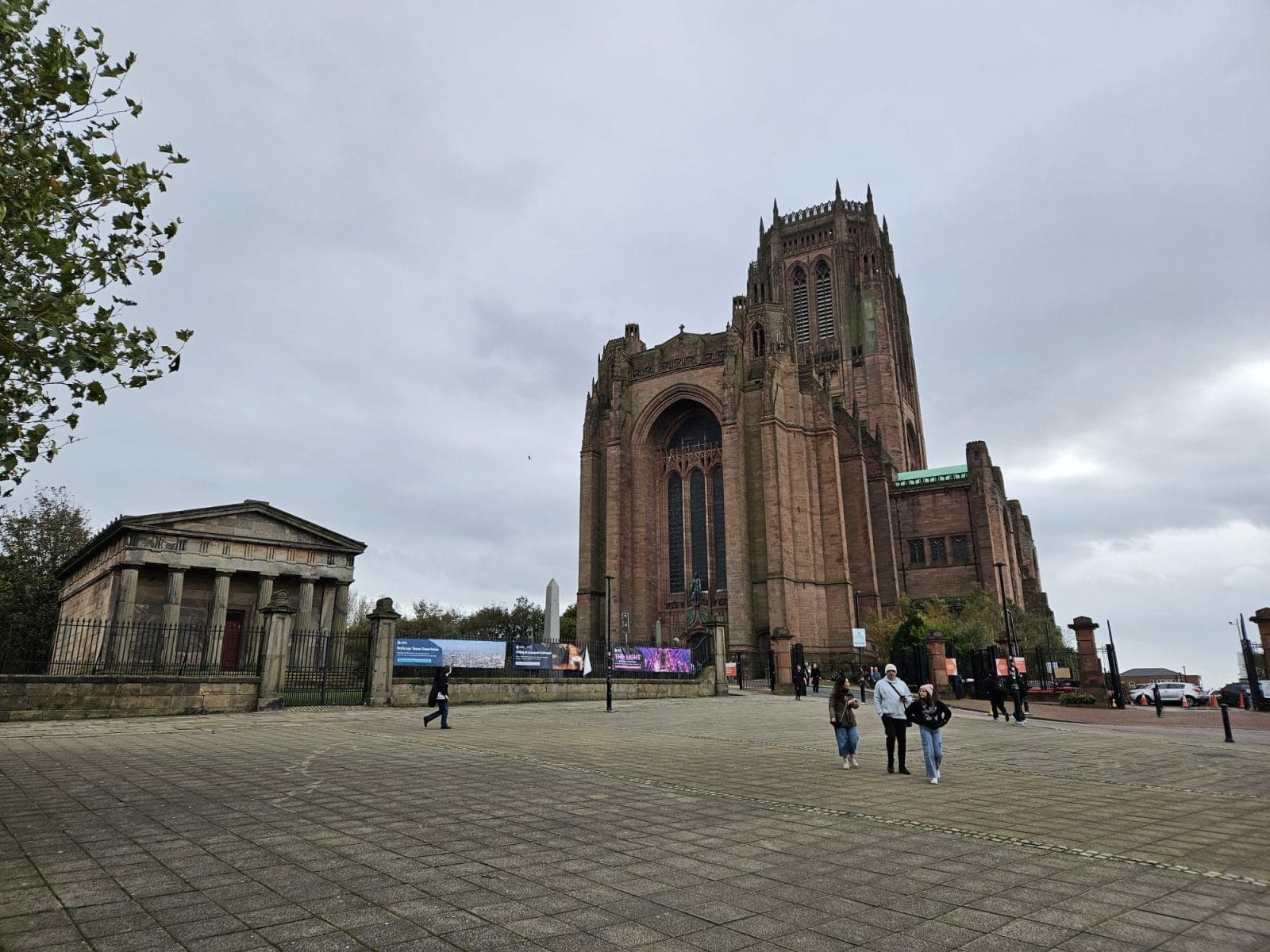
Liverpool Cathedral is one of two cathedrals in the Merseyside city; this one is the Anglican. The two are linked by a road called Hope Street, which is rather apt, and a short walk between them. Liverpool Cathedral is the biggest cathedral in the UK and overlooks the city. The main building is surrounded by pretty gardens, where a long time ago we used to enjoy outdoor yoga.
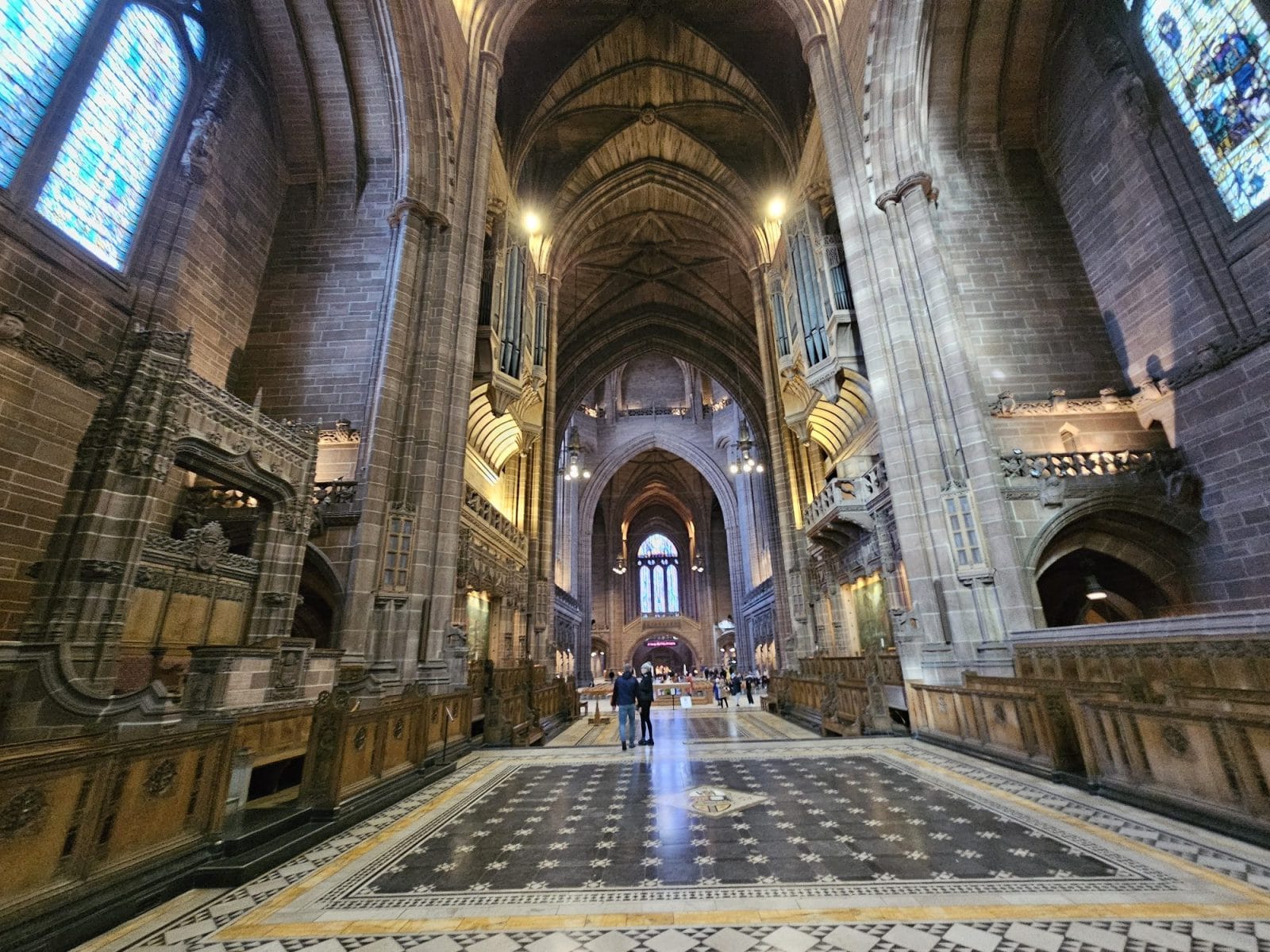
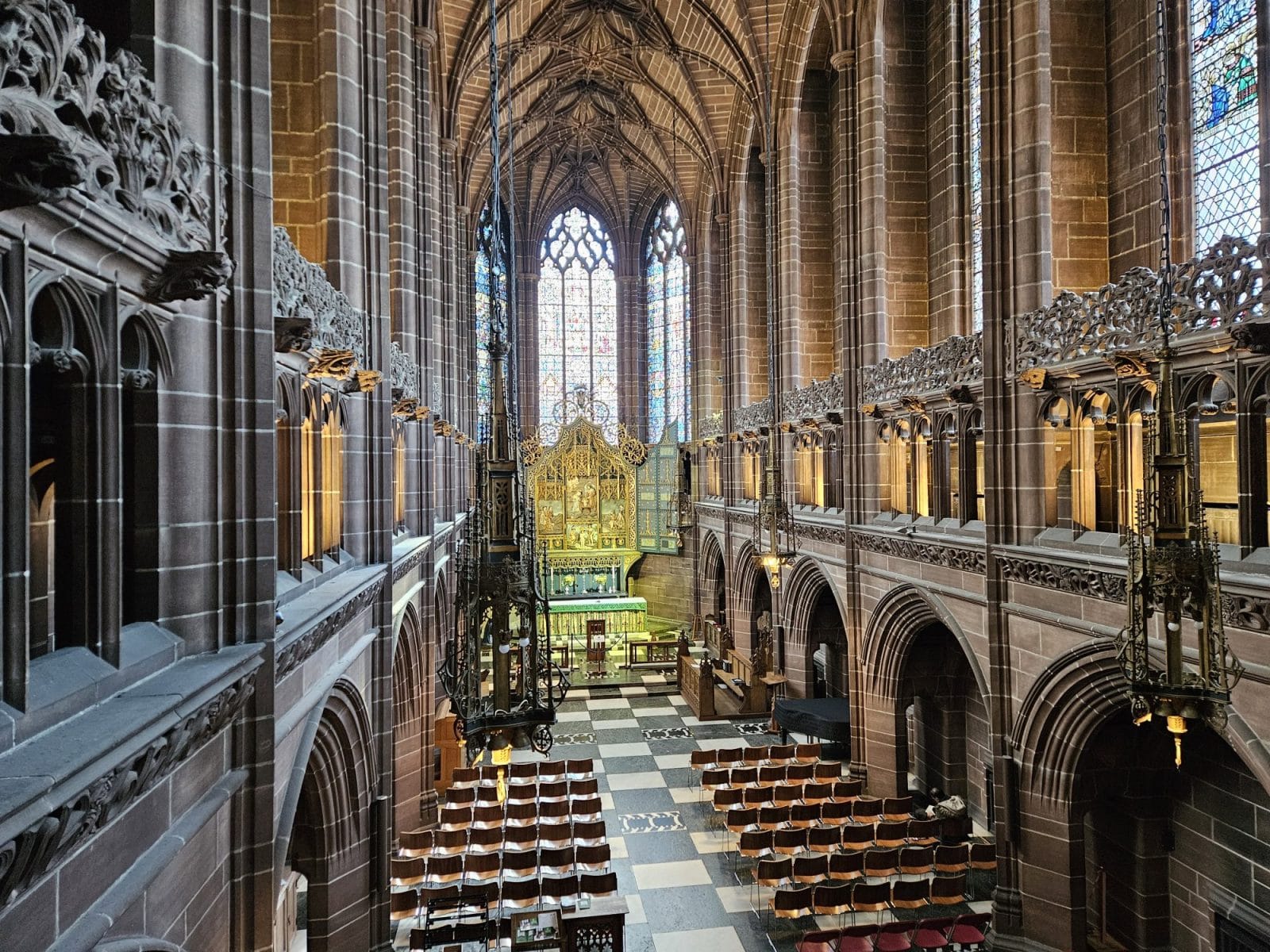
Its full name is the Cathedral Church of Christ in Liverpool, and it is the largest religious building in the UK and the 8th biggest in the world. It’s a relatively young building, constructed between 1904 and 1978. The building’s architectural style is Gothic Revival, and the details look pretty special. You can visit inside for free to see some sights and learn about its history. There are also events and regular services that visitors can attend.
Liverpool Metropolitan Cathedral
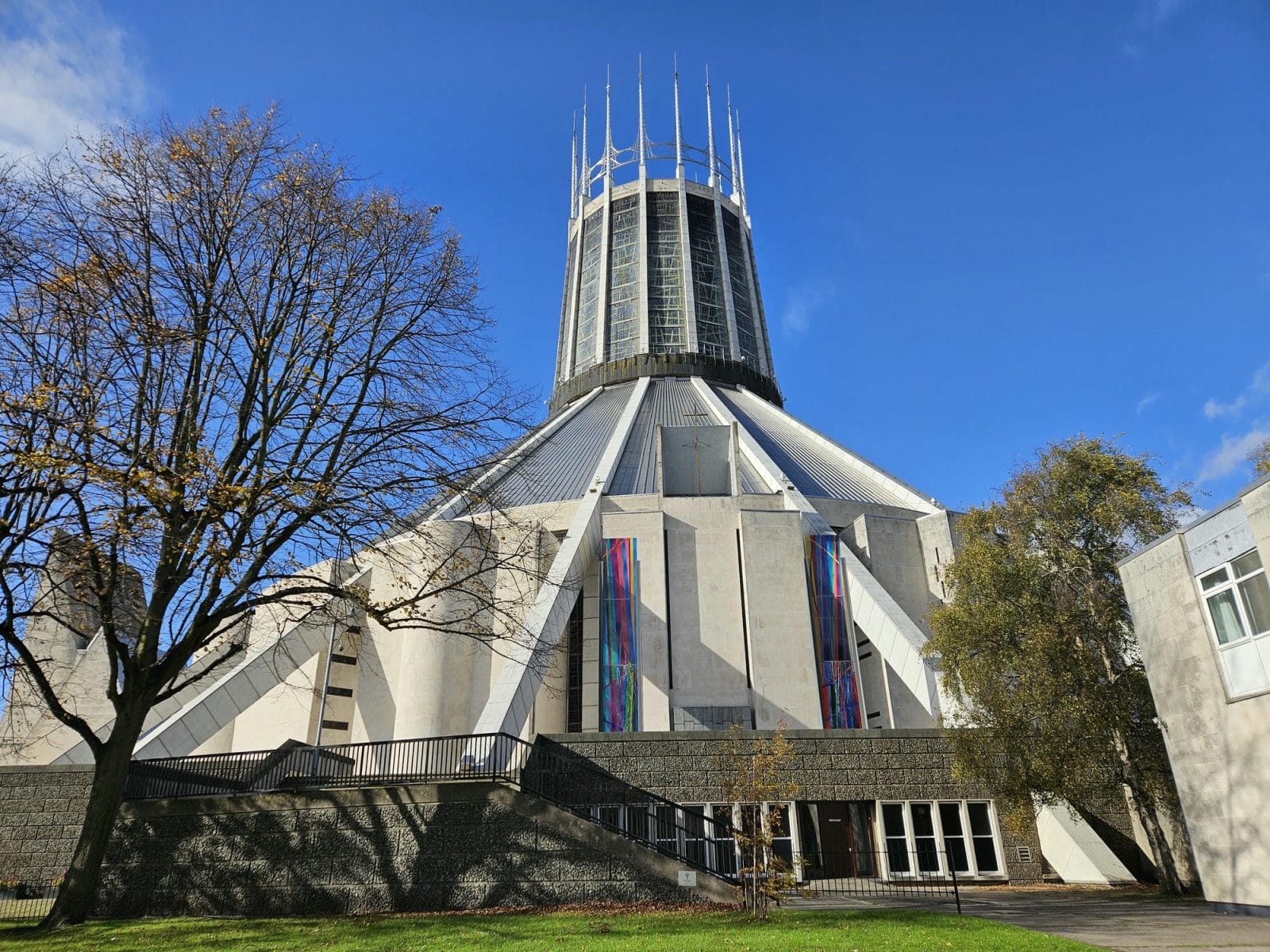
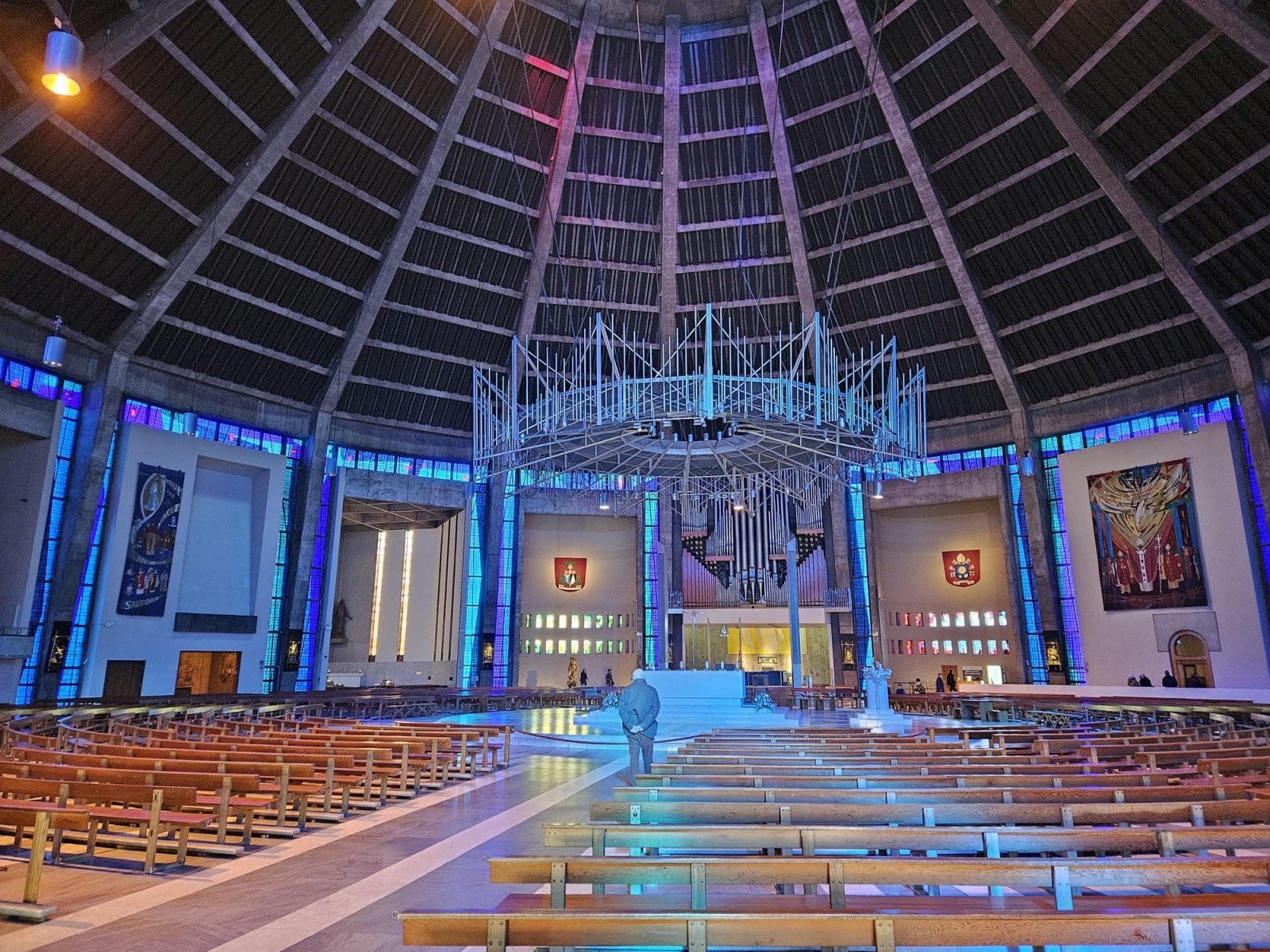
Built in the 1960s is the unique Liverpool Metropolitan Cathedral, which is on Hope Street near the university. It’s a fantastic landmark to see from the outside because of its interesting design. You can also visit inside for free, which is rather special. The design and lighting inside Liverpool Metropolitan Cathedral make it well worth a visit and one of the city’s top attractions.
Worcester Cathedral

The stunning Worcester Cathedral is a great place to visit in the city. It is beautiful to admire from outside, especially from the banks of the River Severn. Sunrise creates some superb views and photographs of the building. There is a lot of religious architecture in the city, much of which adds to the skyline’s spires.
Worcester Cathedral is one of the UK’s fantastic cathedrals and is stunning. The cathedral has a very rich history dating back to 1084, during the Norman era. Thus, it has nearly 1000 years of history within its walls. They constantly added to Worcester Cathedral over the first 500 years. This means that when visiting, you can see many architectural influences here.
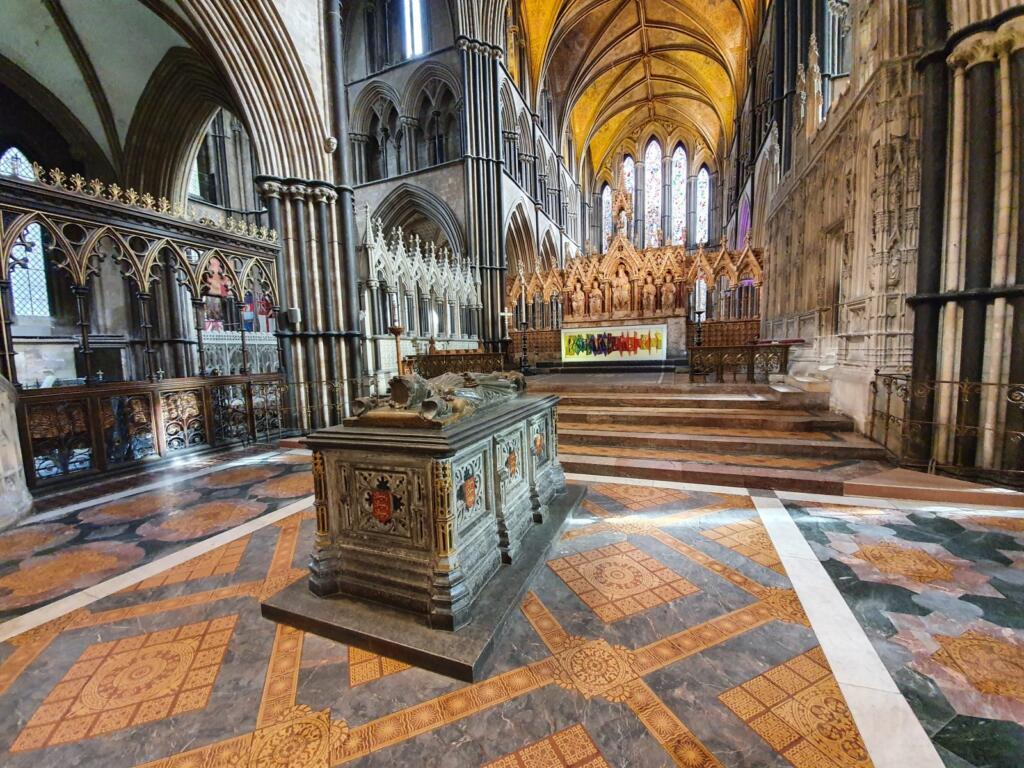
The nave is particularly striking when facing toward the high altar and King John’s tomb. The cathedral is free and well worth visiting when in Worcester.
Holy Trinity Church in Stratford-upon-Avon Famous For Links To Shakespeare
On the banks of the River Avon in Stratford-upon-Avon is the famous Holy Trinity Church. This is one of the most visited churches in England because of the links to the famous playwright William Shakespeare. The church from the outside is absolutely gorgeous; it has a beautiful garden and graveyard. the most
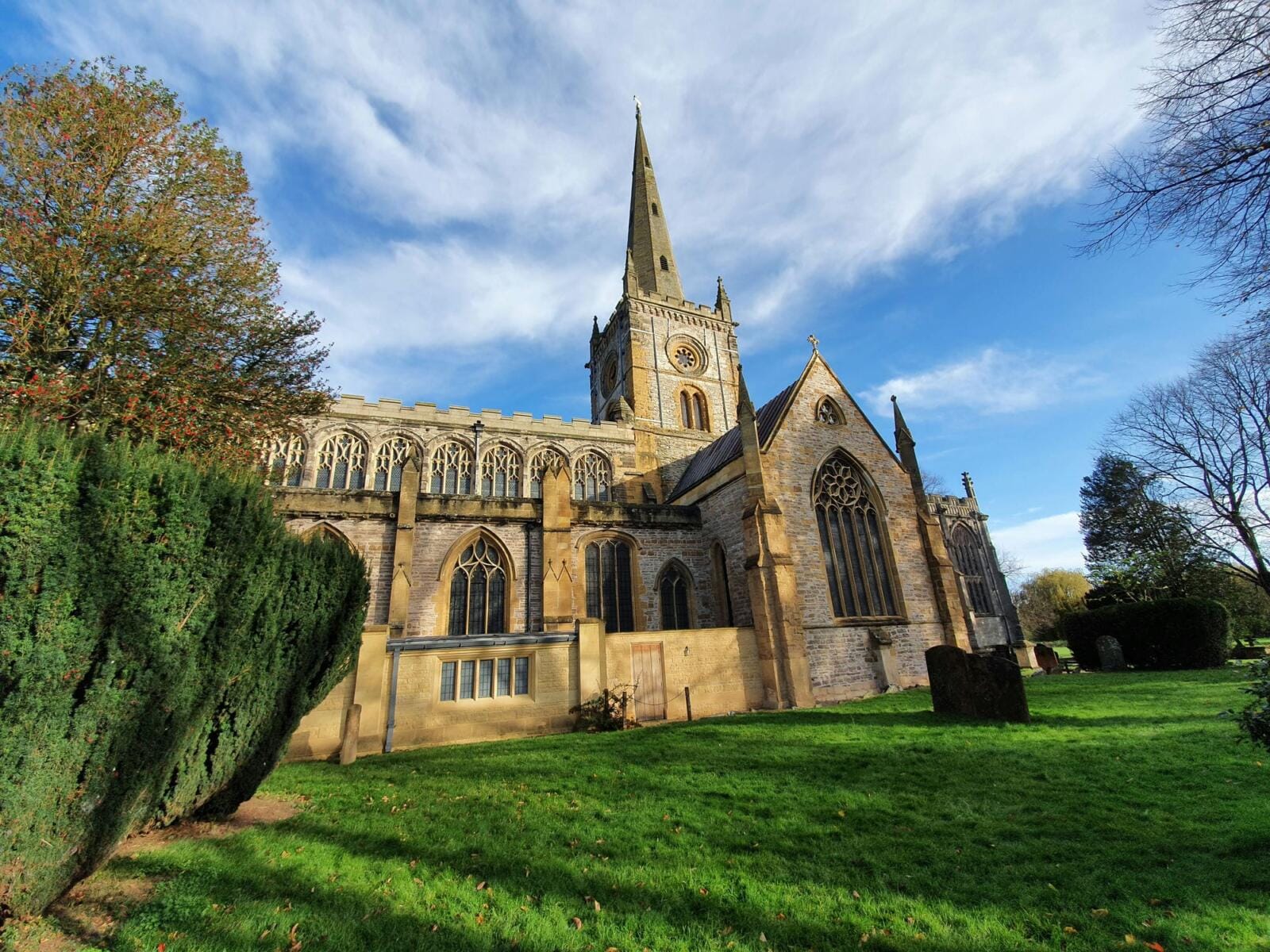
Holy Trinity Church in Stratford-upon-Avon is famous as the final resting place of William Shakespeare. His grave is inside the church, which seems to be a popular pilgrimage site. This is also the church where he was baptised and where he worshipped when he lived in the town.
People have been worshipping at this site for over 1,000 years, and it remains active as a parish church. They rebuilt the church and added to the church many times over the centuries, and it is now a Grade I listed building.
The church has many original features, the earliest of which is a 14th-century sanctuary knocker inside the porch. The Sanctuary Knocker is an ornamental knocker on the door of a cathedral or church. Under medieval English common law, sanctuary knockers supposedly afforded the right of asylum to anybody who touched them. Overall, the Shakespeare connections and the beautiful building make Holy Trinity Church well worth visiting.
Lichfield Cathedral: A Medieval Three-Spired Building

Lichfield Cathedral has over 1,300 years of history, making it a fascinating place to visit. The cathedral is special because it is the only medieval three-spired cathedral in the UK.
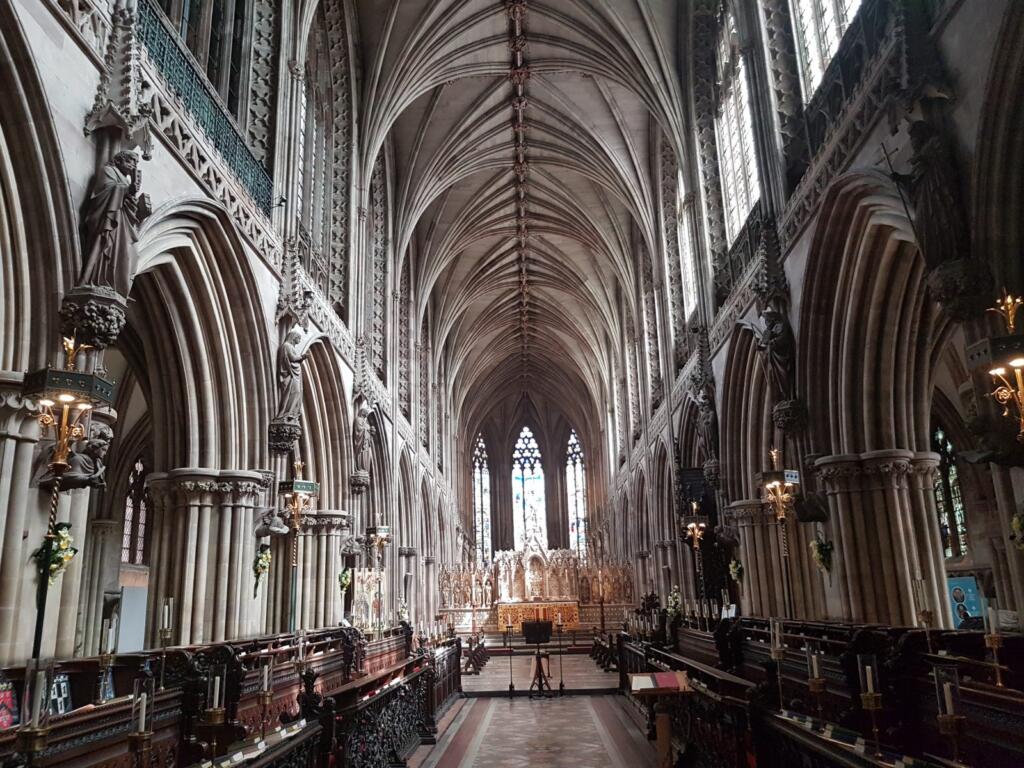
Inside, visitors can see a medieval wall painting, the famous Herkenrode stained glass, and the Lichfield Angel. It’s a lovely building to visit, with lots to see. The grounds outside are also fantastic for a mooch around and see the architecture up close.
Carlisle Cathedral in Cumbria in England
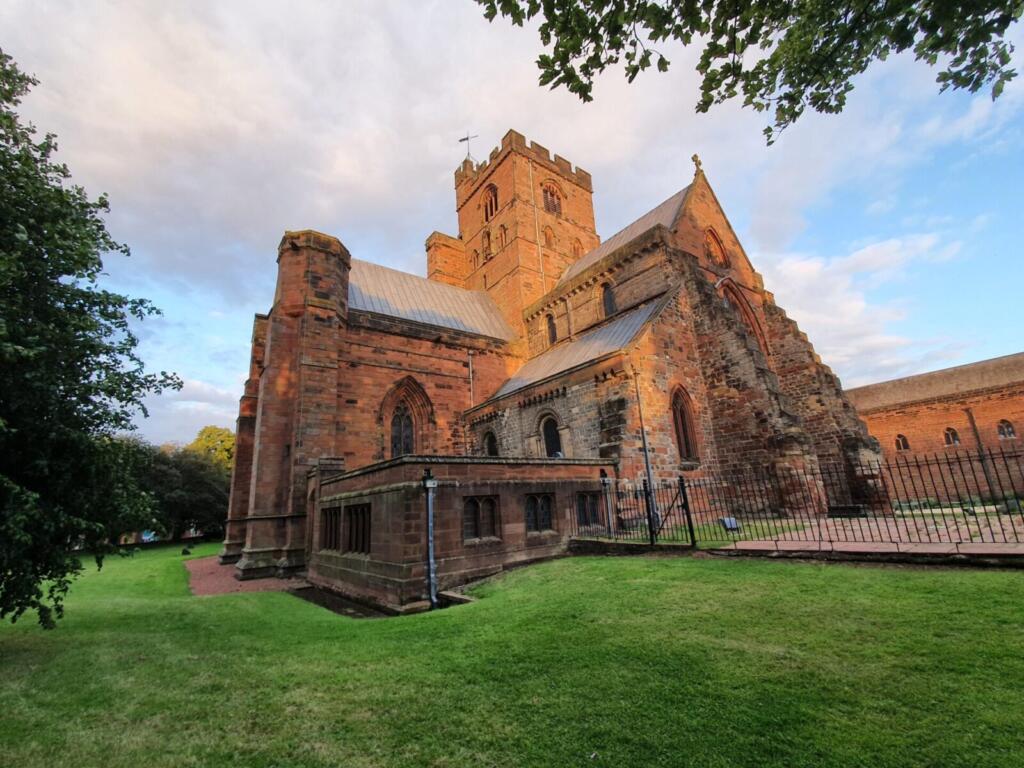
Carlisle Cathedral is a lovely church to visit, with lots to see inside and out. Originally, Carlisle Cathedral was an Augustinian priory and was later made a cathedral in 1133 during the reign of King Henry I. It is the second-smallest of the ancient cathedrals in England.
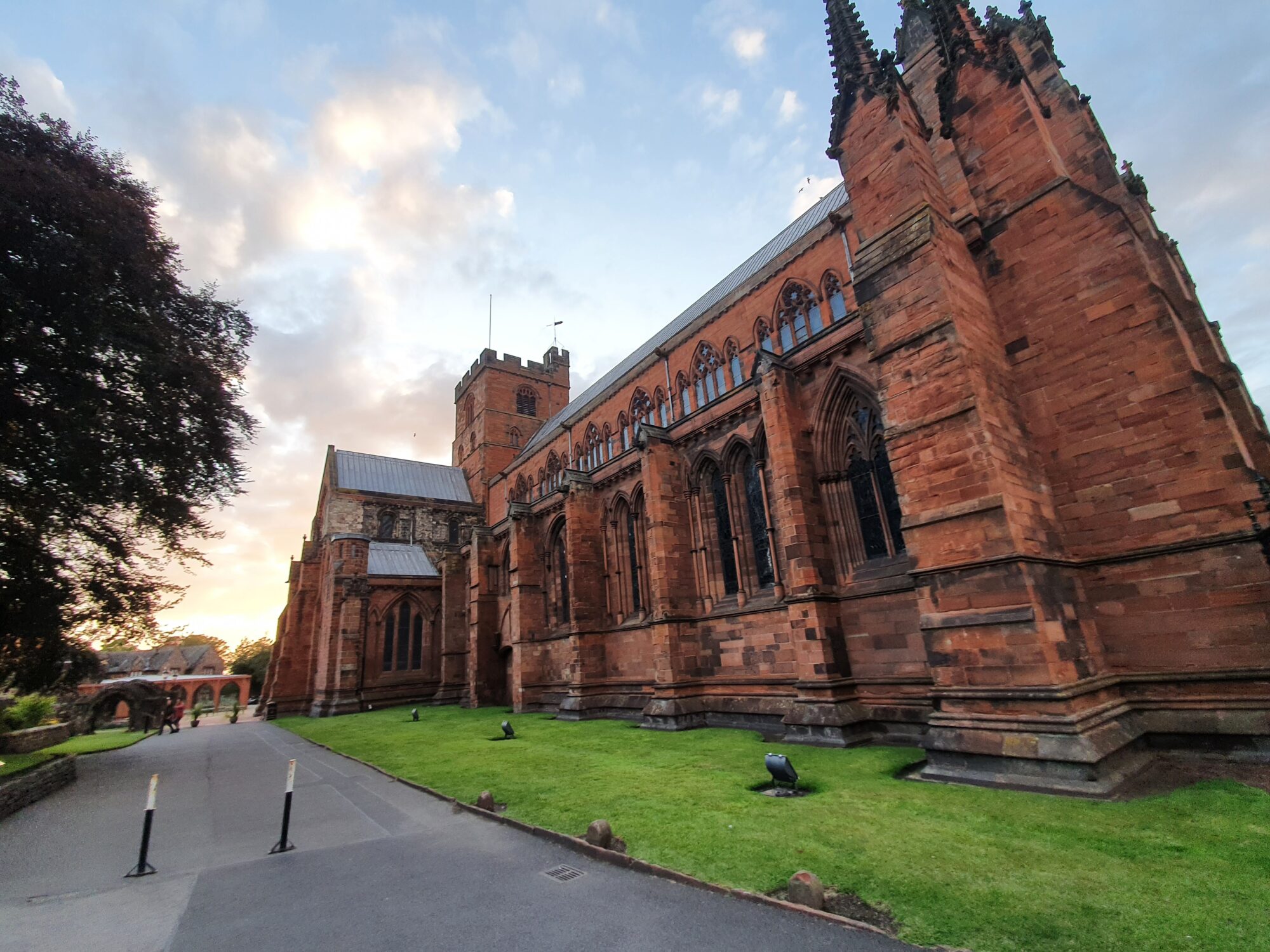
Architecturally, the cathedral is both Norman and Gothic, and thus has many interesting features to see. Carlisle Cathedral’s distinctive colour is due to its construction from red sandstone. One of the most eye-catching features for me was the ceiling inside the nave. Overall, Carlisle Cathedral is a fantastic place to visit.
St Philip’s Cathedral in Birmingham
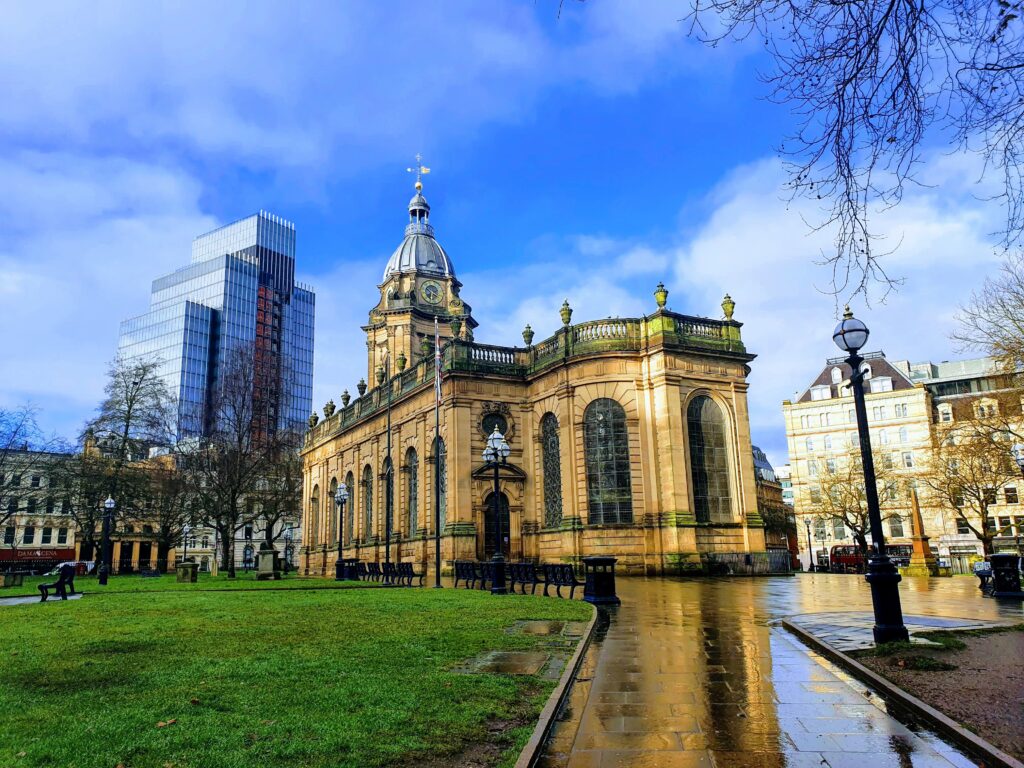
On Colmore Row in Pigeon Park, a public space in central Birmingham, is St Philip’s Cathedral. St Philip’s Cathedral is a Church of England place of worship in the city’s heart. St Philip’s was originally a parish church, and it was consecrated in 1715. Subsequently, it was promoted to become St Philip’s Cathedral in 1905 following the formation of the Birmingham diocese.
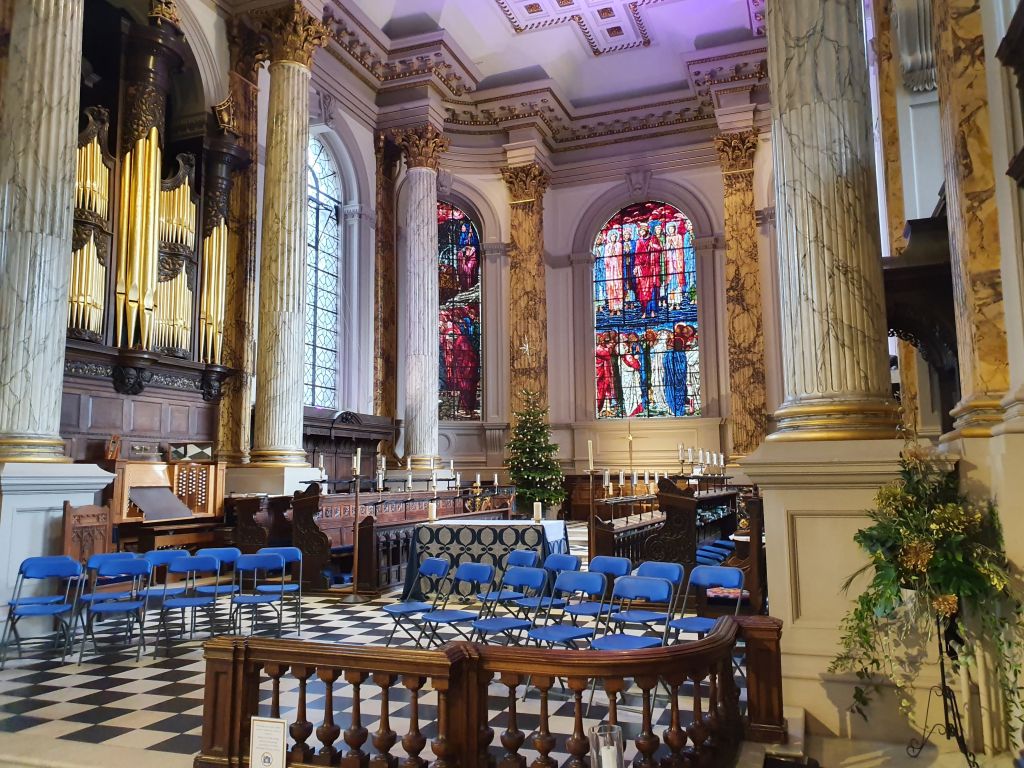
The cathedral is a Grade I-listed building, and it’s the third-smallest cathedral in England. Thomas Archer, the building’s designer, drew inspiration after visiting the churches of Rome, Italy. The cathedral is Baroque in style and looks great both inside and out. It is free to visit the inside, and there is much to see. The stained glass windows were particularly impressive.
St Nicholas, a Norman Church in England
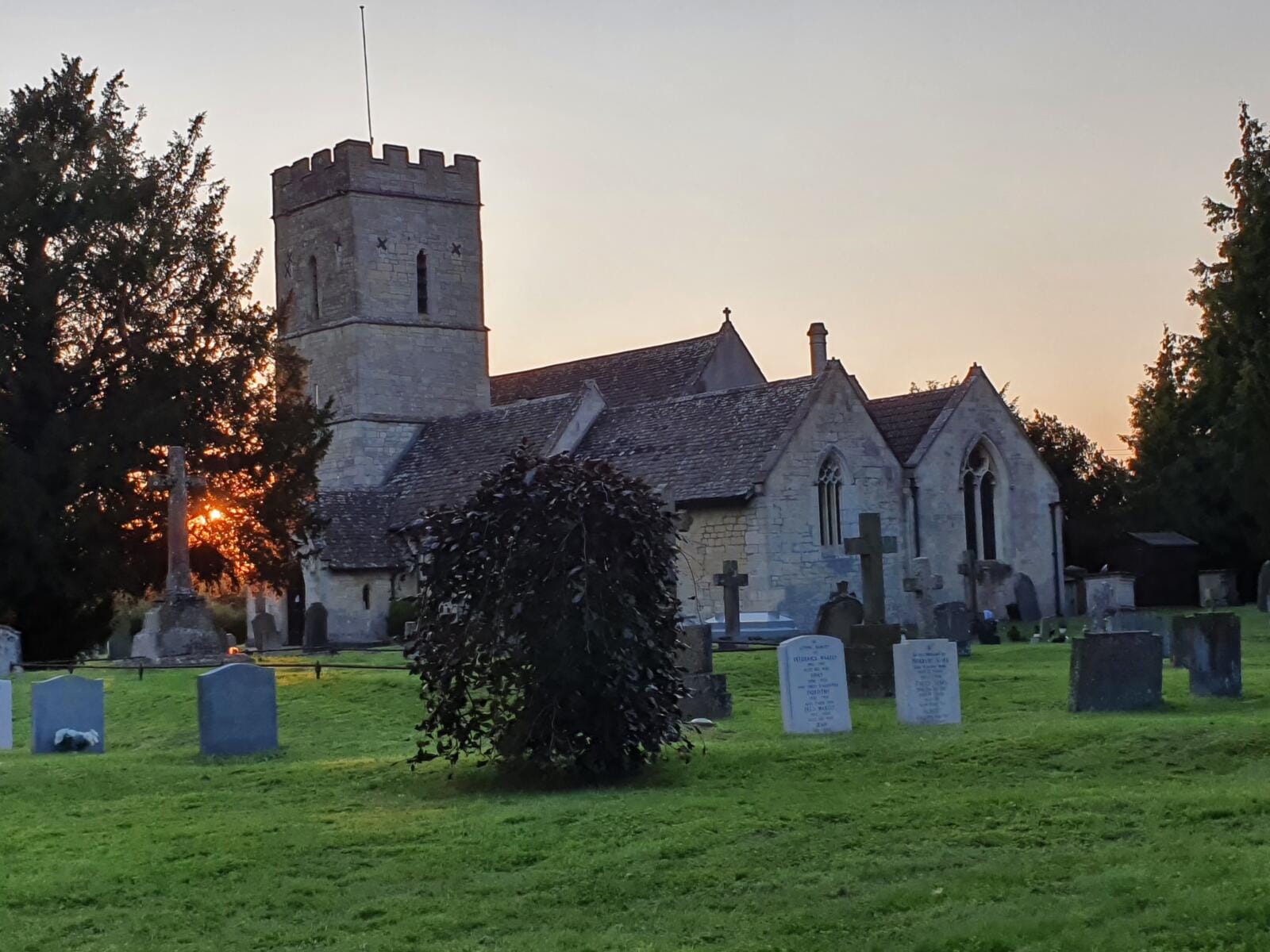
In my hometown is St Nicholas Church, in the village of Hardwicke. The church is one of my favourites to visit. It helps that it is on a pleasant walk through the countryside, an area I often walk. The church has Norman heritage and is old, originally built in 1092 and later expanded into its current form.
Church of St Mary the Virgin in Shropshire, England
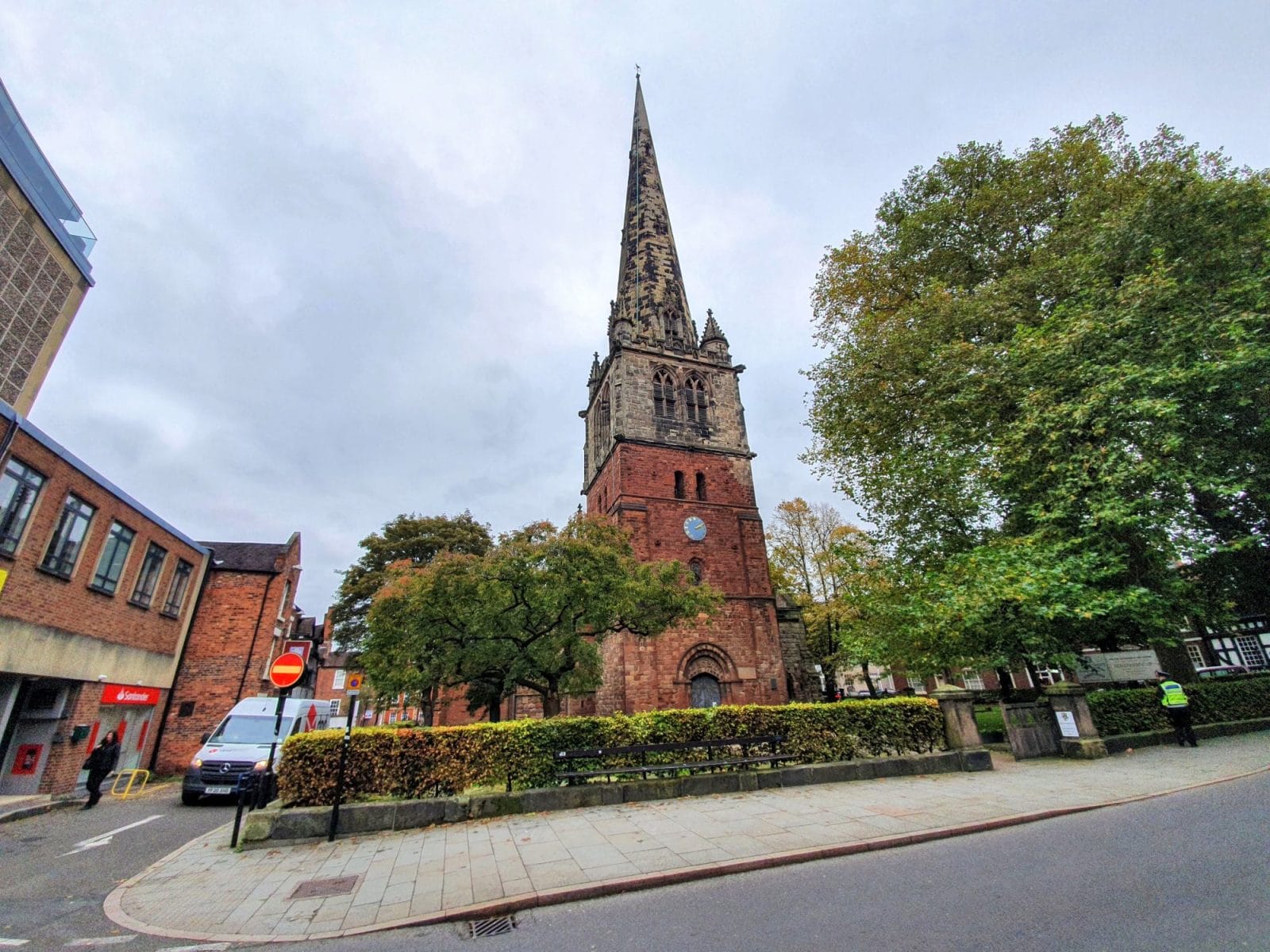
They built the Church of St Mary the Virgin in Shrewsbury, UK, in the Gothic style. Founded by King Edgar in the 10th century, St Mary’s was originally a collegiate church. The church has many elaborate details and is built with red and white stone. It also has unique stained-glass windows to see. This is one of many pleasant churches to see in Shrewsbury.
The Two Cathedrals in Coventry
There are two cathedrals in Coventry. One is a modern church building, and the other is preserved ruins. They built the new cathedral recently, and they consecrated it in 1962. The cathedral ruins date from the 14th century.

This was a Gothic cathedral that was largely destroyed by a German bombing raid during the Second World War. The ruins are a nice place to have a mooch around. The older one is one of the major attractions in Coventry and is also dog-friendly.
Shrewsbury Abbey
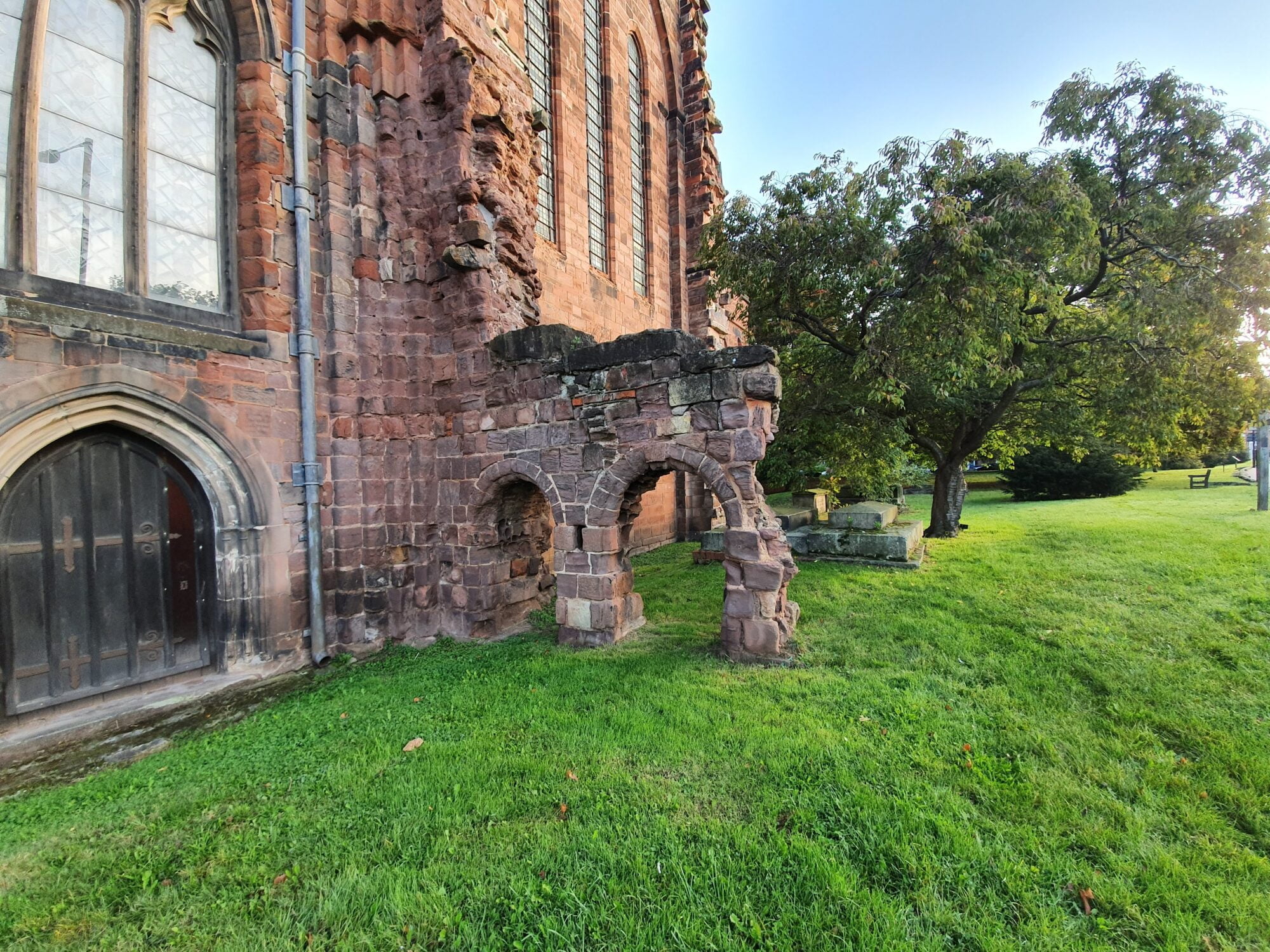
Shrewsbury Abbey, known as the Abbey Church of Saint Peter and Saint Paul, is a historic site in the town. They founded the abbey in 1083, originally as a Benedictine monastery. The Norman Earl of Shrewsbury, Roger de Montgomery, was the founder of the Abbey. Shrewsbury Abbey grew to become one of the most important abbeys in England. It is now a Grade I-listed building because of its history, making it a splendid church to visit.
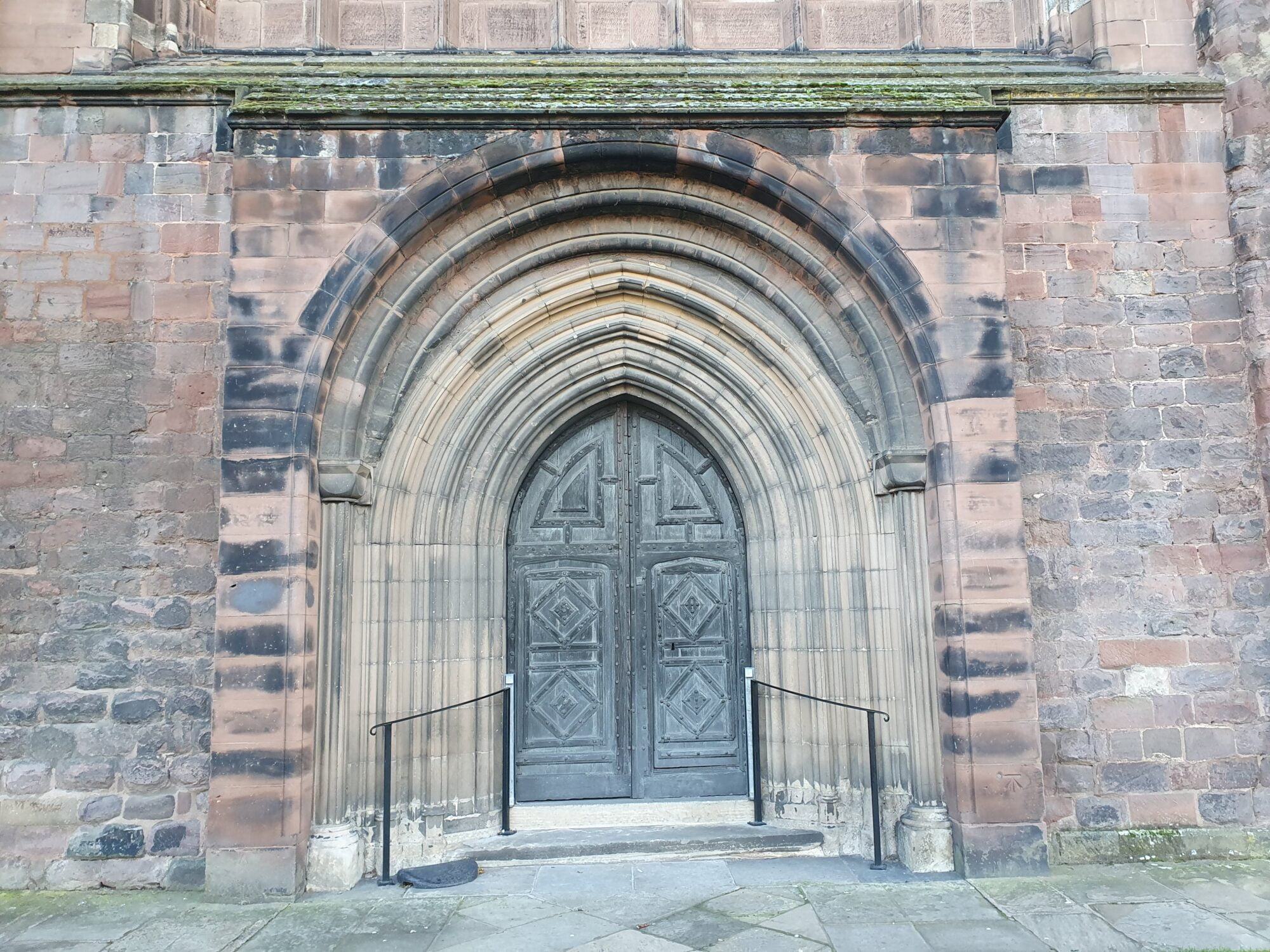
They preserved much of the original Norman 11th-century building. The abbey is a beautiful red-stone building with lovely grounds to explore at any time of day. A wonderful time to see the red abbey building is early at sunrise. To visit inside the abbey church, the opening hours are between 10 am and 3 pm.
St Peter’s Church in Hever, Kent
Near the entrance of Hever Castle in Kent is the beautiful St Peter’s Church. This is a pleasant building to see, with an interesting history. St Peter’s Church has been the site of worship for over 900 years. However, they built the current church 800 years ago. The grounds are nice for exploring and relaxing.
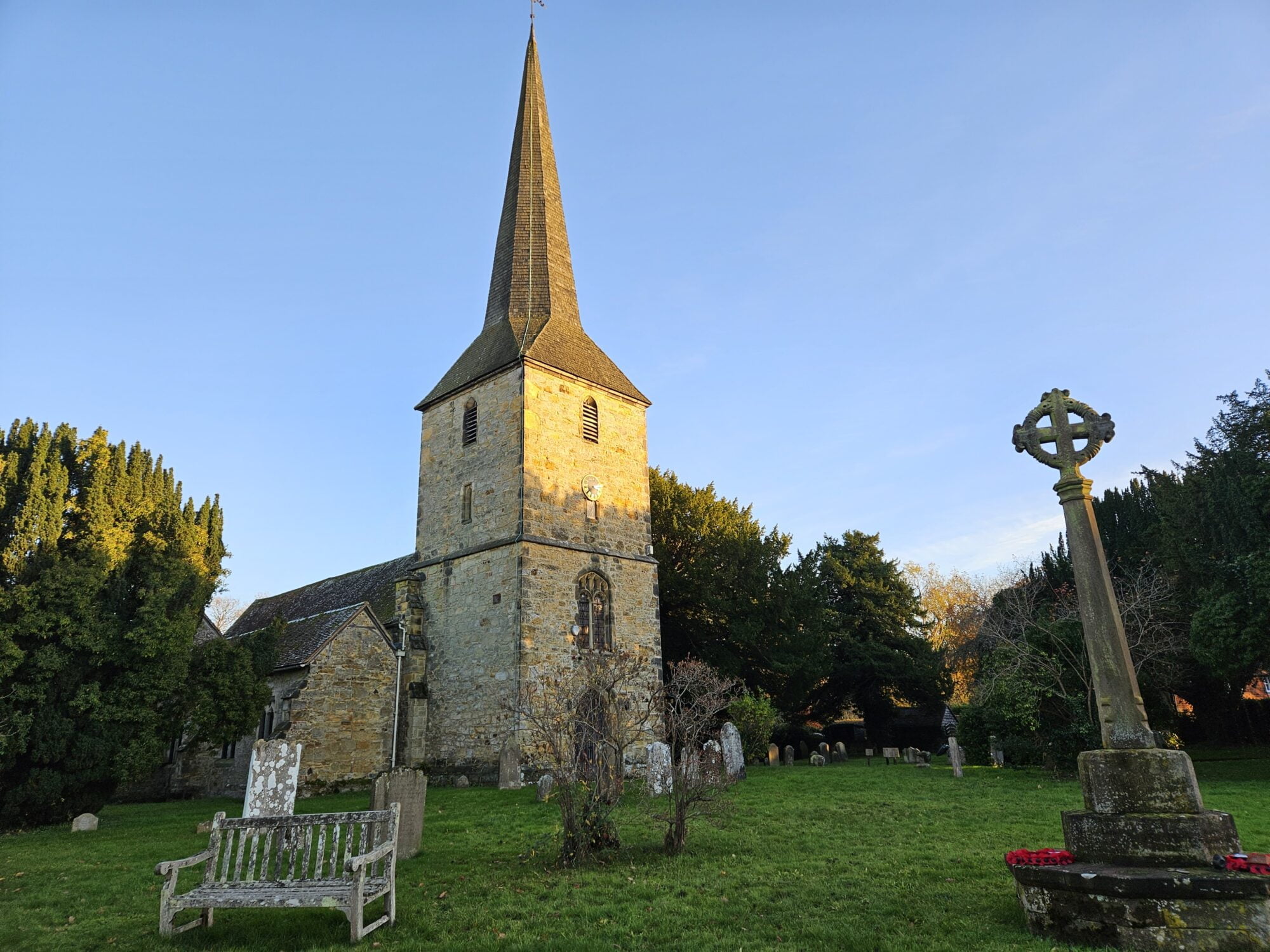
Unfortunately, we couldn’t go inside because it was closed. Thus, we couldn’t see Sir Thomas Bullen’s tomb. Sir Thomas Bullen was the father of Anne Boleyn and the grandfather of Queen Elizabeth I.
Chester Cathedral
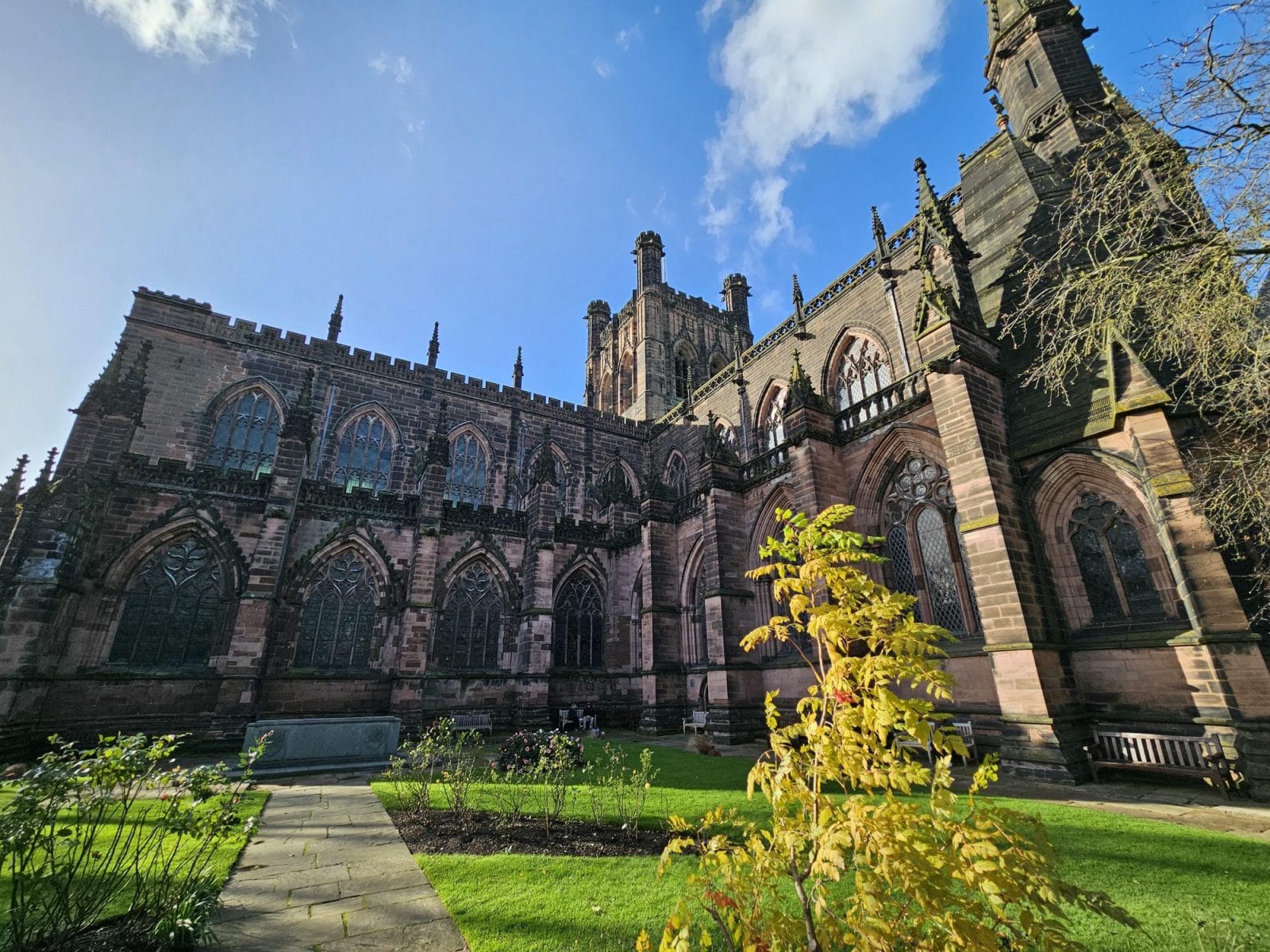
Another dog-friendly place I enjoyed visiting was Chester Cathedral in the North West of England. It is a rather beautiful building with lots to see inside and out. The cathedral has an interesting history and was built on the site of a former Roman basilica.
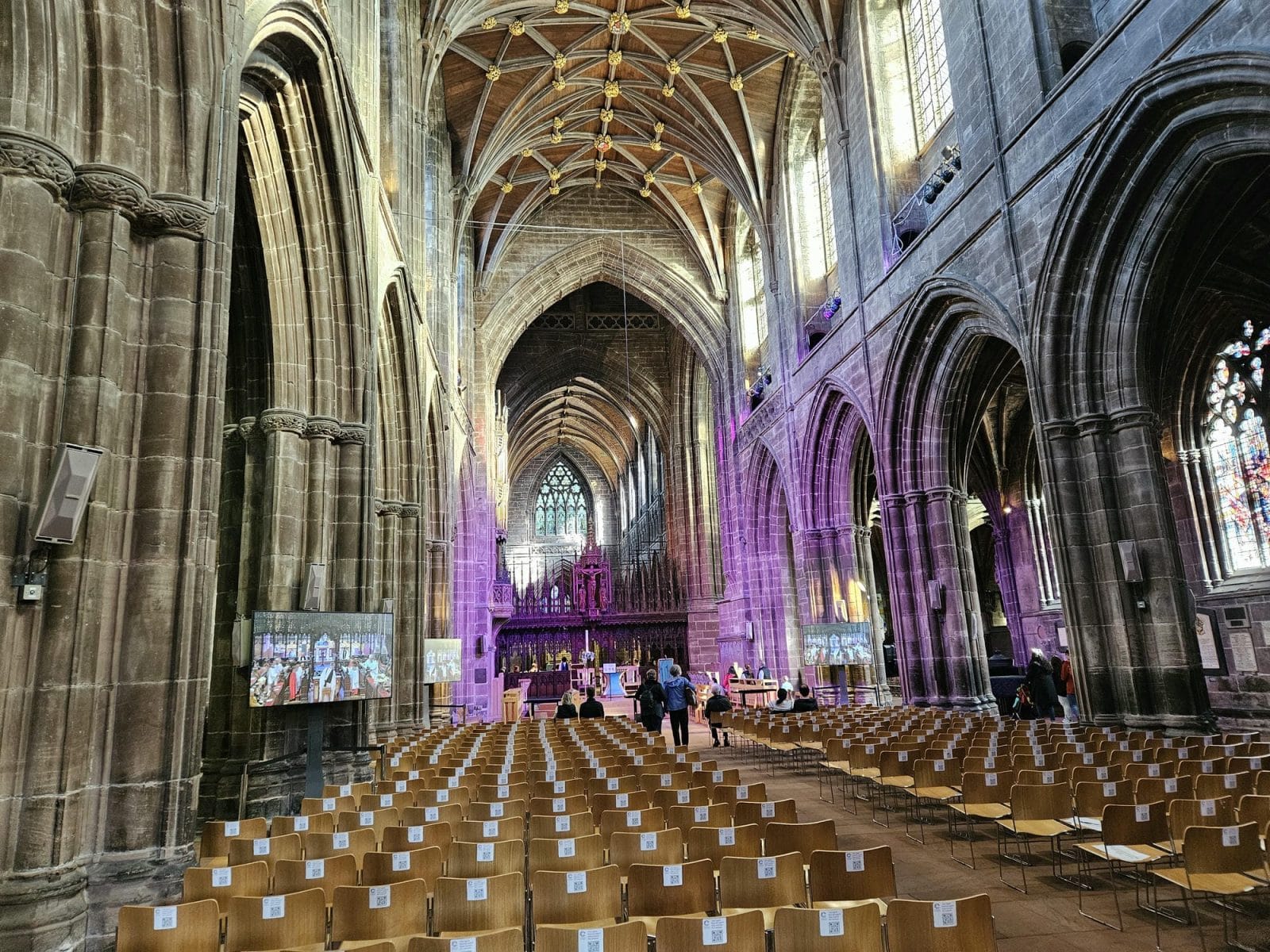
During my visit, the interior was colourfully lit, and there were some unique art exhibits to see. Architecturally, the cathedral in Chester is a blend of Romanesque and Gothic. It was free to enter and one of many highlights of my visit to the city.
Bristol Cathedral
Bristol Cathedral is an interesting place to visit, both inside and out. They built in a few architectural styles, including Norman, Gothic, and Gothic Revival. It was founded in 1140 and subsequently consecrated in 1148. Nowadays, this is a Grade I-listed building and is lovely to visit. Entry is free; however, like many other cathedrals, this one accepts donations.
If you are ever back in Sussex I recommend visiting some of the Saxon churches there, which are unique in England through not being destroyed after the Norman Conquest. For example, Steyning Church near Worthing and St Botolphs near Shoreham-by-Sea.