
Győr, Hungary: Things to Do & City Guide
Győr is a small city in Hungary and a fun place to spend time. We enjoyed nearly a week there and found it suited our travel style. There were plenty of places of interest and things to do to keep us engaged, but it wasn’t too busy, so we could still kick back and relax.
Győr is quite walkable, and you can reach most key sights on foot. Much of the central area has little or no traffic, which made it good for slow sightseeing and dog walks with Henry. The city has town squares, Baroque buildings, churches, the Bishop’s Castle, riverside walks, cafes, bars and restaurants. It is not a huge city, but that was part of the appeal for us.
It has elements of other Hungarian cities I’ve visited, with some of the architecture of Keszthely and the relaxed vibe of Pécs. During the summer, there is also an outdoor heated pool and water park called Rába-Quelle.
Is Győr Worth Visiting?
Győr really impressed me with its beautiful city centre architecture and fantastic vibe. The city’s attractions have an interesting history and are well worth visiting. The town’s squares and parks also added to the experience of staying for a week. It’s definitely the sort of place to slow down, see the sights, and enjoy the coffee shops or bars.
History of Győr in Hungary
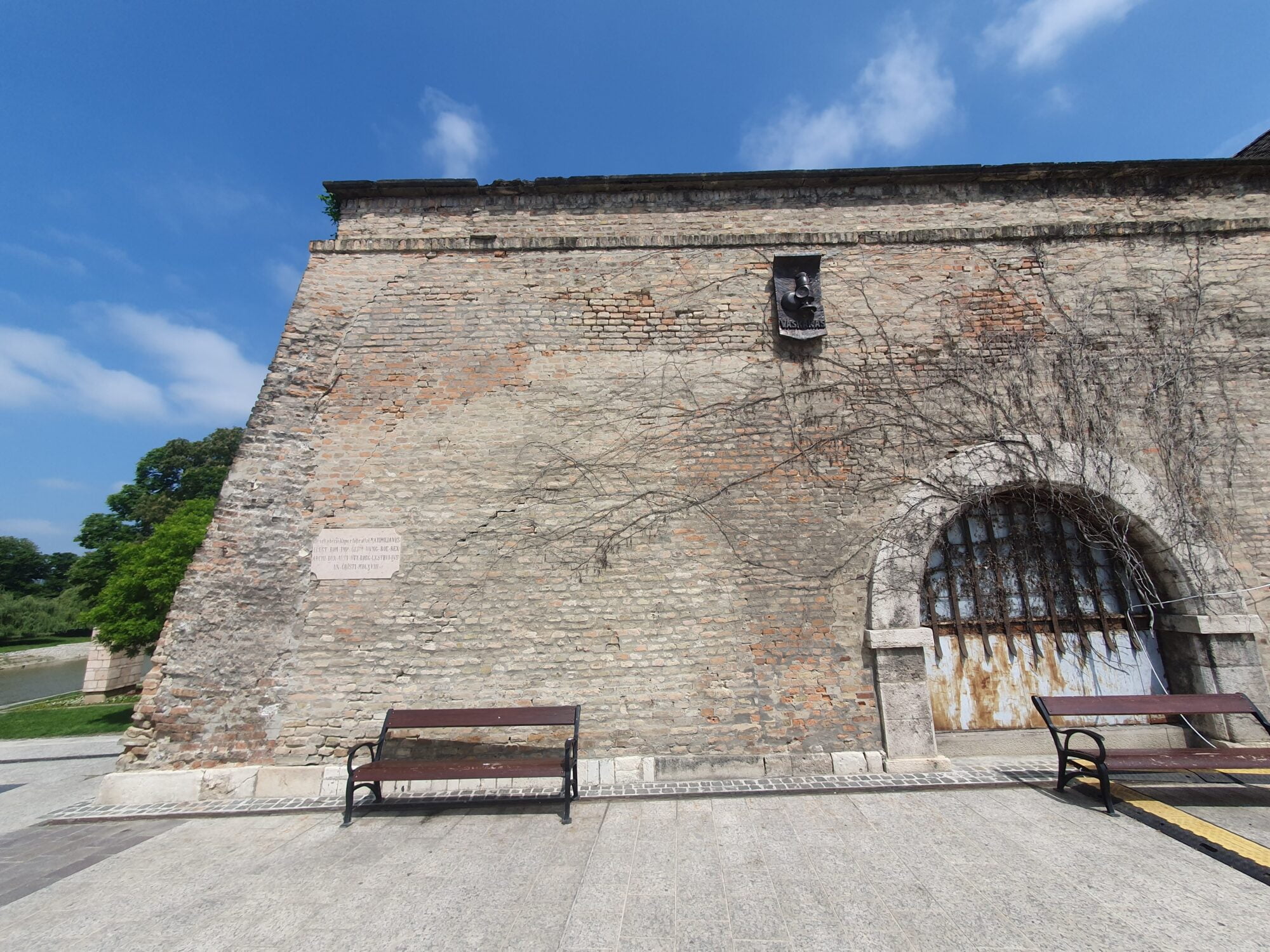
Győr has a fascinating history, as shown by many of the sights you can visit. The first large settlement here was in the 5th century BC, when the Celts inhabited the city. Roman merchants also moved here during the 1st century; however, the area was abandoned in the 4th century. You can see Roman artefacts in the town’s archaeology museum.
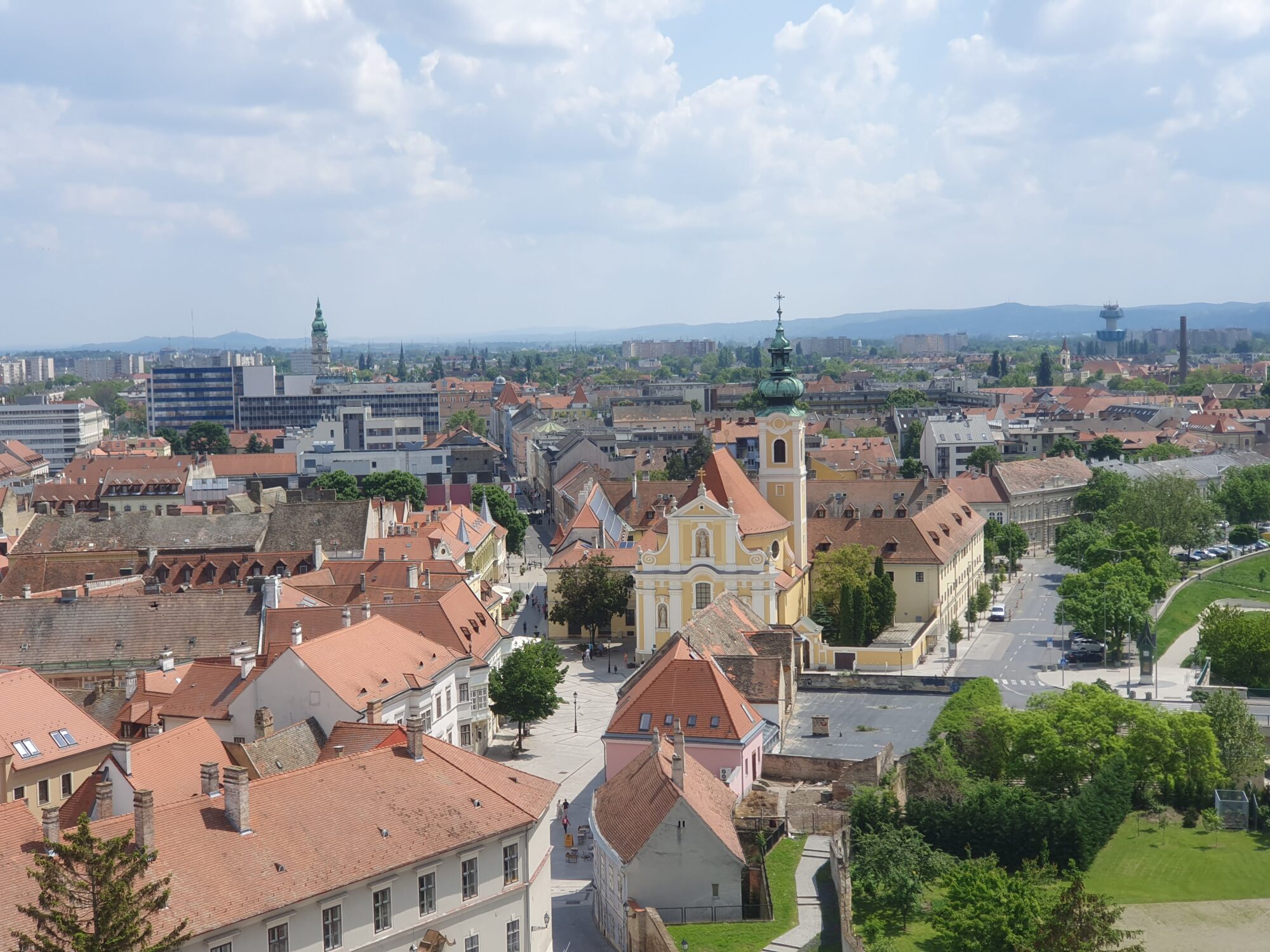
Then, in the 5th century, Slavs settled in the area, followed by the Lombards and then the Avars. In 900, the Magyars occupied the town and further fortified the former Roman fortress. Then the first Hungarian king, Stephen I, founded an episcopate here. The town then became Győr. Győr’s history then matched Hungary’s with events such as the Ottoman occupation and the Austro-Hungarian Empire.
Disclosure! Keep in mind that some links in these posts are affiliate links. If you click one of them, I may earn a small commission (for which I’m extremely grateful) at no extra cost to you. Thanks for visiting!
Things to Do in Győr, Hungary
The city centre is great for a sightseeing walk, with many beautiful and interesting buildings.
Győr Town Hall
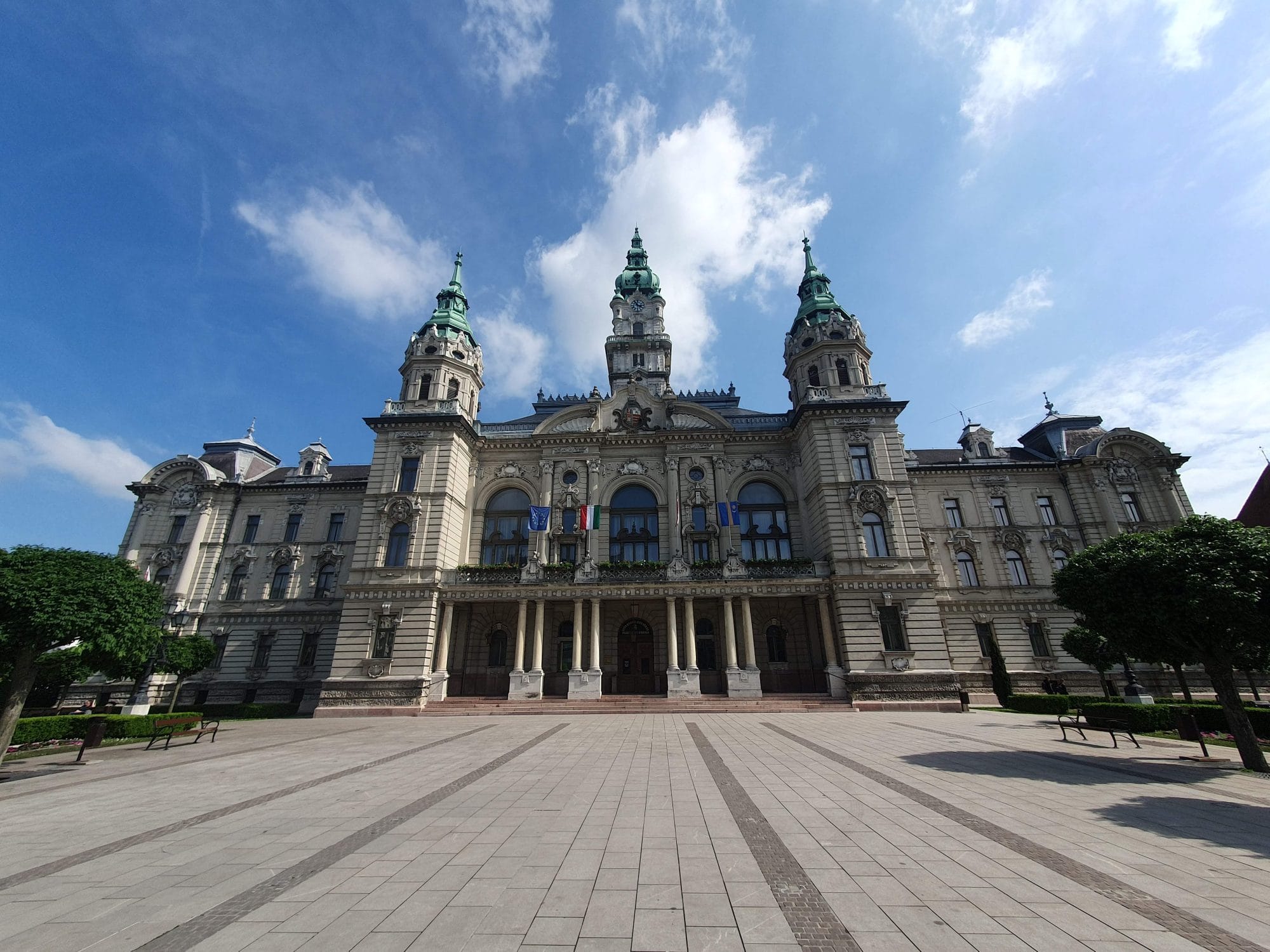
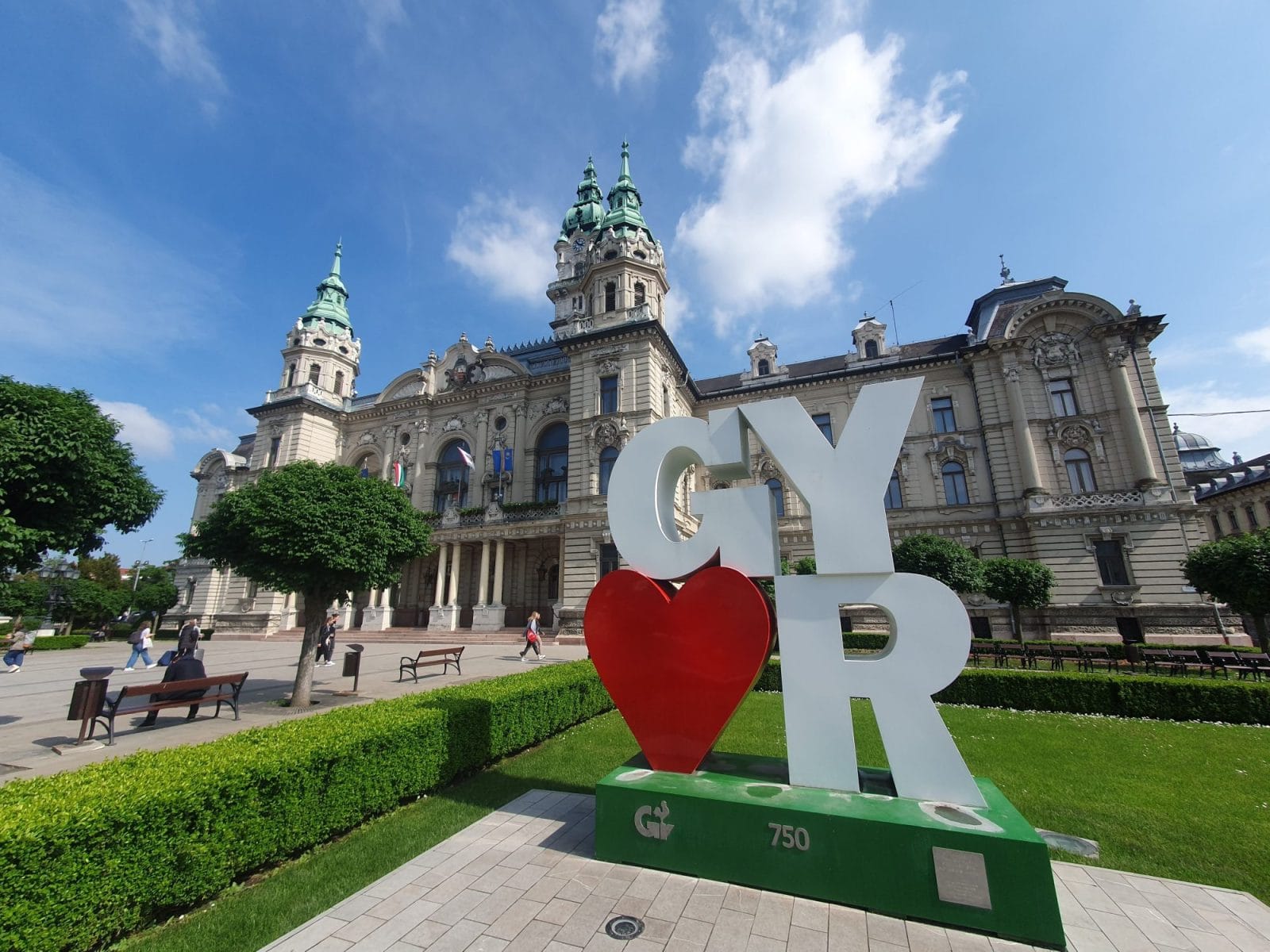
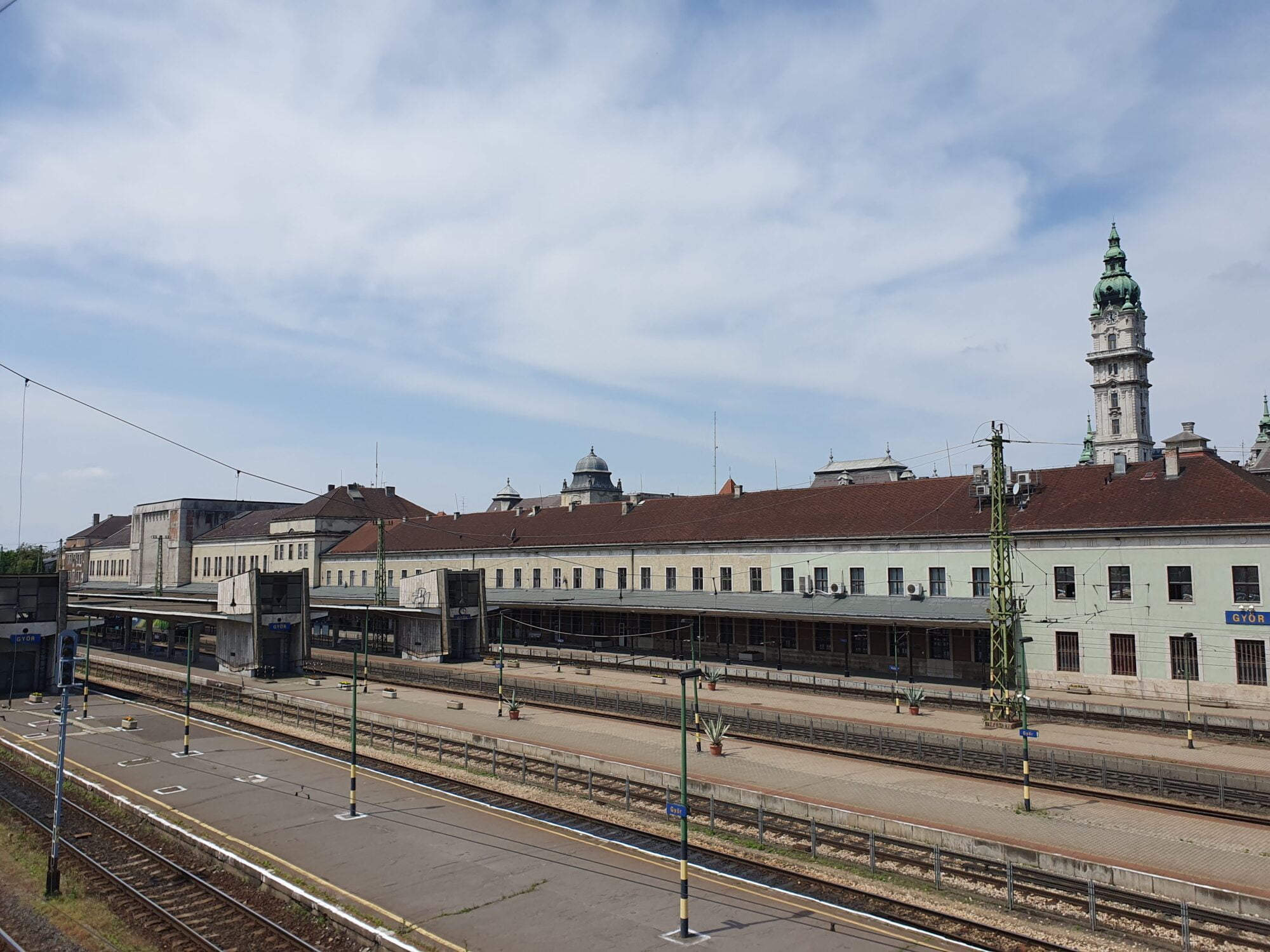
One of Győr’s most iconic buildings is the Town Hall, the city’s symbol, located near the railway station.
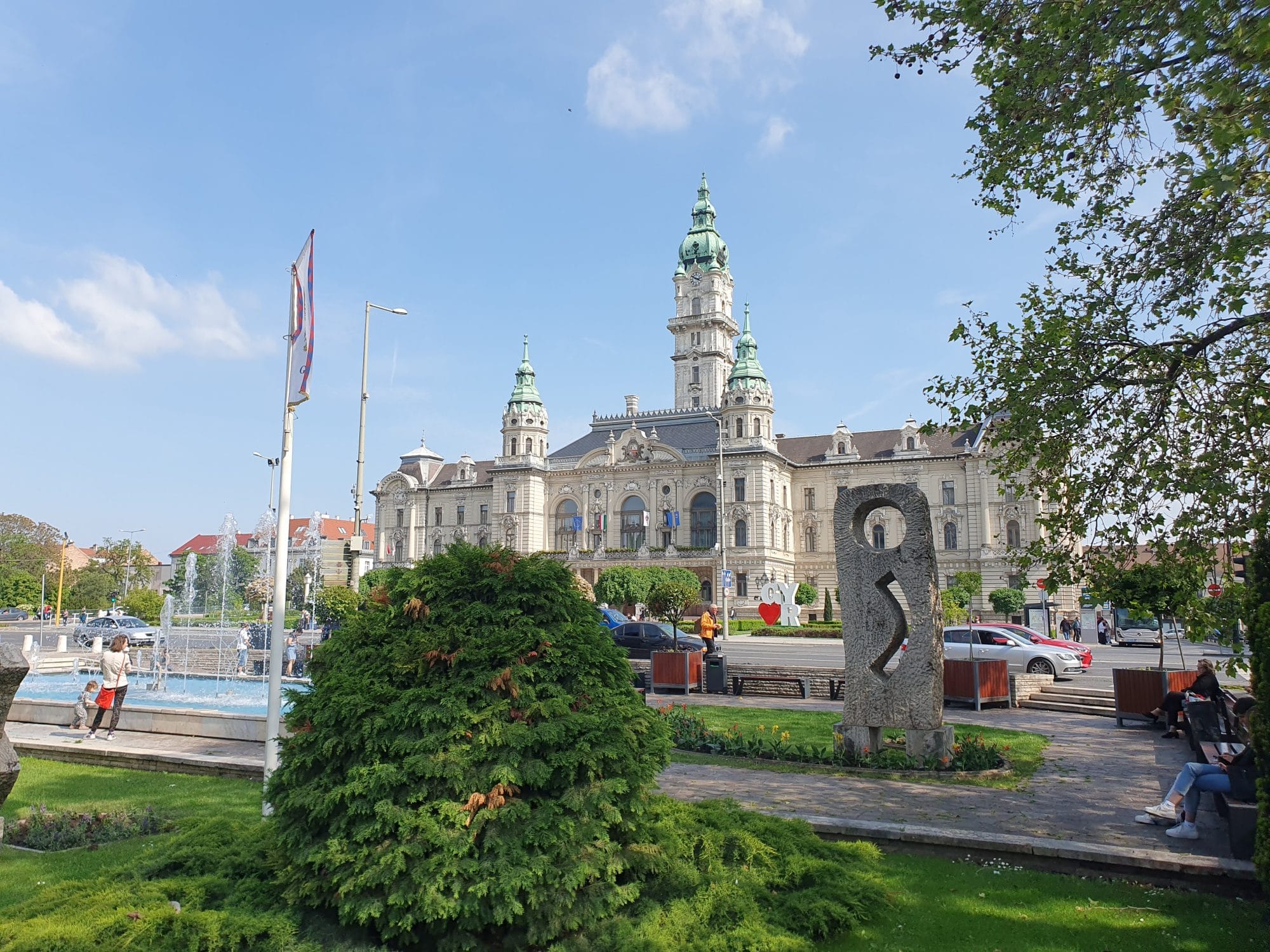
Architecturally, the building is neo-baroque, built between 1896 and 1898, and features many notable details. This includes the tower, which is 59 metres tall. Out front of the town hall are a ‘Love Győr’ sign and gardens, which are popular with tourists taking photos. Across the road is a fountain that sprays over a wooden walkway.
Sightseeing in the Historic Centre
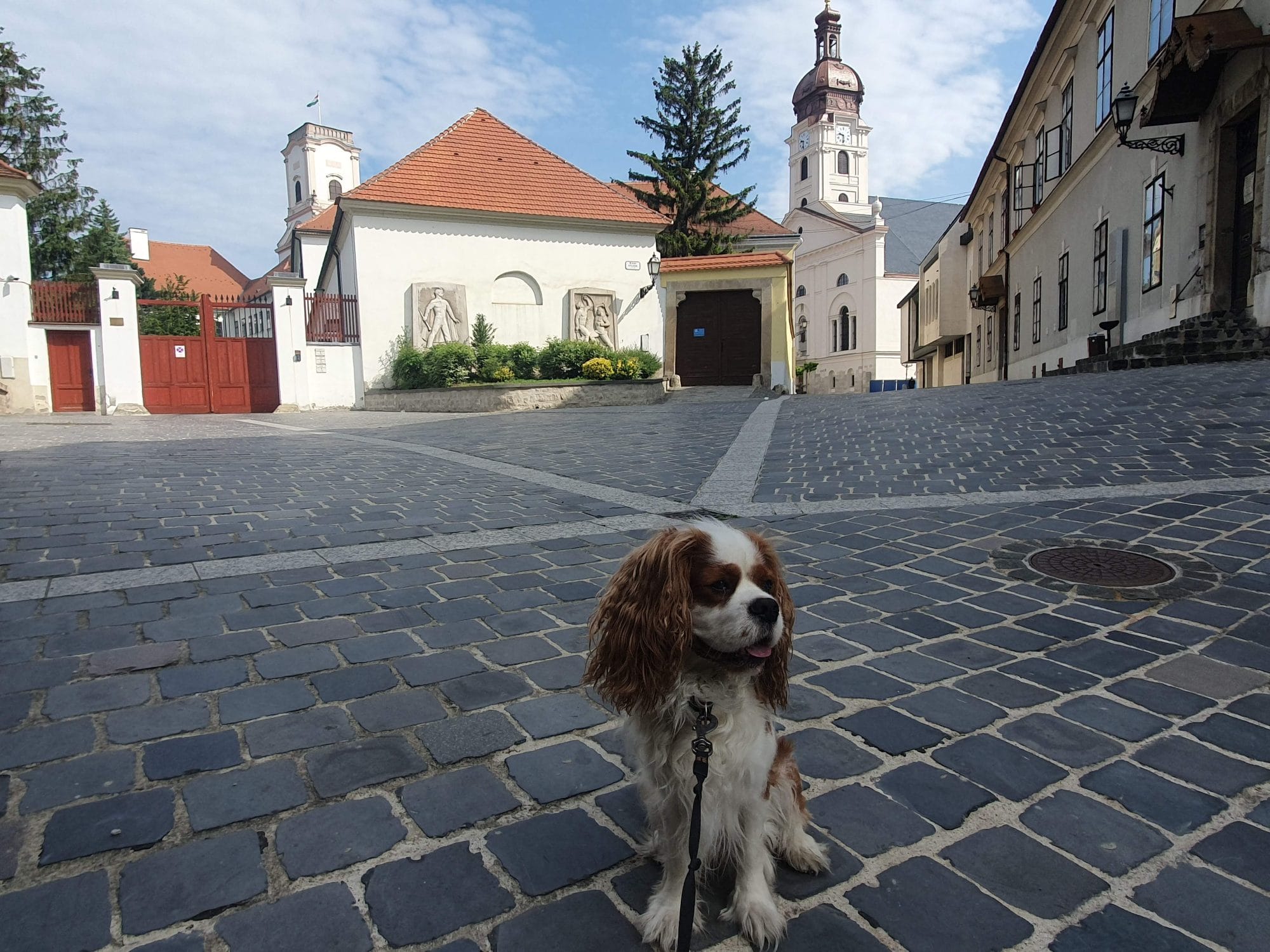
The Historic Centre is where you will find most of the city’s tourist attractions. This includes historic buildings, including churches and the castle. The area’s side streets and small squares are marvellous for sightseeing. There are also monuments and fountains to see while perusing this part of the city.
Baroque Architecture of Széchenyi Square
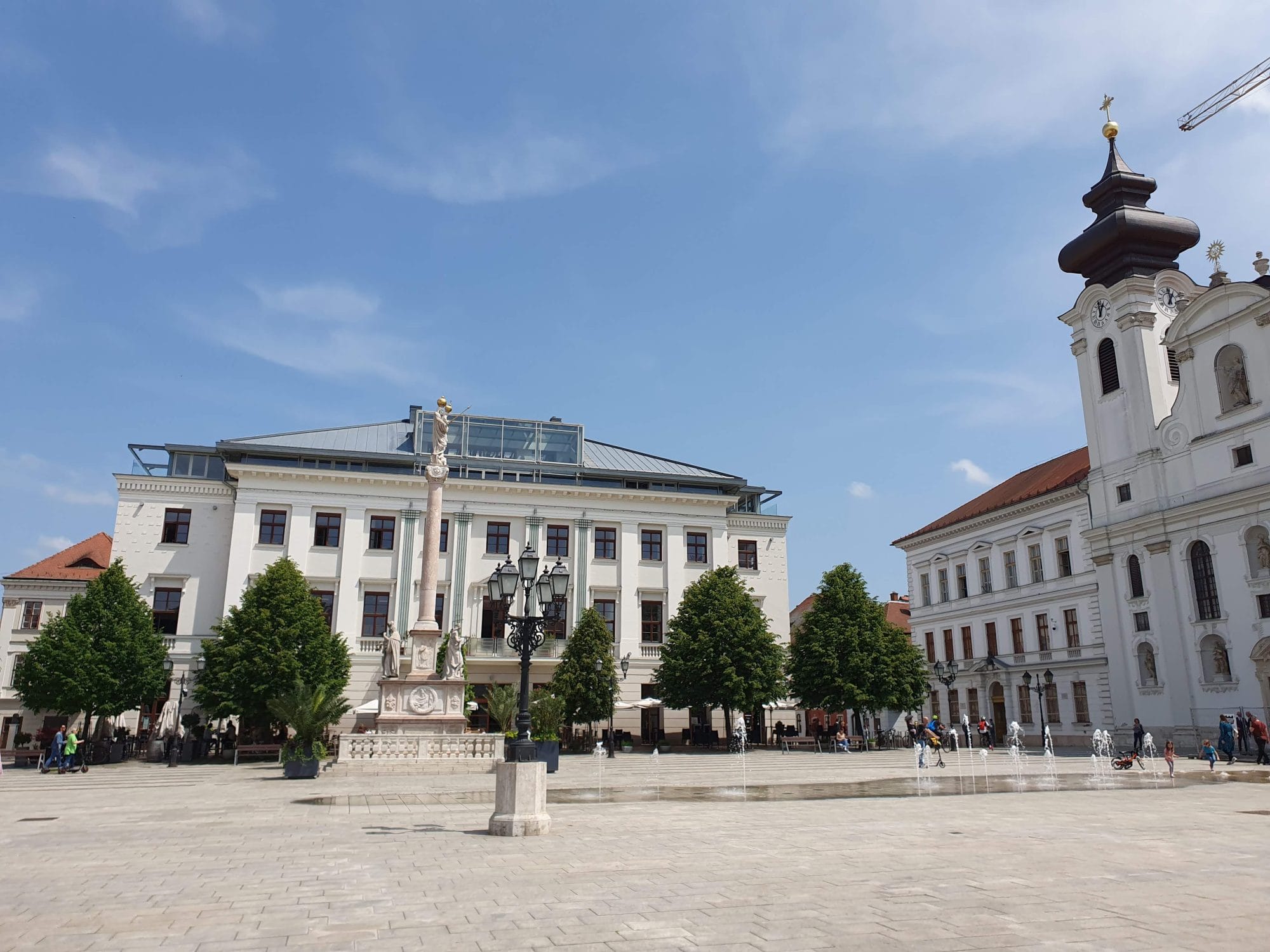
One of the main town squares is Széchenyi Square, a pleasant place to visit or hang out. Buildings on the edges include the Benedictine church, the abbot’s house and Baroque palaces. Most buildings in the square date from the 17th and 18th centuries. There are also monuments in Széchenyi Square, including the Mary Column.

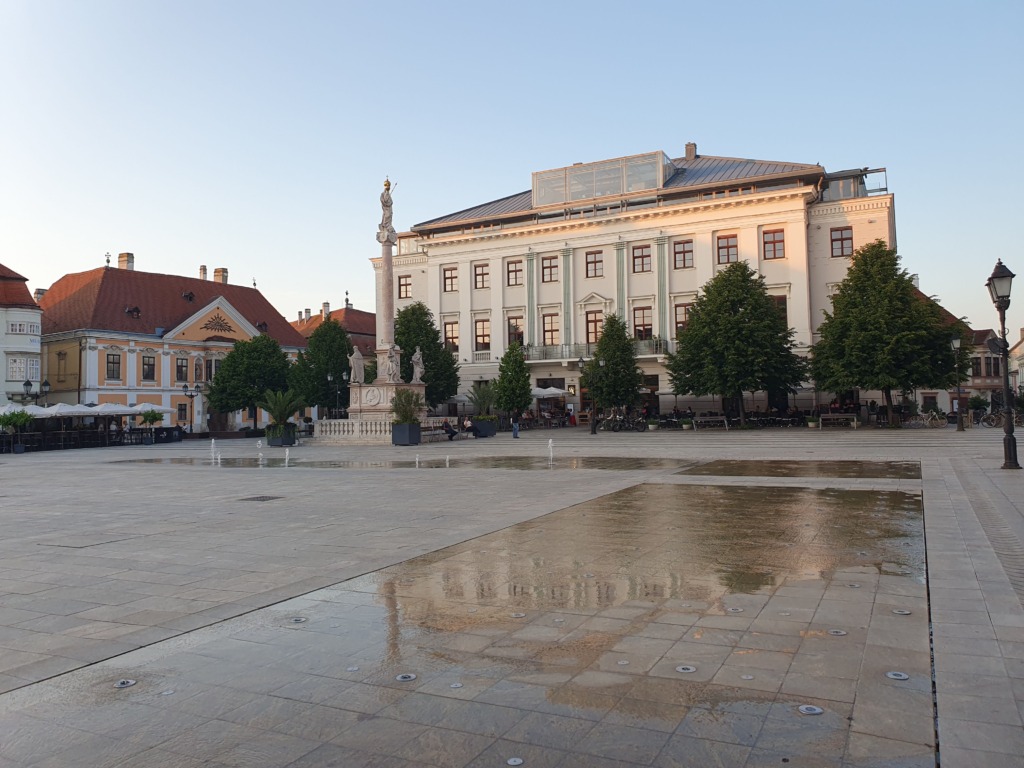
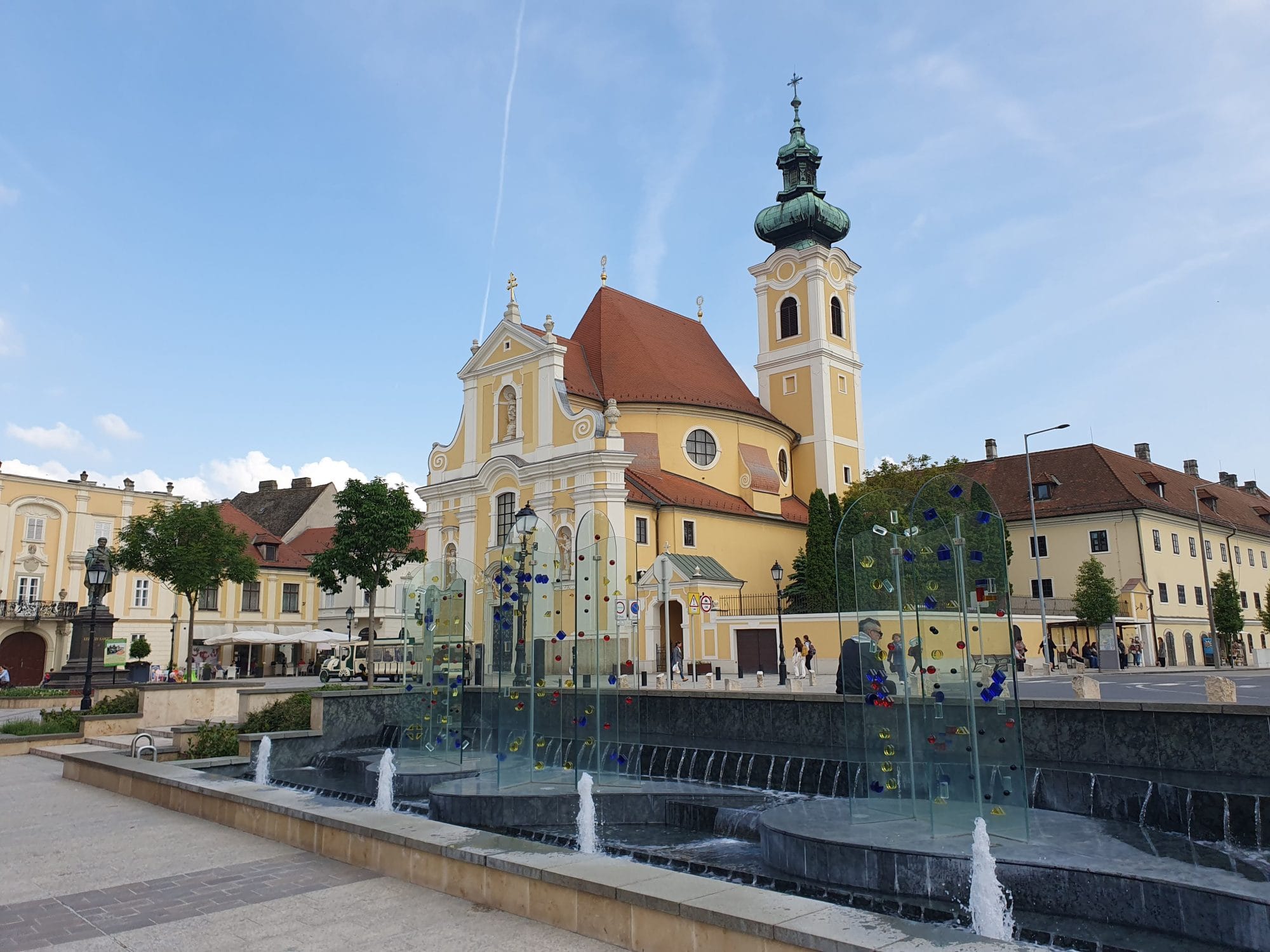
There are also nifty fountains that you can walk through. In the corner is a model of the square to help visitors identify the buildings. The square has a bit of a dark history, first with a Turkish prison underground here. In front of the abbot’s house was a place of execution for noblemen. Then, the last witch-burning took place here in 1710. After that, in 1714, Julianna Géczy, AKA the white woman from Lőcs, was beheaded here.
The Abbot’s House
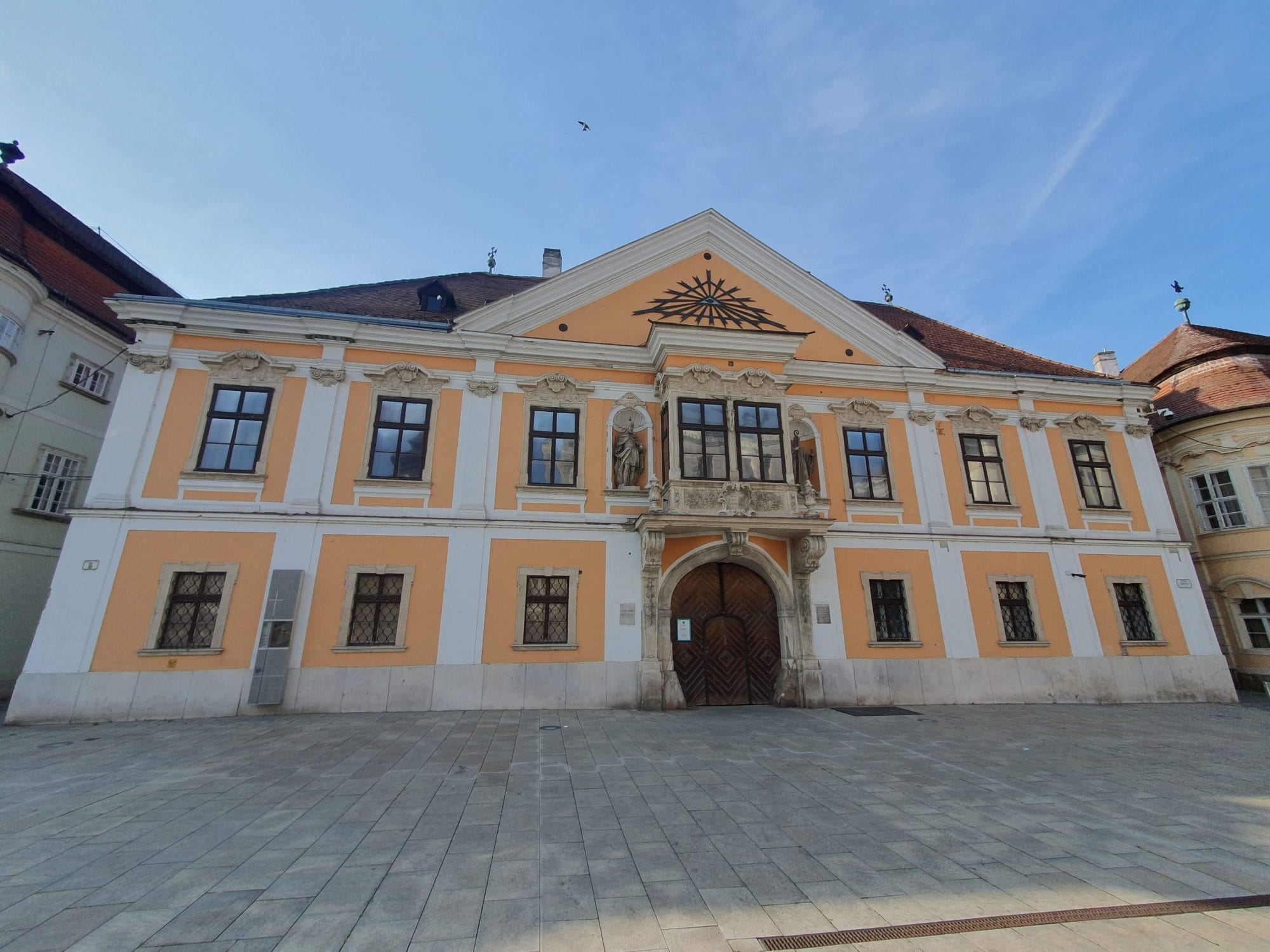
In Széchenyi Square is the Abbot’s House, a distinctive building built in the 1740s with what looks like the Eye of Providence near the roof. The Abbot’s House is known locally as Apátúr-Ház. The building has other decorative features to see.
St Ignatius Benedictine Church
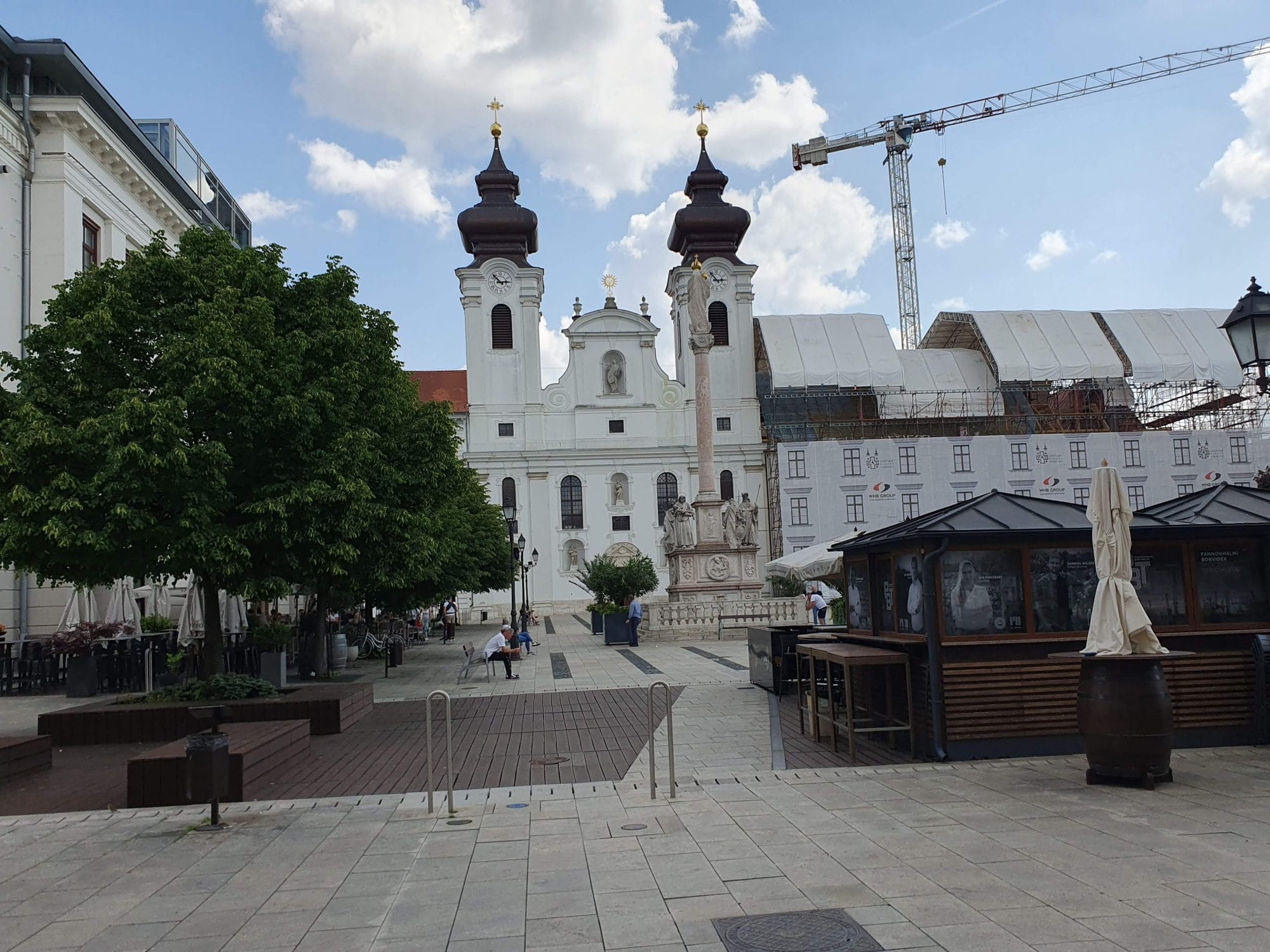
One of the most distinctive buildings in Széchenyi Square is St Ignatius Benedictine Church. It’s a lovely building to see with two spires that you can see from various parts of the city, including the Bishop’s Tower.
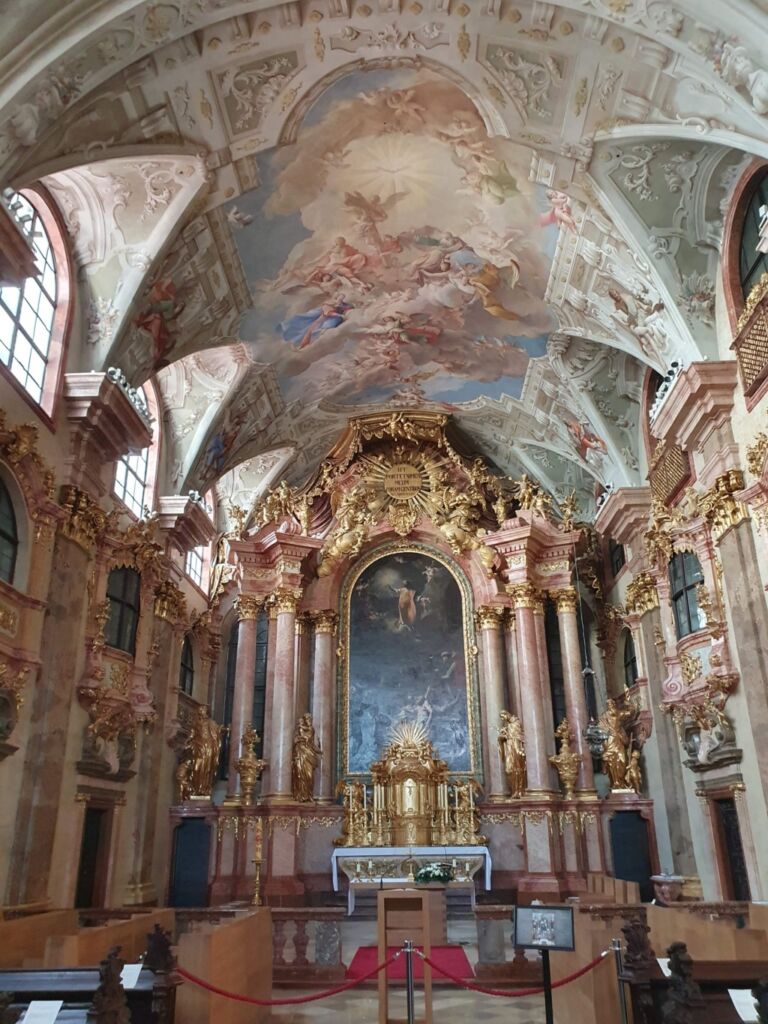
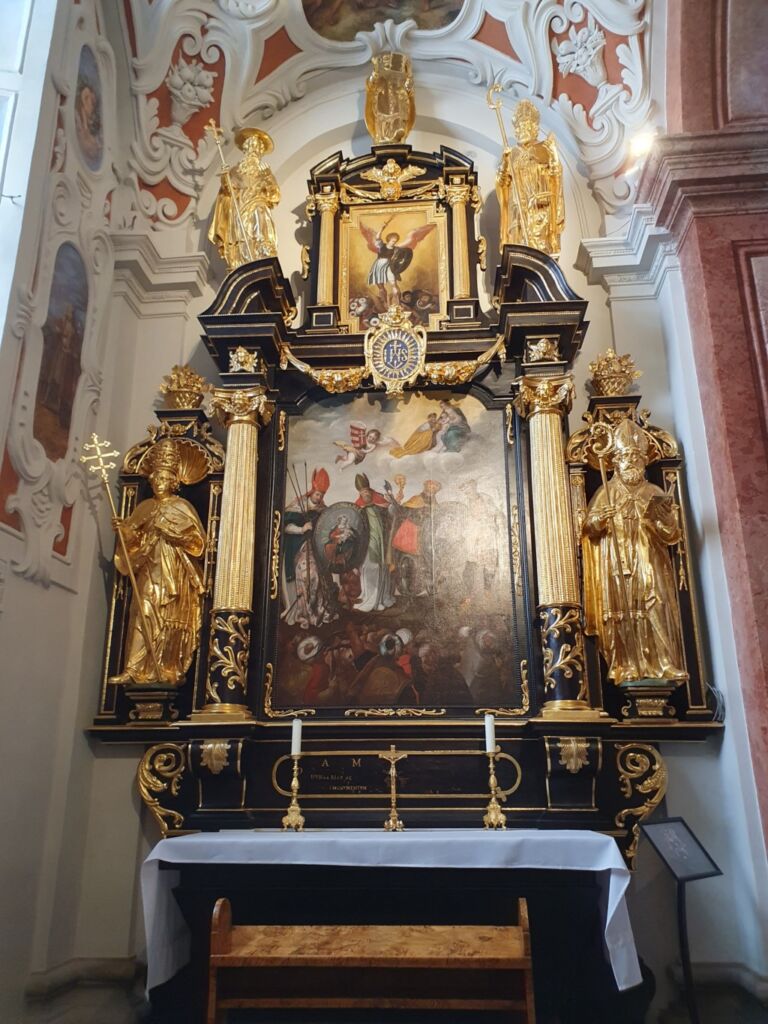
The Jesuits built St Ignatius Benedictine Church in the first half of the 17th century. The building was completed in 1641 after settling in Győr in 1627. Attached to the church are a monastery and a school, which date from 1667. Since 1802, the church has belonged to the Benedictines after the dissolution of the Jesuit order.
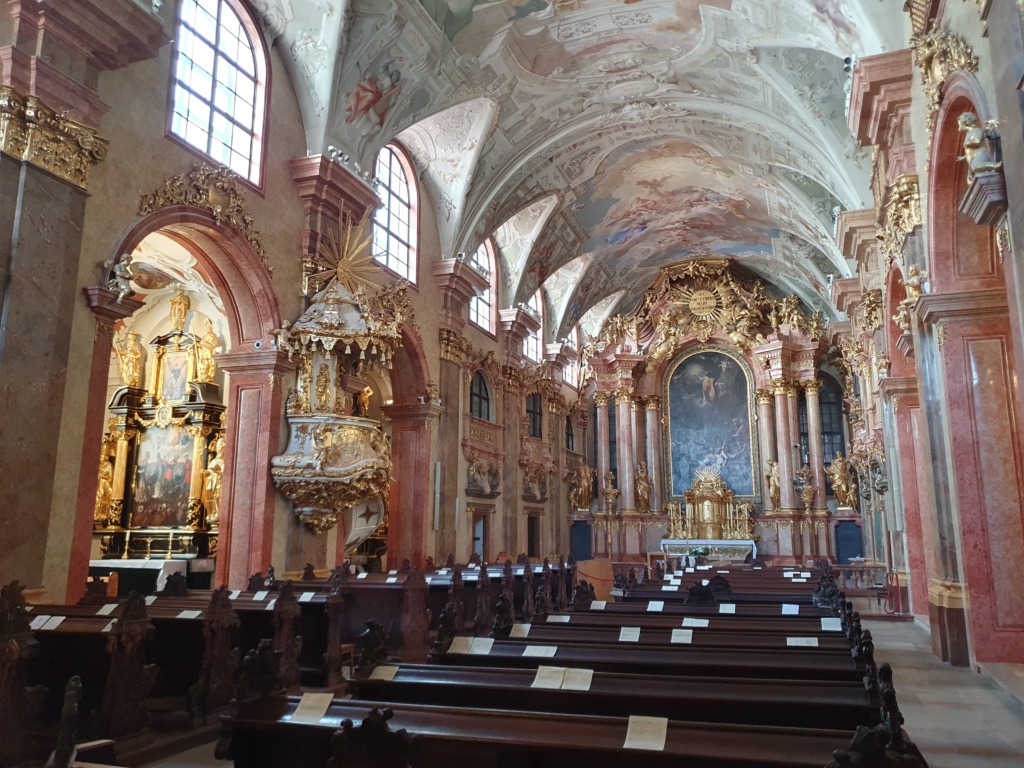
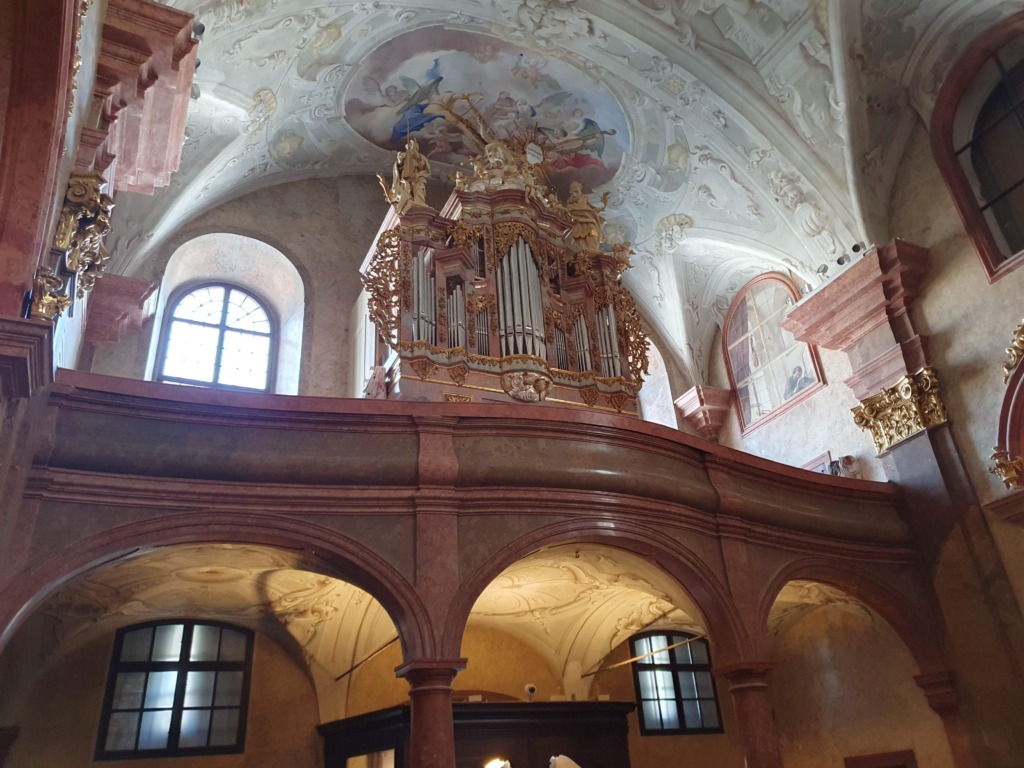
The interior of the church is decorated in the early Baroque style, and it is very nice to see. Highlights of my visit were the barrel-vaulted ceiling, which has a fresco of the Annunciation, and also portraits of Old Testament prophets. The side chapels and the organ caught my eye. You can visit the church for free and have a peaceful mooch around or take time to reflect.
Cathedral Basilica of the Assumption of Our Lady
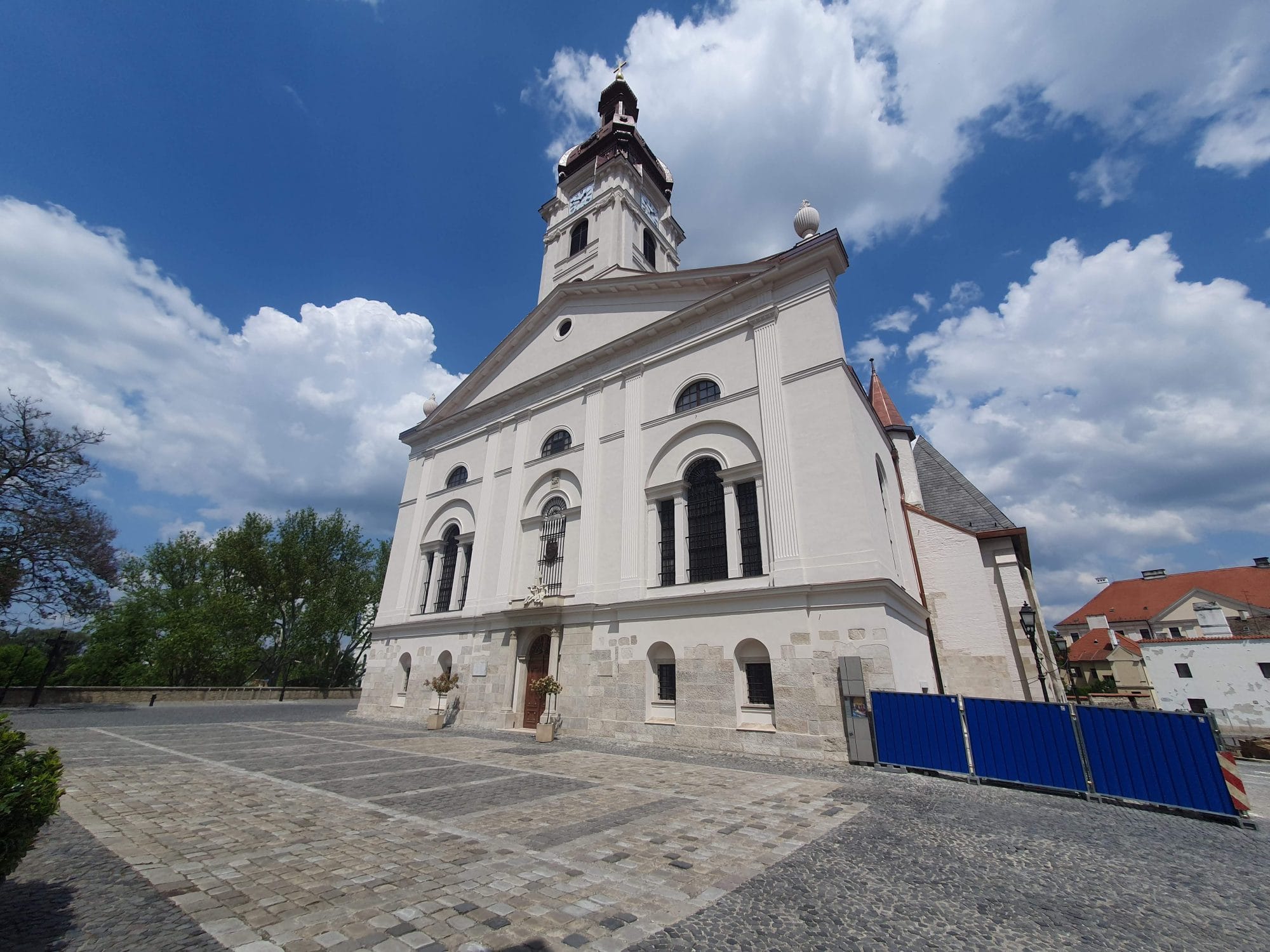
The cathedral’s full name is Cathedral Basilica of the Assumption of Our Lady. It is next to the Bishops Tower and a few other tourist attractions.
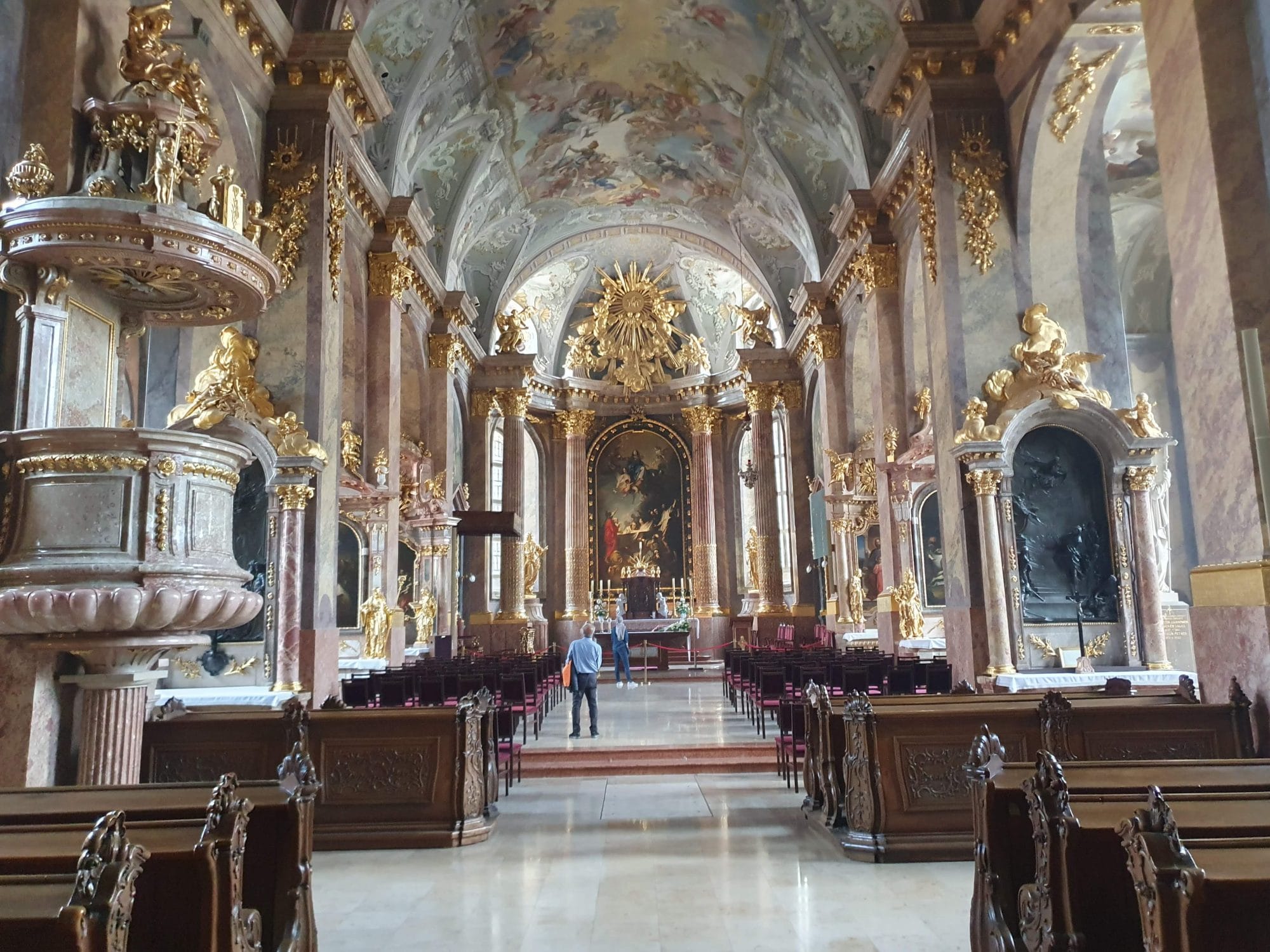
Inside, the church is beautiful, with artworks and decorative features. One of the unique features of my visit was seeing a gold head of Saint Ladislaus’s Hermitage in a side room.
Győr Monastery and Church
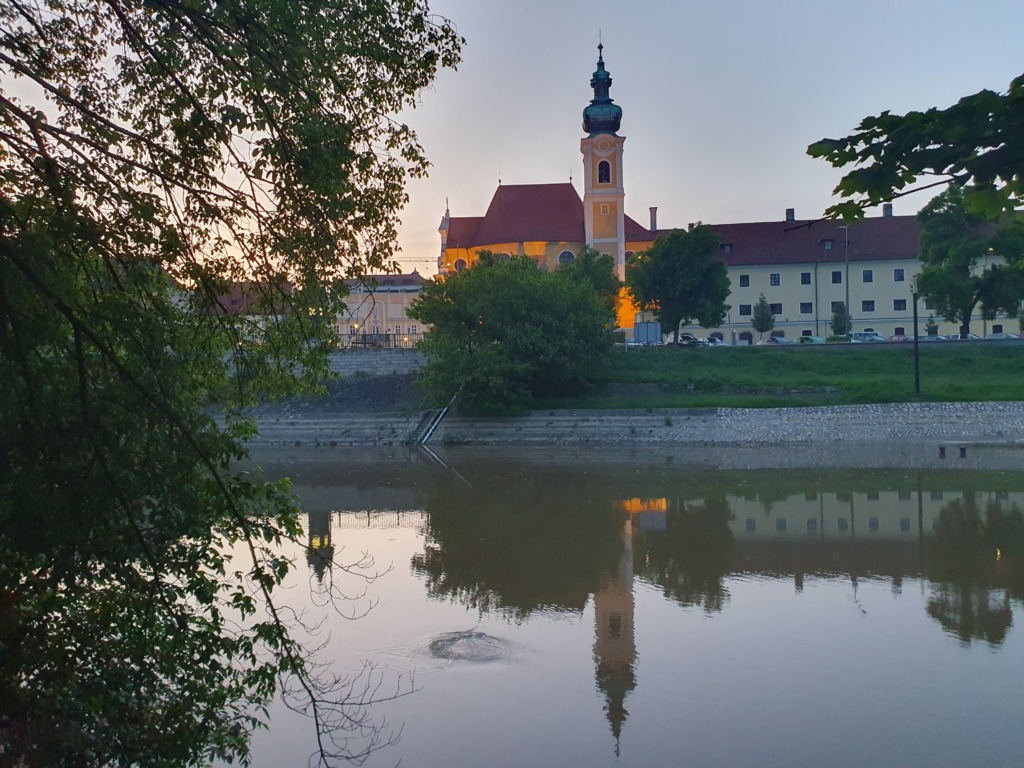
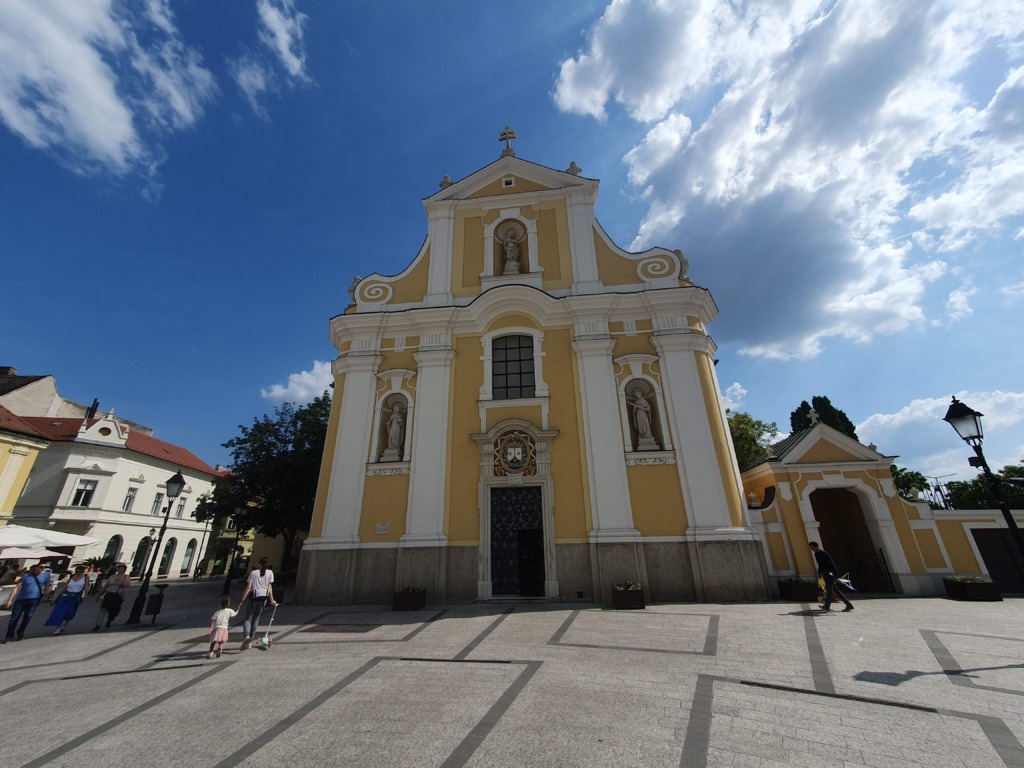
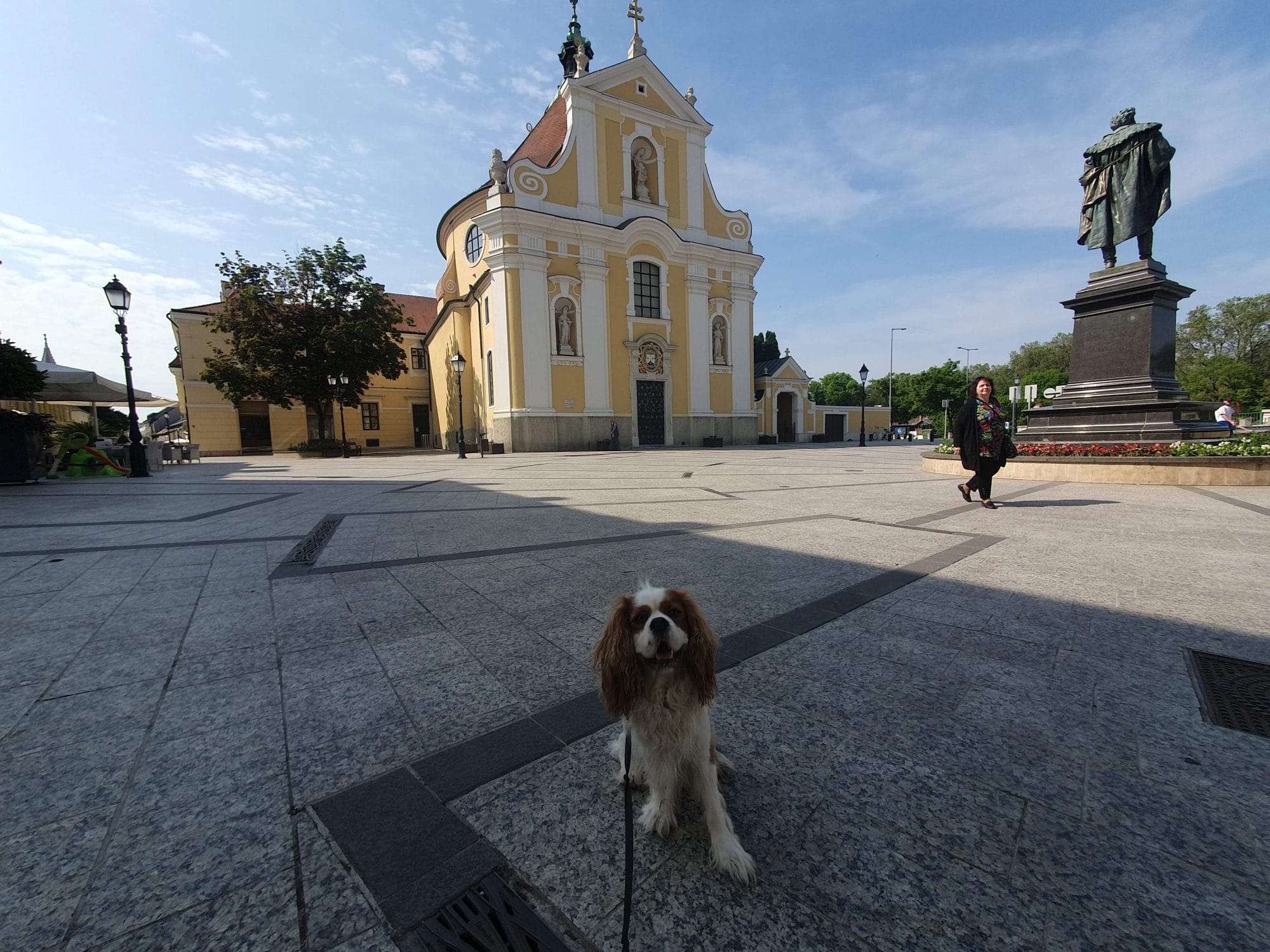
The Church of Our Lady of Kármelhegyi, also known as Győr Monastery and Church, is a pretty church; however, it is rarely open, and it took me a few tries to visit the inside. The church is attached to a convent and was consecrated in 1725. The church is a fantastic Baroque building, and the statues outside are considered to be the most beautiful Baroque statues in Hungary.
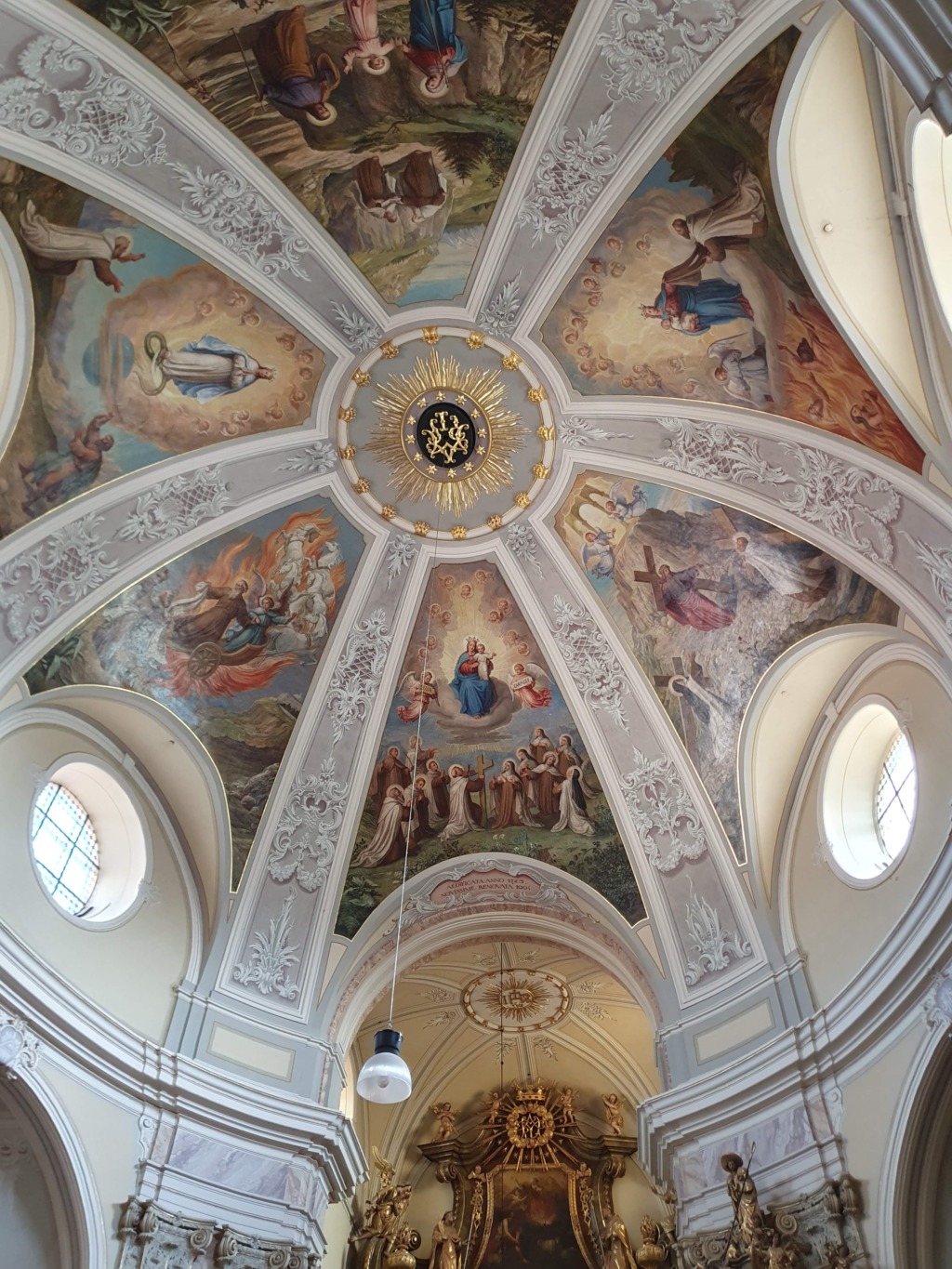
Admission is free, and you can see beautiful artwork on the ceilings and walls.
Fortifications of the Bishop’s Castle
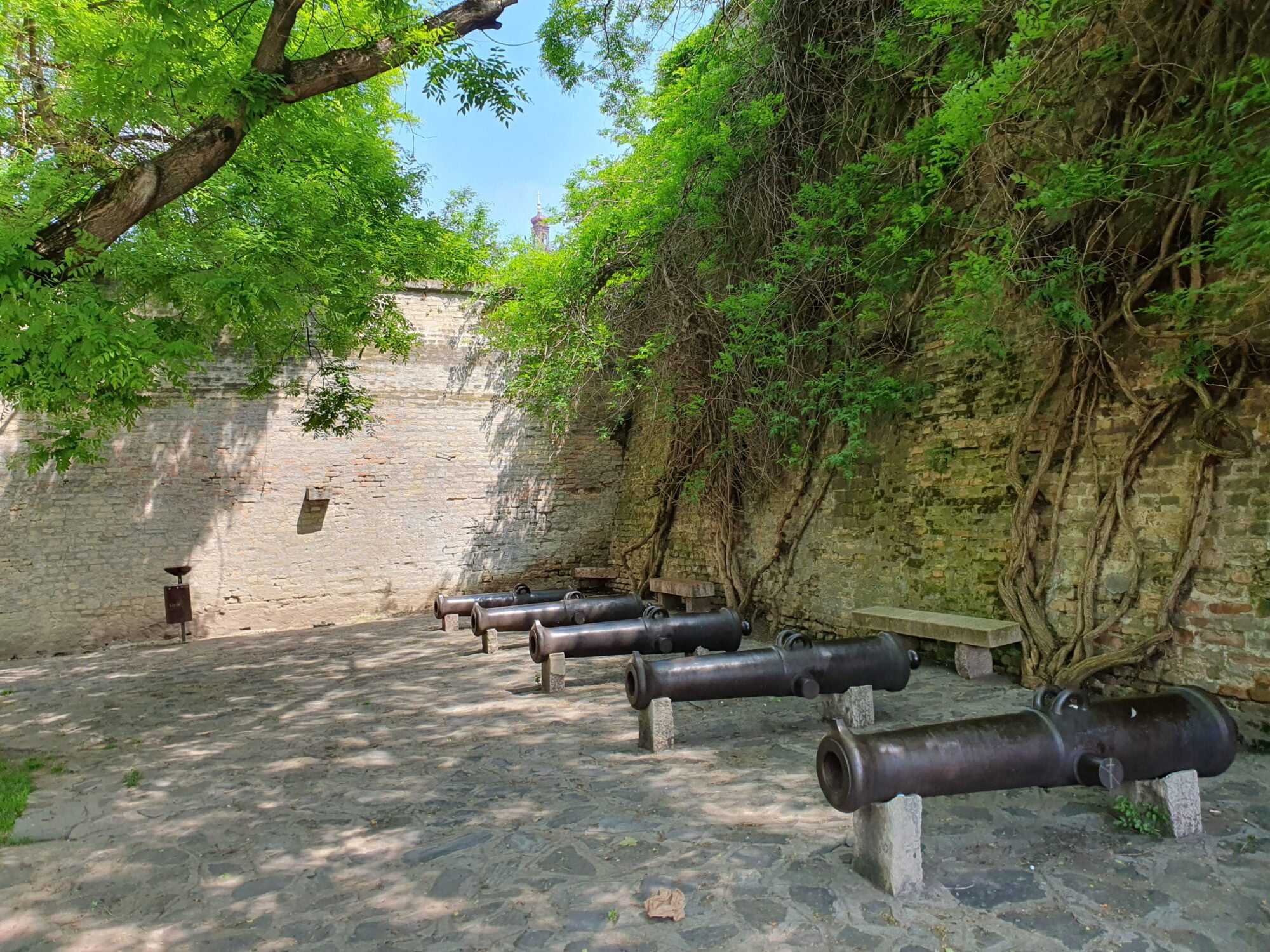
The fortifications of the bishop’s castle are formidable and run alongside the river in the city. Two bastions remain of the castle, about 10 metres tall.
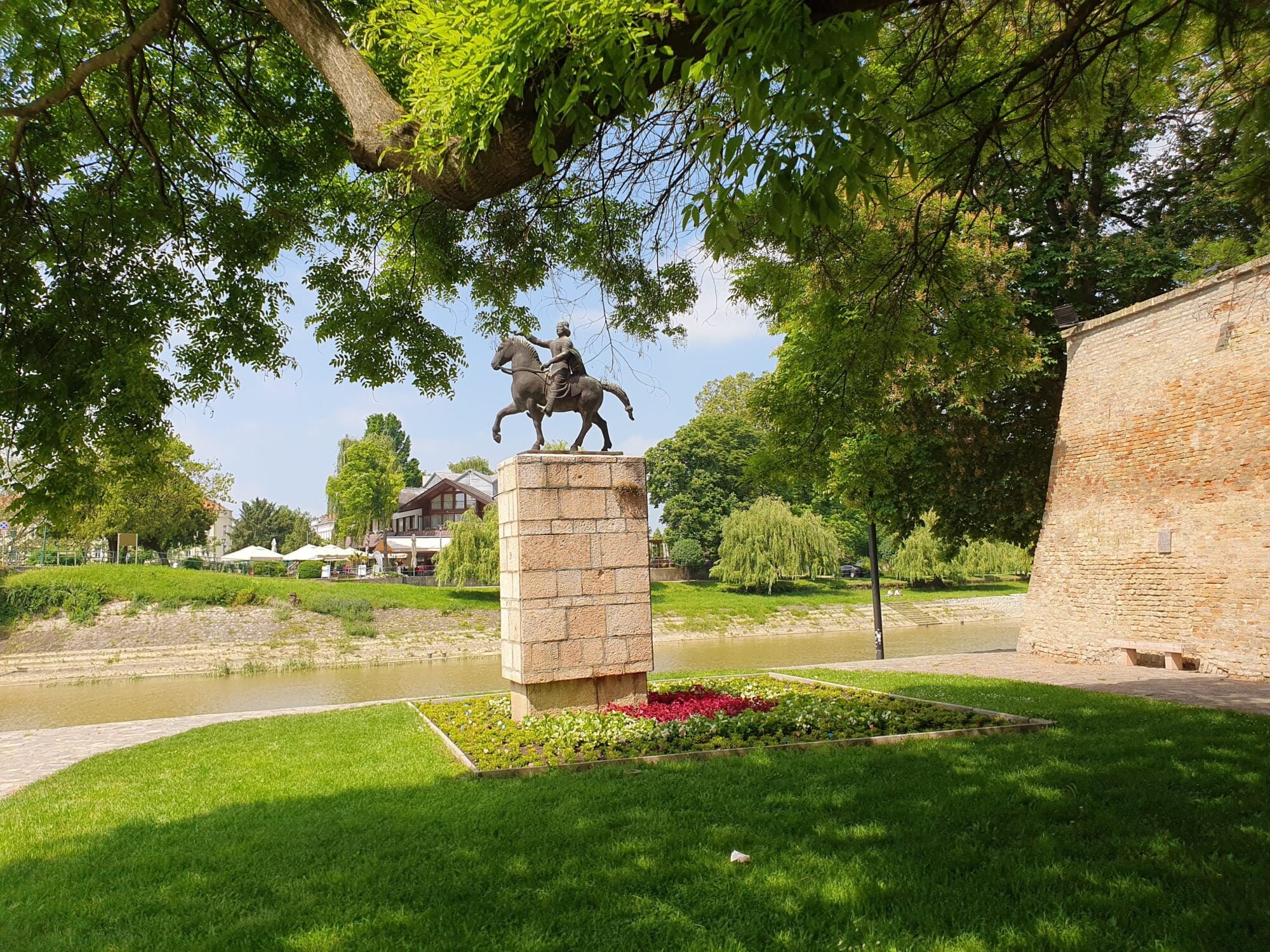
Alongside the castle walls is a nice place to sit on benches and enjoy views of the river and the fortress. The centrepiece of this is an equestrian statue of Saint Stephen.
Bishop Tower Lookout

The Bishop Tower Lookout is part of the larger Bishop’s Castle and offers panoramic views. To visit this attraction, you need to purchase tickets down the road.
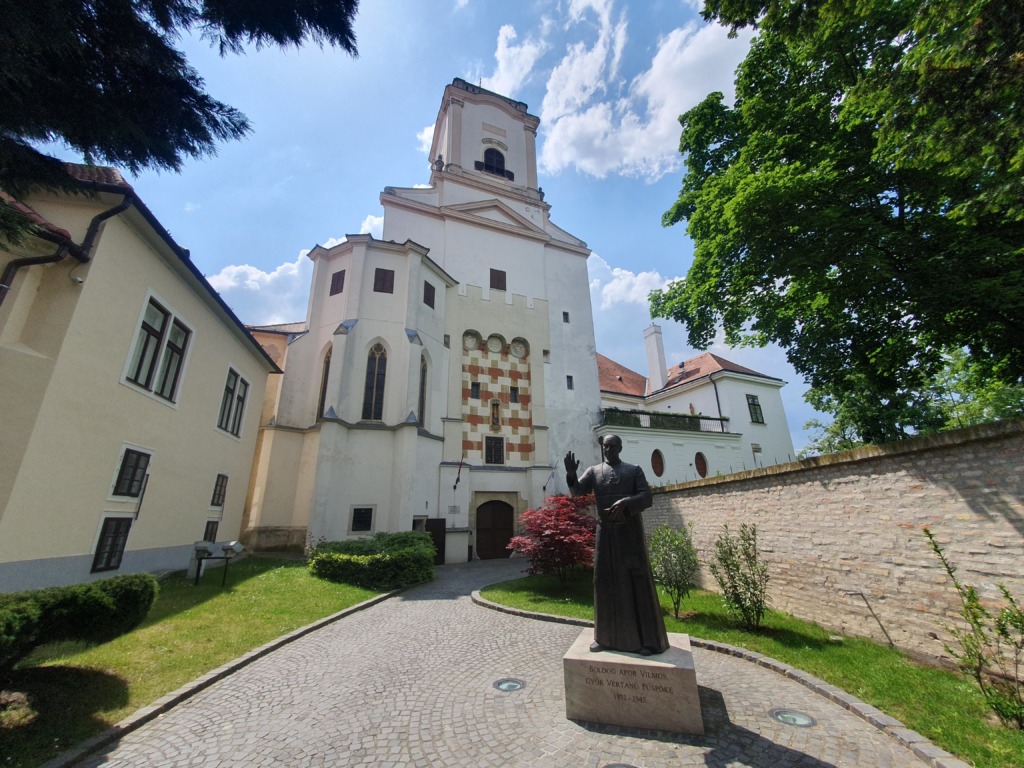
Inside the Bishop Tower Lookout, artwork includes a history of past bishops. It is still home to the current Bishop of Győr. The first floor of the tower dates back to the 14th century; however, the upper floors were added in the 18th century. The castle’s site has been in use since the Roman era.
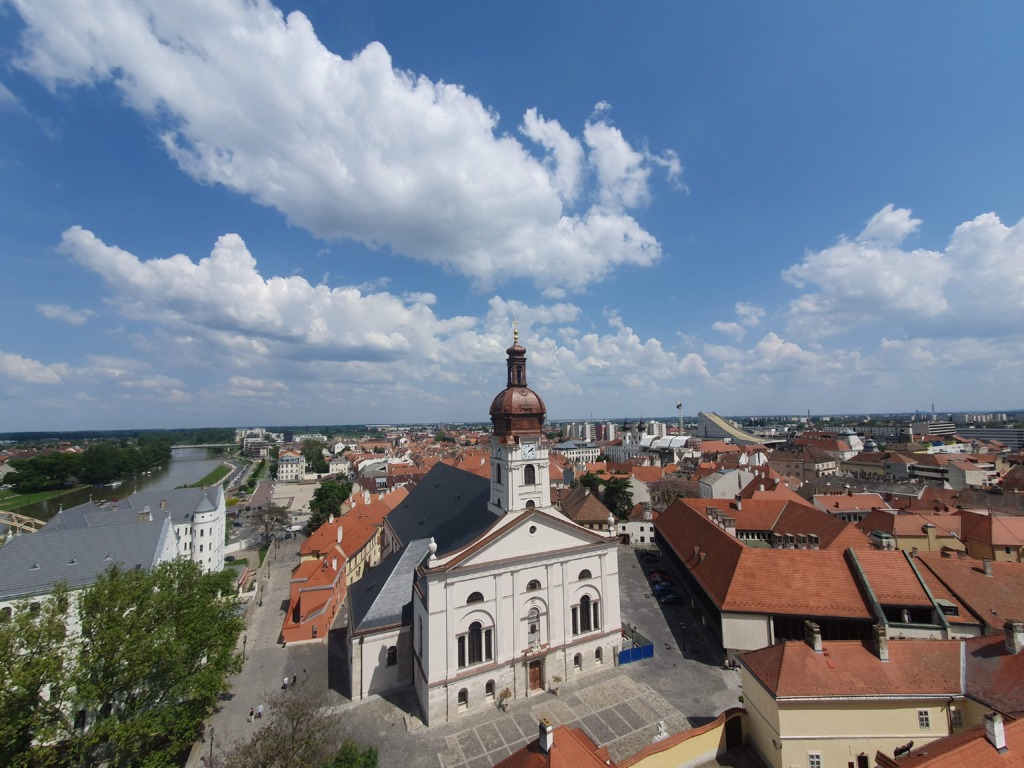
After reaching the top, there are delightful views, including baroque spires and towers of the city. You also get a bird’s-eye view of the rivers and the nearby thermal baths. Metal maps help you identify buildings from the view.
Várkazamata-Kőtár in The Castle Dungeon
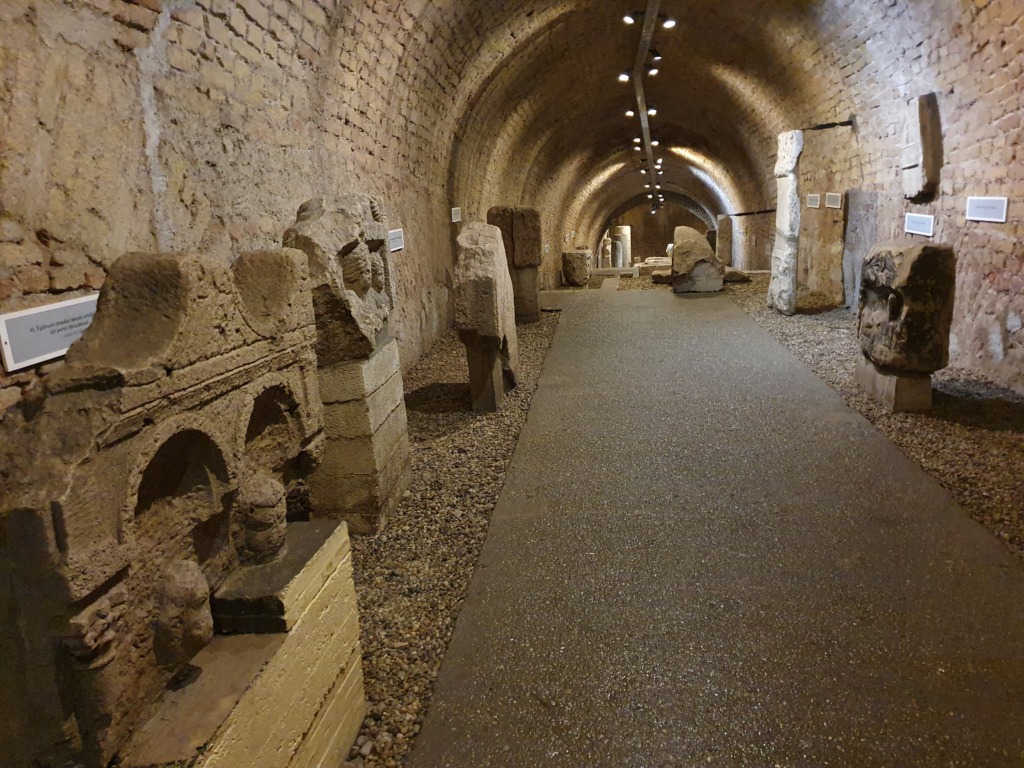
A museum to visit in the historic centre of Győr is Várkazamata-Kőtár, which is in the former castle’s dungeons. This place serves as the town’s archaeological museum and houses a collection of stone relics from the Roman and medieval eras.
Ark of the Covenant Statue
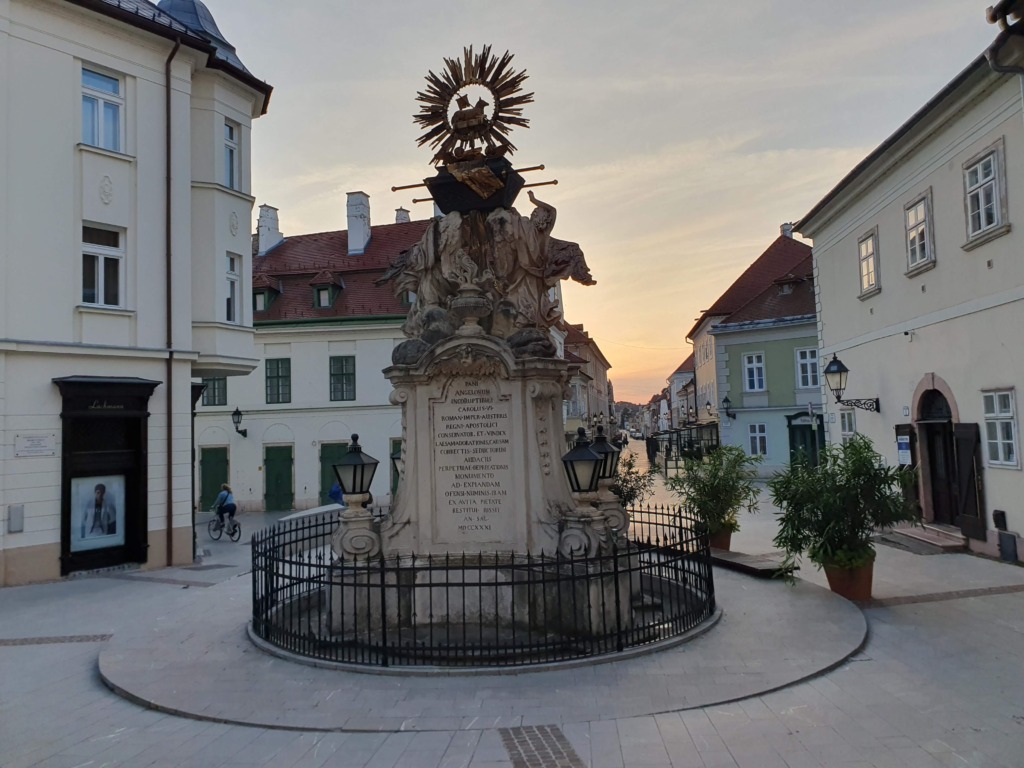
The Ark of the Covenant statue is centrally located down the hill from the bishop’s tower and basilica. It is Baroque in design and includes angels carrying the Ark of the Covenant. The monument dates to 1731, commissioned by the Hungarian monarch. A legend attached to the monument involves enemy soldiers, a cardinal, and the king.
Ruins of St Lazarus church
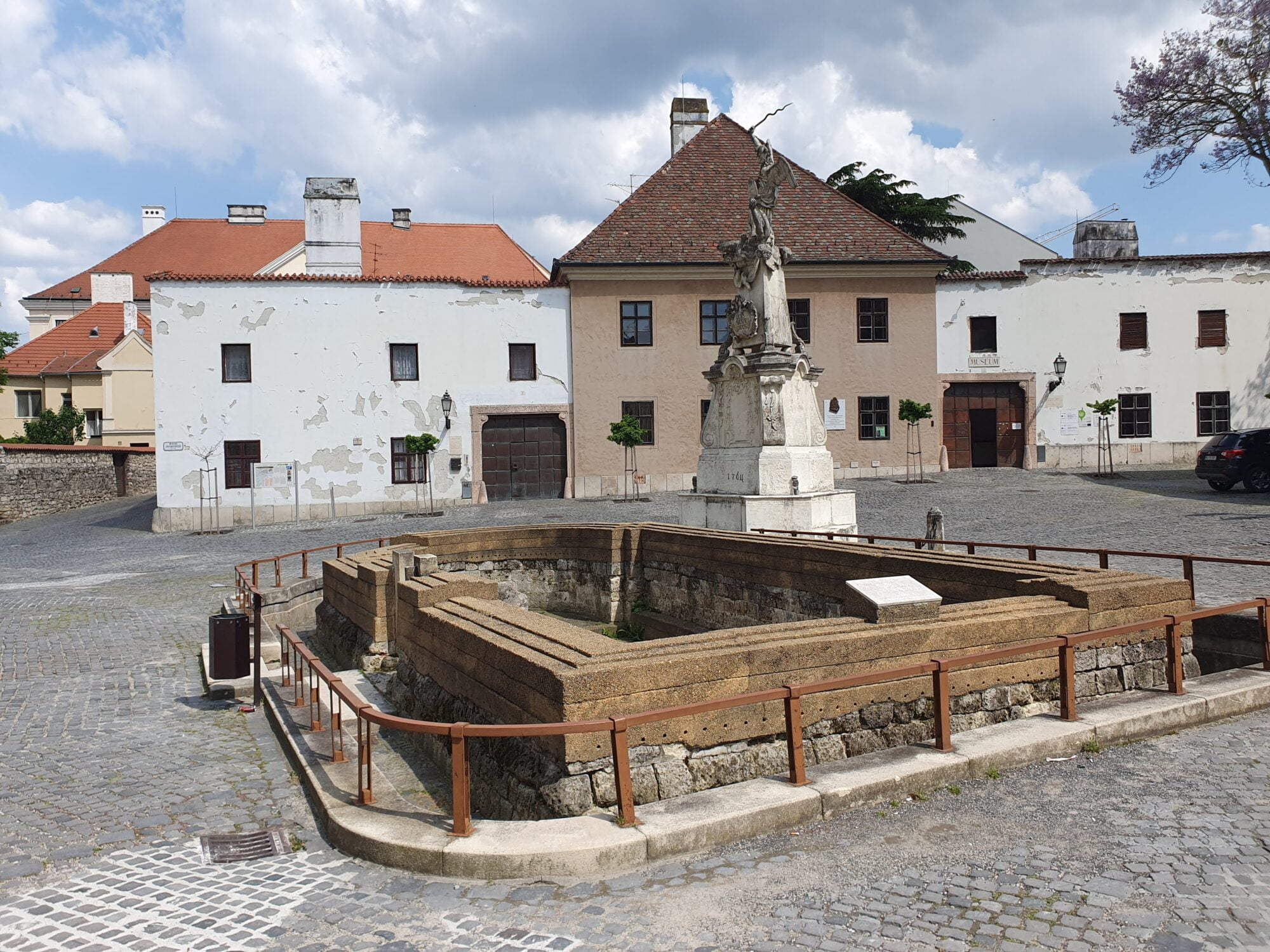
Next to Győr Basilica in Bishops Square are the ruins of St Lazarus Church. These date from the 11th and 12th centuries. Overlooking the ruins is a statue of St Lazarus.
Zichy Palace
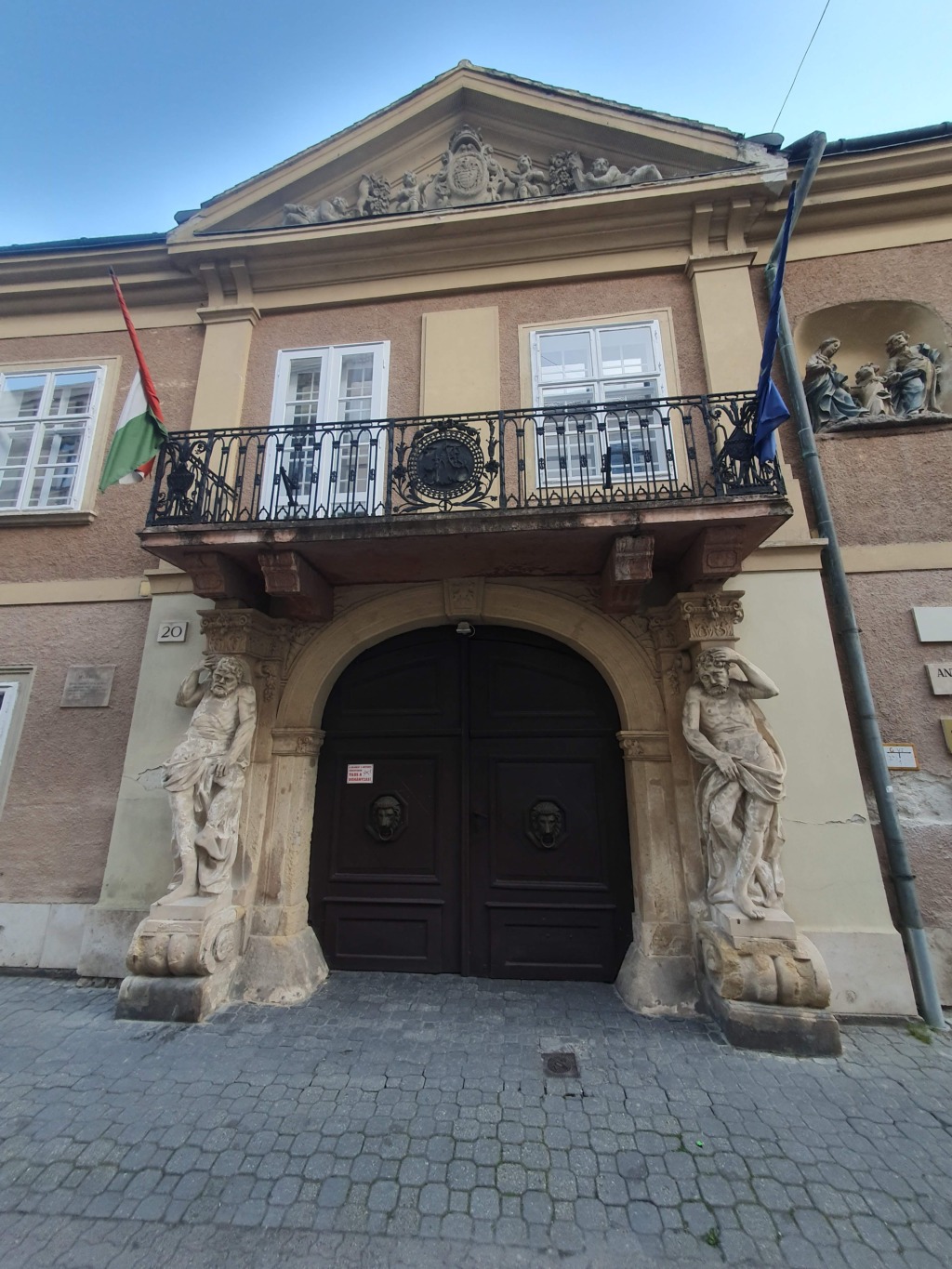
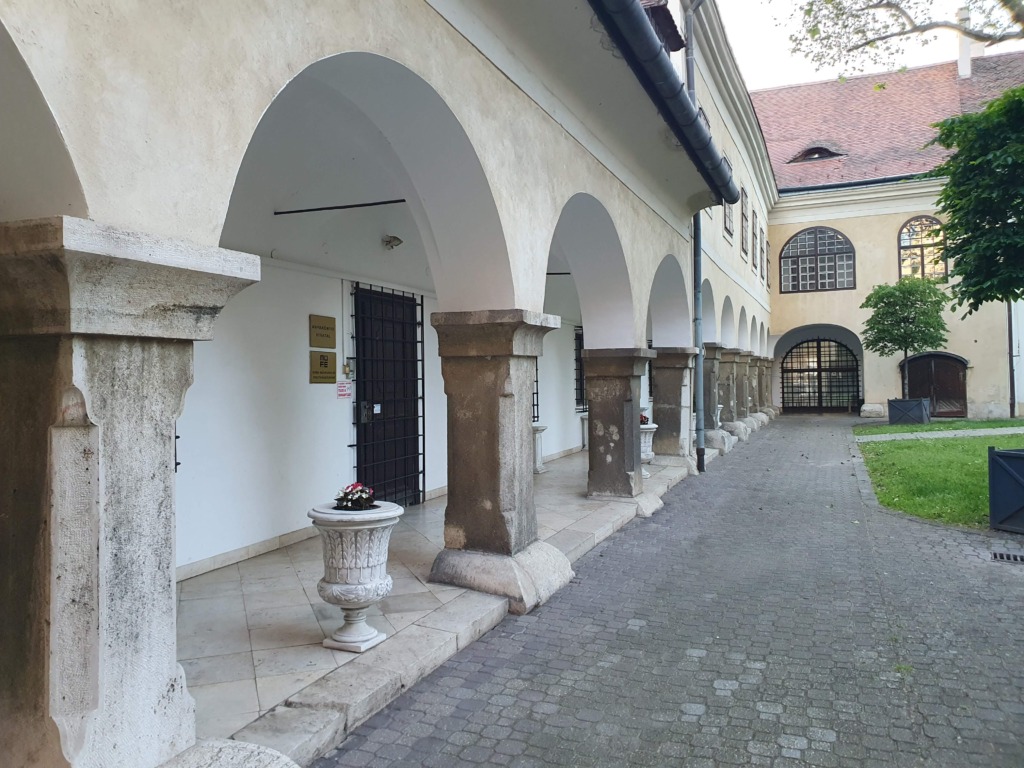
Another nice Baroque building with arcades and courtyards is Zichy Palace. The history of Zichy Palace dates from 1624; however, it has been rebuilt and remodelled multiple times since. It’s currently used as a wedding venue.
Fountains
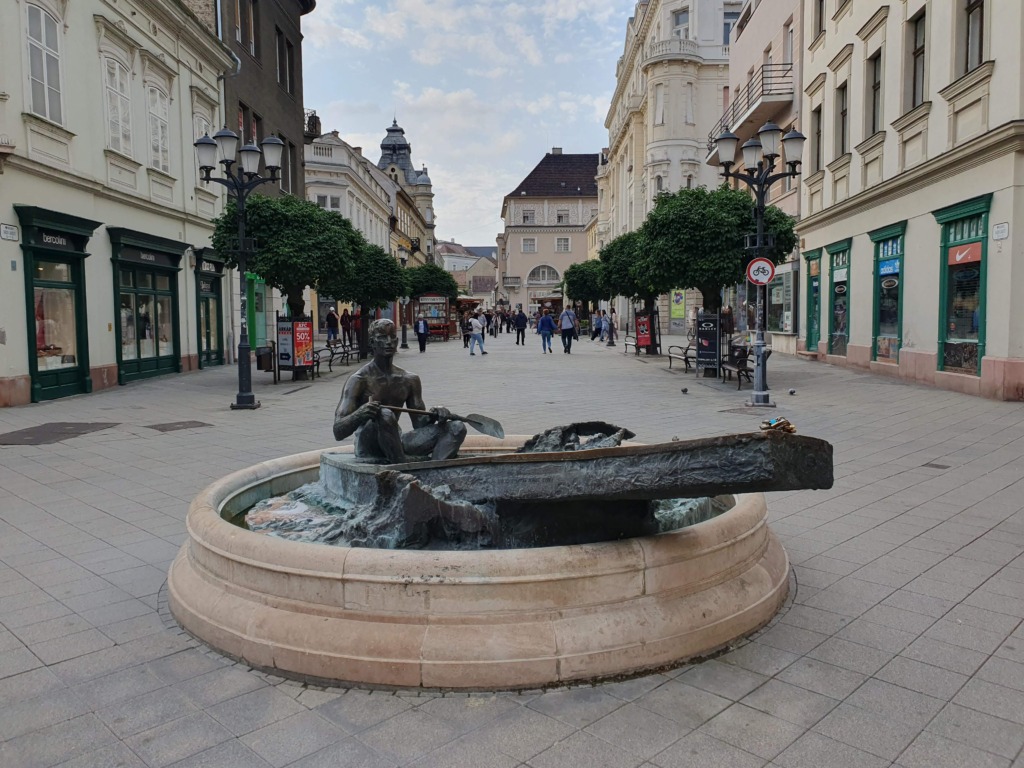
There are a few quirky fountains in Győr. The Boatman sculpture and fountain are on the city’s principal shopping street. It is called Csónakos fiú in Hungarian. It’s basically a bronze statue of a man in a canoe, which fits in well with the city’s prominent rivers.

Another one in the central areas is Jedlik-csobogó, which has an interesting design. As well as being a decorative fountain, this has a drinking tap too. It’s a modern fountain, built in 2012. It is a turquoise soda bottle that was created by a local glass artist, László Hefter.
Statues of Pálffy and Schwarzenberg
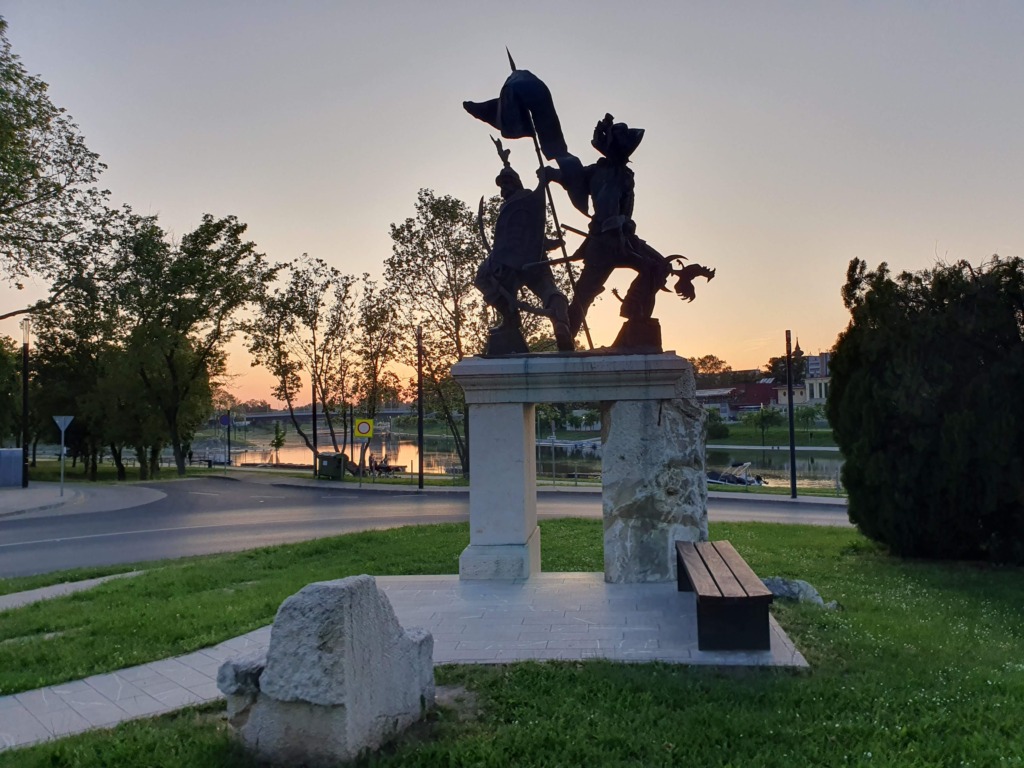
The statue of Pálffy and Schwarzenberg near the Kossuth Bridge is worth seeing. It was erected to commemorate the 400th anniversary of Győr’s liberation from the Ottomans. It shows the two generals, Adolf Schwarzenberg and Miklós Pálffy. These were the leaders who took the castle back from the occupying Ottomans.
Walk by the River Rába
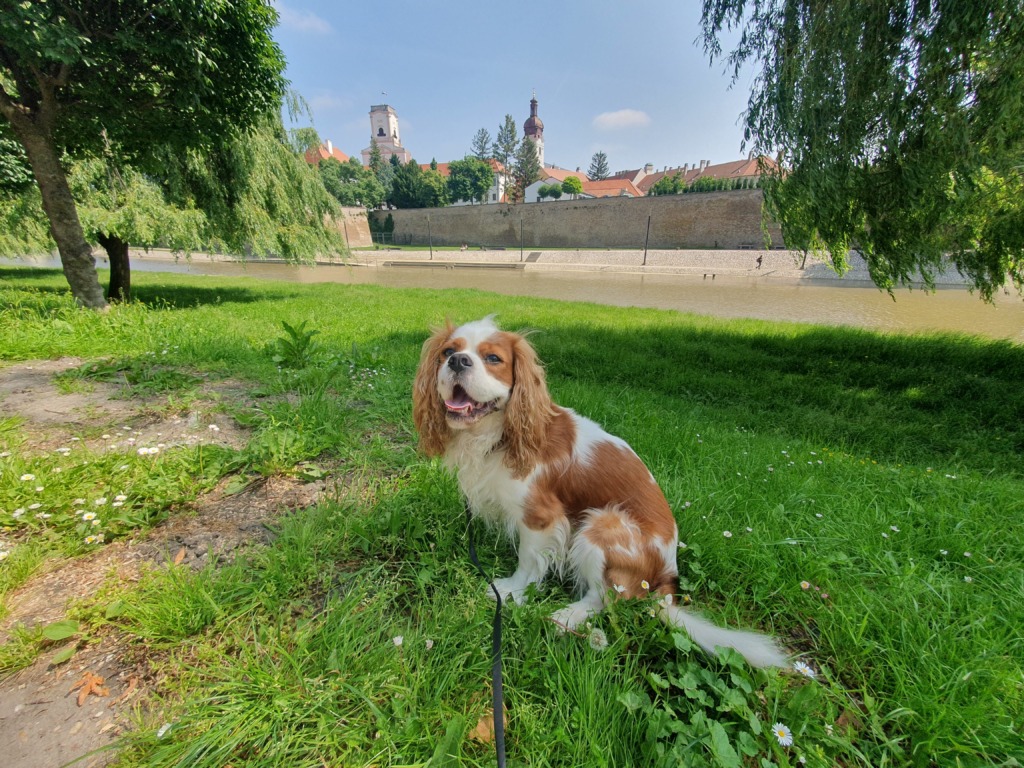
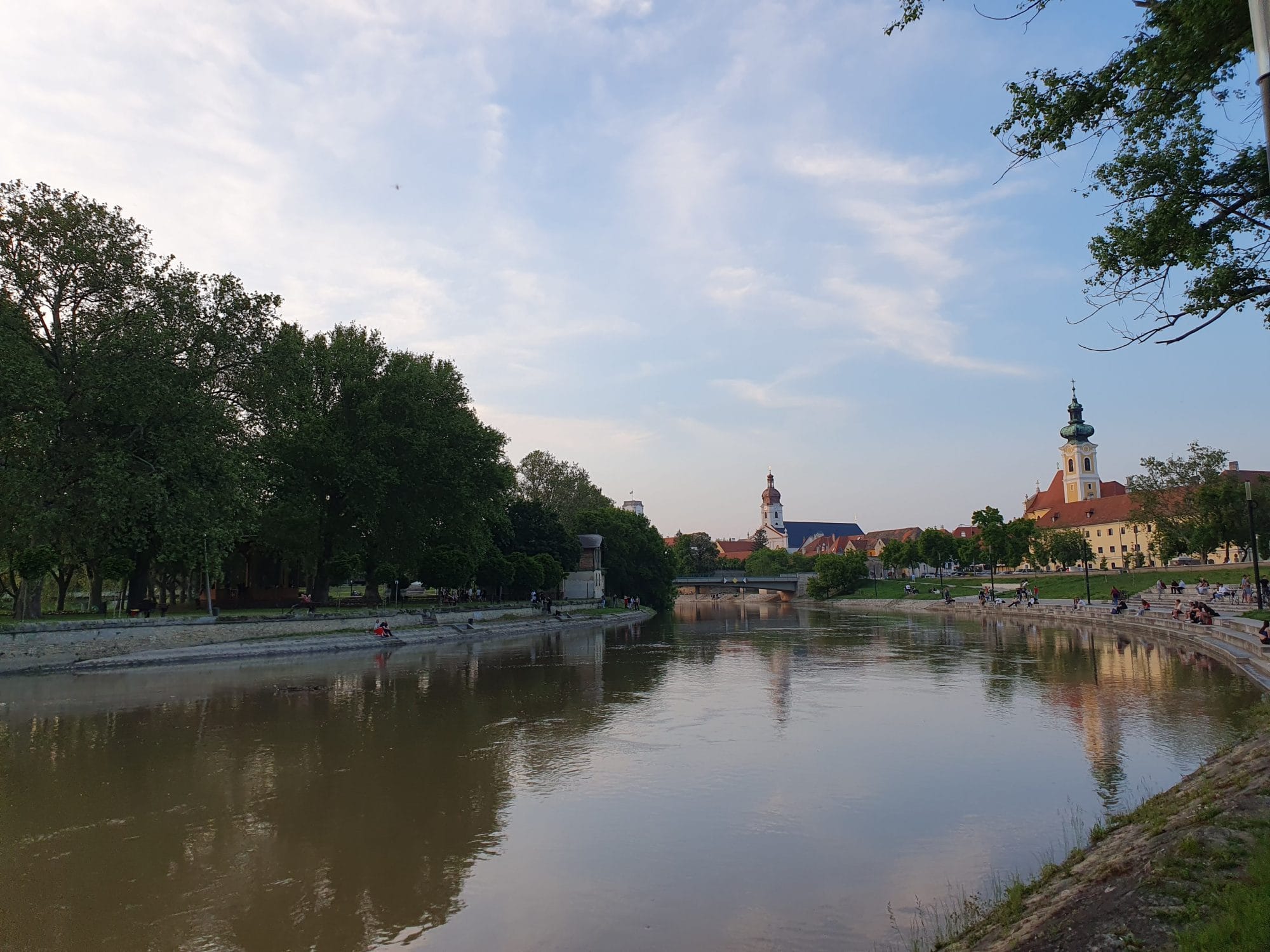
Three rivers converge in Győr, which eventually connect with the mighty River Danube. The rivers offer plenty to do, including boat hire, boat trips, and other water sports. The River Rába is the most convenient for a walk along the riverbank from the centre of town. The banks have paths that pass some of the city’s key sights, including the monastery and the Bishop’s Castle.
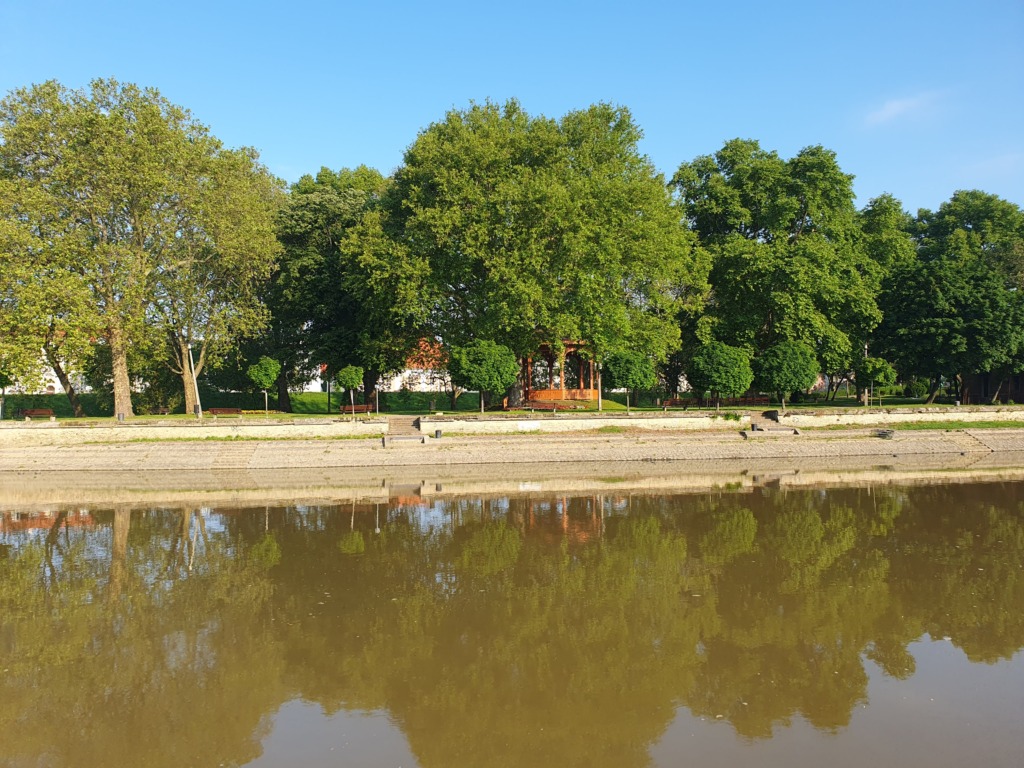
Radó-Sziget is an island between two river channels and a pleasant place to visit. There is a bandstand and the Győr War Memorial fountain.
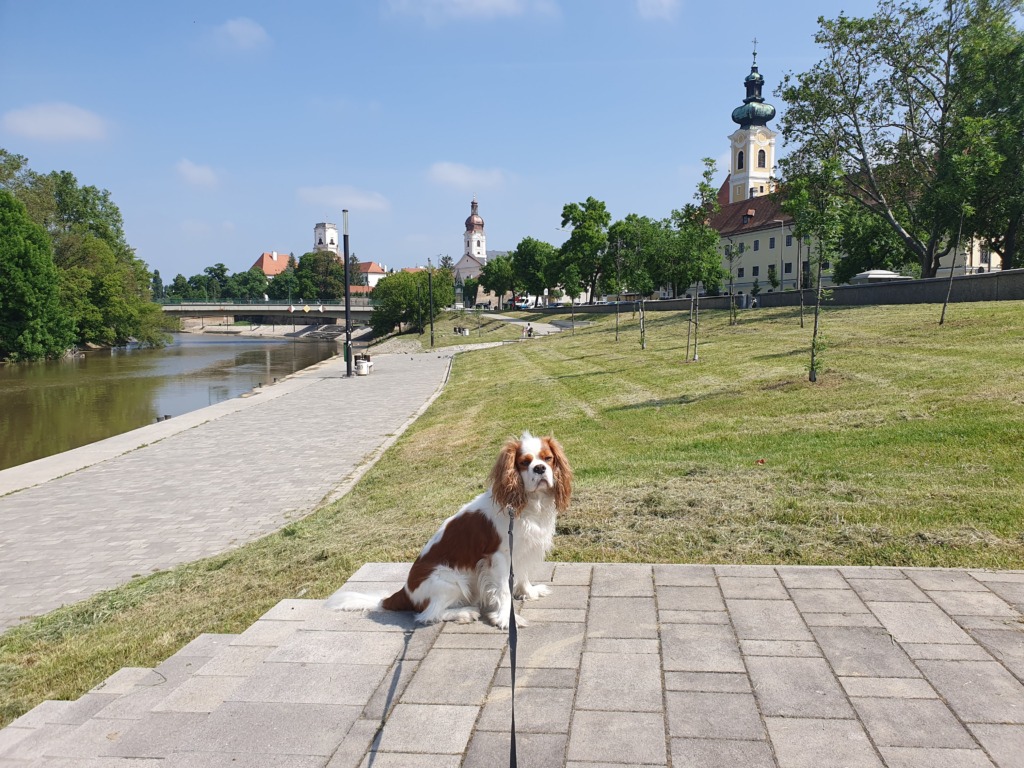
The banks of the river are a popular place for people to congregate at night, and there is quite the vibe on the weekends. Rába Beach Promenade seems to be the place to be on warm summer evenings.
Sunrise & Sunset Walk

One of my favourite times of day when exploring destinations is sunrise and sunset. The low light and red skies certainly enhance the sights of the city. As a bonus, a sunrise walk is a fantastic way to do some sightseeing while few people are about.
Vásárcsarnok Market Hall
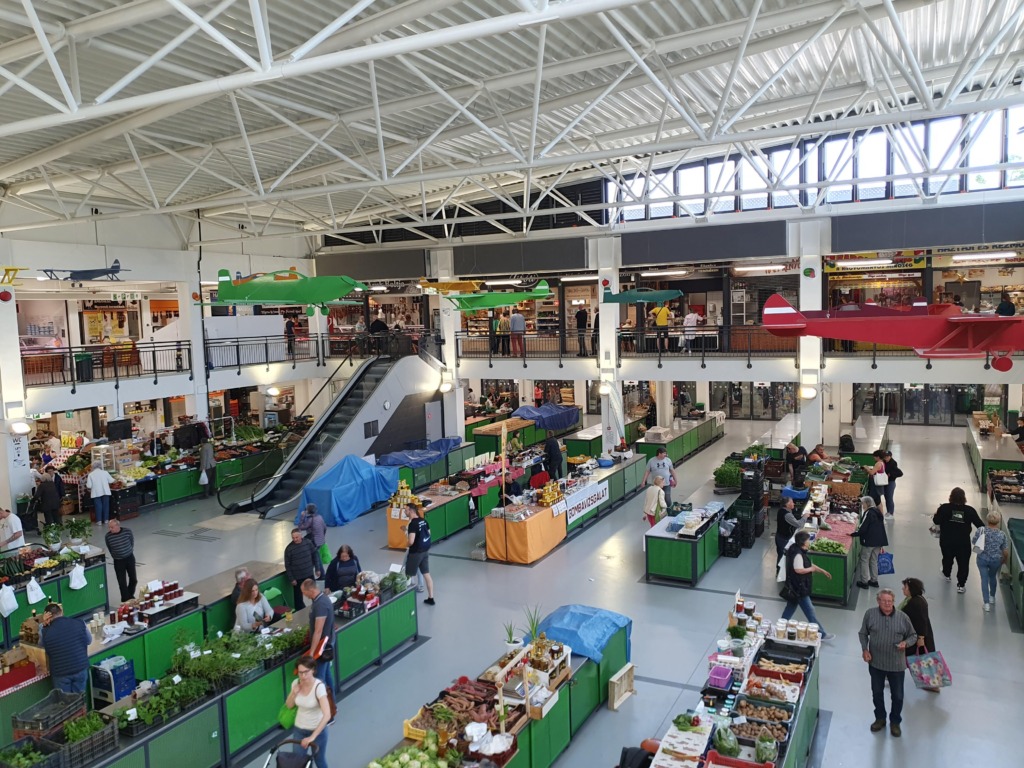
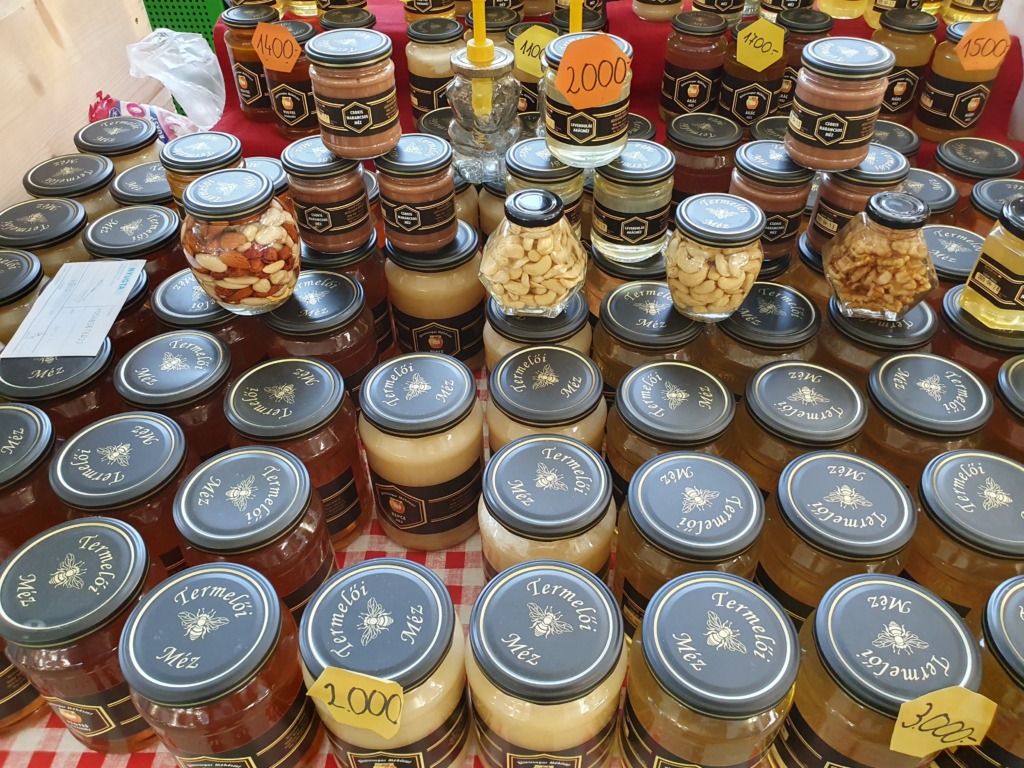
Vásárcsarnok is the main market hall and was a fascinating place to visit and shop for food. I visited various stalls at Vásárcsarnok, including a honey stall. There were local honey options, and the stallholder was very knowledgeable about them.
I also visited the butchers, greengrocers and the cheese stall for Hungarian hard cheese. The principal aim of my visit was to stock up on paprika for our onward travels, including hot ones. I managed to score the hottest I’ve ever tried, which was an experience. Vásárcsarnok also has places to eat and bars at the edges.
Győr City Guide
Getting to Győr
We arrived from Romania with a change in Budapest, the capital of Hungary. The trains between the capital and Győr vary in duration from just over an hour to just under 2 hours. There are also direct trains from Vienna in Austria and other Hungarian cities.
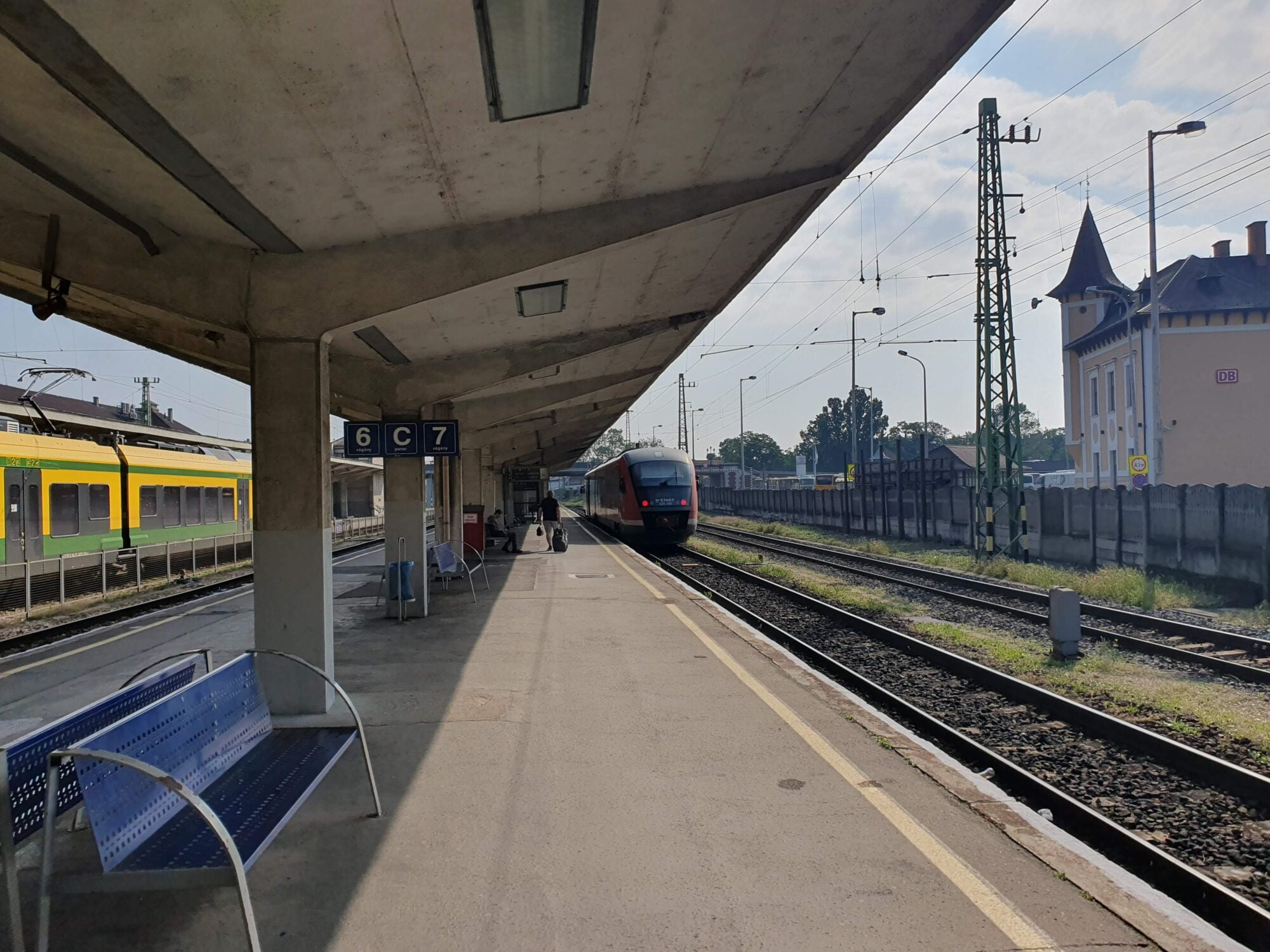
Győr is also on the FlixBus network, and the bus station offers routes to the city. The Omio.com website is a fantastic resource for travelling to and from the city.
Where to Stay?
There is a choice of places to stay in Győr, including hostels, hotels and apartments. You can find a variety of places on Booking.com. I recommend staying near the town centre here, as it’s compact and a good place to spend time. The centre is also easy to reach from the train and bus stations.
Dream Apartman 2
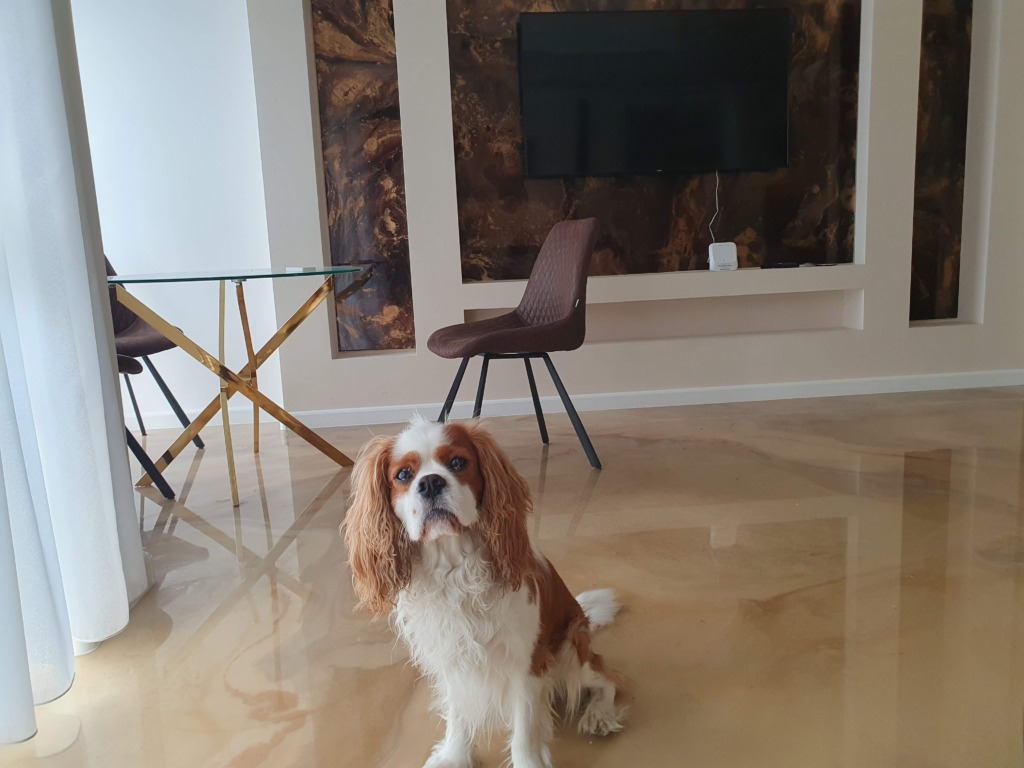
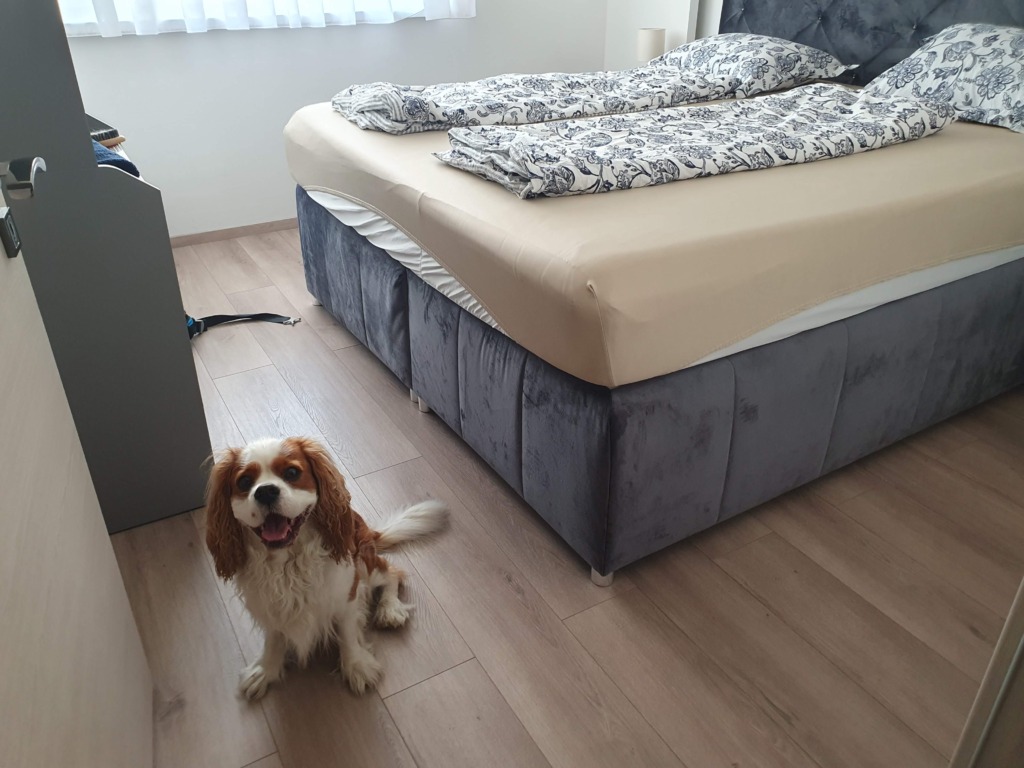
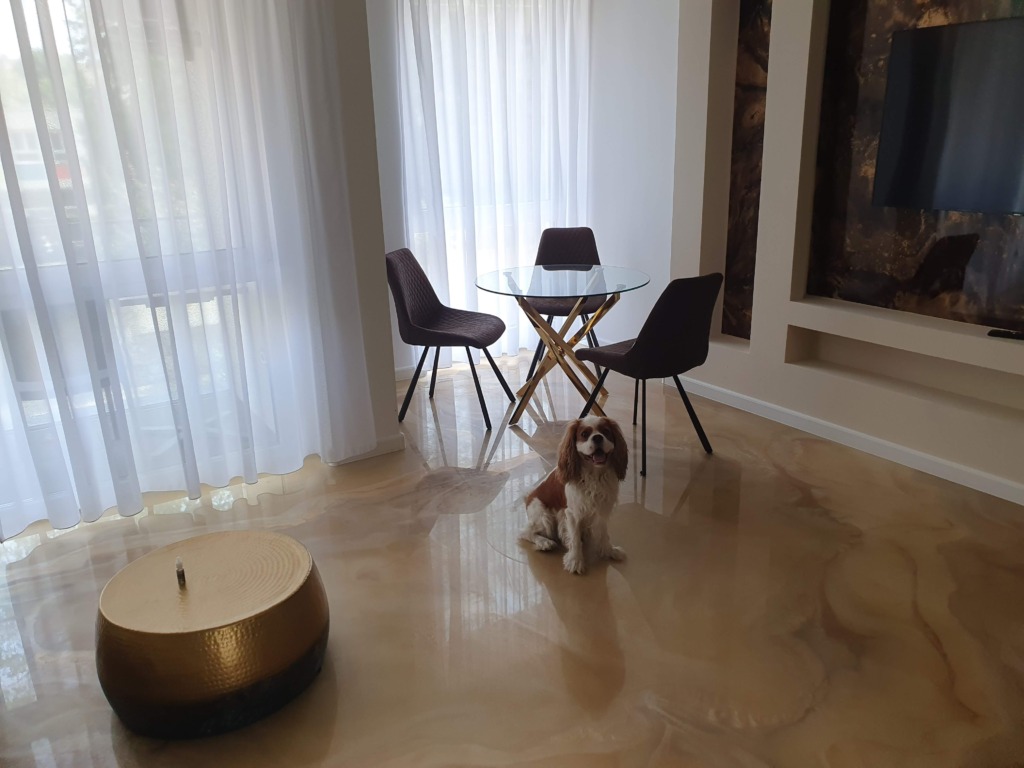
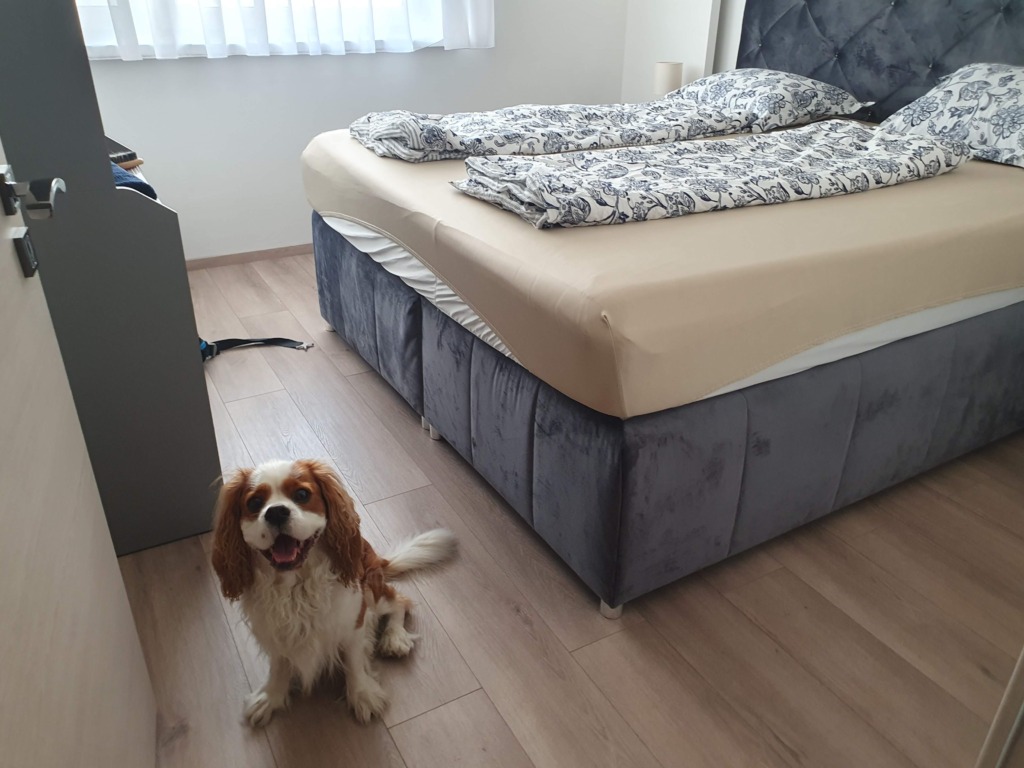
For our stay in the city, we chose Dream Apartman 2, a luxury place. We stayed for just over a week in the dog-friendly apartment. This was centrally located, and it was very easy to reach the main sights and the railway station. Dream Apartment 2 had 2 double bedrooms, a massive lounge, and a very well-equipped kitchen. The accommodation also had a washing machine, a balcony and even electric shutters.
Restaurants and Bars
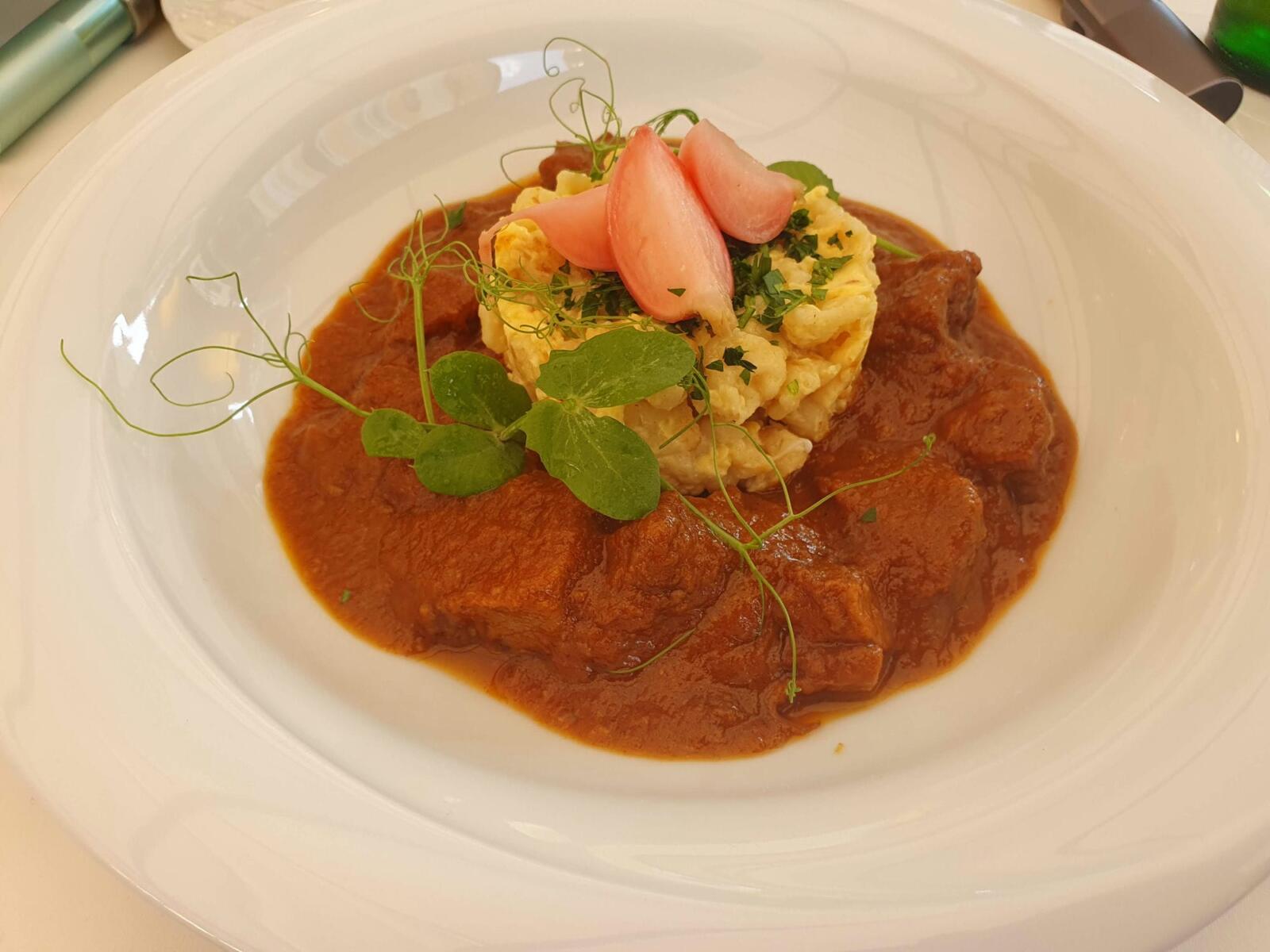
We found plenty of options for restaurants in Győr and enjoyed dining out. The Hungarian classics I tried here were special; the highlight was goulash, cooked for 24 hours, with very tender meat. Another first for me in the city was meggyleves, a cherry soup which I think about often.
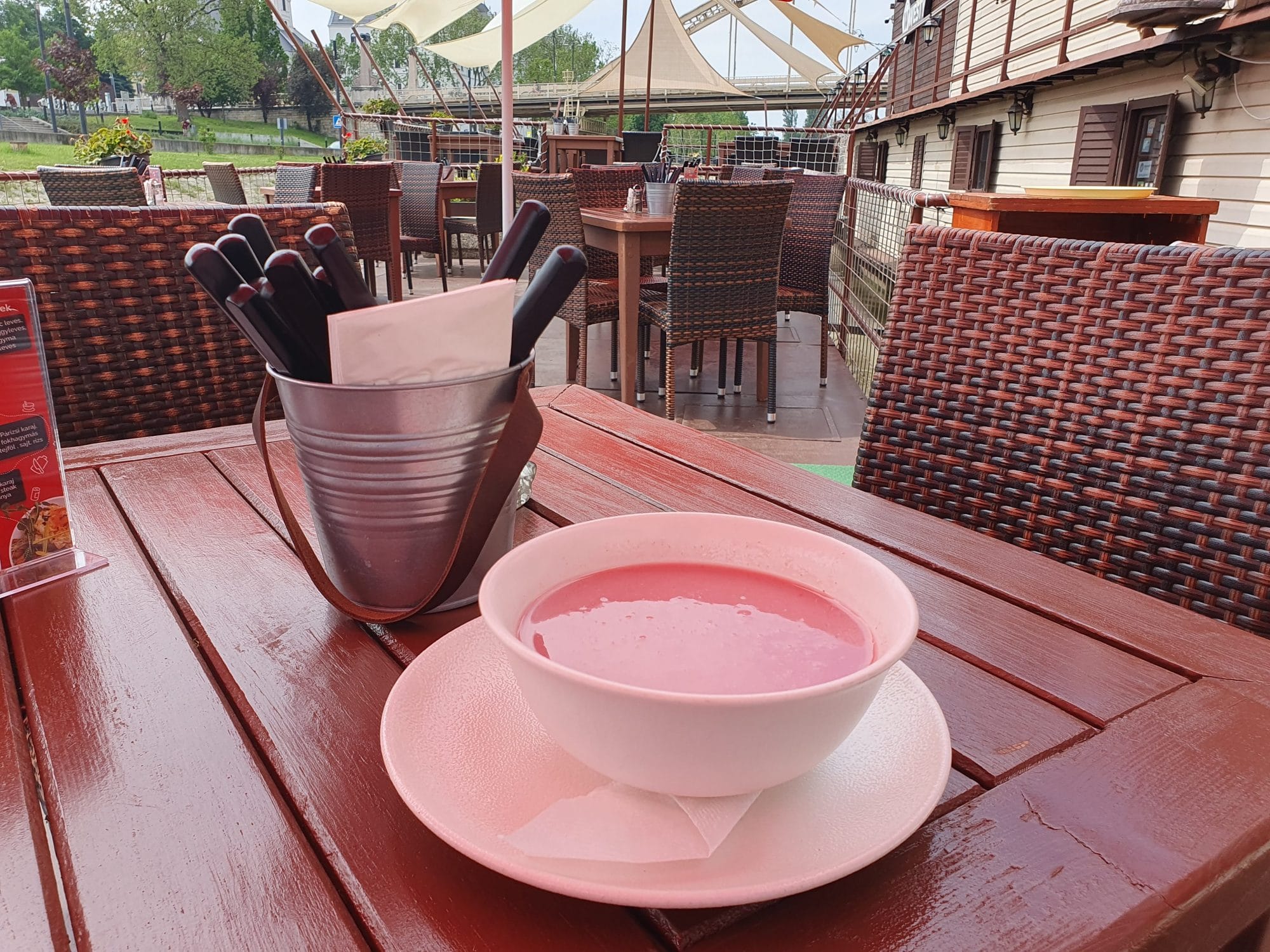
There is also a selection of cafes and bars in the city, some of which have outside seating in town squares. I enjoyed visiting quite a few and enjoyed the vibe. As a bonus, some of these were pet-friendly.
Is Győr Dog Friendly
We found Győr fairly dog-friendly while visiting with Henry. Much of the centre was good for dog walks because there was little traffic, and the riverside paths gave us more space away from the busier squares. We also saw plenty of other people out with dogs.
Finding dog-friendly accommodation was straightforward, and several cafes, bars and restaurants had outdoor seating or allowed Henry to join us. The fountains with drinking taps were useful on warmer walks, and there were pet shops and DM stores in the city for food and supplies.
Self-Catering and Food Shopping in Győr
To keep costs down when long-term travelling, we often stay in a place with a kitchen and cook meals. Győr was ideal for food shopping and has a few centrally located supermarkets. My favourite supermarket was the Spar in the city centre.

However, for most meals I visited the Győr Market, which sells locally produced food. The market has stalls for vegetables, paprika, meat and honey.
Day Trips
As we stayed for a week, I got the chance to pop out of town on a few day trips. The first was to Budapest, the capital of Hungary, to meet up with my brother, which was nice. This train took just under 2 hours each way. The other day trip by train was to visit Komárno, a town in Slovakia with interesting attractions. This was a brief 20-minute train journey from Győr.
Free ATMs
I found that cash was needed in a few places in Győr, thus requiring me to withdraw HUFs for free. My go-to ATM in the city was the OTP Bank in the city centre.
Hi!
How amazing that you got to fit in a visit with your brother!
I really like the look of all those church ceilings! All the paintwork still looks so vibrant. I also love seeing Henry out and about!
The last witch burning was in 1710?!?!? It always shocks me how late humanity was still doing this.
Amazing interesting post as usual!
~ Christine
Gyor looks like a wonderful place to visit. The architecture is beautiful and there are so many places to see. The river walks look lovely. And we’d be particularly interested in Vásárcsarnok – the honey looks amazing!
Another great post. I definitely need to see some more of this part of Europe. The market looks great – they’re usually one of the first places I go in a new town or city. Glad you got your hot paprika! I’m a wuss so I’m happy with the sweet pimenton we get here in Spain!
Would love to explore the historic centre of Gyor. And the architecture is stunning!
I only know Budapest and Lake Balaton in Hungary. I love learning about these hidden gems in your blogposts. Gyor looks amazing with its market, churches, the riverside, and of course the castle dungeon.
It’s been awhile since I last visited Hungary in Budapest. The country had been busy refashioning itself since then and making its tourism brand more robust. So glad I get to know another Hungarian destination. Keep them coming! Gyor here I come 😉
Jan – https://flyingbaguette.com/
Gyor looks very nice and cosy with all the cobbled streets, churches, monuments and architecture.
I’m thinking Henry appreciated walk along the river more than the cobbled streets? 🙂
Gyor sounds like a fun little spot to visit. What were crowds like? It’s too bad the one place was closed and the other museum didn’t have English translations. Sounds like you still managed to enjoy town, though.
What a pretty town! The cathedrals and architecture are beautiful. Henry seems to have enjoyed it as well. I love (on all of your posts) the “Is It Worth It” section.