
Pécs, Hungary: Things to Do & City Guide
Pécs is a city in southern Hungary and a great place to visit, with some fascinating things to do. It is an ancient city founded by the Romans. Pécs is known for its architectural sights, including Sopianae, a UNESCO World Heritage Site. In addition to Roman history, the Ottoman Empire occupied the city, which influenced its appearance and culture.

It takes just over 3 hours to reach the city from Budapest by train. The journey takes you through the countryside and small towns.
Is Pécs in Hungary Worth Visiting?
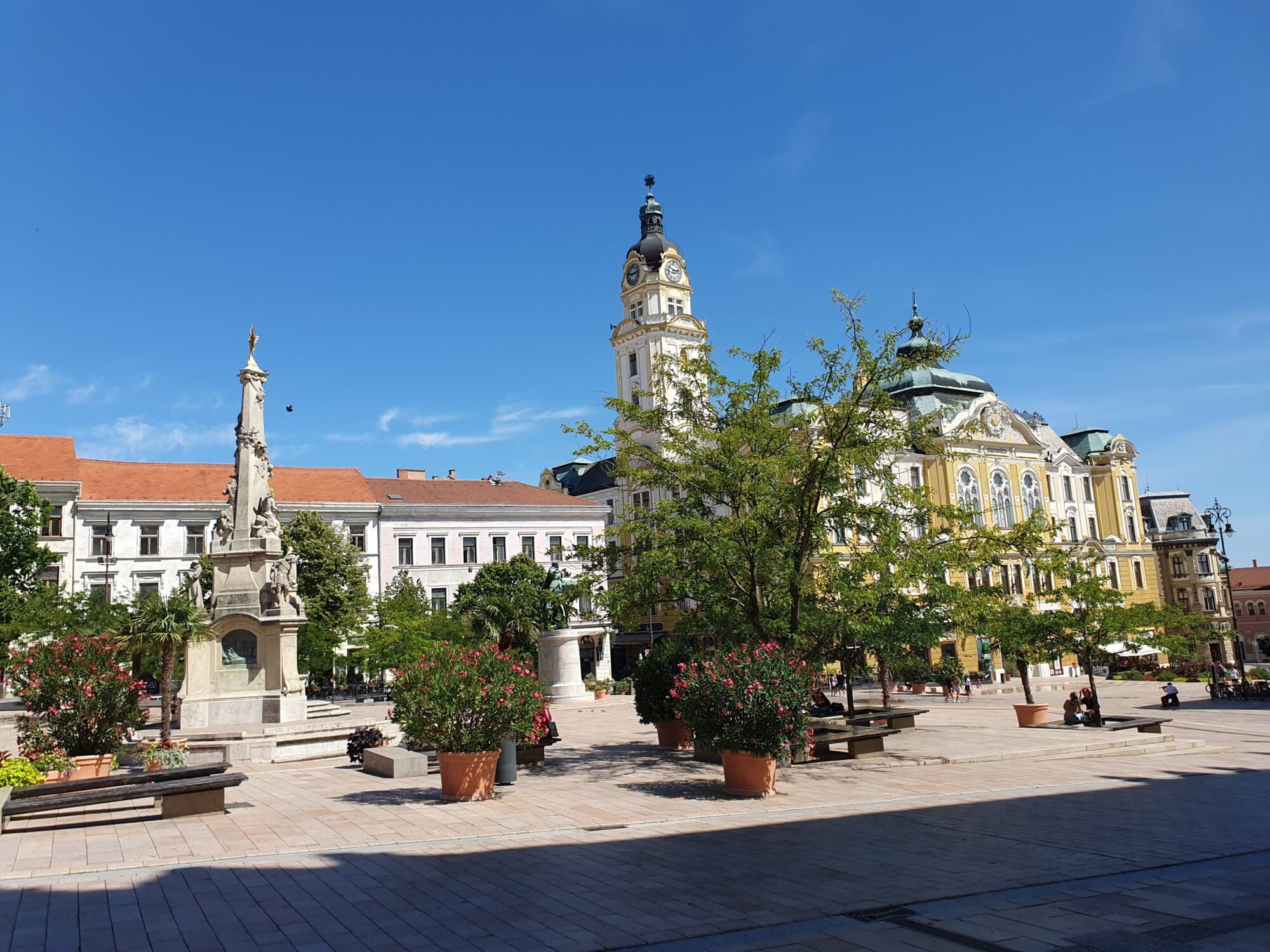
Pécs in Hungary is an interesting place and well worth visiting. It offers plenty to do and is close to great hiking spots, too. The city is magnificent for hospitality and dining out. We visited twice, spent nearly two weeks in the city, and would return again.
Things to Do in Pécs
Széchenyi Square
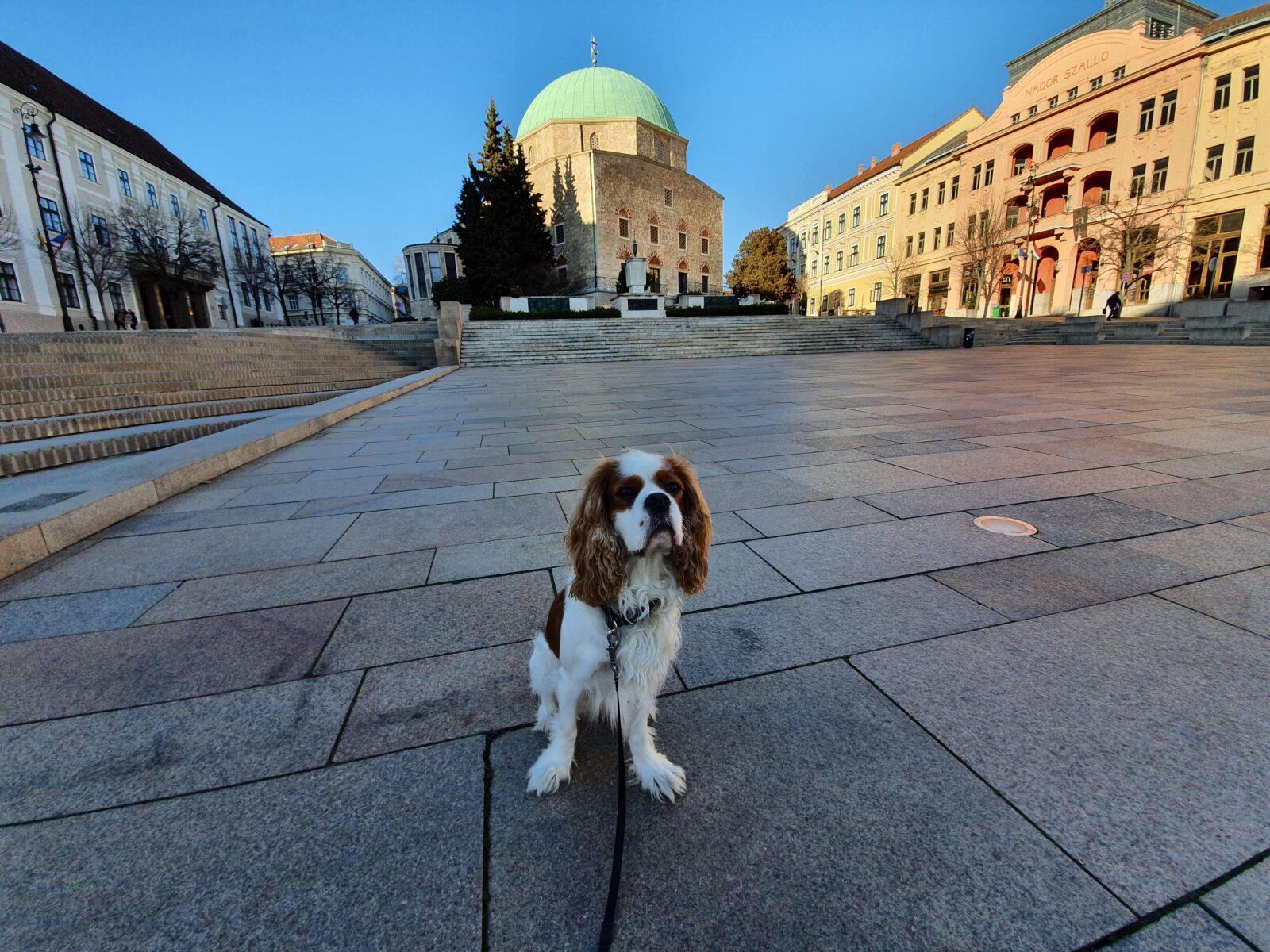
All roads in Pécs seem to lead to Széchenyi Square in the city’s heart. The square features statues and splendid architecture. You can find two churches at the edge of the square, as well as the Mosque of Pasha Gazi Kasim.

In my experience, the square is a fantastic place to dine out or go for a drink. We found many bars and restaurants, some with outdoor seating on sunny days.

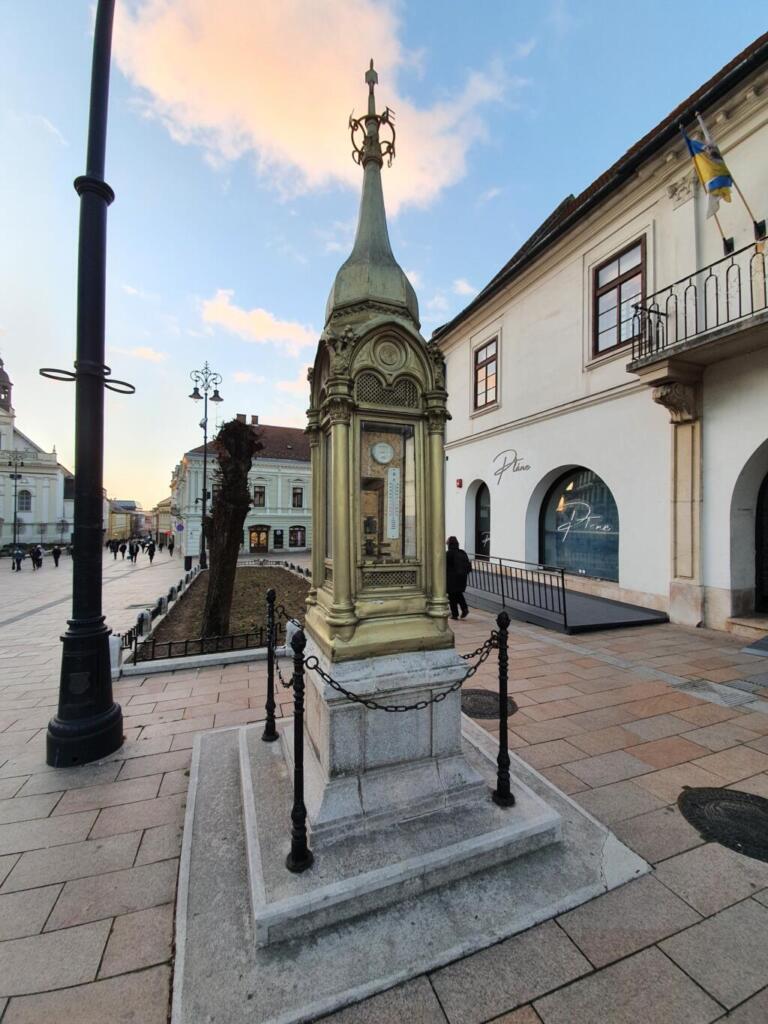
The main square has information boards in Hungarian about local history and culture. The Mecsek Egyesület időmérő házikója in Széchenyi Square is a clock house and weather station in the city centre. It shows the time, weather data, and conditions.
Mosque of Pasha Gazi Kasim

One unique place to visit is the Mosque of Pasha Gazi Kasim at the top of Széchenyi Square. During the Ottoman occupation in the 16th century, they built the domed Mosque of Pasha Gazi Kasim. This is now used as a Catholic church.
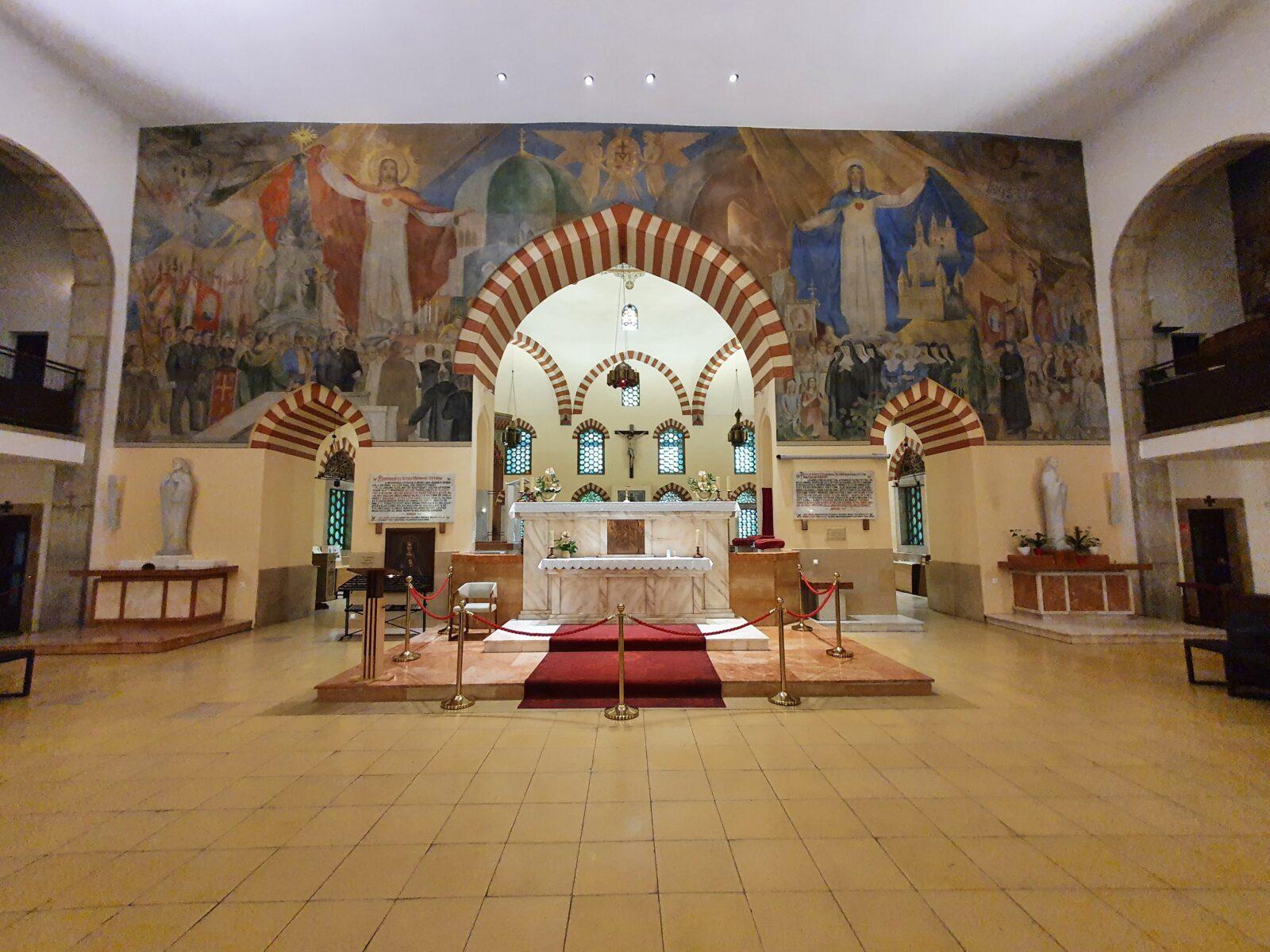
It is great to have a look around the outside, or you can pay to visit the interior. The interior has interesting decor, and you can learn about the site’s past.
Saint Sebastian’s Church

Saint Sebastian’s Church is an 18th-century building in Széchenyi Square. Most notable is the iconic Zsolnay Fountain, a decorated fountain.
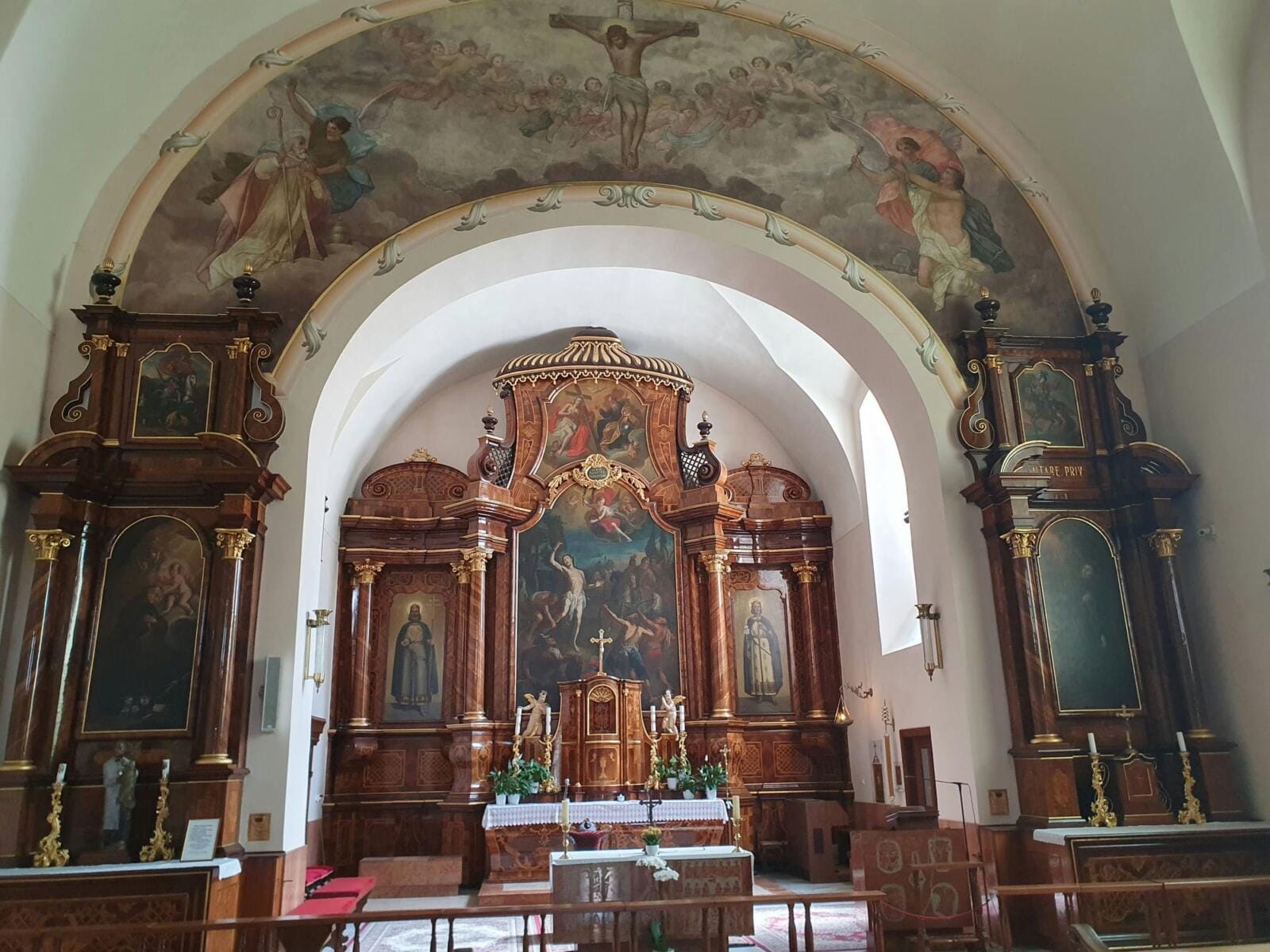
Saint Sebastian’s Church has pleasant features; the church organ caught my eye.
Zsolnay Fountain
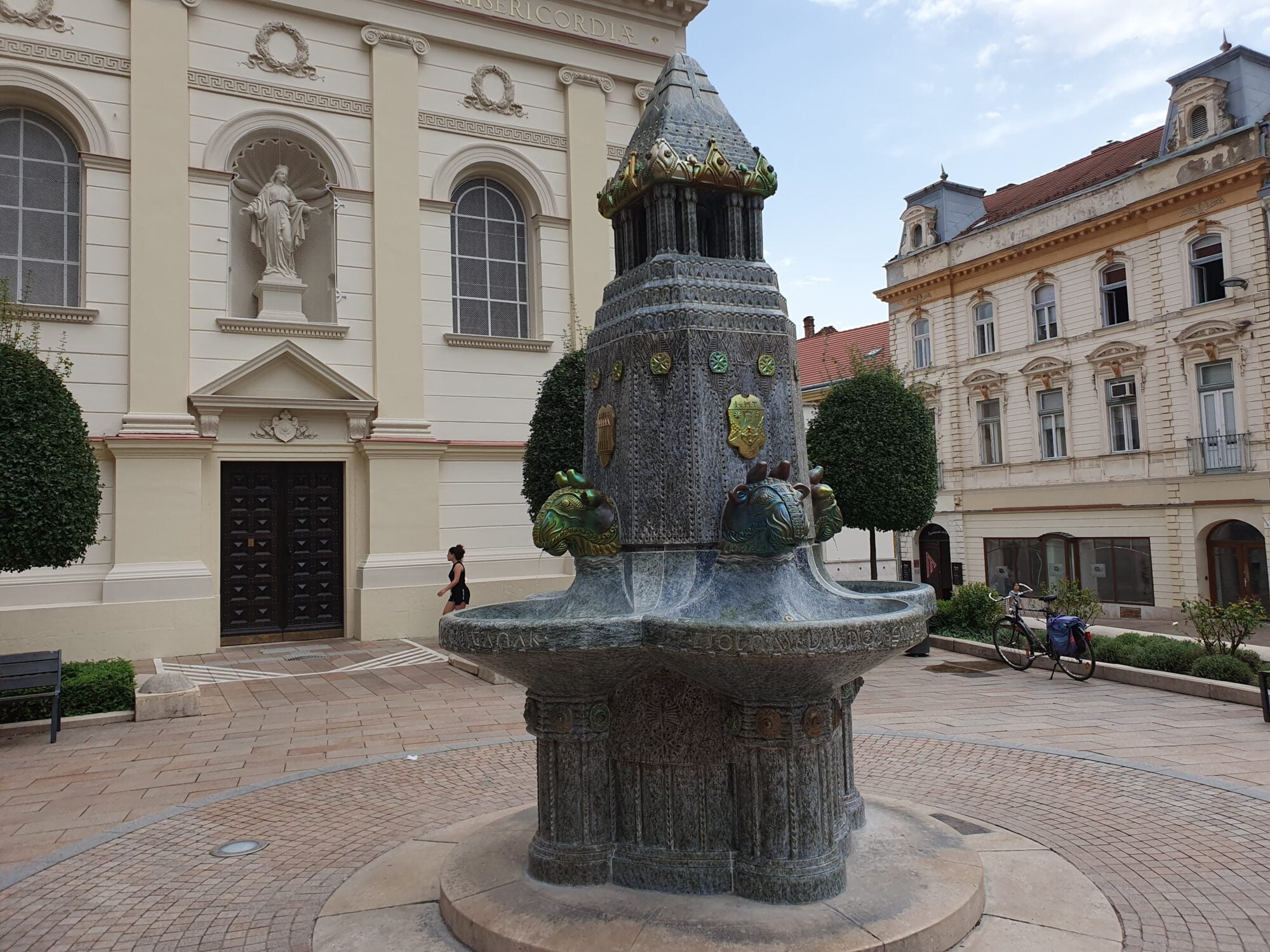
The Zsolnay Fountain is a lovely sight outside of Saint Sebastian’s Church, near the town’s main square. It was completed in 1912 but wasn’t installed until 1930. The well features ox-headed gargoyles.
Pécs Cathedral

Pécs Cathedral is a prominent building on the city’s skyline and has four towers. You can visit for a fee, usually as part of a package with a few other attractions. The interior is decorative as well.

It is colourful inside, and you can see all around the main building, including a history exhibition on the lower floor. A highlight of a visit to Pécs Cathedral is climbing one of the towers to see the bells and the city from above.
The Bishop’s Palace
Next to the cathedral is the Bishop’s Palace, or Episcopal Palace. They laid the foundations in the 12th century, and it has evolved over the years. The building has Baroque and Renaissance elements.
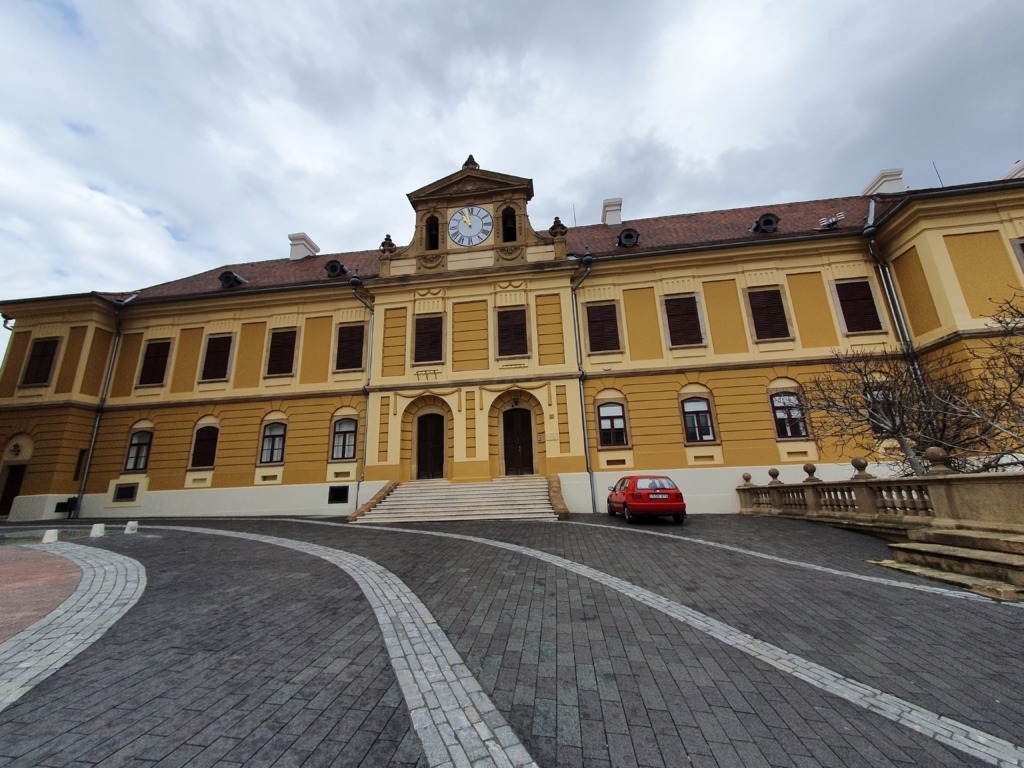
You can visit the palace on a tour and see inside. The rooms show how the bishops used to live. The palace contains tapestries, furniture and paintings.
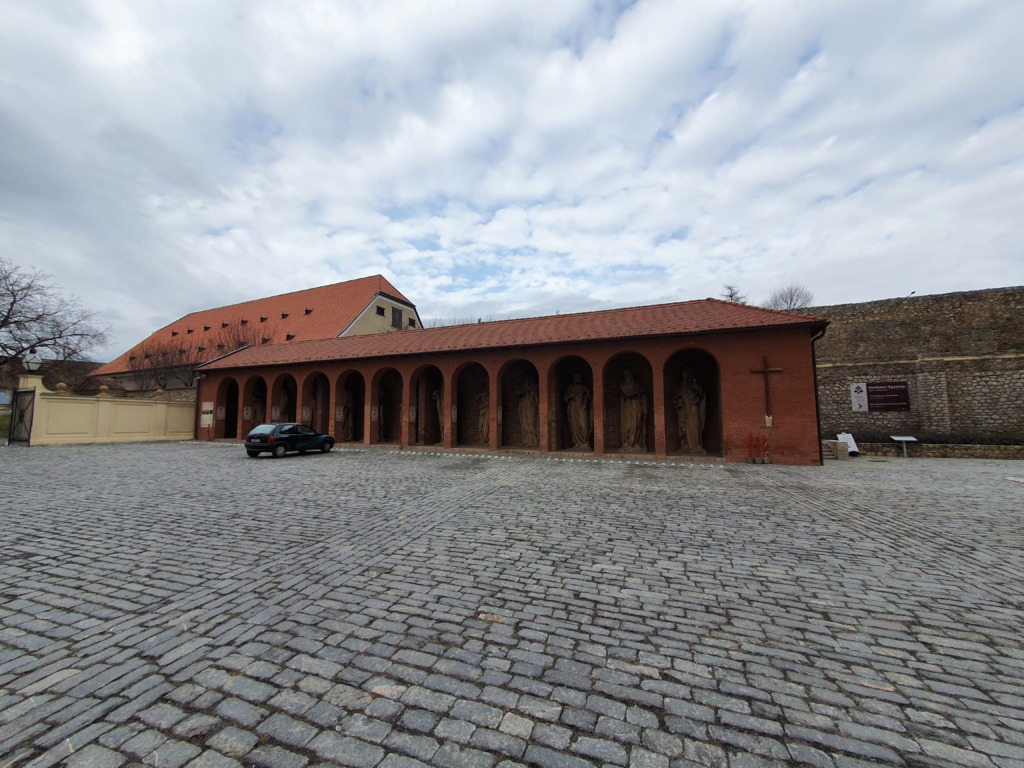
Next to the palace is Vándorló Apostolok, a place with sculptures of the 12 apostles which used to be decorative features on the cathedral.
Szent István Square
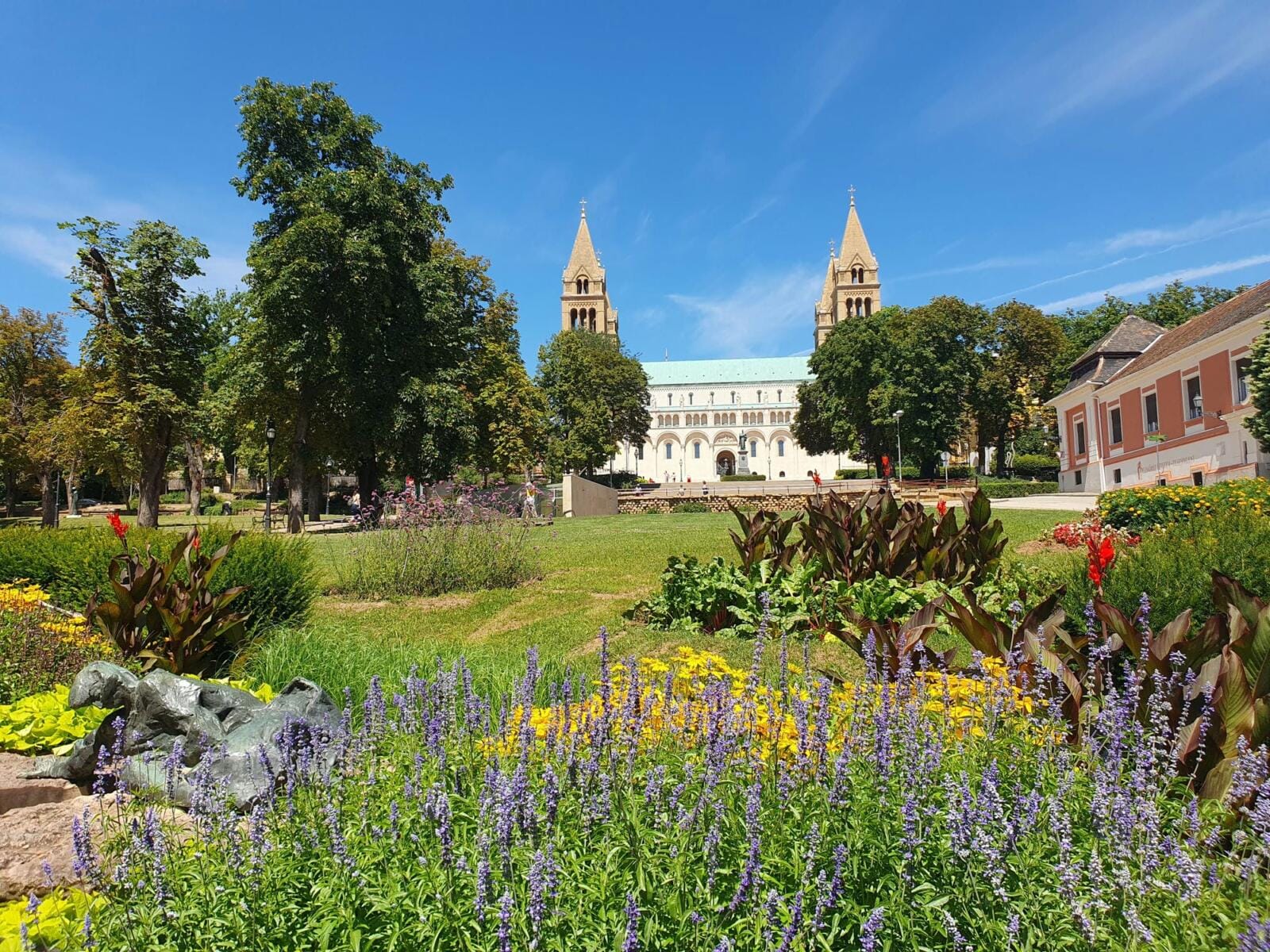
Near the UNESCO World Heritage Site and Basilica is the Szent István Square. Szent István Square is a picturesque garden to visit, especially during the summer. During the warmer months, the gardens are in full bloom, and the fountains are on.
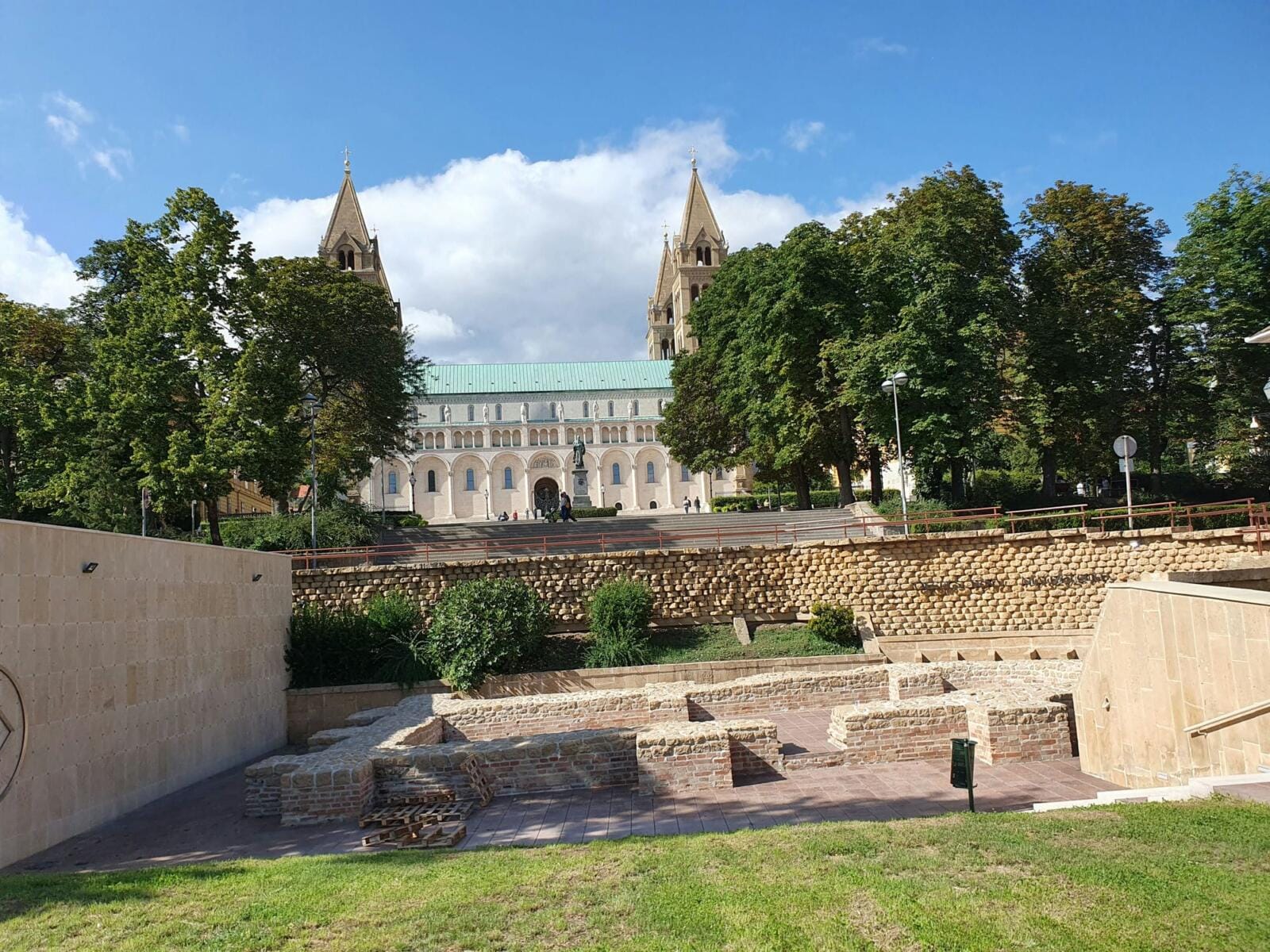
Szent István Square also has the Old Christian Mausoleum. This is a part of the early Christian site. Historically, in the Middle Ages, the square was the city’s market. Stunning buildings line the edge of the square, including a church and an eye-catching high school.
UNESCO World Heritage Site – Sopianae
Sopianae is one of the city’s most popular tourist attractions because it is a UNESCO World Heritage Site. It is an educational site located beneath the cathedral.
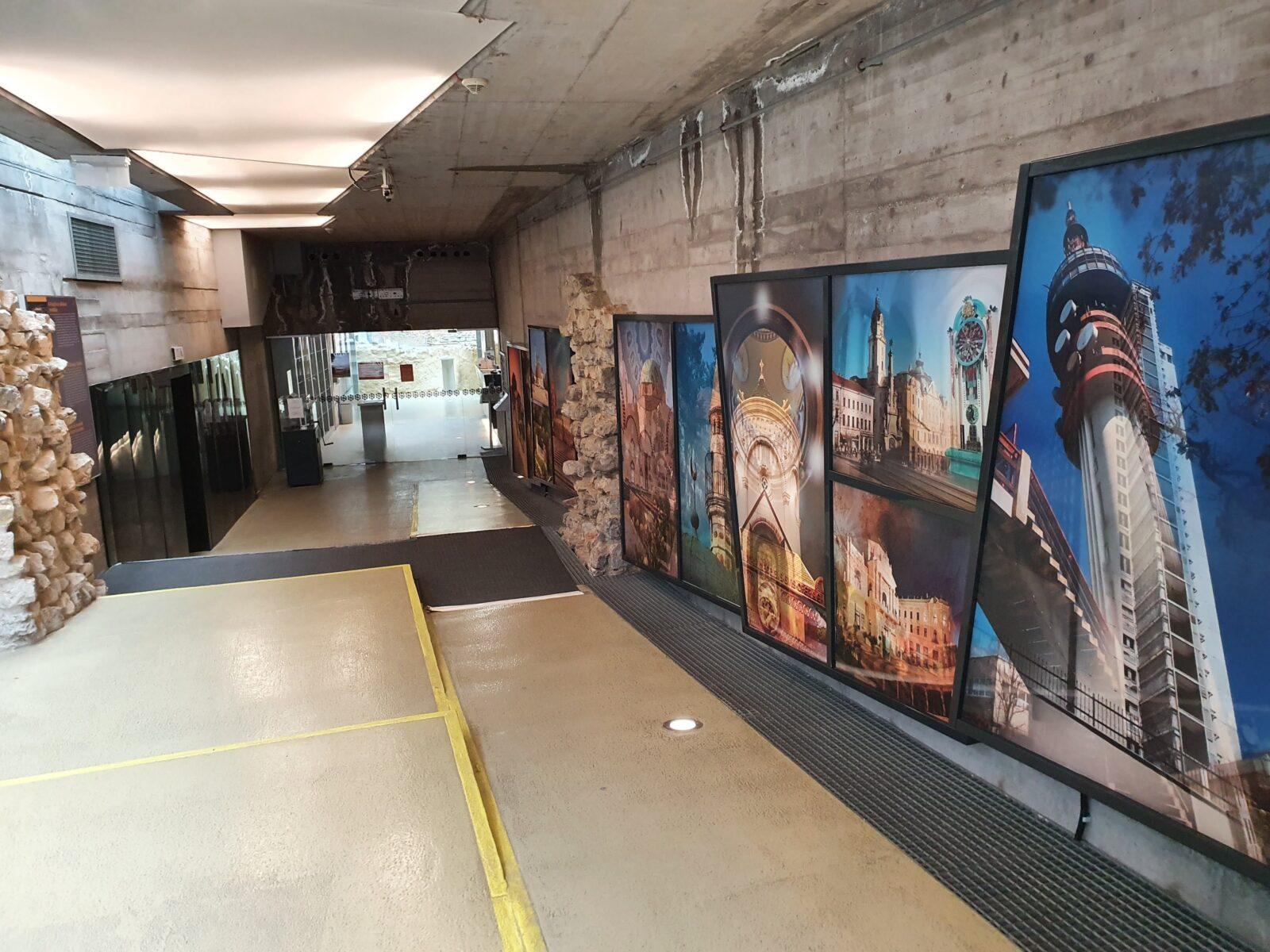
In the 4th century, builders constructed a series of decorated tombs in the cemetery of the Roman provincial town of Sopianae. Sopianae is the city’s Roman name. These tombs are important both structurally and architecturally because they were built as underground burial chambers with above-ground memorial chapels.
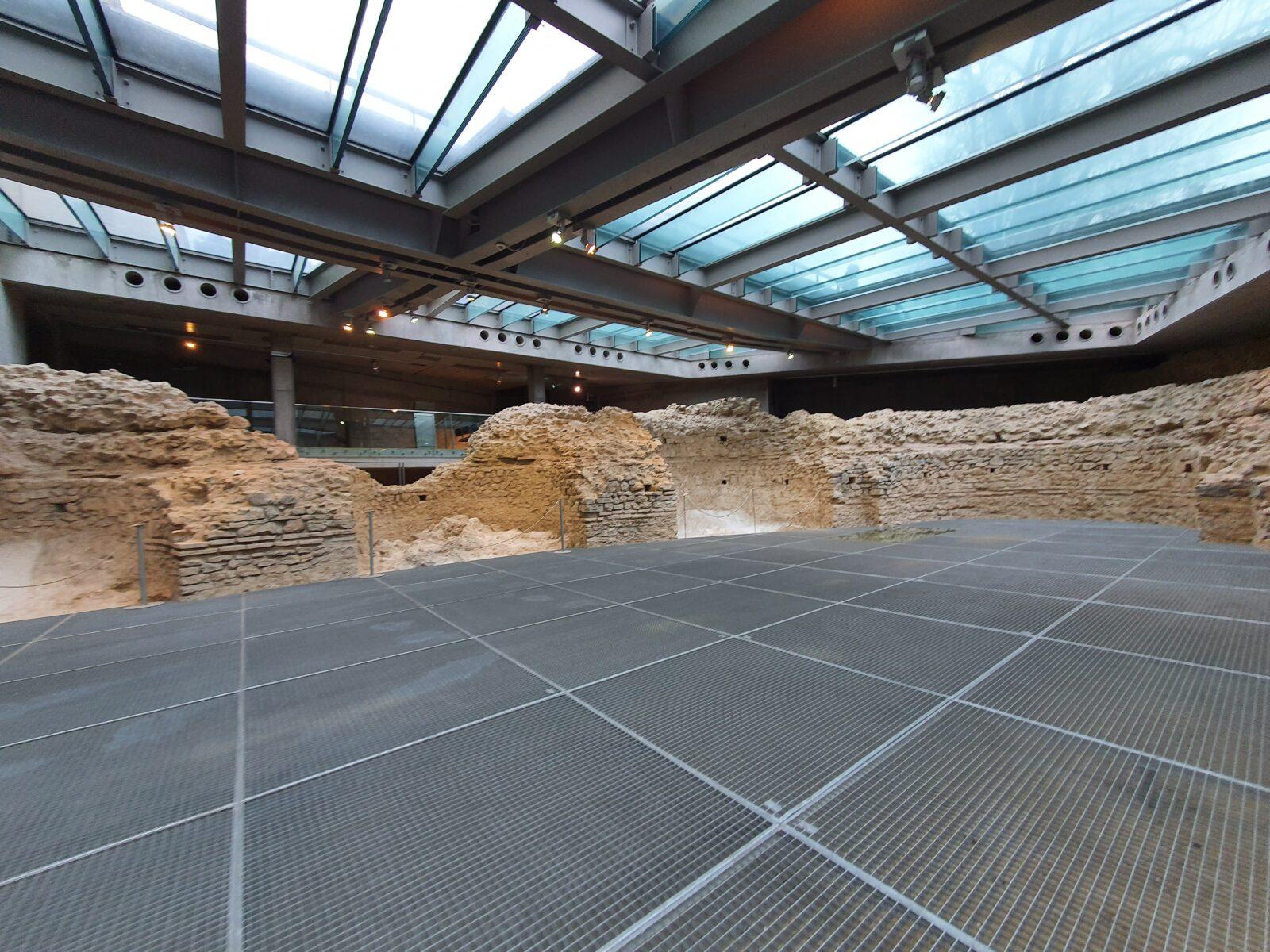
The tombs are also important for their art, which was decorated with murals depicting Christian themes. This site is educational and has information available in many languages.
City Walls
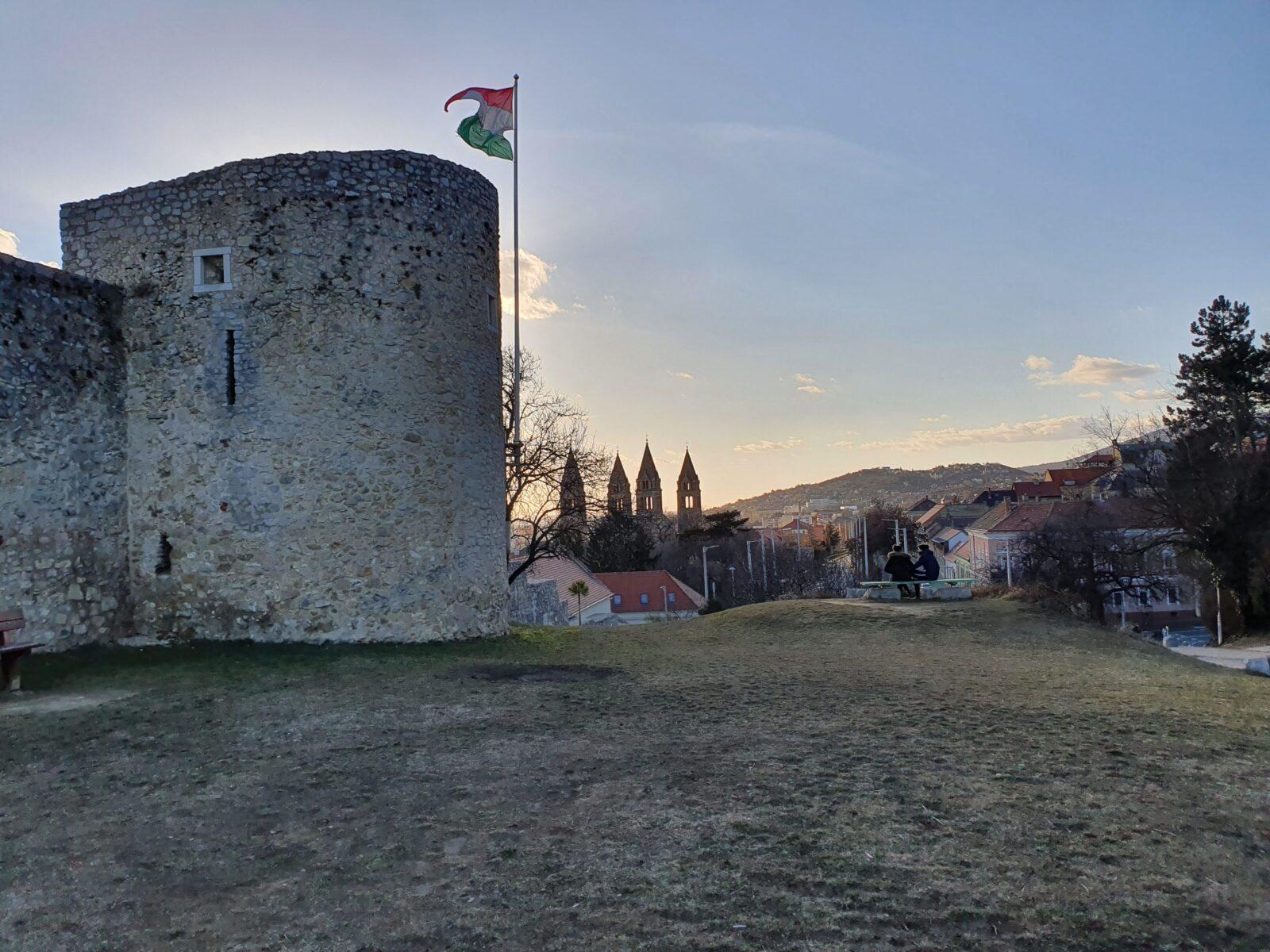
Various parts of the medieval city walls remain, including the Barbican gate tower. The walls are a great place for a sightseeing walk, especially near the cathedral.
The Barbican, a Medieval Gate Tower

The Barbican is a tower of the medieval city walls and a viewpoint. You can climb the tower for free when it is open. The Gothic-style gate tower was built in the 15th century to defend the city from the Turks.
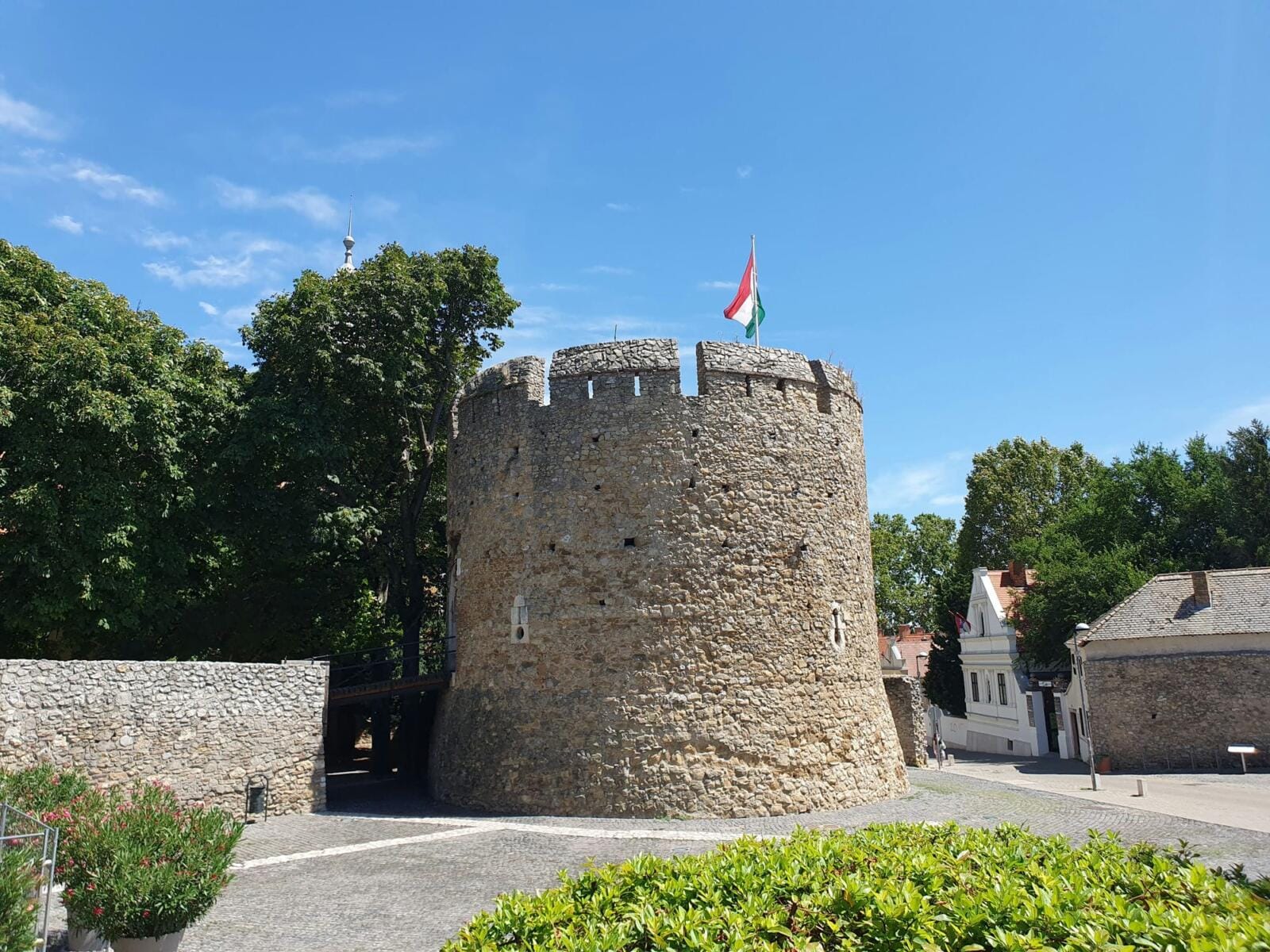
The Barbican gate tower has subsequently been restored. Next to the tower is Barbakán-árok, a park on the outer edge of the city walls with places to sit and chill.
Pécs Synagogue

The city’s synagogue in Kossuth Square was consecrated in 1869 and features an interesting design.
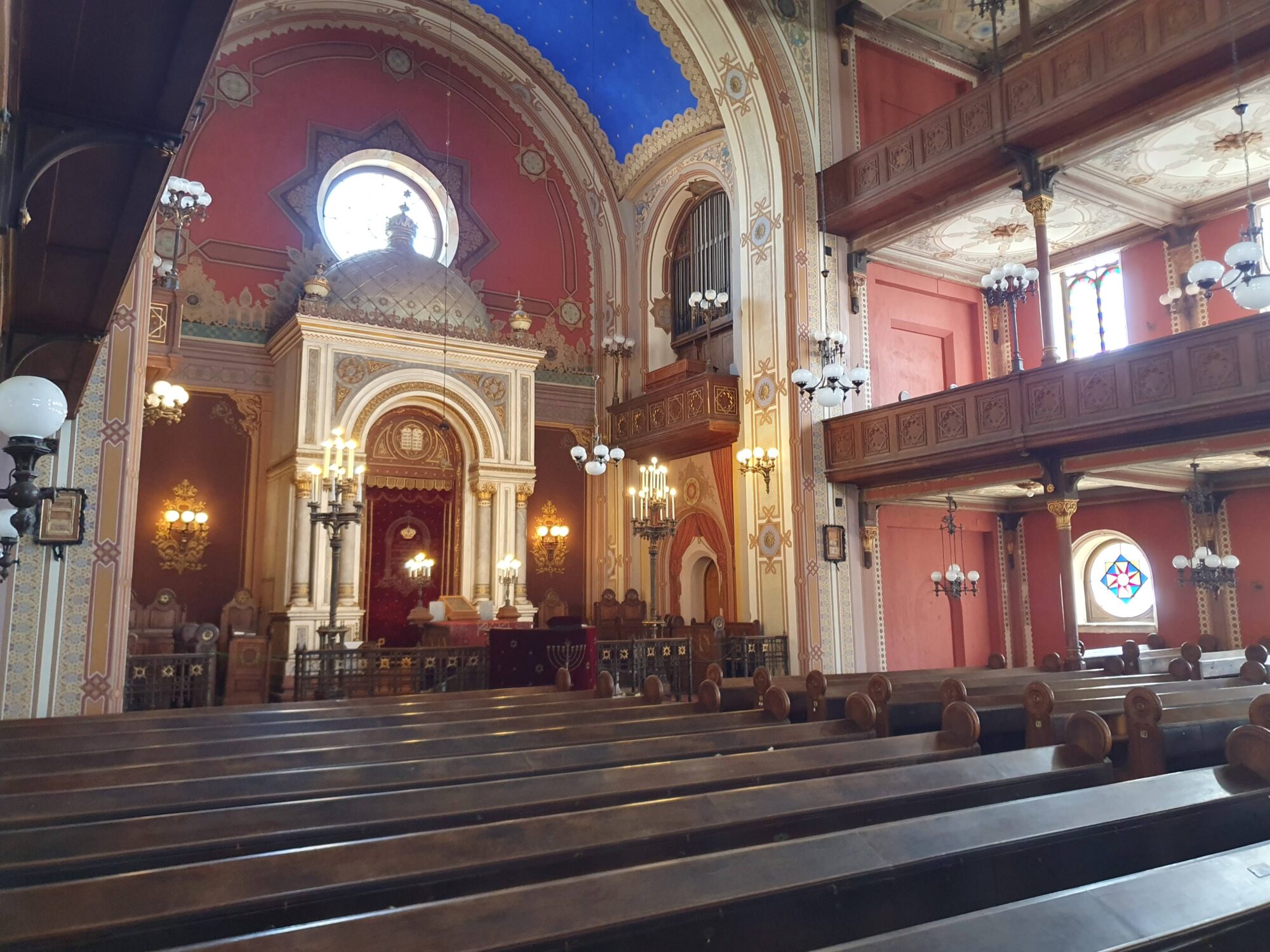
The façade has a clock, onion domes and other ornate features. Inside, you can see colourful ceilings, intricate stencil work, and iron columns. The synagogue also has many exhibits about the building’s history and the Jewish community.
Memi Pasha’s Baths
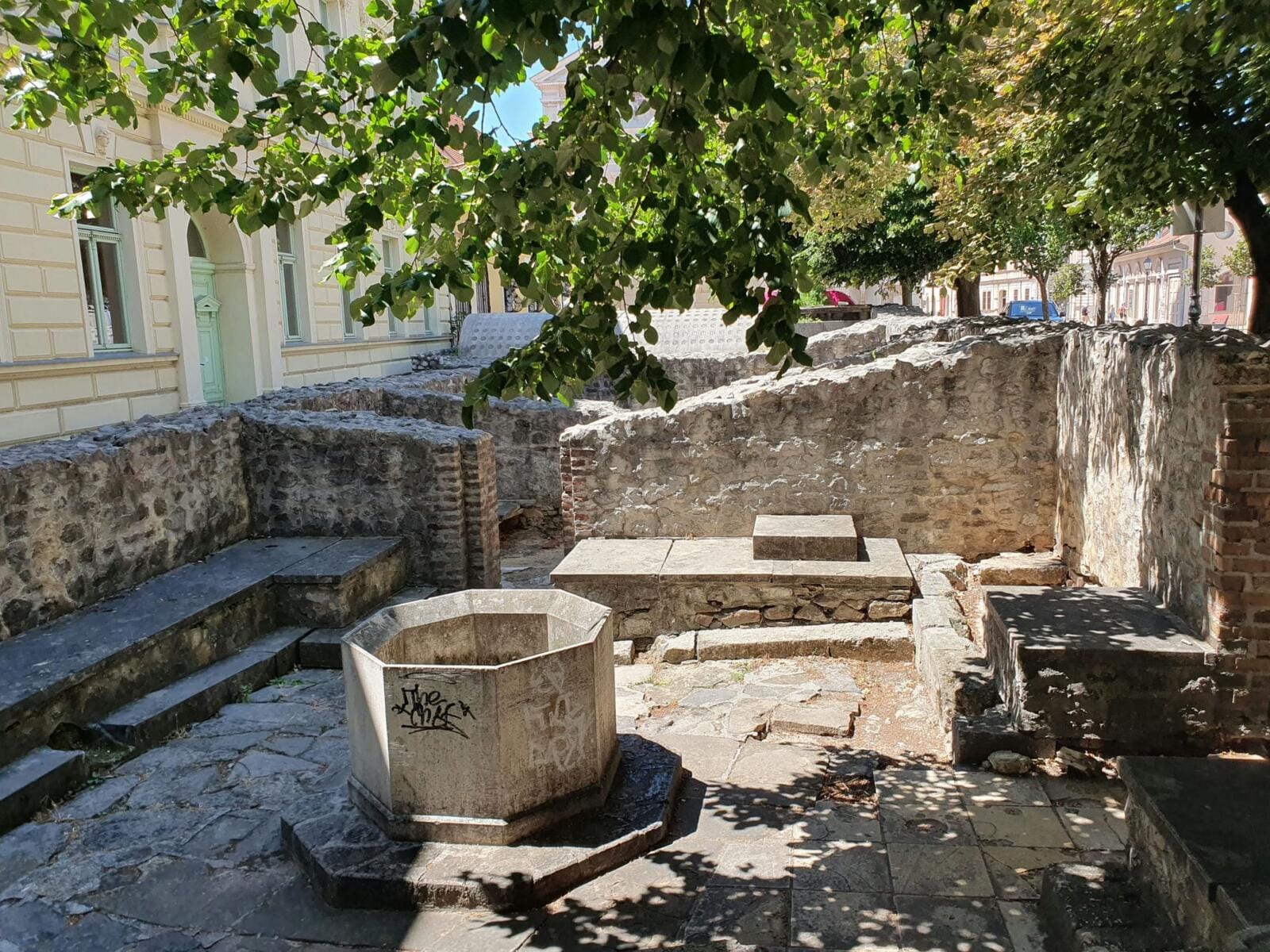
The ruins of Memi Pasha’s Baths stand on Ferencesek Street. Memi Pasha’s Baths is one of the five notable Turkish/Ottoman-era buildings. The baths were near the now-gone Memi Pasha Mosque.
Zsolnay Cultural Quarter
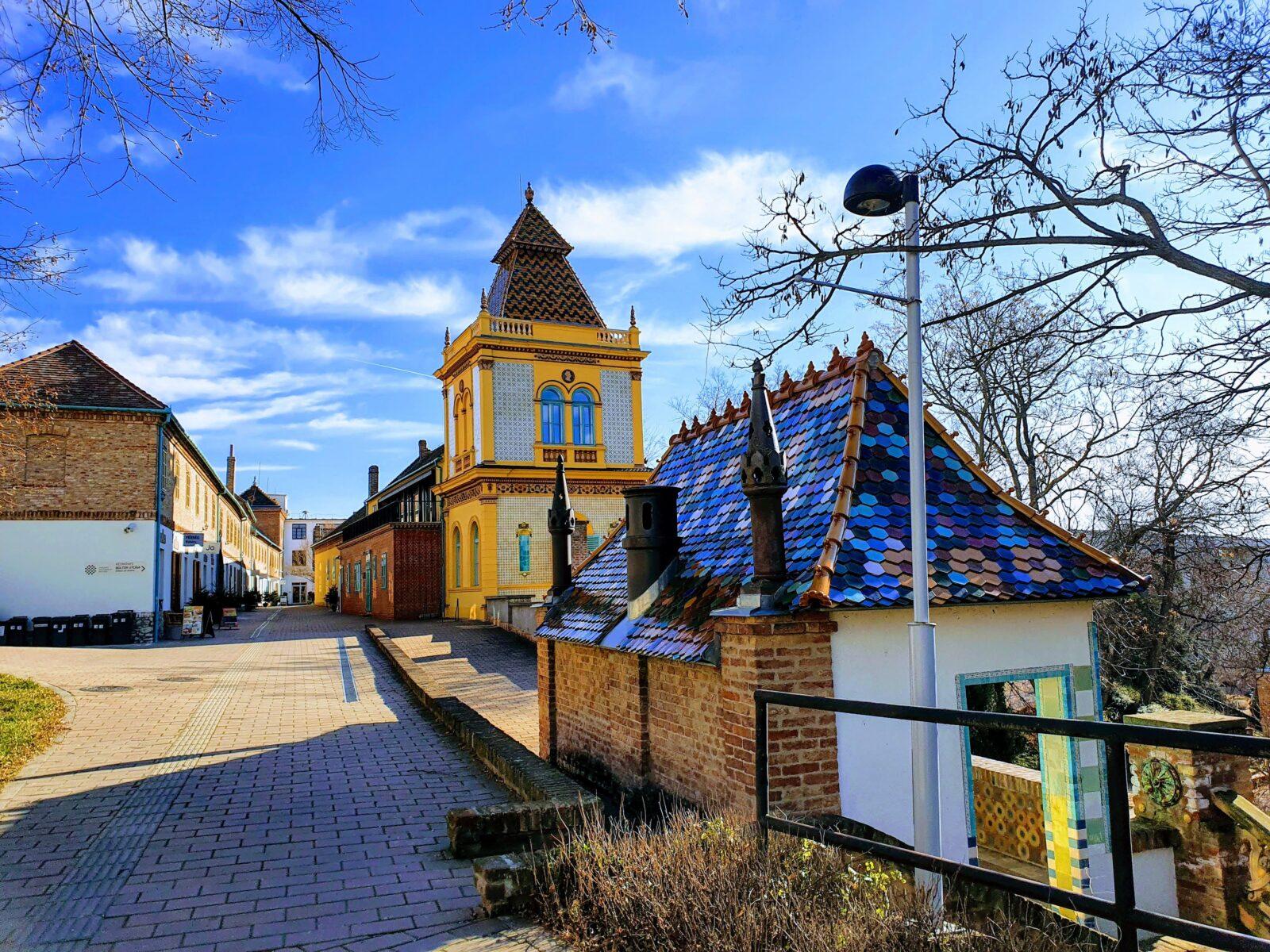
To the east of the city centre is the Zsolnay Cultural Quarter. It is a 15-minute walk, and it is well worth a look around. This is at the former site of the Zsolnay ceramics factory, and many remnants remain. The site has cafes, museums and a puppet theatre to keep you entertained. Some buildings feature colourful locally made ceramic roofs.
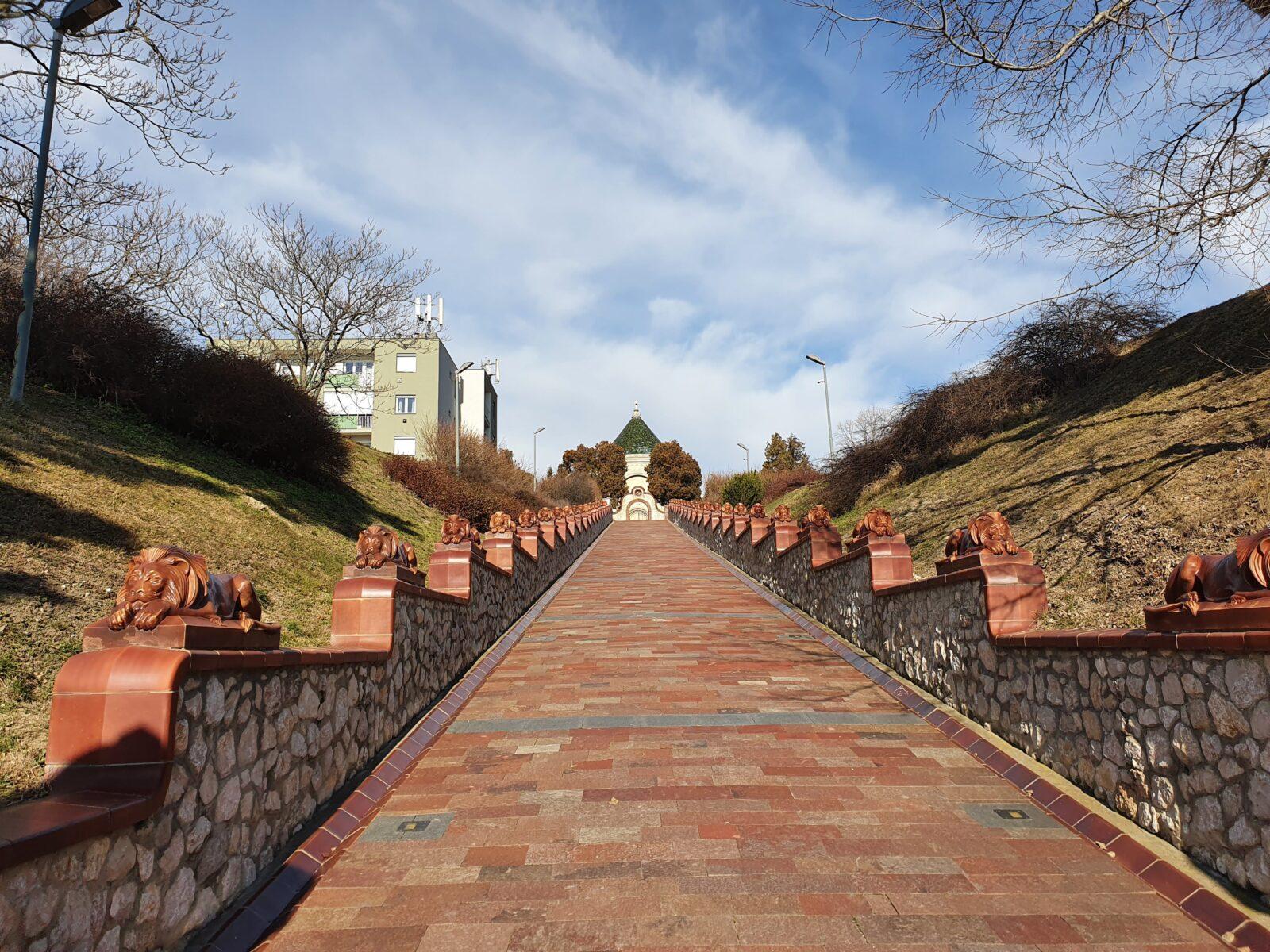
You can also visit the Zsolnay Mausoleum. The walkway to the mausoleum has 42 ceramic lions guarding the “secret of eosin”. This is the Zsolnay family’s resting place.
National Theatre of Pécs

On Király Street is the National Theatre of Pécs, a decorative building built between 1890 and 1895 and then opened in 1895. The building was subsequently renovated in 1991. The eclectic-style theatre was built according to the designs of Austrian-born Adolf Lang. You can also watch a show here; find out what’s on at the box office.
The Architecture of The City
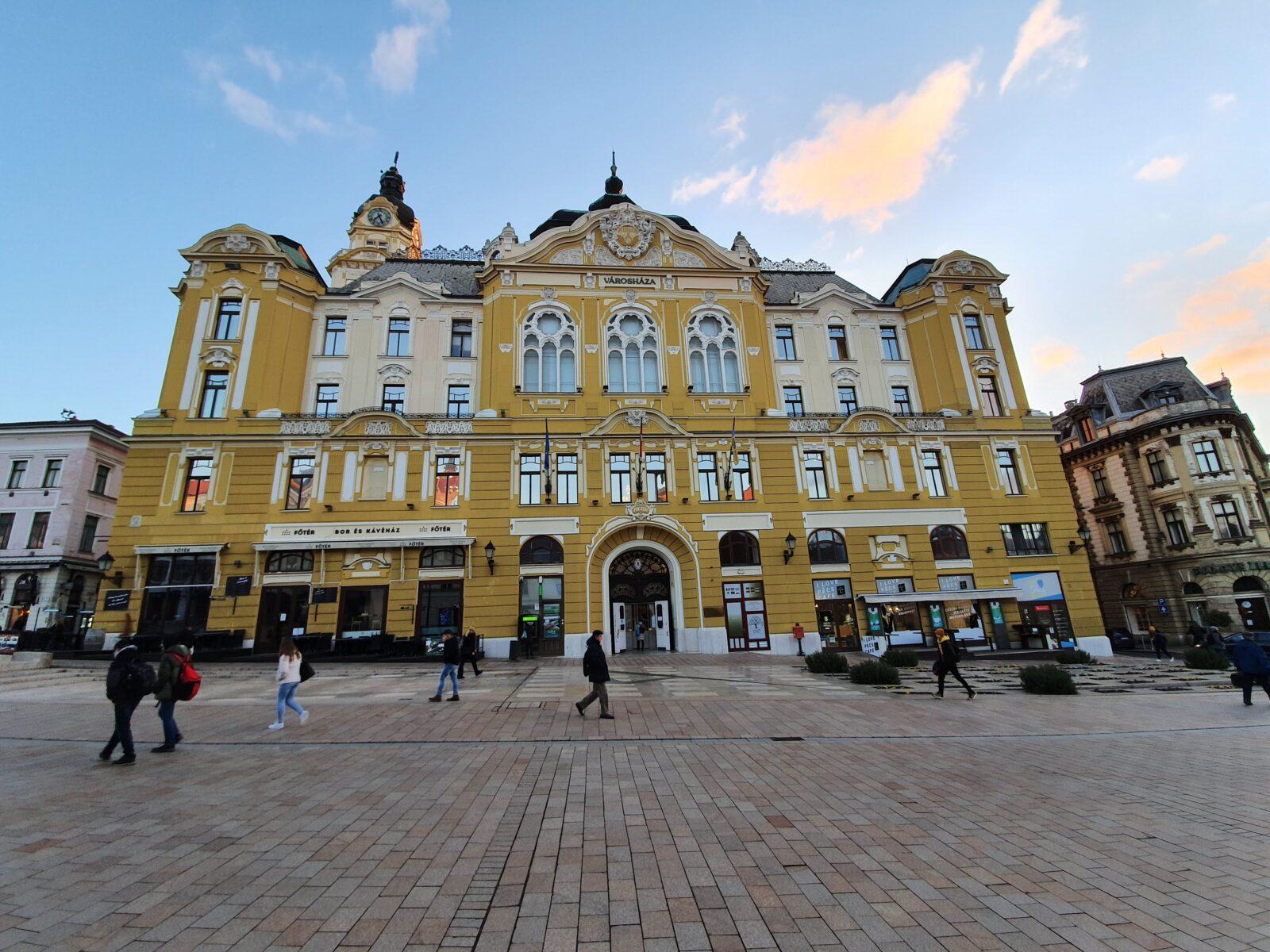
Many of the city’s buildings have intricately designed façades. Some also have roofs made of colourful local ceramics; my favourite is the post office.
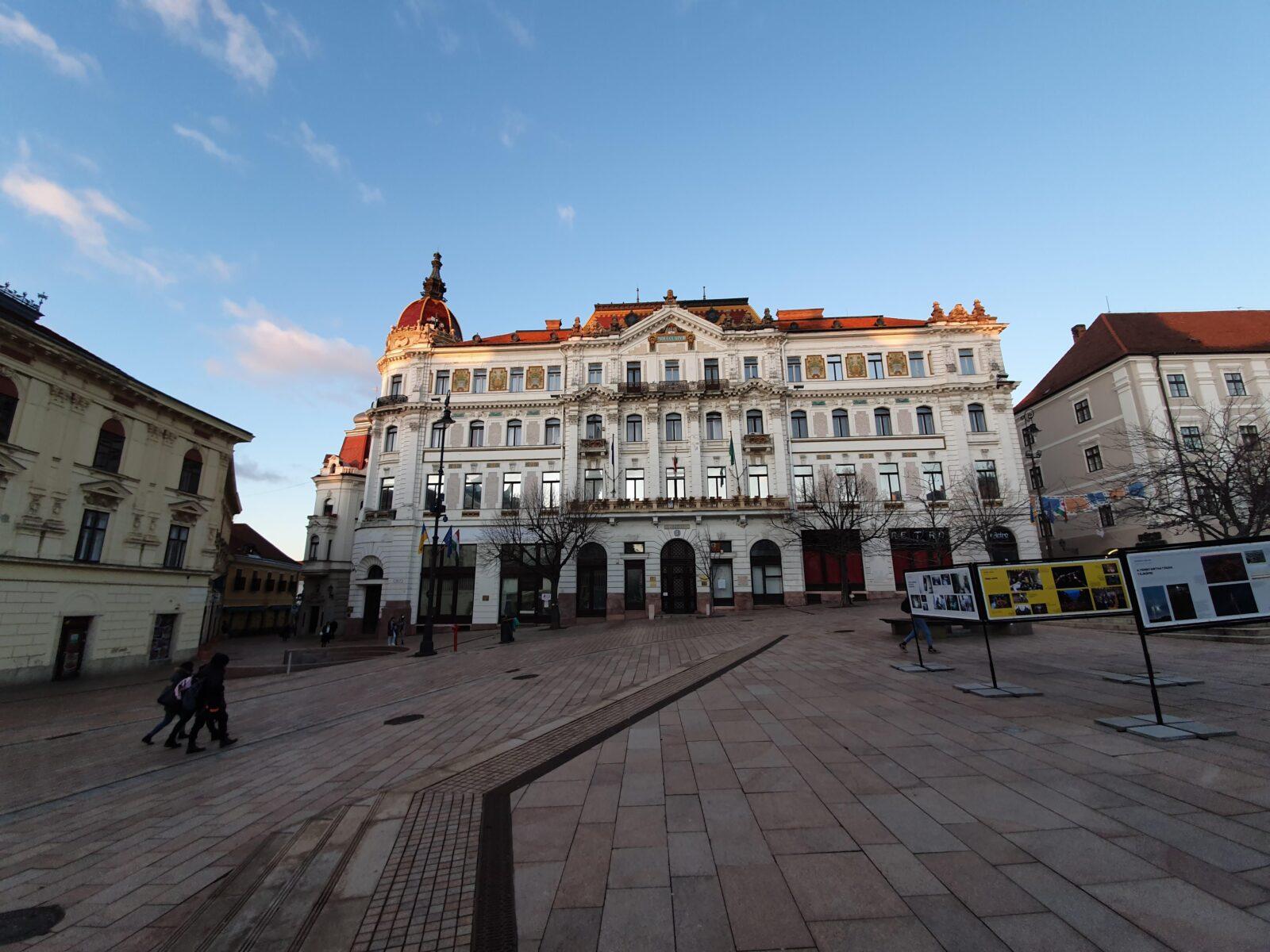
Király Street has a high concentration of architectural gems, including Art Nouveau. On my visits, I really enjoyed walking around and seeing the unique details on the buildings.
Pécs Zoo
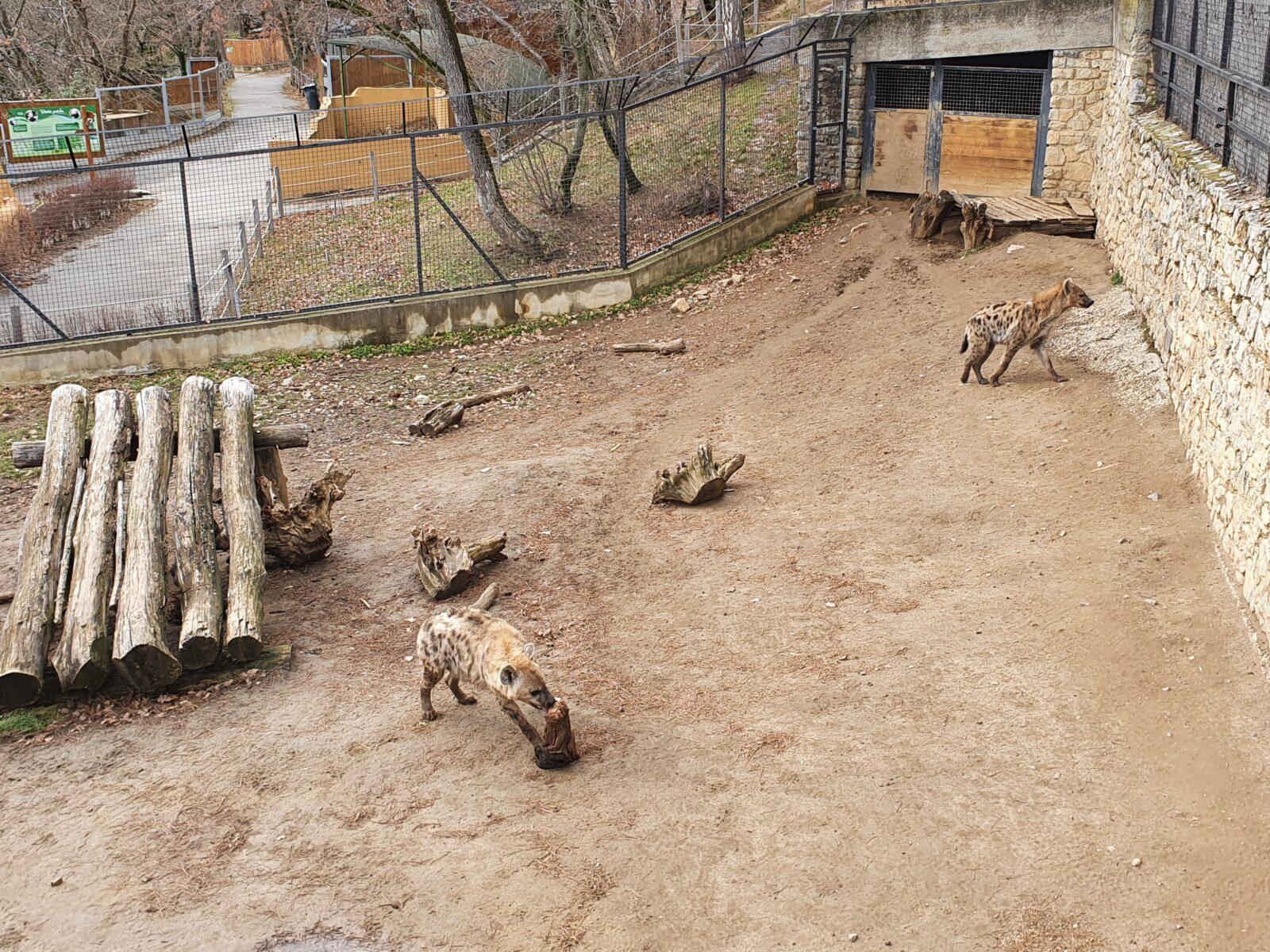
Pécs Zoo is on Mecsek Mountain, overlooking the city, and it’s a leg-burning hike to get there. Alternatively, you could get a taxi or bus to reach the attraction. Established in 1961, it is one of the smallest zoos in Hungary.
Mecsek Mountain and Mecsek-kapu
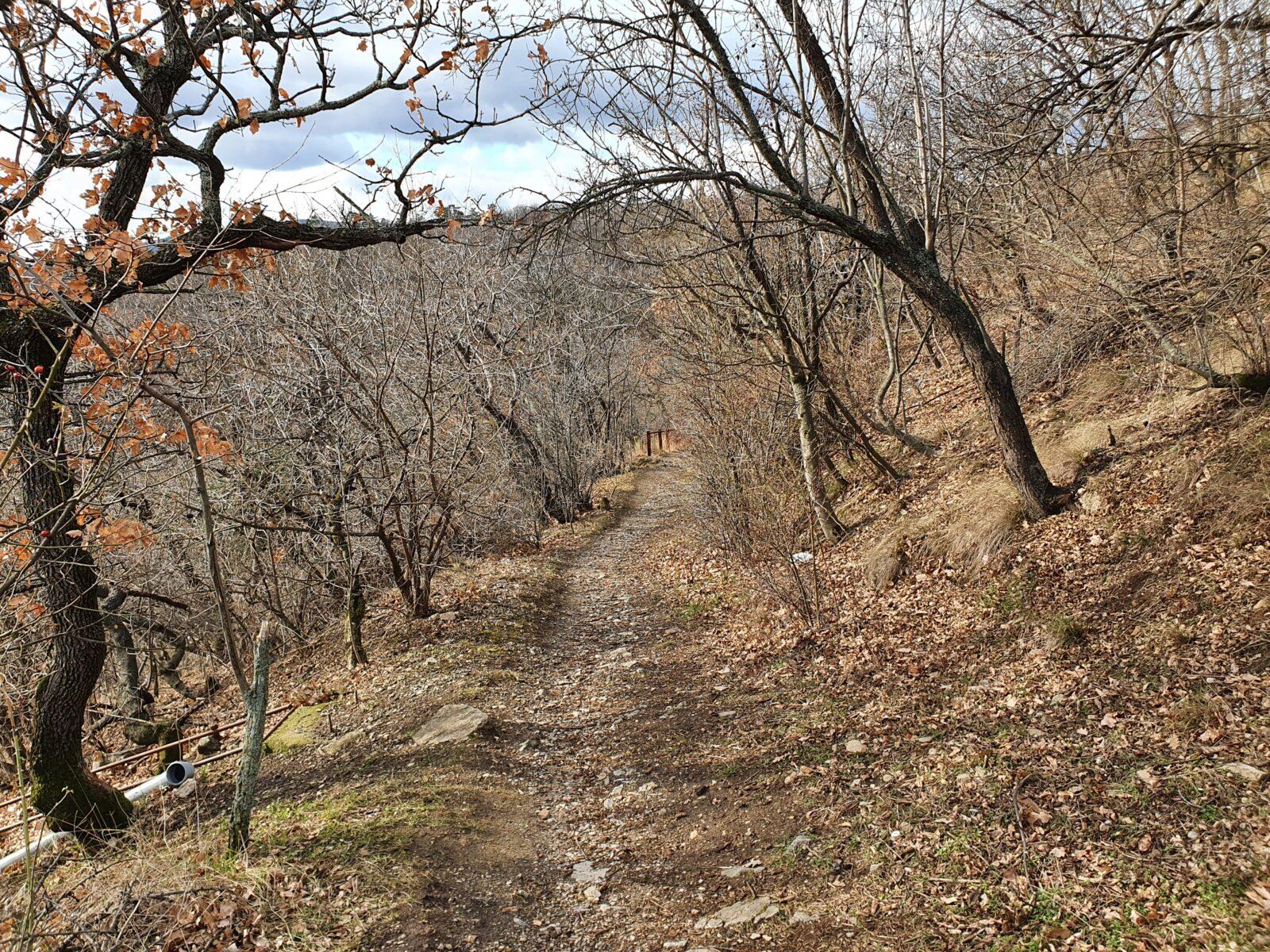
The Mecsek Mountains overlook the city and offer a good place for a walk or hike. The mountain has walking trails, including some that start in the city centre. We enjoyed the trails from the zoo back into the city.
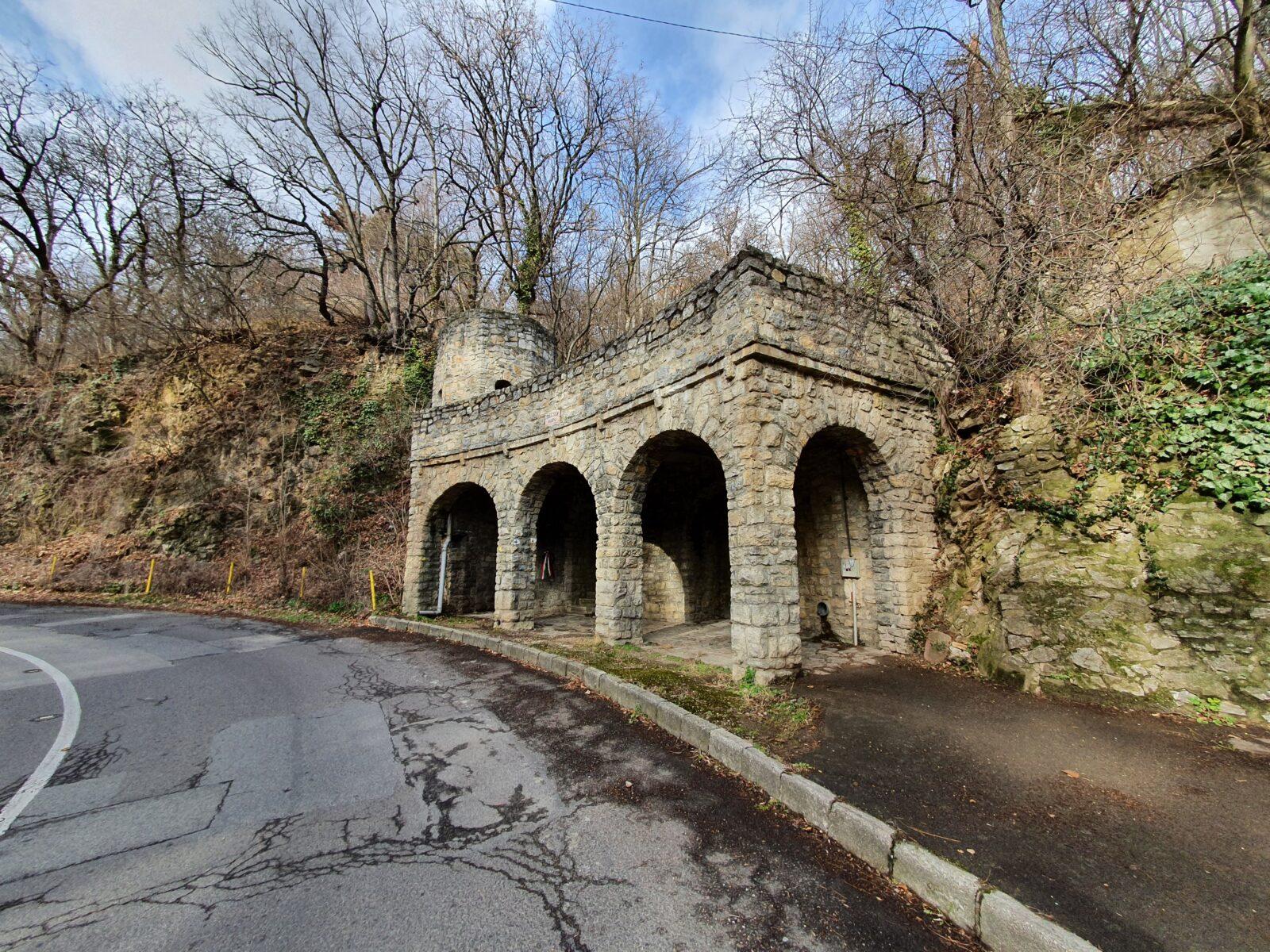
Mecsek-kapu is a castle-like building with a bastion, built in 1936. The building marks the end of the city and serves as a symbolic entrance to the Mecsek Mountains. From Mecsek-kapu, a serpentine trail leads up into the mountain. You can find hiking route suggestions on Komoot.
Calvary Hill
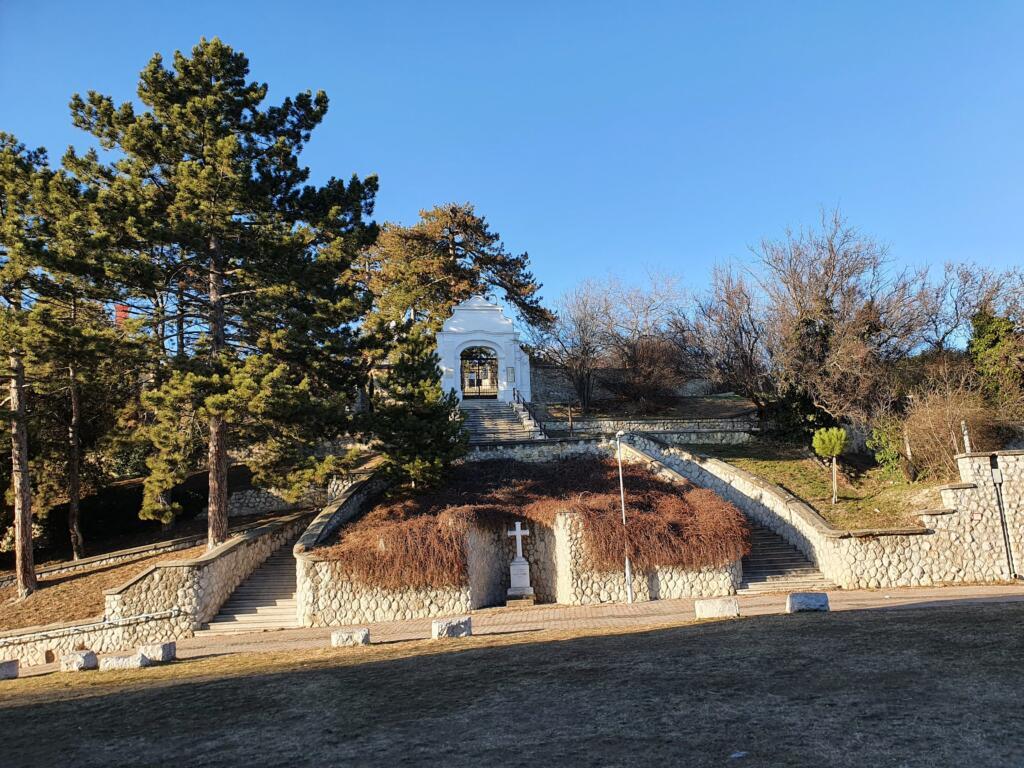
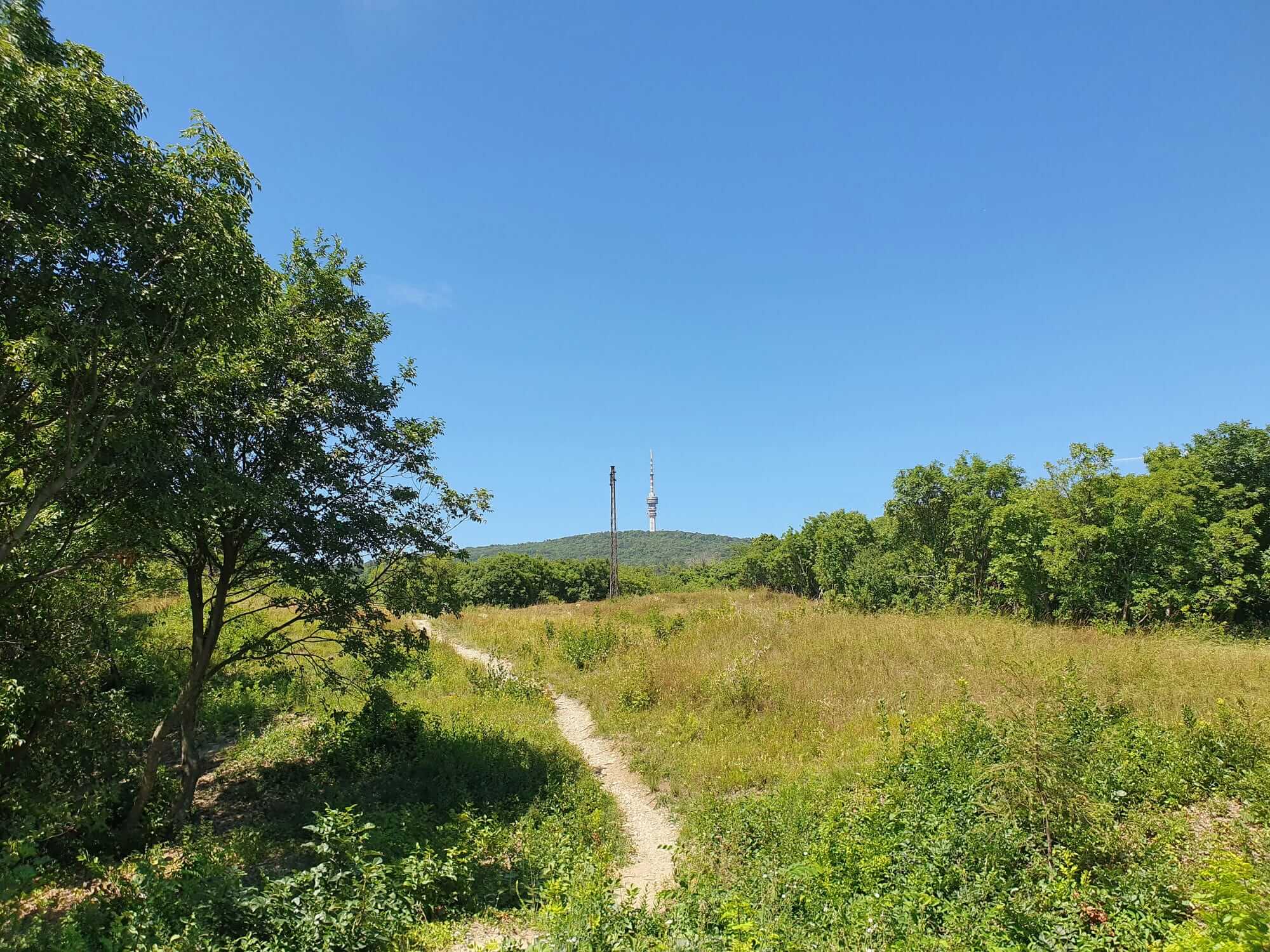
Calvary Hill is a scenic place for a walk, with views from the terrace. From here, hiking trails continue up the hill toward the zoo and beyond.
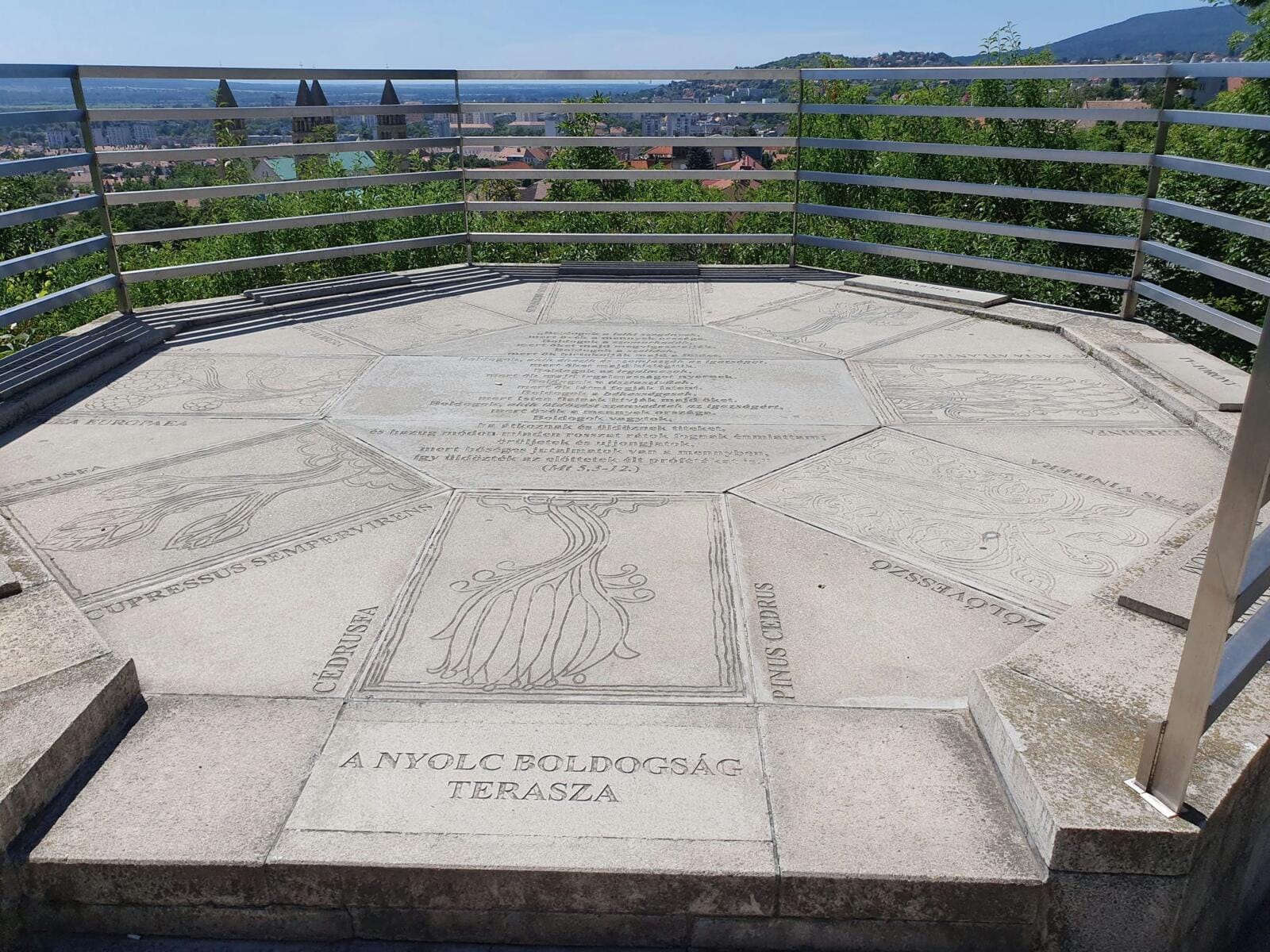
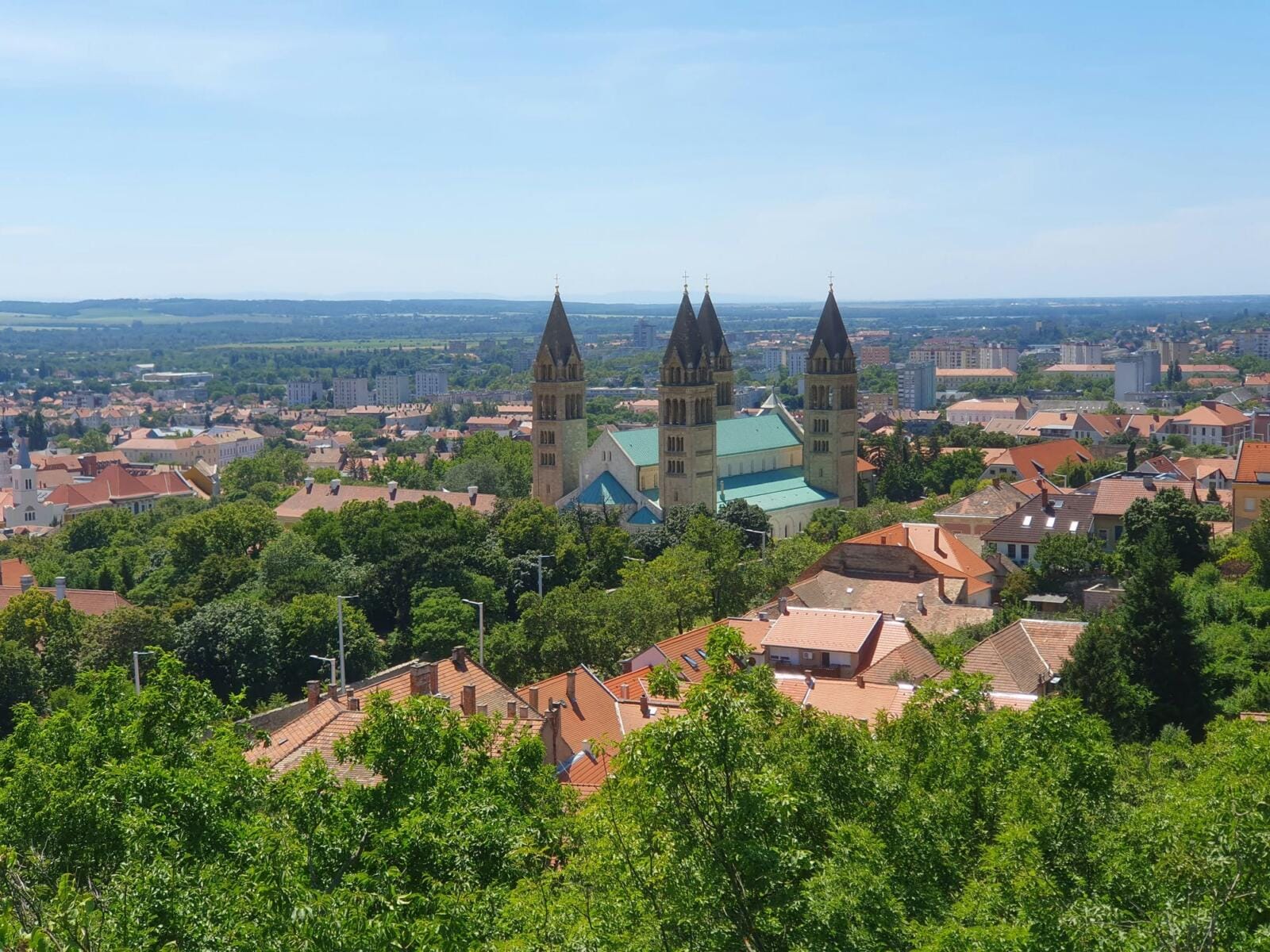
On Calvary Hill is the Nyolc Boldogság kilátóterasz observation deck. It’s a pleasant, albeit long, walk to the viewpoint, which is next to the chapel. The main reason to visit is for the views of the city from above.
Museums and Art Galleries in Pécs
Zsolnay Porcelain Museum
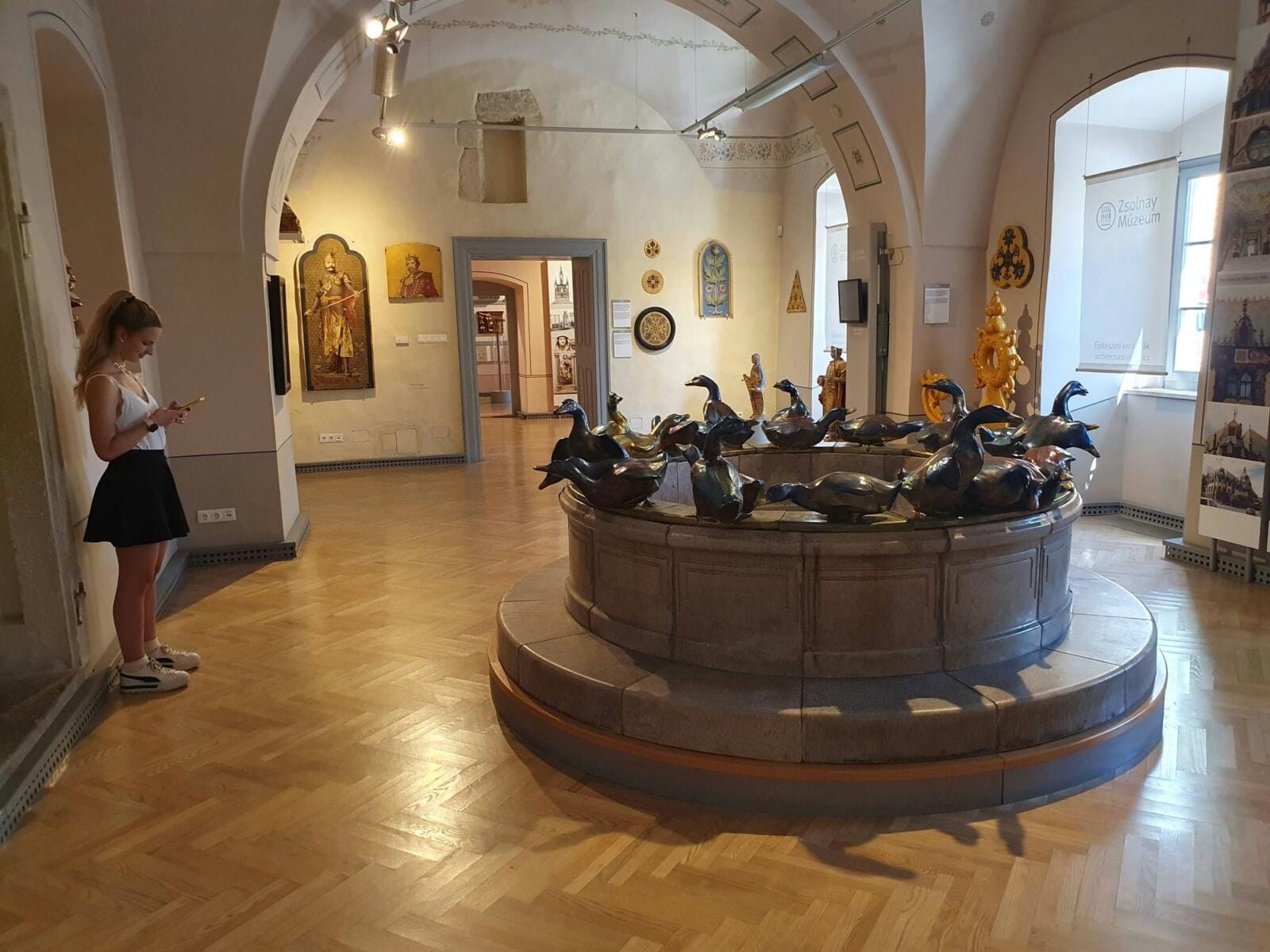
The Zsolnay Porcelain Museum is a place to learn about the area’s ceramic history. Ceramics made at the Zsolnay factory are world-famous for their quality and artistic detail. The original factory was set up in 1851.
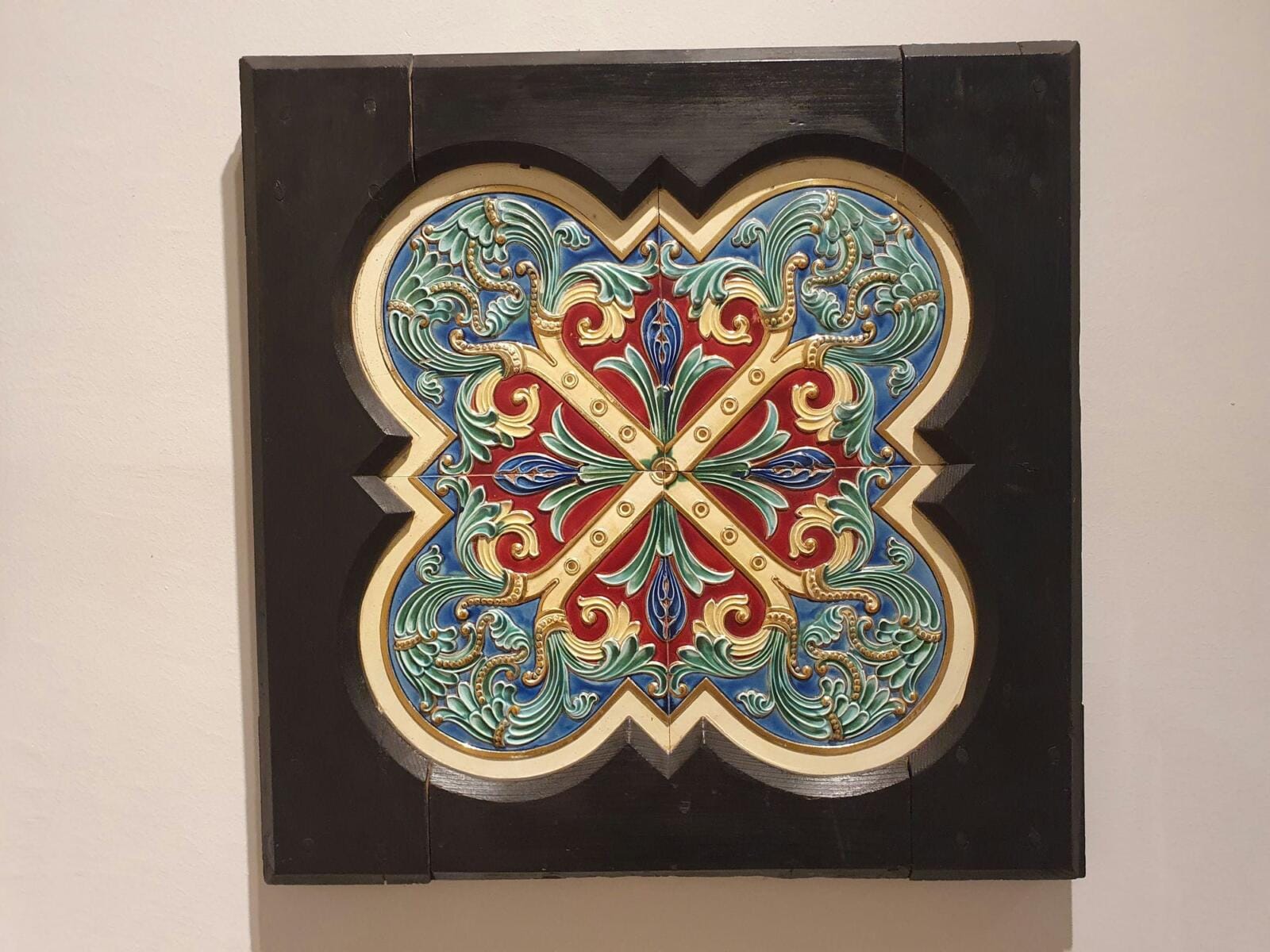
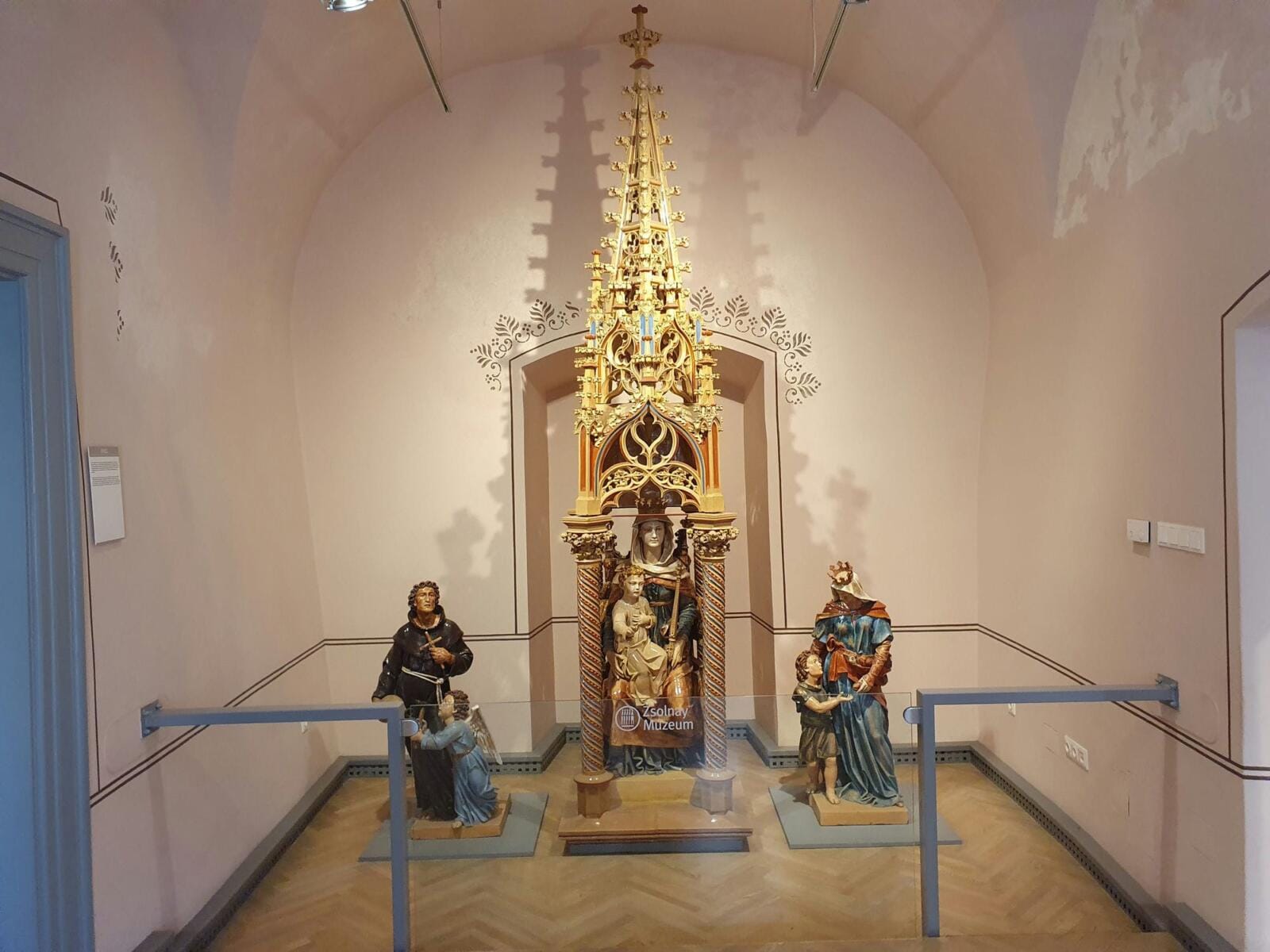
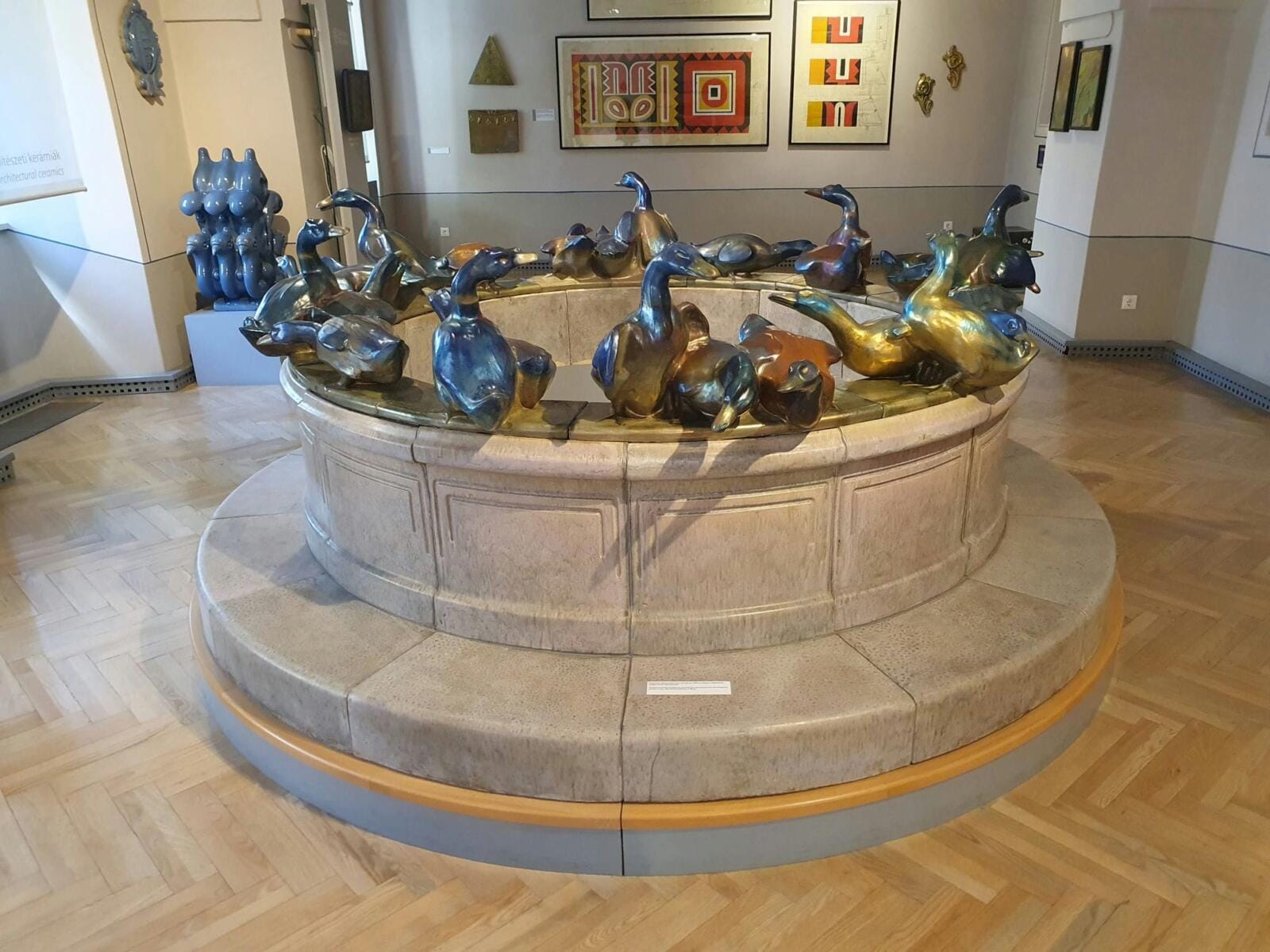
The museum has colourful architectural ceramic exhibits. These were used in impressive buildings worldwide and were made in the city. You can also see decorative ceramics such as the duck fountain.
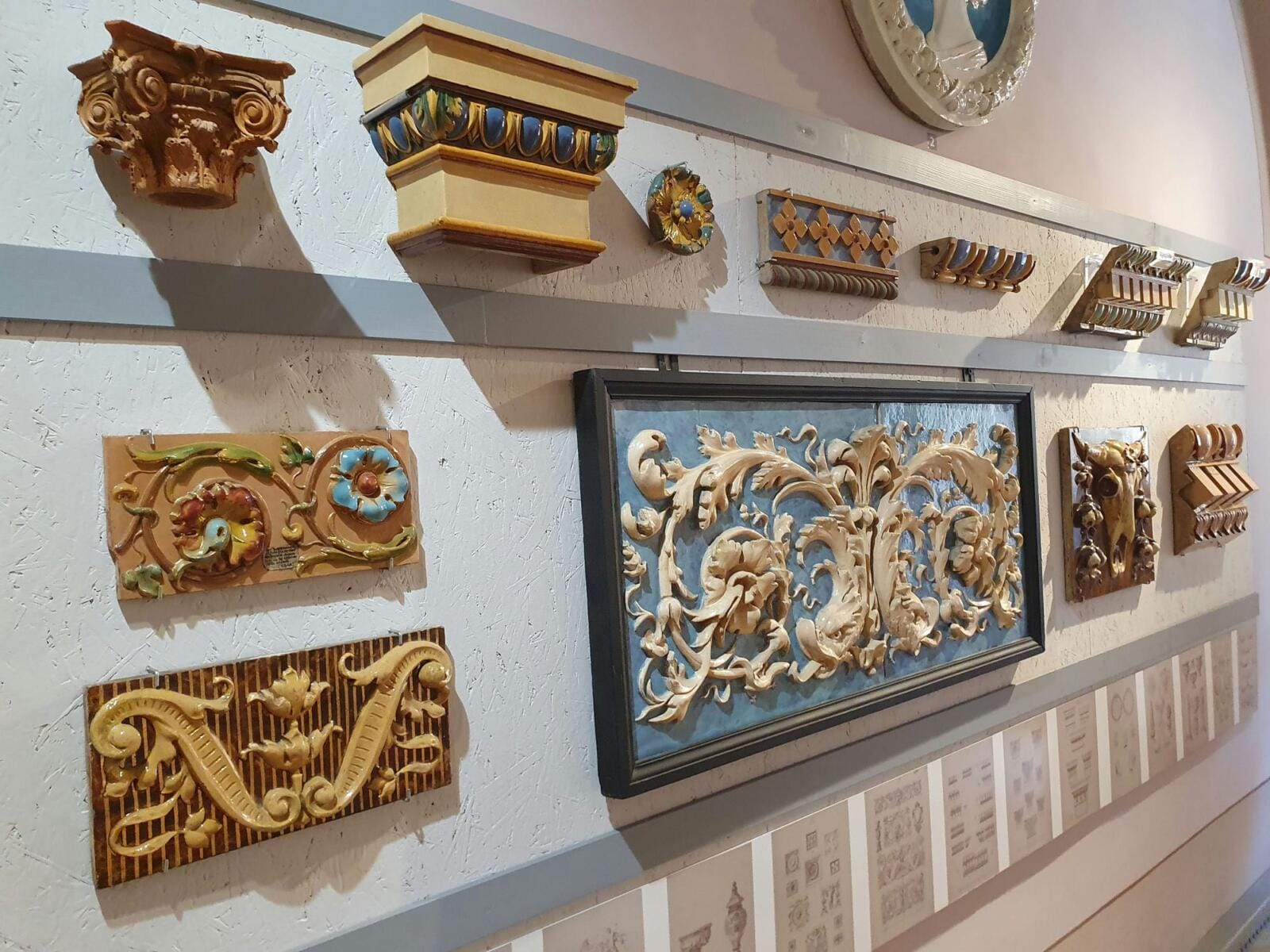
Other items that piqued my interest were the homewares. Their tranquil garden also features large exhibits.
Csontváry Museum
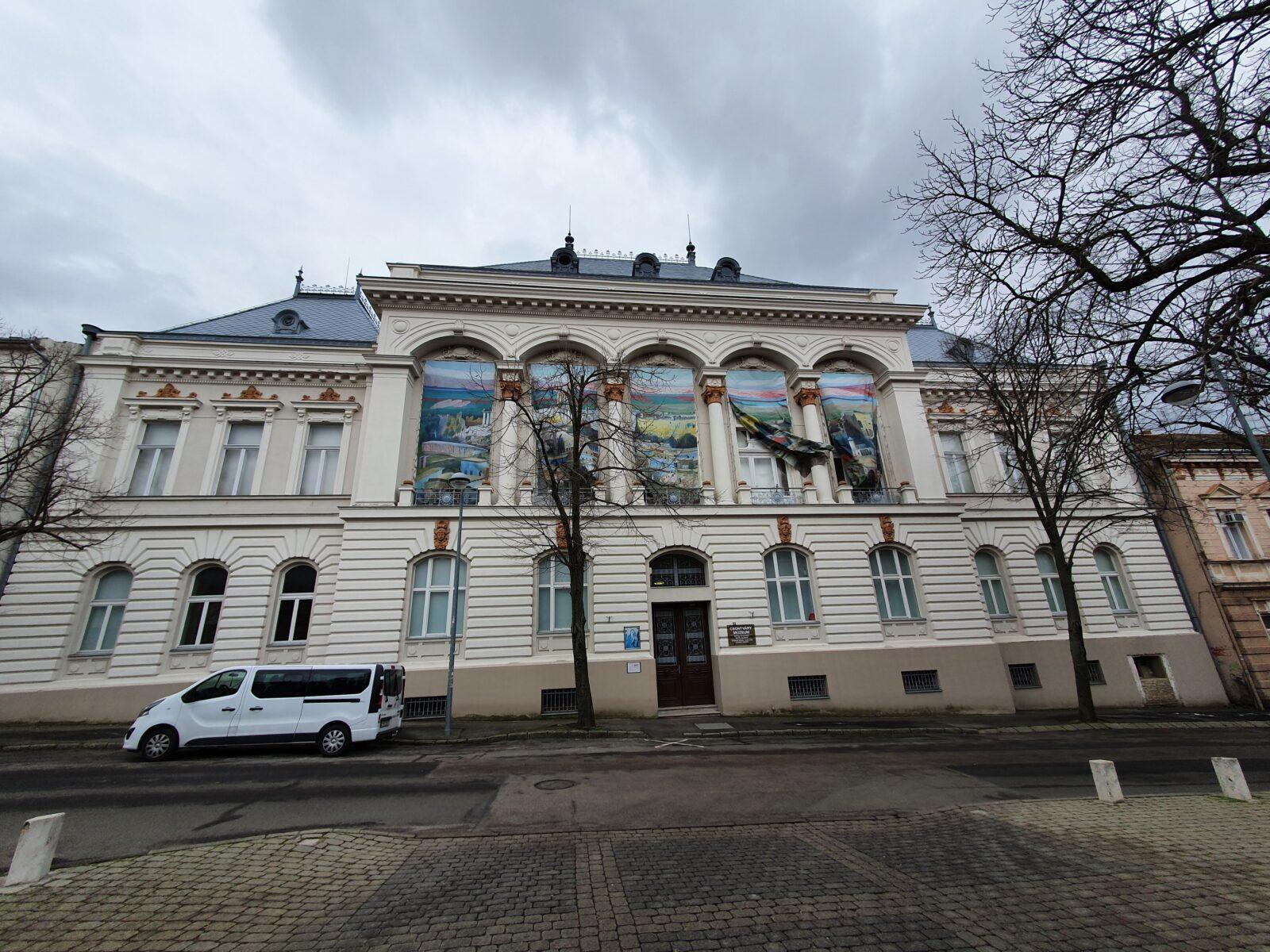
If you enjoy art galleries, a fun thing to do is to visit the Csontváry Museum. The Csontváry Museum is housed in a Neo-Renaissance building. It is an art museum with a rotating selection of Hungarian art exhibits.
Varázspadlás a Toy Museum
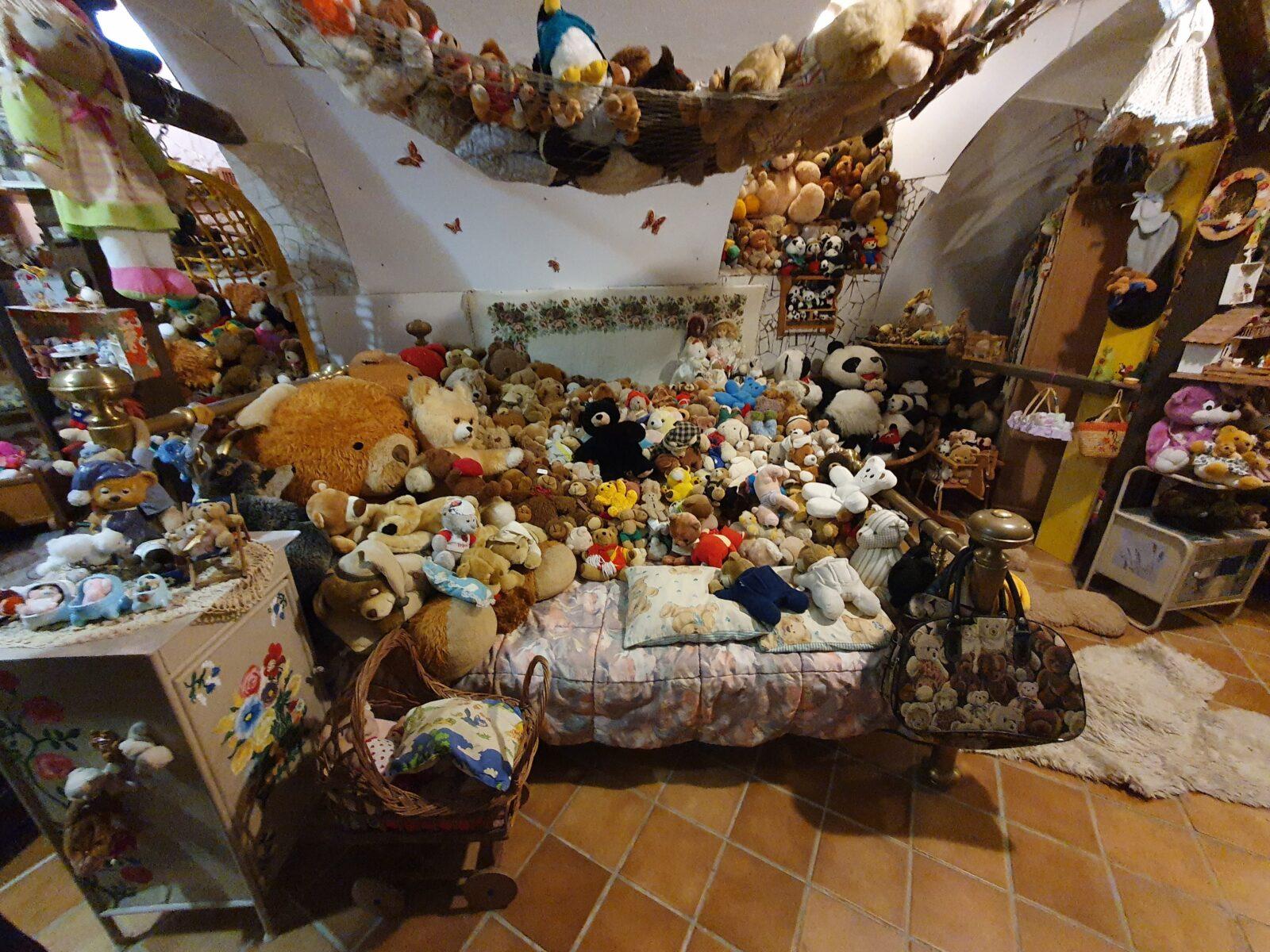
Varázspadlás is an eclectic toy museum featuring a large collection of teddy bears. The owner has been collecting bears for over 65 years and is very enthusiastic about them. She also has a collection of masks, puppets, fizzy drink bottles and more. The bear collection was comprehensive, and the highlight was a dining table set up for a teddy bear’s birthday.
Victor Vasarely Museum
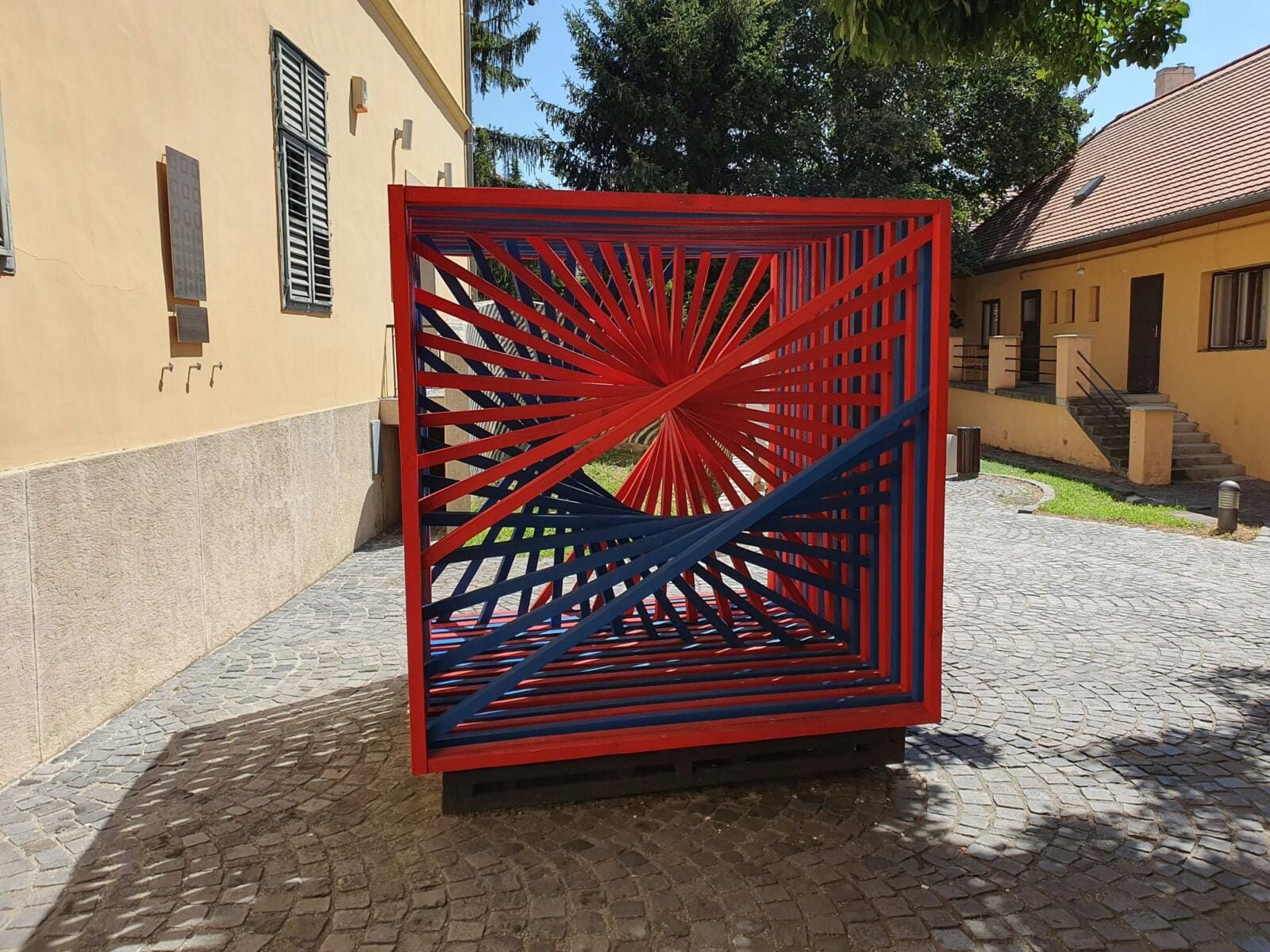
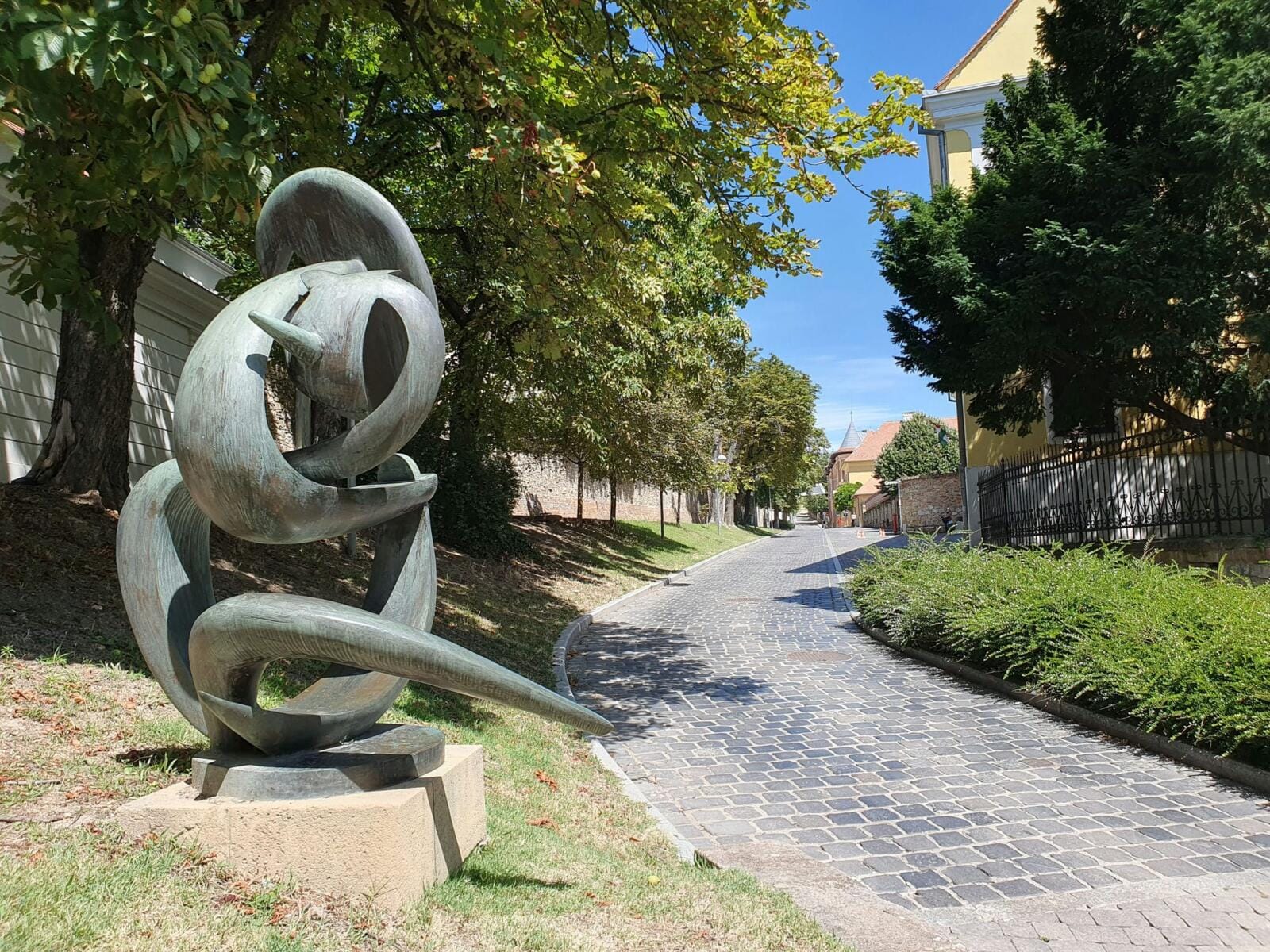
The Victor Vasarely Museum is on ‘Museum Street’ and features both indoor and outdoor exhibits. This art museum shows the best artworks by Victor Vasarely, an award-winning French-Hungarian artist.
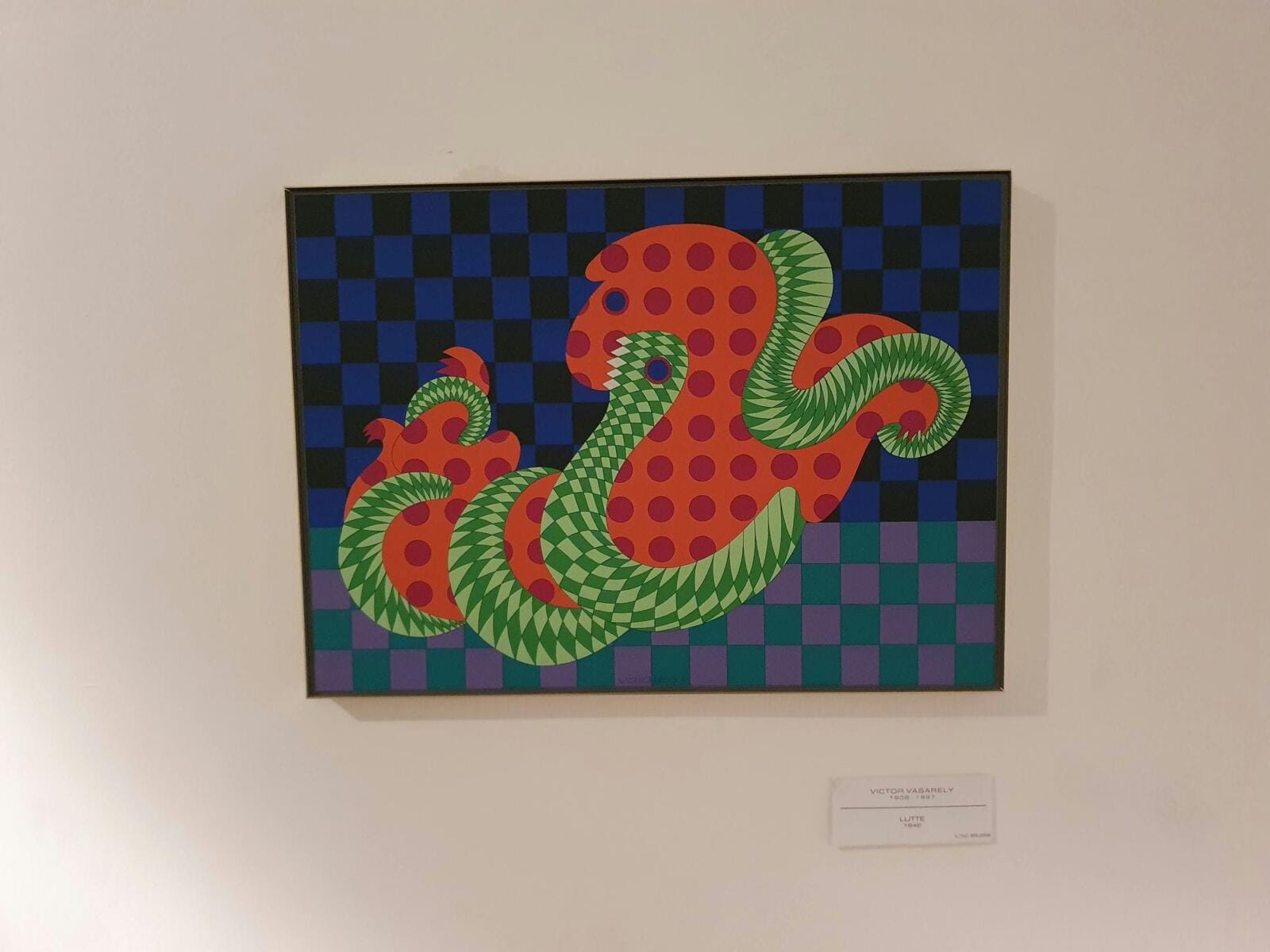
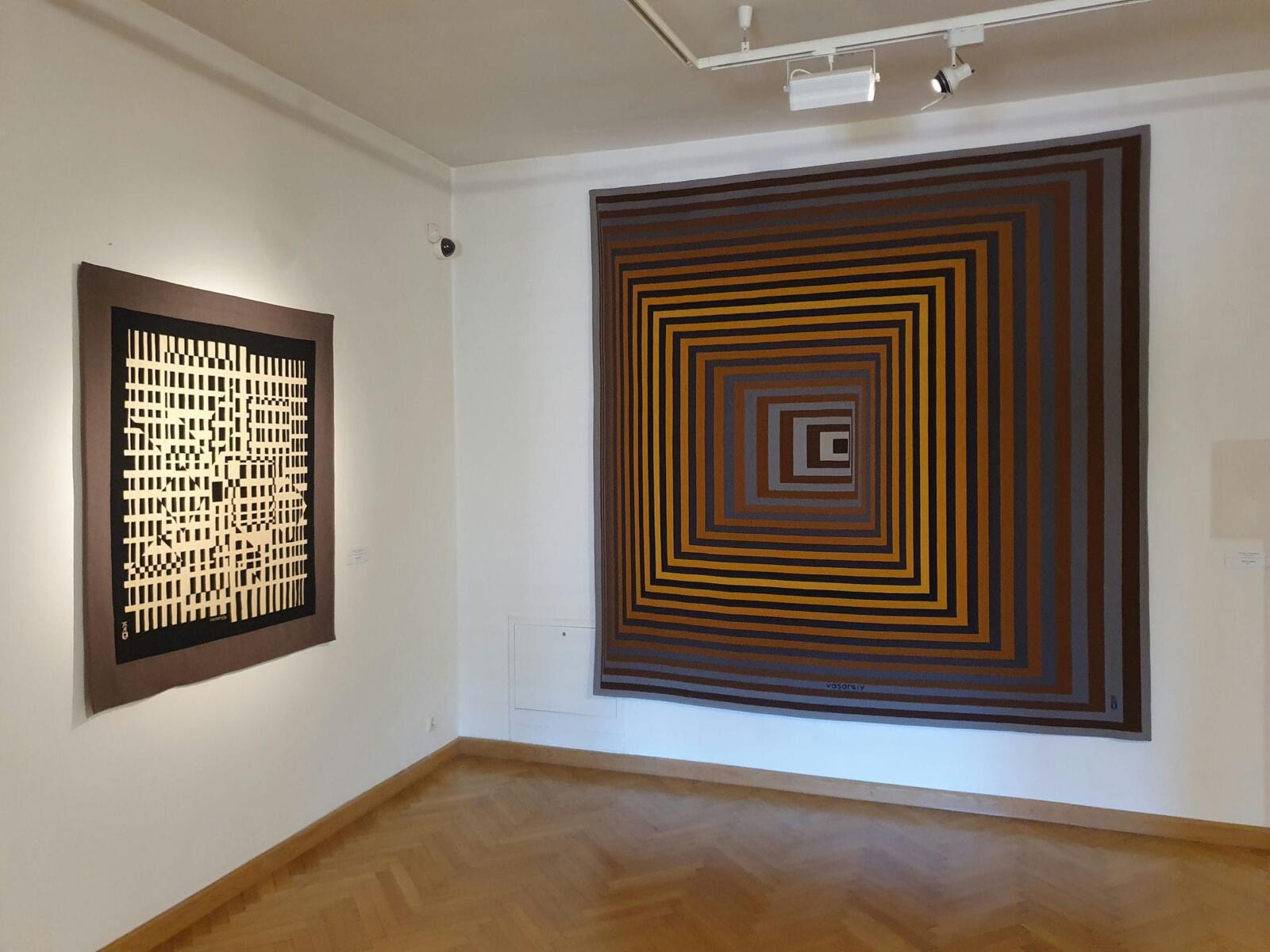
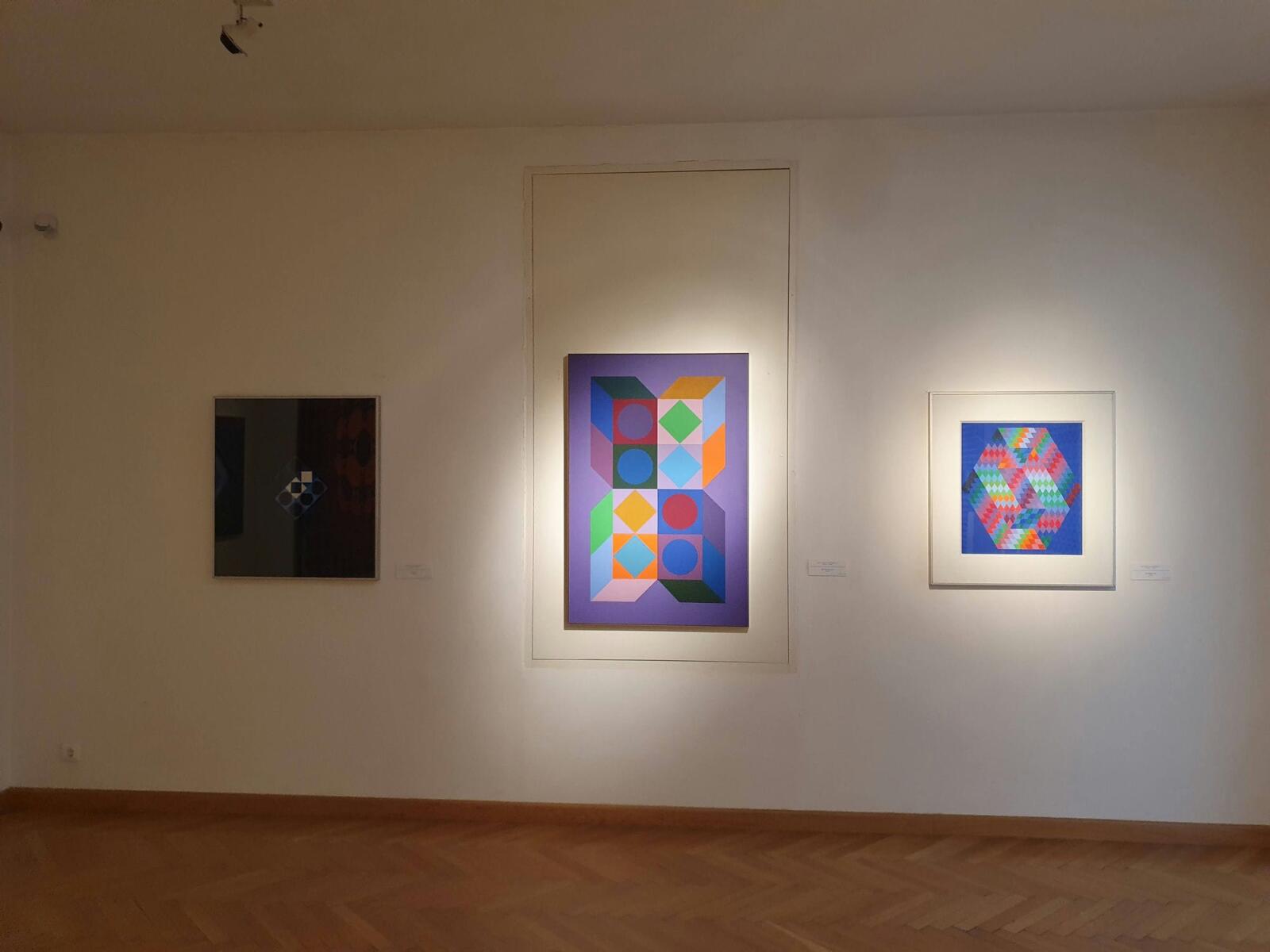
Vasarely is widely accepted as a “grandfather” and leader of the optical art movement. His 1937 work Zebra is one of the earliest examples of optical art. Optical art is a style of visual art that uses optical illusions. There are many artworks, many of which use optical illusions.
Other Museums and Art Galleries
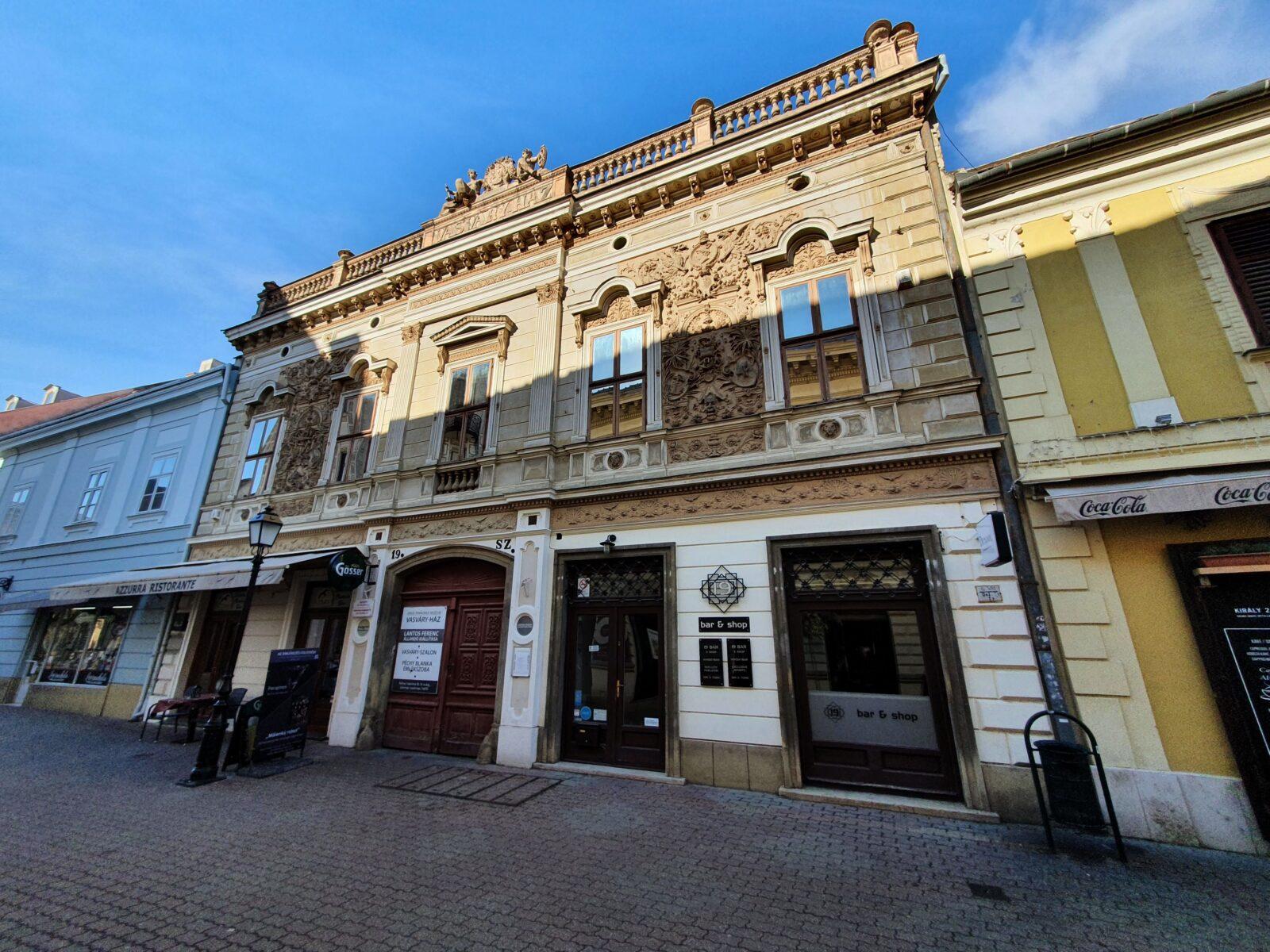
The city has a variety of museums and art galleries, from eclectic toy museums to those about the area’s mining history. The city also has a museum dedicated to its local history. Notable art galleries include the Pécs Gallery, the Gallery of Modern Hungarian Art and the Vasarely Museum.
If art galleries aren’t your thing, most of these buildings are architecturally special too. The most notable is Vasarely House, which has an amazingly decorated fascia. There’s actually a museum street in the city, near the cathedral.
Pécs City Guide
Travel to Pécs
We visited and left the city by train from various locations, including Budapest, Osijek and Győr. The railway station is a 10-15 minute walk from the city centre. You can find out schedules and book tickets on the MÁV website or app.
Dine Out
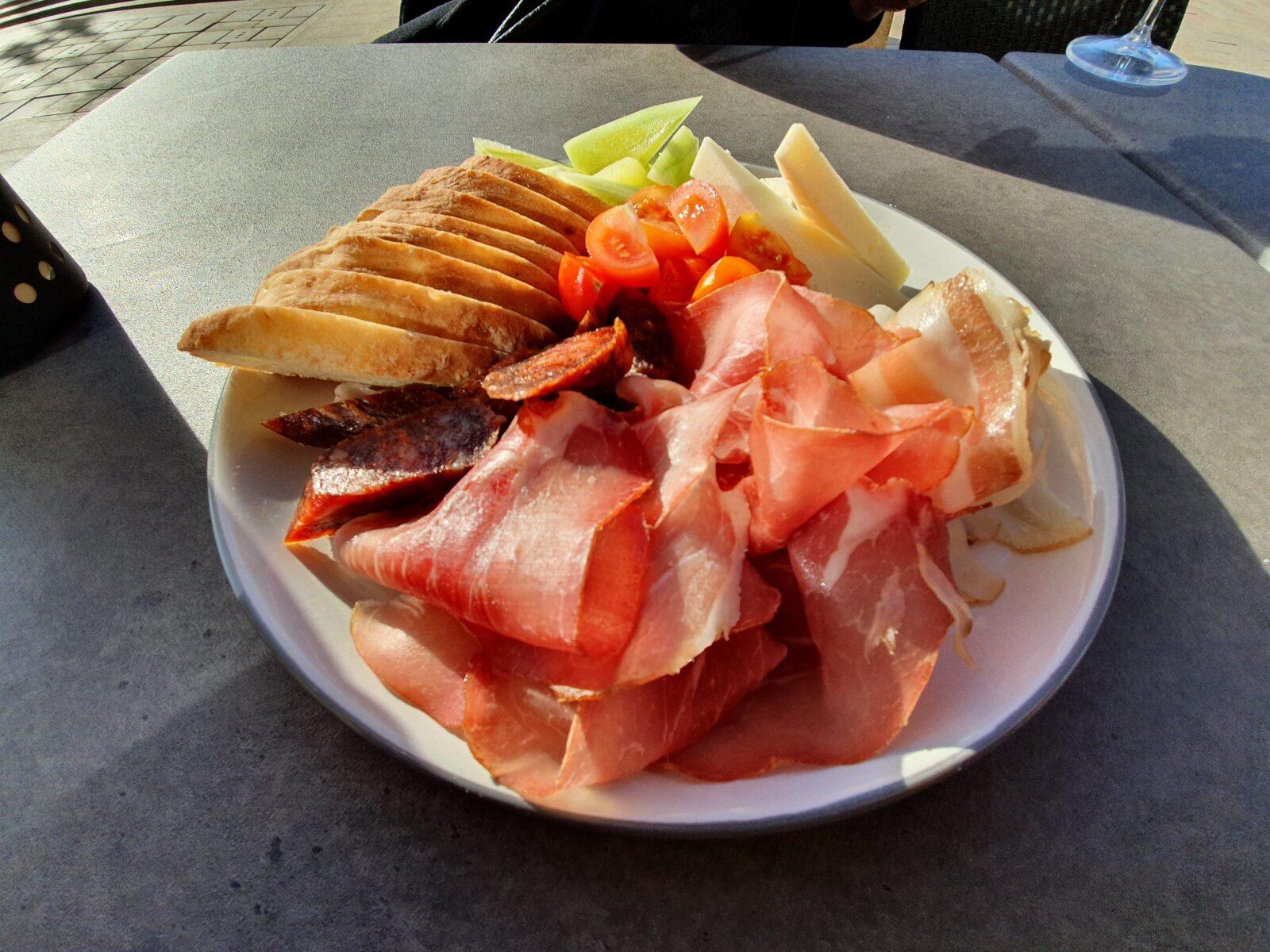
In the city, you can choose from a variety of places for a relaxing meal out, including restaurants, bars and coffee shops. We found meals out to be good value overall, as long as you avoid the more expensive cuts of steak. Pécs also has its own local beer, Pécsi Sör, which we found in many bars around the city.
Accommodation in Pécs
The city offers plenty of apartment and hotel options, including many dog-friendly ones. These range from budget to pricier options. The best place to find pet-friendly accommodation is on Booking.com.
Kistimar Apartman
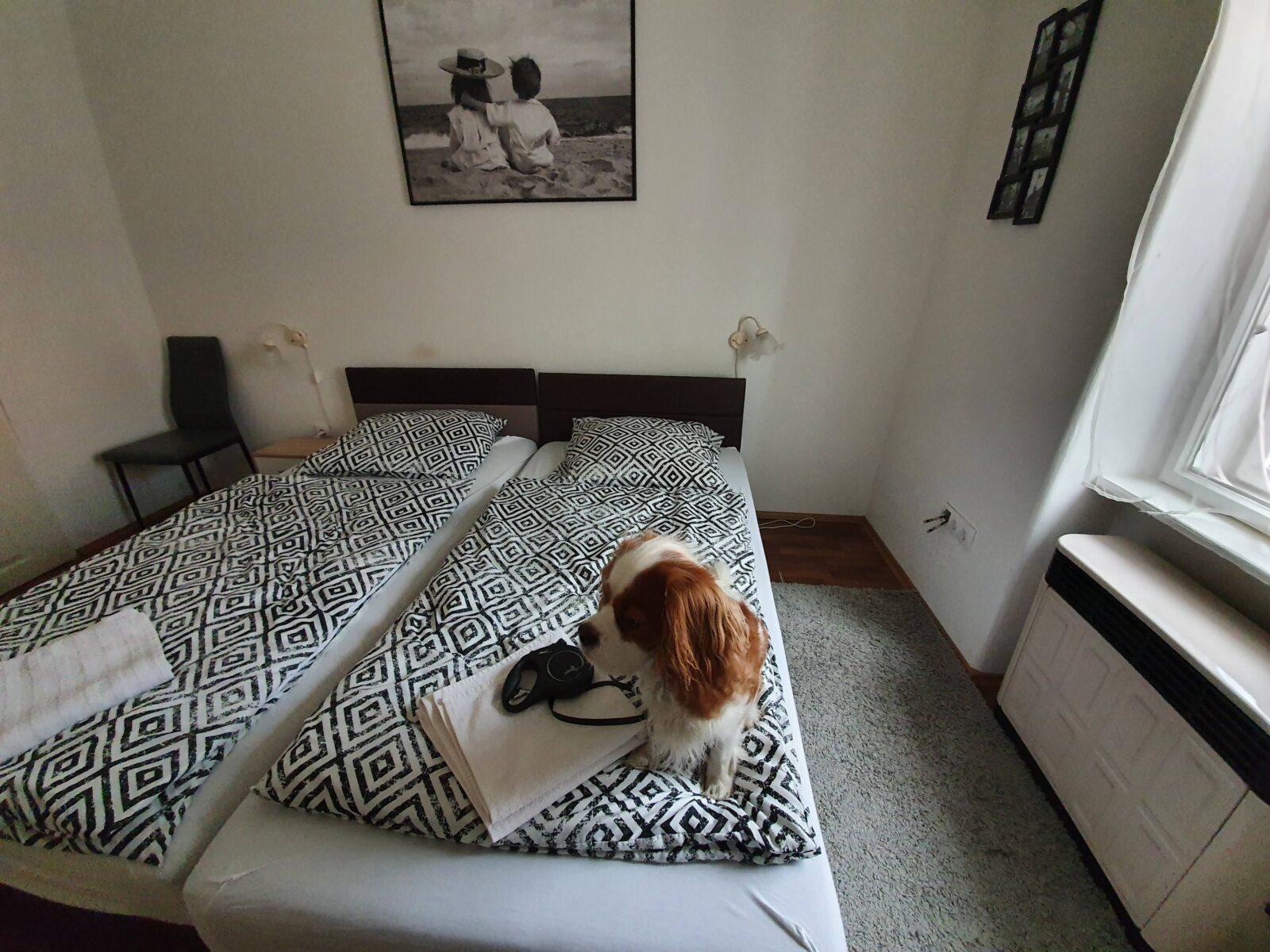
In the centre of town near the synagogue is Kistimar Apartman. This is a lovely private apartment within easy distance of all the attractions. The apartment can sleep up to 4 people and was the cheapest dog-friendly place we found.
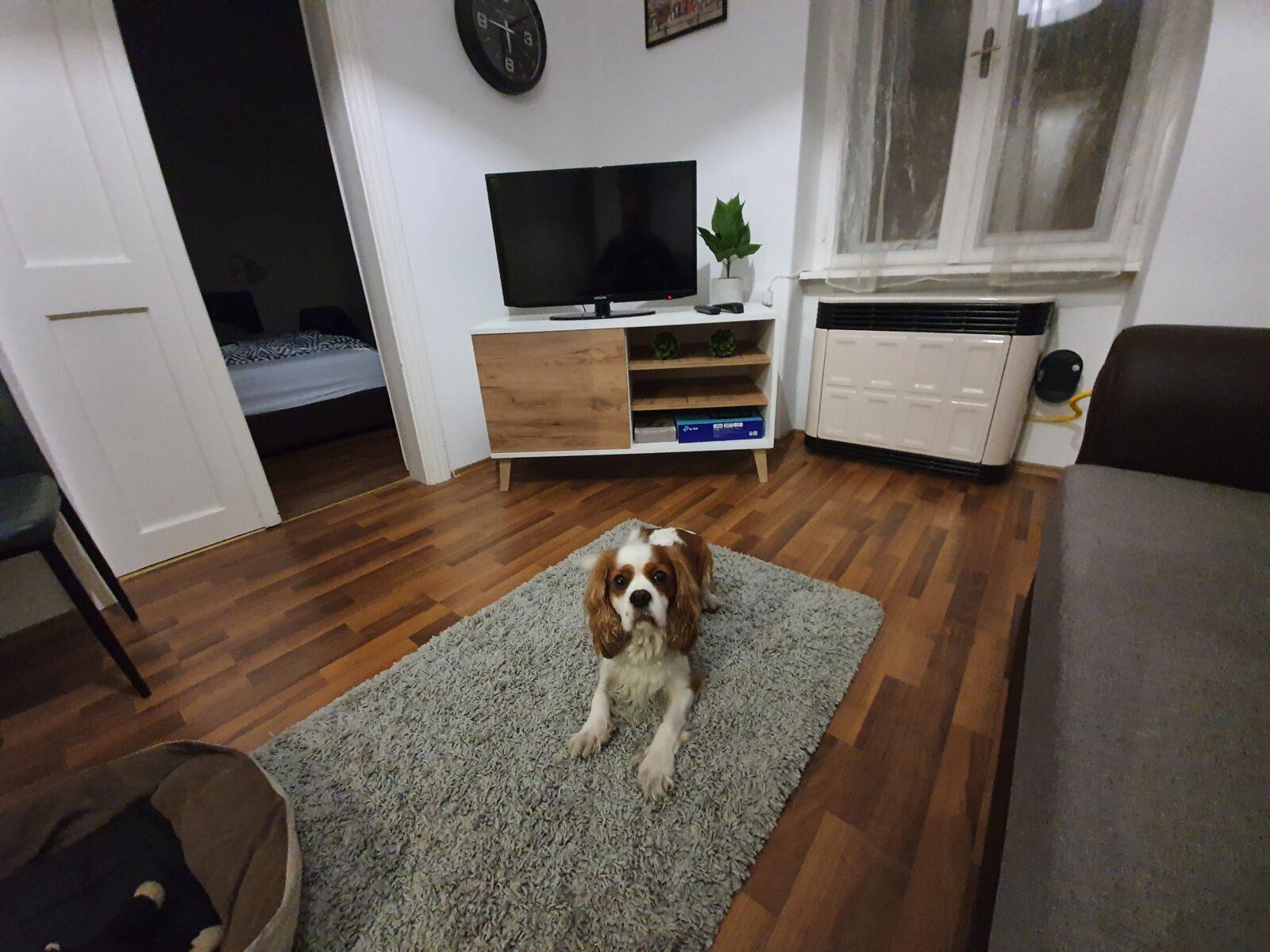
Their beds are comfy, it is warm, and it has a functional bathroom. They also have a well-stocked kitchen with all you need for a self-catering stay. Overall, a lovely place to stay, and the host was very helpful when we arrived.
Passion Apartment
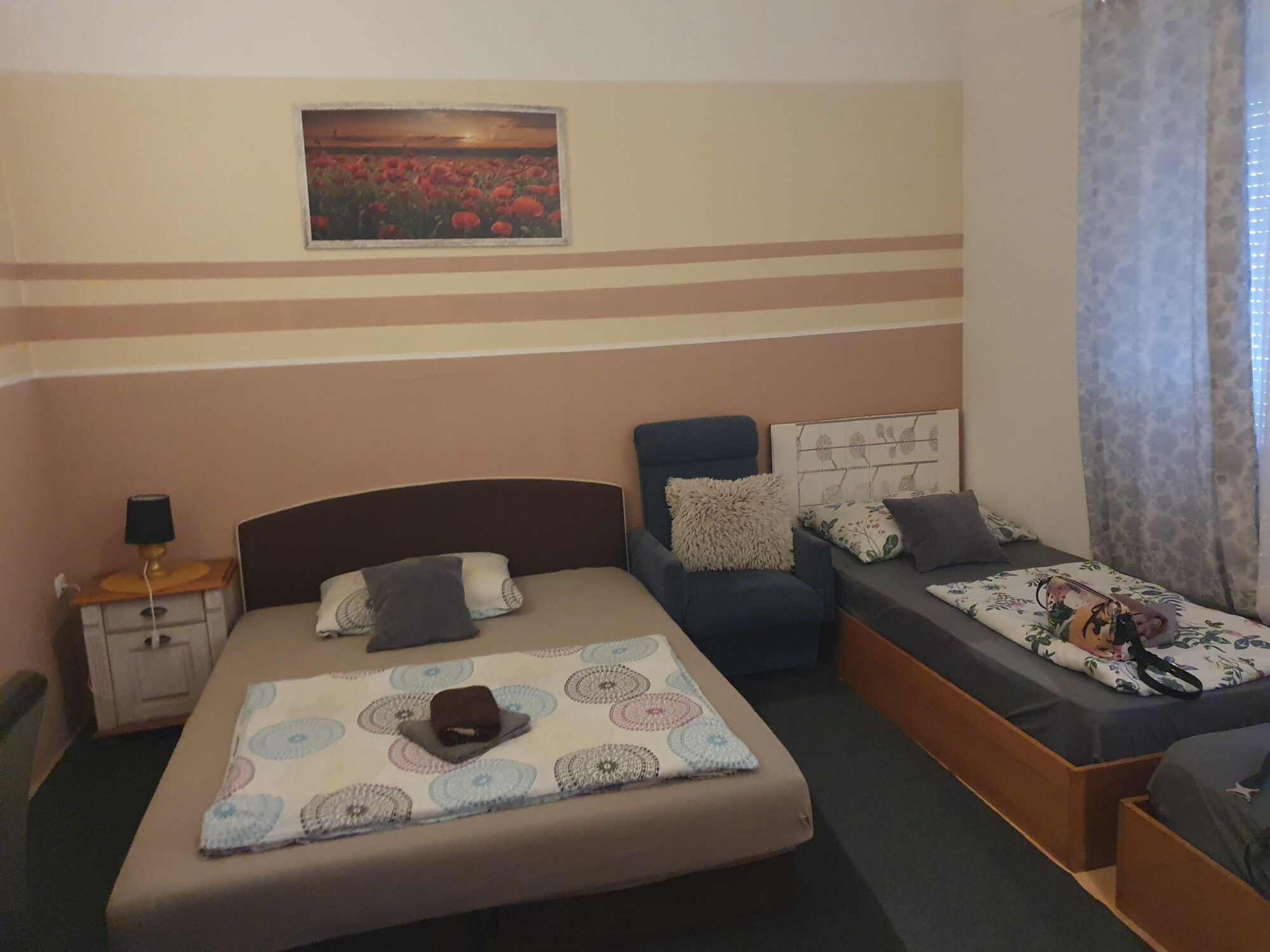
Passion Apartment was a suitable budget holiday accommodation for a week-long stay with a dog. It had all the facilities you need: a comfy bedroom, a kitchen, and a bathroom.
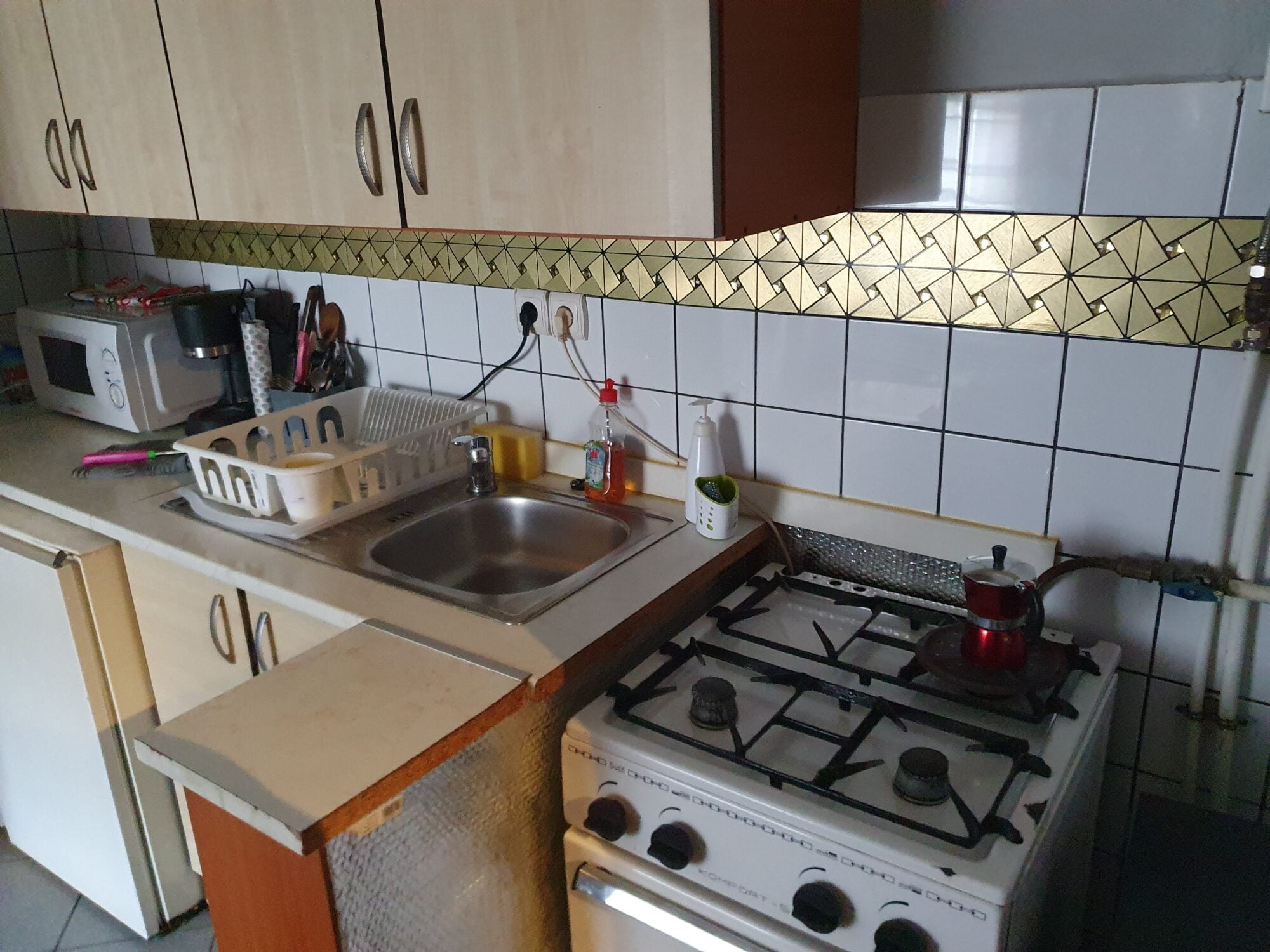
The kitchen was OK for cooking and had a hob and some useful utensils. As a bonus, they have a courtyard garden, which was great for sitting back and relaxing on warm days. The garden also had a barbecue.
Is Pécs Dog Friendly?
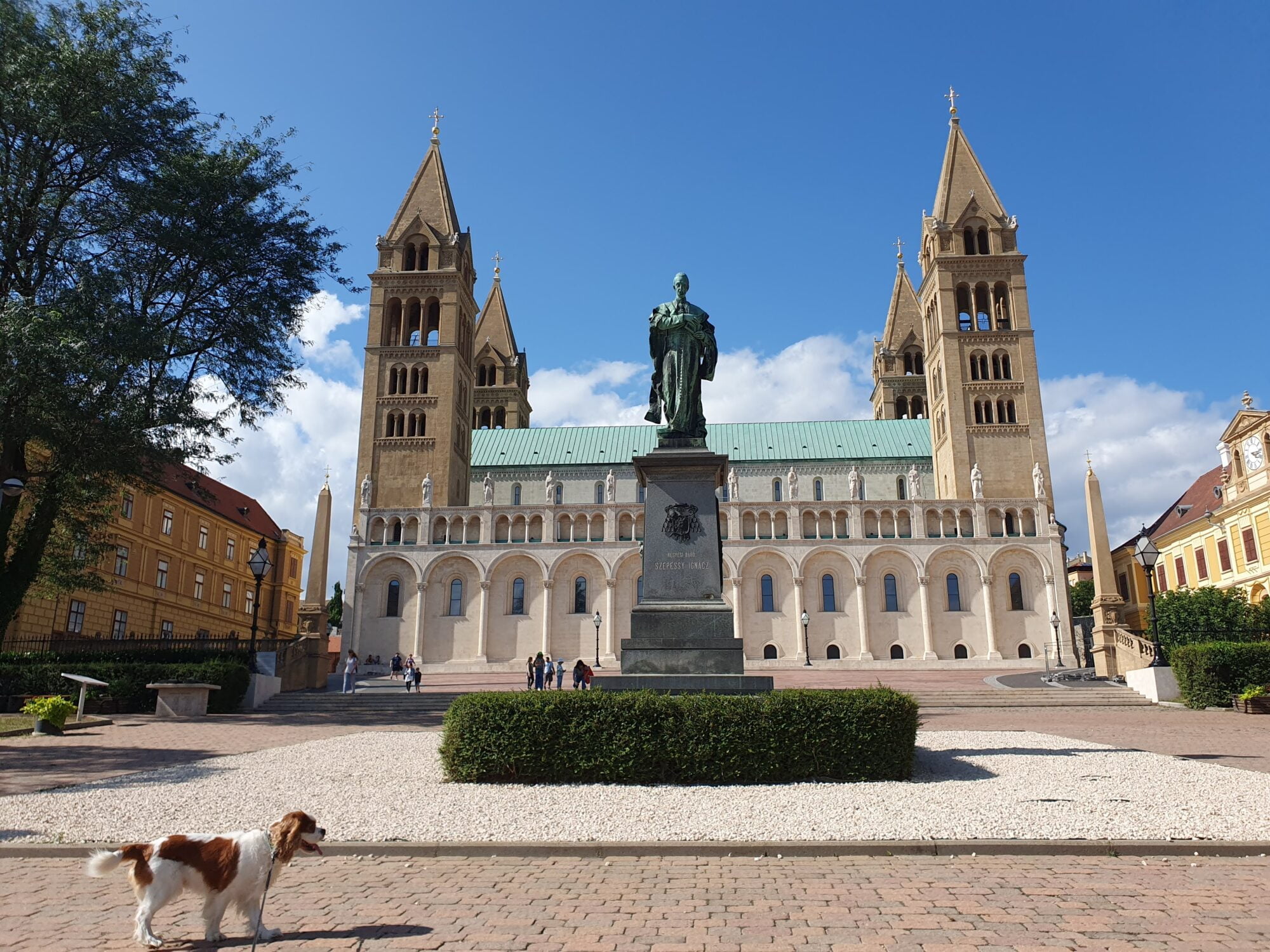
We very much enjoyed visiting Pécs in Hungary with Henry and found many things dog-friendly. Pet-friendly accommodation was good value and nice. Bars all seemed somewhat pet-friendly, and there were loads of other people out and about with pets. A highlight was sightseeing during dog walks.
Shopping
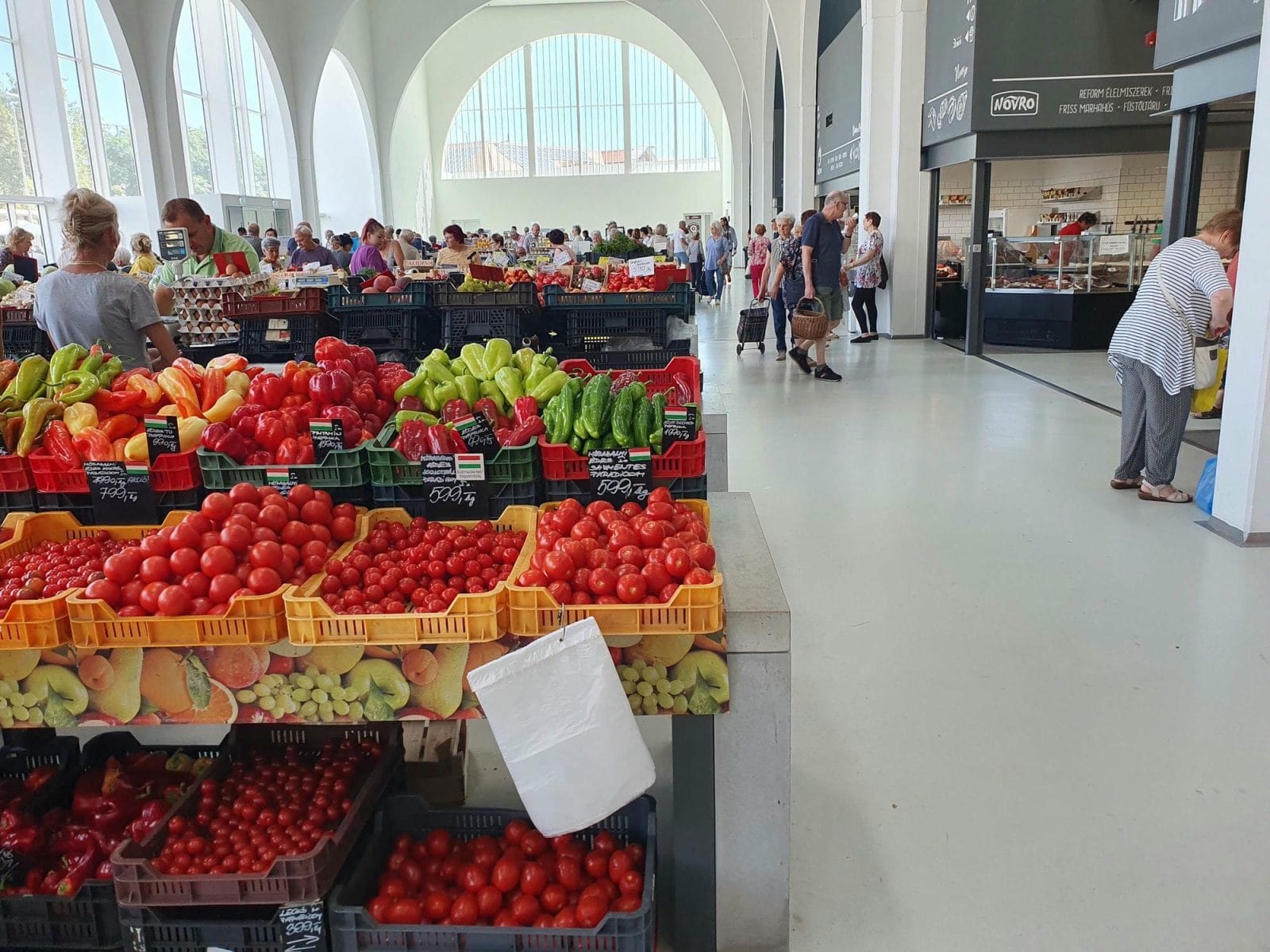
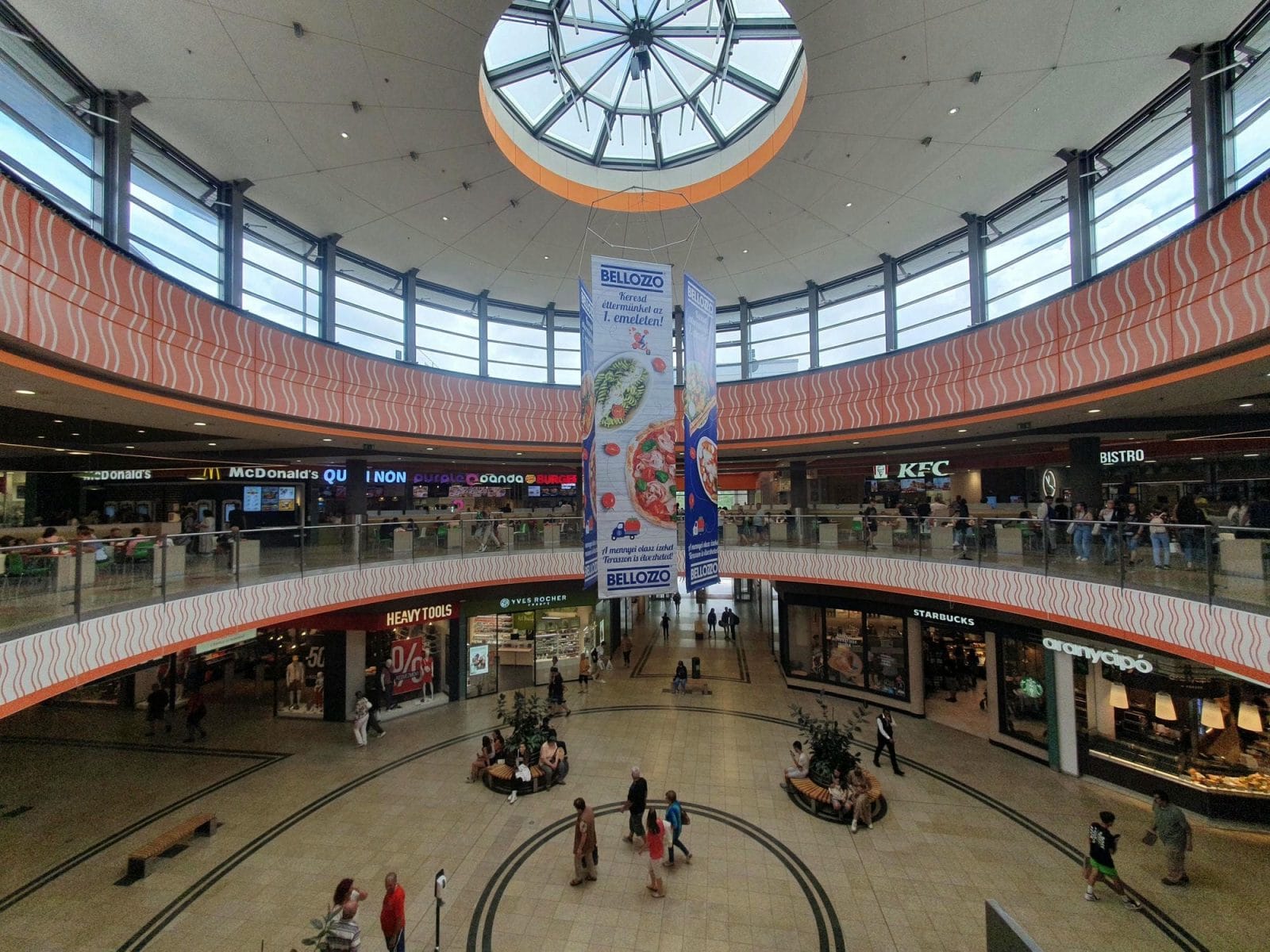
On our visits, we mostly shopped for food to cook. The best place for supplies was Pécsi Vásárcsarnok, a market hall with lots of stalls. Here, we purchased vegetables, meat, fish, and some fruit. There were also some good supermarkets, including InterSpar. For everything else, Árkád, the central shopping mall, was great.
Lovely architecture lots of interesting places to see. The cathedral is just beautiful. Pecs will certainly be one to remember thanks for sharing
I’m in love with Henry as he’s not only adorably cute but looks like such a good travel companion! Pecs looks beautiful for all its architecture. I could enjoy sitting at an outdoor cafe or brewery and take it all in.
I love a good toy museum. It’s fun they let you play with the toys because most I’ve been to don’t let you do that. Those first couple of churches look lovely.
The synagogue and San Sebastian’s Church look and sound like must-sees. Generally Pec seems like a lovely little town. I must also admit that until just now I had no idea that barbican is a word in the English language. I always thought it refers to the neighbourhood in London and that was it.
I am so in love with the Zsolnay tiles and in general their works. Having travelled the Danube region recently I came across Zsolnay works many times and I am amazed that they are still going and getting booked left right and centre front. Would love to visit the factory one day and see the pyro granite making process as well as buying something at the shop. Need to work and earn some money first as Zsolnay is not exactly affordable.
Carolin | Solo Travel Story