
Going Underground in Bunker 10-Z: A Nuclear Shelter in Brno
When I visited Brno in the Czech Republic, we found the visit to Bunker 10-Z fascinating and were glad we visited. This is a former Cold War-era nuclear bunker, and such shelters were commonplace.
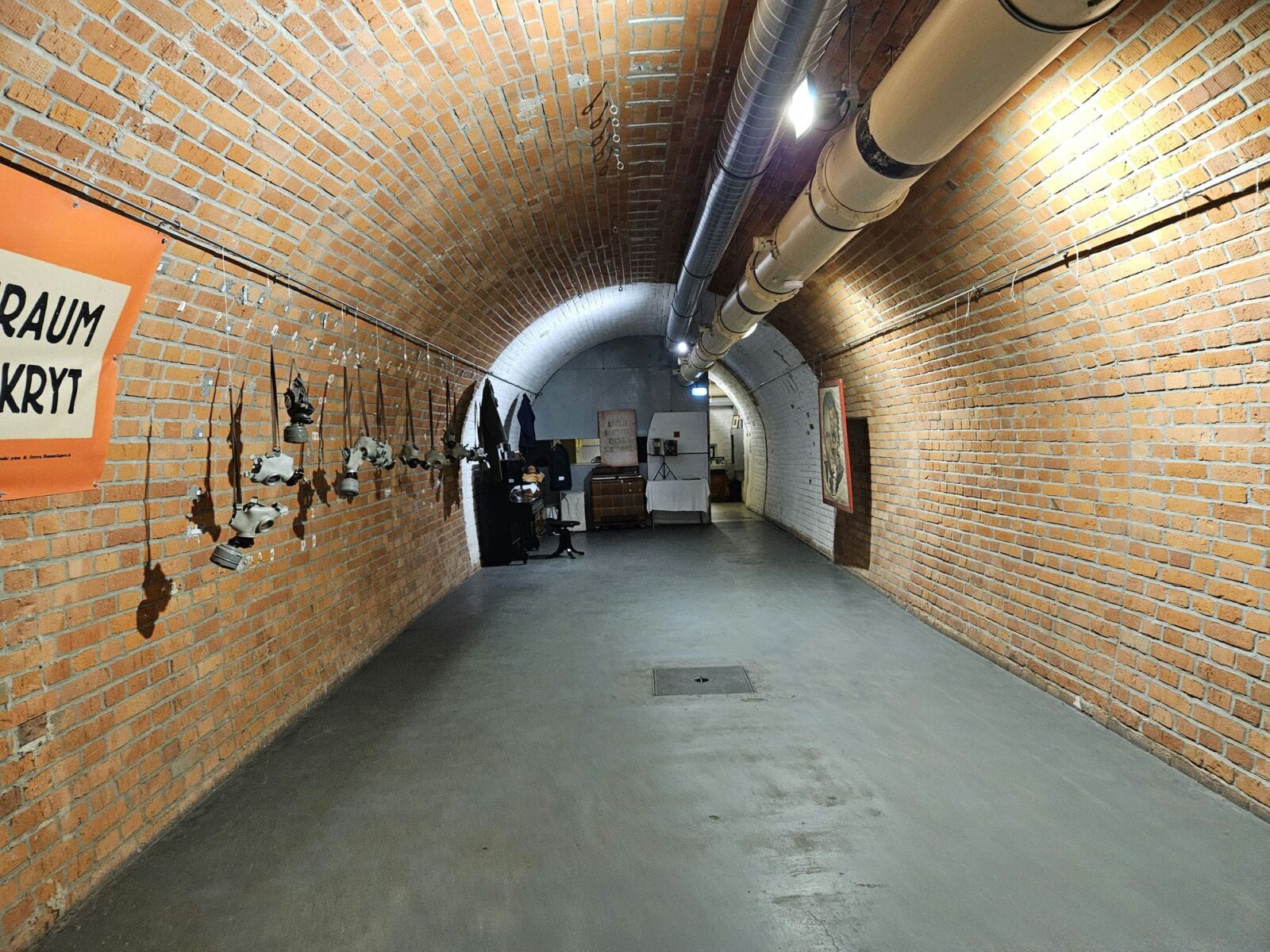
It is an interactive tourist attraction in Brno, where you can touch the artefacts as you pass through the underground tunnels. I found the museum engaging, had fun touching the artefacts, and was fascinated to learn the bunker’s history.
10-Z History
Originally, the Nazis built the bunker during their occupation as a civil defence shelter from US and Russian bombardment of the city. After the war, it became home to the Löwy and Smid winery between 1946 and 1948. However, the communists confiscated the site.
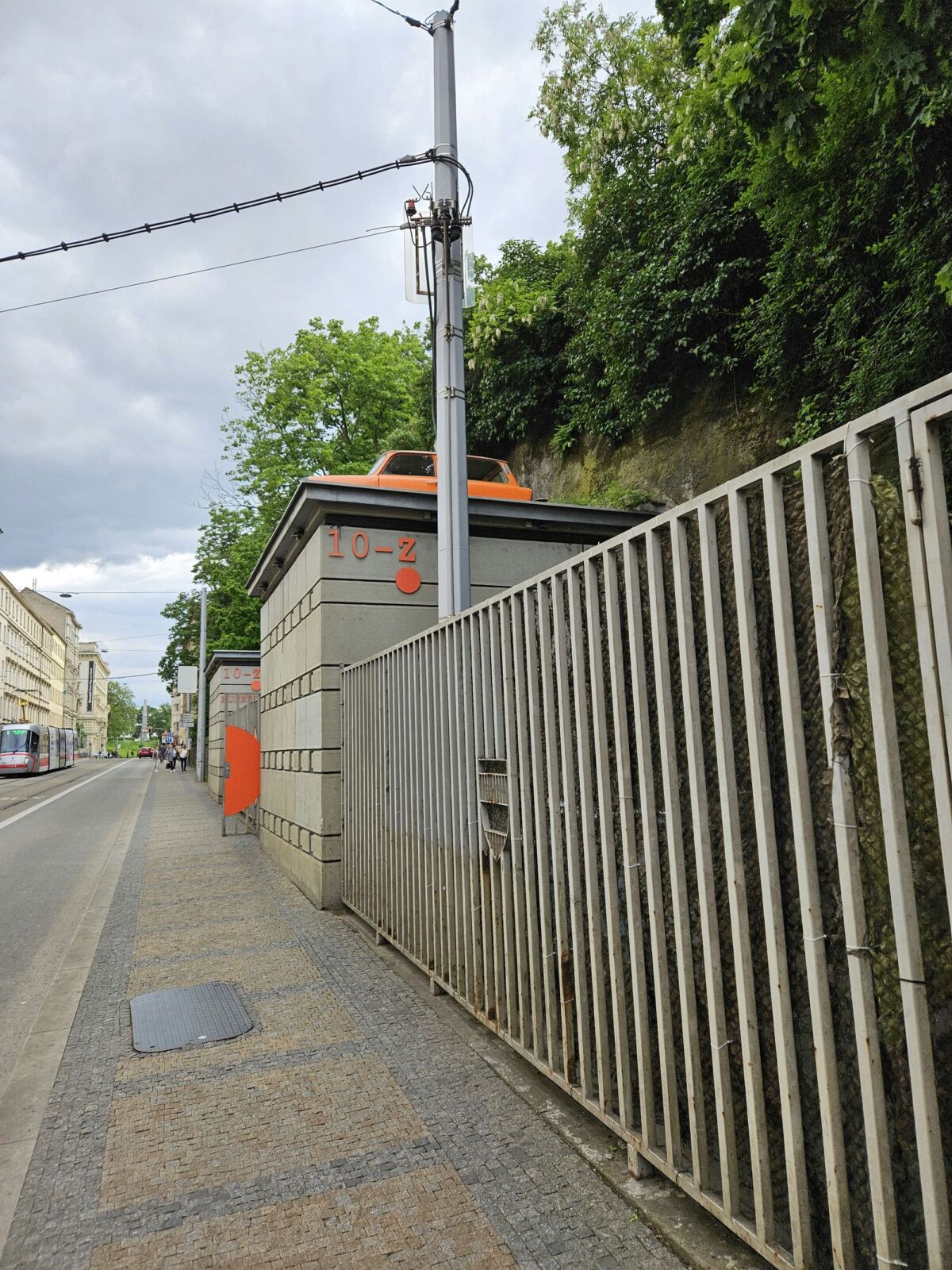
In 1959, it became the 10-Z nuclear fallout shelter to protect the city’s politicians. This was highly classified. Inside the nuclear fallout shelter, 600 people could be housed for three days. They were created to be resistant to weapons of mass destruction, thankfully untested. The site remained under the control of the Czech army until 1993, when it was classified as top secret.
It subsequently has become a tourist attraction and also has accommodation, which you can find on Booking.com.
Tickets
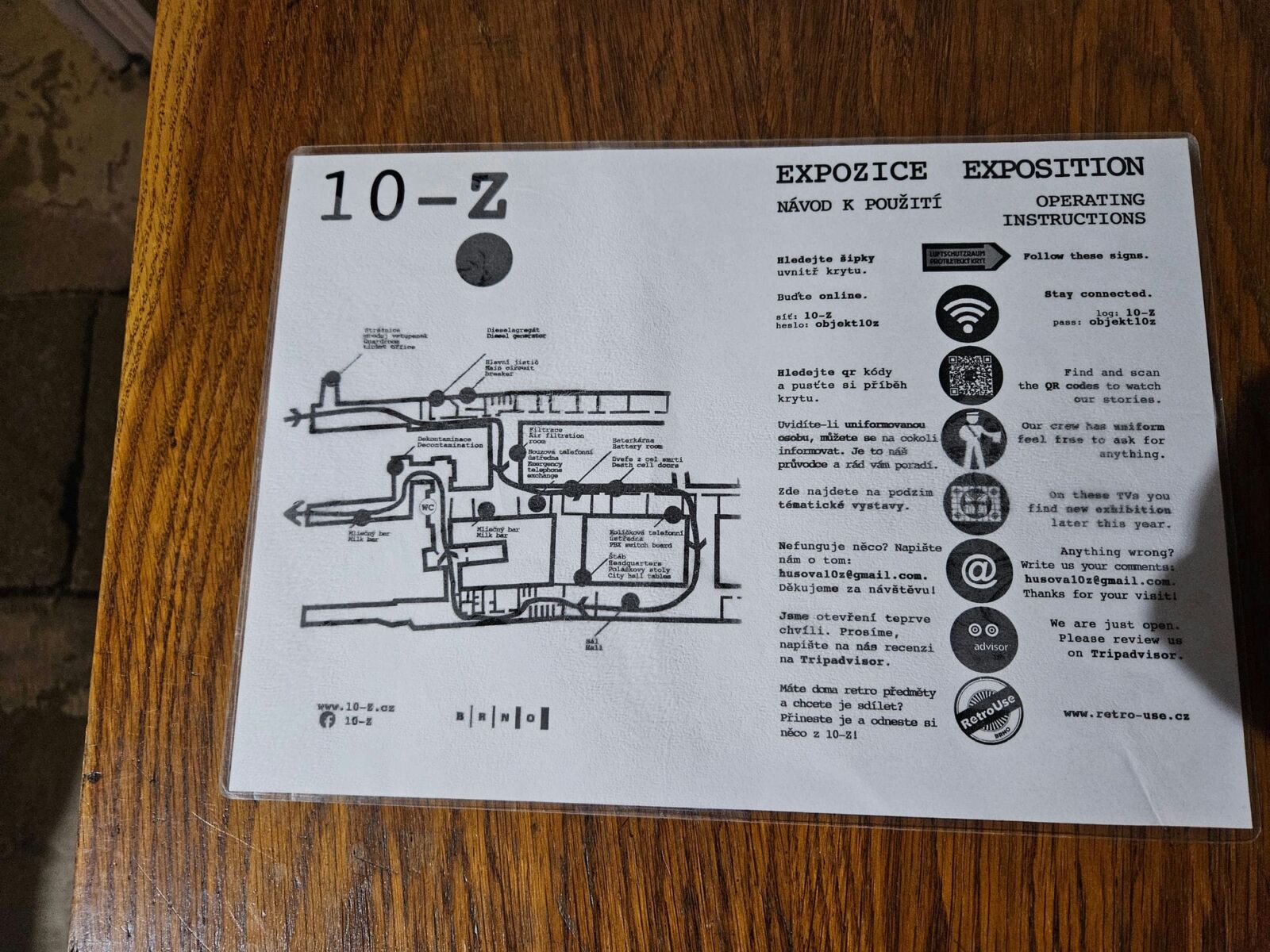
On our visit to 10-Z in Brno, we just turned up at the entrance and paid our entrance fee. We could pay with cash or card here. We were then given a map of the site and some instructions.
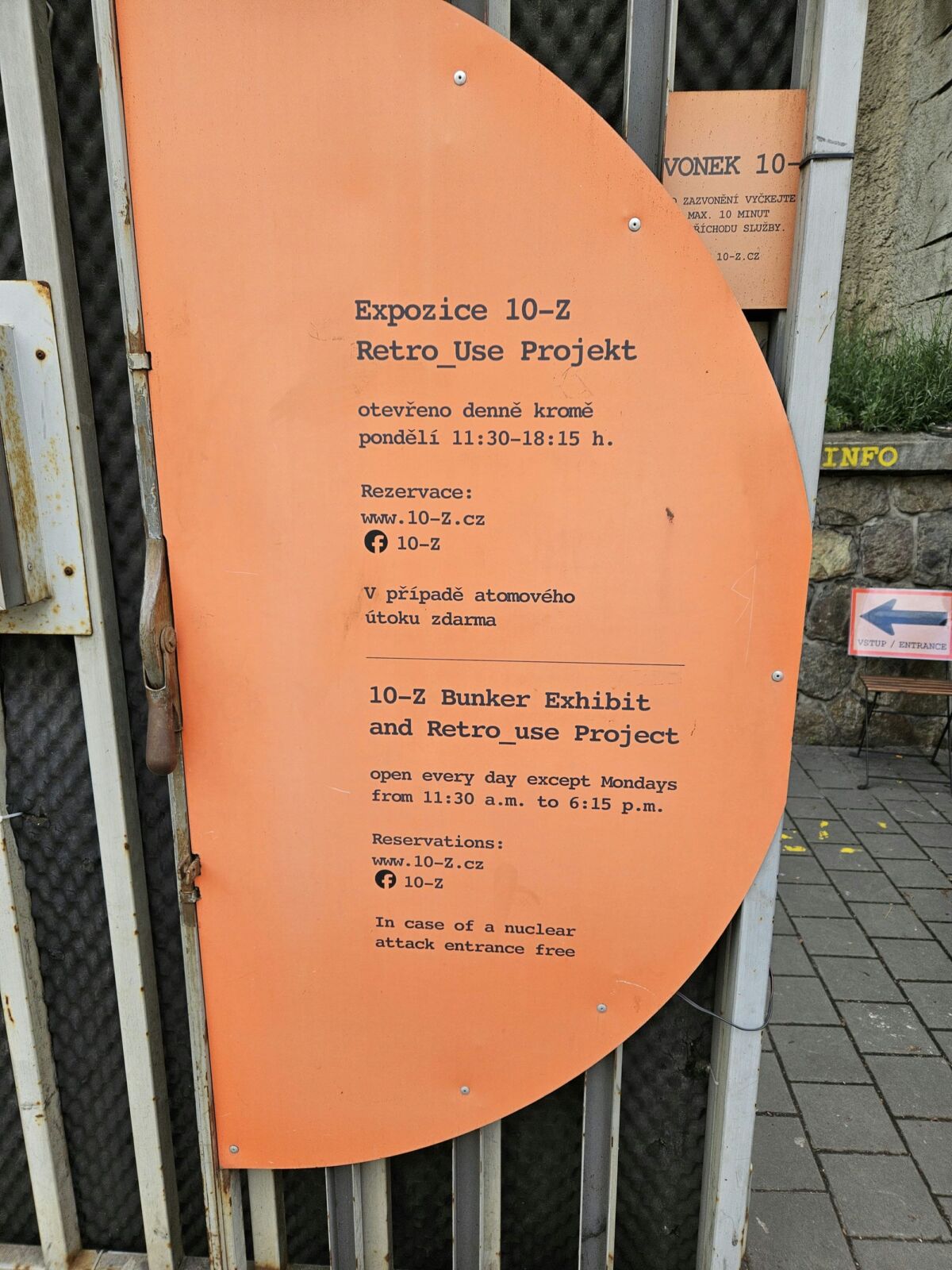
At the entrance, you can also purchase drinks to enjoy while exploring the site. This included some nice cold beers. You can find out about opening times and current prices on their website. According to a sign at the entrance, during a nuclear strike entrance is free. Sadly, Henry could not visit, so he stayed in our dog-friendly accommodation.
What’s Inside?
After you have entered, you get a Wi-Fi code so you can use the internet underground. This enables you to scan QR codes and find out more about each section.
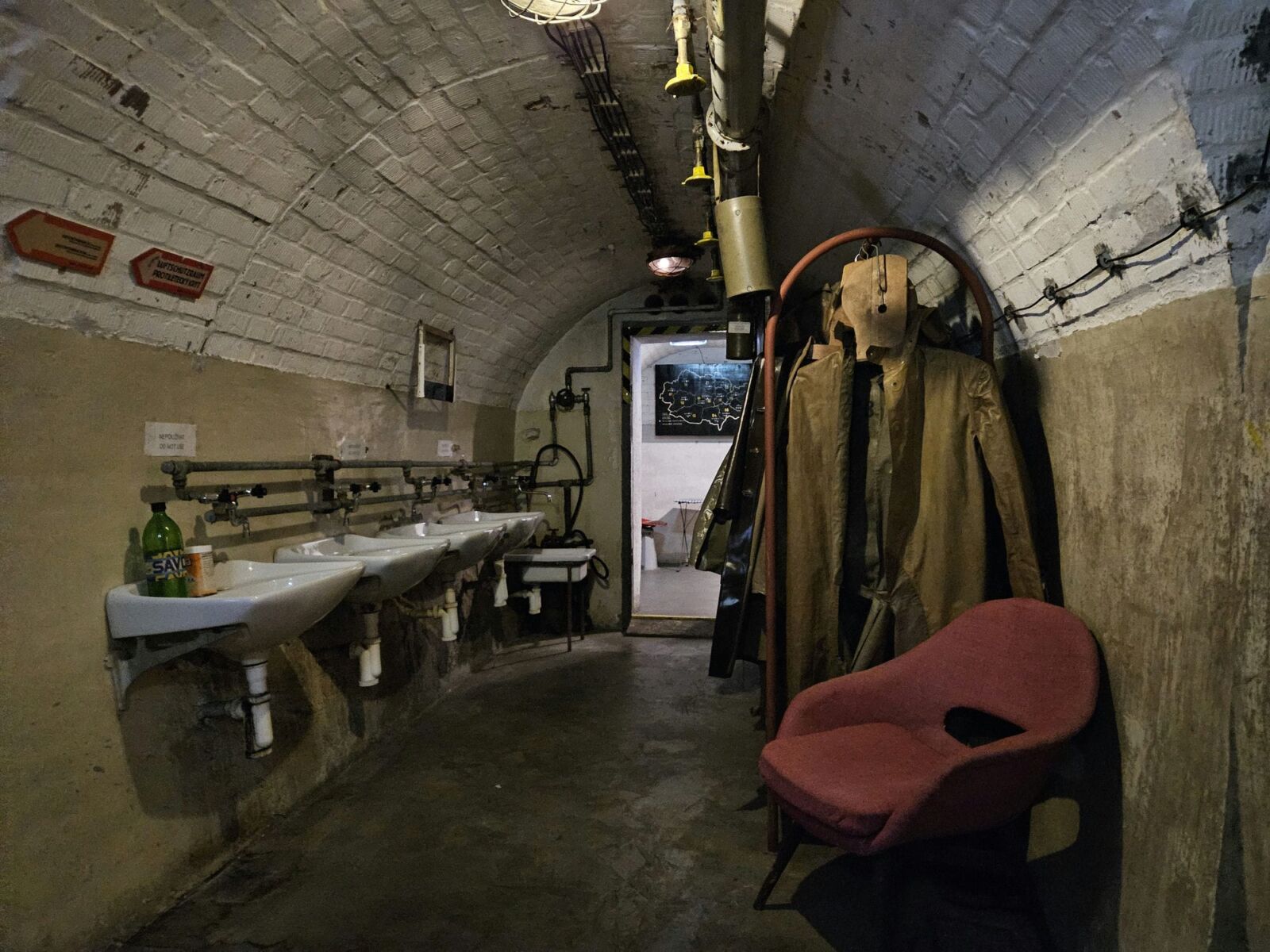
First up, you can see and touch protective coats, then see the diesel generator which powers everything inside the bunker, including communication equipment and lighting. There was also a room dedicated to air filtration to keep people alive.
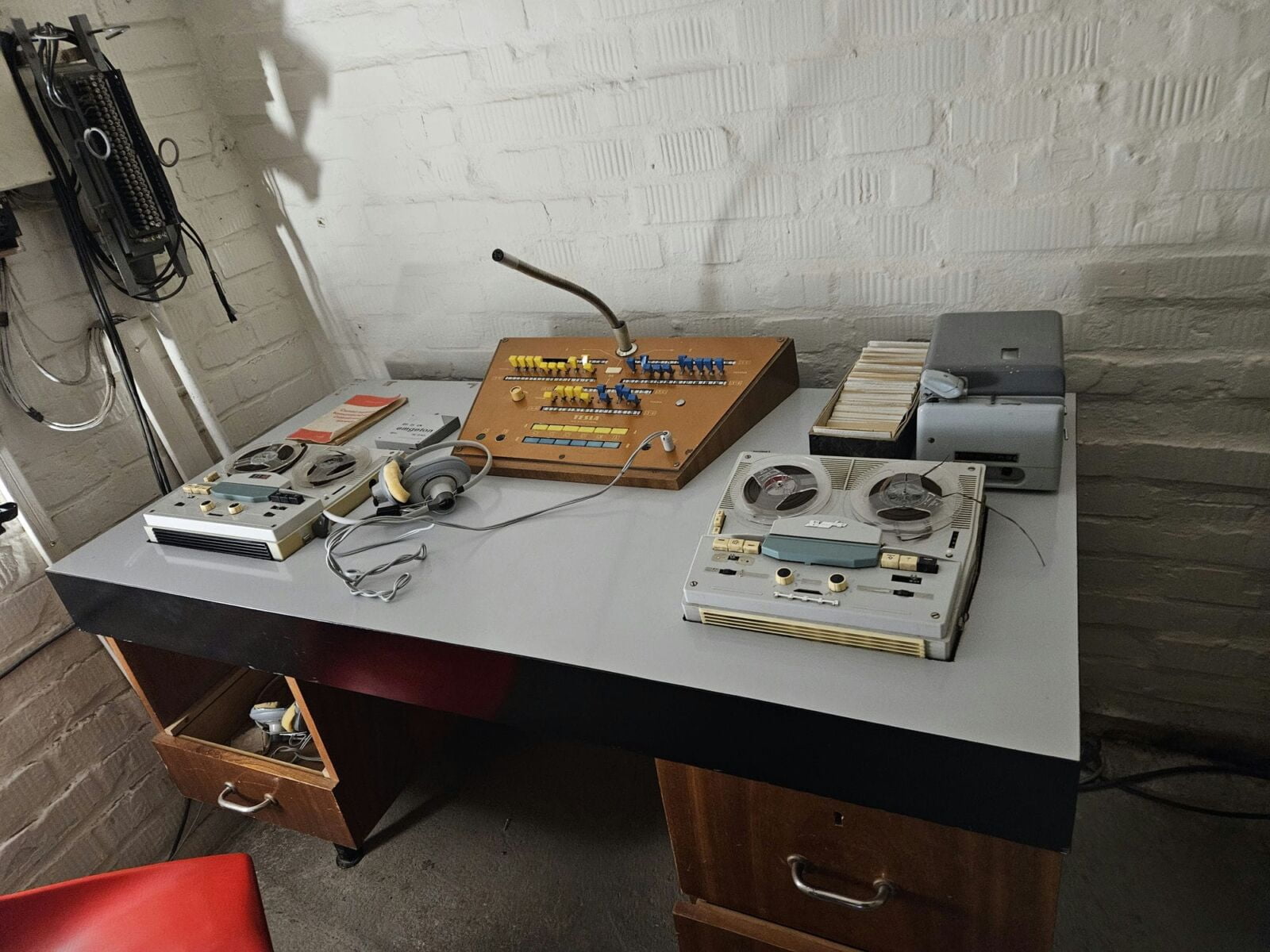
Inside 10-Z, they also had radio broadcast capabilities and a phone switchboard for communications.
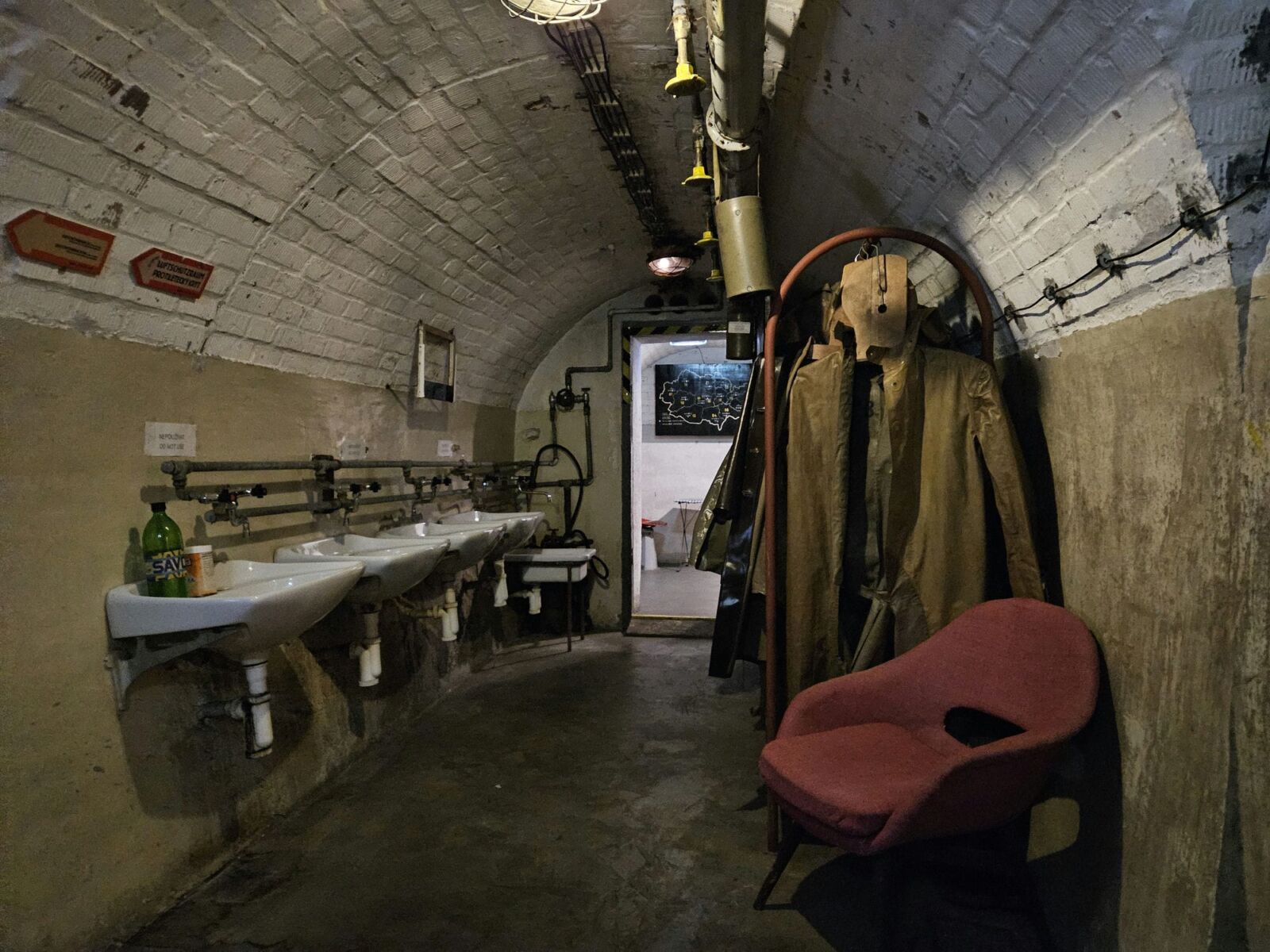
You can also learn about decontamination procedures and see various personal protective items.
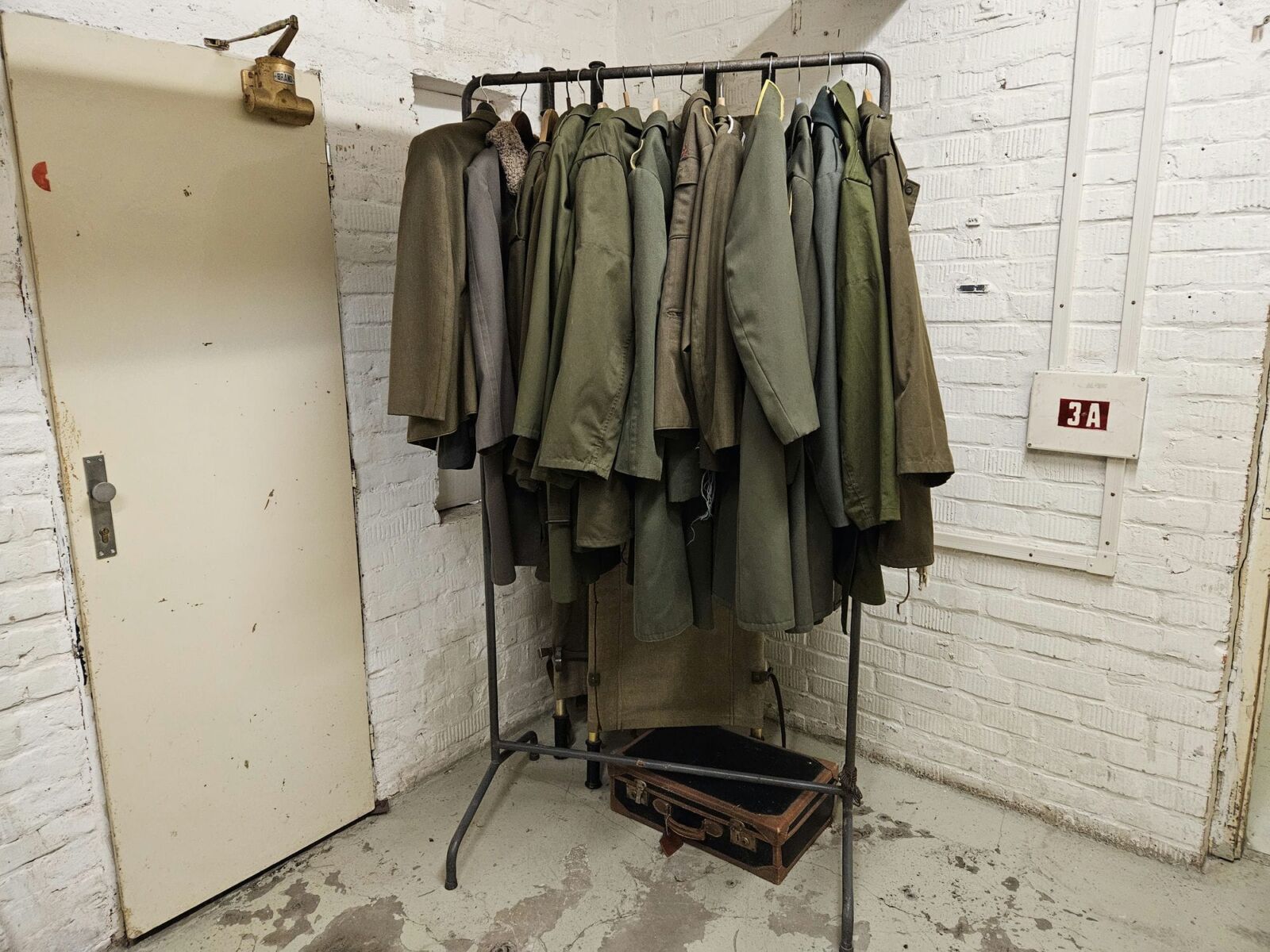
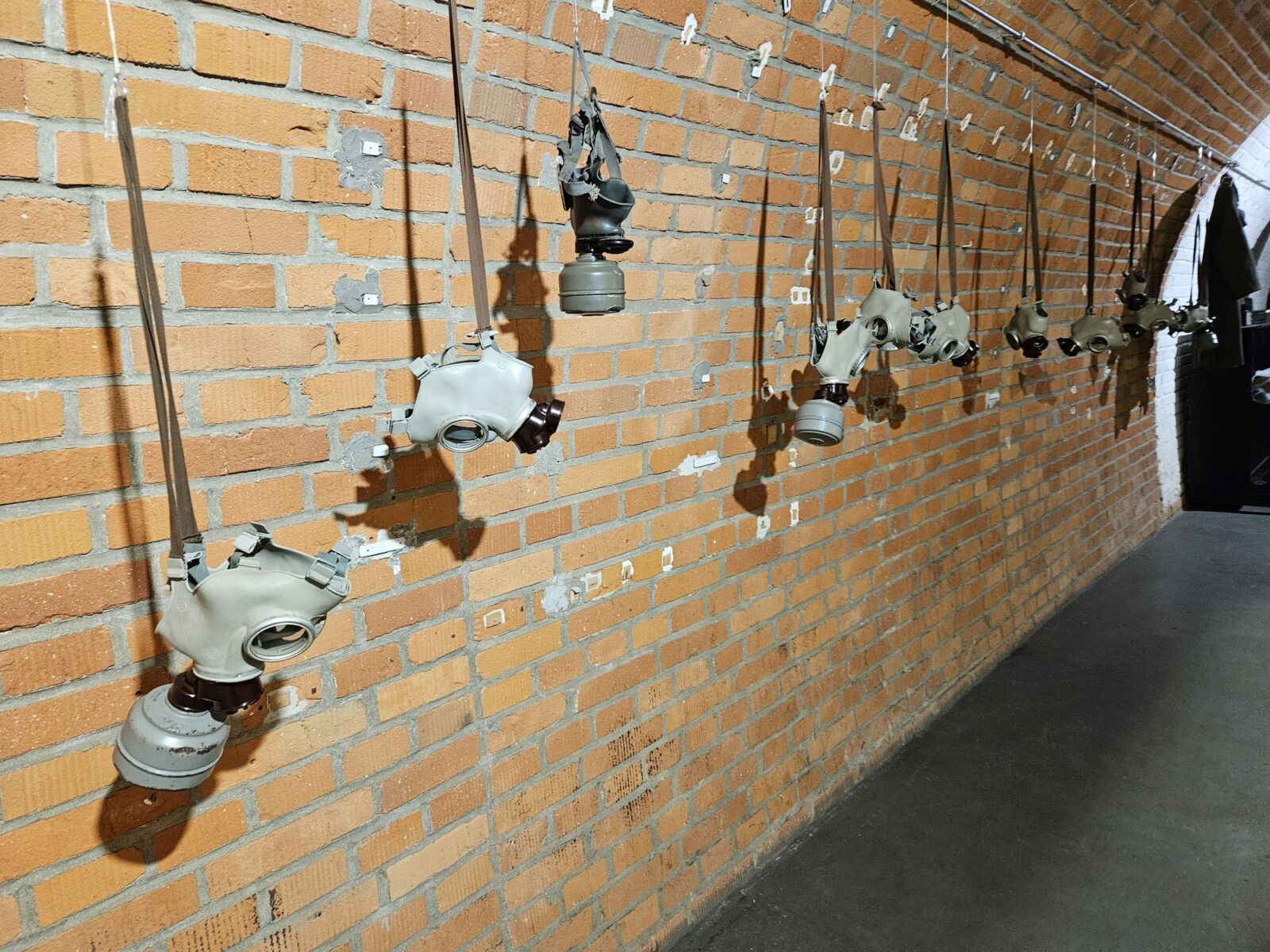
We had great fun trying on the various gas masks and protective coats. They were very uncomfortable devices, but very important.
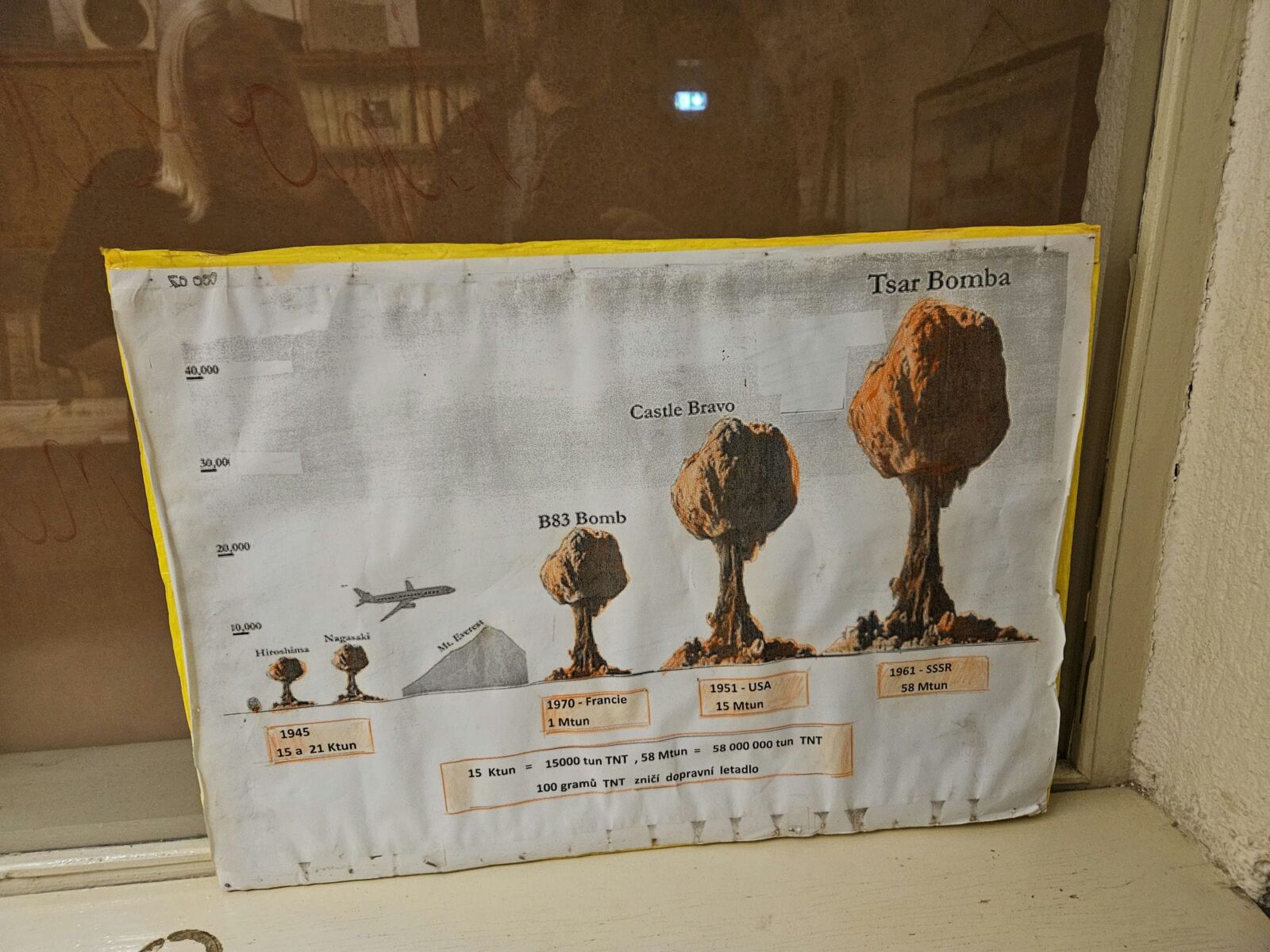
They also had a section on the history of nuclear weapons. These things are terrifying, and hopefully none of the crackpots of the world ever uses them.
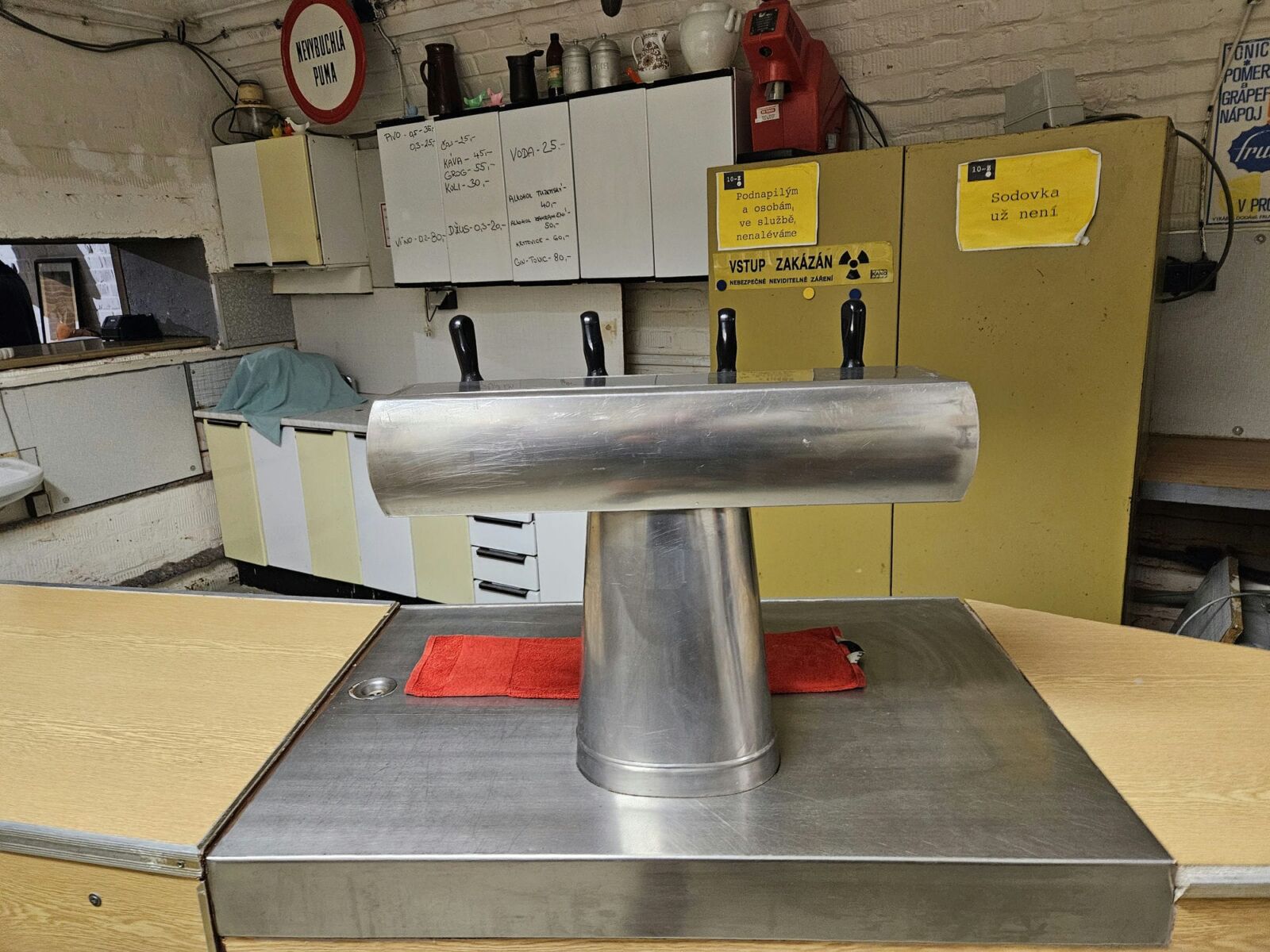
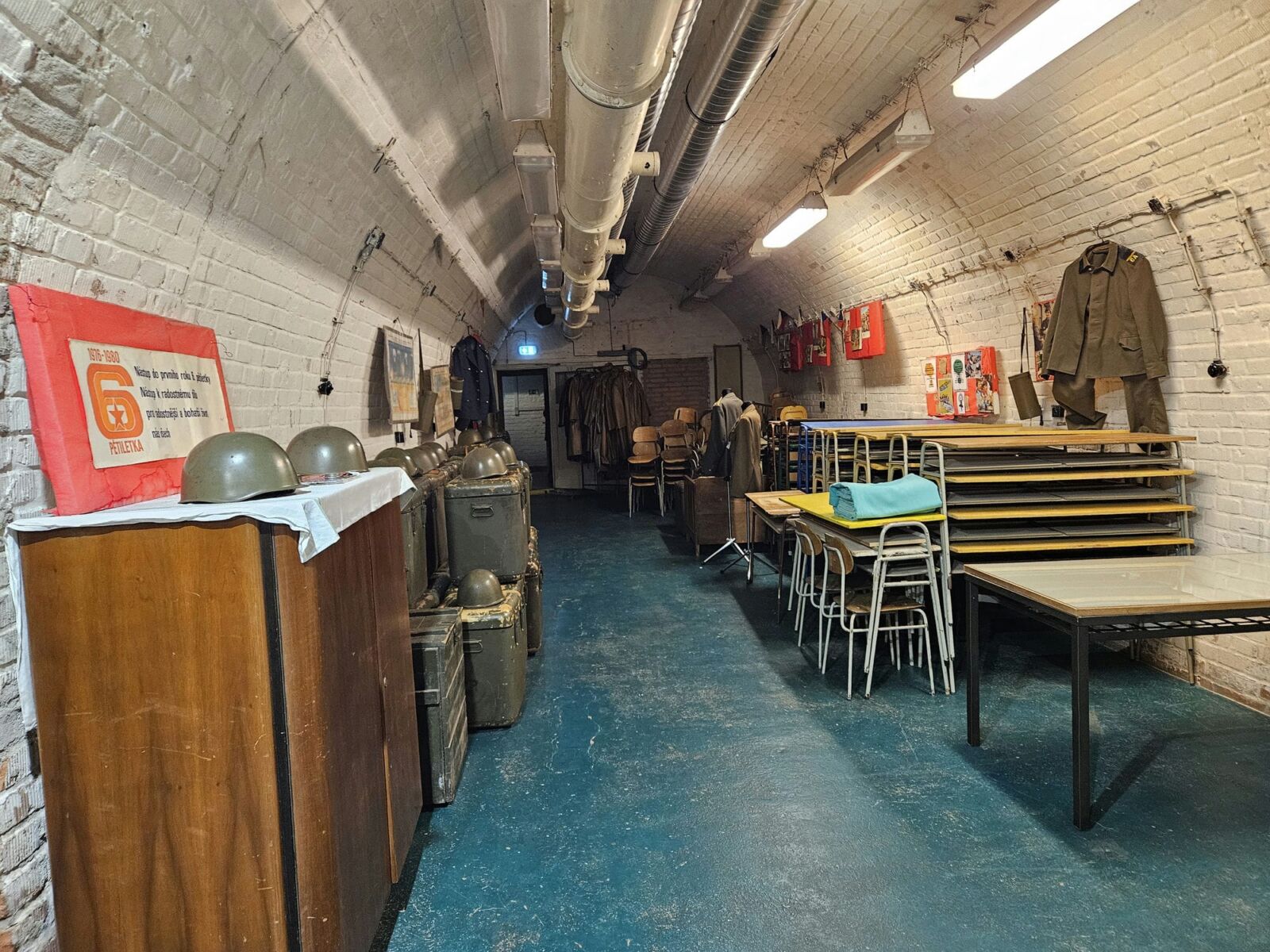
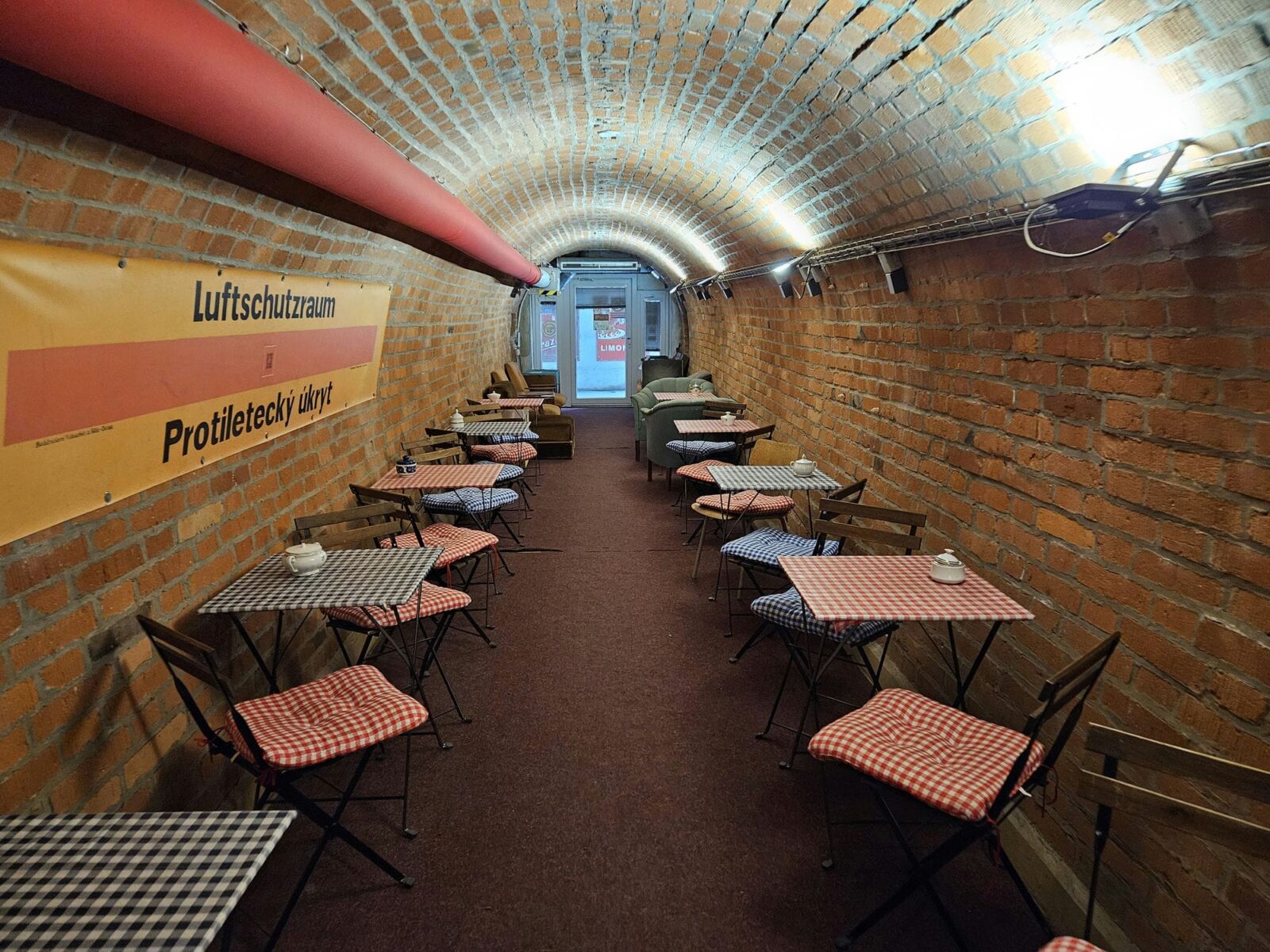
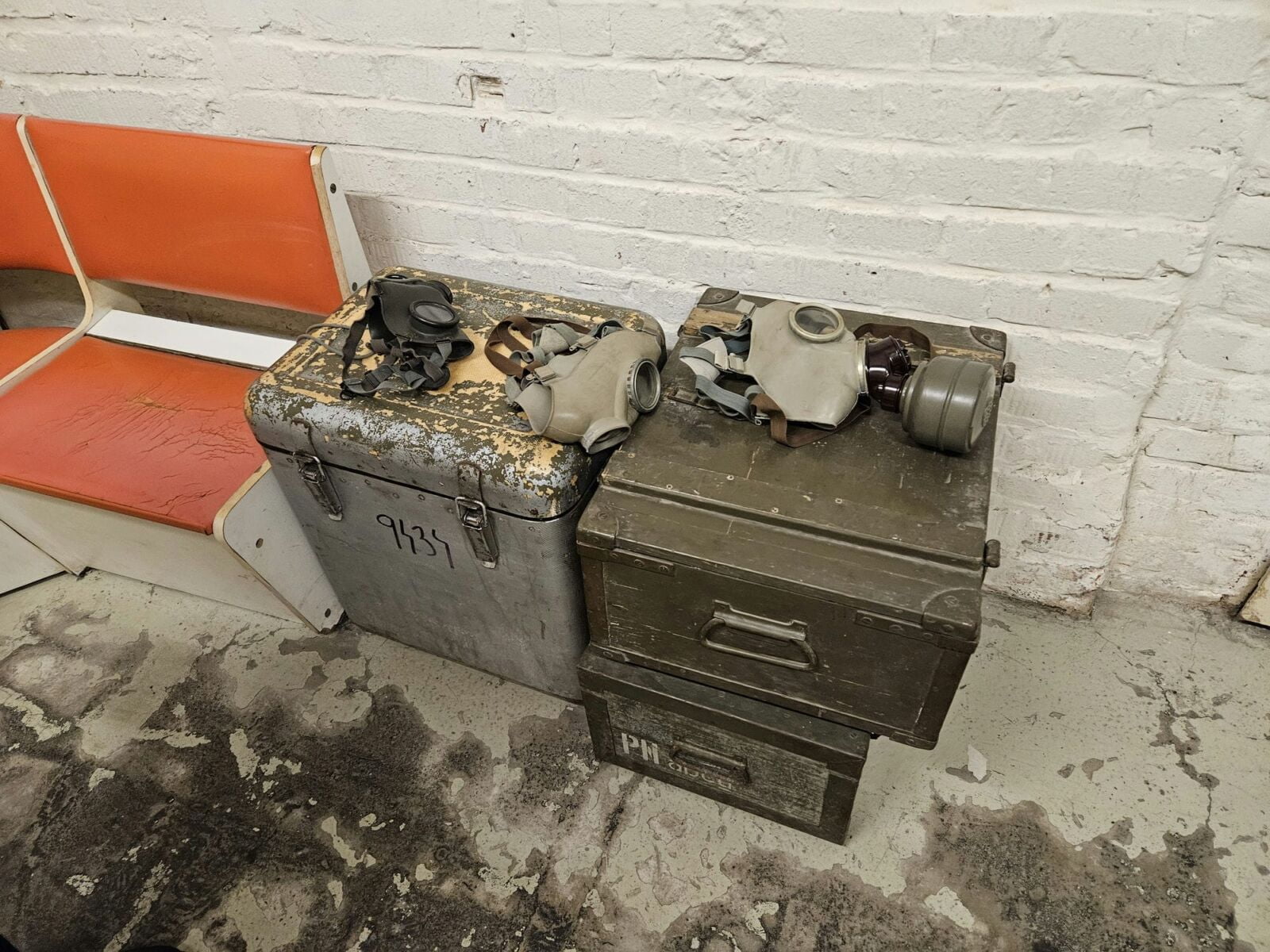
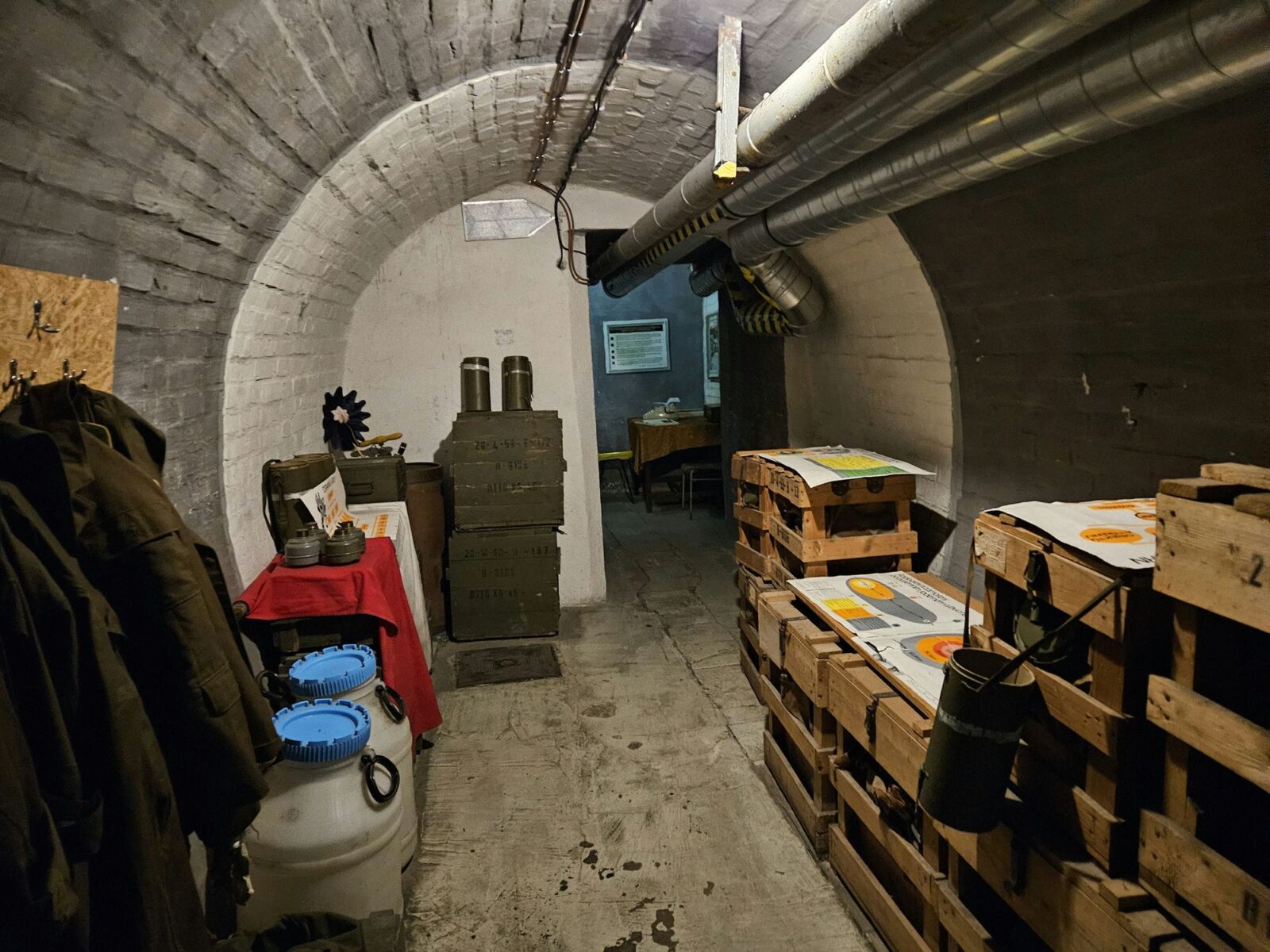
Throughout the museum, there were various useful things, including bedding, medical equipment, and food supplies. There were also a bar and a tearoom, both of which were closed on our visit.
Review
I really enjoyed visiting the 10-Z bunker and enjoyed seeing the artefacts from the era. The sections that covered World War 2 and the Cold War were fascinating. I liked the way you could touch and try the kit when visiting.