
Is St Paul’s Cathedral Worth Visiting? Inside, Dome Views & Tickets
St Paul’s Cathedral is a prominent landmark in London, near the Millennium Bridge. It is an Anglican cathedral and one of the most famous church buildings in London. The cathedral is on Ludgate Hill, the highest point in the City of London. St Paul’s Cathedral’s importance is reflected in the fact that it is a Grade I listed building.

The original church, and now the cathedral, is dedicated to Paul the Apostle. The first church on this site was consecrated in 604 AD. The current Baroque cathedral building dates from the 17th century.
It was designed by Sir Christopher Wren as part of a major rebuilding following the Great Fire of London, which had largely destroyed the original cathedral.
Disclosure! Keep in mind that some links in these posts are affiliate links. If you click one of them, I may earn a small commission (for which I’m extremely grateful) at no extra cost to you. Thanks for visiting!
Best Places to See St Paul’s Cathedral From Outside
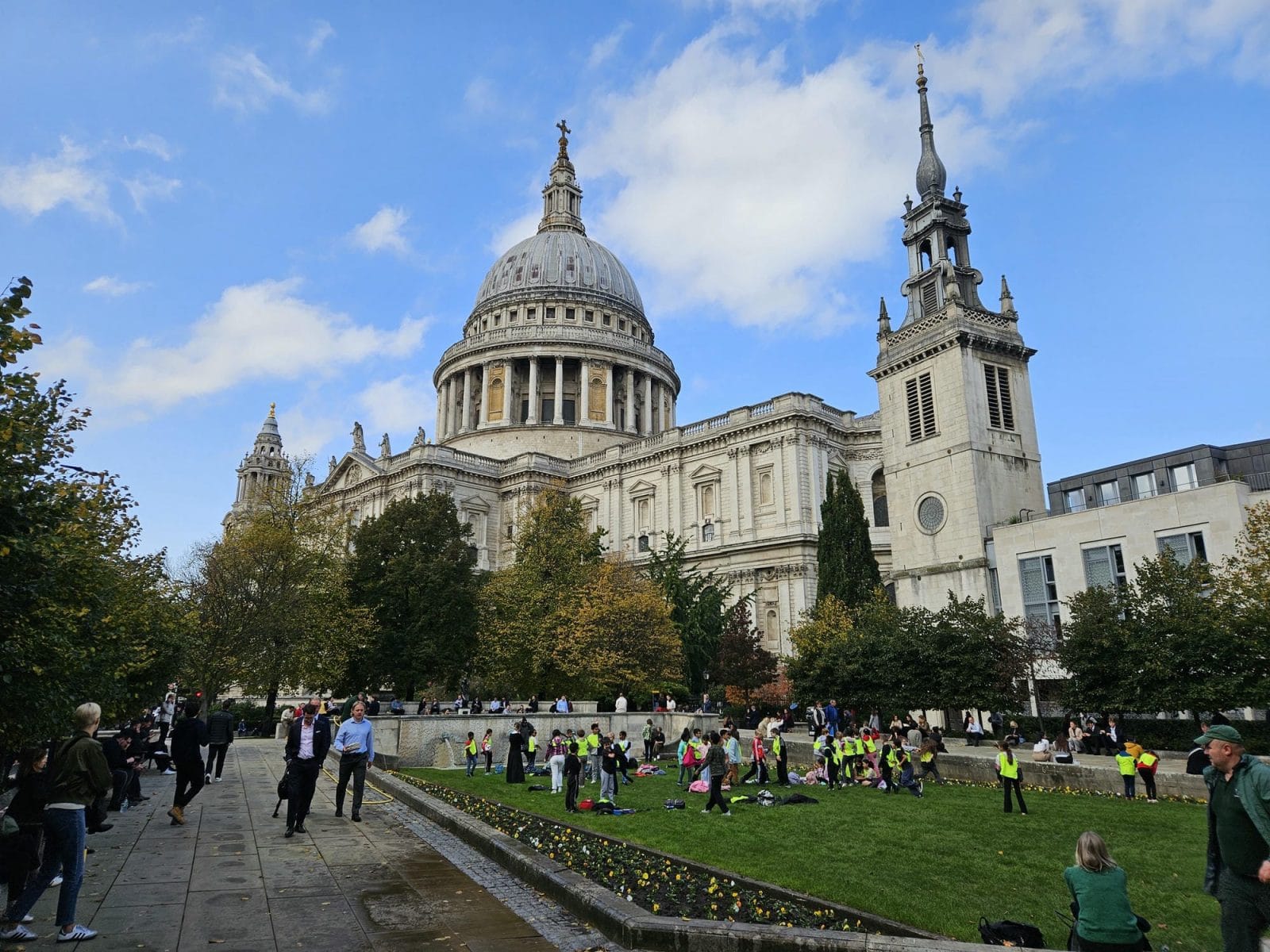
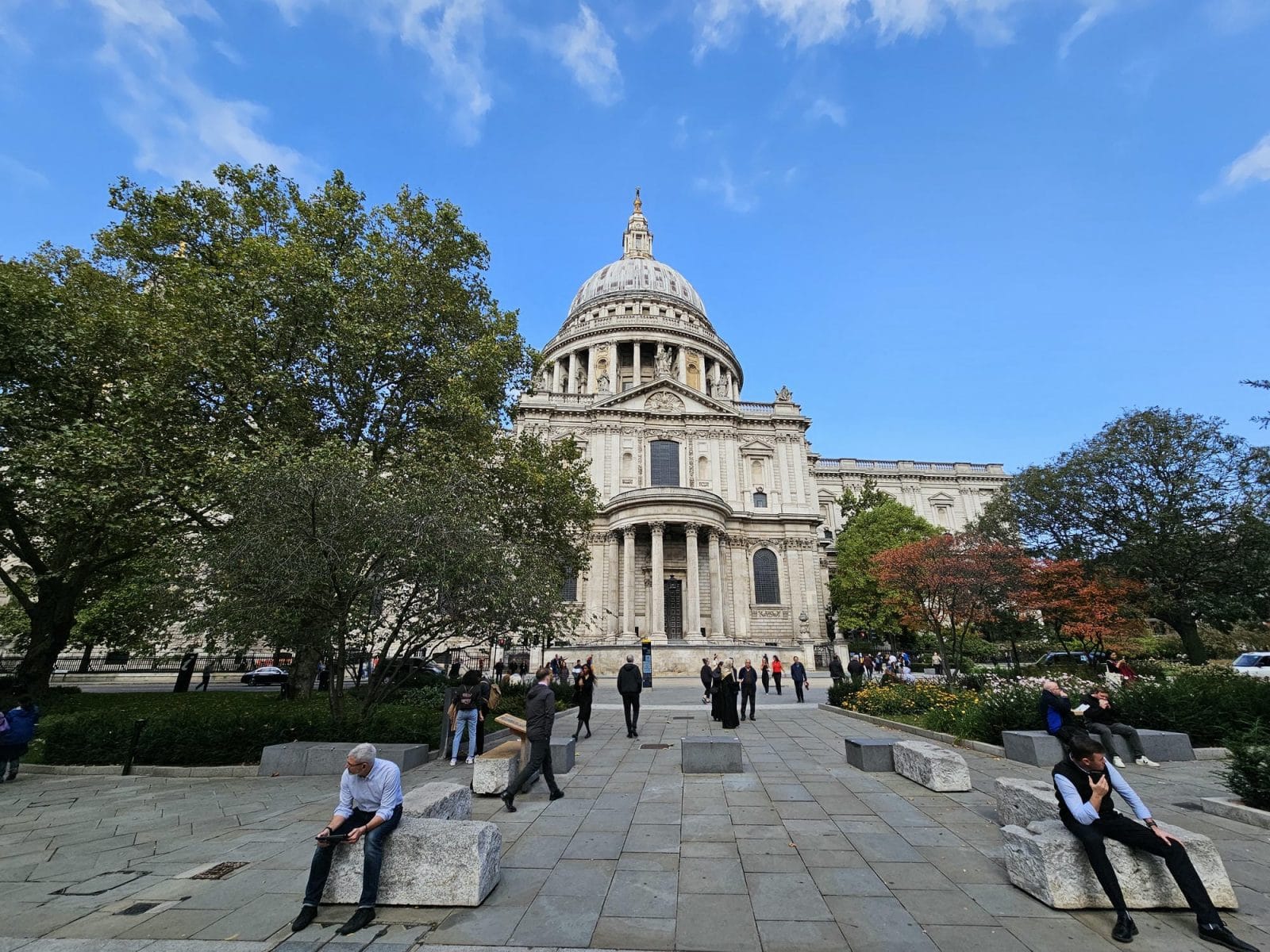
It’s an impressive church to see from the outside at various points of the city, including from along the River Thames. This means there are loads of places to take photos of the building from many angles. As a bonus, the churchyard and gardens are free to enter.
Festival Gardens
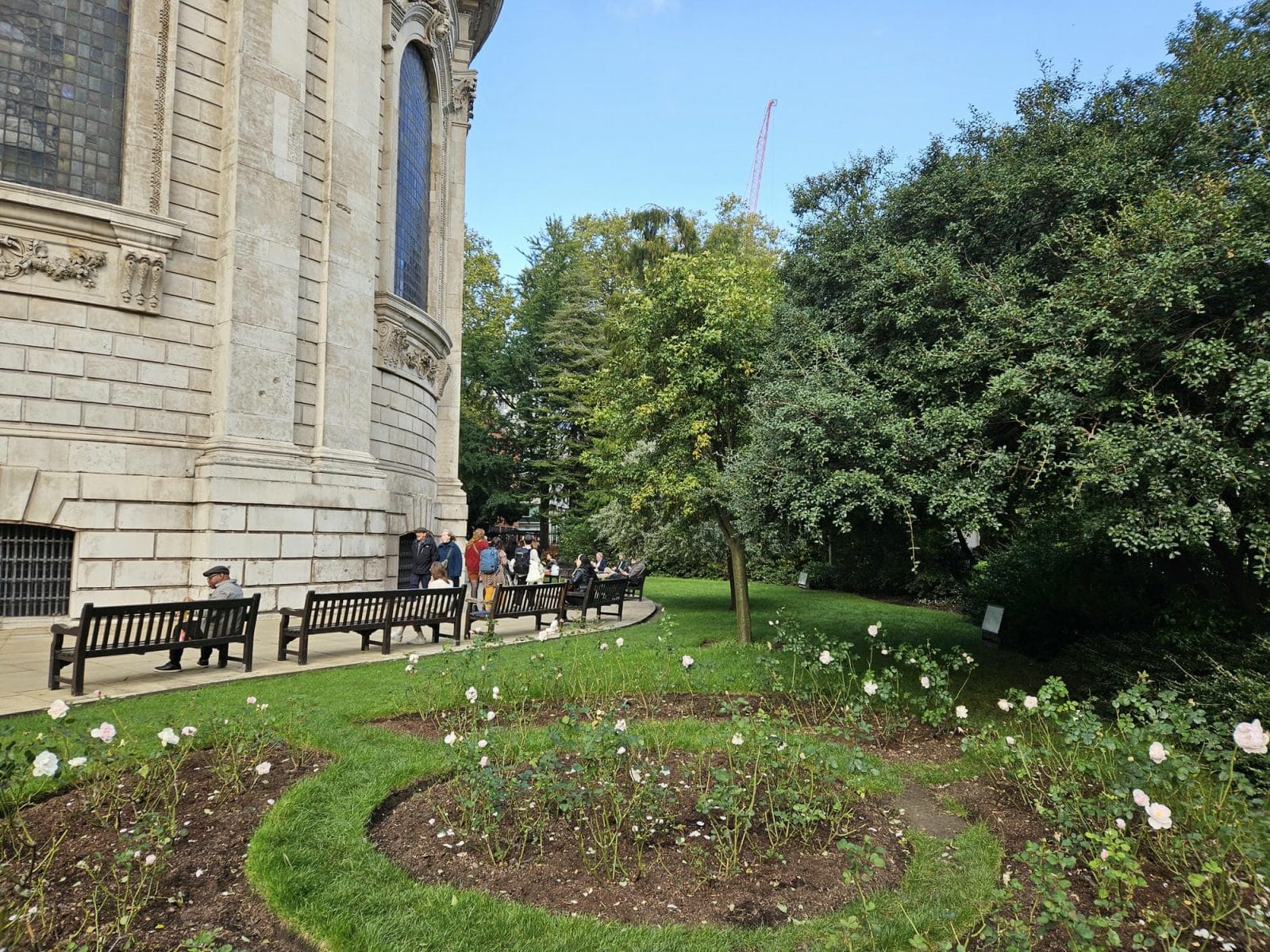
At the edge of the building is Festival Gardens, a nice area to explore. It’s also a popular spot for people enjoying the sun at lunchtime.
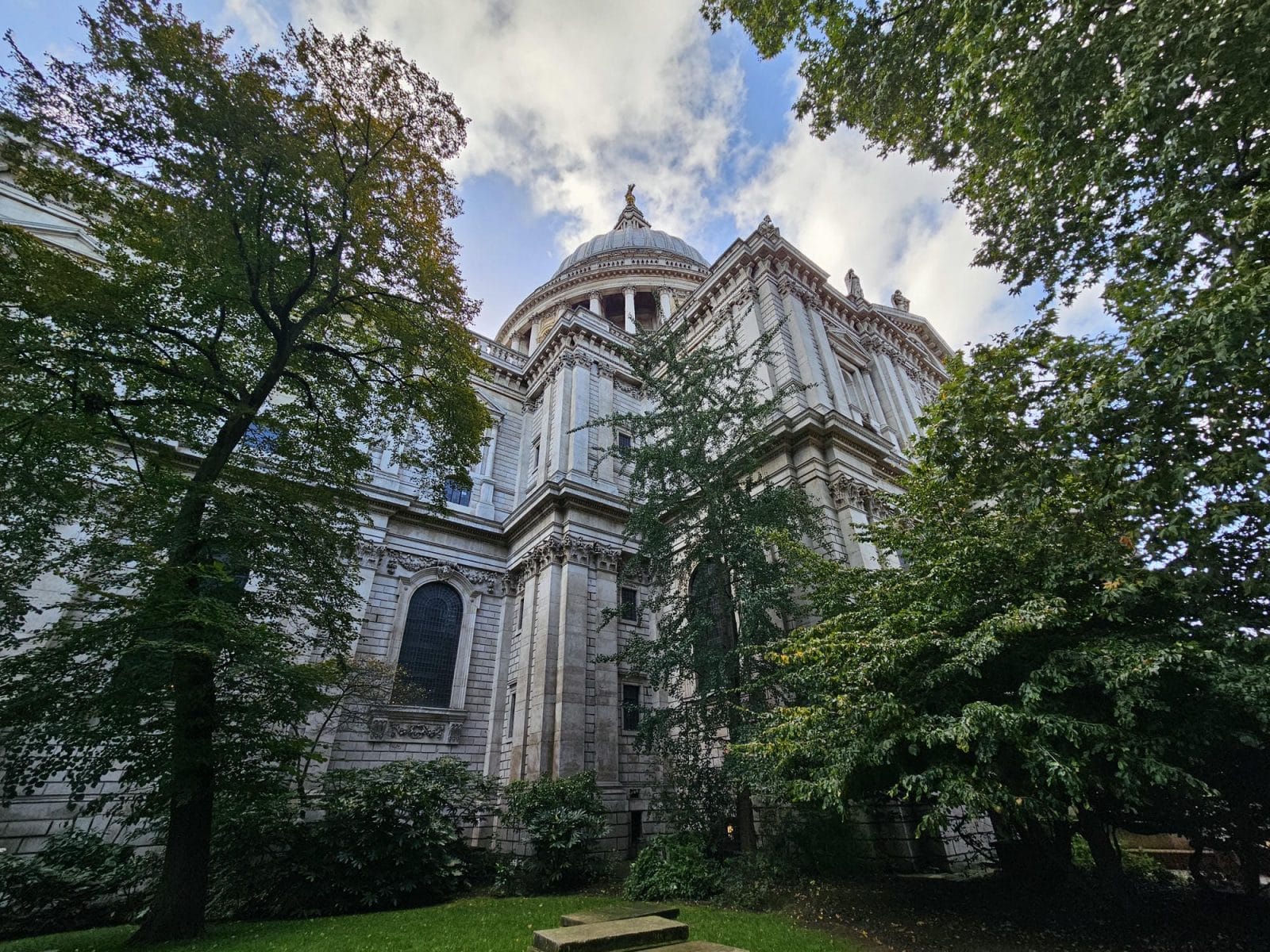
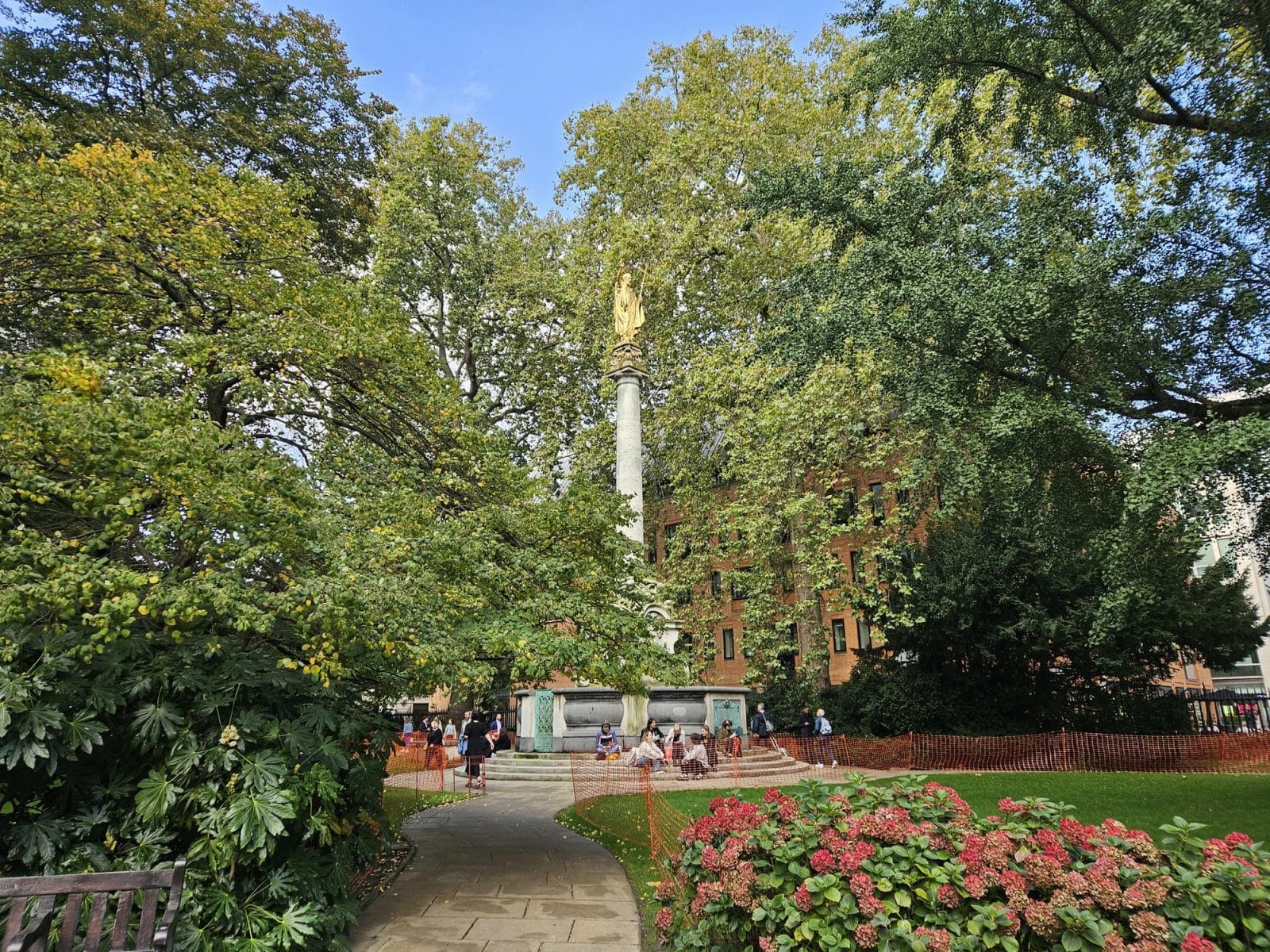
Festival Gardens has been around since 1951 and is very well maintained with some pretty flowers and trees. There are also some fountains and monuments. I found it a good place to take some photos of the cathedral.
Peter’s Hill and Millennium Bridge
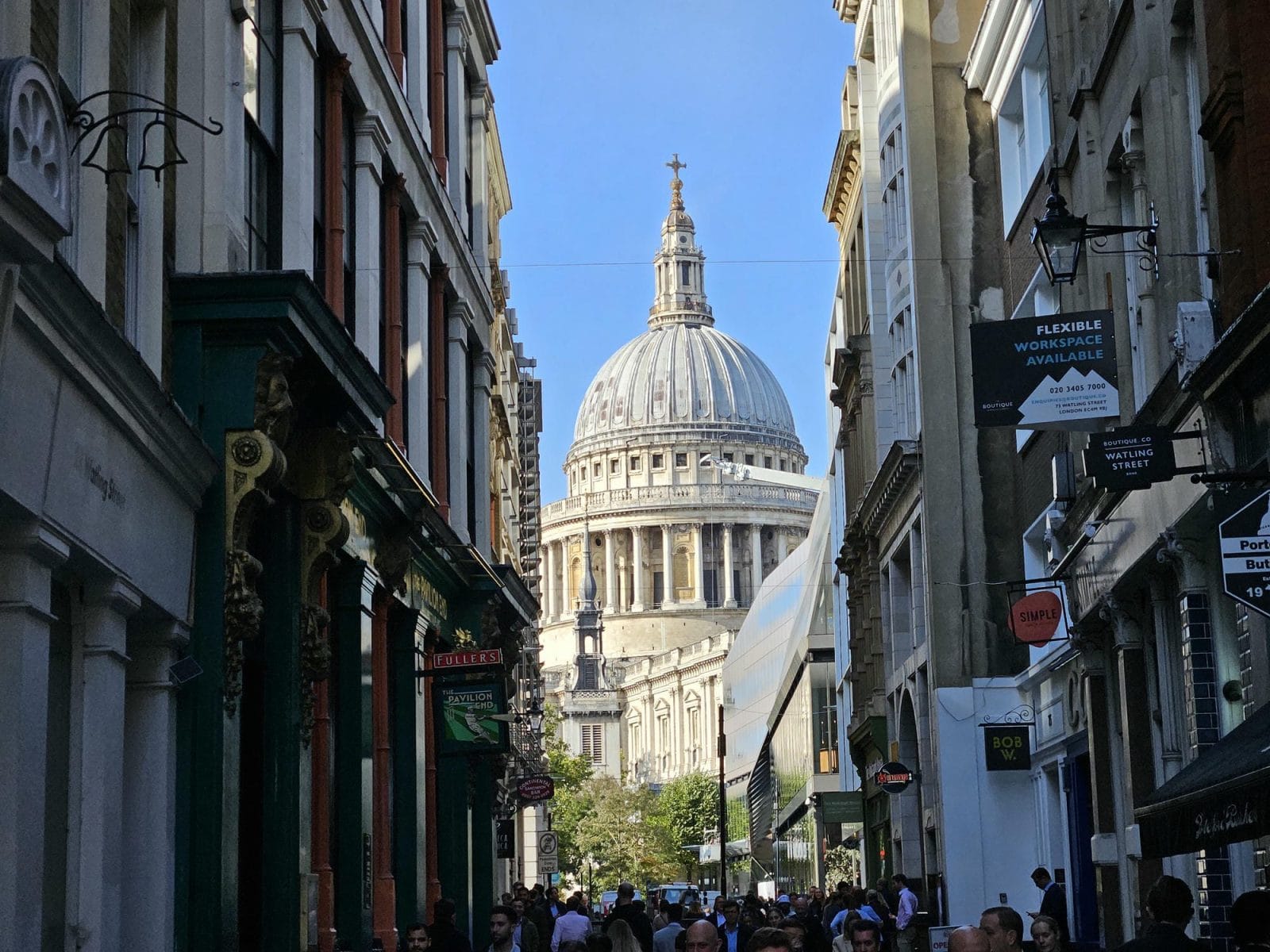
For one of the best dome views, head to Peter’s Hill and the Millennium Bridge. There are many places for good views when walking across the bridge and up the hill towards the cathedral. At times, this area can get busy, but this vantage point, combined with others on the river, makes it well worth visiting.
Paternoster Square
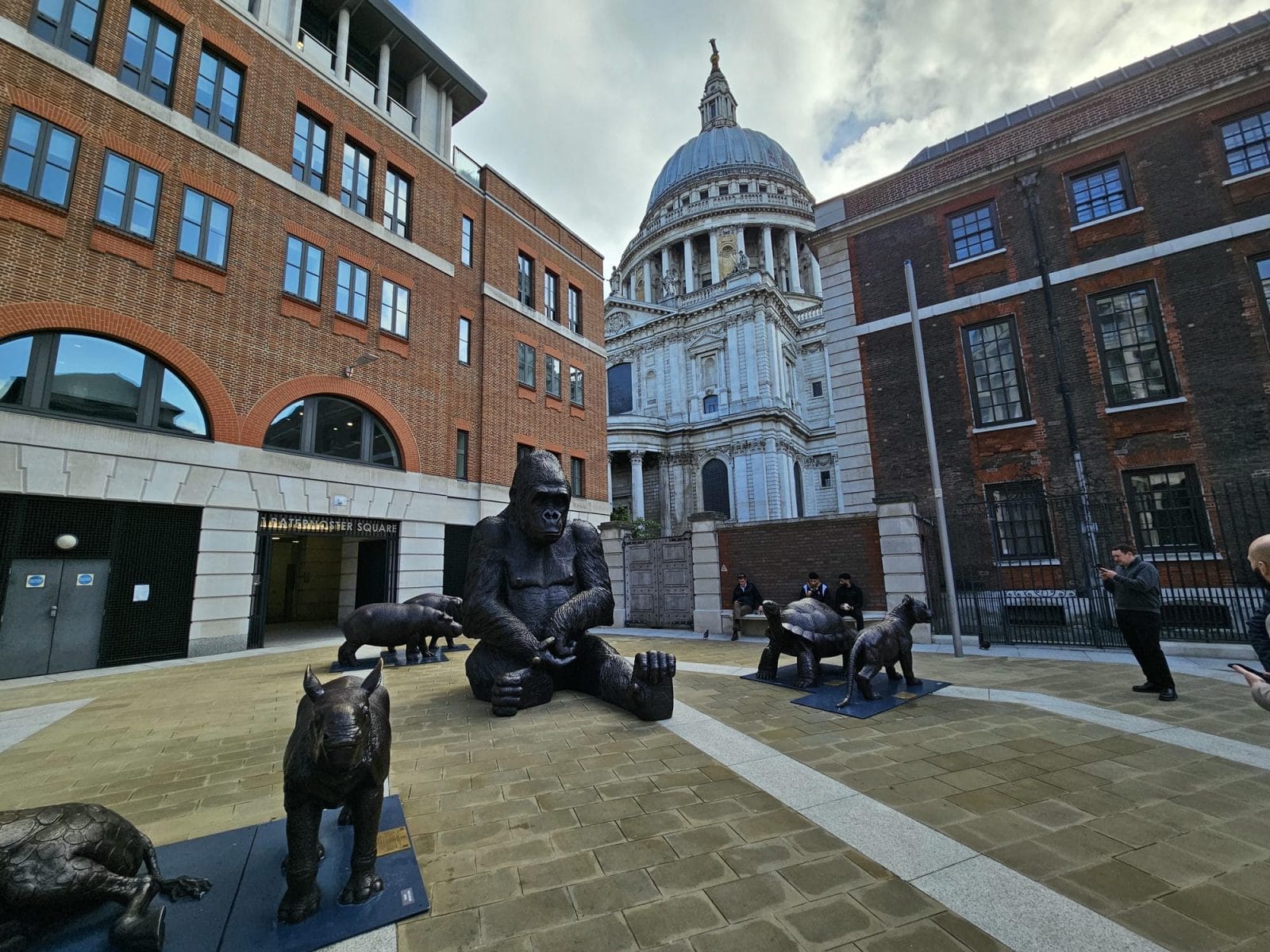
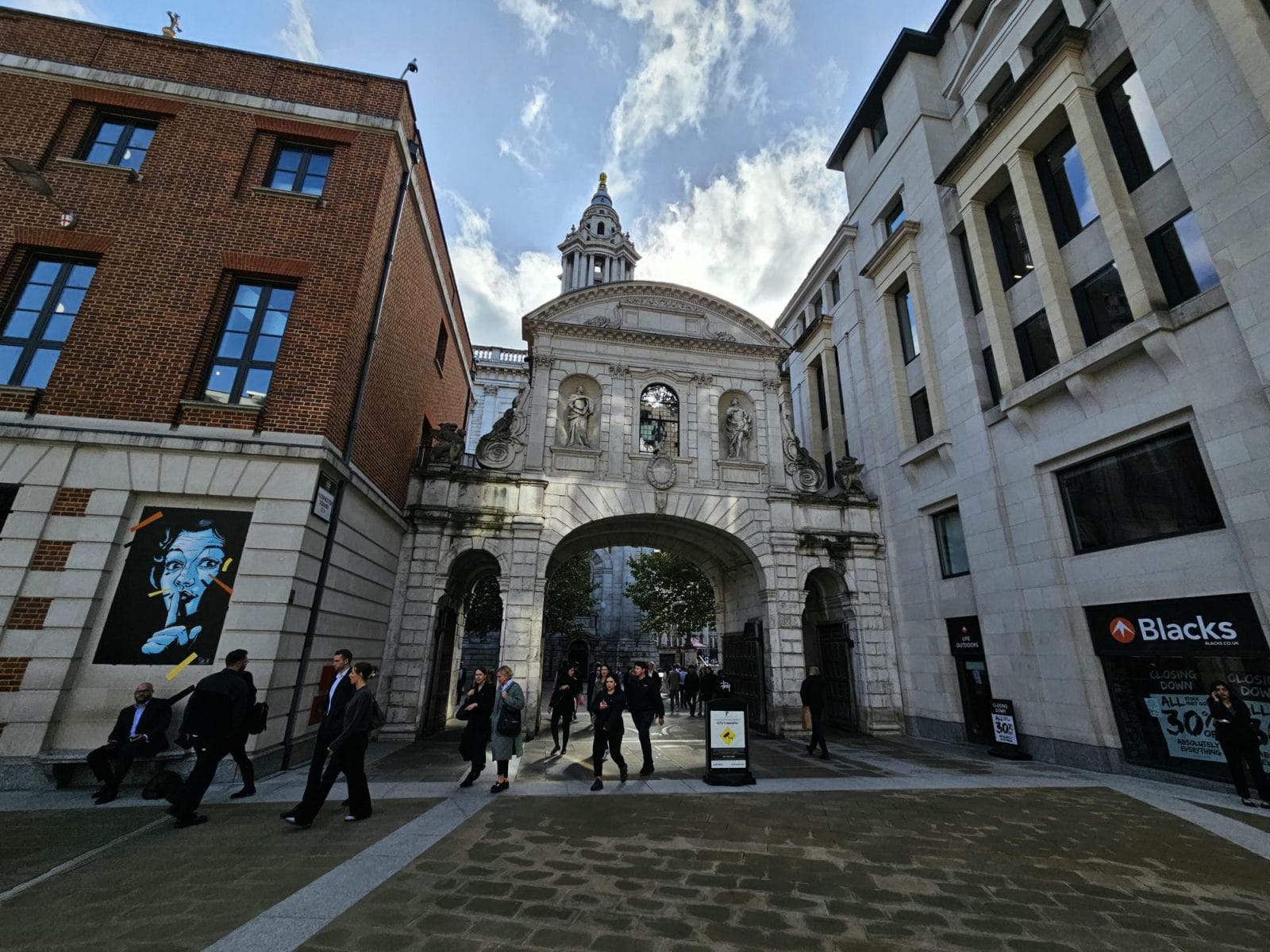
Paternoster Square, next to the building, is an excellent place to mooch around or grab some food out. There are some interesting statues and places to eat out. From the Square, to access the cathedral, you pass through Temple Bar, a former medieval gate to the city of London.
St Paul’s Churchyard
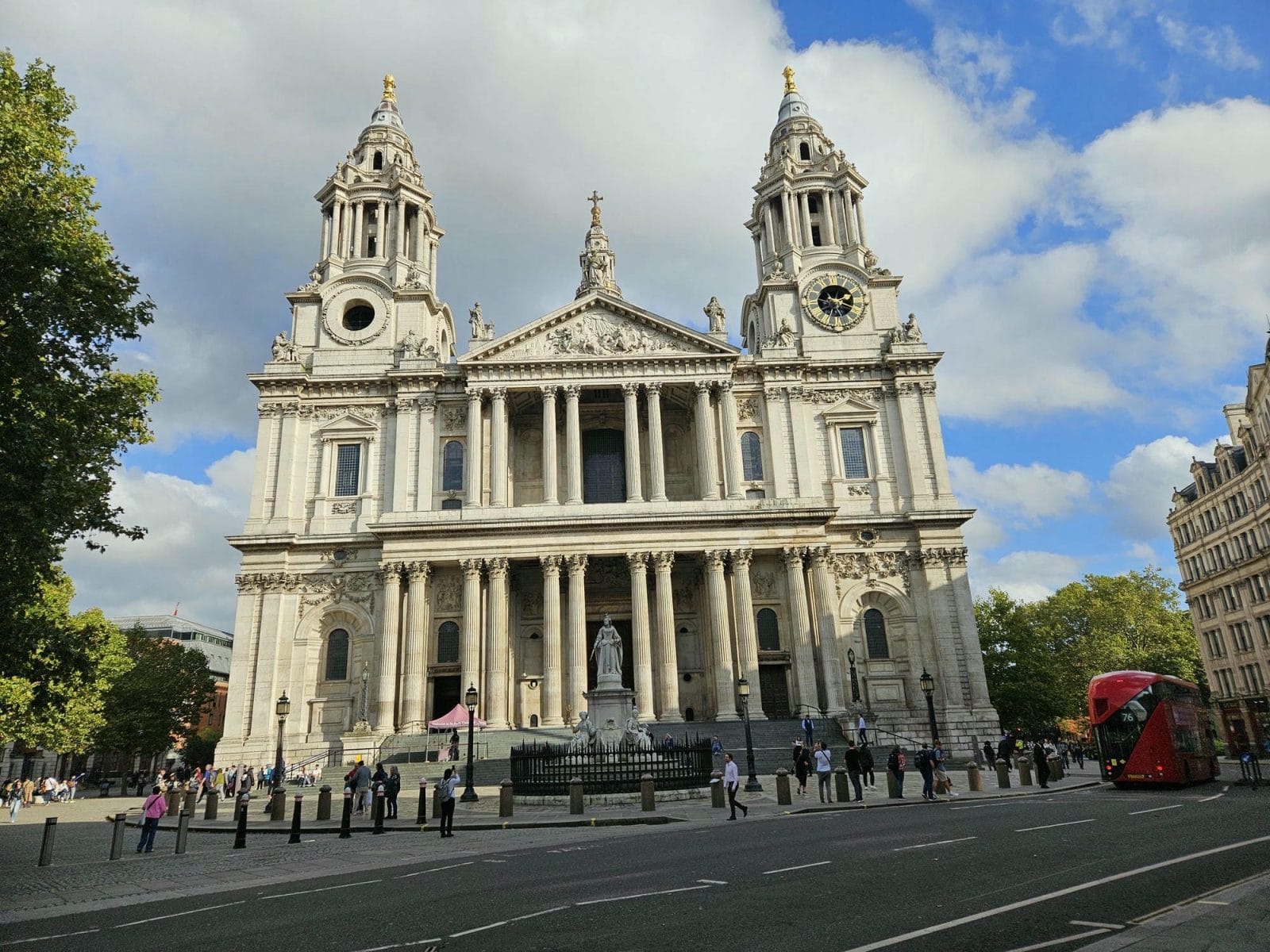
The road alongside the church and the square near the entrance is known as St Paul’s Churchyard. This is an excellent place to admire the building’s facade and spires.
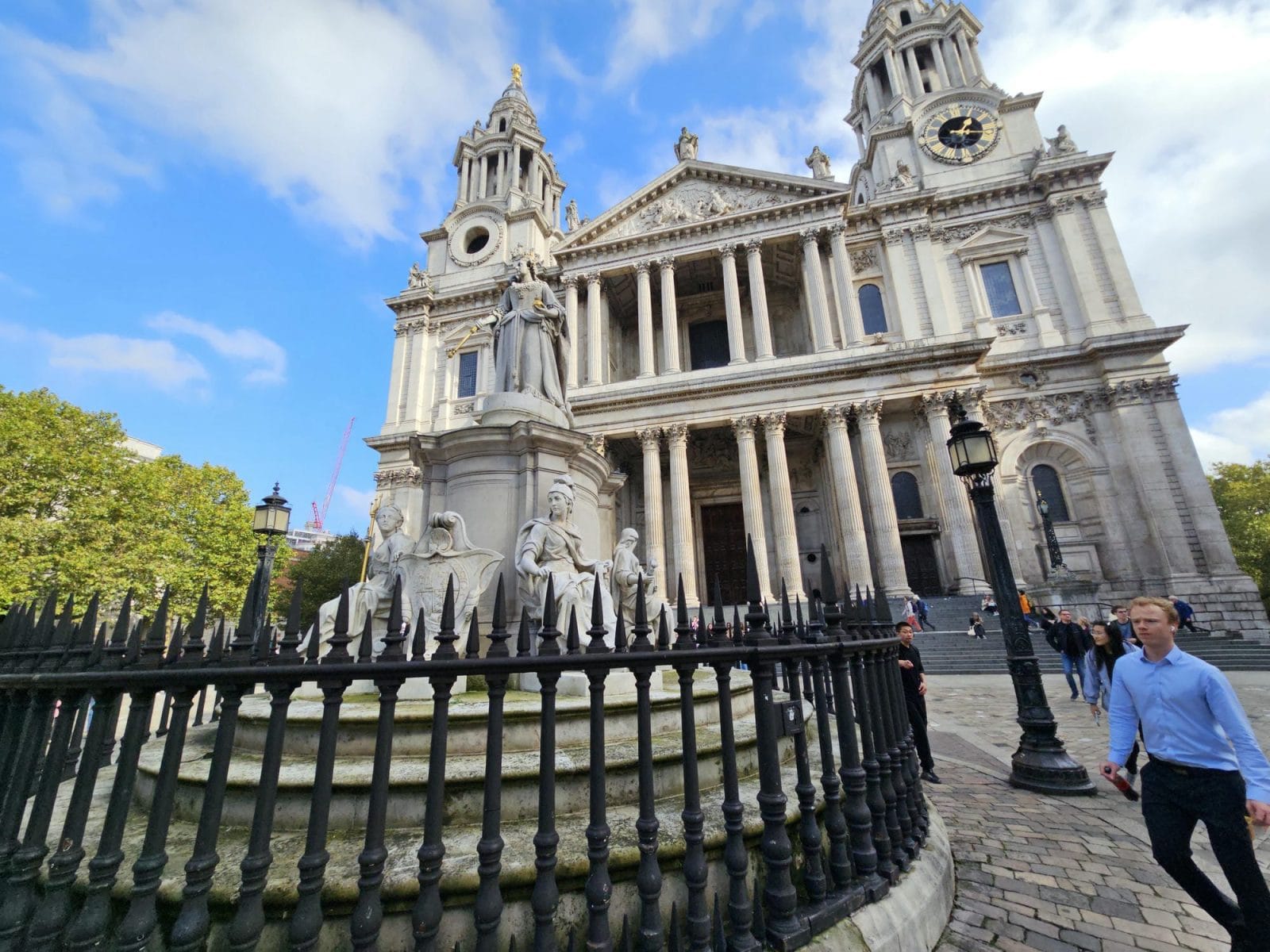
There are also some nice monuments in the square, including the Queen Anne statue. The steps by the entrance seemed a popular place for people to hang out, drinking coffee or having lunch in the sunshine.
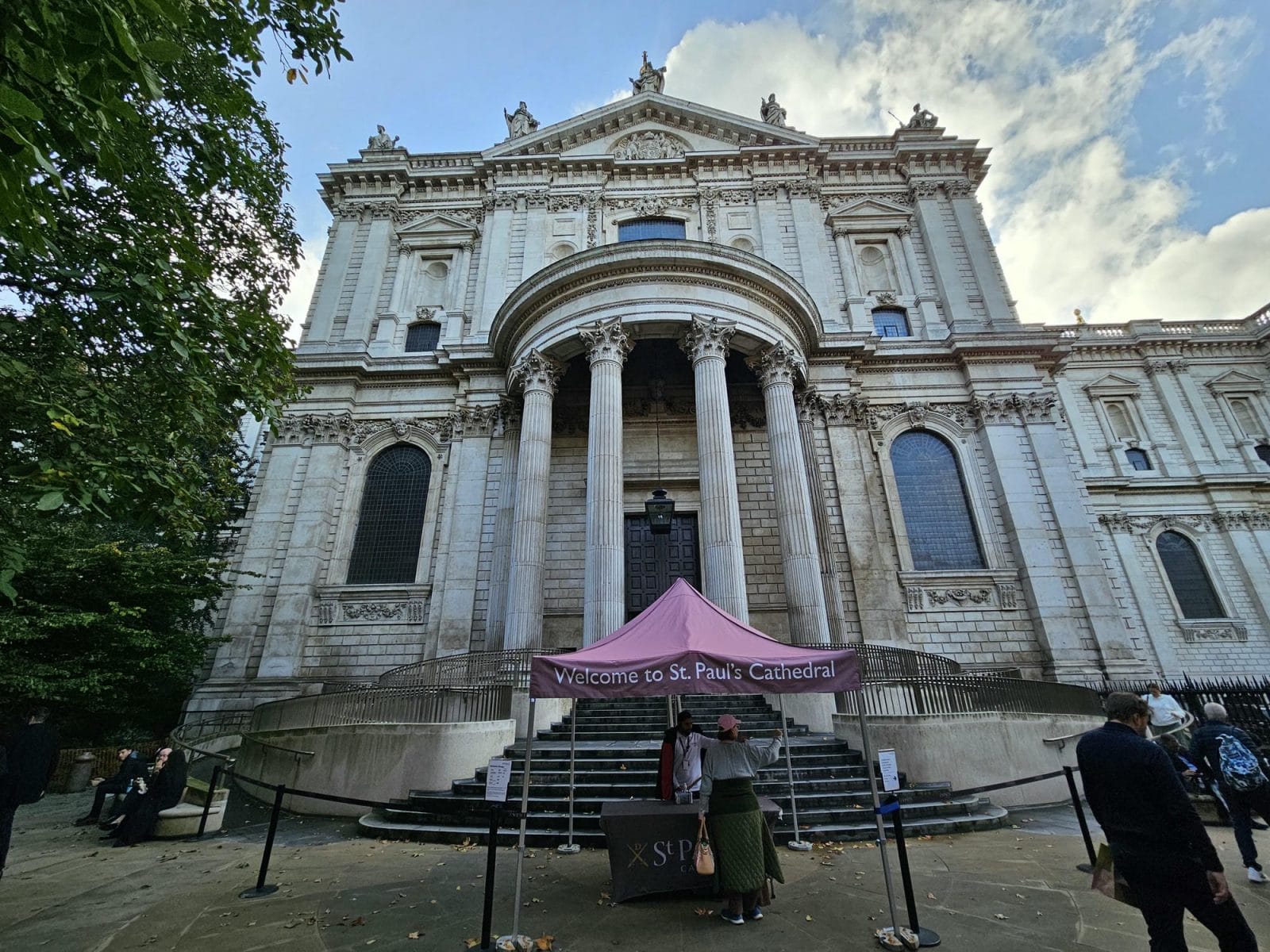
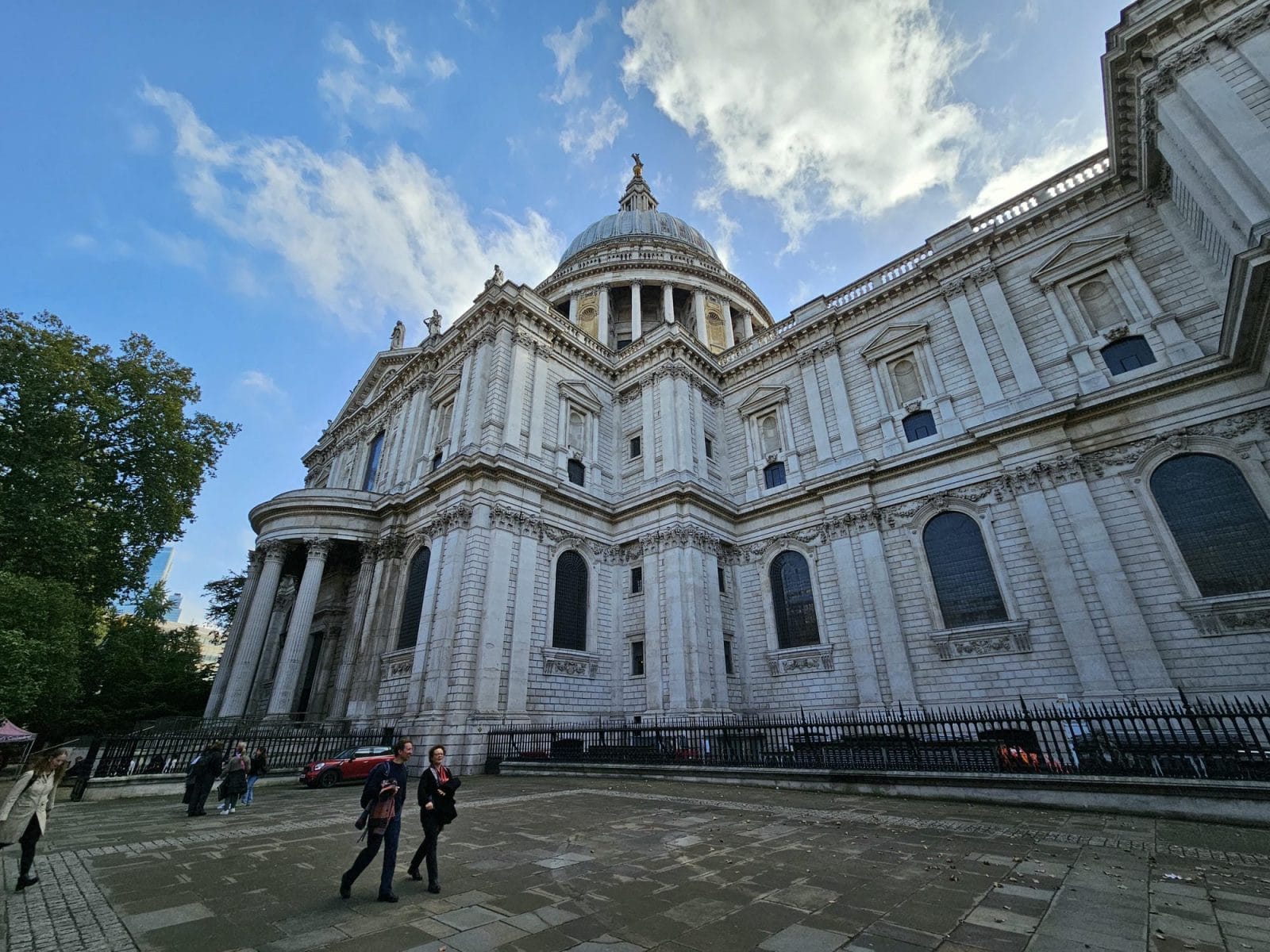
On the north side of the building, in the churchyard, there are also some interesting architectural features. There is also an entrance for ticketed visitors returning to the cathedral; it leads to the cafe and shop.
What to See Inside St Paul’s Cathedral
The cathedral is full of history, splendid architecture and artwork. These are the features that caught my eye during my visit.
The Nave
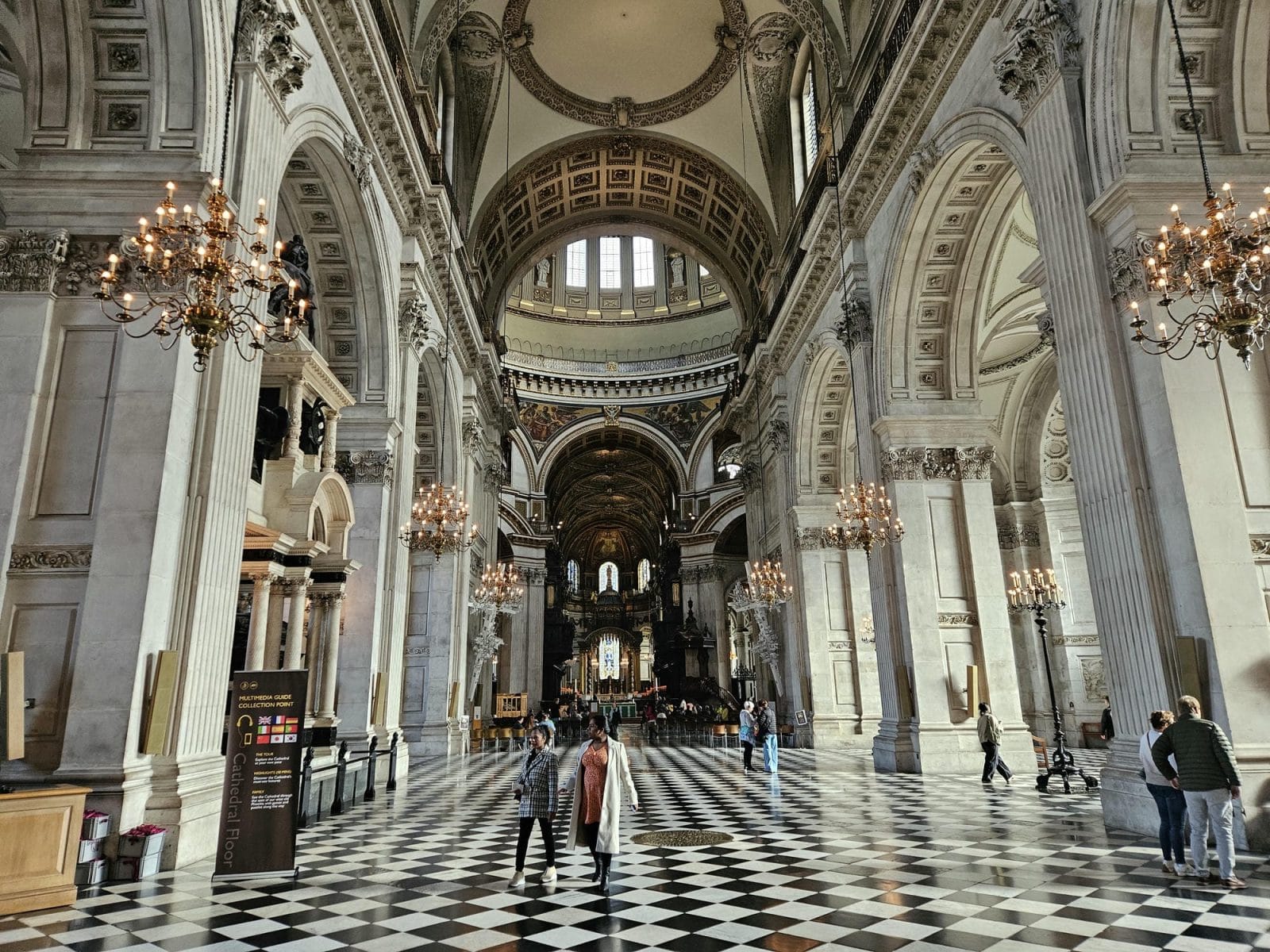
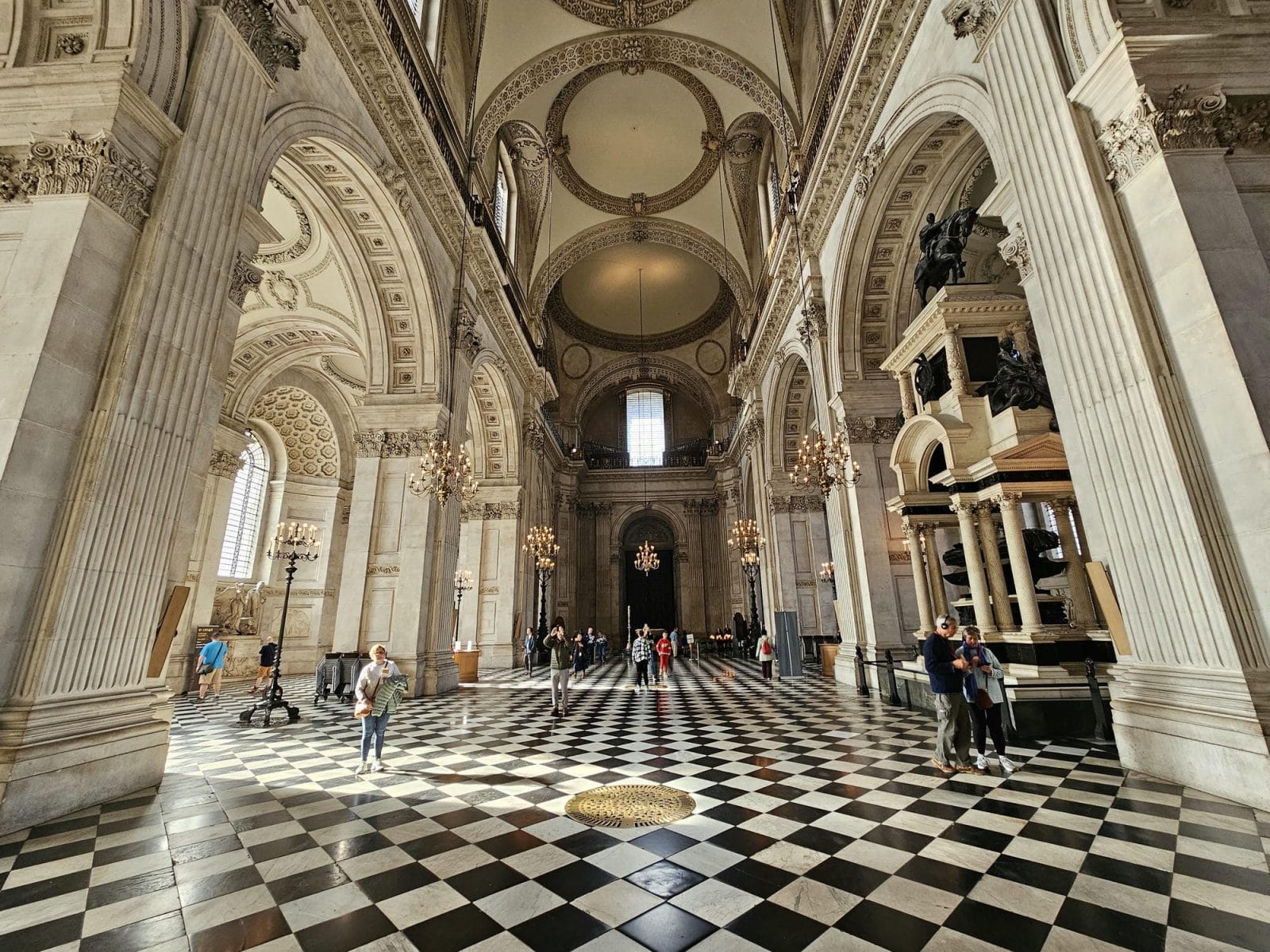
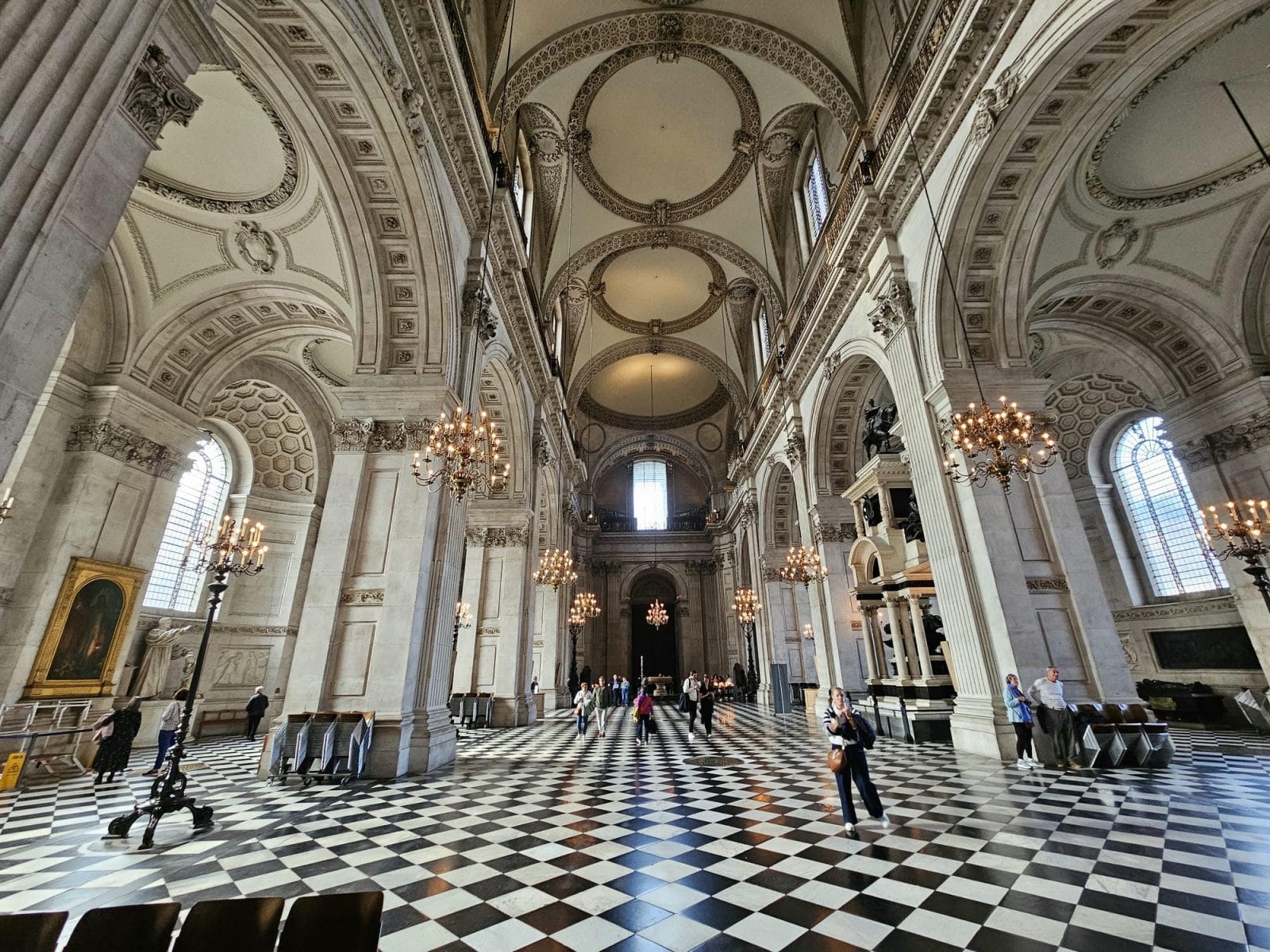
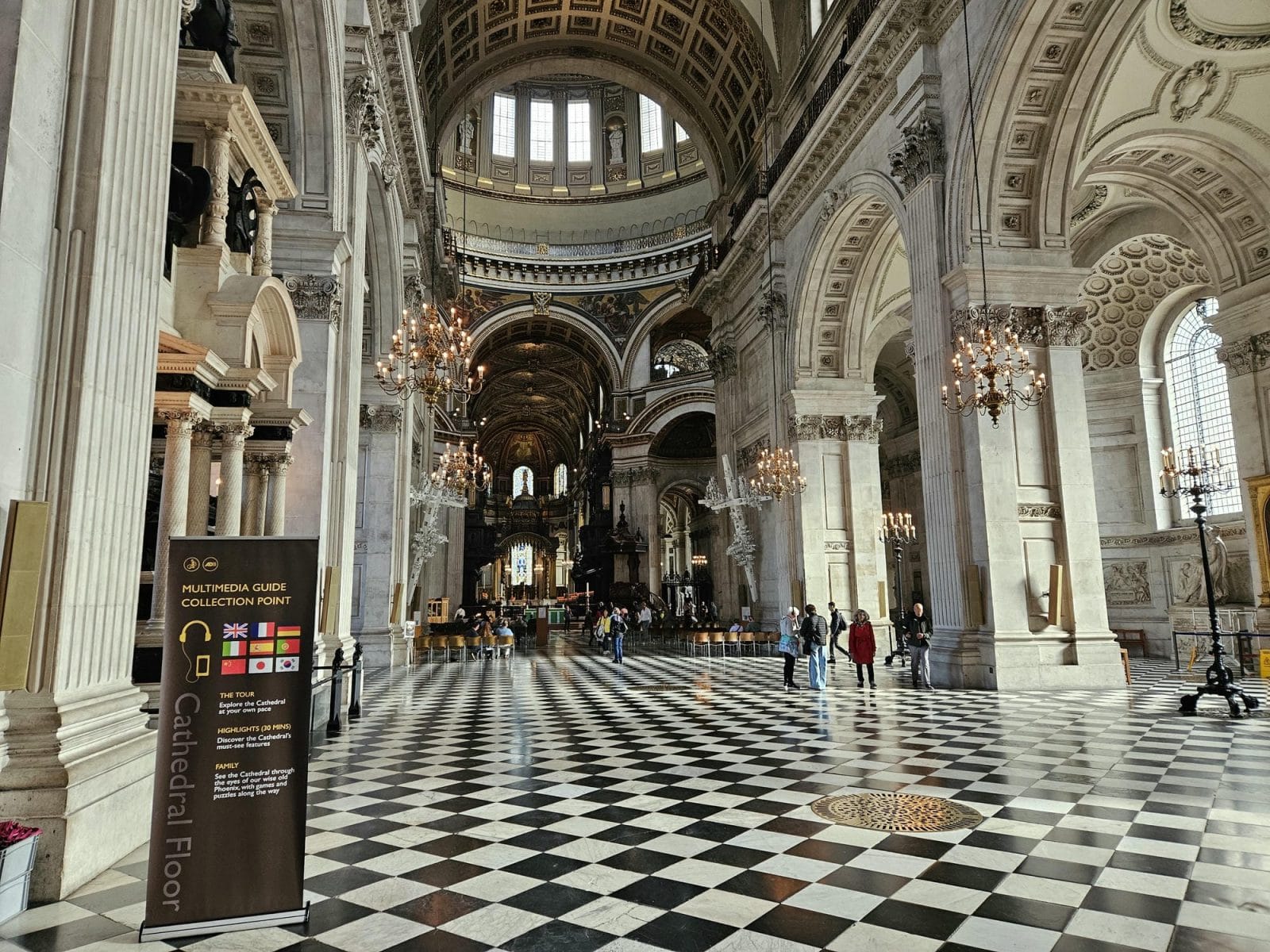
After sorting out the formalities to enter the church, you are in the nave, which is rather big and has lots of details. The views from both sides of the nave highlight the cathedral’s size.
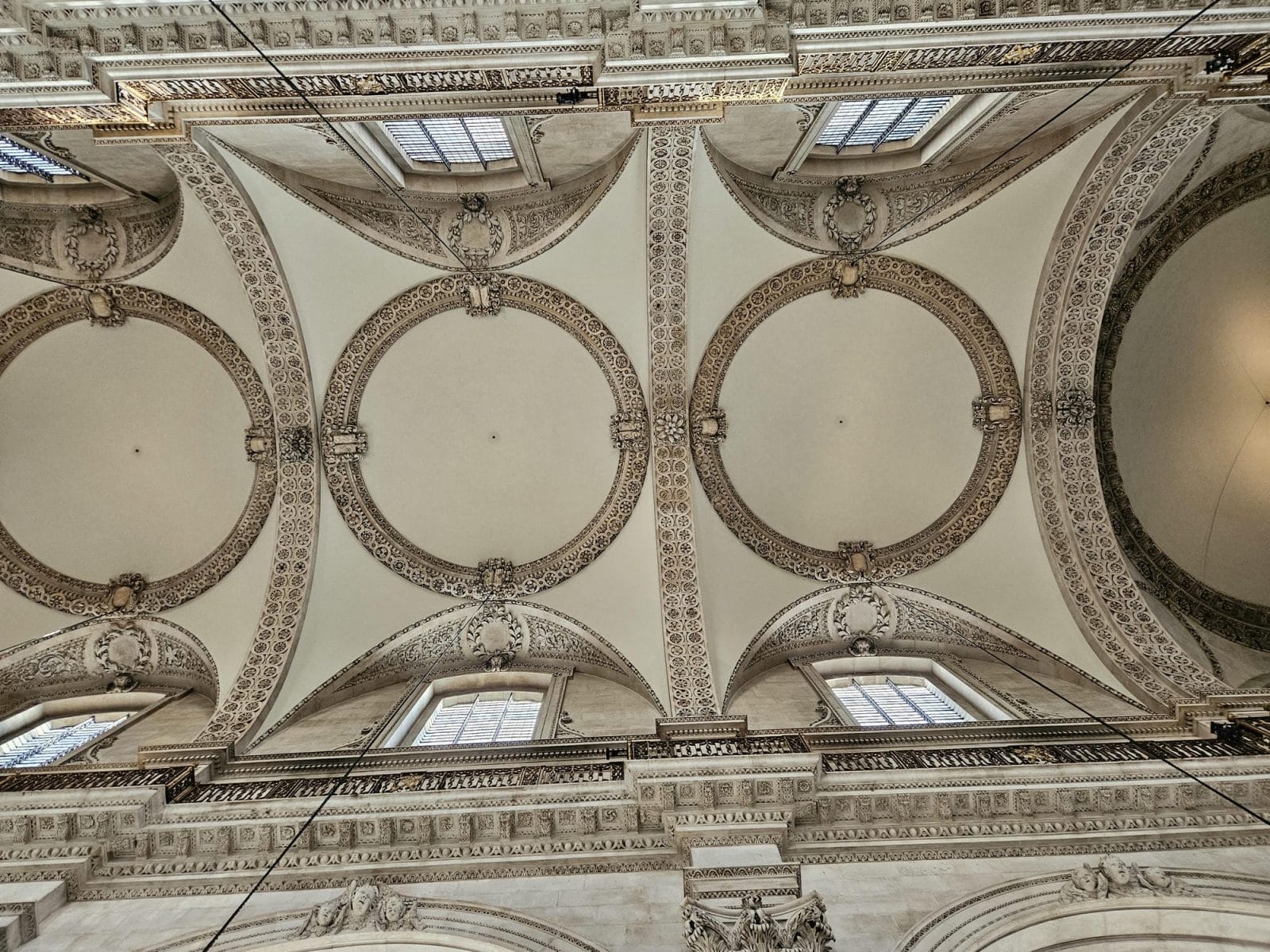
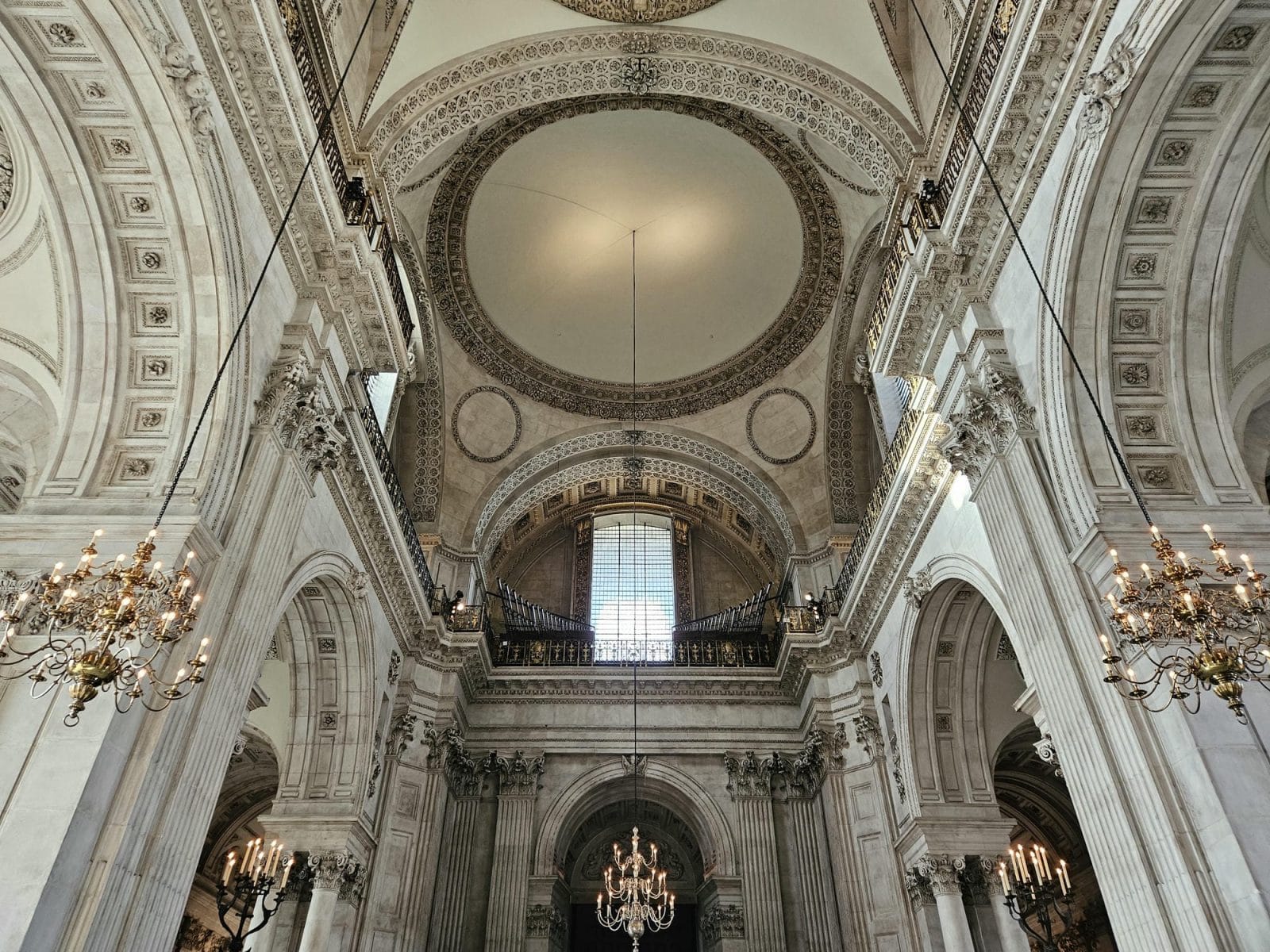
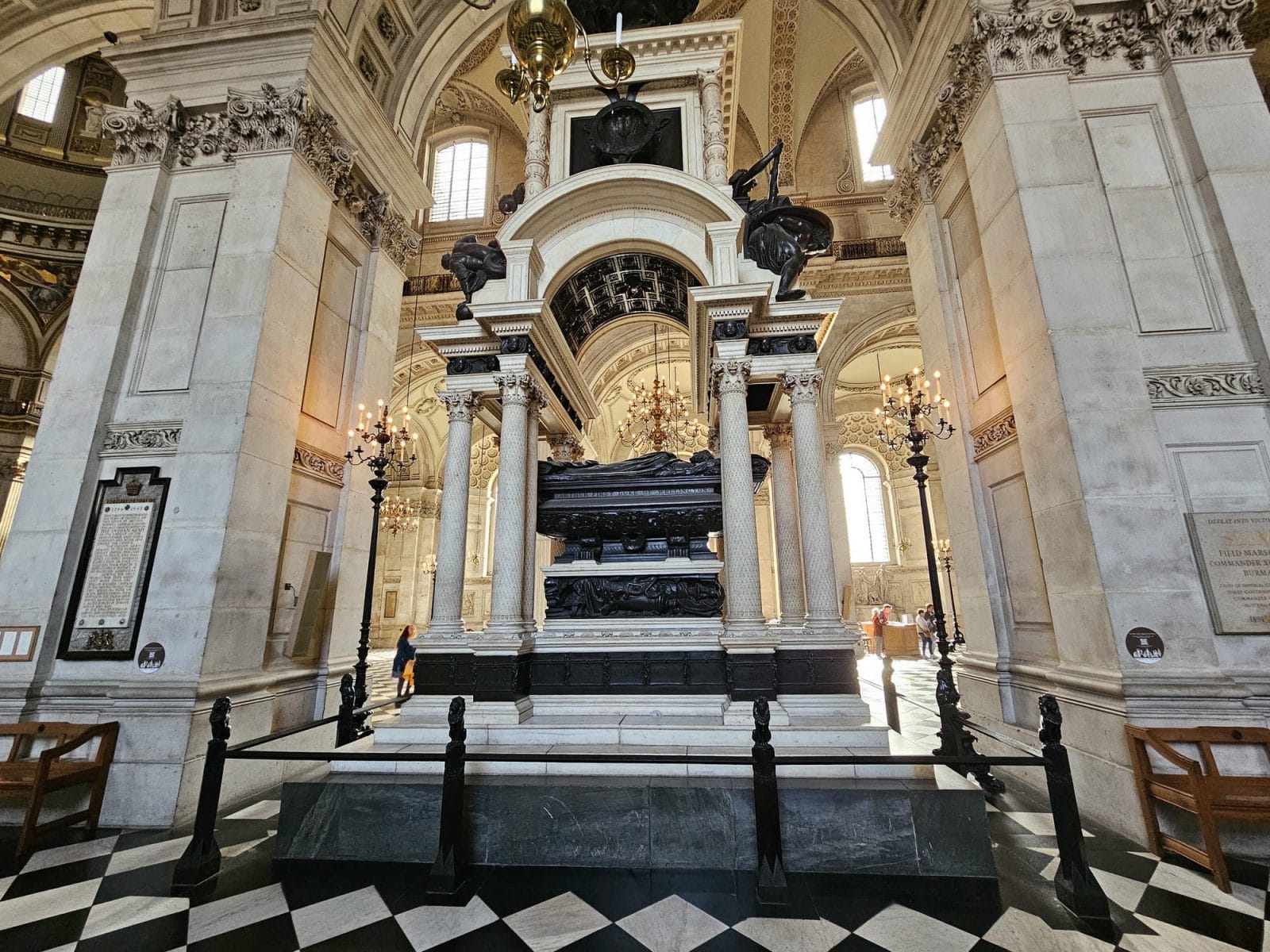
At the edges are lots of details, including the Wellington Monument. The floor is hypnotic too, with a cool checked pattern with the occasional memorial mixed in. Looking up is also special, as the ceiling has pleasant features.
Inside the Dome
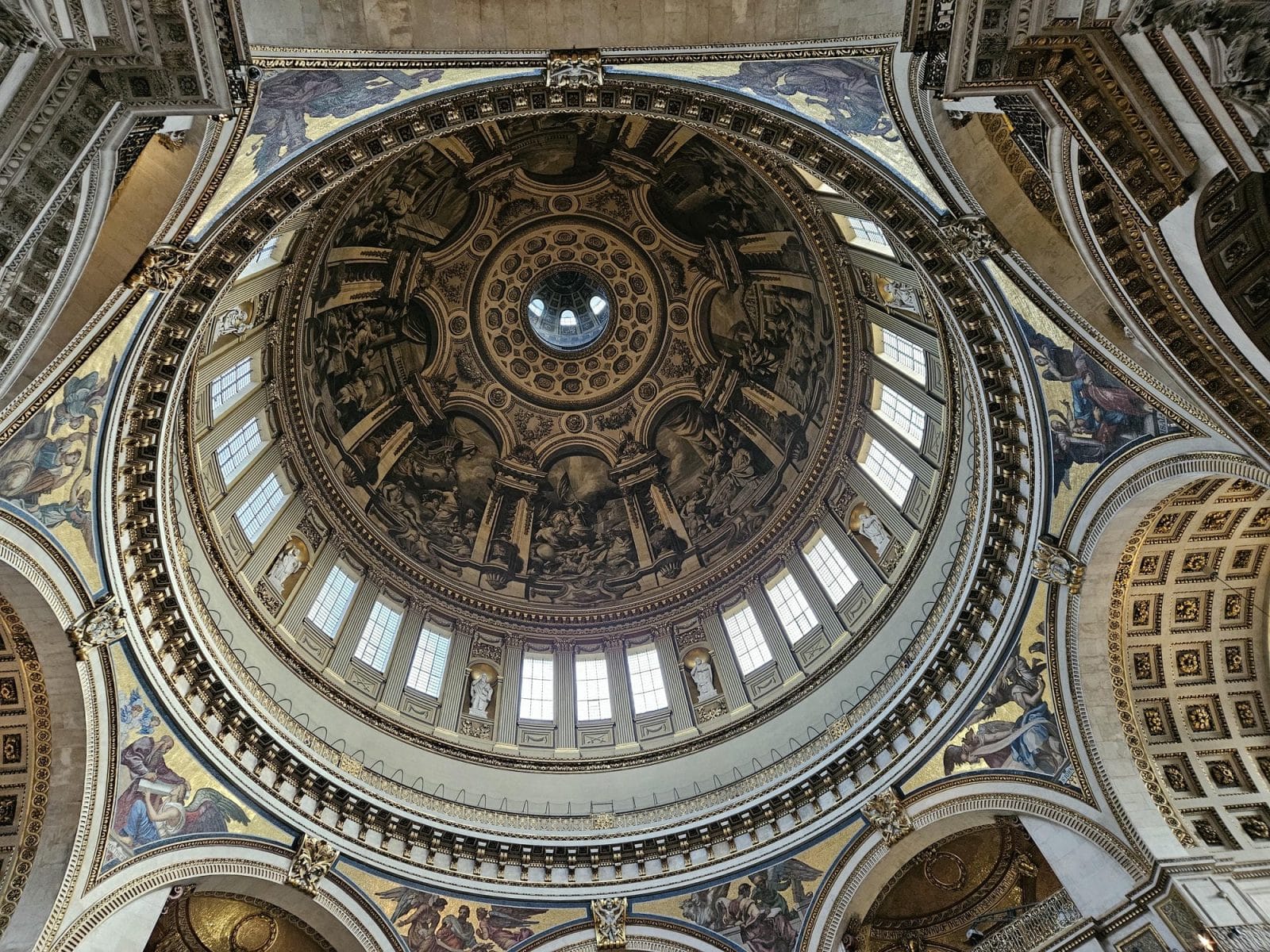
The inside of the dome has many architectural details, statues, and artwork. You can see from various points on the ground floor, including some chairs underneath. For a more detailed view, a climb to the whispering gallery is great.
Whispering Gallery
One of the few parts of the building you cannot photograph is the whispering gallery. This is a balcony inside the dome with views of the church below. It is a fantastic place to see the interior from above and the decorations throughout.
To reach the Whispering Gallery, it is 257 steps, the same route as to the golden and stone galleries. Here you can also get up close to the artwork inside the dome, which is spectacular. The acoustics travel well here, and apparently, you can hear a whisper travel along the edge of the dome.
The Quire
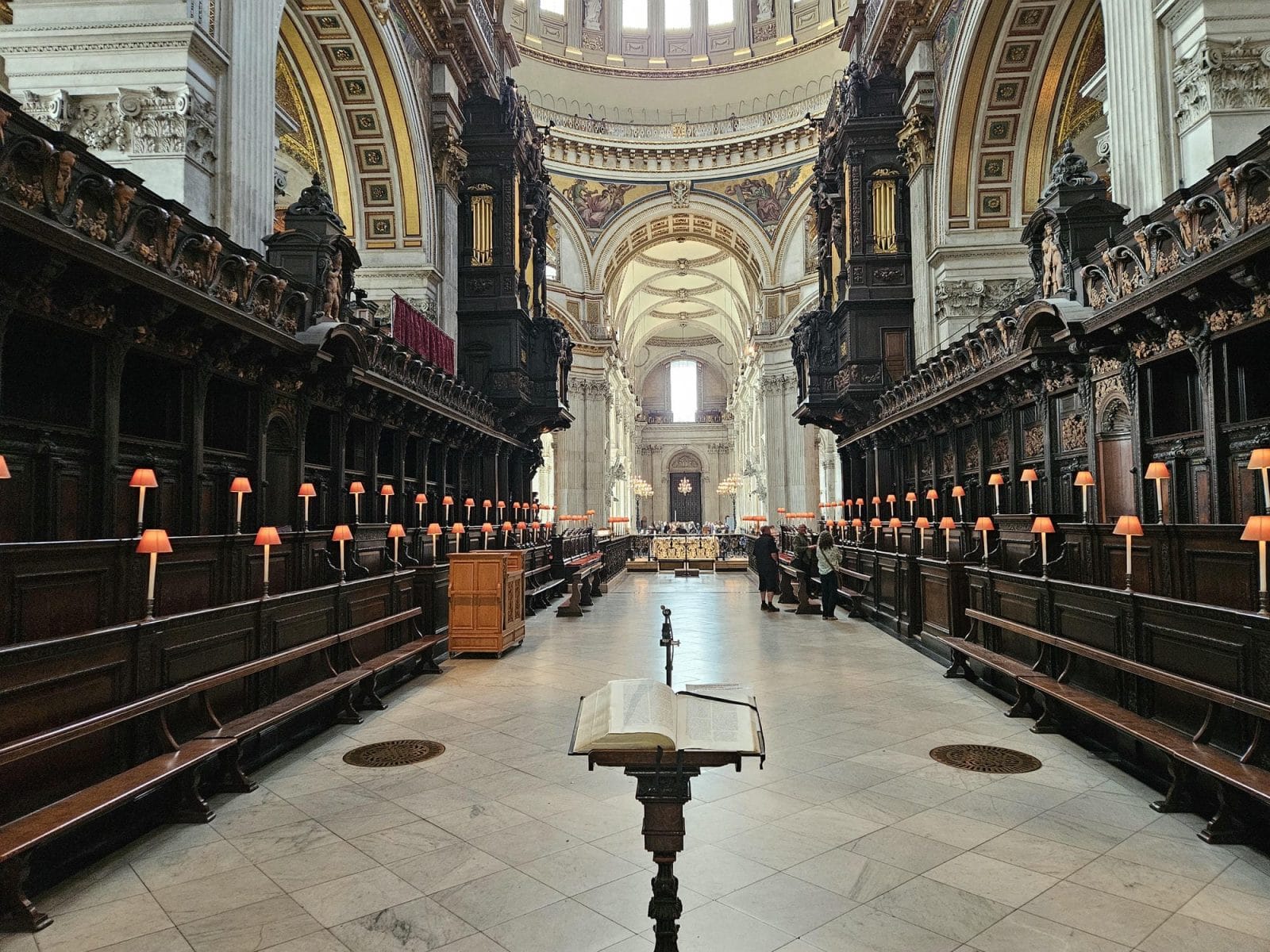
Another part of cathedrals I usually enjoy seeing is the Quire, and the one in St Paul’s is special. I enjoyed seeing all the intricate woodwork and the views of the other features of the building. The Quire was completed in 1697 and has been used daily since then. The carvings on the wood included foliage, flowers and cherubs.
The High Altar
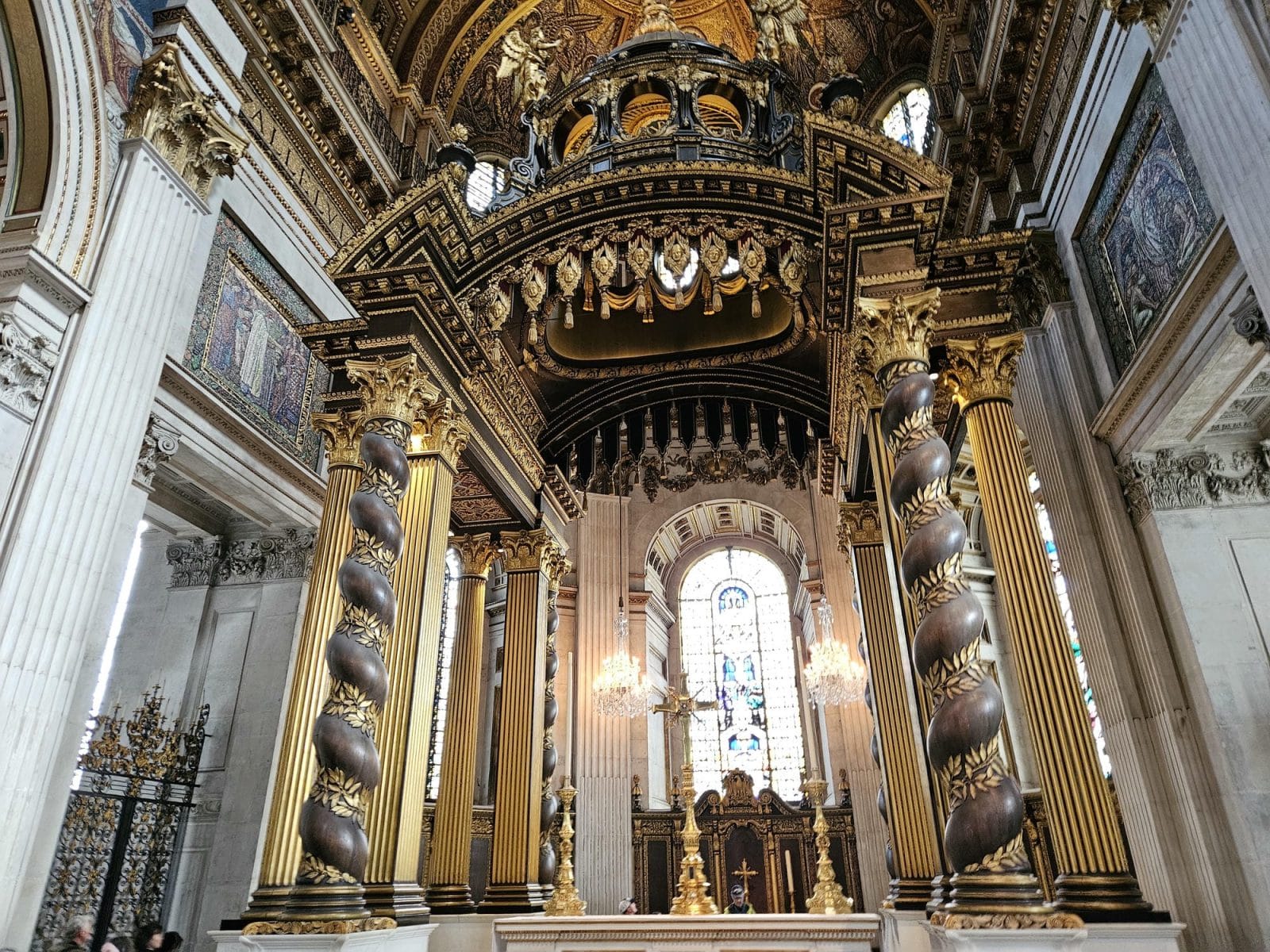
Although new, the high altar is a focal point and great to see up close or from the Choir. The original altar was damaged in 1940 by German bombers.
Sanctuary Screen
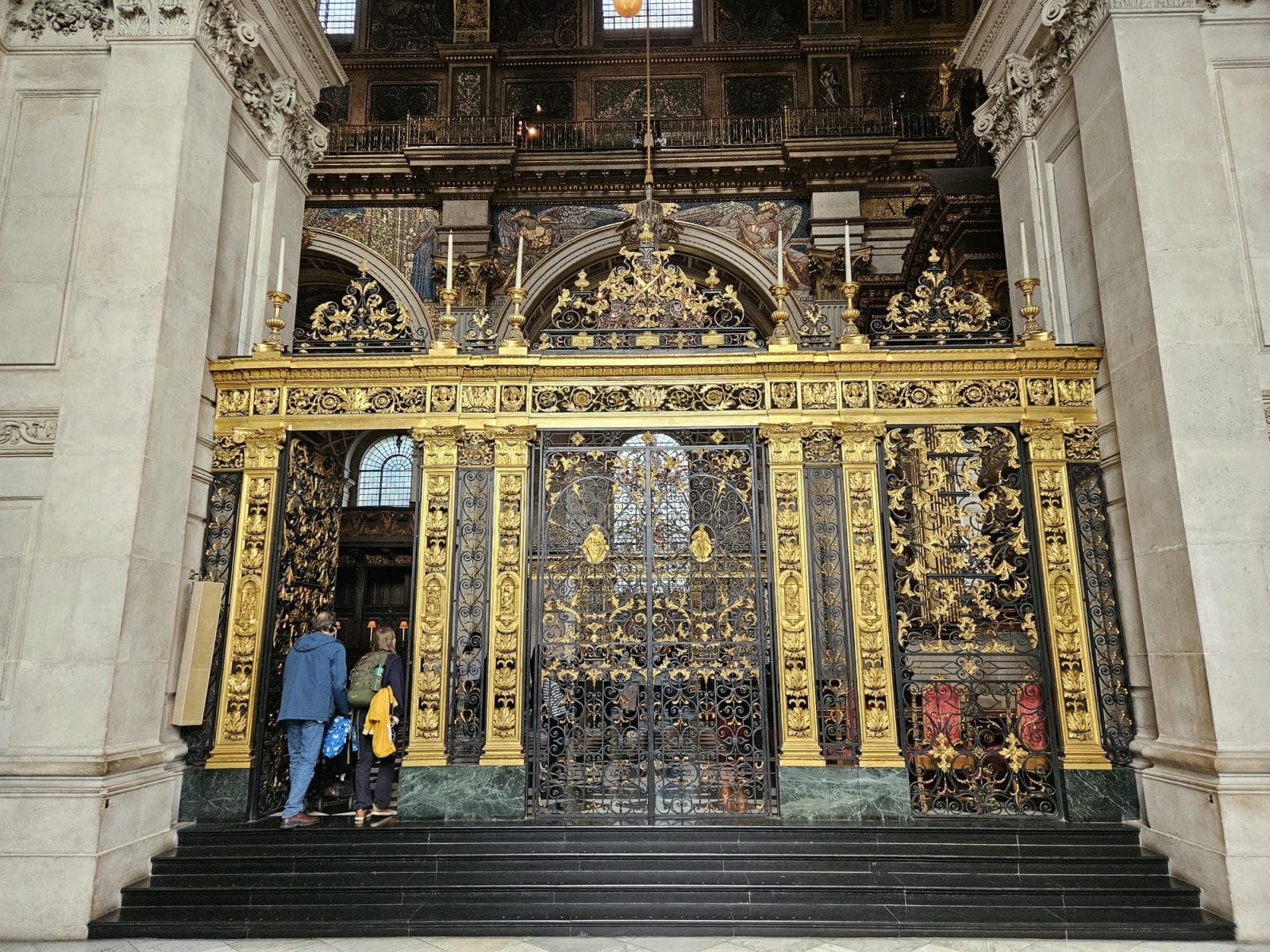
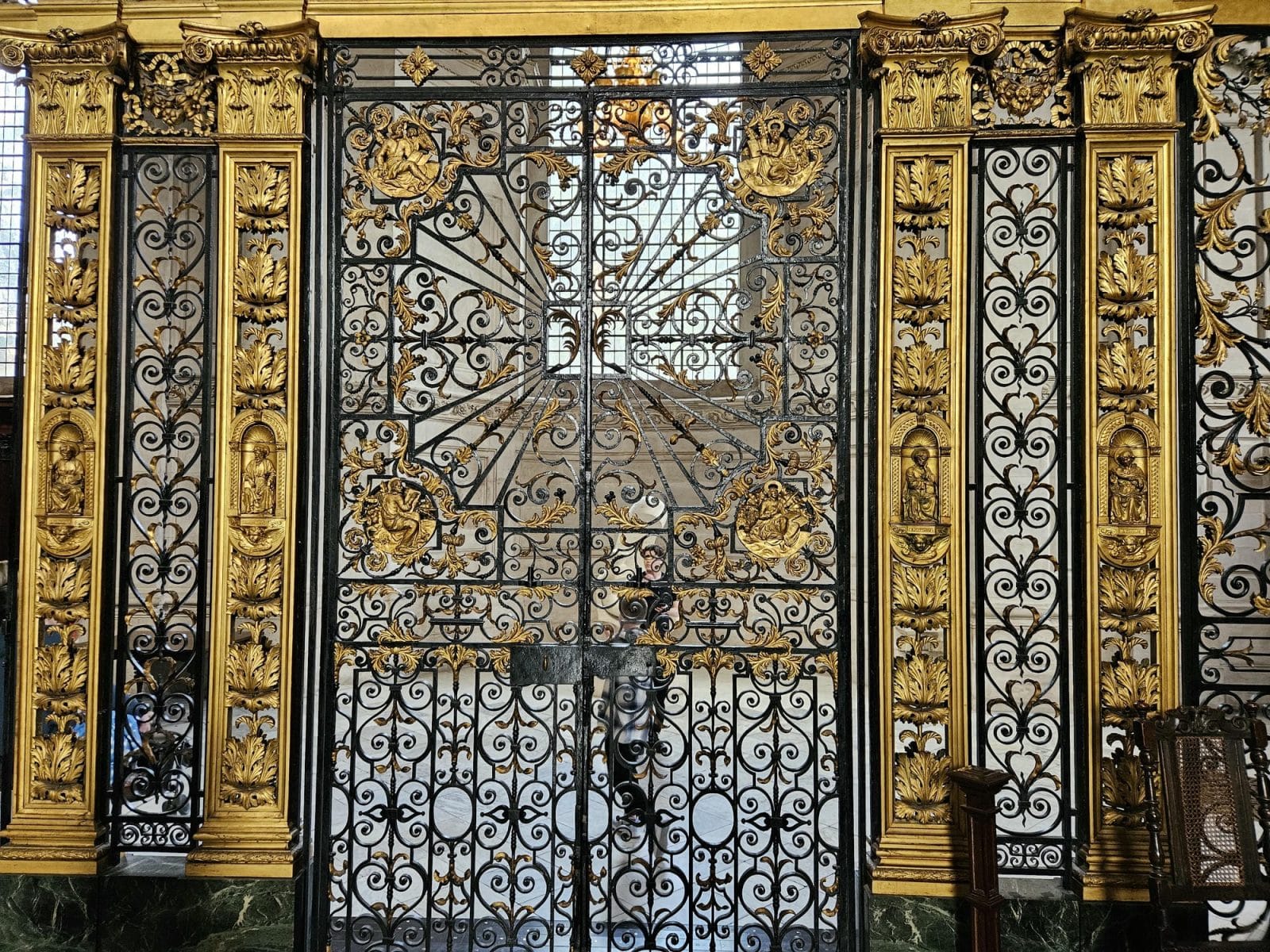
Another feature that impressed me was the Sanctuary Screen, a baroque iron-and-gold gate. This was rather decorative and was on the aisle to the side of the Choir and high altar. This was created by Tijou, a French metalworker who worked between 1689 and 1712.
Admiral Horatio Nelson’s Tomb
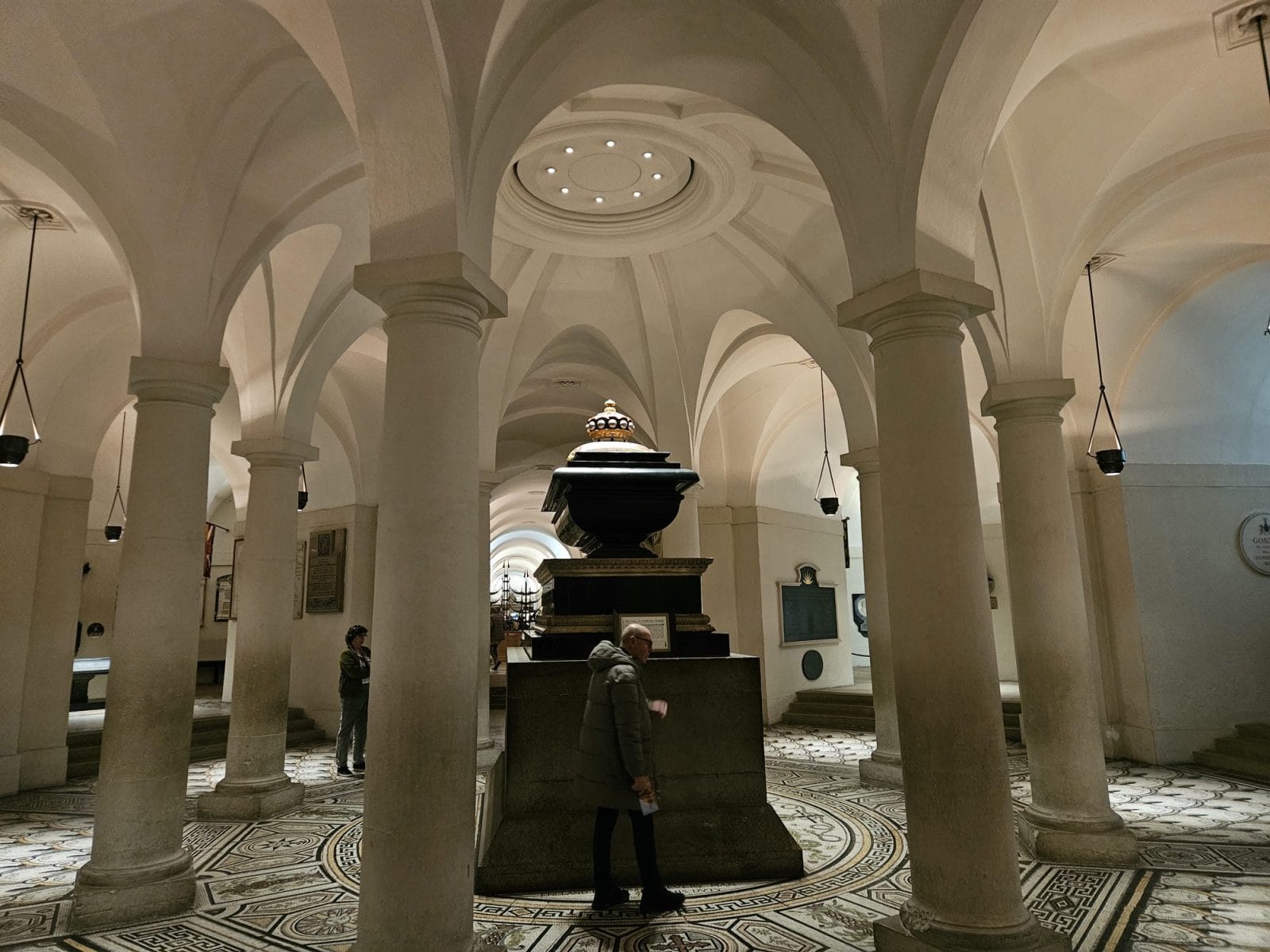
There have been a few state funerals here, including that of Admiral Horatio Nelson. Nelson lived between 1758 and 1805 and was famed for his military brilliance. Admiral Horatio Nelson was killed during the Battle of Trafalgar, which foiled plans to invade England.
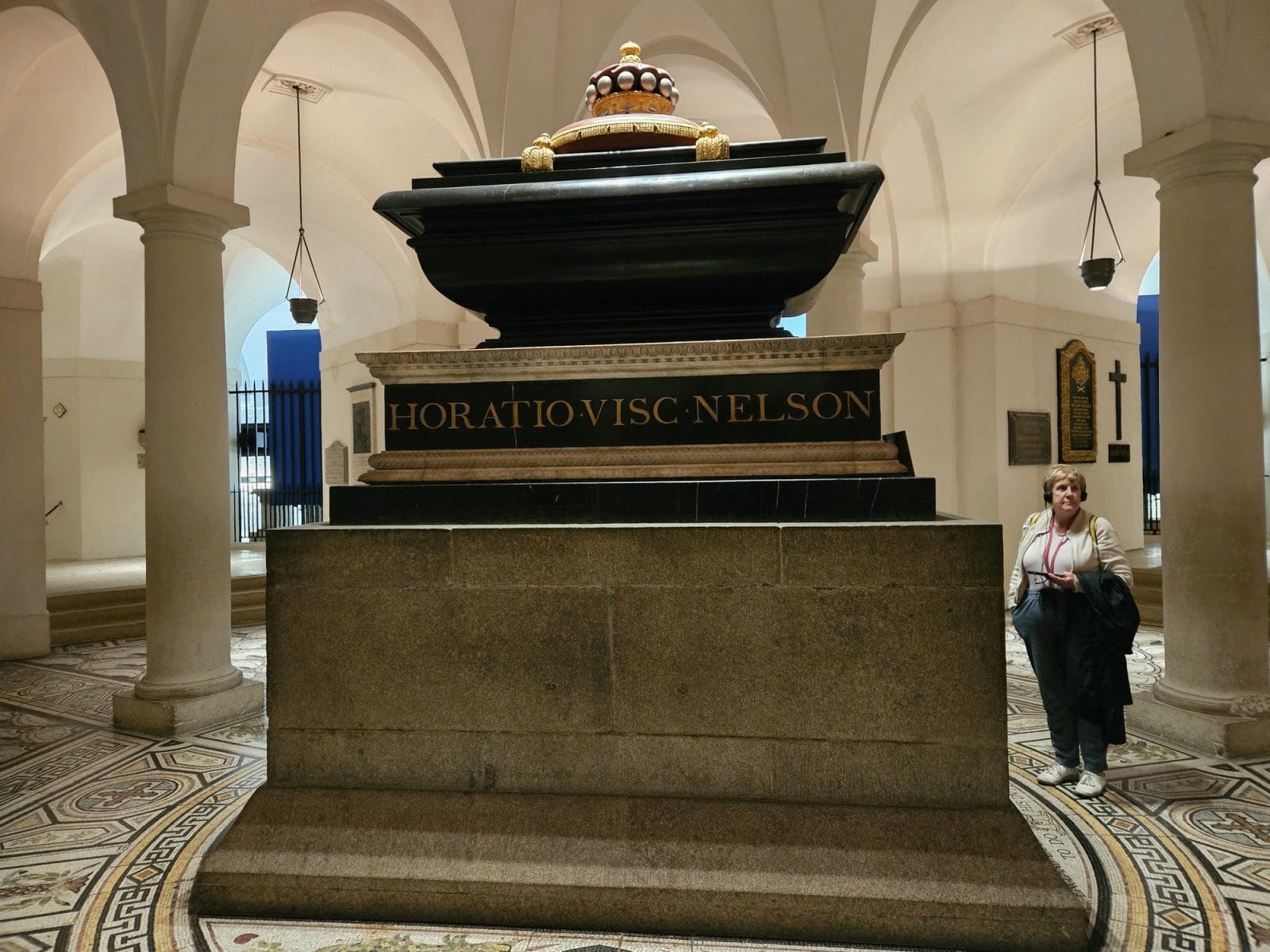
This, along with his past, made him a national hero. Interestingly, his body was preserved in a barrel of rum on the journey back from Cape Trafalgar in Spain to England. He was then buried in the crypt after his funeral service on the 9th of January, 1806.
Duke of Wellington Tomb
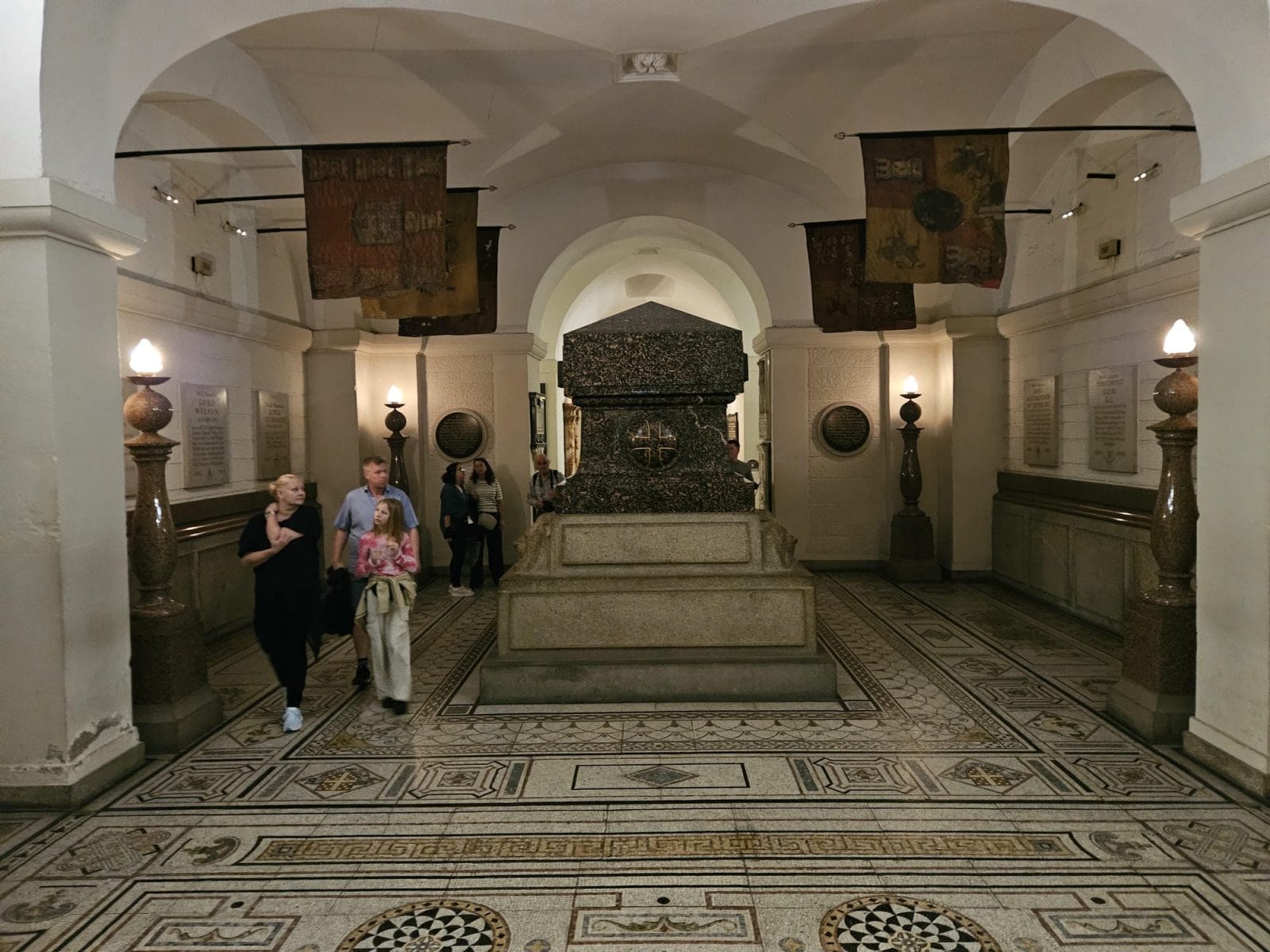
Also in the crypt is the tomb of the Duke of Wellington. Arthur Wellesley, the 1st Duke of Wellington, was one of the leading military and political figures in the country during the late 18th and early 19th centuries. The Duke’s body is within an imposing sarcophagus made from Cornish porphyry with gilt lettering. Its base was made of unpolished Peterhead granite and carved to depict four lions. It also features four towering candlesticks at each corner and an ornate mosaic floor.
World War I 1914 Memorial
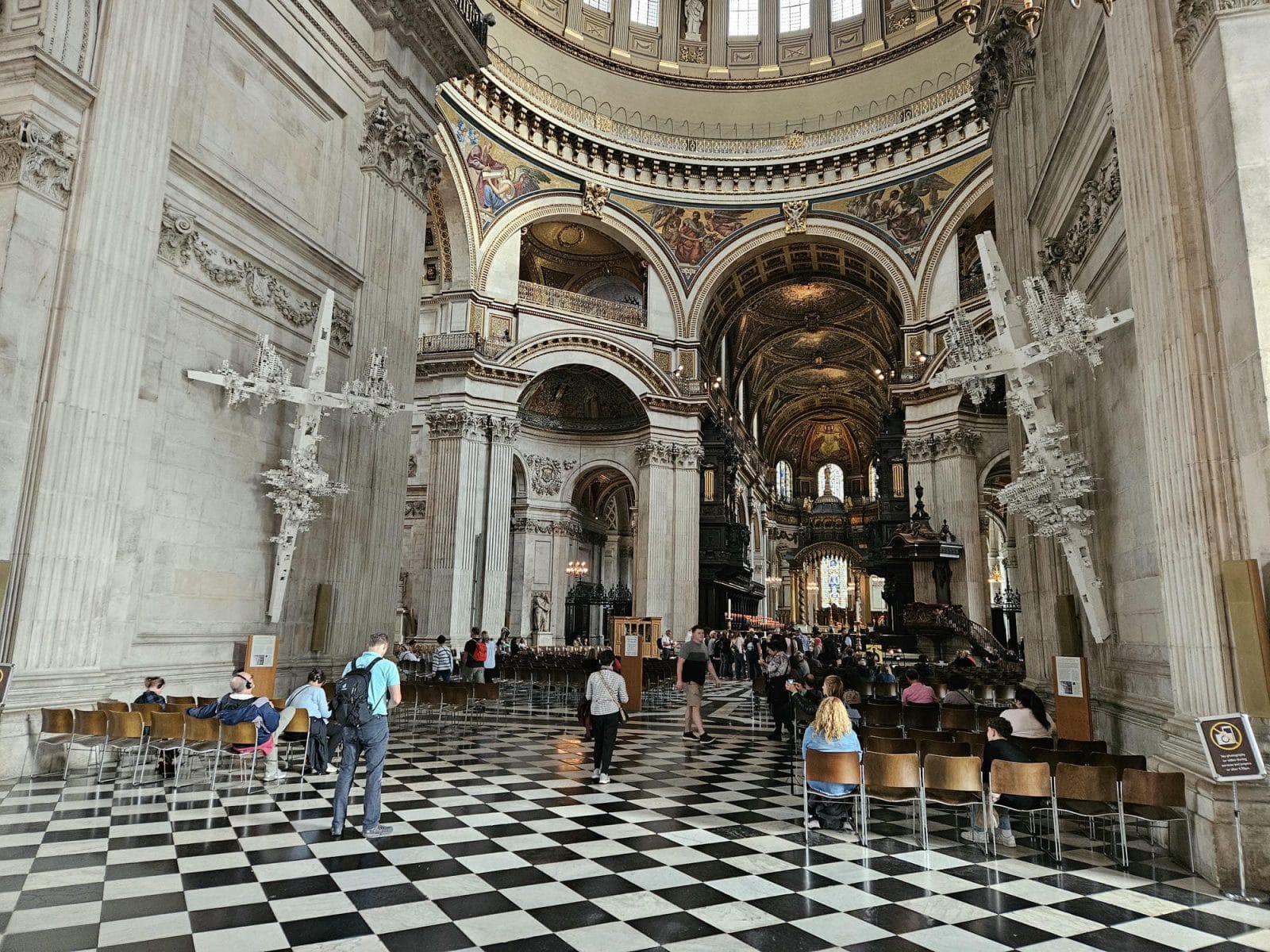
A memorial that caught my eye was the World War I 1914 Memorial, which is in two parts on either side of the main nave. It consists of two crucifixes with structures representing bombed buildings and settlements. This was designed and erected in 2014 to mark the centenary of the start of World War I.
Views of London From the Dome Galleries
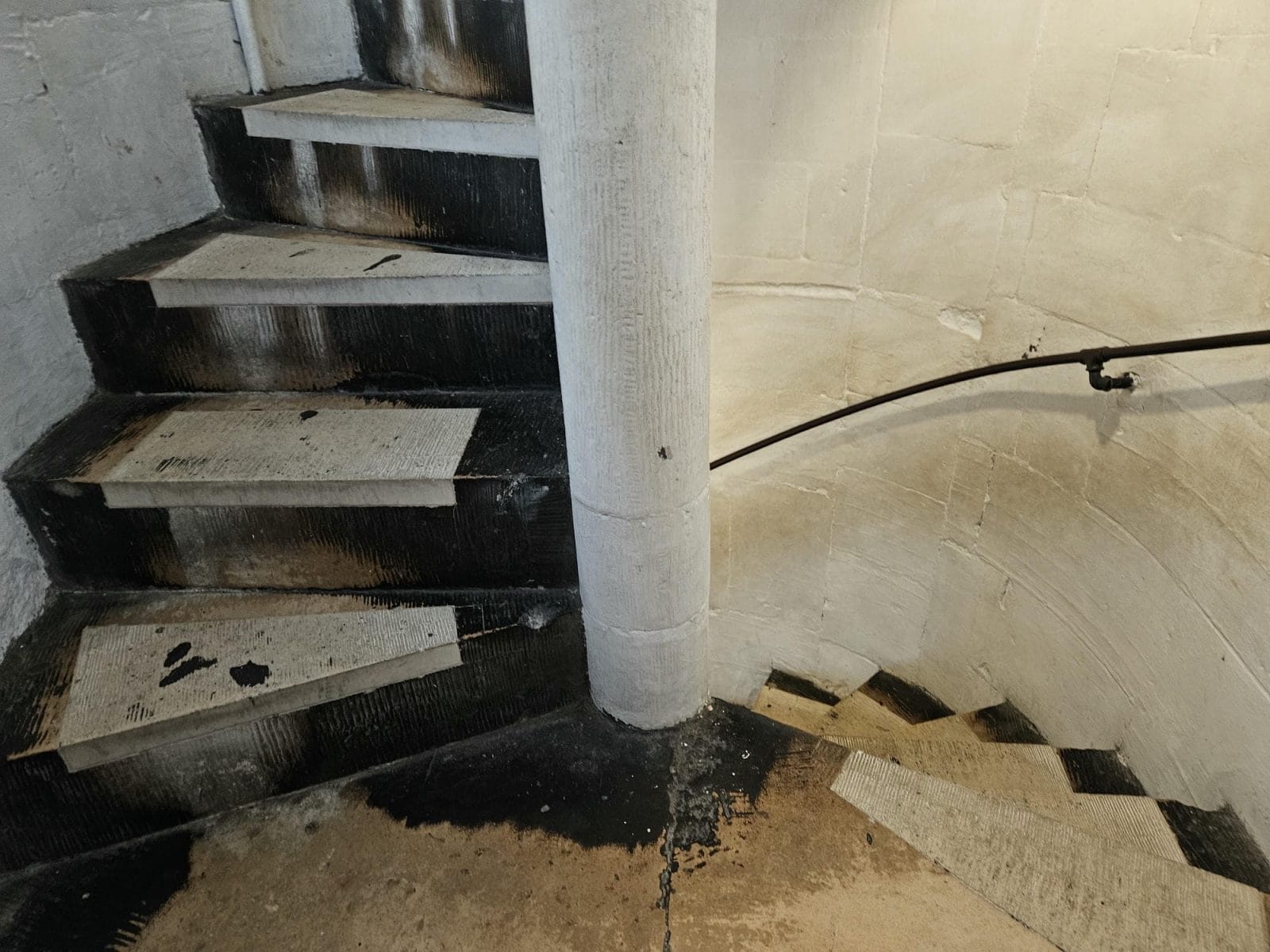
The galleries on the cathedral’s dome are fantastic spots to take in the city of London and many nearby landmarks from above. These are a steep climb, but the panoramas are worthwhile. Apparently, there are 528 steps from the ground to the Golden Gallery, the highest. On the way up, you pass the Whispering Gallery and Stone Gallery.
Stone Gallery
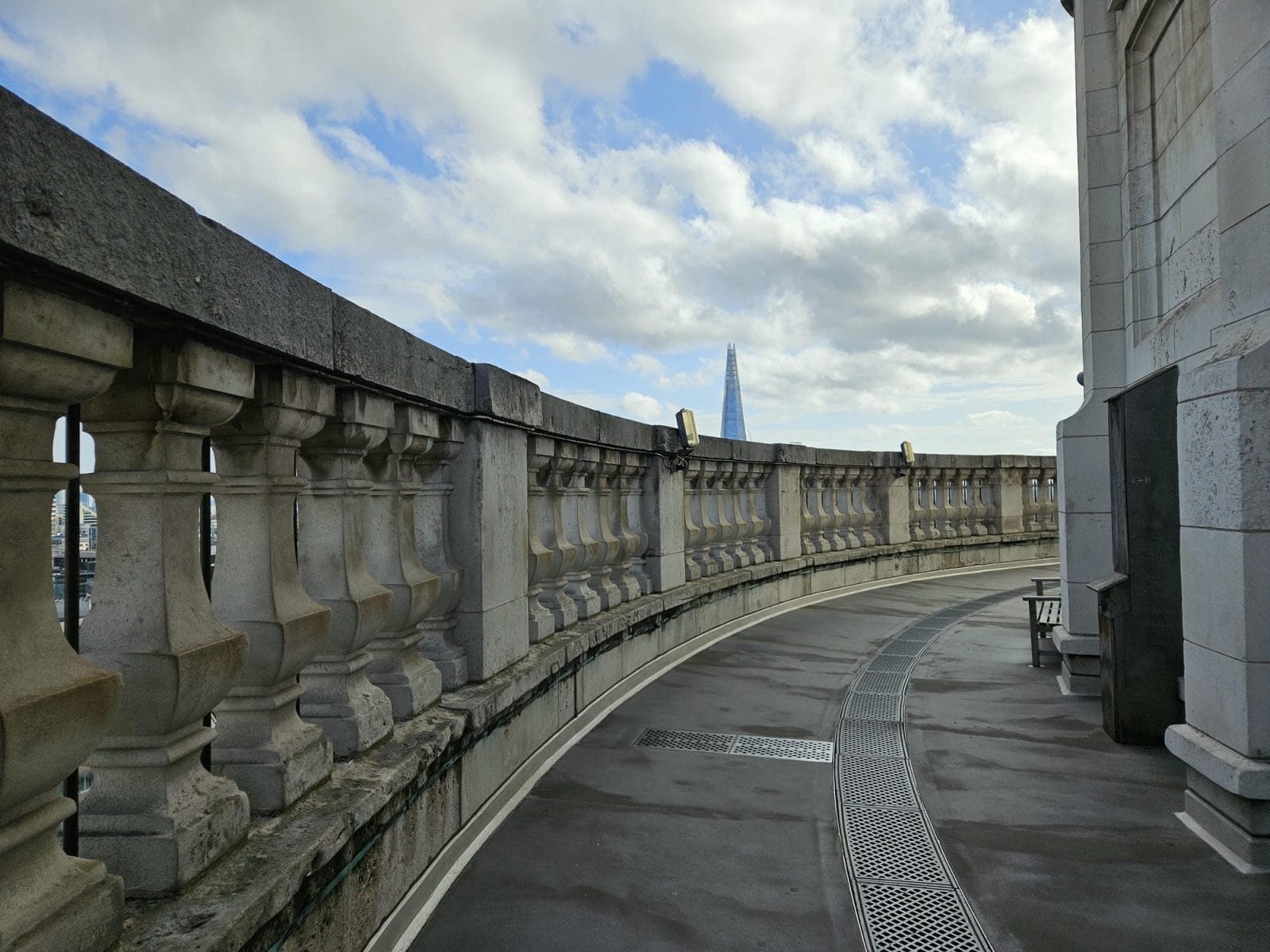
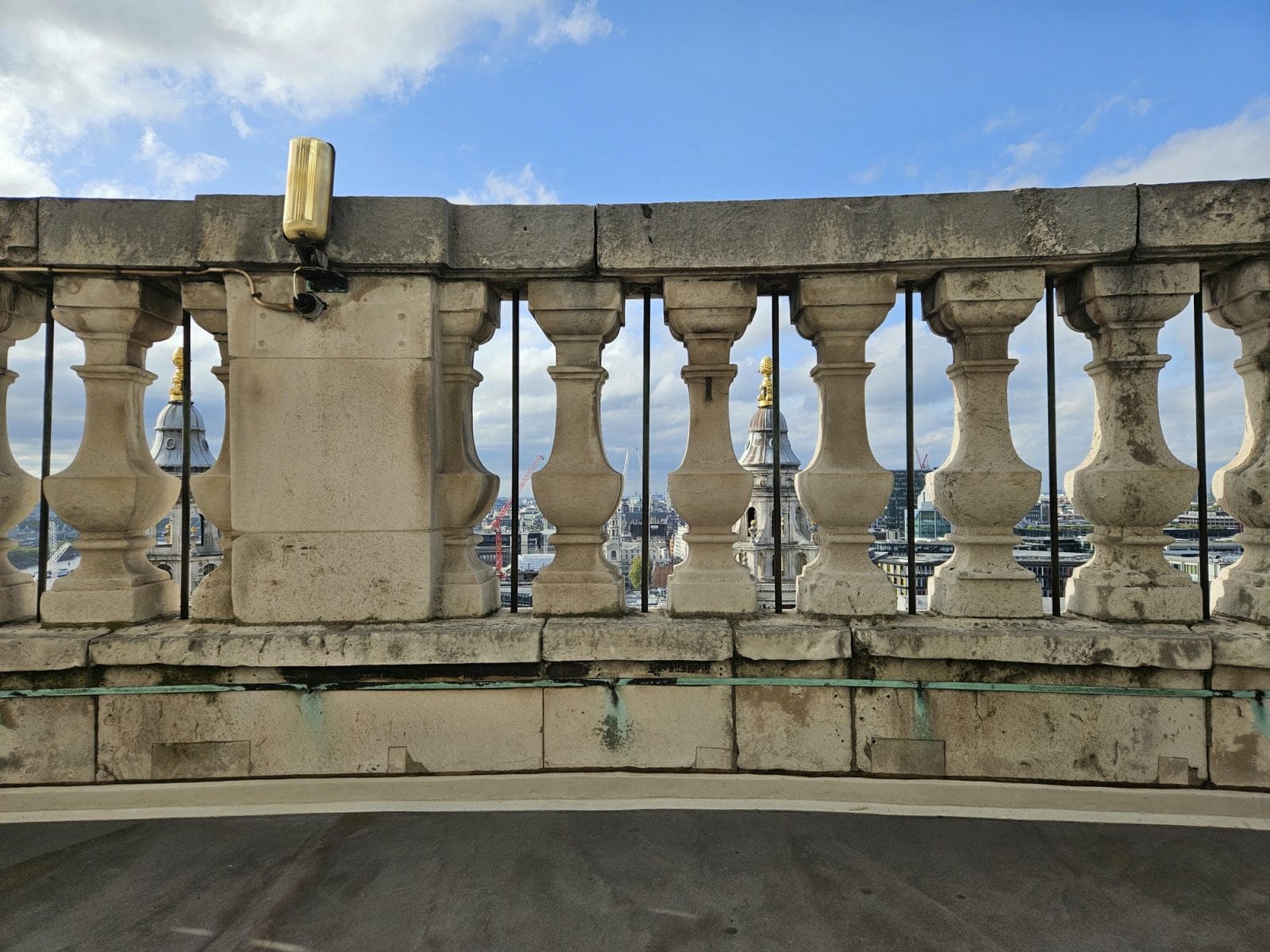
The Stone Gallery is the lower of the two viewpoints outside the dome. This one has stone balustrades to look through. To reach the stone gallery, you have to climb 376 steps, and it is 53 metres above ground.
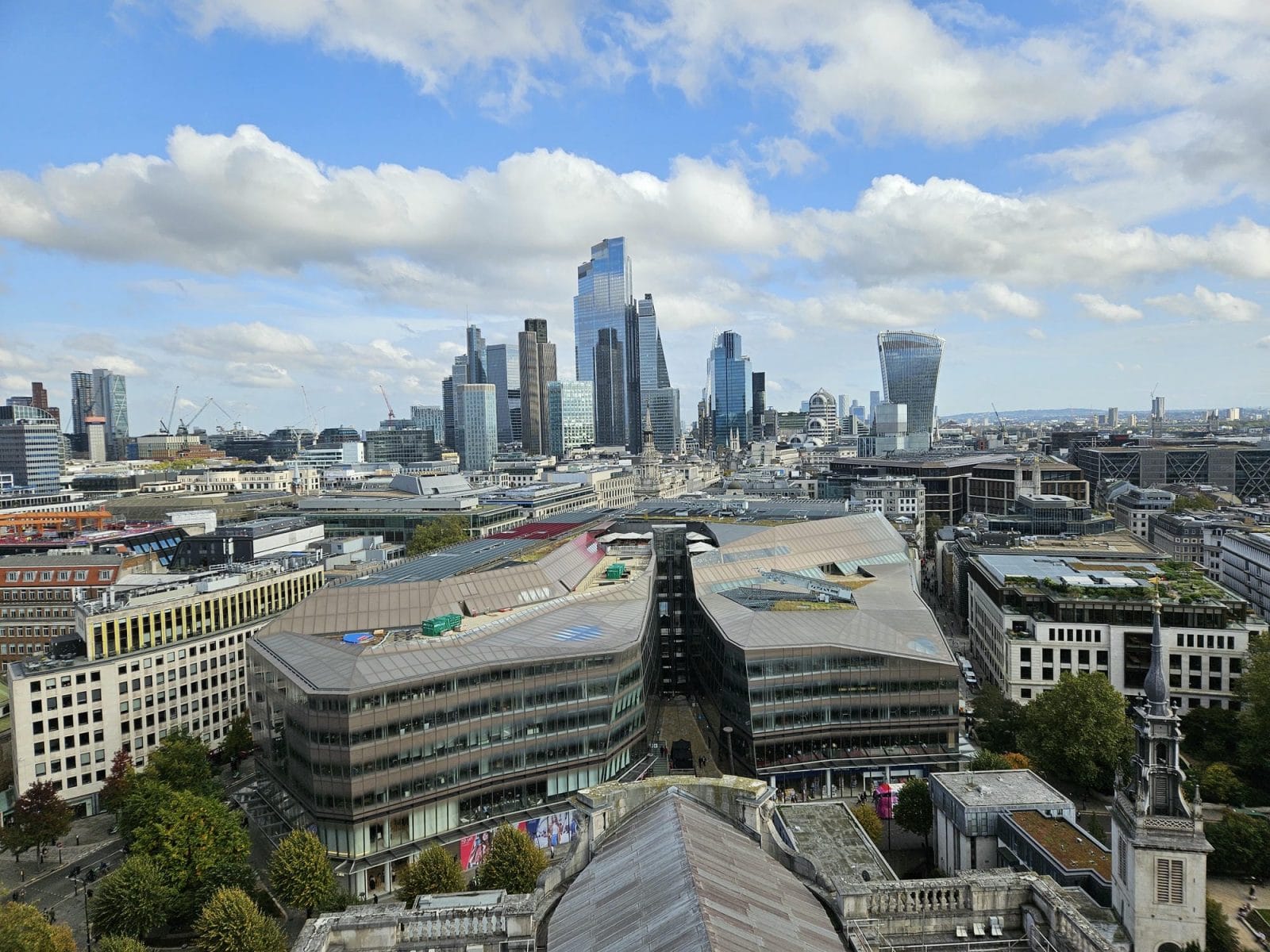
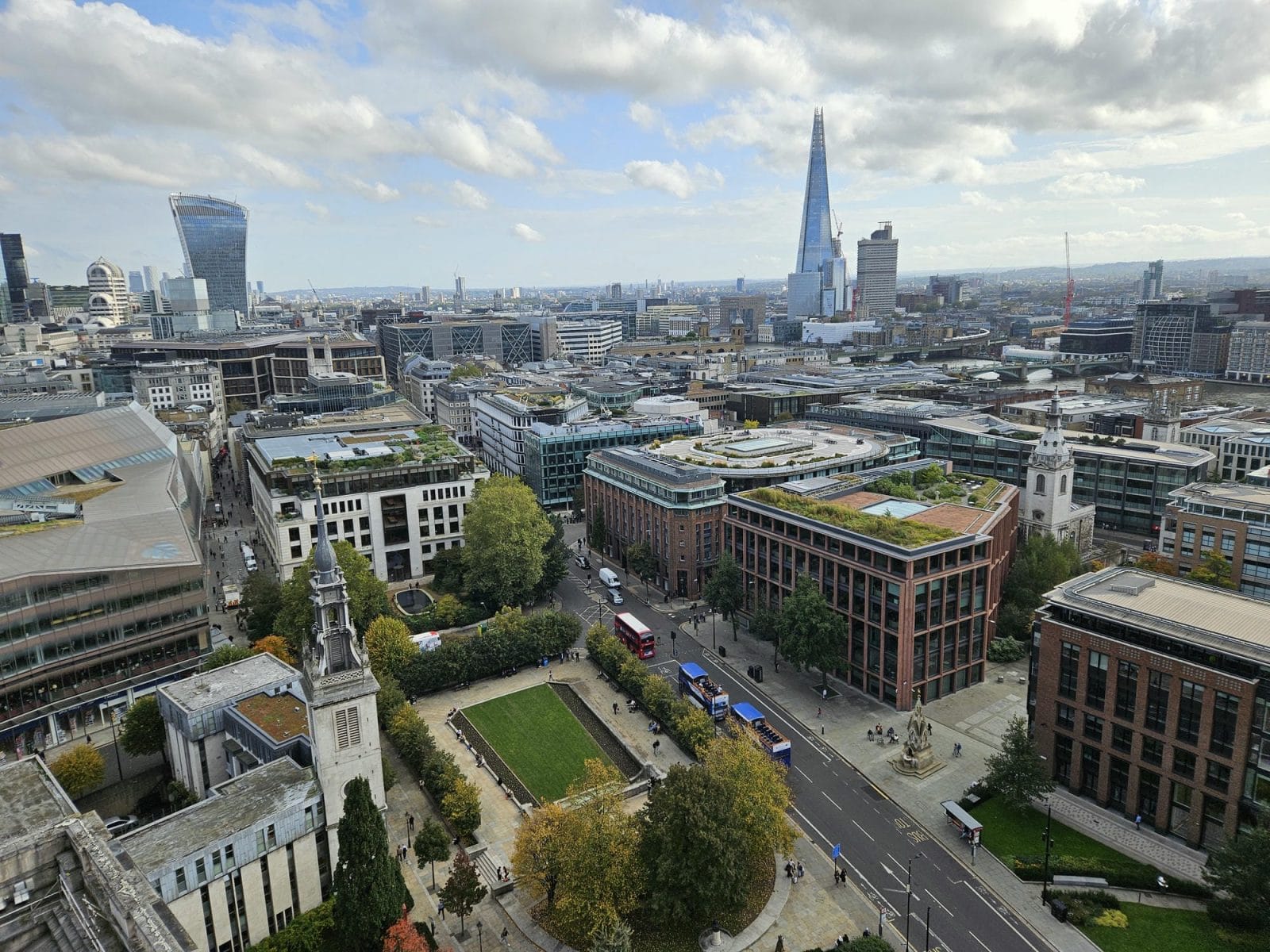
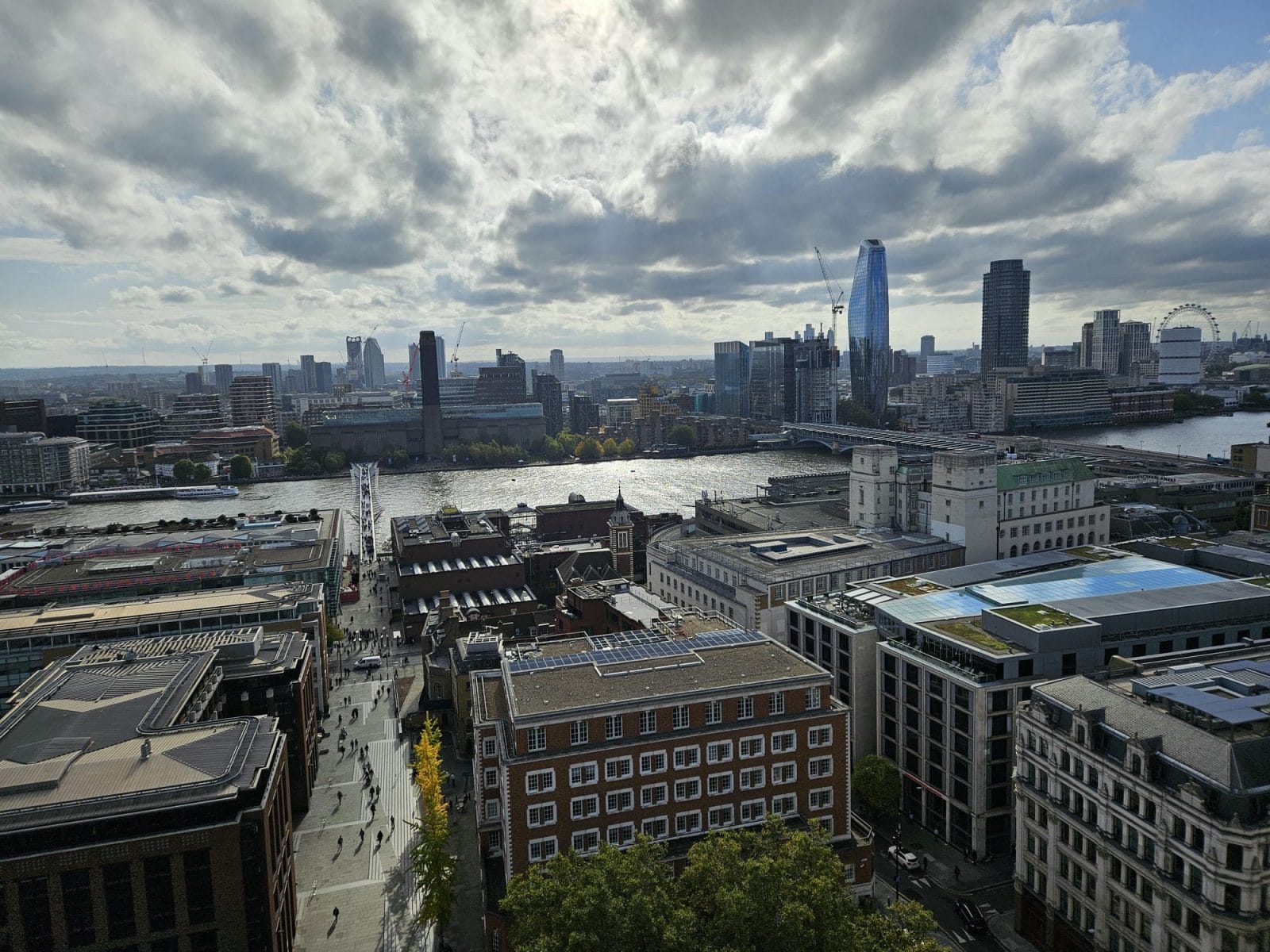
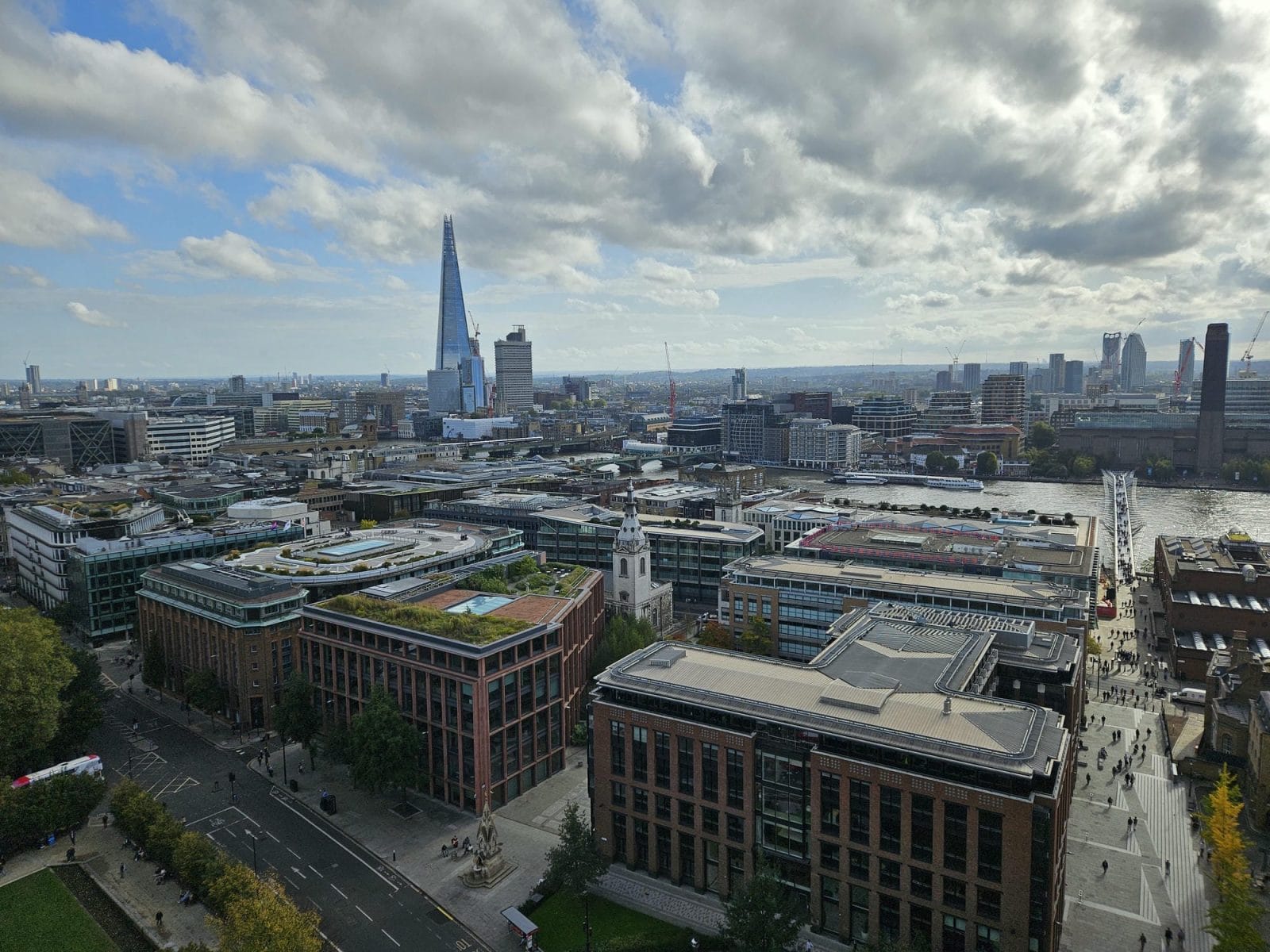
Views from the stone gallery were top-drawer, and as a bonus, there were a few benches to sit on to catch your breath after the climb. Sights visible here included the city of London, the River Thames and the two spires of the cathedral.
Golden Gallery
The golden gallery is a further climb up for even more spectacular views of the city. It forms part of the lantern atop the iconic dome.
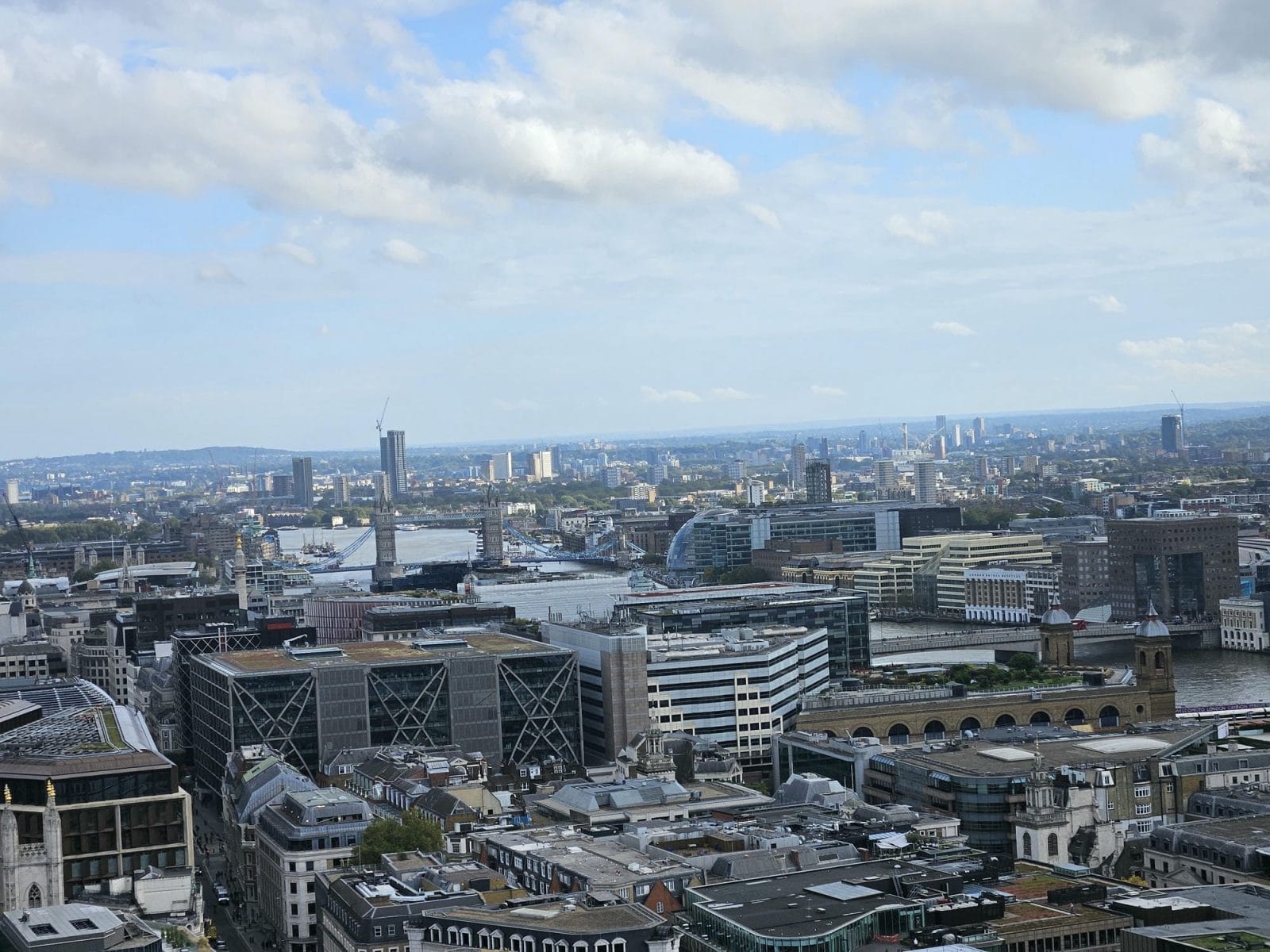
The Golden Gallery is just over 85 metres above ground, meaning there is a bit more visible from here, including the famous Tower Bridge and the Tower of London.
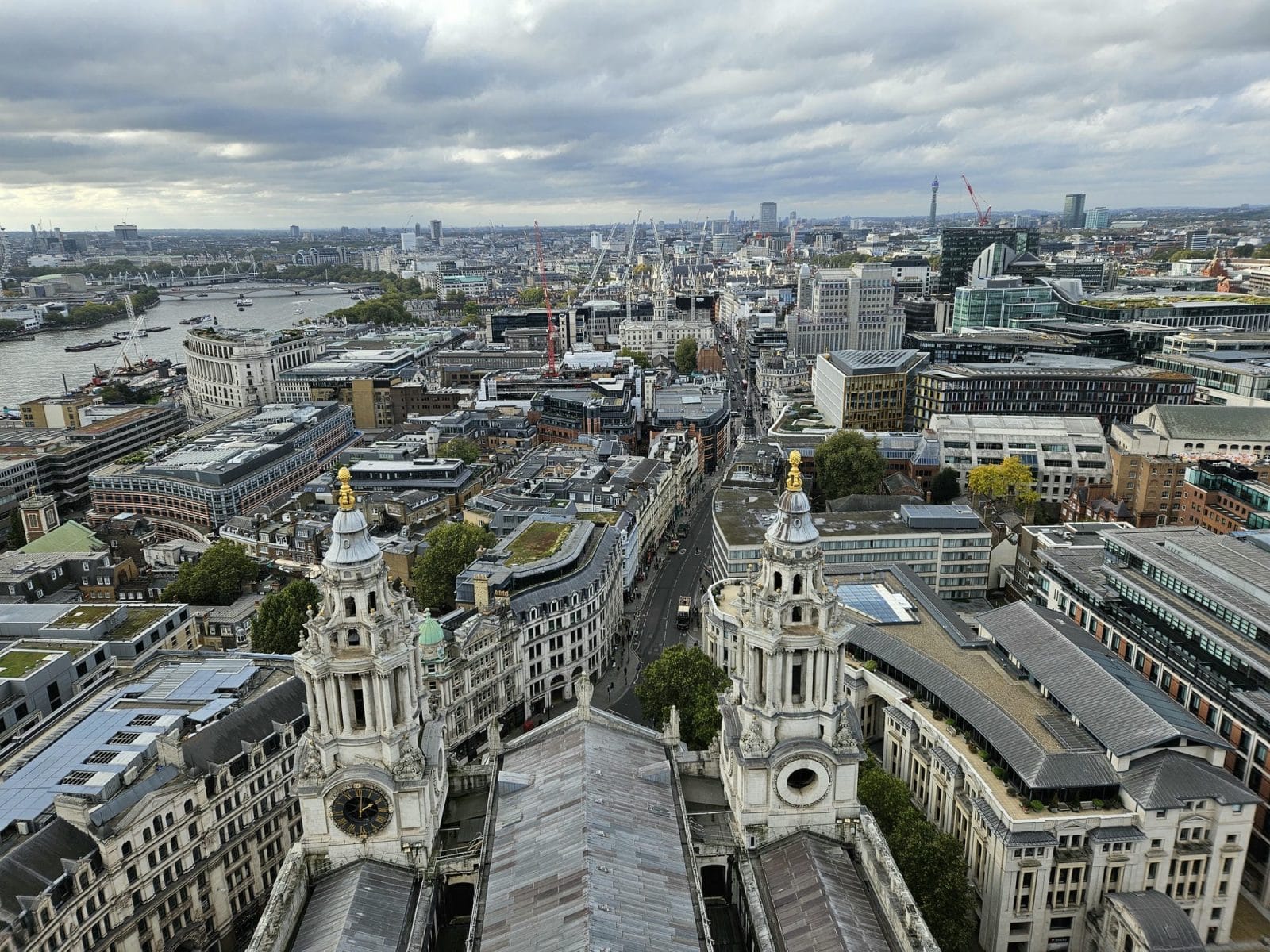
It is also a perfect place to admire the cathedral’s two spires, with the city as a backdrop.
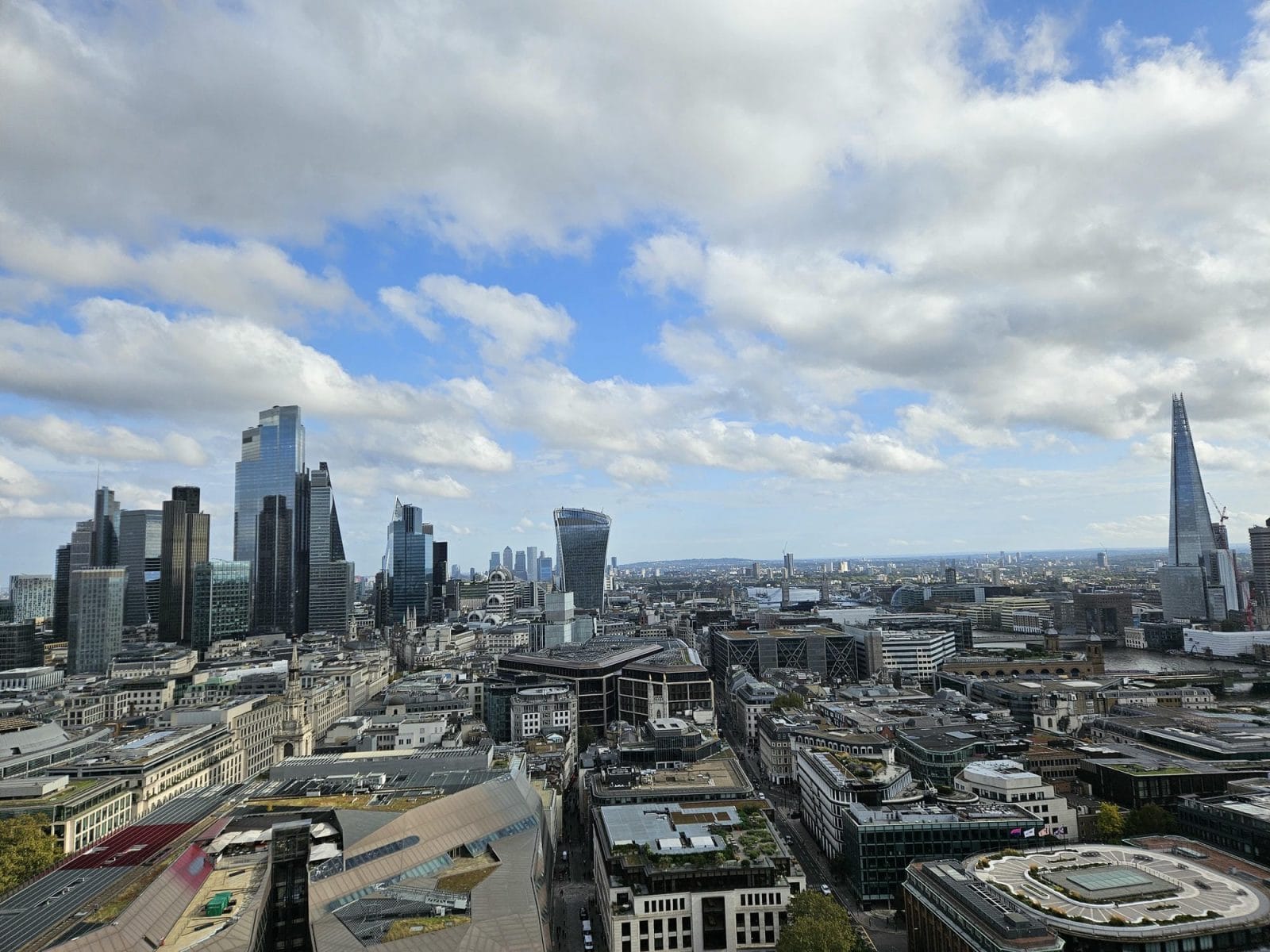
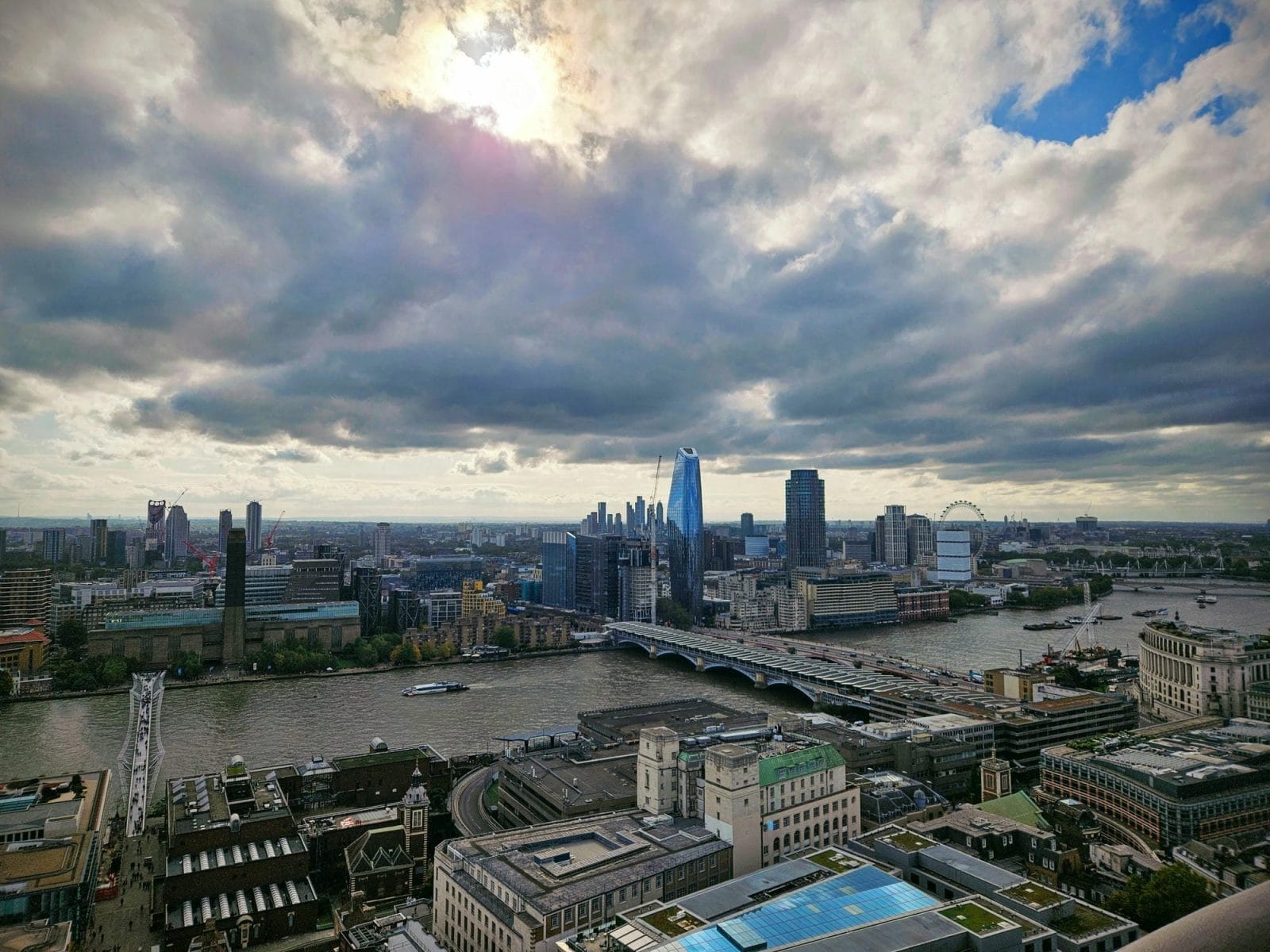
Other views include the River Thames and London’s skyscrapers, such as The Shard and the Gherkin. Climbing here was one of the highlights of visiting. I’d love to return for a sunset visit.
Tickets for St Paul’s Cathedral
During my visit, I purchased tickets at the entrance, which was straightforward. You can also book on their website or through the Viator or GetYourGuide websites.
Getting to St Paul’s Cathedral
St Paul’s Cathedral is easy to reach on foot or by public transport. St Paul’s station (Central line) is the closest Tube stop.
Is St Paul’s Cathedral Worth Visiting?
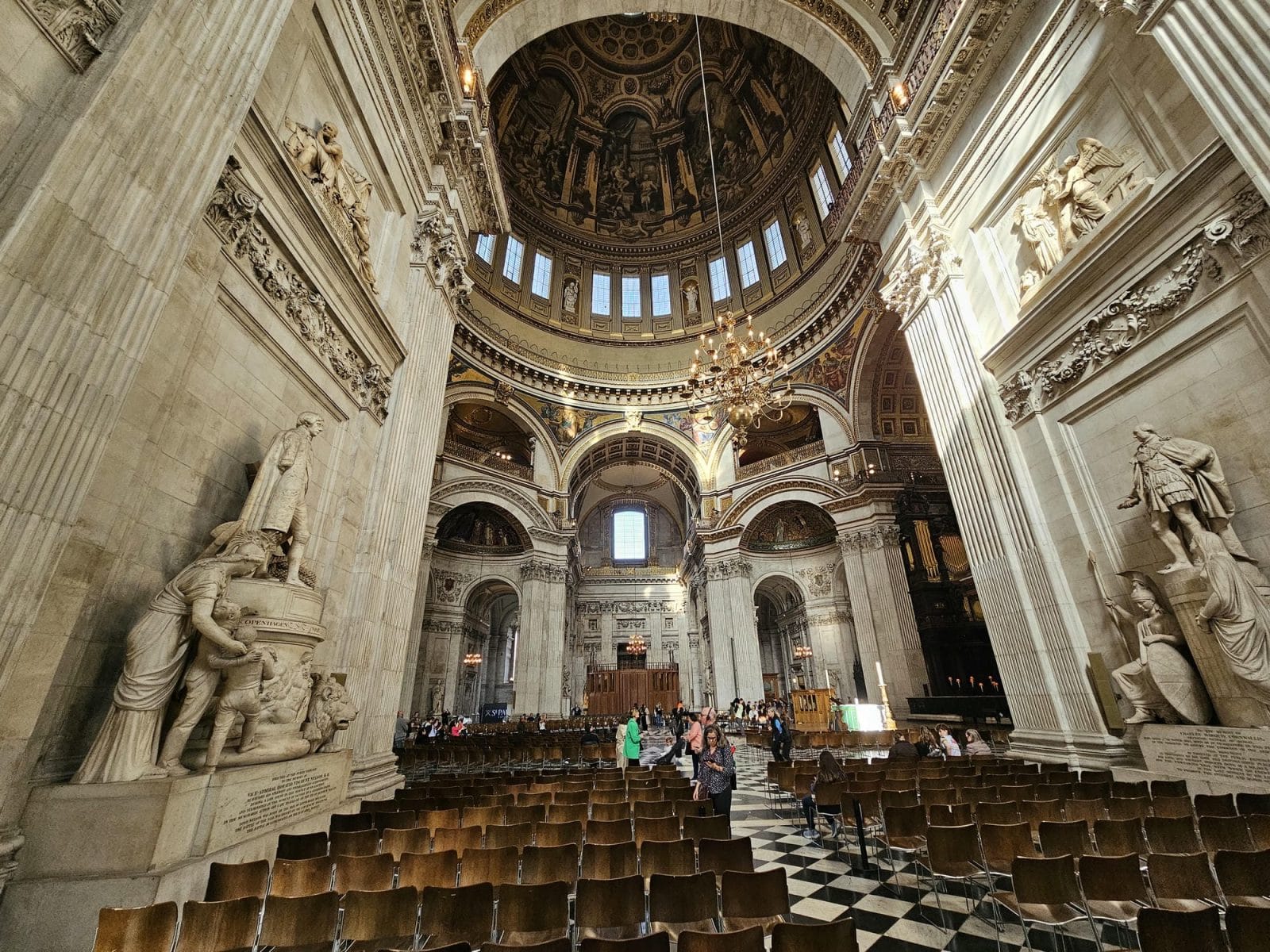
If you like epic churches and history, then it is well worth visiting. The interior is beautiful, with intricate decor. This includes many memorials to people who influenced the country’s history.
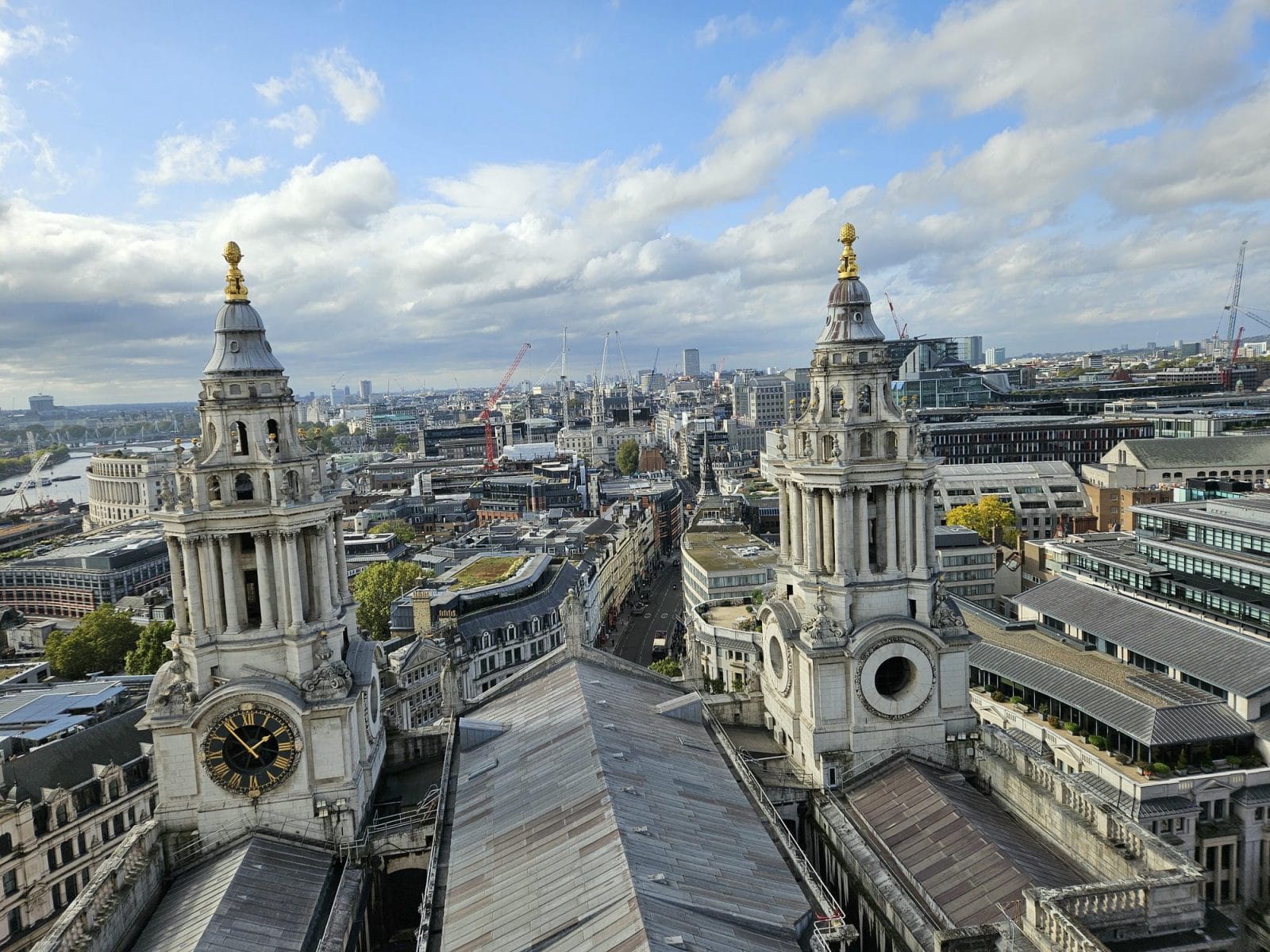
The viewpoints from the dome were worth the climb to reach the top. As well as inside, the building is excellent to see from the outside, including from its well-maintained gardens. I’m glad I visited, eventually.