
Siena Cathedral: Inside the Duomo di Siena & What to See
Siena Cathedral, or Duomo di Siena, was one of the highlights of my visit to Siena in Italy. The Gothic cathedral stands on one of the highest points of the city and is impressive both inside and out. When visiting, you can see the richly decorated interior; the Piccolomini Library; a crypt; a baptistery; a museum; and the Facciatone viewpoint.
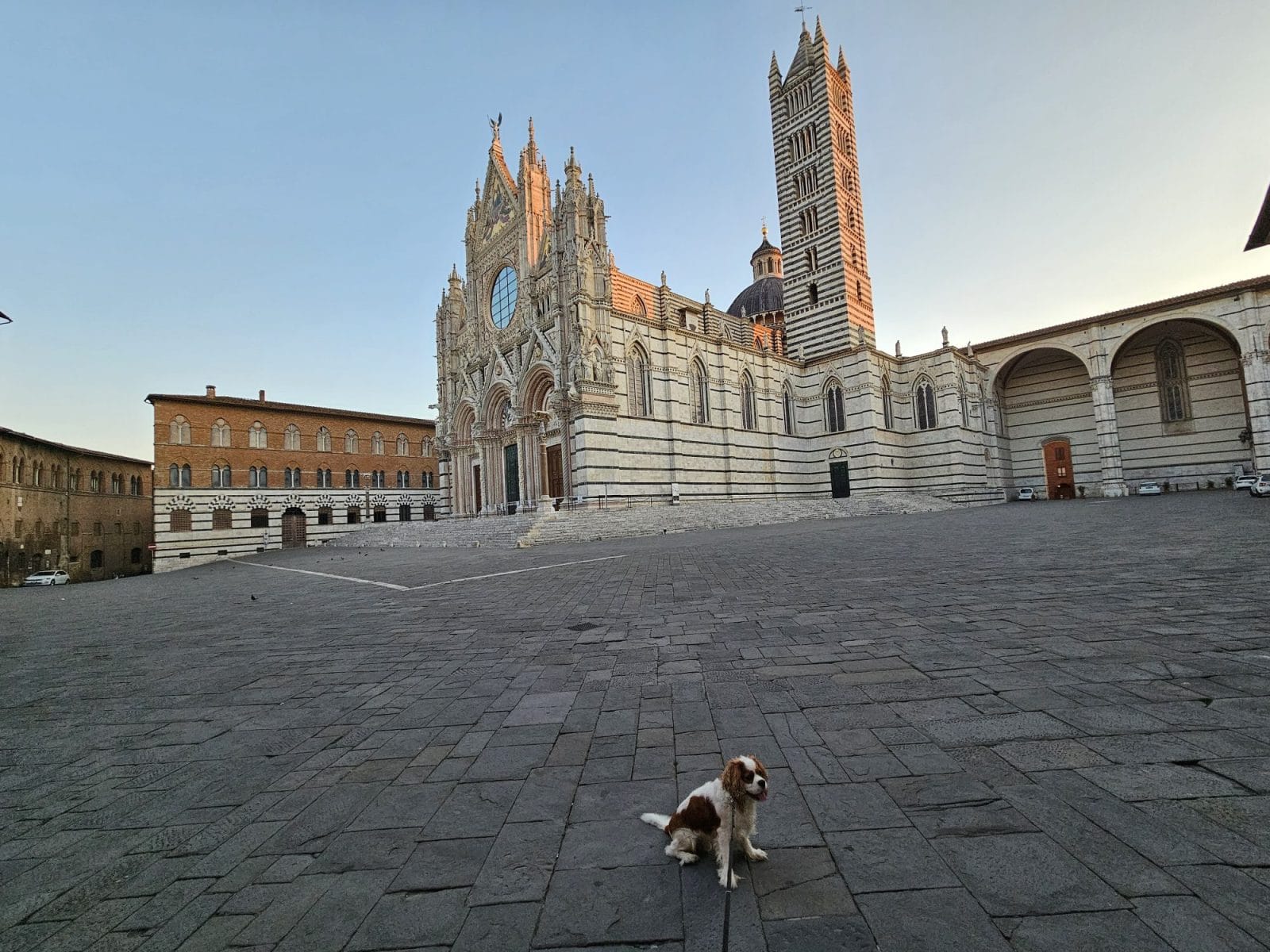
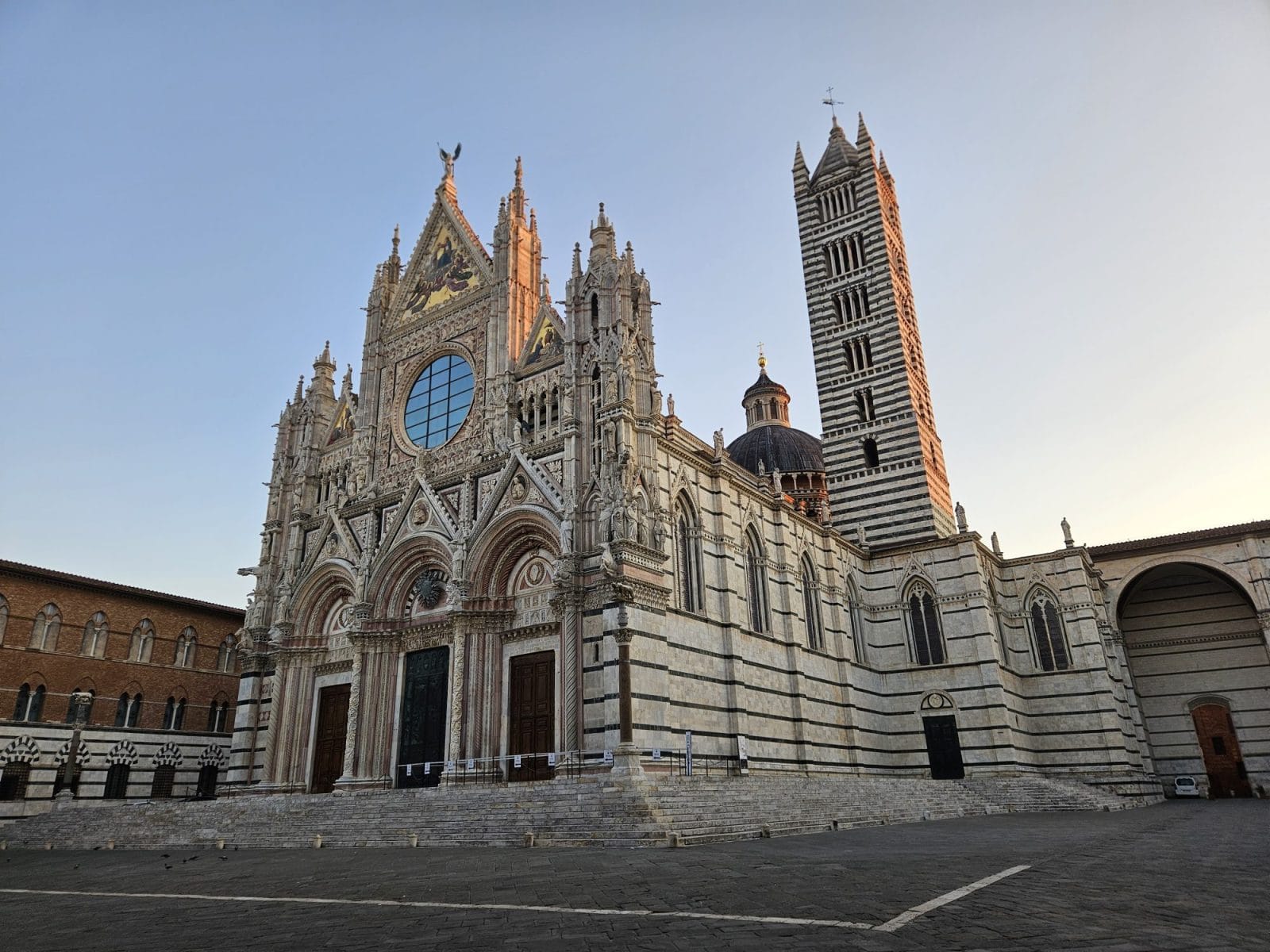
I thoroughly enjoyed taking photographs of the building, especially during the quiet parts of the day, including early morning dog walks.
Siena Cathedral History
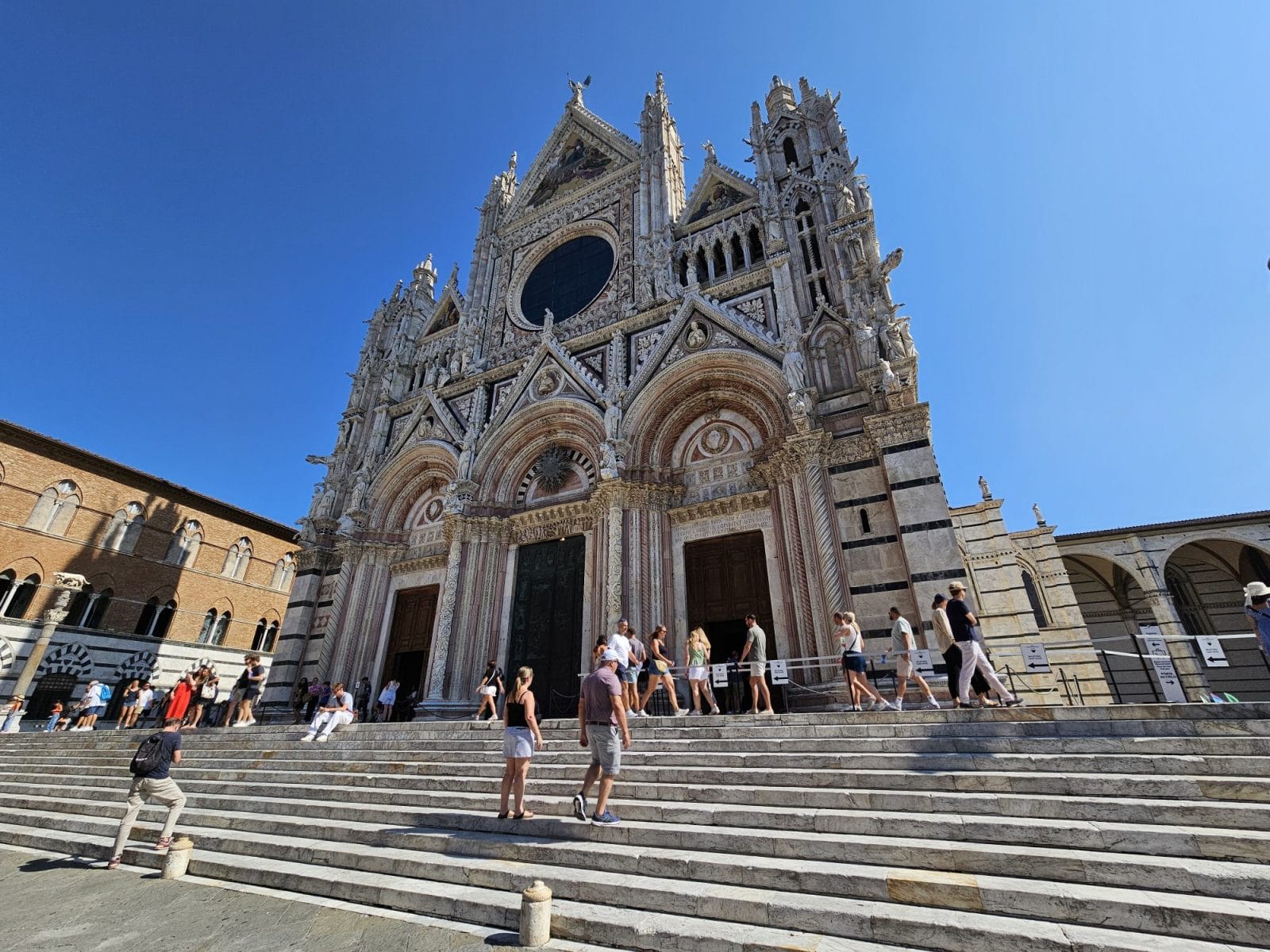
The Duomo di Siena has a history dating back to its groundbreaking in 1196. The cathedral was consecrated in 1215 and completed in 1348. The current cathedral was constructed and overseen by the guild of masons during the 12th and 13th centuries. The main building was completed between 1215 and 1263, with the dome finished in 1264.
Disclosure! Keep in mind that some links in these posts are affiliate links. If you click one of them, I may earn a small commission (for which I’m extremely grateful) at no extra cost to you. Thanks for visiting!
In the 14th century, an ambitious plan was devised to expand the cathedral to surpass St Peter’s Basilica in Rome, but the outbreak of the Black Death in 1348 thwarted those plans. The interior became even more elaborate during the 15th and 16th centuries, when renowned artists were commissioned to create major works for the cathedral. These efforts included the creation of the Piccolomini Library.
Tickets
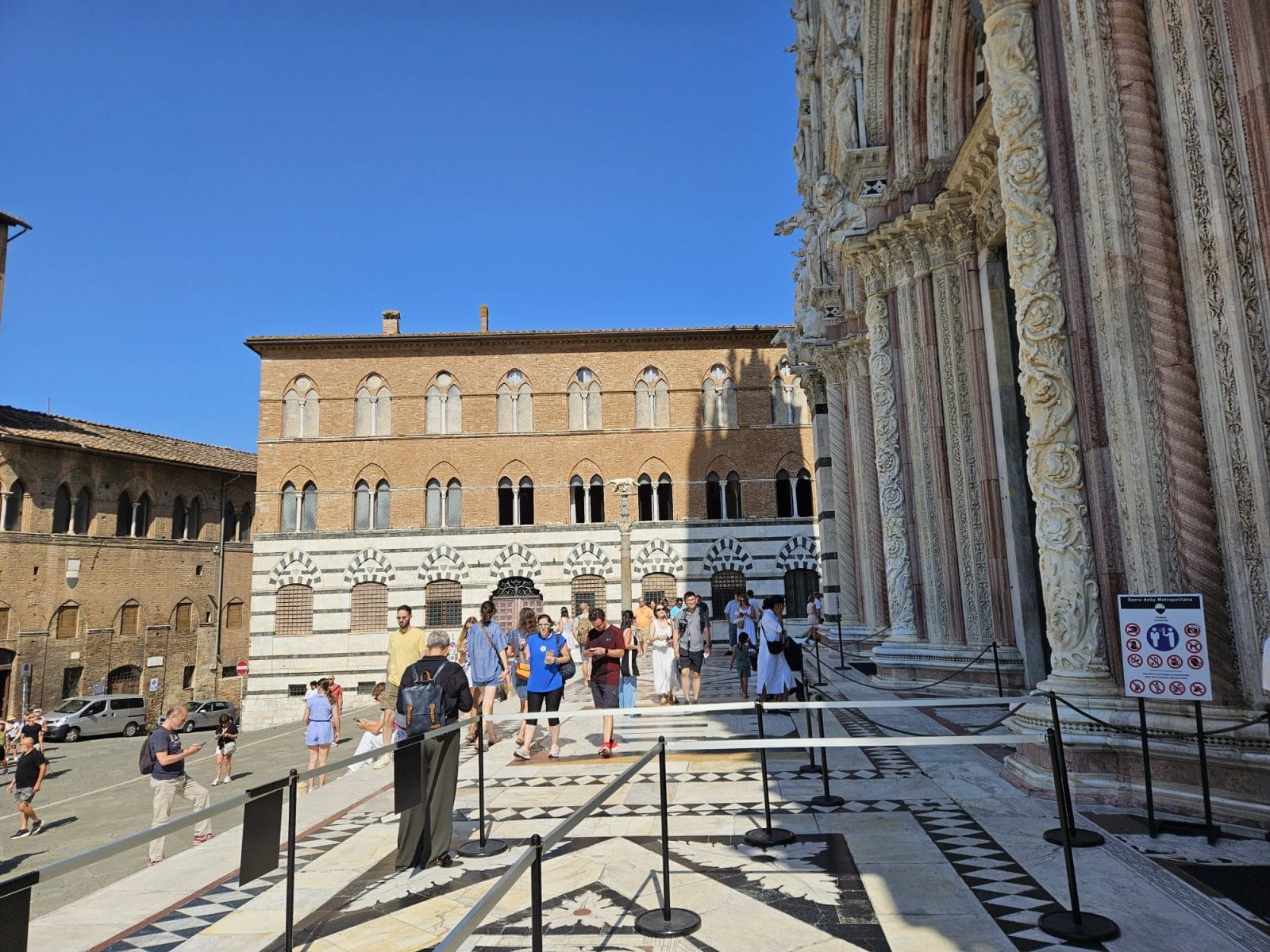
To visit the cathedral interior and wider complex, you need a ticket. Booking was a multi-step process: first, I selected a timed slot on the cathedral’s website. We needed to book a few days in advance to get a summer slot.
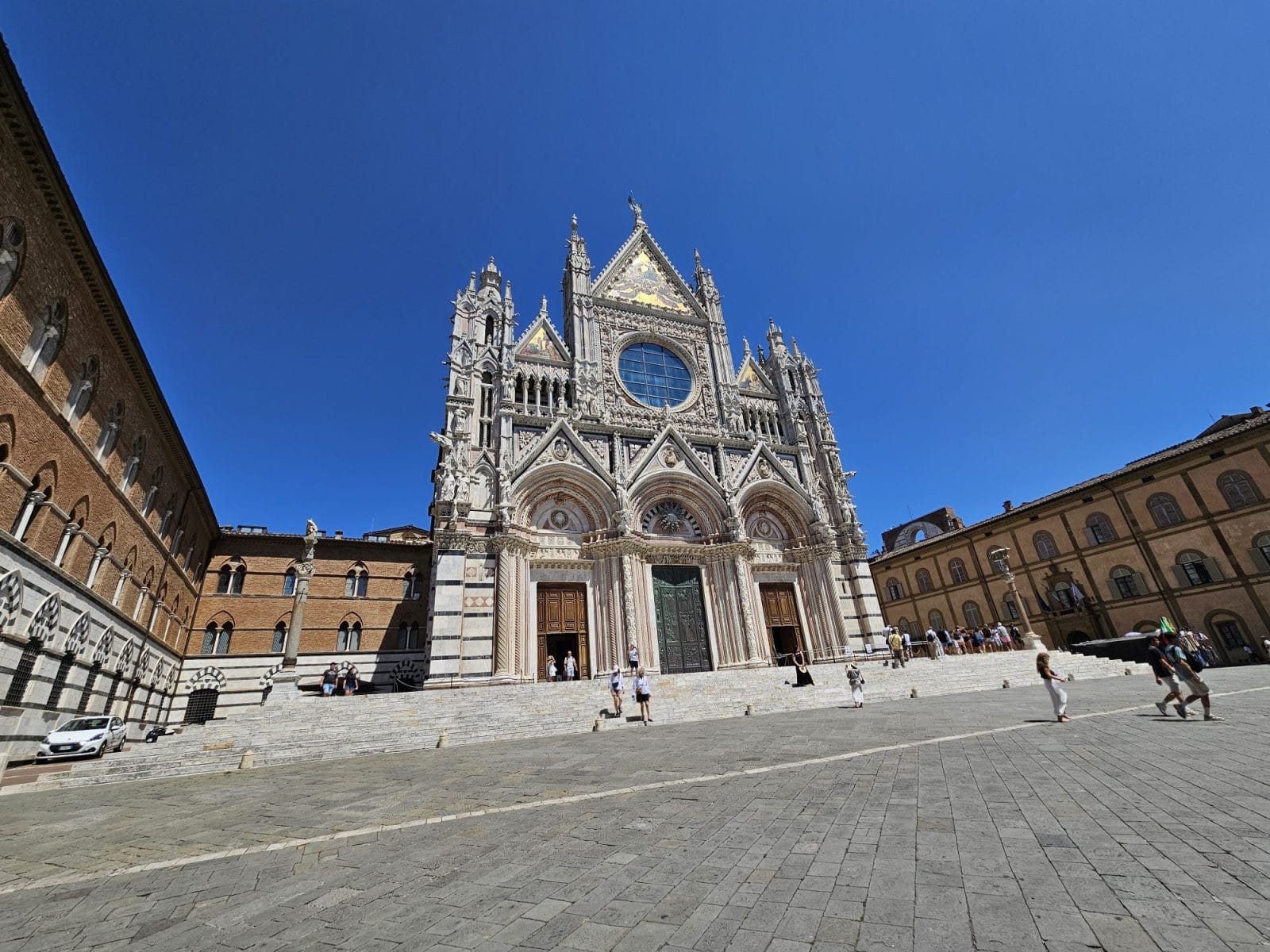
The combined ticket I booked covered the cathedral interior, Piccolomini Library, museum, crypt, Baptistery and Facciatone viewpoint.
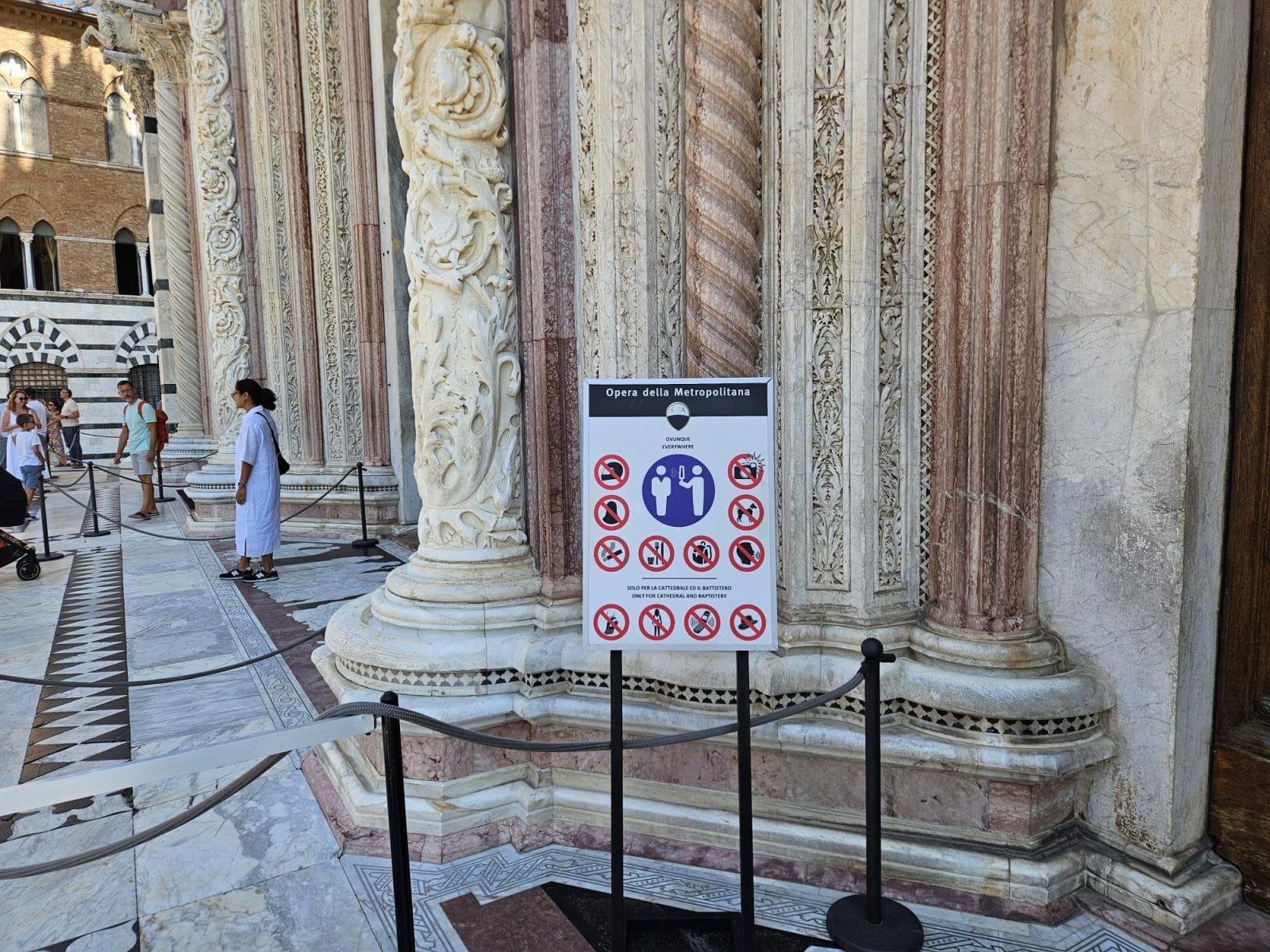
You can find out the rules of visiting on the cathedral website; however, there are signs near the entrance to remind visitors. Most rules are common for places of worship: no dogs, no flash photography, no food, and more. There are many facets to Siena Cathedral, including parts that require a ticket and others that are free outside of the church. You can also purchase tours on the GetYourGuide website.
Inside Siena Cathedral: What to See
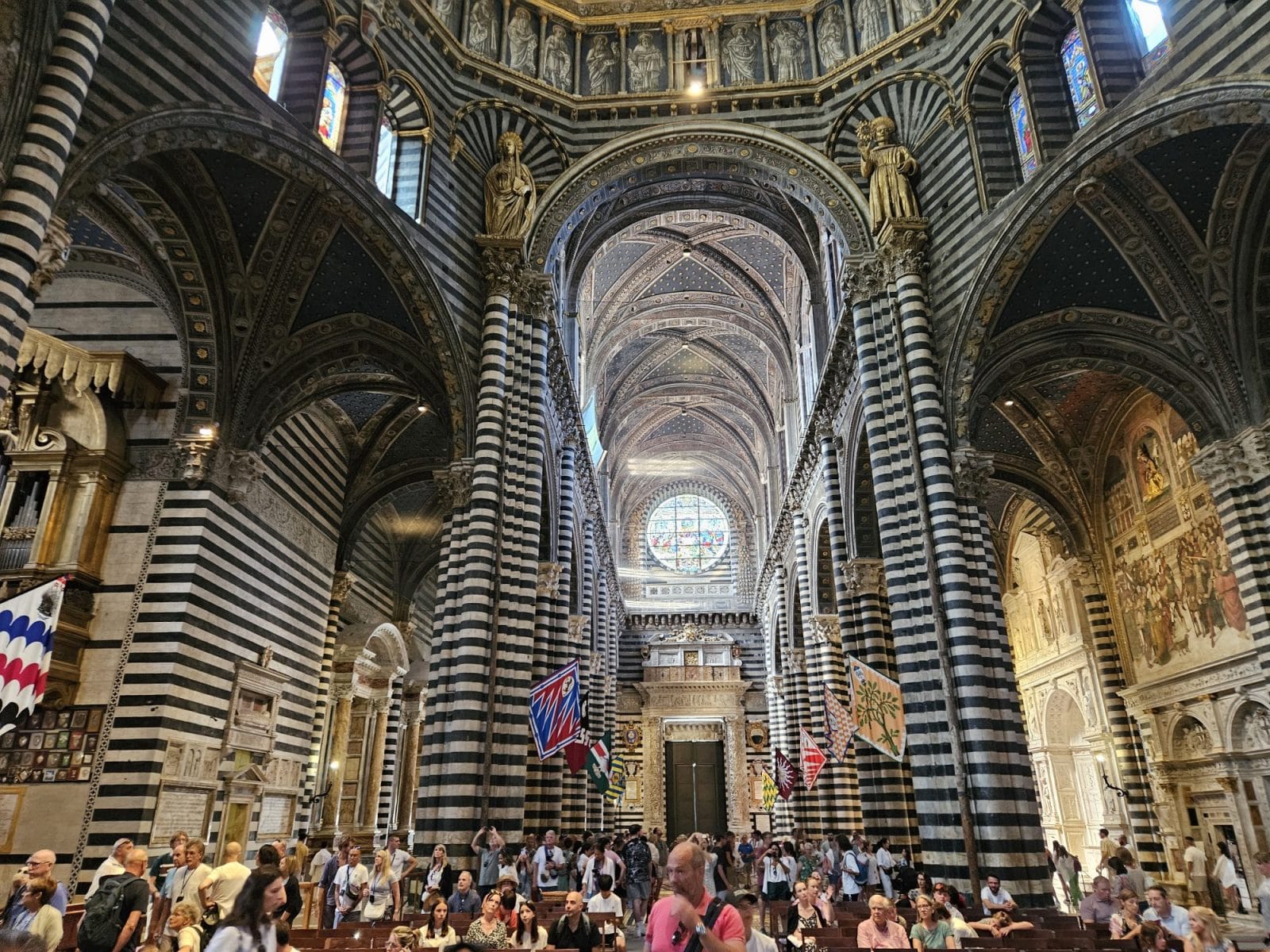
There are many things to see inside the Siena Duomo, the site’s main part. The Gothic architecture, artwork and overall scale of the interior impressed me. I was glad I visited inside after seeing it from the outside on my visit to Siena.
Nave
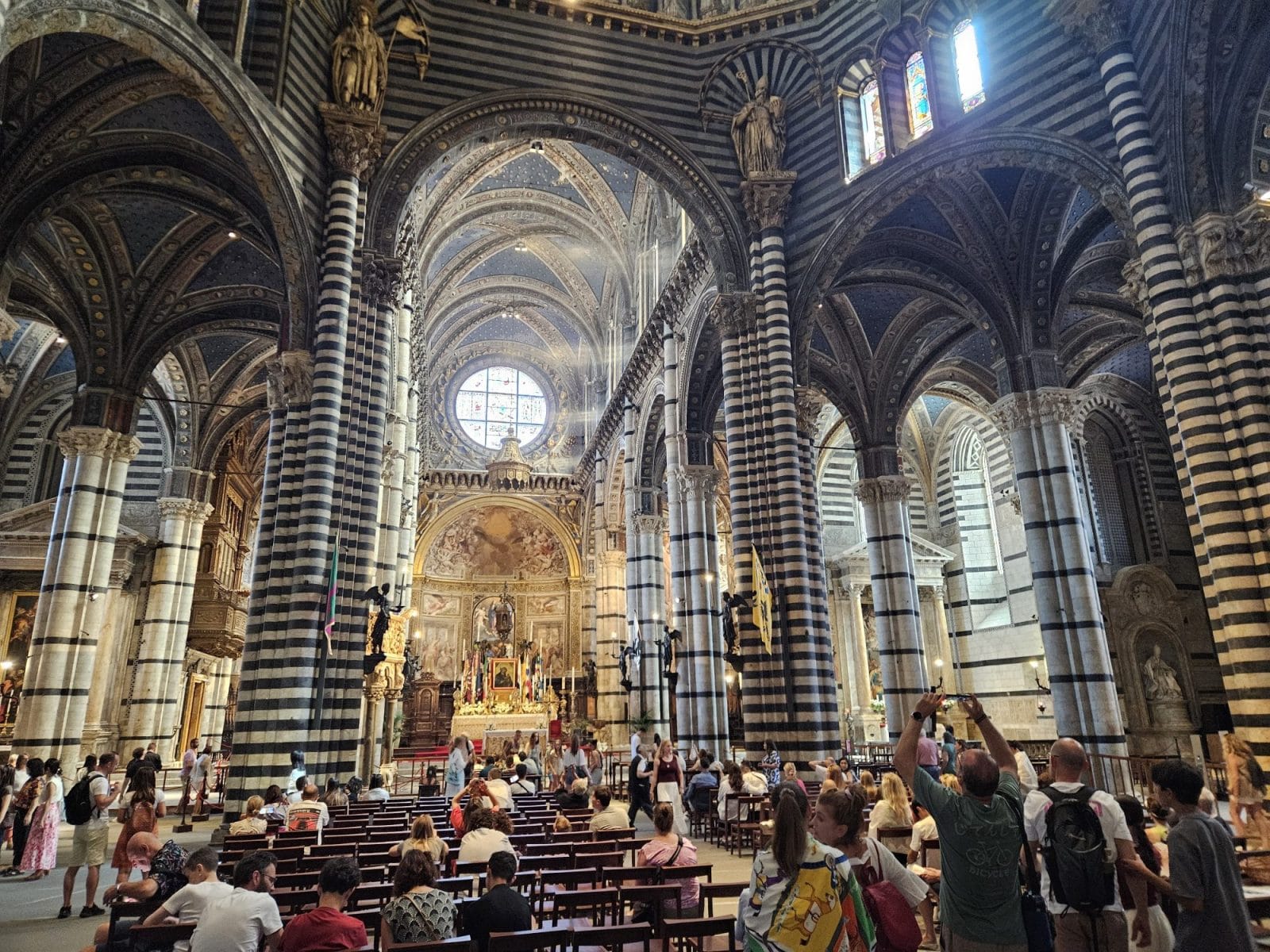
The nave of the cathedral was a wonderful place to take in the architecture and artwork. Despite the busyness, the views remained unobstructed.
High Altar
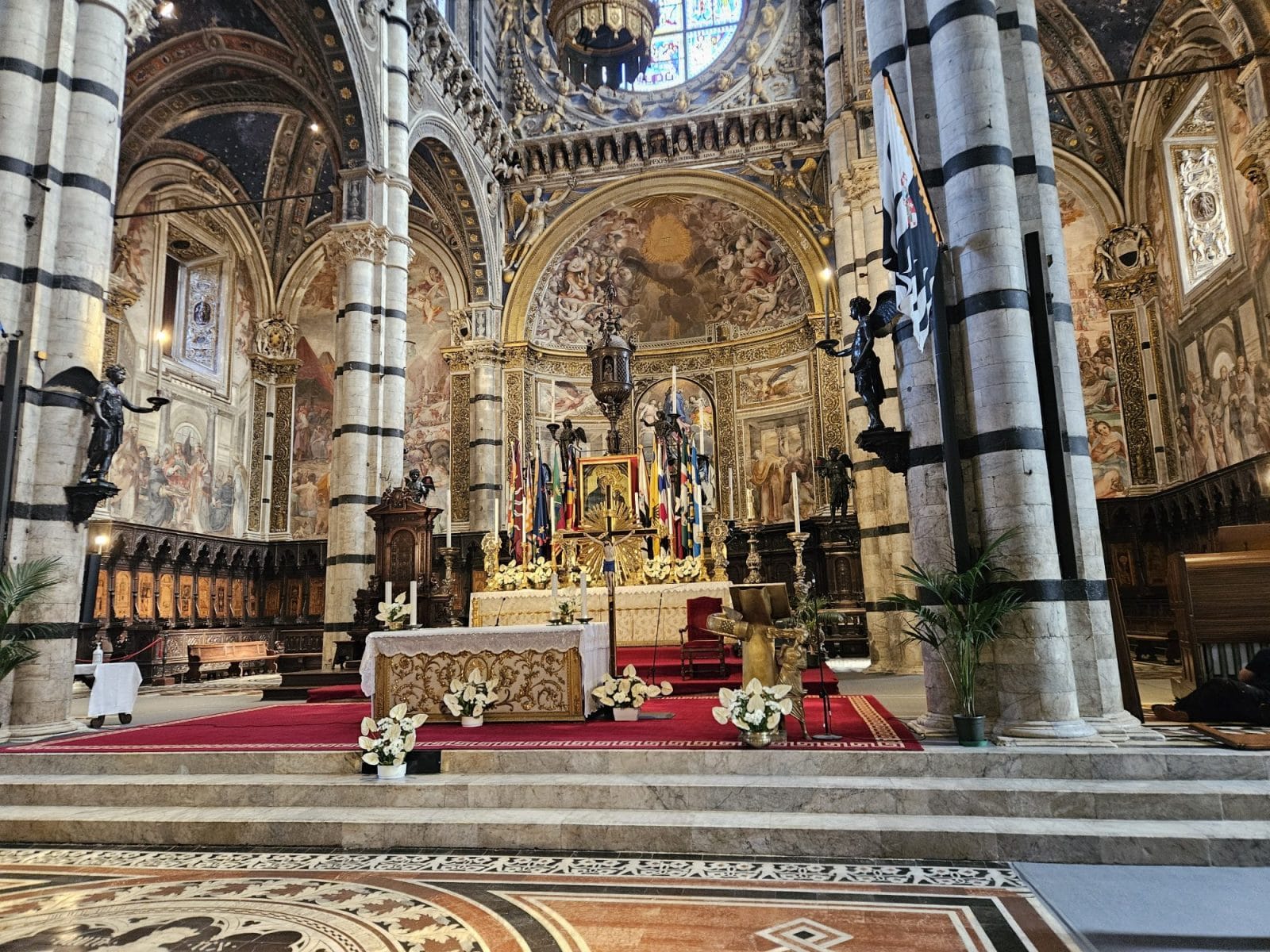
The high altar of the presbytery is special to see up close and from the nave. It was built with marble in 1532 by Baldassarre Peruzzi. The altar is enclosed by a massive bronze ciborium, built by Vecchietta between 1467 and 1472. At the sides of the high altar, the uppermost angels are masterpieces by Francesco di Giorgio Martini.
Pulpit
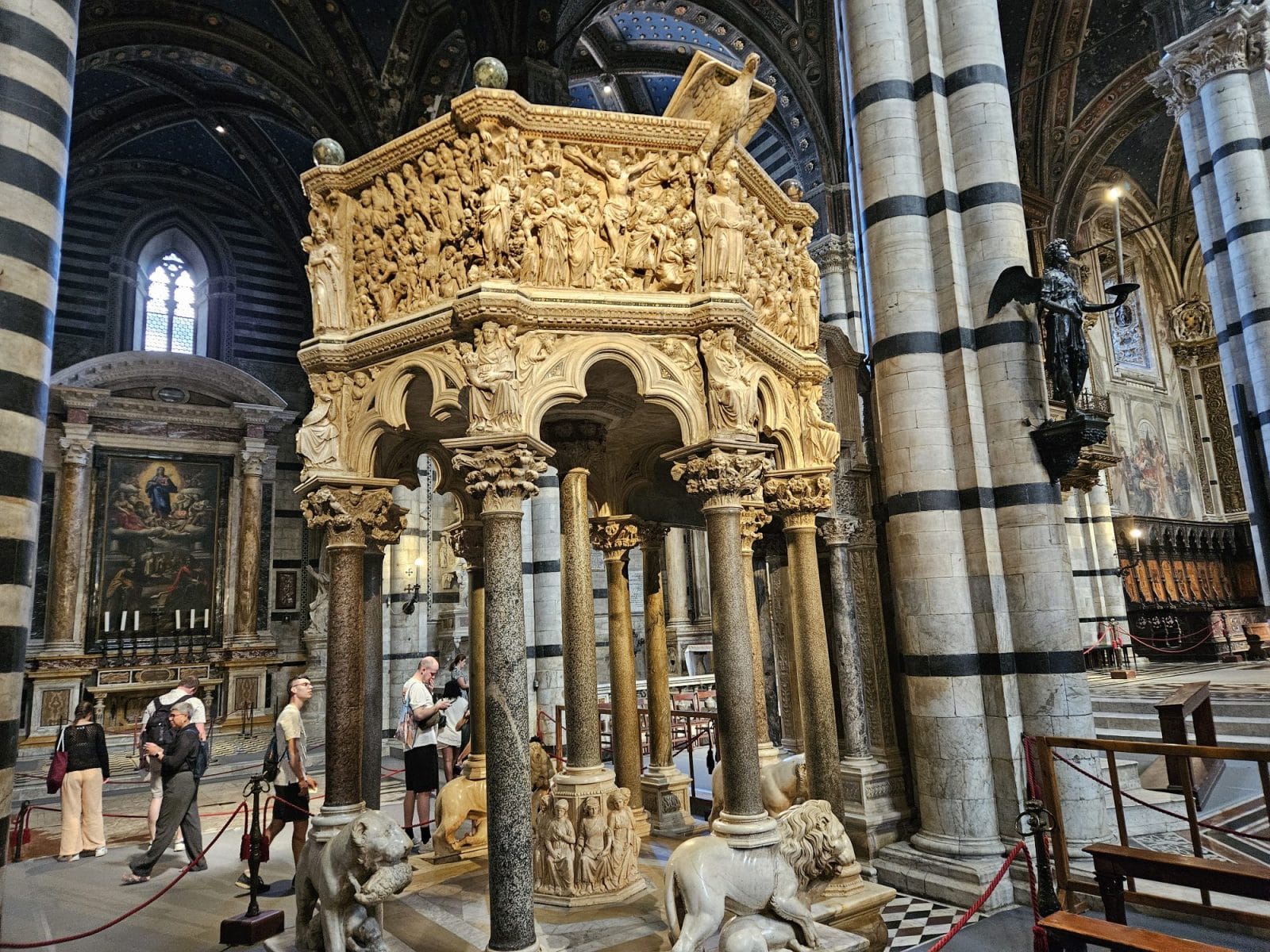
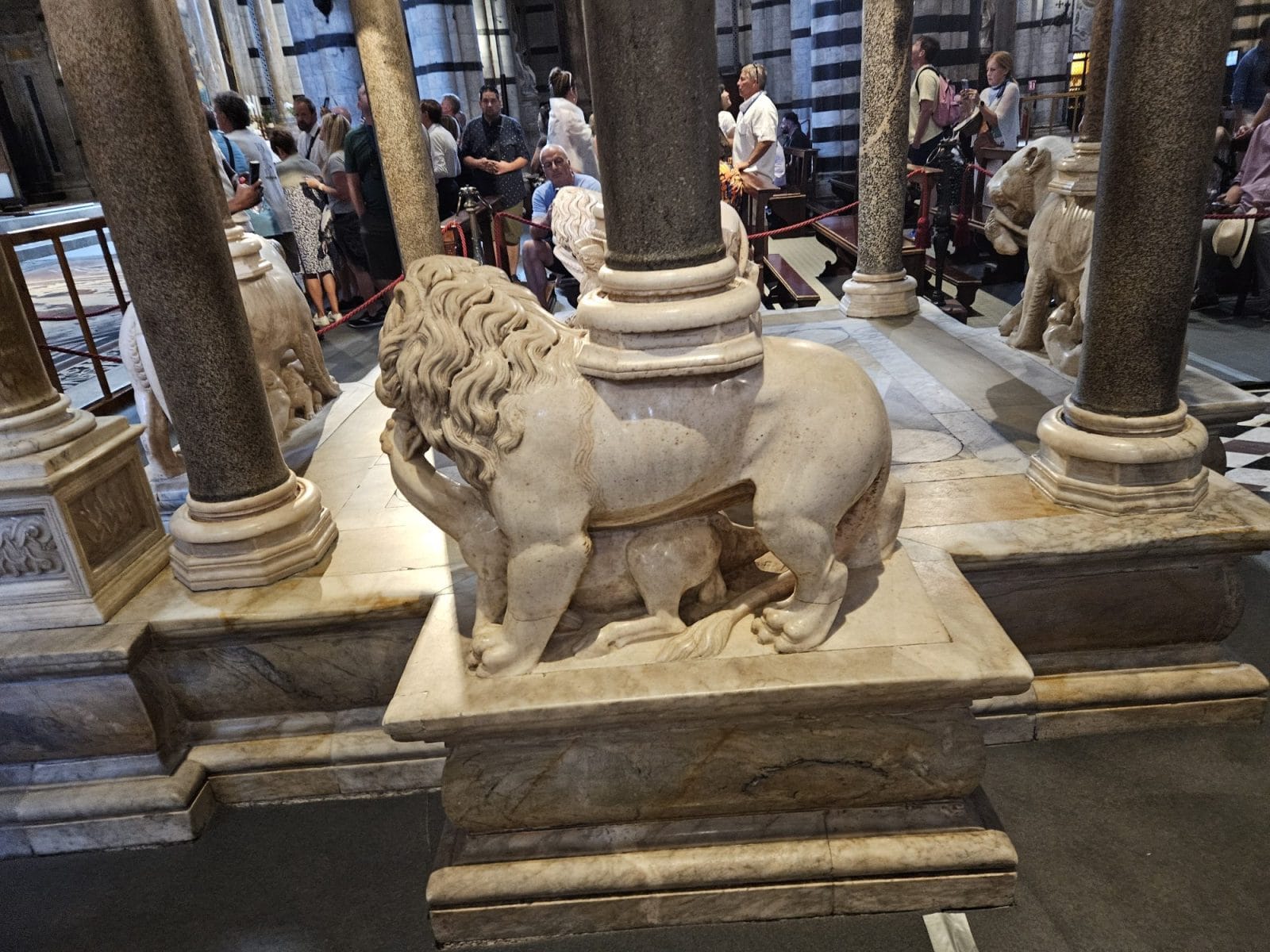
Near the front of the cathedral is a nicely decorated pulpit that immediately caught my attention. Built between 1265 and 1268, it is octagonal and elaborate, with various panels, columns and sculptures.
Piccolomini Library
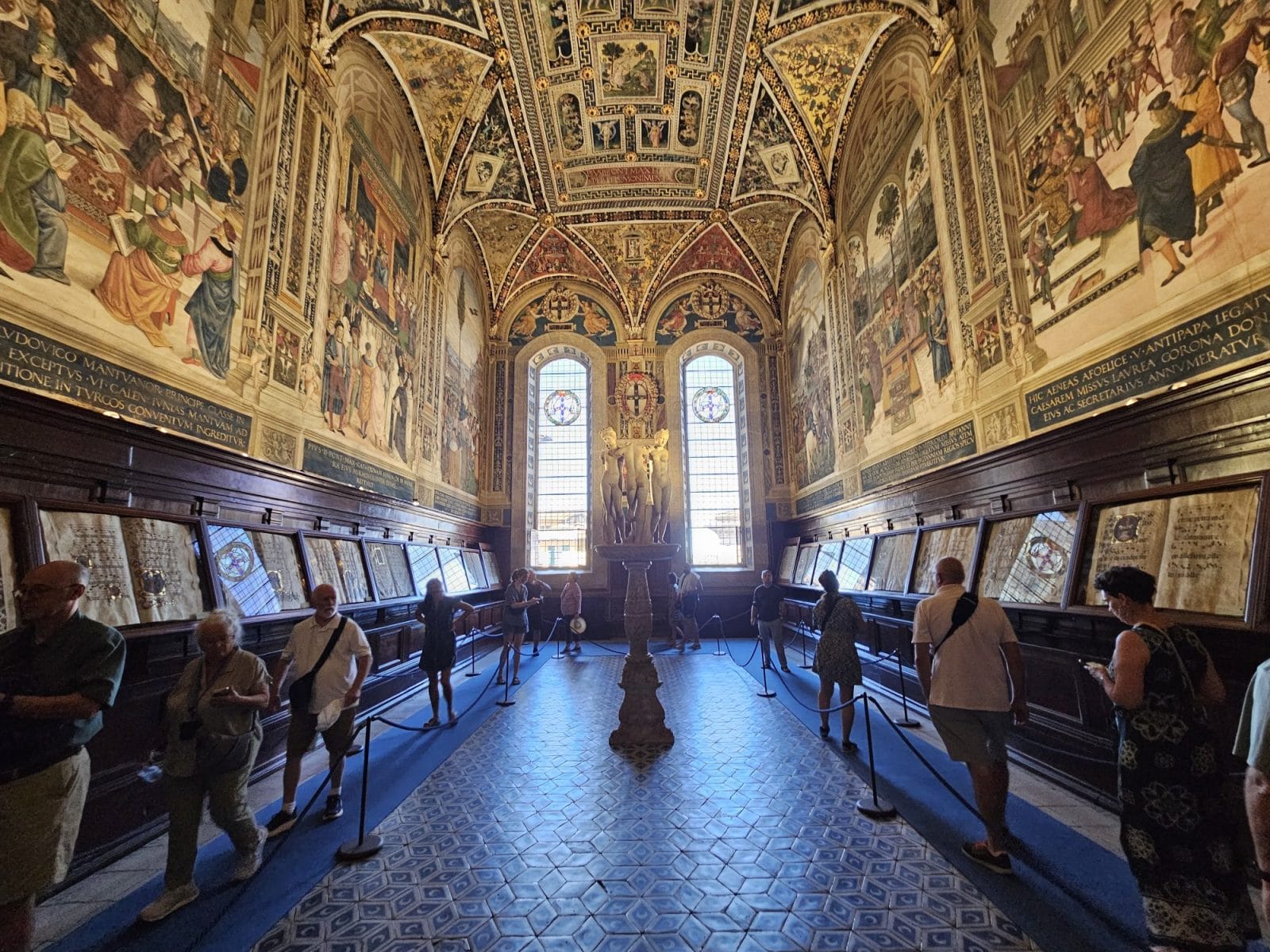
The decorative Piccolomini Library was absolutely stunning and a highlight of the cathedral’s interior. There was a bit of a queue in the nave to reach the library, ensuring it wasn’t too busy and that you could enjoy your visit. We waited 10 minutes for the library, and boy was it worth it.
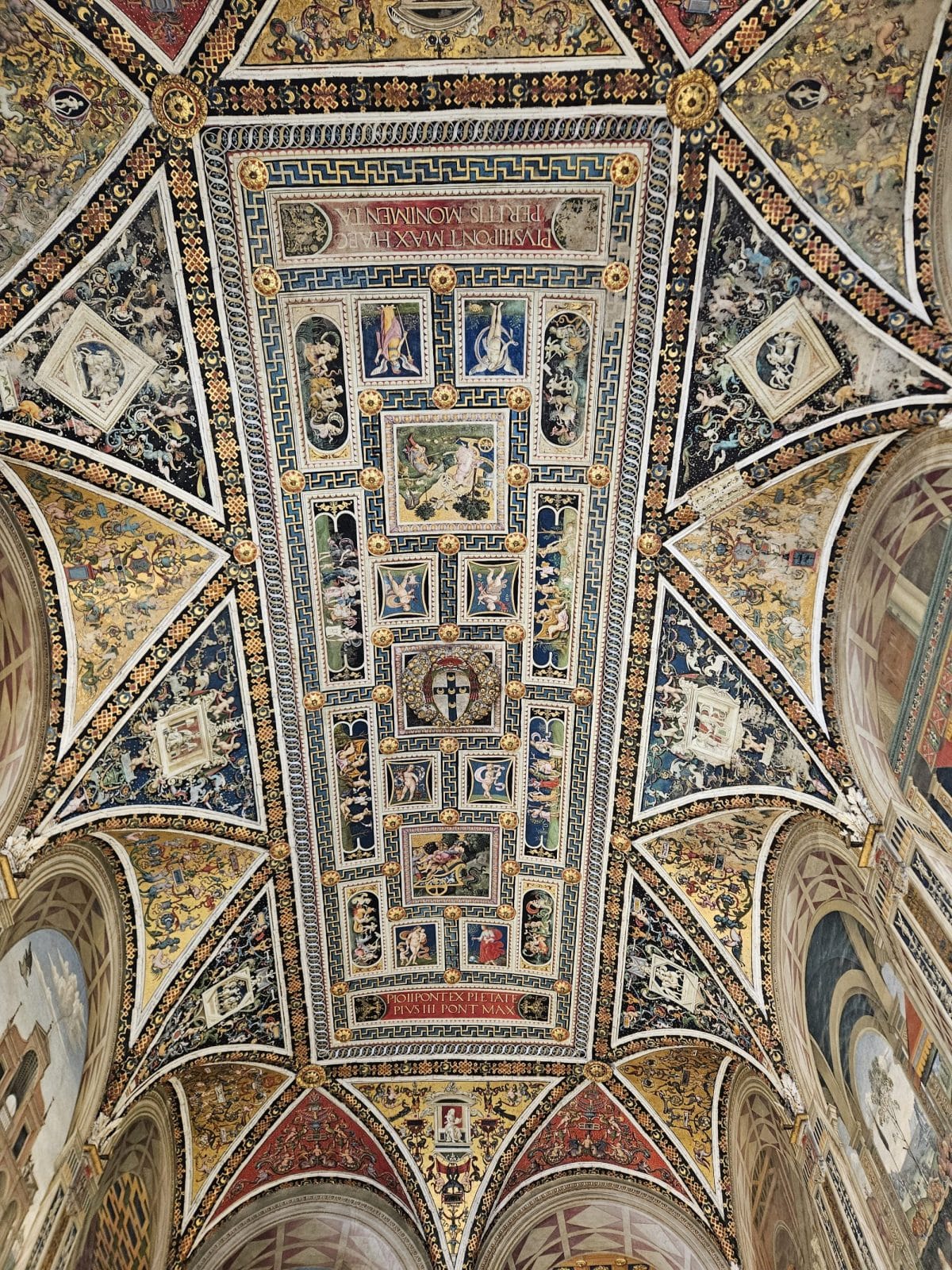
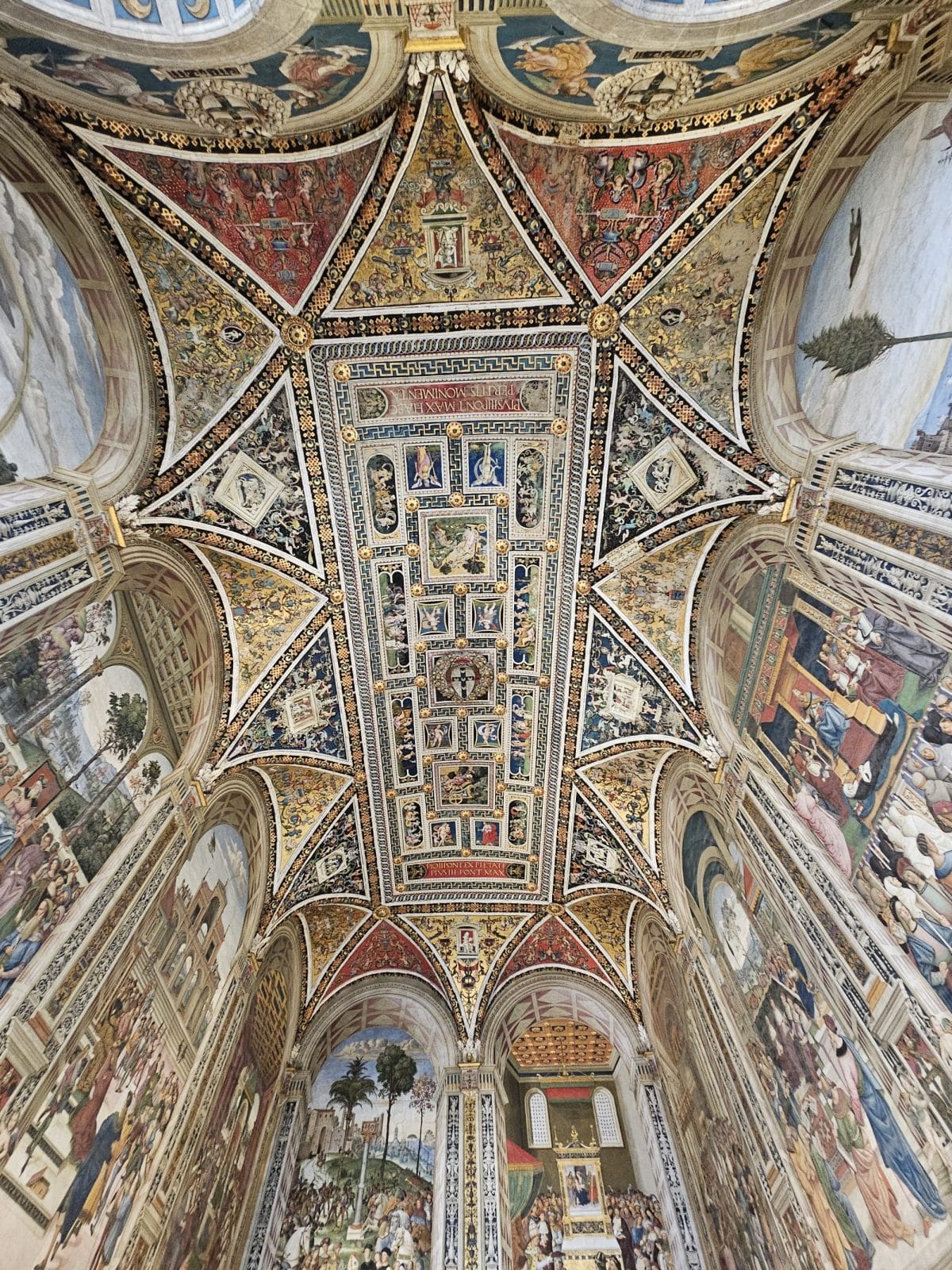
The room’s ceiling was breathtaking, covered in frescoes. Pinturicchio and his assistants designed the ceiling between 1503 and 1508, including Raphael working on some frescoes.
The Dome
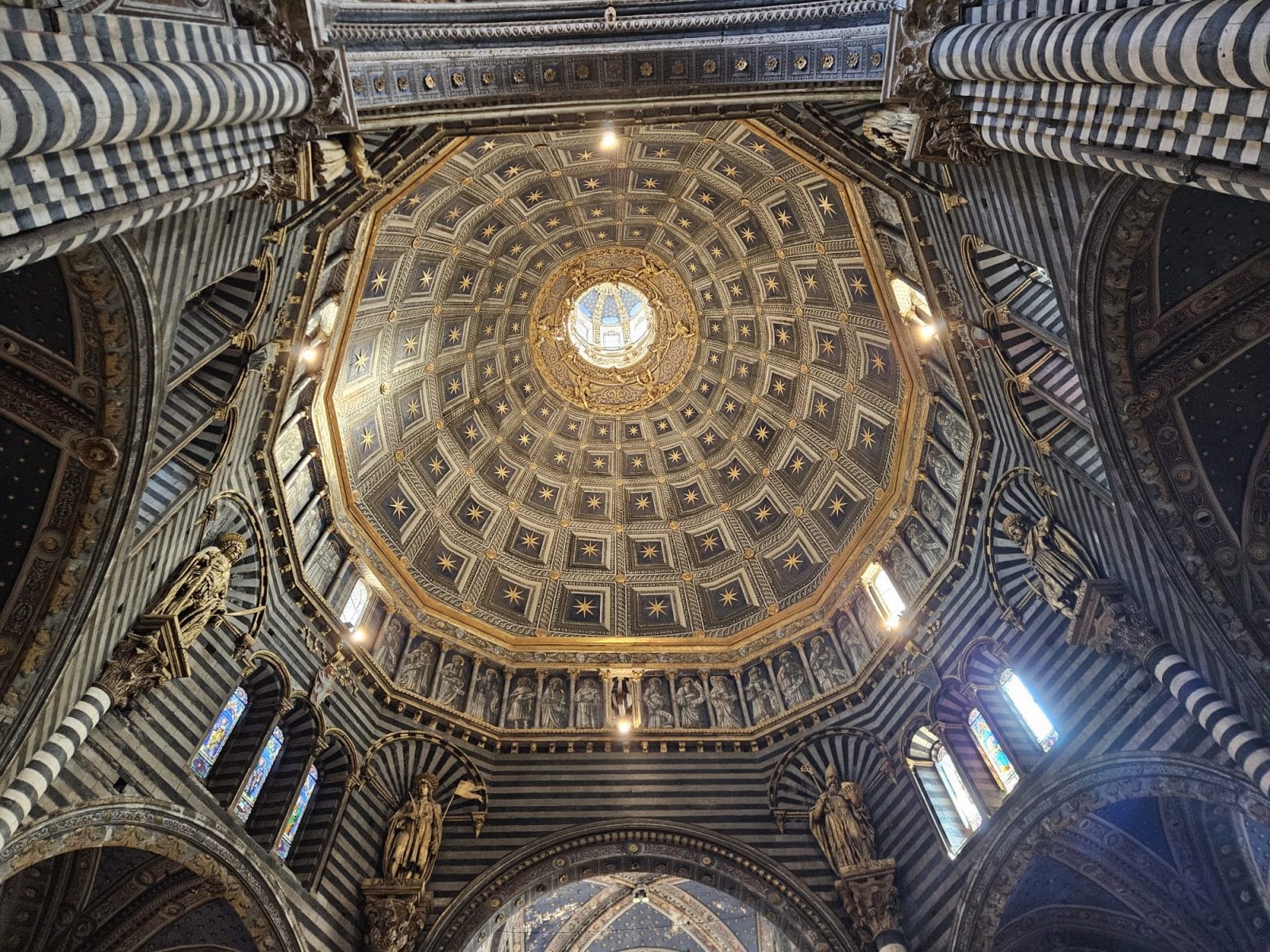
The dome viewed from inside is representative of the heavens, as is traditionally done in Italian churches. It is hexagonal, and the vaulting combines with yellow stars. There are also 42 statues of patriarchs and prophets underneath the dome, and at the top is a lantern designed by Gian Lorenzo Bernini.
Piccolomini Altarpiece
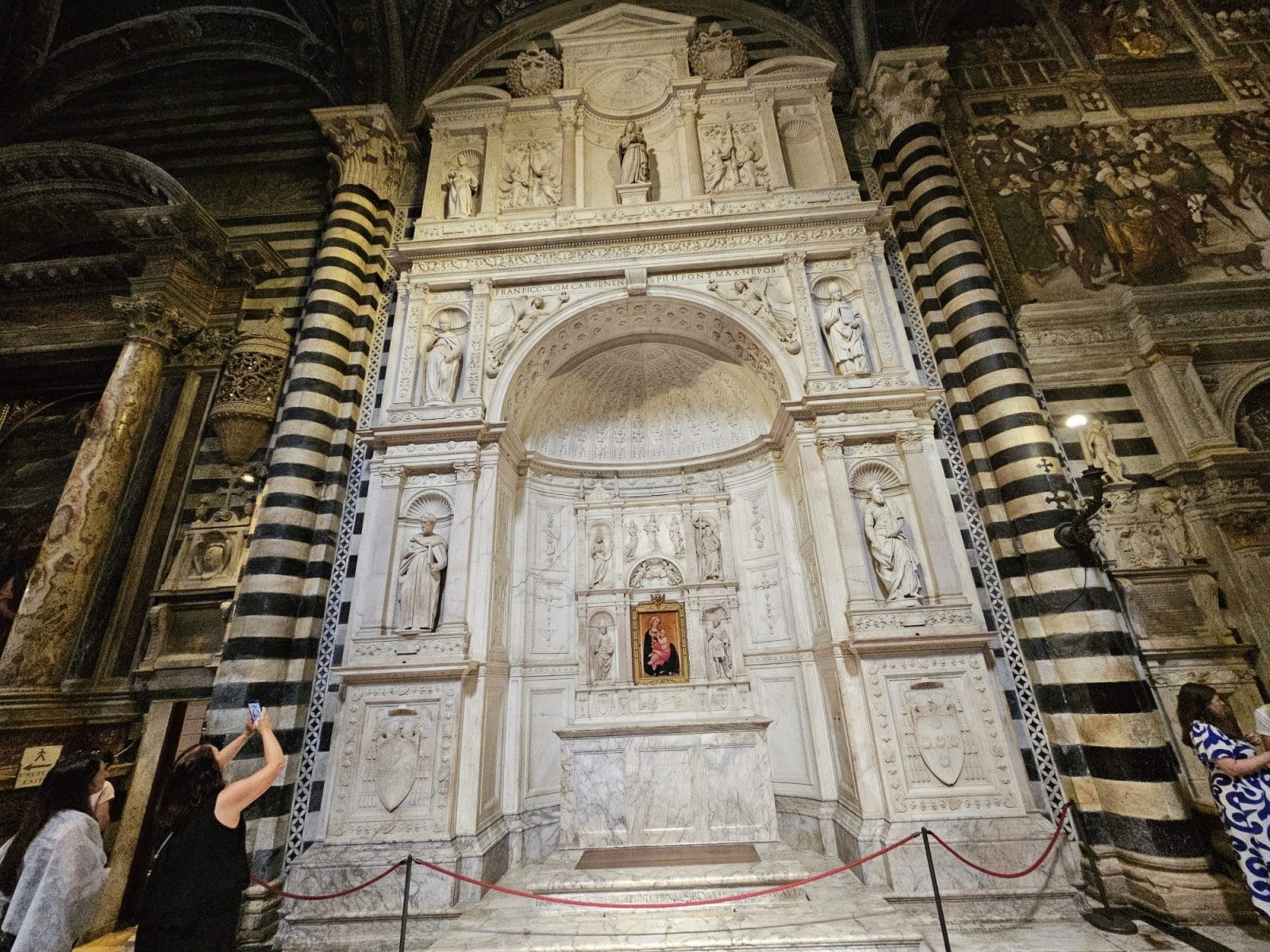
In the nave near the library is the Piccolomini Altarpiece that they built between 1481 and 1485. Additions were made in the early 16th century, including 4 sculptures of saints by Michelangelo. Paolo di Giovanni Fei created the Madonna, the centrepiece of the altarpiece, in the late 14th century.
Marble Mosaic Floor
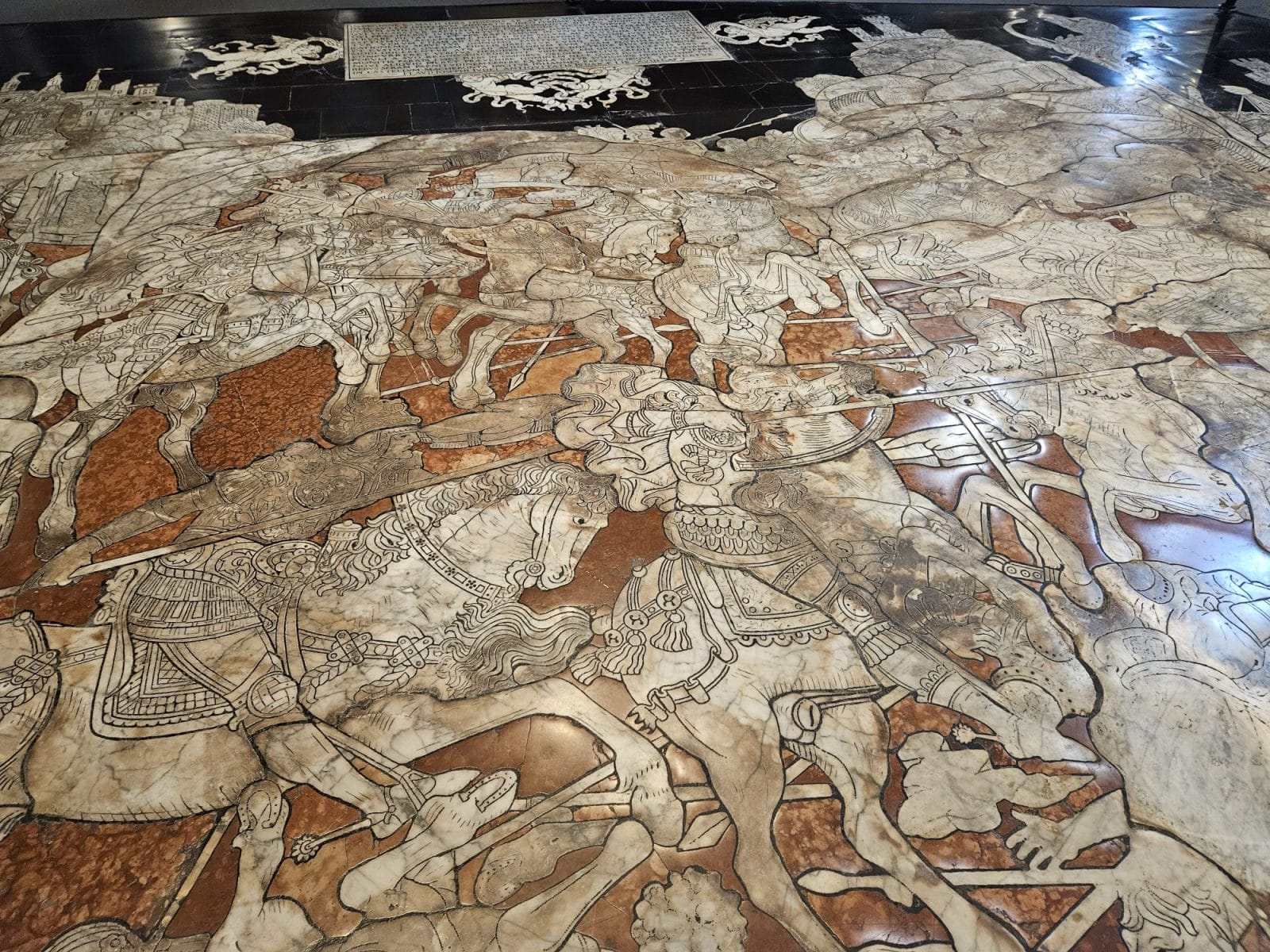
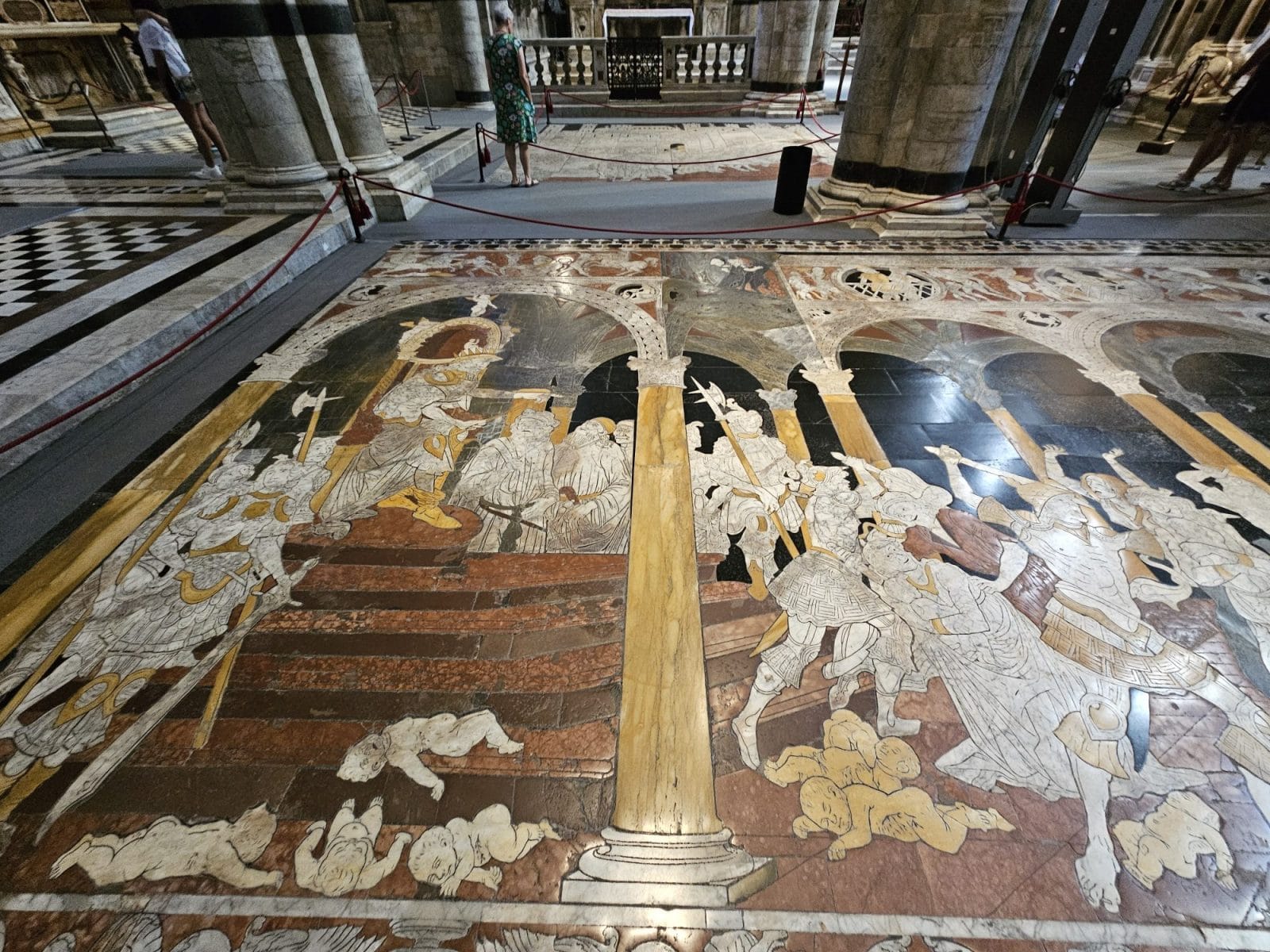
An impressive aspect of the visit was seeing parts of the marble mosaic floor, created between the 14th and 19th centuries. During our visit, parts of the floor were uncovered; however, between 18th August and the end of October, larger sections are visible because they are usually covered to protect them.
Chapel of St John the Baptist
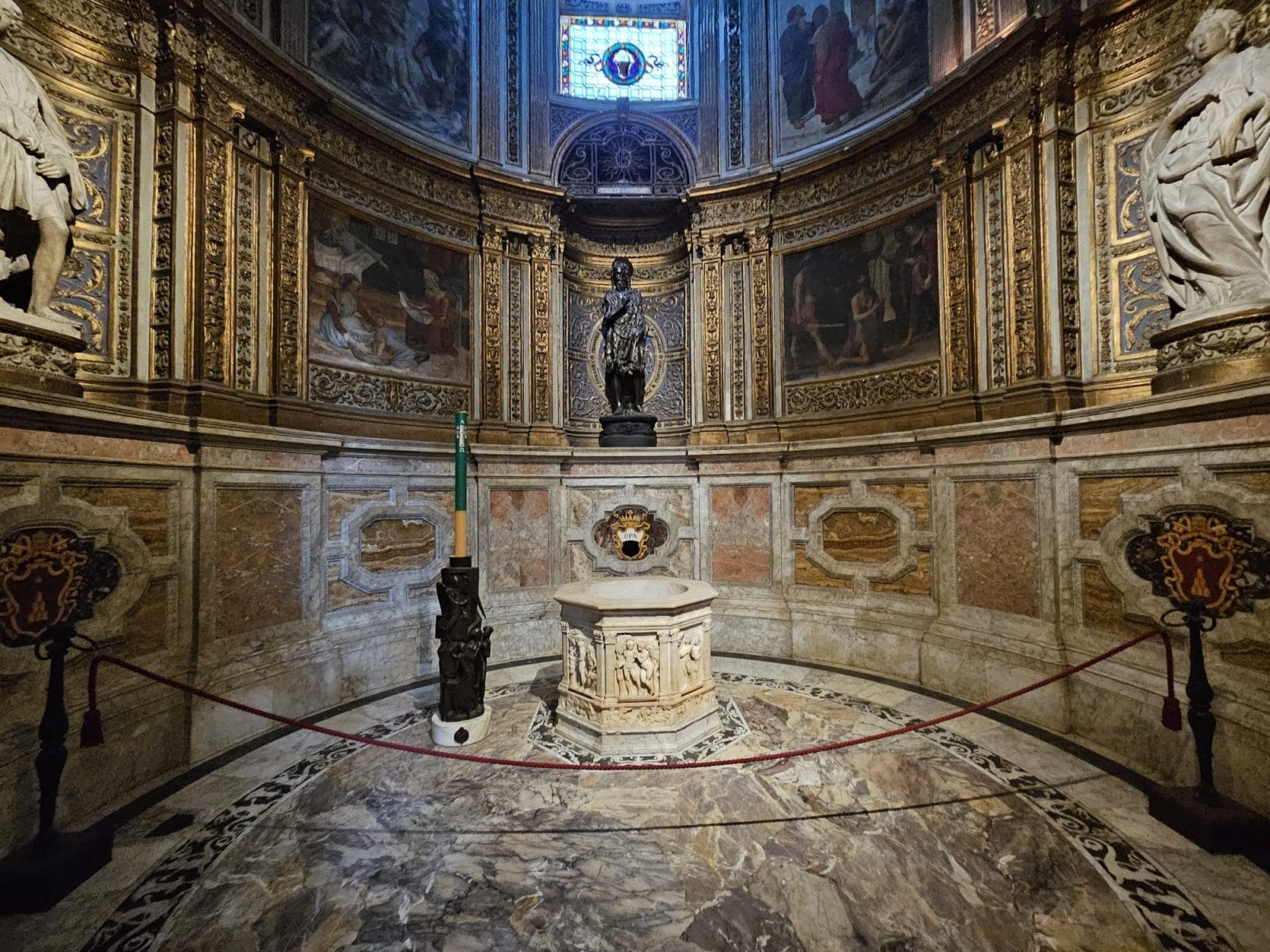
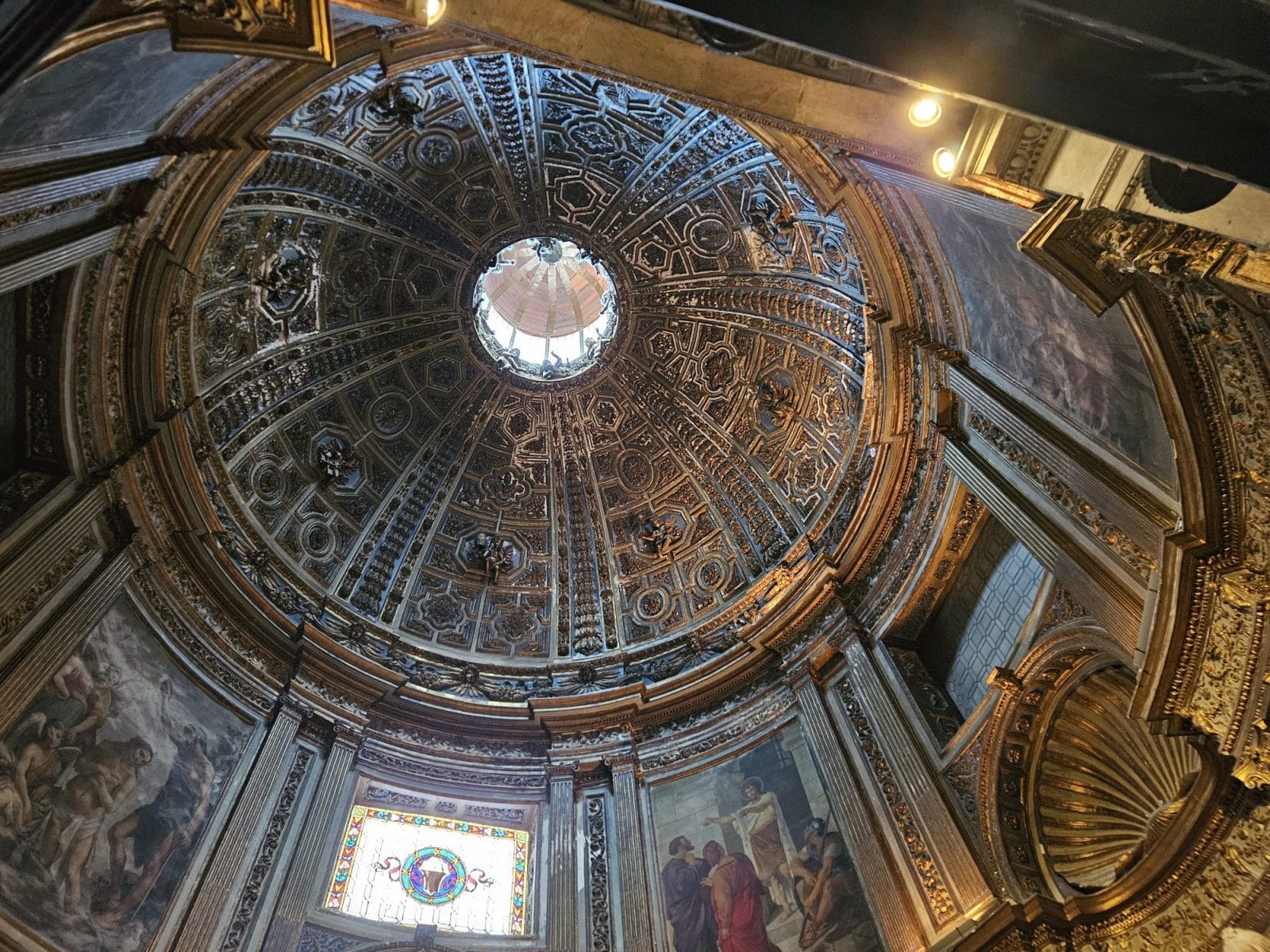
The Chapel of St John the Baptist is a 15th-century masterpiece which hosts some impressive works of art from the floor right up to the chapel’s dome. This includes Donatello’s bronze statue of St John the Baptist and elaborate frescoes by Pinturicchio, created between 1504 and 1505.
Piazza del Duomo: Best Views From Outside
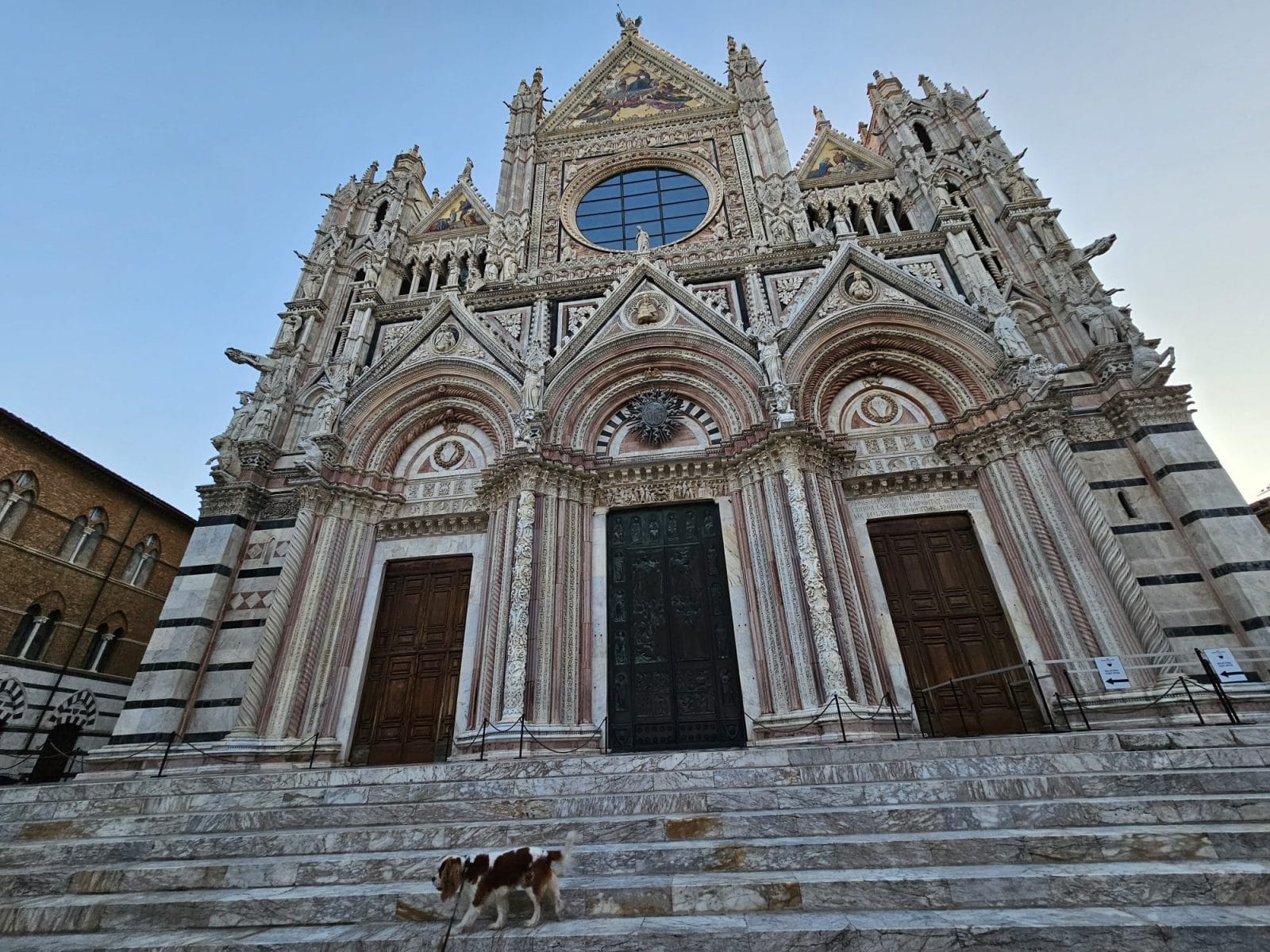
You can best appreciate the cathedral’s architecture up close from Piazza del Duomo. It comprises a blend of Italian Gothic, Romanesque and classical architecture.
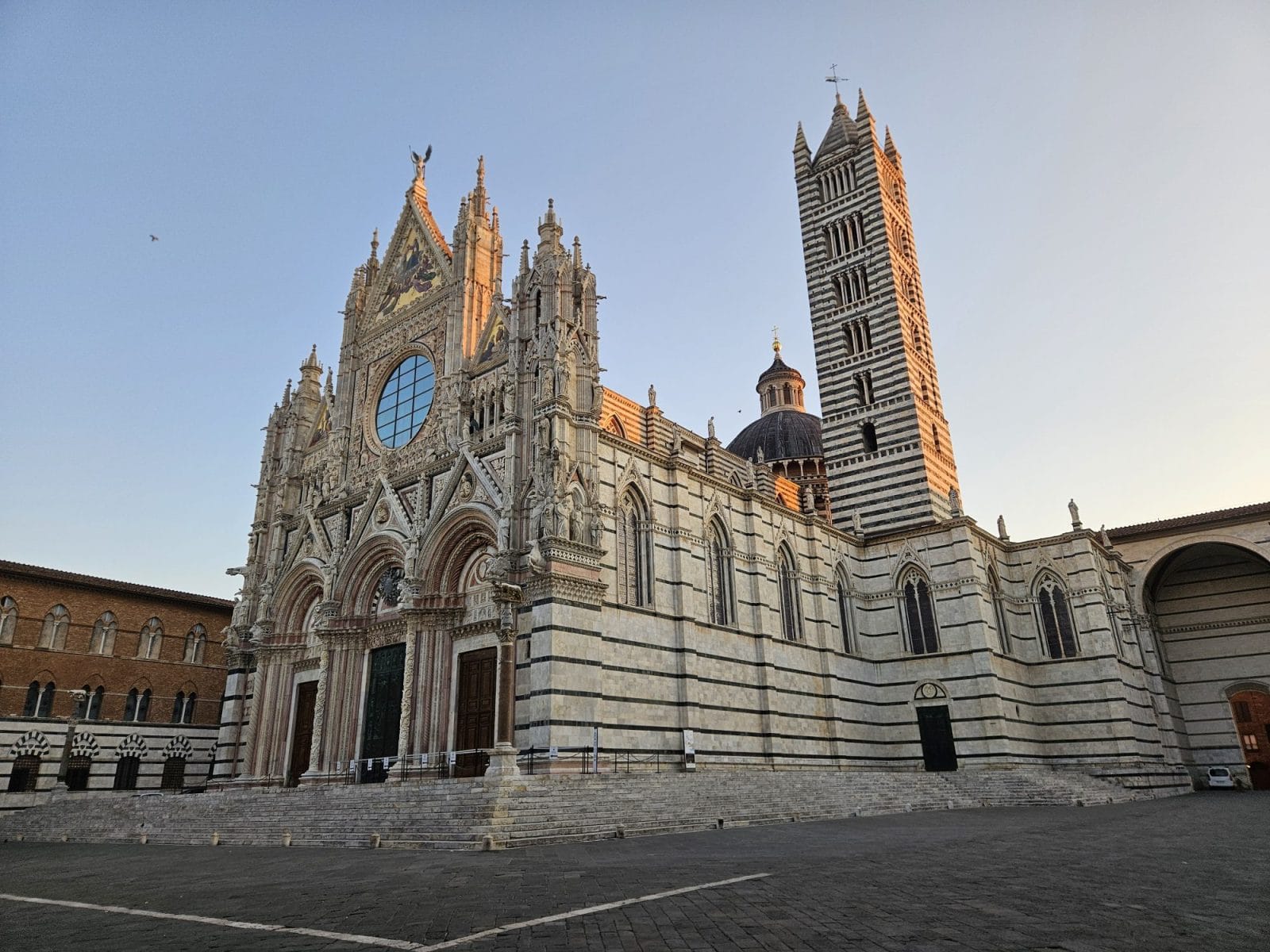
I discovered the joy of observing the intricate details up close during my early morning dog walks. The square was empty.
Facciatone: A Viewing Platform
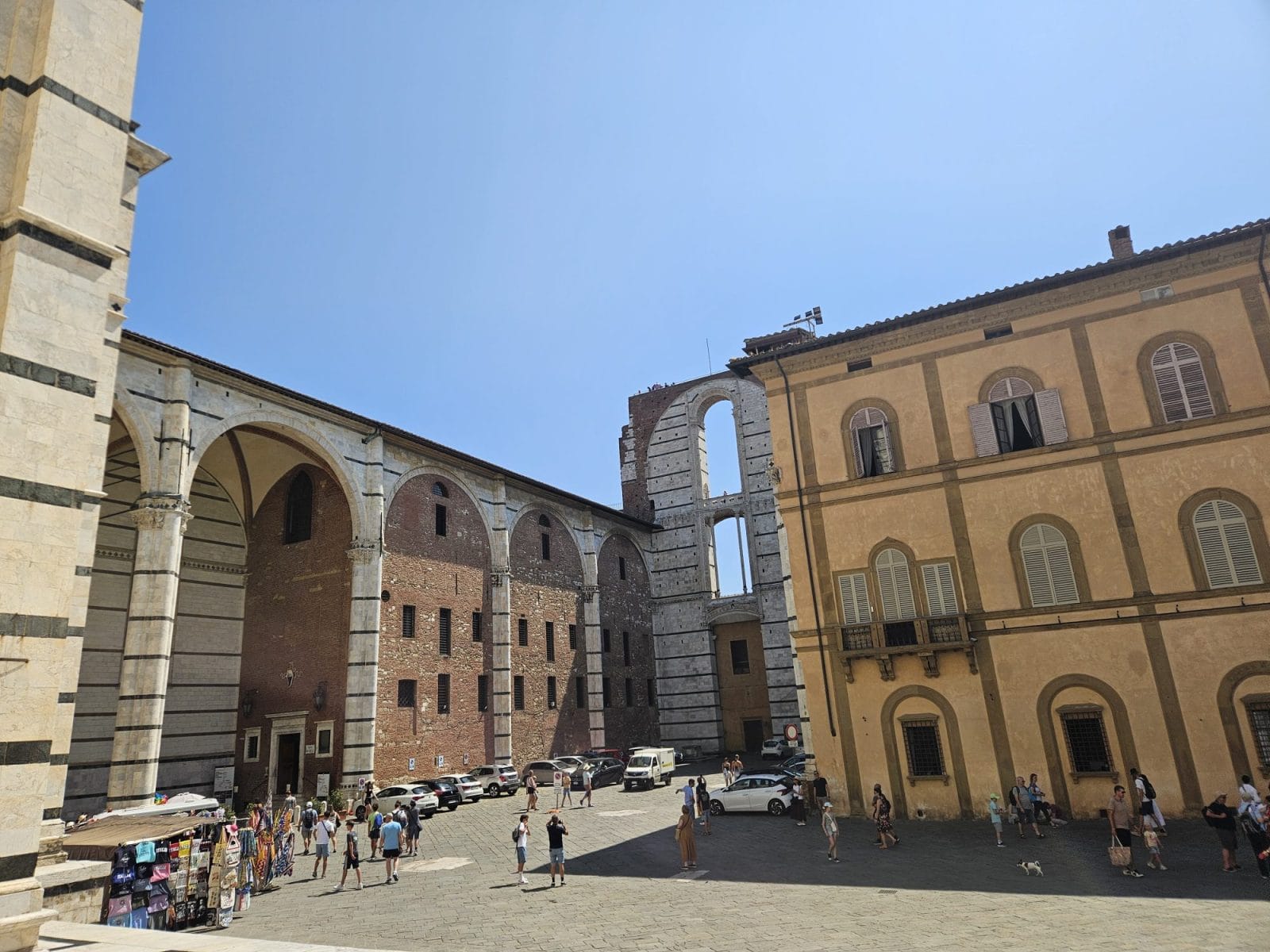
Facciatone is accessible via the Museo dell’Opera della Metropolitana and was a fantastic experience. The platform offers a viewpoint on an unfinished facade, with views of the cathedral’s side, the square below, and the city in general.
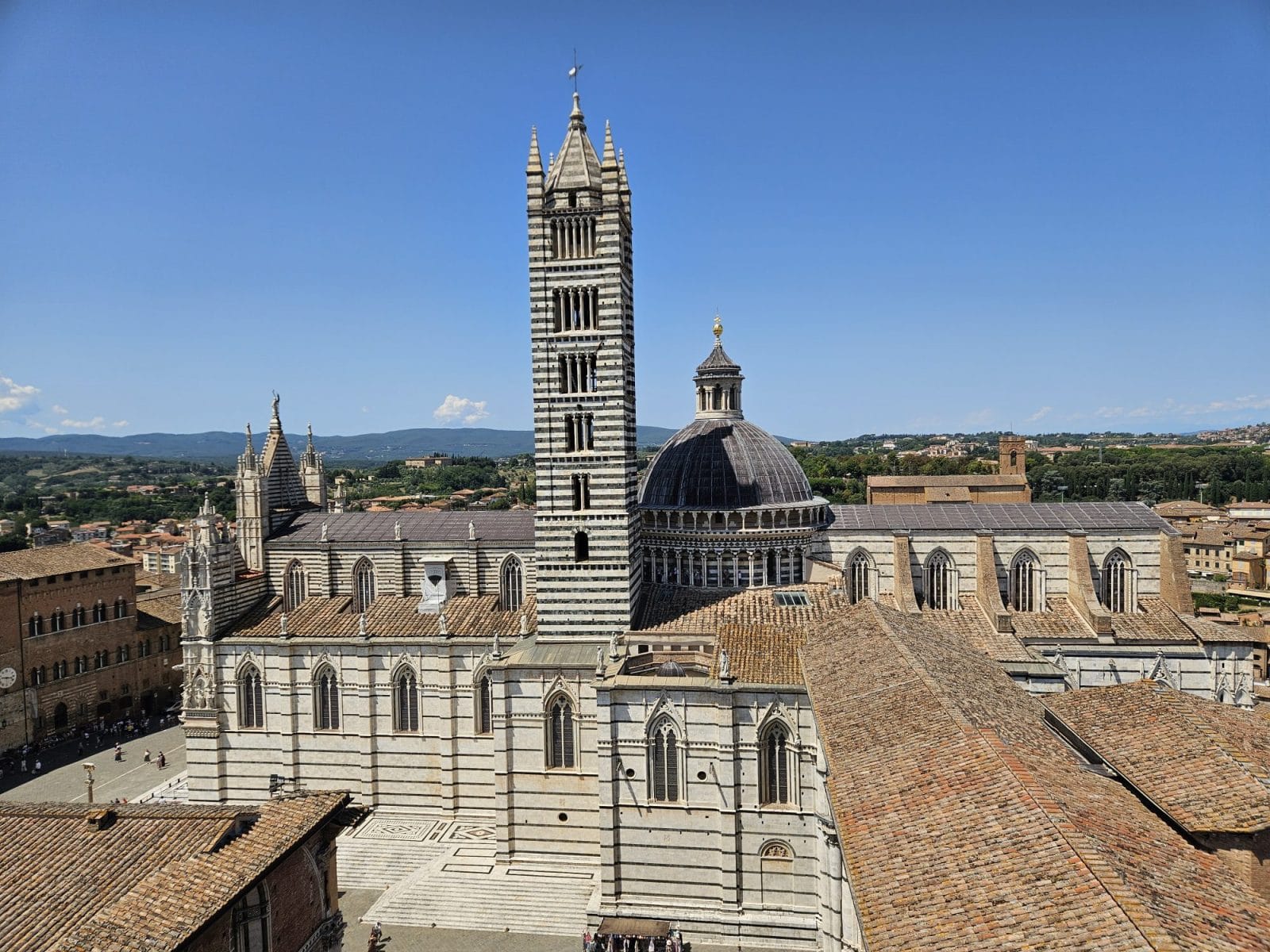
The views from the cathedral’s side on both levels were exceptional, and I thoroughly enjoyed observing the details from the elevation.
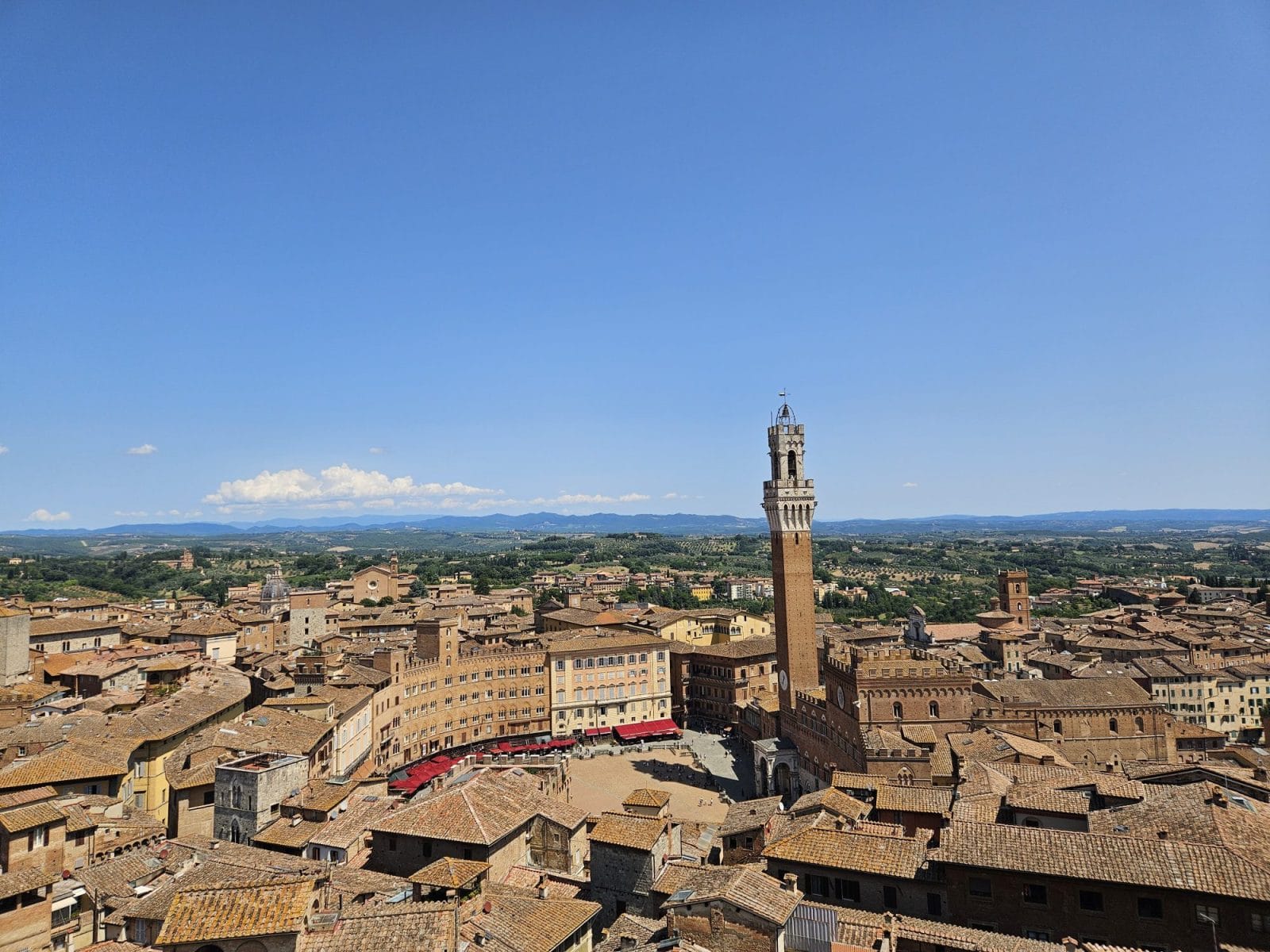
As well as views of the cathedral, you can see Piazza del Campo and the tall Torre del Mangia tower. Visiting involved a bit of a queue, as there is limited space on the multi-level viewpoint.
Crypt
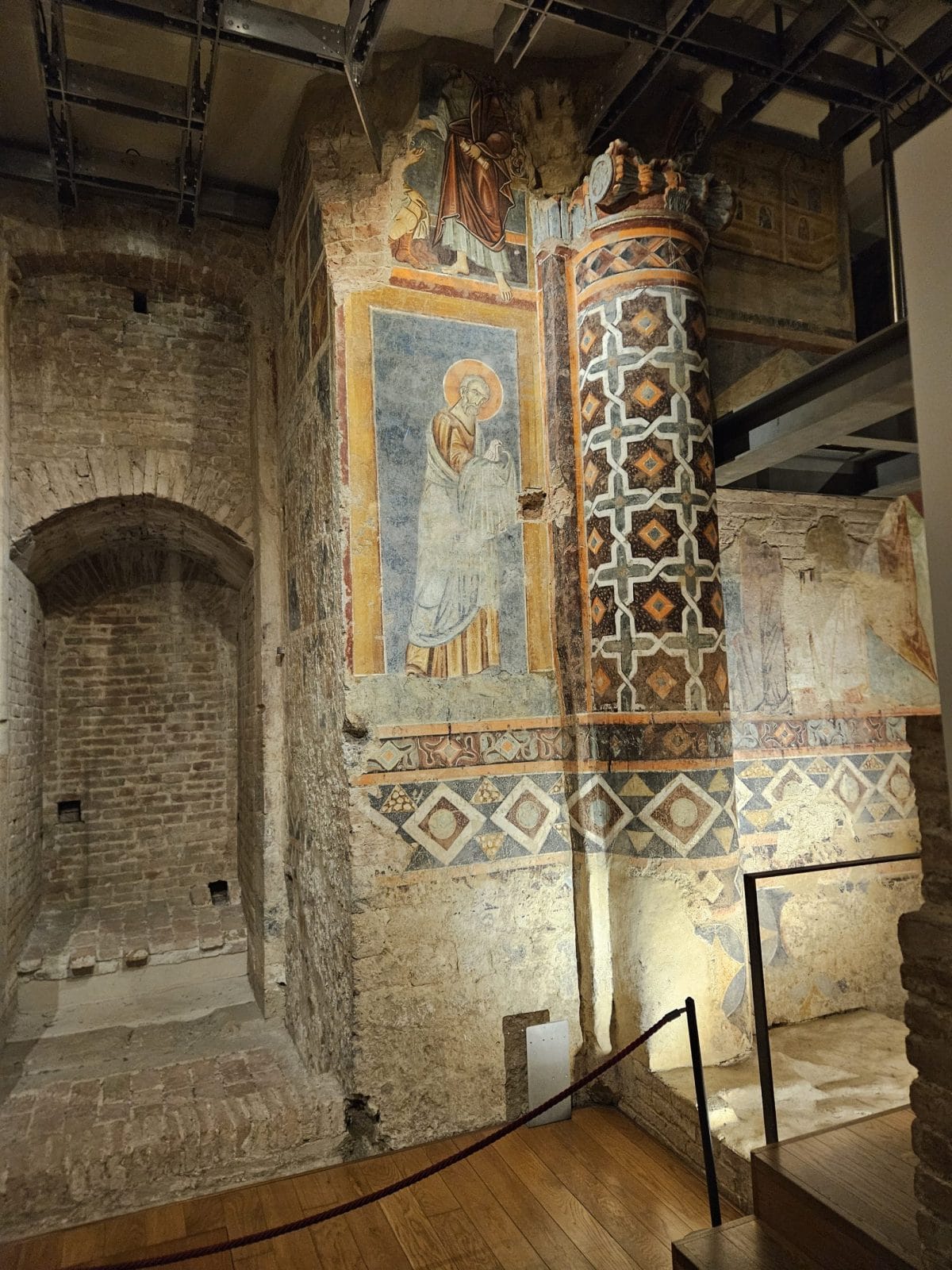
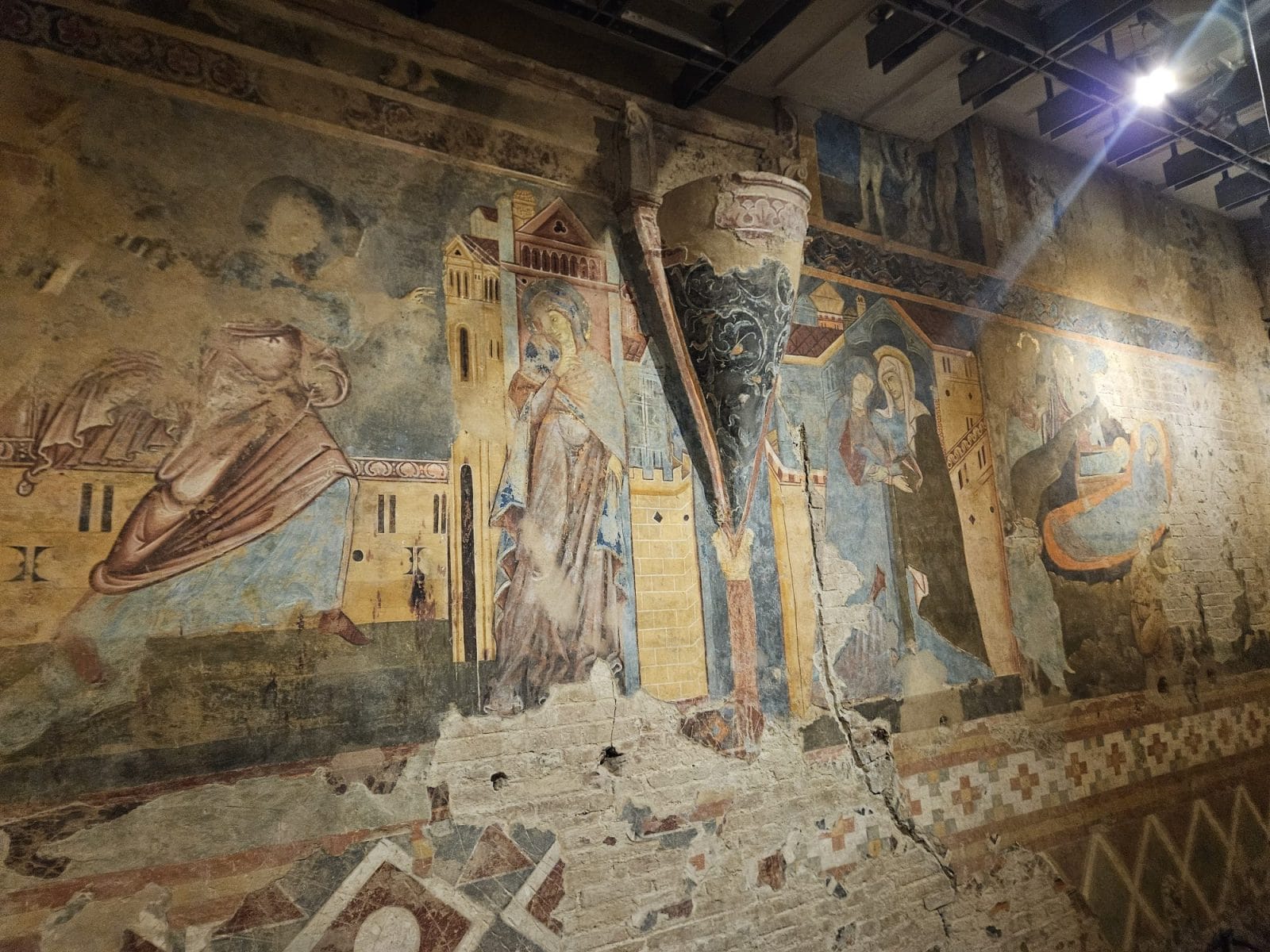
Another place to enter with the tickets was the cathedral crypt, which has a separate entrance at the rear of the church building. The site was rediscovered in 1999 and is well preserved.
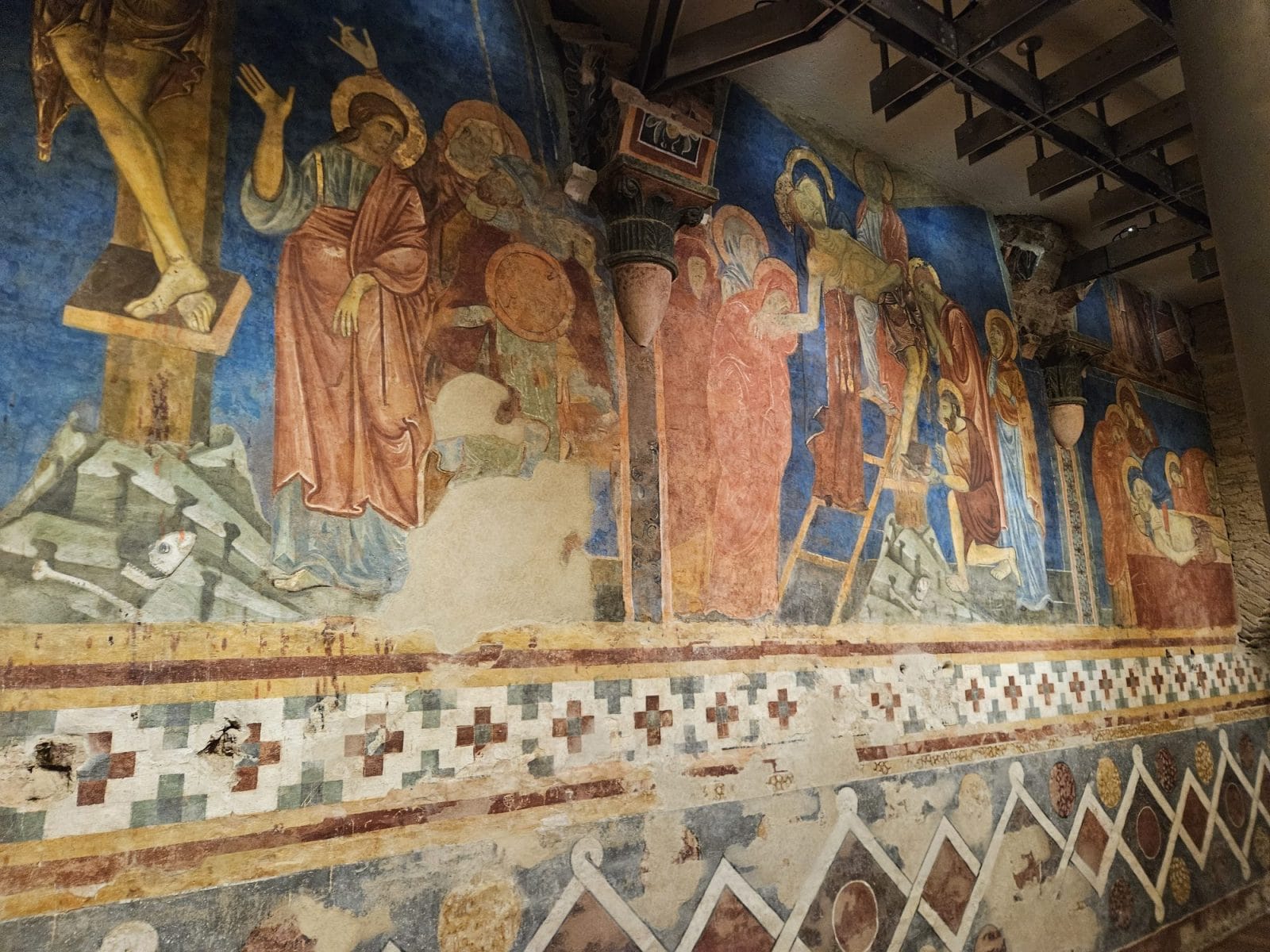
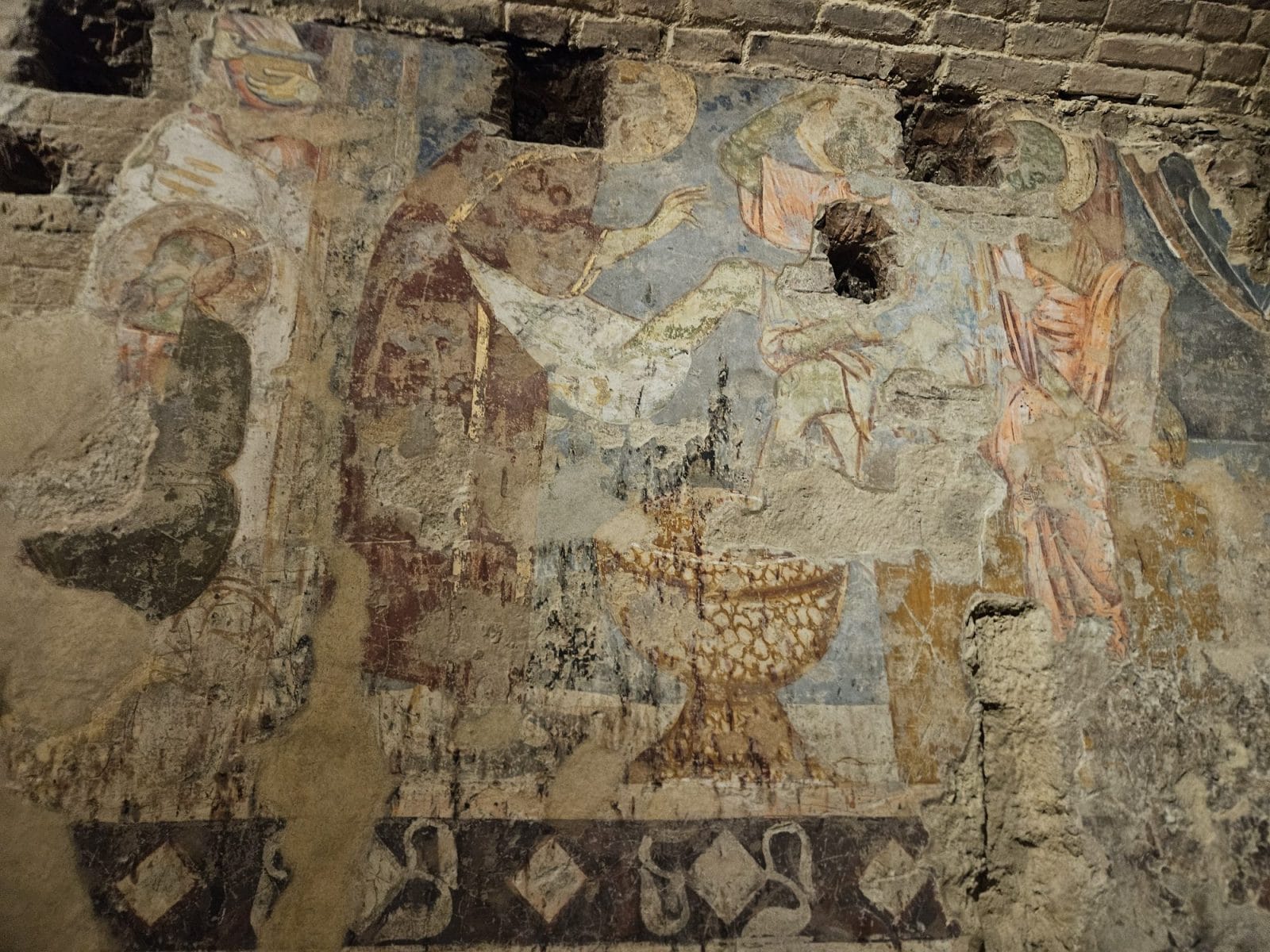
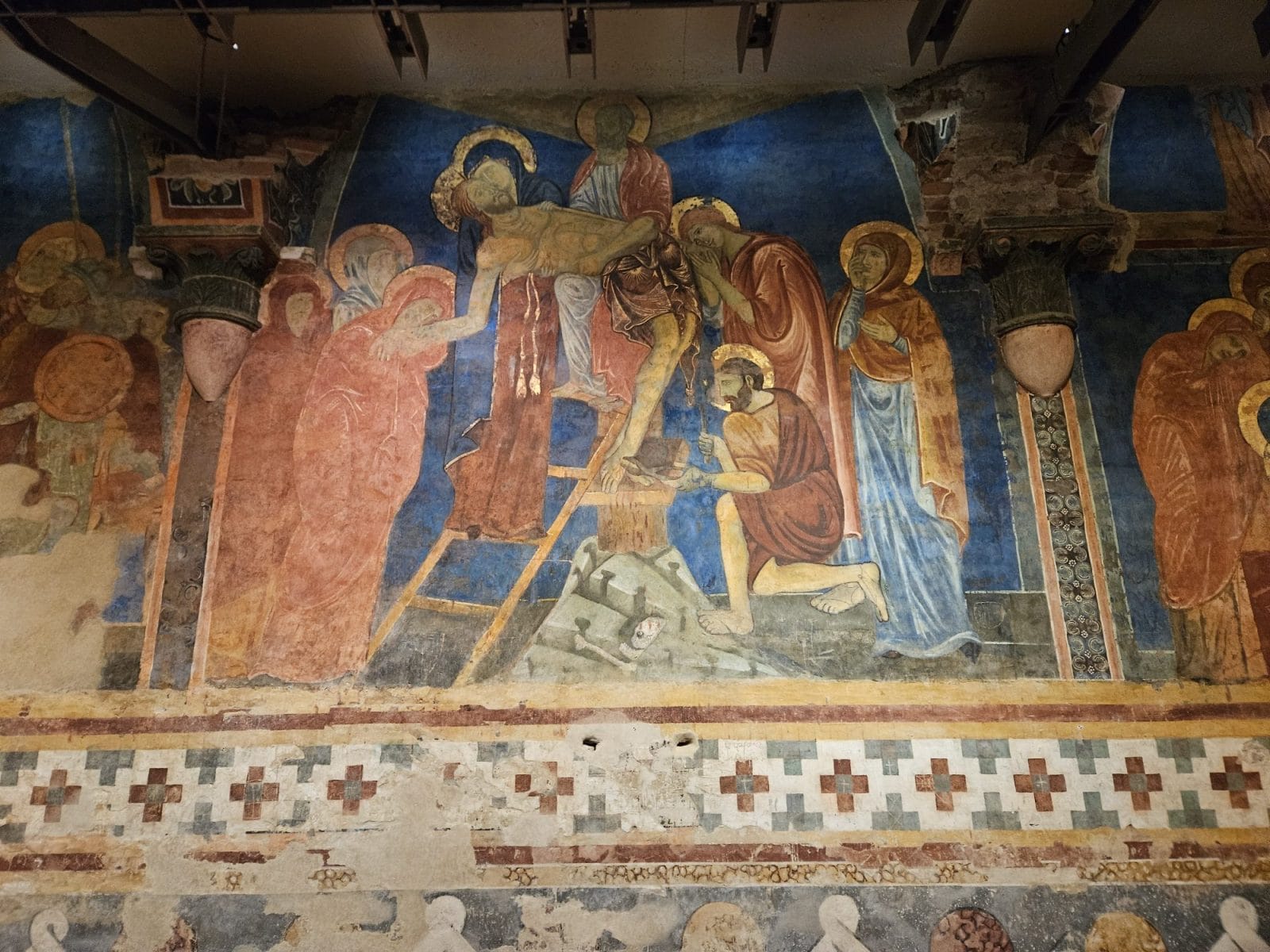
Inside, there are 13th-century frescoes, which are quite colourful and tell 40 different stories from the Old and New Testaments. The collection includes the crucifixion and harrowing of hell, to name a few. They explain these stories well.
Museum – Opera della Metropolitana
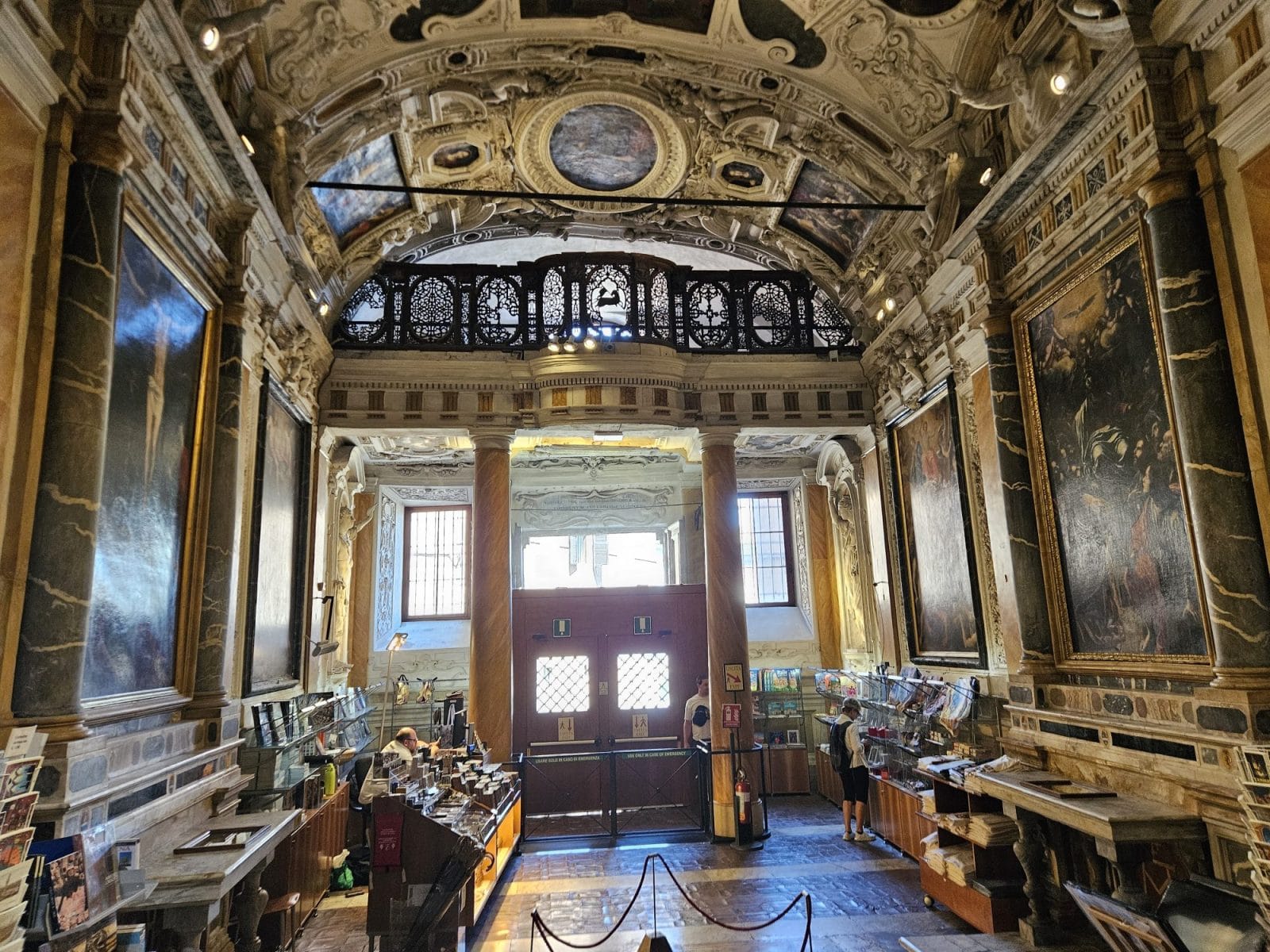
Entry to the Museo – Opera della Metropolitana was included in the site price. The museum occupies a building originally intended to be part of the cathedral’s expanded right nave; however, construction was halted by the Black Death in the 14th century.
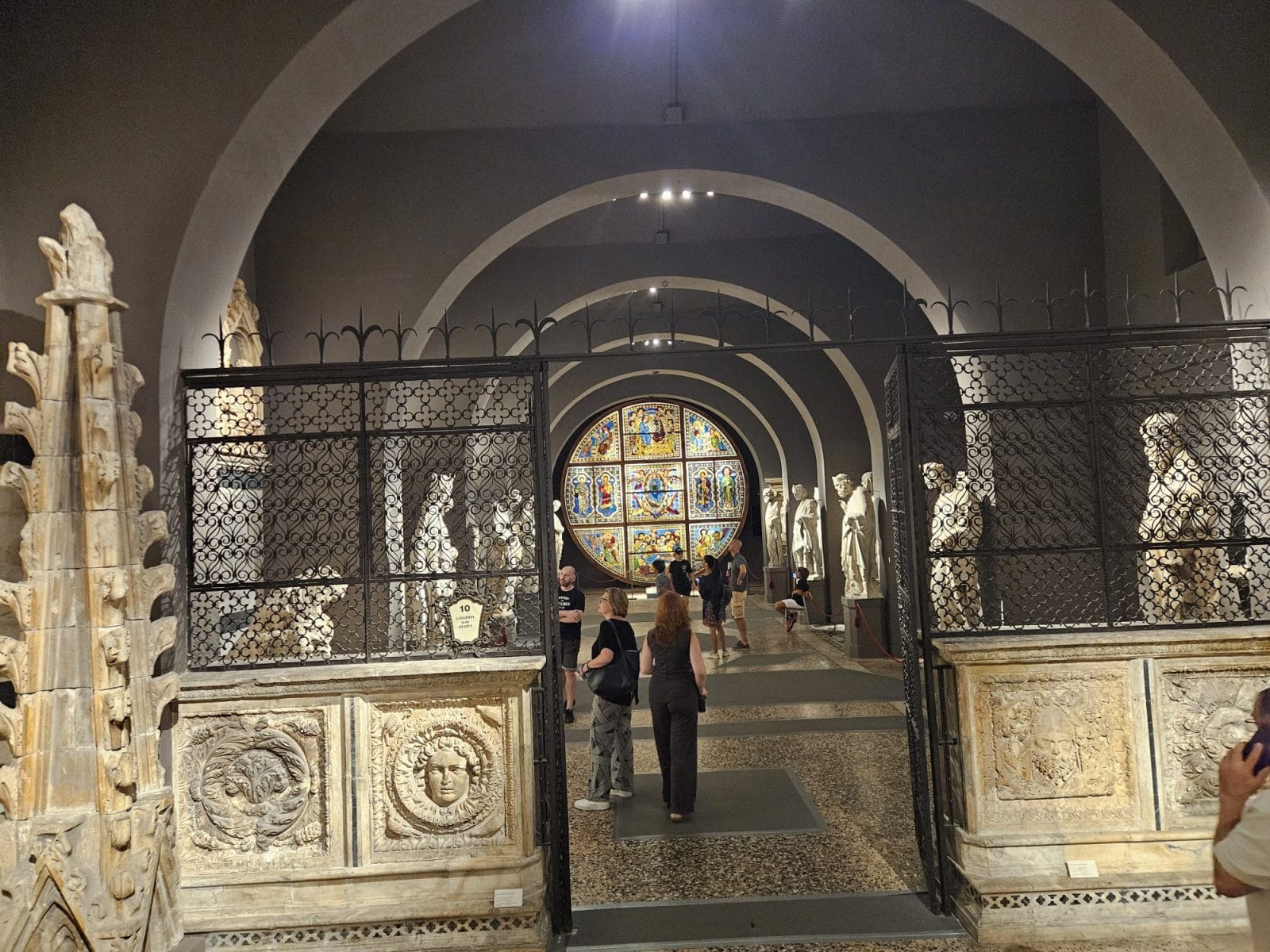
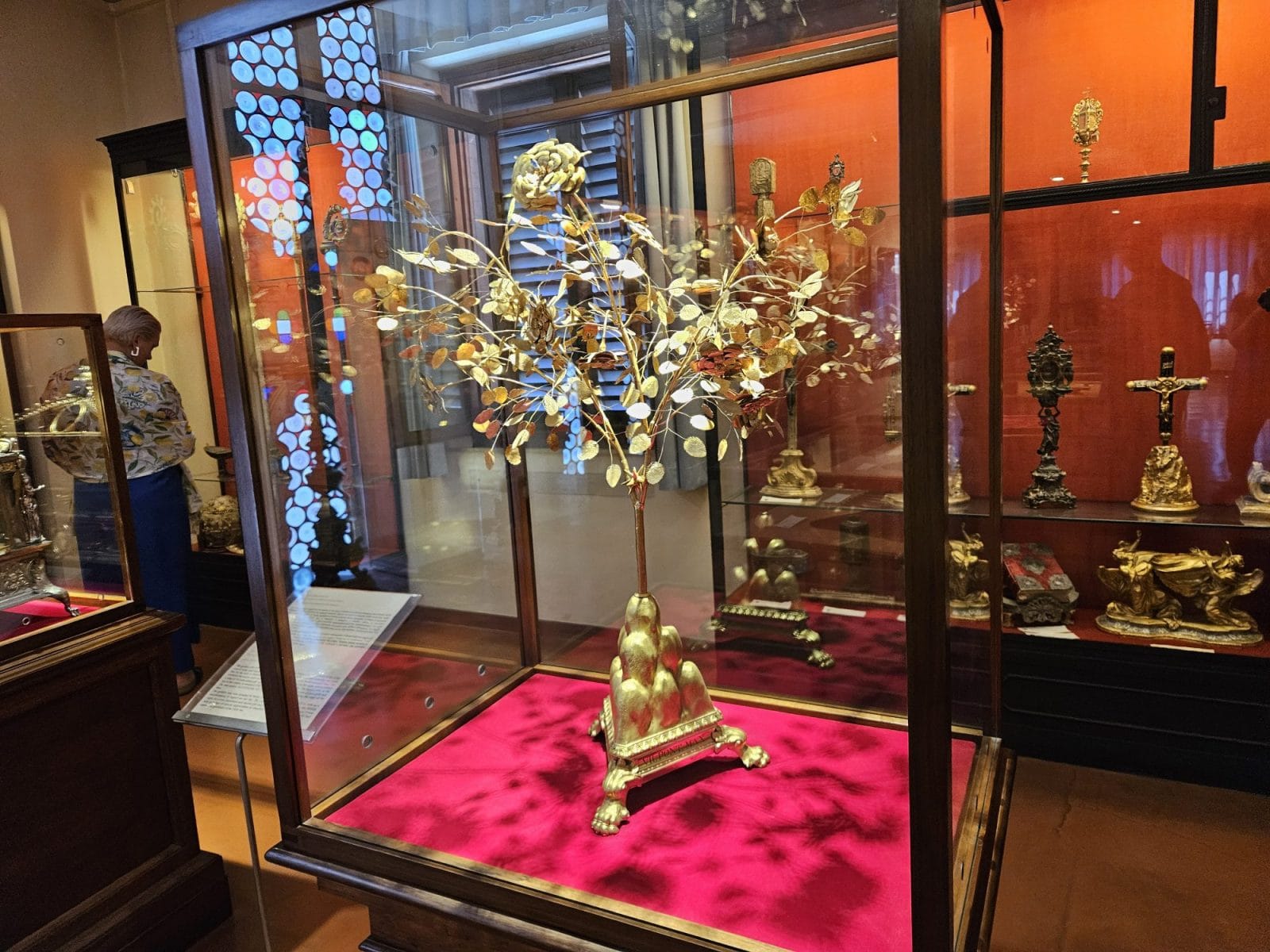
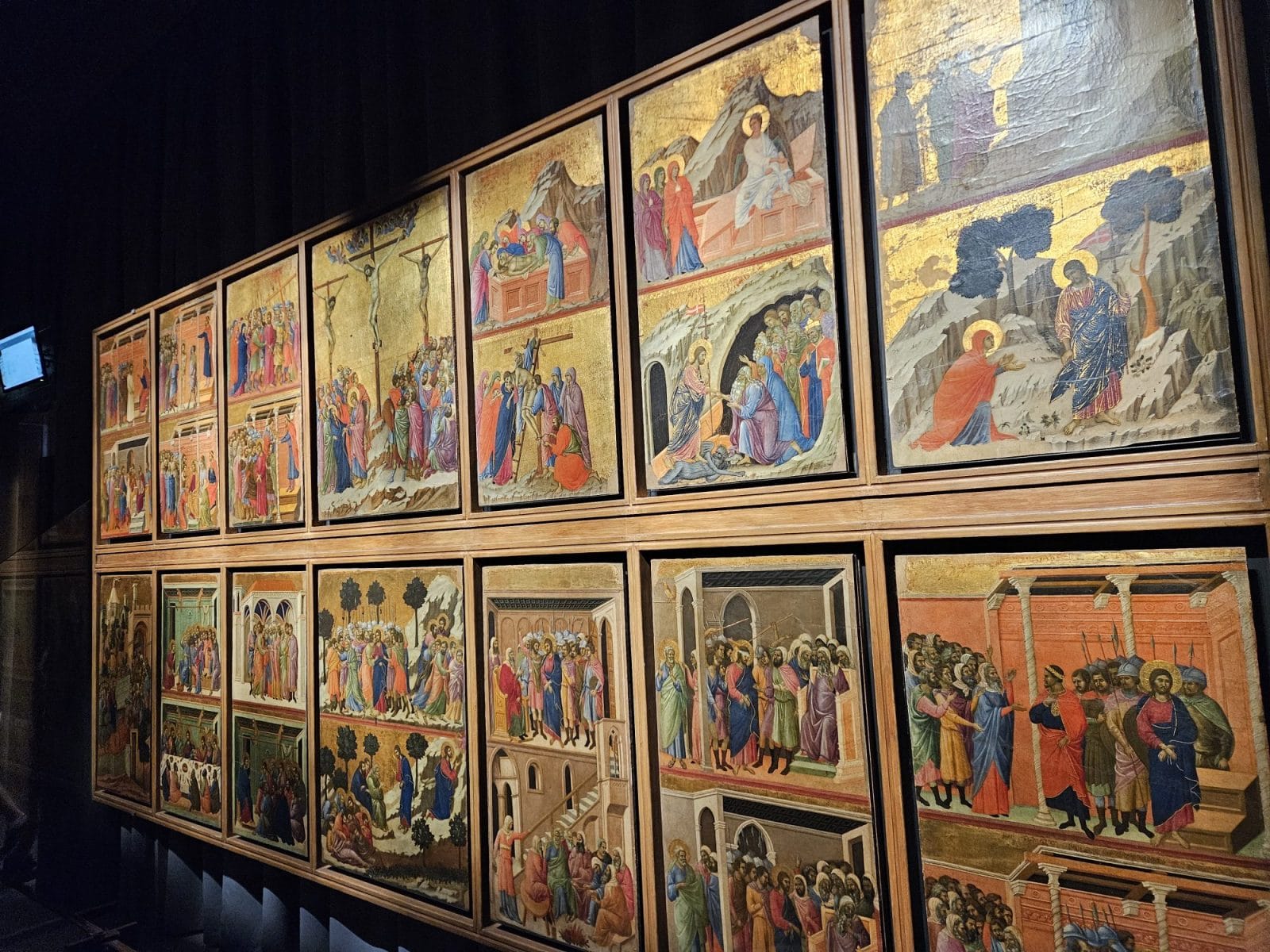
The museum is on multiple levels, with its primary focus being on art, the cathedral’s treasures, and stonework.
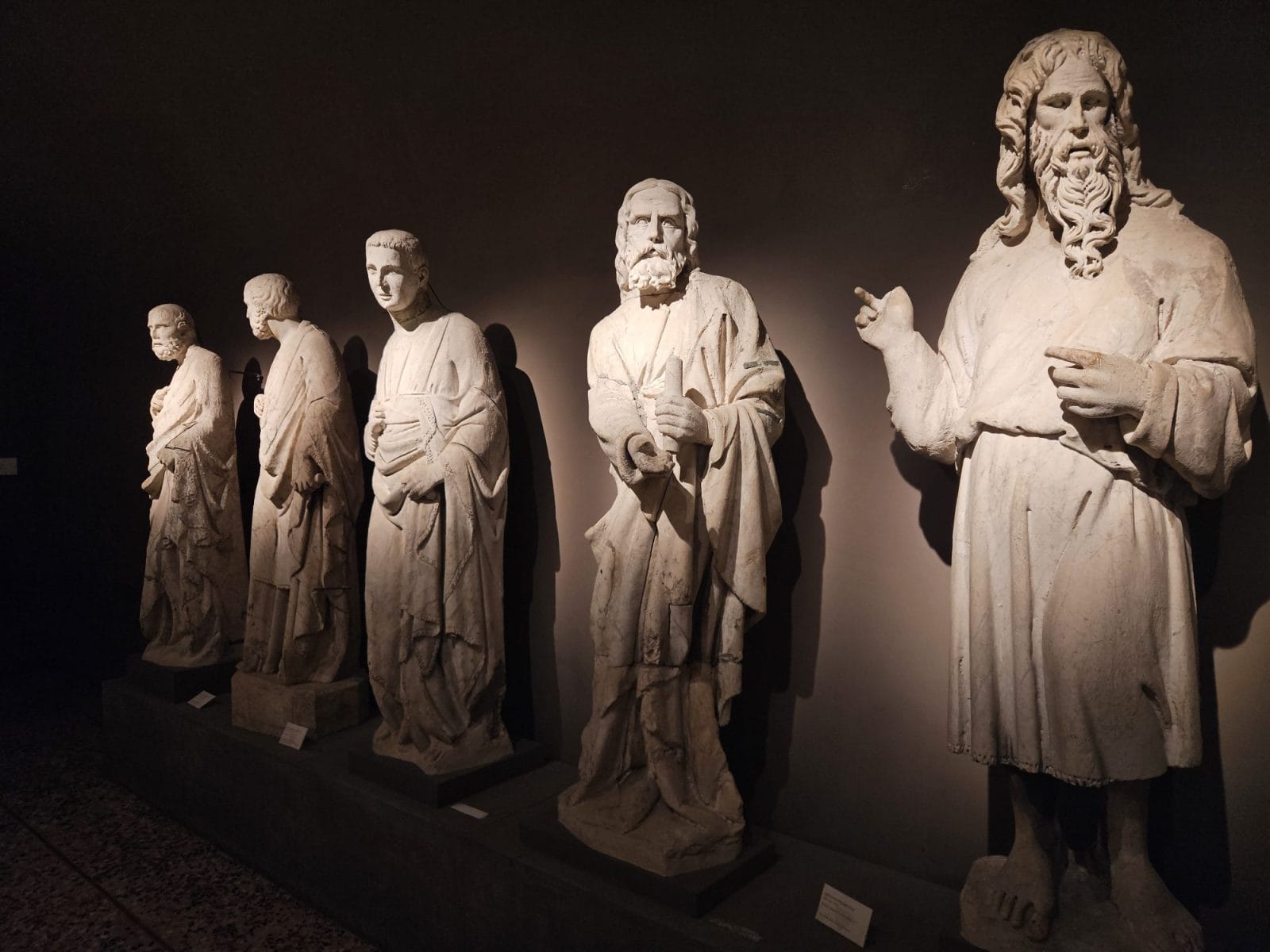
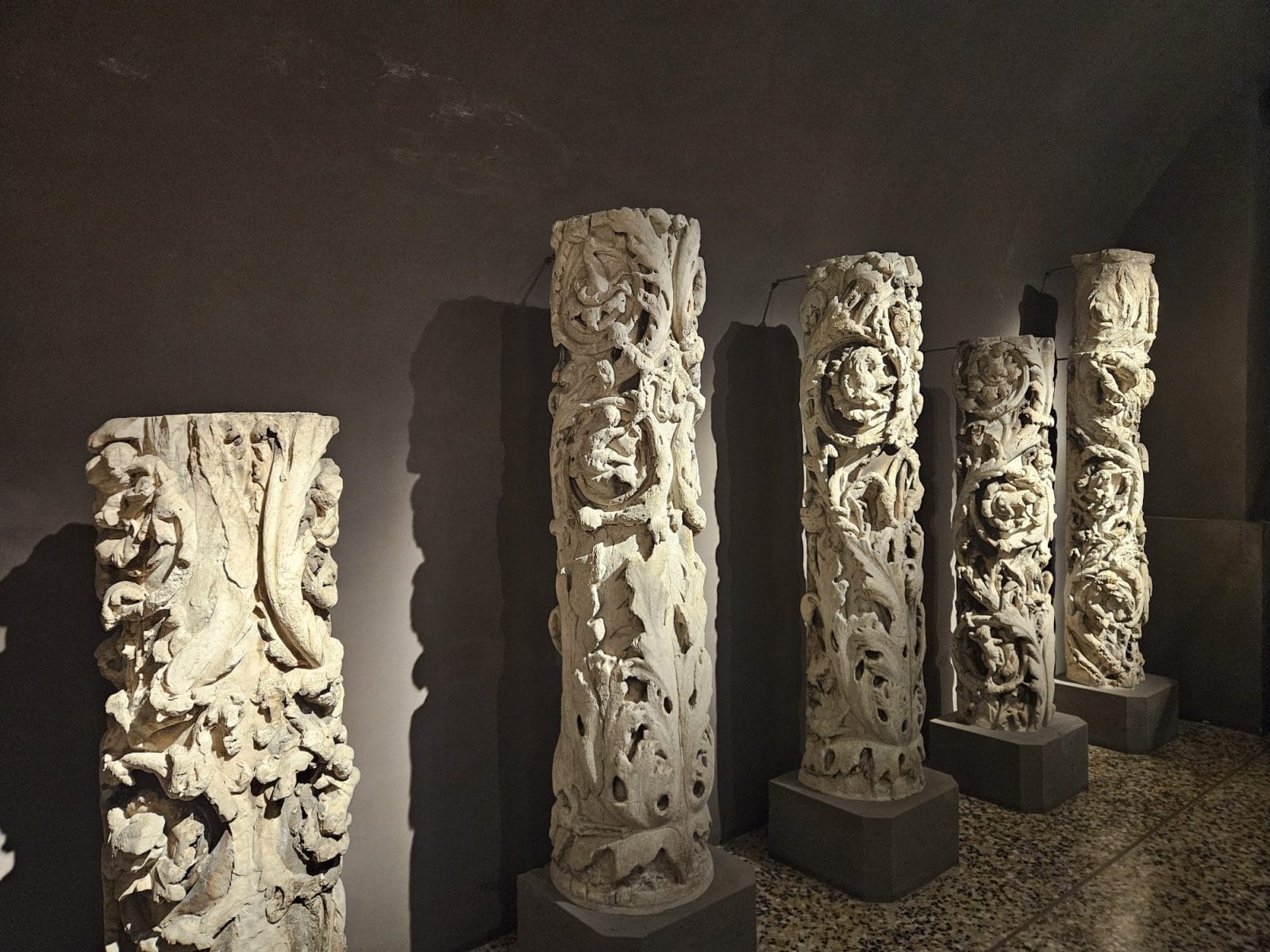
First up, we visited the lowest level, which had original stone pieces from the cathedral. These included saints, along with Romulus and Remus.
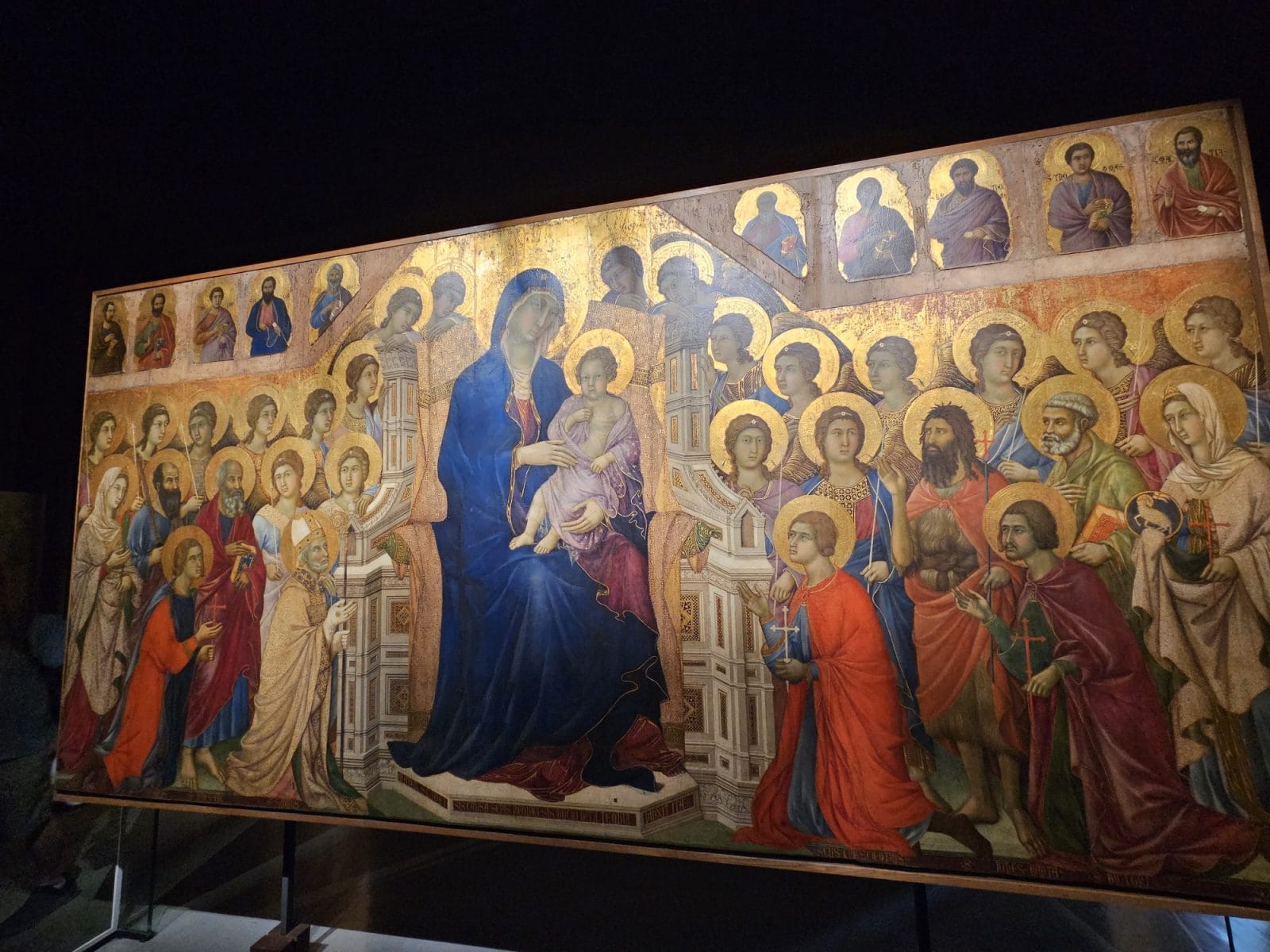
The Maestà by Duccio di Buoninsegna, which once adorned the cathedral’s high altar, is one of the museum’s most famous works.
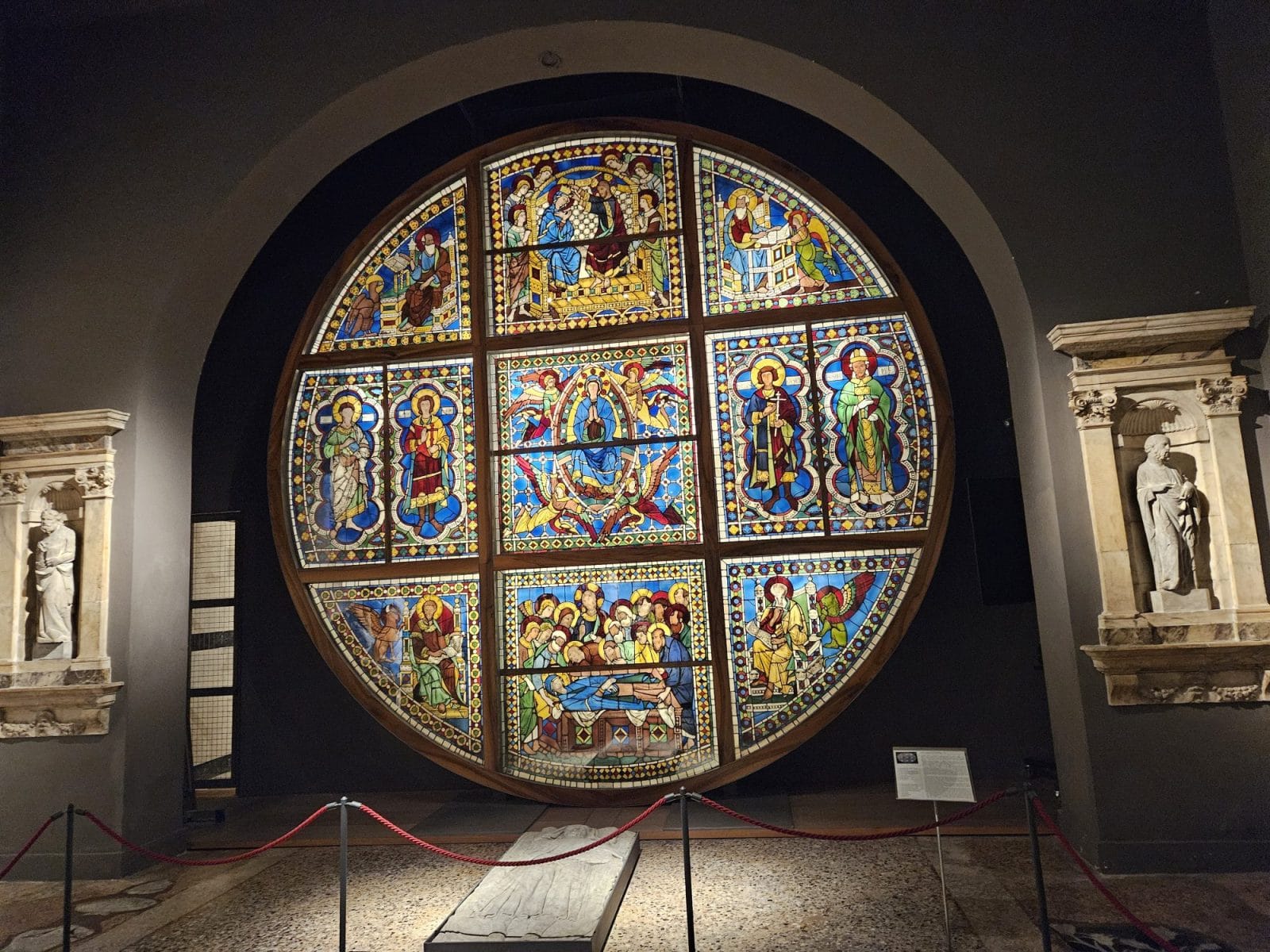
Another eye-catching feature was a stained-glass window dedicated to the Virgin of the Assumption, which once stood high in the cathedral’s apse.
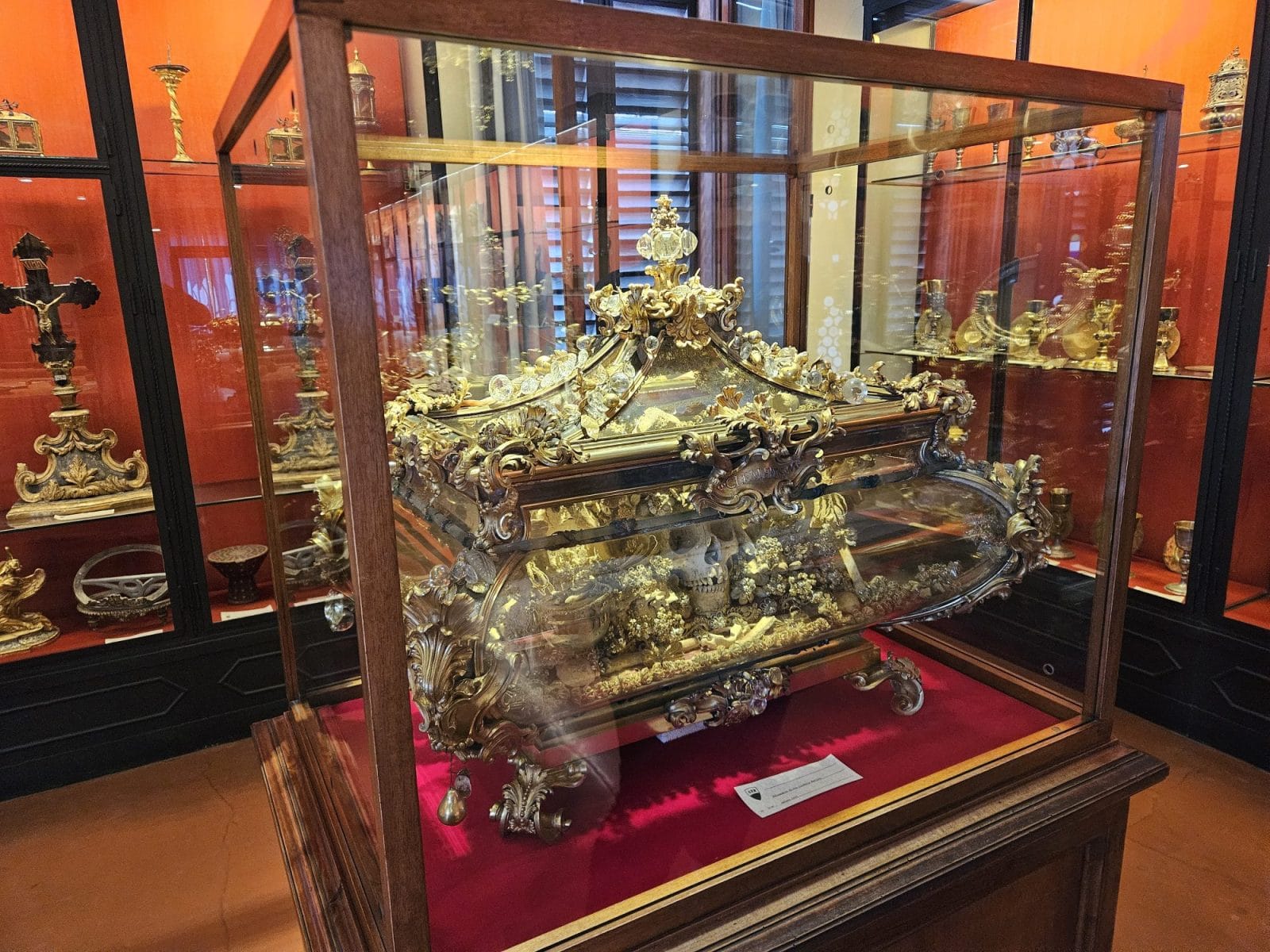
There was also a room dedicated to the cathedral’s treasure, which included precious artefacts. This included chests, some containing human bones, such as the saint of St Clement, one of the first popes. There were also other artefacts made from gold.
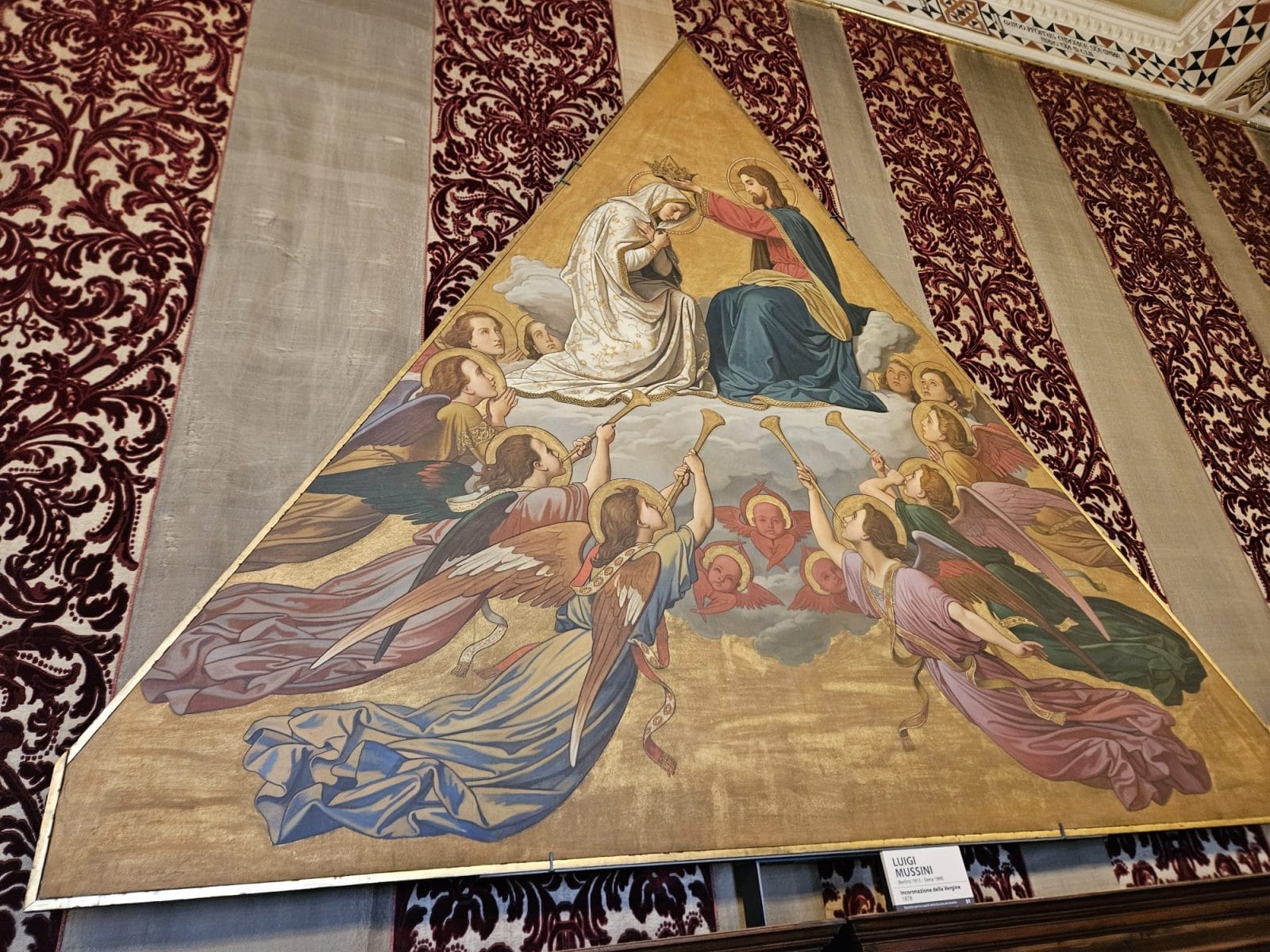
On the top floor is a gallery, where the queue for the viewpoint starts. Overall, the Museo d’Opera della Metropolitana was well worth visiting for its works of art.
Baptistery of San Giovanni
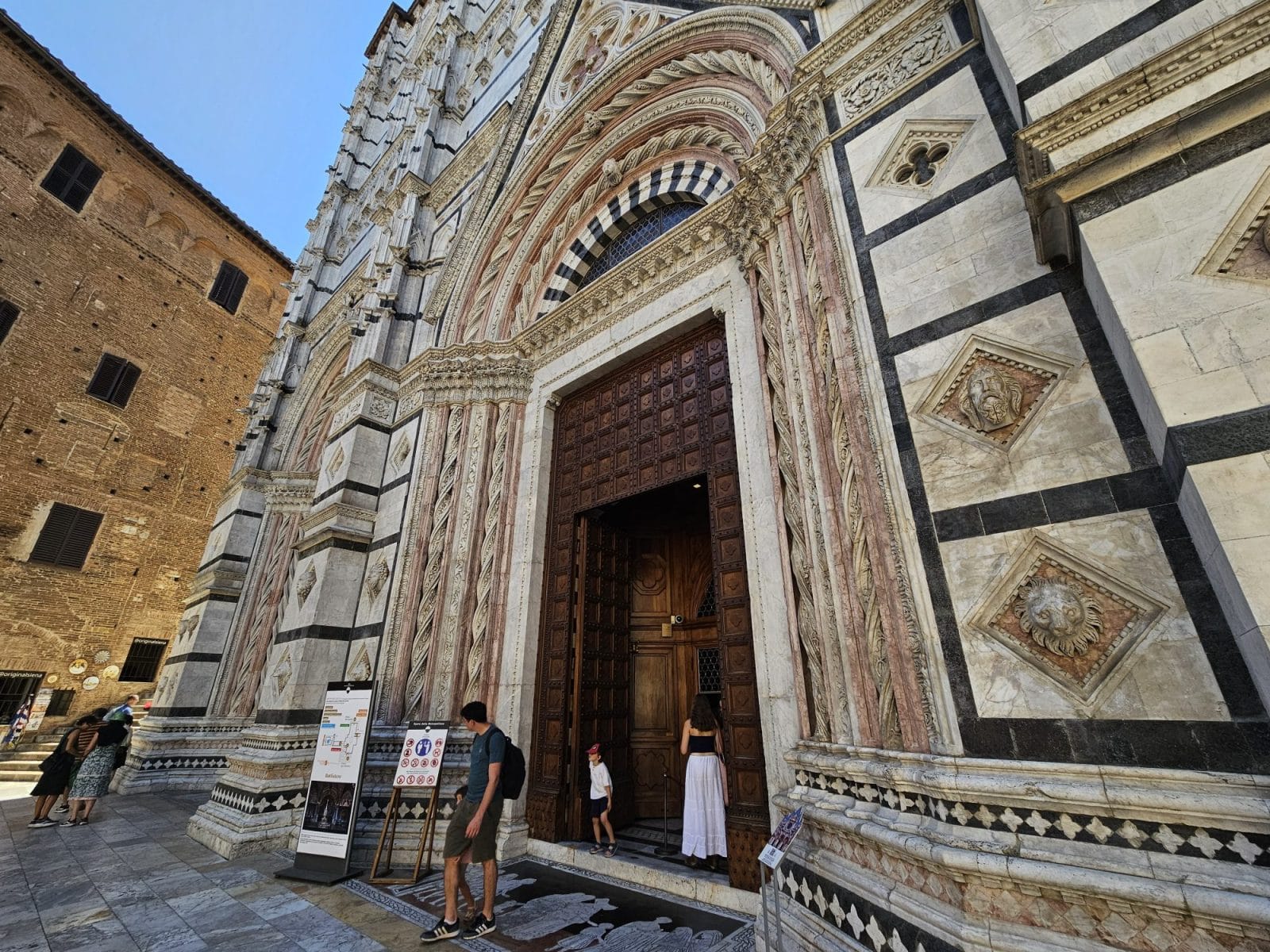
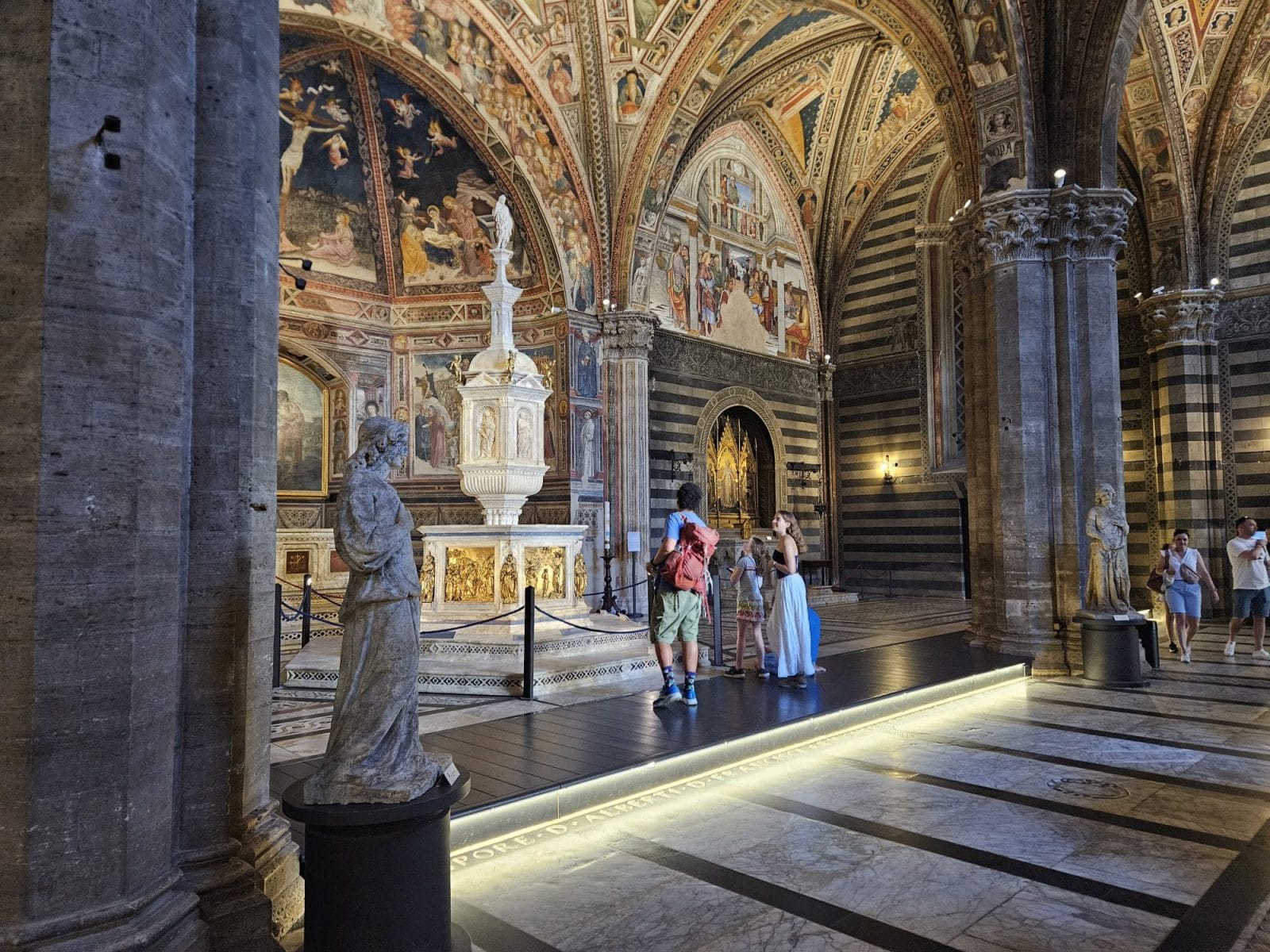
The Baptistery is accessed from the rear of the building as part of the all-areas ticket. The structure was built between 1316 and 1325. The facade is Gothic in the same style as the main church. Inside, there is a nave with two aisles divided by two columns.
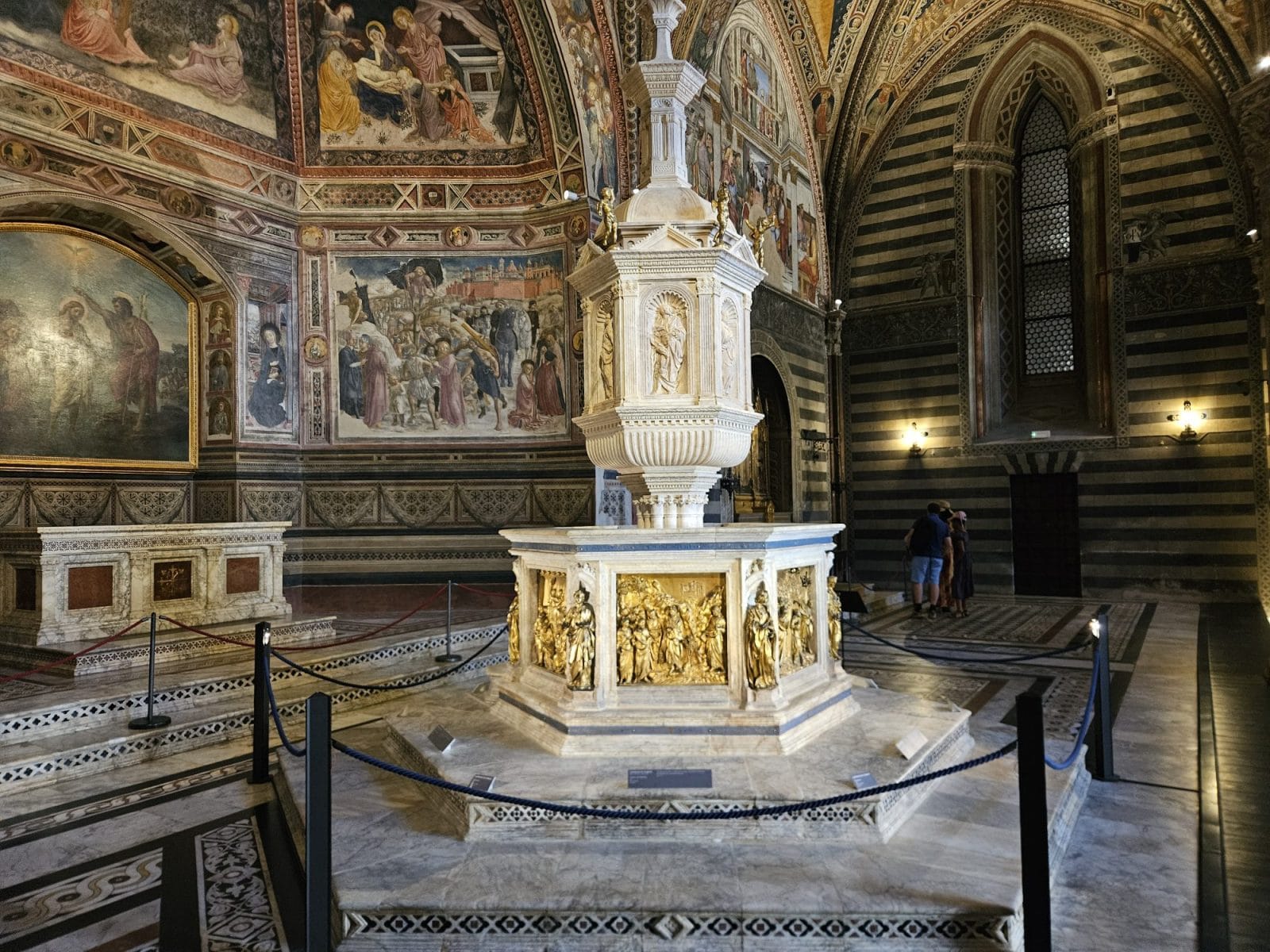
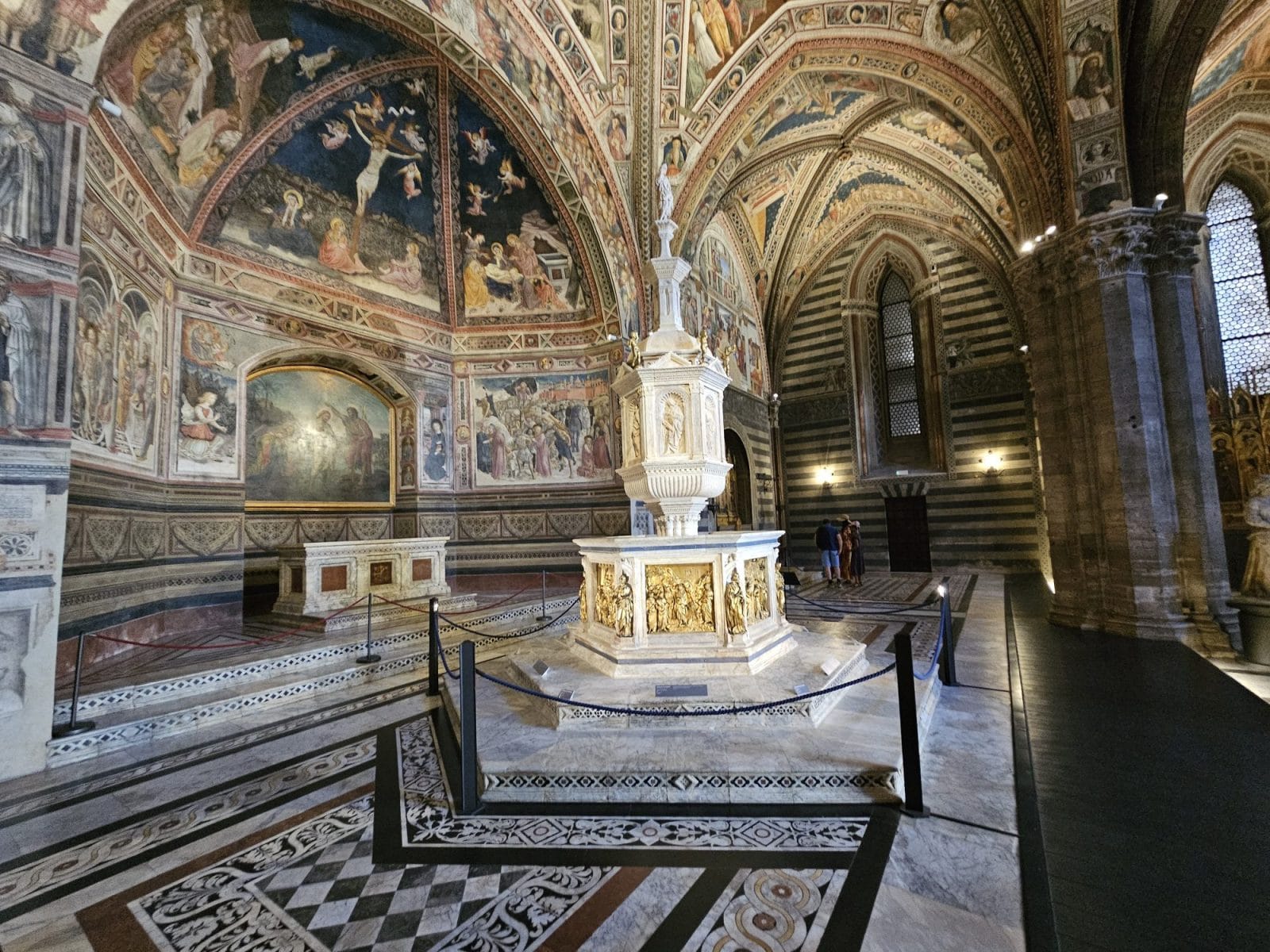
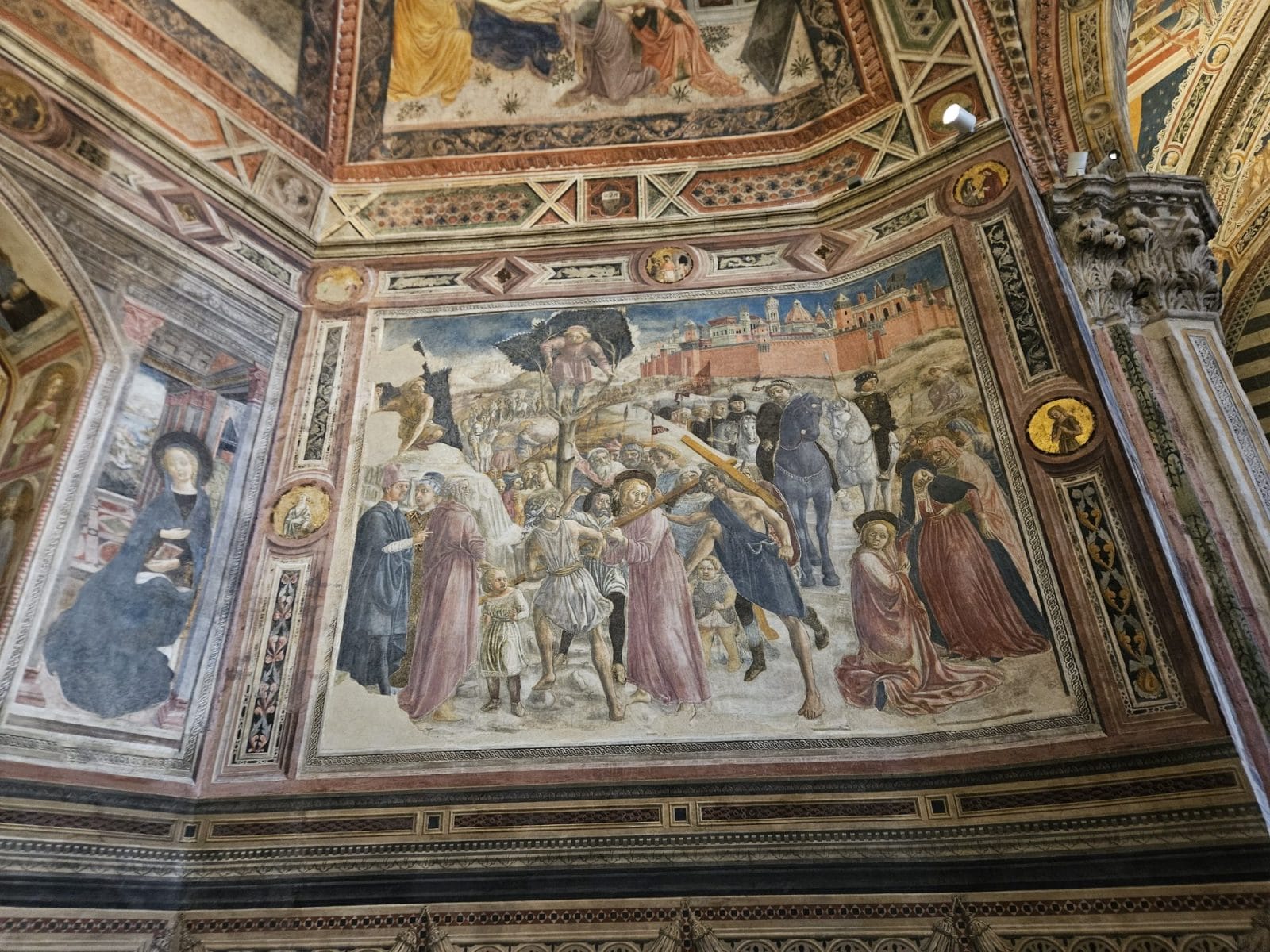
Inside, there is also a 15th-century hexagonal baptismal font that was built with bronze, marble, and vitreous enamel. The walls and ceilings are fully decorated with religious art, making it a pleasure to visit.
Is Siena Cathedral Worth Visiting?
Siena Cathedral is a wonderful place and well worth visiting if only for a mooch around the splendid building. The combined ticket provided us with access to the interior, the library, the crypt, and the Baptistery, all of which were beautiful. Also included were visits to the museum and the epic viewpoint, which certainly added to my experience.
I now regret not making the effort to visit the Duomo. the photos look fab. I had to be content with views of the exterior…