
Places to Visit in Vienna: Tourist Attractions & Sightseeing
Vienna is Austria’s capital and one of my favourite cities in Europe for sightseeing. I’ve visited five times and still find new places to see, including historic buildings, museums, parks, music venues, side streets and river walks.
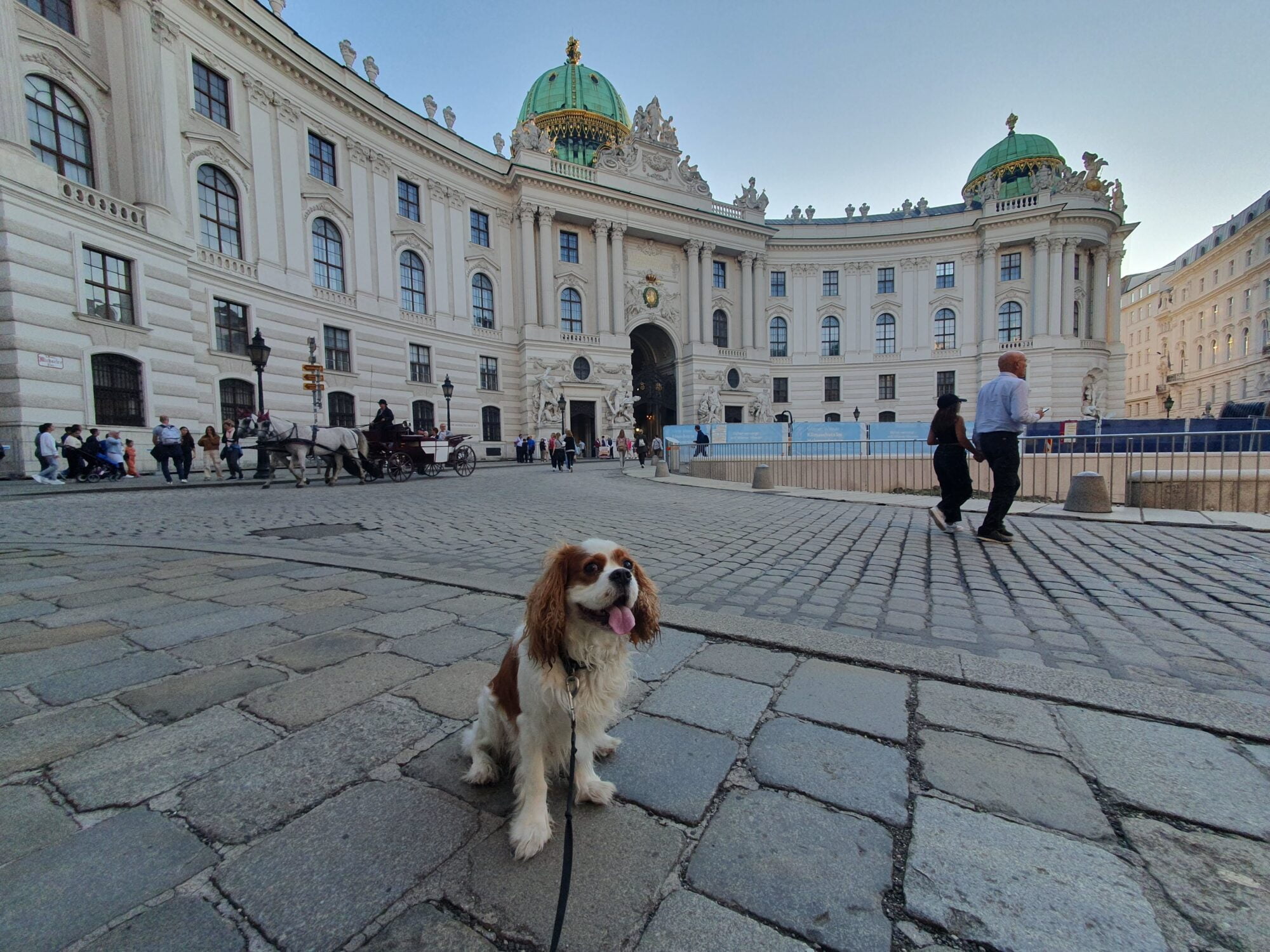
The architecture is the main reason I enjoy Vienna so much. Even a simple walk through the centre can take you past grand buildings, statues, churches, old squares and palace courtyards. My guide covers the places I visited and enjoyed during my four stays in the city.
Places to Visit in Vienna & Tourist Attractions
Disclosure! Keep in mind that some links in these posts are affiliate links. If you click one of them, I may earn a small commission (for which I’m extremely grateful) at no extra cost to you. Thanks for visiting!
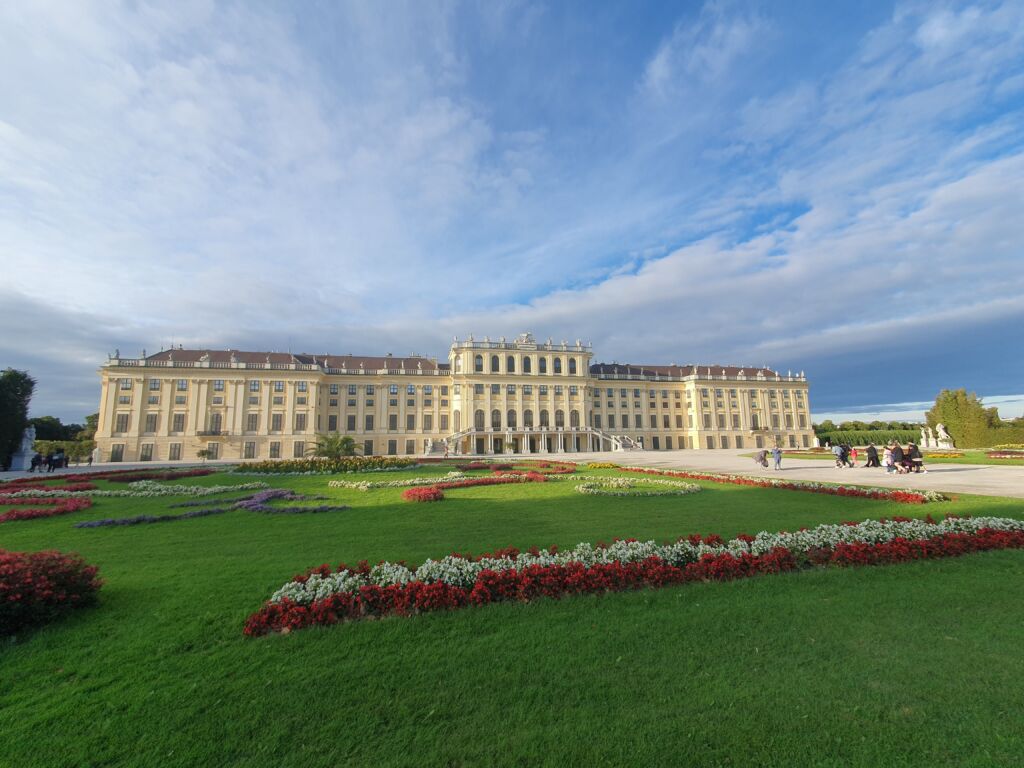
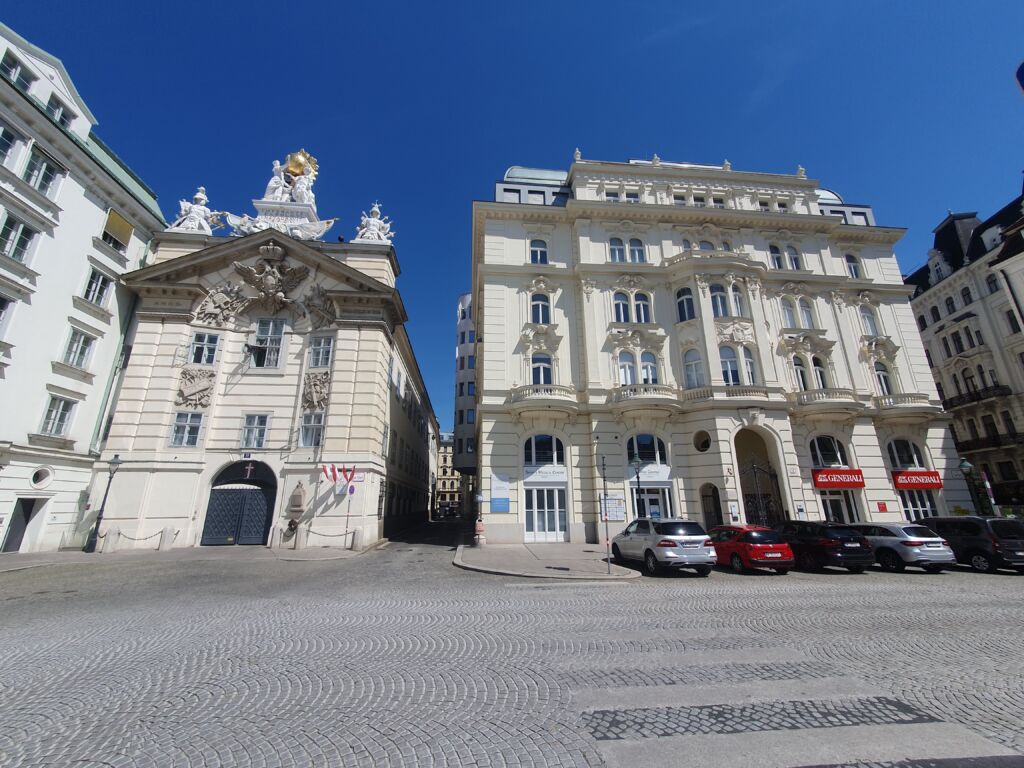
Vienna has so many tourist attractions and things to do, suiting all tastes and preferences. These range from exploring grand architecture to visiting historical sites to catching a concert. There are also some great things to do for free while visiting Vienna.
You can get entry to many popular tourist attractions with the Vienna Pass.
Major Tourist Attractions in Vienna
St Stephen’s Cathedral
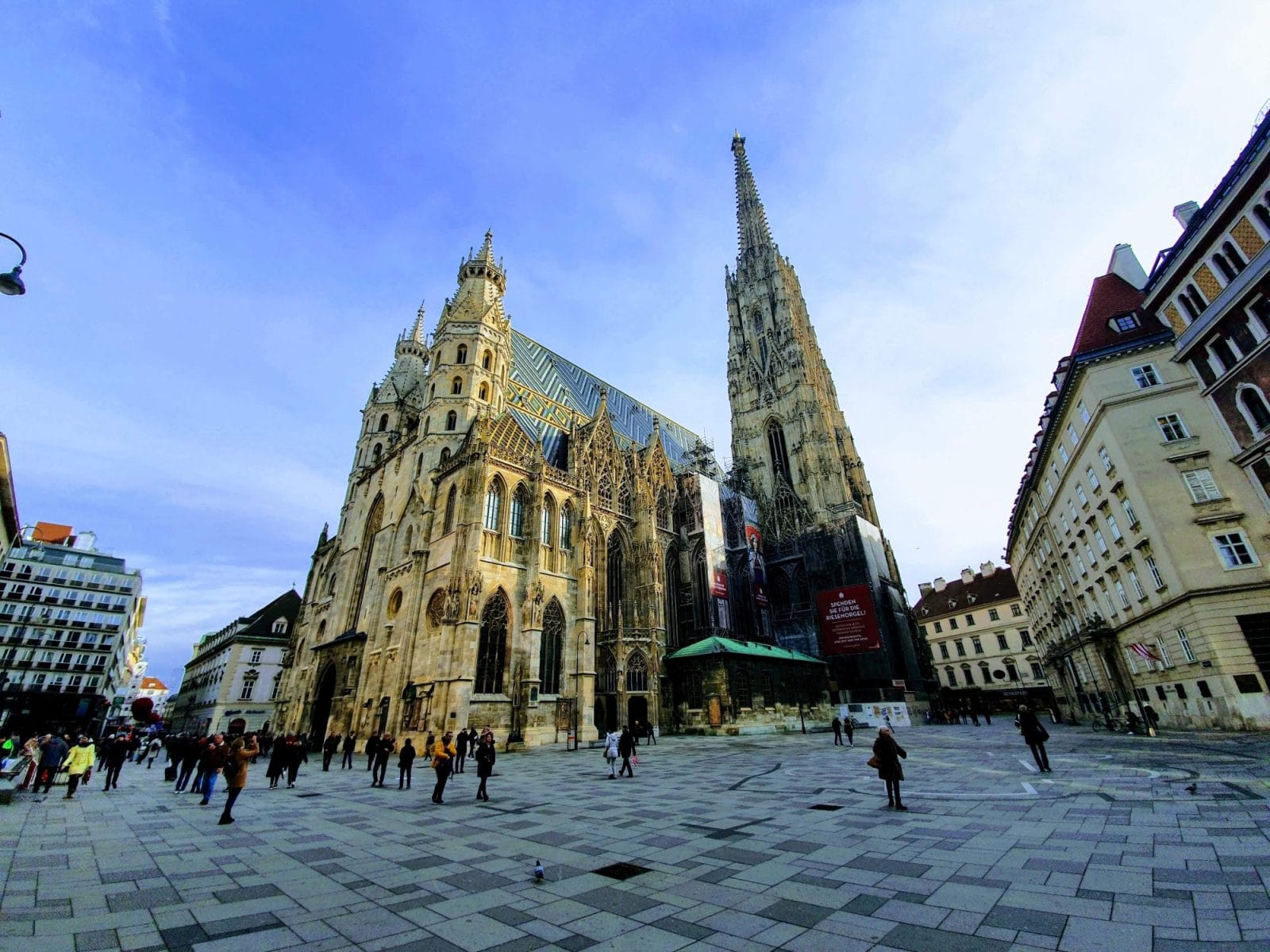
The imposing structure of St Stephen’s Cathedral is magnificent to admire from the outside. It is in Stephansplatz, a town square at the city’s geographical centre. Visiting the cathedral was the highlight of my stops in the city.
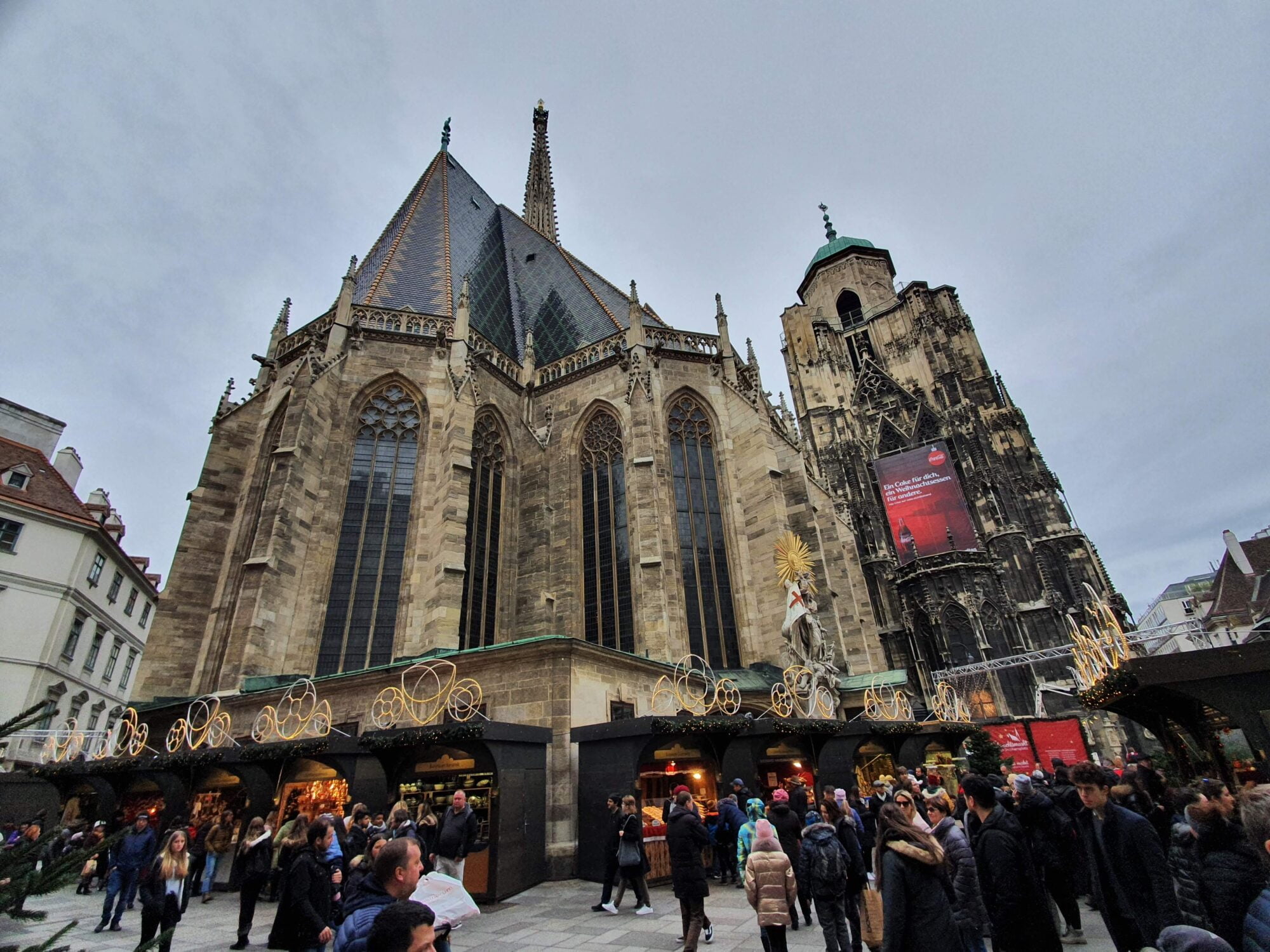
In December, Stephansplatz hosts one of the city’s many festive markets. This has market stalls along the edges and horse-and-cart rides departing from here.
Prater Amusement Park
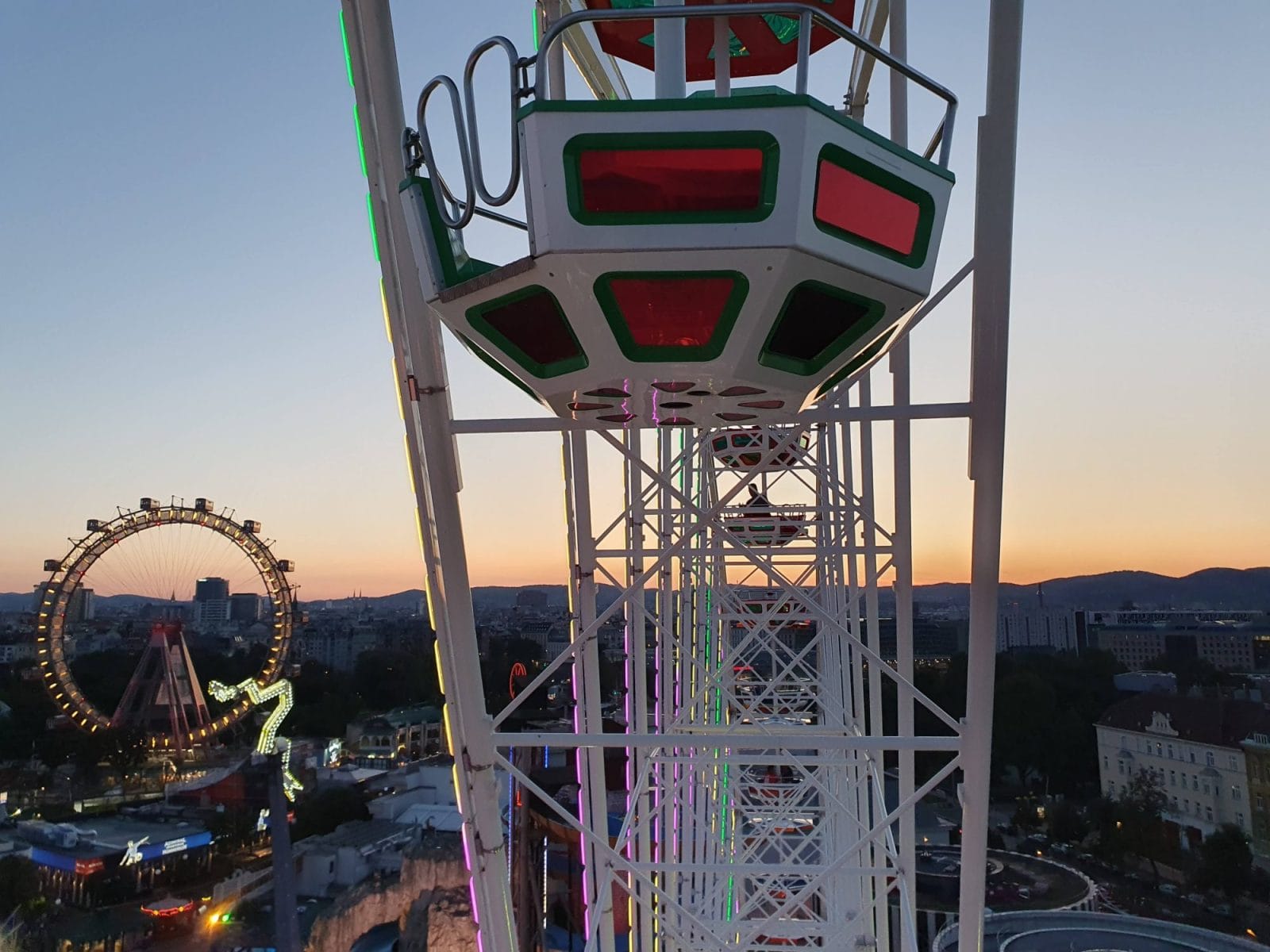
The iconic amusement park Prater is located just outside the central areas. Prater is a great place to visit for an evening of fun. I enjoyed a variety of rides, including the legendary big wheel. Some rides are very high, so you get views of Vienna from the top.
Hofburg Palace
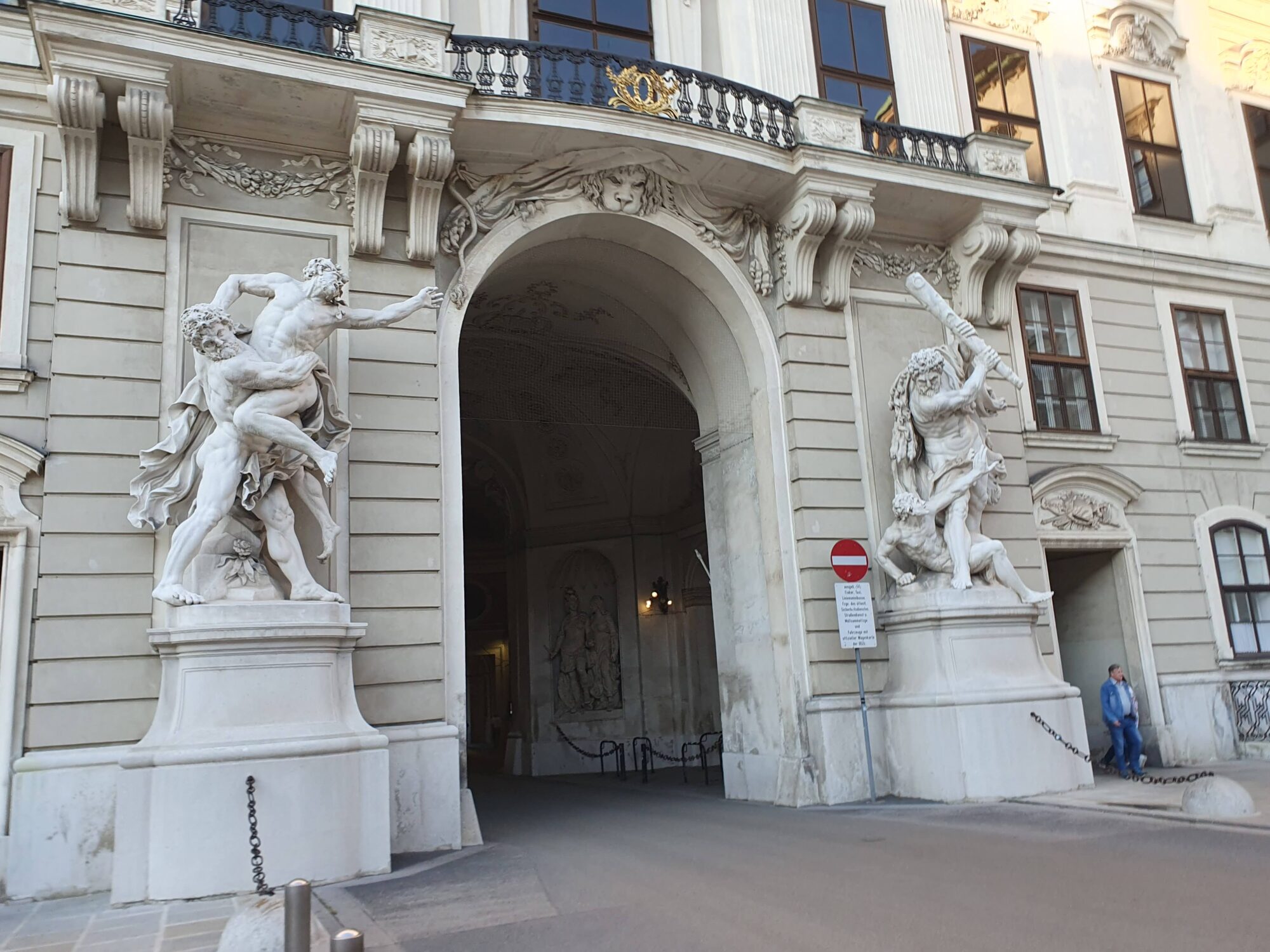
The Hofburg is an iconic complex of buildings in the centre of Vienna and is a joy to admire. Hofburg is the former principal imperial palace of the Habsburg dynasty rulers. Nowadays, it is the official residence and workplace of the President of Austria. In the empire, it served as the imperial winter residence.
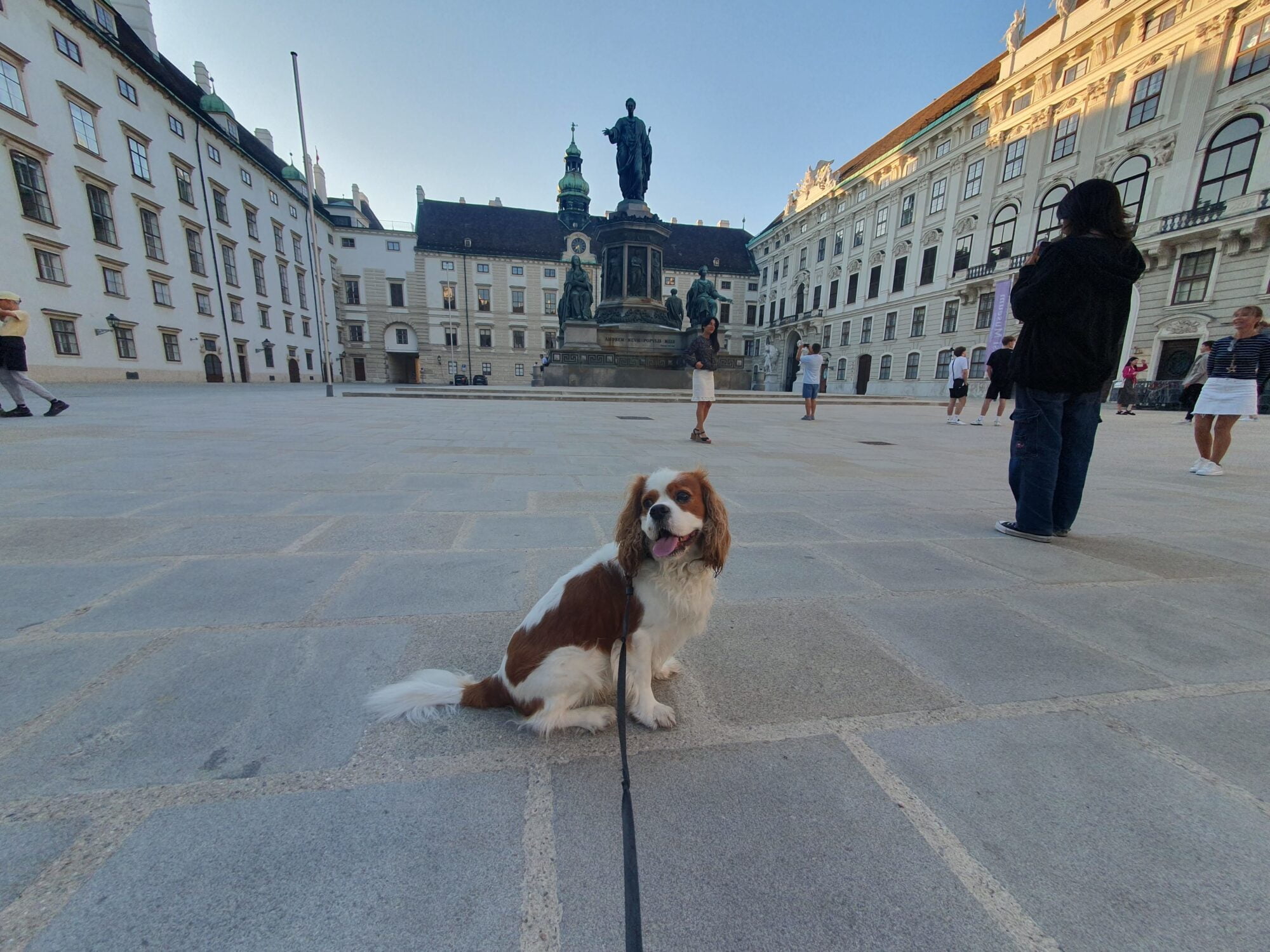
The palace is a fantastic place to wander around and take in the building’s grand design. This includes admiring the many statues in Heroes Square and the inner courtyard. The St Michael’s Wing of the palace has three distinctive green domes on top and intricate architecture.
Schönbrunn Palace

The Schönbrunn Palace is a fabulous place to visit and one of the city’s most popular tourist attractions. It was the Habsburg Empire’s principal summer residence. The palace and its extensive gardens have a history of over 300 years.
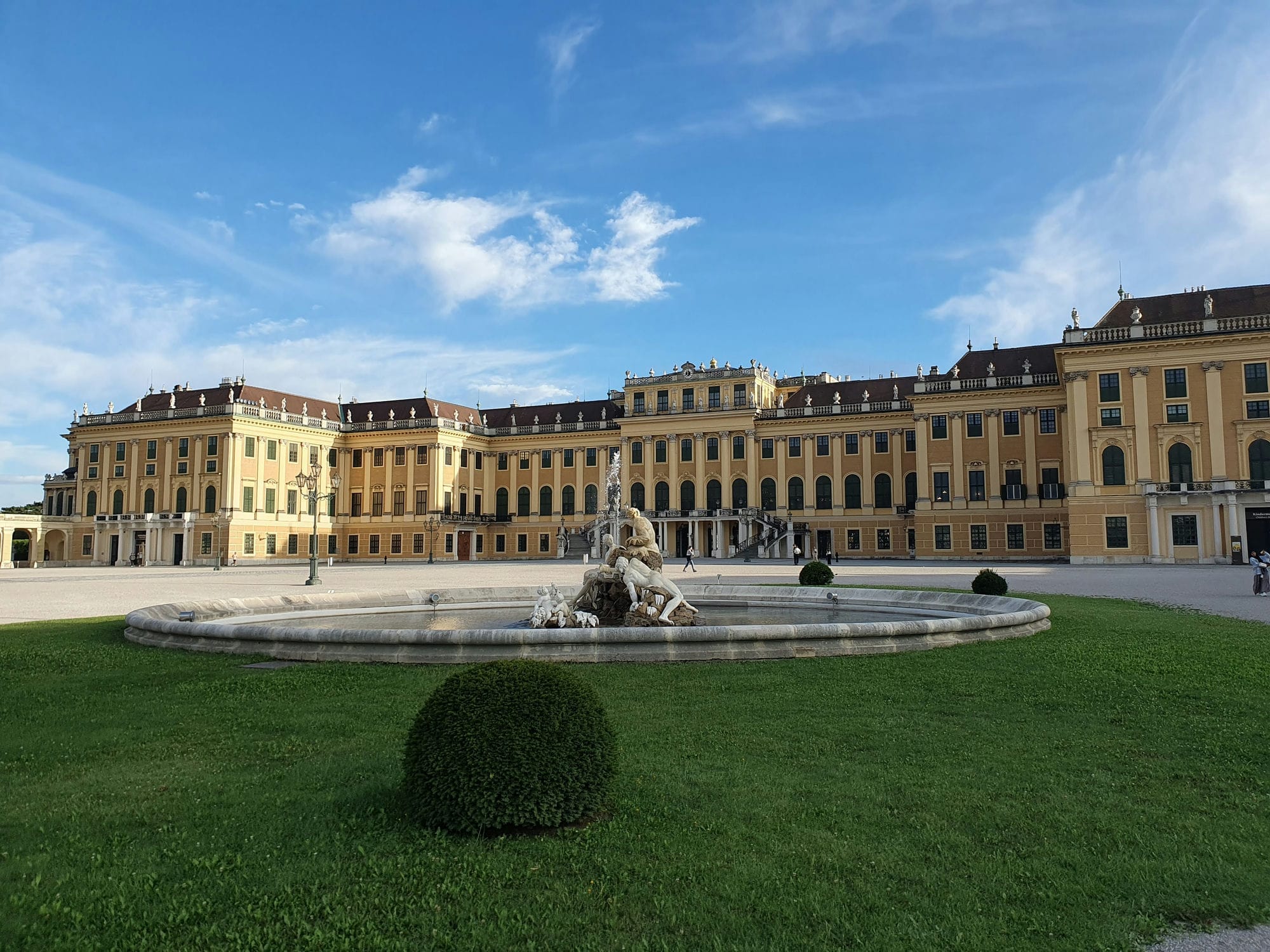
You can pay to visit the palace and other attractions on the site, or explore the gardens for free. My favourite time of the day to explore the grounds was during sunrise. I really enjoyed the grand tour inside; the decor was grand, and the experience was informative. The palace also has mazes, a zoo, and lots of other features to keep you busy. You can also book tickets in advance.
Belvedere Palaces & Gardens
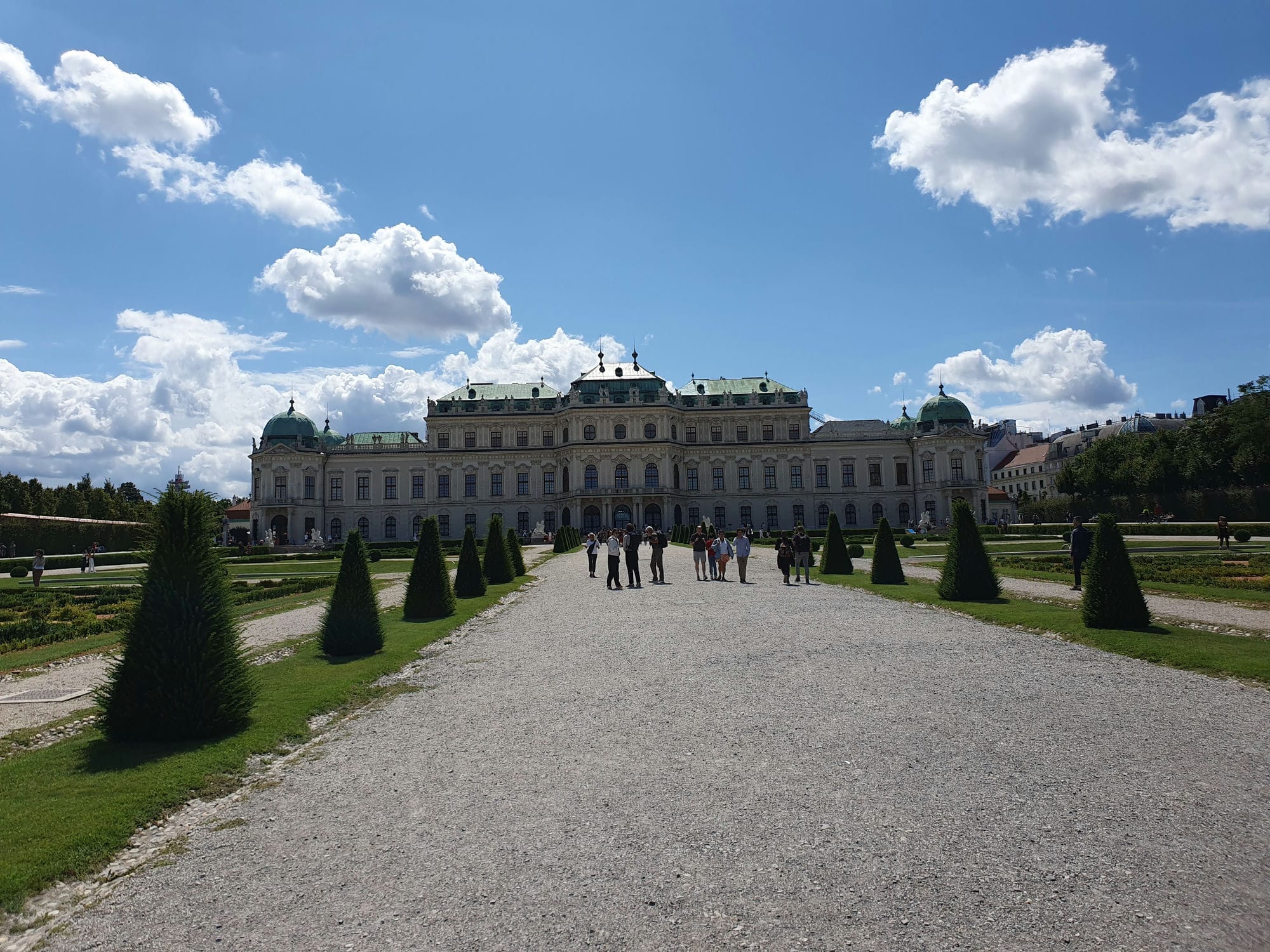
Another wonderful attraction to visit is the Belvedere Palaces and their gardens. The site includes two palaces: the Upper Belvedere and the Lower Belvedere. Between the two places are baroque gardens with fountains, plants and some interesting statues. This is a nice place for a mooch around.
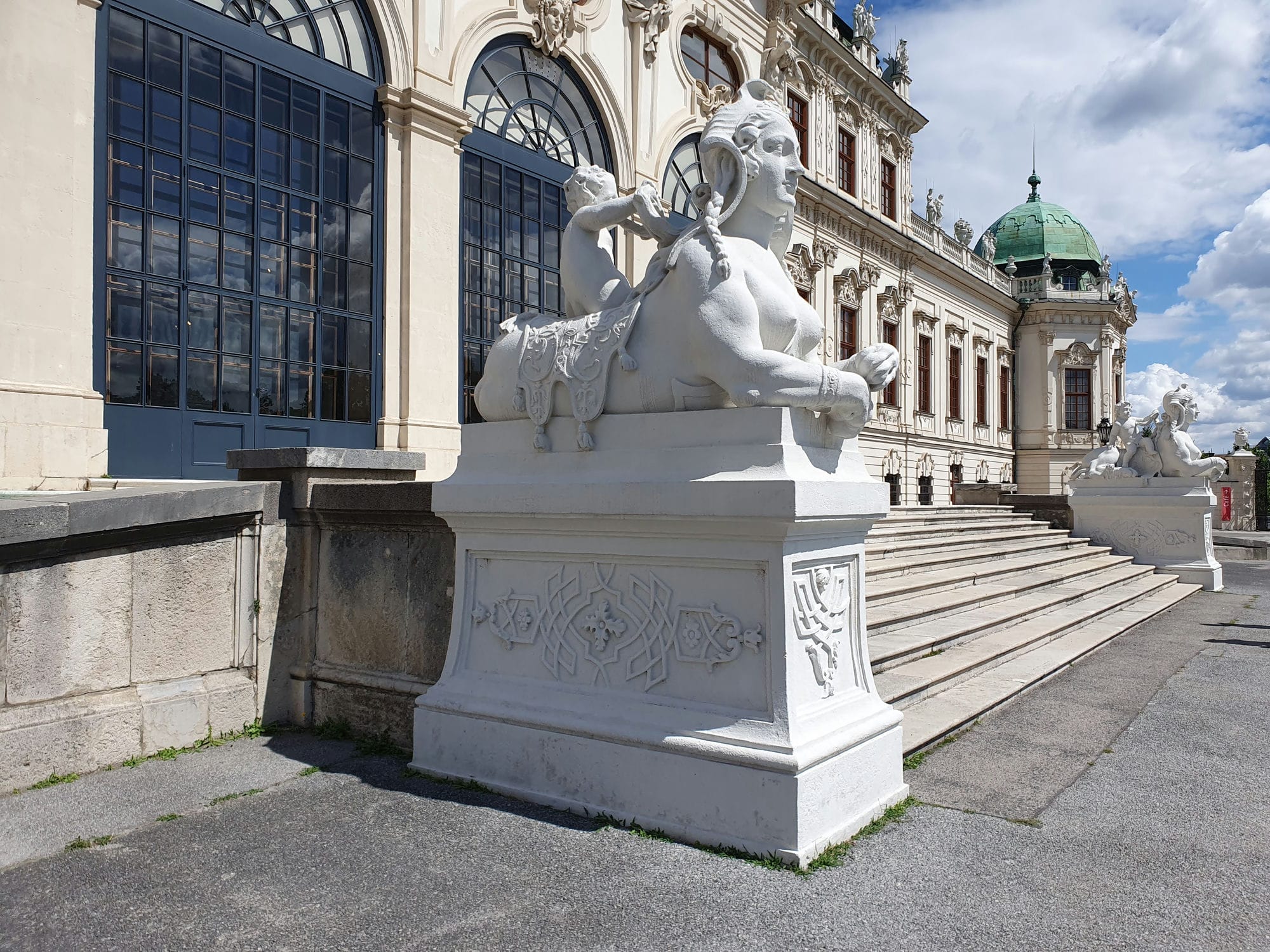
The Upper Belvedere, a Baroque palace, has an interior gallery that spans 800 years of art history. Its collection has famous artworks by Klimt, Schiele, Funke, Messerschmidt and van Gogh. The palace was built between 1717 and 1723, and it was used for state functions and formal receptions.
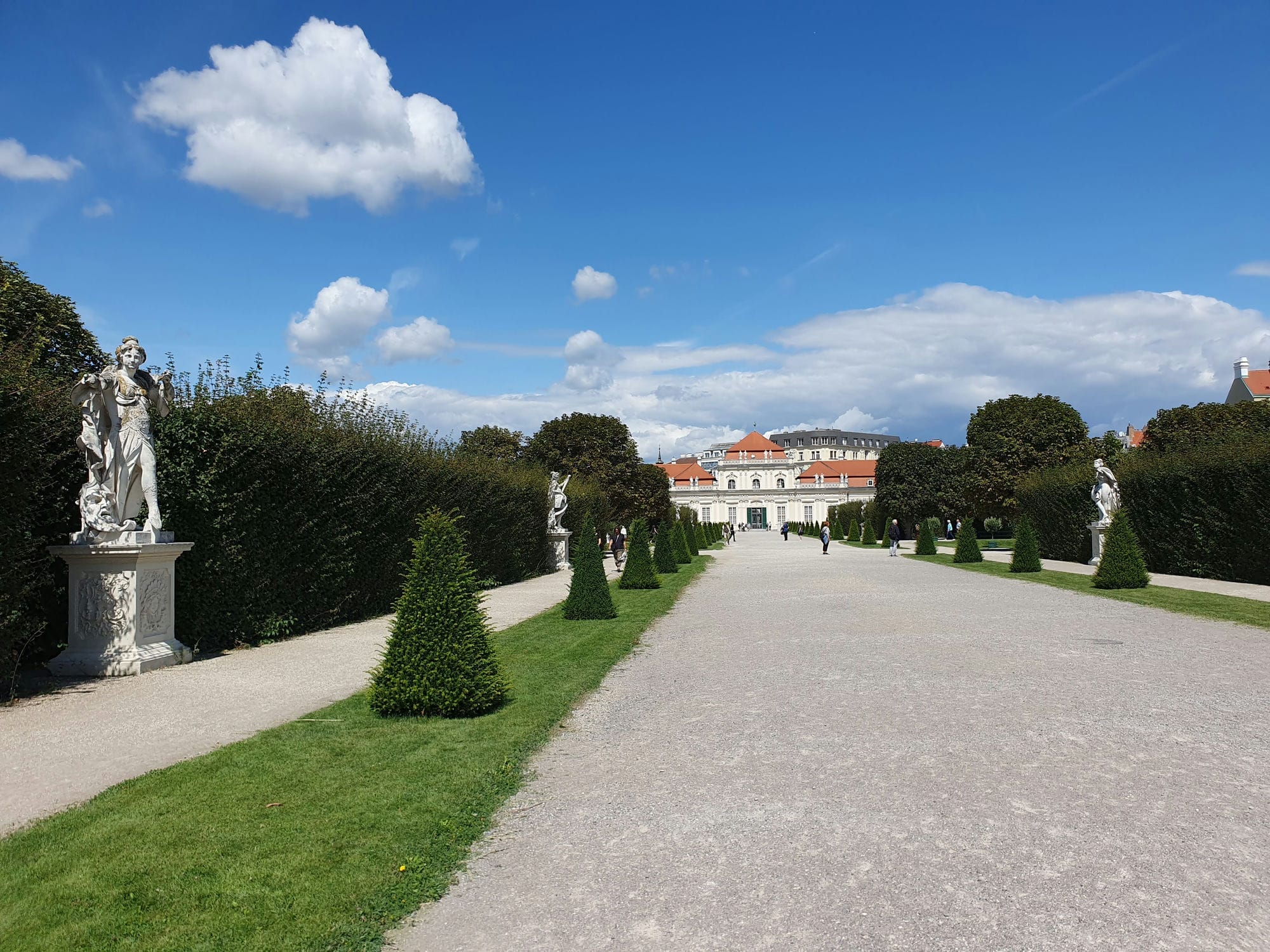
The Lower Belvedere is less grand and also hosts an art exhibition. This one covers the palace’s art collections.
Museums, Music and Culture
Museum of Natural History
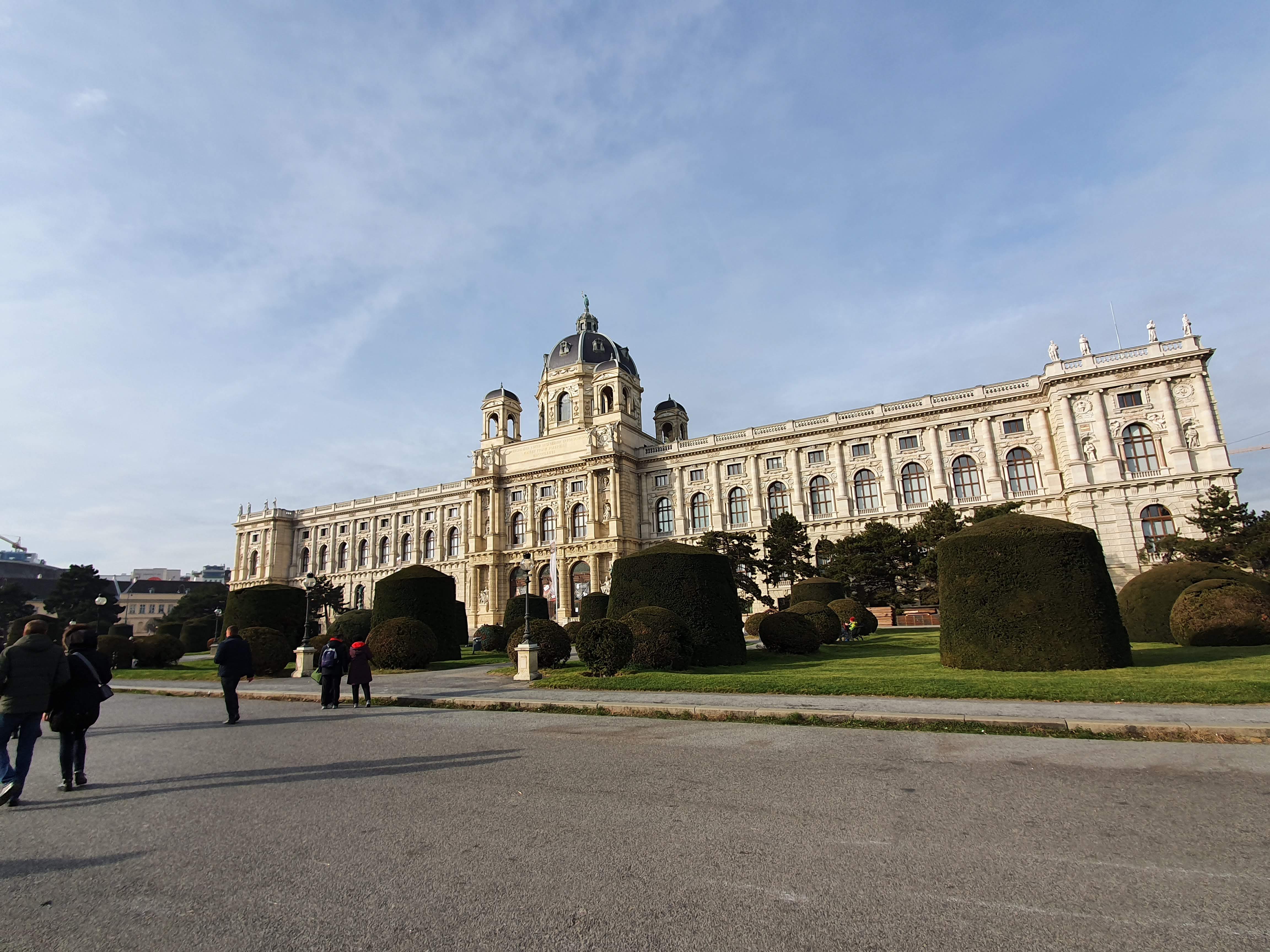
At the edge of Maria-Theresien-Platz is the city’s Museum of Natural History. It is in a very grand building that opened in 1889. The palatial architecture throughout this area is also well maintained. The interior is ornate, especially near the entrance and the main staircase.
This 19th-century museum has an extensive collection of natural history artefacts. The collection ranges from now-extinct dinosaur skeletons to meteorites. Dinosaur Hall is one of the museum’s most popular sections and includes a diplodocus skeleton. It also has a major geology section, including a vast display of gemstones and minerals.
Kunsthistorisches Museum
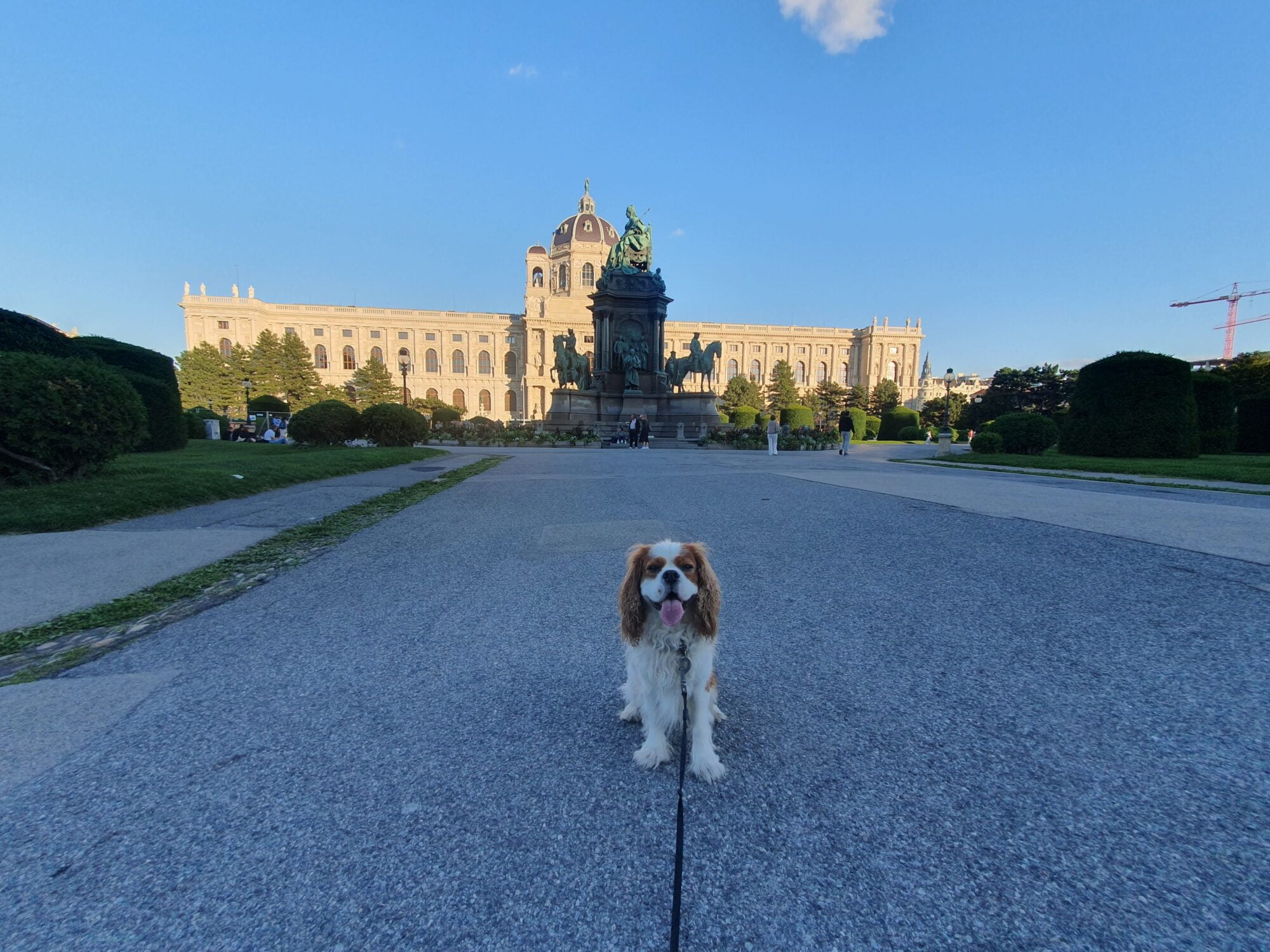
For lovers of art or architecture, the Kunsthistorisches Museum is a top attraction. The museum is housed in a palatial building dating from the late 19th century. A unique feature of the building is its octagonal dome and large windows.
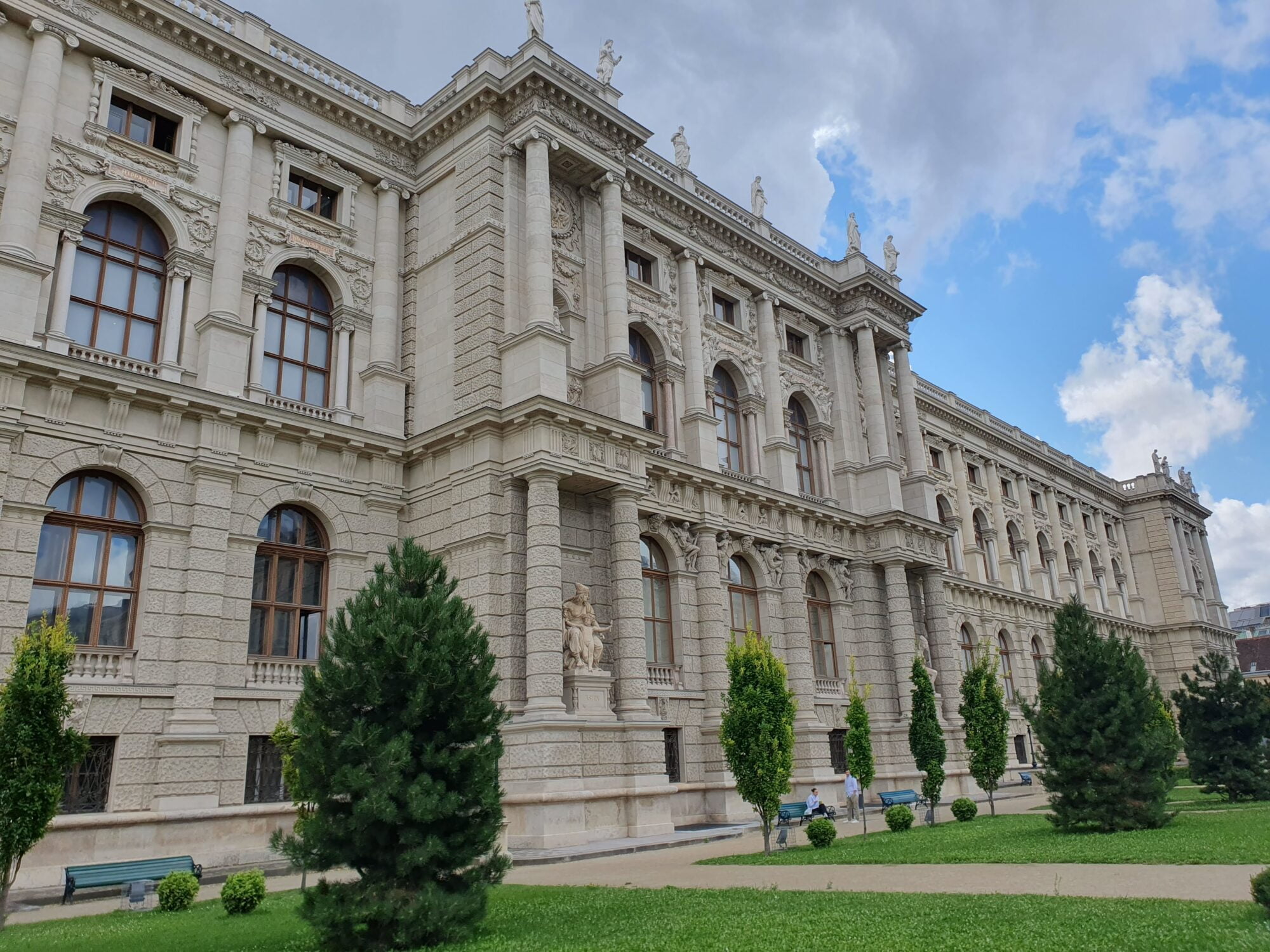
The Habsburgs originally commissioned the building to house their art collection. Today, it is one of the most important art museums worldwide and the largest in Austria.
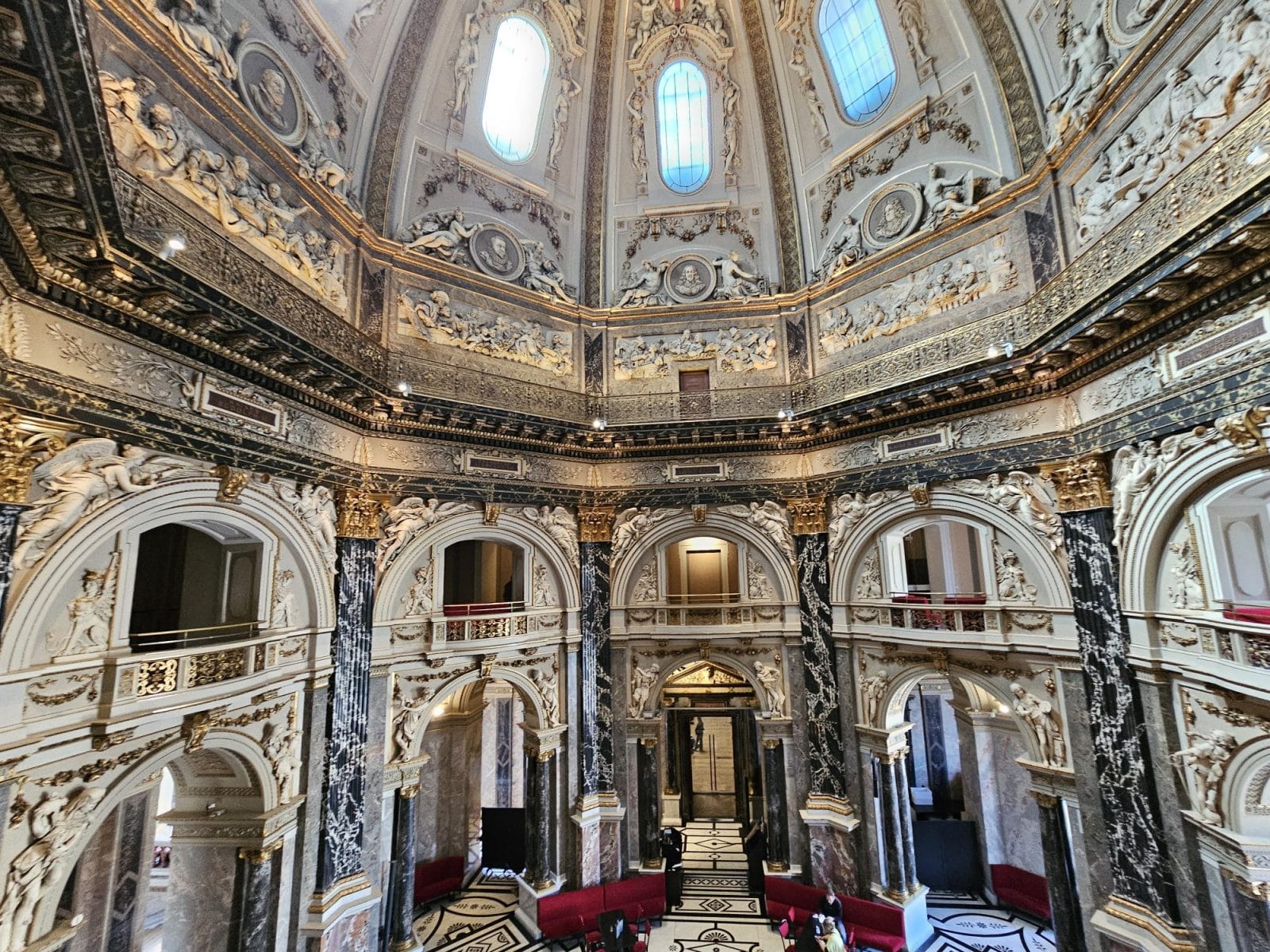
Inside, you can see lots of art; however, the primary collections are portraits and the Habsburg armour collection. You can also view artworks from around the world, including some fascinating Roman, ancient Greek and ancient Egyptian collections.
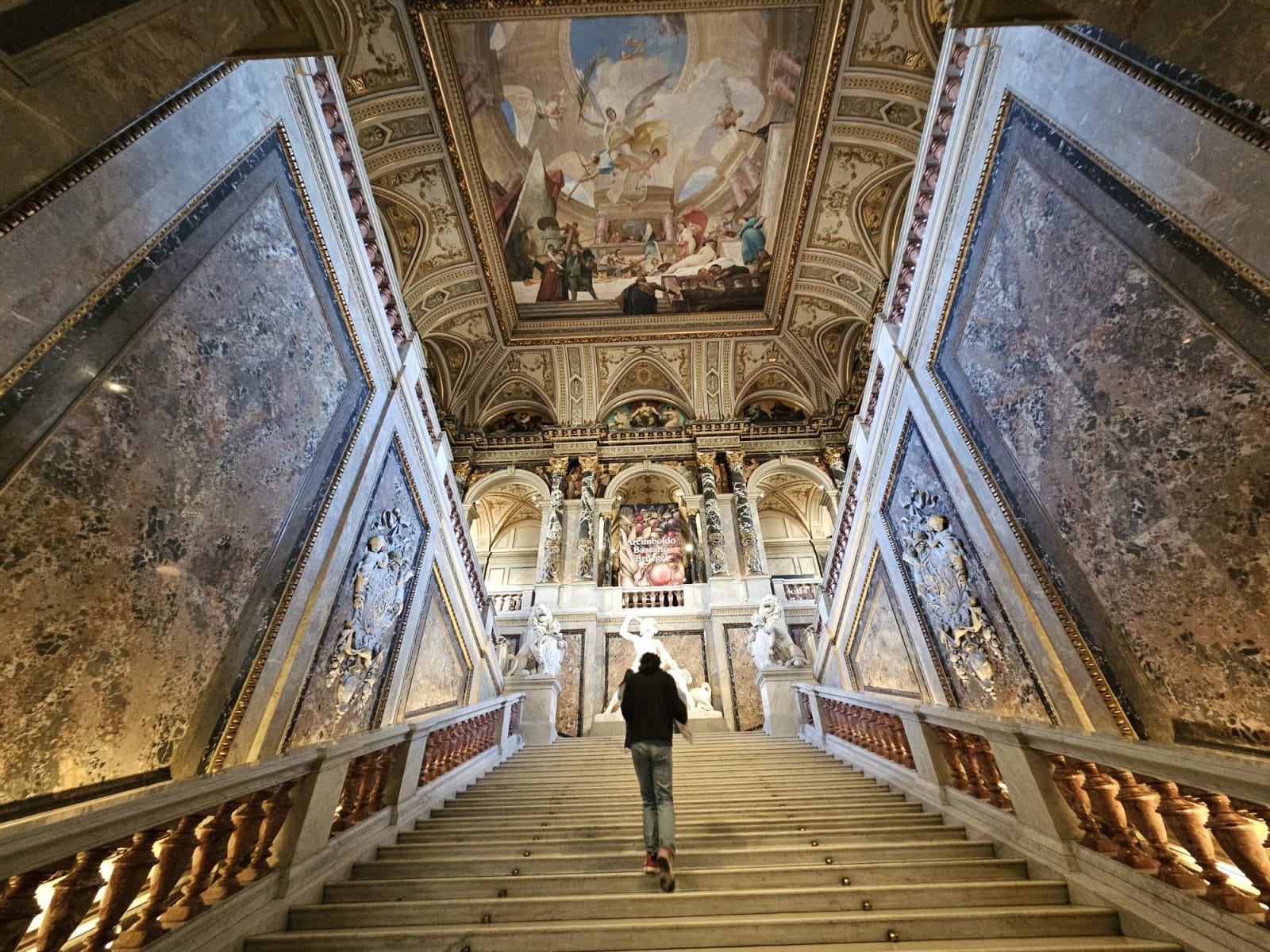
The museum’s interior is also wonderful, especially the balconies and dome. To book or find out more about Kunsthistorisches Museum, see their website. I also really enjoyed seeing the architecture and the statues on the outside of the building.
Wiener Staatsoper The Opera House
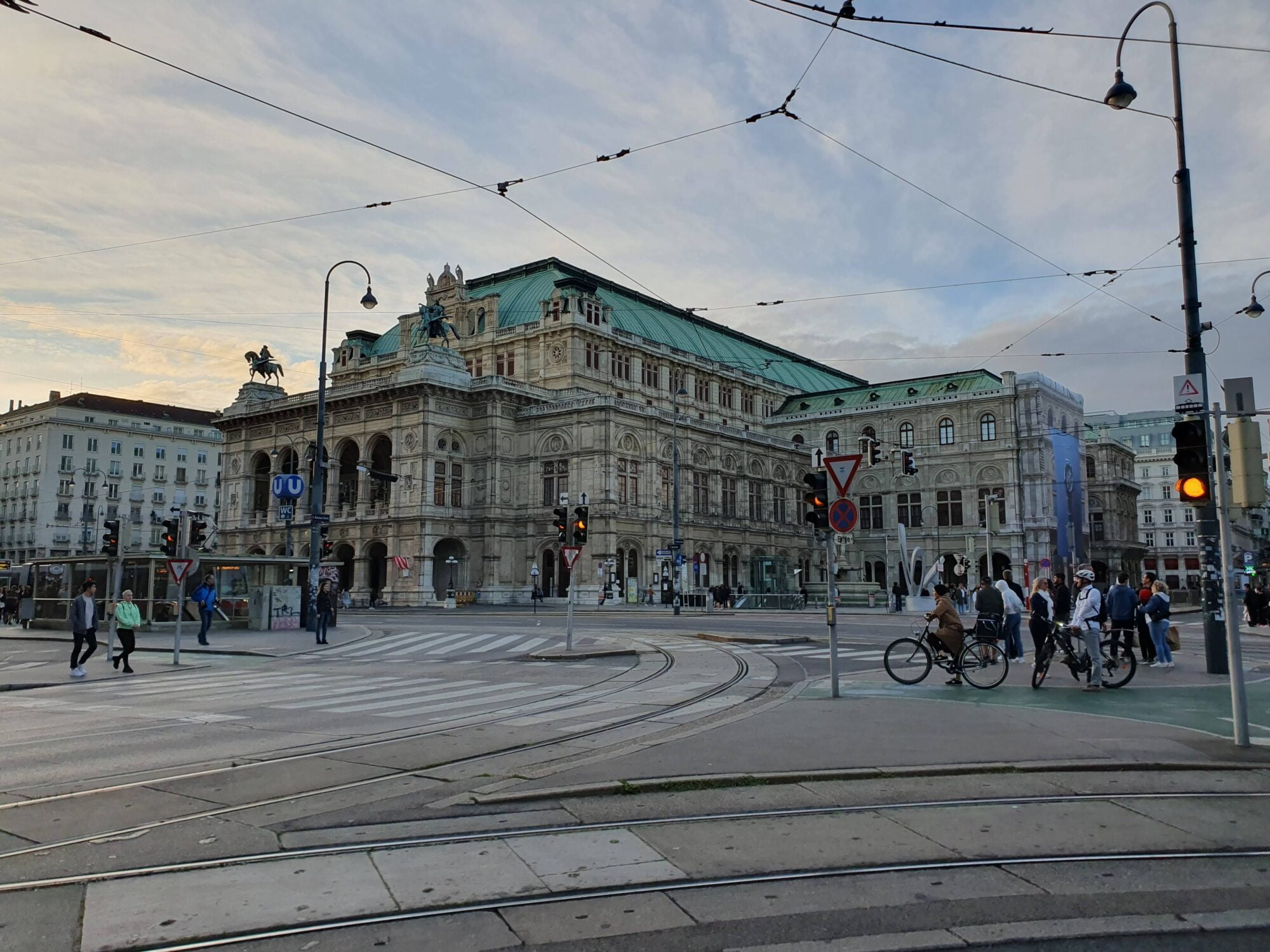
Another impressive building to see is the Wiener Staatsoper. Wiener Staatsoper is the Vienna Opera House, housed in a grand building. This was the first major building on the famous Ring Road. Wiener Staatsoper was built between 1861 and 1869 in the Renaissance Revival style.
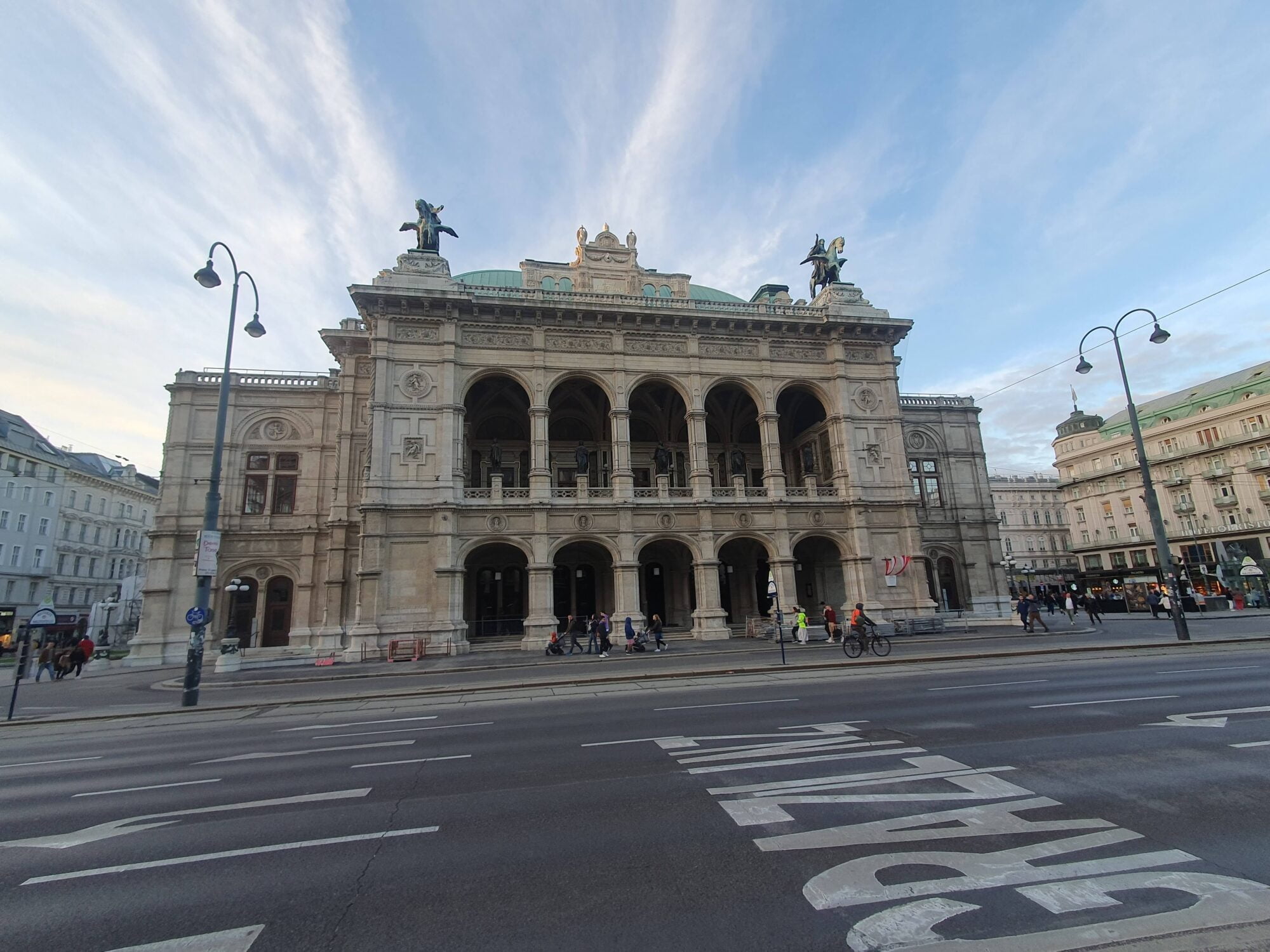
The opera house was inaugurated as the Vienna Court Opera in the presence of Emperor Franz Joseph I and Empress Elisabeth of Austria. In addition to being impressive from the outside, you can also visit the inside on a guided tour. Alternatively, you can catch a performance. Their schedule is on the Wiener Staatsoper website.
Neo-Baroque Burgtheater
Burgtheater Vienna is Austria’s national theatre. It is the most important German-language theatre and one of the most important theatres in the world. It is near the Hofburg Palace and Rathaus der Stadt. The theatre dates back to 1741.
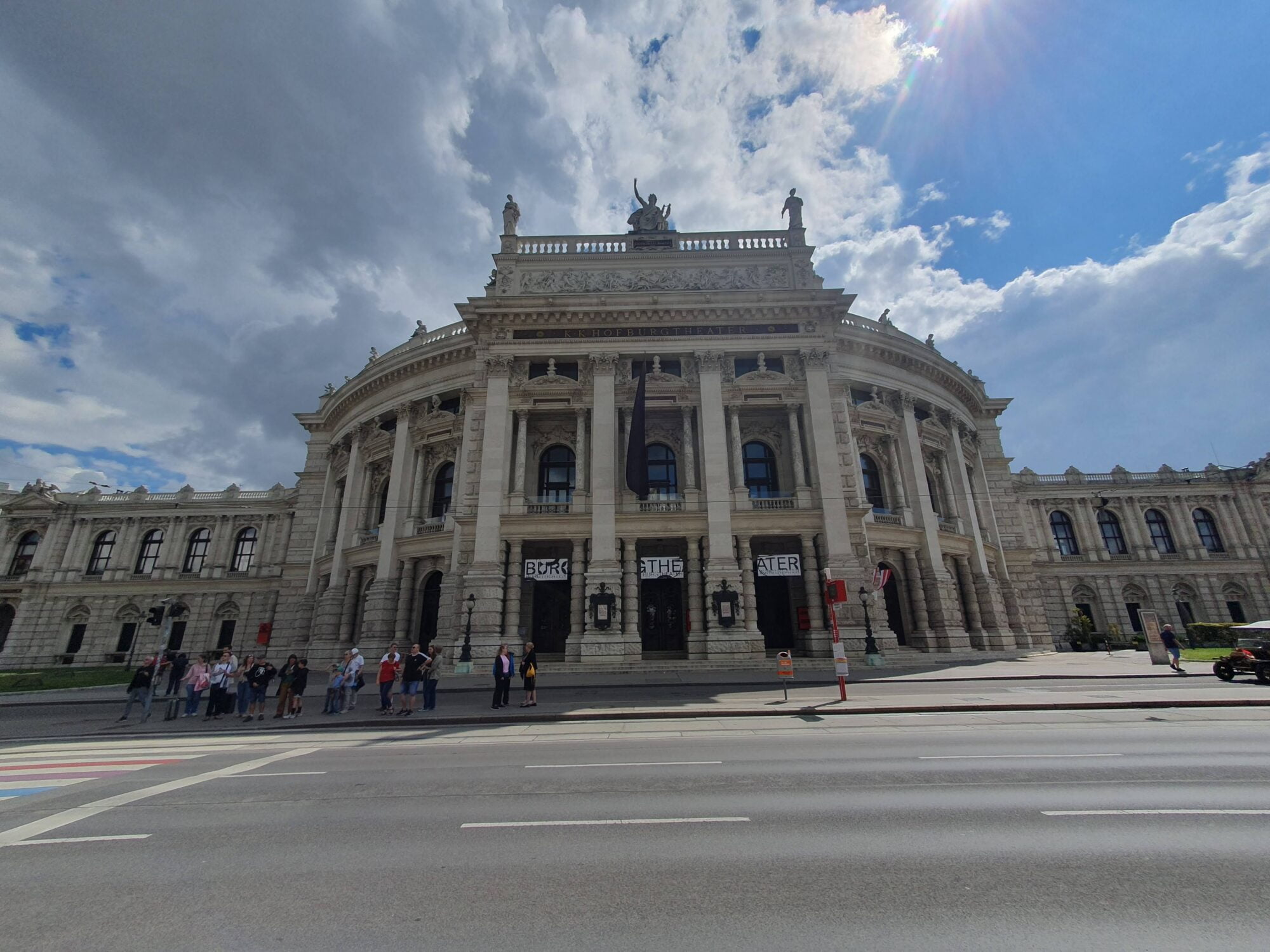
However, the current building was rebuilt between 1953 and 1955 after damage from a World War Two bomb and a later fire. The neo-baroque building is rather special to see while sightseeing. You can also book a performance on their website.
Classical Music
The city is famous for its connection to classical music and composers such as Strauss and Mozart. There are lots of attractions and landmarks related to this throughout the city.
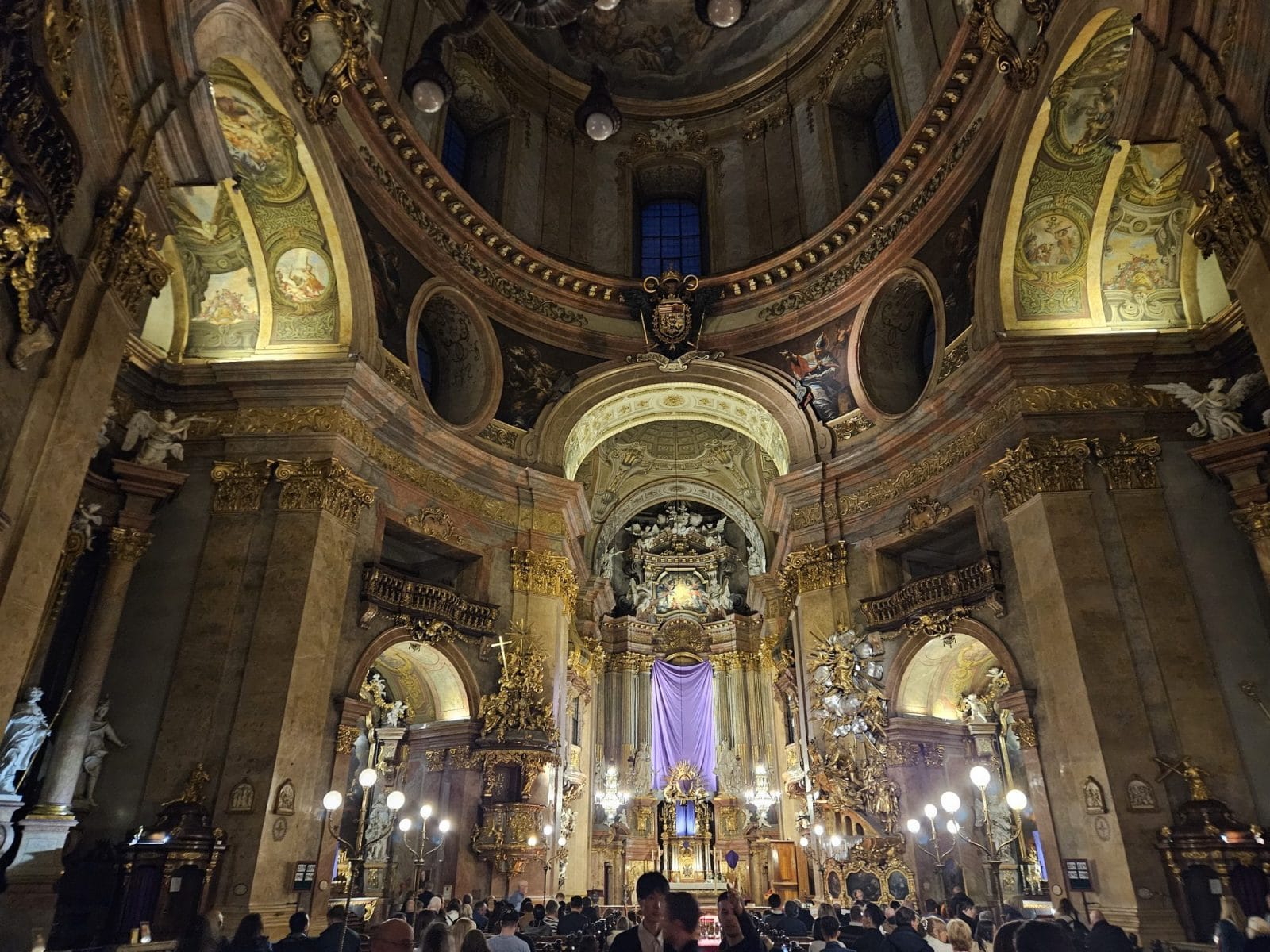
There are loads of concerts happening in various venues in the city. We chose a mixed concert at St Peter’s Church. We enjoyed the concert, and it was a great night out. It left us wanting more, and on our next trip, we would love to go to a big-box concert.
We also visited the Johann Strauss Museum – New Dimensions. This was a wonderful experience, with music throughout that told the composer’s story and its links to Vienna.
Imperial Crypt
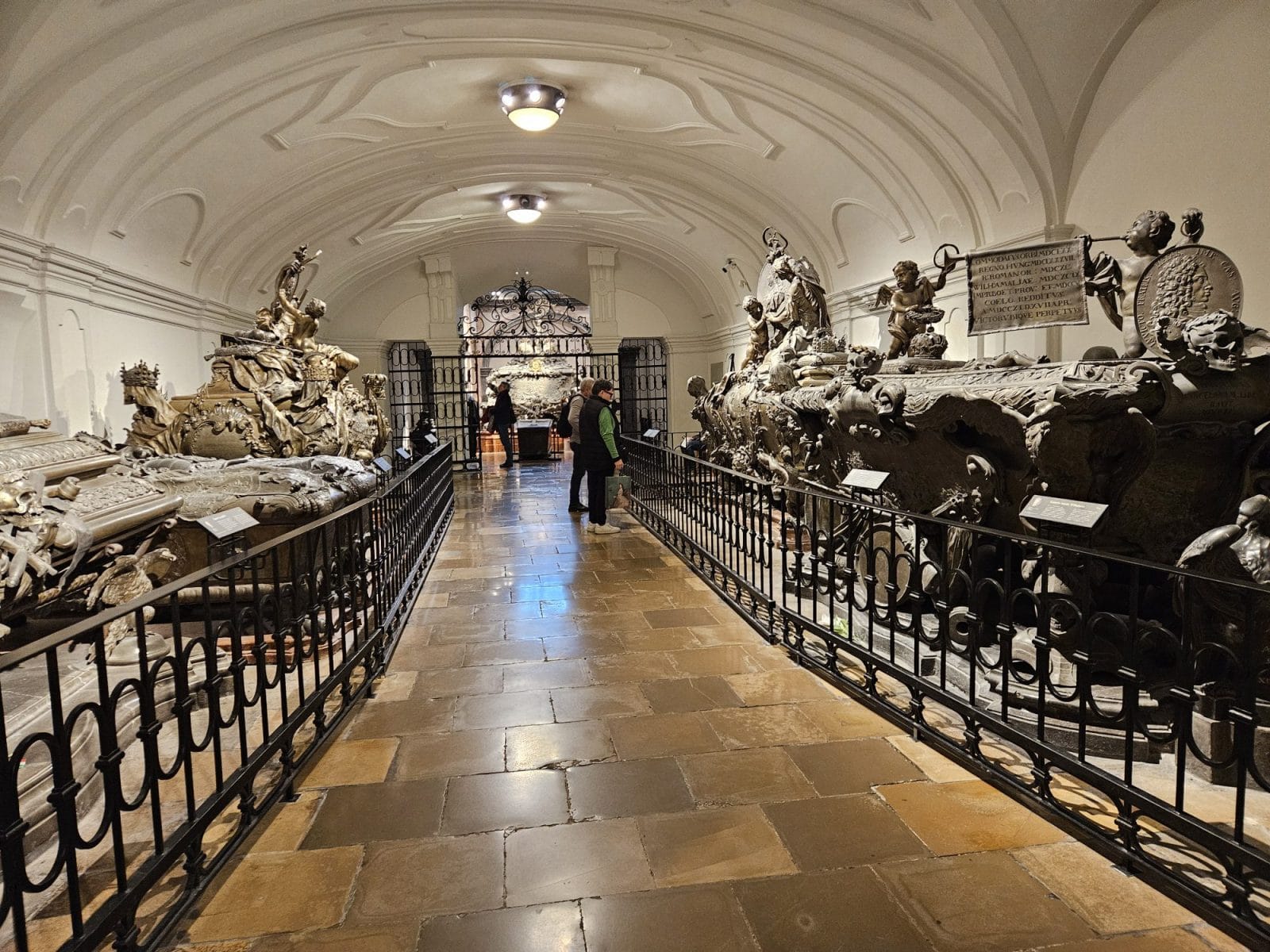
A unique place to visit is the Imperial Crypt, the burial chamber of the Habsburg monarchy, underneath the Capuchin Church and monastery. We visited in the summer, and it was a nice place to cool down; it wasn’t too busy.
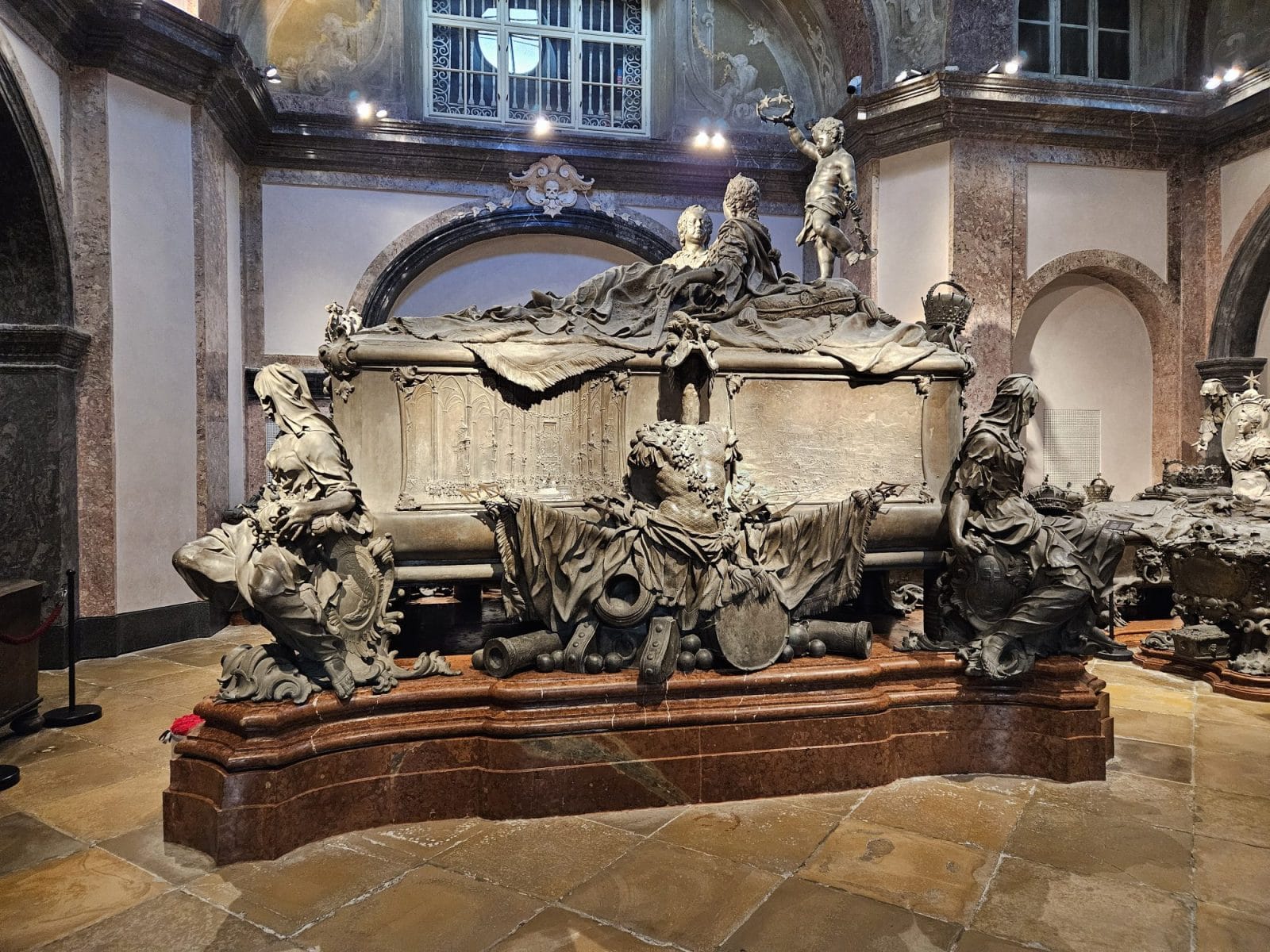
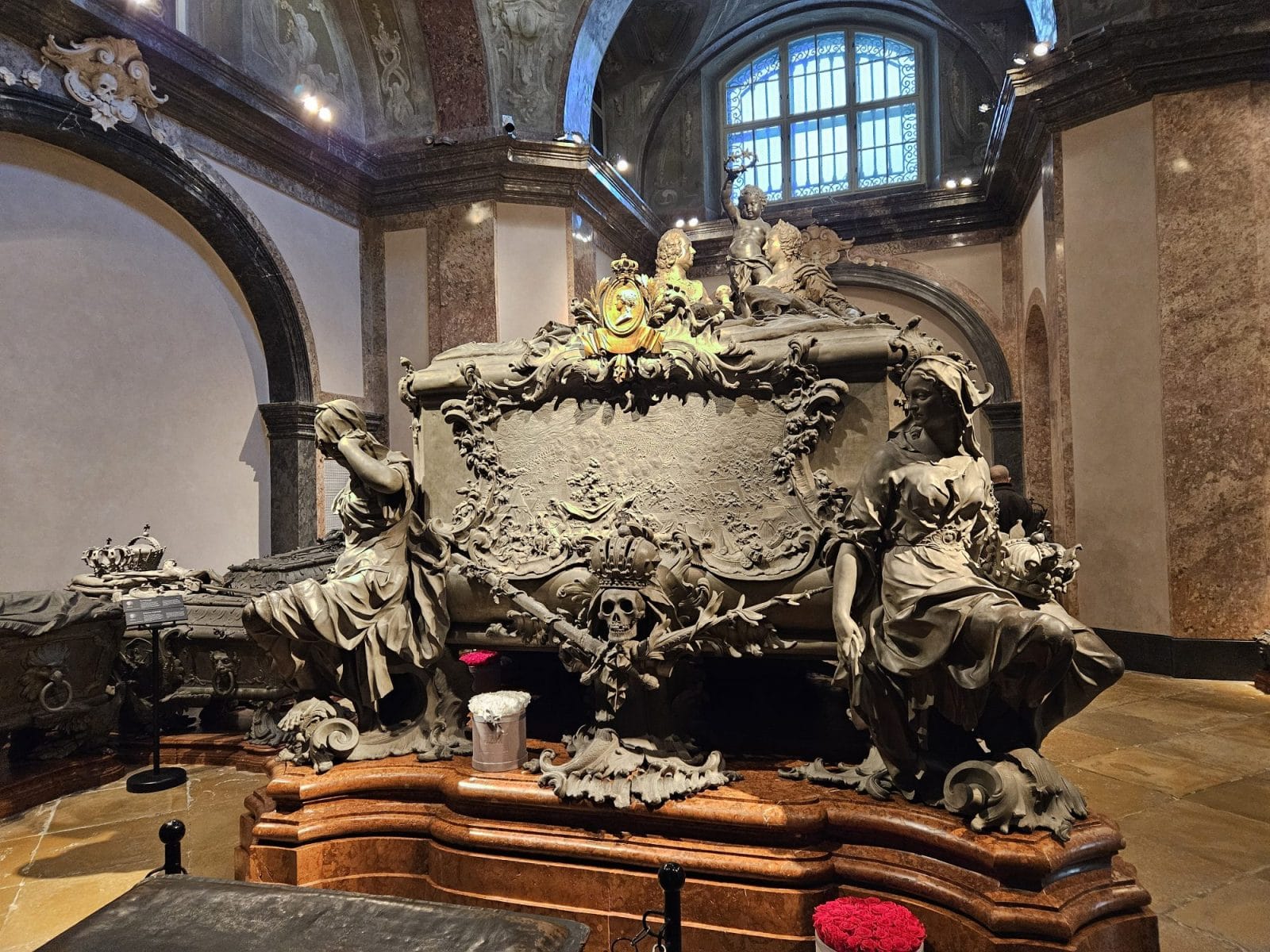
You can see the elaborate and decorative sarcophagi of the ruling Habsburg family. In total, 150 Habsburgs are buried here, including 12 emperors, 19 empresses, and queens. Narrenturm
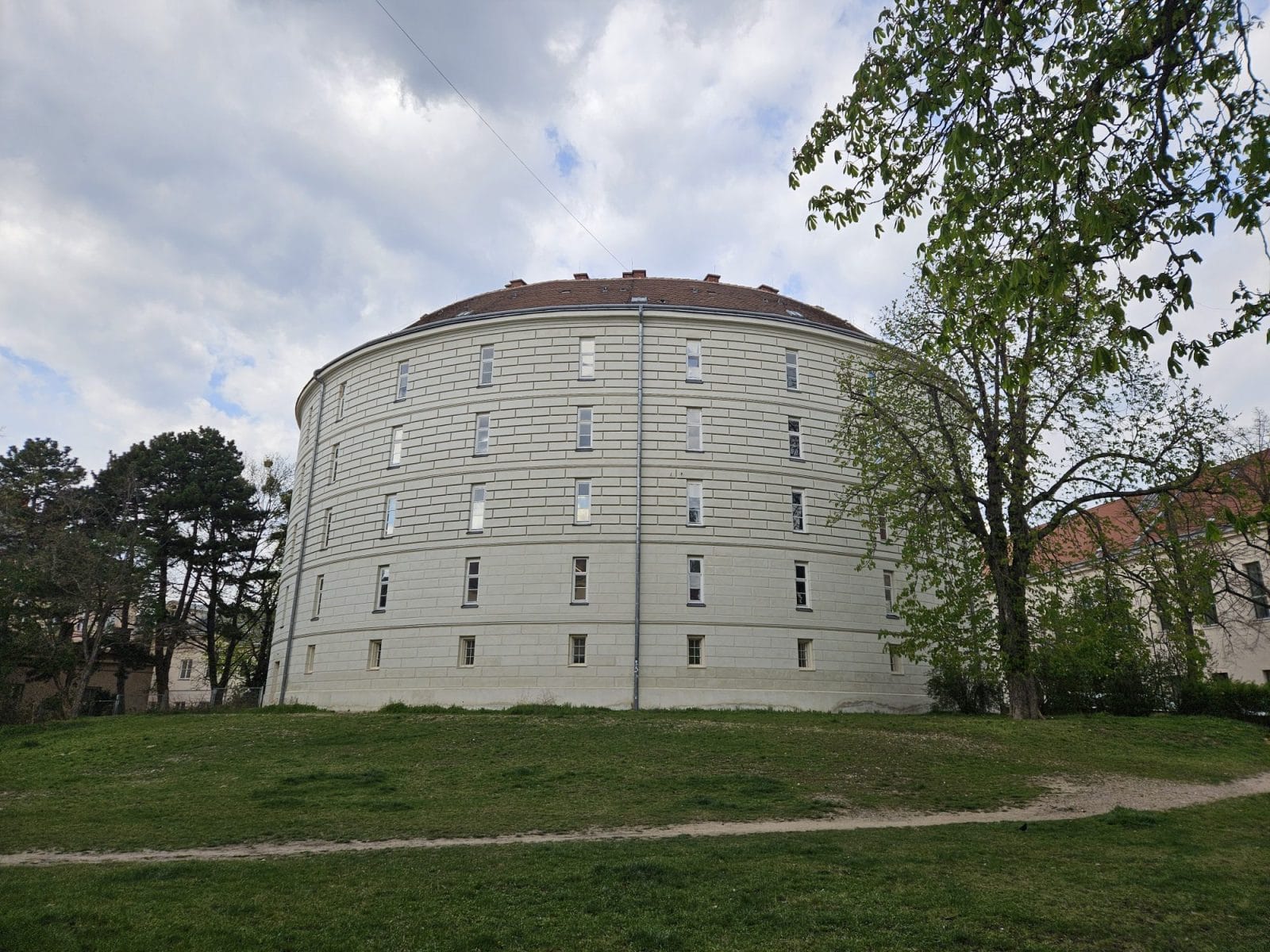
For something unique, we visited Narrenturm (Lunatic Tower). It was built in 1784 by Emperor Joseph II to treat the mentally ill. It’s an interesting sight to see from the outside. Inside, it houses the Pathological-Anatomical Collection, established in 1796 for teaching and research on human diseases. We had an interesting look around the museum, which was informative but certainly not for the faint-hearted.
Künstlerhaus: Home of the Albertina Modern Vienna
The Künstlerhaus, home of Albertina Modern Vienna, is a lovely building to see while sightseeing. Especially the facade and statues near the entrance. It was a purpose-built exhibition building completed in 1865.
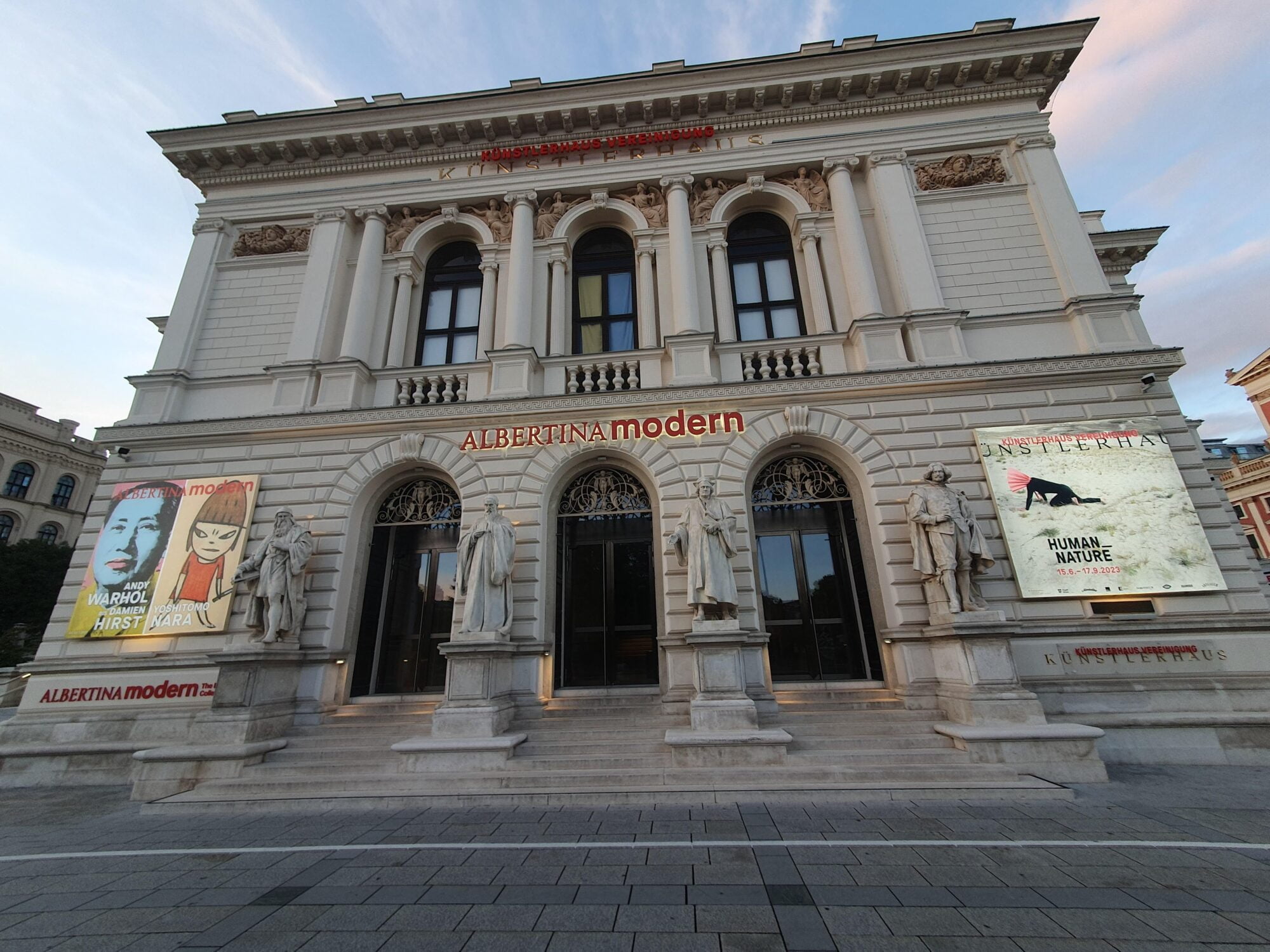
It has grown, been modernised and been restored since then; hence, it looks pristine. It is now home to a modern art museum with extensive collections of Austrian and German artworks. A great attraction if you like art or seeing beautiful buildings.
Historic Buildings, Squares and City Sights
Buildings in Maria Theresien Platz

Near the city centre is Maria Theresien Platz, a square with beautiful architecture. The landscaping is distinctive, making it a nice place to sit and relax away from the city’s bustle.
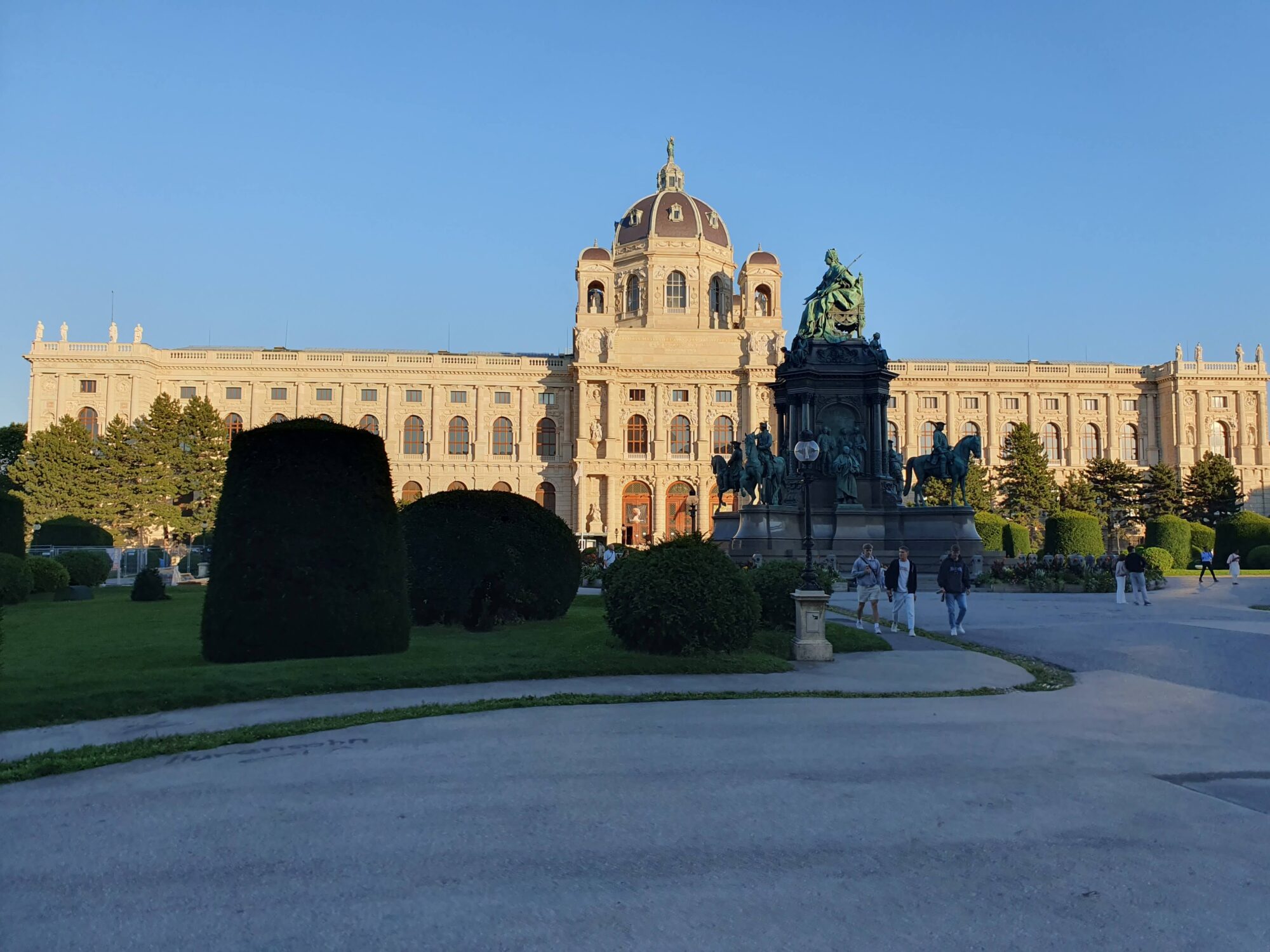
At the centre of the square is an impressive statue of Empress Maria Theresa, after whom the square is named. The area is part of Vienna’s museum quarter, with several major museums close by.
Karlskirche & Karlsplatz
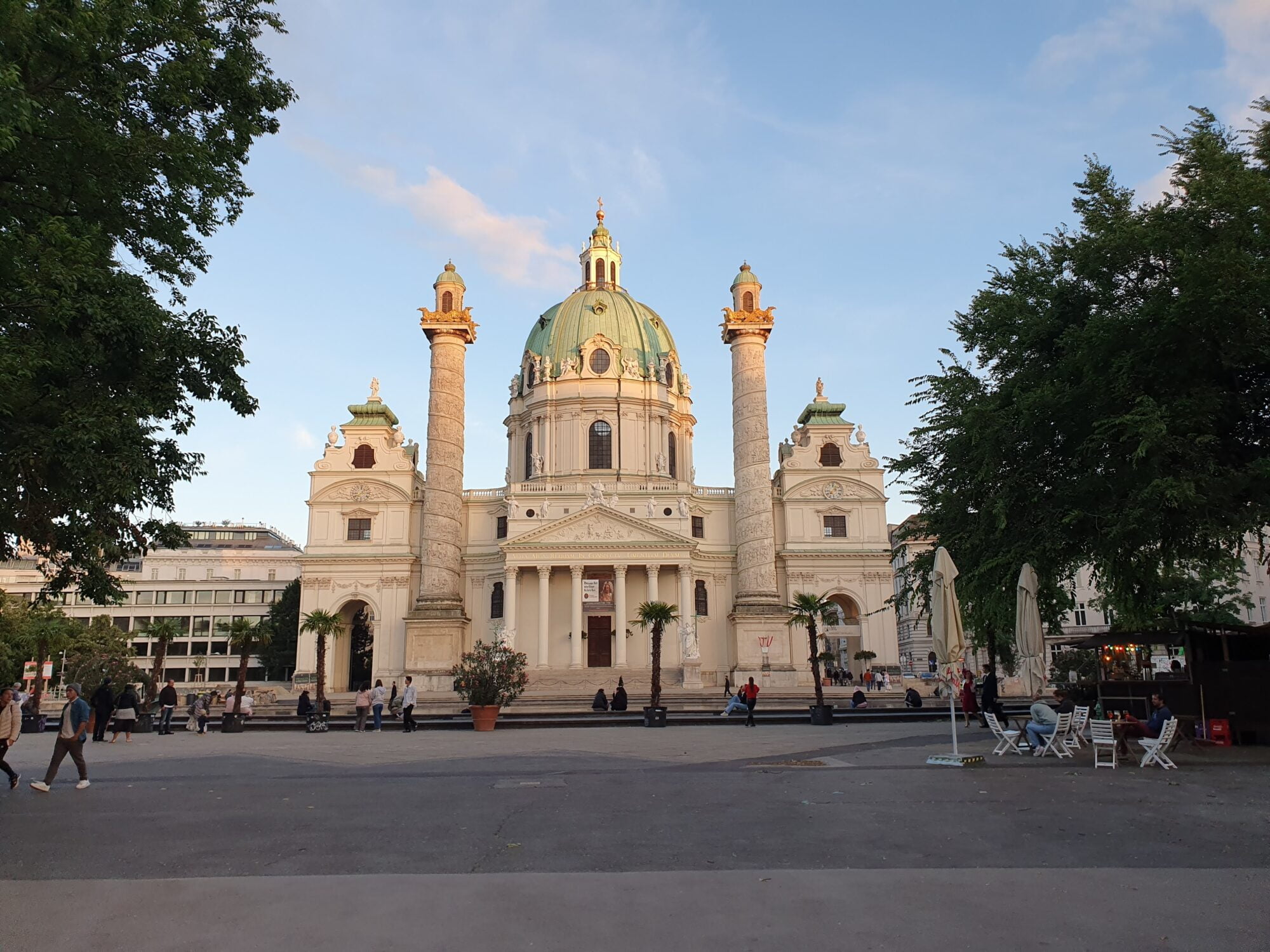
Karlskirche, also known as St. Charles Church, is a Baroque church in Karlsplatz. It’s a lovely church to see, and Karlsplatz is a great place for sightseeing. Karlskirche is often considered one of the city’s most outstanding Baroque churches. It is also one of the city’s greatest buildings. The church is dedicated to Saint Charles Borromeo, one of the great Counter-Reformers of the 16th century.
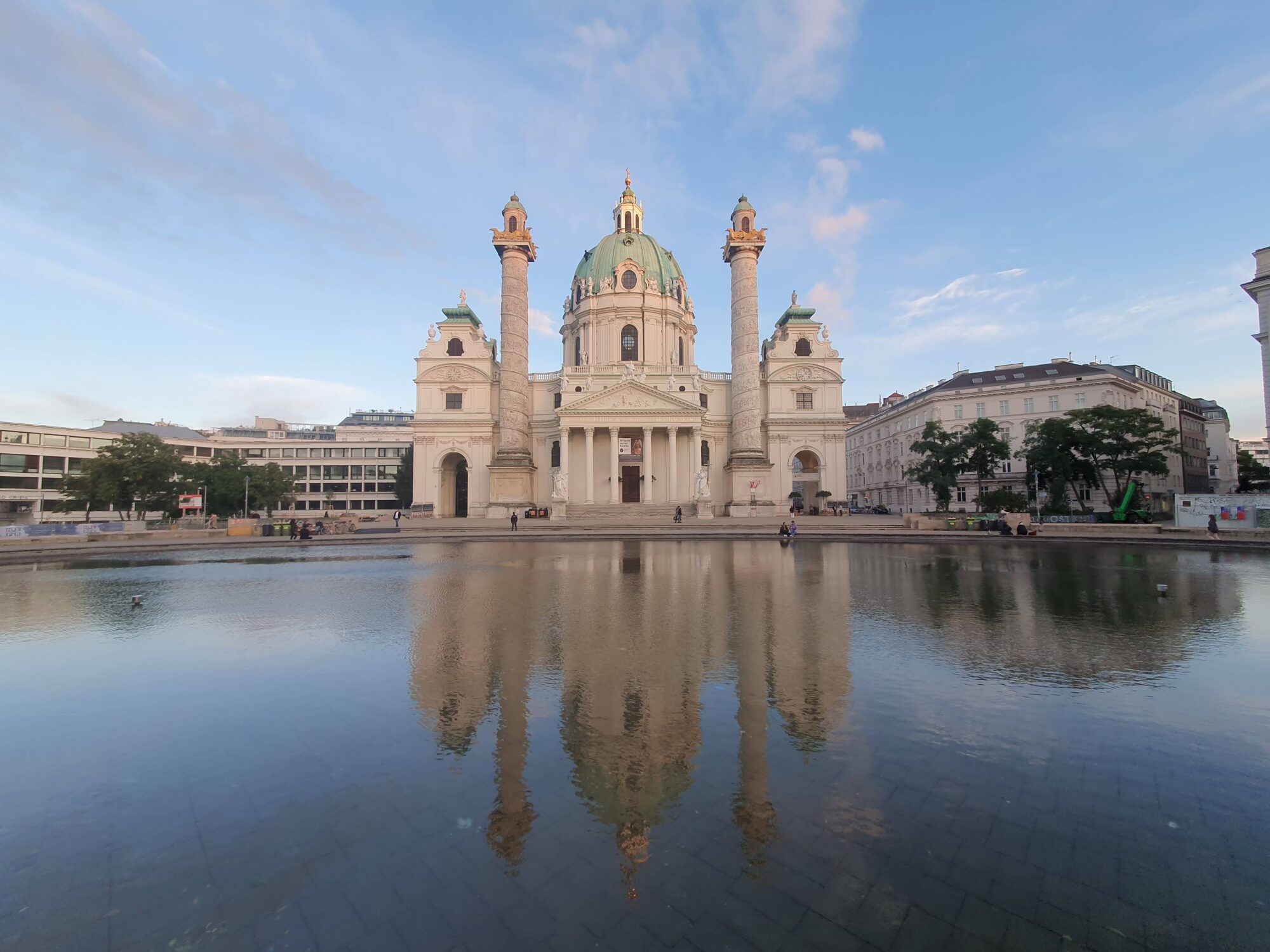
The park surrounding the church is lovely, especially the pond at the entrance. I enjoyed chilling at Karlsplatz with a beer, with the church in view. Karlsplatz also has some nice statues to see and views of other sights along the Ringstraße. You can also pay to enter and mosey around. The church also hosts concerts and a mass for those interested.
Wiener Minoritenkirche
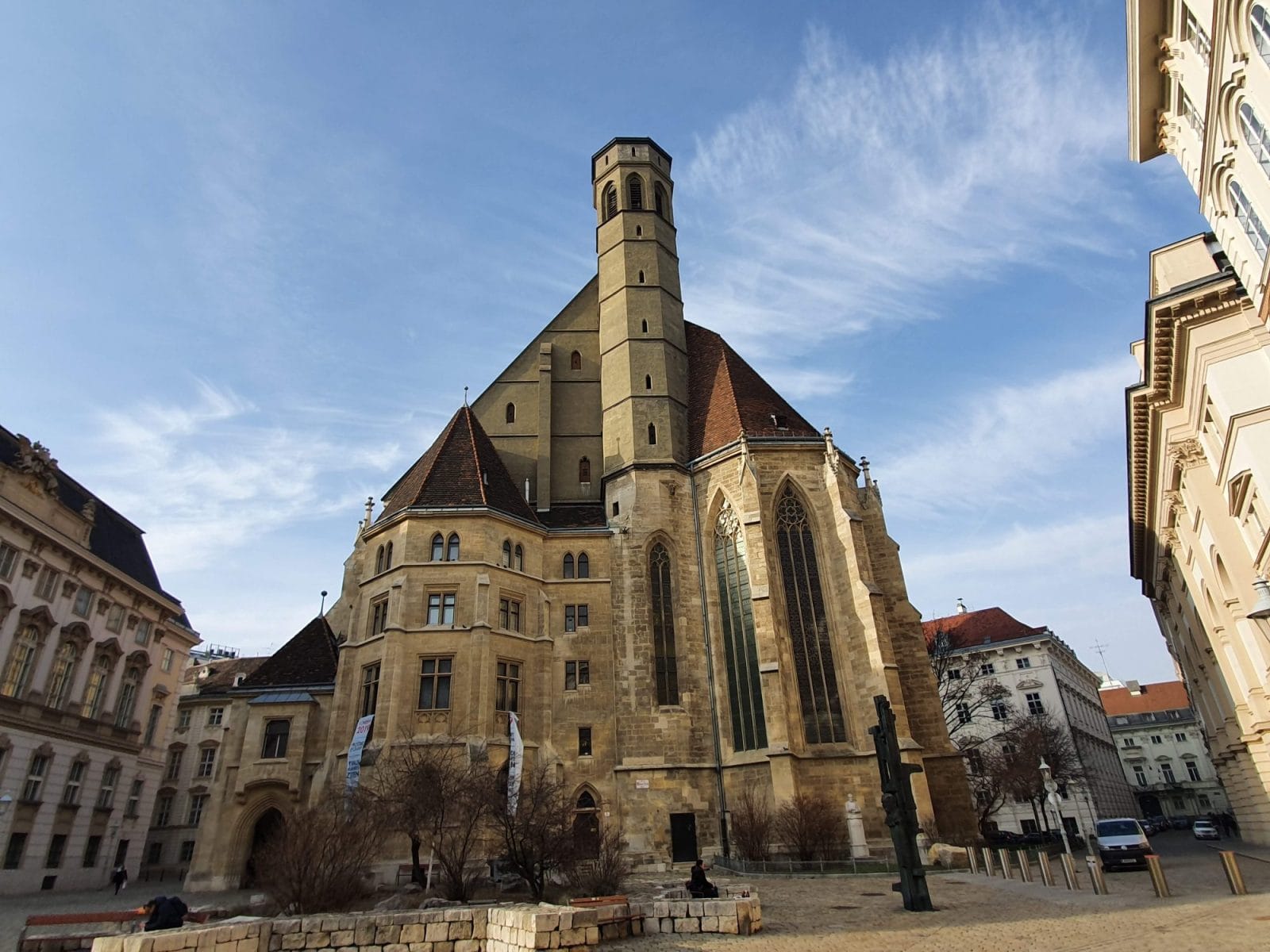
In the Altstadt area is the French Gothic church known as Wiener Minoritenkirche. This historic building has a nice, quiet outdoor seating area and a few nearby statues. The church dates to the 11th century, but it was completed in its current form in 1350. The church has a fascinating history and features to match, both inside and outside.
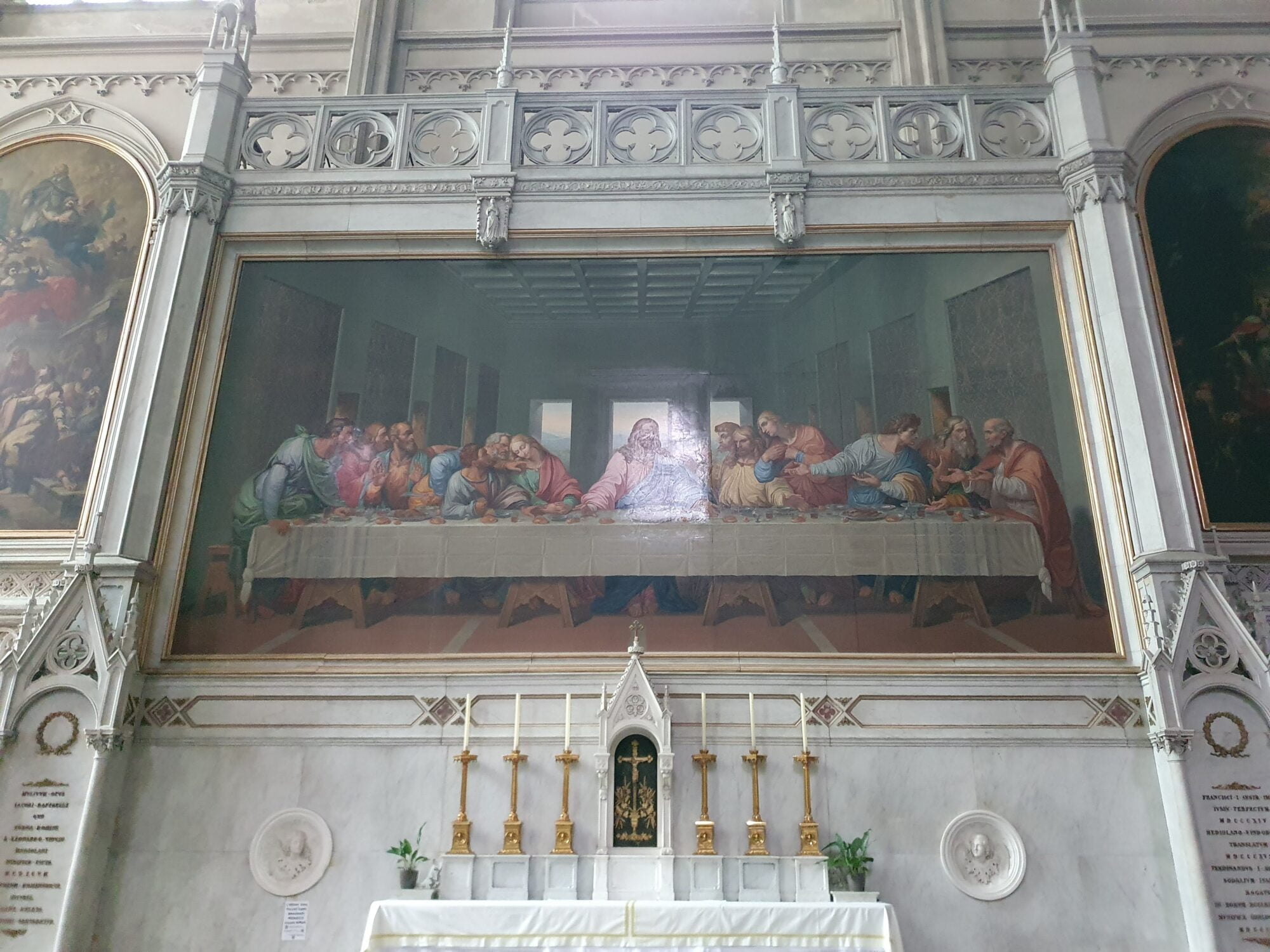
Inside the building, a life-size copy of Da Vinci’s painting The Last Supper appears on the wall. Here, it is a mosaic rather than a painting. The church’s other features make it a great place to visit.
Votivkirche

Votivkirche is a neo-Gothic-style church building near Sigmund-Freud Park. This is a very interesting-looking building, especially the spires. The entire building is ornate, with interesting architecture to see, despite being relatively young for a church.

This was built in 1879 to celebrate the emperor’s survival of an assassination attempt. The inside is a lovely place to visit, and the decor is great. The Votivkirche also has an on-site museum for visitors to learn more about its history.
Events At Rathaus – Vienna City Hall
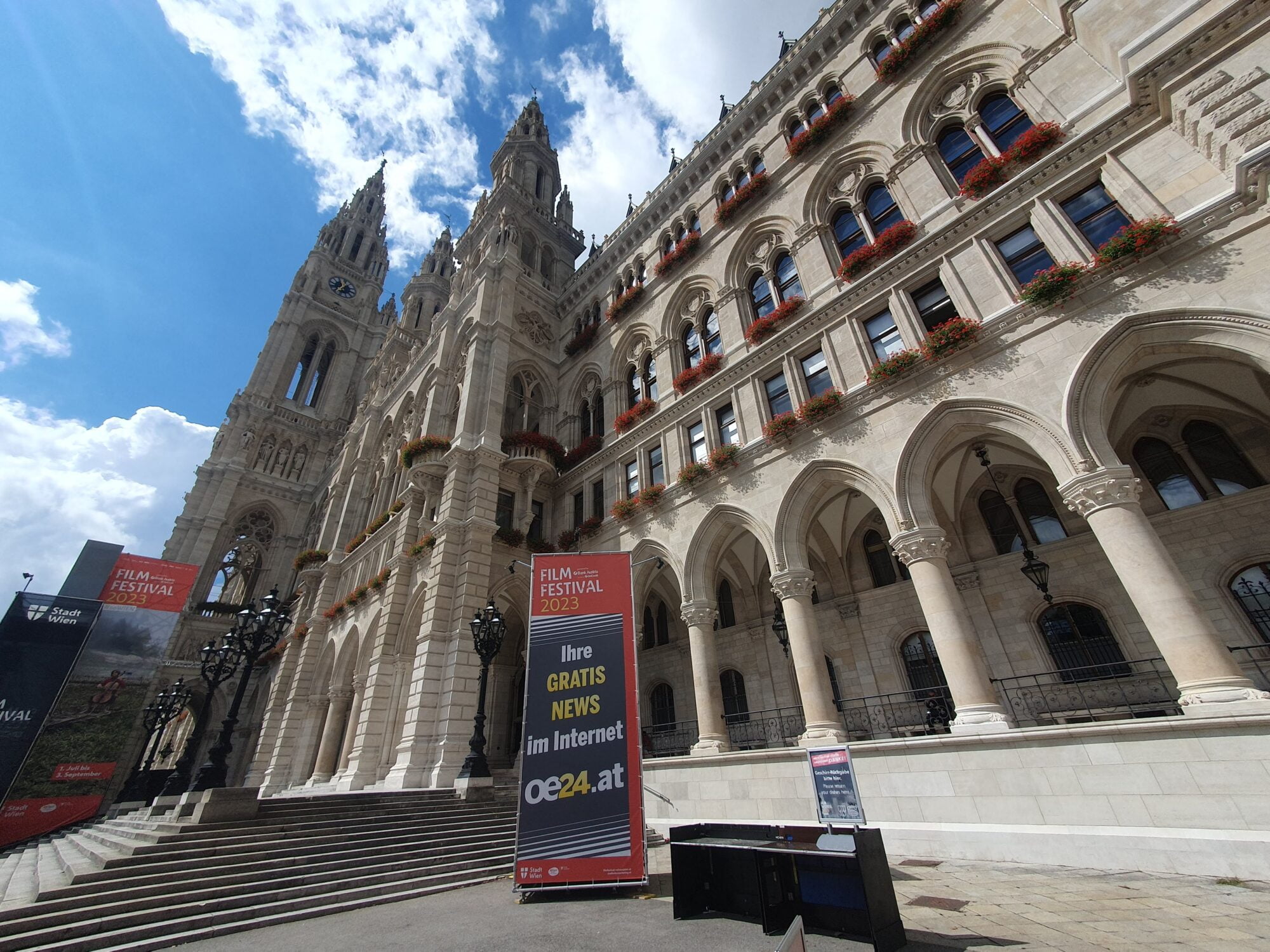
The Rathaus is a lovely building to see when sightseeing, and it also hosts many events in its gardens throughout the year. The most notable include the Christmas market and the annual film festival.
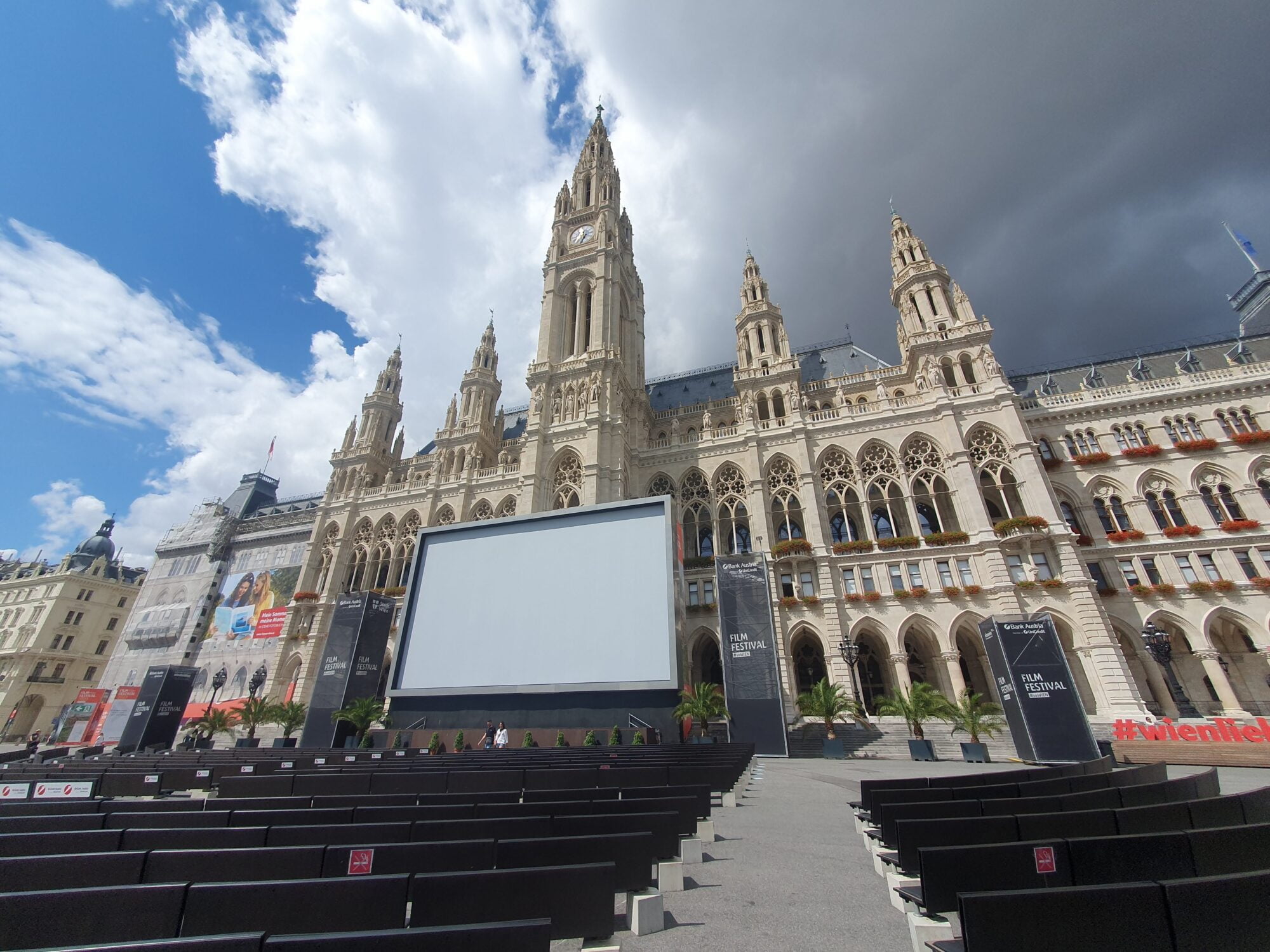
The gardens are beautiful, with many statues dotted around. When there’s an event, there are typically various street food and drink stalls. We’ve enjoyed a few lunches here and a few Austrian beers, too.
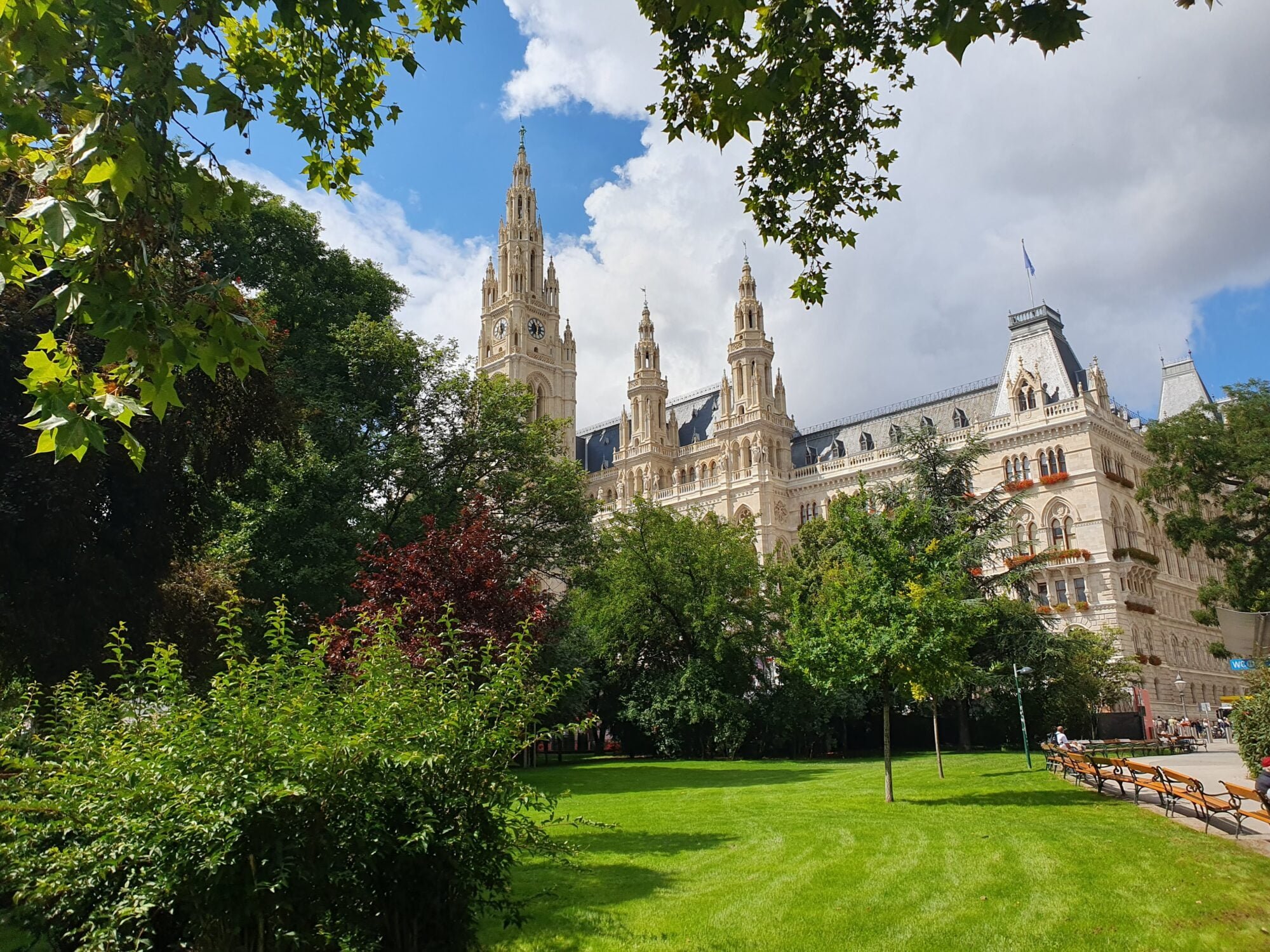
Rathaus is the city hall, completed in 1883 after 9 years of construction. This iconic building was constructed in the Neo-Gothic style, and it looks great. The main tower is 98 metres tall. On top of that stands a 3.4-metre-high iron standard-bearer, the Rathausmann. Overall, it’s a pleasant area to spend time in, and it’s near many other attractions too.
Austrian Parliament Building on The Ringstraße
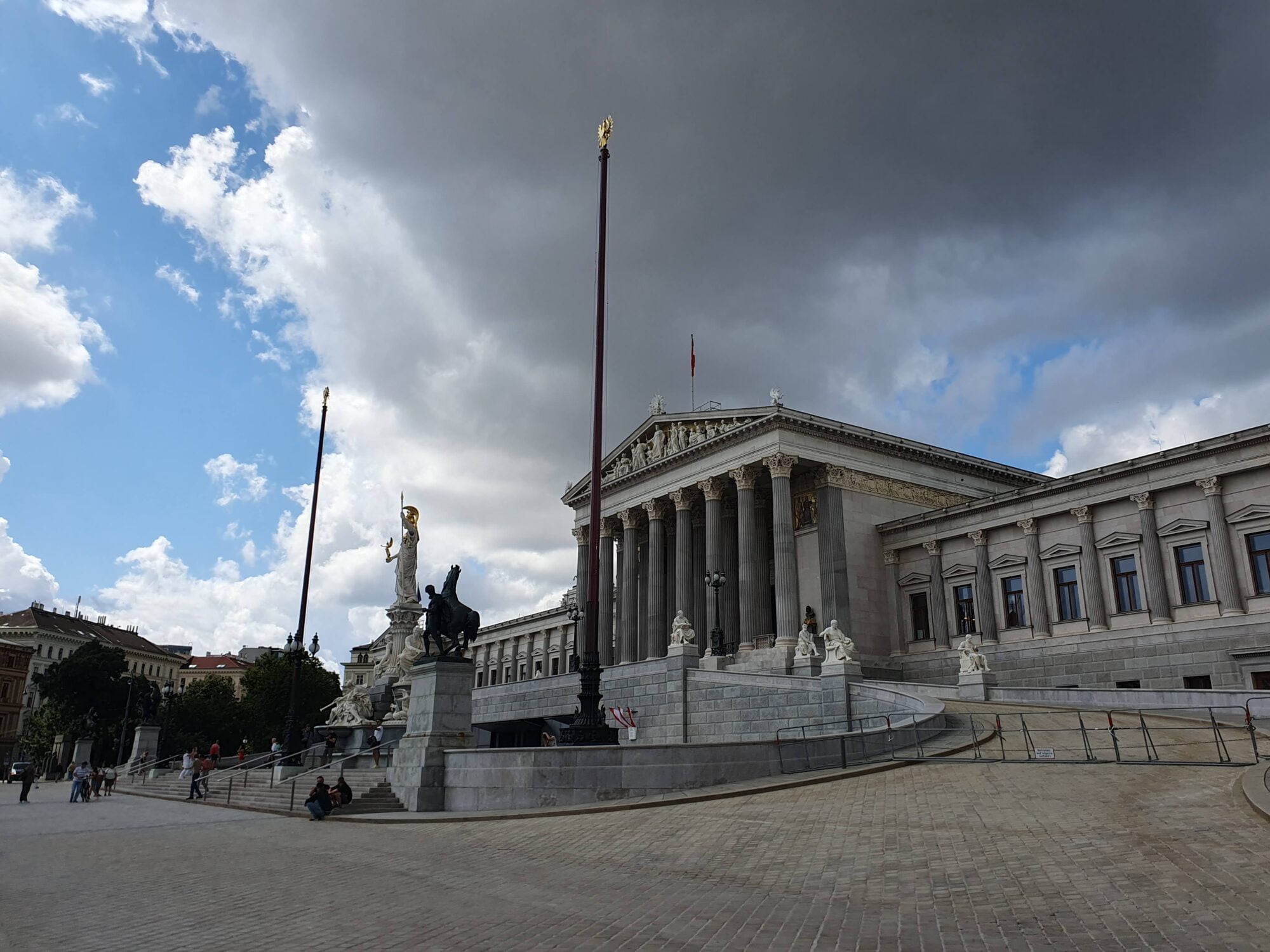
A top stop while sightseeing on the famous Ringstraße is the Austrian Parliament building. The Austrian Parliament building is very eye-catching and well worth a closer look. One standout feature of the site is the Pallas Athene fountain. The Pallas Athene fountain is beautiful and is popular with tourists taking photographs. The entire fountain is made of Lasa marble. It took a while to build, from being designed in 1870 to its unveiling in 1902.
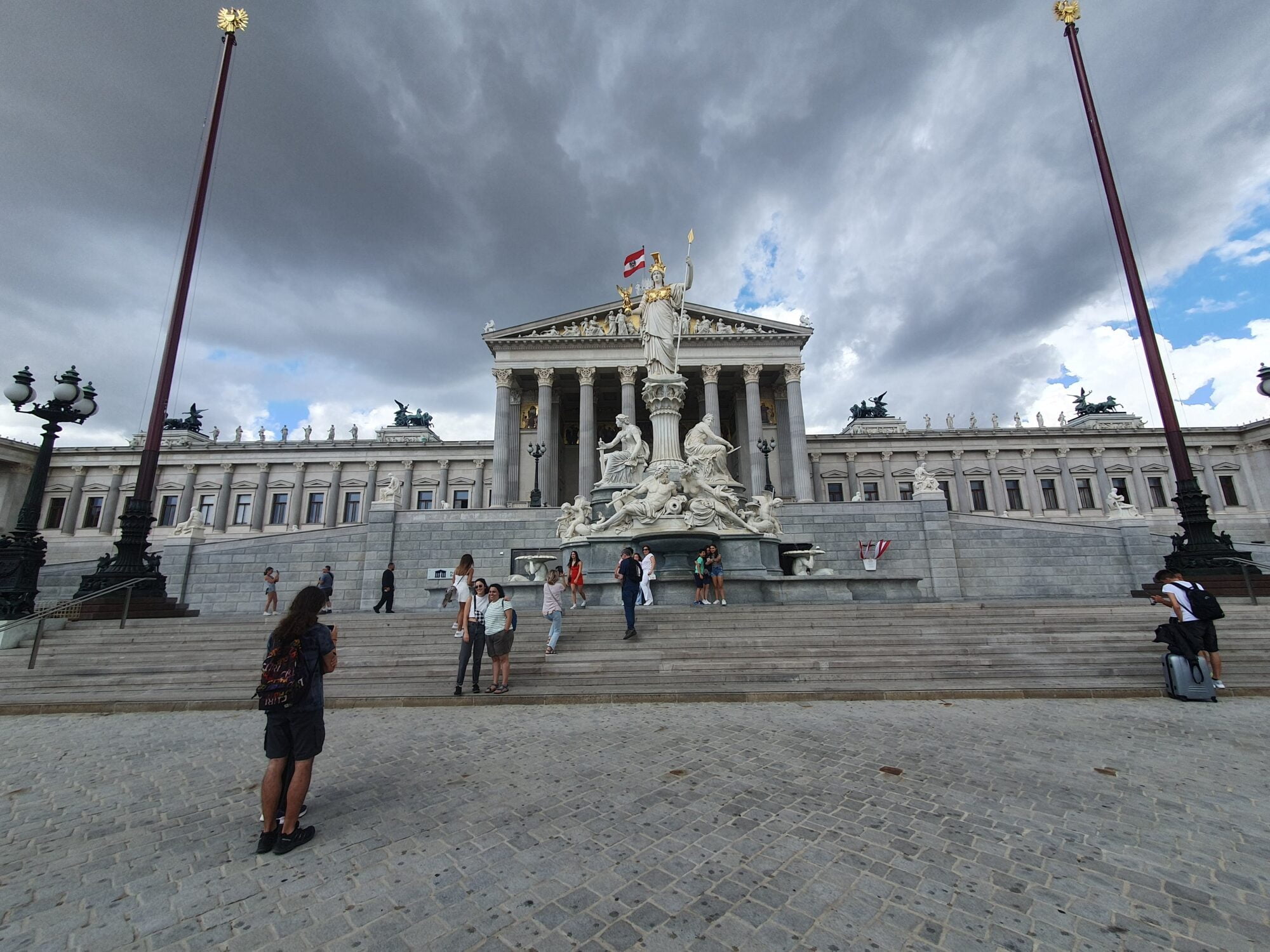
The Austrian parliament building was built in the neoclassical style. It has some pretty cool statues and columns on its facade. Construction began in 1874, and by 1883 it was in use for political purposes.
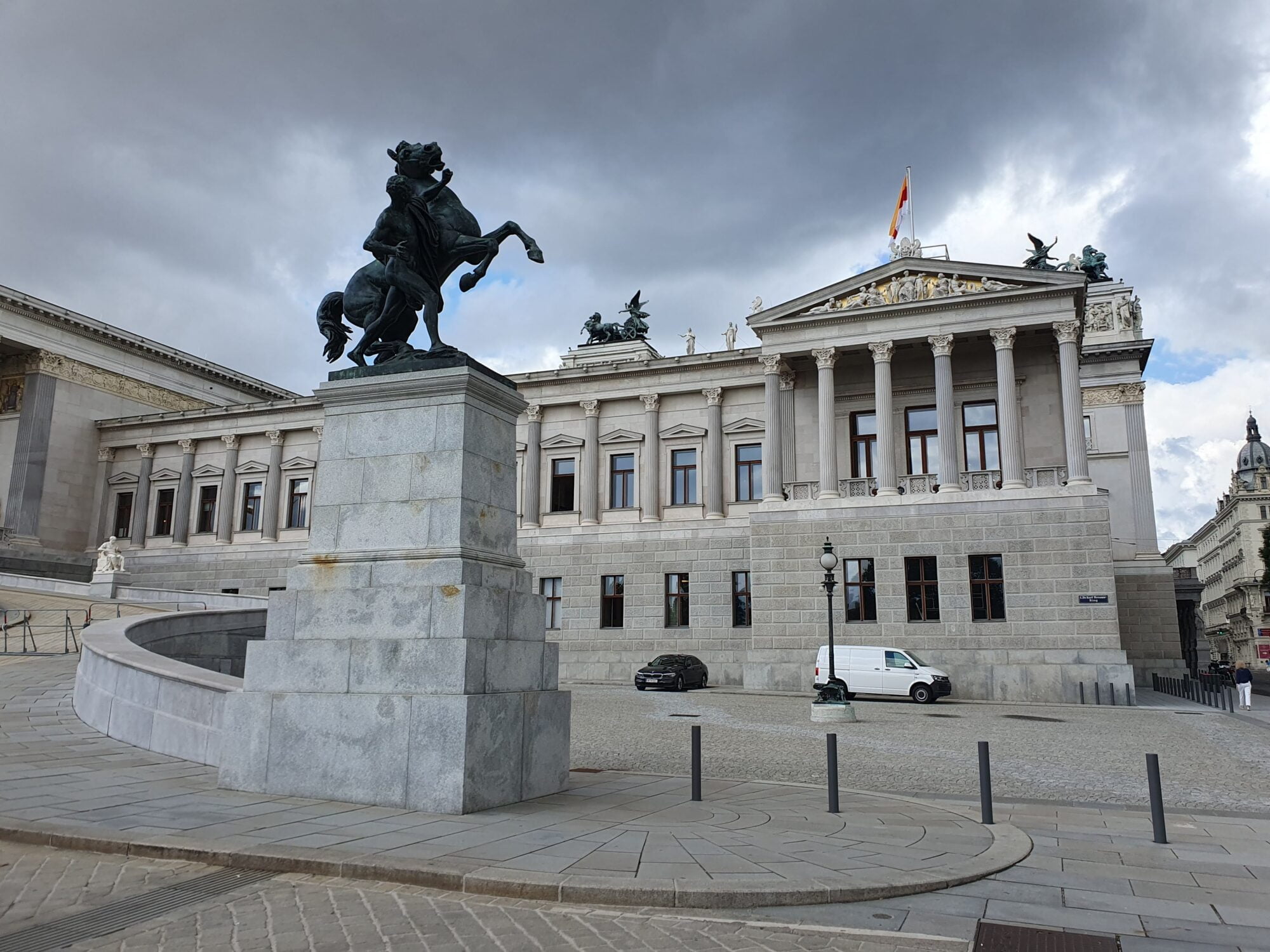
At the front of the building, you’ll find other statues, including some grand equine monuments. If you look up at the roof, you’ll see many figures along the way, and at the focal points, chariot-like sculptures.
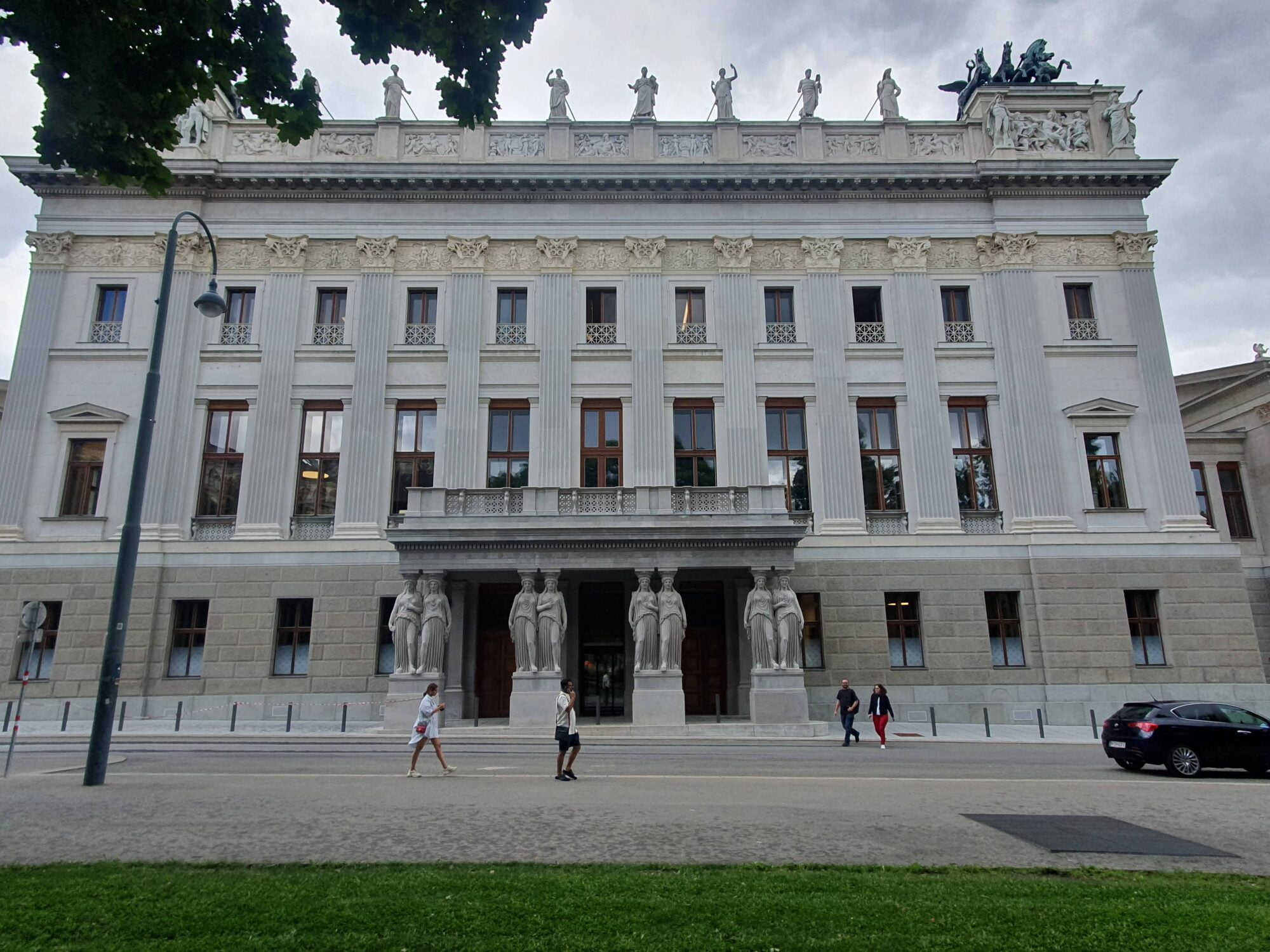
The front is a popular part of the building to see; however, the side also has some lovely features. If you’re interested in visiting, they offer guided tours; you can find out more on their website.
Judenplatz
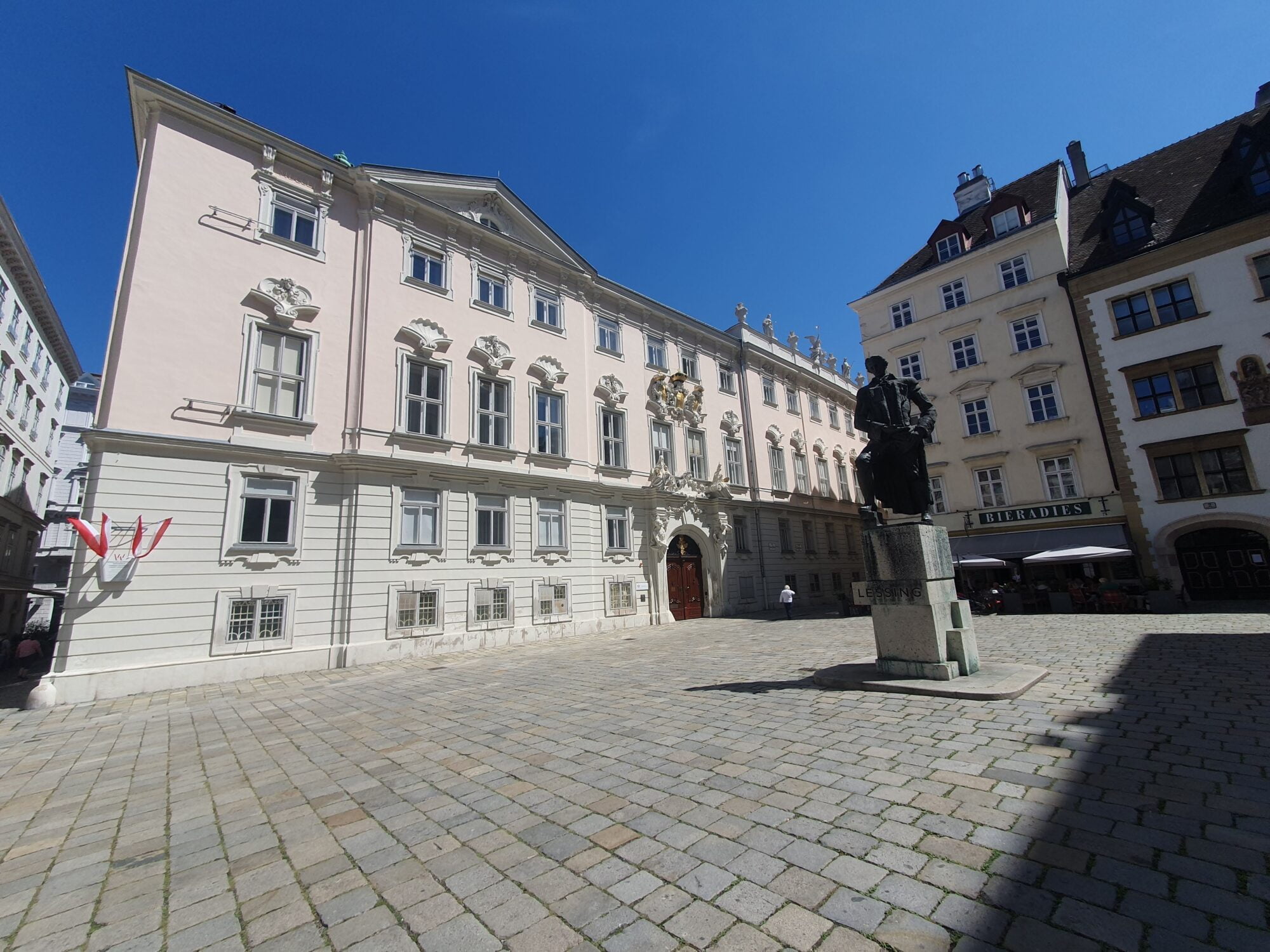
Another place I visited was Judenplatz. Judenplatz is a nice town square with stunning buildings, poignant memorials, a museum, and good places for refreshments. Judenplatz was the central point of life for the Jewish community during the Middle Ages. The Shoah memorial in Judenplatz has tiles with the names of places where Austrian Jews were killed during the Nazi period. In addition to the memorial, you can visit the Jewish Museum and the Bohemian Chancellery.
Regensburger Hof
The Regensburger Hof building dates back to the 14th century. However, it has been rebuilt many times. Its current form dates from 1896. It is still an ornate and fascinating building.
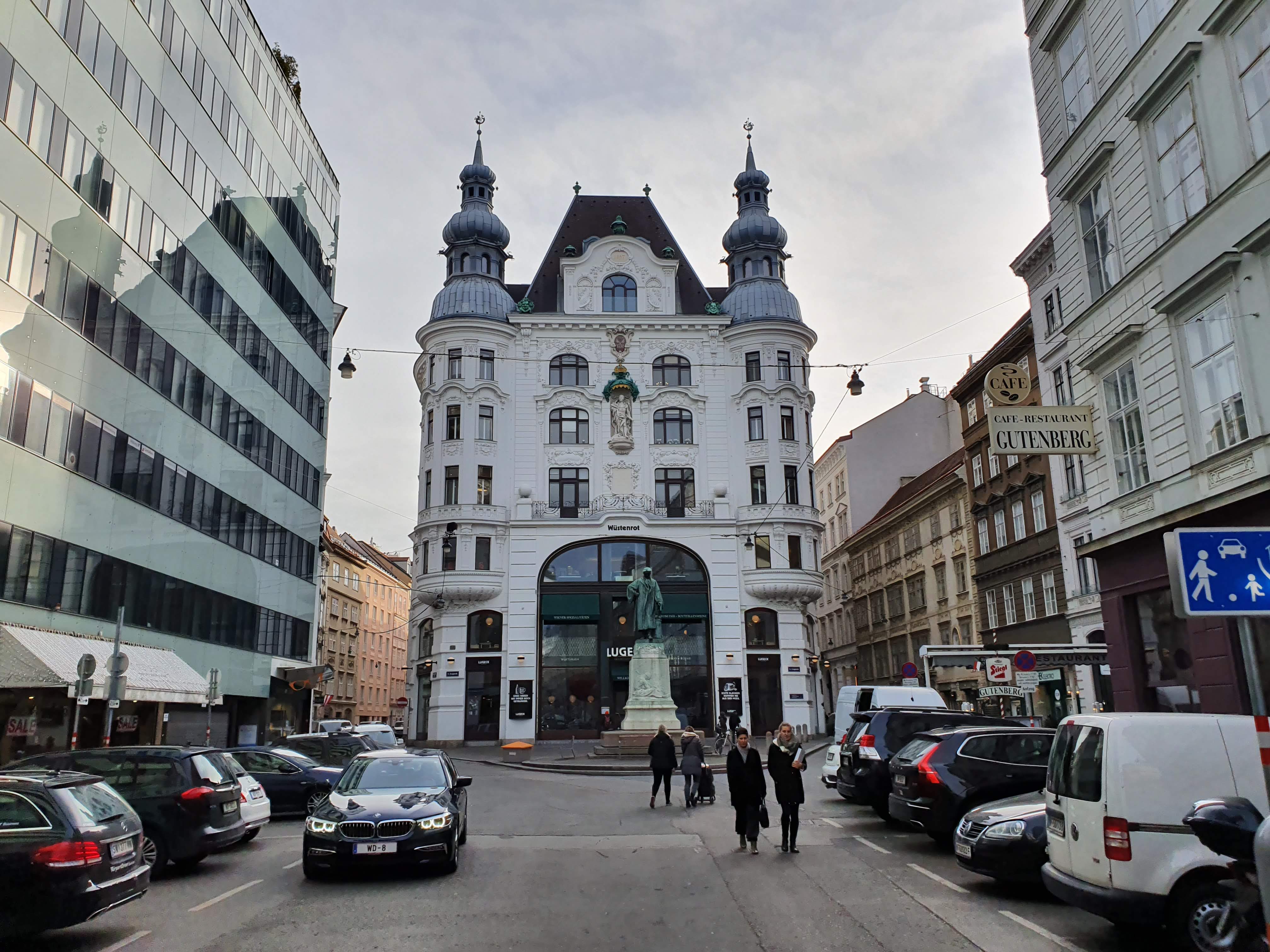
Its age gives the Regensburger Hof an interesting backstory, including kings meeting emperors. In 1470, Emperor Friedrich III and the Hungarian King Matthias Corvinus met in the building.
Parks, River Walks and Outdoor Places
Vienna is a great city for enjoying walks, including in some picturesque parks and gardens.
Stadtpark
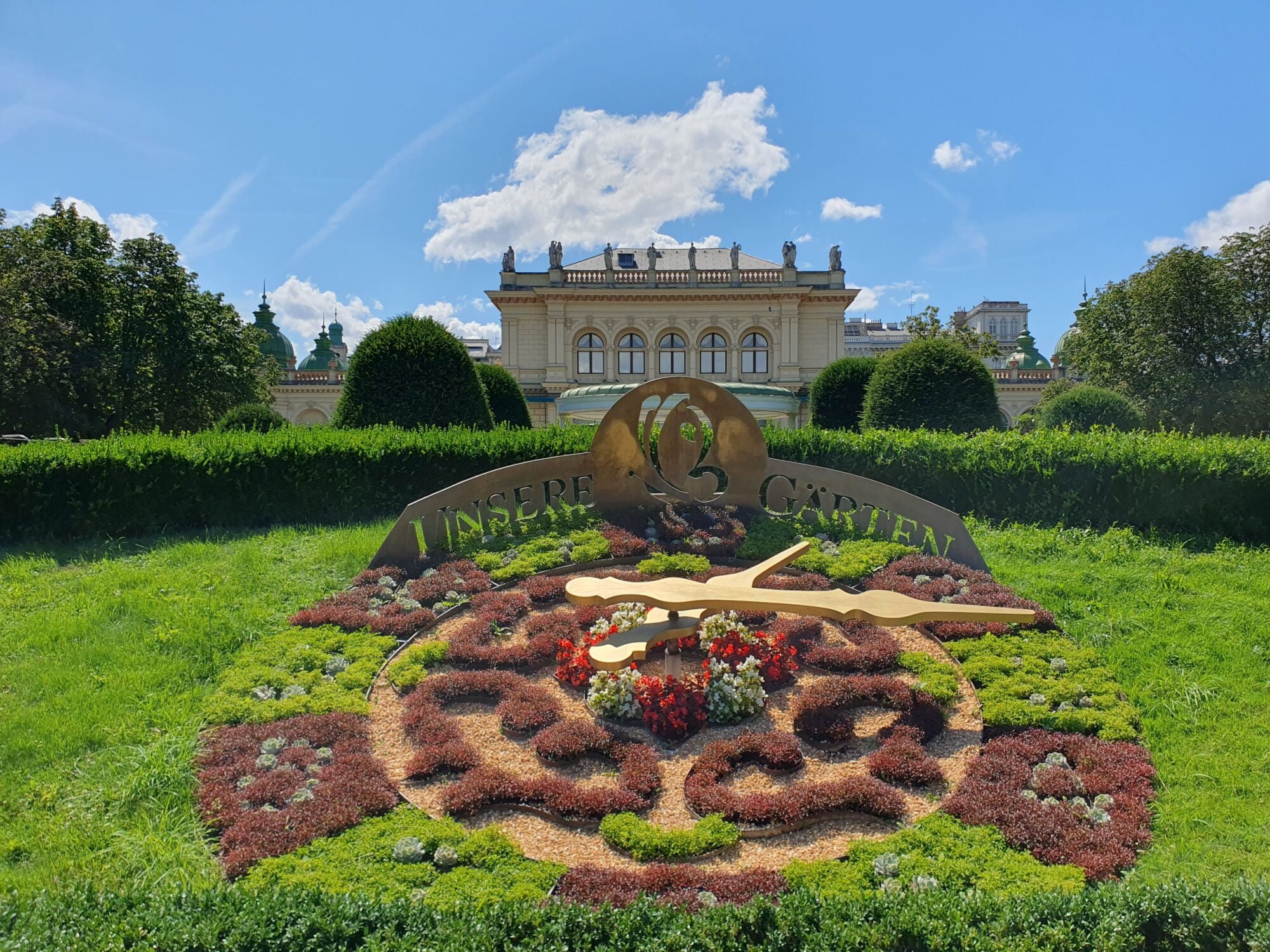
In the city centre is the 28-acre Stadtpark, which is one of the most relaxing places to visit. Stadtpark has lots of gardens to enjoy, with plenty of places to sit and take in the scenery. Stadtpark also has some special attractions to explore. These include a unique flower clock, a weather station, and a statue.
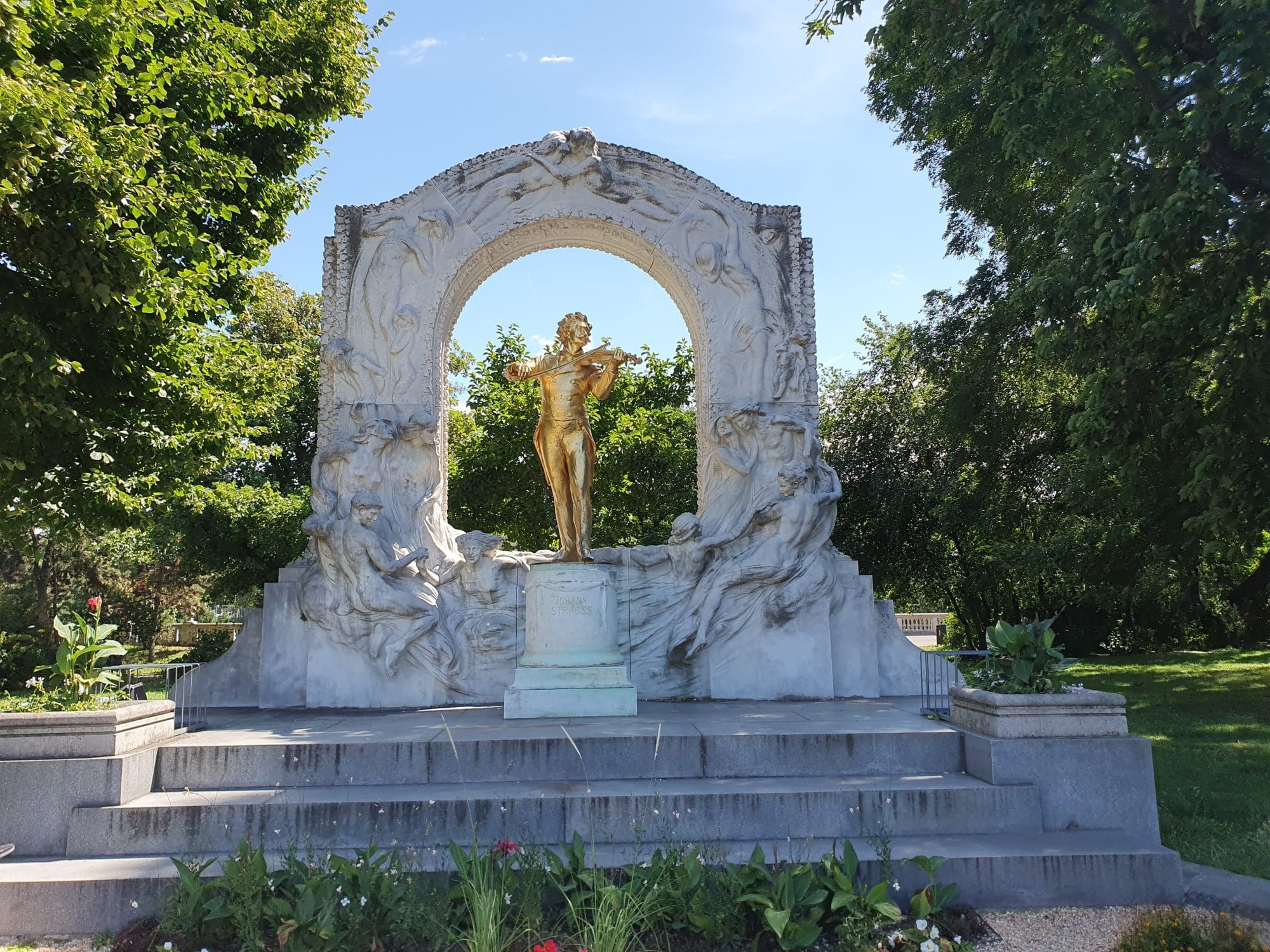
One of the park’s most popular sights is the Johann Strauss monument, which is beautiful. Stadtpark is also home to Kursalon, a pleasant building which is where Johann Strauss performed his first concert.
The River Danube & Danube Canal
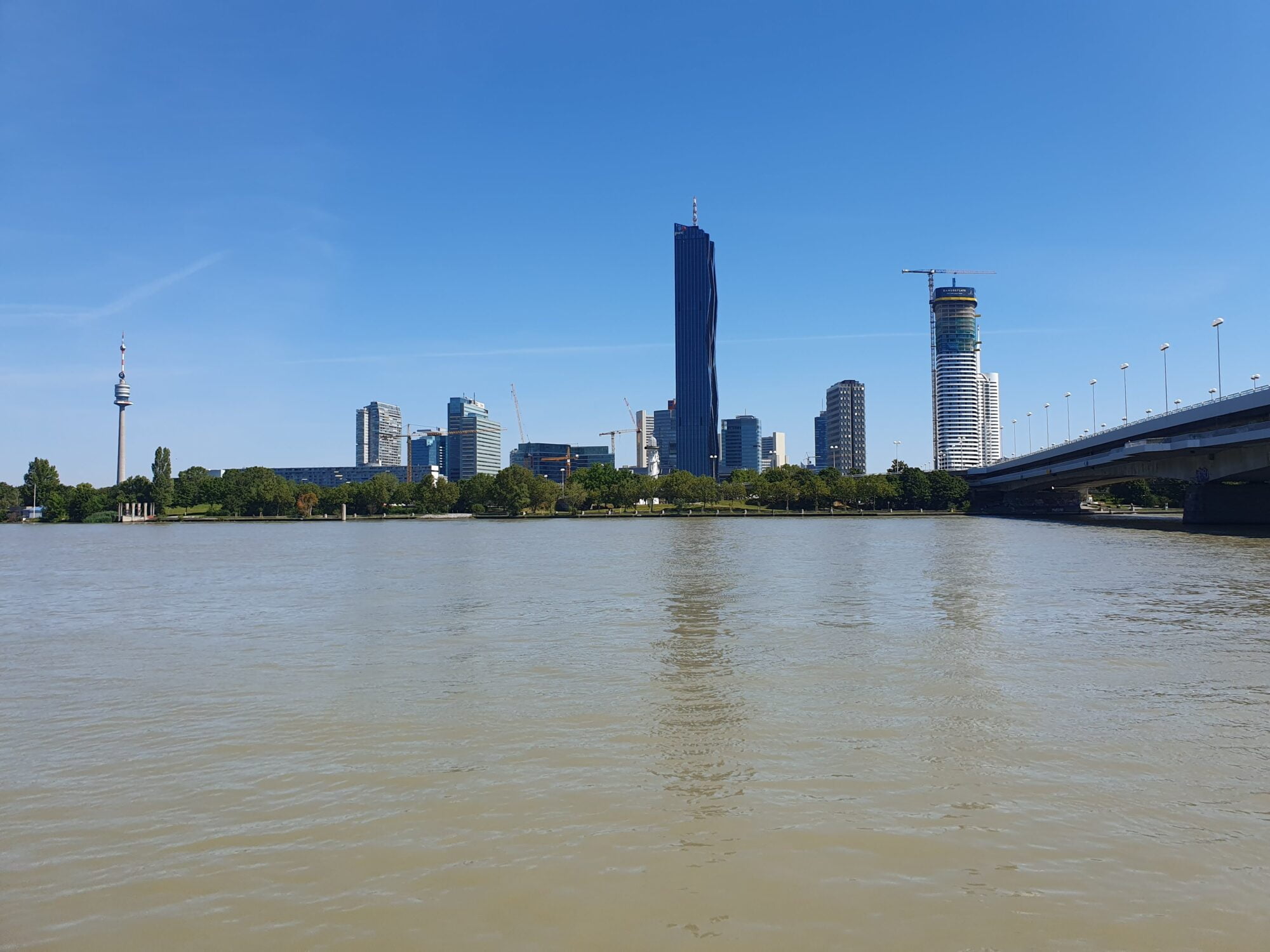
The River Danube is one of Europe’s largest rivers and flows through the city. It actually passes through 4 capital cities: Vienna, Bratislava, Budapest, and Belgrade, then on to the Black Sea. A pleasant place to see the river is near the Reichsbrücke, with splendid views of Vienna’s skyscrapers. It’s also a good place to walk, and many cruise ships sail from here.
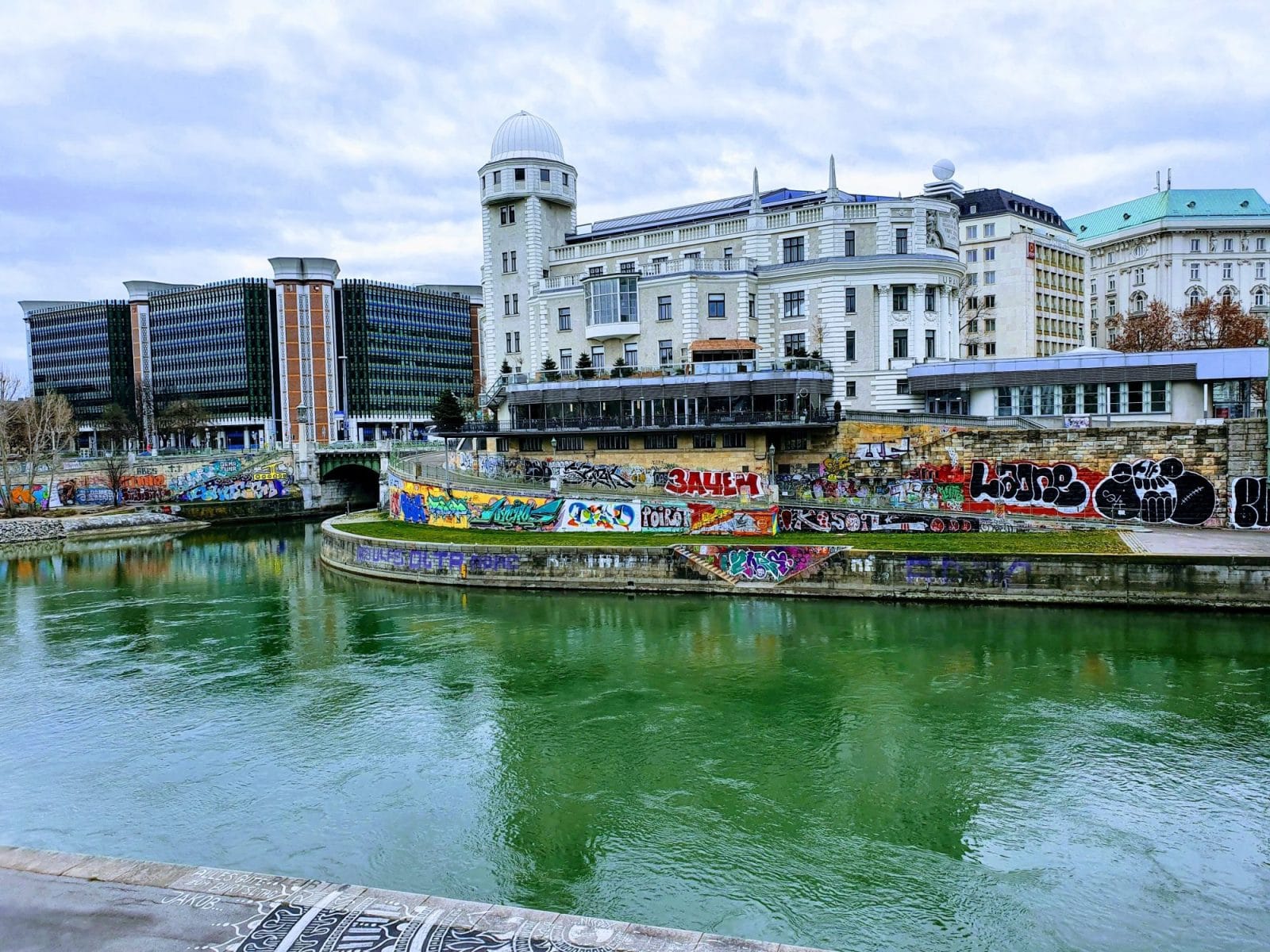
Walking along the river and the Danube canal is nice and offers superb views of the city. The banks were featured in the movie Before Sunrise, which portrays the area as quite romantic. The Viennese composer Johann Strauss also wrote a classical piece about this river, The Blue Danube.
Hundertwasser House & Village
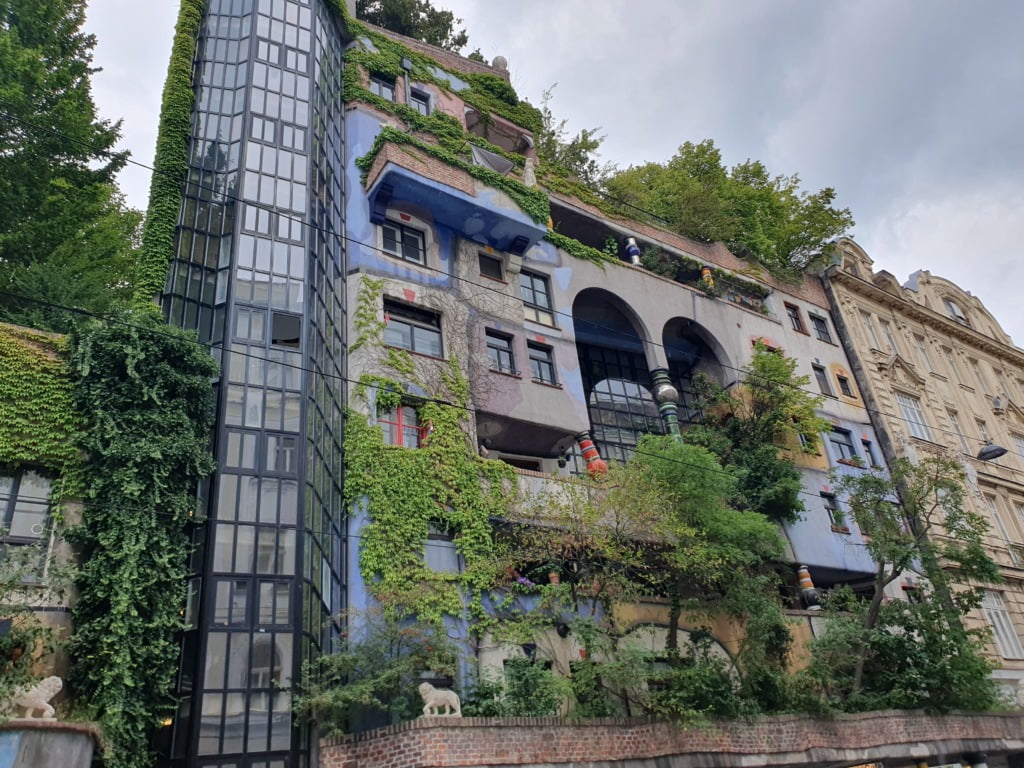
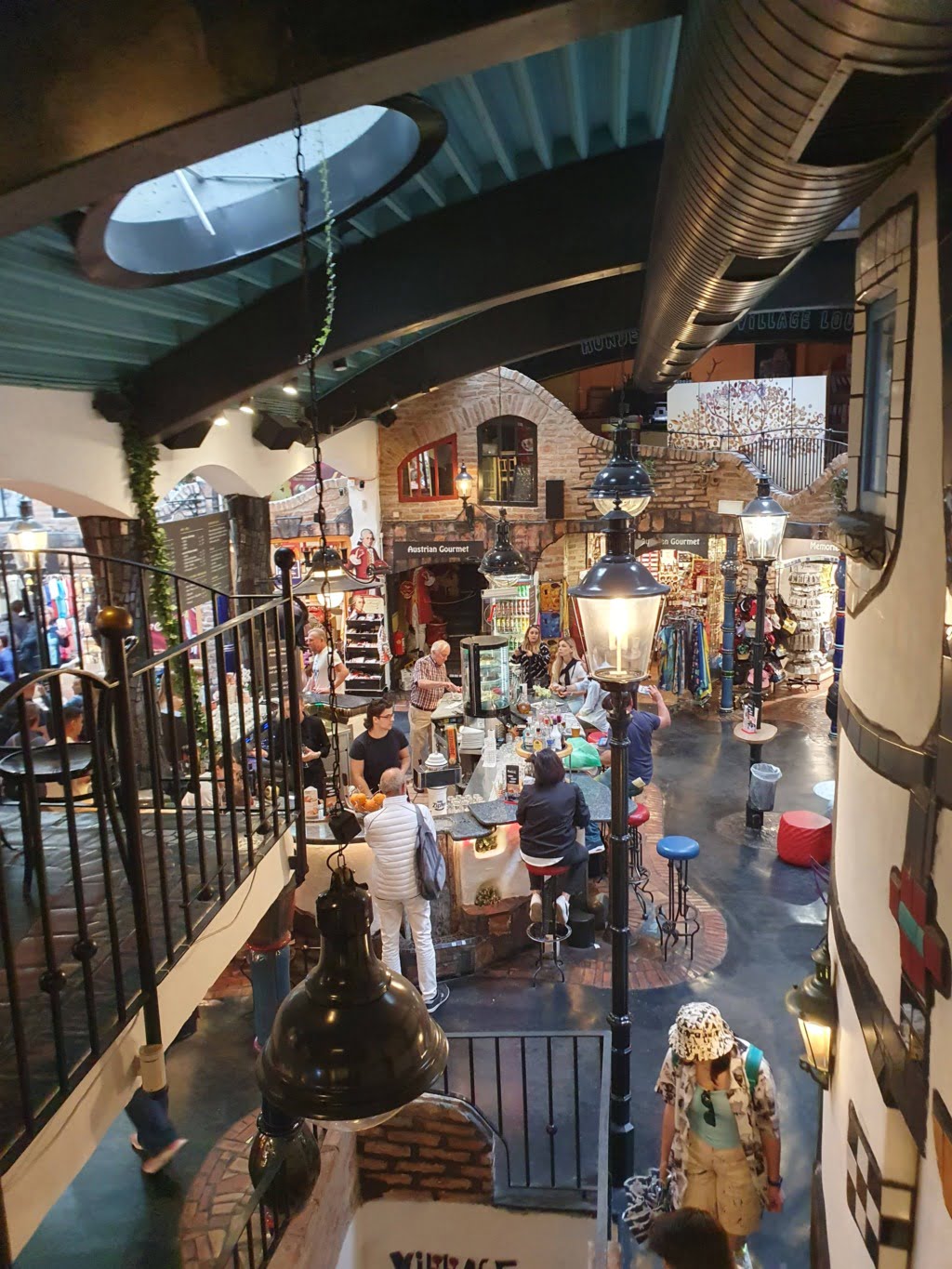
If you are looking for a unique place to visit, then pop along to Hundertwasser House. Hundertwasser House is an artistic take on a block of flats with bright colours and a forested roof. It’s quite the tourist attraction and well worth visiting when sightseeing near the river. Also, Hundertwasser Village has a nice cafe and tourist shops, including a Mozart chocolate store. I had a great time visiting this place and seeing all the unique details.
Other Vienna Sightseeing Ideas
Statues And Side Streets
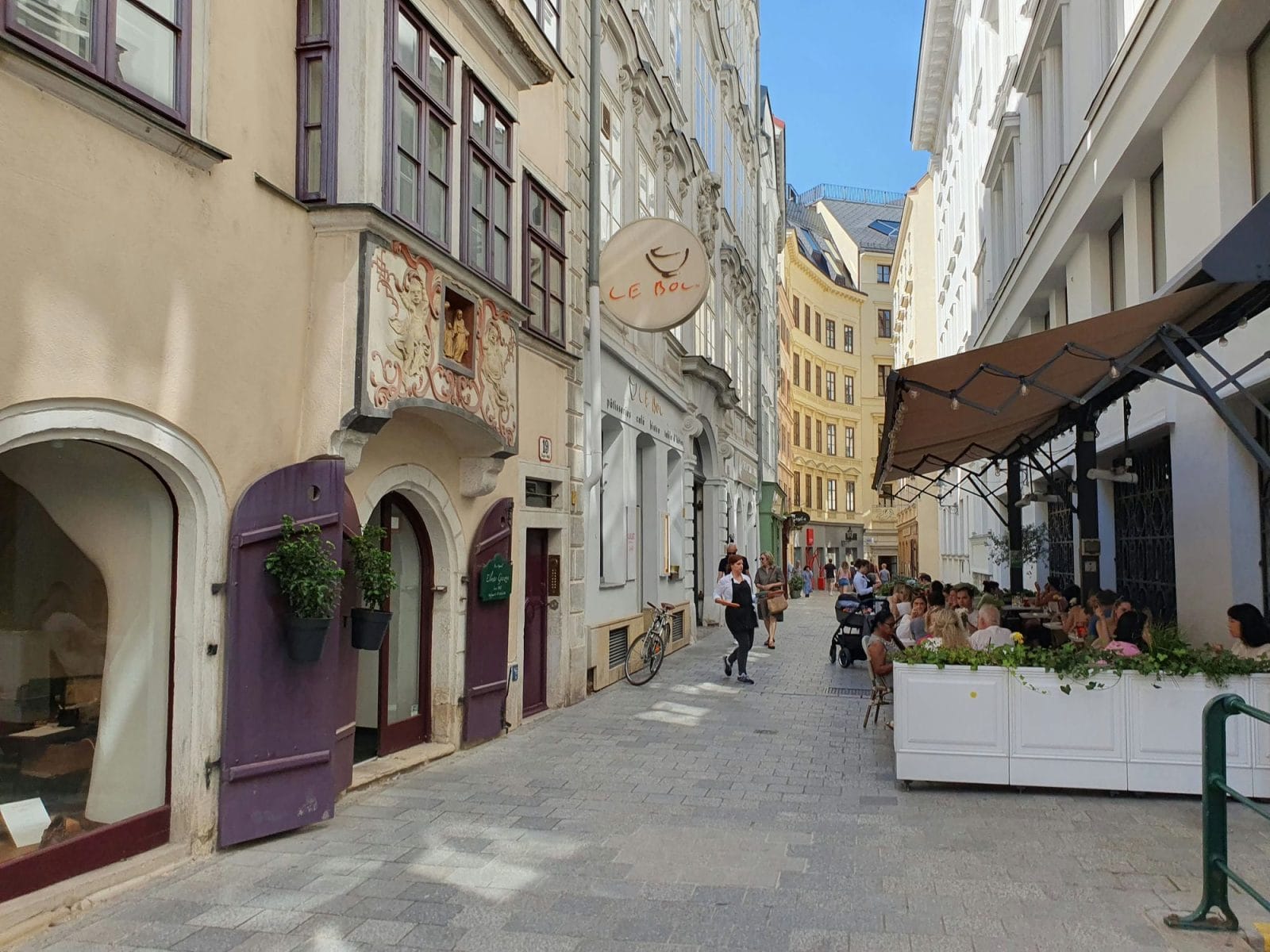
I really enjoyed exploring Vienna’s lesser-known side streets, which are unique and eye-pleasing. Wandering off the main routes helped me find details I would have missed otherwise, including street art, statues and some fascinating architecture.
Retail Therapy in the Goldenes Quartier
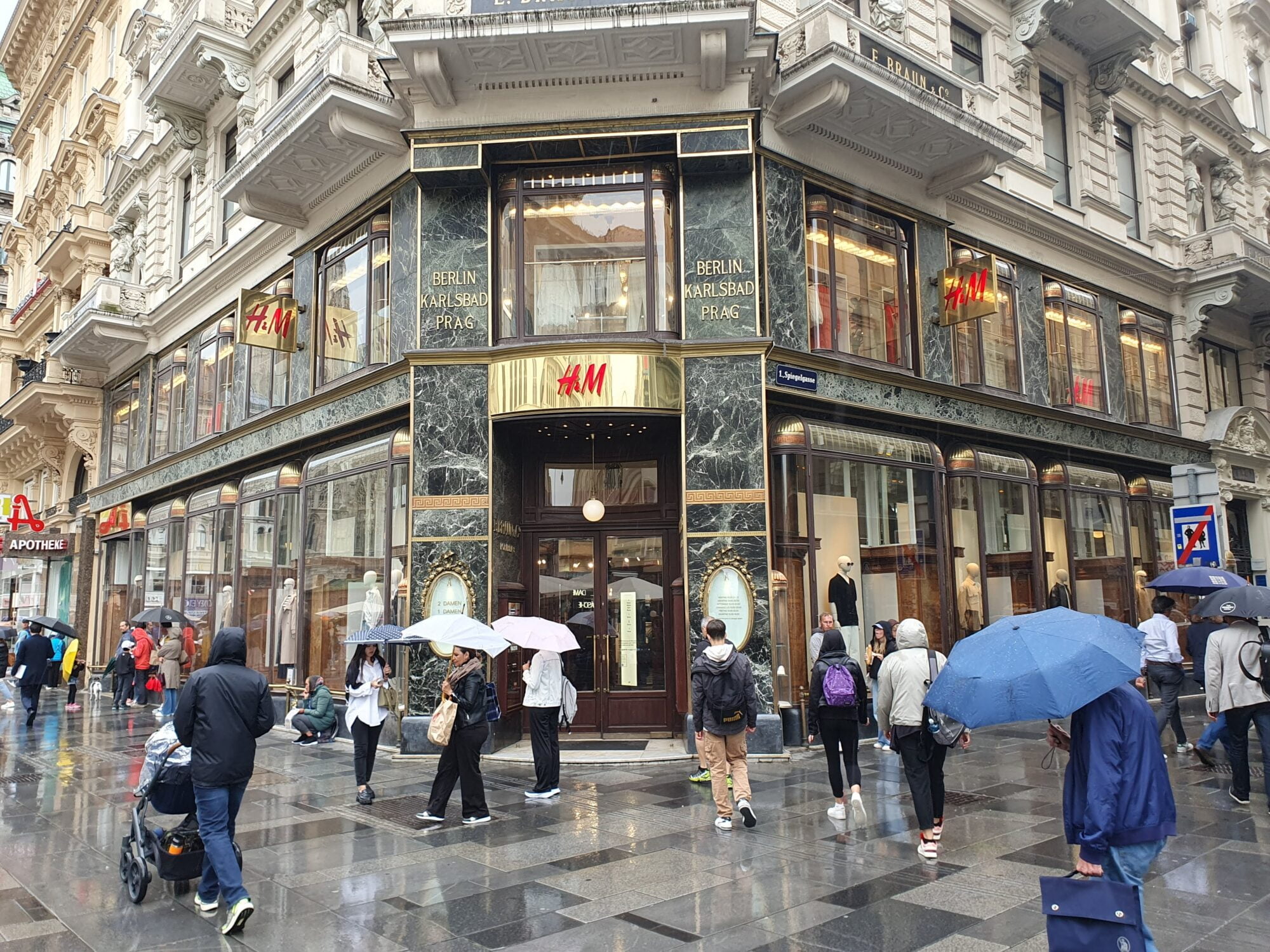
For some people, a fun thing to do on a city break in Vienna is to shop. The city centre has some excellent high-end stores near the cathedral. For those who don’t enjoy shopping, the architecture of these stores is grand.
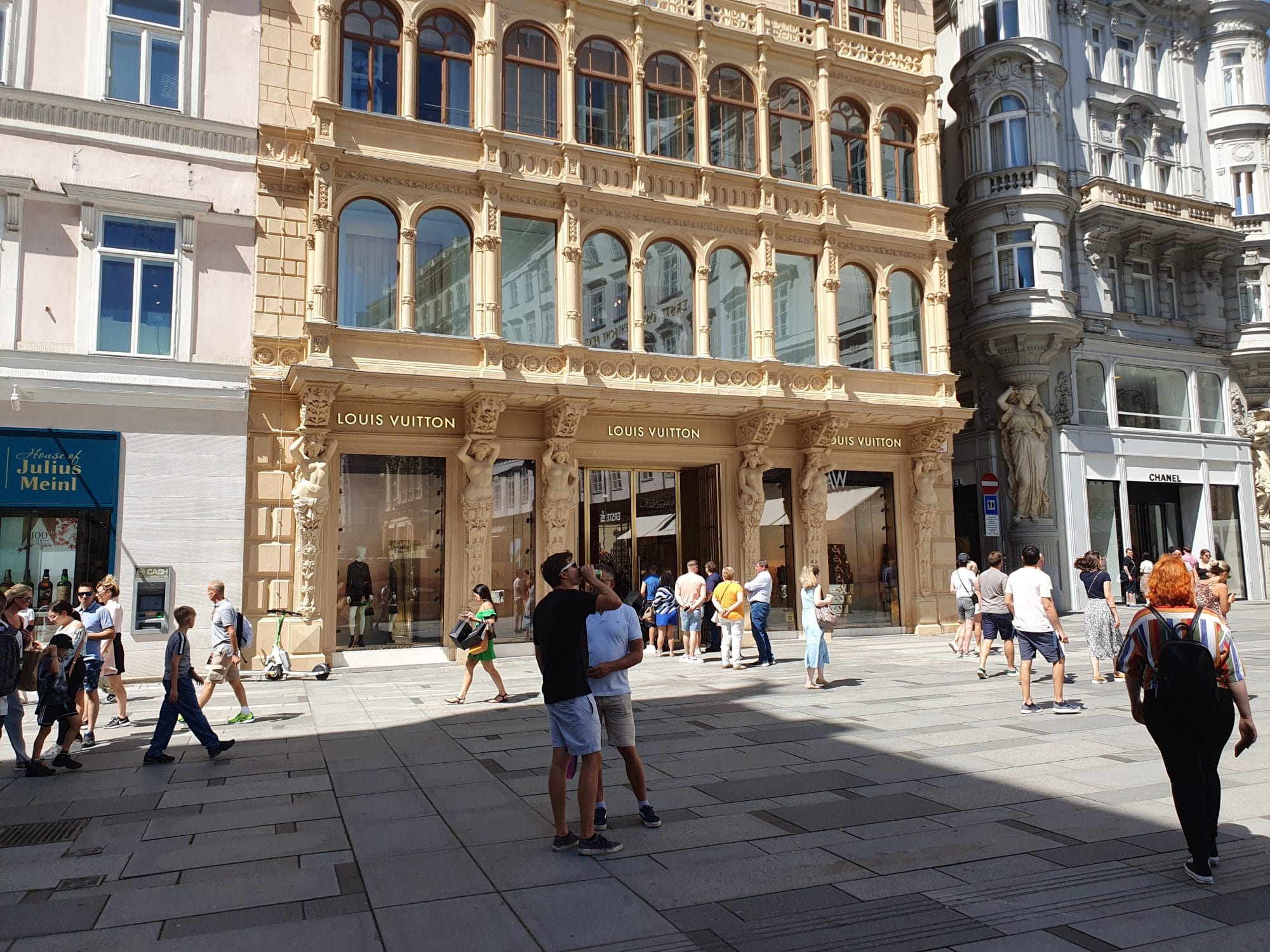
One shop that caught my eye was the facade of the Louis Vuitton shop in the Goldenes Quartier. Many other famous brands’ flagship stores are nearby, too.
Horse & Carriage Tour
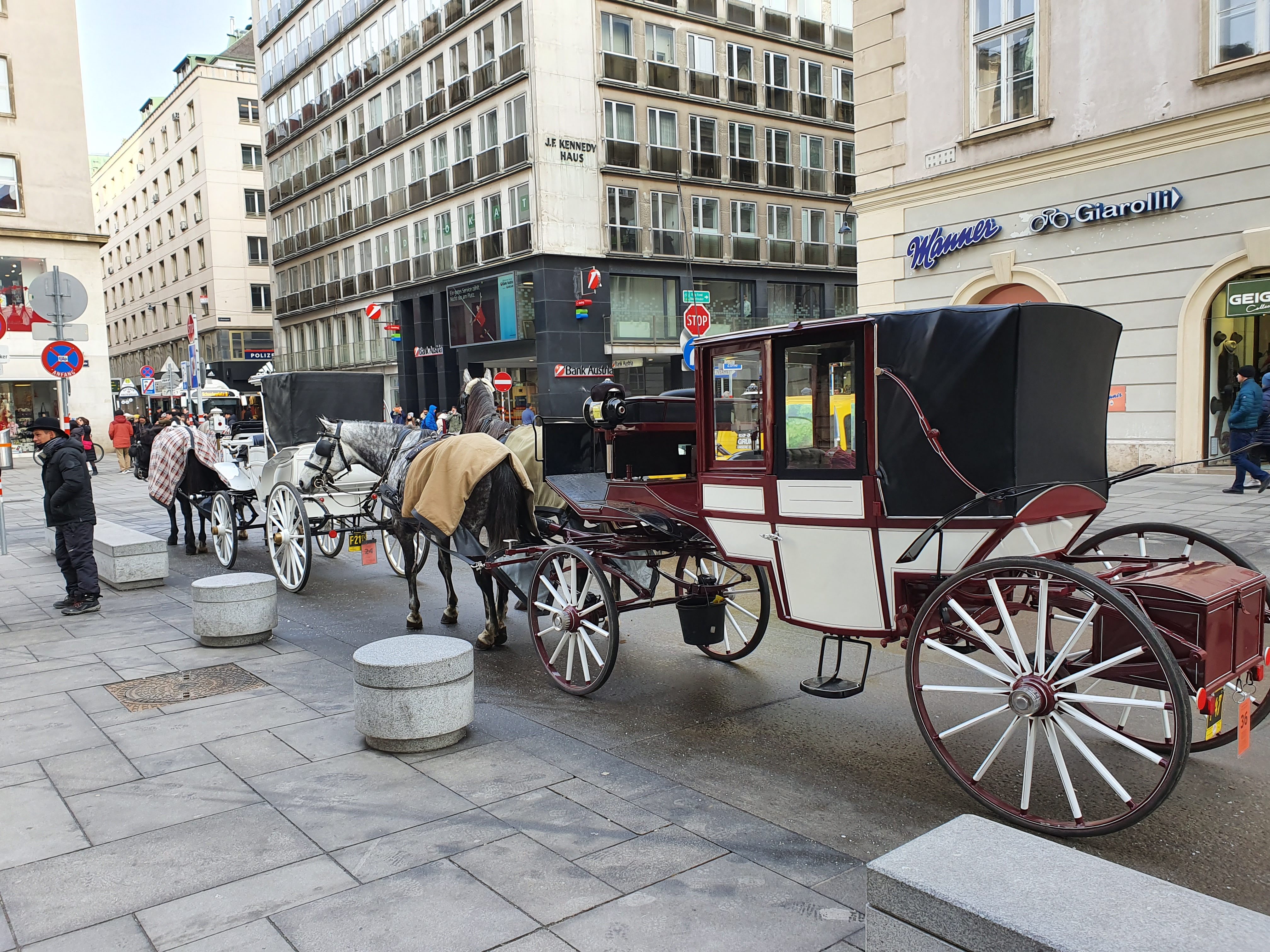
There are many stands throughout the city where you can hire a horse-drawn carriage tour. A horse-drawn carriage tour is a traditional way to see the city, especially if you want a slower sightseeing route through the historic centre. Depending on the tour length you book, these take you past all the popular tourist attractions.
More Palace Buildings in Vienna
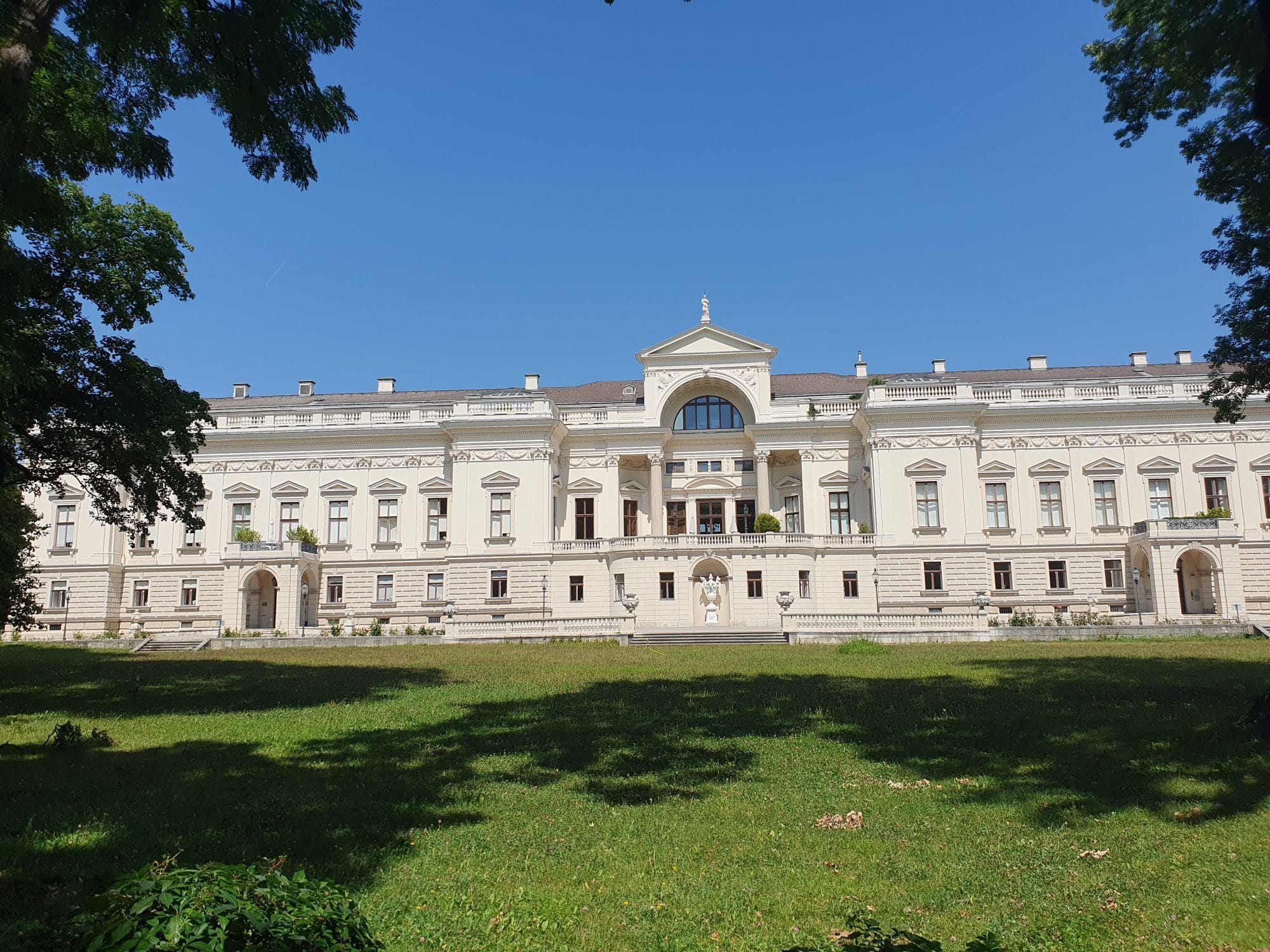
Beyond the main ones, Vienna has many other palaces to explore, and finding these makes for a pleasant city walk.
More Churches in Vienna
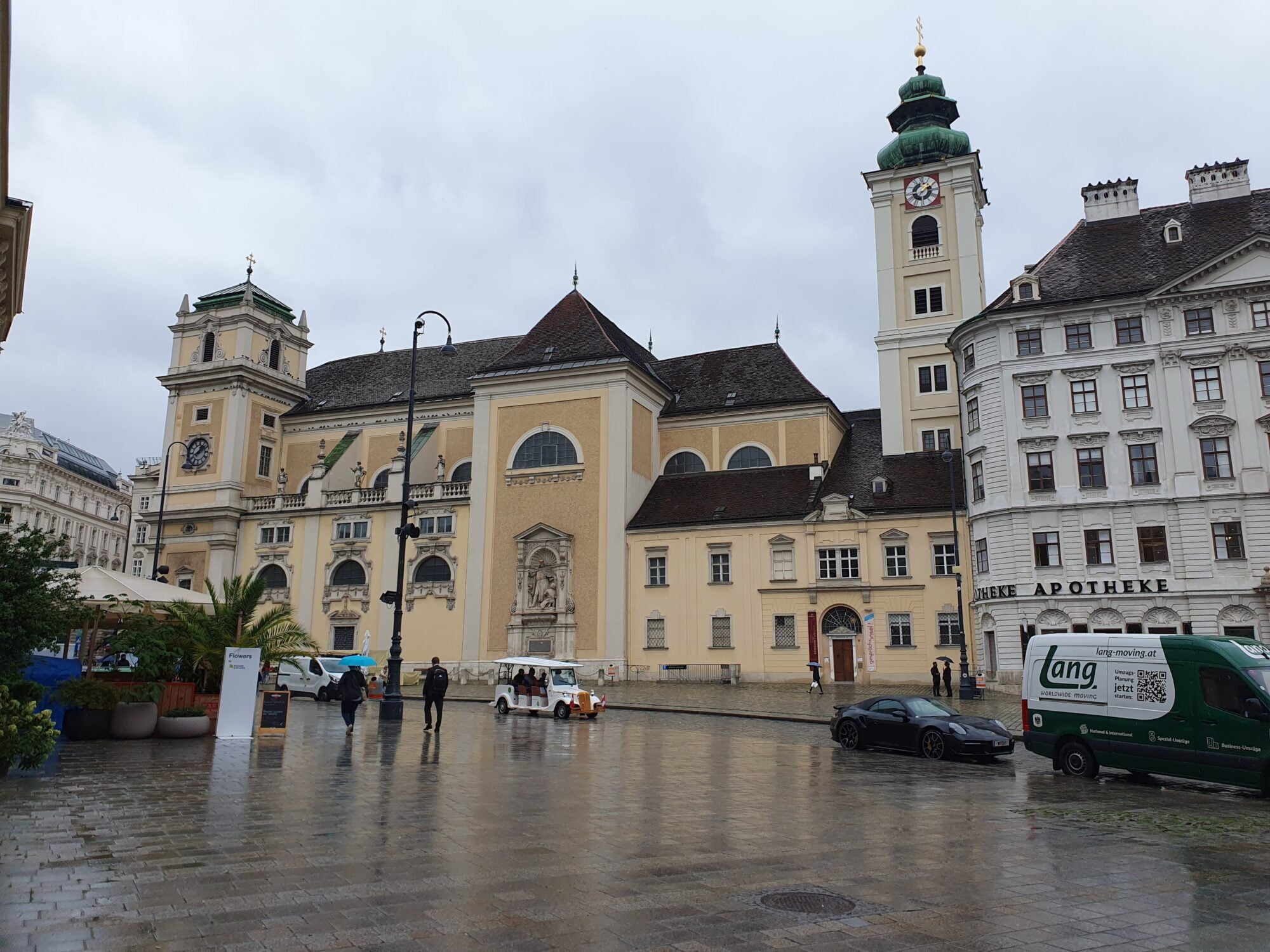
Another fun activity is to find the various churches in the city. Some are famous tourist attractions, while others are less well-known. Most are historic buildings with interesting backstories or decorative features, including art. I visited many of these on my summer visit and found many to be quiet places to reflect and cool down.
Food and Drink
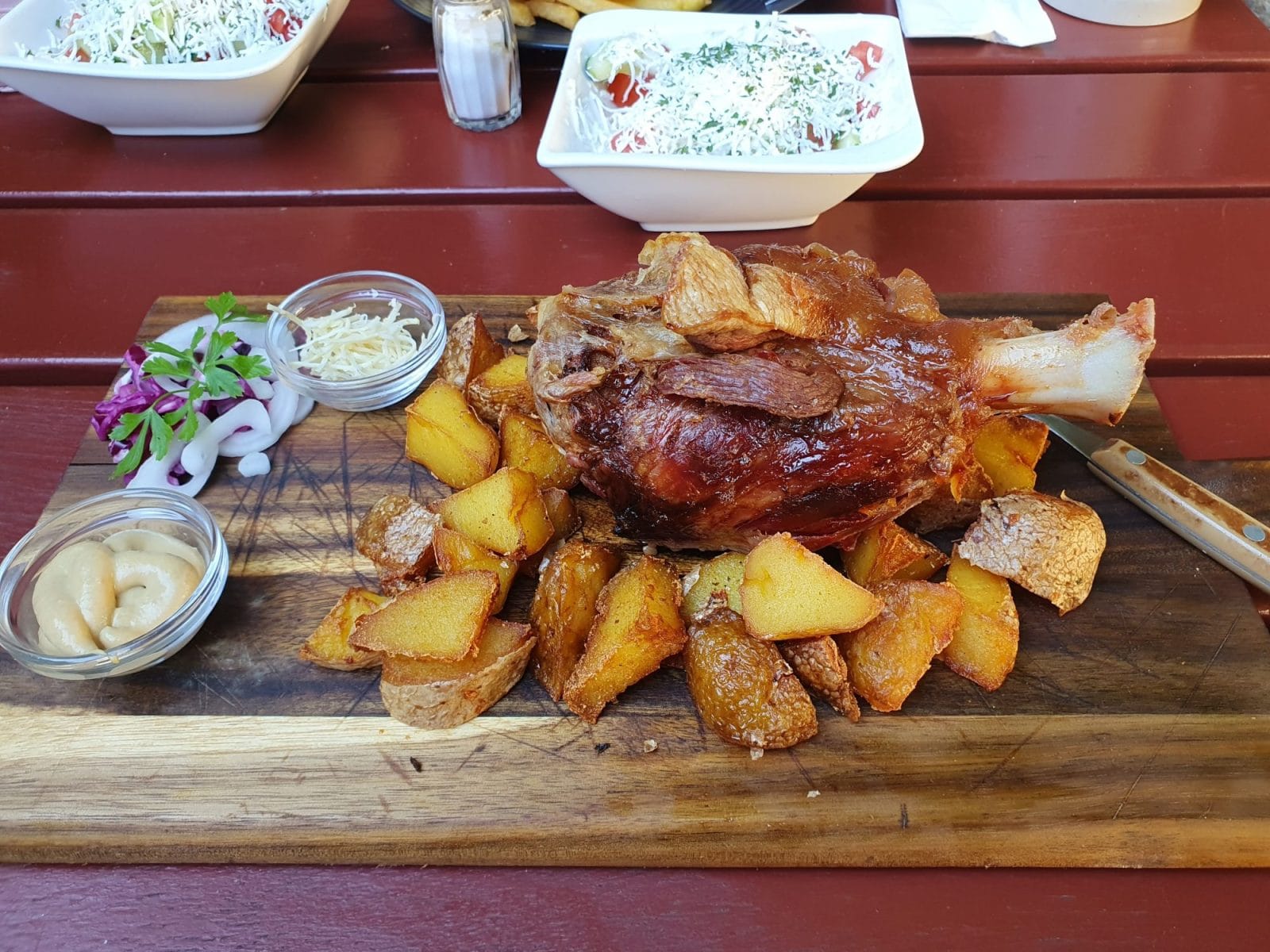
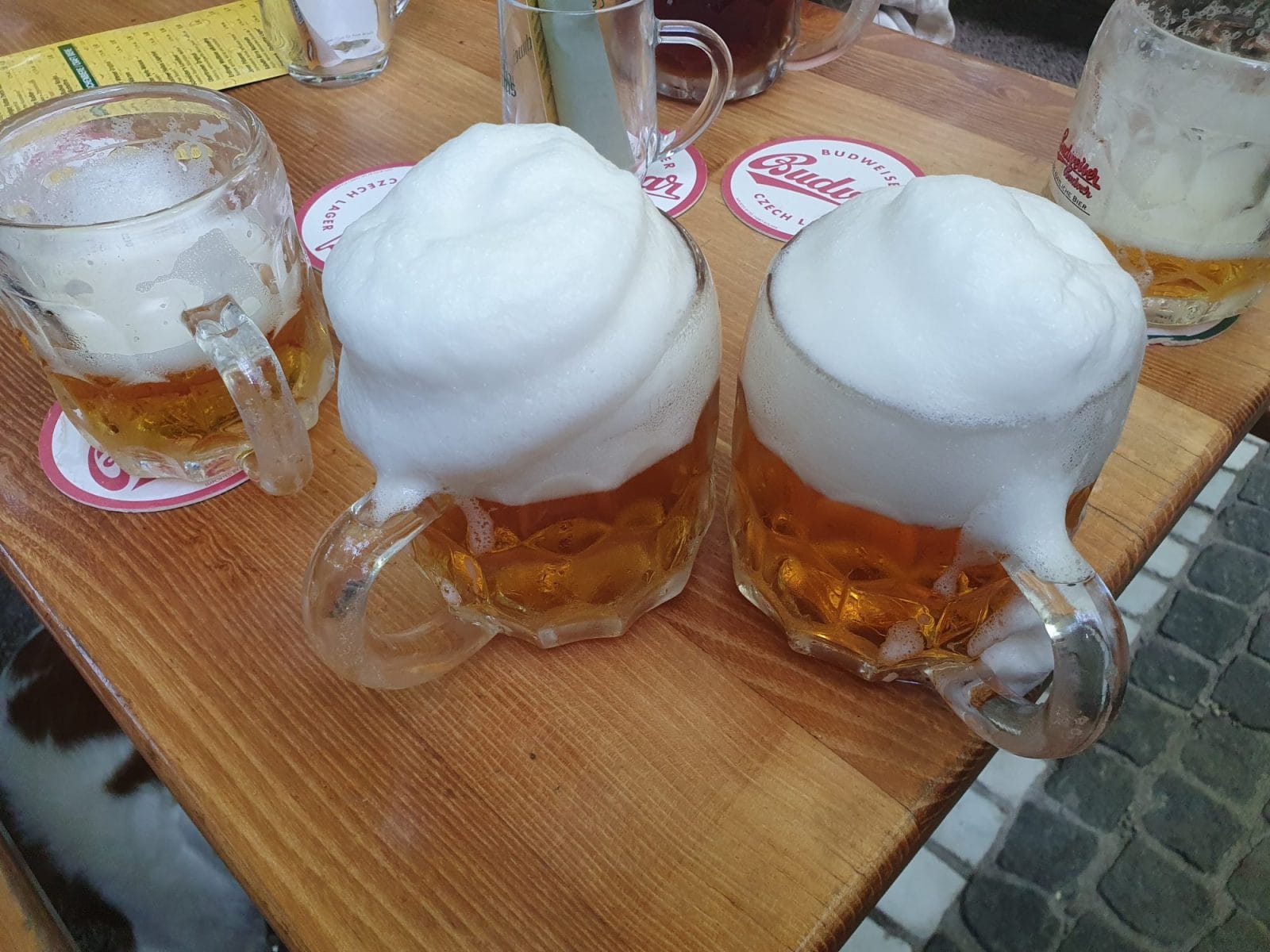
To take a break from sightseeing, the city offers plenty of places for food and drink. I’ve enjoyed many meals at Viennese restaurants and some handy rest stops in the beer gardens of Vienna.