
Bulgarian Food, Cuisine & Beer: What to Eat and Drink
Find out what to eat or drink while in Bulgaria, including some delicious Bulgarian cuisine and beers. Dining out in Bulgaria is relatively cheap compared to other European countries, especially if you choose local Bulgarian cuisine. Most cities have a range of restaurants, from cheap lunch places to some more upmarket eateries.
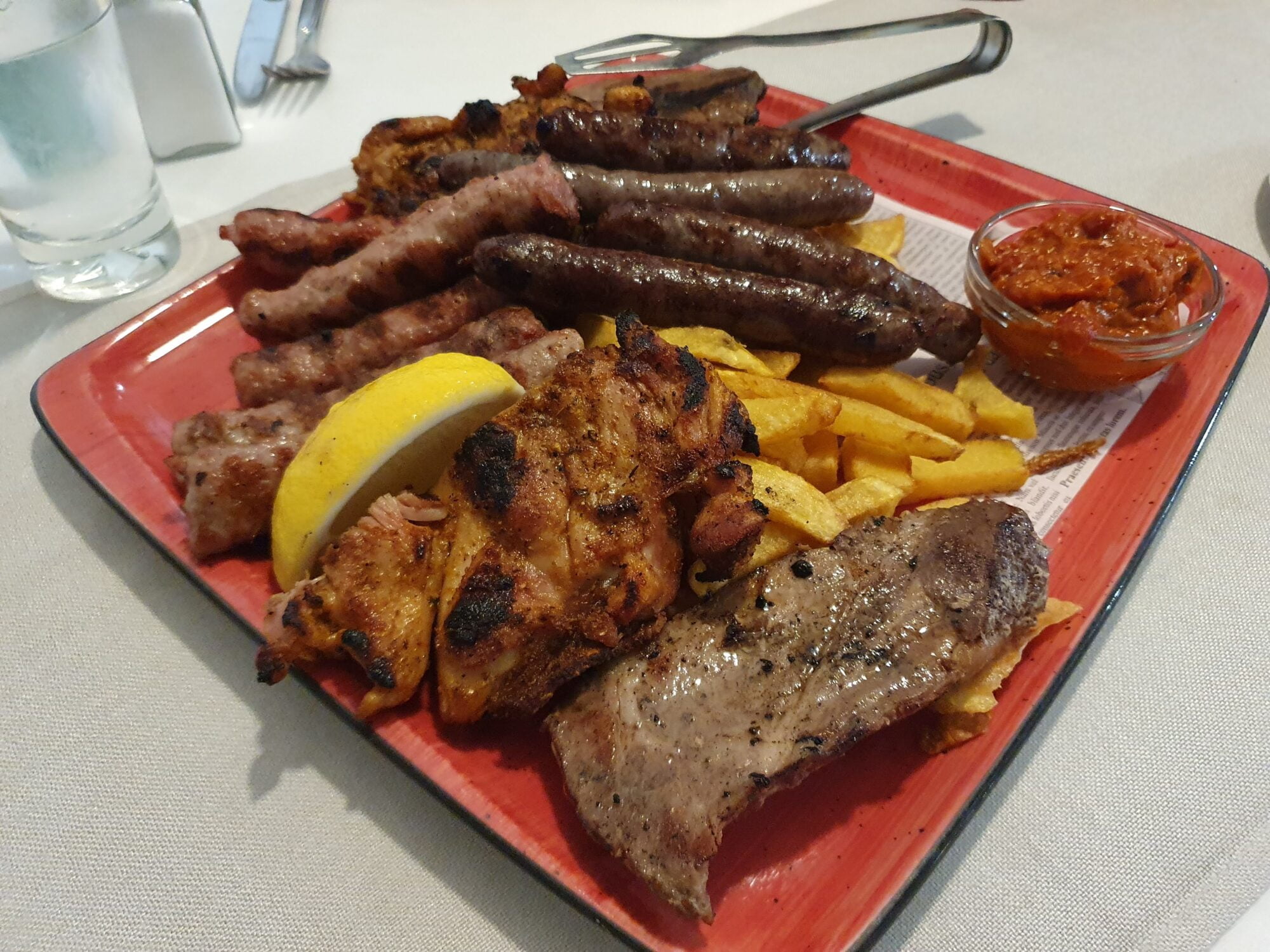
Bulgarian cuisine is varied, with soups, salads, stews, grilled meats, pastries, cheeses and local drinks to try. To complement meals, there are many options for wines and beers. I enjoyed many of the local beers during my extended stay in Bulgaria.
Traditional Bulgarian Food and Dishes to Try
Some of the Bulgarian food that I enjoyed while dining out in the cafes and restaurants of Bulgaria.
Tarator: Cold Cucumber Soup

Tarator is a traditional cold soup that is on many restaurant menus in Bulgaria. It’s a popular dish in the warm summer months, as it’s refreshing and hydrating. Tarator is made from yoghurt, cucumbers, garlic, and dill. They typically thin the yoghurt to give tarator its thin consistency. I enjoyed tarator at a restaurant in Ruse and can see why it’s popular during the warmer months.
Kavarma: Traditional Stew Dish

Kavarma is a very popular item on the food menus of Bulgaria. It is a slow-cooked stew dish with choices of pork or chicken as the meat option. It has many variants with subtle changes. Kavarma is cooked in earthenware, and the ingredients are pork, onion, red peppers, green peppers, mushrooms, and parsley.
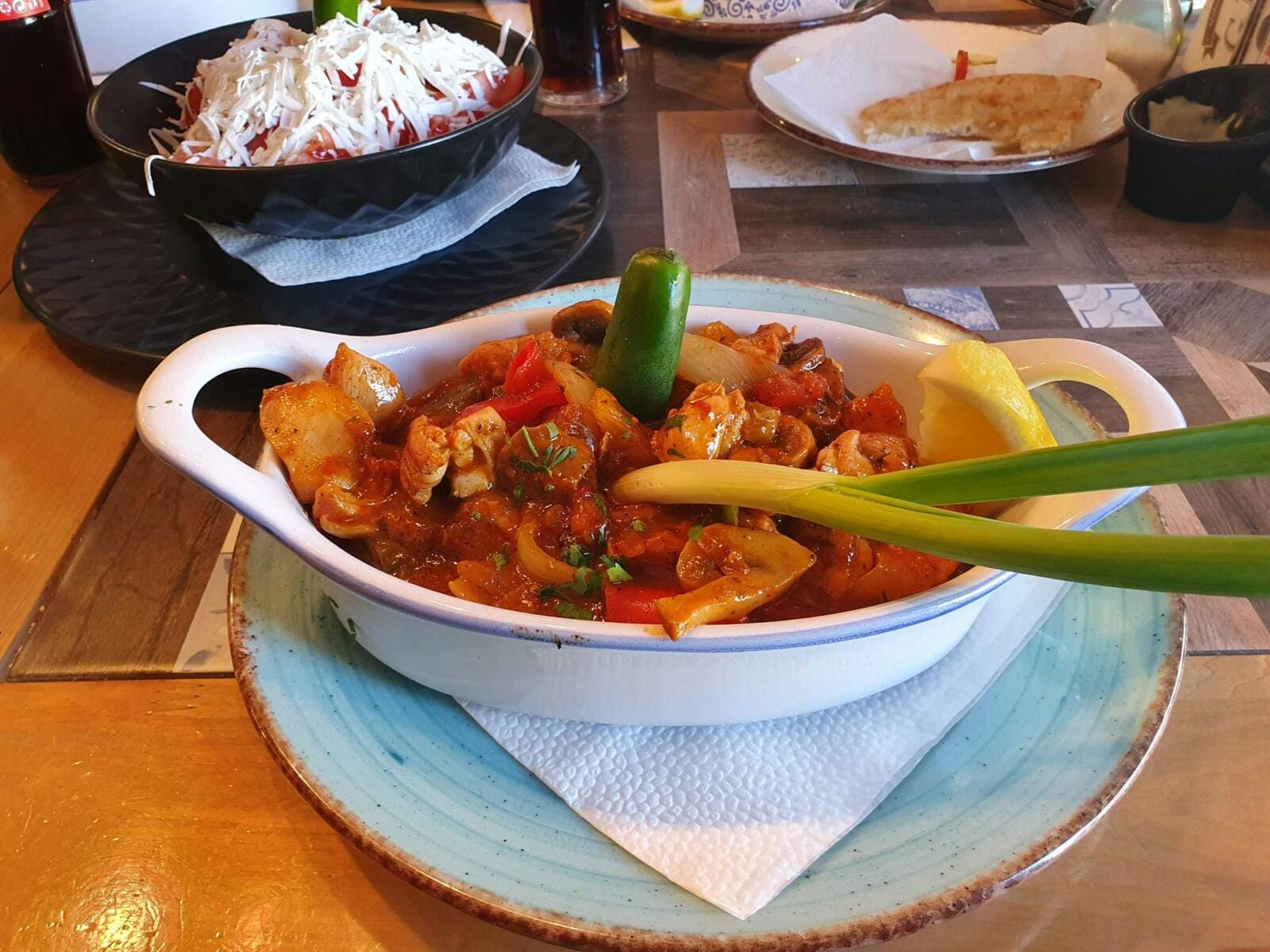
Kavarma is a hearty dish and one of my favourite Bulgarian meals. I enjoyed Kavarma in Ruse, Plovdiv, Sofia and Veliko Tarnovo. If you eat kavarma out, it doesn’t break the bank. Since leaving Bulgaria, I have cooked similarly in my kitchen.
Ribena Chorba: Fish Soup:
Another dish I enjoyed in Bulgaria was ribena chorba. Ribena chorba is a traditional Bulgarian fish soup. They use a variety of types of fish in the soup, including fish heads. They cooked the fish in a fish broth alongside diced vegetables. Depending on the region, the type of fish used is freshwater or saltwater.

In a restaurant in Ruse, they used Danube fish. They served this in a cauldron at one restaurant, which is kept warm at the table. Ribena Chorba gets the thumbs up from me and my wife.
Palneni Chushki: Stuffed Peppers
Another delicious food to try in Bulgaria is Palneni Chushki. Palneni Chushki are Bulgarian stuffed peppers. We’ve tried various versions of these on our travels, and this version hit the spot. They usually use bell peppers, but sweet paprika is sometimes used. The fillings include mixed meat, often including pork.

They also include rice, vegetables and herbs. The unique aspect of these stuffed peppers is the inclusion of dried savoury. Savoury is a plant grown in the country that they dry or pickle for use throughout the year. I also tried cheese-stuffed peppers in a restaurant in Bulgaria.
Shashlik: Meat on a Skewer

For something simple and delicious, I enjoyed shashlik. These are grilled pieces of meat cooked on a skewer; they became a staple of mine in Plovdiv. These were usually chicken or pork. They usually serve these with salad, a relish, grilled chillies and an optional flatbread.
Meshana Skara: A Mixed Grill
If hungry, one of my favourite Bulgarian dishes was Meshana Skara. However, my eyes were always bigger than my belly. They typically serve these on a hot plate, and they are delicious.
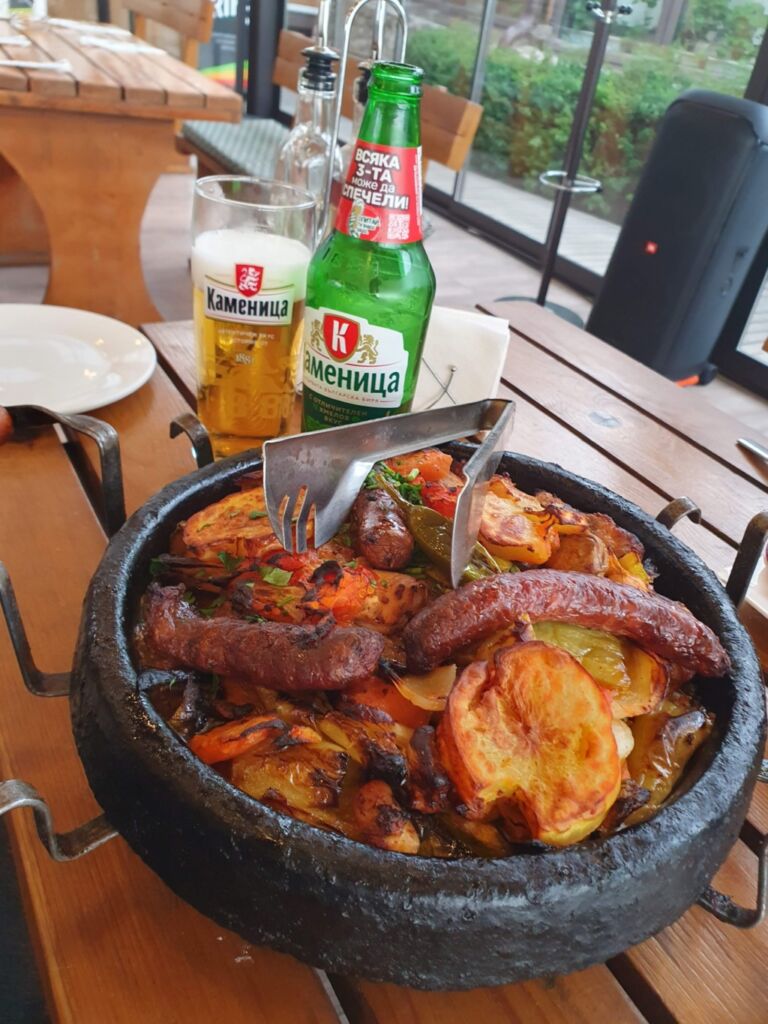
They usually include vegetables, various pork cuts, sausages and chicken. You can opt for sides too; bread is best, in my opinion. The way they come out sizzling and stay hot for ages is a fantastic way of serving the twist on the mixed grill.
Local Cheese
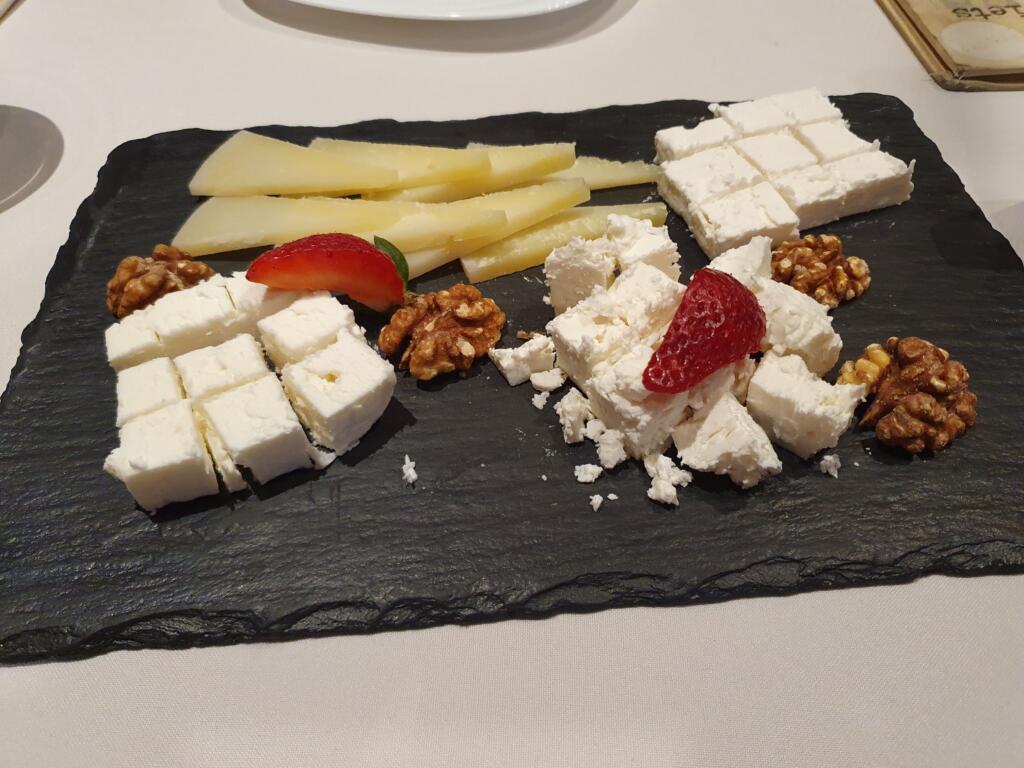
Every country has their own take on cheese, and Bulgaria is no different. We visited various cheese shops to try what we fancied. Sirene is a white cheese, very similar to feta cheese, the speciality of neighbouring Greece. This one is delicious and ends up in many of the salad dishes on the menus of restaurants in Bulgaria. They have various sub-varieties and can be made from cows’, goats’ or sheep’s milk. It’s also frequently used as a filling in banitsa, a Bulgarian pastry.
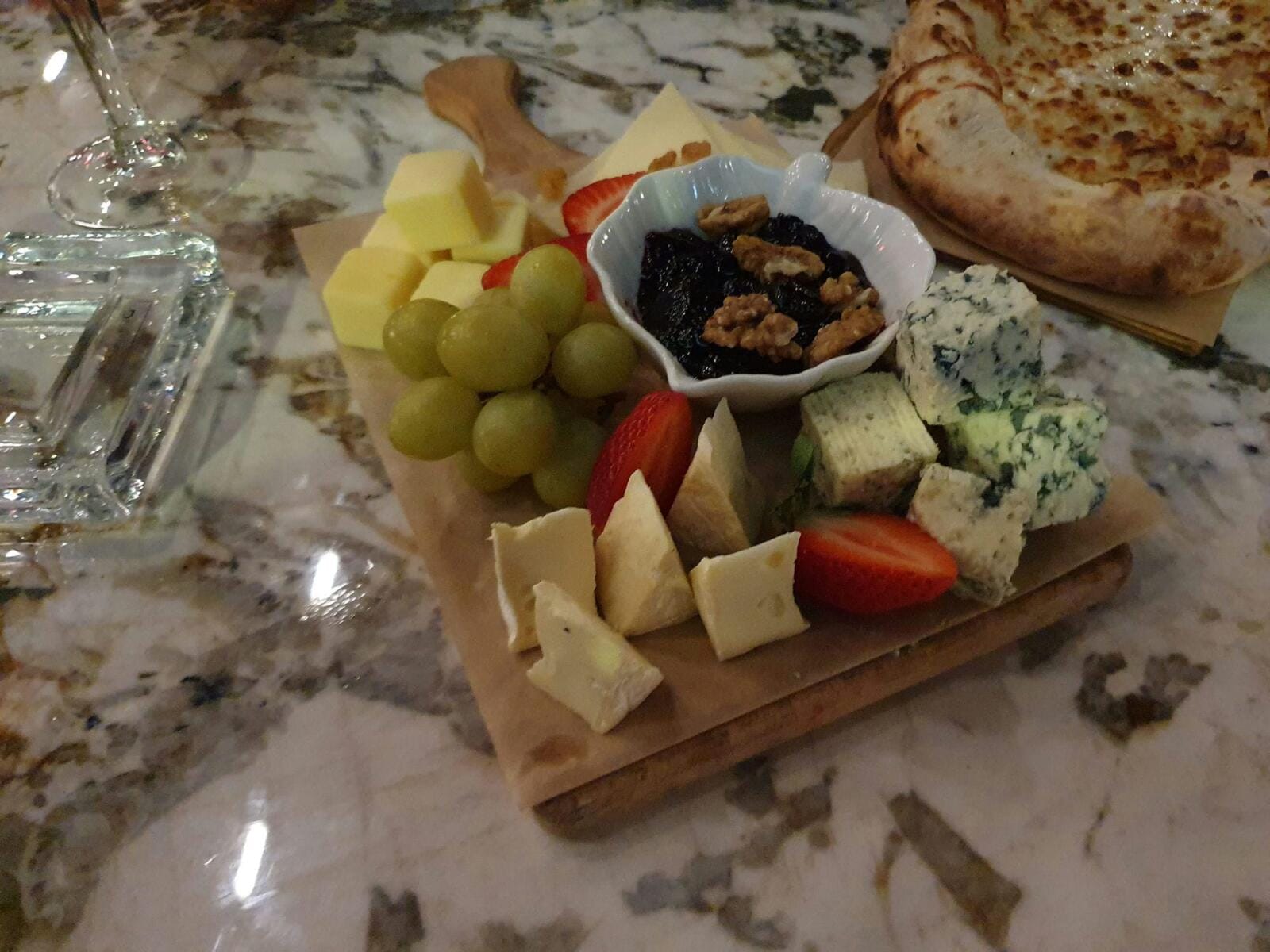
Another popular cheese on deli counters and in markets across Bulgaria is Kashkaval. Kashkaval is a semihard cheese, not too dissimilar to mild cheddar. They use this in dishes where you would often find cheddar, including pizzas. It’s also good for grilled cheese sandwiches, known locally as Kashkaval pane. There are other Bulgarian cheeses available. We enjoyed a few cheese boards; however, we couldn’t find any in the markets.
Bulgarian Yoghurt
Bulgarian yoghurt became a breakfast staple for us during our prolonged stay in Bulgaria. We usually combined it with seasonal fruits and dried fruits from the market. They also do fancy pre-prepared versions in juice and sandwich shops for a handy local yoghurt on the go.
Bulgarian yoghurt is unique as it contains Bacillus Bulgaricus, a unique good bacterium. There were various yoghurt options, usually sold by fat percentage. The higher the percentage, the creamier and thicker the product. The 10-20% one was a firm favourite of mine.
Banitsa: Savoury Pastry
Pasties are handy snacks or for lunch on the go. Banitsa is the most popular pastry in the country. You can purchase various versions from bakeries and supermarkets.
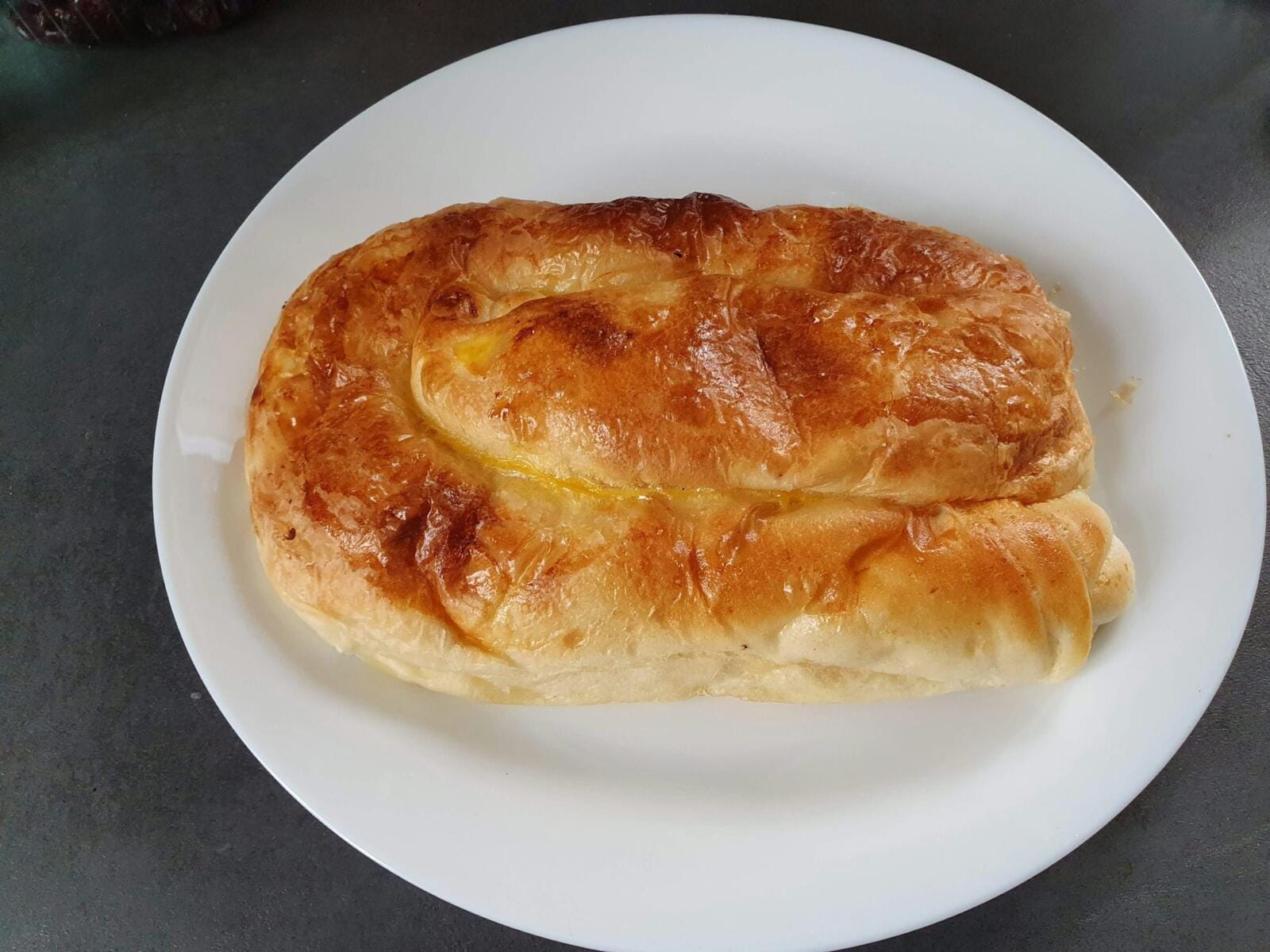
They prepare banitsa by layering a mixture of whisked eggs, natural yoghurt and pieces of white brined cheese between filo pastry and then baking it in an oven. These are delicious and never get old. They are similar to burek from Croatian cuisine. I’m glad that there was lots of walking involved in Bulgaria, as these were moreish.
Local Honey
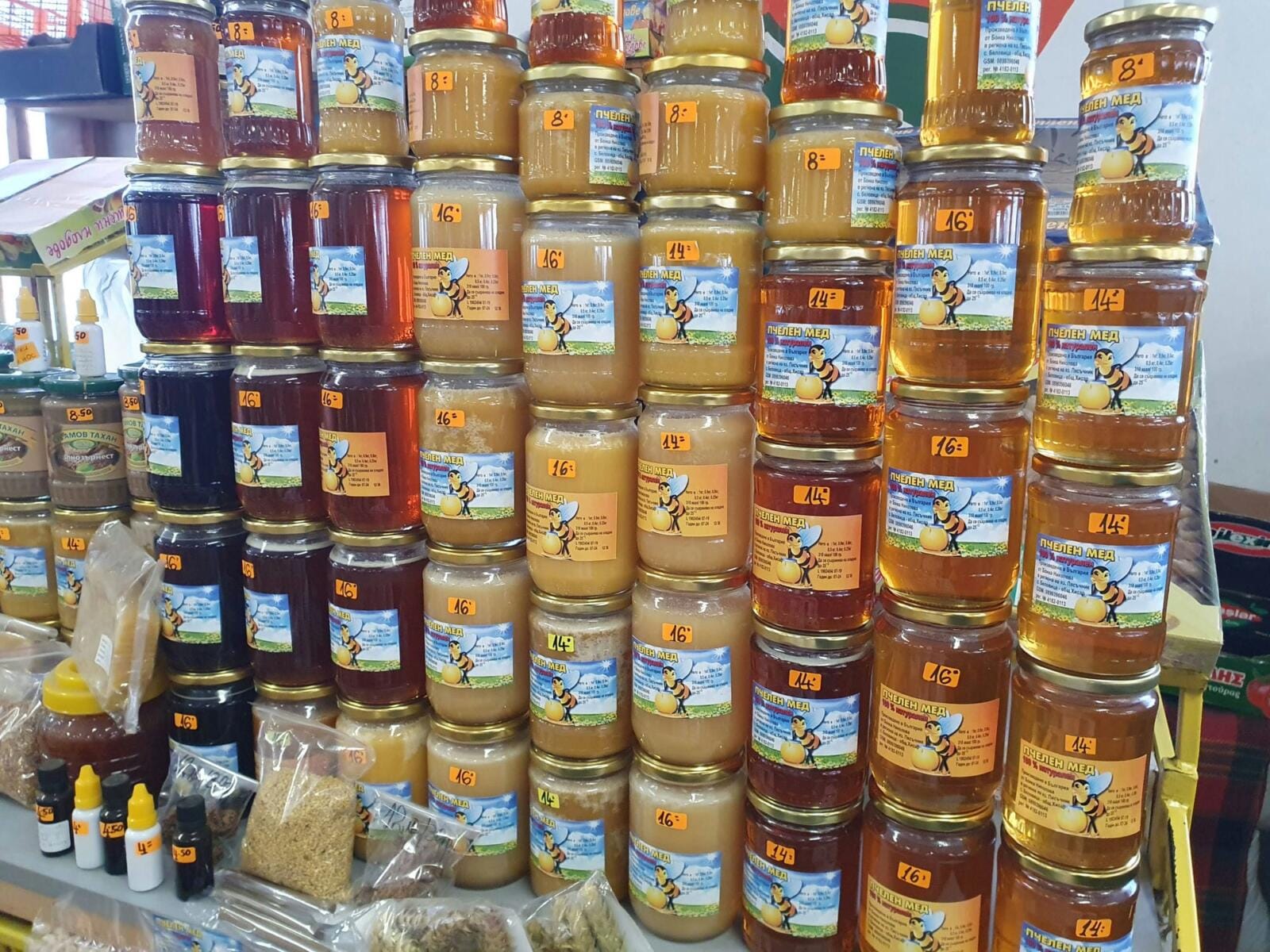
Bulgaria is a fantastic country for honey, and they produce a selection of types. You can find a selection of Bulgarian honeys in the country’s markets. They taste delicious and come in different colours. They also host honey-tasting sessions in shops or online.
Shopska Salad
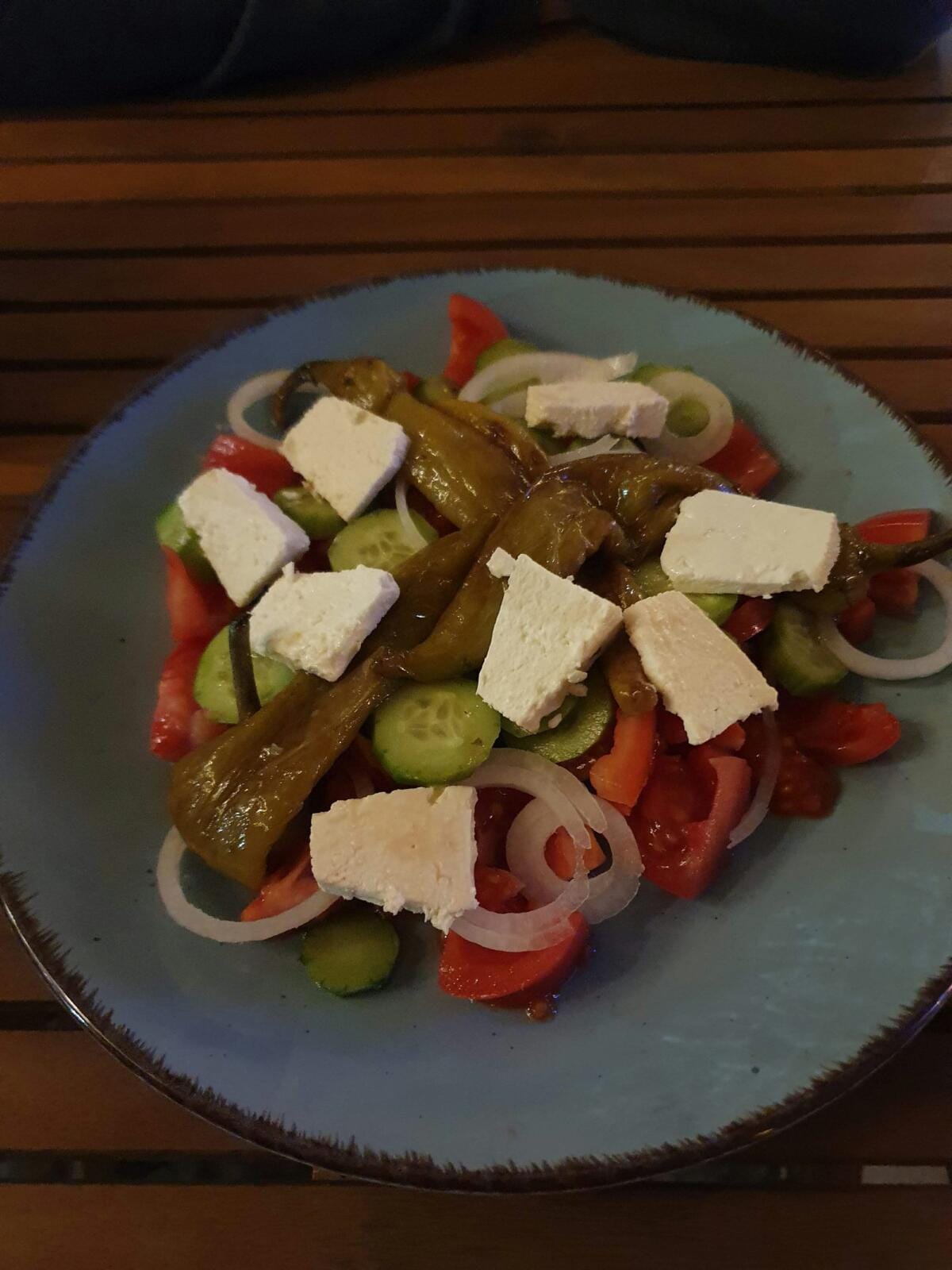
The most popular salad in Bulgaria is Shopska Salad, and it’s available in most restaurants. Most diners seem to order this as a starter for a meal out, including us. Shopska salad has a variety of ingredients. This includes tomatoes, cucumbers, onions/scallions, raw or roasted peppers, and sirene, a white brine cheese. It’s a delicious salad and quite healthy. Shopska salad is an excellent dish to order if you’re in a rush, as it usually arrives at the table quickly.
Shkembe Chorba: Tripe Soup & Hangover Cure
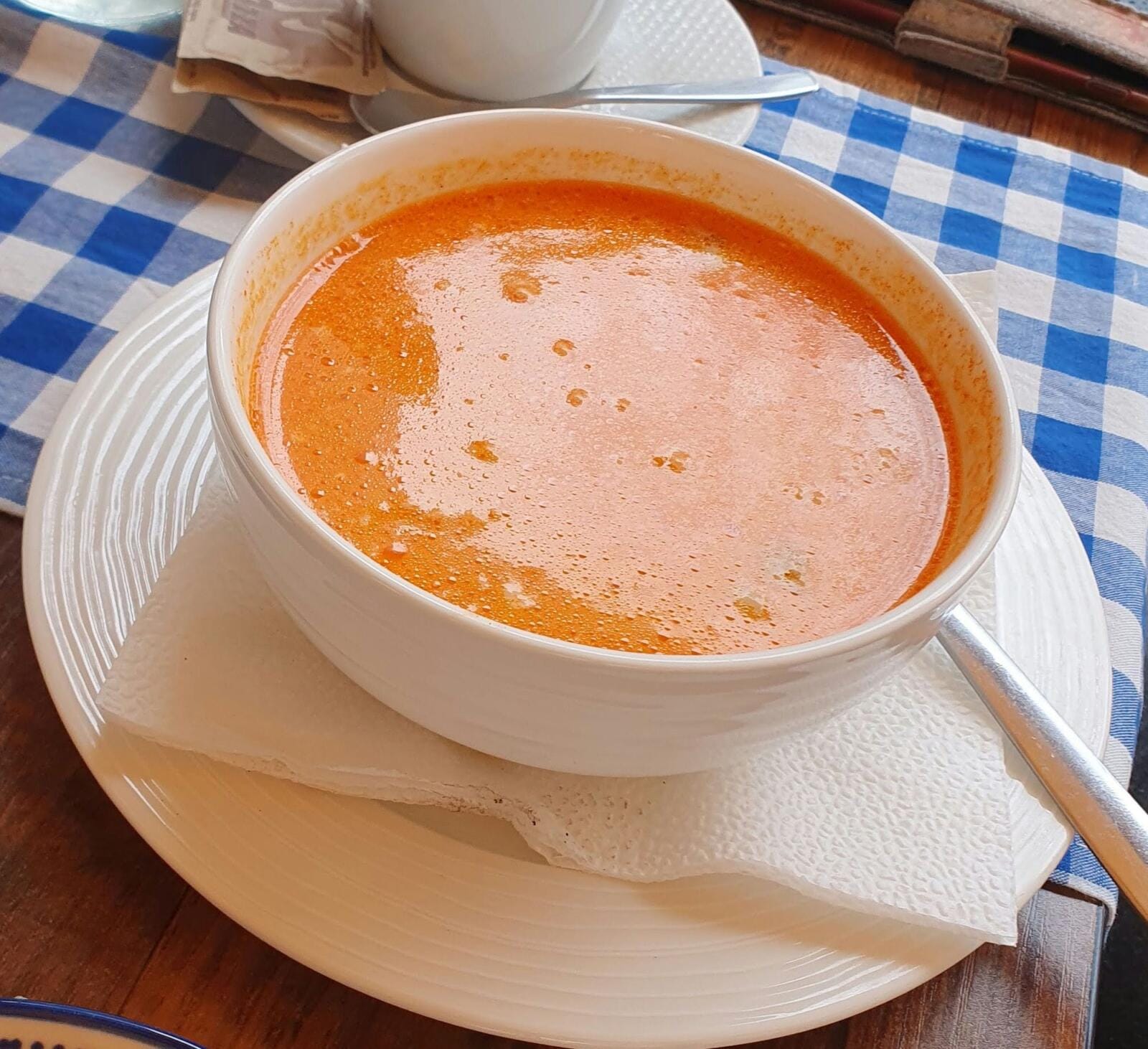
Shkembe chorba is a traditional Bulgarian tripe soup famous as a hangover cure. I can’t confirm or deny the claim, as beer doesn’t give me hangovers. It’s similar to the Ciorba de Burta of Romanian cuisine, albeit spicier. Ingredients include tripe, red wine vinegar, milk, paprika and hot chillis. The Shkembe chorba we enjoyed wasn’t hot by my standards. However, it comes with condiments to adjust the heat of the dish.
Autumn Salad
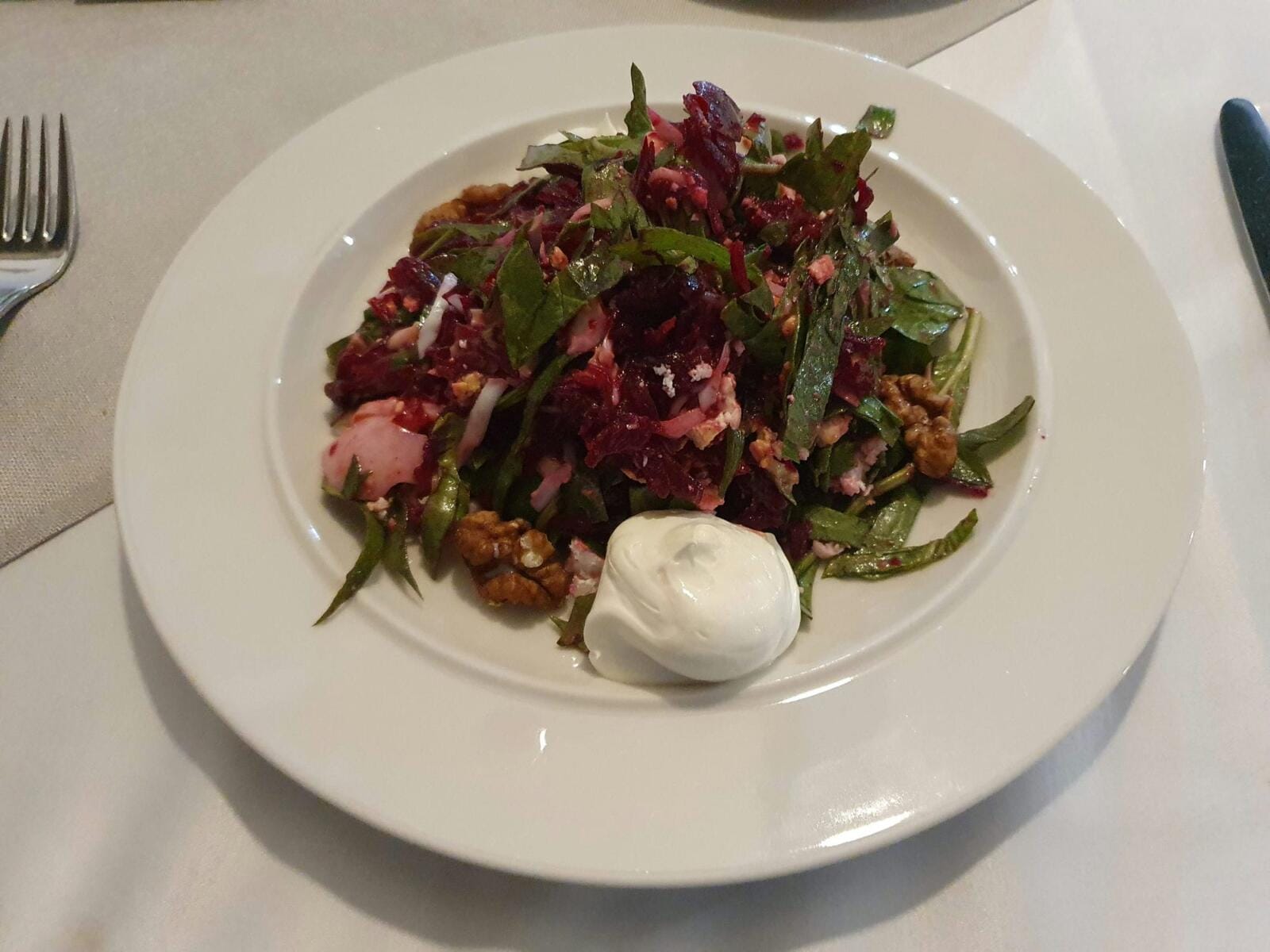
Another salad I enjoyed while dining out in Bulgaria was the autumn salad, despite it being spring on my visit. This one had autumn leaves, cheese, beetroot and walnuts. It certainly hit the spot for me. I’m not a salad person, but the variations in Bulgaria did it for me.
Kyufte & Kebapche
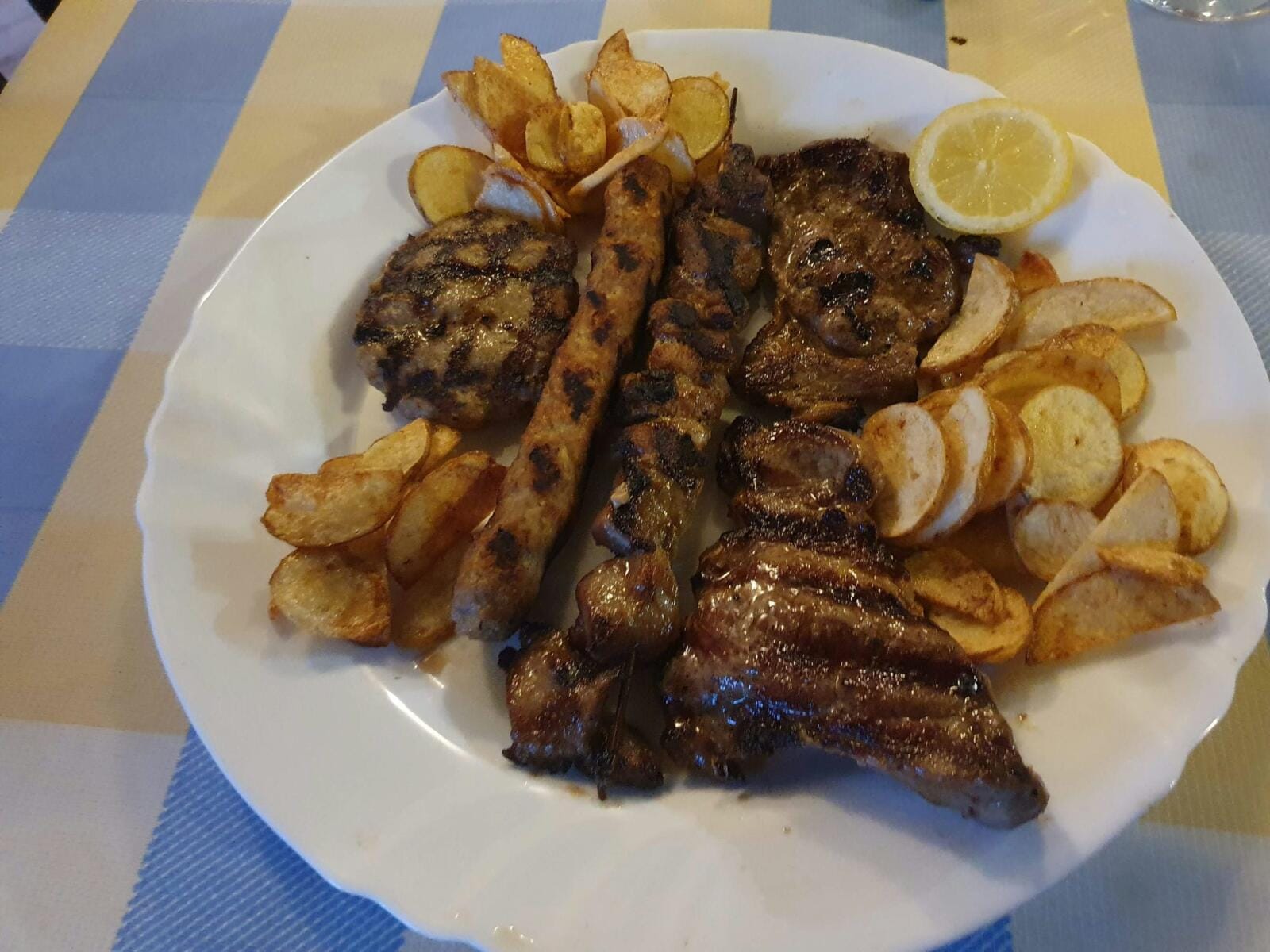
Kyufte & Kebapche are popular options on Bulgarian food menus and often make up part of a mixed grill. You can also order these separately to enjoy. They are often served with fries and Lutenitsa, a chutney.
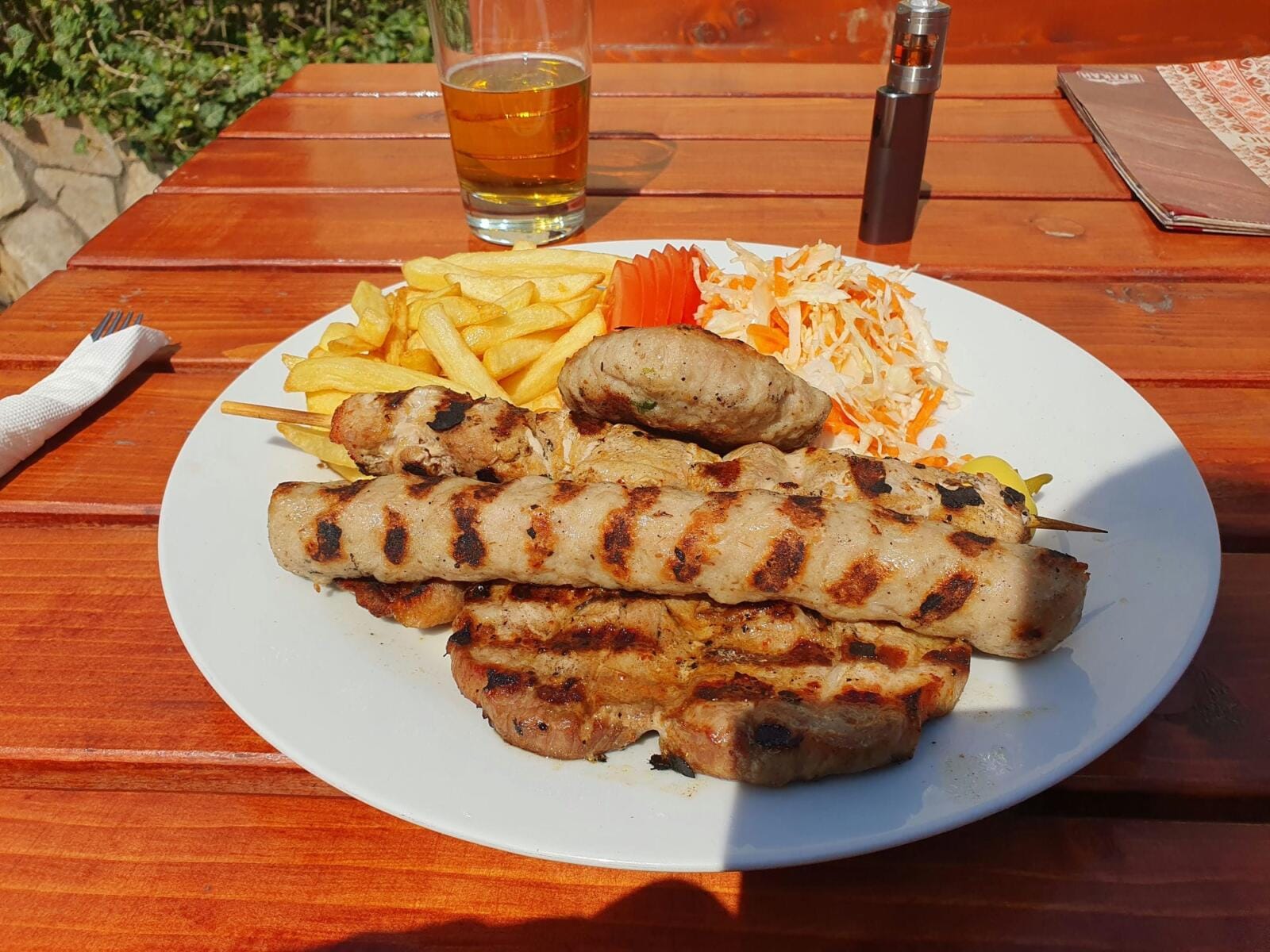
Kyufte is the Bulgarian equivalent of a meat patty or burger. They make it with minced pork and beef with seasonings and spices. Kebapche is made with similar ingredients but shaped like a skinless sausage. I’ve also enjoyed these made with only pork, and they are pale.
Lutenitsa: Chutney
Lutenitsa, or Ljutenica, is commonplace on plates in Bulgarian restaurants, especially with grilled meats. It is basically a Bulgarian chutney or relish that certainly adds to the dishes it accompanies. Sometimes it is hot; other times pretty sweet.
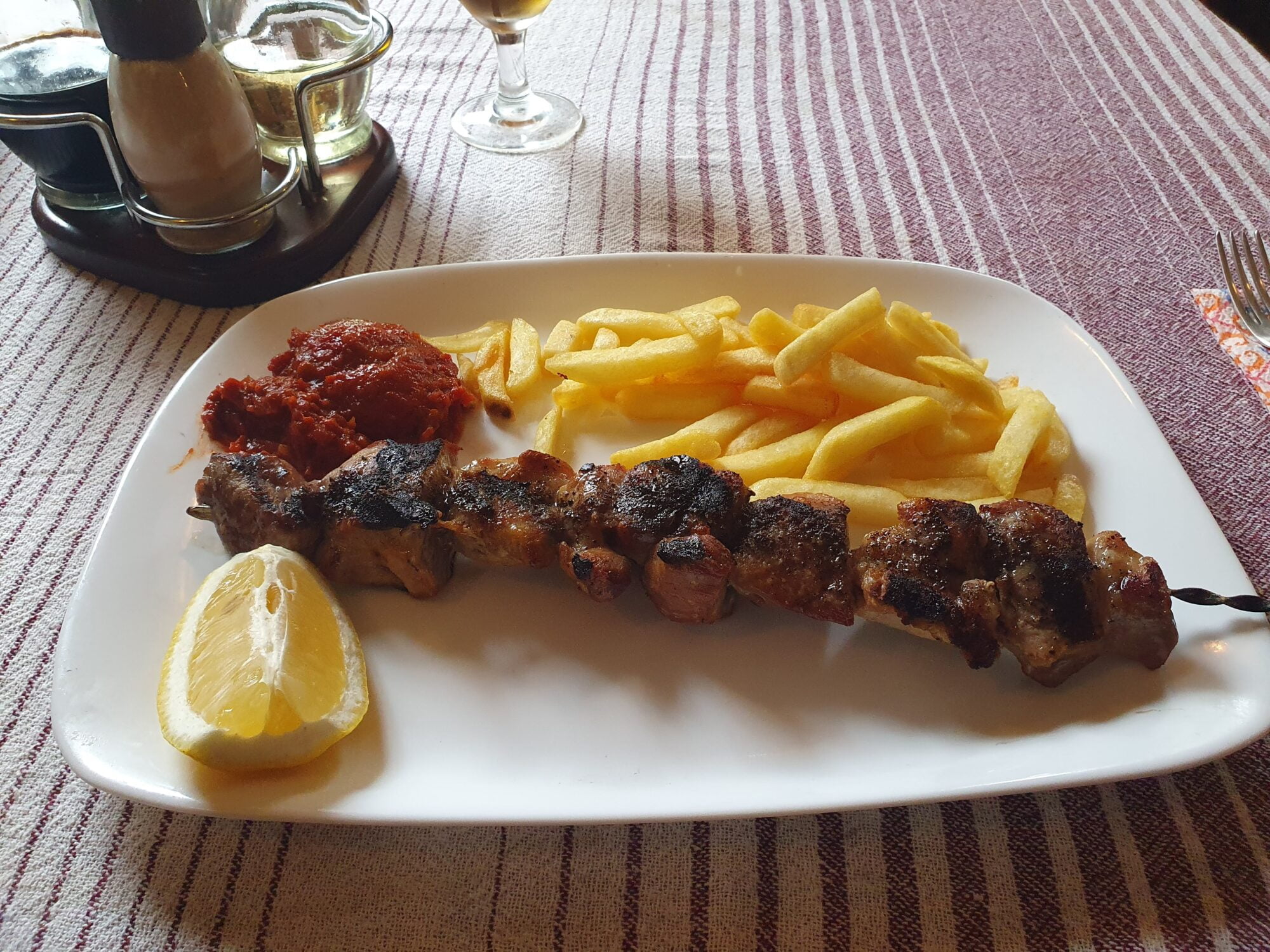
Ingredients used to make Ljutenica are peppers, aubergines, carrots, garlic, vegetable oil, sugar, salt, and tomatoes. Sometimes the relish is smooth and other times chunky. It’s a common dish that we enjoyed many times in various places in Bulgaria.
Bulgarian Beer
There are quite a few brands of regular lager beer in Bulgaria, and I tried them while out and about. There are also some craft beers to try.
Kamenitza: A Popular Beer

Kamenitza was rather refreshing and widely available in the bars and restaurants of the country. It’s a light lager-type beer, and more often than not, it comes in a bottle.
Kamenitza is originally from Plovdiv and was created in 1881 by three Swiss businessmen. They named the beer after the Kamenitza district of the city. Currently, the beer is brewed in Haskovo, another city in Bulgaria.

In addition to the popular lager, they also brew dark beers, wheat beer, and some fruit-flavoured beers similar to radler. They also do a non-alcoholic version of the beer.
Apuaha/Ariana Beers
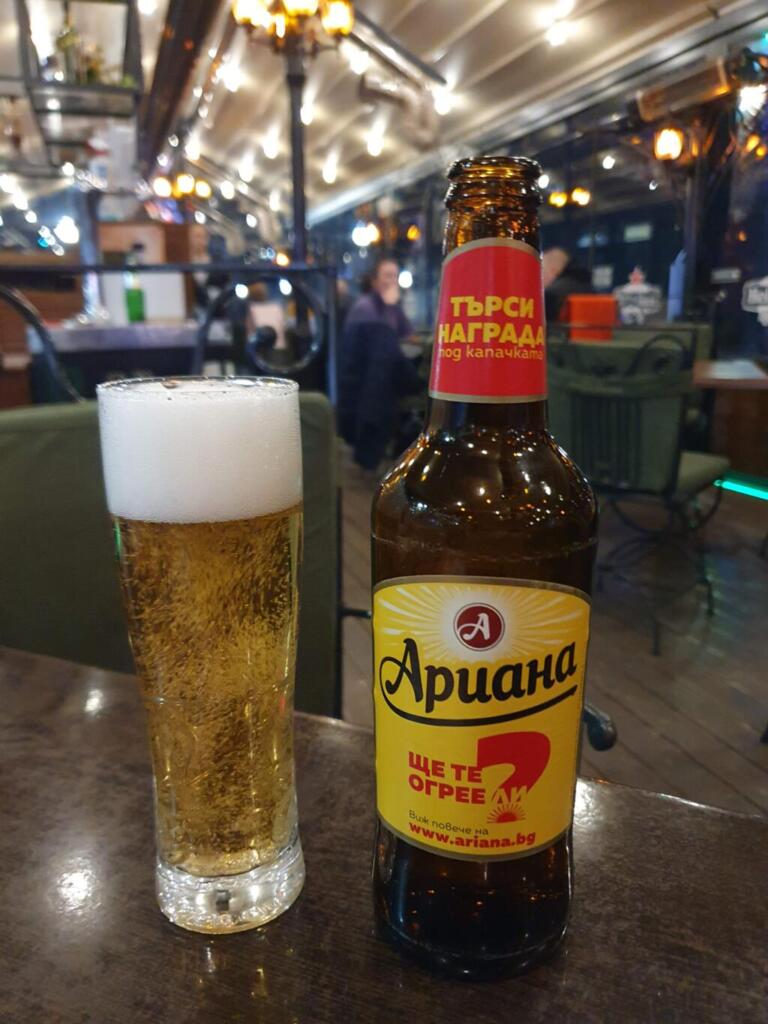
Apuaha, aka Ariana Light, is widely available in the bars of the country. I really enjoyed this one, and it was very refreshing for a daytime drink. The Apuaha brewery has been brewing since 1984, mostly from Sofia before they moved to Zagorka. They also have a dark beer and fruity radler, which are available during the summer.
Zagorka Beer
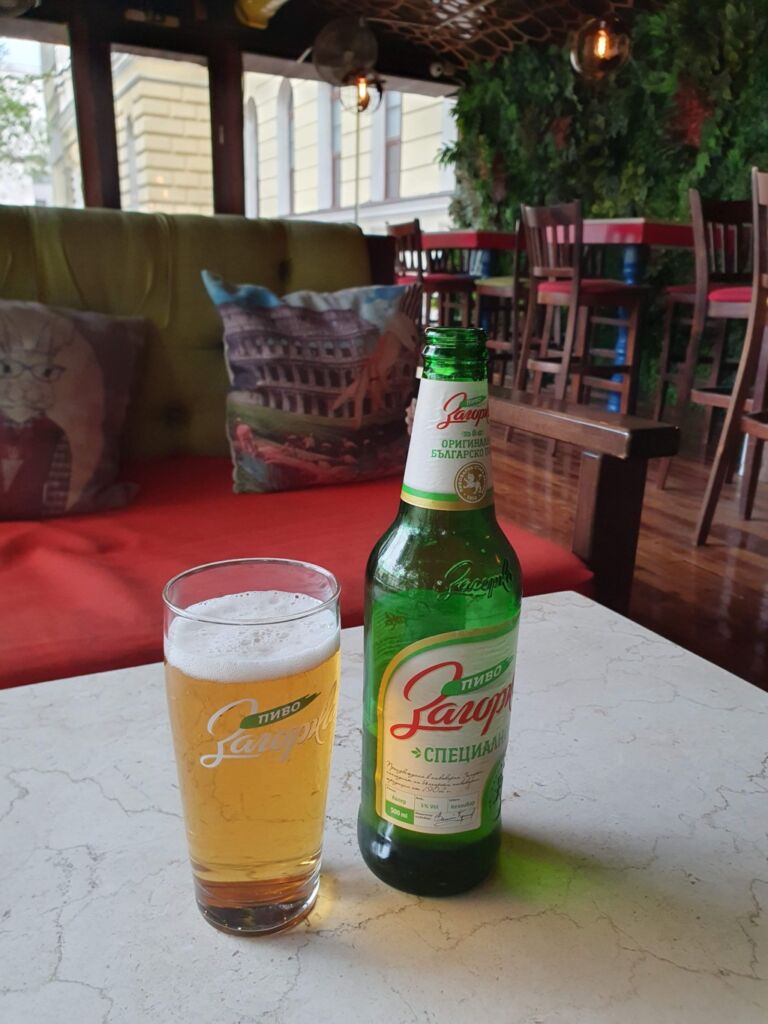
Another beer brand that you will see frequently out and about in Bulgaria is Zagorka. Zagorka mostly stocks a blonde lager-type beer called Zagorka Special that tastes good. Also, they have a retro beer, which is a filtered but not pasteurised lager. This was flavourful and seemed to last longer in my glass than their regular brew.
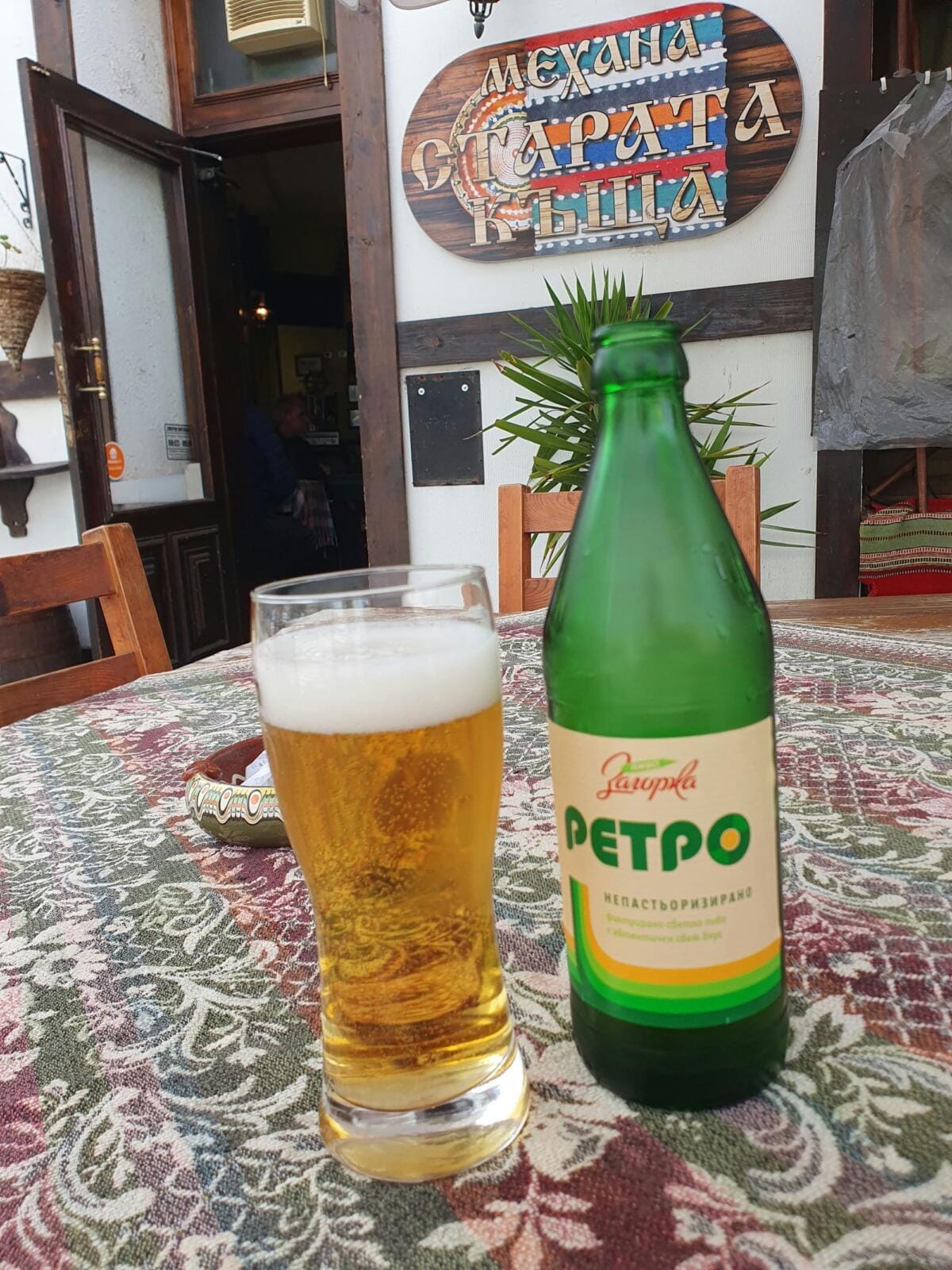
They also do Zagorka Reserve, a dark beer with berries, and Fusion, a light beer flavoured with grapes. Zagorka Special is a good session beer and usually good value.
Shumensko – Шуменскo
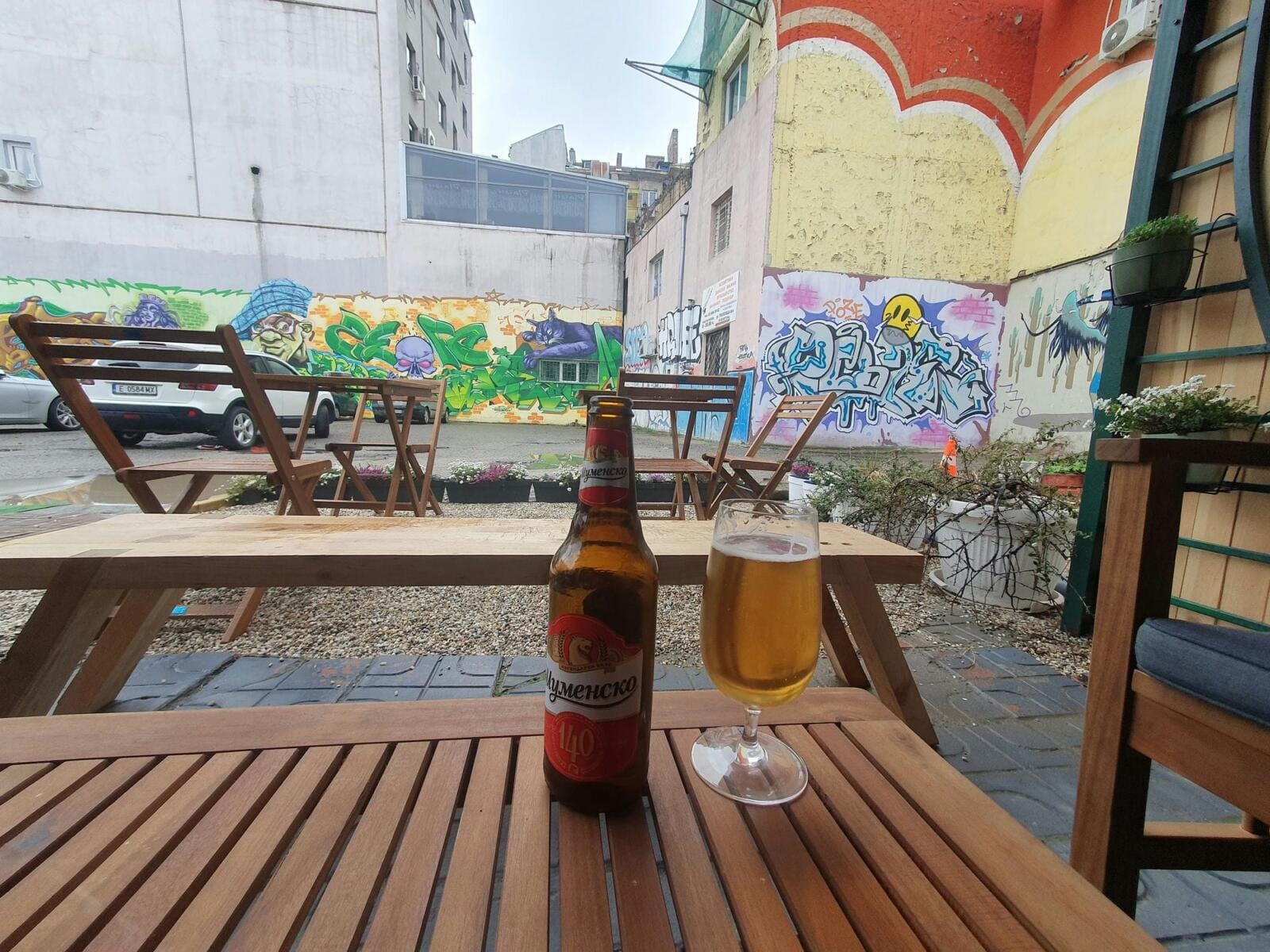
Шуменско, aka Shumensko, is not as prevalent as Kamenitza or Ariana in bars, but it’s pretty easy to get hold of a glass. Shumensko is from the town of Shumen, and local merchants, with the help of a Czech master brewer, founded the brewery in 1882.
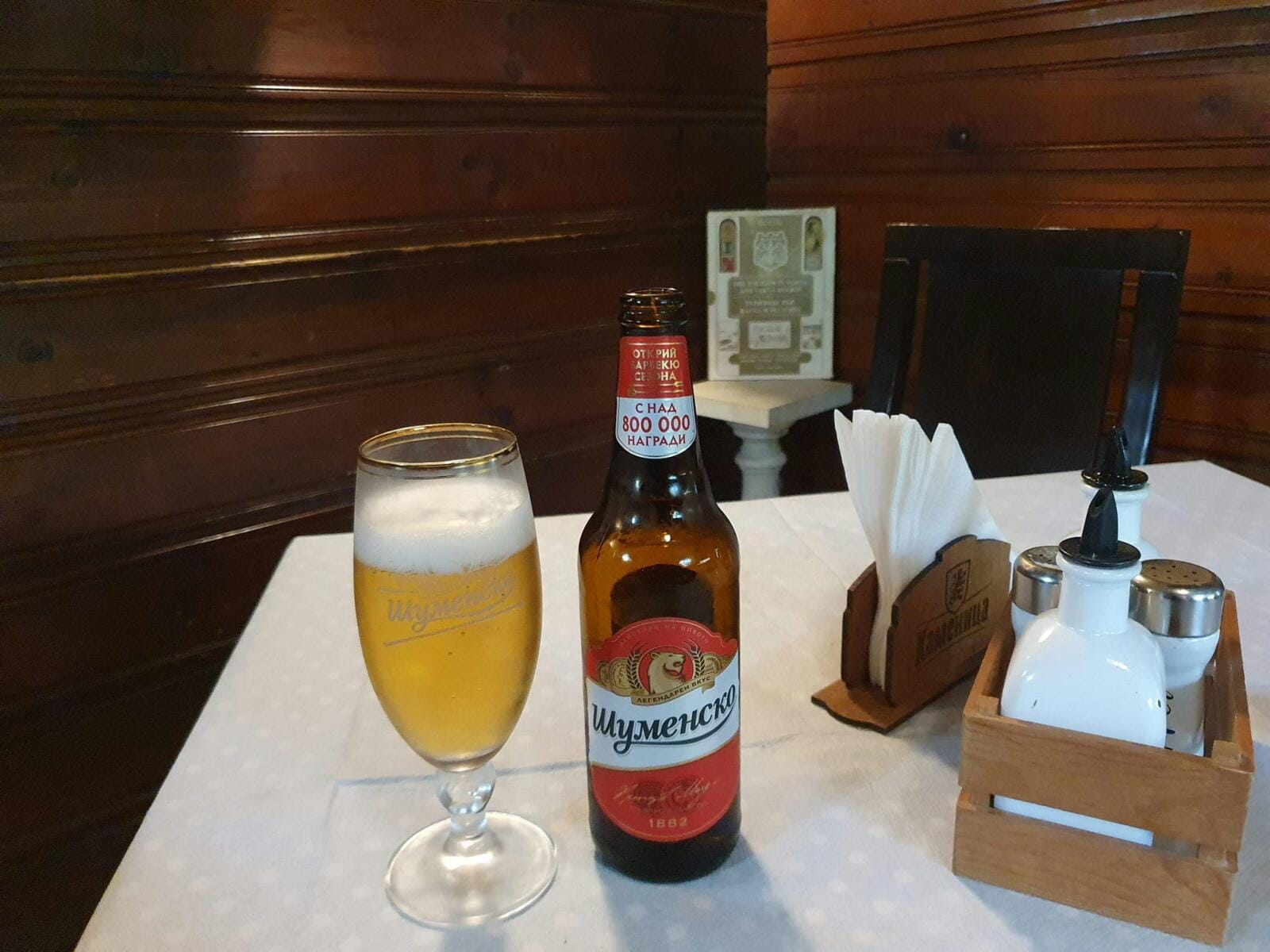
Their premium beer is fantastic; however, they also have a light version. They also have a dark beer and a citrus version. An excellent beer to try when exploring Bulgaria’s bar culture.
Glarus A Craft Beer
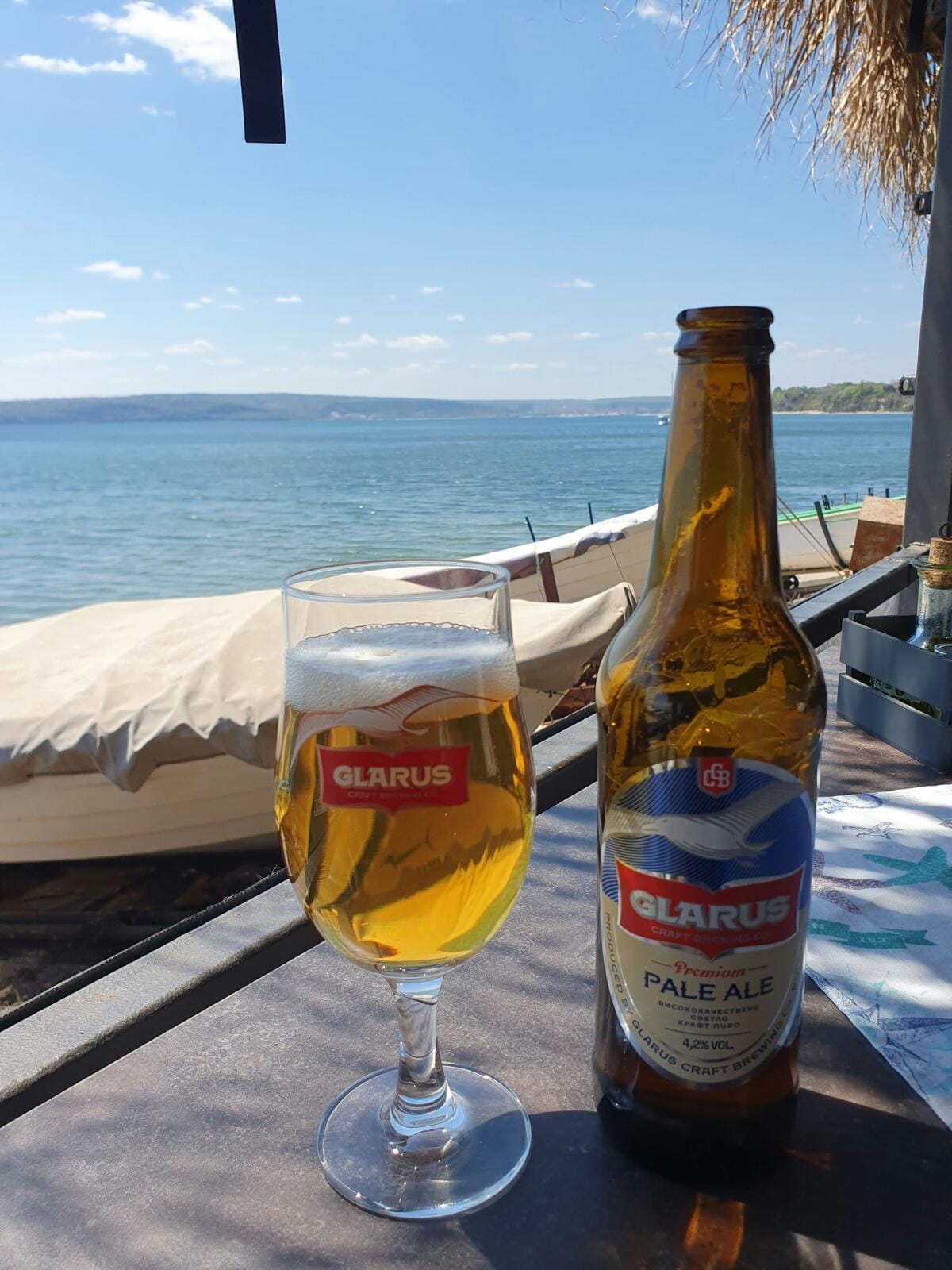
Another drink I tried while in Varna was Glarus, a local craft beer. I opted for their premium pale ale and enjoyed a few with a meal by the sea. Glarus is a young brewery that was started in 2014, and they are based near the Black Sea. They have an interesting range of craft beers to choose from, leading with English Ale, a porter, an IPA and a brown ale.
Bohem – Бохемъ
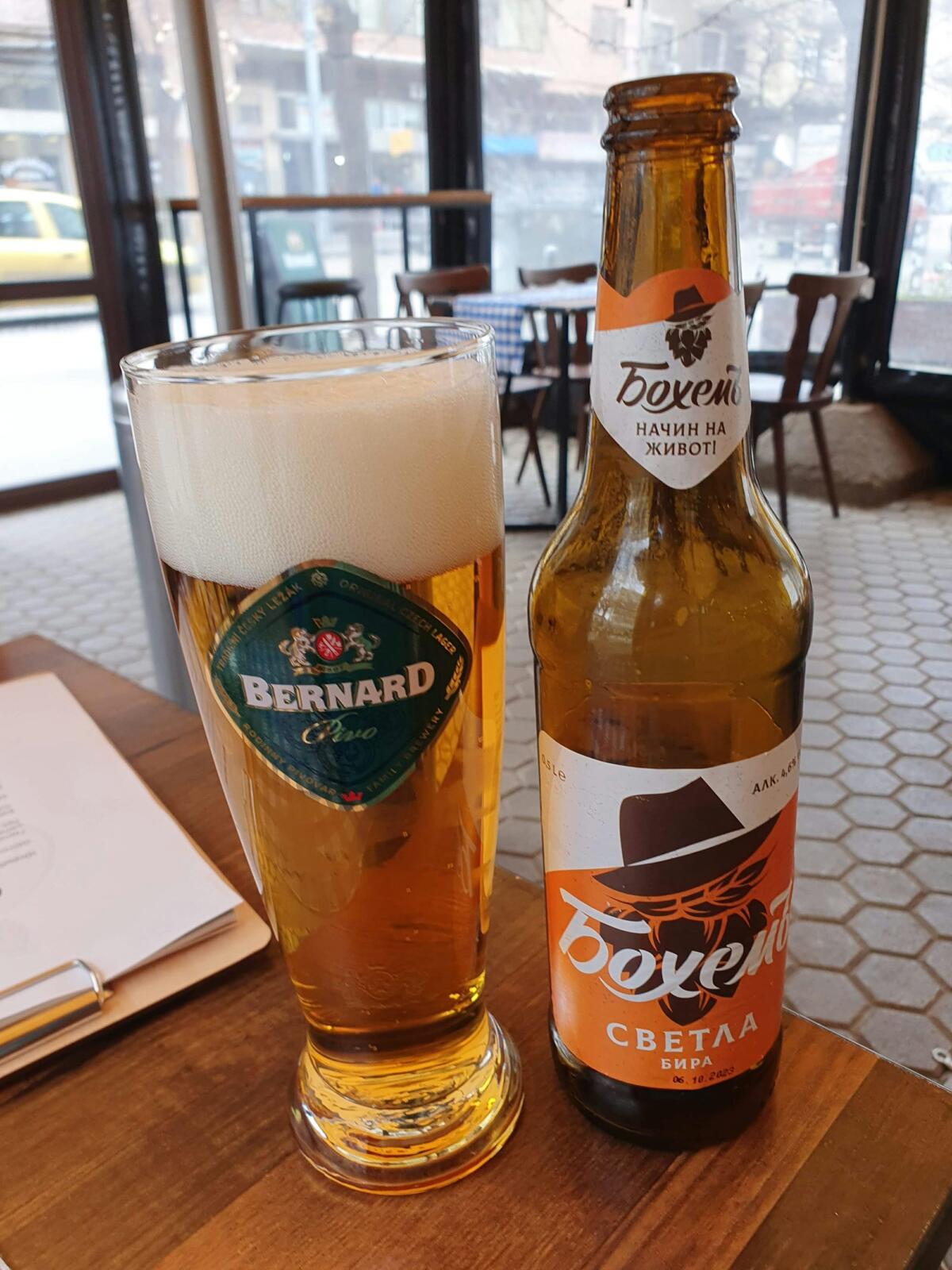
Another nice beer I enjoyed in Sofia was Bohem, aka Бохемъ. It’s a pale lager with a stronger hoppy taste than typical lagers. The Binding Brewery in Bulgaria created this Czech-origin beer.
Pirinsko Lager Beer
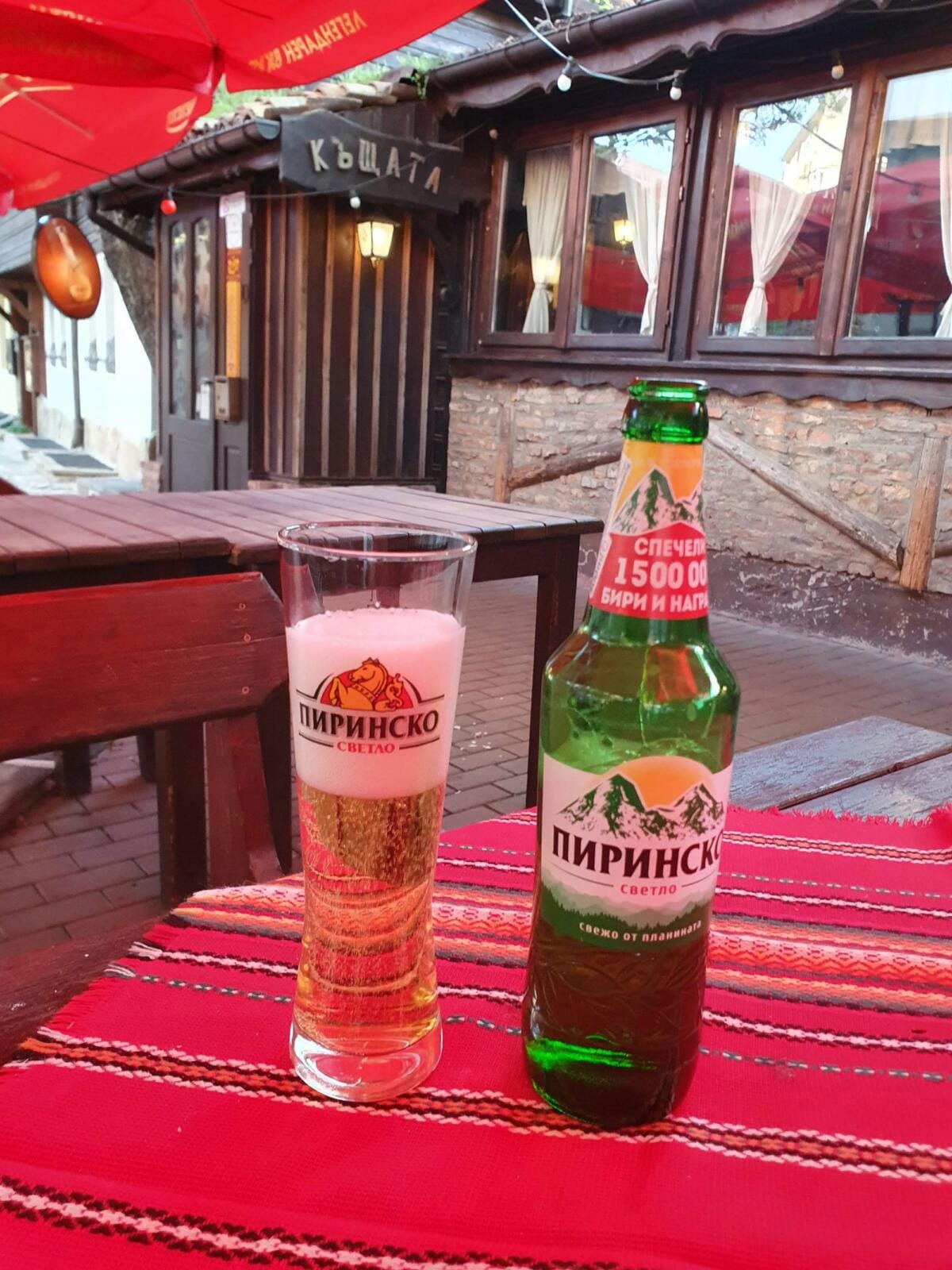
Another lager I enjoyed was Pirinsko, which seemed to be one of the cheaper options in neighbourhood bars. It’s a crisp drink and ideal for a warm day of sightseeing. They named Pirinsko beer after the nearby Pirin Mountains, and the brewery is in Blagoevgrad.
Burgasko beer
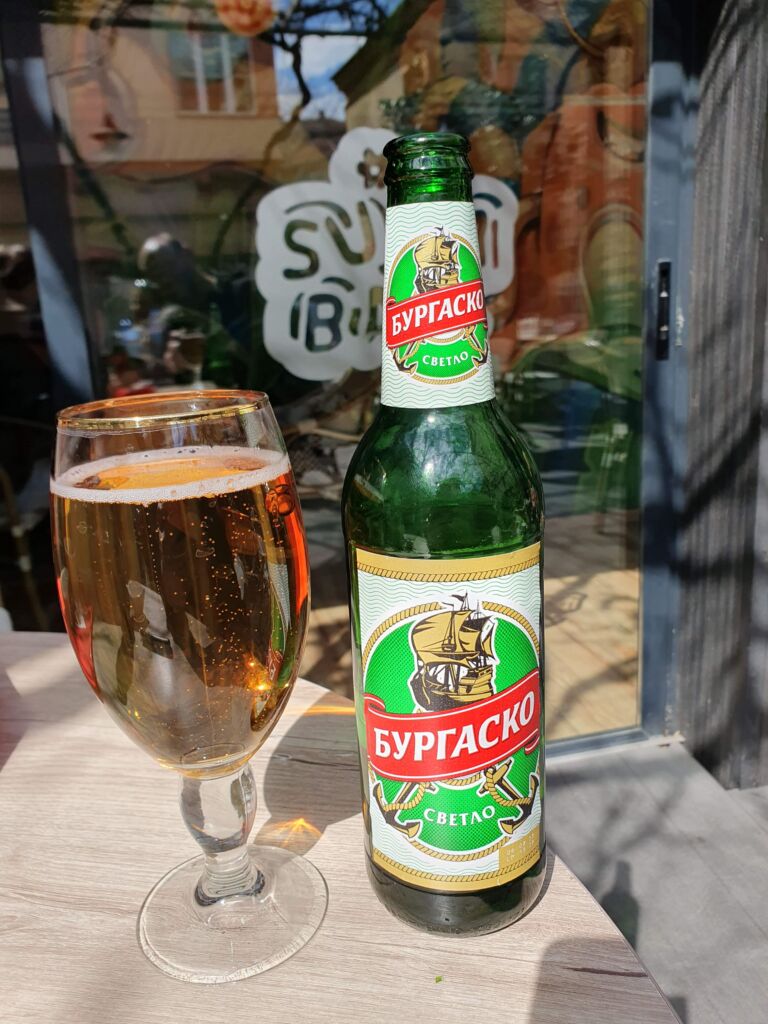
Another refreshing beer option in Bulgaria is Burgasko. Burgasko beer is from the seaside city of Burgas and is currently owned by the Morson Coors group. They established the brewery in 1971. It is a pale lager-type beer that has a nice mild flavour and goes down easily. I really enjoyed this as a refreshing drink while out exploring the Black Sea coast and ancient city of Plovdiv.
Bulgarian Wines
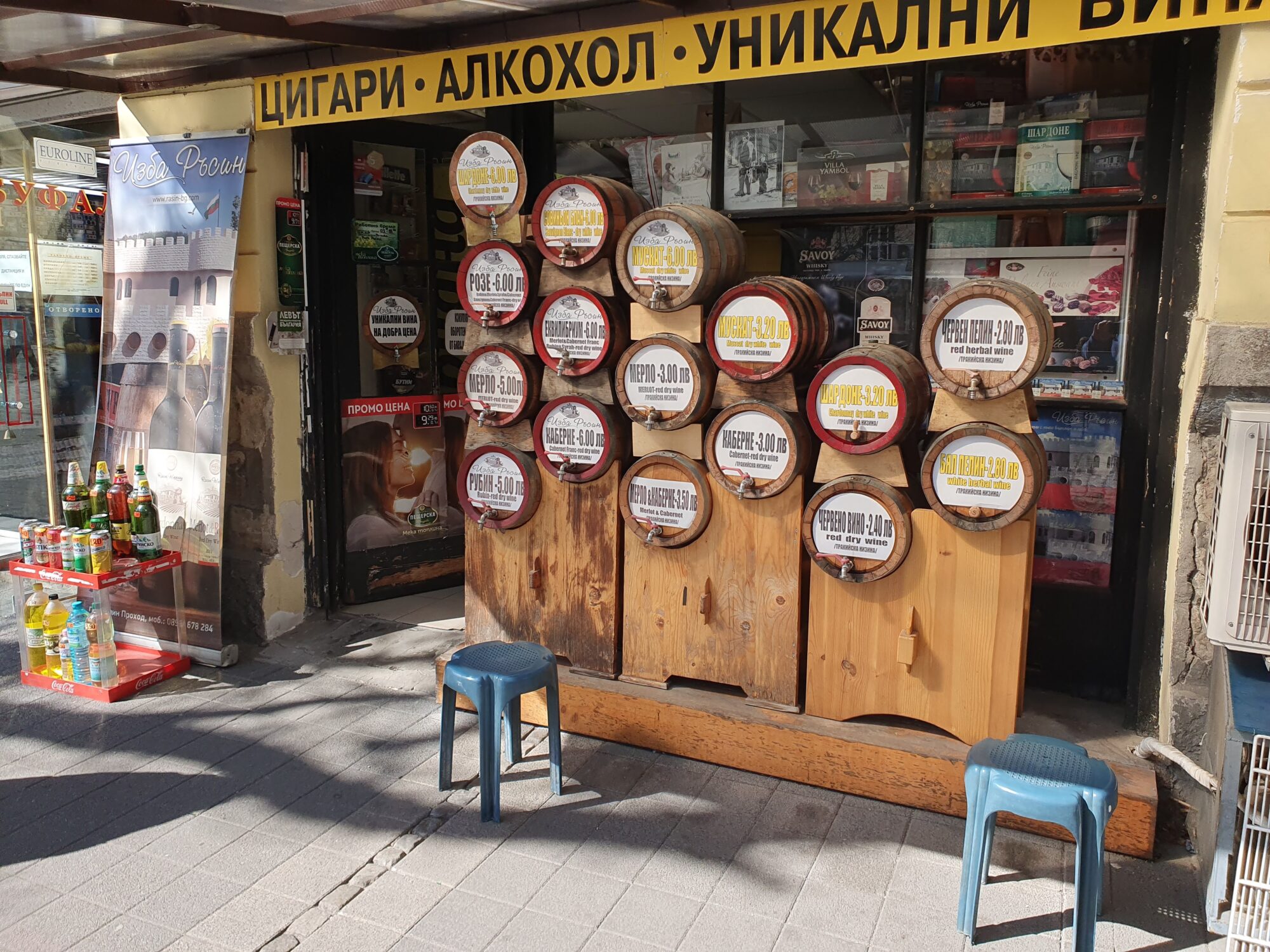
For those who enjoy wine over beer, there are many options for Bulgarian wines. Those I tried were nice and tasty. Most restaurants have a wine menu featuring wines from Bulgaria. I also enjoyed seeing the wine producers in the markets of the cities we visited.
Where To Try Bulgarian Cuisine
I have other food-related posts from my visit to Bulgaria, including various local restaurant recommendations. You can also find out about the markets of Bulgaria.
The meat dishes look very similar to what I tried in Albania. I need to return to Bulgaria again soon. Thanks for the post! Tom