
Chepstow Castle Review: Dog-Friendly Day Out in South Wales
Chepstow Castle is one of the best places to visit in Chepstow and one of the most impressive historic sites in South Wales. It is also dog-friendly, making it a great day out if you are visiting with a dog. On my most recent visit, I explored the castle as part of a day trip from Gloucester.
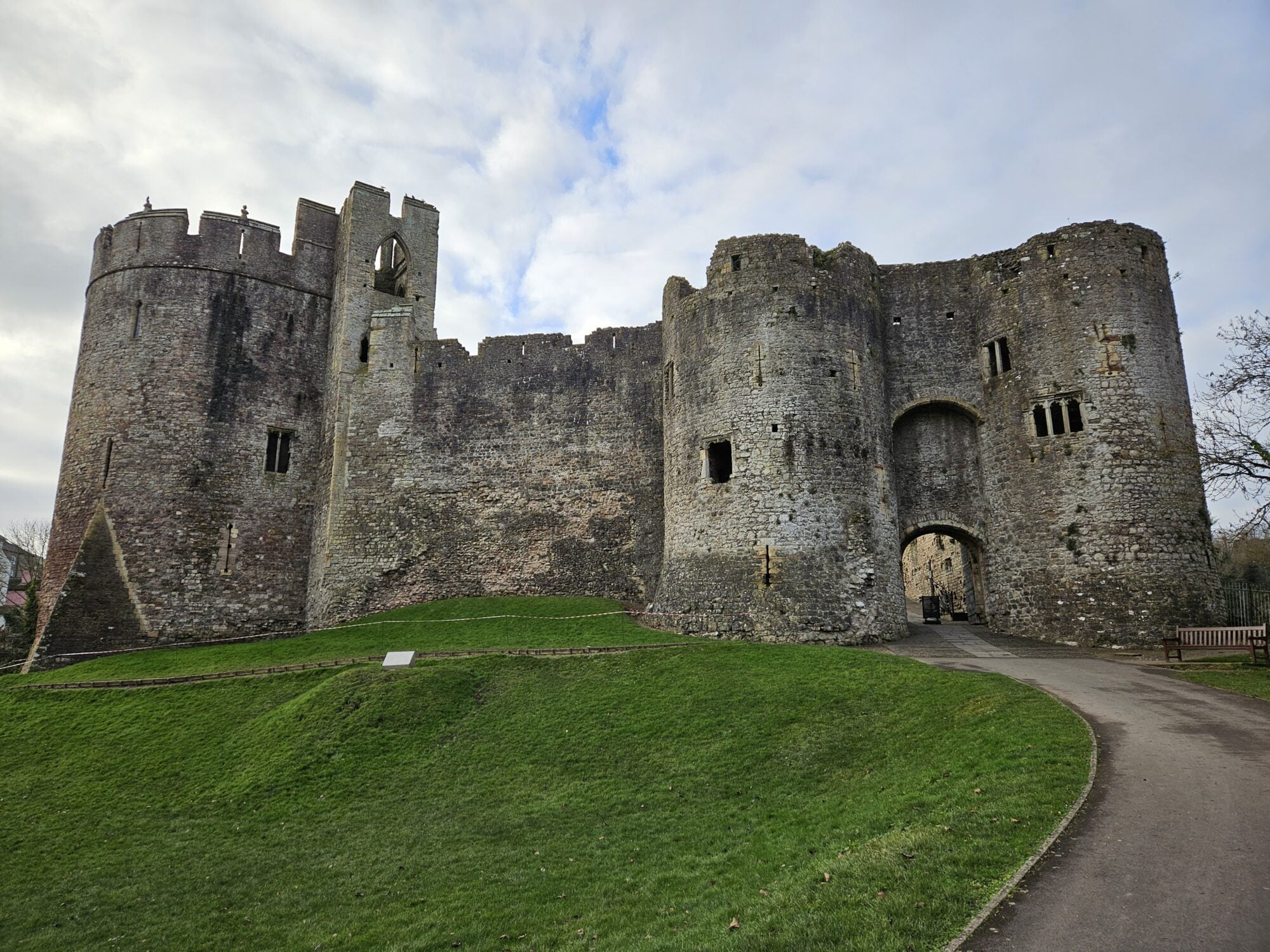
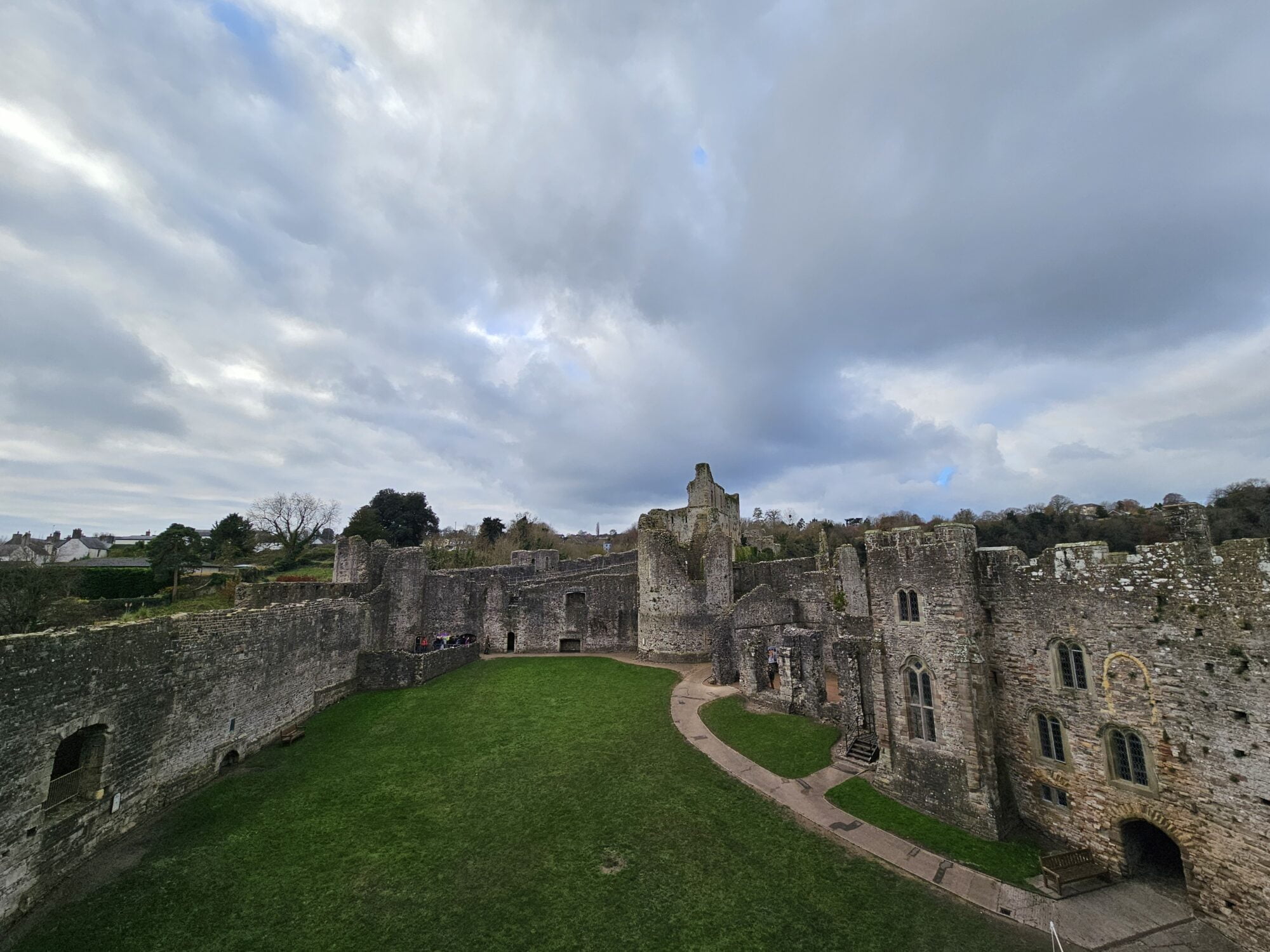
You can see many parts, including turrets, towers and the battlements. Throughout are information boards telling the story of the castle and those who called it home. You can get an audio guide to enhance your visit further.
Is Chepstow Castle Dog-Friendly?
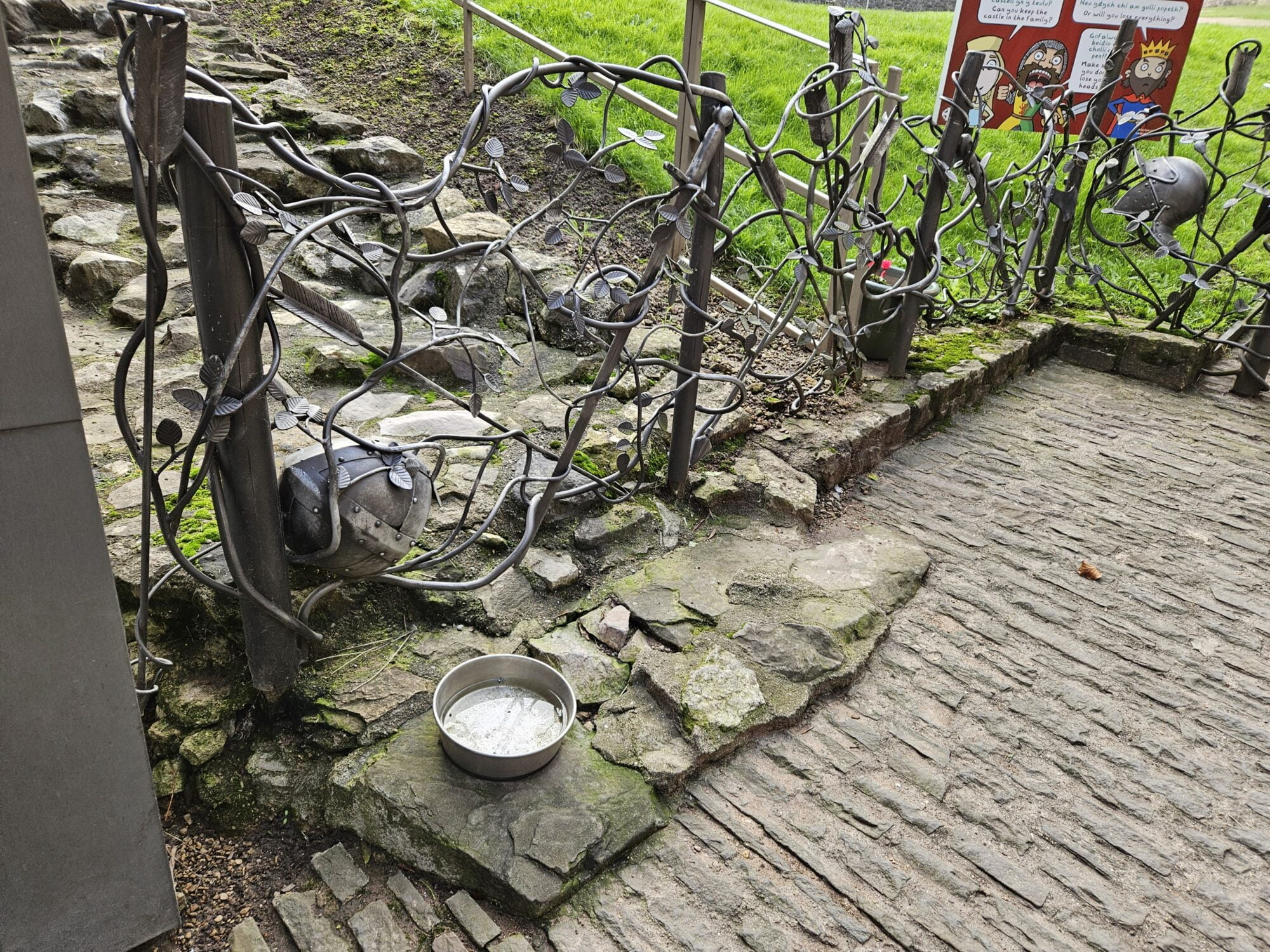
Yes, Chepstow Castle is dog-friendly, but there are a few restrictions. Dogs must be kept on a lead, and for safety reasons, they are not allowed on the upper levels of the castle. Most of the ground-level areas are accessible, so it still makes a good dog-friendly day out. Before and after visiting the castle, we also found dog-friendly cafes and pubs nearby.
Visitor Planning Tips
It is worth planning before visiting Chepstow Castle. You can buy tickets online in advance or at the ticket office on arrival. There is also an audio guide available, which provides useful background as you explore the different parts of the site.
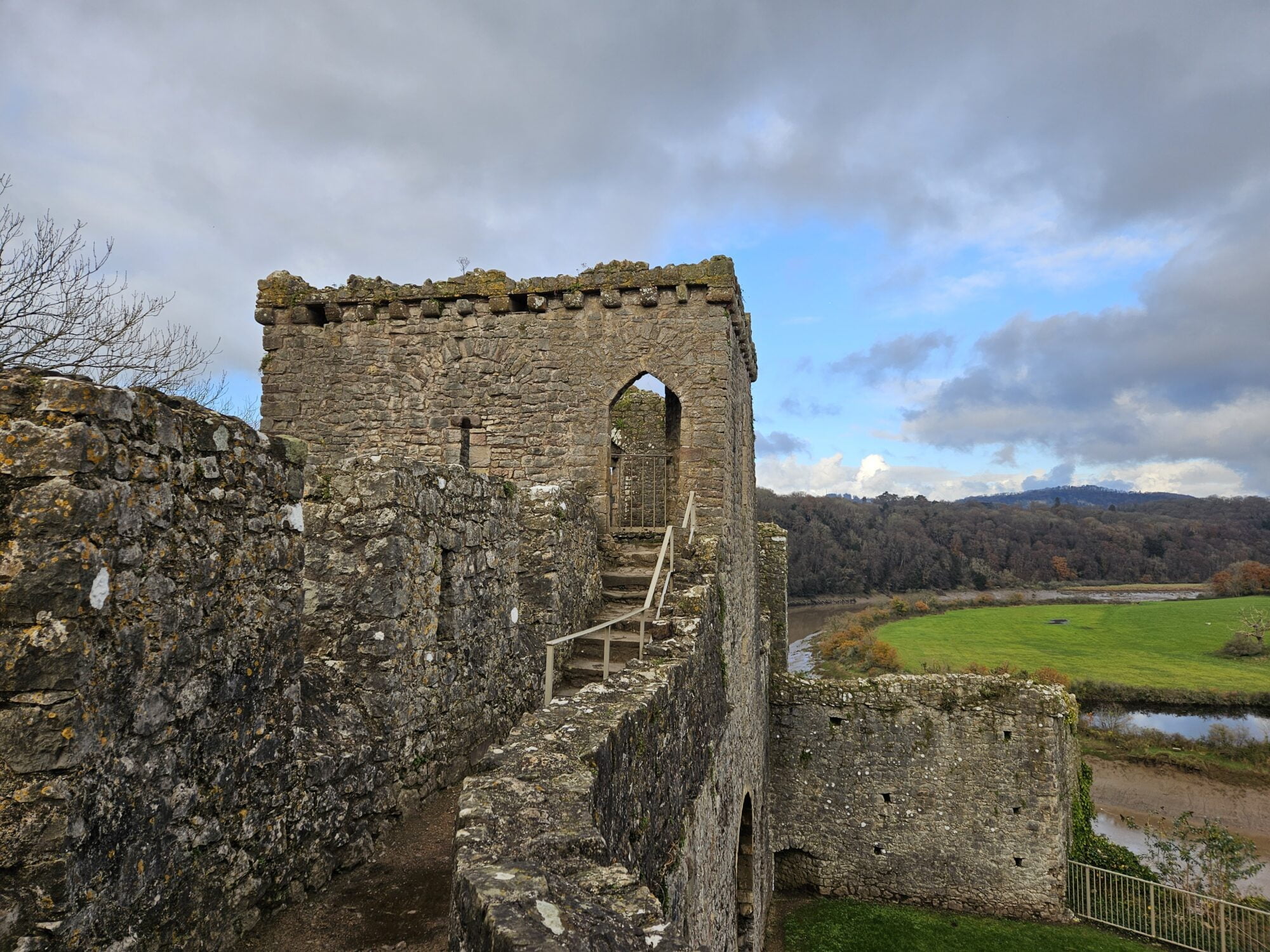
Allow at least 1 to 2 hours for your visit, or longer if you want time to read the information boards, enjoy the views over the River Wye and explore the site at a slower pace.
Before travelling, it is best to check the latest opening times, admission prices and any temporary access updates on the official Cadw website.
Chepstow is easy to reach by train or car; it’s on the M4 motorway and near the Severn Bridge. The town has a mainline station served by trains to Nottingham and Cardiff. You can find many train options on Trainline.
Chepstow Castle History
Disclosure! Keep in mind that some links in these posts are affiliate links. If you click one of them, I may earn a small commission (for which I’m extremely grateful) at no extra cost to you. Thanks for visiting!
Chepstow Castle is the oldest surviving post-Roman stone fortification in Great Britain. It is on the England-Wales border near the River Wye. The Normans built it to protect England from the Welsh. One of the castle’s primary functions was to control access to the River Wye.
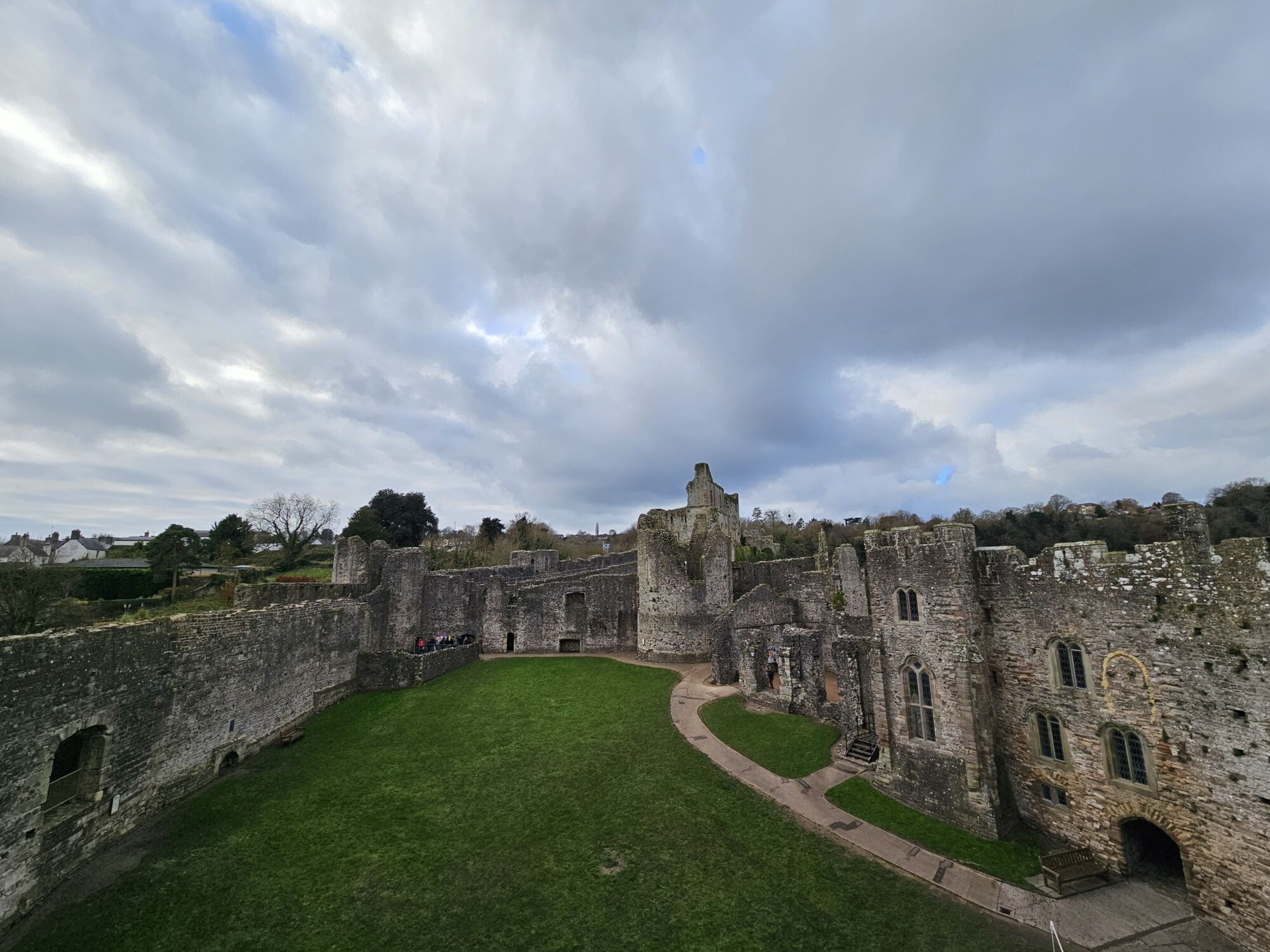
Construction began in 1067 under the Norman lord William FitzOsbern. The first stone structure was the Great Tower.
Between 1189 and 1245, William Marshal updated the defences by adding the Lower Bailey with its gatehouse. He also refortified the Middle Bailey with a new curtain wall and circular towers. He rebuilt the wall of the Upper Bailey with a rectangular tower. His sons substantially modified the existing Great Tower, heightening part of it, and added the upper barbican.
Between 1270 and 1300, Roger Bigod improved the defences and accommodation. In the Upper Barbican, he built a gatehouse, and in the Lower Bailey, he added the Residential Block and Marten’s Tower. He also extended the upper storey of the Great Tower.
The castle was expanded over the centuries. You can learn all about the additions to the site and why they were added to the castle. This includes windows and fireplaces, which show Tudor alterations at various points. In roughly 1662, the entire south curtain wall was widened to protect against cannons.
What To See at Chepstow Castle
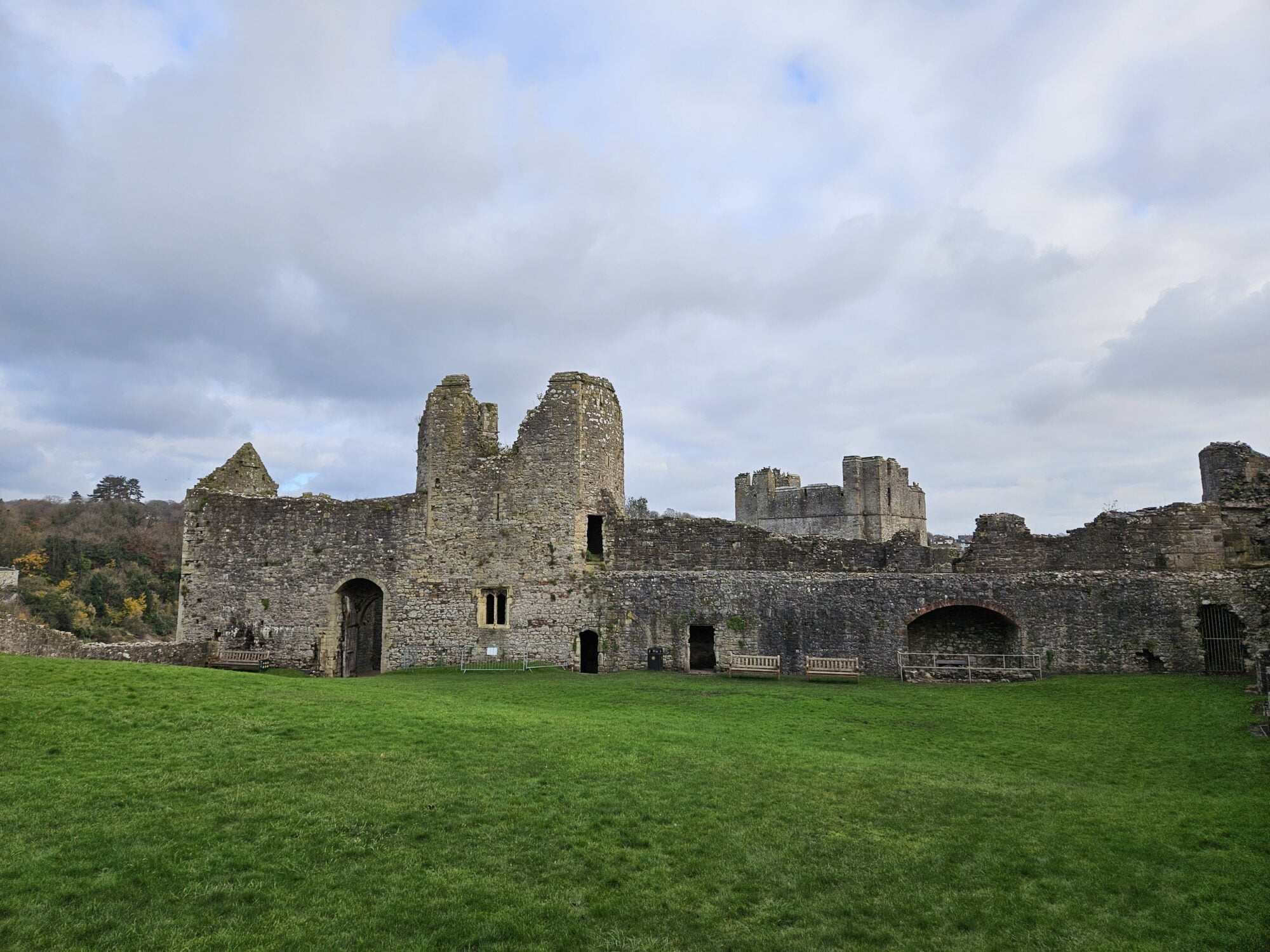
Dell
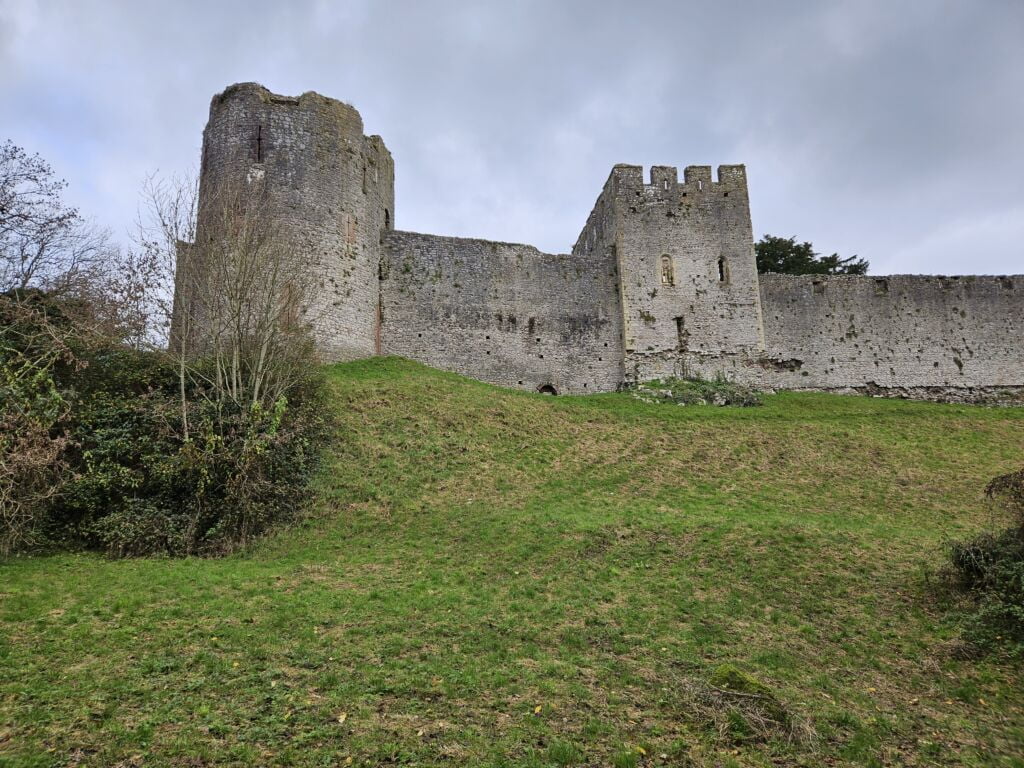
Before you pay to enter, you can walk along the castle dell to appreciate the scale of the fortress. This is free to explore, and you can see how formidable the castle was to invaders.
Entrance & Portcullis
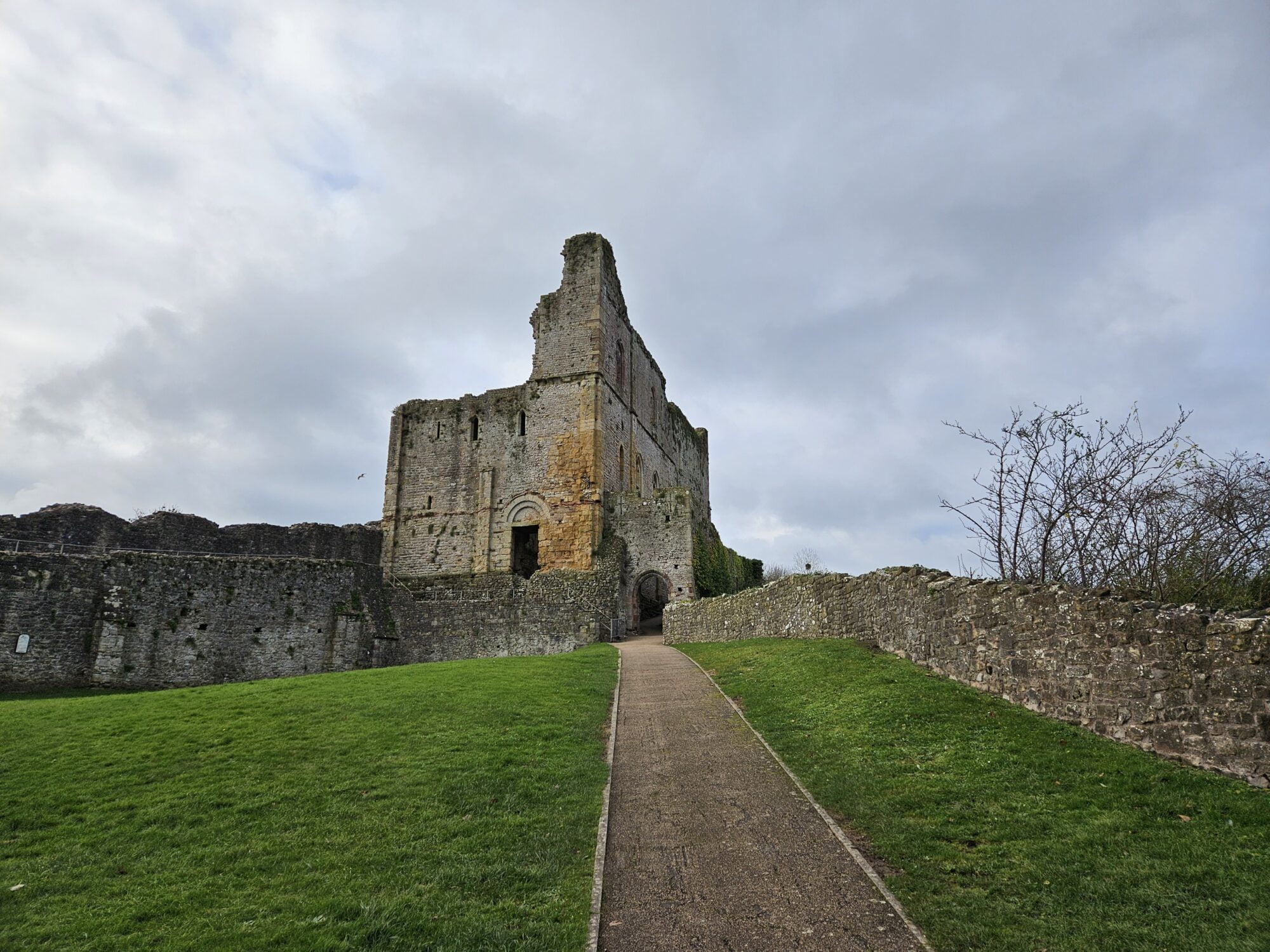
There is one entrance with a cool portcullis, followed by the ticket office. After that are a few courtyards, initially with rooms and spiral staircases.
Marten’s Tower
Roger Bigod built Marten’s Tower between 1288 and 1293, replacing an earlier tower. This tower contained a suite of grand private rooms on three floors and a private chapel. All three access doorways had a portcullis, allowing the tower to be isolated from the rest of the castle.
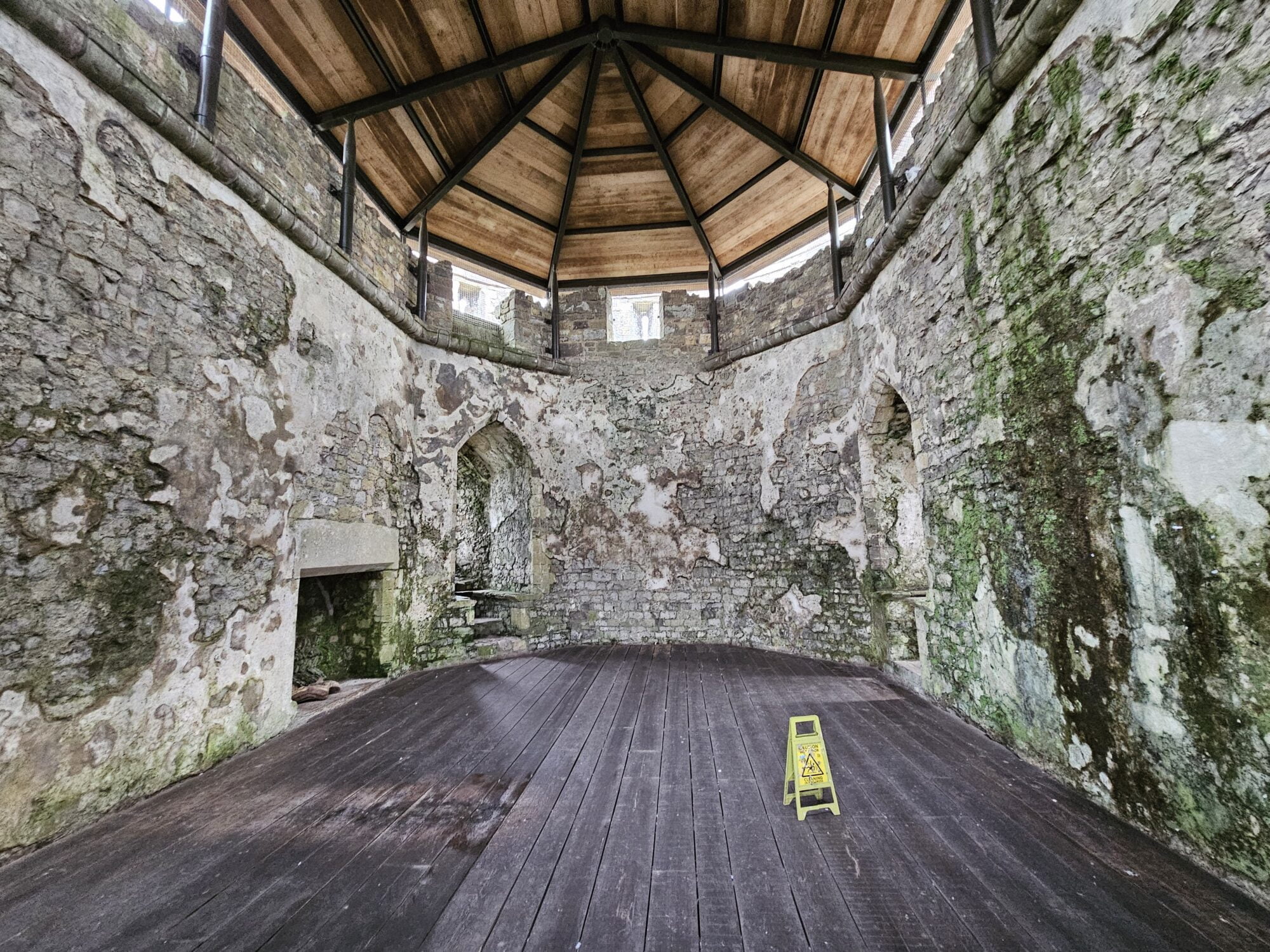
Marten’s Tower dominates the eastern exterior of the castle. The tower was named after Henry Marten, who lived between 1602 and 1680. He was a signatory to King Charles I’s death warrant. He was imprisoned following the restoration of King Charles II in 1680.
Great Gunport
Chepstow Castle suffered badly in the Civil War. It was besieged and bombarded in 1645 and then in 1648, with breaches made in the south wall on both occasions. After the restoration of the monarchy, the castle was maintained, and Lord Herbert was appointed its governor.
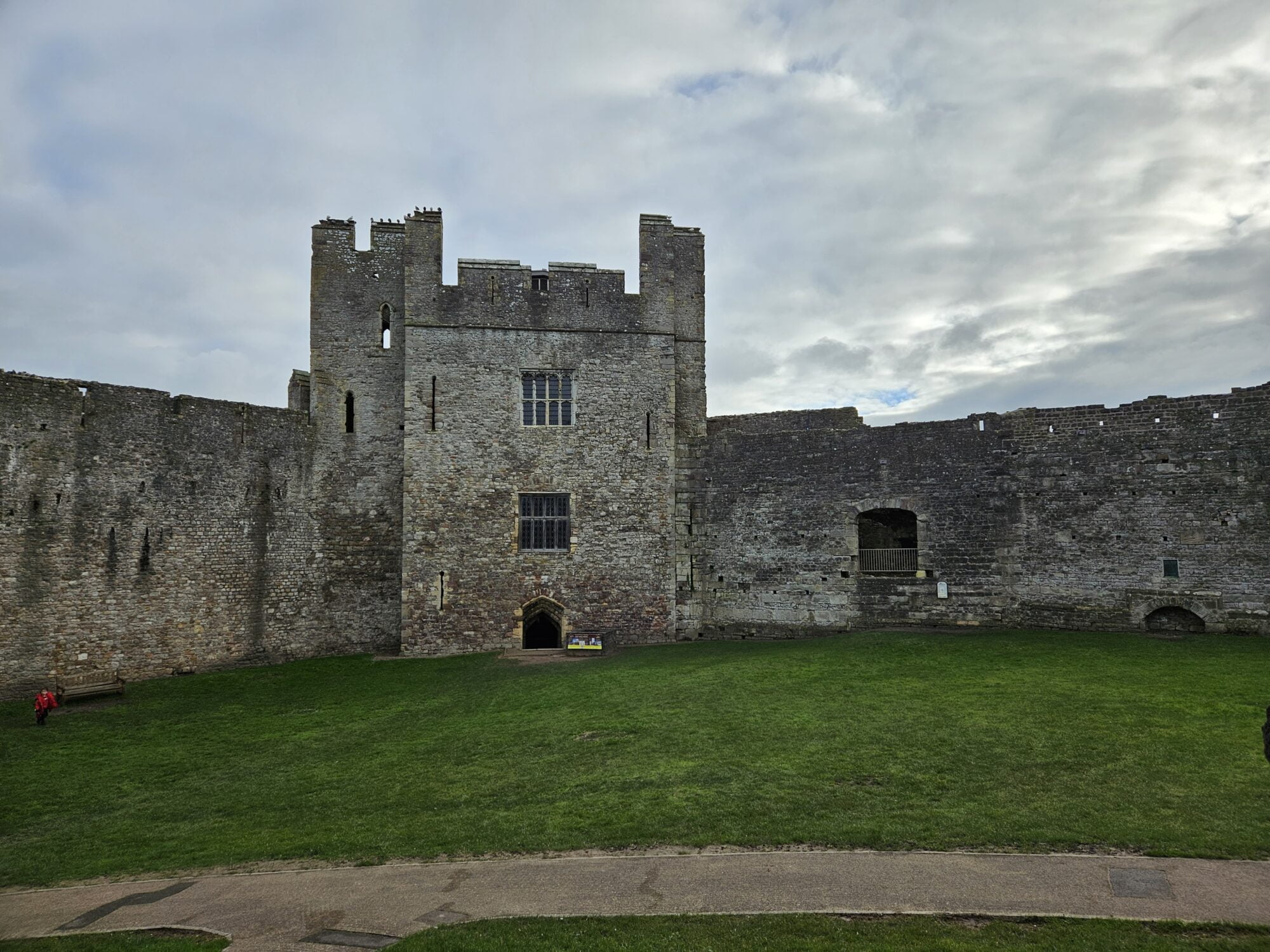
In 1662, he modified the entire south side of the castle to withstand cannon fire, building a new inner wall and filling the gap with earth. He also built a gun port equipped with its own powder magazine and operation chambers.
The Great Tower
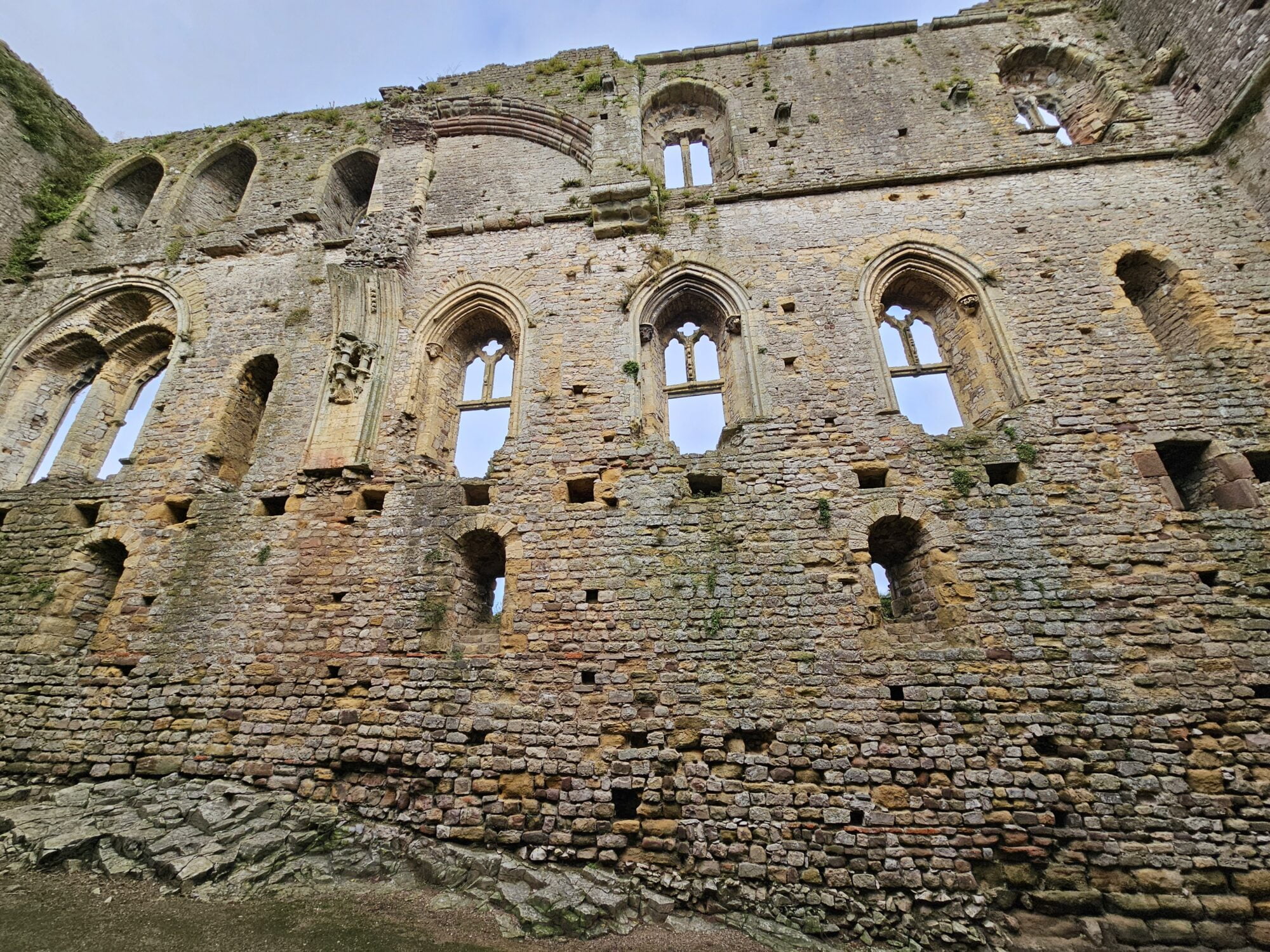
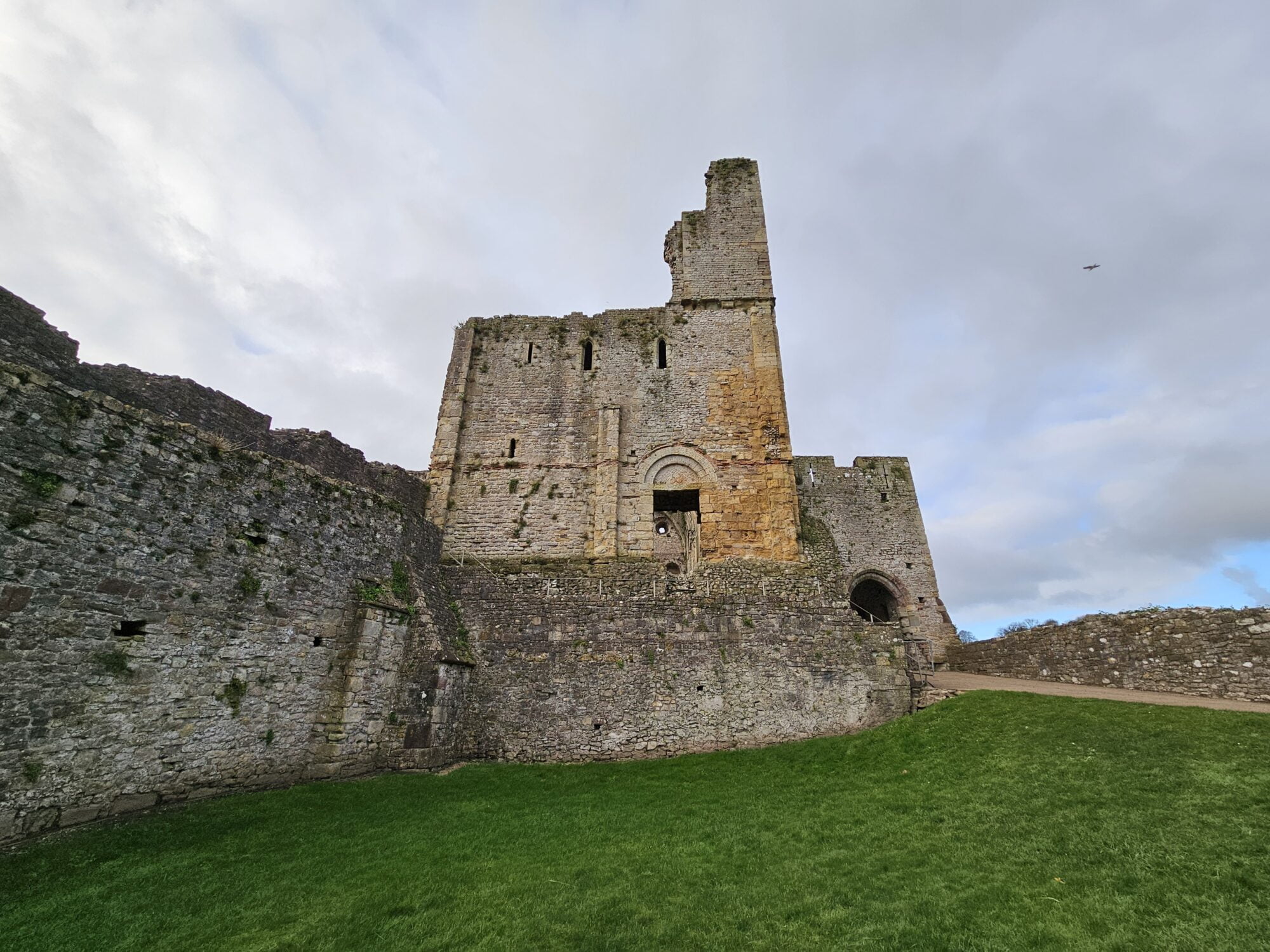
The Great Tower is the earliest stone structure at Chepstow Castle and one of the earliest stone defences in Britain. This secure stronghold had windows only on the safe riverside.
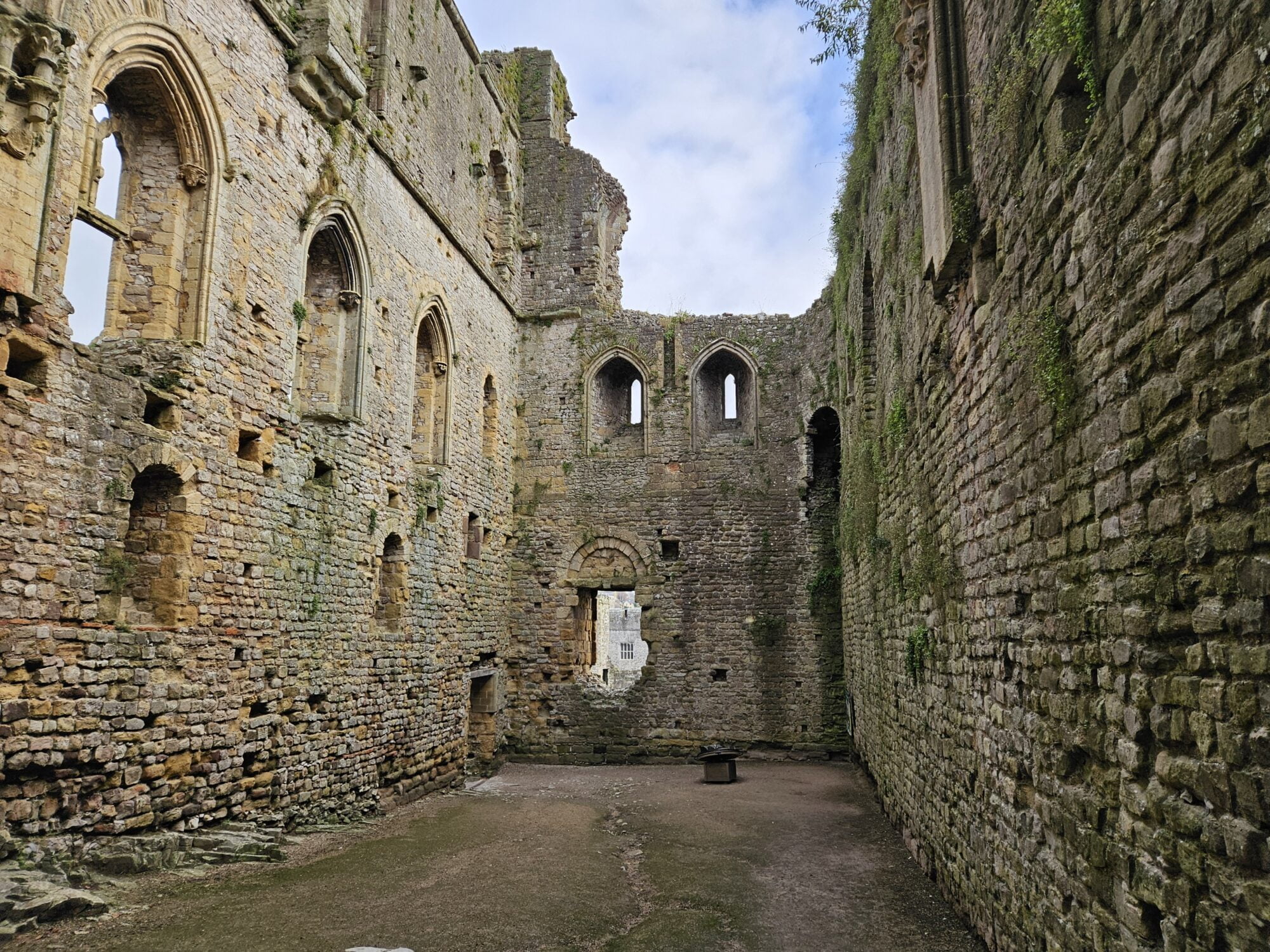
The Great Tower, even in ruin, still has unusual and extremely high-quality decoration. In its earliest form, the Norman upper chamber was lined on three sides by a series of round-arched recesses. Those on the end wall still retain traces of the criss-cross pattern formed in different-coloured plasters.
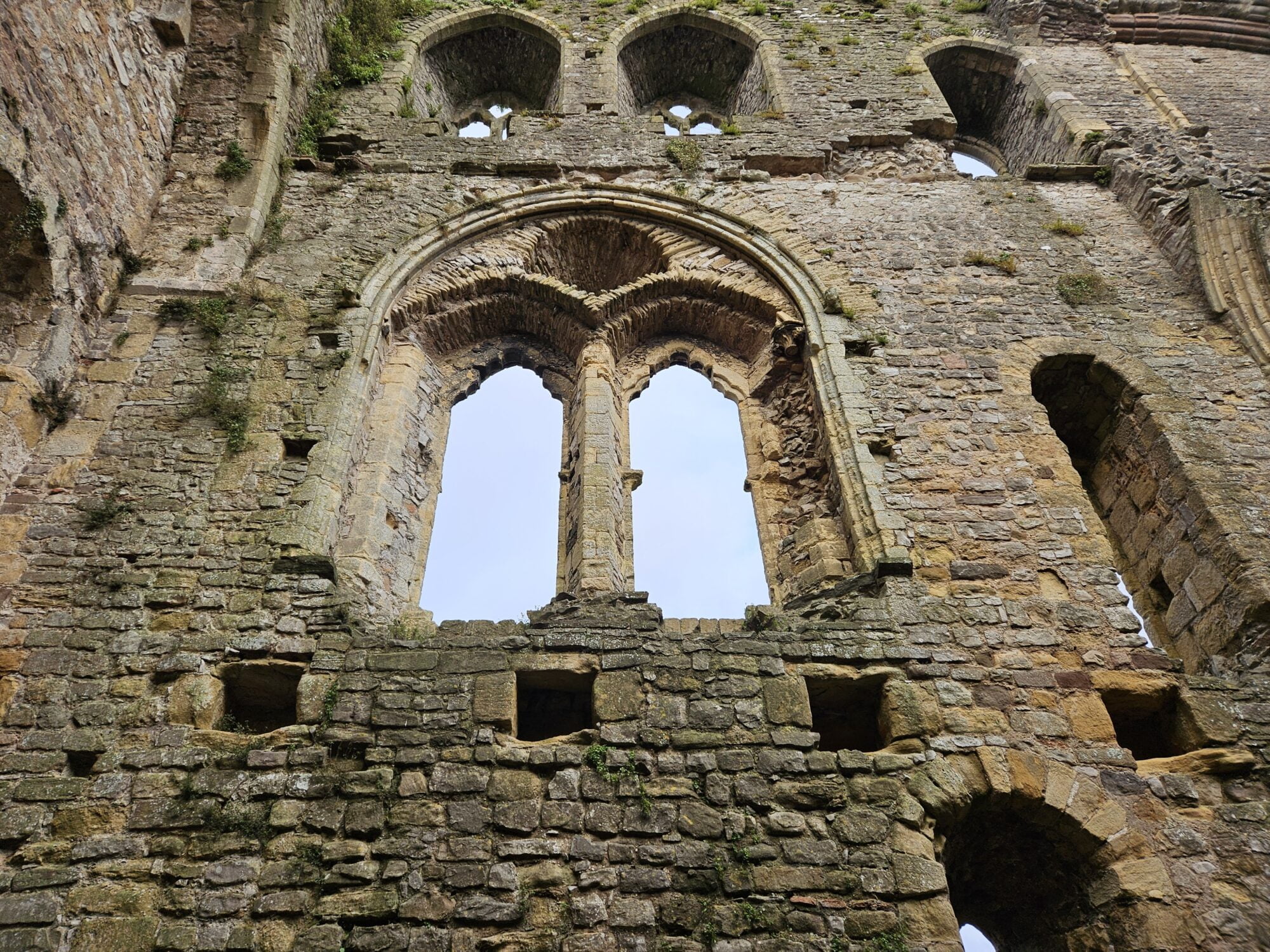
This tower dates to the late 11th century, and this is the oldest surviving secular decoration in Britain. This was carefully reproduced in one bay to show its original appearance.
Great Hall
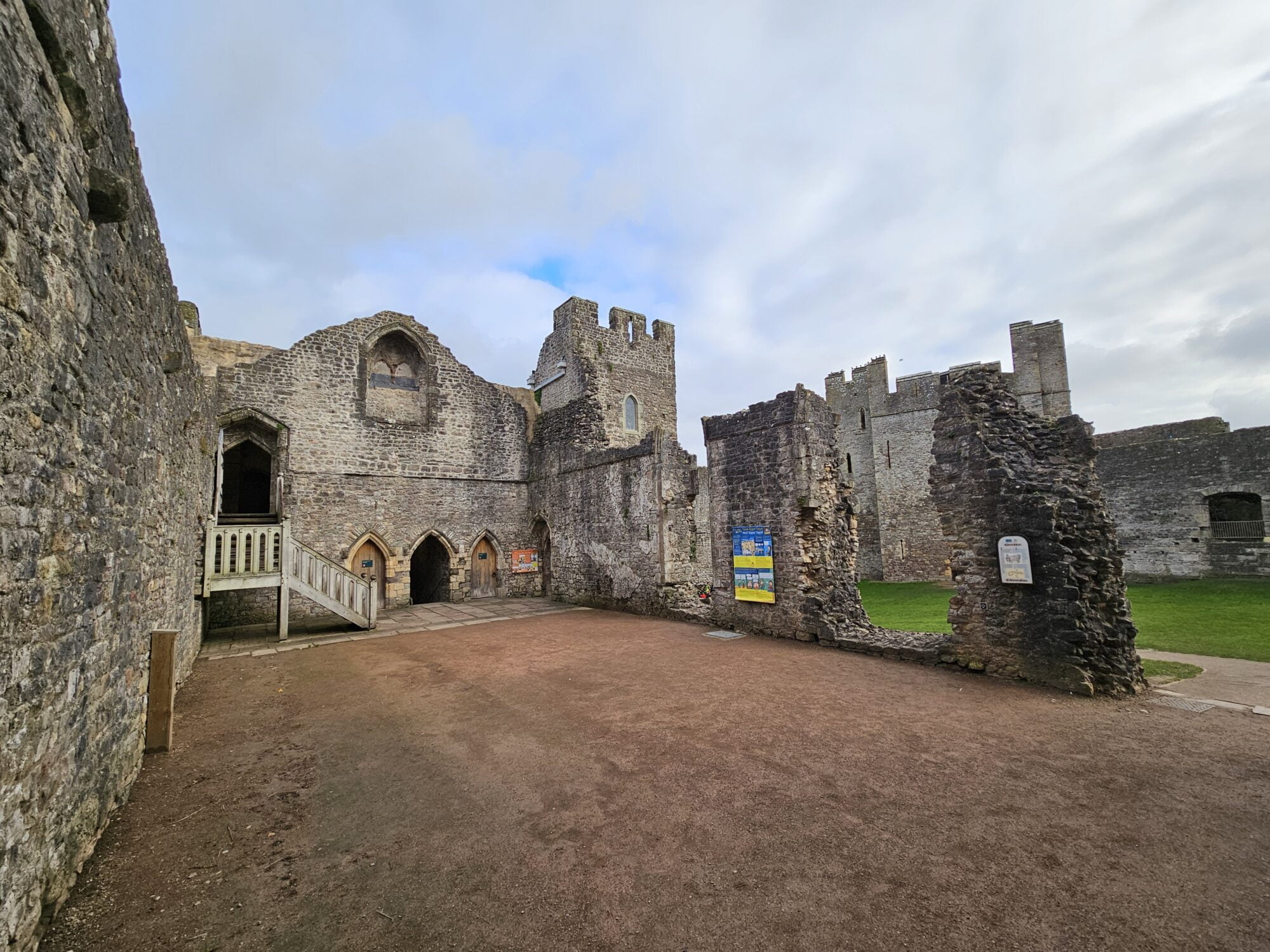
The Great Hall was built in 1280 under the instruction of Roger Bigod. Roger Bigod used the Great Hall for entertaining and ceremonial events. It had finely carved windows, and painted plasterwork enriched its interior, and the floor was paved with decorated tiles.
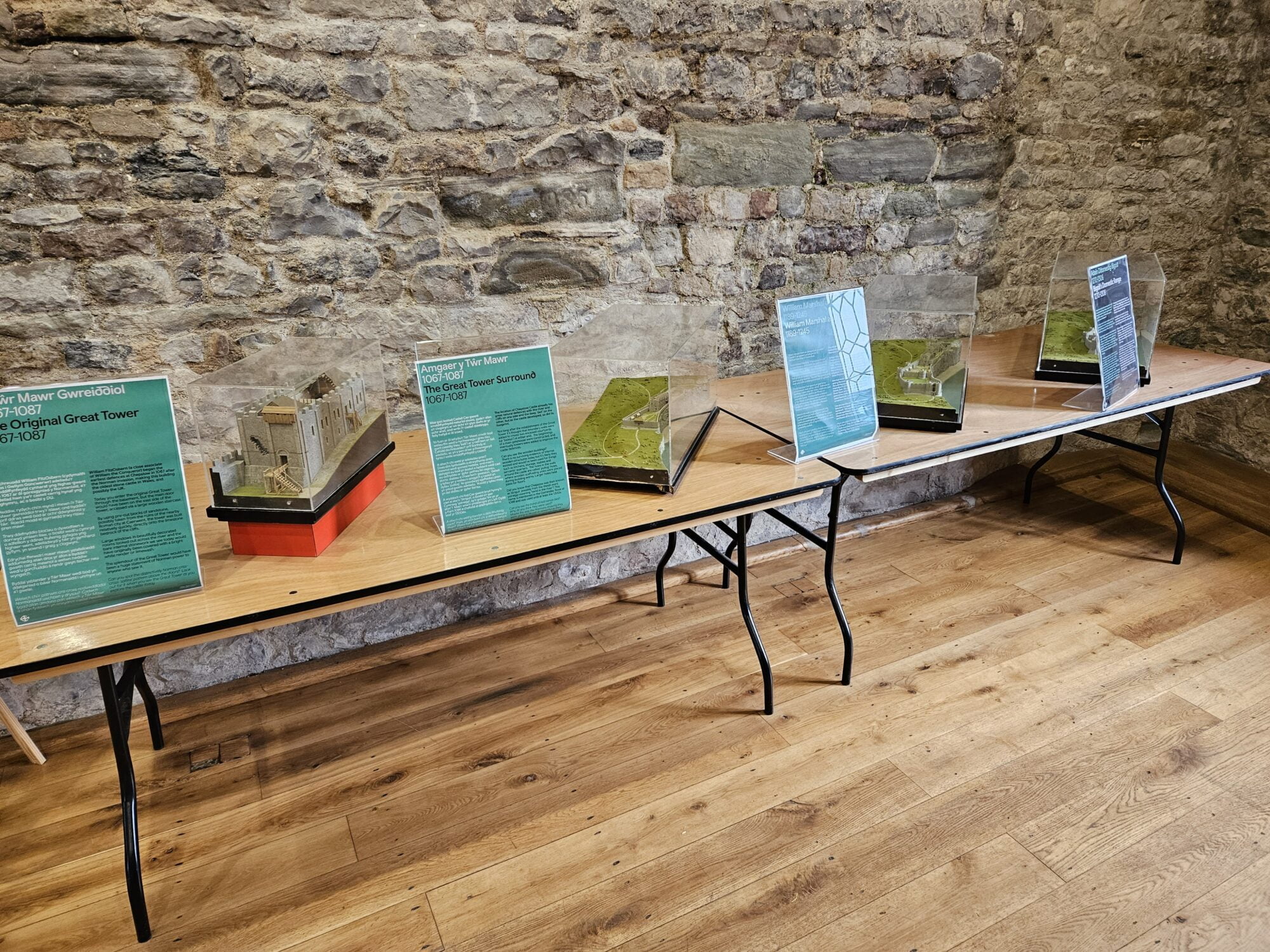
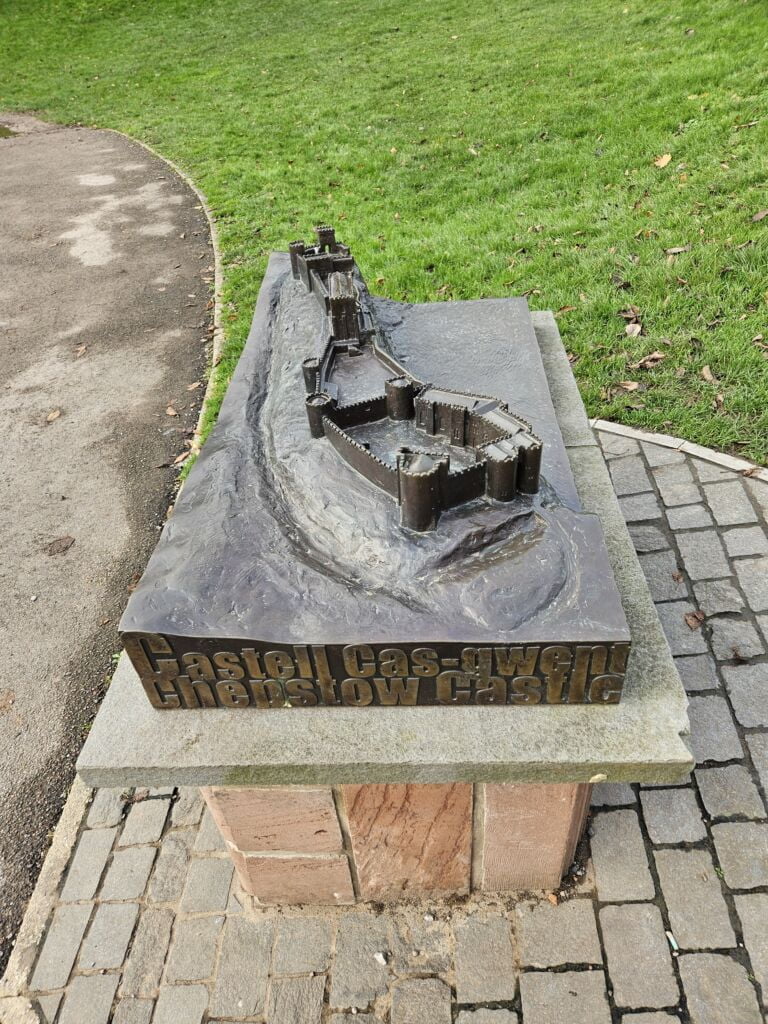
What caught my interest were models showing how the castle grew over the years.
The Castle Doors
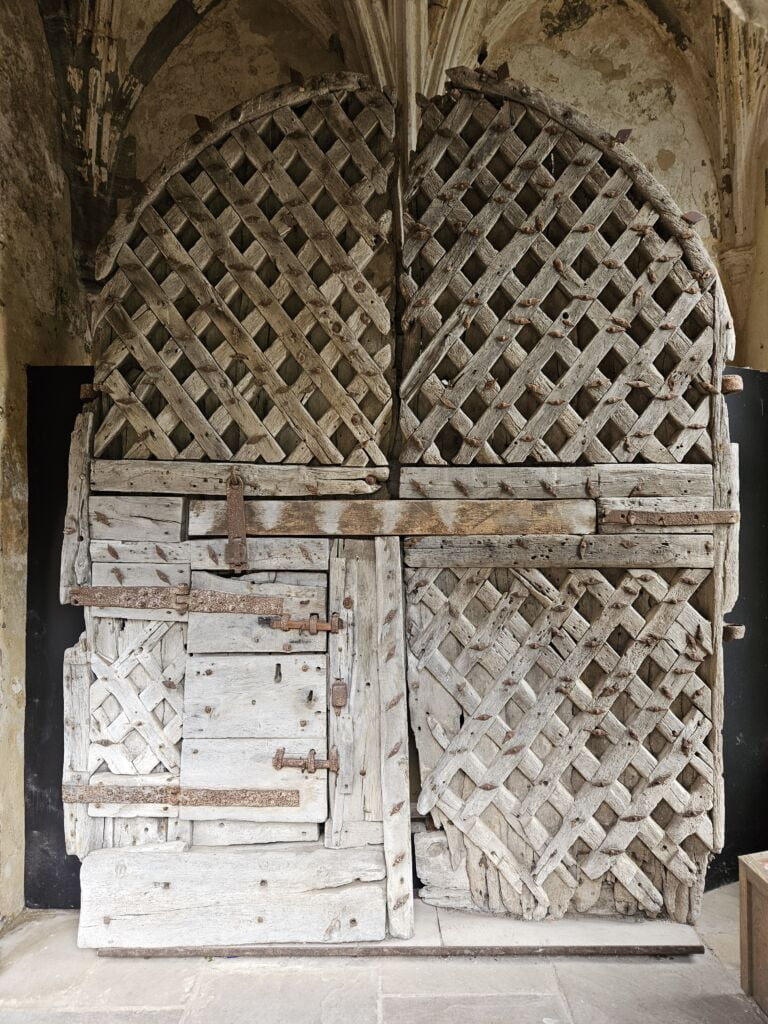
A fascinating sight is the preserved old castle doors. Until 1962, these doors hung at the main castle gateway. They were copied and replaced by the present doors. Their age was recently tested, and the doors were found to have been made no later than the 1190s. This makes these the oldest castle doors in Europe.
Marshal’s Tower
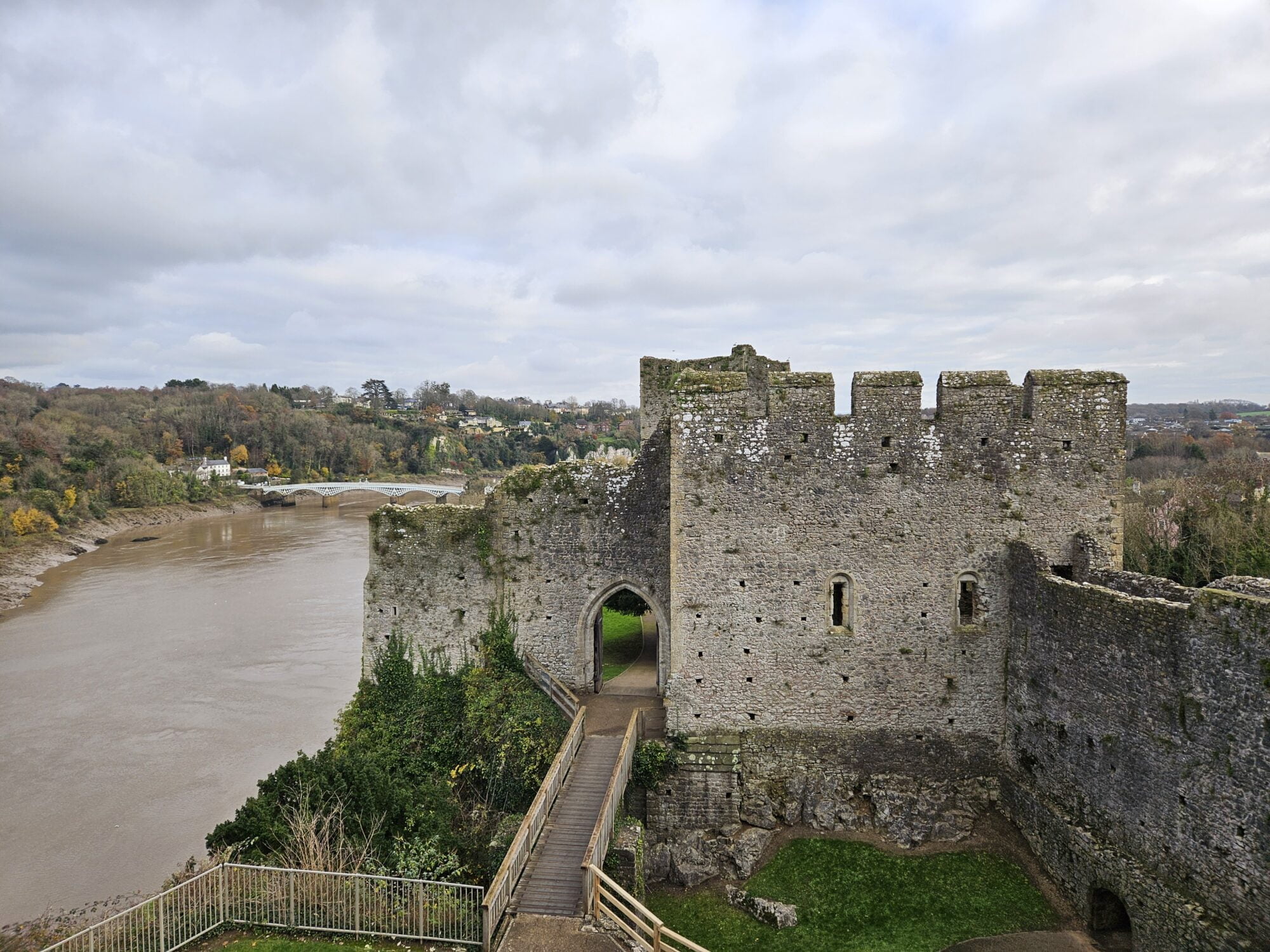
Marshal’s Tower is a rectangular tower that was built around 1215 by William Marshal. The tower’s in-tower walls were demolished in 1662 when the castle’s defences were breached. Marshal’s Tower has finely carved windows, which show the tower was mainly for domestic use.
Beer & Wine Cellar
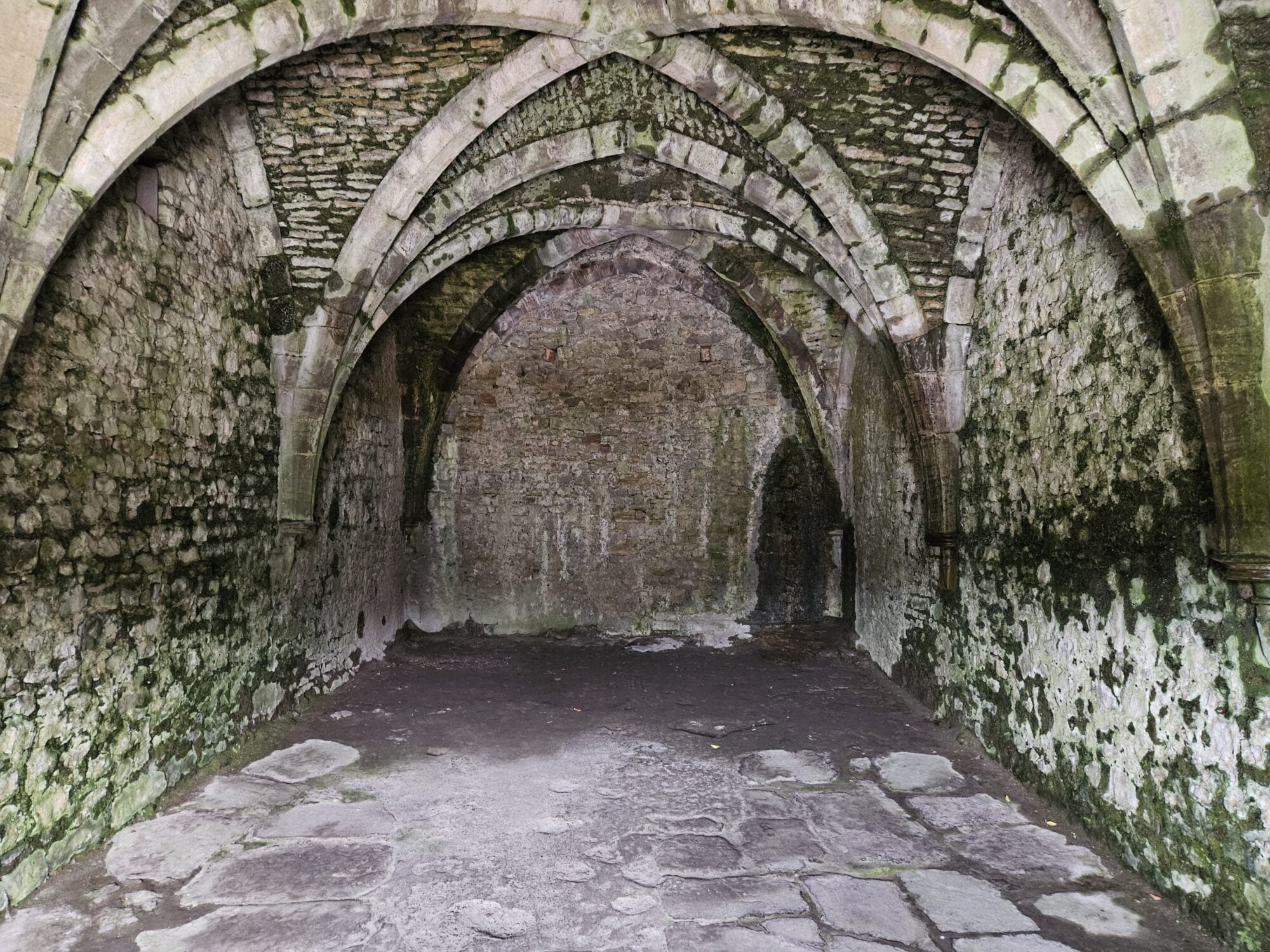
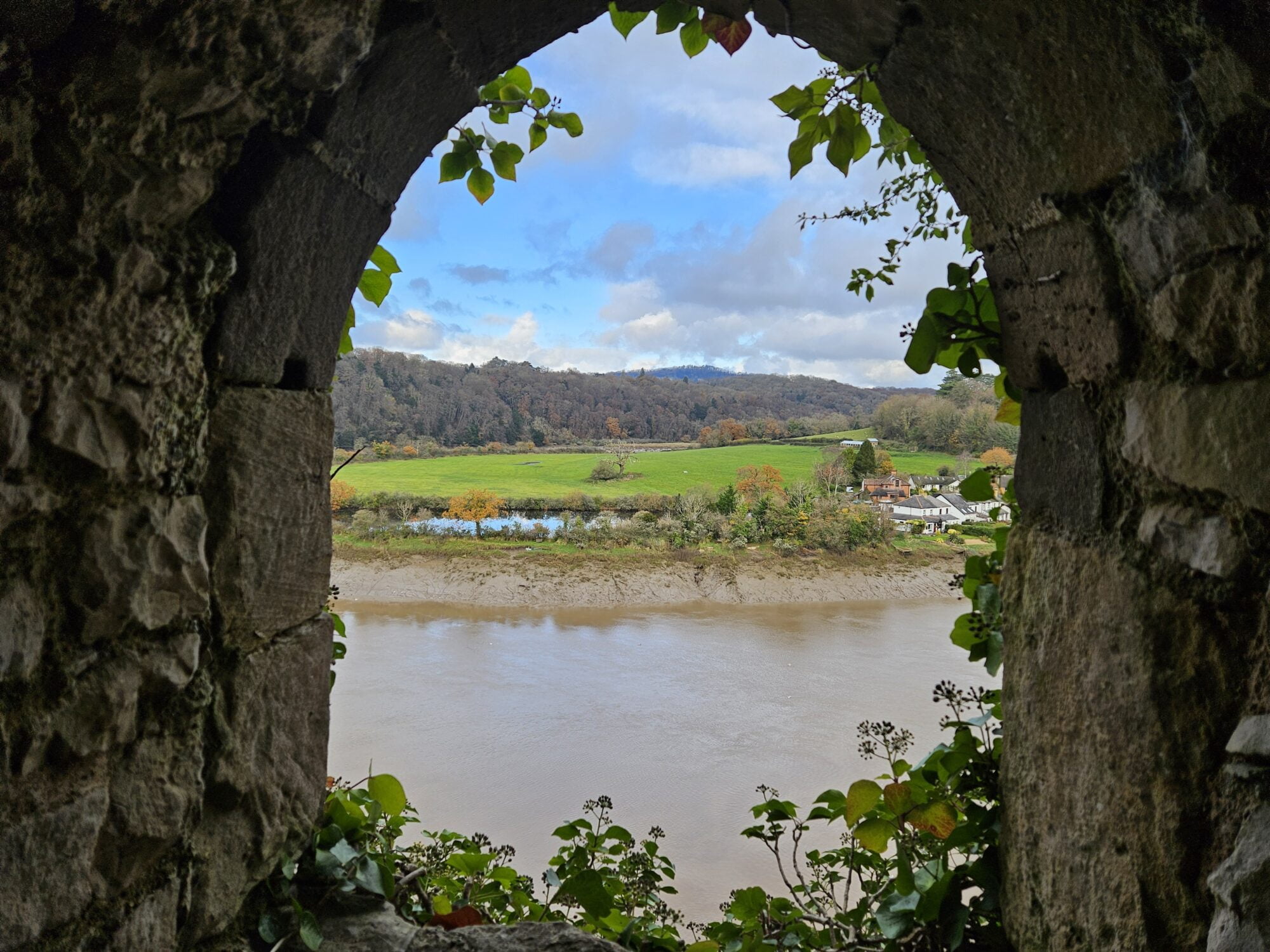
Another important part of the castle is the cellar that used to store the beer. On the way to the cellar, you can access a platform with river views, where in the past they could enjoy a beer with a view.
This finely vaulted cellar was used to store barrels of the lord’s wine and locally brewed ale. The barrels came by boat, and a pulley arm winched them up.
The Kitchen
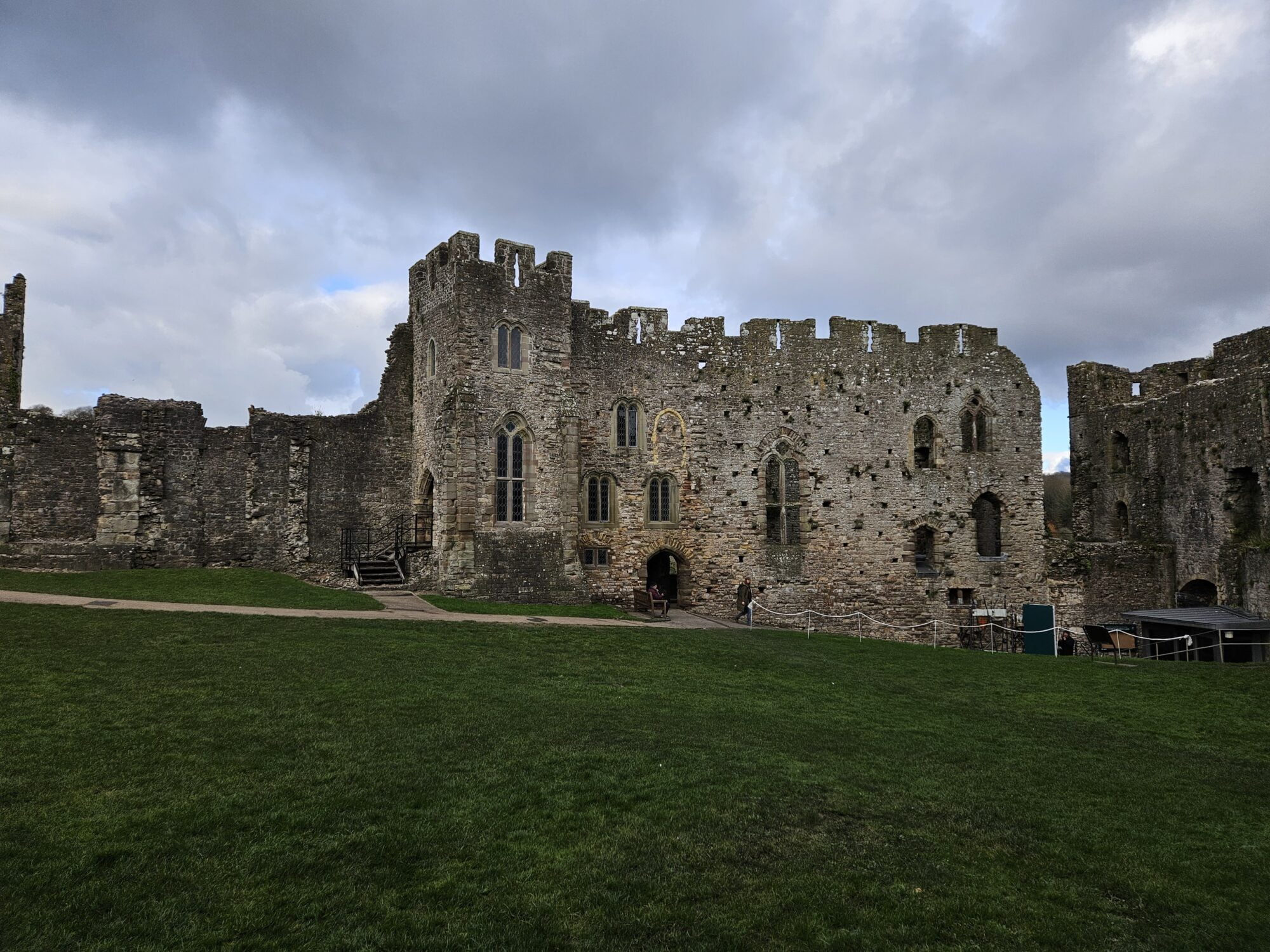
The castle’s kitchen was built between 1272 and 1284 by Earl Roger Bigod. The kitchen’s size and unusually fine windows reflect the importance of hospitality in the earl’s household. They believe the kitchen was used during the visit of King Edward I and Queen Eleanor in December 1284.
Cliffs Over The River Wye
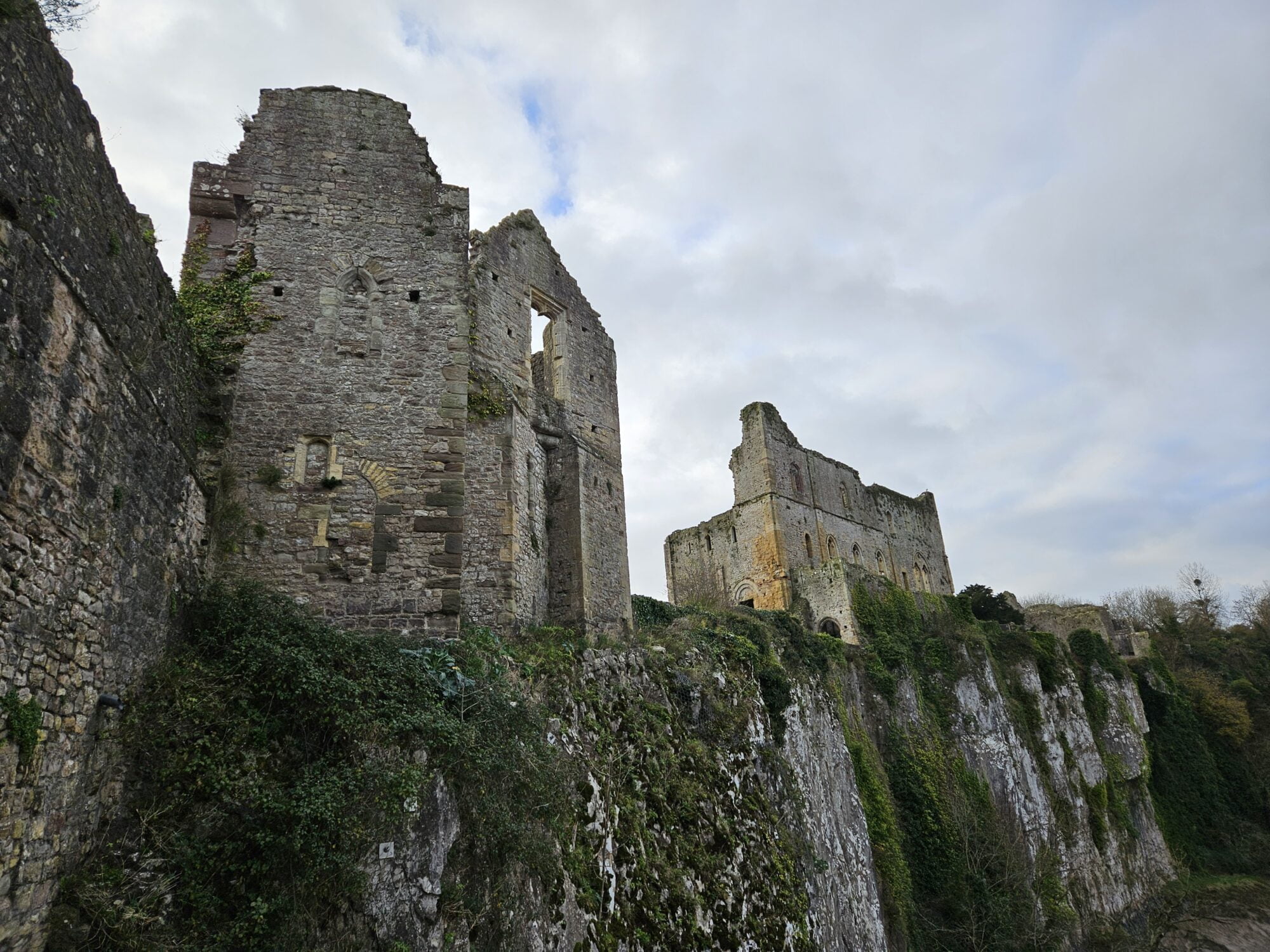
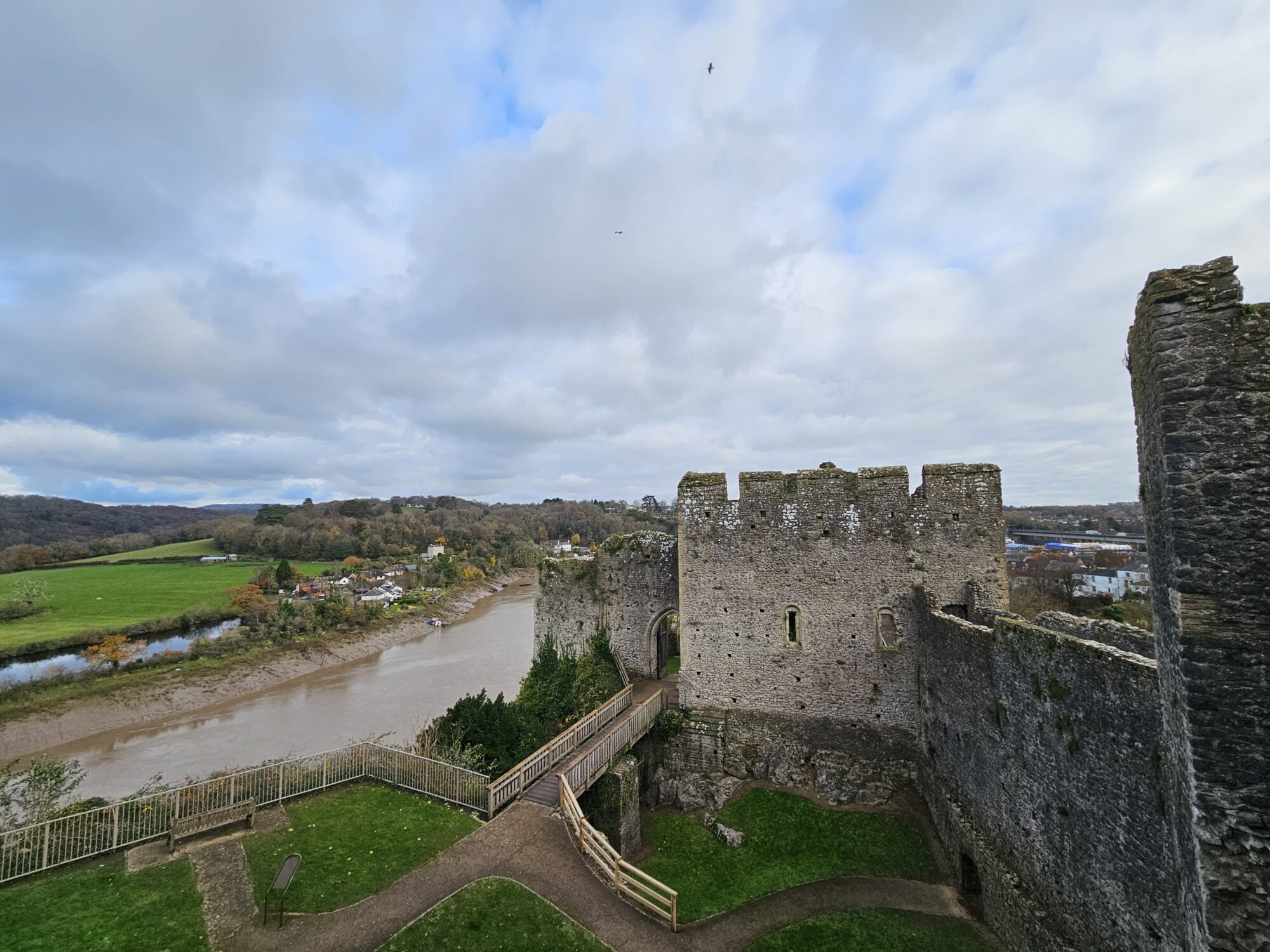
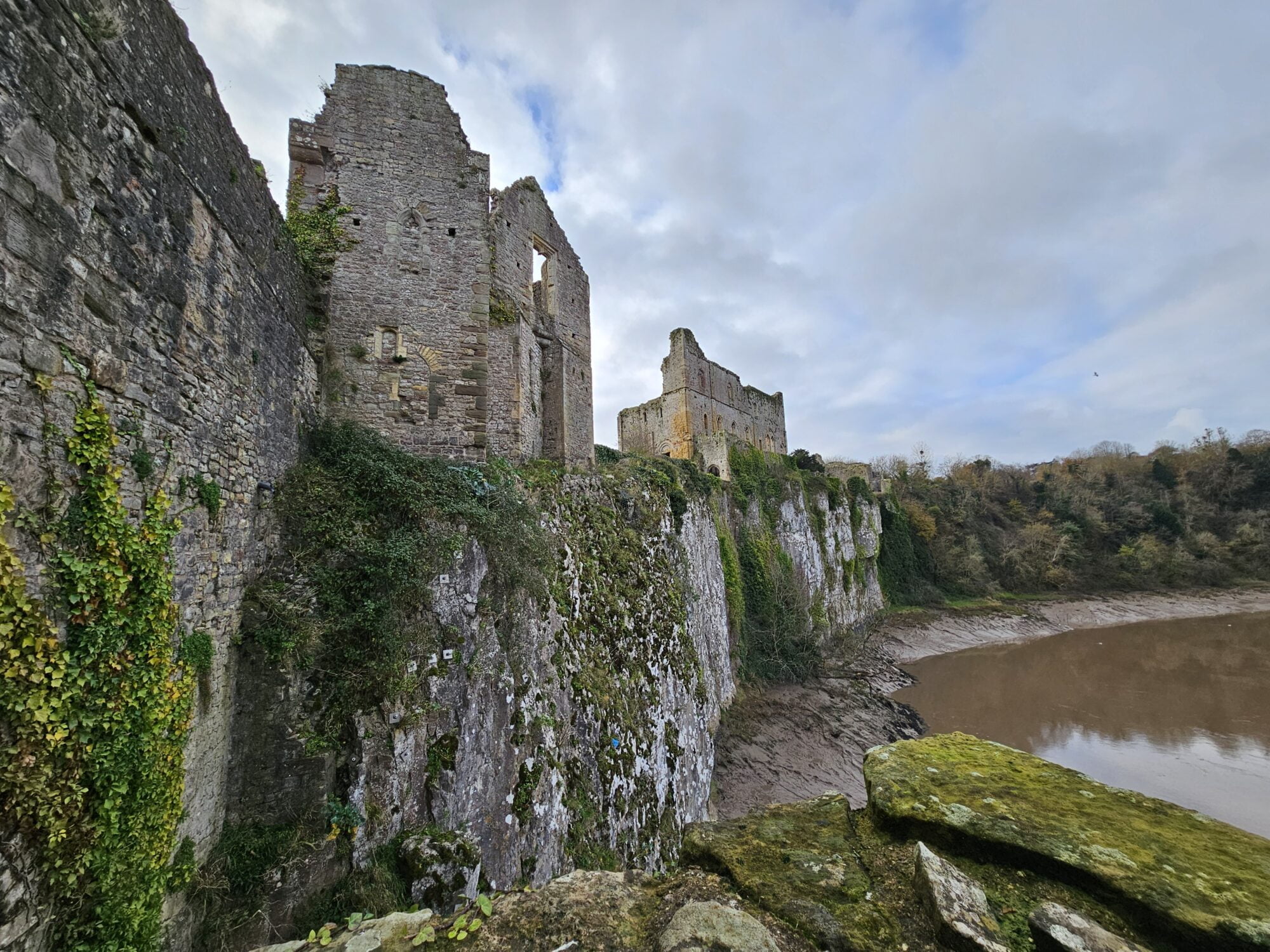
At various points inside the castle, you can see the cliffs that they built the fortification above. These cliffs rise out of the River Wye, which makes it very formidable.
Climb The Fortifications
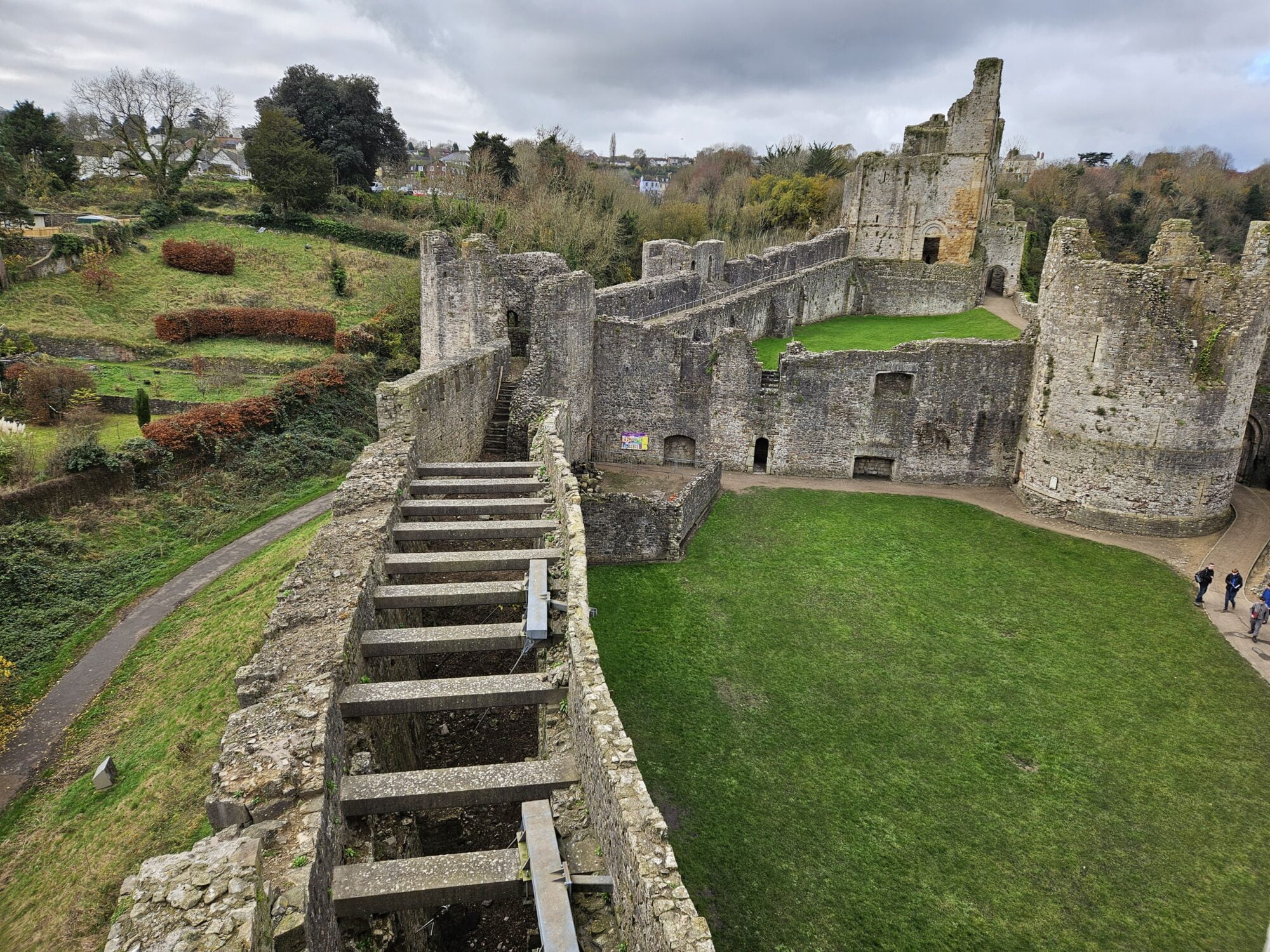
There are various fortifications to explore, including narrow spiral staircases. These are the only parts of the castle that aren’t dog-friendly.
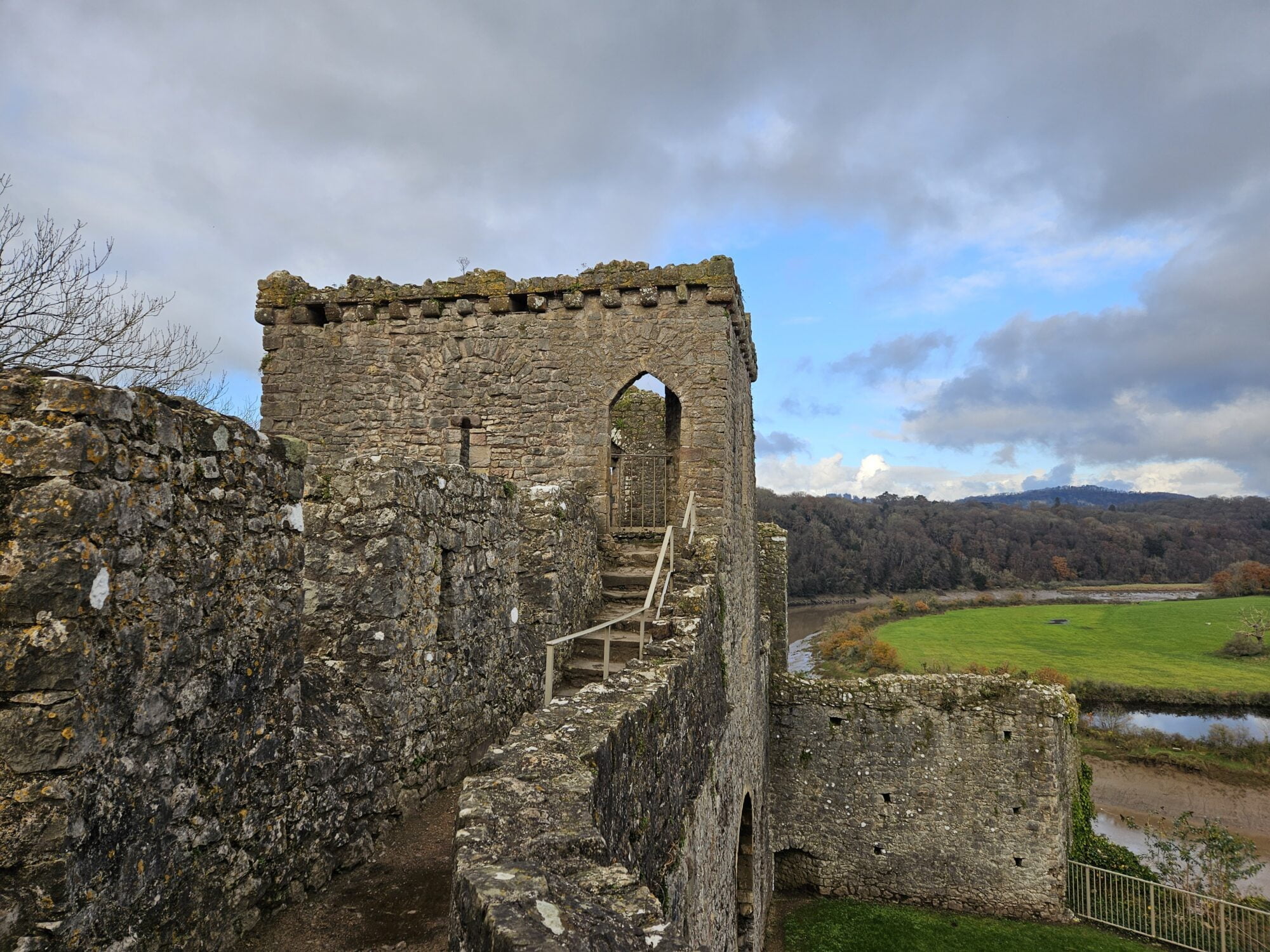
The two best places to climb up are near the main gatehouse and the far end near the upper gatehouse.
Games & Puzzles
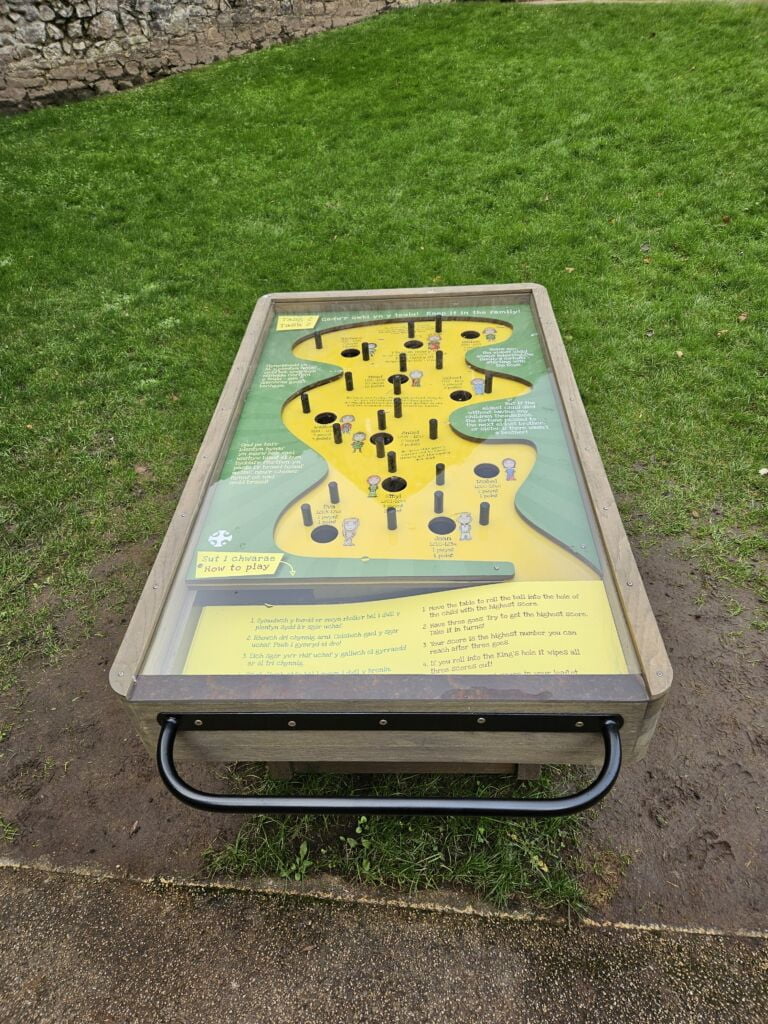
Throughout the site are puzzles and games to make the castle engaging and educational for younger visitors.
Gift Shop
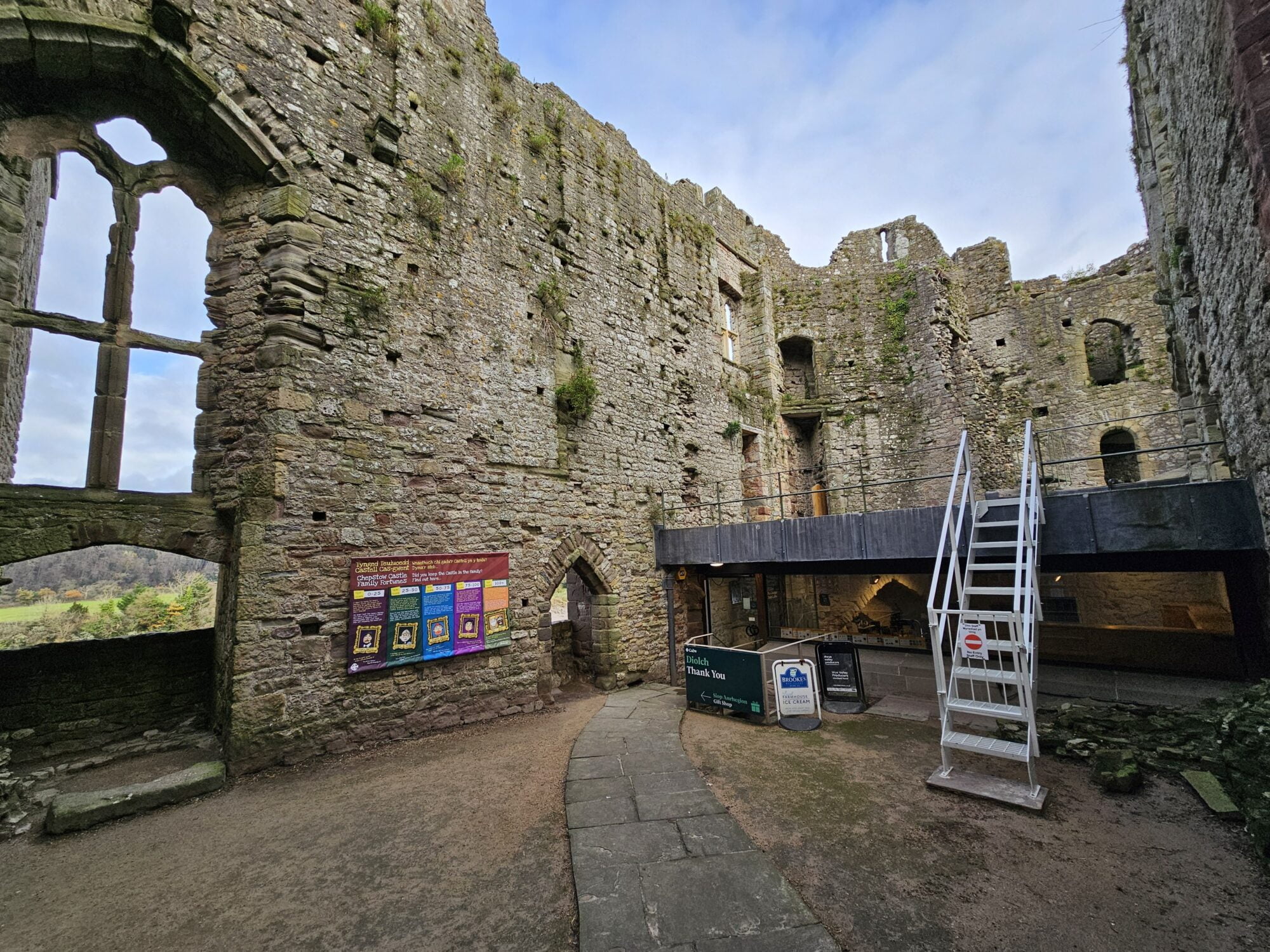
Inside the castle is a gift shop where you can purchase souvenirs and books on the castle and regional history.
Other Things To Do Nearby
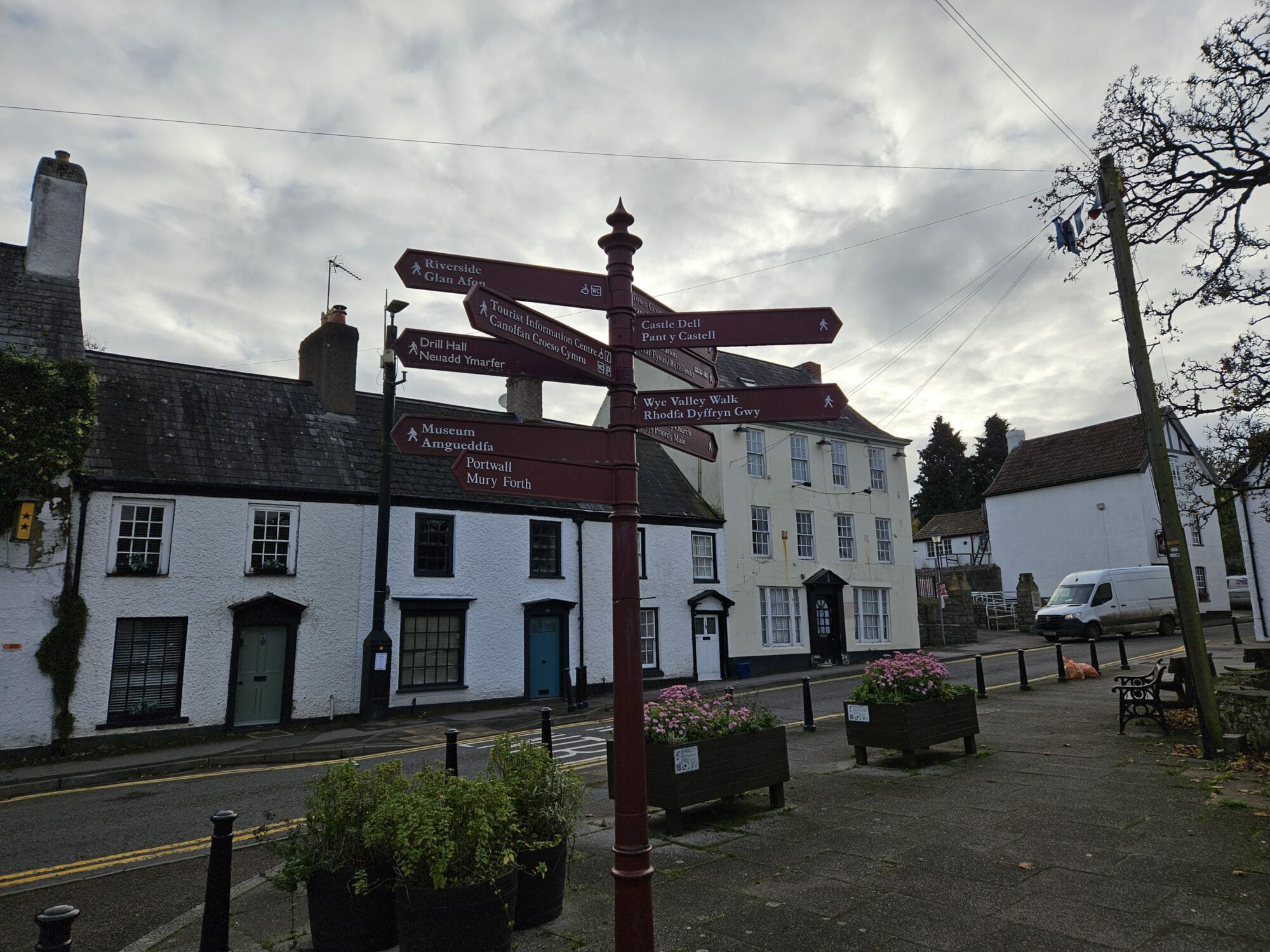
Hiking, including The Wye Valley Walk
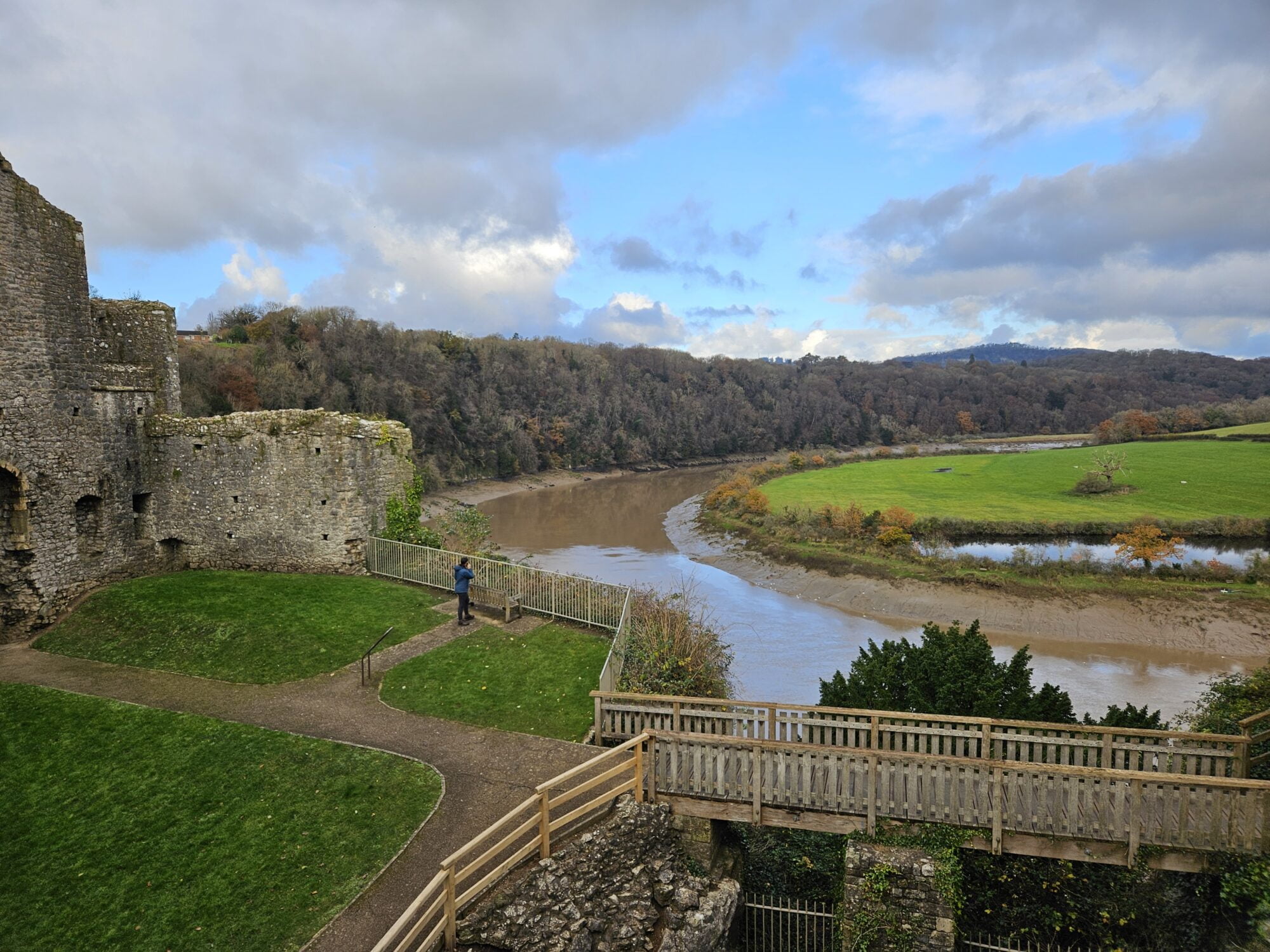
Chepstow is a town in Wales where the River Wye meets the River Severn, making it a good starting or ending point for hikes along either river. The town is the start or finish point for the Wye Valley Walk, which follows the River Wye along the England-Wales border and upstream to its source on Plynlimon, high in the Cambrian Mountains of mid-Wales.
Kayaking Adventures
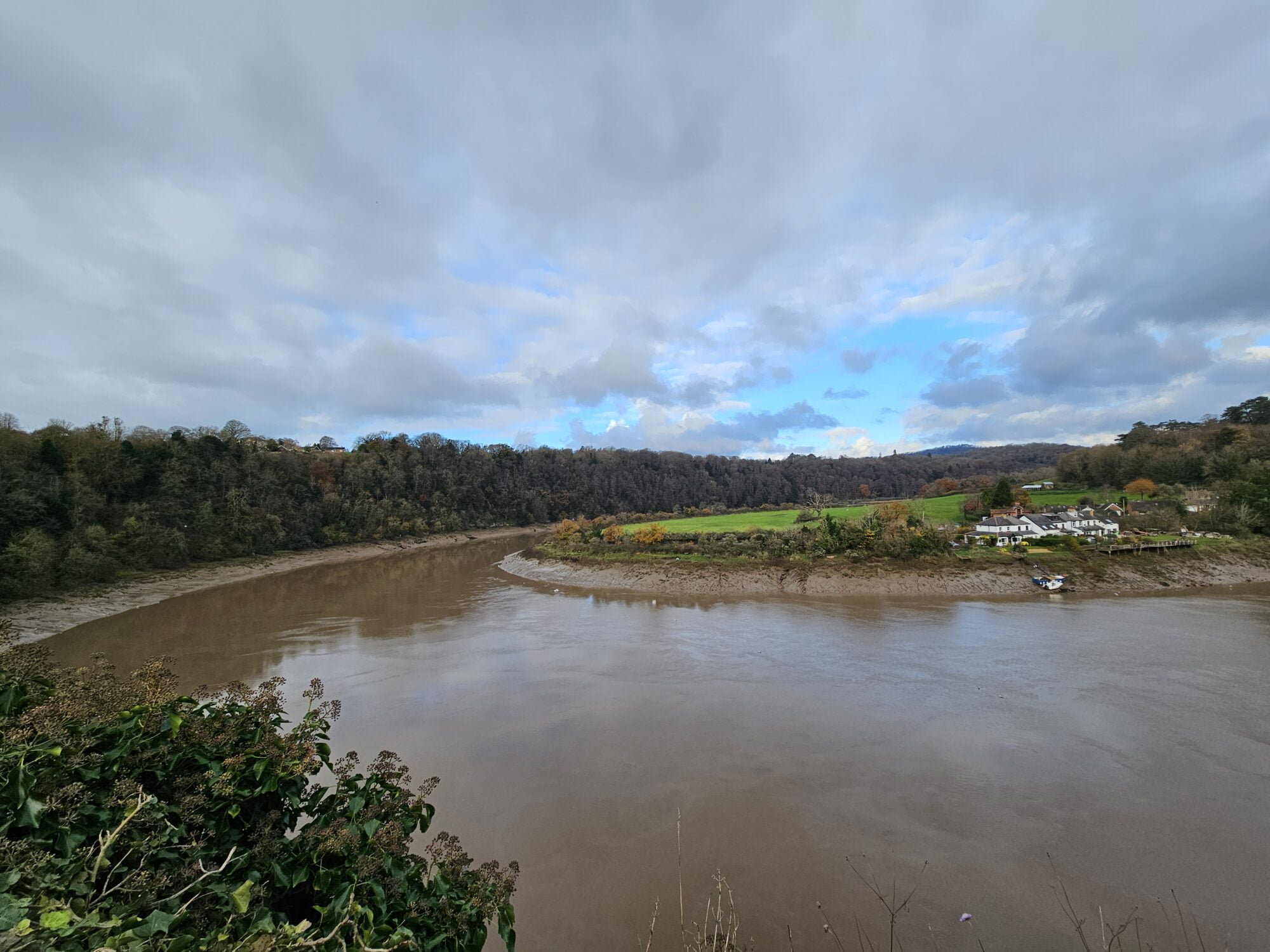
You can choose Chepstow as an endpoint for a rafting or kayaking adventure on the river. You can kayak the River Wye from its source to the Severn.
Explore The Town Centre
There’s a museum in Chepstow town centre where you can learn about the local history. This is near the castle entrance and the tourist information office. You can also see churches, including St Mary’s, and a town square with a war memorial.
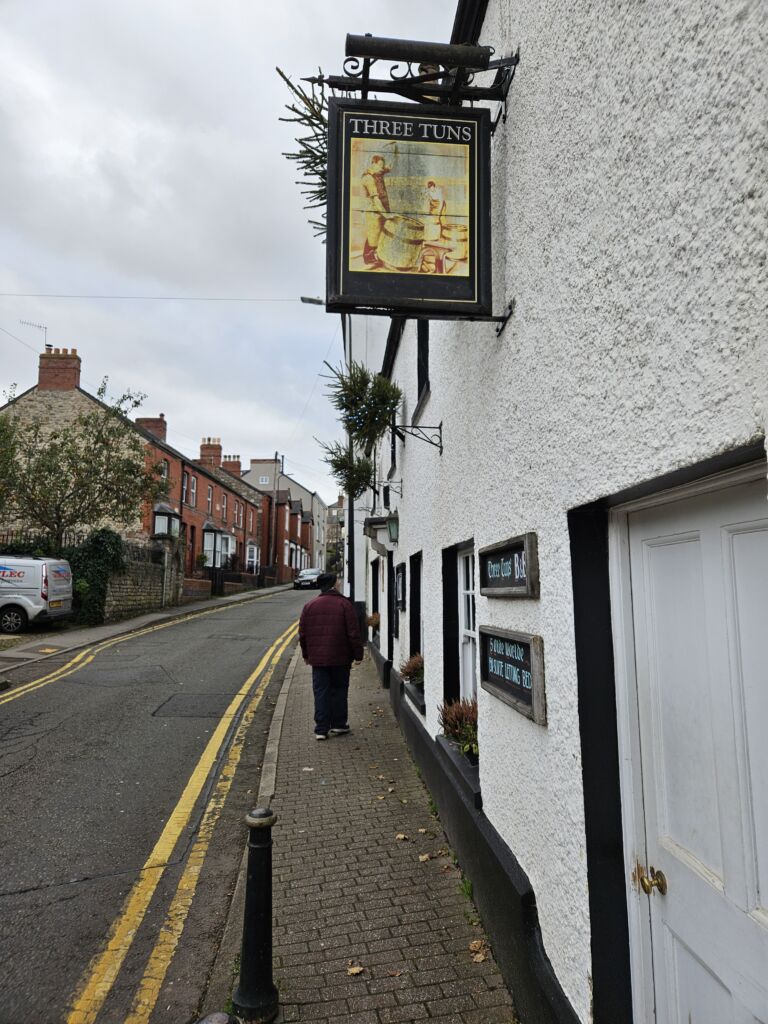
Chepstow has a town tower which was part of the city walls, which caught my eye. As we were short on time, I didn’t get to see all the nooks and crannies, but I saw some fascinating old buildings. They have good shops for essentials, as well as some dog-friendly pubs and cafes.
Chepstow Racecourse
For those who enjoy horse racing, the town has a big racecourse which hosts the Welsh Grand National.
River Severn Suspension Bridges
It is near the two suspension bridges that cross the River Severn, the Severn Bridge and the 2nd Severn Crossing. You can see it from several nearby points. You can cross the Severn Bridge (M48) on foot.
Dog-Friendly Pubs & Cafes
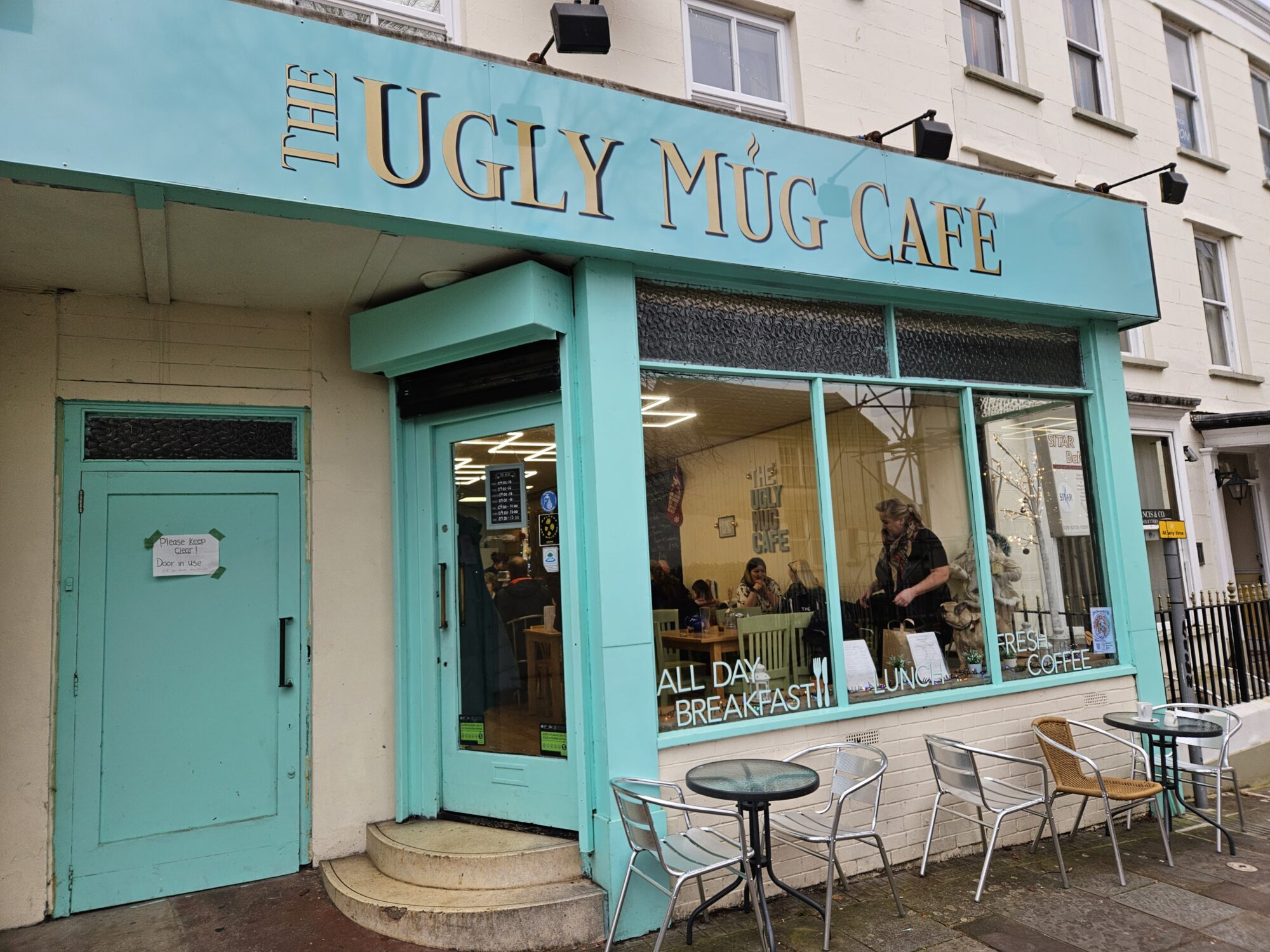
There are many pubs and cafes to visit in Chepstow, most of which are dog-friendly. We had a light lunch at Ugly Mugs Cafe, which had some dog customers. This was in the town’s main square and had indoor and outdoor dining areas. They serve breakfast-type food and hot drinks; no beer, unfortunately. The bacon rolls at Ugly Mugs Cafe were delicious and included some thick, cured bacon.
Is Chepstow Castle Worth Visiting?
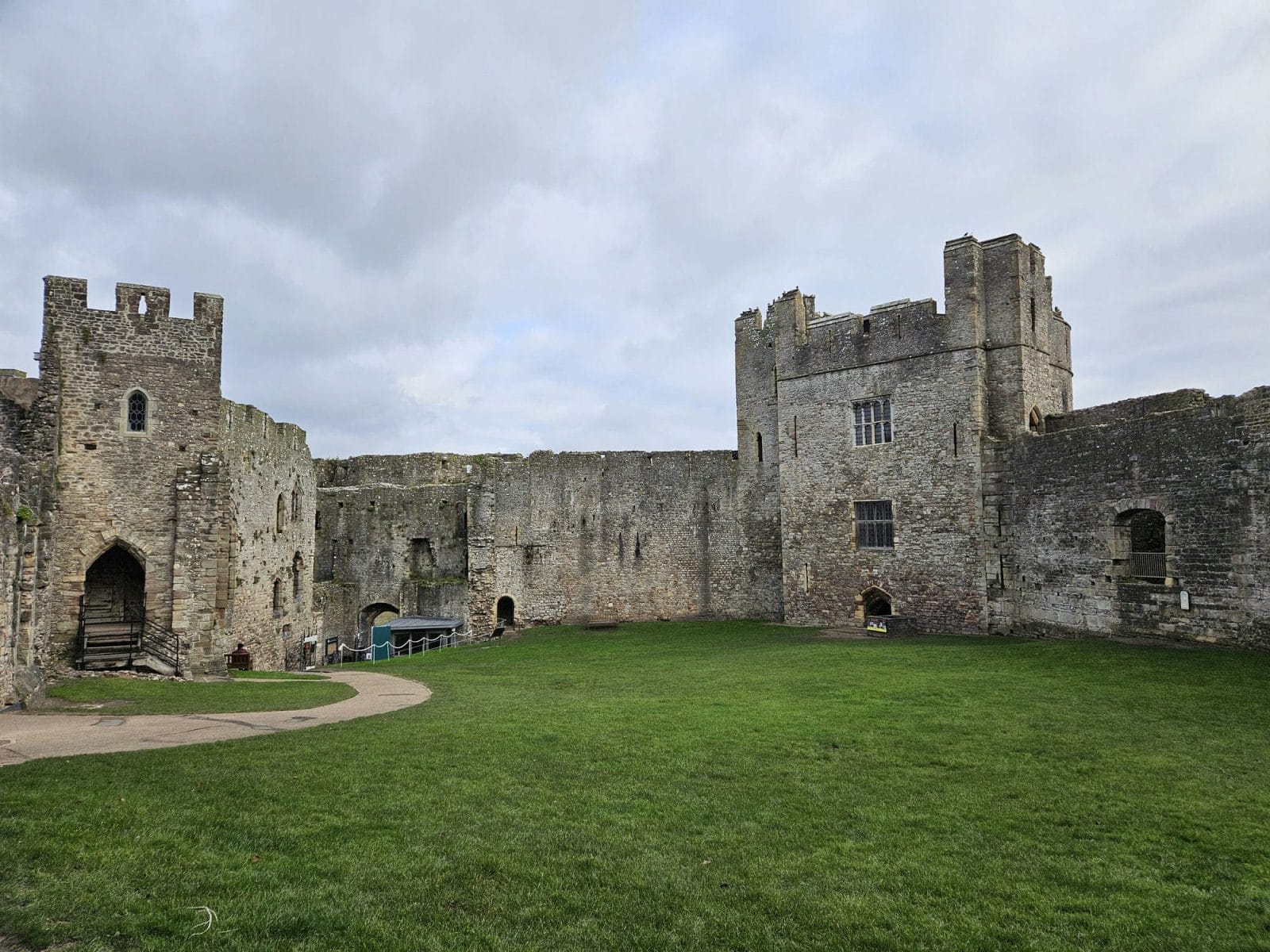
Yes, the castle is a great attraction because of its rich history and scenic surroundings. I found it engaging and worth the trip to see. The town also adds to the visit with some other sights, pet-friendly pubs and the nearby countryside. If you want to fully embrace the area, there are many accommodation options on the Booking.com website.