
Kew Gardens, London: What to See at the Royal Botanic Gardens
The Royal Botanic Gardens in Kew, London, is a fantastic day out for those who love to see perfectly landscaped greenery and flowers. Kew Gardens is a special place, so much so that it is a UNESCO World Heritage Site.
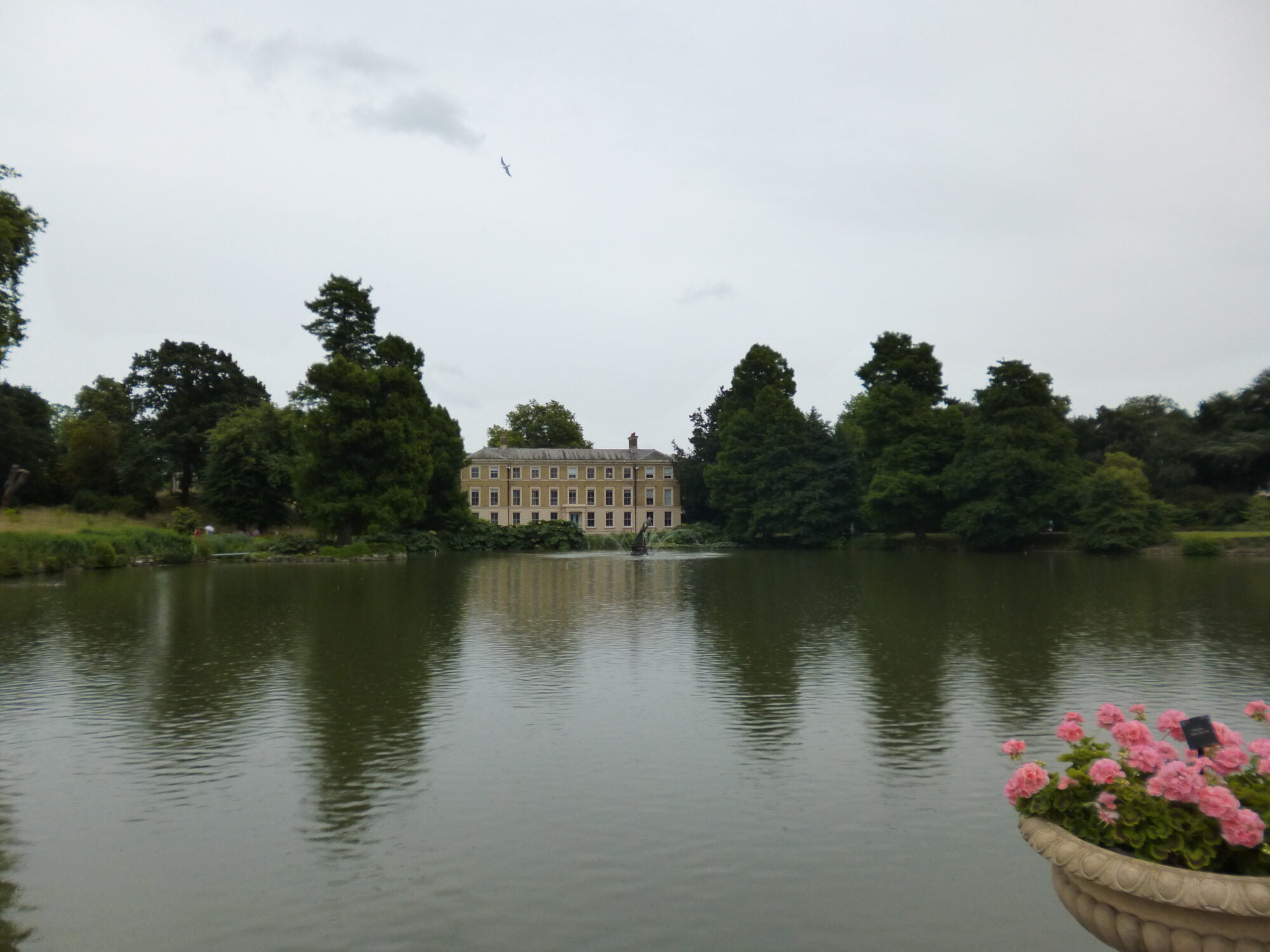
Disclosure! Keep in mind that some links in these posts are affiliate links. If you click one of them, I may earn a small commission (for which I’m extremely grateful) at no extra cost to you. Thanks for visiting!
The gardens have a vast selection of plants, trees and flowers for visitors to see. You can buy tickets online on GetYourGuide.
The Royal Botanic Gardens in Kew are a very tranquil place and great fun to explore. Despite its beauty, one of my highlights was the ultra-friendly squirrels, one of which climbed up my leg and mugged me for some nuts.
Getting to Kew Gardens by Tube, Overground and Train
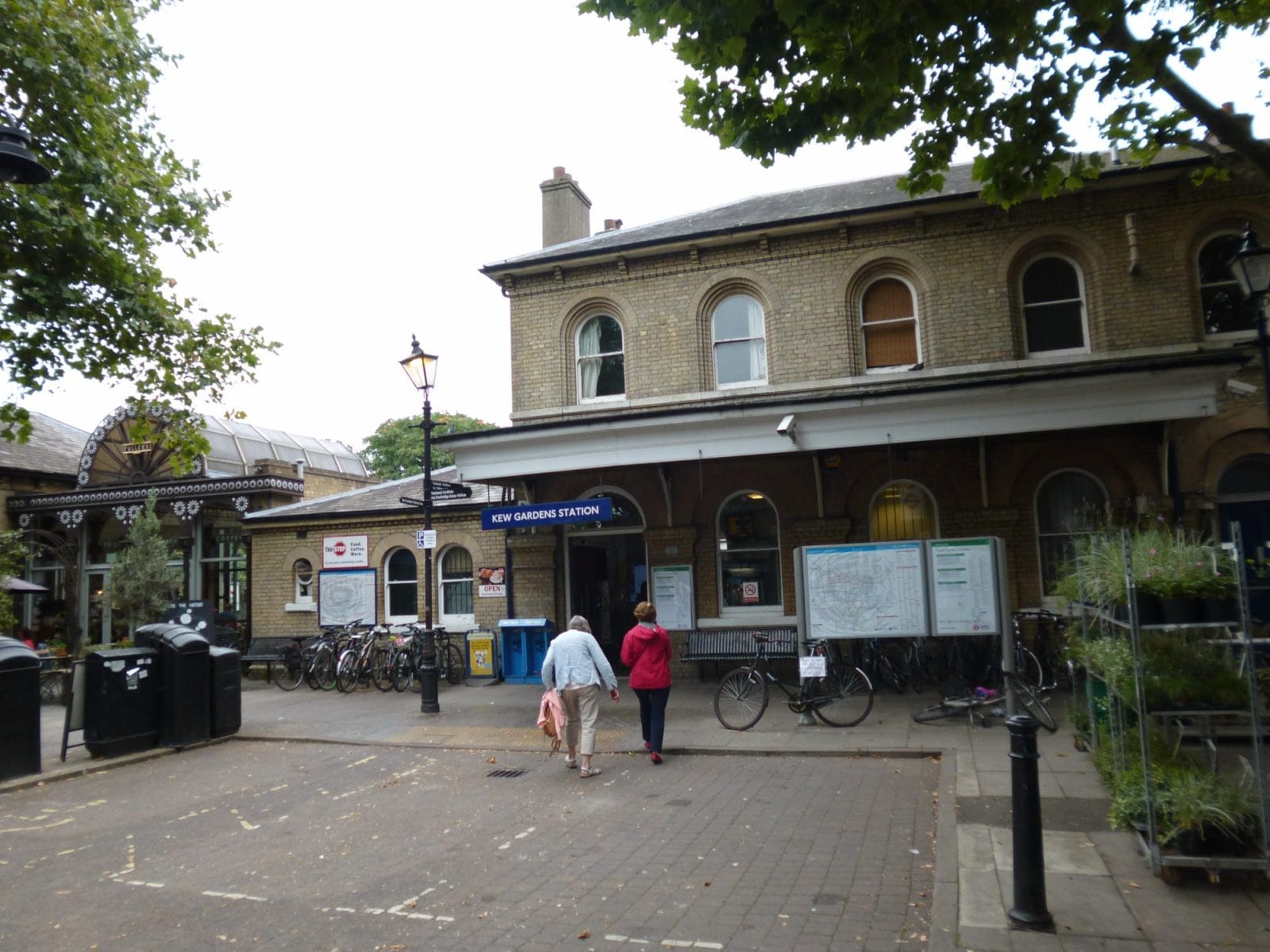
I got to Kew Gardens using the tube from Paddington Station in central London. The journey takes about 45 minutes. From Paddington, you get the District Line to Earl’s Court and then change trains to the District Line heading towards Richmond, getting off at Kew Gardens tube station. There are other travel options available, including buses, taxis, or, if you fancy, a long 2-hour walk.
Kew Gardens Map and Planning Your Visit
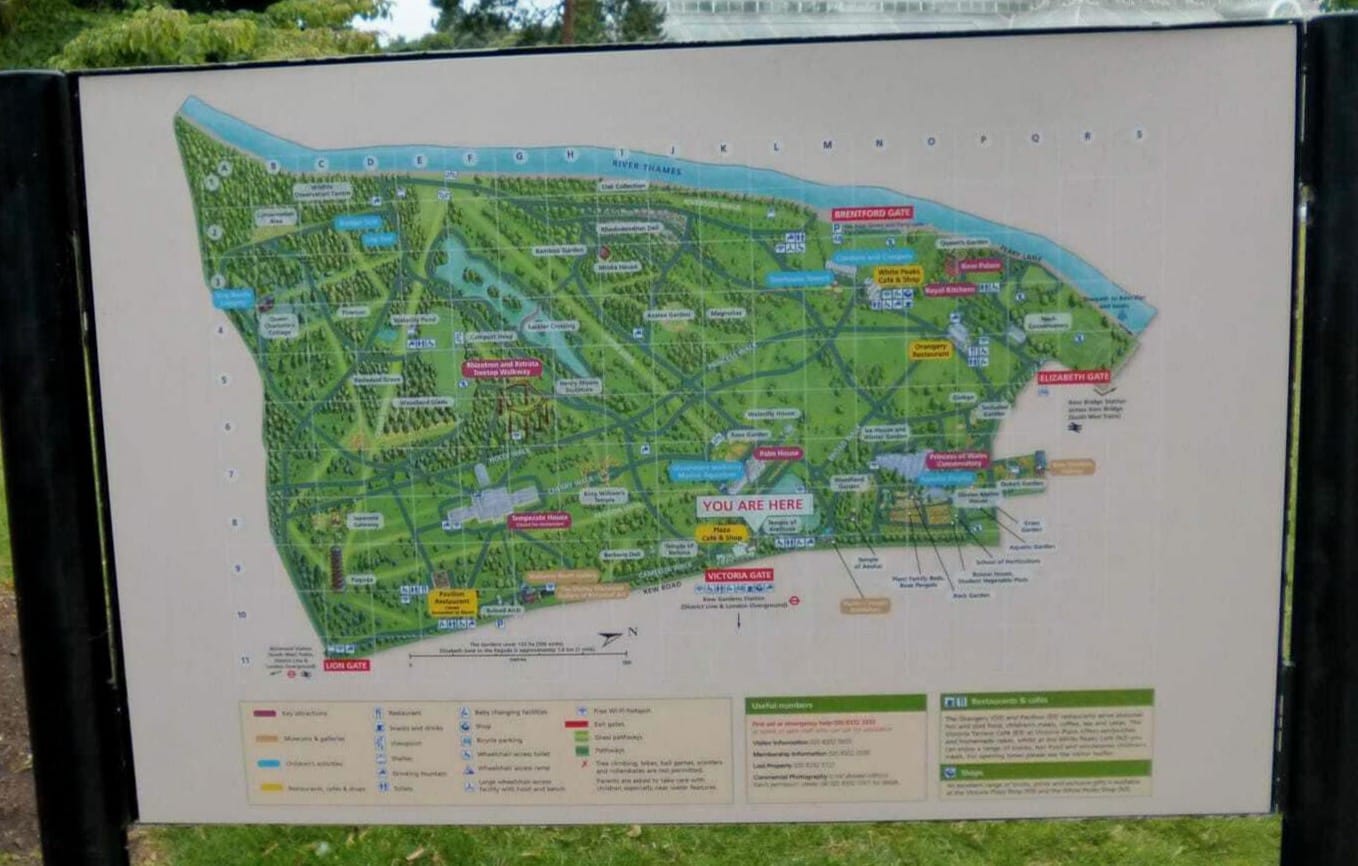
To help you find your way around the gardens and find specific features, there are some handy maps of Kew Gardens. These show all the main parts of the botanical gardens and where to enter from the tube station. You can also download a map from the Kew website.
What to See at Kew Gardens, London
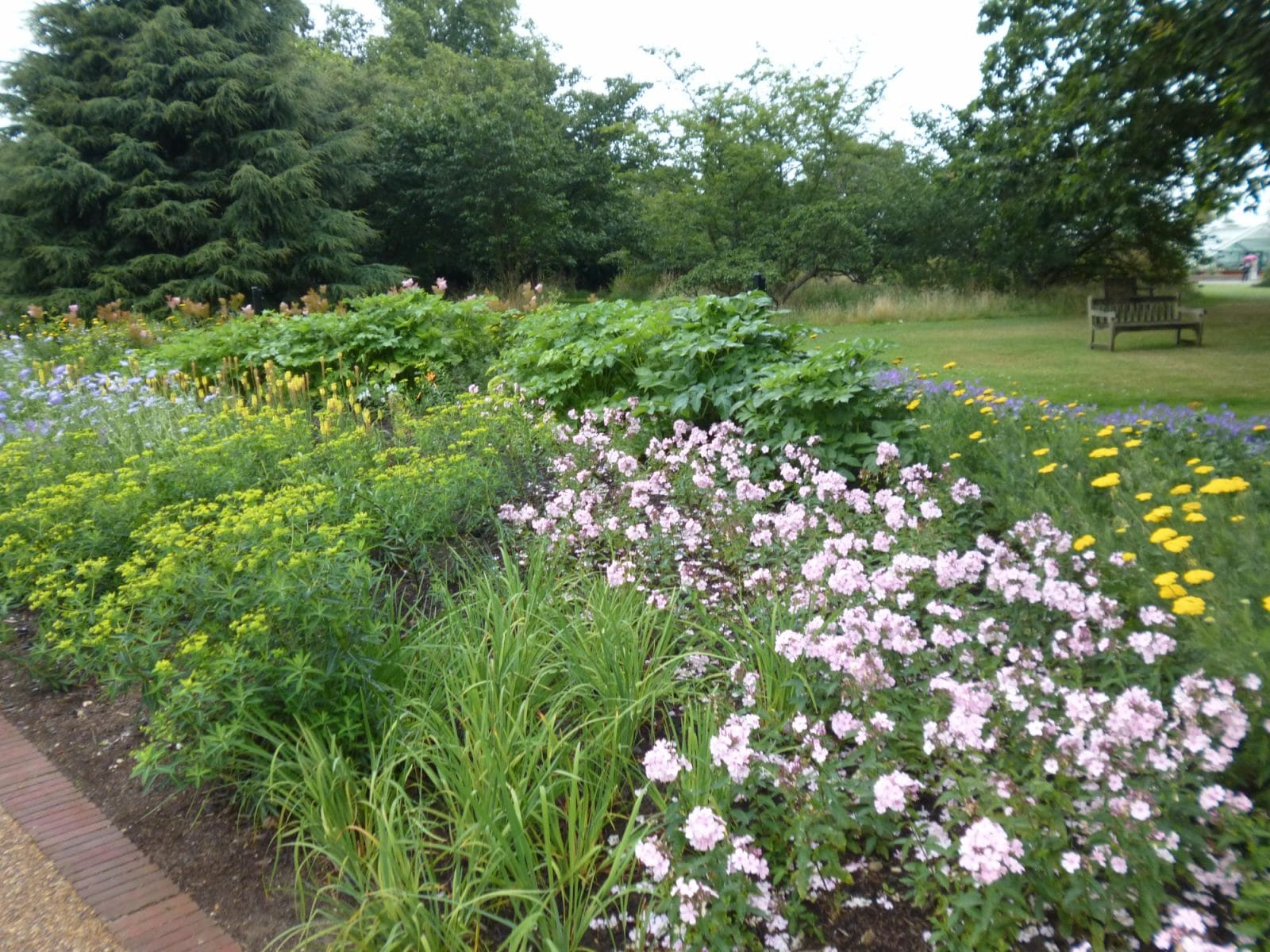
There are loads of things to see when visiting Kew Gardens. On one visit, you might not get to see it all. I certainly didn’t. There are some scenic landscapes, garden features and other fun activities. I enjoyed wandering to see what popped up; however, there are maps to enable you to find specific features.
Glasshouses and Plant Collections
Princess of Wales Conservatory
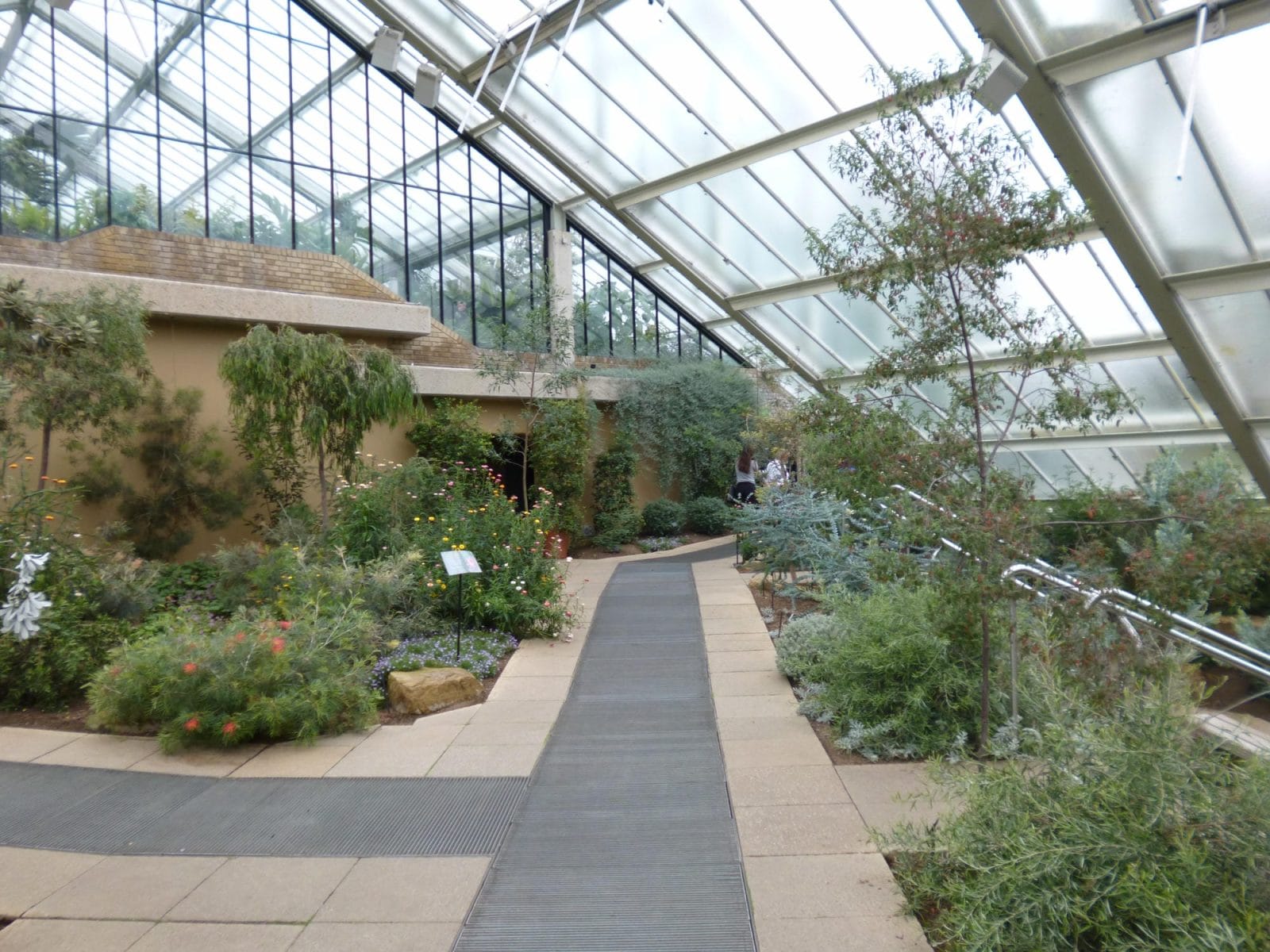
The Princess of Wales Conservatory is a fascinating place to visit and see plants from warmer climates. This includes species from deserts and the tropics. It has ten climate zones for visitors to explore and view the related plants.
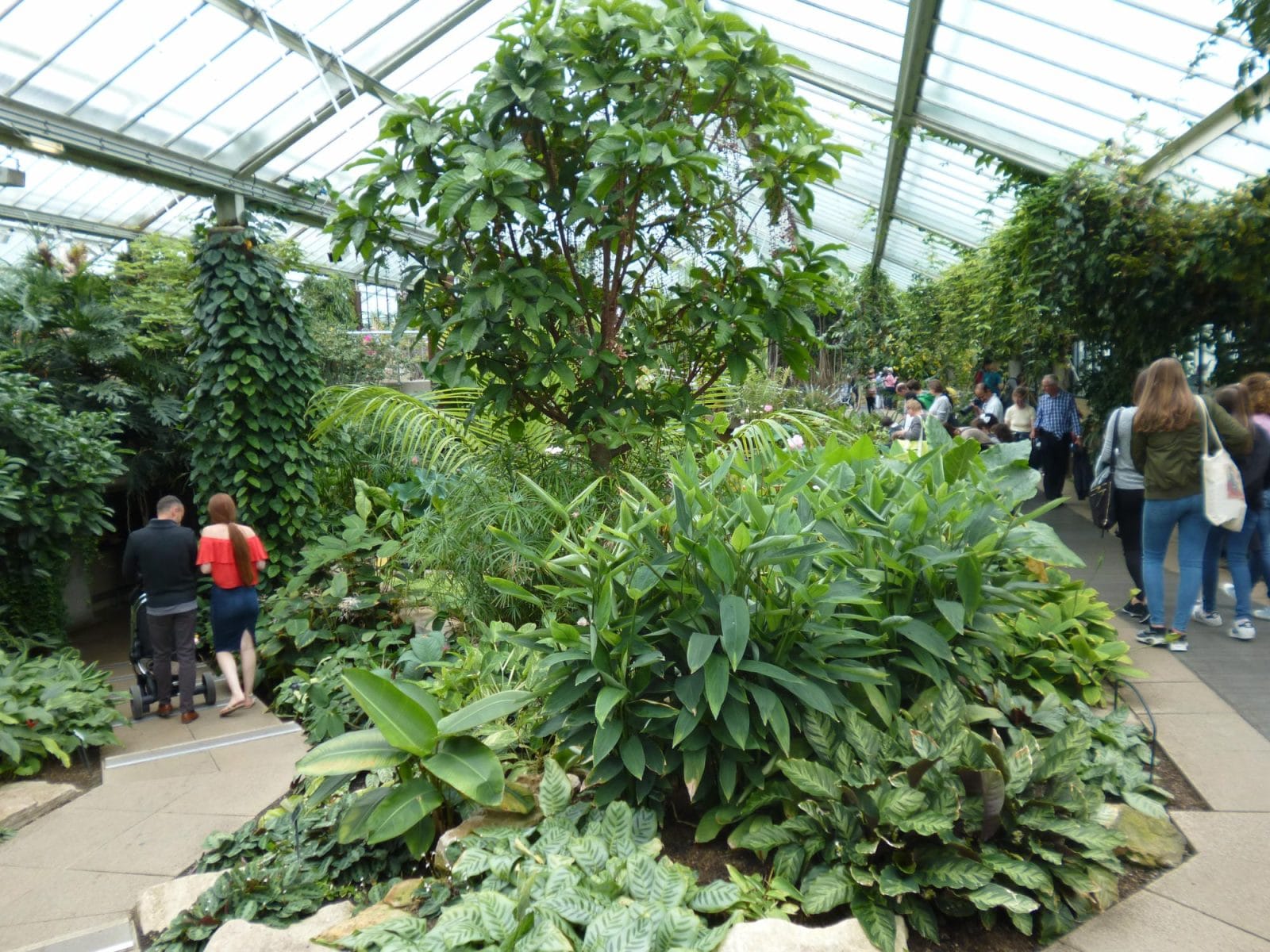
Some highlights of the conservatory include cacti, tropical orchids, and lily pads from the Amazon.
Cactus Section
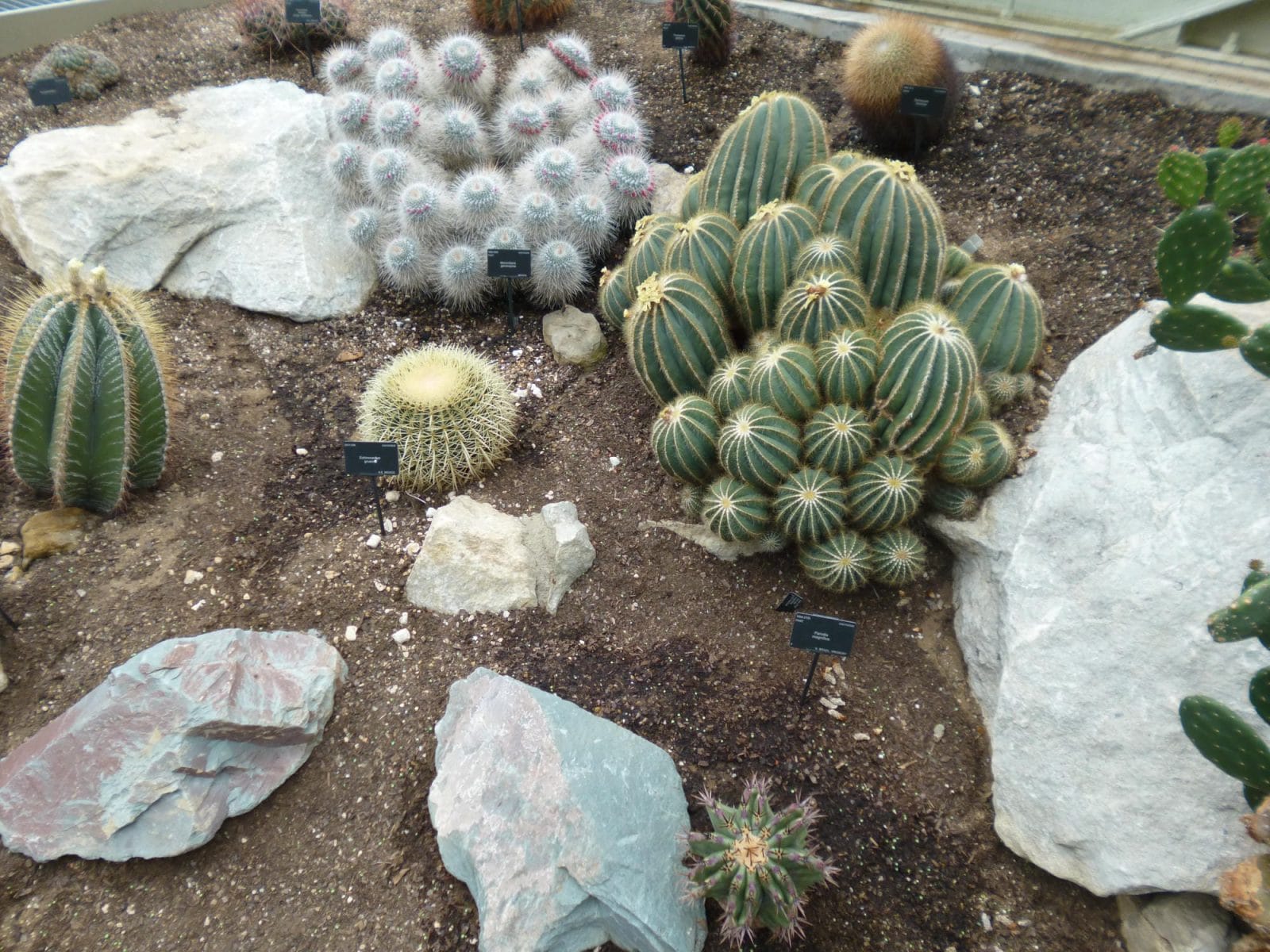
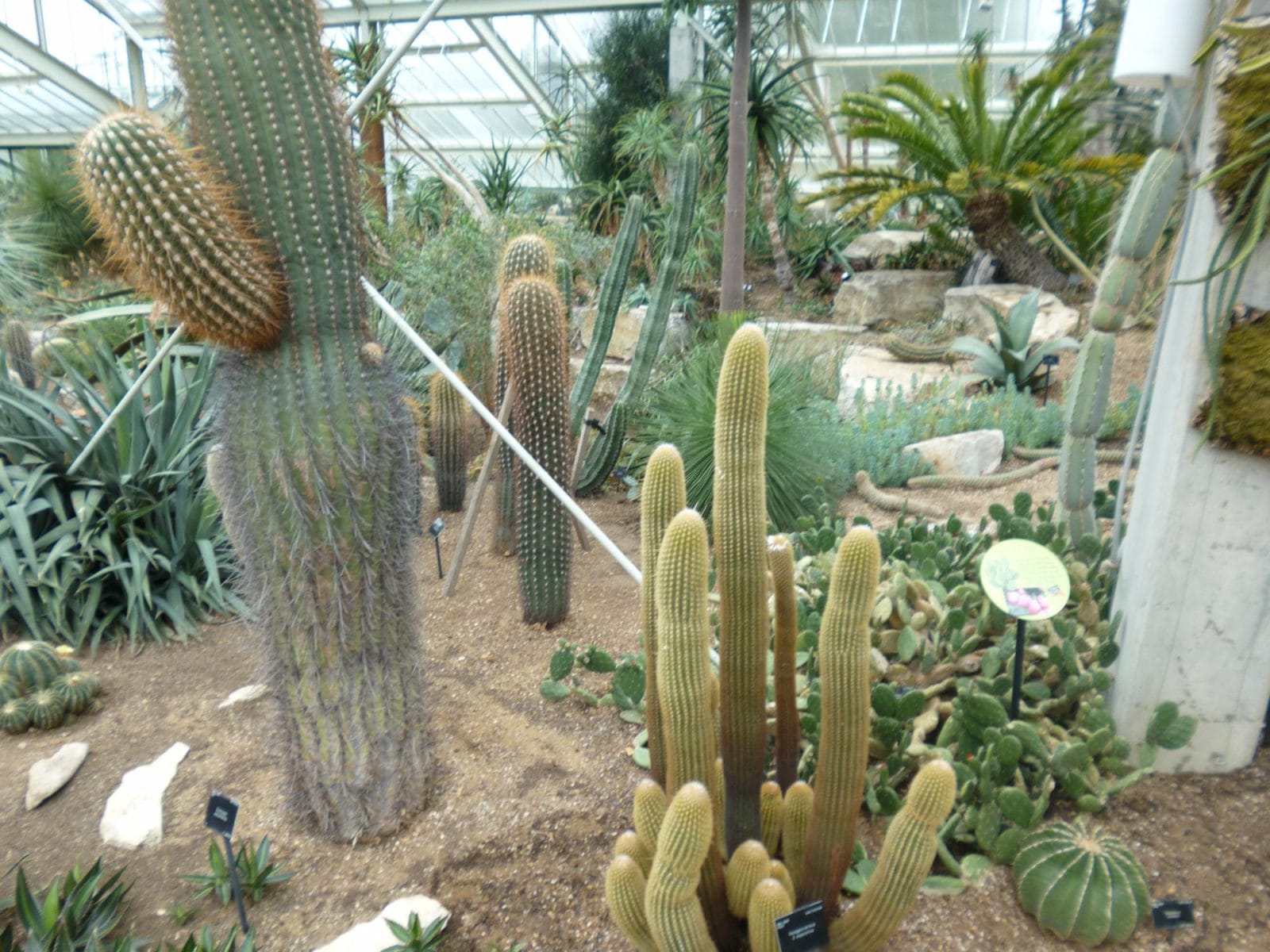
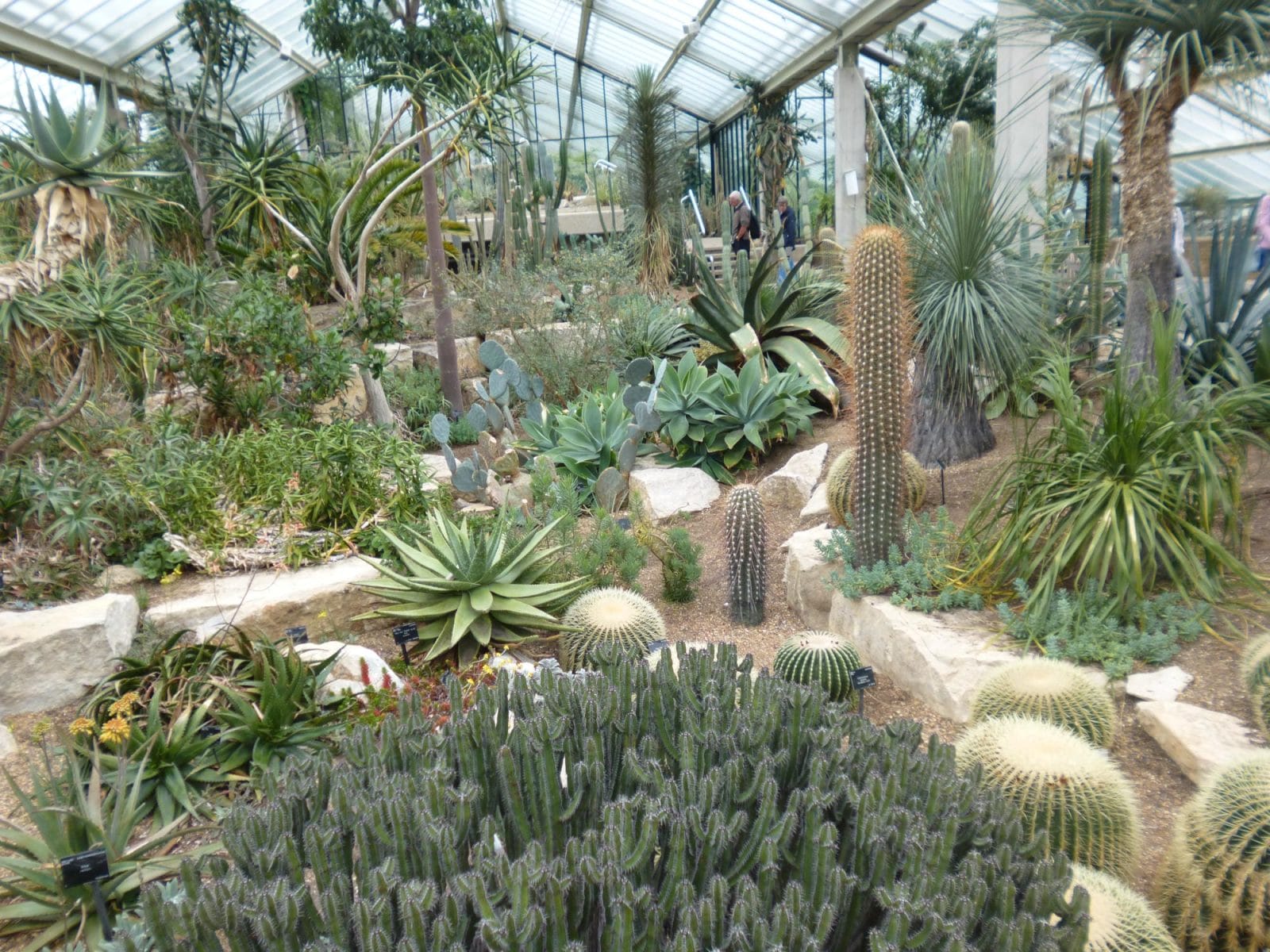
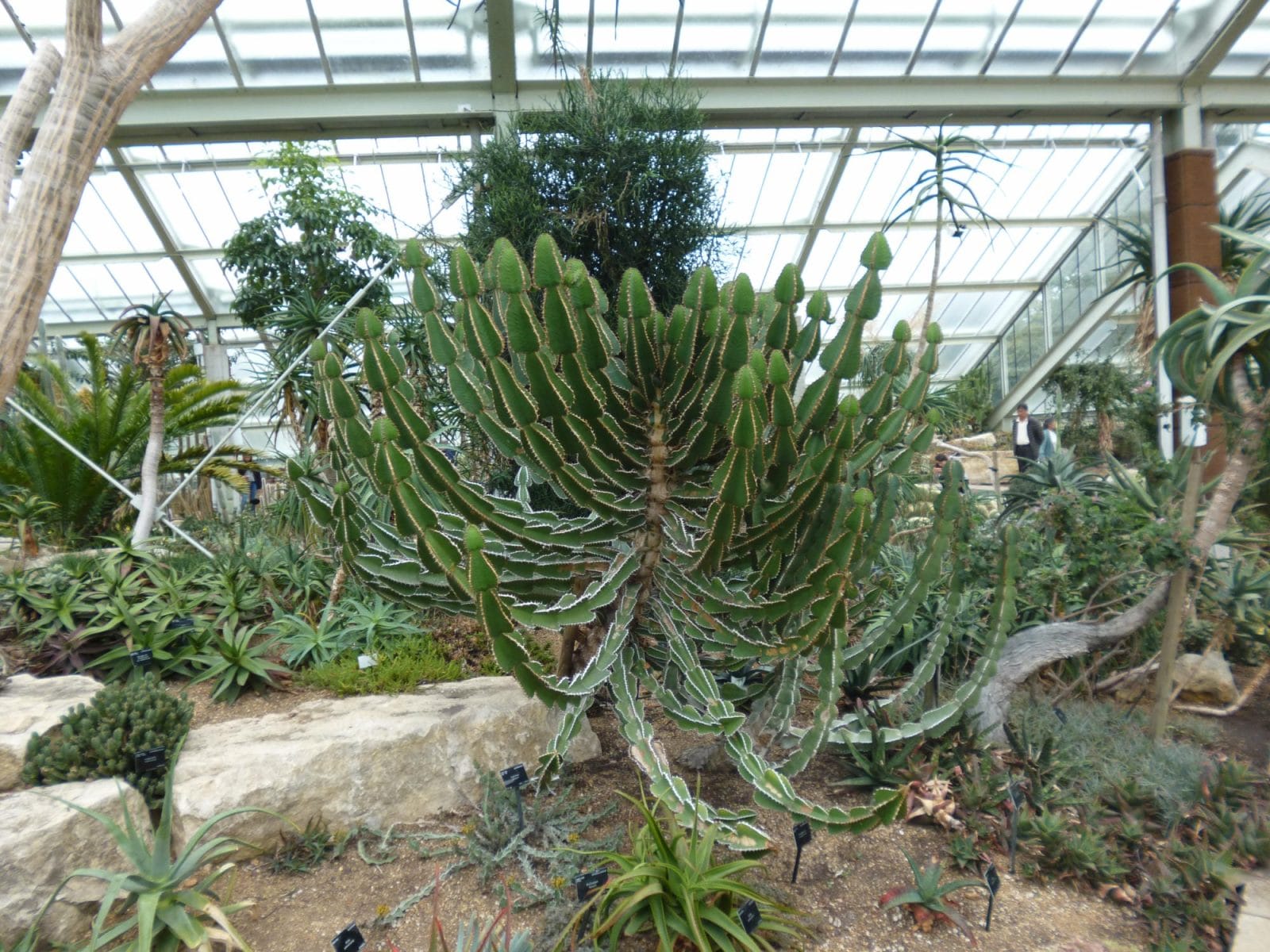
The Princess of Wales Conservatory room with the cacti was impressive. There are some beautiful cacti to see, including some giant ones.
Amazon Greenhouse
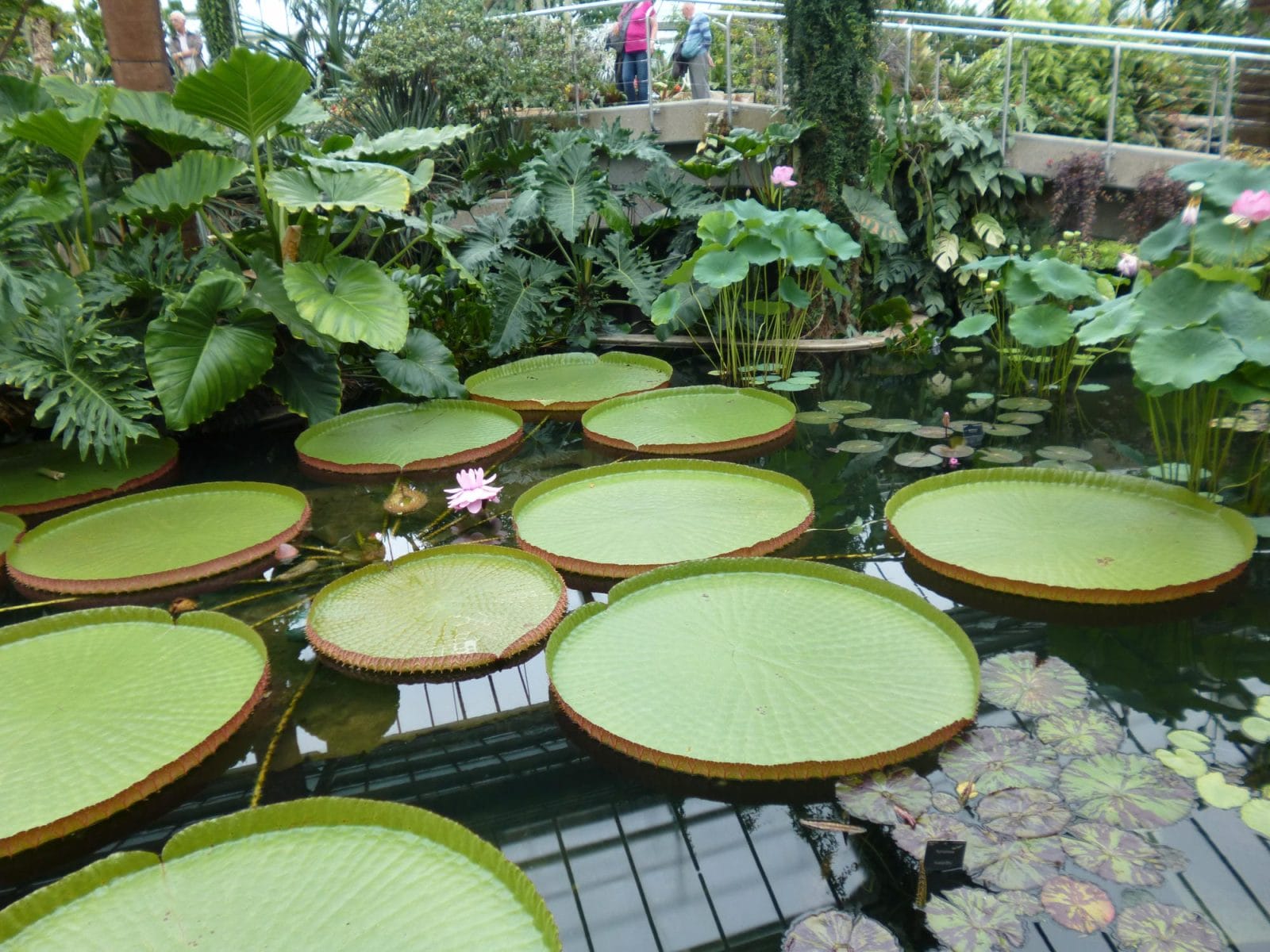
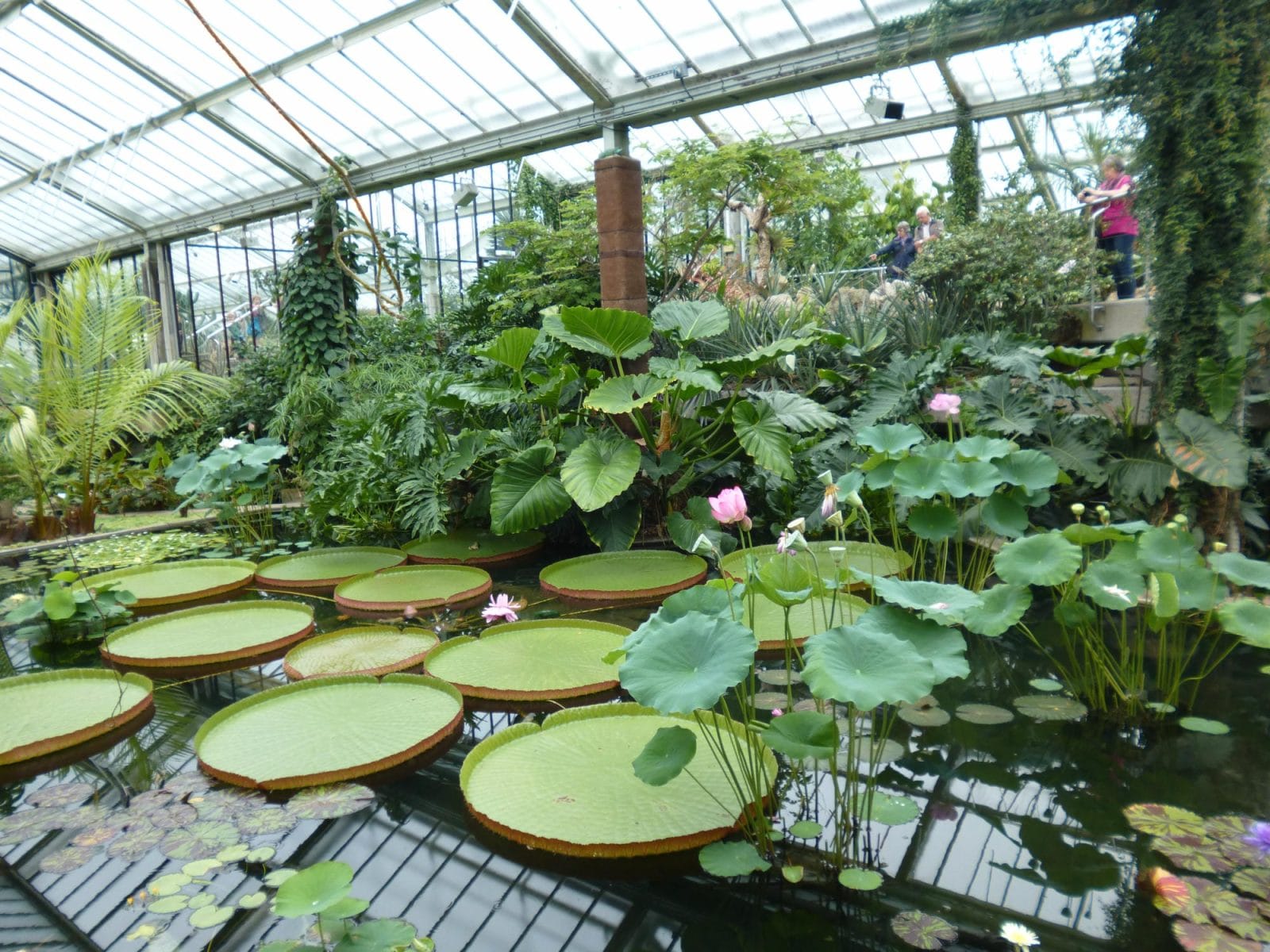
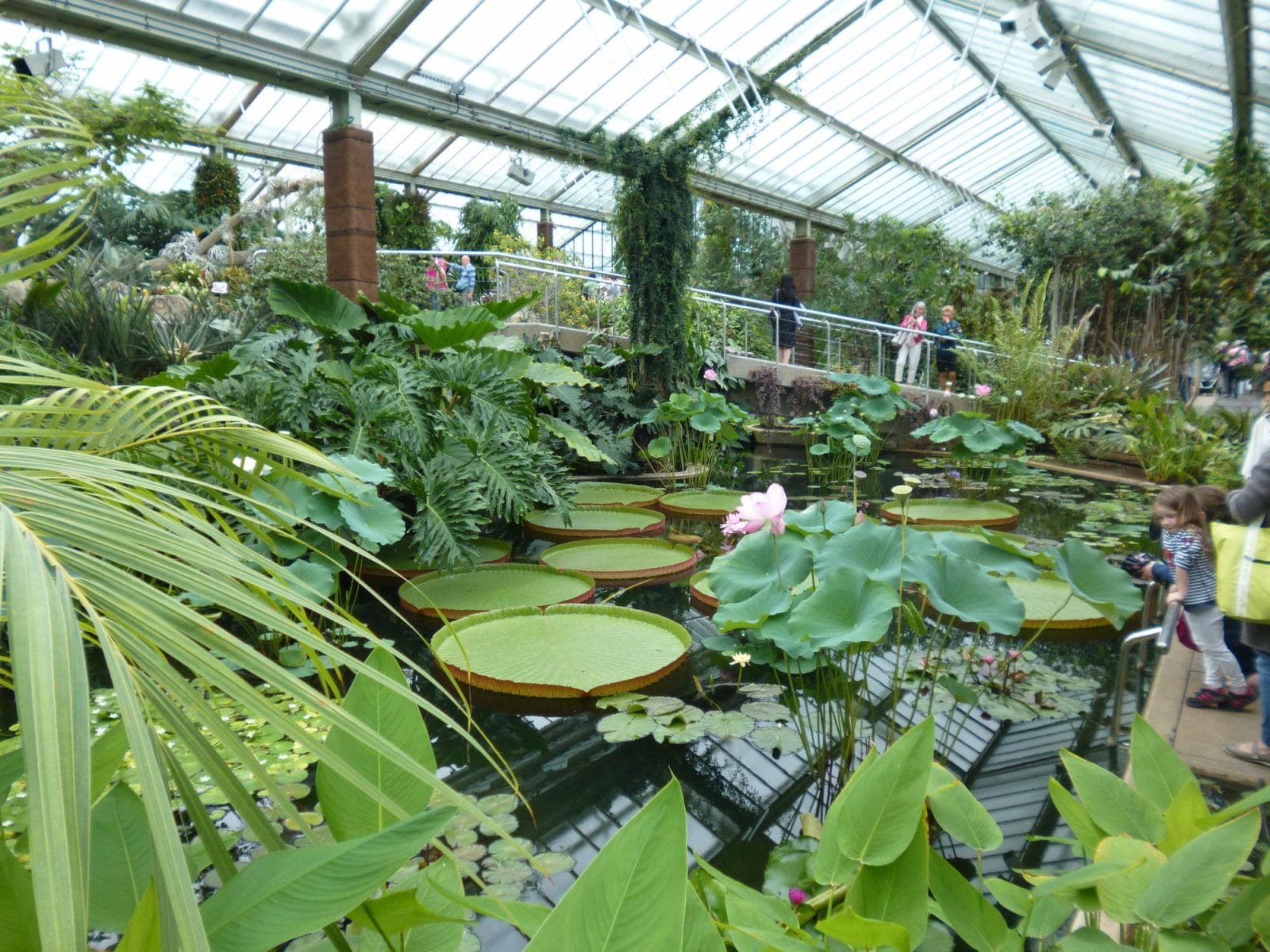
One of the most impressive plants I saw was the giant waterlily Victoria amazonica in the Amazon section of the greenhouse. These float in the wet tropical zone; the lily’s spectacular white flowers open at sunset, filling the air with a strong perfume before they are pollinated and turn bright pink by the morning. However, all the plants in the section were very fascinating to see up close.
Nash Conservatory
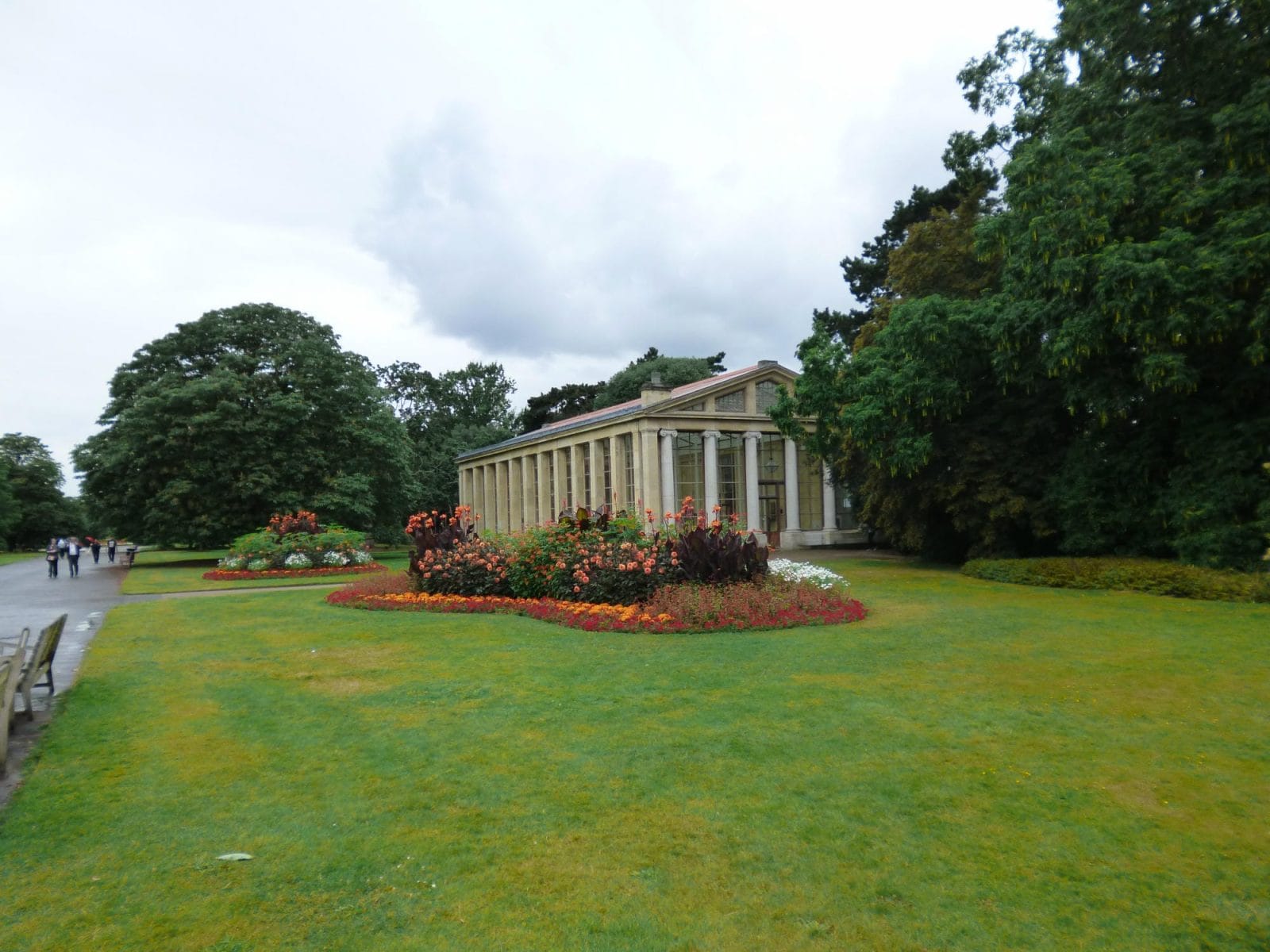
From the outside, the Nash Conservatory is a building with some very nice white columns. The Nash Conservatory used to be located in Buckingham Palace, but it was moved brick by brick back in 1836. Now that’s dedication. This building hosts events, including corporate days, product launches, and more.
Flowerbeds and Seasonal Colour
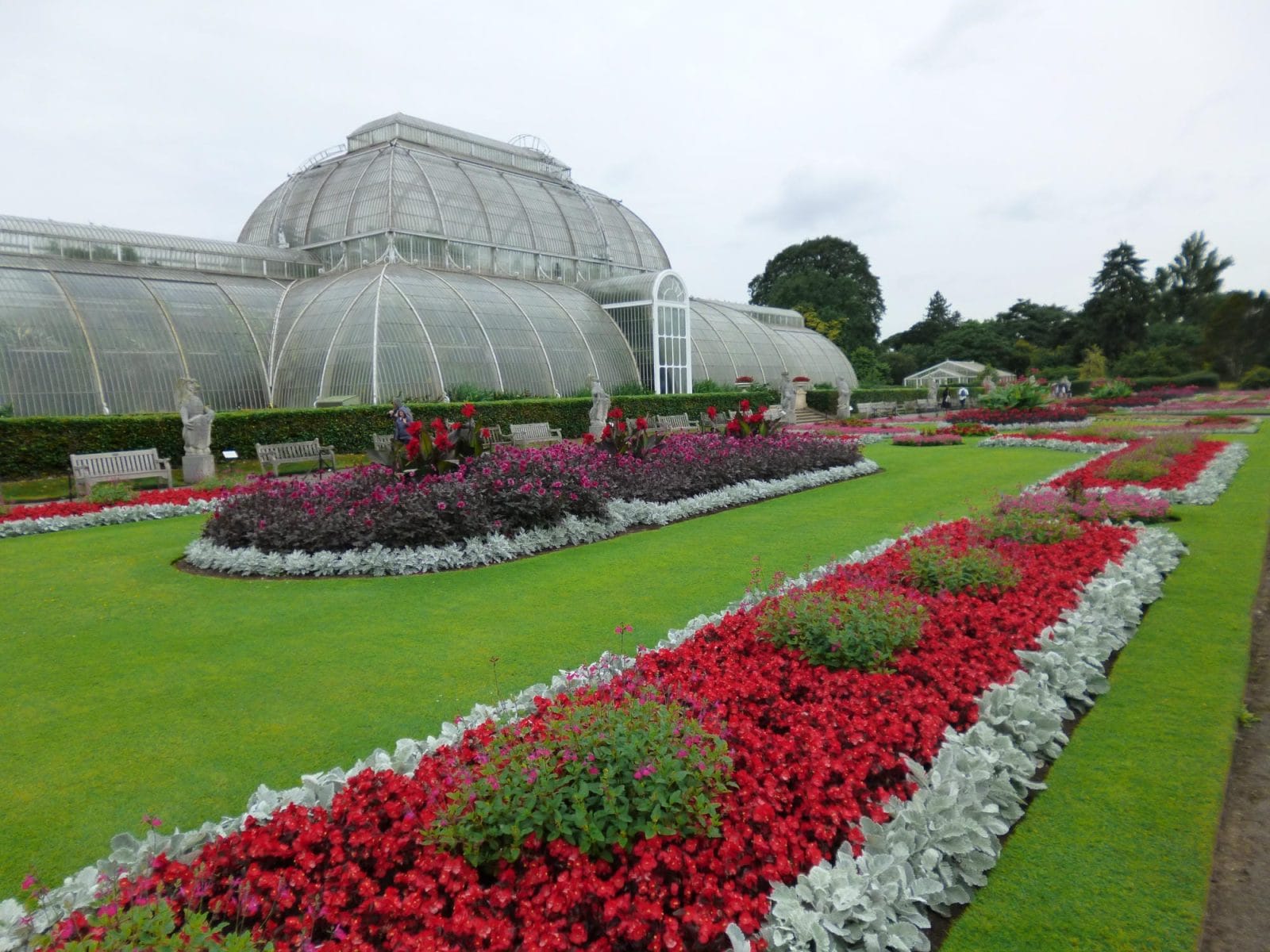
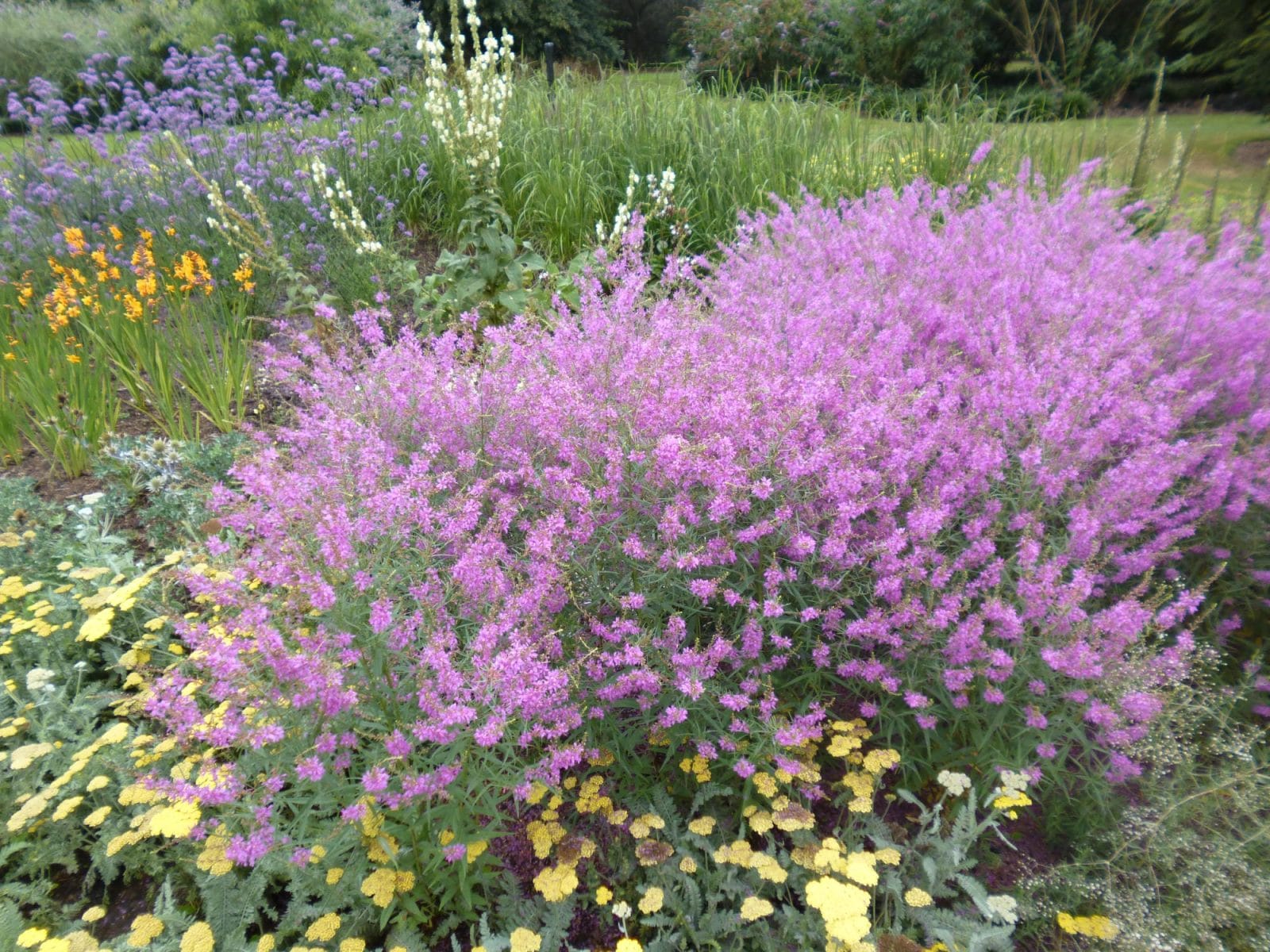
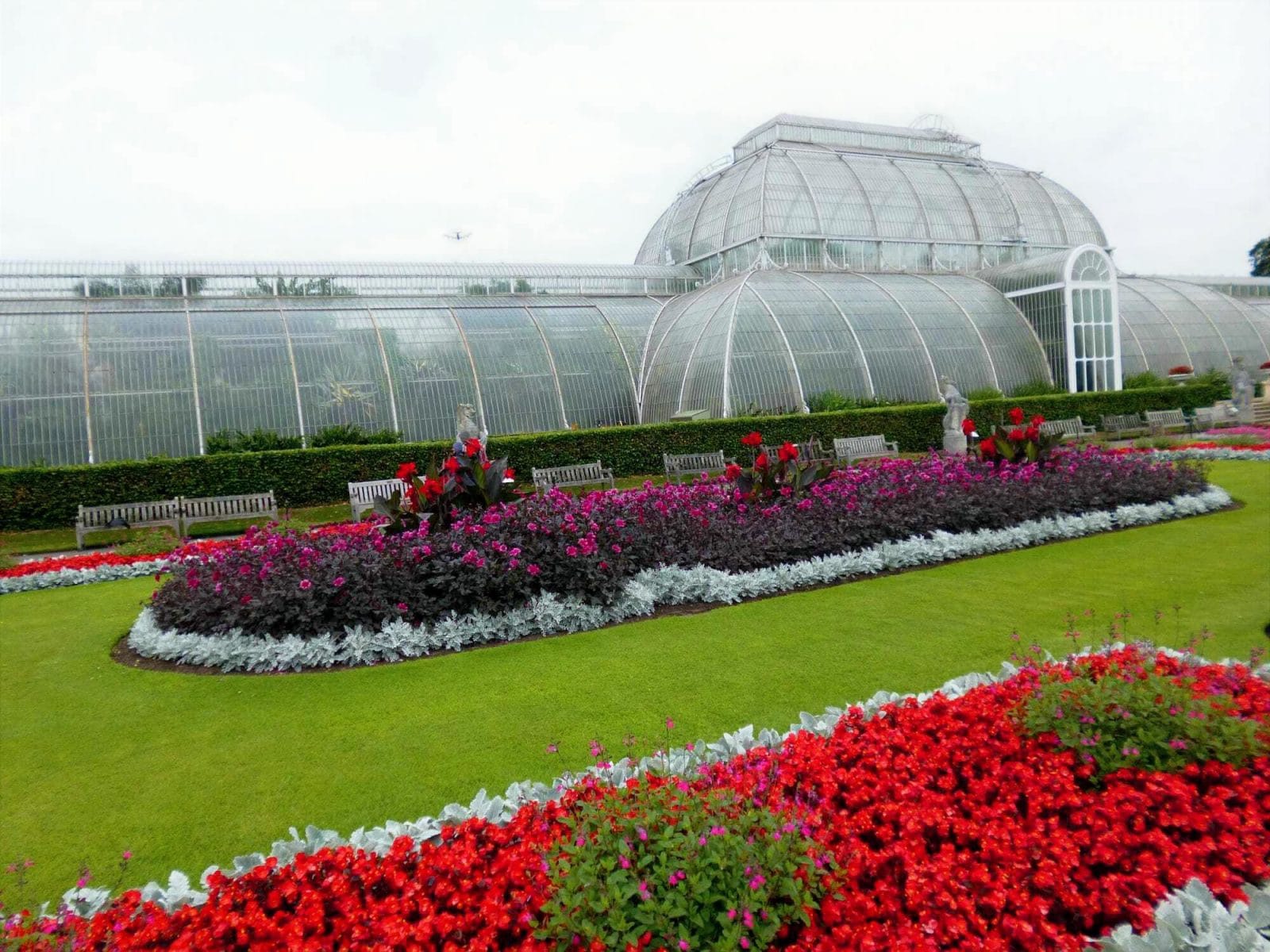
Dotted around Kew Gardens are some vibrant flowerbeds. These come in an array of colours from many flower types.
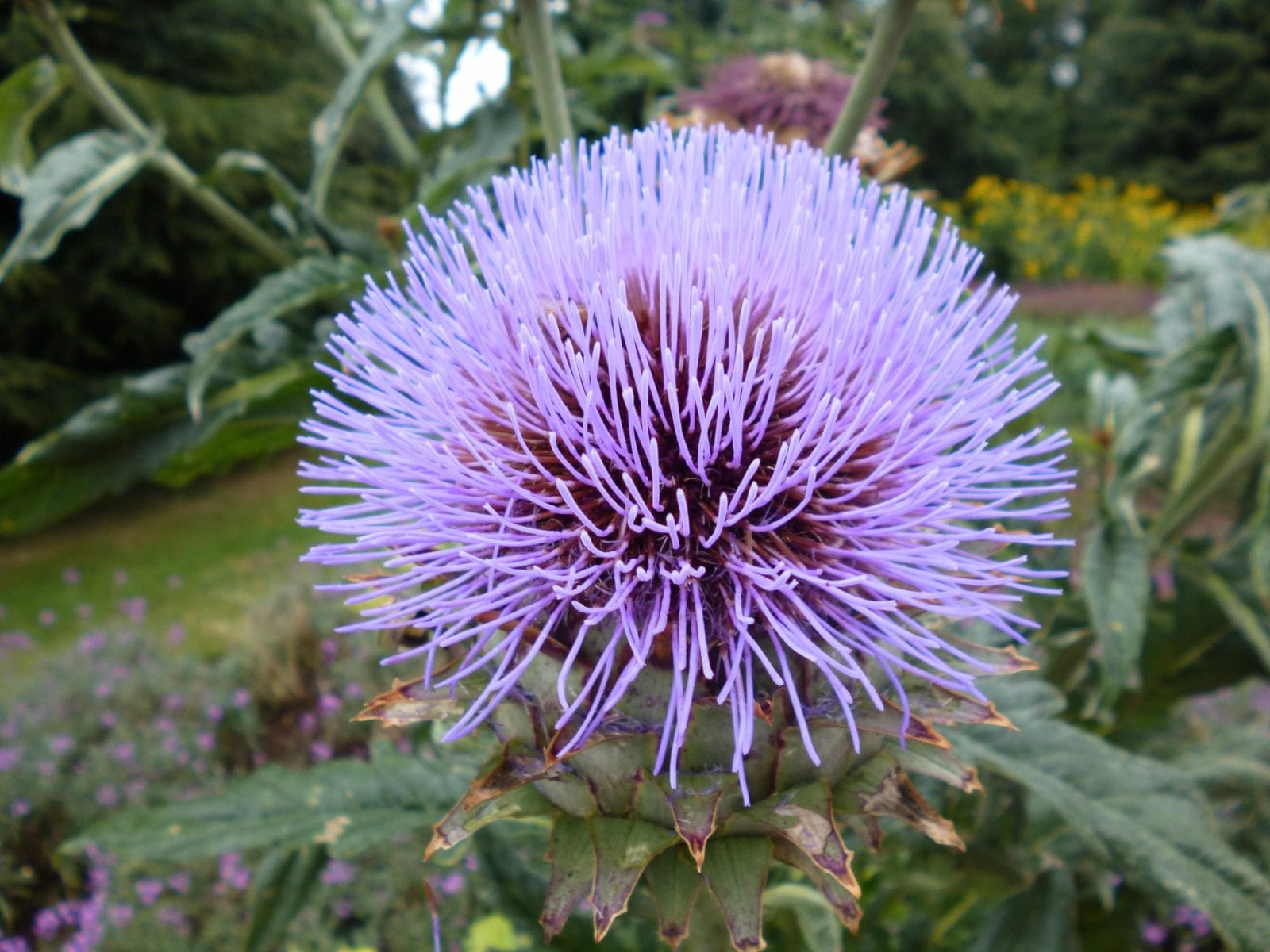
While visiting Kew, you can get up close to some flowers and really see how beautiful they are. Some are unique to look at, including the beauty above. If you know what this is, please comment below.
See Pollinators at Work
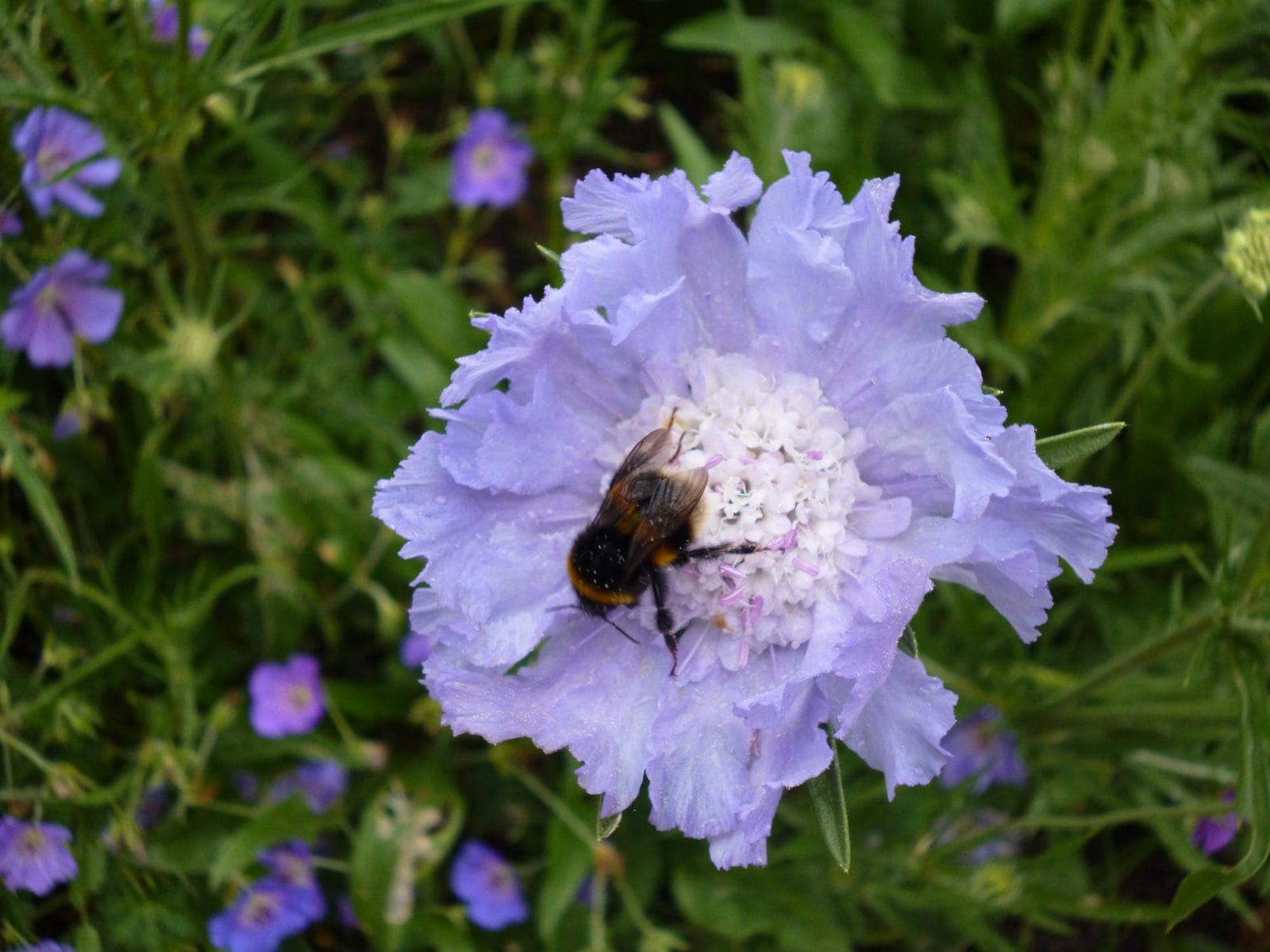
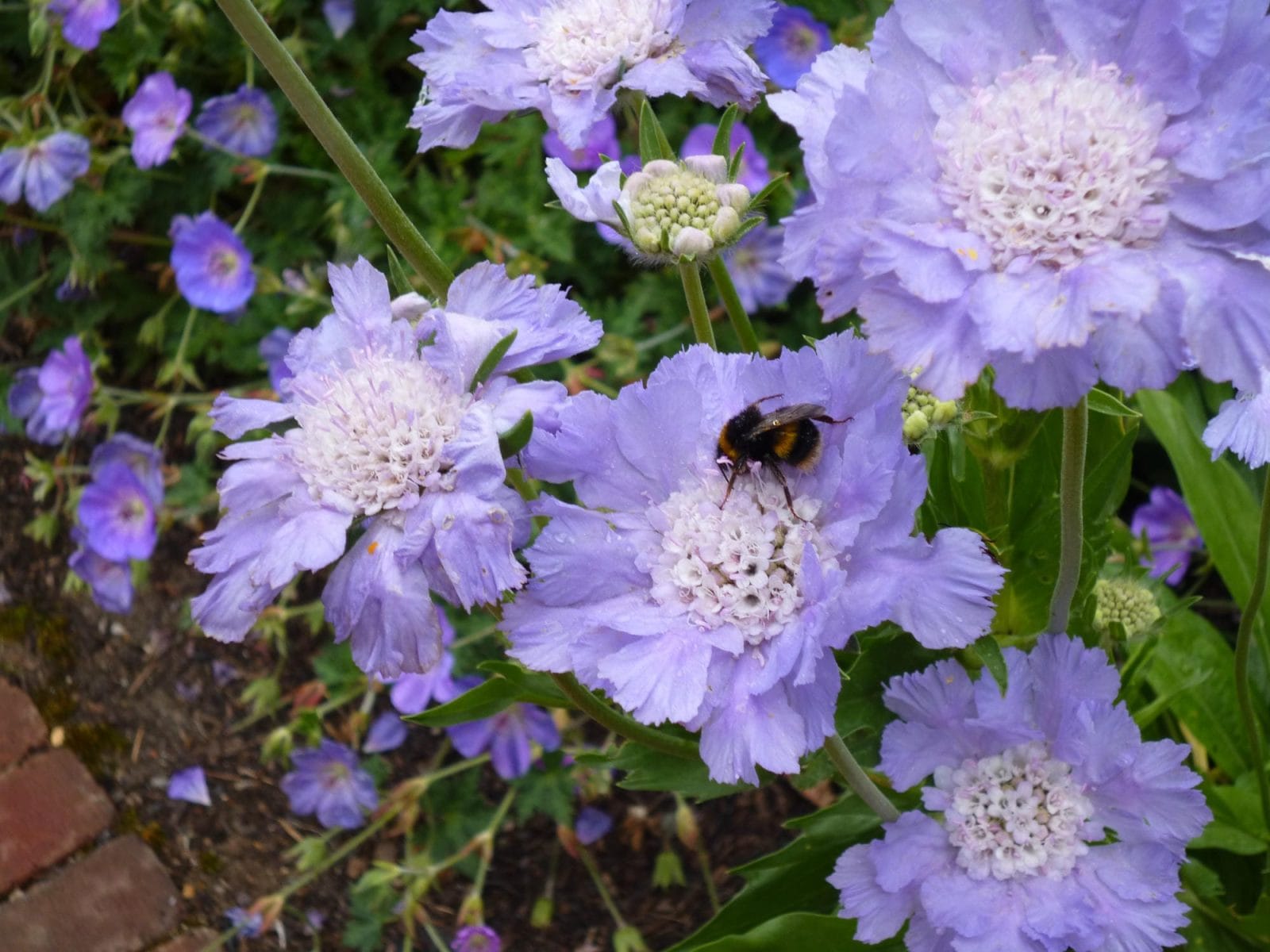
With flowers come pollinators, and the gardens have many, including bumblebees and regular honey bees.
Historic Buildings, Temples and Architecture
Kew Palace
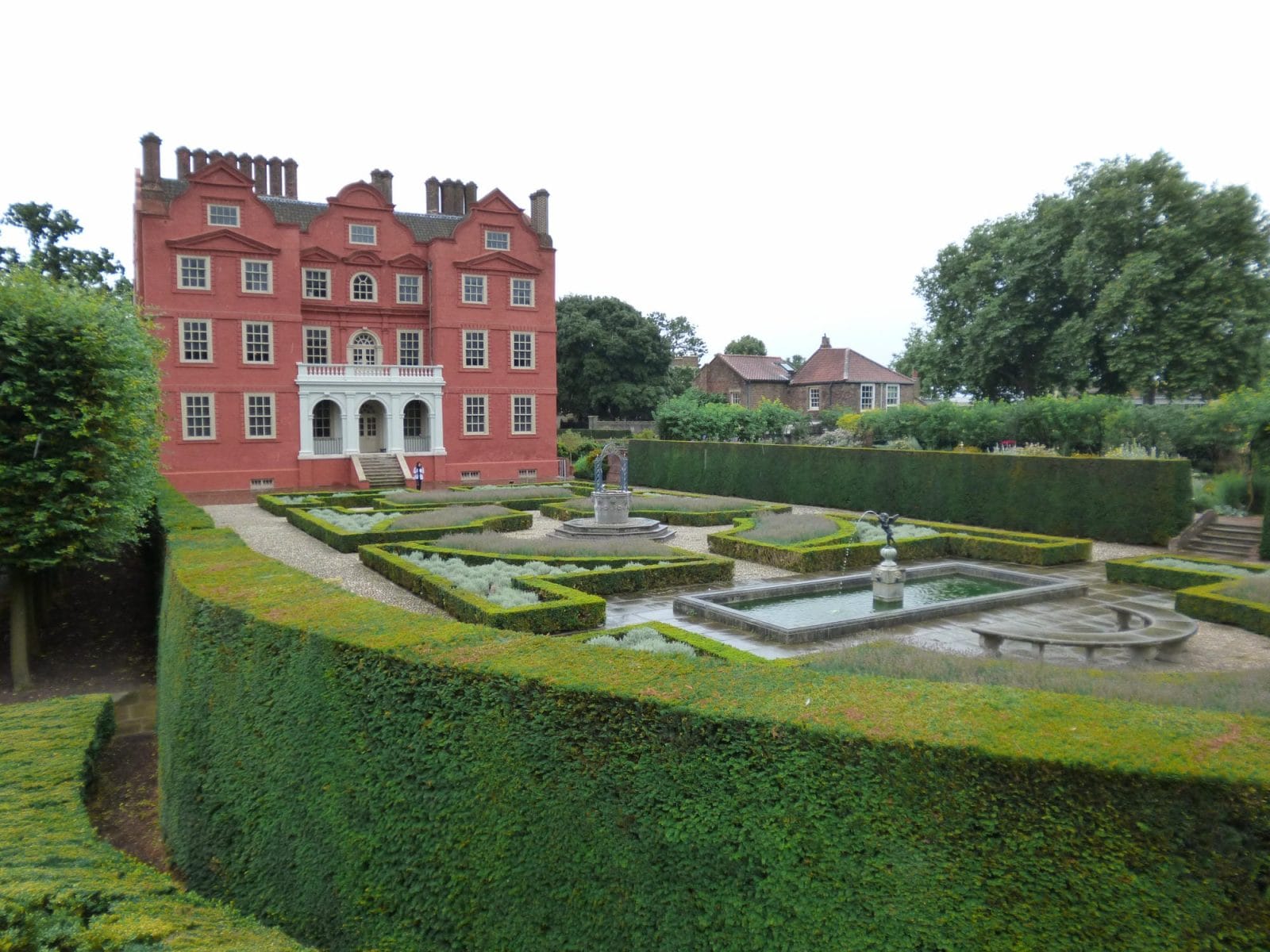
As this is a royal garden, it includes the royal palace, Kew Palace. The palace complex dates back to 1631. However, the main remaining part is called the Dutch House. The Dutch House is a Grade I-listed building and is open to the public.
The palace was formerly the home of George III and Queen Charlotte. Inside the palace, they tell the powerful story of King George III, his mental illness, and the members of his family who lived and died here.
Great Pagoda
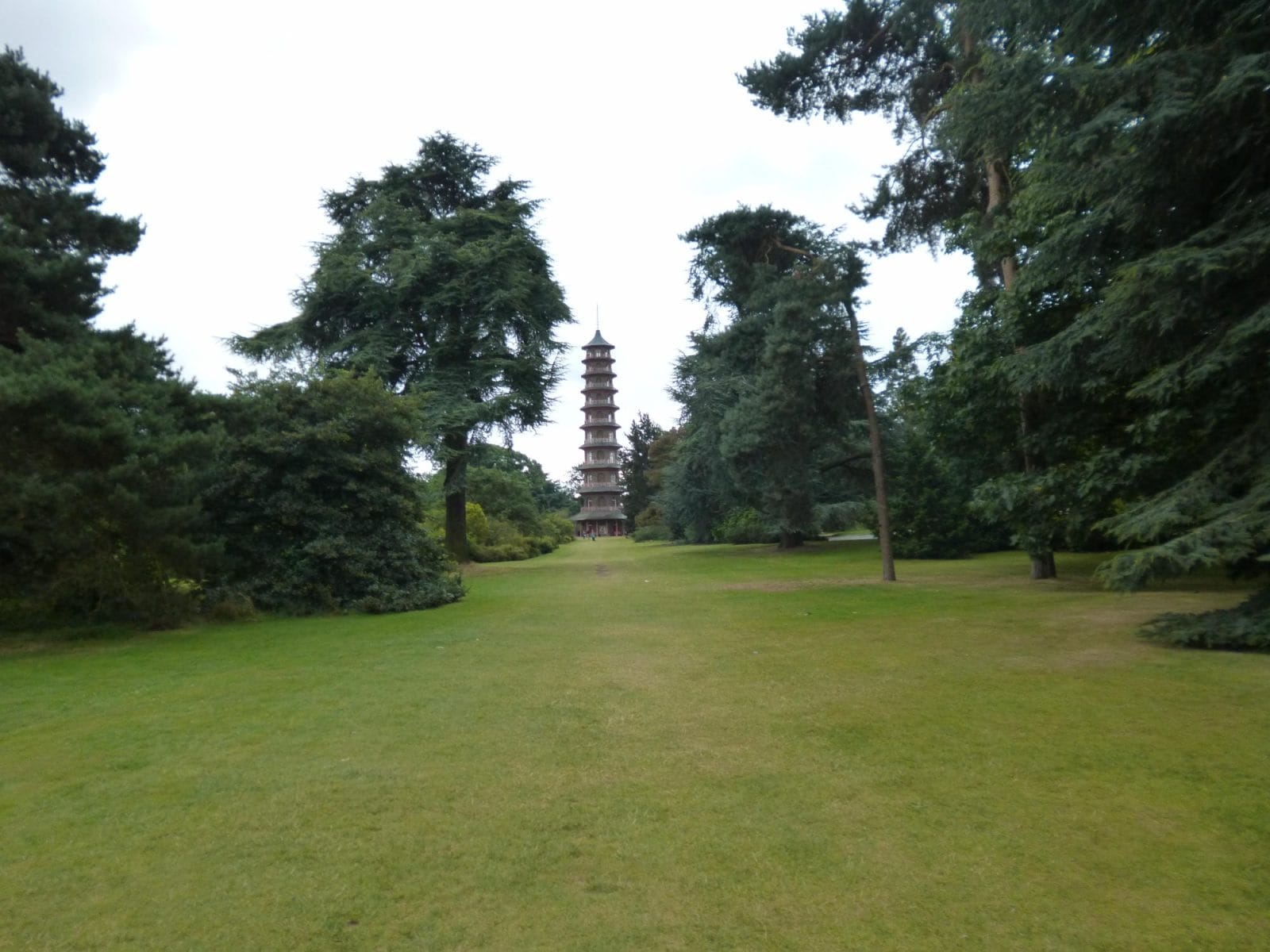
The Great Pagoda was completed in 1762 as a gift for Princess Augusta. She was the founder of these magnificent gardens. The tower is magnificent to look at and is one of many Chinese-inspired features. Also, the views from the pagoda are splendid, too, apparently. Sadly, I ran out of time during my visit to explore inside.
King William’s Temple and Mediterranean Garden
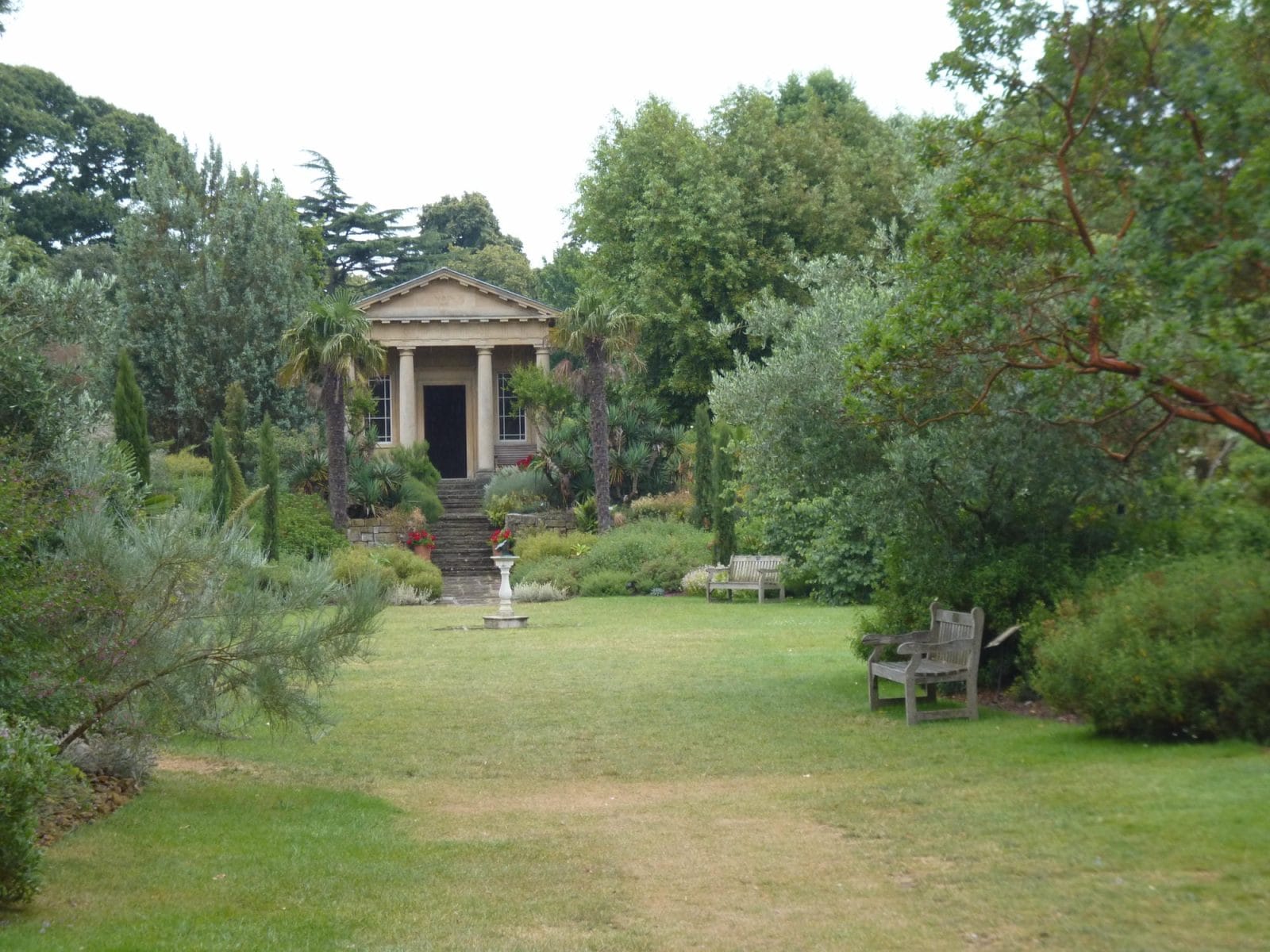
The Mediterranean Garden is a beautiful place with a diverse collection of plants. This is a more recent addition, which was built in 2007 to recreate the landscape of Southern Europe. Plants here include Tuscan olive trees, Italian cypress, lavender and stone pines, to name a few. In the middle of the Mediterranean Garden stands King William’s Temple, built in 1837 for Queen Victoria in memory of William IV.
Temple of Arethusa
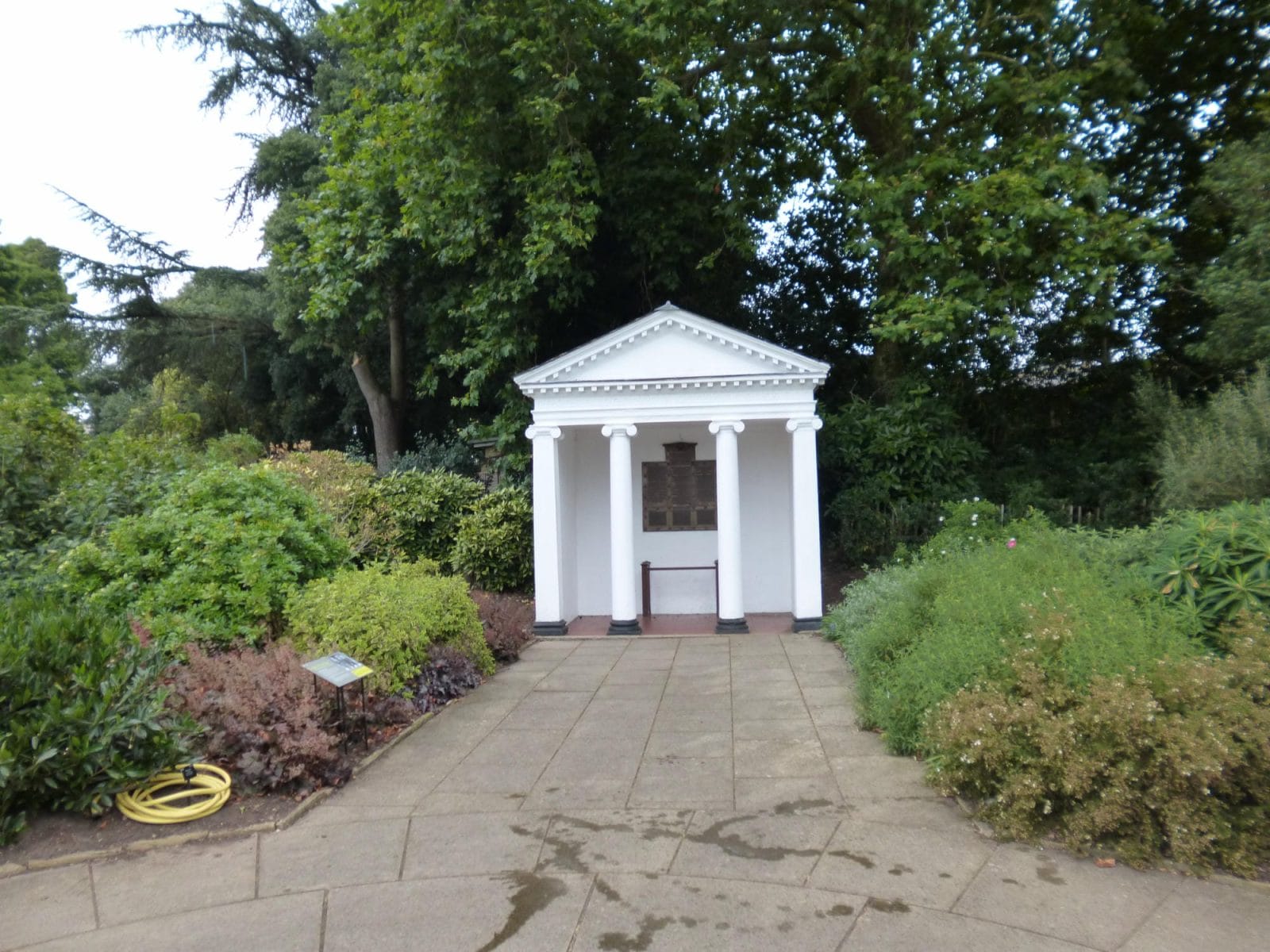
The Temple of Arethusa is a white Romanesque building built as a memorial to the Kew Guild Members and Royal Botanic Gardens Staff who died in the First and Second World Wars.
Cast Iron Rotunda in the Queen’s Garden
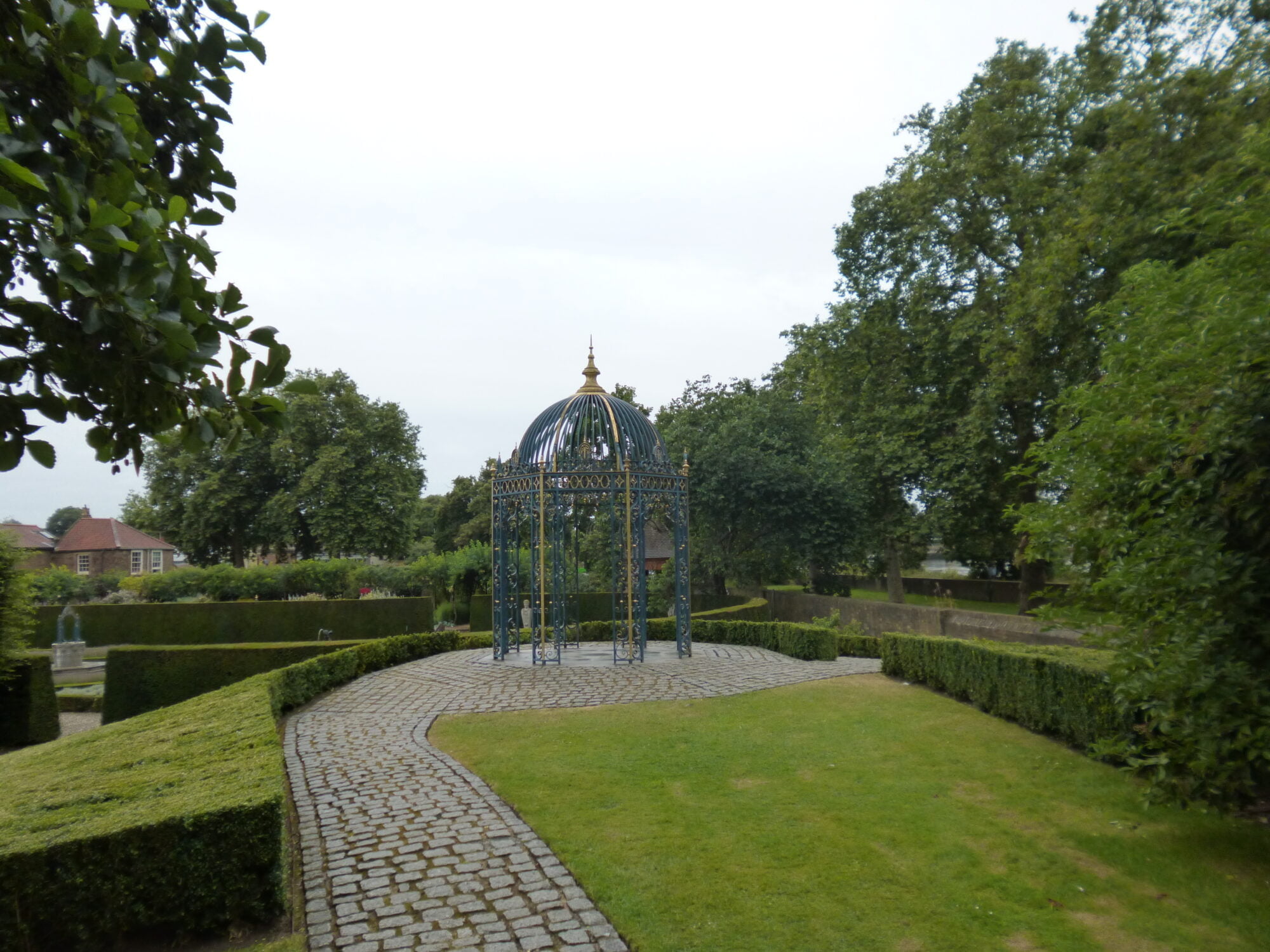
Another pleasant sight is the Queen’s Garden. A pleasant sight is the decorative cast-iron rotunda. The Queen’s Garden features plants and architectural styles that were popular in the 17th century.
Trees, Walkways and Wildlife
Arboretum
The key feature is the arboretum that covers two-thirds of the grounds surrounding most buildings. This arboretum is a unique collection of 11,000 trees from 2000 species. Some trees here are as old as Kew Gardens, and you cannot see others anywhere else in the UK.
Some of the heritage trees include the Japanese pagoda tree, the Luccombe oak, and the black locust tree. The site also has giant redwoods and some mighty oak trees.
Treetop Walkway
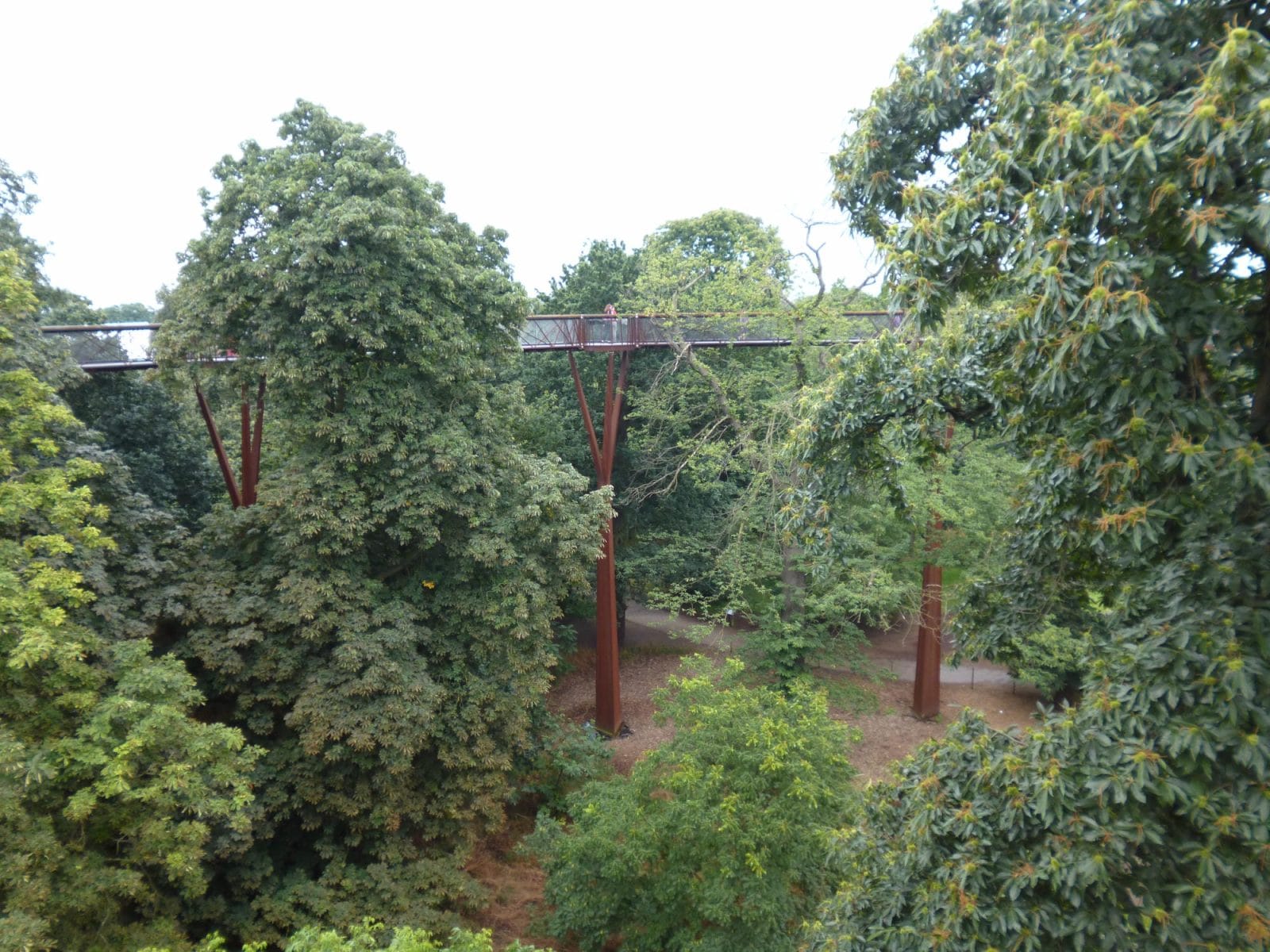
One of my favourite parts of Kew Gardens was the treetop walkway, where you get to walk around high in the trees. The walkway is high and not for the faint-hearted; however, it is very safe in reality.
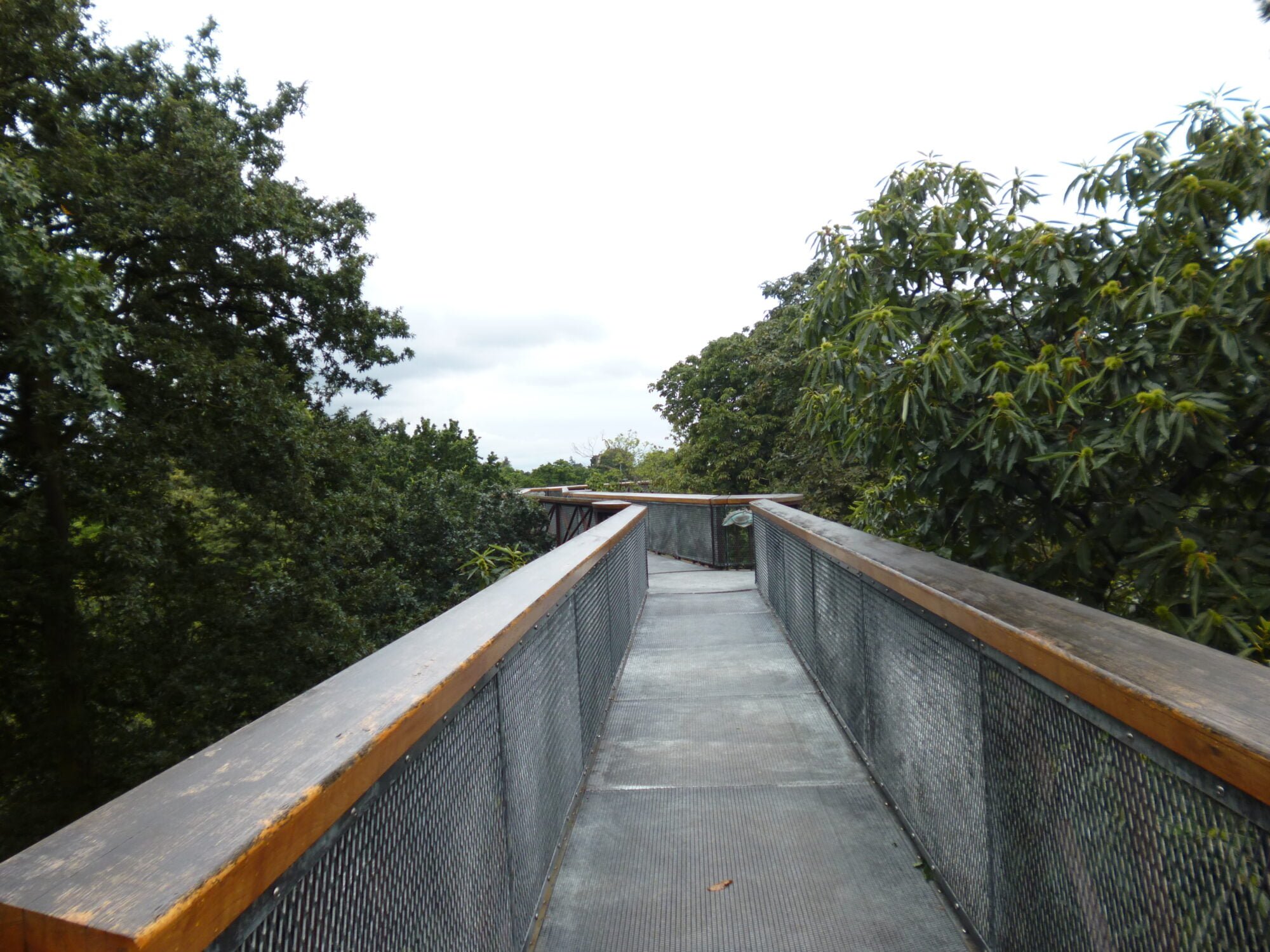
The views from here are splendid, and it’s nice to see treetops up close. You can see many parts of the grounds from here, as well as the trees up close.
Kew Lake
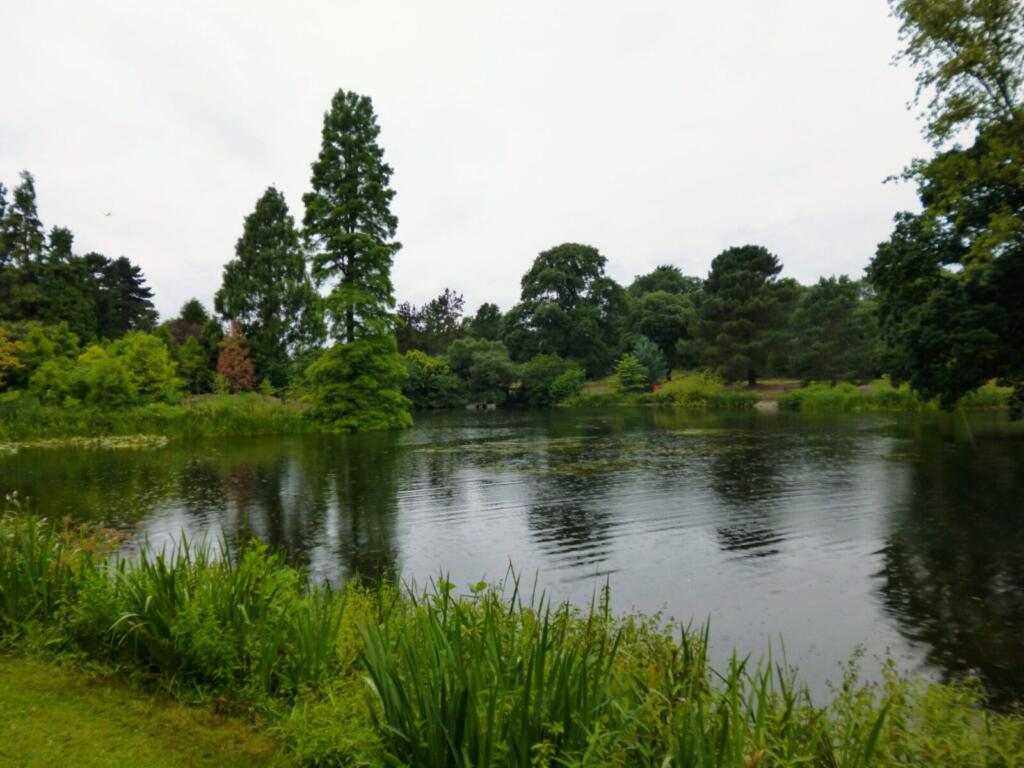
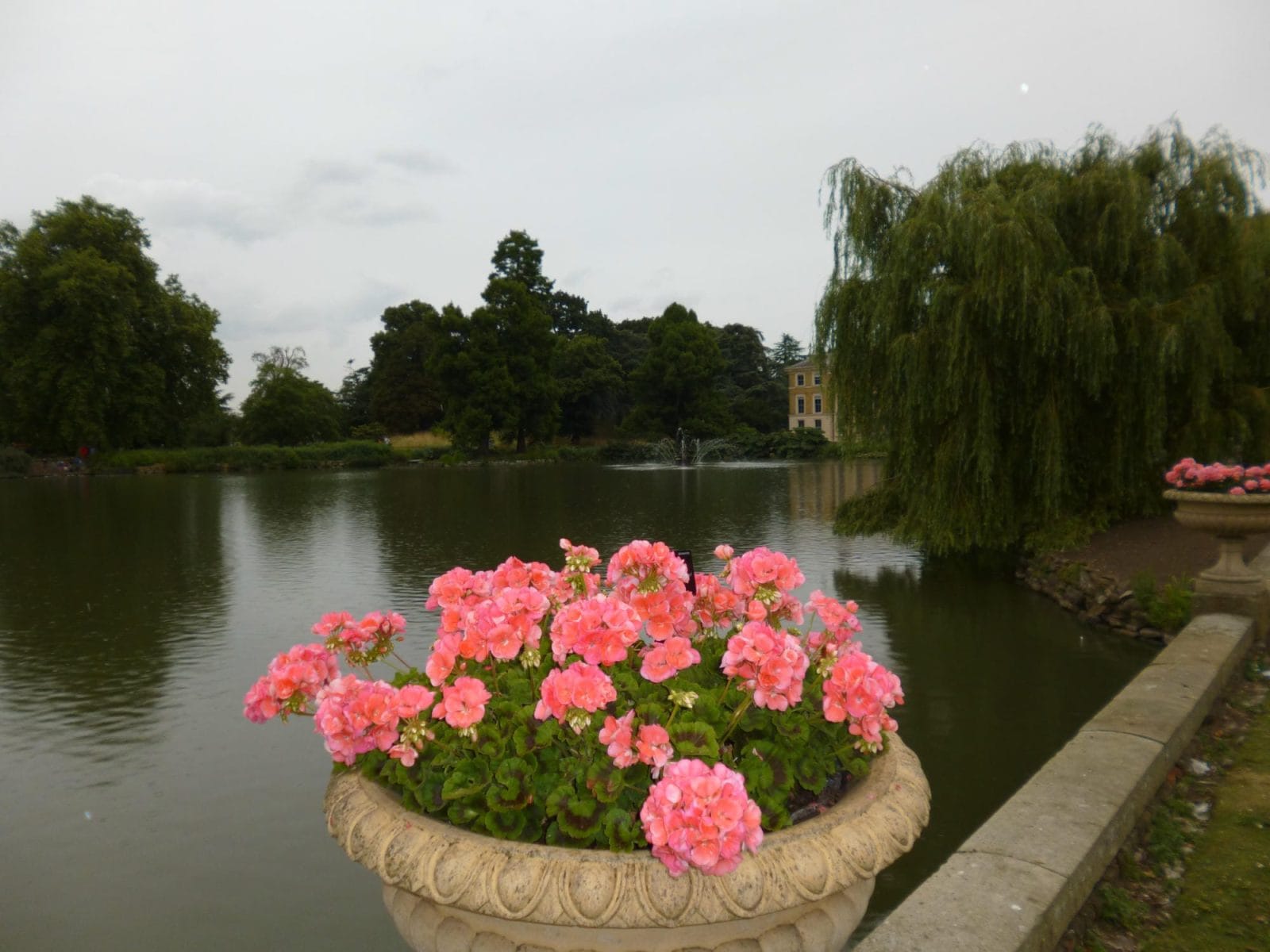
The lake at Kew covers about five acres of water, has four islands, and is a haven for wildlife. The lake was created in 1856 after gravel was dug for the original temperate house. The nearby River Thames is connected to the lake, which was filled with water for the first time in 1861.
Swans on the Lake
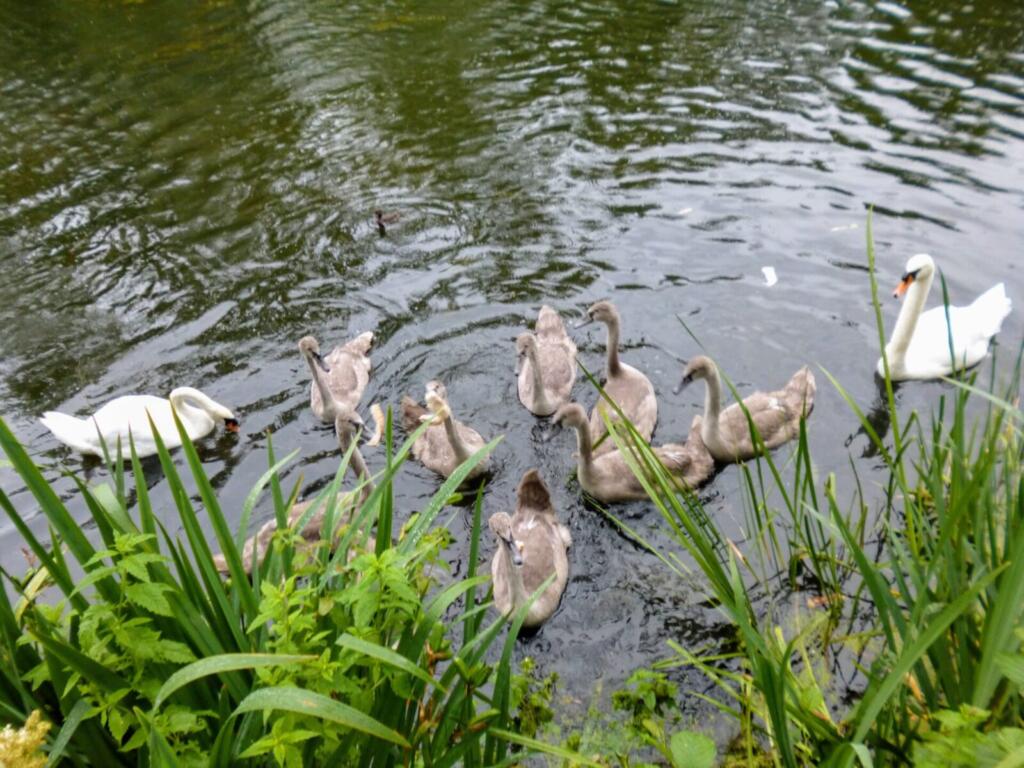
At the lake in Kew are families of many wildfowl, including swans, mallards, geese and coots. If you time your visit right, you will get the chance to see swans with young cygnets, which are cute. Also by the lake are tame squirrels partial to nuts from tourists’ pockets.
Sackler Crossing
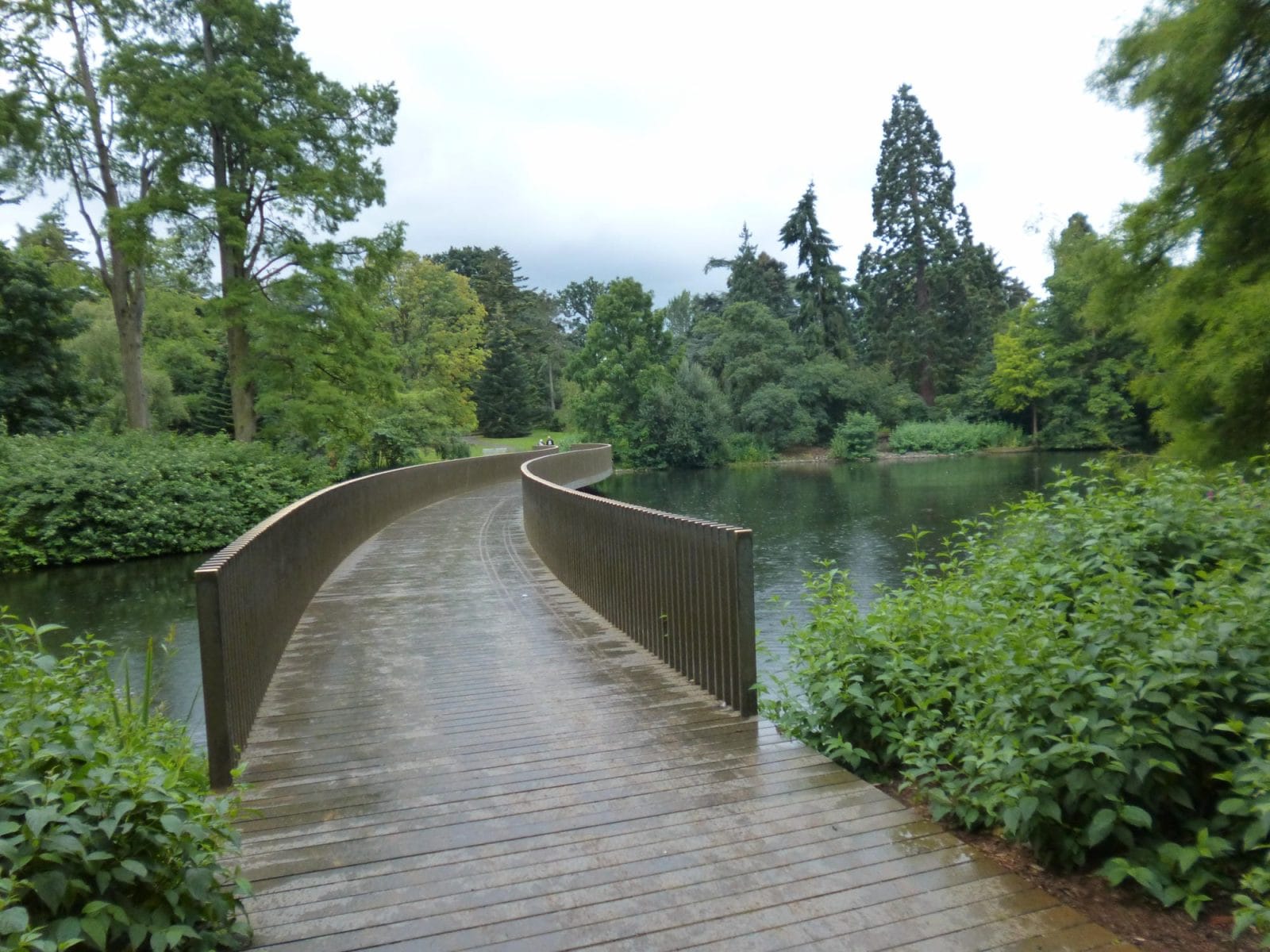
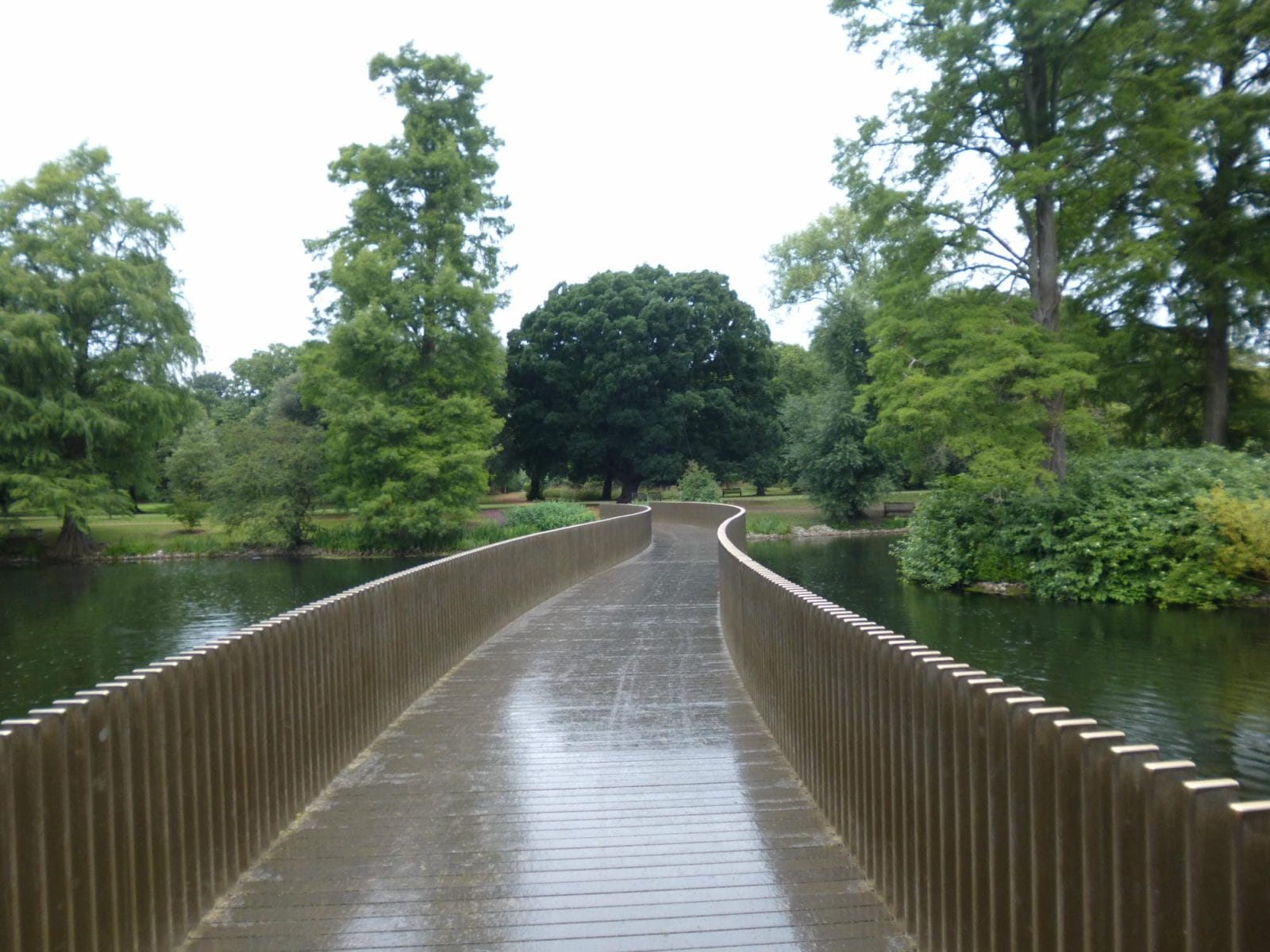
The Sackler Crossing is an S-shaped bridge that spans the lake and offers splendid views. The Sackler Crossing opened in 2006 after being designed by the architect John Pawson.
The Hive
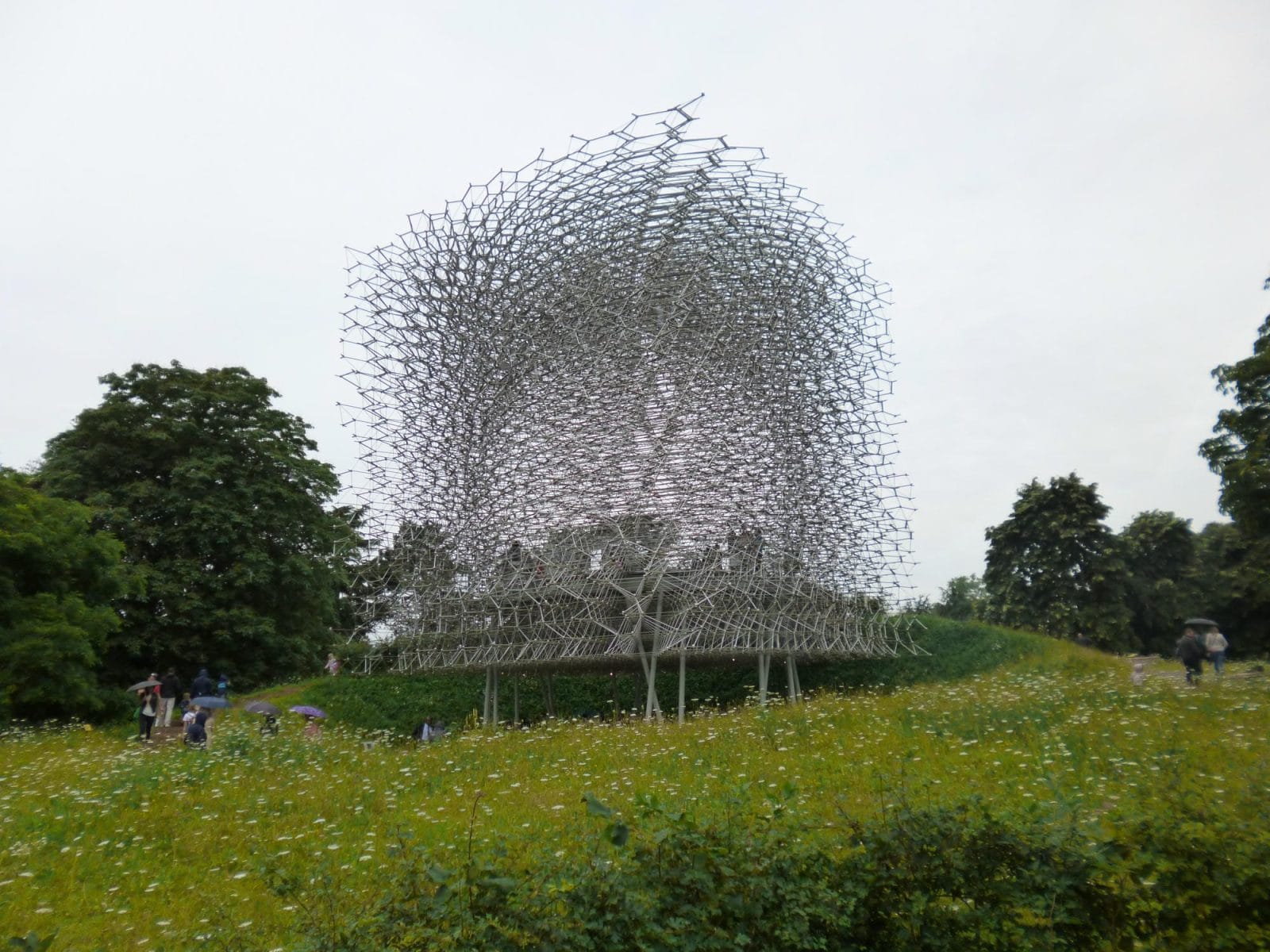
The Hive is an impressive work of art in the gardens. It was designed as a tribute to Britain’s honeybees. It is 17 metres tall and essentially a hive relative to human scale. The mesh frame was constructed from 170000 aluminium parts and 1000 LED lights, a massive engineering feat.
Are Kew Gardens in London Worth Visiting?
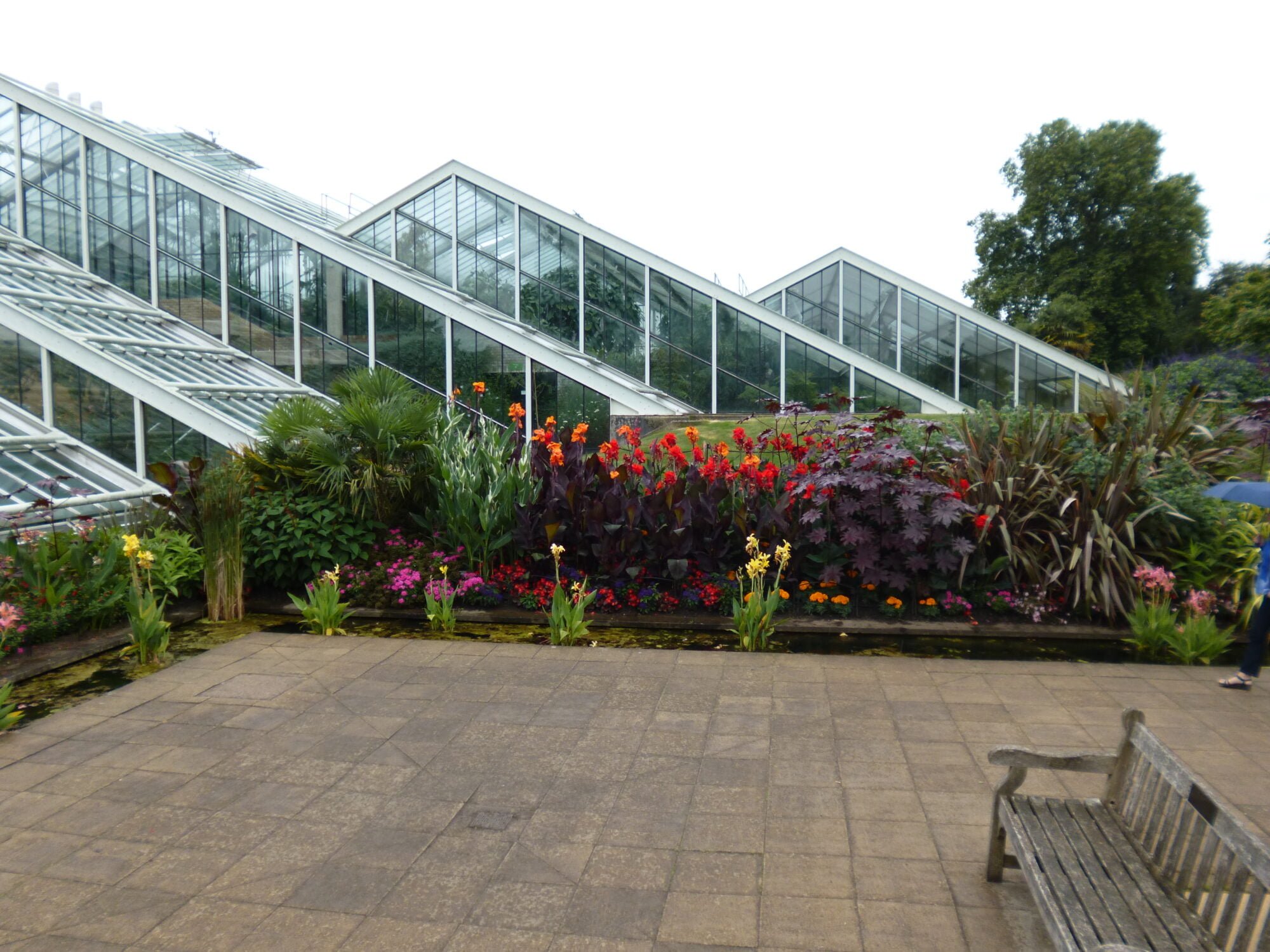
The Royal Botanic Gardens in Kew, London, are fantastic to explore, and the variety of things to see makes it very interesting. You can certainly see why UNESCO listed this as a World Heritage Site. There’s a lot of walking involved, making it quite an active day out. The displays were educational and quite engaging, too. To explore fully, you need to visit a few times, possibly in different seasons.
In autumn, the trees’ changing colour is spectacular. My highlights were the tropical plants in the greenhouses and the treetop walkway for its splendid views. I would love to return and see them in more detail, especially the parts I skimmed past, including the views from the Great Pagoda. You can find information about visiting on their website.