
Things to Do in Ruse, Bulgaria: Travel Guide
Ruse in Bulgaria is a pleasant city with interesting things to do. You’ll see impressive architecture, especially in the city’s central areas. Ruse is known for its 19th- and 20th-century Neo-Baroque and Neo-Rococo architecture, which earned it the nickname “Little Vienna”. It is also known as Rousse, Russe or, in Bulgarian, Русе.

It is a good city for walking with its parks and tree-lined boulevards. Ruse is in northern Bulgaria and on the banks of the River Danube. It is the country’s largest port and has an imposing dockyard. It is the 5th largest city in Bulgaria; however, it doesn’t seem to appear on top lists of places to visit in Bulgaria.
Disclosure! Keep in mind that some links in these posts are affiliate links. If you click one of them, I may earn a small commission (for which I’m extremely grateful) at no extra cost to you. Thanks for visiting!
Is Ruse in Bulgaria Worth Visiting?
We really enjoyed our stay in Ruse, Bulgaria. It was a perfect first stop to get to figure out the country without the distractions of big-box tourist attractions. Ruse had enough to keep us interested during our 10 days. It was great for dog walking and had bars where we could sit outside with Henry. The city’s eateries served tasty food at reasonable prices.
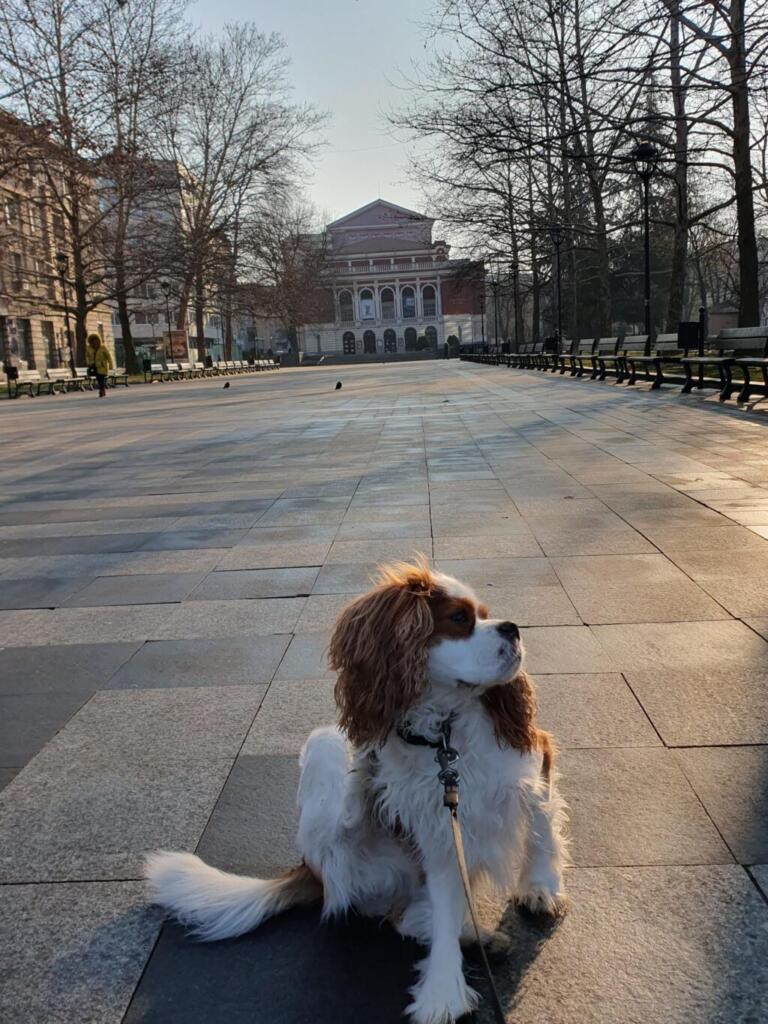
Highlights for me included the walks in the city’s parks and along the Danube. The day trip to the nearby monastery was memorable and is one of the area’s top attractions. Ruse certainly gets my vote as a slow-travel destination, especially for those who want to experience Bulgaria outside the tourist hotspots. People seem to change trains or buses here without venturing further. I feel they are missing out.
Best Things to Do in Ruse, Bulgaria
For first-time visitors, the best things to do in Ruse include exploring Freedom Square, seeing the Monument of Liberty, visiting Sexaginta Prista, walking beside the River Danube, seeing the State Opera, and visiting the Pantheon of the Revivalists.
Tourist maps highlighted places of interest with a few details. As a bonus, these were in Bulgarian and English. They also have benches that tell the story of Ruse, which are useful to read.
Architecture, Squares & City Centre Sights
Sightseeing in Freedom Square

One of the main focal points is Freedom Square, a park surrounded by buildings of differing styles. The park also has monuments, statues and fountains, some of which are brightly lit up at night. Freedom Square has benches and bars along the edges with outdoor seating. The square’s centrepiece is the impressive Monument of Liberty.

The Monument of Liberty dates back to the early 20th century and subsequently became part of the city’s coat of arms. Freedom Square has had a few names, including Lenin Square from when the Soviets came to power in 1944.
Ruse Courthouse

Although you don’t want to end up at the courthouse while visiting, it’s still an interesting building. It is at the edge of Freedom Square and dates back to 1929. The building has unique features, and an impressive fountain sits out front. Sadly, the fountains are turned off during the winter; however, the lighting still comes on after dark.
State Opera Rousse

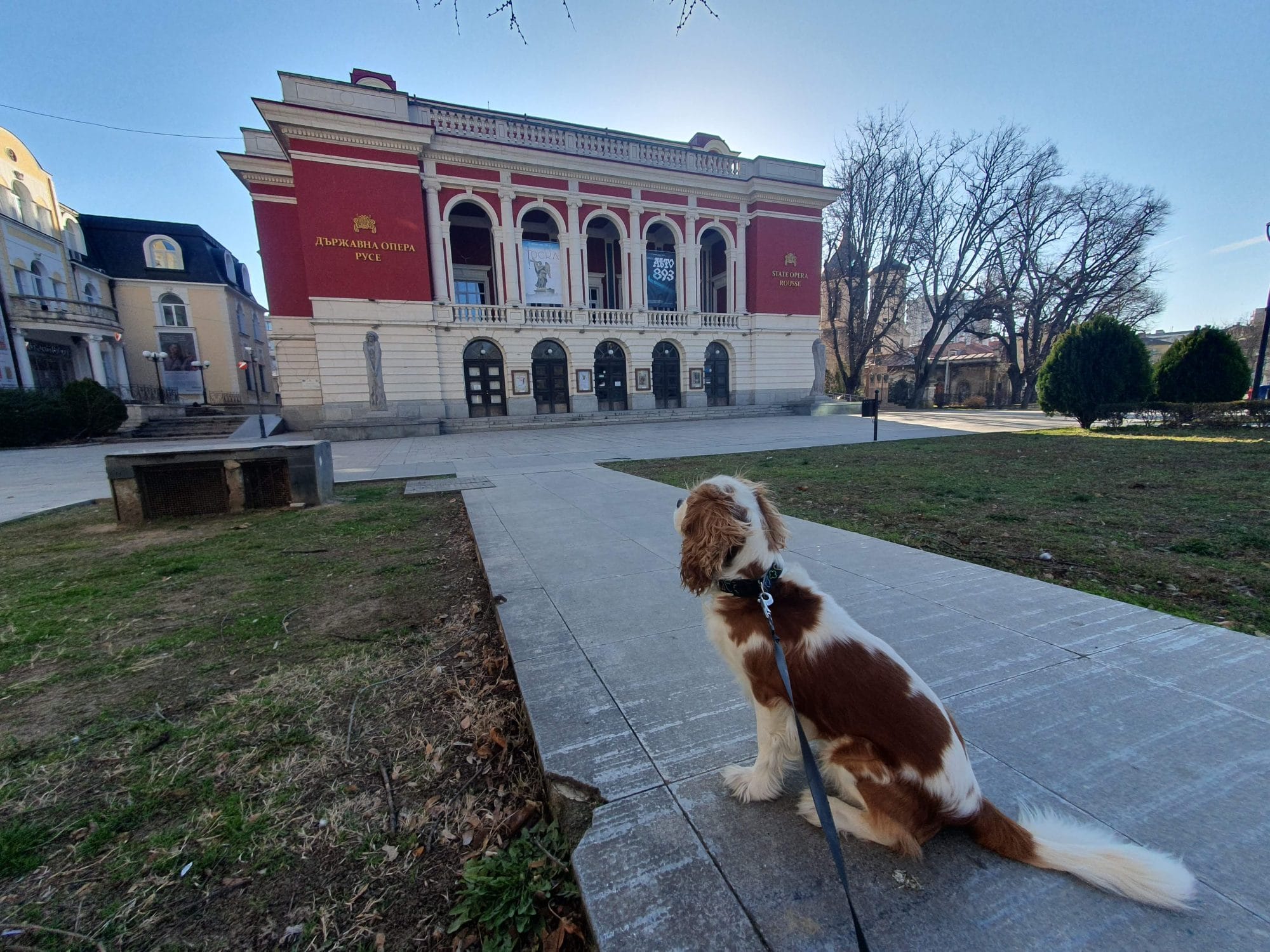
In the city centre is the distinctive State Opera Rousse. State Opera Rousse is the local opera house, which is in a photogenic red building. A fountain and a tree-lined boulevard sit outside the entrance. The State Opera Rousse offers an excellent programme of events. You can arrange tickets at the box office inside or find out more via their website.
Drama Theatre – Sava Ognyanov

At the edge of Freedom Square is the local drama theatre, Sava Ognyanov. It is in a beautiful building called the Pearl of Ruse, or Dohodno Zdanie. They built the Dohodno Zdanie building between 1898 and 1902 in the Viennese neoclassical style. The building is now one of the city’s symbols. Sava Ognyanov Drama Theatre has a long history. Its first performance was in 1870 at a different venue. You can find out what’s on or book a ticket at the box office or via their website.
Buildings at City Park
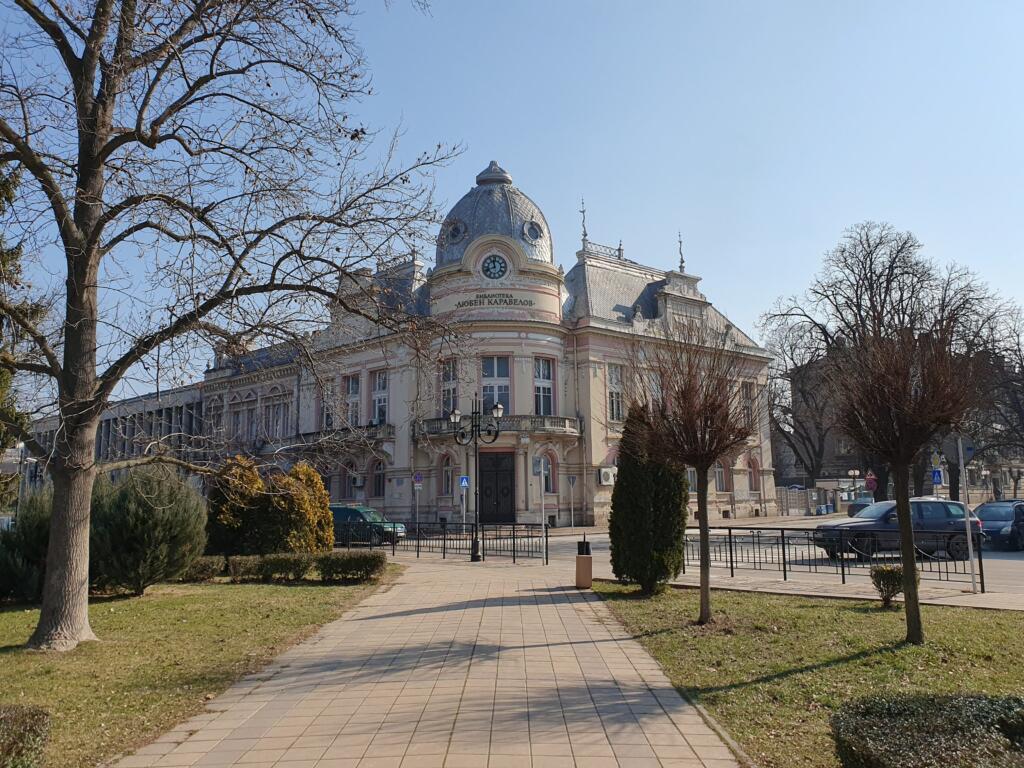
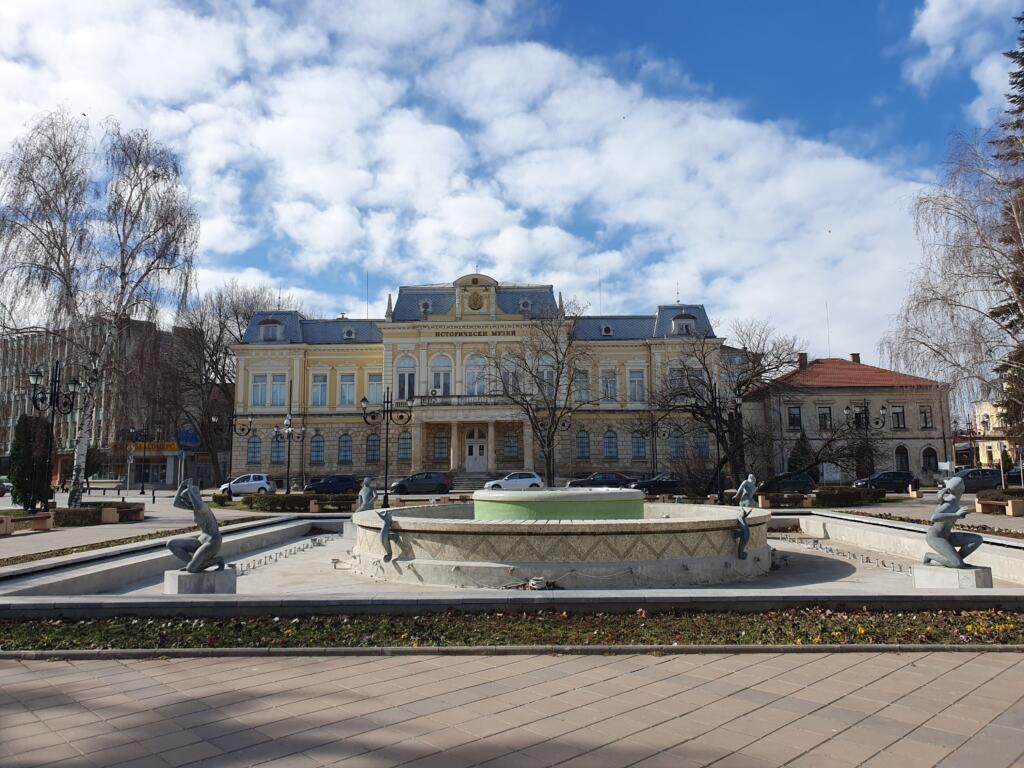
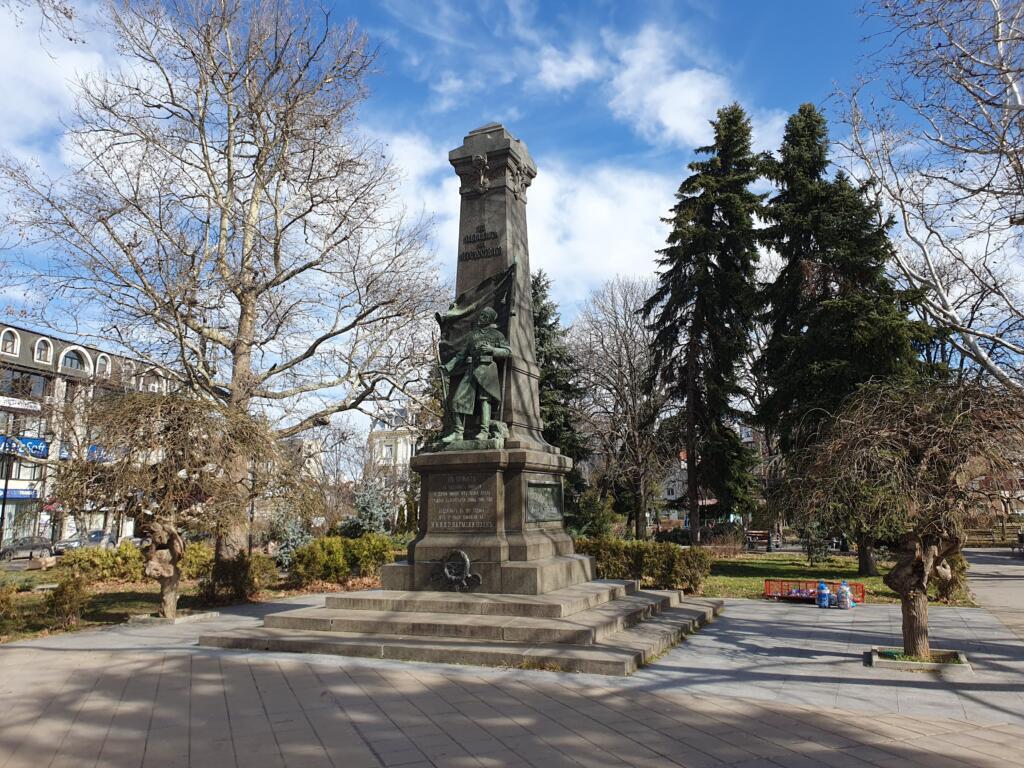
Eye-catching buildings surround the park, including the library, museums, and a few extravagant bank buildings. Statues and a fountain also stand there, which they switch on in the warmer months.
Philharmonic Hall
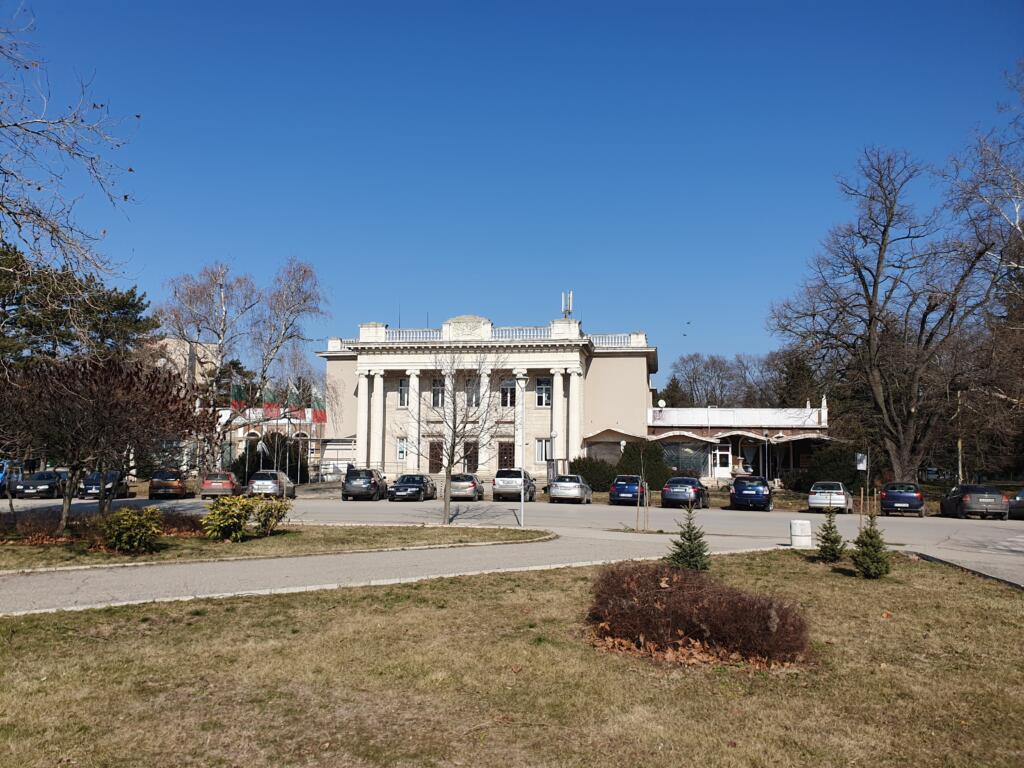
Philharmonic Hall is at the edge of Mladezhki Park. Next door is a cafe, ideal for a drink while exploring the area.
Museums, History & Religious Sites
Sexaginta Prista Roman Ruins
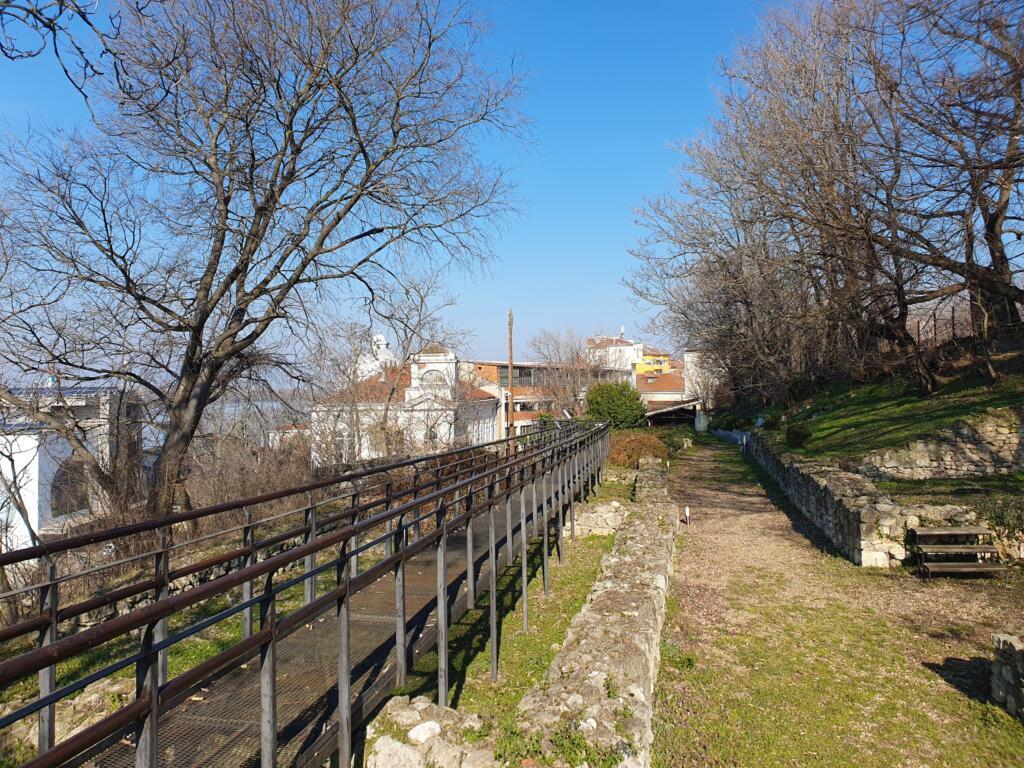
Sexaginta Prista is an attraction where you can learn about the Romans’ history in the area. It was a naval base on the Danube Limes. The Danube Limes was the northern borderline of the Roman Empire. It includes military fortifications, road stations, and guard towers, all connected by a military road.

As a naval base, Sexaginta Prista was founded after 45/46 AD, as soon as they had destroyed the Thracian Odrysian kingdom. The name of the Roman fortification means “sixty ships of the Pristis type”. That’s the number of ships that can remain anchored in the naval base’s harbour.
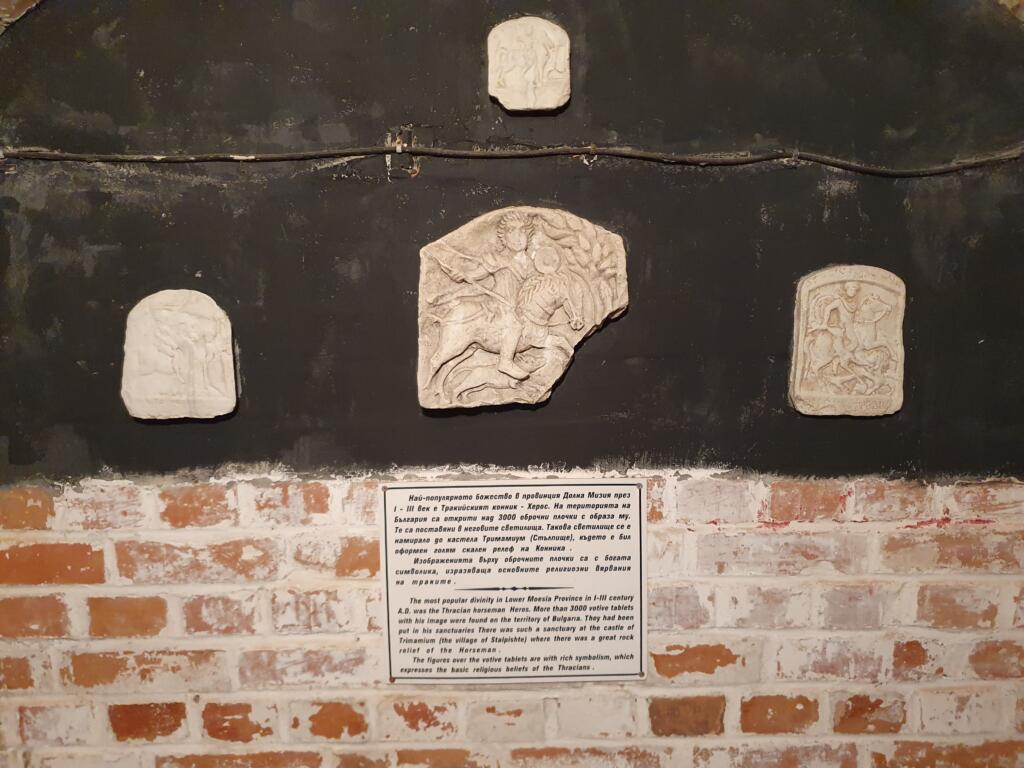
The staff are friendly and have stories to tell when you arrive. They then leave you to explore the site. The museum and the underground bunker were interesting, as were the information boards throughout the site.
Sveta Troitsa Cathedral Church
Sveta Troitsa Cathedral is a beautiful church that is partially underground. Also known as the Holy Trinity Cathedral or Катедрален храм “Света Троица”, it is a Bulgarian Orthodox cathedral.

Holy Trinity Cathedral stands next to the red opera house. Built partly underground in 1632, Holy Trinity Cathedral is the oldest church in the city. It was built during the Ottoman occupation.

Because Holy Trinity Cathedral keeps the holy relics of several saints, pilgrims often visit it. Its rich history and underground interior also interest tourists.

Entry is free; take in the decor or spend time reflecting. They have an on-site gift shop that sells candles.
The Pantheon of the Revivalists
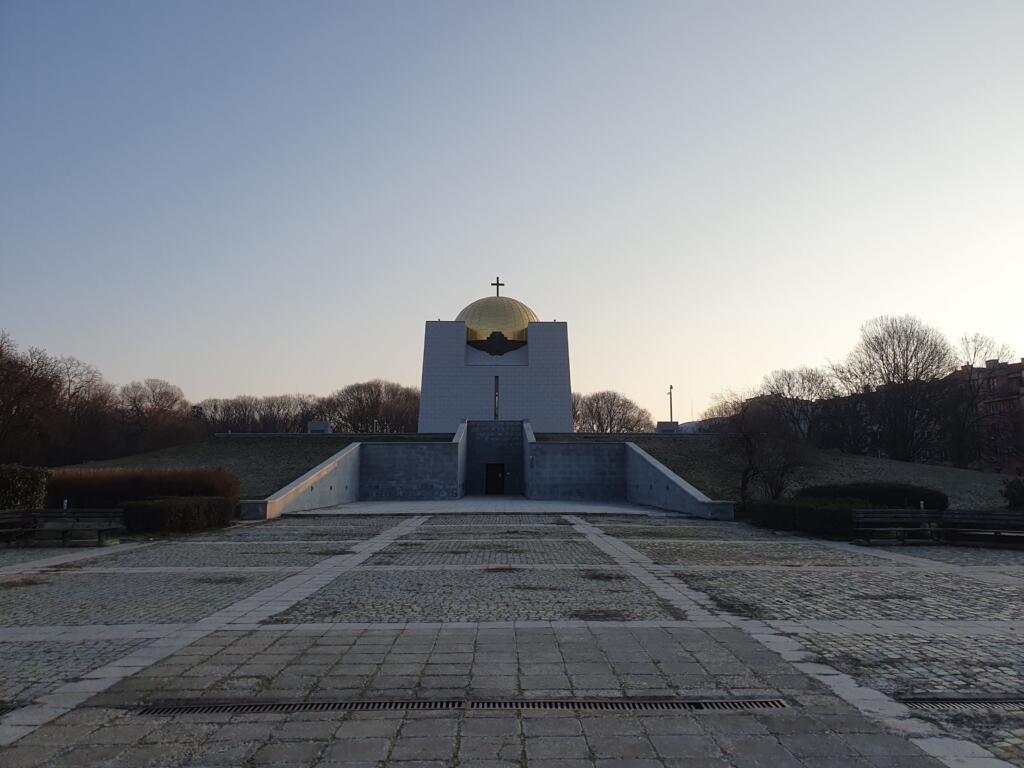
One thing to do while in Ruse is to visit the Pantheon of the Revivalists. Basically, from the outside, it is a building on a small hill with a gold dome and a cross on top. It’s cool to see, especially with the early morning sun.
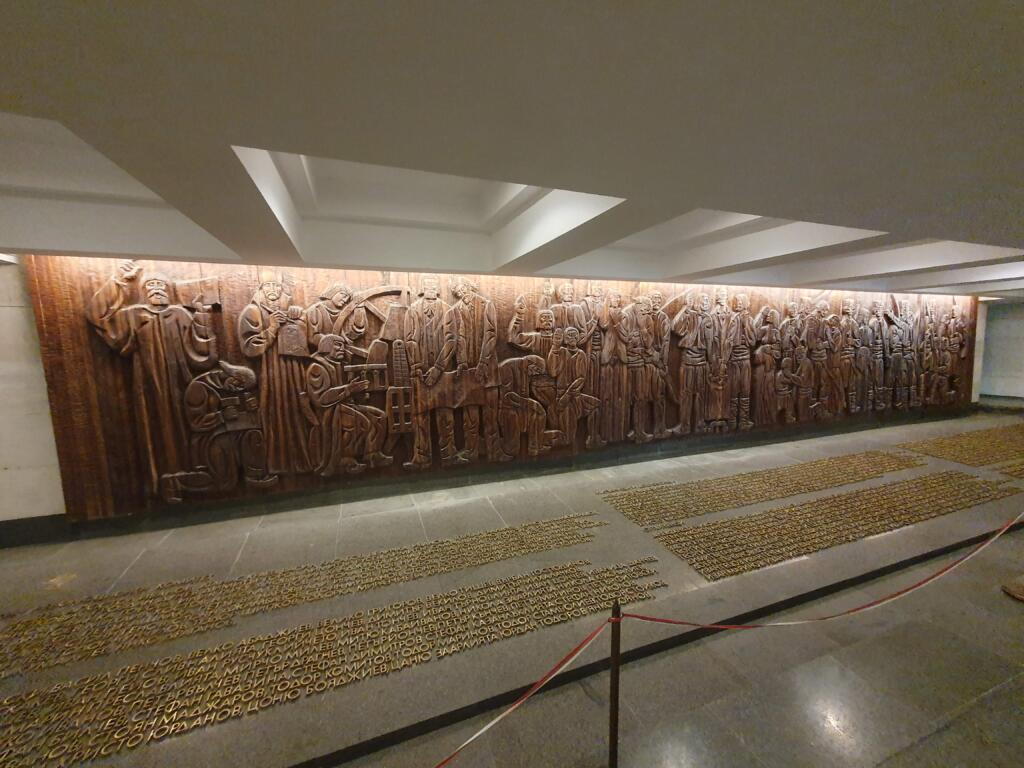
The Pantheon is a national charnel house sacred to the memory of 453 heroes of the Bulgarian revival, who are buried there. These were the founding fathers of the Bulgarian nation. Many of them sacrificed their lives for Bulgaria’s freedom. This included writers, revolutionaries, teachers, and priests.
Curiosity got the better of me; thus, I visited the inside too. It was a large room with tombs, each bearing Bulgarian inscriptions. The architecture and decor inside were nice to look at, especially the sculpture on the rear wall.
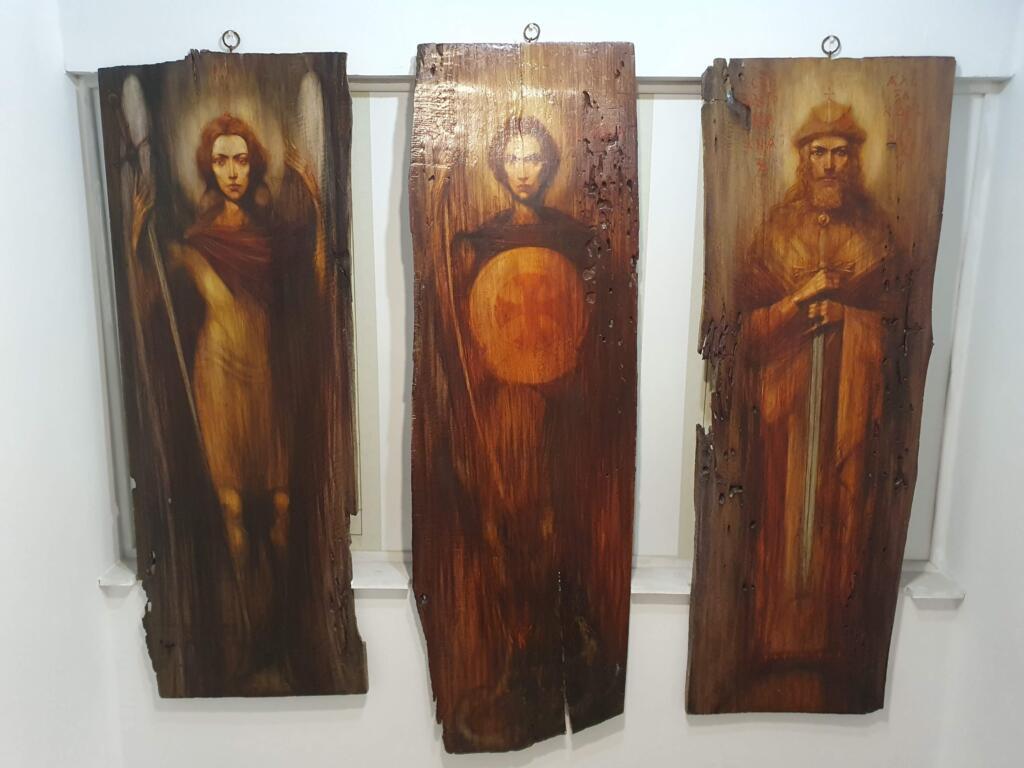
Inside is also a museum with information in Bulgarian that seemed to tell the site’s history. Google Translate helped. There was a small chapel too with some art. It took about half an hour to explore the site.
National Transport Museum


On the banks of the River Danube, a bit of a trek from the centre, is the National Transport Museum. This is fun for those interested in trains and railway history. It is located at Bulgaria’s first railway station.
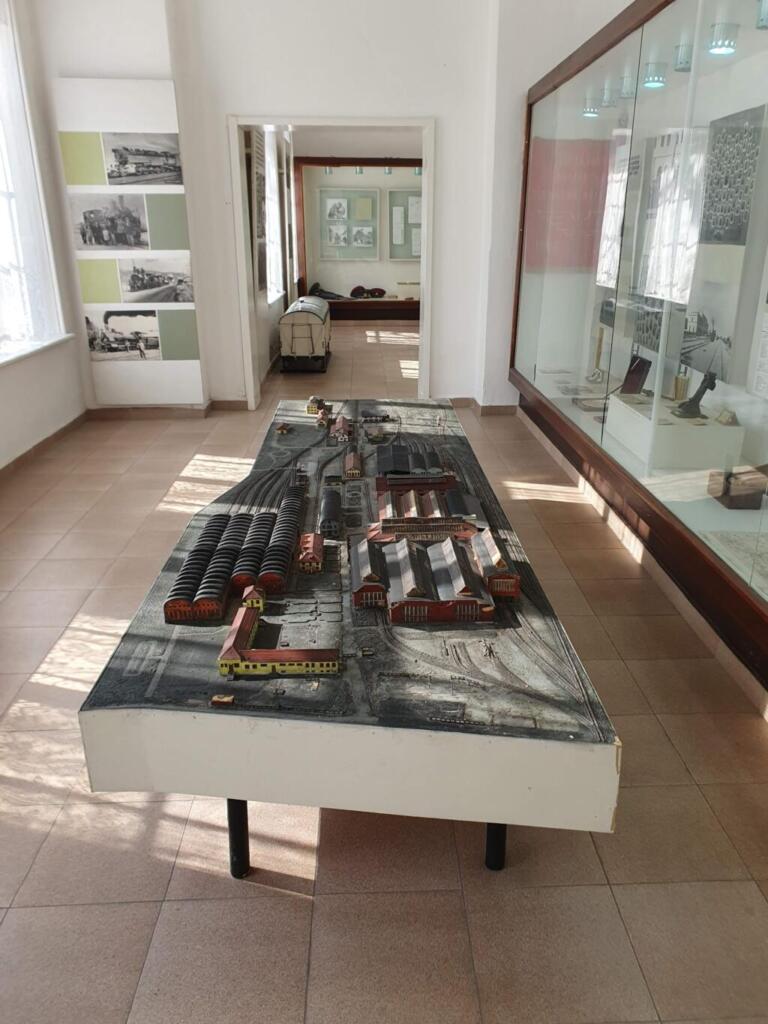
The museum has historic railway artefacts and information to read while you explore it. The museum also featured steamships used on the River Danube. You can also learn about the construction and routes of Bulgaria’s railway network.

One disappointment was that you could not visit the outdoor area where the trains are during the winter. If this is a must-see, stay in the warmer months. I leaned over the fence and looked at what was visible on my winter trip.
Eco-Museum

The Eco-Museum is in a lovely building, and the exhibits span all 4 floors. In the basement, they have an aquarium and reptile displays with live fish, snakes and lizards. This included fish from the River Danube.

On the ground floor, there was lots of information about birds and what I believe were taxidermy models. This included species native to Bulgaria, as well as those that live nearby along the river. They also have a prehistoric exhibit with a life-sized woolly mammoth. Finally, they covered plants and mushrooms.
Regional Historical Museum
The Regional Historical Museum is in a lovely building at the edge of the city park. It is housed in the former Battenberg Palace, built between 1879 and 1882.
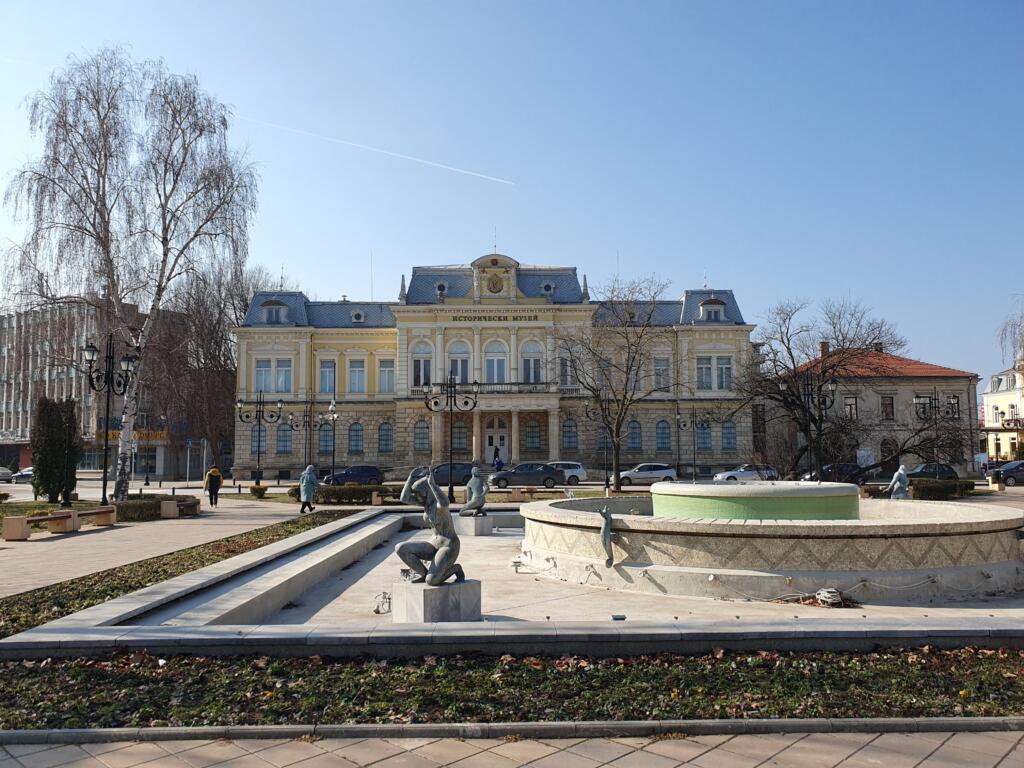
The museum has a comprehensive collection of artefacts, including prehistoric, Bronze Age and medieval items. It also has a section on urban clothing and 19th-century China. In total, they have over 140000 items.
Basarbovo Monastery Day Trip

A short trip from Ruse is Basarbovo Monastery, a unique place frequently featured in area guides. It is a cave monastery and the only one of its kind in Bulgaria. Basarbovo Monastery has a history from the Ottoman era onwards to its revival in the early 20th century. The site has a series of cave chapels to explore.
Parks and Walks
Sunset Walk on the Banks of The Danube

I really enjoyed sunset walks along the banks of the river Danube. The city has a riverside path with places to sit, including bars.
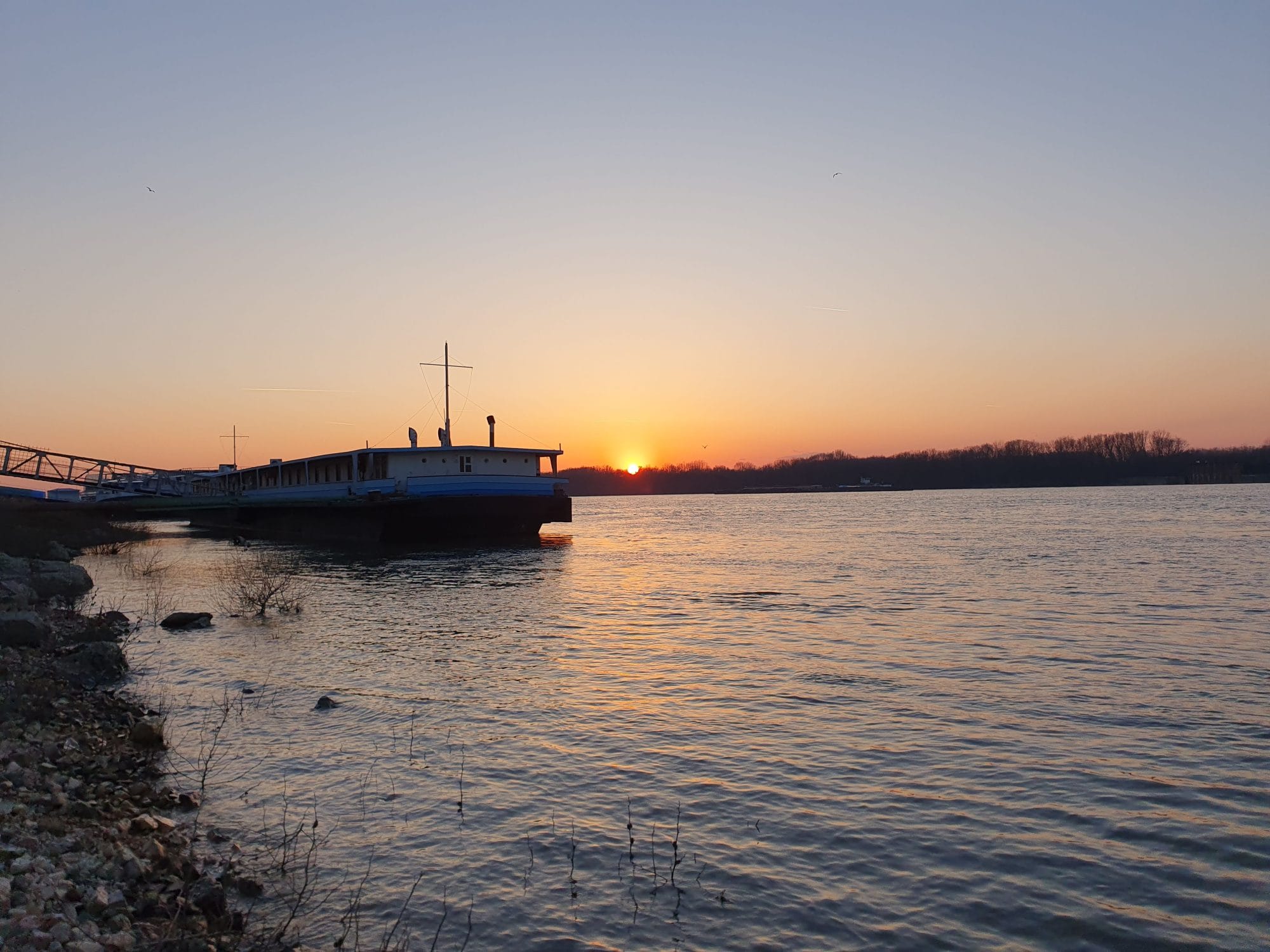
The riverbanks are perfect for watching a sunset while looking across the water to Romania. A romantic option is to book a table with a view for sunset. The two best options are Pontoon Restaurant and Chinchila-Ivan Petkov. Both have tables with river views.
Mladezhki Park
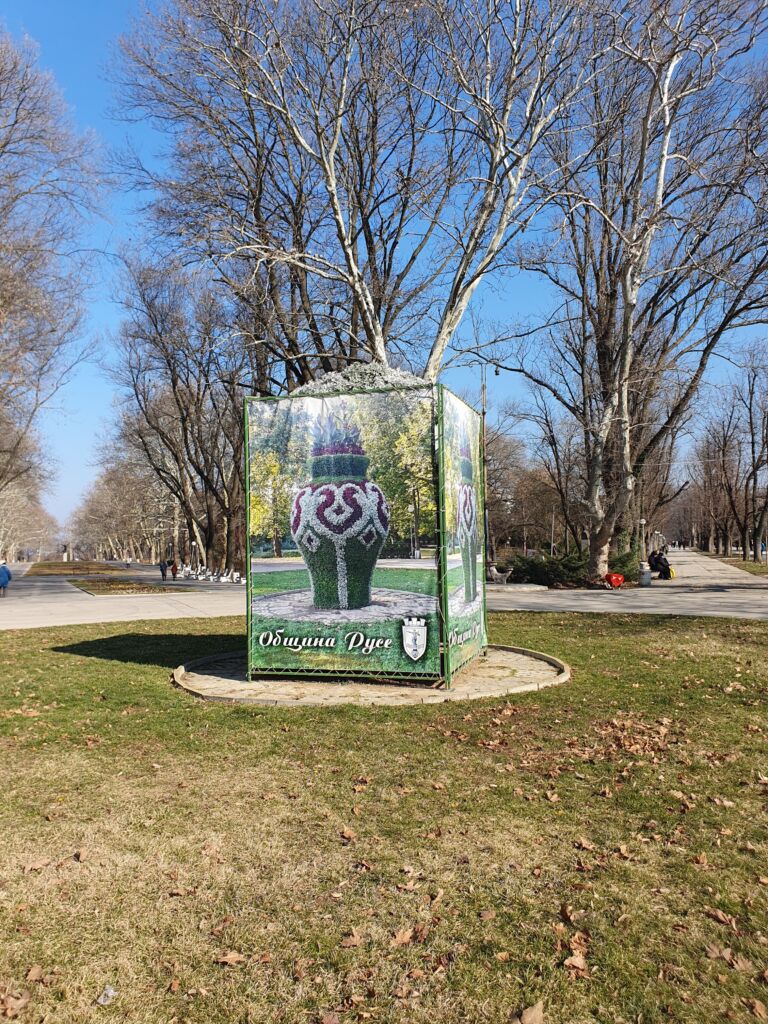
Mladezhki Park is big and has monuments to spot while on a walk. The centrepiece is Vazata, the flower vase and ornamental garden. They also have a rose garden and fun activities for children.
Renaissance Park
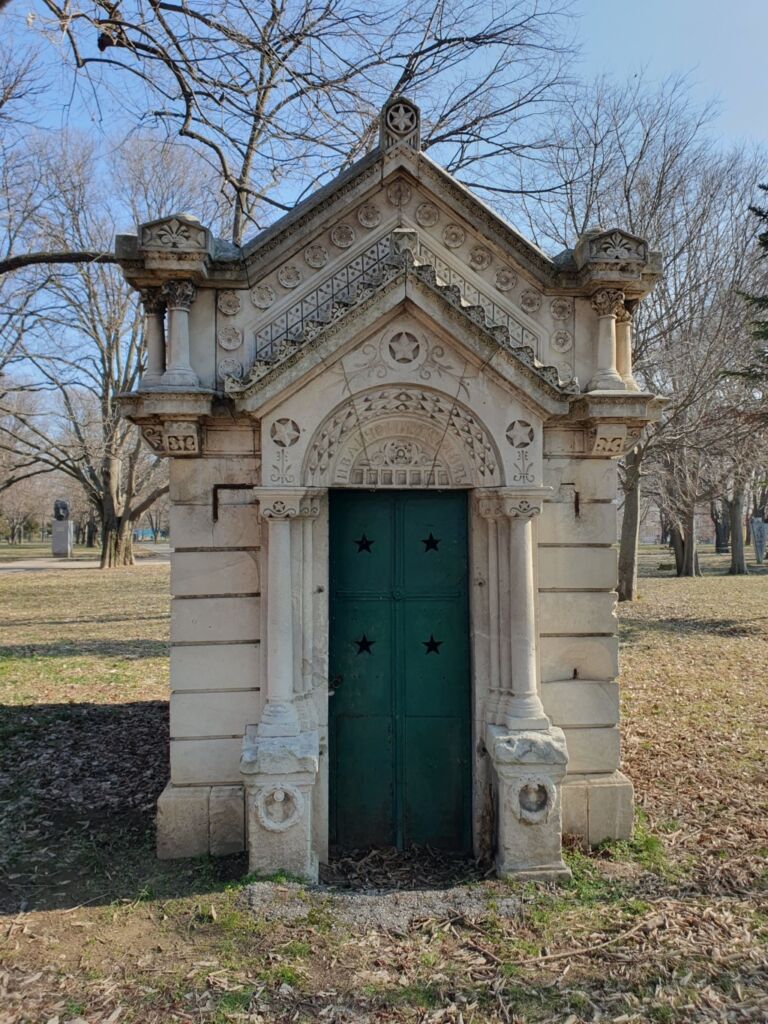
Renaissance Park is a great place to walk and see statues and monuments. The main feature is the Pantheon of National Revival Heroes.
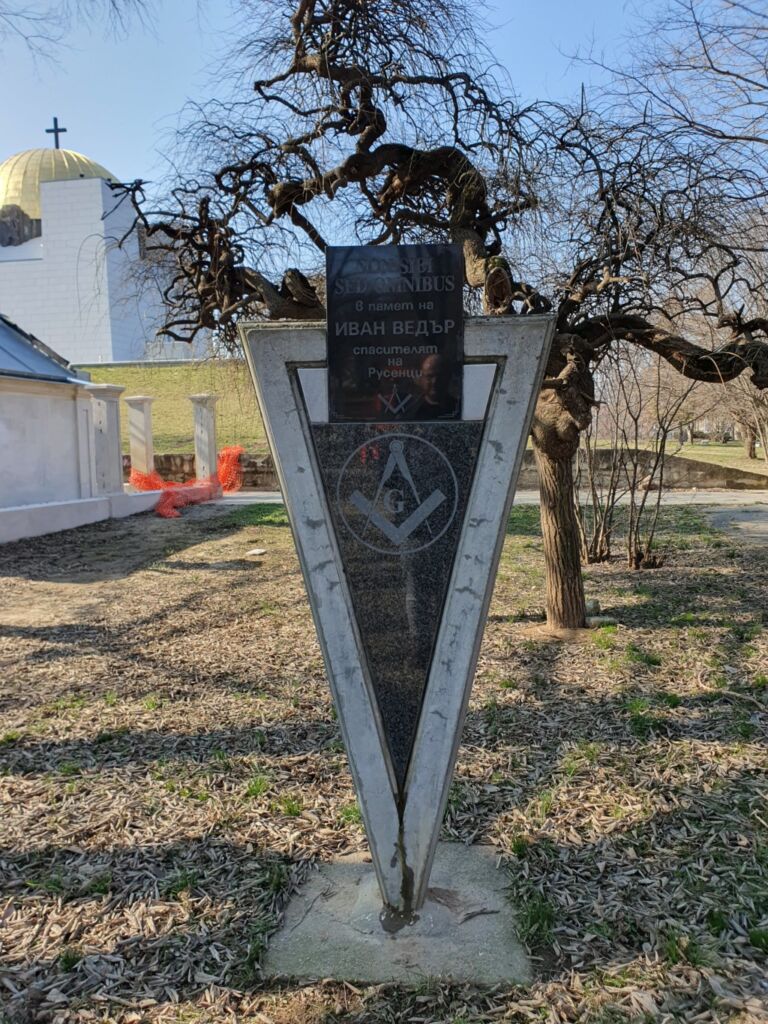
Next to the Pantheon of National Revival Heroes are some monuments. This includes one with Freemasonry symbols. Upon researching, this is to commemorate the Freemasons on opposing sides who spared the population from being killed by the Turks in 1877.
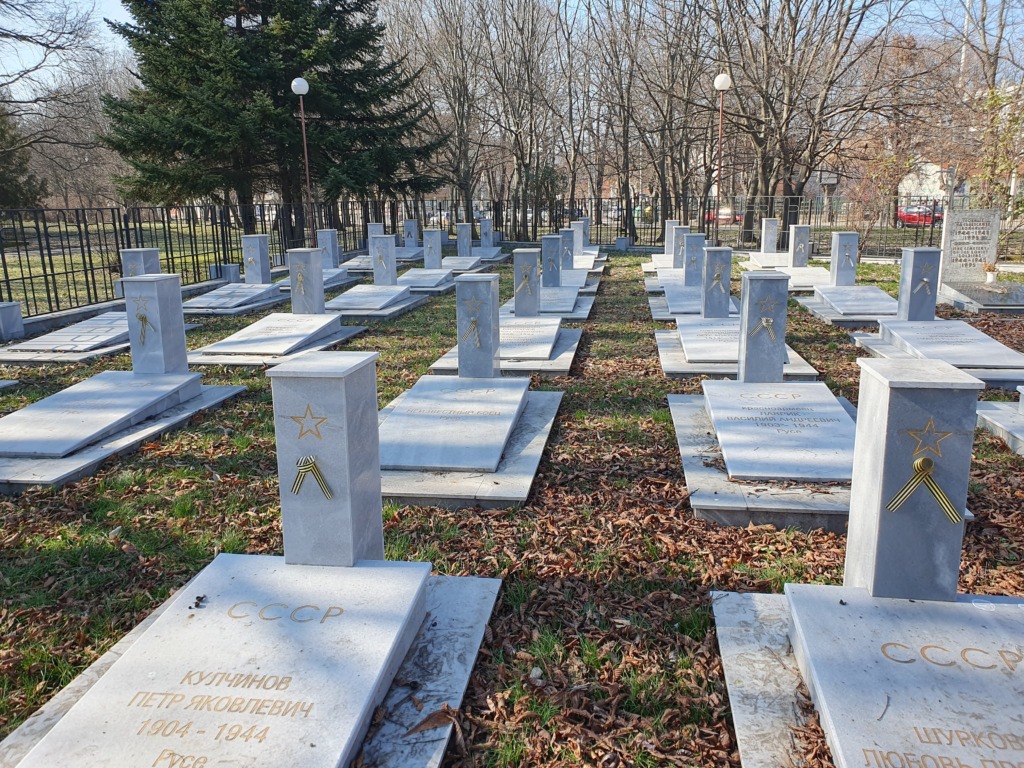
Renaissance Park is also home to the All Saints Church and the Russian Military Cemetery. The Russian Military Cemetery has 39 graves of Soviet soldiers who died during World War 2.
Gradski Stadion – Football Stadium

At Gradski Stadion, you can watch an event, concert or football match. The stadium hosts the home matches for two football teams, Dunav Ruse and Lokomotiv Ruse. The stadium’s capacity is 13000, and it dates back to 1910, although it was most recently renovated in 2017.
Ruse Travel Guide
Eat or Drink Out

Ruse has a selection of places to eat or drink out, many of which are located in the central areas. You can enjoy Bulgarian cuisine in the restaurants of Ruse or relax with local beers. Most of the city’s eateries serve traditional local cuisine, including fish from the River Danube.
Where to Stay in Ruse
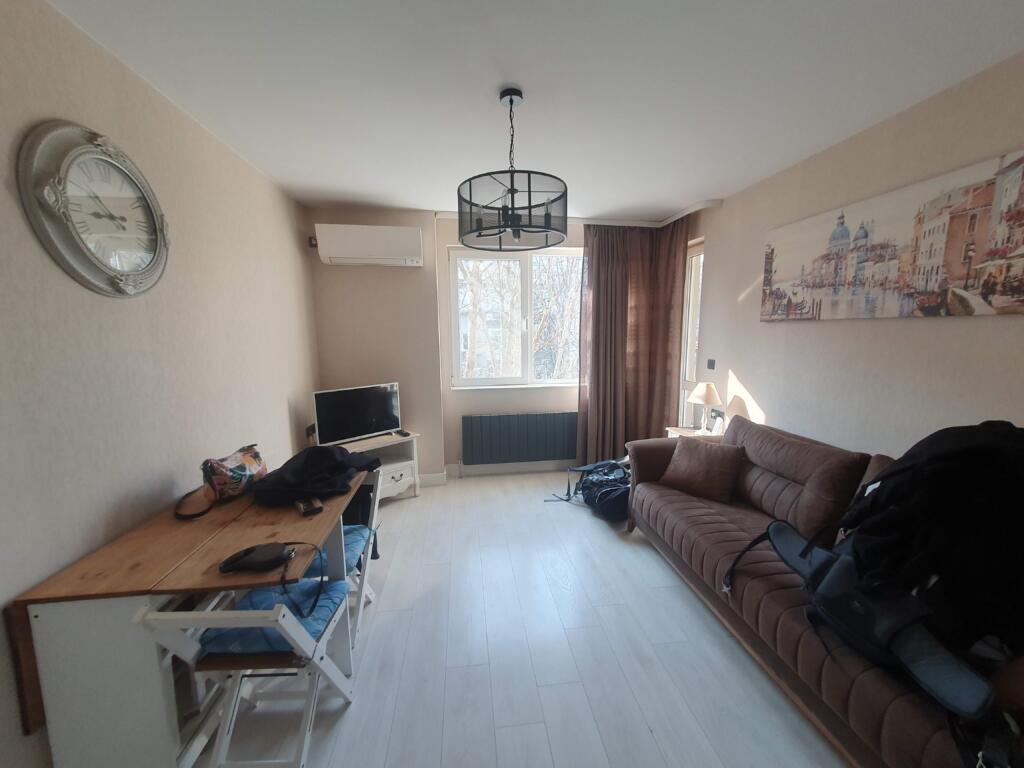
We found a few dog-friendly accommodation options, including apartments and various hotels. There was even more choice available for those who don’t travel with a pet. Most hotel options were quite cheap, and the ones we stayed at were good value. Start your search for somewhere to stay in the city on the Booking.com website.
Habitat Holiday Apartment
For our first stay, we chose the Habitat Holiday Apartment, a centrally located place to stay. The Habitat Holiday Apartment was dog-friendly, and we booked seamlessly using Booking.com.
They have a really pleasant apartment with a balcony, a comfy bed, a powerful shower and a lounge/kitchen. The kitchen was fully equipped for cooking great food during a self-catering holiday.
ЗАРА – Lovely Accommodation
ЗАРА is really close to the train station. It is a dog-friendly apartment that was good value when we stayed in the city. They have everything you need for a comfortable trip, including a comfy lounge, good beds and a kitchen. They also have laundry facilities. The host here was lovely and very accommodating.
Getting to Ruse in Bulgaria
Its relative ease of arriving by train from Romania was also a big factor in my decision to visit. Ruse is a hub for the Bulgarian railway network; thus, we have options for where to go next by train. This includes direct trains to Sofia, the capital, and Varna on the Black Sea.
It is also easy to reach by car, with options for coaches and buses to other parts of the country. Omio is a good resource for onward travel from the city. You can also book day trips to this part of Bulgaria on the Viator website.
Is Ruse Dog Friendly?

We found it somewhat dog-friendly with limitations. It was straightforward to find dog-friendly accommodation using the ‘pets allowed’ filter on Booking.com. Bars and restaurants seemed limited to outdoor seating when visiting with a dog.
On our trips, we didn’t spot any obvious dog-friendly bars or restaurants inside. However, those we visited were fine with Henry sitting outside while we had a drink or food. Normally, we spot places with other pets inside; however, in Bulgaria, that doesn’t seem common. Havana Cafe and Кафе Пепи were particularly welcoming when we sat on their terrace.