
Styrian Armory, Landeszeughaus and Landhaus in Graz
A must-see place when exploring Graz is the Landeszeughaus on Herrengasse. I’ve visited the building a few times and always enjoy this part of the city, especially the impressive Landhaus courtyard next door. The Landeszeughaus was built between 1642 and 1647 as an armoury for the Styrian estates and became an important weapons depot for Inner Austria and the southeast of the Habsburg Empire.
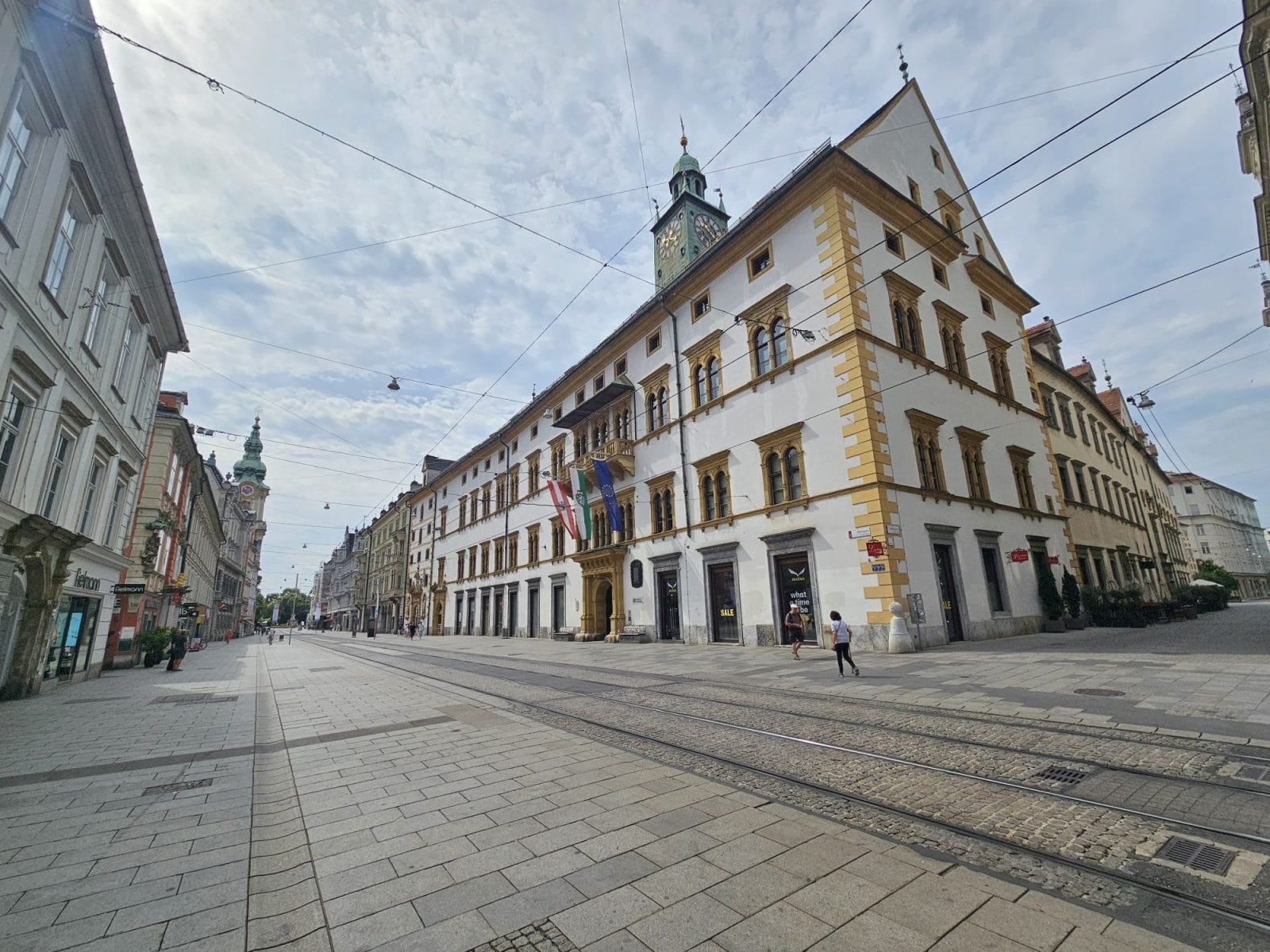
You can enjoy quite a bit here without paying to enter. The Graz tourist information centre is on the ground floor, and I found it useful for picking up information about other attractions around the city. On another visit, I paid to see the Styrian Armoury and spent about an hour looking around the collection.
The Landeszeughaus Building in Graz
The Landeszeughaus is a narrow five-storey building on Herrengasse, designed by architect Antonio Solar. It was purpose-built to store weapons and military equipment at a time when Styria was frequently affected by conflict with the Ottoman Empire and Hungarian forces.
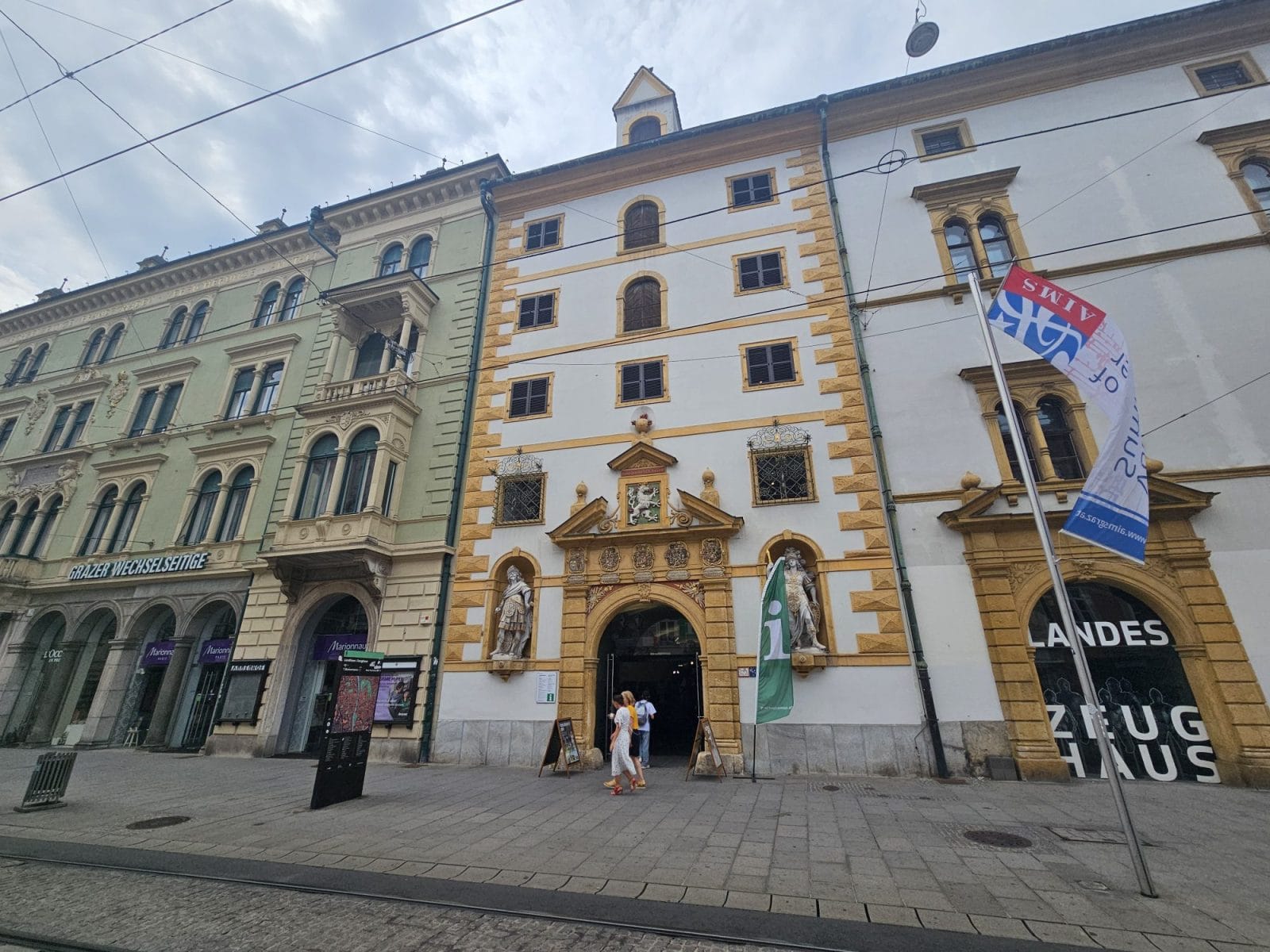
The building was designed to be practical, with heavy guns originally kept on the ground floor and infantry and cavalry equipment stored on the upper floors. Weapons could be organised on shelves, racks, walls and ceilings to make the best use of the available space.
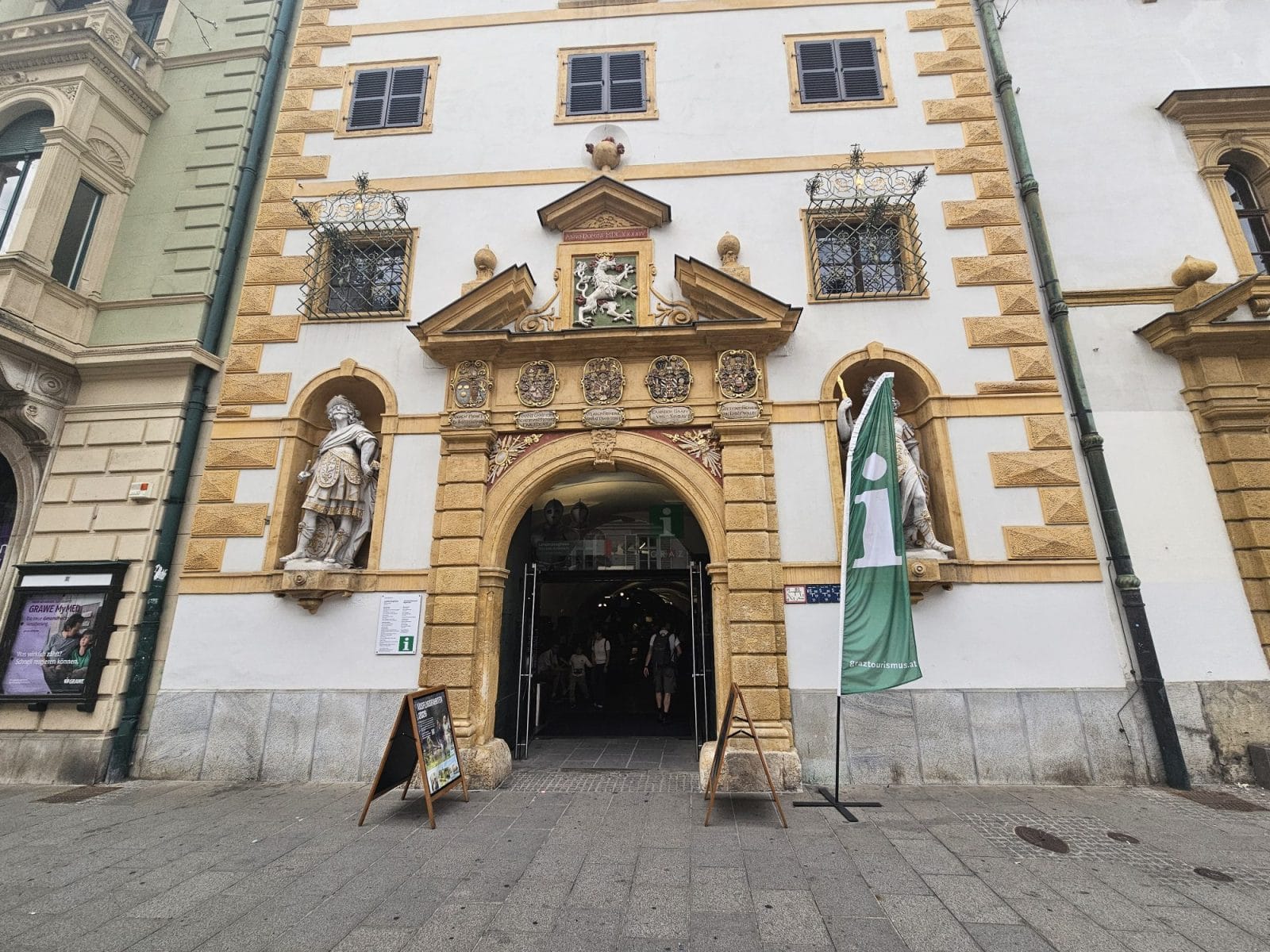
From the street, the most noticeable feature is the entrance, with Baroque statues of Mars and Minerva. Other details on the Herrengasse façade include the Styrian panther and crests associated with the armoury’s construction. The building itself is quite understated compared with some of Graz’s grander landmarks, but it becomes much more interesting once you know what was stored inside.
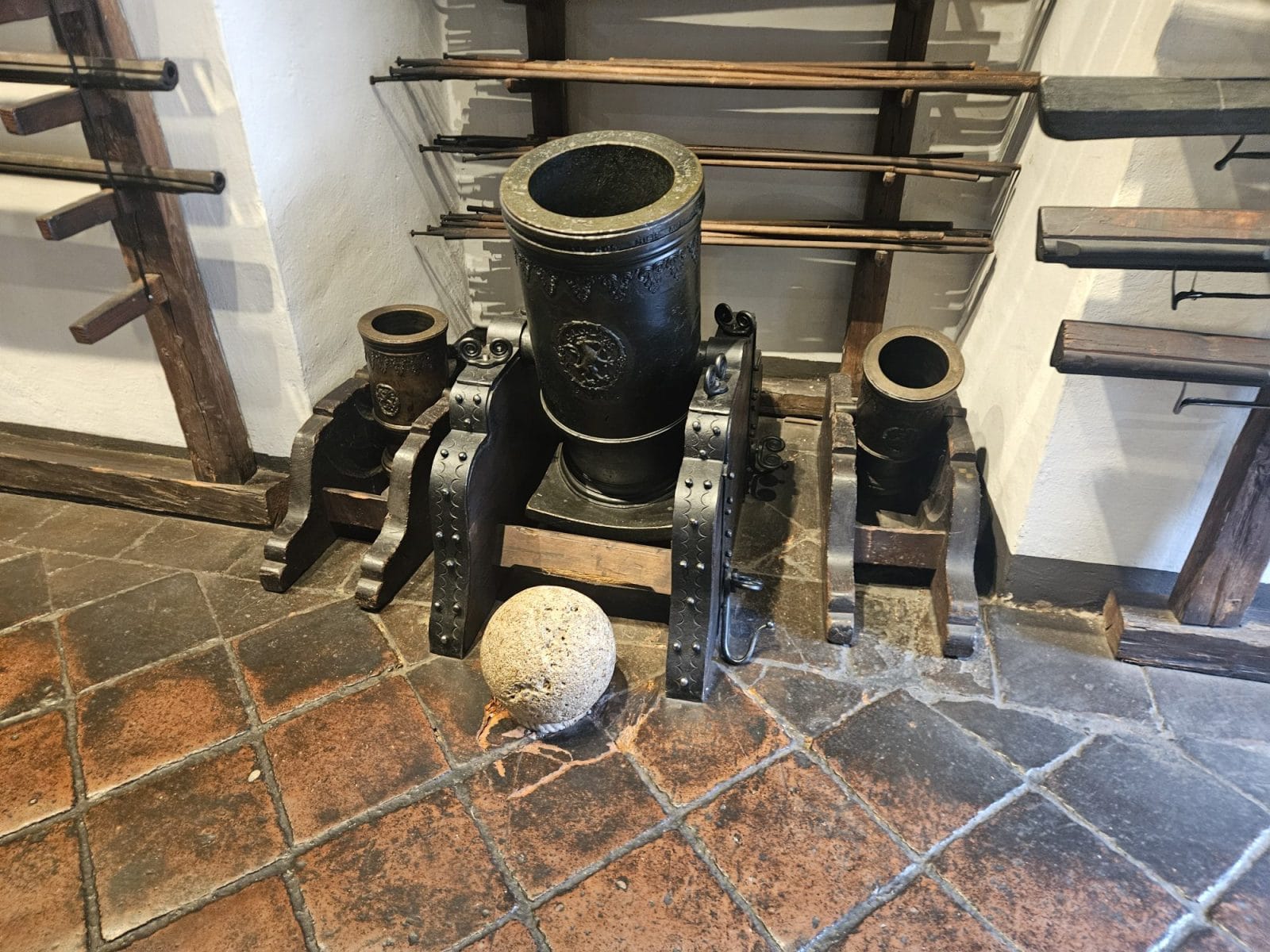
The ground floor once housed heavy guns and cannons and is now partly used by the Graz Region tourist information centre. I found this a useful place to stop and pick up information about other places to visit while exploring Graz.
Landhaus Courtyard
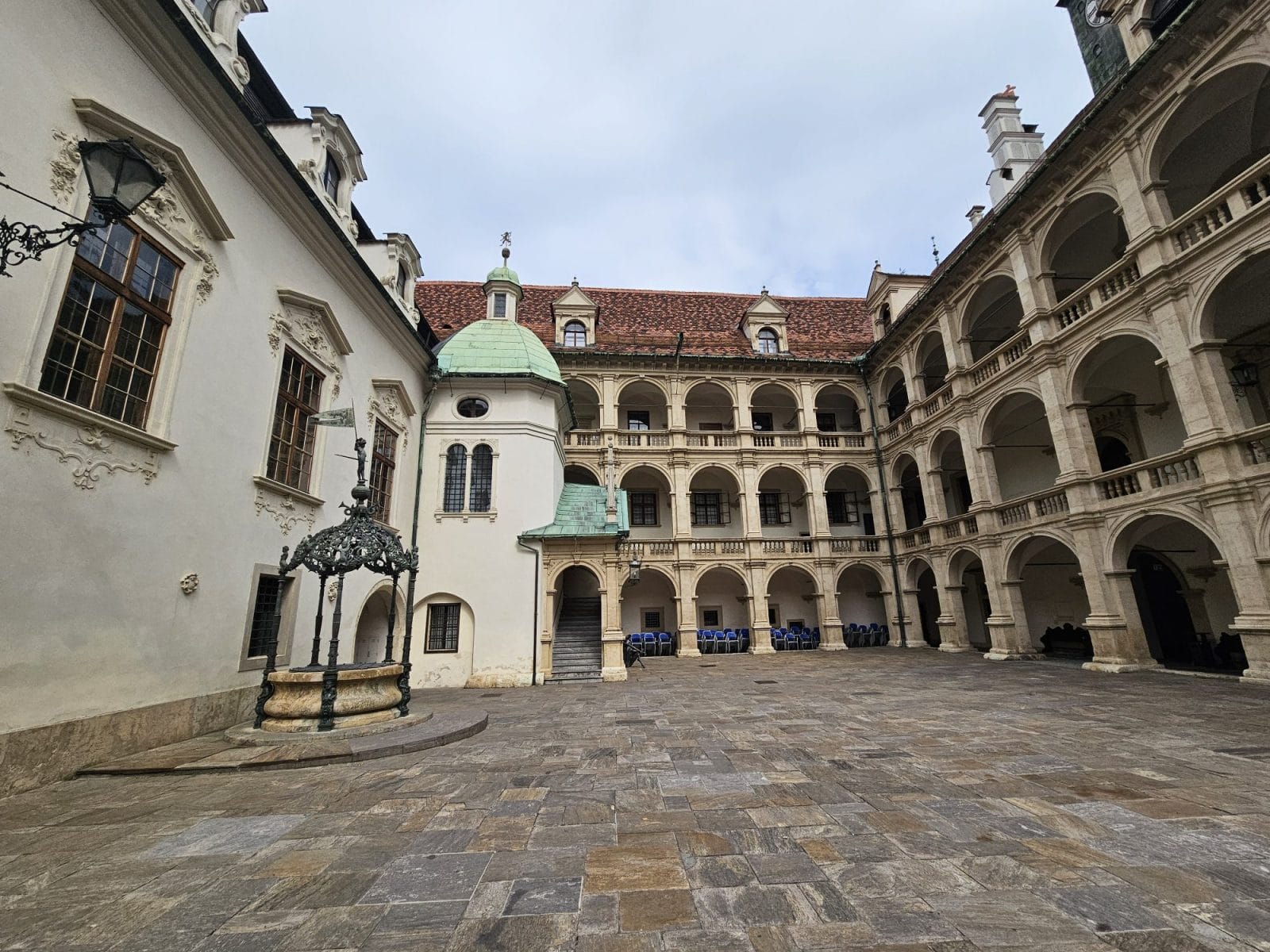
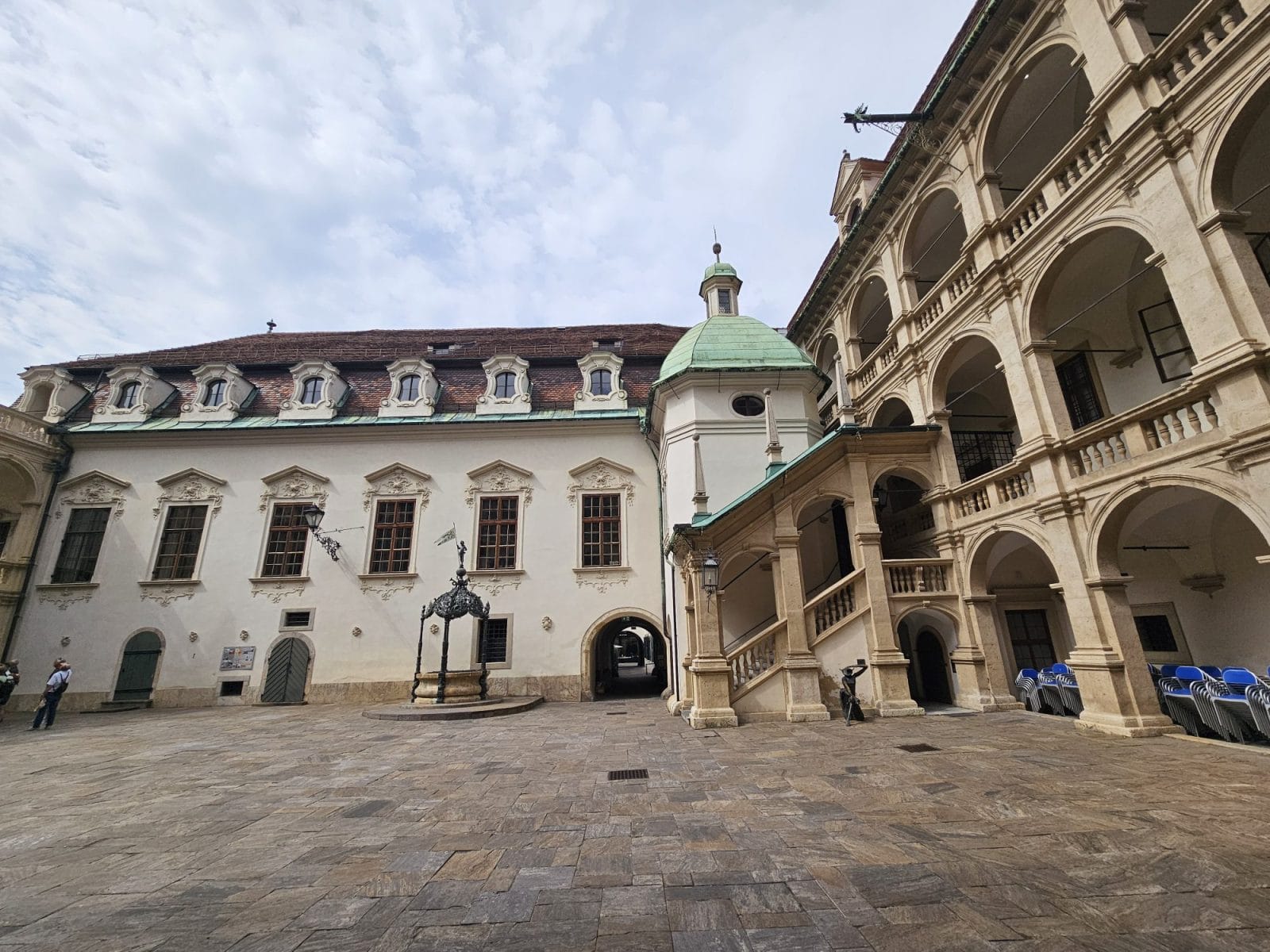
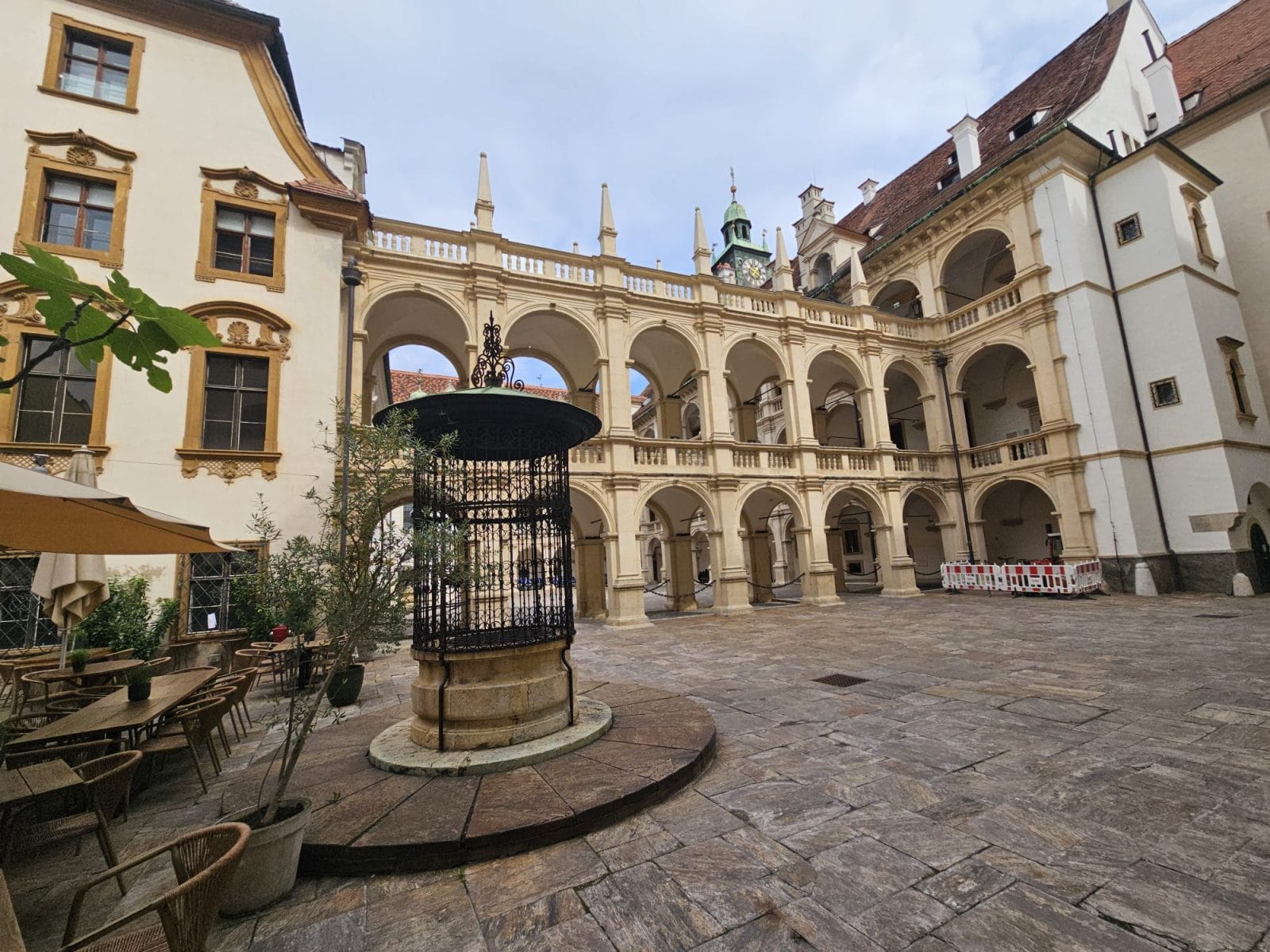
Next door to the Landeszeughaus is the Landhaus, with one of my favourite courtyards in Graz. I’ve visited it a few times, and it is well worth walking through for a look or to take photos, even if you are not visiting the armoury. Quite a few walking tours of the city cover the courtyard and buildings. Landhauskeller, a popular restaurant, is also in the courtyard.
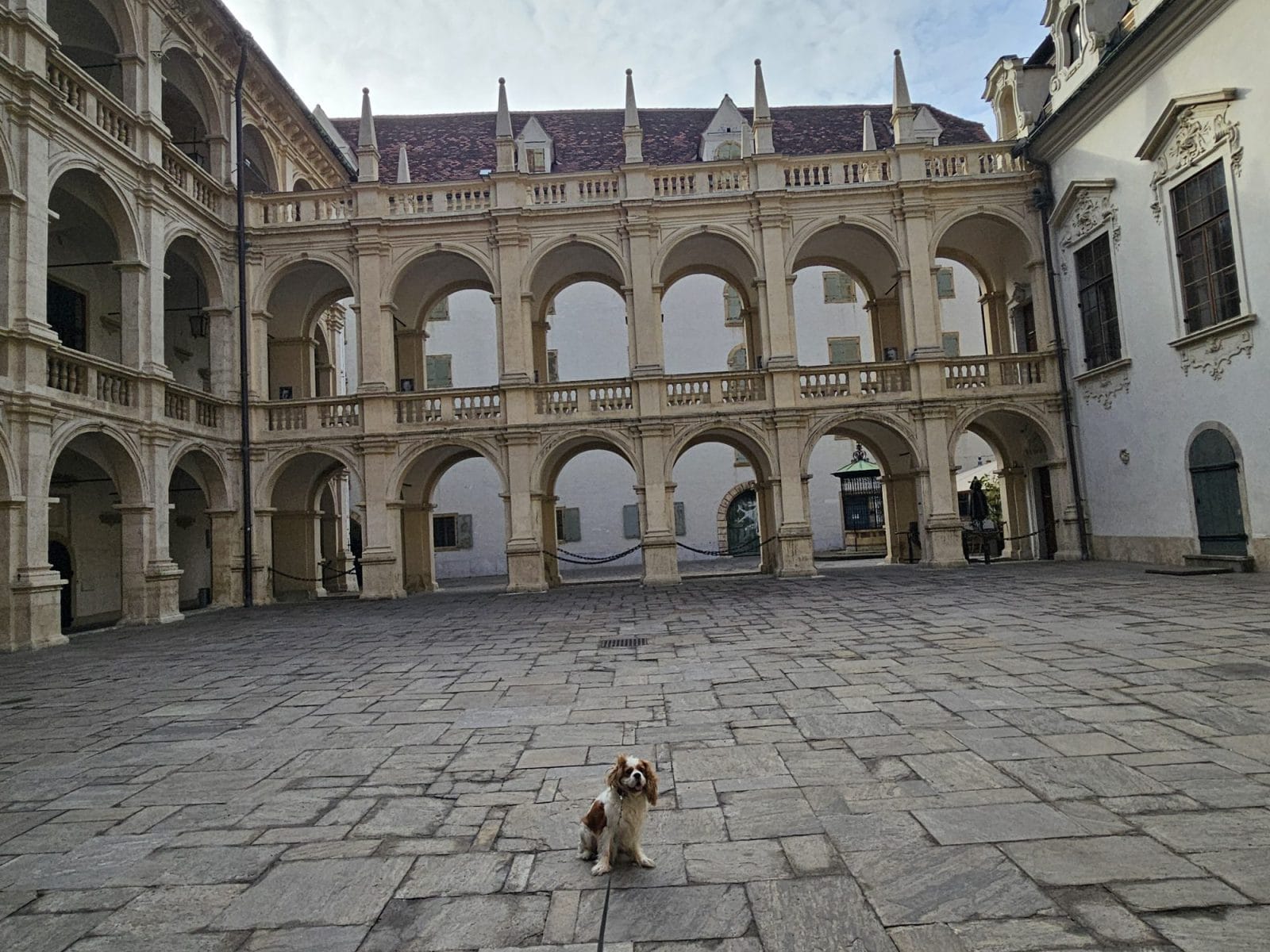
The Renaissance courtyard has three levels of arched galleries surrounding the central space, along with a bronze fountain and plenty of architectural details. It is free to enter and is worth spending a few minutes looking around and taking photos. The courtyard was also a good spot for walking the dog.
Visiting the Styrian Armoury
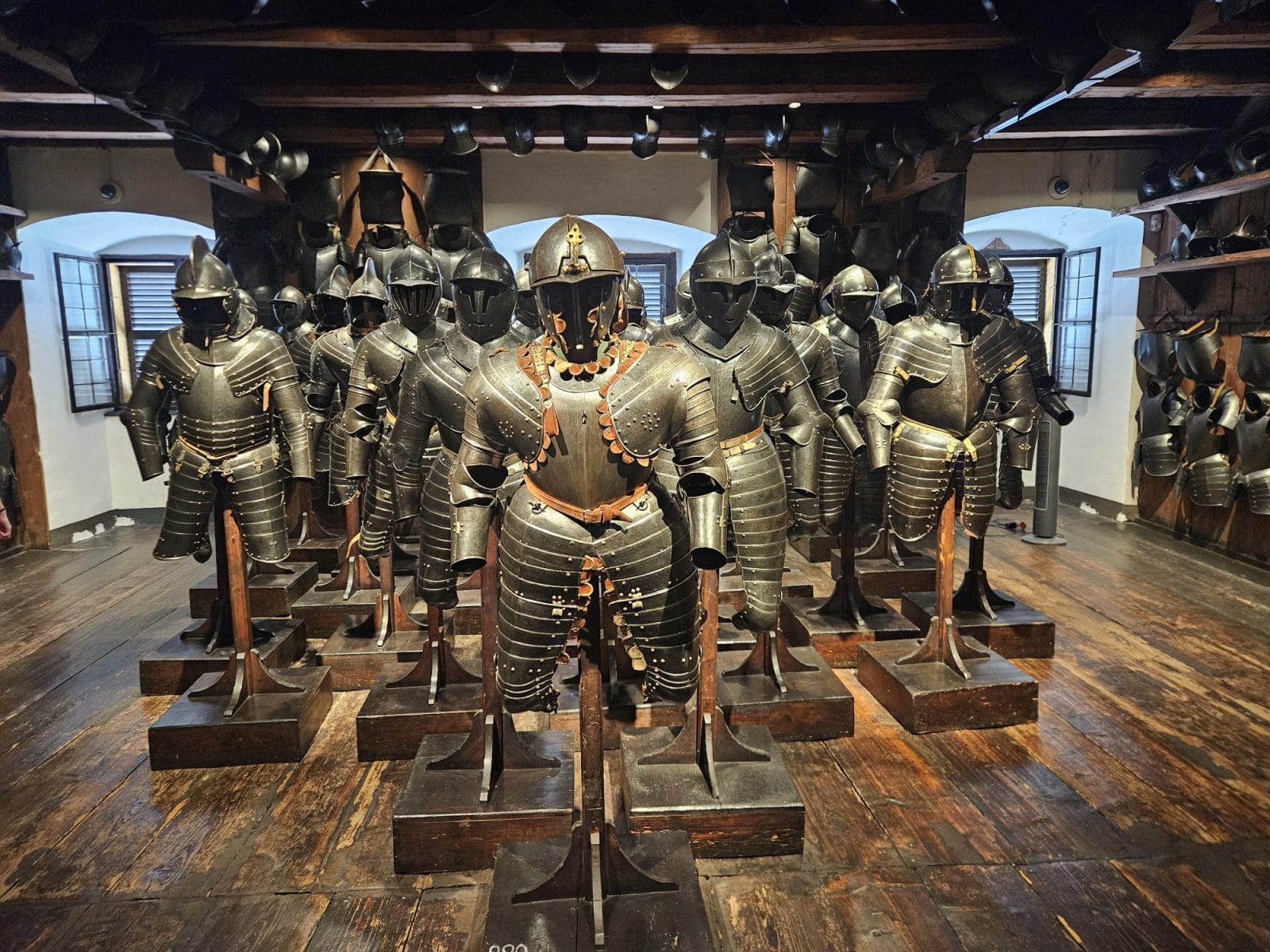
On my most recent visit to Graz, I paid to go inside the Styrian Armoury and spent about an hour looking around. It is one of the largest preserved historic armouries in the world and contains around 32,000 original objects displayed across four floors.
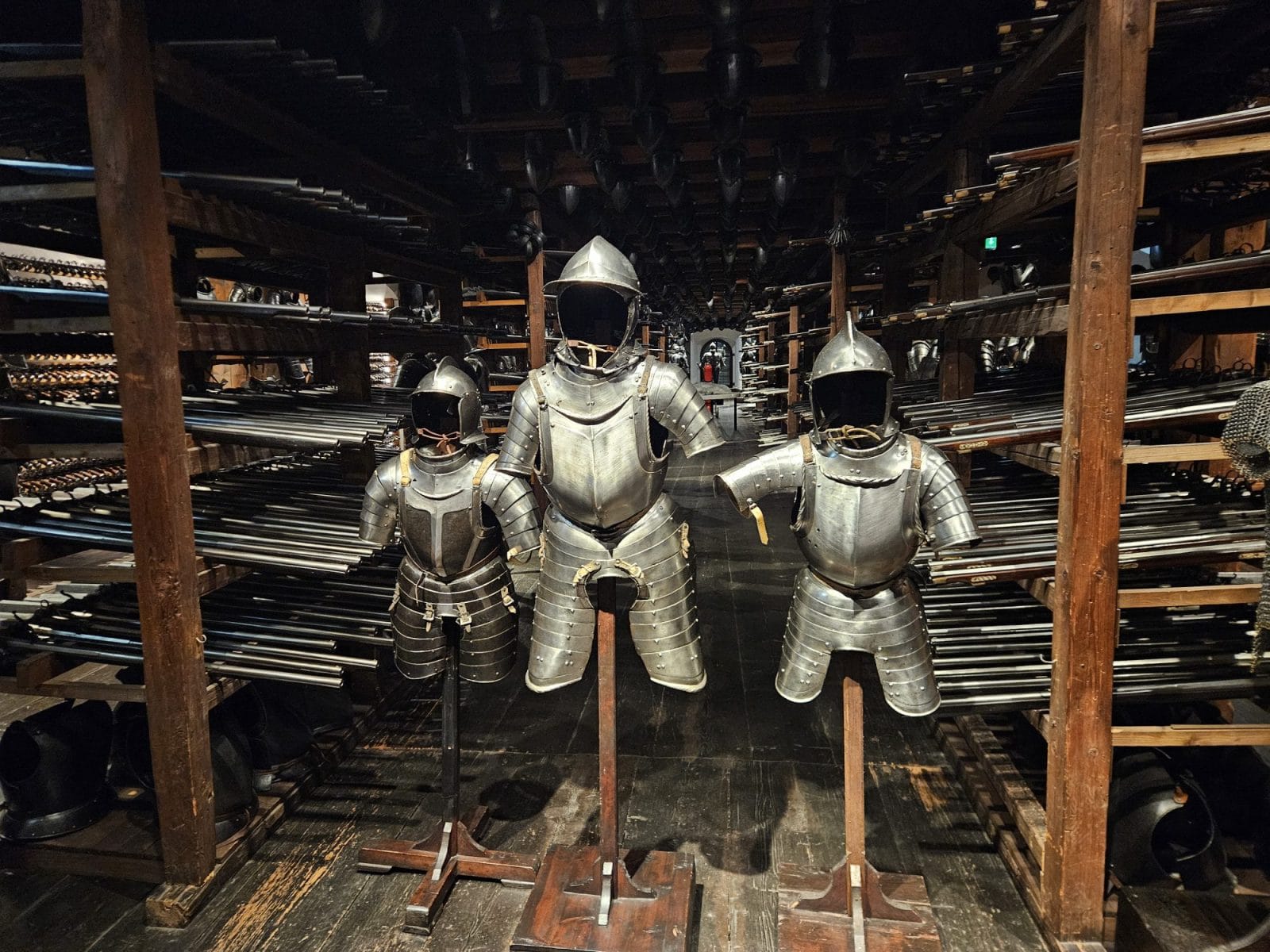
The collection includes suits of armour, helmets, swords, sabres, spears, pikes and early firearms. What I found most impressive was the sheer quantity of equipment. Rather than seeing a few individual pieces in display cases, you walk through rooms filled with rows of armour and racks of weapons. The place is big, and there were very few other visitors when I visited.
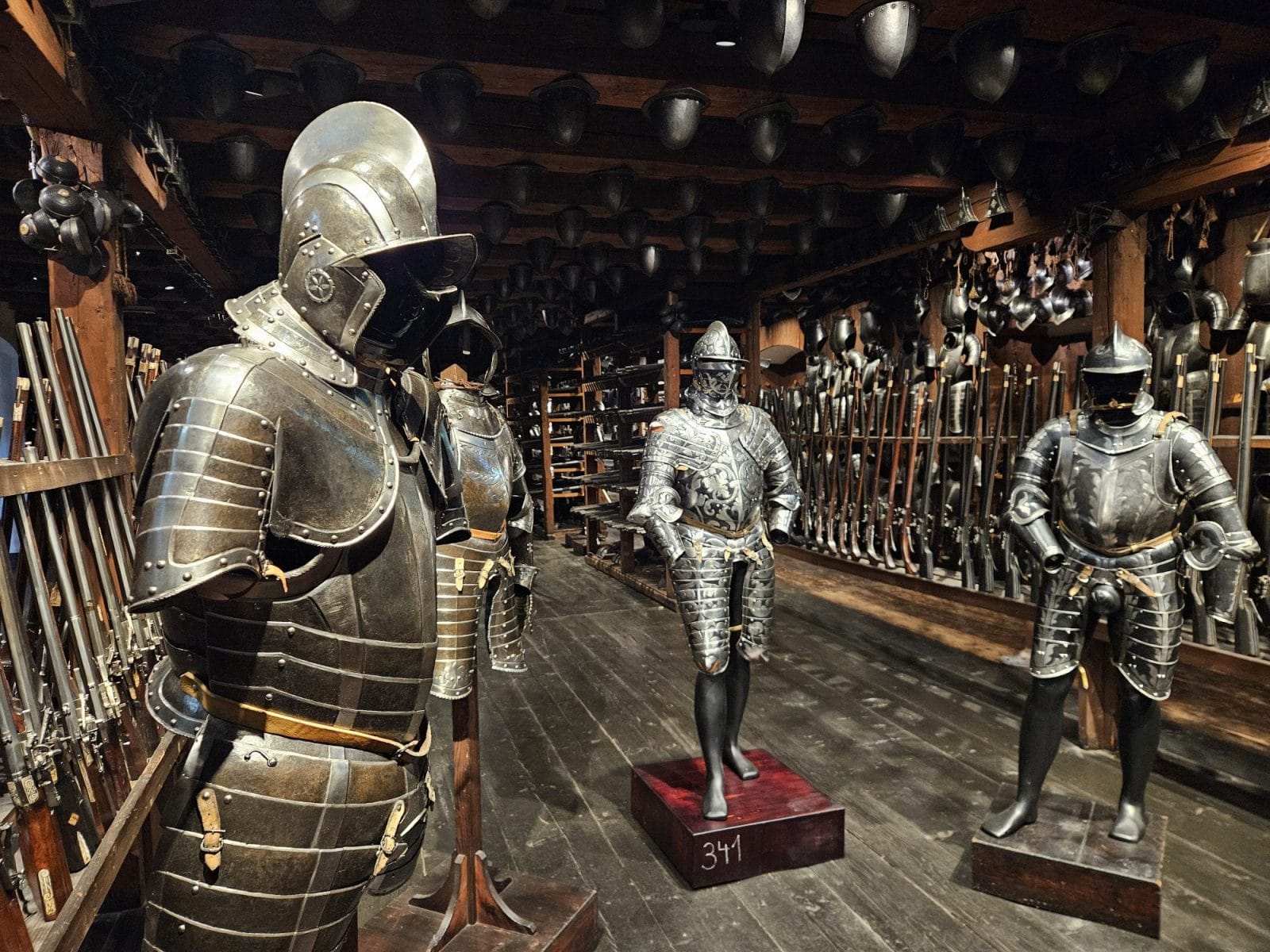
There are also some more unusual exhibits, including elaborate armour made for the nobility and a complete set of horse armour.
To purchase tickets, head to the information desk at the tourist information on the ground floor. You can also purchase multi-attraction tickets here for other popular places in Graz.
First Floor – Firearms
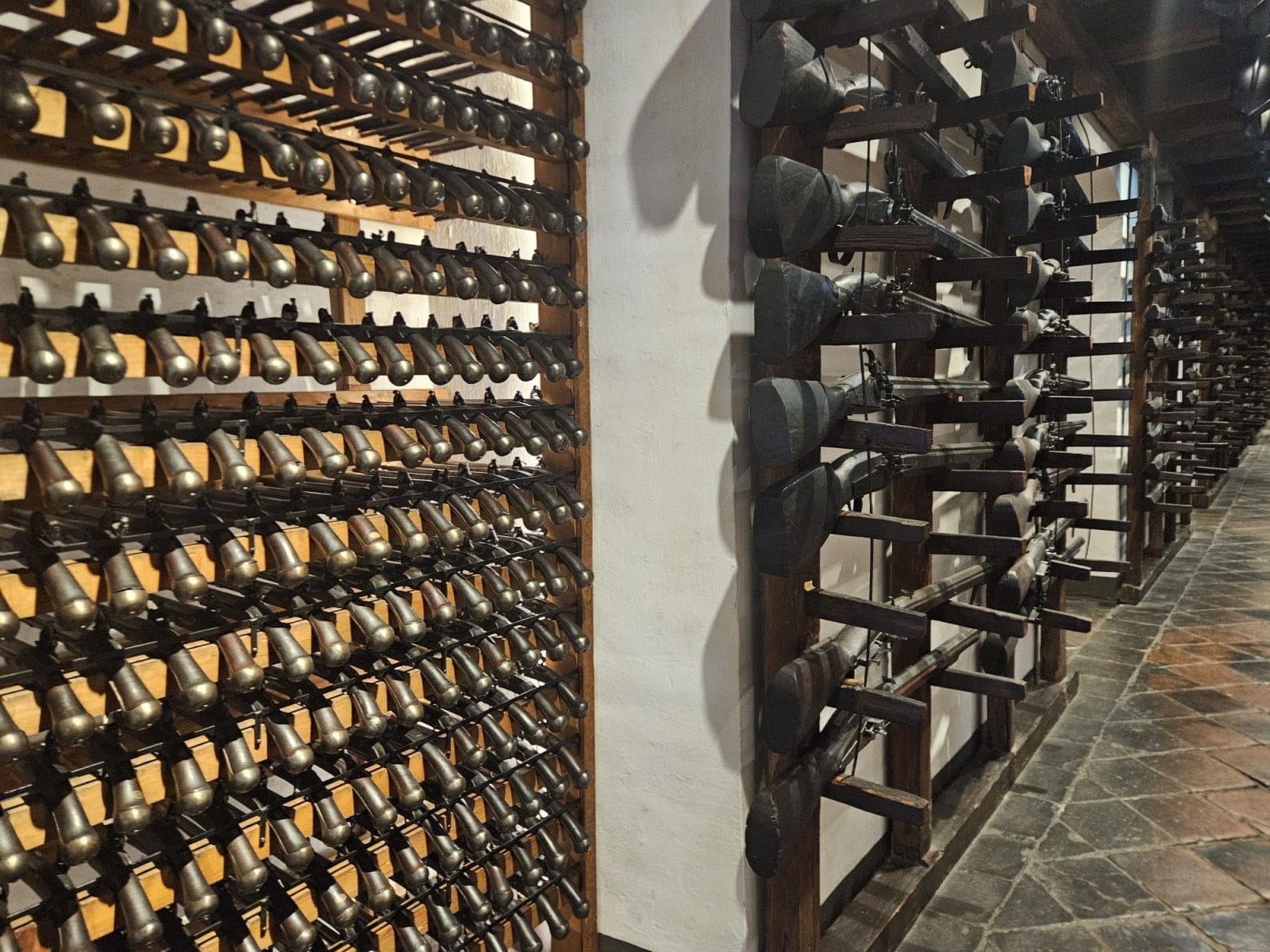
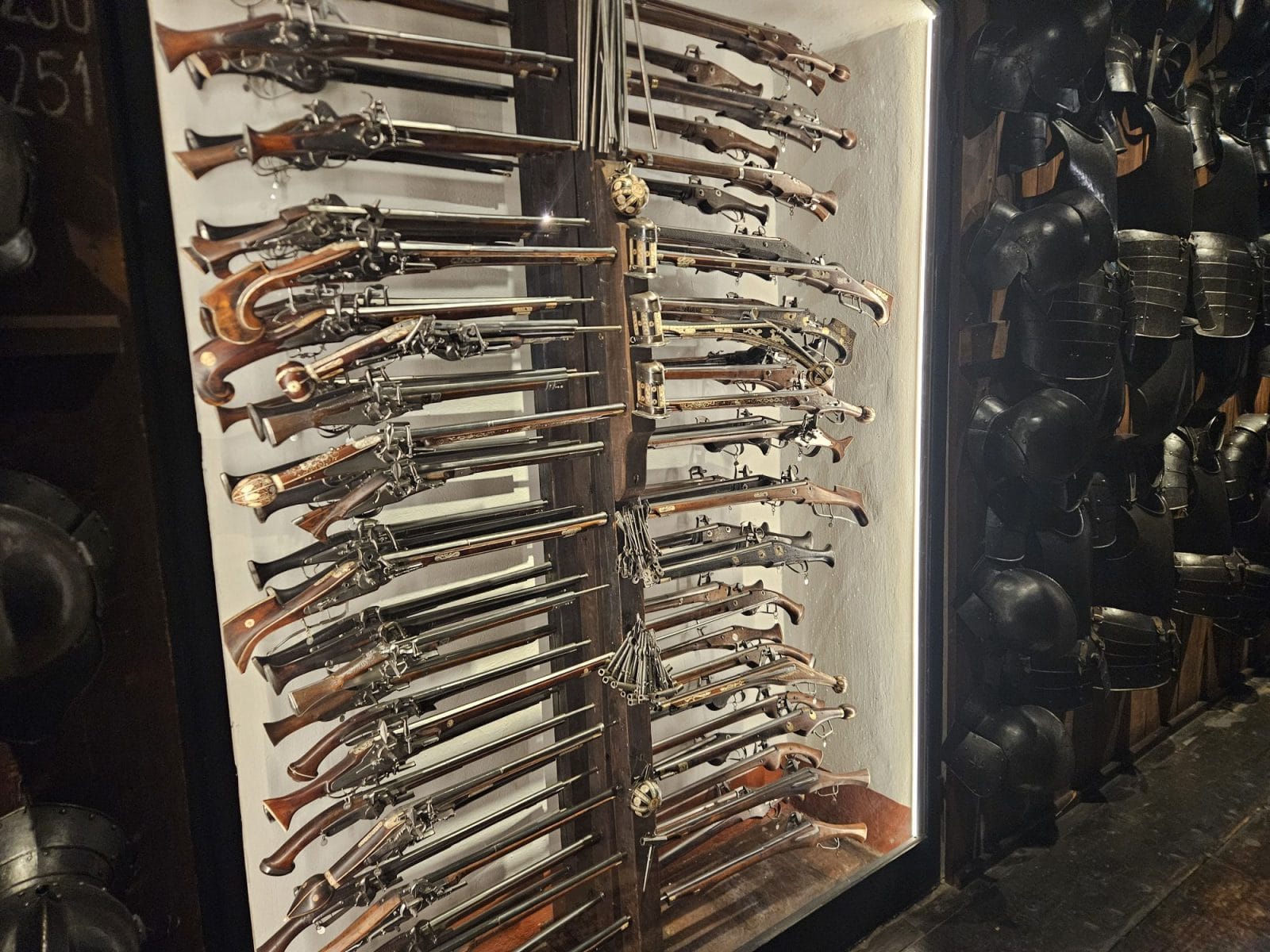
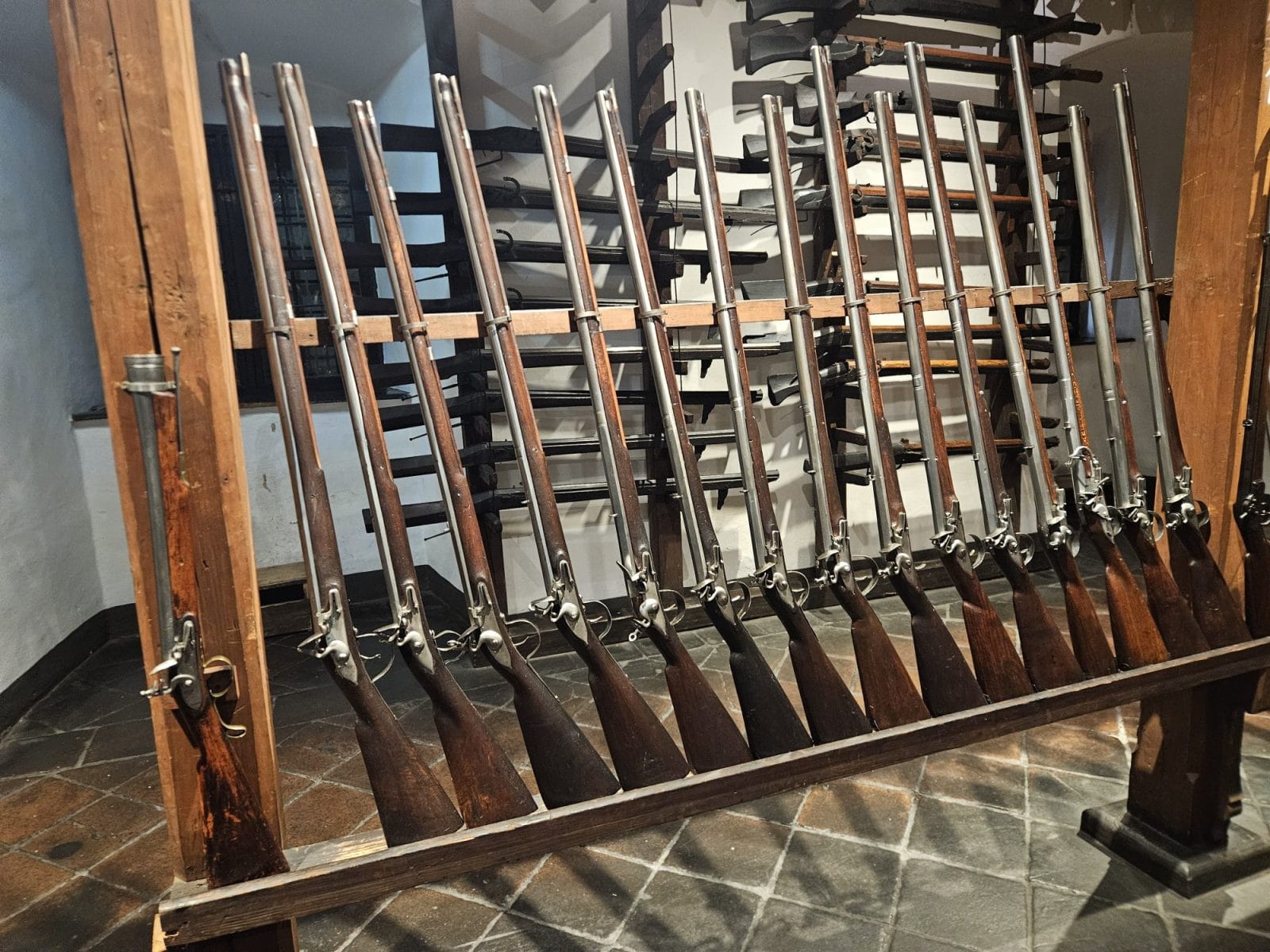
The first floor mainly contains firearms from the 16th, 17th and 18th centuries. It includes larger guns such as muskets and arquebuses, alongside smaller pistols and other equipment used by mounted troops. Some weapons were made in workshops in places including Ferlach, Deutschfeistritz, Trautenfels, and Steyr.
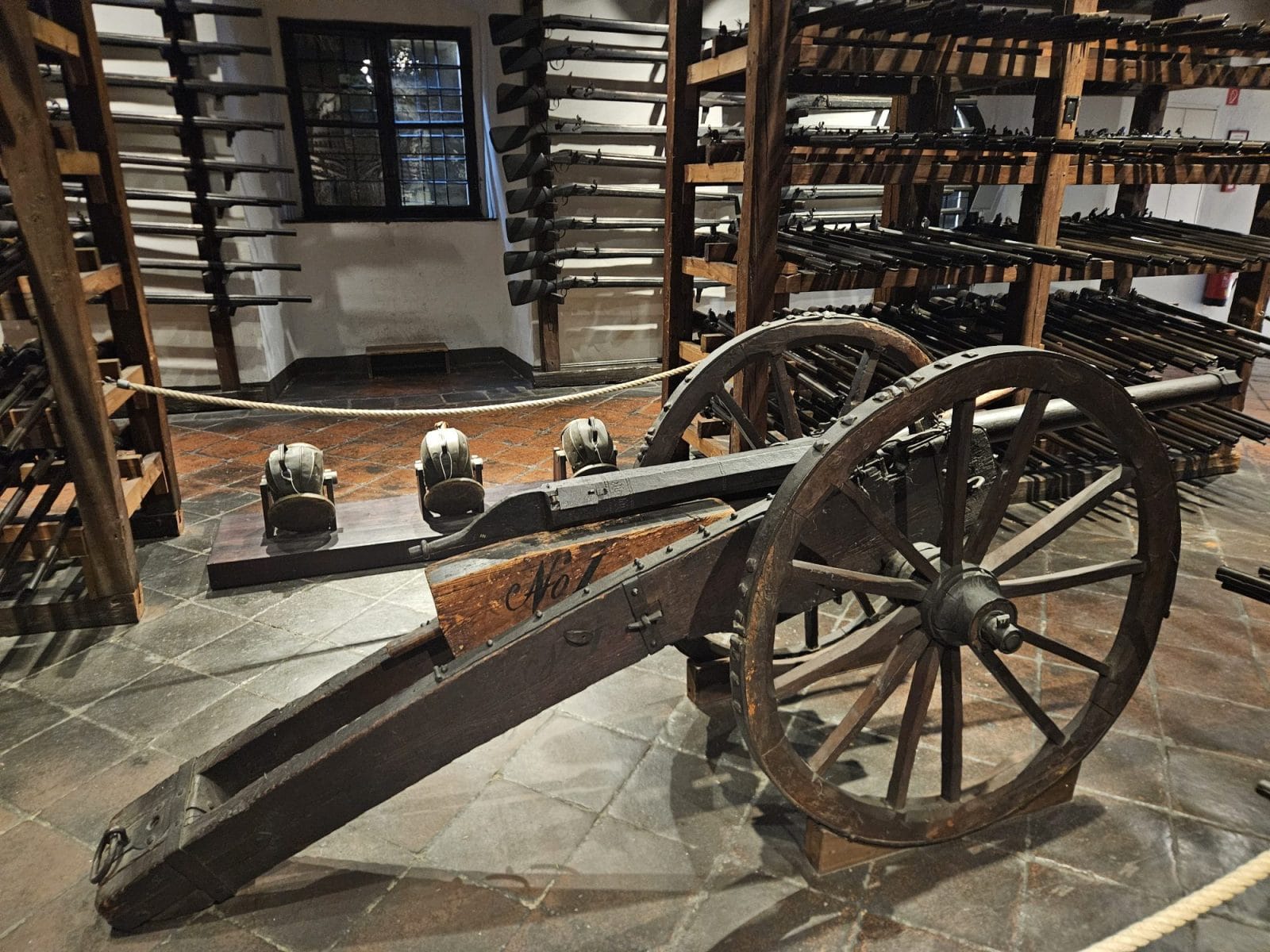
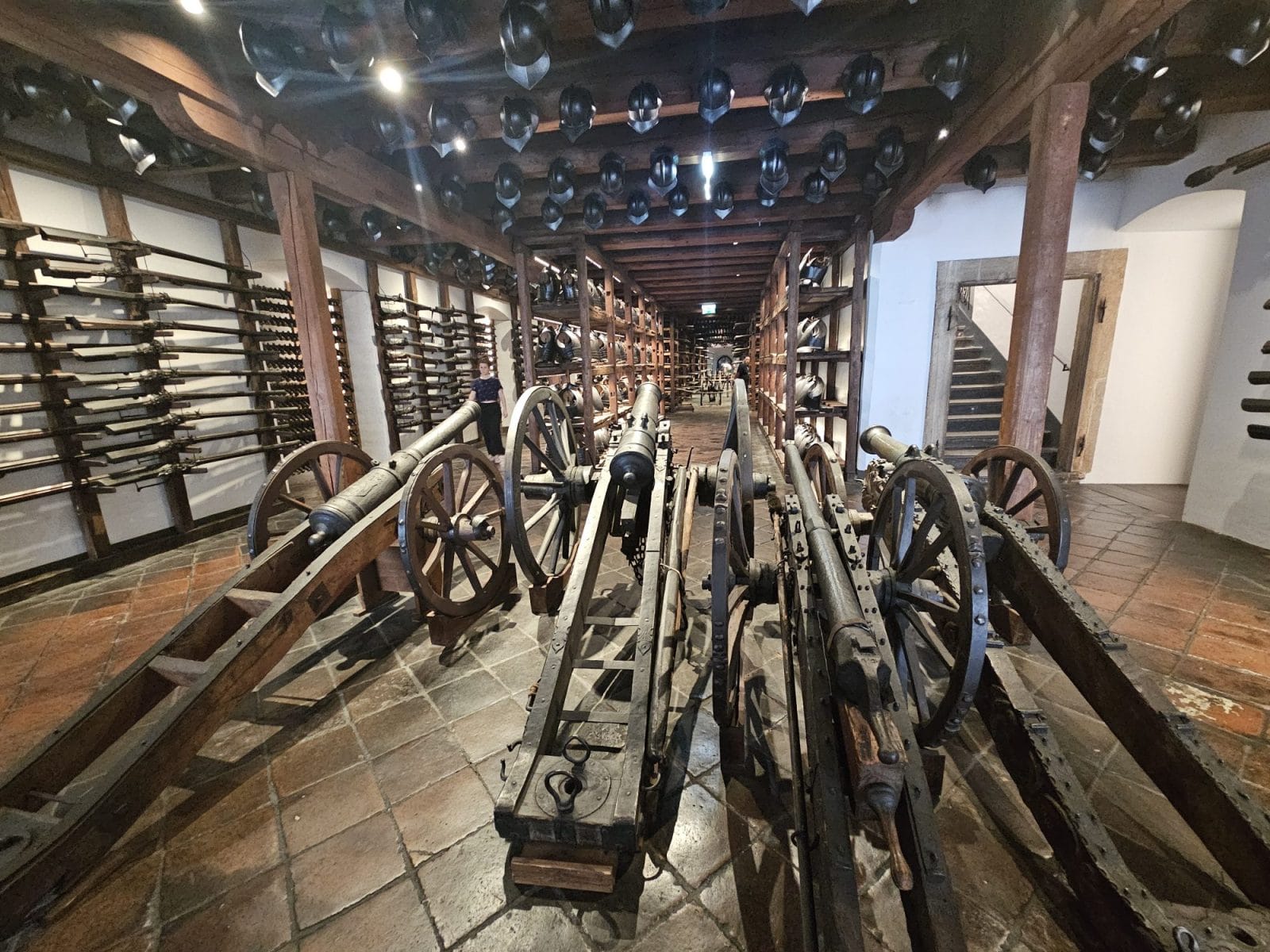
The collection also includes cannons, bayonets, and other items showing how firearms developed during the period.
Second Floor – Helmets, Armour and Pistols
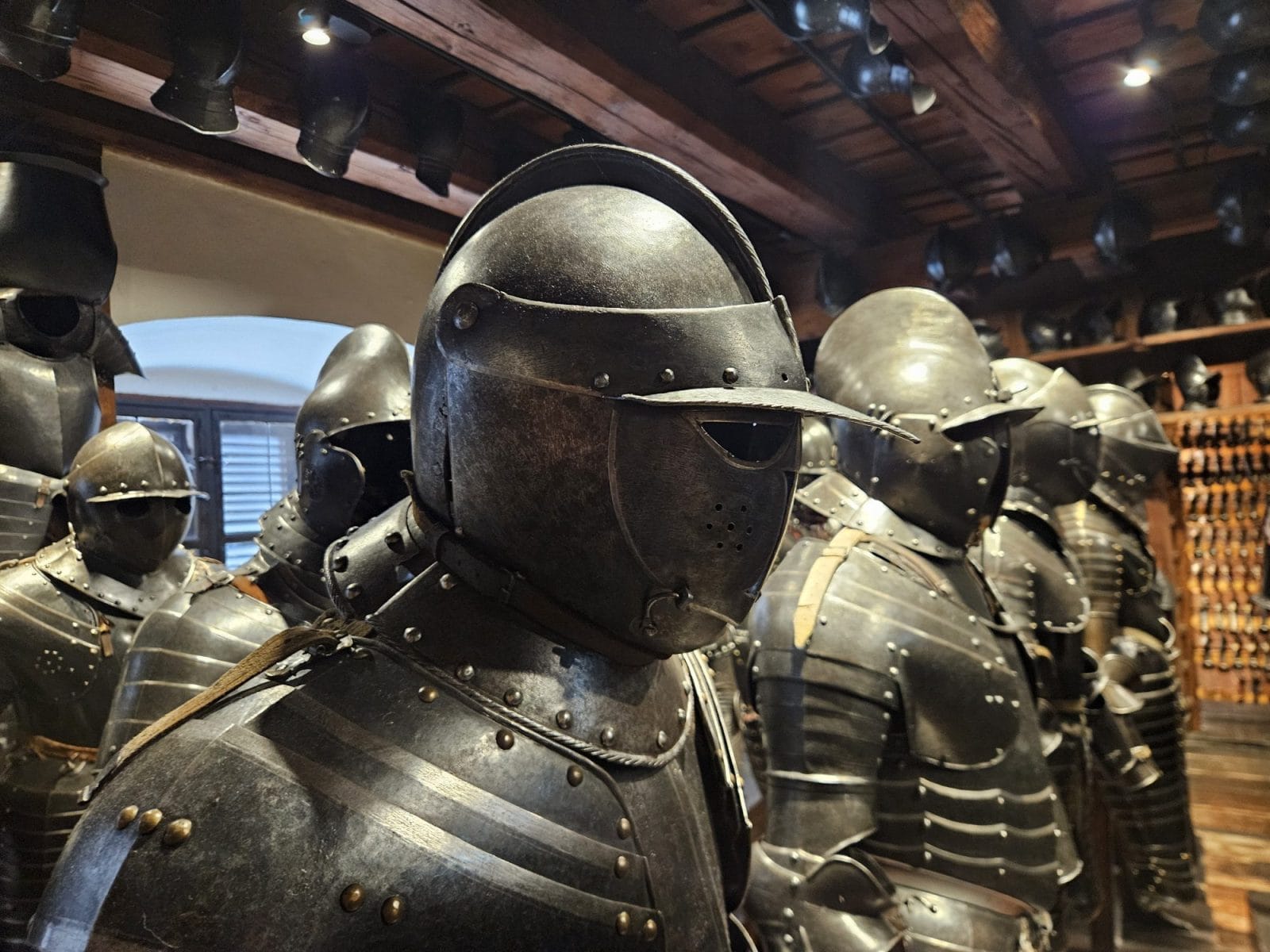
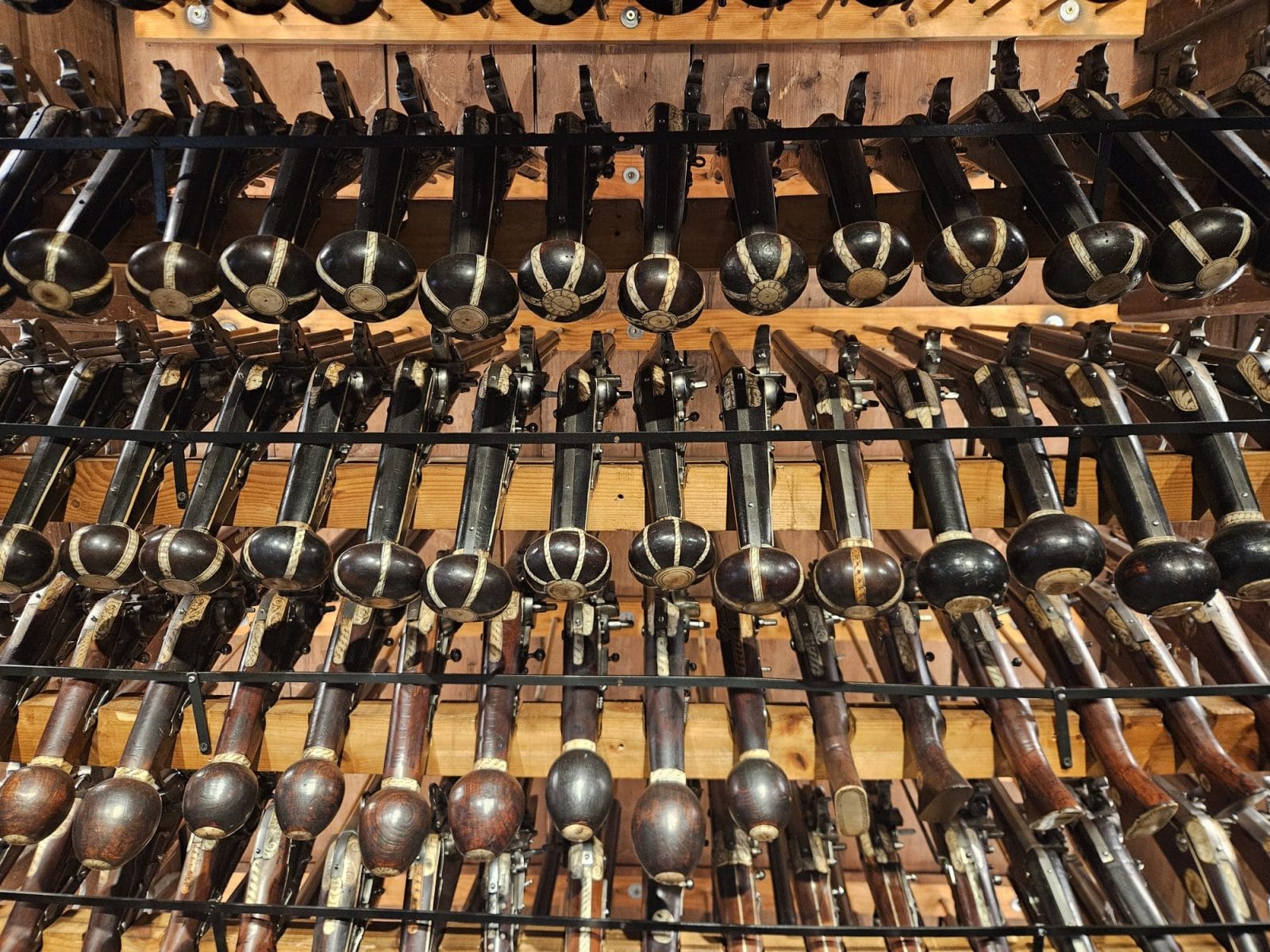
The second floor is dominated by armour. There are helmets in several different styles, suits of armour and equipment made for both infantry and cavalry. You can see how helmet designs changed over time, from more enclosed visors to simpler open-faced designs.
Third Floor – Armour Testing and Horse Armour
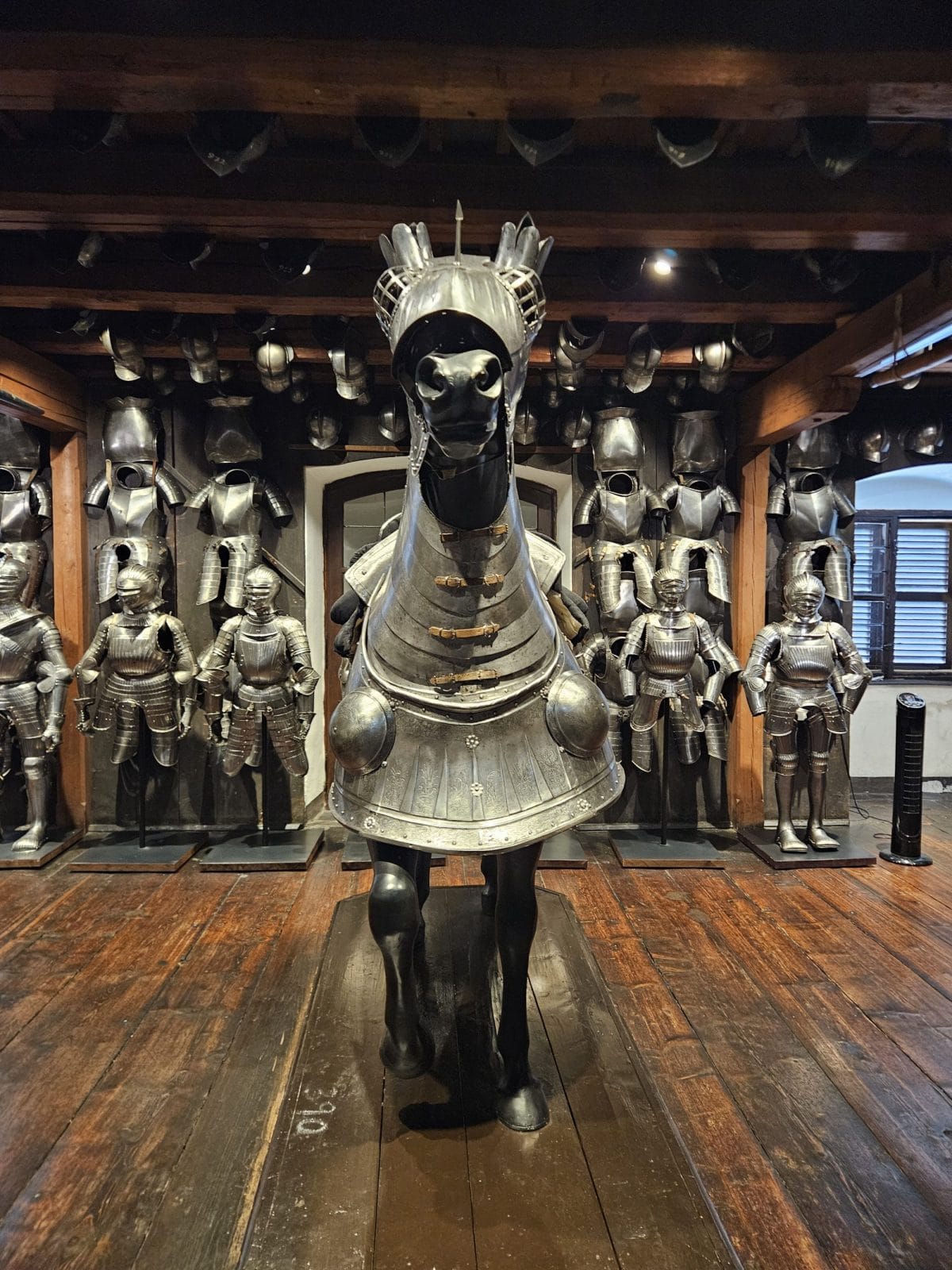
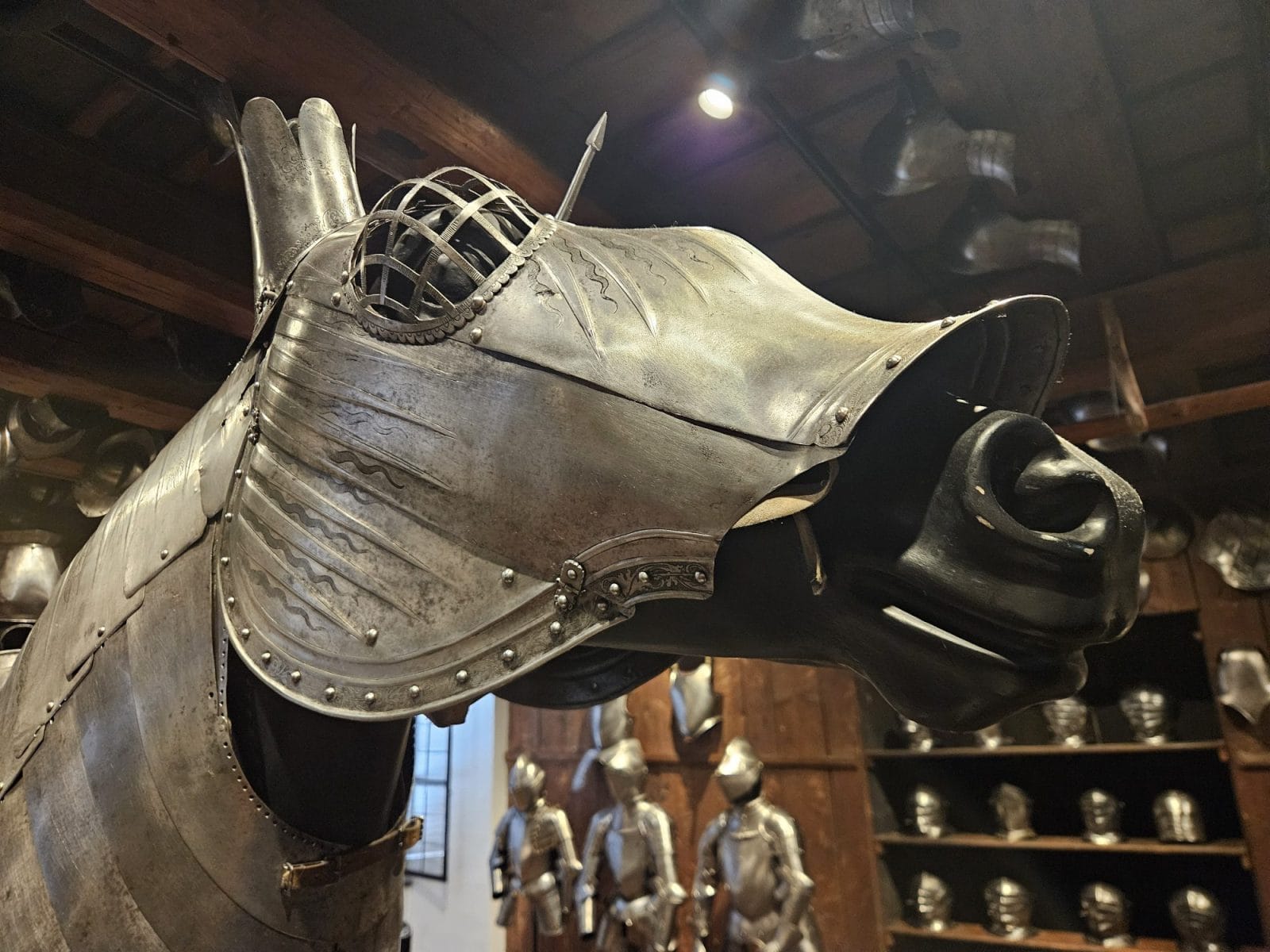
One highlight on this floor is the horse armour. The floor also features ornate armour made for wealthy customers, including decorated pieces that were as much about status and appearance as protection.
Fourth Floor – Maces, Halberds and Pole Weapons
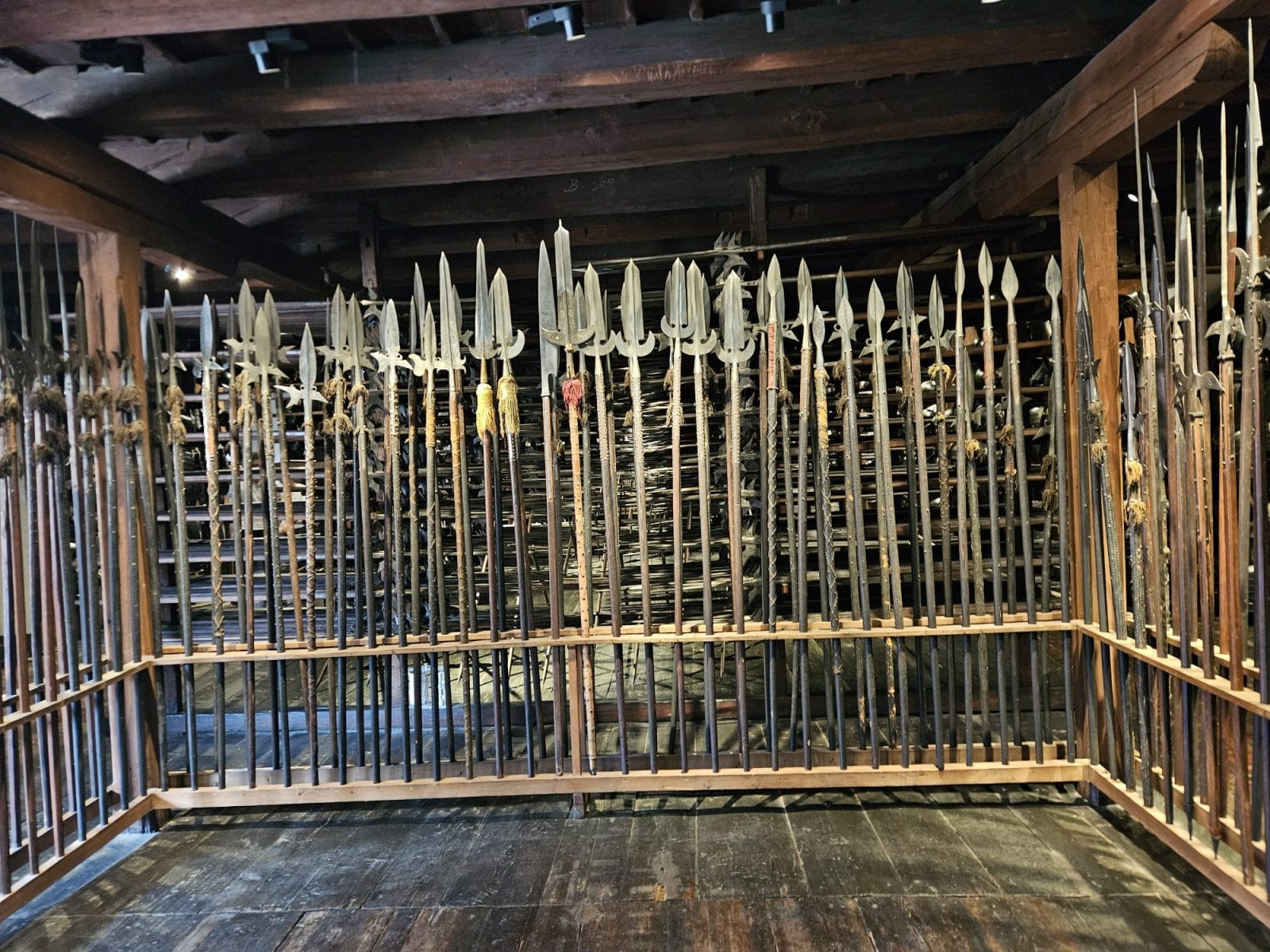
The top floor contains a huge collection of pole weapons, including pikes and halberds, alongside maces and large two-handed swords.
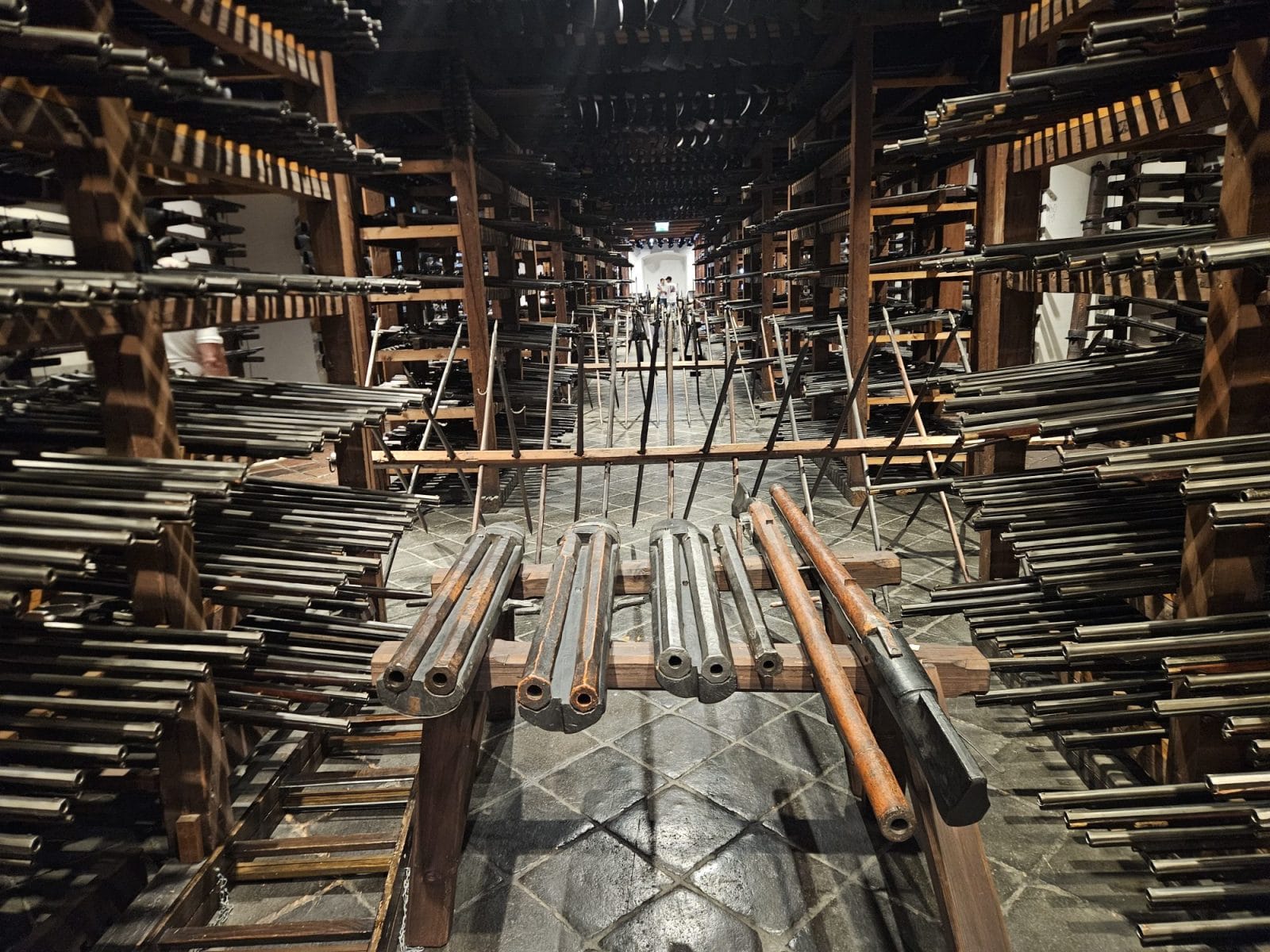
The armoury also contains some unusual weapons and defensive devices. These include chevaux-de-frise, portable barriers covered with projecting spikes that could block roads or defend positions against cavalry, and large shields designed to protect infantry from bullets.
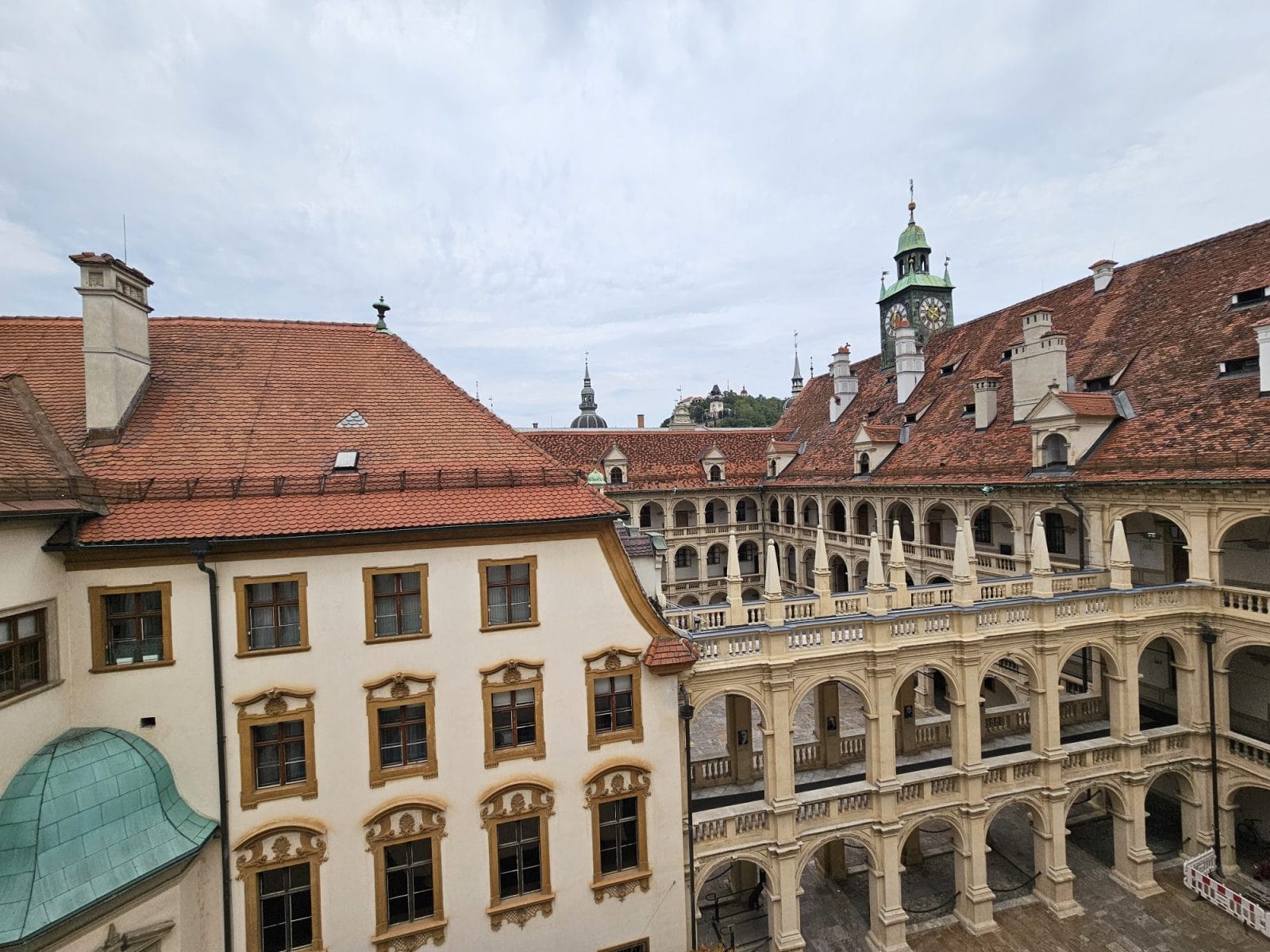
It is also worth looking out of the windows while you are on the upper floor. There are good views down towards the Landhaus courtyard.
I really enjoyed my visit to the museum and found the topic interesting. Around an hour was enough time to look around at a comfortable pace, although you could spend longer if you are particularly interested in military history. There are relatively few information panels in the historic rooms, but they gave me a printed guide which had details of the different floors and some of the more interesting exhibits.