
Open-Air Fun at Astra National Museum Complex in Sibiu
One of the most popular places in Sibiu, Romania, is the Astra National Museum Complex. This is the largest outdoor museum in Europe and is a great place for a day out. It is pretty easy to reach from the centre of Sibiu by bus or by taxi. During our visit, it was the start of autumn, and the trees were changing colour, which added to the experience.
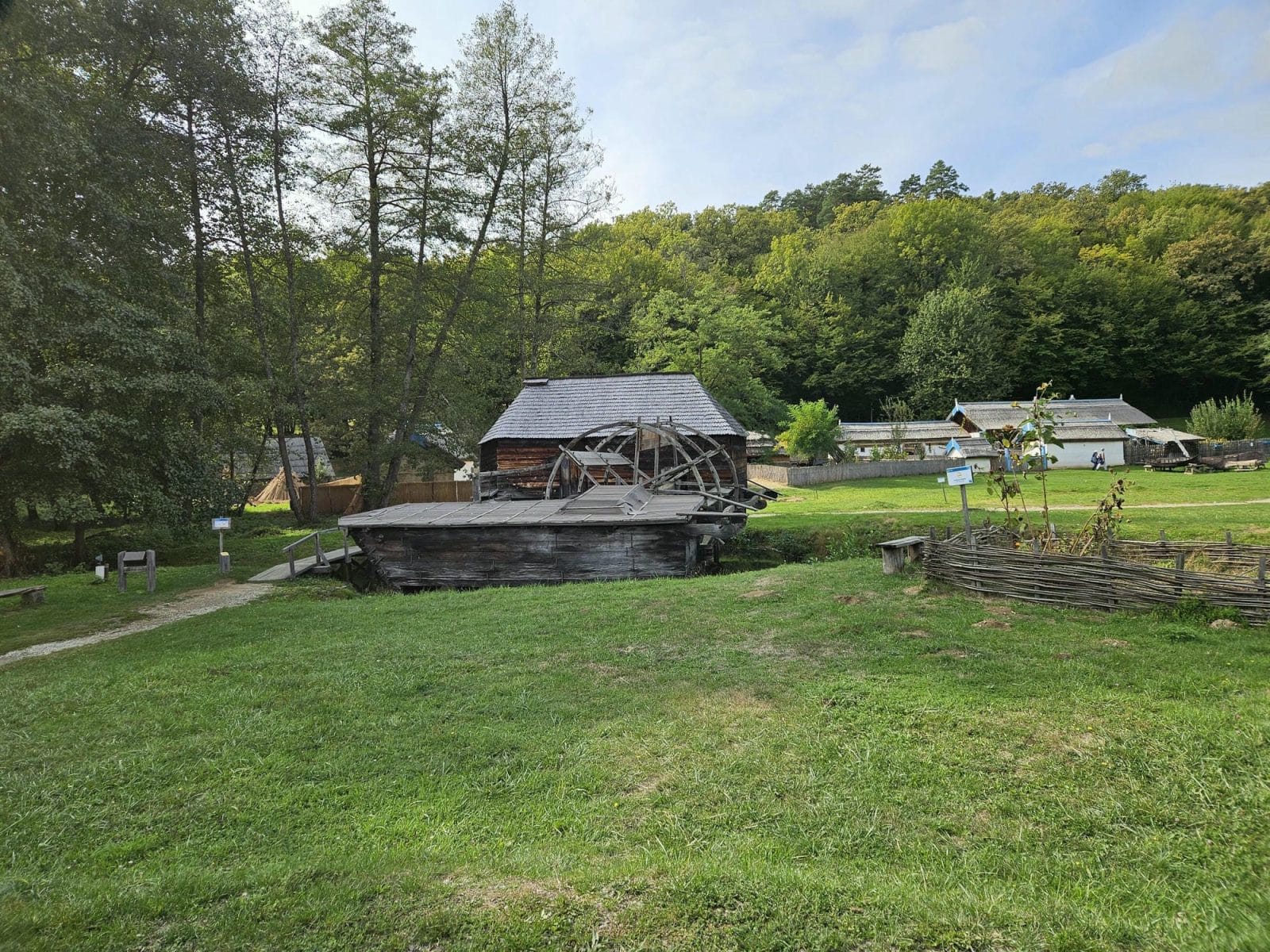
The Astra Museum is massive and is a wonderful place for a walk and to explore all the historic buildings. As a bonus, the open-air museum is dog friendly, and we saw many people enjoying the experience with their pets. Unfortunately, Henry was tired after some epic travel days, so he was napping.
Things To See When Exploring The Outdoor Museum
There are old homes, churches, mills and commercial buildings to see. These buildings are examples of structures from many eras of history and many regions of Romania.
Most buildings had information about where they were originally from and when they were built. They also have an app to help you learn more about the buildings and the people who used them. These are the features of the Astra Museum that piqued my interest.
Windmills
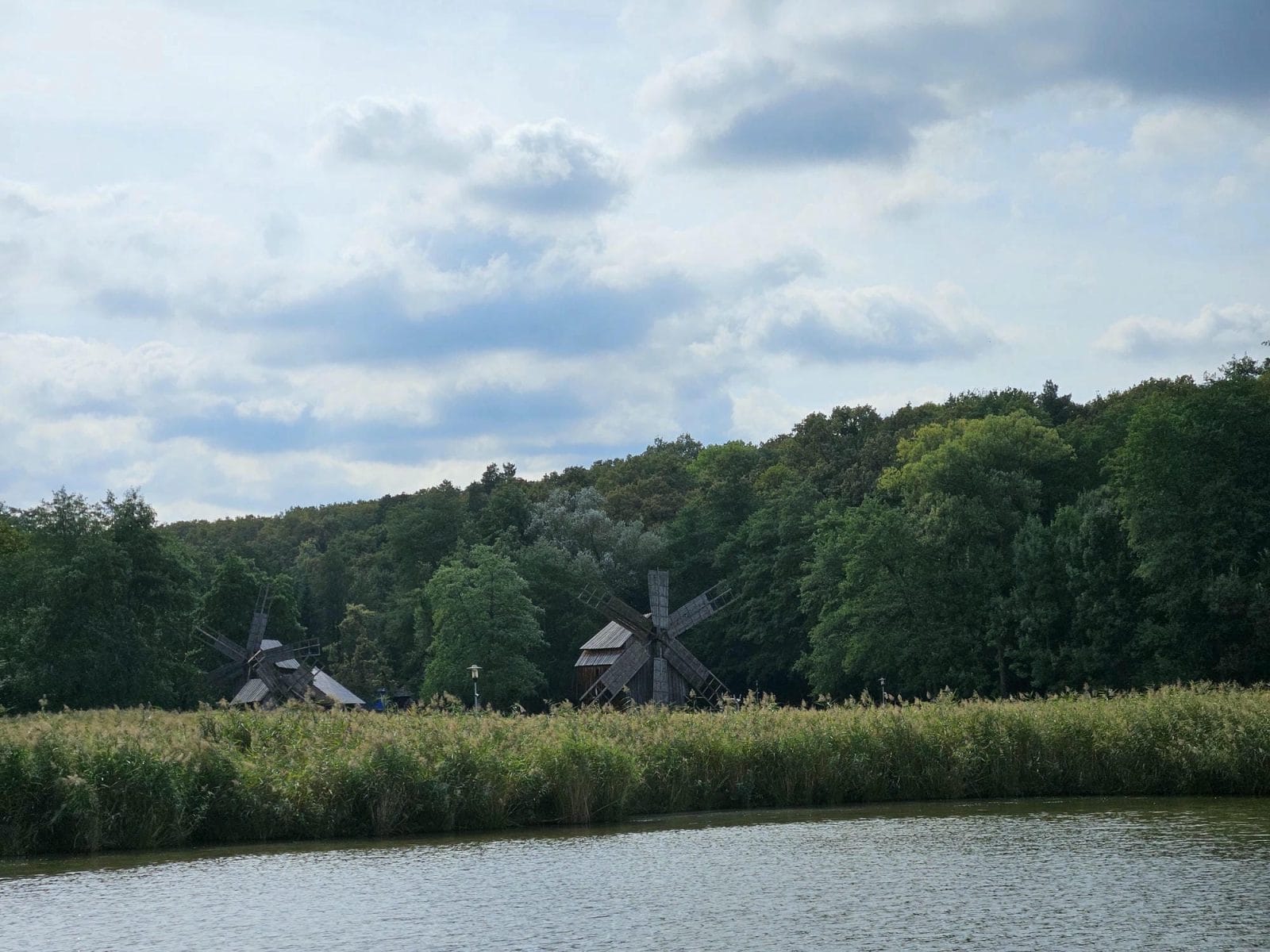
On glancing at the map on arrival, I chose our direction based on the windmill pictures, which were our first point of call. I really enjoy seeing windmills and was keen to see more. These were near the lake, and a jetty on the water had fantastic views towards them.
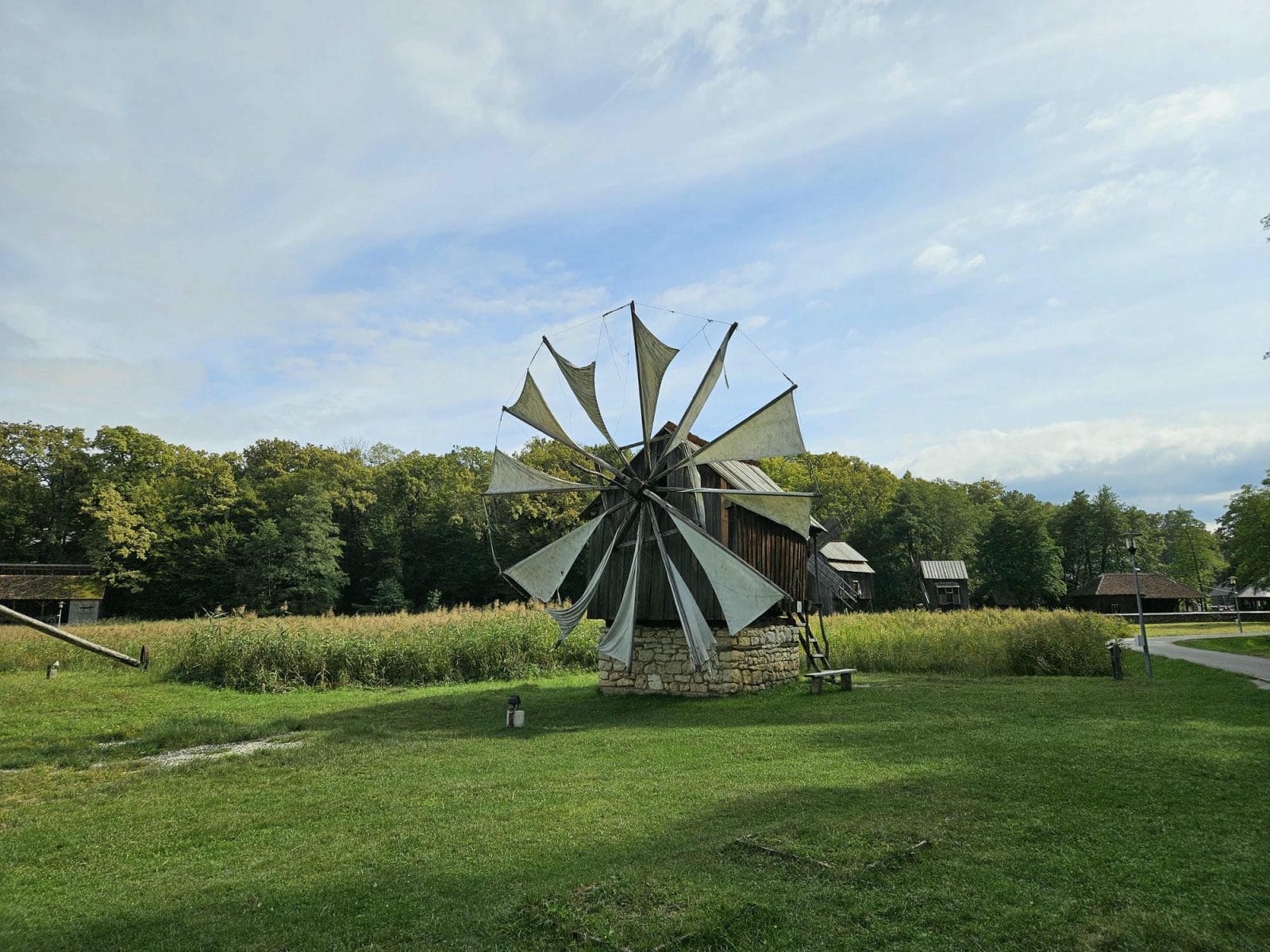
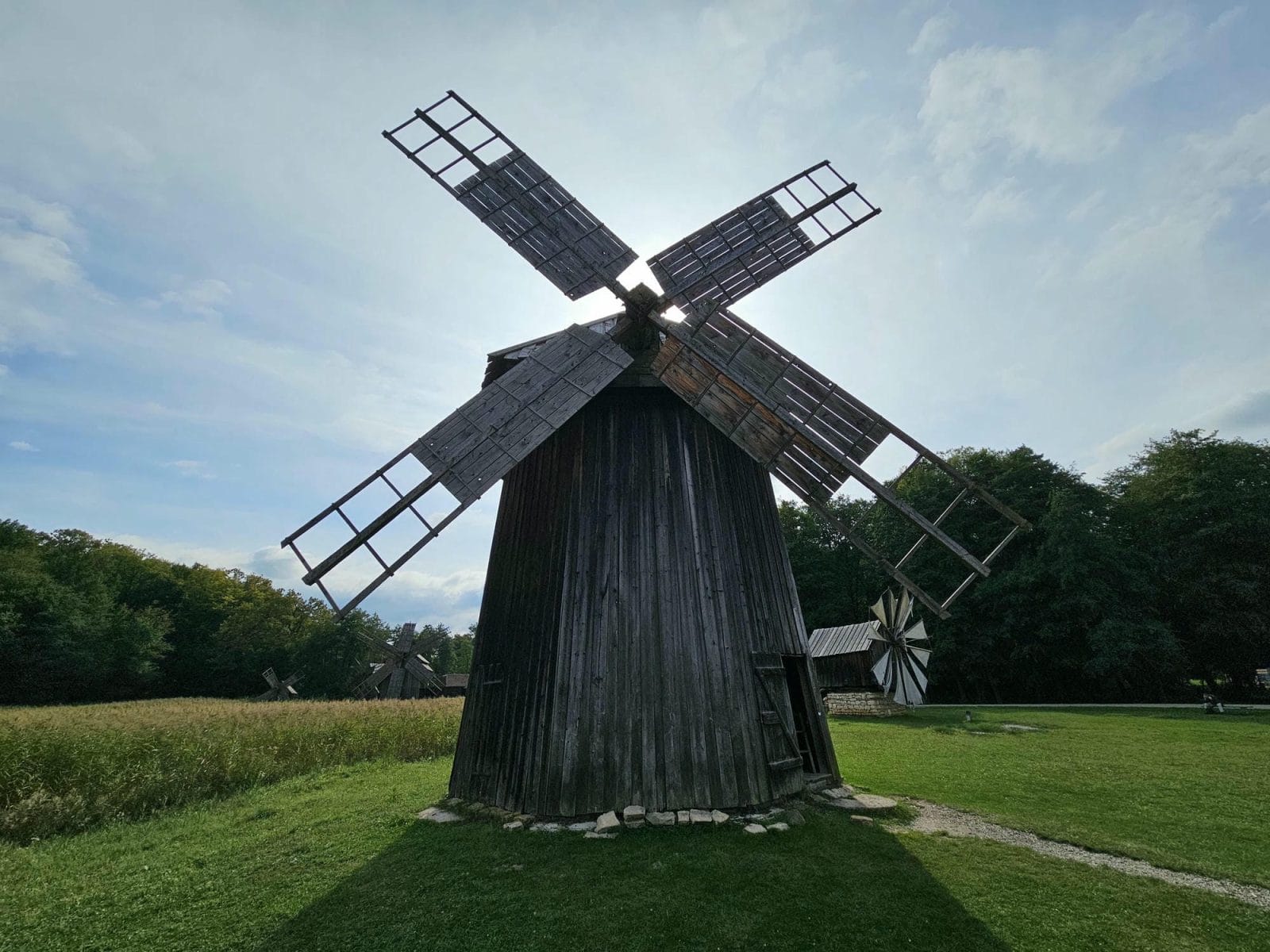
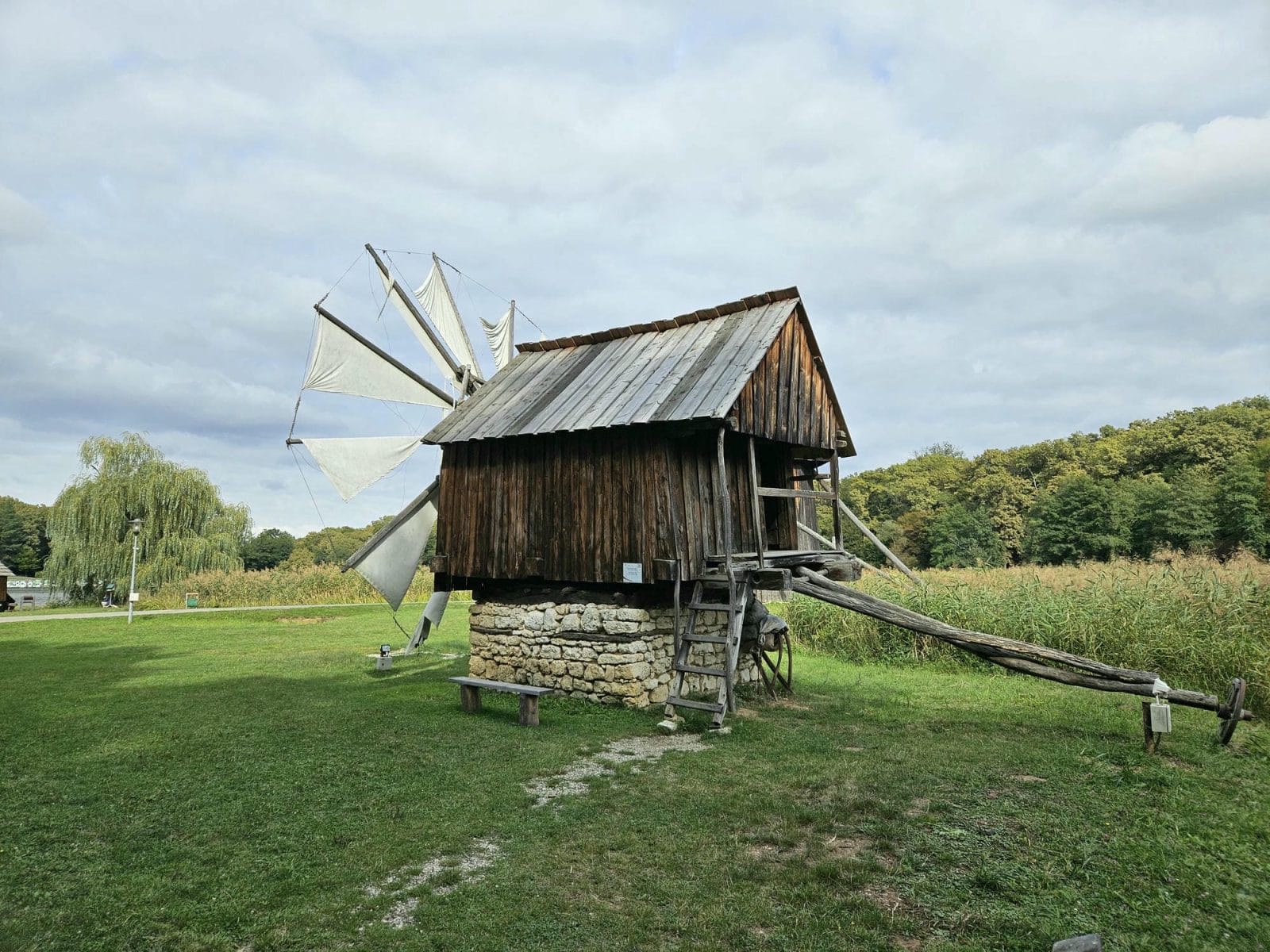
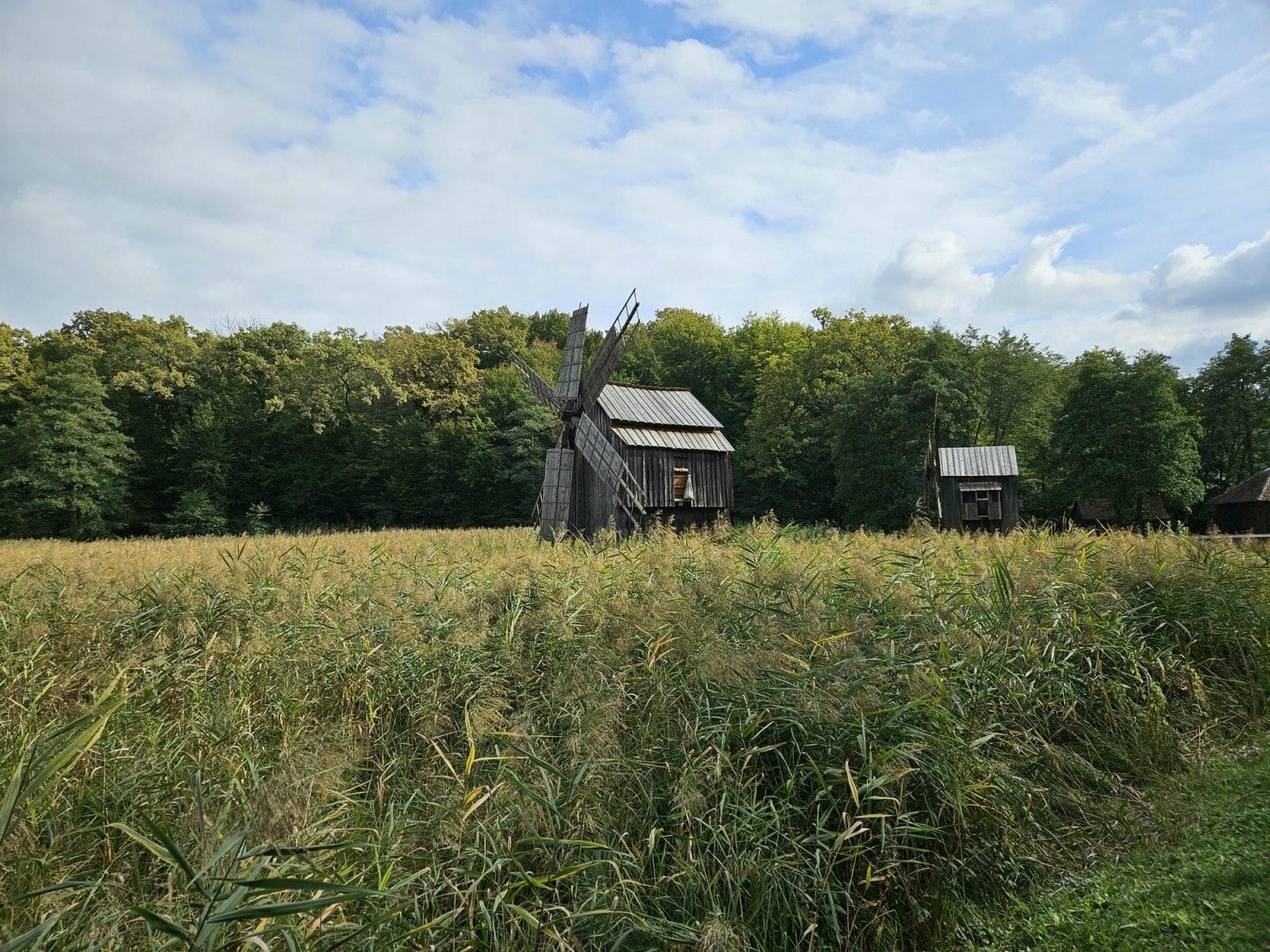
We liked seeing the different styles of windmills here, including those with wooden and fabric sails. You could get up close to all of these.
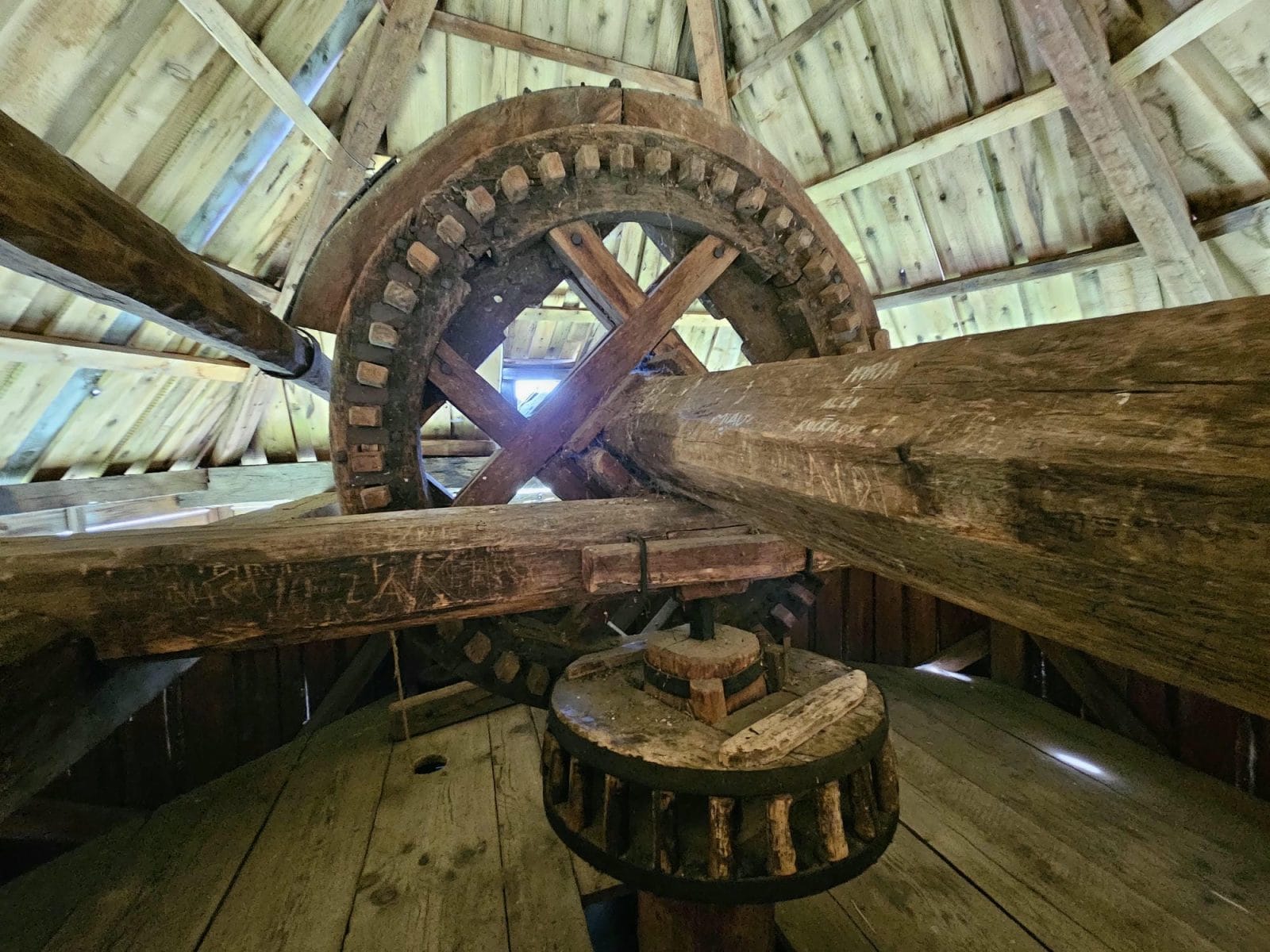
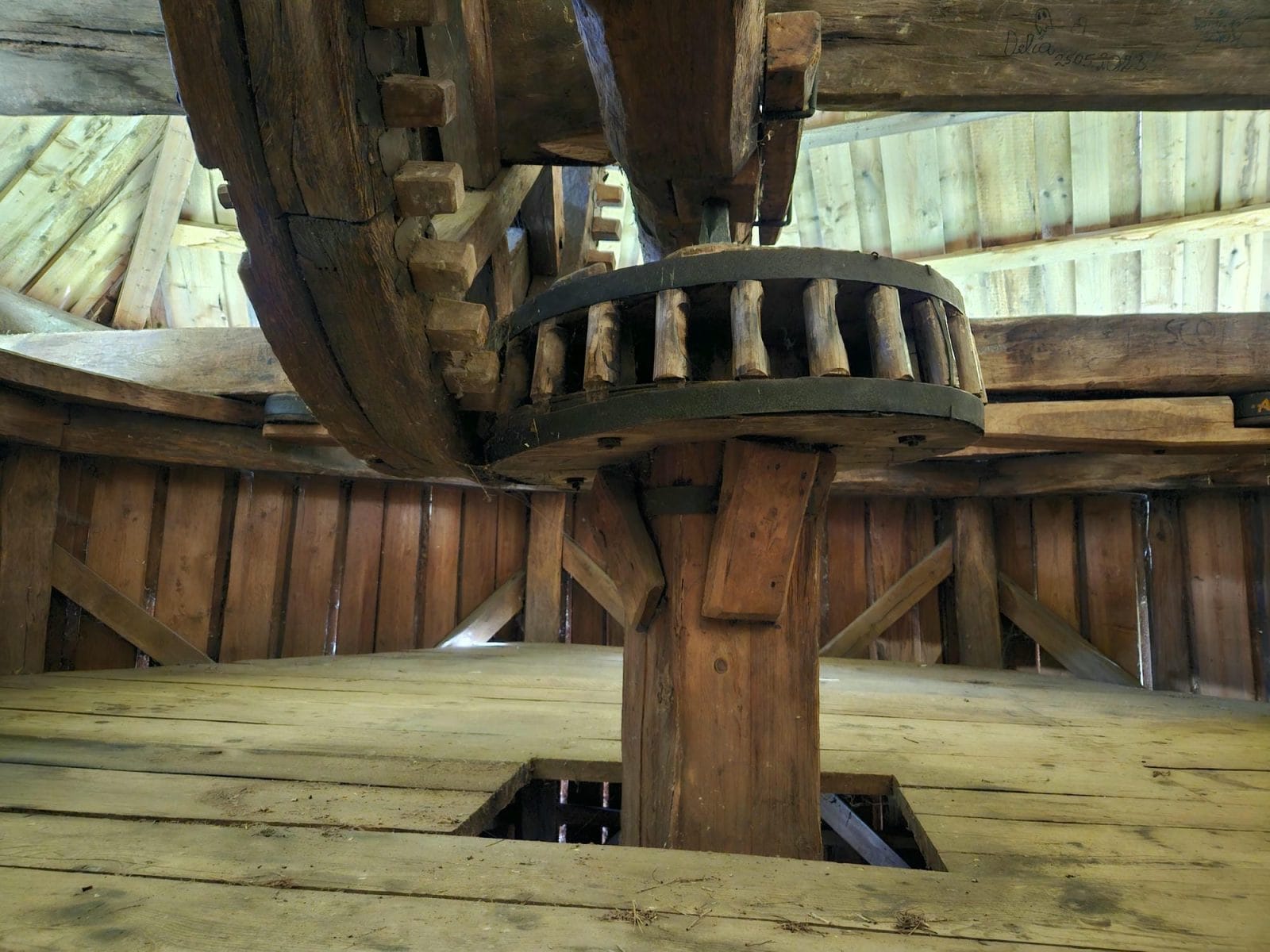
Two were also open to access, meaning we could climb up, see the inner workings, and find out more about how they worked. These were primarily used for making flour from grains.
Watermills
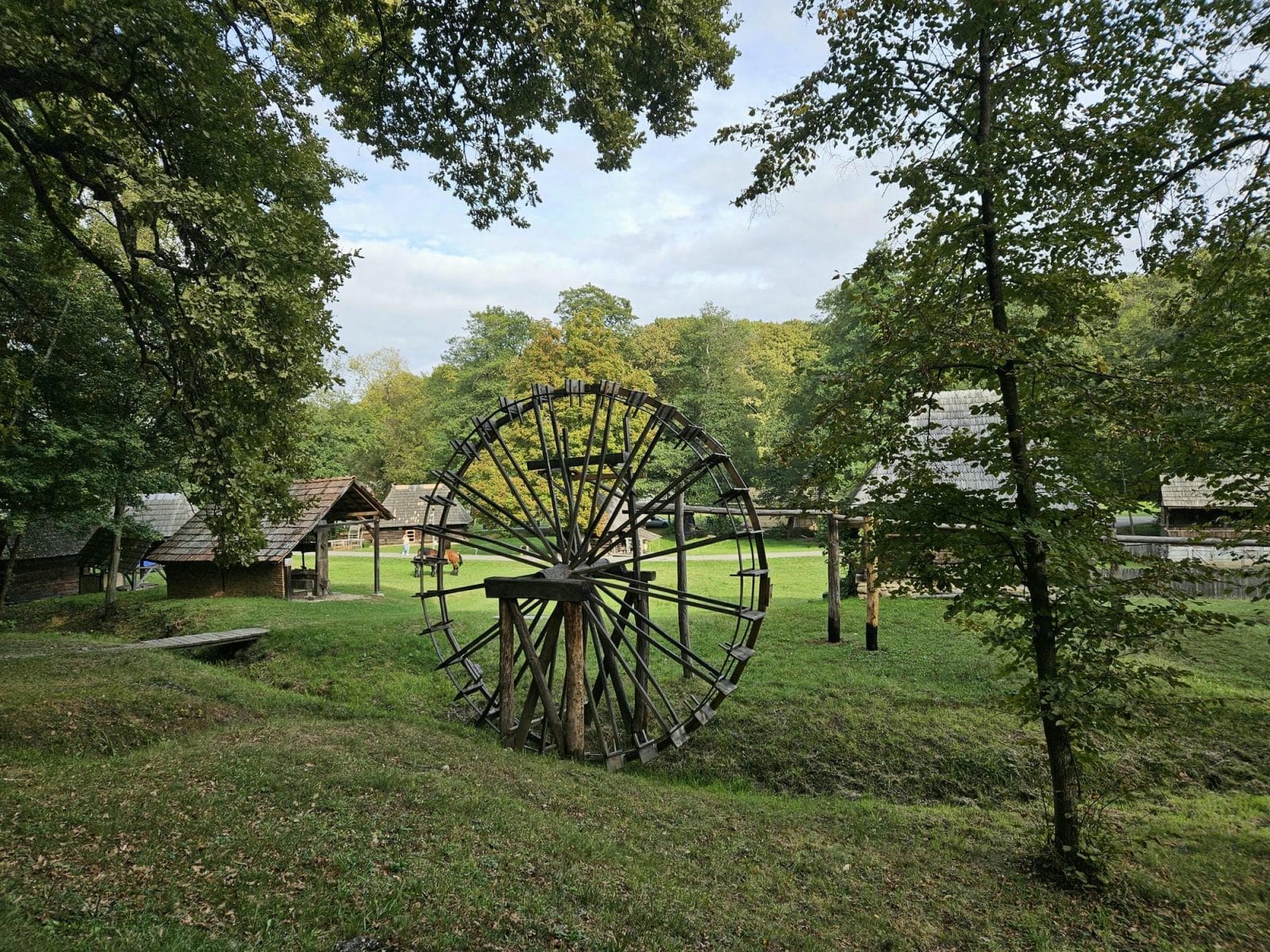
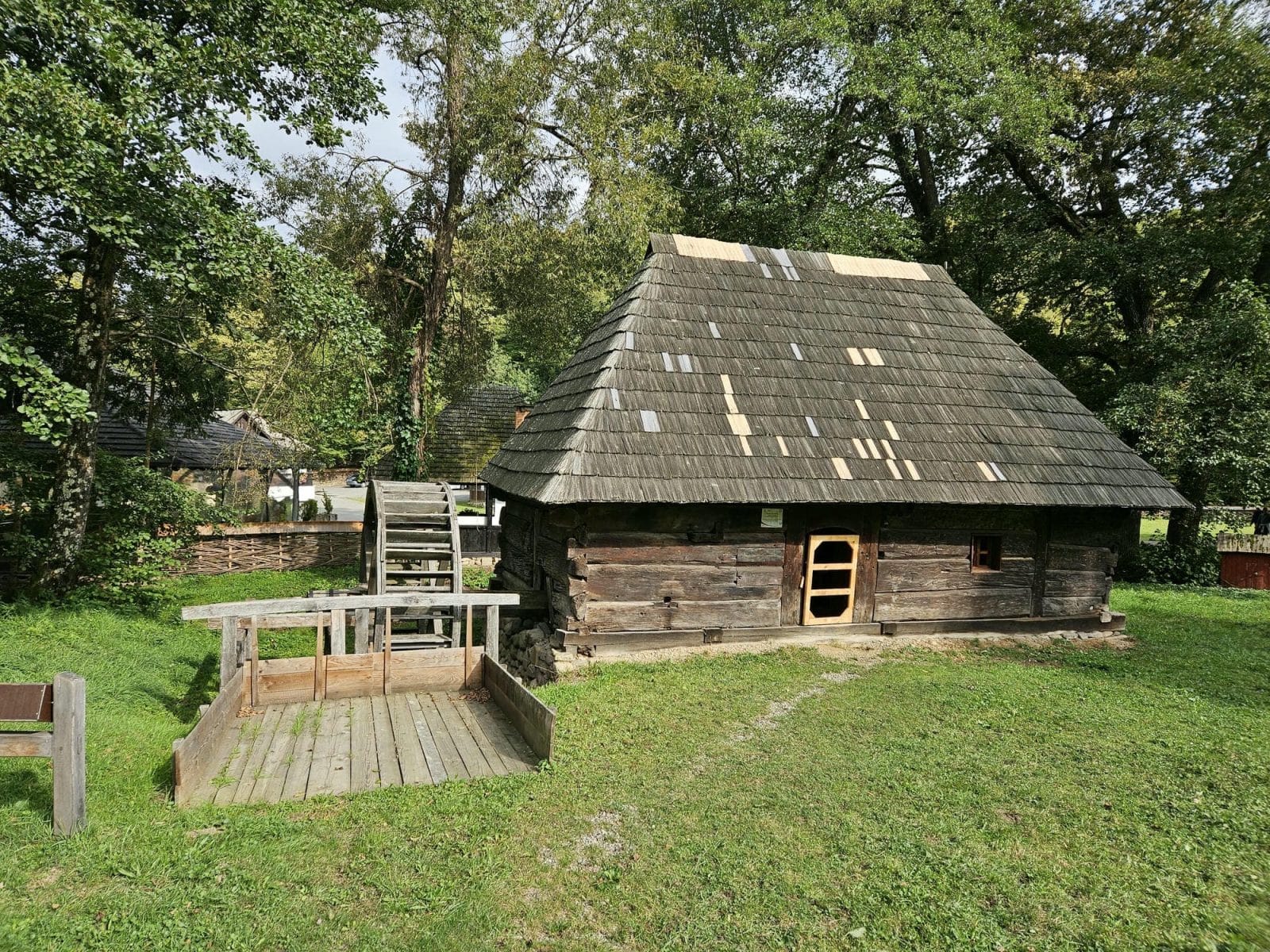
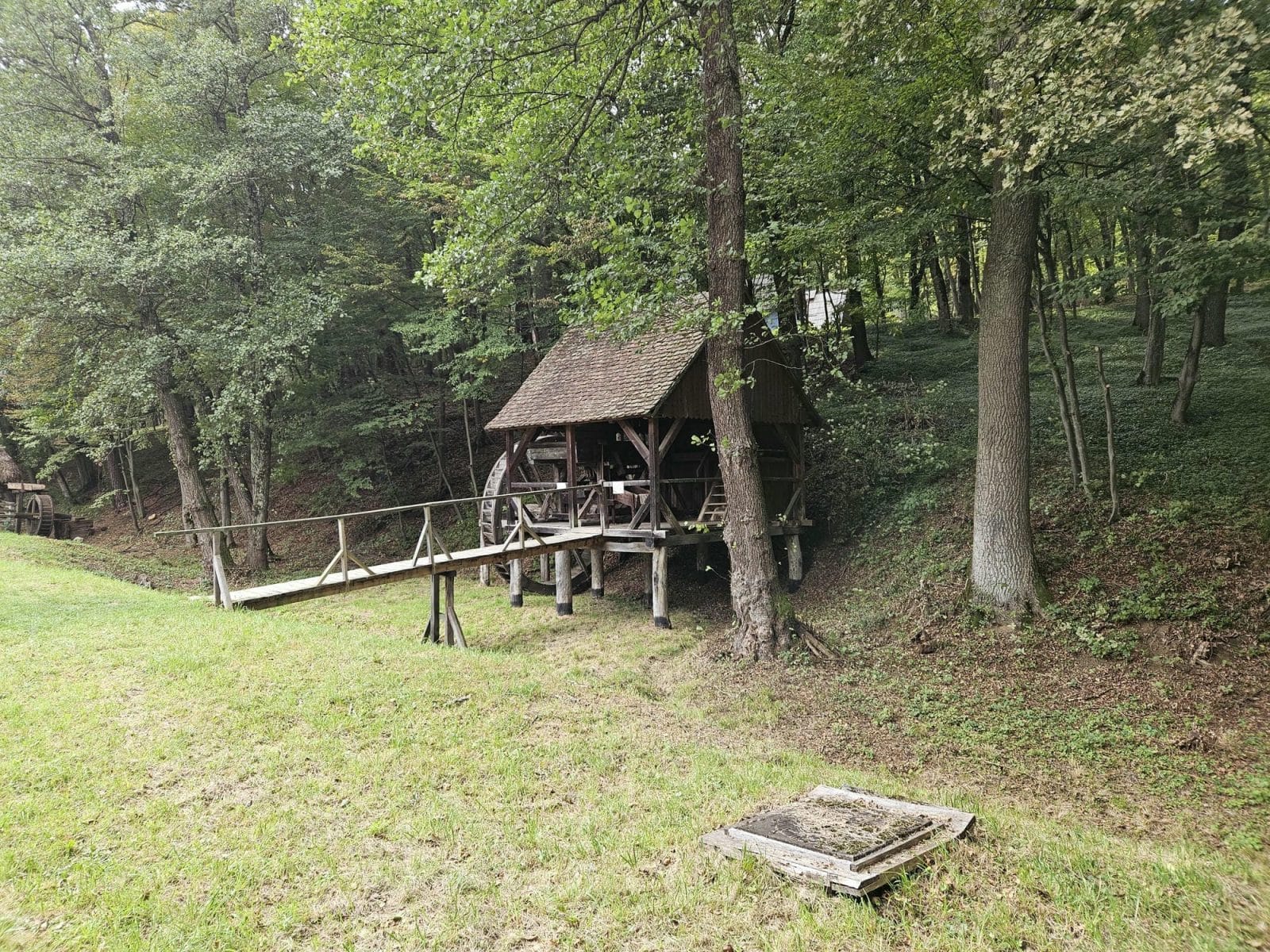
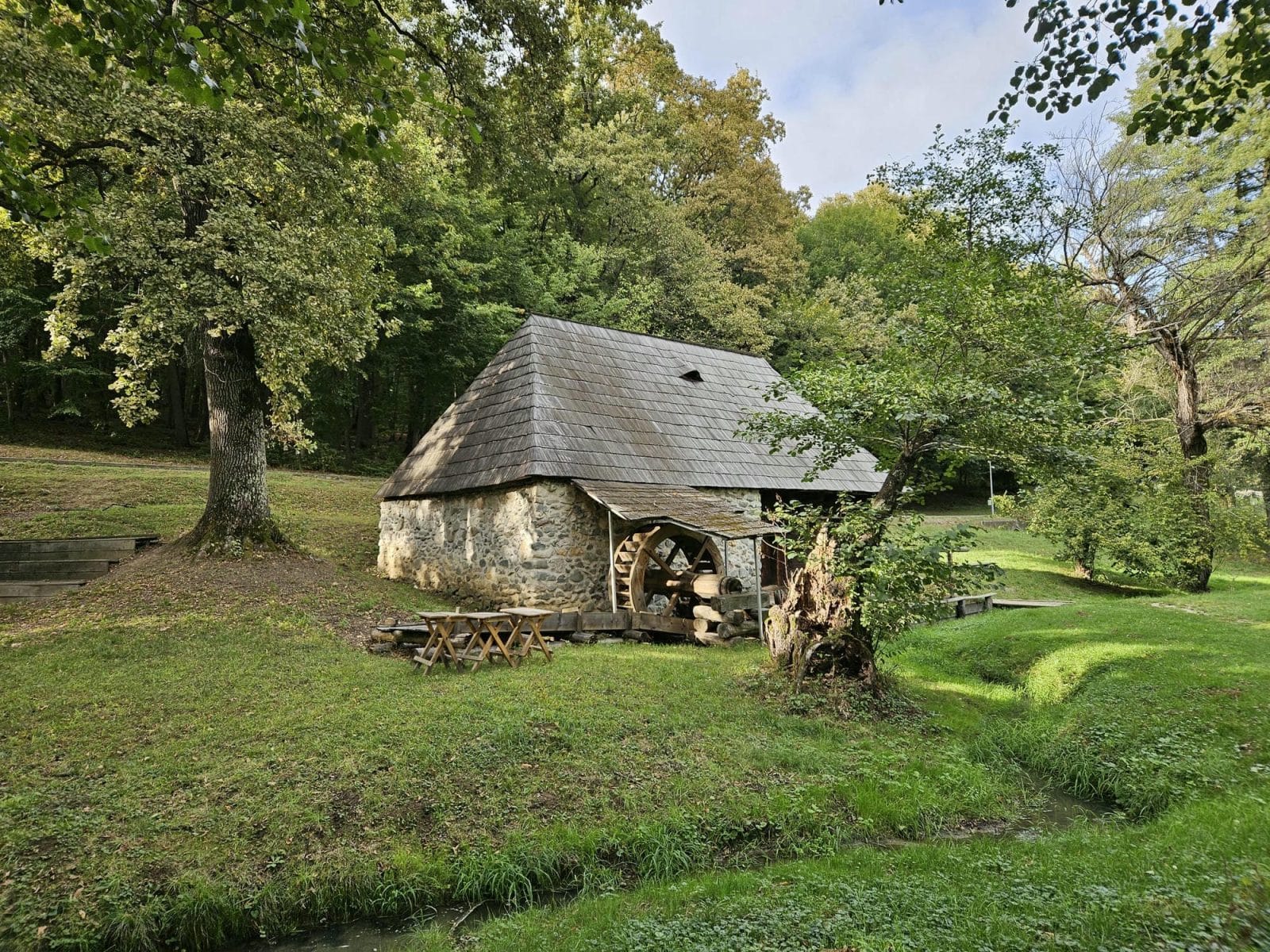
Another fascinating section for me was the watermills, of which there were many designs and sizes. These are water-powered, and the museum had them next to streams to highlight how they were used. Some had massive wheels, and others were small and suitable for small streams.
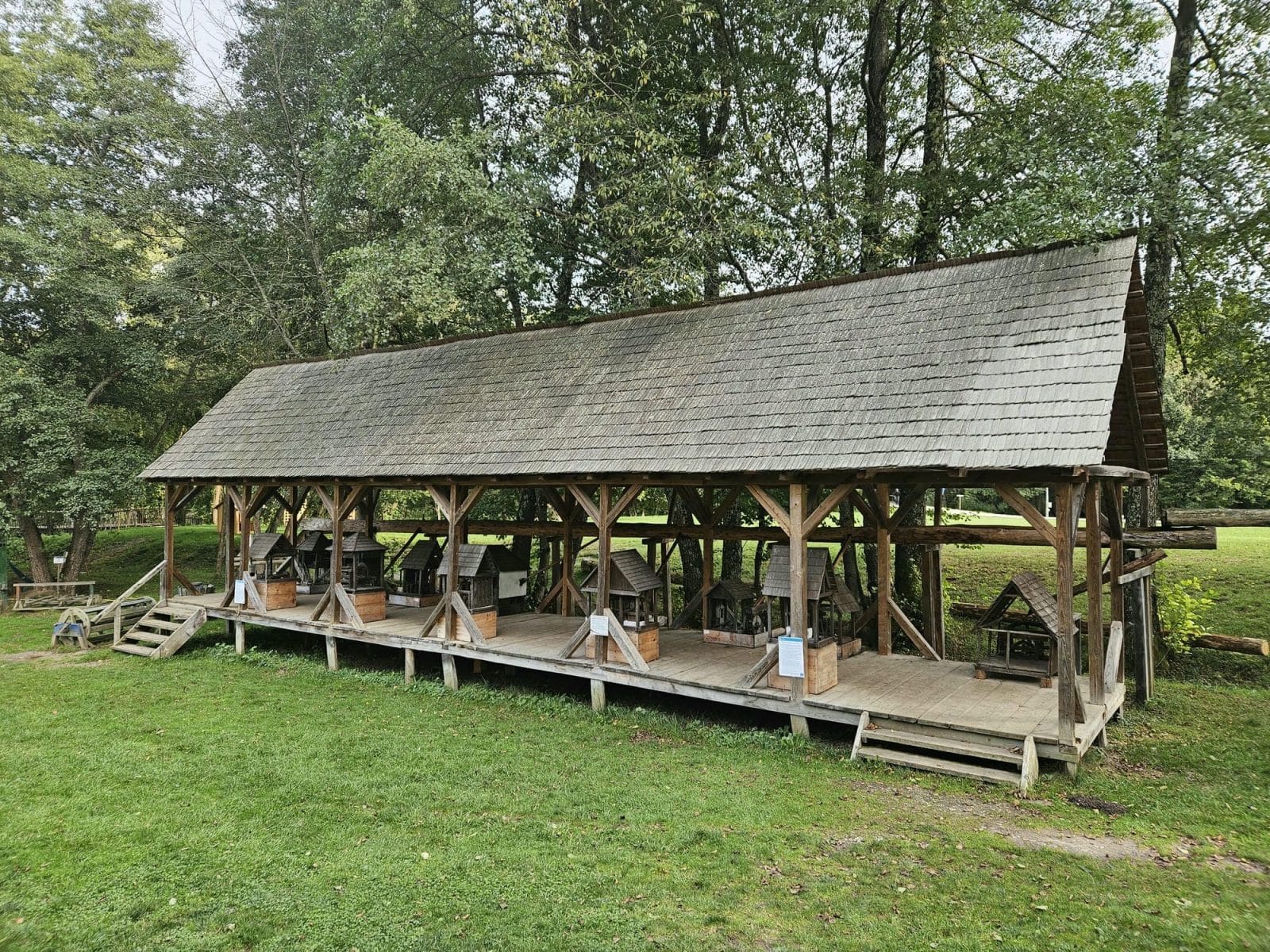
Along with the restored watermills, they also had models of the mills that showed how they work with water. This was at the ethno-techno section of the museum.
Danube Delta Village
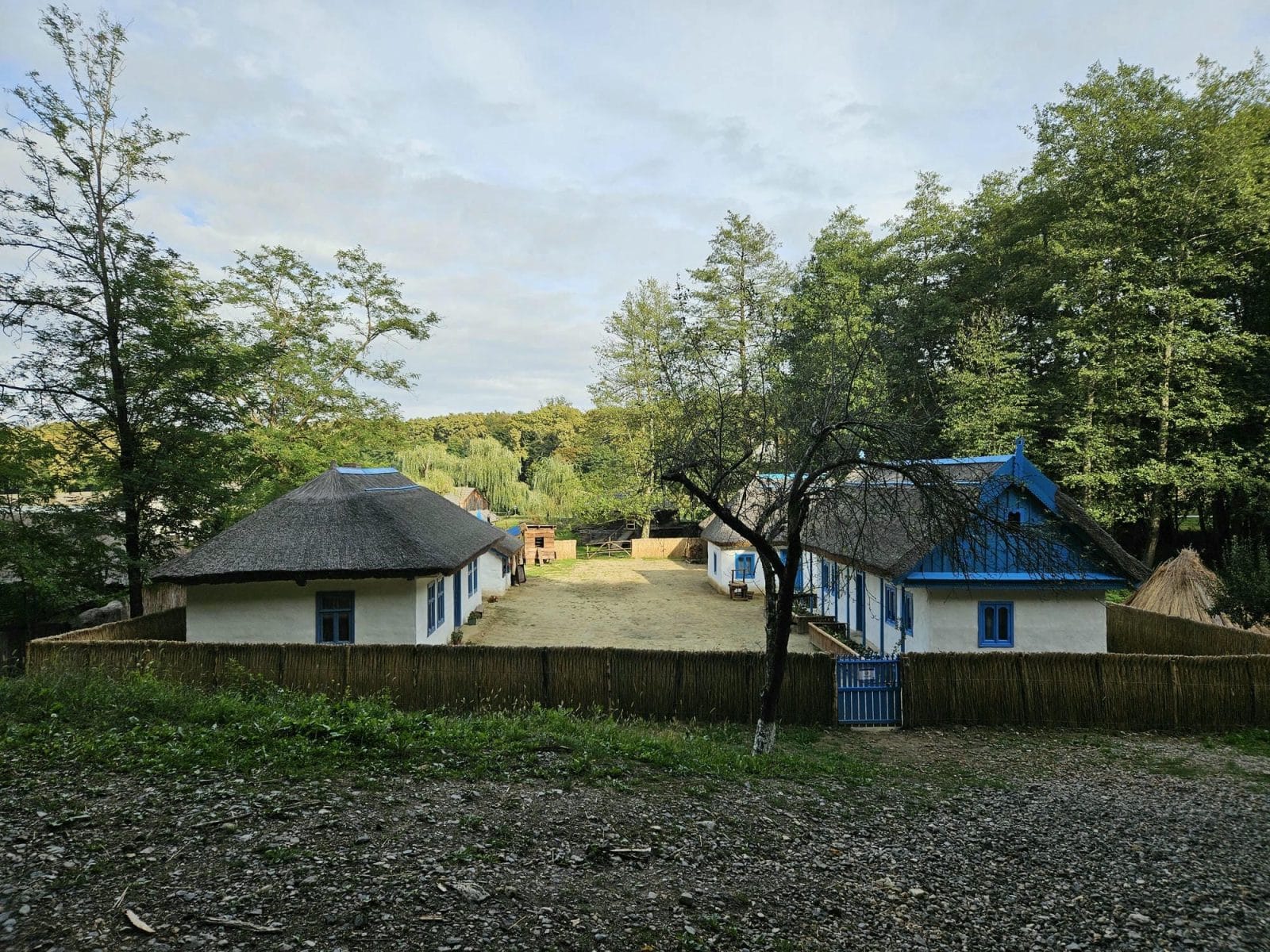
One section we enjoyed seeing was the Danube Delta village and its buildings. This is because we’ve had some great trips to that remote region of Romania. The houses in the village were pretty colourful and had beautiful gardens, too. These dwellings also had some cool features, including a sauna and a traditional bathroom.
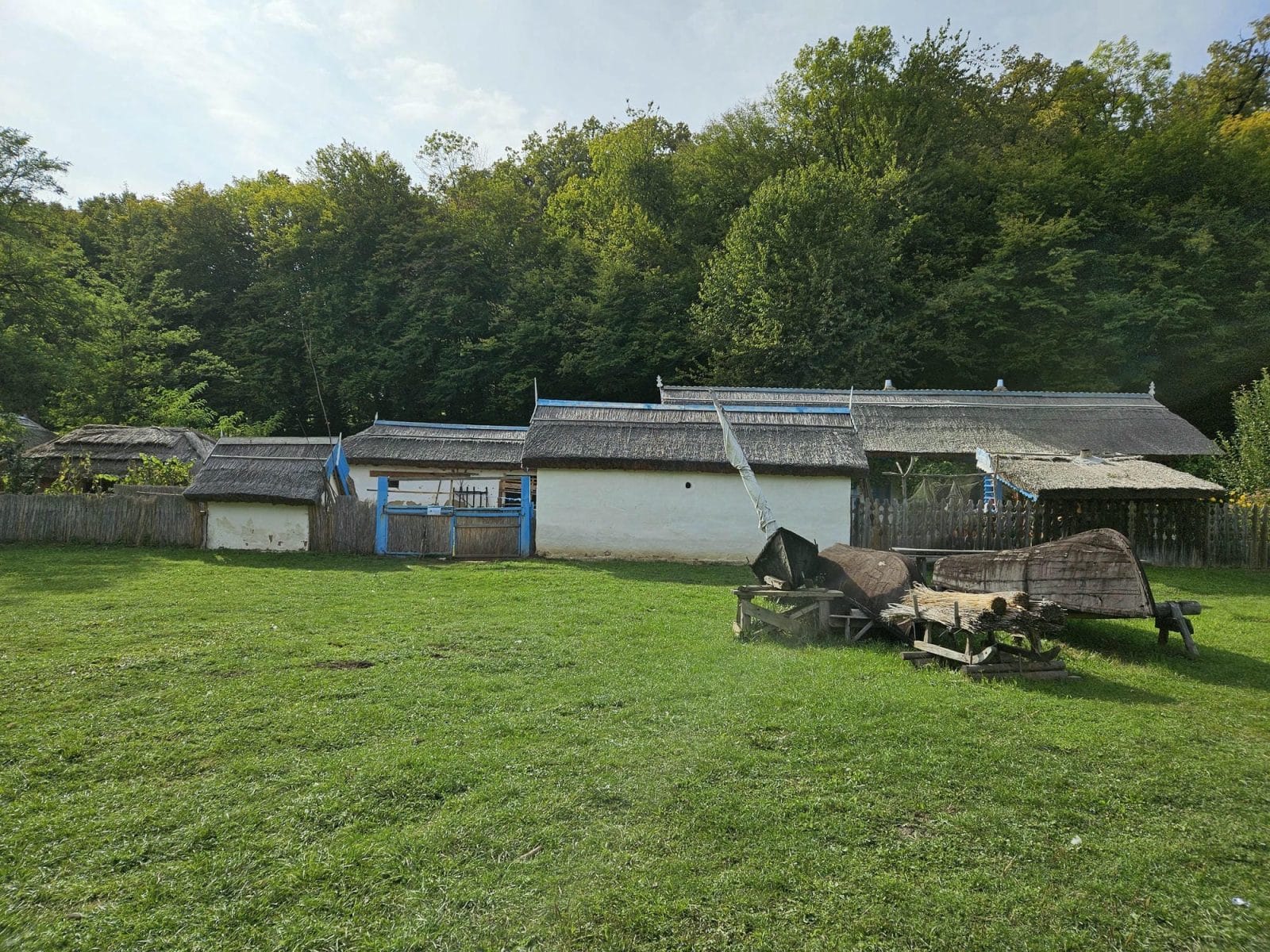
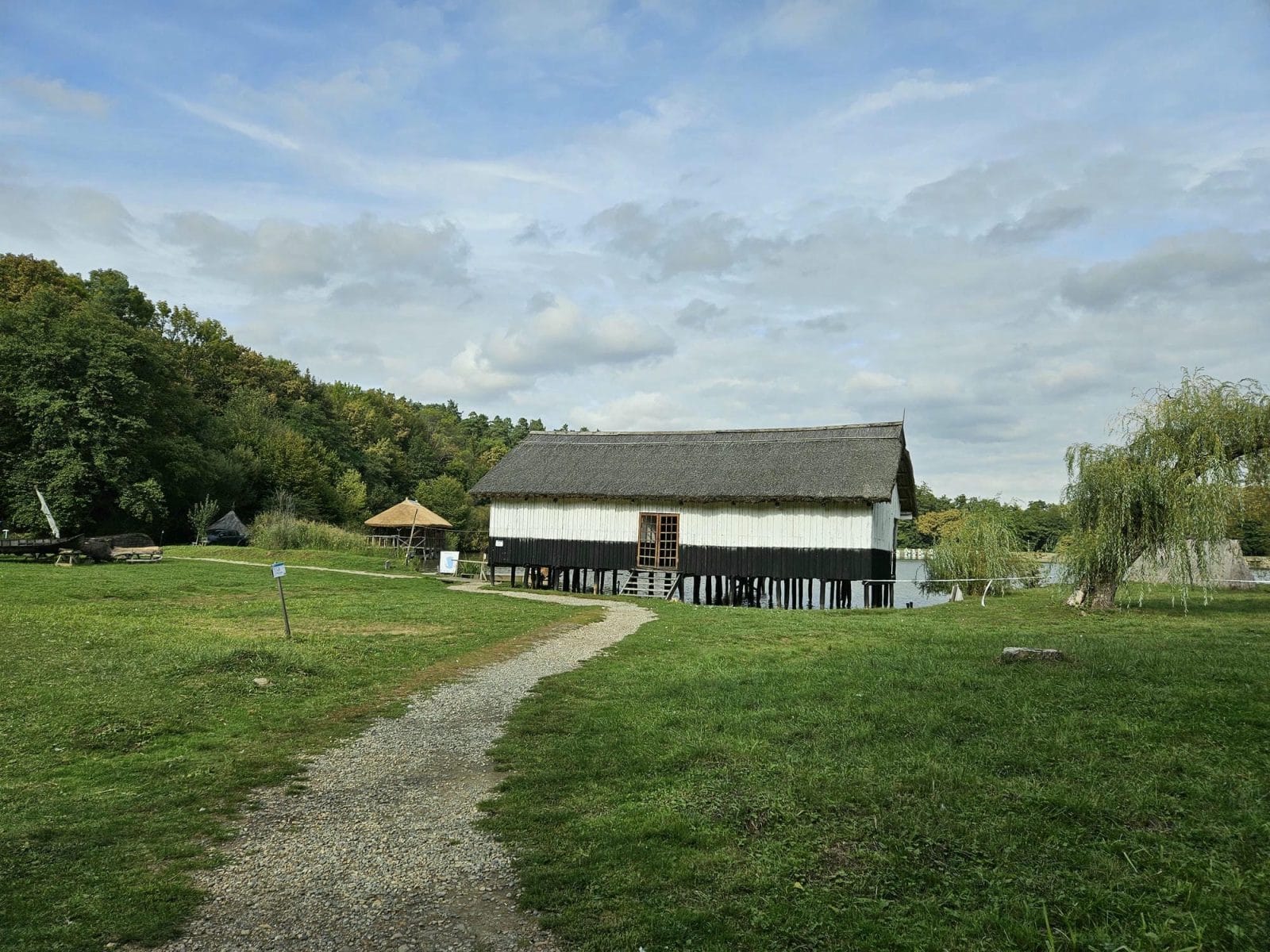
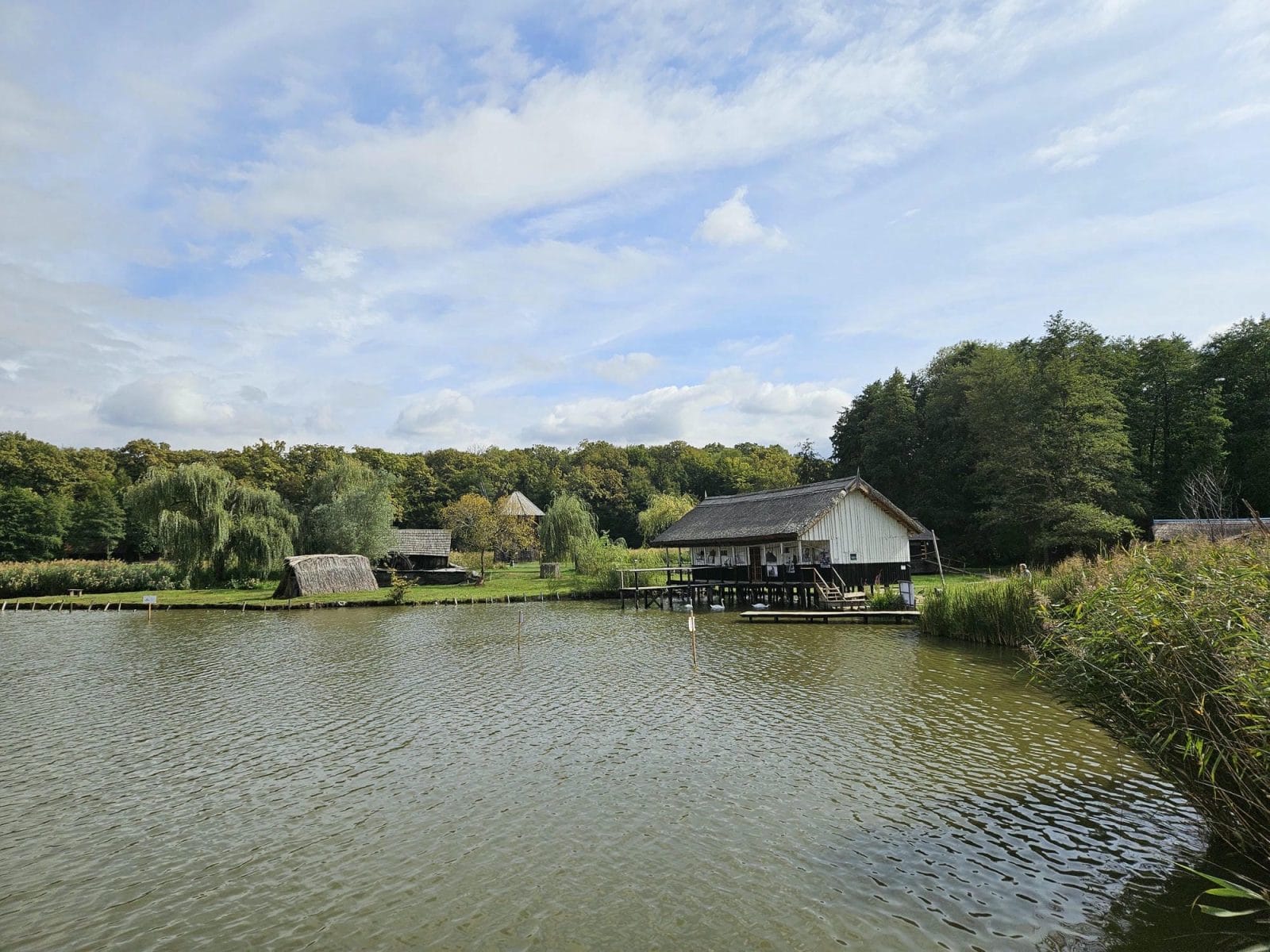
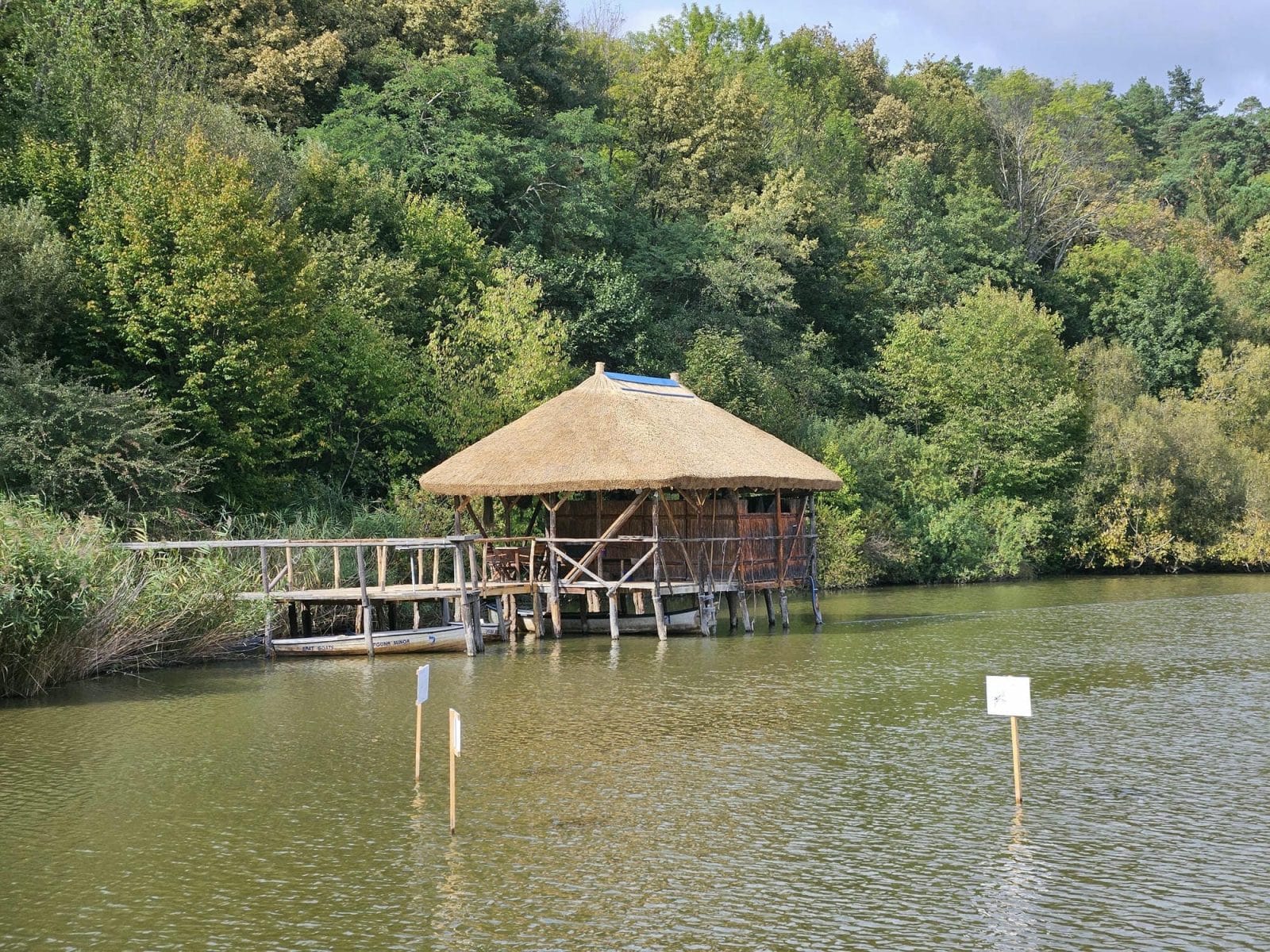
They have this area next to the lake, which is quite apt, as life in the Delta Dunării revolves around the river. There were boats, buildings on stilts above the water, and a fishery.
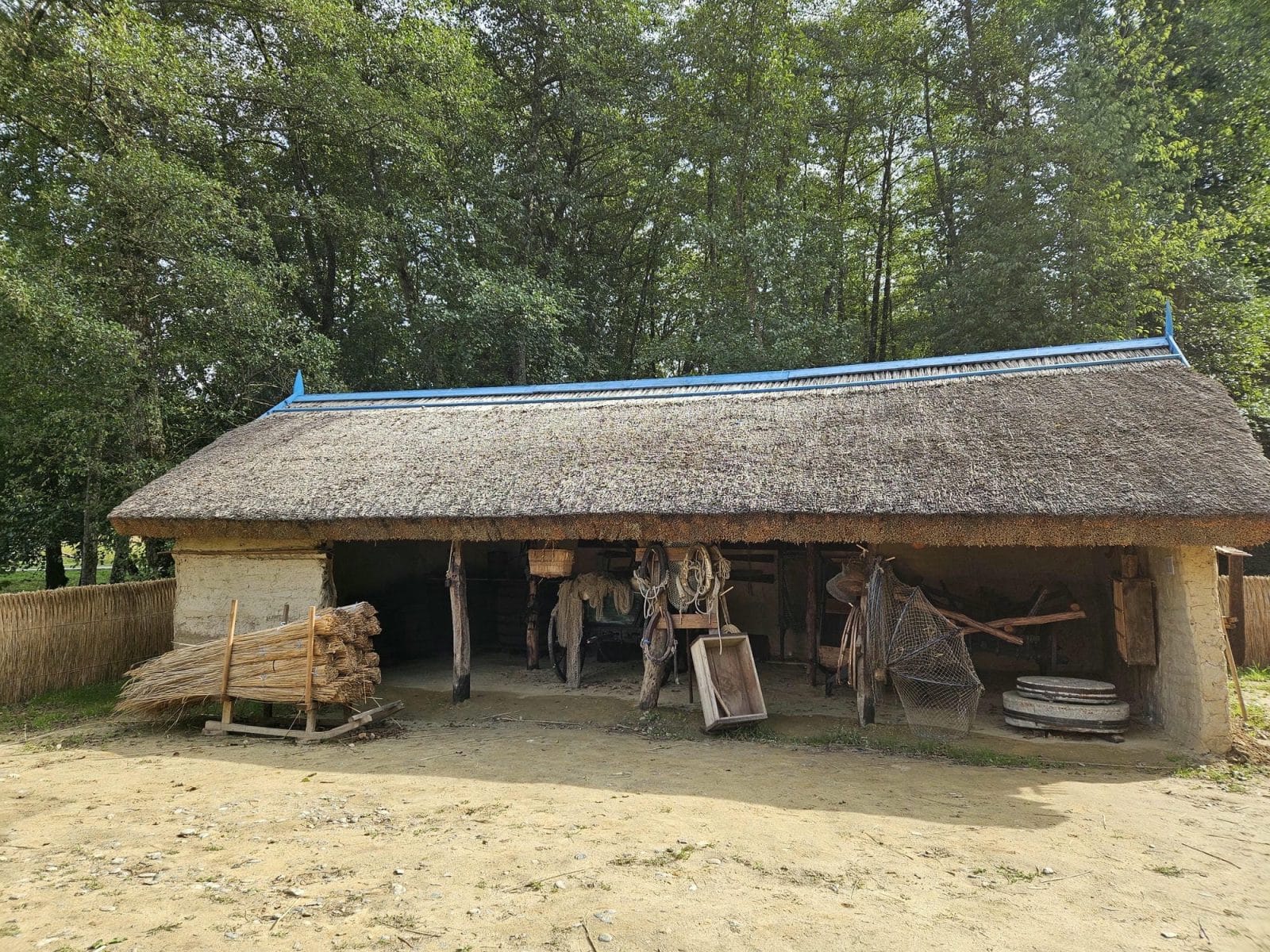
In one outbuilding, there was a selection of traditional fishing gear, including nets and a boat-building kit. There were also reeds and baskets made from them.
Homes & Houses
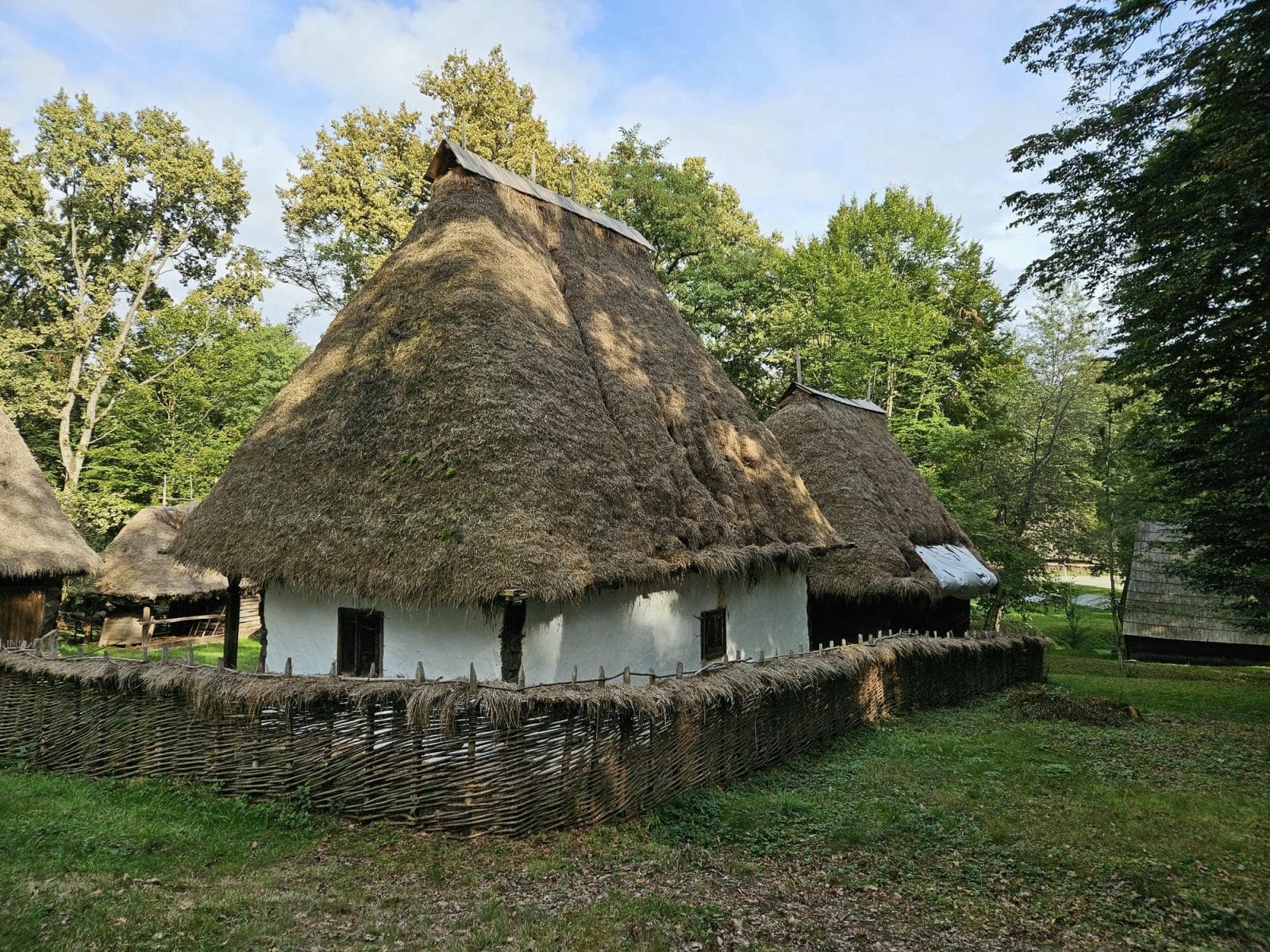
One of the most prevalent buildings at the site is a house. There were lots of these in different styles and sizes from all regions of Romania. Some were standalone, and others were part of a homestead with farm buildings in a compound.
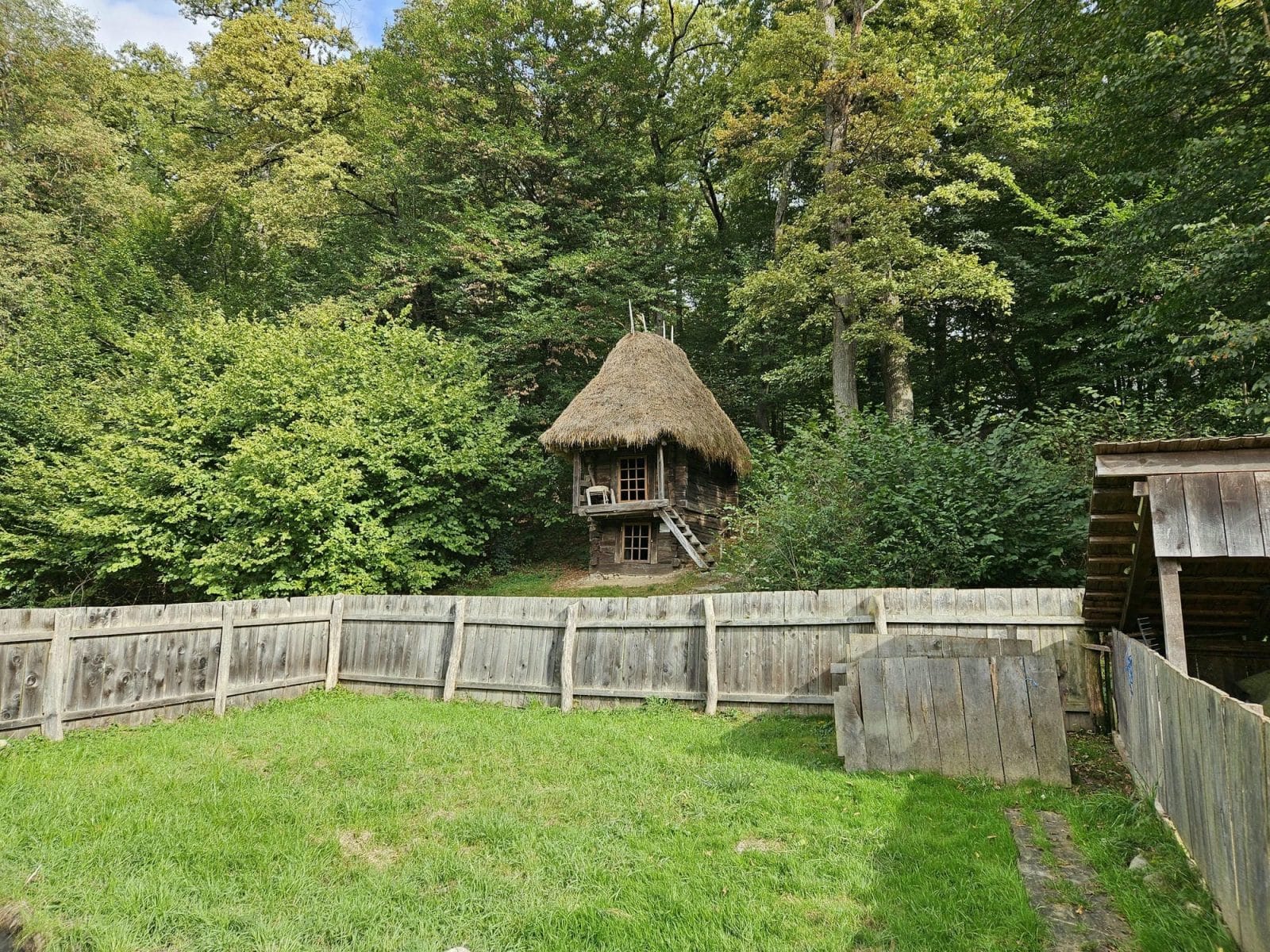
Some that piqued my interest were the small hobbit-house-style buildings set in the woods.
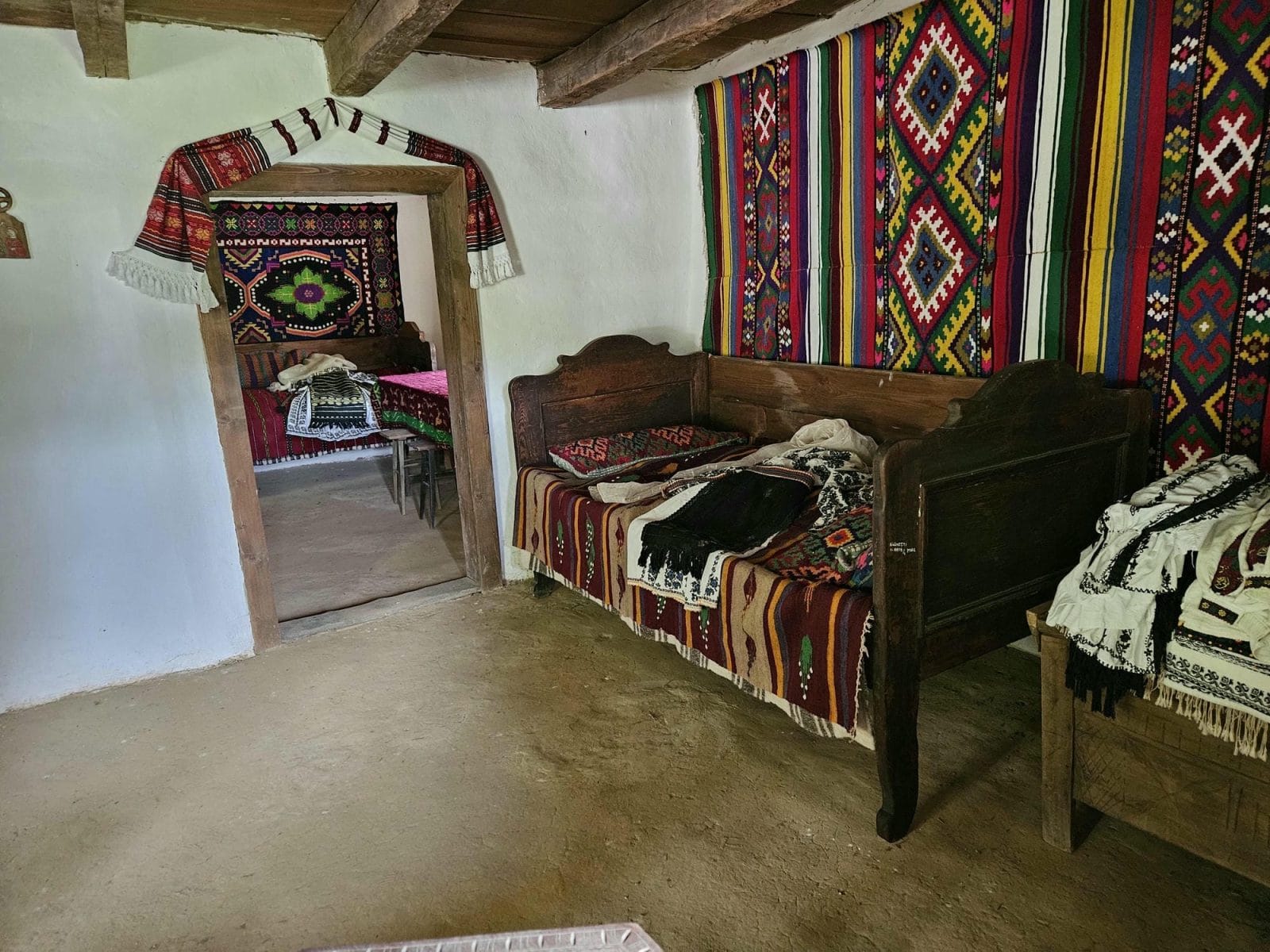
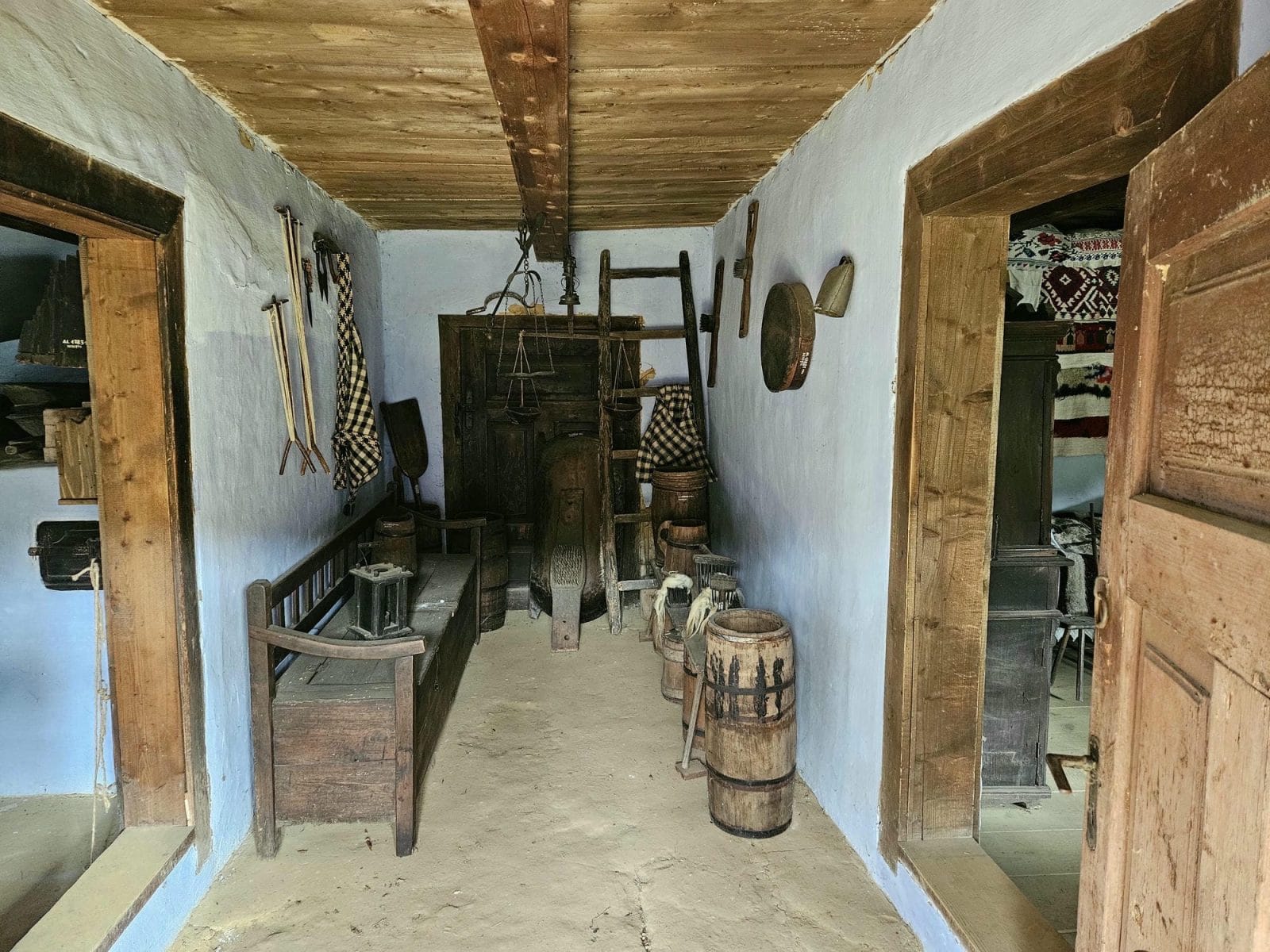
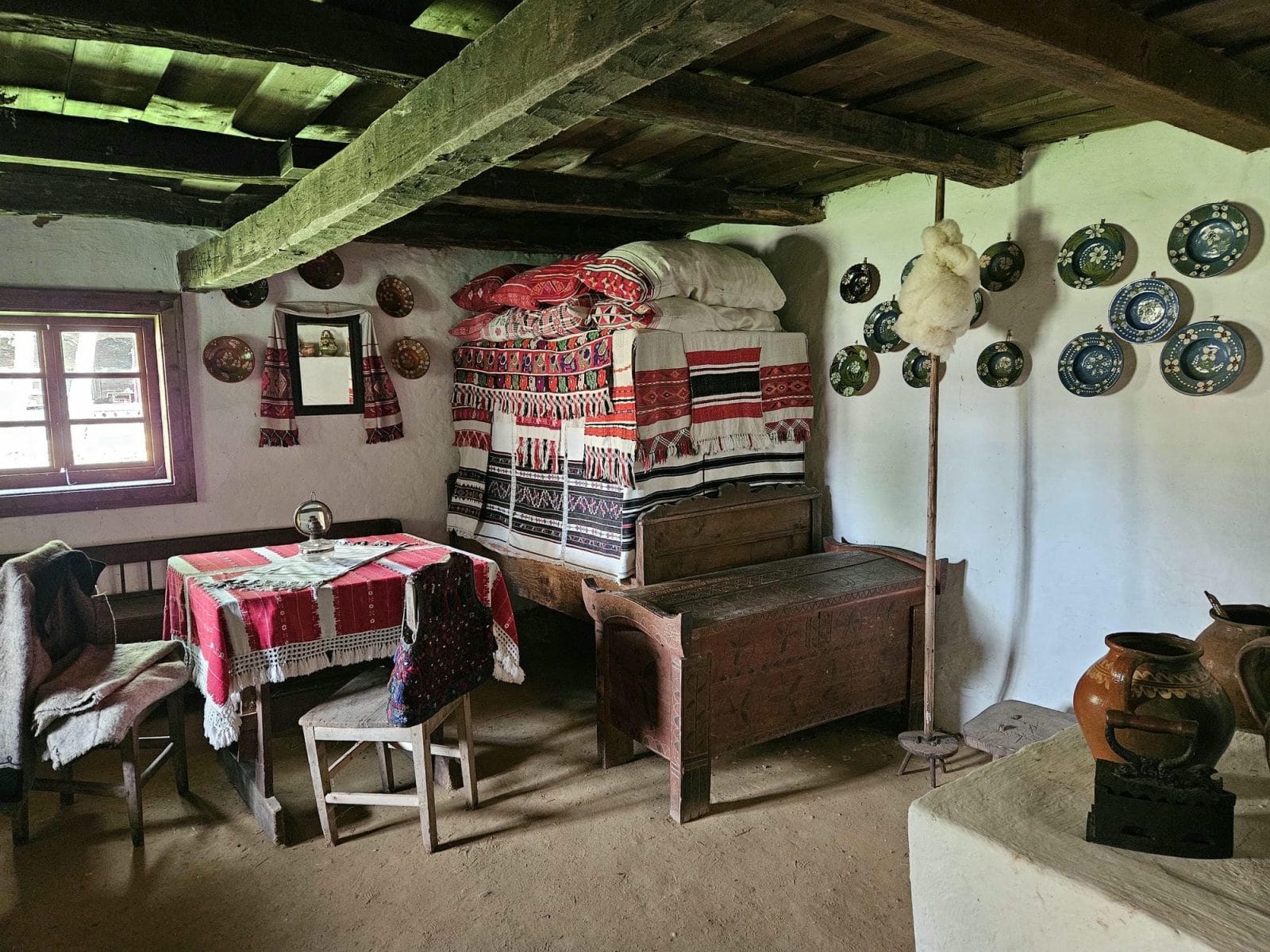
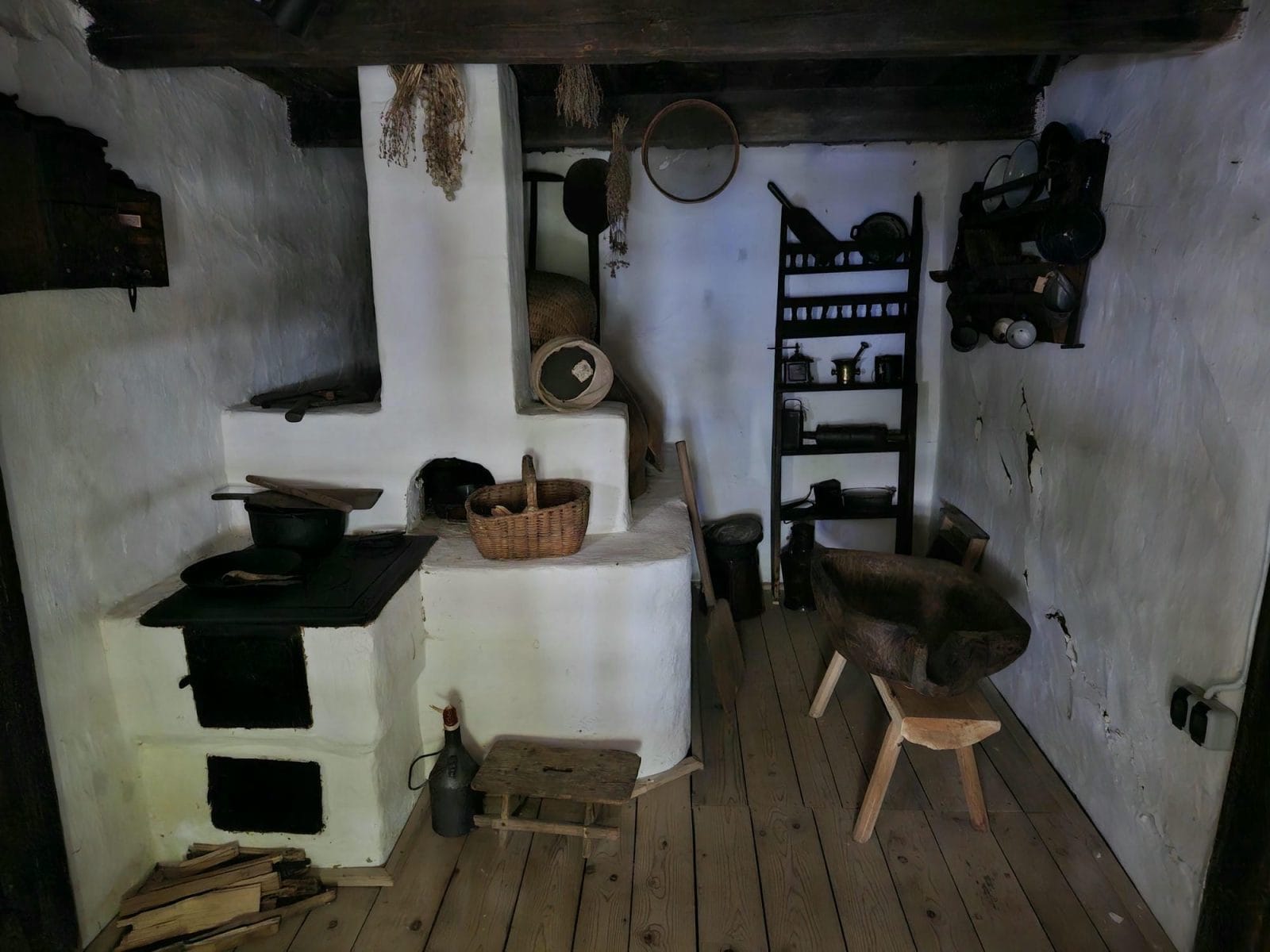
You can wander around and get up close to most of these and even peer through the windows. Some houses had artefacts, including colourful fabrics, decorating lounges and bedrooms. You could also see the styles of kitchens used throughout the years in the Romanian villages.
Carts
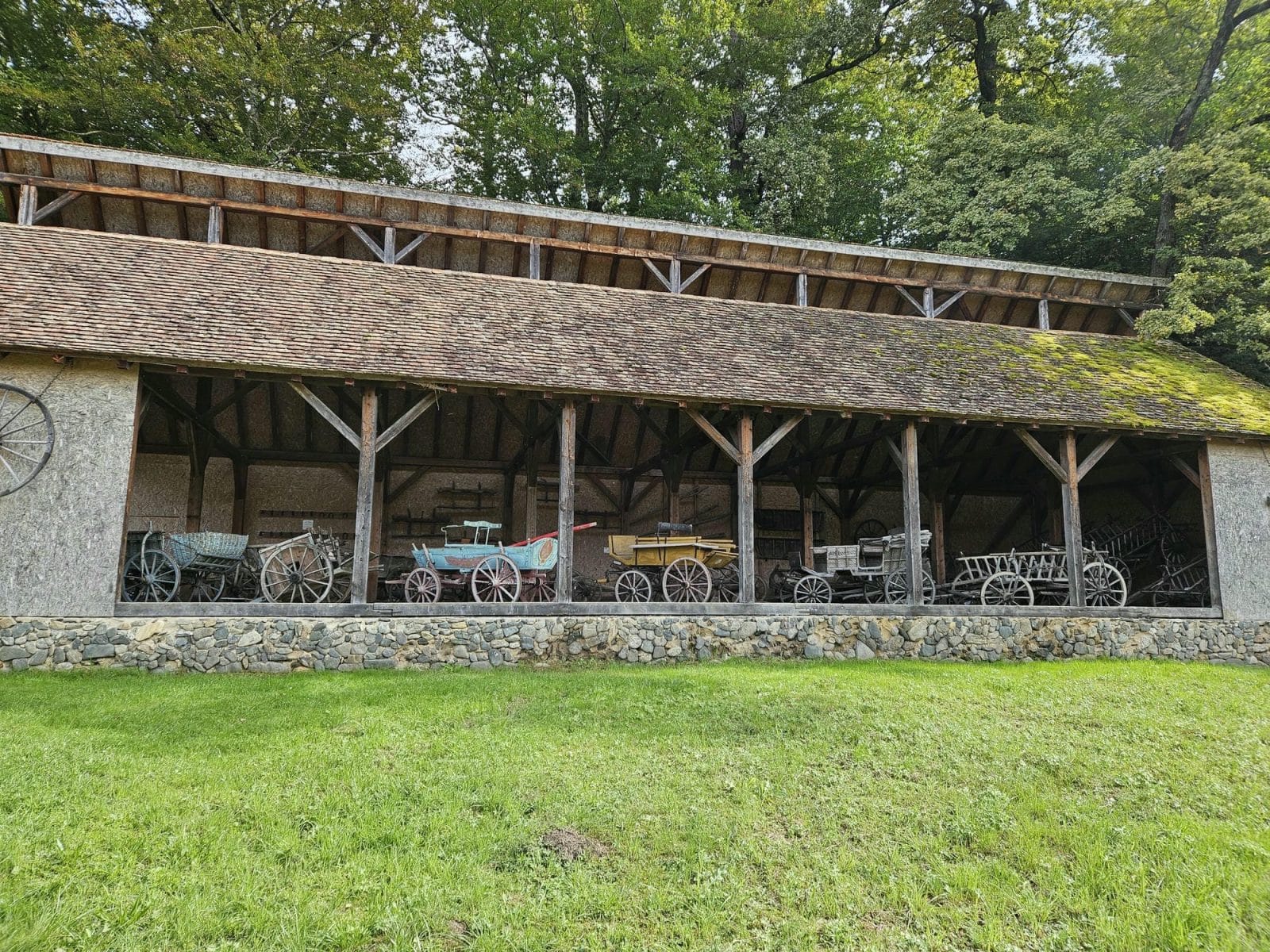
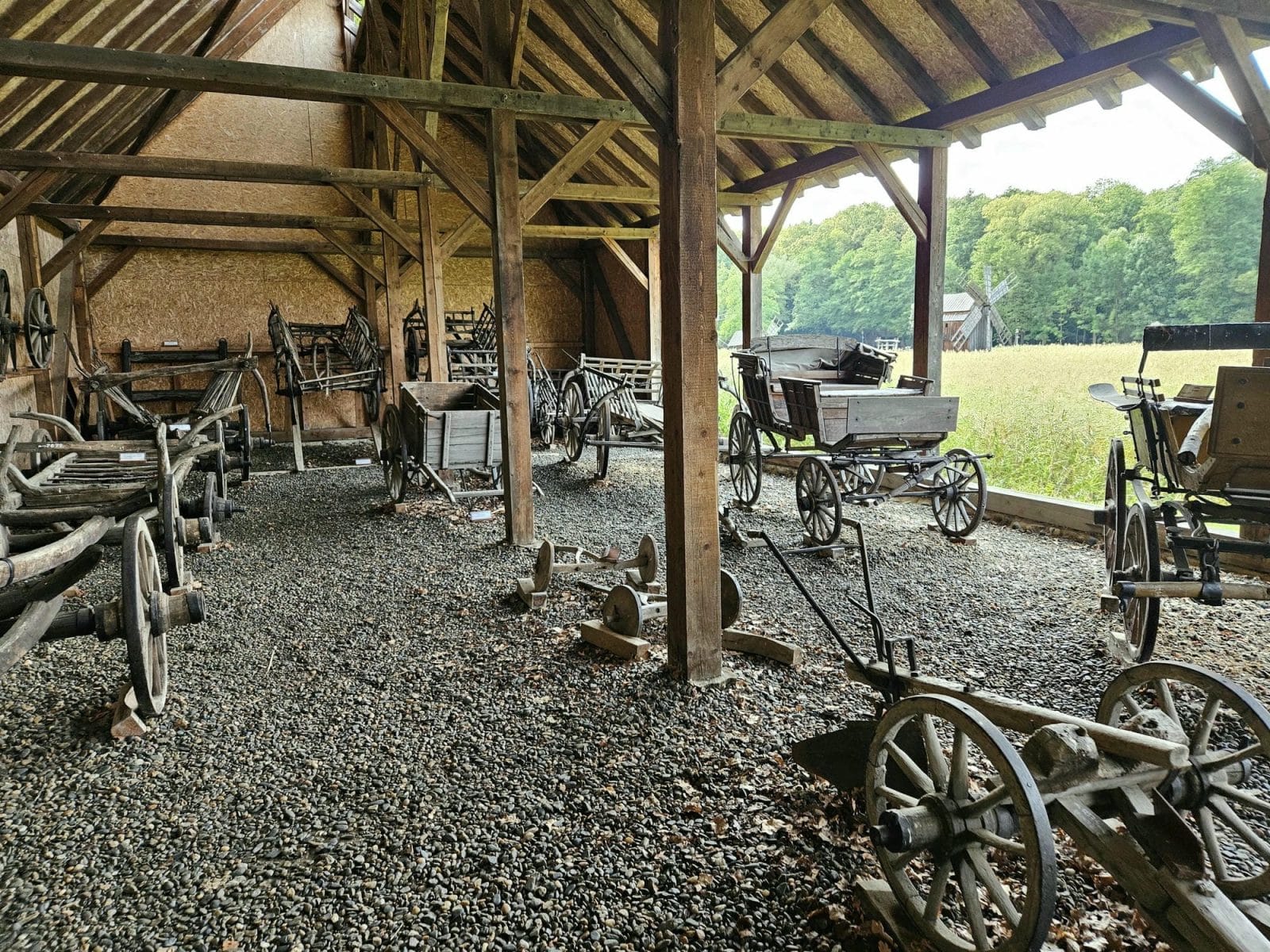
Throughout the site, you could see many carts, usually in outbuildings on the farmstead exhibits. Near the lake, there was a building dedicated to carts, which was fascinating, and it was nice to get up close to see the details of these carts.
Biserica de Lemn din Bezded
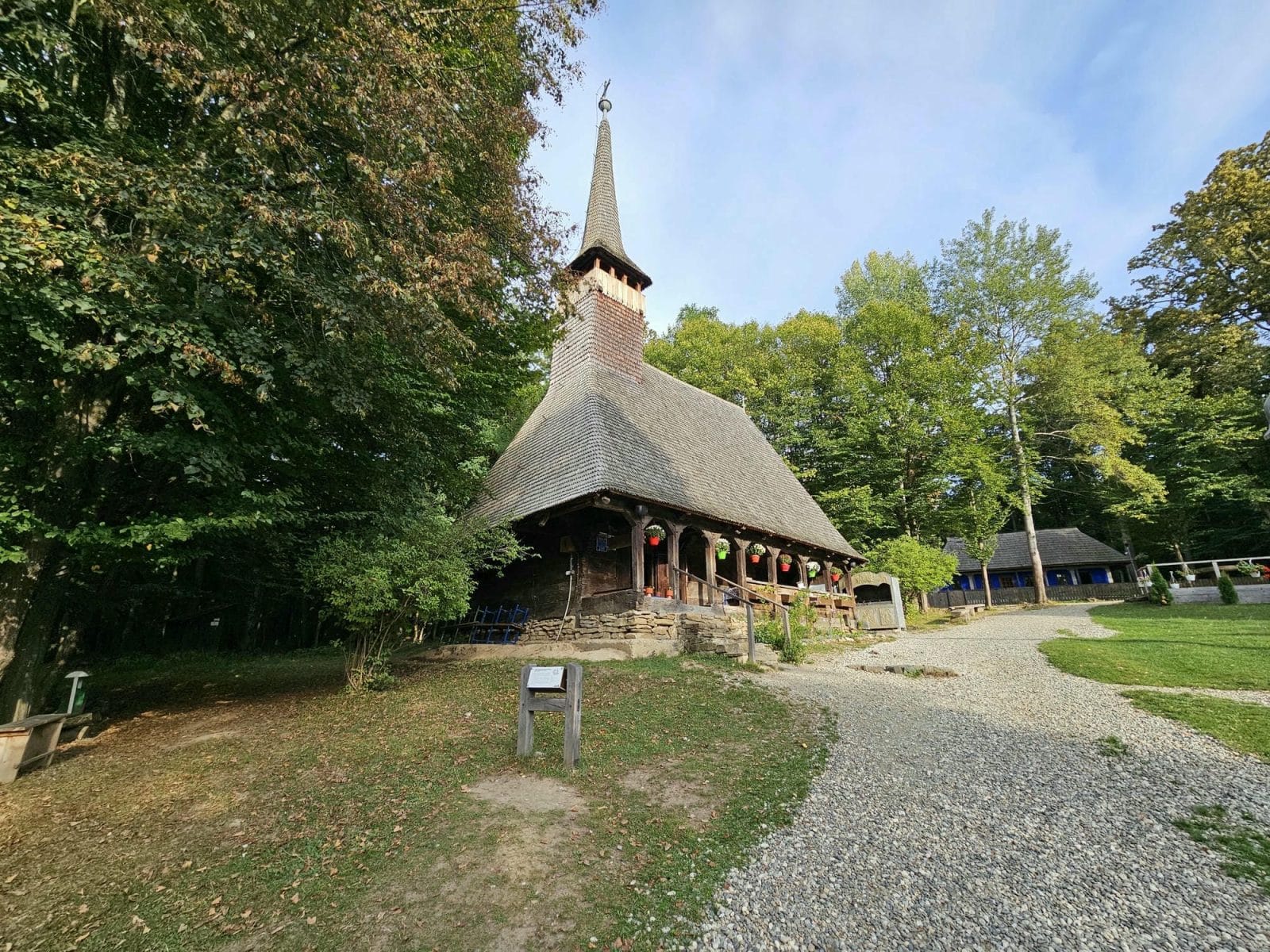
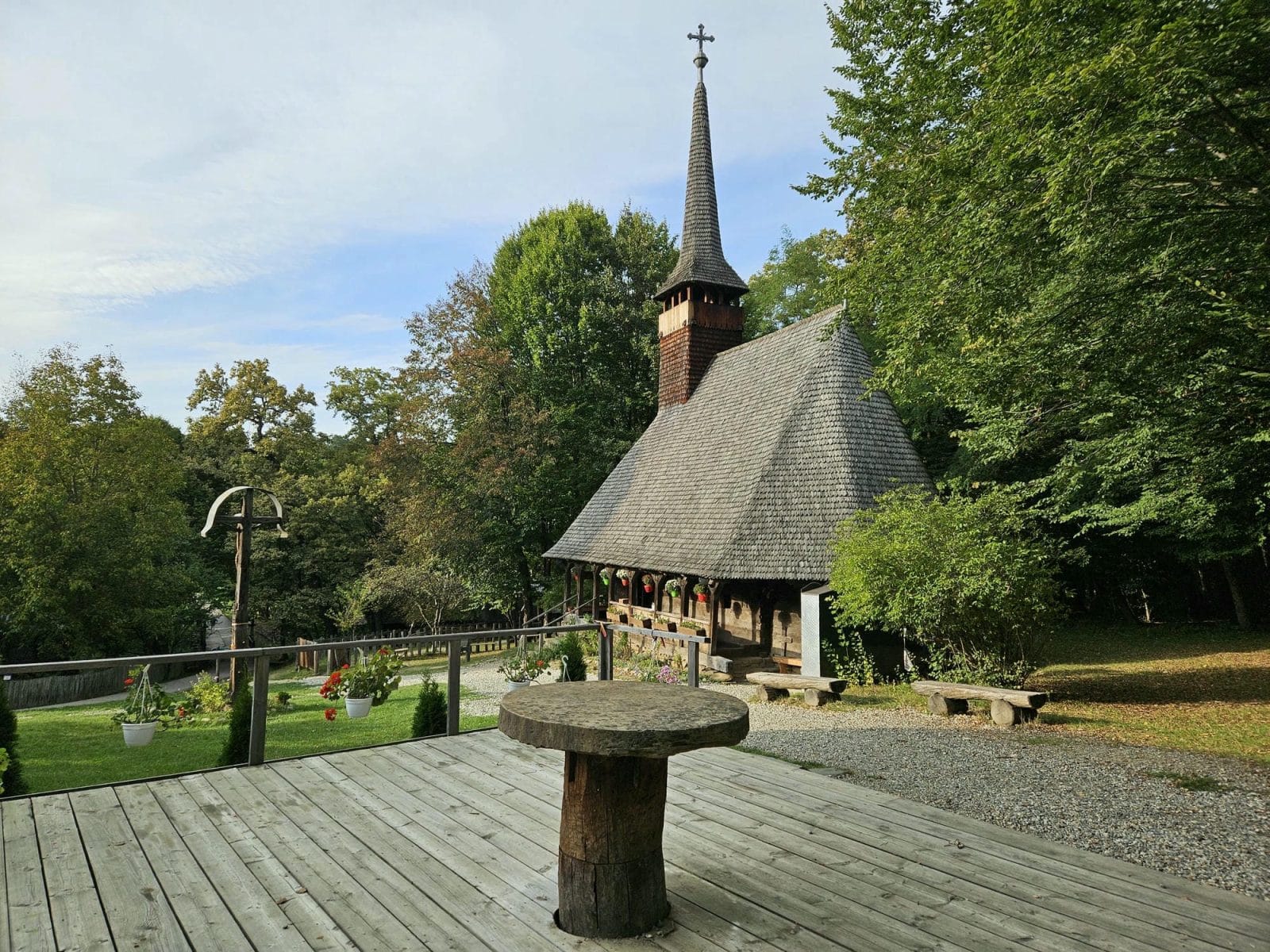
Another highlight of the museum is the Biserica de Lemn din Bezded. This is an old wooden church, dating from 1754, which was moved to the museum in 1990 and consecrated shortly after. Biserica de Lemn din Bezded is set in a beautiful area of the park.
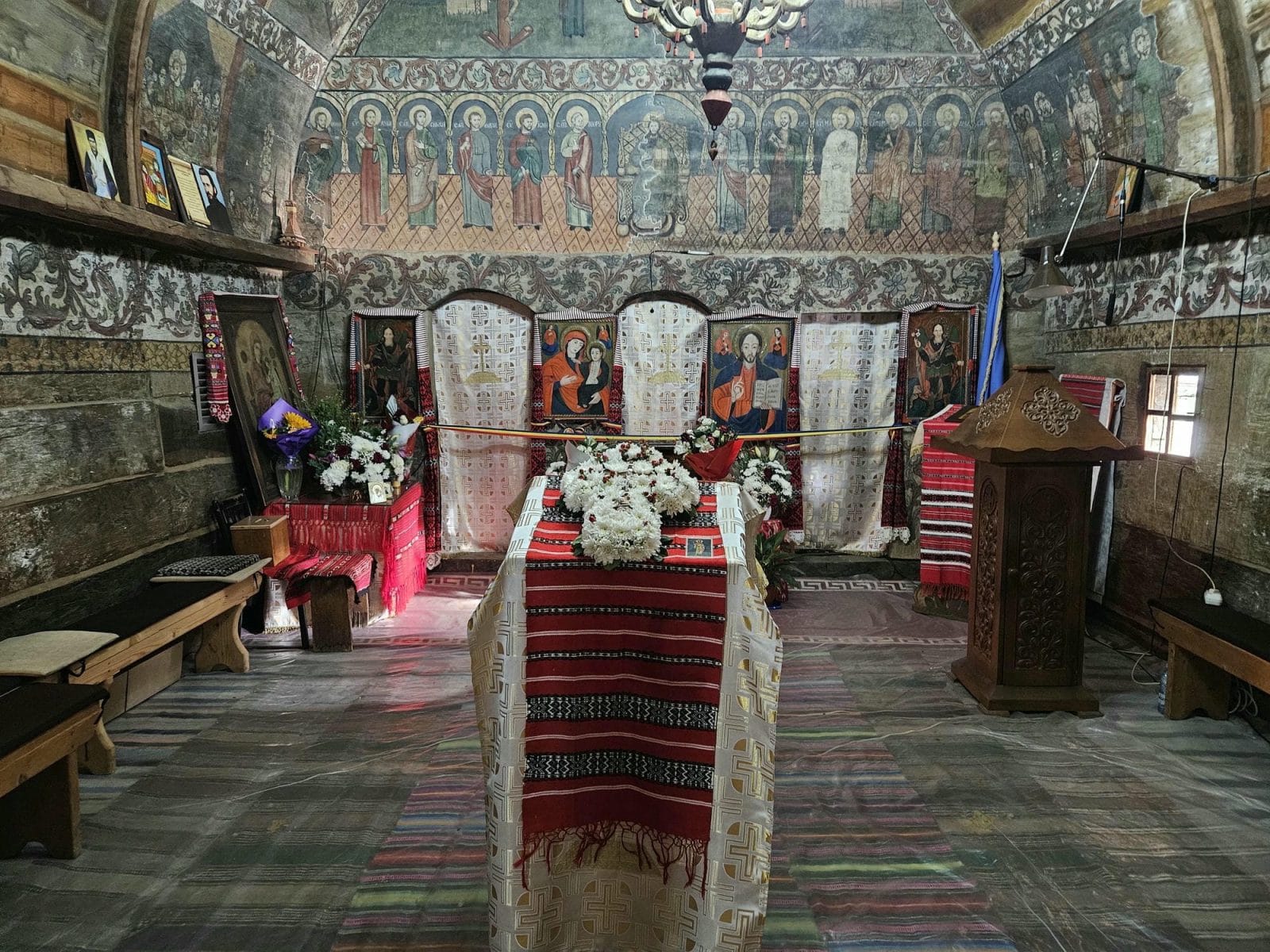
You can also go inside to see the decorative features, including frescoes on the wooden interior. There are also some lovely artworks and fabrics to see. Next to the church is a place to light candles.
The Merry Cemetery
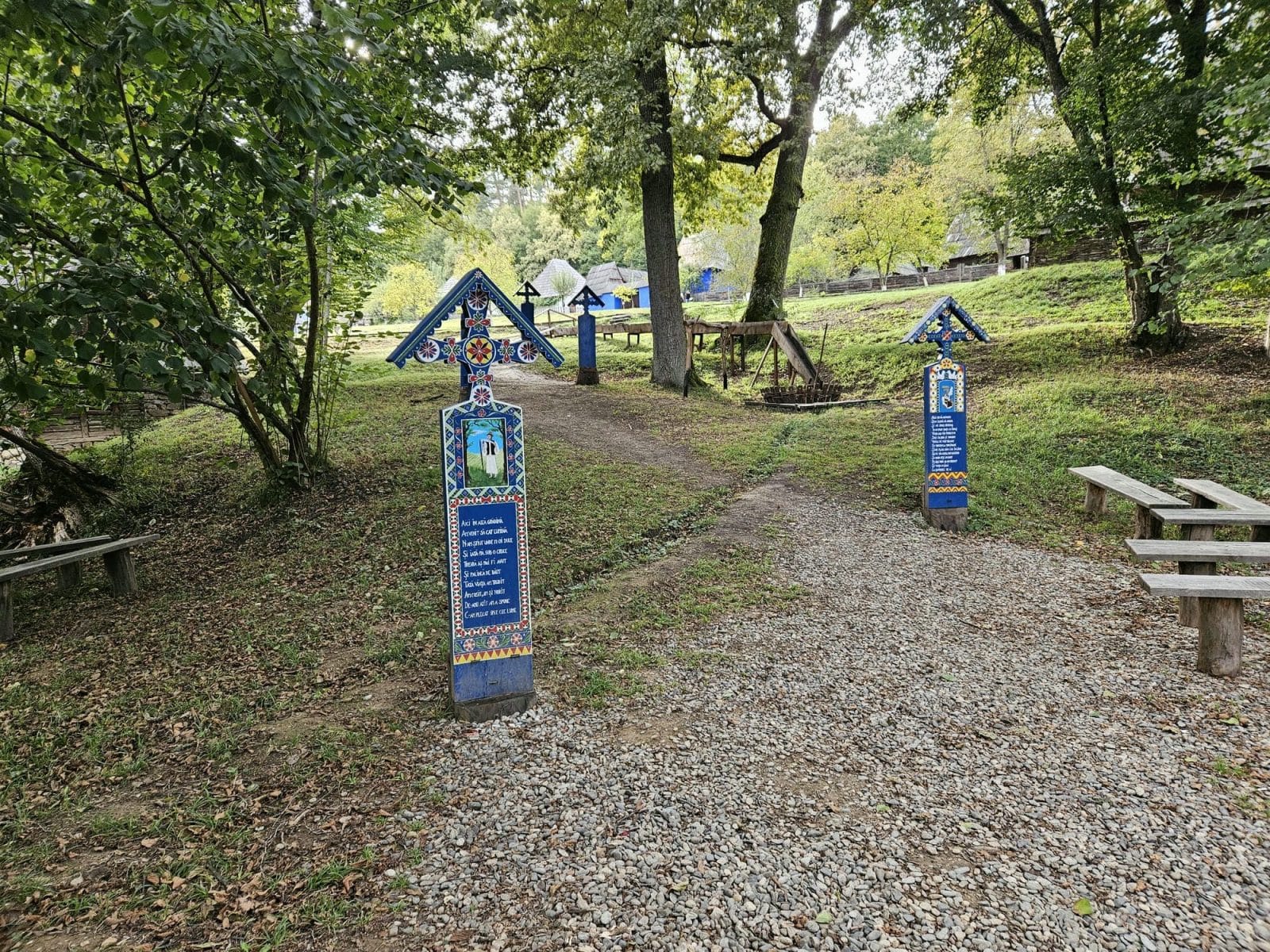
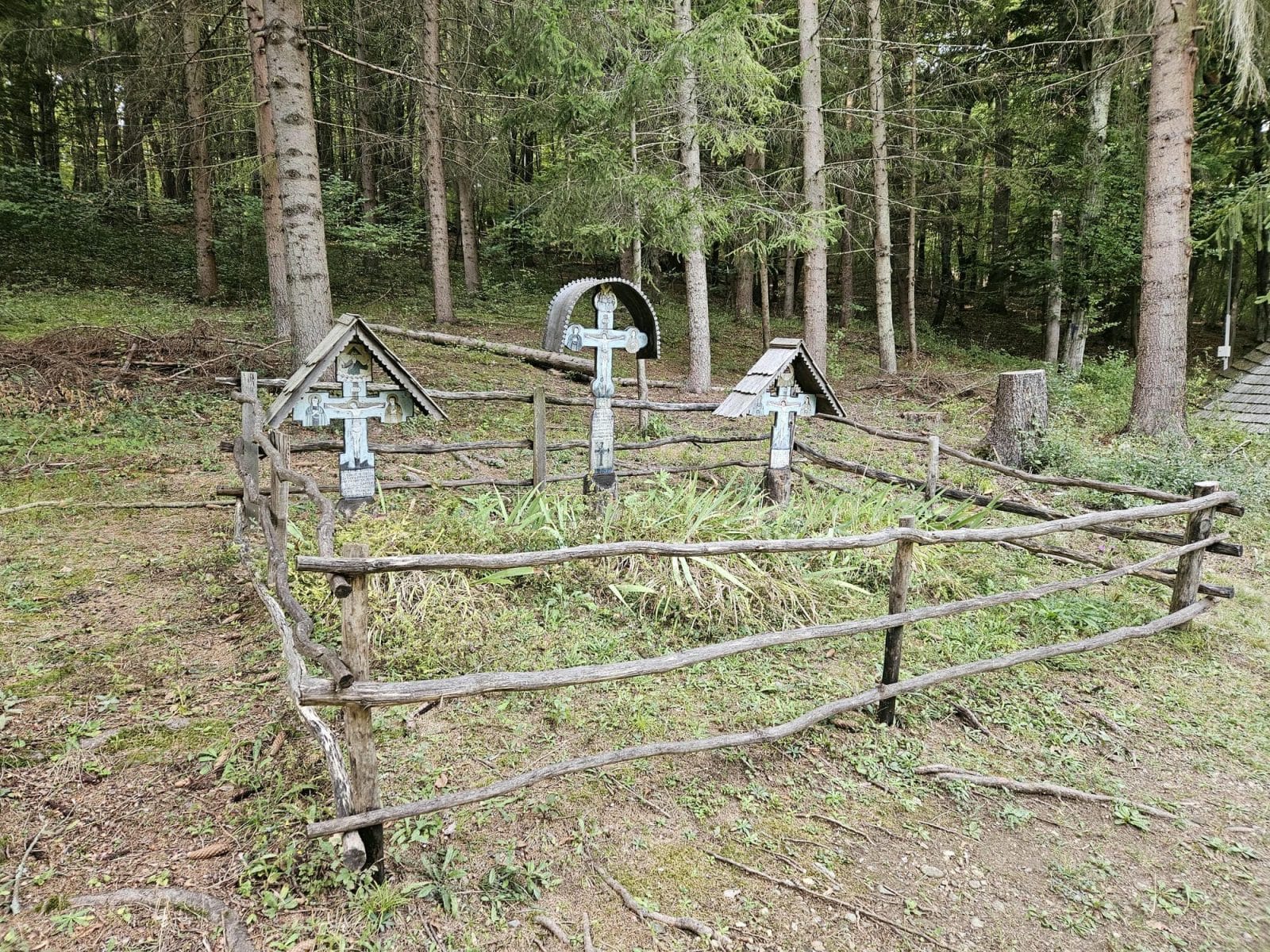
I find visiting museums food for my travel bucket list, and at Astra I found out about the Merry Cemetery. The Merry Cemetery in Săpânța, Maramureș County. The cemetery is famous for its brightly coloured tombstones, which feature paintings that describe, in an original and poetic manner, the people buried there. At Astra, you can see a few of these tombstones, which certainly were unique.
The Lives Of Shepherds
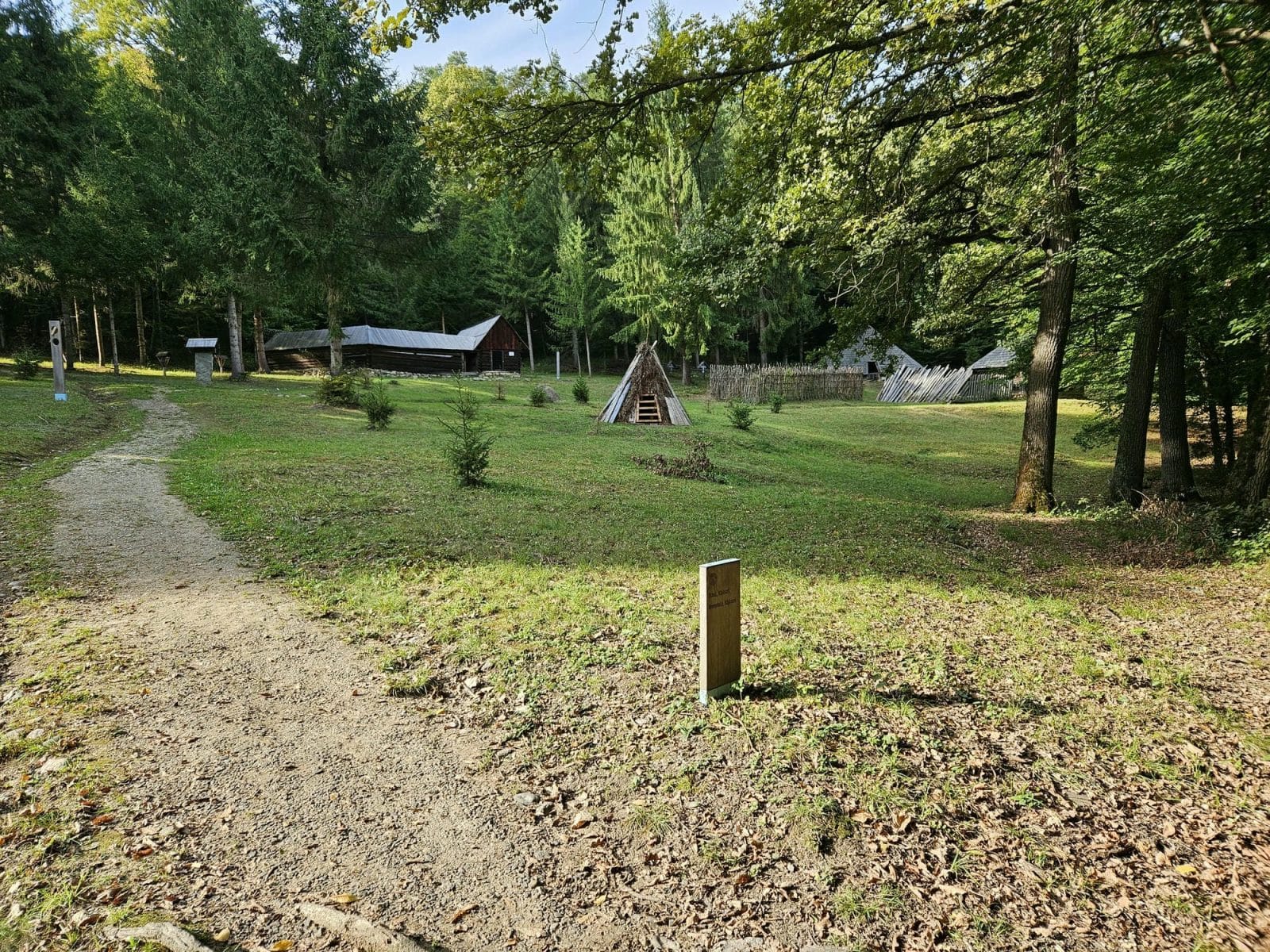
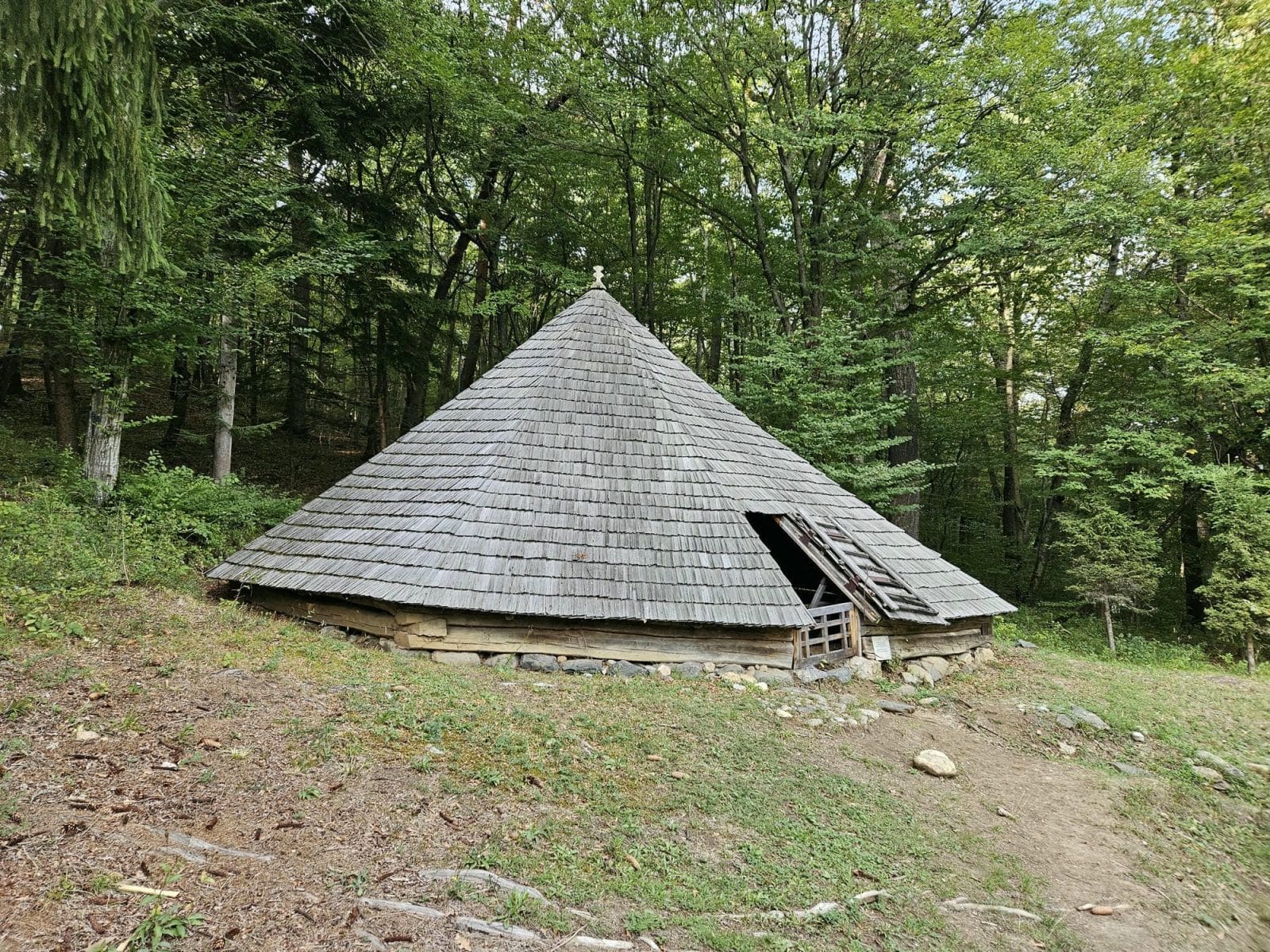
Sheep farming in Romania is a unique way of life, and you can explore a section at the museum dedicated to the shepherds and their families. This includes houses showing how they lived in close quarters with the sheep. They also had sheepfolds, which were used to keep the sheep secure from predators, and Romania has quite a few of those.
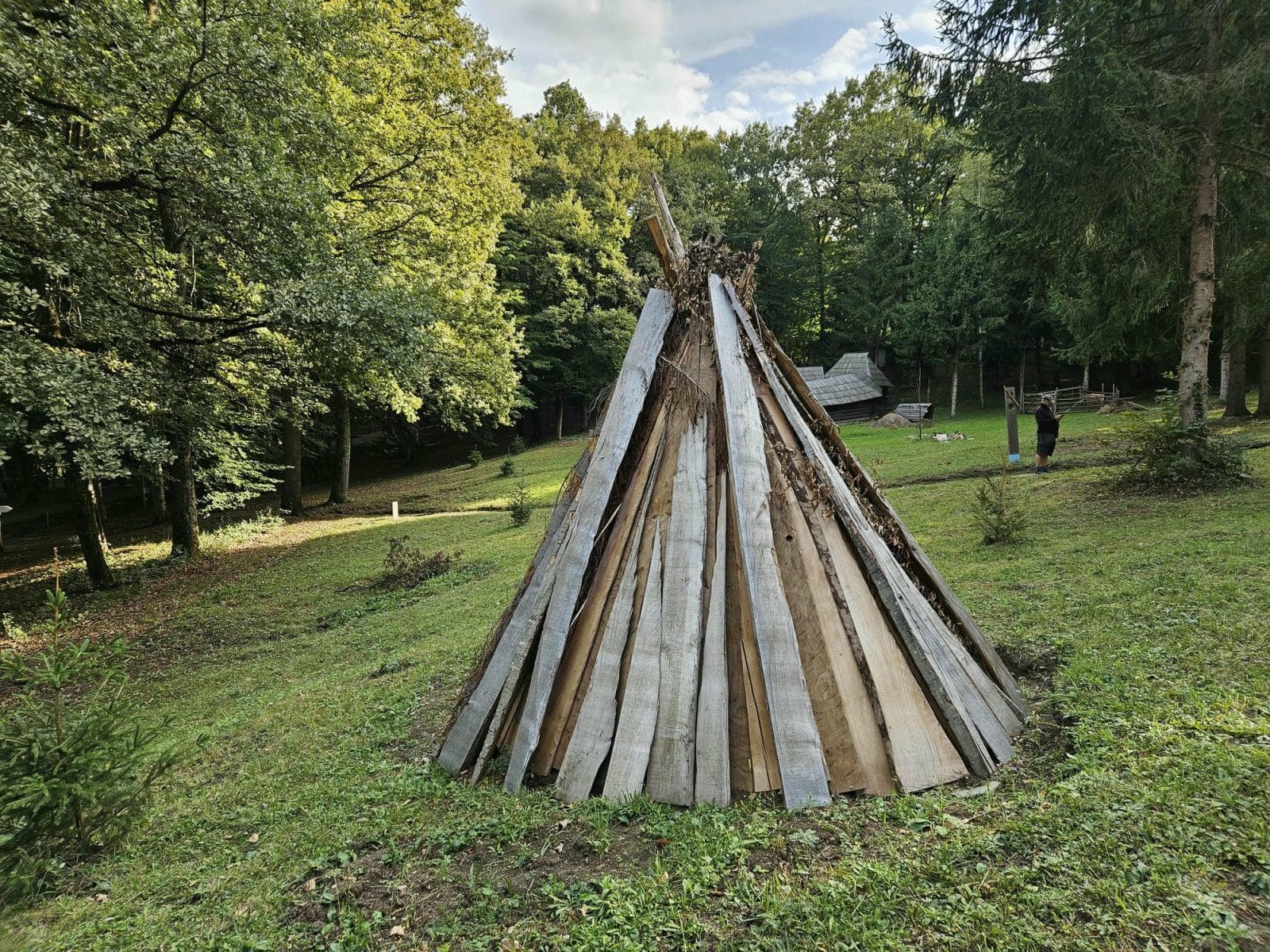
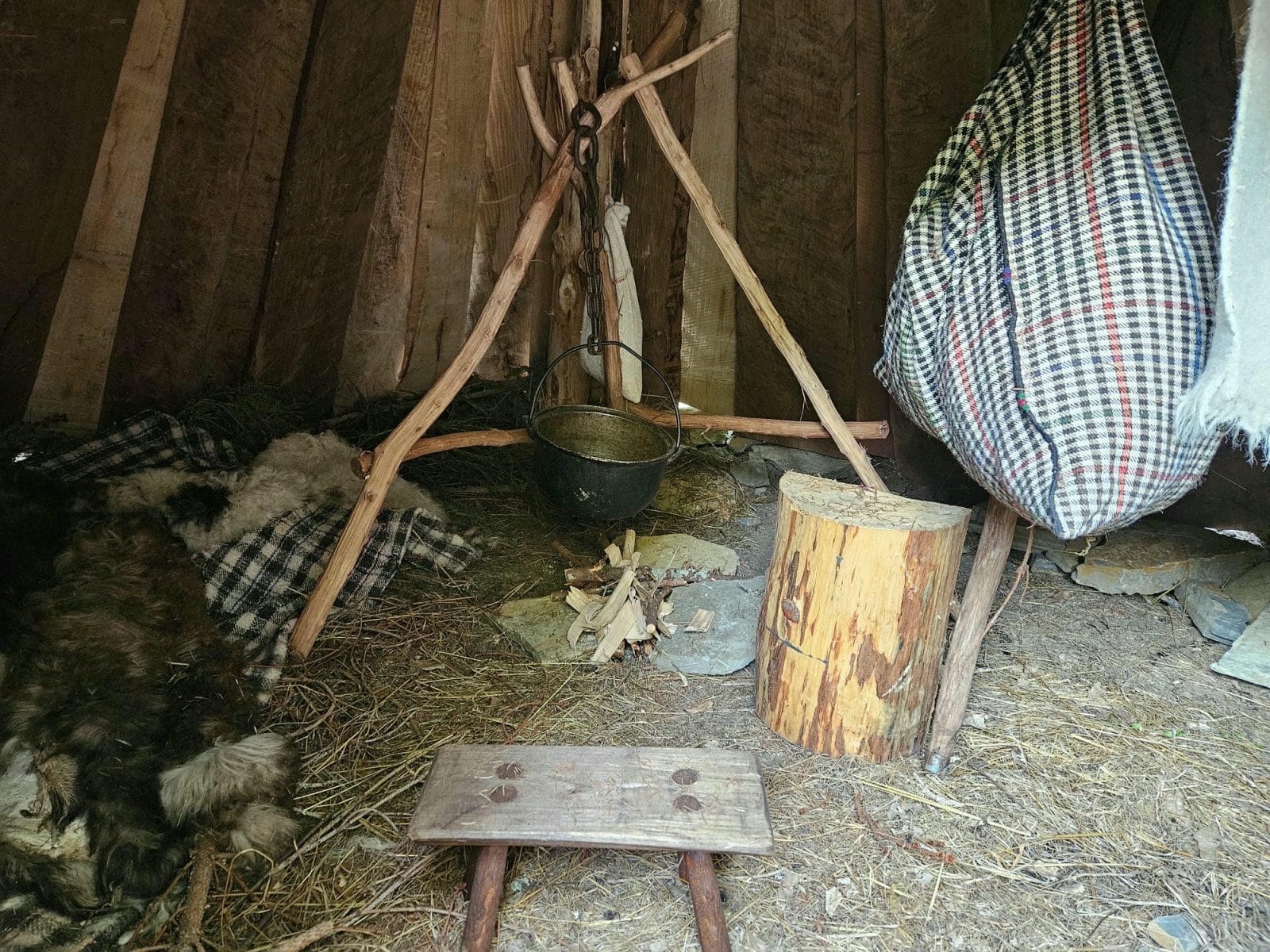
I also found the portable huts they historically used when the sheep were out grazing in the mountains. These looked semi-portable and showed how they lived when out grazing.
Cattle & Farm Animals
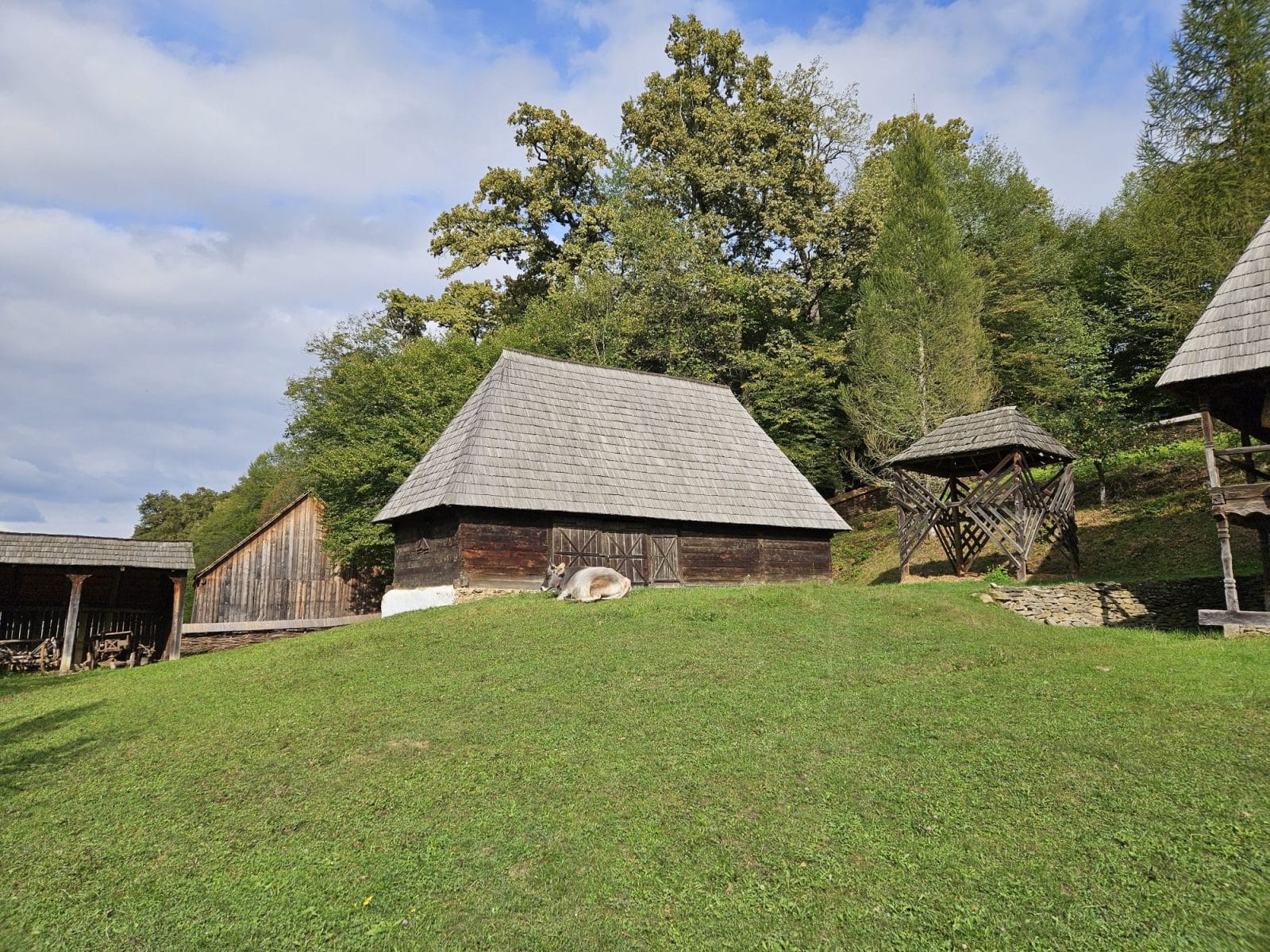
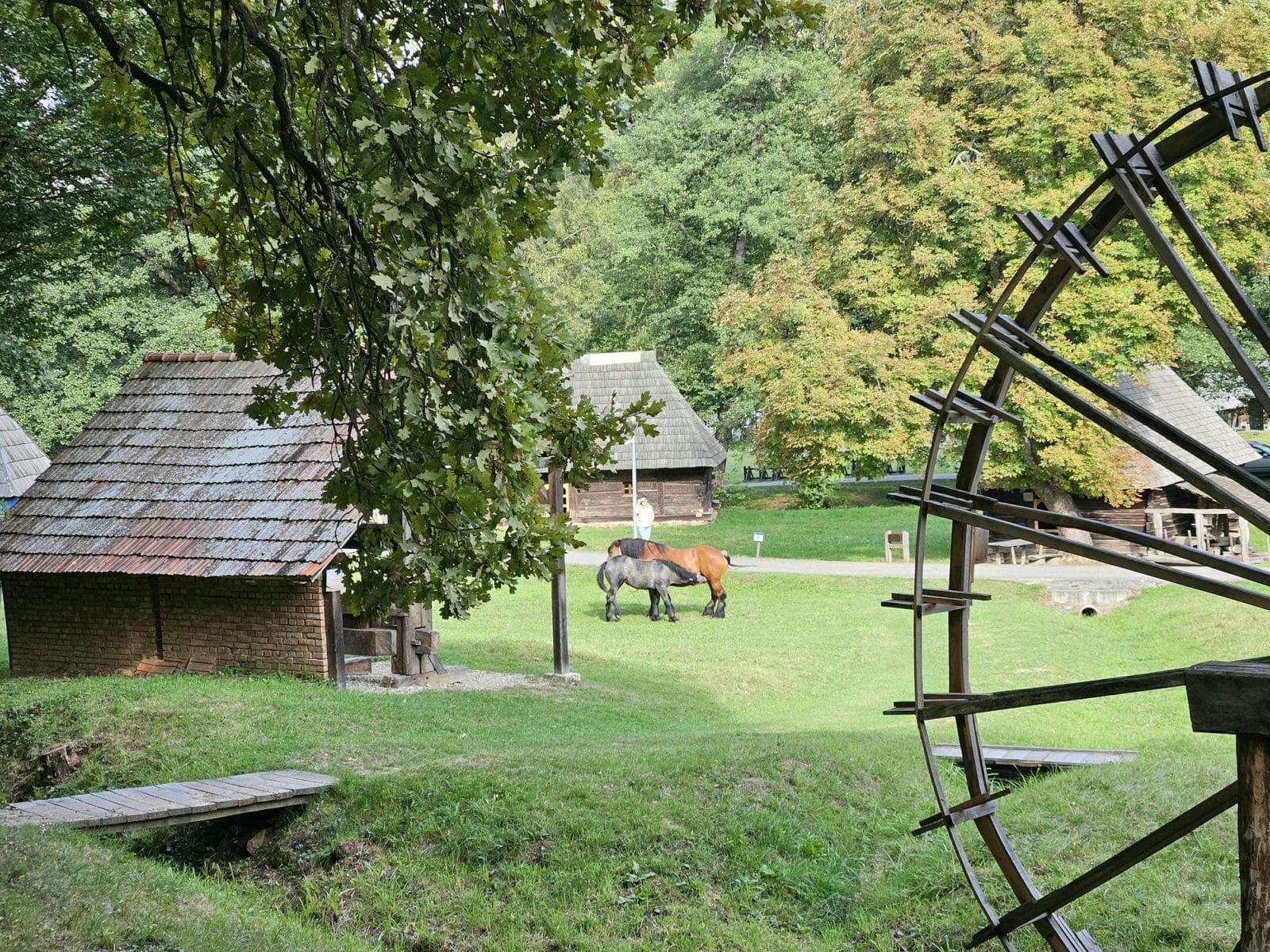
Throughout the site were various types of cattle to see, who were usually secured in farmsteads. There were also some horses around munching the grass. We also saw a foal enjoying running around the site and coming back to feed.
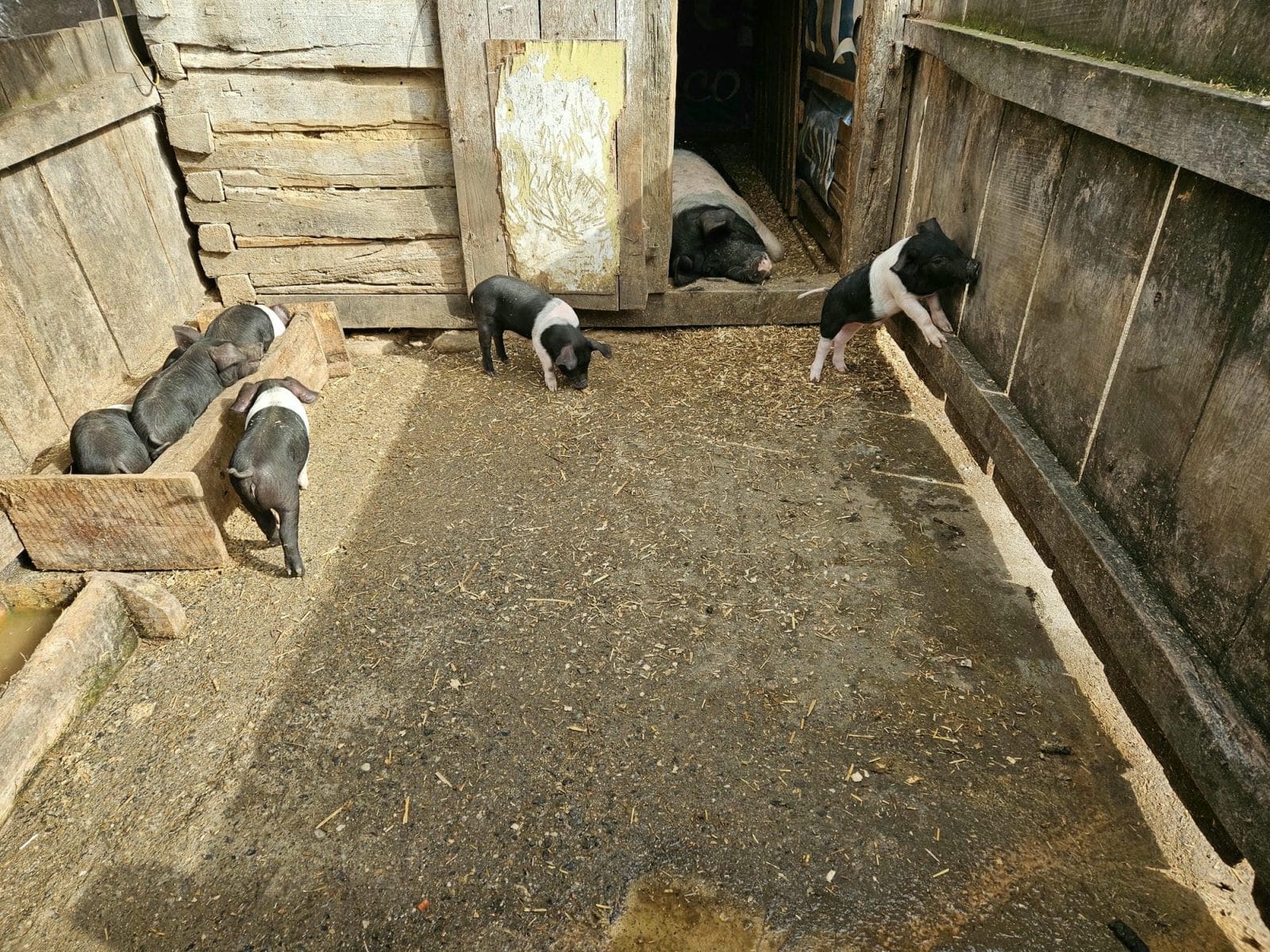
One farmstead had pigs and piglets. These were rather cute and seemed to be enjoying their lunch and having a play.
Beehives
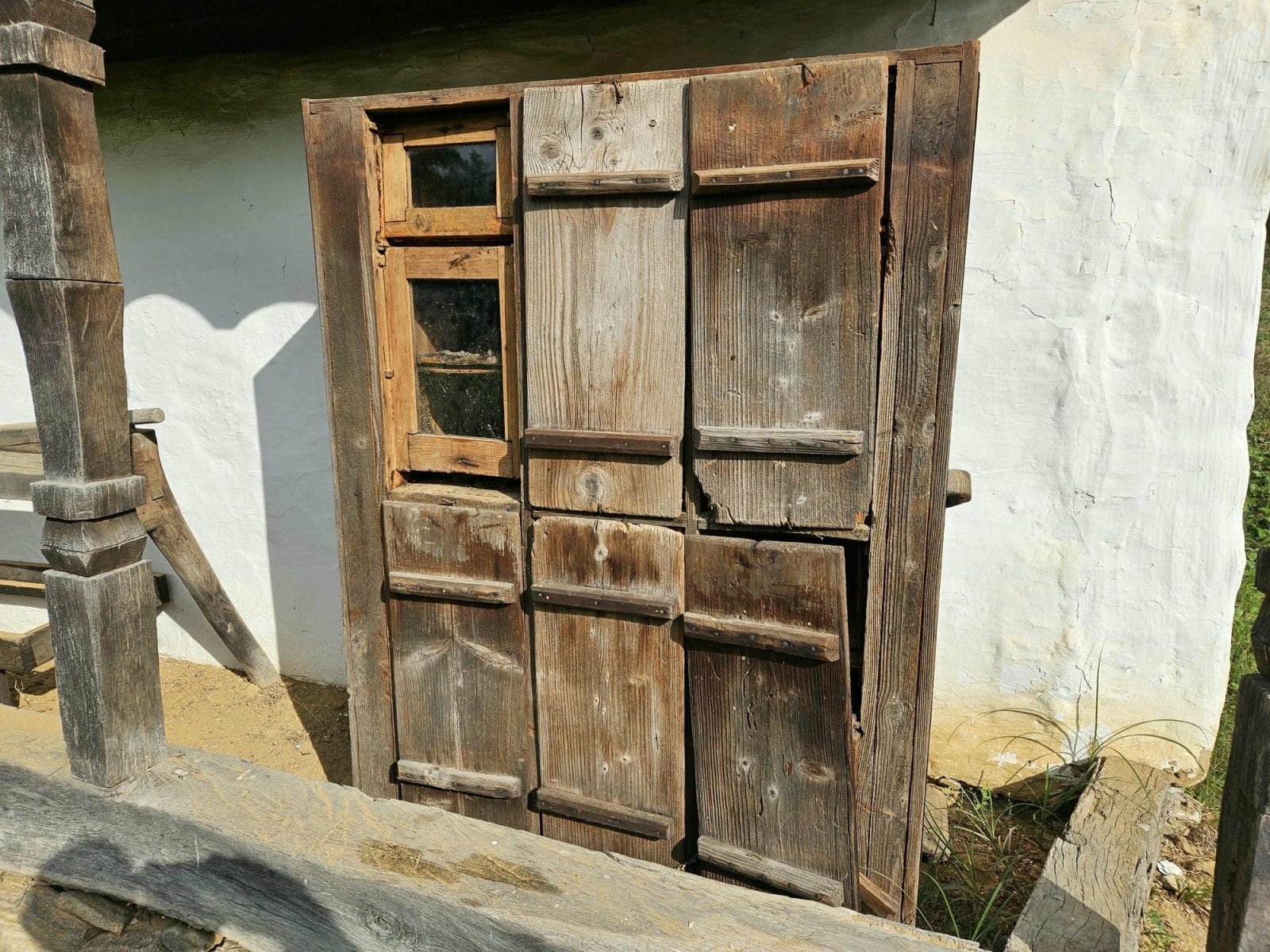
Another thing that caught my eye was a beehive on the porch just outside a house. Honey is popular in Romania and is available in most markets. It was interesting to see the old beehives they used to harvest honey.
Wine & Apple Presses
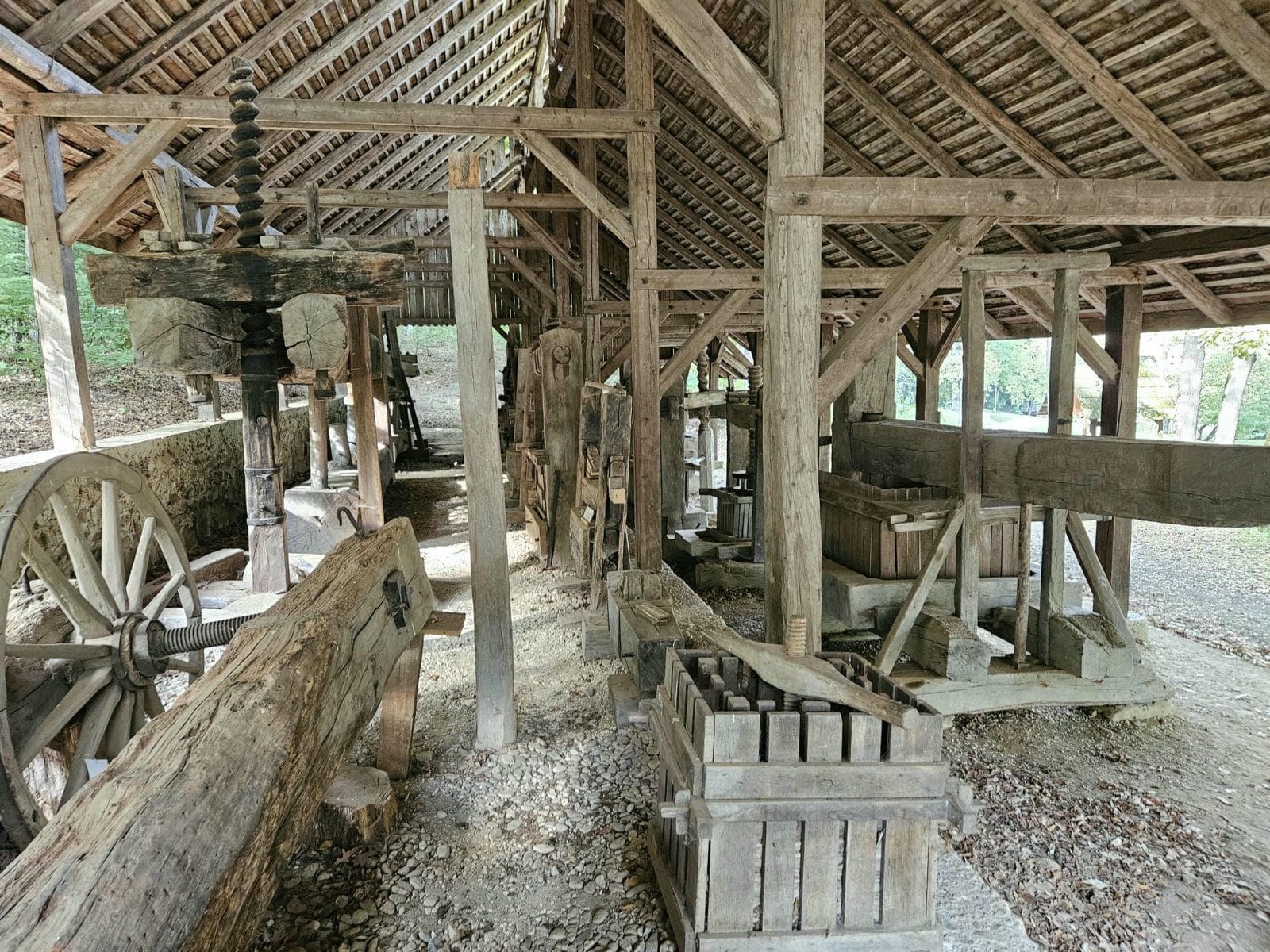
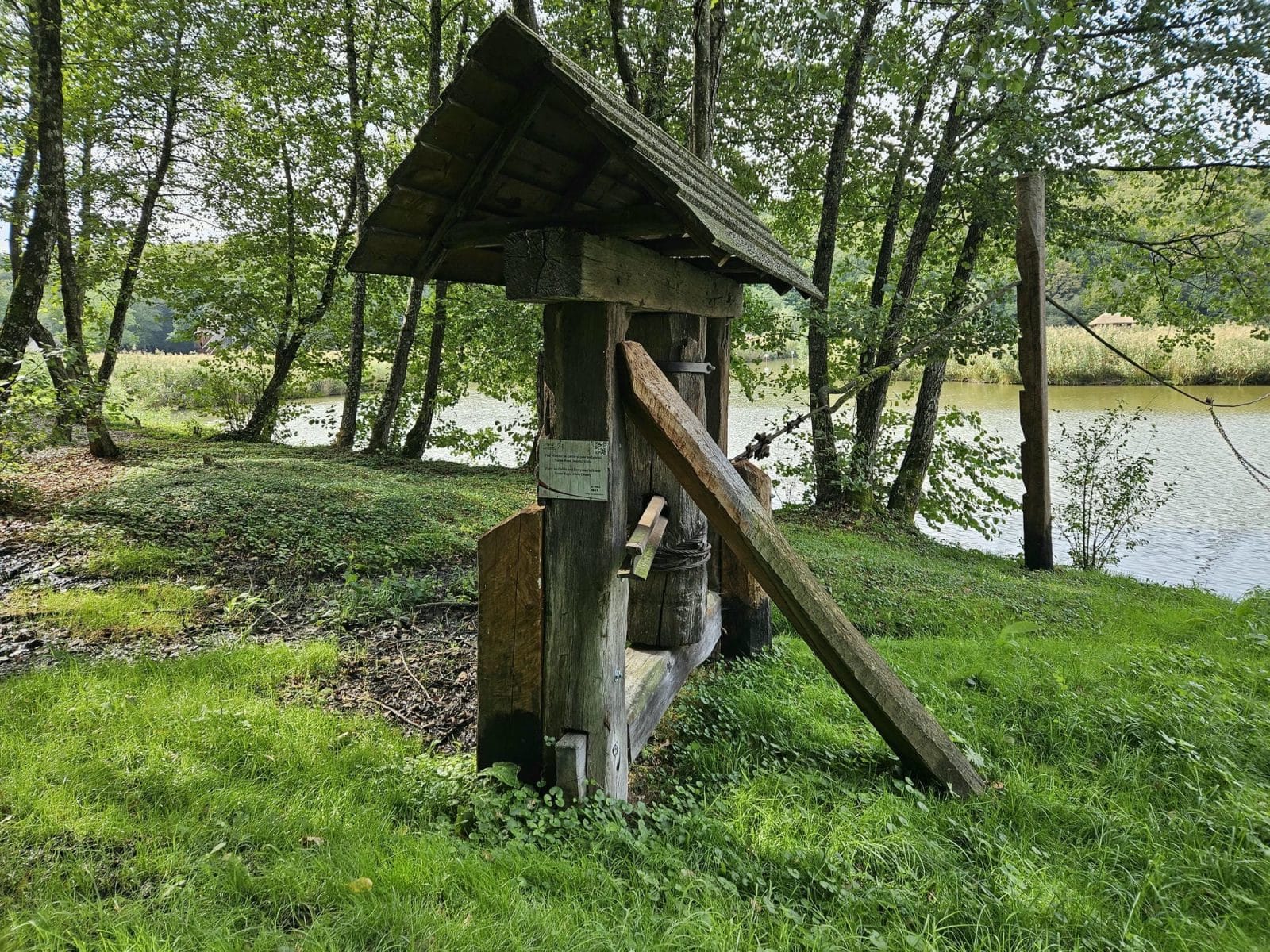
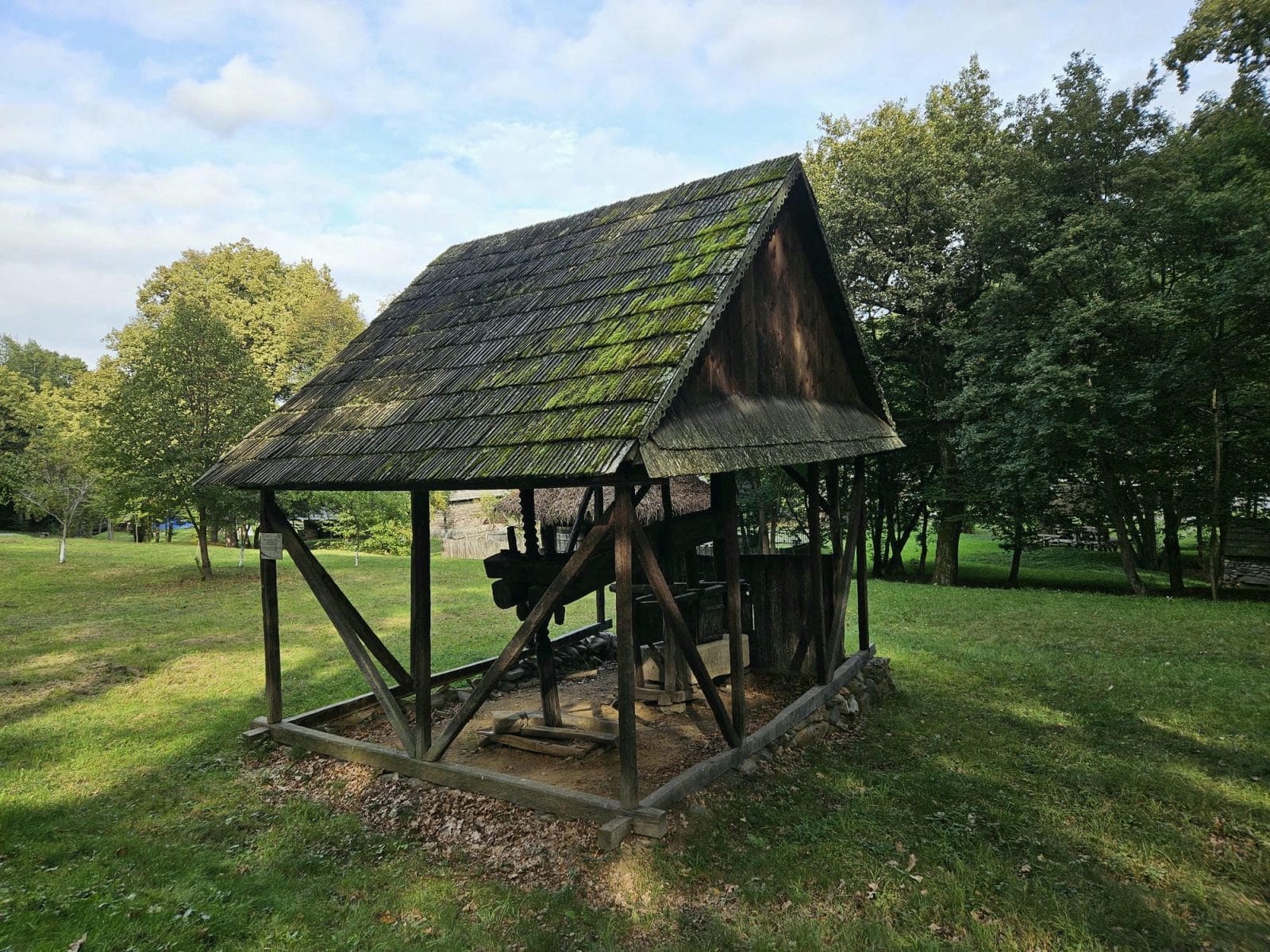
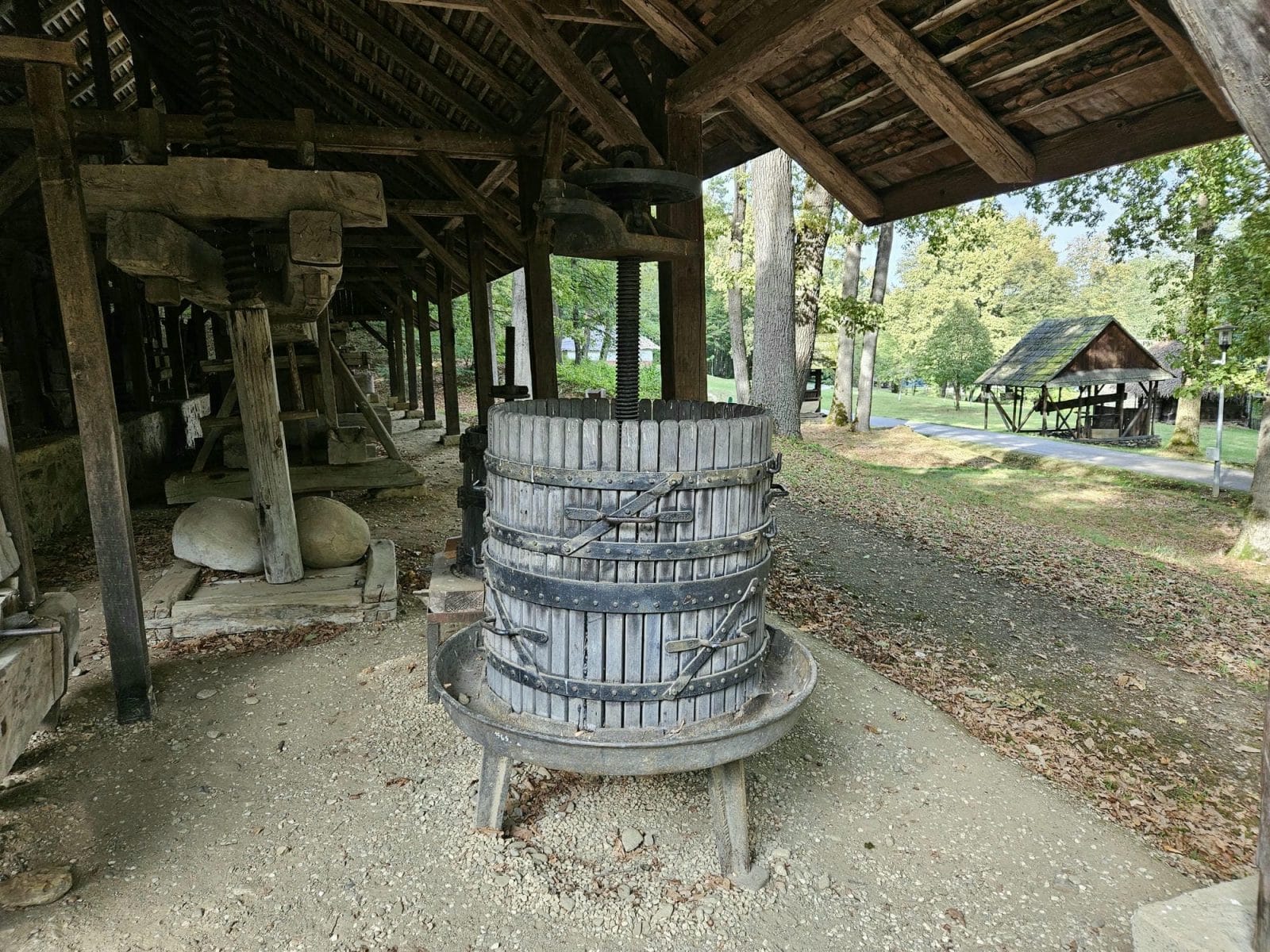
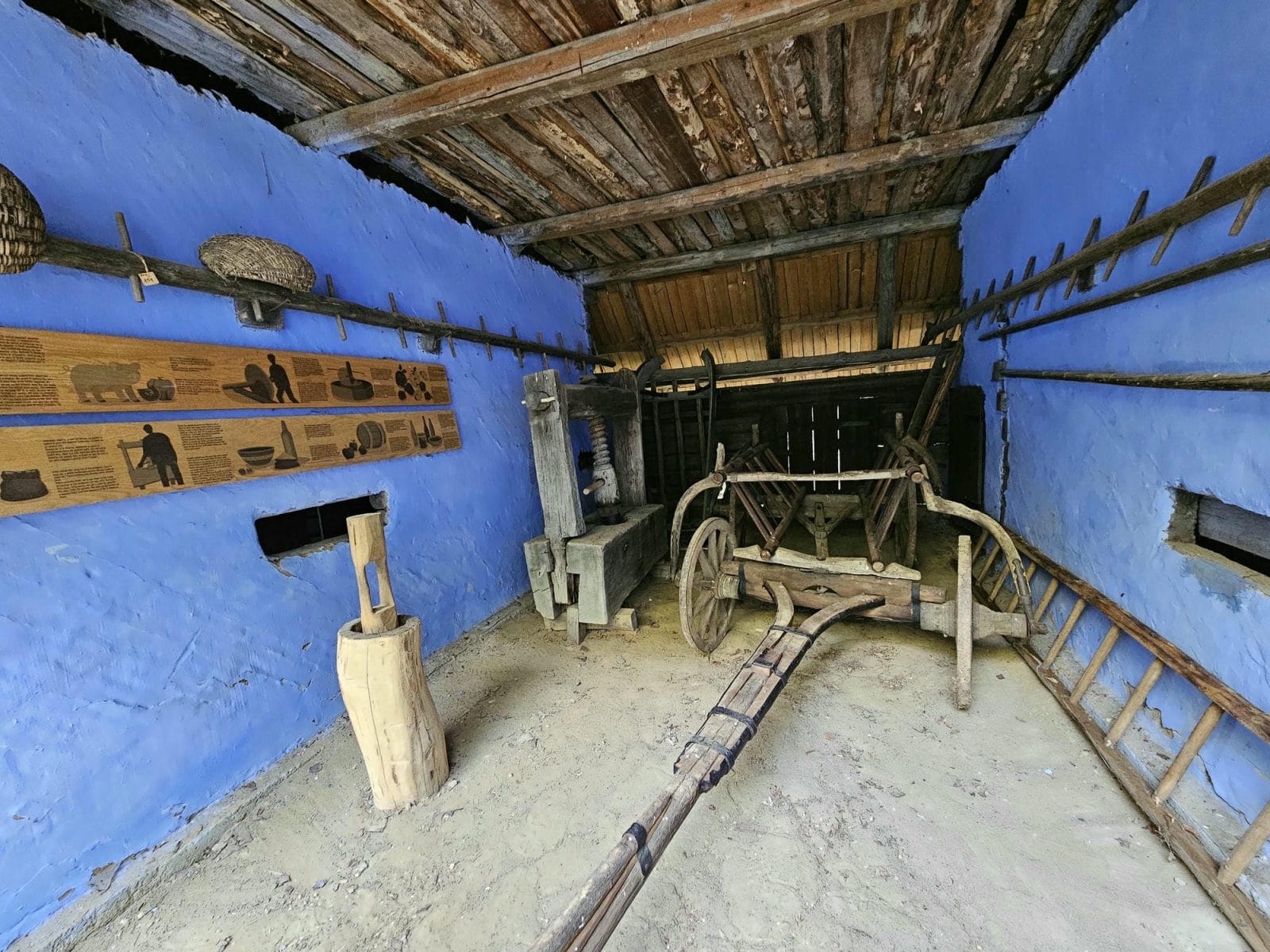
Many people make their own wines throughout the country, and this is a longstanding tradition. At the Astra Museum, there are artefacts related to winemaking, such as presses that speed up the process. They also had apple presses in a few houses, which were used to make apple juice and vinegar.
How To Get To Astra From Sibiu
There are a few options to reach the park; by bus or taxi is the easiest. On our trip there were three of us, so Uber fit the bill and cost less than 30 Lei each way. The bus is far cheaper, but we were on a time limit. Bus number 13 departs from the main railway station. Moovit and Google Maps both seemed reliable with transportation timings.
Tickets
You can either purchase tickets on the way in or online beforehand. Their website offers various ticket options or annual subscriptions to enter. There are discounts for children, students and over-65s. We got the standard entry and found it to be well worth the price.
Is it dog-friendly?
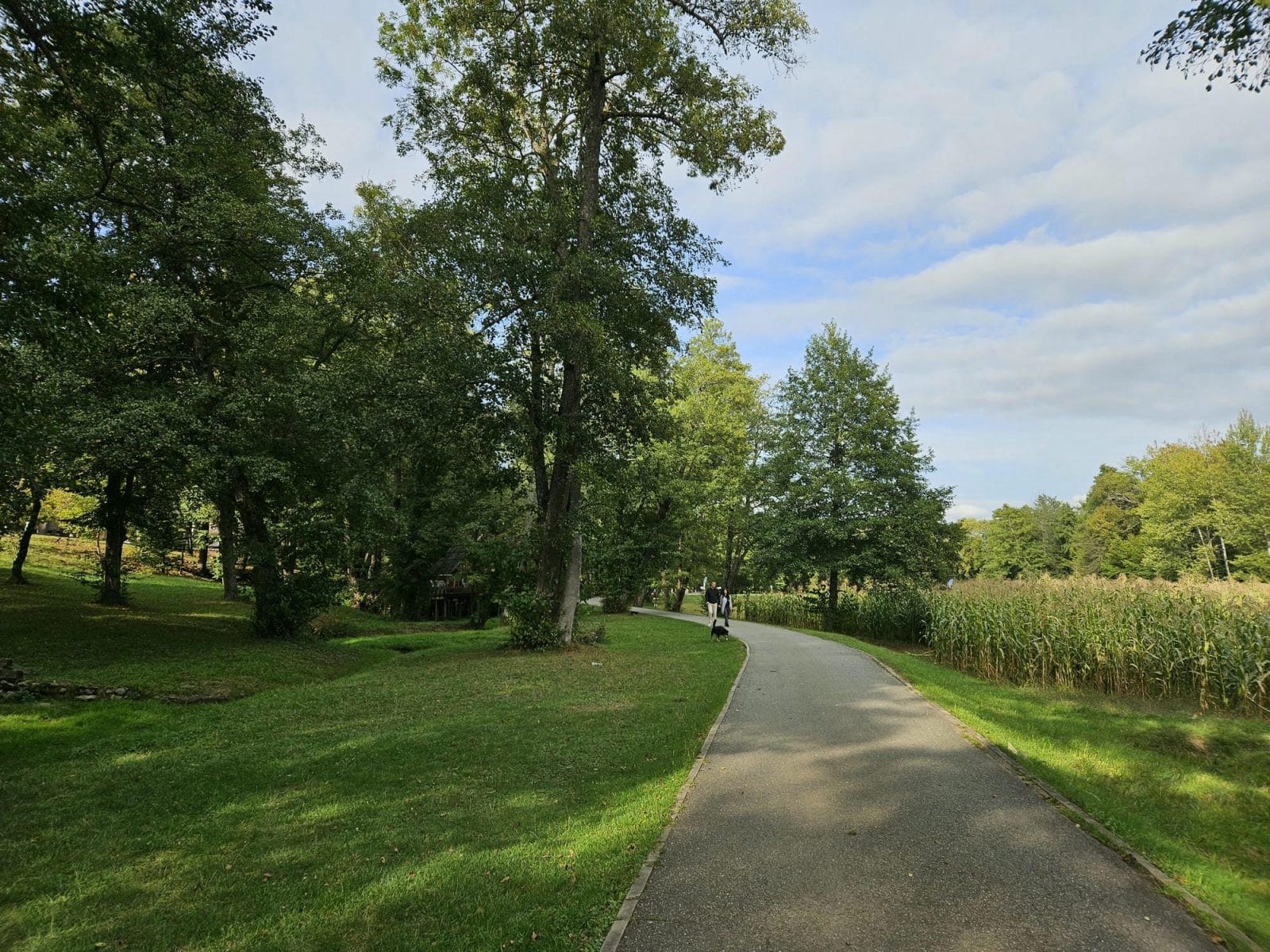
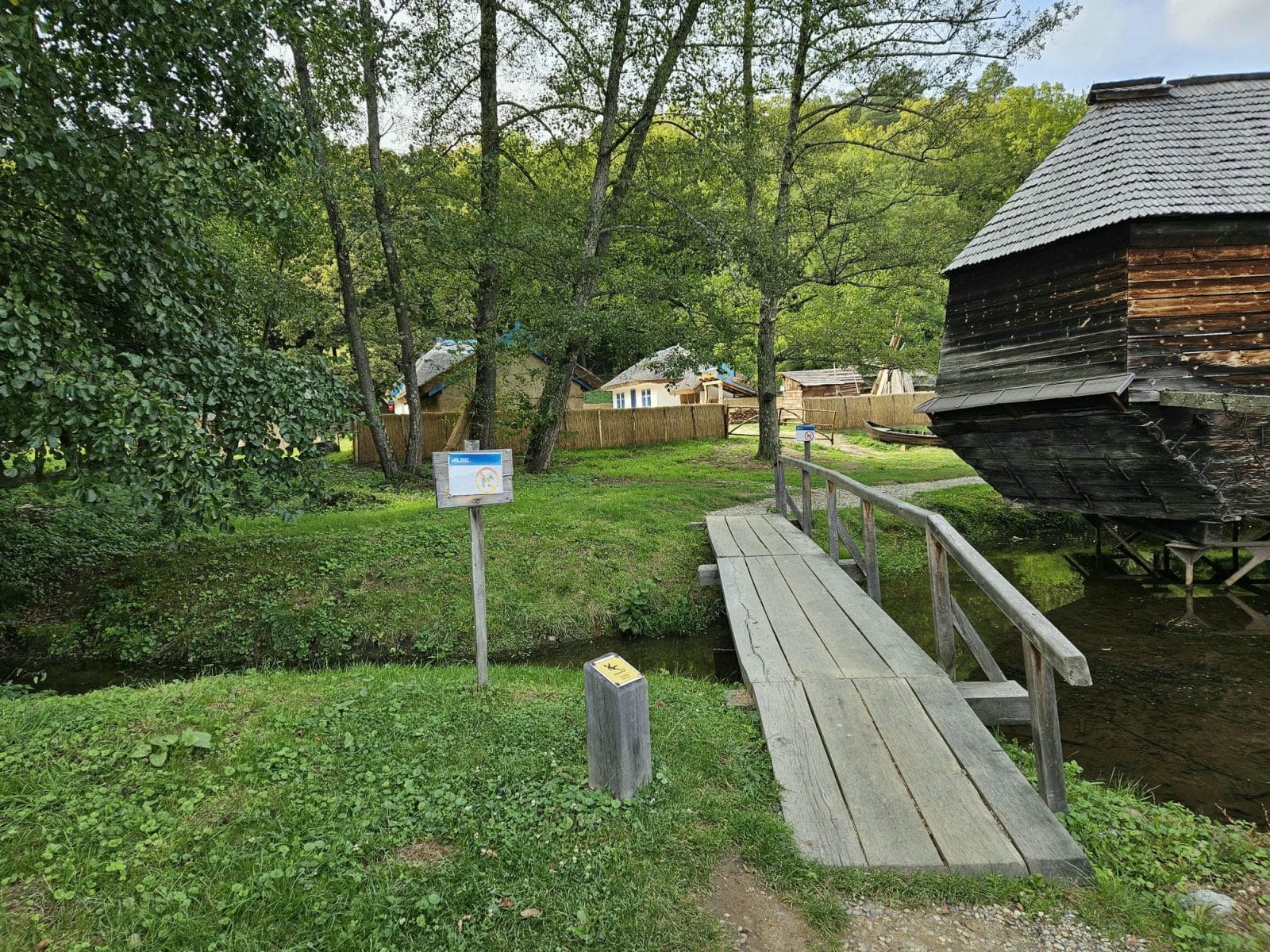
The Astra Museum is mostly outdoors, so it’s also dog-friendly. We saw many people with their dogs. Unfortunately, Henry was sleeping after a few long days of travelling. According to research on forums, smaller dogs are allowed and must be on a lead. The website says nothing either way. It’s probably best to email or call them first to confirm.
Refreshments
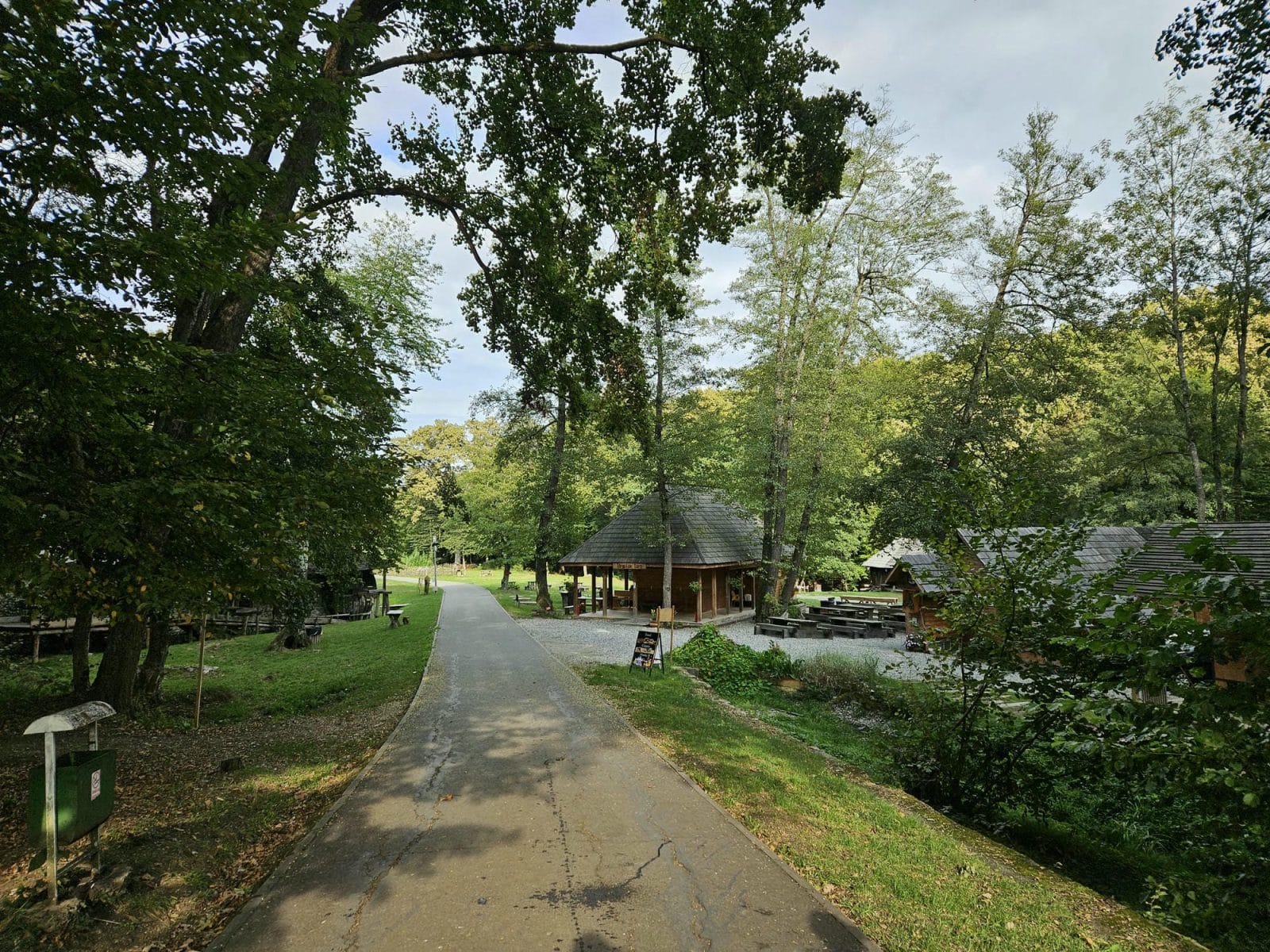
The open-air museum is home to a few places for refreshments, including food stalls, gelato stands and full-blown restaurants. We had dined out at a restaurant in Sibiu beforehand, so we didn’t get to try some of the on-site restaurants, but the menus looked good for local food. The gelato stand we found served beer, coffee, and snacks.
Maps
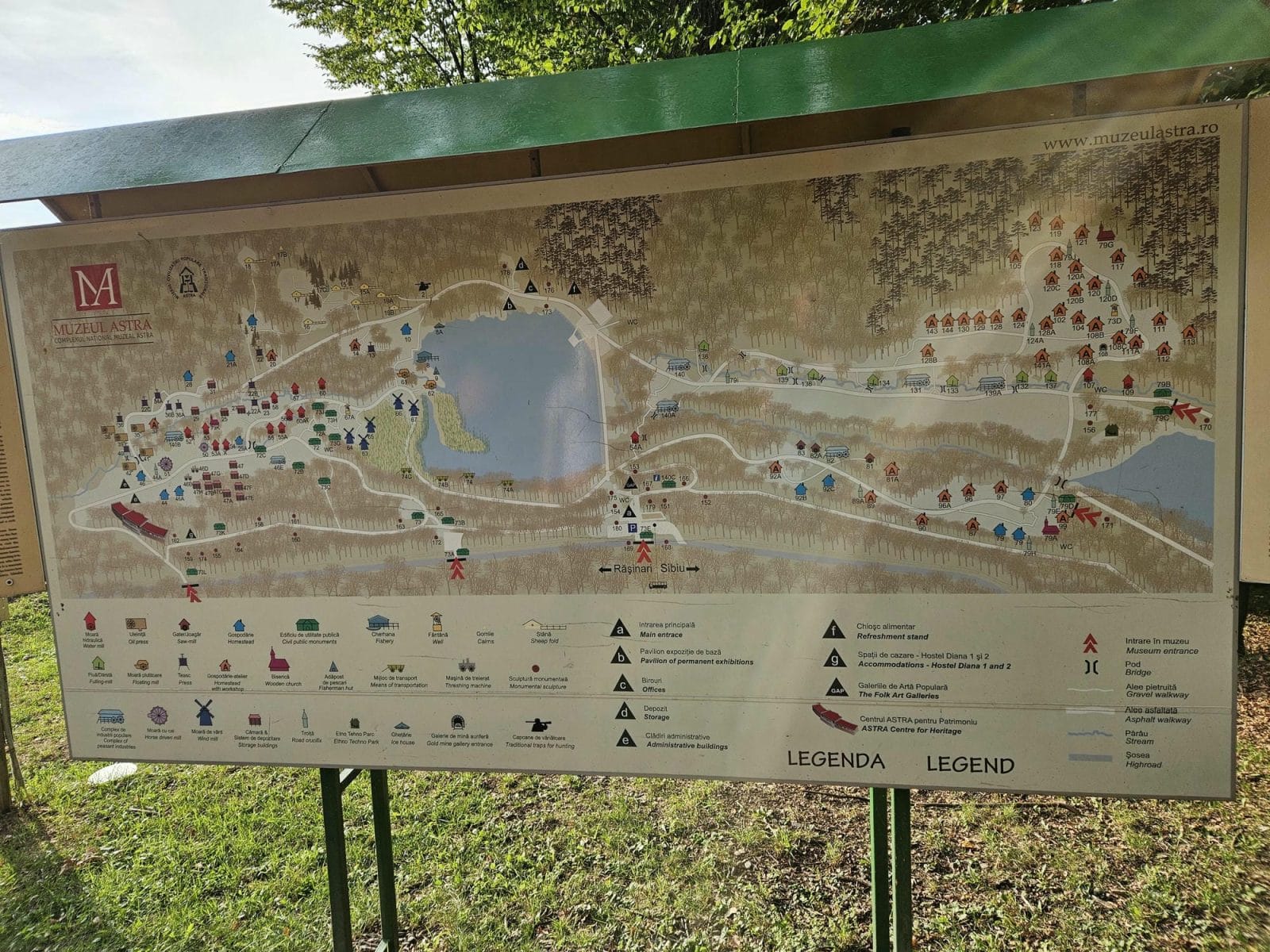
There are big maps to help you navigate the park. These are complemented with signposts, so I found it easy to find specific parts. They also give you a paper map when purchasing tickets at the reception.
Is the Astra Museum in Sibiu Worth Visiting?
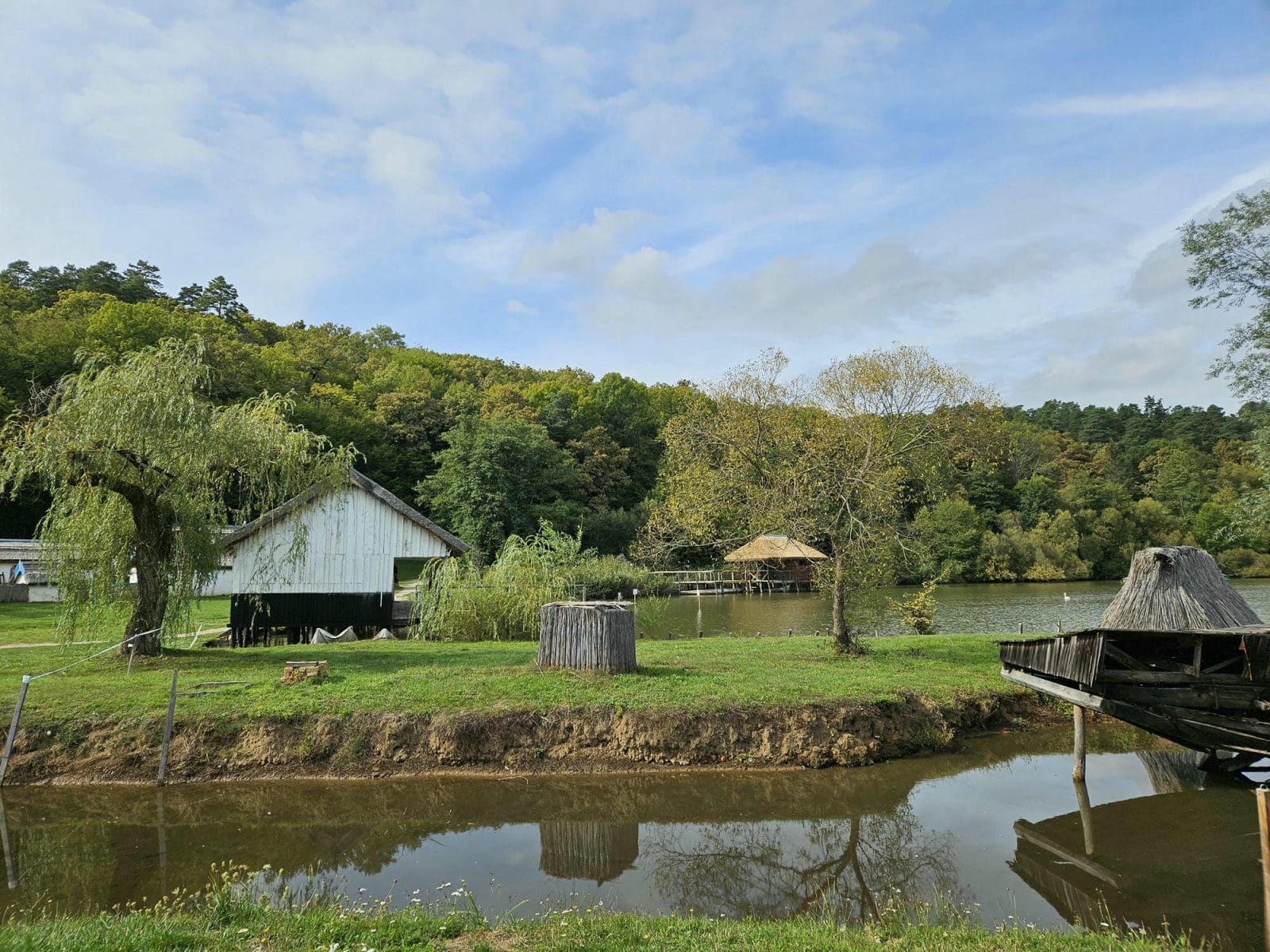
We really enjoyed visiting the Astra Outdoor Museum and would recommend allocating plenty of time to explore it. We spent a full afternoon here and skipped many facets of the site. What we saw was excellent and informative.
Highlights for me were the vast collection of windmills and watermills, some of which you can go inside to see the inner workings. The park was also a wonderful place for a walk, with lakes and pretty countryside between the exhibits. It’s one of the most popular attractions in Sibiu for good reasons. I’ve also visited a few similar open-air museums in Cluj-Napoca and Bucharest.