
Things To Do In Sopron: A Pretty & Historic City In Hungary
We really enjoyed our visit to Sopron in Hungary and found many interesting things to do. The old town has many sights to see, such as pretty buildings and the epic fire tower. Sopron’s central areas are very walkable.
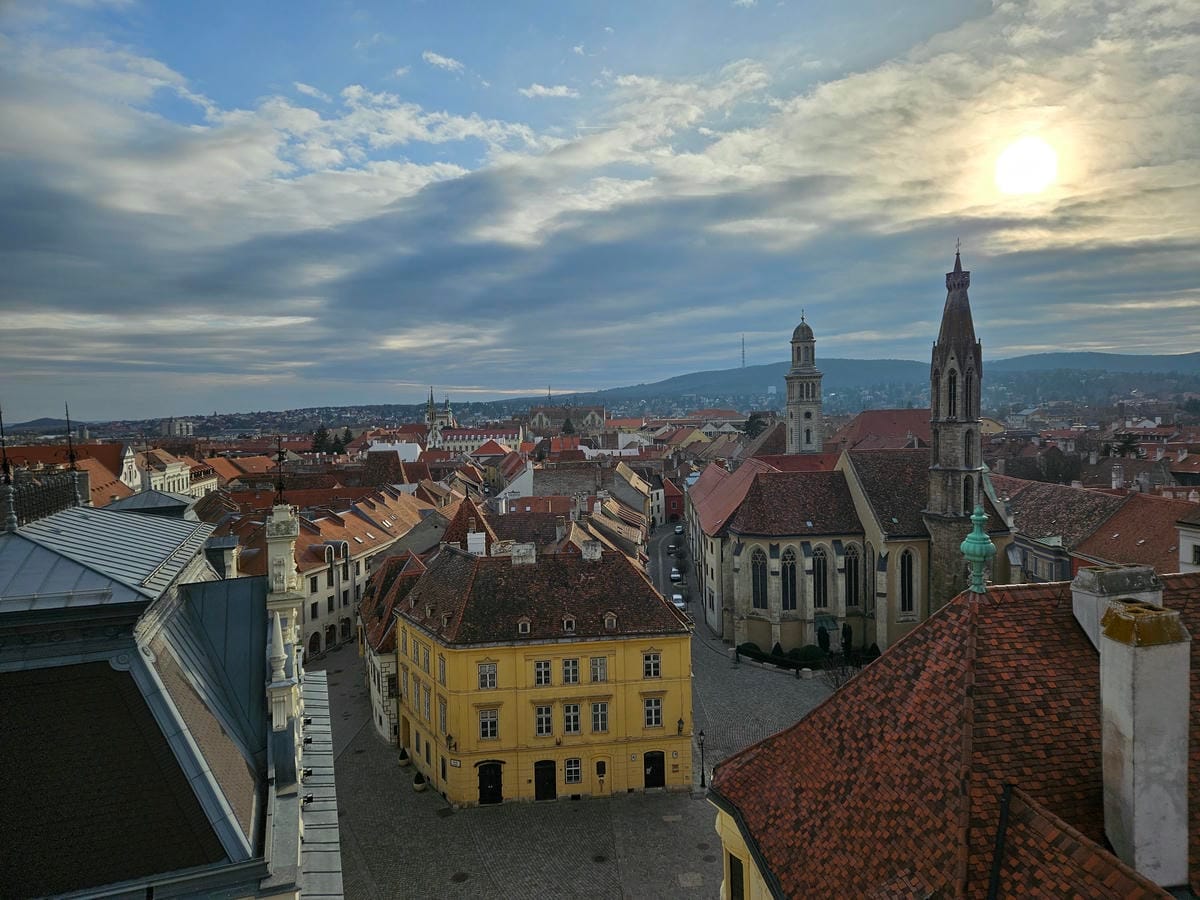
The city has a tourist information centre, which is a great resource for tickets and local day trips. Throughout the city are some maps to help you find and identify the most significant sights of Sopron.
Things To Do In Sopron
Tűztorony – Fire Tower
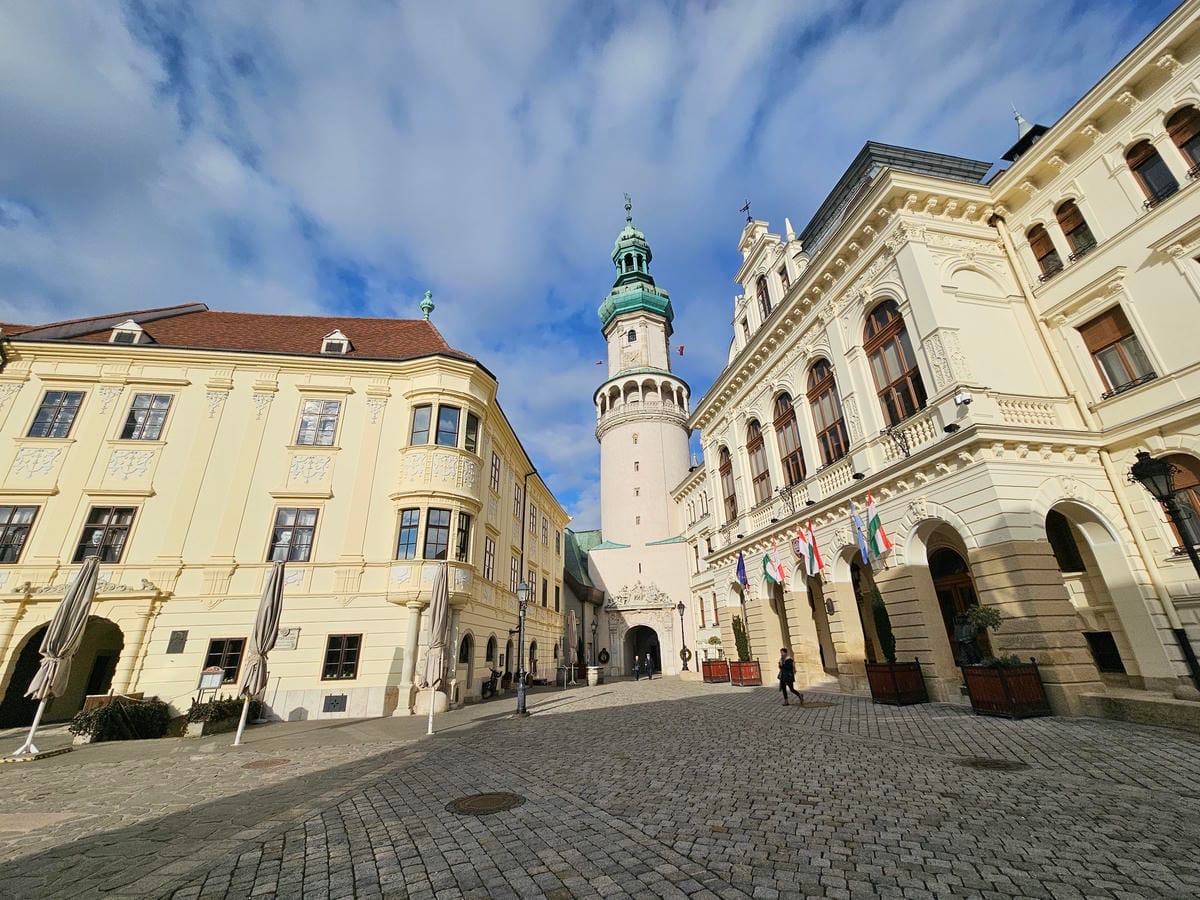
The fire tower, Tűztorony, is one of the major landmarks in the city and lovely to see from the outside. It is a prominent feature in Fo Ter, the main square, and is surrounded by beautiful buildings. Tűztorony is a 13th-century fire tower with a 200-step spiral staircase inside, which reaches a balcony with views of the town from above.
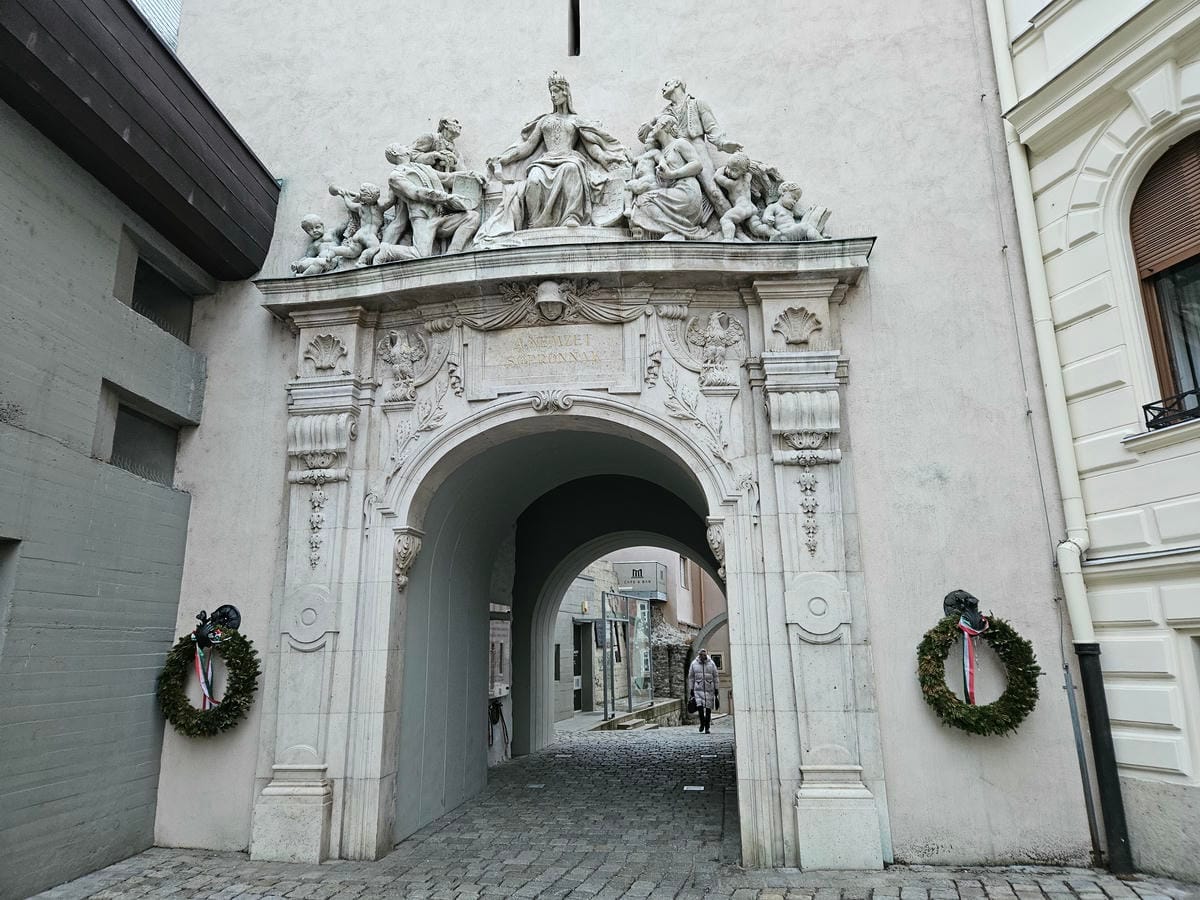
It was built on the foundations of Roman ruins and is part of the town hall. The lower part of Tűztorony was started in the 13th century, and in the 14th century, the cylindrical tower was added. The distinctive baroque balcony was further added after a fire in the city in 1676. It is a symbol of the city’s loyalty after a referendum choosing to be part of Hungary over Austria in 1921.
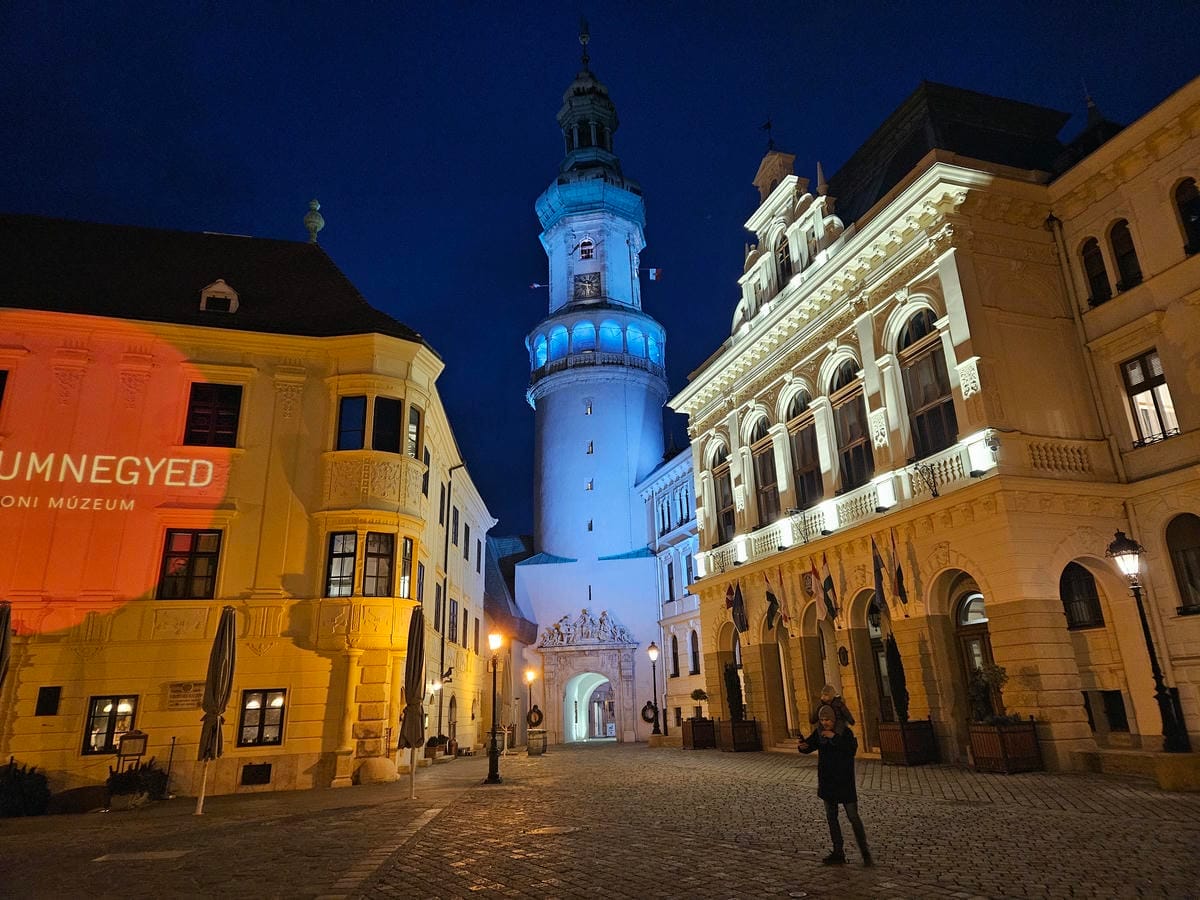
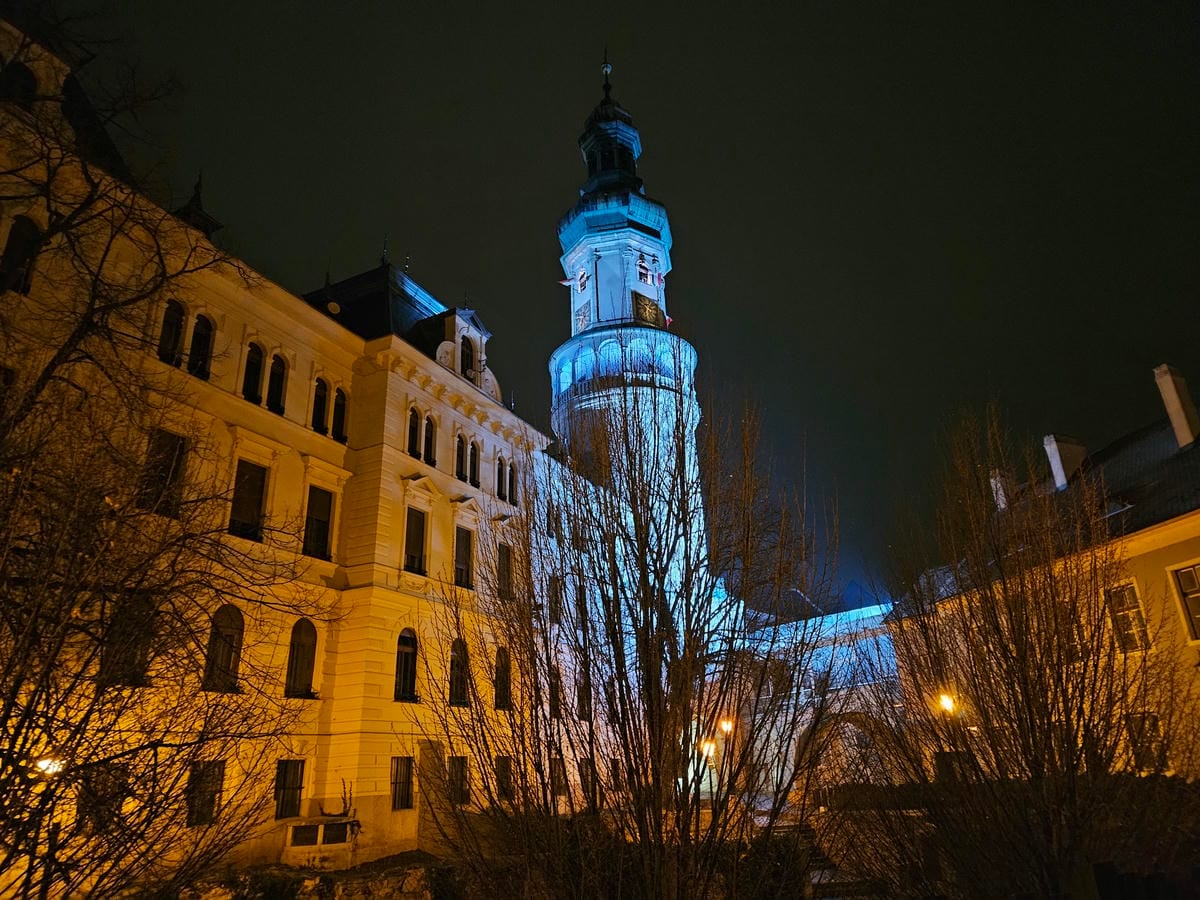
We did many dog walks through the tower’s arch and nearby. One of my favourite times of the day to see it was after dark, when it was all lit up in changing colours.
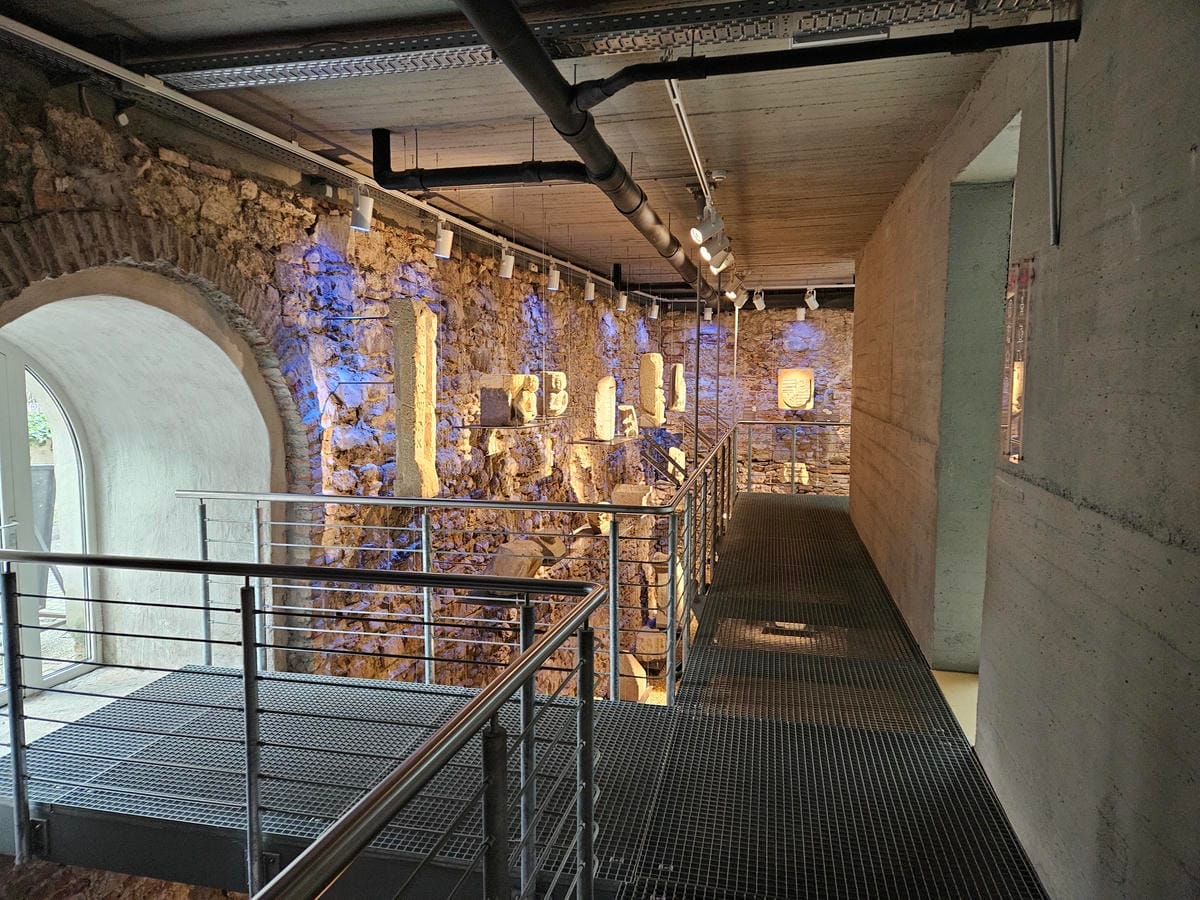
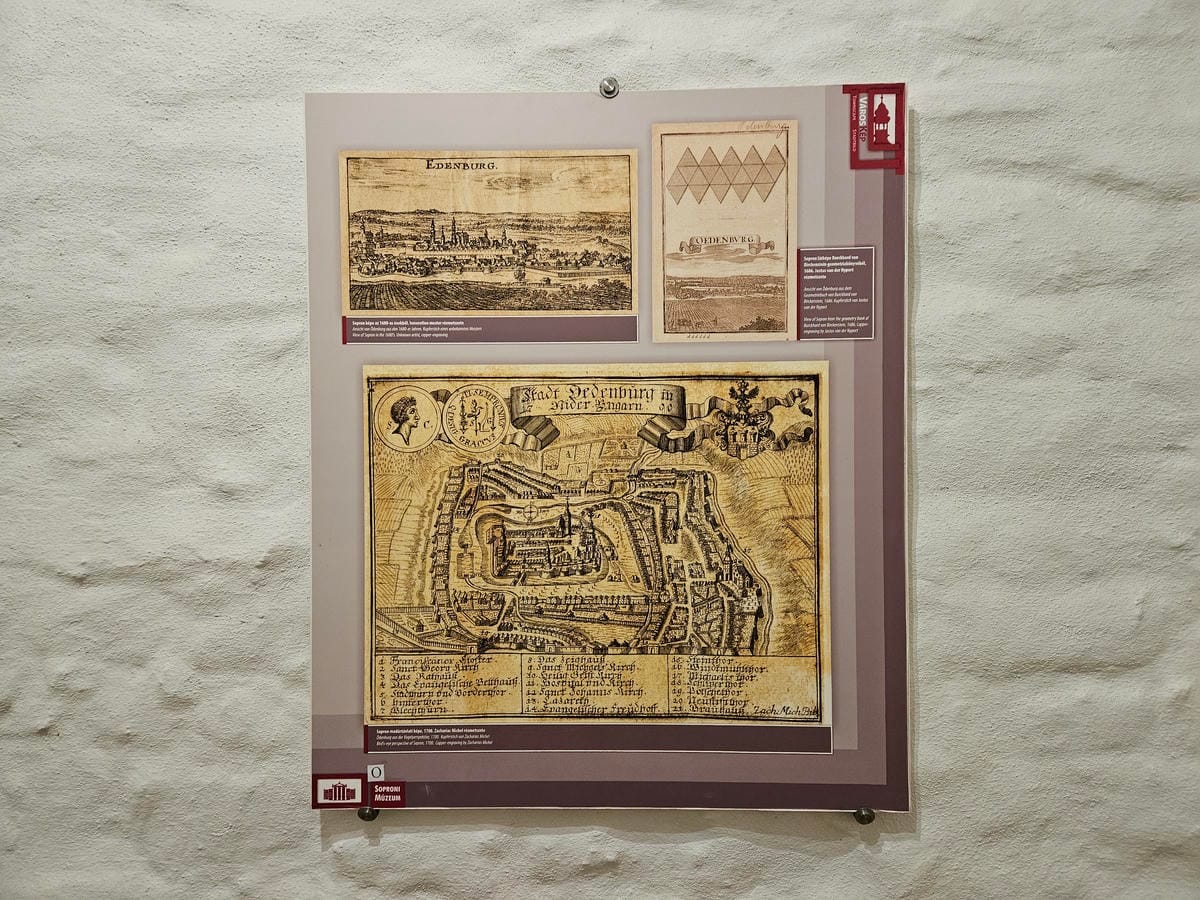
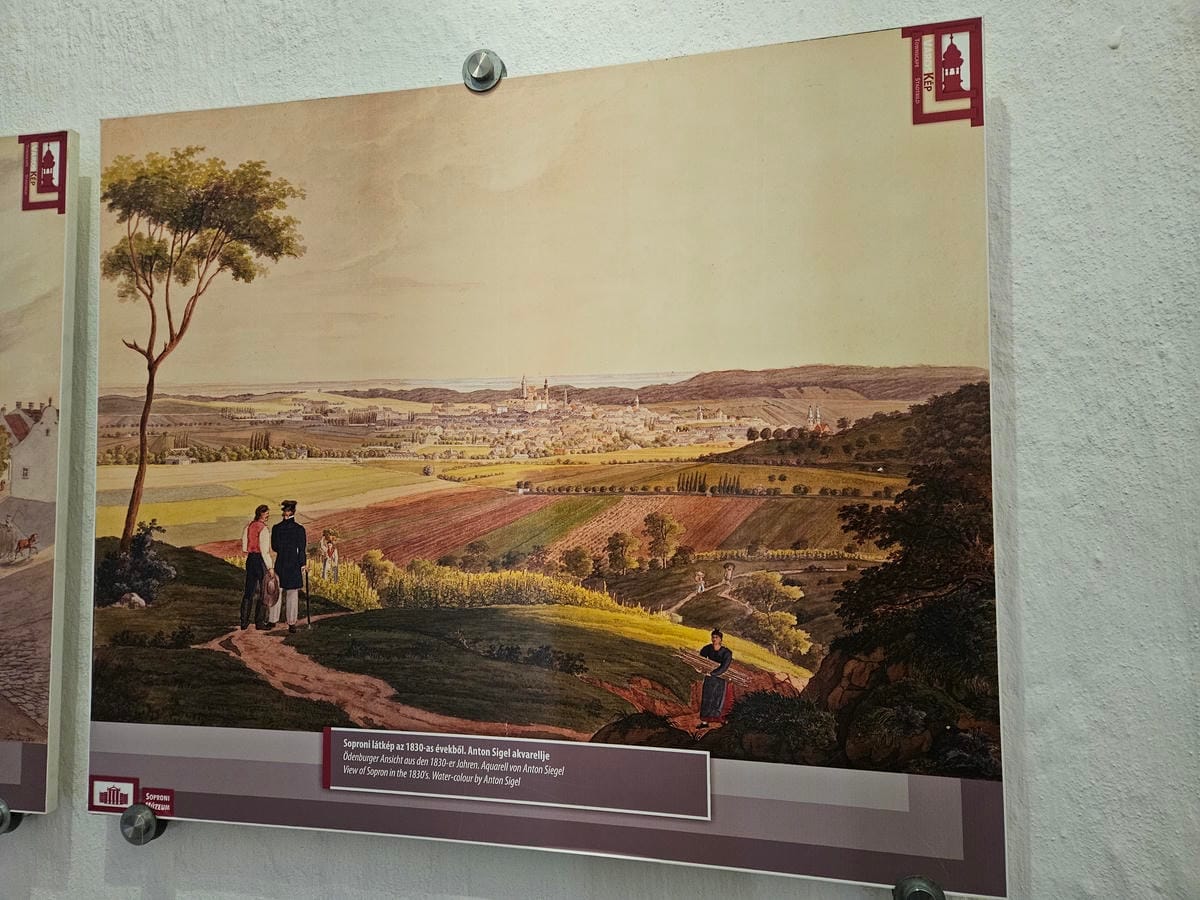
Inside you can learn about the history of the tower and some details of the city’s past. There is a Lapidarium behind the ticket office and some art of the city’s past. To enter, there is a ticket office towards the base of the tower. You can either buy an individual ticket or one for all the museum district attractions.
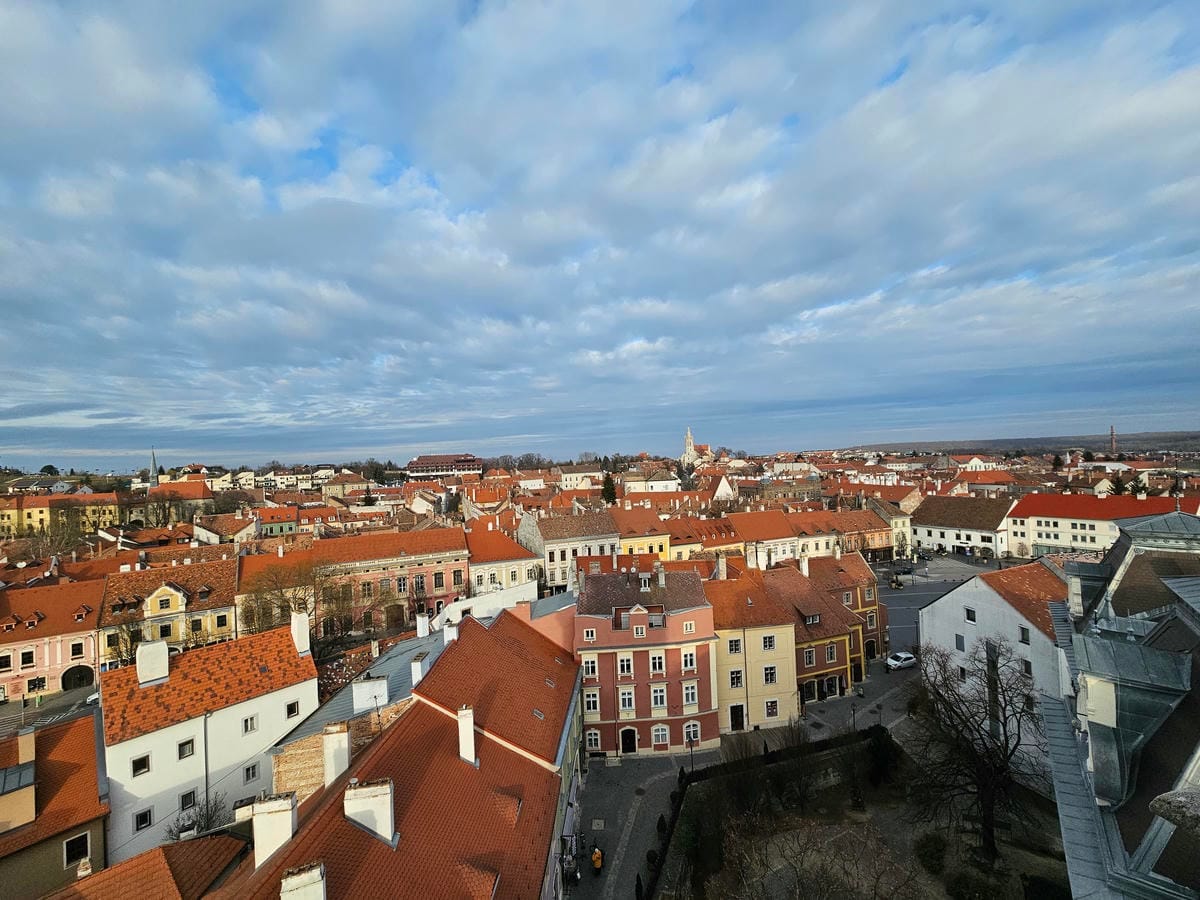
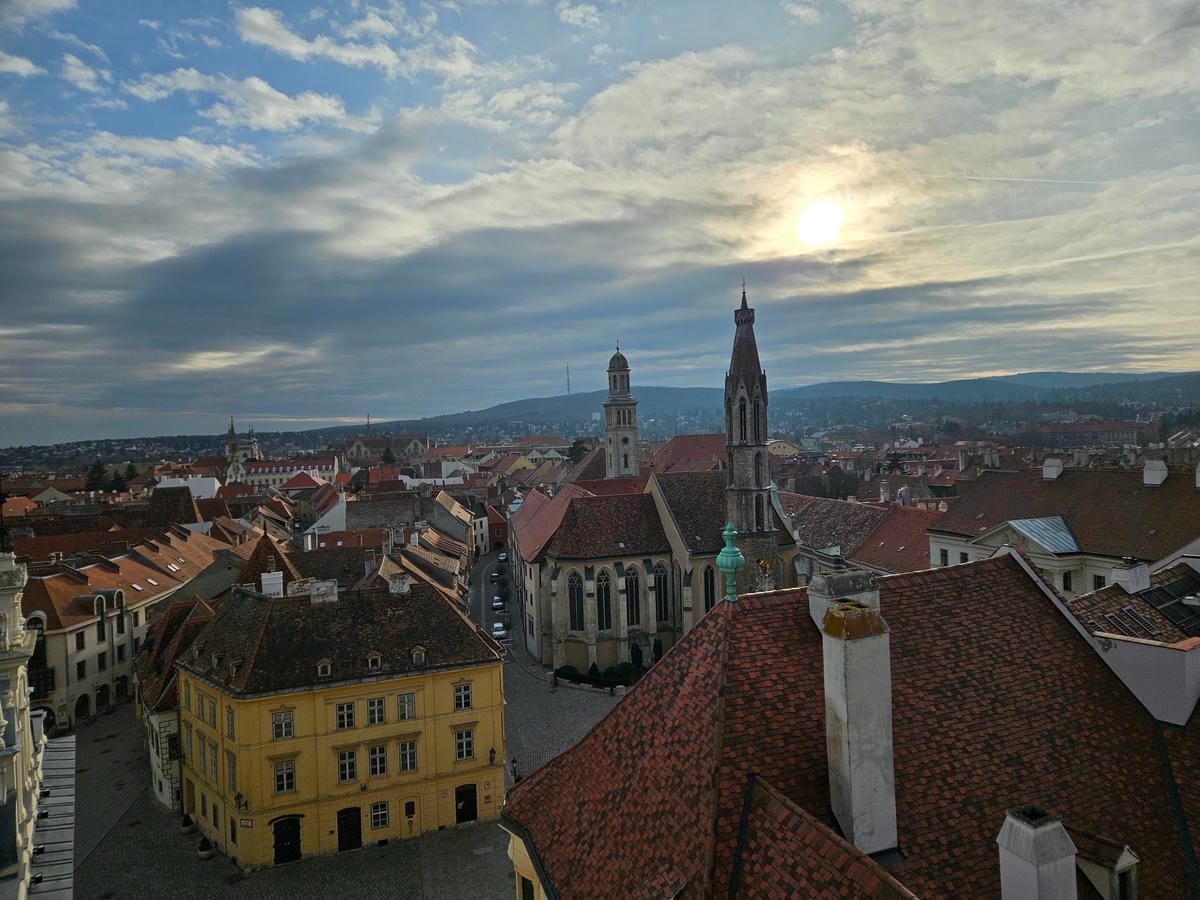
The climb to the top is steep; however, the views of the city from above were well worth the climb. You can see the old town, various churches and, on a clear day, into the Alps.
Fő tér
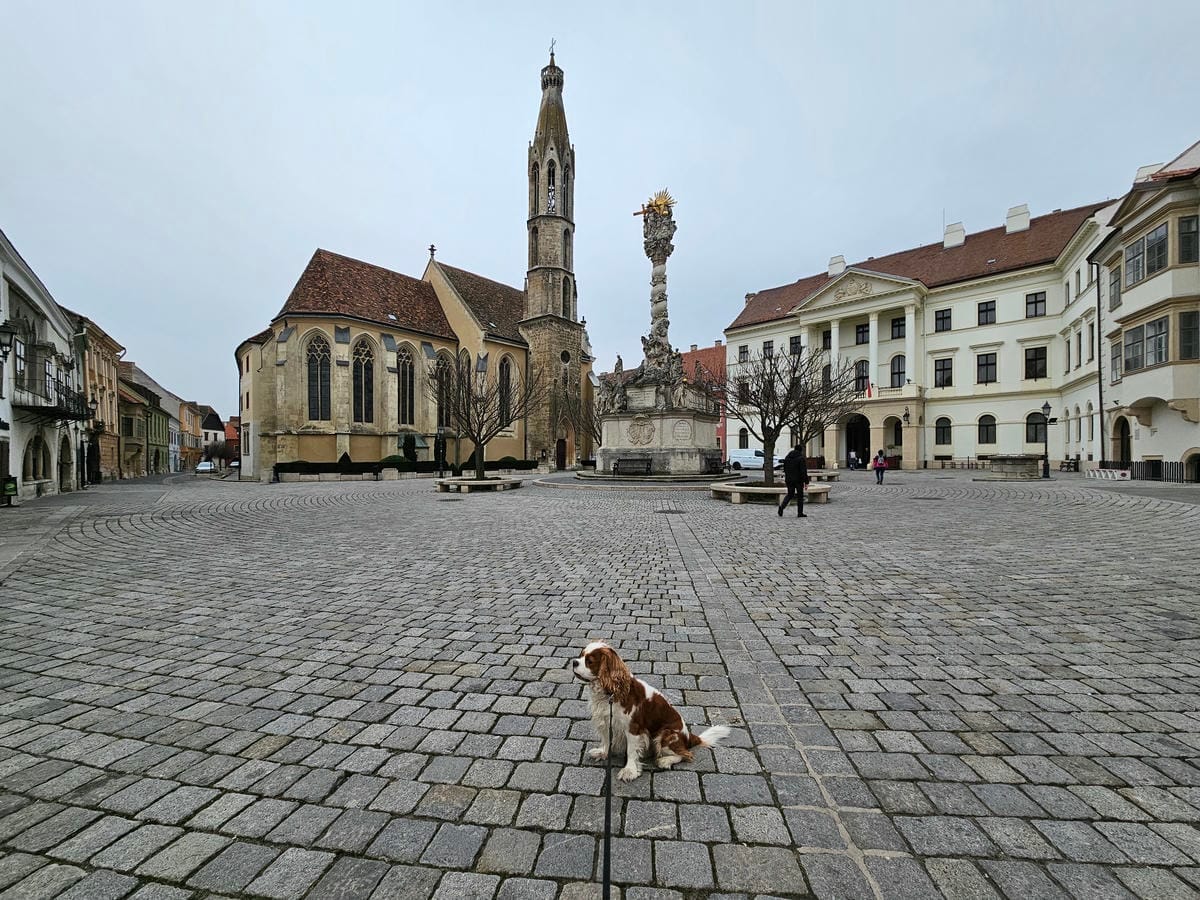
Fő tér is the main square in the old town area. The square is surrounded by beautiful buildings, and its centrepiece is the Holy Trinity Statue. Notable buildings in the square include the Fire Tower, the Town Hall, County Hall and the Goat Church.
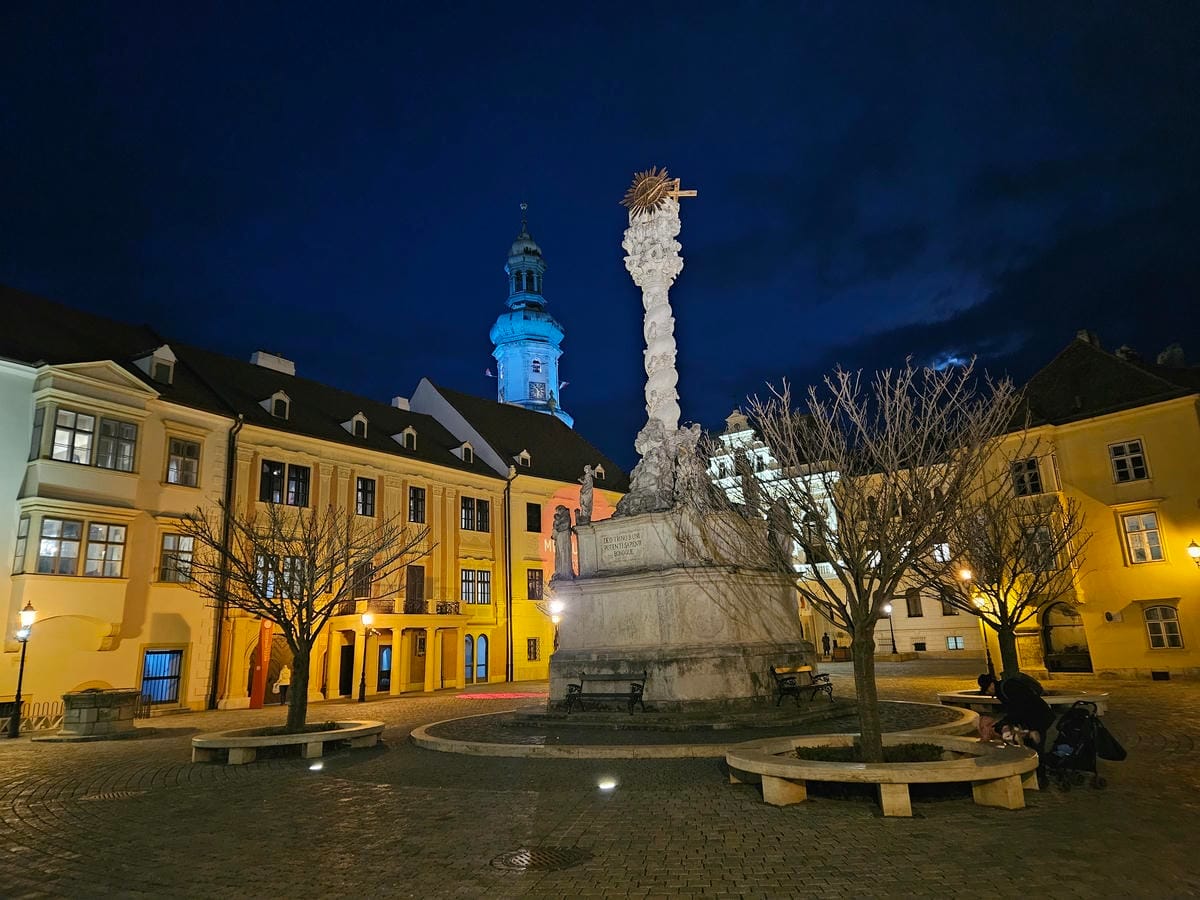
The museum district, Múzeumnegyed, is in Fő tér. There were some benches to sit on and enjoy the scenery.
Múzeumnegyed – Sopron Museum
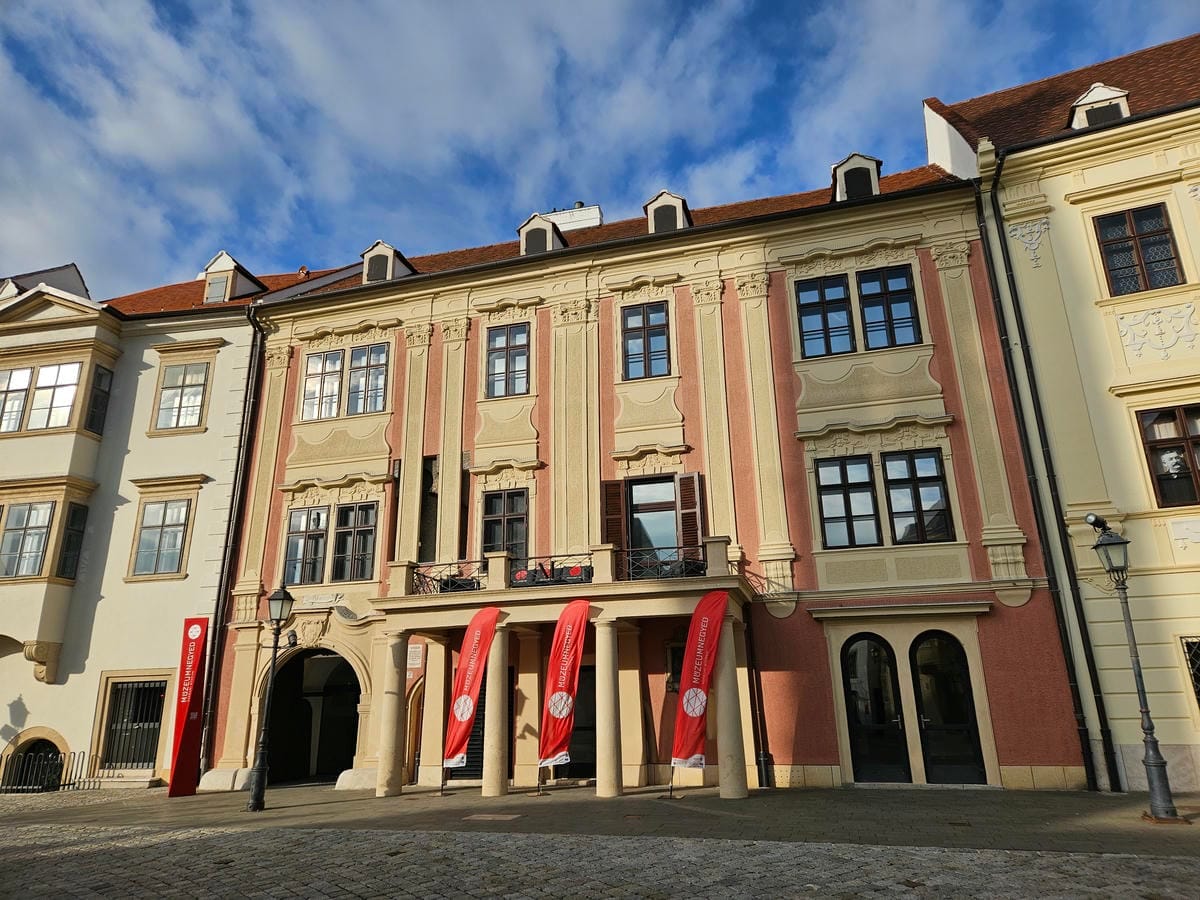
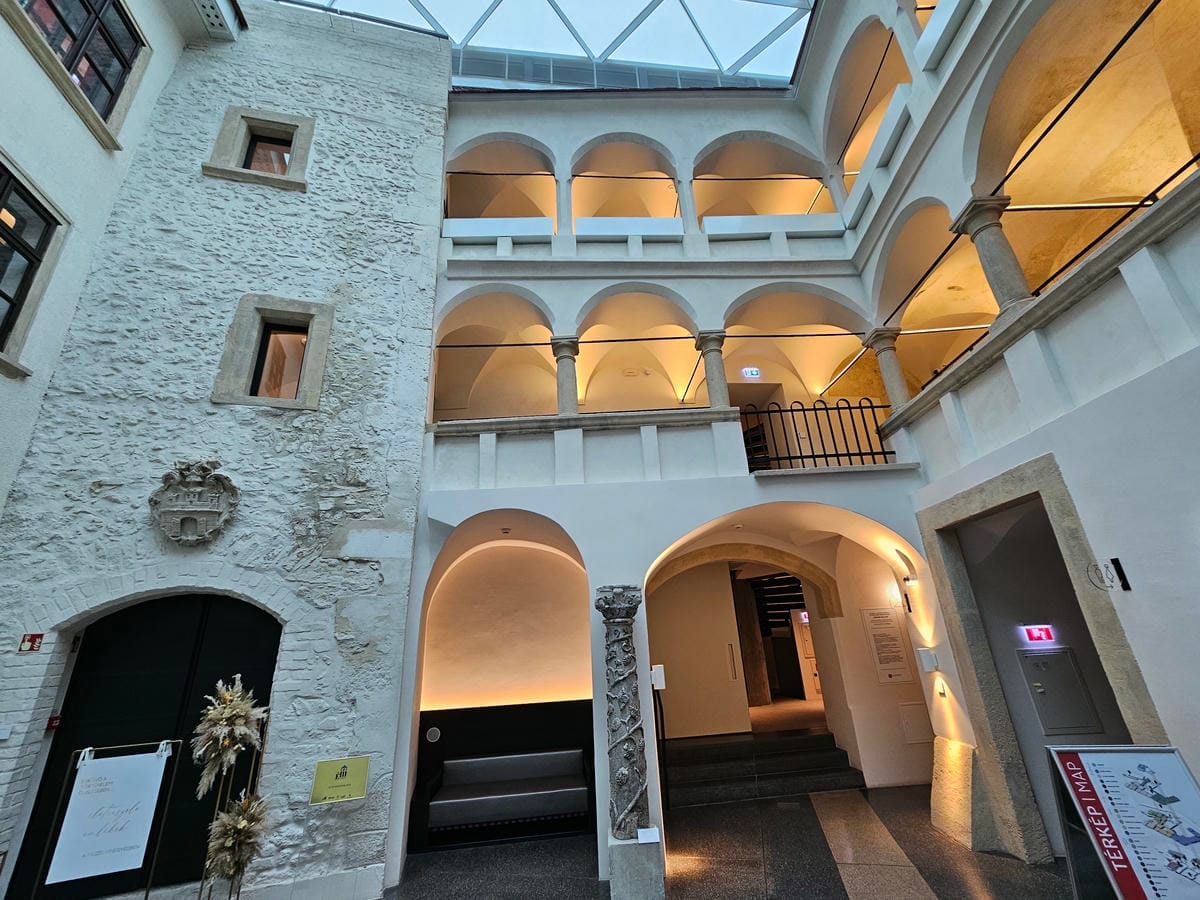
The main museum in the city is Múzeumnegyed, the Museum District. This is one building with many museums inside, and when at the ticket office, you can choose which exhibitions to enter, with an optional entry to the fire tower too. I opted for the all-areas pass so I could experience everything inside. You can find out about the distinct sections on their website.
Roman Lapidary
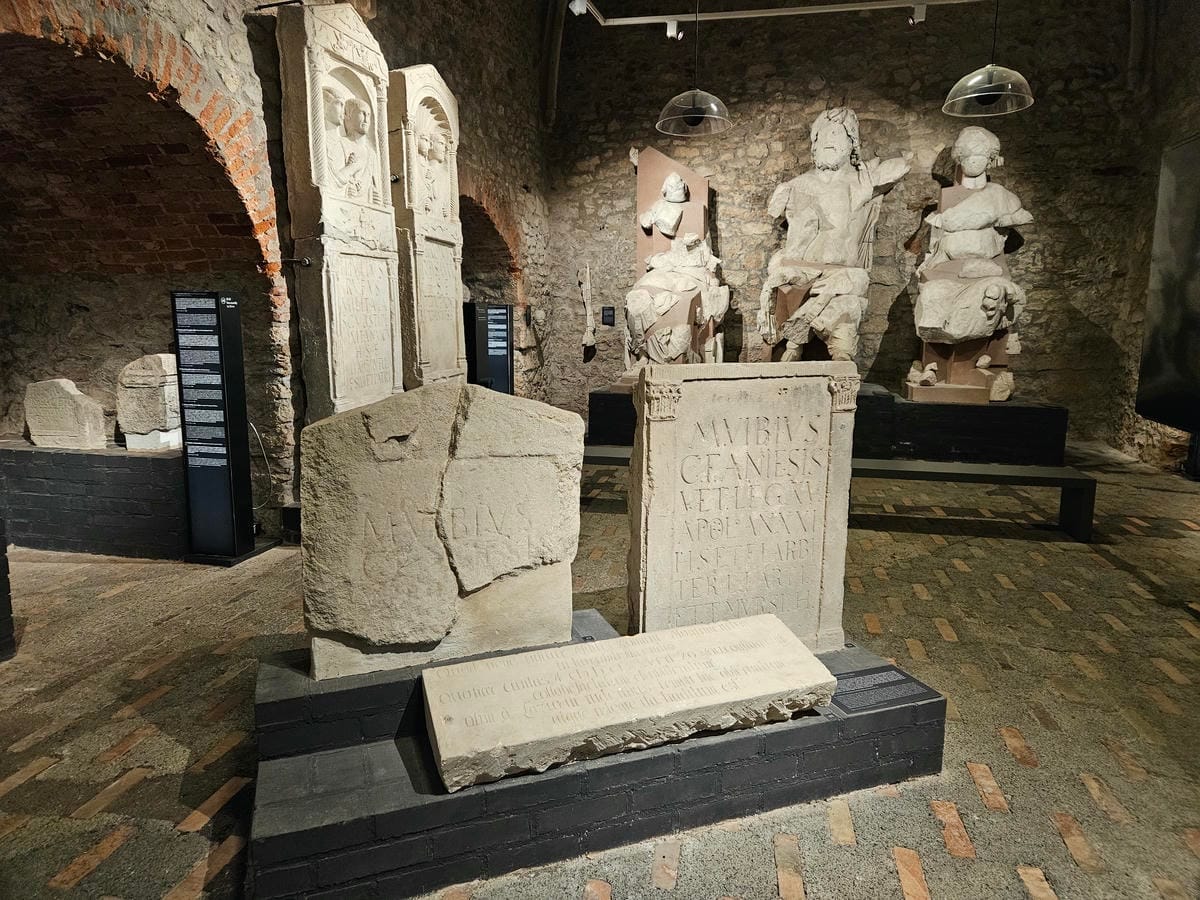
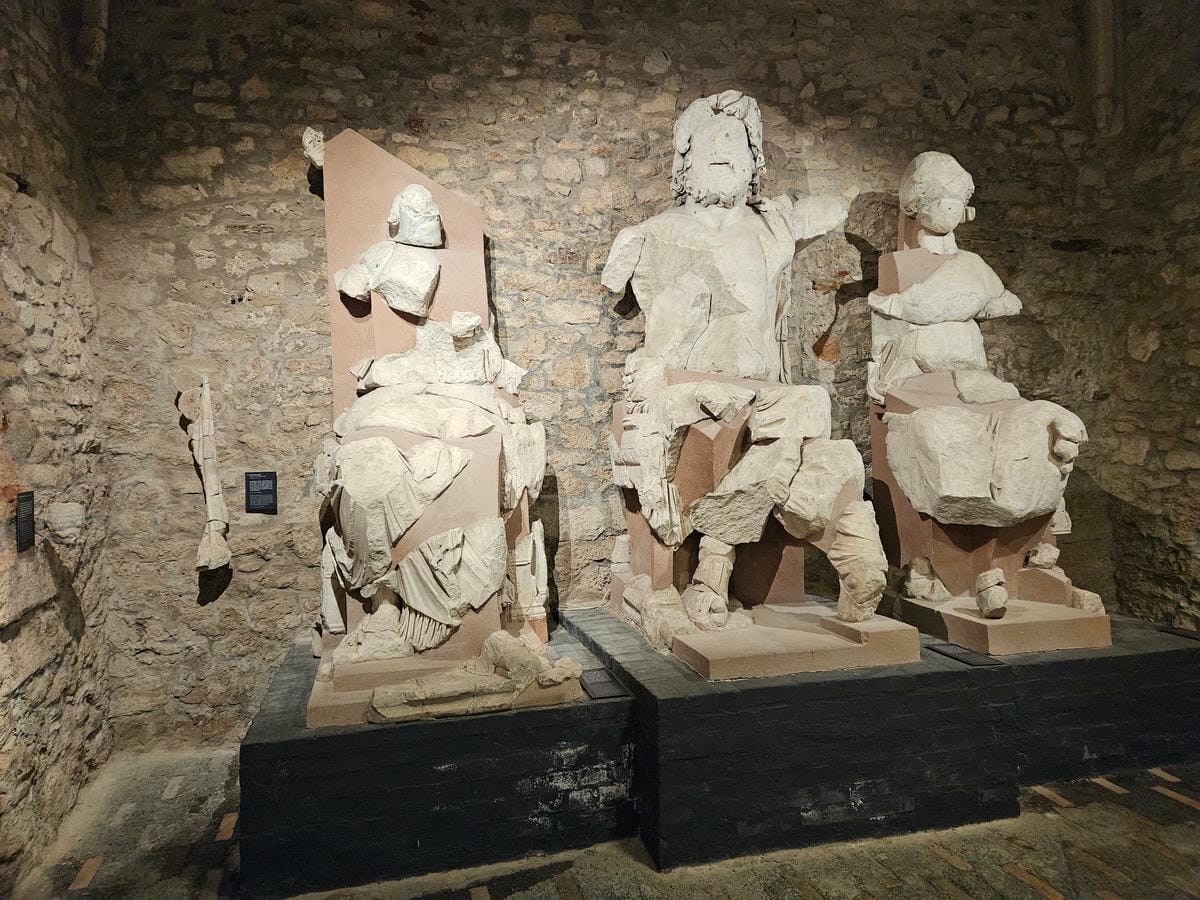
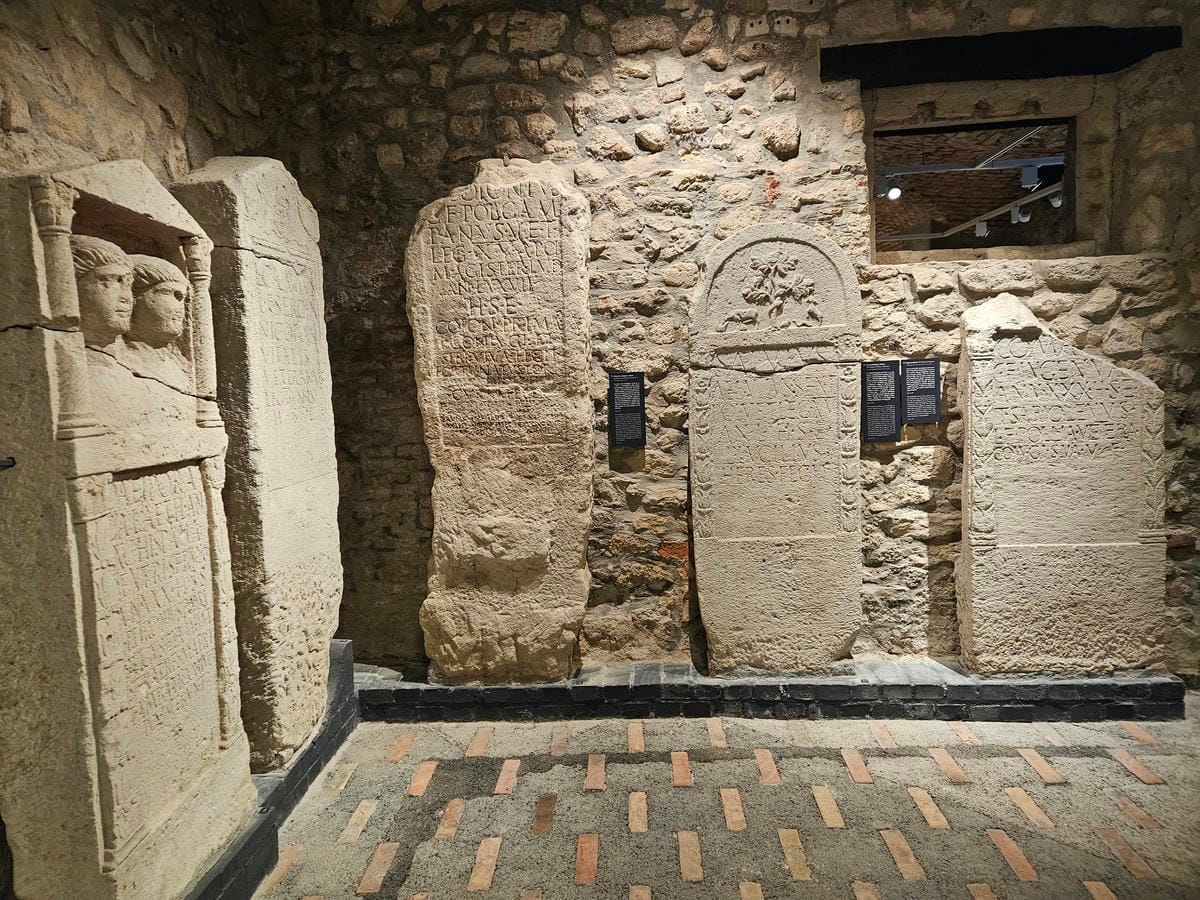
Múzeumnegyed is set over various floors, with sections separated by barcode-scanning gates. My first port of call was the lapidary in the basement, which was home to lots of Roman artefacts. This was fascinating: learning the Roman history of the area and viewing well-preserved statues, tombstones, and decorative features.
Storno Collection
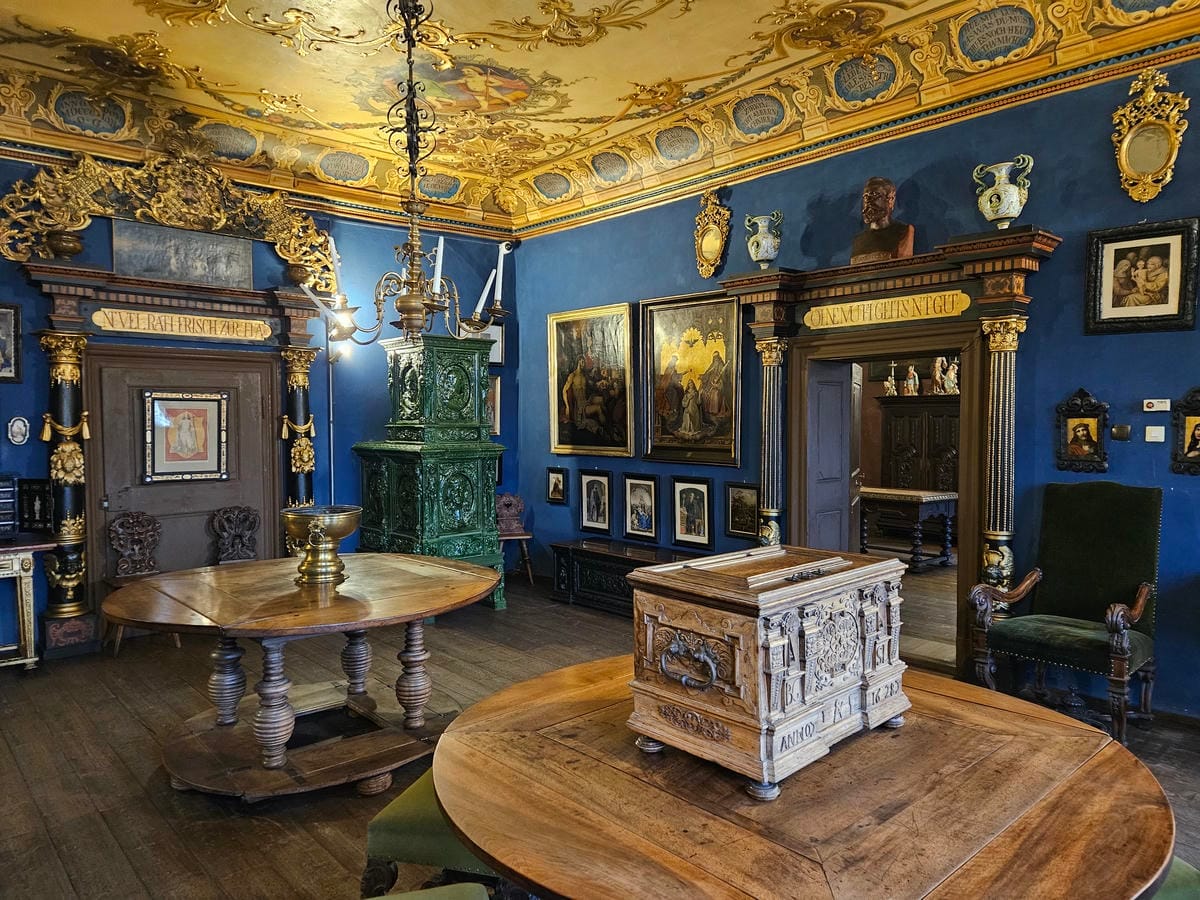
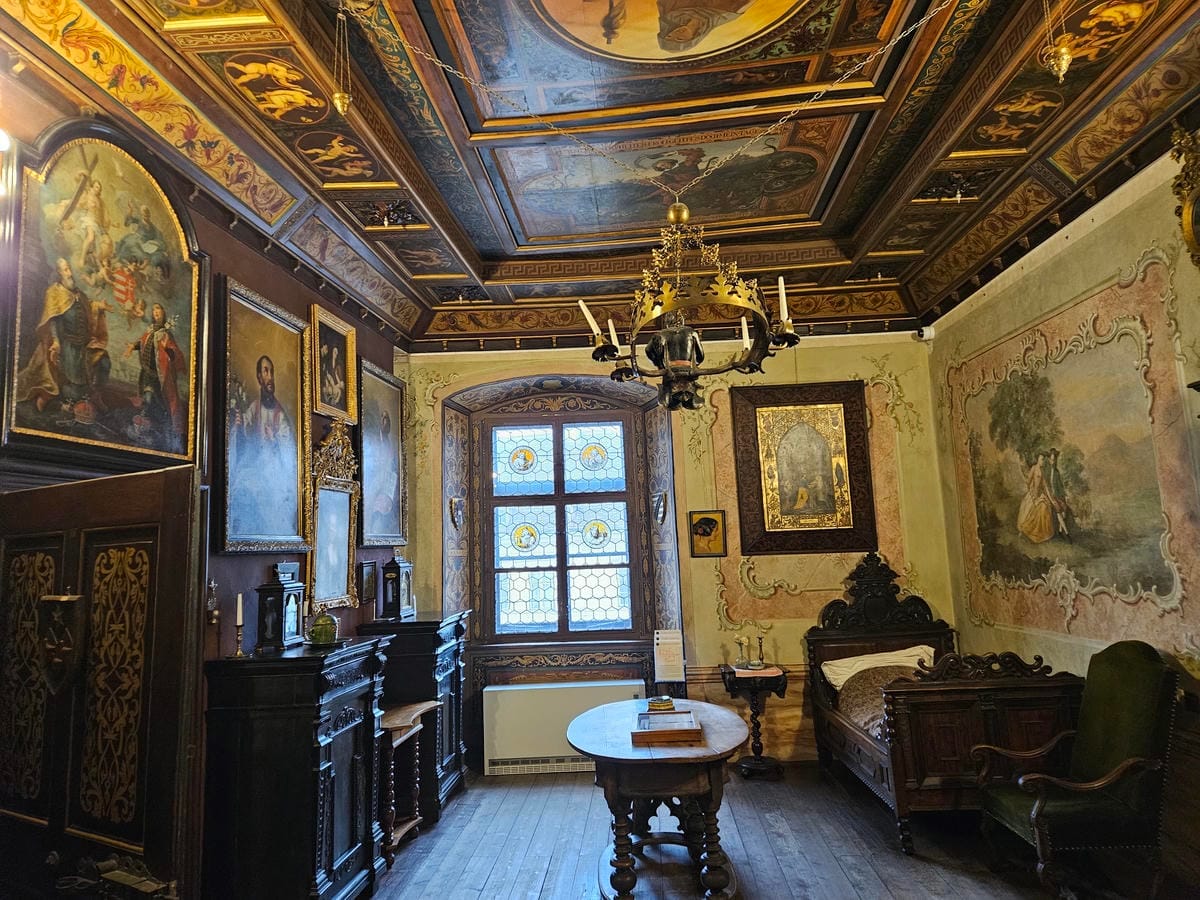
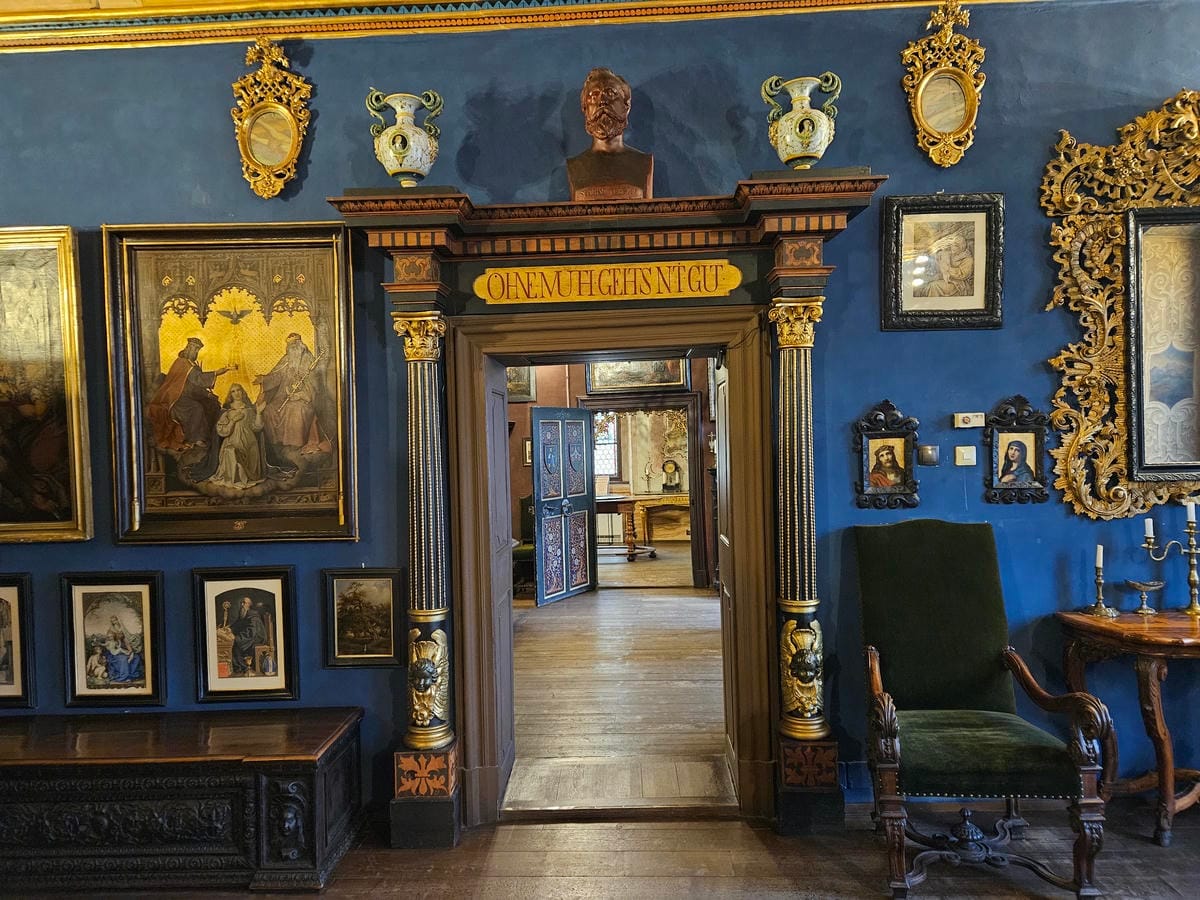
My main reason for visiting the museum was the Storno Collection. The Storno House has an eclectic collection of Italian and German art inside, including lots of Baroque details. The entire section was beautiful, and the museum told the story of the Storno family and their art collection.
Lenck Villa
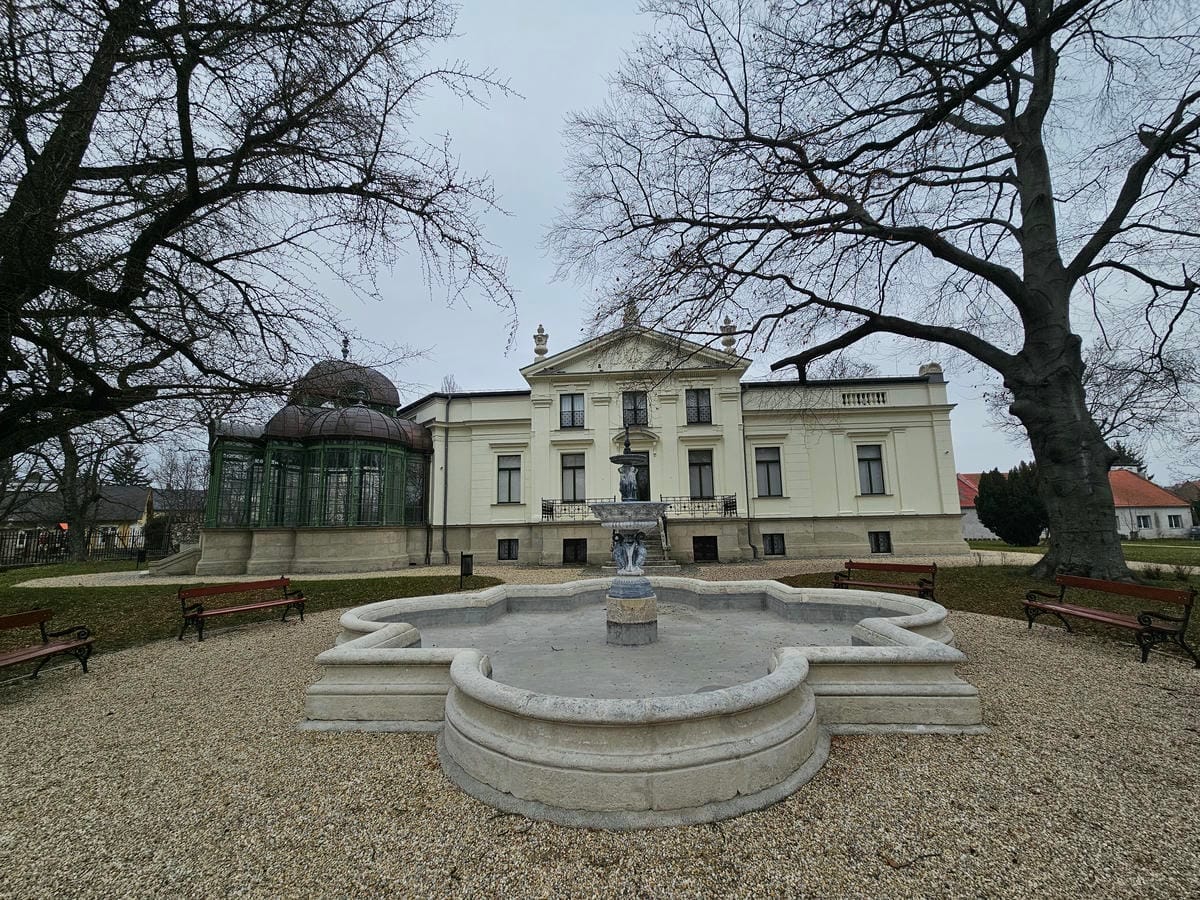
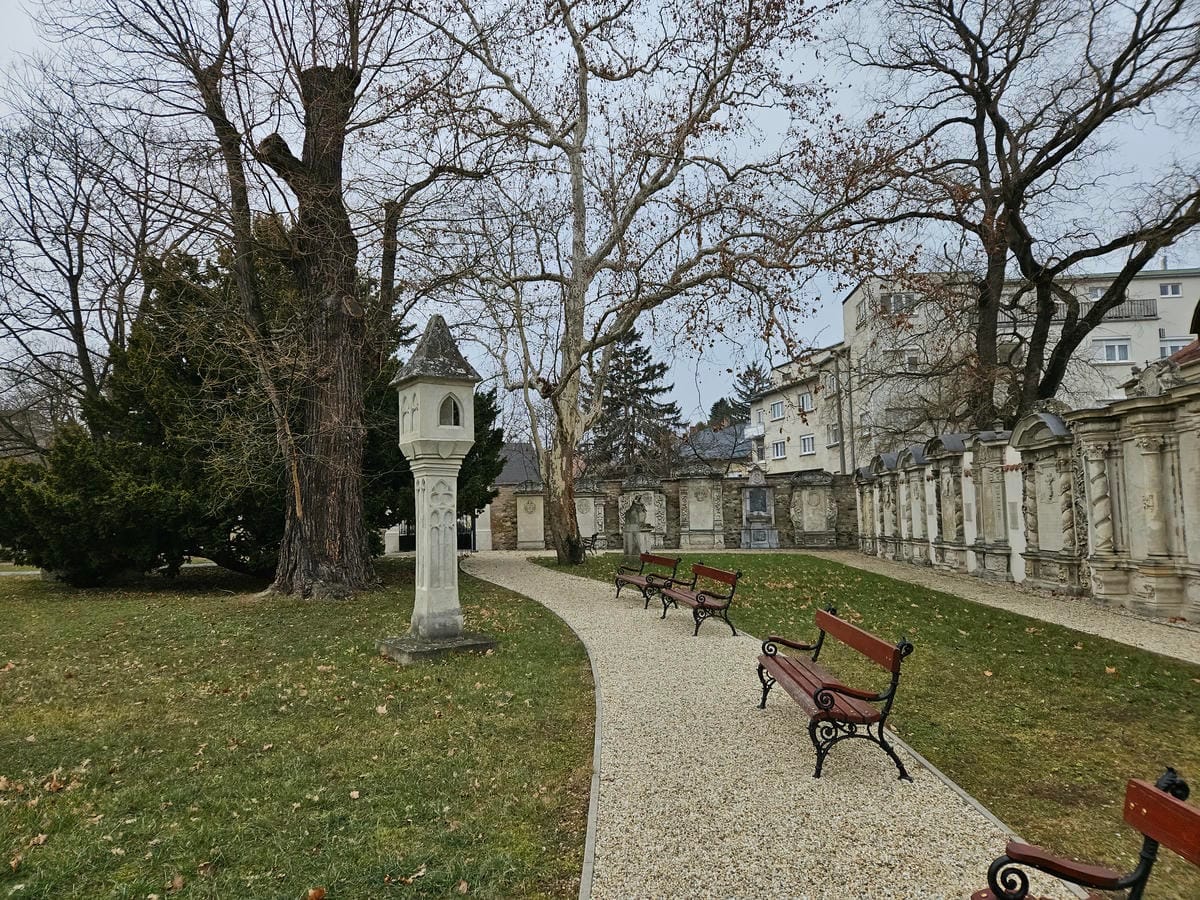
Another place we visited was Lenck Villa, which is a pretty house with lovely grounds with lots of stone artefacts. Lenck Villa was built in 1892 in the Classicist style of architecture. They constructed this place based on the plans of Otto Hofer, a Viennese architect who was born in Sopron.
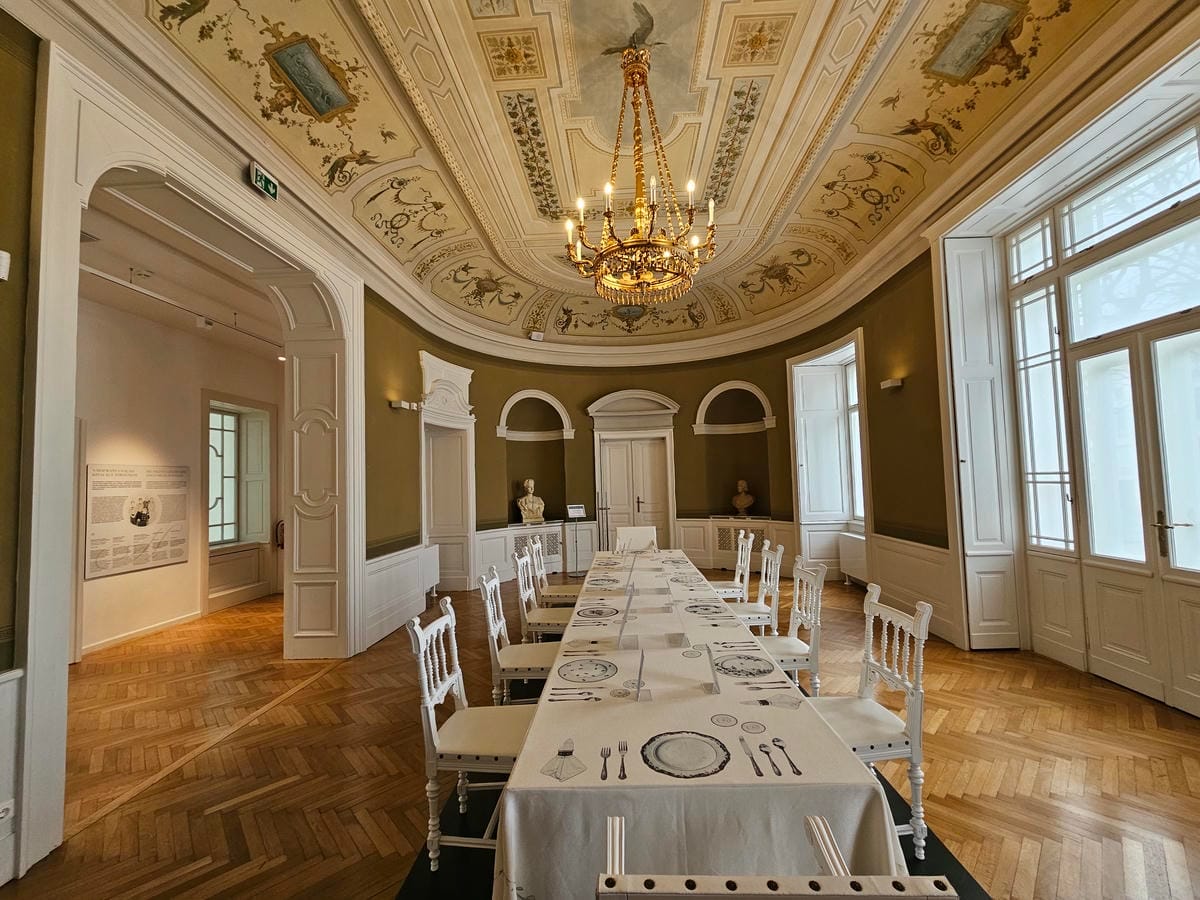
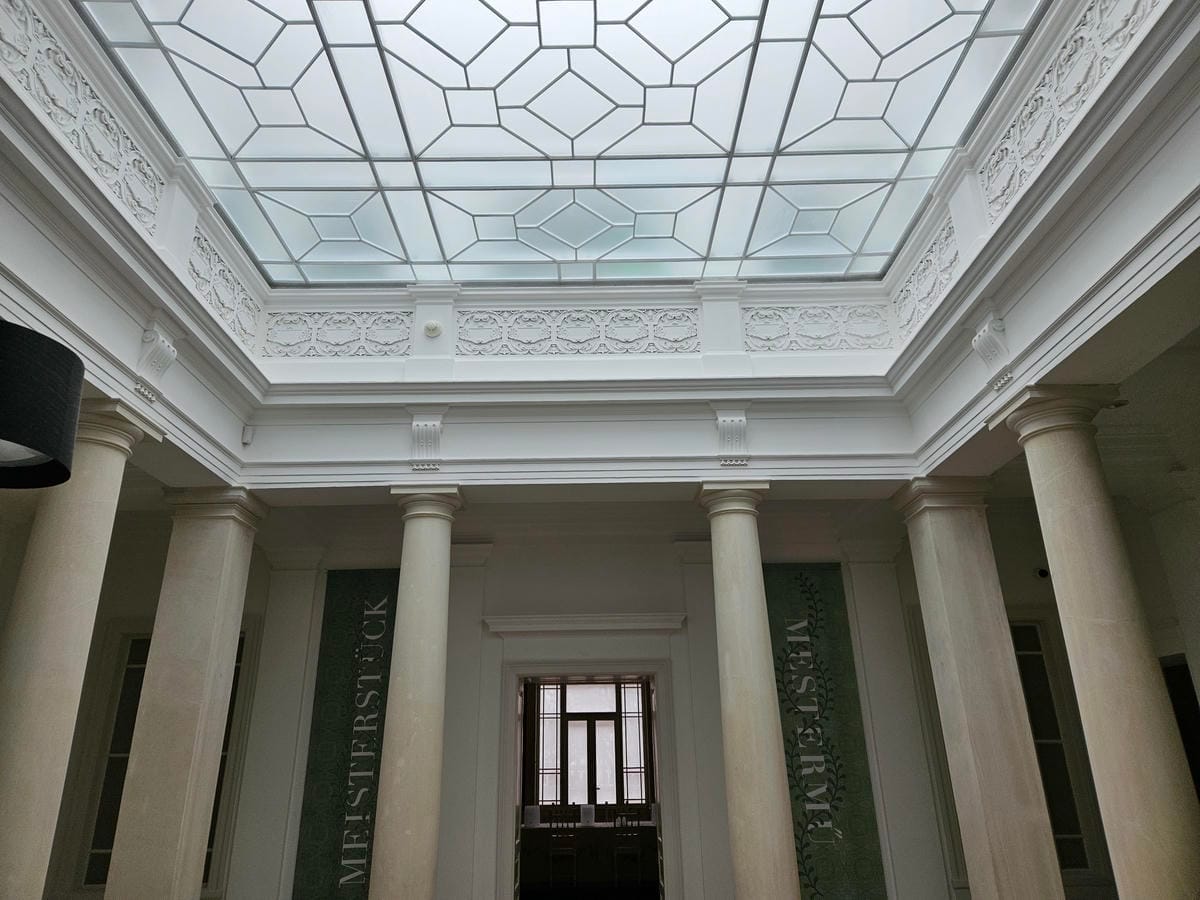
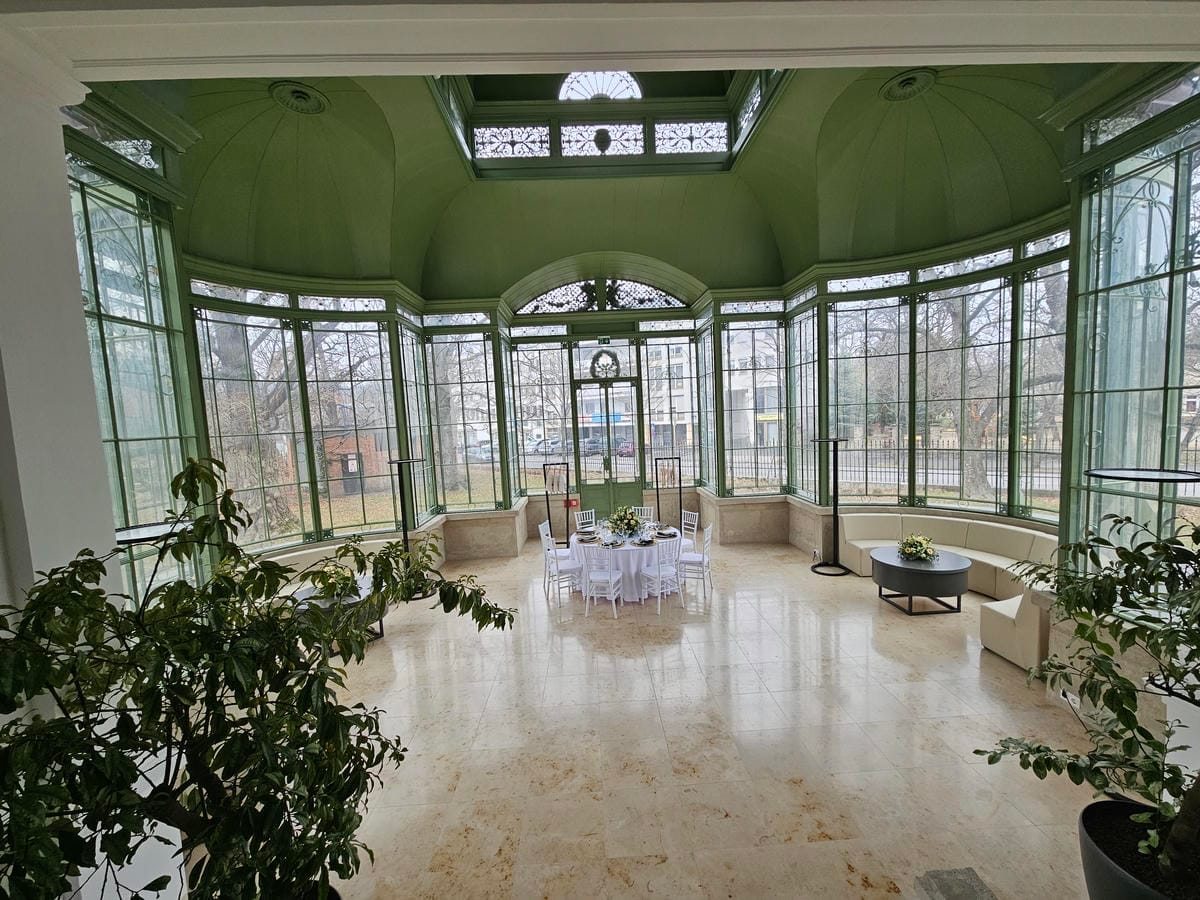
There were various exhibits throughout, such as the epic rooms of the luxury home. The dining room and conservatory both impressed me with their details and lavishness.
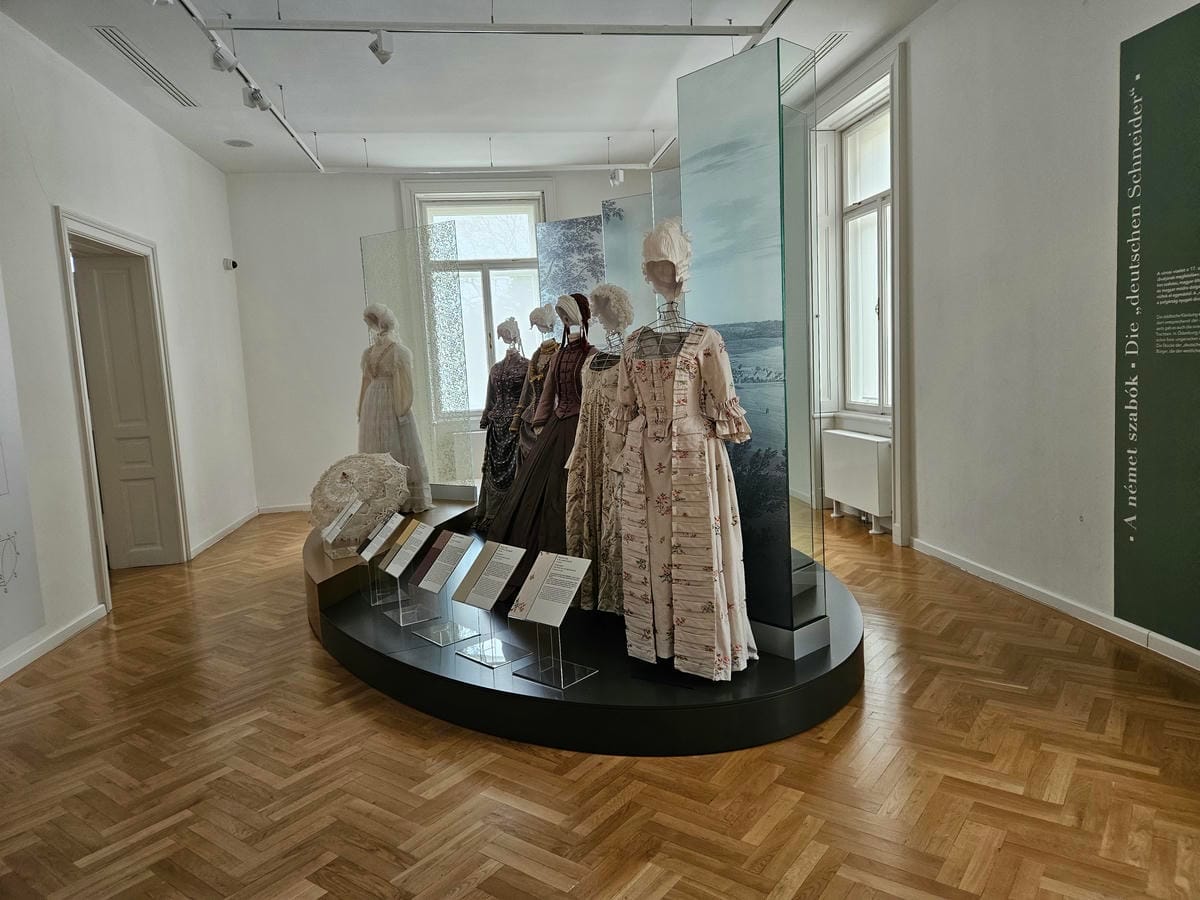
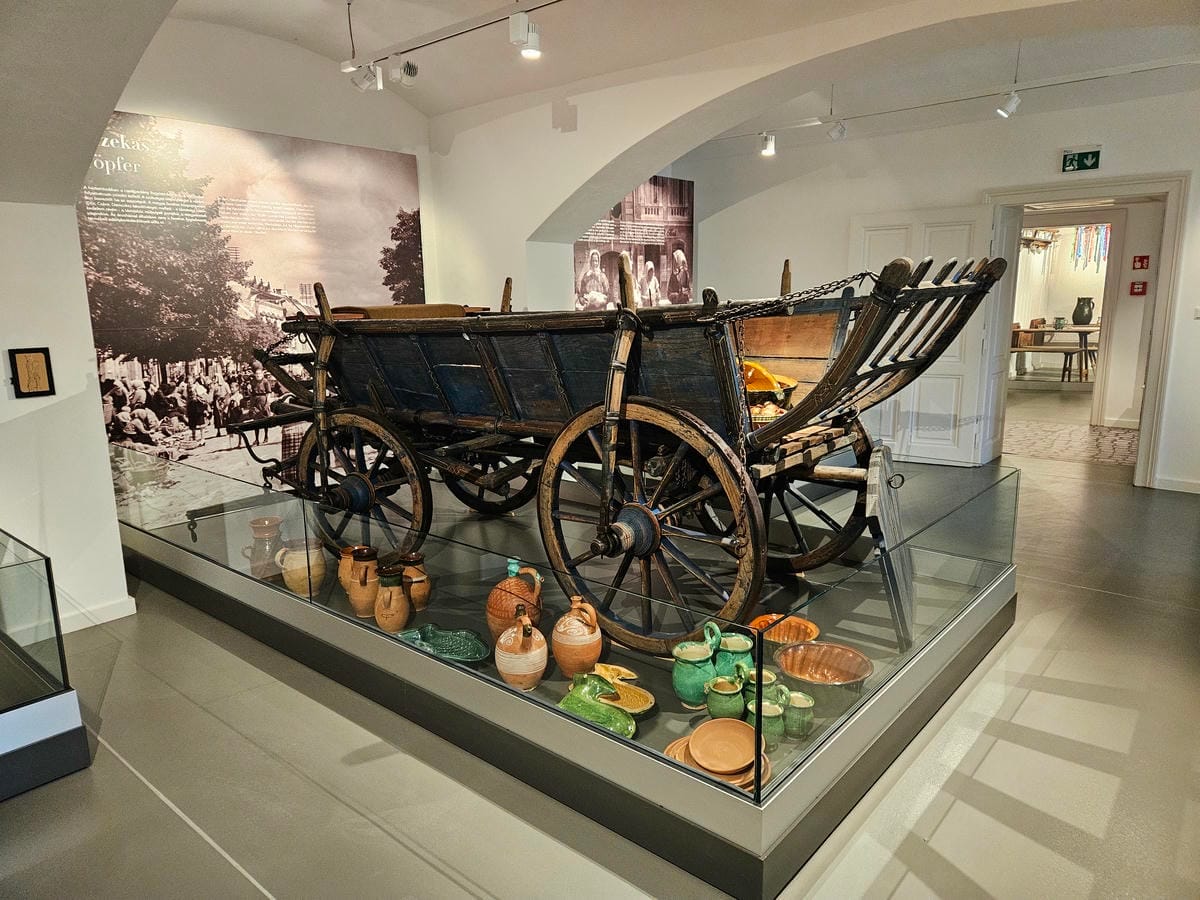
The museum’s collections include learning about clothing manufacture and the clothes of the people who called the villa home. Other exhibits were about the carts, chests and winemaking of the region.
Goat Church – Blessed Mary Benedictine Church
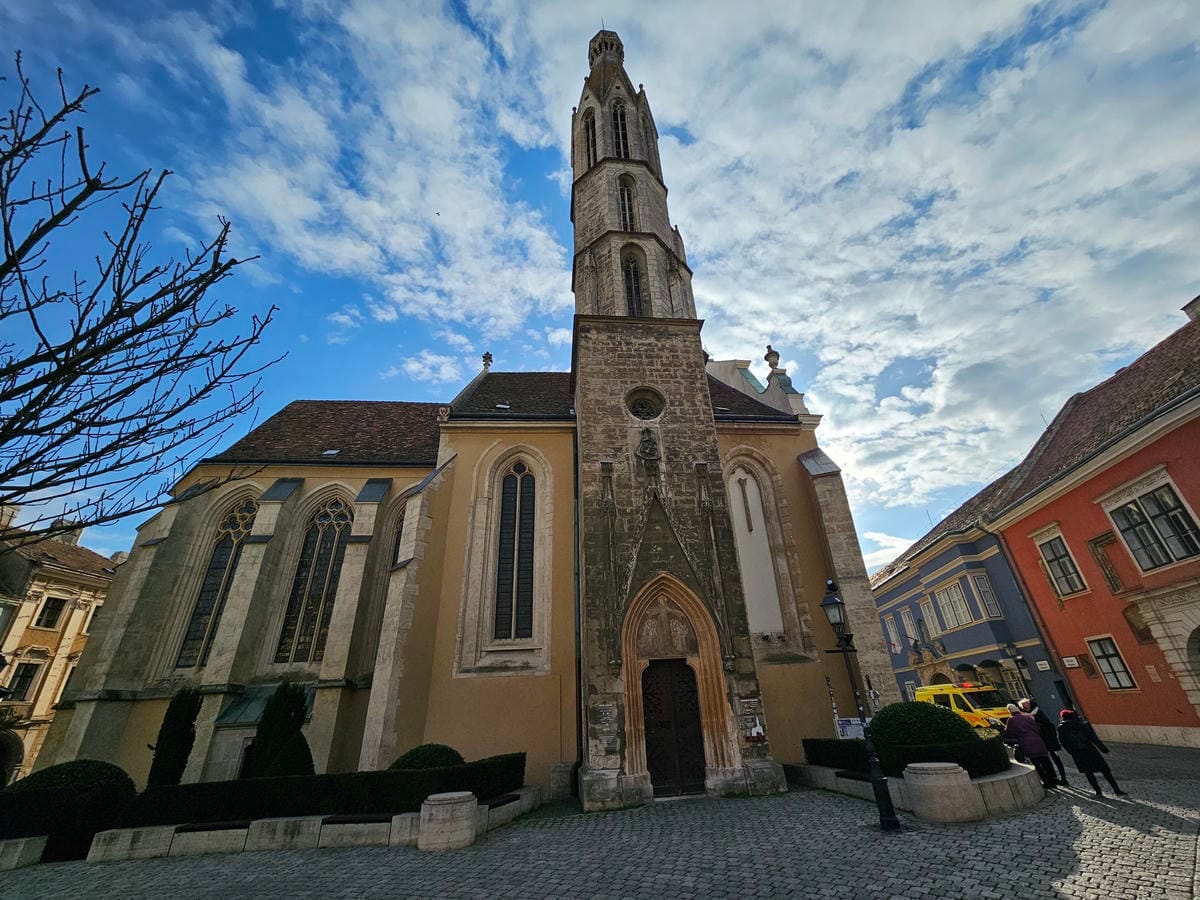
In the main square is the most famous church in the city, Blessed Mary Benedictine Church, AKA the Goat Church. The church dates from the 13th century, and the current building was rebuilt from a Gothic place of worship in the 14th and 15th centuries for the Geissel family. Their coat of arms is on the tower, which gave the church its goat moniker. According to legend, the name came from a goat finding treasure which funded the building of the church.
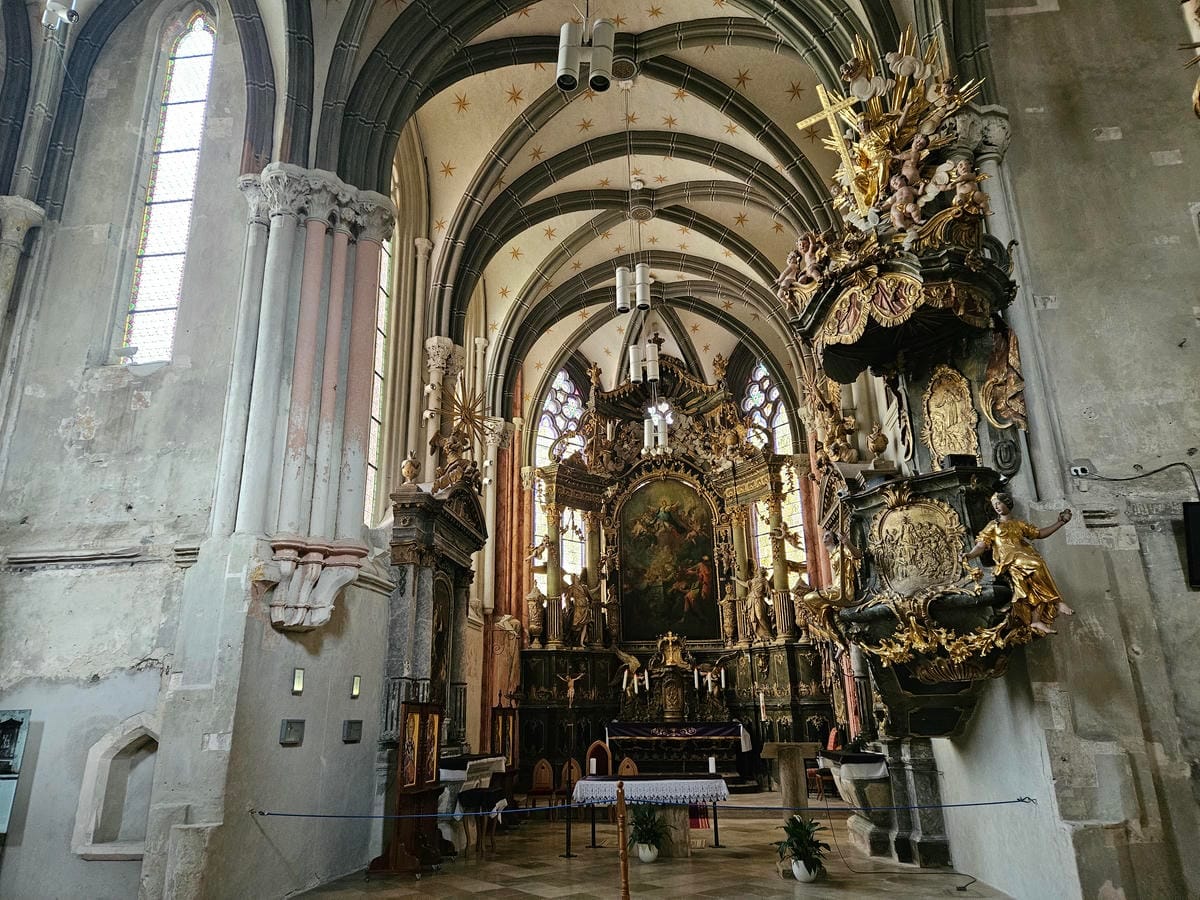
This is a splendid building from the outside, especially from Fő tér. Inside there are baroque decorative features and art. A standout feature for me was the pulpits, one red and one created in the Baroque style. They tell the story of the church and its features inside, which are available to read in various languages.
City Walls
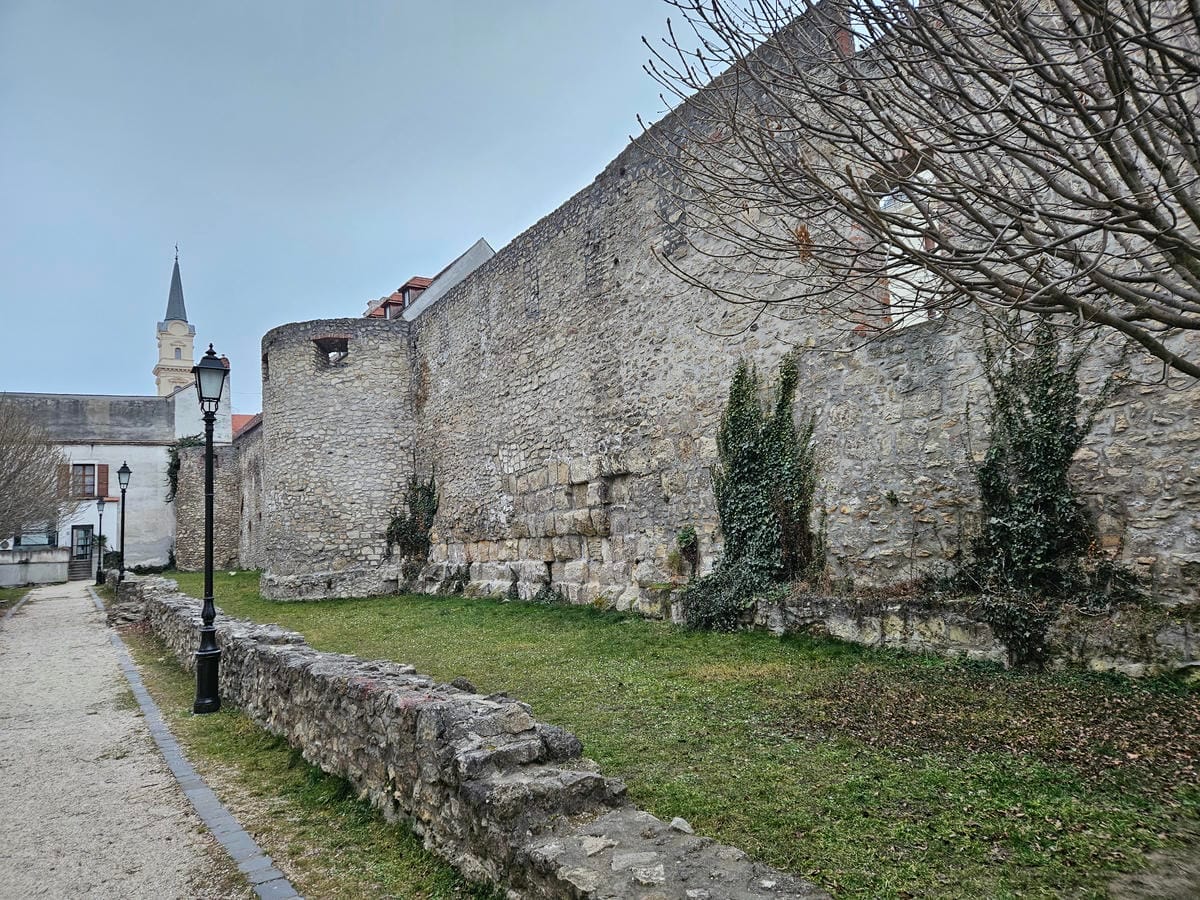
The city walls surround the old town centre and are a great place for a walk. These are the former Roman castle walls of the city of Scarbantia. These are open all day; however, sections have gates that close overnight.
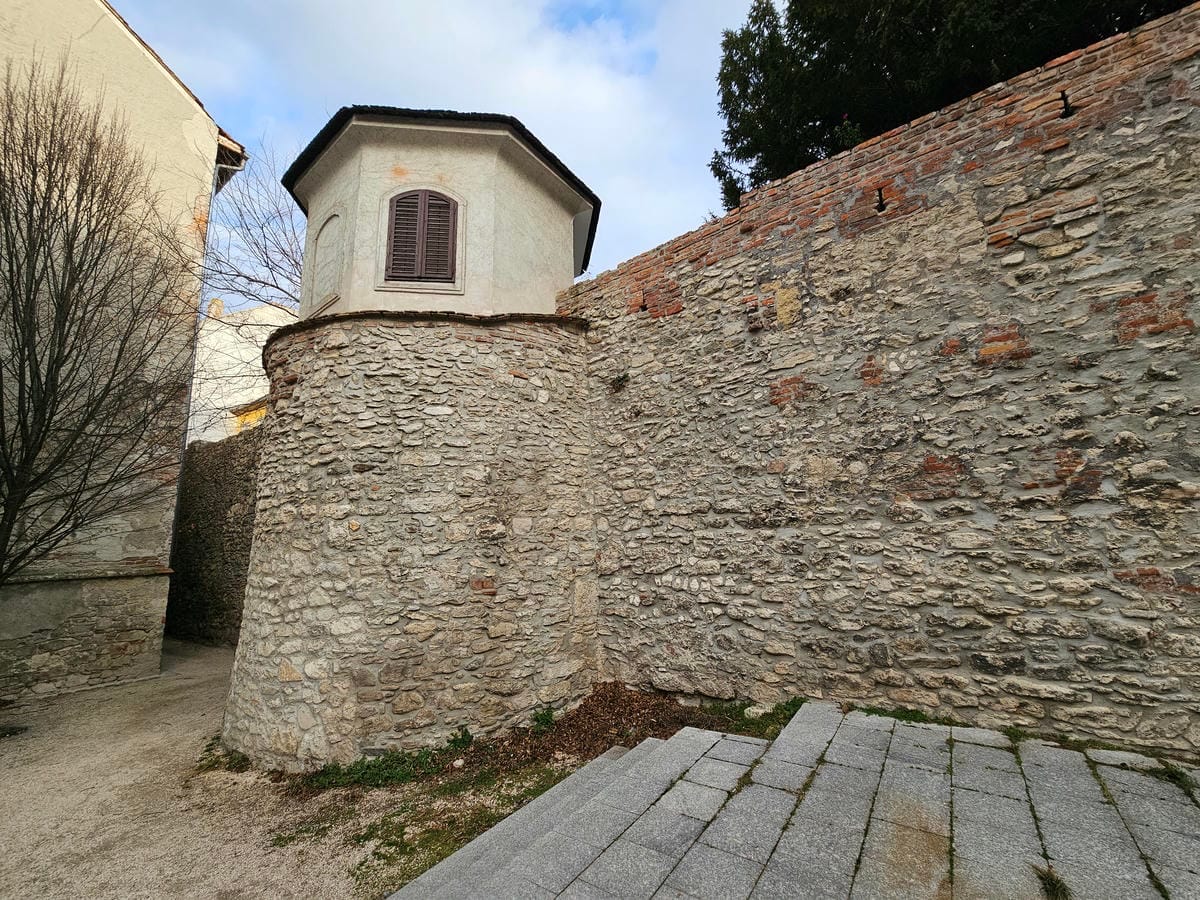
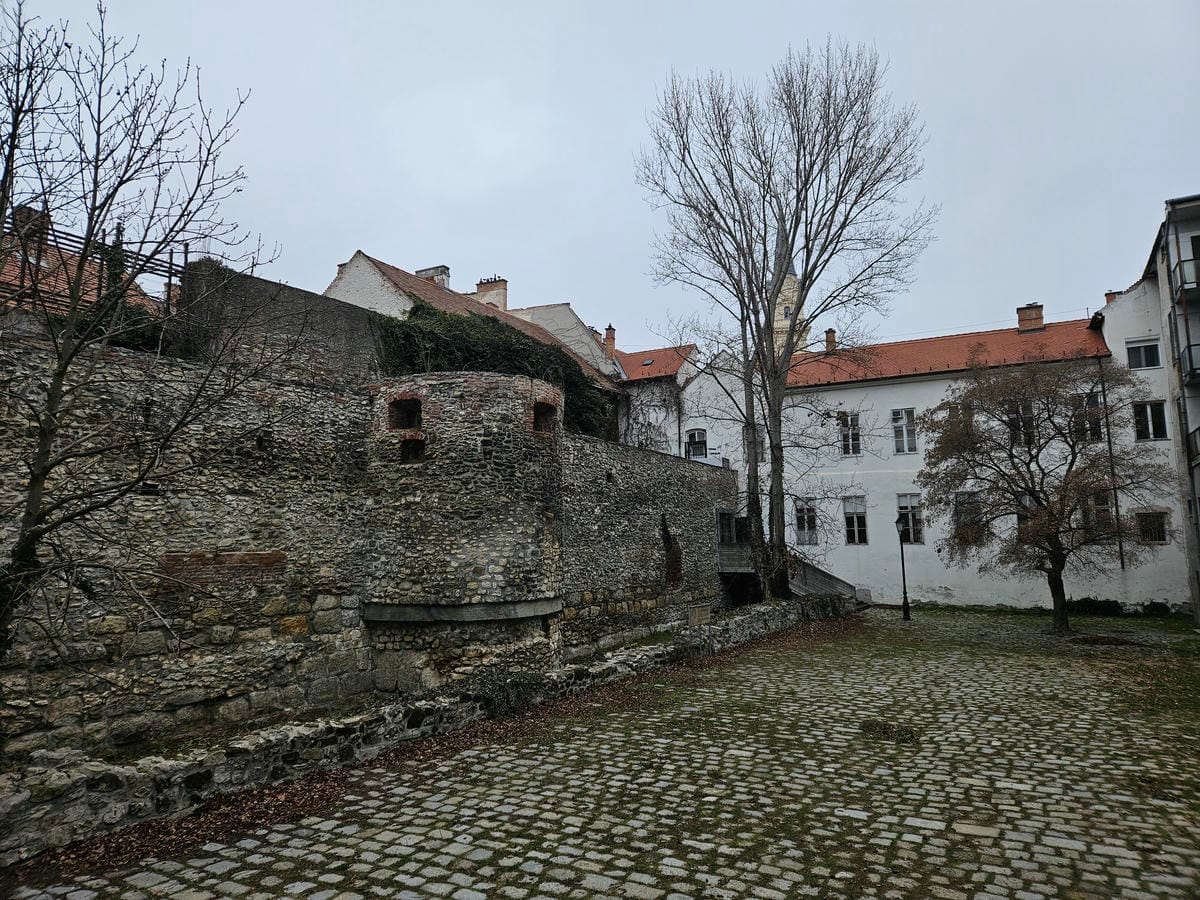
After the Romans left the town, it was abandoned until the 11th century, when the ruins became the base of the current fortifications. The fire tower was added to the fortification in the 13th century. In the 17th century, several bastions were added to counter the threat of the Ottomans.
Orsolya tér
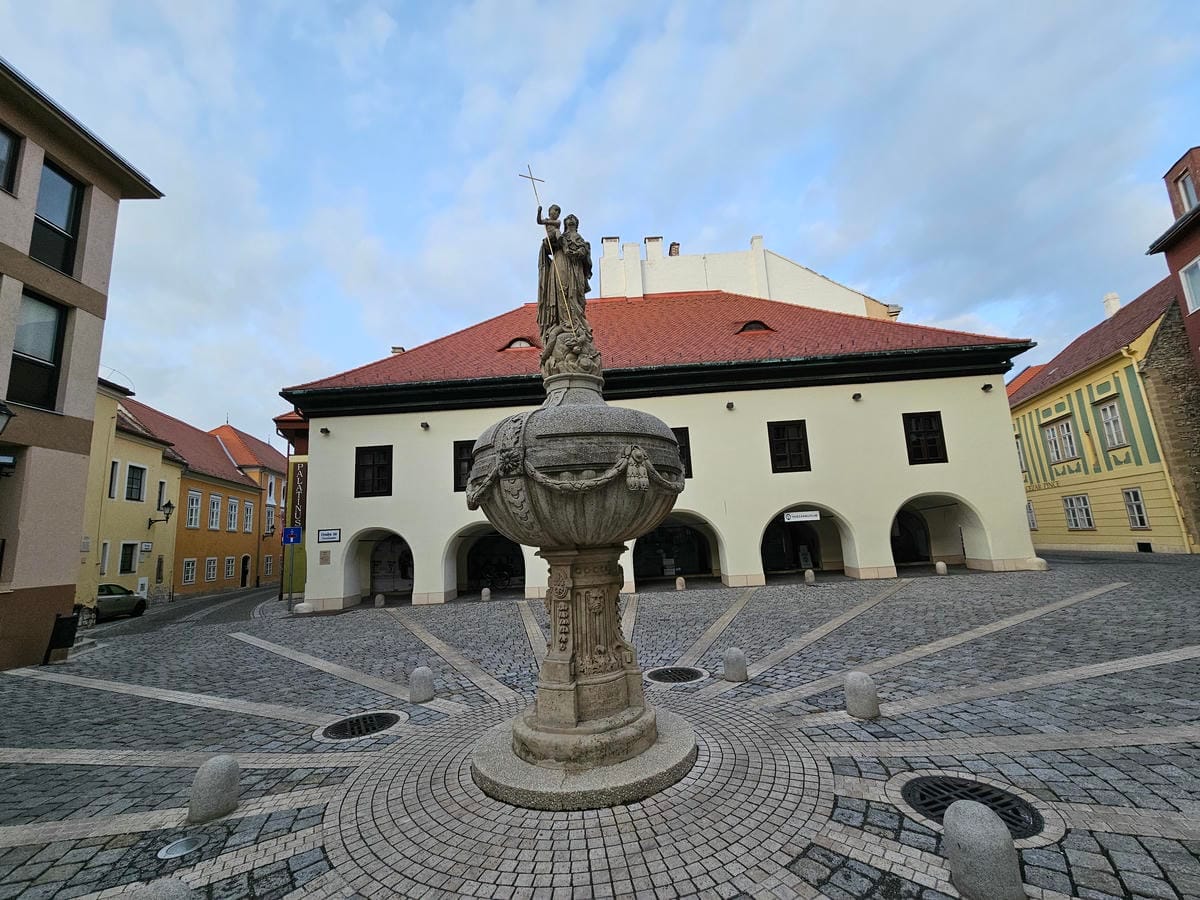
Orsolya Square is in the old town within the castle walls. It is one of the oldest squares in the city and was initially a salt market in 1428. Features include the Lábasház building, St Mary’s well and the convent church.
Orsolyita Church and Convent
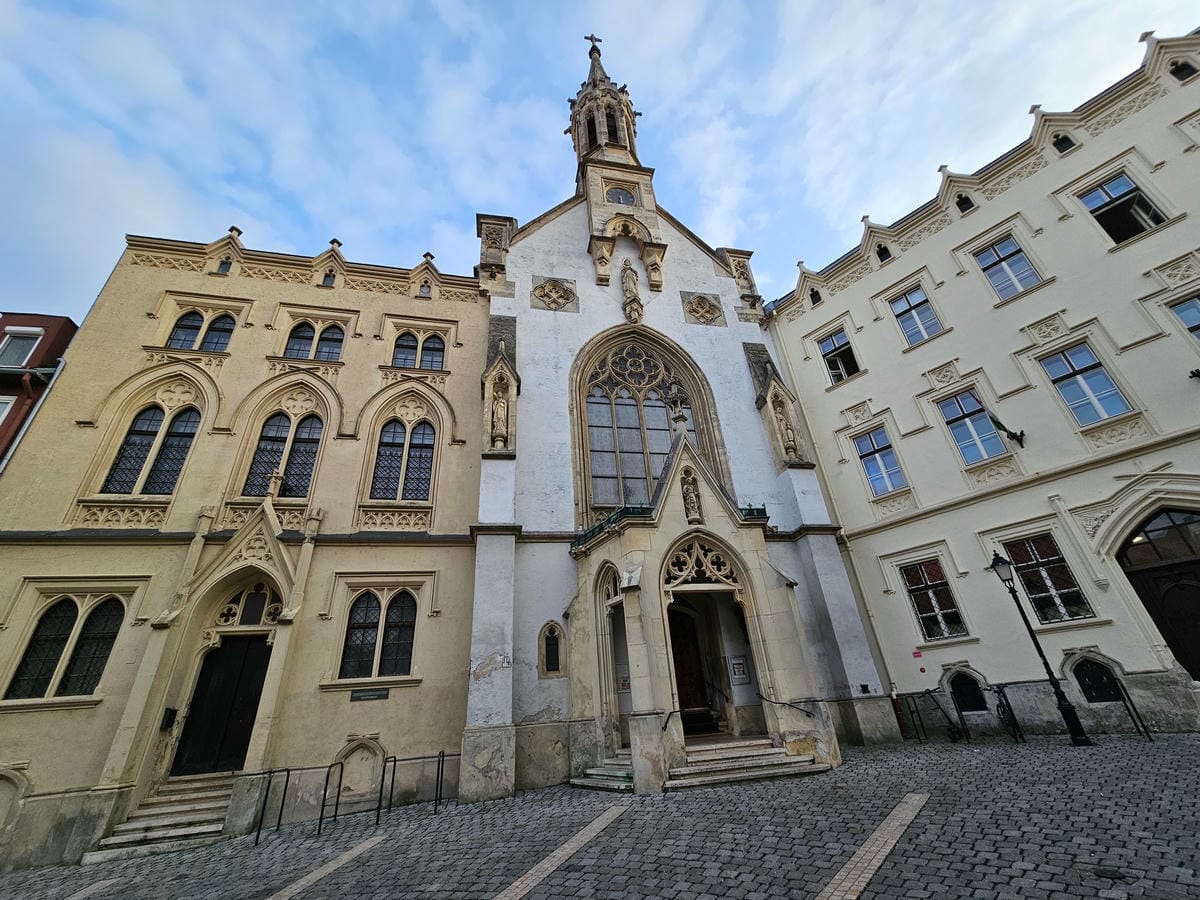
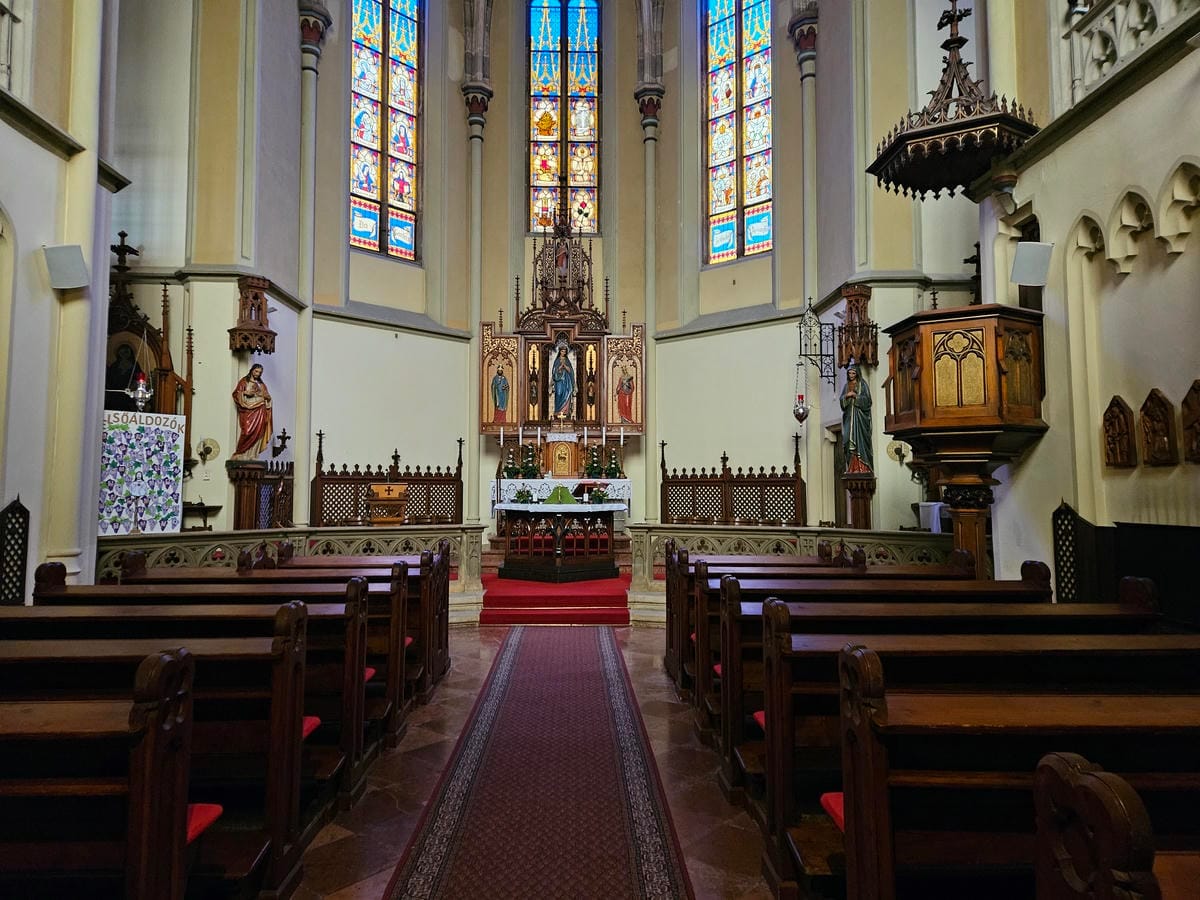
Orsolyita Church is in Orsolya Square, one of the oldest town squares in the city. The church was originally built in 1773. It has had some famous visitors, most notably Empress Maria Theresa. It was rebuilt in the neo-Gothic style in 1864, which is the building here today. You can also visit inside for free.
Széchenyi tér
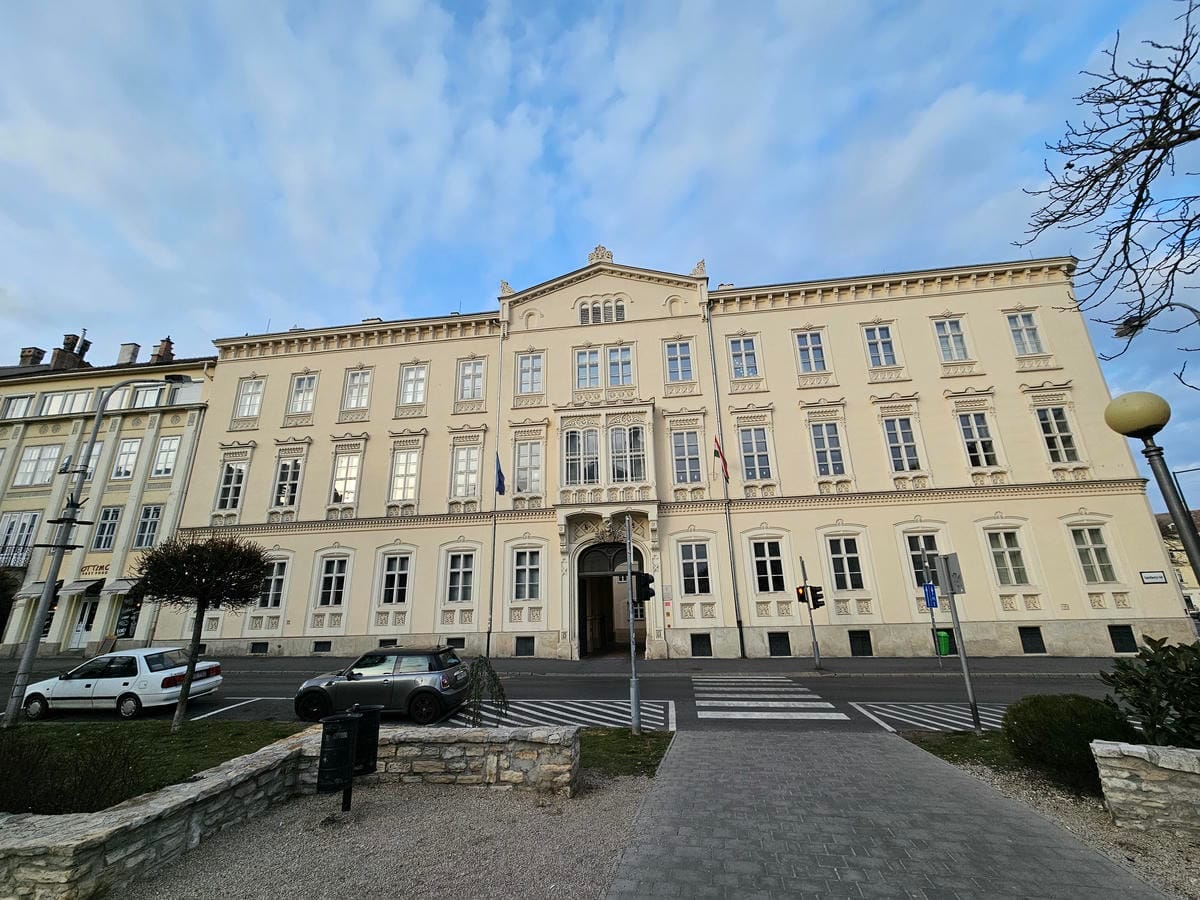
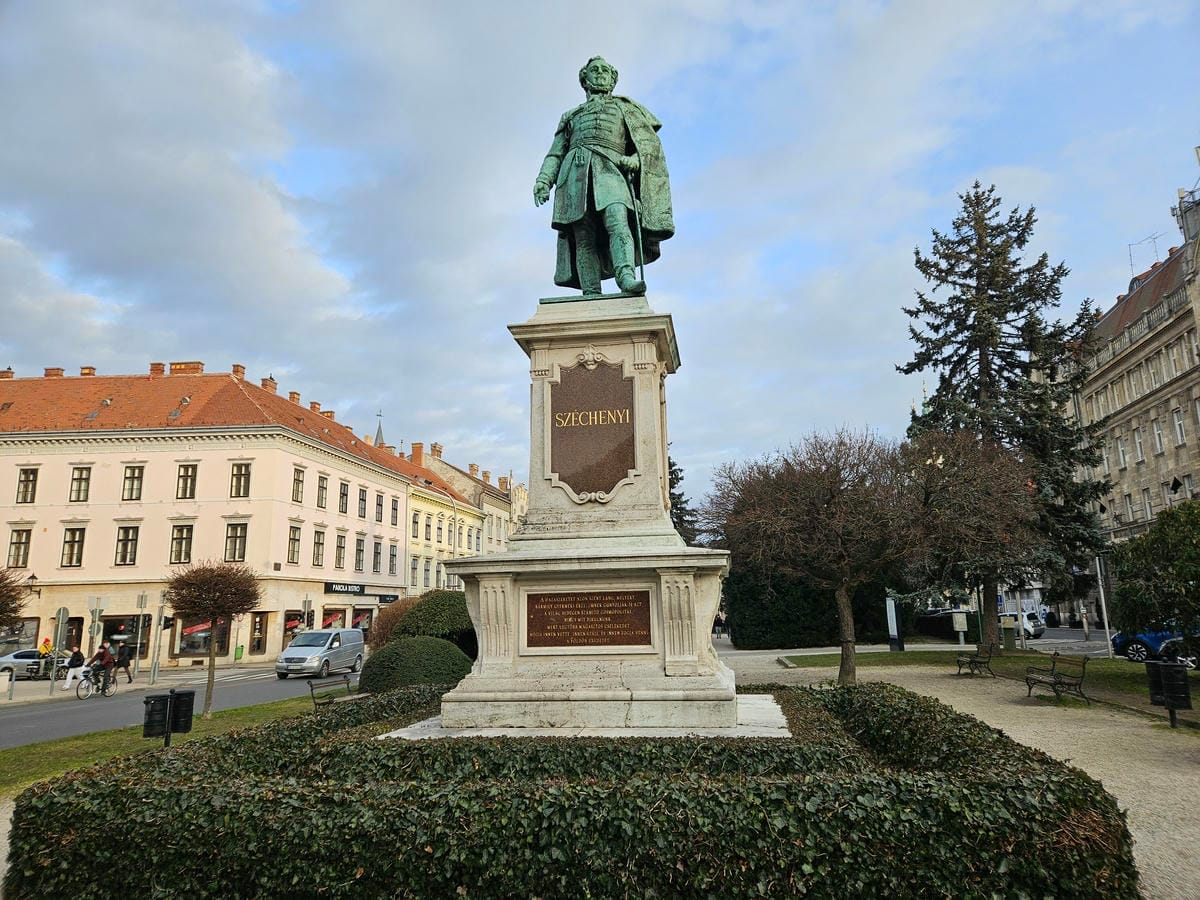
Another nice place for a mooch around is Széchenyi Square. This city promenade was created in the early 19th century. It has lots of decorative buildings at the edges, and the promenade has a pleasant garden with statues, including one of Count István Széchenyi.
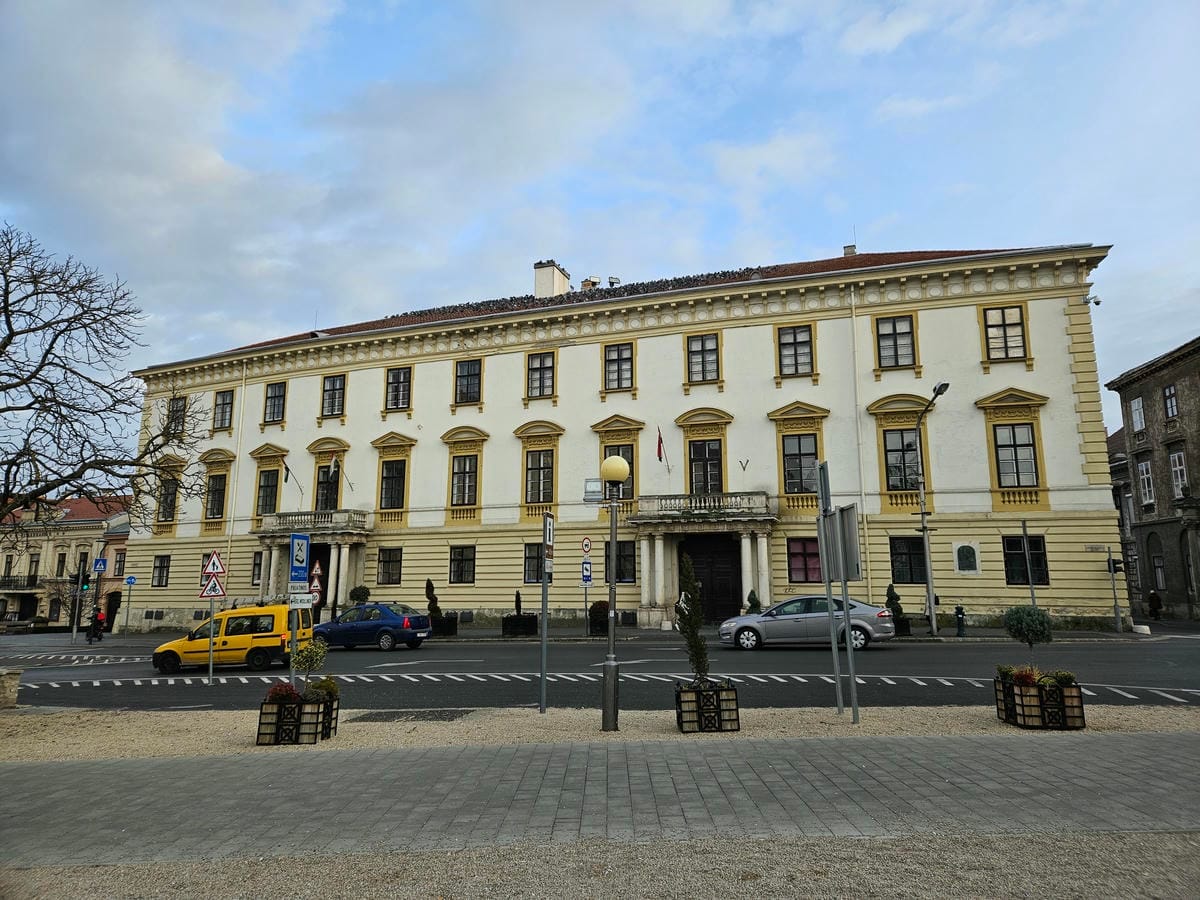
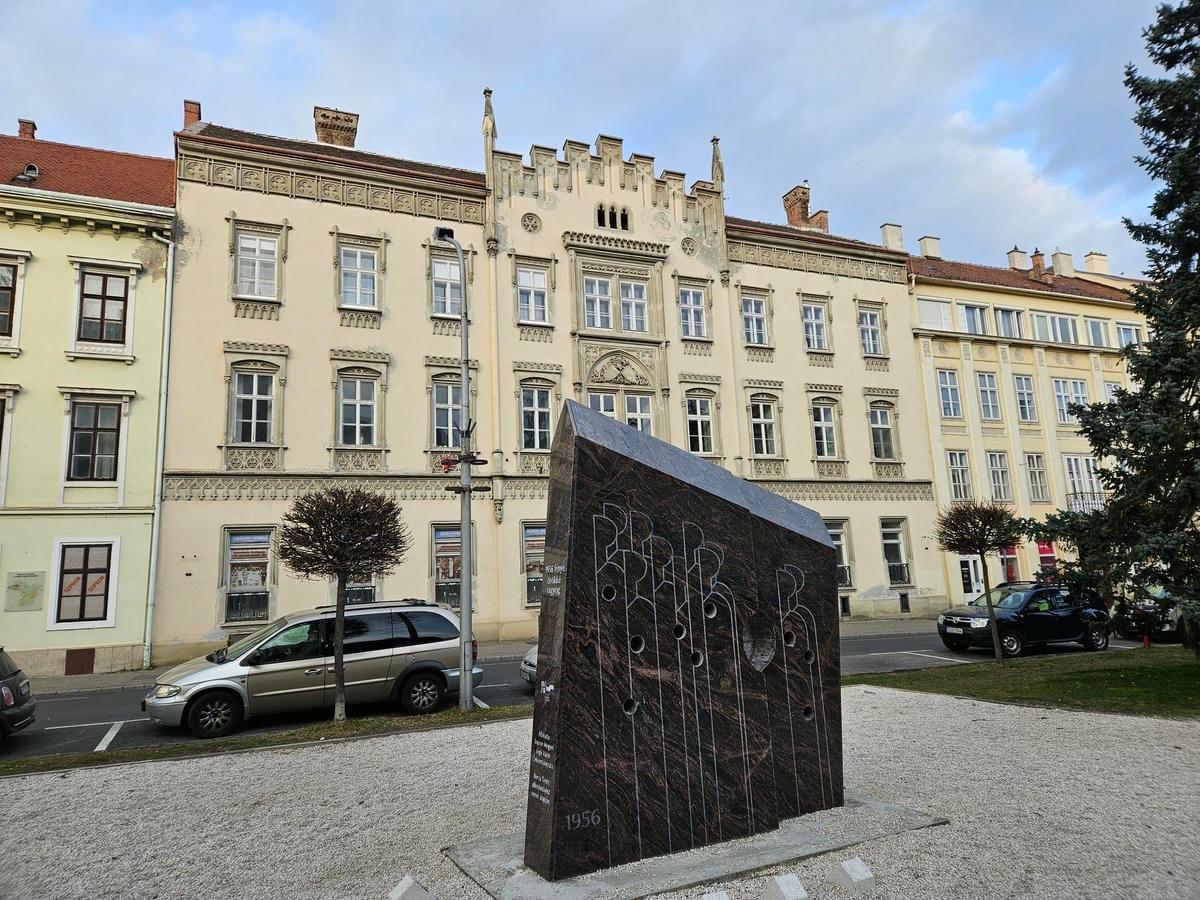
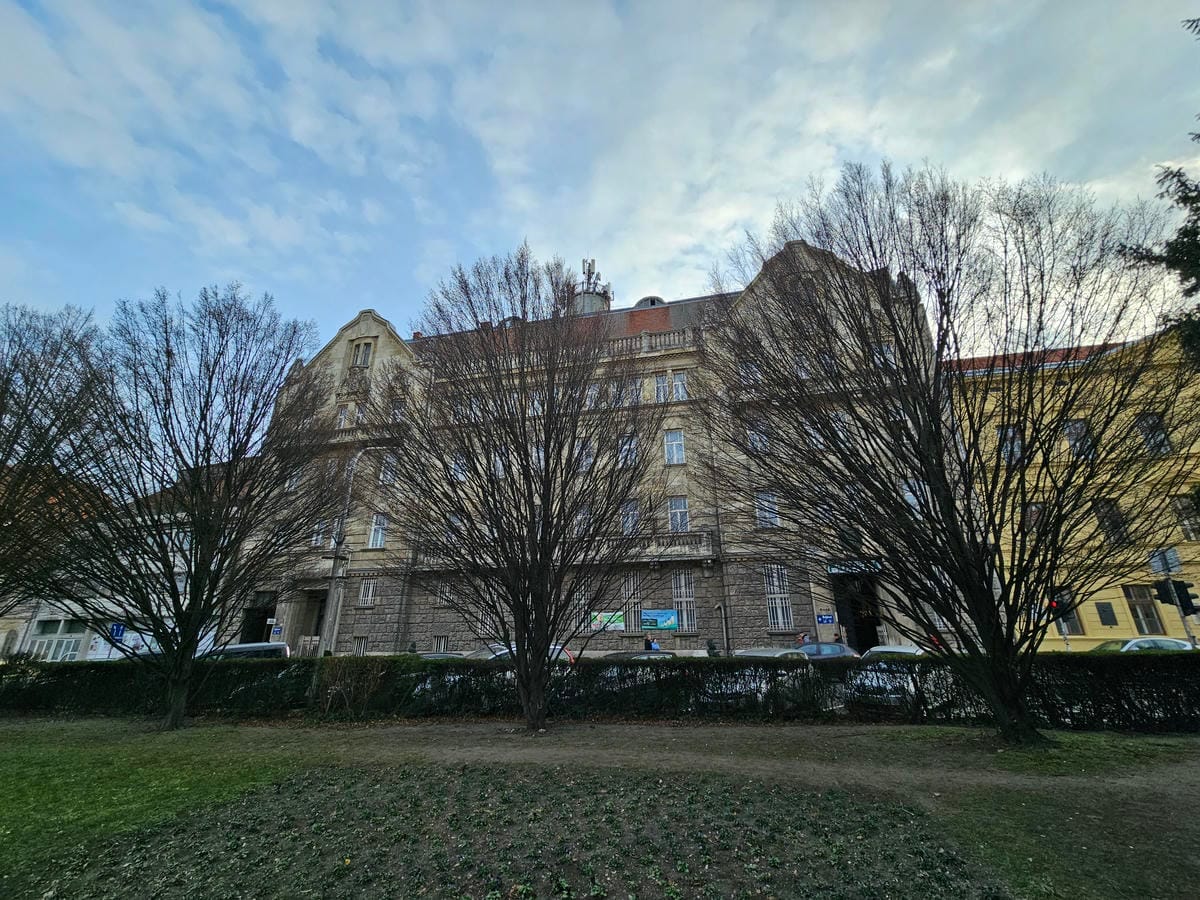
Notable buildings at the edges are the Former Széchenyi Palace, the Dominican Church, the Art Nouveau Postal Palace and the Újhelyi House.
Scarbantia Archaeological Park
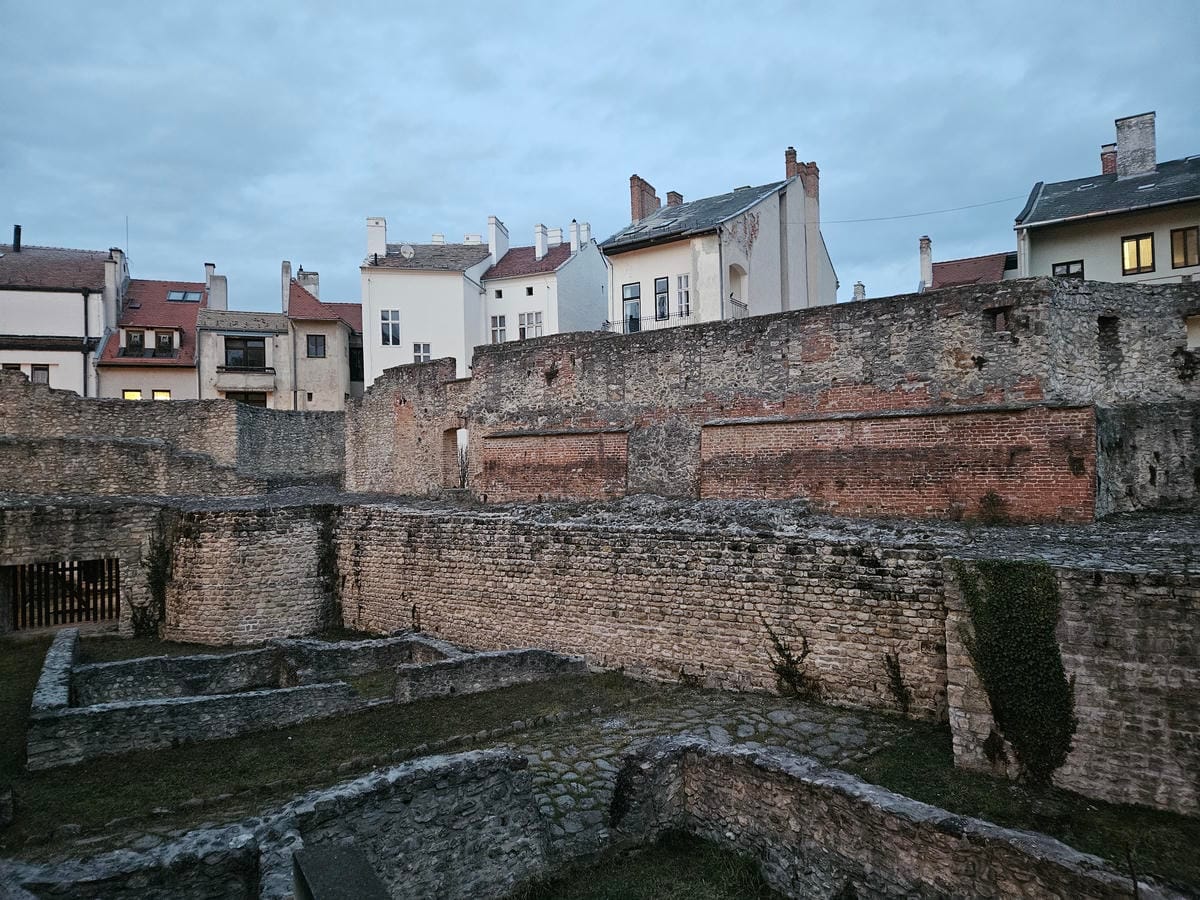
At various points on the city walls, there are Roman ruins. Scarbantia Archaeological Park is at the rear of the town hall, and you can see the remains of some old Roman buildings. There are also some ruins near the entrance to the fire tower.
Saint George Church
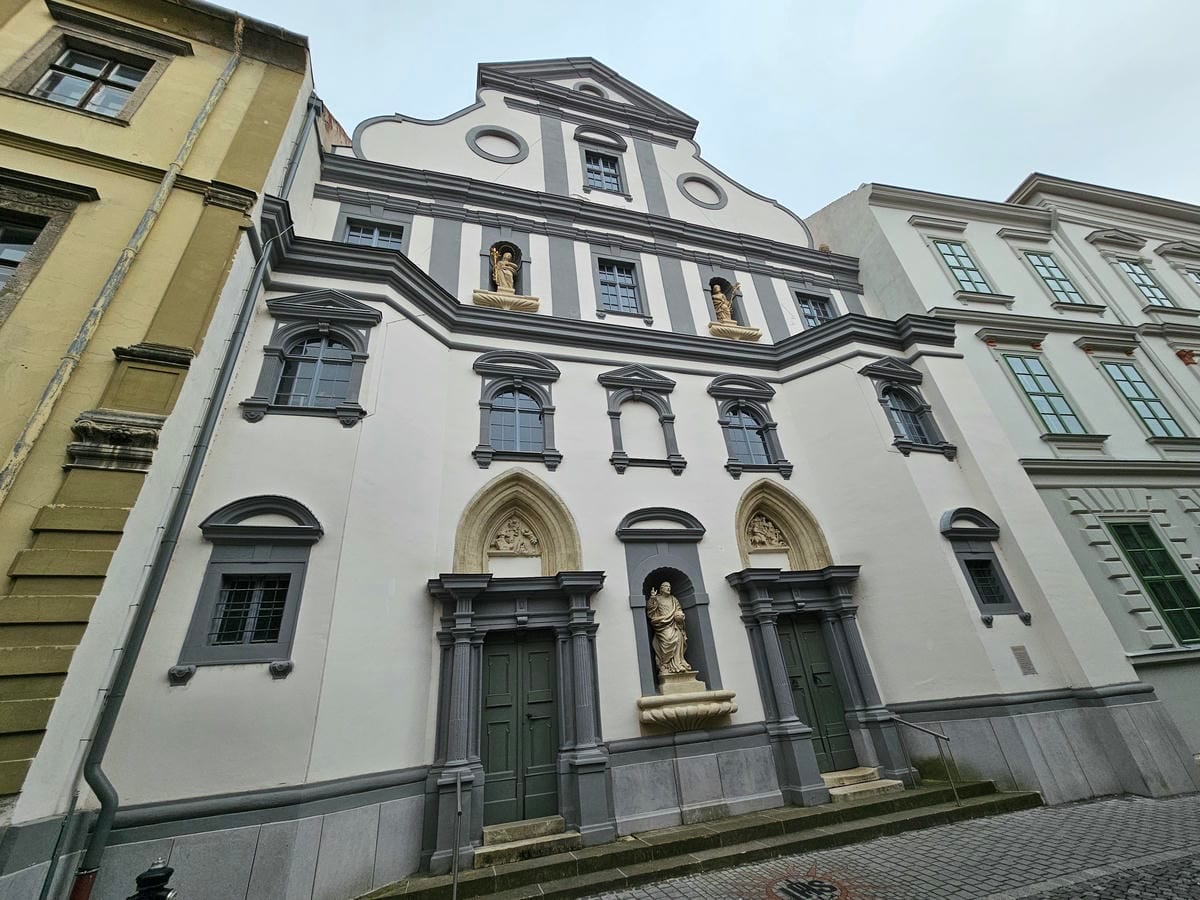
My alarm clock while visiting was the bells of Saint George Church. Saint George Church is a beautiful baroque building that you can visit inside for a look around. It was originally built in the 1390s and has been rebuilt since then, including after being destroyed in the great fire of 1676.
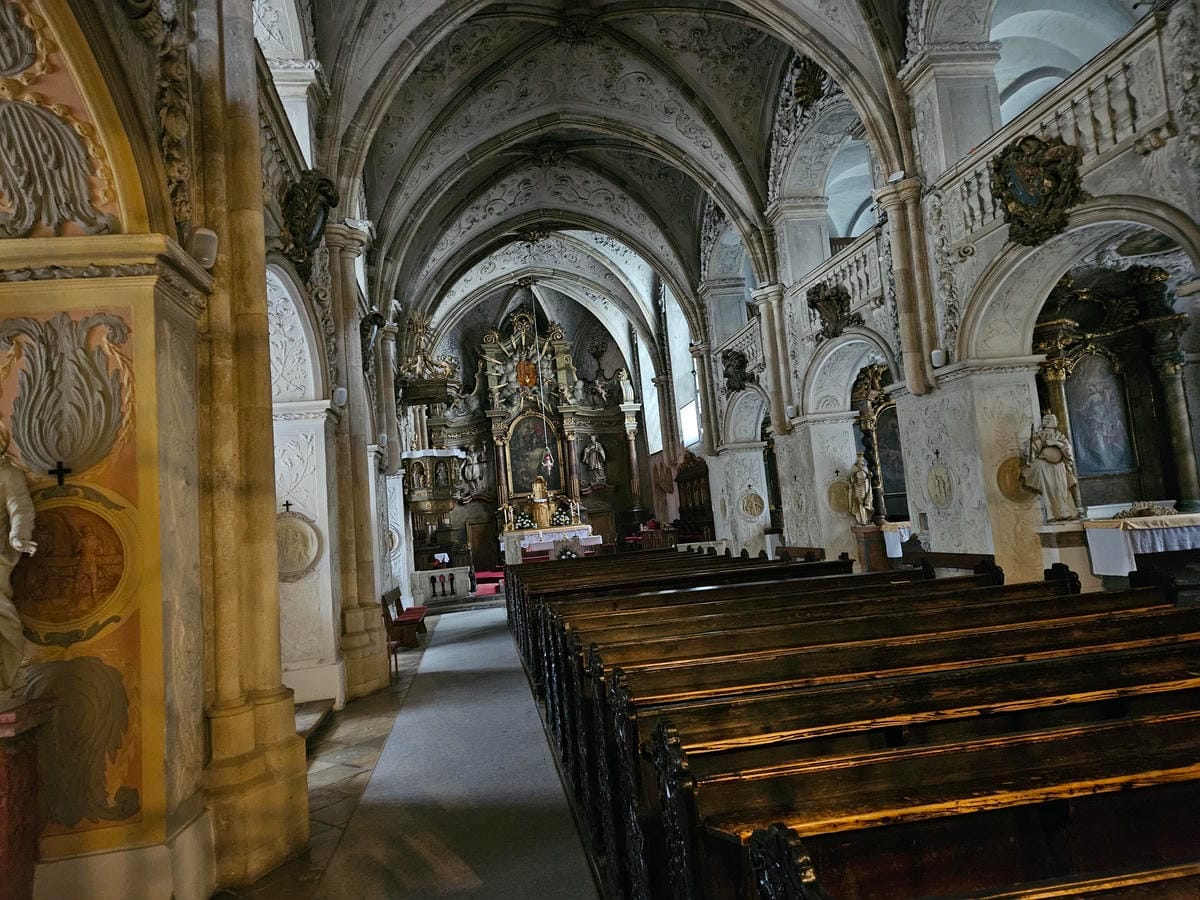
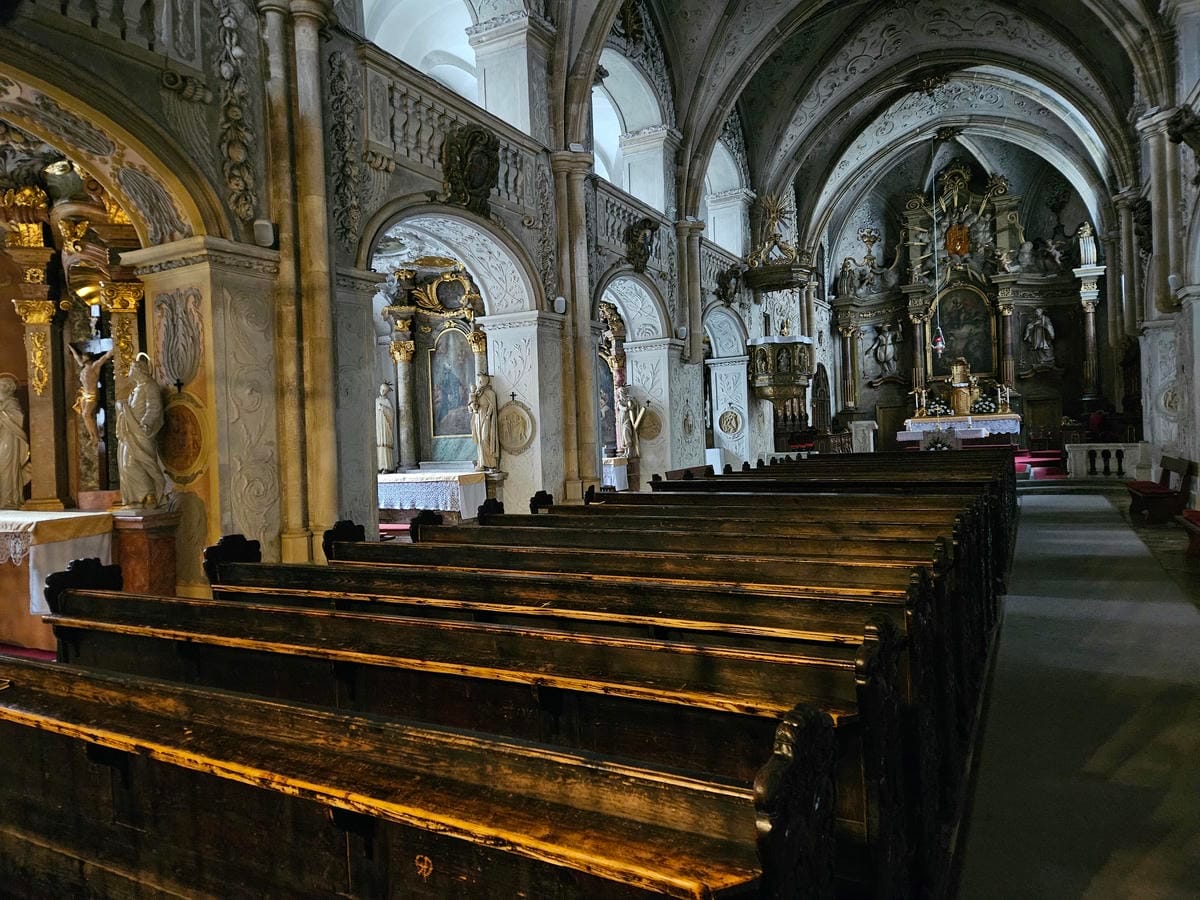
It is tricky to find, as it is blended between two houses until you get up close. The facade is beautiful with some decorative walls and statues. The church also houses the oldest bell in the city and the oldest functioning organ in Hungary.
Várkerület Street
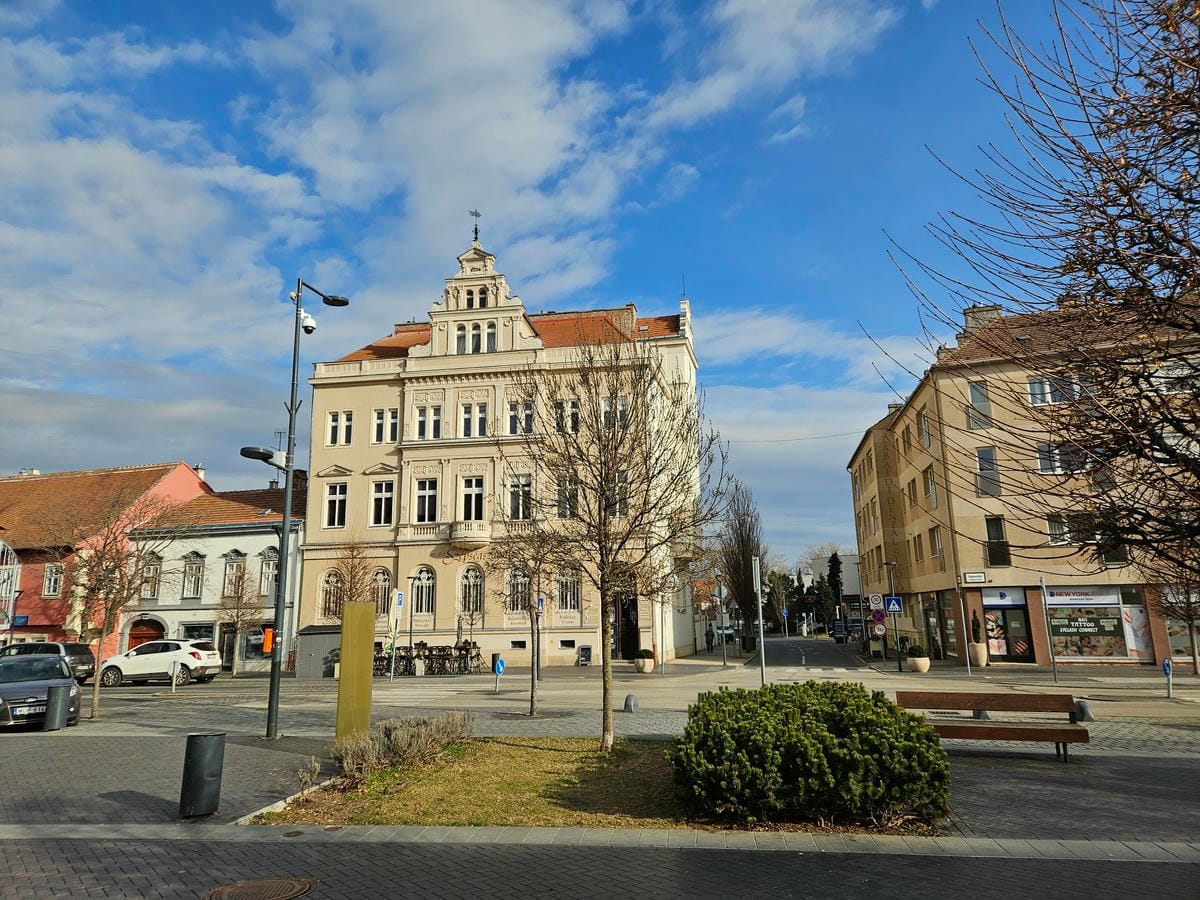
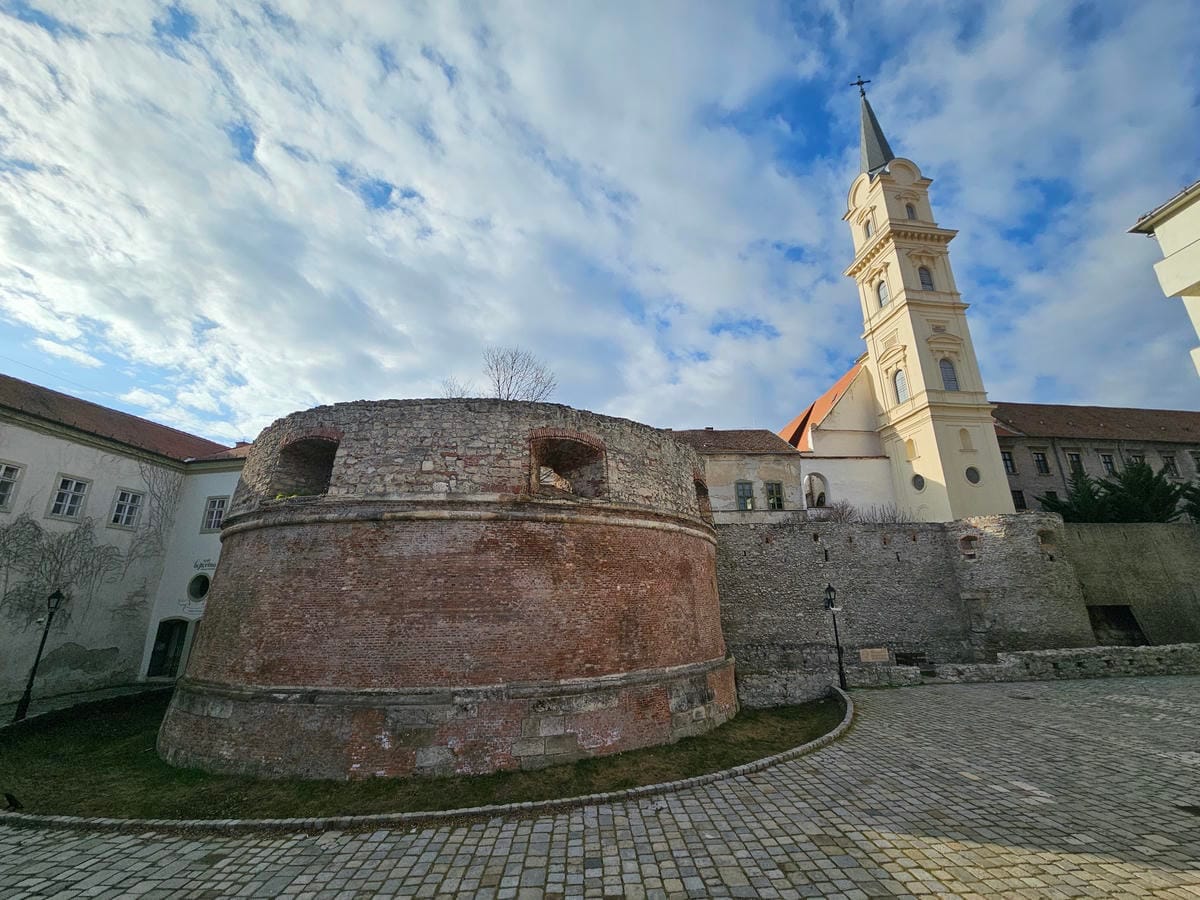
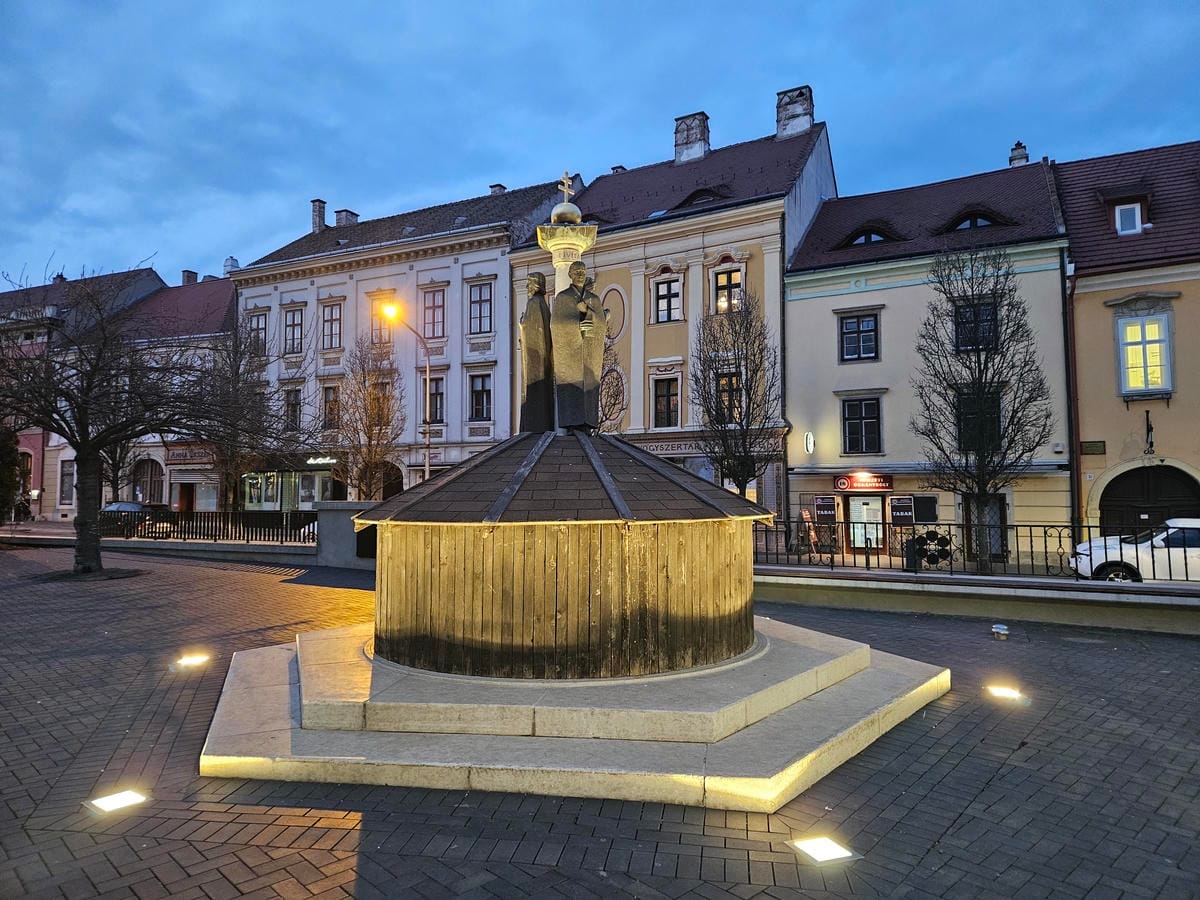
Várkerület Street is the main road that circles the old town and has a promenade with many pleasant features. It is a great place to see the city walls, including the Rondella. There are statues, fountains and places to sit while on Várkerület Street.
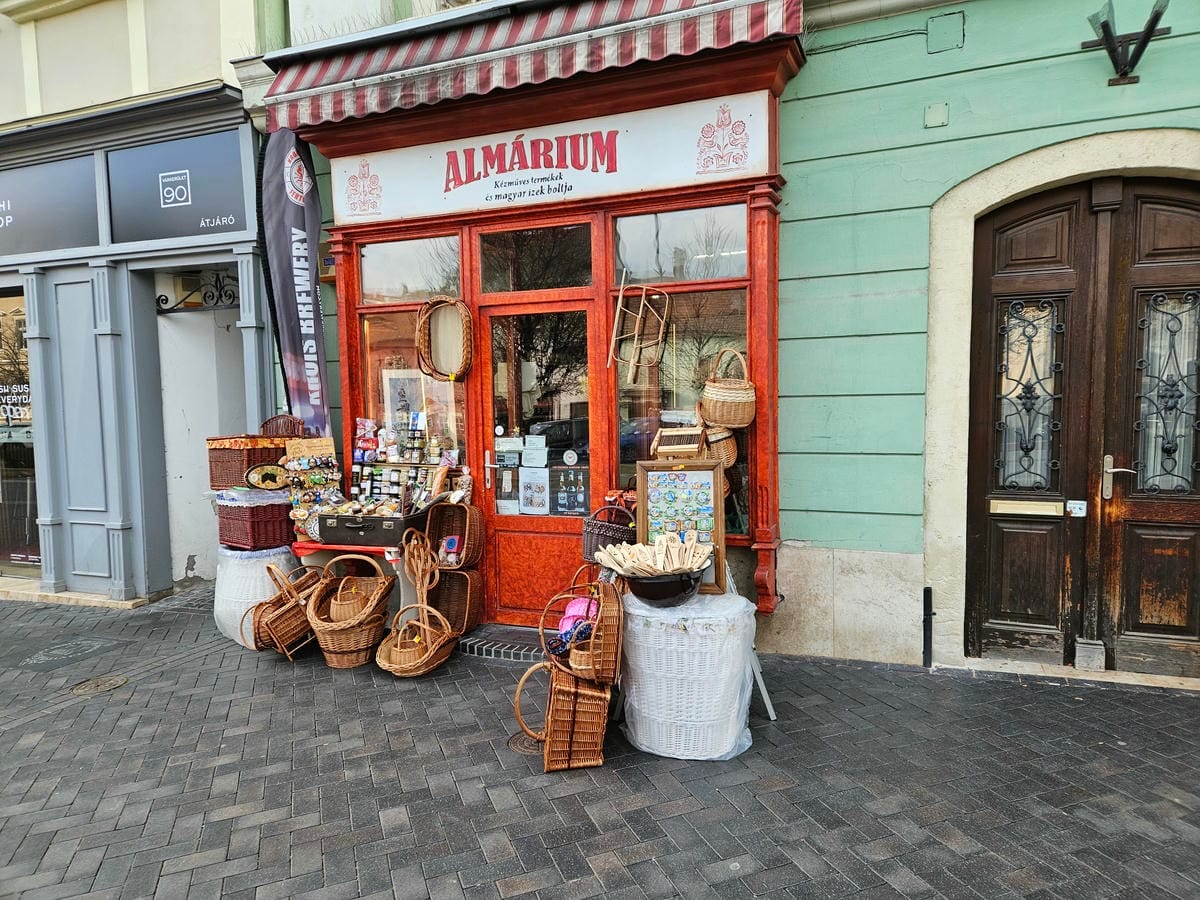
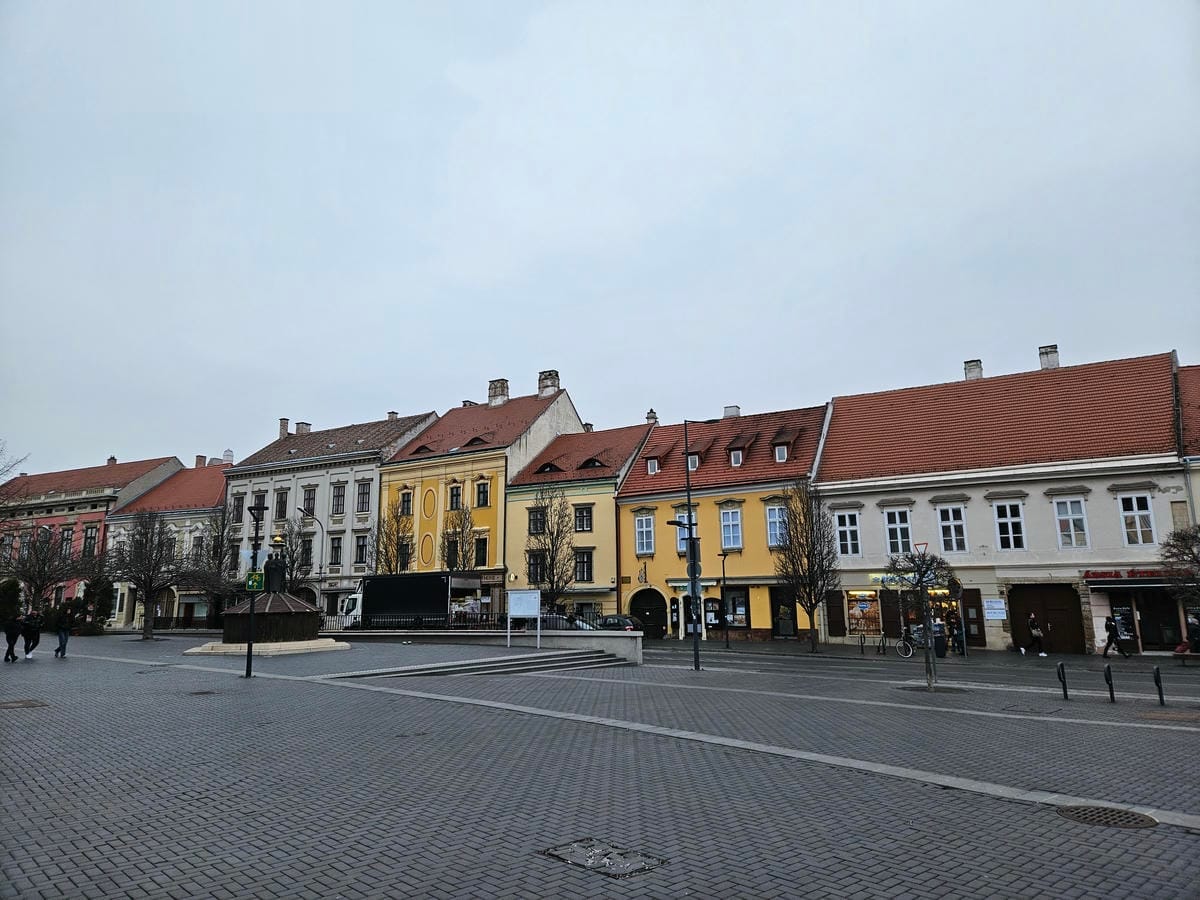
The buildings on either side of the street are also decorative. Many of these are house hops, cafes, restaurants and bakeries. We took many walks along here with Henry and visited a few establishments on the street.
Church of St Jude Thaddeus
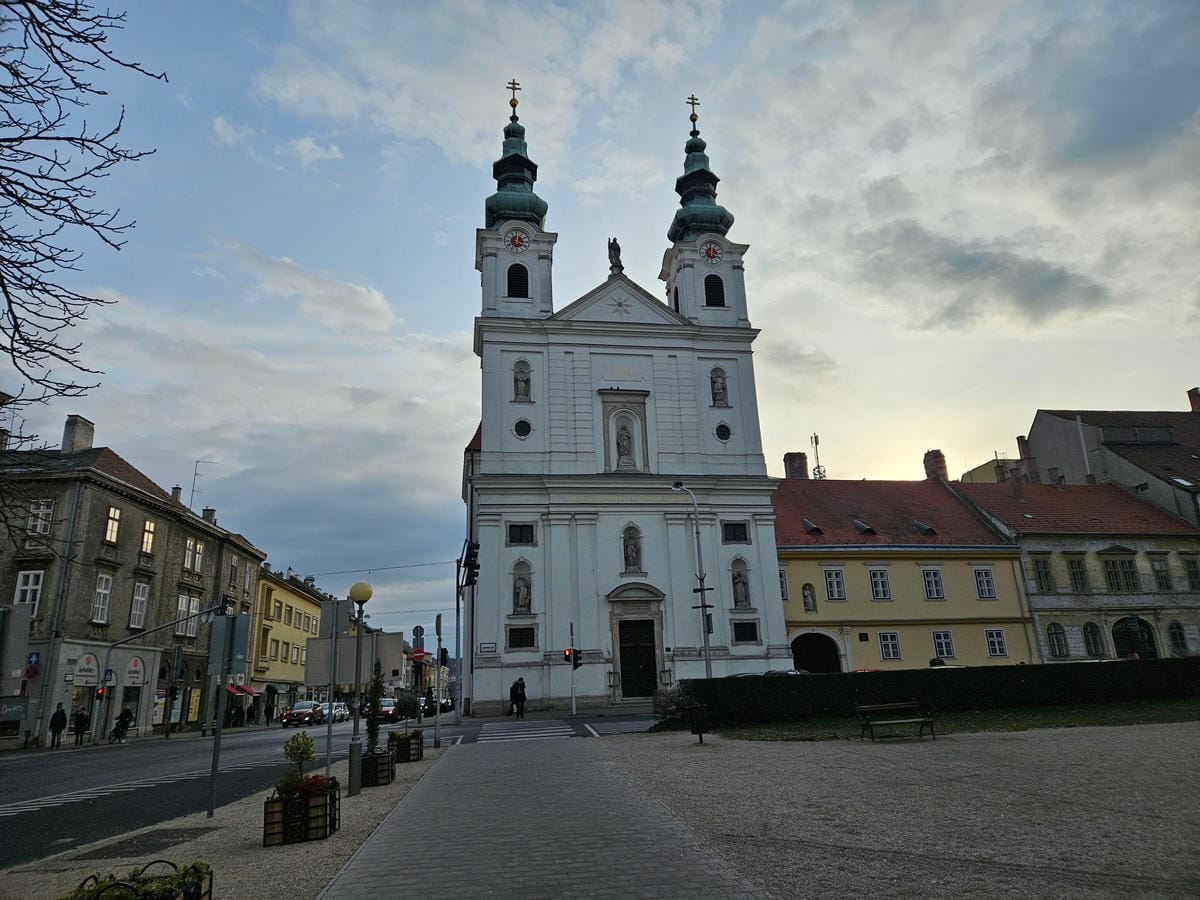
In Széchenyi Square is the two-spired Dominican Church of St Jude Thaddeus. The church was built between 1719 and 1725; the towers were added by 1775. The facade has some nice decorative features, including statues of the saints and Jesus. Next to the church is a convent, named after St Jude Thaddeus. You can visit inside, which has some baroque decor.
Esterházy Palace
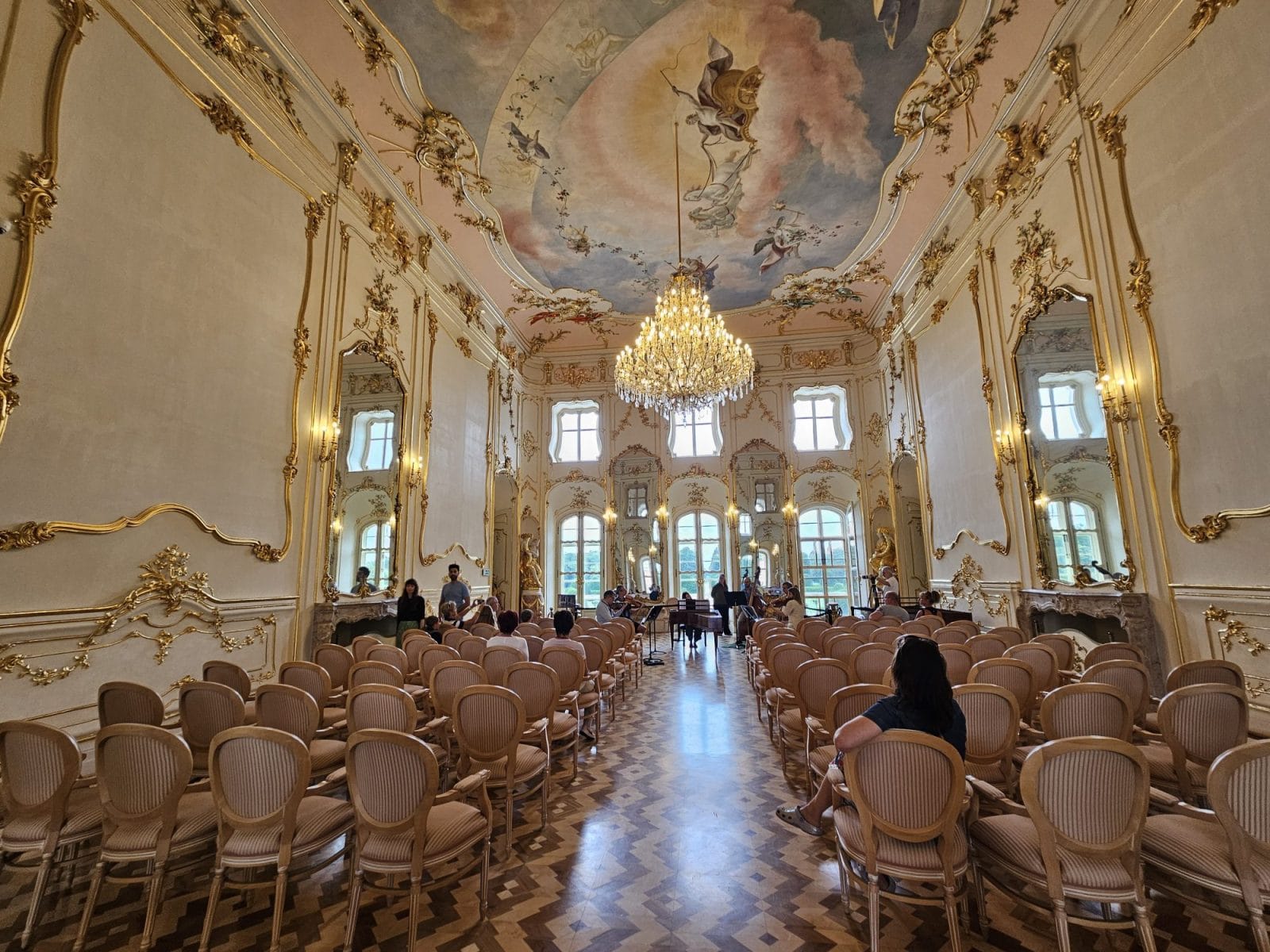
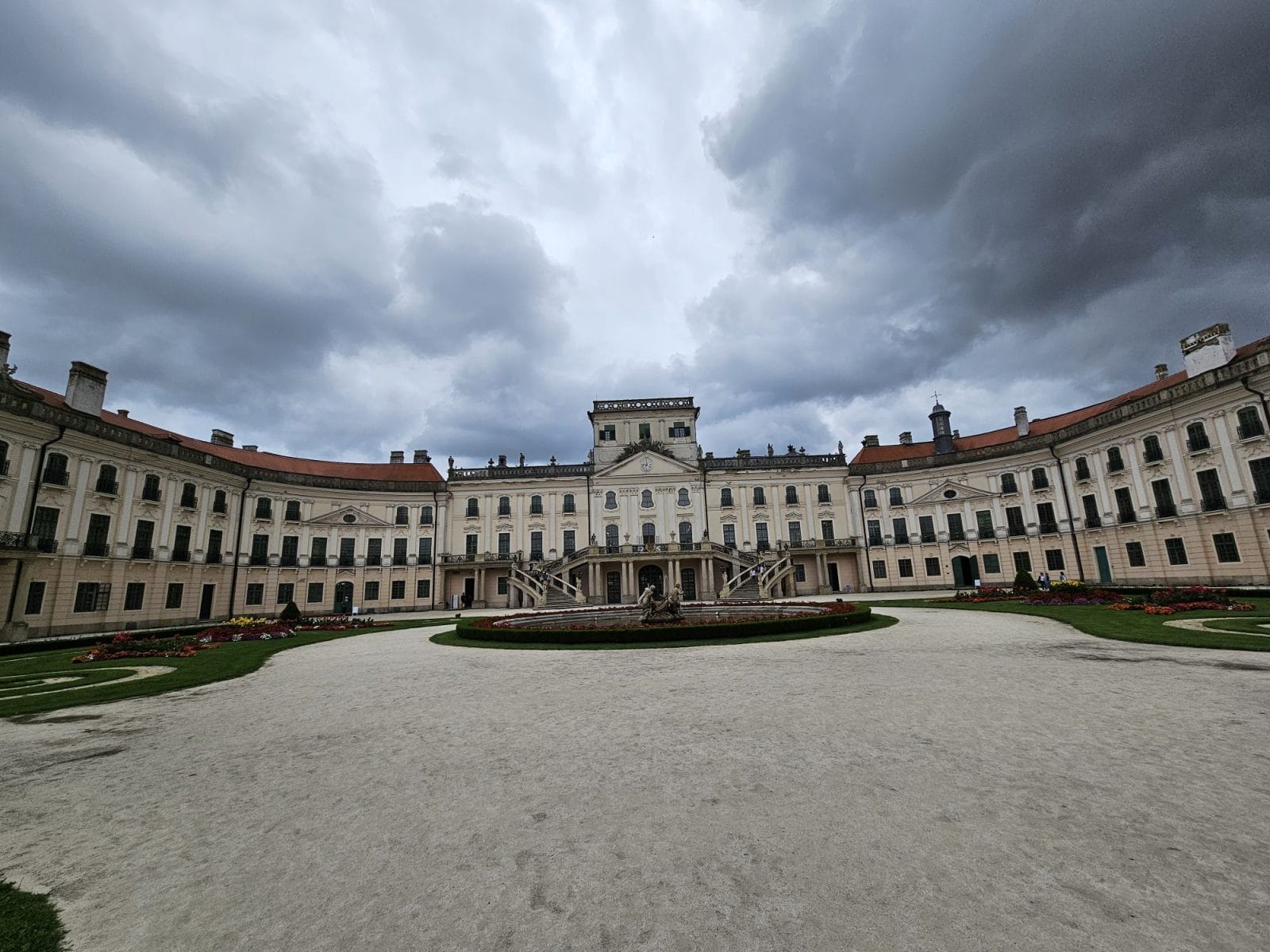
On our second stay in Sopron, we visited Esterházy Palace, a short bus trip from the centre to Fertőd. This has the moniker the Hungarian Versailles. It is Hungary’s grandest Rococo palace and former workplace of the composer Joseph Haydn. The grounds and inside the palace were spectacular, especially the grand interiors. In addition to sightseeing, the palace hosts classical concerts.
Food & Drink
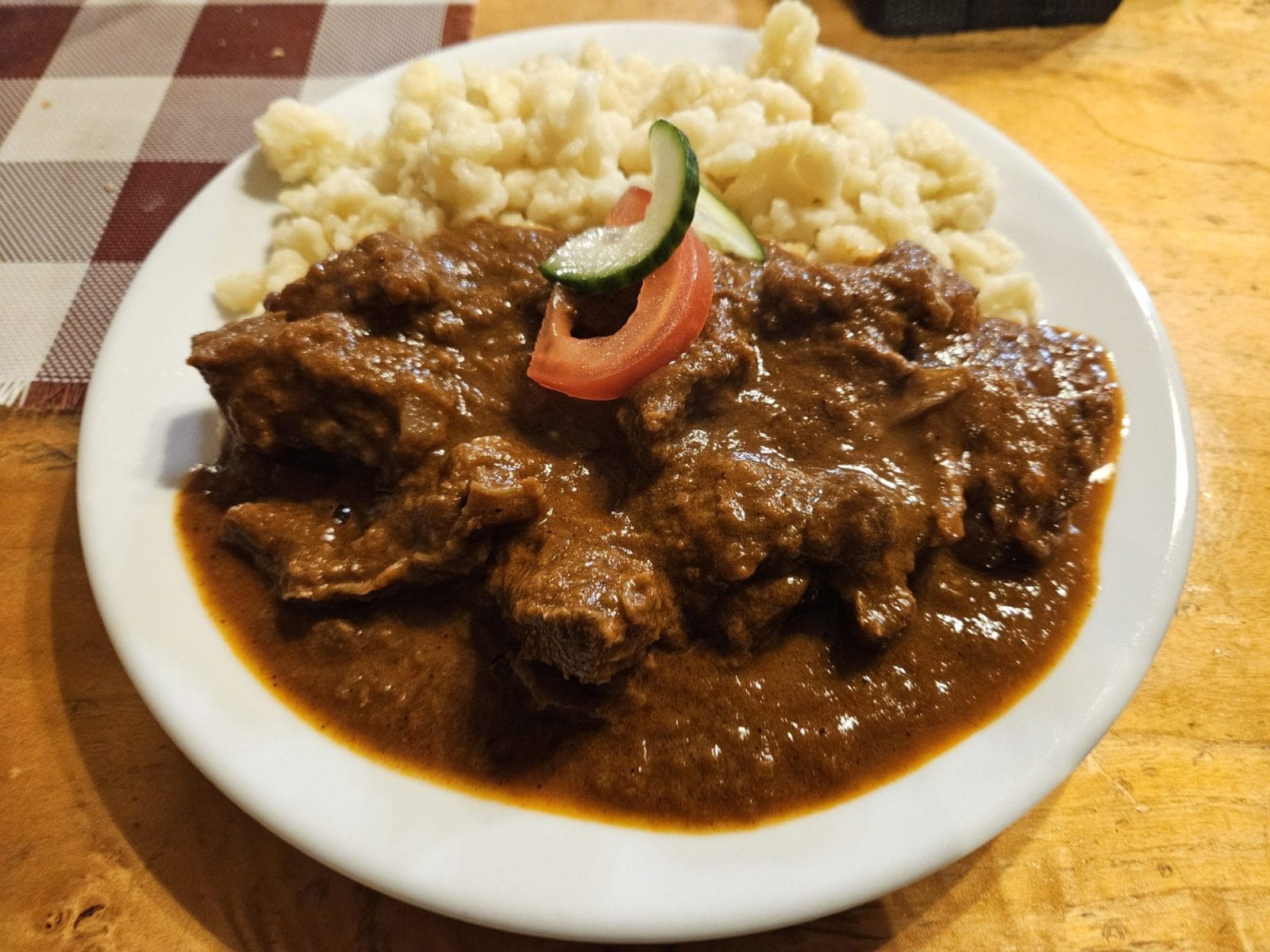
As part of any visit to a city, we enjoy going out and enjoying a beer or two at the local bars or restaurants. Sopron had many places serving traditional Hungarian cuisine. The local beer Soproni was available in most places and is a refreshing drink.
Soproni Evangélikus Egyházközség temploma
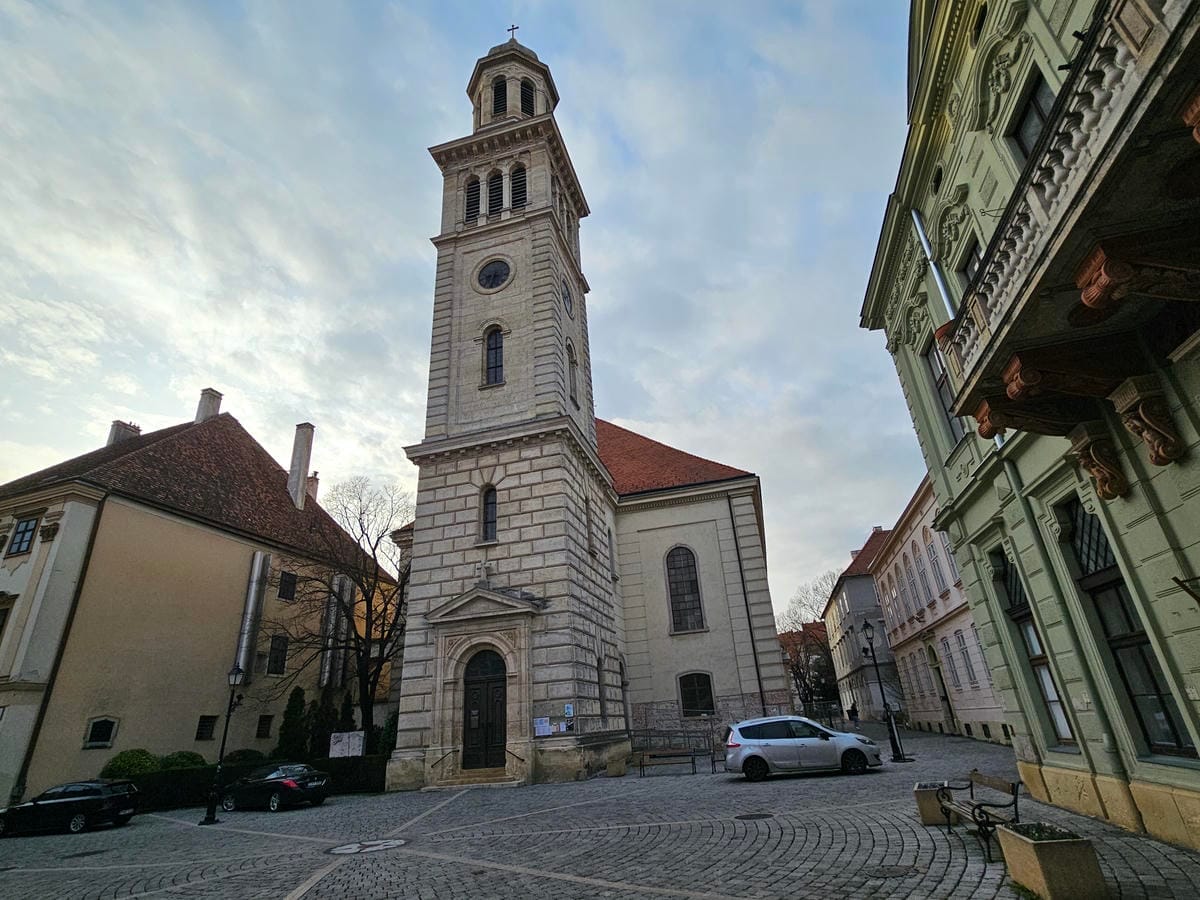
The Evangelical Church began as a wooden church built in 1676. This was replaced with another wooden church, which was subsequently destroyed in the great fire in 1676. In 1781, the stone church here today was started and built in the Baroque style. Unfortunately, it wasn’t open to the public on my visit.
Other Museums
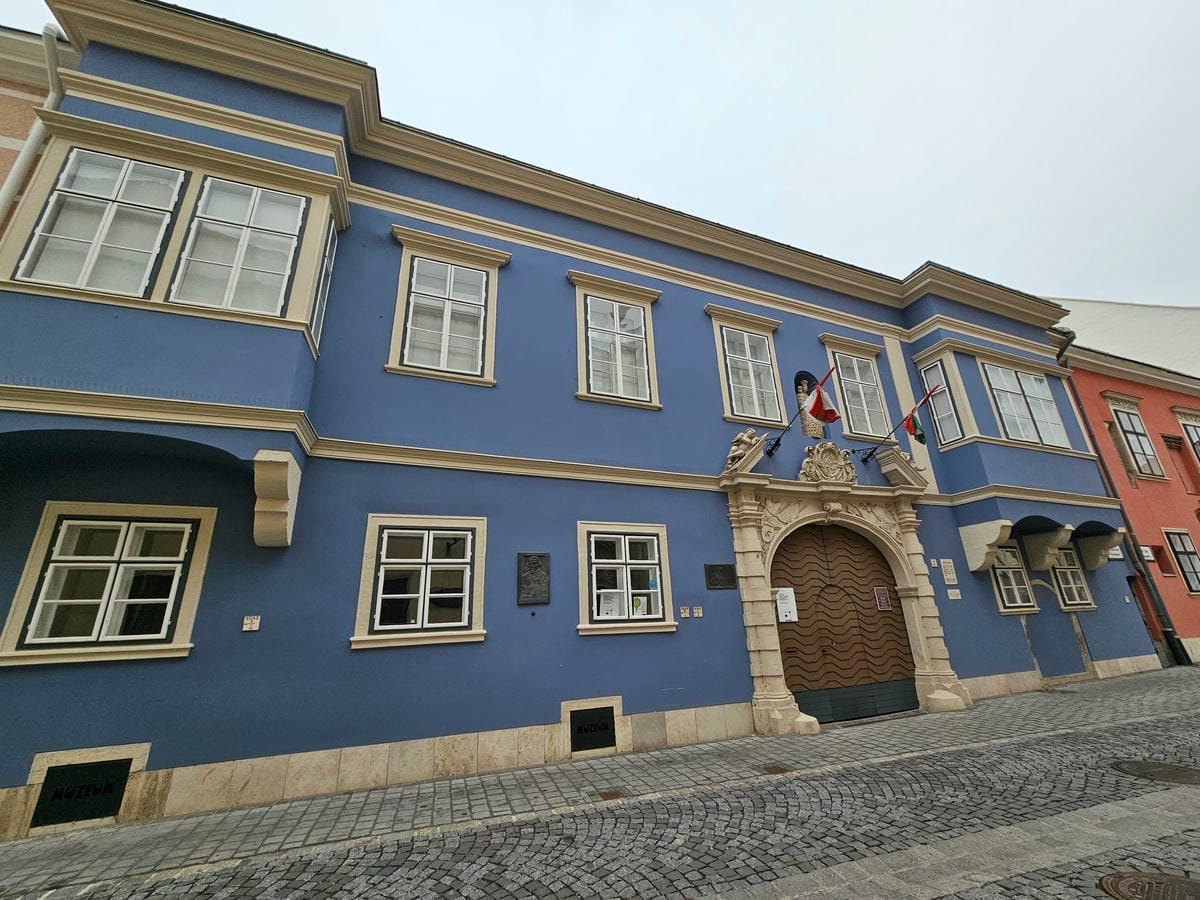
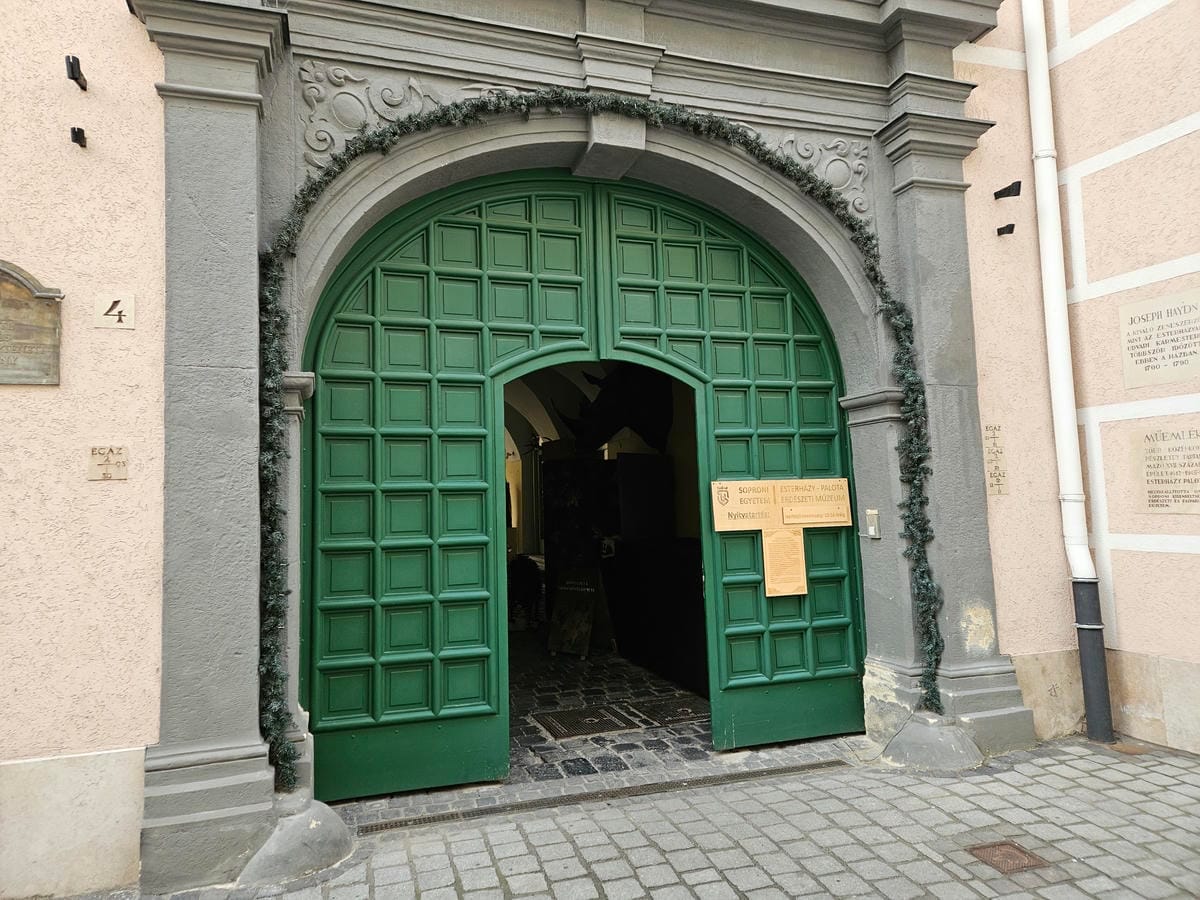
There are other museums in the town which we didn’t get to visit, unfortunately, but we saw the buildings that housed them. These included the Forestry Museum, housed in the Esterházy Palota and the Central Mining Museum in a pretty blue building.