
Things to Do in Bologna: Attractions and Places to Visit
There are plenty of things to do in Bologna, from enjoying local cuisine to exploring historic attractions. Top places to visit are Piazza Maggiore, the towers and the Portico di San Luca. Throughout Bologna, there are historic buildings, including palaces and churches.
Disclosure! Keep in mind that some links in these posts are affiliate links. If you click one of them, I may earn a small commission (for which I’m extremely grateful) at no extra cost to you. Thanks for visiting!
Many sights are free to enter, including the city’s churches. You could save money with the Bologna Welcome Card to visit several of the principal tourist attractions. You can also book walking or food tours on the GetYourGuide website.
Top Things to Do in Bologna
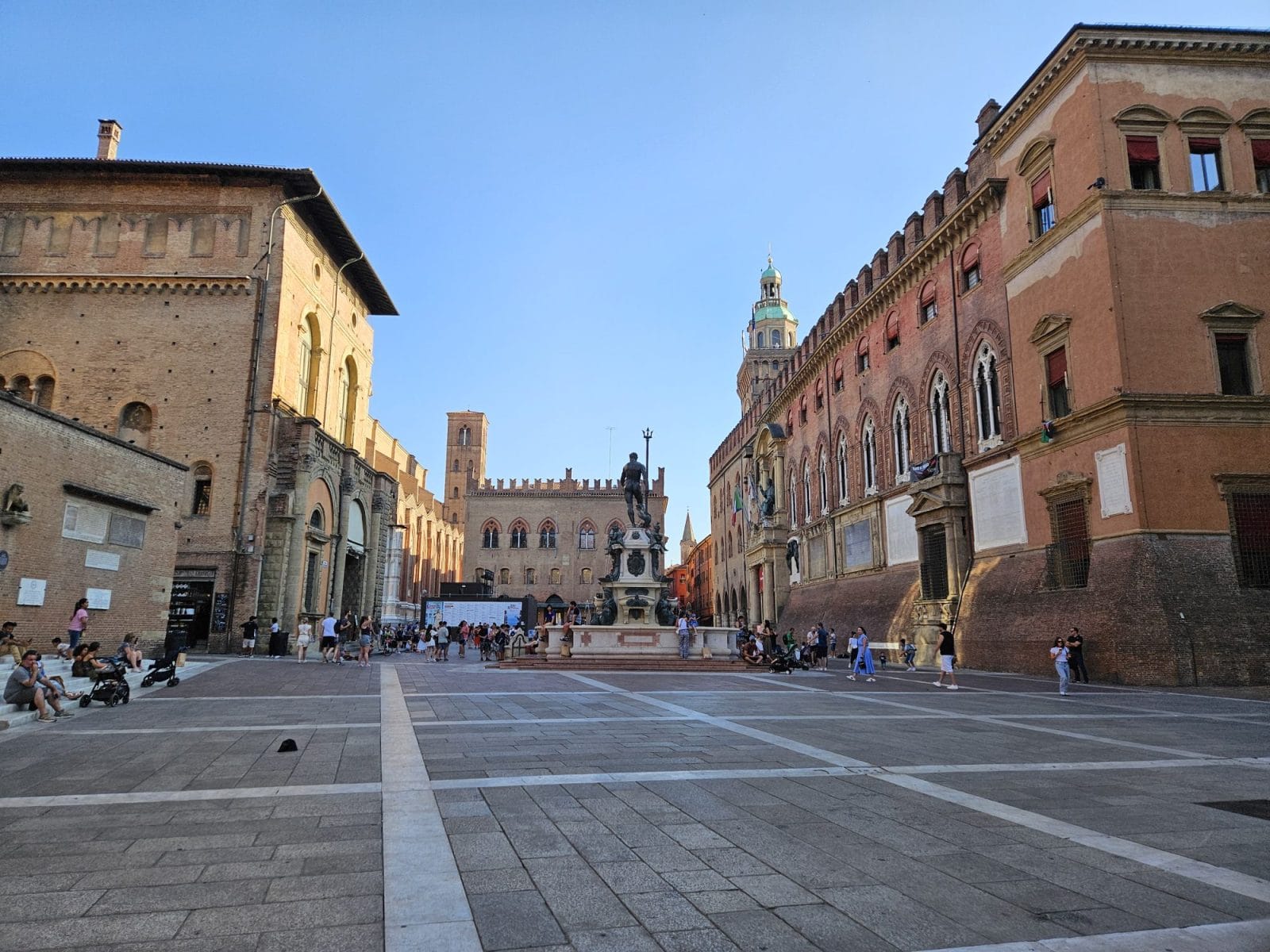
Piazza Maggiore

One of the top places to visit is Piazza Maggiore, surrounded by historic buildings. Piazza Maggiore features the Basilica di San Petronio, Palazzo Re Enzo, Palazzo del Podestà, Palazzo d’Accursio, and the clock tower. One of the best views of the square is from the clock tower in Palazzo d’Accursio.
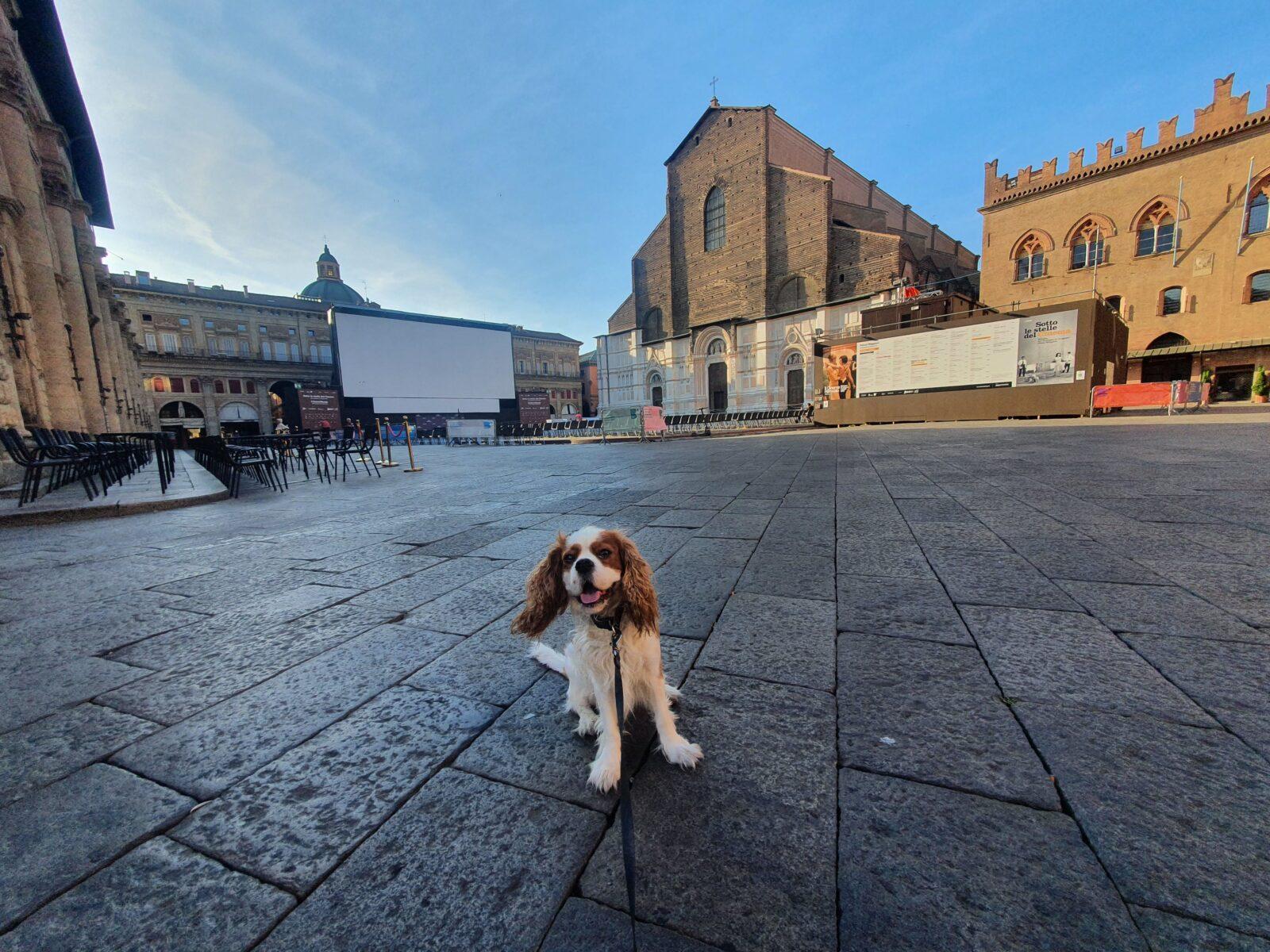
Piazza Maggiore has places to get refreshments and hosts free summer events, including nightly outdoor cinema screenings of classic movies. We watched a few movies here at night, sitting on the steps of Basilica di San Petronio with drinks from a nearby supermarket.
Quadrilatero
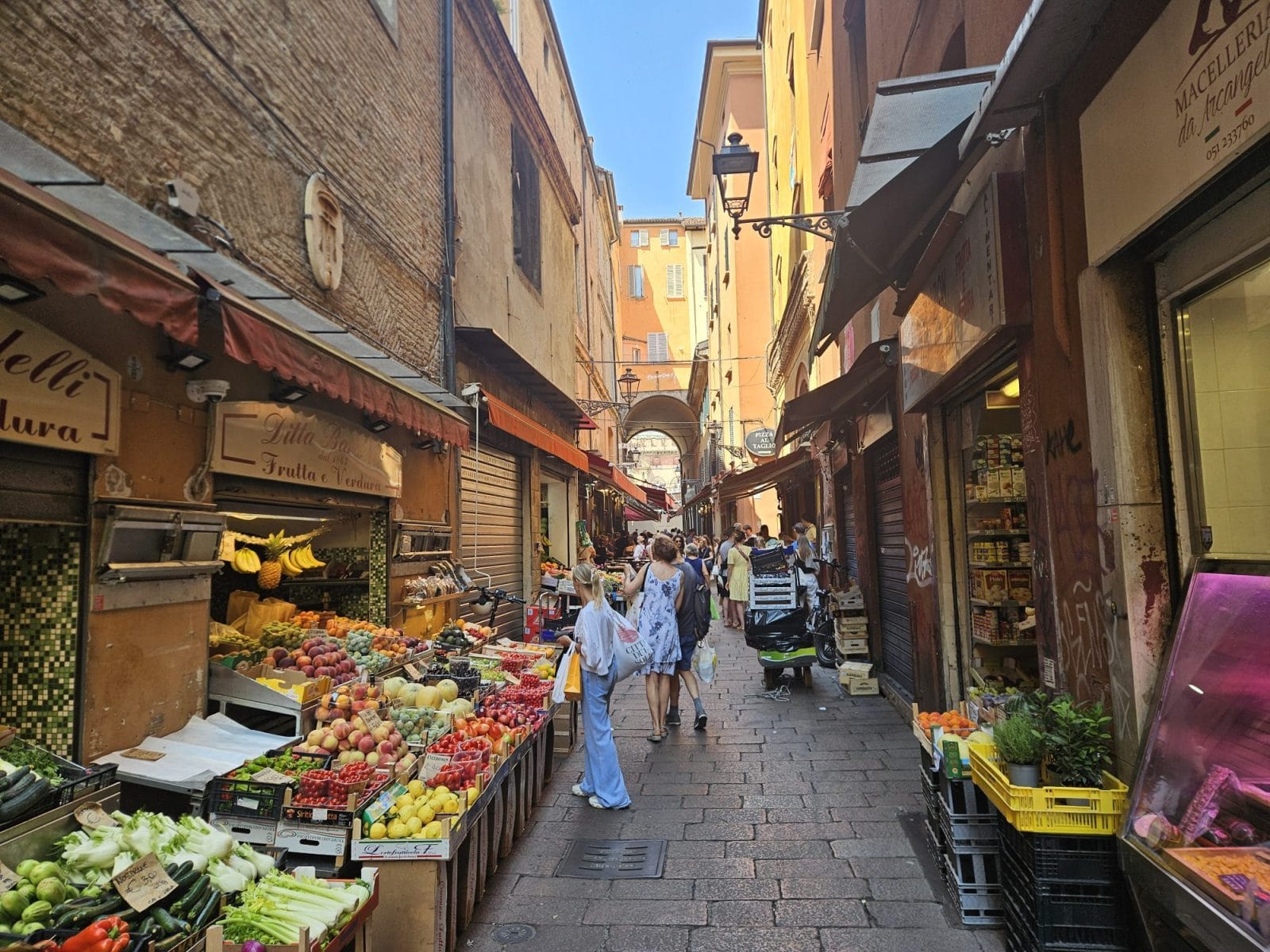
Quadrilatero is just off Piazza Maggiore and is an excellent place to explore, especially on a first visit. This area has narrow side streets with many medieval buildings to see. It is also home to markets and artisan food shops, perfect for those interested in local food.
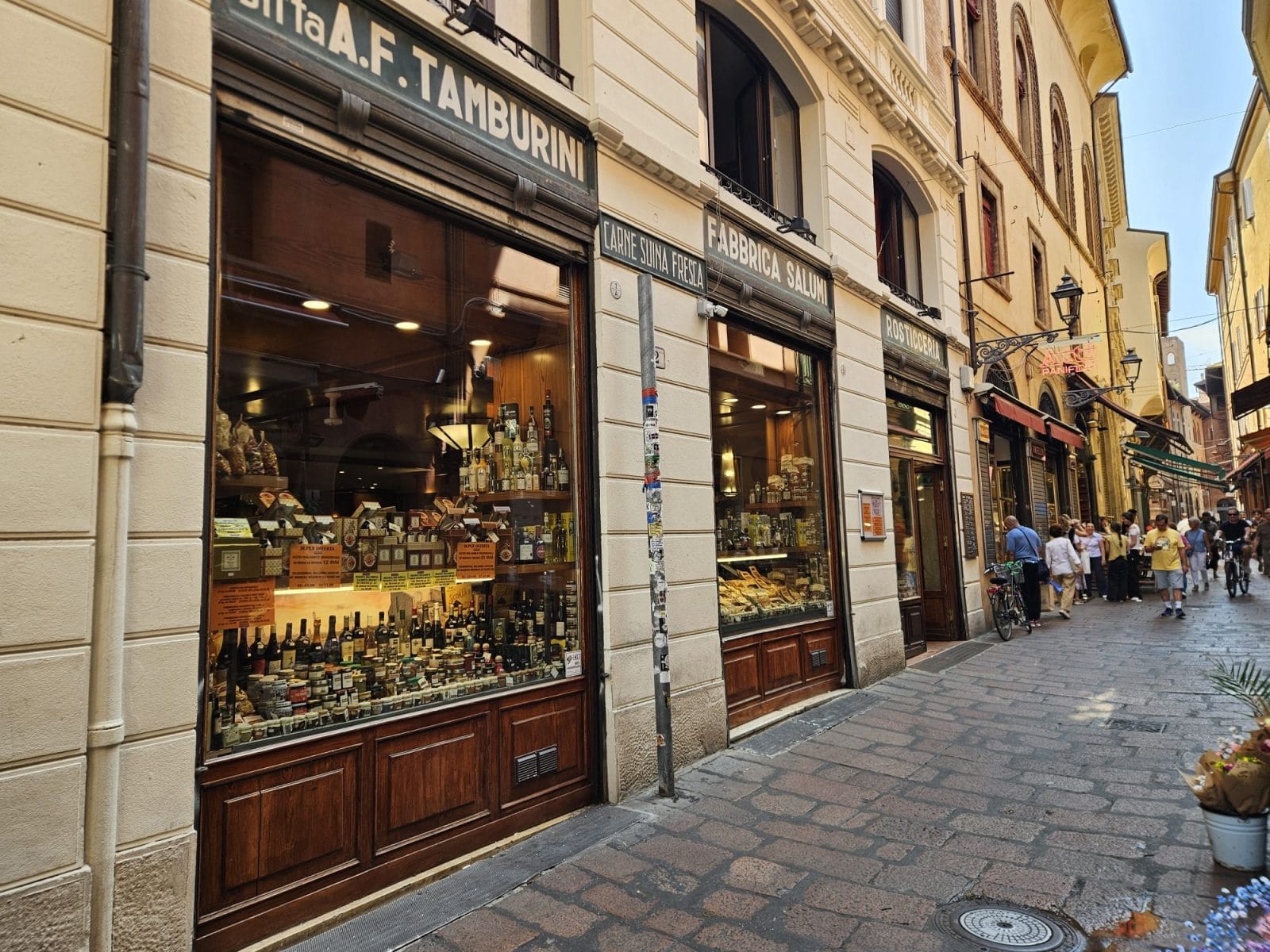
You can also find plenty of options for dining out, or for enjoying wine or beer. I love exploring this part of Bologna early in the morning, when it’s quiet, and the markets are in full swing. If staying somewhere with a kitchen, the food shopping here is great.
Try the Local Food

Trying Bologna’s local food was a highlight of our visit. Tagliatelle al ragù, green lasagne, and tortellini in brodo are among the dishes associated with the city. My Bologna food guide covers the restaurants and dishes we tried. The city’s markets are also great for culinary experiences and shopping.
The Two Towers
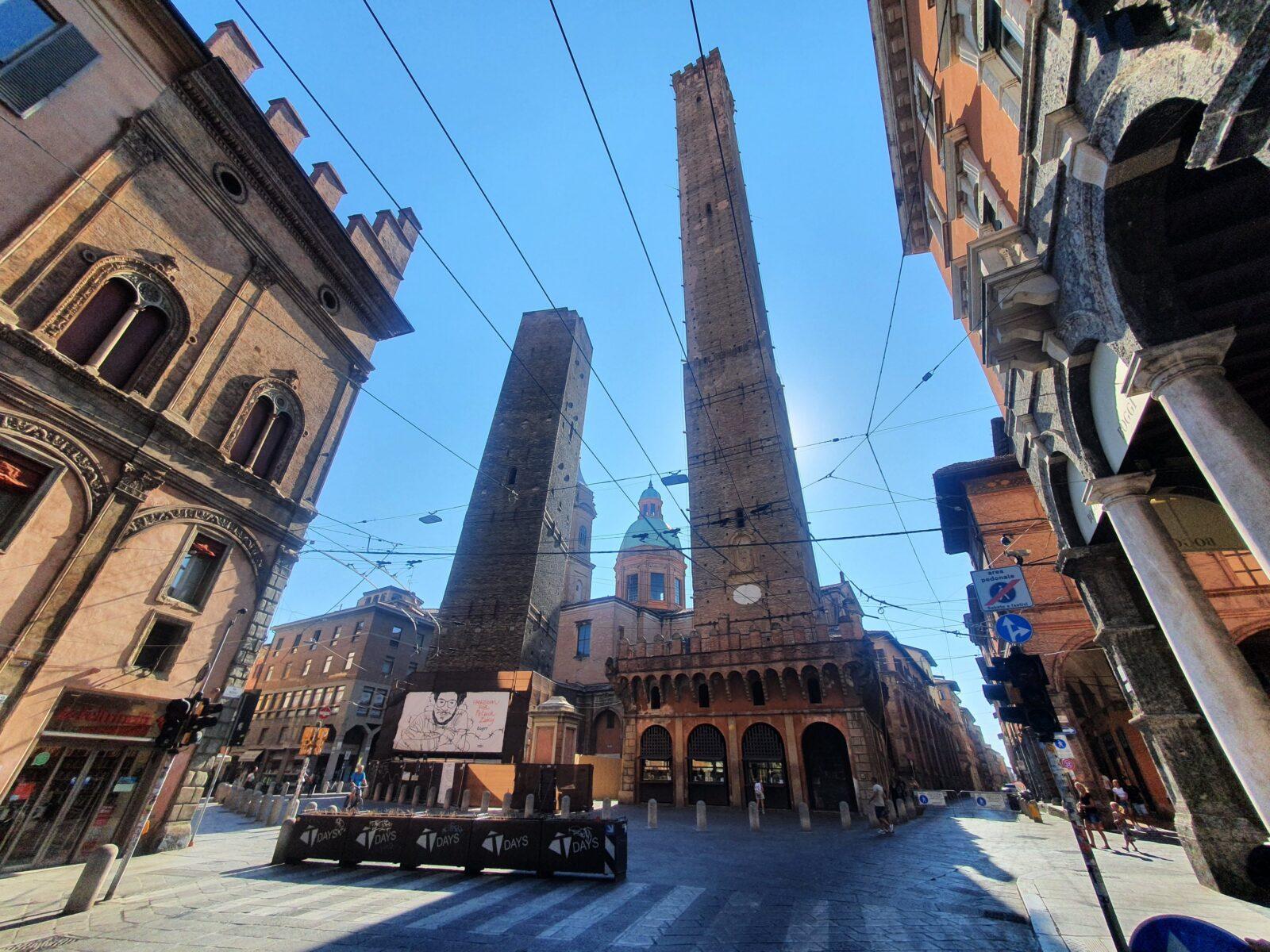
The tallest tower and its near neighbour are both leaning. The Two Towers are the symbol of the city. The taller one is called Asinelli, and the smaller, more leaning one is called the Garisenda.
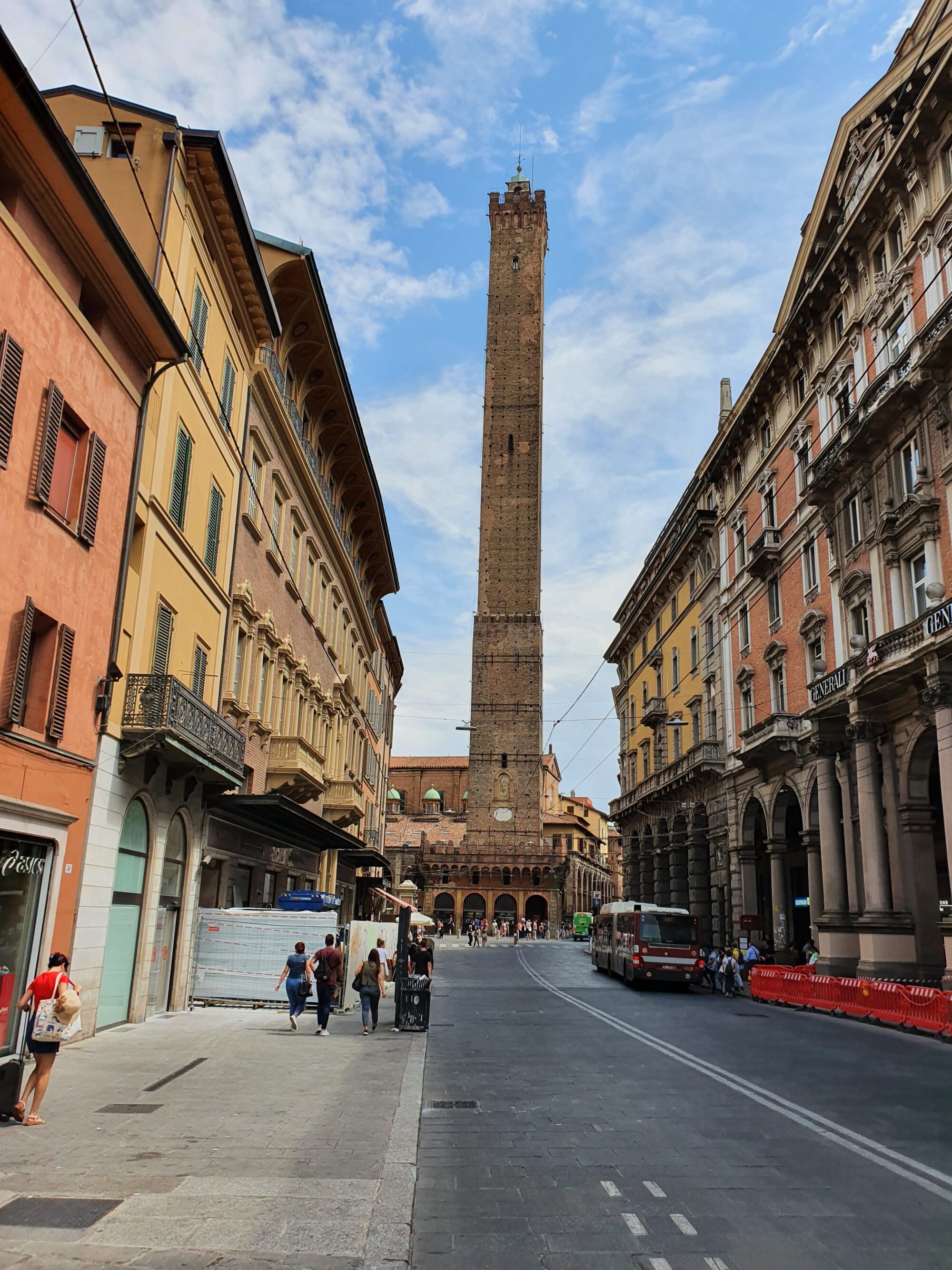
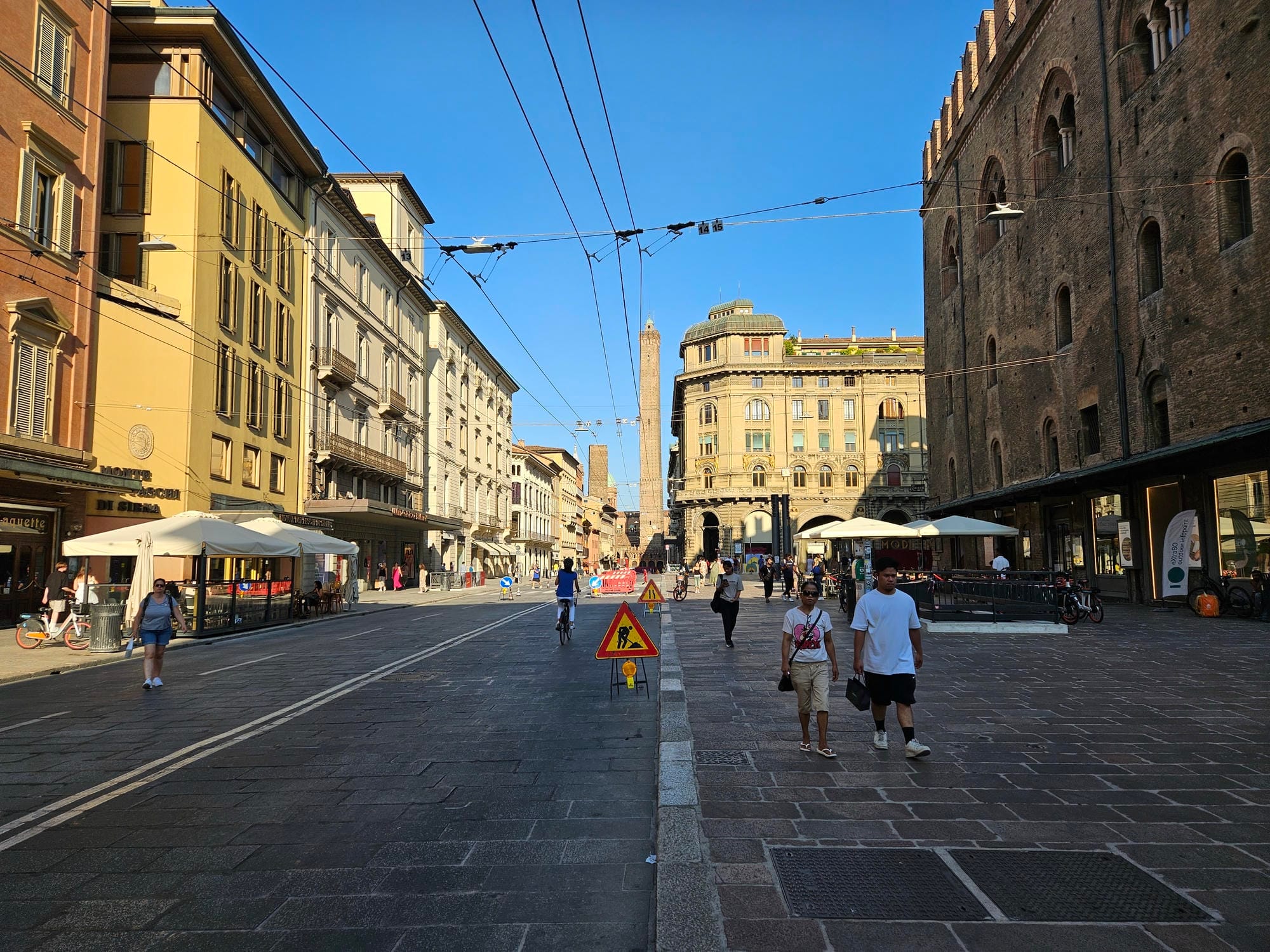
These towers were named after the families that built them between 1109 and 1119. Asinelli is the taller tower at 97.2 metres. Check the official website for current access information before visiting.
Porticoes of Bologna: UNESCO World Heritage Site
The porticoes of Bologna are a perfect way to explore the city on foot while keeping dry or in the shade. Bologna has 60km of porticoes, including 40km in the city centre.
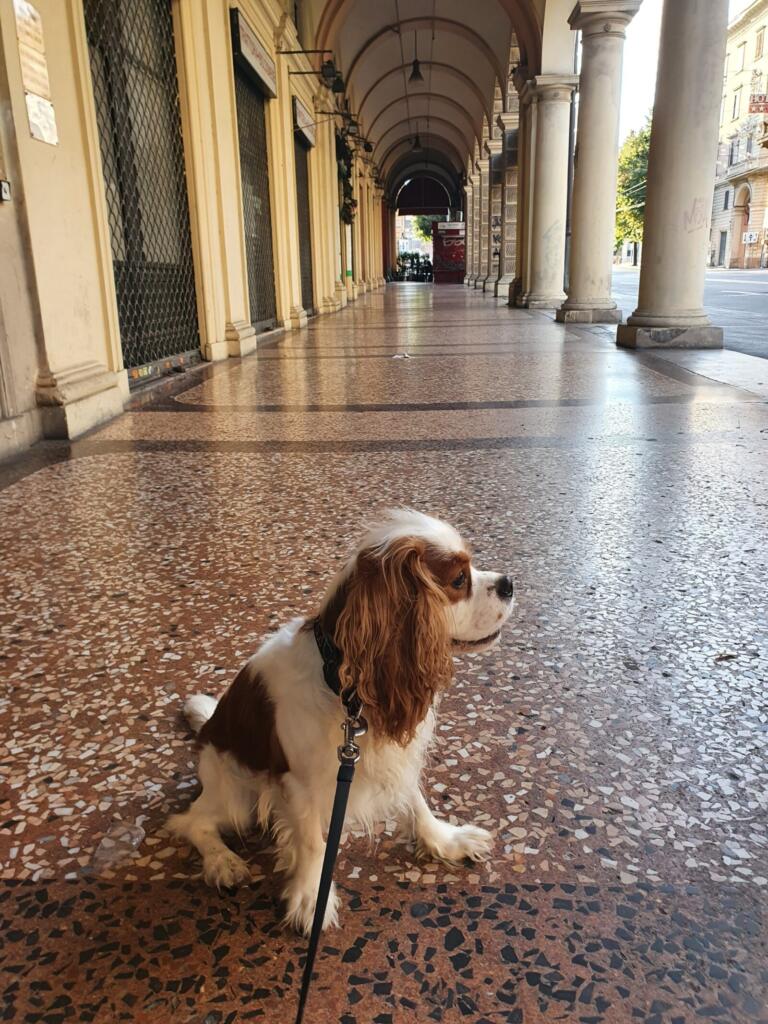
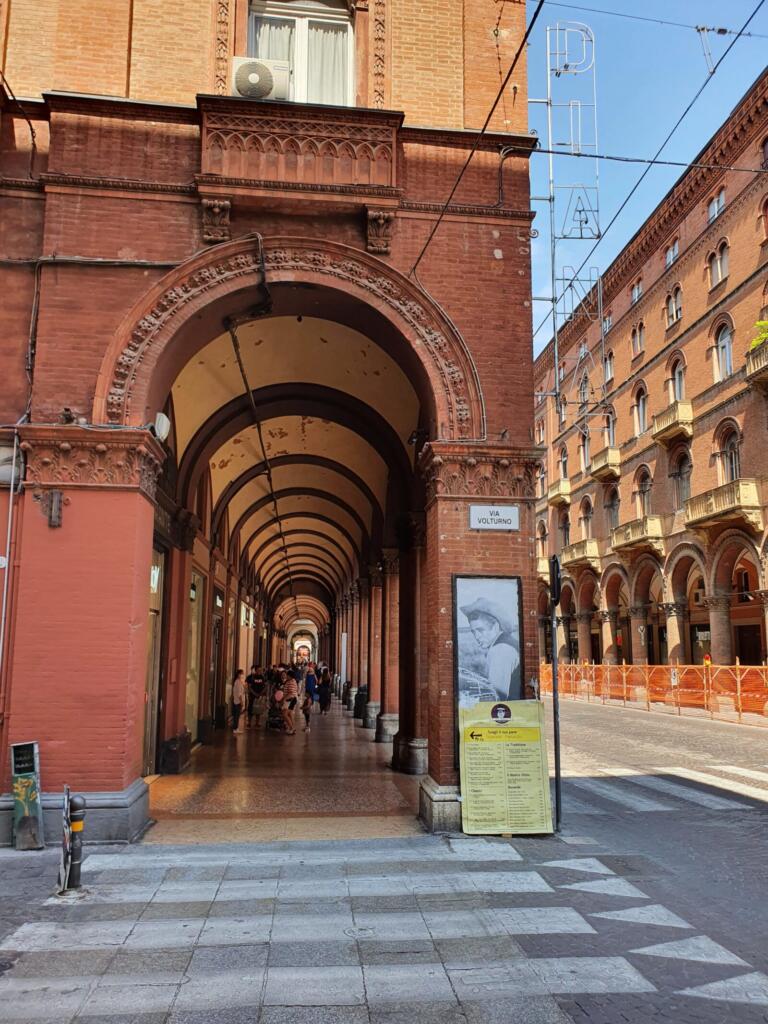
In addition to walking through them, some cafes, bars and restaurants have tables under the covered walkways. The most famous is the Portico di San Luca, a 3.8 km-long walkway leading to a church on the hill. Exploring the city via the porticoes was great fun.
Walk the Portico di San Luca

The Portico di San Luca is a 3.8 km roofed arcade leading to the Sanctuary of the Madonna of San Luca on a hill overlooking the city. Construction began in the 17th century and was completed in the 18th. There are 666 arches along the Portico di San Luca.
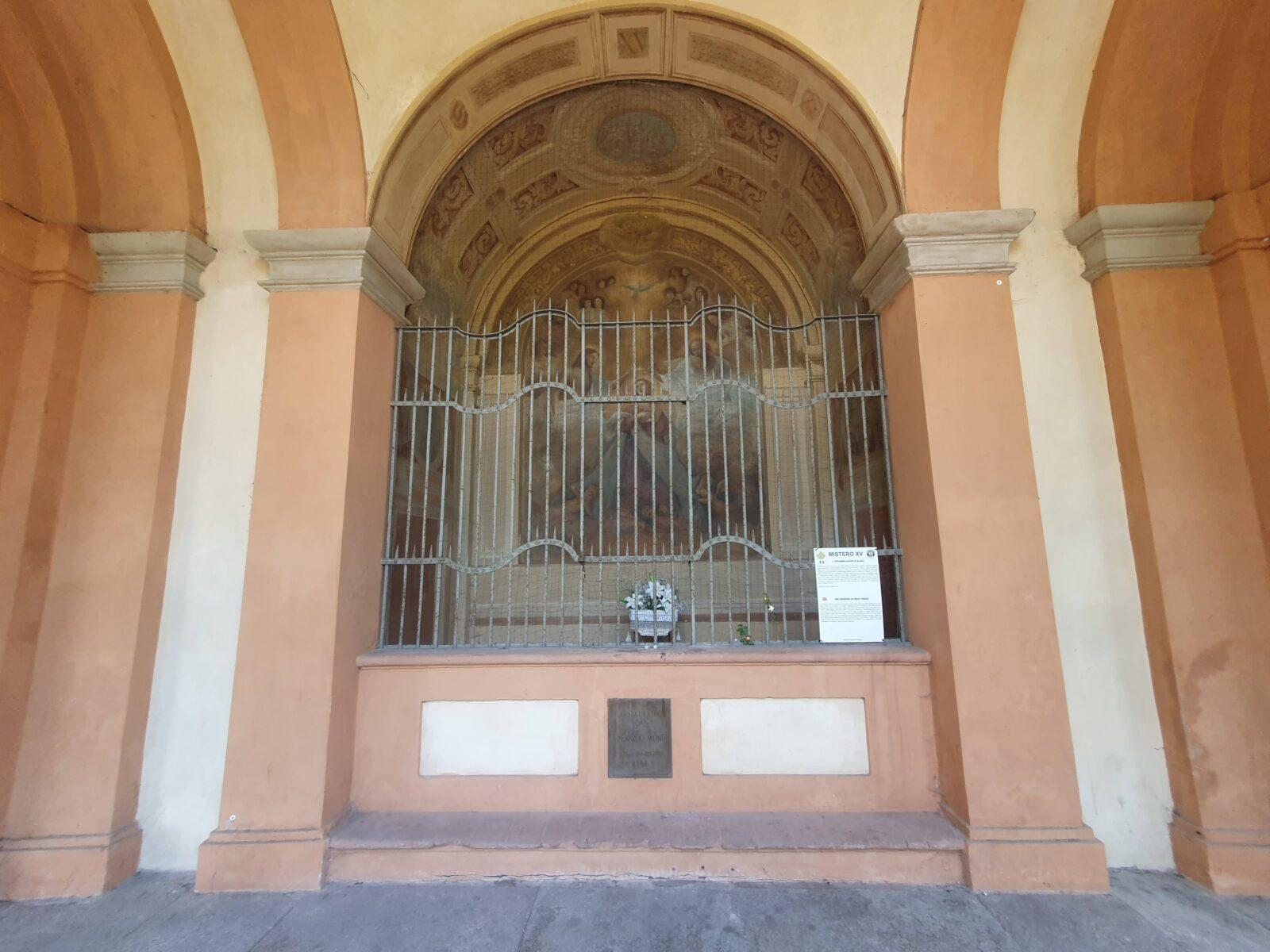
The route offers lots to see, from artworks and unique decor to small chapels and scenic views.
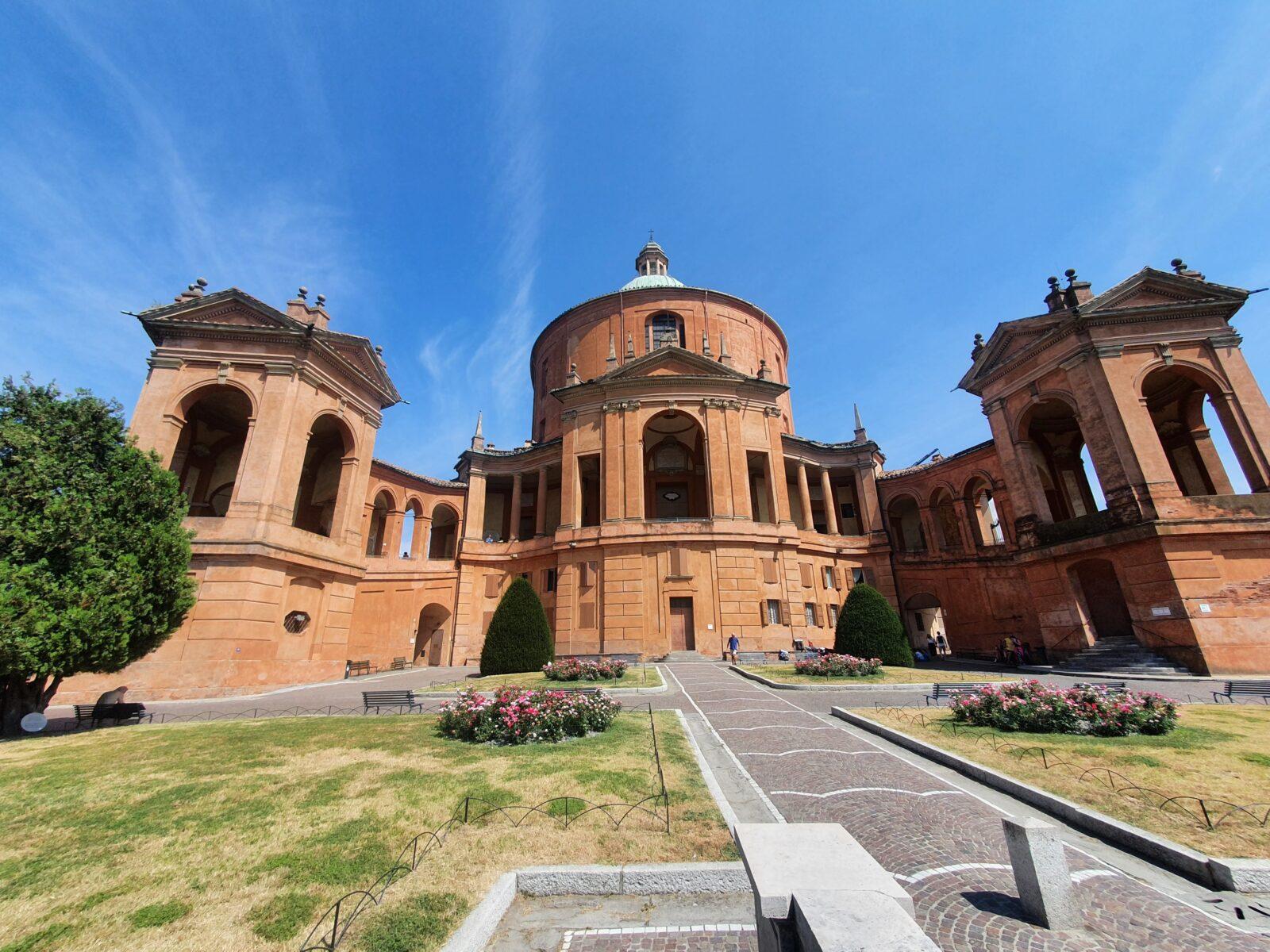
At the top is the Sanctuary of the Madonna of San Luca. This Baroque basilica was built in 1723.
Churches and Religious Buildings
Bologna has many churches to visit in the historic centre and across the city. I enjoyed popping into these to see the decor and learn some history. The main churches in the central areas were the Basilica di San Petronio in Piazza Maggiore and the Cattedrale Metropolitana di San Pietro.
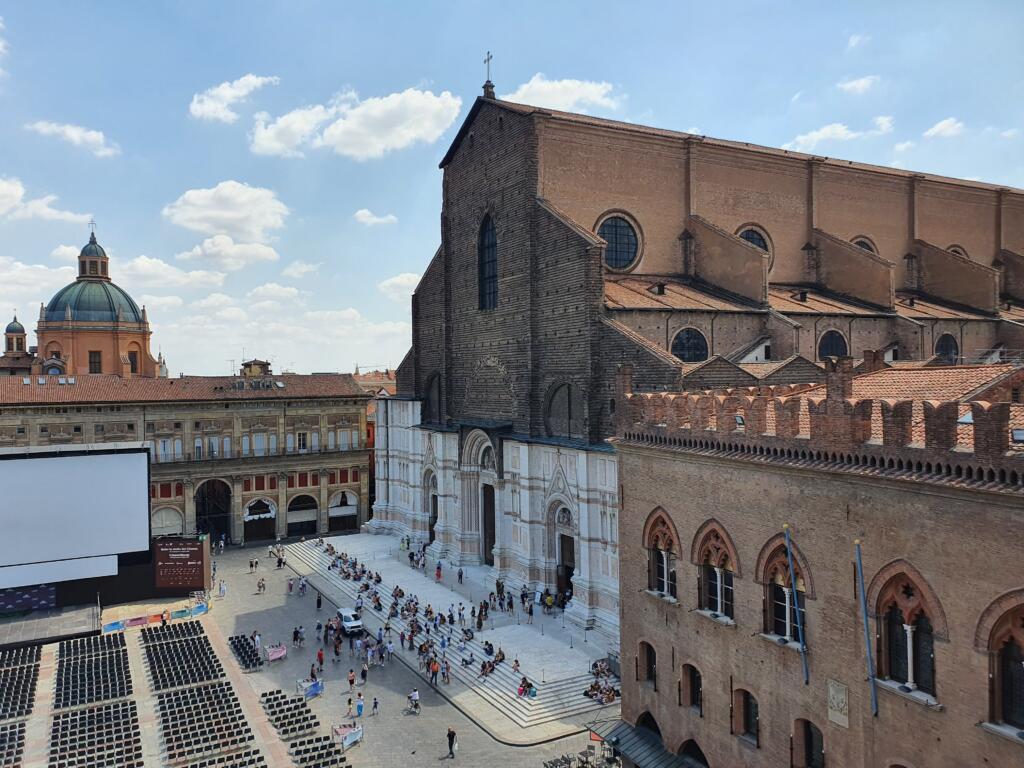
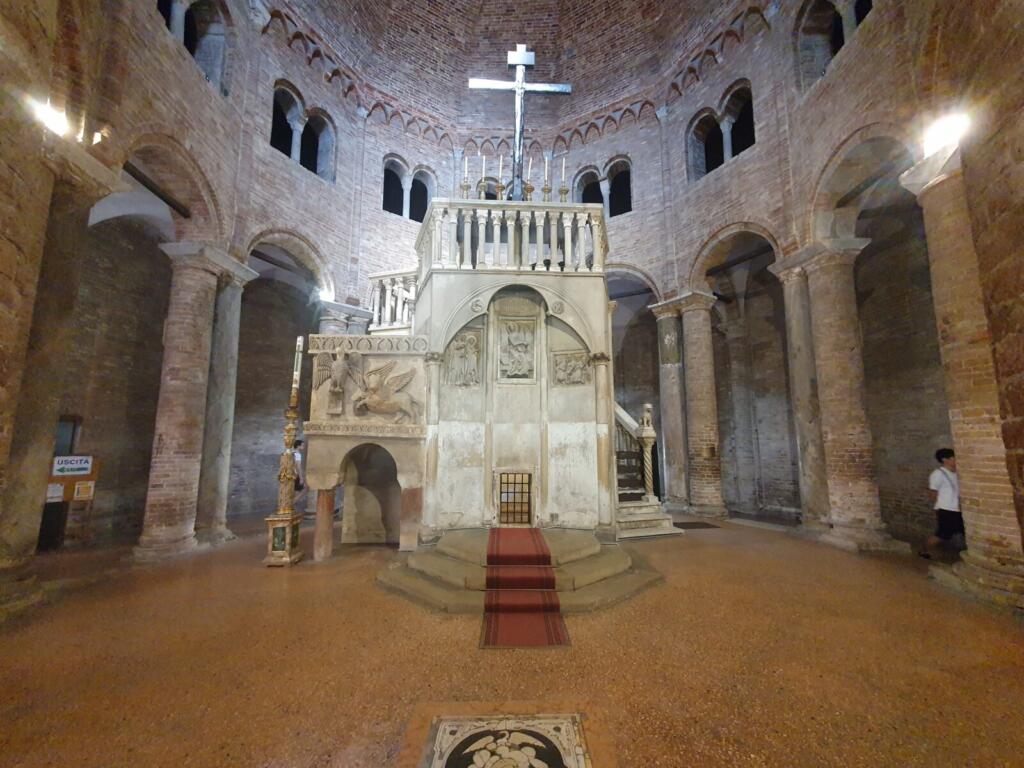
Other fascinating churches I visited were Basilica Santuario di Santo Stefano in the historic centre and Madonna of San Luca in the hills overlooking Bologna. Learn more in my churches and basilicas in Bologna guide.
Teatro Anatomico & Palace of the Archiginnasio
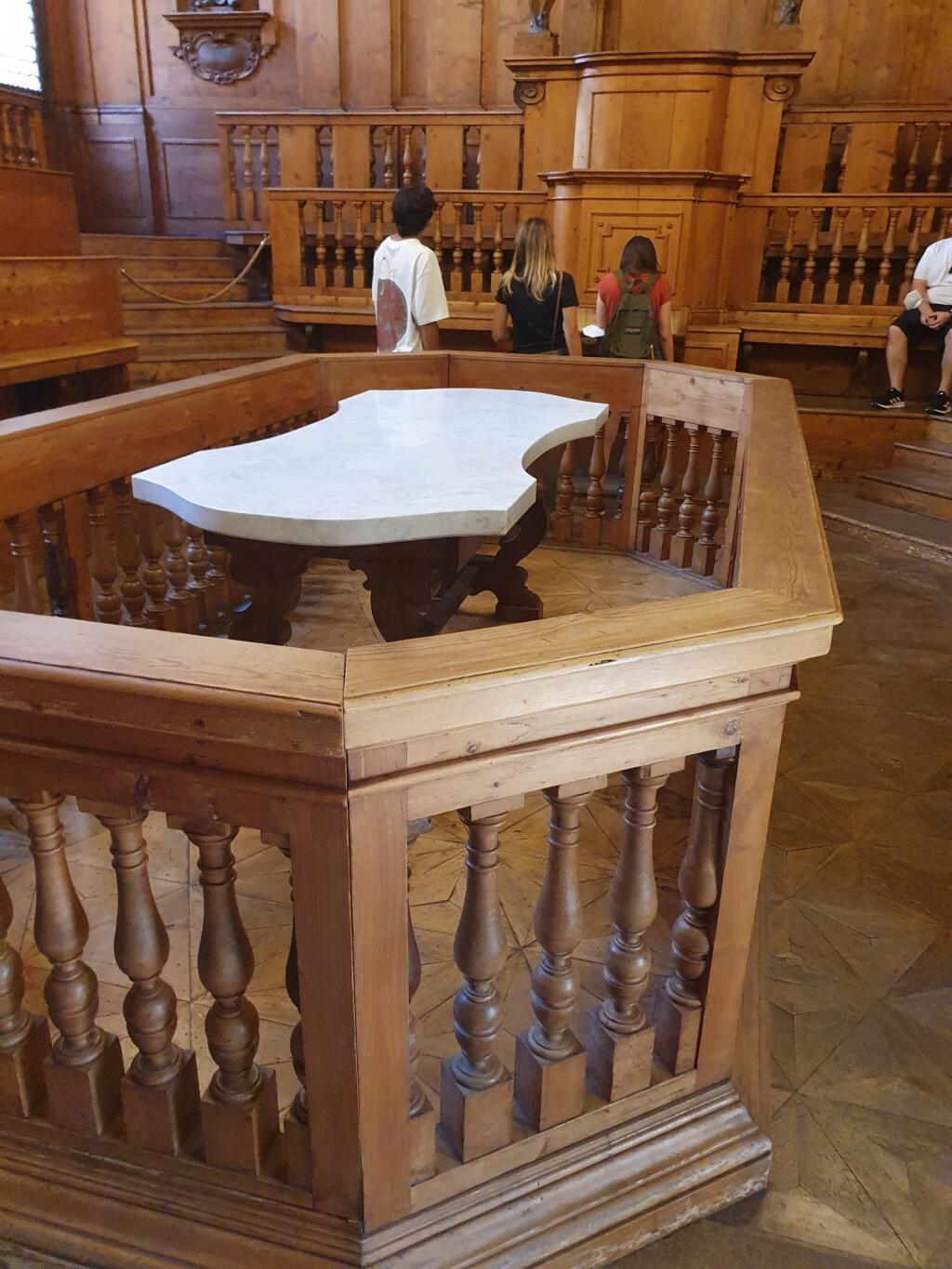
Teatro Anatomico (Anatomical Theatre of the Archiginnasio) is a hall once used for anatomy lectures at Bologna Medical School.
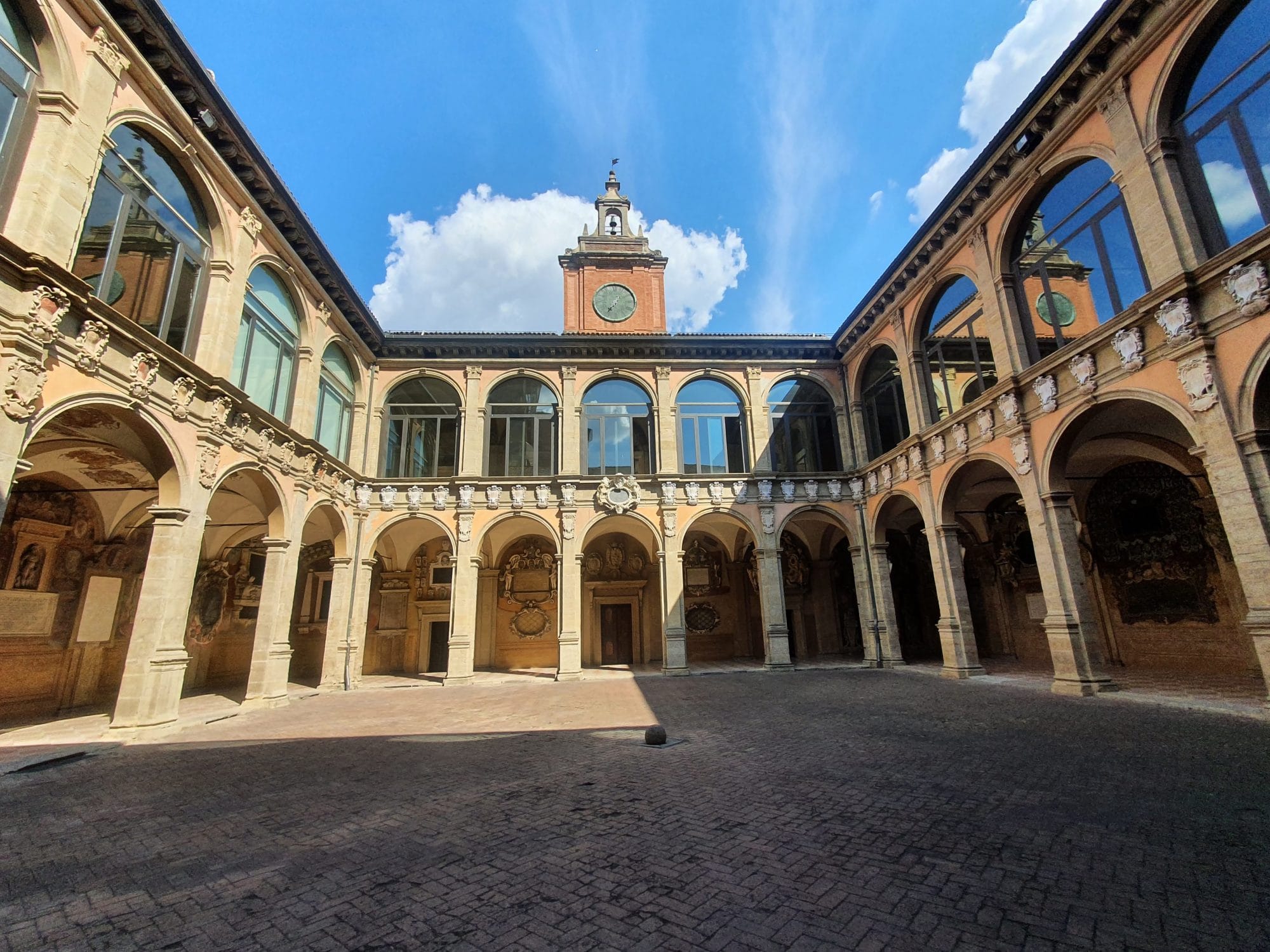
It is in the Palazzo dell’Archiginnasio, a decorative building. The theatre was built between 1636 and 1638, and was designed by the architect Antonio Levanti.
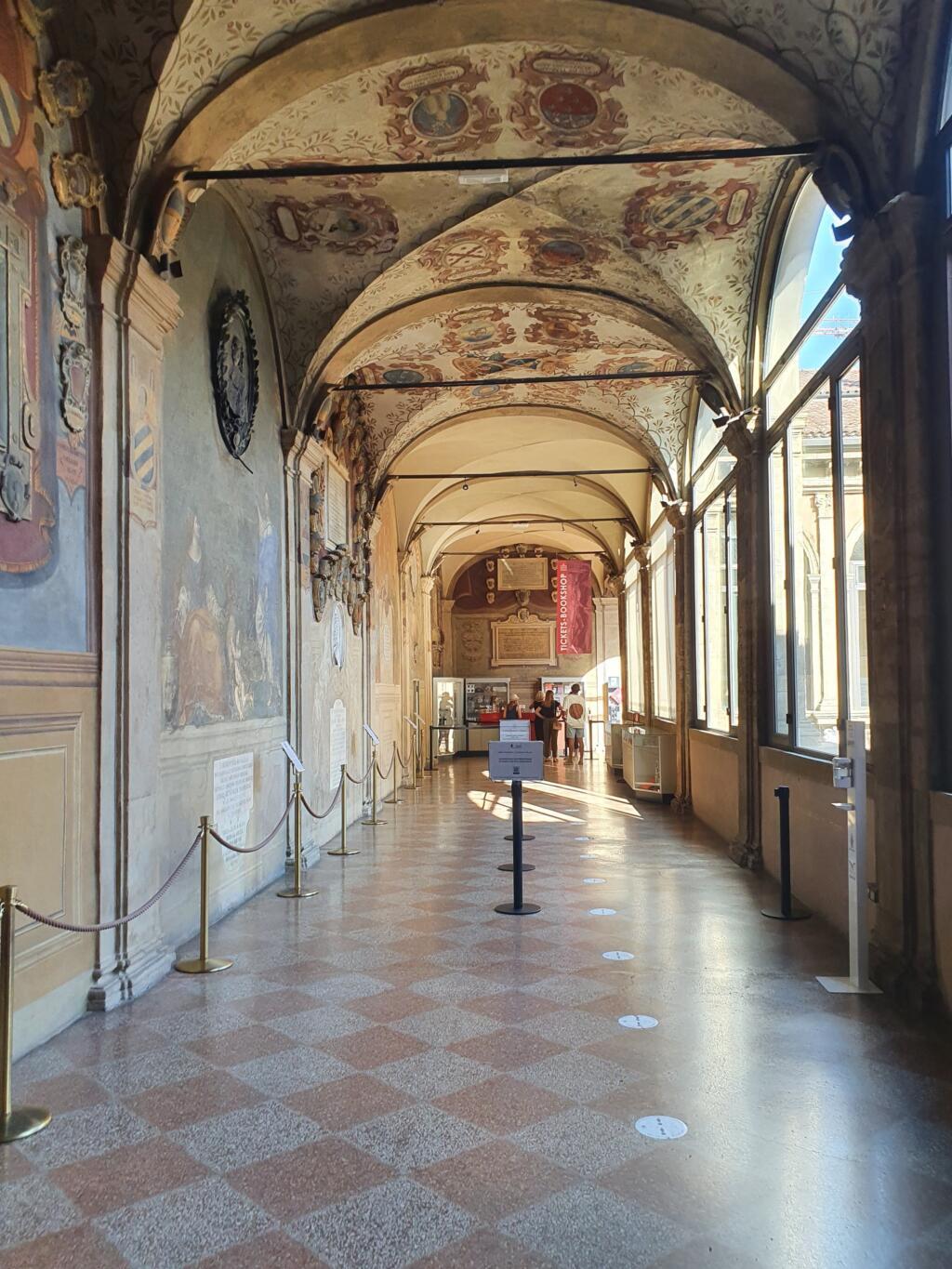
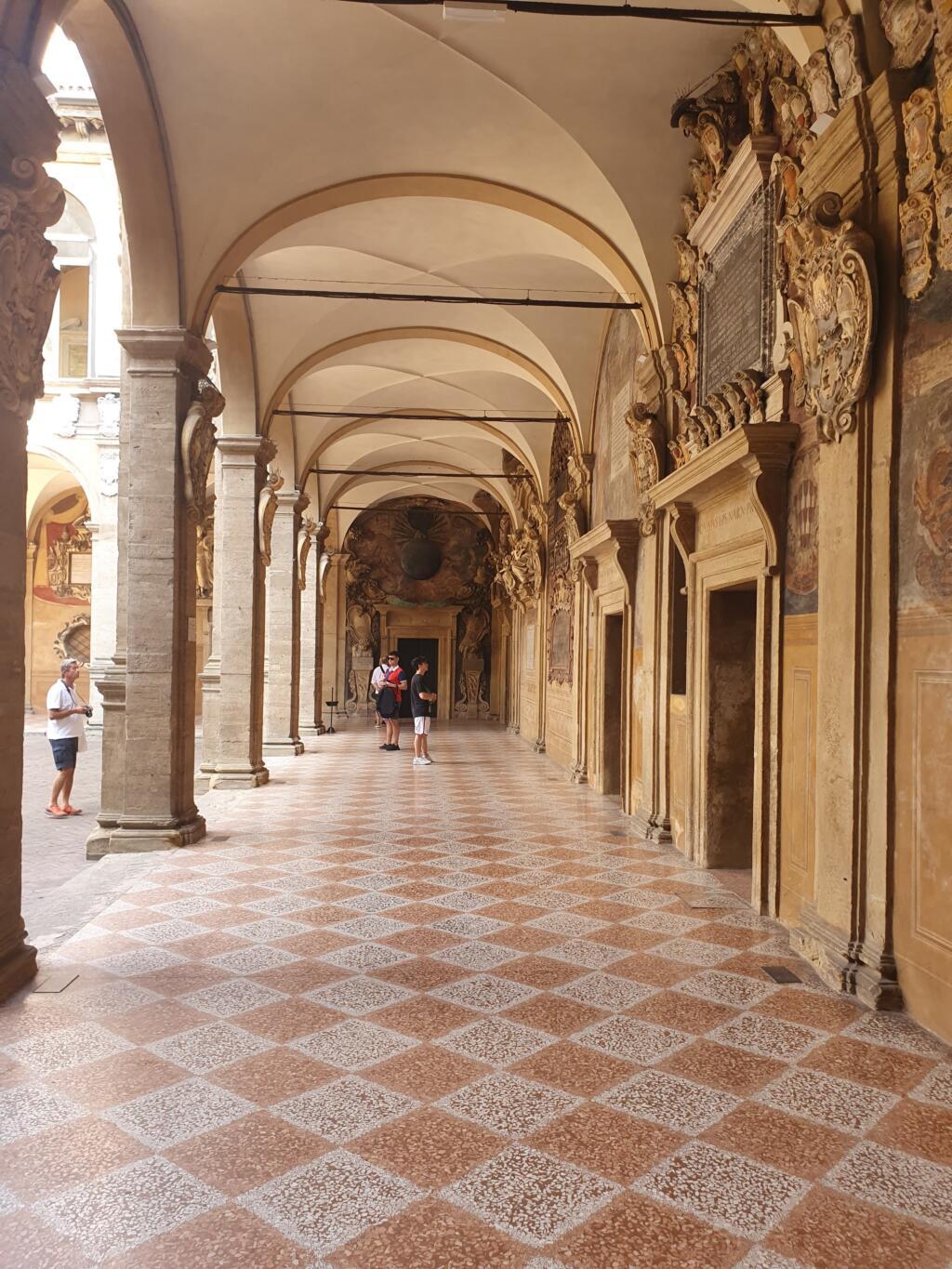
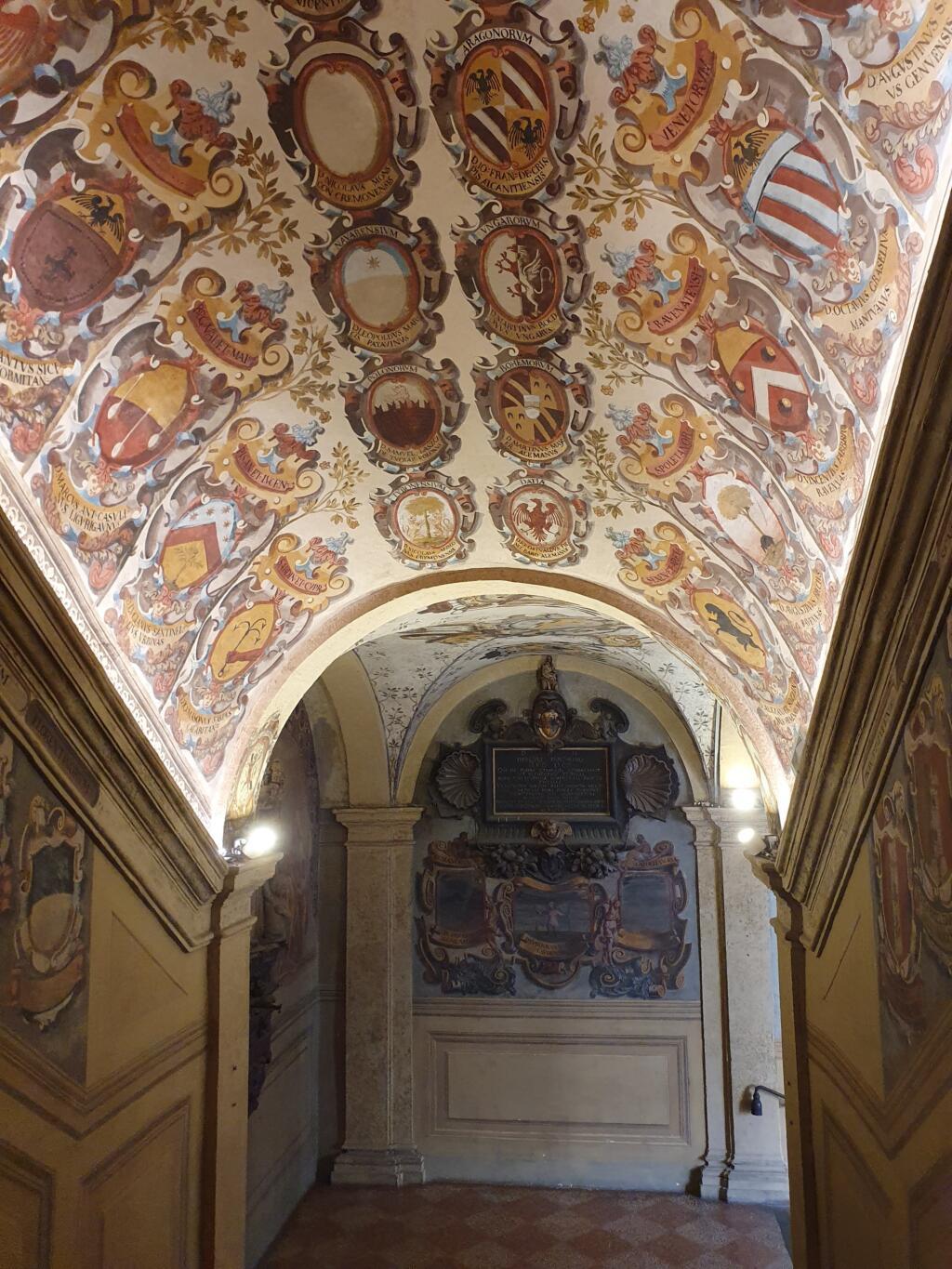
The courtyard’s corridors and porticoes were adorned with artwork. Tickets were cheap and required online booking.
Other Things to See, Landmarks and Places of Interest
Fountain of Neptune
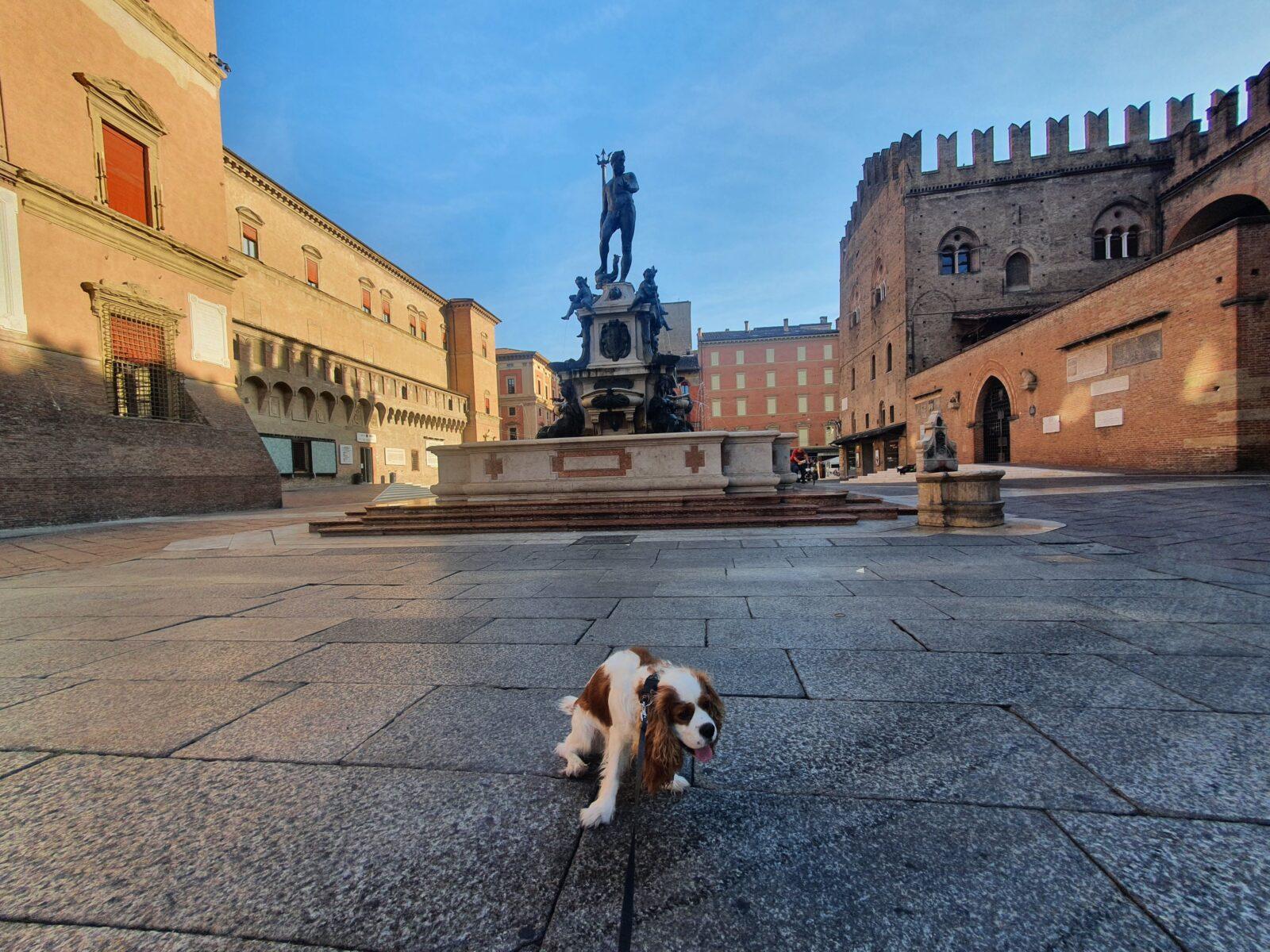
The Fountain of Neptune (Fontana di Nettuno) is in Piazza del Nettuno, next to the main city square. It was constructed between 1563 and 1566 from marble, bronze and stone. It gets busy with people taking photos. But in the mornings, you can get the fountain to yourself.
Palazzo d’Accursio
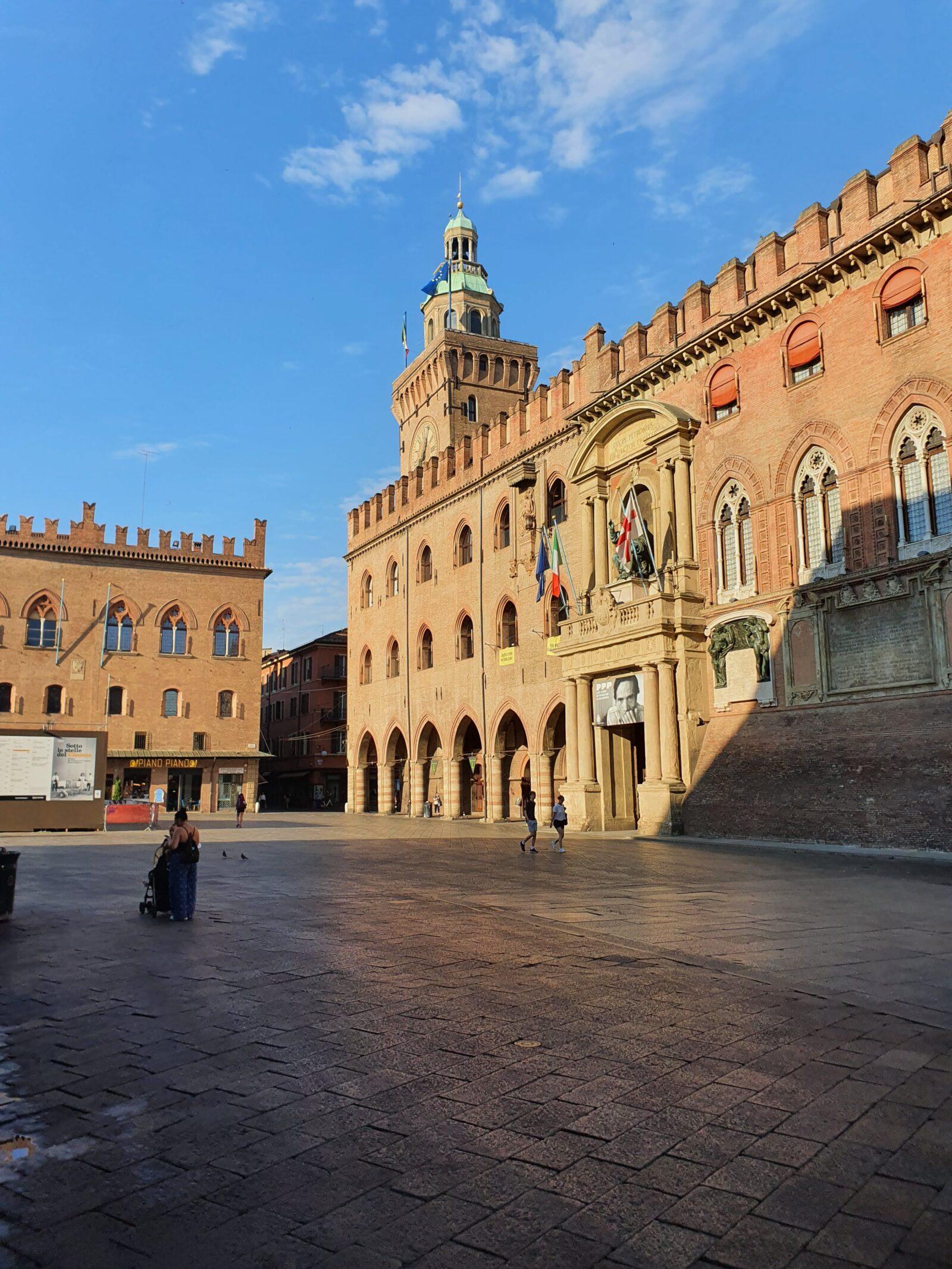
Palazzo d’Accursio in Piazza Maggiore is a historic building that has been the town hall since the Middle Ages. The palace was built in different phases between the thirteenth and sixteenth centuries.
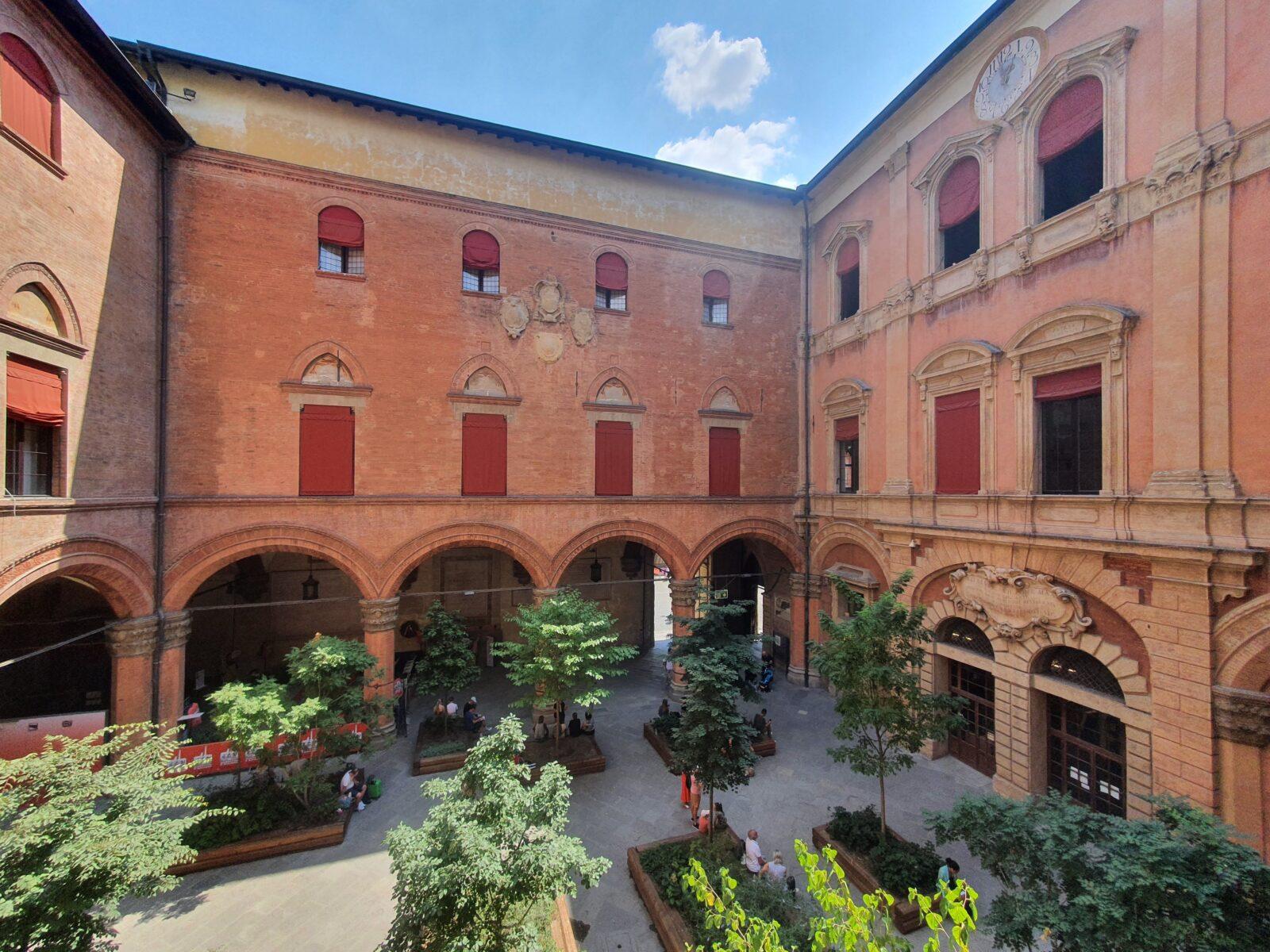
The palace is big, and the decor is beautiful, including the entrance hall. Inside is also a public art gallery with decorative rooms and large artworks. To learn more, you can purchase a ticket for the tower or the art gallery inside the palace. Cortile Guido Fanti is a courtyard within Palazzo d’Accursio. The gardens here were an ideal place to relax.
Torre dell’Orologio
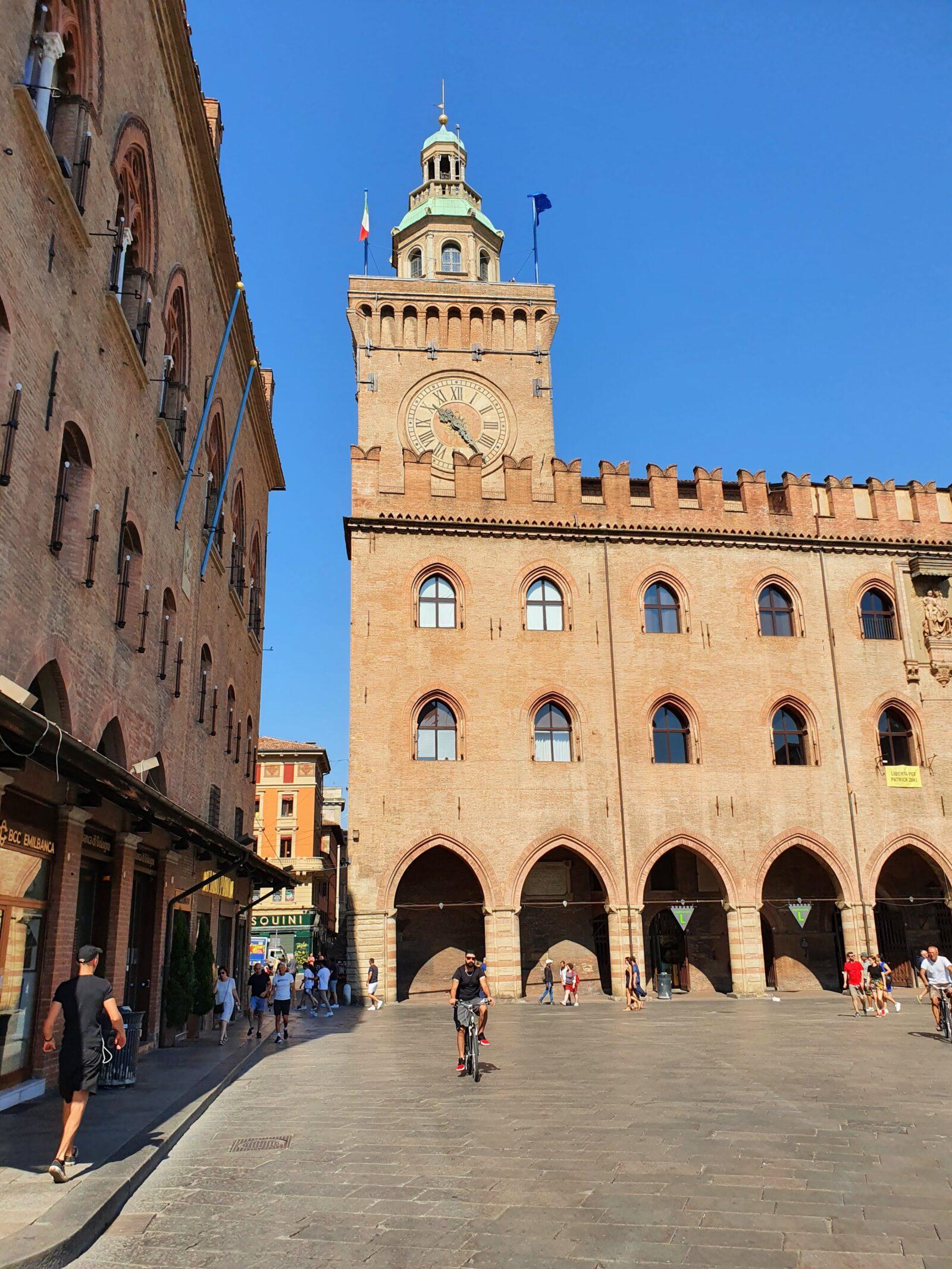
The Torre dell’Orologio overlooks Piazza Maggiore and is a fantastic viewpoint. From the tower, you can see the full Bologna skyline, including the Emilia-Romagna countryside. From the main square, you can also see the city’s towers and church domes.
Palazzo Re Enzo
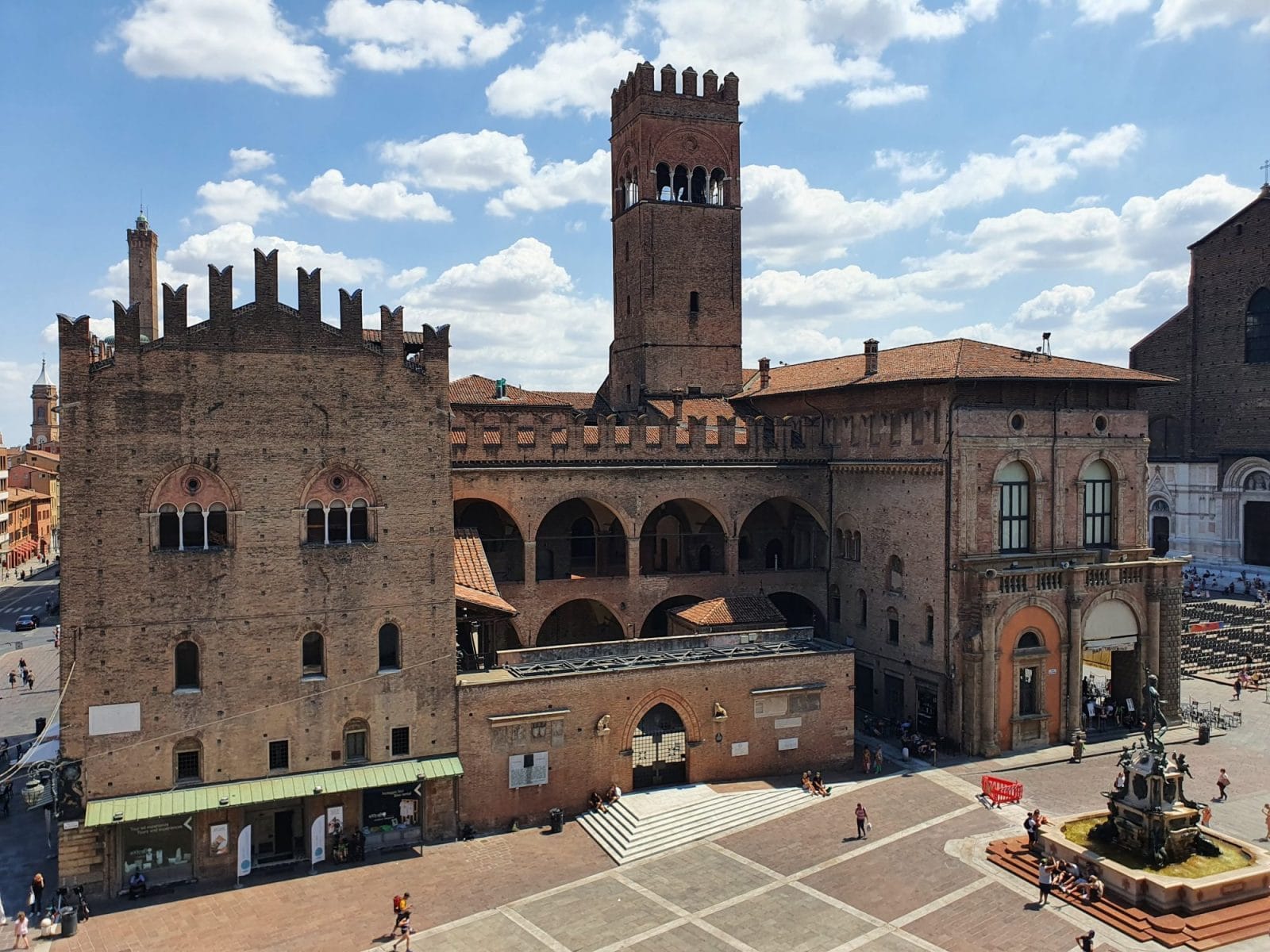
A standout building in Piazza Maggiore is Palazzo Re Enzo. Built in 1246, the palace was named after Enzo of Sardinia. He was a prisoner here from 1249 until he died in 1272. The restored palace now hosts exhibitions and cultural events. The courtyard beneath the palace is nice to explore and includes gift shops, restaurants, and the whispering gallery.
Palazzo del Podestà
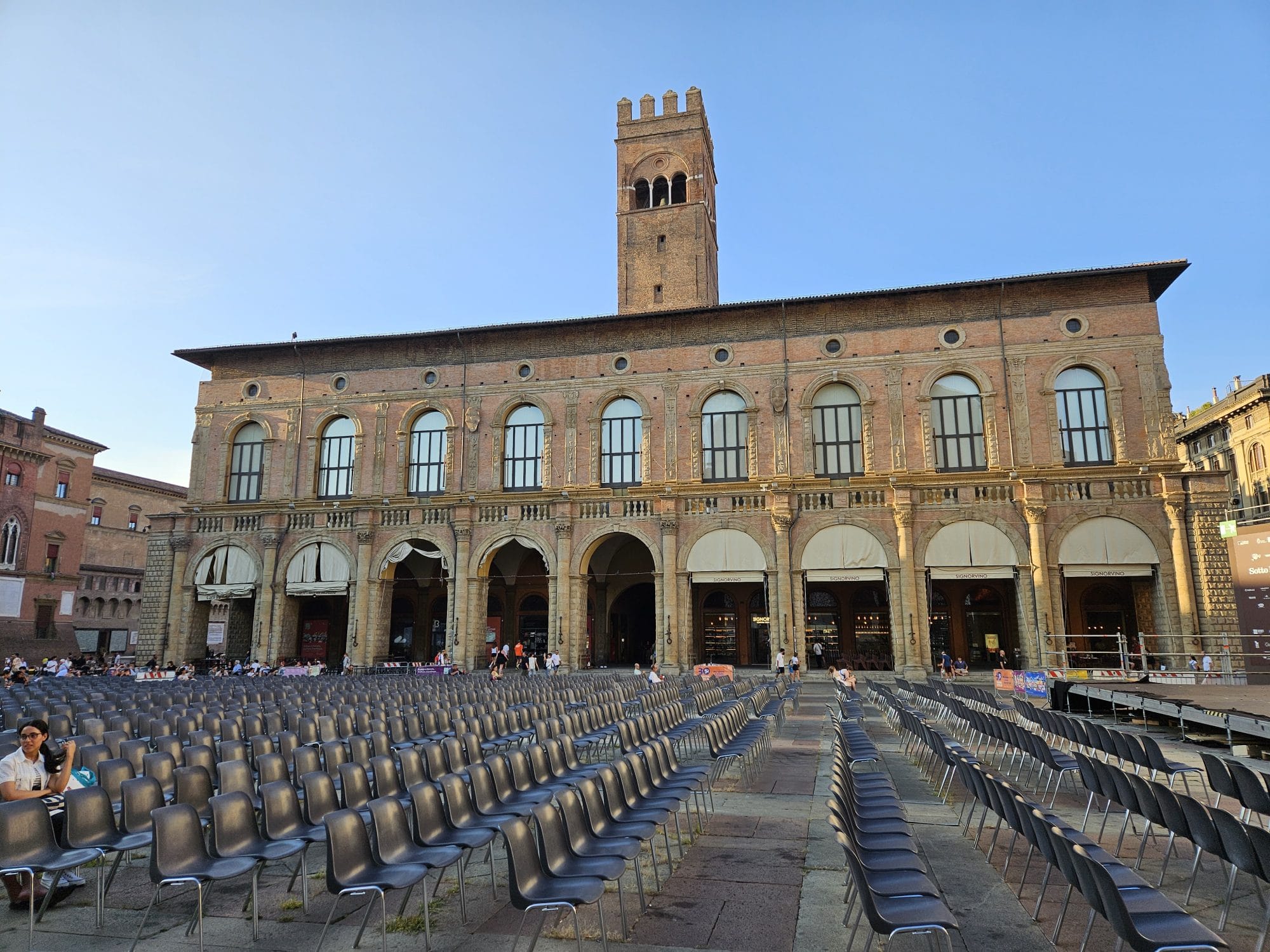
Palazzo del Podestà makes up one side of Piazza Maggiore. Tourists flock to the Voltone del Podestà. This acoustic effect lets people speak to each other from opposite corners of the vault. The Palazzo del Podestà dates back to 1200. Over the centuries, it has been changed into its current form. It is right next to Palazzo Re Enzo, with a bell tower between them.
Palazzo della Mercanzia
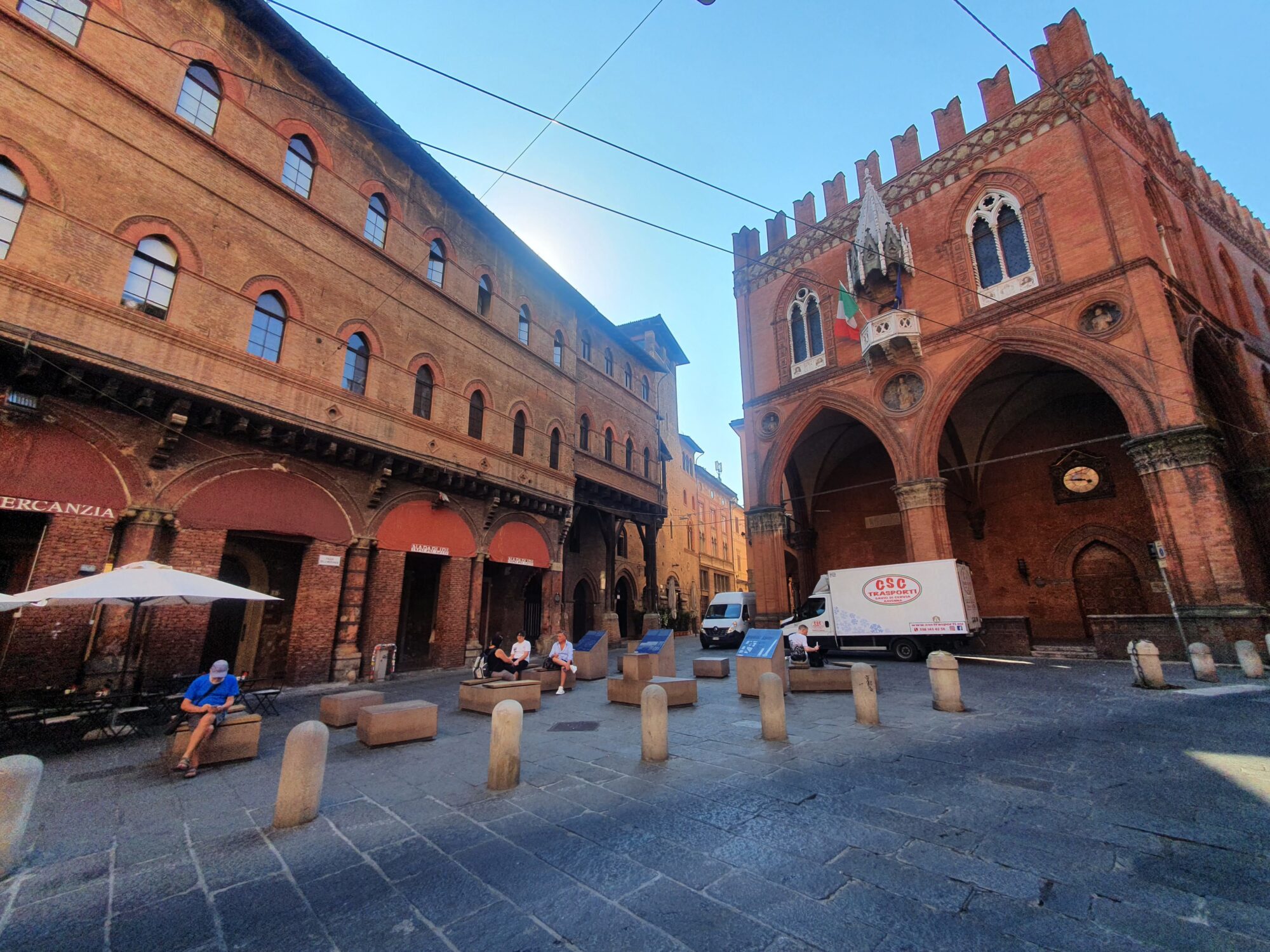
Near the twin towers is Palazzo della Mercanzia. The Gothic Palazzo della Mercanzia was built between 1362 and 1391. The merchants’ forum first used this as their base.
The square of the same name by the entrance is also lovely. It’s a nice place to sit out on the street furniture and enjoy the views. In the piazza is Torre Alberici, an eye-catching building. This one dates from the 13th century. It is one of my favourite spots to see the two towers and also pop for a drink.
Piazza Santo Stefano
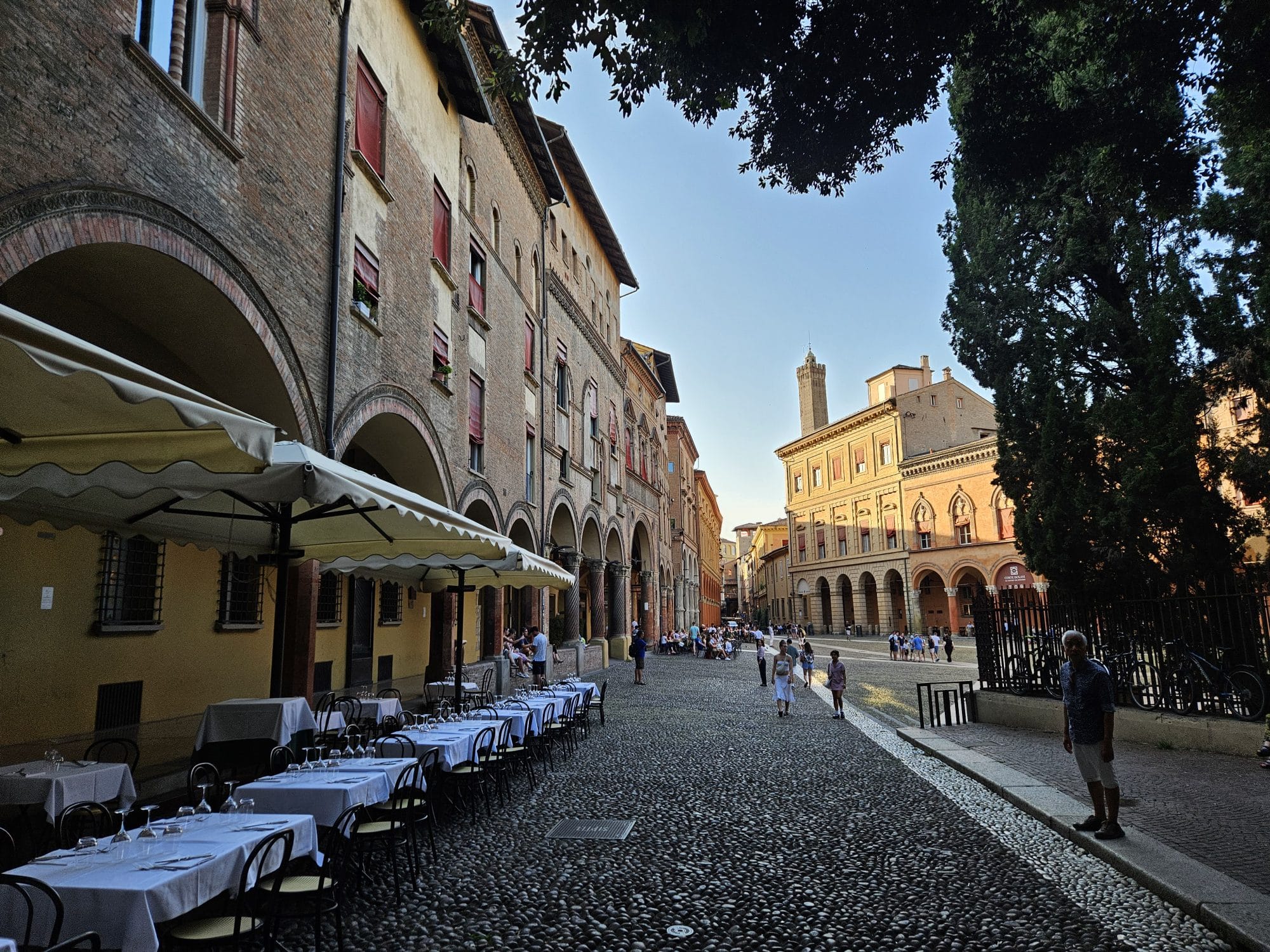
Piazza Santo Stefano is a town square. It is also called Seven Churches Square or Piazza Delle Sette Chiese. It is a triangular piazza with porticoes on two sides, and the Basilica of Santo Stefano forms the third side. I like to stop here for a drink at one of the cafes on the edges and take in the medieval architecture.
Palazzo Fantuzzi
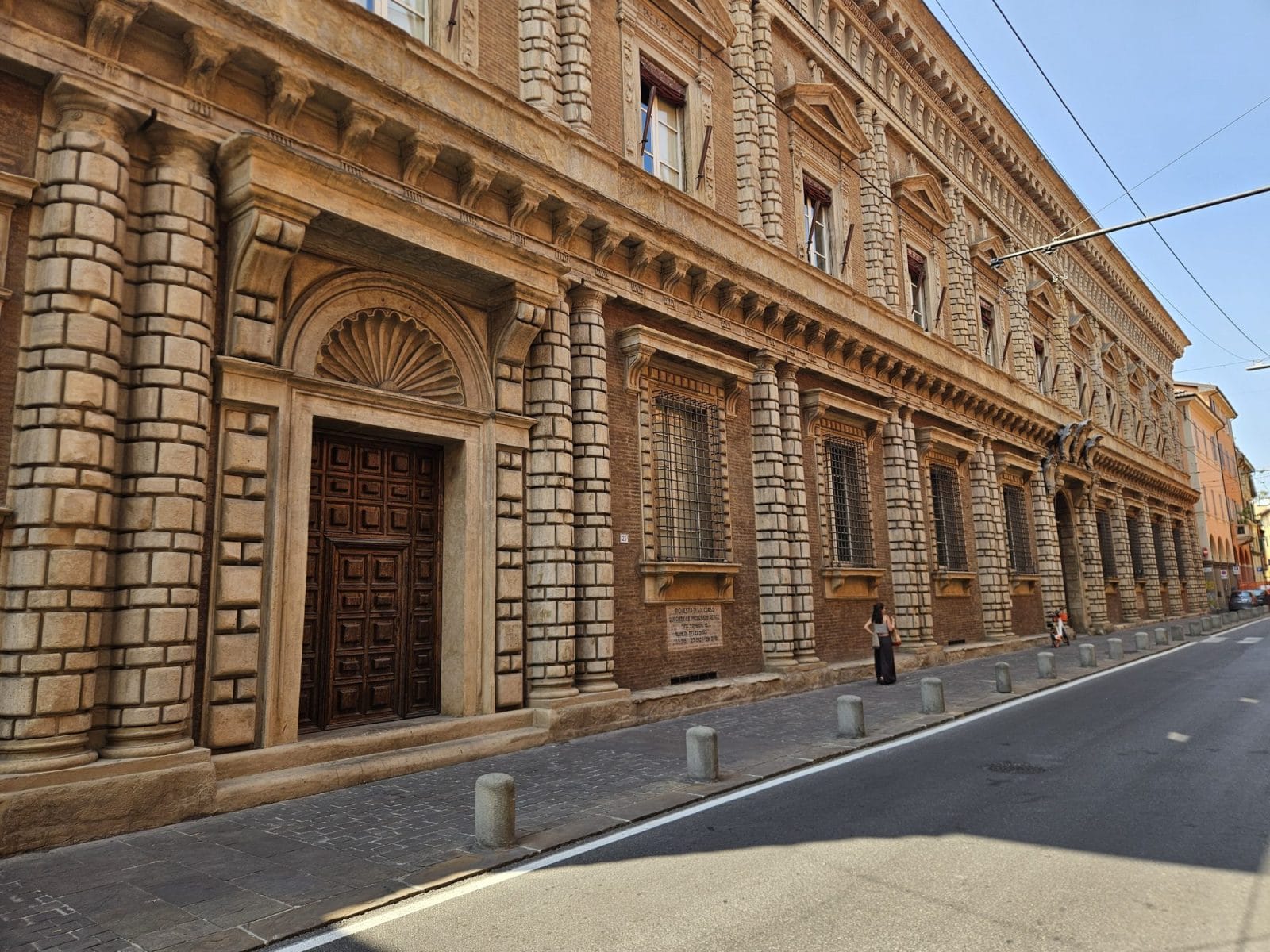
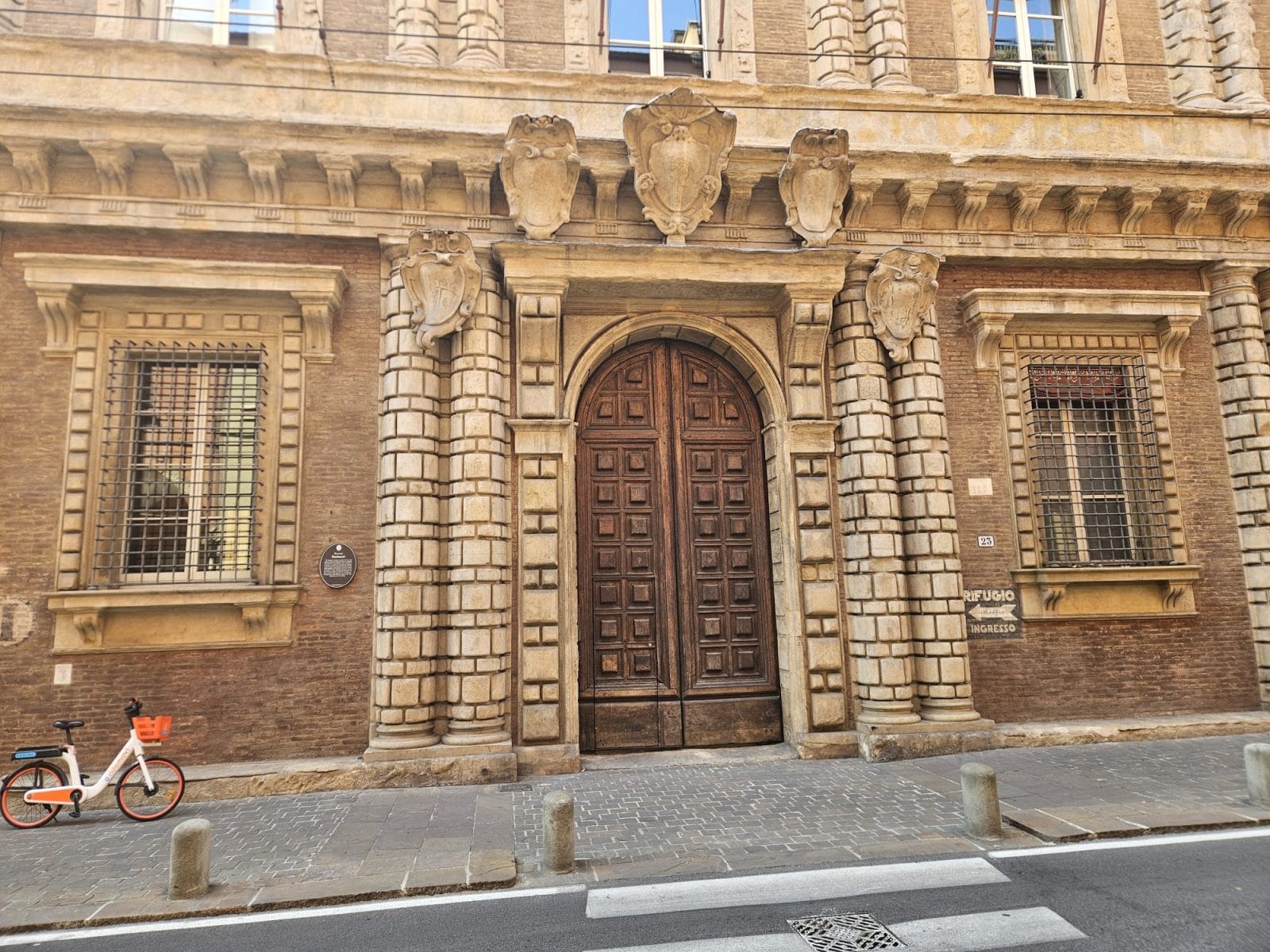
Palazzo Fantuzzi is a stunning Renaissance palace on Via San Vitale, built in the early 16th century for the wealthy Fantuzzi family. Its most distinctive feature is its decorative façade, which features carved elephant motifs linked to the family coat of arms. The palace is not open to the public; however, the exterior is worth seeing.
Finestrella Canal
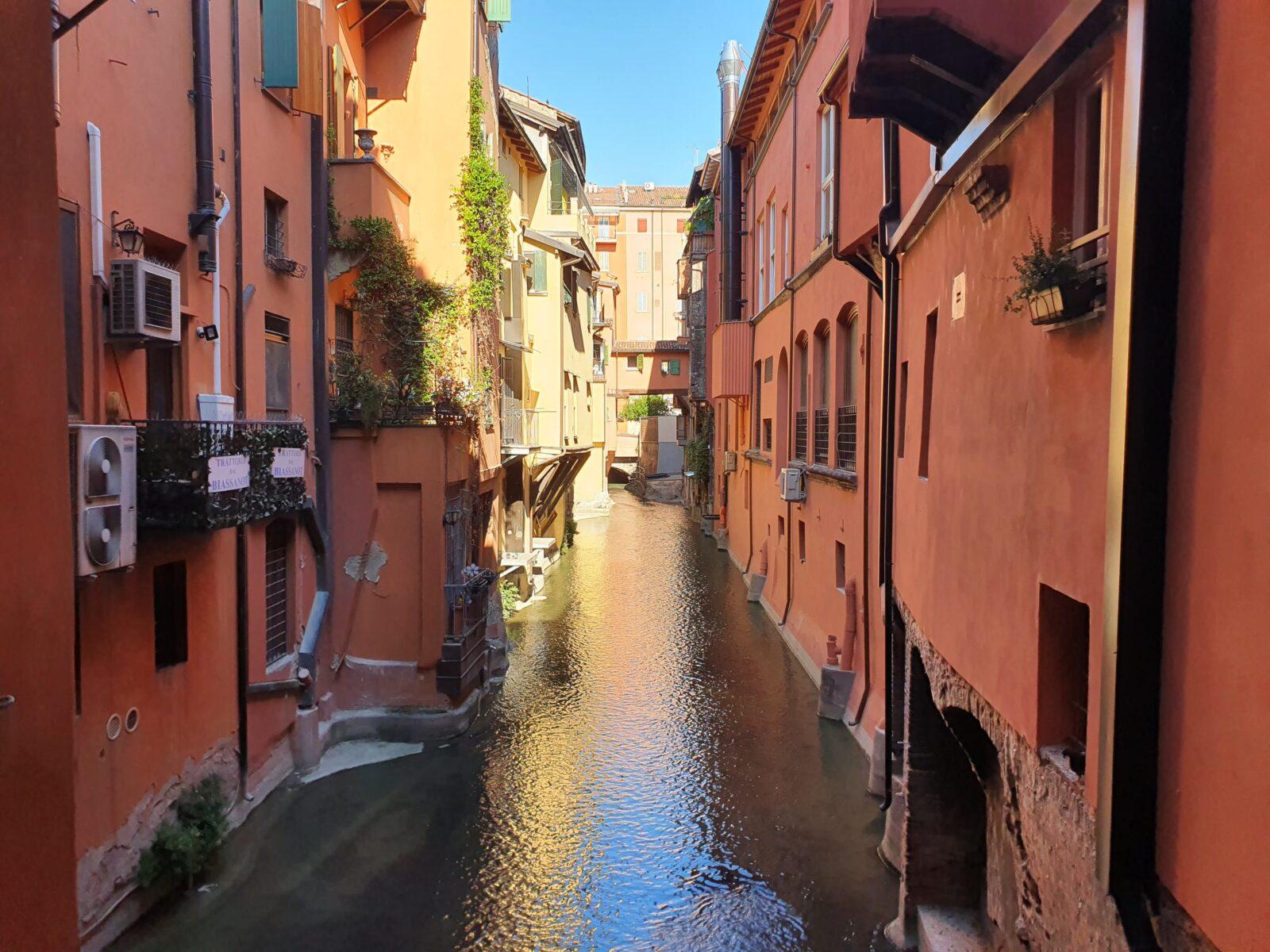
Finestrella offers views of one of Bologna’s hidden canals. Meaning ‘window’ in Italian, ‘finestrella’ is exactly that: a window overlooking the canal. The city once had 37 miles of canals, most of which have been around since the 12th century. The canals have disappeared from view, except here.
Museo Civico Medievale
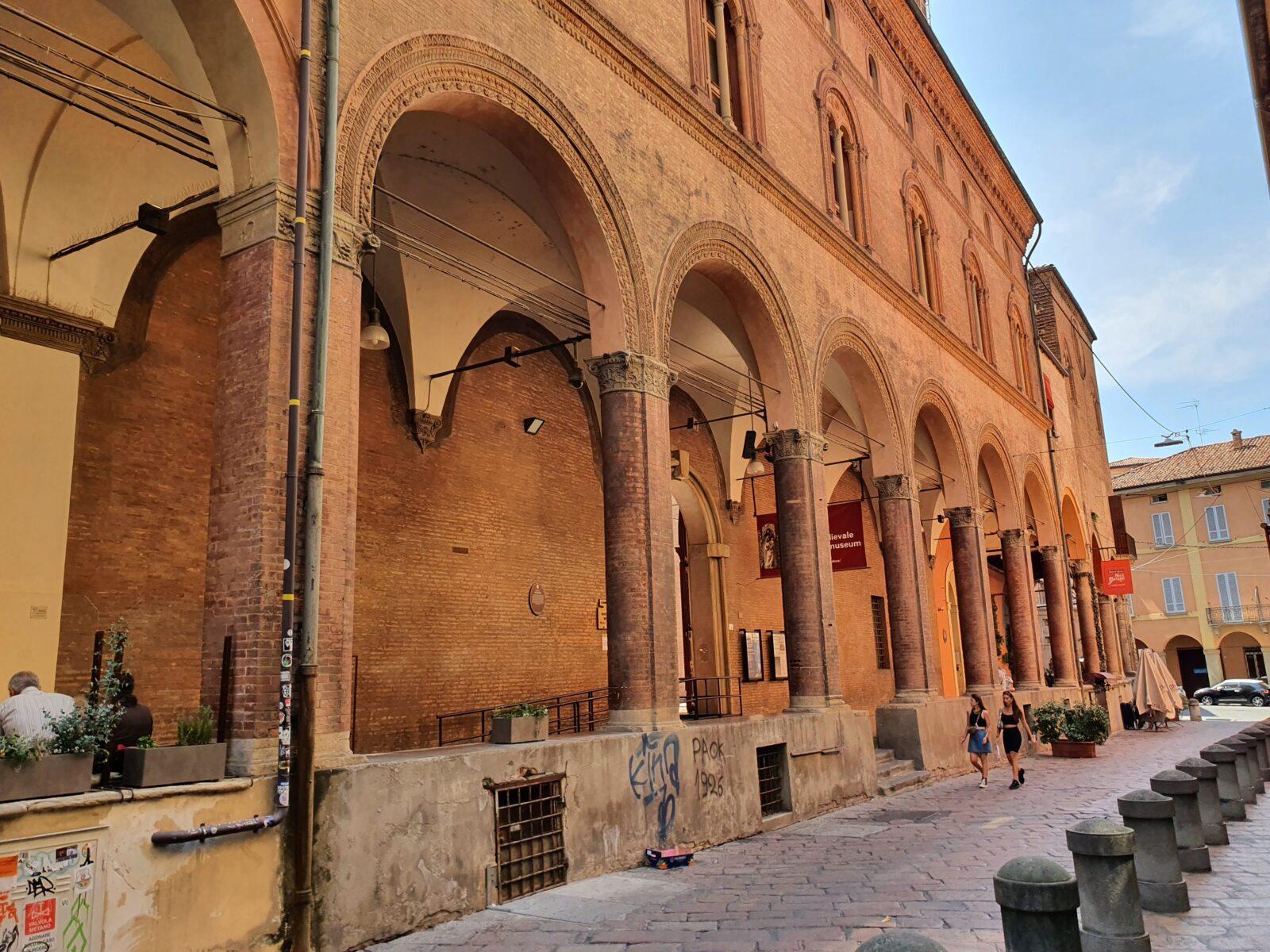
The Museo Civico Medievale is a museum where you can learn about the city’s medieval history. Inside are interesting artefacts, including some impressive manuscripts. The museum is housed in the 15th-century Palazzo Ghisilardi-Fava.
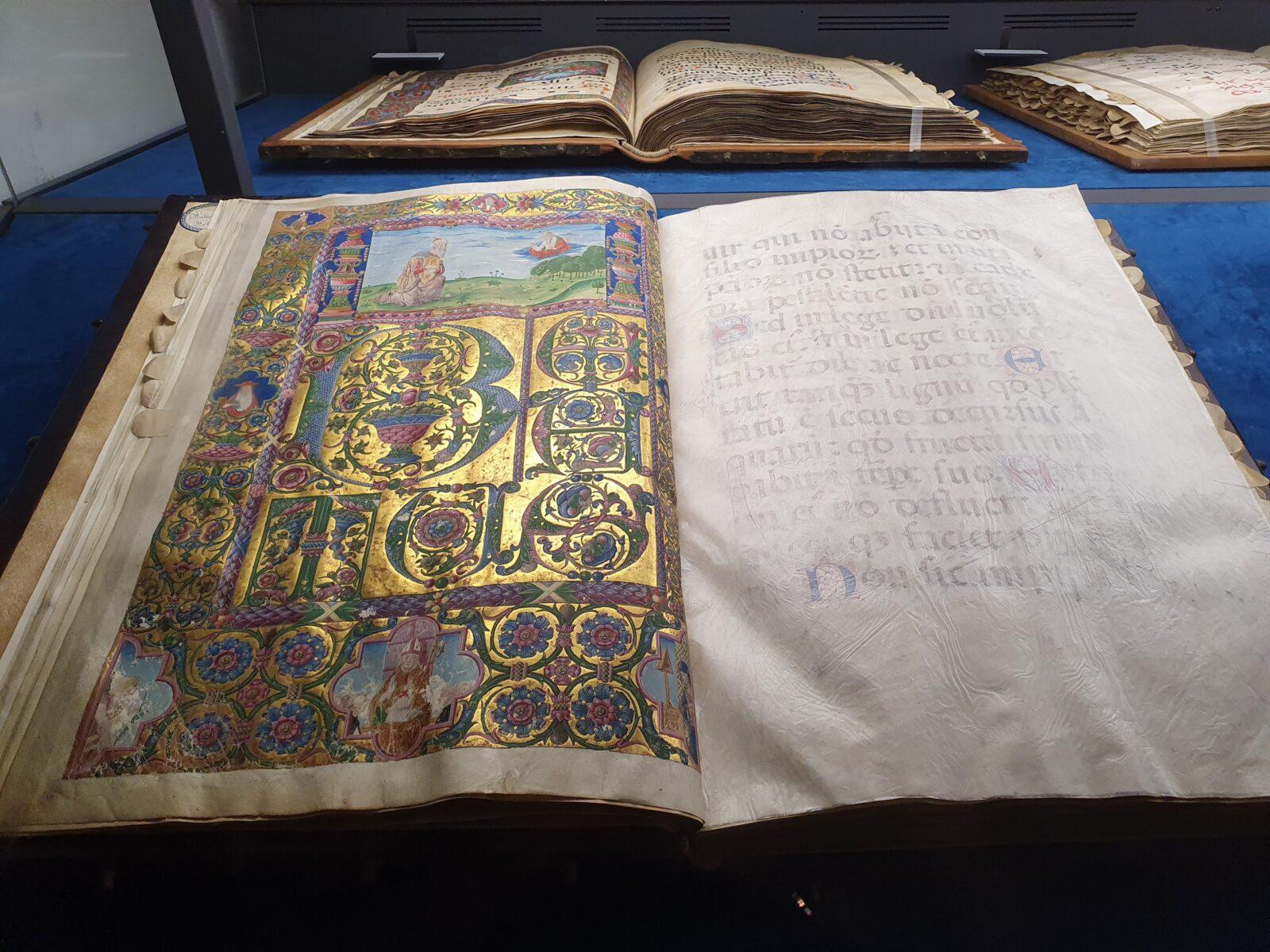
The museum also contains many artworks, church fragments, and weapons from bygone eras. One room that fascinated me focused on funeral monuments.
Biblioteca Salaborsa
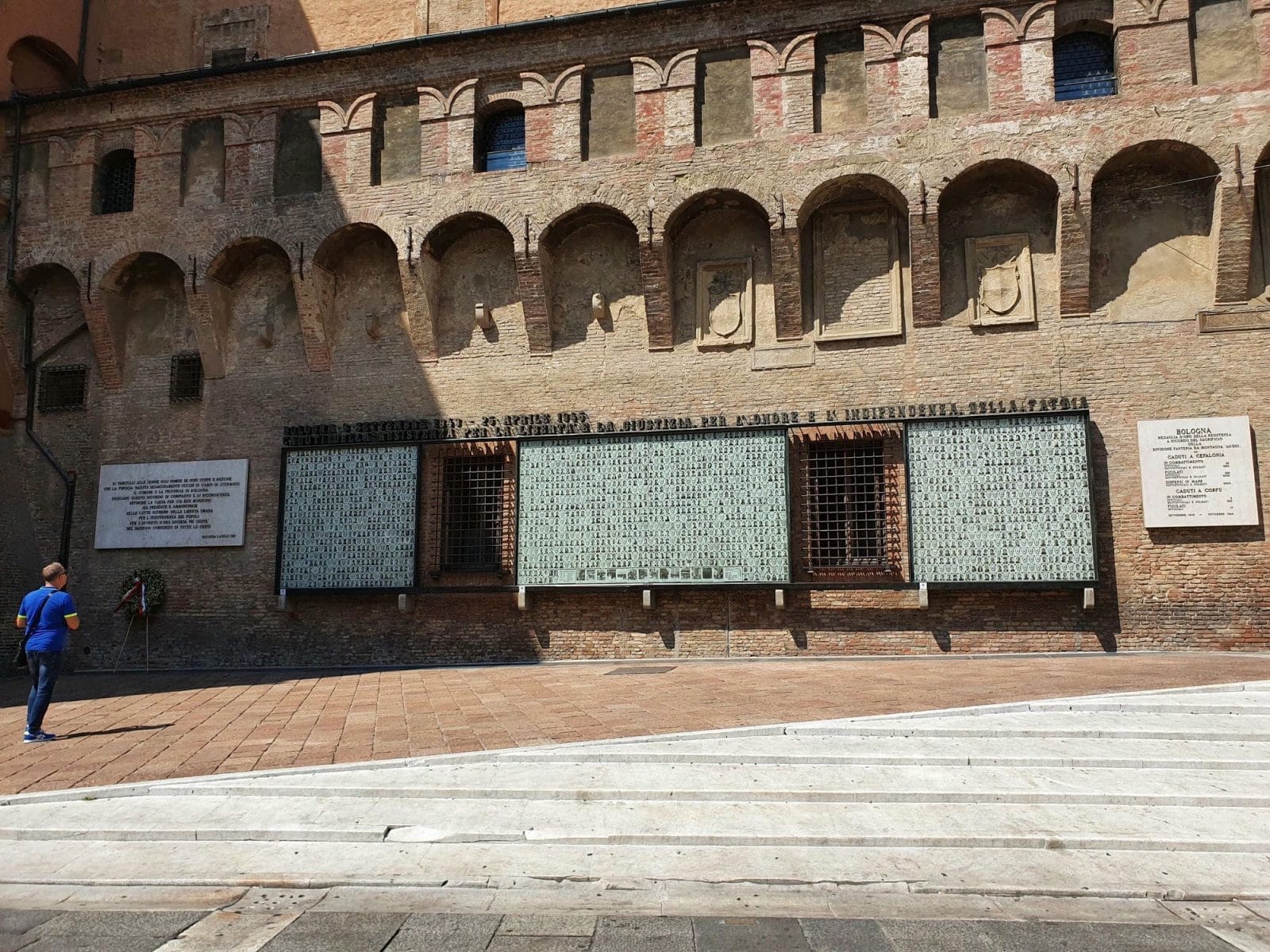
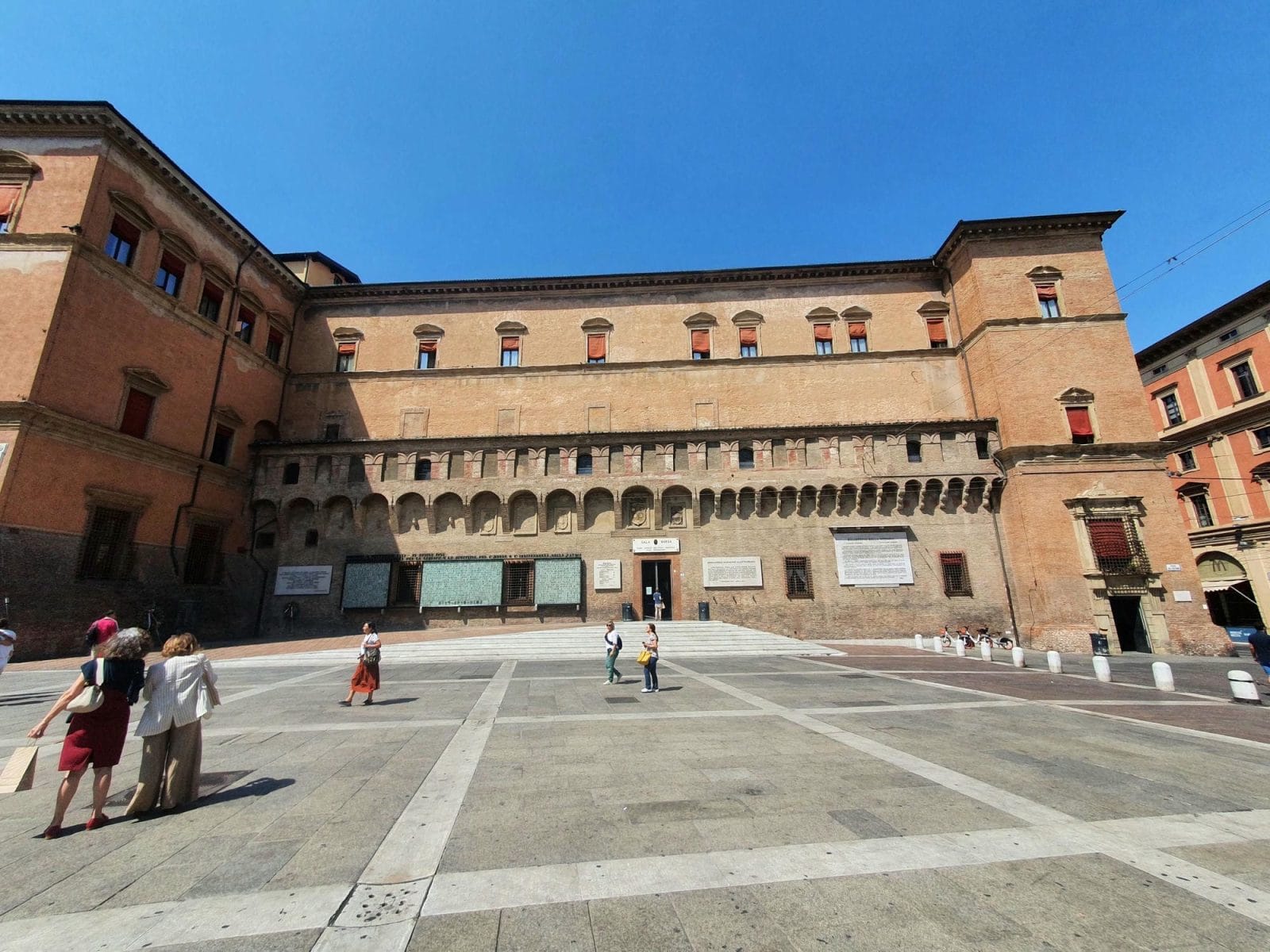
Biblioteca Salaborsa is next to Piazza Maggiore inside Palazzo d’Accursio. The main hall is free to enter, and you can see sections of the city’s ancient remains through its glass floor. Outside is the Monument to the Fallen Partisans, which commemorates people from Bologna and the surrounding province who died during the resistance against fascism.
Torre Prendiparte or Torre Coronata
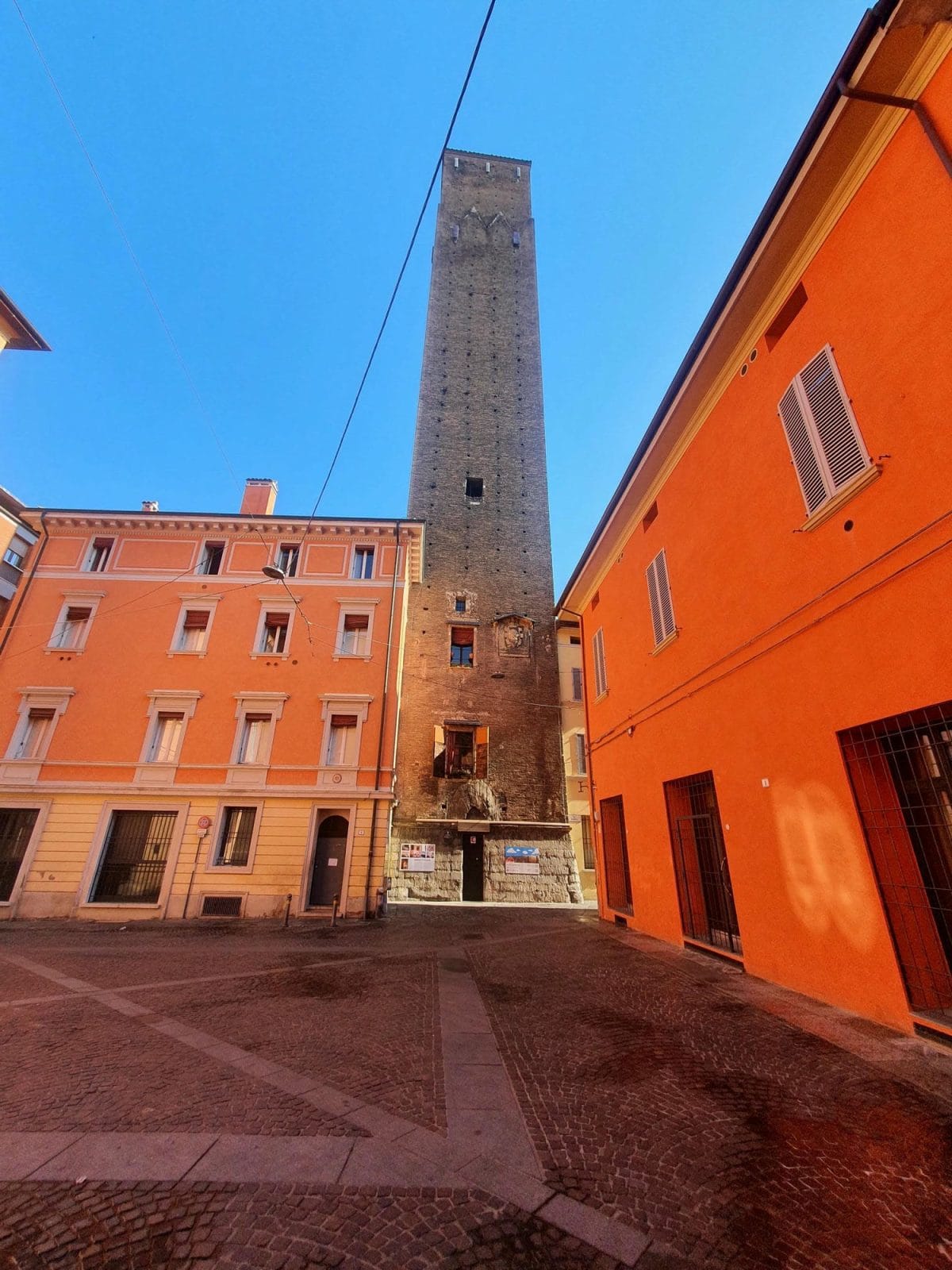
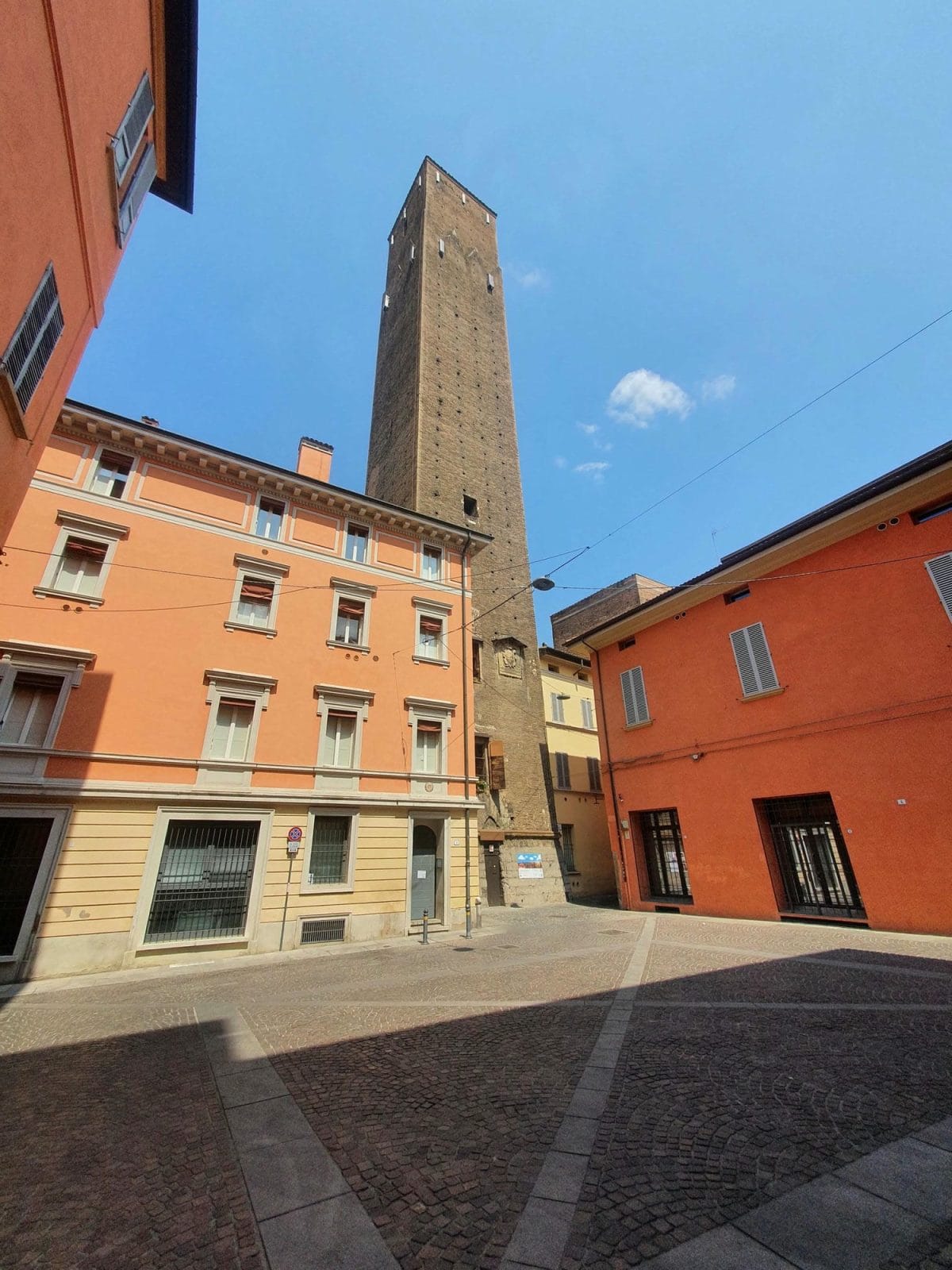
Another medieval tower I found while walking the backstreets was Torre Prendiparte, also known as Torre Coronata. It dates from the 12th century and, at 60 metres high, is Bologna’s second-tallest surviving tower after the Asinelli Tower. Its red-brick exterior stands above the surrounding streets.
Piazza Minghetti
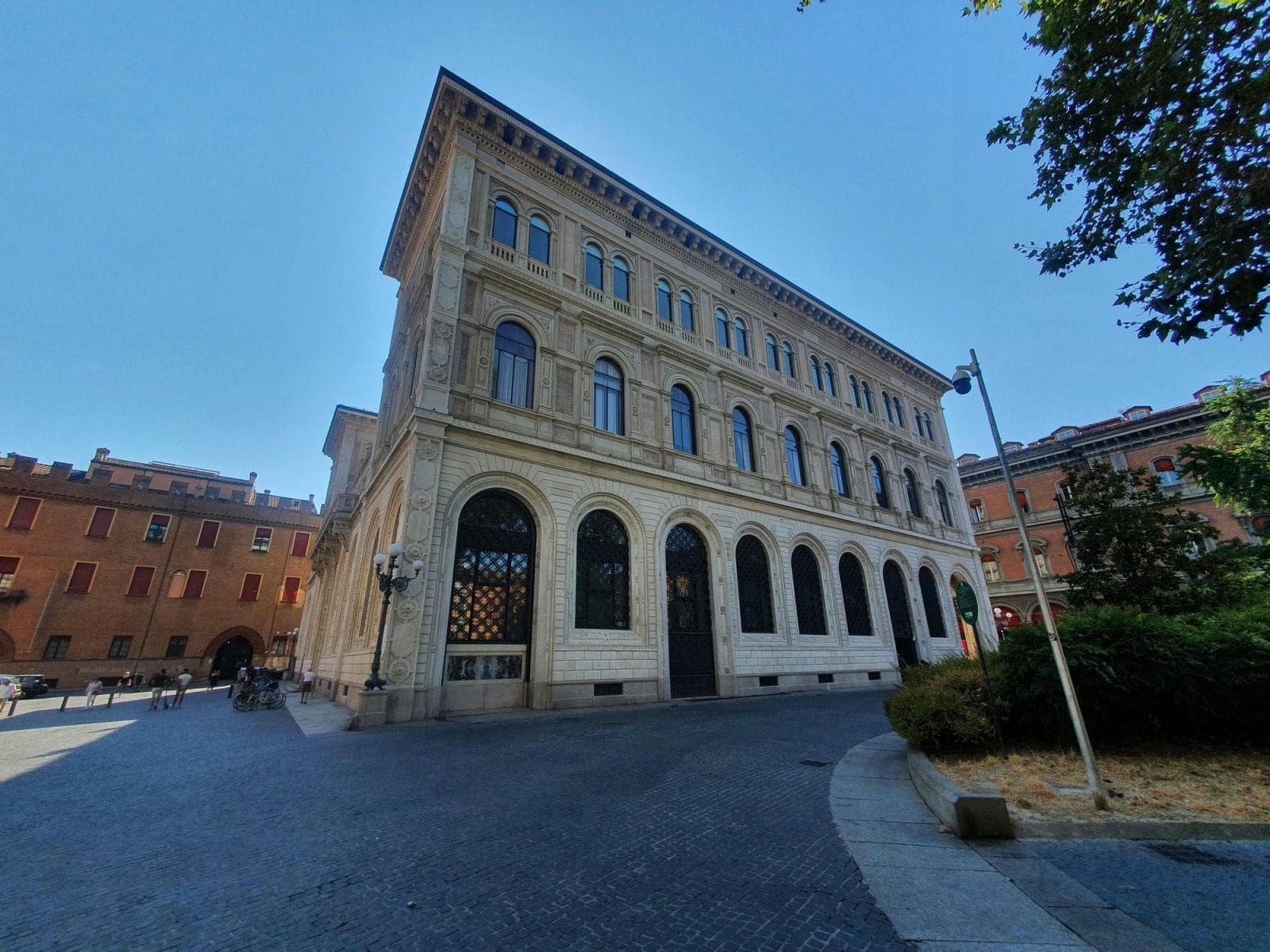
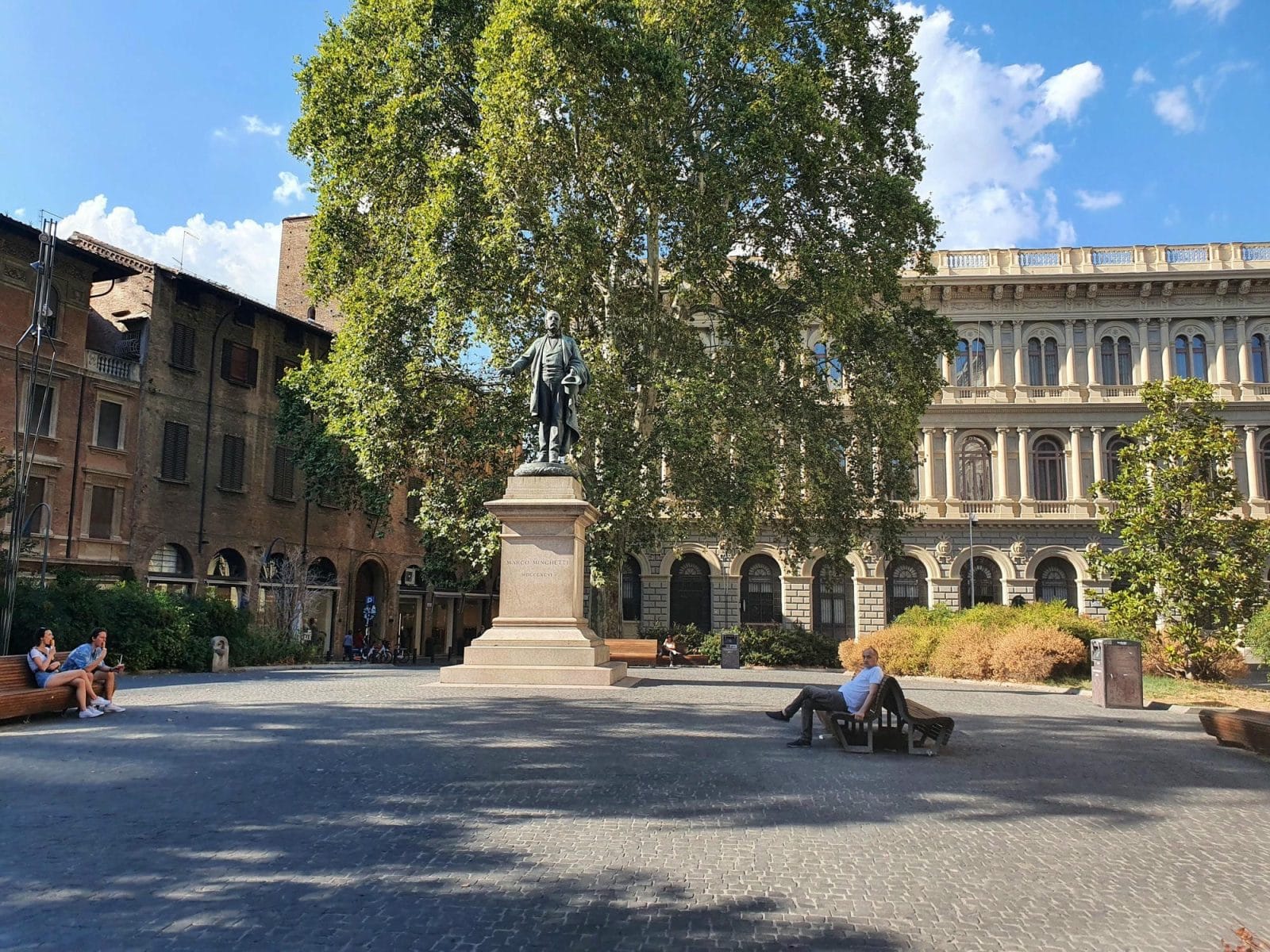
Piazza Minghetti is a small green square near Via Farini, with trees, benches, a monument to Marco Minghetti, and ornate buildings lining its edges. I found this a good place to have a drink in the shade between sightseeing, and it was pretty quiet.
Gates of The Old Medieval City Walls
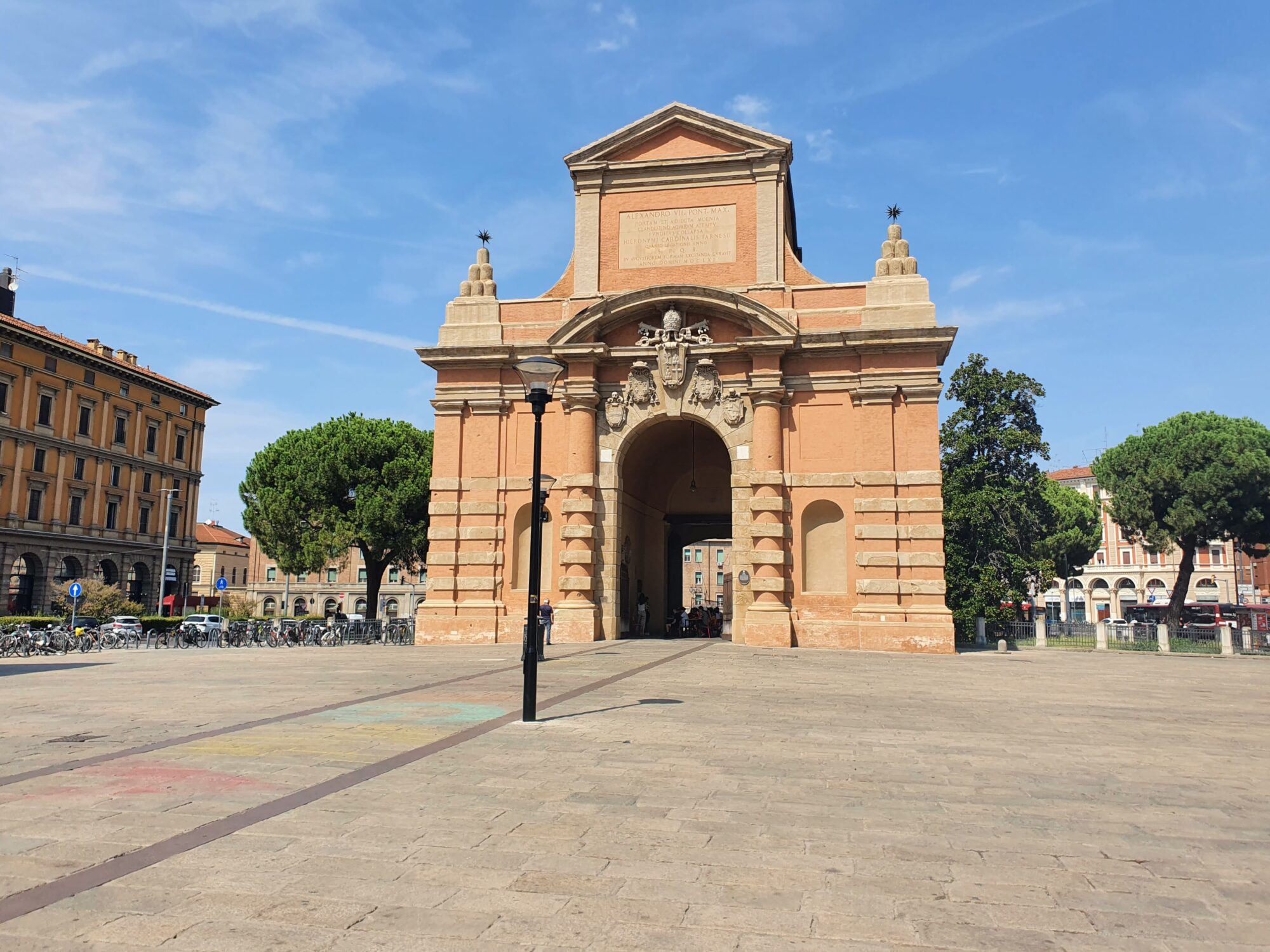
Porta Galliera used to be a gate in the medieval city walls. This gate is the most decorative of the remaining gates. The south side is the pretty side, and the north entrance looks more military. The gate was built between 1659 and 1661.
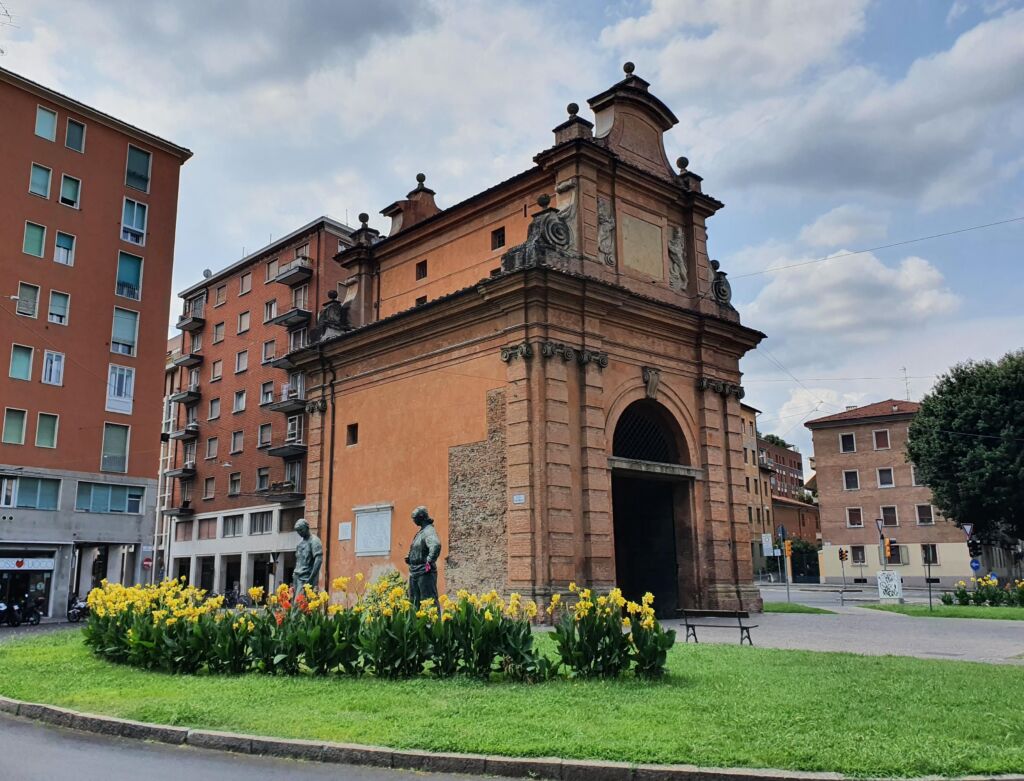
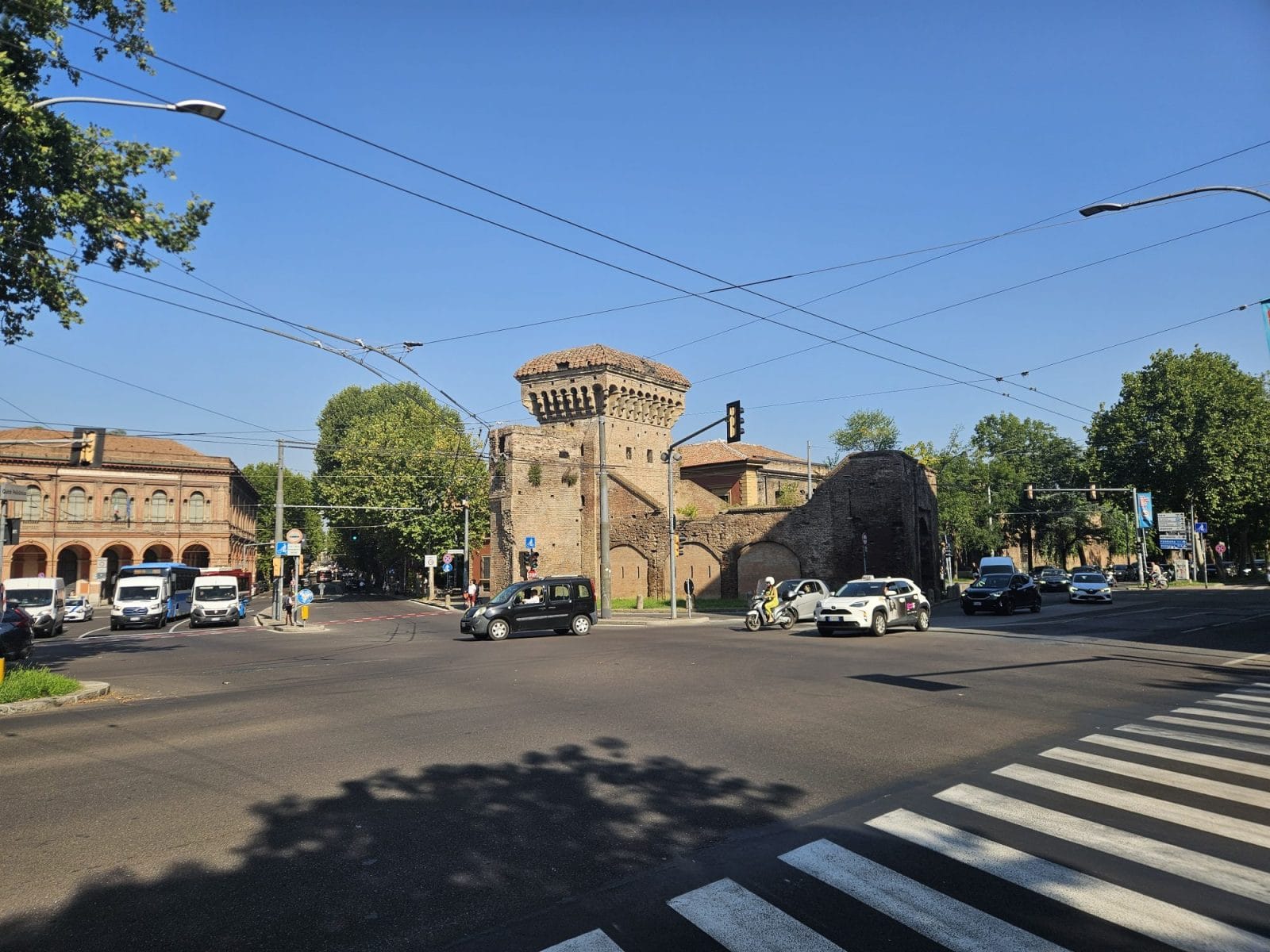
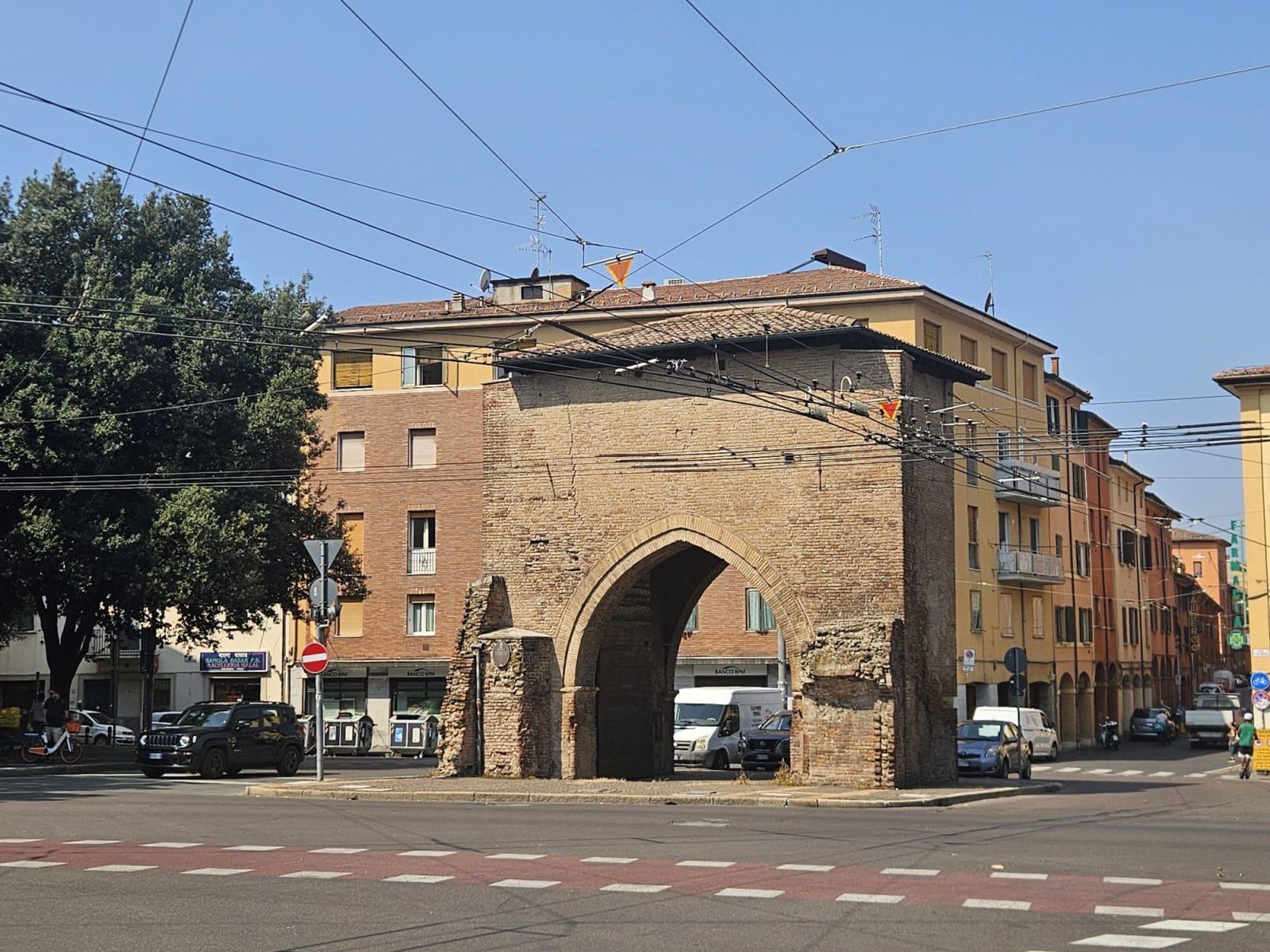
Another gate from the medieval city walls is Porta Lame. A gate has stood at this site since 1334, with two drawbridges. The current Baroque gate dates from 1677. Also east of the city are two medieval gates which are worth swinging by in the university district.
Castello di Galliera
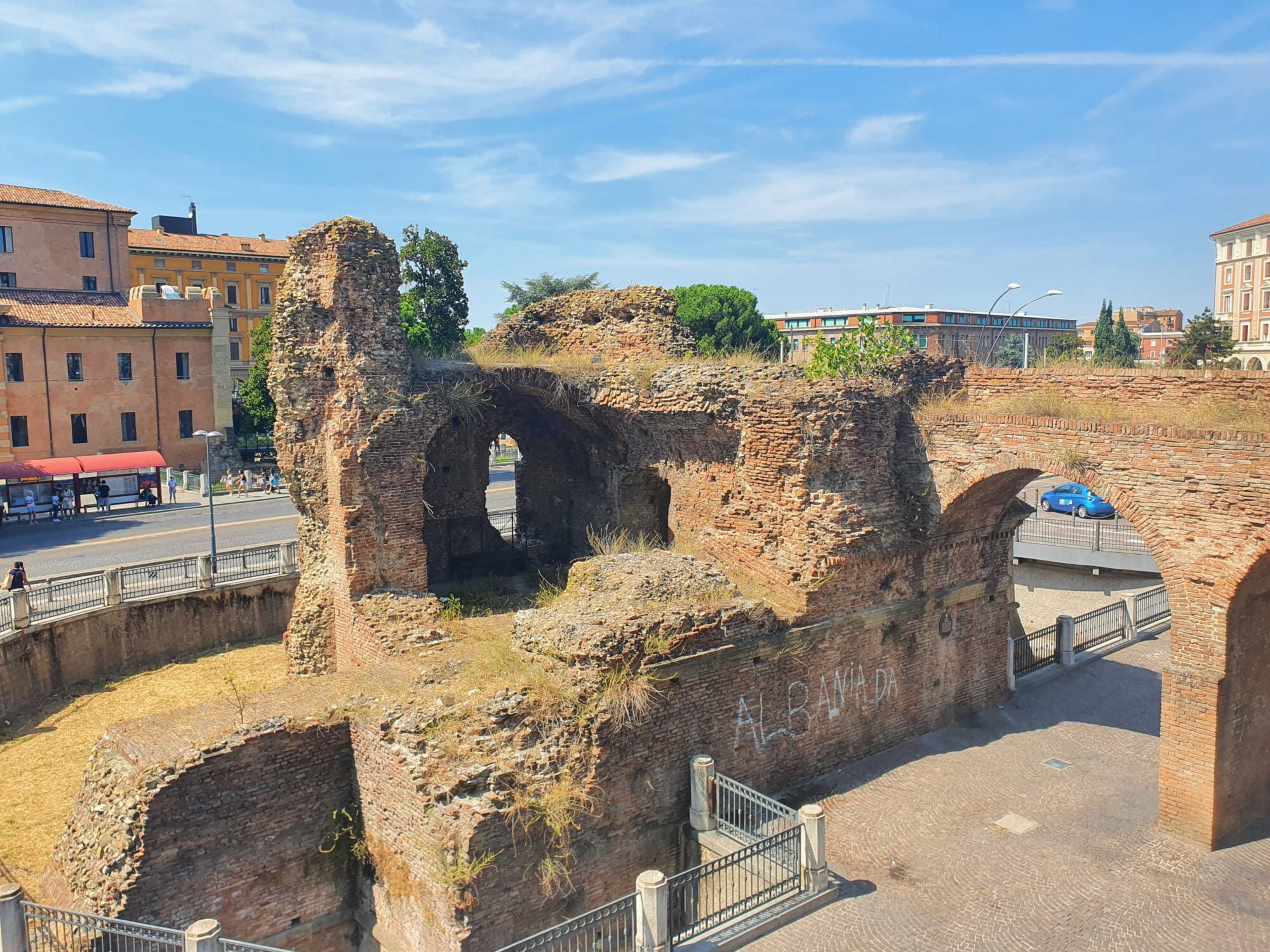
If you like seeing historic ruins, one interesting place to visit is Castello di Galliera. The best view is from the steps of Montagnolo Park. The castle was originally constructed in 1332.
Teatro Arena del Sole
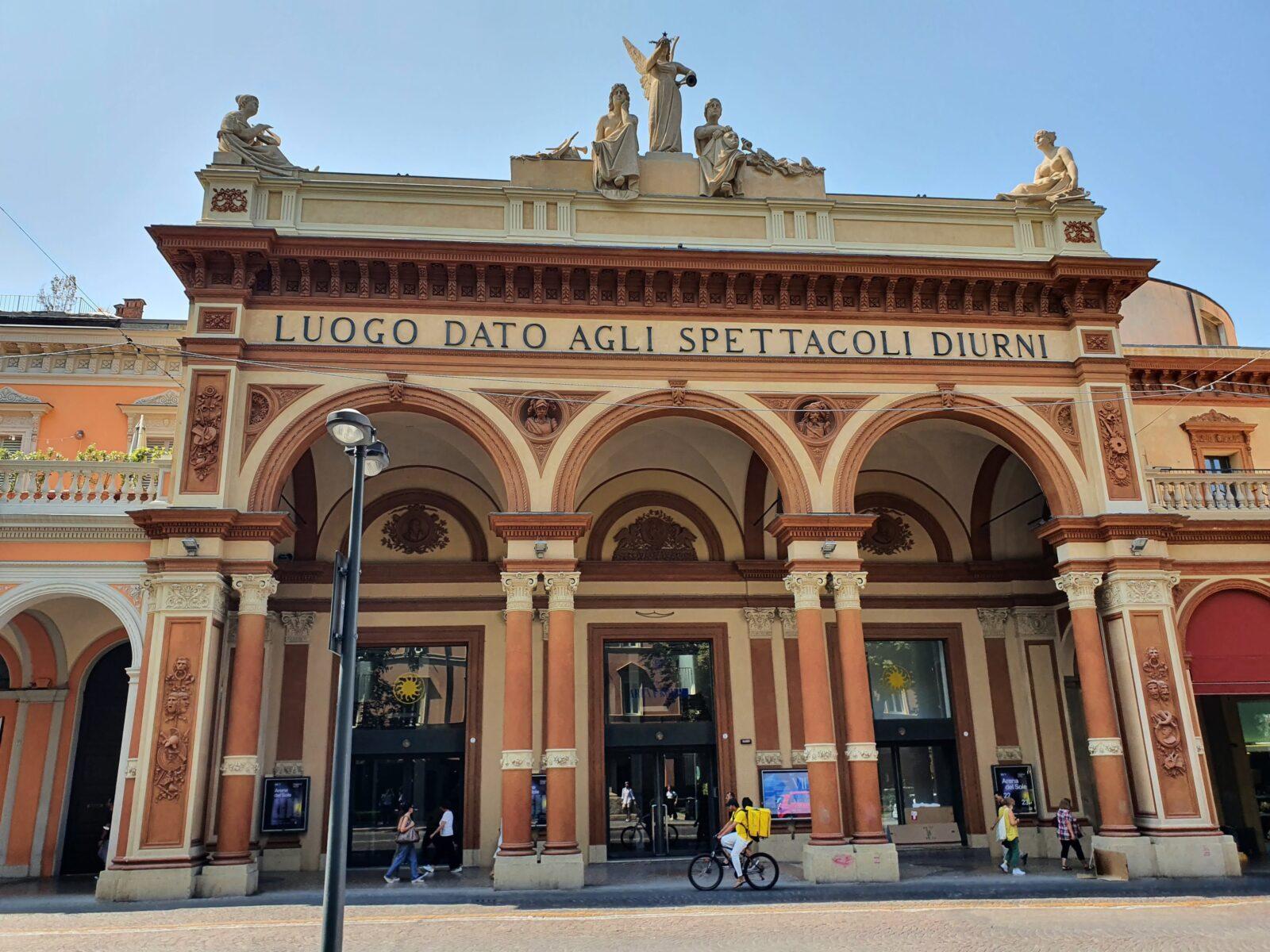
On Via dell’Indipendenza is Teatro Arena del Sole, a performing arts theatre where you can go to watch a performance. Check the theatre’s schedule on its website.
The Pincio Staircase
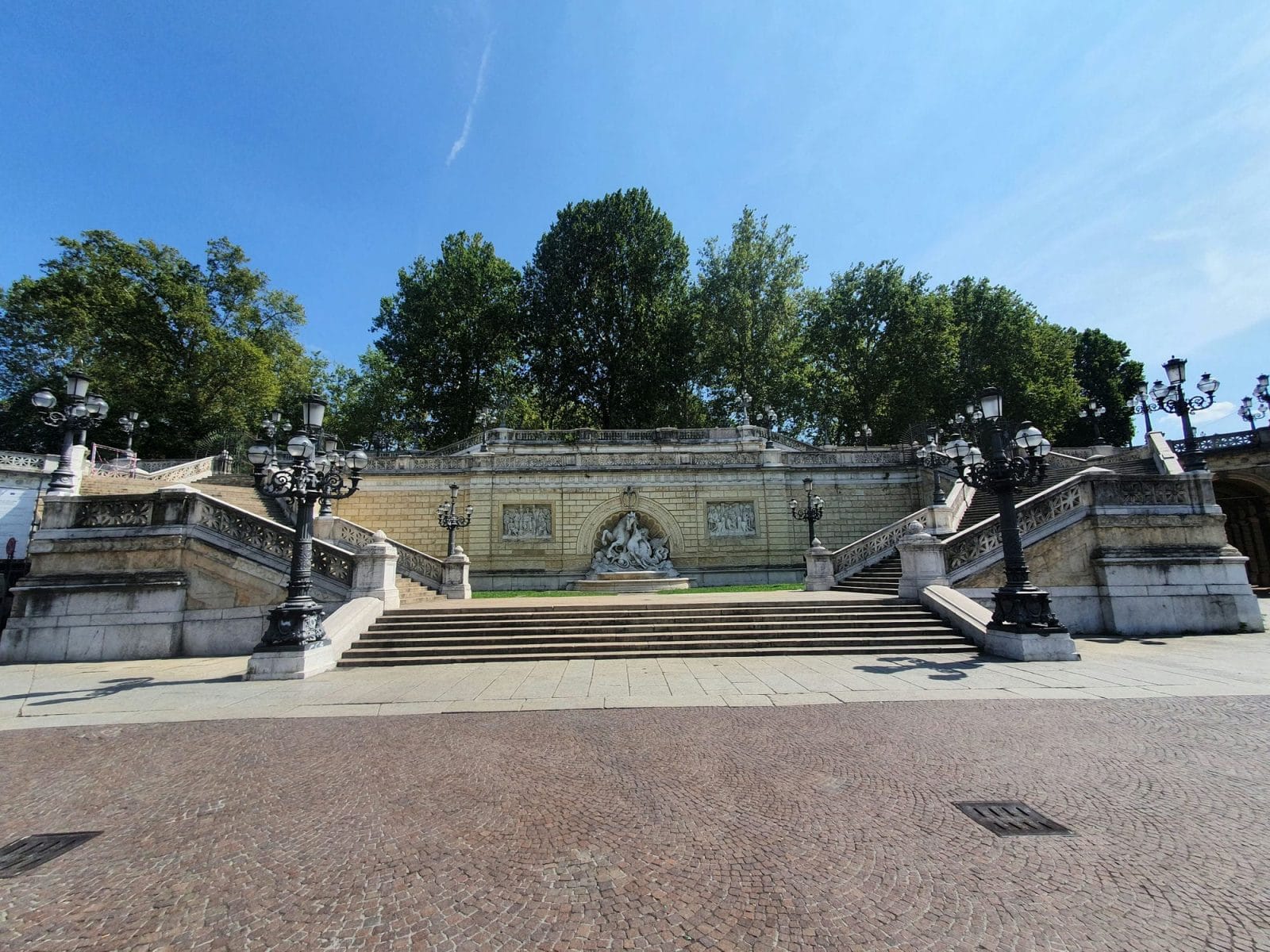
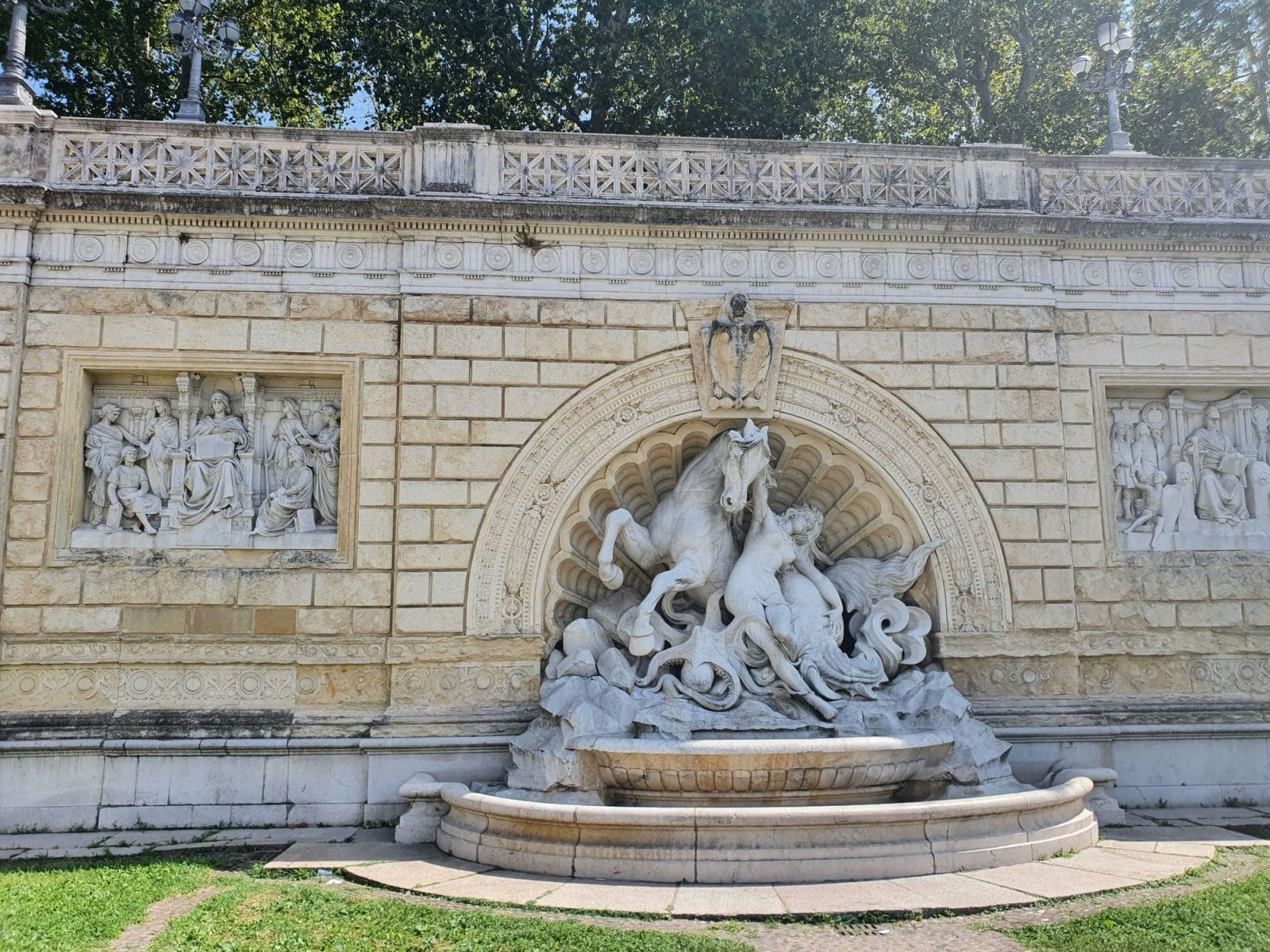
Scalinata del Pincio is a stairway leading to the Montagnola garden, a park near the main market. The Pincio Staircase dates from 1896 and features decorative elements.
Fontana Vecchia
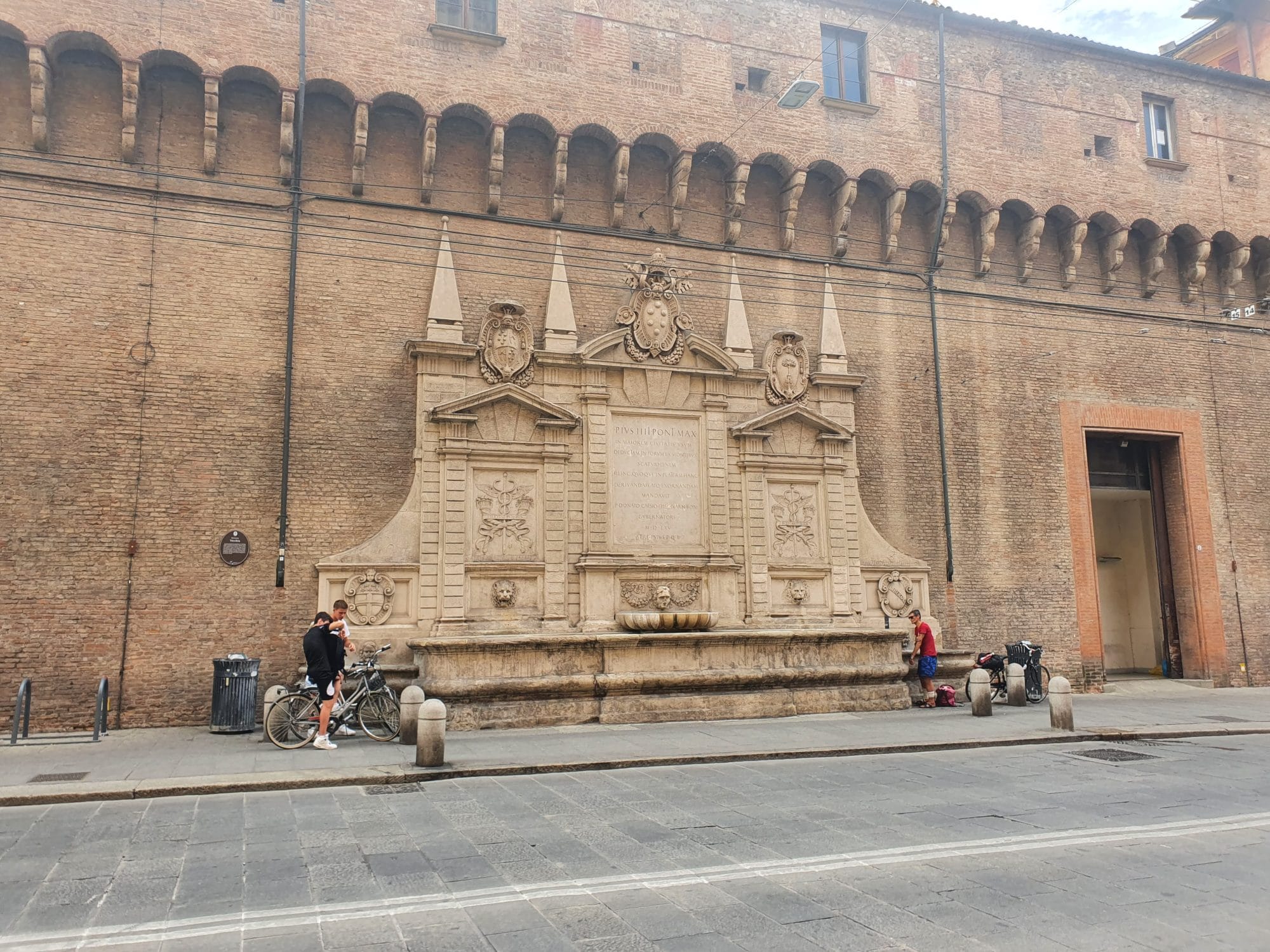
Fontana Vecchia is on the wall of Palazzo d’Accursio, the town hall, near the Neptune fountain on Via Rizzoli. The fountain was commissioned in 1563 and then built in 1565.
Bologna is also “La Rossa” because the communist party dominated the town council for years. I never had a bad meal there. It is the culinary capital of Italy.