
Things To Do In Pula: Beaches, Architecture & Roman Sites
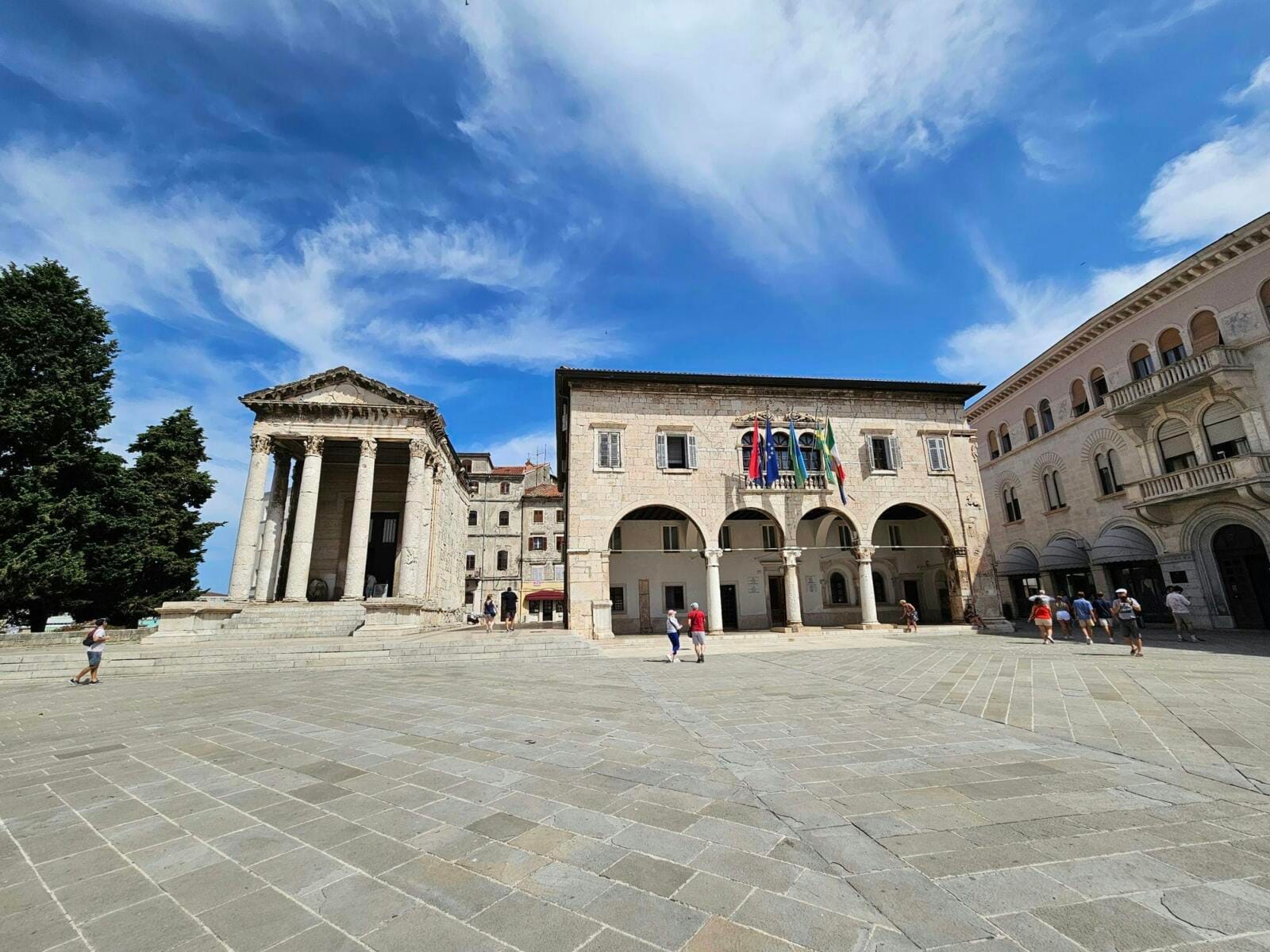
Pula in Croatia is a great city with fun things to do on the coast and some historic attractions in the old part of the city. I found the old town area top-drawer for sightseeing, especially the ancient Roman sites. Highlights for me were Pula Arena, Forum Square, Temple of Augustus, the hilltop forts and the coastal walks and beaches.
Pula is also popular with people who enjoy beach holidays, with many beaches and opportunities for water activities. These tend to be to the south of the city. The local cuisine and seafood certainly enhance a visit to the city, and for those who like to relax, the leisurely cafe culture is fantastic.
Disclosure! Keep in mind that some links in these posts are affiliate links. If you click one of them, I may earn a small commission (for which I’m extremely grateful) at no extra cost to you. Thanks for visiting!
Things to Do in Pula’s Old Town
Pula Arena
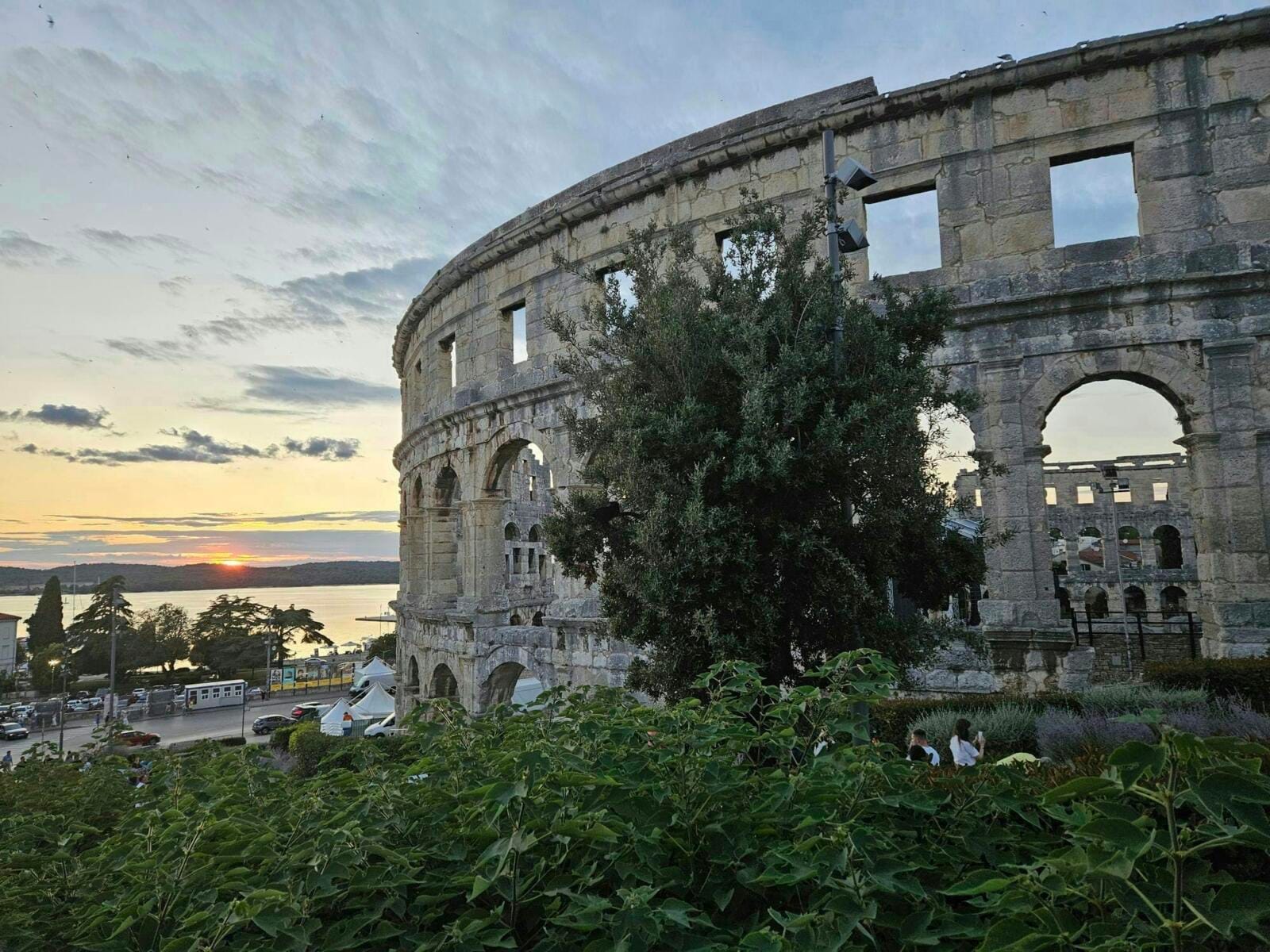
The Pula Arena is a 1st-century Roman amphitheatre and is rather impressive to see. You can see a lot from the outside for free, or visit the site’s interior. We enjoyed visiting during a gladiator event, which was rather special. Visiting inside requires tickets, which you can purchase on the day.
Forum Square
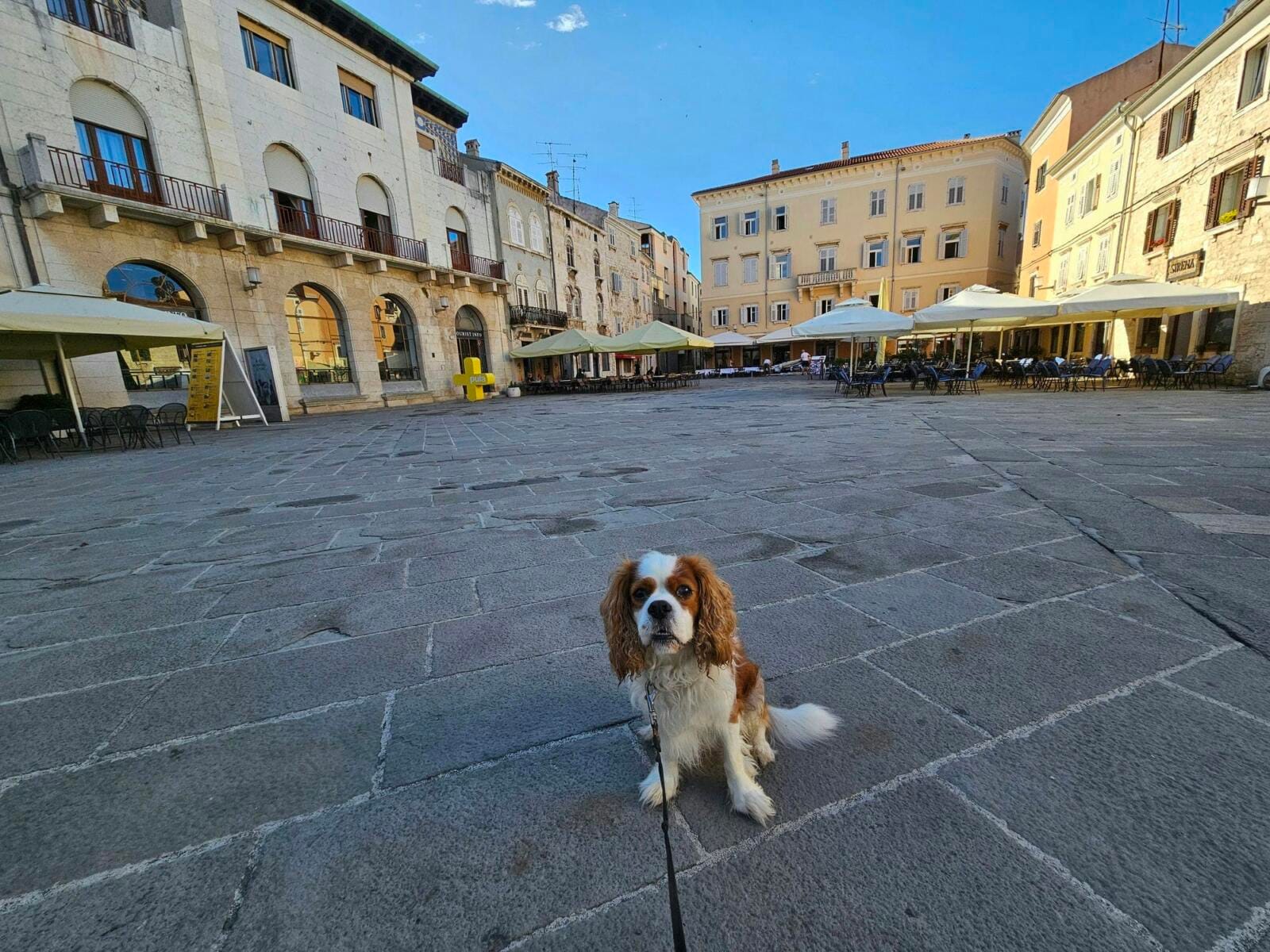
Forum Square is home to the town hall and the Temple of Augustus. It is also home to the tourist information centre, where you can arrange tickets for many of the region’s attractions.
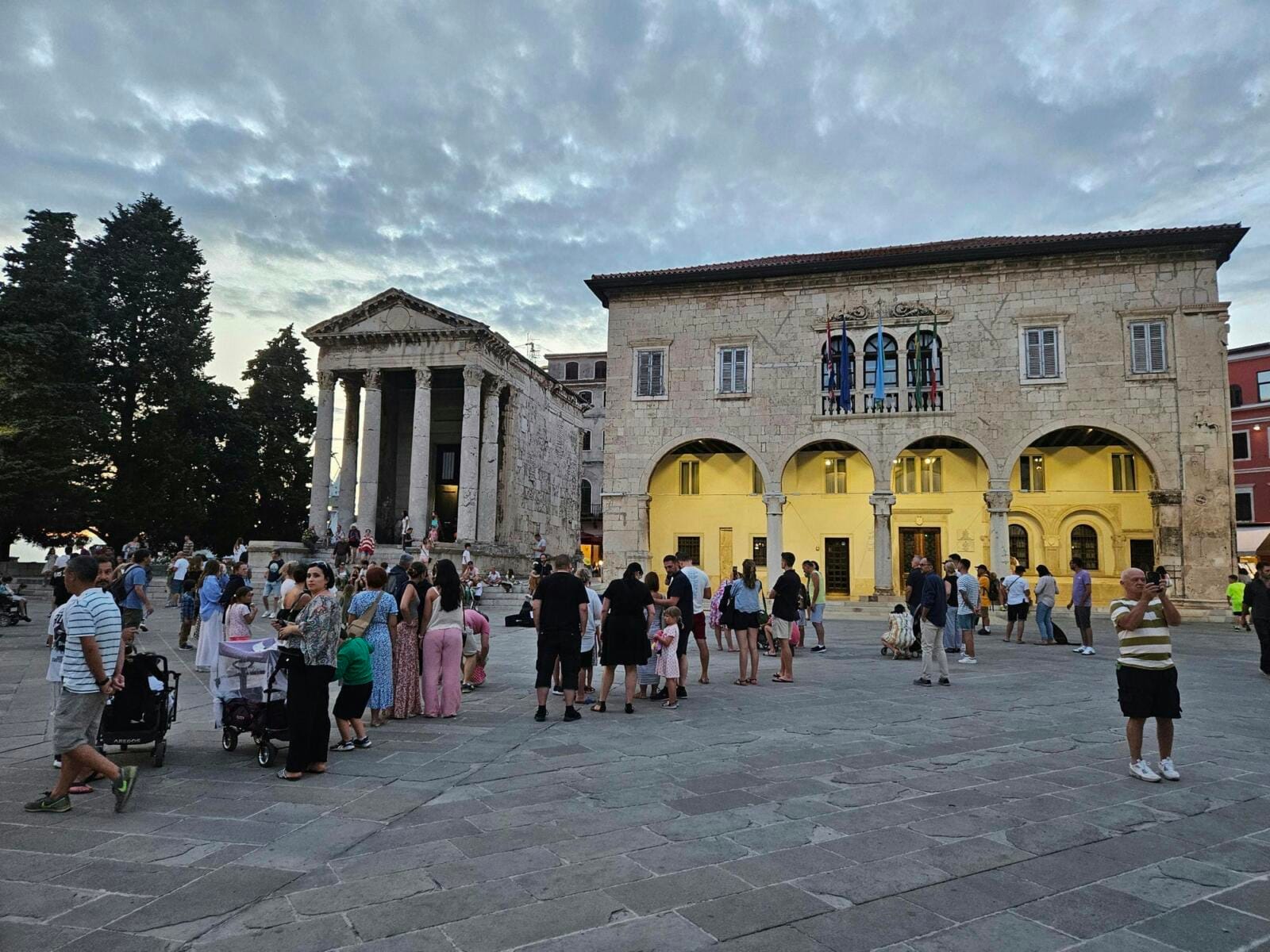
I loved visiting for coffee or beer in the mornings, as it was quiet. In the evenings, there were activities, including occasional live music and a craft market.
The Roman Temple of Augustus
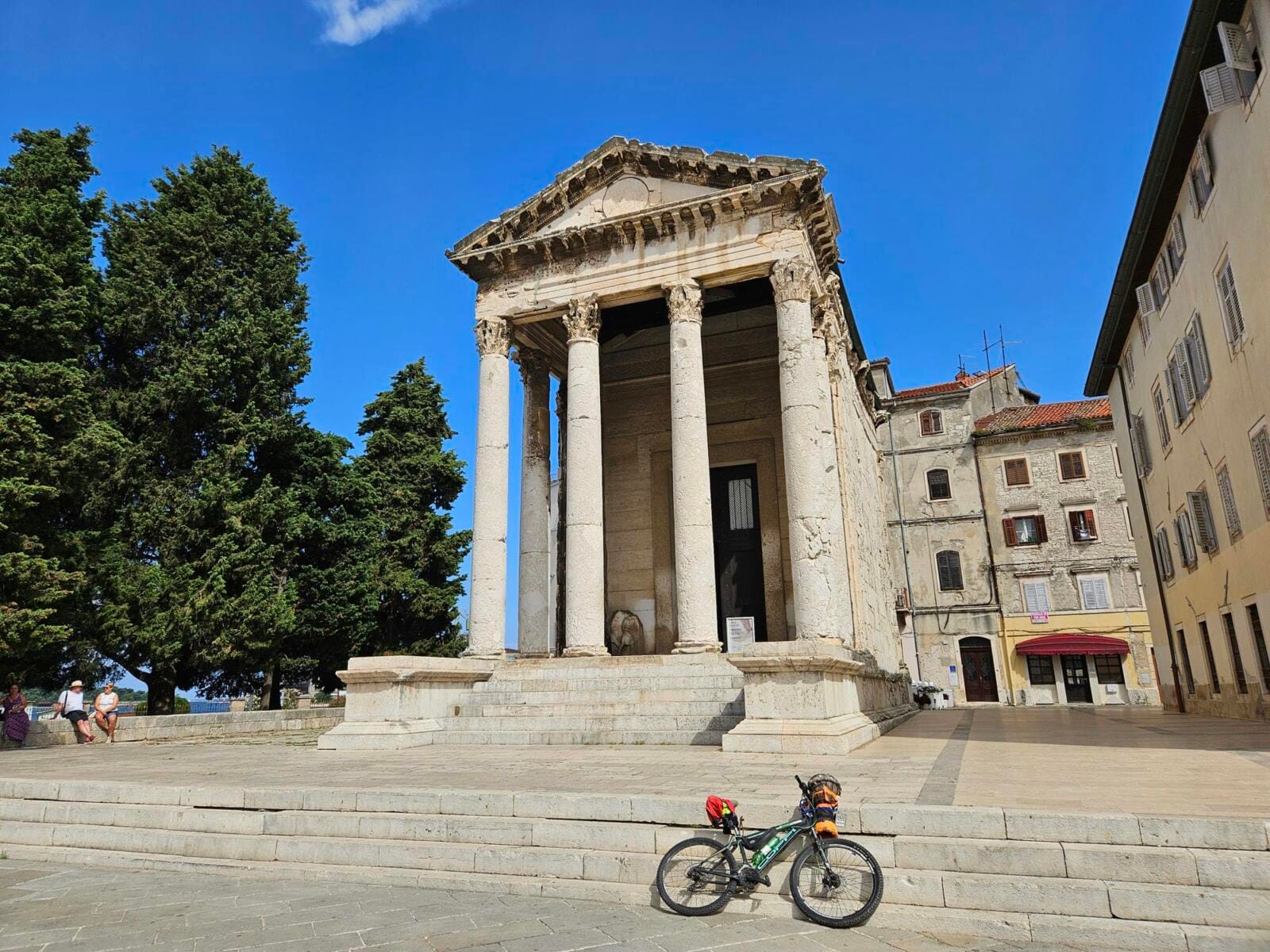
A top Roman site in Pula’s old town is the Temple of Augustus. Augustus was the first Roman emperor, and they believe the temple was built during his lifetime, between 27 BC and his death in AD 14.
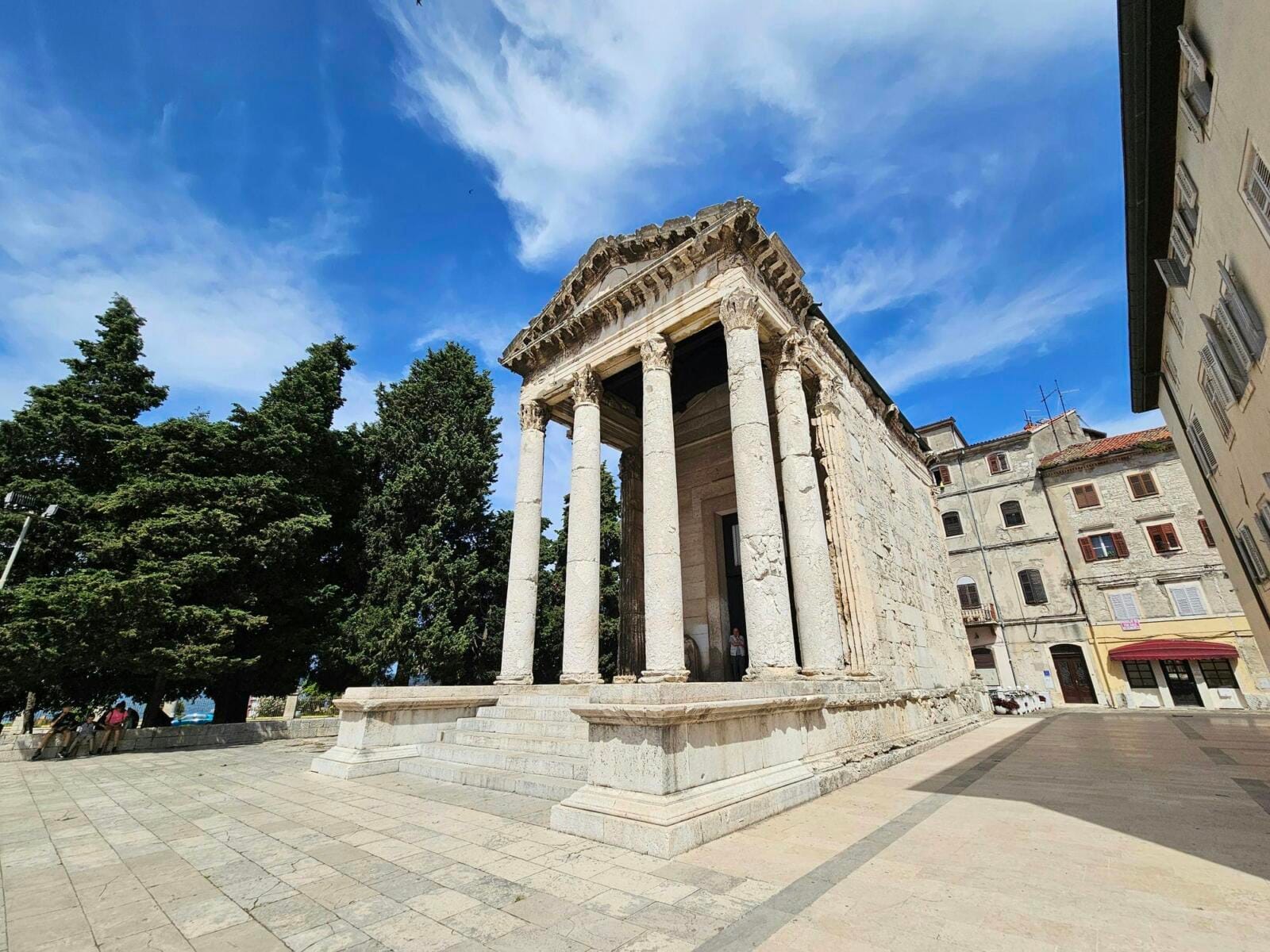
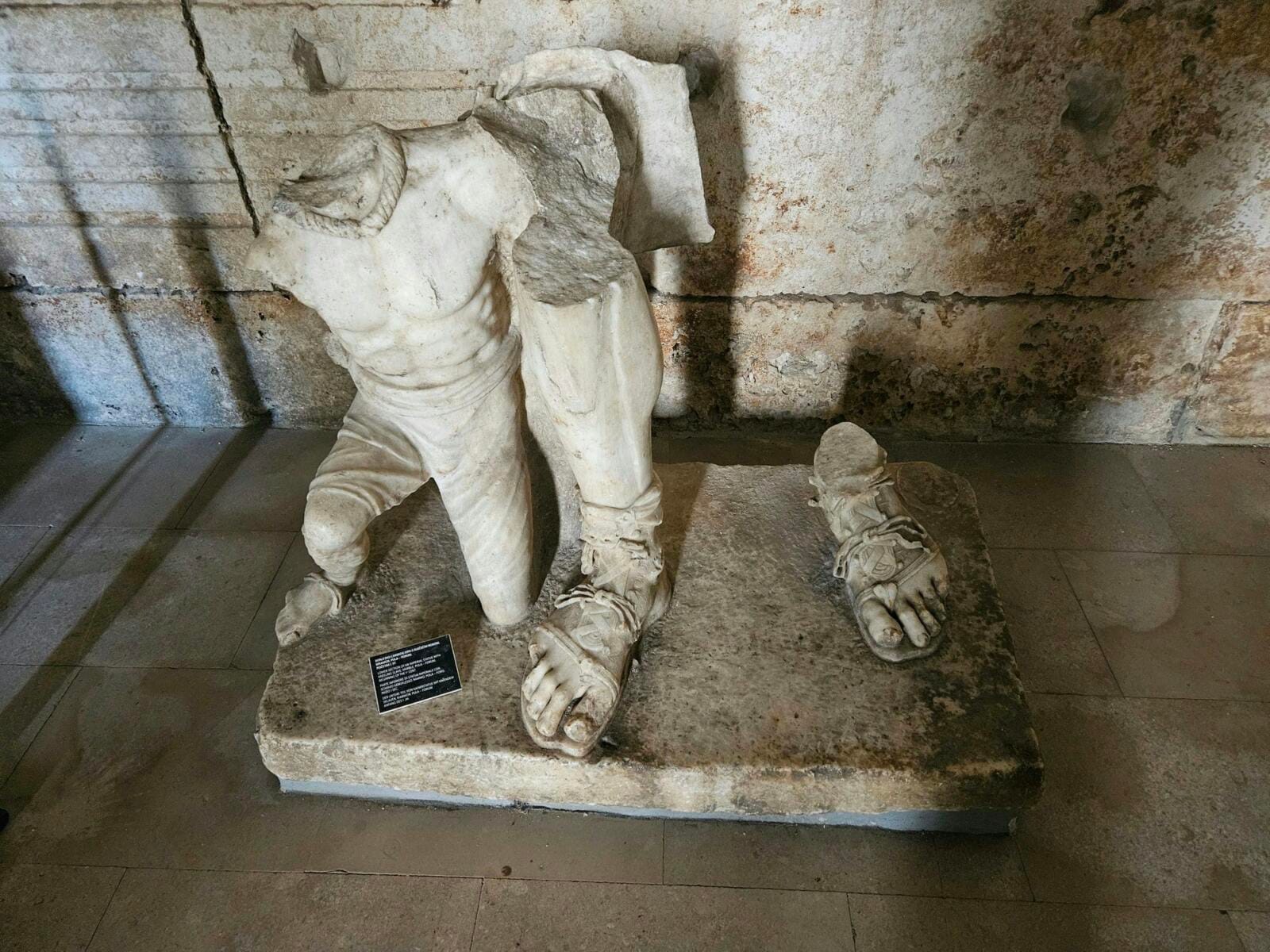
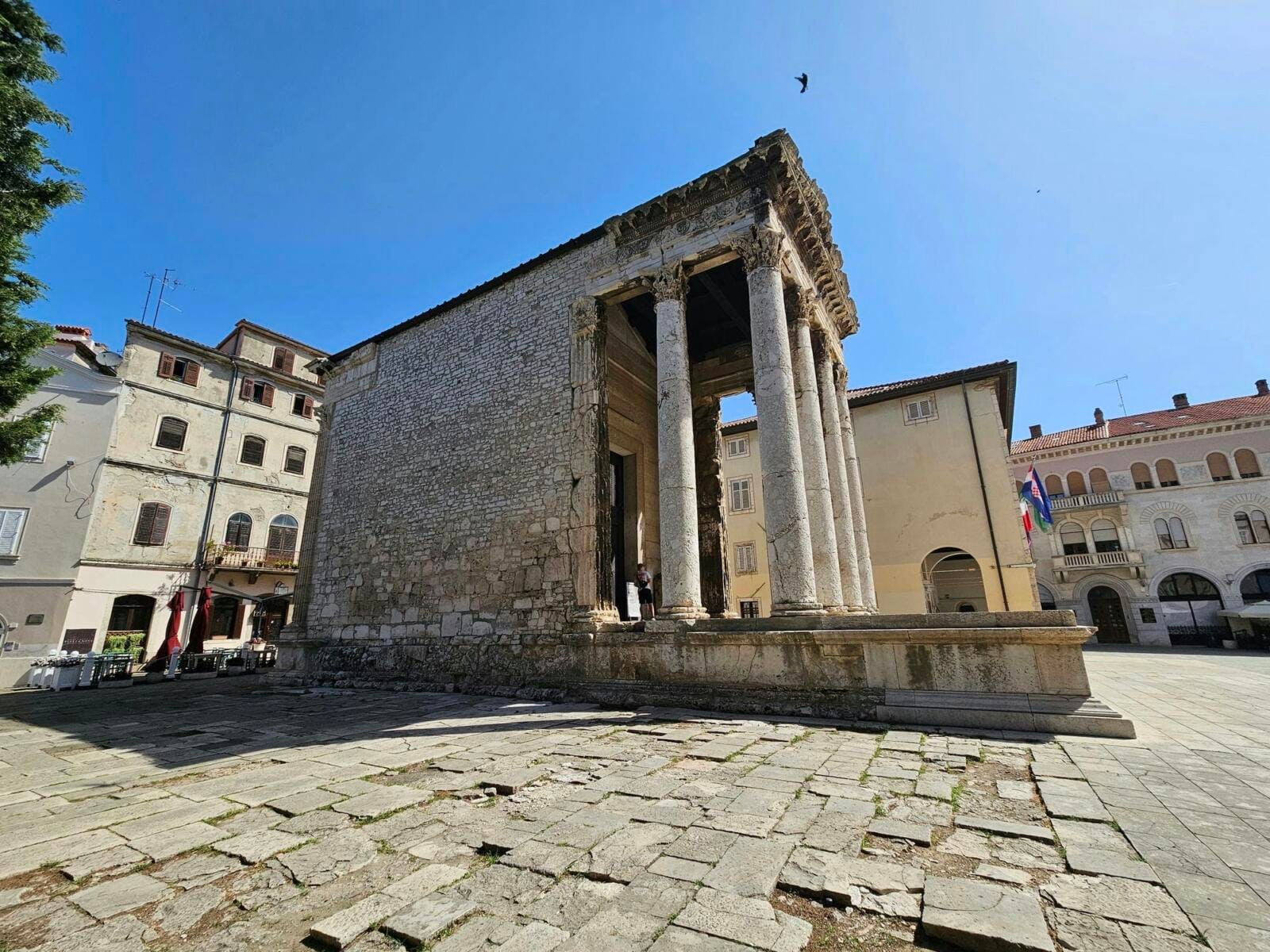
The columns and the fascia decor stood out to me when I visited. Inside, there are some Roman relics and statue fragments to see. Everything was labelled in a few languages, including English.
Cathedral of the Assumption of the Blessed Virgin Mary
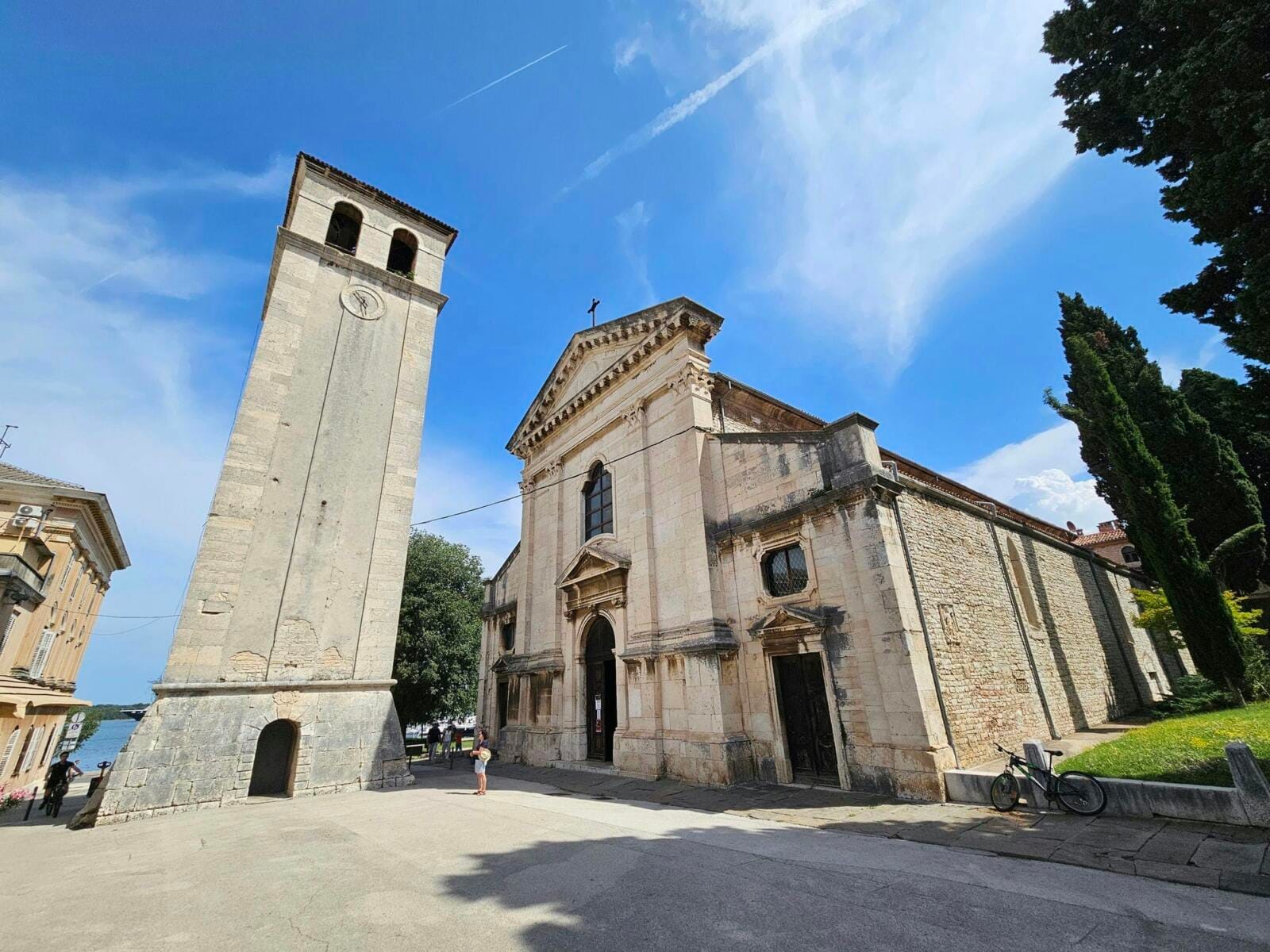
Also in the old town area is the Cathedral of the Assumption of the Blessed Virgin Mary. This is a pleasant church with a tower at the entrance. You can also visit inside for free.
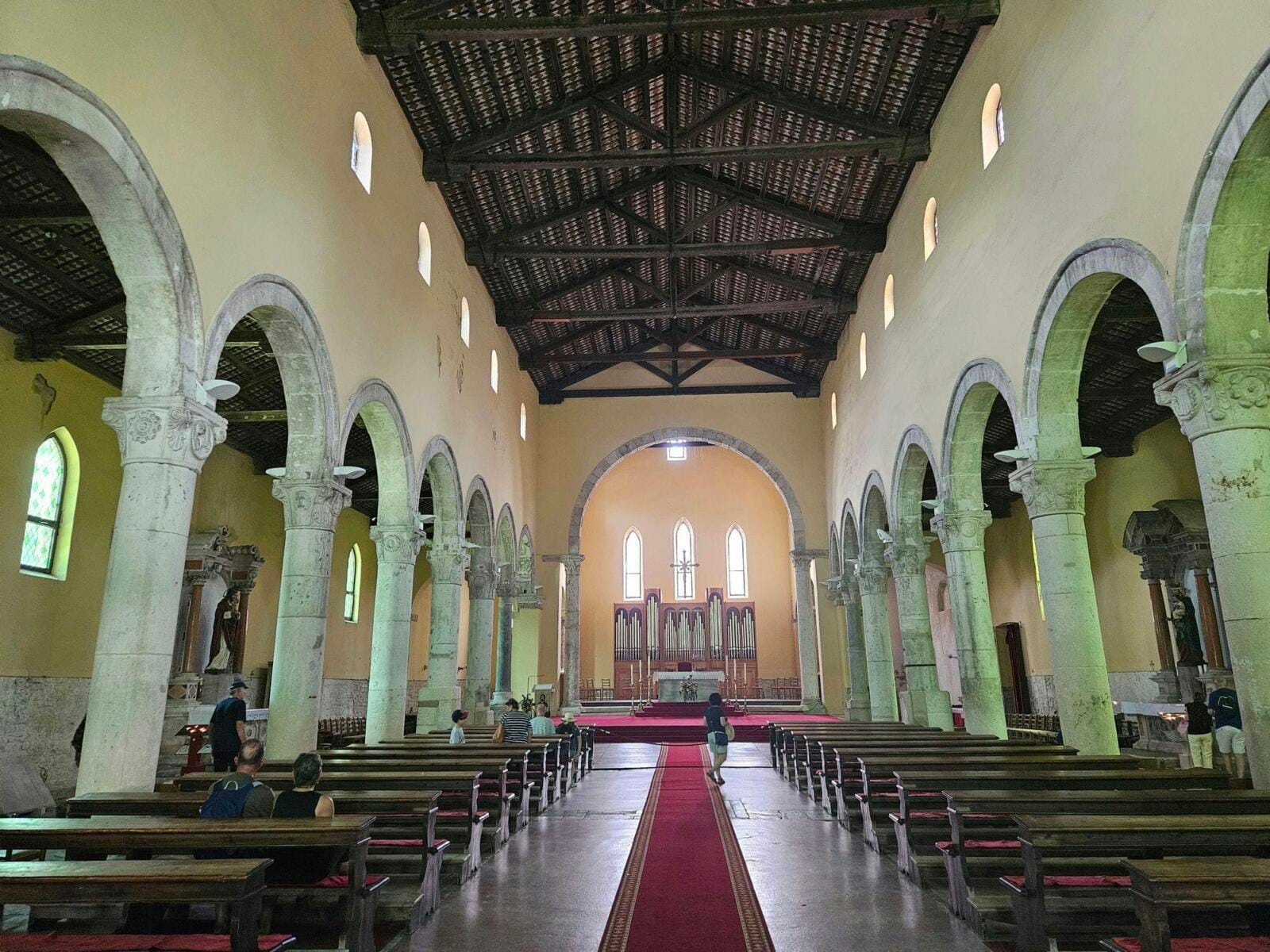
There have been churches on the site since the Roman era, including early Christian churches dating to the 4th century. This church was further damaged and repaired over the years.
Pula Citadel
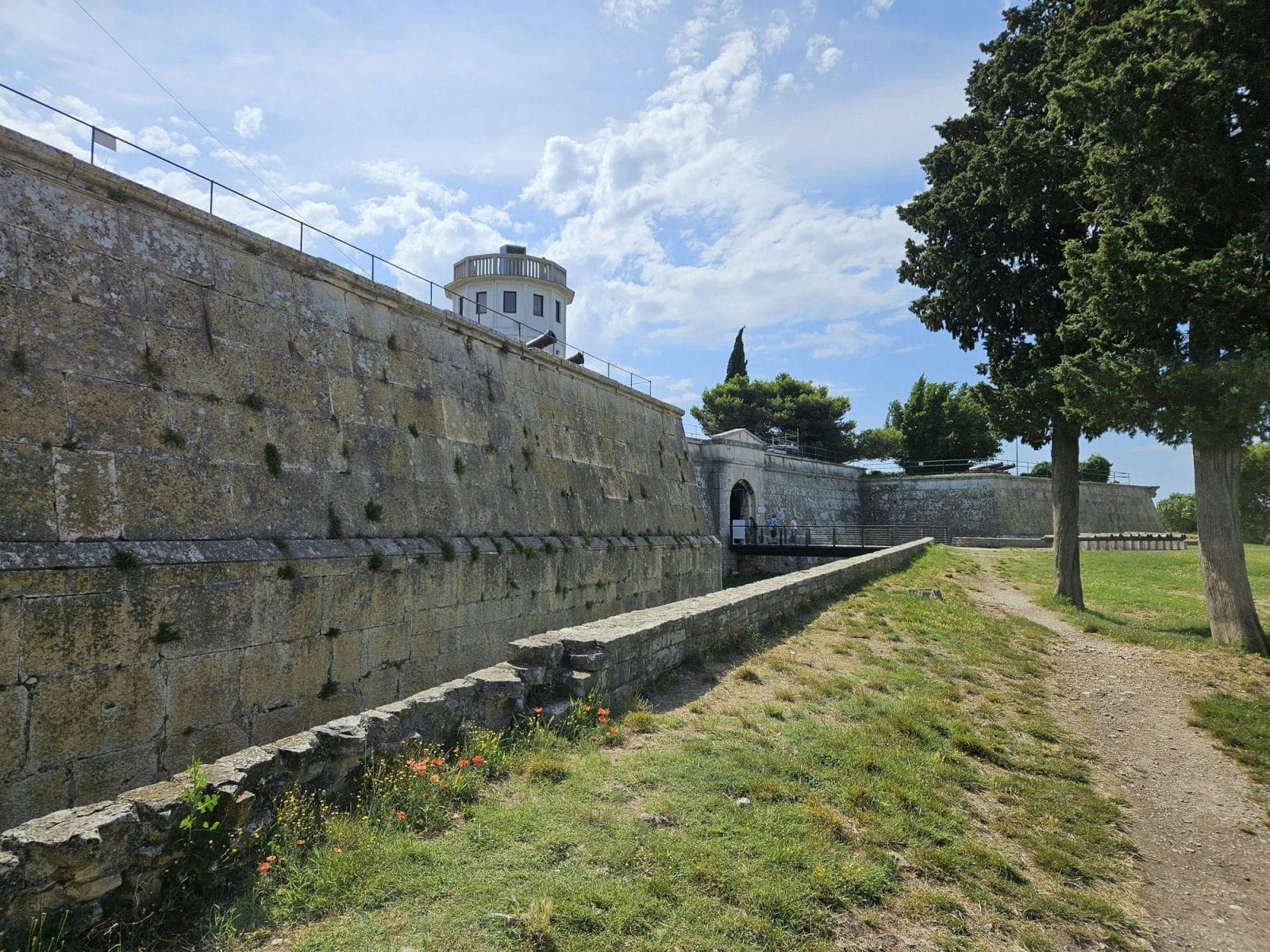
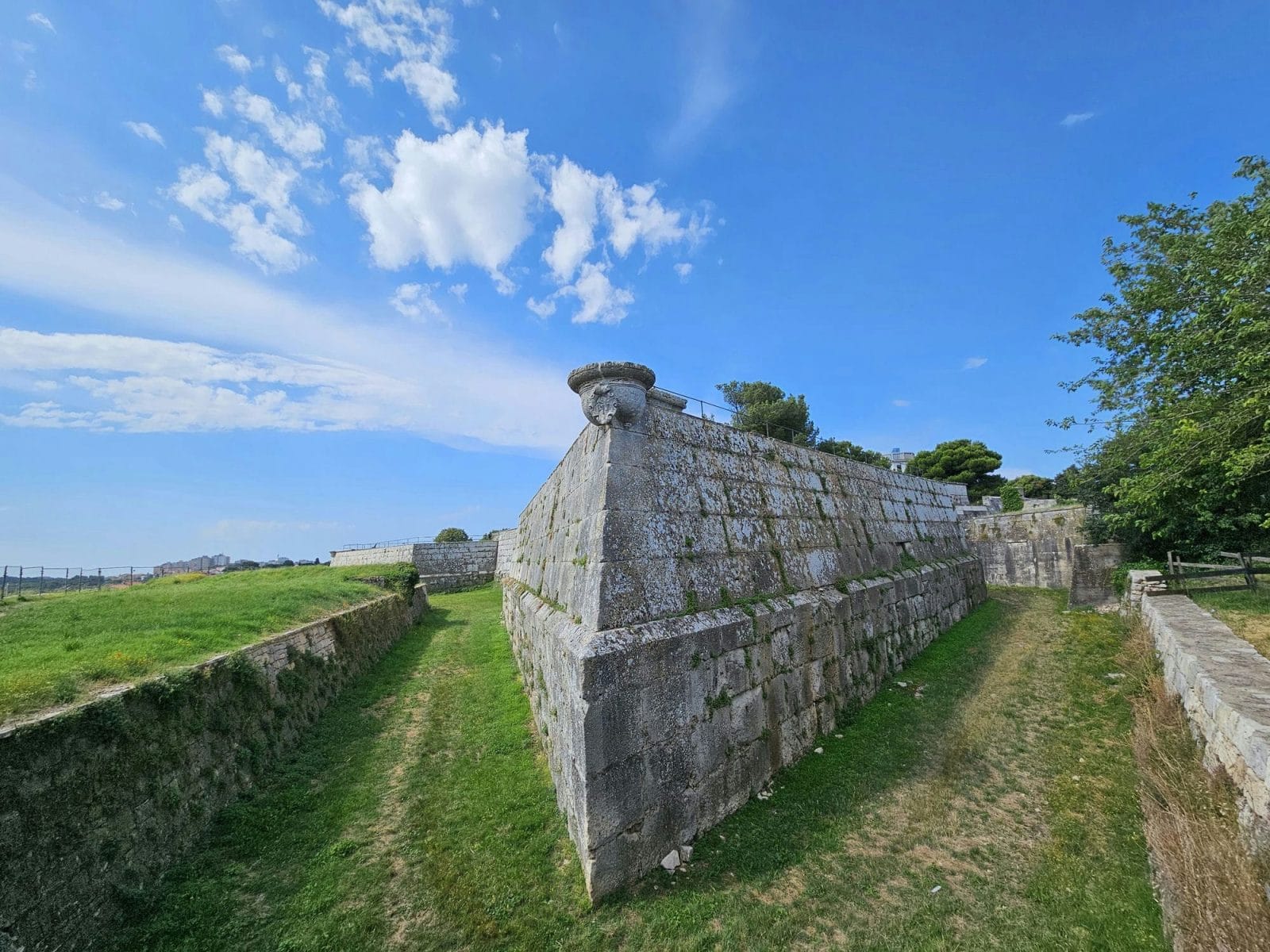
Pula Citadel is a good place for a walk, and the exterior walls are free to explore. Also known as ‘the castle’, it was built by the Venetians in the 17th century. They built the star-shaped fortress between 1630 and 1633. If you want to visit the inside, it is home to the Museum of Istria.
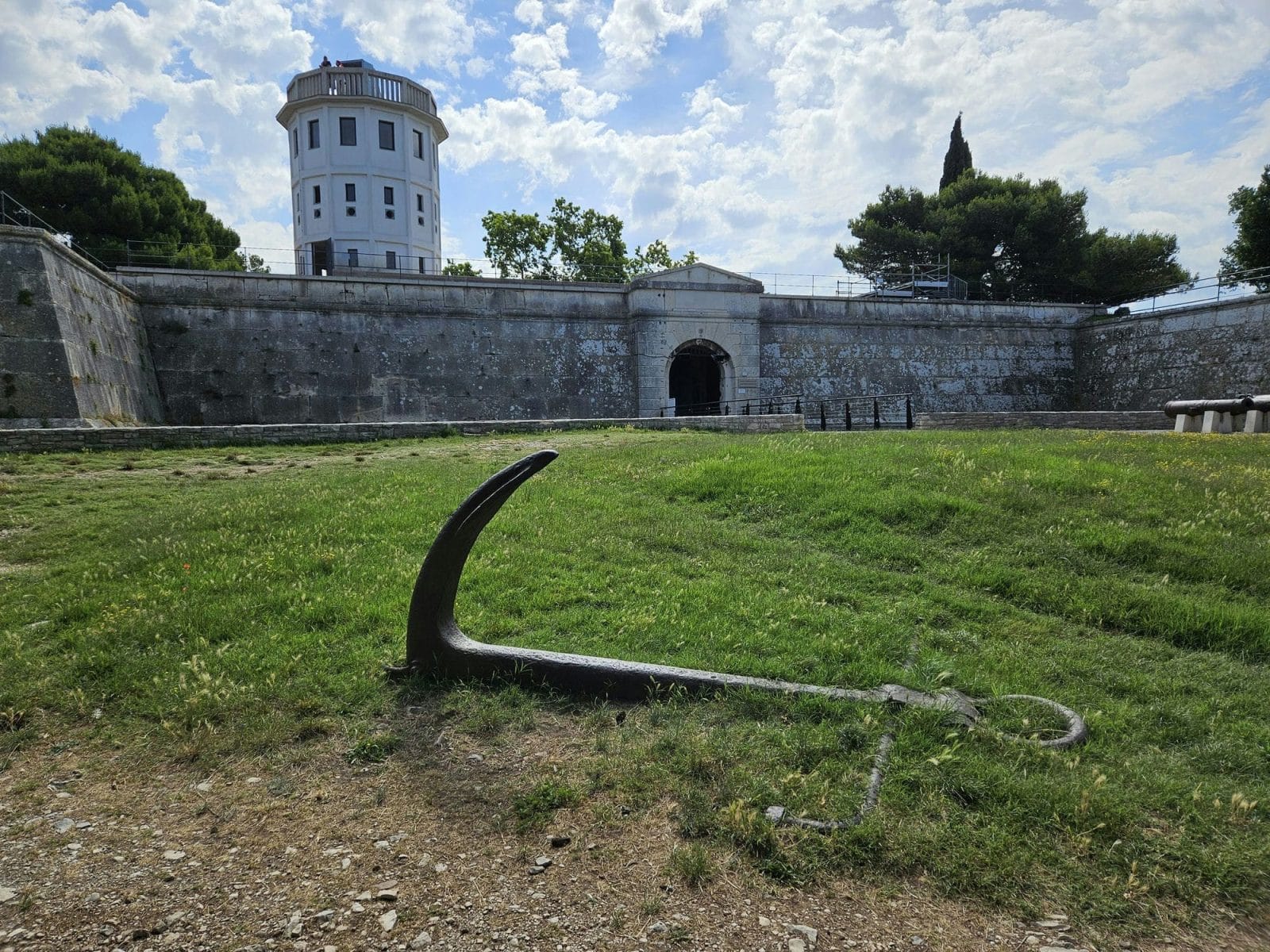
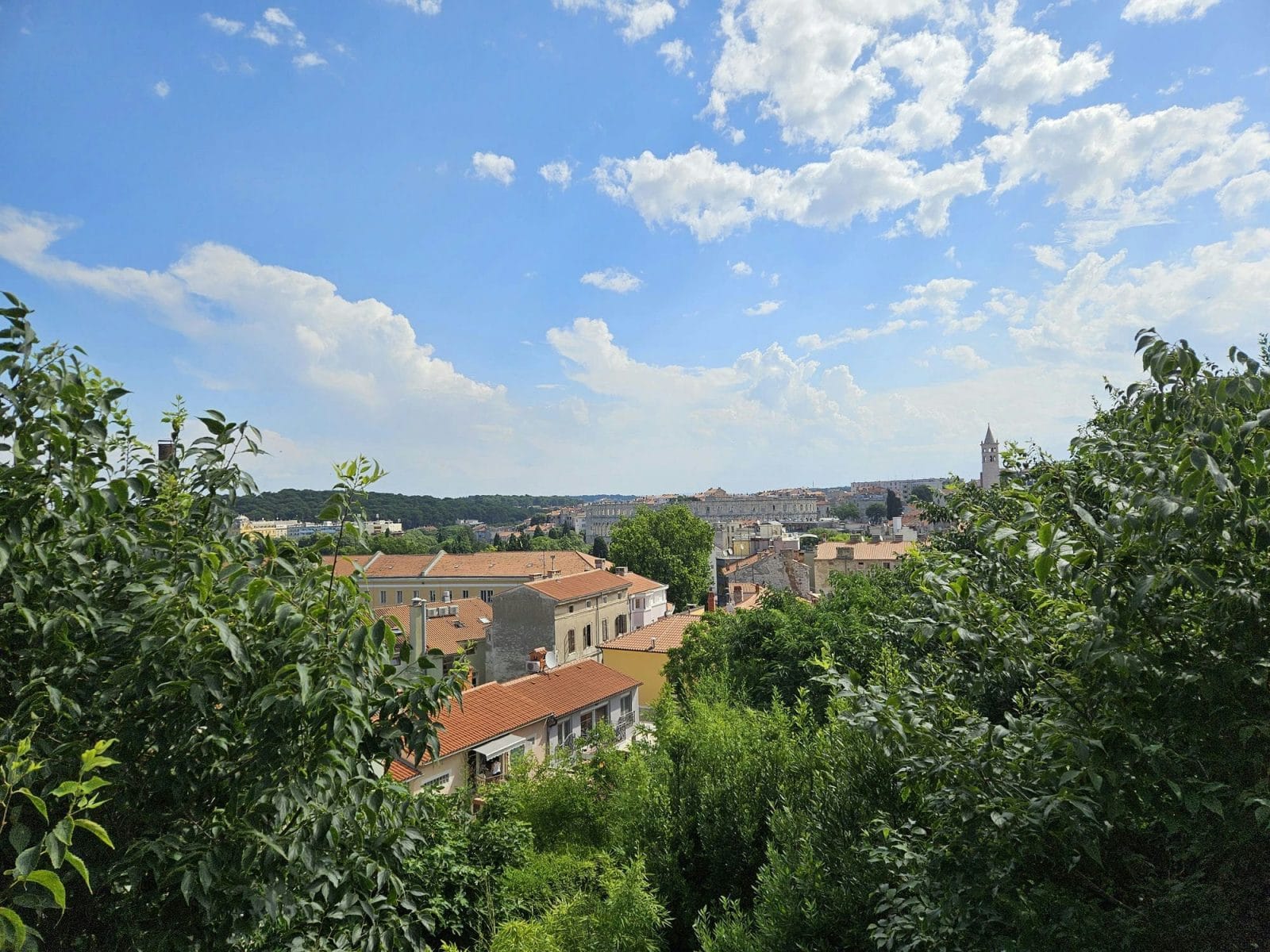
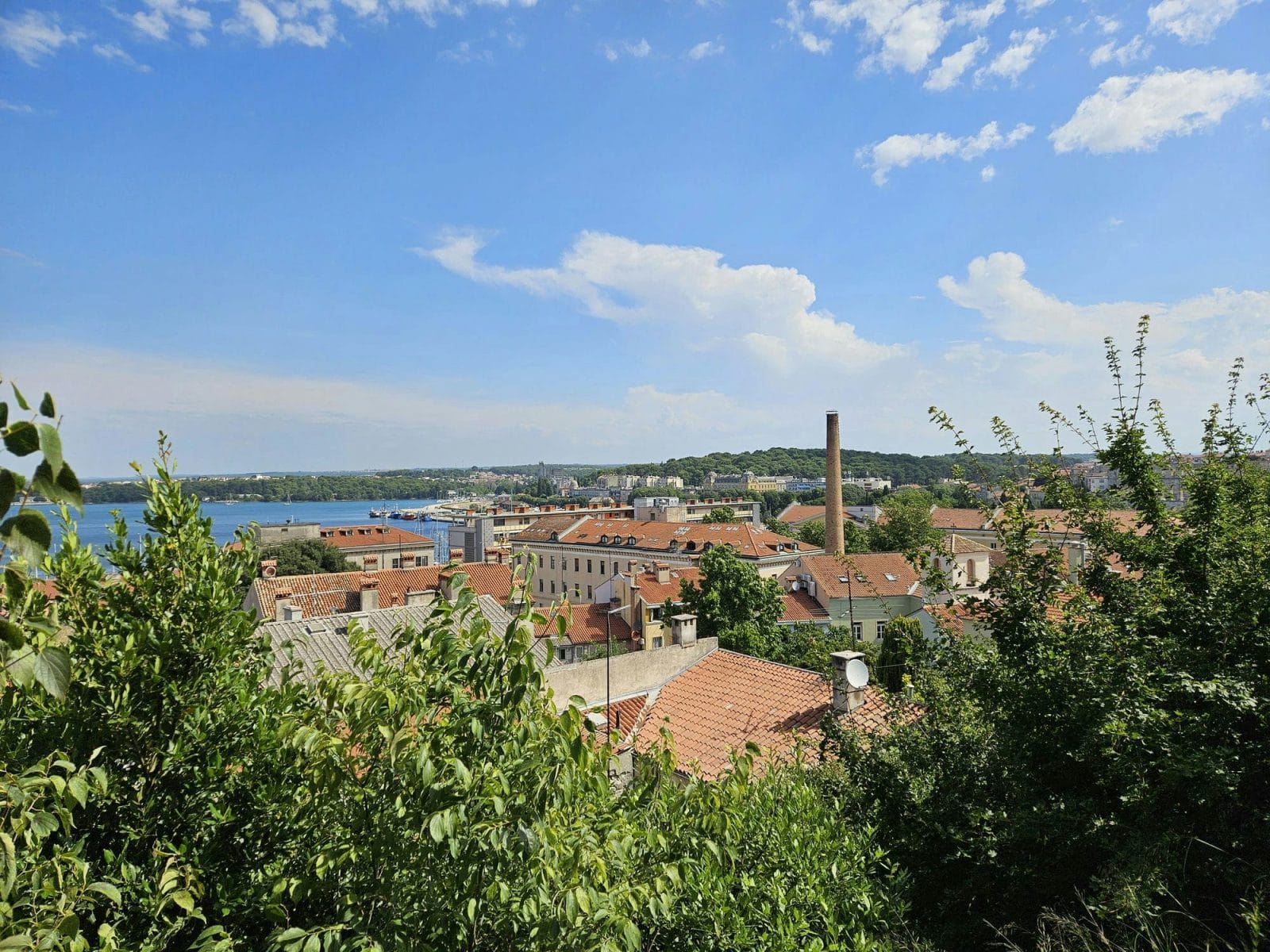
The views from the outer walls are especially striking, offering glimpses of the amphitheatre and coastline. As a bonus, I found this area quieter than the old town.
Slavoluk Sergijevaca
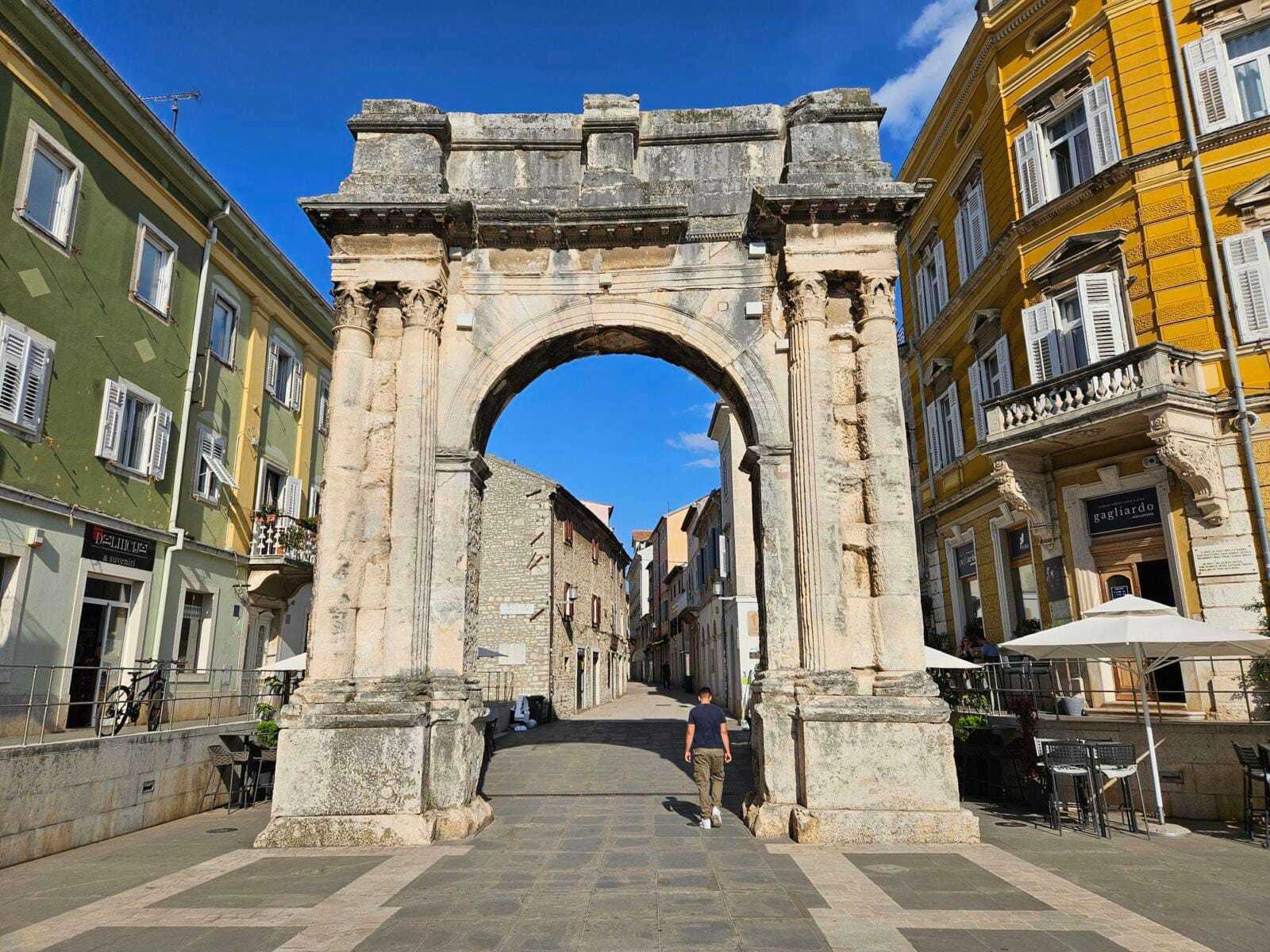
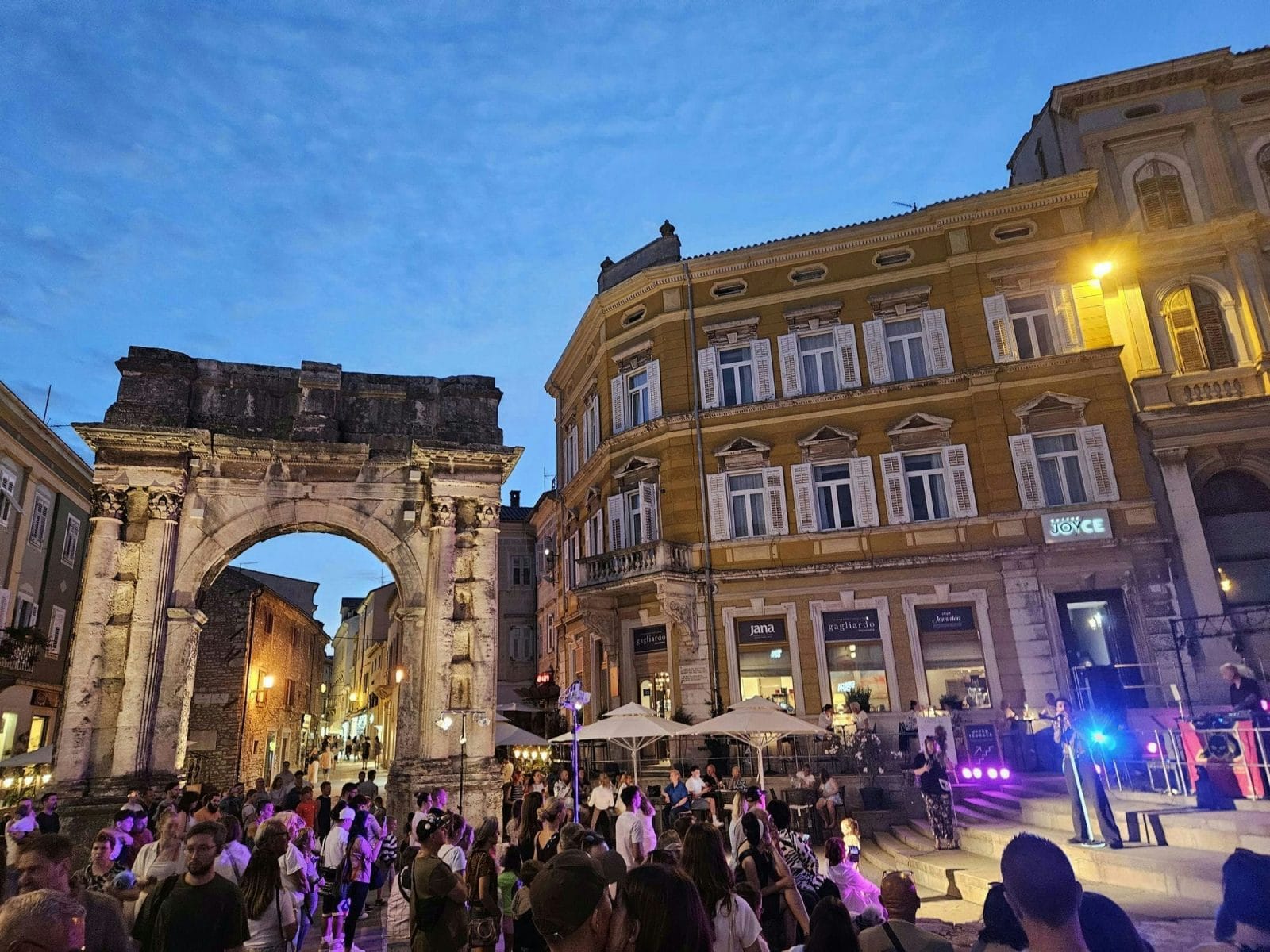
‘Slavoluk Sergijevaca’ means ‘Arch of the Sergii’ in English. It is an ancient Roman triumphal arch. This triumphal arch was originally a city gate that was built as a symbol of the victory at Actium and the three members of the Sergii family who served in the 27th legion.
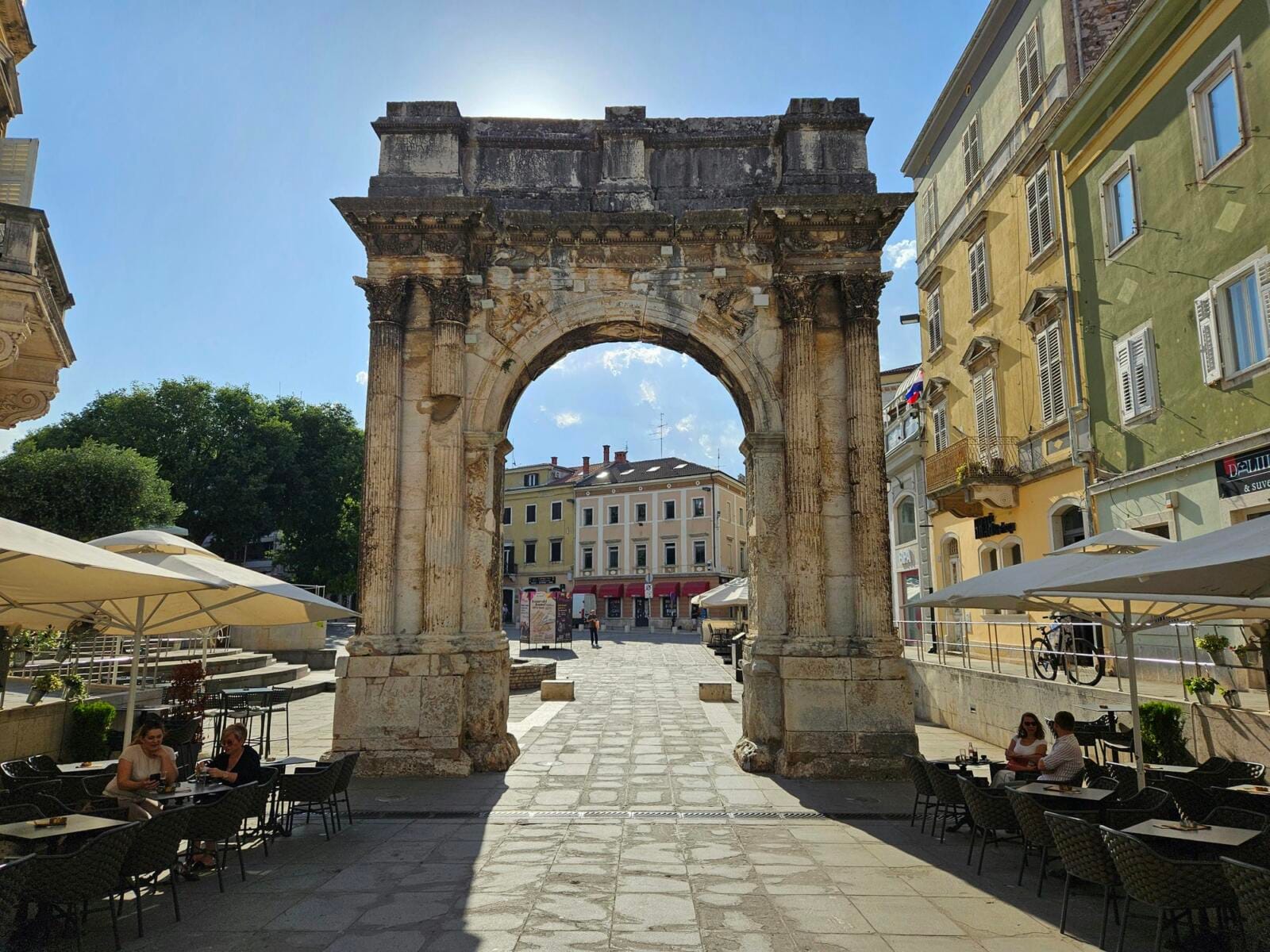
I also enjoyed seeing the arch during some live music on an evening out and early in the morning when Pula is not so busy.
Mosaic: The Punishment of Dirce
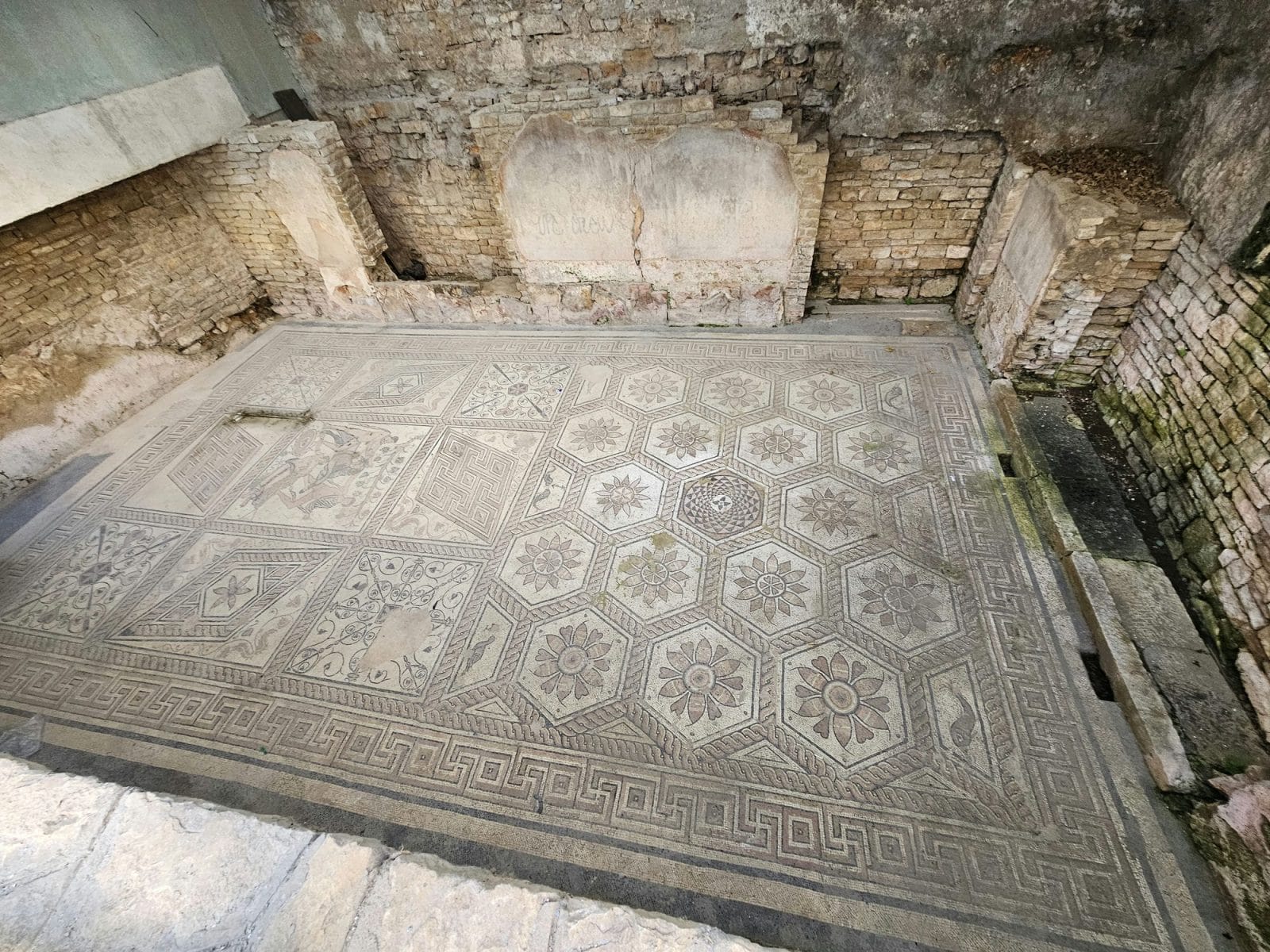
The Punishment of Dirce is free to see at any time of the day. The Roman mosaic dates from the 2nd or 3rd century, and the topic is rather rare, as the mythological punishment of Dirce is rarely depicted in art.
Dvojna Vrata
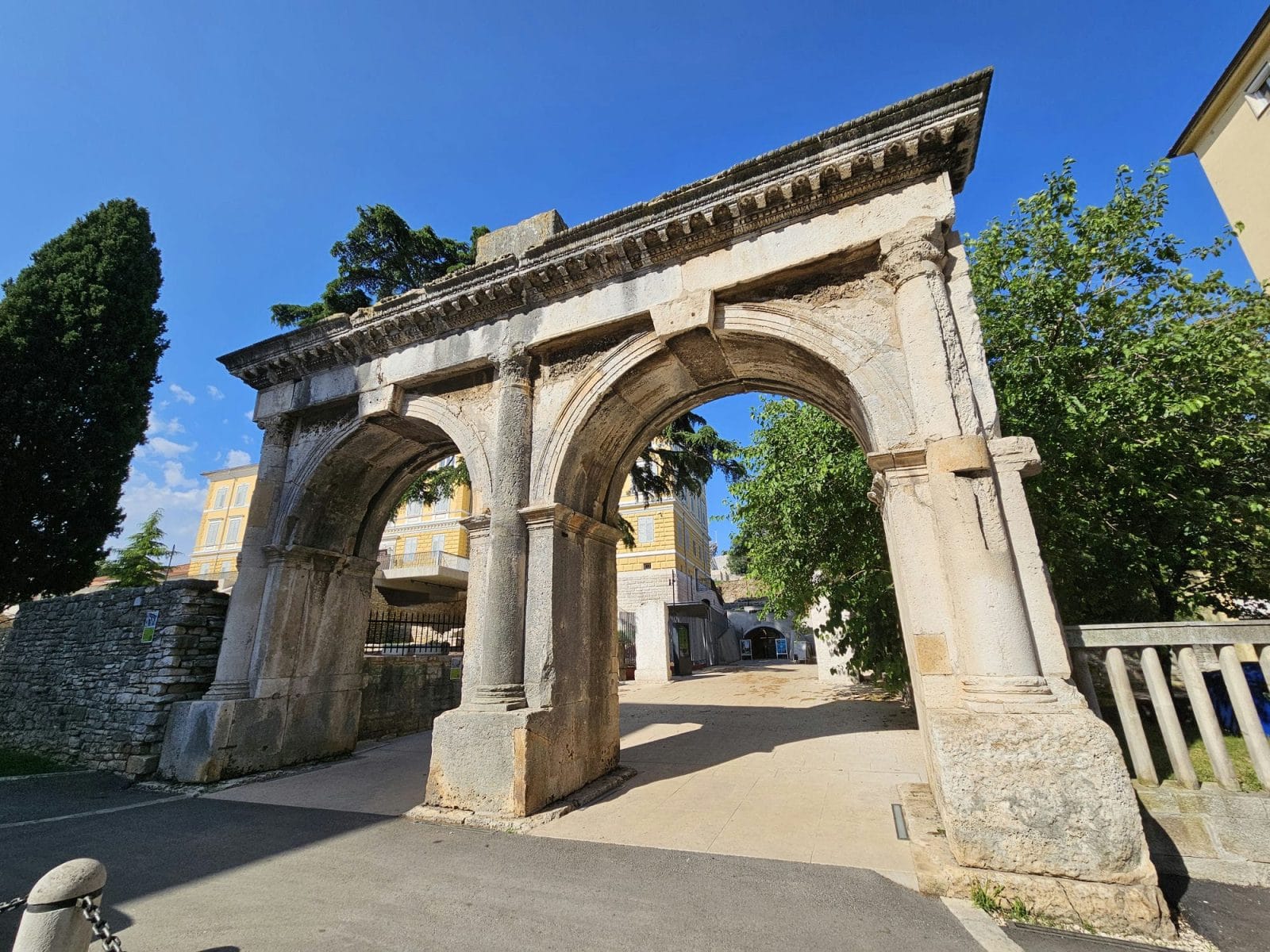
Another of the Roman gates in the city centre is Dvojna Vrata. Dvojna Vrata dates from the 2nd century and is well preserved. During the Roman era, the centre was surrounded by a wall with 10 gates. This is one of the few remaining gates. It has two arches and decorative features to see. Nowadays, the Roman gates are on the way to the Archaeology Museum.
Church and Monastery of St Francis
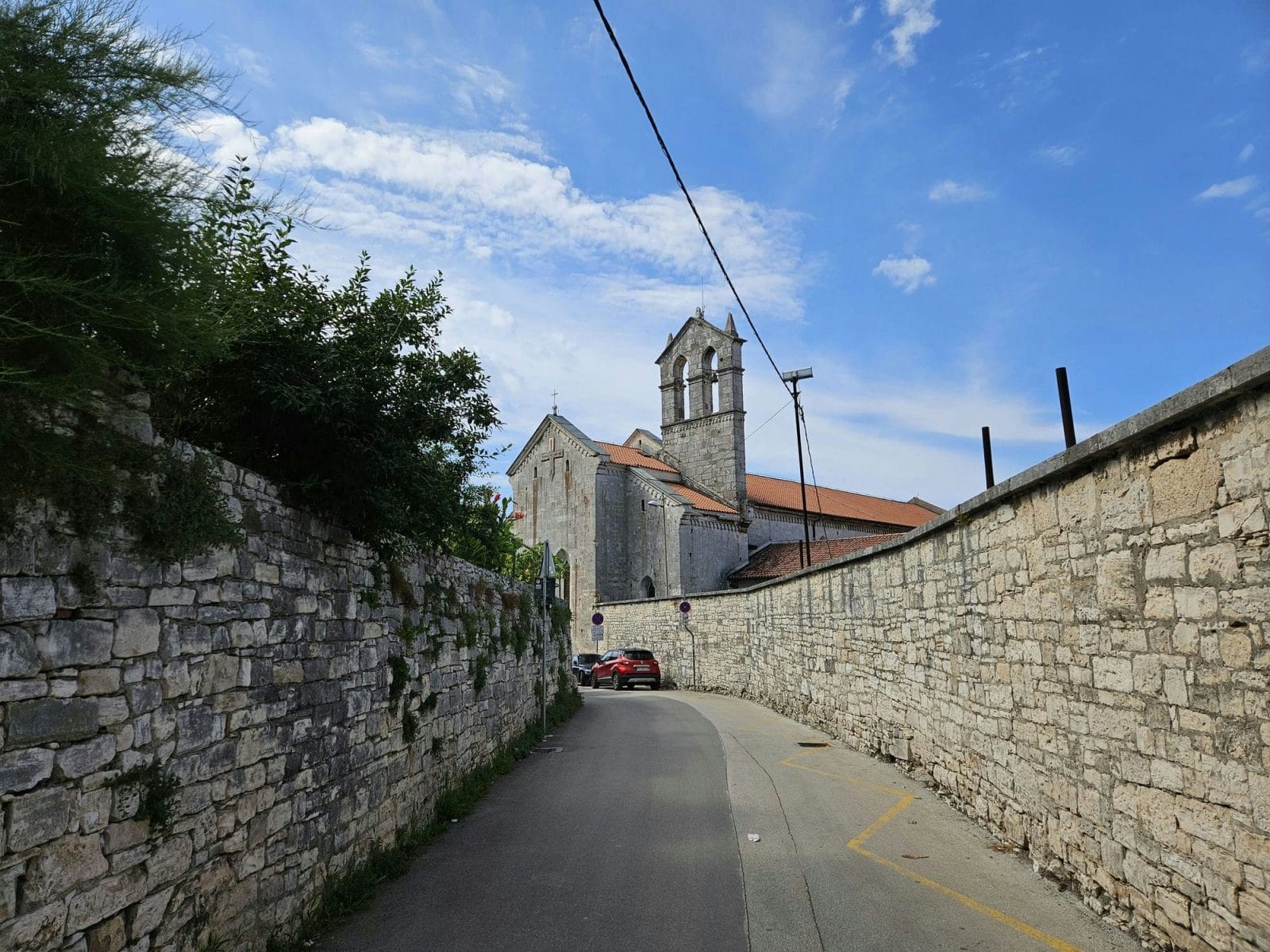
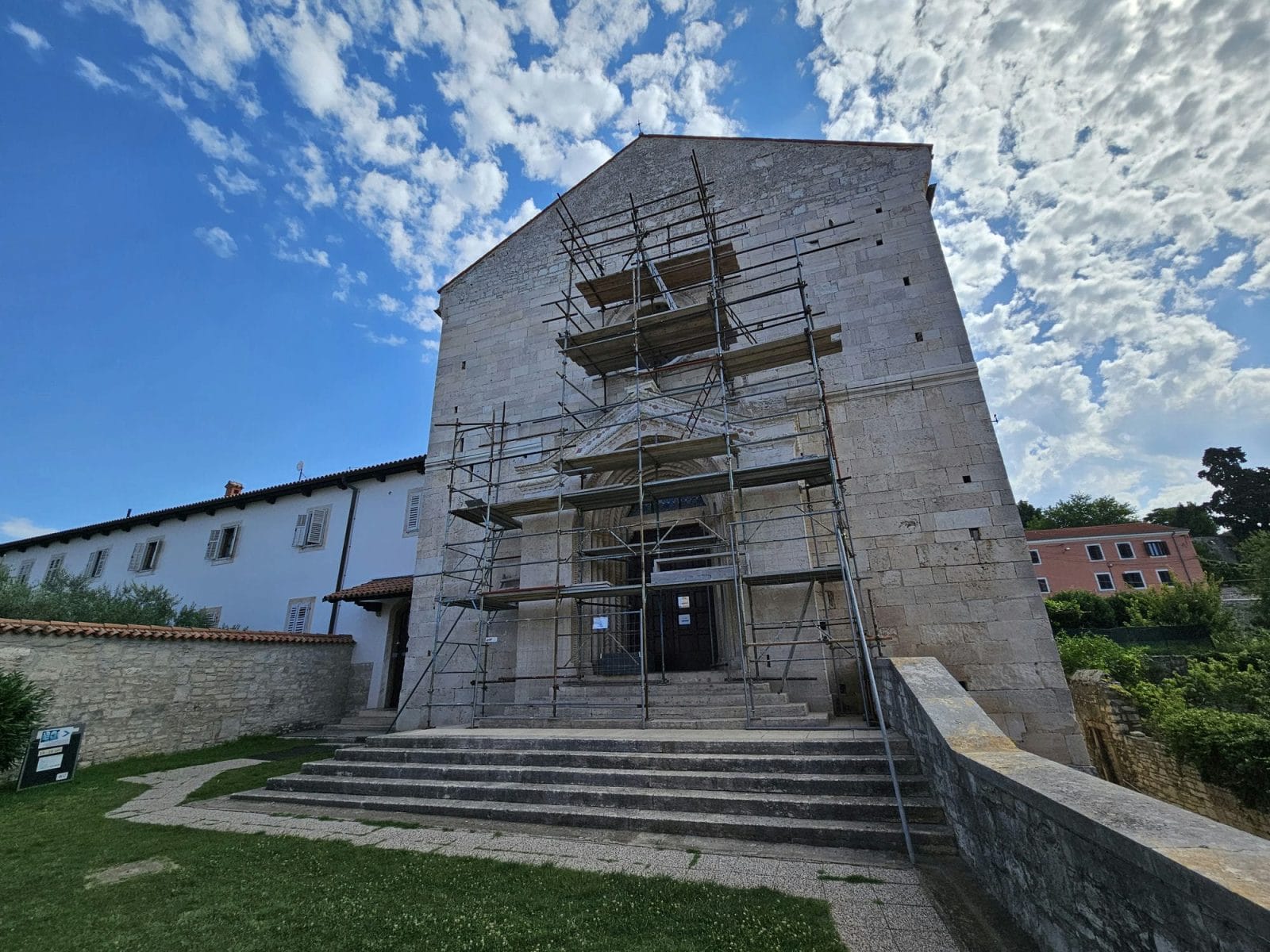
On the hill in the centre is the church and monastery of St Francis, a nice place to pop in when climbing the hill. On my visit, it was undergoing renovations outside. The church was established by the Franciscans and has been here since 1314. You can also pay to visit inside and see various historic relics, including medieval features and the relics of Blessed Otto.
Port of Pula
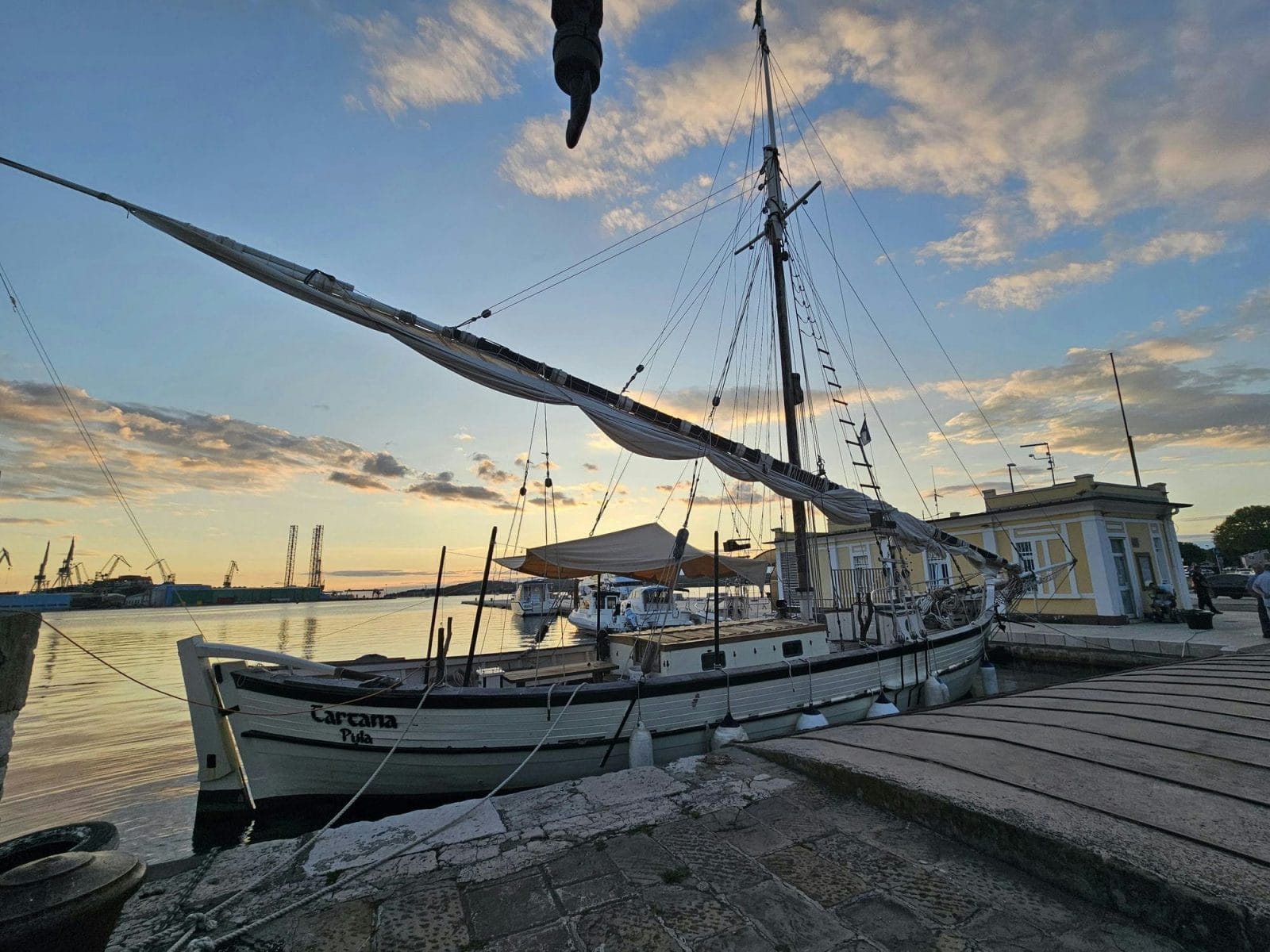
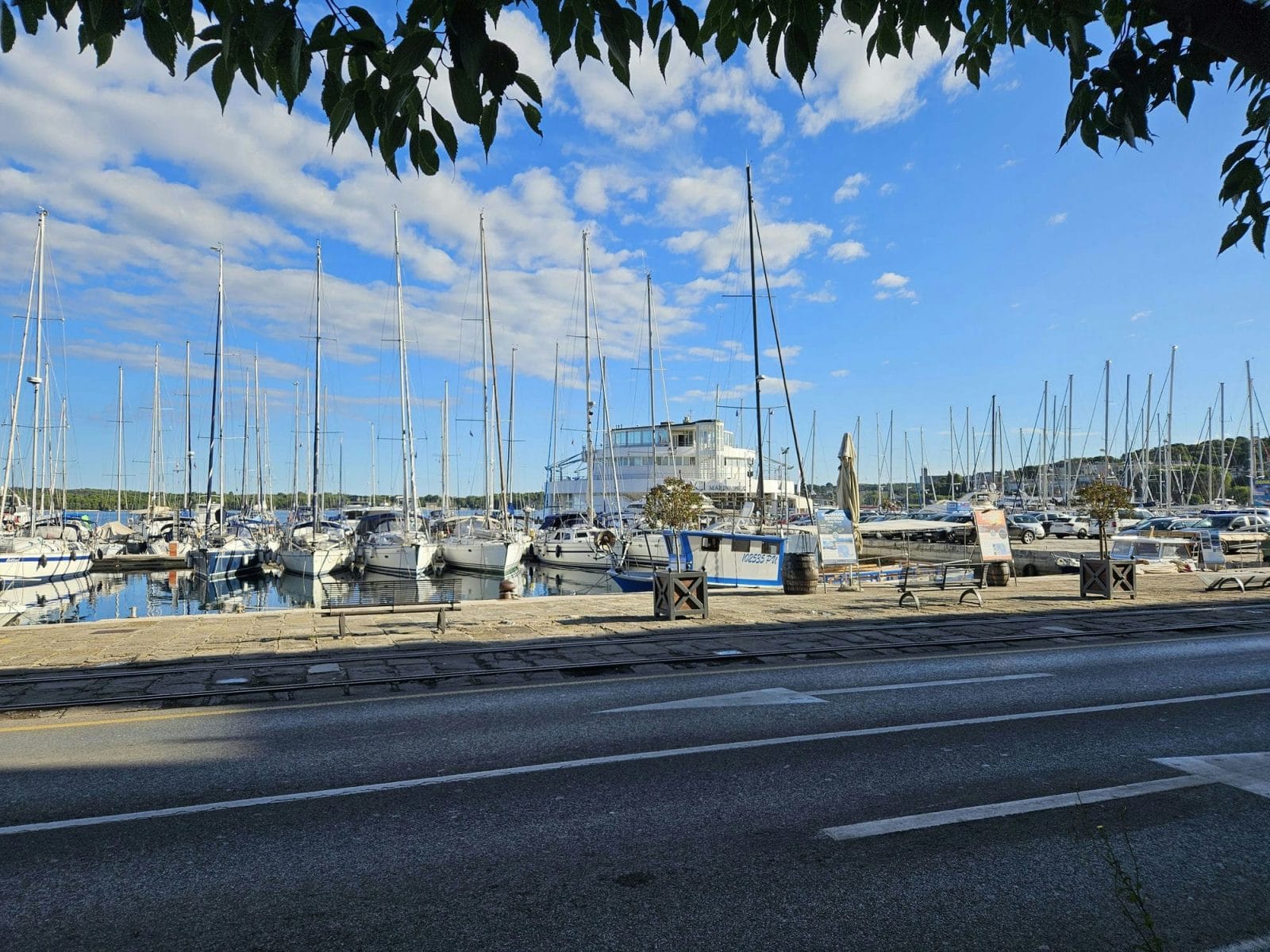
During the evenings, we enjoyed many walks on the seafront near the Port of Pula. There are many enjoyable aspects to it, including historic ships. There were also benches to sit and enjoy the views. This is especially nice when the sun is going down.
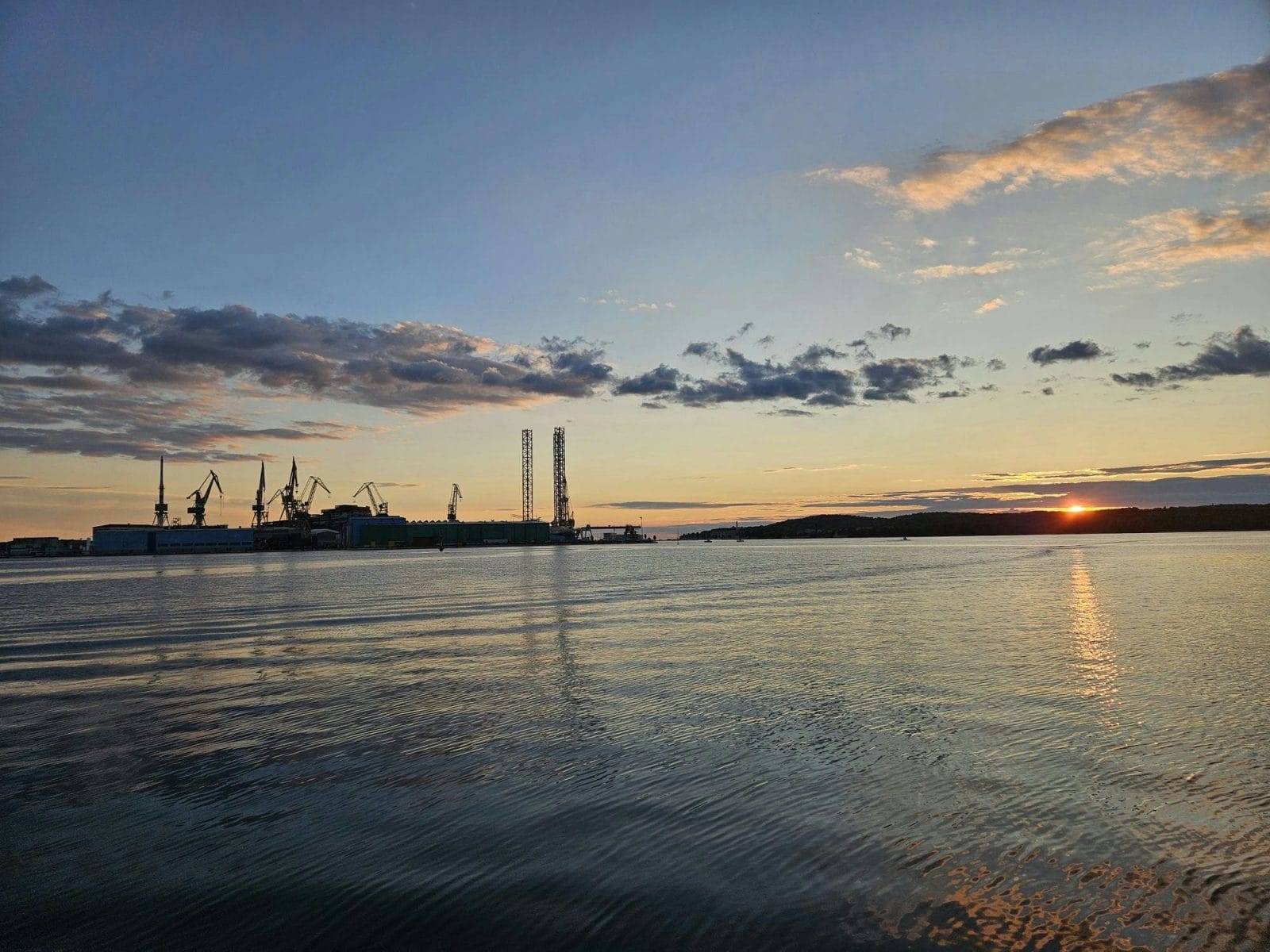
The cranes at the port periodically put on a light show. The port is active and a popular ferry stop, with routes to other parts of Croatia and to Italy across the Adriatic Sea.
Hotel Riviera
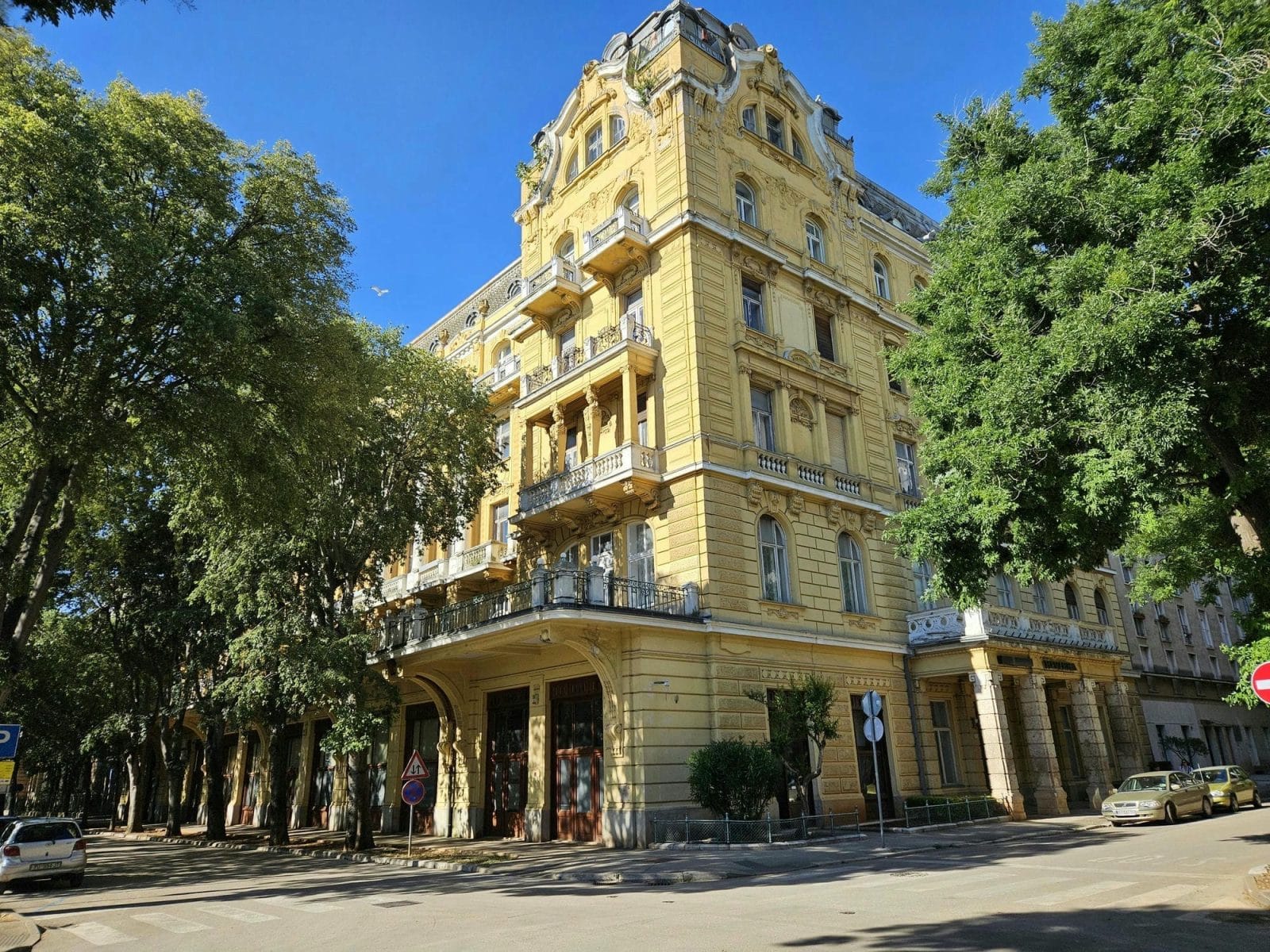
Hotel Riviera is a neo-baroque/Art Nouveau building that was once a favourite of the Austrian aristocracy and celebrities. It dates from 1908 and is bright yellow with many Secession details.
Agrippina’s House
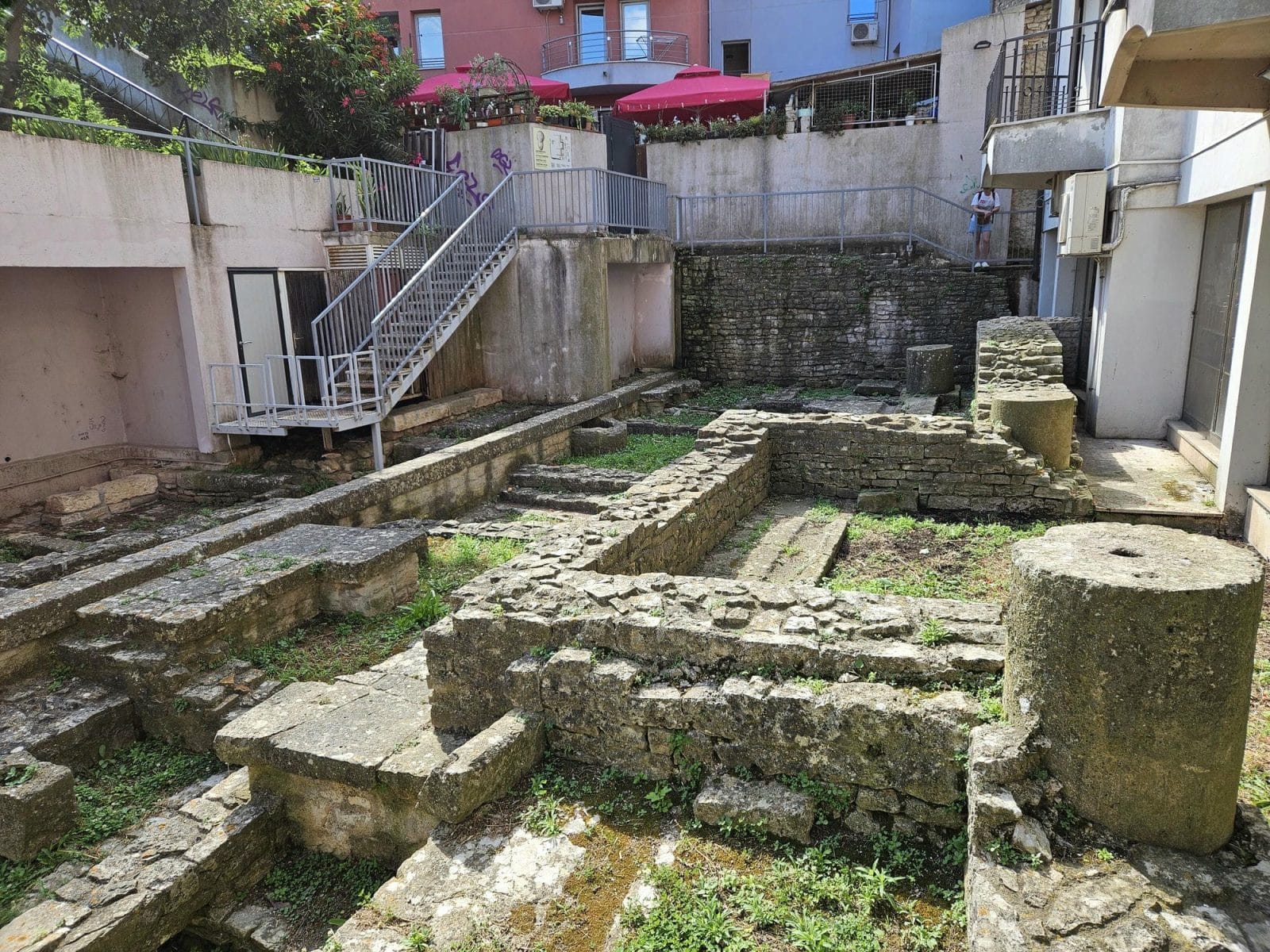
Agrippina’s House is an archaeological site near Forum Square, featuring Roman ruins. You can pop by anytime you’re passing. The site has artefacts from the Roman and Venetian eras. One notable find here was a marble head and torso of an ancient emperor from the 1st century BC.
Beaches in Pula
Valsaline Beach
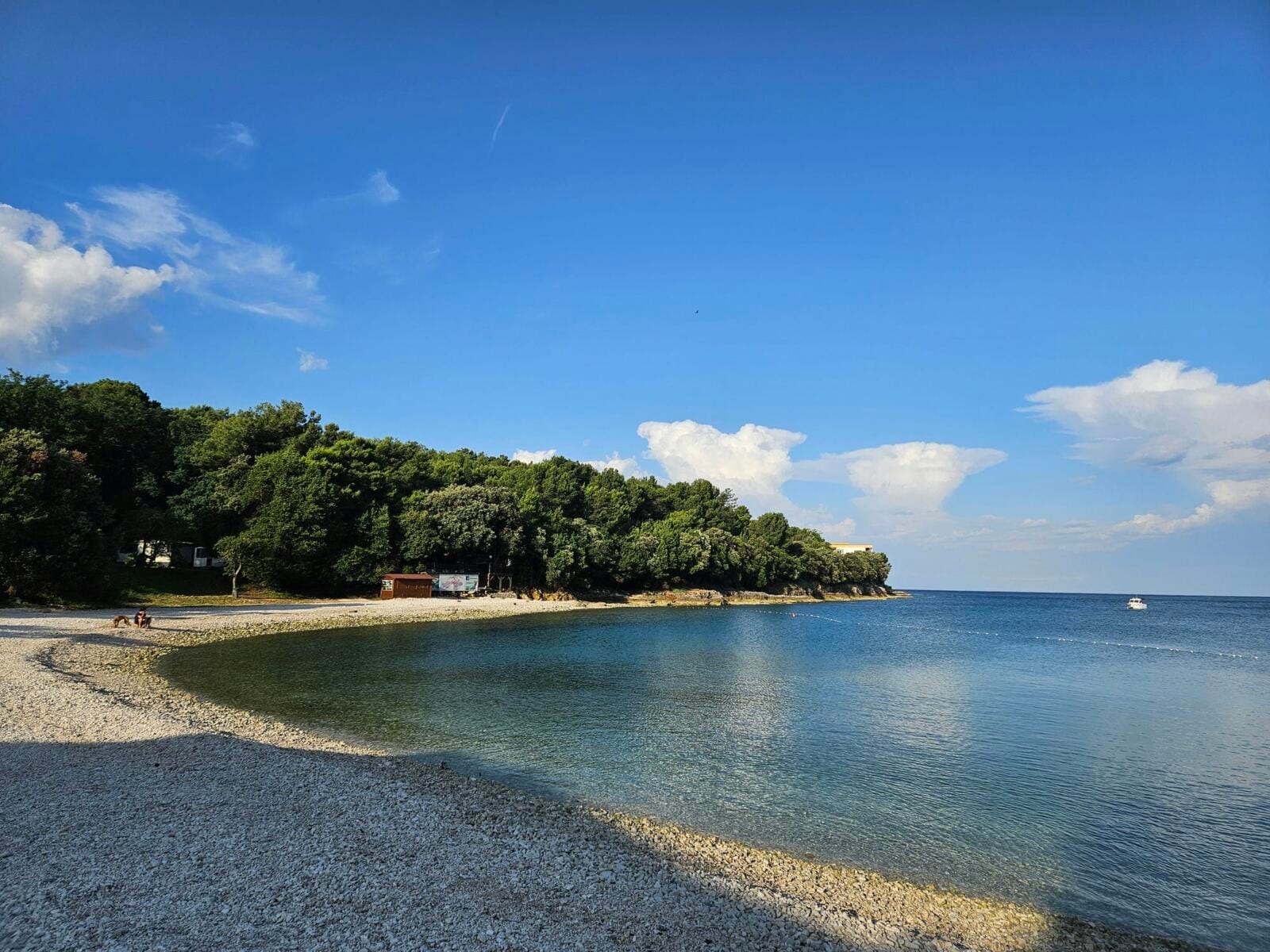
There is a choice of beaches along the coast south of the city, including Valsaline Beach, which is our closest. I preferred coming early in the morning before it got busy.
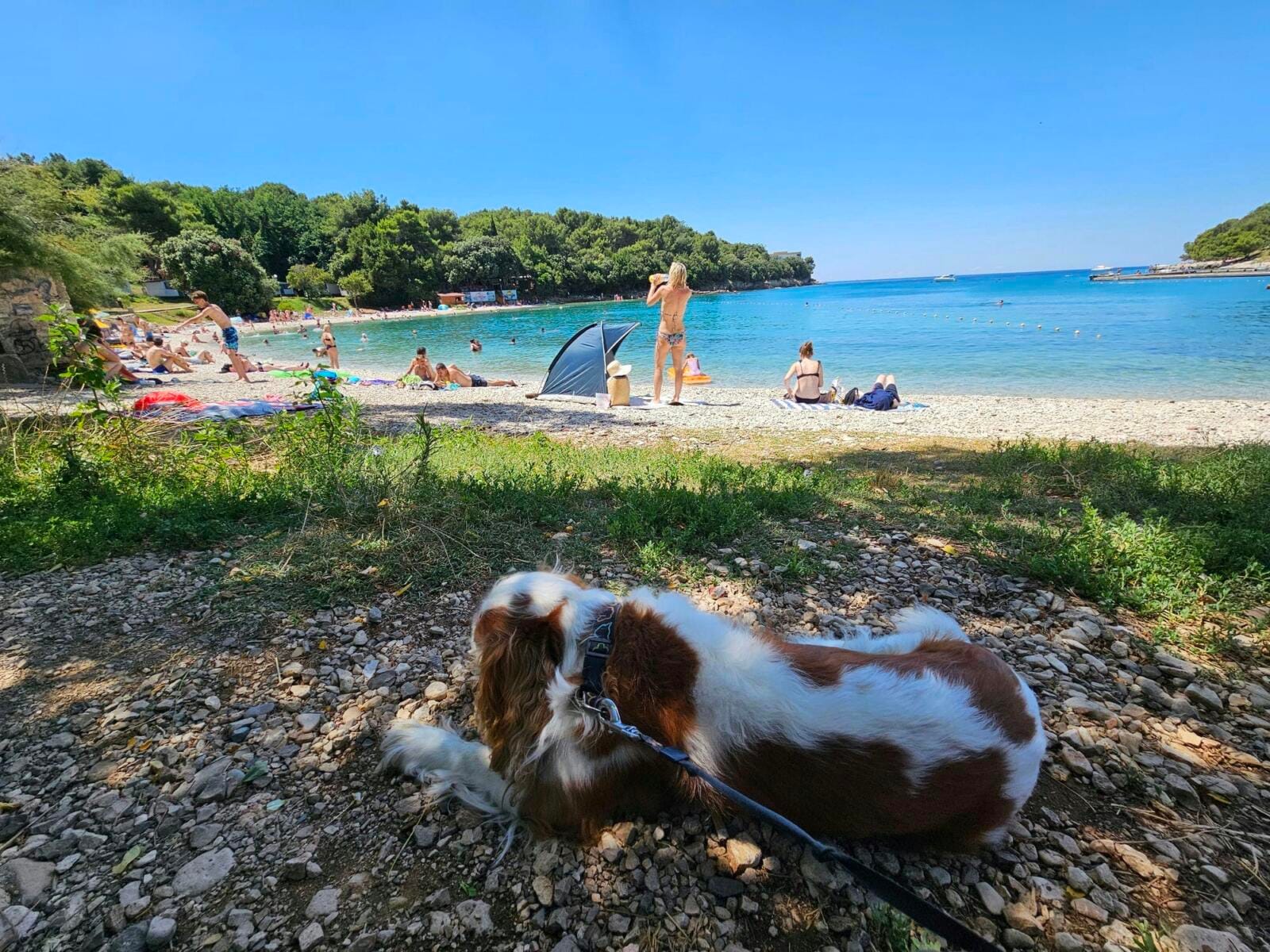
Valsaline Beach has small pebbles, and the water was calm while swimming. They also have a bar which serves drinks, ice cream and fast food. Next to the beach is a polo club that has an excellent spot with steps leading straight into the water.
Gortan Cove
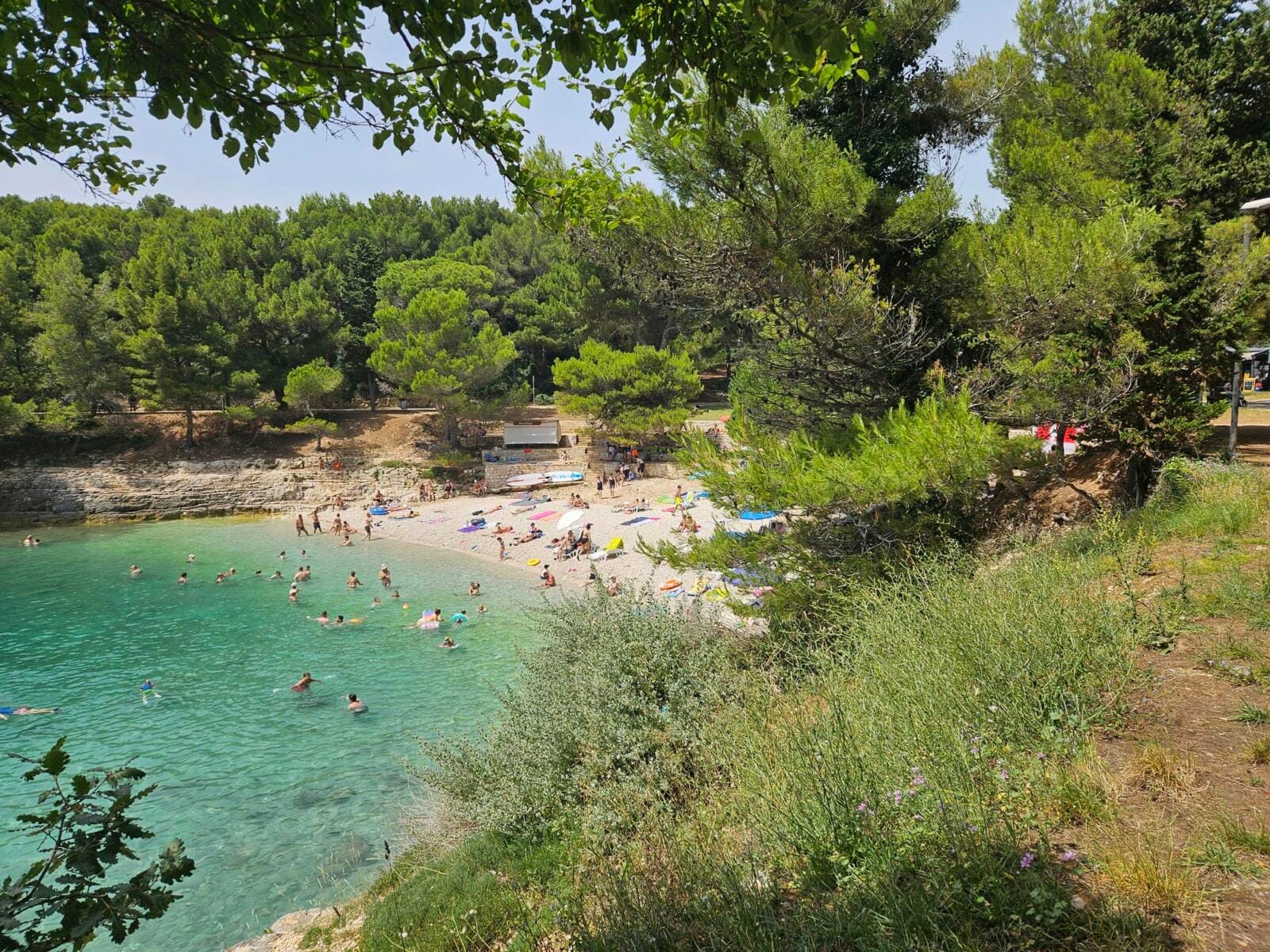
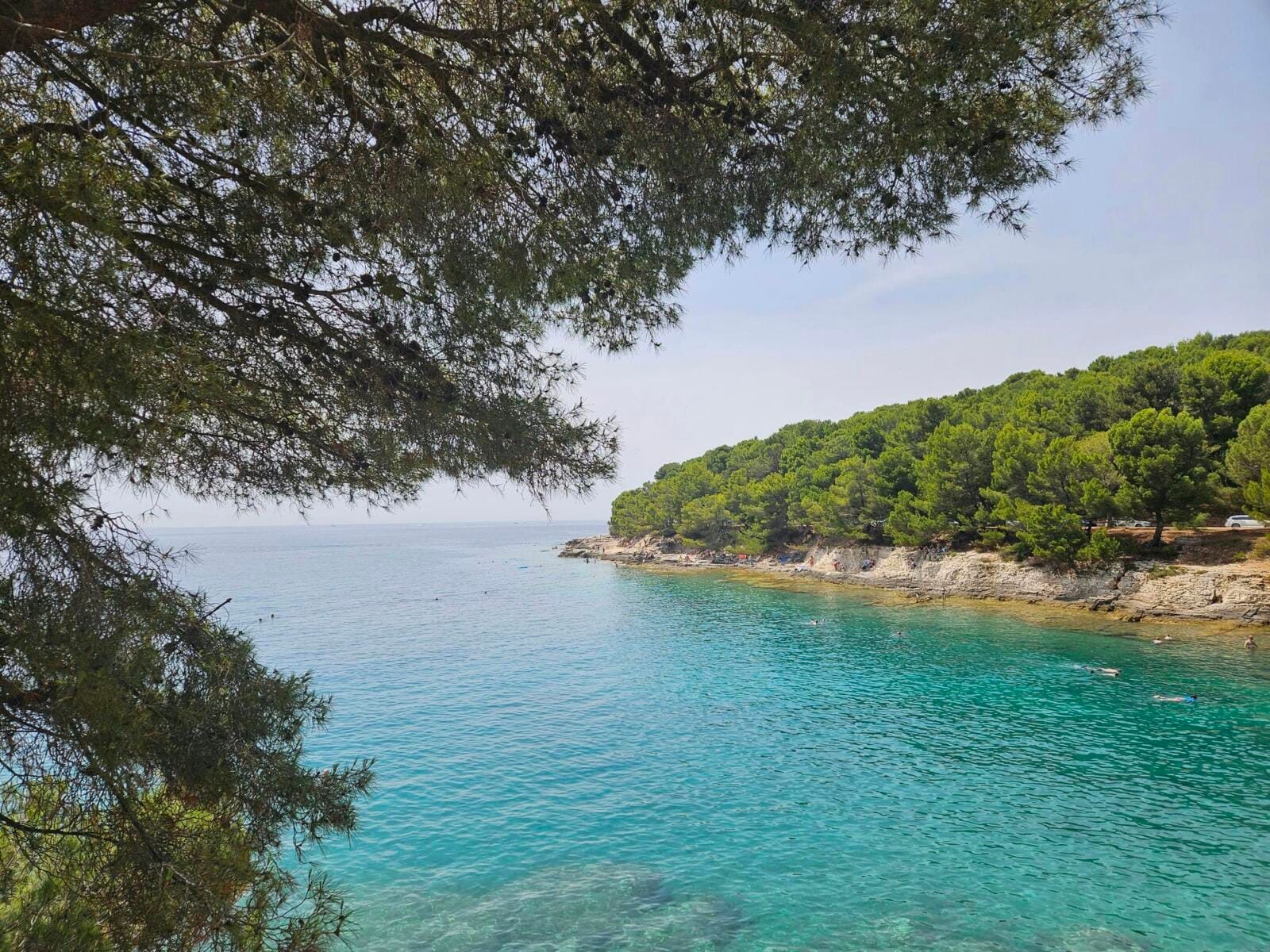
Gortan Cove is a beautiful beach and has many places to access the sea, including from the rocks and a pebble beach. There are a few cafes with views and somewhere to change. I found it a lovely area for a coastal walk, too, as the coast path is tree-lined.
Saccorgiana Cove Beach & Water Park
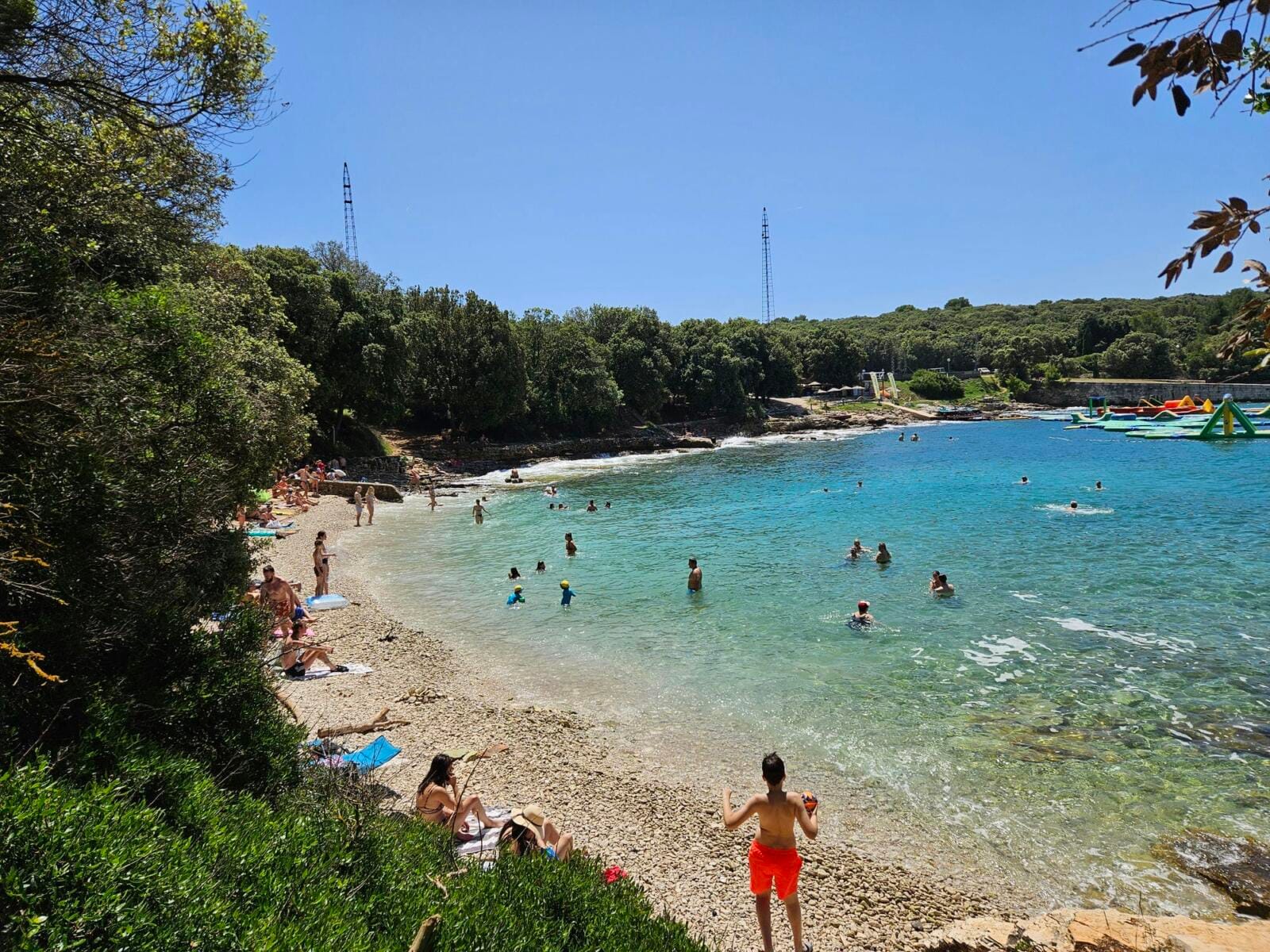
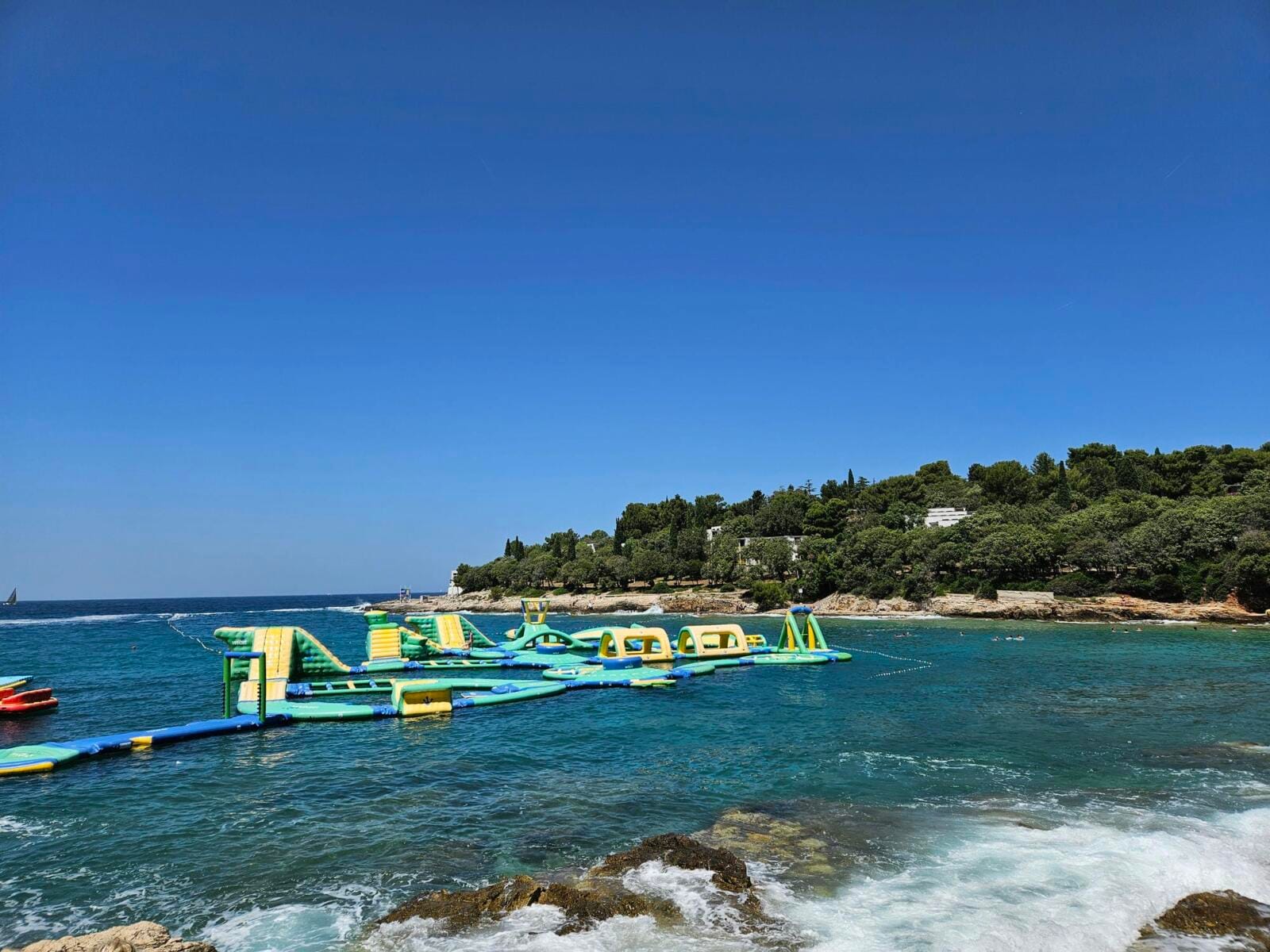
Another popular beach is Saccorgiana Cove. It is tree-lined, so there is shade. I preferred accessing the water away from the pebble beach, which was too busy for my tastes. Saccorgiana Cove is also home to Aquapark Pula Zeppelin, a water park. There is a dog-friendly section here too.
Mornar Beach
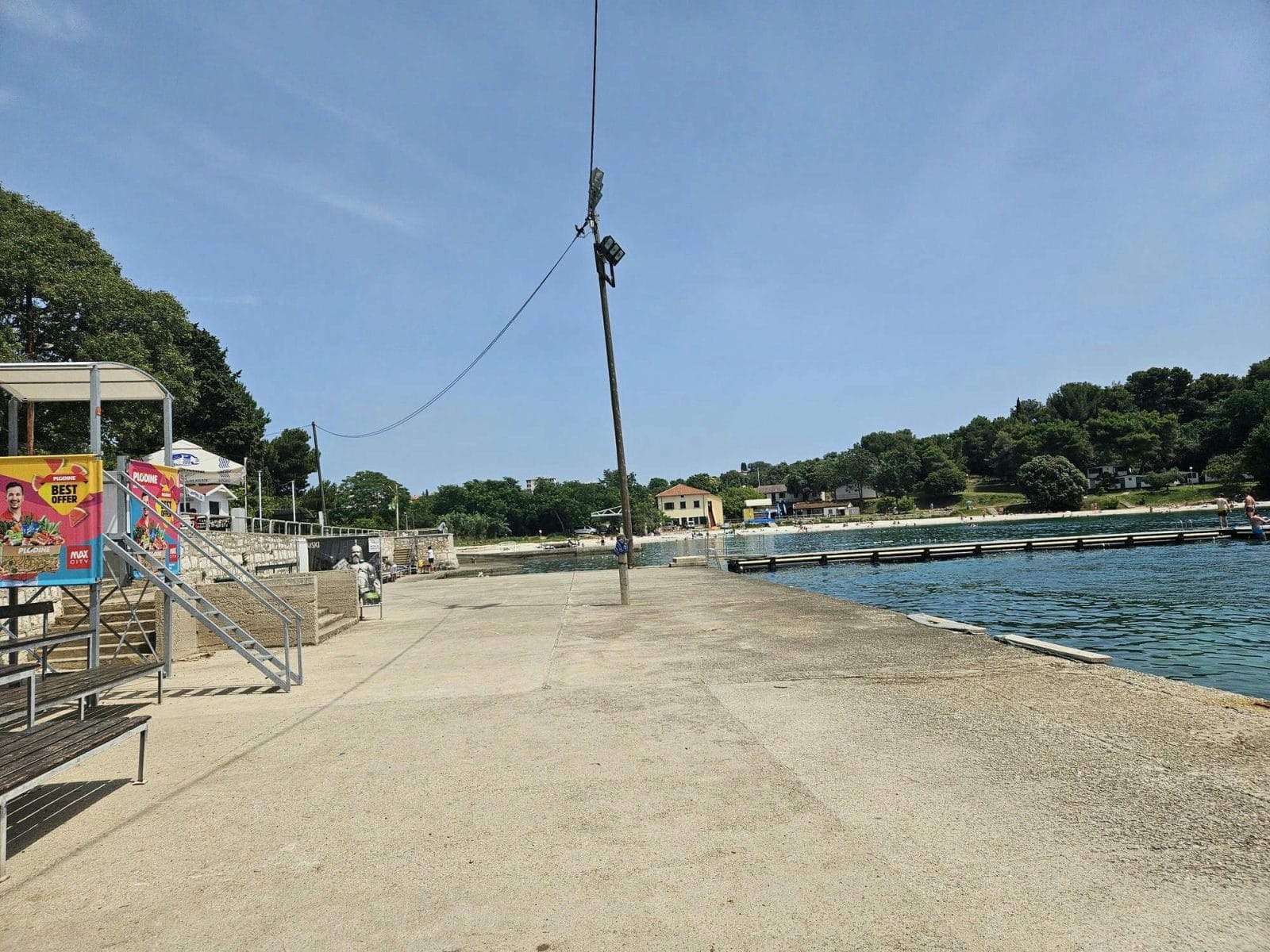
A nice place for a swim is Mornar Beach, south of the city. It is a concrete beach with steps into the sea; I found this a quiet place during my visit. Overlooking the water here is a beach bar with seats on a big lawn.
Walks, Parks & Hill Forts
Fort Bourguignon
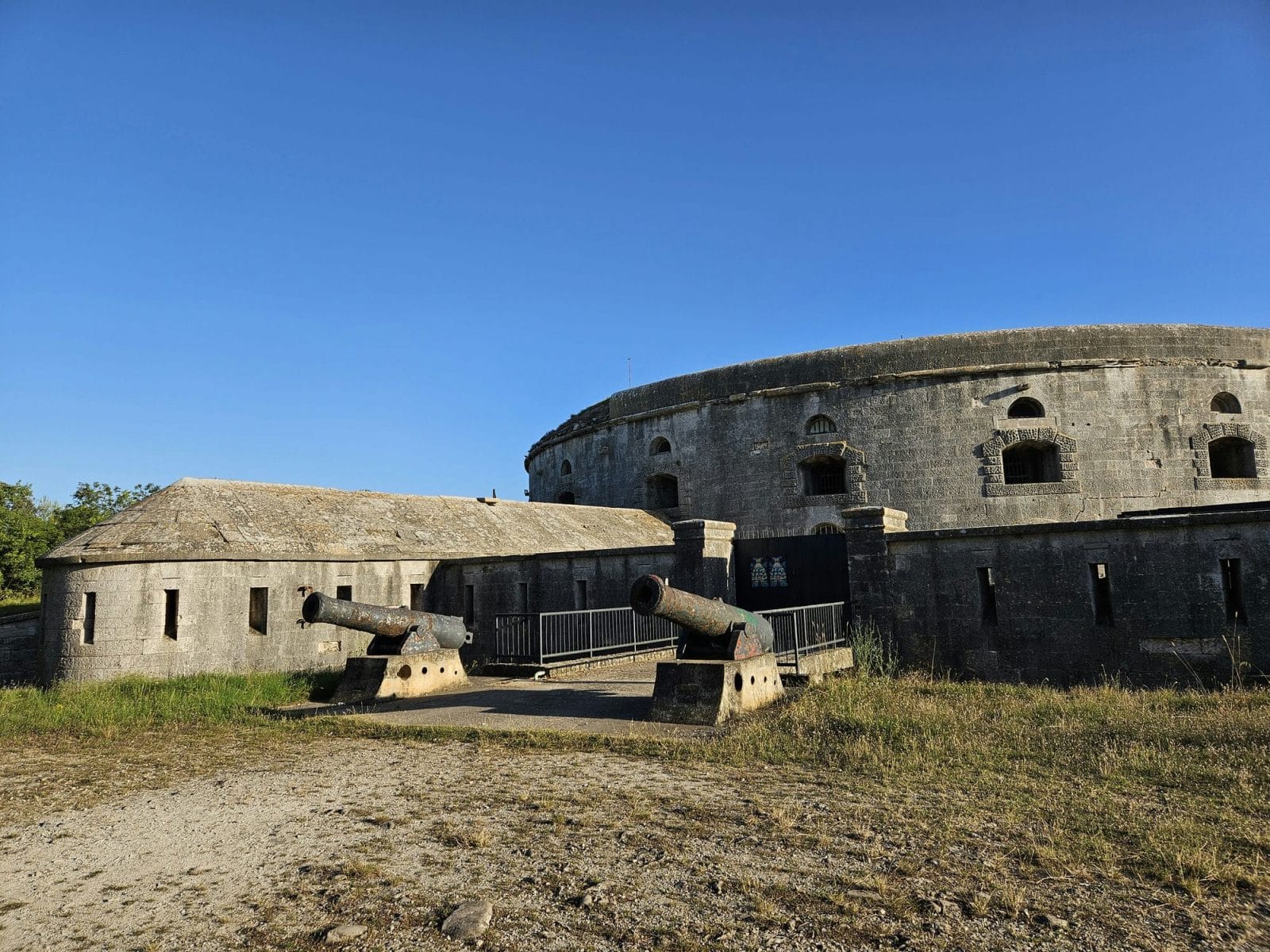
Fort Bourguignon, AKA Fort Monsival, is a disused Austrian hill fortress in the Verudela area of the city and an enjoyable place for a mooch around. This one is one of many hill fortresses in the city built by the Austrian Empire between 1861 and 1866. This one is a 2-floor circular fortification with an inner circular courtyard.
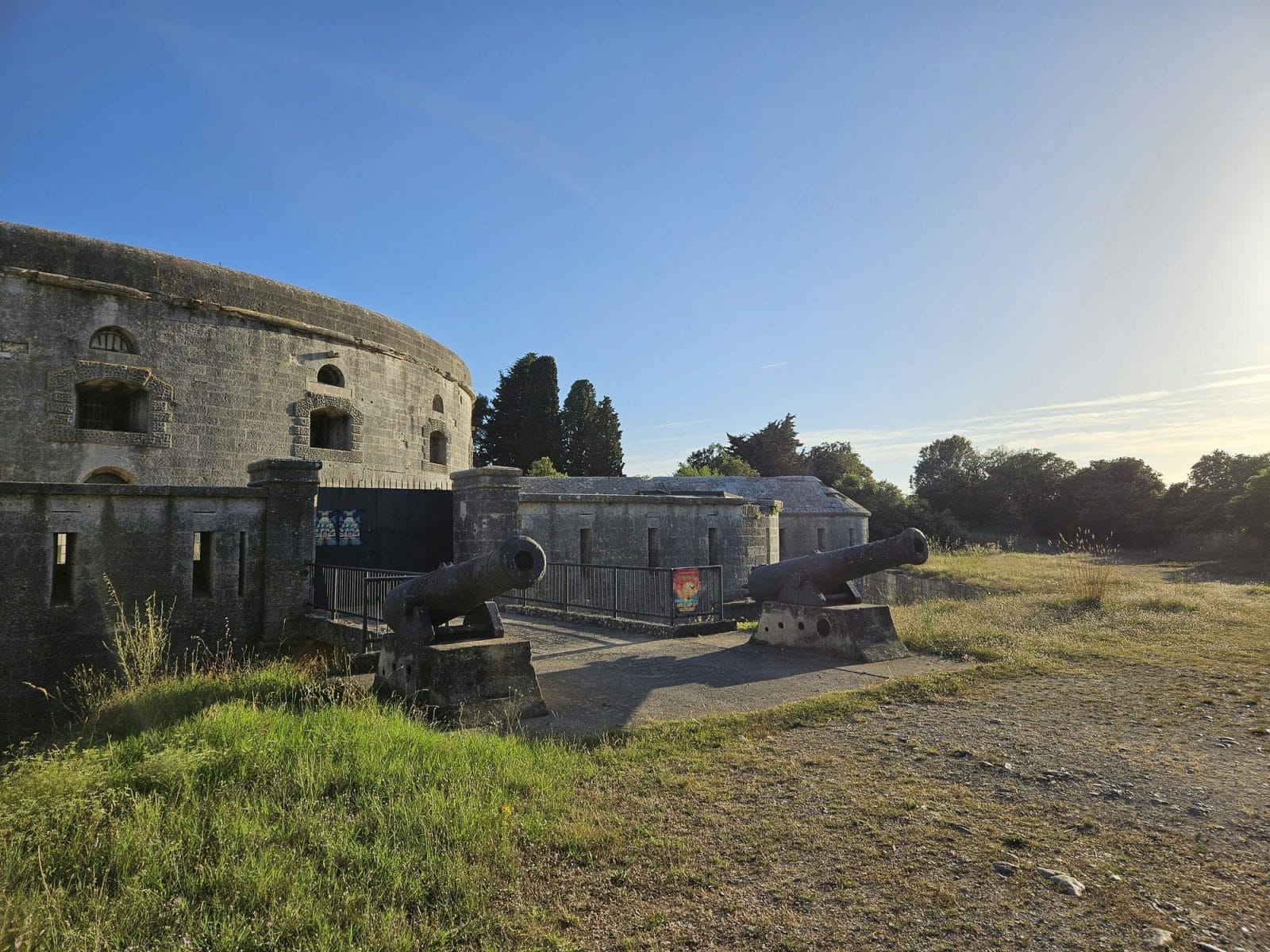
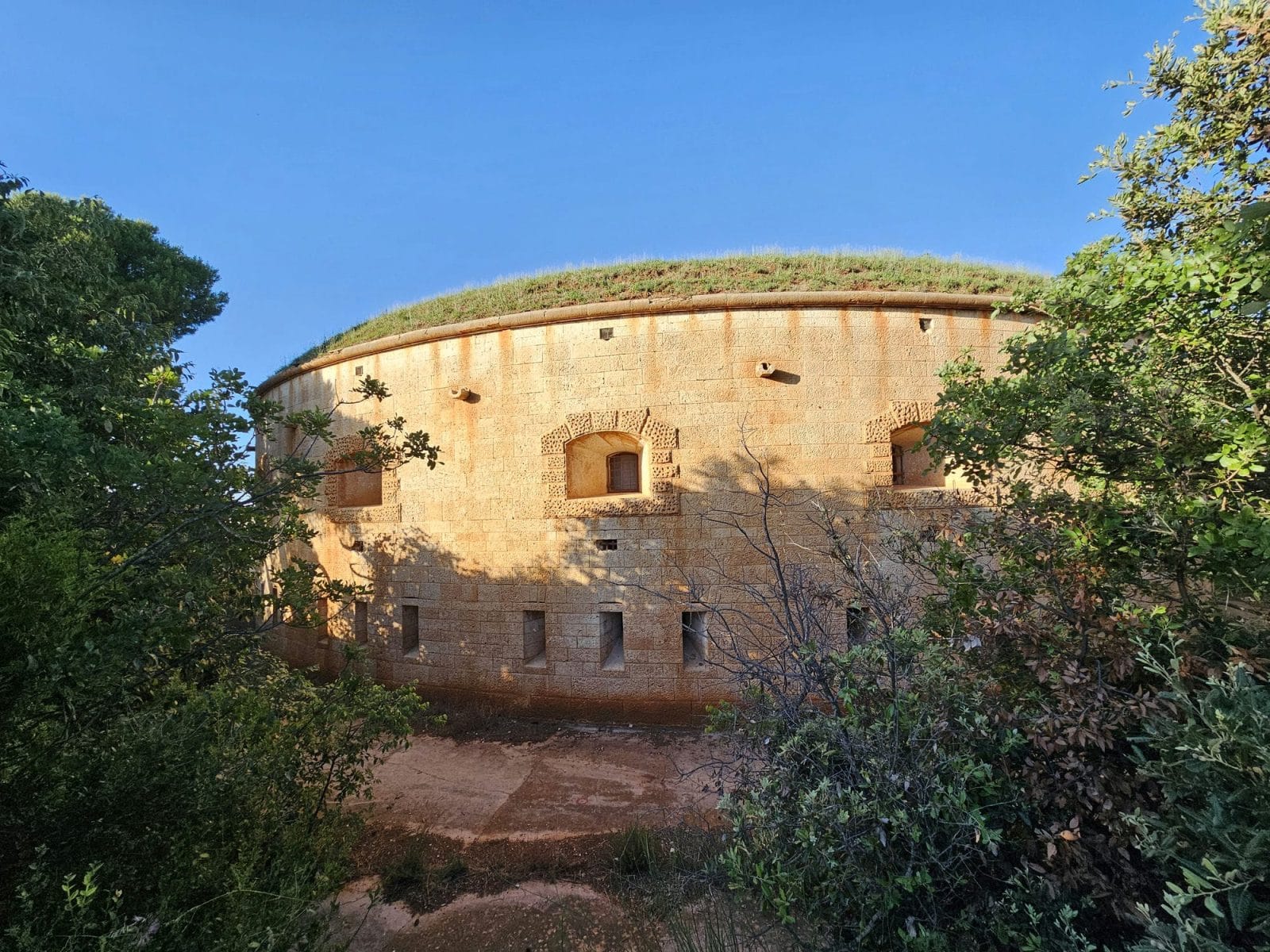
I visited as part of a longer walk along the coast. The fort is not open to visitors, sadly, but it’s a fascinating place to explore the exterior, especially during the golden hour before the sun goes down. I enjoyed seeing the fortress walls and the cannons near the entrance.
Piramida Nightclub
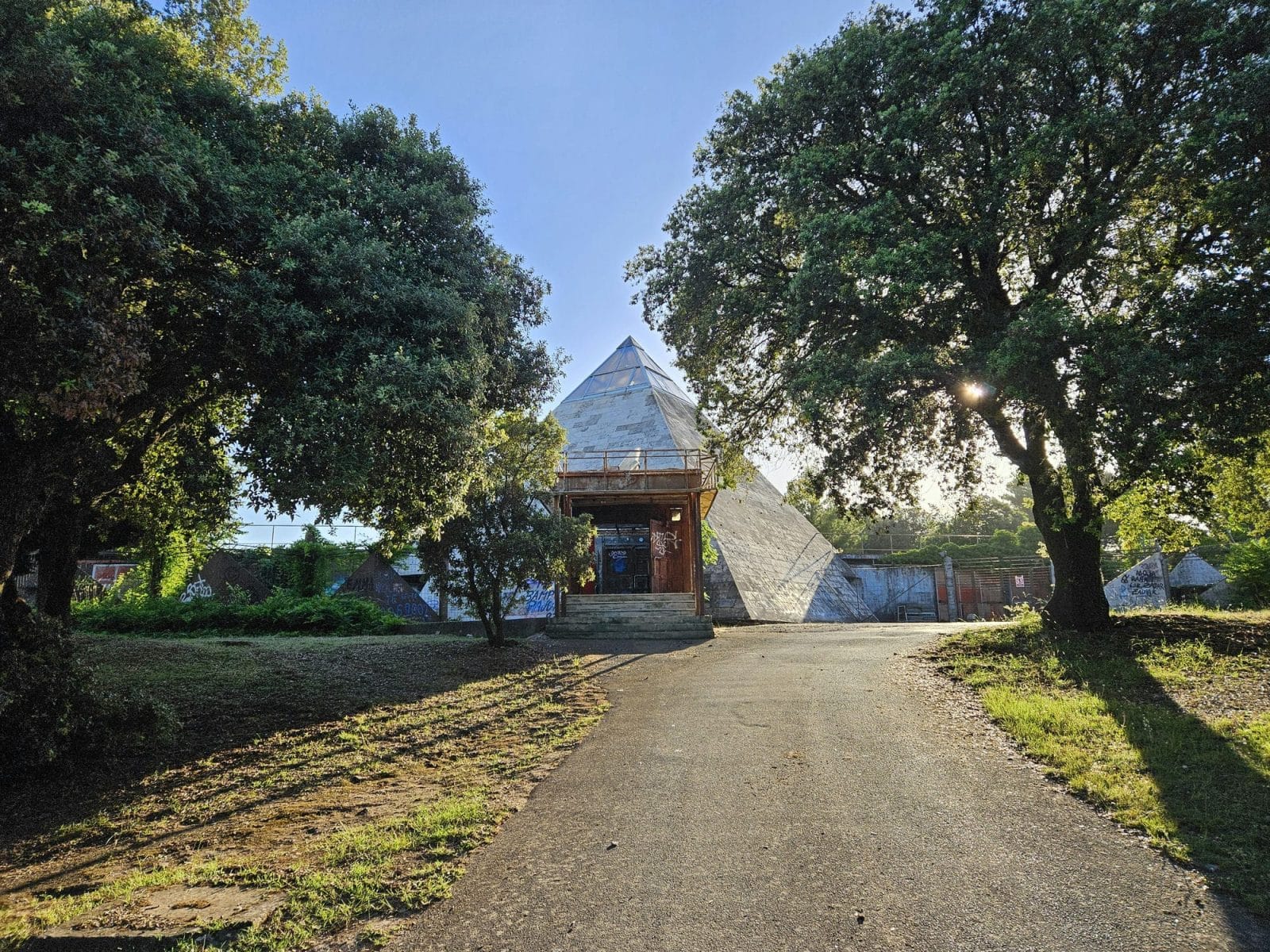
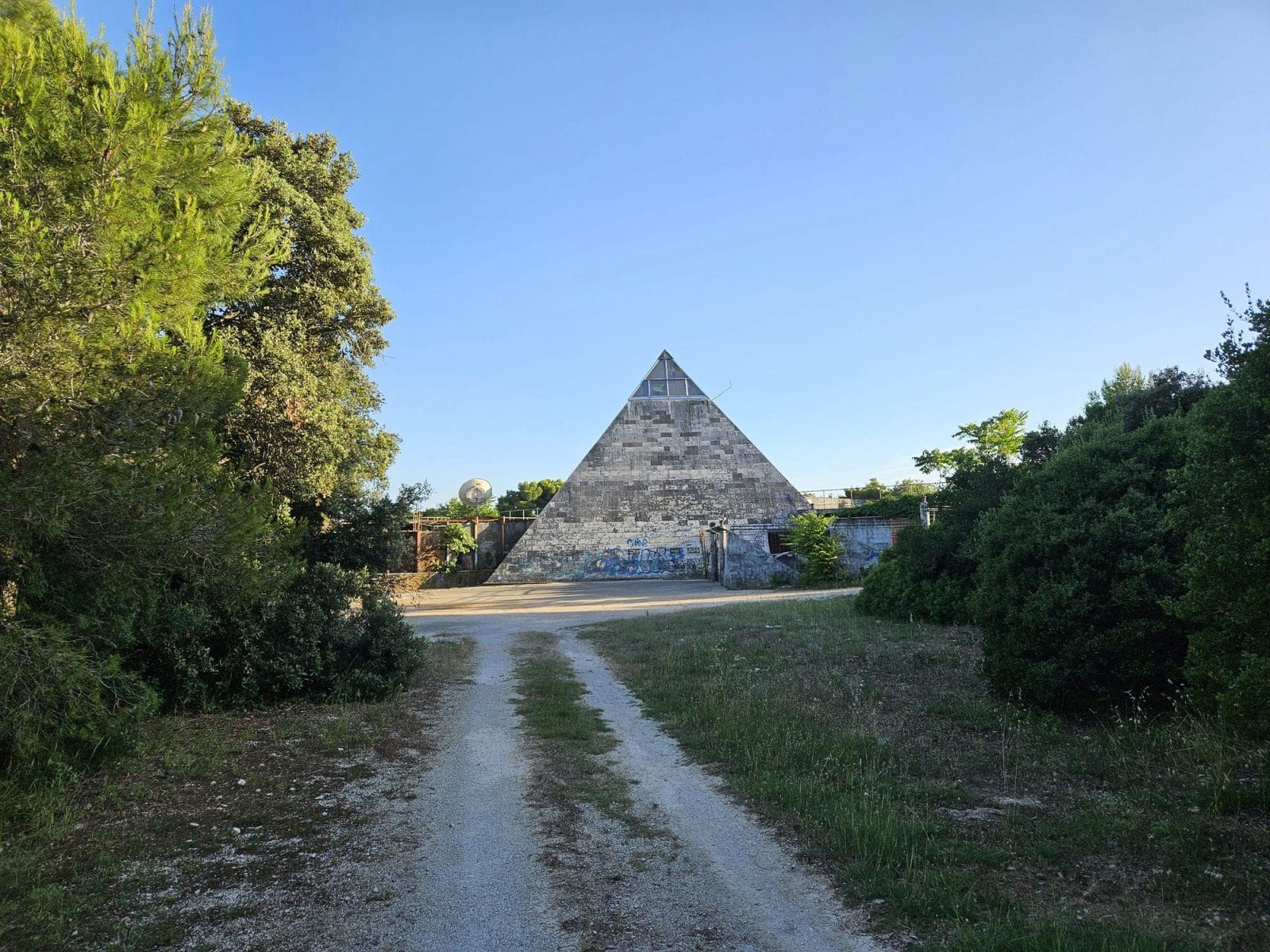
Piramida is a disused pyramid-shaped nightclub next to Fort Bourguignon. It’s a good focal point for a walk if staying in the Verudela area of the city.
Fort Casoni Vecchi
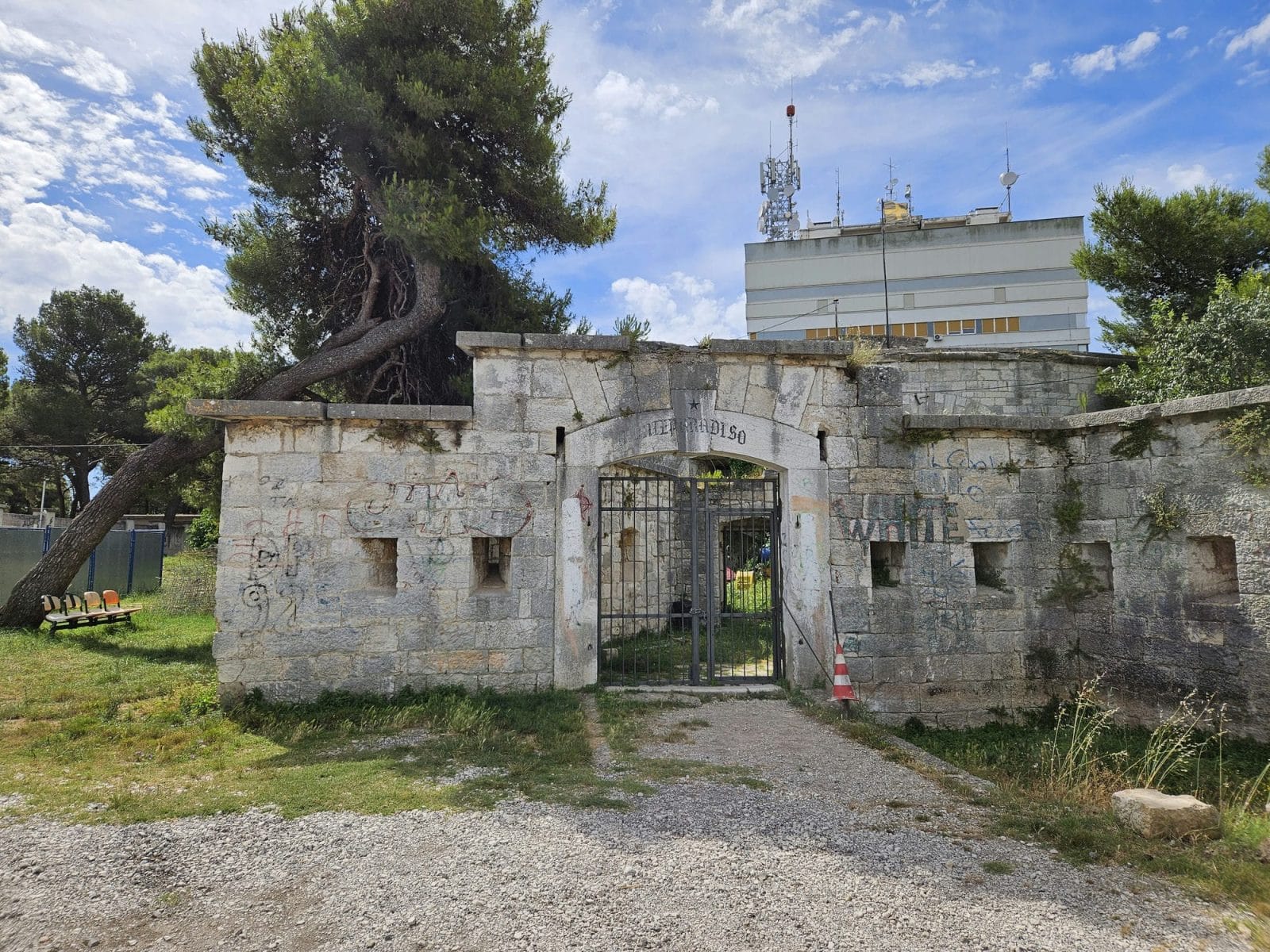
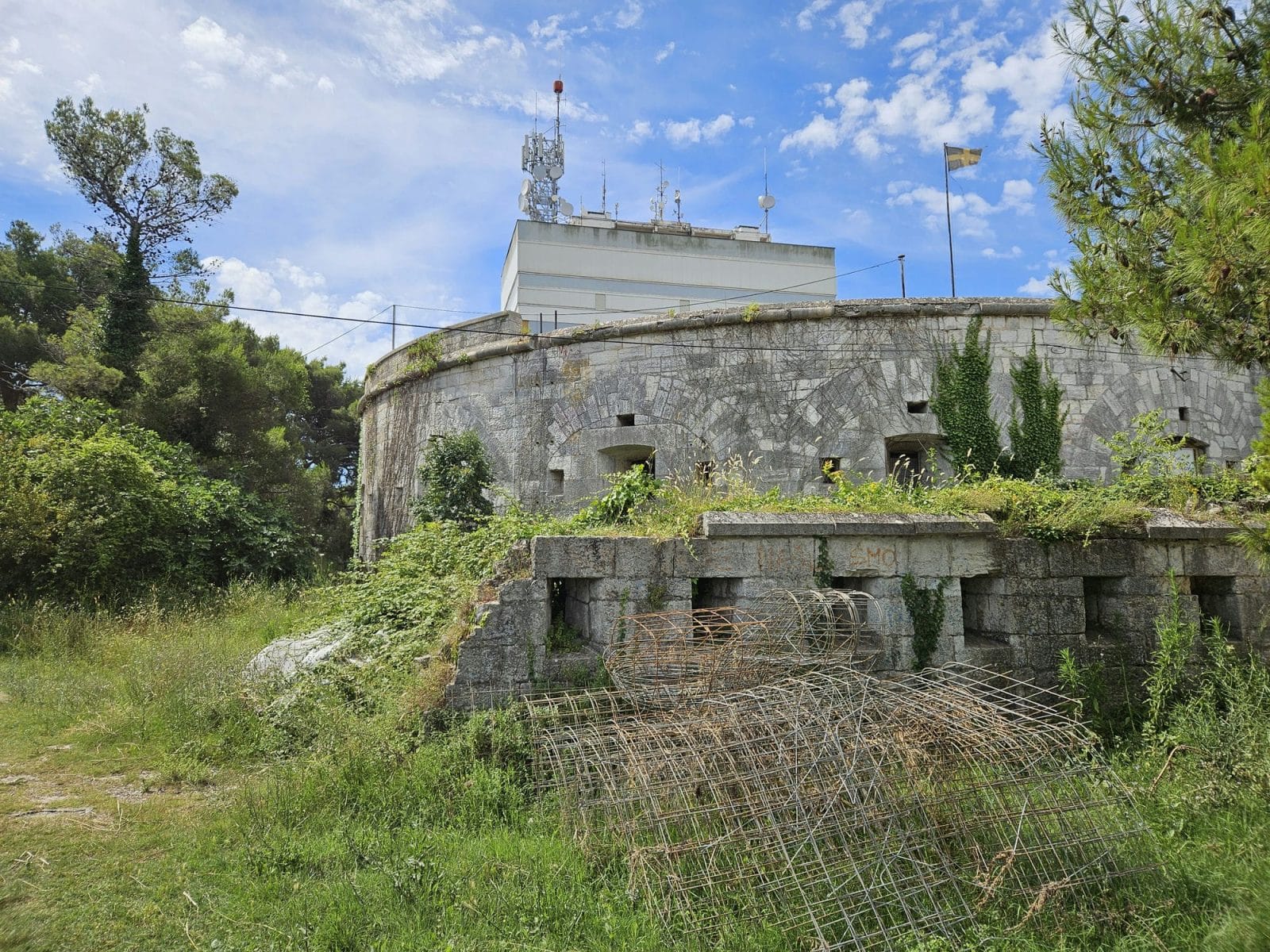
After seeing my first Austrian hill fort, I had to see more, and Fort Casoni Vecchi was near our accommodation. This was again ideal for a quick look around, but not as nice as the other forts I saw in the city. Unfortunately, this one is also closed to visitors, but it’s possible to see the exterior. The fortress was built between 1852 and 1854 and renovated again in 1914. Interestingly, in the 1990s, the punk music festival Monte Paradiso was held in the fortress.
Walk Part of the Camino South Istria
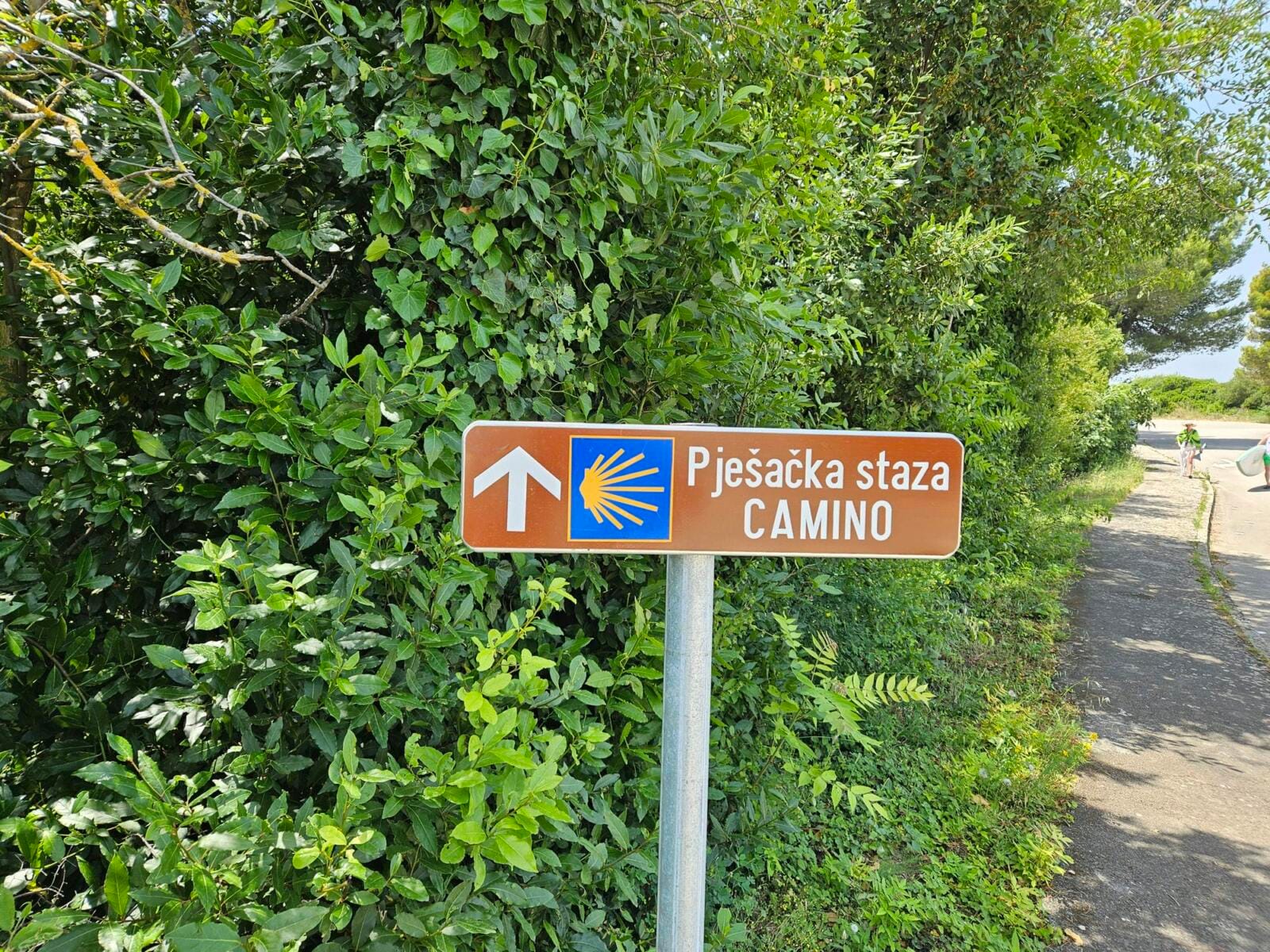
The Camino South Istria is a long, multi-day walk covering over 190 km and passing through the city. The walk passes by some of the key sites and some countryside near the city. Alternatively, you can use Pula as a start or end point and enjoy a walking holiday, completing the entire route. We enjoyed sections of the walk during our visit, including a visit to St Anthony’s Church.
Montezaro Park
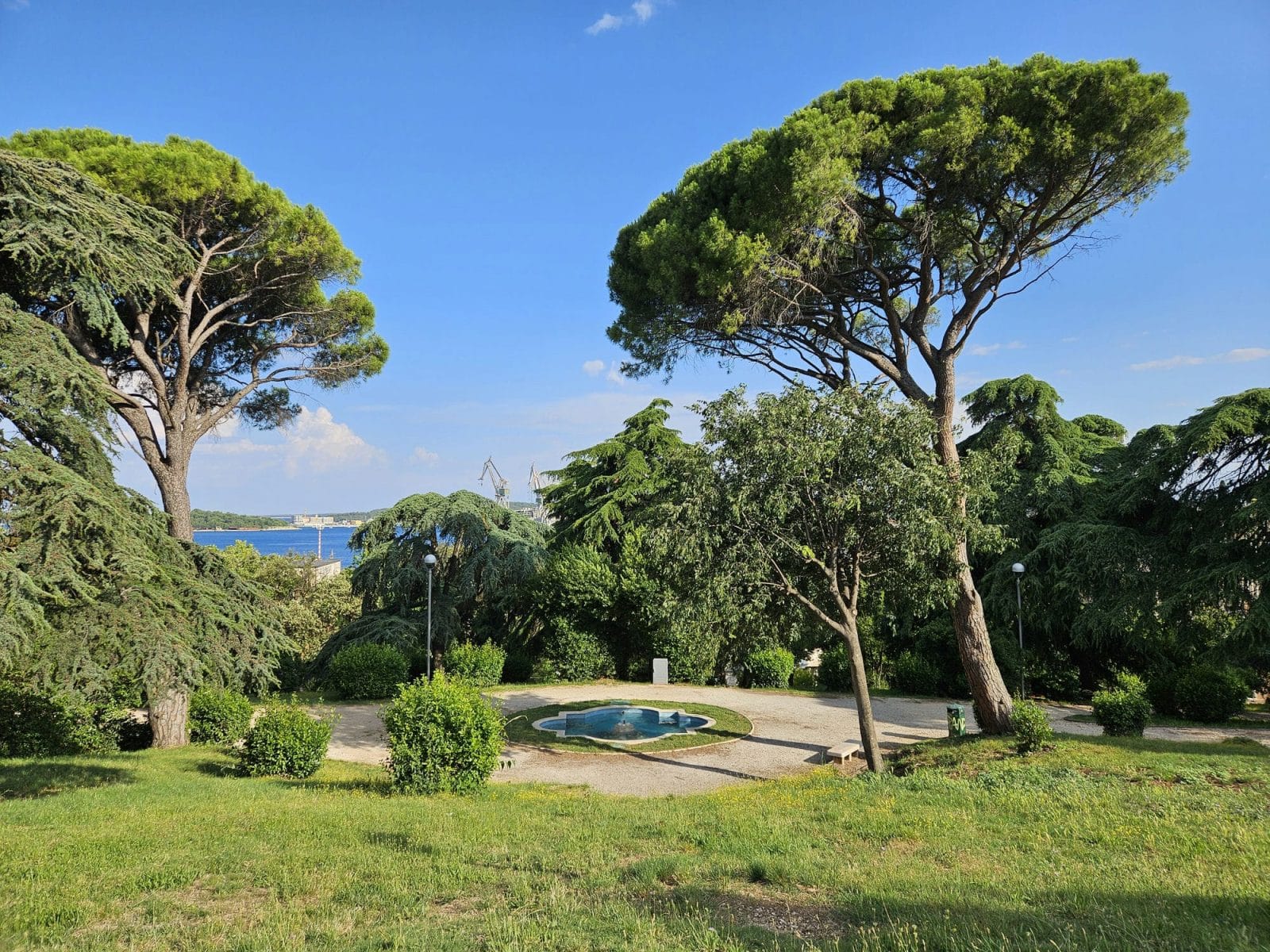
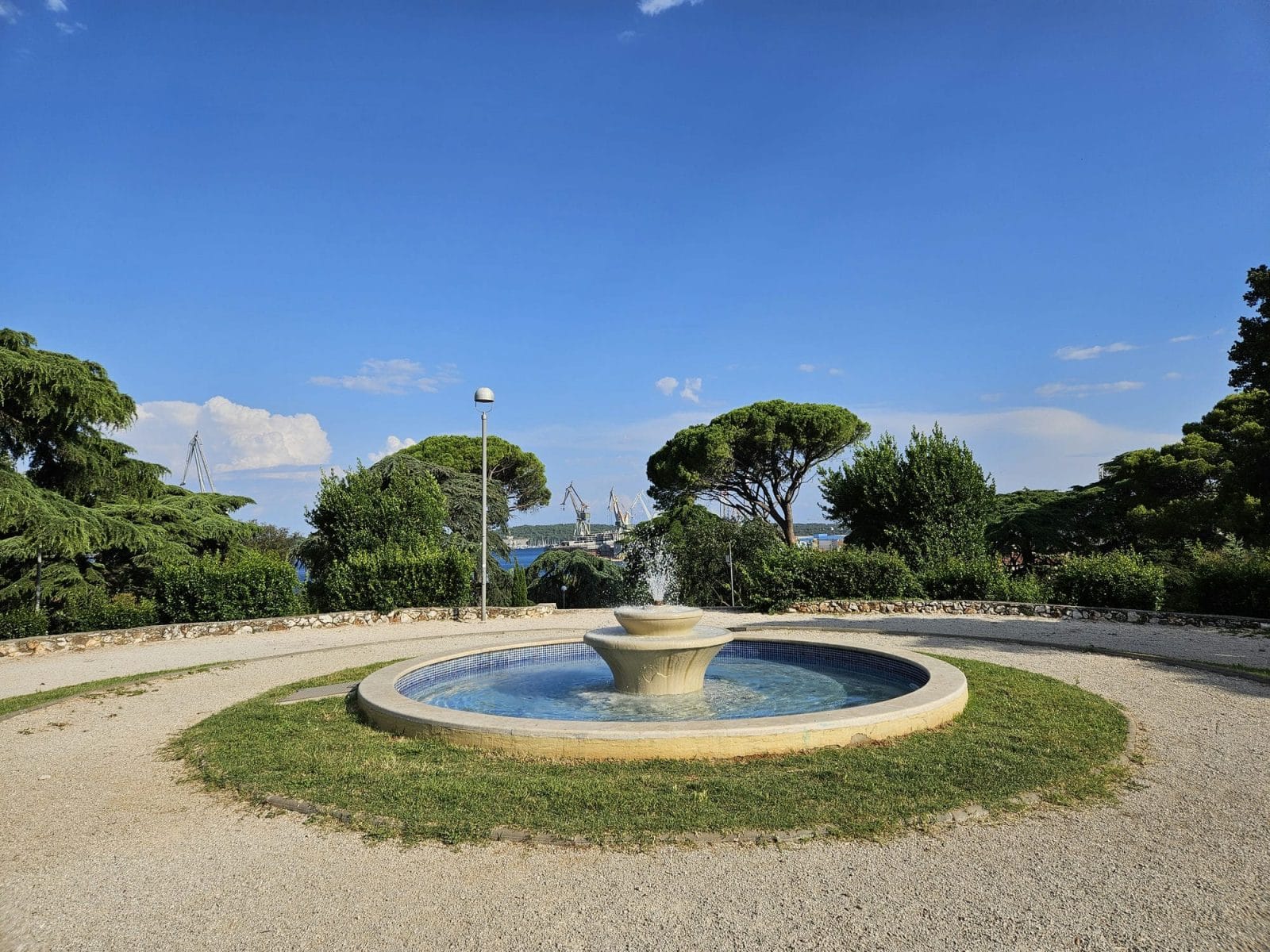
Montezaro Park is rather picturesque with cypress, pine and cedar trees. There are also some colourful flower beds and ornamental fountains.
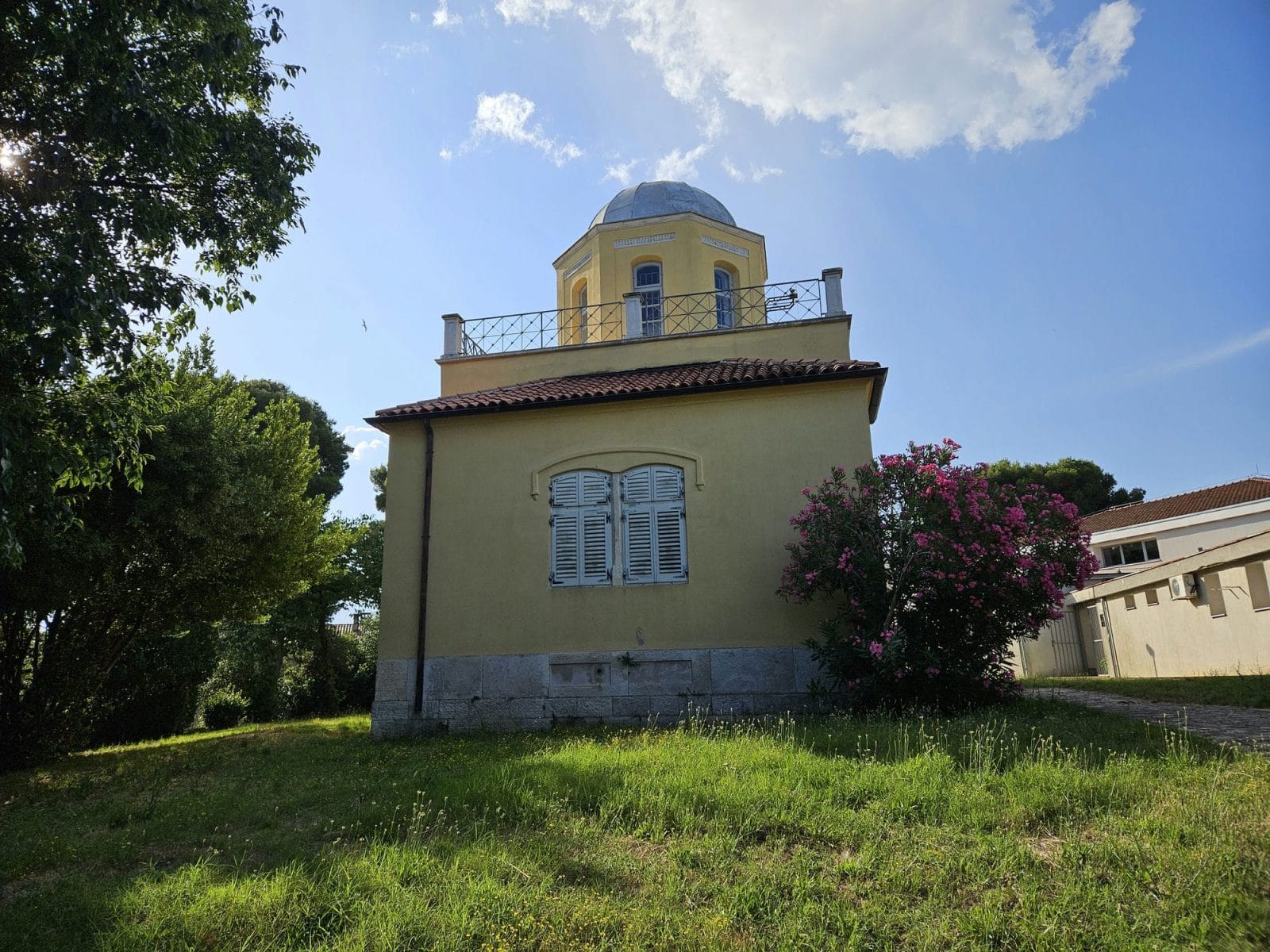
Montezaro Park is also home to the Naval Observatory, which is in an interesting building. Unfortunately, this is closed to visitors.
Food and Drink in Pula
The Markets
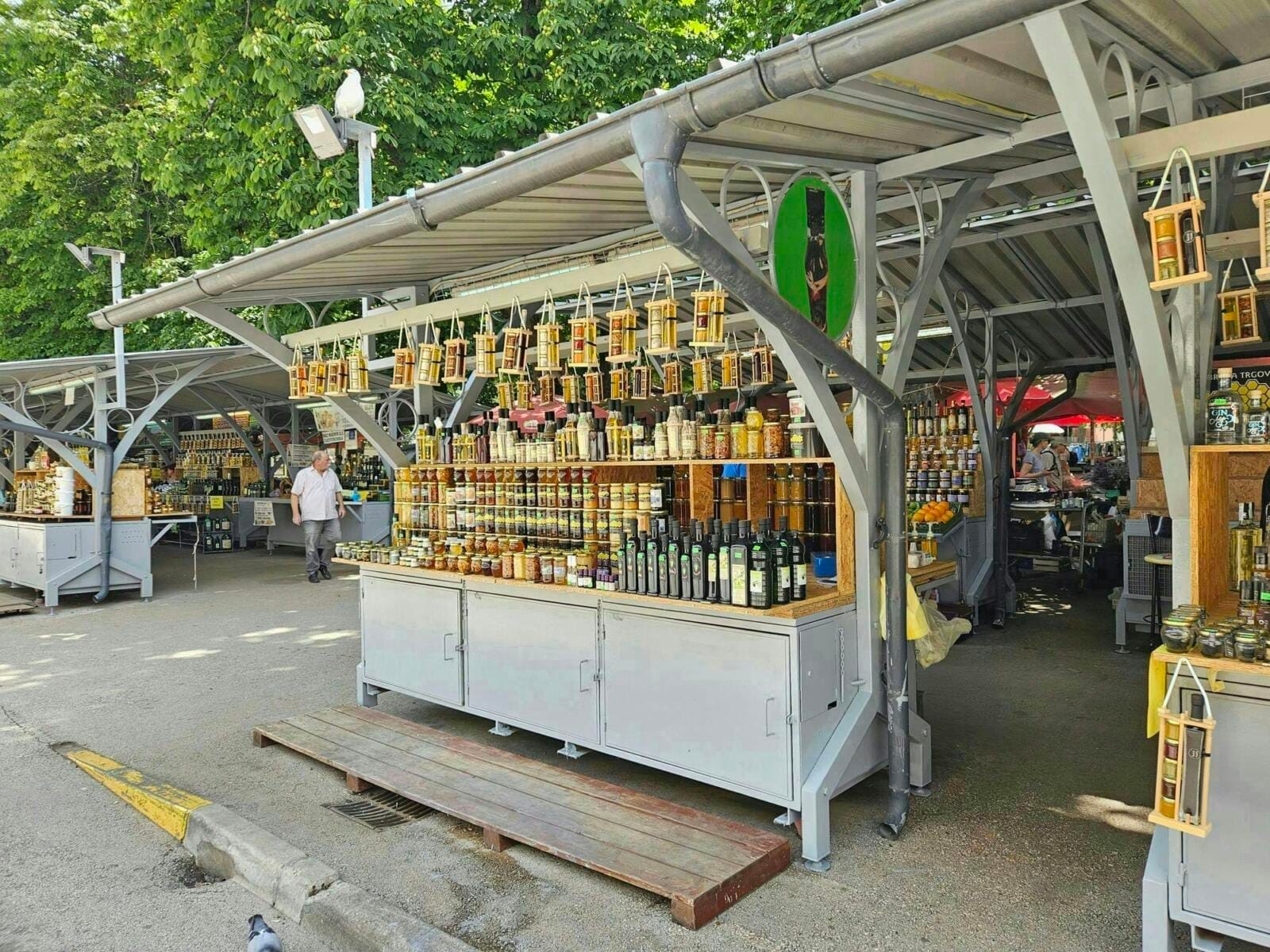
In the centre of the city are the local food markets, which are a fantastic place to visit, especially for food aficionados. The indoor market is a historic building dating back to 1902, featuring decorative elements. The main attraction for me was the local produce, including Istrian olive oil, truffle products and local honey. As a bonus, I enjoyed cooking the fresh food from here, including seafood.
Eat and Drink Out

While visiting, there is an excellent chance to enjoy the local Istrian cuisine, including seafood. There is a range of restaurants in Pula, including some posh and budget options. My favourites are the seafood plates and anything made with local truffles.
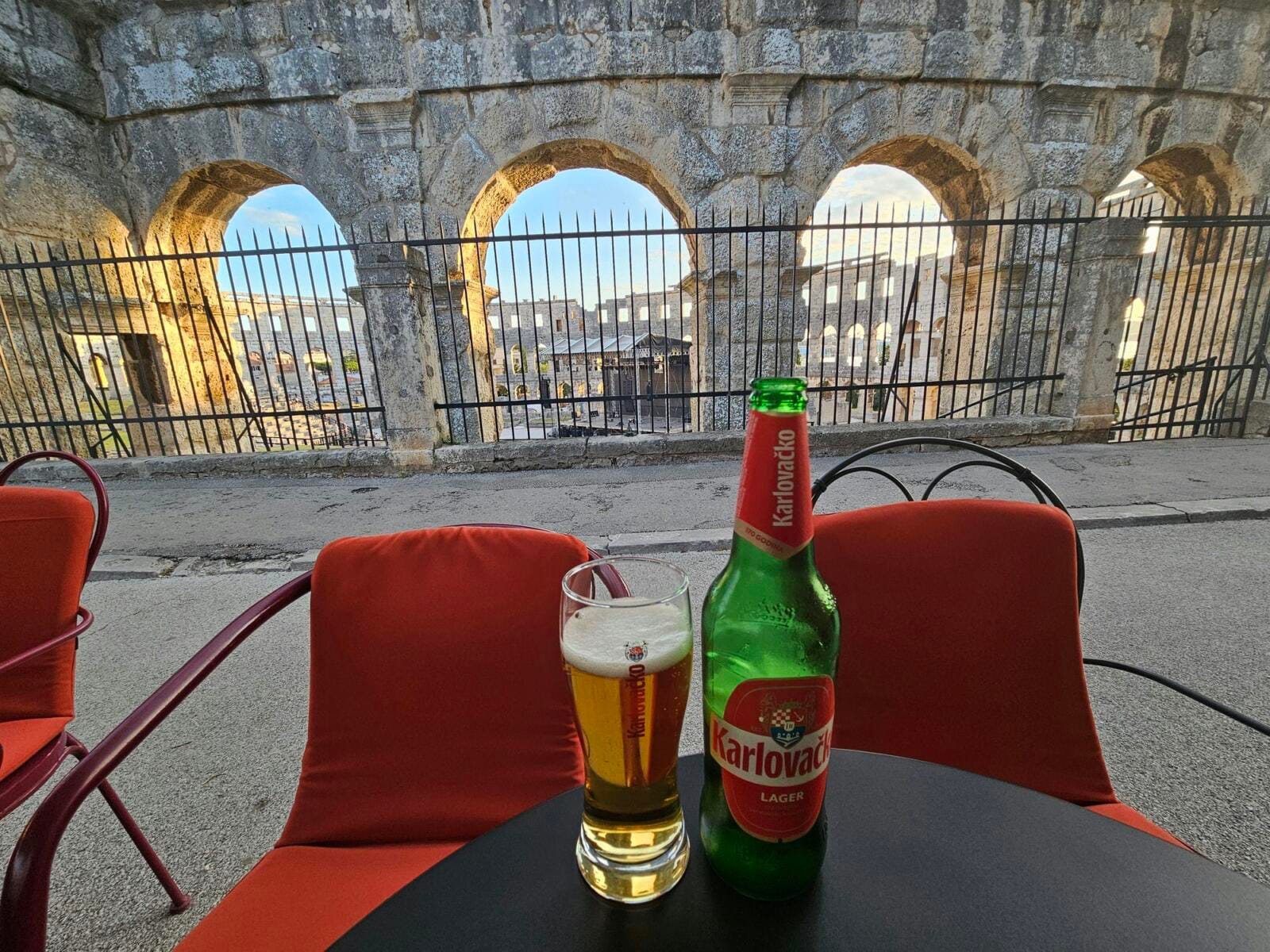
The city’s cafe and bar culture is also laid-back. I enjoy a Croatian beer or two as a break from activities. Karlovacko is my favourite local beer and is usually one of the cheaper options.