
UNESCO World Heritage Sites in Italy I’ve Visited
There are over 61 UNESCO World Heritage Sites in Italy, more than any other country in Europe. I have been fortunate enough to visit a few of these while in Italy. This includes some of the most popular tourist destinations in Italy, such as Rome, the capital, Florence, Venice and the Roman site of Pompeii. I’ve still got quite a way to go to visit all 61, but I have enjoyed what I’ve seen so far.
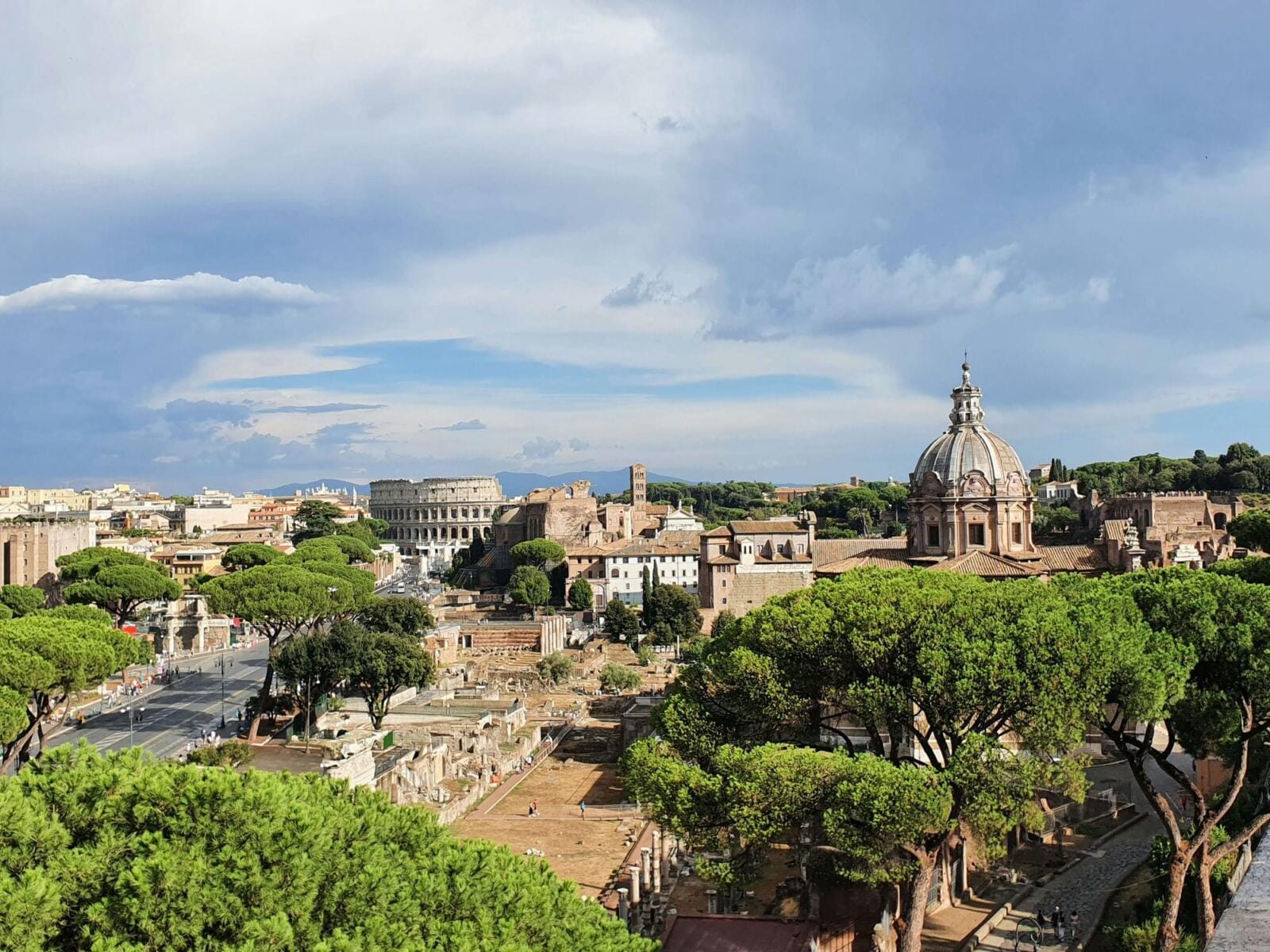
A UNESCO World Heritage Site is a place considered important enough to be protected for future generations. Some are chosen because of their history, architecture or culture, while others are recognised for their natural beauty, geology, wildlife or landscape. Most of those we’ve visited have been in cities; I’d like to see some of the natural sites in the future.
Italian UNESCO Sites I’ve Visited
Disclosure! Keep in mind that some links in these posts are affiliate links. If you click one of them, I may earn a small commission (for which I’m extremely grateful) at no extra cost to you. Thanks for visiting!
Here are some of the UNESCO sites I enjoyed visiting while exploring Italy.
Historic Centre of Rome

Rome is a very special city to visit in Italy and is brimming with sites of historical significance. The city has lots of Roman remains, and these are very popular tourist attractions. This includes the Roman Forum, the Colosseum, and many others.
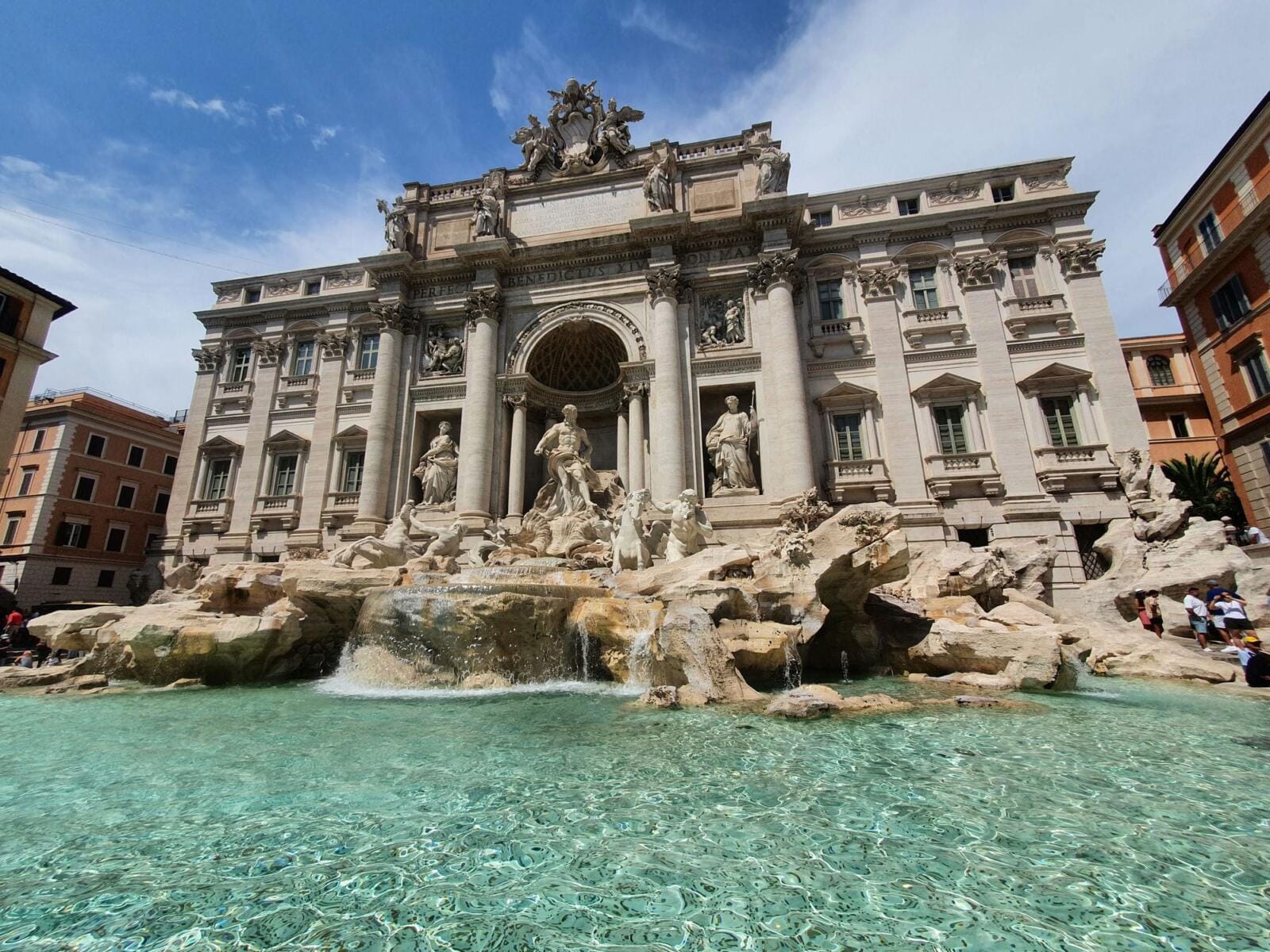
The city also has many grand church buildings to visit, and it is closely linked with the history of the Catholic Church. You can see ancient buildings and lots of stunning Renaissance or Baroque architecture in the city. We enjoyed 3 weeks in Rome, and there is still lots of unfinished business for me in the city.
Vatican City
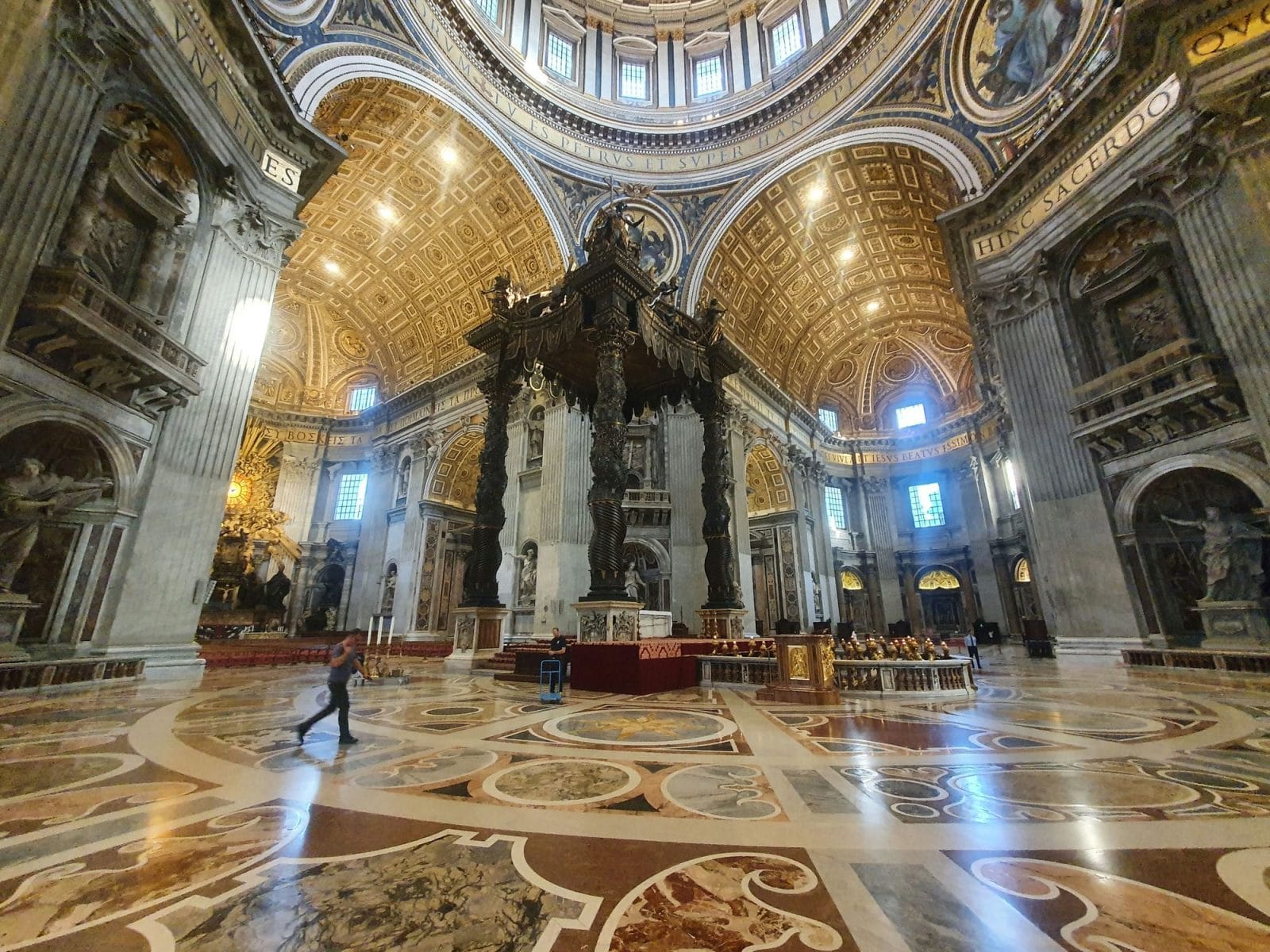
Vatican City is a small country within Rome and one of the most significant places in the world for Roman Catholics. It is also a fascinating place to visit, even if you are mainly interested in history, art or architecture.
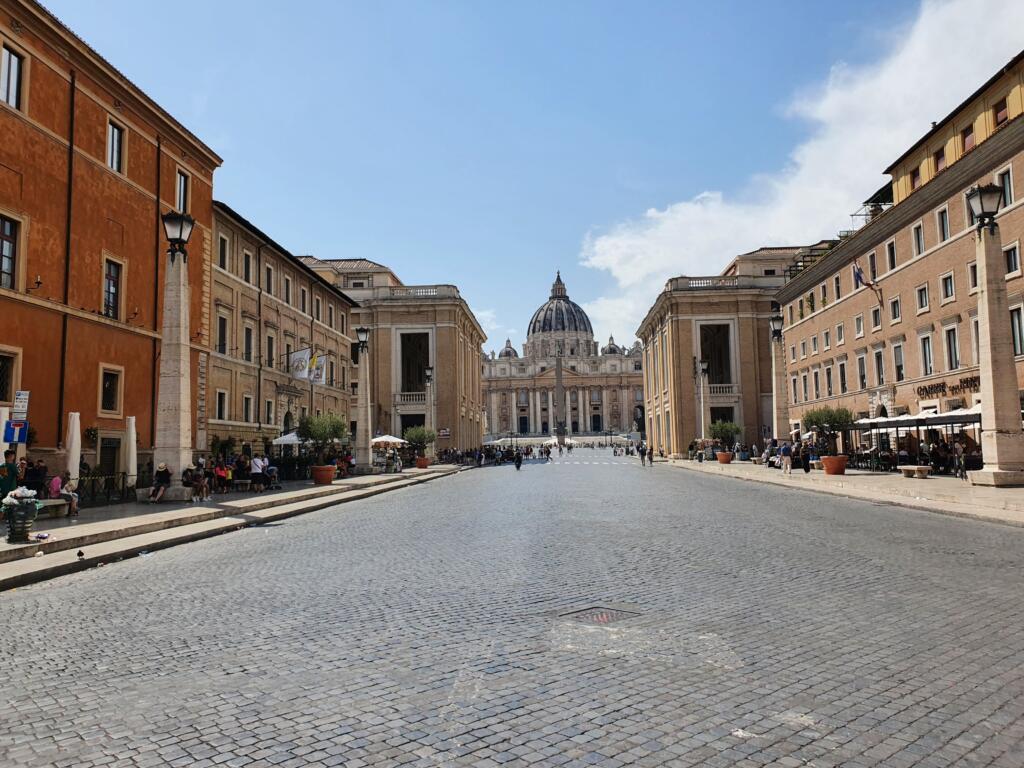
I enjoyed seeing St Peter’s Square, but the highlight for me was going inside St Peter’s Basilica. The scale of the building, the decoration and the amount of detail inside are incredible. It is one of those places where it is worth slowing down and looking properly, rather than rushing through. We enjoyed 13 nights in Rome, and there was plenty left to experience. I’ve included Vatican City here because we visited while staying in Rome, although it is a separate country rather than part of Italy.
Venice and its Lagoon

Another top site listed by UNESCO is the city of Venice and its lagoon. The city was founded in the 5th century and comprises 118 small islands. Venice is full of architectural detail, with major sights, smaller churches, palaces and artwork throughout the city. Even the smaller buildings in the city contain work by some of the world’s greatest artists, such as Giorgione, Titian, Tintoretto, Veronese and others.
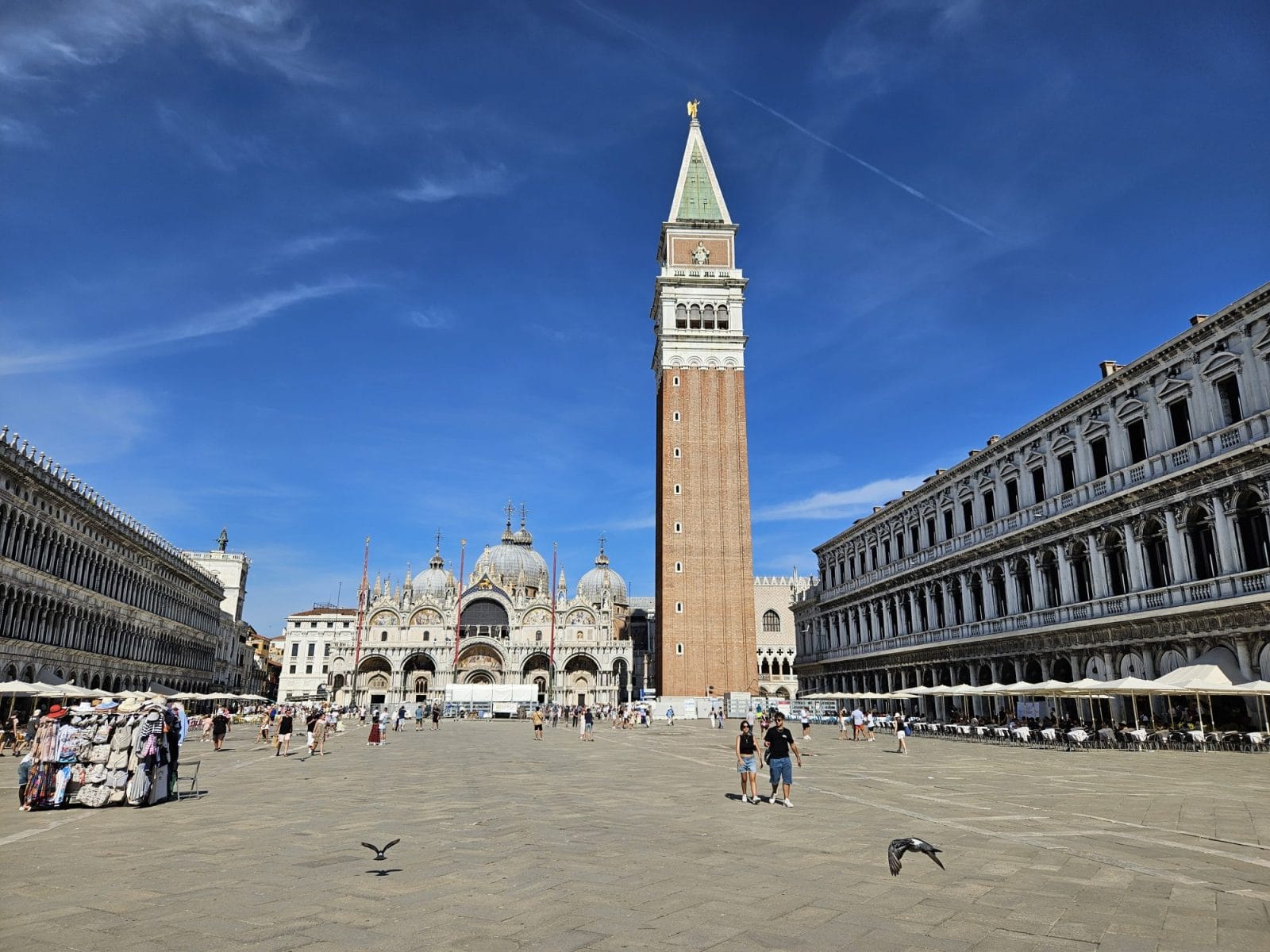
The city is excellent for sightseeing, but it gets very busy. We enjoyed the early morning dog walks with Henry, my dog. I loved the epic buildings, famous sites, the Grand Canal and the smaller, less known places. The city has so much to see; it would need a very long stay or multiple visits to see it all.
The Porticoes of Bologna

Bologna in Italy is a lovely city to visit and is famous for its food. Its miles of porticoes are listed as a UNESCO World Heritage Site. They are the longest porticoes in the world and a fantastic way to explore the city, and they were handy for dog walks in the heat.
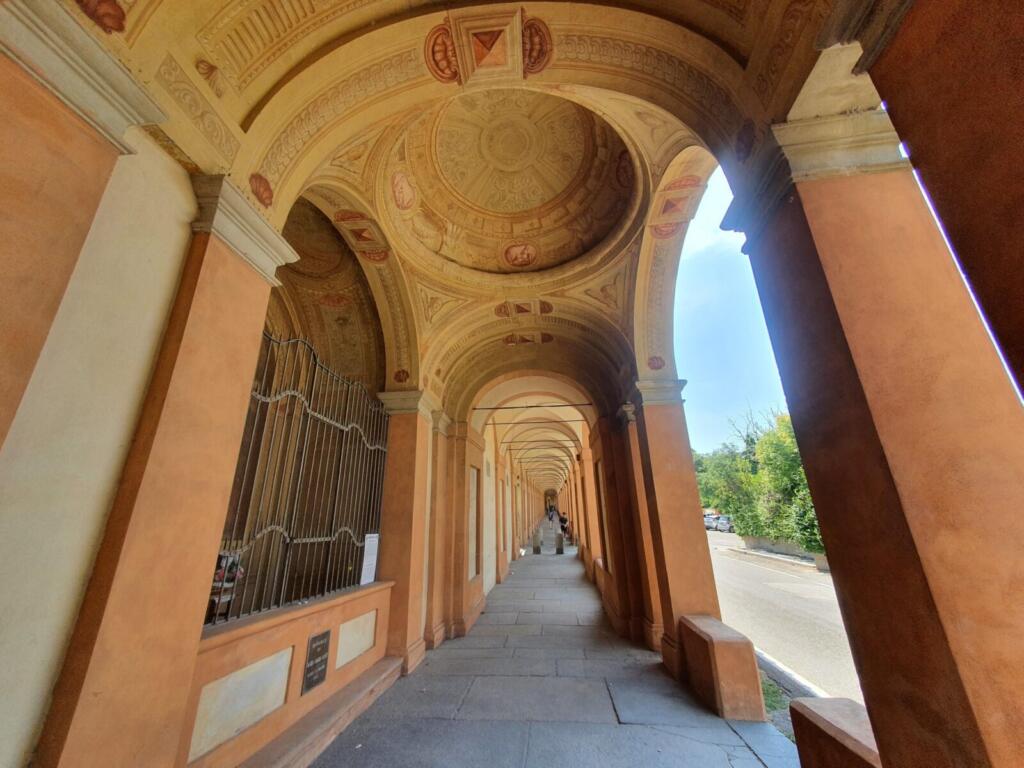
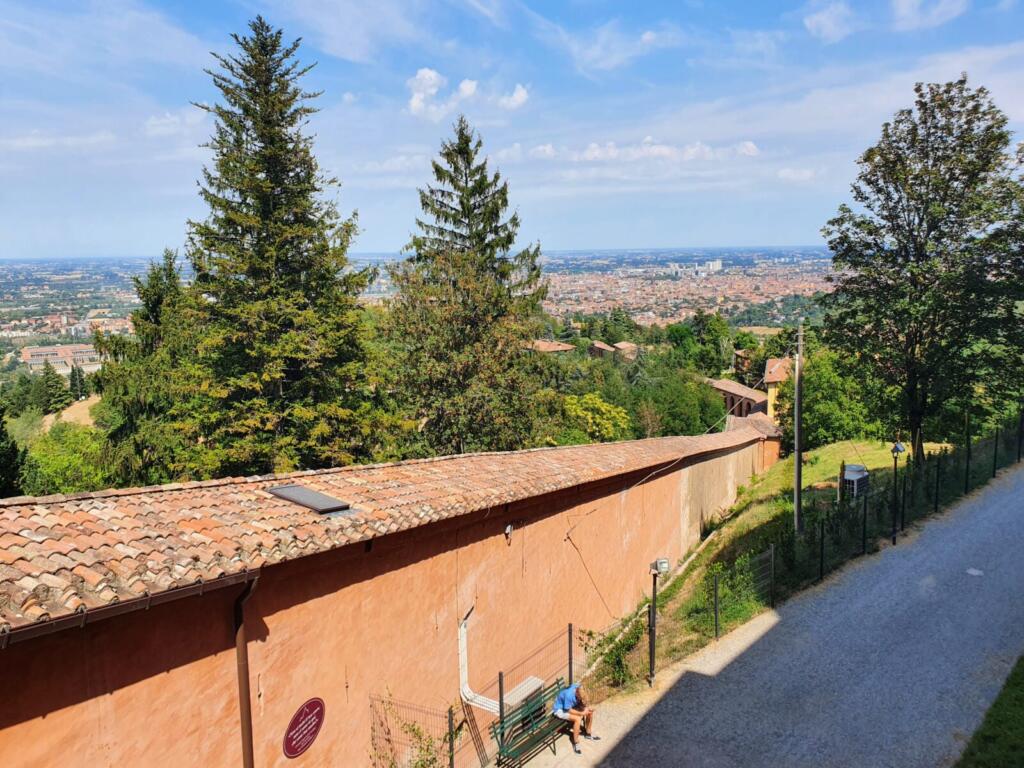
In fact, there are 62 km of porticoes in the city. The most well-known is the Portico di San Luca, and I enjoyed the 3.8 km walk to the Madonna of San Luca, a church on a hill just outside the city.
Archaeological Areas of Pompeii, Herculaneum and Torre Annunziata
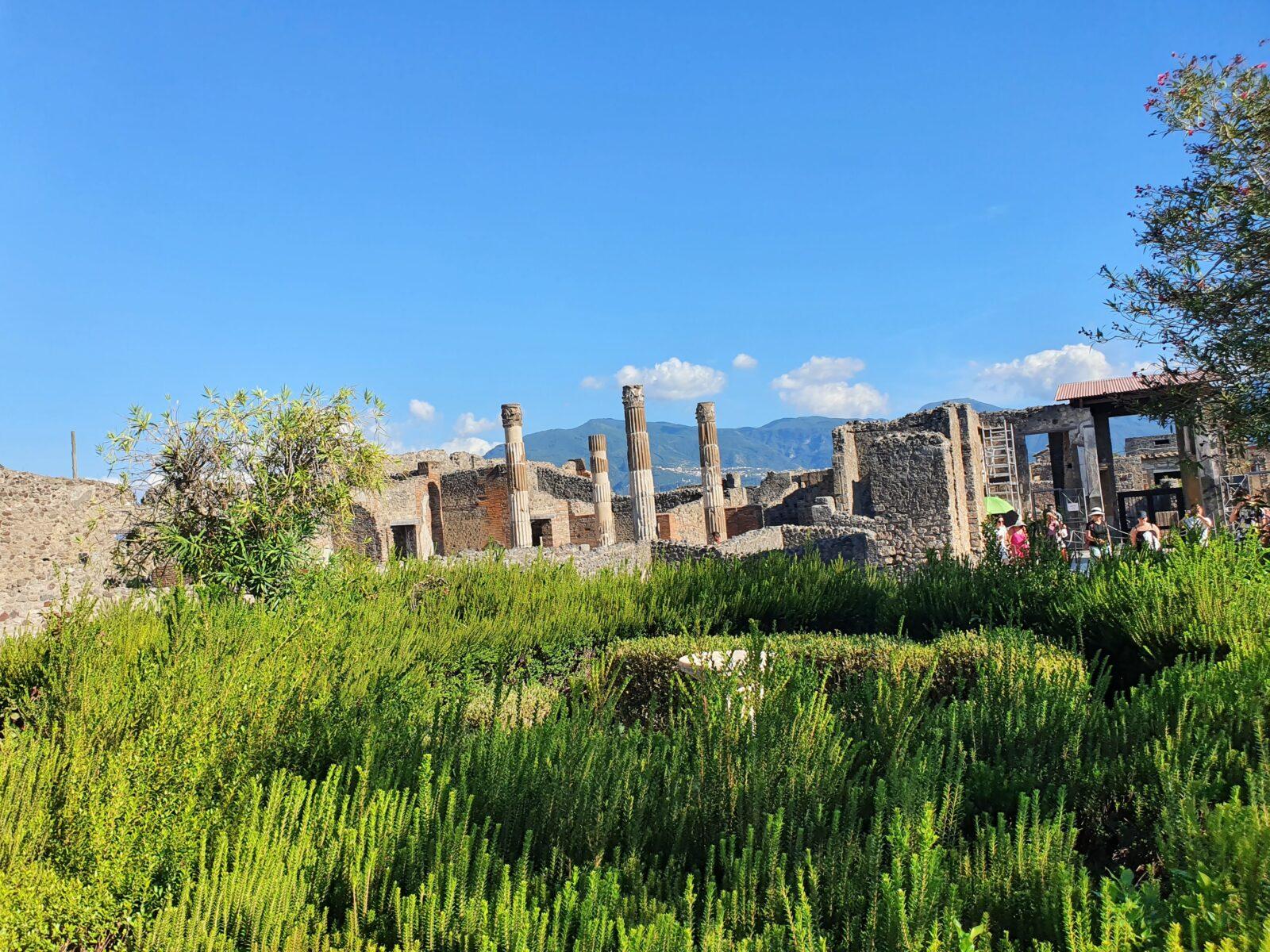
The archaeological areas of Pompeii, Herculaneum and Torre Annunziata are important historical sites. These sites in southern Italy were both destroyed and preserved by the eruption of Mt Vesuvius in 79 AD during the Roman era. We visited the Pompeii ruins and thoroughly enjoyed them. The Pompeii site is massive, and there are loads of things to see. It certainly made for a fascinating day out.
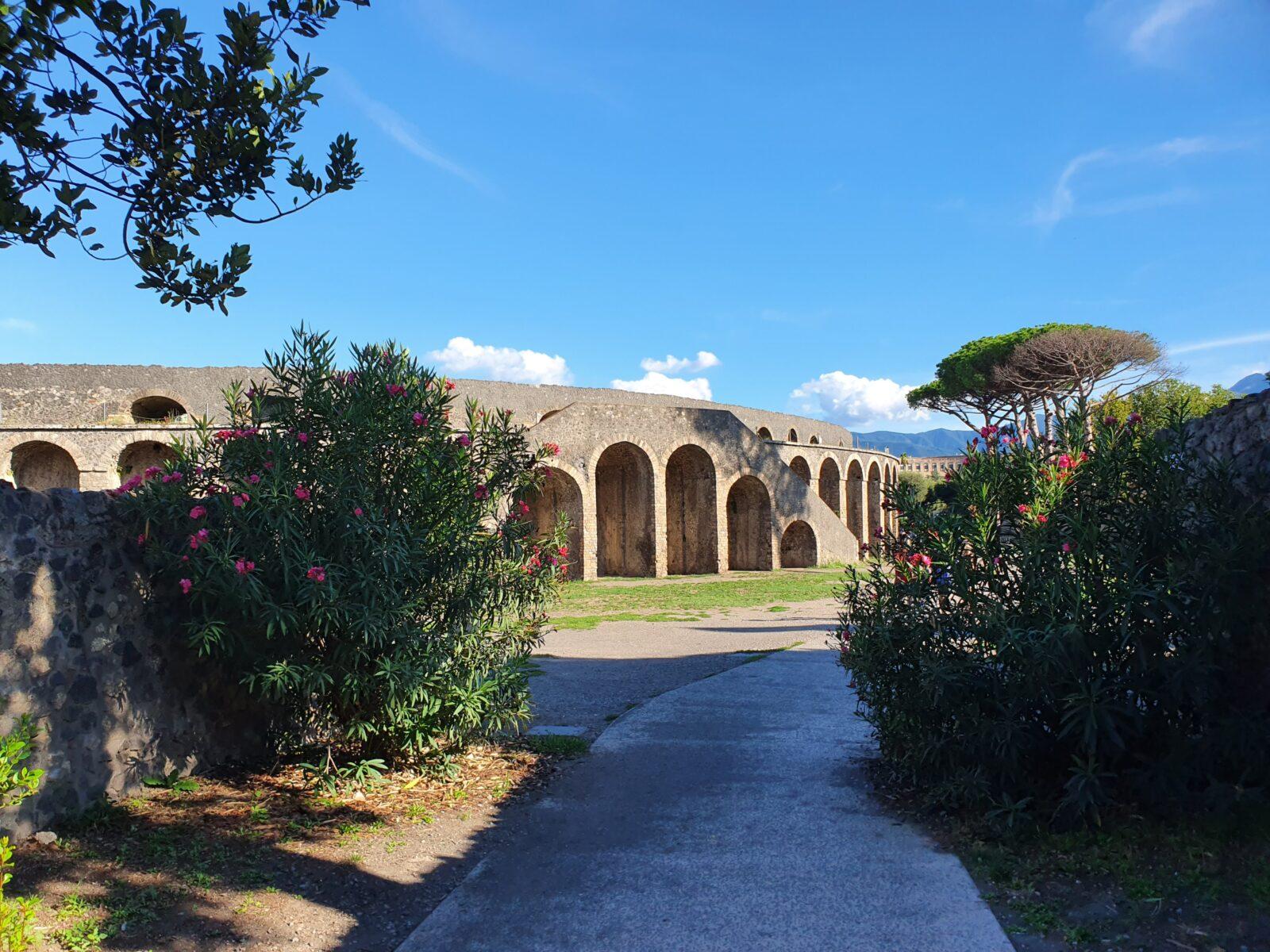
Pompeii was a wealthy town with many extravagantly public buildings. There were also luxurious private houses with lavish features, including works of art, some of which you can see when visiting. It is one of the best sites to learn Roman history in Europe.
The Historic Centre of Siena
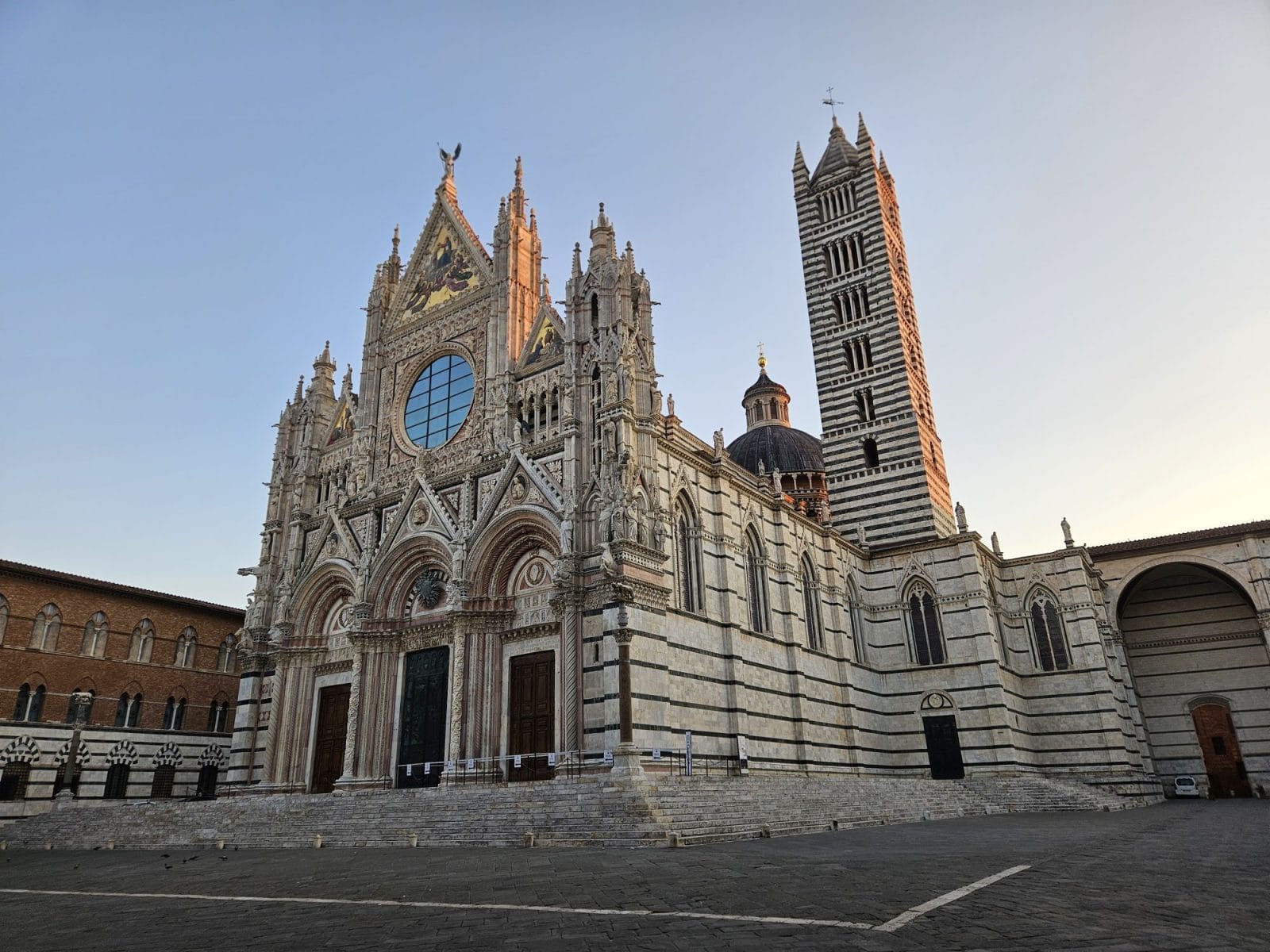
Siena is a fantastic city in the Tuscany region of Italy whose historic centre is a UNESCO World Heritage Site. It is listed because it is a perfect example of a medieval city. Siena has many well-preserved Gothic features and architecture, mostly built between the 12th and 15th centuries.
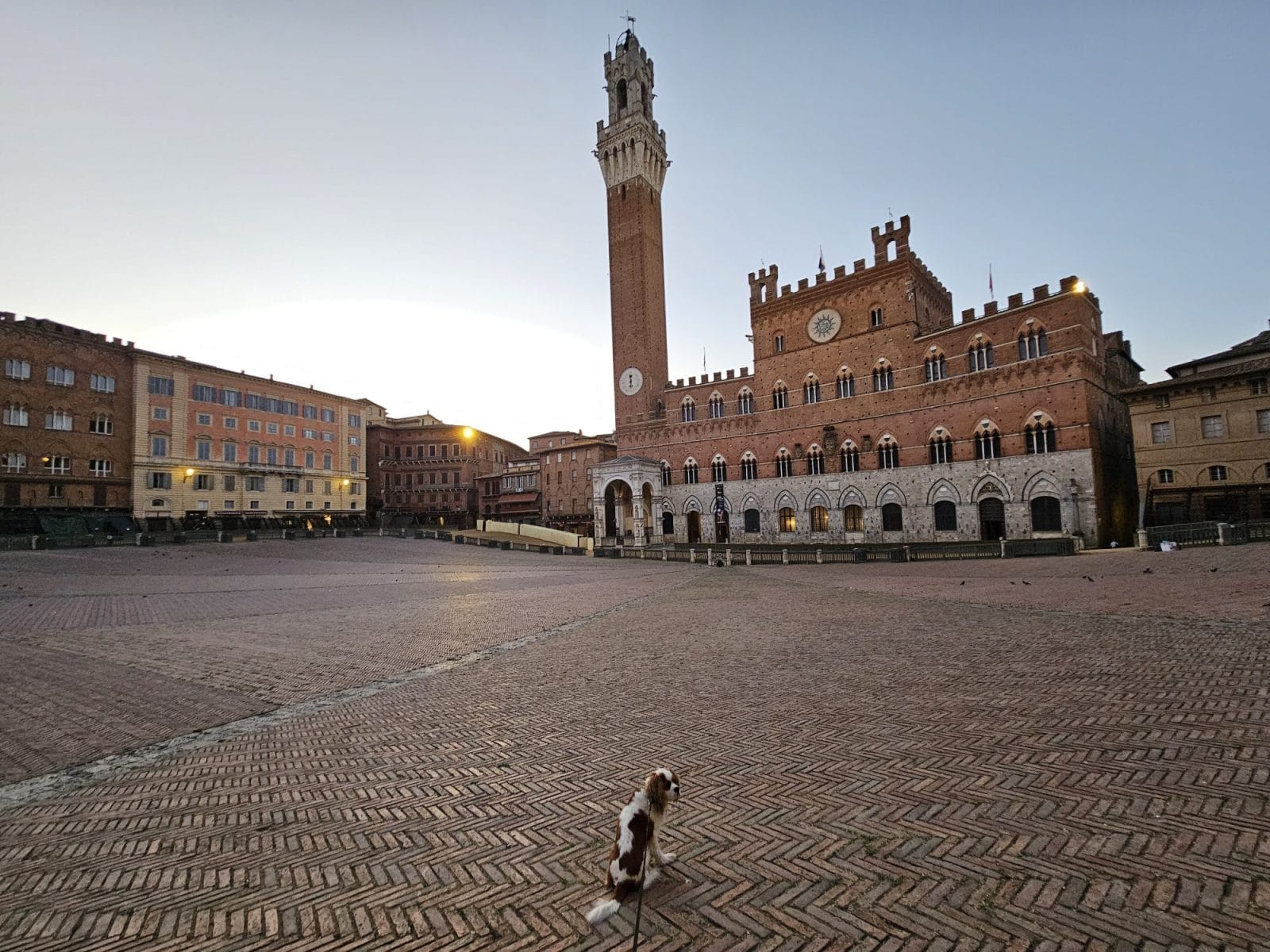
When sightseeing in Siena, the historic centre is wonderful and a must-visit place. This includes having a look around the famous Piazza del Campo, Siena Duomo and all the medieval buildings in between. We really enjoyed exploring the piazzas and narrow side streets here during our two-week stay, and it became one of our favourite Italian cities.
As well as exploring the historic centre, there are lots of things to do in Siena, including visiting a fortress, various churches, galleries and museums. As a bonus, the local Tuscan cuisine is wonderful and is served in many of Siena’s restaurants.
Ferrara, City of the Renaissance, and its Po Delta
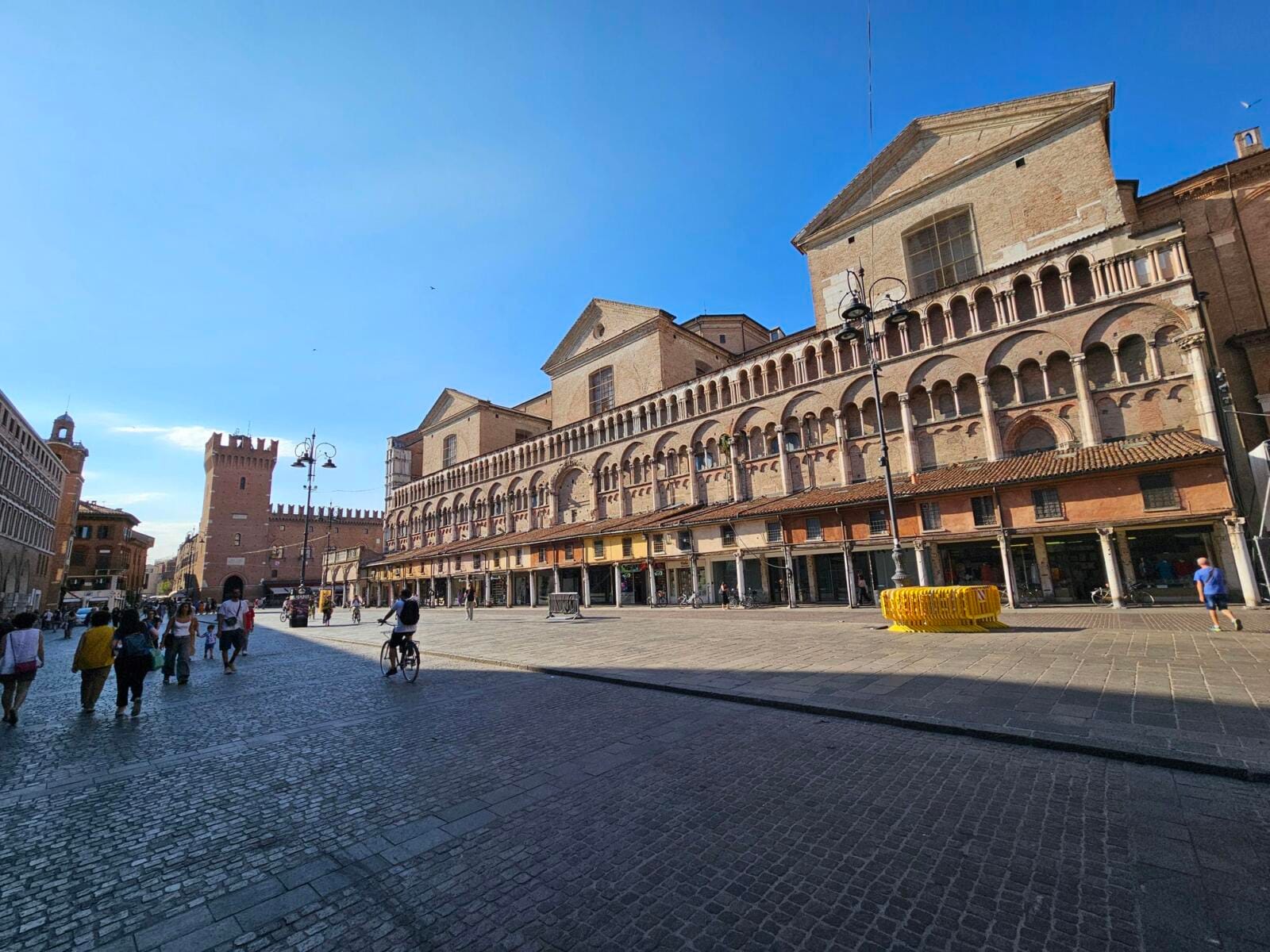
Ferrara is a lovely city in Emilia-Romagna, between Venice and Bologna. We only stayed for 24 hours, but the walkable centre made it easy to see the main sights on dog walks.

Highlights included the Estense Castle, the Cathedral of San Giorgio, Palazzo Municipale and the old town squares. I also enjoyed the quieter side streets and the Renaissance area around Palazzo dei Diamanti and Parco Massari.
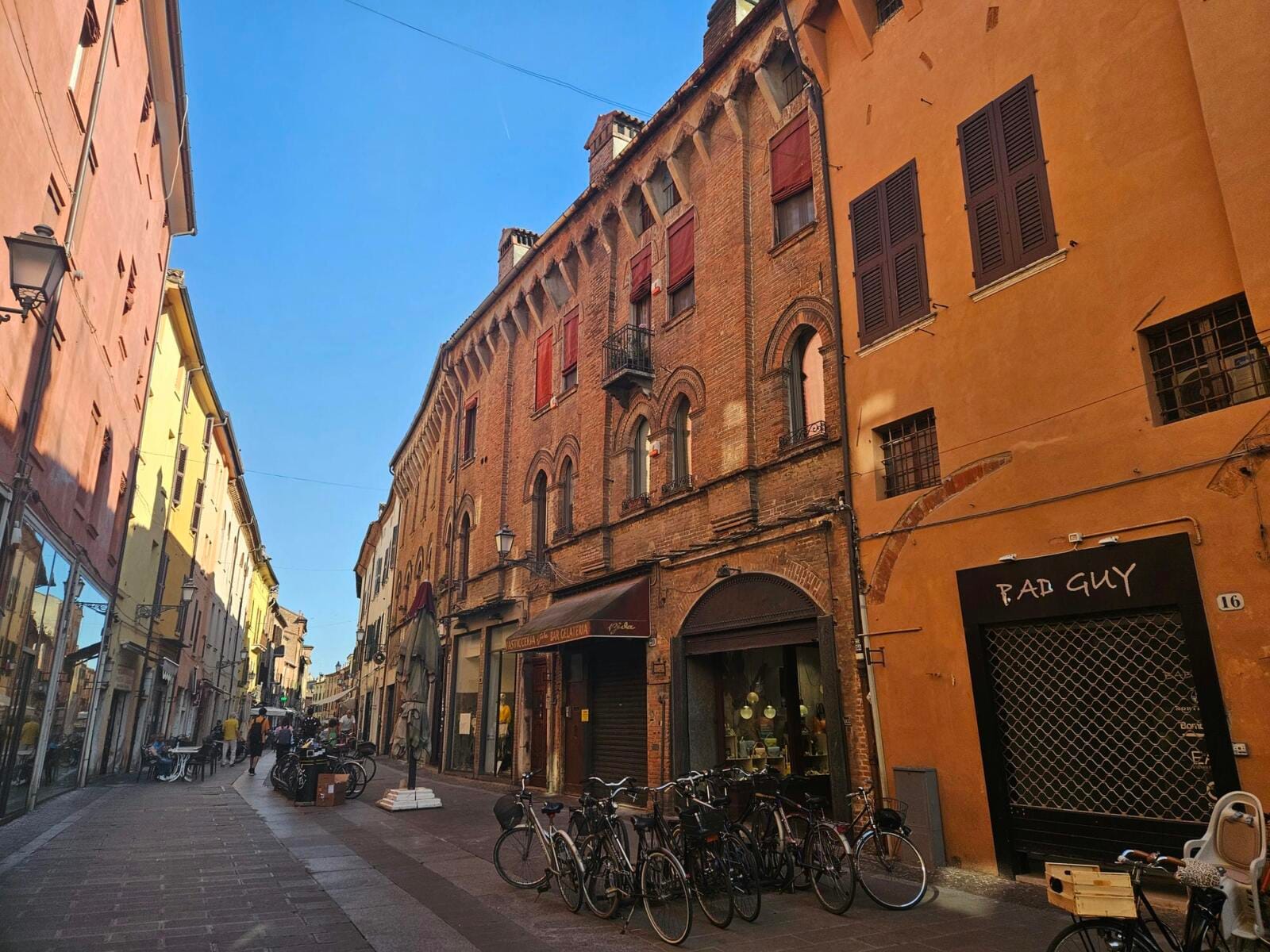
Ferrara had a relaxed feel, some brilliant architecture and plenty of places for food and drink. I’m glad we stopped here, though I would have preferred to stay for more than one night.
Historic Centre of Florence
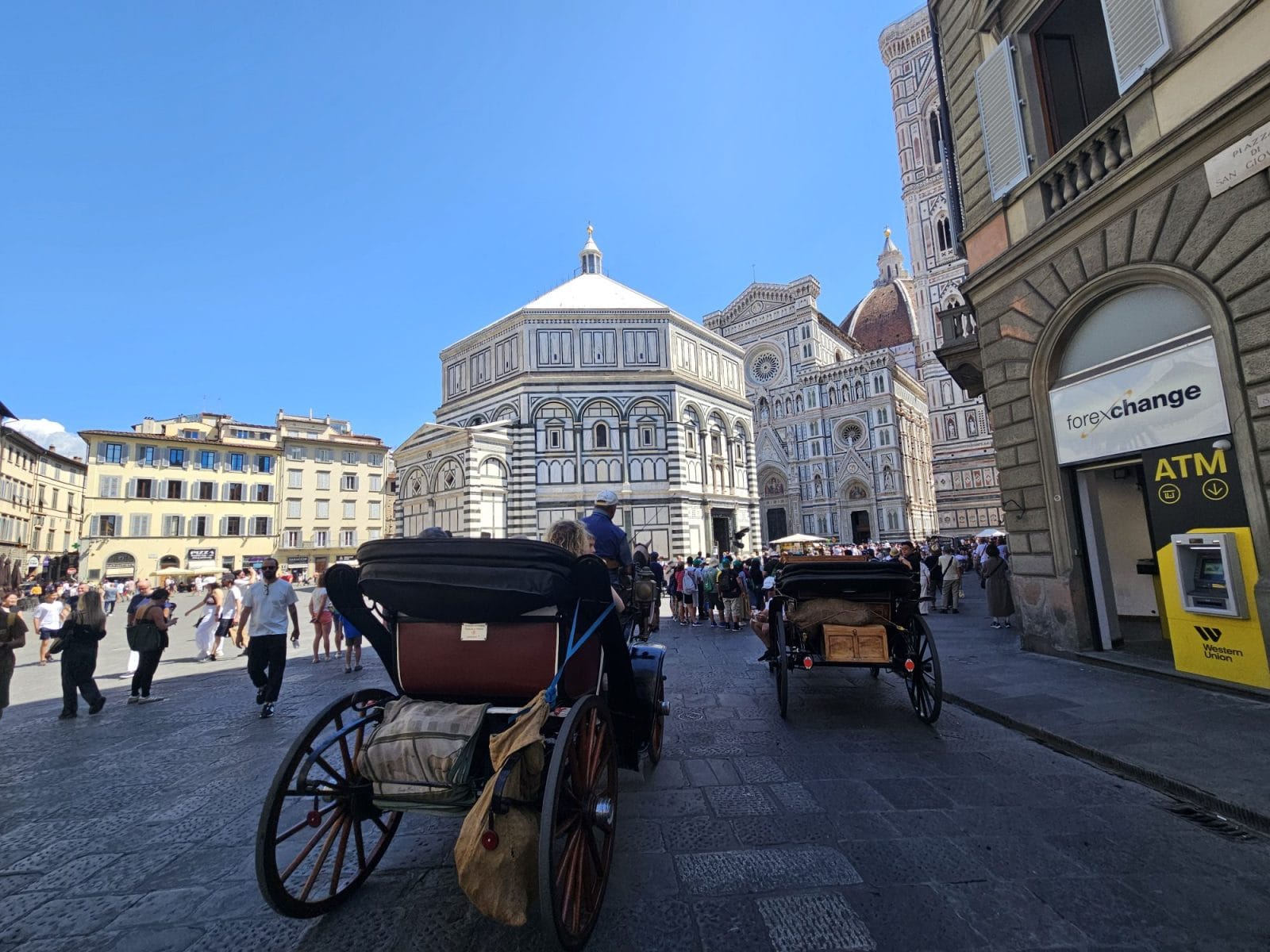
Florence is still unfinished business for me, as we only visited briefly while changing trains. We had enough time for a walk from the railway station towards the Duomo, which gave us a small taste of the historic centre.
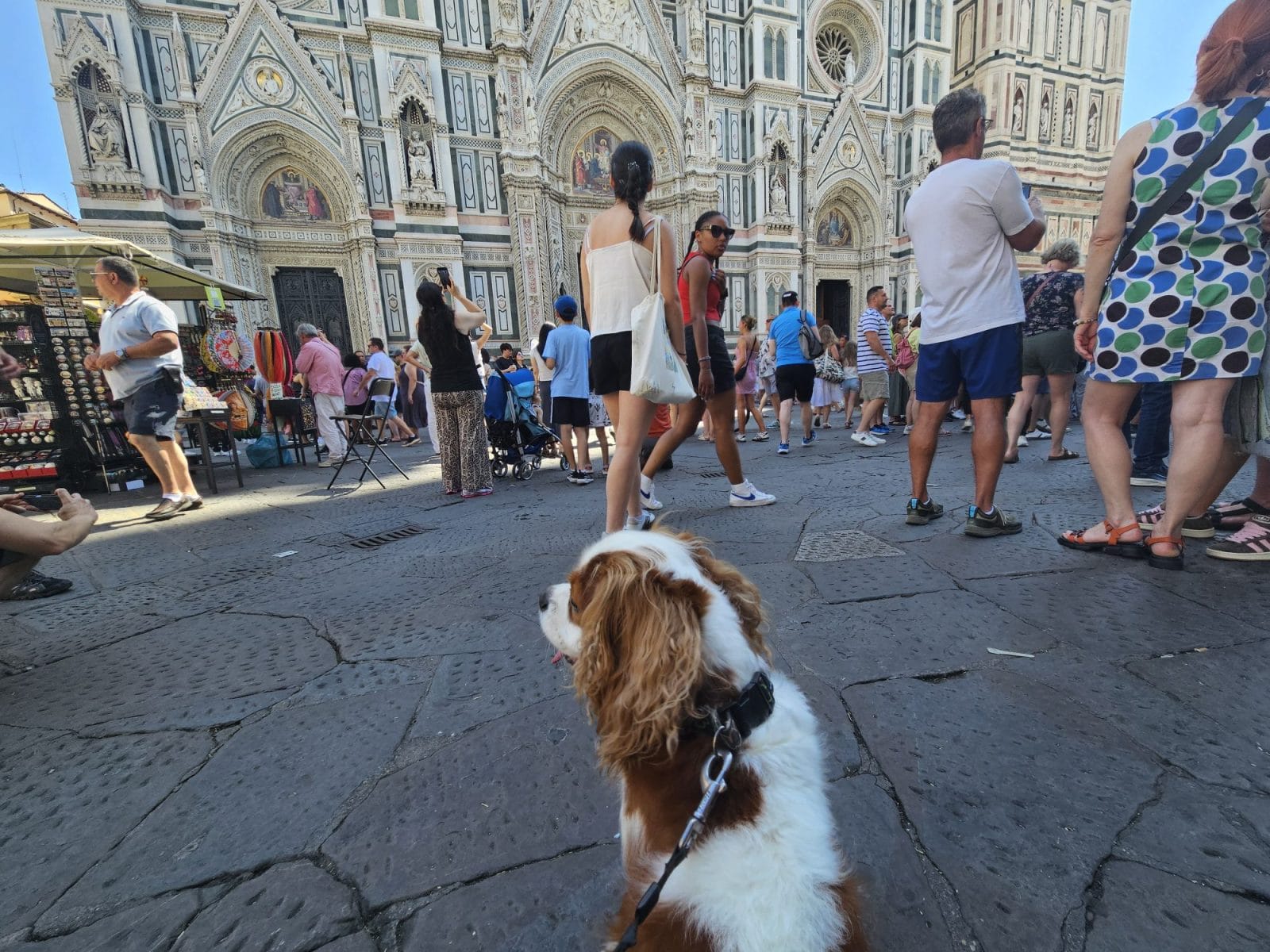
The streets between Santa Maria Novella station and the cathedral were lovely to explore with Henry. There were grand buildings, busy squares and plenty of details to notice along the way. The Duomo was the main highlight, and its size and decorative exterior were very impressive.
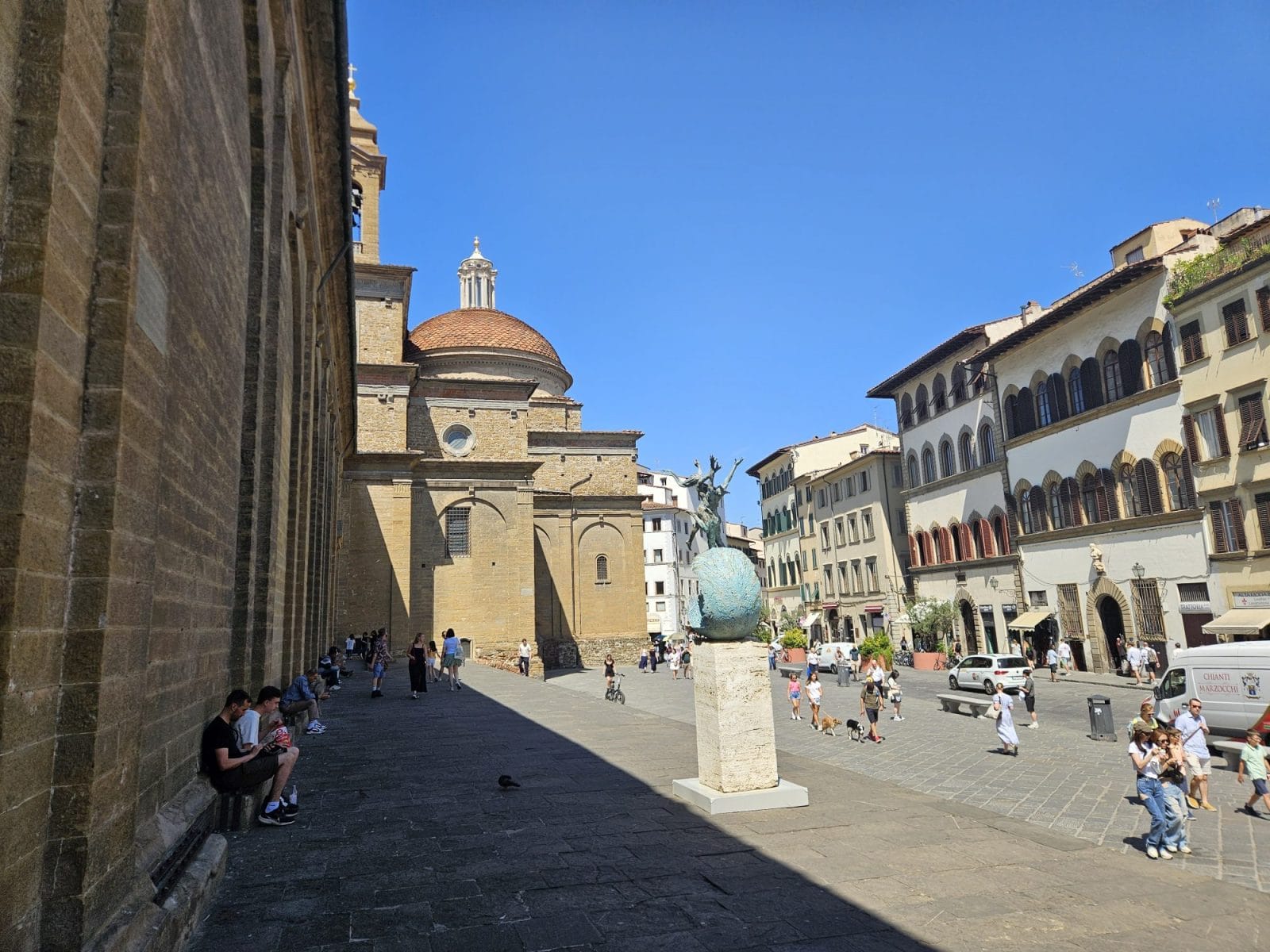
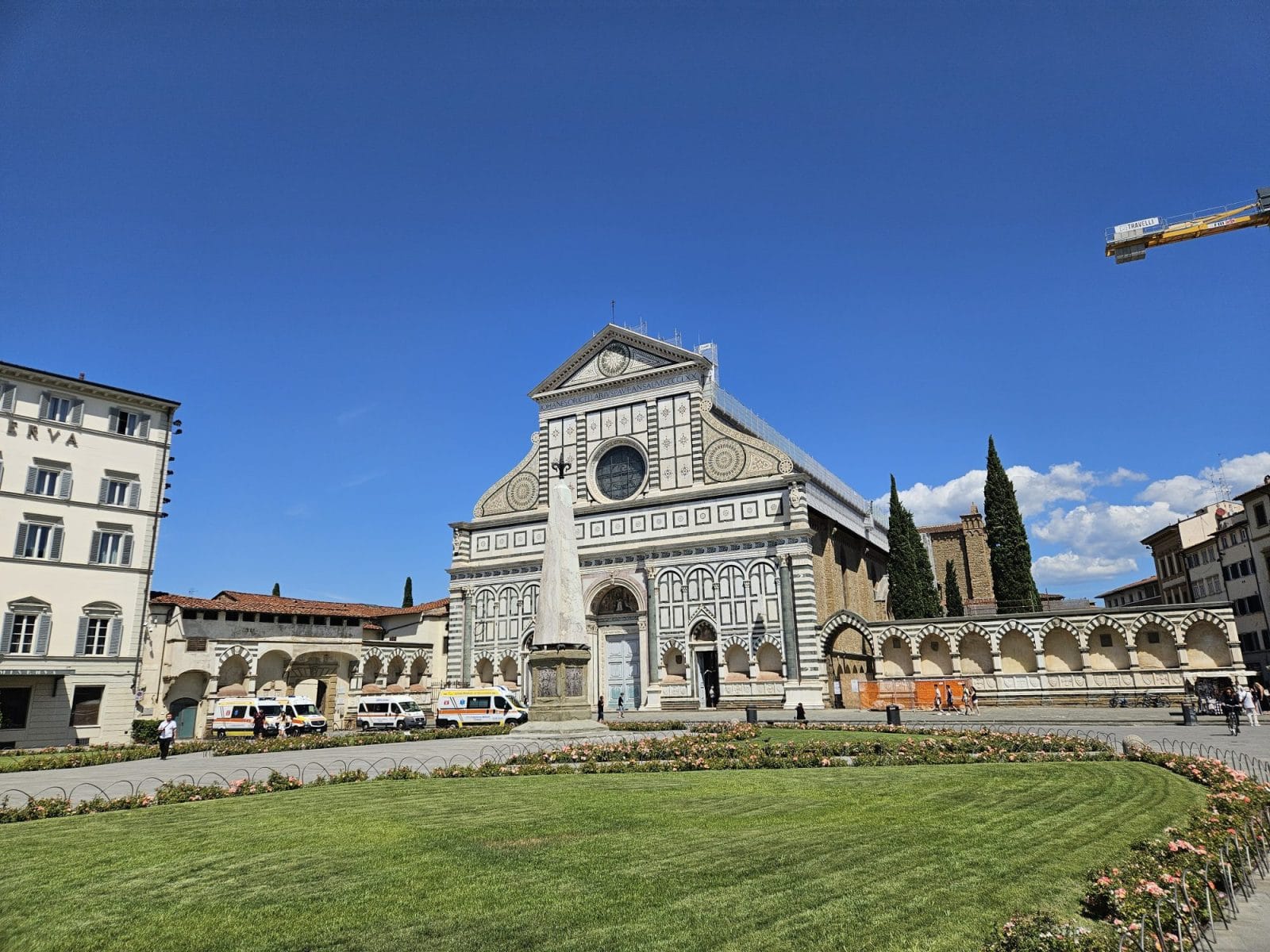
It was only a short visit, but it made me want to return properly and spend more time seeing Florence’s churches, galleries, bridges and Renaissance sights. On my summer visit, I realised I’d be best visiting when it’s less busy.
Early Christian Monuments of Ravenna
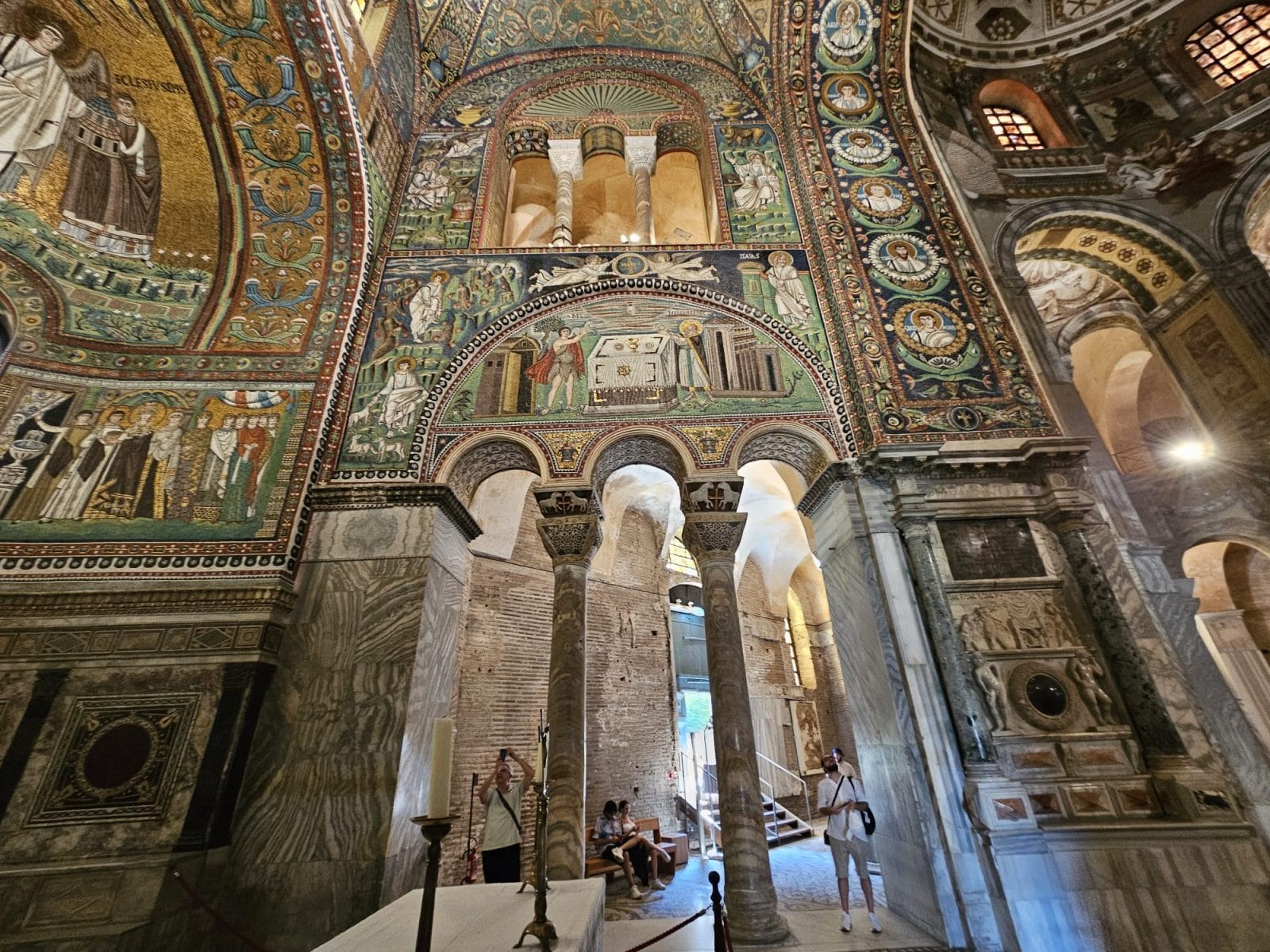
In Ravenna, in the Emilia-Romagna region, there are some fantastic early Christian churches and monuments. The city is famous for its mosaics, and the chance to see them allowed me to enjoy all the UNESCO sites. The two main churches were a highlight, with eye-catching decor inside.
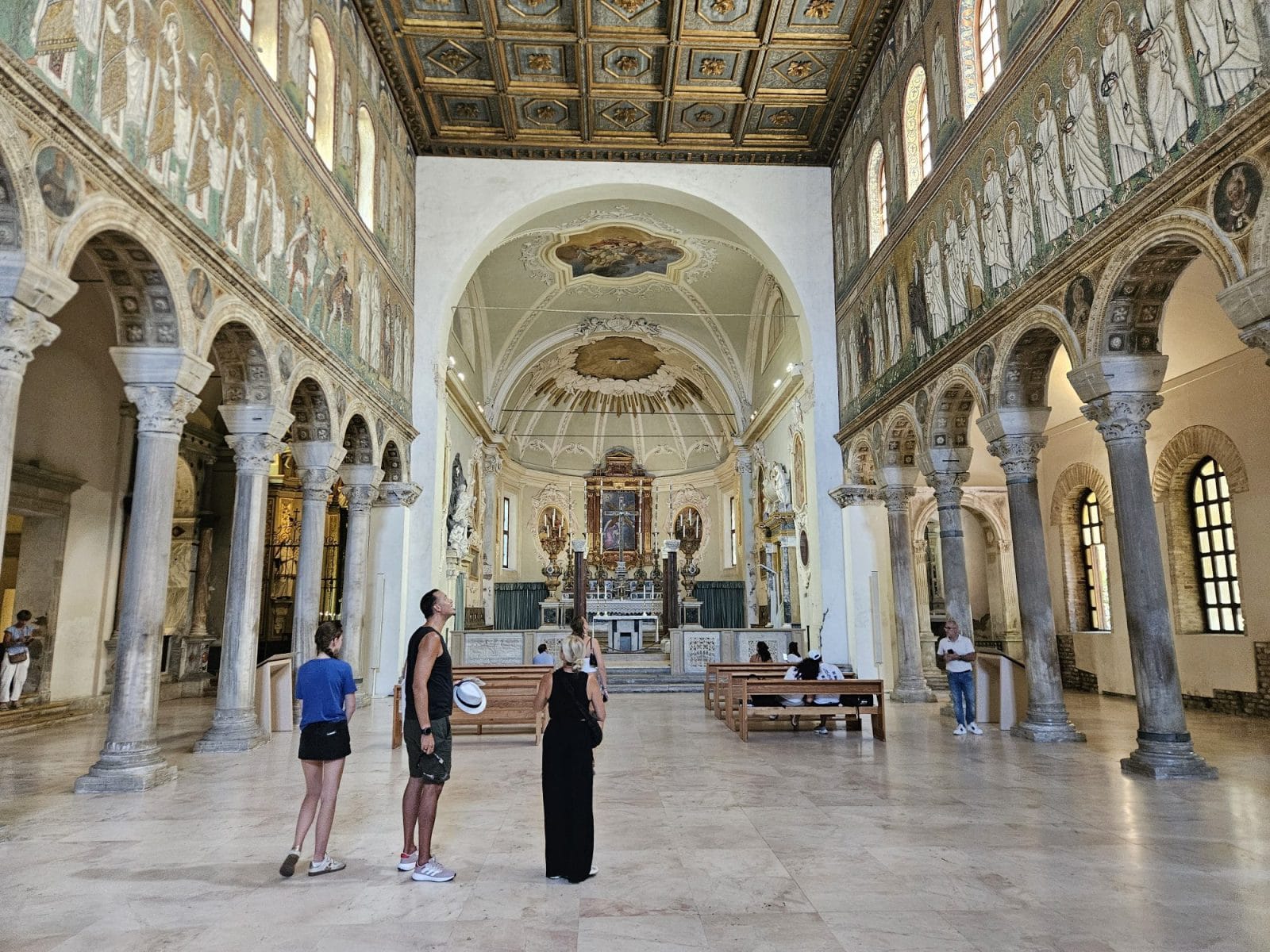
First up was the Basilica of San Vitale, a 6th-century church that features Byzantine gold mosaics of Emperor Justinian and Empress Theodora. The Basilica of Sant’Apollinare Nuovo featured a selection of mosaics of virgins and martyrs and historical depictions of New Testament scenes. Other attractions in the city worth visiting were the mausoleums and baptisteries. I found the combination ticket to be good value for access to all the sites.