
Things to Do in Bratislava: Attractions & Places to Visit
Bratislava, the capital of Slovakia, is a great city to visit with plenty of things to do. Must-see places in the city include the castle, the Blue Church, and the historic Old Town.
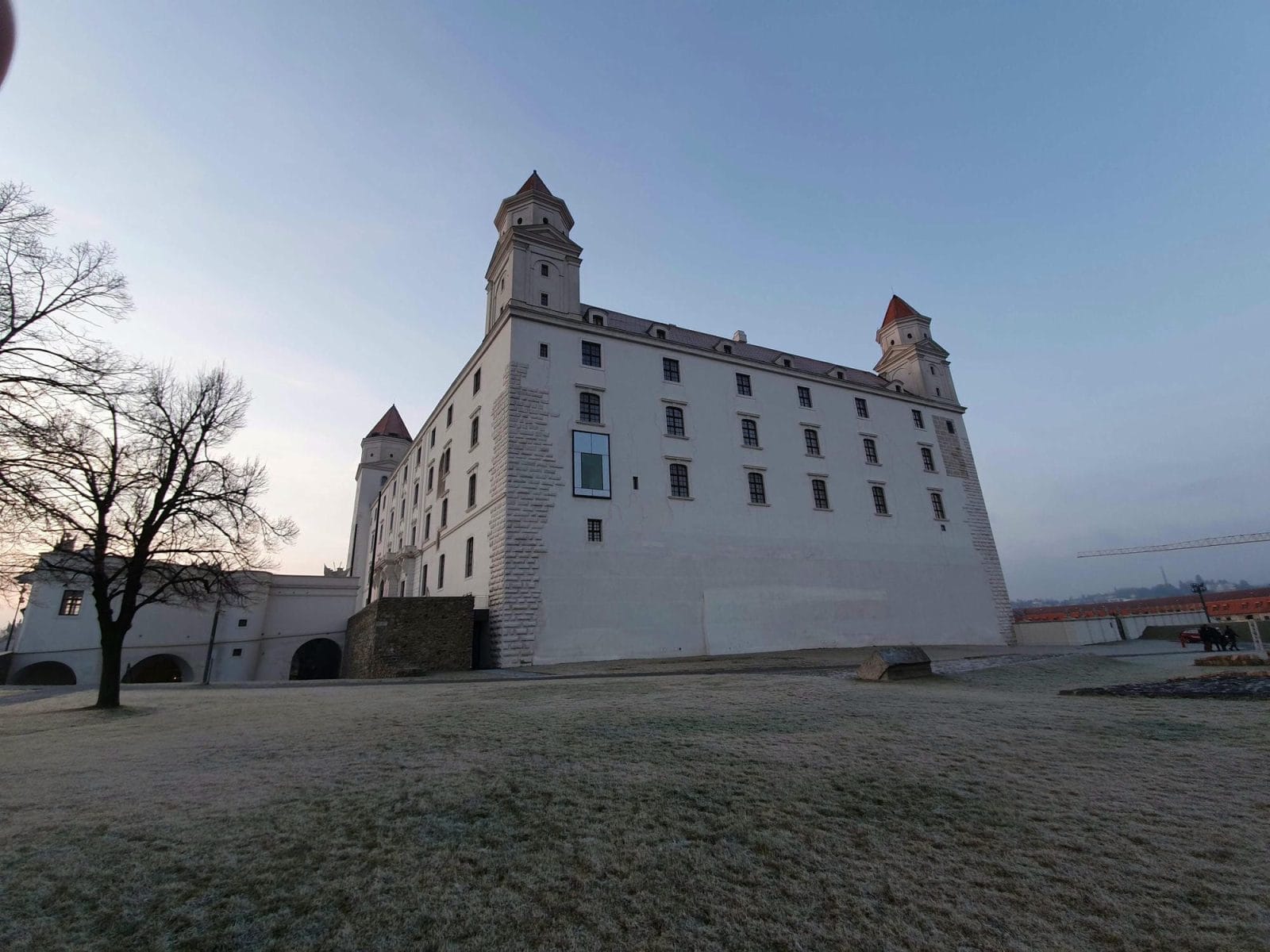
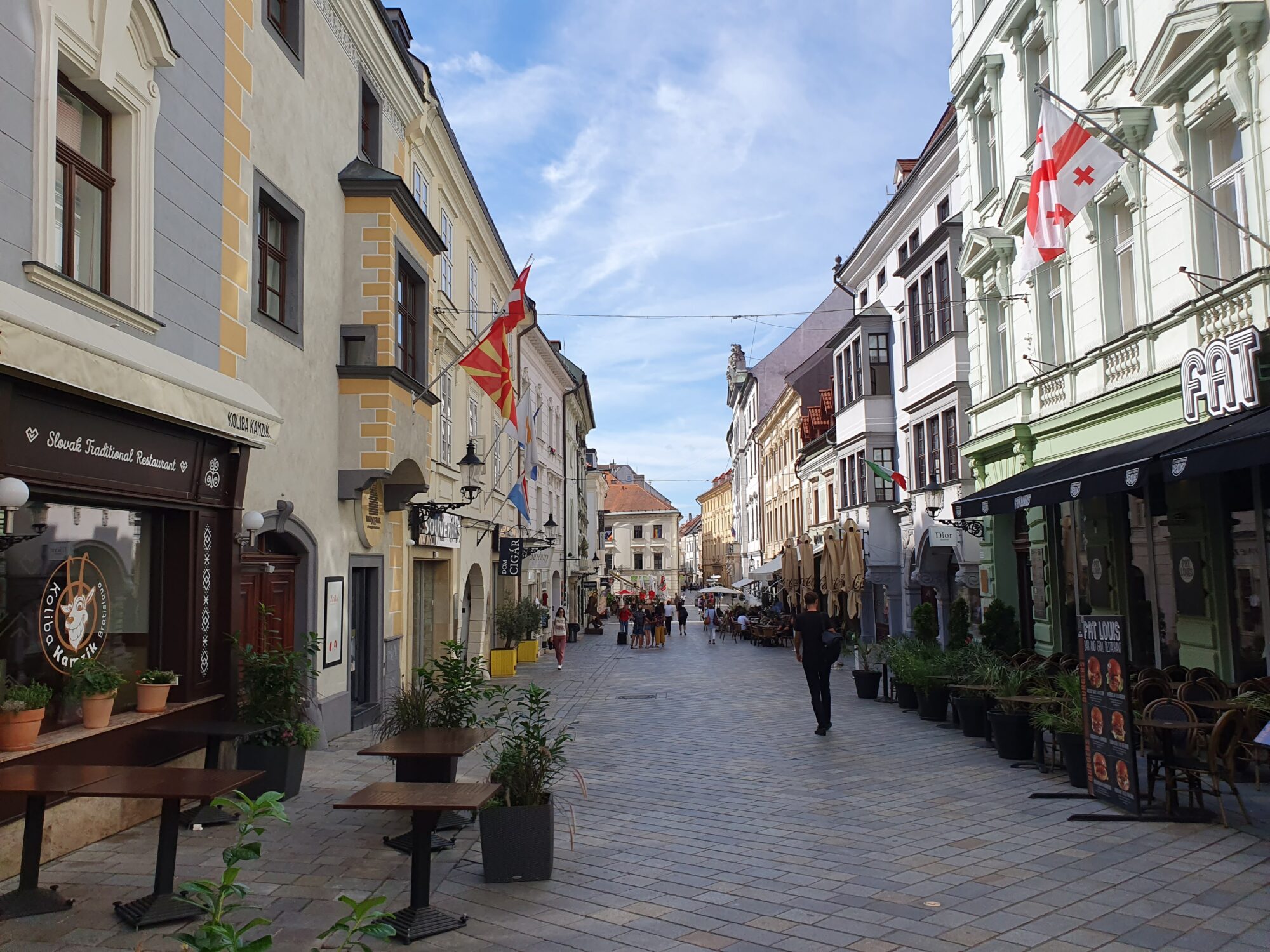
Bratislava is a good place to stay for a few days to enjoy all the sights without rushing. While exploring, there are some good restaurants for Slovak food.
Disclosure! Keep in mind that some links in these posts are affiliate links. If you click one of them, I may earn a small commission (for which I’m extremely grateful) at no extra cost to you. Thanks for visiting!
To save money and see all the tourist attractions in the city, it might be a good option for you to purchase the Bratislava Card. This includes entry to many of the city’s top sights and discounts for others. It also gives you free use of the city’s public transport, and you can join a walking tour with the card.
Top Things to Do in Bratislava
Here are some of the best things to do in Bratislava for different interests:
- History lovers: Bratislava Castle, Devin Castle, and Old Town Hall.
- Architecture: the Blue Church, Michael’s Gate, and Primaciálny palác.
- Views: UFO Observation Deck, Bratislava Castle gardens, and Slavín.
- Culture: Slovak National Theatre, Slovak National Gallery.
These are some of the attractions and places of interest I enjoyed visiting in Bratislava.
Bratislava Castle
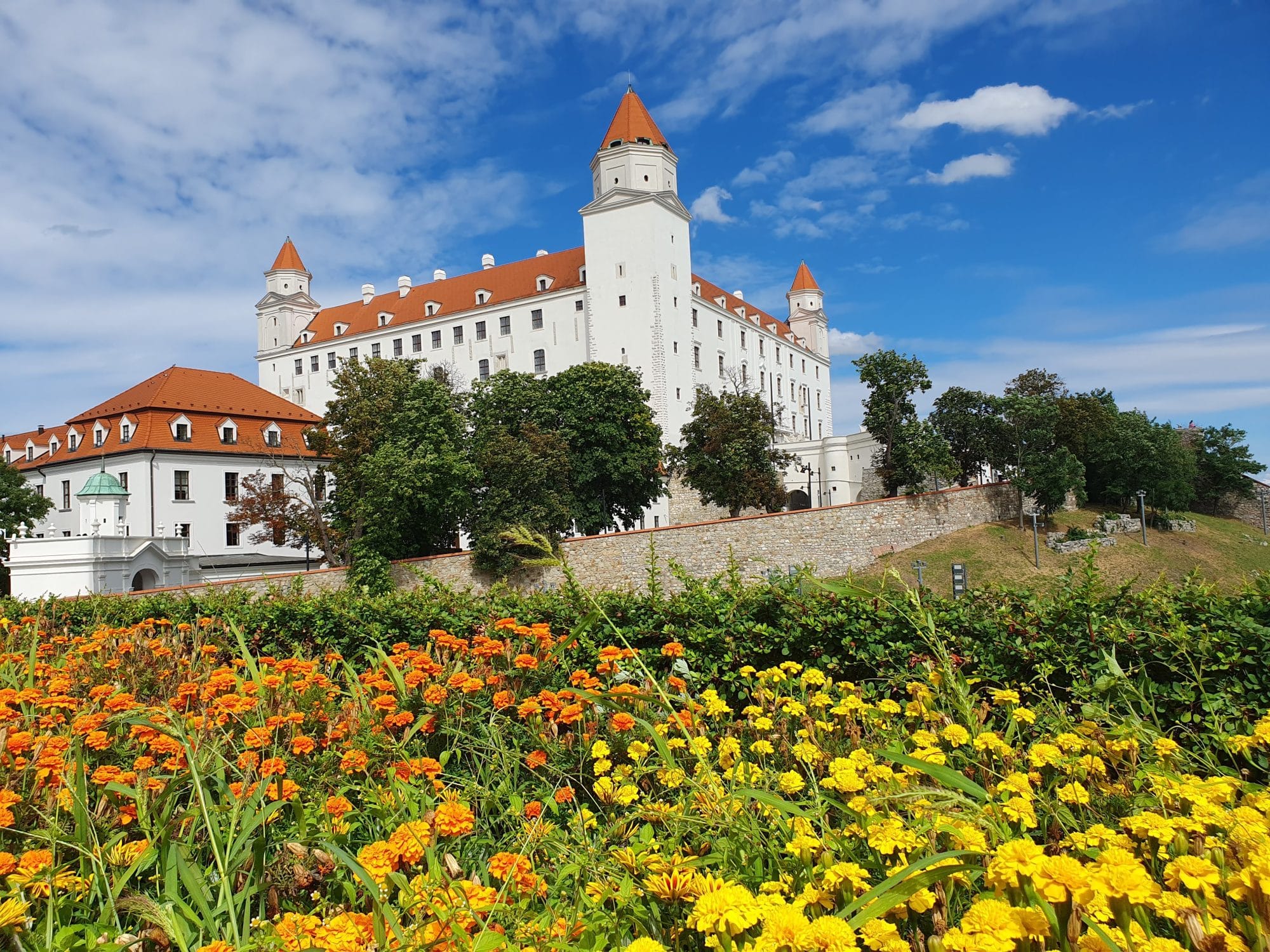
Bratislava Castle is one of two castles in the city, and you catch glimpses of it from many parts of the city. Because it sits on a hill overlooking the town and the River Danube, it offers excellent views over the city.
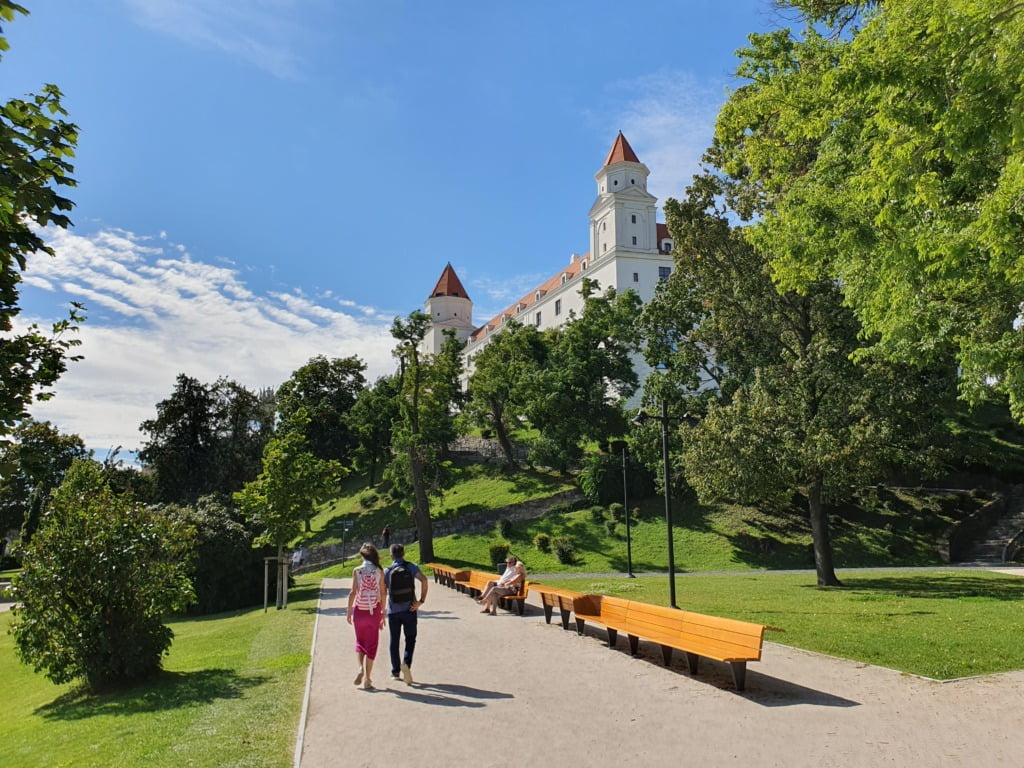
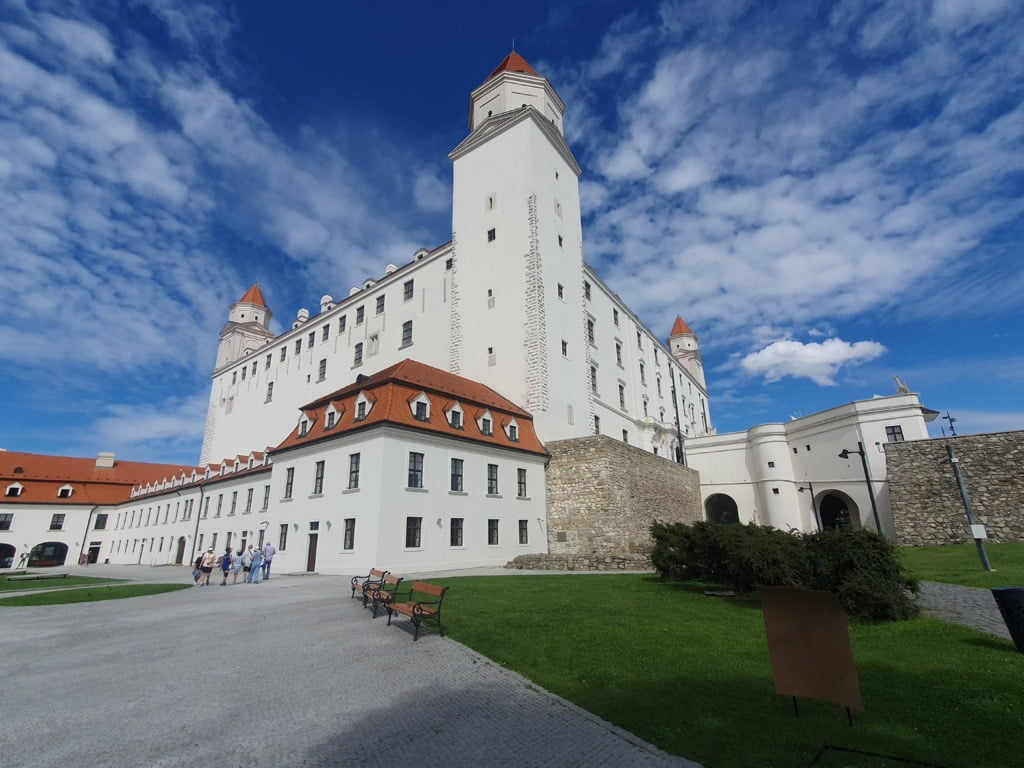
Bratislava Castle is a large rectangular white-and-red building with distinctive towers at all four corners. The formal gardens at the rear are an ideal place to sit and take it all in.
Devin Castle
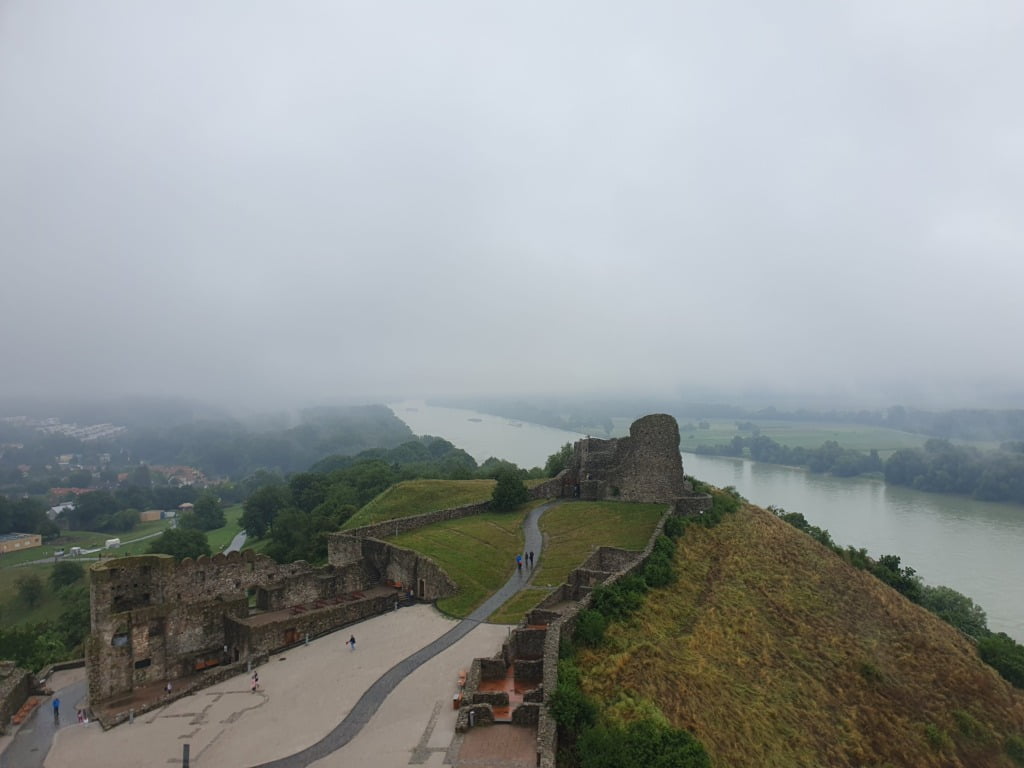
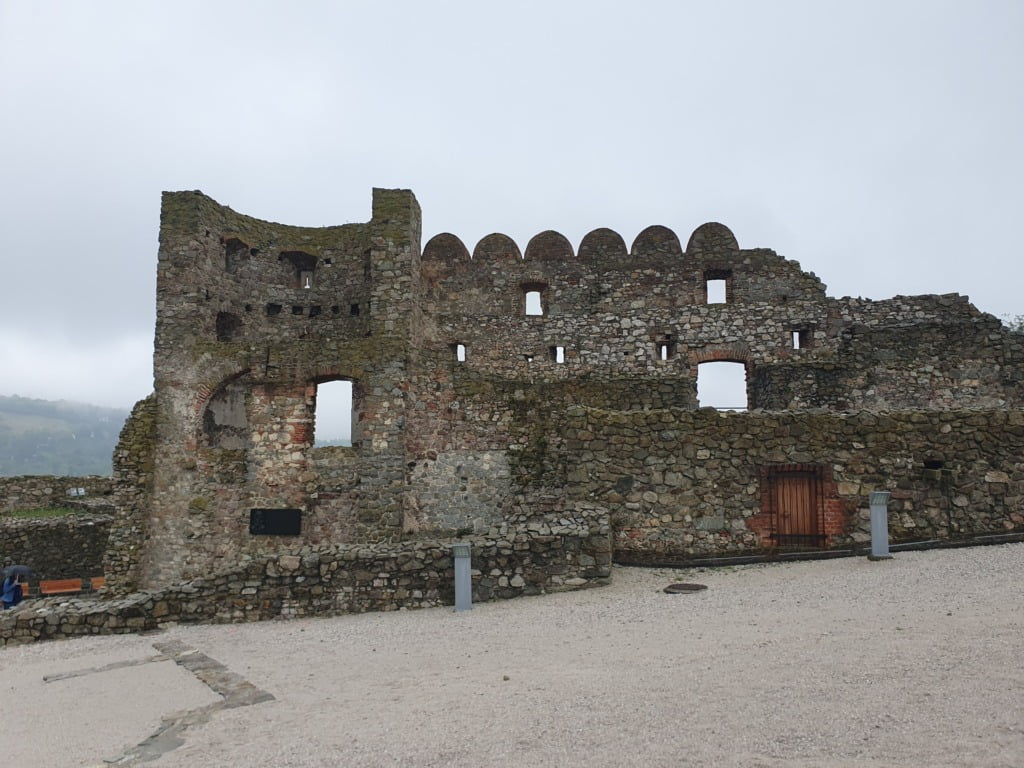
Devin Castle is a scenic place to visit in Bratislava. It is a castle ruin on a hilltop overlooking where the Danube and Morava rivers meet. It is one of the country’s oldest castles and a great place to visit. Each year, the castle hosts the Knights of Devin Castle event. This is a medieval-themed event. The castle has museums and ruins to explore, and the views from the top are splendid.
The Blue Church
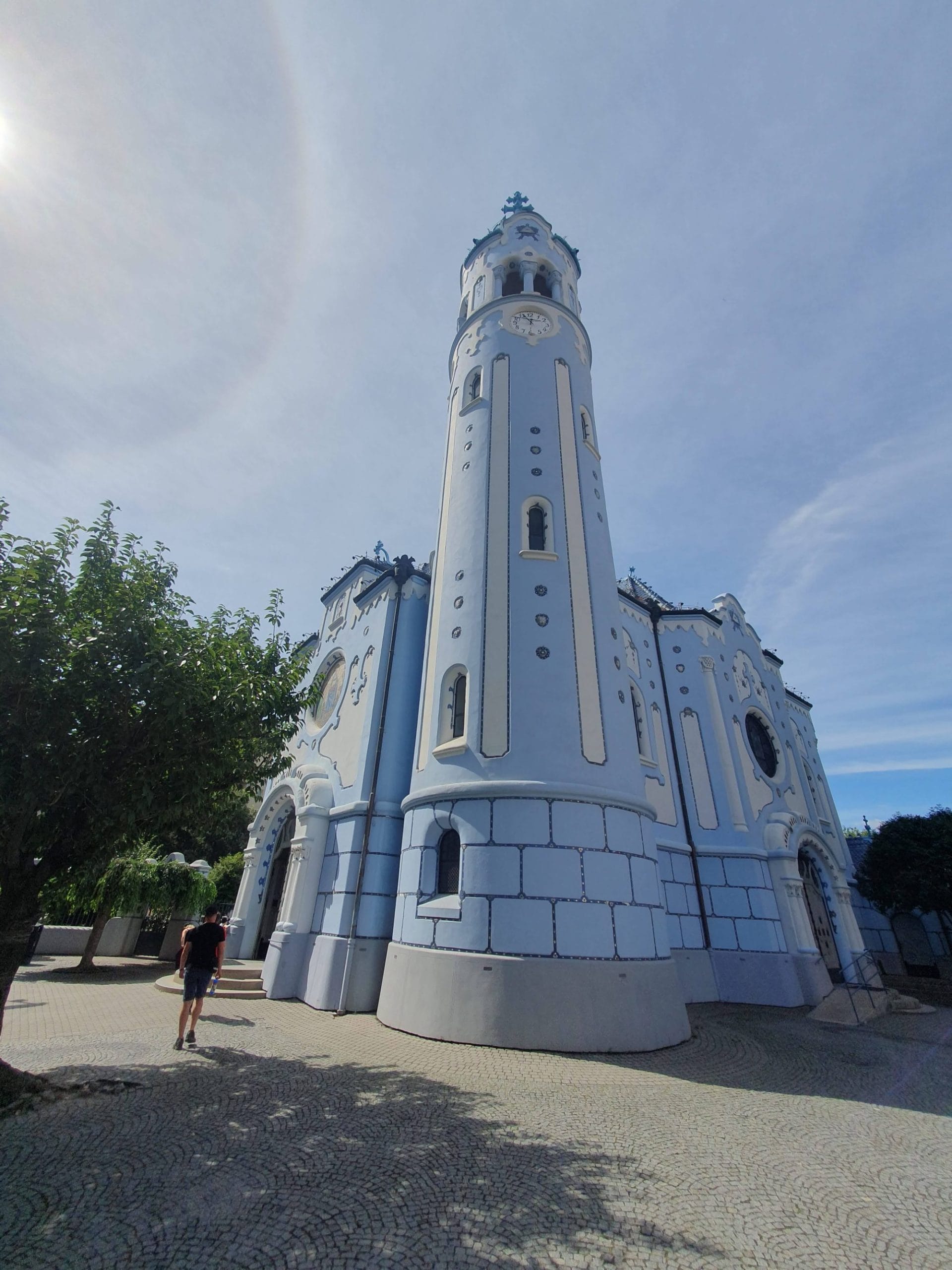
The Church of St Elizabeth, also known as The Blue Church, is a unique pale blue Art Nouveau building at the eastern end of the city, about a 10-15 minute walk from the centre.
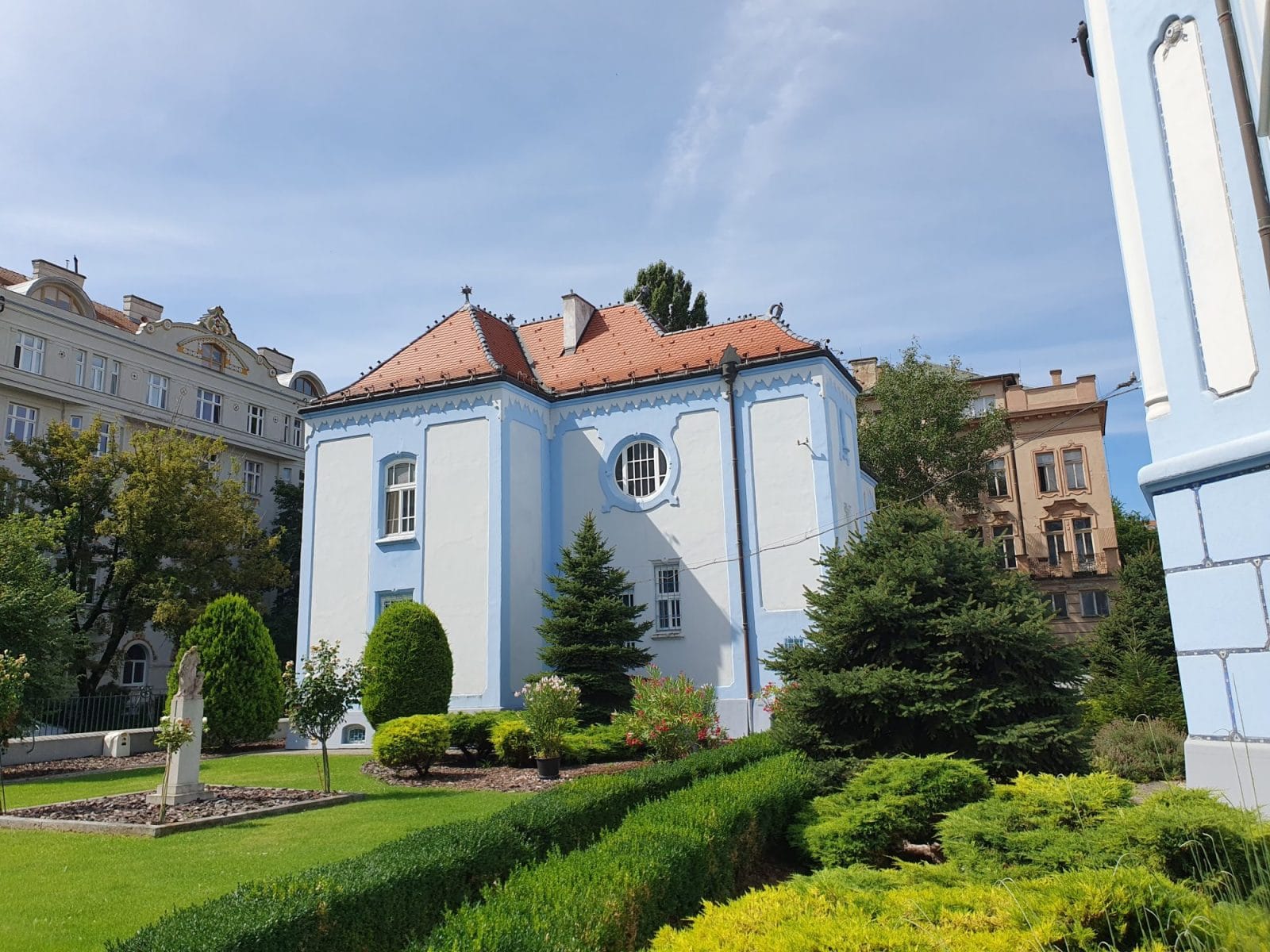
This is a photogenic building because of its colour and Art Nouveau details. There is another Art Nouveau building next door.
St Martin’s Cathedral
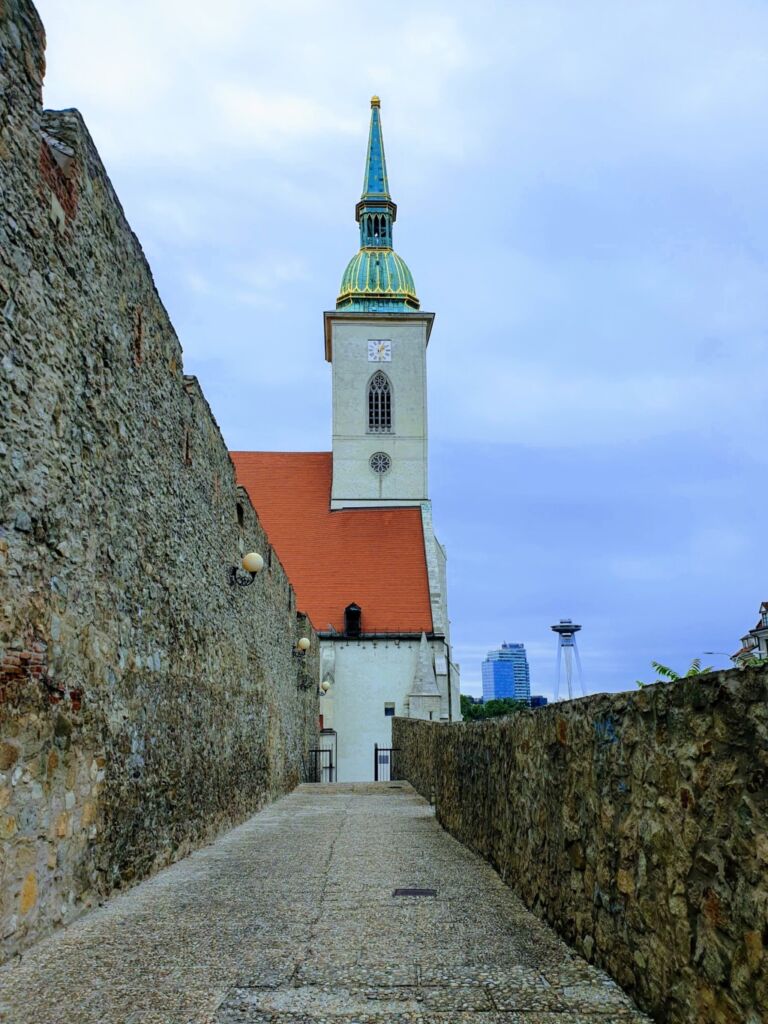
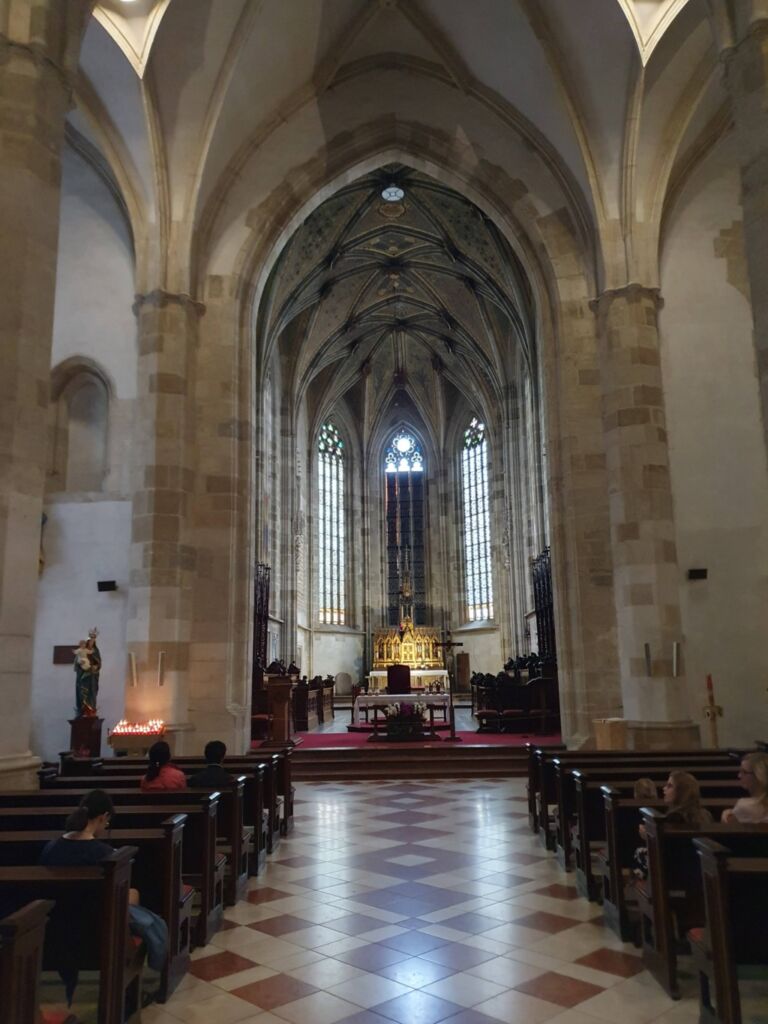
St Martin’s Cathedral is located to the west of the centre and is overlooked by the castle. You can visit the cathedral for free to look around. The 85 m tall tower was historically part of the city’s defensive walls. It is painted white with red tiles and a green spire.
Churches
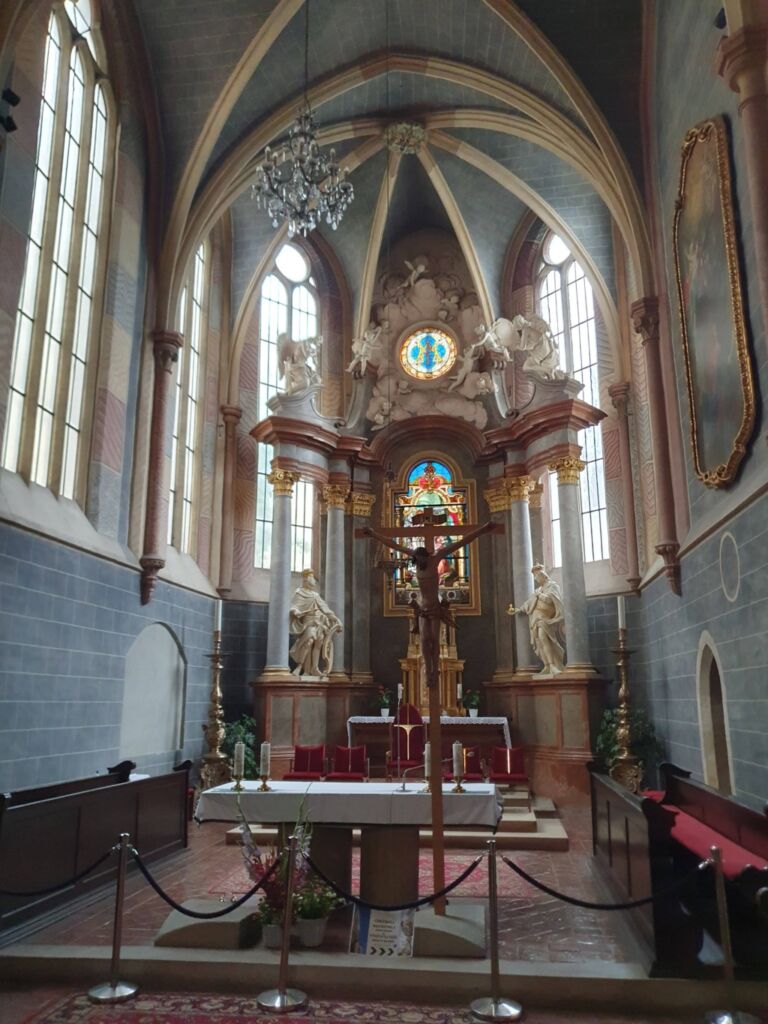
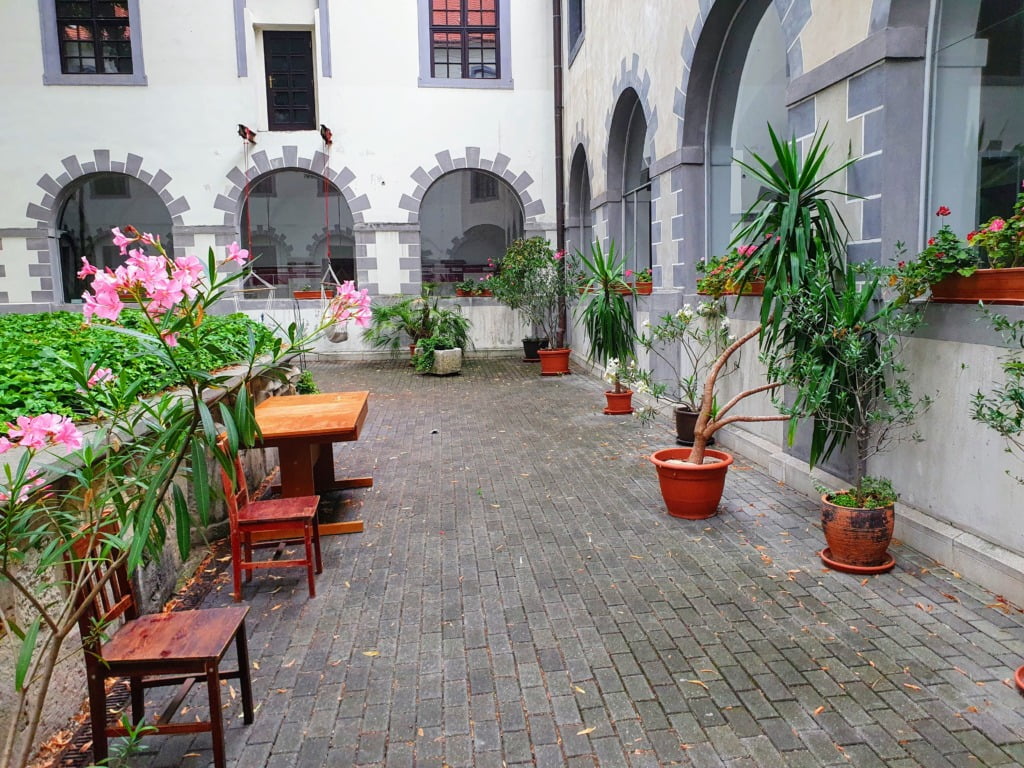
A fun thing to do while in Bratislava is to pop inside the city’s churches. There are quite a few that you can visit for free, from cathedrals to small historic buildings. One of my favourites was the Church of the Annunciation, the city’s oldest church.
Michael’s Gate
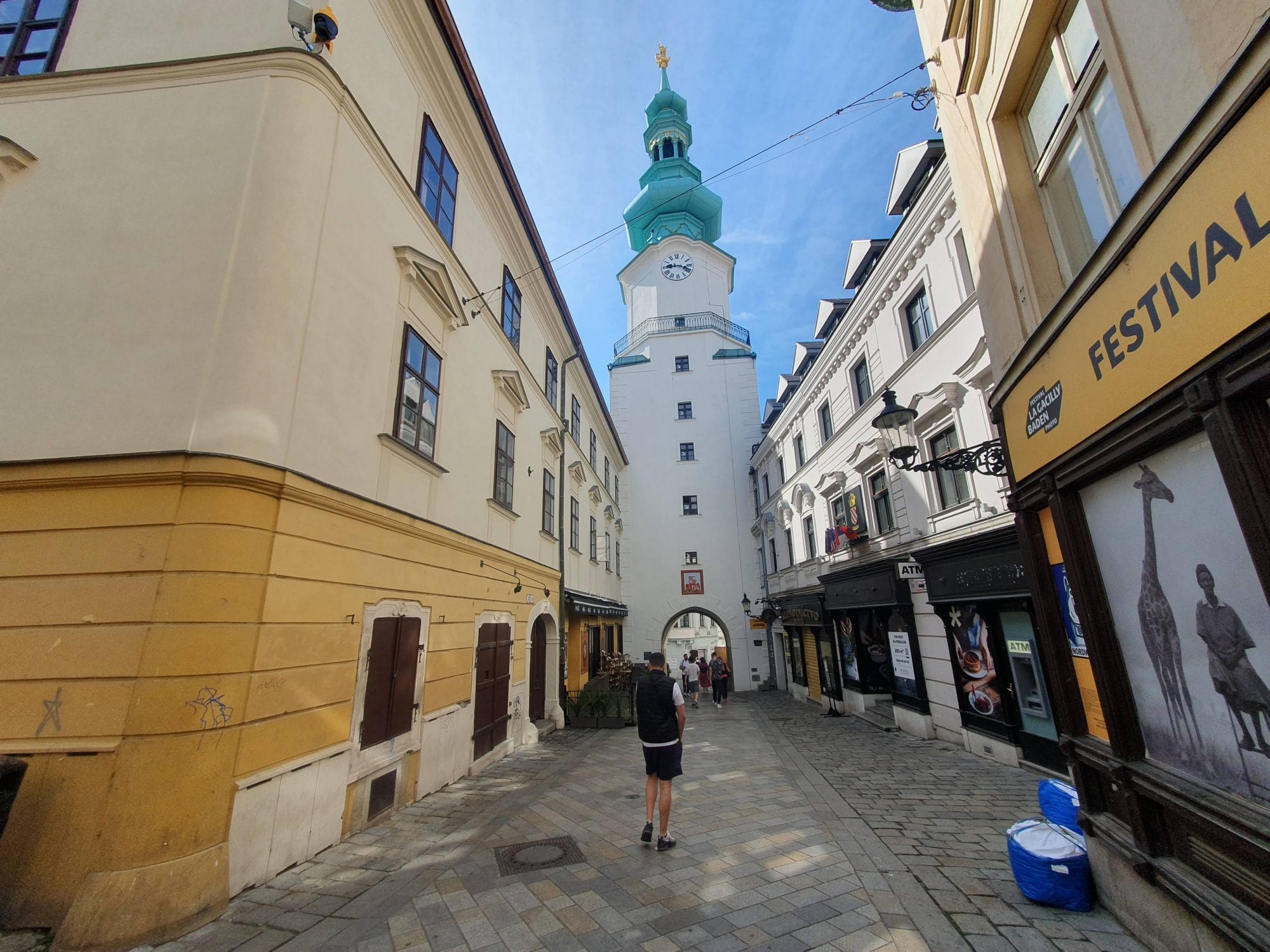
Michael’s Gate is a Baroque tower in the Old Town area which you can visit inside. After restoration, the tower itself is now the main exhibit, showing layers of the building’s history. One reason to visit is the balcony at the top, which offers views over the Old Town after you climb the steps.
Hlavné Námestie
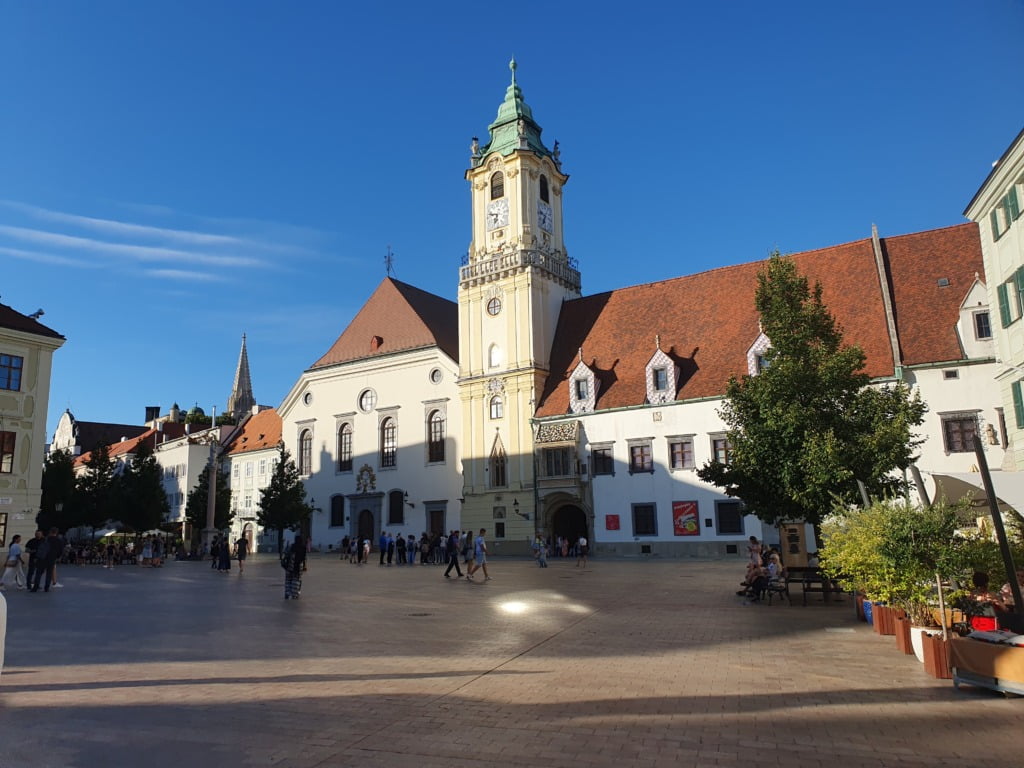
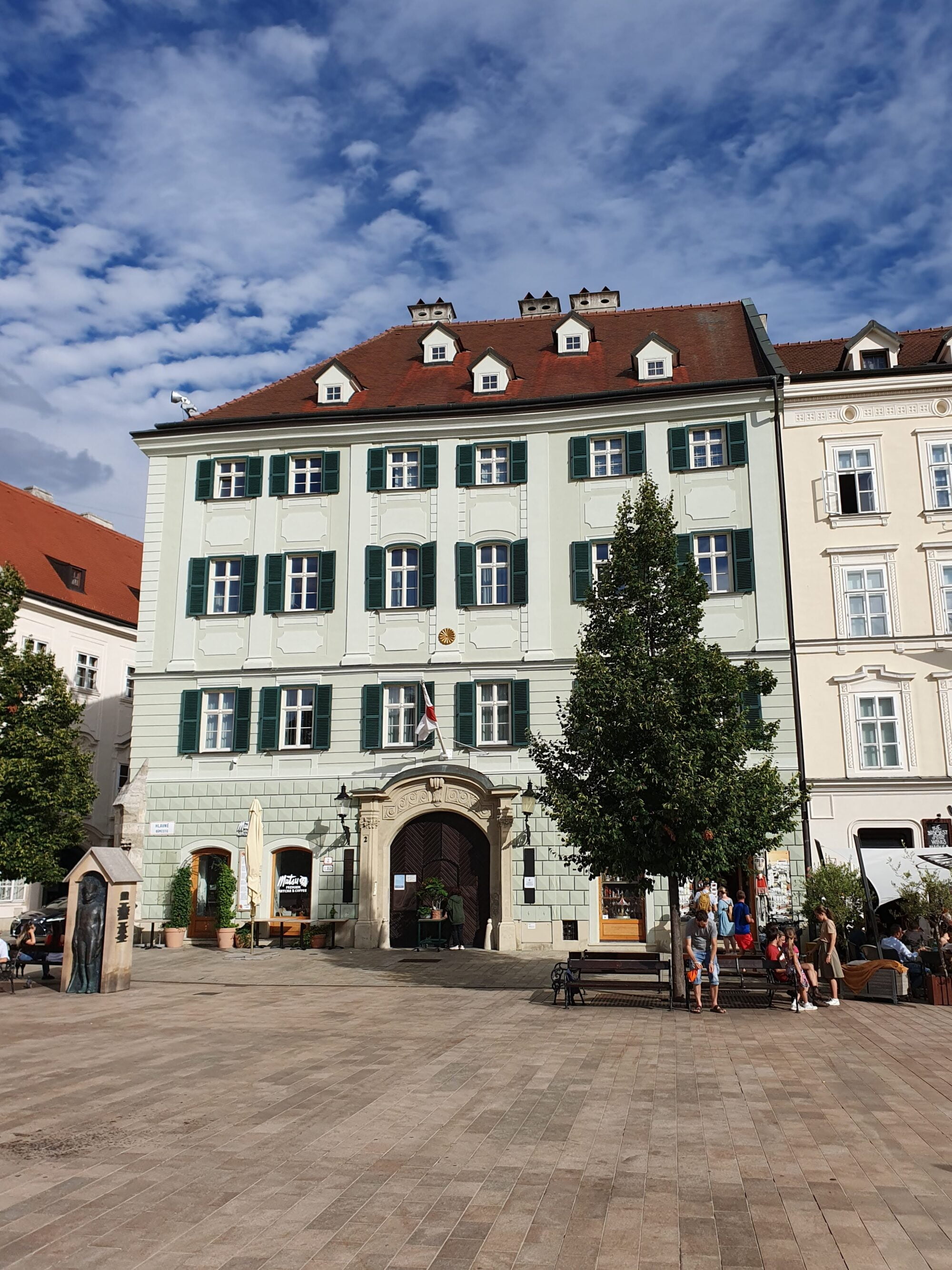
The Main Square, or Hlavné Námestie, is one of the city’s best-known squares. It is home to the City Museum, the Museum of Viticulture and Miestodržiteľský palác. Miestodržiteľský palác is the Governor’s Palace, a four-storey Baroque-style building dating to the early 18th century. The centrepiece of the square is Maximilian’s Fountain, which dates from the 16th century.
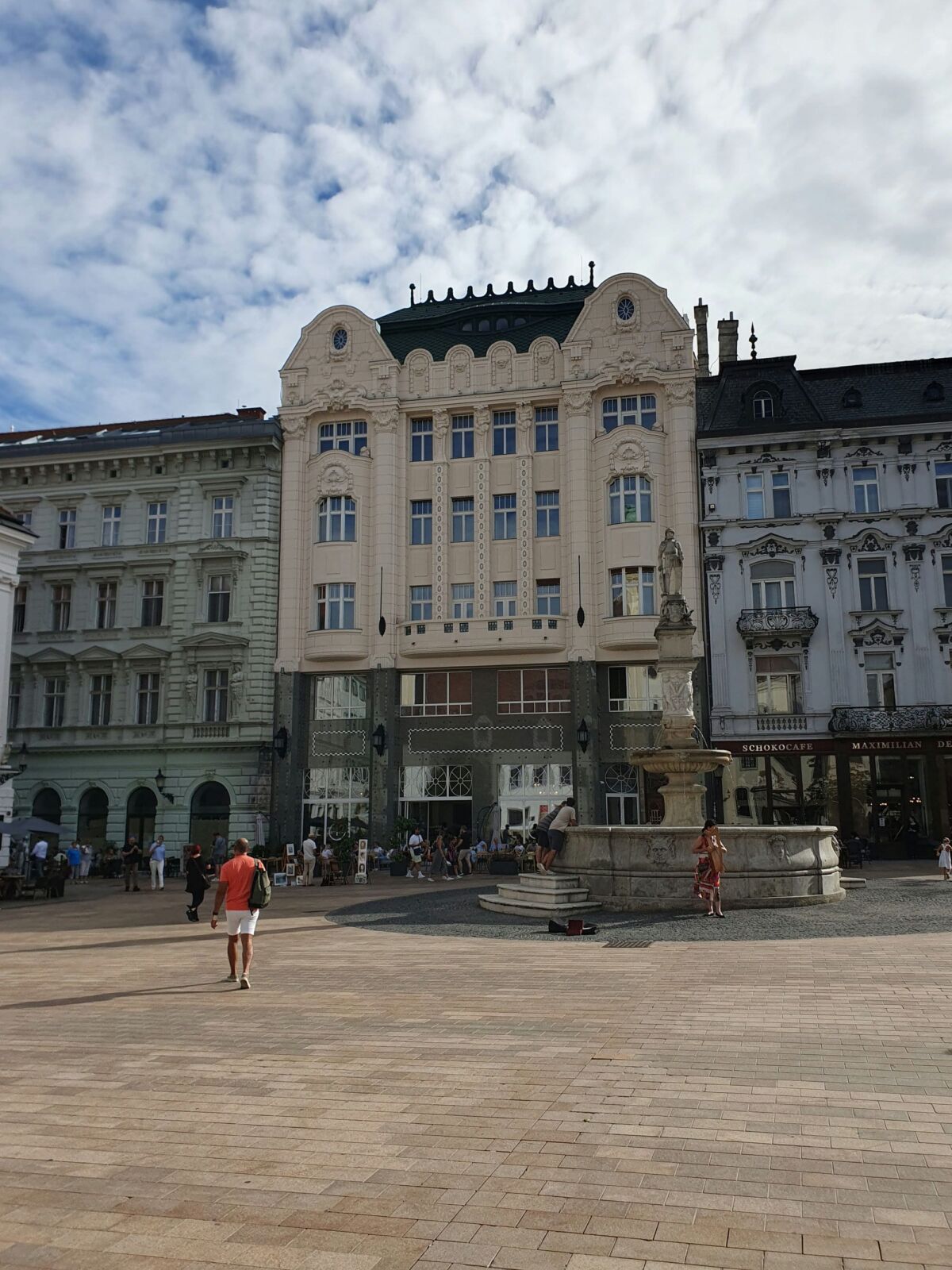
Plenty of benches let you sit and enjoy the area. One such bench has a statue of one of Napoleon’s soldiers leaning on it.
Man at Work Statue
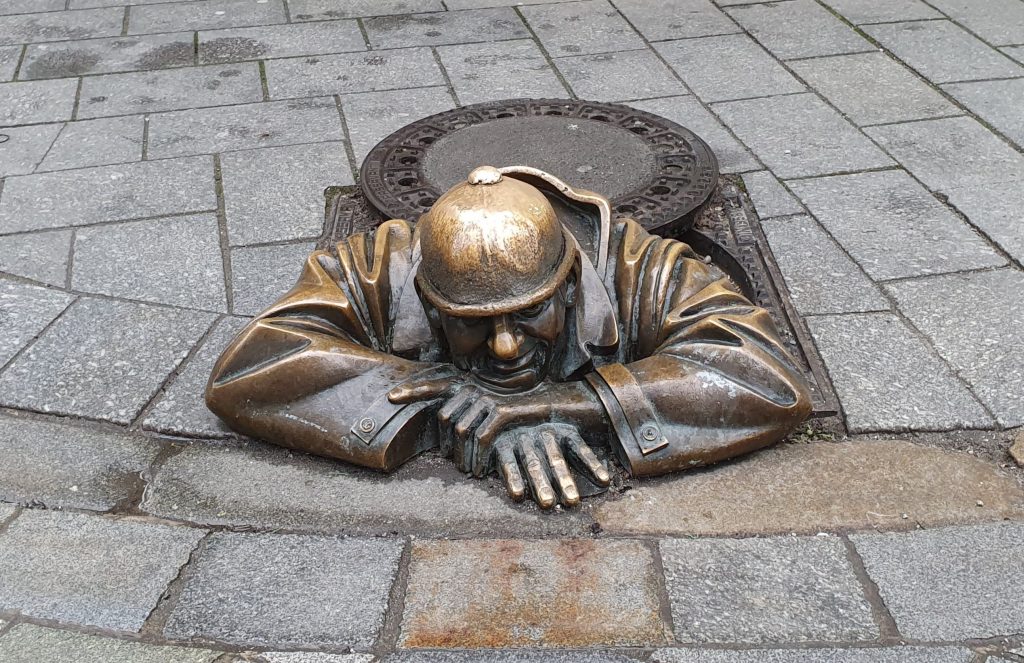
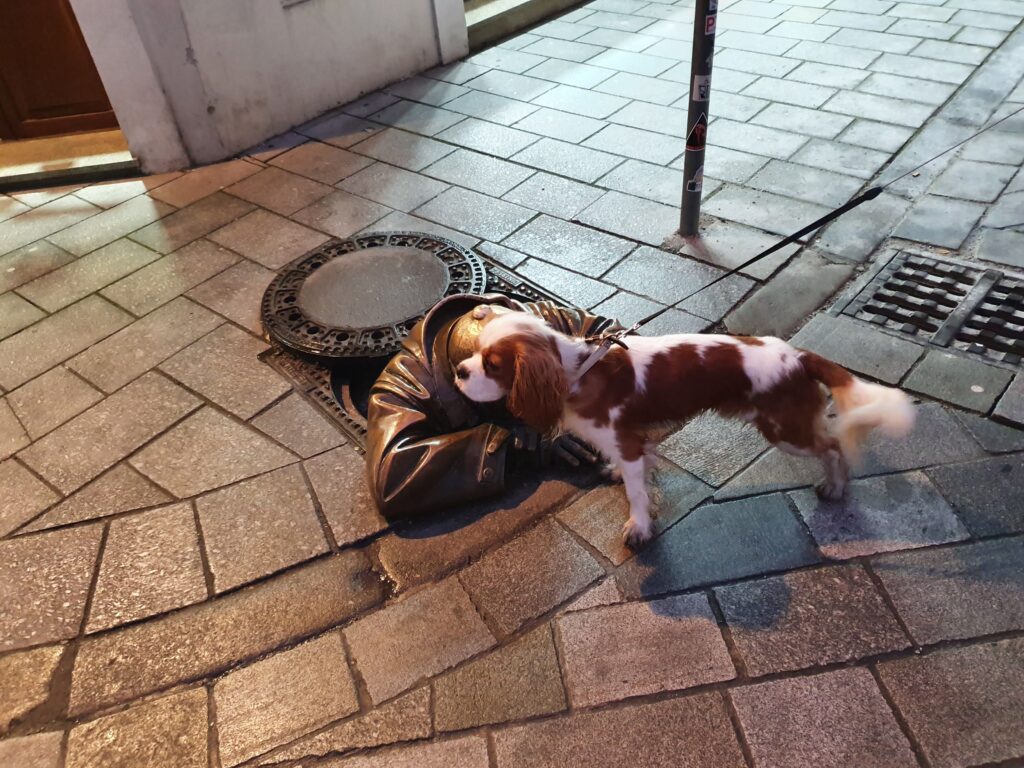
When wandering through the city, the dog was the first to spot Čumil, the famous bronze ‘Man at Work’ statue. The statue is of a man called Čumil whose head peeks out of a manhole cover. The statue is one of the most photographed in the city since it was installed in 1997, after Slovakia declared independence. ‘Čumil’ translates to ‘watcher’, and many theories explain why the statue has this name.
Primaciálny palác
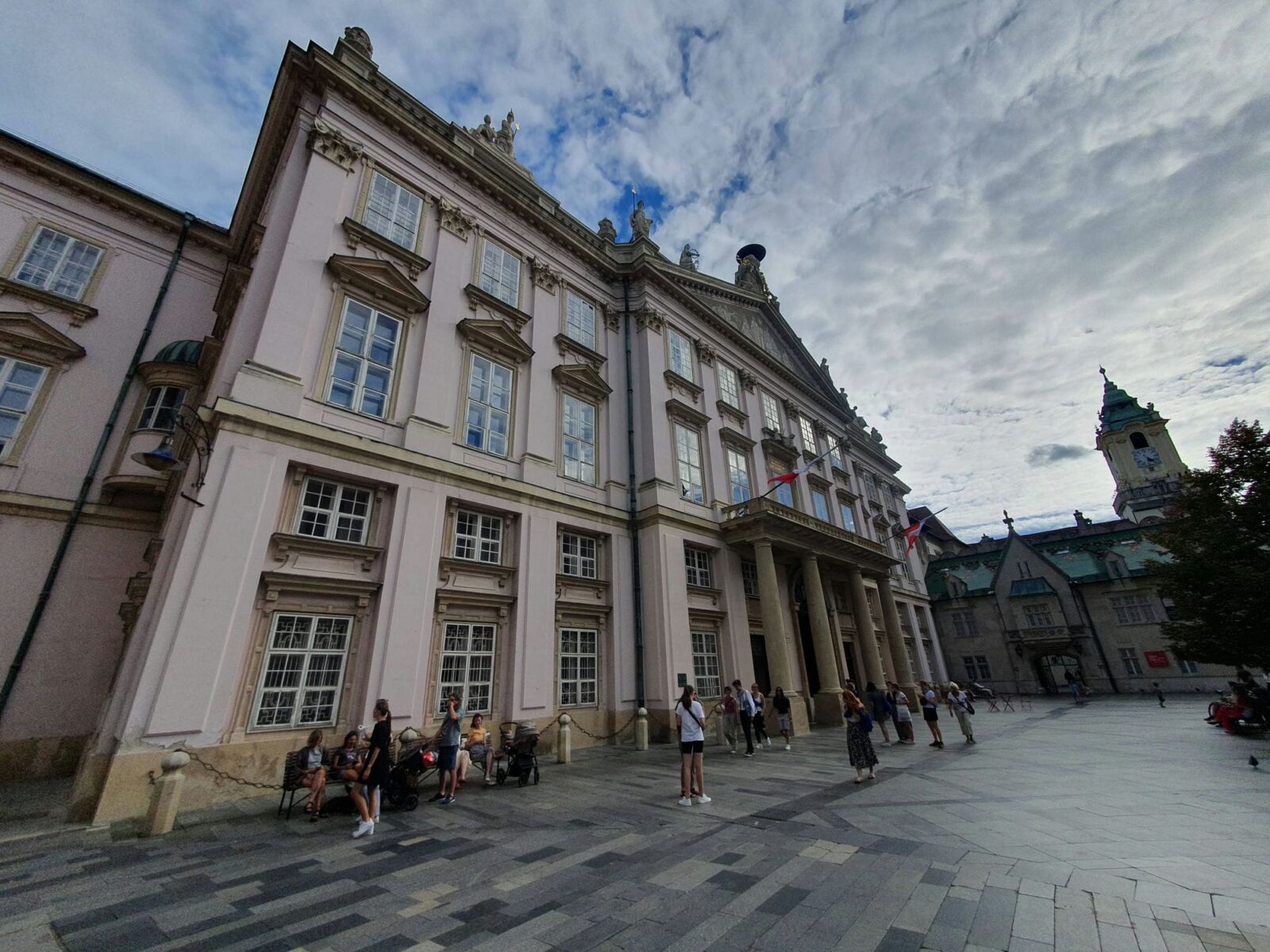
Primaciálny palác (Primate’s Palace) is a neoclassical building built between 1778 and 1781. Before the city lost its status as the capital of Hungary, it was the last of the lavish palaces built. Many kings stayed here, but since the early 20th century, it has served as Bratislava’s main town hall. In addition to the exterior, you can visit parts inside, including an exhibit of English tapestries.
Presidential Palace
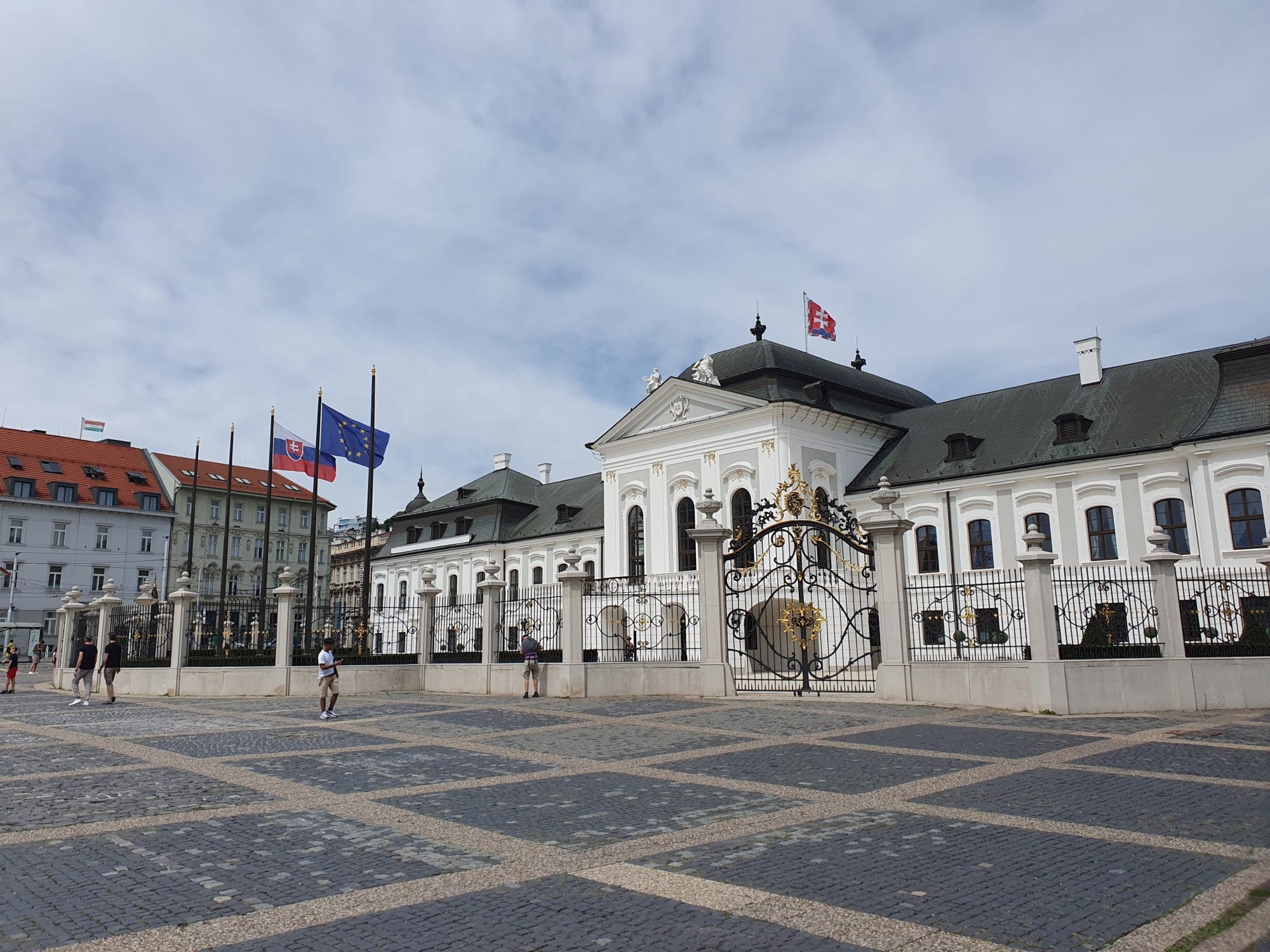
The Presidential Palace, or Grassalkovich Palace, is sometimes called the Slovakian White House. Grassalkovich Palace dates from 1760. It has a garden to walk around towards the rear. The palace is open to the public only one day a year. The daily changing of the guard at midday is a good time to visit.
Slovak National Theatre
At the eastern end of Hviezdoslav Square is the Slovak National Theatre building. This stunning building has a fountain near the main entrance. Viktor Tilgner, a well-known local sculptor, designed Ganymede’s Fountain in a neo-Baroque style. If you enjoy culture, you can watch a performance at the Slovak National Theatre.
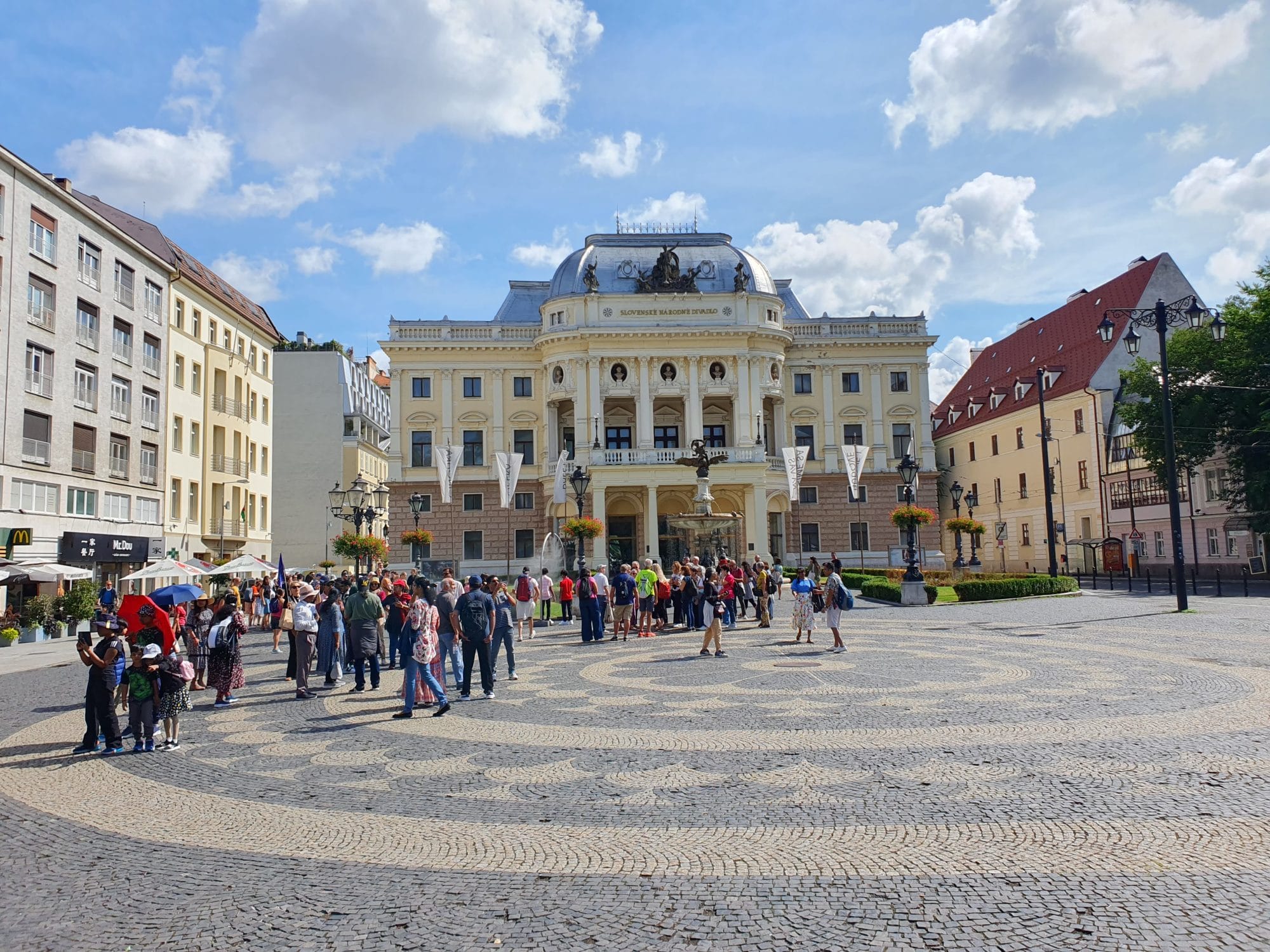
The Slovak National Theatre is the country’s oldest professional theatre. The theatre company comprises three ensembles: opera, ballet, and drama. To find out about current and future productions, see the SND website.
Walking Tours
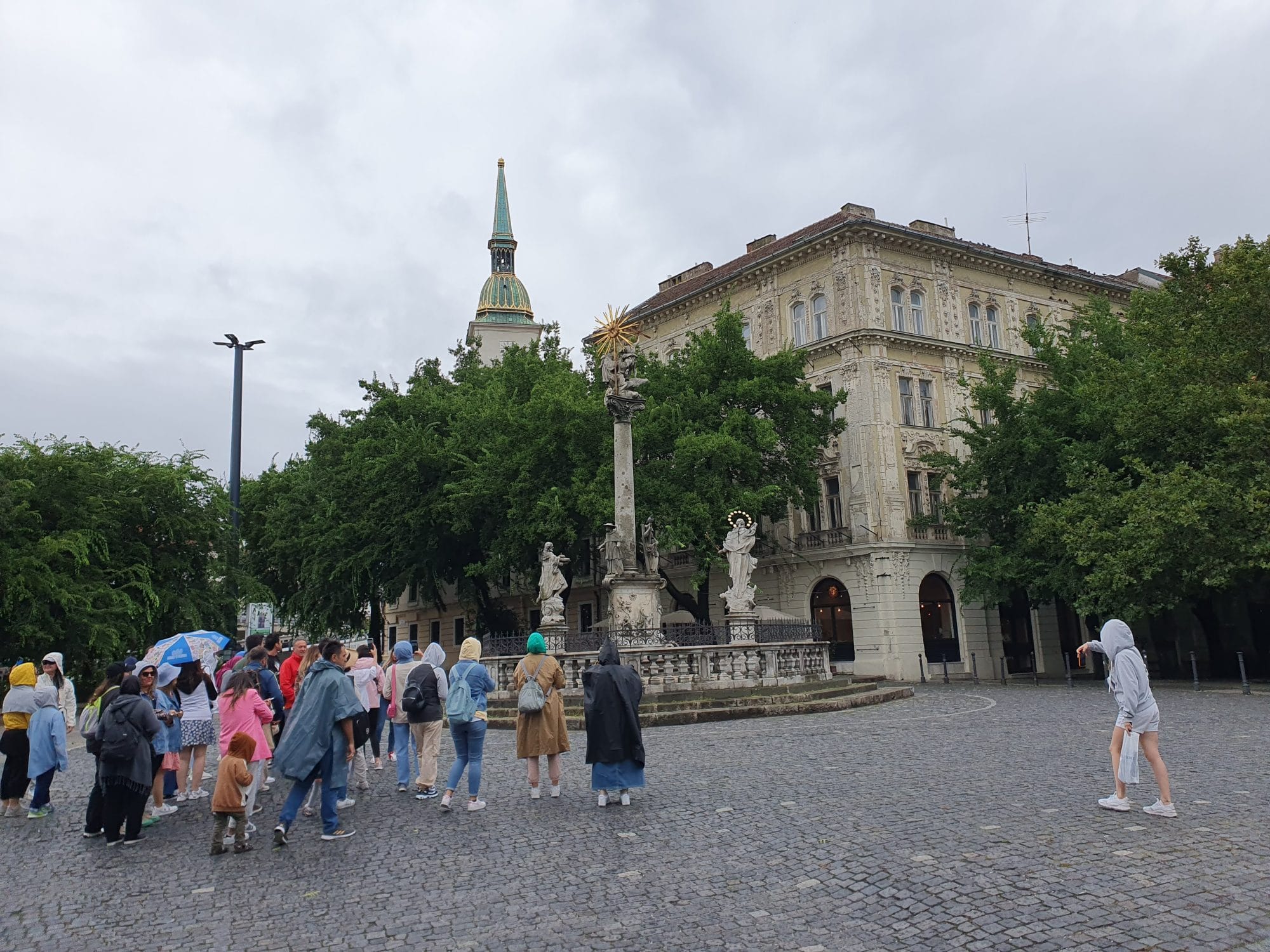
Companies offer walking tours, including some that are free. Themes include communism, beer, and general history. You can book through the GetYourGuide website.
Museums and Galleries
Slovak National Collection of Wines
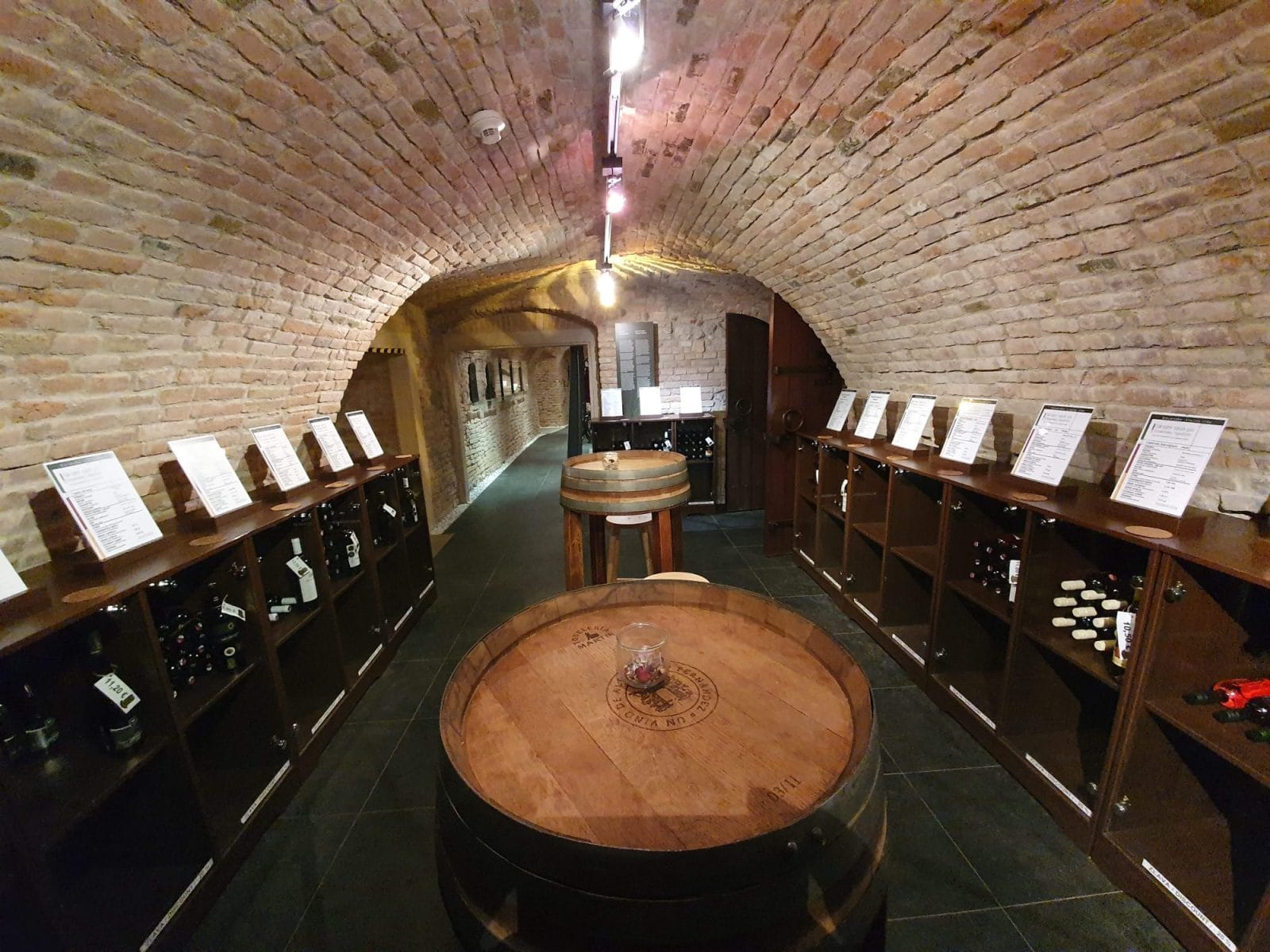
If you like wine, join a wine tasting at the Slovak National Collection of Wines. This is in the Museum of Viticulture, where you can gain free access using the “Bratislava Card”.
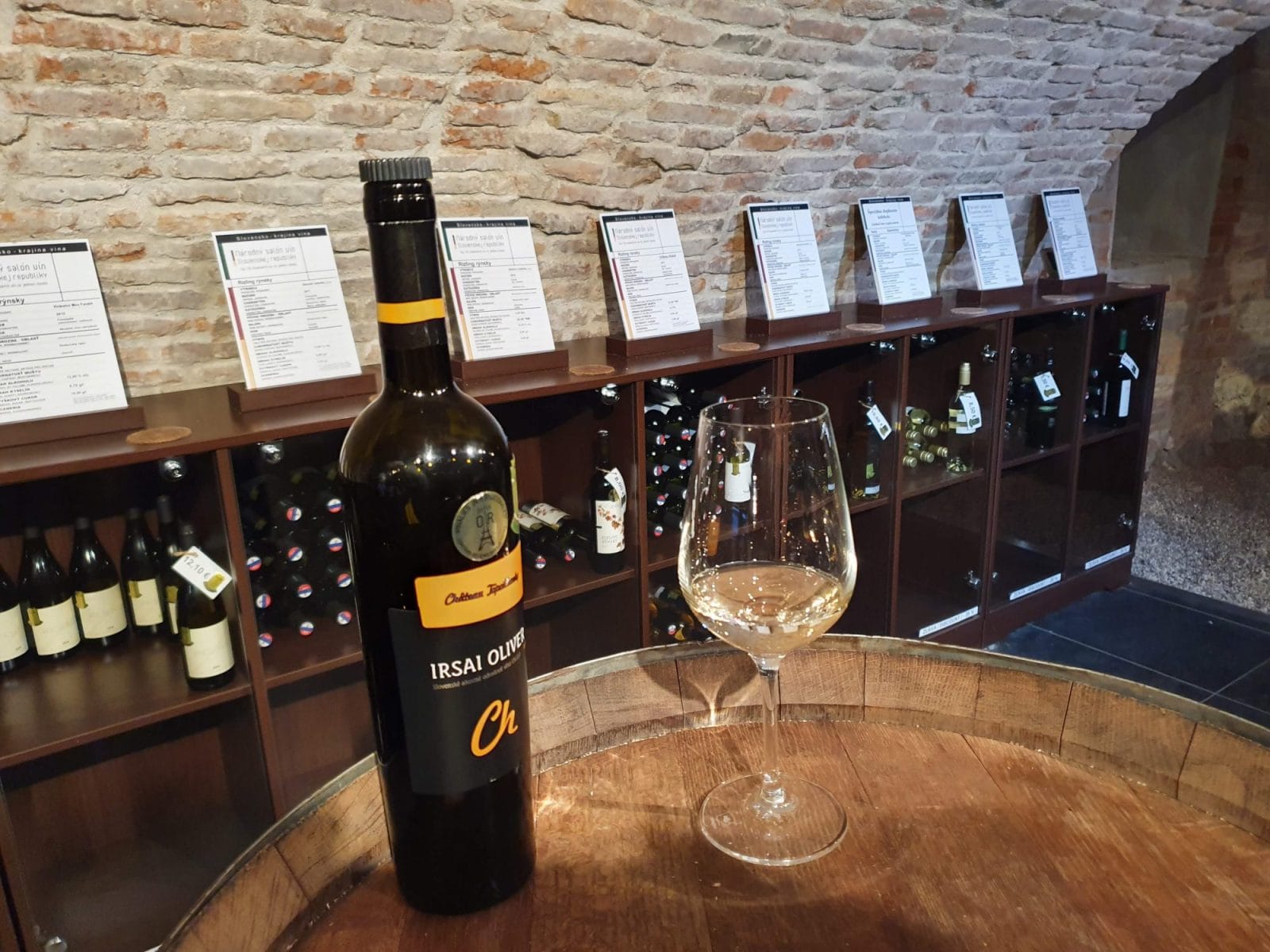
The museum covers the historical aspects of wine and winemaking. A range of tasting options lets visitors try some of the best Slovak wines.
Museum of Pharmacy
The Museum of Pharmacy is housed in a former pharmacy called the Red Crayfish. The location is near Michael’s Gate. This is a small museum; the current exhibition displays the history of pharmacy in Bratislava.
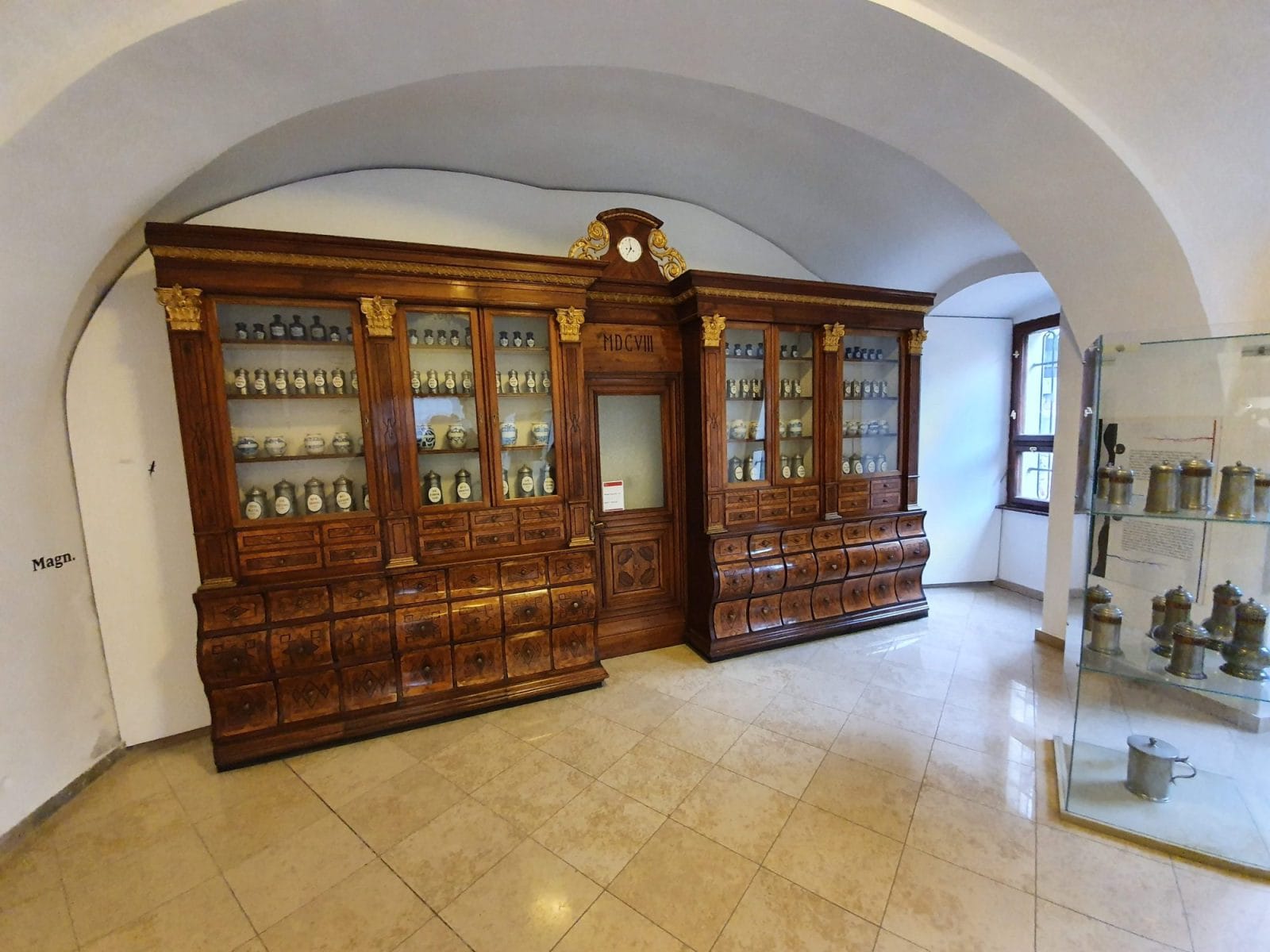
The reception features the original “Red Crayfish” pharmacy fittings. This included a rare balance scale and a stand for a hand balance. One highlight is the collection of stoneware, wooden, china, and glass containers once used to store medicines. The collection dates from the end of the 18th century up to the mid-20th century.
Bratislava City Museum
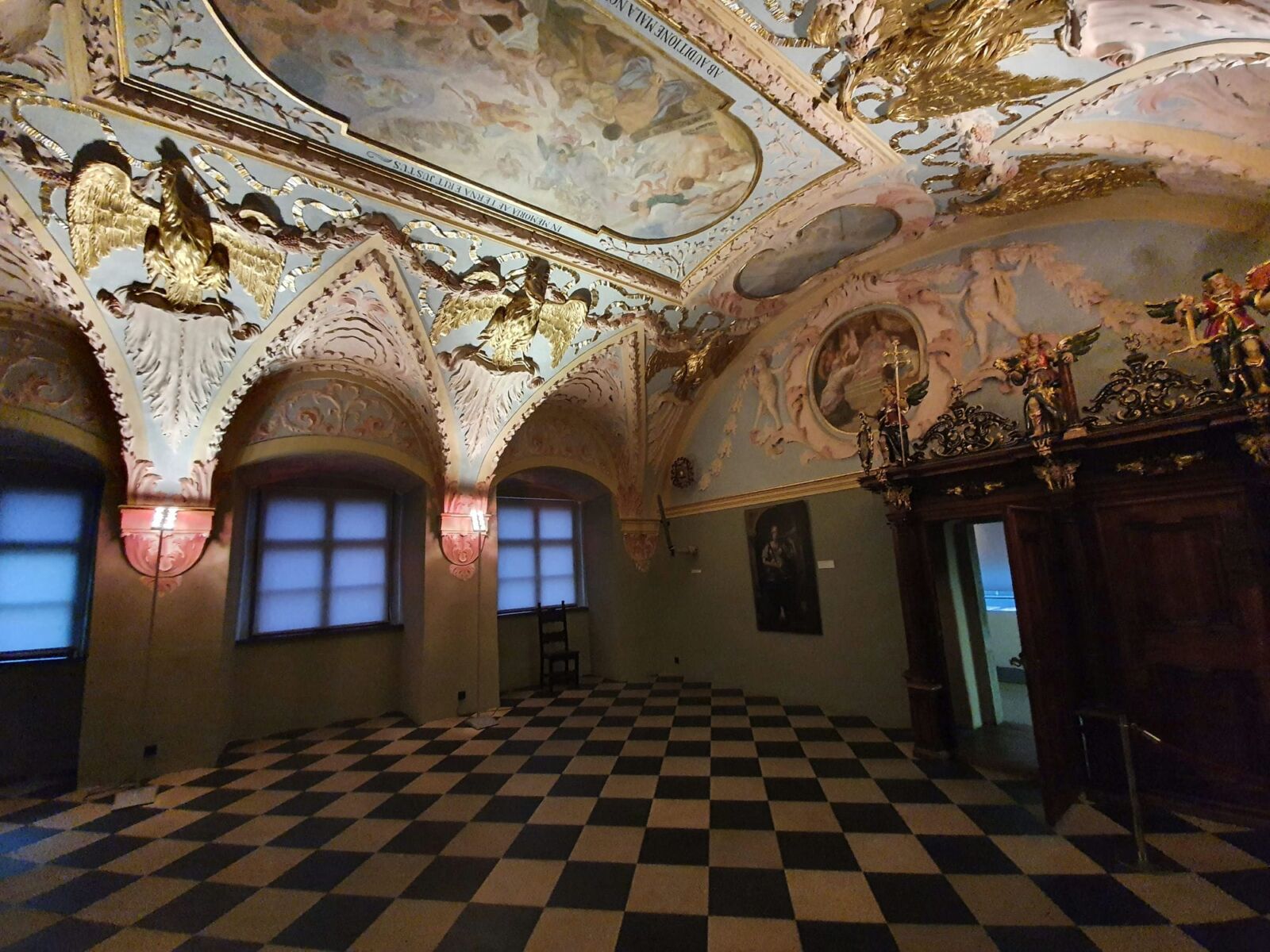
In the main square, in the city’s Old Town, is the Bratislava City Museum. It houses a collection of artefacts and exhibitions about the city’s history. The Bratislava City Museum was founded in 1868. It’s in the beautiful Old Town Hall Building.
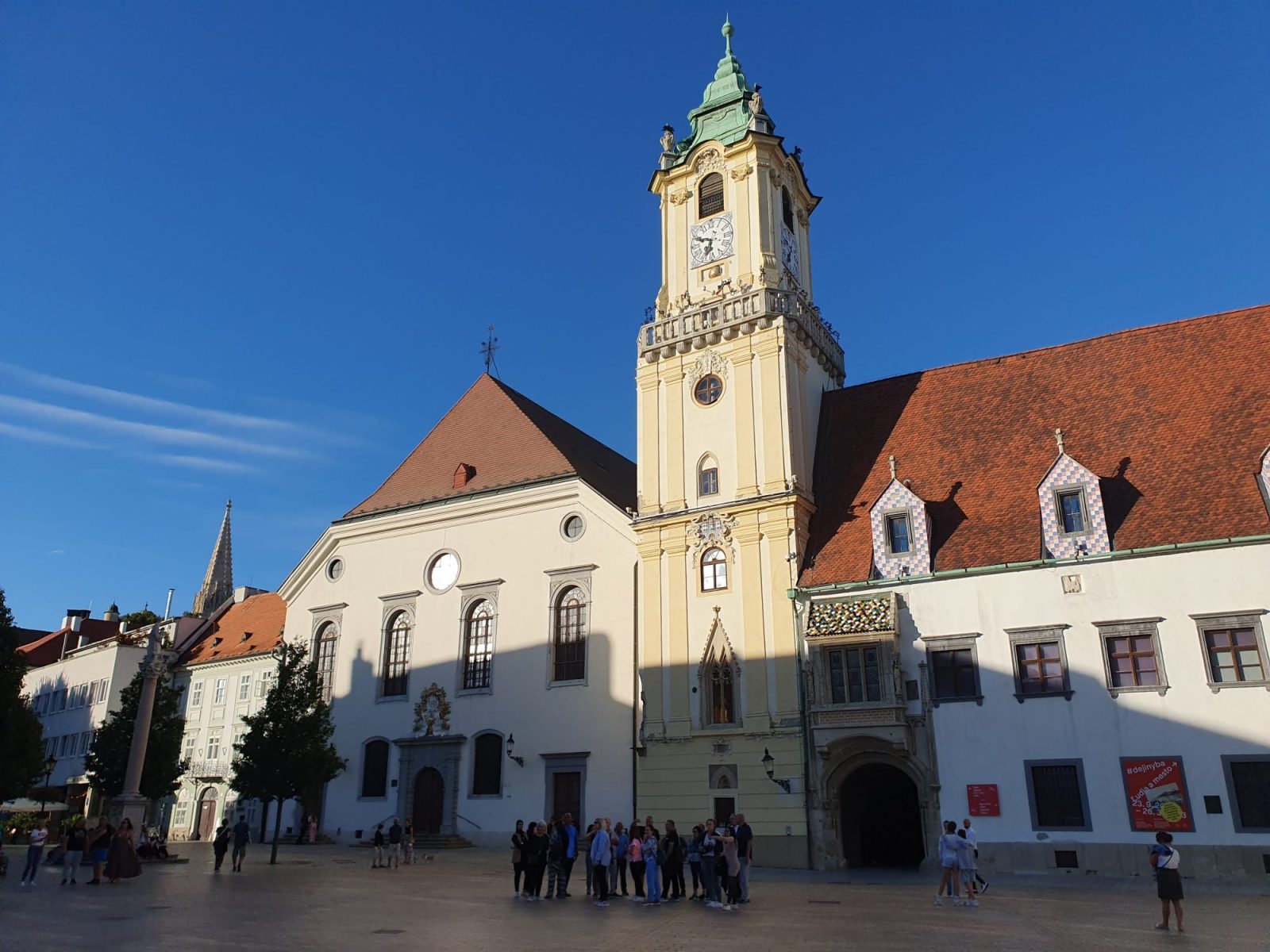
The Old Town Hall, or Stará Radnica, is a complex of buildings dating back to the 14th century. Stará Radnica is Slovakia’s oldest city hall. It is also one of the oldest stone buildings still standing in the city. The tower was built around the year 1370, and the town hall was formed in the 15th century by connecting three townhouses.
Slovak National Gallery
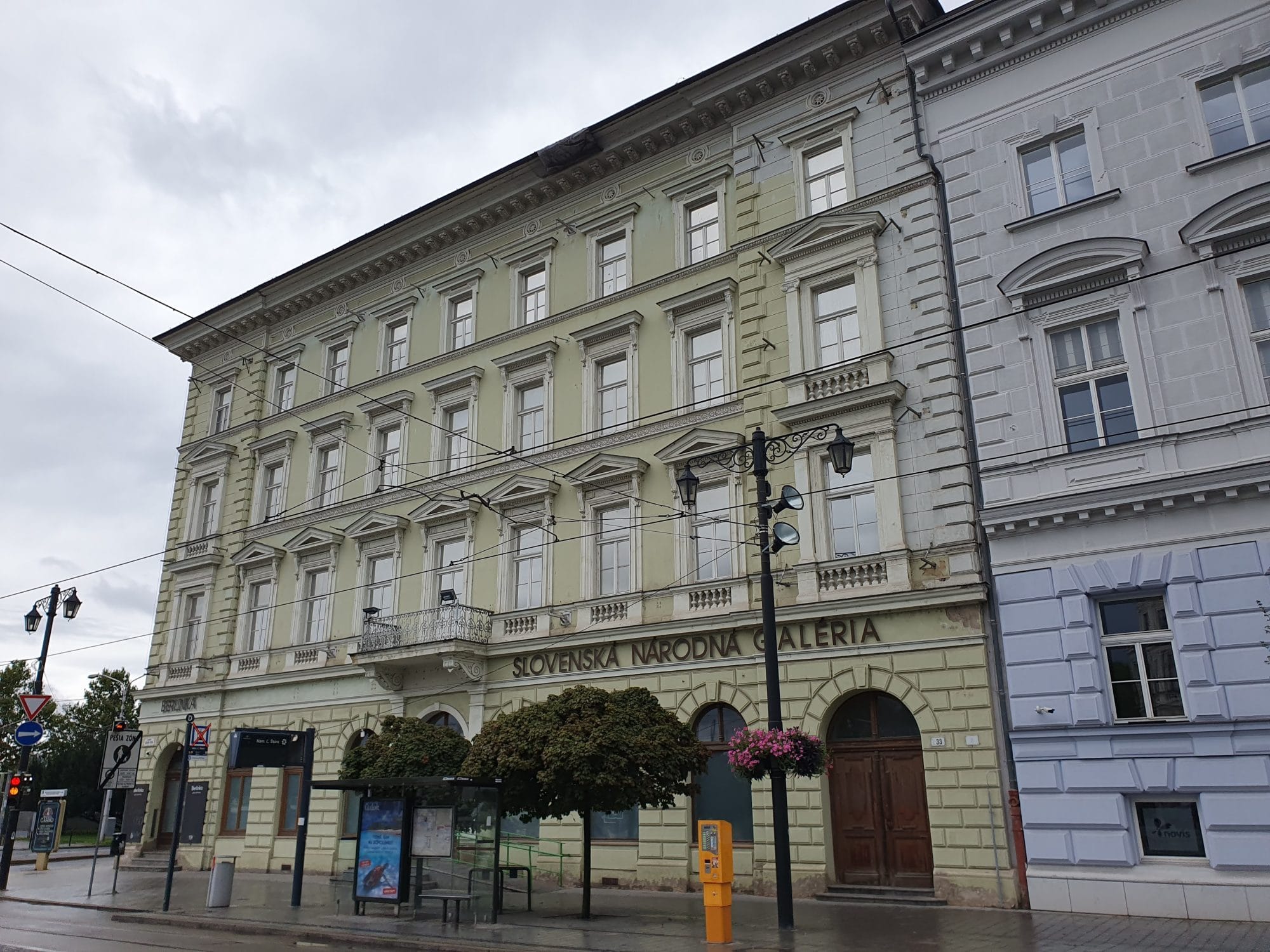
At the Slovak National Gallery, you can see both classical and modern artworks in its stunning buildings. The Slovak National Gallery is a big art museum with a range of local and international pieces.
Views and Walks in Bratislava
Walk Along the River Danube
An evening stroll along the River Danube is a perfect way to wind down at the end of a day exploring the city. The UFO bridge and the nicely lit-up castle make superb views from the riverbank.
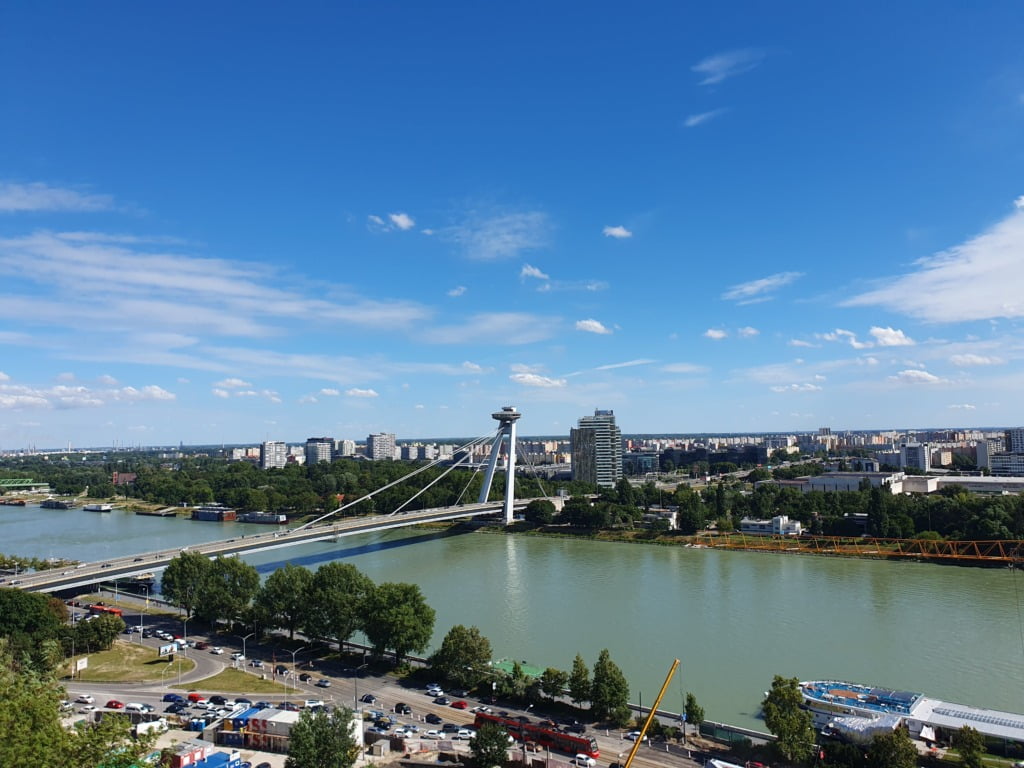
Heading downstream along the Old Town bank, you will find a wonderful bronze model of 18th-century Bratislava. Continuing along the river is Vyhliadka, a bridge across the river. Vyhliadka is a panoramic viewpoint of the city’s skyline.
UFO Observation Deck
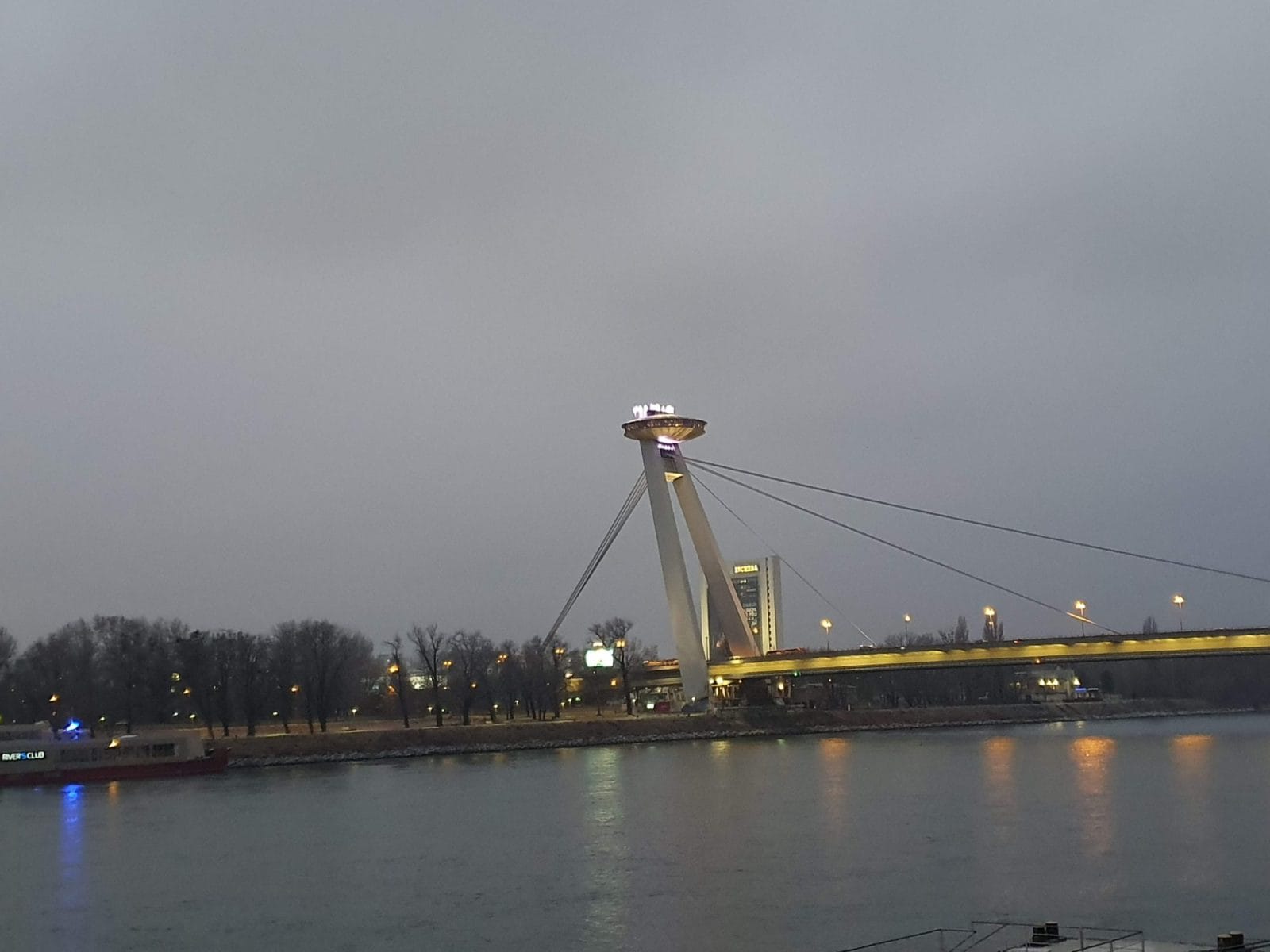
The UFO Observation Deck is on a bridge across the Danube. It is one of the city’s iconic buildings. The observation deck sits in a flying-saucer-shaped structure above the bridge and also includes a restaurant. It is a brilliant spot for panoramic views of the city and sunset. The tower is open daily until late, so you can see the city at various times of day and in various light conditions.
SNP Square
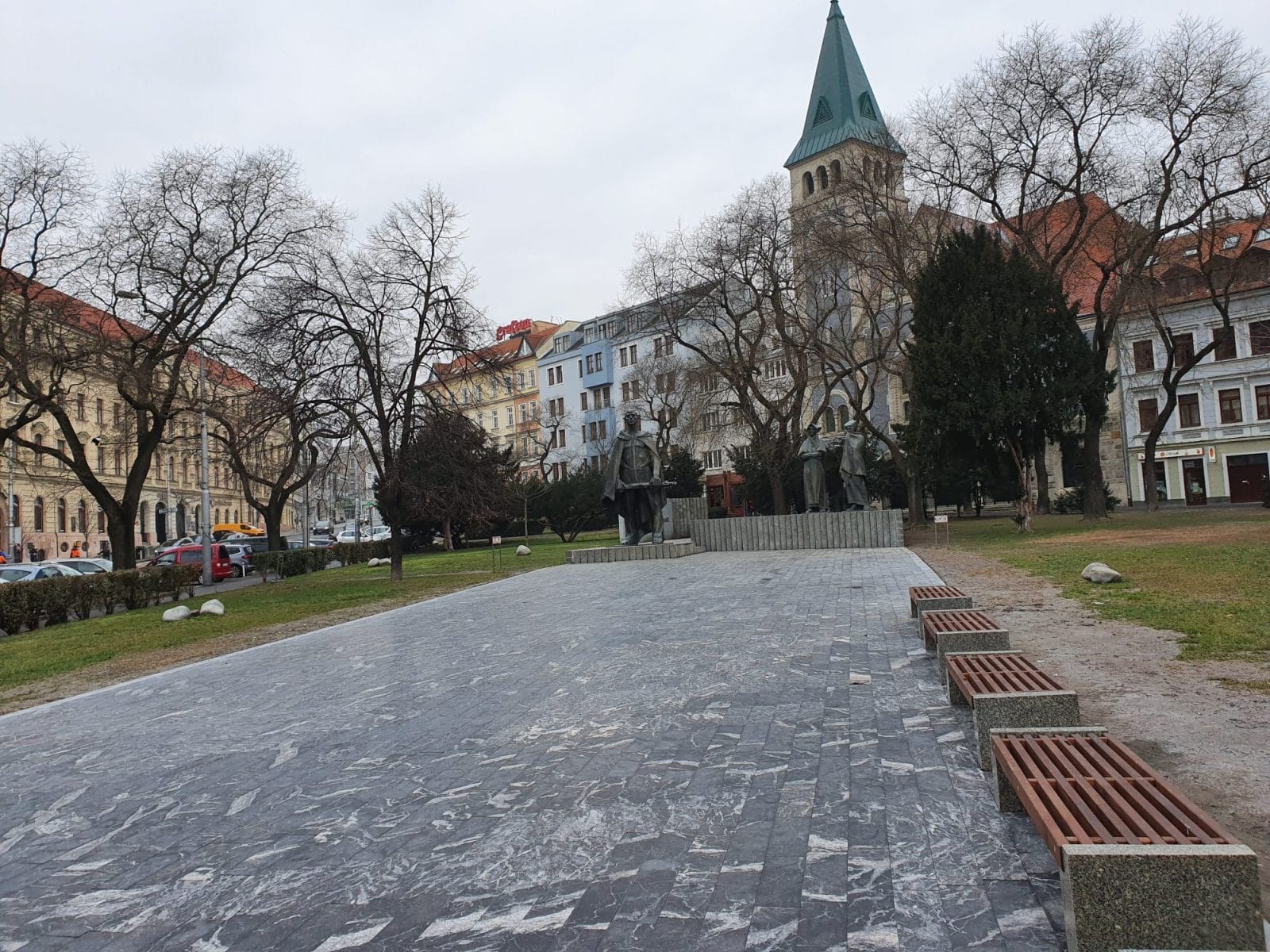
SNP Square is one of many squares in Bratislava and a good place to sit. The surrounding architecture is nice, and there are a few statues to look at too. SNP Square is short for Slovak National Uprising Square.
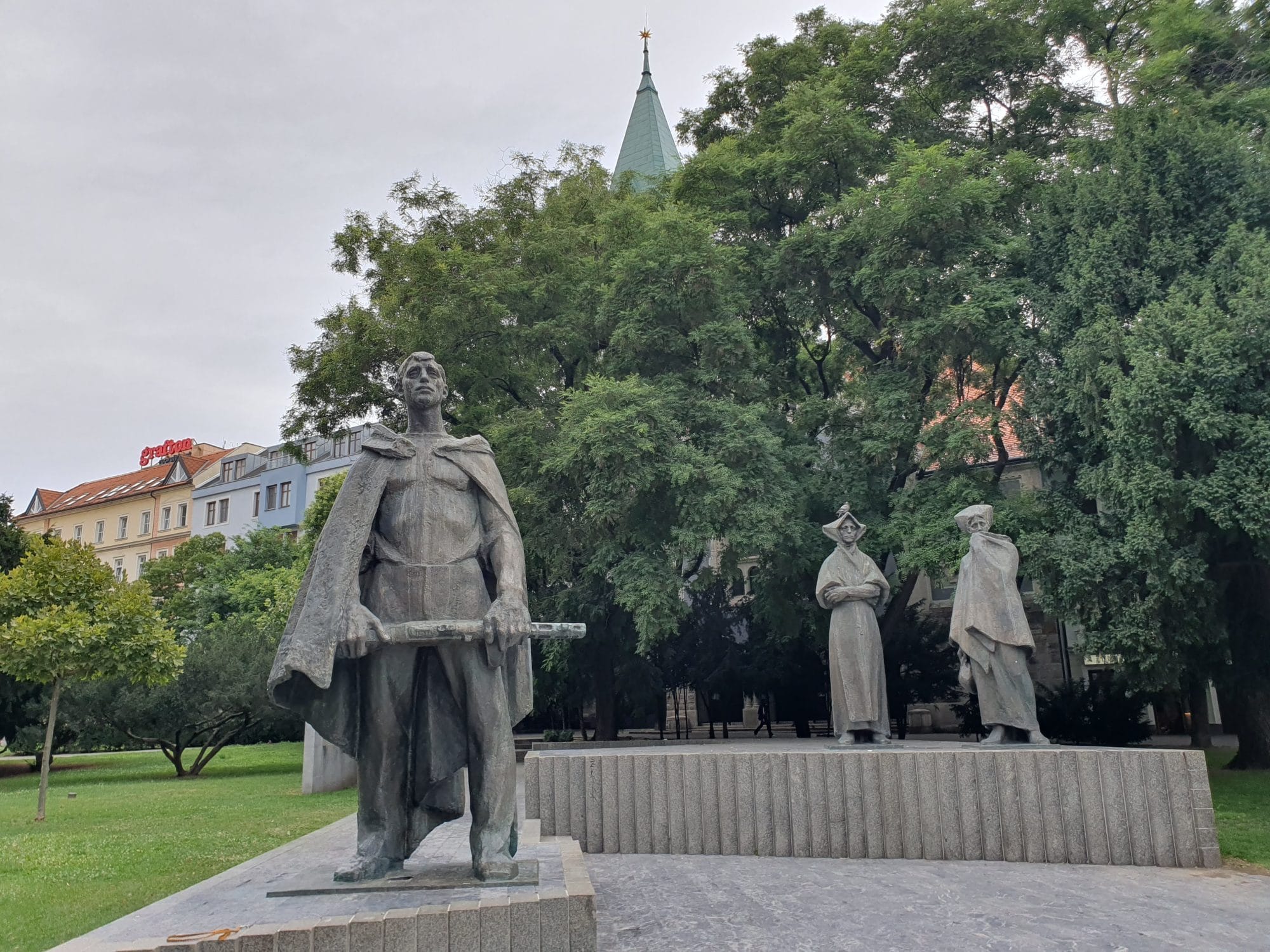
During the last century, it has served as a focal point for demonstrations and protests concerning independence and sovereignty, including resistance to both Nazi and communist rule. In the Square, there is a monument commemorating the attempt to depose the Nazi government during World War II.
Medieval City Walls
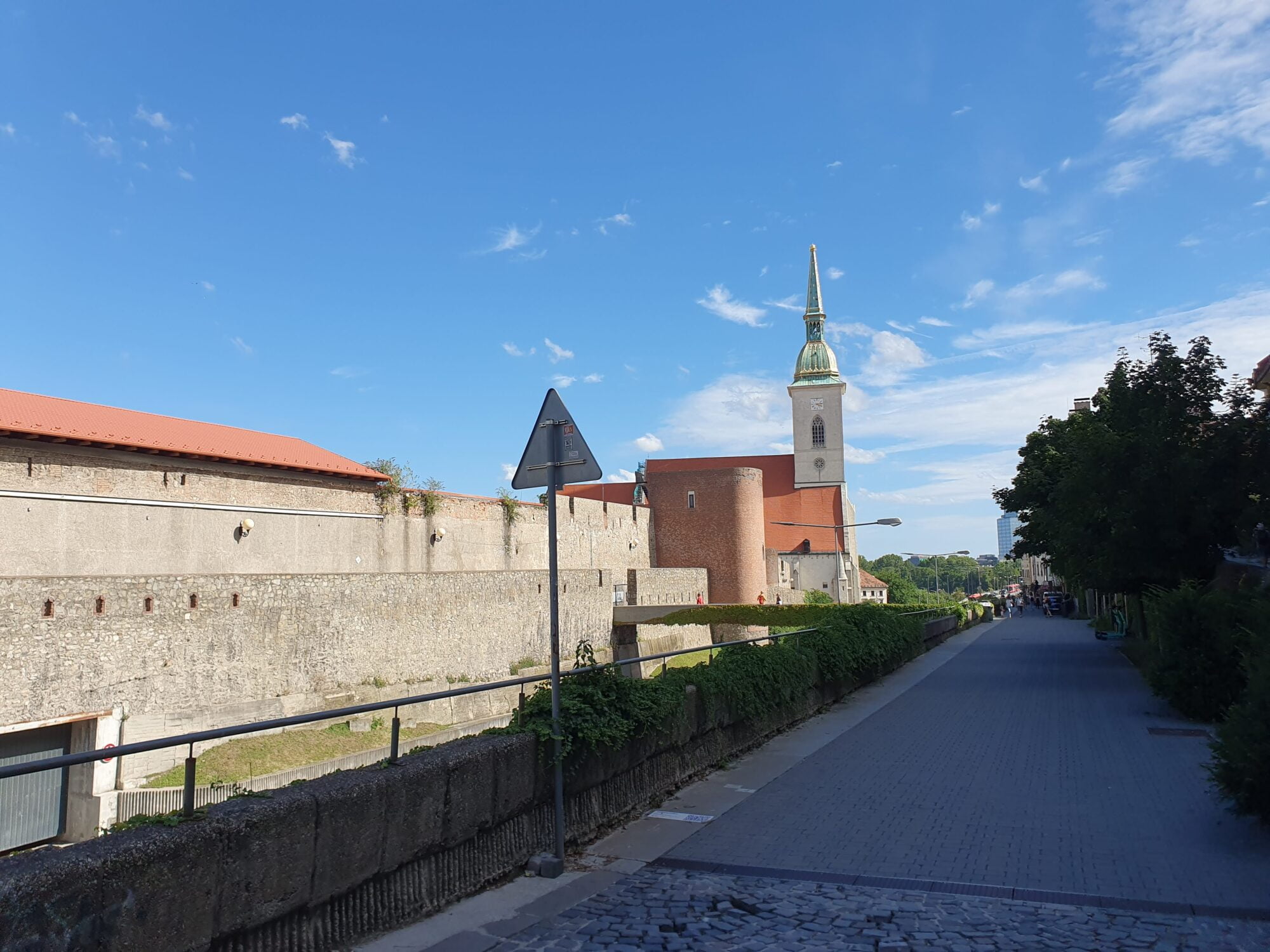
The remaining fortifications of the medieval city walls are on the edge of the Old Town. These walls are over a metre thick and date from the 14th century onwards.
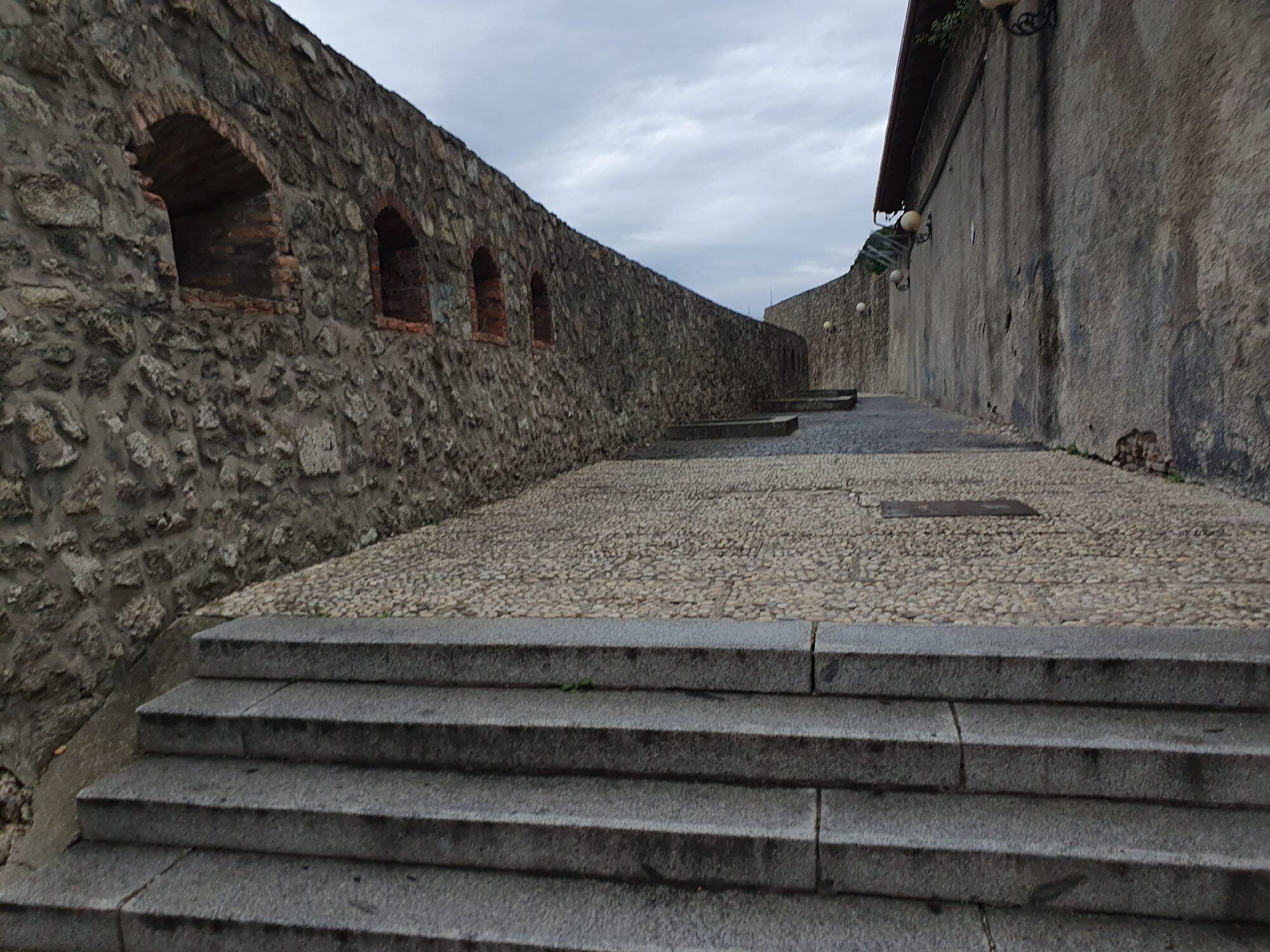
On my visit, there were information boards about the walls and the gates and exhibits about the history of the Jewish community of Slovakia.
Freedom Square – Námestie Slobody
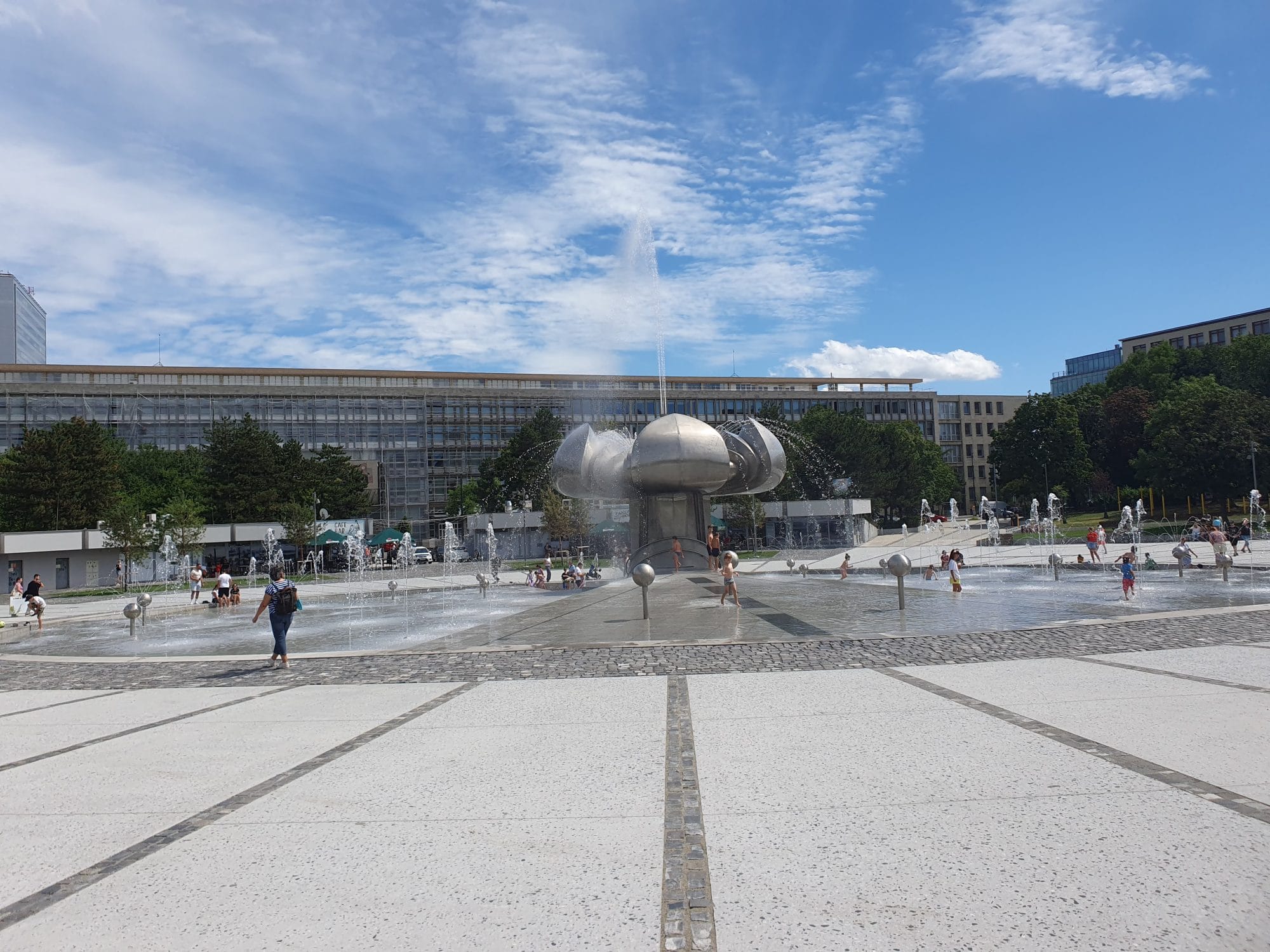
Freedom Square is a lovely place to hang out near the Summer Archbishop’s Palace. It’s a pleasant park with a centrepiece fountain, bars and monuments. We found it a good place to relax, and others seemed to enjoy paddling in Bratislava’s largest fountain.
Palaces on Štefánikova
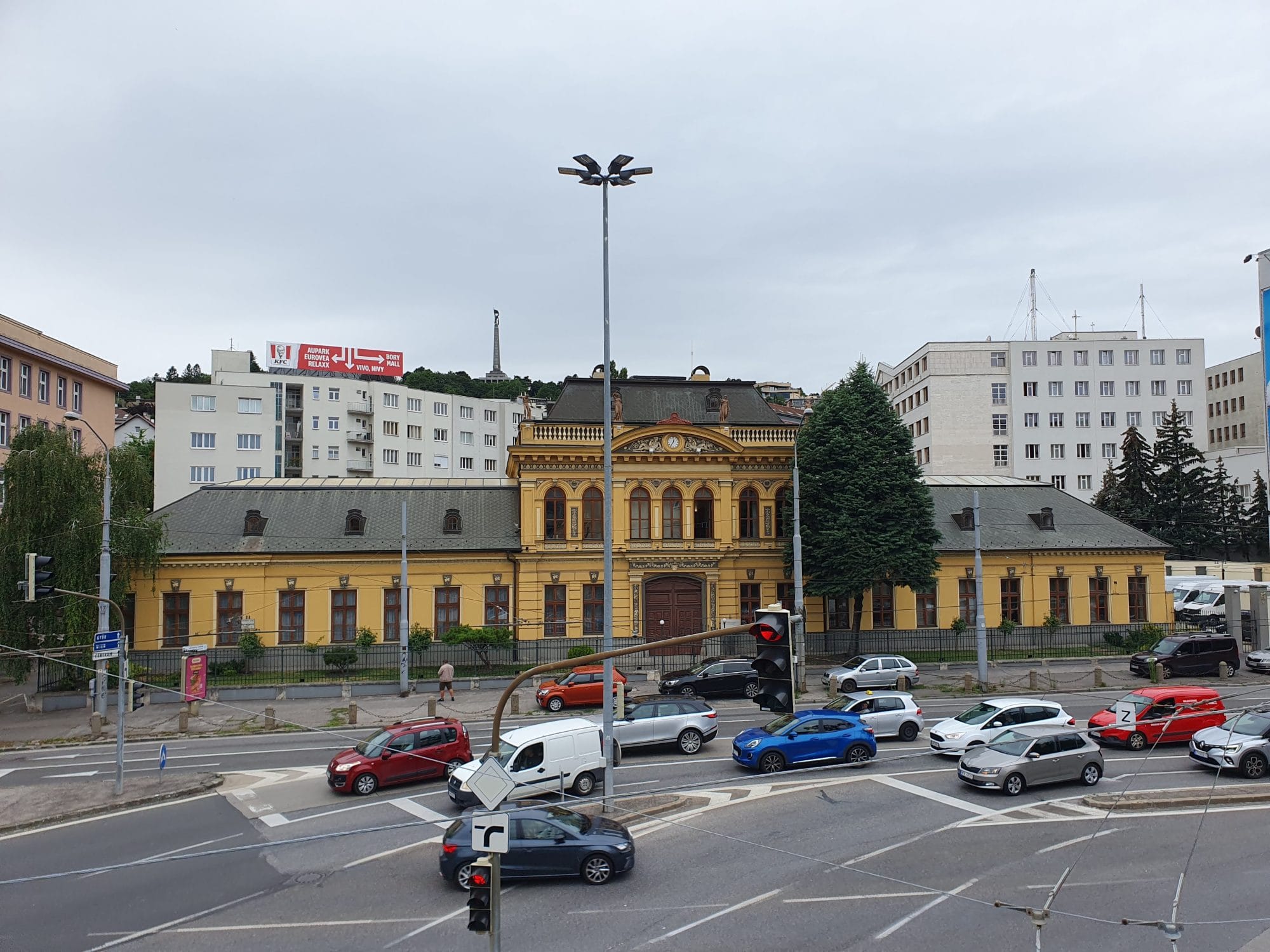
Štefánikova is well worth walking along to take in the impressive architecture, including a few palaces. Near the railway station is Palugyayov palác, a yellow neo-Renaissance building. Palugyayov palác was built between 1873 and 1879. Currently, the palace is used by the Ministry of Foreign Affairs.
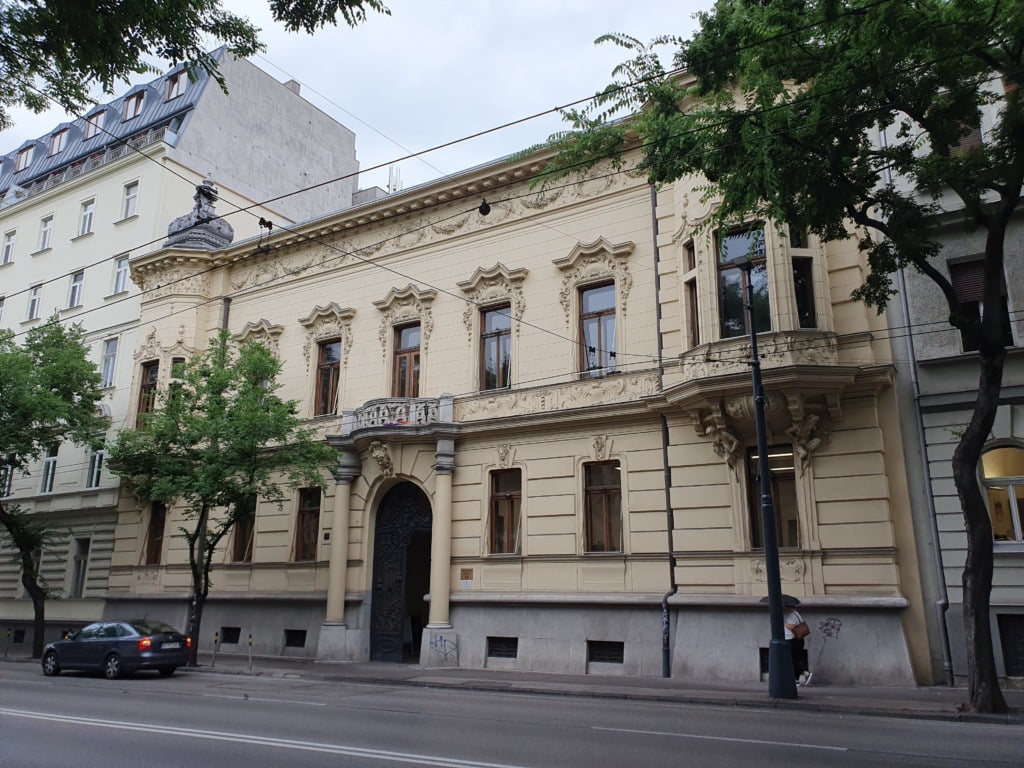
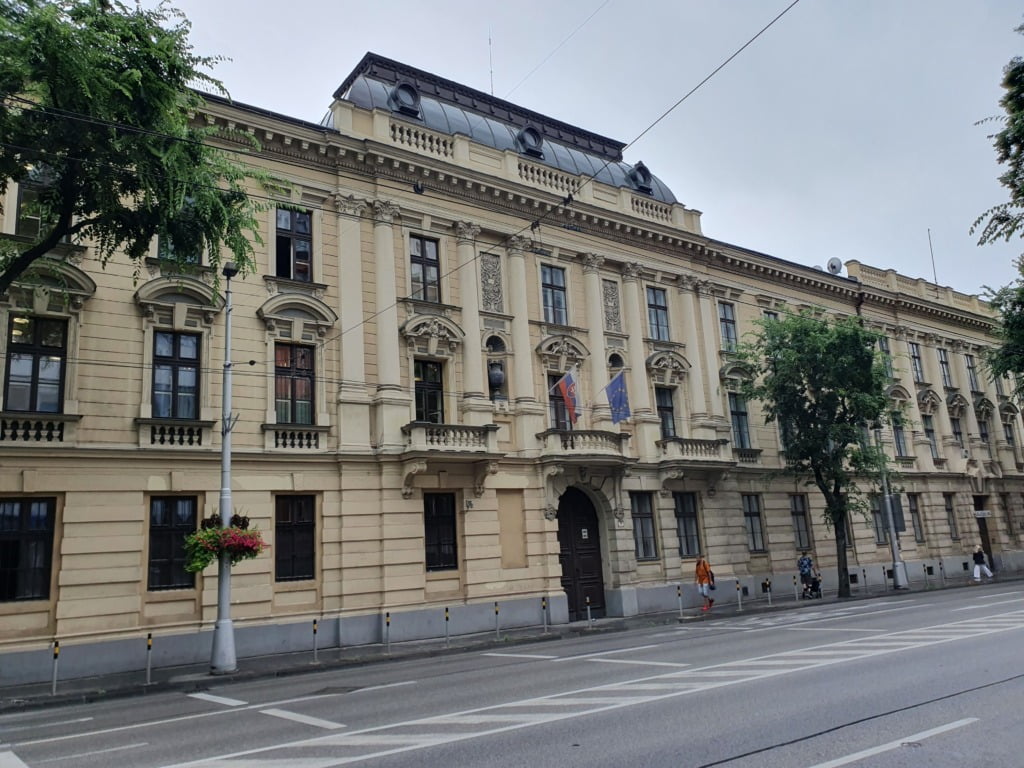
Pisztory Palace was built in the second half of the 19th century in an eclectic architectural style. The palace was named after pharmacist Pisztory. Sadly, it needs renovation, but plans are apparently underway. Another notable palace on the road is Karáčoni Palace, which is towards the White House. Quido Karáčoni, an important figure in the royal court, built it in 1883-1884. The building’s façade has been preserved in its original state.
Slavín
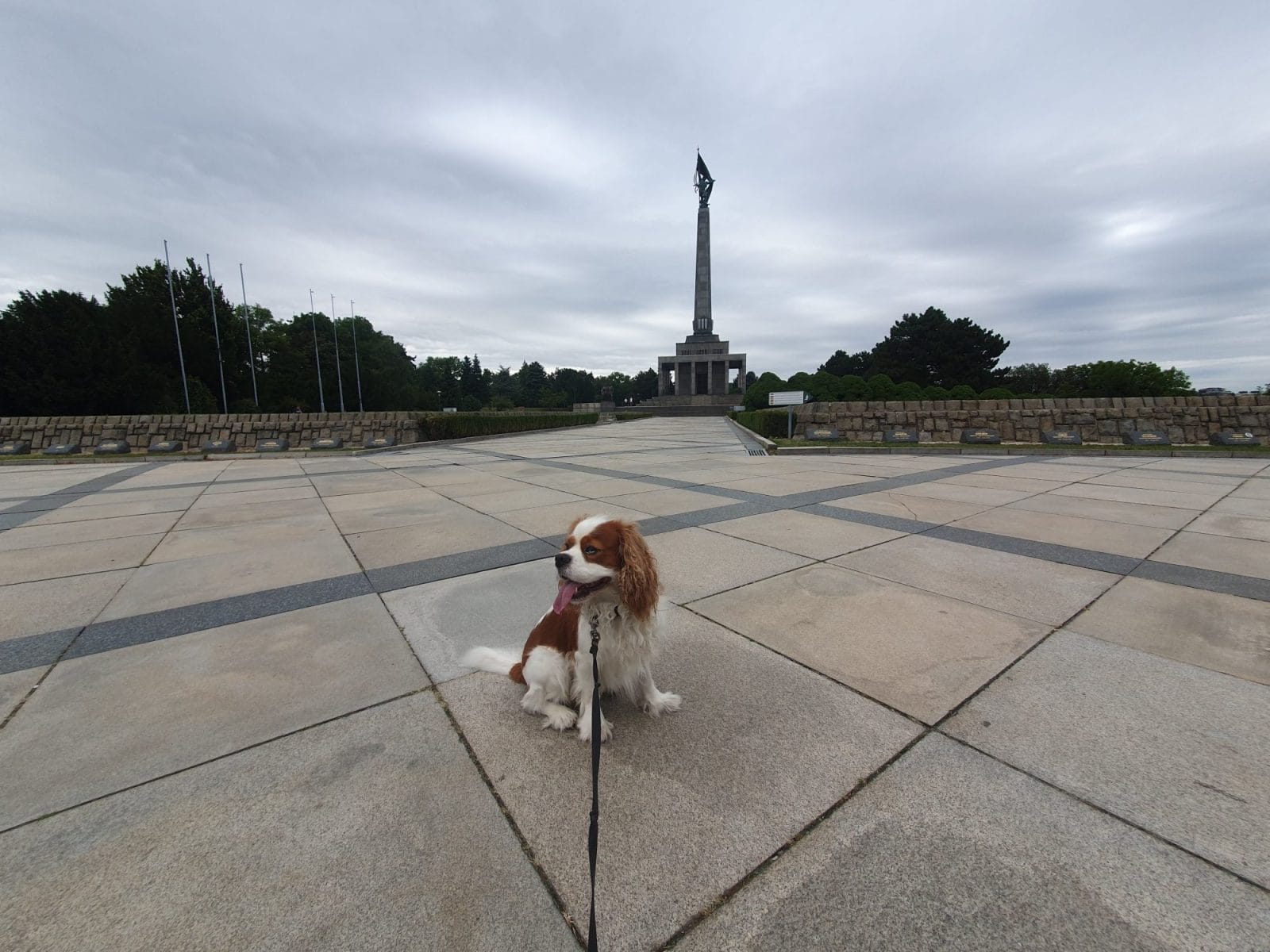
The walk up the hill to Slavin is pleasant. On the way and at the top, it rewards you with views of Bratislava, and you will pass many villas and embassies. Slavín is a memorial monument and military cemetery which was completed in 1960. It is the burial ground of thousands of Soviet Army soldiers who fell during World War II.
Statues & Monuments

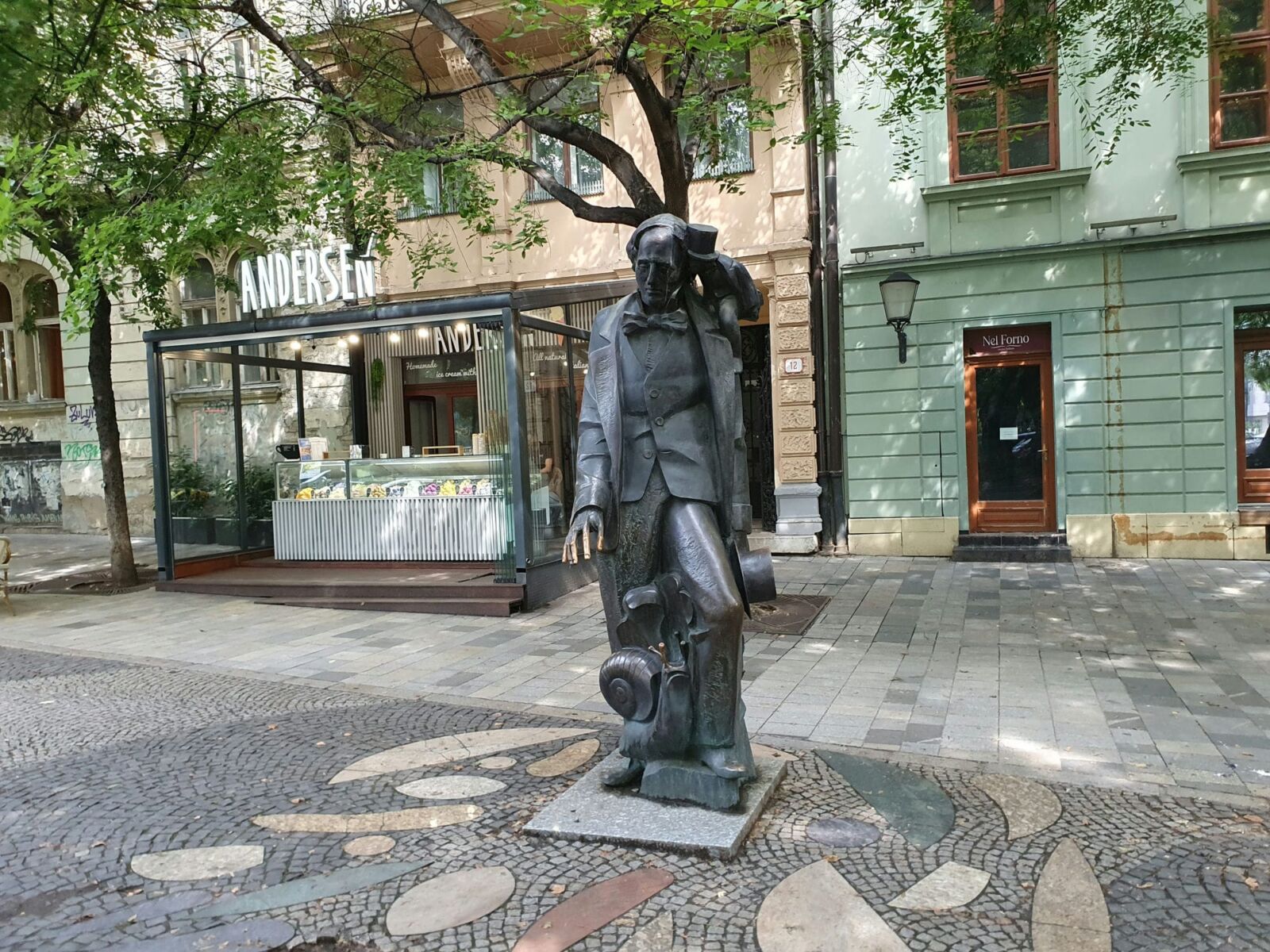
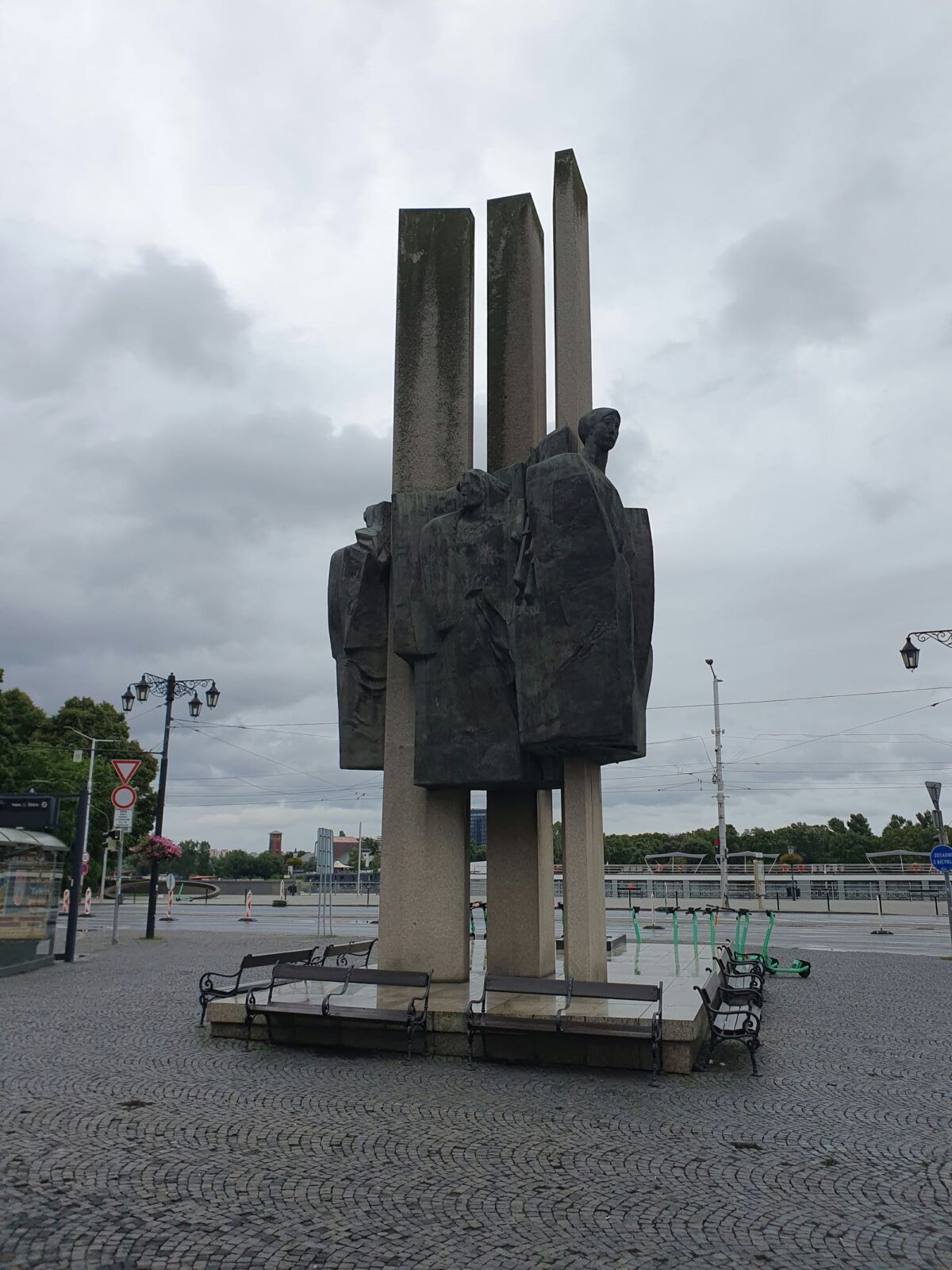
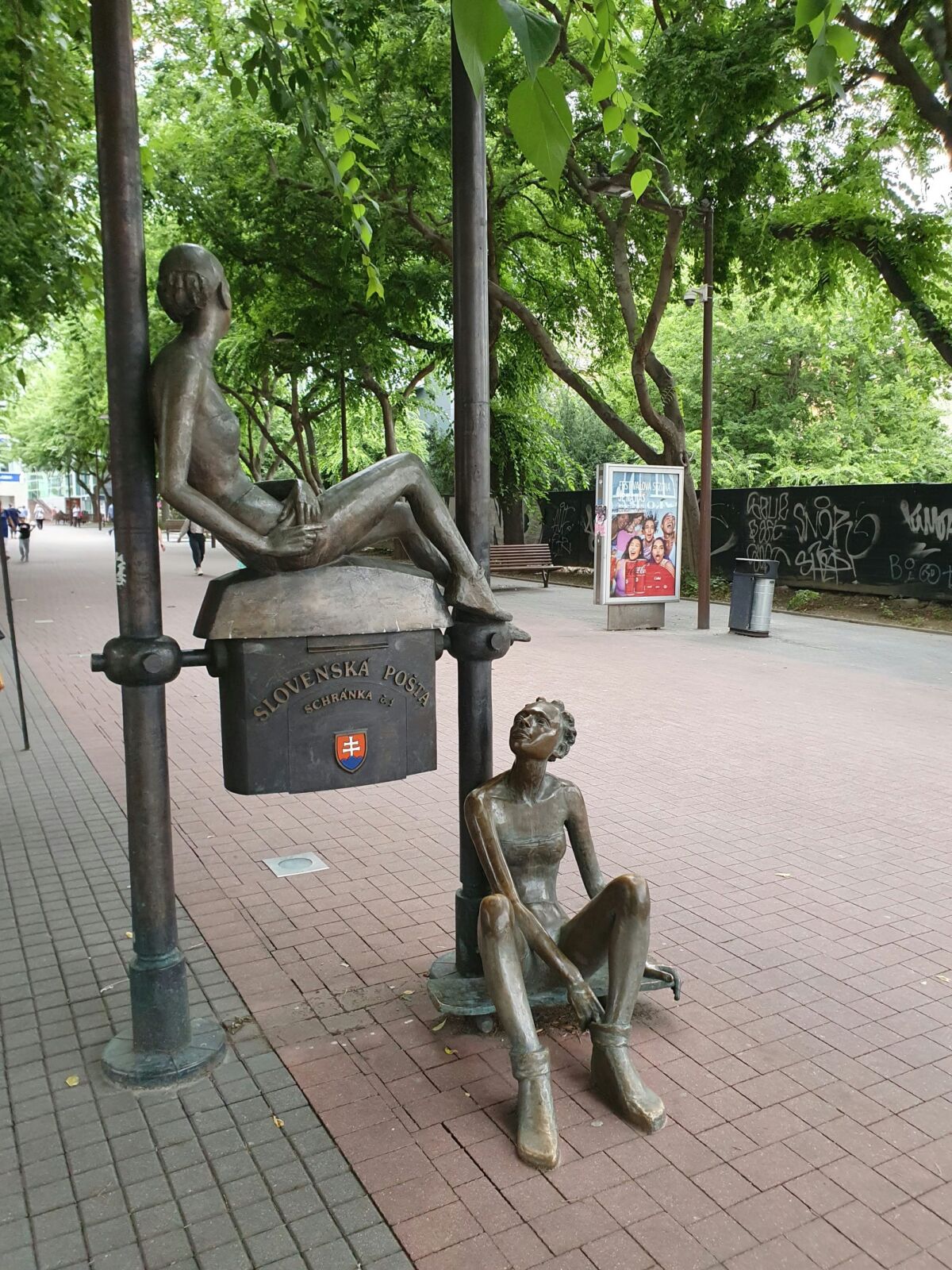
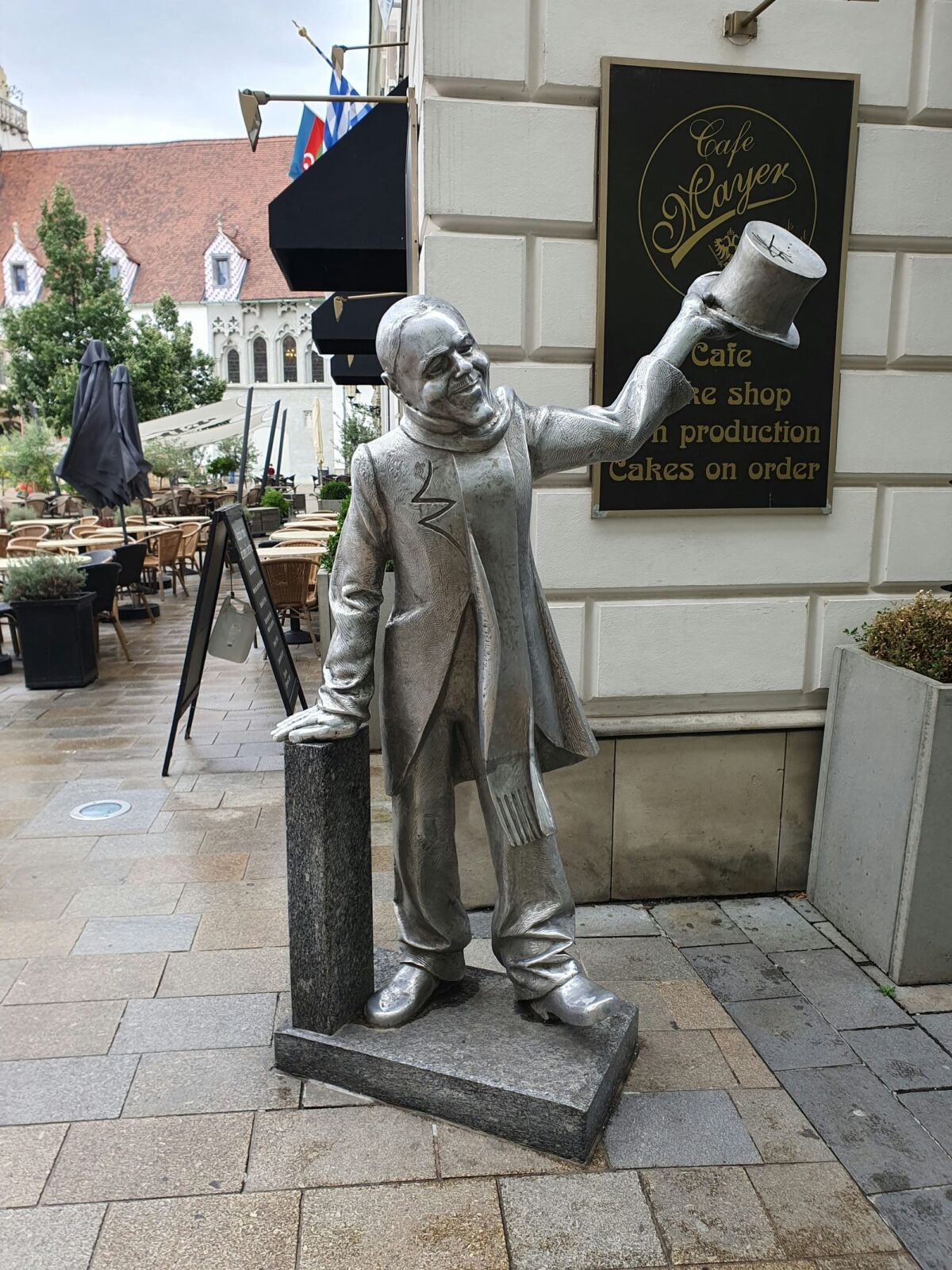
Throughout the city, statues and monuments stand. Some of the most popular statues are the Hans Christian Andersen statue and the guard in the main square near the town hall. The Post Office Statue and Schöne Náci also piqued my interest.
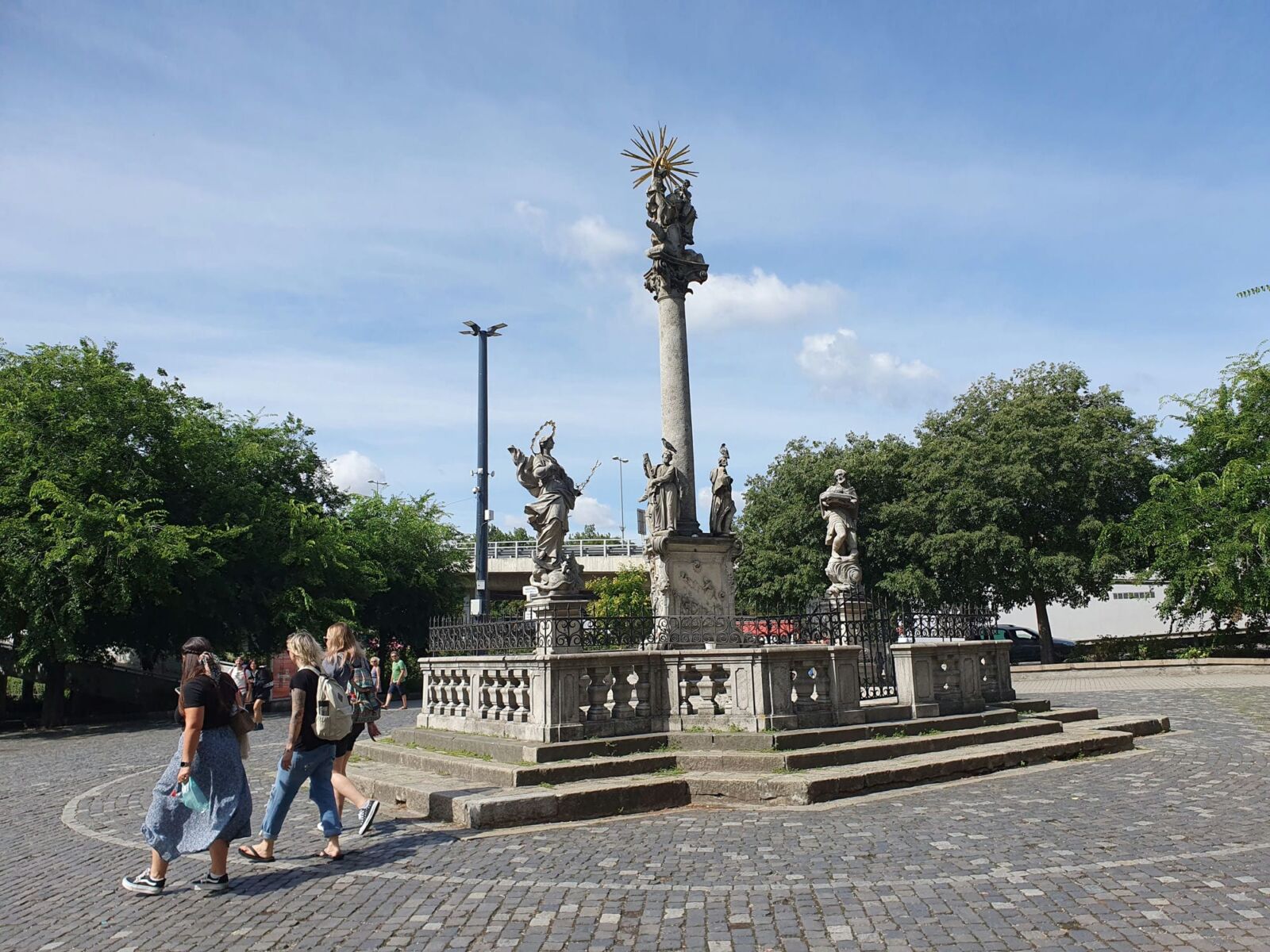
Another monument is Morový stĺp, a plague column built to commemorate those who died in the early 18th-century plague.