
Sofia, Bulgaria: Attractions & Things To Do
Sofia, Bulgaria, has plenty of things to do, from Orthodox churches and Roman ruins to museums, markets, and parks. Top places in Sofia to visit include the Alexander Nevsky Cathedral, the National Palace of Culture, and the Church of St Nicholas the Miracle-Maker.

Disclosure! Keep in mind that some links in these posts are affiliate links. If you click one of them, I may earn a small commission (for which I’m extremely grateful) at no extra cost to you. Thanks for visiting!
In Sofia, you can see many types of architecture and visit museums and historic sites. For tours and other fun activities, there are options on the Viator website. There are also little gems throughout Sofia, including unique statues, historic buildings, and smaller sights that are easy to spot while walking through the city.
Top Things to Do in Sofia, Bulgaria
St George Rotunda Church & Nearby Ruins
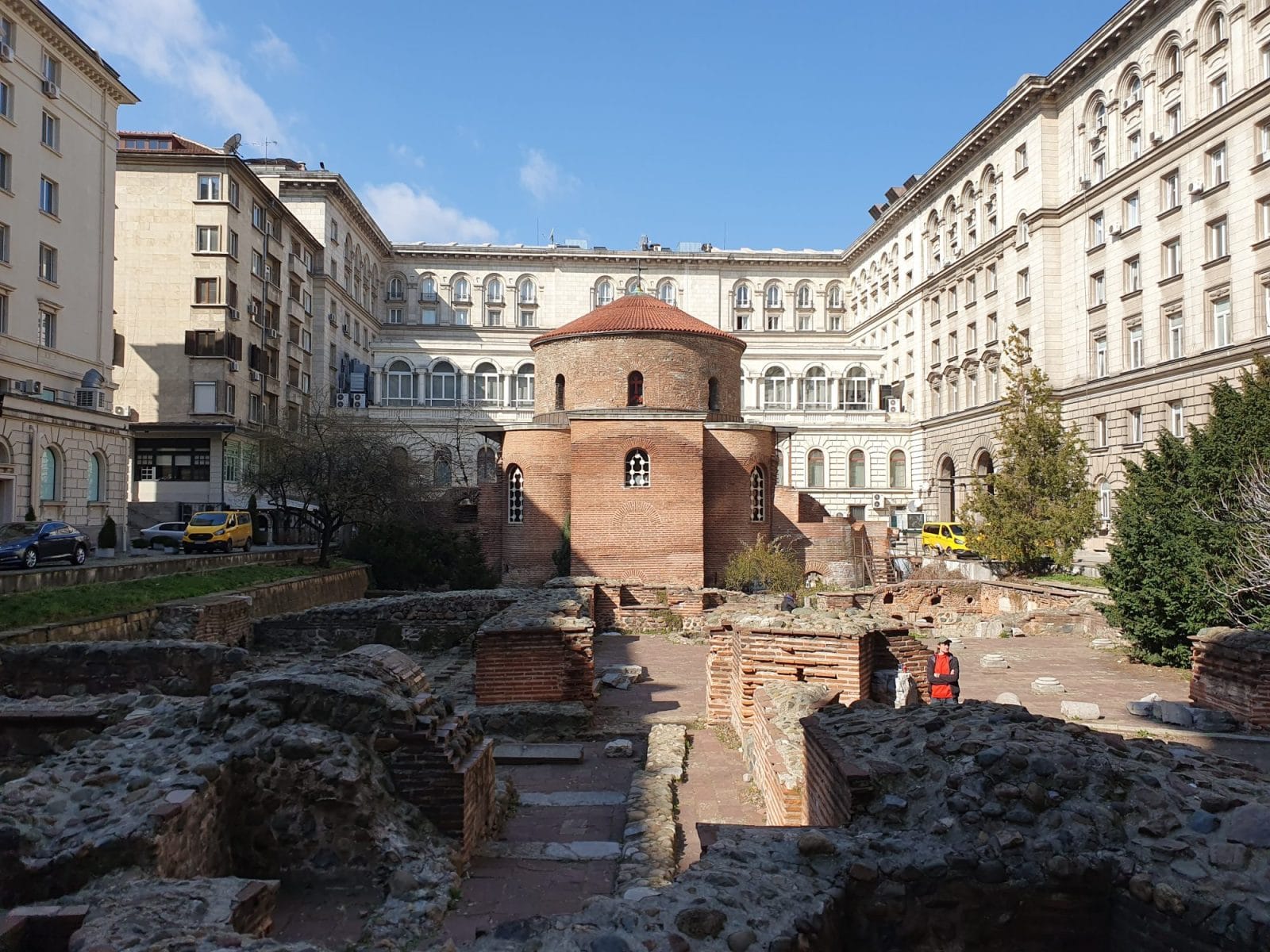
Roman ruins surround the St George Rotunda Church in a courtyard of a government building; thus, you can easily miss it if passing. The Roman ruins and St George Rotunda Church are both free to visit; however, you cannot take photographs inside the church, unfortunately.
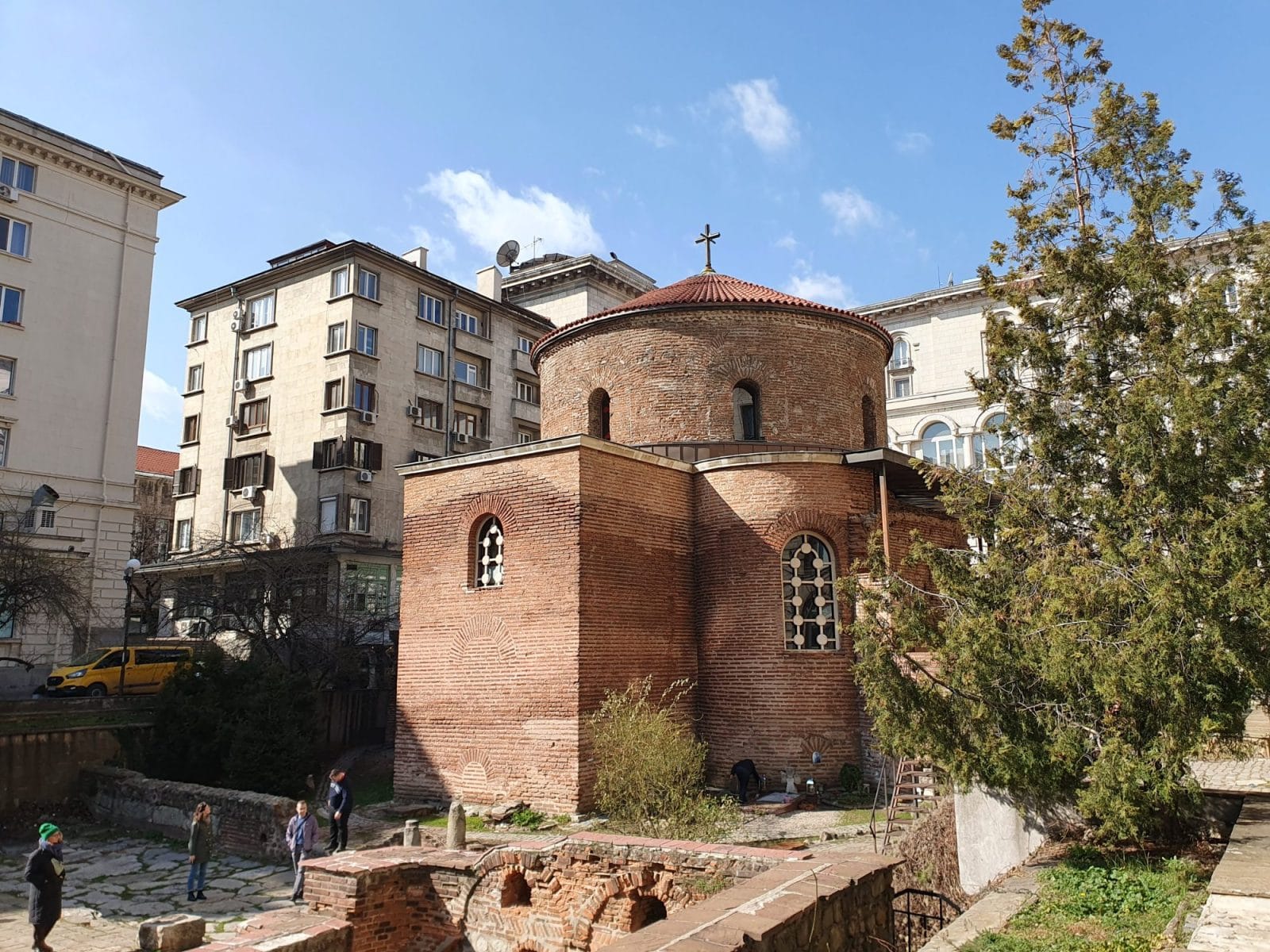
The Church of Saint George is a Late Antique red brick rotunda. It was built in the early 4th century as Roman baths. However, it became a church inside the walls of Serdica, the capital of ancient Dacia Mediterranea. This was during both the Roman Empire and the Byzantine Empire. The church building is a cylindrical domed structure built on a square base. St George’s Church is famous for the 12th-, 13th-, and 14th-century frescoes inside the central dome.
Alexander Nevsky Cathedral

Alexander Nevsky Cathedral is one of the most iconic buildings in Sofia. It is a dominant feature of the city’s skyline and has parks at the edges. You can visit the inside for a look around for free.
Ivan Vazov National Theatre
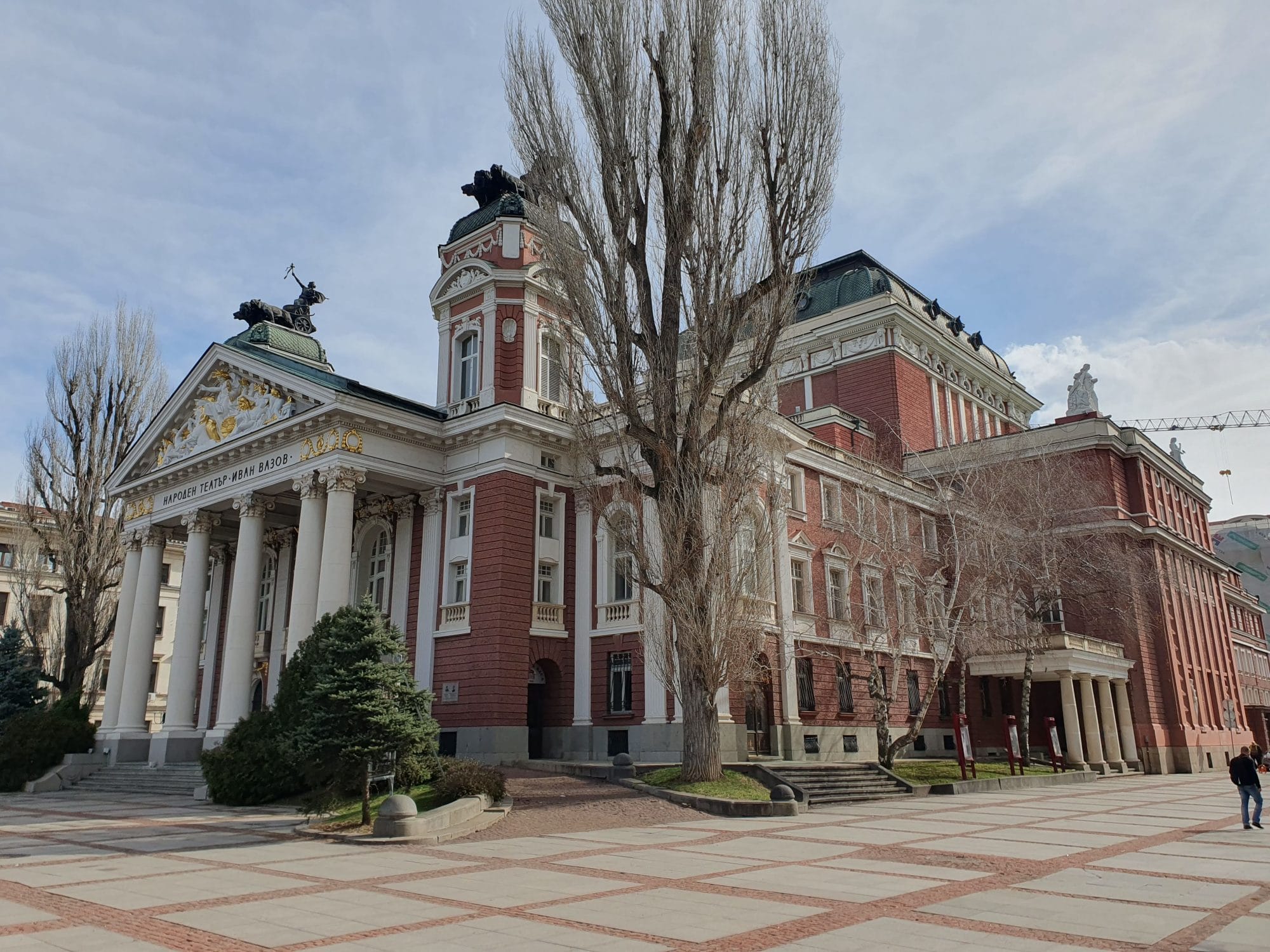
Ivan Vazov National Theatre was founded in 1904, and the building opened in 1906. It was reconstructed in 1929 after a major fire. This is the Bulgarian National Theatre. It’s also the oldest and is considered the leading theatre in the country. You can find the theatre at the edge of the city garden, a pleasant area with things going on.
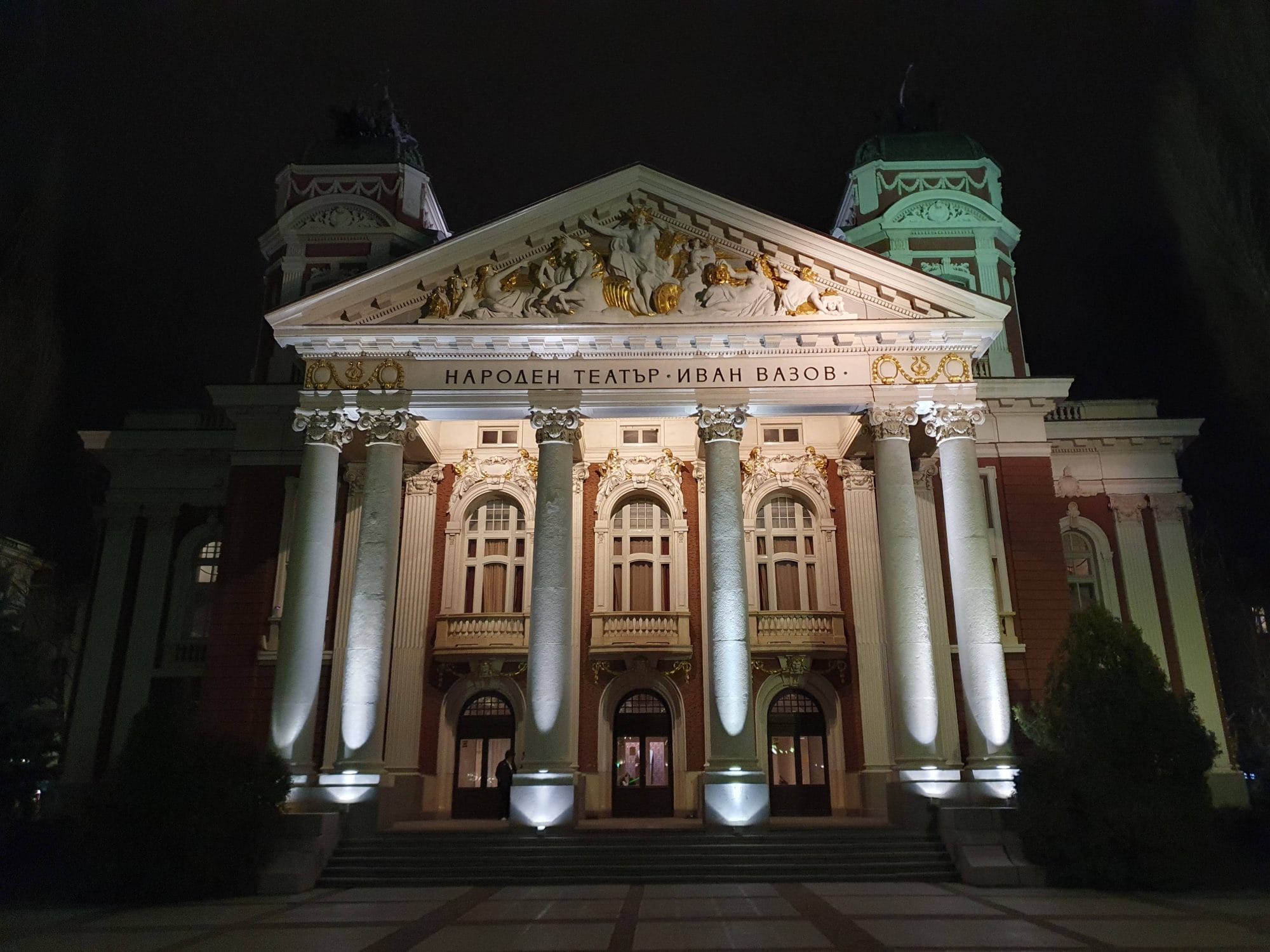
On my various visits, there have been many things to see, including traditional dance. The building is stunning, especially the fascia at the front entrance. You can find out what’s on and book tickets via the theatre’s website.
Boyana Church
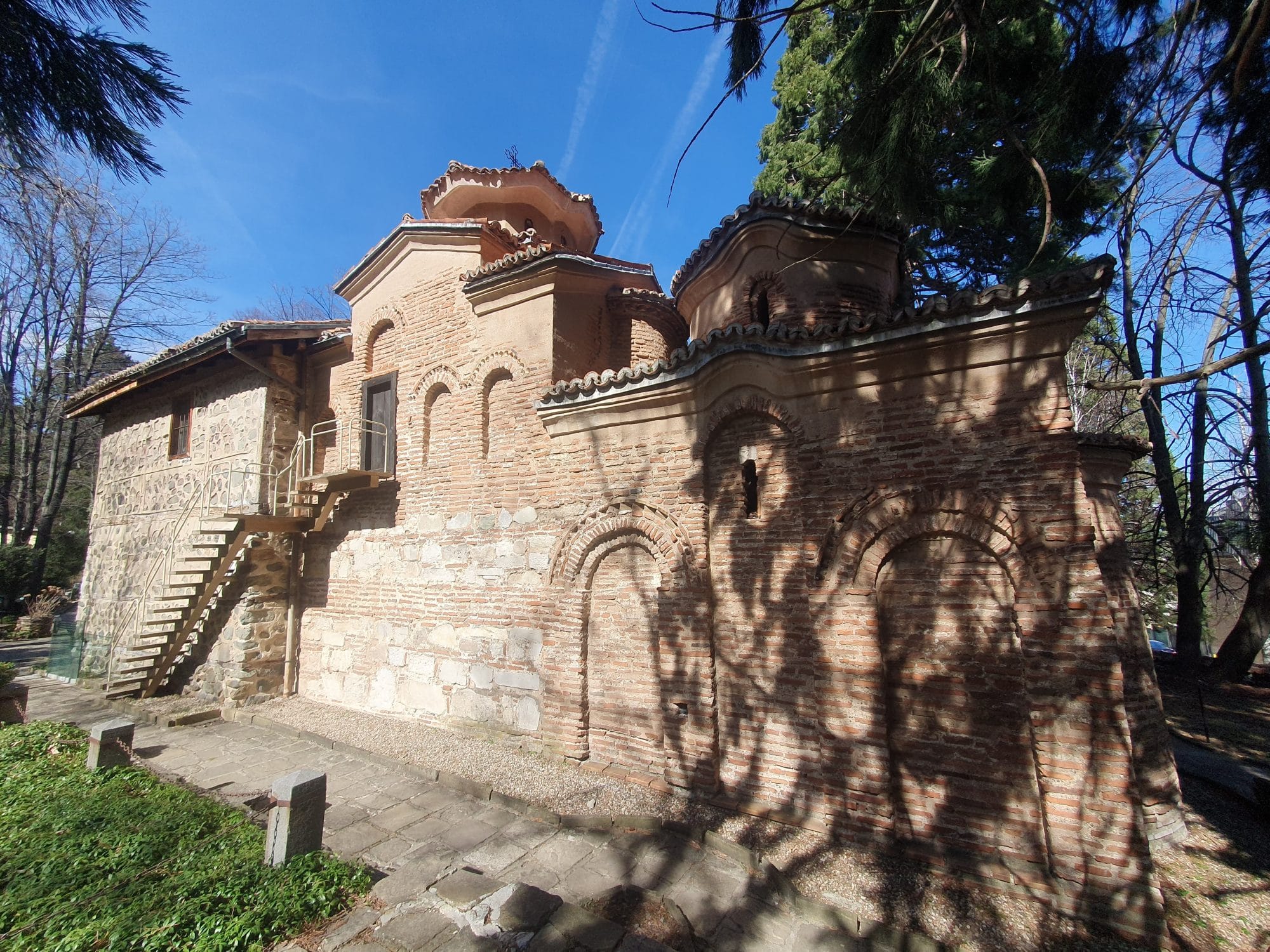
Boyana Church is a medieval Bulgarian Orthodox church that is listed by UNESCO as a World Heritage Site. The church is historically important because of its frescoes, which date to 1259.
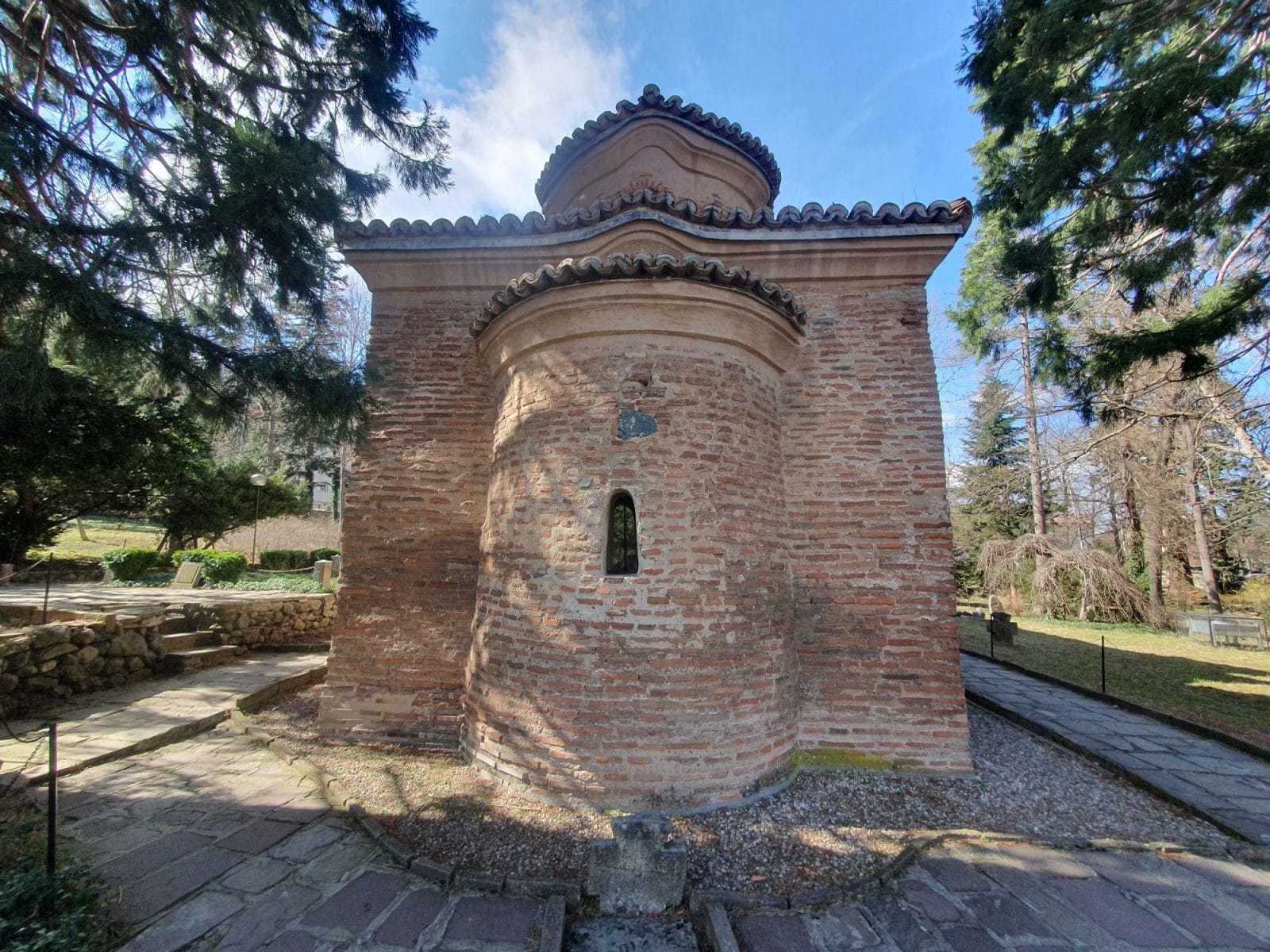
The frescoes are some of the most complete and well-preserved monuments of medieval art in the Balkans. Boyana Church is a great place to visit, and there are excellent hiking opportunities nearby.
The Archaeological Site of Ancient Serdica
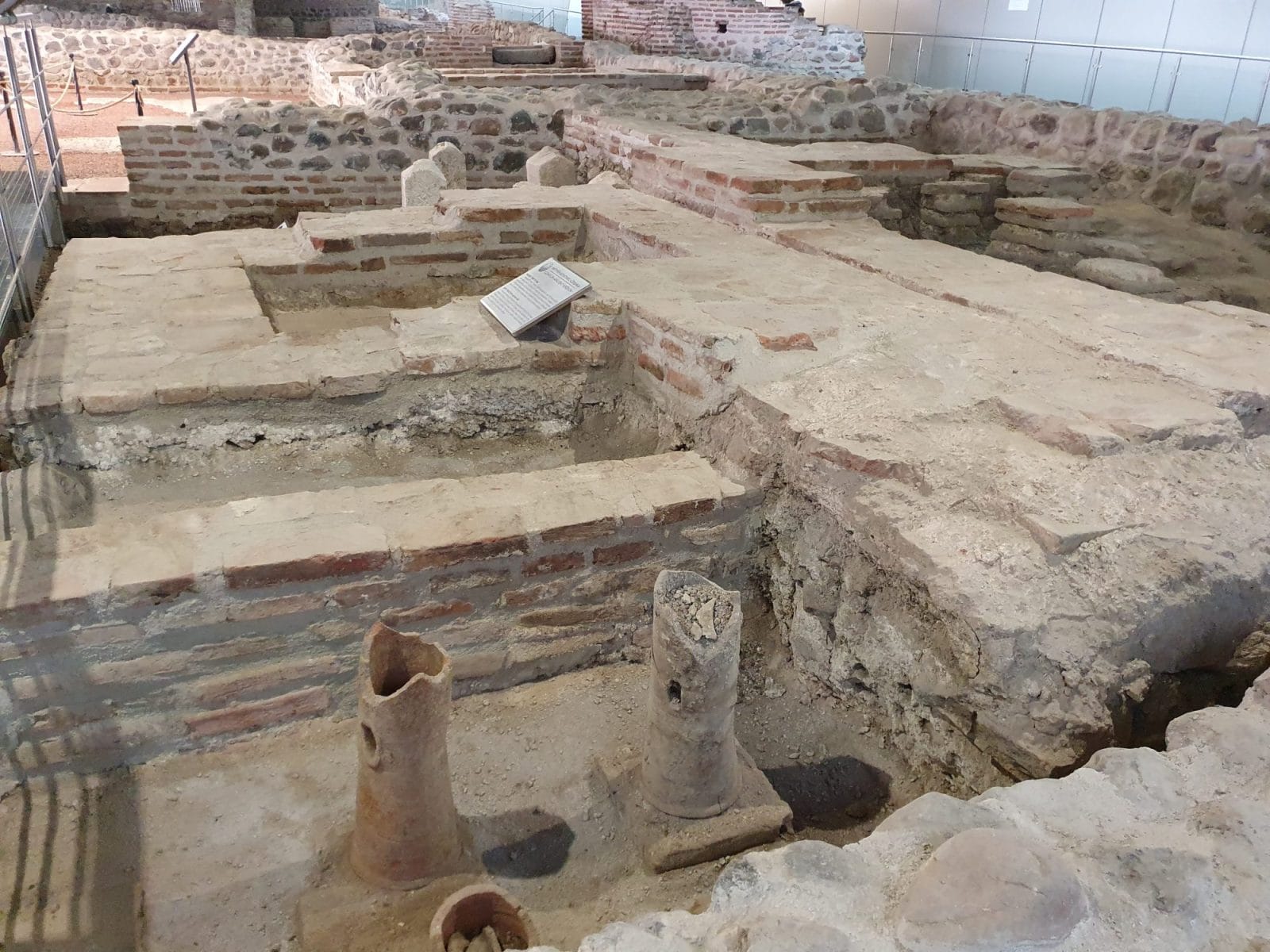
A fascinating sight is the archaeological site of the ancient Roman city of Serdica. You can see the archaeological features for free near Serdika Metro Station. However, for a small fee, you can enter the museum and see more, including artefacts and mosaics. You can also learn about the Roman city here.
Vitosha Boulevard
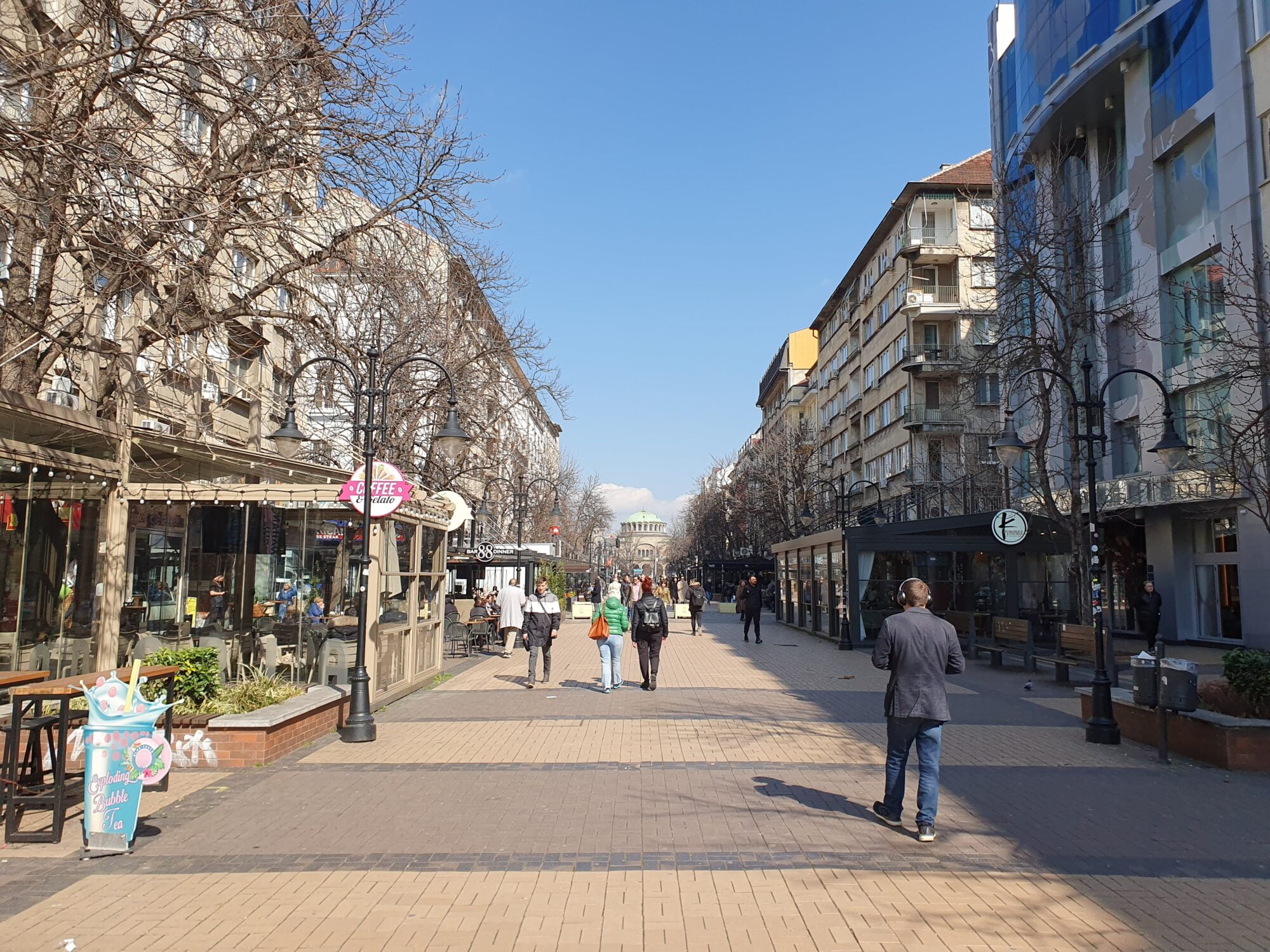
Vitosha Boulevard is a lovely street with statues, attractions, shops, and restaurants. It’s well known for its food and cafe scene and can be a fun area in the evenings. The road links the Palace of Culture with St Nedelya Church, and between the two, there’s lots to see. We dined out here various times and enjoyed the nightlife, too.
National Palace of Culture Park
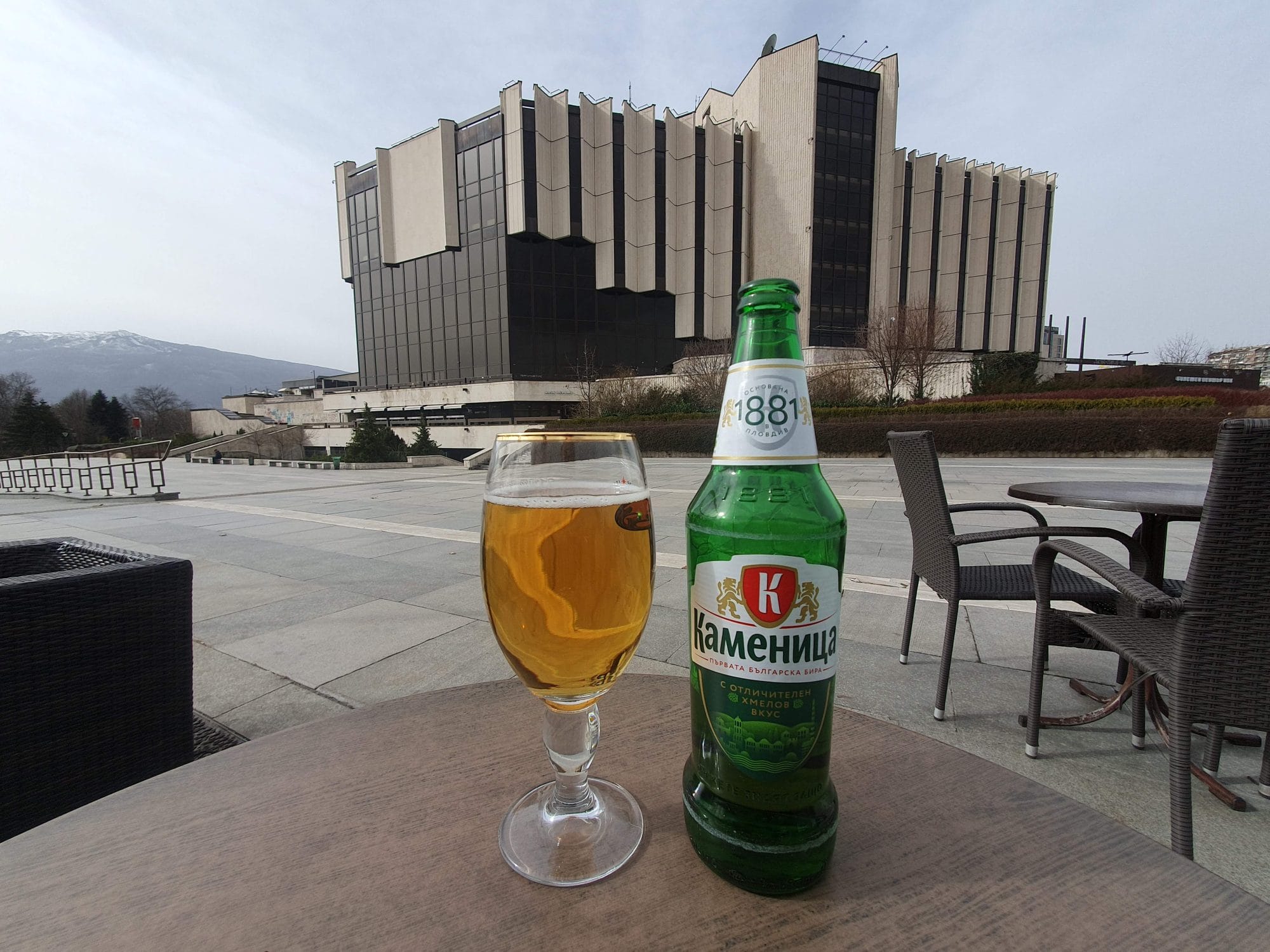
The National Palace of Culture Park is a cool landmark to visit. Sadly, during our winter visit, the epic fountains were off; however, the park was still enjoyable. The key feature of the park is the massive National Palace of Culture.
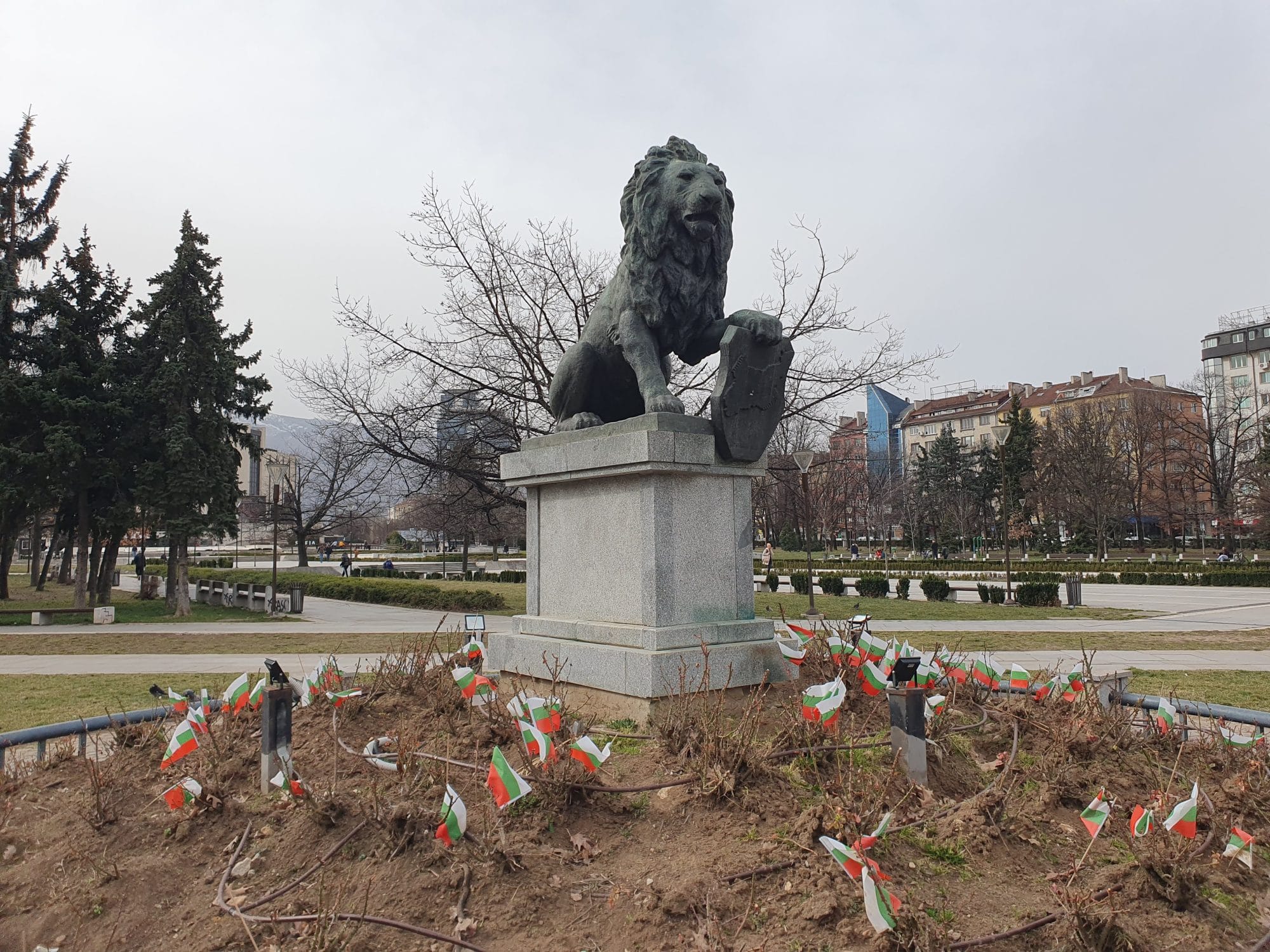
The park also has a segment of the Berlin Wall. The temple of Bulgarian martyrs and the Lion Monument. It is popular with people relaxing and others exercising.
Churches & Religious Sites in Sofia
Church of St Nicholas the Miracle-Maker
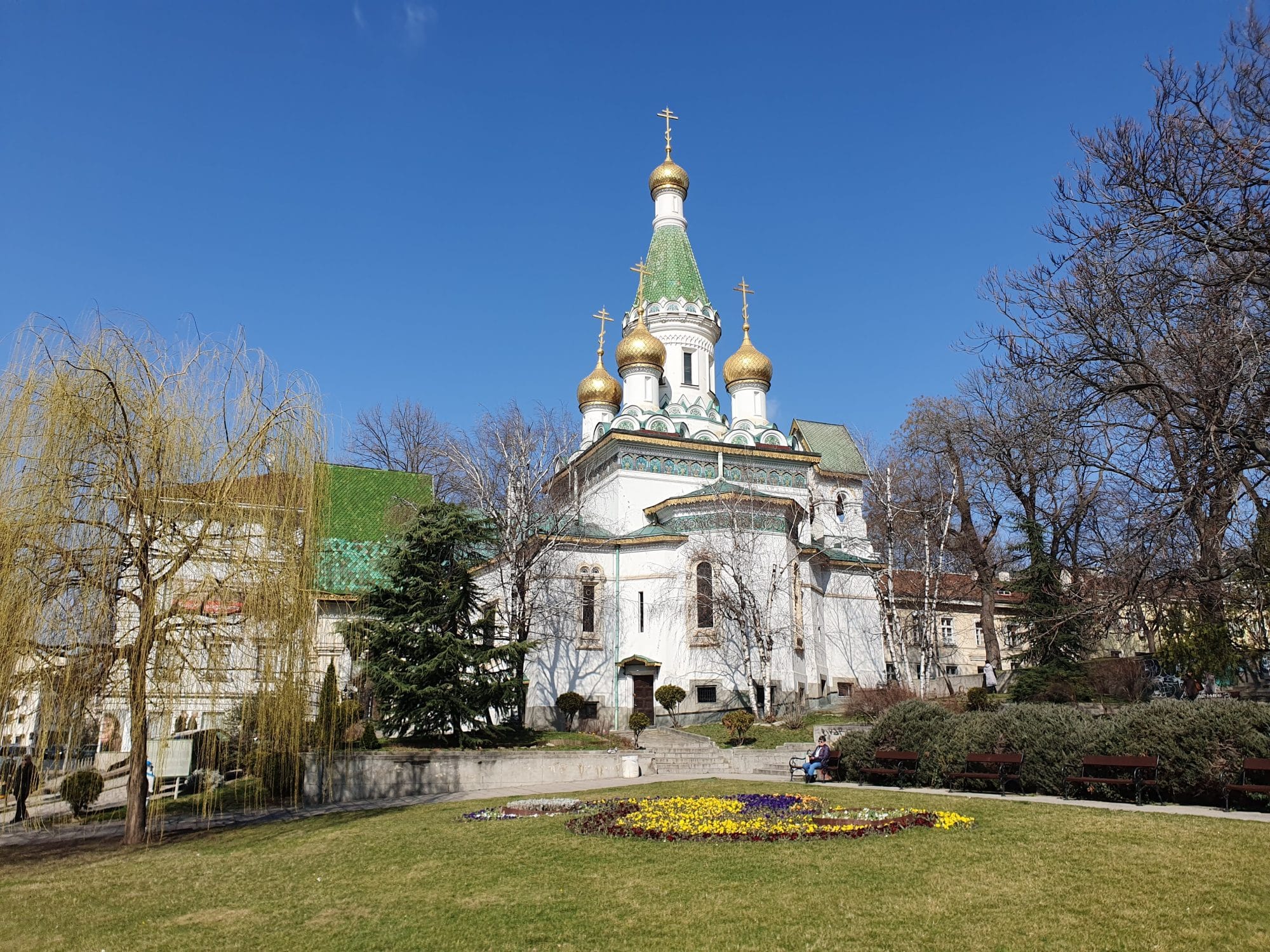
The Church of St Nicholas the Miracle-Maker is a unique church building. It is also known as the Russian Church and was built on the site of a mosque after the Russians liberated Bulgaria from the Ottoman Empire.
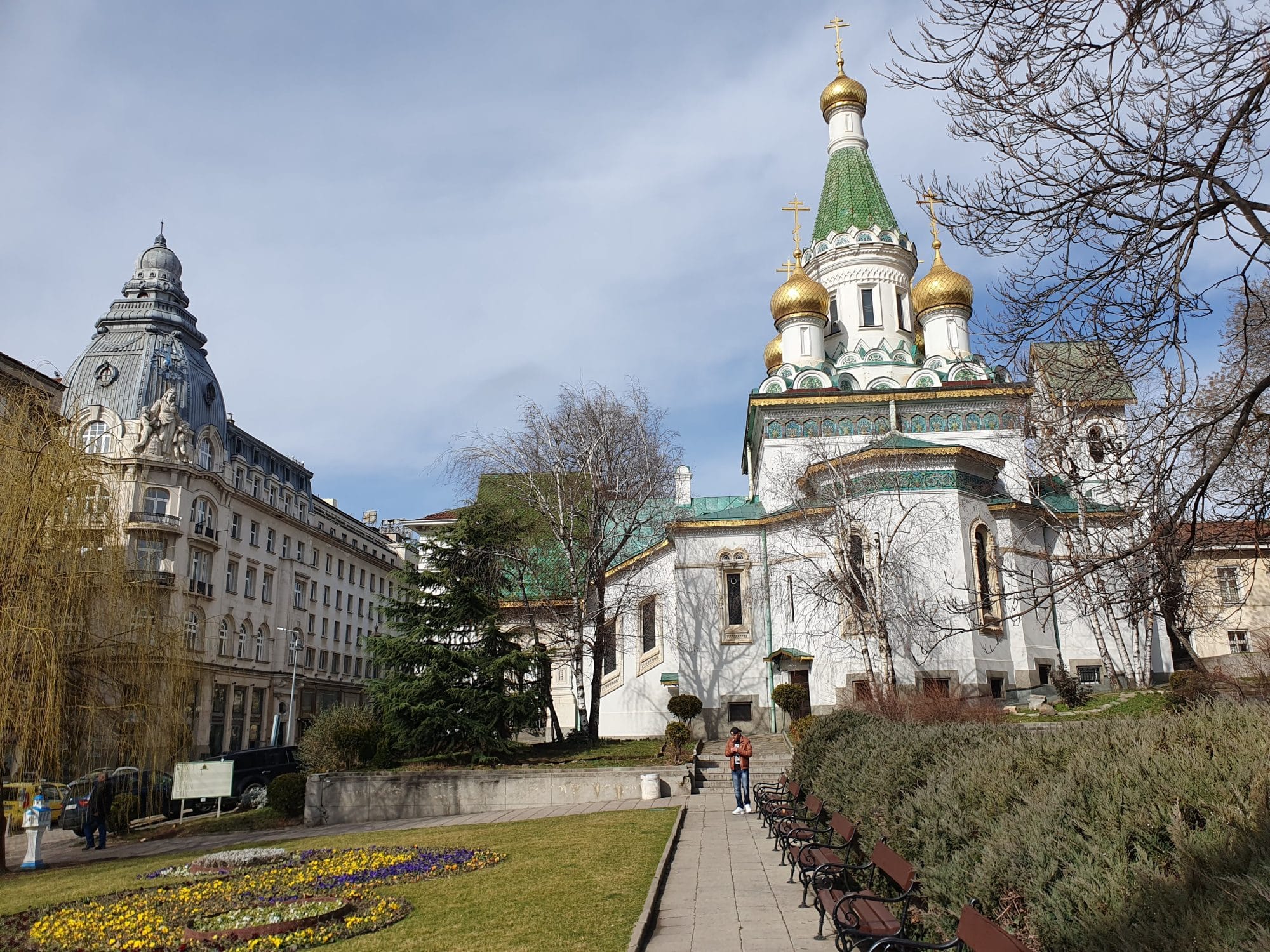
The unique church was completed in 1914, after construction began in 1907. It’s a beautiful building, the highlight being the gold domes on the roof. The church is best seen from the gardens to the rear at any time of the day. You can also visit inside; however, photos are not permitted. The interior is small and has interesting murals.
St Nedelya Church
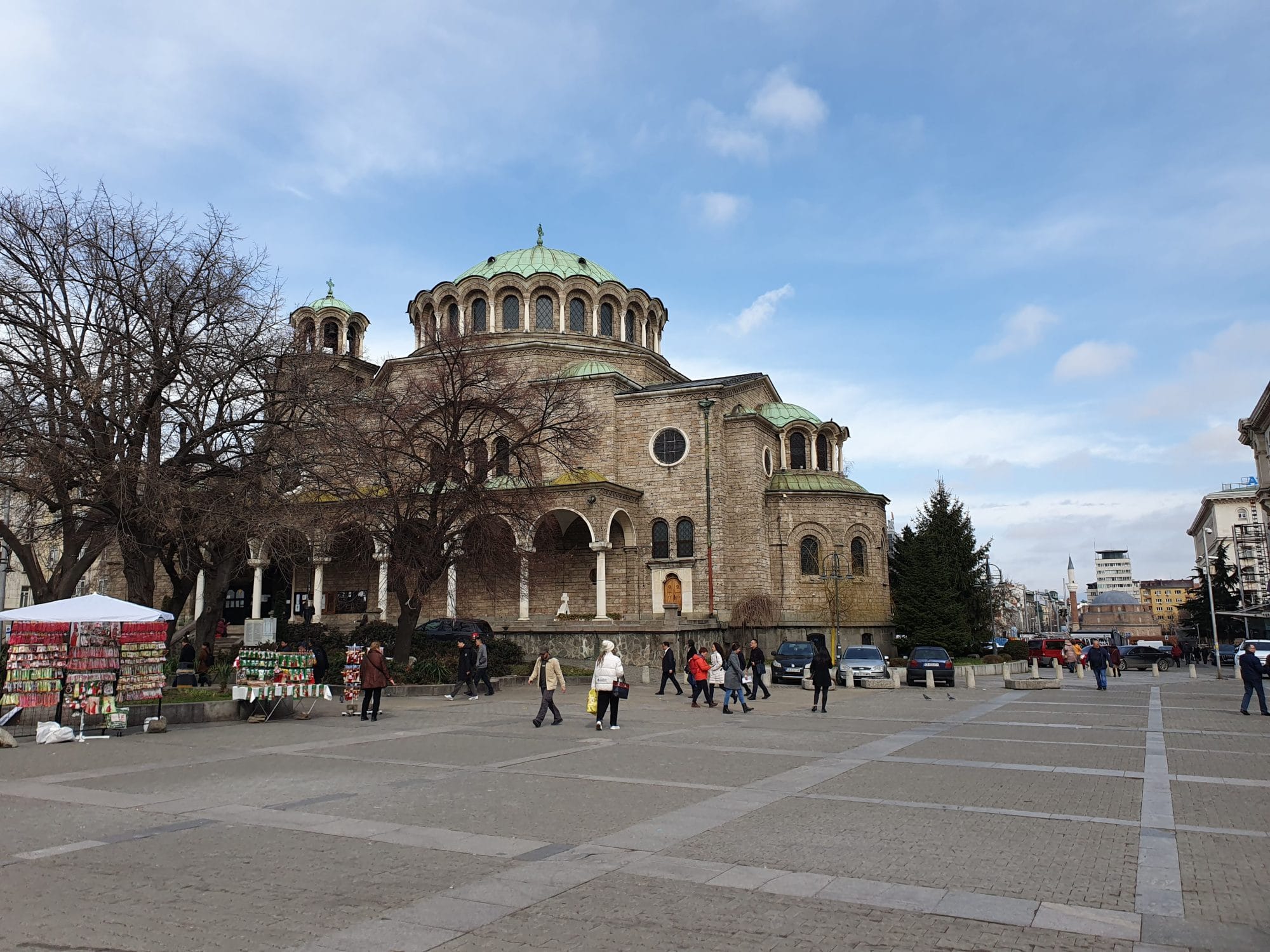
One of the most noticeable churches in the central areas is Sveta Nedelya Church. St Nedelya Church is an Eastern Orthodox cathedral with an interesting history. The site dates back to the 10th century; however, it has been destroyed many times. Thus, it has been consecrated 4 times, including in the 10th century, 1867, 1898 and 1933.
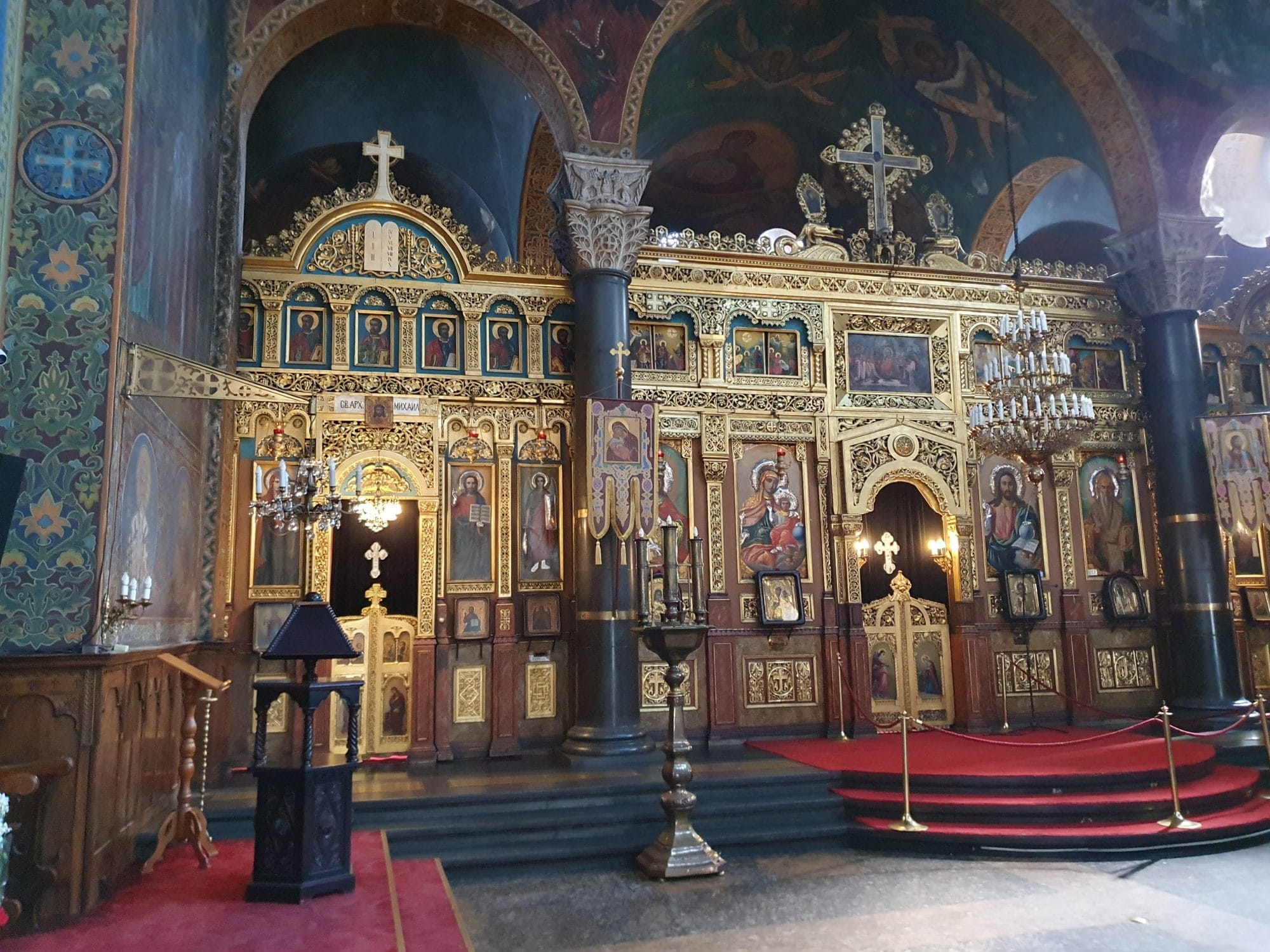
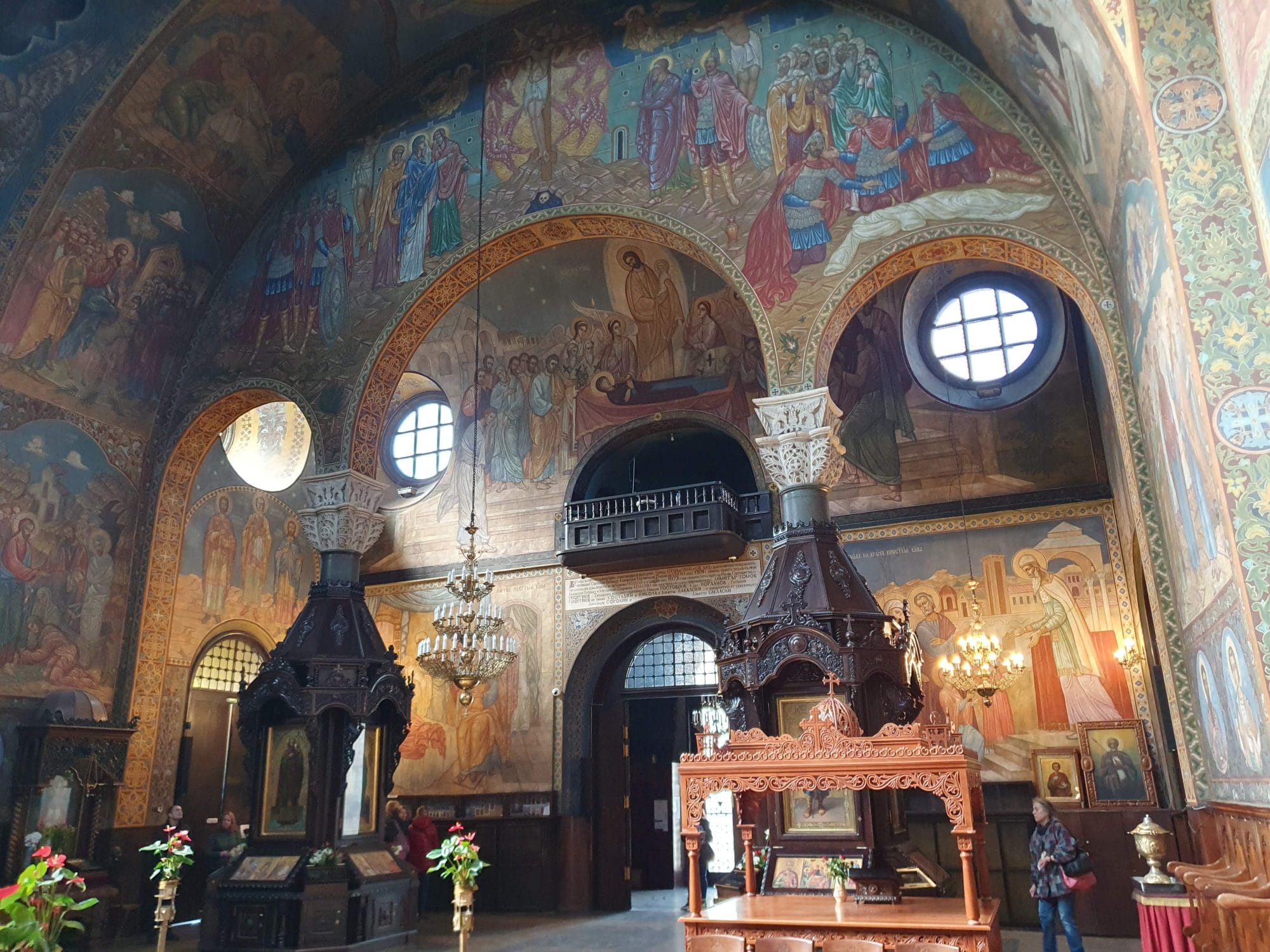
Visiting inside St Nedelya Church is free, and it’s rather beautiful. The extravagant altar and the many wall paintings certainly caught my attention. Visitors can also take photos inside for a small fee; however, St Nedelya Church is often busy, so you might need to be patient to get a good photograph of the altar.
Saint Sofia Church
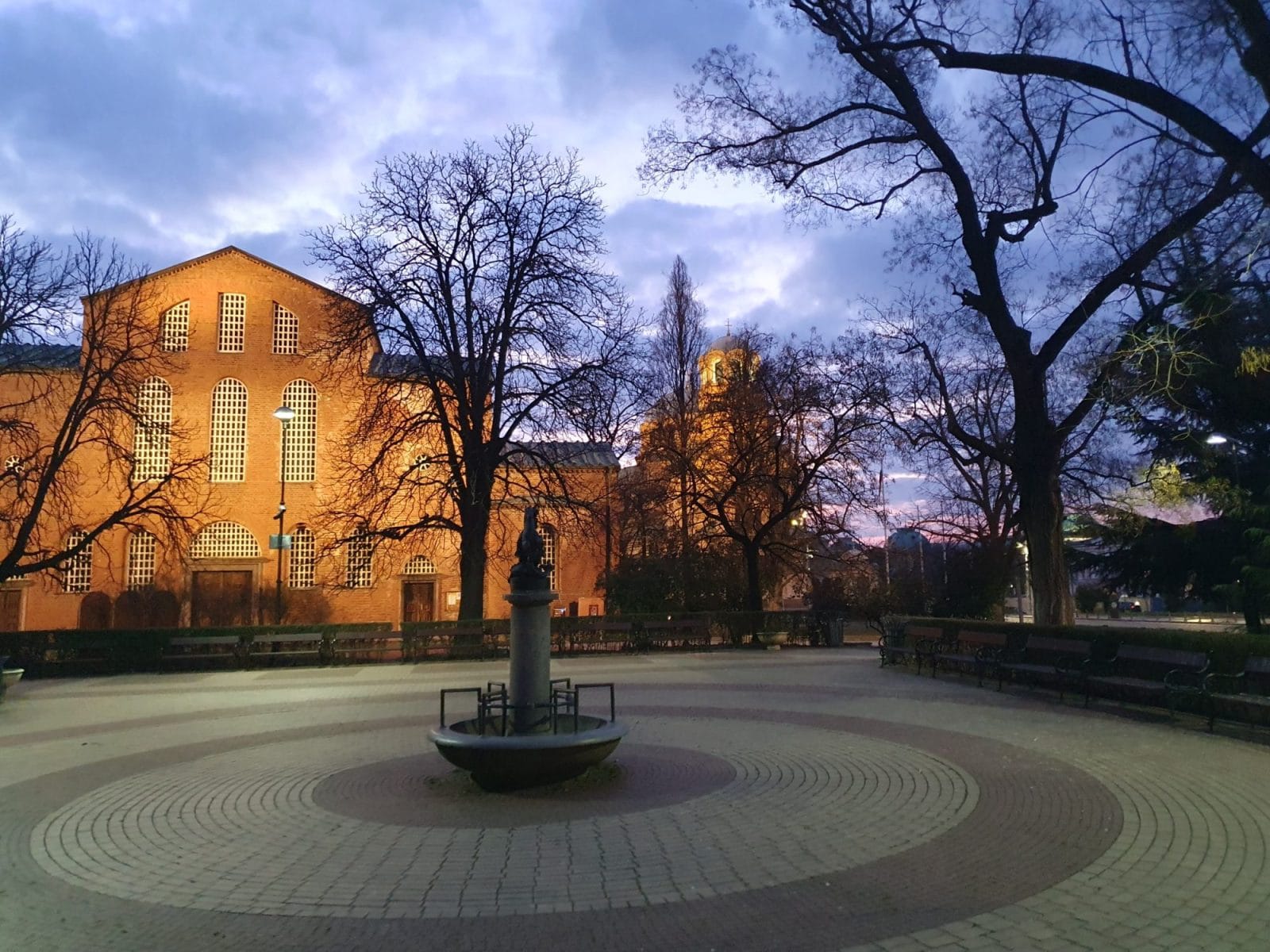
Saint Sofia Church is near the Alexander Nevsky Cathedral and is the oldest church in the city. This church dates back to the fourth century. During the 14th century, the church gave its name to the city, which was previously called Serdika. This church has been destroyed many times in its history, including most recently by earthquakes. Saint Sofia Church is one of the most valuable pieces of early Christian architecture in Southeast Europe.
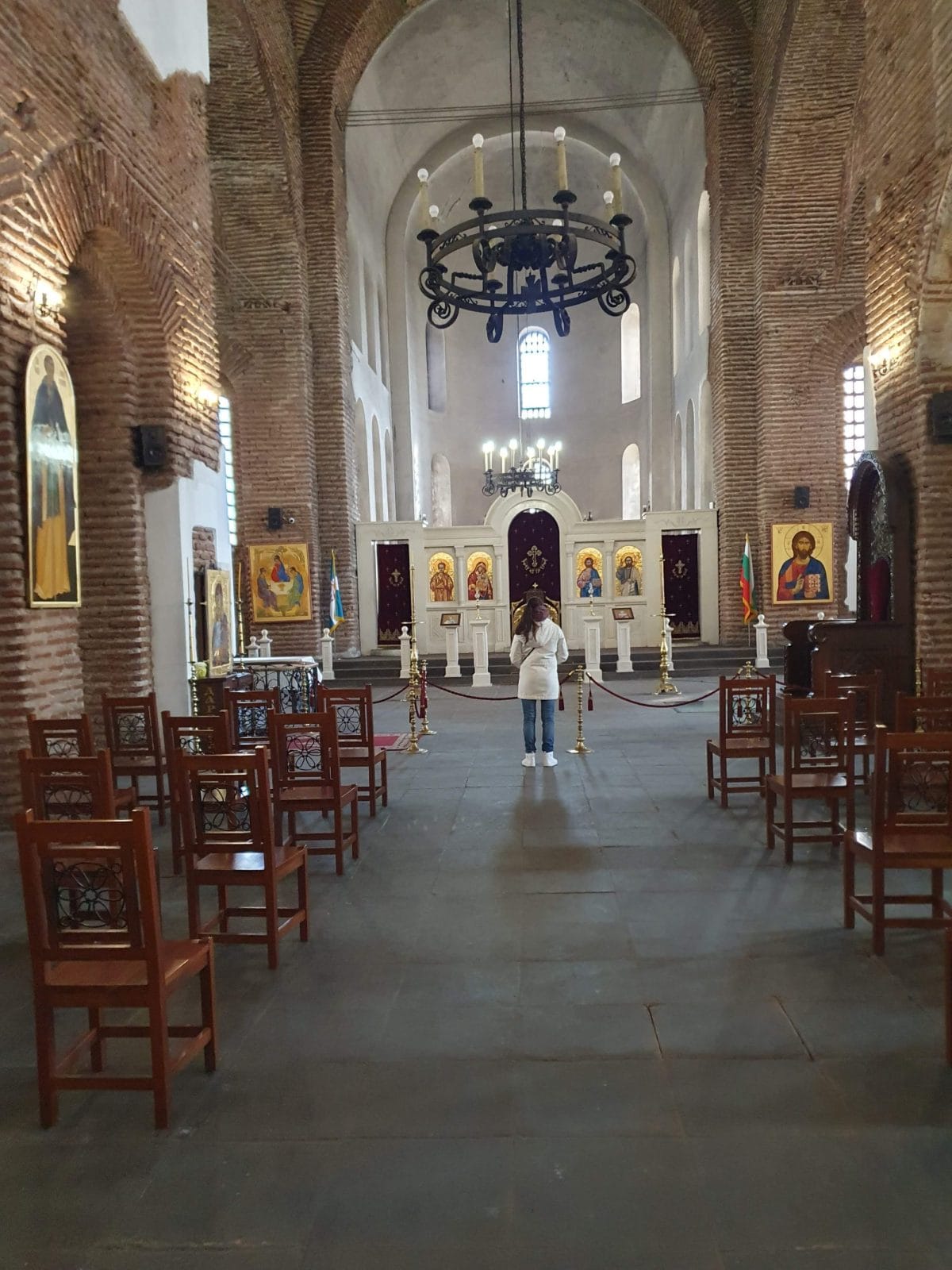
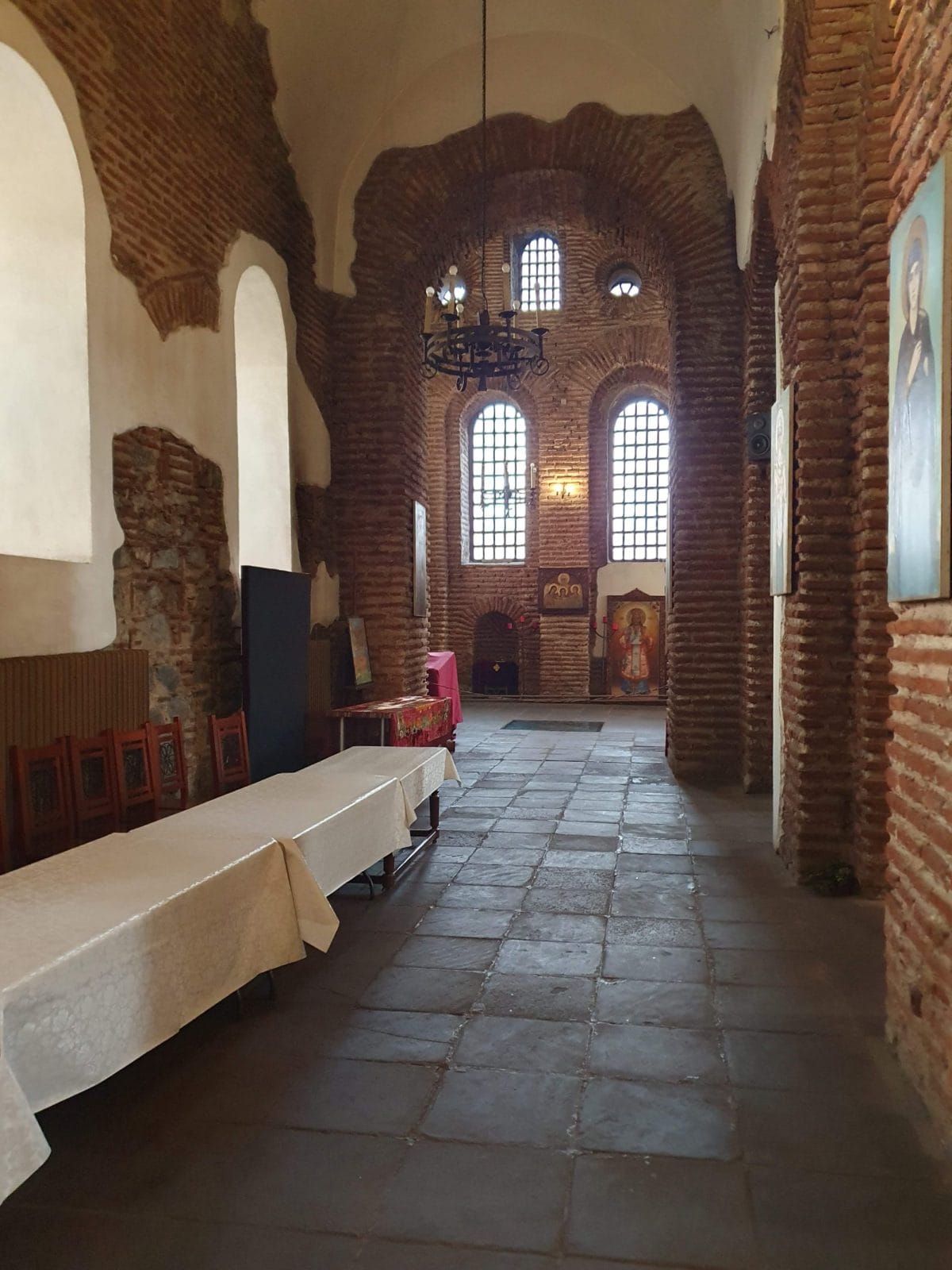
This church is a cross basilica with three altars. The floor is covered with complex early Christian ornamental mosaics or flora- and fauna-themed mosaics. The church is free to enter and is an active place of worship. The Byzantine and Roman architectural styles piqued my interest. Inside, you can see altars, brickwork and art. You can also pay extra to visit the church’s crypt.
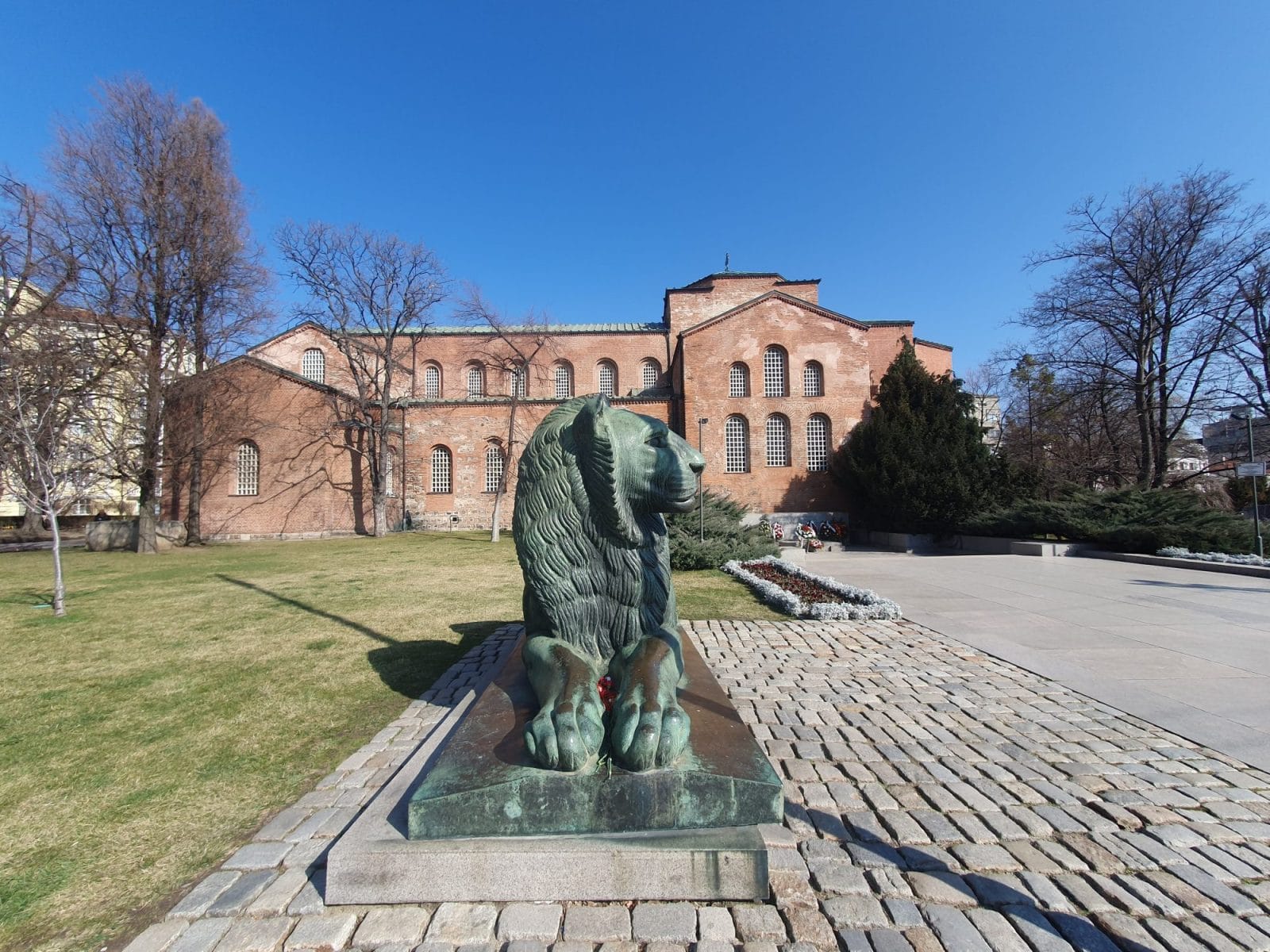
The grounds of the church contain statues, including the lion sculpture, the Monument of the Unknown Soldier and Ivan Vazov’s Grave.
The Zone of Tolerance
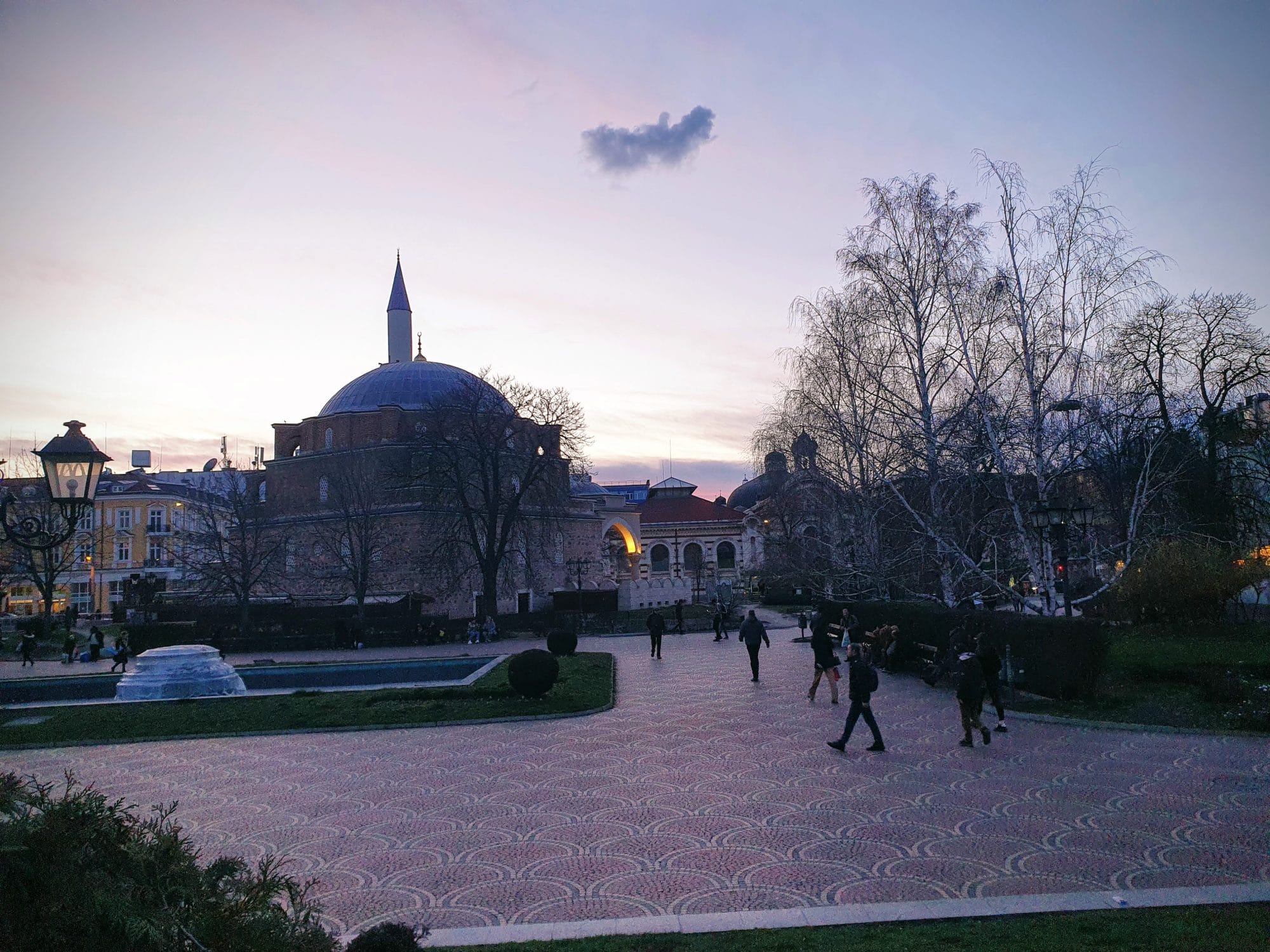
The Zone of Tolerance includes 4 major religious buildings representing the city’s main faiths. These religions are Judaism, Orthodox Christianity, Islam and Roman Catholicism. You can see the Cathedral of Saint Joseph, Banya Bashi Mosque, the Sofia Synagogue and Sveta Nedelya Church, an Orthodox church.
Banya Bashi Mosque
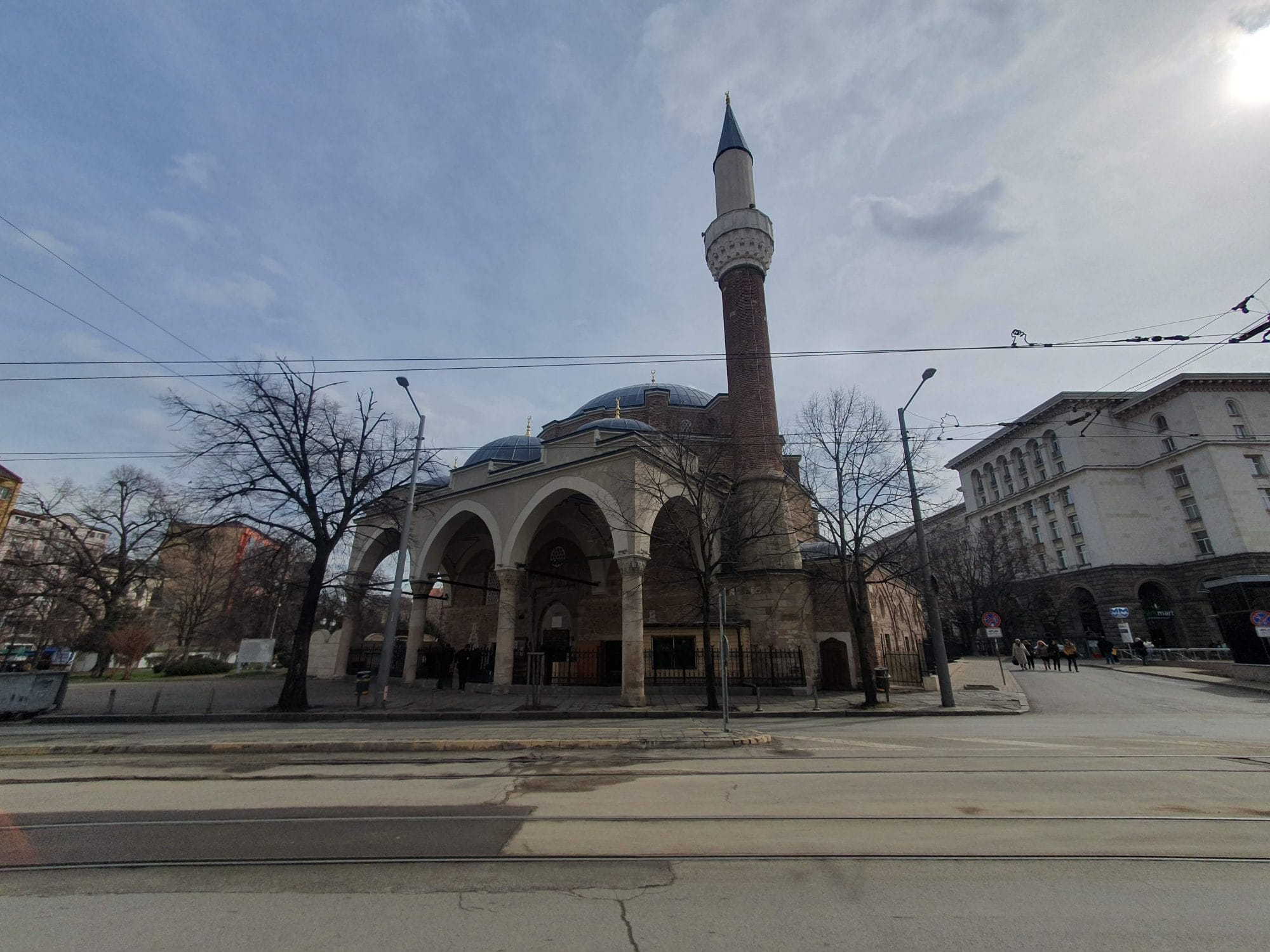
Near the ruins of ancient Serdika and the central market is Banya Bashi Mosque. The mosque is one of the religious sites included in the Square of Religious Tolerance. You are welcome to visit the inside or to have a mooch around outside. Ottoman architect Mimar Sinan designed the mosque, which was completed in 1566. This was during the years when the Ottomans controlled the country, a period that lasted for five centuries.
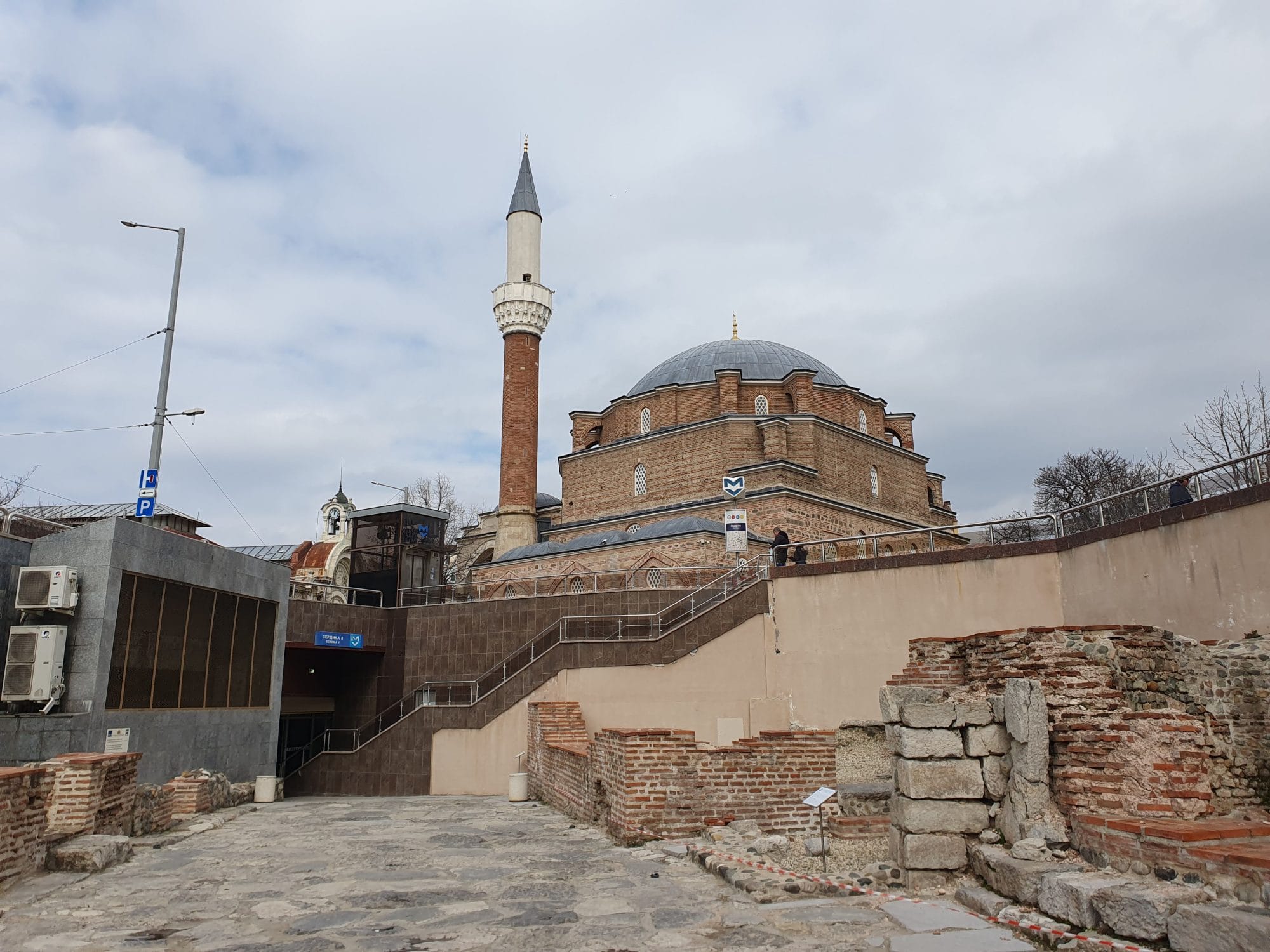
The mosque gets its name from the phrase ‘Banya Bashi’, which means ‘many baths’. The mosque was constructed over natural thermal springs, and sometimes you can see steam rising from vents in the ground near the mosque walls. Banya Bashi Mosque is famous for its large dome and its minaret.
Sofia Synagogue: The Biggest in Southeast Europe
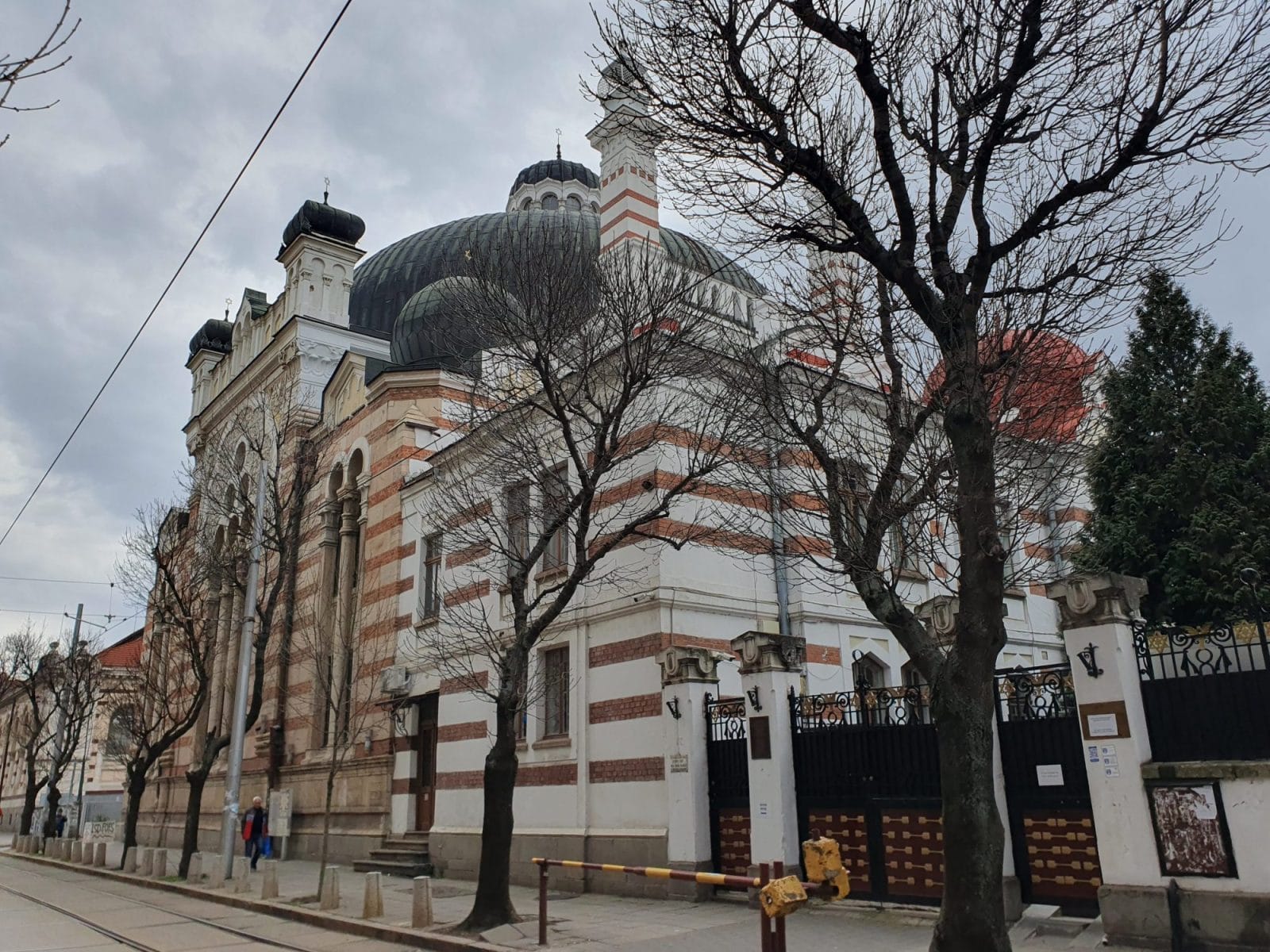
Within view of the Banya Bashi Mosque, with the central market hall in between, is the Sofia Synagogue. It’s a fabulous building in the square of religious tolerance and is also photogenic. The synagogue is the biggest synagogue in Southeast Europe. There are two functioning synagogues in Bulgaria; the other one is in Plovdiv.
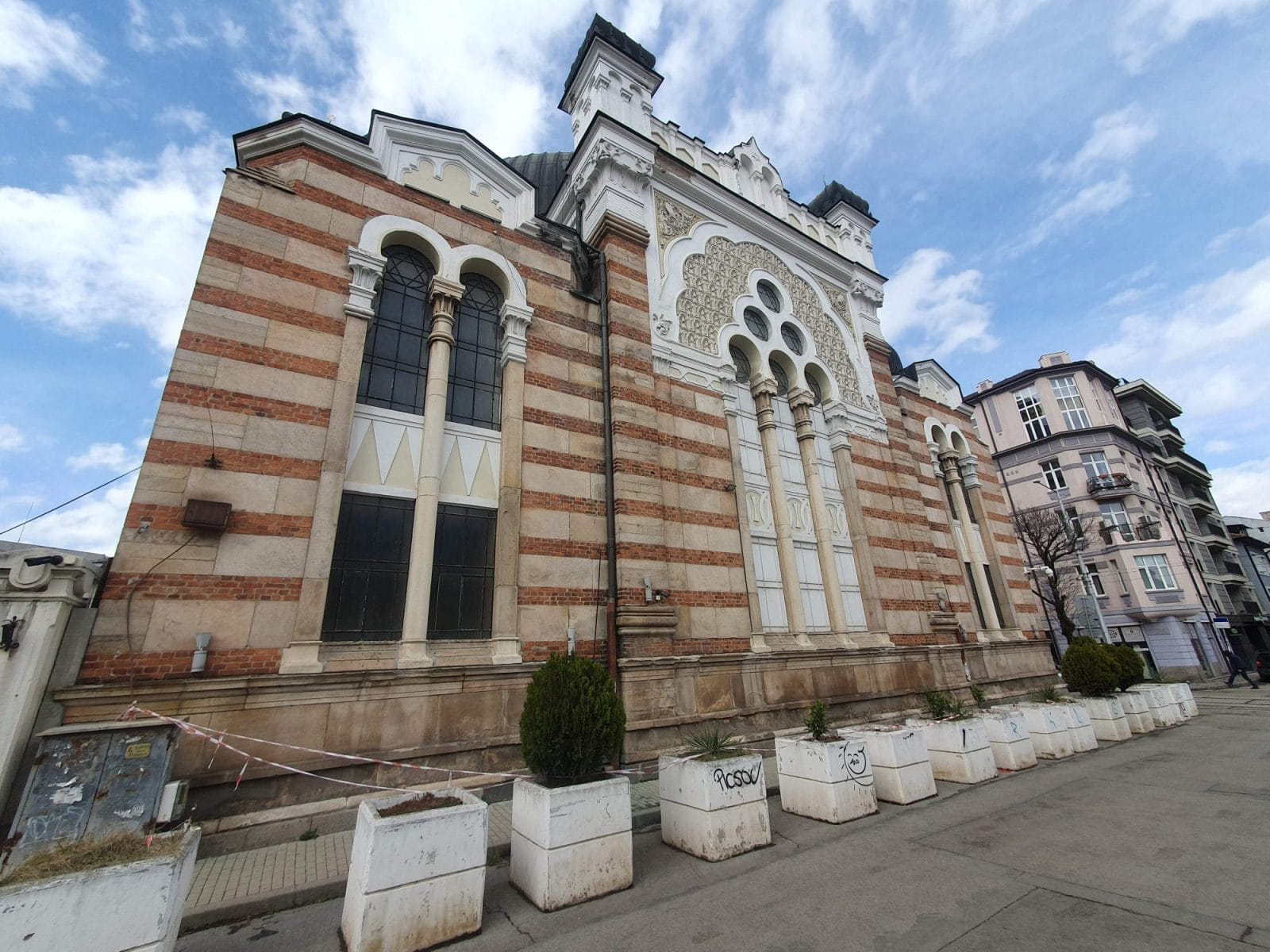
The Sofia Synagogue is also the third-largest in Europe and was completed in 1909. It was built in the Moorish Revival style. Since 1959, the building has been recognised as a monument of national importance. You can also visit the inside; you can find prices and opening hours on their website.
Cathedral of Saint Joseph
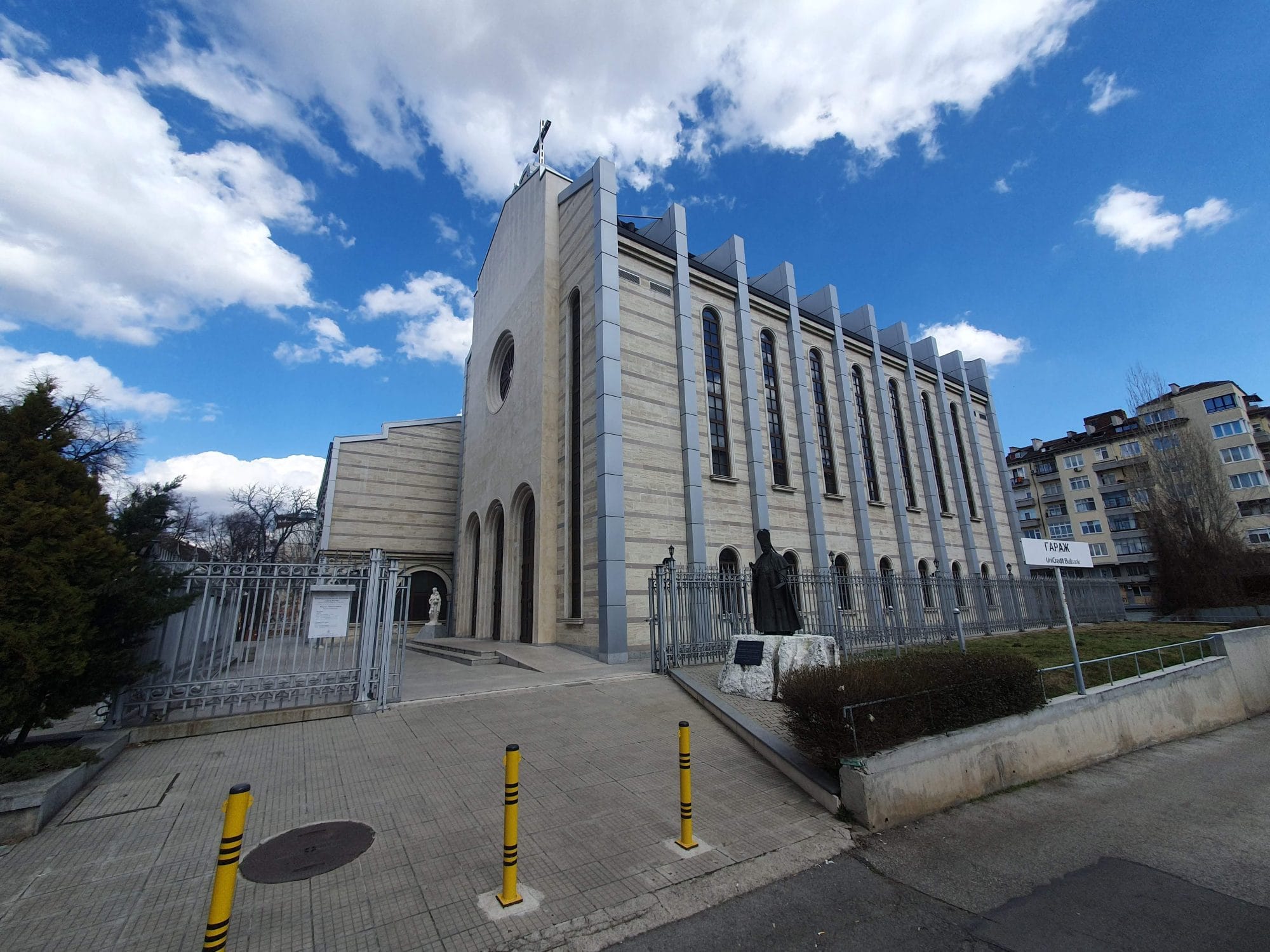
The Roman Catholic Cathedral of Saint Joseph is also in the Square of Religious Tolerance. The cathedral is relatively new. Allied bombing destroyed the old cathedral during World War 2. Pope John Paul II laid the foundation stone of the new cathedral during a visit to Bulgaria in 2002 and finally inaugurated it in 2006.
The Cathedral of Saint Joseph is the largest Catholic cathedral in Bulgaria and can hold up to 1000 people. Nearby is the Western Gate of the Serdica Archaeological Site, which offers a fantastic view of the building.
Saints Cyril and Methodius Church
In the women’s market is the Church of Saints Cyril and Methodius. This was dedicated to the Methodius brothers, who created the Slavic alphabet. It’s a decorative church dating from 1897. The church has a dome, three naves, and two bell towers.
I visited the church interior while exploring the market area and the Square of Tolerance. Inside, the decorations were nice, and it was quiet.
Saint Petka Church
In the ancient ruins of Serdika, near the underground station, is the medieval Saint Petka Church. The church dates from the 16th century and was built on the site of a former Roman church. It’s a Bulgarian Orthodox place of worship that you can visit. Unfortunately, the inside was closed on my visit.
The church’s most notable features are its interior mural paintings, which depict Bible scenes. The earliest of these are from the 14th century.
Church of St Paraskeva
The Church of St Paraskeva is the 3rd largest church in Sofia and is similar in style to the main Orthodox cathedral. It’s a relatively young church, completed in 1930 after various false starts and design competitions.
Holy Trinity Romanian Orthodox Church
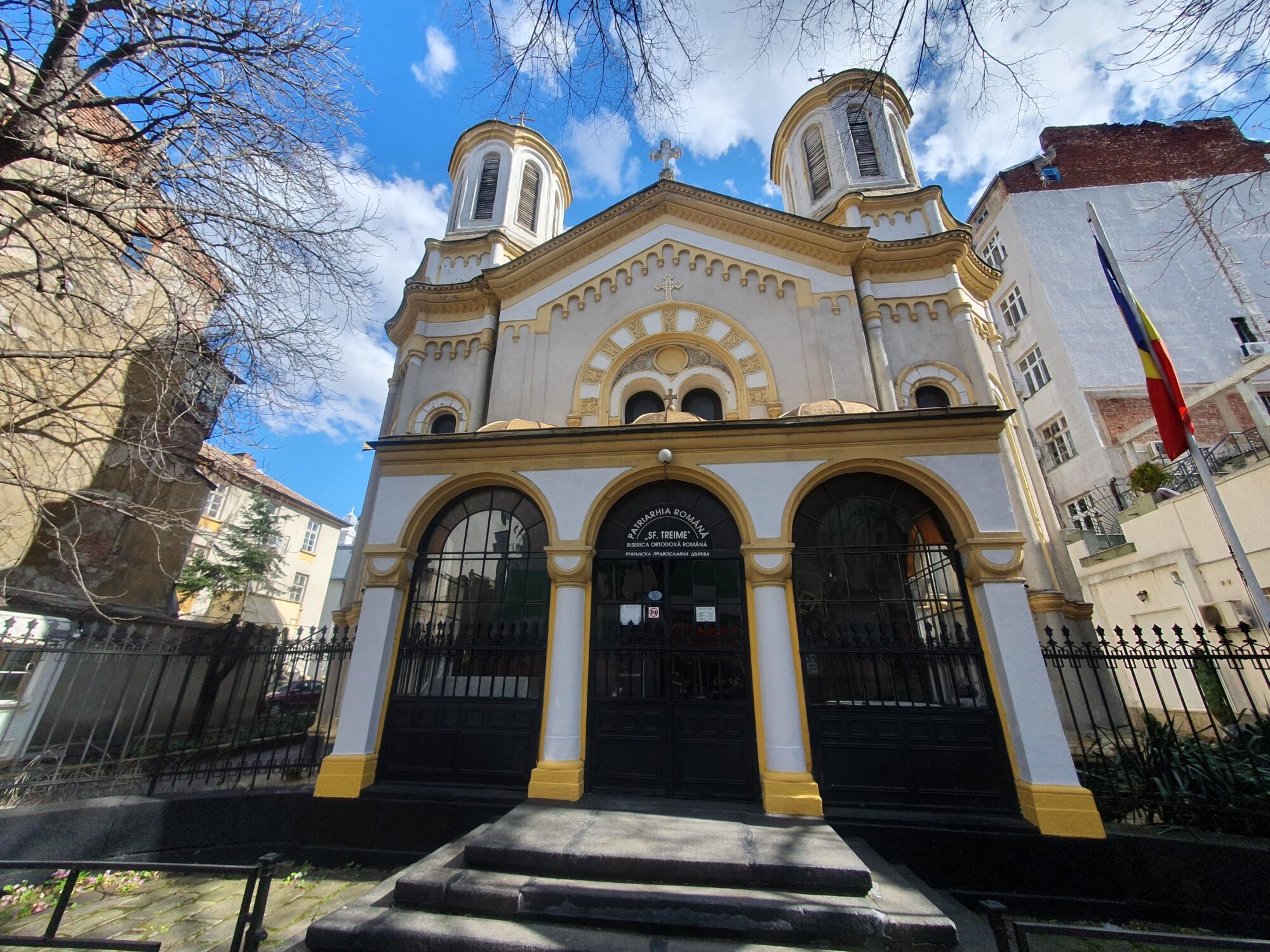
Holy Trinity Romanian Orthodox Church began in 1905 and was completed in 1912, before being inaugurated in 1923. The church was in the neo-Byzantine style, with a nave and three domes in the Romanian “Brankovianu” style, as you often see in churches in Romania. Romanian painters created the frescoes and carvings.
Museums & Galleries in Sofia
National Gallery Kvadrat 500
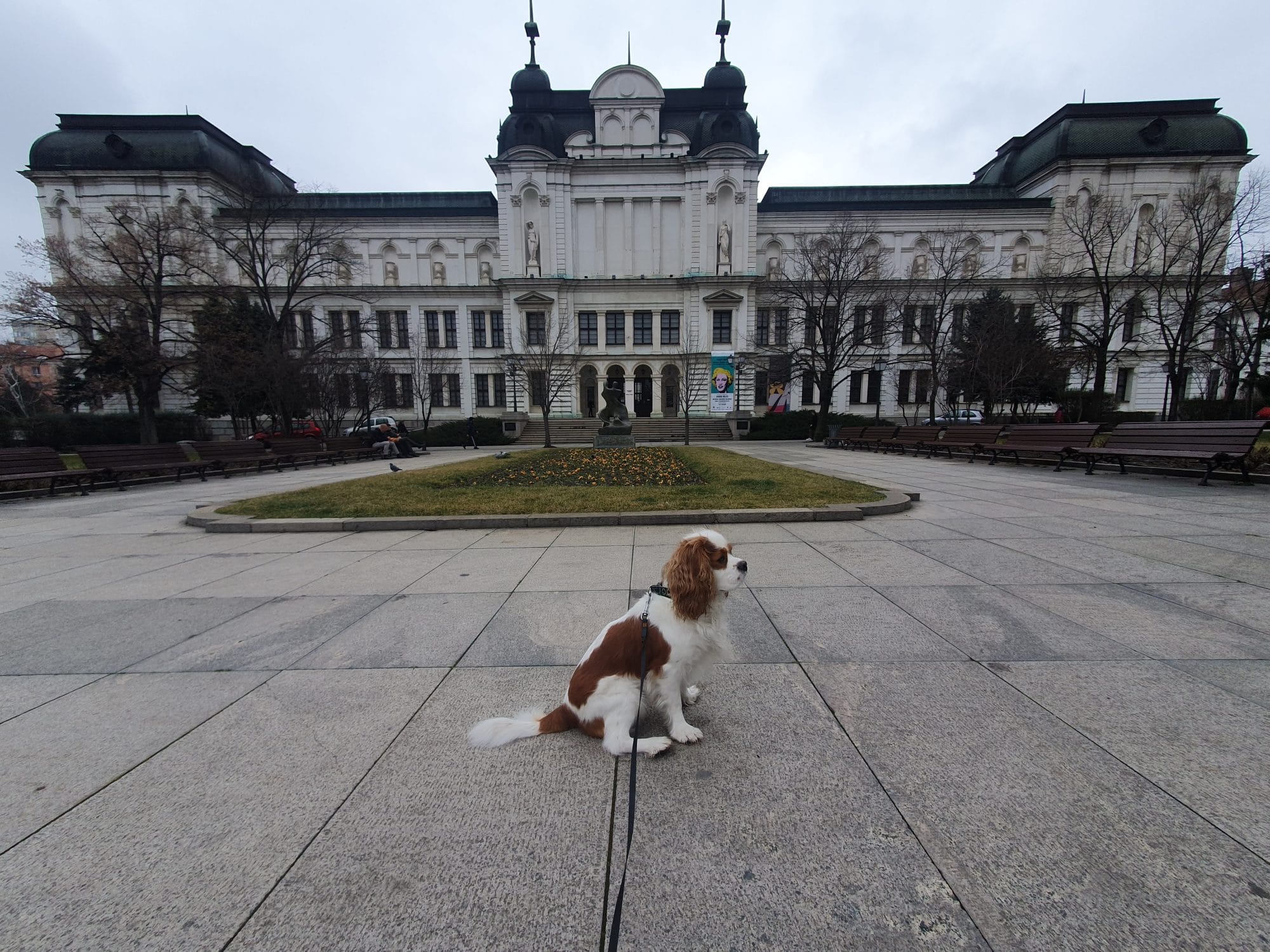
The National Gallery Kvadrat 500 is near the iconic St. Alexander Nevsky Cathedral and housed in a beautiful building. The gallery contains artworks from Bulgarian and international artists. Kvadrat 500 is one part of the Bulgarian National Gallery. You can find out about all their exhibitions on their website.
National Museum of Military History
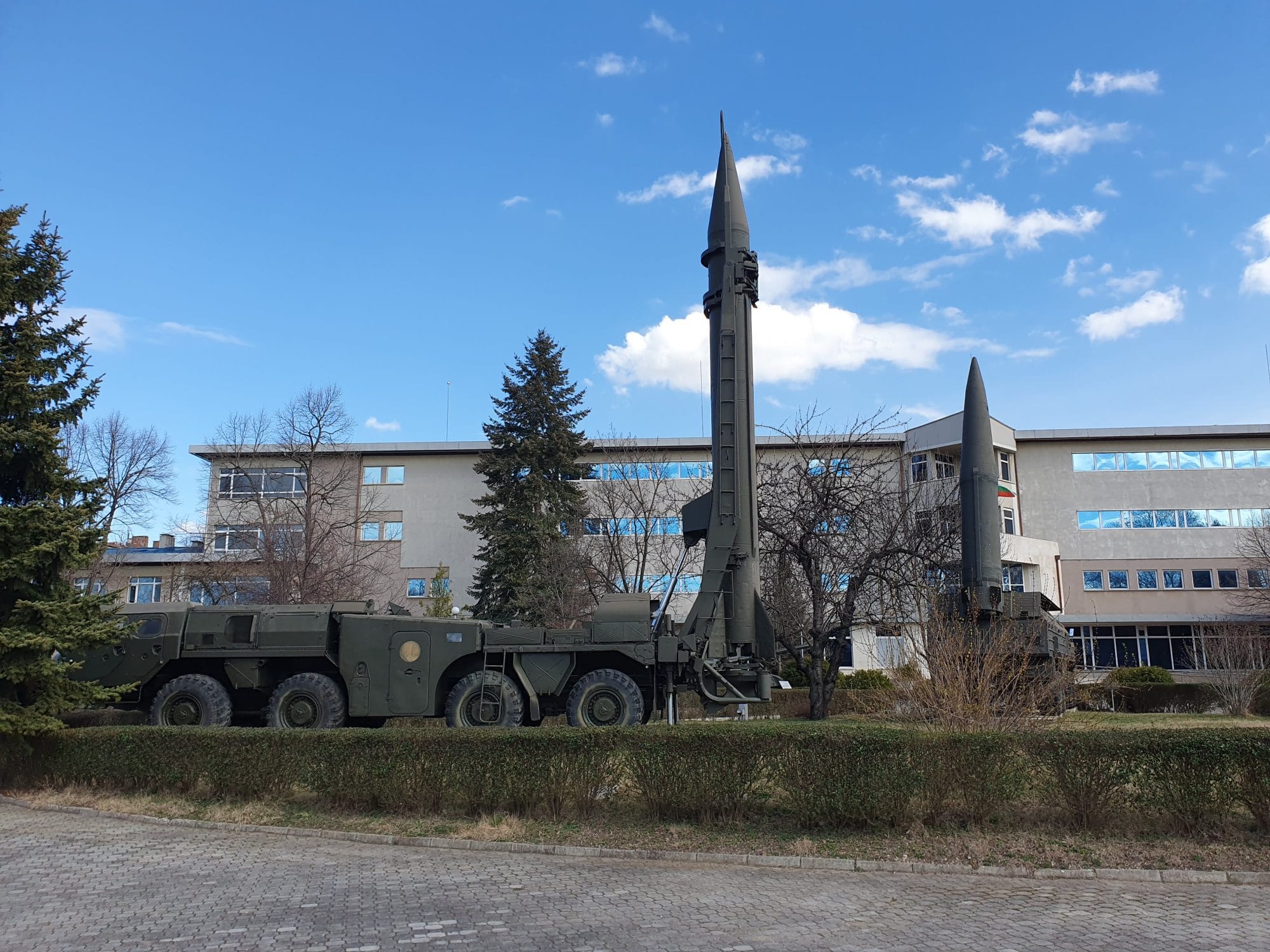
The National Museum of Military History is ideal for people interested in all things military. The museum has exhibitions and artefacts inside that tell the story of the Bulgarian military. Exhibitions cover the Balkan Wars, both World Wars, and the Cold War.
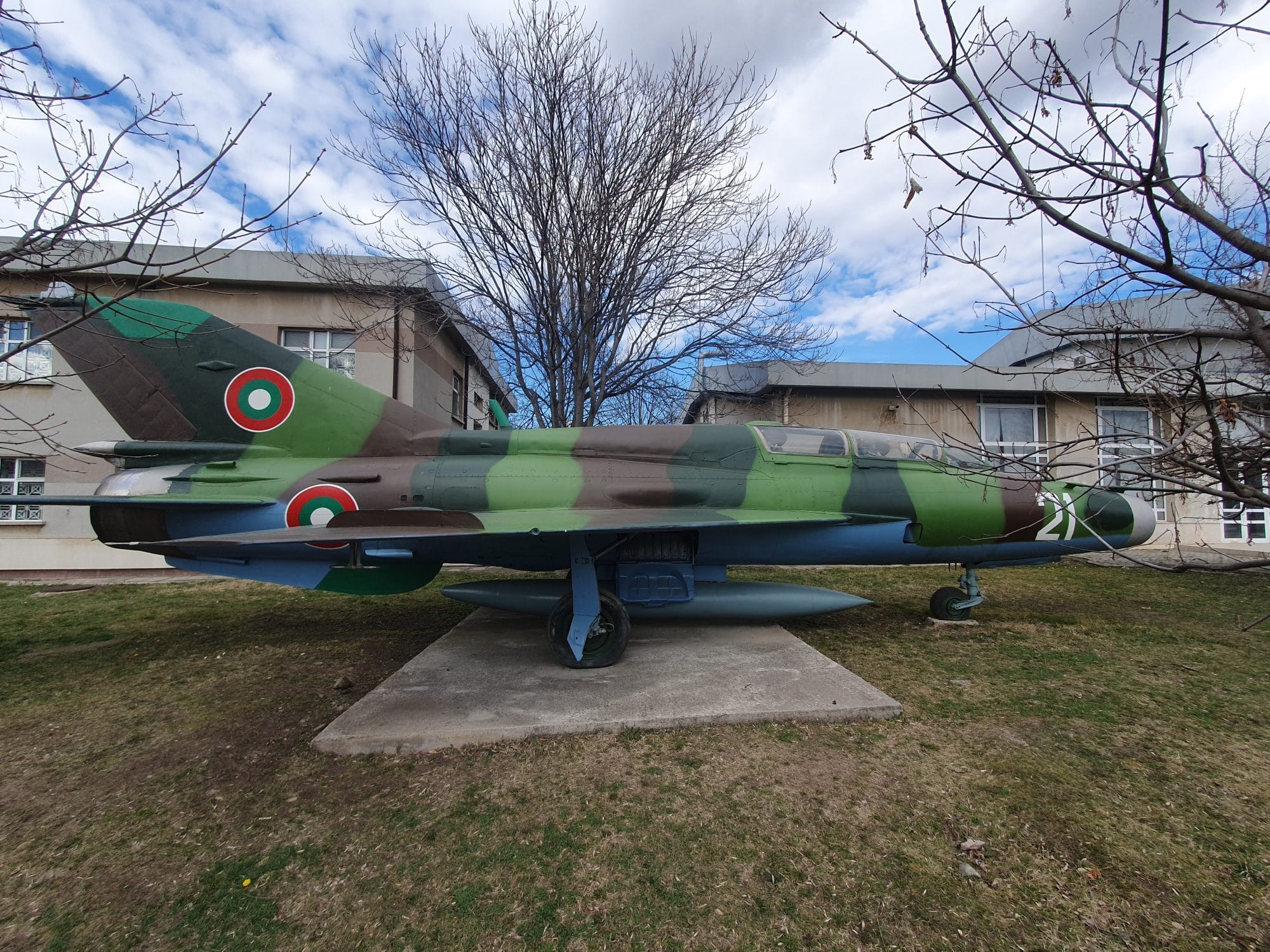
The highlight of my visit was their outdoor exhibits, such as large military equipment. This included fighter jets, tanks, and missile launchers.
National Museum of History
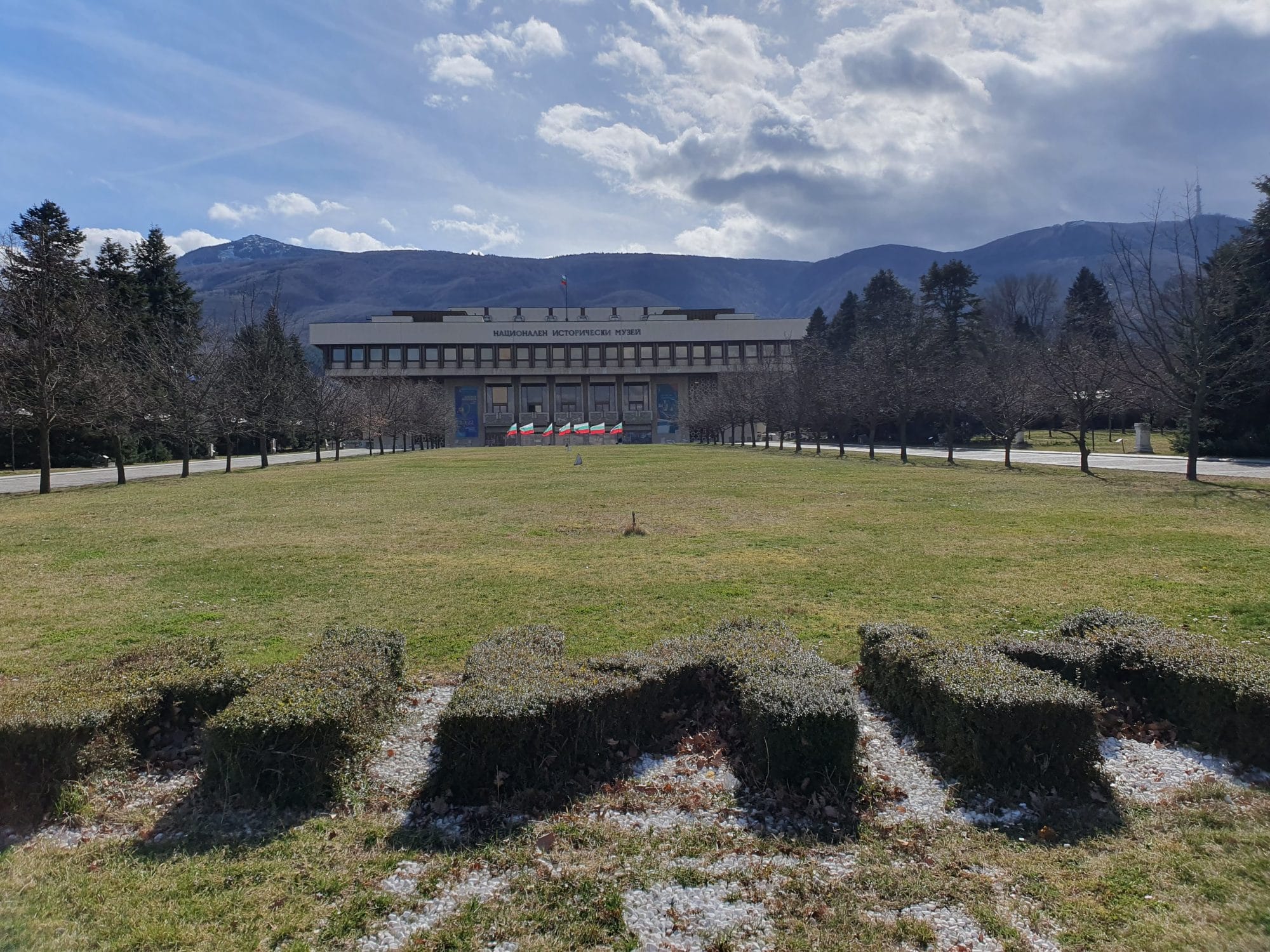
The National Museum of History is the city’s largest museum. The museum grounds offer mountain views. The museum has over 650,000 exhibits, including items from prehistoric times to the present day.
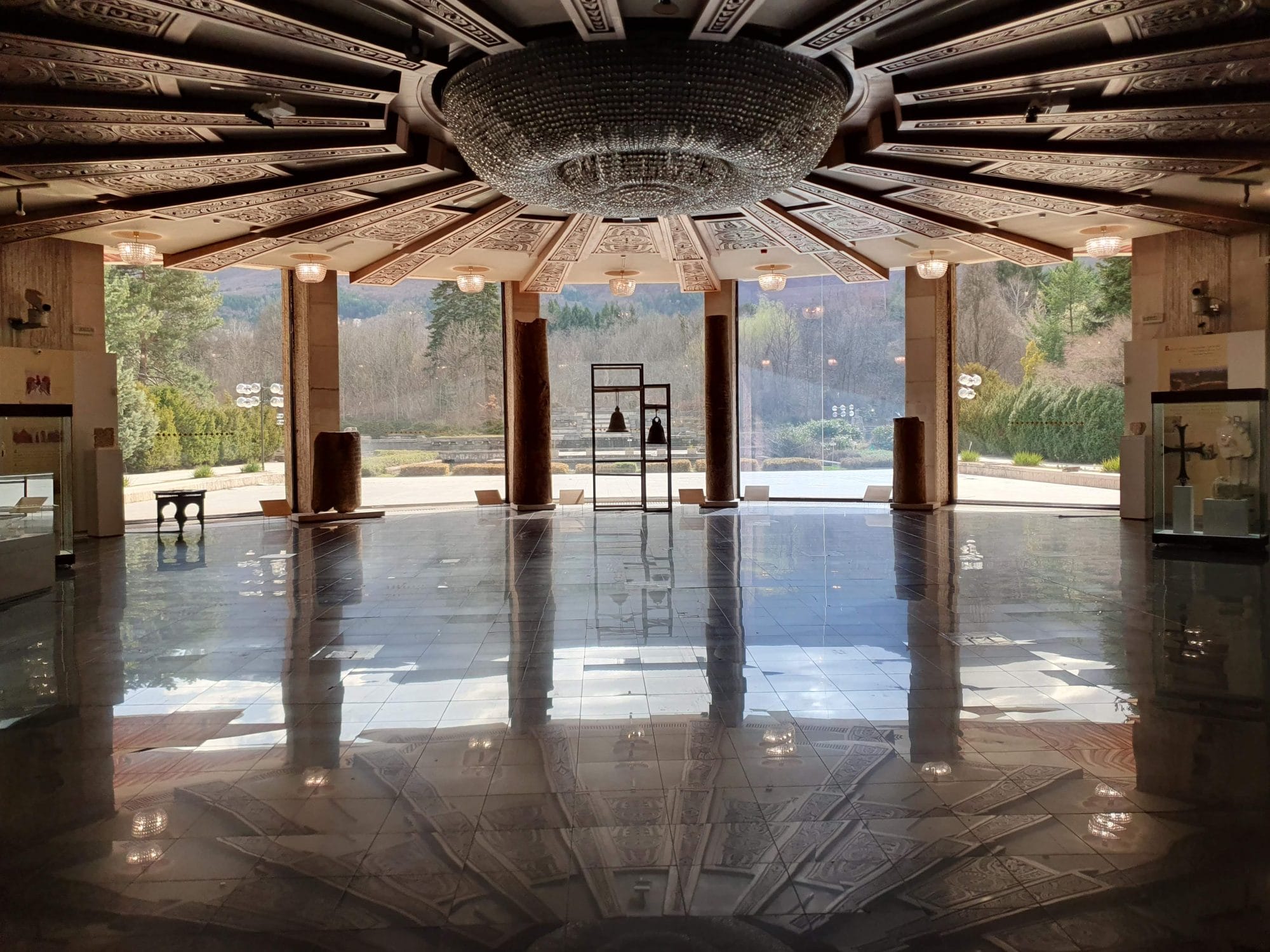
Some artefacts inside were rather impressive during my visit, including Roman pieces and jewellery. For those interested in communist history, the museum has relevant exhibits.
Regional History Museum
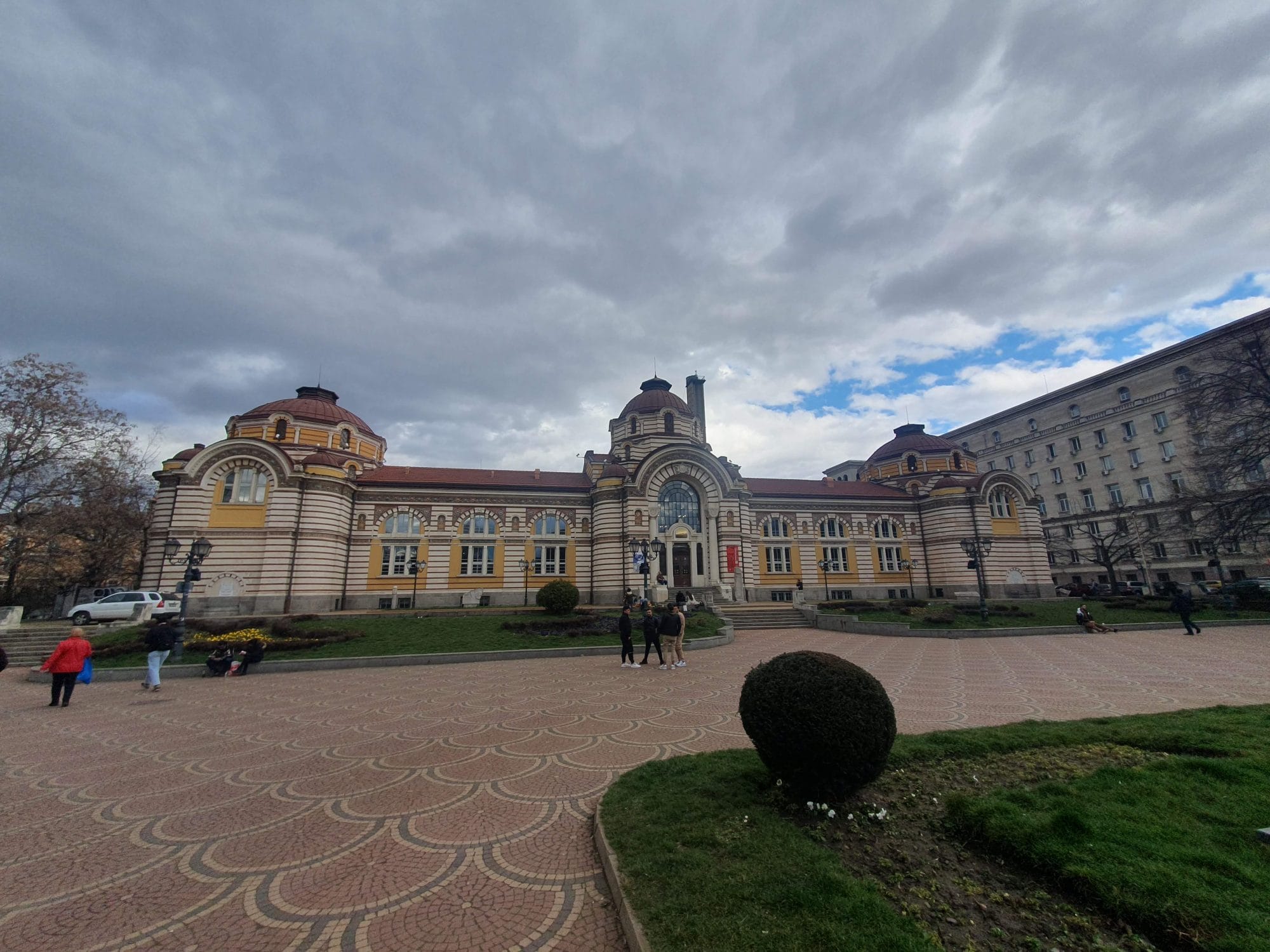
The Regional History Museum is in the former Central Mineral Baths. The building is a prominent landmark built in the early 20th century. This site was utilised as public baths until 1986. Today, the building is a museum that tells the story of Sofia, one of Europe’s oldest cities. The museum covers prehistoric times, the Middle Ages, and more recent history.
Museum of Illusions


The Museum of Illusions has lots of different illusions to see, and they are interactive. Clever exhibits include ones where you can take eye-bending photographs.
Markets, Food & Drink
Eat or Drink Out

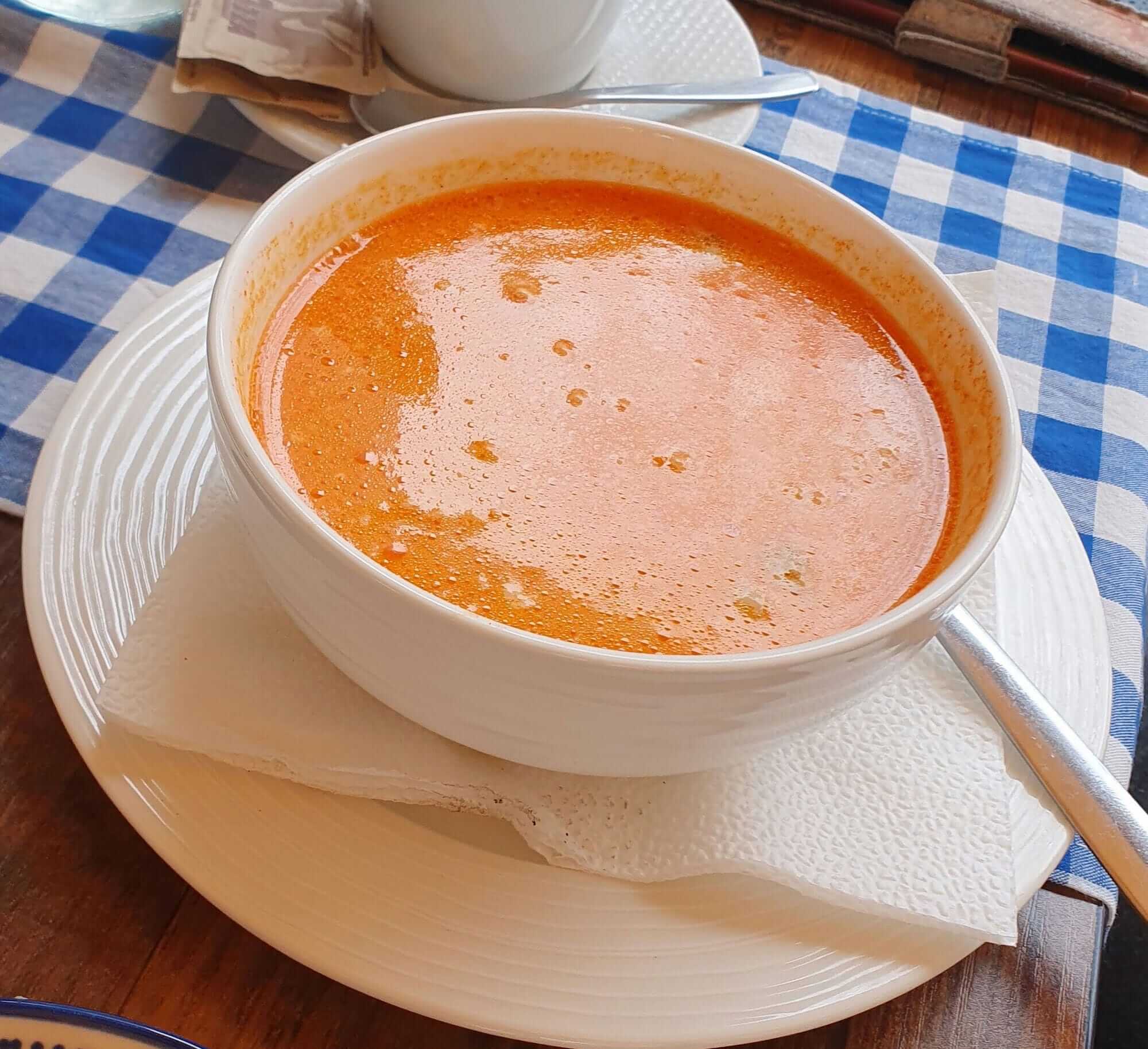
There are lots of places to enjoy local food or drink. Some bars and cafes have covered outside seating areas which tend to be dog-friendly. There are options for Bulgarian food in the city’s restaurants. We enjoyed quite a few meals out at various restaurants in Sofia and really enjoyed the food.
Zhenski Pazar
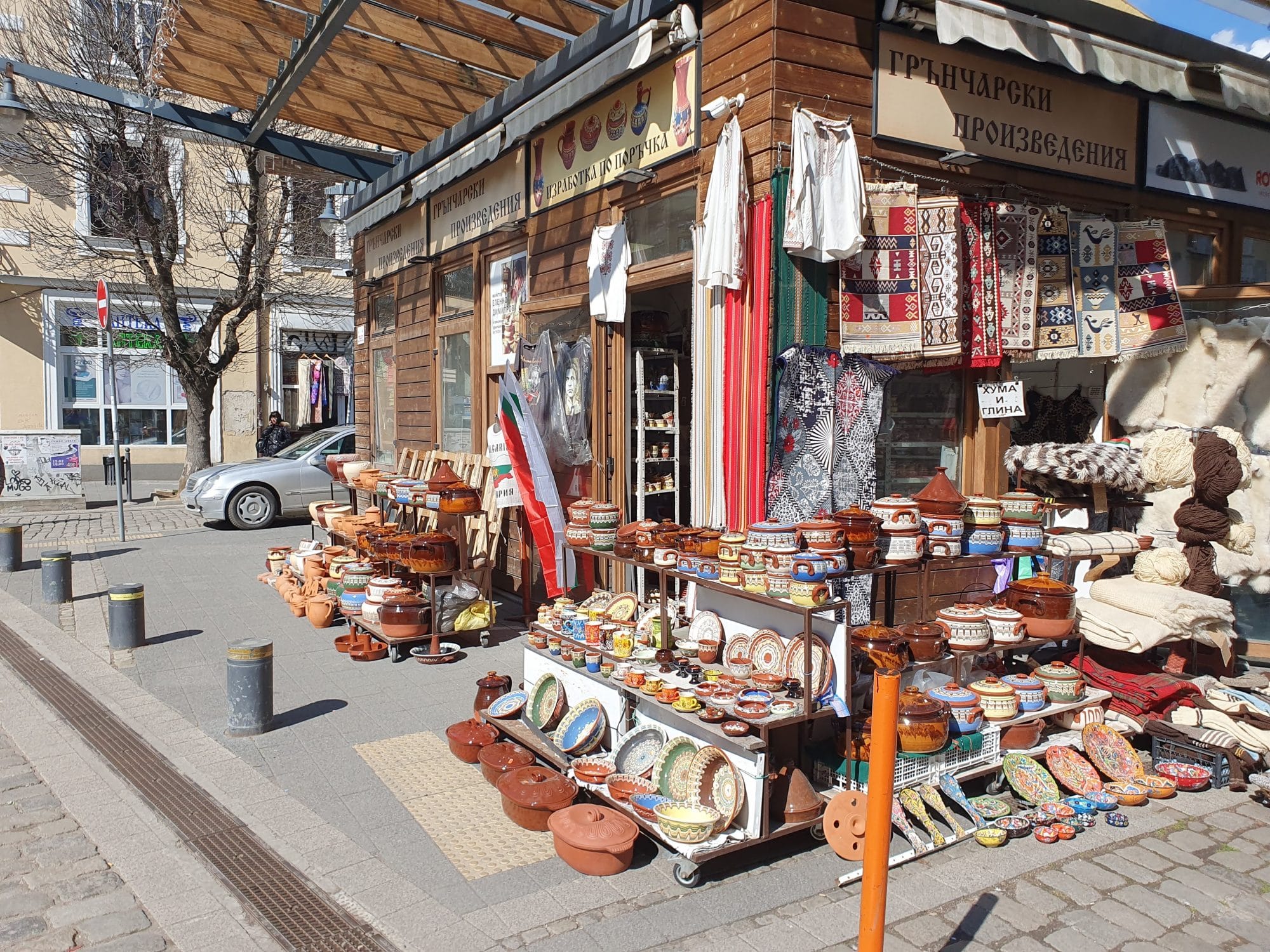
Zhenski Pazar was established immediately after Bulgaria’s liberation from Ottoman rule, so it is the oldest open-air market in town. The Women’s Market is a good spot for shopping for those who are self-catering and love cooking with local ingredients.
Thermal Springs
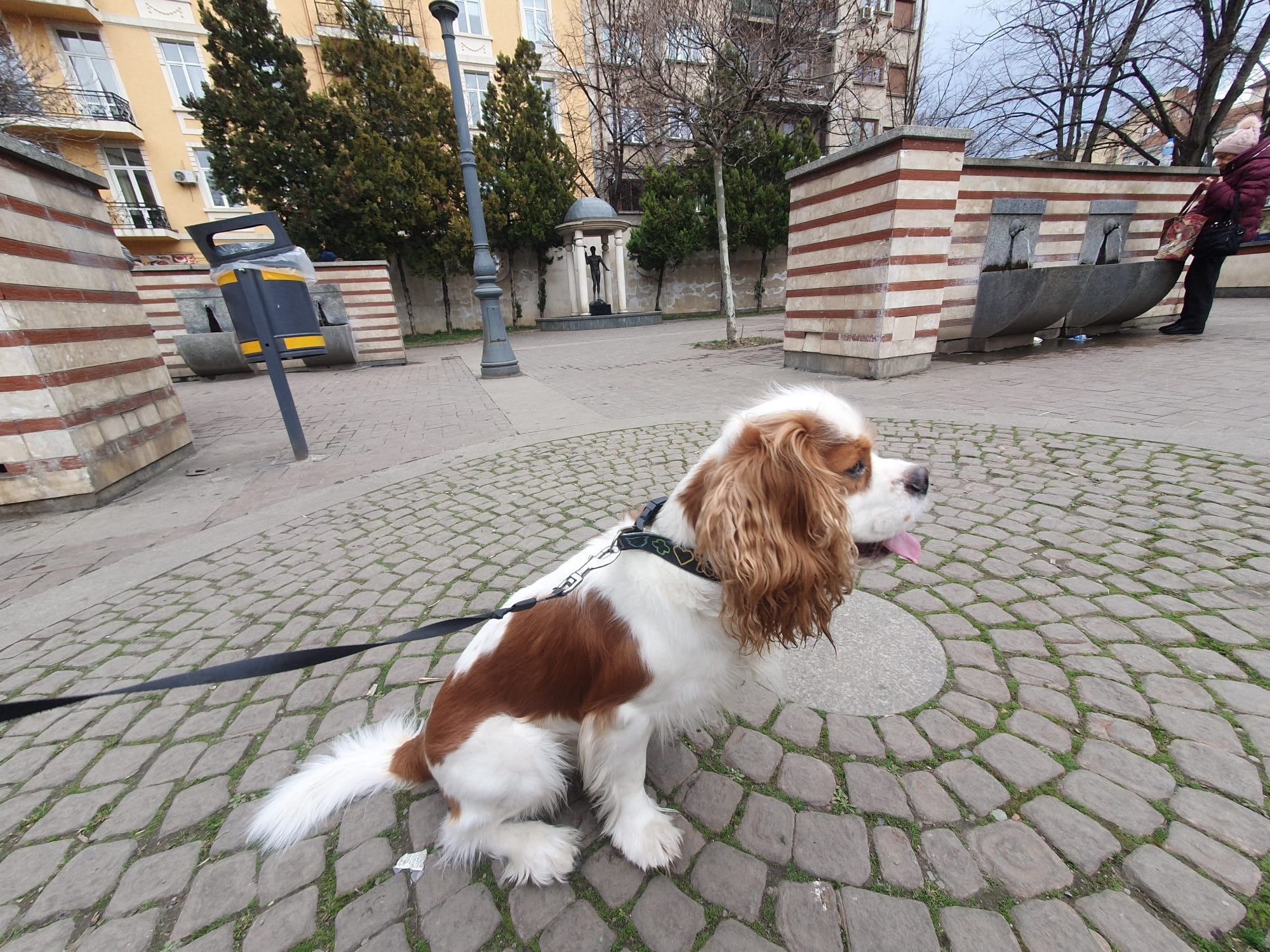
While slow travelling, a way to save money is to visit the thermal springs and collect mineral water. You can collect the water for free if you bring your own containers; it was an experience. The hot water comes from underground springs and is apparently low in minerals, so it’s good for everyday consumption. In the past, there was a thermal bath here, but it was later turned into a museum.
Unique Activities in Sofia
Target Shooting
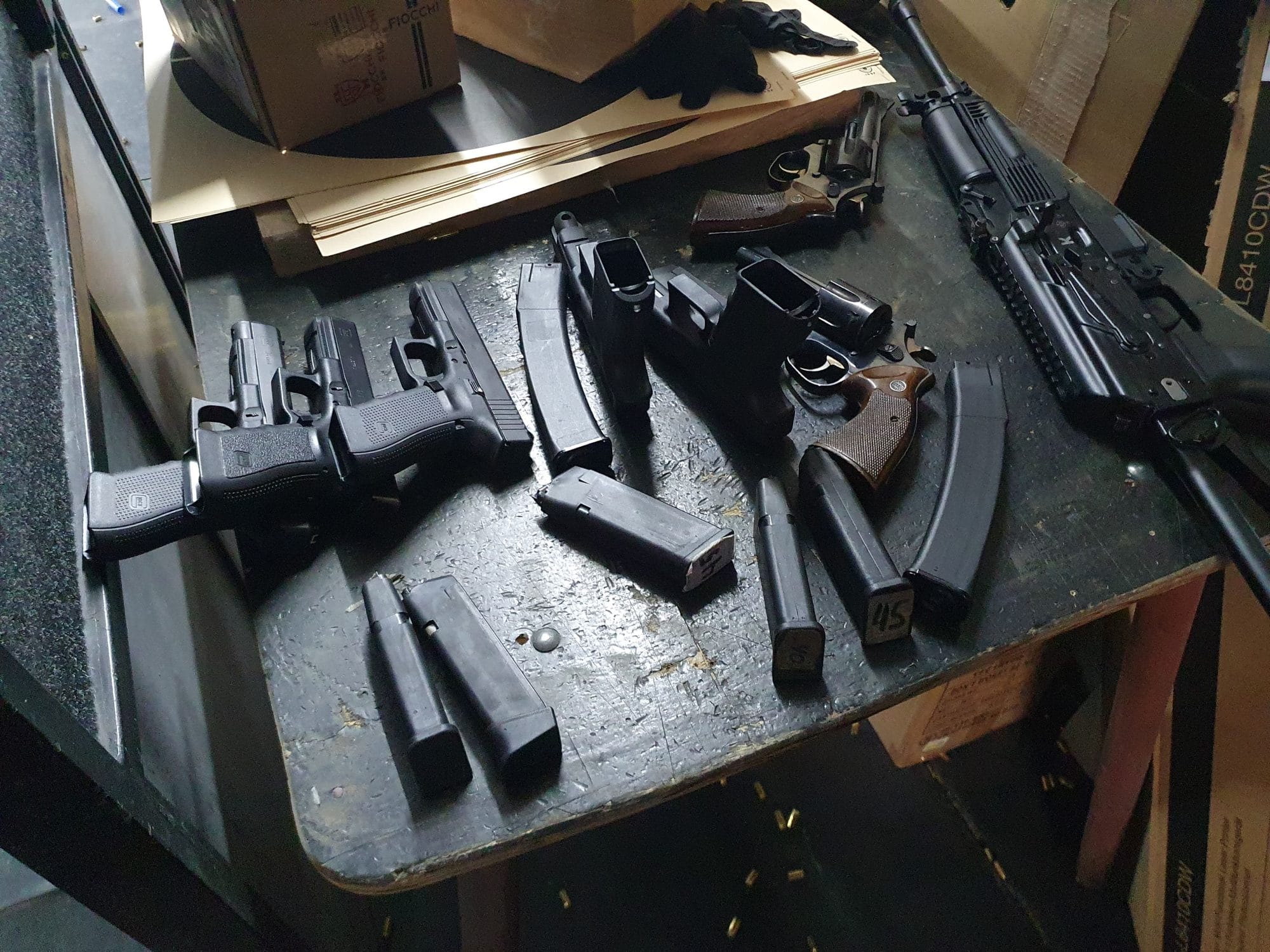
A fun option is to visit one of the many shooting ranges in the city. You can choose indoor or outdoor shooting. We enjoyed an evening out at the Metalhim Shooting Range and thought this was a great experience.
Street Art Tour
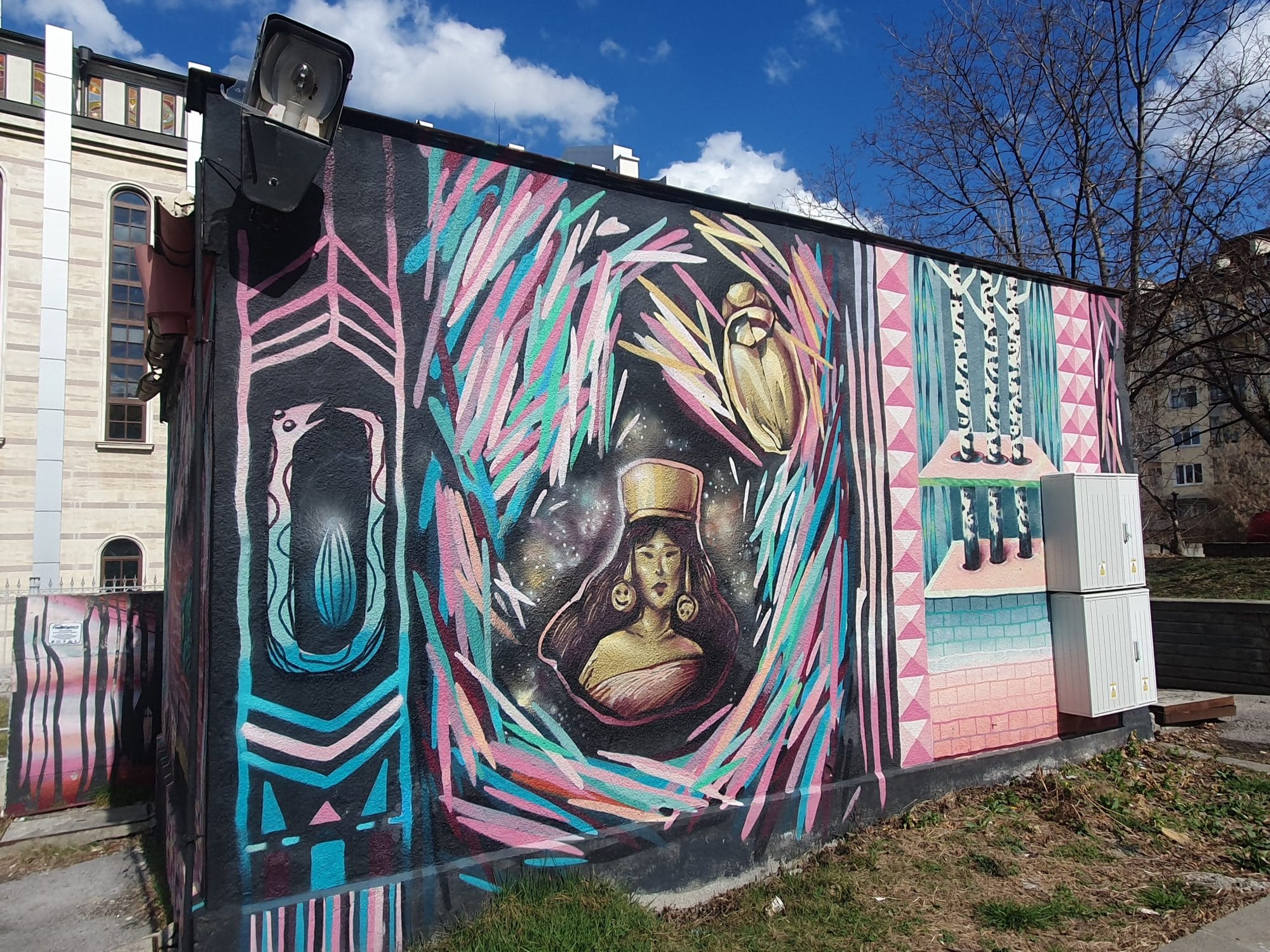
Sofia has street art in many locations, including impressive artworks throughout the centre. Gigantic murals cover older buildings in different parts of the city.
Communist Walking Tour
There are walking tours covering several topics, including Sofia’s communist history. We chose a self-guided communism tour, and it was made engaging by turning it into a game. During the tour, the app takes you to significant buildings of the communist era.
Parks, Monuments & City Walks
Trabant Monument in Royal Park
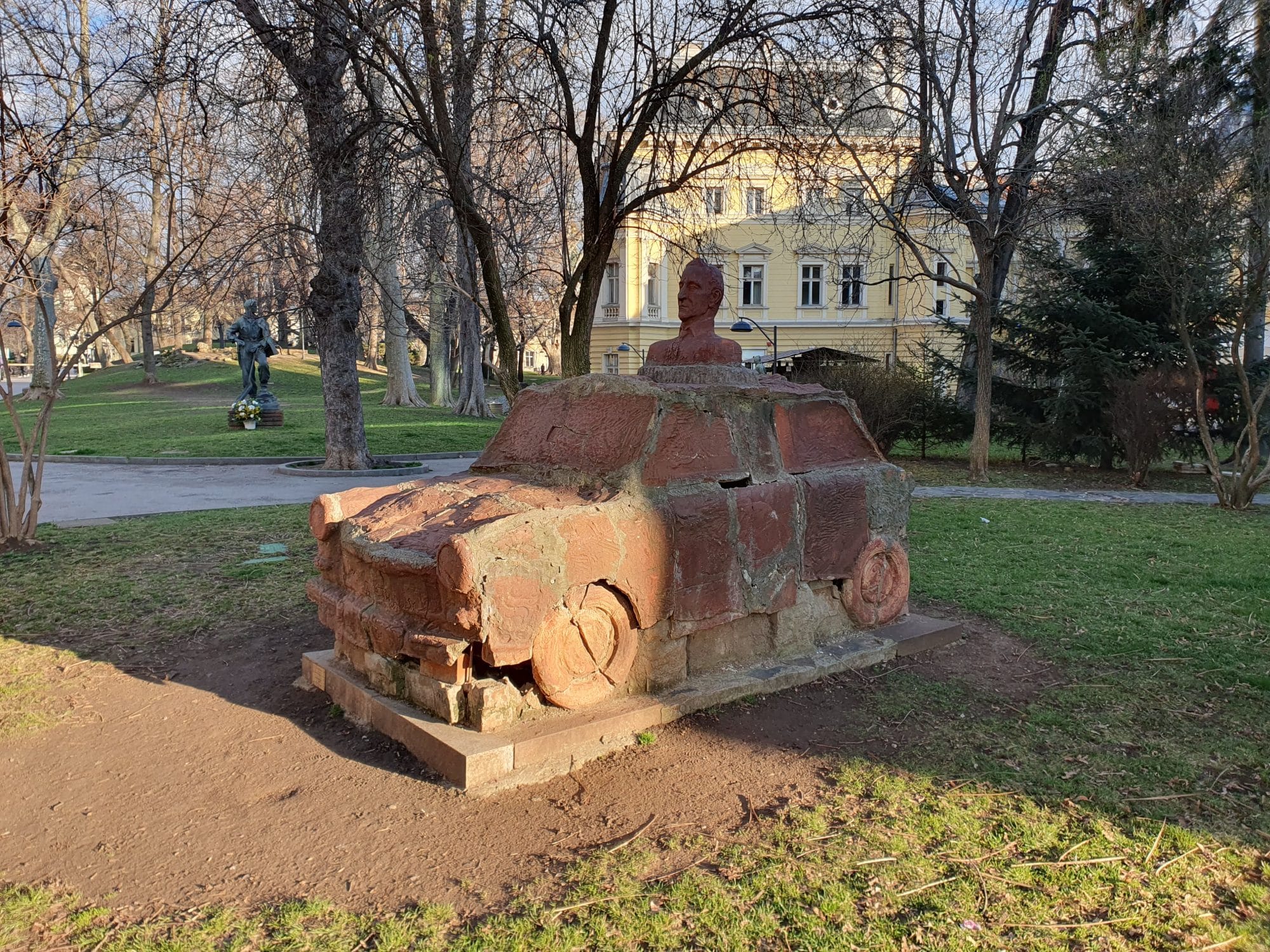
In the Royal Gardens, toward the rear of the Palace of the National Art Gallery, is the Trabant Monument. The Trabant was one of the few cars permitted in communist-era Bulgaria, despite its unreliability.
National Assembly of the Republic of Bulgaria
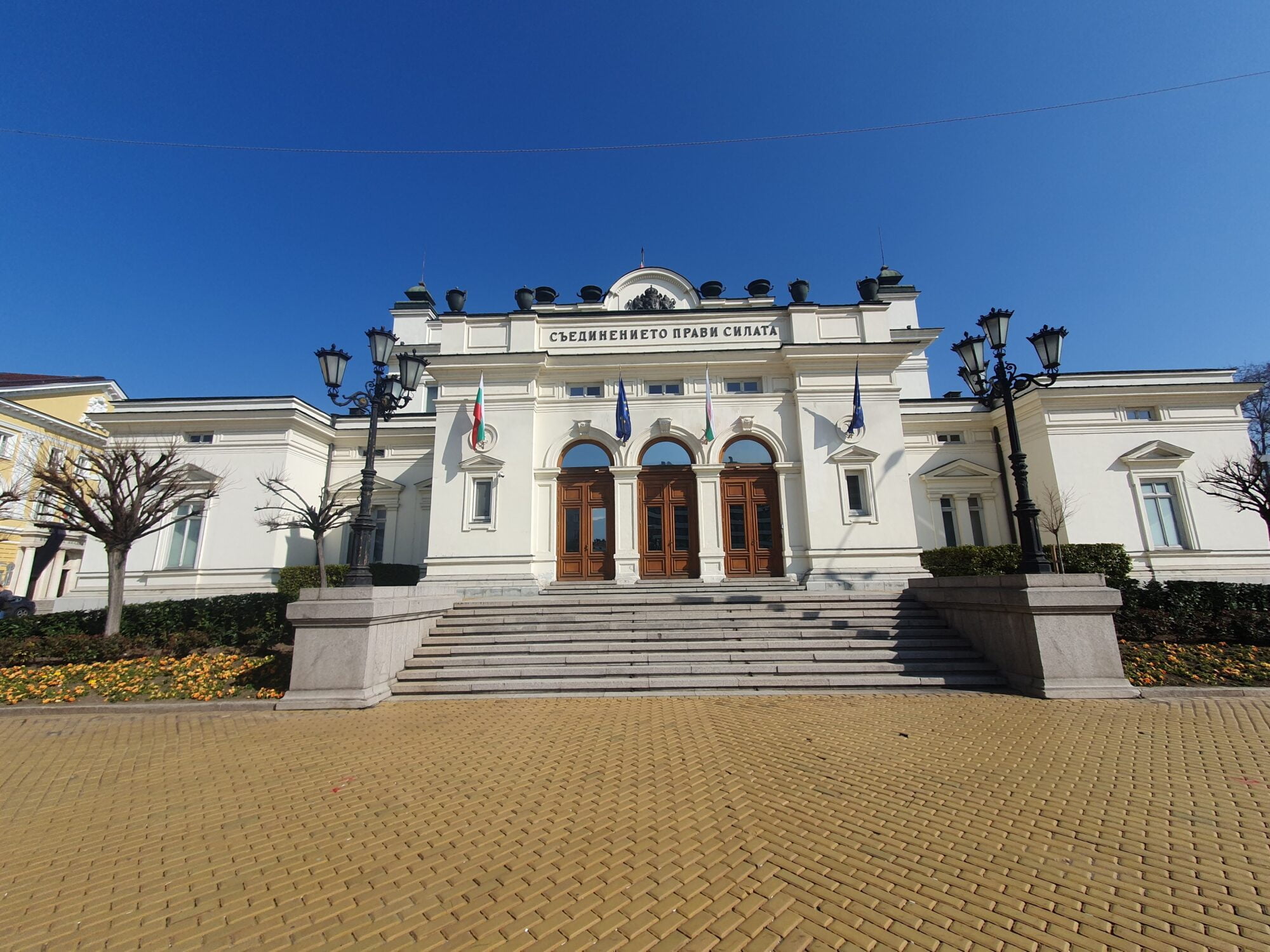
The National Assembly of the Republic of Bulgaria in Parliament Square is a neo-Renaissance building built between 1884 and 1886.
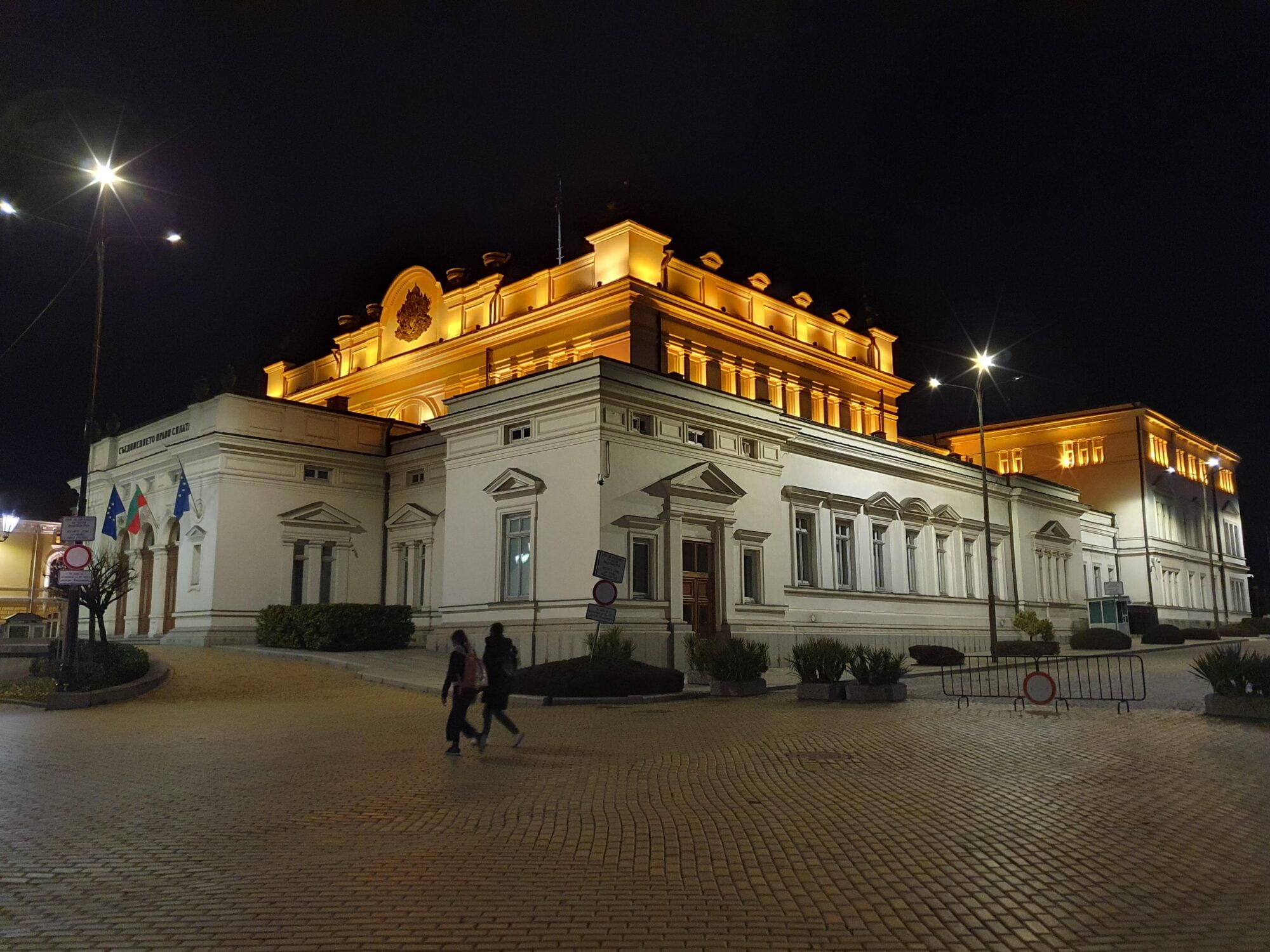
When visiting, the park next door is nice, and there are lots of monuments nearby. This includes the monument to the Tsar Liberator. This monument seemed to be the focal point of a few protests during our 3 weeks in the city. During our visit, we also watched a fireworks display here to mark Bulgarian Independence Day.
Largo: The Former Party House
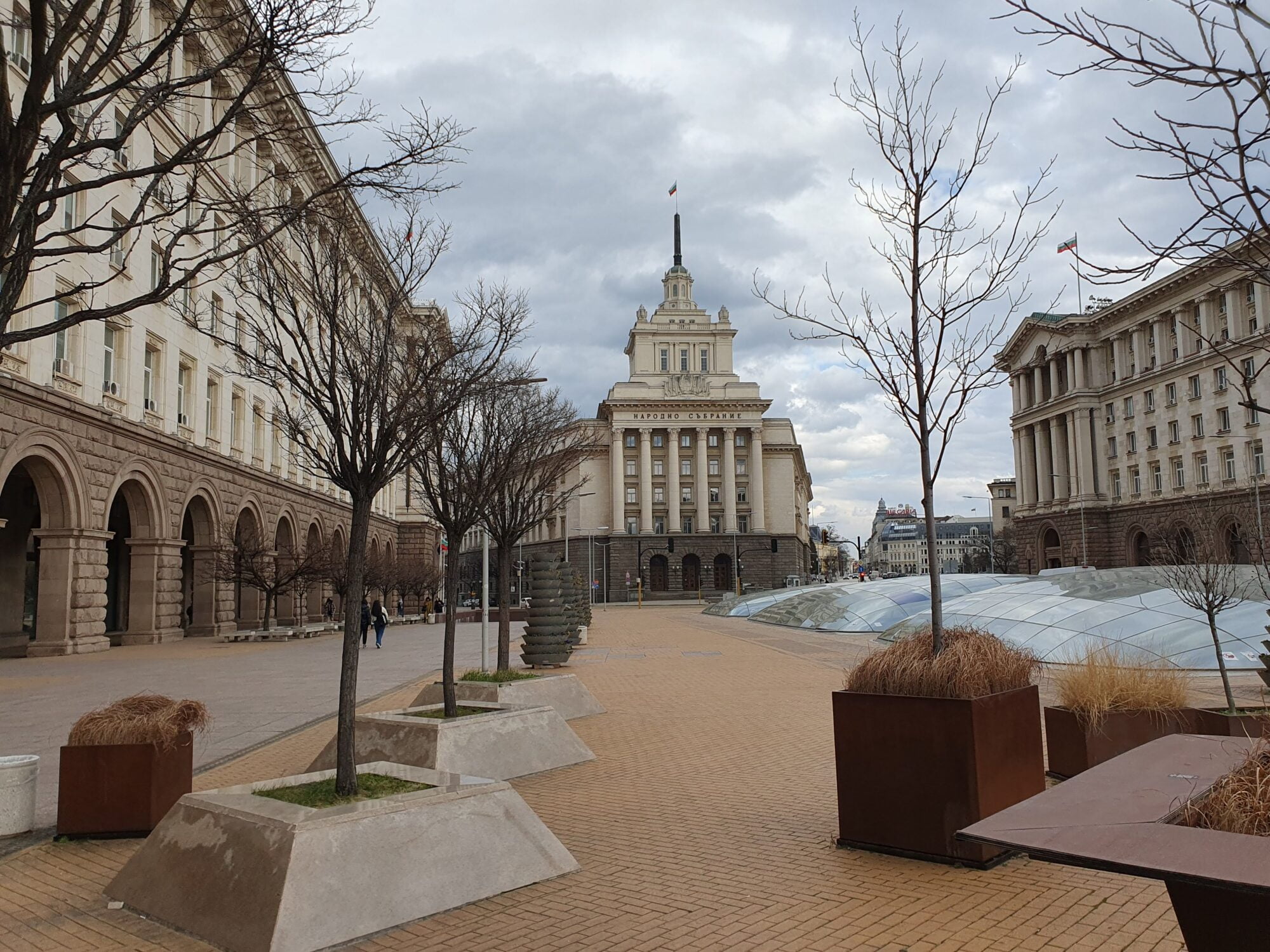
Largo is an ensemble of socialist classicist buildings in the city. The building is considered one of the top examples of socialist classicist architecture in Southeast Europe.
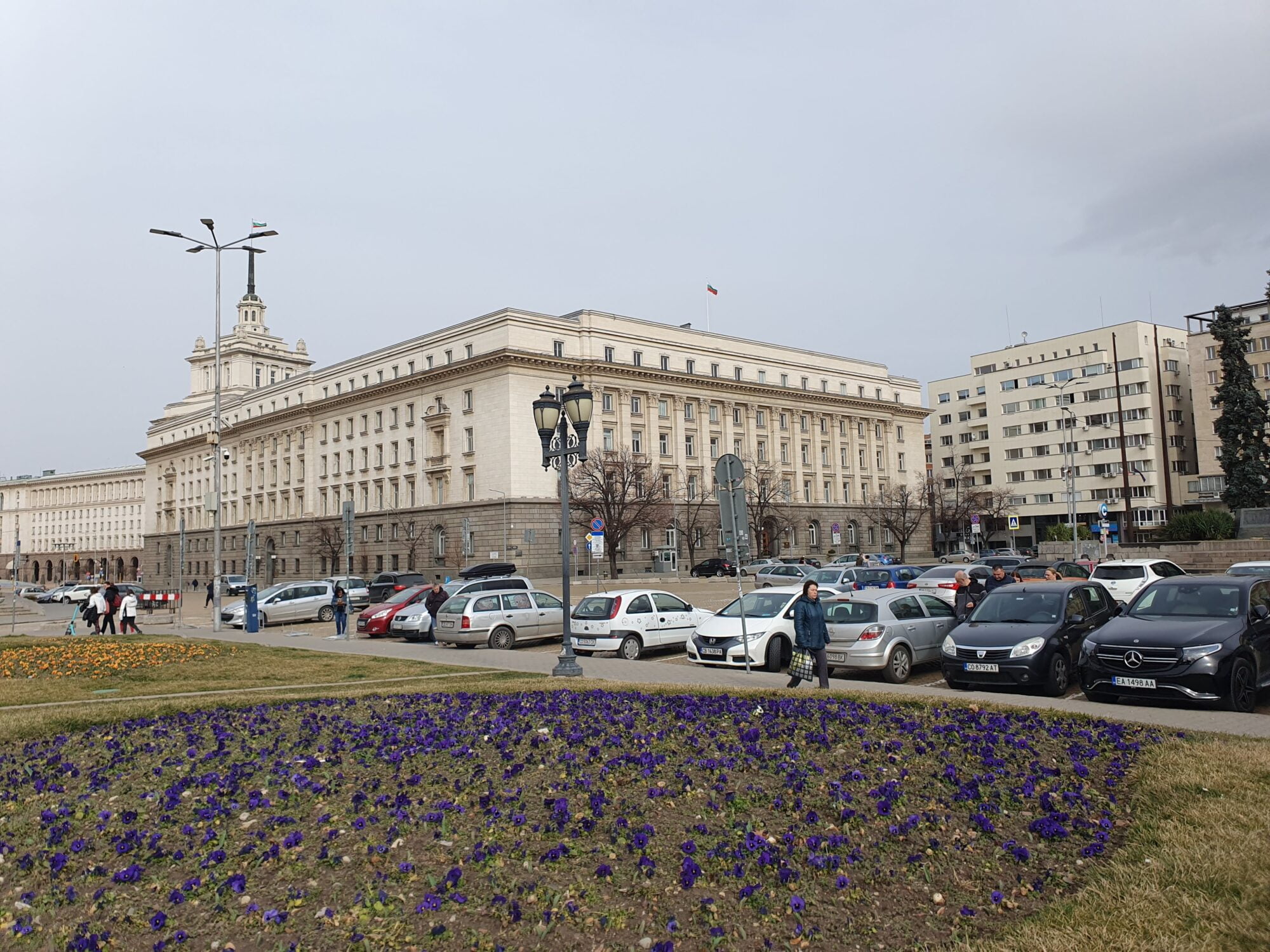
Largo was constructed in the 1950s as the headquarters of the Bulgarian Communist Party, and it was called the Party House. Since 1989, various symbols of communism have been removed, including a red star on a pole at the top of the Party House.
Lions’ Bridge
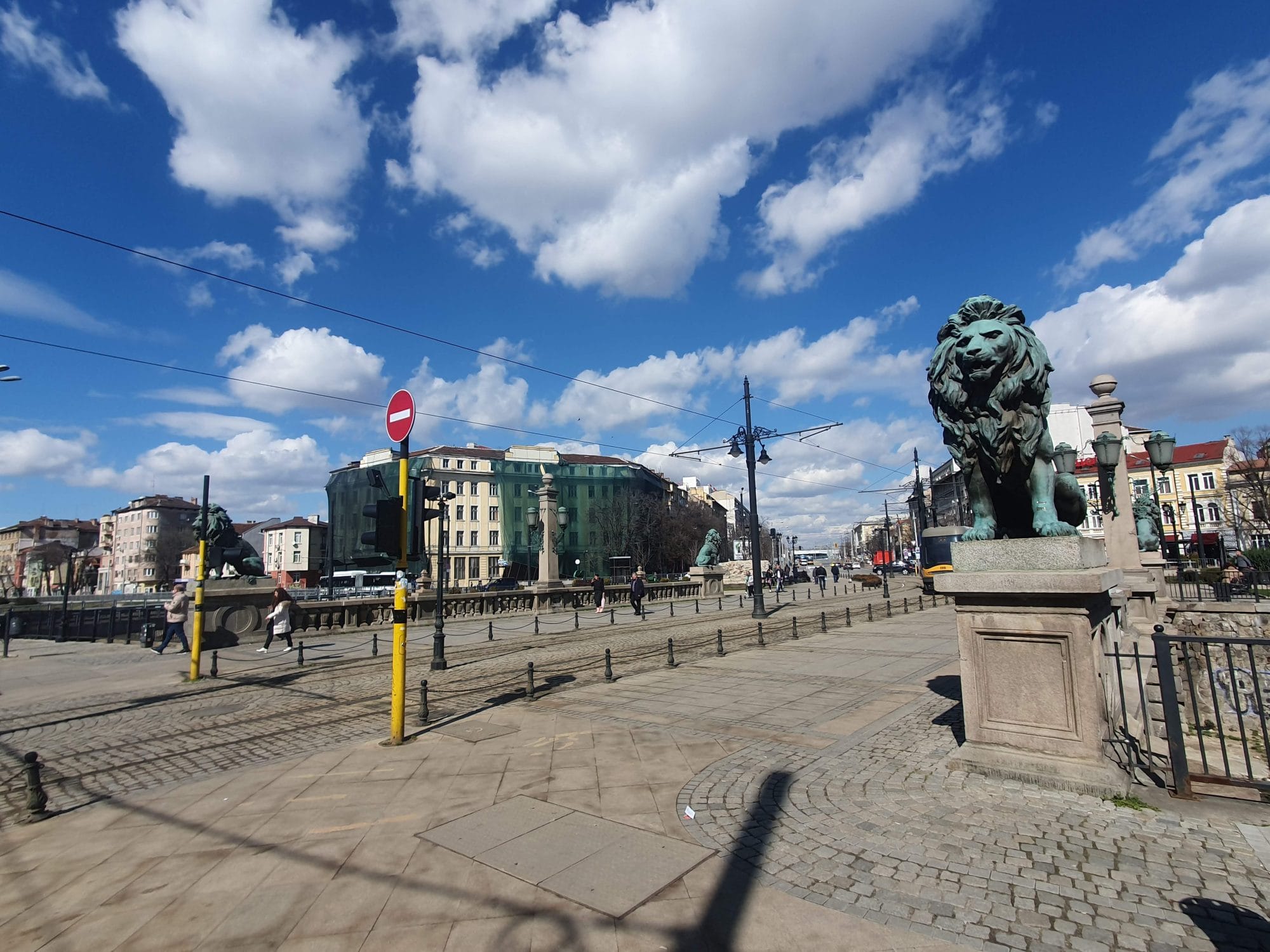
The Lions’ Bridge (Lavov Most) was built between 1889 and 1891. It gets its name from the four bronze lion statues on the stone bridge. A park at the end of the bridge lets you sit. It’s very close to the Women’s Market, so it’s a good add-on if you’re sightseeing there.
Sofia City Court
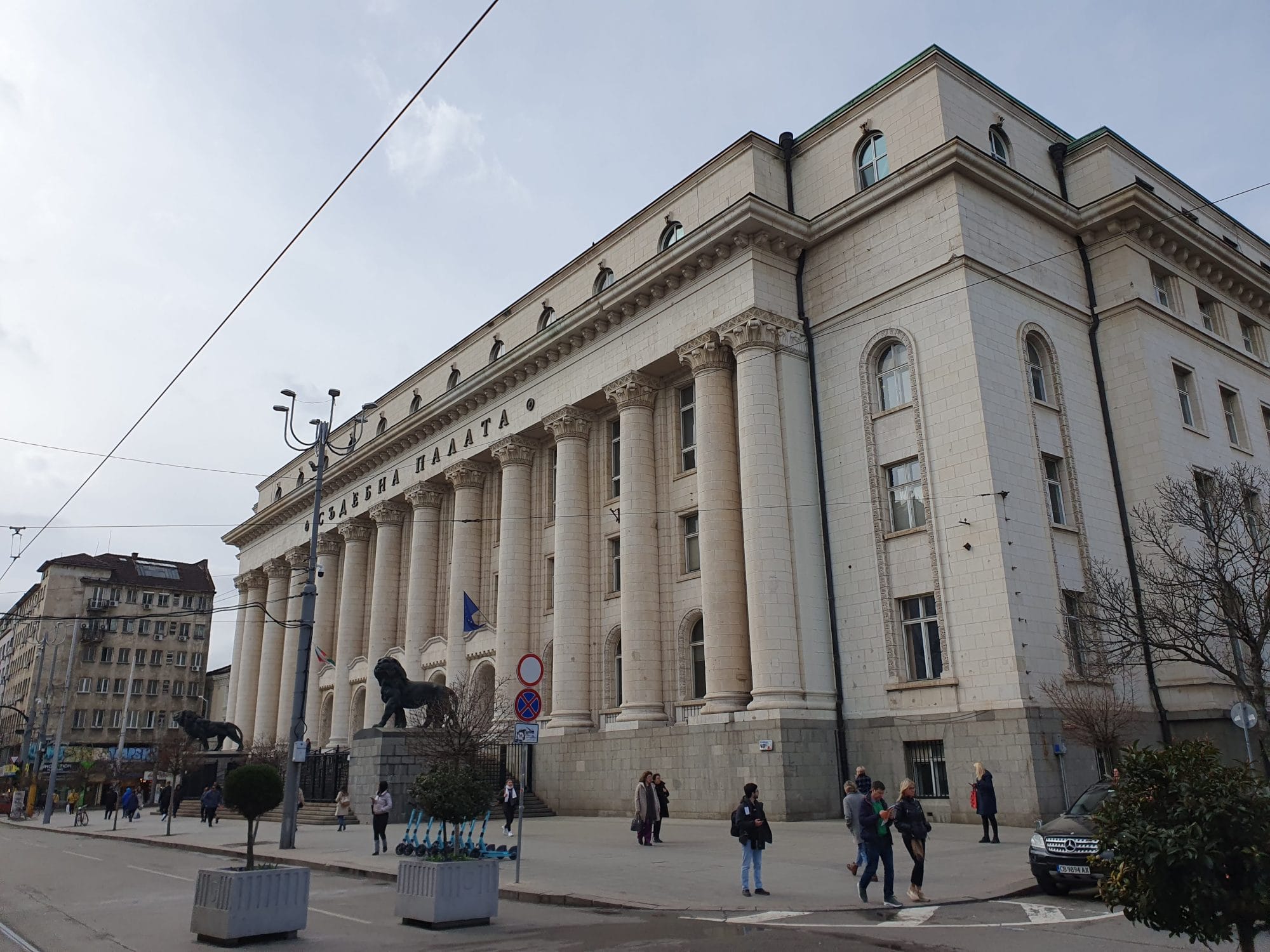
The City Court was built in the 1930s and is at the end of Vitosha Boulevard. The building entrance has columns and two lion statues.
King Samuil Monument
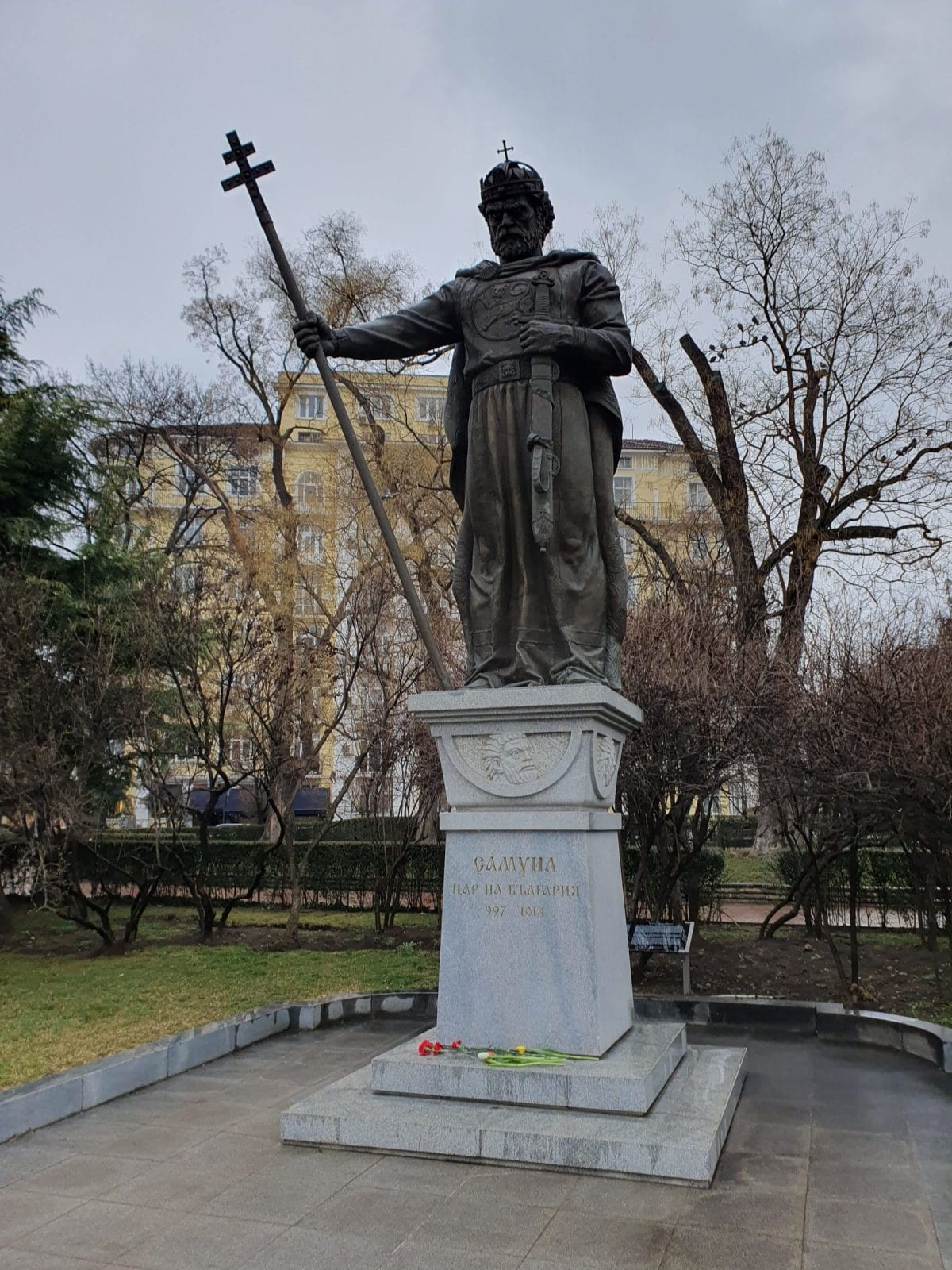
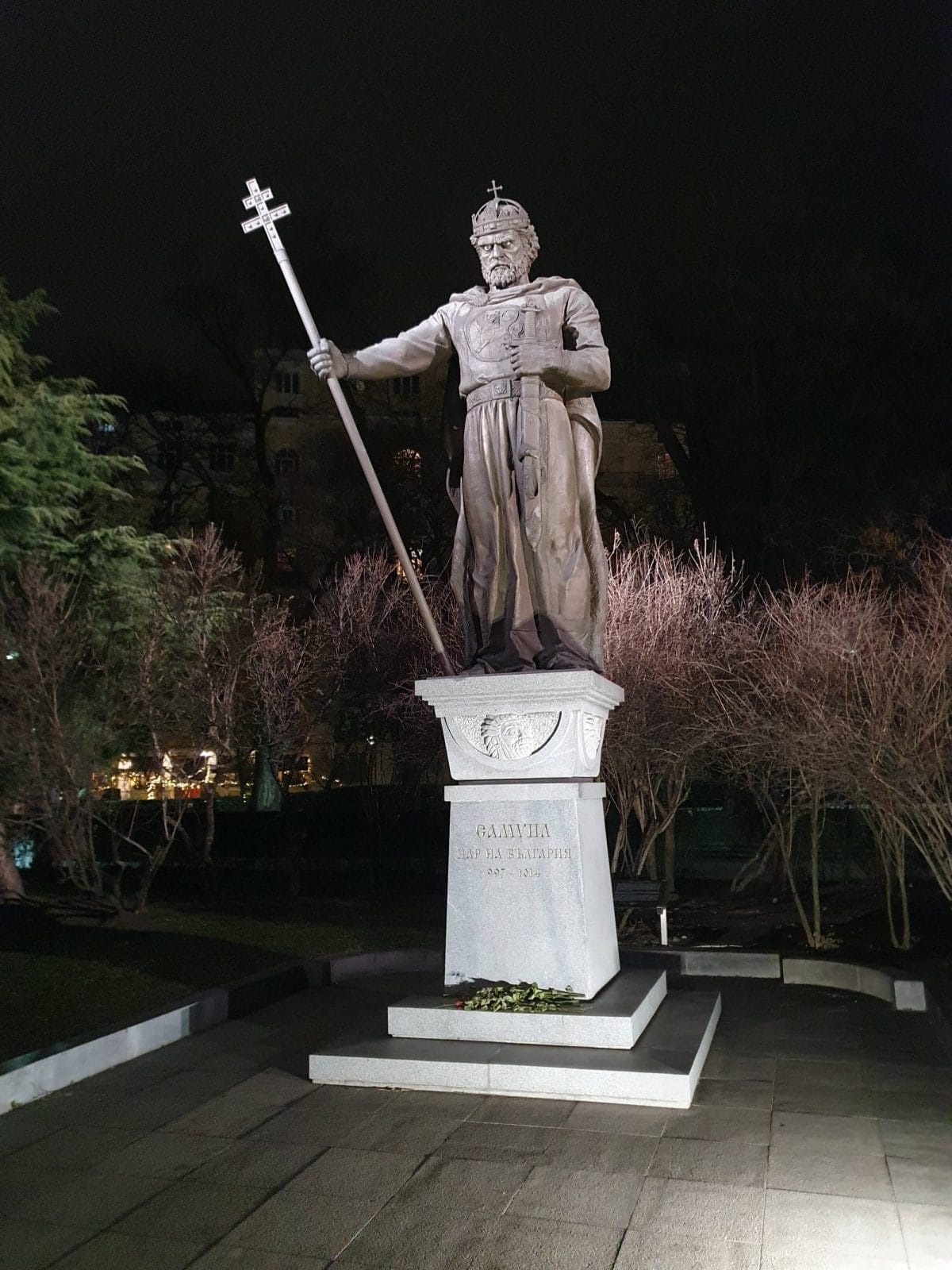
The King Samuil Monument is near the cathedral, next to the Basilica of St Sofia, and looks fantastic after dark. The statue commemorates the 1000th anniversary of the Bulgarian ruler’s death. The standout feature is the eyes that shine after dark, and it looks like it’s watching you.
St Sofia Statue
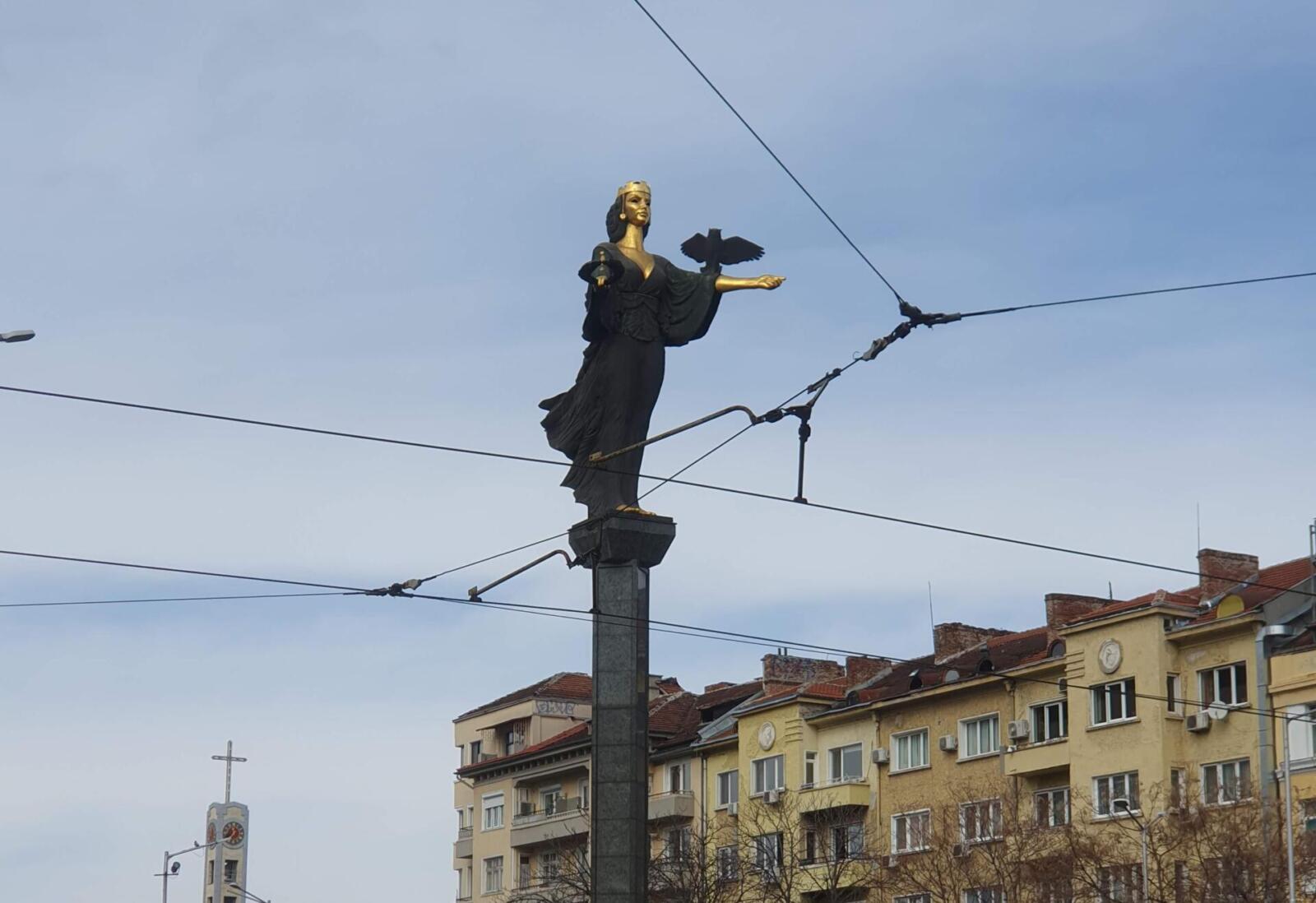
Near the Roman ruins of Serdica is the St Sofia statue. It’s a relatively new statue, installed in 2000. The statue stands where a statue of Lenin once stood, which was removed after the fall of the Soviet Union. This statue is controversial, as some considered it to be too erotic and pagan. The statue is made from copper and bronze, and it stands on a 16-metre-high pedestal.
Monument to the Tsar Liberator
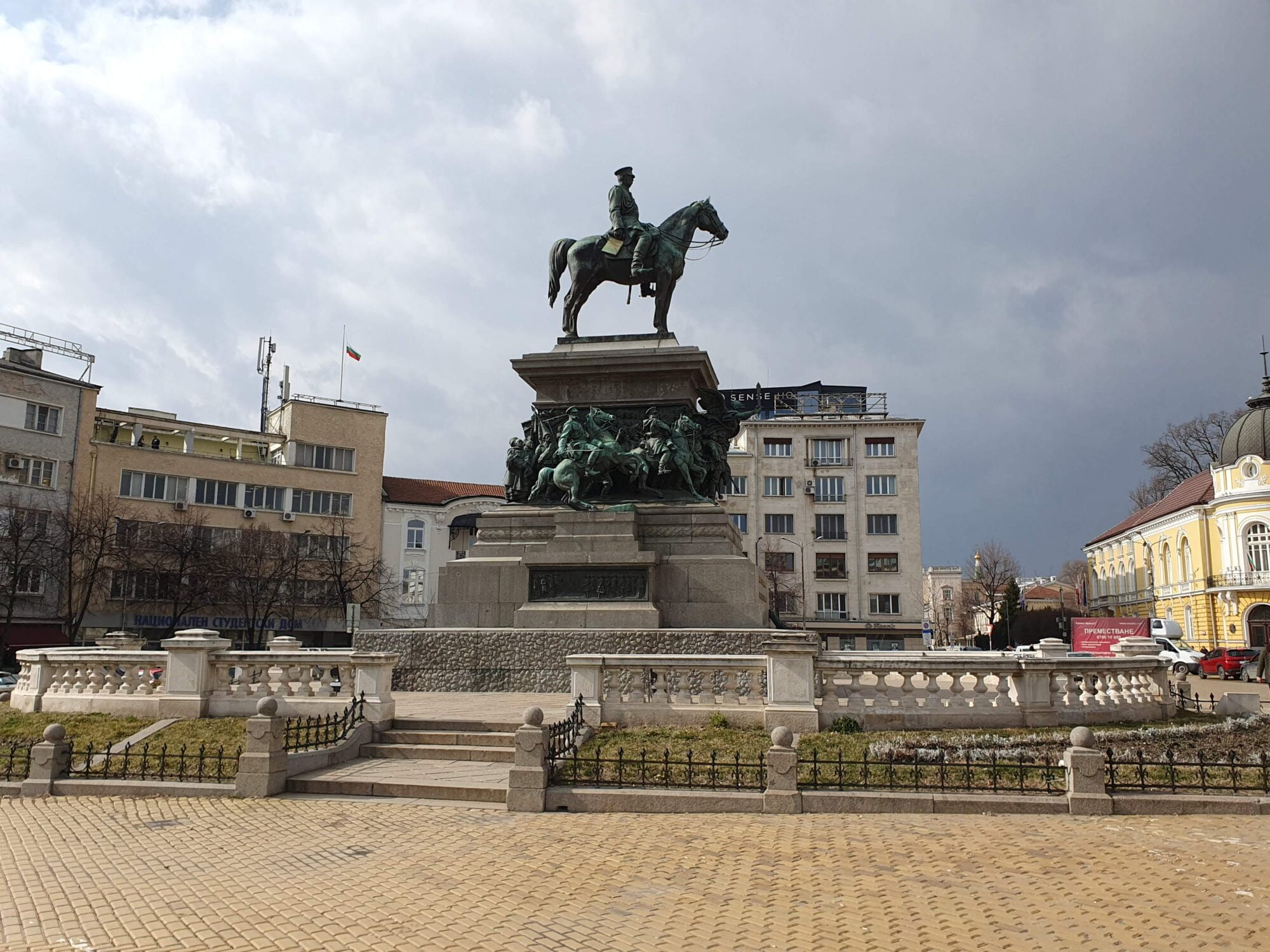
The Monument to the Tsar Liberator is near the cathedral and the National Assembly building. The monument was erected in honour of Russian Emperor Alexander II, who liberated Bulgaria from Ottoman rule during the Russo-Turkish War of 1877-78. The monument was completed in 1903.
Vasil Levski National Stadium
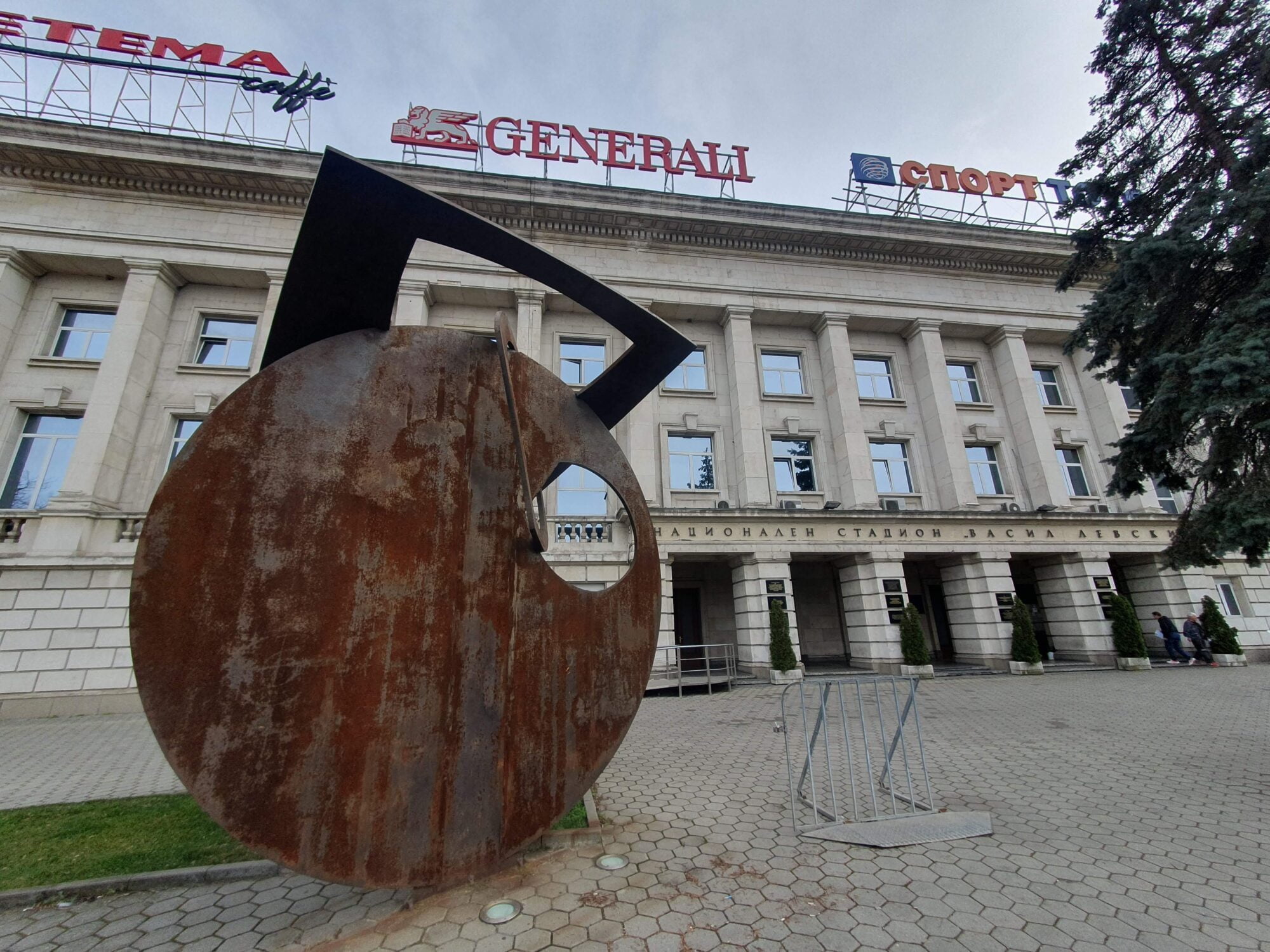
Sports lovers can visit the Vasil Levski National Stadium in Borisova Gradina Park. If you time your visit right, you can attend an event or watch the national team.
Presidential Palace of the Republic of Bulgaria
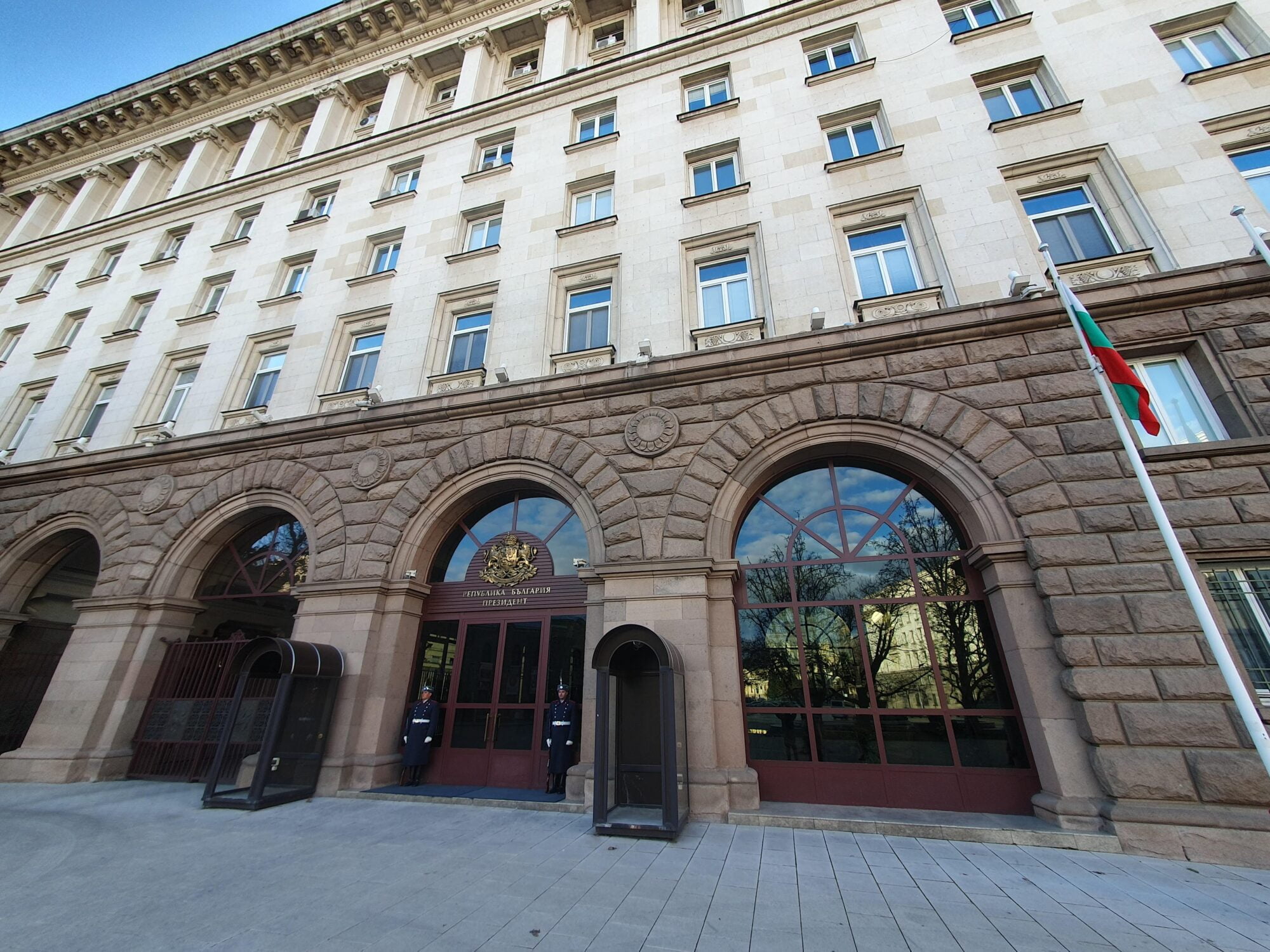
The Presidential Palace of the Republic of Bulgaria is a nice building, with ceremonial guards at the entrance. These change every hour, which is a good time to visit. The building is relatively new, built in the 1950s.
Temple of Bulgarian Martyrs
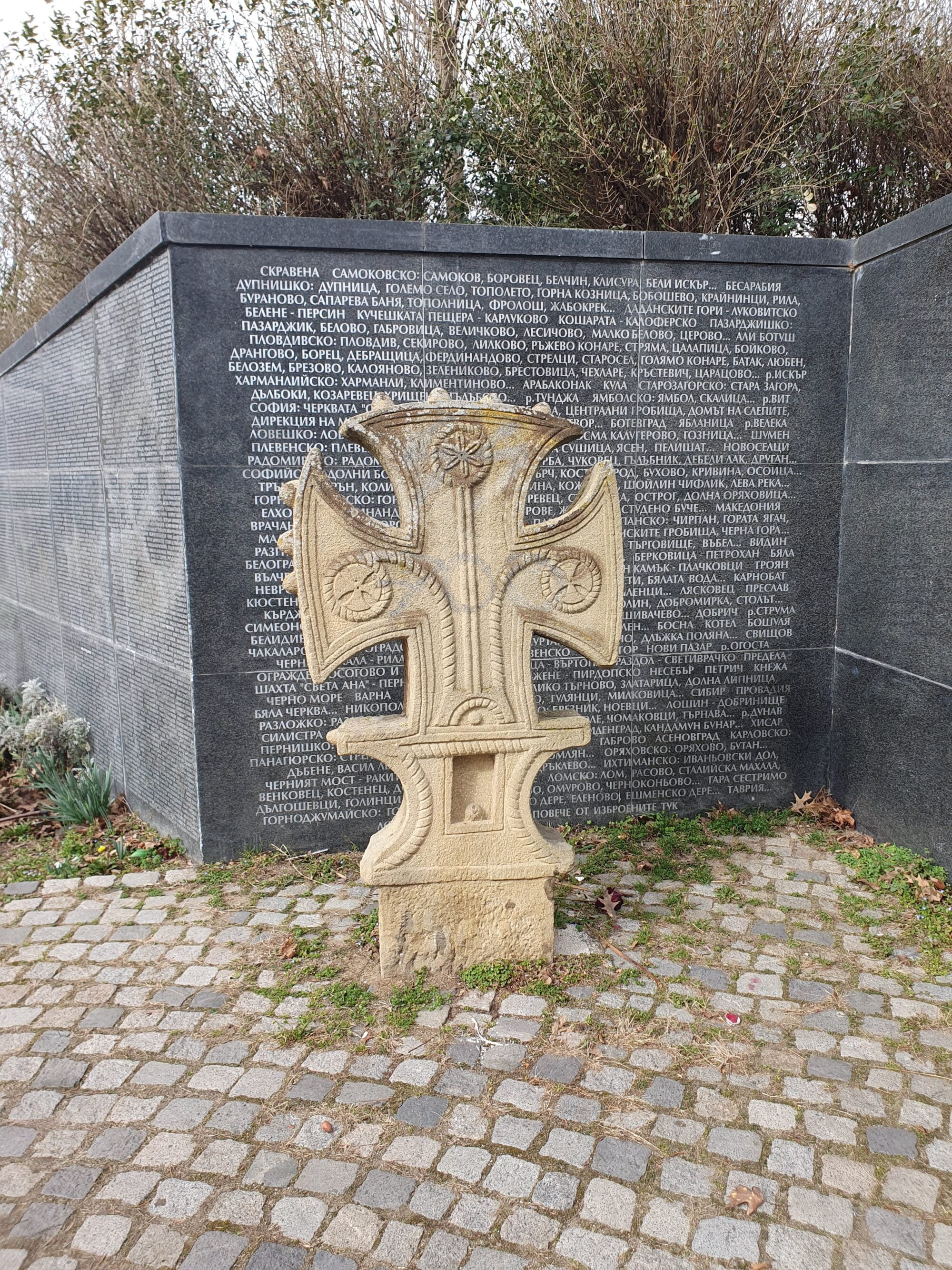
The Temple of Bulgarian Martyrs is in the Palace of Culture park and is worth finding when exploring the area. It was built to honour the memory of all victims of the communist regime in Bulgaria in the second half of the 20th century.
Monument to the Soviet Army in Knyazheska Garden
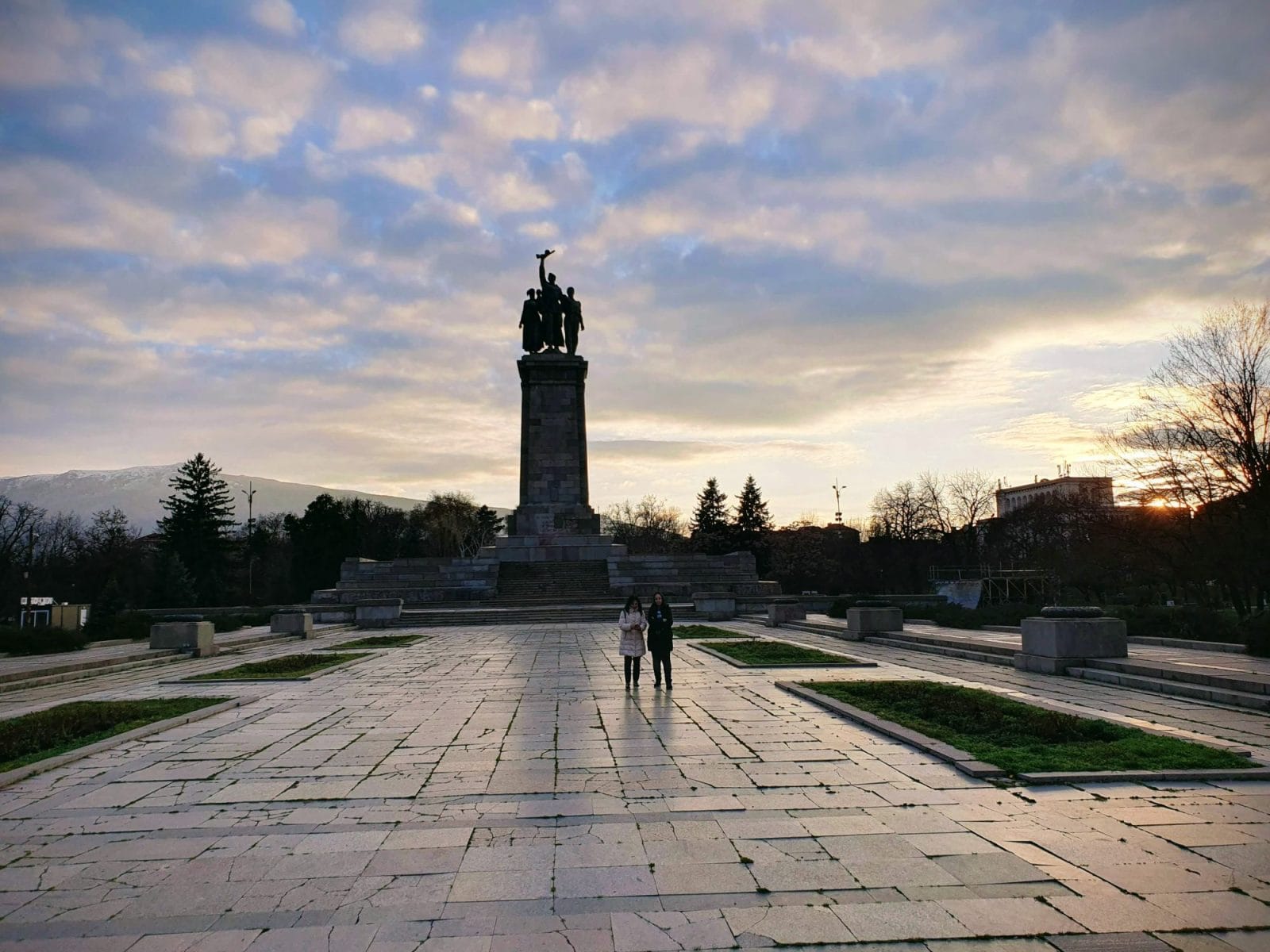
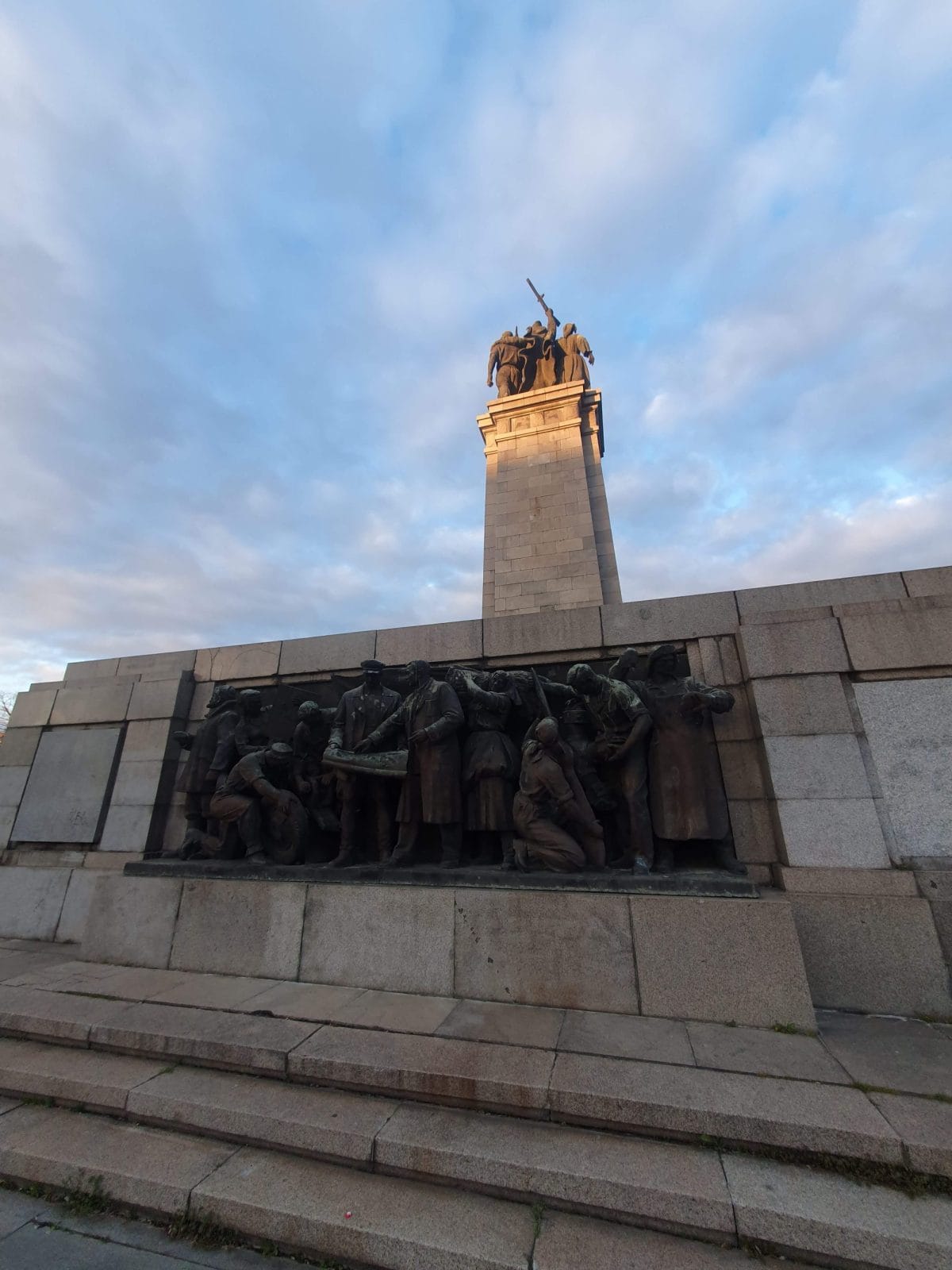
The Monument to the Soviet Army is in Knyazheska Garden, a pleasant place to visit, especially at sunset. It portrays a Soviet soldier as a freedom fighter, surrounded by a Bulgarian woman holding her baby and a Bulgarian man. Other sculptural elements of the large memorial complex surround the main monument. The monument was unveiled in 1954 on the occasion of the 10th anniversary of the Soviet Army’s 1944 liberation.
We visited Sofia many years ago but only had an afternoon there, so missed out on loads of its attractions. The cathedral is stunningly beautiful and we’d love to spend time at the National Theatre. The National Gallery and Museum of Illusions also appeal. The market looks great as well.
I’ve heard a decent amount about Bulgaria recently, and it really sounds like a great place to visit. Sofia looks no different. Lots of impressive churches with attractive Byzantine styles. The market would be fun; they’re always good ways to experience a bit of local flair. Why is it called the Women’s Market, though?
Sofia looks nice, so many impressive buildings and architecture!
How did Henry take the shooting? 😉
This brings back so many fond memories of our time in Bulgaria two years ago. Sofia is such a stunning city with a rich history, delicious food, and modern bars! We never properly managed to navigate the public transport though so we walked a lot…
Gosh they do love their churches don’t they? My interest would be more piqued with the baths, ruins and excavation sites. The art gallery looks intriguing, too. I also noticed a mixture of cultural styles e.g. I can see Cyrillic and Greek symbols, whilst the Zone of Tolerance resembles the Hagia Sofia in Istanbul.
Carolin | Solo Travel Story
Lovely to read another post on Sofia and thanks for sharing your take on the city 😉 I remember visiting it a few moons back and always wanting to return. Such an interesting history and people. Sofia is a city of becoming #flyingbaguette
Jan – https://flyingbaguette.com/
Full and comprehensive guide of Sofia. Congratulations to the author of the blog. All top sights of Sofia are very detailly covered. Wonderful photos as well. Brilliant article!!
The buildings are all so incredibly stately. Brilliant images too.