
Transylvania Travel Guide: Where To Visit & Practical Tips
The region of Transylvania is a fantastic part of Romania to visit, with many places of interest. There are historical attractions and beautiful countryside for walks. I’ve enjoyed a lot of the region and its attractions.

Transylvania is a region in northern Romania in Southeast Europe. It’s a lovely place to spend time and is a great place for a regional tour. Much of the region is rural farmland, mountains and a few major cities like Brasov, Sibiu and Cluj-Napoca.
As a tourism destination, it ticks many boxes, including beautiful mountainous scenery, fairytale castles and great food. As a bonus, it is a relatively cheap place to visit, stay and eat out compared with much of Europe.
Is Transylvania Real? – History & Geography
Transylvania is real and a fascinating, beautiful place to visit. The Romanian region is known for the scenery of the Carpathian Mountains and its interesting history.
Its history includes the great empires, such as the Roman and Habsburg empires. Before the Romans, it was part of the Kingdom of Dacia. The Slavs, the Huns, and many others have also controlled the region.
Legends of Vampires
The Western world and popular culture commonly associate Transylvania with vampires. The vampire association arose from the influence of Bram Stoker’s novel Dracula. This book then inspired films about the “Transylvanian Vampires”.
Places to visit in Transylvania
Disclosure! Keep in mind that some links in these posts are affiliate links. If you click one of them, I may earn a small commission (for which I’m extremely grateful) at no extra cost to you. Thanks for visiting!
A common question asked is, is Transylvania real? Well, the places to visit below are very real, as are the beautiful mountains that form the region.
The Mountainous City of Brasov

Brasov is the 7th-largest city in Romania and a fantastic place to spend time. The city has an interesting history, fascinating architecture and medieval Saxon walls. It is also home to the Gothic-style Black Church and an impressive Hollywood-style Brasov sign on a mountain overlooking town.
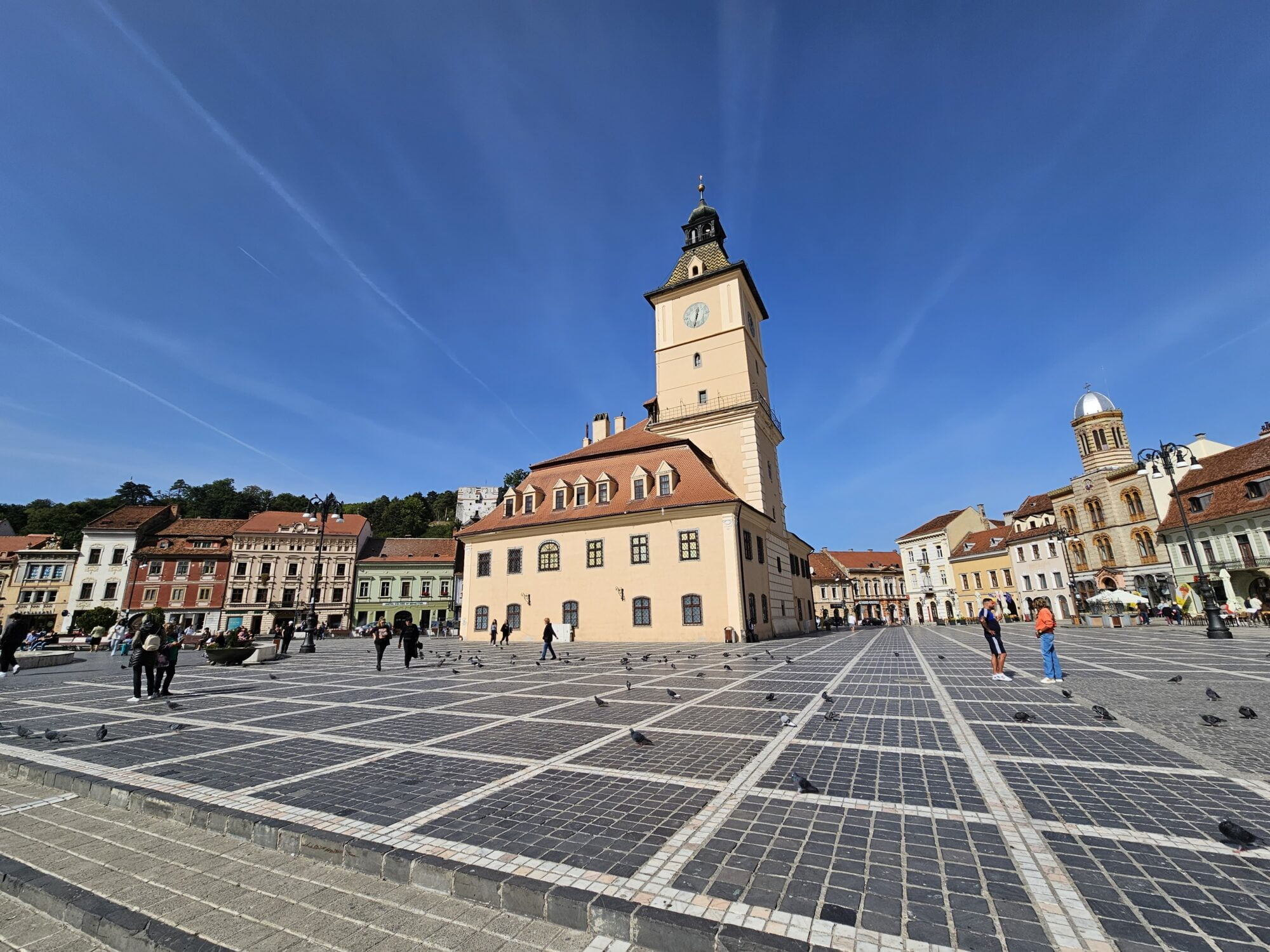
There are lots of things to see and do in Brasov, but the highlight is the mountains in the city centre. This is a great place for those who enjoy hiking or winter sports.
Cluj-Napoca
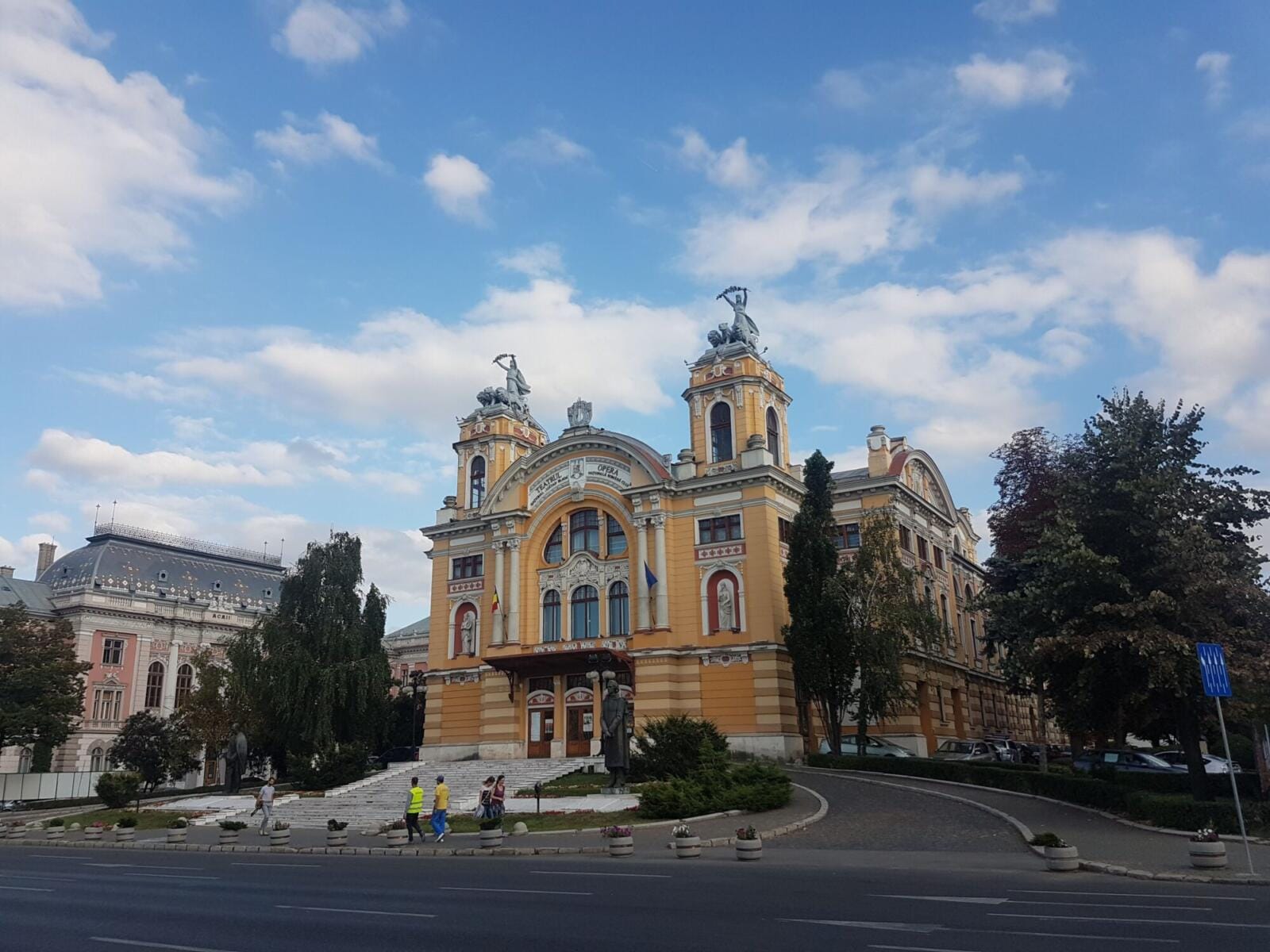
The largest city in Transylvania is Cluj-Napoca, a beautiful city with historical buildings. It is in the northwest of the region and is a fantastic place to spend time. The city has a great friendly vibe, with loads of options for dining out.
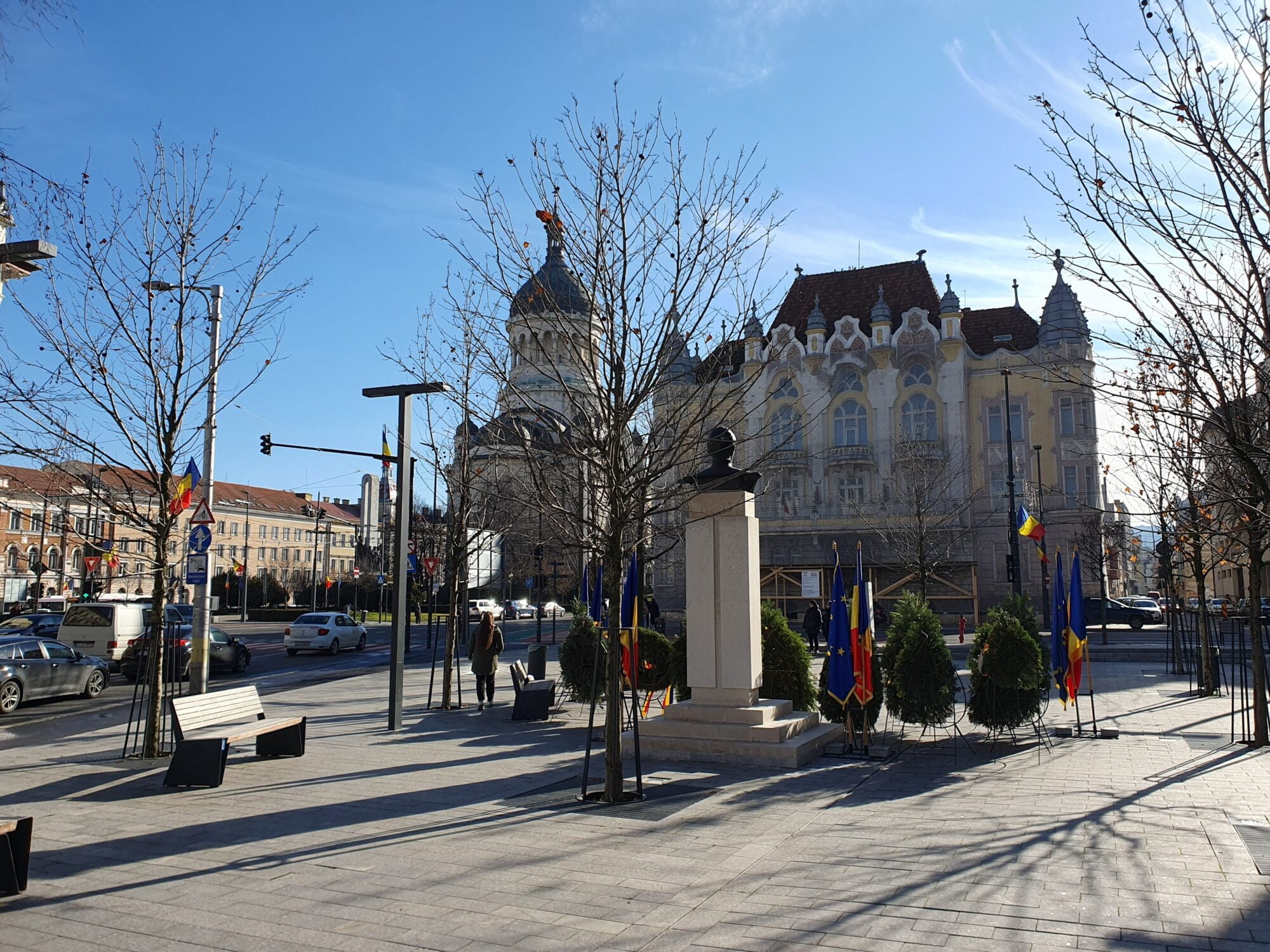
It has some very nice visitor attractions, including museums, churches, cathedrals and monuments. Some must-see places are the two cathedrals, the opera house and the cobbled streets of the old town. Another interesting tourist attraction is the National Ethnographic Park in Cluj-Napoca. This is the oldest open-air museum in the country and was founded in 1929
Historic City of Alba Iulia
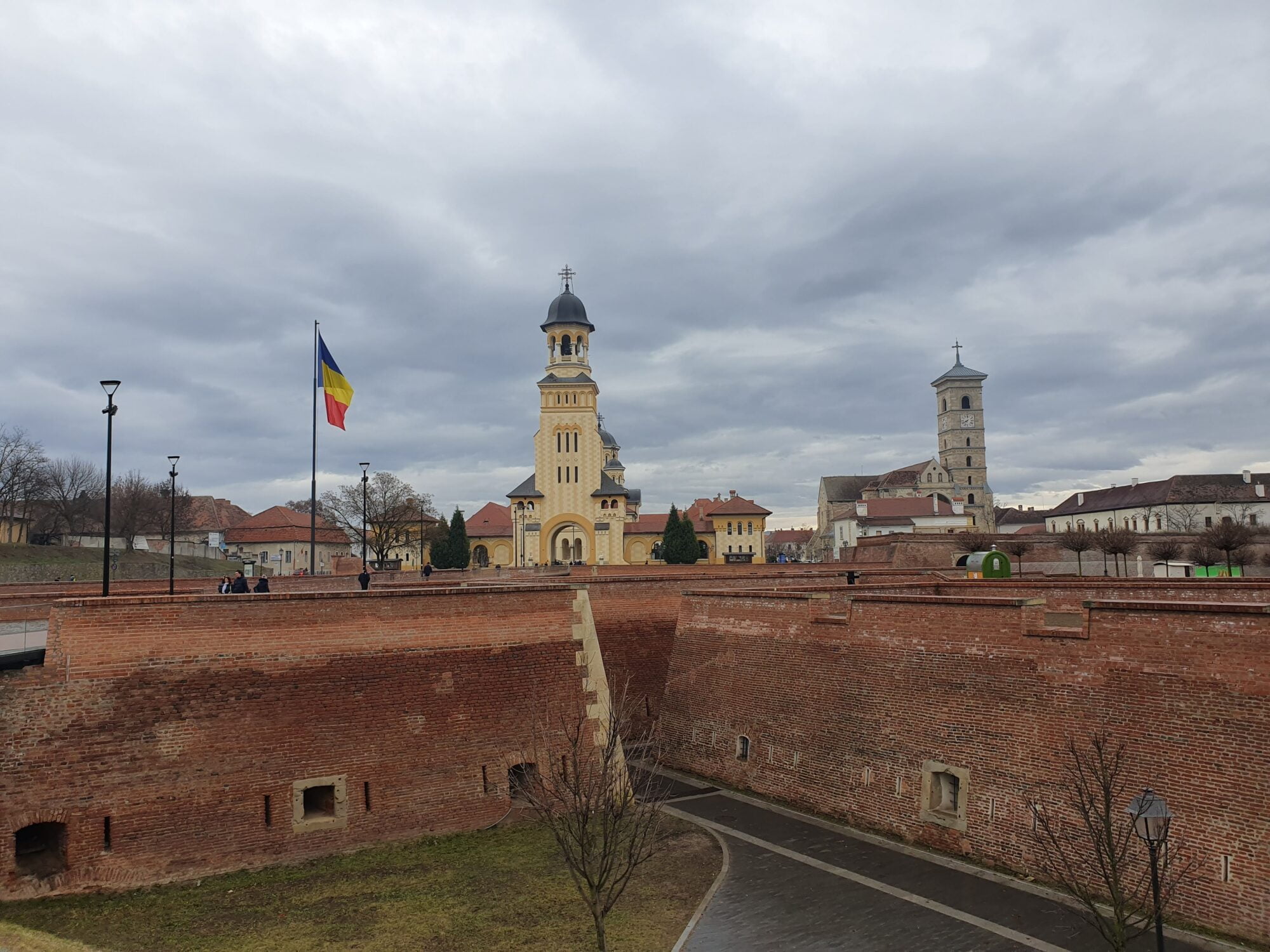
Alba Iulia is a historic Transylvanian city with a medieval fortress. The city is a gem; it has two cathedrals and interesting buildings, all housed in a star-shaped fortress.

Construction of the Citadel started in 1715 during the Habsburg rule in the region. Eventually, they completed it in 1738.
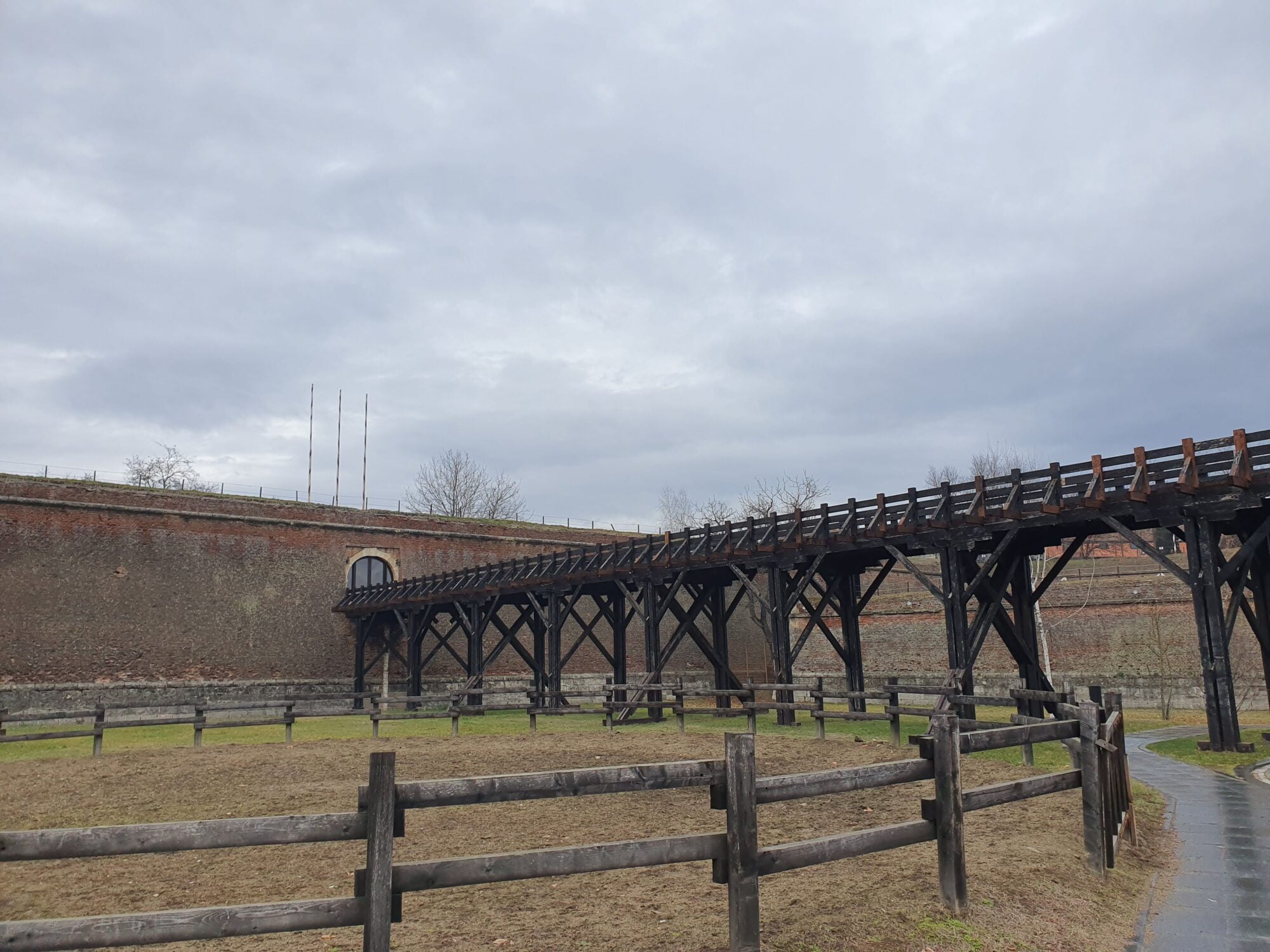
They named the citadel after Charles VI, also known as Carol VI in Romanian. Charles was the Holy Roman Emperor at the time of the citadel’s construction. The fortress is a great place to explore, with ornate gates, impressive bastions, and other buildings inside.
World Heritage Site in Sighisoara
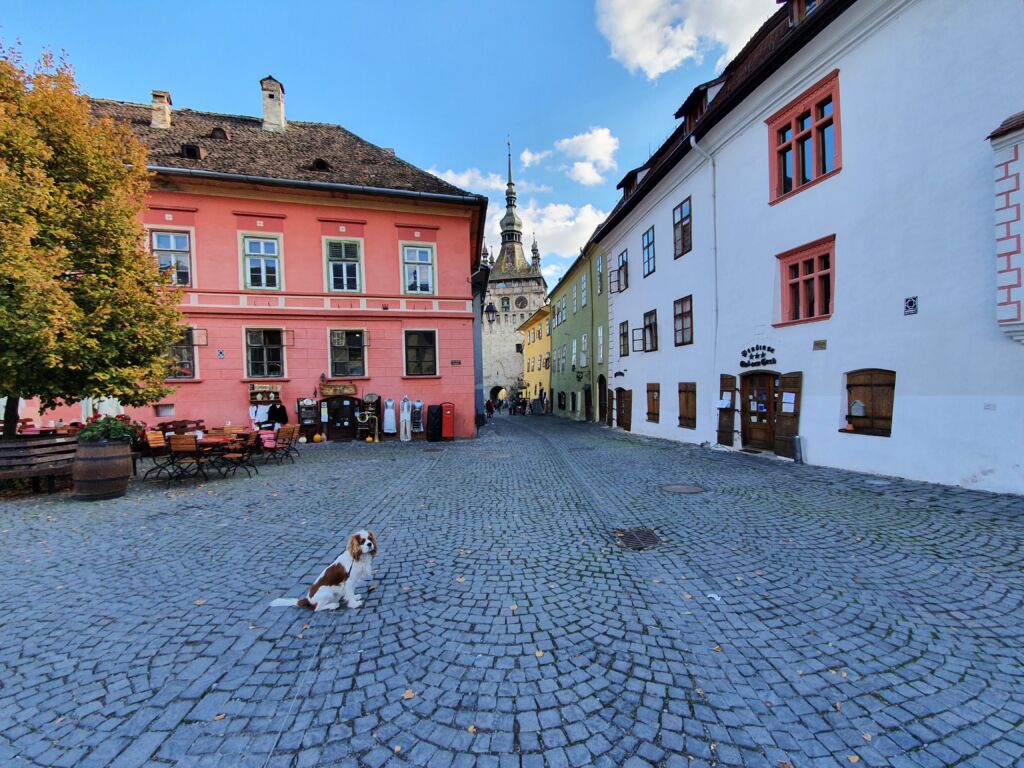
The old town of Sighișoara is a citadel on a hill. Saxon settlers founded the citadel and city in the 12th century. The town is colourful, with buildings painted in vibrant colours. It has an impressive city wall with towers, gates and churches.
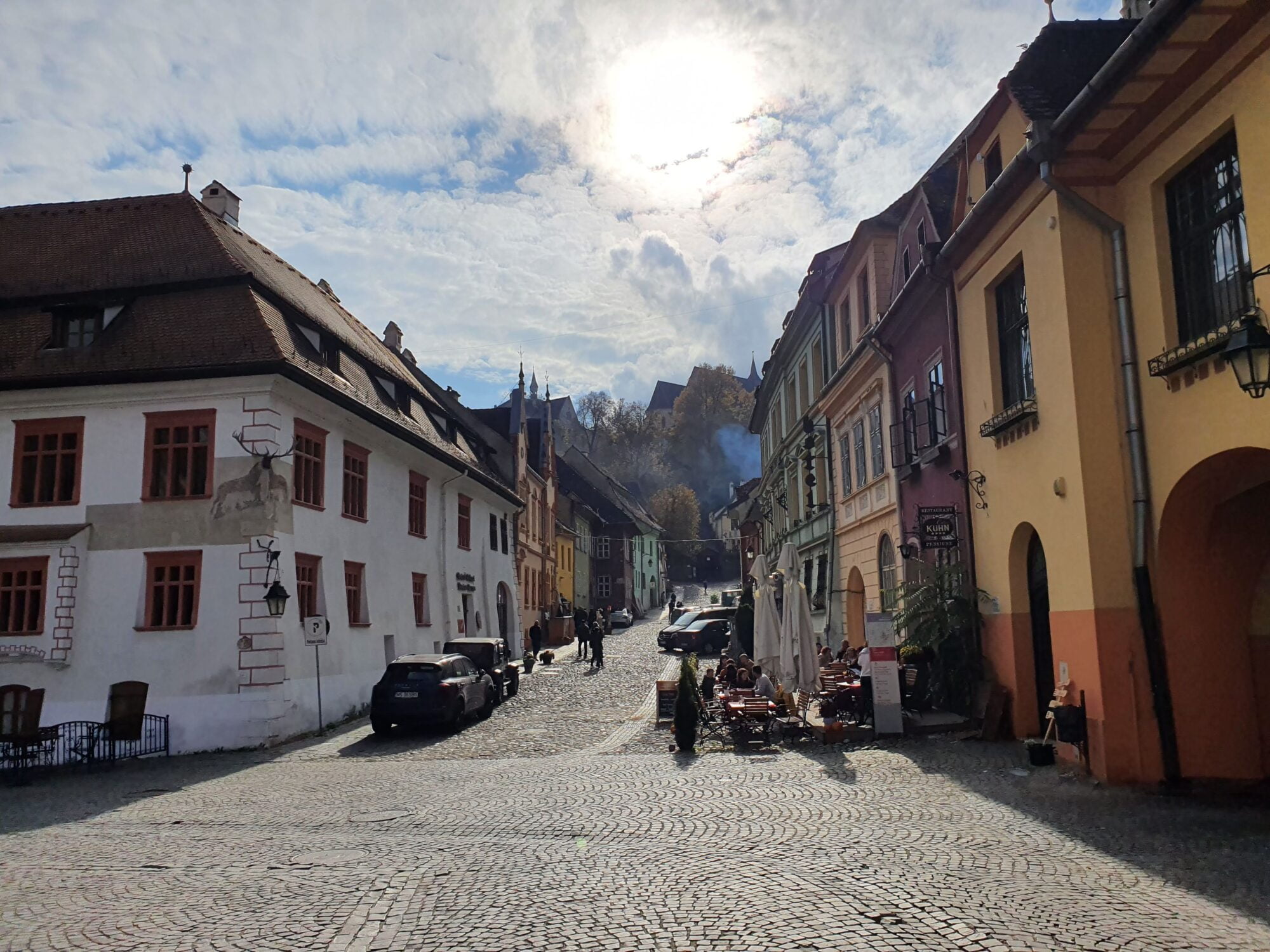
The town is a UNESCO World Heritage Site for excellent reasons. When you visit, you can explore the historic architecture. You can learn about its most famous son, Vlad Tepes, who inspired Dracula, and more.
Sibiu
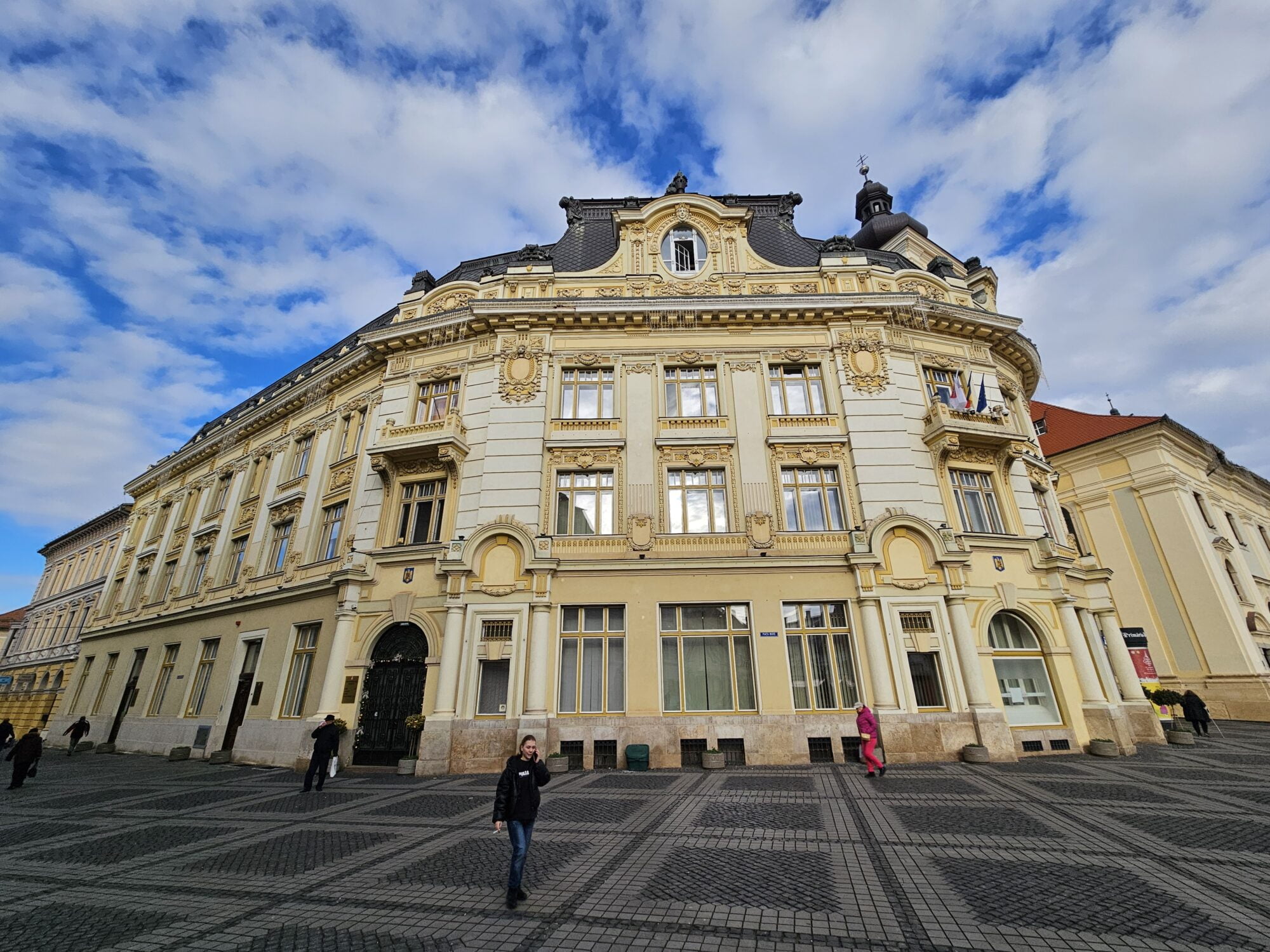
Sibiu is a picturesque city in the region, with many attractions. It sits on the region’s main train line, making it easy to reach from other parts of Transylvania. There are many things to do in the city; thus, I recommend staying at least two nights to fully enjoy it’s attractions.
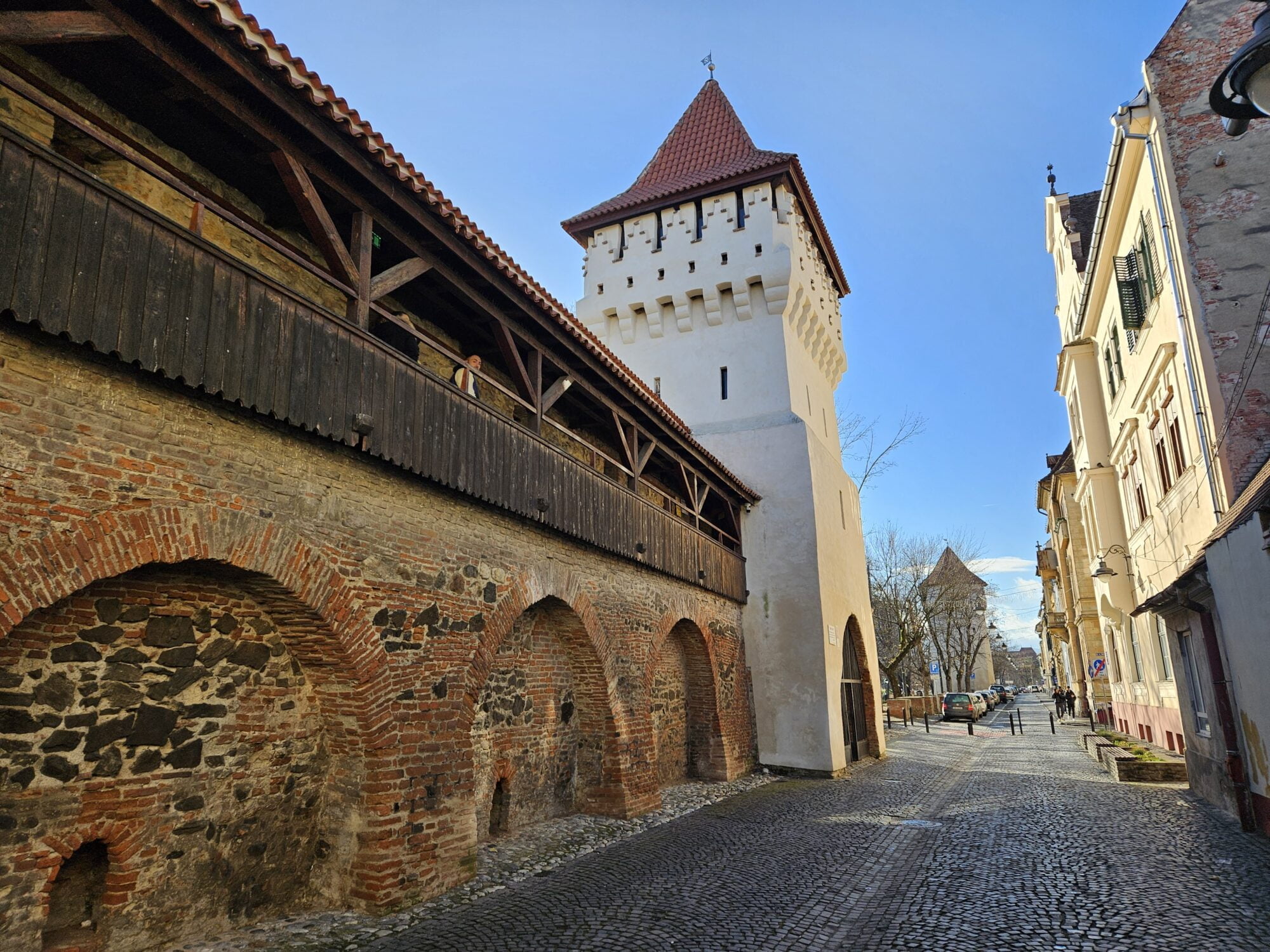
Sibiu has medieval towers to see and climb, offering some rather special views. These are very historic, and some date from the 12th century onwards. Many attractions are in the expansive town squares of the upper town, including museums. The main square hosts the Sibiu Christmas market if you visit during the winter.
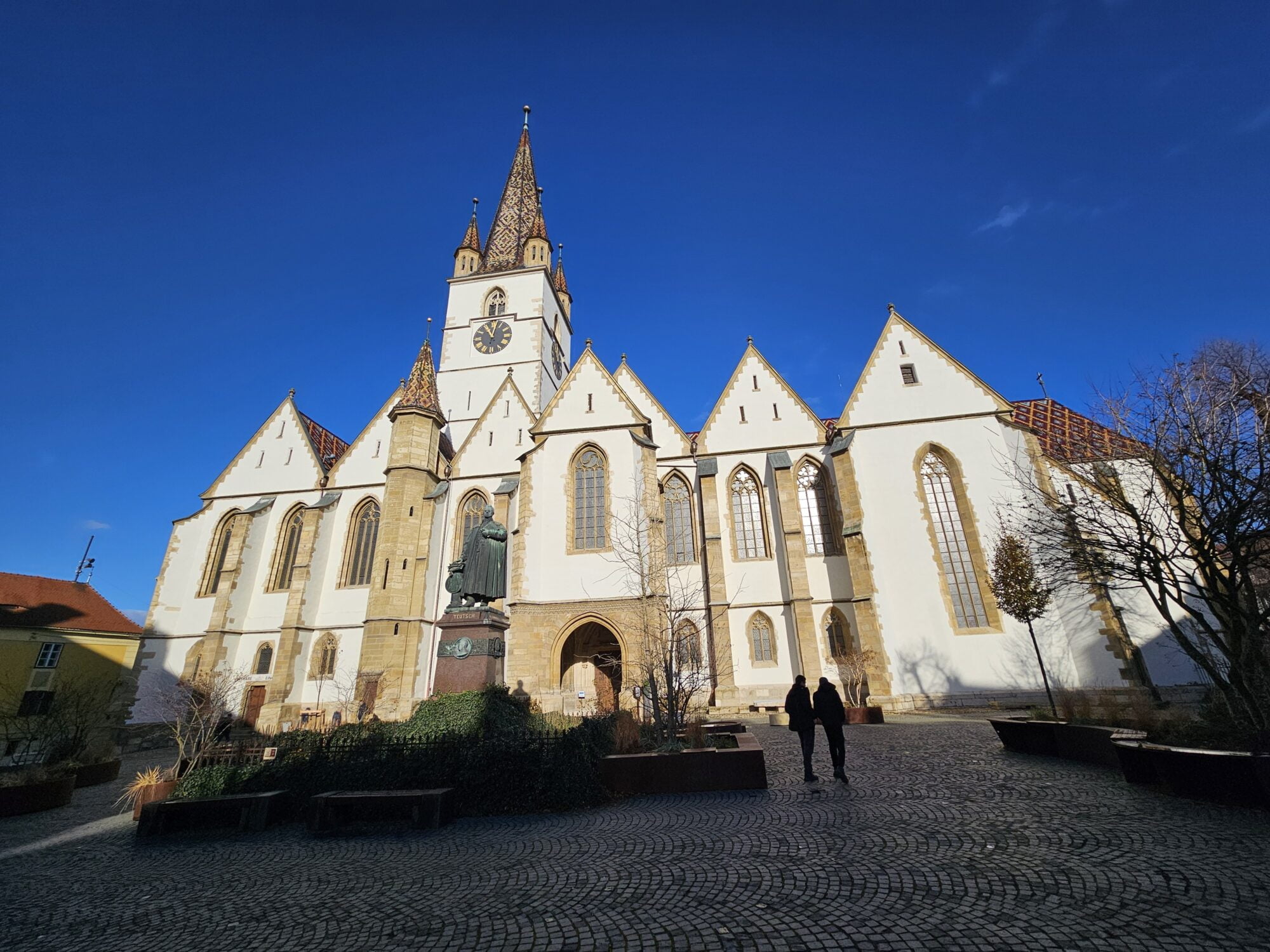
The city has many churches to visit, including an Orthodox cathedral and the iconic Lutheran Cathedral of Saint Mary. Both are beautiful and have nice details to see. Sibiu has a wide variety of restaurants, coffee shops and bars.
Râşnov
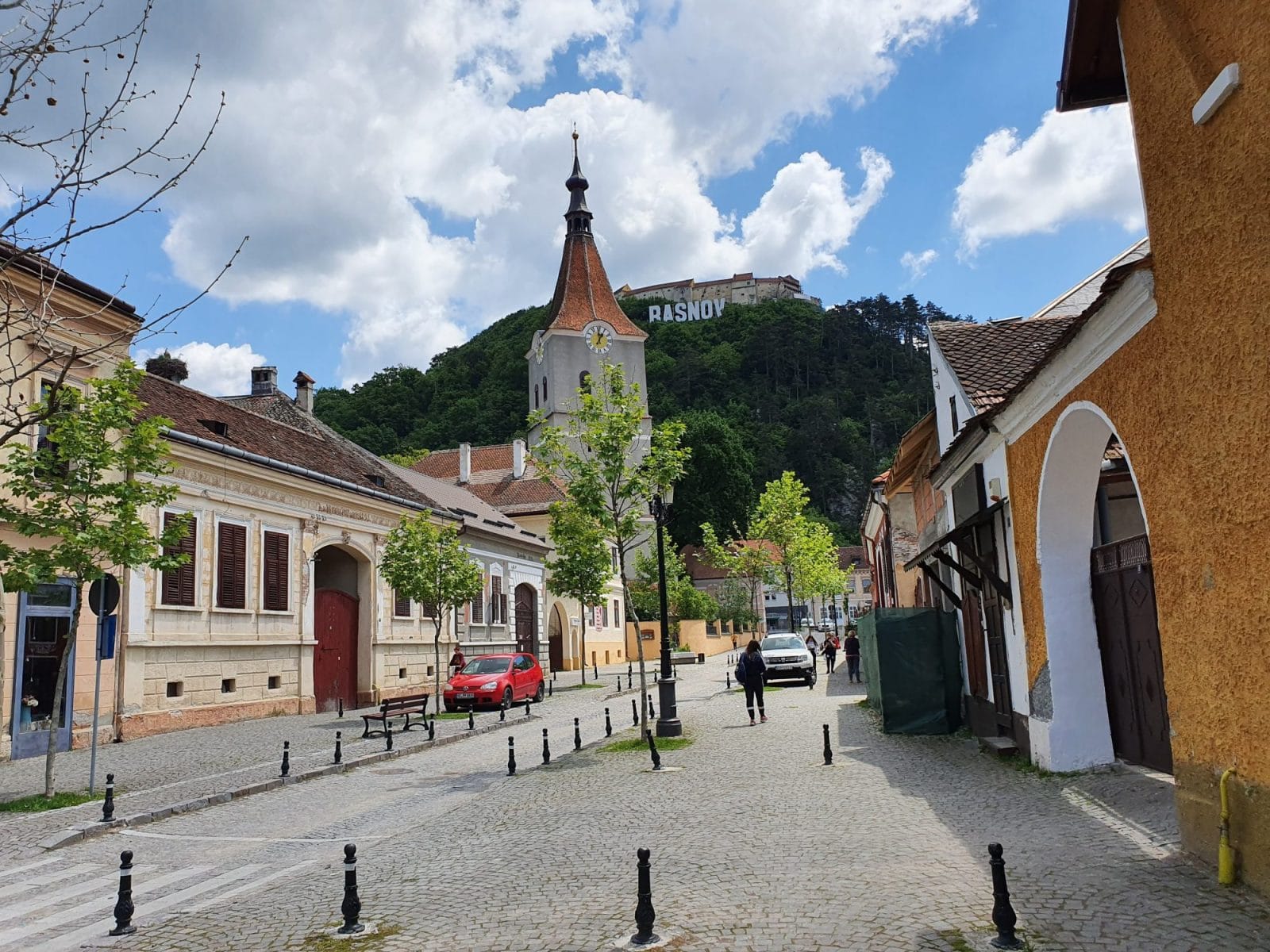
The town of Râșnov is a pretty place in the Carpathian Mountains near the city of Brașov. The town’s chief attraction is its citadel on a hill overlooking the local area. Rasnov Citadel is interesting and offers a few fun things to do. There are also a few churches and other features that enhance the experience.
Fagaras
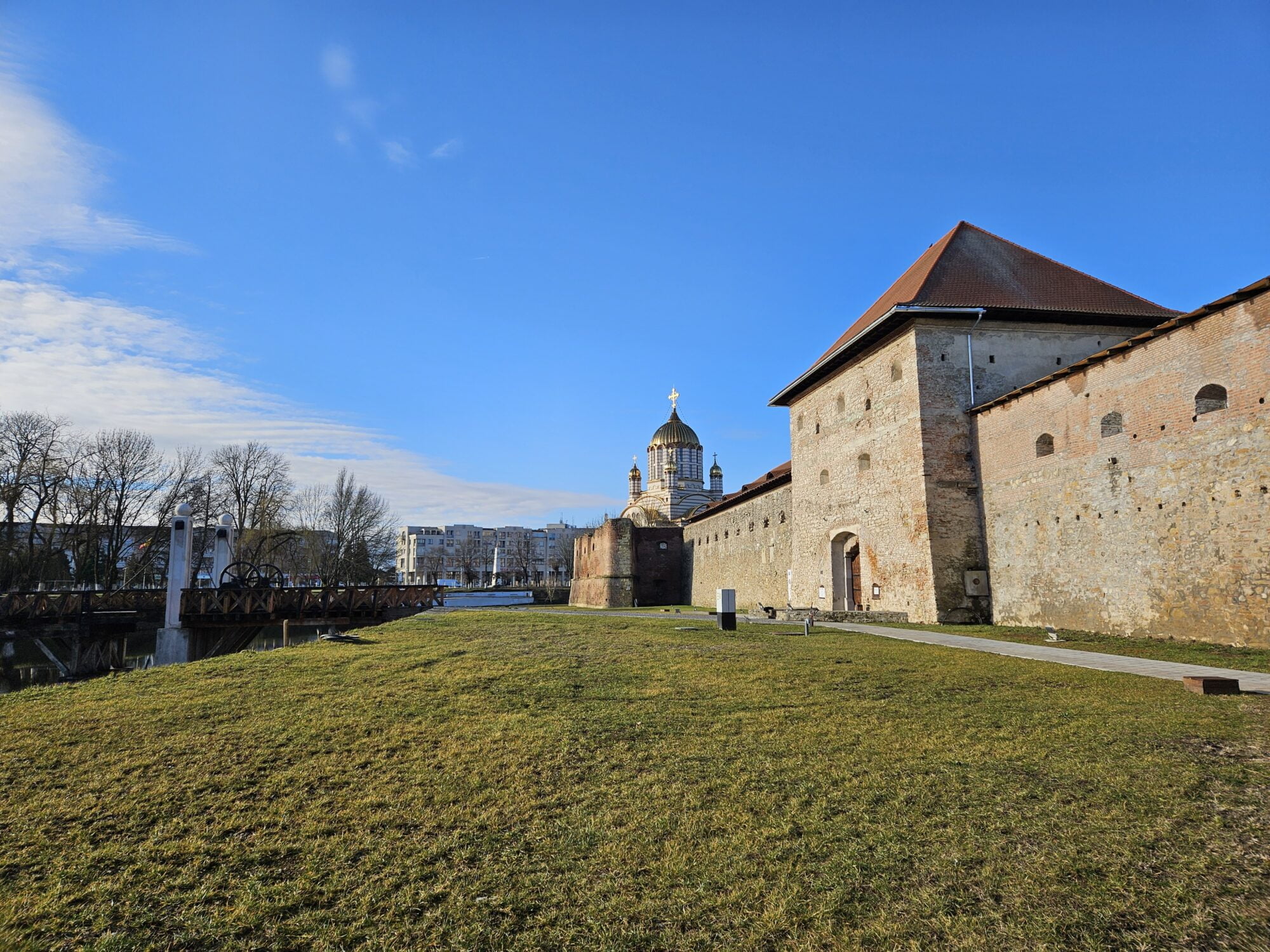
Another fascinating place to visit in rural Transylvania is the small city of Fagaras. Fagaras is halfway between Brasov and Sibiu and is well worth popping in for a few hours. The major attraction in the city is Fagaras Citadel, a pretty and interesting fortress with parts dating back to 1310. The citadel is great to explore; its defensive features are home to one of the best museums in the region.
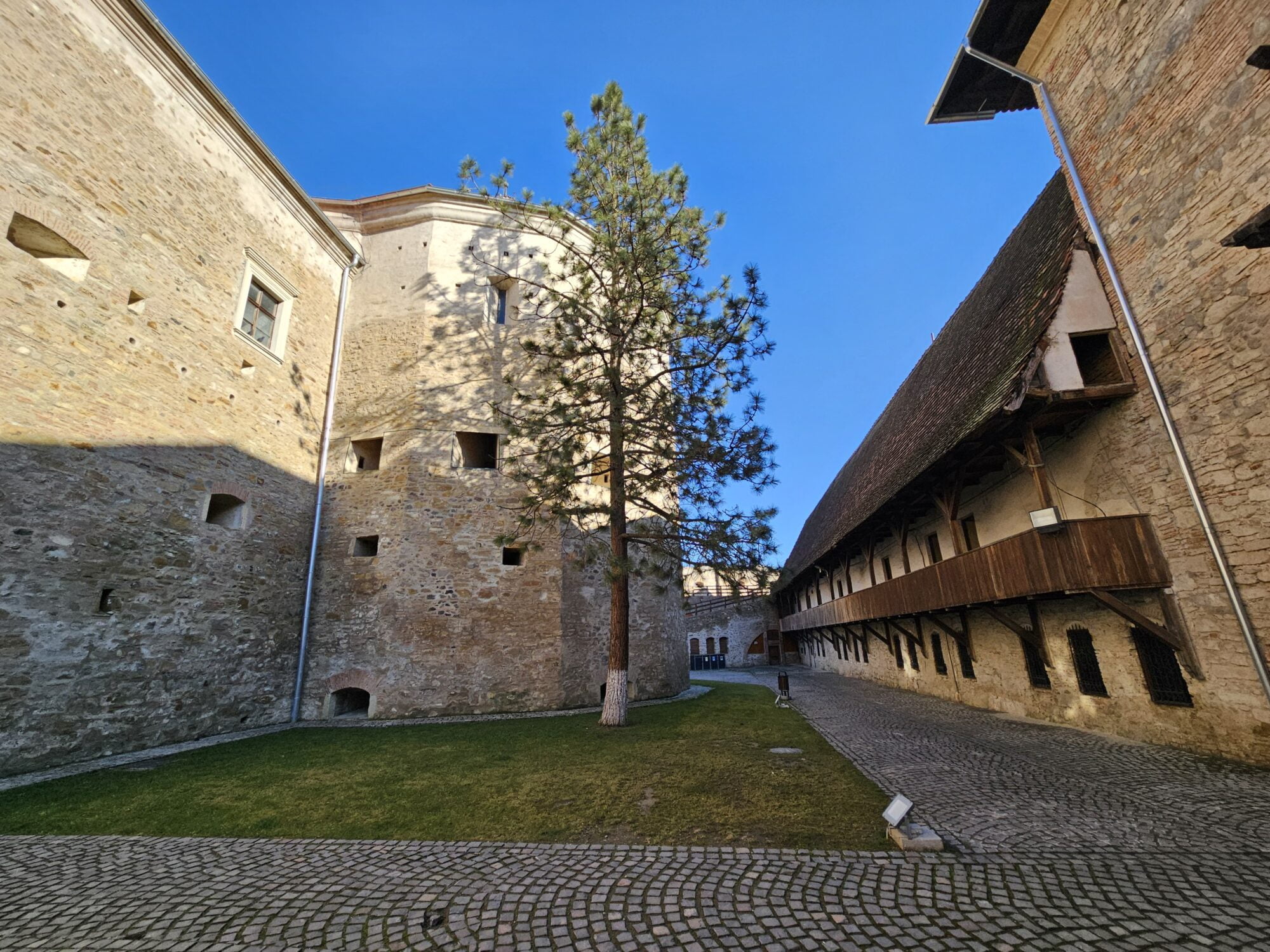
Visitors can explore various churches and see the local architecture, as well as the epic Fagaras Cathedral. The gold-domed cathedral is beautiful inside and outside. You can see the building from many parts of the city, and as a bonus, it’s free to enter. There are places to enjoy a walk, including to the River Olt and nearby hills and mountains.
Racos Village

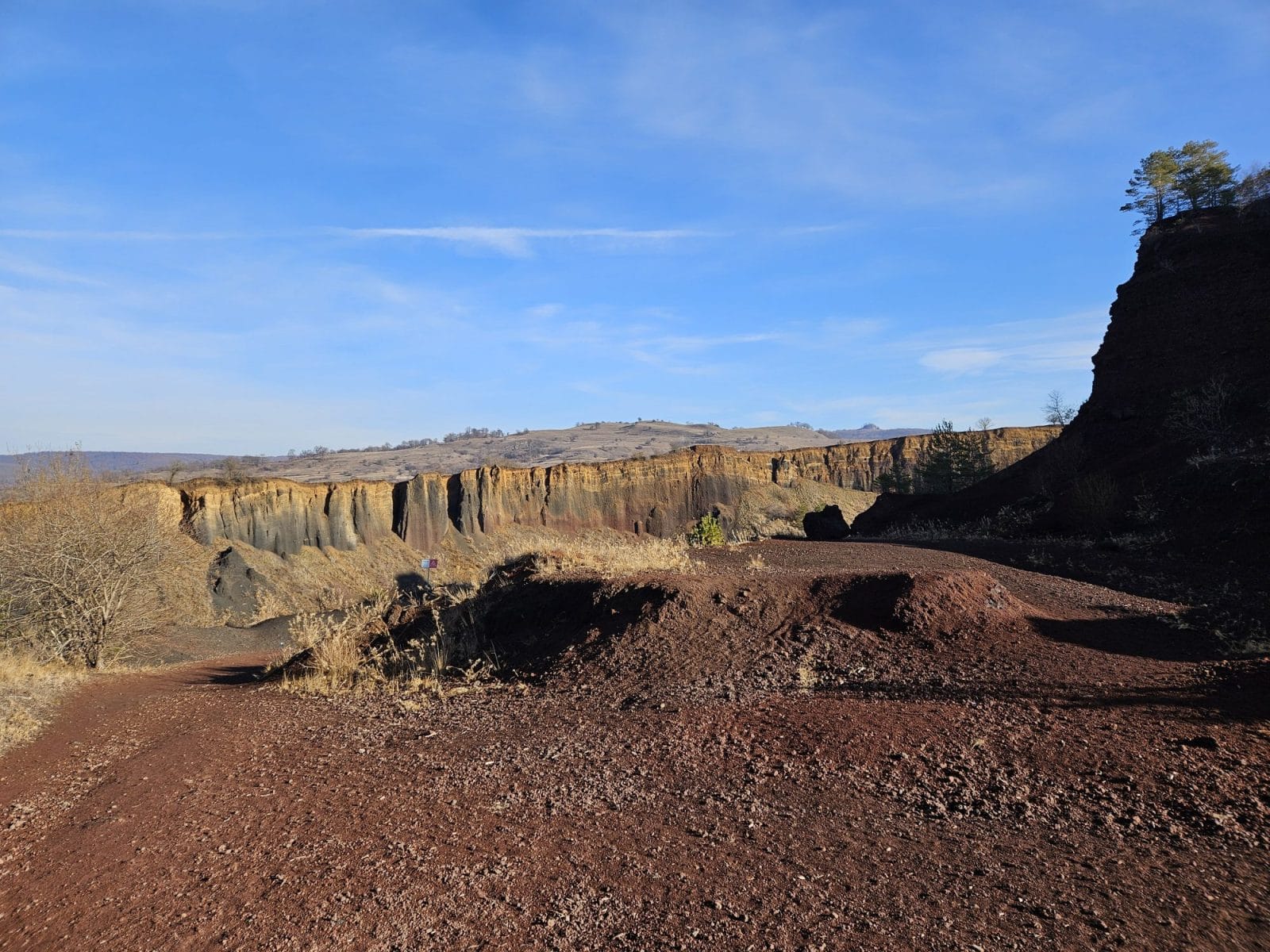
Racos is an interesting village and well worth a visit. It is home to the Emerald Lake, a former quarry. Racos volcano is good for a walk, and you can see some special basalt columns. We enjoyed exploring the area with Henry; however, there were quite a few stray dogs there, unfortunately.
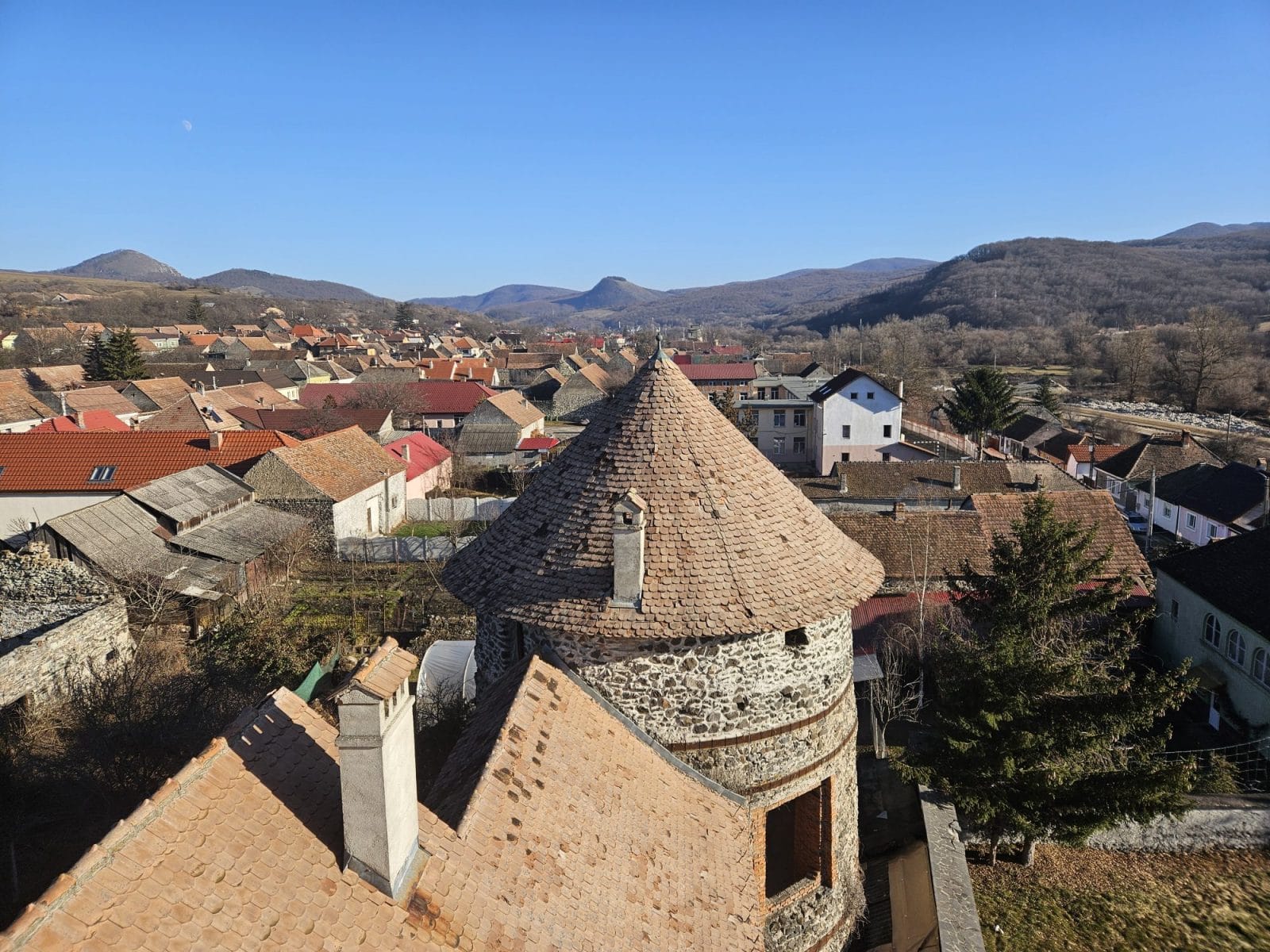
In the village of Racos, you can visit the local castle, Castelul Sükösd-Bethlen. Castelul Sükösd-Bethlen dates from the 17th century and is well worth popping in to see. You can reach Racos by train, and it is well worth a few hours to see all the attractions.
Deva
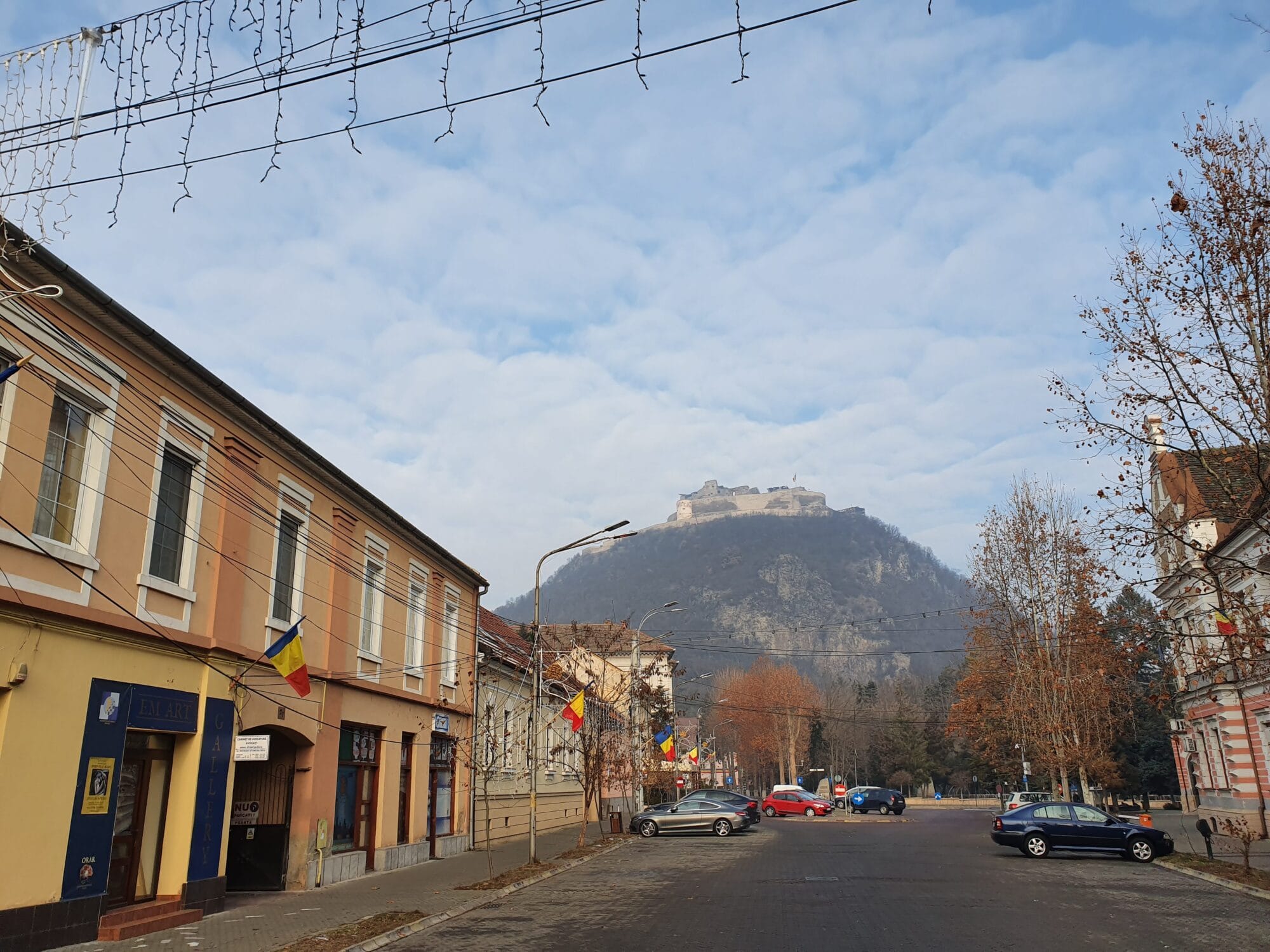
Deva is another city to visit in the region, which is easily reached by public transport. It’s a great place to stay if you are visiting the epic Corvin Castle. Deva has some attractions to visit, including a historical citadel overlooking the city. The city dates back to 1289, and you can learn about this when touring its places of interest.
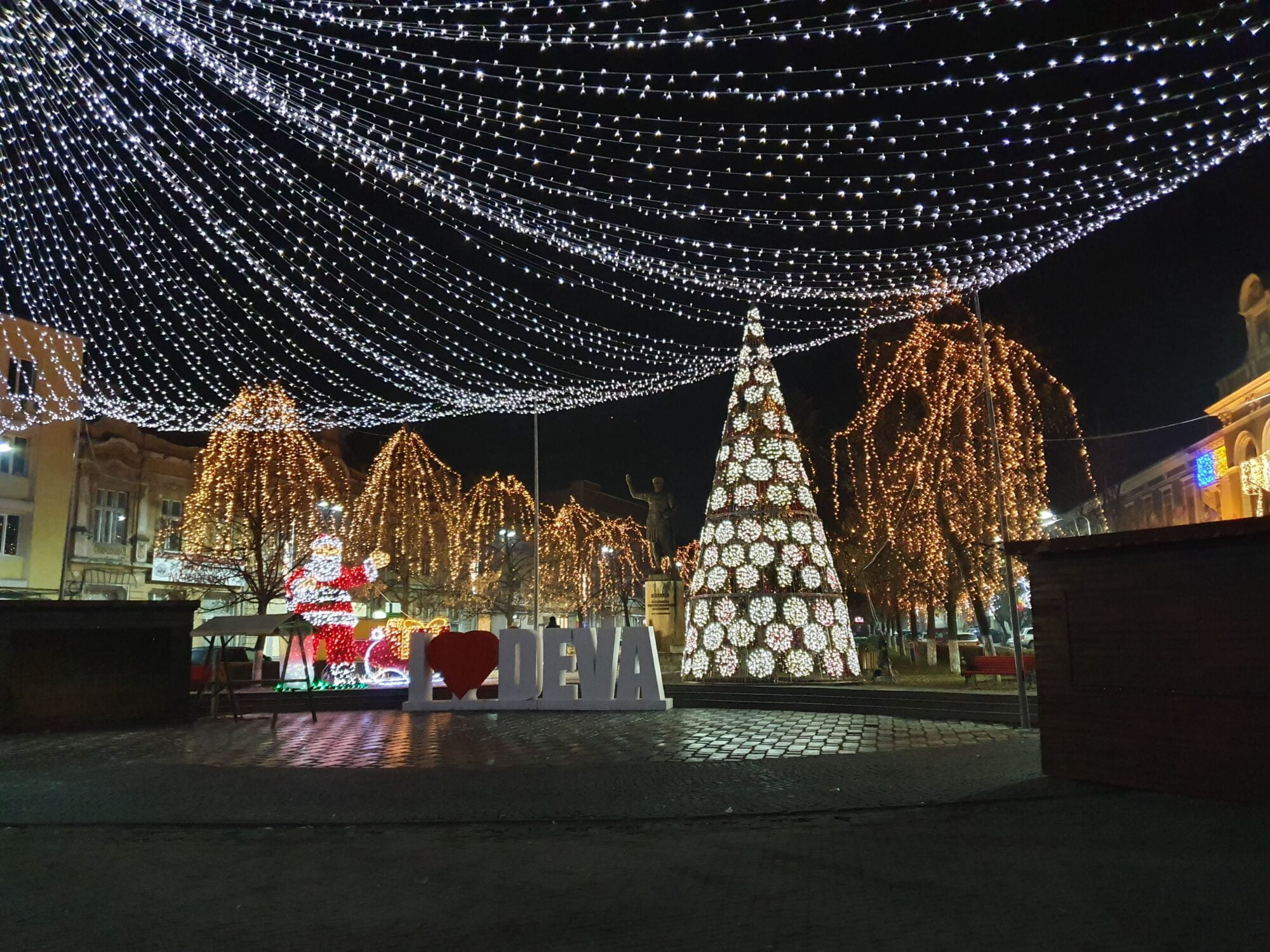
Deva has many excellent restaurants that serve local specialities. One of my favourites was Restaurant Castelo in the town centre.
Hunedoara and Corvin Castle
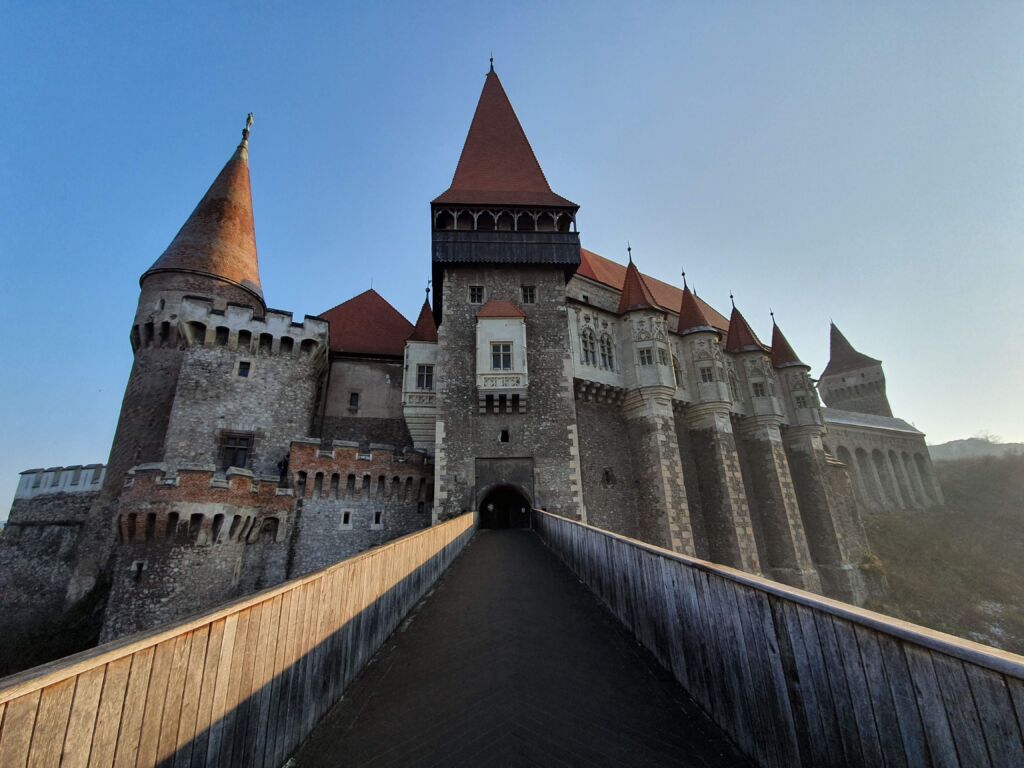
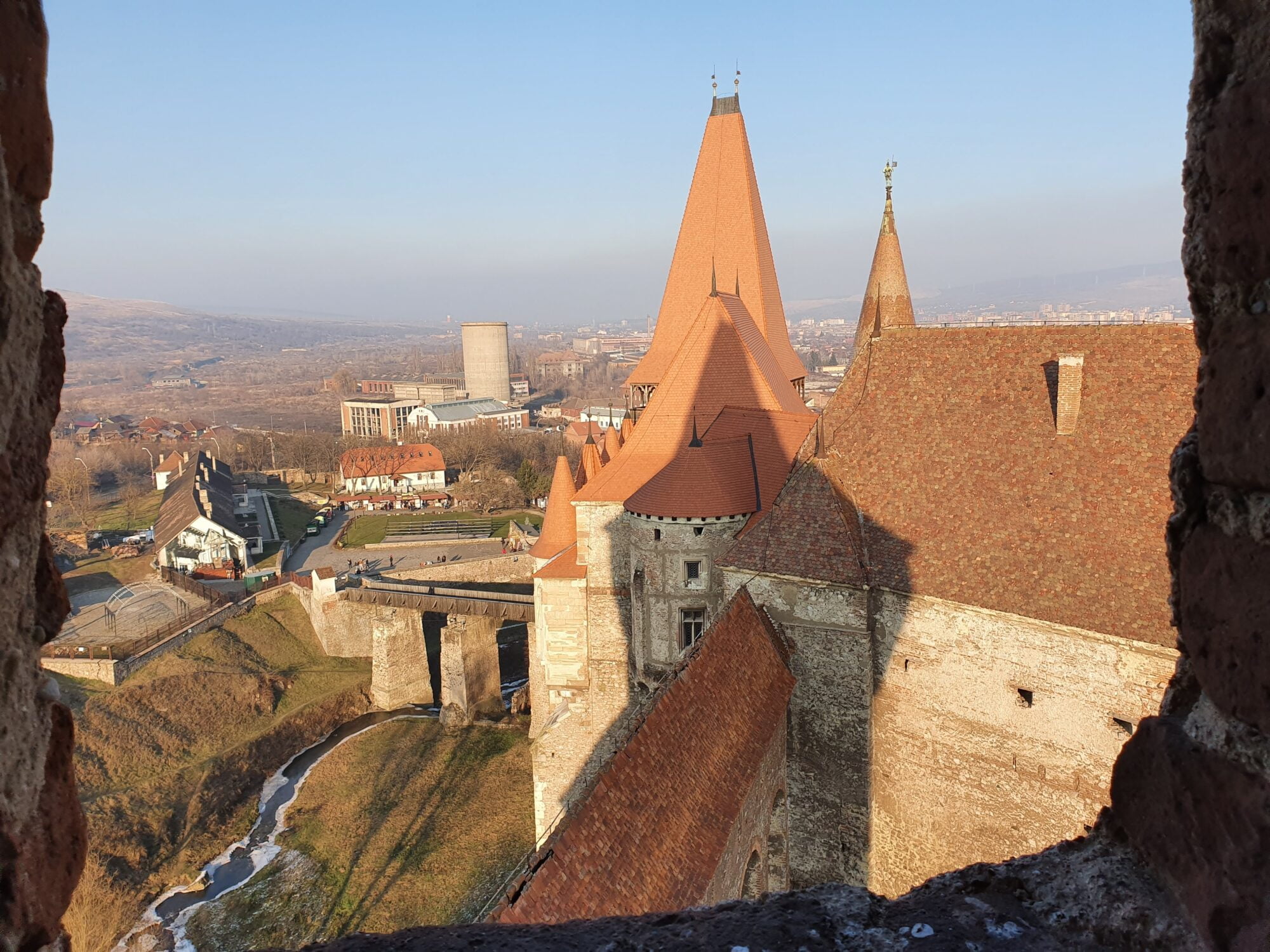
When in Transylvania, a visit to one of the splendid fairytale castles is highly recommended. Corvin Castle in Hunedoara fits the bill. It looks impressive and makes for a fascinating day out. Built in the Gothic Revival style, it is one of the largest castles in Europe.
Bran and Its Castle
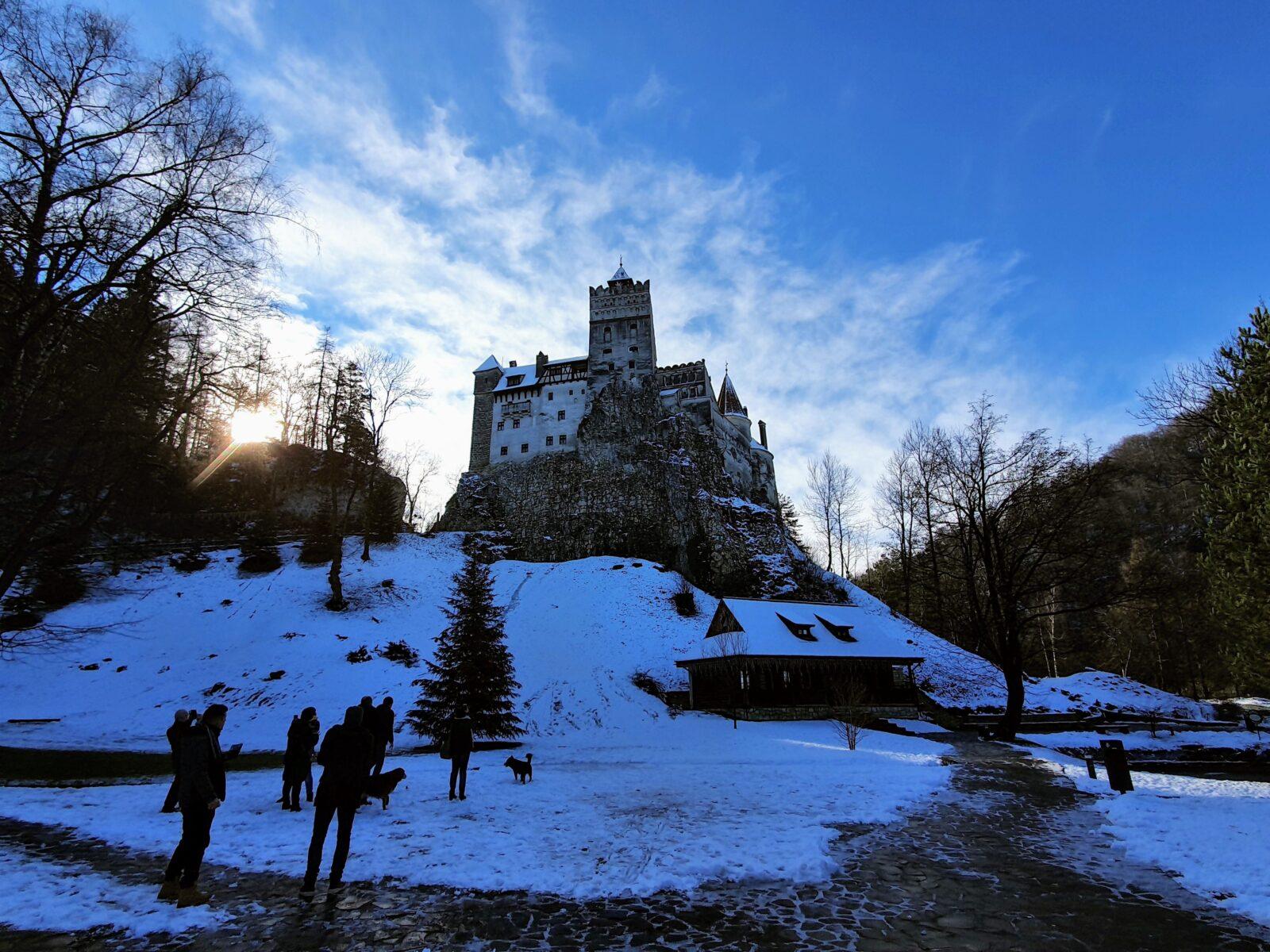
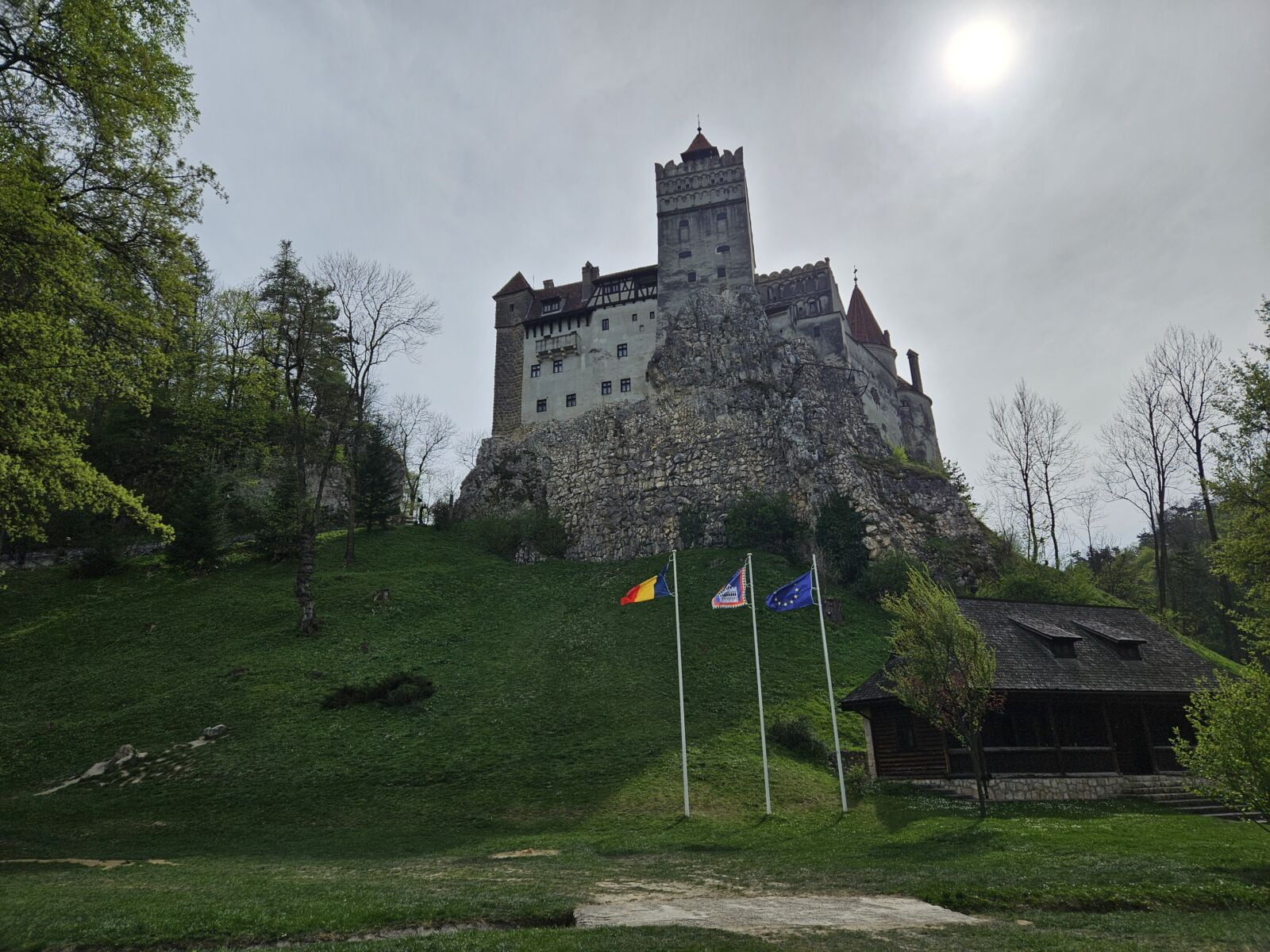
The region’s most famous castle is Bran Castle, of Dracula fame, located southwest of Rasnov. This 14th-century hilltop castle is an excellent day out.
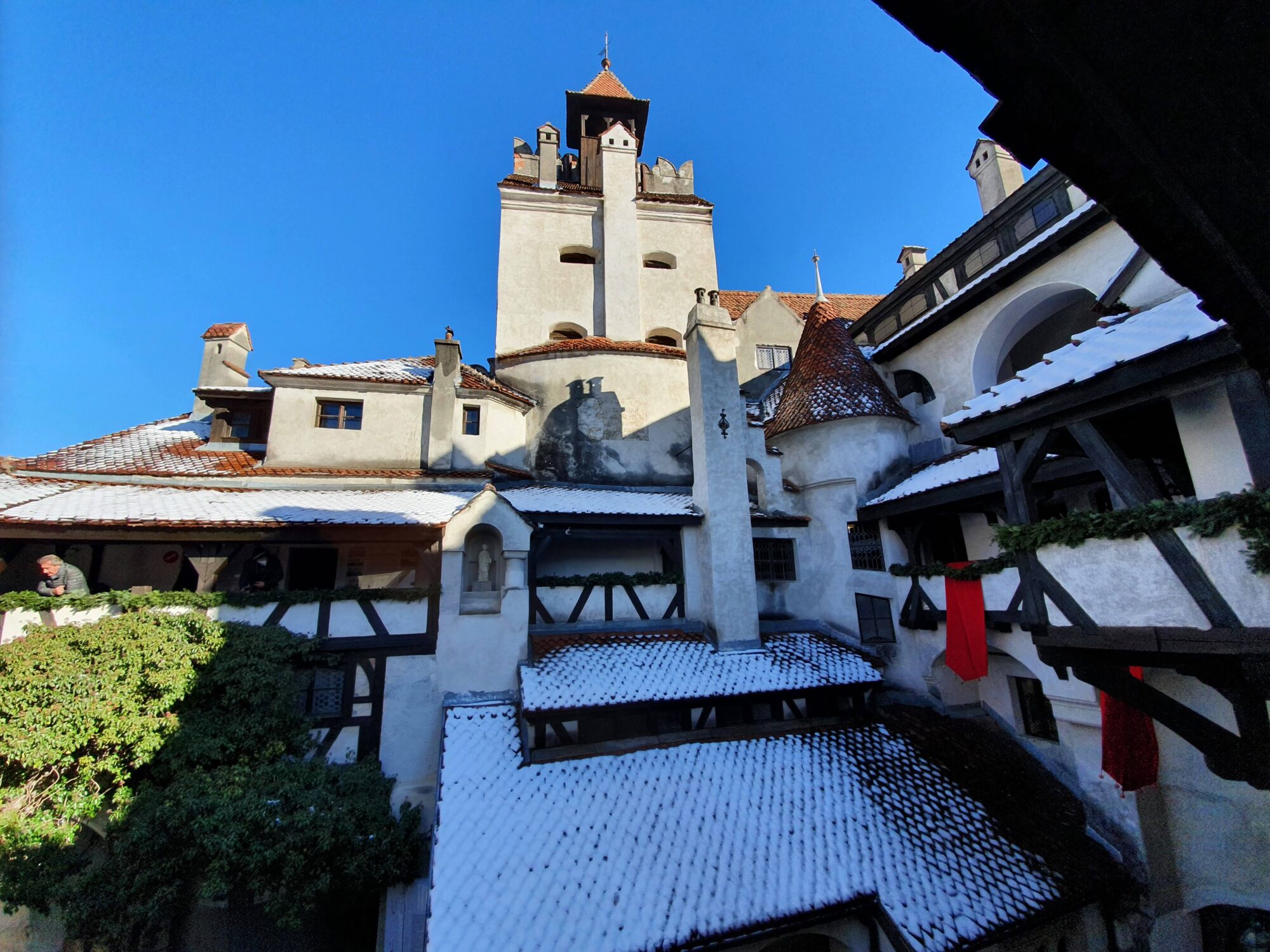
Many organised tours run from local cities, or you can visit by bus or car. The castle offers many highlights, including history, mythology, and other fun parts. The area also offers good hiking options.
Prejmer and Its Fortified Church
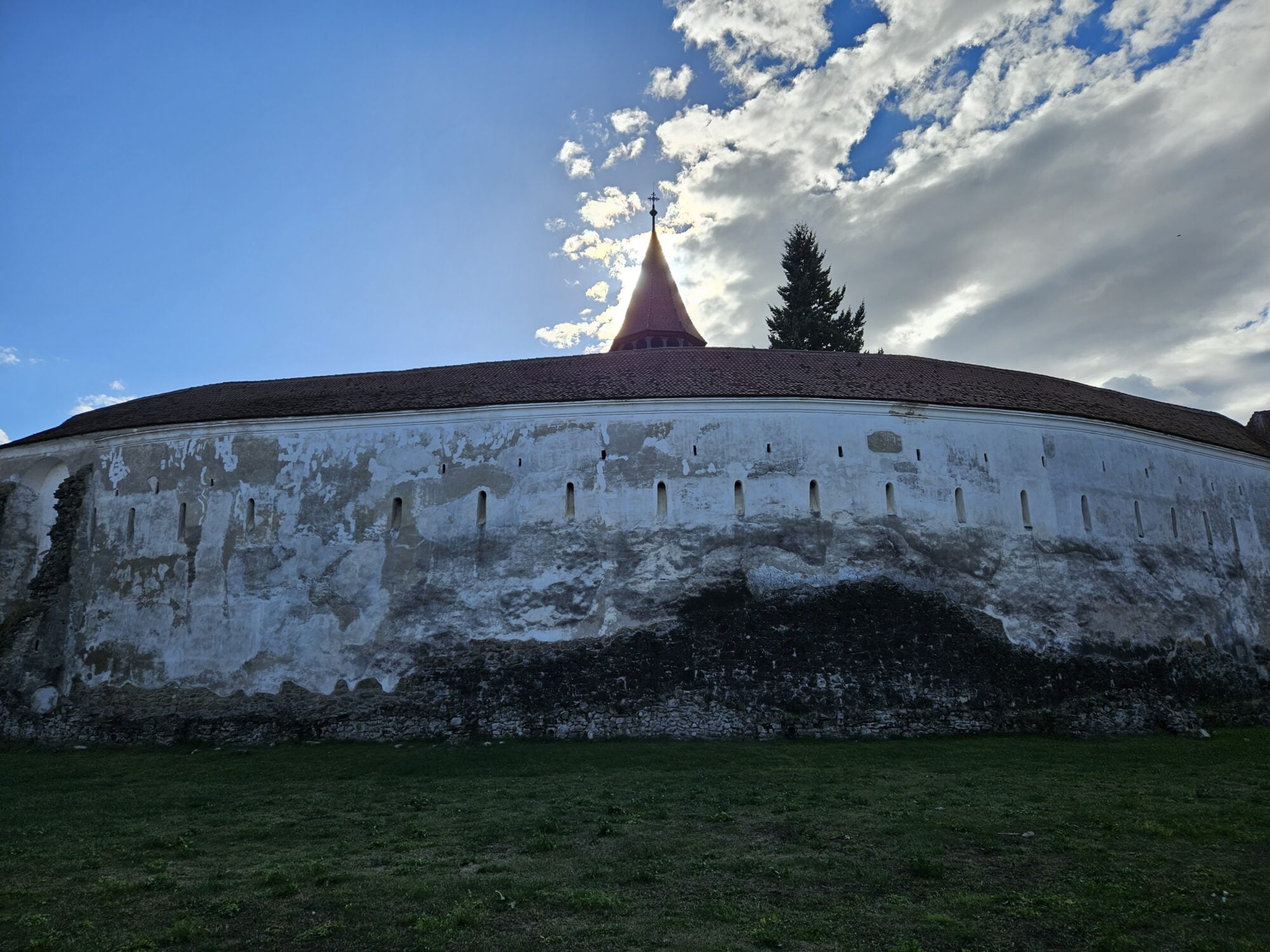
The Prejmer fortified church is listed as a UNESCO World Heritage Site, along with many other fortified churches. Visiting the church is rather interesting, and you learn about life in the fortification from when it was first built in the 13th century.
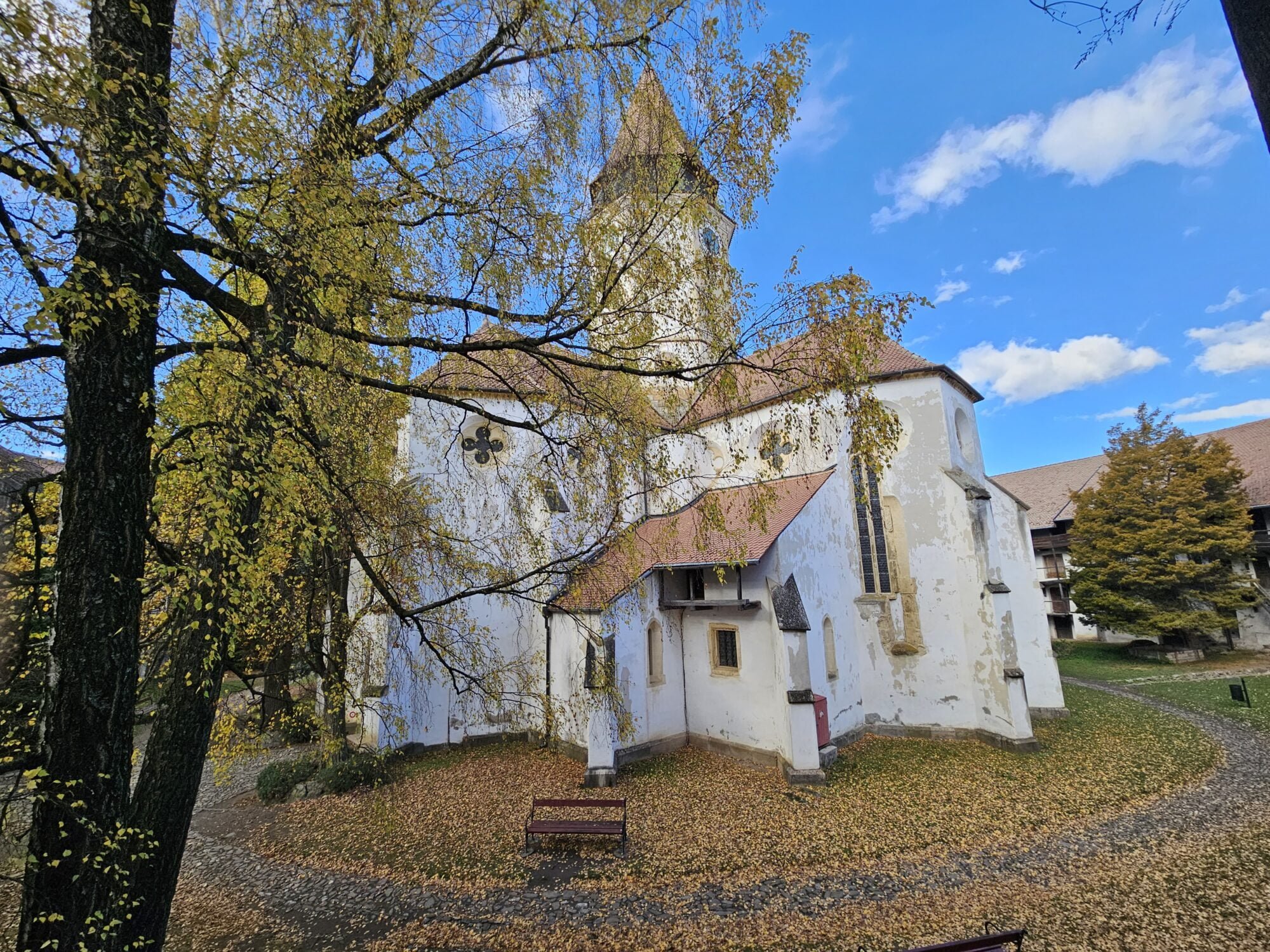
While visiting, you can wander around the church, fortifications, and courtyard. They also have a museum and other historical artefacts. I enjoyed a trip here, combined with a visit to the nearby Harman church.
Harman and Its Fortified Church
The fortified church in Harman is a great place to visit. This is one of many fortified churches in the region that you can visit. The village is pleasant and easy to reach by train or bus.
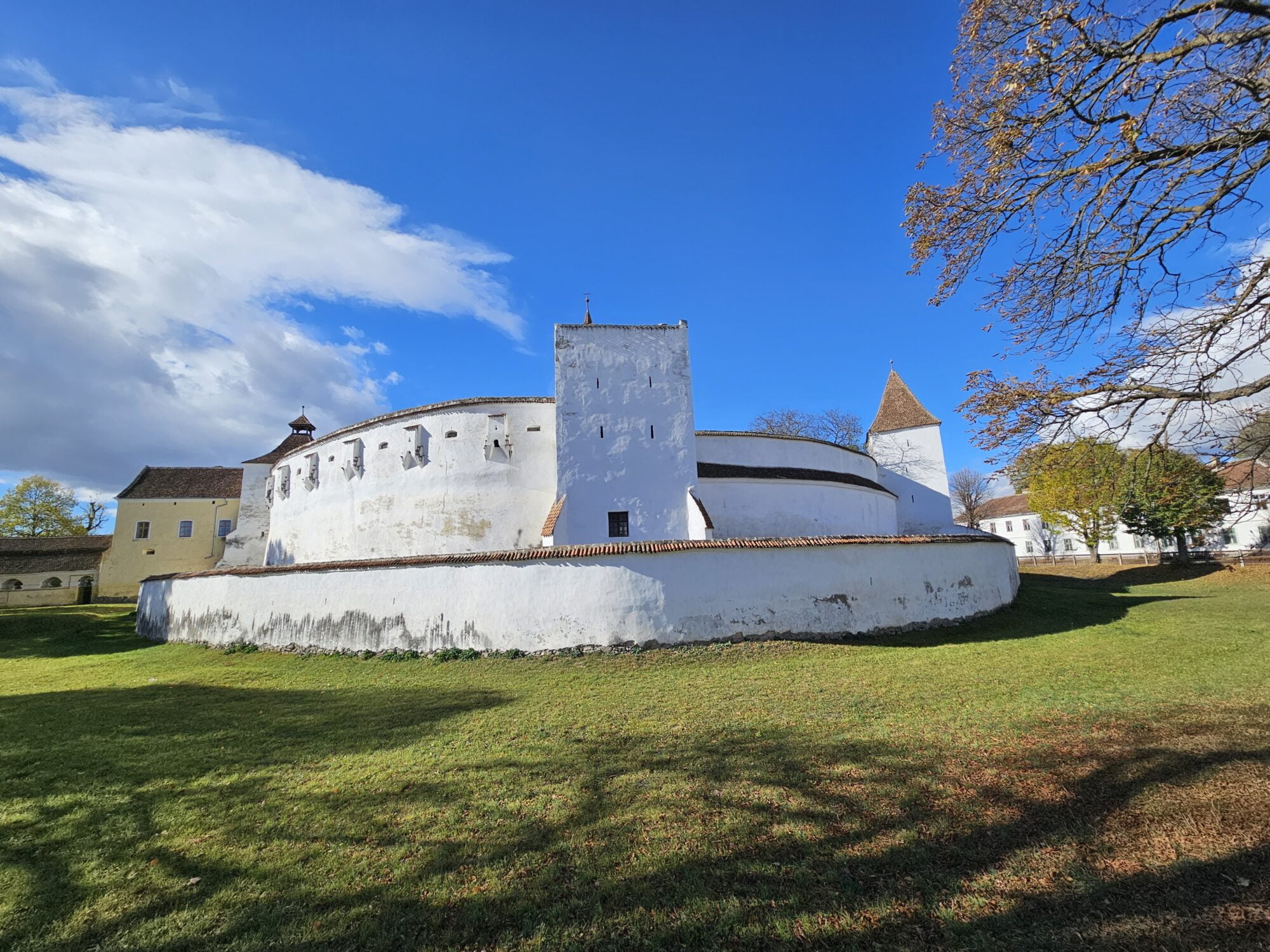
This church dates back to the 13th century, and you can learn about its history during your visit. You can wander through the fortifications, climb the bell tower and see various exhibits.
Transylvania Travel Tips
Restaurants and Local Food
When dining out, the Romanian menus mainly include meat dishes, primarily pork or chicken. The Transylvanians pride themselves on their soups, including pork-and-bean and tripe soups.
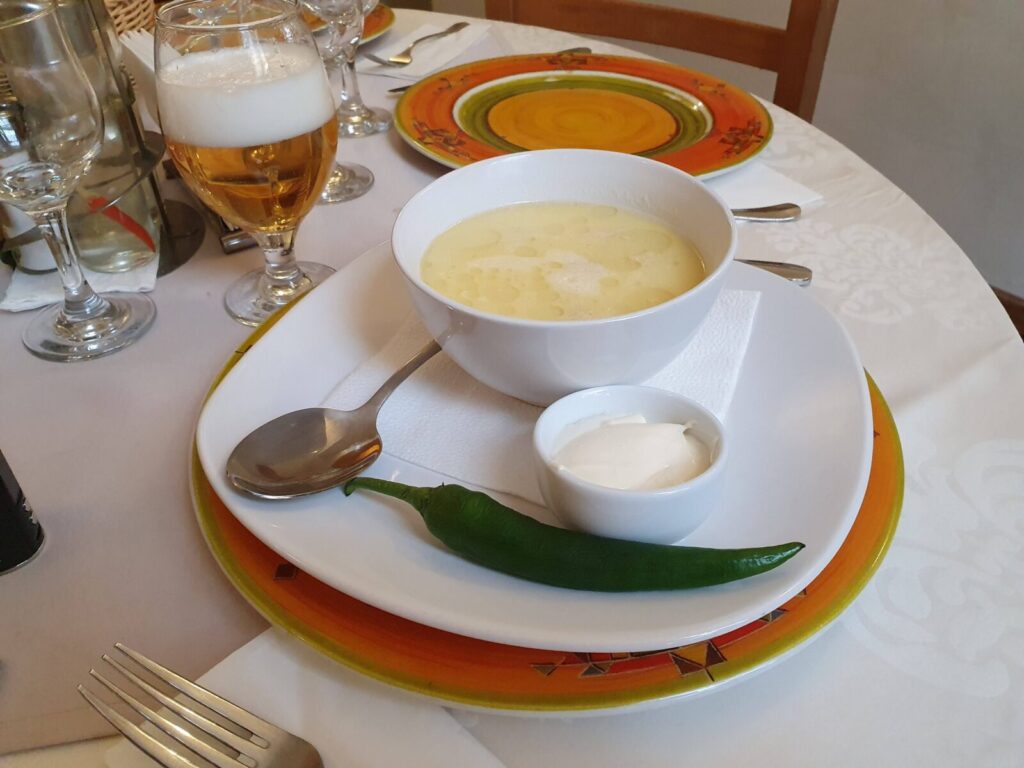
For meat lovers, most restaurants serve a mixed grill that includes pork, chicken, and mici. Mititei, or Mici, is a sausage that they prepare and cook without the skin.
The region has good wine producers and small wineries. The region also has good beer; one I recommend is Ursus.
Where to Stay?
Accommodation in the region’s cities and villages can be cheap, with good-value guest rooms on Booking.com. There are also some more upmarket, luxury options.
Getting Around
The most obvious entry point for visitors from overseas is Cluj-Napoca International Airport, if flights are available. Otherwise, connect through Bucharest, then head north.
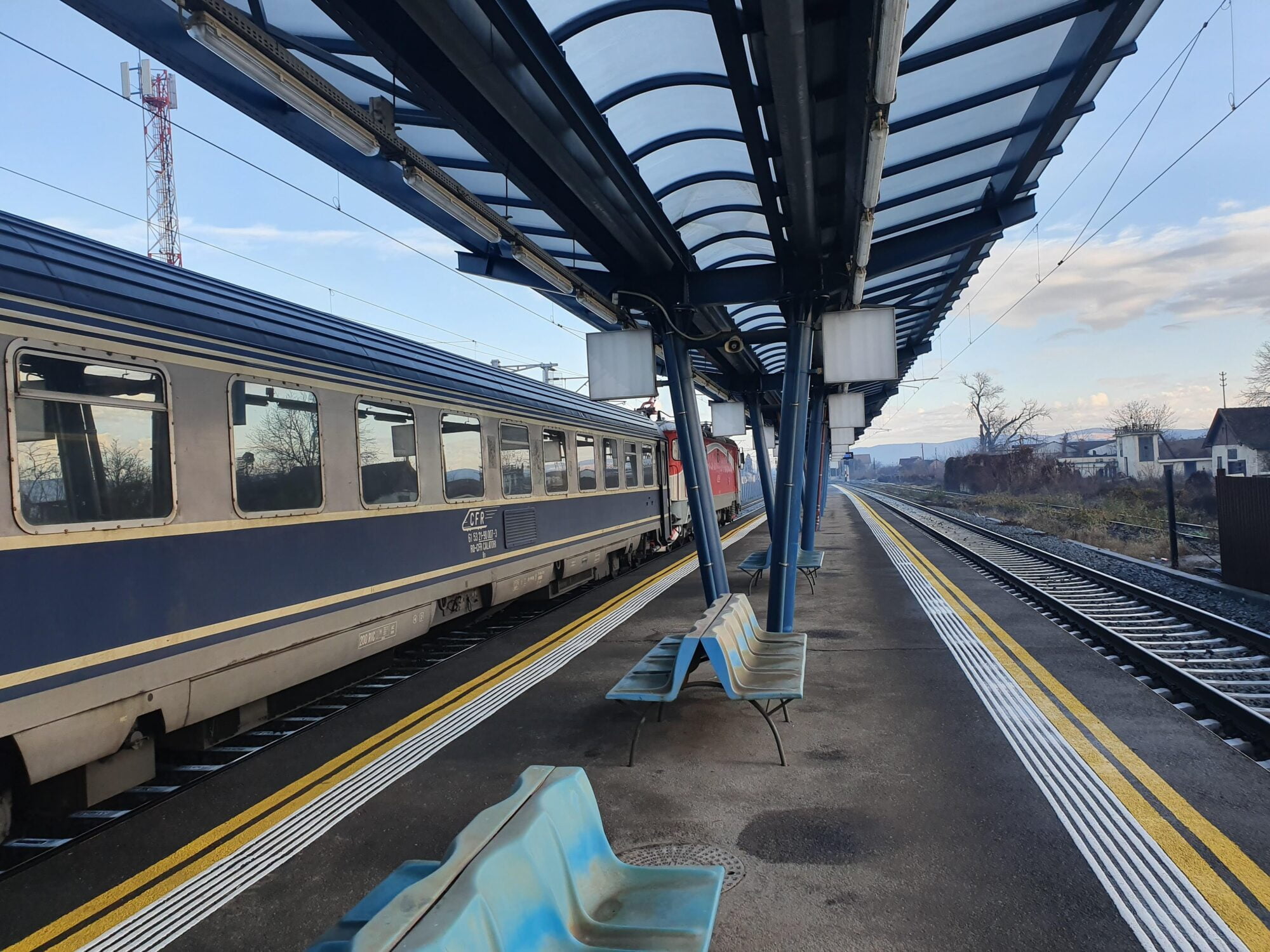
Another route in is by night train from Central Europe. A night train also runs daily from Vienna via Budapest on the train line through the country.
Is Transylvania Worth Visiting?
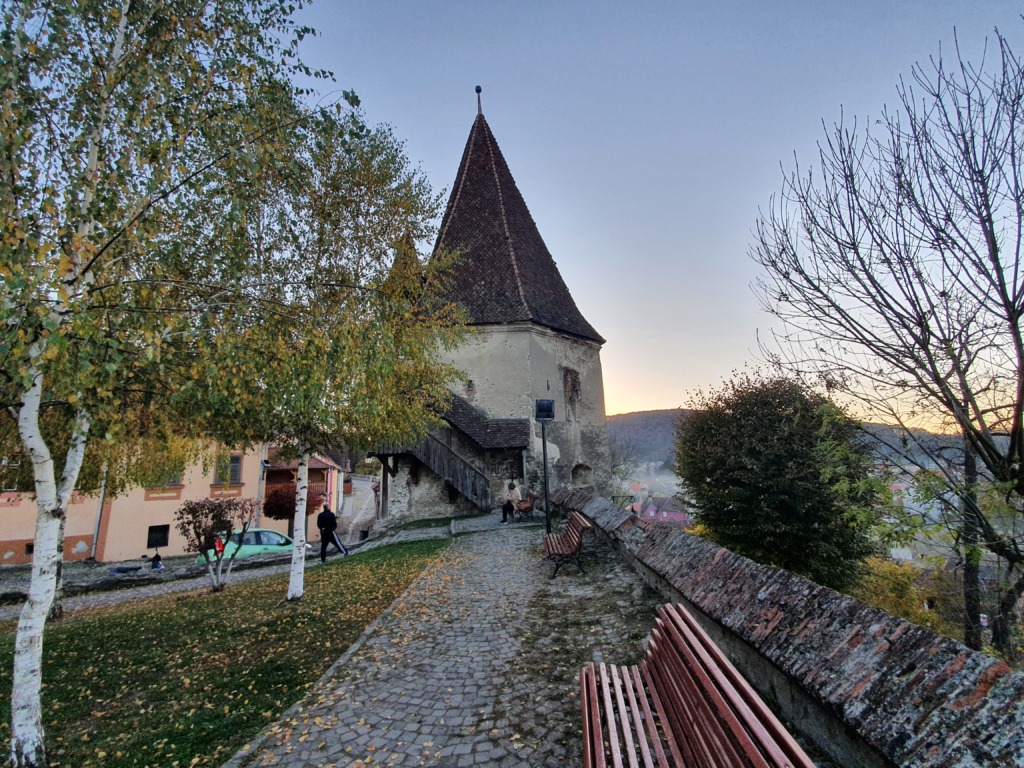
Transylvania is a beautiful part of the country and well worth visiting. It is ideal for those who enjoy sightseeing, hiking and outdoor pursuits. The breathtaking scenery and traditional cuisine make a feast for the senses.
I was enchanted by the rich history and cultural heritage preserved within these ancient walls. From the iconic Clock Tower to the charming cafes lining the square, every corner told a story of centuries past.