
What Is Bulgaria Known For? Places to Visit & Travel Guide
Bulgaria is a fascinating and diverse country with some top places to visit. It is in the Balkan Peninsula, at the southeastern end of Europe, and is well worth visiting. Bulgaria has many unique landscapes to explore, including cities, mountainous regions and the Black Sea Coast.

We enjoyed three months exploring and really enjoyed everywhere we visited. There were lots of things to do in Bulgaria to keep us interested throughout our stay. I found it quite cheap during my extended stay, but many places were cash-only.
What Is Bulgaria Known For?
Disclosure! Keep in mind that some links in these posts are affiliate links. If you click one of them, I may earn a small commission (for which I’m extremely grateful) at no extra cost to you. Thanks for visiting!
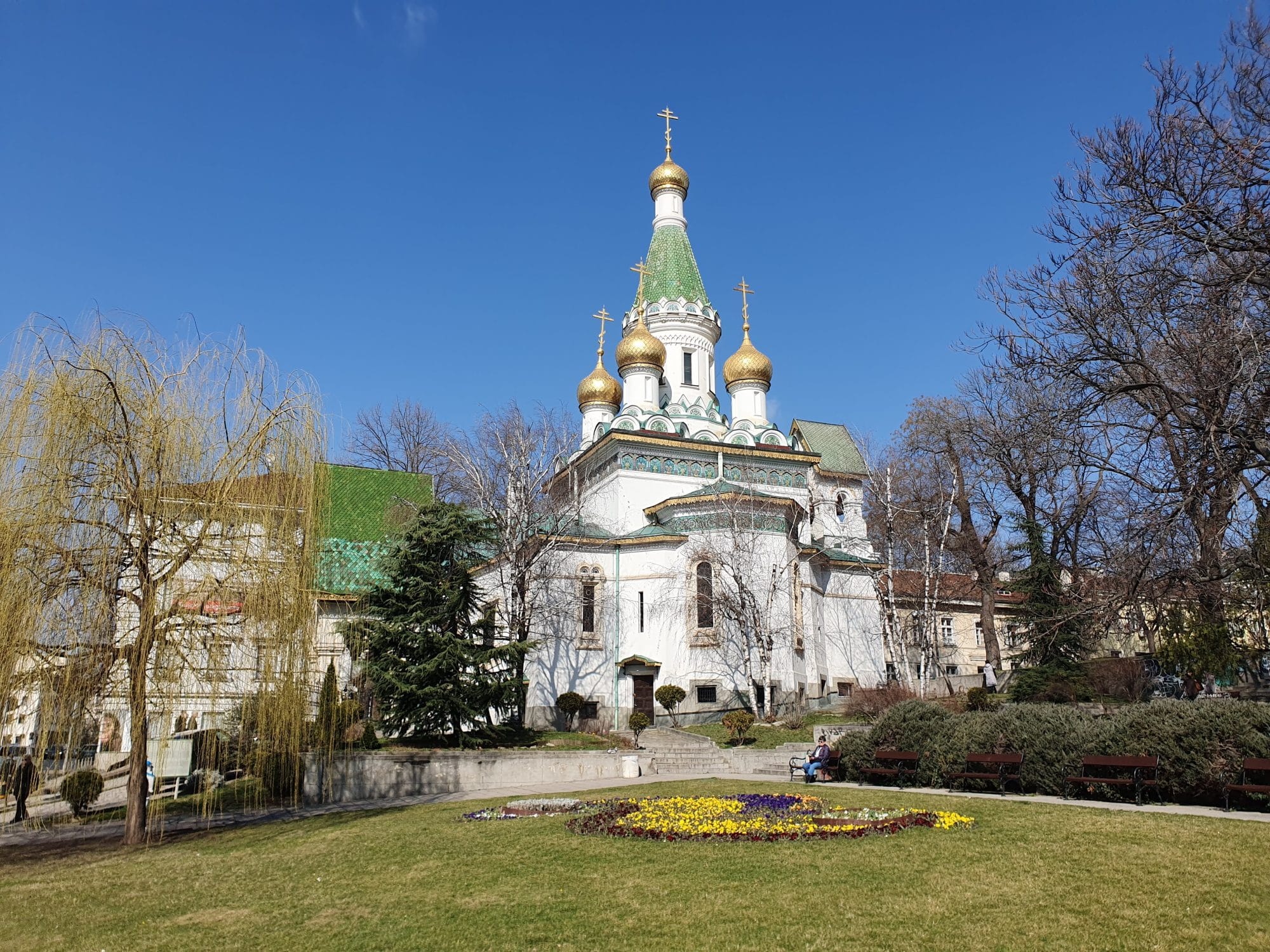
Bulgaria is known for historic cities, mountains, the Black Sea coast, wine, yoghurt, rose products and Orthodox churches. It also felt like good value compared to many other European countries.
- It is one of Europe’s oldest countries.
- It has some scenic mountains, including ski resorts.
- The Black Sea coast has long sandy beaches.
- There are many UNESCO World Heritage sites.
- The Cyrillic alphabet was invented here.
- Yoghurt was first made in Bulgaria.
- Lavender and rose products.
- Bulgarian wine.
- The iconic cathedral in the capital.
- The River Danube makes a natural border with Romania.
- Plovdiv is one of Europe’s oldest cities.
Best Places to Visit in Bulgaria
These are some of my favourite places to visit in Bulgaria. For convenience, there are also various tours on the Viator website.
Sofia, the Capital

Sofia is the capital and largest city, so it is vibrant, with many places of interest. Top attractions include Alexander Nevsky Cathedral, the National Palace of Culture, and the Church of St Nicholas. Sofia has been the capital since 1879; before that, Veliko Tarnovo held the position.
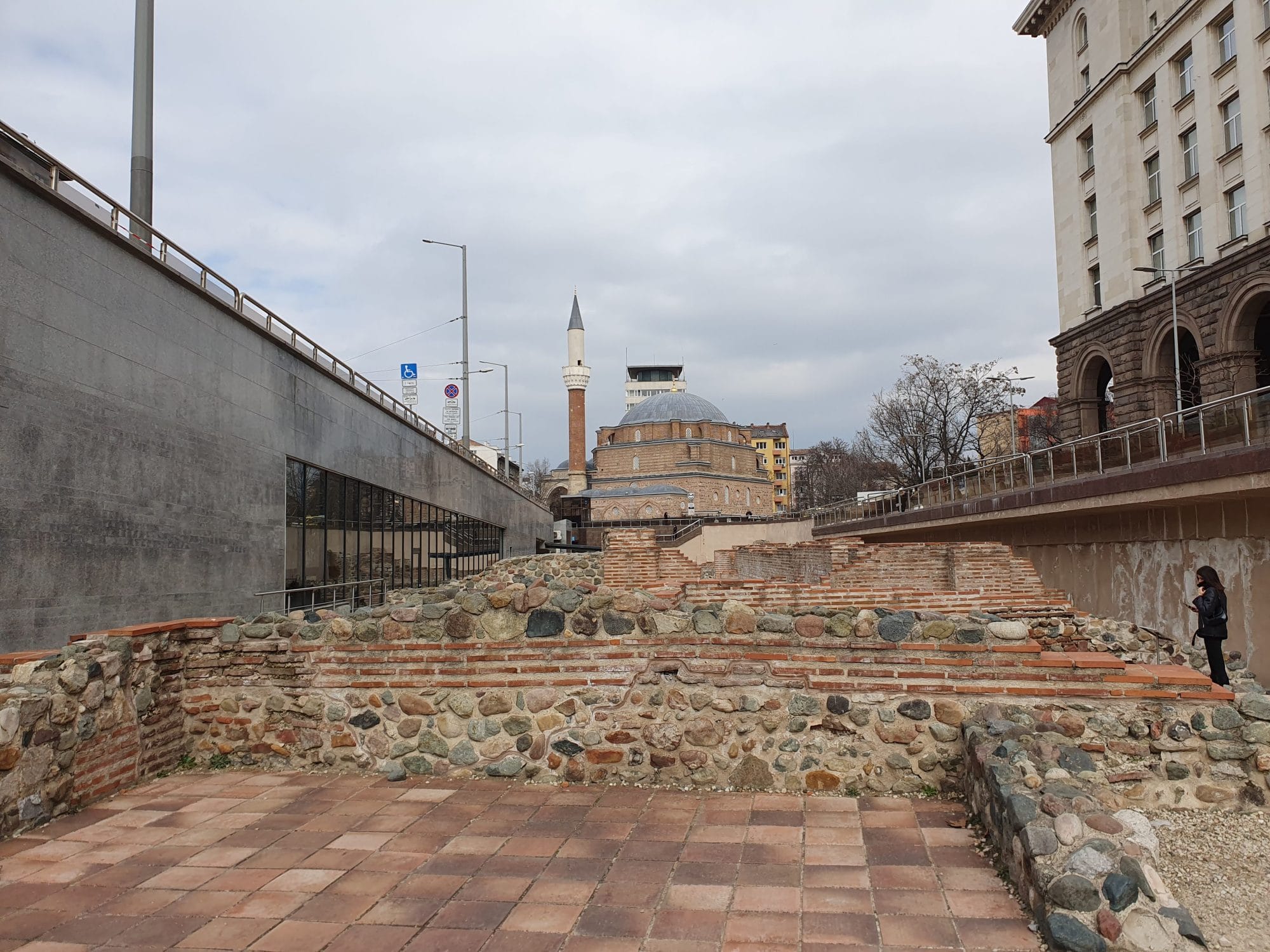
The city also has ancient sites, including the archaeological exhibition of ancient Serdica and its Roman ruins. Throughout the city, you’ll find little gems and interesting features, including unique statues.
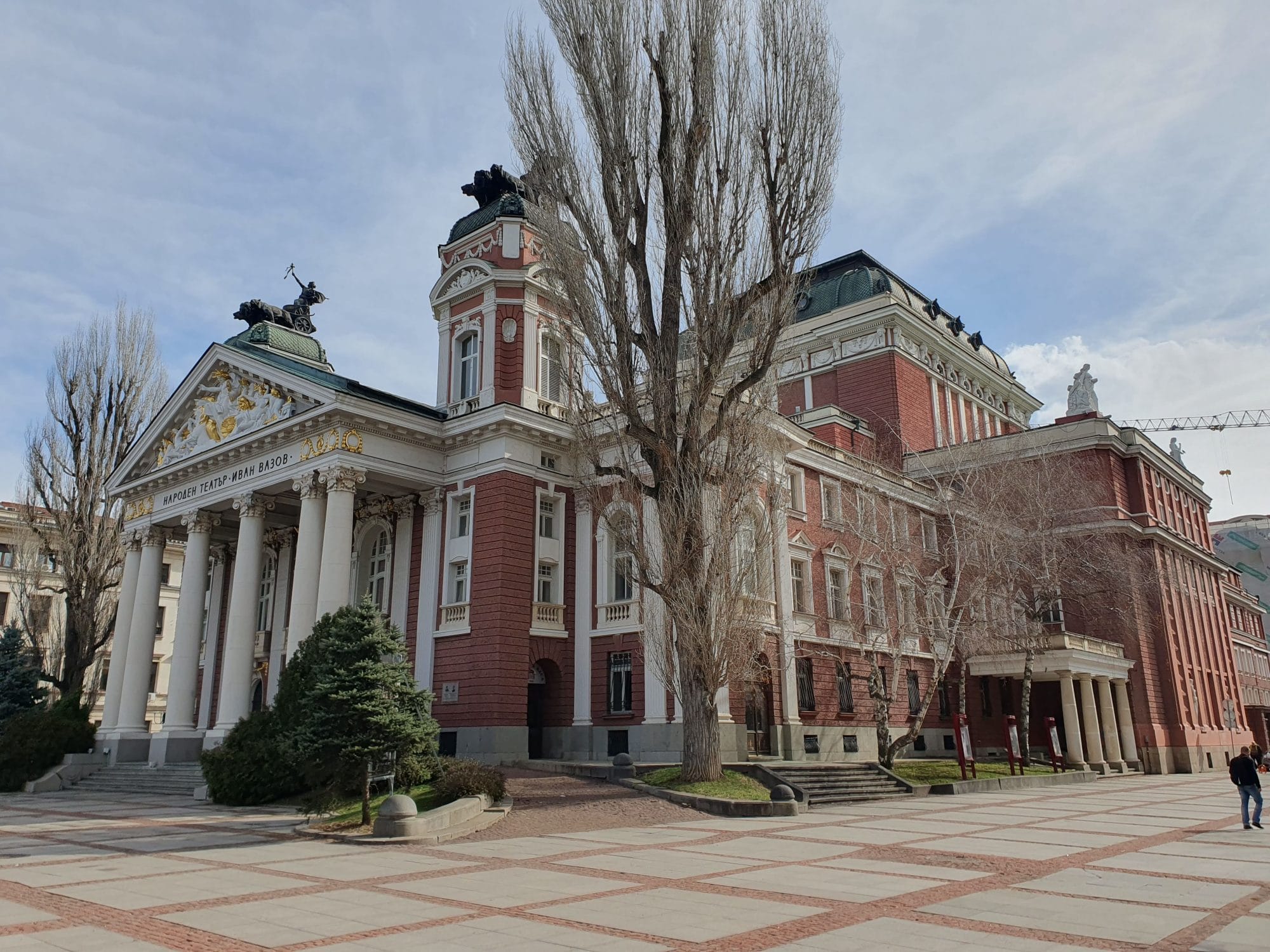
Sofia offers a wide variety of restaurants and is quite a cosmopolitan city. The city also has many places to try Bulgarian food. It’s easy to get around on foot or by using the extensive underground system, tram lines, and bus network, which you can tap with a debit or credit card.
Plovdiv
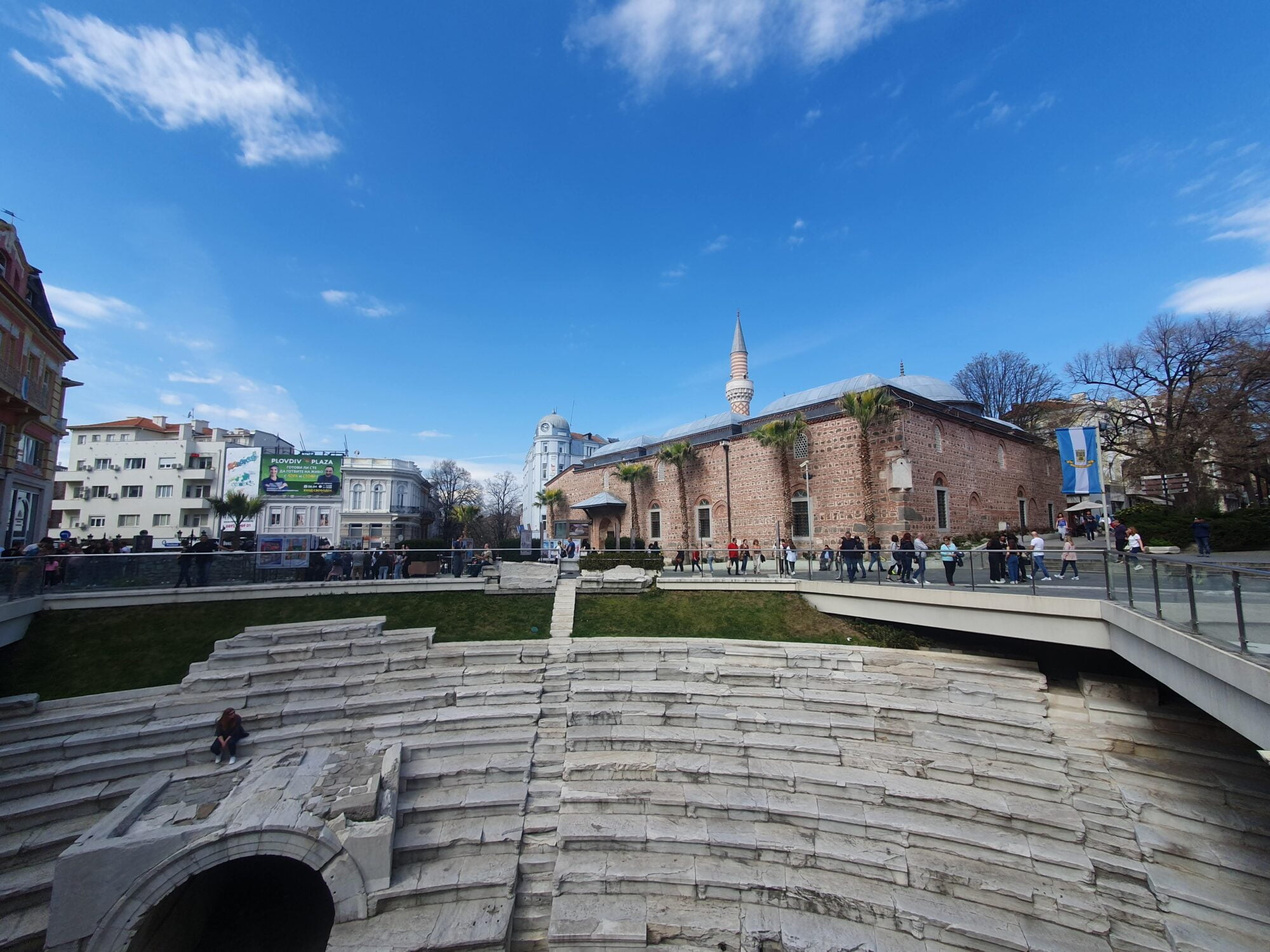
Plovdiv is the second-biggest city in Bulgaria, in the country’s south, which is a 3-hour train trip from the capital, Sofia. It is one of the oldest continuously inhabited cities in Europe, with a history dating back over 8,000 years. Plovdiv has many historical sites, including the ancient Roman theatre, stadium, and forum.
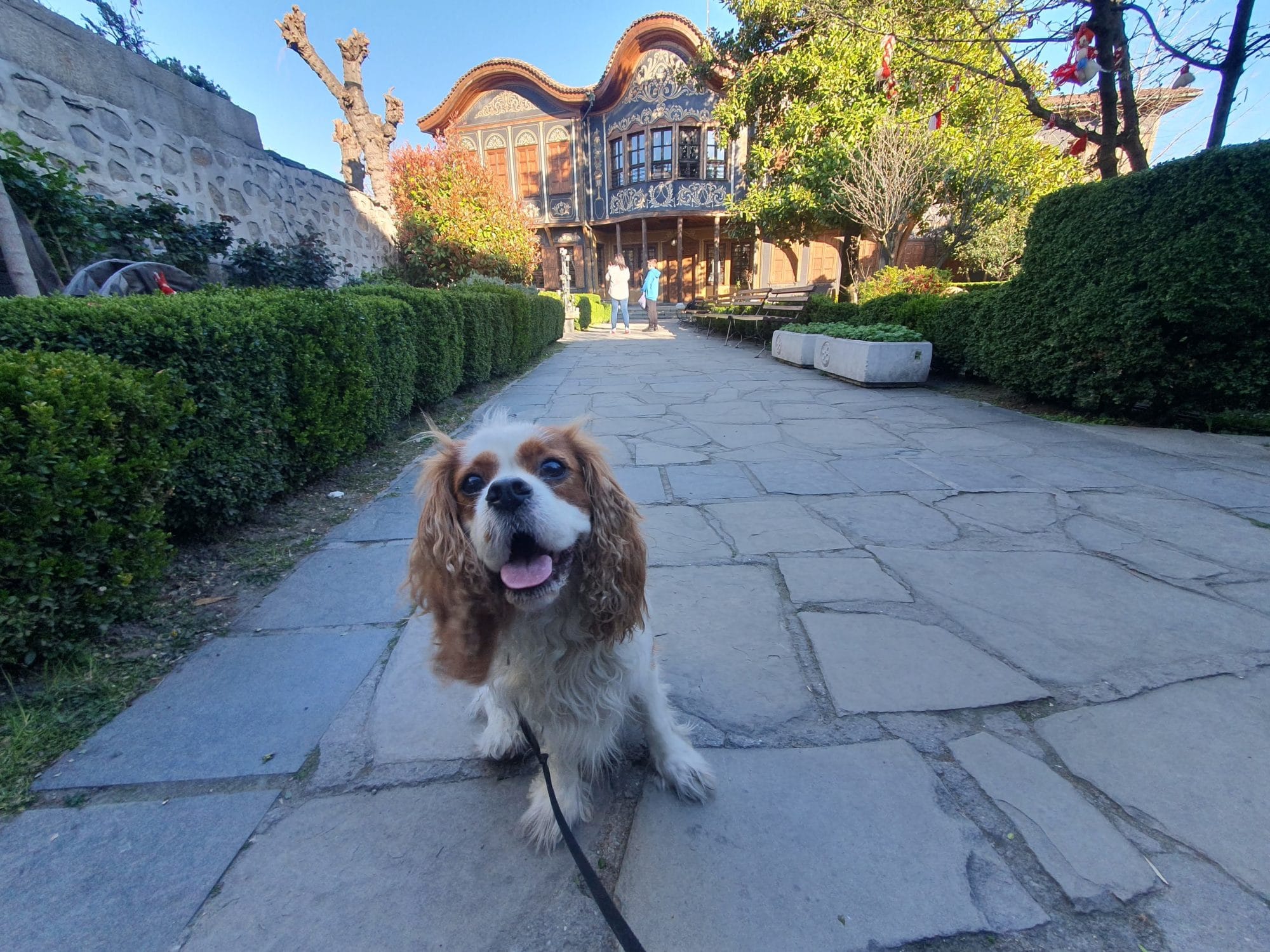
It also has museums and interesting architecture. It also has 6 hills to climb, which make for fantastic walks. Plovdiv used to have seven, but they quarried one to build the town.
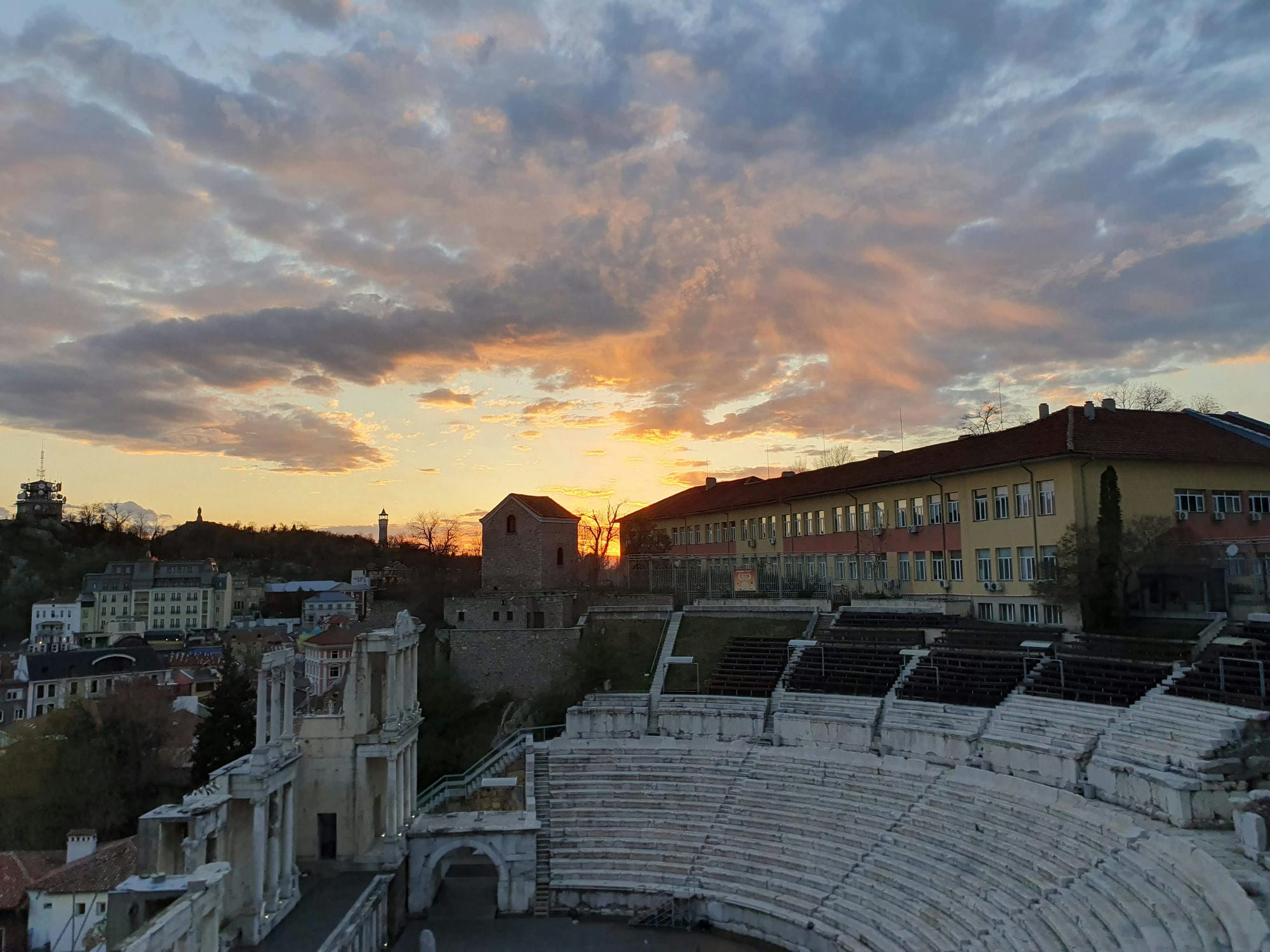
The city was recognised for its cultural heritage in 2019 when it was named the European Capital of Culture. Plovdiv also has a reputation for great food and has very nice restaurants. The cuisine at Hemingway, a restaurant in the centre, impressed us. You can also find a selection of cafe bars with outdoor seating, where you can enjoy views of Plovdiv.
Veliko Tarnovo
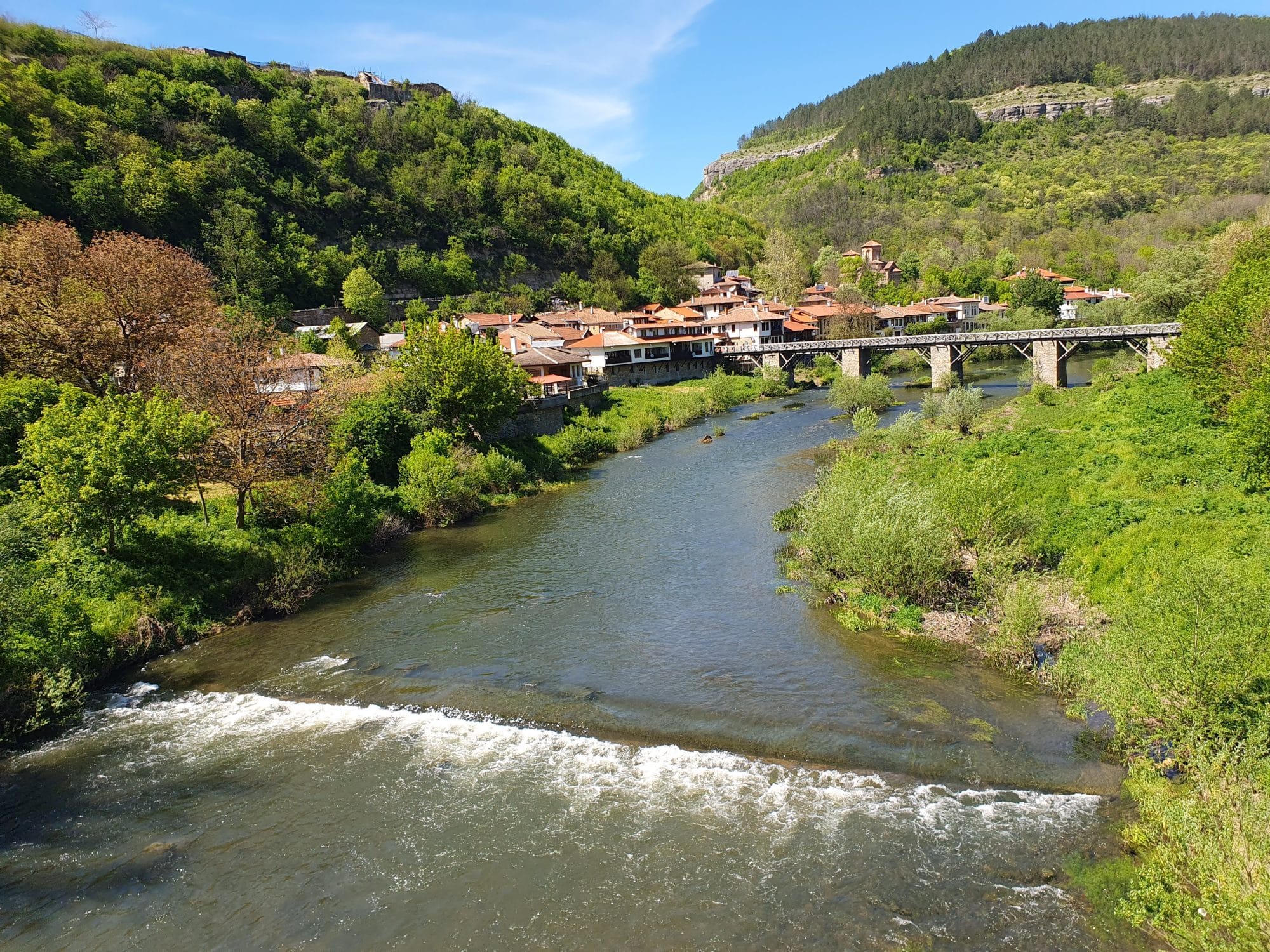
Veliko Tarnovo is on the Yantra River, which snakes through the historical sites. The river is in a picturesque valley with hills on either side.
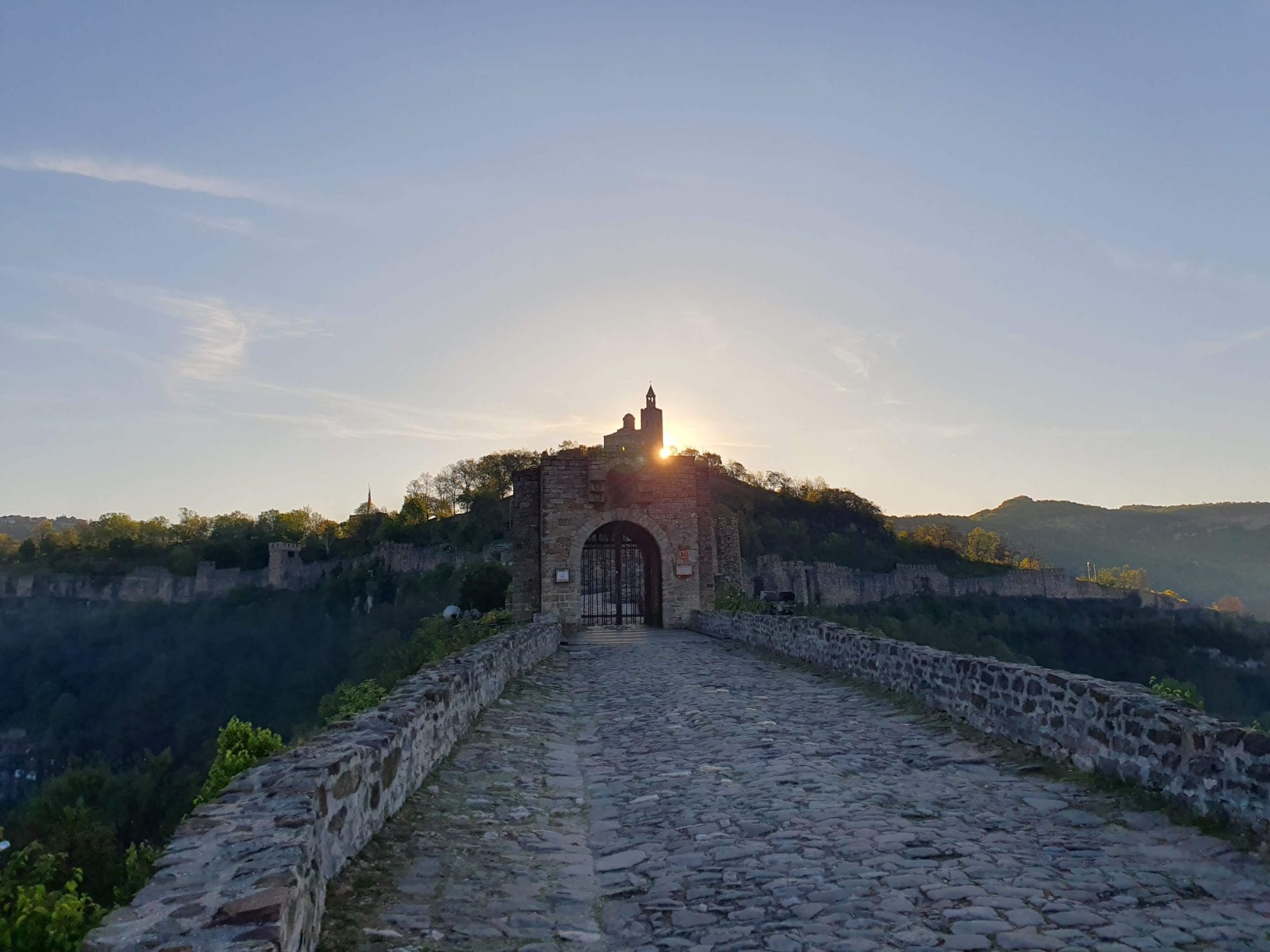
Veliko Tarnovo was once the capital of the Second Bulgarian Empire and an important centre in the Middle Ages. The city has a good selection of historic sights, including the Tsarevets Fortress, the Patriarchal Cathedral, and the St Forty Martyrs Church. There are also other beautiful churches and buildings to see while sightseeing in the city. We also enjoyed dining out in the town, especially the local Bulgarian food.
Ruse
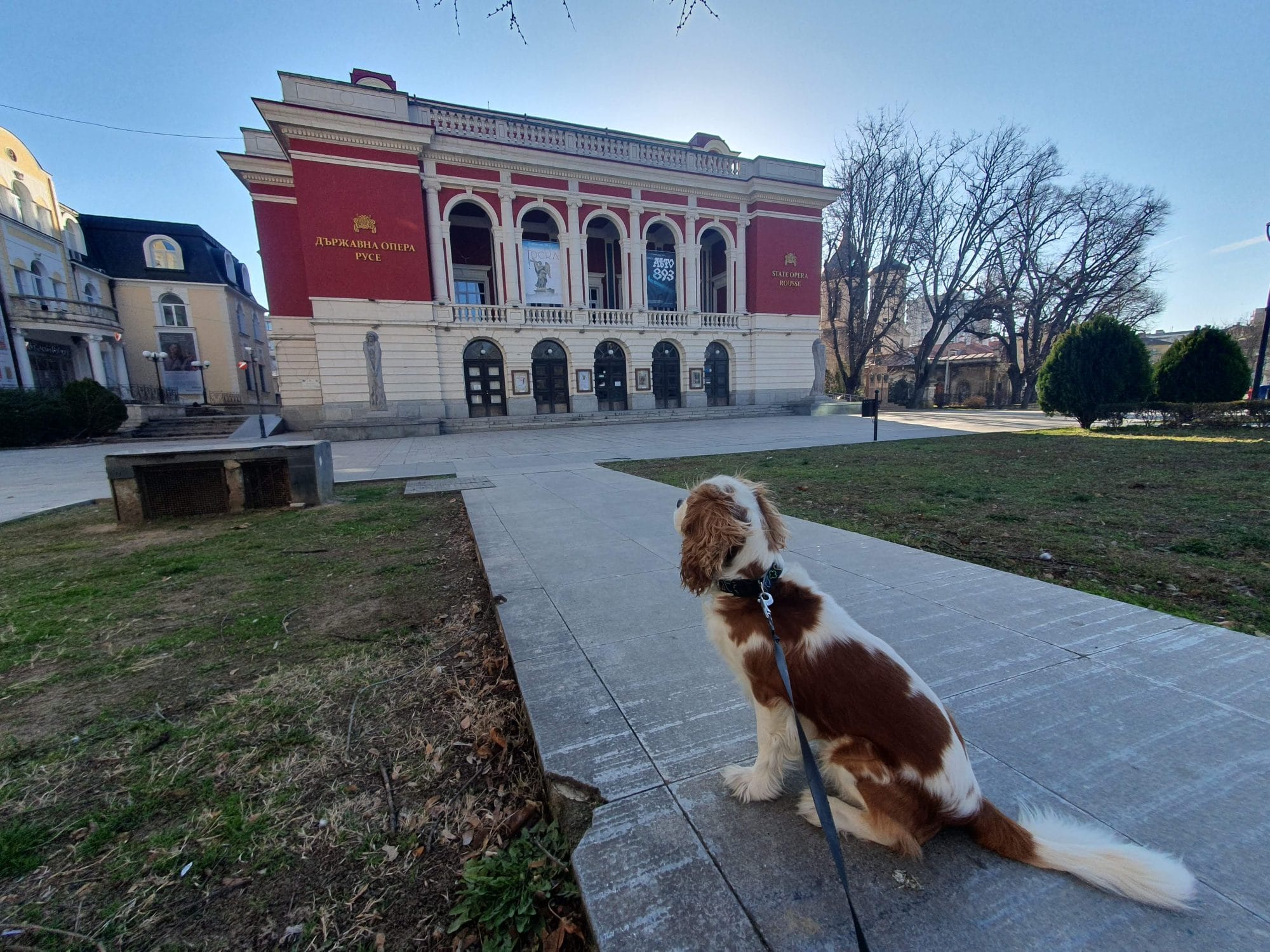
Ruse is the 5th largest city and is in the north of the country. The central areas of the city have a combination of architectural styles. This includes Neo-Baroque and Neo-Rococo architecture. The city has a nickname, “Little Vienna,” because of a few things it has in common with the Austrian city. There are quite a few places of interest, including pretty buildings, the National Transport Museum and Roman ruins.

Ruse has quite a few parks and tree-lined boulevards, which are ideal for getting some exercise or, in my case, for walking Henry. The city is on the River Danube and is the biggest river port in the country. The port is an industrial area; however, downstream the riverbanks are good for a walk.
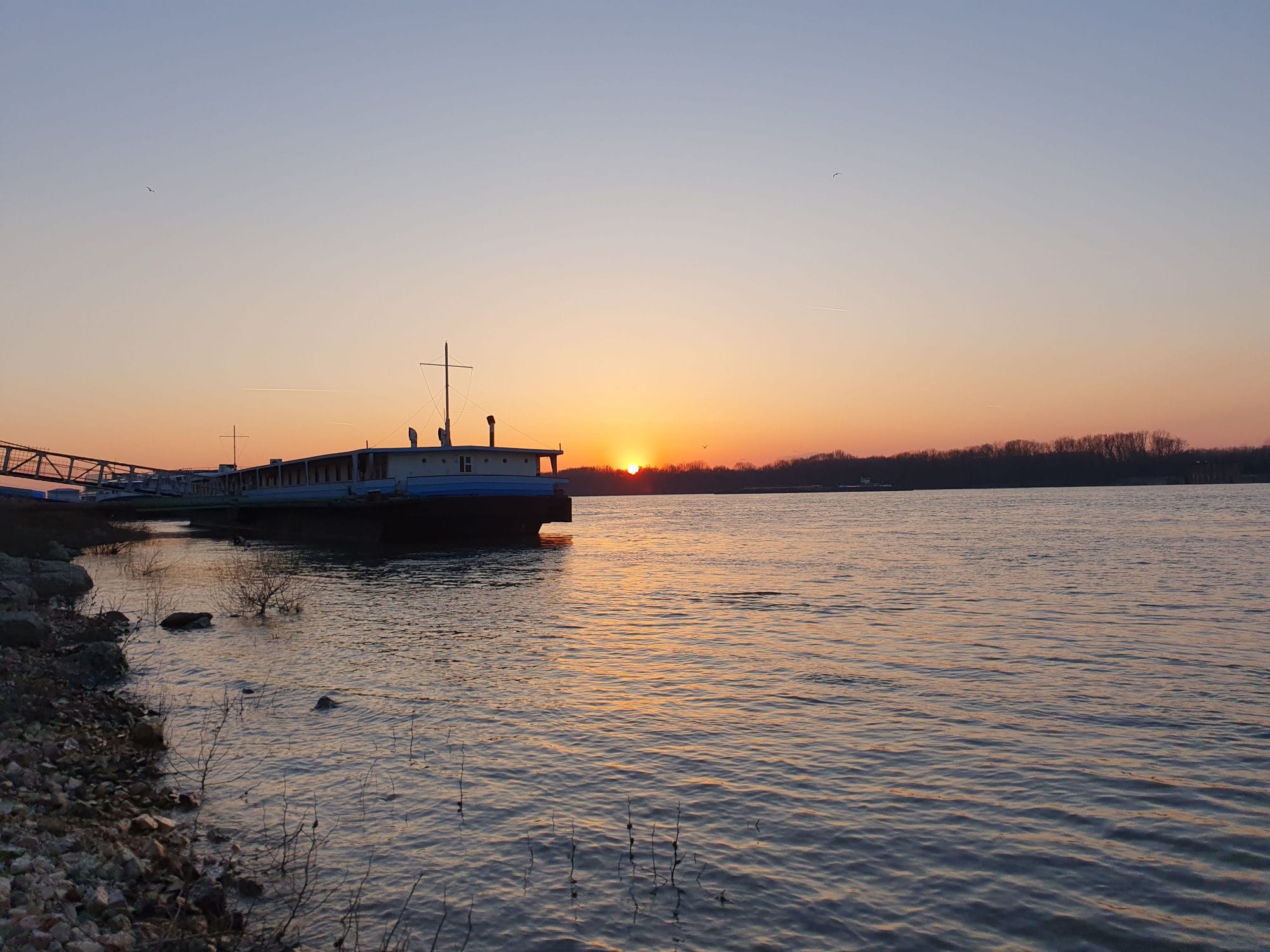
There are restaurants overlooking the river and even one on a boat. The banks are also a fantastic place to watch the sunset. There are also several Bulgarian restaurants in the city, most of which serve traditional Bulgarian food.
Basarbovo Village

Basarbovo village is a small village in the countryside near Ruse. It is on the river Rusenski Lom, which has a valley to walk in. The primary reason people visit is to see the Rock Monastery, which is built into cliffs in the river valley.
Hisarya

Hisarya is a town in central Bulgaria, an hour’s bus ride from Plovdiv. If you’re into Roman history, this is one of the unique places to visit. The town is known for both its Roman and Thracian history and natural thermal springs. A popular attraction to see is its well-preserved 4th-century Roman Fortress Wall and Gates, which make for an excellent walk.
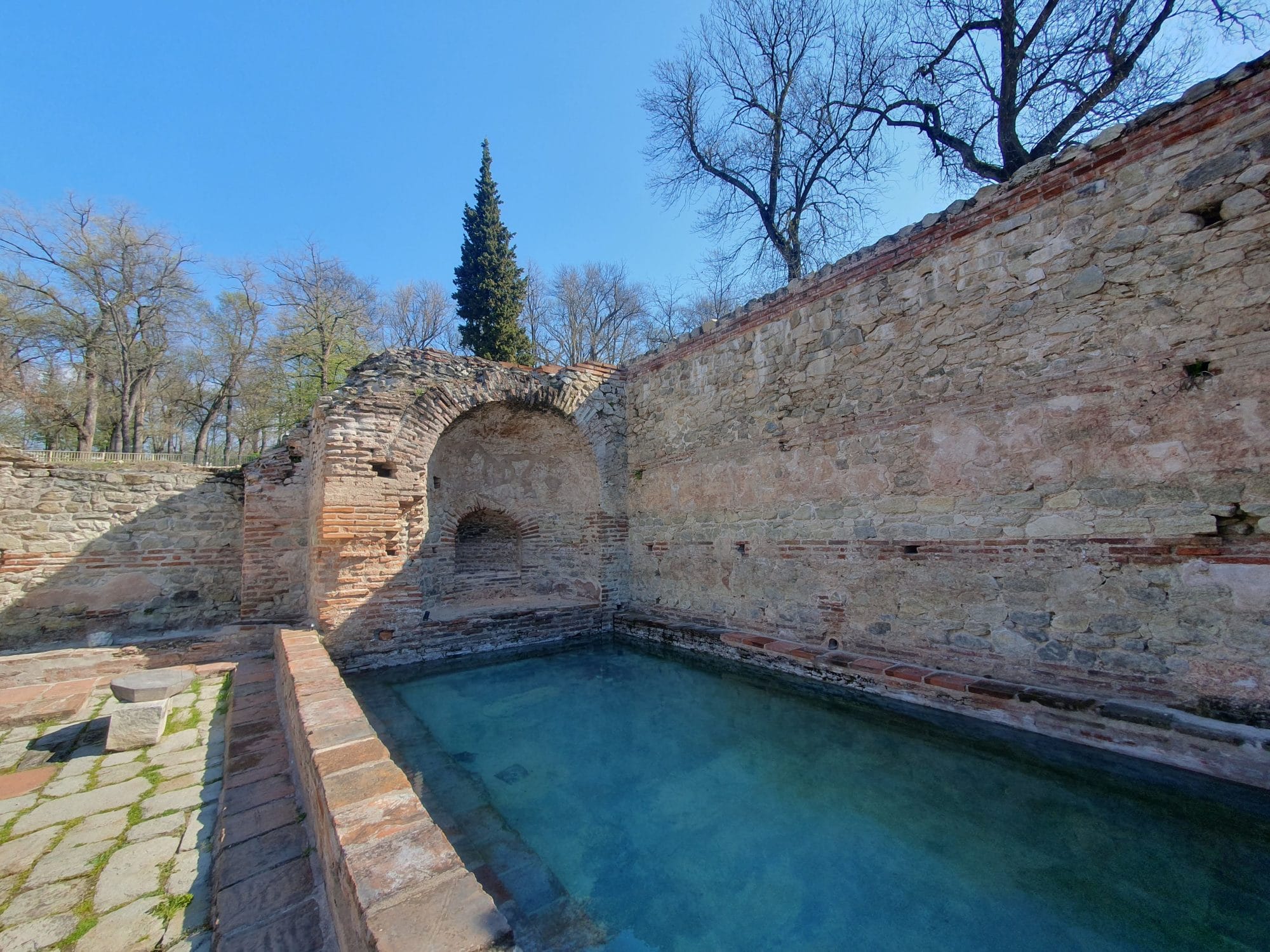
Hisarya also has Roman baths and a Roman tomb just outside of the fortress. It is a pleasant town with open space and restaurants with gardens, which add to it being a great place to visit.
Varna

Varna is a seaside city, so it is an ideal place for a beach or sightseeing holiday. It’s the third-largest city in Bulgaria and is popular. We travelled to Varna by train, which took roughly 6 hours from Plovdiv. It has a fascinating history, which includes periods under Greek and Roman control, and later under the Ottoman Empire. You can learn about Varna’s history at the city’s museums. One of the most iconic sights is the cathedral, which is stunning.
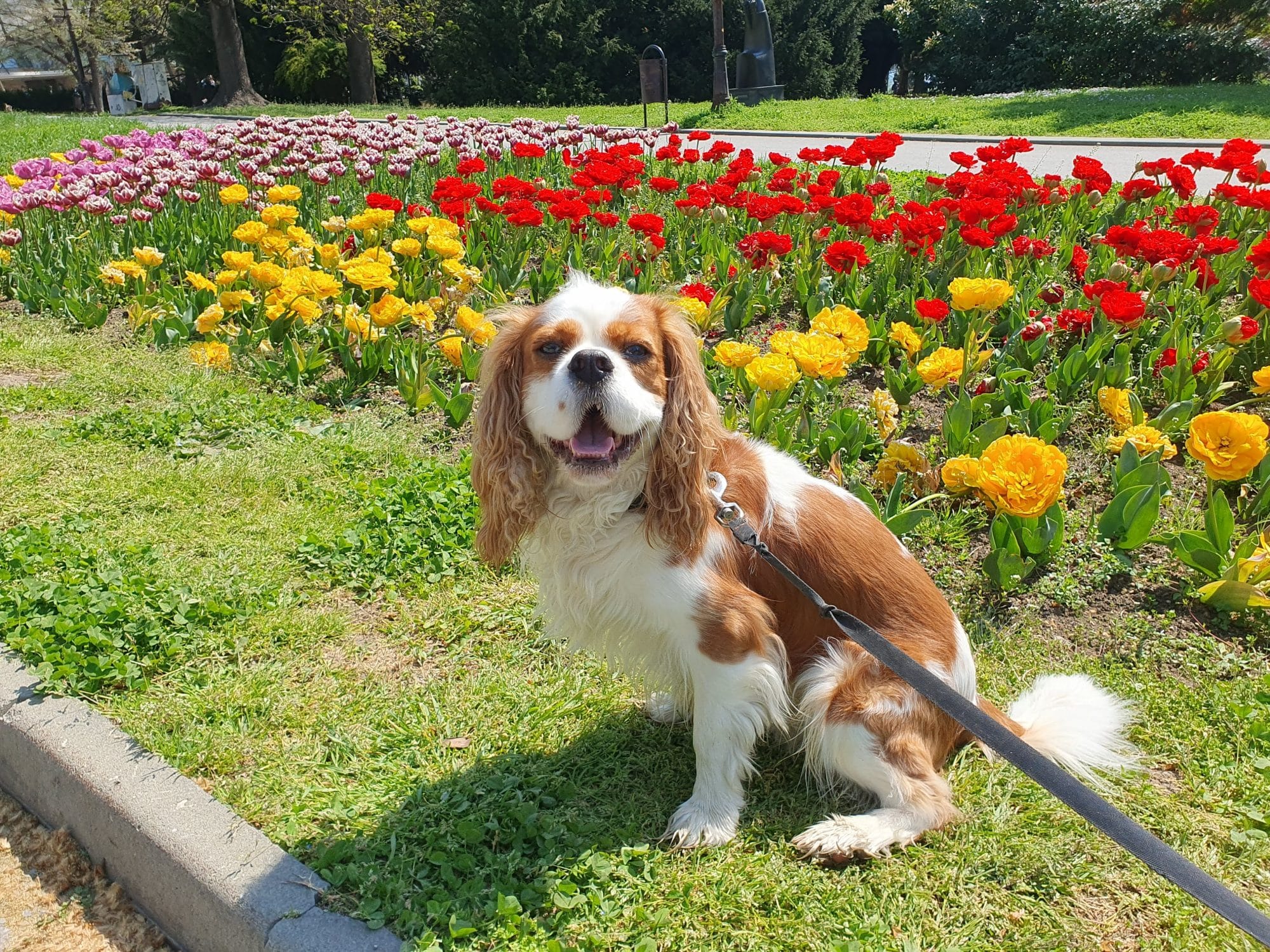
Varna has a range of architecture, from ancient ruins up to modern gems. For relaxing and walking, there is Varna Beach and the Sea Garden. The Sea Garden is a vast park that runs along the coast.
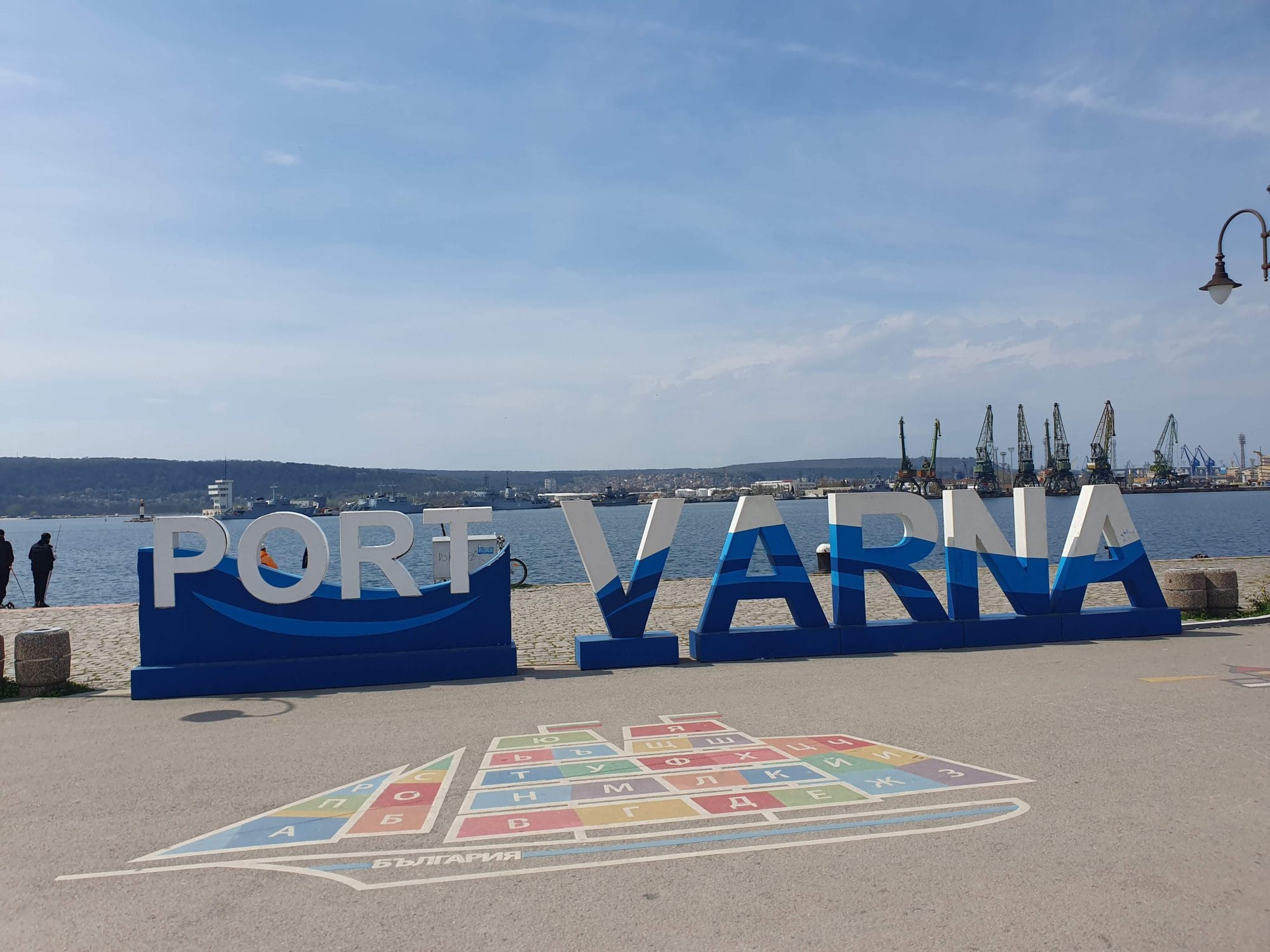
There are good bars and restaurants, including many Bulgarian, seafood and Turkish places. Finding somewhere to stay was pretty straightforward on Booking.com.
Bulgaria Travel Guide
Getting Around Bulgaria by Train
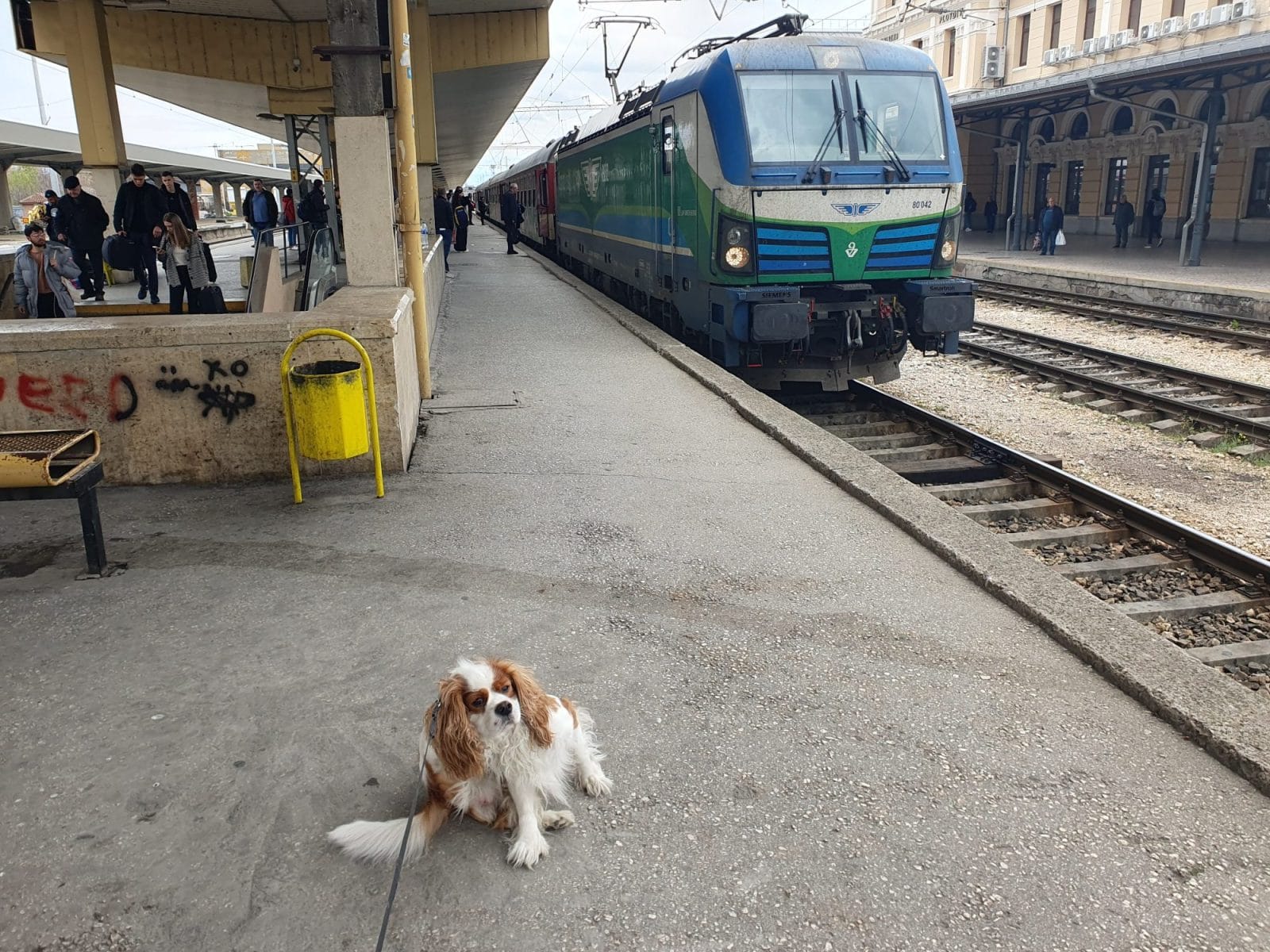
We used trains for most of our journeys in Bulgaria, including routes between Ruse, Sofia, Plovdiv, Varna and Veliko Tarnovo. The trains were a practical way to travel between cities, especially as we were travelling with Henry. Some journeys were slow, but they were useful for seeing more of the countryside.
Bulgarian Food and Drink
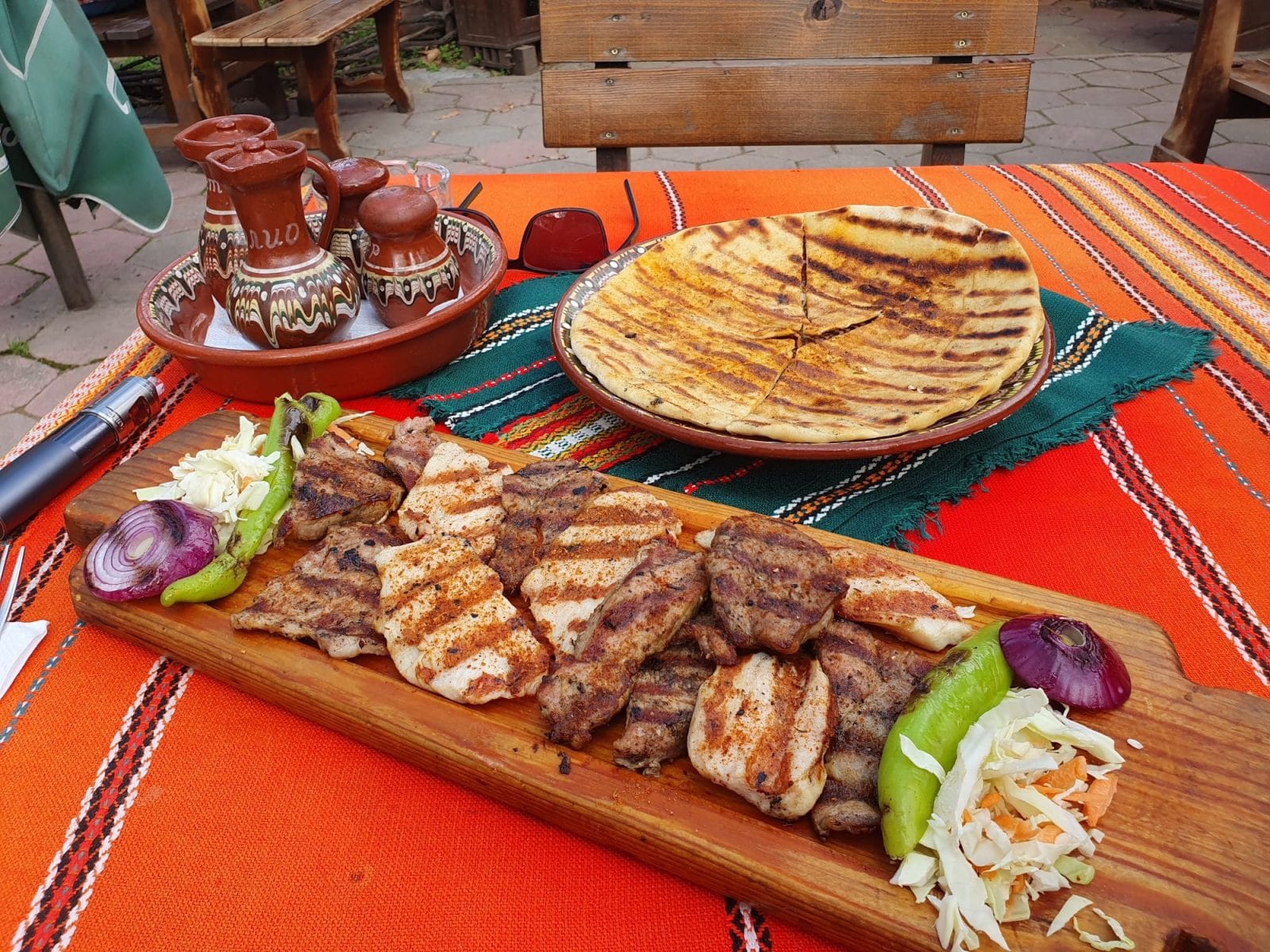
Food was one of the highlights of our time in Bulgaria. We enjoyed traditional Bulgarian cuisine in restaurants, including kavarma, shopska salad, grilled meats, tarator and local cheeses. Bulgarian beer was easy to find, and most restaurants also served local wine.
Food Markets in Bulgaria
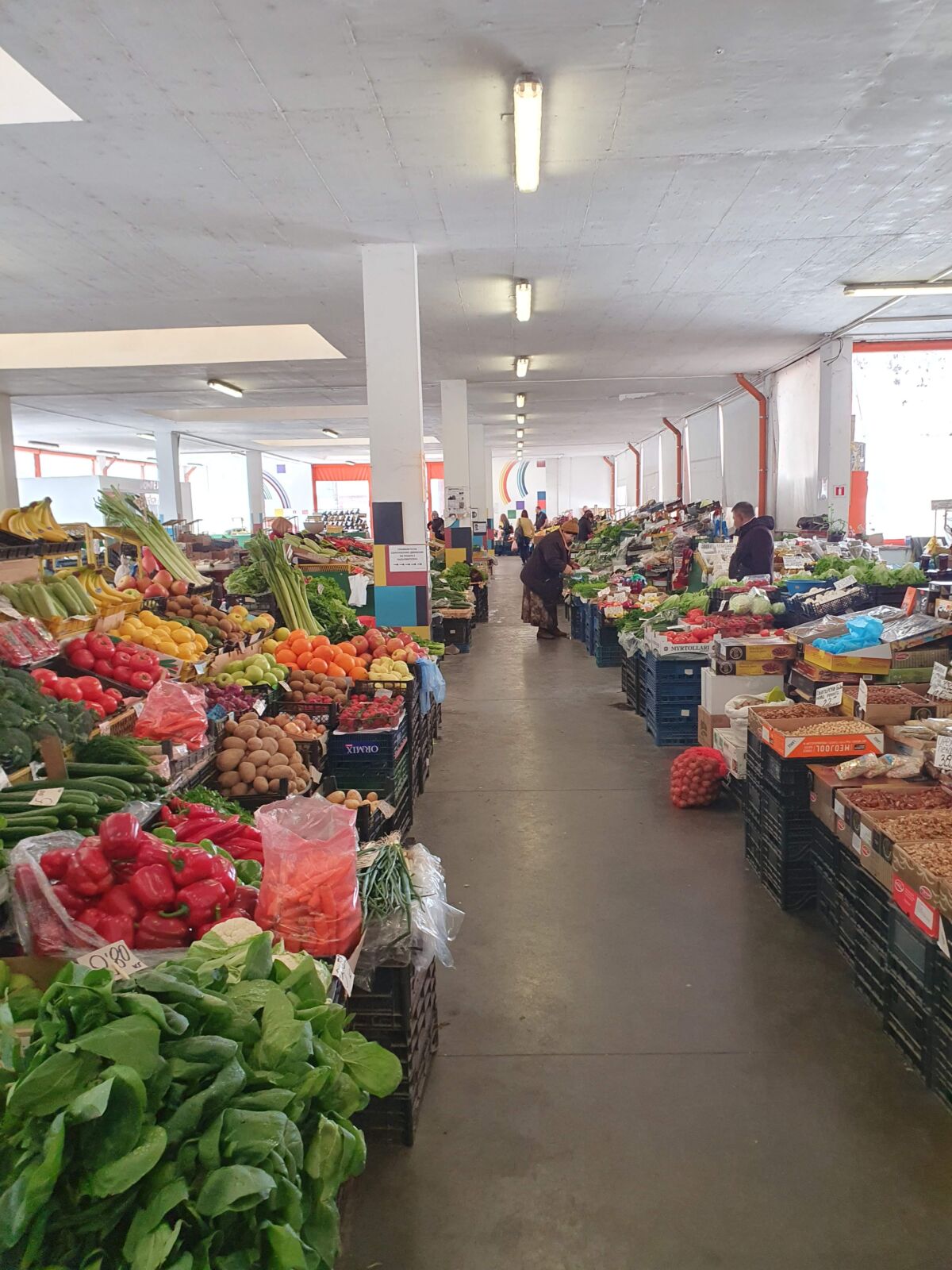

We visited food markets in several Bulgarian cities, including Sofia, Plovdiv, Varna and Veliko Tarnovo. These were useful for self-catering and for trying local produce. The markets had fruit, vegetables, herbs, honey, nuts, cheese, meat and fish, depending on the city.
Finding Accommodation in Bulgaria
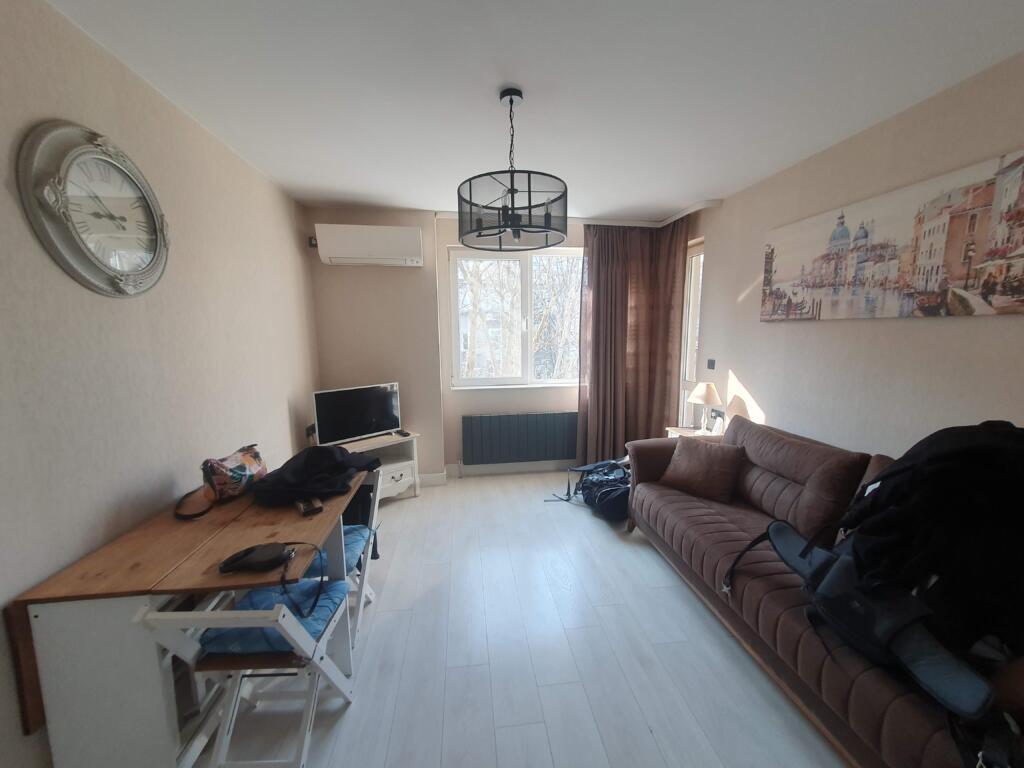
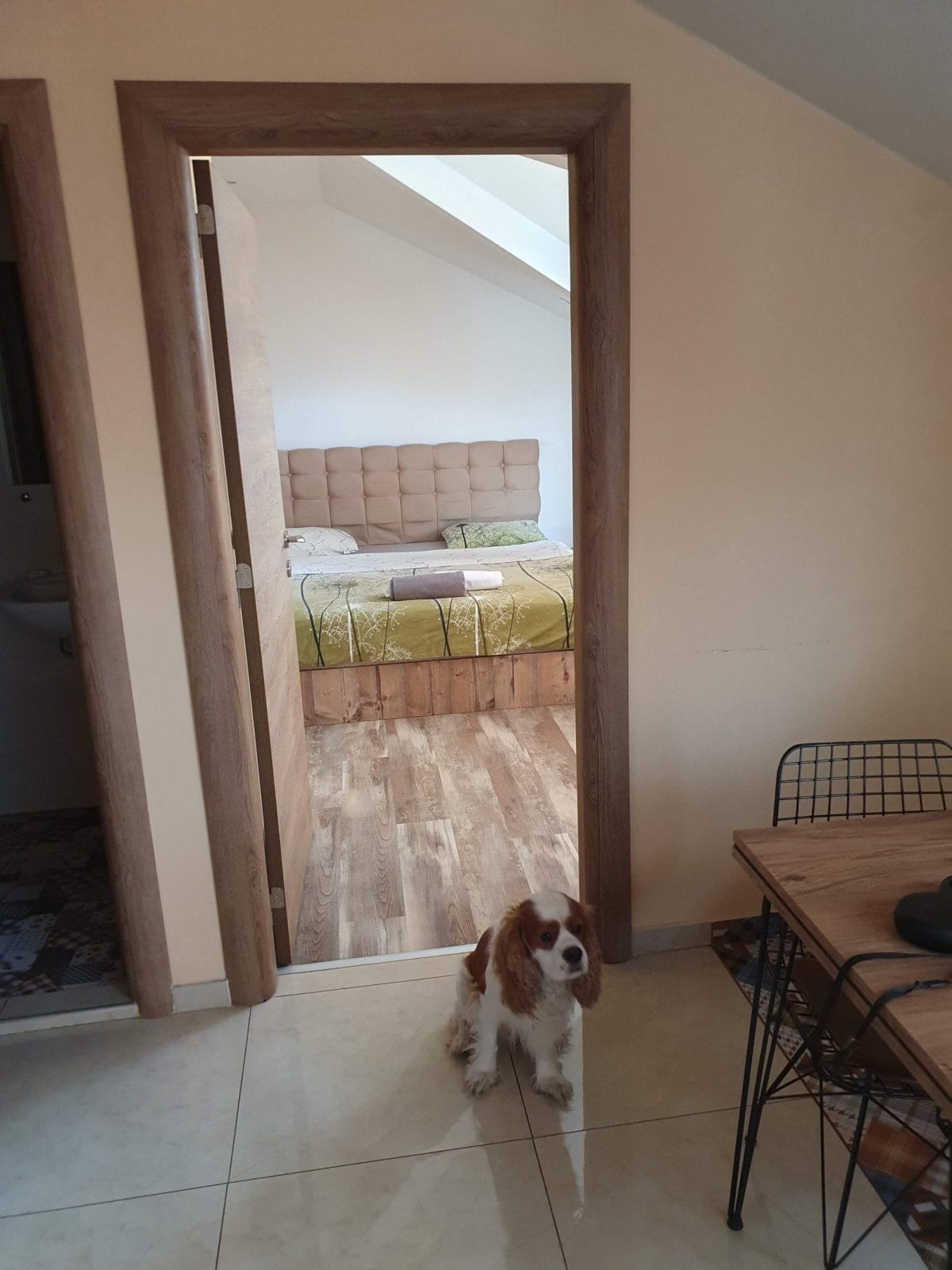
We found accommodation in Bulgaria good value, especially outside the peak summer season. Booking.com had plenty of options in the cities we visited, from hotels to apartments. For longer stays, apartments were useful because we could cook with food from the local markets.
Visiting Bulgaria With a Dog
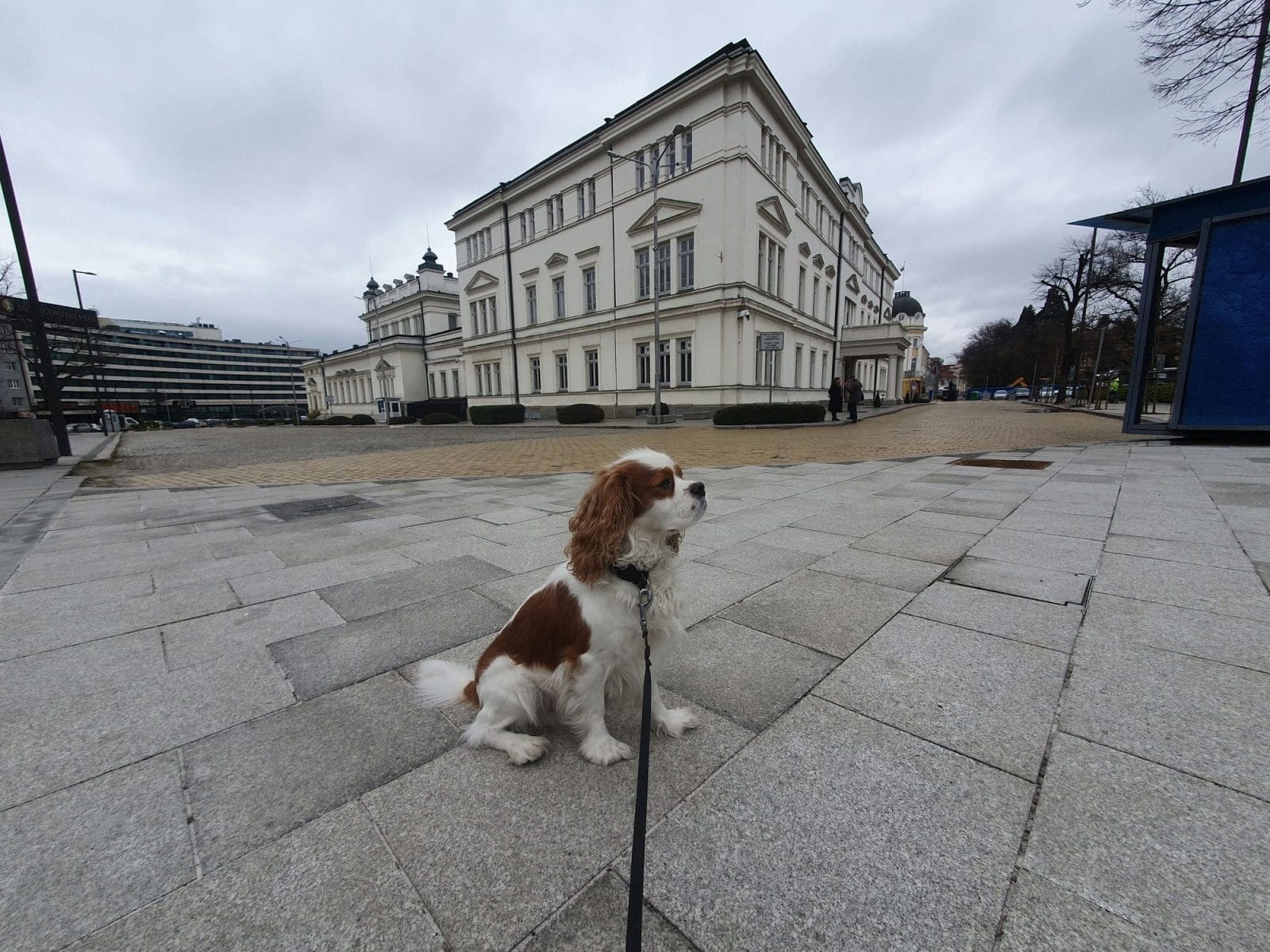
We travelled in Bulgaria with Henry and found it manageable with planning. Dog-friendly accommodation was easy enough to find with the pets-allowed filter, although some hotels charged extra. Bars or restaurants were fine with Henry sitting outside, but indoor dog-friendly places were more limited.
Is Bulgaria Worth Visiting?
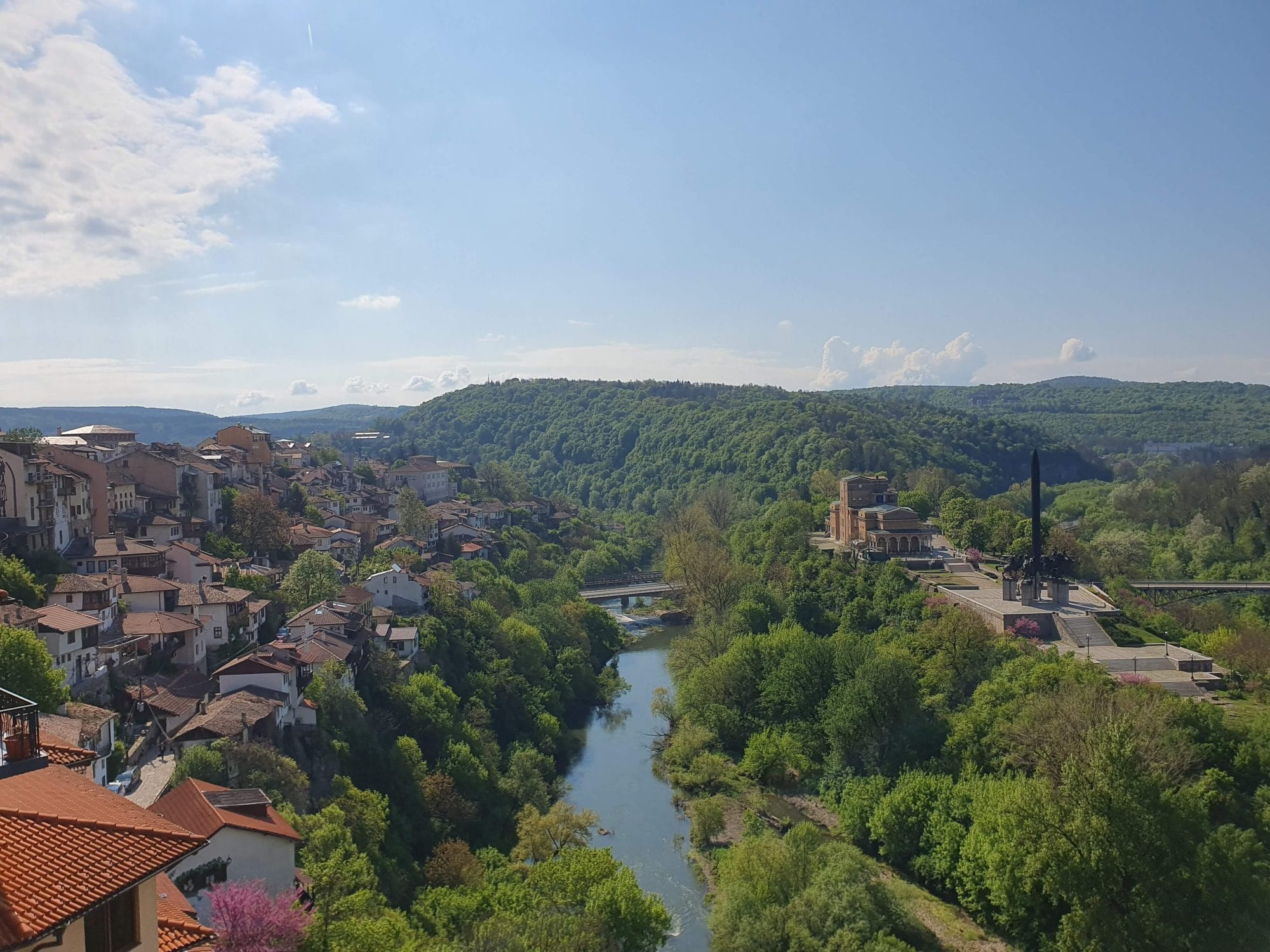
After spending nearly 3 months in Bulgaria, I found the country well worth visiting. There was a good selection of places to visit by local train. Each city had plenty of options for things to see and do; we never got bored. We visited during springtime, so it was not as busy with tourists. Finally, the local food and drink were delicious. I will certainly try to return.